
What treatment


20+ Most Frequently Asked Questions About Alternative Medicine
Find Clear and Concise Answers to Common Questions About Alternative Medicine
Trusted Medical Tourism Platform Since 2007
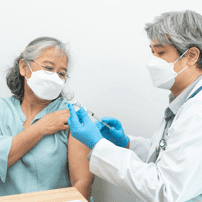
7 Key Factors to Choose the Right Medical Tourism Destination for Your Treatment Needs
Choosing the ideal medical destination involves evaluating seven vital elements: affordability, accreditation, expertise, technology, strict safety protocols, inclusive care packages, and accessibility for a hair transplant in Turkey. Key Takeaways: 7 Factors for Destination Selection Unmatched Affordability: Gain access to premium medical services without compromising on clinical excellence or facing extreme financial burdens. Global Accreditation: Rely on internationally recognized facilities that adhere to the strictest hygiene and operational standards globally. Specialized Expertise: Benefit from board-certified medical professionals who possess decades of focused, high-volume procedural experience. Advanced Technology: Experience superior aesthetic results through the latest minimally invasive micro-surgical innovations. All-Inclusive Convenience: Enjoy transparent packages that bundle the main procedure, essential medications, and post-operative aftercare seamlessly. How does cost effectiveness impact your choice for a hair transplant in Turkey? Cost effectiveness allows patients to receive premium aesthetic procedures at a fraction of Western prices. This exceptional affordability stems from favorable exchange rates and lower operational overheads rather than diminished quality. Destination Country Average Price Range Services Included United States $10,000 - $15,000 Procedure only United Kingdom $8,000 - $12,000 Procedure only Canada $9,000 - $14,000 Procedure only Eurasian Hubs $2,000 - $4,000 Procedure, PRP, Meds, Consults When evaluating healthcare destinations globally, the financial aspect is often the primary motivator for prospective patients. The hair transplant cost in Turkey is notably lower than in North America or Western Europe. This significant price difference allows individuals to undergo life-changing aesthetic procedures without incurring massive debt or depleting their savings accounts. The affordability is largely driven by domestic economic factors, including favorable foreign exchange rates and lower national costs of living. Furthermore, the local government provides robust incentives and subsidies to support the international healthcare sector, effectively lowering the tax burden on medical facilities. These savings are directly passed down to the international patient. Despite the lower prices, patients must understand that this does not equate to substandard medical care. The immense volume of procedures performed daily creates a highly competitive market where facilities must maintain exceptionally high standards to attract international clientele. Therefore, cost effectiveness serves as an entry point to accessing world-class surgical expertise. Why is medical accreditation a crucial factor for a hair transplant clinic in Turkey? Accreditation guarantees that a facility adheres to rigorous international safety and hygiene standards. Choosing an accredited medical center eliminates the risks associated with unregulated, underground healthcare practices. International Quality Benchmarks: When you select a reputable hair transplant clinic in Turkey, you ensure the facility has been audited by global organizations like the Joint Commission International. This confirms they meet the exact same sterilization and operational protocols found in top Western hospitals. Government Ministry Oversight: Legitimate clinics operate under strict oversight from the local Ministry of Health. This regulatory body enforces comprehensive mandates regarding emergency equipment, staff qualifications, and the physical infrastructure of operating rooms. Ethical Surgical Practices: Certified facilities strictly prohibit unauthorized personnel from participating in surgical interventions. Accreditation ensures that only licensed dermatologists or certified plastic surgeons manage your treatment plan and execute the medical procedures. Standardized Hygiene Protocols: Accredited centers utilize state-of-the-art autoclaves and single-use micro-punches. This rigorous dedication to infection control completely neutralizes the risk of cross-contamination and blood-borne pathogens during your aesthetic procedure. Transparent Malpractice Policies: Reputable centers maintain comprehensive medical liability insurance. Accreditation signifies that the facility operates transparently, providing international patients with clear legal recourse and guaranteed revision policies in the rare event of complications. What role does surgeon expertise play when selecting medical tourism in Turkey? Surgeon expertise dictates the aesthetic success and natural appearance of the final result. Highly experienced specialists excel in intricate hairline design, precise graft angulation, and minimizing donor area scarring. The foundation of any successful aesthetic intervention relies heavily on the hands holding the surgical instruments. When engaging in medical tourism in Turkey, patients have the unique opportunity to be treated by surgeons who perform these specific procedures exclusively, year-round. This high daily volume translates into an unparalleled level of muscle memory, precision, and clinical mastery that generalist doctors rarely achieve. Expertise extends far beyond merely extracting and planting follicles. A master surgeon approaches the scalp as a blank canvas, utilizing deep anatomical knowledge to design hairlines that complement the patient’s age, facial symmetry, and ethnicity. They understand the critical importance of graft placement angles and the natural transition from single-hair follicles at the frontal hairline to multi-hair follicles in the denser mid-scalp regions. Furthermore, an experienced specialist knows how to safeguard the donor area. Novice technicians often over-harvest follicles, leaving behind patchy, moth-eaten appearances at the back of the head. By choosing highly credentialed experts, patients ensure their existing hair reserves are managed conservatively, leaving the donor site visually intact and preserving options for any potential future touch-ups. Did You Know? Top-tier surgeons undergo meticulous training to master lateral slit techniques. By making incisions that match the exact natural growth direction of your original hair, the new grafts blend seamlessly, making it virtually impossible for observers to tell you had a cosmetic procedure performed. How does advanced technology influence the success of a hair transplant in Turkey? Advanced medical technology drastically reduces tissue trauma and significantly accelerates the healing process. Innovations like gemstone blades and specialized implanter pens ensure higher graft survival rates and denser results. Sapphire Blade Precision: Modern procedures utilize blades crafted from synthetic sapphire rather than traditional steel. These incredibly sharp, smooth gemstone blades create smaller, V-shaped micro-incisions that minimize scalp bleeding, reduce post-operative crusting, and allow for a much tighter packing of follicles. Direct Implantation Devices: The utilization of the Choi Implanter Pen revolutionized the aesthetic field. This pen-like tool allows the specialist to simultaneously open the channel and implant the follicle in one seamless motion, drastically reducing the time the graft spends outside the body and boosting survival rates. Painless Anesthesia Delivery: Gone are the days of painful needle injections directly into the scalp. Premium facilities now utilize needle-free jet injectors that deliver localized numbing agents into the dermal layers using high-pressure air, making the initial stages of the procedure virtually painless for the patient. Micro-Motor Extractors: Surgeons use sophisticated, low-speed micro-motors equipped with tiny punches ranging from zero point six to zero point eight millimeters. This technology extracts individual follicular units with utmost precision, completely avoiding linear scarring and protecting adjacent healthy hairs from collateral damage. Digital Density Analysis: Before the surgery even begins, advanced computerized scalp analysis is performed. Specialized macro-cameras assess donor density, hair caliber, and scalp elasticity, allowing the medical team to precisely calculate exactly how many grafts can be safely harvested without compromising your natural appearance. Why are safety protocols vital for your hair transplant clinic in Turkey choice? Rigorous safety protocols protect patients from life-threatening complications and infections. Comprehensive pre-operative screenings and emergency preparedness are non-negotiable elements when undergoing elective medical procedures abroad. Traveling overseas for any medical intervention naturally raises valid concerns regarding clinical safety and hygiene. When evaluating your hair transplant clinic in Turkey, investigating their safety infrastructure is paramount. A reputable facility treats this aesthetic procedure with the exact same gravity as major cardiovascular surgery. This begins with mandatory, comprehensive pre-operative blood testing to screen for communicable diseases, clotting disorders, and hidden infections that could jeopardize your health during the operation. Furthermore, continuous patient monitoring during the prolonged surgery is a critical safety protocol. Because these procedures can last anywhere from six to eight hours, the medical team must constantly observe the patient’s blood pressure, heart rate, and oxygen saturation levels. Premium clinics employ dedicated anesthesiologists or specialized emergency nurses who remain in the operating theater specifically to monitor these vital signs while the surgical team focuses on the extraction and implantation processes. Finally, emergency preparedness defines a truly safe medical environment. While complications are exceedingly rare, the best facilities are fully equipped with defibrillators, emergency oxygen supplies, and fully stocked crash carts. They also have established, rapid-response transfer protocols with major multi-specialty hospitals located nearby, ensuring that in the highly unlikely event of an adverse allergic reaction, critical care is available within minutes. Expert Insight Always inquire about the sterilization methods used for surgical instruments. Elite centers utilize Class B medical autoclaves, which use vacuum-assisted steam to penetrate porous materials and hollow instruments perfectly, completely neutralizing any potential bacterial or viral threats. How do comprehensive care packages affect hair transplant cost in Turkey? Comprehensive care packages transform a complex medical journey into a seamless, stress-free experience. These bundled offers provide transparent pricing, consolidating the procedure, medications, and specialized aftercare into one fixed fee. Complete Medication Kits: Premium packages include all necessary post-operative pharmacology. Patients receive customized kits containing a full course of antibiotics, clinical-grade pain relievers, anti-inflammatory steroids to combat facial swelling, and specialized post-op lotions, completely removing hidden pharmacy costs. Platelet Rich Plasma Therapy: To maximize graft survival, many high-end bundles include complementary PRP sessions. This involves drawing the patient’s own blood, isolating the growth factors, and injecting them directly into the scalp during surgery, significantly boosting the healing speed and follicle strength. Multilingual Medical Interpreters: Clear communication is vital for medical consent and post-op instructions. Bundled packages guarantee the presence of fluent, dedicated language interpreters who accompany the patient during doctor consultations, blood tests, and the procedure itself, ensuring absolute clarity. Extensive Post-Operative Consultations: A successful outcome depends heavily on aftercare. These packages include detailed, in-person follow-up appointments the day after surgery, where the medical team conducts the first crucial medical hair wash and thoroughly inspects the newly implanted grafts. Lifetime Digital Support: Recovery takes up to eighteen months. Top clinics offer lifelong digital aftercare programs, allowing international patients to send monthly photo updates to their surgical team via secure messaging apps to monitor progress and receive ongoing expert guidance. What makes location accessibility vital for medical tourism in Turkey? Geographical accessibility ensures patients can reach their destination without physical exhaustion. Direct flight routes and streamlined entry protocols drastically reduce pre-surgery stress and make the post-surgery journey home vastly more comfortable. When planning a major aesthetic journey, logistical convenience plays a massive role in the overall patient experience. The success of medical tourism in Turkey is heavily supported by its strategic geographical positioning at the crossroads of Europe and Asia. Major aviation hubs offer daily, direct flights from nearly every major city in Europe, the Middle East, and North America. This hyper-connectivity means patients do not have to endure grueling, multi-layover journeys while feeling anxious about an upcoming medical procedure. Furthermore, streamlined diplomatic entry requirements greatly enhance accessibility. The government has implemented highly efficient digital visa systems that allow international patients to secure entry authorization online within minutes. This completely eliminates the bureaucratic nightmares, long embassy queues, and complex paperwork traditionally associated with traveling internationally for specialized healthcare treatments. Accessibility also refers to the localized infrastructure within the destination city. Premier medical facilities are strategically located near central business districts or quiet residential recovery zones. This urban planning ensures that pharmacies, international banking services, and dietary accommodations are merely a brief walk away, allowing recovering patients to focus entirely on rest and recuperation rather than navigating a complex foreign environment. How do patient reviews help find the best hair transplant clinic in Turkey? Patient reviews and independent testimonials provide unfiltered insights into the true clinical experience. Analyzing real-world feedback helps prospective patients identify ethical practitioners and avoid facilities with deceptive marketing practices. Analyzing Long-Term Results: Immediate post-op photos show very little about final success. Detailed patient reviews often contain updates spanning twelve to eighteen months, proving whether the grafts actually survived, grew with adequate density, and matched the natural hair texture accurately. Evaluating Surgeon Involvement: Reviews often highlight who actually performed the surgery. This feedback is critical for exposing deceptive facilities where famous head doctors only conduct the initial five-minute consultation while inexperienced technicians perform the entirety of the delicate surgical extraction. Assessing Aftercare Quality: True clinical quality shines through post-operative support. Patient testimonials reveal how clinics handle emergencies or anxieties once the patient returns to their home country, distinguishing deeply ethical medical centers from those that abandon patients after receiving payment. Verifying Independent Forums: The most reliable reviews are found on independent, patient-led forums rather than official clinic websites. These highly moderated communities dissect hairline designs and graft counts critically, offering unbiased perspectives that cut through aggressive international marketing campaigns. Video Testimonial Credibility: Text can be fabricated, but high-definition video testimonials provide irrefutable proof. Watching real patients comb through their new hair under harsh lighting allows you to assess the genuine density and verify the complete absence of visible scarring in the donor area. Why choose PlacidWay for your hair transplant in Turkey journey? PlacidWay acts as your premier healthcare advocate, meticulously connecting you with verified, elite medical centers. We eliminate the guesswork from international healthcare, ensuring absolute safety, cost transparency, and continuous patient support. Rigorous Facility Vetting: We perform extensive background checks on every medical center in our network. PlacidWay guarantees that you are matched exclusively with internationally accredited hospitals that possess flawless safety records and adhere strictly to global hygiene protocols. Access to Board-Certified Specialists: We connect patients directly with world-renowned, credentialed surgeons rather than anonymous technicians. You receive care from highly experienced medical professionals who specialize specifically in advanced follicular extraction and aesthetic hairline design. Complete Financial Transparency: PlacidWay ensures that every quote provided is comprehensive and fully transparent. We negotiate directly with the medical centers to provide all-inclusive pricing models, thoroughly protecting our patients from unexpected hospital bills or hidden surgical fees. Dedicated Patient Advocacy: Navigating a foreign medical system requires a trusted partner. Our dedicated patient care representatives serve as your personal advocates, assisting with complex medical communications, translating surgical documents, and ensuring your specific health needs are prioritized. Continuous Medical Follow-Up: Our commitment to your health continues long after the procedure is completed. PlacidWay actively coordinates post-operative digital consultations between you and your surgeon, ensuring your healing process is closely monitored until optimal aesthetic results are achieved. Frequently Asked Questions About Choosing a Medical Destination How long does recovery take after a hair transplant in Turkey? The initial recovery phase typically lasts seven to ten days, during which the newly transplanted grafts securely anchor into the scalp. Patients may experience mild swelling and redness, but most can return to non-strenuous daily activities within a week. Full density and final results are visible after twelve to eighteen months. What is the difference between techniques at a hair transplant clinic in Turkey? The two primary methods are Follicular Unit Extraction and Direct Hair Implantation. The first method involves extracting grafts and opening micro-channels before implantation, making it ideal for covering large bald areas. The latter uses a specialized pen to implant grafts directly without pre-opening channels, allowing for higher density and precision without shaving the recipient area. Are the results of a hair transplant in Turkey permanent? Yes, the results are considered permanent. Surgeons harvest hair follicles from the donor area at the back of the head, which is genetically resistant to the hormone responsible for male pattern baldness. Once relocated, these follicles retain their genetic resistance and continue to grow naturally for the rest of the patient’s life. How do I maintain my grafts after medical tourism in Turkey? Post-operative maintenance requires washing the scalp with a specialized, mild lotion and shampoo provided by your surgical center. You must avoid direct sunlight, heavy sweating, and wearing tight hats for the first month. Following the exact washing protocols ensures the crusts shed naturally without damaging the newly implanted follicles. How many grafts can safely be extracted during a hair transplant in Turkey? A standard session can safely extract between three thousand and five thousand grafts, depending on the density and health of the donor area. Extracting too many grafts in a single session can cause donor site depletion or shock loss. If a patient requires more extensive coverage, surgeons often recommend splitting the treatment into two separate sessions spaced several months apart. Can women successfully undergo a hair transplant in Turkey? Absolutely. Female hair restoration requires a highly tailored approach, often utilizing the unshaven method to maintain hair length. Surgeons focus on increasing density along the part line or lowering the hairline. Extensive blood panels are usually conducted first to ensure the thinning is not caused by treatable hormonal imbalances or vitamin deficiencies. What are the common side effects after visiting a hair transplant clinic in Turkey? Common side effects include temporary swelling around the forehead and eyes, mild itching as the scalp heals, and localized numbness. These symptoms are entirely normal and typically resolve within a few days to a couple of weeks. Patients are given anti-inflammatory medications and pain relievers to manage any temporary discomfort effectively. How should I sleep after undergoing a hair transplant in Turkey? For the first ten days, patients must sleep on their back with their head elevated at a forty-five-degree angle using neck pillows. This upright sleeping position is crucial to prevent the newly implanted grafts from rubbing against the pillow and becoming dislodged, while also helping to significantly reduce facial swelling. When can I resume exercise after medical tourism in Turkey? Light exercises, such as brief walking, can be resumed after a few days. However, you must strictly avoid heavy weightlifting, intense cardiovascular workouts, and swimming for at least one full month. Excessive sweating increases the risk of infection, and elevated blood pressure can cause the fresh grafts to pop out. Do I need to follow a special diet after my hair transplant in Turkey? While there is no strict medical diet, consuming meals rich in protein, iron, and vitamins promotes faster healing and healthier follicle growth. Surgeons highly recommend eliminating alcohol consumption and avoiding tobacco products for at least two weeks before and after the procedure, as these substances severely restrict blood flow to the scalp. Start Your Aesthetic Transformation Journey Today Do not leave your surgical safety to chance. PlacidWay connects you with globally recognized, strictly accredited facilities. Receive a personalized evaluation from board-certified specialists and unlock exclusive, all-inclusive medical packages tailored exactly to your restorative needs. Get Your Free Quote...
Read more details

.png)
Why is Medical Tourism in Kuala Lumpur Becoming Popular Among Asian Patients?
Kuala Lumpur offers a compelling mix of high-quality, affordable healthcare from internationally accredited facilities and a culturally familiar environment, making it a top choice for Asian patients seeking world-class medical treatment without the high cost. Have you ever wondered why so many people from across Asia are choosing Kuala Lumpur for their medical needs? The city is rapidly transforming into a global healthcare hub, and it’s not just by chance. The rise of medical tourism in Malaysia specially in the city of Kuala Lumpur is fueled by a powerful combination of factors that resonate deeply with patients from neighboring countries. At its core, Malaysia offers a solution to a common problem: the need for high-quality medical care that doesn't break the bank. Patients are discovering that they can receive treatments from highly skilled, internationally trained doctors in state-of-the-art hospitals for a fraction of the cost they would pay back home or in Western countries. But it's more than just savings. The experience of receiving care in Kuala Lumpur is designed to be seamless and comfortable. English is widely spoken, removing communication barriers that can be a major source of stress. Furthermore, there's a deep cultural understanding, especially for fellow Asians. The Malaysian government, through the Malaysia Healthcare Travel Council (MHTC), has actively worked to create a welcoming and efficient ecosystem for international patients. From streamlined visa processes to dedicated hospital support staff, every step of the journey is considered. This focus on patient experience, combined with top-tier medical expertise and affordability, is precisely why Kuala Lumpur is no longer just a tourist destination but a leading center for healing and wellness in Asia. What makes healthcare in Kuala Lumpur so affordable? Healthcare in Kuala Lumpur is affordable due to lower operational costs, government initiatives to control prices, and a favorable currency exchange rate for most international patients. This allows hospitals to offer high-quality services at a significantly lower price point than in many other countries. The primary driver behind the affordability of healthcare in Malaysia is the country's lower cost of living and operations compared to nations like Singapore, Australia, or the United States. This includes everything from staff salaries and administrative expenses to the cost of constructing and maintaining world-class medical facilities. The Malaysian government also plays a crucial role in keeping prices competitive, ensuring that healthcare remains accessible without compromising on quality. For Asian patients, the value is often magnified by favorable currency exchange rates. This means their home currency goes further in Malaysia, making even major procedures like cardiac surgery or joint replacements significantly cheaper. For instance, a procedure that might cost tens of thousands of dollars in a Western country can often be done for a third of the price in Kuala Lumpur, with comparable or even better outcomes. This cost-effectiveness extends beyond the hospital bill to include accommodation, transport, and food, making the entire trip more economical. How does the quality of Malaysian hospitals compare internationally? The quality of Malaysian hospitals is on par with top global standards. Many private hospitals in Kuala Lumpur are internationally accredited by bodies like the Joint Commission International (JCI), and staffed by highly qualified, English-speaking medical professionals. When considering medical treatment abroad, quality and safety are non-negotiable. Kuala Lumpur shines in this regard, with a robust private healthcare sector that adheres to stringent international standards. A significant number of its hospitals have sought and received accreditation from prestigious international organizations. The most notable among these is the Joint Commission International (JCI), which is considered the gold standard in global healthcare. This accreditation signifies that a hospital meets rigorous benchmarks in patient safety, clinical excellence, and quality of care. Furthermore, the expertise of the medical staff is a cornerstone of Malaysia's healthcare reputation. Many doctors and surgeons in Kuala Lumpur have received their training and specialization from renowned institutions in the United Kingdom, the United States, Australia, and other Western countries. This international exposure ensures they are proficient in the latest medical techniques and technologies. The widespread use of English among all hospital staff, from nurses to specialists, ensures clear communication and a comfortable experience for international patients. What are the most popular treatments for medical tourists in Kuala Lumpur? The most popular treatments for medical tourists in Kuala Lumpur include cardiology, fertility treatments (IVF), oncology (cancer care), orthopedics (joint replacements), and cosmetic surgery, due to the high success rates and significant cost savings. Kuala Lumpur has developed several centers of excellence that attract a high volume of international patients. These specialized fields offer a combination of advanced technology, experienced specialists, and exceptional value. Stem Cell Therapy: Stem Cell Therapy Centers in Kuala Lumpur Malaysia provides treatments for various diseases such as Autism, COPD, ALS, Diabetes and many more and clinics are performed the procedures with state-of-the-art technology at a fraction of global costs. Fertility Treatments: The country has gained a strong reputation for its high success rates in In-Vitro Fertilization (IVF). Fertility centers in Kuala Lumpur are equipped with modern labs and staffed by empathetic specialists. Oncology: Comprehensive cancer care, from screening and diagnosis to advanced therapies like chemotherapy and radiotherapy, is available. Hospitals offer integrated care plans in a supportive environment. Orthopedics: Joint replacement surgeries, especially for the knee and hip, are extremely common. Patients benefit from minimally invasive techniques and comprehensive rehabilitation programs. Cosmetic and Dental Surgery: A wide range of aesthetic procedures and high-quality dental work, including implants and veneers, are available at very competitive prices. Is it easy to communicate with doctors and staff? Yes, communication is very easy. English is an official language and is widely spoken by virtually all doctors, nurses, and hospital administrators in Kuala Lumpur's private hospitals, eliminating language barriers for international patients. One of the most significant advantages of choosing medical tourism in Kuala Lumpur is the ease of communication. Unlike in some other medical tourism destinations where language can be a major hurdle, English is fluently spoken throughout the Malaysian healthcare system. This proficiency is a direct result of the country's historical ties and its educational system, where English is a compulsory subject. This linguistic advantage cannot be overstated. It allows patients to discuss their symptoms, concerns, and treatment options directly with their doctors without the need for an interpreter. This ensures that there are no misunderstandings and that the patient can give fully informed consent. The comfort of being able to communicate freely with nurses and support staff contributes significantly to a positive and stress-free patient experience. What role does the government play in medical tourism? The Malaysian government actively promotes and regulates the industry through the Malaysia Healthcare Travel Council (MHTC), which ensures quality standards, streamlines visa processes, and markets Malaysia as a premier global healthcare destination. The success of Malaysia's medical tourism sector is heavily supported by strategic government backing. The Ministry of Health established the Malaysia Healthcare Travel Council (MHTC) in 2009 to act as a one-stop shop for the industry. The MHTC's mission is to facilitate a seamless end-to-end experience for medical travelers. MHTC works closely with private hospitals to ensure they meet international standards of quality and care. They also collaborate with immigration departments to offer special medical visas (e-visas) that can be extended to accommodate longer treatment and recovery periods. This public-private partnership is key to maintaining trust and quality, as it assures patients that the industry is well-regulated and focused on their well-being. The government's "Malaysia Year of Medical Tourism 2026" campaign further underscores its commitment to growing the sector. Are there long waiting times for procedures? No, waiting times in Kuala Lumpur's private hospitals are minimal. Patients can typically schedule consultations and major procedures within days or weeks, a stark contrast to the long waiting lists common in many countries' public healthcare systems. For patients facing long and often agonizing waits for surgery in their home countries, Kuala Lumpur offers a swift and efficient alternative. The private healthcare system is well-equipped and organized, allowing for prompt scheduling of appointments, diagnostic tests, and surgical procedures. This efficiency is a major draw for those whose conditions may worsen over time or who are living in chronic pain. This ability to receive timely care not only improves medical outcomes but also reduces the stress and uncertainty associated with being on a waiting list. Hospitals in Kuala Lumpur have dedicated international patient centers that help coordinate all aspects of care, ensuring a smooth and expedited process from the moment of first contact. Is Kuala Lumpur a safe and comfortable city for recovery? Yes, Kuala Lumpur is generally a very safe and comfortable city for medical tourists. It offers modern infrastructure, a wide range of affordable accommodation, and a welcoming, multicultural environment, making it an ideal place for recovery. Patient safety extends beyond the hospital walls. Kuala Lumpur is a modern, politically stable city with a low rate of violent crime. While petty crime like bag-snatching can occur, being aware of one's surroundings is usually sufficient to stay safe. The city's infrastructure is excellent, with reliable transportation and a wide variety of accommodation options, from budget-friendly serviced apartments to luxury hotels, often located near major hospitals. The recovery period can be a pleasant experience, with access to healthy food, peaceful parks, and modern shopping malls. The cultural similarities and friendly nature of Malaysians help patients and their families feel at ease. This comfortable and low-stress environment is highly conducive to a smooth and speedy recovery. Is Malaysia a good option for Muslim patients? Absolutely. Malaysia is a leading destination for Halal-friendly medical tourism. Hospitals provide Halal food, prayer facilities, and culturally sensitive care, making it an ideal and comfortable choice for Muslim patients from countries like Indonesia and the Middle East. As a Muslim-majority country, Malaysia is uniquely positioned to cater to the needs of Muslim patients. The concept of Halal-friendly healthcare is deeply integrated into the system. This goes beyond just providing Halal-certified food. Hospitals are equipped with prayer rooms (surau), and staff are trained to be mindful of Islamic practices and modesty requirements. This cultural and religious alignment is a massive draw for patients from Indonesia, the Middle East, and other Muslim nations. It provides peace of mind, allowing patients to focus on their recovery without having to worry about dietary restrictions or finding suitable places for worship. This inherent understanding of their needs makes them feel respected and welcome. Can I combine my treatment with a holiday? Yes, many patients combine their medical treatment with a holiday. Kuala Lumpur offers world-class shopping, dining, and cultural attractions, and Malaysia's beautiful islands and rainforests are easily accessible for a post-recovery vacation. The concept of a "medical holiday" is one of the appealing aspects of choosing Kuala Lumpur. Before their procedure or after they have been cleared for travel by their doctor, patients and their accompanying family members can explore the vibrant city and its surroundings. Kuala Lumpur is famous for its iconic Petronas Towers, bustling street markets, and incredible food scene. For those looking for a more relaxing getaway, Malaysia offers stunning natural beauty. A short flight can take you to the idyllic beaches of Langkawi, the historic streets of Penang, or the lush rainforests of Borneo. Combining treatment with tourism not only makes the trip more enjoyable but can also aid in mental and emotional recovery, turning a medical necessity into a rejuvenating experience. Ready to Explore Your Healthcare Options in Kuala Lumpur? Finding the right hospital and doctor is the most important step in your medical journey. PlacidWay connects you with world-class, accredited medical facilities in Kuala Lumpur and around the globe. Explore your options, get free quotes, and plan your treatment with confidence....
Read more details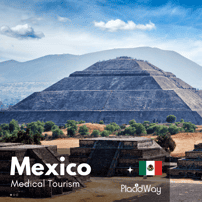
What is the cost of Chelation Therapy for Cancer in Mexico?
Chelation therapy, primarily for heavy metal removal, is sometimes promoted for cancer in alternative medicine in Mexico. However, it's crucial to understand that major health organizations do not support its use for cancer due to a lack of scientific evidence. This post will cover the costs and key facts about chelation therapy for cancer in Mexico. What is chelation therapy and how is it claimed to treat cancer? "Chelation therapy uses agents to remove heavy metals from the body. Some alternative clinics claim it treats cancer by removing 'toxins' or metals believed to contribute to cancer, but these claims lack scientific evidence." While medically proven for heavy metal poisoning, its use for cancer is based on unproven theories. Mainstream medical bodies confirm there's no scientific backing for chelation therapy as a cancer treatment. What is the cost of chelation therapy for cancer in Mexico? "The cost of chelation therapy for cancer in Mexico can range from a few thousand to over $15,000 USD for a course of treatment, depending on the clinic, number of sessions, and whether it's part of a larger, often unproven, 'alternative cancer treatment' package." Pricing is highly variable and often includes other unproven therapies. Patients should ask for detailed breakdowns to understand what's covered. Is chelation therapy for cancer effective according to scientific evidence? "No, major scientific and medical organizations, including the American Cancer Society, state that there is no scientific evidence to support the effectiveness of chelation therapy as a treatment for cancer. Its use for cancer is considered unproven and potentially harmful." Leading medical bodies are clear: chelation therapy is not an effective cancer treatment. Its use lacks clinical trial evidence and should be viewed with skepticism, especially if promoted as a primary cancer treatment. What are the risks and side effects of chelation therapy, especially for cancer patients? "The risks and side effects of chelation therapy can be significant, including dehydration, dangerously low blood calcium levels, kidney damage, liver damage, electrolyte imbalances, and allergic reactions. For cancer patients, these risks are even more severe, potentially leading to death." Improper use can lead to serious complications, including harm to vital organs or dangerous mineral deficiencies. Cancer patients, often already fragile, are particularly vulnerable to these adverse effects. What is the regulatory status of chelation therapy for cancer in Mexico? "In Mexico, COFEPRIS (Federal Commission for Protection Against Sanitary Risks) regulates medical treatments. While chelation therapy is recognized for heavy metal poisoning, its use as a primary cancer treatment is not approved or scientifically supported. Clinics offering it for cancer often operate in a regulatory gray area." COFEPRIS works to ensure safety, but patients should be cautious about clinics making unproven cancer treatment claims. It's crucial to verify that any clinic adheres to recognized medical standards. How does chelation therapy compare to conventional cancer treatments? "Chelation therapy is not comparable to conventional cancer treatments like surgery, chemotherapy, or radiation. Conventional treatments are evidence-based and scientifically proven to destroy cancer cells, while chelation therapy for cancer lacks scientific backing for its efficacy." Conventional cancer treatments target cancer directly with proven methods. Chelation therapy for cancer is based on unproven theories and should not be considered a substitute for standard, evidence-based care. Can chelation therapy be used alongside conventional cancer treatments? "While chelation therapy is not a recognized cancer treatment, some patients might consider it under strict medical supervision for documented heavy metal poisoning, but not to enhance cancer outcomes. There's no evidence it helps conventional treatments, and it carries risks of interactions or side effects." If heavy metal poisoning is confirmed, chelation can treat that specific issue. However, using it to treat cancer or alongside conventional cancer treatments for purported anti-cancer effects is not scientifically supported and could pose risks. What should I consider if I'm looking for cancer treatment in Mexico? "When seeking cancer treatment in Mexico, prioritize clinics offering evidence-based, scientifically proven therapies and recognized accreditations. Be cautious of 'miracle cures' or treatments like chelation for cancer that have high costs and lack robust scientific support." Mexico offers quality conventional cancer care. Look for accredited hospitals providing proven treatments. Always consult your oncologist and be skeptical of clinics promising cures with unproven therapies. Explore PlacidWay for solutions related to medical tourism and healthcare services. ?...
Read more detailsShare with AI
Share this page with AI assistants to get summaries and insights


Explore Alternative Medicine: Stories, Testimonials, and Procedures
Watch in-depth videos covering everything from Alternative Medicine success stories to detailed procedure explanations. Learn what to expect and hear from real patients.
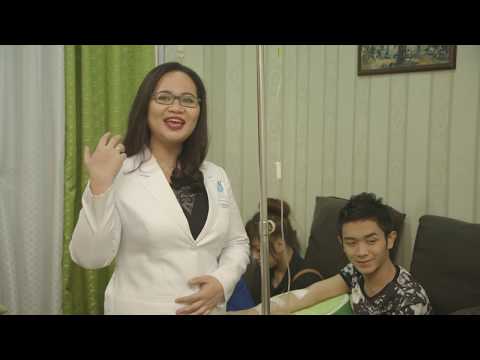
Holistic Integrative Care Center, Makati City, Philippines
Alternative Medicine
Holistic International Comprehensive Care Philippines
Quezon City, Philippines
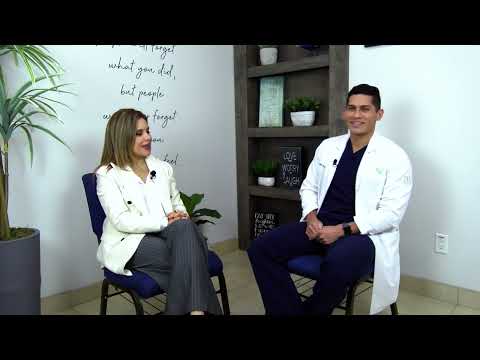
IV Chelation Therapy for Heavy Metal Detoxification – Benefits and Process in Tijuana, Mexico
Alternative Medicine
Alternative Cancer Treatment by ITC - Immunity Therapy Center
Tijuana, Mexico
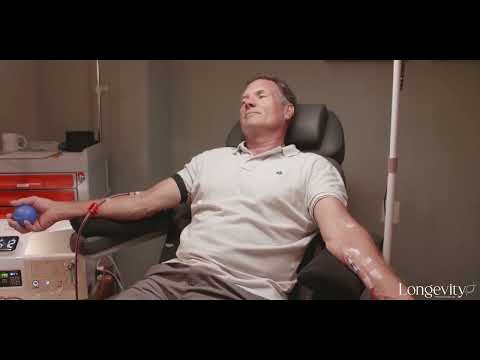
Luxury Regenerative Wellness: TriFusion Ozone Therapy Mexico for Energy, Immunity, and Longevity
Alternative Medicine
Longevity Medical Institute® - Recognized as the #1 Stem Cell and Anti-Aging Clinic in Los Cabos, Mexico
Cabo San Lucas,Baja California,Cabo,Los Cabos,San Jose del Cabo, Mexico
What - Defining the Concept Behind Health Tourism Overseas
Cosmetic/Plastic Surgery
PlacidWay Medical Tourism
Denver, United States
Unlock the Best Alternative Medicine Packages Just for You
Discover the ultimate Alternative Medicine packages designed to meet your health and wellness goals. Choose the perfect fit for your journey.

Price starting from $10,000
EBOO Therapy Package in Gujarat, India by Dr. Pravin Patel
Dr. Pravin Patel Innovative Hospital & Research Center
- Alternative Medicine
Vadodara, India
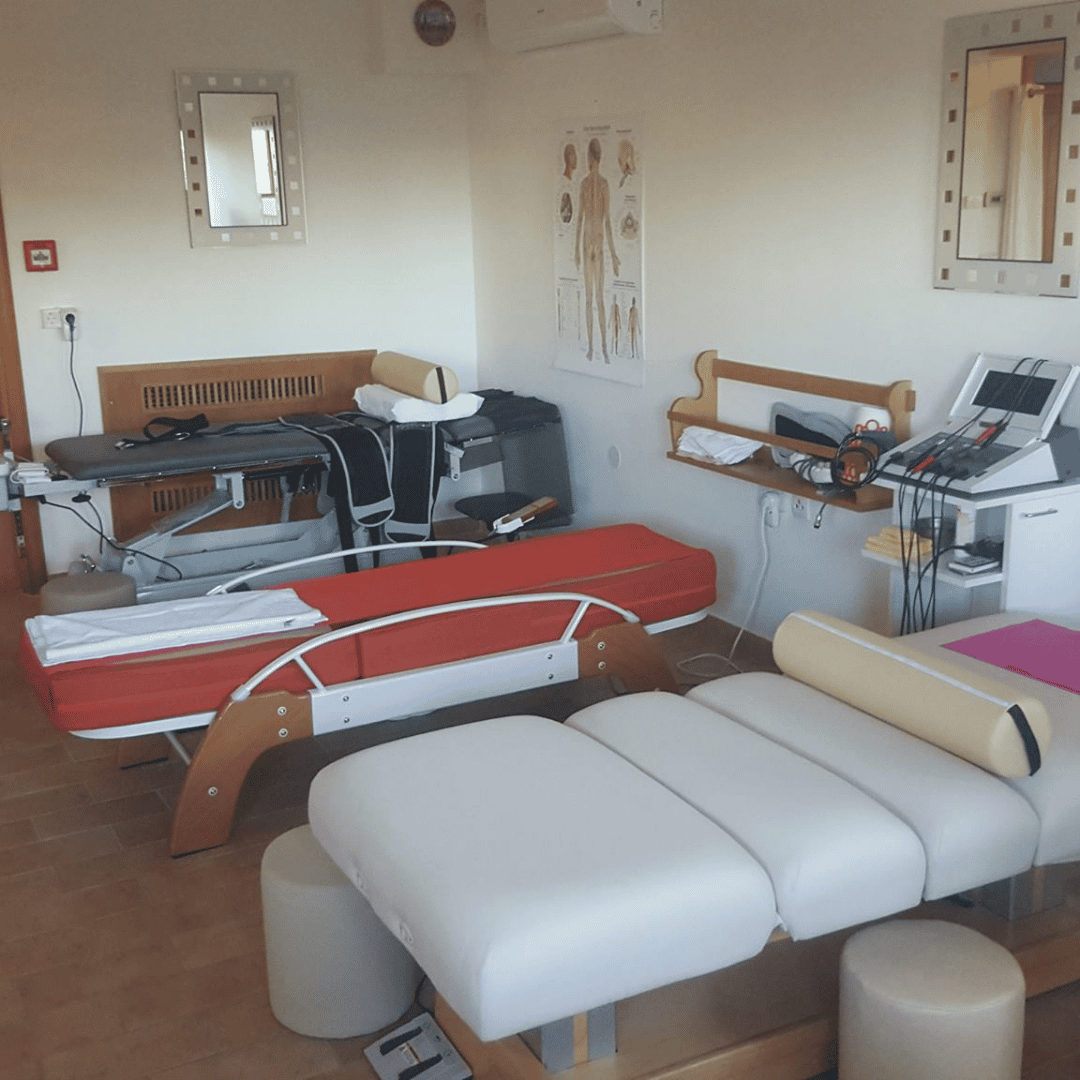
10-Days Life Quality Improvement Program in Murter, Croatia
Polyclinic Markov
- Alternative Medicine
Murter, Croatia







