
What treatment


20+ Key FAQs on Anti Aging in South Korea
Questions About Anti Aging in South Korea? Start Here
Trusted Medical Tourism Platform Since 2007
.jpg)
What Is The Price Of A Facelift In Korea?
The average price of a facelift in Korea typically ranges from $5,000 to $20,000 USD, though this can vary significantly based on the type of facelift, clinic reputation, surgeon's expertise, and the complexity of the procedure. Planning for a cosmetic procedure, especially one as significant as a facelift, involves many considerations, and understanding the financial aspect is often at the top of the list. If you're looking into getting a facelift in Korea, you've chosen a destination renowned worldwide for its advanced plastic surgery techniques and highly skilled professionals. However, pinpointing an exact facelift cost in Korea can feel like navigating a maze due to the numerous variables involved. Don't worry, we're here to help clarify what you can expect. What is the average price of a facelift in Korea? The average price of a facelift in Korea typically ranges from $5,000 to $20,000 USD, depending on the specific type of facelift, the clinic's prestige, and the surgeon's experience. The actual facelift cost in Korea can vary significantly based on several key factors. Generally, you can expect a range from approximately $5,000 USD for a mini facelift to upwards of $20,000 USD for a more complex full or deep plane facelift. This broad spectrum reflects the individualized nature of cosmetic surgery, where each procedure is tailored to the patient's specific needs and desired outcomes. How does the cost of a mini facelift in Korea compare to a full facelift? The cost of a mini facelift in Korea is generally significantly lower than a full facelift, typically ranging from $5,000 to $10,000, while a full facelift can cost anywhere from $10,000 to $20,000 or more. Mini Facelift in Korea A mini facelift in Korea is a less extensive procedure designed for individuals with mild to moderate signs of aging, primarily in the lower face and jawline. It involves shorter incisions, often around the ears, and focuses on tightening the superficial tissues. This procedure typically addresses: Mild jowling Early signs of sagging in the neck and jawline Fine lines and wrinkles that are not yet deeply set Because it's less invasive, requires less surgical time, and often involves local anesthesia with sedation, the cost of a mini facelift in Korea is considerably lower. You can expect to pay anywhere from $5,000 to $10,000 USD for this type of procedure. Full Facelift (SMAS or Deep Plane) in Korea A full facelift, encompassing techniques like the SMAS facelift or deep plane facelift, is a much more comprehensive procedure. It targets moderate to severe signs of aging across the entire face and often includes a neck lift. These procedures involve: More extensive incisions (extending into the hairline and around the ears) Redraping and tightening not just the skin but also the underlying muscle and connective tissue (SMAS or deeper planes) Addressing significant jowling, deep nasolabial folds, marionette lines, and substantial neck sagging What is included in the facelift package price in Korea? A typical facelift package price in Korea often includes the surgeon's fee, anesthesia, facility charges, initial consultations, and a few post-operative follow-up appointments. Always confirm specific inclusions with your chosen clinic. When you receive a quote for the price of a facelift in Korea, it's crucial to understand exactly what that figure encompasses. A comprehensive package should ideally cover all essential aspects of the procedure, ensuring there are no unexpected costs. While inclusions can vary slightly between clinics, here's a general breakdown of what is typically part of a Korean facelift package: Surgeon's Fee: This is the primary component and reflects the surgeon's skill, experience, and the time spent performing the surgery. Highly reputable surgeons with a specialization in facelift in Korea will have higher fees. Anesthesia Fees: Covers the cost of the anesthesiologist and the anesthetic agents used during the procedure. The type of anesthesia (local with sedation, twilight, or general) and its duration will impact this cost. Facility Charges: This includes the use of the operating room, surgical equipment, and any necessary medical supplies during the surgery. Top-tier clinics in Korea boast advanced facilities, contributing to their overall facelift cost in Korea. Initial Consultations: Many clinics include the cost of the preliminary consultations with the surgeon where your goals are discussed, your face is assessed, and a personalized treatment plan is developed. Pre-Operative Tests: Basic medical screenings and blood tests required to ensure you are a suitable candidate for surgery are often included or charged separately at a minimal cost. Post-Operative Care: This usually covers a few follow-up appointments with your surgeon to monitor your recovery, remove sutures, and assess results. It might also include initial medications or dressings. How do Korean facelift prices compare to other countries? Korean facelift prices are generally competitive, often significantly lower than in Western countries like the USA or UK, while offering comparable or superior quality and advanced surgical techniques. Comparison Table: Facelift Cost (Average Range in USD) Country Average Facelift Cost Range (USD) Notes South Korea $5,000 - $20,000 Highly competitive, advanced techniques, experienced surgeons. USA $10,000 - $25,000+ Higher operating costs, varying surgeon fees. UK $8,000 - $20,000 Can be comparable to US in some clinics. Thailand $4,000 - $12,000 Known for lower costs, quality varies. Turkey $3,500 - $10,000 Very competitive, emerging medical tourism destination. What is the typical recovery timeline for a facelift in Korea? The typical recovery timeline for a facelift in Korea involves significant swelling and bruising for 1-2 weeks, with most patients feeling presentable after 2-4 weeks, and full results becoming visible over several months. Understanding the recovery timeline for a facelift in Korea is just as important as knowing the price of a facelift in Korea. While the specific duration and intensity of recovery can vary based on the individual, the extent of the facelift, and surgical technique. What are the qualifications of top facelift surgeons in Korea? Top facelift surgeons in Korea typically possess board certification in plastic surgery, extensive experience in facial aesthetics, a specialization in various facelift techniques, and often affiliations with reputable medical associations. When considering the price of a facelift in Korea, it's equally important to consider the expertise behind that price. Korea is home to some of the world's most skilled plastic surgeons, but knowing what qualifications to look for can help you select the best professional for your procedure. Ready to explore your options for a transformative journey? Visit PlacidWay to connect with leading medical tourism providers and discover healthcare solutions tailored to your needs, including the best options for a facelift in Korea....
Read more details

How Much Anti Aging Treatment Cost in Seoul, South Korea?
The cost of anti-aging treatments in Seoul, South Korea, ranges from as little as $50 for a single Botox session to over $9,000 for comprehensive surgical procedures like a facelift. In the quest for a youthful appearance, many are turning their attention to Seoul, South Korea—the undisputed global capital of aesthetic innovation. The city is not just a trendsetter; it's a premier destination for high-quality, effective, and surprisingly affordable anti-aging treatments. From cutting-edge laser therapies to the most refined injectable techniques, Seoul offers a solution for every concern and budget. If you've been wondering how to turn back the clock without breaking the bank, understanding the cost of anti-aging procedures in this vibrant city is the first step. The cost of an anti-aging treatment in Seoul varies widely, influenced by the type of procedure, the clinic's reputation, and the technology involved. Non-invasive treatments like Botox or basic facials can be incredibly affordable, while advanced laser systems or surgical facelifts represent a more significant investment. The good news is that even premium procedures often cost 30-50% less than in the United States or Europe, without any compromise on quality or safety. This unique combination of price and excellence is what makes South Korea a top choice for medical tourists worldwide. This guide will provide a detailed breakdown of what you can expect to pay for a wide array of anti-aging solutions in Seoul. We will explore the costs of popular injectables, sophisticated laser and energy-based devices, various types of thread lifts, innovative skin boosters, and surgical options. We'll also cover what's included in treatment packages, factors that influence the final price, and what to expect during your consultation, ensuring you have all the information you need to start your rejuvenation journey. How much do basic injectables like Botox and fillers cost in Seoul? Botox in Seoul is very affordable, with prices ranging from approximately $50 to $200 per area. Dermal fillers typically cost between $150 and $450 per syringe (1cc), depending on the brand and the area being treated. Injectables are often the first step people take into the world of professional anti-aging care, and Seoul offers some of the best prices globally. Botox, used to relax wrinkles on the forehead, between the brows, and around the eyes (crow's feet), is priced very competitively. The final cost depends on the brand of neurotoxin used (Korean brands are often more affordable) and the number of units required. Dermal fillers, used to restore volume, plump lips, and fill deeper lines like nasolabial folds, also vary in price. The brand is a significant cost factor. Internationally recognized brands like Juvederm or Restylane will be at the higher end of the price spectrum, while high-quality Korean brands like Neuramis or Yvoire offer a more budget-friendly option without sacrificing quality. The price is almost always quoted per 1cc syringe. What is the price of advanced non-surgical lifting like Ultherapy and Thermage? The cost for Ultherapy in Seoul generally ranges from $800 to $4,000. Thermage FLX treatments typically start at around $1,200 for a partial face treatment and can go up to $3,500 or more for a full face and neck session, depending on the number of shots. For those seeking significant skin tightening and lifting without surgery, Ultherapy and Thermage are the gold-standard treatments. Both use energy to stimulate deep collagen production, resulting in firmer, more youthful-looking skin. Ultherapy uses high-intensity focused ultrasound (HIFU) to target the deep foundational layers of the skin. The price is determined by the number of "lines" or "shots" administered and the areas being treated (e.g., brow, lower face, neck). A full-face treatment will naturally cost more than targeting a smaller area. Thermage FLX utilizes radiofrequency (RF) energy to heat the collagen-rich layers of the skin, promoting tightening and contouring. The cost is directly related to the number of shots (e.g., 600 or 900 shots for the face) and the specific treatment tip used (e.g., a smaller tip for the delicate eye area). What are Skin Boosters and how much do they cost in Seoul? Skin boosters in Seoul typically cost between $150 and $600 per session. The price varies widely depending on the brand, with Rejuran Healer and Exosome boosters being at the higher end, while hyaluronic acid-based boosters are more affordable. Skin boosters are a hugely popular category of anti-aging treatment in Seoul. They involve microinjections of beneficial ingredients directly into the skin to improve hydration, texture, and overall radiance. Unlike fillers that add volume, boosters work to rejuvenate the skin from within. The variety is vast, and so are the prices. Here’s a look at some popular options and their typical costs per session: Skin Booster Type Key Ingredient/Benefit Estimated Cost per Session (USD) Rejuran Healer Polynucleotides (PN) from salmon DNA for skin repair and elasticity. $250 - $500 Chanel Injection (Filorga NCTF 135HA) A cocktail of 50+ vitamins, amino acids, and hyaluronic acid for a radiant glow. $200 - $400 Exosome Boosters Advanced regenerative components for cell communication and repair. $300 - $600 Juvelook / Hyaron Hyaluronic acid or PLLA-based for hydration and gradual collagen stimulation. $150 - $350 How much is a thread lift in Seoul? A thread lift in Seoul can cost anywhere from $700 to $4,000. The final price depends on the type and number of threads used, the areas being lifted (e.g., mid-face, jowls, neck), and the complexity of the procedure. A thread lift is a minimally invasive procedure that uses dissolvable sutures to physically lift and tighten sagging skin on the face and neck. As the threads dissolve, they also stimulate the body's natural collagen production, providing a longer-lasting firming effect. It's an excellent middle ground between injectables and a full surgical facelift. The cost is determined by several factors: Type of Threads: Different threads have different properties. PDO (Polydioxanone) threads are common and great for neocollagenesis. PLLA (Poly-L-Lactic Acid) and PCL (Polycaprolactone) threads are longer-lasting and provide more significant lifting, thus costing more. Number of Threads: A more significant lift requires more threads, which directly increases the cost. Clinics might price the procedure per thread (e.g., $10-$20 each) or as a package for a specific area. Treatment Area: Lifting the entire face will be more expensive than just targeting the jowls or brow area. What is the cost of surgical anti-aging procedures like a facelift? A full surgical facelift (SMAS lift) in Seoul typically costs between $4,600 and $9,200. Less extensive surgical options, like a mini-facelift or an endoscopic forehead lift, can range from $3,000 to $6,000. For those seeking the most dramatic and long-lasting results, surgical procedures are the ultimate solution. While it is a more significant investment in terms of both cost and recovery time, the prices in Seoul are still remarkably lower than in many Western countries. Common surgical options include: SMAS Facelift: This is the gold standard, targeting the deep underlying muscle structure for a comprehensive and natural-looking lift. Endoscopic Forehead Lift: This minimally invasive surgery elevates the brows and smooths the forehead with minimal scarring. Fat Grafting: This procedure uses your own body's fat to restore youthful volume to areas like the cheeks and under-eyes, often performed in conjunction with a facelift. A full-face fat graft may cost between $2,300 and $4,600. What factors influence the final cost of treatment? The primary factors affecting the cost are the clinic's location and reputation (Gangnam clinics are often pricier), the surgeon's experience, the specific brand of products or technology used, the complexity of the procedure, and the number of sessions required. Understanding the variables that determine the price of an anti-aging treatment in Seoul can help you budget effectively. Key factors include: Clinic Reputation & Location: Premier clinics located in the upscale Gangnam district often have higher prices due to their brand recognition, luxurious facilities, and high demand. Practitioner's Expertise: A highly experienced, board-certified dermatologist or plastic surgeon will command higher fees for their skill and artistry, which often translates to better, safer results. Technology and Brands: Using the latest Thermage FLX machine versus an older model, or Juvederm filler versus a local Korean brand, will impact the price. Scope of Treatment: The number of areas treated, the quantity of product used (e.g., syringes of filler), or the number of laser shots all directly influence the final bill. Package Deals: Many clinics offer discounted packages for multiple sessions of a treatment (like laser toning or skin boosters), making a full course of therapy more affordable. What should I expect during an anti-aging consultation in Seoul? During a consultation, you can expect a detailed facial analysis (sometimes with 3D imaging), a discussion of your aesthetic goals, a personalized treatment recommendation from the doctor, and a clear, transparent breakdown of the costs and timeline. The consultation process in top Seoul clinics is famously thorough and patient-centric. For international patients, many clinics offer virtual consultations to start the process before you travel. During an in-person meeting, you will typically meet with both a coordinator (often multilingual) and the doctor. The doctor will assess your skin quality, laxity, and facial structure. Be prepared to discuss your main concerns, your desired outcome, and your medical history. A reputable practitioner will set realistic expectations and recommend the most suitable procedures for you, explaining the pros and cons of each. You will receive a detailed price quote and have the opportunity to ask any questions about the procedure, recovery, and aftercare. Is there downtime associated with non-surgical anti-aging treatments? Most non-surgical treatments in Seoul have minimal to no downtime. Injectables may cause minor bruising or swelling for a few days. Laser treatments might result in temporary redness. This makes it easy for travelers to fit procedures into their itinerary. One of the biggest advantages of opting for non-surgical anti-aging treatments in Seoul is the minimal disruption to your daily life. Most patients can resume their normal activities, including sightseeing, almost immediately. Injectables (Botox, Fillers, Skin Boosters): You might experience slight redness, pinpoint marks, or mild swelling at the injection sites, which usually resolves within a day or two. Bruising is possible but can often be covered with makeup. Laser & Energy Devices (Ultherapy, Thermage): Your skin may appear flushed or slightly red, similar to a mild sunburn, for a few hours after the procedure. Significant downtime is rare. Thread Lifts: Expect some swelling and mild soreness for a few days. You will be advised to avoid strenuous exercise and exaggerated facial movements for about a week. Your clinic will provide detailed aftercare instructions to ensure a smooth and speedy recovery. Ready to explore your options for turning back the clock in one of the world's leading beauty destinations? Explore PlacidWay for solutions related to medical tourism and healthcare services to find the right clinic and treatment plan for your anti-aging goals in Seoul, South Korea. ?...
Read more details
How Much is CoolSculpting in South Korea?
South Korea has become a global hub for cosmetic procedures, and for good reason. The country boasts some of the most advanced medical technology and highly skilled practitioners in the world. Among the many innovative treatments available, CoolSculpting in South Korea has gained immense popularity as a non-invasive way to get rid of stubborn fat. If you've been struggling with pockets of fat that just won't budge with diet and exercise, you might be wondering, "How much is CoolSculpting in South Korea?" This guide will not only answer that question but also delve into everything you need to know about this revolutionary fat-freezing procedure. From the factors that influence the cost of CoolSculpting in South Korea to what you can expect during and after the treatment, we've got you covered. We'll explore the safety of the procedure, who makes a good candidate, and how to choose the best clinic for your needs. By the end of this article, you'll have a clear understanding of whether CoolSculpting in South Korea is the right choice for you and your body contouring goals. We will provide you with all the essential information to make an informed decision about this popular and effective treatment. What is the Average Cost of CoolSculpting in South Korea? The average cost of CoolSculpting in South Korea is between $400 and $1,200 per applicator. A full treatment plan for a specific area may range from $1,500 to $4,000 or more. The cost of CoolSculpting in South Korea is a major draw for many international visitors. While the price can vary significantly, you can generally expect to pay less than you would in the United States or Europe. The cost is typically calculated per applicator, which is the device used to deliver the cooling technology to the targeted fat cells. Smaller areas, like the chin or arms, may only require one or two applicators, while larger areas, such as the abdomen or thighs, might need multiple applicators to achieve the desired results. Many clinics in South Korea offer package deals for multiple treatment areas or sessions, which can further reduce the overall cost. It's also common for clinics to provide a free consultation and body analysis to determine the best treatment plan for your specific needs. During this consultation, you'll receive a detailed breakdown of the costs involved, so there are no surprises. When comparing prices, be sure to inquire about what's included in the quoted price, such as consultation fees, post-treatment care, and any necessary follow-up appointments. What Factors Influence the Cost of CoolSculpting in South Korea? The cost of CoolSculpting in South Korea is influenced by the treatment area, the number of applicators needed, the clinic's location and reputation, and the doctor's experience. Several factors can affect the final price of CoolSculpting in South Korea. Understanding these factors will help you budget for your treatment and choose a clinic that offers the best value for your money. Treatment Area: The size and location of the treatment area are the primary cost drivers. Larger areas like the abdomen or back will naturally cost more than smaller areas like the chin or arms because they require more time and applicators. Number of Applicators: The more applicators you need, the higher the cost. During your consultation, the doctor will assess the treatment area and determine the optimal number of applicators to achieve your desired results. Clinic's Location and Reputation: Clinics in prime locations like Gangnam, Seoul's "Beauty Belt," may charge more than clinics in other areas. A clinic's reputation and the demand for its services also play a role in pricing. Highly sought-after clinics with experienced doctors may have higher prices. Doctor's Experience: The expertise of the doctor performing the procedure can also influence the cost. A highly experienced and certified CoolSculpting practitioner may charge more for their services, but this can also ensure a safer and more effective treatment. Is CoolSculpting in South Korea Safe? Yes, CoolSculpting in South Korea is considered a safe procedure. It is FDA-approved and non-invasive, with minimal risks and side effects when performed by a qualified practitioner. Safety is a top priority for anyone considering a cosmetic procedure, and you'll be pleased to know that CoolSculpting in South Korea is a very safe treatment. The procedure is non-surgical, which means no needles, no anesthesia, and no downtime. The technology is designed to target and destroy fat cells without harming the surrounding skin, nerves, or muscles. Many clinics in South Korea are internationally accredited and adhere to the highest standards of care, further ensuring patient safety. The most common side effects of CoolSculpting are temporary and mild. These can include redness, swelling, bruising, and numbness in the treated area. These side effects typically resolve on their own within a few days to a week. It's important to choose a reputable clinic with certified CoolSculpting practitioners to minimize any potential risks. During your consultation, the doctor will discuss the safety of the procedure in detail and answer any questions you may have. What Can I Expect During a CoolSculpting Procedure in South Korea? During a CoolSculpting procedure in South Korea, a gel pad and applicator are applied to the target area, delivering controlled cooling. The session typically lasts 35-60 minutes, and you can relax, read, or work during the treatment. The CoolSculpting procedure in South Korea is a straightforward and comfortable experience. It begins with a consultation where you'll discuss your goals with a doctor. Once a treatment plan is established, the procedure itself can begin. A gel pad is placed on the treatment area to protect the skin, and then the CoolSculpting applicator is applied. The applicator uses gentle suction to draw the fatty tissue into the cooling panels. You may feel a sensation of intense cold for the first few minutes, but this quickly subsides as the area becomes numb. The treatment is so comfortable that many patients use the time to read a book, catch up on emails, or even take a nap. After the treatment cycle is complete, the applicator is removed, and the practitioner will perform a brief massage on the treated area to help break up the crystallized fat cells and enhance the results. The entire process for a single area usually takes about an hour, and you can return to your normal activities immediately afterward. How Long Does it Take to See Results from CoolSculpting? You may start to see results from CoolSculpting in as little as three weeks, with the most dramatic results appearing after two to three months. One of the most exciting aspects of CoolSculpting in South Korea is seeing the results unfold. While some patients may notice a difference in as little as three weeks, the full effects of the treatment become more apparent over time. This is because it takes time for your body to naturally process and eliminate the dead fat cells. The most significant results are typically seen between two and three months after the procedure. It's important to have realistic expectations and to be patient as your body goes through this process. The results are gradual and natural-looking, so you won't have to worry about any sudden or dramatic changes to your appearance. To get the best results, you may need more than one treatment session, especially for larger areas. Your doctor will discuss the expected timeline for your results during your consultation. Are the Results of CoolSculpting Permanent? Yes, the results of CoolSculpting are permanent. The treated fat cells are destroyed and eliminated from the body and do not grow back. A common question people have about CoolSculpting in South Korea is whether the results are permanent. The answer is yes! Once the fat cells are frozen and destroyed, they are gone for good. Your body's natural metabolic processes will eliminate these dead cells over the weeks and months following the treatment. This means you can enjoy a more sculpted and contoured physique for years to come. However, it's important to maintain a healthy lifestyle to preserve your results. While the treated fat cells are gone permanently, the remaining fat cells in the area can still expand if you gain weight. By eating a balanced diet and exercising regularly, you can ensure that your new, slimmer figure lasts a lifetime. CoolSculpting is not a weight-loss solution, but rather a body contouring treatment designed to target stubborn pockets of fat. Who is a Good Candidate for CoolSculpting? A good candidate for CoolSculpting is someone who is close to their ideal weight but has stubborn pockets of fat that are resistant to diet and exercise. CoolSculpting in South Korea is an excellent option for many people, but it's not suitable for everyone. The ideal candidate is someone who is in good overall health and is at or near their target weight. The procedure is designed to address localized areas of fat, such as love handles, belly pooch, or thigh fat, that haven't responded to traditional weight-loss methods. It's a great way to fine-tune your figure and achieve a more sculpted look. CoolSculpting is not a treatment for obesity. If you have a significant amount of weight to lose, your doctor may recommend other options. It's also important to have realistic expectations about the results. CoolSculpting can provide a noticeable reduction in fat, but it's not a magic wand. During your consultation, your doctor will assess your individual situation and determine if you are a good candidate for the procedure. Who Should Avoid CoolSculpting? People with certain medical conditions, such as cryoglobulinemia, cold agglutinin disease, or paroxysmal cold hemoglobinuria, should avoid CoolSculpting. It is also not recommended for pregnant or breastfeeding women. While CoolSculpting in South Korea is a safe procedure for most people, there are some individuals who should avoid it. People with certain rare medical conditions that affect the body's response to cold are not good candidates for the treatment. These conditions include cryoglobulinemia, a disorder where proteins in the blood thicken in cold temperatures, and cold agglutinin disease, an autoimmune condition where the body's immune system attacks red blood cells in response to cold. It's also not recommended for women who are pregnant or breastfeeding. If you have any pre-existing medical conditions, it's crucial to disclose them to your doctor during the consultation. They will be able to determine if CoolSculpting is a safe and appropriate treatment for you. Your health and safety are the top priorities, and a reputable clinic will always conduct a thorough medical history review before proceeding with any treatment. What is the Recovery Process Like After CoolSculpting? There is no downtime after a CoolSculpting procedure. You can return to your normal activities immediately. You may experience some mild and temporary side effects, such as redness, swelling, and numbness. One of the biggest advantages of CoolSculpting in South Korea is that there is virtually no recovery time. Because the procedure is non-invasive, you can get back to your daily routine right away. You can go to work, exercise, and socialize without any restrictions. This makes it a convenient option for busy individuals who don't have time for a lengthy recovery period. You may experience some minor side effects in the treated area, such as redness, swelling, bruising, or a tingling sensation. These are all normal and temporary and should subside within a few days. Your doctor will provide you with aftercare instructions to help manage any discomfort and ensure a smooth recovery. Most patients find the recovery process to be very manageable and are thrilled with the convenience of this "lunchtime" procedure. How to Choose a CoolSculpting Clinic in South Korea? When choosing a CoolSculpting clinic in South Korea, look for a reputable clinic with certified practitioners, positive patient reviews, and a clean and modern facility. With so many clinics offering CoolSculpting in South Korea, it's important to do your research to find the best one for you. Look for a clinic that has a strong reputation and positive reviews from previous patients. You can often find reviews on websites like RealSelf or on the clinic's social media pages. It's also a good idea to choose a clinic that specializes in CoolSculpting and has certified practitioners on staff. During your consultation, pay attention to the cleanliness and professionalism of the clinic. The staff should be knowledgeable and able to answer all of your questions. Don't be afraid to ask to see before-and-after photos of previous patients. A reputable clinic will be happy to share their results with you. By taking the time to choose the right clinic, you can ensure a safe and successful CoolSculpting experience. CoolSculpting vs. Liposuction in South Korea CoolSculpting is a non-invasive procedure with no downtime, while liposuction is a surgical procedure that requires anesthesia and a longer recovery period. CoolSculpting is best for smaller pockets of fat, while liposuction can remove larger volumes of fat. When considering fat reduction treatments, many people wonder about the difference between CoolSculpting and liposuction in South Korea. Both are effective at removing unwanted fat, but they are very different procedures. CoolSculpting is a non-surgical treatment that freezes and destroys fat cells, while liposuction is a surgical procedure that uses a cannula to suction fat out of the body. The best choice for you will depend on your individual goals and preferences. If you are looking for a non-invasive treatment with no downtime, CoolSculpting is an excellent option. It's ideal for targeting smaller, localized areas of fat. If you have a larger amount of fat to remove and are willing to undergo a surgical procedure with a longer recovery time, liposuction may be a better choice. Your doctor can help you decide which procedure is right for you during your consultation. Ready to take the next step in your body contouring journey? Explore the world of medical tourism with PlacidWay and discover top-quality, affordable healthcare solutions in South Korea and beyond. Find the perfect clinic for your needs and start your transformation today!...
Read more detailsDiscover your treatment options with a free, no-obligation quote!
Get your quote now!
How Much Does PRP Cost in South Korea?
South Korea has become a global hub for cosmetic and medical treatments, offering a blend of high-quality care, advanced technology, and competitive pricing. If you're considering PRP (Platelet-Rich Plasma) therapy, you're likely wondering about the cost. The price of PRP in South Korea can vary significantly, but it's generally more affordable than in many Western countries. This guide will break down everything you need to know about the cost of PRP in South Korea, from facial rejuvenation to hair restoration, so you can make an informed decision about your treatment. We'll explore the factors that influence the final price, what's included in the cost, and how to find a reputable clinic. Whether you're looking to address hair loss or give your skin a youthful glow, understanding the financial aspect is a crucial first step. Let's dive into the specifics of PRP treatment costs in South Korea. What is the average cost of PRP in South Korea? The average cost of a single PRP session in South Korea is between $200 to $650 USD. The average cost of PRP in South Korea is quite competitive, especially when you consider the high standard of medical care. The price can fluctuate based on the clinic's reputation, the technology used, and the specific area being treated. For example, a basic PRP facial might be at the lower end of the price range, while a more comprehensive treatment for hair loss could be at the higher end. It's also common for clinics to offer packages for multiple sessions, which can bring down the per-session cost. When comparing prices, be sure to ask what is included in the quoted price, as some clinics may have additional fees for consultations or post-treatment care. How much does PRP for hair loss cost in South Korea? PRP for hair loss in South Korea typically costs between $250 - $400 USD per session. PRP for hair loss is a popular treatment in South Korea, and the cost is a major draw for many international patients. The price per session is often more affordable than in the US or Europe. Most clinics recommend a series of treatments for optimal results, so it's wise to inquire about package deals. The cost can also be influenced by the complexity of the treatment. For instance, if the PRP is combined with other therapies like microneedling or exosome treatments, the price will likely be higher. Always consult with a specialist to get a personalized treatment plan and a clear cost breakdown. What is the cost of a PRP facial in South Korea? A PRP facial in South Korea generally costs between $150 - $500 USD. A PRP facial, sometimes called a "vampire facial," is a non-surgical procedure designed to rejuvenate the skin. In South Korea, the cost of a PRP facial is quite reasonable. The price can vary depending on whether the PRP is applied topically with microneedling or injected into the skin. Many clinics in Seoul's Gangnam district, a hub for cosmetic surgery, offer competitive pricing for PRP facials. It's a good idea to research different clinics and read patient reviews to find a provider that offers a good balance of quality and cost. What factors influence the cost of PRP in South Korea? The main factors influencing the cost of PRP in South Korea are the clinic's location and reputation, the doctor's experience, the technology used, and the number of sessions required. Clinic's Location and Reputation: Clinics in prime locations like Gangnam in Seoul may charge more. Well-known clinics with a strong reputation for excellent results also tend to have higher prices. Doctor's Experience: The expertise of the doctor performing the procedure is a significant factor. Highly experienced dermatologists or plastic surgeons may charge more for their services. Technology and Equipment: The type of equipment used to process the blood and concentrate the platelets can affect the cost. Advanced systems that yield a higher concentration of platelets may be more expensive. Number of Sessions: Most PRP treatments require multiple sessions for the best results. Clinics often offer packages that reduce the per-session cost. Is PRP cheaper in South Korea than in other countries? Yes, PRP treatment in South Korea is generally more affordable than in the United States, the UK, and many other Western European countries. One of the primary reasons people travel to South Korea for PRP is the cost savings. While prices in the US can range from $500 to $2,500 per session, South Korea offers a much lower price point without compromising on quality. This makes it an attractive option for medical tourists seeking high-quality aesthetic treatments. When comparing costs, it's essential to factor in travel and accommodation expenses. However, even with these additional costs, many people find that the total expense is still lower than what they would pay in their home country. What is included in the cost of PRP treatment? The cost of PRP treatment in South Korea usually includes the initial consultation, the blood draw and processing, the PRP application, and sometimes post-treatment care. Most reputable Anti Aging Clinics in South Korea are transparent about their pricing. The quoted cost typically covers: Consultation: An initial assessment with the doctor to discuss your goals and determine if you are a good candidate for PRP. Procedure: The entire PRP process, from drawing your blood to applying the concentrated plasma. Post-Treatment Care: This may include soothing creams or a follow-up appointment to check on your progress. It's always a good idea to confirm exactly what is included in the price before committing to a treatment plan. How many PRP sessions will I need? The number of PRP sessions needed varies depending on the individual and the condition being treated, but most people require 3 to 6 sessions for optimal results. For hair loss, a typical treatment plan might involve three sessions spaced 4-6 weeks apart, with maintenance treatments every 4-6 months. For facial rejuvenation, you may see results after just one treatment, but a series of three treatments is often recommended for more significant and lasting improvement. Your doctor will be able to give you a more accurate estimate of the number of sessions you'll need during your consultation. This is an important factor to consider when budgeting for your treatment. Are there any hidden costs I should be aware of? While most clinics in South Korea are transparent with their pricing, it's always wise to ask about potential additional costs, such as for medication, anesthesia, or follow-up appointments. To avoid any surprises, be sure to get a detailed cost breakdown in writing before you begin your treatment. Ask if there are any separate charges for things like: Anesthesia or numbing cream Prescription medications Follow-up visits Taxes or service fees A reputable clinic will be happy to provide you with a clear and comprehensive price list. How can I find an affordable and reputable PRP clinic in South Korea? To find an affordable and reputable PRP clinic in South Korea, research clinics online, read patient reviews, and look for clinics that are accredited and have experienced, board-certified doctors. Here are some tips for finding a great clinic: Read Reviews: Look for reviews from previous patients on platforms like Google, Realself, and medical tourism websites. Check Credentials: Ensure the clinic is licensed and the doctors are board-certified. Ask for Before and After Photos: This will give you an idea of the quality of their work. Schedule a Consultation: This is a great opportunity to ask questions and get a feel for the clinic and its staff. What are the payment options for PRP in South Korea? Most clinics in South Korea accept major credit cards, and some may also accept cash or bank transfers. It's best to confirm payment options with the clinic beforehand. When planning your trip, be sure to inform your bank that you will be making international transactions to avoid any issues with your credit card. Some clinics may require a deposit to secure your appointment, so be sure to clarify their payment policies in advance. Is it safe to get PRP in South Korea? Yes, getting PRP in South Korea is generally very safe, as the country has a highly regulated medical industry and many clinics adhere to international standards of care. South Korea is known for its advanced medical technology and highly skilled doctors. To ensure your safety, choose a clinic that is accredited and has a good reputation. As with any medical procedure, there are some risks, but these are minimized when the treatment is performed by a qualified professional in a sterile environment. What is the recovery time for PRP? The recovery time for PRP is minimal, with most people able to return to their normal activities within a day or two. You may experience some redness, swelling, or bruising at the injection site, but this usually subsides quickly. For a PRP facial, you might have some redness for a day or two. For PRP for hair loss, your scalp may be a bit tender, but you can typically resume your normal routine right away. Your doctor will provide you with specific aftercare instructions to ensure a smooth recovery. How long do the results of PRP last? The results of PRP can last for up to 18 months, but this can vary depending on the individual and the area treated. Maintenance treatments are often recommended to prolong the results. For facial rejuvenation, you may notice an improvement in your skin's texture and tone within a few weeks, with results continuing to improve over several months. For hair loss, it can take 3 to 6 months to see noticeable hair growth. To maintain your results, your doctor may recommend follow-up treatments every 6 to 12 months. Can I combine PRP with other treatments? Yes, PRP can be combined with other treatments to enhance the results. Common combinations include PRP with microneedling, laser therapy, or hair transplants. Combining treatments can often lead to more dramatic and longer-lasting results. For example, PRP with microneedling can improve the absorption of the plasma and stimulate collagen production more effectively. If you're interested in combination therapy, discuss your options with your doctor to create a personalized treatment plan. Ready to explore your options for PRP in South Korea? Explore PlacidWay to find top-rated clinics and get a personalized quote for your treatment....
Read more detailsShare with AI
Share this page with AI assistants to get summaries and insights


Explore Anti Aging: Stories, Testimonials, and Procedures
Watch in-depth videos covering everything from Anti Aging success stories to detailed procedure explanations. Learn what to expect and hear from real patients.
Trusted by Influencers: South Korean Plastic Surgery at Very Good Plastic Surgery
Anti Aging
VG Plastic Surgery
Seoul, South Korea
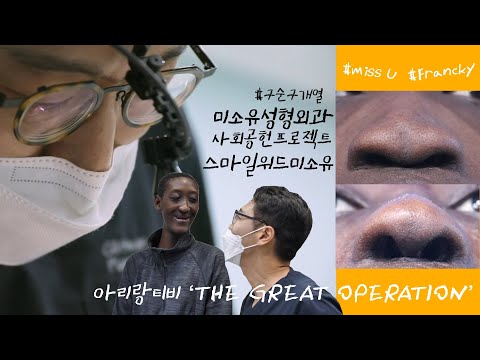
Cleft Lip and Palate Treatments: Frankie Halliday's Journey at Misou Plastic Surgery South Korea
Anti Aging
MISOU Plastic Surgery
Seoul, South Korea


Face Lifting Surgery Options in South Korea: Best Anti‑Aging Procedures Compared
Cosmetic/Plastic Surgery
PlacidWay Medical Tourism
Denver, United States
Unlock the Best Anti Aging Packages Just for You
Discover the ultimate Anti Aging packages designed to meet your health and wellness goals. Choose the perfect fit for your journey.
Price starting from $2,900
Stem Cell Skin Rejuvenation in Cancun Mexico | Exosome Microneedling + NAD Anti Aging - Promo: May–October 2026 all-inclusive
Quantum Biohack
- Anti Aging
Cancun,Playa Del Carmen, Mexico
Price starting from $19,800
Stem Cell × Fibroblast Anti-Aging GOLD Regenerative Medicine Package in Osaka, Japan by Cell Grand Clinic
Cell Grand Clinic - Best Stem Cell Clinic in Japan
- Anti Aging
Osaka, Japan
Price starting from $6,200
Stem Cell Therapy Package in Seoul, South Korea by VG Plastic Surgery
VG Plastic Surgery
- Anti Aging
Seoul, South Korea
Price starting from $2,900
Exosome Therapy for Skin Rejuvenation in Cancun Mexico | Stem Cells + NAD + Resveratrol
Quantum Biohack
- Anti Aging
Cancun,Playa Del Carmen, Mexico
Transformative Anti Aging Experiences: Dive into Procedure Insights
Discover the power of Anti Aging through compelling patient experiences. Uncover detailed insights into procedures, recovery journeys, and life-changing results.
.png)
Facelift in Seoul, South Korea
- Facelift Surgery (Non-Surgical) Procedure, Anti Aging
Seoul, South Korea
.png)
Stem Cell Therapy for Anti-Aging in India: Look Younger Without Surgery
- Stem Cell Therapy for Longevity, Anti Aging
India
.png)
.png)
Price starting from $10,000
Stem Cell Therapy for Facial Rejuvenation in Japan
- Stem Cell Facial Rejuvenation, Anti Aging
Japan







