
What treatment


10+ Most Common FAQs About Lung Cancer
Find Reliable Answers About Lung Cancer to Make Informed Decisions
Trusted Medical Tourism Platform Since 2007
.png)
Is Immunotherapy for Lung Cancer in Mexico a Viable Option for American Patients?
Absolutely. By traveling to certified Mexican oncology centers, US patients can access the exact same FDA-approved immunotherapy drugs (like Keytruda and Opdivo) for 40% to 60% less than US out-of-pocket costs, all while receiving care from internationally trained specialists. A lung cancer diagnosis is one of the most terrifying moments a person can face. The world stops spinning, and suddenly you are thrust into a whirlwind of scans, biopsies, and terrifying statistics. But for many American families, the initial shock of the diagnosis is quickly followed by a second, equally devastating blow: the financial reality of modern cancer care. You might have been told that your best chance at life is a breakthrough treatment called immunotherapy, only to discover that your insurance will not cover it, or that the co-pays alone will bankrupt your family. If you are reading this, you are likely exhausted, overwhelmed, and looking for a lifeline. When families ask, "Is immunotherapy for lung cancer in Mexico a viable option for American patients?", they are really asking if there is a way to save their loved one's life without losing everything they own. I want to reassure you that you are not crazy for looking across the border. Thousands of Americans are quietly making this journey every year. In this guide, we are going to look past the stigma and focus purely on the facts, giving you honest, transparent information about Mexican cancer clinics so you can make the right decision for your health and your family. Quick Facts: US vs. Mexico Oncology Average Cost Per Cycle (US) $10,000 - $12,500 Average Cost Per Cycle (Mexico) $4,500 - $6,500 Success Rates (Clinical Response) Identical (20-45% based on biology) Recovery Time 1-3 days post-infusion fatigue Drug Authenticity Warranty 100% verified via manufacturer serial numbers Severe Complication Rates 5% - 10% (Immune-related side effects) What Is Lung Cancer Immunotherapy and How Does It Work? Immunotherapy is a biological treatment that uses your body's own immune system to fight lung cancer. Drugs called PD-L1 inhibitors strip away the "disguise" cancer cells use to hide, allowing your white blood cells to detect and destroy the tumor. To understand why this treatment is so revolutionary, you have to understand how cancer survives. Normally, your immune system is a highly trained army that seeks out and destroys abnormal cells. But non-small cell lung cancer (NSCLC) is incredibly smart. It produces a protein called PD-L1, which essentially acts as an invisibility cloak, tricking your immune system into thinking the cancer cells are perfectly healthy. Immunotherapy drugs (like Keytruda or Opdivo) are designed to strip away that invisibility cloak. Here is how the step-by-step process works: Biopsy and Biomarker Testing: Your oncologist tests your tumor tissue for the PD-L1 protein. The higher the level of this protein, the more likely immunotherapy is to work for you. Treatment Planning: Based on your tests, the oncologist determines the exact dosage and frequency of the drug (usually every 3 to 4 weeks). The Infusion: You receive the immunotherapy drug intravenously (through an IV) in a comfortable clinical setting. The process takes about 30 to 60 minutes. Immune Activation: Once in your bloodstream, the drug blocks the PD-L1 proteins. The "disguise" is gone. Tumor Destruction: Your newly activated immune system recognizes the cancer as a threat and begins attacking the lung tumor naturally. Unlike traditional chemotherapy, which acts like a bomb destroying both cancerous and healthy cells (leading to hair loss, severe nausea, and a weakened body), immunotherapy is highly targeted. It relies entirely on empowering your own biology to do what it was meant to do. Why Are Safe Cancer Treatment Centers in Mexico Becoming Popular? Patients choose lung cancer immunotherapy in Mexico for the dramatic cost savings on brand-name drugs, shorter wait times, highly personalized medical attention, and access to internationally trained oncologists. When you ask, is immunotherapy for lung cancer in Mexico a viable option for American patients, you have to look at the massive benefits drawing people southward. It is not just about saving money; it is about saving your quality of life. Financial Survival: The most obvious benefit. By avoiding the inflated US healthcare markup, you protect your family's savings and avoid crippling medical debt. Better Quality of Life: Compared to chemotherapy, immunotherapy generally has milder side effects. Patients maintain their hair, experience less nausea, and preserve their energy. Long-Lasting Memory: One of the most beautiful things about immunotherapy is that it teaches your immune system. Even after treatment stops, your body "remembers" how to fight the cancer, often leading to longer periods of remission. No Wait Times: In the US or Canada, getting an appointment with a specialist can take weeks or months—time you simply do not have with lung cancer. Top Mexican clinics can often admit and evaluate you within days. Personalized Attention: The doctor-to-patient ratio at private Mexican cancer clinics is exceptional. You are not a number on a chart; you receive an hour-long consultation rather than a rushed 15-minute visit. How Much Does Keytruda Cost in Mexico vs US? You can expect to save 40% to 60% on your total treatment. A single cycle of Keytruda that costs $12,000 in the US will cost roughly $5,000 in Mexico. Over a year of treatment, savings can exceed $100,000. The cost of immunotherapy in Mexico is the primary reason Americans make the trip. But it is crucial to understand that you are not buying a "cheap version" of the drug. You are buying the exact same medication, just within a different economic system. Treatment / Procedure US Average Cost Mexico Average Cost Estimated Savings Keytruda (per 200mg cycle) $10,500 - $12,500 $4,500 - $6,500 50% - 60% Opdivo (per cycle) $6,000 - $8,000 $3,000 - $4,500 45% - 50% Initial Oncology Consultation $400 - $800 $80 - $150 70% - 80% PET/CT Scan $3,000 - $7,000 $800 - $1,200 70% - 85% Comprehensive Blood Panel $500 - $1,500 $100 - $200 80% - 85% Why is there such a massive difference in price? It has nothing to do with drug quality. Pharmaceutical companies like Merck and Bristol-Myers Squibb manufacture these drugs centrally and ship them globally. The difference is that the Mexican government strictly regulates pharmaceutical markups, while the US healthcare system allows hospitals to mark up drug prices by 200% to 500%. Additionally, the overhead costs like facility rent, administrative staffing, and malpractice insurance—are substantially lower in Mexico. Those savings are passed directly to you. Are Mexican Cancer Clinics Safe for Lung Cancer Immunotherapy? Yes. World-class private hospitals in Mexico follow the exact same safety protocols as US hospitals. By choosing a reputable, JCI-accredited or similarly certified clinic, you ensure a highly safe and sterile environment. It is perfectly normal to feel anxious about safety. The media often portrays medical tourism in a negative light, and your local doctor might have warned you against it. But when you look at top-tier private oncology centers in Mexico, the reality is drastically different from the fears. Quality Metric US Hospitals Top Mexican Clinics Notes Drug Sourcing Direct from Manufacturer Direct from Manufacturer Exact same serial numbers and batch codes. Oncologist Training US Board Certified Often US/EU Trained Many Mexican oncologists completed fellowships in the US. Facility Standards JCAHO Accredited JCI / CSG Accredited International health standards are strictly maintained. Success Rates Drug-dependent Drug-dependent If the cancer biology matches, the drug works the same. Here is how you can ensure your safety and put your mind at ease: Verify the Medication: Reputable clinics in Mexico are fully transparent. They will bring the sealed box of Keytruda or Opdivo to your room and open it in front of you. You can even check the lot numbers directly with the manufacturer. Check Credentials: You can verify the doctor's credentials online. Look for members of international oncology boards such as ASCO (American Society of Clinical Oncology). Demand Transparency: Safe cancer treatment centers in Mexico will never promise a "miracle cure." They will offer realistic, evidence-based data regarding your specific stage of lung cancer. Emergency Preparedness: Quality private hospitals have intensive care units (ICUs) and emergency protocols ready just in case you experience an unexpected immune-related side effect. As long as you are doing your homework and choosing verified, established medical centers—and avoiding unregulated "alternative" back-room clinics—you are in highly capable hands. What Is the Timeline for Lung Cancer Immunotherapy in Mexico? Most patients require treatment every 3 to 4 weeks. You can expect to make a 2-3 day trip once a month, or alternatively, stay in Mexico for a 3-month block during your initial treatment phase. Cancer treatment is not a one-time surgical event. It requires commitment and consistency. Here is what your timeline typically looks like: Initial Remote Consultation (1-2 Weeks Before Travel): You send your medical records, pathology reports, and PET scans to the Mexican oncologist. They review your case and confirm if you are a candidate. First Trip & Evaluation (Days 1-3): You travel to Mexico. On day one, you meet the oncologist, complete fresh blood work, and undergo any necessary updated scans. First Infusion (Day 4): If all tests align, you receive your first immunotherapy infusion. You are monitored for a few hours afterward. Return Home & Monitor (Weeks 1-3): You travel back home to the US. Your local physician can help monitor your blood counts and general wellbeing. Subsequent Cycles: You return to Mexico every 21 or 28 days for your next infusion. After 3 to 4 cycles, a new PET scan is performed to measure how much the tumor has shrunk. Important logistical considerations: Travel fatigue: Traveling while fighting cancer is hard. Choose a city with a short, direct flight from your hometown (like Monterrey or Tijuana). Language barrier: Top medical tourism clinics have dedicated English-speaking patient coordinators who handle all translations, transportation, and hotel bookings. Insurance limitations: US health insurance (including Medicare) will almost never cover out-of-country cancer treatments. You must be prepared to pay out-of-pocket or secure financing. Collaborative care: Try to establish a relationship with a local US doctor who supports your decision and is willing to order interim blood work between your trips to Mexico. Who Is a Good Candidate for Lung Cancer Immunotherapy in Mexico? The ideal candidate has non-small cell lung cancer (NSCLC) with high PD-L1 expression, does not have severe autoimmune diseases, and is physically stable enough to travel. Immunotherapy is an incredible breakthrough, but it is not magic, and it is not the right fit for absolutely everyone. The biological makeup of your tumor dictates everything. You are likely a great candidate if you have: A diagnosis of Non-Small Cell Lung Cancer (NSCLC). Tumor biopsy results showing high expression of the PD-L1 protein. Cancer that has not responded well to traditional chemotherapy. Good overall organ function (kidneys and liver). The physical stamina to endure short flights or car rides across the border. A strong support system to travel with you. You may need to reconsider or take extra precautions if you have: Active Autoimmune Diseases: Conditions like lupus, rheumatoid arthritis, or Crohn's disease can be dangerously flared up by immunotherapy. Organ Transplants: Activating the immune system can cause your body to reject a transplanted organ. Small Cell Lung Cancer (SCLC): While sometimes used, immunotherapy is generally less effective for SCLC compared to NSCLC. Requirement for ICU care: If you are currently hospitalized or require continuous oxygen and nursing care, traveling is highly dangerous. No PD-L1 Expression: If your tumor does not express the biomarker, these specific drugs may not work, though Mexican oncologists can offer alternative targeted therapies. Severe systemic infections: Active infections must be completely resolved before stimulating the immune system. If you fit the criteria, your next immediate step should be gathering your pathology reports and requesting a remote video consultation with a certified clinic. Frequently Asked Questions When families are researching, "is immunotherapy for lung cancer in Mexico a viable option for American patients," the same urgent questions come up repeatedly. We have compiled the 12 most critical answers to help you navigate costs, safety, and logistics. How much does Keytruda cost in Mexico vs US? A single cycle of Keytruda (pembrolizumab) in Mexico typically costs between $4,500 and $6,500. In the United States, the exact same dosage often costs $10,000 to $12,500 out-of-pocket, resulting in a 40% to 60% savings per treatment cycle. These savings allow many patients to afford the full 1-2 years of required therapy. What is the success rate of lung cancer immunotherapy in Mexico? The clinical success rate is identical to the US, ranging from 20% to 45% objective response rate for non-small cell lung cancer (NSCLC), because the exact same FDA-approved immunotherapy drugs are used globally. The outcome depends on your tumor's biology, specifically the PD-L1 expression, not on the geographic location of the infusion chair. What is the recovery time after an immunotherapy infusion? Recovery time from an immunotherapy infusion is very brief. Most patients feel slightly fatigued for 1 to 3 days after the IV treatment, but can otherwise resume normal activities almost immediately. Unlike chemotherapy, you will not experience severe nausea, hair loss, or a devastating drop in white blood cells. What happens if I experience complications or side effects? While severe complications are rare (affecting 5-10% of patients), reputable Mexican clinics have emergency protocols and ICU access. You will also be provided with comprehensive medical records so your local US oncologist can manage any delayed side effects, which are usually immune-related inflammatory responses like pneumonitis or colitis. Can I get immunotherapy in Mexico if I have bone loss from cancer? Yes. Lung cancer often metastasizes to the bones, causing bone loss or weakness. Immunotherapy treats the systemic cancer, which helps control these bone lesions. Clinics can also administer bone-strengthening medications alongside your immunotherapy to prevent fractures and alleviate pain. Which are the best locations for lung cancer immunotherapy in Mexico? Tijuana, Monterrey, Mexico City, and Guadalajara are the best locations. These cities host advanced private hospitals, internationally trained oncologists, and are highly accessible via short, direct flights from the US. Tijuana is particularly popular due to its immediate proximity to the San Diego border. Will my US oncologist collaborate for follow-up care? Many progressive US oncologists will co-manage your care. You will need to bring back detailed medical records, infusion logs, and PET scan results from your Mexican clinic to ensure seamless follow-up care at home. Having open, honest communication with your US doctor before you leave is highly recommended. How do I know if a Mexican cancer clinic is verified and safe? Look for Joint Commission International (JCI) accreditation or Mexican General Health Council certification. Verify that the treating doctors are board-certified oncologists and that the clinic allows you to check the serial numbers of the immunotherapy drugs directly with the manufacturer. Is it safe to travel to Mexico for cancer treatment alone? While medical tourism cities are generally safe for travelers, it is highly recommended to bring a companion. Cancer treatment can be emotionally and physically draining, and having support during travel and clinic visits is vital for managing luggage, paperwork, and providing emotional comfort. How many trips to Mexico will I need for full treatment? Immunotherapy cycles are typically administered every 3 to 4 weeks. Patients usually make brief, recurrent trips for each infusion, or choose to stay in Mexico for 2 to 3 months to complete the initial phase of their treatment before transferring maintenance care back closer to home if possible. How to finance cancer treatment in Mexico? Most patients pay out-of-pocket using savings, home equity, or personal loans. Medical tourism financing companies also offer specialized loans. Because the cost of immunotherapy in Mexico is significantly lower, many families can afford cash payments without high-interest debt, saving tens of thousands overall. Are the immunotherapy drugs in Mexico the exact same as in the US? Yes. Reputable clinics use the exact same brand-name drugs (like Merck's Keytruda or Bristol-Myers Squibb's Opdivo). The price difference is strictly due to Mexico's government-regulated drug pricing and lower hospital overhead, not because the medication is counterfeit or diluted. You Have Done the Research. Let's Take the Next Step. You know that the drugs are the same. You know the costs are fair. And you know that waiting is not an option. Request a free, confidential consultation today to review your pathology reports and get an exact treatment quote. Get My Free Quote No obligation. No pressure. Just honest answers from medical professionals who care. References American Cancer Society. "Immunotherapy for Non-Small Cell Lung Cancer." U.S. Food and Drug Administration (FDA). "Approved Oncology Drugs and PD-L1 Inhibitors." Joint Commission International. "JCI Accredited Organizations in Mexico." PlacidWay Medical Tourism. "Cancer Treatment in Mexico: Comprehensive Patient Guide" Medical Disclaimer Important: This article is for informational purposes only and does not constitute medical advice. Is immunotherapy for lung cancer in Mexico a viable option for American patients? Only a qualified oncologist can determine if this treatment is appropriate for your specific case. Consult a licensed medical professional before stopping current treatments, traveling abroad, or starting any new medication. Individual results vary. Seek immediate medical attention if you experience red-flag symptoms such as severe shortness of breath, high fever, or intense chest pain following any treatment....
Read more details

.png)
How Much Does Cancer Immunotherapy Cost in Mexico for American Patients?
In 2026, cancer immunotherapy in Mexico costs approximately $4,000 to $7,000 per treatment cycle, compared to $10,000 to $15,000 in the US. A full year of treatment averages $45,000 to $70,000 in Mexico, offering American patients a massive 50% to 70% savings while receiving the exact same brand-name medications and expert oncology care. Receiving a cancer diagnosis is one of the most terrifying moments of your life. The world stops, and suddenly, you are thrust into a whirlwind of medical terms, survival rates, and treatment plans. But for many families, the initial shock of the diagnosis is quickly followed by an equally terrifying realization: the crushing weight of the treatment costs. If you are reading this, you are probably trying to figure out how to afford life-saving care without losing your home or completely draining your life savings. You might be asking yourself right now: how much does cancer immunotherapy cost in Mexico for American patients in 2026? It feels incredibly unfair that on top of fighting for your health, you have to fight a broken medical billing system. You have likely heard whispers or read forums about people traveling south of the border for world-class, affordable cancer care. But as you sit there, you need to know if this is truly safe, if the drugs are real, and if it is a realistic option for your specific type of cancer. I promise to give you honest, completely transparent information about the prices, the safety standards, and the real journey ahead. You deserve to make this vital decision with confidence and clarity. Quick Facts: Cancer Immunotherapy in Mexico vs. USA Average Cost Per Dose (US) $10,000 - $15,000 Average Cost Per Dose (Mexico) $4,000 - $7,000 Average Annual Savings 50% - 70% ($50,000+ saved) Treatment Efficacy Identical (Same global medication brands used) Care Standard JCI & CSG Accredited Facilities What Is Cancer Immunotherapy and How Does It Work? Immunotherapy is a breakthrough cancer treatment that uses your body's own immune system to fight cancer. Instead of poisoning tumors directly like chemotherapy, it trains your white blood cells to recognize, attack, and destroy hidden cancer cells. For decades, the standard approach to cancer was surgery, radiation, or chemotherapy. Those methods attack the tumor directly, but they often damage healthy cells in the process. Immunotherapy is completely different. It is a biological therapy that boosts or restores your immune system's ability to fight cancer. Here is how the medical process works in simple terms: Unmasking the cancer: Cancer cells are sneaky. They produce special proteins that act like a "disguise," convincing your immune system that they are healthy, normal cells. Administering the drug: Through an IV infusion, you receive immunotherapy drugs (often called checkpoint inhibitors). Removing the disguise: These drugs block the deceptive proteins on the cancer cells. Suddenly, the "disguise" is stripped away. Immune system attack: Your body's T-cells (the soldiers of your immune system) can now clearly see the cancer cells as foreign invaders and aggressively attack them. Long-term memory: Unlike chemo, your immune system can remember what these cancer cells look like, potentially providing long-lasting protection even after treatment ends. This targeted approach has resulted in incredible survival rates for melanoma, lung cancer, kidney cancer, and many others, offering hope where traditional treatments have failed. Why Choose Affordable Cancer Immunotherapy in Mexico Over Traditional Treatments? Choosing immunotherapy in Mexico allows you to access cutting-edge, targeted therapies without the debilitating side effects of chemotherapy, while avoiding the catastrophic financial debt typical of US healthcare. Targeted cellular attack: Immunotherapy specifically trains your body to target cancer cells, largely leaving your healthy, normal cells alone. Fewer severe side effects: While not side-effect-free, patients typically avoid the hair loss, severe nausea, and extreme weakness commonly associated with heavy chemotherapy. Long-lasting remission potential: Because your immune system has a "memory," it can continue to fight the cancer long after your medical treatment is complete. Financial survival: Getting this exact same treatment in Mexico prevents medical bankruptcy. You keep your home, your savings, and your peace of mind while focusing purely on healing. Holistic care approach: Many top Mexican oncology centers combine advanced immunotherapy with holistic, personalized nutritional support that you rarely get in rushed US hospitals. Cost Comparison: How Much Are You Really Saving on Alternative Cancer Therapy? You save an average of 60% on total cancer care. A standard dose of a checkpoint inhibitor like Keytruda costs roughly $4,500 in Mexico compared to $12,500 in the United States. Diagnostic scans and oncologist fees are also dramatically lower. When you look at the price tags side-by-side, the difference is staggering. It is crucial to understand that these savings apply to every single aspect of your medical journey, from the initial scans to the actual life-saving infusions. Service/Treatment United States Price Mexico Price Savings Immunotherapy Infusion (Per Dose) $10,000 - $15,000 $4,000 - $7,000 55% - 65% PET/CT Scan (Full Body) $3,000 - $7,000 $800 - $1,500 70% - 80% Specialist Oncology Consultation $400 - $800 $75 - $150 80% - 85% Comprehensive Blood Panels $500 - $1,500 $100 - $300 75% - 80% Annual Treatment Total (Est.) $120,000 - $180,000 $45,000 - $70,000 60% - 65% Why is life-saving medicine so much cheaper in Mexico? It is completely normal to be skeptical. The massive price difference does not come from cheap drugs or cutting corners. Global pharmaceutical companies like Merck and Bristol-Myers Squibb sell the exact same medications worldwide, but different countries negotiate different prices based on their economies. Furthermore, Mexican hospitals have significantly lower overhead—meaning rent, administrative costs, and staff salaries are much lower than in the US. You are paying the true cost of care without the inflated US hospital markups. Is Medical Tourism for Cancer Safe in Mexico? Yes. Accredited Mexican oncology centers meet or exceed international safety standards. They use authentic, FDA-equivalent medications, adhere to strict sterilization protocols, and employ oncologists who frequently trained in the US or Europe. When you are fighting for your life, "cheap" is the last word you want to hear if it means compromising on safety. I understand the anxiety of leaving your home country for something this serious. The truth is, the top-tier Mexican hospitals catering to American patients are state-of-the-art facilities that rival anything you would find in Houston, New York, or Los Angeles. Quality Metric US Hospitals Accredited Mexican Hospitals Notes Medication Authenticity FDA-approved COFEPRIS & FDA-equivalent Drugs sourced from same global manufacturers Hospital Accreditation JCAHO JCI and/or CSG JCI is the global gold standard Oncologist Training Board Certified Board Certified Many Mexican doctors trained in the US Treatment Protocols NCCN Guidelines NCCN & ESMO Guidelines Internationally recognized cancer protocols Here is what guarantees your safety when you travel: Authentic Medications: Mexican hospitals use the exact same drugs (like Pembrolizumab/Keytruda or Nivolumab/Opdivo). There are no "generic knock-offs" used for these advanced biologics. Global Accreditations: Reputable clinics hold Joint Commission International (JCI) accreditation, meaning they pass the strictest patient safety and sterilization audits in the world. Expert Teams: Your care team will consist of specialized oncologists, immunologists, and oncology nurses. Many of these experts regularly attend medical conferences in the US and are members of the American Society of Clinical Oncology (ASCO). Comprehensive Monitoring: You are strictly monitored during every infusion to manage any immune-related adverse events quickly and effectively. The secret is simply doing your homework. By choosing verified, accredited providers rather than unknown clinics, you ensure that your care is every bit as safe as it would be at home. What Is the Timeline and Process for Treatment? Treatment typically involves an initial 3 to 5-day trip for diagnostics and the first infusion. Afterward, you will travel back for 1 to 2-day trips every 2 to 4 weeks depending on your specific protocol. Understanding the logistical reality of getting cancer care in another country is vital. It is not a one-and-done trip; it is a commitment to a process. Here is how it usually unfolds: Remote Consultation (From Home): You submit your medical records, biopsy results, and recent scans. A Mexican oncology board reviews your case to confirm if immunotherapy is appropriate for you. The First Visit (3-5 Days): You travel to the clinic in Mexico. You undergo fresh blood work, meet your doctor face-to-face, finalize the treatment plan, and receive your very first IV infusion. Returning Home: You go back to the US to rest. Immunotherapy drugs keep working in your system. Follow-Up Cycles (1-2 Days each): Every 2, 3, or 4 weeks (depending on the drug), you return to Mexico for your next infusion. These are usually quick, outpatient visits. Re-evaluation (Every 3 Months): Your doctors will order new PET/CT scans to measure the tumor's response and adjust the treatment if necessary. Crucial travel considerations: Travel fatigue: Traveling while fighting cancer is exhausting. Choose a location with short flights or one near the border (like Tijuana) if you live in California or the Southwest. Passports and documents: Ensure your passport is valid for at least 6 months beyond your expected treatment timeline. Local monitoring: It is highly recommended to have a US-based primary care doctor or oncologist who is willing to order interim blood tests and manage minor issues between trips. Language: Reputable hospitals targeting Americans have fully bilingual staff, patient coordinators, and translated medical records, so you will never feel lost in translation. Are You a Candidate for Best Cancer Hospitals in Mexico? Ideal candidates have specific types of solid tumors (like melanoma or lung cancer) that express PD-L1 proteins, are in relatively stable overall health to travel, and do not suffer from severe autoimmune diseases. Immunotherapy is nothing short of miraculous for some, but it is not a magic bullet for every single type of cancer. It is deeply dependent on the biological makeup of your specific tumor. You are likely a great candidate if: You have been diagnosed with melanoma, non-small cell lung cancer, kidney cancer, bladder cancer, or head and neck cancers. Your tumor pathology report shows high levels of PD-L1 expression or high microsatellite instability (MSI-H). Traditional chemotherapy or radiation has stopped working, or you cannot tolerate their side effects. You are physically strong enough to handle regular air or car travel. You have a dedicated support system or companion who can travel with you. You are ready to commit to a multi-month treatment regimen. You may need to reconsider or look for other therapies if: You have severe autoimmune diseases: Conditions like lupus, rheumatoid arthritis, or Crohn's disease can be dangerously exacerbated by immunotherapy. You have had an organ transplant: Activating the immune system can cause your body to reject the transplanted organ. Your cancer is extremely aggressive and fast-growing: Immunotherapy can take several weeks or months to start shrinking tumors. Sometimes, rapid chemotherapy is needed first. Your travel ability is compromised: If you require constant supplemental oxygen or are bedridden, the journey may be too physically taxing. Your tumor does not have the right biomarkers: If your cancer cells do not express the proteins that checkpoint inhibitors target, the drugs simply won't work. The only way to know for sure is to submit your medical records for a free remote evaluation. Let the experts look at your pathology before you make any decisions. Frequently Asked Questions Making the decision to seek alternative cancer therapy across the border is massive. You likely have a dozen questions keeping you up at night. Below are the exact questions patients just like you are asking, answered with total transparency to help you navigate this journey. How much does cancer immunotherapy cost in Mexico for American patients in 2026? In 2026, cancer immunotherapy in Mexico typically costs between $4,000 and $7,000 per treatment cycle, compared to $10,000 to $15,000 in the US. A full year of treatment ranges from $45,000 to $70,000, offering 50-70% savings. This covers the infusions, facility fees, and oncologist consultations. Is cancer treatment in Mexico safe for US patients? Yes, cancer treatment in Mexico is safe when conducted at internationally accredited hospitals. These facilities use the exact same FDA-approved immunotherapy drugs as US hospitals and are staffed by board-certified, often US-trained oncologists who adhere to global oncology protocols. What types of cancer immunotherapy are available in Mexico? Major accredited Mexican hospitals offer immune checkpoint inhibitors (like Keytruda and Opdivo), monoclonal antibodies, cancer vaccines, and in some specialized facilities, advanced adoptive cell therapies like CAR-T. Your treatment depends purely on your tumor's biopsy profile. Why is immunotherapy so much cheaper in Mexico than the US? The savings come from significantly lower labor costs, reduced hospital overhead, and different pharmaceutical pricing regulations in Mexico. The drugs themselves are the same premium brands used globally. You are simply bypassing the heavily inflated administrative markups present in the US healthcare system. Will my US health insurance cover cancer treatment in Mexico? Most standard US health insurance plans, including Medicare, do not cover international care. Some specialized PPO plans or medical tourism insurance might offer partial reimbursement, but you should expect to pay out of pocket. However, the cash price in Mexico is often lower than a US insurance deductible. How long do I need to stay in Mexico for immunotherapy treatment? Initial consultations and first-round treatments usually require a 3 to 5-day stay for thorough diagnostics and observation. Subsequent infusions, which occur every 2 to 4 weeks depending on the drug protocol, typically require only a quick 1 to 2-day visit per cycle. Are the immunotherapy drugs used in Mexico the same as in the US? Yes. Reputable Mexican oncology centers purchase their immunotherapy medications from the same global pharmaceutical manufacturers (like Merck and Bristol Myers Squibb) that supply US hospitals. The chemical makeup, dosage, and quality are exactly identical. How do I know if a Mexican cancer hospital is reputable? Look for hospitals with Joint Commission International (JCI) accreditation or certification from the Mexican General Health Council (CSG). Verify the oncologists' board certifications, read verified patient testimonials, and ensure they provide completely transparent pricing before you ever book a flight. Can I travel back and forth between the US and Mexico for treatment? Yes, many patients choose border cities like Tijuana or highly accessible flight hubs like Cancun specifically so they can easily travel back and forth for their scheduled infusion appointments, minimizing disruption to their daily lives at home. What are the hidden costs of medical tourism for cancer? While treatment is cheaper, you must factor in travel costs (flights, gas), lodging, passports, companion travel expenses, meals, and any out-of-network follow-up blood work or emergency care required by your local US doctor between trips to Mexico. Will my US oncologist coordinate with Mexican doctors? Many US oncologists are open to co-managing your care, reviewing scans, and doing bloodwork locally between your trips to Mexico, especially when they see you are receiving legitimate therapies. However, you must discuss this openly with your doctor beforehand to ensure they are willing to collaborate. Take Control of Your Healing Journey Today You have done the research. You know that affordable, world-class cancer care is within reach. You do not have to fight this battle alone, and you do not have to go bankrupt doing it. Request a free, secure consultation today to have your medical records reviewed by top oncology specialists. Get My Free Quote & Evaluation No obligation. No pressure. Completely confidential. References American Cancer Society. "Immunotherapy for Cancer." National Cancer Institute. "Immunotherapy to Treat Cancer." Joint Commission International. "JCI Accredited Organizations." PlacidWay Medical Tourism. "Cost of Cancer Treatment in Mexico." Medical Disclaimer Important: This article is for informational purposes only and is absolutely not a substitute for professional medical advice, diagnosis, or treatment. Always seek the advice of your physician, oncologist, or other qualified health provider with any questions you may have regarding a medical condition. Individual treatment results vary. Seek immediate medical attention if you experience severe side effects, sudden high fever, or difficulty breathing during or after your treatment....
Read more details.jpg)
Where Can US Patients Find Holistic Oncology Clinics for Carcinoid Tumors in Mexico?
US patients can find holistic oncology clinics for carcinoid tumors in Mexico primarily in border cities like Tijuana. The Immunity Therapy Center offers customized alternative therapies combining natural healing with modern medical advancements. Key Takeaways: Alternative Care Across the Border Integrative Focus: Programs combine non-toxic therapies to stimulate immune function without destroying healthy tissue. Location Convenience: Border cities offer seamless access for US patients, often just minutes from international airports. Cost Efficiency: Alternative oncology programs cost significantly less than comparable domestic out-of-pocket treatments. Customized Protocols: Every treatment plan is tailored to the patients unique neuroendocrine tumor markers and genetic profile. Board-Certified Experts: Care is directed by licensed physicians trained globally in integrative and alternative medicine. What types of therapies are used for holistic carcinoid tumor treatment in Mexico? Clinics utilize hyperthermia, high-dose intravenous vitamin C, and oxygen therapies to target neuroendocrine cells naturally. These integrative methods aim to stimulate the immune system without the harsh systemic side effects of conventional treatments. When pursuing holistic carcinoid tumor treatment in Mexico, patients discover a vast array of therapies that extend far beyond standard radiation or chemotherapy. One of the primary modalities used is local and whole-body Hyperthermia. Carcinoid tumor cells are notoriously sensitive to heat. By safely raising the bodys core temperature or applying targeted heat to the tumor site, oncologists can damage the cancer cells structural integrity, making them more susceptible to the bodys natural immune response. Another cornerstone of this approach involves advanced intravenous infusions. High-dose Vitamin C therapy, administered intravenously, acts as a powerful pro-oxidant against cancer cells while serving as an antioxidant for healthy tissue. This targeted metabolic intervention starves the malignancy of glucose. Additionally, clinics heavily rely on oxygenation therapies, such as hyperbaric oxygen chambers and ozone therapy, to flood the body with oxygen, creating an environment where cancer cells struggle to survive and replicate. Furthermore, biological vaccines and immune-modulating peptides are introduced to reprogram the patients immune system. These therapies train the white blood cells to recognize and attack neuroendocrine tumor cells specifically. Unlike traditional medicine which often aims to destroy the tumor at the expense of the patients overall health, this holistic paradigm focuses on equipping the body with the exact biological tools it needs to achieve remission naturally and sustainably. How does the holistic carcinoid tumor treatment cost in Mexico compare to the US? The holistic carcinoid tumor treatment cost in Mexico typically ranges from $15,000 to $35,000 for a comprehensive three-week program. This represents a significant savings compared to similar alternative therapies in the United States. Financial toxicity is a major concern for patients facing a neuroendocrine cancer diagnosis in the United States. Because many alternative and integrative therapies are not covered by standard US health insurance policies, patients are often forced to pay exorbitant out-of-pocket fees. In contrast, the pricing structures at Mexican oncology centers are designed to be transparent, inclusive, and highly affordable, saving patients up to seventy percent on their total medical expenditures. A typical three-week intensive holistic program across the border includes all daily intravenous therapies, hyperthermia sessions, doctor consultations, specialized meals, and extensive diagnostic blood work. In the US, piecing together this level of daily, multidisciplinary alternative care could easily exceed $100,000. Mexican facilities can offer these lower prices due to lower operational costs, reduced administrative overhead, and a healthcare system that does not artificially inflate pharmaceutical prices. Treatment Component Estimated US Cost (Out of Pocket) Estimated Cost in Mexico 3-Week Intensive Program $80,000 - $120,000+ $15,000 - $35,000 Daily IV Vitamin C Therapy $200 - $500 per session Included in program package Local & Whole Body Hyperthermia $500 - $1,000 per session Included in program package Why do US patients choose a holistic carcinoid tumor clinic in Mexico over domestic options? Finding a specialized holistic carcinoid tumor clinic in Mexico gives patients access to innovative integrative therapies often unavailable domestically. These facilities prioritize whole-body healing rather than solely focusing on tumor suppression. Many patients feel limited by the strict, protocol-driven nature of the standard medical system in their home countries, where treatment for neuroendocrine tumors usually strictly involves surgery, somatostatin analogs, or heavy radiation. When these options fail, or when the side effects become unbearable, patients frequently seek out alternative cancer treatment for carcinoid tumors at Immunity Therapy Center and similar accredited facilities to explore diverse, non-toxic pathways to healing. Another major factor driving this choice is regulatory freedom. Because the medical regulatory environment in Mexico allows for a broader application of globally recognized alternative therapies, oncologists can integrate treatments that are widely used in Europe and Japan but are still pending bureaucratic approval in the US. This means patients have immediate access to cutting-edge biological vaccines, advanced peptide therapies, and specialized localized hyperthermia units that provide immediate clinical benefits. Furthermore, the clinical environment itself is a massive draw. Instead of sterile, anxiety-inducing hospital wards, patients at the Immunity Therapy Center in Tijuana, Mexico, experience a warm, compassionate, and highly personalized care environment. Doctors spend significant time daily with each patient, adjusting protocols based on real-time feedback, creating a therapeutic alliance that empowers the patient to take active control of their healing journey. Expert Insight Integrative oncology centers in border cities have revolutionized patient care by focusing on the microenvironment of the cancer. By addressing the underlying inflammation, immune suppression, and toxicity that allowed the carcinoid tumor to grow initially, doctors can create long-term biological stabilization. How does medical tourism in Mexico support holistic oncology patients? Engaging in medical tourism in Mexico provides seamless access to world-class alternative oncology centers and dedicated wellness programs. The geographical proximity to the US makes travel highly convenient for patients seeking continuous care. Medical tourism is not just about finding affordable treatment; it is a comprehensively structured industry designed to remove the logistical stress from a patients shoulders. Here is how engaging in this health pathway actively supports oncology patients: Language Accessibility: Top clinics employ fully bilingual medical teams, ensuring seamless communication regarding complex medical concepts and treatment protocols. Proximity and Logistics: Clinics located in Tijuana are just a short drive from the San Diego International Airport, meaning patients avoid exhausting long-haul international flights. Comprehensive Packages: Clinics offer all-inclusive programs that wrap therapeutic care, psychological support, and daily specialized nutrition into one cohesive wellness experience. Companion Support: Medical tourism programs actively encourage the presence of a family member or caregiver, often providing comfortable accommodations for them during the entire treatment period. Dedicated Medical Fast Lanes: Many clinics provide private shuttle services that utilize expedited medical lanes at the border, minimizing wait times and ensuring maximum comfort for the patient. What diagnostic approaches are integrated into holistic carcinoid tumor treatment in Mexico? Holistic centers utilize advanced diagnostic imaging alongside comprehensive metabolic and genetic profiling to understand the root cause of the malignancy. This allows oncologists to tailor natural protocols directly to the unique biological markers. Before any alternative therapy is administered, top holistic clinics conduct an exhaustive investigative diagnostic process. Rather than simply locating the physical mass of the neuroendocrine tumor, these facilities aim to understand the entire biochemical landscape of the patients body. This involves comprehensive blood panels that check for specific hormone overproductions, such as serotonin, which are characteristic of carcinoid tumors and lead to severe symptomatic episodes. Furthermore, genetic testing and molecular profiling are frequently utilized. By analyzing the genetic mutations driving the tumor, the medical team can identify which alternative compounds and natural inhibitors will be most effective at halting cellular replication. This targeted approach is a far cry from the one-size-fits-all methodology often seen in standard oncology, ensuring that therapies are highly precise. Additionally, extensive immune system assessments and heavy metal toxicity tests are conducted. Since a weakened immune system and high toxic load are considered primary drivers of cancer proliferation in holistic medicine, establishing a baseline allows the doctors to create highly effective detoxification and immune-rebuilding protocols customized perfectly for the patients current state of health. Did You Know? Carcinoid tumors are a slow-growing type of neuroendocrine tumor. Because they often grow slowly, holistic therapies have a unique advantage, providing the necessary time to effectively rebuild the immune system to recognize and naturally attack the tumor without the immediate need for aggressive surgical intervention in non-emergency cases. Are the specialists administering holistic carcinoid tumor treatment in Mexico qualified? Yes, the oncologists and naturopathic doctors leading these programs are highly qualified and board-certified in their respective fields. Many have trained internationally and possess decades of experience in alternative and integrative oncology. A common misconception regarding medical travel is the assumption of lower medical standards. In reality, the physicians directing holistic cancer care in premier border clinics are elite medical professionals. The lead oncologists hold valid medical degrees and specialized board certifications from the Mexican medical council, and frequently, they possess additional certifications from prestigious alternative medicine boards in Europe and the United States. These specialists have dedicated their careers to the study of integrative medicine, constantly attending international medical symposiums to stay abreast of the latest advancements in non-toxic cancer therapies. They possess a deep understanding of both allopathic medicine and naturopathic principles, allowing them to safely bridge the gap between necessary conventional diagnostics and innovative natural therapies. Moreover, top-rated facilities operate with a multidisciplinary board approach. This means your case is not just reviewed by a single doctor, but by a collaborative team of clinical oncologists, licensed nutritionists, psychotherapists, and immunologists. This collective expertise guarantees that every aspect of the neuroendocrine malignancy is addressed safely, thoroughly, and professionally. What role does nutrition play in a holistic carcinoid tumor clinic in Mexico? Nutritional therapy is a fundamental pillar of treatment, utilizing personalized organic diets to reduce cellular inflammation and promote an alkaline internal environment. Specialized meal plans are crafted to starve tumor cells while nourishing healthy tissues. In holistic oncology, food is treated as medicine. Standard hospital diets often include processed foods and high sugars, which can actually feed cancer cells. In contrast, Mexican integrative clinics utilize clinical nutrition protocols to actively fight the disease: Strict Sugar Elimination: Since tumors rely heavily on glucose fermentation for energy, diets are designed to drastically limit sugar intake, effectively starving the cancer cells. Alkaline Promotion: Patients consume high amounts of specific organic vegetables and cold-pressed juices to raise blood pH, as cancer thrives in acidic environments but struggles in alkaline ones. Symptom Management: For those suffering from carcinoid syndrome, trigger foods high in amines (like aged cheeses and specific nuts) are strictly eliminated to prevent painful flushing episodes. Gut Microbiome Restoration: Extensive use of fermented foods and specialized prebiotics helps rebuild the intestinal flora, which is essential since a large portion of the immune system resides in the gut. Personalized Chef Services: Dedicated culinary teams prepare delicious, anti-inflammatory meals daily, ensuring patients receive optimal nutrition without the stress of meal preparation. Is it safe for international patients to undergo holistic carcinoid tumor treatment in Mexico? Undergoing alternative oncology care in accredited Mexican medical facilities is exceptionally safe and highly regulated. Clinics employ stringent medical protocols, continuous patient monitoring, and sterile environments to ensure absolute patient safety. Safety is the primary foundation of every reputable integrative clinic. Facilities catering to international patients must adhere to rigorous health and safety standards set forth by the Mexican government, specifically the Federal Commission for the Protection against Sanitary Risk (COFEPRIS). These regulations ensure that all medical equipment is state-of-the-art, sterilization processes are flawless, and all biological therapies are administered under strict medical supervision. During the treatment program, patients are not left to manage their therapies alone. They receive continuous daily monitoring from a dedicated team of nurses and doctors. Blood work is regularly drawn to ensure the kidneys and liver are processing the metabolic breakdown of tumor cells safely, and intravenous lines are managed with the utmost care to prevent any risk of infection. The environment is entirely clinical, yet comfortable. Furthermore, clinics are fully equipped to handle medical emergencies. While the therapies utilized are non-toxic and incredibly safe compared to systemic chemotherapy, top holistic centers maintain emergency protocols, life-support equipment, and direct partnerships with nearby major hospitals. This ensures that in the rare event of a medical complication, immediate and comprehensive intensive care is instantly available. Why Choose PlacidWay to find a holistic carcinoid tumor clinic in Mexico? PlacidWay simplifies your healthcare journey by connecting you with rigorously vetted and globally recognized holistic oncology centers. Our platform ensures complete transparency and personalized assistance to help you make informed medical decisions. Navigating the complex landscape of international medical care while dealing with a serious cancer diagnosis can feel overwhelming. PlacidWay acts as your trusted patient advocate, streamlining the process so you can focus entirely on healing. Here is why thousands of patients trust us to guide their healthcare journey: Rigorous Clinic Vetting: We do not partner with just any facility. PlacidWay exclusively lists centers that have proven track records of safety, valid medical licensing, and exceptional patient success stories in the field of integrative oncology. Uncompromising Price Transparency: We eliminate the guesswork from medical billing. Our platform provides access to clear, comprehensive treatment package costs, ensuring you are fully aware of all financial commitments with absolutely no hidden fees. Dedicated Patient Coordination: Every patient is assigned a personal coordinator who facilitates direct communication between you and the lead oncologists across the border, ensuring all your clinical questions are answered promptly. Seamless Medical Record Transfer: Our team assists you in securely transferring your complex diagnostic imaging, pathology reports, and medical history directly to the specialists, so they can formulate a preliminary treatment plan before you even arrive. Empowering Patient Education: We provide comprehensive resources, including detailed doctor profiles, verified clinic credentials, and authentic patient testimonials, empowering you to choose the exact right environment for your healing journey. Frequently Asked Questions What is the recommended duration for a holistic oncology program in Mexico? Most holistic oncology programs for neuroendocrine malignancies require an initial intensive stay of three to six weeks. This duration allows the medical team to administer daily intravenous therapies, monitor your metabolic response, and adjust the integrative protocols to ensure maximum efficacy before you transition to a home-care regimen. Can alternative treatments in Mexico help manage carcinoid syndrome symptoms? Yes, many alternative therapies specifically target the severe flushing, digestive distress, and respiratory issues associated with carcinoid syndrome. By utilizing high-dose nutritional infusions and targeted biological therapies, holistic clinics aim to reduce systemic inflammation and help regulate hormone overproduction naturally. Are targeted supplements provided during holistic cancer care in Mexico? Holistic facilities provide a robust regimen of pharmaceutical-grade, targeted supplements based on your specific blood chemistry and tumor markers. These often include specialized enzymes, advanced probiotics, and immune-modulating compounds that are strictly regulated to ensure purity and high absorption rates. Do holistic clinics in Mexico integrate standard therapies if required? Top-tier integrative oncology centers operate on a collaborative medical model. If a patient requires low-dose chemotherapy or palliative surgical intervention, board-certified oncologists can safely integrate these conventional methods alongside natural therapies to protect healthy tissues and mitigate severe side effects. What follow up protocols do Mexican holistic clinics offer after treatment? Comprehensive aftercare is a staple of reputable Mexican medical tourism programs. Patients receive three to six months of customized home-care protocols, including oral supplements and dietary plans. Regular telemedicine consultations are scheduled to review new lab results and adjust the ongoing treatment strategy. How do holistic oncology centers measure tumor response to natural therapies? Response is measured using advanced diagnostic imaging such as PET/CT scans and continuous monitoring of specific neuroendocrine tumor markers like Chromogranin A and 5-HIAA in the blood and urine. This clinical data ensures the alternative approach is actively shrinking or stabilizing the malignancy. Are holistic cancer programs in Mexico customized for different neuroendocrine tumors? Absolutely. Because neuroendocrine tumors can originate in the lungs, appendix, or gastrointestinal tract, there is no universal protocol. Oncologists utilize advanced genetic and metabolic profiling to design bespoke therapeutic programs that specifically target the primary tumor site and its unique cellular behavior. What detoxification methods are used for carcinoid tumor patients in Mexico? Detoxification is critical to reduce the toxic load on the liver and kidneys. Clinics utilize coffee enemas, far-infrared sauna therapy, and chelation therapy. These methods help expel heavy metals and metabolic waste, creating an alkaline environment where healthy cells can thrive and heal. Can US citizens easily cross the border for daily holistic cancer treatments? Yes, crossing into border cities like Tijuana for medical purposes is a highly streamlined process. Many patients choose to stay in nearby US cities like San Diego and utilize dedicated clinic shuttles that utilize fast-track medical lanes for quick, stress-free border crossings every day. Do holistic oncology clinics in Mexico provide psychological support for cancer patients? Mental and emotional well-being is a core component of integrative oncology. Clinics typically offer daily psychotherapy, stress management counseling, meditation classes, and spiritual support to help patients manage the emotional toll of a cancer diagnosis, which is scientifically linked to better physical healing outcomes. Start Your Healing Journey with PlacidWay Today Take control of your health with advanced, non-toxic alternatives. PlacidWay connects you with globally recognized holistic oncology centers specializing in neuroendocrine therapies. Request a free, confidential consultation to explore your treatment options and transparent medical packages. Get Your Free Quote * Secure, compassionate, and entirely confidential. We usually respond within 24 hours....
Read more detailsDiscover your treatment options with a free, no-obligation quote!
Get your quote now!.jpg)
How Effective Are Alternative Lung Cancer Treatments in Mexico for US Patients?
Alternative lung cancer treatments in Mexico offer high efficacy using integrative protocols combining natural and non-toxic therapies. Patients experience improved life quality and immune boosting at a fraction of standard healthcare costs. Key Takeaways: Healing South of the Border Integrative Care: Combines advanced diagnostic science with holistic, non-toxic natural therapeutics. Immune Focus: Therapies are designed to rebuild the immune system rather than deplete it. Personalized Protocols: Daily treatment adjustments based on metabolic testing and patient response. Substantial Savings: Comprehensive packages cost significantly less than standard US oncology care. Compassionate Environment: Facilities prioritize emotional wellbeing, nutrition, and psychological support. For many patients facing a severe respiratory oncology diagnosis, standard protocols like intense chemotherapy and radiation can feel physically devastating. This harsh reality drives thousands of patients to explore alternative lung cancer treatments in Mexico. By crossing the border, individuals gain access to innovative therapies that are heavily restricted or unavailable in the United States. These international protocols prioritize a whole-body healing approach, addressing the root metabolic causes of cellular mutation while aggressively supporting the immune system. The effectiveness of these programs lies in their multi-modal strategy. Rather than relying on a single pharmaceutical intervention, doctors administer a synergistic blend of hyperthermia, high-dose intravenous vitamins, oxygen therapies, and targeted biological treatments. This comprehensive attack on illness creates a highly unfavorable environment for tumor growth while actively repairing damaged pulmonary tissues, leading to remarkable improvements in breathing capacity, energy levels, and overall longevity. What holistic therapies are used for alternative lung cancer treatments in Mexico? Clinics utilize a sophisticated combination of non-invasive therapies designed to target malignant cells while actively preserving and strengthening healthy surrounding lung tissues. High-Dose Vitamin C IV Therapy Administered intravenously, massive doses of Vitamin C act as a pro-oxidant against mutated cells. It generates hydrogen peroxide within the cellular structure, which malignant tissue cannot process, leading to targeted cell death without harming healthy respiratory tissues. Ozone and Oxygen Therapies Malignant tumors thrive in hypoxic (low oxygen) environments. By flooding the bloodstream with medical-grade ozone and oxygen, these therapies effectively suffocate tumors while simultaneously energizing healthy cells and drastically reducing systemic inflammation. Laetrile (Vitamin B17) Therapy Derived primarily from apricot kernels, Laetrile contains compounds that selectively target diseased cells. When the compound encounters specific enzymes abundant in malignant tumors, it breaks down to release targeted toxicity, sparing the healthy cells that lack this enzyme. Dendritic Cell Vaccine Therapy This advanced immunotherapy involves extracting the patient's own white blood cells, exposing them to tumor antigens in a laboratory, and reintroducing them into the body. This trains the immune system to recognize and attack pulmonary masses specifically. Pulsed Electromagnetic Field Therapy (PEMF) Using specialized frequency generators, PEMF therapy recharges cellular voltage. Healthy cells operate at specific frequencies, whereas diseased cells operate at much lower voltages. Restoring this energy balance helps the body naturally initiate apoptosis (programmed cell death). How does the alternative lung cancer treatment cost in Mexico compare to the US? The alternative lung cancer treatment cost in Mexico is typically fifty to seventy percent lower than similar out-of-pocket integrative programs located within the United States. Financial toxicity is a massive burden for families facing severe medical diagnoses in the United States. Even with premium health insurance, co-pays for experimental drugs, uncovered holistic supplements, and out-of-network specialty consultations can rapidly deplete life savings. In stark contrast, Mexican medical centers operate in an economy with lower administrative and pharmaceutical overhead, allowing them to offer world-class care at highly accessible price points. When evaluating the alternative lung cancer treatment cost in Mexico, patients usually encounter comprehensive, all-inclusive package pricing. Instead of being billed separately for every single IV drip, doctor consultation, and blood draw, patients pay a flat weekly or monthly rate. These intensive programs generally range from eighteen thousand to thirty-five thousand dollars for a multi-week protocol, which includes daily medical care, customized nutrition, lodging, and specialized therapeutic interventions. Furthermore, transparency is a core philosophy of these international clinics. Before arriving, patients receive a detailed financial breakdown, ensuring there are absolutely no hidden fees or surprise hospital bills. This financial predictability allows the patient and their family to focus entirely on healing and recovery, removing the immense psychological stress associated with modern domestic healthcare billing. Feature US Conventional Care Mexico Alternative Care Billing Structure Itemized, per-procedure billing All-inclusive weekly packages Treatment Focus Maximum tolerated dosage Immune support and cellular repair Doctor Interaction Brief periodic visits Daily intensive consultations What makes an alternative lung cancer treatment clinic in Mexico different from conventional hospitals? An alternative lung cancer treatment clinic in Mexico focuses on healing the whole body in a nurturing, low-stress environment rather than just aggressively attacking the tumor in a sterile ward. When evaluating an alternative lung cancer treatment clinic in Mexico, patients immediately notice the stark contrast in the physical and emotional environment. Conventional hospitals are often characterized by harsh lighting, sterile smells, and a fast-paced, high-stress atmosphere. In contrast, Mexican healing centers are intentionally designed to mimic wellness retreats. Facilities like the Immunity Therapy Center in Tijuana, Mexico utilize soothing aesthetics, comfortable lounge areas, and dedicated spaces for emotional therapy, recognizing that reducing cortisol levels is critical for immune system recovery. The doctor-patient dynamic is also profoundly different. In domestic healthcare, oncologists are bound by strict insurance time constraints, often spending less than fifteen minutes with a patient. Those seeking alternative cancer treatment by Immunity Therapy Center and similar top-tier facilities benefit from a radically compassionate approach. Lead physicians perform daily rounds, spending extensive time answering questions, adjusting protocols in real-time, and addressing the emotional toll of the disease. Finally, these clinics view the patient as an active participant in their healing journey rather than a passive recipient of medicine. Education is a core component of the daily schedule. Patients attend seminars on juicing, detoxification protocols, and stress management, empowering them with the knowledge and skills necessary to maintain their health protocols long after they return home from their stay. Did You Know? Many alternative clinics in Mexico employ dedicated psychologists and spiritual counselors as part of the core medical team. They utilize techniques like biofeedback and meditation to address the emotional trauma associated with a severe diagnosis, proving that emotional health is inextricably linked to physical recovery. How does targeted hyperthermia work for alternative lung cancer treatments in Mexico? Targeted hyperthermia safely exposes malignant cells to high temperatures to damage and destroy them, capitalizing on their inability to dissipate heat, without harming healthy surrounding lung tissue. Cellular Heat Sensitivity Malignant tissue has poorly formed, chaotic blood vessels that cannot dilate to release heat. When subjected to hyperthermia, the temperature within the tumor rises rapidly, causing the abnormal cells to suffer structural damage and perish, while healthy cells simply sweat and survive. Localized vs Whole Body Application Depending on the spread of the disease, doctors may use localized probes to direct heat specifically at the chest cavity, or specialized whole-body thermal chambers to eradicate microscopic circulating disease cells throughout the entire lymphatic system. Synergy with Other Therapies Heat increases blood flow to the targeted area. When paired with low-dose biological chemotherapy or high-dose IV Vitamin C, hyperthermia opens the cellular walls of the tumor, acting as a Trojan horse that allows therapeutics to penetrate much more deeply and effectively. Immune System Activation Creating an artificial fever stimulates a massive immune response. The body perceives the intense heat as an infection, prompting the rapid production of white blood cells, natural killer cells, and macrophages which rush to the pulmonary area to assist in clearing out dead tissue. High Safety Profile Unlike conventional radiation which can cause permanent scarring to delicate lung tissue, controlled hyperthermia is completely non-ionizing. It can be repeated daily without cumulative toxicity limits, making it a sustainable long-term intervention for advanced respiratory cases. Is medical tourism in Mexico safe for stage four lung cancer patients? Yes, medical tourism in Mexico is carefully structured to accommodate advanced-stage patients, utilizing specialized medical transport, expedited border crossings, and round-the-clock nursing care. A common misconception regarding medical tourism in Mexico is that the journey is too arduous for those in advanced stages of respiratory illness. However, the industry has evolved specifically to handle fragile cases. Most premier alternative centers are located just minutes south of the San Diego border. Clinics routinely dispatch private, medically equipped transport vans to pick patients up directly from the San Diego airport, ensuring a seamless and physically undemanding transition. Furthermore, local governments facilitate medical tourism through the use of fast-pass medical lanes. This means that patients undergoing treatment do not have to wait in standard traffic lines at the border; they are expedited through customs swiftly in temperature-controlled vehicles. Once inside the clinic, patients requiring oxygen support or mobility assistance are met with ADA-compliant facilities and dedicated nursing staff ready to assist with every movement. For inpatient programs, safety is guaranteed through twenty-four-hour monitoring. Stage four patients receive continuous observation by trained intensive care nurses. Should a sudden respiratory event occur, these facilities are equipped with emergency stabilization gear and have established rapid-response protocols with massive conventional hospitals located nearby, providing the ultimate safety net for vulnerable individuals. How do doctors personalize alternative lung cancer treatments in Mexico? Physicians conduct extensive cellular, metabolic, and genetic testing upon arrival to create a customized daily protocol tailored meticulously to your specific tumor markers and physiological condition. Advanced Diagnostics Before any therapy begins, patients undergo comprehensive blood chemistry panels, immune system profiling, and heavy metal toxicity tests. This provides the medical team with a precise roadmap of the body's current deficiencies and the tumor's specific biological vulnerabilities. Chemosensitivity Testing If integrating low-dose biological chemotherapy, doctors perform specialized blood tests to see exactly which agents the patient's specific cancer cells react to most effectively. This eliminates the trial-and-error approach common in standard protocols, preventing unnecessary toxicity. Daily Protocol Adjustments Treatment in Mexico is completely fluid. Doctors assess the patient every single morning. If a patient is experiencing extreme fatigue, the IV formulas are adjusted to boost energy; if inflammation spikes, targeted ozone therapies are intensified immediately. Nutritional Customization Diet is not one-size-fits-all. Clinical nutritionists analyze metabolic responses and create highly specific meal plans. A patient needing severe detoxification may receive an all-liquid raw juice diet, while someone combating severe weight loss receives dense, organic, plant-based caloric support. Emotional Integration Recognizing that every patient processes grief and fear differently, mental health professionals tailor their therapeutic approach. Interventions range from cognitive behavioral therapy and family counseling to solitary sound healing and art therapy, ensuring complete holistic alignment. Expert Insight In holistic oncology, we treat the patient, not just the disease. Two individuals with the exact same pulmonary diagnosis will receive entirely different IV compounds depending on their gut microbiome, historical toxin exposure, and psychological resilience. Personalization is the key to breaking the cycle of disease. What role does nutrition play during alternative lung cancer treatments in Mexico? Nutrition acts as foundational medicine, utilizing highly alkaline, organic, and plant-based diets designed to starve malignant cells of glucose while drastically reducing systemic inflammation. In conventional medicine, hospital food is notoriously poor, often packed with processed sugars and refined carbohydrates. In holistic Mexican clinics, nutrition is viewed as a primary, aggressive therapeutic intervention. The core philosophy is based on the Warburg Effect, which demonstrated that malignant cells rely heavily on glucose fermentation to survive. By completely eliminating processed sugars, dairy, and conventional meats from the patient menu, the clinics aim to literally starve the tumors of their preferred fuel source. Most patients are placed on rigorous organic protocols inspired by the Gerson Therapy and other alkaline diets. This involves consuming massive quantities of cold-pressed juices derived from organic carrots, leafy greens, and cruciferous vegetables. These juices flood the body with live enzymes, vitamins, and minerals that are instantly absorbed into the bloodstream without taxing the digestive system. This intense nutritional flooding repairs cellular damage caused by previous harsh treatments and revitalizes organ function. Beyond oral intake, nutrition is supplemented heavily via intravenous routes. Because advanced disease often compromises gut absorption, patients receive daily IV bags customized with vital nutrients like B-complex, magnesium, and trace minerals. Before leaving the clinic, patients and their companions undergo extensive culinary training so they can accurately replicate this rigorous, life-saving diet in their home kitchens. How long is a typical stay for alternative lung cancer treatments in Mexico? Most comprehensive healing programs require a minimum commitment of three to six weeks for optimal therapeutic benefit and immune system resetting. Reversing the course of a severe chronic illness cannot be accomplished in a matter of days. The foundational timeline for most international holistic protocols spans between twenty-one and forty-two days. The first week is generally dedicated to intensive detoxification and diagnostics. Doctors focus on clearing the liver and kidneys of accumulated heavy metals and pharmaceutical residues to ensure the body can effectively process the incoming natural therapeutics. The second and third weeks constitute the active attack phase. This is when patients undergo the most intense daily regimens of targeted hyperthermia, high-dose Vitamin C infusions, and advanced immunotherapy vaccines. Because the therapies are non-toxic, patients can withstand multiple different treatments sequentially over a six to eight-hour daily schedule, maximizing the therapeutic impact while safely monitoring the body's physiological response to rapid tumor breakdown. The final phase focuses on stabilization and education. Doctors work to ensure the immune system is actively holding the line against disease progression. They finalize the home-care protocol, supplying patients with months' worth of specialized oral supplements and detailed instructions for continuing their recovery autonomously. Long-term success is monitored through monthly telehealth check-ins and review of follow-up scans ordered in the patient's home country. Why Choose PlacidWay for alternative lung cancer treatments in Mexico? PlacidWay expertly connects patients with fully accredited alternative oncology centers in Mexico, providing comprehensive negotiation, strict vetting, and dedicated medical coordination support. Comprehensive Clinic Vetting We rigorously evaluate every facility to ensure they meet strict international healthcare standards, verifying that all practicing physicians hold valid medical board certifications and specialized training in holistic protocols. Transparent Price Negotiation Our platform guarantees that you receive detailed, fully transparent cost breakdowns with absolutely zero hidden fees, leveraging our network to secure the most competitive treatment rates available globally. Dedicated Medical Coordination Your personal patient advocate manages the intricate transfer of your medical records and ensures your complete history is thoroughly reviewed by the international oncology board prior to your arrival. Direct Specialist Access We facilitate immediate priority scheduling for preliminary consultations, allowing you to speak directly via video link with lead oncologists to discuss the specifics of your protocol before making any financial commitments. Post-Treatment Follow-up Planning Our service extends beyond the initial stay. We help establish clear communication pathways for your continued aftercare, ensuring you have reliable access to your medical team once you transition to home healing. Frequently Asked Questions Are alternative lung cancer treatments in Mexico FDA approved? Many therapies used in Mexican alternative clinics are not FDA approved in the United States, which is the primary reason patients travel across the border. However, these treatments are fully legal and regulated by the Mexican Ministry of Health. Many protocols utilized are actually approved and standard practice in European countries like Germany and Switzerland, emphasizing a global approach to oncological care rather than relying solely on US regulatory frameworks. Can I continue my conventional chemotherapy while receiving alternative lung cancer treatments in Mexico? Yes, many patients choose an integrative approach. Mexican oncologists frequently work alongside your home oncology team to provide complementary therapies that mitigate the harsh side effects of conventional chemotherapy. Treatments like high-dose Vitamin C and hyperthermia can actually make cancer cells more susceptible to conventional radiation and chemotherapy, potentially improving overall outcomes while protecting healthy tissues from extreme toxicity. Do Mexican alternative cancer clinics accept US health insurance? Standard US health insurance policies, including Medicare and Medicaid, typically do not cover alternative therapies or international medical care. Patients should expect to pay out of pocket for their holistic programs. However, because the costs are significantly lower than conventional US care, many patients utilize health savings accounts, medical financing, or personal fundraising. Some clinics provide itemized superbills that patients can submit to specialized PPO plans for partial reimbursement of standard medical tests. What is the success rate for alternative lung cancer treatments in Mexico? Success rates vary highly depending on the cancer stage, patient vitality, and adherence to the protocol. Rather than promising a universal cure, specialized clinics focus on extending life expectancy, halting tumor progression, and drastically improving the quality of life. Many late-stage patients who were given only months to live in the US have experienced significant remission periods and tumor shrinkage after undergoing intensive, personalized metabolic and immunotherapies south of the border. Are the doctors providing alternative lung cancer treatments in Mexico board certified? Absolutely. The leading alternative clinics employ fully licensed, board-certified oncologists, hematologists, and internal medicine specialists. These physicians have completed rigorous traditional medical training in Mexico or abroad before pursuing additional specialized training in integrative, holistic, and alternative oncology. They blend traditional diagnostic science with advanced natural therapeutics to provide safe, medically supervised care. What type of lung cancer responds best to alternative treatments in Mexico? Both Non-Small Cell Lung Cancer and Small Cell Lung Cancer patients seek alternative care. Non-Small Cell Lung Cancer often responds well to metabolic therapies and localized hyperthermia due to its slower growth rate. Small Cell Lung Cancer, being more aggressive, is typically met with intensive intravenous immunotherapies and virotherapy. The clinical team analyzes your specific biopsy pathology to determine the most aggressive and effective biological response modifiers for your unique cell type. Is it necessary to speak Spanish to receive alternative lung cancer treatments in Mexico? No Spanish is required. The top-tier medical tourism facilities cater specifically to international patients, predominantly from the United States and Canada. All lead physicians, nurses, and administrative staff are completely fluent in English. All medical records, daily schedules, nutritional plans, and consent forms are provided in English to ensure you have total comprehension and comfort throughout your healing journey. What happens if I have a medical emergency while undergoing alternative lung cancer treatments in Mexico? Premium alternative centers are equipped with on-site emergency stabilization equipment, including oxygen, crash carts, and continuous monitoring. Because these clinics are located in major metropolitan areas like Tijuana, they have rapid transfer protocols established with high-level conventional hospitals just minutes away. Additionally, for patients near the border, specialized medical transport can quickly safely return a patient to a US hospital if absolutely necessary. Can my family stay with me during my alternative lung cancer treatments in Mexico? Yes, having a support system is highly encouraged for emotional wellbeing. Most inpatient clinics provide private suites designed to accommodate a companion comfortably, often including their meals in the overall package. For outpatient programs, clinics assist in booking nearby convalescent-friendly hotels or apartments, providing daily shuttle services so your loved one can accompany you to all treatments and consultations. How do I transport my medical records for alternative lung cancer treatments in Mexico? Before you travel, your dedicated case manager will guide you on securely transferring your digital medical records. You will need to email or upload your most recent PET scans, CT scans, biopsy pathology reports, and comprehensive blood work via secure patient portals. Bringing physical copies or CDs of imaging on your travel day is also highly recommended so the medical team has immediate access to your entire oncological history upon your initial consultation. Take Control of Your Healing Journey Today Do not let limited domestic options dictate your path to recovery. PlacidWay connects you with Mexico's most prestigious alternative oncology centers. Get a free, no-obligation quote, receive a comprehensive evaluation of your case, and unlock personalized holistic packages designed to revive your immune system. Get Your Free Quote * Responses typically within 24 hours. Your medical privacy is strictly guaranteed....
Read more details
What Groundbreaking Alternative Mesothelioma Care Options Exist for Canadians in Mexico?
Alternative mesothelioma treatment in Mexico offers Canadians advanced therapies like hyperthermia and immunotherapy. These holistic programs typically cost $15,000 to $35,000, focusing on improving survival rates and quality of life safely. Key Takeaways: Holistic Respiratory Cancer Care Comprehensive Approaches: Programs utilize multiple non-toxic therapies designed to target malignancies while preserving healthy lung and abdominal tissue. Immune System Restoration: Treatments focus heavily on rebuilding compromised immune systems through specialized intravenous nutrition and dendritic cell therapies. Rapid Accessibility: Canadians facing long wait times domestically can access critical therapeutic interventions across the border within days. Cost Effectiveness: Integrated protocols provide substantial value compared to uninsured private treatments in North America. Metabolic Focus: Dietary remodeling is heavily utilized to alter the bodys internal environment, making it inhospitable to disease progression. What exactly is alternative mesothelioma treatment in Mexico for Canadians? This treatment involves using highly specialized, non-toxic therapies that target malignant cells without destroying the patients overall immune system. It combines natural modalities with advanced medical technology to slow disease progression. For individuals facing a severe prognosis related to asbestos exposure, standard oncological routes often present devastating side effects with limited long-term efficacy. Alternative mesothelioma treatment in Mexico provides a distinctly different philosophy. Instead of solely attempting to eradicate the tumor through maximum tolerated doses of radiation or harsh chemicals, these protocols focus on identifying and correcting the underlying physiological imbalances that allowed the malignancy to develop in the first place. Clinicians utilize a functional medicine approach, implementing daily customized regimens. These regimens frequently include high-dose intravenous Vitamin C, ozone therapy, and specialized immune-modulating vaccines. By addressing the cellular microenvironment, the goal is to induce apoptosis, which is the natural programmed death of diseased cells, while simultaneously supercharging the production of natural killer cells. Canadians are particularly drawn to this methodology because it honors the bodys innate healing mechanisms. Rather than enduring debilitating weakness, patients undergoing these holistic regimens often report significant improvements in energy levels, appetite, and breathing capacity. The integrative approach ensures that emotional, spiritual, and physical well-being are all treated as interconnected components of true healing. Did You Know? Many non-toxic therapies used in Baja California are widely integrated into standard oncological practices in countries like Germany and Japan. They are considered alternative in North America primarily due to differing regulatory frameworks rather than a lack of scientific validity. Why do patients choose an alternative mesothelioma treatment clinic in Mexico? Patients select an alternative mesothelioma treatment clinic in Mexico to bypass domestic waitlists and access innovative therapies unavailable at home. These specialized centers offer highly individualized care plans. When dealing with aggressive respiratory conditions, time is a luxury that patients simply do not have. The primary motivation for crossing borders is the rapid access to comprehensive care. Esteemed institutions such as the Immunity Therapy Center in Tijuana, Mexico, excel at creating immediate, highly personalized therapeutic interventions. Patients avoid the frustrating bureaucratic delays often experienced within the provincial healthcare systems up north. Furthermore, these facilities provide an environment that feels more like a wellness retreat than a sterile hospital ward. Canadians often seek advanced alternative cancer treatments to avoid the harsh side effects associated with conventional methods. The daily focus is on empowerment, education, and active participation in the healing process, which profoundly shifts the psychological burden of a severe diagnosis. Another compelling reason is the collaborative nature of the medical staff. Doctors take the time to deeply analyze complex blood panels, genetic markers, and environmental toxicity levels. They do not adhere to a one-size-fits-all protocol. If a specific therapy is not yielding the desired tumor response after a few weeks, the medical team swiftly adjusts the protocol, offering a dynamic and responsive healthcare experience. How much does alternative mesothelioma treatment cost in Mexico compared to Canada? The alternative mesothelioma treatment cost in Mexico ranges from $15,000 to $35,000 for a multi-week inpatient program. This is vastly more affordable than private functional medicine out-of-pocket costs in North America. Comprehensive Packages: Costs typically bundle daily doctor consultations, multiple daily therapies, targeted nutritional meals, and specialized nursing care into one transparent weekly fee. Lack of Hidden Fees: Unlike the complex billing systems found in private US hospitals, southern clinics pride themselves on upfront pricing, ensuring families can budget effectively without unexpected financial shocks. Cost Comparison: A single round of uninsured experimental immunotherapy in Canada or the US can easily exceed $100,000. Mexican clinics provide an entire month of multifaceted holistic treatments for a fraction of that price. Value of Diagnostics: Advanced scanning and functional bloodwork, which are often heavily rationed or prohibitively expensive back home, are seamlessly integrated into the initial evaluation costs. Home Care Provisions: The financial packages usually include an initial supply of nutraceuticals, customized vaccines, and detailed protocols to continue the healing process once the patient returns home. What specific therapies are included in alternative mesothelioma treatment in Mexico? Treatment protocols feature a dynamic mix of oxygenation therapies, localized and whole-body hyperthermia, dendritic cell vaccines, and orthomolecular medicine. These work synergistically to attack tumors safely. A cornerstone of these programs is biological immunotherapy. Clinics utilize sophisticated dendritic cell therapies where a patients own immune cells are harvested, exposed to tumor antigens in a laboratory, and then reintroduced into the bloodstream. This effectively trains the immune system to recognize and ruthlessly hunt down specific malignant cells residing in the pleural or peritoneal lining. Another major component is oxygenation and oxidative therapies. Because malignancies thrive in anaerobic, low-oxygen environments, introducing massive amounts of oxygen into the body becomes highly therapeutic. Intravenous ozone therapy and hyperbaric oxygen chambers are utilized daily to saturate the blood plasma, creating an environment where diseased cells simply cannot survive while healthy cells become revitalized. Finally, orthomolecular medicine plays a massive role. This involves the intravenous administration of high-dose vitamins, minerals, and amino acids. Vitamin C, when administered intravenously at therapeutic doses, acts not as an antioxidant, but as a pro-oxidant that selectively produces hydrogen peroxide within malignant cells, destroying them from the inside out without harming adjacent lung tissue. Expert Insight Combining hyperthermia with low-dose therapies increases the permeability of the tumor membrane. This means that a much smaller, non-toxic dose of medication can achieve the same eradicative effect as massive traditional doses, sparing the patient from severe nausea and hair loss. Is medical tourism in Mexico safe for severe cancer patients? Medical tourism in Mexico is highly secure when utilizing accredited facilities. Top-tier holistic centers are located in safe medical districts, employ strict clinical hygiene standards, and cater entirely to international visitors. Safety is understandably the primary concern for any family considering cross-border healthcare. The reality of modern medical travel is vastly different from outdated misconceptions. Leading integrative centers operate in dedicated medical zones specifically designed to cater to North American and European patients. These districts boast state-of-the-art infrastructure, advanced sterilization protocols, and security measures ensuring patient peace of mind. Clinically, the safety protocols are rigorous. Facilities are staffed by board-certified physicians, oncologists, and specialized nurses who possess decades of experience managing complex, late-stage diagnoses. Comprehensive blood screening and organ function tests are conducted continuously throughout the patients stay to ensure the liver and kidneys are effectively filtering out tumor die-off toxins without becoming overwhelmed. Logistically, reputable centers remove all stress from the equation. They manage every aspect of the patient journey from the moment they land at the nearest major airport. Bilingual patient coordinators are available around the clock to assist with medical questions, dietary needs, and emotional support, ensuring that the patient can focus entirely on rest and recovery rather than navigating a foreign city. How do hyperthermia and sonodynamic therapy target mesothelioma tumors in Mexico? These therapies leverage the physical vulnerabilities of malignant cells. By applying controlled heat or specific sound frequencies, doctors can selectively destroy tumor tissue without damaging surrounding healthy organs. Tumor Heat Intolerance: Malignant cells have a disorganized vascular structure, making them incapable of dissipating heat effectively. When subjected to hyperthermia, they literally cook and undergo apoptosis, whereas healthy tissue easily cools itself through normal blood flow. Localized Precision: Local hyperthermia uses microwave or radiofrequency energy targeted directly at the chest cavity or abdomen, heating the specific tumor mass to approximately 42 degrees Celsius without raising the patients core body temperature uncomfortably. Whole Body Hyperthermia: In cases where the disease has metastasized, mild whole-body hyperthermia is used to induce an artificial fever. This hyper-activates the immune system, stimulating macrophages and natural killer cells to patrol the bloodstream for rogue cells. Sonodynamic Therapy: This cutting-edge treatment utilizes non-invasive ultrasound waves. Patients receive a natural sensitizer compound that accumulates specifically in tumor cells. The ultrasound waves activate this compound, creating reactive oxygen species that destroy the malignancy. Synergistic Effects: Both heat and sound therapies massively increase blood flow to the targeted area. This allows natural immune cells and intravenous therapies like Vitamin C to penetrate deep into the dense core of the tumor, which is usually difficult to reach. What role does nutrition play during alternative mesothelioma treatment in Mexico? Nutrition is treated as a primary medical intervention. Customized metabolic diets starve malignant cells of their preferred fuel sources while flooding the immune system with vital, easily absorbable phytonutrients. In holistic oncology, food is viewed as highly potent medicine. Facilities do not serve standard hospital cafeteria food. Instead, clinical nutritionists analyze each patients specific metabolic profile to design a rigorously controlled, anti-inflammatory diet. The primary objective is to severely restrict glucose and refined carbohydrates, as malignant cells depend heavily on sugar fermentation for rapid replication and survival. Patients are typically placed on nutrient-dense, organic, plant-heavy or ketogenic protocols. These diets are rich in dark leafy greens, cruciferous vegetables, and healthy fats. By shifting the bodys metabolism away from glucose dependency, the nutritional protocol creates metabolic stress on the tumor, effectively weakening it and making it far more susceptible to clinical therapies like hyperthermia and IV treatments. Additionally, specialized juicing programs are utilized to provide massive amounts of live enzymes and antioxidants without taxing the digestive system. This is crucial for patients dealing with abdominal discomfort or diminished appetite. The nutritional education received during the inpatient stay empowers patients to completely restructure their kitchen habits, securing long-term health benefits upon returning to their home country. How long should Canadians stay for alternative mesothelioma treatment in Mexico? The standard recommended duration for an intensive inpatient protocol is three to four weeks. This timeframe allows doctors to aggressively implement therapies, monitor tumor response, and adjust the protocol accordingly. Reversing severe chronic illness requires a dedicated commitment to time and consistency. A three-week minimum stay is generally advised because it takes time to alter the biological terrain of the body, detoxify the liver and kidneys, and kickstart a suppressed immune system. During this period, patients receive therapies up to six days a week, immersing themselves entirely in the healing environment. The first week usually focuses on heavy detoxification, alkalizing the body, and stabilizing the patients overall energy levels. By the second and third weeks, aggressive therapies like localized hyperthermia and dendritic cell infusions take center stage. Doctors require this duration to perform mid-treatment diagnostic testing, ensuring that the specific combination of therapies is yielding positive changes in blood markers and tumor inflammation. Some patients with particularly advanced stages may opt for a six-week program to solidify their gains before transitioning to home care. Upon departure, the medical team equips the patient with a detailed three-to-six-month home protocol. This ensures that the momentum generated during the clinical stay continues seamlessly, bridging the gap between intensive clinical intervention and long-term remission maintenance. Why choose PlacidWay for alternative mesothelioma treatment in Mexico? PlacidWay connects Canadians with fully accredited holistic healing centers safely. We provide rigorous facility vetting and transparent pricing, ensuring patients find the exact right match for their complex medical needs. Facing a severe health crisis requires unwavering focus, and navigating international healthcare options alone can be overwhelming. PlacidWay serves as a dedicated partner in your journey toward holistic recovery. Here is why patients rely on our expertise: Rigorous Facility Vetting: We perform extensive background checks on all partner clinics, ensuring they hold current regulatory licenses, employ board-certified integrative oncologists, and maintain flawless clinical safety records. Transparent Pricing Negotiation: We eliminate financial ambiguity by securing pre-negotiated, all-inclusive medical packages. This guarantees you receive the highest level of care without hidden fees or surprise medical bills. Comprehensive Medical Record Coordination: Our team facilitates the secure transfer of your domestic biopsy reports, PET scans, and clinical history directly to the foreign medical board for highly accurate preliminary evaluations. Dedicated Patient Advocacy: We provide ongoing communication support between you and the medical facility, ensuring that your specific questions regarding therapies, holistic protocols, and expected outcomes are answered clearly. Exclusive Access to Top Providers: Through our established network, we connect you directly with the most globally renowned alternative medicine specialists who specialize explicitly in severe respiratory and abdominal tissue malignancies. Frequently Asked Questions Do Canadian health insurance plans cover alternative mesothelioma care in Mexico? Provincial healthcare plans in Canada typically do not cover treatments received outside the country unless they are conventional therapies unavailable domestically and pre-approved. Patients funding holistic cancer protocols across the border generally rely on out-of-pocket payments, personal health spending accounts, or specialized private insurance policies that accommodate international alternative care. Are Mexican alternative cancer clinics regulated by health authorities? Yes, reputable centers operating in regions like Baja California are strictly regulated by COFEPRIS, which is the Mexican federal health authority equivalent to Health Canada or the FDA. These regulatory bodies ensure that facilities maintain high clinical standards, utilize sterile environments, and employ licensed medical professionals to administer integrative oncology protocols safely. Can I combine conventional chemotherapy with alternative treatments in Mexico? Many facilities specialize in integrative oncology, meaning they safely combine conventional treatments like low-dose chemotherapy with complementary therapies such as hyperthermia and high-dose Vitamin C. This synergistic approach aims to maximize the destruction of malignant cells while using holistic methods to protect healthy tissue and boost the immune system simultaneously. What is the success rate of holistic mesothelioma care in Mexican borders? Success rates vary widely depending on the stage of the disease and the patients overall health upon arrival. While holistic centers focus heavily on extending life expectancy and improving daily quality of life, they measure success not just in tumor shrinkage, but in pain reduction, energy restoration, and immunological strengthening, offering hope where traditional palliative care may fall short. Are language barriers an issue at Tijuana cancer treatment facilities? Language barriers are virtually non-existent at top-tier medical tourism destinations. Doctors, nurses, and administrative staff at facilities catering to international patients are fully bilingual in English and Spanish. Furthermore, personalized patient coordinators are assigned to ensure all medical terminology, treatment plans, and daily schedules are clearly understood by North American visitors. How quickly can a Canadian patient be admitted to a Mexican cancer clinic? Because alternative centers operate outside the heavily backlogged public healthcare systems found in Canada, admission is remarkably fast. Once medical records are reviewed and a customized protocol is designed, patients can often begin their therapeutic regimens within a matter of days or weeks, preventing crucial delays in combating aggressive respiratory cancers. What happens if a patient experiences a medical emergency while in Tijuana? Premium healing centers are equipped with intensive care capabilities and 24-hour emergency response teams. In the rare event of a severe complication, these clinics hold partnerships with major conventional hospitals in both Tijuana and nearby San Diego, ensuring patients have immediate access to standard emergency medical interventions if life-threatening situations arise. Can caregivers stay with the patient during alternative treatments in Mexico? Absolutely. Recognizing the vital role of emotional support in cancer recovery, most programs actively encourage family members or companions to accompany the patient. Facilities often provide private, comfortable patient suites that include accommodations for a primary caregiver, allowing loved ones to participate in nutritional classes and daily consultations. What type of post-treatment follow-up is provided after leaving Mexico? Healing is viewed as an ongoing journey. Upon completing the intensive in-patient protocol, doctors provide patients with a comprehensive home-care program encompassing oral supplements, dietary guidelines, and ongoing lifestyle modifications. Scheduled telemedicine consultations are routinely conducted to monitor progress, adjust protocols, and guide domestic blood work analysis. Are specialized dietary meals provided at Mexican alternative medical centers? Nutrition is a cornerstone of alternative oncology. Facilities employ specialized metabolic chefs and clinical nutritionists who prepare customized, organic, anti-inflammatory meals directly aligned with the patients specific diagnosis and blood chemistry. These diets aim to alkalize the body, eliminate refined sugars that feed malignancies, and flood the system with phytonutrients. Start Your Holistic Healing Journey Today Do not let long wait times and limited domestic options define your path to recovery. PlacidWay connects you with globally recognized, fully accredited holistic cancer centers. Get a free, no-obligation evaluation, receive a customized alternative treatment plan from board-certified integrative specialists, and reclaim your health safely. Get Your Free Medical Review * Responses typically within 24 hours. Privacy completely guaranteed....
Read more details
What Is the Survival Rate for Immunotherapy for Lung Cancer in Mexico?
The survival rate for immunotherapy for lung cancer in Mexico mirrors global averages, often extending life by 15 to 24 months for advanced stages. Success heavily depends on the cancer type, patient health, and combining it with other therapies. Key Takeaways: Lung Cancer Care & Outcomes in Mexico Global Standard Outcomes: Survival statistics tightly align with top North American and European oncology centers. Comprehensive Protocols: Clinics seamlessly integrate standard oncology with profound holistic and nutritional support. Advanced Diagnostics: Utilization of precise genetic testing to match therapies to individual tumor biomarkers. Financial Accessibility: Access to cutting-edge pharmaceuticals at a fraction of the standard United States cost. Speed of Care: Total elimination of long waiting lists allowing for immediate intervention against aggressive tumors. How does the survival rate for lung cancer immunotherapy in Mexico compare to the United States? The survival rates in Mexico are highly comparable to those in the United States because top Mexican oncologists use identical FDA-approved immunotherapy drugs. Patients experience matching progression-free survival timelines and overall life extension. Identical Clinical Protocols: Mexican medical facilities utilize globally recognized treatment protocols including advanced PD-1 and PD-L1 inhibitors ensuring patients receive the highest standard of international medical care. Expert Oncology Teams: Many prominent oncologists practicing in Mexico have received extensive fellowships training or hold board certifications from prestigious medical institutions located across the United States and Europe. Personalized Genetic Medicine: The availability of advanced personalized medicine in Mexico allows doctors to conduct comprehensive biomarker testing to match the exact immunotherapy drug perfectly to your specific tumor profile. Holistic Integration: Patients often benefit from a truly multidisciplinary approach where standard immunotherapy is seamlessly integrated with advanced nutritional support and deep physiological care. Rapid Treatment Access: The less bureaucratic regulatory environment in Mexico sometimes allows patients much faster access to newly developed immune-boosting therapies preventing critical treatment delays. Intensive Follow-Up: Continuous clinical monitoring and highly personalized follow-up care schedules in Mexican clinics help manage adverse side effects quickly preventing any treatment interruptions that could negatively impact survival. What is the average Immunotherapy for Lung Cancer cost in Mexico? The average Immunotherapy for Lung Cancer cost in Mexico ranges from $4,000 to $8,000 per session depending on the specific pharmaceutical required. This structure offers a massive savings of up to sixty percent compared to North American healthcare pricing. Patients exploring life-saving treatments abroad consistently discover that the immense financial burden of modern cancer care is drastically reduced in Mexico without compromising the purity or quality of the medications. The significantly lower operational overhead costs for medical facilities alongside different regional pharmaceutical pricing models allow top-tier clinics to pass these substantial financial savings directly to the patient. This structural affordability means patients can easily sustain the long-term treatment protocols which is an absolute necessity for immunotherapy success. Beyond the raw base cost of the medications many comprehensive oncology treatment packages in Mexico include vital supplementary care that would be billed entirely separately in the United States. These inclusive packages very often encompass initial specialized consultations extensive diagnostic imaging rigorous blood work and integrative therapies designed strictly to support the immune system during the primary biological treatment. It remains absolutely vital for patients to request a completely transparent and itemized quote before beginning their international medical journey. While the base price per medication infusion is much lower patients must accurately factor in the required frequency of the sessions the total duration of the overarching treatment plan and any complementary holistic therapies highly recommended by their dedicated Mexican oncology team. What types of Immune Therapies are available for lung cancer patients in Mexican facilities? Top Mexican oncology centers provide a broad spectrum of advanced Immune Therapies including checkpoint inhibitors monoclonal antibodies and cancer vaccines. These biological treatments stimulate your own immune system to aggressively target and destroy lung tumors. Checkpoint Inhibitors: These are the most commonly administered biological treatments working specifically by blocking specialized proteins that stop the immune system from identifying and attacking the lung cancer cells effectively. Monoclonal Antibodies: These proteins are meticulously synthesized in medical laboratories and designed to bind directly to specific targets on cancer cells making them highly visible to the patrolling immune system. Dendritic Cell Vaccines: This represents a highly specialized form of cellular therapy where immune cells are physically extracted from the patient manipulated to recognize specific cancer antigens and reintroduced to the body. Adoptive Cell Transfer: This advanced procedure involves collecting the most naturally active immune cells directly from the tumor multiplying them massively in a sterile laboratory and returning them to fight the lung cancer. Cytokine Therapies: Many highly advanced medical centers offer these therapies which utilize naturally occurring proteins to regulate modulate and aggressively boost the overall immune response against the growing internal tumor. Oncolytic Virus Therapy: This is a rapidly emerging scientific protocol in specialized clinics utilizing genetically modified safe viruses to infect and selectively kill cancer cells while simultaneously stimulating a profound immune response. How do Alternative Therapies improve lung cancer survival rates in Mexico? Integrating Alternative Therapies directly improves survival rates by significantly reducing the severe toxic side effects of conventional pharmaceutical treatments. This deeply holistic approach strengthens natural immunity allowing patients to endure aggressive immunotherapy protocols much longer. Integrative oncology centers located throughout Mexico excel at beautifully combining standard pharmacological treatments with heavily researched evidence-based alternative therapies to create a synergistic physiological healing environment. These complementary modalities are never designed to simply replace modern molecular medicine but rather to drastically optimize the foundational physical and mental condition of the patient. By focusing intensely on whole-body healing doctors can tangibly improve the overall daily quality of life during rigorous and exhausting cancer treatments. Clinical nutritional therapy plays an absolutely massive role in these specialized alternative protocols focusing sharply on systemic anti-inflammatory diets and extremely high-dose intravenous vitamins such as Vitamin C. These highly specific nutritional medical interventions are tailored directly to repair widespread cellular damage caused by the cancer while simultaneously striving to starve the mutated cancer cells of the specific glucose they desperately need to multiply rapidly. Advanced mind-body practices and deeply scientific detoxification protocols are also highly emphasized in Mexican holistic treatment centers. Clinical techniques that reliably reduce physiological stress hormones have been clinically shown to support unhindered immune function while targeted organic detox programs profoundly help the liver and kidneys process and rapidly eliminate the highly toxic byproducts of dying cancer cells. Are Ozone and Oxygen Therapies safe to use alongside lung cancer immunotherapy in Mexico? Yes, Ozone and Oxygen Therapies are considered highly safe and immensely beneficial when administered by certified professionals alongside standard immunotherapy. They rapidly create an oxygen-rich internal environment completely hostile to lung cancer proliferation. Immune Stimulation: Medical ozone therapy involves meticulously introducing heavily controlled amounts of ozone gas into the body to drastically increase blood oxygen efficiency and stimulate a very powerful natural immune system response. Hyperbaric Healing: Hyperbaric oxygen therapy requires the cancer patient to breathe pristine pure oxygen inside a pressurized medical room helping damaged internal tissues heal much faster while heavily reducing internal inflammation. Tumor Inhibition: Because aggressive cancer cells primarily thrive and multiply in hypoxic or dangerously low-oxygen environments completely saturating the body with pure oxygen directly inhibits tumor survival and spread. Enhancing Immunotherapy: These specific oxidative therapies have been clinically shown to significantly enhance the effectiveness of standard immunotherapy by actively making the dense tumor microenvironment far more susceptible to immune cell infiltration. Precise Calibration: Proper medical administration by highly trained Mexican oncologists thoroughly ensures that all ozone levels are perfectly calibrated to completely avoid any oxidative stress damage to surrounding healthy tissue. Fatigue Reduction: Many international patients report experiencing significantly increased daily energy levels and massively reduced cancer-related chronic fatigue when systematically incorporating these advanced oxygen-based treatments into their recovery. How do I choose the best Immunotherapy for Lung Cancer clinic in Mexico? Selecting the premier Immunotherapy for Lung Cancer clinic in Mexico demands rigorous research into facility accreditations and oncology team credentials. Prioritize transparent hospitals that guarantee access to comprehensive multidisciplinary therapies and verified pharmaceutical sourcing. The absolute first step is exhaustively verifying the national and international medical accreditations of the chosen healthcare facility. Clinics that proudly hold strict certifications from widely recognized global health organizations rigidly adhere to stringent safety hygiene and advanced operational standards ensuring you receive biological care fully comparable to top-tier hospitals worldwide. You must also emphatically verify that the clinic utilizes entirely authentic globally sourced immunotherapy medications rather than unproven alternatives. Deeply investigating the primary medical team is equally crucial for your long-term health and absolute safety. Search specifically for lead oncologists who possess heavily specialized training in biological immunotherapy and boast a heavily proven track record of successfully treating your exact type of lung cancer. Many of the most elite doctors operating in Mexico actively participate in prestigious international oncology boards constantly updating their medical knowledge regarding the latest immune-modulating protocols. Verified patient testimonials and comprehensively documented clinical case studies provide truly invaluable insight into the actual daily operations and genuine success rates of the clinic. A highly reputable cancer center will gladly and immediately provide detailed transparent information outlining their holistic care approach state-of-the-art internal diagnostic equipment and exactly how they tailor their integrative therapies to vigorously support the individual needs of every single lung cancer patient. What makes medical tourism in Mexico an attractive option for lung cancer patients? Engaging in medical tourism in Mexico offers an incredibly compelling combination of world-class oncology highly affordable protocol costs and immediate access to innovative modalities. The geographical proximity perfectly serves North American patients needing rapid intervention. Unmatched Affordability: The sheer overall cost-effectiveness of treatments allows vulnerable patients to easily access premium biological medications and highly extended hospital care that would very quickly bankrupt them in their home countries. Empathetic Healthcare: Mexican medical centers are truly globally renowned for their distinctly warm highly empathetic and exceptionally personalized approach to human patient care contrasting very sharply with overcrowded rushed healthcare systems. Geographical Convenience: The immense geographic closeness firmly ensures very short flight times and exceptionally easy land border access heavily reducing the severe physical toll of international travel on patients already weakened by lung cancer. Integrative Excellence: Many highly specialized clinics proudly offer cutting-edge integrative protocols flawlessly blending modern molecular oncology with heavily proven holistic practices offering a vastly broader spectrum of healing options. Zero Wait Times: Frustrating wait times for initial specialist consultations advanced diagnostic imaging and the crucial commencement of medical treatment are virtually non-existent allowing for highly rapid aggressive action. Healing Environments: Top international medical tourism destinations situated in Mexico reliably provide a beautifully tranquil and deeply relaxing natural environment that significantly aids in profound stress reduction and physiological recovery. What are the common side effects of lung cancer immunotherapy treatments in Mexico? Immunotherapy for lung cancer generally causes manageable side effects like fatigue skin rashes and mild flu-like symptoms. However because the treatment highly stimulates immunity doctors closely monitor patients for rare but serious organ inflammation. The absolute most frequently reported side effect is undeniably profound physical fatigue which can easily range from basic mild tiredness to deep cellular exhaustion that heavily interferes with normal daily activities. Patients undergoing these advanced protocols may also experience noticeable dermatological issues such as distinctly dry skin severe acute itching or blistering skin rashes. Basic flu-like symptoms including sudden fever body chills slight nausea and deep muscle aches are also very common immediately following a biological infusion session. Because targeted immunotherapy works primarily by forcefully removing the natural biological brakes on the human immune system it can occasionally cause the body to accidentally attack its own perfectly healthy internal tissues. This specific autoimmune-like physiological response can potentially lead to dangerous inflammation in the lungs intestines liver or sensitive hormone-producing glands. While statistically rare these internal complications can become quite severe if not very quickly identified and expertly managed by the attending oncology team. Elite Mexican oncology clinics heavily mitigate these specific biological risks through highly intensive patient monitoring and the immediate seamless integration of advanced supportive holistic therapies. By aggressively utilizing targeted nutritional support advanced ozone therapy and deep cellular detoxification protocols doctors can very often drastically reduce the overall severity of these side effects allowing patients to easily maintain a much higher quality of life. Why choose PlacidWay for booking Immunotherapy for Lung Cancer in Mexico? PlacidWay serves as an extraordinarily reliable medical bridge securely connecting international patients with perfectly accredited Mexican oncology centers. We rigorously guarantee that you access the highest quality biological care thoroughly tailored to your exact diagnosis. Strict Medical Vetting: We forcefully conduct incredibly rigorous background checks and demand continuous quality assessments on every single clinic and medical professional operating within our extensive network ensuring absolute clinical safety. Total Financial Transparency: Our global platform provides complete absolute price transparency offering specially pre-negotiated treatment packages so you never have to worry about hidden medical fees or completely unexpected hospital charges. Direct Doctor Access: We quickly and safely facilitate highly secure direct communication between you and the top-tier Mexican oncologists allowing for extremely comprehensive pre-treatment medical consultations and thorough record reviews. Dedicated Medical Advocacy: Our highly experienced dedicated patient coordination team provides truly continuous health advocacy and robust emotional support ensuring your highly specific medical preferences and holistic treatment goals are strictly honored. Verified Outcome Data: We exclusively offer our patients totally unfettered access to a massive database of completely verified international patient reviews and highly detailed clinical outcomes aiding your monumental healthcare decisions. Frequently Asked Questions About Immunotherapy for Lung Cancer in Mexico What is the success rate of Keytruda for lung cancer in Mexican hospitals? The success rate of Keytruda and similar checkpoint inhibitors in Mexico matches international clinical trial data. Many patients with advanced stages experience significant tumor shrinkage and prolonged survival especially when the lung cancer cells express high levels of the PD-L1 protein. Are immunotherapy drugs used for lung cancer in Mexico FDA approved? Yes the top oncology clinics in Mexico utilize the exact same FDA-approved immunotherapy medications that are prescribed in the United States and Europe. These medical facilities source their pharmaceuticals directly from major global manufacturers to guarantee authenticity and efficacy. How long do I need to stay in Mexico for a complete lung cancer immunotherapy cycle? Patients typically need to stay in Mexico for three to five days per infusion cycle. Because immunotherapy is administered continuously over many months patients often travel back and forth or choose to stay longer to participate in comprehensive holistic and nutritional recovery programs. Can I receive targeted therapy alongside immunotherapy for lung cancer in Mexico? Absolutely. Mexican oncologists specialize in personalized medicine and frequently combine targeted therapies with immunotherapy. They conduct comprehensive genomic testing on your specific lung cancer tumor to create a highly aggressive and multi-layered treatment protocol designed for maximum survival. Is it safe to undergo dendritic cell therapy for lung cancer at Mexican clinics? Dendritic cell therapy is considered highly safe when performed at accredited biotechnology and integrative oncology centers in Mexico. This personalized vaccine uses your own immune cells minimizing the risk of rejection or severe allergic reactions while strongly stimulating your body to fight the lung cancer. Do Mexican oncology centers accept US health insurance for lung cancer treatments? Most Mexican oncology clinics do not directly bill US health insurance networks. However patients often pay out of pocket utilizing the massively reduced pricing and then submit detailed translated medical invoices to their insurance providers for potential out-of-network reimbursement depending on their specific policy. What diagnostic tests are required before starting immunotherapy for lung cancer in Mexico? Before beginning treatment Mexican oncologists require recent PET scans comprehensive blood panels and specialized genetic biopsies. These tests confirm the exact type and stage of lung cancer while identifying specific biomarkers like PD-L1 ensuring the chosen immunotherapy will be highly effective. How do doctors in Mexico manage immunotherapy resistance in lung cancer patients? When lung cancer cells become resistant to standard immunotherapy Mexican specialists pivot to innovative combinations. They often integrate secondary checkpoint inhibitors metabolic therapies or advanced hyperthermia treatments to break down the tumor defense mechanisms and resensitize the cancer to the immune system. Are language barriers a problem when receiving lung cancer treatment in Mexican medical facilities? Language barriers are virtually non-existent at top medical tourism hospitals in Mexico. The leading oncologists nursing staff and patient coordinators are completely bilingual in English and Spanish ensuring you understand every detail of your complex lung cancer immunotherapy protocol. Can stage four lung cancer be effectively treated with immunotherapy in Mexico? Yes immunotherapy has revolutionized the treatment of stage four lung cancer in Mexico. While not a definitive cure these advanced protocols have allowed many late-stage patients to achieve long-term remission manage their symptoms effectively and drastically extend their overall survival rate. Explore Advanced Lung Cancer Treatment Options Today Your health journey requires the best possible global medical care. Let PlacidWay seamlessly connect you with highly accredited oncology centers in Mexico specializing in cutting-edge immunology. Request a completely free comprehensive treatment estimate and start exploring your personalized paths to recovery now. Free International Cancer Case Review...
Read more details
When Might Immunotherapy Be Considered for Mesothelioma Patients Seeking Care in Mexico?
Immunotherapy for mesothelioma in Mexico is typically considered when standard treatments like chemotherapy fail, or for patients seeking advanced immune-based cancer treatments and integrative care options at a lower cost than in the US or Canada. Key Takeaways: Mesothelioma Care Across the Border Advanced Treatment Access: Clinics provide rapid access to cutting-edge biological checkpoint inhibitors without lengthy waitlists. Holistic Treatment Models: Facilities combine allopathic medicine with natural therapies to strengthen the body during treatment. Significant Financial Savings: Comprehensive packages drastically reduce the immense financial burden compared to Northern American hospitals. Personalized Medicine: Care is customized through detailed genomic testing and constant biomarker monitoring. Dedicated Support Networks: International patient departments manage all logistical and medical translation needs seamlessly. How does Immunotherapy for Mesothelioma in Mexico work compared to standard treatments? It works by stimulating the body natural defenses to identify and destroy mesothelioma cells rather than directly attacking tumors like conventional toxic chemotherapy. Conventional treatments often use harsh chemicals to kill rapidly dividing cells, which can severely harm healthy tissues and cause debilitating side effects. Immunotherapy for Mesothelioma in Mexico focuses on empowering the human immune system instead. By blocking specific proteins that cancer cells use to hide from immune surveillance, these therapies allow T-cells to clearly recognize the malignancy as a deadly threat and mount a targeted attack. This biological approach is particularly revolutionary for asbestos-related cancers, which are historically highly resistant to standard chemotherapy protocols. Patients engaging in medical tourism in Mexico often seek these advanced therapies because they offer a highly precise method of intervention. This targeted nature helps in preserving healthy organ cells while maintaining a significantly higher quality of life during the intensive treatment cycle. Furthermore, leading Mexican oncology centers frequently utilize comprehensive Immune-based cancer treatments that fundamentally alter the microenvironment of the tumor. This strategy helps in breaking down the dense protective barrier unique to mesothelioma, making the malignant cells highly vulnerable to the patient newly enhanced immune response. This biological remodeling is crucial for long-term disease management. Feature Traditional Chemotherapy Immunotherapy Mechanism of Action Attacks all rapidly dividing cells Trains immune system to find cancer Healthy Cell Damage High collateral damage Minimal collateral damage Primary Side Effects Hair loss, severe nausea, organ toxicity Fatigue, mild rash, autoimmune inflammation What is the average Immunotherapy for Mesothelioma cost in Mexico? The overall expense generally ranges from fifteen thousand to thirty-five thousand dollars per cycle, depending heavily on the specific biological drugs used and included supportive care. Financial considerations are undeniably a primary driver for families exploring international healthcare options. The Immunotherapy for Mesothelioma cost in Mexico is profoundly lower than in the United States or Canada, where similar specialized drug protocols can easily exceed twenty thousand dollars per single infusion. This immense price difference is driven by lower pharmaceutical markups, reduced administrative overhead, and different national healthcare economics, rather than a reduction in medical quality. When evaluating the overall financial commitment, prospective patients must understand that these cross-border costs often encompass a highly comprehensive treatment package. Beyond the high-grade biological agents themselves, the quoted price typically includes specialized oncologist consultations, all necessary baseline blood work, high-resolution imaging scans, and continuous medical monitoring by staff dedicated exclusively to international patients. Additionally, many elite facilities bundle Supportive oncology care directly into the primary cost estimate. This means patients continuously receive vital nutritional support infusions, customized pain management protocols, and specialized holistic nursing care without facing unexpected, exorbitant separate bills. This uniquely transparent pricing structure allows families to plan their medical journey with financial confidence and drastically reduced anxiety. Did You Know? Many international health insurance policies will reimburse patients for treatments received abroad. Patients who travel to Mexico for cancer care often submit their itemized, translated medical bills to their domestic insurance providers to recoup a significant portion of their out-of-pocket travel and medical expenses. Who is the ideal candidate for finding an Immunotherapy for Mesothelioma clinic in Mexico? Ideal candidates are those who have not responded to frontline chemotherapy, possess a functional immune system, or are actively seeking specialized, accelerated integrative protocols. Patients officially diagnosed with advanced-stage pleural or peritoneal mesothelioma who are unfortunately no longer eligible for invasive surgical resection. Individuals who have experienced severe physiological toxicity or continued tumor progression following standard platinum-based chemotherapy regimens back home. Those looking for a certified Immunotherapy for Mesothelioma clinic in Mexico that provides accelerated access to advanced biotherapies without enduring lengthy bureaucratic waitlists. Patients exhibiting specific genetic biomarker profiles, such as high PD-L1 expression, which clinically indicates a much higher likelihood of responding positively to immune checkpoint inhibitors. Medical travelers who are currently mobile enough to safely fly and actively participate in intensive outpatient or short-stay treatment programs. Individuals proactively seeking Integrative cancer care that harmoniously combines cutting-edge allopathic medicine with holistic, body-supporting natural therapies. How do clinics integrate Immune Therapies and Alternative Therapies for mesothelioma? Clinics seamlessly combine advanced checkpoint inhibitors with scientifically backed natural protocols to enhance treatment efficacy and dramatically reduce adverse side effects simultaneously. The core clinical philosophy of many top-tier Mexican oncology centers revolves around treating the entire biological system of the patient rather than solely hyper-focusing on the tumor. They skillfully blend conventional Immunotherapy with carefully selected biological support mechanisms. This dual-action approach ensures that the physical body remains strong enough to withstand intensive medical interventions while aggressively targeting the malignant cancer cells. Utilizing Immune Therapies and Alternative Therapies together means a patient might receive state-of-the-art biological infusions precisely alongside high-dose intravenous vitamin C, advanced ozone therapy, or clinical hyperthermia. These specific additions are expertly designed to hyper-oxygenate the blood, reduce systemic bodily inflammation, and create an entirely inhospitable environment for continued cancer growth, thereby amplifying the primary conventional treatment. Executing this comprehensive strategy effectively requires a dedicated multidisciplinary medical board. Top oncologists, clinical nutritionists, and holistic medical practitioners collaborate closely every day to meticulously monitor patient progress. By dynamically adjusting these protocols in real-time based on fluctuating blood markers and physical responses, they maximize the therapeutic window and actively maintain patient vitality throughout the arduous cancer journey. What role does Targeted therapy play alongside immune-based cancer treatments? It works synergistically by attacking specific genetic mutations within the cancer cells while the activated immune system simultaneously attacks the chemically weakened tumor mass. Mesothelioma is a biologically complex disease fundamentally driven by various genetic abnormalities and aggressive molecular pathways. While biological agents successfully activate the patient immune system, Targeted therapy operates by zeroing in on the precise specific proteins and rogue genes that control how cancer cells grow, relentlessly divide, and spread. This hyper-precise mechanism stops the tumor from building new blood vessels or repairing its constantly damaged DNA. When these two distinct medical modalities are intelligently combined, they successfully create a highly effective two-pronged systemic attack. The targeted medications heavily disrupt the cancer cell outer defenses and structurally weaken the tumor architecture. Consequently, the newly activated T-cells generated from the immune treatments can physically penetrate the dense tumor microenvironment much more effectively, leading to potentially superior tumor shrinkage and long-term disease control. Medical tourists continually find that specialized Mexican hospitals excel rapidly in providing these highly complex dual-action protocols. They offer comprehensive deep genomic testing immediately upon arrival to accurately identify the precise microscopic mutations driving the individual tumor. This highly personalized medicine approach strongly ensures that every pharmaceutical agent introduced to the body has a specific, scientifically validated molecular target to eliminate. How is Integrative cancer care implemented for international mesothelioma patients? It is meticulously implemented through customized daily treatment blueprints that combine advanced oncology, clinical nutrition, deep psychological support, and highly specialized pain management. Personalized nutritional counseling is provided immediately to formulate specific diets that reduce cellular inflammation, stabilize body weight, and heavily boost natural cellular immunity. Clinical psychological therapies and guided stress management techniques are deeply integrated to help patients and their families actively cope with the immense emotional burden of a severe cancer diagnosis. Advanced non-toxic pain management strategies are expertly deployed to ensure maximum daily comfort without relying solely on heavy chemical narcotics that might heavily suppress the immune system. Targeted physical rehabilitation and highly gentle movement therapies are utilized to maintain core muscle mass, vastly improve respiratory function, and enhance overall physical stamina. Clinical detoxification protocols are regularly administered to assist the liver and kidneys as they process and rapidly eliminate the massive cellular waste generated by rapid tumor breakdown. The absolute core foundation of Integrative cancer care ensures that all department specialists communicate daily to instantly adjust the patient protocol based entirely on real-time health metrics. Are Complementary approaches and Adjunctive therapies effective for symptom management? Yes, these vital supportive treatments are highly effective in successfully mitigating severe pain, greatly improving breathing mechanics, and enhancing the overall quality of daily life. Successfully managing the aggressive physical symptoms of mesothelioma, such as chronic sharp chest pain and terrifying shortness of breath, is just as medically critical as halting active tumor growth. Complementary approaches focus incredibly heavily on immediate symptom relief and deep bodily fortification. Specialized clinical techniques like medical oncology acupuncture, deep lymphatic drainage massage, and targeted medical biomagnetism are frequently employed to naturally reduce nerve pain and decrease dangerous fluid accumulation in the chest or abdominal cavities. Furthermore, carefully selected Adjunctive therapies play an absolutely vital role in proactively protecting healthy vital organs from the inevitable collateral damage of intensive chemical cancer treatments. For example, utilizing highly specific botanical extracts and potent medical-grade cellular supplements can thoroughly safeguard liver and kidney function. This crucial organ protection is essential for fragile patients undergoing multiple rigorous cycles of biological therapies, ensuring they can safely complete their prescribed regimen without facing dangerous medical interruptions. Patients consciously choosing international healthcare facilities frequently report a truly profound difference in their daily energy levels and overall bodily comfort due directly to these holistic additions. Rather than passively enduring harsh treatment in a constantly weakened state, they find themselves deeply bolstered by a compassionate medical team that highly values physical resilience and total holistic well-being just as much as aggressive tumor eradication. What specific Supportive oncology care is provided during the treatment cycle? Comprehensive supportive care fundamentally includes round-the-clock medical monitoring, specialized lung respiratory therapy, direct nutritional IV infusions, and continuous holistic wellness counseling. Continuous strict monitoring of all vital signs and daily blood counts to instantly detect and aggressively manage any unexpected adverse autoimmune reactions triggered by the primary treatment. Highly specialized clinical respiratory therapy specifically tailored for pleural mesothelioma patients to deeply maximize lung capacity and proactively manage severe breathing difficulties. Direct intravenous nutritional support utilizing pure amino acids, trace minerals, and high-dose vitamins to bypass severely compromised digestive systems and deliver immediate deep cellular nourishment. Dedicated international patient coordinators who flawlessly manage all complex medical appointments, ensure perfect language translation, and handle logistical travel needs to completely eliminate external stressors. Proactive, aggressive medical management of very common side effects like extreme fatigue, painful skin rashes, and severe gastrointestinal distress using rapid-response clinical protocols. Thorough, highly detailed discharge planning and seamless coordination with the patient home oncologist to fully ensure a completely safe transition of care once the medical journey concludes. Why choose PlacidWay for medical tourism in Mexico for mesothelioma care? PlacidWay provides a highly secure, deeply transparent, and incredibly organized medical pathway to seamlessly connect you with elite, thoroughly vetted oncology centers specializing in advanced biotherapies. Rigorous Clinical Vetting: We conduct exhaustive background checks and continuous, strict quality assessments on every single partner hospital to absolutely guarantee they meet or exceed rigorous international healthcare standards. Direct Specialist Access: Our secure platform facilitates immediate direct pre-travel video consultations between you and top-tier oncologists to deeply discuss customized treatment protocols and realistic medical outcomes. Absolute Financial Transparency: We ensure complete honesty in pricing by providing highly comprehensive, all-inclusive medical quotes that completely eliminate hidden clinic fees and terrifying surprise medical bills. Dedicated Medical Advocacy: Patients receive a highly trained, dedicated medical coordinator who fiercely advocates for their specific clinical needs and personal medical preferences throughout the entire treatment journey. Exclusive Elite Partnerships: We exclusively partner with specialized centers that possess highly proven, internationally recognized track records in safely administering complex immune-based protocols and comprehensive adjunctive therapies. Frequently Asked Questions About Mesothelioma Treatment Is immunotherapy a cure for pleural mesothelioma? While it is not classified as a definitive cure, it represents a significant medical breakthrough for disease management. It has been shown to remarkably extend overall survival rates, shrink existing tumors, and delay disease progression in many patients. For some individuals, it turns an acute, aggressive terminal illness into a manageable chronic condition, providing months or even years of high-quality life that traditional chemotherapy could not offer. How long does an average treatment cycle last in Mexico? A standard initial protocol typically requires the patient to stay in the country for three to six weeks. This timeframe allows the medical team to conduct thorough baseline diagnostics, administer the first several rounds of biological infusions, and closely monitor the patient for any autoimmune side effects. Subsequent follow-up treatments can often be arranged as shorter, days-long visits or coordinated with the patient local oncologist back home. Are FDA-approved drugs used in Mexican oncology centers? Absolutely. Elite Mexican hospitals and specialized cancer clinics import and utilize the exact same highly regulated, internationally approved biological medications used in the United States and Europe. These include well-known checkpoint inhibitors targeting PD-1 and CTLA-4 pathways. The difference lies solely in the healthcare economics and pricing structures, not in the pharmaceutical grade or authenticity of the medications administered. What are the most common side effects to expect? Because these medications stimulate the immune system, side effects often resemble mild autoimmune responses. Patients frequently report persistent fatigue, skin rashes, mild fever, and joint pain. In less common but more serious cases, the hyperactive immune system can cause inflammation in healthy organs, leading to pneumonitis, colitis, or thyroid dysfunction. Mexican clinics mitigate these risks through intense daily monitoring and prompt administration of corticosteroids if severe inflammation occurs. Can Stage 4 patients safely receive this treatment? Yes, in fact, these biological therapies are predominantly utilized as a primary intervention for advanced Stage 4 patients where surgical options are impossible and chemotherapy is deemed too toxic or ineffective. Because it relies on the body systemic defense mechanisms rather than localized toxicity, it can effectively target microscopic cancer cells that have metastasized throughout the chest cavity, abdomen, or other distant organs. How quickly can an international patient start treatment upon arrival? One of the major advantages of traveling for care is the elimination of bureaucratic wait times. Upon arrival, a patient typically undergoes comprehensive diagnostic testing, including PET scans, blood panels, and cardiac evaluations within the first 48 hours. Once the medical board reviews the fresh data and confirms the patient stability, biological infusions can often commence by the third or fourth day, ensuring rapid intervention against the aggressive malignancy. Do clinics offer dual combinations of these biological drugs? Yes, dual therapy is a highly requested and frequently administered protocol. Combining two different types of checkpoint inhibitors has shown superior efficacy in clinical trials compared to using a single agent. Mexican oncologists are highly experienced in managing these aggressive combination protocols, carefully balancing the increased therapeutic benefits against the heightened risk of inflammatory side effects through constant, personalized medical oversight. Is it safe to fly after receiving these infusions? Generally, it is safe to fly, but timing is critical. Oncologists typically require patients to remain near the clinic for at least five to seven days following a major infusion to monitor for delayed adverse reactions. Before clearance to fly, the medical team will assess lung function, oxygen saturation, and overall stability. Patients with severe pleural effusions or breathing difficulties may need medical clearance and supplementary oxygen arrangements for their return flight. What diagnostic tests are required before starting the protocol? Accurate treatment requires precise mapping of the disease. Patients must undergo high-resolution PET or CT scans to establish a baseline tumor volume. Comprehensive metabolic panels and complete blood counts are mandatory to assess organ function. Crucially, immunohistochemistry testing on previous biopsy tissue is often performed to measure specific biomarkers, which helps the oncologist predict how aggressively the tumor might respond to the biological agents. How does the pricing compare to the United States? Patients can expect savings ranging from fifty to seventy percent compared to out-of-pocket costs in the US healthcare system. While a single biological infusion in an American hospital can cost upwards of twenty thousand dollars, Mexican clinics offer comprehensive packages that include the medication, hospital fees, specialized nursing, and adjunctive supportive therapies for a fraction of that price, making life-saving treatments accessible to uninsured or underinsured individuals. Discover Your Treatment Options Today Navigating a mesothelioma diagnosis requires rapid action and expert guidance. Let PlacidWay connect you with world-class oncology centers offering advanced biological therapies. Take control of your health journey with completely transparent pricing and dedicated medical advocacy. Get Your Free Medical Quote...
Read more detailsDiscover your treatment options with a free, no-obligation quote!
Get your quote now!
Can Immunotherapy Improve Survival in Metastatic Lung Cancer in Mexico?
Yes, immunotherapy for metastatic lung cancer in Mexico significantly improves survival. Advanced checkpoint inhibitors and targeted cellular treatments help patients achieve prolonged progression free survival and a much better overall quality of life. Key Takeaways: Survival Improvements and Biological Treatments ? Enhanced Life Expectancy: Patients frequently experience durable responses that extend survival far beyond traditional chemotherapy expectations. ? Targeted Malignancy Attack: Treatments specifically unmask hidden tumors in the respiratory system, allowing natural defense mechanisms to destroy them. ? Cost Effective Care: International patients access world class biological protocols at significantly reduced financial burdens. ? Integrative Clinical Approach: Modern facilities seamlessly combine advanced pharmacology with supportive systemic therapies. ? Preserved Quality of Life: Biological interventions successfully manage disease progression without causing devastating systemic toxicity. How Does Immunotherapy For Metastatic Lung Cancer In Mexico Target Advanced Tumors? Immunotherapy for metastatic lung cancer in Mexico works by fundamentally reprogramming the patients natural defense networks to identify, aggressively attack, and systematically dismantle advanced respiratory malignancies. Advanced pulmonary tumors are notorious for creating highly deceptive biological camouflage. They express specific proteins on their cellular surface that essentially act as a biological invisibility cloak, tricking passing white blood cells into believing the tumor is simply healthy respiratory tissue. Biological treatments directly dismantle this sophisticated deception mechanism, leaving the malignant cells completely exposed and highly vulnerable to natural immune eradication. Once this deceptive barrier is pharmacologically removed, specialized memory T cells are activated and multiplied. These hyper vigilant defender cells flood the pulmonary cavity and circulating bloodstream, meticulously hunting down both the primary lung mass and any microscopic metastases that have spread to distant organs. This targeted search and destroy capability is what makes biological intervention far superior to traditional systemic poisons. Furthermore, leading centers employ highly personalized Immune Therapies that involve extracting the patients own cellular material. Laboratory specialists cultivate these cells alongside specific tumor markers, effectively training them to recognize the exact genetic signature of the pulmonary disease. Upon reintroduction into the body, these deeply educated cells orchestrate a massive, highly coordinated biological assault against the specific lung malignancy. What Is The Average Immunotherapy For Metastatic Lung Cancer Cost In Mexico? The immunotherapy for metastatic lung cancer cost in Mexico ranges from $18,000 to $40,000 depending on the specific cellular formulations and duration of the required clinical protocol. Advanced liquid biopsies and comprehensive genetic tumor sequencing typically require an initial investment between $2,000 and $4,000 to perfectly map the disease profile. Customized cellular vaccine creation, involving meticulous laboratory harvesting and antigen exposure, generally costs between $10,000 and $18,000 for a complete biological manufacturing cycle. Pharmaceutical checkpoint inhibitors are administered at a fraction of northern prices, usually averaging $5,000 to $8,000 per targeted infusion session depending on the specific drug required. Targeted natural killer cell expansion and subsequent intravenous delivery protocols generally range between $6,000 and $10,000 to drastically boost immediate tumor fighting capabilities. Inpatient hospital stays, dedicated oncological nursing care, and continuous physiological monitoring usually add a necessary $3,000 to $5,000 to the total comprehensive treatment package. Are Alternative Therapies Combined With Immunotherapy For Metastatic Lung Cancer In Mexico? Yes, leading oncologists masterfully integrate Alternative Therapies alongside biological interventions to radically alter the tumor microenvironment and deeply support the patients overall systemic resilience. Hyperthermia is a highly critical integrative modality utilized in advanced respiratory cases. By artificially and safely elevating the core body temperature, specialists force the blood vessels surrounding the pulmonary tumor to dilate. This calculated thermal stress not only directly weakens heat sensitive malignant cells but also creates a massive influx of circulating immune cells and infused biological agents directly into the heart of the tumor mass. Medical ozone administration is another powerful complementary protocol heavily relied upon to combat advanced respiratory disease. Cancerous cells inherently thrive in profoundly oxygen depleted and highly acidic environments. Flooding the bloodstream with medical grade ozone aggressively reverses this state, hyper oxygenating the pulmonary cavity and rendering the environment fundamentally hostile to continued malignant replication while simultaneously supercharging white blood cell activity. Furthermore, high dose intravenous nutrition and specialized orthomolecular protocols are routinely deployed to counteract extreme clinical fatigue. By delivering massive doses of vital cellular precursors directly into the systemic circulation, these deeply supportive treatments ensure the patients body maintains the immense physical stamina required to mount a sustained and aggressive biological defense against advanced stage disease. Which Tumor Types Respond Best At An Immunotherapy For Metastatic Lung Cancer Clinic In Mexico? Patients diagnosed with non small cell lung cancer generally demonstrate the most profound survival improvements when treated at an immunotherapy for metastatic lung cancer clinic in Mexico. Non small cell variations represent the vast majority of respiratory malignancies and are biologically highly susceptible to advanced checkpoint blockade. These specific tumors frequently exhibit extremely high levels of PD-L1 surface proteins, which they utilize to actively suppress the local immune response. By pharmacologically neutralizing these specific proteins, specialists successfully reawaken the patients biological defense, leading to rapid and dramatic tumor shrinkage. Additionally, tumors characterized by a high mutational burden respond exceptionally well to personalized cellular vaccines. When a pulmonary malignancy possesses a massive amount of genetic errors, it inadvertently generates highly bizarre surface antigens. These strange biological markers make it significantly easier for customized laboratory vaccines to accurately identify and aggressively target the diseased tissues without harming surrounding healthy respiratory structures. While small cell lung cancer is historically much more aggressive and difficult to manage, recent advancements in combination protocols offer renewed hope. By simultaneously deploying multiple distinct biological agents alongside systemic alternative support, clinics are increasingly documenting stabilized disease progression and vastly improved survival metrics even in deeply refractory small cell cases. Is Placidway Medical Tourism In Mexico Safe For Immunotherapy For Metastatic Lung Cancer Patients? Participating in Placidway medical tourism in Mexico is highly secure for oncology patients when they selectively partner with fully accredited private hospitals operating within established modern healthcare districts. The private healthcare sector dedicated to international patients adheres strictly to demanding international safety protocols and operates under the rigorous oversight of national health authorities. These premier facilities boast state of the art oncological wards, completely sterile laboratory environments for cellular processing, and advanced diagnostic imaging equipment identical to those found in major northern research institutions. Furthermore, the leading medical professionals managing these complex pulmonary cases possess exceptional credentials. Chief oncologists and head immunologists frequently complete extensive advanced fellowships in Europe or North America. They maintain highly active memberships in prestigious global oncology boards, guaranteeing their biological treatment algorithms remain firmly grounded in the absolute latest peer reviewed scientific literature. To eliminate entirely any environmental or logistical stress, top tier clinics offer comprehensively managed concierge care. From the moment an international patient lands, dedicated bilingual support staff seamlessly coordinate secure transportation, comfortable local accommodations, and priority hospital admissions, ensuring the patient can focus one hundred percent of their energy on physical healing. What Immune Therapies Are Utilized For Metastatic Lung Cancer In Mexico? Progressive clinics heavily utilize Immune Therapies such as advanced checkpoint inhibitors, autologous dendritic cell vaccines, and hyper activated natural killer cell infusions to combat advanced pulmonary disease. Specialized PD-1 and PD-L1 inhibitors are deployed intravenously to systematically strip away the molecular camouflage that advanced pulmonary tumors rely upon to survive hidden from the immune system. Dendritic cell vaccines are meticulously crafted in highly controlled laboratories using the patients own immune cells to create a deeply personalized biological weapon specifically programmed against their unique tumor profile. Natural killer cell therapy involves extracting, radically multiplying, and reinfusing massive armies of aggressive defender cells designed specifically to hunt down and completely destroy circulating cancer cells. Adoptive T cell transfer protocols are utilized to drastically boost the sheer volume of tumor fighting lymphocytes actively patrolling the respiratory system and distant organ networks. Cytokine therapies are sometimes integrated to create a highly localized inflammatory storm around the pulmonary mass, signaling the entire biological defense network to converge on the diseased tissue. How Quickly Can I Start Immunotherapy For Metastatic Lung Cancer In Mexico? Because private medical centers operate with exceptional administrative efficiency, international patients can frequently begin highly targeted biological treatments within ten to fourteen days of their initial inquiry. The immediate process begins with a rapid, secure digital transfer of all existing medical records, recent diagnostic scans, and detailed pathology reports. Highly specialized oncological boards review these documents within forty eight hours to quickly determine preliminary clinical candidacy and propose an initial customized biological strategy prior to the patients arrival. Upon arriving at the designated clinical facility, the patient bypasses lengthy bureaucratic waiting lists entirely. Comprehensive baseline metabolic testing, confirmatory imaging, and the critical initial extraction of blood for laboratory vaccine processing are typically completed within the very first forty eight hours of the medical admission. Once the precise tumor mutational profile is thoroughly mapped and the personalized cellular agents are completely formulated, intravenous administration begins immediately. This accelerated timeline is absolutely vital for patients battling advanced pulmonary disease, where rapid clinical intervention dictates the overall success of the survival strategy. What Are The Side Effects Of Immunotherapy For Metastatic Lung Cancer In Mexico? Compared to devastating traditional chemotherapy, biological treatments are remarkably well tolerated, generally causing only transient flu like manifestations as the patients natural defense system aggressively activates. The most frequently documented physiological responses include a mild low grade fever, generalized muscle fatigue, and occasional chills occurring shortly after cellular infusions. These specific symptoms are entirely positive clinical indicators. They clearly demonstrate that the customized biological agents are successfully triggering a massive, systemic inflammatory response directly targeted at the pulmonary malignancy. In highly advanced cases utilizing potent checkpoint inhibitors, some patients may experience localized skin rashes or mild gastrointestinal irregularities. Because patients are continuously monitored within specialized inpatient environments, medical staff can instantly administer supportive medications to rapidly neutralize these minor discomforts before they escalate into significant clinical issues. Crucially, biological interventions beautifully preserve the patients overall physical dignity. Treatments do not cause profound hair loss, severe systemic toxicity, or catastrophic immune suppression. Patients typically retain robust physical mobility and a healthy appetite, allowing them to actively engage in deeply restorative complementary therapies throughout their entire clinical program. Why Choose PlacidWay For Immunotherapy For Metastatic Lung Cancer In Mexico? PlacidWay delivers unparalleled strategic medical advocacy, seamlessly connecting international patients with rigorously vetted, top tier biological treatment centers capable of addressing complex pulmonary malignancies. Strict Institutional Vetting: PlacidWay exclusively partners with comprehensively accredited private medical centers that maintain flawless laboratory safety records and strictly adhere to demanding international healthcare quality standards. Absolute Financial Transparency: Patients are provided with meticulously detailed, upfront pricing structures to completely eliminate stressful hidden clinical fees and guarantee exceptional overall treatment value. Elite Provider Access: We facilitate direct, prioritized consultations with highly renowned board certified oncologists who specialize specifically in reversing advanced respiratory tumor profiles through targeted biology. Secure Record Management: Our platforms ensure completely encrypted, flawless digital transmission of highly sensitive pathology reports and diagnostic imaging between your local physicians and international specialists. Dedicated Clinical Advocacy: Every patient receives a specialized care coordinator who provides continuous medical terminology translation and vital professional consultation assistance throughout the entire decision making timeline. Frequently Asked Questions About Biological Lung Cancer Treatments Do Mexican facilities require new biopsies for advanced pulmonary tumors? Most specialized centers prefer to perform a fresh liquid biopsy or utilize recent tissue samples from your home country to ensure the tumor mutational burden has not changed before designing a biological treatment protocol. Are dendritic cell vaccines used for stage four respiratory malignancies? Yes, highly customized dendritic cell vaccines are frequently formulated using the patients own white blood cells to specifically target mutated proteins found in advanced pulmonary tumors. Can targeted biological treatments cure advanced pulmonary disease entirely? While stage four respiratory malignancies are generally considered chronic conditions, advanced biological protocols aim to achieve long term progression free survival and effectively convert the disease into a manageable state. How long does a typical biological treatment cycle last for respiratory patients? An intensive initial clinical program typically spans three to four weeks, allowing sufficient time for diagnostic mapping, personalized cellular vaccine creation, and the first critical rounds of intravenous administration. Do Mexican regulatory bodies approve the latest PD-L1 inhibitors? Yes, the national health authority comprehensively approves and regulates advanced checkpoint inhibitors, ensuring international patients receive the exact same high quality pharmacological agents available in northern countries. Can international patients receive continuing care plans to take back home? Absolutely, leading oncologists provide highly detailed discharge summaries and structured maintenance regimens, often collaborating directly with the patients primary physician to ensure seamless continuity of care. Are natural killer cell infusions effective for pulmonary metastases? Natural killer cell therapy is highly effective for targeting circulating tumor cells and addressing microscopic metastases that have spread beyond the primary pulmonary site into the lymph nodes or bloodstream. Does high dose vitamin C help alongside pulmonary biological treatments? Intravenous ascorbic acid is widely utilized as a complementary protocol because it creates localized oxidative stress against malignant cells while simultaneously protecting healthy respiratory tissues from systemic inflammation. What happens if a patient develops resistance to initial biological protocols? If a tumor mutates to evade a specific checkpoint inhibitor, specialists will rapidly pivot the treatment strategy by integrating different immunological agents or introducing targeted cellular therapies to overcome the resistance. Are family members allowed to stay with the patient during clinical administration? Private medical centers actively encourage family presence, often providing comfortable inpatient suites that accommodate a support person, which drastically reduces environmental stress and promotes a better healing mindset. Explore Advanced Biological Treatment Options Today Do not navigate complex medical decisions alone. Let PlacidWay connect you with premier accredited medical centers offering highly advanced cellular protocols. Obtain a comprehensive review of your medical file and discover targeted healing pathways tailored specifically to your unique biological profile....
Read more details
What Immunotherapy Success Stories Exist for Lung Cancer Patients in Mexico?
Lung cancer patients traveling south of the border frequently report remarkable success stories characterized by significant tumor shrinkage and extended survival rates. These achievements stem from highly personalized protocols that combine advanced checkpoint inhibitors with targeted biological vaccines, offering renewed hope for those facing complex pulmonary malignancies. Key Takeaways: Lung Cancer Treatment Breakthroughs Comprehensive Protocols: Centers utilize a powerful blend of standard oncology and cutting edge biological agents. Rapid Accessibility: International patients bypass lengthy wait times to access life saving medications almost immediately. Holistic Integration: Medical teams focus on total body healing through advanced cellular nutrition and detoxification. Substantial Savings: Patients access world class oncological care at a fraction of standard North American prices. Personalized Medicine: Every protocol is uniquely mapped to the specific genetic mutation of the patients tumor. How does lung cancer immunotherapy in Mexico differ from standard treatments? Mexican medical centers utilize comprehensive protocols combining conventional checkpoint inhibitors with personalized dendritic cell vaccines to directly target lung malignancies. This integrative approach ensures a more robust immune response compared to standalone conventional therapies. When seeking Immunotherapy in Mexico, patients quickly discover that the therapeutic approach extends far beyond the rigid protocols often found in standard domestic healthcare systems. Standard care frequently relies on a sequential method where chemotherapy is exhausted before biological agents are introduced. In contrast, progressive international oncology centers deploy a concurrent strategy. They map the genetic profile of the pulmonary tumor and immediately deploy a multi faceted attack designed to halt angiogenesis and cellular proliferation. A major differentiating factor is the aggressive utilization of customized Immune Therapies. Specialized laboratories take a sample of the patients blood, isolate the white blood cells, and expose them to specific tumor antigens. These supercharged cells are then multiplied and reintroduced into the bloodstream. This creates a highly specific biological weapon that actively hunts down non small cell lung cancer cells without destroying the surrounding healthy pulmonary tissue, significantly elevating the quality of life during the treatment phase. Furthermore, the environment in an esteemed Immunotherapy clinic in Mexico is radically different from a standard sterile hospital ward. The care model is inherently patient centric, focusing heavily on psychoneuroimmunology which is the study of how the mind affects the immune system. By reducing environmental stress and providing holistic support, the patients physical body becomes much more receptive to complex oncological interventions, leading to the profound success stories widely shared in patient communities. Expert Insight Integrative oncology boards consistently note that when biological agents are combined with hyperthermia and high dose nutritional intravenous therapy, the permeability of the tumor wall increases. This synergistic effect allows the specialized T cells to infiltrate the lung mass much more effectively than when biological drugs are used in isolation. What is the average lung cancer immunotherapy cost in Mexico compared to the US? The average cost for a comprehensive lung cancer biological protocol ranges from $15,000 to $35,000 per phase in Latin America, offering massive savings over the $150,000 plus price tag typically seen in standard US medical systems. The stark contrast in global healthcare pricing is a primary driver for the booming sector of medical tourism in Mexico. In the United States, a single infusion of a name brand PD-1 inhibitor can cost tens of thousands of dollars, and a full yearly regimen easily bankrupts uninsured or underinsured families. South of the border, the exact same globally manufactured pharmaceuticals are available at a fraction of the retail price due to different government regulations regarding pharmaceutical price capping and lower overall administrative overhead. When evaluating the total Immunotherapy cost in Mexico, it is vital to understand what the package actually entails. Unlike domestic billing which itemizes every single cotton swab and saline drip, international clinics typically operate on a comprehensive package model. These intensive three to four week inpatient programs generally include all daily physician consultations, advanced diagnostic imaging like PET scans, the customized biological vaccines, targeted supplements, and private hospital accommodations. This transparent pricing model alleviates the severe financial toxicity associated with modern cancer care. Patients can enter their healing journey focusing entirely on their recovery rather than fearing catastrophic medical debt. By eliminating exorbitant facility fees and extreme pharmaceutical markups, premier clinics ensure that life saving oncological innovations are accessible to a much broader global population. What types of Immune Therapies are available for lung cancer patients traveling abroad? Patients can access a diverse and sophisticated range of treatments including monoclonal antibodies, adoptive cell transfer, targeted biological vaccines, and systemic cytokine administration customized specifically for pulmonary tumors. Checkpoint Inhibitors: These highly advanced drugs block the proteins that stop the immune system from attacking the cancer cells. By inhibiting pathways like PD-1 and CTLA-4, the body can successfully recognize and destroy lung malignancies. Dendritic Cell Vaccines: As a cornerstone of advanced Immune Therapies, this customized treatment uses the patients own extracted cells, trains them in a laboratory to recognize lung cancer antigens, and reintroduces them to orchestrate a massive targeted attack. Natural Killer Cell Therapy: This process involves harvesting the patients innate NK cells, expanding them exponentially in a controlled sterile environment, and infusing billions of these aggressive cancer fighting cells back into the bloodstream. Cytokine Infusions: Administering highly specific immune modulating proteins like Interleukin-2 helps to rapidly stimulate the growth and activity of white blood cells directly within the tumor microenvironment. Monoclonal Antibodies: These are laboratory produced molecules engineered to serve as substitute antibodies that can restore, enhance, or mimic the immune systems attack on specific lung cancer cell receptors. Are Alternative Therapies integrated with conventional cancer protocols in Mexican facilities? Yes, top medical centers masterfully integrate evidence based integrative oncology, seamlessly combining standard medical treatments with advanced non toxic support protocols for comprehensive and holistic patient healing. The hallmark of a world class Immunotherapy clinic in Mexico is its dedication to integrative medicine. Rather than viewing non conventional modalities with skepticism, these specialized facilities utilize rigorous scientific data to incorporate Alternative Therapies that genuinely support the primary oncological mission. This means treating the entire biochemical terrain of the patient, transforming their body from a host environment favorable to cancer into one that vigorously rejects it. A prime example of this integration is the widespread use of local and whole body hyperthermia. Cancer cells are notoriously sensitive to high temperatures. By safely elevating the core body temperature, physicians can induce cellular stress within the lung tumor, making it significantly more vulnerable to both the patients own white blood cells and the administered biological agents. This synergistic application routinely yields superior outcomes compared to biological treatments utilized in a vacuum. Additionally, metabolic interventions are heavily prioritized. Intravenous high dose Vitamin C, ozone therapy, and hyperbaric oxygen chambers are standard components of the daily healing regimen. These modalities flood the pulmonary tissues with oxygen and powerful antioxidants, repairing cellular damage caused by previous harsh treatments while actively stunting the metabolic pathways that lung tumors rely upon for aggressive expansion. Did You Know? Otto Warburg won the Nobel Prize for discovering that cancer cells thrive in hypoxic, oxygen depleted environments. This is exactly why integrative clinics utilize Hyperbaric Oxygen Therapy alongside biological agents; saturating the lung tissue with pure oxygen helps paralyze the tumors metabolic engine. How quickly can international patients begin their lung cancer treatment protocol? International patients can typically undergo comprehensive diagnostics and begin their customized cancer treatment protocol within three to five days of their initial arrival at the chosen specialty medical facility. Expedited File Review: Before you even leave home, a multidisciplinary tumor board reviews your PET scans and pathology reports to prequalify you for specific biological interventions. Zero Wait Lists: Unlike public healthcare systems, premium private facilities prioritize immediate admission, understanding that time is the most critical factor in treating aggressive lung malignancies. Rapid Diagnostics: Upon arrival, fresh blood panels, tumor marker assessments, and necessary imaging are completed within twenty four hours utilizing in house state of the art laboratory equipment. Immediate Protocol Initiation: Supportive therapies such as detoxification IVs and nutritional support begin on day one to stabilize the patient while the custom cellular vaccines are being cultured. VIP Coordination: Participating in placidway medical tourism in Mexico means you are assigned a dedicated patient concierge who physically escorts you to every diagnostic test and consultation, eliminating any procedural delays. What specific lung cancer stages respond best to these advanced therapeutic protocols? While early stages show excellent clinical remission rates, advanced stage three and stage four non small cell lung cancer patients frequently experience the most dramatic improvements and extended survival times with biological therapies. Historically, a late stage lung cancer diagnosis carried a profoundly grim prognosis, with palliative care often being the only remaining recommendation. However, the advent of sophisticated biological modifiers has completely rewritten the trajectory for advanced disease. Because late stage tumors have heavily mutated and developed complex evasion mechanisms, they ironically present more targets for a supercharged immune system to identify. High tumor mutational burdens make the cancer highly visible to specialized dendritic cells. Success stories are particularly prevalent among patients battling advanced Non Small Cell Lung Cancer. Even when tumors have metastasized to the lymph nodes or distant organs, systemic biological treatments circulate throughout the entire body to hunt down these rogue cells. Patients who previously failed multiple lines of highly toxic conventional chemotherapy often find their bodies respond vigorously to the gentle yet targeted nature of customized biological protocols. For early stage patients, pursuing Immunotherapy in Mexico serves as an incredibly powerful preventative measure against future recurrence. By educating the immune system to recognize lung cancer antigens early on, the body retains a biological memory. This systemic vigilance acts as a continuous internal surveillance mechanism, destroying microscopic circulating tumor cells long before they have the opportunity to seed and form new visible masses. How do I select the best immunotherapy clinic in Mexico for my specific condition? Selecting the premier facility requires strictly evaluating international board certifications, the availability of advanced cellular laboratories, comprehensive integrative protocol options, and transparent success metrics for pulmonary oncology. Choosing the correct Immunotherapy clinic in Mexico is the single most critical decision in your healing journey. The landscape features varying levels of clinical sophistication, so rigorous due diligence is mandatory. Start by verifying the credentials of the chief medical officers. The most reputable institutions are led by oncologists who maintain active memberships in prestigious international organizations and frequently publish peer reviewed research on biological cancer interventions. Furthermore, you must assess the technological infrastructure of the facility. Authentic cellular medicine requires highly specialized, sterile onsite laboratories to safely extract, culture, and manipulate white blood cells. If a clinic outsources their cellular cultivation to distant third party labs, the viability and potency of the final vaccine can be severely compromised during transport. Always inquire about their internal biosafety protocols and laboratory certifications. Finally, demand transparency regarding their clinical approach. A premier facility will never promise a miracle cure but will confidently present statistical outcomes for their specific pulmonary protocols. They should willingly provide detailed schedules outlining how they blend targeted checkpoint inhibitors with necessary Alternative Therapies. Utilizing a vetted medical facilitator is often the safest route to ensure you are connecting with a genuinely world class institution rather than a purely commercial enterprise. What kind of follow up care is provided after completing the initial treatment phase? Comprehensive aftercare includes take home customized vaccines, scheduled telemedicine consultations with oncology specialists, and continuous rigorous monitoring of tumor markers to ensure sustained clinical remission. Take Home Maintenance Regimens: Patients are frequently discharged with temperature controlled coolers containing oral or subcutaneous biological modifiers to continue stimulating their cellular defense mechanisms at home. Virtual Oncology Consultations: Advanced telemedicine platforms allow the Mexican medical board to hold monthly video conferences with the patient, reviewing recent domestic blood work and adjusting protocols dynamically. Nutritional Counseling: Post discharge care includes long term dietary roadmaps designed by clinical nutritionists to maintain an alkaline, anti inflammatory physiological state that suppresses tumor growth. Domestic Physician Collaboration: Premier clinics actively seek to collaborate with your local primary care doctor, sharing complete translated medical files to ensure seamless domestic support in case of emergencies. Scheduled Reassessments: Most comprehensive packages include a structured timeline for the patient to return to the facility after three to six months for follow up PET scans and cellular booster therapies. Why Choose PlacidWay for organizing your lung cancer treatment journey? PlacidWay serves as your dedicated elite healthcare advocate, meticulously connecting you exclusively with globally accredited oncology centers and board certified specialists to guarantee optimal safety and outstanding clinical outcomes. Navigating international oncology options while battling a severe illness is an overwhelming endeavor. PlacidWay eliminates the stress, uncertainty, and risk by operating as your trusted medical liaison. Here is why patients globally rely on our expertise: Rigorous Medical Vetting: We perform exhaustive background checks, partnering solely with hospitals that hold rigorous international accreditations and feature flawless safety records in cellular medicine. Transparent Pricing Structures: Through our established clinical networks, we secure comprehensive all inclusive packages, entirely shielding you from hidden medical fees or unexpected pharmaceutical surcharges. Personalized Treatment Matchmaking: Because lung cancer subtypes vary drastically, our clinical coordinators analyze your specific pathology to match you with the precise facility possessing the exact technology your mutation requires. Seamless Medical Record Coordination: We handle the complex secure transfer of your heavy digital imaging files and pathology reports directly to the international tumor boards for rapid prequalification. Dedicated Patient Advocacy: From your very first inquiry through your ultimate return home, you receive continuous, compassionate guidance from a dedicated medical coordinator focused solely on your clinical success. Frequently Asked Questions About Biological Lung Cancer Treatments Is immunotherapy for lung cancer safe to receive abroad? Yes, receiving oncological care abroad is highly safe when you choose internationally accredited facilities. Top tier hospitals utilize the exact same globally approved medications and follow strict international protocols to ensure patient safety and optimal clinical outcomes. How long do I need to stay in the country for cancer treatment? The typical length of stay ranges from three to four weeks for an intensive induction phase. After this initial period, patients usually return home with a customized maintenance protocol and schedule periodic follow up visits every few months depending on their specific cellular response. Can I combine chemotherapy with immune boosting protocols? Absolutely. Many oncologists recommend a comprehensive approach where low dose targeted chemotherapy is administered alongside biological agents. This strategy helps debulk the tumor mass while simultaneously stimulating the body to recognize and attack remaining malignant cells. Do international health insurance plans cover Mexican oncology centers? Coverage varies significantly by provider and policy. While standard domestic plans rarely cover cross border care, many premium global health insurance policies or specific medical travel riders do offer partial or full reimbursement for accredited international hospital treatments. What is the success rate for stage four lung cancer treated internationally? While advanced stage malignancies remain challenging, customized biological protocols have shown remarkable results in extending progression free survival. Many patients who were told they had limited time experience significant tumor shrinkage and a vastly improved quality of life. Are the oncology medications used in Latin America FDA approved? Premier specialty hospitals utilize medications that are approved by major global regulatory bodies including the FDA and the EMA. They source their pharmaceuticals directly from tier one global manufacturers to guarantee efficacy and absolute safety for all patients. What side effects are common with dendritic cell vaccines? Dendritic cell applications are remarkably well tolerated compared to traditional systemic chemotherapy. The most commonly reported side effects include mild fatigue, a low grade fever, and temporary redness at the injection site, all of which typically resolve within twenty four hours. How do doctors determine if my tumor will respond to biological inhibitors? Physicians conduct extensive biomarker testing, specifically looking at PD-L1 expression levels and tumor mutational burden. High expression of these specific proteins indicates a strong likelihood that the patient will respond favorably to targeted checkpoint blockade therapies. Can I bring a companion with me to the medical facility? Yes, having a support system is highly encouraged for emotional wellbeing. Most specialized private clinics design their private suites to comfortably accommodate a family member or companion, ensuring you have continuous personal support throughout your healing journey. What happens if my cancer mutates during the treatment protocol? Oncology teams perform continuous monitoring through liquid biopsies and advanced imaging. If genetic sequencing reveals a mutation, the specialized medical board immediately adapts your customized protocol to target the new tumor characteristics and maintain treatment efficacy. Discover Your Personalized Path to Healing Today Do not let limited domestic options dictate your future. PlacidWay connects you with elite, accredited oncology centers offering advanced biological protocols that are saving lives right now. Secure your free, confidential medical consultation and explore customized treatment packages designed specifically for your unique diagnosis....
Read more details
Can Lung Cancer Immunotherapy in Mexico Replace Chemotherapy?
Yes, lung cancer immunotherapy in Mexico can replace chemotherapy as a primary treatment, especially for patients with high PD-L1 markers. Many oncologists also combine both therapies to maximize tumor shrinkage and improve overall survival rates. Key Takeaways: Exploring Alternative Oncology Solutions Biomarker Dependency: Replacing traditional systemic treatments depends entirely on specific genetic tumor markers like PD-L1 expression. Financial Accessibility: Patients save significantly, gaining access to premium biological drugs at a fraction of standard domestic healthcare rates. Integrative Protocols: Southern facilities frequently blend modern checkpoint inhibitors with advanced holistic and nutritional support systems. Rapid Treatment Initiation: Bureaucratic delays are bypassed, allowing patients to begin their critical intravenous infusions almost immediately upon arrival. Reduced Toxicity: Immune-based biological agents generally offer a superior quality of life with fewer severe physical side effects than conventional cytotoxic drugs. How does lung cancer immunotherapy in Mexico differ from traditional chemotherapy? Traditional treatments indiscriminately attack all fast-growing cells in the body, whereas immune therapies train your own biological defenses to identify and destroy only malignant tissue. This precise targeting mechanism fundamentally changes how patients experience oncological care and recovery. When seeking lung cancer immunotherapy in Mexico, patients are accessing a sophisticated biological approach that leverages the power of their own immune system. Conventional cytotoxic drugs are designed to poison rapidly dividing cells, which unfortunately includes hair follicles, stomach lining, and bone marrow. This widespread cellular destruction is the primary cause of the severe nausea, hair loss, and extreme fatigue historically associated with cancer care. Immune therapies bypass this broad destruction entirely. Instead of acting as a direct poison, biological checkpoint inhibitors function by removing the invisible cloak that tumors use to hide from white blood cells. Cancer cells naturally produce specific proteins that bind to immune cells, essentially turning them off and allowing the tumor to grow unchecked. By administering specialized intravenous agents that block these binding proteins, the immune system is immediately reactivated. Once the body recognizes the foreign threat, it launches a highly targeted, natural biological assault against the pulmonary masses. Furthermore, international oncology specialists often utilize complementary diagnostic tools to monitor how the immune system is responding in real time. This allows physicians to adjust dosages dynamically, ensuring the biological response remains aggressive against the disease while protecting healthy organ function. The focus shifts from merely surviving the toxic side effects of treatment to genuinely strengthening the body innate ability to heal and fight off the invasive cellular growth over the long term. Did You Know? The concept of using the immune system to fight tumors dates back to the late nineteenth century, but it was not until the discovery of specific checkpoint proteins that modern, highly effective treatments became possible. Today, these targeted biological interventions represent the fastest-growing sector of modern oncology. What is the lung cancer immunotherapy cost in Mexico compared to other regions? The financial burden of biological oncology drugs is drastically reduced internationally, with treatment protocols typically priced fifty to seventy percent lower than comparable regimens in northern healthcare systems. This massive reduction applies to the exact same globally manufactured pharmaceutical agents. Reduced Pharmaceutical Markups: Due to different governmental price regulations and direct purchasing agreements, the core cost of the biological immune drugs is substantially lower. Facilities acquire identical FDA approved medications without the astronomical administrative markups common in complex domestic medical billing systems. All Inclusive Treatment Packages: When calculating the lung cancer immunotherapy cost in Mexico, patients often receive bundled pricing. These comprehensive packages generally include physician consultations, routine blood work, diagnostic imaging, and the infusion sessions themselves, eliminating unexpected separate invoices. Lower Administrative Overhead: International healthcare centers operate with significantly less bureaucratic red tape. This streamlined operational efficiency translates directly into lower facility fees, reduced specialist consultation charges, and more affordable daily care rates for the patient. Affordable Diagnostic Imaging: Monitoring tumor progression requires frequent PET and CT scans. The out of pocket expense for these vital radiological procedures is a mere fraction of what diagnostic centers charge elsewhere, allowing for more rigorous and affordable tumor monitoring. Cost Effective Follow up Care: Managing the disease is a marathon requiring long-term medical guidance. Virtual consultations and subsequent maintenance infusion trips remain highly affordable, ensuring patients can sustain their vital medical protocols without facing immediate medical bankruptcy. Estimated Oncology Cost Comparison Medical Service Element Standard US/EU Pricing Estimated Mexican Pricing Single Immunotherapy Infusion $10,000 - $15,000 $3,000 - $6,500 Comprehensive PET/CT Scan $3,000 - $7,000 $700 - $1,200 Specialist Consultation $400 - $800 $80 - $150 How do doctors determine if I can skip chemotherapy and only use immunotherapy? The decision hinges entirely on highly specific genetic biomarker testing performed on the tumor tissue biopsy. Medical professionals analyze the percentage of PD-L1 proteins present on the malignant cells to predict if biological agents alone will be sufficiently effective. Before initiating any biological protocol, international oncologists mandate a comprehensive genomic and molecular profiling of the pulmonary mass. This involves sending tissue samples to advanced pathology laboratories to quantify the expression of a specific protein known as Programmed Death Ligand 1. If the biopsy reveals that a high percentage of the tumor cells possess this protein mask, the patient is considered an excellent candidate for monotherapy, meaning they can safely bypass traditional cytotoxic drugs entirely. Conversely, if the biomarker expression is exceptionally low or entirely absent, relying solely on immune-stimulating drugs might not yield adequate tumor shrinkage. In these specific physiological scenarios, the multidisciplinary medical team will likely recommend a synergistic approach. Administering a light, highly manageable dose of traditional medicine alongside the biological agents creates cellular inflammation. This targeted damage makes the tumor more visible to the immune system, allowing the biological drugs to function optimally. Furthermore, physicians will sequence the tumor DNA to check for specific actionable mutations like EGFR or ALK. If these specific genetic anomalies are discovered, the primary treatment path completely shifts away from standard infusions toward highly specialized daily oral targeted therapies. This meticulous, data-driven diagnostic phase ensures that every single patient receives a deeply customized medical protocol engineered for maximum efficacy against their unique biological footprint. What specific types of lung cancer immunotherapy are available in Mexico? Patients have full access to the latest generation of internationally approved immune checkpoint inhibitors, alongside innovative dendritic cell vaccines and adaptive T-cell therapies. The pharmacological arsenal available matches the most prestigious global oncology centers. PD-1 Pathway Inhibitors: These highly popular intravenous medications block the protein receptors on your immune cells, preventing the tumor from transmitting the biological off signal. This represents the most commonly prescribed class of drugs for non small cell pulmonary malignancies. PD-L1 Blocking Antibodies: Similar to the aforementioned inhibitors, these agents bind directly to the cancer cell itself rather than the immune cell. By neutralizing the tumor defensive proteins, white blood cells can seamlessly identify and eradicate the diseased tissue. CTLA-4 Inhibitors: Often used in conjunction with other biological agents, this class of medication supercharges the immune response during its earliest developmental stages in the lymph nodes, unleashing an aggressive cellular army before they even reach the pulmonary area. Autologous Dendritic Cell Vaccines: This highly personalized procedure involves extracting the patient own white blood cells, exposing them to tumor antigens in a sterile laboratory environment, and re-injecting them. This effectively educates the body to recognize the exact genetic signature of the malignancy. Natural Killer Cell Therapy: Advanced laboratories cultivate and multiply the patient innate disease-fighting cells outside the body to massive quantities. When these heavily amplified immune warriors are reintroduced into the bloodstream, they mount a powerful, natural biological defense against the circulating cancer cells. Are holistic treatments combined with medical interventions at a lung cancer immunotherapy clinic in Mexico? Yes, integrative oncology is a cornerstone of international care. Facilities seamlessly blend aggressive biological pharmaceuticals with deep nutritional protocols, oxygen therapies, and mind-body medicine to fortify the patient completely during their medical journey. When you enter a premier lung cancer immunotherapy clinic in Mexico, you immediately notice the departure from sterile, high-anxiety clinical environments. The underlying medical philosophy here is integrative, meaning physicians aggressively attack the tumor with state-of-the-art biological inhibitors while simultaneously pouring tremendous resources into healing the surrounding healthy bodily systems. The belief is that a robust, nutritionally fortified human body is far more capable of sustaining an immune attack against malignancies. Patients frequently receive massive doses of intravenous vitamin C, ozone therapy, and specialized hyperbaric oxygen treatments right alongside their primary oncology medications. Because tumors thrive in acidic, oxygen-depleted biological environments, these complementary therapies aim to fundamentally alter the body internal chemistry. Flooding the bloodstream with pure oxygen and high-grade alkalizing nutrients creates an extremely hostile microscopic environment for the cancer cells, amplifying the effectiveness of the primary immune drugs. Furthermore, deep psychological and emotional support is systematically integrated into the daily schedule. Healing from advanced pulmonary disease requires immense mental fortitude. Facilities provide dedicated psychological counseling, daily meditation sessions, and specialized yoga instruction tailored for respiratory distress. By actively reducing cortisol and stress hormones through these holistic practices, the patient physiological state remains calm, which scientifically prevents immune system suppression and promotes cellular healing. Did You Know? Clinical studies suggest that severe chronic stress can actually suppress natural killer cell function. This is why integrative clinics place massive importance on psychological well-being; treating the mind is medically recognized as a vital component of empowering the immune system. What are the potential side effects of immunotherapy versus chemotherapy? Biological agents generally bypass the severe physical devastation caused by cytotoxic drugs. Instead of hair loss and extreme nausea, immune treatments may cause fatigue, skin rashes, and rare autoimmune responses where the body attacks its own healthy organs. The fundamental difference in side effect profiles stems directly from how the medications interact with healthy human tissue. Traditional regimens work like a chemical sledgehammer, destroying the pulmonary mass but also obliterating the gastrointestinal tract lining and white blood cell counts in the process. This leads to the infamous symptoms of constant vomiting, dramatic weight loss, total baldness, and extreme vulnerability to common infections due to a decimated defense system. Conversely, biological checkpoint inhibitors function more like a sniper. Because they only activate the body natural defenses, patients rarely lose their hair and typically maintain strong appetites throughout their protocol. The most frequently reported adverse reactions are chronic tiredness, mild joint pain, and various forms of itchy skin dermatitis. Many patients comfortably maintain their normal daily routines, continue working, and preserve an incredibly high quality of life during their entire infusion cycle. However, it is crucial to understand that biological interventions are not completely risk-free. Because the medication artificially removes the brakes from your immune system, there is a risk of hyper-activation. In rare physiological instances, the amplified white blood cells can become confused and initiate an attack on healthy organs, such as the thyroid, lungs, or intestines. These autoimmune-like reactions require immediate medical intervention, usually involving prescription corticosteroids to swiftly calm the biological storm before permanent organ damage occurs. How long does a typical immunotherapy treatment protocol take in Mexican facilities? Initial intensive phases often require a residential stay of three to four weeks. Following this foundational period, patients transition to a maintenance schedule requiring brief visits for infusions every two to four weeks depending on the specific drug half-life. Comprehensive Initial Diagnostics: The first several days are entirely dedicated to mapping the disease. Extensive blood panels, pulmonary function tests, and molecular tumor profiling are completed rapidly to guarantee the precise biological agent is selected for your unique genetic makeup. Intensive Induction Phase: Patients undergo aggressive daily integrative treatments while receiving their first major biological infusions. This multi-week period is heavily monitored by medical staff to ensure physiological stability and to quickly manage any minor immediate drug reactions. Detoxification and Fortification: Alongside the primary oncology drugs, the initial stay involves rigorous intravenous vitamin therapy and lymphatic drainage procedures. This clears chemical toxicity from previous treatments and optimizes the circulatory system for maximal immune response. Transition to Maintenance Protocol: Once stabilized and showing positive physiological tolerance, the patient receives clearance to return home. The medical team provides detailed pharmaceutical schedules and comprehensive dietary guidelines to sustain the holistic progress made during the residential stay. Ongoing Outpatient Infusions: Disease management requires long-term dedication. Patients typically schedule brief, highly efficient return trips every twenty-one to twenty-eight days. They fly in, receive their scheduled biological infusion, complete a quick consultation, and depart shortly after. Is medical tourism in Mexico safe for patients with advanced stage lung cancer? Yes, premium healthcare destinations maintain exceptionally strict medical standards. Accredited facilities employ highly specialized, internationally trained oncologists and utilize identical hospital-grade sterilization and life-support protocols found in advanced global medical centers. The perception of cross-border healthcare has drastically evolved due to billions of dollars invested in modern medical infrastructure. Engaging in medical tourism in Mexico means accessing a parallel, highly regulated private healthcare system designed explicitly for international patients. These premier facilities completely bypass the public health sector, operating entirely in state-of-the-art biological towers equipped with the newest generation of radiological scanners and high-efficiency particulate air filtration systems vital for immunocompromised individuals. Furthermore, the physicians heading these specialized oncology departments are rarely isolated in their training. The vast majority of chief medical officers hold dual board certifications, having completed extensive fellowships in pulmonary oncology at prestigious institutions across North America and Europe. This deep international academic background ensures that the medical logic, pharmacological dosing algorithms, and patient safety protocols applied during your treatment are universally accepted and evidence-based. Physical safety and logistical comfort are also heavily prioritized for individuals battling severe respiratory limitations. Premium healthcare groups establish their clinics in highly secure, easily accessible geographic zones. The entire patient experience is insulated, utilizing dedicated private medical shuttles, fully bilingual nursing staff, and sanitized private recovery suites to ensure zero exposure to public health risks or navigational stress during the critical healing phases. Can I transition to immunotherapy if my current chemotherapy is no longer working? Absolutely. Transitioning to biological agents is standard medical practice when tumors develop resistance to traditional cytotoxic drugs. This shift provides a completely new biological avenue to halt disease progression and manage symptoms. Tumor cells are biologically highly adaptable. Over time, pulmonary malignancies can mutate and build strong cellular defenses against specific chemical poisons, rendering a once-effective traditional treatment protocol completely useless. When routine imaging reveals that the lung masses are actively growing despite aggressive intravenous chemical intervention, oncologists immediately seek alternative therapeutic pathways. Biological checkpoint inhibitors represent the most powerful secondary line of defense in modern medicine. Because immune drugs operate through an entirely different physiological mechanism, tumor resistance to chemical toxins does not prevent the immune system from successfully recognizing the threat. In fact, the cellular damage caused by previous harsh treatments sometimes inadvertently exposes hidden tumor antigens. This biological exposure can actually prime the immune system, making the subsequent introduction of biological agents highly effective at locating and destroying the mutated respiratory tissues. The transition process requires careful medical orchestration. Physicians will carefully taper the patient off the toxic chemicals, allowing the bone marrow and liver sufficient time to detoxify and regenerate. Once the patient physiological baselines stabilize, the new biological protocol is introduced. This strategic pause is crucial to ensure the patient fragile immune system has adequate baseline strength to be successfully stimulated by the new pharmaceutical agents. Why Choose PlacidWay for your lung cancer treatment journey? Navigating complex international oncology requires a deeply knowledgeable advocate. PlacidWay eliminates medical guesswork by connecting patients directly with rigorously vetted, world-class specialized biological clinics that offer transparent, safe, and highly effective treatment pathways. Rigorous Facility Pre-Screening: We maintain incredibly strict quality control standards. Every partnered oncology center must provide verifiable proof of advanced international accreditations, board-certified specialist credentials, and stringent safety records before being introduced to any patient. Transparent Financial Structuring: Facing major health crises is stressful enough without hidden medical fees. We negotiate comprehensive, crystal-clear pricing packages directly with the clinical directors, ensuring patients understand absolute total costs before committing to any medical protocol. Seamless Medical Data Integration: Our specialized coordination team handles the complex secure transfer of heavy radiological imaging, pathology reports, and intricate medical histories directly to the international oncology boards, ensuring a precise evaluation from day one. Unbiased Clinical Matching: Because we possess a massive global network of elite medical providers, our recommendations are entirely driven by the patient unique biological requirements, matching specific genetic mutations to the absolute best suited biological experts available. Dedicated Patient Advocacy: Navigating foreign healthcare systems can be highly intimidating. Our experienced medical facilitators serve as your continuous dedicated voice, ensuring your clinical concerns are prioritized, translated accurately, and swiftly addressed by the chief medical staff. Frequently Asked Questions About International Immune Therapy Are Mexican cancer clinics regulated by international health boards? Yes, many premium facilities undergo rigorous inspections by organizations like the Joint Commission International. These accreditations ensure the facilities meet or exceed the identical stringent hygiene, safety, and operational standards expected in major North American and European healthcare systems. What happens if I need emergency medical care while receiving cancer treatment? Top-tier medical establishments maintain fully equipped intensive care units and emergency response teams available around the clock. If an unexpected complication arises during your immune therapy session, board-certified critical care specialists are immediately available to provide stabilizing interventions. Can my local oncologist in my home country coordinate with my Mexican doctors? Absolutely. Cross-border medical collaboration is highly encouraged and routinely practiced. Facilities provide comprehensive medical records, laboratory results, and treatment summaries translated into English, allowing your domestic healthcare provider to seamlessly monitor your progress upon your return. Do Mexican clinics offer targeted therapy alongside immunotherapy for lung cancer? Yes, depending on your genetic testing results for mutations like EGFR or ALK, oncologists frequently prescribe targeted oral medications. Combining these precise inhibitors with immune-stimulating infusions often creates a synergistic effect, attacking the tumor from multiple biological angles simultaneously. Are the immunotherapy drugs used for treatment FDA approved? The pharmaceutical agents administered are globally recognized and fully approved by major regulatory bodies, including the FDA. Facilities source these biological medications directly from the original international manufacturers, ensuring complete authenticity and identical molecular composition to those used worldwide. What is the success rate of non small cell lung cancer immunotherapy? Clinical outcomes vary heavily based on tumor genetics and disease stage. However, patients with high PD-L1 expression often see response rates significantly higher than traditional systemic treatments, with many achieving long-term progression-free survival and substantial improvements in overall quality of life. How soon can I start my immunotherapy sessions after arriving at the facility? Once initial blood panels, imaging scans, and consultations are completed to verify your physical readiness, infusions can typically begin within two to three days. This rapid onboarding process eliminates the long waiting periods frequently experienced in domestic healthcare networks. Do I need to stay in the hospital overnight after an immunotherapy infusion? Most immune checkpoint inhibitor infusions are administered on an outpatient basis. Patients generally spend a few hours in a comfortable clinical suite receiving the intravenous medication and are free to return to their private recovery accommodations or hotel on the exact same day. Can immunotherapy cure stage 4 lung cancer completely? While advanced stage malignancies remain highly challenging, immune treatments have transformed many stage four diagnoses into manageable chronic conditions. Complete eradication is rare, but achieving a durable, long-lasting remission where the tumor remains completely dormant is a realistic and common outcome. Will my domestic health insurance cover cancer treatments received across borders? Traditional domestic insurance policies rarely cover international non-emergency care. However, some specialized medical travel insurance plans or self-funded corporate health plans may offer partial reimbursement. The vast majority of international patients pay out of pocket utilizing the heavily discounted global pricing. Discover Your Biological Treatment Options Today Do not let exorbitant domestic healthcare costs limit your survival options. PlacidWay connects you with globally accredited oncology centers offering highly advanced biological therapies at deeply accessible rates. Gain absolute clarity on your treatment timeline, receive expert clinical evaluations, and take control of your healing journey. ...
Read more details
What Clinics in Mexico Offer Lung Cancer Immunotherapy?
Clinics offering lung cancer immunotherapy in Mexico are primarily located in medical hubs like Tijuana, Mexico City, and Monterrey. These specialized oncology centers provide FDA-approved treatments like Keytruda and Opdivo at 40-60% lower costs than in the US. Lung cancer remains one of the most challenging diagnoses to face, and for many patients, immunotherapy offers a ray of hope when traditional treatments like chemotherapy have reached their limits. However, the astronomical cost of these drugs in the US and Canada often makes them inaccessible. This has led many patients to ask: What clinics in Mexico offer lung cancer immunotherapy? Mexico has established itself as a global leader in oncology tourism, providing access to the latest immune therapies, including checkpoint inhibitors and vaccines, within world-class facilities. In this guide, we will explore where these clinics are located, the types of lung cancer treatments available, and how you can access affordable, high-quality care south of the border without compromising on safety. Where are the best lung cancer clinics located in Mexico? The best clinics for lung cancer immunotherapy are concentrated in Tijuana, Monterrey and Mexico City, all offering bilingual staff and international patient services. When looking for lung cancer treatment in Mexico, geography plays a significant role. Tijuana is the most popular destination for North American patients due to its location just minutes from the San Diego border. It is home to numerous integrative and conventional oncology centers that specialize in treating international patients. Monterrey, often called the "most Americanized city in Mexico," boasts hospitals affiliated with major US health systems. These facilities are known for high-tech infrastructure and are ideal for patients seeking complex procedures or standard-of-care immunotherapy protocols. Mexico City, the capital, offers large academic hospitals where research and clinical application meet, providing access to top-tier specialists. Regardless of the city, reputable clinics for international patients share common traits: JCI accreditation (or equivalent), board-certified oncologists, and dedicated patient coordinators who handle logistics and translation. Which immunotherapy drugs are available for lung cancer in Mexico? Mexico offers access to major FDA-approved immunotherapy drugs for lung cancer, including Pembrolizumab (Keytruda), Nivolumab (Opdivo), Atezolizumab (Tecentriq), and Durvalumab (Imfinzi). Patients are often concerned that "alternative" locations mean "alternative" drugs. However, in Mexico's top private hospitals, you have access to the exact same immunotherapy drugs used in the US. The difference is not the molecule; it is the price. For Non-Small Cell Lung Cancer (NSCLC), which accounts for the majority of cases, drugs like Keytruda (Pembrolizumab) and Opdivo (Nivolumab) are widely available. These are "checkpoint inhibitors" that block the PD-1/PD-L1 pathway, allowing T-cells to attack cancer cells. Other available options include Atezolizumab and Durvalumab, often used for different stages or types of lung cancer. Mexican oncologists adhere to NCCN (National Comprehensive Cancer Network) guidelines, ensuring that the prescription and administration of these powerful drugs follow international standards of care. How much does lung cancer immunotherapy cost in Mexico? Lung cancer immunotherapy in Mexico costs between $3,500 and $7,500 per infusion, offering significant savings compared to the $12,000 to $25,000 often charged in the US for the same medication. The financial toxicity of cancer treatment is a major burden. In Mexico, the cost of immunotherapy for lung cancer is dramatically lower. This is due to government price controls on pharmaceuticals and lower hospital operating costs. Patients can expect to save tens of thousands of dollars over the course of a treatment cycle. Here is a breakdown of estimated costs for lung cancer treatments: Treatment / Service Estimated Cost in USA (USD) Estimated Cost in Mexico (USD) Oncology Consultation $500 - $1,500 $100 - $250 Keytruda (Pembrolizumab) 200mg $14,000 - $22,000 $4,500 - $7,000 Opdivo (Nivolumab) Infusion $13,000 - $25,000 $4,000 - $6,500 Lung Biopsy $5,000 - $12,000 $1,500 - $3,000 PET/CT Scan $3,000 - $7,000 $800 - $1,500 Prices may vary depending on the specific dosage required for your body weight and the clinic chosen. How do I choose the right lung cancer clinic in Mexico? Look for clinics with JCI accreditation, oncologists who are members of international societies and transparent pricing structures. Avoid clinics making "miracle cure" claims without scientific evidence. Choosing a clinic is a critical decision. To ensure you receive the best care, focus on facilities that prioritize evidence-based medicine. Check if the hospital is accredited by the Joint Commission International (JCI) or the Mexican General Health Council (CSG). Verify the credentials of the lead oncologist. Many top Mexican doctors have trained in the US or Europe and are members of the American Society of Clinical Oncology (ASCO). Transparency is also key; a reputable clinic will provide a clear treatment plan and cost estimate upfront, without hidden fees. Furthermore, read patient reviews and testimonials specifically related to lung cancer treatment. While general reviews are helpful, knowing how they handle complex respiratory cases will give you better insight into their expertise. Is integrative immunotherapy available for lung cancer? Yes, many clinics in Mexico offer integrative programs that combine standard immunotherapy drugs with supportive therapies like ozone therapy, hyperthermia, and nutritional support to boost overall immunity. Mexico is famous for its integrative oncology approach. Unlike the strict "standard of care only" model often found in Western hospitals, Mexican clinics frequently combine conventional drugs (like Keytruda) with supportive therapies designed to strengthen the body. For lung cancer patients, this might include treatments like hyperthermia (heating tumor tissue to make it more susceptible to drugs), high-dose Vitamin C infusions, or oxygen therapies. The goal is to reduce the side effects of the potent drugs while maximizing the immune system's ability to recognize and fight the lung tumor. This holistic approach attracts many patients who want to treat the "whole person" rather than just the disease. What is the success rate of lung cancer immunotherapy in Mexico? Success rates mirror international statistics when using the same FDA-approved drugs; for example, 5-year survival rates for advanced NSCLC can increase from 5% to over 20-25% with immunotherapy. It is important to manage expectations: the location of treatment does not change the biological statistics of the drug. However, receiving immunotherapy in Mexico allows patients who might otherwise not afford the drug to access it, thereby moving their success rate from near zero (without treatment) to the international standard. Clinical trials and data show that alternative therapies significantly improves survival rates for Non-Small Cell Lung Cancer compared to chemotherapy alone. By accessing these drugs in Mexico, you are giving yourself the best statistically proven chance of extending survival and improving quality of life. Do I need a biopsy before traveling? Yes, bringing recent biopsy results and PD-L1 testing markers is highly recommended to immediately determine if you are a candidate for specific immunotherapy drugs, saving time and money. To fast-track your treatment upon arrival, you should bring your medical records. Specifically for lung cancer immunotherapy, doctors need to know your PD-L1 expression levels. This marker determines how likely your cancer is to respond to checkpoint inhibitors. If you have not had this test, Mexican clinics can perform it, but it may take a few days to get results. Arriving with your pathology slides and genetic testing results allows the oncology team to start your infusion therapy almost immediately. Are there lung cancer vaccines in Mexico? Yes, some clinics in Mexico offer access to therapeutic cancer vaccines, such as CimaVax-EGF (originally from Cuba), which targets specific proteins in lung cancer cells to stop their growth. One unique aspect of lung cancer treatment in Mexico is the availability of therapies not yet fully approved or widely available in the US. A prime example is CimaVax-EGF, a therapeutic vaccine developed for Non-Small Cell Lung Cancer. This vaccine works by targeting a protein called EGF that cancer cells need to grow. By generating antibodies against EGF, the vaccine "starves" the cancer. While not a cure, it has shown promise in stabilizing the disease and extending survival as a maintenance therapy. Many patients travel to Mexico specifically to access this and other dendritic cell vaccines. Is it safe to fly with lung cancer? Most patients with lung cancer can fly safely, but supplemental oxygen may be required; it is essential to consult with your doctor before travel to assess your oxygen levels and risk of blood clots. Traveling for medical care raises logistical questions. For lung cancer patients, the pressurized cabin of an airplane can potentially cause breathing difficulties if lung function is significantly compromised. However, with proper clearance and preparation, travel is usually feasible. If you require oxygen, airlines must be notified in advance. Alternatively, for those living in the southern US, driving to border clinics in Tijuana or Nuevo Laredo is a viable option that avoids altitude changes. Mexican clinics often provide ground transportation from nearby US airports (like San Diego or El Paso) to ensure a smooth transfer. Can I bring immunotherapy drugs back home? Generally, you can bring back up to a 3-month supply of medication for personal use if you have a valid prescription, but rules are strict for injectable biologics; most patients receive infusions at the clinic. Most immunotherapy drugs are administered intravenously (IV) under medical supervision, meaning you will likely need to be at the clinic for treatment. Unlike oral pills, you typically cannot buy a supply of IV Keytruda to take home and administer yourself. However, for oral targeted therapies or supportive medications, you are usually allowed to cross the border with a personal supply, provided you have a valid prescription from your Mexican doctor. Always declare your medications at customs to avoid any legal issues. Find Top Lung Cancer Clinics in Mexico Access world-class immunotherapy and advanced treatments at a fraction of the cost. Get a free quote and connect with accredited specialists today. Explore Lung Cancer Treatment Options with PlacidWay...
Read more details.jpg)
What Are The Treatment Options For Lung Cancer?
Lung cancer treatment options are diverse and depend heavily on the type, stage, and individual health, often involving surgery, chemotherapy, radiation therapy, targeted therapy, or immunotherapy, frequently combined for optimal outcomes. The journey of lung cancer treatment is highly individualized. What works best for one person might not be the ideal path for another. Factors such as the specific type of lung cancer (non-small cell lung cancer or small cell lung cancer), its stage, your overall health, and even genetic markers within the tumor all play crucial roles in determining the most suitable approach. Understanding these different pathways — from surgical interventions to advanced targeted therapies and immunotherapies — is the first step towards making informed decisions about your health. What are the main types of lung cancer treatment? The main types of lung cancer treatment include surgery, chemotherapy, radiation therapy, targeted therapy, and immunotherapy, often used individually or in combination to address the specific characteristics of the cancer. Understanding the array of available lung cancer treatment options is crucial for anyone facing this diagnosis. Each method targets cancer in a unique way, and often, a combination of these treatments provides the most effective approach. The primary goal is always to remove or destroy cancer cells, control the disease's spread, and improve the patient's quality of life. When is surgery an option for lung cancer? Surgery is an option for lung cancer primarily in early-stage non-small cell lung cancer when the tumor is localized and can be completely removed, and the patient is healthy enough to undergo the procedure. Surgery is often considered the most effective treatment option for lung cancer when the disease is caught in its early stages, particularly for non-small cell lung cancer (NSCLC). The primary aim of surgery is to completely remove the tumor along with a margin of healthy tissue and nearby lymph nodes to ensure all cancer cells are eradicated. Several types of surgical procedures can be performed, depending on the size and location of the tumor: Procedure Type Description Wedge Resection Removal of a small, wedge-shaped piece of the lung containing the tumor. Typically for very small tumors or for patients with limited lung function. Segmentectomy Removal of a larger section of the lung, called a segment. This conserves more lung tissue than a lobectomy. Lobectomy Removal of an entire lobe of the lung. This is the most common surgical procedure for early-stage lung cancer and is often preferred if feasible, as it provides the best chance of removing all cancer. Pneumonectomy Removal of an entire lung. This is reserved for cases where the tumor is large, centrally located, or has spread throughout the entire lung and cannot be removed by less extensive surgery. How does chemotherapy treat lung cancer? Chemotherapy treats lung cancer by using powerful drugs, usually given intravenously, to kill rapidly dividing cancer cells throughout the body, making it a systemic treatment often used for advanced or aggressive forms of the disease. Chemotherapy is a foundational lung cancer treatment option, particularly for more advanced stages of non-small cell lung cancer (NSCLC) and almost always for small cell lung cancer (SCLC), which tends to spread quickly. These drugs work by interfering with the cell division process, thus killing cancer cells. Because cancer cells divide more rapidly and uncontrollably than most healthy cells, chemotherapy drugs are designed to preferentially target these fast-growing cells. What is radiation therapy for lung cancer? Radiation therapy for lung cancer uses high-energy X-rays or other particles to destroy cancer cells or shrink tumors. It can be delivered externally or internally and is often used alone or in combination with other lung cancer treatment options. Radiation therapy is a highly effective treatment option for lung cancer that utilizes targeted, high-energy radiation beams to damage the DNA of cancer cells, preventing them from growing and dividing. This leads to the death of the cancer cells. It can be a standalone treatment, especially for patients who are not candidates for surgery, or it can be used in conjunction with chemotherapy or surgery. There are two main types of radiation therapy used for lung cancer: External Beam Radiation Therapy (EBRT): This is the most common type. A machine outside the body directs radiation beams at the tumor. Modern techniques, such as Intensity-Modulated Radiation Therapy (IMRT), 3D Conformal Radiation Therapy (3D-CRT), and Stereotactic Body Radiation Therapy (SBRT), allow for very precise targeting of the tumor while sparing healthy surrounding tissue. SBRT is particularly effective for small, early-stage tumors that might not be suitable for surgery. Internal Radiation Therapy (Brachytherapy): Less common for primary lung cancer, but can be used. In this method, a radioactive source is placed inside the body, directly into or very close to the tumor. This allows for a high dose of radiation to a very localized area. What is immunotherapy for lung cancer? Immunotherapy for lung cancer uses drugs to help the body's own immune system recognize and attack cancer cells. It primarily involves checkpoint inhibitors that release "brakes" on immune cells, allowing them to mount a stronger anti-tumor response. Immunotherapy has revolutionized the landscape of lung cancer treatment, particularly for advanced non-small cell lung cancer (NSCLC) and is increasingly used in small cell lung cancer (SCLC). Unlike other treatments that directly target cancer cells, immunotherapy works by enhancing the body's natural defense system – the immune system – to identify and destroy cancer cells more effectively. Common immunotherapy drugs used in lung cancer include: PD-1 inhibitors: Pembrolizumab (Keytruda), nivolumab (Opdivo), cemiplimab (Libtayo) PD-L1 inhibitors: Atezolizumab (Tecentriq), durvalumab (Imfinzi) CTLA-4 inhibitors: Ipilimumab (Yervoy), sometimes used in combination with PD-1 inhibitors. Ultimately, the goal is to create a comprehensive, individualized plan that offers the best possible outcome while minimizing adverse effects and supporting your overall well-being. Don't hesitate to ask questions, seek second opinions, and ensure you fully understand your proposed treatment path. If you or a loved one is exploring lung cancer treatment options and seeking comprehensive healthcare solutions, explore PlacidWay. PlacidWay connects you with leading medical facilities and specialists worldwide, helping you find personalized care and access to advanced treatments....
Read more details
What are the options for lung cancer treatment in Mexico?
Top JCI-accredited hospitals in Mexico offer a full range of modern lung cancer treatments, including minimally invasive surgery (VATS), precision radiotherapy (IMRT/SBRT), chemotherapy, targeted therapy, and immunotherapy, aligning with U.S. standards of care. Receiving a lung cancer diagnosis is an overwhelming experience, and the first priority is to find the best and most effective treatment options available. For many patients in the United States and Canada, the high cost of oncology care can add a significant financial burden to an already stressful time. This has led many to explore the world-class, affordable lung cancer treatment in Mexico. The country's premier private hospitals have invested heavily in creating comprehensive cancer centers that rival the best in the world, offering the same advanced technologies and U.S.-trained specialists. The question of what "options" are available is a critical one. It's essential to know that at a top-tier Mexican hospital, you are not choosing from a limited menu of second-rate therapies. You are accessing the full, modern spectrum of care. This guide, current for September 2025, will provide a detailed overview of the advanced surgical, radiation, and medical oncology options available in Mexico. We will explain the importance of choosing a JCI-accredited hospital and empower you with the knowledge to find a center of excellence for your specific needs. The Gold Standard for Safety: Why JCI Accreditation is Non-Negotiable Joint Commission International (JCI) accreditation is the global gold standard for hospital safety and quality. For cancer care, choosing a JCI-accredited hospital in Mexico is the patient's single most reliable guarantee that the facility meets the same rigorous safety standards as leading U.S. hospitals. Before exploring the specific treatment options, it's crucial to establish the foundation of safety. A JCI-accredited hospital has voluntarily undergone a demanding, multi-year process to prove it meets over 1,000 standards of patient care. This ensures the hospital has: A multidisciplinary team of board-certified specialists. Strict protocols for surgical safety, anesthesia care, and infection control. Advanced diagnostic and treatment technology that is properly maintained. A full suite of emergency services, including an ICU. A dedicated international patient department to ensure seamless communication and care. Any search for cancer treatment in Mexico should begin and end with JCI-accredited facilities. Surgical Options: From Minimally Invasive to Complex Procedures Top thoracic surgeons in Mexico are highly skilled in the latest minimally invasive techniques, such as Video-Assisted Thoracoscopic Surgery (VATS), which allows for tumor removal through small incisions, leading to a faster and less painful recovery. Surgery is a primary treatment for early-stage lung cancer. The best hospitals in Mexico offer a range of advanced surgical options. VATS (Video-Assisted Thoracoscopic Surgery): This is the modern standard of care for many lung cancer surgeries. Instead of a large open-chest incision, the surgeon operates through a few small ports using a tiny camera and specialized instruments. The benefits are significant: less pain, a shorter hospital stay, and a quicker return to normal activities. Lobectomy: The most common surgery for lung cancer, involving the removal of the entire lobe of the lung where the tumor is located. This can be performed via VATS or, for more complex cases, a traditional open approach (thoracotomy). Segmentectomy or Wedge Resection: For smaller, very early-stage tumors, these lung-sparing surgeries remove only the tumor and a small margin of surrounding tissue, preserving more of the patient's lung function. These procedures are performed by board-certified thoracic surgeons who often have training and experience from top institutions in the United States. Advanced Radiotherapy: Precision Targeting of Tumors Leading cancer centers in Mexico are equipped with the latest generation of linear accelerators, allowing them to offer highly precise radiation treatments like IMRT and SBRT. These technologies maximize the dose to the tumor while minimizing damage to healthy lung and heart tissue. Radiation therapy is a critical component of treatment for many lung cancer patients. Modern technology has revolutionized its precision and effectiveness. Top Mexican hospitals offer: IMRT (Intensity-Modulated Radiation Therapy): This advanced technique uses sophisticated software and computer-controlled beams to shape the radiation dose to the precise three-dimensional contour of the tumor. SBRT (Stereotactic Body Radiation Therapy): Also known by brand names like CyberKnife or TrueBeam, SBRT is a powerful option that delivers very high, ablative doses of radiation to a tumor in just 1 to 5 treatment sessions. It is a non-invasive alternative to surgery for some patients with early-stage lung cancer. Access to this modern technology is a key reason patients choose Mexico's premier cancer centers. Medical Oncology: Access to Modern Drug Therapies The best hospitals in Mexico provide a full spectrum of medical oncology options beyond traditional chemotherapy. This includes access to the latest targeted therapy drugs and the same major immunotherapy agents (like Keytruda and Opdivo) used in the United States. The drug treatment landscape for lung cancer has been transformed in the last decade. A top cancer center in Mexico will provide a comprehensive range of these modern therapies. Chemotherapy: The long-standing foundation of treatment for many patients. Targeted Therapy: For non-small cell lung cancer patients whose tumors have specific genetic mutations (like EGFR, ALK, ROS1), leading Mexican hospitals can perform the necessary molecular testing and provide the targeted drugs that block the cancer's growth signals. Immunotherapy: This revolutionary treatment uses drugs that unleash the power of the patient's own immune system to fight the cancer. The same major immunotherapy drugs that are the standard of care in the U.S. are available at premier cancer centers in Mexico. Which Mexican Cities are Hubs for World-Class Oncology? The primary centers for advanced oncology care are the major medical hubs of Monterrey, Mexico City, Guadalajara, and Tijuana. These cities have the highest concentration of JCI-accredited hospitals and internationally-trained oncology specialists. While good hospitals exist throughout the country, your search should focus on these four cities, which are the epicenters of medical tourism for complex care. Monterrey is particularly renowned for its prestigious, U.S.-partnered hospital systems. Mexico City offers the widest selection of specialists. Tijuana and Guadalajara are also home to multiple accredited, state-of-the-art hospitals that are highly experienced in providing care to international patients. A lung cancer diagnosis requires exploring every option for the best possible care. Placidway is a global leader in medical access, connecting patients with a network of JCI-accredited international hospitals and world-class cancer centers in Mexico and beyond....
Read more details
How Effective is Chemotherapy for Lung Cancer in Turkey?
Wondering about the effectiveness of chemotherapy for lung cancer in Turkey? You're not alone. Many international patients are turning to Turkey for high-quality, affordable cancer care. The country has established itself as a leading medical tourism destination, boasting state-of-the-art hospitals, experienced oncologists, and advanced treatment options that rival global standards. When it comes to lung cancer, chemotherapy remains a cornerstone of treatment, and Turkish medical centers are at the forefront of applying the latest protocols and combination therapies to maximize patient outcomes. They combine powerful drugs with supportive care to manage side effects, ensuring patients receive comprehensive and compassionate treatment throughout their journey. This guide will walk you through everything you need to know about undergoing lung cancer treatment in Turkey. We'll dive into the effectiveness of chemotherapy, explore the different types of treatments available, discuss costs, and highlight what makes Turkey a top choice for medical care. From the initial diagnosis to post-treatment recovery, you'll get a clear picture of what to expect. Whether you're considering treatment for yourself or a loved one, this information will help you make an informed decision about your healthcare options. Turkey's commitment to integrating advanced technology, such as PET-CT scans and robotic surgery, with proven treatments like chemotherapy ensures a holistic and effective approach to fighting lung cancer. What is the Success Rate of Chemotherapy for Lung Cancer in Turkey? The success rate of chemotherapy for lung cancer in Turkey is notably high, often cited between 70% and 90%. This rate varies based on the specific type of lung cancer (small cell vs. non-small cell), the stage at diagnosis, and the patient's overall health. The effectiveness of chemotherapy in Turkey is bolstered by a multidisciplinary approach. Oncologists, thoracic surgeons, radiologists, and other specialists collaborate to create a personalized treatment plan for each patient. This ensures that chemotherapy is used in the most effective way, whether as a primary treatment, in combination with radiation (chemoradiation), or alongside newer treatments like immunotherapy and targeted therapy. Turkish hospitals adhere to international treatment protocols, such as those from the European Society for Medical Oncology (ESMO) and the National Comprehensive Cancer Network (NCCN). This commitment to global standards, combined with advanced diagnostic tools, allows for precise staging and tailored therapies, which directly contributes to these high success rates. Clinics continuously invest in the latest technology and training, ensuring patients receive world-class care. How Much Does Chemotherapy for Lung Cancer Cost in Turkey? The cost of chemotherapy for lung cancer in Turkey is significantly lower than in the US or Europe, typically ranging from $7,000 to $30,000 for a full treatment course. The final price depends on the specific drugs used, the number of cycles, and the chosen hospital. This cost advantage does not mean a compromise on quality. The lower prices are due to the country's economic factors, including lower operational costs and government support for the healthcare sector. Many hospitals offer all-inclusive packages for international patients, which can cover the treatment, accommodation, and airport transfers, providing transparency and peace of mind. For example, a single cycle of standard chemotherapy can start from as low as $500, while more advanced treatments like immunotherapy or targeted therapy might be more expensive. It's crucial to get a detailed quote from your chosen clinic, which will outline all the expected expenses. This affordability makes high-quality lung cancer treatment in Turkey accessible to a much wider range of patients globally. Why is Turkey a Good Choice for Lung Cancer Treatment? Turkey is an excellent choice for lung cancer treatment due to its combination of high-quality healthcare, experienced specialists, advanced technology, and affordable prices. Many Turkish hospitals are JCI-accredited, ensuring they meet the highest international standards of care and patient safety. Key advantages include: Experienced Oncologists: Turkish doctors are highly trained, often with international experience, and are skilled in the latest cancer treatment techniques. Advanced Technology: Hospitals are equipped with state-of-the-art diagnostic and treatment technology, including PET-CT, CyberKnife, and Da Vinci robotic surgery systems. Cost-Effectiveness: Treatment costs are often 50-70% lower than in North America and Western Europe without compromising on quality. Comprehensive Care: Patients receive care from multidisciplinary teams that design personalized and holistic treatment plans. What Types of Lung Cancer are Treated in Turkey? Turkish oncology centers are equipped to treat all types and stages of lung cancer. This includes the two main categories: Non-Small Cell Lung Cancer (NSCLC) and Small Cell Lung Cancer (SCLC), which require different treatment approaches. Non-Small Cell Lung Cancer (NSCLC) is the more common type, accounting for about 85% of cases. Treatment often involves a combination of surgery, chemotherapy, radiation therapy, targeted therapy, and immunotherapy, depending on the stage and specific genetic mutations of the tumor. Small Cell Lung Cancer (SCLC) is more aggressive and often treated with chemotherapy and radiation, as it tends to respond well to these therapies initially. Turkish oncologists are experienced in managing both types, using comprehensive diagnostic tests to determine the best course of action for each patient. What Does a Chemotherapy Plan in Turkey Involve? A chemotherapy plan for lung cancer in Turkey is highly personalized. It typically involves several cycles of treatment, where powerful drugs are administered intravenously to kill cancer cells. Each cycle is followed by a rest period to allow the body to recover. The process begins with a thorough evaluation, including imaging tests (CT, PET-CT) and a biopsy to confirm the cancer type and stage. Based on these results, your oncologist will determine: The specific chemotherapy drugs to be used. The dosage and frequency of administration. The total number of treatment cycles. Supportive care is a critical part of the plan. Medications are provided to manage potential side effects like nausea, fatigue, and risk of infection. This comprehensive approach ensures the treatment is as comfortable and effective as possible. Are Turkish Hospitals Well-Equipped for Cancer Care? Yes, major Turkish hospitals, especially in cities like Istanbul and Ankara, are equipped with the latest medical technology for cancer care. Many facilities are JCI (Joint Commission International) accredited, which is the gold standard for healthcare quality and safety worldwide. These hospitals feature advanced diagnostic tools like PET-CT and MRI for accurate staging, which is crucial for planning effective treatment. For treatment, they offer modern linear accelerators for radiation therapy (like TrueBeam), CyberKnife for stereotactic radiosurgery, and robotic surgery systems (da Vinci) for minimally invasive procedures. This technological infrastructure allows for precise, effective, and safer treatments. What are the Best Hospitals for Lung Cancer Treatment in Turkey? Several hospitals in Turkey are renowned for their excellence in oncology and lung cancer treatment. Top choices include Bayindir Healthcare Group, all of which have strong international reputations. When choosing a hospital, consider the following: Accreditation: Look for JCI accreditation. Specialization: Ensure the hospital has a dedicated oncology department with experience in lung cancer. Technology: Check if they offer advanced diagnostic and treatment technologies. Patient Reviews: Look for testimonials from other international patients. These leading hospitals have dedicated international patient departments to assist with everything from medical consultations to travel arrangements, making the process smooth and stress-free. How Do I Arrange for Lung Cancer Treatment in Turkey? Arranging for lung cancer treatment in Turkey can be done directly with the hospital or through a medical tourism facilitator. The process typically involves sending your medical records for a remote consultation and receiving a proposed treatment plan and cost estimate. The steps are generally as follows: Initial Inquiry: Contact the hospital's international patient center or a medical tourism agency. Medical Record Submission: Provide your diagnosis, imaging scans, and pathology reports. Remote Consultation: An oncologist will review your case and may schedule a video call. Treatment Plan & Quote: You will receive a detailed plan outlining the recommended therapies, duration, and costs. Travel & Logistics: Once you approve the plan, the hospital or agency will assist with visa applications, flights, and accommodation. What Other Treatments are Combined with Chemotherapy? In modern lung cancer care, chemotherapy is often part of a multi-modal treatment strategy. It is frequently combined with radiation therapy, targeted therapy, and immunotherapy to enhance effectiveness and improve patient outcomes. Radiation Therapy: Uses high-energy rays to target and destroy cancer cells, often used alongside chemotherapy (chemoradiation) for locally advanced lung cancer. Targeted Therapy: These drugs target specific genetic mutations within cancer cells. They are highly effective for NSCLC patients whose tumors have these mutations. Immunotherapy: This groundbreaking treatment boosts the body's own immune system to recognize and fight cancer cells. It has shown remarkable results in treating advanced lung cancer. Is it Safe to Travel to Turkey for Medical Treatment? Yes, it is generally very safe to travel to Turkey for medical treatment. The country has a robust healthcare system, and major hospitals are located in safe, accessible urban areas. These facilities are accustomed to hosting international patients and provide a secure and supportive environment. Top hospitals offer comprehensive services for international patients, including language support (interpreters), airport pickups, and assistance with accommodation. This ensures that patients can focus on their recovery without worrying about logistical challenges. Furthermore, the high standards of care at JCI-accredited hospitals ensure patient safety is a top priority. What is Recovery Like After Chemotherapy in Turkey? Recovery after chemotherapy in Turkey focuses on managing side effects and restoring strength. Hospitals provide comprehensive supportive care, including nutritional advice, physical therapy, and psychological support to help patients through the recovery phase. The recovery period varies for each patient depending on the intensity of the chemotherapy and their overall health. Your medical team will monitor you closely and provide medications to manage any lingering side effects. Follow-up appointments, which can often be done remotely after you return home, are scheduled to track your progress and ensure the cancer has not returned. Are Clinical Trials for Lung Cancer Available in Turkey? Yes, many leading university hospitals and research centers in Turkey actively participate in international clinical trials for lung cancer. This provides eligible patients with access to cutting-edge therapies and experimental treatments that may not be available elsewhere. Participation in a clinical trial can offer access to the next generation of cancer treatments, including new targeted therapies and immunotherapies. If you are interested, you should discuss this possibility with your oncologist in Turkey. They can determine if you are a suitable candidate for any ongoing trials. Ready to explore your options for high-quality, affordable lung cancer treatment? Contact PlacidWay today to connect with leading oncology centers in Turkey and receive a personalized treatment plan....
Read more details
What alternative cancer treatments are available for lung cancer in Mexico?
Seeking alternative cancer treatments for lung cancer can be a path many individuals explore, especially when conventional options have been exhausted or when a more holistic approach is desired. Mexico has emerged as a significant destination for such treatments, offering a variety of therapies often not widely available or approved in other countries. These clinics typically focus on integrative medicine, combining elements of conventional care with complementary and alternative therapies to address the disease and support overall well-being. This guide aims to answer common questions about alternative lung cancer treatments in Mexico, providing detailed, helpful information for those considering these options. What are the most common alternative lung cancer treatments offered in Mexico? "The most common alternative lung cancer treatments offered in Mexico include immunotherapy (such as dendritic cell therapy and NK cell therapy), hyperthermia, metabolic therapy, high-dose intravenous (IV) vitamins (like Vitamin C), and regenerative medicine (such as stem cell therapy)." Mexico's clinics specialize in a range of therapies that diverge from standard oncology protocols. Immunotherapy is a prominent offering, with treatments like dendritic cell therapy aiming to reprogram the body's immune system to identify and attack cancer cells, and Natural Killer (NK) cell therapy which leverages a type of white blood cell for direct tumor targeting. Hyperthermia, which involves exposing the body or specific tumors to high temperatures, is believed by some to weaken cancer cells and make them more susceptible to other treatments. Metabolic therapy focuses on altering the body's internal environment to inhibit cancer growth, often through specialized diets, detoxification, and nutritional supplements. Additionally, high-dose intravenous (IV) vitamins, particularly Vitamin C, are frequently administered, as some believe they can exert anti-cancer effects and improve overall health. Regenerative medicine, including stem cell therapy, is also utilized to help repair damaged tissues and enhance the body's natural healing processes, often alongside other treatments. These diverse approaches aim to offer patients a broader spectrum of choices for their lung cancer journey. Is immunotherapy for lung cancer in Mexico different from conventional immunotherapy? "Yes, immunotherapy for lung cancer in Mexico often includes experimental approaches, such as dendritic cell therapy and NK cell therapy, which may not be FDA-approved or widely available in countries like the U.S. compared to conventional immunotherapies like checkpoint inhibitors." While conventional immunotherapy, such as PD-1/PD-L1 inhibitors, is a standard treatment for lung cancer globally, clinics in Mexico may offer a wider array of immunotherapies that are still considered experimental or have not received regulatory approval in other regions. Dendritic cell therapy, for instance, involves taking a patient's own dendritic cells, exposing them to tumor markers, and then reintroducing them to stimulate a targeted immune response against the cancer. Natural Killer (NK) cell therapy involves enhancing or infusing NK cells to directly destroy cancer cells. These treatments are often part of a more comprehensive, personalized protocol designed to boost the patient's natural defenses against the disease, often with a focus on minimizing the side effects associated with traditional treatments. What is metabolic therapy for lung cancer and how does it work? "Metabolic therapy for lung cancer focuses on disrupting the cancer cells' metabolism, often through specific diets, detoxification protocols, and targeted nutritional supplements, to slow or stop tumor growth." Metabolic therapy operates on the principle that cancer cells have altered metabolic pathways, making them vulnerable to specific dietary and nutritional interventions. The aim is to create an internal environment that is less hospitable for cancer cell proliferation while supporting the health of normal cells. This can involve strict organic diets, such as the Gerson Therapy, which emphasizes large quantities of organic juices, specific nutritional supplements, and detoxification procedures like coffee enemas. The goal is to correct perceived nutritional deficiencies, reduce toxicity, and enhance the body's natural healing mechanisms. Proponents believe that by altering the cellular environment, particularly through managing glucose and oxygen levels, cancer cell growth can be hindered. Can high-dose Vitamin C IV therapy help with lung cancer? "High-dose Vitamin C IV therapy is administered as an alternative treatment for lung cancer in Mexico, with proponents suggesting it can have selective cytotoxic effects on cancer cells and improve overall patient well-being, though scientific evidence is still evolving." High-dose intravenous Vitamin C therapy is a common alternative treatment offered in Mexico for various cancers, including lung cancer. The theory behind its use is that at very high concentrations, Vitamin C can act as a pro-oxidant, generating hydrogen peroxide that selectively damages and kills cancer cells, while healthy cells remain unaffected due to their ability to neutralize hydrogen peroxide. Beyond its potential direct anti-cancer effects, high-dose Vitamin C is also believed to boost the immune system, reduce inflammation, improve quality of life, and alleviate side effects from conventional treatments. It is typically administered as part of a broader integrative treatment plan, not as a standalone cure. What is hyperthermia therapy for lung cancer and is it safe? "Hyperthermia therapy for lung cancer involves heating the tumor area or the entire body to high temperatures to weaken or destroy cancer cells, and w Hyperthermia therapy uses heat to damage and kill cancer cells, potentially making them more sensitive to radiation and chemotherapy. In the context of lung cancer, localized hyperthermia might target specific tumor sites, while whole-body hyperthermia aims to raise the body's core temperature. The principle is that cancer cells are more vulnerable to heat than healthy cells. When cancer cells are heated, their proteins and structures can be damaged, leading to cell death. While it is often used as a complementary therapy alongside other treatments, the safety and efficacy depend heavily on the specific technique, the equipment used, and the expertise of the medical team. Common side effects, if any, are usually mild and temporary, such as discomfort, skin burns in the treated area, or fatigue. Are stem cell therapies offered for lung cancer in Mexico? "Yes, stem cell therapies are offered in Mexico for lung cancer, primarily as a regenerative medicine approach to support tissue repair, modulate the immune system, and enhance the body's healing capacity, rather than as a direct cancer-killing treatment." In Mexico, stem cell therapy for lung cancer falls under the umbrella of regenerative medicine. The focus is typically on using the patient's own (autologous) stem cells, often mesenchymal stem cells (MSCs) derived from bone marrow or adipose tissue, to help regenerate damaged lung tissue, reduce inflammation, and improve overall immune function. It's important to understand that these therapies are generally not presented as a direct cure for lung cancer, but rather as a supportive treatment aimed at improving the patient's overall health, mitigating treatment side effects, and enhancing the body's natural ability to recover. Clinics often combine stem cell therapy with other alternative treatments to provide a comprehensive approach to patient care. What is the cost of alternative lung cancer treatments in Mexico? "The cost of alternative lung cancer treatments in Mexico can vary widely, typically ranging from $15,000 to $60,000 USD or more for comprehensive packages, depending on the specific therapies included, duration of treatment, and the clinic." The cost of alternative lung cancer treatments in Mexico is highly variable due to the personalized nature of the protocols and the array of therapies available. Factors influencing the cost include the specific types of immunotherapy, metabolic therapies, IV vitamin treatments, hyperthermia sessions, and stem cell therapies chosen, as well as the length of the treatment program. Many clinics offer comprehensive packages that might cover multiple therapies, consultations, diagnostics, and even accommodation. Patients should expect to pay out-of-pocket, as most alternative cancer treatments in Mexico are not covered by standard health insurance plans from other countries. It is crucial to get a detailed breakdown of all costs upfront from any clinic. How long do alternative lung cancer treatment programs in Mexico typically last? "Alternative lung cancer treatment programs in Mexico typically last from 2 to 4 weeks for the initial intensive phase, with some comprehensive programs extending for 3 to 6 weeks, often followed by at-home supportive therapies." The duration of alternative lung cancer treatment programs in Mexico is tailored to individual patient needs and the complexity of their lung cancer. An initial intensive phase usually spans two to four weeks, during which patients receive daily treatments and close monitoring. For more advanced cases or those requiring a broader range of therapies, programs might extend up to six weeks. Many clinics also provide patients with at-home protocols and follow-up plans, including remote consultations and supplies for supportive therapies, to continue their healing journey after returning home. What should I consider before choosing an alternative lung cancer clinic in Mexico? "Before choosing an alternative lung cancer clinic in Mexico, it's crucial to consider the clinic's accreditation and experience, the scientific basis and transparency of their alternative treatments, patient testimonials, the total cost, and the comprehensive nature of their integrative care." When exploring alternative lung cancer treatment options in Mexico, careful consideration is essential. First, research the clinic's background, medical team's qualifications, and any international accreditations. While many therapies may be considered "alternative," reputable clinics should still adhere to high standards of medical care and safety. Ask for detailed information on the specific alternative treatments offered, their purported mechanisms of action, and any supporting research or patient outcomes they can provide. Transparency regarding treatment plans, costs, and potential side effects is paramount. Reading patient testimonials and, if possible, speaking with former patients can offer valuable insights. Finally, assess if the clinic offers a truly integrative approach that considers the whole person, including nutritional, emotional, and spiritual support, alongside their medical protocols for lung cancer. Are alternative lung cancer treatments in Mexico covered by insurance? "Generally, alternative lung cancer treatments in Mexico are not covered by conventional health insurance plans from countries like the U.S. or Canada, meaning patients typically pay out-of-pocket for these therapies." The vast majority of alternative cancer treatments offered in Mexico are not recognized as standard care by major health insurance providers in the U.S., Canada, or Europe. This means that patients considering these options should be prepared to cover the costs themselves. While some clinics might offer payment plans or financing options, it is rare for insurance to provide reimbursement for these therapies. It is always advisable to thoroughly review your insurance policy and communicate directly with your insurance provider to understand any potential coverage limitations before committing to alternative lung cancer treatment in Mexico. What is the difference between alternative and integrative cancer treatment for lung cancer? "Alternative cancer treatment for lung cancer refers to therapies used instead of conventional medical treatments, whereas integrative cancer treatment for lung cancer involves using complementary therapies alongside conventional treatments to support well-being and potentially improve outcomes." The terms "alternative" and "integrative" are often used interchangeably, but there's a key distinction. Alternative cancer treatments are typically sought as a primary or sole approach, replacing standard conventional therapies like chemotherapy, radiation, or surgery for lung cancer. These treatments may have limited scientific evidence supporting their efficacy as standalone cures. In contrast, integrative cancer treatment for lung cancer emphasizes a holistic approach where complementary therapies (such as acupuncture, nutrition, mind-body practices, and certain IV therapies) are used in conjunction with conventional medical treatments. The goal of integrative care is to manage symptoms, reduce side effects, improve quality of life, and enhance the patient's overall resilience during and after conventional treatment, while recognizing the value of scientifically proven medical interventions. Many clinics in Mexico promote an integrative approach, aiming to combine the best of both worlds. Do clinics in Mexico offer follow-up care for lung cancer patients after alternative treatment? "Many alternative lung cancer treatment clinics in Mexico offer some form of follow-up care, often including at-home supportive therapies, remote consultations, and guidance on continued wellness, although the extent of this care varies by clinic." Reputable clinics providing alternative lung cancer treatments in Mexico understand the importance of continuity of care. While the intensive phase of treatment is typically conducted onsite, many will provide patients with detailed instructions for at-home supportive therapies, such as specific dietary plans, supplements, or lifestyle recommendations. Remote consultations via phone or video calls are also common, allowing patients to stay in touch with their medical team for guidance and to report on their progress. The aim is to support the patient's long-term health and well-being after they return home. It is crucial to clarify the specifics of follow-up care arrangements before starting any treatment program. Are there any specific dietary recommendations for lung cancer patients undergoing alternative treatment in Mexico? "Yes, alternative lung cancer treatment protocols in Mexico often include specific dietary recommendations, emphasizing organic, plant-based diets, detoxification protocols, and specialized nutritional plans to support the body's natural healing and alter the cellular environment." Diet plays a significant role in many alternative and integrative cancer treatment philosophies in Mexico, particularly within metabolic therapy approaches. Common dietary recommendations for lung cancer patients often involve a shift towards organic, whole-food, plant-based diets rich in fruits, vegetables, and whole grains, while limiting or eliminating processed foods, refined sugars, and animal products. Specific diets like the Gerson Therapy are sometimes utilized, which are very restrictive and focus on high intake of fresh juices and detoxification. The underlying belief is that nutrition can influence the body's internal environment, making it less conducive to cancer growth and supporting immune function. These dietary changes are typically designed to complement other therapies and support overall wellness for individuals with lung cancer. What is the success rate of alternative lung cancer treatments in Mexico? "The success rates of alternative lung cancer treatments in Mexico are difficult to quantify definitively as clinical data and rigorous, peer-reviewed studies are ofte While many individuals seek alternative lung cancer treatments in Mexico with hopes of improved outcomes, it is challenging to provide universally accepted success rates. Clinics often present anecdotal evidence or internal statistics, but these may not meet the same rigorous standards of randomized controlled trials typically used to evaluate conventional therapies. The effectiveness of alternative treatments can vary greatly depending on the individual patient, the stage and type of their lung cancer, their overall health, and the specific combination of therapies received. Patients should approach claims of success with a discerning eye and focus on clinics that prioritize patient safety, transparent reporting, and realistic expectations regarding potential benefits. How do alternative treatments for lung cancer in Mexico aim to improve quality of life? "Alternative treatments for lung cancer in Mexico aim to improve quality of life by focusing on reducing treatment side effects, managing symptoms, boosting overall well-being, and providing emotional and spiritual support." Beyond directly targeting cancer cells, a significant focus of alternative and integrative cancer treatments in Mexico for lung cancer is to enhance the patient's quality of life. This is achieved through various means: using less aggressive, non-toxic, or low-toxicity therapies to minimize the harsh side effects often associated with conventional treatments; incorporating symptom management techniques like acupuncture, massage, and nutritional support to alleviate pain, fatigue, and nausea; and emphasizing holistic well-being through practices like meditation, counseling, and spiritual support. The goal is to not only address the physical aspects of the disease but also to nurture the patient's mental, emotional, and spiritual health, enabling them to live more comfortably and with greater resilience during their lung cancer journey. Can alternative treatments in Mexico be combined with conventional lung cancer therapies? "Many clinics in Mexico that offer alternative cancer treatments for lung cancer often promote an integrative approach, meaning they can be combined with conventional therapies to provide comprehensive care and support." The distinction between "alternative" and "integrative" is important here. While some alternative treatments are offered as standalone options, many reputable clinics in Mexico advocate for an integrative approach for lung cancer. This means their therapies are designed to complement and work synergistically with conventional treatments like chemotherapy, radiation, targeted therapy, or surgery, rather than replacing them entirely. The aim is to enhance the effectiveness of conventional treatments, reduce their side effects, and improve the patient's overall health and ability to withstand aggressive therapies. Patients considering this path should ensure open communication between all their healthcare providers, both in Mexico and their home country, to ensure a coordinated and safe lung cancer treatment plan. PlacidWay is here to help you navigate your healthcare journey and explore various treatment options, including those for lung cancer. ...
Read more details
How much do Alternative Lung Cancer Treatments Costs in Mexico?
For many individuals facing a lung cancer diagnosis, the search for effective and affordable treatment options often extends beyond their home country. Mexico has emerged as a popular destination for those seeking alternative lung cancer treatments, offering a blend of innovative therapies and significantly lower costs compared to countries like the United States. This guide aims to shed light on the financial aspects of these treatments, answering common questions and providing a clear overview of what to expect. How much do alternative lung cancer treatments in Mexico cost? "The cost of alternative lung cancer treatments in Mexico generally ranges from $15,000 to $30,000 for comprehensive programs, offering significant savings compared to treatments in the U.S. which can exceed $100,000." Patients considering alternative therapies in Mexico can expect a wide range of costs, depending on the clinic, the specific treatments included, and the duration of the program. Many centers offer all-inclusive packages that cover diagnostic tests, various therapies, consultations, and even lodging. These comprehensive plans aim to provide a holistic approach to care, addressing not only the cancer itself but also the patient's overall well-being. The affordability in Mexico is a major draw, allowing access to treatments that might be financially out of reach elsewhere. What factors influence the cost of alternative lung cancer treatments in Mexico? "Several factors influence the cost of alternative lung cancer treatments in Mexico, including the type of therapies offered, the duration of the program, the reputation and facilities of the clinic, and whether it's an inpatient or outpatient program." The specific combination of alternative lung cancer treatments plays a significant role in the overall cost. For example, a program heavily focused on advanced immunotherapies or stem cell treatments might be more expensive than one emphasizing detoxification and nutritional support. The length of stay, typically ranging from a few weeks to several months, also impacts the price, as longer programs involve more intensive care and accommodation. Renowned clinics with state-of-the-art facilities and highly experienced medical teams may have higher fees, reflecting their expertise and resources. Additionally, inpatient programs, which include 24/7 medical supervision and accommodation, are generally more costly than outpatient options where patients arrange their own lodging. Are there different pricing structures for inpatient vs. outpatient programs for lung cancer in Mexico? "Yes, there are distinct pricing structures for inpatient and outpatient alternative lung cancer treatment programs in Mexico. Outpatient programs typically cost less, as they do not include accommodation or around-the-clock nursing care." Many clinics in Mexico offer both inpatient and outpatient options for lung cancer alternative treatments. An outpatient program allows patients to receive daily therapies at the clinic while staying in nearby hotels or apartments, with costs generally ranging from $18,995 to $30,000 for a typical three-week program. In contrast, inpatient programs, which often include 24/7 nursing support, full diagnostic testing, room, and meals, can cost around $30,000 for a similar three-week period. The choice between these programs depends on the patient's medical needs, personal preferences, and budget. What specific alternative therapies are often included in lung cancer treatment packages in Mexico? "Alternative lung cancer treatment packages in Mexico often include a variety of therapies such as hyperthermia therapy, oxygen therapies (like hyperbaric oxygen and ozone therapy), high-dose vitamin C IVs, metabolic therapies (e.g., Gerson Therapy), immunotherapy, and detoxification protocols." Mexican clinics specializing in alternative lung cancer treatments aim to provide a multi-faceted approach. Hyperthermia therapy, which involves heating cancer cells to make them more vulnerable, is a common inclusion. Oxygen therapies, like hyperbaric oxygen therapy (HBOT) or ozone therapy, are often used to increase oxygen levels in the body, believed to inhibit cancer growth and support healing. High-dose intravenous (IV) vitamin C, believed to have anti-cancer properties and support the immune system, is another popular component. Metabolic therapies, such as the Gerson Therapy, focus on strict organic diets and detoxification to cleanse the body. Some clinics also incorporate experimental immunotherapies, stem cell therapy, and various detoxification regimens. How do the costs of alternative lung cancer treatments in Mexico compare to conventional treatments in the U.S.? "The costs of alternative lung cancer treatments in Mexico are significantly lower than conventional treatments in the U.S. While a comprehensive alternative program in Mexico might range from $15,000 to $30,000, conventional cancer care in the U.S. can easily exceed $100,000, and often reaches $150,000 to $400,000." This vast price difference is a primary reason many patients look to Mexico for their lung cancer treatment. Factors contributing to the higher costs in the U.S. include expensive prescription drugs, high hospital overheads, and insurance complexities. In Mexico, lower operational costs, a different regulatory environment, and a focus on personalized, less invasive therapies can lead to substantial savings without necessarily compromising the quality of care. Are diagnostic tests included in the cost of alternative lung cancer treatments in Mexico? "Many comprehensive alternative lung cancer treatment programs in Mexico include initial diagnostic tests and regular lab work in their overall cost, but additional specialized scans like extra CT scans might incur separate fees." When considering a program for alternative lung cancer treatments in Mexico, it's important to clarify what diagnostic tests are covered. Most reputable clinics will include an initial set of diagnostics, such as blood tests, basic imaging, and consultations, as part of their package price. This helps in tailoring the treatment plan to the individual patient's needs. However, if additional advanced imaging (like multiple CT scans or PET scans) or specialized lab work is required during the course of treatment, these might be billed separately. Always get a detailed breakdown of what is and isn't included. Does health insurance cover alternative lung cancer treatments in Mexico? "Most alternative lung cancer treatments in Mexico are generally not covered by standard health insurance policies, especially those from the U.S. or Canada, meaning patients typically pay out-of-pocket." While some private international health insurance plans might offer limited coverage for certain medical procedures abroad, alternative lung cancer treatments often fall outside the scope of traditional insurance. This is primarily because many alternative therapies are considered "experimental" or "unproven" by conventional medical standards in some countries. Patients usually need to be prepared to cover the full cost of treatment themselves. Some clinics in Mexico might offer payment plans or financing options, and many patients turn to crowdfunding or medical loans to fund their care. What is the typical duration of alternative lung cancer treatment programs in Mexico? "The typical duration for alternative lung cancer treatment programs in Mexico varies, but many comprehensive programs last between 3 to 6 weeks, depending on the individual patient's condition and the intensity of the therapies." The length of an alternative lung cancer treatment program is highly individualized. A patient with an earlier stage of lung cancer or those seeking complementary care might undergo a shorter program. Conversely, individuals with more advanced lung cancer or those requiring extensive detoxification and immune support may need a longer duration, sometimes extending beyond six weeks. The medical team at the chosen clinic will assess the patient's specific needs and recommend an appropriate length of stay to achieve the best possible outcomes. Can I get a personalized quote for lung cancer alternative treatments in Mexico? "Yes, most reputable clinics offering alternative lung cancer treatments in Mexico provide personalized quotes after a thorough review of the patient's medical records, which often involves an initial consultation." To get an accurate estimate for lung cancer alternative treatments, clinics typically require a comprehensive medical history, including diagnostic reports, previous treatment summaries, and current health status. This allows their medical team to assess the patient's case, recommend a tailored treatment plan, and provide a detailed breakdown of the associated costs. It's advisable to communicate openly with the clinics about your specific needs and financial considerations to ensure transparency. What are the payment options for alternative lung cancer treatments in Mexico? "Payment options for alternative lung cancer treatments in Mexico primarily involve out-of-pocket payment via wire transfers, credit cards, or cash, with some clinics offering installment plans or assistance with crowdfunding efforts." Given that insurance coverage is typically limited or non-existent for alternative lung cancer treatments in Mexico, patients generally pay directly for their care. Clinics usually accept major credit cards and wire transfers. For larger sums, cash payments might also be an option, though it's always wise to confirm payment methods beforehand. Some centers understand the financial burden and may work with patients to set up payment plans or provide documentation to support personal fundraising initiatives. Are follow-up consultations included in the cost of lung cancer alternative treatments? "Many comprehensive alternative lung cancer treatment packages in Mexico include initial follow-up consultations, often spanning several months after the in-clinic treatment, to monitor progress and provide ongoing guidance." The inclusion of follow-up care can vary between clinics. Reputable centers offering alternative lung cancer treatments understand the importance of continued support and monitoring. They may offer a set number of post-treatment consultations, often conducted remotely via video calls, to assess the patient's recovery, adjust any home-based protocols, and answer questions. It's crucial to clarify the extent of follow-up care provided as part of the overall cost. What are the benefits of seeking alternative lung cancer treatments in Mexico? "Seeking alternative lung cancer treatments in Mexico offers several benefits, including significantly lower costs, access to a wider range of innovative and holistic therapies, personalized patient-focused care, and a quicker start to treatment without long waiting lists." Beyond the considerable cost savings, Mexico is attractive for lung cancer patients due to its more flexible medical regulations, which allow for a broader spectrum of alternative and integrative therapies not always readily available or approved in other countries. Clinics often pride themselves on providing highly personalized care, with a focus on treating the whole person, not just the disease. The ability to access treatment without lengthy waiting periods is another major advantage for individuals seeking immediate intervention for their lung cancer. How do I choose a reputable clinic for alternative lung cancer treatment in Mexico? "Choosing a reputable clinic for alternative lung cancer treatment in Mexico involves thorough research, checking for international accreditations, reading patient testimonials, inquiring about doctor qualifications and experience, and understanding the transparency of their pricing and treatment protocols." When selecting a clinic for alternative lung cancer treatments, it's essential to be diligent. Look for centers that are accredited by recognized international organizations, which often indicates adherence to certain quality and safety standards. Patient testimonials and reviews can offer insights into the experiences of others. Verify the qualifications and experience of the doctors and medical staff. A transparent clinic will openly discuss their treatment protocols, explain the scientific basis for their therapies, and provide clear, itemized pricing. Don't hesitate to ask detailed questions about their approach to lung cancer. Are there any hidden costs associated with alternative lung cancer treatments in Mexico? "While many clinics aim for transparency, potential hidden costs for alternative lung cancer treatments in Mexico can include additional specialized diagnostic tests not initially covered, unexpected extended stays, or the need for specific medications or supplements not included in the primary package." To avoid unexpected expenses, it's vital to have a detailed discussion with the clinic about what their comprehensive package explicitly includes. Ask about potential extra charges for unforeseen circumstances, such as complications requiring additional medical attention, or if specific medications or nutritional supplements are required beyond the initial treatment plan for lung cancer. Clarify whether post-treatment medications or long-term follow-up care are part of the initial cost or will incur separate fees. Can family members accompany the patient during alternative lung cancer treatment in Mexico? "Yes, family members are generally welcome to accompany patients during alternative lung cancer treatment in Mexico, and many clinics and nearby accommodations are accustomed to supporting accompanying loved ones." Having a support system is invaluable during lung cancer treatment, and most Mexican clinics are accommodating of family members. While inpatient programs may have restrictions on overnight stays in the patient's room, they often provide comfortable waiting areas. For outpatient programs, family members can stay with the patient in local hotels or apartments, providing emotional support and assisting with daily needs. It’s always a good idea to confirm any specific policies or services for accompanying family members with the chosen clinic. For those considering alternative lung cancer treatments and exploring options in Mexico, PlacidWay can help connect you with reputable clinics and provide guidance on understanding treatment plans and associated costs. Explore PlacidWay to find solutions tailored to your healthcare journey....
Read more details
What is the Cost of Lung Cancer Treatment in Turkey?
Being diagnosed with lung cancer can be an overwhelming experience, raising many questions, especially concerning treatment options and associated costs. Turkey has emerged as a prominent destination for medical tourism, offering high-quality lung cancer treatment at a more affordable price compared to many Western countries. This blog post aims to provide comprehensive information on the various aspects of lung cancer treatment in Turkey, focusing on answering common questions regarding costs, procedures, and what patients can expect. Our goal is to offer clear, precise answers to help individuals make informed decisions about their healthcare journey. What Factors Influence the Cost of Lung Cancer Treatment in Turkey? "The cost of lung cancer treatment in Turkey is influenced by several factors, including the stage and type of cancer, the specific treatment modalities required (e.g., surgery, chemotherapy, radiation therapy, targeted therapy, immunotherapy), the hospital's prestige and location, the duration of hospital stay, and any additional services like diagnostics and post-treatment care." The total cost of lung cancer treatment is not a fixed sum but a dynamic figure influenced by numerous variables. The complexity of your condition, determined by the type of cancer (non-small cell or small cell) and its stage of progression, plays a crucial role. Early-stage cancers might only require surgery, while advanced stages often necessitate a combination of therapies, significantly impacting the overall expense. Furthermore, the choice of medical facility in Turkey can affect the cost. Highly accredited hospitals with cutting-edge technology in major cities like Istanbul may have higher prices than smaller clinics. The duration of your hospital stay, the number of chemotherapy or radiation cycles, and the specific drugs used in targeted or immunotherapy also contribute to the final bill. What are the Typical Costs for Different Lung Cancer Treatment Modalities in Turkey? "Individual lung cancer treatment modalities in Turkey have varying costs: surgery can range from $3,500 to $11,500, chemotherapy sessions typically cost $1,100 to $2,900 per cycle, radiation therapy can be $2,700 to $6,200 per course, targeted therapy ranges from $1,700 to $4,000, and immunotherapy from $2,200 to $4,500 per session." Each treatment approach for lung cancer comes with its own cost structure. Surgical procedures, such as lobectomy, pneumonectomy, or segmentectomy, vary in price depending on the extent of the operation and the surgical technique used (e.g., minimally invasive VATS vs. open surgery). Chemotherapy and radiation therapy costs are often calculated per session or cycle, with the total depending on the prescribed treatment plan. Newer, advanced treatments like targeted therapy and immunotherapy involve specialized drugs that can be more expensive, and their cost is typically per administration. It's important to understand that these are approximate ranges, and a detailed treatment plan will provide a more precise estimate. Many clinics in Turkey offer package deals that may include diagnostics, treatment, and follow-up, which can sometimes be more cost-effective. Why is Lung Cancer Treatment More Affordable in Turkey? "Lung cancer treatment in Turkey is more affordable due to a combination of favorable exchange rates, lower operating costs for medical facilities, government support for medical tourism, and high competition among clinics." Turkey's economic landscape, particularly the exchange rate of the Turkish Lira against major foreign currencies, significantly contributes to the lower costs for international patients. What might be expensive in USD or EUR becomes more accessible when converted to TRY. Additionally, the general cost of living and labor in Turkey is lower than in many Western countries, which translates to reduced overheads for hospitals, allowing them to offer competitive prices without compromising quality. The Turkish government has actively promoted medical tourism, investing in healthcare infrastructure and offering incentives to hospitals to attract international patients. This strategic focus has led to a robust and competitive healthcare market, where clinics vie for patients by offering high-quality services at attractive prices. What is the Quality of Lung Cancer Care in Turkish Hospitals? "Many Turkish hospitals providing lung cancer care hold international accreditations, such as Joint Commission International (JCI), indicating that they adhere to stringent global standards for patient safety and quality of care. They are equipped with state-of-the-art medical technology and employ highly qualified oncologists and surgeons." Turkey has made significant strides in modernizing its healthcare sector, with numerous hospitals achieving international recognition for their quality of care. JCI accreditation is a strong indicator of a hospital's commitment to excellence, ensuring that patients receive care comparable to leading institutions worldwide. Turkish hospitals are often equipped with the latest diagnostic imaging technologies, advanced surgical suites for minimally invasive procedures, and sophisticated radiation therapy machines. Furthermore, many oncologists and thoracic surgeons in Turkey have received training and experience from prestigious institutions globally, bringing a wealth of expertise to their practice. They work within multidisciplinary teams, ensuring a comprehensive and personalized approach to lung cancer treatment. What Diagnostic Tests are Included in Lung Cancer Treatment Costs? "Standard diagnostic tests for lung cancer in Turkey typically include CT scans, PET scans, biopsies (e.g., bronchoscopy, needle biopsy), and blood work, which are usually part of the initial assessment package or factored into the overall treatment cost." Before any lung cancer treatment begins, a precise diagnosis and staging of the disease are crucial. This involves a series of diagnostic tests to determine the type of cancer, its size, location, and whether it has spread. These tests are essential for developing an effective treatment plan. While the cost of these tests might sometimes be itemized separately, many hospitals offer diagnostic packages for international patients, providing a clearer upfront cost. These diagnostics are performed using advanced equipment to ensure accuracy, which is vital for effective treatment. For instance, PET-CT scans are commonly used to identify cancerous lesions and assess their metabolic activity, guiding treatment decisions. How Long Does Lung Cancer Treatment in Turkey Typically Last? "The duration of lung cancer treatment in Turkey varies widely; surgery might involve a hospital stay of 3-7 days, while chemotherapy or radiation therapy can extend over several weeks to months, depending on the number of cycles prescribed, and immunotherapy or targeted therapy may require ongoing sessions over a longer period." The length of your stay and the overall duration of treatment depend entirely on your individual lung cancer diagnosis and the chosen therapeutic approach. A surgical procedure is usually followed by a recovery period in the hospital before discharge. However, systemic treatments like chemotherapy and immunotherapy are administered in cycles, often with breaks in between, meaning the entire course of treatment can span several months. For international patients, it's important to consider not only the treatment duration but also the time needed for initial consultations, diagnostic procedures, and potential follow-up appointments. Many medical tourism agencies assist with travel and accommodation arrangements to facilitate this extended stay. Are There Any Hidden Costs in Lung Cancer Treatment in Turkey? "Reputable clinics in Turkey generally provide transparent pricing for lung cancer treatment, often in all-inclusive packages. However, potential additional costs could include flights, accommodation, local transportation, interpreter services, follow-up medications not included in the package, and unexpected complications." While Turkey is known for its affordable healthcare, it's always wise to inquire about all potential costs upfront. Leading hospitals and medical tourism facilitators aim for transparency, offering detailed breakdowns of what is included in their treatment packages. These packages often cover the core medical procedures, hospital stay, and initial consultations. However, ancillary expenses like travel, lodging for family members, and day-to-day living costs are typically separate. It's also advisable to clarify if post-treatment medications and any potential complications are covered or if they will incur extra charges. Asking for a comprehensive quote that outlines every aspect of the treatment and associated services is crucial to avoid surprises. What is the Recovery Process and Post-Treatment Care for Lung Cancer in Turkey? "The recovery process after lung cancer treatment in Turkey involves a hospital stay, followed by physiotherapy, regular follow-up appointments (scans, blood tests), and potential rehabilitation programs to regain strength and lung function. Many Turkish hospitals offer comprehensive post-treatment care and support services." Recovery from lung cancer treatment is a personalized journey. Following surgery, patients typically spend several days in the hospital for monitoring and initial recovery. Physiotherapy and breathing exercises often begin early to help restore lung function. For patients undergoing chemotherapy or radiation, managing side effects and maintaining overall well-being is a key part of post-treatment care. Turkish hospitals often emphasize a holistic approach to patient care, providing instructions for home recovery, wound care, and medication management. Regular follow-up appointments, including scans and blood tests, are vital to monitor recovery and detect any signs of recurrence. Some facilities also offer access to support groups or psychological counseling to help patients cope with the emotional aspects of cancer recovery. What are the Different Types of Lung Cancer Treated in Turkey? "Turkish hospitals treat both major types of lung cancer: Non-Small Cell Lung Cancer (NSCLC), which accounts for most cases and includes adenocarcinoma, squamous cell carcinoma, and large cell carcinoma; and Small Cell Lung Cancer (SCLC), which is less common but tends to be more aggressive." The approach to lung cancer treatment largely depends on the specific type of cancer diagnosed. NSCLC is the more prevalent form and often has various subtypes, each potentially responding differently to certain therapies. SCLC, while less common, is known for its rapid growth and tendency to spread quickly, often requiring more aggressive systemic treatments from the outset. Turkish medical professionals are adept at diagnosing and treating both types, utilizing specialized diagnostic tools to identify the precise cellular characteristics of the tumor. This allows for highly individualized and effective treatment plans. What Innovative Technologies are Used for Lung Cancer Treatment in Turkey? "Turkish oncology centers utilize innovative technologies for lung cancer treatment such as minimally invasive robotic-assisted surgery (e.g., Da Vinci system), CyberKnife and other advanced radiotherapy systems, PET-CT scans for precise staging, and molecular testing for personalized targeted therapies and immunotherapies." Turkey's commitment to advancing its healthcare sector is evident in the adoption of cutting-edge technologies for lung cancer treatment. Robotic-assisted surgery, like the Da Vinci system, allows surgeons to perform complex lung resections with greater precision, smaller incisions, and potentially faster recovery times. Advanced radiation therapy systems, such as CyberKnife, deliver highly focused radiation doses to tumors, minimizing damage to surrounding healthy tissue. Furthermore, the rise of precision medicine means that Turkish hospitals are increasingly using molecular testing to identify specific genetic mutations in lung cancer cells. This information guides the selection of targeted therapies and immunotherapies, tailoring treatment to the unique genetic profile of each patient's cancer, leading to more effective and less toxic outcomes. How Do I Choose a Hospital for Lung Cancer Treatment in Turkey? "When choosing a hospital for lung cancer treatment in Turkey, consider international accreditations (like JCI), the experience and specialization of the oncologists and surgeons, patient reviews and testimonials, the range of technologies and services offered, and the transparency of pricing and package deals." Selecting the right hospital is a crucial step in your lung cancer treatment journey. Prioritize facilities with international accreditations, as these signify adherence to global standards of quality and safety. Research the credentials and experience of the medical team, particularly the oncologists and thoracic surgeons who will be directly involved in your care. Reading patient reviews and testimonials can offer valuable insights into the patient experience at different institutions. Additionally, assess the hospital's technological capabilities and the breadth of lung cancer treatment options they provide. Finally, ensure complete transparency regarding costs and what is included in any proposed treatment packages. Many medical tourism facilitators can assist in this process, helping you find a hospital that best suits your medical needs and budget. What is the Success Rate of Lung Cancer Treatment in Turkey? "The success rate of lung cancer treatment in Turkey is comparable to leading global centers, thanks to the use of advanced technologies, multidisciplinary approaches, and highly skilled medical professionals. Success rates depend heavily on the type and stage of cancer, the patient's overall health, and adherence to the treatment plan." While specific success rates for lung cancer treatment can vary widely based on individual patient factors, Turkey's medical outcomes are generally on par with those in other developed countries. The combination of modern infrastructure, experienced medical teams, and the adoption of cutting-edge therapies contributes to positive results. Early diagnosis and appropriate, aggressive treatment are key factors in improving prognosis. Turkish hospitals often follow international guidelines for cancer care, ensuring that patients receive evidence-based and effective interventions. Patients frequently report positive experiences and successful outcomes, emphasizing the quality of care received. What are the Benefits of Choosing Turkey for Lung Cancer Treatment? "Choosing Turkey for lung cancer treatment offers several benefits, including significantly lower costs compared to Western countries, high-quality medical care in internationally accredited facilities, access to advanced medical technologies, experienced and English-speaking medical professionals, reduced waiting times, and comprehensive medical tourism services." The appeal of Turkey as a destination for lung cancer treatment goes beyond just affordability. Patients can access world-class medical facilities without the long waiting lists often found in other countries. The presence of English-speaking medical staff and dedicated international patient departments helps to bridge communication gaps and ensures a smoother experience for foreign visitors. Furthermore, many medical tourism agencies facilitate the entire process, from initial consultations and travel arrangements to accommodation and post-treatment follow-up, making the journey less stressful for patients and their families. This combination of quality, accessibility, and cost-effectiveness makes Turkey a compelling choice for those seeking lung cancer treatment. For those considering lung cancer treatment or other healthcare services, we encourage you to explore the solutions offered by PlacidWay....
Read more details.png)
Choosing the Best Immunotherapy Options for Cancer Treatment in Mexico
When you hear the word "cancer," it can be very scary. You might feel lost and unsure of what to do next. But there is hope! One of the newest ways to fight cancer is called immunotherapy. It's like giving your body's own defense system a boost to help it fight off the bad cancer cells. If you're thinking about getting immunotherapy in Mexico, this guide is here to help. We'll explain what immunotherapy is, the different types, and how to find the best doctors and hospitals. We'll use simple words and break down everything step-by-step so it's easy to understand. What is Immunotherapy? Think of your body as having an army of tiny soldiers called "immune cells." These soldiers are always patrolling your body, looking for germs and other things that can make you sick. Sometimes, these soldiers miss the sneaky cancer cells. Immunotherapy is like giving your soldiers special tools and training to help them find and destroy those cancer cells. It's a way to help your body heal itself. Types of Immunotherapy There are a few different ways doctors can use immunotherapy in Mexico to fight cancer. Here are some of the main types: Checkpoint Inhibitors: These are like taking the brakes off your immune system. They block the things that stop your soldiers from attacking the cancer cells. CAR-T Cell Therapy: This is like giving your soldiers a special upgrade. Doctors take some of your immune cells and make them even stronger in a lab. Then, they put them back in your body to fight the cancer. Therapeutic Vaccines: These are different from the shots you get to prevent diseases like the flu. These vaccines teach your immune system to recognize and attack cancer cells. Monoclonal Antibodies: These are like tiny magnets that stick to cancer cells. They can help your immune system find and destroy the cancer cells more easily. Cytokine Therapy: This is like sending in reinforcements. Cytokines are special messengers that tell your immune cells to work harder and fight the cancer. Why Choose Immunotherapy in Mexico? Mexico has become a popular place for people to get immunotherapy. Here are some reasons why: Expert Doctors: Mexico has many doctors who are experts in immunotherapy. They have lots of experience and use the latest technology. Modern Hospitals: The hospitals in Mexico are very modern and have all the equipment needed for immunotherapy treatments. Affordable Care: Immunotherapy in Mexico can be more affordable than in other countries. This can help you save money on your treatment. Beautiful Country: Mexico is a beautiful country with friendly people. You can enjoy your time there while you get your treatment. How to Choose the Right Immunotherapy in Mexico Choosing the right immunotherapy can be tricky. Here are some steps to help you make the best decision: Do Your Homework: Start by learning about the different types of immunotherapy. Read books, articles, and websites to understand the basics. Talk to a Doctor: Make an appointment with a cancer doctor (oncologist) who knows a lot about immunotherapy. They will ask about your health and suggest the best options for you. Learn About the Treatments: Ask your doctor to explain the different types of immunotherapy and how they work. Understand the Side Effects: Like any medicine, immunotherapy can have side effects. Ask your doctor about the possible side effects of each treatment. Think About the Cost: Find out how much each treatment costs and if your insurance will cover it. Ask About Clinical Trials: Clinical trials are research studies that test new treatments. Ask your doctor if there are any clinical trials you can join. Read Reviews: See what other patients have said about their experience with immunotherapy in Mexico. You can find reviews online or ask your doctor for recommendations. Get a Second Opinion: It's always a good idea to get a second opinion from another doctor. This can help you make sure you're making the right choice. Finding the Best Doctors and Hospitals in Mexico When you're looking for doctors and hospitals in Mexico, here are some things to keep in mind: Experience: Choose doctors who have lots of experience in treating your type of cancer with immunotherapy. Good Reputation: Look for hospitals and clinics that have a good reputation and are known for providing excellent care. Modern Equipment: Make sure the hospital has the latest equipment and technology for immunotherapy treatments. Support Services: Find out if the hospital offers other services that can help you, like counseling or support groups. Some Great Doctors in Mexico Here are the names of some doctors who are experts in cancer treatment in Mexico: Doctors Dr. Carlos Bautista Dr. Luis Angel Garcia Some Great Hospitals in Mexico Here are the names of some hospitals that offer immunotherapy in Mexico: Hospitals ITC - Immunity Therapy Center Immunotherapy for Cancer Treatment by Mexstemcells Mexstemcells Baja Integrative & Health Center Hospital Velmar Cost of Immunotherapy in Mexico The immunotherapy cost for cancer treatment in Mexico can vary depending on the type of treatment, the hospital, and other factors. Here's a simple table to give you an idea: Type of Immunotherapy Estimated Cost (USD) Checkpoint Inhibitors $5,000 - $15,000 per month CAR-T Cell Therapy $200,000 - $400,000 (one-time treatment) Therapeutic Vaccines $2,000 - $10,000 per dose Important Note: These are just estimates. The actual cost of your treatment may be different. Talk to your doctor and the hospital to get a more accurate estimate. Frequently Asked Questions What are the side effects of immunotherapy? Side effects can vary depending on the type of treatment. Some common side effects include fever, chills, fatigue, and skin rashes. Your doctor will talk to you about the possible side effects and how to manage them. Will my insurance cover immunotherapy in Mexico? Some insurance plans may cover immunotherapy treatments in Mexico. Check with your insurance company to find out what is covered. How long will I need to stay in Mexico for treatment? The length of your stay will depend on the type of treatment you receive. Some treatments may require you to stay in Mexico for a few weeks or months. What is it like to travel to Mexico for treatment? Mexico is a welcoming country with beautiful scenery and friendly people. Many hospitals have staff who speak English and can help you with your travel arrangements. Will I be able to do fun things while I'm in Mexico for treatment? Your doctor will advise you on what activities are safe for you to do during your treatment. Many people are able to enjoy sightseeing and other activities while receiving immunotherapy. Ready to Talk to Someone About Immunotherapy in Mexico? We hope this guide has helped you learn more about immunotherapy for cancer treatment in Mexico. If you're ready to take the next step, PlacidWay Medical Tourism is here to help. We can connect you with the best doctors and hospitals in Mexico and guide you through every step of the process. Contact PlacidWay today for a free consultation! Let us help you find the best care and support on your journey to healing....
Read more details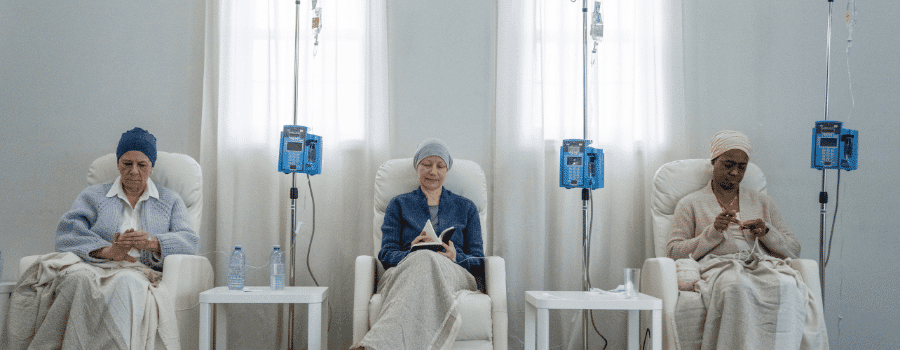
How much does Immunotherapy for Cancer Cost in Mexico?
Immunotherapy for cancer in Mexico is becoming an increasingly sought-after treatment option for patients worldwide, offering advanced care often at a more accessible cost. This innovative approach harnesses the power of your own immune system to fight cancer, providing new hope for various cancer types. If you're exploring cancer treatment in Mexico, understanding the ins and outs of immunotherapy is crucial. We'll delve into common questions, covering everything from costs and types to success rates and top clinics, helping you make an informed decision. The journey with cancer is deeply personal, and exploring treatment options can feel overwhelming. Mexico has emerged as a significant destination for medical tourism, particularly for cutting-edge cancer therapies like immunotherapy. This guide aims to provide clarity and comprehensive answers to the pressing questions individuals have when considering immunotherapy for cancer in Mexico. How much does immunotherapy for cancer cost in Mexico? "The cost of immunotherapy for cancer in Mexico can range significantly, generally from $2,000 to $5,000 per session, but comprehensive treatment plans can reach $50,000 to $100,000 or more, depending on the specific drugs, duration of treatment, and clinic." This cost is often considerably lower than in countries like the United States, making cancer treatment in Mexico an attractive option for many. However, it's crucial to get a detailed breakdown of all anticipated expenses. Factors influencing the final cost of immunotherapy in Mexico include: The specific type of immunotherapy drugs used (some are much more expensive than others). The number of treatment cycles required. The clinic's reputation, location, and facilities. Associated costs such as consultations, diagnostic tests, supportive care, and potential hospitalization. Always request a comprehensive quote that outlines all potential charges to avoid unexpected expenses. Many international patients find significant savings even after factoring in travel and accommodation. What exactly is immunotherapy and how does it work against cancer? "Immunotherapy for cancer in Mexico is a type of biological therapy that helps your immune system fight cancer. It uses substances made by the body or in a laboratory to improve or restore immune system function to find and destroy cancer cells." Immunotherapy works in several ways. Some types mark cancer cells, making them easier for the immune system to find and destroy. Others boost the power of your immune cells, like T-cells, to attack cancer more effectively. Think of your immune system as a highly skilled army; immunotherapy provides it with better intelligence (identifying cancer cells) and advanced weaponry (enhancing its cancer-fighting capabilities). This targeted approach often leads to fewer side effects compared to traditional treatments like chemotherapy, as it focuses on cancer cells while largely sparing healthy ones. Understanding the specific mechanism of action for the proposed immunotherapy treatment in Mexico is key. Different types of immunotherapy, such as checkpoint inhibitors, CAR T-cell therapy, or cancer vaccines, interact with the immune system in distinct ways. Your oncologist in Mexico will explain which type is most suitable for your specific cancer and why. What are the common types of immunotherapy available for cancer patients in Mexico? "Common types of immunotherapy for cancer available in Mexico include checkpoint inhibitors, monoclonal antibodies, cancer vaccines, and adoptive cell therapies like CAR T-cell therapy, though availability can vary by clinic and specific cancer type." Mexico's advanced cancer centers often provide a range of immunotherapy options: Checkpoint Inhibitors: These drugs essentially release the "brakes" on the immune system, allowing immune cells to respond more strongly to cancer. They block proteins that cancer cells use to hide from the immune system. Monoclonal Antibodies (mAbs): These are lab-made proteins that can be designed to attach to specific targets on cancer cells, flagging them for destruction by the immune system or directly stopping their growth. Cancer Vaccines: Unlike traditional vaccines that prevent disease, cancer treatment vaccines are designed to trigger an immune response against cancer cells in people who already have the disease. Adoptive Cell Therapy (e.g., CAR T-cell therapy): This involves removing a patient's immune cells, genetically engineering them in a lab to better recognize and fight cancer, and then reinfusing them into the patient. While highly specialized, some clinics in Mexico are advancing in this area. The specific types of immunotherapy in Mexico offered will depend on the medical facility's specialization, the type and stage of cancer, and the patient's overall health profile. Is immunotherapy a common or experimental treatment in Mexico? "Immunotherapy for cancer in Mexico is an established and increasingly common treatment option offered in many reputable cancer centers, utilizing internationally approved drugs and protocols; however, some specific, newer forms might still be considered advanced or part of clinical trials in certain contexts." Many of the immunotherapy drugs used in Mexico are the same ones approved by regulatory bodies like the FDA in the United States or the EMA in Europe. Reputable Mexican clinics adhere to international standards of care and often have oncologists trained in the US or Europe. While standard immunotherapy protocols are common, it's true that Mexico is also a place where patients might find access to innovative treatments or clinical trials that are not yet widely available elsewhere. It's essential to differentiate between well-established immunotherapy treatments and those that might be more experimental. Always ask about the specific drugs being offered, their approval status, and the evidence supporting their use for your particular cancer type. What are the success rates for immunotherapy in Mexico? "The success rates for immunotherapy in Mexico, much like anywhere else in the world, vary greatly depending on the type and stage of cancer, the specific immunotherapy used, the patient's overall health, and individual response to treatment. There isn't a single 'success rate' for immunotherapy." It's more accurate to discuss response rates and long-term survival benefits for specific cancers treated with particular immunotherapy drugs. For certain cancers, like some types of melanoma or lung cancer, immunotherapy has led to significant improvements in long-term survival for a subset of patients. For other cancers, it may be used to control the disease, improve quality of life, or in combination with other treatments. When discussing cancer treatment in Mexico, clinics may provide statistics based on their own patient outcomes or refer to larger international studies. Be cautious of any clinic promising a "cure" or exceptionally high success rates without providing context and evidence. A realistic discussion with your oncologist about expected outcomes for your specific situation is vital. Is immunotherapy for cancer safe when administered in Mexico? "Yes, immunotherapy for cancer in Mexico can be safe when administered at reputable, accredited clinics with experienced oncologists who follow international treatment protocols. Patient safety depends on the quality of the medical facility and the expertise of the medical team." Like any medical treatment, immunotherapy carries potential risks and side effects. However, the safety profile in Mexico is comparable to that in other developed countries, provided you choose a high-quality facility. Look for clinics with: International accreditations or certifications. Experienced, board-certified oncologists. Clear protocols for managing side effects. Access to supportive care and emergency services. It's crucial to research clinics thoroughly. Read patient reviews, ask about their safety records, and understand how they monitor patients during and after treatment. What are the potential side effects of immunotherapy? "Potential side effects of immunotherapy can range from mild to severe and occur because the treatment stimulates the immune system, which can sometimes attack healthy cells. Common side effects include fatigue, skin rash, flu-like symptoms, diarrhea, and inflammation of organs." Because immunotherapy works by activating your immune system, side effects often stem from an overactive immune response, leading to inflammation in various parts of the body. These are known as immune-related adverse events (irAEs). Common side effects can include: Fatigue: Feeling tired is very common. Skin issues: Rashes, itching, dryness. Gastrointestinal problems: Diarrhea, colitis (inflammation of the colon). Flu-like symptoms: Fever, chills, body aches. Endocrine problems: Affecting glands like the thyroid or pituitary. Lung problems: Pneumonitis (inflammation of the lungs). Liver problems: Hepatitis (inflammation of the liver). Most side effects are manageable if identified and treated early. Oncologists in Mexico experienced in immunotherapy treatment are well-versed in monitoring for and managing these potential complications. Open communication with your medical team about any new or worsening symptoms is crucial. How do I find the best cancer clinics for immunotherapy in Mexico? "Finding the best cancer clinics for immunotherapy in Mexico involves researching facilities with international accreditations, experienced oncologists specializing in immunotherapy, positive patient testimonials, transparent pricing, and comprehensive patient support services." Key factors to consider when searching for a clinic: Accreditation and Certifications: Look for clinics accredited by international bodies or those that meet high national standards. Doctor's Expertise: Verify the qualifications, experience, and specialization of the oncologists. Are they trained in immunotherapy? Technology and Treatments Offered: Does the clinic offer the specific type of immunotherapy recommended for your cancer? Do they have modern diagnostic and treatment technology? Patient Reviews and Testimonials: While not the sole factor, experiences of other international patients can provide insights. Transparency: The clinic should be open about treatment plans, costs, and potential outcomes. Support Services: Consider language support, assistance with travel and accommodation, and post-treatment follow-up. Medical tourism facilitators can also help identify and vet reputable cancer treatment centers in Mexico. What is the process for undergoing immunotherapy in Mexico as an international patient? "The process for undergoing immunotherapy in Mexico as an international patient typically involves an initial consultation (often remote), medical records review, travel arrangements, on-site evaluations and treatment, and a plan for follow-up care, which may occur in Mexico or your home country." Here's a general outline of the steps involved: Initial Inquiry and Consultation: Contact clinics or a medical tourism facilitator. You'll likely have a remote consultation where you discuss your diagnosis and medical history. Medical Records Submission: You'll need to provide comprehensive medical records, including pathology reports, imaging scans, and previous treatment details. Treatment Plan and Quotation: The Mexican medical team will review your case and propose a personalized treatment plan, including the type of immunotherapy, duration, and estimated cost. Travel and Accommodation: Once you agree to the plan, you'll make travel and accommodation arrangements. Many clinics offer assistance with this. On-Site Evaluation and Confirmation: Upon arrival, you'll undergo further evaluations, and the treatment plan will be confirmed or adjusted if necessary. Treatment Administration: Immunotherapy is typically given intravenously (IV) in cycles, with rest periods in between. The frequency and duration depend on the specific drug and your cancer. Monitoring and Side Effect Management: You'll be closely monitored for response to treatment and any side effects. Follow-Up Care: After completing your treatment cycles in Mexico, a follow-up plan will be established. This might involve periodic return visits or coordination with your oncologist back home. Can immunotherapy be combined with other cancer treatments in Mexico? "Yes, immunotherapy in Mexico can often be effectively combined with other cancer treatments such as chemotherapy, radiation therapy, or targeted therapies to enhance overall treatment efficacy and improve patient outcomes." Combining treatments is a common strategy in modern oncology. For example: Immunotherapy and Chemotherapy: Chemotherapy can sometimes make cancer cells more recognizable to the immune system, making immunotherapy more effective. Immunotherapy and Radiation Therapy: Radiation can cause cancer cells to release antigens, which can help stimulate an immune response that immunotherapy can then amplify. Immunotherapy and Targeted Therapy: Targeted drugs attack specific molecules involved in cancer growth, and combining them with immunotherapy can offer a multi-pronged attack. Your oncology team in Mexico will determine if a combination approach is suitable for your specific cancer type and stage, based on the latest research and clinical guidelines. They will discuss the rationale, potential benefits, and added risks of any combined modality. What types of cancer are commonly treated with immunotherapy in Mexico? "Immunotherapy in Mexico is used to treat a growing list of cancers, including melanoma, lung cancer, kidney cancer, bladder cancer, head and neck cancers, Hodgkin lymphoma, and certain types of colorectal and liver cancers, among others." The range of cancers treatable with immunotherapy continues to expand as research progresses. Some of the cancers for which immunotherapy has shown significant promise and is commonly used in Mexican clinics include: Melanoma: One of the first cancers where immunotherapy demonstrated dramatic success. Non-Small Cell Lung Cancer (NSCLC): Immunotherapy has become a standard of care for many patients with NSCLC. Kidney Cancer (Renal Cell Carcinoma): Several immunotherapy drugs are approved for kidney cancer. Bladder Cancer: Immunotherapy is an important option for certain stages of bladder cancer. Head and Neck Cancers: Approved for certain recurrent or metastatic cases. Hodgkin Lymphoma: Effective for classical Hodgkin lymphoma that has relapsed or is refractory. MSI-High or dMMR Tumors: Cancers with specific genetic features (microsatellite instability-high or mismatch repair deficient) across various tumor types can respond well to checkpoint inhibitors. The suitability of immunotherapy for cancer in Mexico for a specific cancer type depends on many factors, including the cancer's specific characteristics and biomarkers. Are there specific eligibility criteria for patients seeking immunotherapy in Mexico? "Yes, there are eligibility criteria for immunotherapy in Mexico. These typically include a confirmed cancer diagnosis, specific tumor markers or characteristics, adequate organ function (like kidney and liver function), and a reasonable overall health status (ECOG performance status)." While immunotherapy offers hope, it's not suitable for everyone. General eligibility criteria often include: Confirmed Diagnosis: A clear pathological diagnosis of a cancer type known to potentially respond to immunotherapy. Biomarker Testing: For some immunotherapies (like checkpoint inhibitors targeting PD-1/PD-L1), testing for specific biomarkers may be required to predict the likelihood of response. Prior Treatments: Depending on the cancer type and specific immunotherapy drug, it might be indicated as a first-line treatment or after other treatments have failed. Performance Status: Patients generally need to be relatively well and mobile (e.g., an Eastern Cooperative Oncology Group (ECOG) performance status of 0, 1, or sometimes 2). Adequate Organ Function: Blood tests will assess kidney, liver, and bone marrow function. Absence of Autoimmune Disease: Patients with severe, active autoimmune diseases may not be candidates due to the risk of exacerbating their condition, though exceptions can be made. Each clinic offering cancer treatment in Mexico will have its own detailed evaluation process to determine a patient's suitability for immunotherapy. What should I ask my oncologist in Mexico about immunotherapy? "When consulting an oncologist about immunotherapy for cancer in Mexico, ask about the specific type recommended, its expected benefits and risks for your cancer, success rates based on evidence, potential side effects and their management, the total estimated cost, and the treatment schedule." Prepare a list of questions for your consultation. Key questions include: What specific type of immunotherapy do you recommend for my cancer, and why? What is the scientific evidence or clinical trial data supporting its use for my specific cancer type and stage? What are the potential benefits and chances of success in my case? What are all the potential short-term and long-term side effects, and how will they be managed? What is the treatment protocol (how often, for how long)? Will it be combined with other treatments? If so, why? What is the total estimated cost, including all associated fees? What follow-up care is needed? What is the clinic's experience with treating my type of cancer with this immunotherapy? Are there alternative treatments, including other types of immunotherapy, that I should consider? A good oncologist will welcome your questions and provide clear, comprehensive answers to help you make an informed decision about your cancer treatment in Mexico. How long does a typical immunotherapy treatment course last in Mexico? "A typical immunotherapy treatment course in Mexico varies widely; individual sessions can last from 30 minutes to several hours, and treatments are often given every 2 to 6 weeks. The total duration can range from several months to two years, or even longer if the treatment is effective and well-tolerated." There's no one-size-fits-all answer to treatment duration. Checkpoint inhibitors, for example, are often given for up to two years if the cancer is responding well and side effects are manageable. Some patients may continue treatment longer if they are still benefiting. Other types of immunotherapy, like CAR T-cell therapy, involve a one-time infusion after a conditioning regimen. The specific drug, the type of cancer, the patient's response, and tolerance to side effects all play a role in determining the overall length of the immunotherapy treatment in Mexico. Your oncologist will outline the proposed schedule. What kind of support can international patients expect from Mexican cancer clinics? "International patients seeking immunotherapy for cancer in Mexico can often expect support services such as English-speaking staff, assistance with medical visa coordination, help with travel and accommodation arrangements, airport transfers, and coordination of follow-up care." Many top cancer clinics in Mexico cater to international patients and understand their unique needs. Support services may include: Language Services: Bilingual doctors, nurses, and patient coordinators. Travel Logistics: Assistance with finding flights and suitable accommodation near the clinic. Some clinics have partnerships with local hotels. Visa Assistance: Guidance on any necessary visa requirements. Personalized Care Coordination: A dedicated contact person to help navigate the treatment process. Nutritional and Wellness Support: Access to dietitians and other supportive therapies. Transparent Billing: Clear explanations of costs and payment options. Clarify the extent of support services offered when you are evaluating clinics for your cancer treatment in Mexico. Are there any legal or regulatory considerations for immunotherapy in Mexico? "Yes, immunotherapy for cancer in Mexico is regulated by COFEPRIS (the Federal Commission for the Protection against Sanitary Risks), which is Mexico's equivalent of the FDA. Reputable clinics use approved drugs and adhere to national health regulations." COFEPRIS oversees the approval, importation, and use of medical drugs and devices in Mexico, including immunotherapy agents. It's important to ensure that the clinic you choose uses medications that are either approved by COFEPRIS or are internationally recognized (e.g., FDA/EMA approved) and are being administered within established ethical and regulatory guidelines. Patients should inquire about the regulatory status of the specific treatments offered. Choosing well-established, reputable clinics minimizes risks associated with regulatory non-compliance. These clinics typically source their medications through legitimate channels and follow stringent safety protocols for their cancer treatment in Mexico. Ready to explore your options for cancer treatment? PlacidWay can help you connect with leading clinics and specialists for immunotherapy for cancer in Mexico. Discover personalized healthcare solutions tailored to your needs....
Read more details
Immunotherapy Cancer Treatment Mexico : Top Cancer Centers
Mexico is becoming a top destination for cancer treatment, offering world-class hospitals, experienced oncologists, and affordable care compared to the U.S. and Canada. Patients seeking advanced therapies, innovative treatments, and compassionate care often find Mexico an excellent option. With state-of-the-art medical facilities and international accreditations, Mexico provides high-quality oncology services at a fraction of the cost elsewhere. This guide highlights the leading cancer treatment hospitals in Mexico, their specialties, and the benefits of choosing treatment in the country. If you or a loved one are considering Mexico for cancer care, this article will provide key insights to help make an informed decision. Key Insights at a Glance Mexico has globally recognized cancer hospitals with advanced treatments. Top hospitals offer chemotherapy, radiotherapy, and surgery at lower costs. Patients save up to 70% compared to treatment costs in the U.S. International accreditations ensure high standards of care. Medical tourism services assist international patients with logistics and support. Why Choose Mexico for Cancer Treatment? 1. World-Class Hospitals and Technology Mexican hospitals specializing in oncology feature cutting-edge technology such as proton therapy, robotic-assisted surgery, and targeted therapies. Many hospitals collaborate with international institutions, ensuring they stay at the forefront of medical advancements. 2. Highly Qualified Oncologists Mexico has top-tier oncologists trained in the U.S. and Europe, offering expertise in various cancer treatments. Many doctors hold international certifications, ensuring they meet global standards. 3. Affordable Treatment Costs The cost of cancer treatment in Mexico is significantly lower than in the U.S. or Canada. Patients can receive high-quality care at a fraction of the price while maintaining excellent medical standards. 4. Shorter Waiting Times Unlike public healthcare systems in other countries where waiting lists can be long, Mexico offers quick access to treatment, allowing patients to start therapy sooner. 5. Holistic and Alternative Treatment Options Some hospitals in Mexico integrate alternative therapies like immunotherapy, hyperthermia, and holistic healing approaches, which are gaining popularity for their benefits in cancer care. Leading Cancer Treatment Hospitals in Mexico Mexico is home to some of Latin America's best cancer hospitals. Below are the top hospitals specializing in oncology based on their reputation, services, and international recognition. 1. Instituto Nacional de Cancerología (INCan) – Mexico City One of the most prestigious cancer hospitals in Latin America. Offers chemotherapy, radiotherapy, and specialized oncology surgeries. Recognized for research and clinical trials in cancer treatment. 2. Hospital Médica Sur – Mexico City Affiliated with the Mayo Clinic Care Network. Specializes in precision medicine and personalized cancer treatments. Provides advanced surgical oncology procedures. 3. Centro Oncológico Internacional (COI) – Guadalajara Focuses on radiotherapy, chemotherapy, and immunotherapy. Uses the latest radiotherapy techniques for precise cancer treatment. Offers personalized treatment plans for international patients. 4. Hospital Ángeles Tijuana – Tijuana A leading private hospital offering comprehensive cancer care. Provides alternative and integrative cancer treatments. Popular among medical tourists from the U.S. and Canada. 5. Hospital Zambrano Hellion – Monterrey Part of the TecSalud health system with cutting-edge cancer treatments. Specializes in robotic-assisted surgeries and targeted therapies. Known for clinical research in oncology. Cost of Cancer Treatment in Mexico One of the primary reasons patients seek treatment in Mexico is affordability. Below is a general cost breakdown of common cancer treatments in Mexico. Treatment Type Price Range (USD) Notes Chemotherapy (per session) $1,000 - $3,500 Varies by drug type and dosage. Radiation Therapy $5,000 - $12,000 Includes multiple sessions. Cancer Surgery $7,000 - $20,000 Depends on complexity and hospital. Immunotherapy $2,500 - $7,000 per dose Advanced biological treatment. PET/CT Scan $500 - $1,500 Used for cancer diagnosis and monitoring. Compared to U.S. costs, where chemotherapy can exceed $10,000 per session, Mexico offers significant savings without compromising quality. Benefits of Cancer Treatment in Mexico 1. High-Quality Medical Care at Lower Prices Patients save up to 70% compared to U.S. prices while receiving world-class treatment. 2. Experienced Specialists and Multidisciplinary Teams Cancer care teams include oncologists, radiologists, surgeons, and nutritionists for comprehensive care. 3. Access to Innovative Treatments Many hospitals offer targeted therapy, stem cell therapy, and immunotherapy, which are often unavailable or expensive in other countries. 4. Support for International Patients Hospitals have dedicated medical tourism departments assisting with travel, accommodations, and language barriers. 5. Relaxing Recovery Environment Many hospitals are in tourist-friendly cities, allowing patients to recover in a stress-free environment. Risks and Considerations While Mexico offers excellent cancer treatment, patients should consider the following: Quality Varies by Hospital – Choose accredited hospitals with experienced oncologists. Language Barrier – Some hospitals have English-speaking staff, but it’s best to confirm. Follow-Up Care – Patients should coordinate follow-up care with doctors in their home country. FAQs About Cancer Treatment in Mexico 1. Is cancer treatment in Mexico safe? Yes, many hospitals in Mexico are internationally accredited and meet global medical standards. Choosing a reputable hospital ensures safe and high-quality treatment. 2. How much can I save by getting cancer treatment in Mexico? Patients can save 50% to 70% compared to U.S. prices. The exact savings depend on the type of treatment and hospital selected. 3. Do hospitals in Mexico accept international patients? Yes, leading cancer hospitals have medical tourism departments to assist international patients with treatment planning, travel arrangements, and accommodation. 4. What types of cancer treatments are available in Mexico? Hospitals offer chemotherapy, radiation therapy, surgery, immunotherapy, and targeted therapy. Some centers also provide alternative and integrative treatments. 5. How do I choose the best cancer hospital in Mexico? Look for accredited hospitals with experienced oncologists and positive patient reviews. It’s also important to verify the hospital’s expertise in your specific cancer type. 6. Is it difficult to travel to Mexico for cancer treatment? No, Mexico is easily accessible from the U.S. and Canada. Many hospitals offer concierge services to help with visas, transportation, and lodging. 7. Will my insurance cover cancer treatment in Mexico? Some international insurance plans cover treatment in Mexico. It’s recommended to check with your provider and the hospital for direct billing options. Get Expert Guidance for Cancer Treatment in Mexico If you're considering cancer treatment in Mexico, you don’t have to navigate the process alone. Let experts help you find the best hospital, connect with top oncologists, and arrange all logistics for a smooth treatment experience. Reach out today and take the first step toward high-quality, affordable cancer care!...
Read more detailsShare with AI
Share this page with AI assistants to get summaries and insights


Table of Contents
- Is Immunotherapy for Lung Cancer in Mexico a Viable Option for American Patients?
- How Much Does Cancer Immunotherapy Cost in Mexico for American Patients?
- Where Can US Patients Find Holistic Oncology Clinics for Carcinoid Tumors in Mexico?
- How Effective Are Alternative Lung Cancer Treatments in Mexico for US Patients?
- What Groundbreaking Alternative Mesothelioma Care Options Exist for Canadians in Mexico?
Explore Lung Cancer: Stories, Testimonials, and Procedures
Watch in-depth videos covering everything from Lung Cancer success stories to detailed procedure explanations. Learn what to expect and hear from real patients.

Tijuana Medical Tourism Safety – Real Patient Experiences and Tips in Mexico
Cancer Treatment
Alternative Cancer Treatment by ITC - Immunity Therapy Center
Tijuana, Mexico

Advanced Immune Therapies for Cancer and Chronic Illness – Breakthroughs and Results in Tijuana, Mexico
Cancer Treatment
Alternative Cancer Treatment by ITC - Immunity Therapy Center
Tijuana, Mexico
Kelly’s Journey to Healing with Holistic Cancer Treatment in Tijuana, Mexico
Cancer Treatment
Alternative Cancer Treatment by ITC - Immunity Therapy Center
Tijuana, Mexico

Immunity Therapy Center’s Integrative Medicine and Alternative Therapies in Tijuana, Mexico – A Deep Look
Cancer Treatment
Alternative Cancer Treatment by ITC - Immunity Therapy Center
Tijuana, Mexico
Unlock the Best Lung Cancer Packages Just for You
Discover the ultimate Lung Cancer packages designed to meet your health and wellness goals. Choose the perfect fit for your journey.

Price starting from $8,000
CimaVax Lung Cancer Treatment Package in Cuba
PlacidWay Cuba Medical Clinic
- Cancer Treatment
Havana, Cuba
.png)
Price starting from $62,500
Bladder Cancer (Radical Cystectomy) Package at Asklepios Kliniken Hamburg, Germany
Asklepios Kliniken Hamburg - Multispecialty Hospital in Germany
- Cancer Treatment
Hamburg, Germany
.png)
Price starting from $29,000
Bone Marrow Transplant Package by Liv Bona Dea Hospital
Liv Bona Dea Hospital in Baku, Azerbaijan
- Cancer Treatment
Baku, Azerbaijan

Price starting from $900
PET-CT SCAN + Oncology Consultation Package in Istanbul, Turkey at Medical Park Hospitals
Medical Park Hospitals Group in Istanbul, Turkey
- Cancer Treatment
Istanbul, Turkey
Transformative Lung Cancer Experiences: Dive into Procedure Insights
Discover the power of Lung Cancer through compelling patient experiences. Uncover detailed insights into procedures, recovery journeys, and life-changing results.
.png)
Price starting from $9,800
NK Cell Therapy for Cancer in Kuala Lumpur, Malaysia
- NK Cell Therapy (Natural Killer Cell Therapy), Cancer Treatment
Kuala Lumpur, Malaysia
.png)
Price starting from $18,995
Breast Cancer Immunotherapy Tijuana, Mexico
- Breast Cancer, Cancer Treatment
Tijuana, Mexico

Price starting from $100,000
Immunotherapy China: TILs Therapy for Melanoma
- TILs Therapy for Melanoma, Cancer Treatment
China
.png)







