
What treatment


20+ Key FAQs on Sports Medicine in Mexico
Questions About Sports Medicine in Mexico? Start Here
Trusted Medical Tourism Platform Since 2007
How Much Does Sports Medicine Treatment Cost in Tijuana
Estimated costs for sports medicine treatment in Tijuana range from $50 for consultations to $3,500–$6,000 for arthroscopic surgery. Regenerative therapies like PRP injections typically cost $300 to $800, depending on your specific injury and needs. Whether you are an amateur athlete dealing with a torn ligament or an active individual managing chronic joint pain, finding accessible and affordable orthopedic care is a priority. In recent years, understanding the sports medicine treatment cost in Tijuana has become increasingly relevant for North American patients seeking alternatives to high out-of-pocket medical expenses at home. Sports medicine encompasses a wide variety of treatments, from non-invasive physical therapy and biologic injections to complex arthroscopic joint repairs. Because prices vary significantly based on the specific intervention required, this guide explores estimated costs, common procedures, preparation steps, and the realities of seeking orthopedic care across the border. Key Takeaways Treatment prices generally range from $50 for basic diagnostics to over $5,000 for surgical interventions. Proximity to the US border allows for convenient travel, though post-operative travel risks must be managed. Minimally invasive options like Platelet-Rich Plasma (PRP) are common, but results and eligibility vary by patient. Proper rehabilitation back home is just as critical to recovery as the procedure itself. Careful research into provider credentials and facility hygiene standards is essential for patient safety. 1. What specific sports medicine procedures are available in Tijuana? Facilities in Tijuana typically offer a full spectrum of sports medicine services, ranging from diagnostic imaging and physical therapy to minimally invasive arthroscopy and biologic joint injections. When patients look for a sports medicine clinic in Tijuana, they often find comprehensive centers equipped to handle various stages of injury recovery. The first step usually involves diagnostics, including X-rays, MRI scans, and ultrasound, to accurately assess the damage to tendons, ligaments, or cartilage. Non-surgical interventions are highly sought after. These often include corticosteroid injections to manage acute inflammation, as well as regenerative approaches like Platelet-Rich Plasma (PRP) therapies aimed at supporting the body's natural healing processes. Physical therapy and personalized rehabilitation protocols are also standard offerings to help restore mobility and strength. For more severe injuries, surgical interventions are available. Orthopedic surgeons in the region frequently perform arthroscopic procedures—minimally invasive surgeries using small incisions and a camera—to repair torn meniscus cartilage, reconstruct Anterior Cruciate Ligaments (ACL), or fix rotator cuff tears in the shoulder. 2. How much do regenerative treatments like PRP cost in Tijuana? Patients can generally expect to pay between $300 and $800 per session for Platelet-Rich Plasma (PRP) therapy, while more complex biologic or cellular treatments may range from $2,500 to $6,000. Regenerative medicine has become a prominent sub-field within sports medicine. PRP therapy involves drawing a small amount of the patient's own blood, processing it in a centrifuge to concentrate the platelets, and injecting it directly into the injured tendon or joint. Because it uses the patient's own biological material, it is considered relatively low-risk regarding allergic reactions, though effectiveness varies widely among individuals. The cost of PRP in Tijuana usually falls between $300 and $800 per injection. Many treatment protocols require a series of two to three injections spaced a few weeks apart to achieve potential benefits. Factors influencing this price include the specific technology used to process the blood and whether the injection is performed under ultrasound guidance for precision. Important Consideration: The medical consensus on regenerative therapies is still evolving. While many patients report pain relief, major orthopedic associations advise that outcomes are not guaranteed, and these treatments should often be combined with traditional physical therapy. 3. What is the estimated cost for arthroscopic knee or shoulder surgery? Arthroscopic procedures for the knee or shoulder typically cost between $3,500 and $6,000 in Tijuana, depending on the severity of the injury and the surgical materials required. Arthroscopy allows surgeons to visualize, diagnose, and treat problems inside a joint. For the knee, this often involves trimming or repairing a torn meniscus, or reconstructing a ruptured ACL. For the shoulder, common procedures include repairing a torn rotator cuff or stabilizing the joint after a dislocation. These surgeries are generally priced between $3,500 and $6,000. To put this in perspective, similar procedures in the United States without insurance coverage can often exceed $10,000 to $20,000. The total estimate in Tijuana usually includes the surgeon’s fee, anesthesiologist fees, operating room time, and basic surgical supplies. However, the exact price will fluctuate based on surgical complexity. An ACL reconstruction, which requires grafting tissue and using specialized fixation hardware (like bio-absorbable screws), will sit at the higher end of the price spectrum compared to a simple meniscectomy (removing damaged cartilage). 4. Are non-surgical rehabilitation and physical therapy affordable in Tijuana? Yes, individual physical therapy sessions in Tijuana generally cost between $30 and $60, making it an accessible option for patients who require extended rehabilitation. Surgery or injections are only part of the recovery equation; guided physical therapy is critical to restoring strength, flexibility, and function to the injured area. Many sports medicine centers in the region house dedicated rehabilitation departments equipped with modalities like ultrasound, electrical stimulation, and specialized exercise equipment. At an estimated $30 to $60 per session, some patients who live near the border in Southern California choose to commute for their ongoing physical therapy needs. Others may opt for an intensive, short-term rehabilitation package following their surgical procedure before returning home. It is important to understand that rehabilitation can take months. If you do not live close enough to commute regularly, you will need to arrange for continuing physical therapy in your home city. Your Mexican orthopedic team should provide a detailed, written post-operative rehabilitation protocol for your local physical therapist to follow. 5. What factors influence the total price of your orthopedic treatment? The final cost of treatment is determined by the specific diagnosis, the need for advanced imaging, the type of facility chosen, and any required medical hardware or implants. When reviewing a quote for sports medicine care, it is vital to understand what is—and isn't—included. Several variables can alter the initial estimate: Diagnostic Imaging: If your home MRIs are outdated or unclear, you may need new scans upon arrival. MRIs in Tijuana typically cost between $250 and $400. Surgical Hardware: Procedures requiring anchors, screws, or specialized grafting materials will increase the overall price. Facility Type: Procedures performed in a fully accredited hospital usually cost more than those done in a smaller ambulatory surgical center, but they offer broader emergency support capabilities. Anesthesia: General anesthesia is more expensive than local or regional blocks, requiring a specialized anesthesiologist to be present. Medications and Braces: Post-operative pain medication, crutches, or specialized joint braces may be billed separately. 6. Why do patients choose medical tourism in Mexico for sports injuries? Patients primarily travel to Mexico for sports medicine to avoid high out-of-pocket costs, bypass long wait times in public healthcare systems, and access treatments that may not be covered by their insurance. The rise of medical tourism in Mexico is largely driven by economics. Uninsured or underinsured athletes in the United States may face insurmountable bills for necessary orthopedic repairs. Even those with insurance often encounter high deductibles or denials for therapies deemed "experimental," such as certain biologic injections. For Canadian patients, the primary motivator is often time rather than direct financial cost. Public healthcare systems can have lengthy waitlists for non-life-threatening orthopedic surgeries like ACL reconstructions. For an active individual or athlete, waiting a year for surgery can mean profound muscle atrophy and a significant delay in returning to their sport. Tijuana's geographic location directly across the border from San Diego, California, makes it particularly appealing. Patients can often fly into San Diego and cross the border via medical fast lanes, making the logistics of travel much easier compared to flying overseas. Expert Insight: While convenience and cost are attractive, they should never supersede safety. Thorough vetting of the facility and the surgeon’s specialized training in sports medicine is critical. 7. How should you prepare for traveling to Tijuana for sports medicine? Preparation involves organizing comprehensive medical records, securing travel documents, arranging for a travel companion, and planning for post-procedure mobility constraints. Thorough preparation can significantly reduce the stress associated with receiving medical care abroad. Before you commit to traveling, you should ideally have a virtual consultation with the prospective surgeon. During this time, you will need to digitally share your recent X-rays, MRI reports, and medical history. Logistically, ensure your passport is up to date. While crossing the land border back into the US is sometimes done with a driver's license, a valid passport is the official and most secure requirement. Furthermore, undergoing joint surgery or receiving injections can leave you temporarily impaired. Traveling with a trusted companion who can assist with luggage, drive, and help you navigate post-operative instructions is highly recommended. Finally, clarify all financial arrangements ahead of time. Understand the accepted payment methods—some clinics prefer cash or wire transfers for large amounts, while others accept credit cards (which may incur international transaction fees). Ensure you have a clear, written breakdown of what the quoted price includes. 8. What are the potential risks of receiving orthopedic care abroad? Risks include surgical complications such as infection, travel-related issues like deep vein thrombosis (DVT), and challenges in managing continuity of care once you return home. No medical procedure is entirely risk-free, and traveling for care introduces additional variables. Standard surgical risks apply, including reactions to anesthesia, excessive bleeding, nerve damage, and post-operative infections. Infection control standards can vary by facility, making it crucial to choose clinics that adhere to recognized sterilization protocols. Travel itself poses a specific risk following orthopedic surgery. Sitting in a car or airplane for extended periods shortly after a lower extremity procedure (like knee or ankle surgery) increases the risk of developing blood clots, known as Deep Vein Thrombosis (DVT). Your surgeon may prescribe blood thinners or recommend waiting several days before traveling. Another significant risk is the gap in continuity of care. If a complication arises weeks after you have returned to your home country, you will likely need to visit a local emergency room or orthopedic specialist. Some local doctors may be hesitant to manage complications from surgeries performed abroad, and your domestic health insurance may or may not cover the costs of these corrective treatments. 9. How is post-treatment rehabilitation managed when returning home? Successful recovery requires transferring your care to a local physical therapist who will follow the specific post-operative protocols provided by your surgeon in Tijuana. The success of orthopedic surgery relies heavily on patient compliance with rehabilitation protocols. A perfectly executed ACL reconstruction can still result in a stiff, unstable knee if the patient does not commit to months of guided physical therapy. Before leaving the facility, you must obtain your surgical report, imaging discs, and a detailed rehabilitation timeline. This timeline dictates when you can bear weight, what range of motion is permitted at various stages, and which specific exercises to avoid. It is highly advisable to secure a local physical therapist in your hometown before you travel for surgery. This ensures that you can begin your rehabilitation seamlessly upon your return. Ask your Mexican surgeon how they prefer to handle follow-up communication—many utilize secure messaging apps or video calls to monitor your progress and answer questions from your local physical therapist. 10. How can you identify a qualified provider in Tijuana? Evaluating a provider involves verifying their medical credentials, checking for board certifications, reviewing facility accreditations, and ensuring clear, transparent communication. Identifying a competent specialist is the most critical step in your medical journey. Not all doctors who offer joint injections or basic orthopedic care have specialized fellowship training in sports medicine. You should seek out surgeons who focus specifically on arthroscopy and sports-related injuries. In Mexico, qualified orthopedic surgeons should be certified by the appropriate national medical boards, such as the Consejo Mexicano de Ortopedia y Traumatología (Mexican Board of Orthopedics and Traumatology). Many top providers also hold memberships in international organizations like the American Academy of Orthopaedic Surgeons (AAOS) or the International Society of Arthroscopy, Knee Surgery and Orthopaedic Sports Medicine (ISAKOS). Beyond the doctor’s credentials, assess the facility itself. Look for clinics or hospitals that maintain rigorous safety standards and are equipped to handle potential emergencies. Clear communication is also essential; you should feel comfortable asking questions and receive detailed, medically sound answers rather than high-pressure sales tactics. Why Choose PlacidWay for Medical Tourism in Mexico? Navigating international healthcare options can be overwhelming. PlacidWay serves as a global medical resource to help patients explore healthcare facilities around the world, including destinations in Mexico. Educational Resources: Provides informational guides on various orthopedic and sports medicine procedures. Provider Connections: Facilitates initial communication between patients and international medical centers. Comparative Tools: Allows individuals to view different facility profiles and available services in one place. Transparent Estimates: Shares general pricing models and estimated costs provided by affiliated clinics. Global Scope: Offers information on a wide variety of healthcare destinations, helping patients make informed decisions. Frequently Asked Questions Does health insurance cover sports medicine in Tijuana? Most US and Canadian health insurance plans do not cover scheduled medical care obtained outside of their network or country. Patients usually pay out-of-pocket, though some specialized medical tourism insurance policies or self-funded employer plans might offer partial reimbursement. Always check directly with your insurance provider. Do I need a passport to travel to Tijuana for medical care? Yes, a valid passport is required to cross the border into Mexico and to return to the United States or Canada, regardless of whether you are driving or flying. How long do I need to stay in Tijuana after arthroscopic surgery? Recovery timelines vary by procedure. For minor arthroscopic procedures, patients are often discharged the same day or the next day. However, your doctor may recommend staying locally for 3 to 7 days for a post-operative check-up before traveling home. Can I drive across the border after receiving joint injections? While joint injections like PRP are minimally invasive, they can cause temporary stiffness, swelling, or discomfort. It is generally recommended to have a companion drive you home across the border to avoid stressing the treated joint. Are medical records and MRI scans required before consulting a doctor in Mexico? Yes, providing recent MRI scans, X-rays, and comprehensive medical records allows the orthopedic specialist to accurately evaluate your condition and provide a realistic treatment plan and cost estimate before you travel. What language is primarily spoken in Tijuana sports medicine facilities? While Spanish is the national language, many medical professionals in Tijuana who cater to international patients speak English fluently. Facilities often provide bilingual staff or dedicated patient coordinators to assist with translation. Is it safe to fly after orthopedic surgery in Mexico? Flying after orthopedic surgery increases the risk of deep vein thrombosis (DVT) and blood clots. You must get explicit medical clearance from your surgeon before flying, which may involve waiting a certain number of days or taking blood-thinning medication. Do Tijuana clinics offer financing for sports medicine treatments? Some facilities partner with third-party medical financing companies that specialize in medical tourism loans. However, these options vary widely, and you will need to apply and qualify for financing prior to your procedure. What happens if I need a revision surgery after returning home? If complications arise after returning home, you will typically need to seek immediate care from a local hospital or specialist. Medical travel insurance can sometimes help cover these unexpected local costs, as returning to Tijuana may not be medically advisable during an emergency. Can I get a second opinion in Tijuana for an existing sports injury? Yes, many patients seek a second opinion regarding their diagnosis or proposed treatment plan. You can often arrange a virtual consultation with a specialist in Tijuana by sending your imaging and medical files ahead of time. Explore Your Orthopedic Options Gather more information about facilities, compare treatment estimates, and connect with medical providers to see if care abroad aligns with your needs. Request Treatment Information References Medical Tourism: Travel for Medical Care – Centers for Disease Control and Prevention (CDC) Arthroscopy – American Academy of Orthopaedic Surgeons (AAOS) Platelet-Rich Plasma in Orthopedic Sports Medicine – National Institutes of Health (NIH) / PubMed Treatment and Prevention of Sports Injuries – American Orthopaedic Society for Sports Medicine (AOSSM) Patient Safety – World Health Organization (WHO) International Society of Arthroscopy, Knee Surgery and Orthopaedic Sports Medicine (ISAKOS) Medical Disclaimer: The information provided in this article is for educational and informational purposes only and does not constitute medical advice, diagnosis, or treatment planning. Treatment costs, recovery timelines, and surgical outcomes vary significantly depending on individual health conditions and specific medical needs. Never disregard professional medical advice or delay seeking it because of something you have read here. Always consult with a qualified, board-certified healthcare professional to determine if a specific medical procedure is safe and appropriate for your circumstances....
Read more details

Table of Contents
Unlock the Best Sports Medicine Packages Just for You
Discover the ultimate Sports Medicine packages designed to meet your health and wellness goals. Choose the perfect fit for your journey.
Price starting from $6,500
Stem Cell Therapy for Sport Injuries Package in Guadalajara & Puerto Vallarta, Mexico by SPORTMED
Sportmed Centro Medico
- Sports Medicine
Guadalajara,Puerto Vallarta, Mexico

Price starting from $4,599
Stem Cell Therapy for Sport Injury Packages in Tijuana, Mexico by CellsTime Clinique
CellsTime Clinique Tijuana
- Sports Medicine
Tijuana, Mexico

Price starting from $7,000
Comprehensive Stem Cell Therapy for Sports Injuries Package in Puerto Vallarta, Mexico by BioStemCells
BioStemCells - Stem Cell Clinic in Puerto Vallarta, Mexico
- Sports Medicine
Puerto Vallarta, Mexico
Price starting from $4,400
Affordable Sports Medicine Abroad with Dr. Vargas Decamps in Santo Domingo, Dominican Republic
Center for Prolotherapy and Pain Management
- Sports Medicine
Santo Domingo, Dominican Republic
Sports Medicine Solutions Near You: Explore Top Medical Centers
Discover how Sports Medicine is transforming lives at leading medical centers in , Mexico. Dive into center profile, specialties, doctors, reviews, etc. and explore the best options tailored to your needs in this region.
Sportmed Centro Medico
Guadalajara,Puerto Vallarta, Mexico

Stem Solutions
Monterrey,San Pedro Garza Garcia, Mexico

Hospital Velmar
Ensenada, Mexico
Sports Medicine Systems
Cancun, Mexico
Transformative Sports Medicine Experiences: Dive into Procedure Insights
Discover the power of Sports Medicine through compelling patient experiences. Uncover detailed insights into procedures, recovery journeys, and life-changing results.

Price starting from $4,400
Stem Cell Therapy for Sports Injuries in Dominican Republic
- Sports Medicine
Dominican Republic

Price starting from $6,500
Stem Cell Treatments for Sports Injuries in Mexico
- Sports Medicine
Mexico
Price starting from $4,599
Stem Cell Therapy for Sport Injury in Tijuana, Mexico
- Sports Medicine, Sports Medicine
Tijuana, Mexico
Explore Sports Medicine: Stories, Testimonials, and Procedures
Watch in-depth videos covering everything from Sports Medicine success stories to detailed procedure explanations. Learn what to expect and hear from real patients.
Overcoming the Challenges of Medical Tourism with PlacidWay
Sports Medicine
PlacidWay Medical Tourism
Mexico

Regenerative Medicine for Athletes – Maximize Performance and Recovery in Guadalajara, Mexico
Sports Medicine
CellsTime Clinique Guadalajara
Mexico

Sports and Regenerative Medicine by SPORTSMED in Guadalajara, Mexico - Alexa Grasso Testimonial
Sports Medicine
Sportmed Centro Medico
Mexico
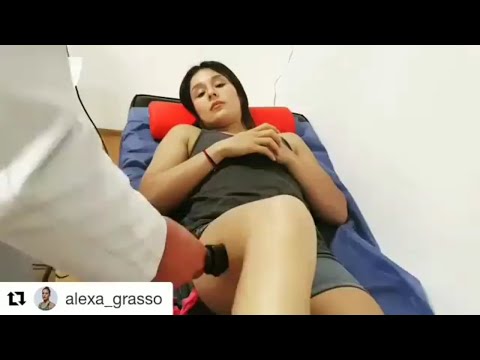
Sports Medicine and Rehabilitation by SPORTSMED in Guadalajara, Mexico - Alexa Grasso Review
Sports Medicine
Sportmed Centro Medico
Mexico
Learn More with These Sports Medicine Articles
Take a look at these interesting articles, stories and research that will help you learn more about Sports Medicine.
How to Educate Yourself before Going for a Surgery Abroad
PlacidWay Medical Tourism
- Addiction Treatment
Mexico
Is Stem Cell Therapy for Sports Injuries in Guadalajara Right for You? Costs, Safety, and Clinic Vetting
PlacidWay Medical Tourism
- Stem Cell Therapy
Mexico
Stem Cell Therapy for Sports Injuries: Why Canadian Athletes Are Choosing Mexico
PlacidWay Mexico Medical Tourism
- Sports Medicine
Mexico
Why Arizona Athletes Travel to Mexicali for Stem Cell Treatments
PlacidWay Medical Tourism
- Sports Medicine
Mexico







