
What treatment


10+ Most Common FAQs About Stem Cell Therapy for Rotator Cuff Tear
Find Reliable Answers About Stem Cell Therapy for Rotator Cuff Tear to Make Informed Decisions
Trusted Medical Tourism Platform Since 2007
.jpg)
Is stem cell therapy in Japan effective for healing rotator cuff tears and shoulder pain without surgery?
Yes, stem cell therapy in Japan is highly effective for healing rotator cuff tears and shoulder pain without surgery. Advanced regenerative medicine repairs damaged tissues, reduces inflammation, and restores mobility with excellent success rates. Key Takeaways: Shoulder Joint Regeneration Non Surgical Healing: Heals partial rotator cuff tears naturally without invasive surgical incisions. Strict Safety Laws: Japanese clinics operate under the highly regulated Act on the Safety of Regenerative Medicine. Advanced Technology: Uses high quality cell culturing facilities to multiply healthy cells before reinjection. Pain Reduction: Significantly lowers chronic joint inflammation and restores normal shoulder mobility. Cost Value: Offers premium cellular processing at competitive prices compared to Western nations. How does stem cell therapy in Japan heal rotator cuff tears without surgery? The procedure utilizes your bodys own biological building blocks to mend damaged tendons. By injecting concentrated regenerative cells directly into the tear doctors stimulate natural tissue repair. When a patient suffers from a rotator cuff injury the tendons connecting the shoulder muscles to the bone become frayed or torn. Because tendons have a naturally poor blood supply they struggle to heal on their own resulting in chronic pain. Stem cell therapy in Japan addresses this exact problem by introducing a massive concentration of healing cells directly into the damaged area creating a localized healing environment that the body could never produce naturally. These specialized cells known as mesenchymal stem cells have a unique dual action mechanism. First they release powerful anti inflammatory proteins that immediately begin to reduce the swelling and pain inside the shoulder joint capsule. This provides the patient with rapid relief from chronic discomfort. Second they act as cellular directors releasing growth factors that signal the bodys local cells to start rebuilding the torn tendon fibers. Over a period of several weeks and months the injected cells help organize new collagen production. This new collagen bridges the gap in the torn rotator cuff restoring structural integrity to the shoulder. Because the entire process relies on targeted biological regeneration it completely bypasses the need for surgical cutting drilling into the bone or lengthy painful post operative rehabilitation periods. What makes a stem cell clinic in Japan superior for shoulder joint regeneration? Japanese facilities are globally recognized for their impeccable laboratory standards and strict government oversight. They utilize cutting edge cell expansion techniques that yield incredibly high cell counts. The primary advantage of choosing a medical facility in this nation is the rigorous legal framework governing regenerative medicine. Unlike many countries where cellular treatments are loosely regulated the Japanese government enacted specific comprehensive laws to ensure patient safety and treatment efficacy. Any clinic offering these procedures must pass stringent inspections and hold specific licenses proving their laboratory environments are sterile and advanced. When seeking the most effective regenerative care many international patients look towards advanced stem cell treatments at Cell Grand Clinic in Osaka, Japan which exemplifies the high standards expected in this medical sector. Furthermore a premier stem cell clinic in Japan does not simply extract and immediately reinject cells. They utilize sophisticated culture laboratories to multiply the extracted cells over several weeks. A patient might start with a few million cells from a small fat sample but through expert culturing Japanese scientists can multiply this number into the tens of millions. This massive cell count drastically increases the therapeutic power of the final shoulder injection. Finally the precise administration of the treatment sets these clinics apart. Japanese orthopedic specialists employ high resolution ultrasound guidance during the injection process. This ensures that the highly valuable cultured cells are placed exactly into the microscopic tears of the rotator cuff tendon rather than blindly injected into the general shoulder area maximizing the potential for complete tissue regeneration. Did You Know? Japan is the birthplace of induced pluripotent stem cell technology which won the Nobel Prize in Medicine. This deep national focus on cellular biology translates directly into the high quality of clinical care provided for orthopedic joint regeneration today. What is the average stem cell therapy cost in Japan for shoulder treatments? The financial investment for treating a rotator cuff injury ranges broadly based on the cell culturing method. Prices typically encompass the initial consultation cellular extraction laboratory processing and final guided injection. Understanding the financial aspect is crucial for international patients. The stem cell therapy cost in Japan is highly competitive when compared to the exorbitant prices found in North America especially considering the advanced culturing processes included. The total price is determined by whether the clinic performs a same day procedure or a comprehensive cell expansion protocol requiring weeks of laboratory work. Most comprehensive packages will include comprehensive blood testing medical consultations translation services and the post treatment follow up. It is important to note that cell culturing represents the largest portion of the cost because it requires highly specialized scientists and perfectly sterile cleanroom environments to grow your cells safely. Treatment Component Estimated Cost (USD) Description Initial Consultation & Testing $300 - $800 MRI review blood work and specialist examination Cell Extraction (Adipose) $1,500 - $3,000 Minor liposuction procedure to harvest fat tissue Laboratory Cell Culturing $4,000 - $8,000 Multiplying cells over several weeks in a cleanroom Ultrasound Guided Injection $1,000 - $2,500 Precise delivery of cells into the rotator cuff tear Total Estimated Package $6,800 - $14,300 Comprehensive cost for advanced joint regeneration How does medical tourism in Japan benefit international patients seeking joint repair? Patients receive access to highly advanced medical technology in an environment renowned for extreme cleanliness patient safety and warm hospitality. The country provides a seamless healthcare experience. Choosing to engage in medical tourism in Japan offers distinct advantages beyond just the medical procedure itself. The nation is globally respected for its immaculate healthcare infrastructure. Hospitals and specialized treatment centers maintain hygiene standards that are arguably the highest in the world dramatically lowering any risk of secondary infections during cellular extraction or injection. Furthermore the culture of Omotenashi which translates to profound hospitality deeply influences the medical sector. International patients consistently report feeling incredibly well cared for with clinical staff showing immense respect and diligence regarding patient comfort. Dedicated medical coordinators are usually provided to bridge any language gaps ensuring you understand every detail of your shoulder treatment plan. Finally cities like Tokyo Kyoto and Osaka offer tranquil environments ideal for recovery. Because this treatment is non surgical and minimally invasive patients are generally ambulatory immediately after the procedure. This allows medical tourists to enjoy light sightseeing and experience the rich cultural heritage and calming natural landscapes of the country while their shoulder begins its natural healing process. Who is an ideal candidate for non surgical shoulder stem cell injections in Japan? The best candidates are individuals suffering from mild to moderate partial tears who want to avoid the lengthy downtime associated with invasive orthopedic shoulder operations. Patients with Partial Tears: Individuals diagnosed with partial thickness rotator cuff tears respond incredibly well as there is still a structural bridge for the cells to repair. Chronic Tendinosis Sufferers: Those experiencing severe long term inflammation and degeneration of the shoulder tendons without a full retraction. Failed Conservative Treatment: People who have tried months of physical therapy standard cortisone injections and rest with no significant pain relief. Surgery Avoiders: Individuals who cannot afford to take six to eight months off work or sports for traditional surgical rehabilitation. Overall Healthy Individuals: Candidates should not have active cancers severe bleeding disorders or active systemic infections which could compromise cellular healing. What specific regenerative techniques do Japanese doctors use for shoulder pain? Orthopedic specialists deploy a variety of biological solutions primarily focusing on adipose derived cells bone marrow concentrate and advanced platelet rich plasma combinations to maximize tissue growth. The most prominent technique involves Adipose Derived Mesenchymal Stem Cells. Doctors perform a very minor liposuction typically from the abdomen or flank to extract a small amount of fat. Fat tissue is exceptionally rich in regenerative cells. The laboratory isolates these cells purifies them and often cultures them to increase their volume before precisely injecting them into the rotator cuff tear. Another common approach is Bone Marrow Aspirate Concentrate. In this method the physician extracts marrow from the back of the pelvic bone. This marrow contains powerful growth factors and specialized cells that are highly effective at repairing bone and tendon interfaces making it an excellent choice for complex shoulder joint deterioration. To supercharge the healing process Japanese doctors frequently combine cellular injections with Platelet Rich Plasma therapy. By drawing a small amount of your blood and concentrating the healing platelets they create a biological scaffold. When injected alongside the cultured cells the plasma provides immediate nutrients and growth signals that help the newly introduced cells survive and thrive inside the damaged shoulder environment. How long is the recovery period after receiving stem cells for a rotator cuff tear? The recovery is drastically shorter than traditional surgery. Patients experience mild soreness for a few days begin light movements within weeks and see major structural improvements over several months. Immediately following the injection patients typically experience a mild to moderate increase in shoulder soreness and localized swelling. This is a normal and necessary biological response as the injected cells trigger an acute healing cascade. Doctors advise resting the shoulder in a standard sling for the first few days simply to protect the joint while the cells settle into the torn tissue. Between week one and week four patients are encouraged to perform very gentle passive range of motion exercises. It is critical during this phase not to lift heavy objects or perform overhead reaching motions. You want the new biological scaffolding to solidify without being stretched or torn. Most patients report a significant reduction in their baseline chronic pain during this first month. From the second month onward the cells are actively laying down new collagen fibers to repair the rotator cuff tear. Patients will start a formal physical therapy program to strengthen the surrounding muscles. Full structural healing and the return to demanding sports or heavy lifting typically occur between three and six months post injection depending on the severity of the initial injury. What are the potential risks of shoulder stem cell treatments in Japanese facilities? Because the procedure utilizes your bodys own natural tissue the risk of rejection or severe allergic reaction is virtually eliminated making it an exceptionally safe medical option. The safety profile of autologous cellular treatments is incredibly high. The primary biological material being injected comes completely from your own body. Therefore your immune system recognizes the cells as its own meaning there is zero risk of tissue rejection or graft versus host disease which are major concerns in treatments using donor materials. However as with any procedure involving a needle penetrating the skin there are minor risks. Patients might experience temporary bruising at the fat harvesting site or the shoulder injection site. There is always a microscopic risk of joint infection but Japanese facilities mitigate this by performing all extractions and injections inside highly sterilized strict clinical environments. The most notable clinical risk is not a danger to your health but rather the possibility of an incomplete response. In some cases particularly with massive fully retracted tendon tears the cells may reduce pain but fail to bridge the entire structural gap. This is why thorough preliminary MRI reviews by Japanese specialists are mandatory to ensure you are a highly viable candidate before you travel. Why Choose PlacidWay for your regenerative shoulder treatment in Japan? PlacidWay provides unparalleled expertise in connecting international patients with highly vetted strictly regulated medical facilities ensuring a safe transparent and medically sound healthcare journey. Rigorous Facility Vetting: We partner exclusively with treatment centers that hold official licenses under the stringent Japanese Regenerative Medicine Safety Act guaranteeing absolute laboratory compliance. Transparent Financial Quotes: We ensure that you receive comprehensive all inclusive pricing structures upfront eliminating the worry of hidden laboratory or consultation fees. Pre Travel Medical Review: Our team facilitates the transfer of your local MRI scans and medical records directly to Asian specialists ensuring you are an approved candidate before any commitments are made. Dedicated Patient Coordination: We provide you with continuous support helping you navigate complex medical terminology and ensuring clear communication between you and the foreign clinical staff. Focus on Medical Excellence: We prioritize clinics that utilize high resolution ultrasound guidance and advanced cell culturing techniques ensuring you receive the most technologically advanced care available. Frequently Asked Questions How long does shoulder regenerative treatment take in Osaka? The entire process typically requires a stay of seven to ten days in the city. The initial consultation and cell extraction happen on the first day. The cells are then processed in a specialized laboratory which takes a few days. The final injection is performed toward the end of your stay followed by a brief observation period before you are cleared to fly home. Are regenerative injections painful for rotator cuff injuries? Patients generally experience very minimal discomfort during the procedure. Japanese medical specialists use local anesthesia to numb the shoulder joint before the injection. You might feel a slight pressure as the fluid enters the joint space. Post procedure soreness is common for a few days but can easily be managed with standard over the counter pain relievers. Can foreign patients easily access medical visas for Japanese clinics? Yes foreign patients can obtain a specialized visa for medical stays if their treatment requires a long duration. However for a standard shoulder procedure taking only a week most international patients from eligible countries simply enter using a standard short term visitor visa. Your chosen medical facilitator can help determine exactly which documentation you need based on your nationality. What type of cells are used for shoulder repair in Japanese facilities? Physicians primarily use autologous mesenchymal stem cells derived from either your own body fat or bone marrow. Adipose derived cells are highly favored because they are abundant and easy to harvest through a minor liposuction procedure. These specific cells have a powerful ability to reduce joint inflammation and promote the healing of torn tendon tissues. Is physical therapy required after joint treatment in Asian medical centers? Physical rehabilitation is a crucial component of the healing process. While the injection provides the biological tools for repair gentle physical therapy helps organize the new tissue properly. Doctors usually recommend starting a specialized physical therapy program two to three weeks after the injection to restore full range of motion and strengthen the surrounding shoulder muscles. How soon can I return to sports after shoulder regeneration? Return to physical activities is a gradual process that depends on the severity of your initial tear. Light cardiovascular exercises can often be resumed within a few weeks. However heavy lifting overhead sports like tennis or swimming and high impact activities should be avoided for at least three to four months to ensure the newly forming tissue is completely stable. Does insurance cover regenerative medicine in overseas clinics? Standard health insurance policies generally do not cover experimental or advanced regenerative treatments performed overseas. Patients traveling for these specialized procedures should expect to pay out of pocket. However the overall cost including the procedure and stay is often much lower than paying for similar private regenerative treatments in North America or Europe. What is the success rate of non surgical rotator cuff repair? Clinical outcomes vary based on the patient but many facilities report success rates between seventy and eighty percent for partial tears. Patients frequently experience a significant reduction in chronic pain and a measurable improvement in their shoulder mobility. Success is highest in patients who strictly follow their post procedure resting guidelines and rehabilitation protocols. Are there age limits for receiving joint injections for shoulder pain? There is no strict upper age limit for receiving these treatments as long as the patient is in good overall health. However the regenerative potential of your cells does decrease slightly as you age. Specialists will carefully evaluate older patients to ensure they have enough healthy viable cells to make the procedure worthwhile and effective for their specific shoulder injury. How long do the effects of shoulder regeneration last? The regenerative effects are designed to be long lasting and potentially permanent for the specific tear treated. By actually repairing the damaged tissue rather than just masking the pain the joint is structurally improved. Preserving these results long term requires maintaining good shoulder mechanics avoiding repetitive overhead strain and keeping the surrounding rotator cuff muscles strong. Start Your Shoulder Healing Journey Today Stop letting chronic rotator cuff pain limit your life. PlacidWay connects you with globally recognized board certified specialists offering advanced non surgical joint repair. Secure your personalized treatment plan and discover exclusive medical packages designed for your complete recovery. Get Your Free Quote * Responses typically within 24 hours. Privacy guaranteed....
Read more details

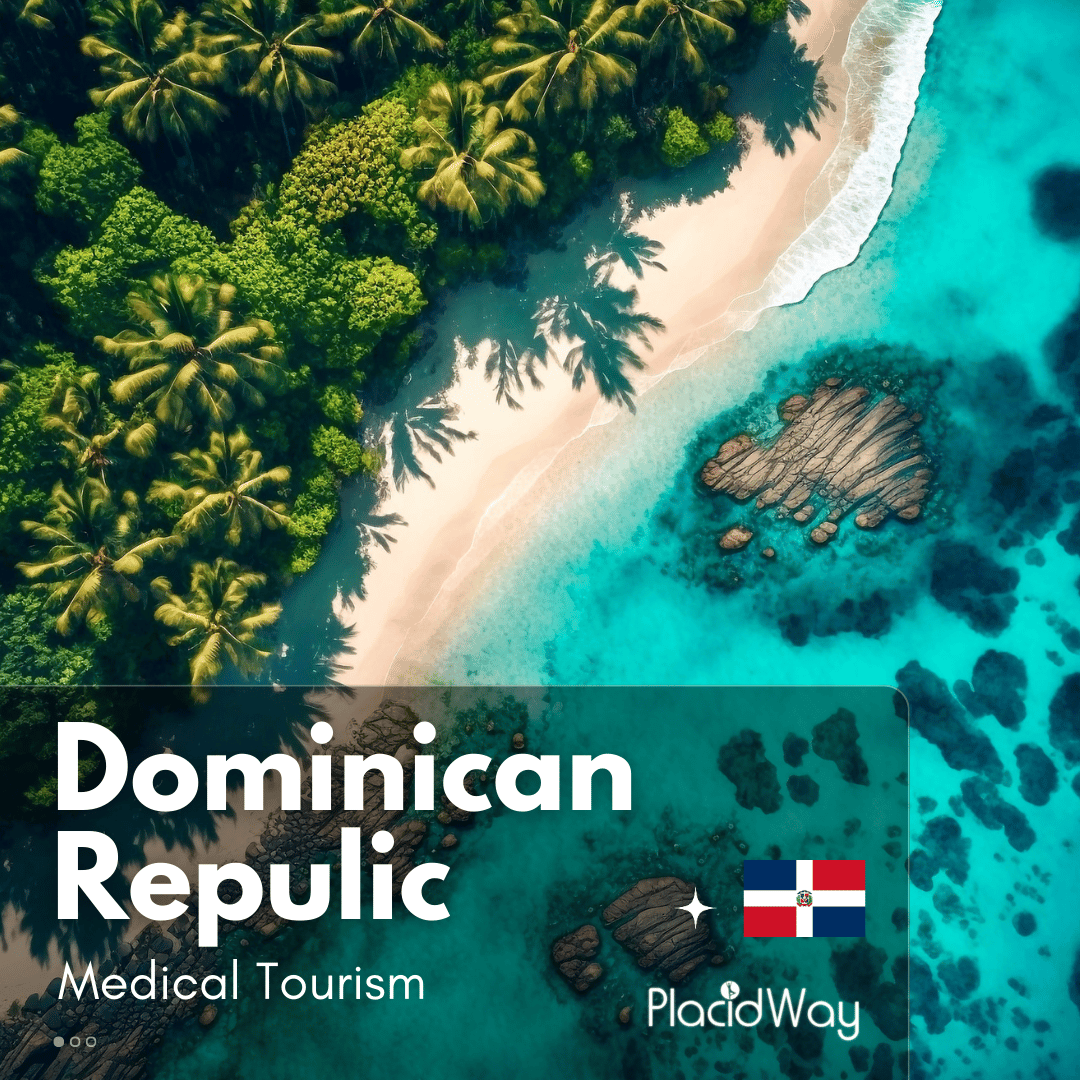
Does Stem Cell Treatment in the Dominican Republic Work for Rotator Cuff Tears?
Yes, stem cell therapy in the Dominican Republic is highly effective for treating partial rotator cuff tears and tendinopathy. Clinics often combine stem cells with "Cellular Prolotherapy" to stabilize the joint and regenerate tissue, offering a non-surgical alternative for thousands of patients. Shoulder pain can be debilitating, turning simple tasks like combing your hair or reaching for a seatbelt into agonizing challenges. For many, a diagnosis of a rotator cuff tear typically leads to two unappealing options: months of physical therapy with uncertain results, or invasive surgery with a long, painful recovery. However, a third option is gaining traction among North Americans: stem cell therapy in the Dominican Republic. Beyond its reputation as a tropical paradise, the Dominican Republic has established itself as a hub for advanced orthobiologics. Specialists here are pioneering "Cellular Prolotherapy," a technique that combines the regenerative power of stem cells with the stabilizing effects of prolotherapy. This comprehensive approach targets not just the tear, but the overall stability of the shoulder joint. In this guide, we will explore how stem cell therapy works for shoulder injuries, why the Dominican Republic is becoming a preferred destination for this treatment, and how the costs compare to the US and Canada. Is it safe? Is it effective? Let's look at the facts. How does stem cell therapy repair a torn rotator cuff? “Stem cells repair rotator cuff tears by reducing inflammation, recruiting growth factors to the injury site, and differentiating into tendon tissue to physically heal partial tears without surgery.” The rotator cuff is a group of tendons that keep the arm bone centered in the shoulder socket. When torn, these tendons have a poor blood supply, which makes natural healing difficult. Stem cell therapy bridges this gap by injecting a potent mix of regenerative cells directly into the tear. Once injected, Mesenchymal Stem Cells (MSCs) work in three key ways: Anti-Inflammatory Action: They release proteins that drastically reduce chronic inflammation, which is the primary source of pain. Cellular Recruitment: They act as "general contractors," signaling your body to send oxygen and nutrients to the injured area. Tissue Regeneration: In partial tears, these cells can differentiate into tenocytes (tendon cells), helping to rebuild the damaged fibers and restore structural integrity. What is "Cellular Prolotherapy"? “Cellular Prolotherapy is a specialized Dominican protocol that combines stem cells (to regenerate tissue) with dextrose prolotherapy (to tighten loose ligaments), treating the entire joint for better long-term stability.” A unique advantage of seeking treatment in the Dominican Republic is the prevalence of Cellular Prolotherapy. Many shoulder injuries are caused by joint instability—loose ligaments cause the bones to shift, leading to tears in the rotator cuff. If you only treat the tear with stem cells but ignore the instability, the injury may return. Dominican specialists use Prolotherapy (a natural irritant solution) to tighten the ligaments holding the shoulder together, while simultaneously using stem cells to repair the tear. This dual approach addresses both the symptom (the tear) and the root cause (instability), leading to higher success rates. What is the success rate for rotator cuff treatment in the DR? “Clinics report a success rate of 80-85% for partial tears and chronic tendinopathy, with patients experiencing significant pain reduction and improved range of motion within 3 months.” It is important to manage expectations: stem cell therapy is most effective for partial tears (where the tendon is frayed but still connected). For massive, complete retractions where the tendon has pulled away from the bone entirely, surgery may still be required. However, for the majority of patients with partial tears or "fraying," the results are compelling. Patient reviews from clinics in Santo Domingo indicate that most individuals can return to activities like golf, swimming, and lifting within 3 to 4 months post-treatment, without the 6-month downtime associated with surgery. How much does stem cell therapy for shoulders cost in the Dominican Republic? “The average cost is approximately $4,400 USD for a comprehensive package. This is significantly lower than the $12,000 - $20,000 often charged for similar procedures in the US.” The Dominican Republic offers a high-value proposition for medical tourists. The cost of living and lower overheads allow clinics to offer premium care at a fraction of US prices. A typical $4,400 package usually includes: The Procedure: Harvesting of bone marrow or fat-derived stem cells, processing, and ultrasound-guided injection. Medical Fees: Consultations with orthopedic and regenerative specialists. Logistics: Airport transfers and often assistance with local accommodation. Compared to the US, where a single stem cell injection can cost $5,000 to $10,000 (with no guarantee of success), the DR offers a more affordable and often more comprehensive treatment plan. Is the procedure safe and legal? “Yes, stem cell therapy is legal and regulated by the Dominican Ministry of Public Health. Clinics use autologous cells (from your own body) to virtually eliminate the risk of rejection or allergic reaction.” Safety is a primary concern for international patients. In the Dominican Republic, reputable clinics operate under strict regulations enforced by the Ministry of Public Health. The standard of care often mirrors that of the US, with many doctors holding international certifications. The procedure uses Autologous Stem Cells, meaning they are harvested from your own bone marrow (iliac crest) or adipose tissue (body fat). Because these are your own cells, there is zero risk of disease transmission or immune rejection. The most common side effect is mild soreness at the injection site for a few days. What is the procedure like? “It is a same-day, outpatient procedure performed under local anesthesia. It involves harvesting cells, concentrating them in a lab, and precisely injecting them into the shoulder using ultrasound guidance.” You won't need to stay in a hospital. The typical patient journey is efficient and comfortable: Morning: Arrive at the clinic for final evaluation. The doctor will harvest stem cells, usually from the hip bone or abdomen, using local anesthesia to ensure comfort. Processing: The sample is spun in a centrifuge to concentrate the stem cells and growth factors, removing red blood cells and impurities. Injection: Using high-resolution ultrasound, the doctor guides the needle to the exact tear site in the rotator cuff, ensuring precise delivery of the cells. Recovery: You rest for a short period and then return to your hotel. Most patients fly home 1-2 days later. Cost Comparison: Dominican Republic vs. USA “Patients save 60-70% on treatment costs in the DR. Additionally, the ability to combine stem cells with prolotherapy creates a value-added treatment rarely found in standard US clinics.” The table below highlights the financial and practical differences between choosing the Dominican Republic versus staying in the US for treatment. Factor Treatment in USA Treatment in Dominican Republic Average Cost $8,000 - $15,000+ $4,400 - $6,000 Technique Often single injection Cellular Prolotherapy (Combination) Anesthesia Local Local (often more generous use) Wait Time Weeks to Months Immediate Are there real patient reviews? “Yes, platforms like PlacidWay host numerous verified reviews from patients who have successfully treated shoulder injuries in Santo Domingo, citing professional staff and effective pain relief.” Reading about other patients' experiences is crucial. Many reviews highlight the personalized attention received in Dominican clinics, which often feels less rushed than in high-volume US centers. Patients frequently mention the expertise of doctors like Dr. Vargas Decamps in Santo Domingo, noting his thorough approach to diagnosis using musculoskeletal ultrasound. Always look for video testimonials or detailed written reviews that discuss the long-term recovery process, as this gives a realistic picture of what to expect. Avoid Shoulder Surgery with Stem Cell Therapy If you are looking for a non-surgical solution to your shoulder pain, the Dominican Republic offers world-class care at an affordable price. Explore PlacidWay Medical Tourism to find certified clinics, view package details, and speak with a patient coordinator today. Get a Free Consultation...
Read more details.png)
How Much Does Stem Cell Therapy Cost for Torn Rotator Cuff?
The cost of stem cell therapy for a torn rotator cuff in the US generally ranges from $5,000 to $15,000, depending on factors like the type of stem cells used, the clinic's location, and the complexity of the tear. International options can be more affordable. Dealing with a torn rotator cuff can be incredibly painful and disruptive to daily life. Many individuals explore various treatment options, from physical therapy to surgery, but more and more are turning to regenerative medicine, specifically stem cell therapy, as a promising alternative. If you're considering this innovative approach, one of the first questions that likely comes to mind is: "How much does it cost?" It's a valid and important concern, as regenerative treatments are often not covered by standard health insurance. Understanding the financial aspect of stem cell therapy for a torn rotator cuff involves looking at a range of factors that influence the price, from the specific type of stem cells used to the geographical location of the clinic. While a definitive fixed price is elusive due to the personalized nature of these treatments, we can break down the typical cost ranges, what contributes to them, and what you can expect when budgeting for this potential solution to your shoulder pain and injury. What factors influence the cost of stem cell therapy for rotator cuff tears? Several factors influence the cost of stem cell therapy for rotator cuff tears, including the source of stem cells (autologous vs. allogeneic), the clinic's reputation and location, the physician's expertise, the number of injections, and the need for imaging guidance. The price tag for stem cell therapy isn't a one-size-fits-all figure. It's a mosaic of different elements that combine to form the final cost. Understanding these factors is crucial for anyone researching treatment for a torn rotator cuff. Source of Stem Cells: This is a primary determinant. Autologous Stem Cells: These are harvested from your own body, typically from bone marrow (Bone Marrow Aspirate Concentrate or BMAC) or adipose tissue (fat). The process involves an extraction procedure, which adds to the cost due to the need for harvesting, processing, and then injecting the cells. Allogeneic Stem Cells: These are derived from donor tissues, often umbilical cord blood or amniotic fluid. While they avoid the harvesting procedure from the patient, the processing and sourcing of these cells also contribute to their cost. Clinic Location and Reputation: Just like any medical procedure, clinics in major metropolitan areas or those with a renowned reputation and cutting-edge facilities often have higher prices. Geographic location also plays a significant role; a clinic in New York City might charge more than one in a smaller town. Physician's Expertise and Experience: Highly specialized physicians with extensive experience in regenerative medicine and a proven track record may charge more for their services. Their expertise ensures precise placement and optimal treatment protocols. Number of Injections and Treatment Sessions: Depending on the severity and size of the rotator cuff tear, one or multiple injections might be required. A more extensive tear or a need for follow-up injections will increase the overall cost. Imaging Guidance: For accurate and safe delivery of stem cells to the injured area, procedures often utilize advanced imaging like ultrasound or fluoroscopy. The inclusion of this technology adds to the treatment expenses. These combined factors create a wide range in pricing, making it essential to discuss all aspects with potential clinics during your consultation. Is stem cell therapy for torn rotator cuff covered by insurance? Generally, stem cell therapy for torn rotator cuff is not covered by most health insurance providers in the United States, as it is often considered experimental or investigational. Patients typically pay out-of-pocket for these procedures. One of the biggest hurdles for patients considering stem cell therapy for a torn rotator cuff is the lack of insurance coverage. Despite promising results and growing interest, many insurance companies, including Medicare and private insurers, do not currently cover these treatments. The primary reason for this lack of coverage is that, in the eyes of many insurance providers, stem cell therapy is still considered an investigational or experimental treatment, especially for musculoskeletal conditions like rotator cuff tears. They often require more extensive, long-term clinical trial data to prove efficacy and safety before they will approve coverage. This means that patients are usually responsible for the full cost of the treatment themselves. While some clinics may offer payment plans or financing options, it's crucial for patients to confirm the payment structure upfront and be prepared for out-of-pocket expenses. Always verify with both the clinic and your insurance provider about any potential coverage or reimbursement, although it's rare for this specific treatment. What is included in the cost of stem cell therapy for rotator cuff? The cost of stem cell therapy for rotator cuff typically includes the initial consultation, the harvesting of stem cells (if autologous), processing the cells, the injection procedure itself (often with imaging guidance), and post-procedure follow-up visits. When you receive a quote for stem cell therapy for your torn rotator cuff, it's important to understand what that price encompasses. A comprehensive package usually covers several stages of the treatment process. Initial Consultation and Assessment: This includes the physician's evaluation of your condition, review of imaging (MRI, X-rays), and discussion of whether you are a suitable candidate for stem cell therapy. Stem Cell Harvesting (for Autologous Procedures): If you're receiving cells from your own body, the cost will include the procedure to extract bone marrow or adipose tissue. This involves local anesthesia and the use of specialized tools. Cell Processing: Once harvested, the tissue needs to be processed in a laboratory to concentrate the stem cells. This typically involves centrifuging the sample to separate and concentrate the therapeutic cells. Injection Procedure: The core of the treatment is the injection of the concentrated stem cells into the affected area of the torn rotator cuff. This often includes the use of ultrasound or fluoroscopic guidance to ensure precise delivery to the site of injury. Post-Procedure Care and Follow-ups: Many clinics include a certain number of follow-up visits to monitor your progress, assess healing, and provide guidance on rehabilitation or activity modifications. It's vital to clarify with the clinic exactly what is included in their quoted price to avoid any unexpected charges. Some clinics might bundle all these services, while others may list certain components separately. What are the different types of stem cell therapy used for rotator cuff tears? The main types of stem cell therapy used for rotator cuff tears include bone marrow aspirate concentrate (BMAC), adipose-derived stem cells (ADSC), and allogeneic sources such as umbilical cord or amniotic fluid derived products. When discussing stem cell therapy for a torn rotator cuff, it's helpful to understand the different sources from which these powerful cells can be obtained. Each type has its own characteristics and potential applications. Bone Marrow Aspirate Concentrate (BMAC): This is a common autologous approach where a small amount of bone marrow is extracted, typically from the hip bone. The aspirate is then concentrated to enrich the stem cells, growth factors, and other healing components. BMAC is rich in mesenchymal stem cells (MSCs) which have regenerative and anti-inflammatory properties, making them suitable for tissue repair in rotator cuff tears. Adipose-Derived Stem Cells (ADSCs): Another autologous option, ADSCs are harvested from a patient's own fat tissue, usually through a mini-liposuction procedure. Fat tissue is an abundant source of MSCs, and similar to BMAC, these cells are processed and concentrated before injection. This method is often favored due to the relative ease of obtaining a large quantity of stem cells. Allogeneic Sources (Umbilical Cord Tissue/Blood, Amniotic Fluid/Membrane): These are donor-derived products, meaning the cells are not from the patient's own body. They are typically sourced from ethically obtained birth tissues (after a healthy full-term birth) and rigorously screened for safety. These products contain various growth factors, cytokines, and sometimes live MSCs that can promote healing and reduce inflammation in a torn rotator cuff. They offer an alternative for patients who may not be candidates for autologous procedures or prefer to avoid an extraction procedure. Your doctor will determine the most appropriate type of stem cell therapy based on your specific condition, the extent of your rotator cuff tear, and your overall health. How effective is stem cell therapy for torn rotator cuff? Studies suggest that stem cell therapy for torn rotator cuff can significantly reduce pain, improve shoulder function, and potentially promote tissue repair, with many patients reporting positive outcomes and avoiding surgery. The effectiveness of stem cell therapy for a torn rotator cuff is a topic of ongoing research and clinical interest. While not a guaranteed cure, many studies and patient experiences indicate promising results, particularly for partial tears or as an alternative to surgery for some full tears. The regenerative properties of stem cells allow them to differentiate into various cell types, including those found in tendons and cartilage. When injected into a torn rotator cuff, they are believed to: Reduce inflammation and pain. Stimulate the body's natural healing processes. Promote tissue regeneration and repair damaged tendon fibers. Improve overall shoulder function and range of motion. Many patients report a significant reduction in pain, improved mobility, and an enhanced quality of life following stem cell therapy. For some, it has helped delay or even avoid the need for surgical intervention. Success rates can vary depending on factors such as the size and severity of the tear, the patient's age and overall health, and the specific type and quality of stem cells used. It's crucial to have realistic expectations and discuss potential outcomes thoroughly with your treating physician. What are the potential risks and side effects of stem cell therapy for rotator cuff? Potential risks and side effects of stem cell therapy for rotator cuff are generally low but can include temporary pain or swelling at the injection site, infection, bleeding, or nerve injury. Allergic reactions are rare, especially with autologous cells. Like any medical procedure, stem cell therapy for a torn rotator cuff carries some potential risks and side effects, although these are generally considered minimal, particularly with autologous (patient's own) cells. Common, usually mild and temporary, side effects include: Pain or soreness at the injection site: This is typical after any injection and usually resolves within a few days. Swelling or bruising: Also common at the injection site. Temporary stiffness: In the treated shoulder. More serious, though rare, risks can include: Infection: As with any procedure that breaks the skin barrier, there's a small risk of infection, which is minimized by sterile techniques. Bleeding: At the harvesting or injection sites. Nerve injury: A very rare complication, particularly with skilled practitioners using imaging guidance. Allergic reaction: Extremely rare with autologous cells, but a slight possibility with allogeneic (donor) products. Lack of efficacy: The treatment might not provide the desired level of improvement for every patient. Discussing these risks with your doctor before proceeding with stem cell therapy for your torn rotator cuff is essential to ensure you are fully informed and comfortable with the treatment plan. Can I get affordable stem cell therapy for a torn rotator cuff abroad (medical tourism)? Yes, many patients seek more affordable stem cell therapy for a torn rotator cuff through medical tourism in countries like Mexico, Costa Rica, or clinics in Europe and Asia, where costs can be significantly lower than in the United States. For individuals facing high out-of-pocket costs for stem cell therapy for a torn rotator cuff in their home country, particularly in regions like North America, medical tourism offers a compelling alternative. Numerous countries have established medical tourism industries that provide advanced treatments at a fraction of the price. The cost savings can be substantial, often 50% or more compared to prices in the United States. These savings typically stem from lower operating costs, less expensive medical insurance for providers, and different regulatory environments. When considering this option, it's crucial to research clinics thoroughly, ensure they meet international quality and safety standards, and understand what is included in the treatment package. While the primary driver for seeking treatment abroad is often cost, patients also need to factor in travel expenses, accommodation, and the logistics of recovering in a foreign country. However, for many, the potential for significant savings on stem cell therapy for a torn rotator cuff makes medical tourism a viable and attractive option. Which countries offer cost-effective stem cell therapy for rotator cuff tears? Countries offering cost-effective stem cell therapy for rotator cuff tears include Mexico, Costa Rica, Panama, Germany, and certain clinics in Eastern Europe and Asia (e.g., South Korea, Thailand), which provide high-quality care at lower prices. For those exploring medical tourism to address their torn rotator cuff with stem cell therapy, several countries have emerged as leading destinations due to their combination of advanced medical facilities, experienced specialists, and competitive pricing. Here's a brief overview: Country Key Advantages for Stem Cell Therapy Typical Cost Range (Approx. USD) Mexico Proximity to the US, many accredited clinics, experienced doctors. $3,000 - $8,000 Costa Rica Strong reputation for medical tourism, high-quality facilities, beautiful environment. $4,000 - $9,000 Panama Emerging medical hub with specialized clinics. $4,500 - $10,000 Germany Strict regulations, advanced research, excellent medical standards. $7,000 - $15,000 South Korea / Thailand Cutting-edge technology, highly skilled doctors, comprehensive packages. $5,000 - $12,000 It's important to remember that these are approximate costs and can vary widely based on the specific clinic, the type of stem cell therapy, and the complexity of your rotator cuff tear. Thorough research into clinic accreditation, doctor qualifications, and patient reviews is essential before making a decision. What should I consider when choosing a clinic for stem cell therapy for rotator cuff, especially for medical tourism? When choosing a clinic for stem cell therapy for a torn rotator cuff, particularly for medical tourism, consider the clinic's accreditation, physician's credentials, transparency in pricing, type of stem cells used, patient testimonials, and post-procedure support. Selecting the right clinic, whether at home or abroad, is paramount for a successful and safe stem cell therapy for your torn rotator cuff. When venturing into medical tourism, additional considerations come into play. Accreditation and Regulatory Compliance: Ensure the clinic is accredited by reputable international or national bodies. This indicates adherence to high standards of care and safety. Research the regulatory environment for stem cell therapies in the country you are considering. Physician's Qualifications and Experience: Verify the doctor's credentials, specialization in regenerative medicine, and specific experience treating rotator cuff tears with stem cells. Ask about their success rates and the number of procedures performed. Transparency in Pricing and Services: A reputable clinic will provide a clear, itemized breakdown of costs, including all associated fees (consultations, harvesting, processing, injections, follow-ups). Avoid clinics with vague pricing or hidden charges. Type and Source of Stem Cells: Understand what type of stem cells they use (autologous vs. allogeneic) and the source. Inquire about the quality control and safety protocols for cell processing. Patient Testimonials and Reviews: Look for independent patient reviews and testimonials. Platforms like PlacidWay can offer insights into other patients' experiences with specific clinics and doctors. Communication and Language Barriers: Especially for medical tourism, assess how effectively you can communicate with the clinic staff and physicians. Language support is crucial for understanding treatment plans and post-care instructions. Post-Procedure Support and Follow-up: Inquire about the post-treatment care plan, including physical therapy recommendations and remote follow-up options once you return home. Thorough due diligence is essential to ensure you receive safe, effective, and high-quality stem cell therapy for your torn rotator cuff. Exploring options for stem cell therapy for a torn rotator cuff, whether locally or through medical tourism, can be a complex journey. If you're looking for solutions related to medical tourism, healthcare services, or require guidance in finding the right clinic for your needs, explore PlacidWay for expert assistance and connections to top medical providers worldwide....
Read more detailsDiscover your treatment options with a free, no-obligation quote!
Get your quote now!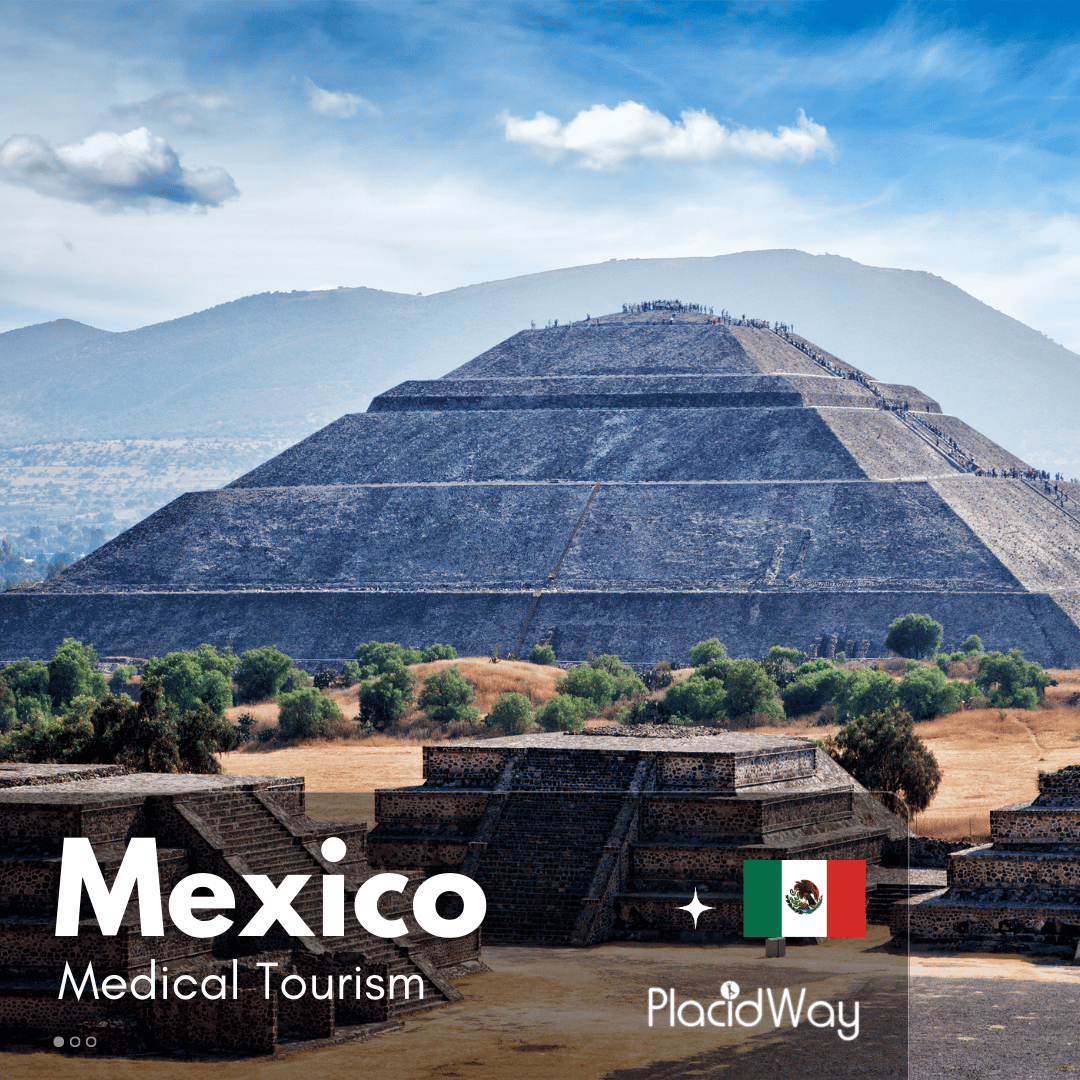
Is there Stem Cell Therapy for Rotator Cuff Injuries in Mexico?
Yes, stem cell therapy for rotator cuff injuries is available in Mexico. Many clinics offer this regenerative treatment as a non-surgical option for individuals seeking relief from shoulder pain and improved function. If you've been experiencing persistent shoulder pain, weakness, or limited motion due to a rotator cuff injury, you're likely exploring various treatment options. The rotator cuff is a critical group of muscles and tendons that provide stability and allow a wide range of motion in your shoulder joint. When these tendons are torn or damaged, it can significantly impact your daily life. While traditional treatments like physical therapy and surgery are common, a growing number of individuals are turning to stem cell therapy as a promising alternative, and Mexico has emerged as a popular destination for this innovative treatment. This blog post aims to answer all your important questions about stem cell therapy for rotator cuff injuries in Mexico, covering everything from its effectiveness and safety to cost and what to expect during the process. We'll delve into how this regenerative approach works, who might be an ideal candidate, and why Mexico has become a leading choice for those seeking cutting-edge care. Is Stem Cell Therapy for Rotator Cuff Injuries Available in Mexico? "Yes, stem cell therapy for rotator cuff injuries is widely available in Mexico, with numerous clinics offering this advanced regenerative treatment." Mexico has established itself as a prominent destination for regenerative medicine, including stem cell therapy for various orthopedic conditions like rotator cuff injuries. Due to a more progressive regulatory framework compared to some other countries, clinics in Mexico can offer specific types of stem cell treatments that might not be as readily available elsewhere. Many clinics are equipped with modern facilities and employ experienced medical professionals specializing in regenerative therapies. Patients from around the world, particularly from the U.S. and Canada, travel to Mexico seeking these treatments. The availability extends across various cities, including Tijuana, Cancun, Guadalajara, and Monterrey, providing options for different travel preferences and accessibility. What is Stem Cell Therapy for Rotator Cuff Injuries? "Stem cell therapy for rotator cuff injuries is a regenerative medical procedure that uses the body's own stem cells to promote healing and repair damaged tendons in the shoulder." Stem cell therapy is a cutting-edge approach in regenerative medicine that harnesses the body's natural healing capabilities. For rotator cuff injuries, the procedure typically involves extracting mesenchymal stem cells (MSCs), which are multipotent cells capable of differentiating into various cell types, including bone, cartilage, and fat cells. These MSCs also possess anti-inflammatory and immunomodulatory properties. Once harvested (often from the patient's own bone marrow or adipose tissue, or from umbilical cord tissue), these stem cells are processed and then precisely injected into the injured rotator cuff area, often guided by imaging techniques like ultrasound. The goal is for these stem cells to: Reduce inflammation in the injured area. Stimulate the regeneration of damaged tendon tissue. Promote collagen synthesis, which is crucial for tendon repair. Improve the local blood circulation and overall healing environment. This non-surgical approach aims to address the root cause of the injury by facilitating natural repair processes, potentially reducing pain, improving function, and avoiding the need for invasive surgery. What are the types of Stem Cells Used for Rotator Cuff Injuries in Mexico? "Common types of stem cells used for rotator cuff injuries in Mexico include mesenchymal stem cells (MSCs) derived from sources like umbilical cord tissue, adipose (fat) tissue, and bone marrow." The stem cells utilized in Mexico for rotator cuff injuries primarily consist of mesenchymal stem cells (MSCs) due to their regenerative and anti-inflammatory properties. These MSCs can be sourced from various parts, each with its own advantages: Umbilical Cord Tissue: Often preferred for its abundance of young, potent MSCs that are considered "immune privileged," meaning they are less likely to cause an immune reaction. This source avoids the need for a harvesting procedure from the patient. Adipose (Fat) Tissue: A relatively accessible and rich source of MSCs. Harvesting involves a minor liposuction procedure. These cells are known for their strong regenerative potential. Bone Marrow: Another common source, typically harvested from the patient's hip bone. Bone marrow-derived MSCs have been widely studied for orthopedic applications. Some clinics may also combine stem cell therapy with other regenerative treatments like Platelet-Rich Plasma (PRP), which further enhances the healing environment by providing growth factors from the patient's own blood. How Much Does Stem Cell Therapy for Rotator Cuff Injuries Cost in Mexico? "The cost of stem cell therapy for rotator cuff injuries in Mexico typically ranges from $2,500 to $7,500 USD, depending on the clinic, the type and number of cells used, and included services." The price of stem cell therapy for rotator cuff injuries in Mexico can vary significantly. Several factors influence the final cost: Clinic Reputation and Location: Established clinics with extensive experience and those in popular medical tourism destinations may have higher prices. Type and Quantity of Stem Cells: The source of the stem cells (e.g., umbilical cord, adipose, bone marrow) and the number of cells administered can impact the cost. Higher cell counts often correlate with higher prices. Included Services: Some clinics offer all-inclusive packages that may cover initial consultations, diagnostic imaging (like ultrasound guidance for injection), the stem cell procedure itself, post-treatment follow-ups, and sometimes even accommodation and transportation. It's crucial to understand what is included in the quoted price. Complexity of the Injury: More severe or complex rotator cuff tears might require a more intensive treatment protocol, affecting the overall cost. Compared to countries like the United States or Canada, where similar treatments can cost upwards of $8,000 to $20,000, Mexico offers a more affordable alternative while maintaining high standards of care in many reputable facilities. Is Stem Cell Therapy for Rotator Cuff Injuries Safe in Mexico? "Yes, stem cell therapy for rotator cuff injuries in Mexico is generally considered safe when performed by experienced medical professionals in regulated and accredited clinics that follow strict protocols." The safety of stem cell therapy in Mexico is a common concern, and it's essential to choose a reputable clinic. Mexico has a regulatory body, COFEPRIS (Federal Commission for the Protection against Sanitary Risks), which oversees medical procedures, including stem cell treatments. Many clinics adhere to international standards and best practices to ensure patient safety. Key aspects contributing to safety include: Clinic Accreditation: Look for clinics that are internationally accredited or have certifications demonstrating adherence to high medical standards. Physician Expertise: Ensure the doctors performing the procedure are highly trained and experienced in regenerative medicine and orthopedic conditions. Cell Sourcing and Processing: Reputable clinics follow stringent protocols for sourcing, processing, and culturing stem cells to ensure their viability, purity, and safety. Sterile Environment: Procedures should be performed in a sterile clinical environment to minimize the risk of infection. While no medical procedure is entirely risk-free, serious complications from stem cell therapy are rare, especially when performed in a professional and regulated setting. Potential minor side effects might include temporary soreness, bruising, or swelling at the injection site. What is the Success Rate of Stem Cell Therapy for Rotator Cuff Injuries? "The success rate of stem cell therapy for rotator cuff injuries varies, with many patients reporting significant improvement in pain and function, especially for partial tears." The effectiveness and success rates of stem cell therapy for rotator cuff injuries are subjects of ongoing research, but many clinical observations and studies show promising results. Success often depends on several factors: Severity of the Injury: Stem cell therapy tends to be most effective for partial-thickness rotator cuff tears and tendinopathy. For complete or full-thickness tears, while it can still offer benefits in pain reduction and improved function, surgical repair might remain the gold standard. Patient's Overall Health: A patient's age, general health, and commitment to post-treatment rehabilitation can influence outcomes. Type and Quality of Stem Cells: The viability and concentration of the administered stem cells play a role in the regenerative potential. Post-Treatment Care: Adhering to a recommended physical therapy or rehabilitation program after stem cell injections is crucial for maximizing recovery and long-term results. Many patients report noticeable improvements in pain levels, increased range of motion, and enhanced shoulder function within a few weeks to several months after the treatment. Some studies have also indicated a reduction in retear rates compared to surgical interventions alone. Who is a Good Candidate for Stem Cell Therapy for Rotator Cuff Injuries? "Ideal candidates for stem cell therapy for rotator cuff injuries typically have partial-thickness tears, chronic shoulder pain unresponsive to conservative treatments, and a desire to avoid surgery." While stem cell therapy is a promising option, it's not suitable for everyone. A thorough medical evaluation by a qualified specialist is necessary to determine candidacy. Generally, good candidates include individuals who: Have been diagnosed with a partial-thickness rotator cuff tear or significant tendinopathy (inflammation or degeneration of the tendons). Experience chronic shoulder pain and functional limitations that have not responded adequately to traditional conservative treatments such as rest, physical therapy, anti-inflammatory medications, or corticosteroid injections over several months. Are looking for a non-surgical or minimally invasive alternative to traditional surgery. Are in relatively good overall health, without active infections or certain underlying medical conditions that might contraindicate the procedure. Are committed to following post-treatment rehabilitation protocols to optimize results. Patients with complete tears might still benefit from pain reduction and improved function, but a comprehensive discussion with the medical team is essential to set realistic expectations. What Should I Expect During the Stem Cell Therapy Procedure? "During stem cell therapy for rotator cuff injuries, you can expect an initial consultation, stem cell harvesting (if autologous), processing, and a precise injection into the shoulder joint, often with image guidance." The stem cell therapy process for rotator cuff injuries typically involves several steps, usually completed within a few days, depending on the clinic's protocol: Initial Consultation and Evaluation: This involves a thorough review of your medical history, physical examination, and diagnostic imaging (like MRI or ultrasound) to assess the extent of your rotator cuff injury. The medical team will discuss whether you are a suitable candidate and explain the treatment plan. Stem Cell Harvesting (if autologous): If your own stem cells (autologous) are used, they will be harvested from your bone marrow (usually from the hip) or adipose tissue. This is a minor surgical procedure performed under local anesthesia. If allogeneic stem cells (from umbilical cord tissue) are used, this step is not necessary. Processing of Stem Cells: The harvested cells are then processed in a specialized laboratory to concentrate and activate the stem cells. This ensures a high concentration of viable cells for injection. Injection: The concentrated stem cells are precisely injected into the injured area of your rotator cuff. This step is often performed under ultrasound or fluoroscopic guidance to ensure accurate placement of the cells into the damaged tissue. The injection itself is minimally invasive and typically done with local anesthesia. Post-Procedure Care: You will receive instructions for post-procedure care, which may include rest, activity restrictions, and a recommended rehabilitation program. The entire injection procedure is usually quick, often taking less than an hour. There is typically no hospitalization required, and patients can usually return to their hotel or home shortly after. What is the Recovery Time for Stem Cell Therapy for Rotator Cuff Injuries? "The recovery time after stem cell therapy for rotator cuff injuries is typically shorter than surgery, with many patients resuming light activities within days and significant improvement seen over 3-6 months." One of the significant advantages of stem cell therapy over surgery for rotator cuff injuries is the often shorter and less intensive recovery period. Here's what you can generally expect: Immediate Post-Procedure: You might experience some mild soreness, swelling, or bruising at the injection site for a few days. Pain medication can be prescribed if needed. First Few Weeks: Patients are usually advised to limit strenuous activities and avoid heavy lifting or overhead movements to allow the stem cells to begin their regenerative work. Light daily activities are generally permissible. Weeks to Months (3-6 months): This is when the regenerative processes initiated by the stem cells are actively working. Gradual improvement in pain and function is typically observed. A personalized physical therapy program is often recommended during this phase to help restore strength, flexibility, and mobility. This controlled rehabilitation is vital for optimizing the healing process. Full benefits and maximum improvement can often be seen several months after the initial treatment. Unlike surgical recovery, which can involve several months of strict immobilization and intensive rehabilitation, stem cell therapy generally allows for a quicker return to normal activities with a progressive rehabilitation approach. Are There Any Risks or Side Effects of Stem Cell Therapy for Rotator Cuff Injuries? "Risks of stem cell therapy for rotator cuff injuries are generally minimal and include temporary soreness, bruising, or a very low risk of infection at the injection site." While stem cell therapy is considered a low-risk procedure, like any medical intervention, it does carry some potential side effects or risks. These are typically mild and transient: Injection Site Discomfort: The most common side effect is temporary pain, soreness, swelling, or bruising at the injection site in the shoulder or at the harvest site (if autologous cells are used). This usually resolves within a few days. Infection: As with any injection, there's a very small risk of infection, which is minimized by performing the procedure in a sterile environment and following proper aseptic techniques. Allergic Reaction: Although rare, an allergic reaction to local anesthetic or other materials used during the procedure is possible. Nerve or Tissue Damage: The risk of damage to nerves or surrounding tissues during injection is extremely low, especially when performed by experienced practitioners using image guidance. Serious complications are rare, particularly in clinics that adhere to strict safety protocols and have highly trained medical staff. It is important to discuss any concerns with your medical provider before undergoing the treatment. How Does Stem Cell Therapy Compare to Traditional Rotator Cuff Treatments? "Stem cell therapy offers a non-surgical alternative to traditional rotator cuff treatments like physical therapy and surgery, aiming for tissue repair rather than just symptom management or structural repair." Stem cell therapy stands apart from traditional treatments for rotator cuff injuries in its approach to healing: Compared to Conservative Treatments (Physical Therapy, Rest, Medications, Corticosteroid Injections): Mechanism: Conservative treatments primarily focus on managing symptoms (pain and inflammation) and improving function through exercise. They do not typically repair the underlying tissue damage. Stem cell therapy, in contrast, actively promotes tissue regeneration and healing. Long-term Relief: While conservative methods can provide temporary relief, they may not address the root cause, and symptoms can recur. Stem cell therapy aims for longer-term relief by facilitating actual tissue repair. Compared to Surgery (Rotator Cuff Repair): Invasiveness: Surgery is an invasive procedure that involves repairing the torn tendon, often requiring incisions, general anesthesia, and a significant recovery period. Stem cell therapy is minimally invasive, involving injections with local anesthesia. Recovery Time: Surgical recovery often involves prolonged immobilization and an extensive rehabilitation program, taking many months. Stem cell therapy typically has a much shorter initial recovery time, allowing a quicker return to daily activities. Risks: Surgical risks include infection, anesthesia complications, scar tissue formation, and potential for retears. While stem cell therapy has its own minor risks, they are generally less severe than those associated with surgery. Tissue Regeneration: Stem cell therapy actively stimulates the body's natural regenerative processes to repair damaged tissue. Surgery structurally reattaches or repairs the tendon. Stem cell therapy offers an appealing option for those seeking to avoid surgery, or for whom conservative treatments have failed, by promoting natural healing and regeneration of the injured rotator cuff. Are Follow-Up Treatments Necessary After Stem Cell Therapy? "Follow-up treatments after stem cell therapy for rotator cuff injuries are common and often include physical therapy, as well as potential repeat injections of stem cells or PRP depending on individual progress." Yes, follow-up treatments and a comprehensive rehabilitation plan are crucial for optimizing the results of stem cell therapy for rotator cuff injuries. Here's what you can expect: Physical Therapy and Rehabilitation: This is perhaps the most important aspect of post-treatment care. A tailored physical therapy program will help restore strength, flexibility, and range of motion in your shoulder. This controlled exercise helps integrate the newly regenerating tissue and improve overall function. Follow-up Consultations: Your medical team will schedule follow-up appointments to monitor your progress, assess pain levels, and evaluate functional improvements. These check-ups may include further imaging studies to track the healing of the rotator cuff. Potential for Additional Injections: In some cases, depending on the severity of the injury and the patient's response, the doctor might recommend additional stem cell or PRP (Platelet-Rich Plasma) injections. This could be done to further boost the healing process or to address any areas that need more attention. The specific frequency and nature of follow-up will be determined by your clinic and tailored to your individual needs and progress. Adhering to these recommendations is key to achieving the best possible long-term outcomes. How Long Do the Effects of Stem Cell Therapy for Rotator Cuff Injuries Last? "The effects of stem cell therapy for rotator cuff injuries can be long-lasting, with many patients experiencing sustained pain relief and improved function for several years, often due to tissue regeneration." The longevity of the benefits from stem cell therapy for rotator cuff injuries can vary among individuals, but many patients report sustained improvement for an extended period. Because stem cell therapy aims to promote actual tissue repair and regeneration, the results can be more durable than treatments that only mask symptoms. Initial Improvement: Patients typically start noticing improvements in pain and function within weeks to a few months. Sustained Results: For many, the positive effects, including reduced pain, increased mobility, and improved strength, can last for several years. This is attributed to the ongoing regenerative and anti-inflammatory effects of the stem cells. Factors Influencing Longevity: The duration of benefits can be influenced by factors such as: The severity and chronicity of the original rotator cuff injury. The patient's adherence to post-treatment rehabilitation and lifestyle recommendations. Overall health and activity levels. Whether additional supportive treatments, like PRP or booster stem cell injections, are utilized as needed. While stem cell therapy offers a pathway to long-term relief, it's not necessarily a permanent "cure" in all cases, especially if lifestyle factors or aging continue to put stress on the shoulder joint. However, it often provides a significant and lasting improvement in quality of life. Can Stem Cell Therapy Help Avoid Rotator Cuff Surgery? "In many cases, particularly for partial rotator cuff tears, stem cell therapy can help patients avoid or delay the need for invasive rotator cuff surgery by promoting natural tissue repair." One of the most compelling reasons individuals explore stem cell therapy for rotator cuff injuries is the potential to avoid surgical intervention. For a significant number of patients, especially those with partial-thickness rotator cuff tears or tendinopathy, stem cell therapy can be an effective non-surgical alternative. Tissue Regeneration: Unlike surgery which involves physically repairing or reattaching the torn tendon, stem cell therapy works by stimulating the body's innate healing mechanisms to regenerate and repair the damaged tissue. This can strengthen the existing tendon and reduce pain. Minimally Invasive: As an injection-based treatment, it avoids the risks, recovery time, and discomfort associated with surgery. Reduced Downtime: The significantly shorter recovery period means patients can often return to their normal routines much faster than after surgery. While stem cell therapy may not be suitable for all types of rotator cuff injuries, particularly very large or complete tears that require immediate surgical stabilization, it presents a viable and often successful option for many seeking to avoid the operating room. A thorough consultation with a regenerative medicine specialist can determine if stem cell therapy is the right path to help you avoid surgery for your specific rotator cuff injury. What Should I Look for in a Clinic Offering Stem Cell Therapy in Mexico? "When choosing a stem cell therapy clinic in Mexico, look for international accreditations, experienced physicians, transparent pricing, state-of-the-art facilities, and comprehensive patient care." Selecting the right clinic is paramount for a safe and effective stem cell therapy experience in Mexico. Here are key factors to consider: Accreditation and Licensing: Verify that the clinic is licensed and regulated by Mexican health authorities (COFEPRIS) and ideally holds international accreditations, which demonstrate adherence to high global standards of care. Physician Expertise and Credentials: Research the qualifications and experience of the doctors. Look for specialists in regenerative medicine, orthopedics, or sports medicine with a proven track record in stem cell therapies for rotator cuff injuries. Transparency in Treatment Protocols: A reputable clinic will be open about their stem cell sources (autologous vs. allogeneic), cell processing methods, and the specific protocol they use for rotator cuff injuries. State-of-the-Art Facilities: The clinic should have modern equipment, sterile operating environments, and ideally an in-house laboratory for cell processing to ensure quality control. Comprehensive Patient Care: This includes thorough pre-treatment evaluations, clear communication about risks and benefits, detailed post-treatment instructions, and support for follow-up and rehabilitation. Patient Testimonials and Reviews: While not the sole factor, positive patient testimonials and reviews can offer insights into the clinic's patient experience and success stories. Clear Pricing and Inclusions: Ensure the clinic provides a transparent breakdown of costs, clearly stating what is included in the treatment package to avoid hidden fees. Don't hesitate to ask questions and gather all necessary information before making your decision. A good clinic will be willing to provide detailed answers and put your mind at ease. To explore solutions related to medical tourism, healthcare services, or other relevant offerings, we encourage you to visit PlacidWay. ...
Read more detailsShare with AI
Share this page with AI assistants to get summaries and insights


Table of Contents
- Is stem cell therapy in Japan effective for healing rotator cuff tears and shoulder pain without surgery?
- Does Stem Cell Treatment in the Dominican Republic Work for Rotator Cuff Tears?
- How Much Does Stem Cell Therapy Cost for Torn Rotator Cuff?
- Is there Stem Cell Therapy for Rotator Cuff Injuries in Mexico?
Explore Stem Cell Therapy for Rotator Cuff Tear: Stories, Testimonials, and Procedures
Watch in-depth videos covering everything from Stem Cell Therapy for Rotator Cuff Tear success stories to detailed procedure explanations. Learn what to expect and hear from real patients.

This Is the Idea Behind Regenerative Medicine in Bangkok, Thailand | EDNA Wellness
Cancer Treatment
EDNA Wellness - Surgeon-Led Stem Cell Clinic in Bangkok Thailand
Bangkok, Thailand
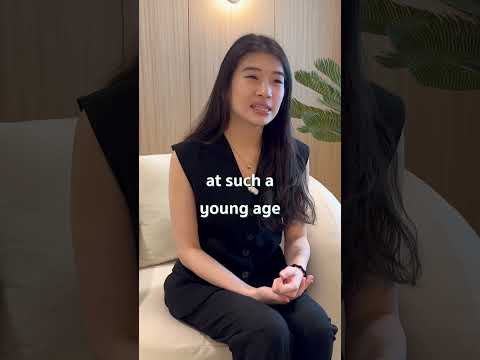
Patient Testimonial from Khun Beam: Stem Cell Therapy in Bangkok at EDNA Wellness
Cancer Treatment
EDNA Wellness - Surgeon-Led Stem Cell Clinic in Bangkok Thailand
Bangkok, Thailand
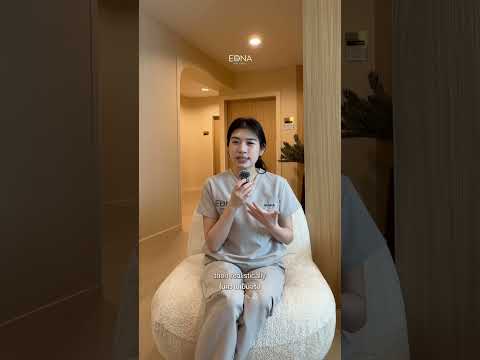
Can Stem Cell Treatment in Bangkok, Thailand Replace Surgery Explained by EDNA Wellness?
Stem Cell Therapy
EDNA Wellness - Surgeon-Led Stem Cell Clinic in Bangkok Thailand
Bangkok, Thailand
Patient Stories Turn Into Medical Proof at EDNA Wellness in Bangkok Thailand
Cancer Treatment
EDNA Wellness - Surgeon-Led Stem Cell Clinic in Bangkok Thailand
Bangkok, Thailand
Unlock the Best Stem Cell Therapy for Rotator Cuff Tear Packages Just for You
Discover the ultimate Stem Cell Therapy for Rotator Cuff Tear packages designed to meet your health and wellness goals. Choose the perfect fit for your journey.

Price starting from $8,000
Stem Cell Therapy for Wellness Optimization Package in Kingston, Jamaica by BIOregeneration
BIOregeneration - Stem Cell Clinic in Jamaica
- Stem Cell Therapy
Kingston, Jamaica
Price starting from $16,000
Stem Cell Treatment for Autism Package - Malaysia
Dr. Ebenezer Abel Paul - Stem Cells in Malaysia
- Stem Cell Therapy
Kuala Lumpur, Malaysia
Price starting from $5,000
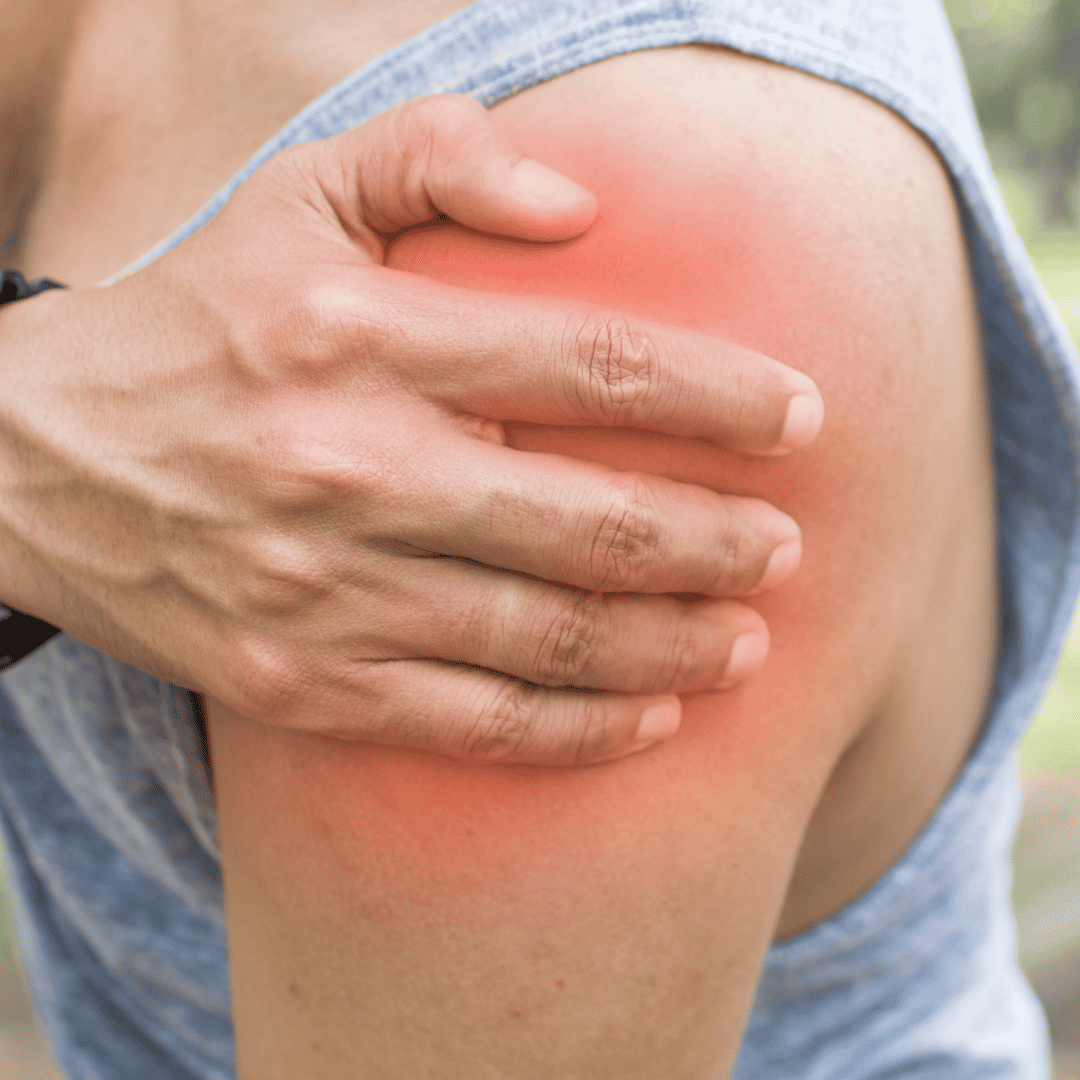
Stem Cell Therapy for Rotator Cuff Injury Package in Monterrey, Mexico by Stem Solutions
Stem Solutions
- Stem Cell Therapy
Monterrey,San Pedro Garza Garcia, Mexico
Price starting from $8,500
Stem Cell Therapy for Rotator Cuff Tear Package in Cali, Colombia by Stem Cells Kyron
Stem Cells Kyron Colombia
- Stem Cell Therapy
Cali, Colombia
Transformative Stem Cell Therapy for Rotator Cuff Tear Experiences: Dive into Procedure Insights
Discover the power of Stem Cell Therapy for Rotator Cuff Tear through compelling patient experiences. Uncover detailed insights into procedures, recovery journeys, and life-changing results.

Price starting from $10,000
Stem Cell Therapy for Back Pain in Puerto Vallarta, Mexico
- Stem Cell Therapy for Back Pain, Stem Cell Therapy
Puerto Vallarta, Mexico
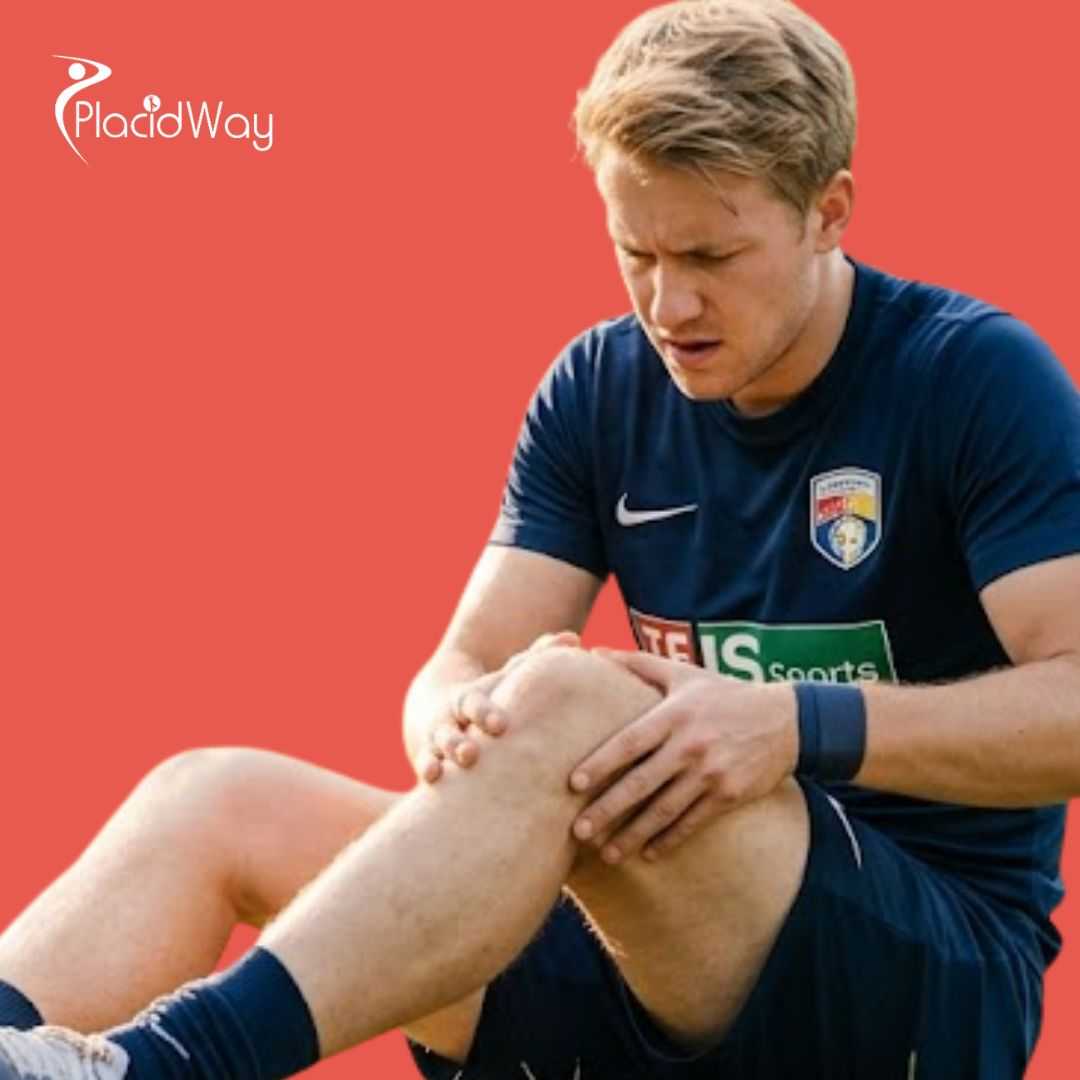
Price starting from $6,500
Stem Cell Therapy for Knee Pain in Puerto Vallarta, Mexico
- Stem Cell Treatment for Knee Osteoarthritis Abroad, Stem Cell Therapy
Puerto Vallarta, Mexico

Price starting from $17,000
Stem Cell Therapy for Cerebral Palsy in Puerto Vallarta, Mexico
- Stem Cell Treatment for Cerebral Palsy, Stem Cell Therapy
Puerto Vallarta, Mexico
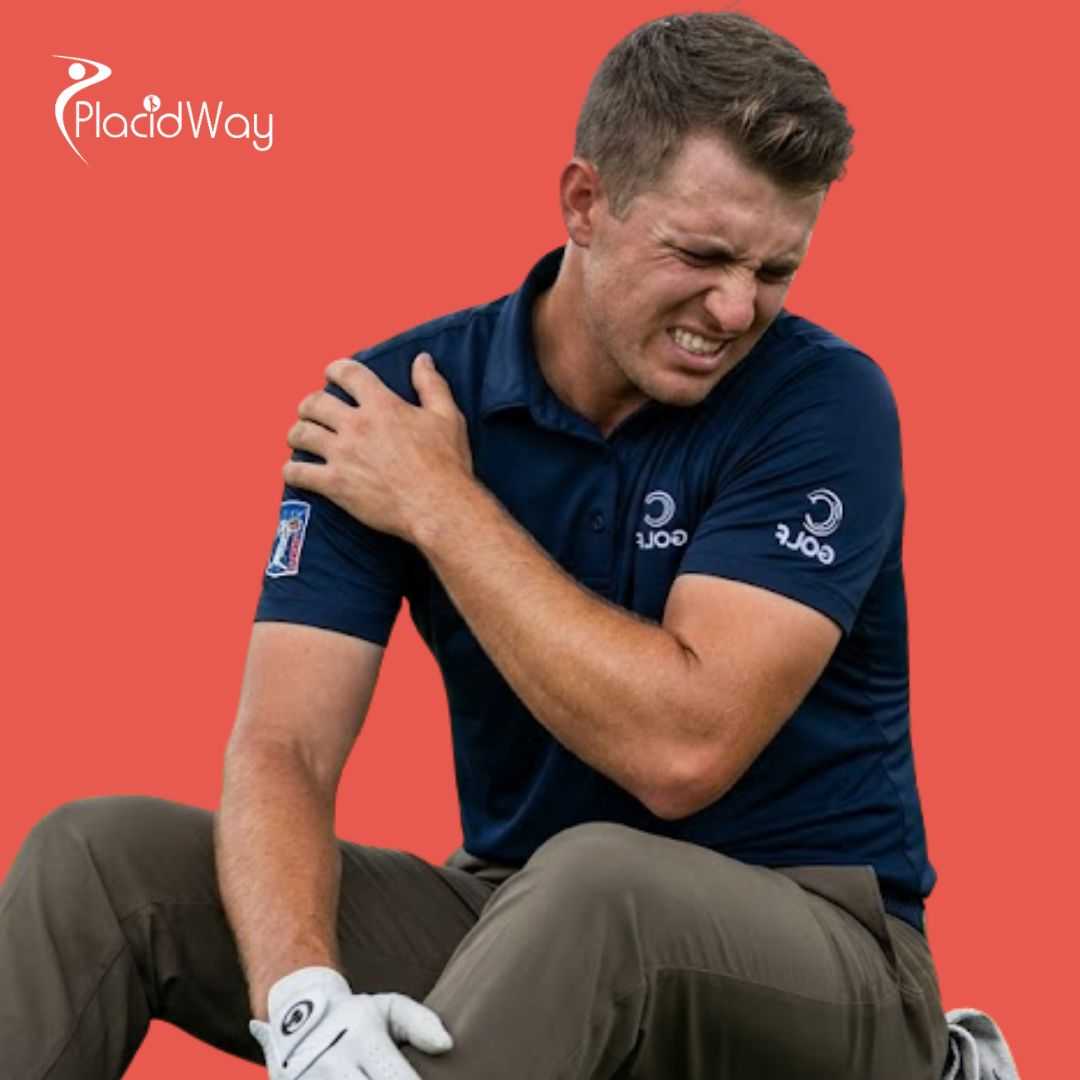
Price starting from $7,500
Stem Cell Therapy for Shoulder Pain in Puerto Vallarta, Mexico
- Stem Cell Therapy for Shoulder , Stem Cell Therapy
Puerto Vallarta, Mexico







