
What treatment


10+ Best Clinics for Anorexia Treatment in Mexico
Trusted Medical Tourism Platform Since 2007
What are the best addiction treatment clinics in Mexico?
Top addiction and anorexia treatment clinics in Mexico include New Path Ibogaine (Tijuana), Ibogaine Cancun (Cancun), Casa Santa Isabel (Tijuana), Clinica Nuevo Ser (Tijuana), Ibogaine by David Dardashti (Playa del Carmen), Viraha Wellness Center (Cabo San Lucas), Experience Ibogaine (Rosarito), and Lifes Oasis Vallarta (Puerto Vallarta).
These highly rated facilities prioritize patient safety with COFEPRIS licensing and international JCI or CARF accreditations. They specialize in treating severe substance abuse (opiates, cocaine, alcohol) and mental health conditions (anorexia, PTSD, depression) through medical detox, Cognitive Behavioral Therapy (CBT), and transformative Ibogaine therapy. All-inclusive treatment and rehabilitation packages range from $5,000 to $25,000 USD depending on the program's length and intensity.
 98.05% Patient Recommend
New Path Ibogaine


Overview
Discover safe and effective Ibogaine Treatment in Rosarito Beach, Mexico at New Path. Transform addiction recovery with professional care and lasting results.
Read more details

 100.00% Patient Recommend
Ibogaine Cancun
Overview
Ibogaine Cancun provides addiction treatment for cocaine, opiates, alcohol, and more at a top wellness and rehabilitation center in Cancun, Mexico.
Read more details

Casa Renacimiento
Overview
Discover Casa Renacimiento in Tijuana, Mexico, offering addiction treatment with personalized care, holistic therapies, and a supportive recovery environment.
Read more details 100.00% Patient Recommend
Casa Santa Isabel
Overview
Discover top Ibogaine treatment at Casa Santa Isabel in Tijuana, Mexico. Experience effective care in a serene environment. Book now at PlacidWay!
Read more detailsDiscover your treatment options with a free, no-obligation quote!
Get your quote now! 100.00% Patient Recommend
Clinica Nuevo Ser Centro de Rehabilitacion contra las Adicciones
Overview
Clínica Nuevo Ser es un centro especializado en el tratamiento de adicciones como el alcoholismo, drogadicción, adicción al juego (Ludopatía) y diversos trastornos mentales como la codependencia, la baja autoestima y trastornos de personalidad.
Read more details 90.00% Patient Recommend
Ibogaine by David Dardashti
Overview
Get ibogaine treatment in Playa del Carmen, Mexico by David Dardashti. Celebrating 15 Years of Groundbreaking Ibogaine Treatments and Transforming Thousands of Lives!
Read more details
Lifes Oasis Vallarta
Overview
Discover Lifes Oasis Vallarta in Puerto Vallarta, Mexico. Expert addiction recovery with personalized care, holistic therapies, and serene coastal surroundings.
Read more details 100.00% Patient Recommend
Mind-U Psychiatric Residential Mental Health Center
Overview
Mind-U: Psychiatric residential care on Baja California's Pacific coast, minutes from San Diego. Full-time psychiatrist, PhD psychologists, 70+ disorders. Dual diagnosis welcome. Free airport pickup.
Read more detailsDiscover your treatment options with a free, no-obligation quote!
Get your quote now! 100.00% Patient Recommend
Experience Ibogaine Treatment Center
Overview
Experience Ibogaine Treatment Center is the best addiction clinic in Tijuana, Mexico, offering personalized ibogaine therapy and expert aftercare. Contact us today for free consultation.
Read more details 92.59% Patient Recommend
Viraha Wellness Center
Overview
Viraha Wellness Center in Los Cabos REDEFINES the traditional application of Ibogaine by incorporating the Tomatis® Method, Access Bars®, and other proven modalities.
Read more detailsGenesis Ibogaine Clinic
Genesis Ibogaine Clinic provides best Addiction Treatment in Rosarito, Mexico. Book online now Heroin Addiction, Cocaine Addiction, and Alcohol Addiction at Genesis Ibogaine Clinic.


Authored by
Alejandro Ramirez
Alejandro Ramirez Addiction Recovery & Detoxification Content Specialist A dedicated healthcare writer specializing in addiction treatment, clinical detox, and advanced detoxification therapy. With 2+ years of experience and over 400+ authored article

Reviewed by
Dr. Hector Mendoza
Discover Dr. Hector Mendoza, a leading addiction doctor in Tijuana, Mexico, specializing in detox, dual diagnosis, and integrative recovery therapies.
Last updated on
Which are the best clinics for Addiction Treatment in Mexico?
When seeking top-tier addiction treatment in Mexico, reputable clinics prioritize patient safety, medical expertise, and comprehensive care. Facilities like Ibogaine Cancun, Casa Santa Isabel, Clinica Nuevo Ser Centro de Rehabilitacion, Ibogaine by David Dardashti, Viraha Wellness Center, and Experience Ibogaine Treatment Center are recognized for their specialized programs, experienced medical teams, and supportive recovery environments, often integrating innovative therapies for lasting sobriety.
Choosing the "best" addiction treatment clinic in Mexico depends heavily on individual needs, but several facilities consistently stand out for their patient-focused approach and effective programs. These centers often excel in specific areas such as:
- Specialized Therapies: Many top clinics offer cutting-edge treatments like Ibogaine therapy, known for its potential in interrupting addiction patterns and reducing withdrawal symptoms.
- Comprehensive Care: Look for centers that provide a full spectrum of services, including medical detoxification, psychological counseling, and integrated holistic therapies.
- Experienced Staff: The quality of care is often reflected in the medical and therapeutic team's experience, certifications, and commitment to personalized patient plans.
- Patient Testimonials: Positive feedback and high patient satisfaction rates from past clients, often highlighting successful recovery stories, are strong indicators of a clinic’s effectiveness.
- Accreditation & Safety: Ensure the clinic operates with high standards of medical safety, proper licensing, and a secure, supportive environment.
What types of therapy are offered at addiction treatment clinics in Mexico?
Addiction treatment clinics in Mexico typically offer a diverse range of therapies, blending conventional and alternative approaches. Patients can often access medical detox, cognitive behavioral therapy (CBT), dialectical behavior therapy (DBT), individual and group counseling, family therapy, and holistic modalities like yoga, meditation, and nutritional support. Some specialized clinics also provide innovative treatments such as Ibogaine therapy for deeper, transformative healing.
Mexican addiction treatment centers understand that effective recovery requires a multi-faceted approach. Here's a breakdown of common therapies you might encounter:
- Medical Detoxification: This is often the first step, where patients safely withdraw from substances under medical supervision to manage acute symptoms.
- Cognitive Behavioral Therapy (CBT): A cornerstone of addiction treatment, CBT helps individuals identify and change negative thought patterns and behaviors contributing to substance abuse.
- Dialectical Behavior Therapy (DBT): Focuses on teaching emotional regulation, distress tolerance, interpersonal effectiveness, and mindfulness skills.
- Individual Counseling: One-on-one sessions with a therapist to explore personal issues, trauma, and underlying causes of addiction.
- Group Therapy: Provides a supportive community setting where individuals can share experiences, build coping skills, and receive peer support.
- Family Therapy: Involves family members to address communication breakdowns and establish healthy support systems for the patient's recovery.
- Holistic Therapies: Many clinics incorporate yoga, meditation, mindfulness, art therapy, equine therapy, and nutritional guidance to promote overall well-being.
- Ibogaine Therapy: A unique, plant-based treatment offered by specialized clinics, particularly in Mexico, known for its potential to interrupt addiction and reduce withdrawal symptoms quickly.
How do I verify the credentials of an addiction treatment clinic in Mexico?
Verifying an addiction treatment clinic's credentials in Mexico is crucial for ensuring quality care. Start by checking for local licensing from health authorities like COFEPRIS. Seek international accreditations such as Joint Commission International (JCI) or CARF, which signify adherence to global standards. Additionally, examine the qualifications and specializations of their medical team and therapists, and look for transparent reporting on success rates and patient outcomes.
Ensuring a clinic is legitimate and high-quality is paramount for addiction treatment in Mexico. Follow these steps to thoroughly vet their credentials:
- Check Local Licensing: Reputable clinics should be licensed by the Mexican Ministry of Health (Secretaría de Salud) or its federal commission, COFEPRIS (Comisión Federal para la Protección contra Riesgos Sanitarios). Request to see their current operating license.
- Seek International Accreditation: Look for third-party accreditations from international bodies like Joint Commission International (JCI), CARF (Commission on Accreditation of Rehabilitation Facilities), or others. These accreditations indicate adherence to stringent global standards for patient care and safety.
- Review Staff Qualifications: Inquire about the qualifications, licensing, and experience of the medical doctors, psychiatrists, psychologists, and addiction counselors on staff. They should have relevant degrees and specializations in addiction medicine or mental health.
- Look for Transparency: A trustworthy clinic will be open about their treatment methodologies, facility details, and patient care protocols. They should readily provide information about their staff and credentials.
- Patient Testimonials and Reviews: While not formal accreditation, reviewing patient experiences on independent platforms can offer insights into the quality of care and patient satisfaction.
- Direct Contact: Don't hesitate to call the clinic, ask detailed questions, and even arrange a virtual tour or an initial consultation to assess their professionalism and responsiveness.
What should I look for in a facility offering addiction treatment in Mexico?
When choosing an addiction treatment facility in Mexico, prioritize a personalized treatment plan, qualified medical and therapeutic staff, and transparent communication. Look for a comfortable and safe environment that supports recovery, offers evidence-based and holistic therapies, and emphasizes robust aftercare planning. Critically, ensure the clinic aligns with your specific needs for a successful recovery journey.
Selecting the right addiction treatment facility in Mexico is a significant decision. Here are key aspects to consider:
- Accreditation and Licensing: Verify that the facility holds proper licensing from Mexican health authorities and preferably international accreditations (e.g., JCI, CARF) for quality assurance.
- Treatment Philosophy and Modalities: Understand their approach to addiction treatment. Do they offer evidence-based therapies like CBT and DBT? Do they integrate holistic practices? If you're seeking specialized treatments like Ibogaine, confirm their expertise and safety protocols.
- Individualized Treatment Plans: Effective recovery isn't one-size-fits-all. A good clinic will assess your unique situation and create a tailored plan that addresses your specific substance use, co-occurring disorders, and personal goals.
- Staff Expertise: Ensure the team includes licensed doctors, psychiatrists, psychologists, and certified addiction counselors with extensive experience. Many facilities have bilingual staff for international patients.
- Facility Environment: Evaluate the comfort, cleanliness, and safety of the environment. A serene and supportive setting can greatly enhance the recovery process.
- Aftercare Planning: Successful recovery extends beyond the initial treatment. Look for clinics with strong aftercare programs, including relapse prevention strategies, sober living connections, and ongoing support.
- Patient-to-Staff Ratio: A lower ratio often indicates more personalized attention and care.
Are there specialized addiction treatment programs available in different regions of Mexico?
Yes, Mexico offers diverse specialized addiction treatment programs across its regions, catering to various needs. Coastal areas like Cancun and Puerto Vallarta often blend luxury with recovery, while border cities like Tijuana focus on accessibility and specific intensive therapies such as Ibogaine treatment. Patients can find programs tailored for different substances, co-occurring mental health issues, and holistic preferences.
Mexico's geographical diversity is mirrored in its addiction treatment landscape, with various regions offering specialized programs:
- Tijuana and Rosarito Beach: Known for their accessibility from the US, these border cities host numerous clinics specializing in rapid detox programs and alternative therapies like Ibogaine for opiate and stimulant addiction. They often cater to international patients seeking intensive, discreet treatment. Examples include Casa Santa Isabel and Experience Ibogaine Treatment Center.
- Cancun and Playa del Carmen: These Caribbean coastal destinations often provide luxury rehabilitation experiences, combining high-quality medical care with serene environments. Clinics here might offer extensive holistic programs, gourmet meals, and wellness activities alongside traditional therapies, appealing to those seeking a resort-like recovery setting. Ibogaine Cancun and Ibogaine by David Dardashti are prominent here.
- Cabo San Lucas: Similar to Cancun, Cabo offers a tranquil setting for recovery with a focus on holistic and integrative therapies. Viraha Wellness Center, for instance, redefines traditional approaches by incorporating unique modalities like the Tomatis® Method alongside Ibogaine.
- Central Mexico (e.g., Monterrey): While less prominent for international medical tourism specifically for addiction, some facilities in larger central cities provide comprehensive programs for various addictions, emphasizing culturally sensitive and community-integrated approaches.
What is the typical patient experience like at a Mexican addiction treatment clinic?
Patients at Mexican addiction treatment clinics generally experience a structured, supportive, and often personalized journey towards recovery. It usually begins with a thorough medical evaluation and detox, followed by a blend of individual and group therapy, sometimes including unique alternative treatments like Ibogaine. Days are typically balanced with therapeutic sessions, recreational activities, and time for reflection, all within a comfortable and discreet environment, often with bilingual staff.
The patient experience at an addiction treatment clinic in Mexico is designed to be comprehensive and supportive, tailored to promote deep healing and sustainable recovery. Here’s what you can generally expect:
- Initial Assessment: Upon arrival, a detailed medical and psychological evaluation is conducted to understand the patient’s history, addiction severity, and any co-occurring mental health conditions. This forms the basis for a personalized treatment plan.
- Detoxification Phase: If medically necessary, a supervised detox process helps manage withdrawal symptoms safely and comfortably. This phase may include medication to ease discomfort.
- Therapeutic Modalities: Days are structured with a mix of individual therapy sessions (CBT, DBT), group therapy, psychoeducation, and family counseling (if applicable).
- Holistic Integration: Many clinics incorporate holistic activities such as yoga, meditation, art therapy, fitness, and nutritional counseling to support overall well-being and stress reduction.
- Environment: Facilities often provide comfortable accommodations, healthy meals, and a serene atmosphere conducive to healing. Some are located in beautiful, tranquil settings.
- Staff Interaction: Patients interact regularly with a compassionate team of doctors, nurses, therapists, and support staff, many of whom are bilingual to facilitate effective communication for international patients.
- Privacy and Discretion: Most clinics prioritize patient privacy, offering a discreet environment away from daily stressors and triggers.
- Aftercare Planning: Towards the end of the program, significant focus is placed on developing a robust aftercare plan, including strategies for relapse prevention, continued therapy, and reintegration into daily life.
How do Mexican addiction clinics ensure patient safety and privacy?
Mexican addiction clinics ensure patient safety through strict medical protocols, continuous supervision by qualified staff, and pre-admission screenings. Privacy is maintained by adhering to confidentiality standards, providing discreet locations, and often offering private rooms. Many internationally accredited facilities follow global best practices for secure and confidential care, creating a trusted environment for recovery.
Patient safety and privacy are fundamental pillars of reputable addiction treatment clinics in Mexico. Here’s how they are typically upheld:
- Comprehensive Medical Screening: Before admission, patients undergo extensive medical evaluations, including physical exams, blood tests, and cardiac assessments, to ensure they are suitable for treatment and to tailor medical care during detox.
- 24/7 Medical Supervision: During the critical detoxification phase and throughout treatment, medical staff, including doctors and nurses, are on-site around the clock to monitor vital signs, manage withdrawal symptoms, and address any health concerns immediately.
- Qualified and Trained Staff: Clinics employ licensed medical professionals, certified therapists, and support staff who are trained in emergency protocols, crisis intervention, and patient care best practices.
- Secure Facilities: The treatment centers are often located in private, secure settings that offer a tranquil environment while limiting external distractions or unauthorized access.
- Strict Confidentiality: Adherence to patient confidentiality is a top priority, often mirroring international standards to protect personal health information. This is communicated clearly to patients upon admission.
- Individualized Care: Personalized treatment plans ensure that each patient's unique medical and psychological needs are met, reducing risks and optimizing recovery outcomes.
- Therapeutic Boundaries: Staff maintain professional boundaries with patients to ensure a safe and respectful therapeutic environment.
- Emergency Protocols: Clear and practiced emergency procedures are in place for medical crises or other unforeseen events, ensuring rapid and effective response.
What is the importance of aftercare support from addiction treatment clinics in Mexico?
Aftercare support from addiction treatment clinics in Mexico is paramount for sustained sobriety and preventing relapse. It provides a crucial bridge between intensive therapy and reintegrating into daily life, equipping individuals with tools and resources to navigate challenges independently. This continued support fosters long-term recovery by reinforcing learned coping mechanisms, connecting patients to sober communities, and offering ongoing guidance as they rebuild their lives.
Aftercare is arguably one of the most critical components of successful addiction recovery, and reputable clinics in Mexico place significant emphasis on it:
- Sustained Sobriety: The transition from a structured treatment environment back to daily life can be challenging. Aftercare programs provide ongoing support to help individuals maintain their sobriety and navigate real-world triggers.
- Relapse Prevention: Comprehensive aftercare equips patients with strategies and tools to identify early warning signs of relapse and implement learned coping mechanisms effectively.
- Community Integration: Many programs connect individuals with local support groups (like AA or NA), sober living communities, or alumni networks, fostering a sense of belonging and continued accountability.
- Continued Therapy: Aftercare often includes recommendations for ongoing individual or group counseling, allowing patients to continue processing emotions, addressing underlying issues, and developing healthier coping skills.
- Life Skills Development: Support may extend to practical aspects of life, such as vocational training, educational pursuits, and healthy relationship building, all crucial for rebuilding a fulfilling life in recovery.
- Accountability and Monitoring: Some aftercare plans include regular check-ins or monitoring, providing a safety net and ensuring individuals remain committed to their recovery goals.
- Addressing Co-occurring Disorders: If a patient has co-occurring mental health issues, aftercare ensures continued management and treatment for these conditions, which is vital for holistic recovery.
Do addiction treatment clinics in Mexico provide holistic approaches to recovery?
Yes, many addiction treatment clinics in Mexico are renowned for integrating holistic approaches into their recovery programs. Beyond traditional therapies, they offer a wide array of wellness-focused activities like yoga, meditation, art therapy, equine therapy, and specialized nutritional plans. This comprehensive strategy aims to heal not just the addiction, but the whole person—mind, body, and spirit—promoting a balanced and sustainable path to sobriety.
The integration of holistic approaches is a distinguishing feature of many addiction treatment clinics in Mexico, recognizing that recovery extends beyond just abstaining from substances. These programs aim to restore balance and well-being across all aspects of a person's life. Common holistic offerings include:
- Yoga and Meditation: These practices help improve physical health, reduce stress, enhance self-awareness, and teach mindfulness to manage cravings and emotional triggers.
- Nutritional Guidance: Many clinics provide personalized meal plans and education on healthy eating to restore physical health damaged by substance abuse and improve mood and energy levels.
- Fitness and Outdoor Activities: Exercise programs, access to gyms, and outdoor activities like beach walks, hiking, or swimming are often incorporated to boost physical health and mental clarity.
- Art and Music Therapy: These creative outlets offer non-verbal ways for individuals to express emotions, process trauma, and foster self-discovery.
- Equine Therapy: Interacting with horses can help develop trust, communication skills, emotional regulation, and self-esteem, providing unique therapeutic benefits.
- Acupuncture and Massage: Used to alleviate stress, reduce anxiety, improve sleep, and manage physical discomfort during the recovery process.
- Spiritual Counseling: For individuals seeking it, spiritual guidance can help foster a sense of purpose and meaning, which is often crucial in sustained recovery.
How can I ensure effective communication with staff at an addiction treatment clinic in Mexico?
Effective communication with staff at an addiction treatment clinic in Mexico can be ensured by choosing a facility with bilingual staff members, particularly if English is your primary language. Inquire about language support services during your initial consultation and ask how treatment plans and progress updates are communicated. Clear protocols for patient-staff interaction and regular check-ins will also foster transparent and helpful dialogue throughout your recovery.
Clear and open communication with the clinic staff is vital for a successful and comfortable recovery experience in Mexico. Here’s how you can facilitate it:
- Choose Bilingual Staffed Clinics: Many clinics catering to international patients in Mexico have a significant number of staff members who are fluent in both English and Spanish. Prioritize facilities that explicitly advertise bilingual support.
- Inquire About Language Services: During your initial inquiries, ask specifically about the availability of interpreters or therapists who speak your native language, especially for core therapy sessions.
- Understand Communication Protocols: Ask how daily communication occurs. Will you have a primary contact person? How often are one-on-one check-ins? Are there specific times for questions or concerns?
- Clarify Treatment Plan Discussions: Ensure that your treatment plan, progress, and any adjustments are clearly explained to you in a way you understand, preferably in your preferred language.
- Family Communication: If family therapy or updates are part of your program, ask about the communication channels and frequency for involving your family, especially if there are language barriers.
- Written Information: Request important documents, such as consent forms, treatment outlines, and aftercare plans, to be provided in your language for review and understanding.
- Patient Advocacy: Some clinics may offer a patient advocate or coordinator who can act as a liaison to ensure your needs and concerns are effectively communicated to the treatment team.
- Express Your Needs: Don't hesitate to clearly state your communication preferences and any concerns you have right from the start. A good clinic will be receptive and accommodating.
What amenities and facilities can I expect at a high-quality addiction treatment clinic in Mexico?
High-quality addiction treatment clinics in Mexico often provide comfortable, private accommodations akin to a retreat, with serene environments. You can expect facilities like private or semi-private rooms, chef-prepared healthy meals, fitness centers, swimming pools, and dedicated spaces for holistic therapies such as yoga and meditation. Many also offer stunning natural surroundings, blending a tranquil atmosphere with comprehensive medical and therapeutic care for an optimal recovery experience.
High-quality addiction treatment clinics in Mexico understand that a comfortable and supportive environment plays a crucial role in the healing process. Patients can often expect an array of amenities and facilities designed to enhance their recovery journey:
- Comfortable Accommodations: This typically includes private or semi-private rooms, often with en-suite bathrooms, designed for relaxation and personal space. The decor is usually soothing and conducive to healing.
- Nutritional Support: On-site kitchens with professional chefs preparing fresh, healthy, and often organic meals tailored to individual dietary needs and preferences. Nutritional counseling may also be available.
- Recreational Facilities: Many clinics feature swimming pools, fitness centers or gyms, and serene outdoor spaces like gardens or beach access, encouraging physical activity and relaxation.
- Therapeutic Spaces: Dedicated areas for individual and group therapy, meditation rooms, and studios for yoga, art therapy, or other holistic activities.
- Medical Suites: Well-equipped medical facilities for detoxification, monitoring, and addressing any physical health issues during treatment, ensuring patient safety and comfort.
- Communal Areas: Comfortable lounges, dining areas, and common spaces designed to foster positive social interaction and community among patients.
- Discreet Locations: Many high-end clinics are situated in private, often scenic, locations that offer a sense of seclusion and tranquility away from urban distractions.
- Guest Services: This might include laundry services, housekeeping, and access to communication tools (under supervision) to connect with family.
How do Mexican addiction treatment clinics address co-occurring mental health disorders?
Mexican addiction treatment clinics with expertise in dual diagnosis provide integrated treatment for co-occurring mental health disorders. They conduct comprehensive psychiatric evaluations to identify conditions like depression, anxiety, or PTSD, then tailor treatment plans to address both the addiction and mental health issues simultaneously. This approach involves medication management, specialized therapy (CBT, DBT), and holistic support, recognizing the interconnectedness of these conditions for effective, long-term recovery.
Addressing co-occurring mental health disorders, often referred to as a dual diagnosis, is crucial for effective addiction treatment. Reputable clinics in Mexico understand this and integrate it into their programs:
- Comprehensive Assessment: Upon admission, patients undergo thorough psychiatric and psychological evaluations to identify any underlying mental health conditions (e.g., depression, anxiety, PTSD, bipolar disorder). This holistic assessment is key to a precise diagnosis.
- Integrated Treatment Plans: Rather than treating addiction and mental health disorders separately, clinics develop integrated treatment plans. This means that therapies, medications, and support systems are coordinated to address both conditions simultaneously.
- Specialized Therapists: The clinical team includes psychiatrists, psychologists, and therapists with expertise in treating various mental health disorders alongside addiction. They use evidence-based modalities like Cognitive Behavioral Therapy (CBT) and Dialectical Behavior Therapy (DBT), which are effective for both.
- Medication Management: If appropriate, medication may be prescribed and managed by a psychiatrist to stabilize mental health symptoms, ensuring it's carefully integrated with addiction recovery efforts.
- Trauma-Informed Care: Many clinics adopt a trauma-informed approach, recognizing that past trauma often contributes to both addiction and mental health issues, providing a safe space for healing.
- Holistic Support: Complementary therapies like mindfulness, yoga, and exercise can also play a role in managing mental health symptoms and promoting overall emotional well-being.
- Aftercare Continuity: Aftercare plans are designed to ensure continuous support for both addiction and mental health, often including referrals to specialists in the patient's home country.
What role does family involvement play in addiction treatment at Mexican clinics?
Family involvement is often a key component in addiction treatment at Mexican clinics, recognized for its positive impact on long-term recovery. Clinics typically offer family therapy sessions, educational programs for relatives, and communication workshops. This approach helps heal family dynamics, addresses co-dependency, educates loved ones on addiction, and establishes a supportive home environment crucial for the patient's successful reintegration and sustained sobriety after treatment.
Family involvement is highly valued in many Mexican addiction treatment clinics, as it's understood that addiction impacts the entire family system. Their role can be multifaceted:
- Family Therapy Sessions: Many programs offer dedicated family therapy sessions, either in person or virtually. These sessions aim to address dysfunctional communication patterns, resolve conflicts, and help family members understand their role in the recovery process.
- Education and Support: Clinics often provide educational workshops for family members to learn about the nature of addiction, its impact, and how to best support their loved one without enabling. This also helps families cope with their own experiences.
- Healing Relationships: Addiction can cause significant strain and emotional wounds within families. Therapy sessions facilitate a safe space for open communication, forgiveness, and rebuilding trust.
- Boundary Setting: Families learn to establish healthy boundaries, which are essential for the patient's recovery and the well-being of all family members. This includes recognizing and addressing co-dependency.
- Creating a Supportive Home Environment: By involving family, clinics help prepare the home environment for the patient’s return, ensuring it's a supportive and recovery-oriented space free from triggers and enabling behaviors.
- Relapse Prevention: Family members are often educated on relapse warning signs and how to respond constructively if a relapse occurs, reinforcing the patient's coping strategies.
- Visitor Days and Communication: Clinics often facilitate structured visiting hours or regular phone/video calls to maintain family connections while ensuring the patient's focus on treatment remains primary.
How PlacidWay helps individuals access Addiction Treatment in Mexico?
PlacidWay provides detailed, up-to-date information about Addiction Treatment in Mexico, including benefits, risks, and expected outcomes, empowering you with knowledge. We help users compare various clinics for addiction treatment in Mexico, ensuring affordable options without compromising on quality, making your recovery accessible. PlacidWay assists you in finding trusted, accredited clinics and medical professionals specializing in addiction treatment in Mexico, connecting you with top-tier care. We offer one-on-one consultations to help you make informed decisions about your treatment, ensuring your specific needs are met with personalized guidance. PlacidWay also ensures continued support after your addiction treatment, including follow-up care and recovery assistance, for a holistic and lasting journey to sobriety. Ready to get Addiction Treatment in Mexico? Contact us today for a personalized consultation.Share with AI
Share this page with AI assistants to get summaries and insights


List of Best Anorexia Treatment Clinics in Mexico
Explore Anorexia Treatment: Stories, Testimonials, and Procedures
Watch in-depth videos covering everything from Anorexia Treatment success stories to detailed procedure explanations. Learn what to expect and hear from real patients.

Andrea Saenz's Path to Recovery: Addiction Treatments at Viraha Wellness Center in Cabo San Lucas, Mexico
Addiction Treatment
Viraha Wellness Center
Cabo San Lucas, Mexico

Medical Tourism Mexico: Best Destinations for Medical Travel
Addiction Treatment
PlacidWay Mexico Medical Tourism
Tijuana,Mexicali, Mexico
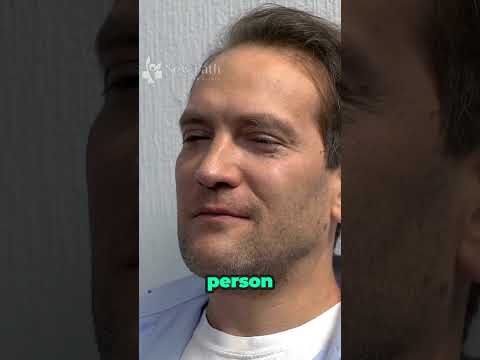
Overcoming Opioid Addiction with Advanced Specialized Care in Tijuana, Mexico – What Works
Addiction Treatment
New Path Ibogaine
Tijuana,Rosarito Beach, Mexico

Why Leading Medical Centers Choose PlacidWay: The Ultimate Marketing & CRM Solution for Global Patient Engagement
Addiction Treatment
PlacidWay Medical Tourism
Denver, United States
Unlock the Best Anorexia Treatment Packages Just for You
Discover the ultimate Anorexia Treatment packages designed to meet your health and wellness goals. Choose the perfect fit for your journey.
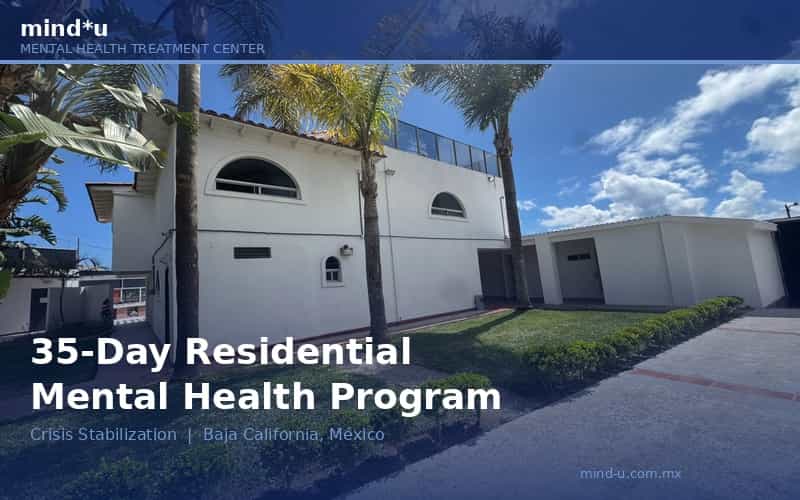
Price starting from $15,000
35-Day Residential Mental Health Program — Crisis Stabilization
Mind-U Psychiatric Residential Mental Health Center
- Psychiatry
Tijuana,Rosarito Beach, Mexico
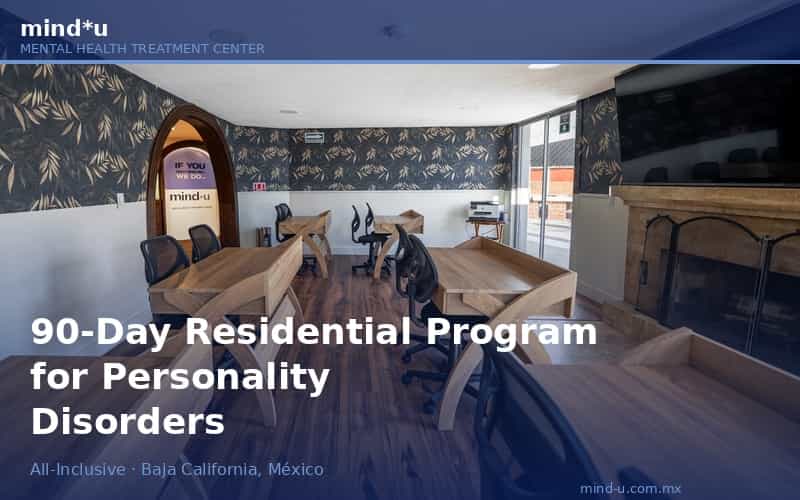
Price starting from $40,000
90-Day Residential Program for Personality Disorders
Mind-U Psychiatric Residential Mental Health Center
- Psychiatry
Tijuana,Rosarito Beach, Mexico

Price starting from $7,500
Drug Addiction Treatment Package at Lifes Oasis Vallarta, Puerto Vallarta, Mexico
Lifes Oasis Vallarta
- Addiction Treatment
Puerto Vallarta, Mexico

Price starting from $7,500
Methadone Addiction Treatment Package at Lifes Oasis Vallarta, Puerto Vallarta, Mexico
Lifes Oasis Vallarta
- Addiction Treatment
Puerto Vallarta, Mexico
Transformative Anorexia Treatment Experiences: Dive into Procedure Insights
Discover the power of Anorexia Treatment through compelling patient experiences. Uncover detailed insights into procedures, recovery journeys, and life-changing results.
.png)
Ibogaine Treatment for Parkinson’s Disease in Tijuana, Mexico
- Ibogaine Therapy, Addiction Treatment
Tijuana, Mexico
Price starting from $8,250
Drug Addiction Treatment Tijuana, Mexico
- Addiction Treatment
Tijuana, Mexico

Price starting from $7,800
Ibogaine Treatment for Addiction in Tijuana, Mexico
- Addiction Treatment
Tijuana, Mexico
.png)








If you\'re looking for an experience that awakens the best in you and renews your way of seeing the world, this is the destination. New Path not only helps you heal, but also reborn. The team works with genuine love, and you can feel it; they put their hearts into their medical commitment. Without a doubt, an environment full of calm and purpose!!
Read More