
What treatment


5+ Best Clinics for Breast Cancer in Mexico
Trusted Medical Tourism Platform Since 2007
What are the best breast cancer treatment clinics in Mexico?
The best breast cancer treatment clinics in Mexico include: Immunity Therapy Center (Tijuana), Limphocare by Limphocite (Tijuana), Infuzone (Mexico City), Baja Integrative & Health Center (Tijuana), Northeastern Institute of Oncology (Monterrey), and Mexstemcells (Mexico City).
These JCI and CSG-certified facilities provide conventional and alternative care, offering lumpectomies, mastectomies, precision radiation (IMRT), chemotherapy, immunotherapy, and hyperthermia. Overseen by CMO-certified oncologists, comprehensive cancer treatment packages range from $15,500 to $33,400 USD, providing highly advanced, multidisciplinary care at a significant cost advantage compared to US pricing.
 100.00% Patient Recommend
Alternative Cancer Treatment by ITC - Immunity Therapy Center


Overview
Immunity Therapy Center is one of the best cancer treatment centers in Tijuana, Mexico, offering innovative approaches and compassionate care to enhance your path to healing.
Read more details

 91.35% Patient Recommend
Immunotherapy Regenerative Medicine in Puerto Vallarta
Overview
Explore Immunotherapy Regenerative Medicine in Puerto Vallarta, Mexico offering advanced stem cell, immunotherapy, and regenerative treatments.
Read more details
Instituto de Terapia Celular - Stem Cell Guadalajara Mexico
Overview
Find hope with Stem Cell Guadalajara Mexico at Instituto de Terapia Celular. Personalized MSC therapy for autism, joint pain, anti-aging & nerve health.
Read more details

Limphocare by Limphocite - Immunotherapy for Cancer in Mexico
Overview
Limphocare offers advanced immunotherapy for cancer in Mexico and autoimmune conditions, providing holistic, effective care with fewer side effects.
Read more details
Discover your treatment options with a free, no-obligation quote!
Get your quote now!
Infuzone - Premium Infusion Center
Overview
Infuzone provides advanced Cancer treatments in Mexico City with outpatient infusion therapies, specialist care and comfort-focused oncology support. Safe-modern patient centered infusion services
Read more details 100.00% Patient Recommend
Baja Integrative & Health Center
Overview
Discover top cancer care at Tijuana's Baja Integrative & Health Center. Personalized treatments for hope and healing. Your journey to recovery starts here.
Read more details 100.00% Patient Recommend
Aesthetic and Oncologic Face, Head and Neck Clinic and OR
Overview
Discover AOFHN Clinic and OR in Tijuana, Mexico, specializing in plastic surgery & oncology. Services include rhinoplasty, facelift, Botox & cancer treatment.
Read more details
 100.00% Patient Recommend
Clinica de Urologia Dr Uriel Ayala
Overview
Dr. Uriel Ayala is a certified urologist surgeon in Tijuana, Mexico, and Tecate. He offers Urology surgery, Prostate cancer treatment, Vasectomy, Male infertility treatment, Robotic surgery, and more.
Read more detailsDiscover your treatment options with a free, no-obligation quote!
Get your quote now! 100.00% Patient Recommend
Dr. Victor Mendoza - Urologist
Overview
Discover top-tier urology care in Tijuana, Mexico at Dr. Victor Mendoza's renowned center. Expertise, compassion, and excellence await.
Read more details 100.00% Patient Recommend
Dr. Donato Perez Garcia
Overview
Experience the transformative power of Dr. Donato Perez Garcia's cutting-edge therapies in Mexico. Unlock your true potential with anti-aging, stem cell therapy, cancer treatment, and chronic disease solutions.
Read more detailsWhich are the best clinics for Breast Cancer treatment in Mexico?
When seeking top-tier breast cancer care in Mexico, facilities like Immunity Therapy Center and Baja Integrative & Health Center in Tijuana, along with Northeastern Institute of Oncology in Monterrey, stand out. These clinics are often recognized for their specialized oncology programs, modern treatment modalities, and comprehensive patient support, drawing many international patients. Evaluate their specific accreditations and patient testimonials for a confident choice.
Mexico has become a leading destination for specialized breast cancer care, attracting individuals seeking quality medical services and personalized attention. The "best" facilities often distinguish themselves through a combination of factors including specialized expertise, advanced technology, and a patient-centered approach. Many of these top clinics are located in cities easily accessible from the US, such as Tijuana, Monterrey, and Mexico City.
- Alternative Cancer Treatment by ITC - Immunity Therapy Center (Tijuana): Known for its alternative and integrative cancer treatment approaches, offering a blend of conventional and complementary therapies.
- Limphocare by Limphocite - Immunotherapy for Cancer in Mexico (Tijuana): Focuses on advanced immunotherapy for various cancer types, including breast cancer, emphasizing fewer side effects.
- Northeastern Institute of Oncology (Monterrey): A modern facility providing customized treatment plans and incorporating the latest technological advances in oncology.
- Baja Integrative & Health Center (Tijuana): Offers comprehensive and personalized cancer treatments, including integrative approaches, for patients seeking holistic care.
- Immunotherapy for Cancer Treatment by Mexstemcells (Mexico City): Specializes in cellular immunotherapy using Natural Killer Cells, providing innovative options for cancer management.
These clinics offer robust diagnostic services like advanced imaging and genetic testing, and a multidisciplinary team approach to tailor treatment plans. Many also provide extensive support services for international patients, ensuring a seamless healthcare journey.
What accreditations should I look for in a Mexican oncology clinic?
When evaluating breast cancer clinics in Mexico, prioritize facilities holding international accreditations such as the Joint Commission International (JCI). National certifications from Mexico's Consejo de Salubridad General (CSG) are also crucial. These endorsements indicate adherence to stringent quality standards, patient safety protocols, and a commitment to clinical excellence, providing peace of mind for international patients.
Accreditations are vital benchmarks for quality and safety in any healthcare setting, especially when seeking specialized treatment abroad. For oncology clinics in Mexico, these certifications ensure that the facility operates at a high standard, comparable to leading hospitals globally.
- Joint Commission International (JCI): This is a globally recognized accreditation that signifies a healthcare organization meets rigorous international standards for patient safety and quality of care. JCI-accredited clinics undergo thorough evaluations of their clinical processes, infection control, facility management, and staff qualifications.
- Consejo de Salubridad General (CSG): This is Mexico's national accreditation body. CSG certification indicates that a hospital complies with the highest standards set by the Mexican Ministry of Health. It’s a strong local indicator of quality, particularly important for ensuring compliance with national healthcare regulations.
- Other Recognitions: Some clinics might also hold ISO certifications (like ISO 9001 for quality management) or affiliations with international oncology networks. While not specific to breast cancer care, these can further attest to a clinic's commitment to organizational excellence and continuous improvement. Always verify the current status of any accreditation directly with the accrediting body or the clinic.
Do Mexican breast cancer clinics use advanced technology for diagnosis and treatment?
Yes, leading breast cancer clinics in Mexico are well-equipped with advanced technology, often comparable to top facilities worldwide. They utilize cutting-edge diagnostic tools like 3D mammography (tomosynthesis) and PET/CT scans for precise detection and staging. For treatment, you'll find modern linear accelerators for advanced radiation therapies and access to the latest targeted and immunotherapies, ensuring comprehensive and effective care.
Many modern oncology centers in Mexico have made substantial investments in state-of-the-art medical equipment and technology. This commitment ensures that patients receive accurate diagnoses and the most effective, least invasive treatments available. These technological advancements are a key factor in attracting patients seeking specialized cancer care.
For diagnosis, patients can expect:
- 3D Mammography (Tomosynthesis): Offers clearer, more detailed images of breast tissue, improving detection rates and reducing false positives, especially in dense breast tissue.
- Breast MRI and Ultrasound: Used for further evaluation, staging, and monitoring, providing high-resolution soft tissue imaging.
- PET/CT Scans: Essential for comprehensive cancer staging, detecting metastases, and monitoring treatment response.
- Advanced Biopsy Techniques: Including stereotactic, ultrasound-guided, and MRI-guided biopsies for precise tissue sampling.
For treatment, technologies typically include:
- Linear Accelerators (LINACs): Used for precision radiation therapies like Intensity-Modulated Radiation Therapy (IMRT) and Volumetric Modulated Arc Therapy (VMAT), which deliver highly conformal radiation doses to tumors while sparing healthy tissue.
- Robotic Surgery Systems: For minimally invasive surgical procedures, offering enhanced precision and quicker recovery times in some cases.
- Genomic and Molecular Testing: To personalize treatment plans with targeted therapies and immunotherapies based on the tumor's unique genetic profile.
Are oncologists in Mexico highly experienced and board-certified in breast cancer care?
Absolutely, oncologists at reputable breast cancer clinics in Mexico are highly qualified. They typically hold certification from the Mexican Council of Oncology (CMO). Many have also advanced their expertise through fellowships and specialized training in prestigious institutions across the United States or Europe, and some even possess US board certifications, ensuring a high standard of specialized care.
The caliber of medical professionals is a primary concern for anyone seeking treatment, especially for a complex condition like breast cancer. In Mexico's leading private healthcare facilities, oncologists specializing in breast cancer are often extensively trained and committed to continuous professional development.
When evaluating the expertise of oncologists, look for:
- Mexican Council of Oncology (CMO) Certification: This national board certification confirms that the oncologist has met stringent educational, training, and examination requirements established within Mexico.
- International Training and Fellowships: Many prominent Mexican oncologists gain invaluable experience by completing fellowships or residencies in renowned cancer centers in the U.S., Canada, or European countries. This exposure broadens their clinical perspective and familiarizes them with diverse treatment protocols.
- Specialization in Breast Cancer: Confirming that an oncologist has a specific focus or sub-specialty in breast cancer ensures they are deeply familiar with the latest research, diagnostic nuances, and evolving treatment modalities for this particular disease.
- Multidisciplinary Team Collaboration: The best outcomes in breast cancer care often stem from a collaborative team. Oncologists who work closely with surgical oncologists, radiation oncologists, pathologists, and other specialists demonstrate a holistic approach to patient care.
How do Mexican clinics support international breast cancer patients during their treatment journey?
Mexican clinics catering to international breast cancer patients offer extensive support, including dedicated international patient coordinators who assist with all aspects of travel and treatment. They provide language services with bilingual staff, help with airport transfers and accommodation, and streamline appointment scheduling. This comprehensive concierge-style support aims to make the patient’s experience as smooth and stress-free as possible from arrival through departure.
Recognizing the unique challenges international patients face, top Mexican clinics have developed robust support systems to ensure a comfortable and accessible treatment experience. This goes beyond medical care to address logistical and emotional needs.
- Dedicated International Patient Department: This is typically the first point of contact, staffed by professionals fluent in English and often other languages. They manage everything from initial inquiries to post-treatment follow-up.
- Language Services: Beyond the international patient team, many doctors, nurses, and administrative staff are bilingual. Professional medical interpreters are also available for consultations and complex discussions, ensuring clear communication.
- Travel and Accommodation Assistance: Clinics often help arrange airport pickups and drop-offs, as well as transportation to and from the clinic for appointments. They may also have partnerships with local hotels that offer preferential rates and amenities for patients and their families.
- Visa and Documentation Support: Assistance can include providing necessary medical letters for visa applications or helping compile medical records for insurance purposes.
- Personalized Care Coordinators: A dedicated coordinator often acts as a single point of contact, guiding the patient through appointments, treatment schedules, and any non-medical needs that arise during their stay.
- Emotional and Nutritional Support: Many clinics offer access to psychological counseling, support groups, and specialized nutritional guidance tailored to cancer patients.
What types of breast cancer treatments are available in Mexico's leading clinics?
Leading breast cancer clinics in Mexico provide a full spectrum of treatments, including advanced surgical options like mastectomy and lumpectomy with reconstruction, precision radiation therapy (IMRT, SBRT), and systemic therapies such as chemotherapy, hormone therapy, and cutting-edge targeted therapies and immunotherapies. Many also integrate complementary and alternative medicine (CAM) to offer holistic support, tailoring care to each patient’s specific needs.
Mexico's top oncology centers offer comprehensive breast cancer care, utilizing conventional, targeted, and often integrative therapies. The treatment approach is highly individualized, based on the cancer's stage, type, and the patient's overall health and preferences.
Common treatment options include:
- Surgical Oncology:
- Lumpectomy (Breast-Conserving Surgery): Removal of the tumor and a margin of healthy tissue.
- Mastectomy: Removal of the entire breast, with options for nipple-sparing or skin-sparing procedures.
- Lymph Node Dissection: Sentinel lymph node biopsy or axillary lymph node dissection to check for cancer spread.
- Reconstructive Surgery: Immediate or delayed breast reconstruction using implants or flap procedures.
- Radiation Therapy:
- External Beam Radiation: Including Intensity-Modulated Radiation Therapy (IMRT) and Stereotactic Body Radiation Therapy (SBRT), which deliver precise, high-dose radiation to the tumor area.
- Brachytherapy: Internal radiation therapy where radioactive seeds are placed directly into the breast tissue.
- Systemic Therapies:
- Chemotherapy: Drugs administered intravenously or orally to kill cancer cells throughout the body.
- Hormone Therapy: Used for hormone receptor-positive breast cancers to block hormones that fuel cancer growth.
- Targeted Therapy: Drugs that specifically target cancer cells with certain genetic changes, minimizing harm to healthy cells.
- Immunotherapy: Utilizes the body's immune system to fight cancer, often effective for specific breast cancer subtypes like triple-negative breast cancer.
- Integrative/Alternative Therapies: Many clinics combine conventional treatments with supportive therapies like nutritional counseling, hyperthermia, ozone therapy, and psychological support to enhance overall well-being and treatment efficacy.
How can international patients arrange remote second opinions from Mexican breast cancer specialists?
International patients can easily obtain remote second opinions from Mexican breast cancer specialists by contacting the clinic's international patient department. You'll submit all existing medical records, including imaging, pathology reports, and current treatment plans, securely online. A specialized oncologist will review your case and provide a detailed written opinion or schedule a virtual consultation to discuss their recommendations.
Seeking a second opinion is a standard and recommended practice for breast cancer diagnoses, providing peace of mind and potentially new perspectives on treatment. Leading Mexican clinics have streamlined this process for international patients, often leveraging telemedicine technologies.
Here’s a typical step-by-step process:
- Initial Contact: Reach out to the international patient coordinator at your chosen Mexican clinic, usually via their website, email, or phone. Clearly state your interest in a remote second opinion for breast cancer.
- Medical Record Collection: The coordinator will guide you on compiling all necessary medical documents. This includes:
- Detailed pathology reports from your breast biopsy.
- All relevant imaging scans (mammograms, ultrasounds, breast MRI, PET/CT scans) and their official reports.
- Previous treatment summaries, if any (e.g., surgery reports, chemotherapy regimens).
- Current oncologist’s notes and recommendations.
- General medical history and blood test results.
- Secure Submission: Clinics will provide a secure, confidential method (like an encrypted online portal) for you to upload your files. Some may request physical pathology slides for their own pathology review.
- Specialist Review: A breast cancer specialist or a multidisciplinary tumor board at the Mexican clinic will thoroughly review your complete medical case.
- Opinion Delivery: You will typically receive a comprehensive written report detailing their findings, confirming or proposing alternative diagnostic or treatment strategies. This is often followed by a virtual consultation (video call) with the specialist to discuss the opinion, answer your questions, and clarify any recommendations.
What considerations are important for travel logistics when seeking breast cancer treatment in Mexico?
Effective travel planning is vital for breast cancer treatment in Mexico. Consider securing your passport/visa, arranging medical travel insurance, and coordinating transportation, especially airport transfers and local clinic shuttles. Plan for accommodation near your chosen facility, mindful of your comfort and accessibility. Many clinics offer dedicated international patient support to simplify these logistics.
Traveling for breast cancer treatment involves more than just selecting a clinic; meticulous logistical planning is key to a smooth and stress-free experience. Careful consideration of travel arrangements ensures you can focus on your health.
Key logistical considerations include:
- Passport and Visa Requirements: Ensure your passport is valid for at least six months beyond your planned stay. Research specific visa requirements for Mexico based on your nationality. For longer stays or multiple entries, a medical visa may be needed.
- Medical Travel Insurance: Invest in comprehensive medical travel insurance that covers your treatment, any potential complications, and emergency medical evacuation. Standard travel insurance may not suffice.
- Transportation:
- Flights: Book flights well in advance, considering direct routes to major international airports near your clinic (e.g., Tijuana, Mexico City, Guadalajara, Monterrey).
- Airport Transfers: Many clinics offer concierge services that include airport pickup and drop-off. If not, pre-arrange reliable private transport or reputable shuttle services.
- Local Transport: Plan how you'll get between your accommodation and the clinic for appointments. Taxis, ride-sharing apps, or clinic shuttles are common options.
- Accommodation: Choose lodging that is close to your clinic and offers comfort and accessibility. Many clinics partner with hotels to provide discounted rates or specialized amenities for medical tourists. Consider options with kitchenettes if you need to prepare specific meals.
- Communication: Ensure you have a working phone (international roaming or a local SIM card) and internet access to stay in touch with your family and the clinic.
- Financial Planning: While not a cost question, having funds readily accessible for medical expenses, accommodation, and daily needs is critical. Understand the local currency and payment methods accepted by the clinic.
- Companionship: Consider traveling with a family member or friend for support, especially given the emotional and physical demands of breast cancer treatment.
How do Mexican clinics manage ongoing monitoring and follow-up care for international breast cancer patients?
Leading Mexican clinics prioritize seamless continuity of care for international breast cancer patients post-treatment. They provide comprehensive discharge summaries, including detailed treatment protocols, medication lists, and a clear schedule for future screenings and follow-up tests. Many facilities facilitate communication directly with your home-country doctor and offer telemedicine consultations, ensuring ongoing remote monitoring and support for your long-term health.
Effective post-treatment care and ongoing monitoring are crucial for breast cancer patients. Reputable Mexican clinics understand the importance of this continuity, especially for international patients returning to their home countries. They implement structured protocols to ensure that your health journey continues smoothly after you leave their facility.
Here’s how they typically manage follow-up care:
- Comprehensive Discharge Plan: Before you depart, you will receive a detailed packet of medical records. This usually includes:
- A summary of all treatments received (e.g., surgical reports, radiation dosimetry, chemotherapy cycles).
- A complete list of prescribed medications, including dosages and frequency.
- Specific recommendations for follow-up care, such as schedules for imaging (mammograms, MRI), blood tests (tumor markers), and physical examinations.
- Guidelines for diet, exercise, and lifestyle adjustments.
- Physician-to-Physician Communication: The Mexican oncology team can actively communicate with your primary care physician or local oncologist. This involves sharing your complete medical history and treatment details, discussing the rationale behind the chosen therapies, and coordinating the next steps for your ongoing care.
- Telemedicine Follow-up Consultations: Many clinics offer the convenience of virtual appointments via video conferencing after you return home. This allows you to check in with the specialist who managed your treatment, discuss any concerns, review local test results, and receive remote guidance.
- Access to International Patient Coordinators: The international patient department remains accessible for any questions or assistance you or your local healthcare providers may need regarding your treatment or follow-up plan. They act as a liaison, ensuring that communication channels remain open.
- Patient Portals: Some clinics offer secure online patient portals where you can access your medical records, communicate with your care team, and track your progress from anywhere in the world.
Are integrative and alternative breast cancer therapies available in Mexico?
Yes, many leading breast cancer clinics in Mexico offer integrative and alternative therapies alongside conventional treatments. These approaches aim to enhance overall well-being, reduce side effects, and improve quality of life during and after cancer treatment. Options often include nutritional guidance, IV therapies (like high-dose Vitamin C), hyperthermia, ozone therapy, herbal medicine, and psychological support, customized to individual patient needs.
Mexico has become a recognized hub for integrative oncology, combining scientifically-backed conventional treatments with a range of complementary and alternative medicine (CAM) therapies. This holistic approach is often sought by patients looking to support their body's healing processes, improve their immune system, and minimize the harsh side effects of traditional cancer treatments.
Common integrative and alternative therapies offered include:
- Nutritional Therapy: Personalized dietary plans designed to boost the immune system, reduce inflammation, and support overall health during treatment. This often includes organic, nutrient-dense foods and targeted supplements.
- Intravenous (IV) Therapies:
- High-Dose Vitamin C: Administered intravenously, believed by some to have anti-cancer properties and improve quality of life.
- Ozone Therapy: Involves introducing medical-grade ozone into the body to enhance oxygen utilization and immune function.
- Chelation Therapy: Used to remove heavy metals and toxins from the body, which some believe can support cancer treatment.
- Hyperthermia: A treatment where body tissue is exposed to high temperatures to damage and kill cancer cells, often used in conjunction with radiation and chemotherapy.
- Herbal Medicine and Botanical Extracts: Use of plant-derived compounds with potential anti-cancer or immune-modulating effects, always under medical supervision.
- Mind-Body Therapies: Including meditation, yoga, and counseling to help manage stress, anxiety, and depression associated with a cancer diagnosis and treatment.
- Detoxification Protocols: Programs designed to cleanse the body and reduce toxic load, which is thought to optimize the body's healing environment.
It's crucial that any integrative or alternative therapies are discussed with and supervised by your oncology team to ensure they complement, rather than interfere with, your primary breast cancer treatment.
How do breast cancer clinics in Mexico ensure patient comfort and emotional well-being?
Mexican breast cancer clinics prioritize patient comfort and emotional well-being through serene environments, compassionate staff, and comprehensive support services. They offer private recovery rooms, pain management, nutritional guidance, and psychological counseling. Many clinics also provide patient navigators to ease stress and integrate therapies like mindfulness or expressive arts, fostering a healing atmosphere throughout the treatment journey.
A cancer diagnosis and its treatment can be emotionally and physically taxing. Leading breast cancer clinics in Mexico go to great lengths to create an environment that supports not just physical healing but also mental and emotional well-being. They understand that a patient’s comfort and emotional state significantly impact their recovery.
Key strategies employed include:
- Soothing and Private Environments: Clinics often feature aesthetically pleasing, calming spaces designed to reduce stress. Private rooms for consultations and recovery are standard, offering dignity and quiet.
- Compassionate and Empathetic Staff: Medical teams are trained to provide care with empathy and cultural sensitivity. Many staff members are bilingual, ensuring patients feel understood and respected.
- Comprehensive Pain Management: Robust pain management protocols are in place to alleviate discomfort throughout diagnosis, treatment, and recovery.
- Nutritional Counseling: Registered dietitians provide personalized nutritional plans to help manage treatment side effects, maintain strength, and support overall health.
- Psychological and Emotional Support: Access to psychologists, counselors, and support groups is often available. These services help patients and their families cope with the emotional challenges of cancer, including anxiety, fear, and depression.
- Patient Navigators/Concierge Services: Dedicated coordinators assist with non-medical needs, reducing logistical stress, and allowing patients to focus solely on their healing. They help with scheduling, understanding paperwork, and accessing local amenities.
- Integrative Therapies: Many clinics incorporate therapies like massage, acupuncture, mindfulness, and gentle exercise programs, which can alleviate symptoms, reduce stress, and improve quality of life.
- Clear Communication: Providing transparent and understandable information about diagnosis, treatment plans, and potential outcomes empowers patients and reduces uncertainty, contributing to a sense of control and emotional stability.
What is the role of a multidisciplinary team in breast cancer treatment at Mexican clinics?
At top Mexican breast cancer clinics, a multidisciplinary team (MDT) is central to patient care, ensuring a holistic and coordinated treatment plan. This team typically includes medical, surgical, and radiation oncologists, pathologists, radiologists, and reconstructive surgeons. They collaborate in 'tumor board' meetings to review each case, combining their expertise to tailor the most effective, personalized strategy, considering all aspects of a patient’s health and cancer profile.
The multidisciplinary team (MDT) approach is a cornerstone of modern, high-quality breast cancer care, especially in leading Mexican clinics. It moves beyond a single doctor's opinion to harness the collective expertise of various specialists, ensuring a comprehensive and integrated treatment strategy.
The MDT typically includes:
- Medical Oncologist: Manages systemic treatments like chemotherapy, hormone therapy, targeted therapy, and immunotherapy.
- Surgical Oncologist: Performs breast cancer surgeries (lumpectomy, mastectomy) and lymph node procedures.
- Radiation Oncologist: Specializes in planning and delivering radiation therapy.
- Pathologist: Analyzes biopsy and surgical tissue samples to determine the cancer type, grade, and specific characteristics (e.g., hormone receptor status, HER2 status).
- Radiologist: Interprets diagnostic imaging (mammograms, MRI, CT, PET scans) to assess the cancer's extent.
- Plastic/Reconstructive Surgeon: Provides options for breast reconstruction following mastectomy or lumpectomy.
- Other Specialists: May include genetic counselors, patient navigators, nutritionists, and psychologists to address all aspects of patient well-being.
The core of the MDT approach is the "tumor board" meeting. In these regular meetings, all relevant specialists discuss individual patient cases, reviewing diagnostic images, pathology reports, and genetic test results. This collaborative discussion ensures that:
- Personalized Treatment Plans: The most appropriate sequence and combination of treatments are determined for each unique patient.
- Comprehensive Care: All aspects of care, from initial diagnosis to long-term follow-up and quality of life, are considered.
- Reduced Errors: Multiple expert perspectives minimize the chance of misdiagnosis or suboptimal treatment choices.
- Streamlined Patient Journey: Coordination between different specialists ensures smoother transitions between various treatment phases.
How PlacidWay helps individuals access Breast Cancer care in Mexico?
PlacidWay serves as your trusted partner in navigating your healthcare journey to Mexico. We provide detailed, up-to-date information about breast cancer treatments, including the benefits, potential risks, and expected outcomes, empowering you with the knowledge to make confident choices.
We help you compare treatment packages from various accredited clinics, ensuring you find affordable, high-quality options without compromise. Our network includes only trusted, certified hospitals and medical professionals who specialize in breast cancer care in Mexico, giving you peace of mind.
PlacidWay facilitates one-on-one consultations, allowing you to connect directly with specialists to discuss your case and ensure your specific needs are met. Our support doesn't end after treatment; we assist with coordinating follow-up care and recovery to ensure a smooth transition back home.
Ready to explore your options for Breast Cancer treatment in Mexico? Contact us today for a personalized consultation.
Share with AI
Share this page with AI assistants to get summaries and insights


List of Best Breast Cancer Clinics in Mexico
Unlock the Best Cancer Treatment Packages Just for You
Discover the ultimate Cancer Treatment packages designed to meet your health and wellness goals. Choose the perfect fit for your journey.

Price starting from $5,500
Thyroid Cancer Treatment Package in Tijuana, Mexico
PlacidWay Mexico Medical Tourism
- Cancer Treatment
Tijuana,Mexicali, Mexico

Price starting from $18,995
Alternative Lung Cancer Treatment Package in Tijuana, Mexico by Immunity Therapy Center
Alternative Cancer Treatment by ITC - Immunity Therapy Center
- Cancer Treatment
Tijuana, Mexico

Price starting from $18,995
Alternative Breast Cancer Treatment Package in Tijuana, Mexico by ITC
Alternative Cancer Treatment by ITC - Immunity Therapy Center
- Cancer Treatment
Tijuana, Mexico

Price starting from $33,400
Immunotherapy for Cancer in Tijuana Package at Limphocare by Limphocite
Limphocare by Limphocite - Immunotherapy for Cancer in Mexico
- Cancer Treatment
Tijuana, Mexico
Transformative Cancer Treatment Experiences: Dive into Procedure Insights
Discover the power of Cancer Treatment through compelling patient experiences. Uncover detailed insights into procedures, recovery journeys, and life-changing results.
.png)
Price starting from $18,995
Alternative Breast Cancer Treatment in Mexico
- Breast Cancer, Cancer Treatment
Mexico
.png)
Price starting from $18,995
Breast Cancer Immunotherapy Tijuana, Mexico
- Breast Cancer, Cancer Treatment
Tijuana, Mexico
.png)
Price starting from $18,995
Alternative Lung Cancer Treatment Mexico
- Lung Cancer, Cancer Treatment
Mexico
.png)
Price starting from $18,995
Alternative Prostate Cancer Treatment in Mexico
- Prostate Cancer, Cancer Treatment
Mexico
Explore Cancer Treatment: Stories, Testimonials, and Procedures
Watch in-depth videos covering everything from Cancer Treatment success stories to detailed procedure explanations. Learn what to expect and hear from real patients.
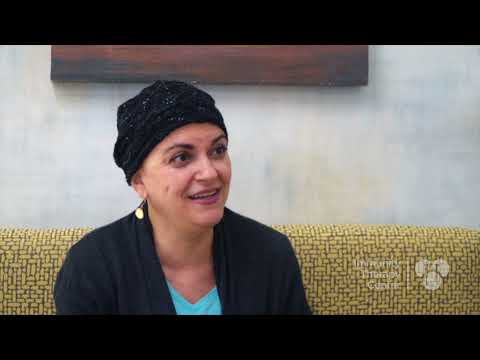
What One Patient Says About Alternative Stage 4 Breast Cancer Treatment in Mexico
Cancer Treatment
Alternative Cancer Treatment by ITC - Immunity Therapy Center
Mexico

An Honest ITC Review of Alternative Stage 4 Breast Cancer Treatment in Tijuana, Mexico
Cancer Treatment
Alternative Cancer Treatment by ITC - Immunity Therapy Center
Mexico

Patient Review: Holistic Stage 4 Breast Cancer Treatment at ITC Tijuana, Mexico
Cancer Treatment
Alternative Cancer Treatment by ITC - Immunity Therapy Center
Mexico

A Detailed Resource for Alternative Breast Cancer Treatment Options in Mexico
Cancer Treatment
Alternative Cancer Treatment by ITC - Immunity Therapy Center
Mexico
Learn More with These Cancer Treatment Articles
Take a look at these interesting articles, stories and research that will help you learn more about Cancer Treatment.

Breast Cancer Not Responding to Treatment? Exploring Advanced Treatment Options in Tijuana, Mexico
PlacidWay Mexico Medical Tourism
- Cancer Treatment
Mexico

Immunotherapy for Stage 4 Breast Cancer in Tijuana - A Viable Alternative to Chemo
PlacidWay Medical Tourism
- Immunotherapy
Mexico

Immunotherapy Treatments for Breast Cancer at Tijuana's Leading Clinics
PlacidWay Mexico Medical Tourism
- Cancer Treatment
Mexico

Cancer Treatment Solutions Near You: Explore Top Medical Centers
Discover how Cancer Treatment is transforming lives at leading medical centers in , Mexico. Dive into center profile, specialties, doctors, reviews, etc. and explore the best options tailored to your needs in this region.
Infuzone - Premium Infusion Center
Mexico City, Mexico
Immunotherapy Regenerative Medicine in Puerto Vallarta
Puerto Vallarta, Mexico
Instituto de Terapia Celular - Stem Cell Guadalajara Mexico
Tijuana,Guadalajara, Mexico

Limphocare by Limphocite - Immunotherapy for Cancer in Mexico
Tijuana, Mexico








This was my husbands 5th trip to ITC. He goes annually for check-ups and to get an "immune boost"! He is always treated like family and gets quality care. We are happy with all aspects of ITC but above all we are happy with the results of his treatments!
Read More