
What treatment


11+ Best Clinics for Drug Addiction Treatment in Mexico
Trusted Medical Tourism Platform Since 2007
What are the best drug addiction treatment clinics in Mexico?
The best drug addiction treatment clinics in Mexico include New Path Ibogaine (Tijuana), Ibogaine Cancun (Cancun), Hacienda del Lago (Ajijic), Viraha Wellness Center (Cabo San Lucas), Experience Ibogaine Treatment Center (Rosarito Beach), Casa Santa Isabel (Tijuana), and Lifes Oasis Vallarta (Puerto Vallarta).
Leading facilities hold COFEPRIS, JCI, or CARF certifications to guarantee patient safety and care quality. These centers specialize in medical detox, Ibogaine therapy, and holistic rehabilitation for alcohol, cocaine, heroin, and fentanyl addictions. Comprehensive inpatient treatment packages generally range from $5,000 to $25,000 USD, providing highly affordable care compared to the United States.
 98.05% Patient Recommend
New Path Ibogaine


Overview
Discover safe and effective Ibogaine Treatment in Rosarito Beach, Mexico at New Path. Transform addiction recovery with professional care and lasting results.
Read more details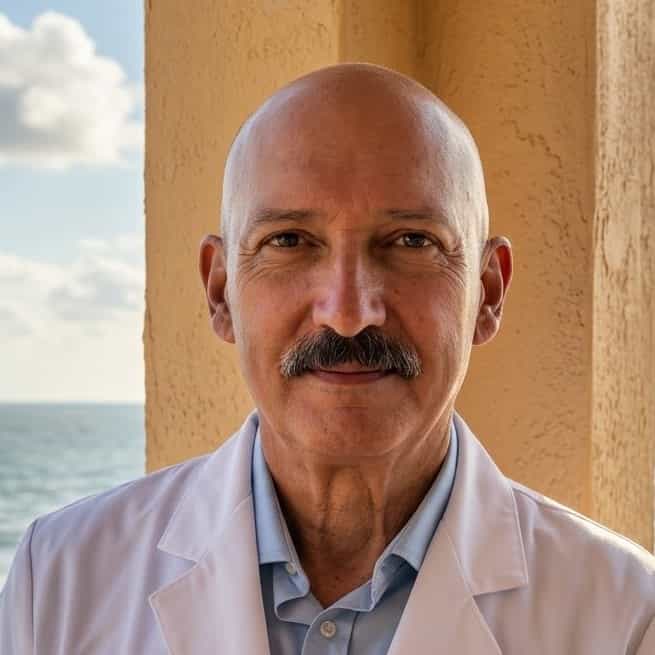


 100.00% Patient Recommend
Ibogaine Cancun
Overview
Ibogaine Cancun provides addiction treatment for cocaine, opiates, alcohol, and more at a top wellness and rehabilitation center in Cancun, Mexico.
Read more details
Casa Renacimiento
Overview
Discover Casa Renacimiento in Tijuana, Mexico, offering addiction treatment with personalized care, holistic therapies, and a supportive recovery environment.
Read more details 100.00% Patient Recommend
Casa Santa Isabel
Overview
Discover top Ibogaine treatment at Casa Santa Isabel in Tijuana, Mexico. Experience effective care in a serene environment. Book now at PlacidWay!
Read more detailsDiscover your treatment options with a free, no-obligation quote!
Get your quote now! 100.00% Patient Recommend
Clinica Nuevo Ser Centro de Rehabilitacion contra las Adicciones
Overview
Clínica Nuevo Ser es un centro especializado en el tratamiento de adicciones como el alcoholismo, drogadicción, adicción al juego (Ludopatía) y diversos trastornos mentales como la codependencia, la baja autoestima y trastornos de personalidad.
Read more details 91.67% Patient Recommend
Hacienda del Lago - Clínica de Tratamiento para Alcoholismo y Adicciones
Overview
Discover Hacienda del Lago, one of the best rehab centers in Mexico and take advantage of their 30 years experience into lakeside Ajijic, a Magical Town to start a well-founded life-long recovery.
Read more details
 90.00% Patient Recommend
Ibogaine by David Dardashti
Overview
Get ibogaine treatment in Playa del Carmen, Mexico by David Dardashti. Celebrating 15 Years of Groundbreaking Ibogaine Treatments and Transforming Thousands of Lives!
Read more details
Lifes Oasis Vallarta
Overview
Discover Lifes Oasis Vallarta in Puerto Vallarta, Mexico. Expert addiction recovery with personalized care, holistic therapies, and serene coastal surroundings.
Read more detailsDiscover your treatment options with a free, no-obligation quote!
Get your quote now! 100.00% Patient Recommend
Mind-U Psychiatric Residential Mental Health Center
Overview
Mind-U: Psychiatric residential care on Baja California's Pacific coast, minutes from San Diego. Full-time psychiatrist, PhD psychologists, 70+ disorders. Dual diagnosis welcome. Free airport pickup.
Read more details 100.00% Patient Recommend
Experience Ibogaine Treatment Center
Overview
Experience Ibogaine Treatment Center is the best addiction clinic in Tijuana, Mexico, offering personalized ibogaine therapy and expert aftercare. Contact us today for free consultation.
Read more details 92.59% Patient Recommend
Viraha Wellness Center
Overview
Viraha Wellness Center in Los Cabos REDEFINES the traditional application of Ibogaine by incorporating the Tomatis® Method, Access Bars®, and other proven modalities.
Read more detailsGenesis Ibogaine Clinic
Genesis Ibogaine Clinic provides best Addiction Treatment in Rosarito, Mexico. Book online now Heroin Addiction, Cocaine Addiction, and Alcohol Addiction at Genesis Ibogaine Clinic.


Authored by
Alejandro Ramirez
Alejandro Ramirez Addiction Recovery & Detoxification Content Specialist A dedicated healthcare writer specializing in addiction treatment, clinical detox, and advanced detoxification therapy. With 2+ years of experience and over 400+ authored article

Reviewed by
Dr. Nitin Jain
Dr. Nitin Jain is a medical content reviewer specializing in psychiatry, mental health, psychiatric disorders, evidence-based healthcare information, and patient education.
Last updated on
Why Mexico is the Leading Destination for Modern Addiction Treatment?
Mexico has emerged as a premier global hub for progressive addiction recovery, combining state-of-the-art medical detox, cutting-edge therapies, and compassionate care. Here is why thousands of individuals choose Mexican recovery retreats to reclaim their lives.
Innovative, Specialized Therapies
Mexico offers advanced healing modalities that face heavy regulatory delays in the US and Canada. Accredited centers here provide medically supervised Ibogaine-assisted detox, NAD+ IV cellular therapies, and innovative neuro-regeneration protocols designed to intercept severe cravings and repair damaged brain receptors rapidly.
Absolute Privacy & Anonymity
Healing from substance dependence requires a space free from professional pressure and social judgment. Mexico’s private, gated, and luxury oceanfront recovery estates offer complete confidentiality, allowing executives, professionals, and individuals to focus entirely on physical and emotional rehabilitation without distraction.
Affordable, Long-Term Support
Quality addiction care in North America can cost upwards of $40,000 per month, forcing families to settle for short, insufficient stays. In Mexico, comprehensive residential programs cost up to 75% less, making extended, life-saving 30, 60, or 90-day stays financially accessible without compromising medical luxury.
Holistic & Compassionate Care
Mexican recovery philosophies emphasize treating the whole person—mind, body, and spirit—rather than just the symptoms of dependence. Programs seamlessly integrate clinical psychotherapy, trauma-informed counseling, organic nutrition, physical training, and restorative oceanfront wellness therapies.
Addiction Treatment Costs in Mexico vs. United States & Canada (2026)
Compare projected 2026 pricing for comprehensive addiction recovery solutions. Mexico's verified wellness and medical centers provide fully integrated, all-inclusive programs at an exceptional value.
| Treatment Protocol | Mexico Price | US / Canada Price | You Save | Savings % |
|---|---|---|---|---|
| 7-Day Medically Managed Detox | $3,500–$5,500 | $12,000–$18,000 | $8,500+ | 70% |
| 30-Day Luxury Residential Rehab | $6,500–$11,500 | $25,000–$45,000 | $18,500+ | 74% |
| Ibogaine-Assisted Detox Program (7-10 Days) | $5,500–$8,500 | $15,000–$25,000 | $9,500+ | 63% |
| 10-Day NAD+ IV Therapy Protocol | $4,000–$6,500 | $14,000–$20,000 | $10,000+ | 71% |
* Prices are 2026 estimates based on verified PlacidWay partner rehabilitation centers in Mexico. Total package costs vary based on clinical requirements, secondary psychiatric diagnoses, duration of residential stay, and specific alternative protocols used. Request a free quote for customized plans.
Comparing Top Regional Hubs for Addiction Care in Mexico
Mexico features diverse therapeutic landscapes. Choose the destination and atmosphere that best aligns with your healing journey and recovery needs.
Tijuana
Baja California
Directly across the San Diego border, Tijuana is the most convenient medical detox hub. It hosts elite, medically accredited clinics specializing in rapid physical stabilization, specialized NAD+ infusions, and immediate psychiatric interventions without long flights.
Cancun
Quintana Roo
Ideal for high-end luxury residential treatment. Cancun offers peaceful, beachfront healing environments where patients can combine strict, science-backed behavioral therapies with marine recreation, organic culinary programs, and absolute privacy.
Puerto Vallarta
Jalisco
A deeply tranquil coastal setting renowned for long-term recovery and dual-diagnosis care. Puerto Vallarta centers leverage the ocean breeze and mountain ranges to offer highly therapeutic, trauma-focused, and mindfulness-based rehabilitation programs.
Baja Coastline
Rosarito & Ensenada
The world’s epicenter for advanced, clinically supervised Ibogaine-assisted therapy. These oceanfront centers specialize in rapid opiate and chemical dependency recovery, backed by fully equipped medical staff, cardiologists, and integrated psychological counseling.
Comprehensive Treatment Solutions in Mexico
From initial medically supervised detoxification to advanced alternative brain therapies and long-term behavioral therapy, Mexican recovery centers target the root causes of dependency.
Medically Managed Detox
$3,500 – $5,500Safely clear substances from your body under the round-the-clock supervision of experienced medical doctors and specialized nurses. Pharmacotherapy is utilized to minimize withdrawal symptoms, manage cravings, and prevent medical complications.
Save up to 70% vs. US prices
Ibogaine-Assisted Detoxification
$5,500 – $8,500A clinically supervised protocol designed for deep-seated opioid, stimulant, or alcohol dependency. This unique therapy uses pure Ibogaine under cardiology-led monitoring to neutralize physical withdrawal and reset vital neurotransmitter pathways.
Safe, clinical access not legal in the US
NAD+ Cellular Rejuvenation
$4,000 – $6,500High-dose intravenous infusions of Nicotinamide Adenine Dinucleotide (NAD+) are administered to rebuild depleted cellular energy, drastically accelerate brain healing, reduce cognitive fog, and repair biochemical pathways damaged by substance use.
Save $10,000+ over domestic clinics
Integrated Dual-Diagnosis Rehab
$6,500 – $11,500A rigorous 30-day program addressing both substance addiction and co-occurring mental health conditions (such as depression, anxiety, or PTSD). Includes intensive individual CBT/DBT therapy, holistic wellness, and tailored medical support.
All-inclusive resort-style accommodations
How to Choose the Right Addiction Treatment Center in Mexico?
Selecting the right center is the first step toward lasting sobriety. Use this clinically focused 5-step checklist to evaluate and choose your recovery destination in Mexico.
Confirm Clinical & COFEPRIS Accreditations
Ensure the center is fully licensed by Mexico's health regulatory authorities (COFEPRIS) and the National Commission Against Addictions (CONADIC). This guarantees strict compliance with international medical safety, patient care, and sanitation standards.
Evaluate Medical & Psychiatric Supervision
Severe detoxification requires medical oversight. Verify that the center employs on-site doctors, full-time psychiatrists (for dual diagnosis), licensed psychologists, and 24/7 nursing staff who can comfortably manage withdrawal syndromes.
Understand the Specialized Protocols
If choosing specialized therapies (like Ibogaine or high-dose NAD+), ensure the center employs a cardiologist and uses continuous ECG monitoring. Never undergo bio-active cellular treatments in non-clinical, unmonitored residential spaces.
Inquire About English-Speaking Staff & Aftercare
To engage deeply in cognitive therapy and trauma work, clear communication is vital. Ensure that therapists and core medical personnel speak fluent English. Ask about remote aftercare packages to prevent relapse when you return home.
Leverage PlacidWay’s Pre-Screened Network
Eliminate the risk of unverified clinics. PlacidWay connects you with vetted, legitimate recovery facilities in Mexico that prioritize clinical excellence, safety, high patient success rates, and transparent all-inclusive packaging.
Your Journey to Lasting Sobriety in Mexico
An organized, structured process ensures comfort, transparency, and clinical safety from your initial call to your final day of therapy and integration.
Step 1: Clinical Pre-Screening & Intake
Submit your confidential intake assessment via PlacidWay. Medical staff in Mexico will review your drug/alcohol history, medical co-morbidities, and psychological background to confirm you are clinically approved for detox or therapy.
Step 2: On-Site Medical Evaluation & Diagnostics
Upon arriving at the center, you will undergo a comprehensive physical, toxicological, and psychological assessment. This includes bloodwork and an ECG to ensure your heart, liver, and vital organs are fully prepared for the detox process.
Step 3: Medically Managed Detoxification
For the first 3 to 7 days, you will undergo monitored medical detox to clear toxins from your bloodstream. Specialists utilize advanced pharmacotherapy and hydration protocols to minimize discomfort and ensure physical stabilization.
Step 4: Comprehensive Therapeutic Healing
Transition into active recovery. Your days will be filled with individual counseling, trauma therapy (EMDR/CBT), wellness activities (yoga, meditation), group therapy, and biological treatments like NAD+ infusions to restore cognitive balance.
Step 5: Relapse Prevention & Aftercare Plan
Prior to departure, you and your primary therapist will design a highly detailed, personalized aftercare and relapse prevention strategy. You will be connected to remote therapists or local groups to maintain your sobriety at home.
Addiction Treatment in Mexico FAQ
Get detailed answers to high-priority questions regarding clinical protocols, licensing, safety, and recovery costs in Mexico.
Healing Journeys: What Patients Say About Recovering in Mexico
Read the raw, honest testimonials of individuals who bypassed high domestic costs and restrictive laws to find deep, permanent recovery in Mexico.
"I was trapped in a severe opioid cycle for over six years. Domestic rehabs were too sterile and financially impossible for my family. The clinical Ibogaine treatment in Baja quite literally saved my life. The physical withdrawal was gone in a single day, and the oceanfront therapy let me process the PTSD that started the addiction. I have been clean for 18 months."
"Anonymity was a huge concern for my business. Choosing a private center in Cancun gave me the safety I needed. The clinical staff was amazing, and the intensive dual-diagnosis focus helped me tackle my alcoholism and depression at the same time. The resort-like serenity helped me heal without feeling like a prisoner."
Why Coordinate Your Recovery Journey Through PlacidWay?
Making the decision to enter recovery abroad requires precision, safety, and transparency. As a leading independent medical tourism facilitator, PlacidWay helps you navigate your choice with complete confidence.
Independently Screened Centers
We continuously vet our network of Mexican recovery facilities to ensure they are fully licensed by COFEPRIS, employ qualified mental health professionals, and utilize safe, clean clinical protocols.
Transparent, Comparative Choices
As a facilitator, we do not promote any single rehab. We show you multiple accredited options, program outlines, and all-inclusive pricing so you can make the decision that fits your psychological needs and budget.
Direct Clinical Coordination
We connect you directly with the intake directors, psychiatrists, and specialized therapists at your chosen center. Ask questions, schedule pre-admission virtual evaluations, and clarify protocol details directly.
Dedicated Patient Advocacy
Our specialized support team acts as your advocate, managing communication lines, coordinating the transfer of medical details, and confirming your pre-admission approvals smoothly.
Reclaim Control of Your Life & Future
Do not let substance dependence define your story. Access world-class clinical detox, trauma therapy, and alternative biological healing in Mexico’s most serene coastal settings. Save up to 75% on private rehab and begin your new chapter today.
Get Free QuoteDisclaimer: PlacidWay is a medical tourism facilitator and does not provide medical advice, diagnosis, or treatment. We connect patients with independently vetted clinics abroad. Always consult with a qualified healthcare provider regarding your specific medical condition.
Share with AI
Share this page with AI assistants to get summaries and insights


List of Best Drug Addiction Treatment Clinics in Mexico
Explore Drug Addiction Treatment: Stories, Testimonials, and Procedures
Watch in-depth videos covering everything from Drug Addiction Treatment success stories to detailed procedure explanations. Learn what to expect and hear from real patients.
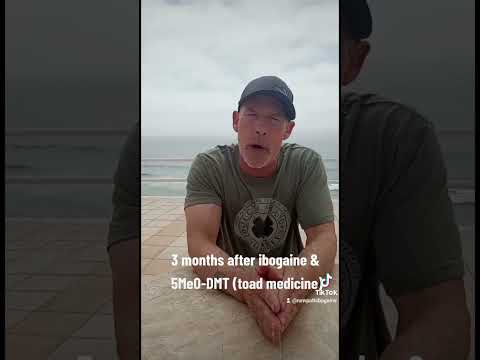
The Road to Recovery: Complete Guide to Ibogaine Treatment for Opiate Addiction in Mexico
Addiction%Treatment
New Path Ibogaine
Mexico
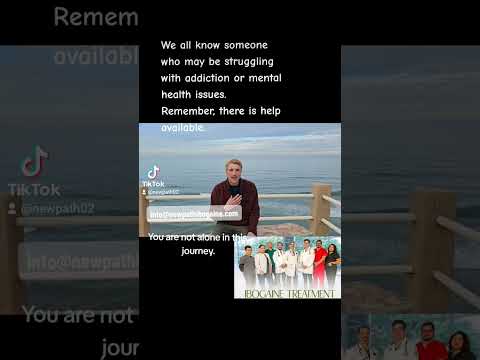
Breaking the Cycle: A Guide to Ibogaine Treatment for Severe Substance Abuse in Mexico
Addiction%Treatment
New Path Ibogaine
Mexico
How PlacidWay Simplifies the Digital Marketplace for Patients and Providers
Addiction%Treatment
PlacidWay Medical Tourism
Mexico

Going Beyond Medical Tourism: How PlacidWay's Cutting-Edge Technology is Transforming Healthcare Marketing and CRM for Clinics Globally
Addiction%Treatment
PlacidWay Medical Tourism
Mexico
Unlock the Best Drug Addiction Treatment Packages Just for You
Discover the ultimate Drug Addiction Treatment packages designed to meet your health and wellness goals. Choose the perfect fit for your journey.
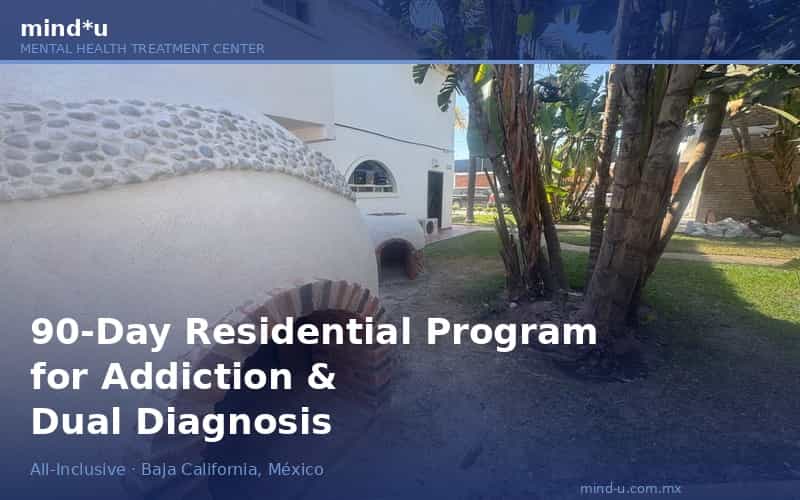
Price starting from $40,000
90-Day Residential Program for Addiction & Dual Diagnosis
Mind-U Psychiatric Residential Mental Health Center
- Psychiatry
Tijuana,Rosarito Beach, Mexico

Price starting from $7,500
Drug Addiction Treatment Package at Lifes Oasis Vallarta, Puerto Vallarta, Mexico
Lifes Oasis Vallarta
- Addiction Treatment
Puerto Vallarta, Mexico
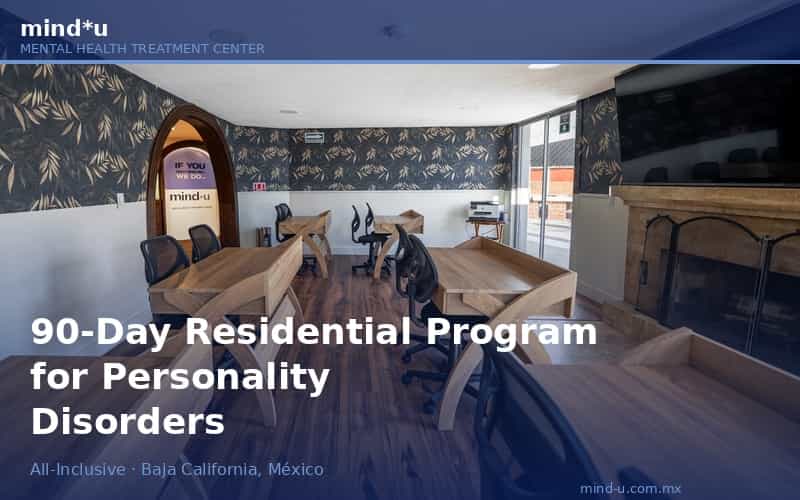
Price starting from $40,000
90-Day Residential Program for Personality Disorders
Mind-U Psychiatric Residential Mental Health Center
- Psychiatry
Tijuana,Rosarito Beach, Mexico
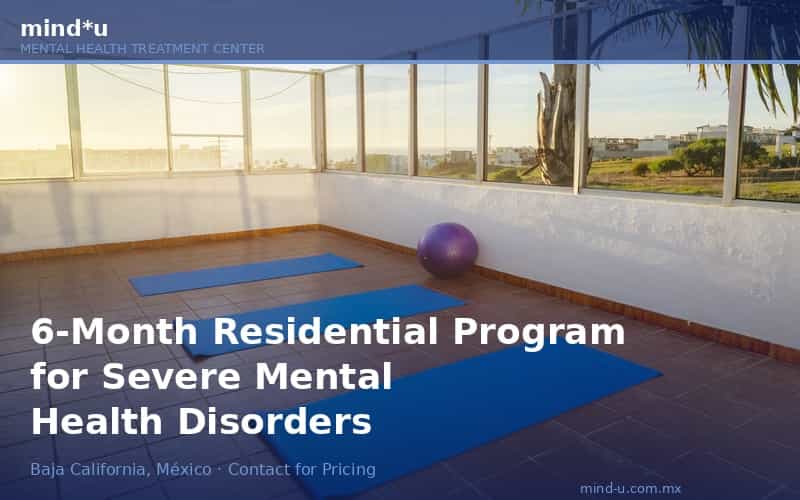
Price starting from $80,000
6-Month Residential Program for Severe Mental Health Disorders
Mind-U Psychiatric Residential Mental Health Center
- Psychiatry
Tijuana,Rosarito Beach, Mexico
Transformative Drug Addiction Treatment Experiences: Dive into Procedure Insights
Discover the power of Drug Addiction Treatment through compelling patient experiences. Uncover detailed insights into procedures, recovery journeys, and life-changing results.
.png)
.png)
Ibogaine Treatment for Parkinson’s Disease in Tijuana, Mexico
- Ibogaine Therapy, Addiction Treatment
Tijuana, Mexico
.png)
Price starting from $7,800
Addiction Treatment in Tijuana, Mexico
- Addiction Treatment
Tijuana, Mexico
.png)
Price starting from $7,800
Ibogaine Treatment for Opioid Addiction in Tijuana, Mexico
- Ibogaine Therapy, Addiction Treatment
Tijuana, Mexico








If you\'re looking for an experience that awakens the best in you and renews your way of seeing the world, this is the destination. New Path not only helps you heal, but also reborn. The team works with genuine love, and you can feel it; they put their hearts into their medical commitment. Without a doubt, an environment full of calm and purpose!!
Read More