
What treatment


1+ Best Clinics for Embryo Donation in Colombia
Trusted Medical Tourism Platform Since 2007
What are the best embryo donation clinics in Colombia?
The leading embryo donation clinics in Colombia are Eugin Colombia - Clínica de Fertilidad (Bogota), INSER - Human IVF and Fertility Center (Medellin, Bogota, Cali), and REPROTEC Fertility Center (Bogota).
These centers are accredited by the Latin American Network of Assisted Reproduction and provide advanced reproductive treatments, including embryo donation, IVF with donor eggs and sperm, artificial insemination, and the ROPA method. Comprehensive fertility treatment packages range from $4,627 to $10,200 USD, offering international patients significantly more affordable options compared to equivalent care in the United States.

 89.47% Patient Recommend
Eugin Colombia - Clínica de Fertilidad


Overview
Clinic Eugin is an international fertility center with over 25 years of experience. We offer advanced treatments for fertility preservation supported by the best technology and personalized care.
Read more details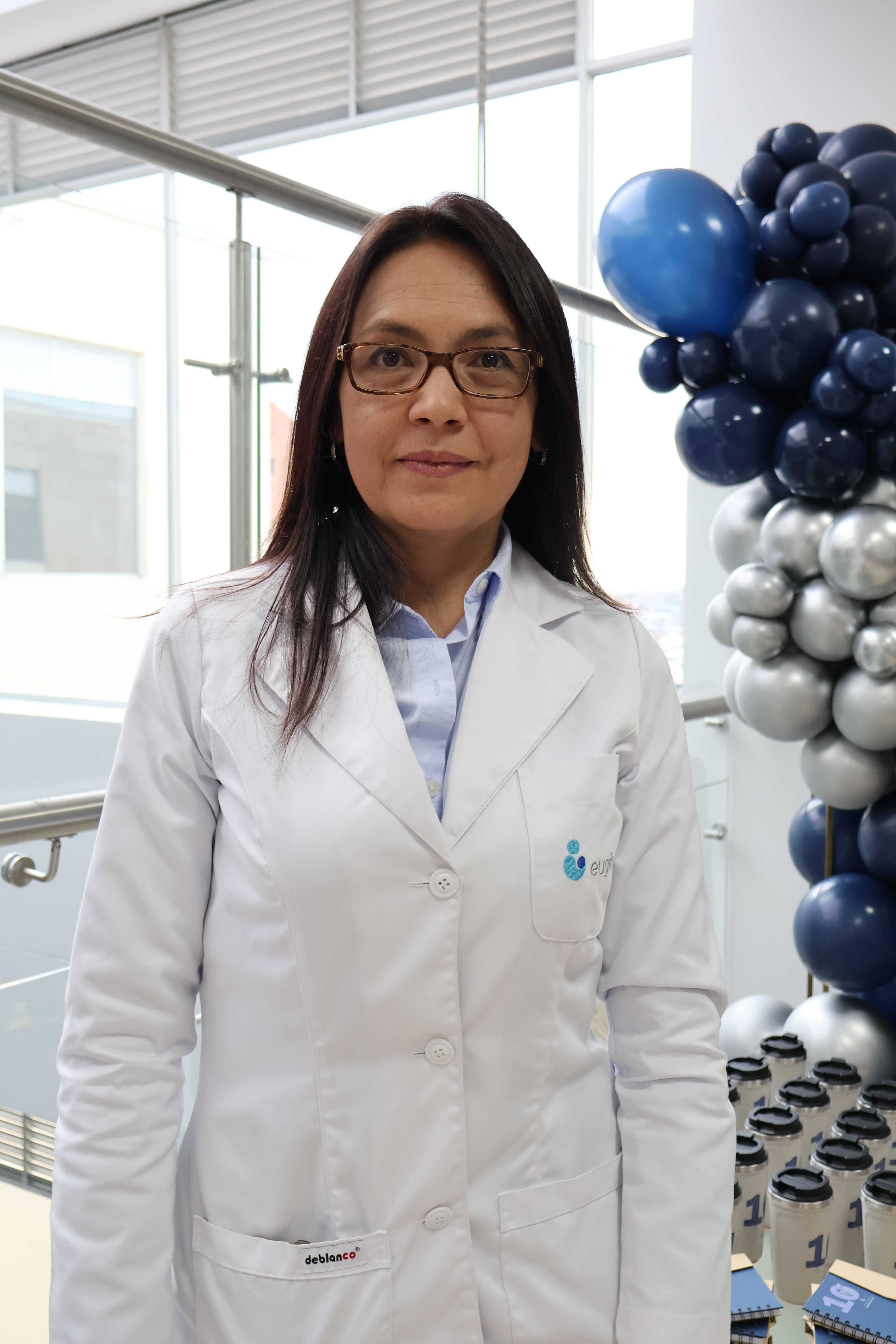
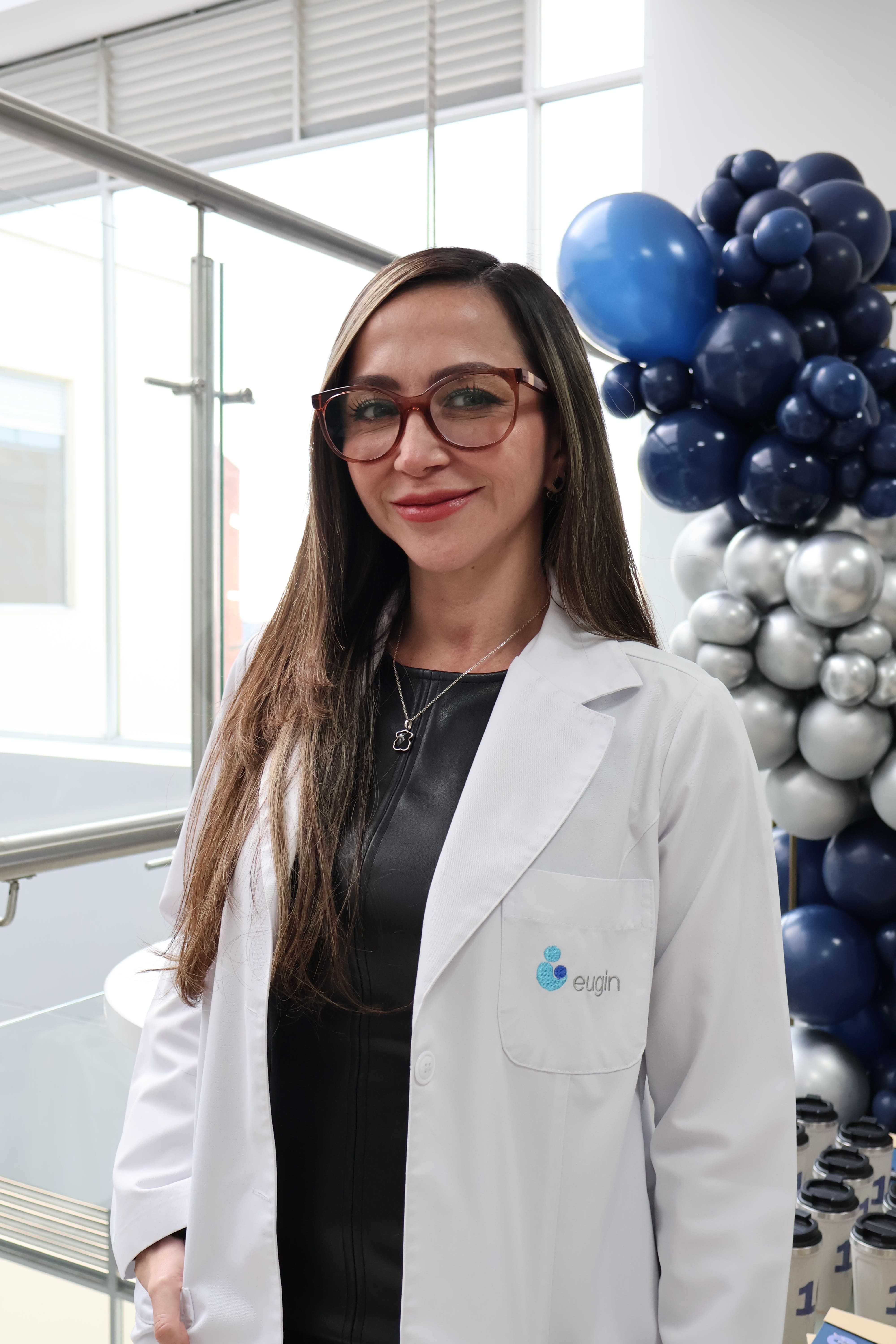


inSer - Human IVF and Fertility Center
Private clinic with professionalism and 16 years of experience, specialized in the area of Human Reproduction in renowned educational centers in Europe and the United States and more than 400 procedures per year. Accredited by the Latin American Network of Assisted Reproduction.


 100.00% Patient Recommend
Clinica FOSCAL
Overview
Clinica FOSCAL is the Best Hospital in Floridablanca Colombia for Emergency Care, Cancer Treatment, and more. Book your consultation now at PlacidWay.
Read more details

Dreams Surrogacy Colombia
Overview
Discover safe, legal, and affordable Surrogacy in Colombia with Dreams Surrogacy. Helping families achieve parenthood dreams with trusted guidance.
Read more detailsWhich are the best embryo donation clinics in Colombia?
When seeking embryo donation in Colombia, top clinics like Eugin Colombia, inSer - Human IVF and Fertility Center, and REPROTEC Fertility Center stand out. These facilities in Bogota, Medellin, and Cali are recognized for their advanced fertility treatments, experienced teams, and commitment to patient care, providing comprehensive services for individuals and couples pursuing parenthood through embryo donation.
Colombia has emerged as a respected destination for fertility treatments, including embryo donation, attracting international patients due to its quality care and specialized clinics. When considering the "best" clinics, it's important to look for those with established reputations, robust programs, and positive patient feedback, all of which are indicative of a high standard of service and successful outcomes.
- Eugin Colombia - Clínica de Fertilidad (Bogota): This clinic boasts over 25 years of experience in fertility treatments. They are known for advanced technology in fertility preservation and personalized care. Their patient testimonials and recommendation rates reflect a strong focus on positive patient experiences and successful outcomes in various fertility procedures, including embryo donation.
- inSer - Human IVF and Fertility Center (Medellin, Bogota, Cali, Bucaramanga): With 16 years of experience, inSer is a prominent name in human reproduction in Colombia. Accredited by the Latin American Network of Assisted Reproduction, they perform over 400 procedures annually. Their multiple locations offer accessibility and a wide reach across the country, specializing in comprehensive IVF and fertility solutions.
- REPROTEC FERTILITY CENTER (Bogota): Reprotec provides advanced fertility treatments and personalized care in Bogota, dedicated to helping couples achieve their dream of having a baby. They focus on delivering a supportive and effective fertility journey for their patients.
These clinics offer comprehensive services, state-of-the-art facilities, and a patient-centered approach, making them excellent choices for embryo donation in Colombia.
What is embryo donation, and how does it work in Colombia?
Embryo donation in Colombia involves receiving embryos created by other couples through IVF who no longer need them. These surplus embryos are donated altruistically to help infertile individuals or couples achieve pregnancy. The process typically includes recipient screening, embryo matching, uterine preparation, and a straightforward embryo transfer procedure, with anonymity for donors.
Embryo donation offers a path to parenthood for those unable to conceive using their own eggs and sperm, or who face specific genetic risks. It's an established practice in Colombia's fertility clinics, providing hope and opportunities for many families.
Here’s a general overview of how embryo donation works in Colombian clinics:
- Donor Process: Couples who successfully underwent IVF and have remaining high-quality embryos may choose to donate them. These embryos undergo rigorous screening before being offered for donation.
- Recipient Evaluation: Prospective recipients undergo a thorough medical evaluation to ensure they are physically and emotionally prepared for pregnancy. This includes comprehensive health checks and uterine assessments.
- Embryo Matching: Clinics carefully match available embryos to recipients based on various non-identifying characteristics such as ethnicity, physical traits, and blood type, ensuring the closest possible match.
- Uterine Preparation: The recipient's uterus is prepared with hormone medication to create an optimal environment for embryo implantation. This often involves estrogen and progesterone therapy.
- Embryo Transfer: Once the uterine lining is ready, one or more thawed embryos are transferred into the recipient's uterus using a thin catheter. This is a quick and generally painless outpatient procedure.
- Post-Transfer Care: After the transfer, patients typically continue hormone support and await a pregnancy test, usually performed about 10-14 days later.
What are the eligibility requirements for embryo donation recipients in Colombia?
Eligibility for embryo donation in Colombian clinics focuses on ensuring the recipient's health and readiness for pregnancy. Generally, women must be within a certain age range (typically up to 50), have a healthy uterus capable of carrying a pregnancy, and undergo thorough medical and psychological evaluations. Clinics also consider overall physical health and any pre-existing conditions that could impact pregnancy.
Colombian fertility clinics prioritize the health and well-being of both the prospective mother and the future child. Therefore, they have specific criteria for individuals or couples seeking embryo donation. These requirements are in place to maximize the chances of a successful and healthy pregnancy.
Common eligibility requirements include:
- Maternal Age: Most clinics prefer recipients to be within the typical reproductive age range, often up to 50 years old, although some may consider older patients based on individual health assessments.
- Uterine Health: The recipient must have a healthy uterus capable of carrying a pregnancy. This is assessed through various diagnostic tests, such as ultrasounds and hysteroscopies, to rule out any structural abnormalities or conditions that could impede implantation or gestation.
- Overall Health Status: A comprehensive medical evaluation is conducted to ensure the recipient has no contraindications to pregnancy. This includes blood tests, infectious disease screening, and a review of any chronic medical conditions.
- Psychological Assessment: Many clinics require a psychological evaluation to ensure the recipient is emotionally prepared for the journey of embryo donation and parenthood.
- Lifestyle Factors: Healthy lifestyle habits, including a healthy BMI, non-smoking status, and abstaining from alcohol and illicit drugs, are often required or strongly recommended.
How do Colombian clinics ensure the safety and ethics of embryo donation?
Colombian clinics uphold stringent protocols for embryo donation, focusing on comprehensive donor screening for medical, genetic, and psychological health, adherence to national legal frameworks ensuring anonymity and altruism, and strict laboratory standards for embryo handling. They also emphasize detailed informed consent for all parties, safeguarding patient rights and ethical practices.
Ensuring the highest standards of safety and ethics is paramount for reputable embryo donation clinics in Colombia. These clinics integrate various measures to protect both donors and recipients, as well as the future children. Their practices often align with international guidelines, even where local legislation is still evolving.
Key measures include:
- Rigorous Donor Screening: Donors undergo extensive medical, genetic, and infectious disease testing. They also receive psychological evaluations to ensure their understanding and suitability for donation.
- Anonymity: Colombian law stipulates that embryo donation must be anonymous, protecting the identities of both the donors and the recipient families.
- Altruistic Basis: The donation is viewed as an altruistic act, with donors receiving reasonable compensation for time and expenses, not for the embryos themselves.
- Informed Consent: Comprehensive informed consent is obtained from all parties involved, ensuring they fully understand the legal, medical, and emotional implications of embryo donation.
- Laboratory Quality Control: Clinics maintain high-standard embryology laboratories, adhering to strict quality control and assurance measures for embryo handling, culture, and cryopreservation.
- Legal Framework Adherence: While specific ART laws are less codified, reputable clinics follow constitutional principles, professional medical ethics, and evolving guidelines to ensure legal compliance and protect parental rights.
What support services do embryo donation clinics in Colombia offer?
Embryo donation clinics in Colombia provide extensive support services, especially for international patients. This includes dedicated international patient coordinators who assist with communication, travel logistics, and accommodation, as well as offering psychological counseling. They ensure clear guidance throughout the process, from initial consultations to post-treatment care, to make the journey as smooth and stress-free as possible.
Understanding that the journey of embryo donation can be emotionally and logistically challenging, especially for those traveling from abroad, Colombian clinics have developed robust support systems. These services aim to alleviate stress and provide comprehensive care.
Common support services include:
- International Patient Coordinators: These bilingual professionals act as a main point of contact, facilitating communication, scheduling appointments, and guiding patients through every step of the treatment plan.
- Travel Assistance: Clinics often provide help with booking accommodations, airport transfers, and local transportation, ensuring a comfortable stay.
- Psychological Counseling: Access to fertility counselors or psychologists is often available to help patients navigate the emotional aspects of infertility and embryo donation.
- Remote Consultations: Initial consultations and some follow-up appointments can frequently be conducted via video conference, reducing the need for extended stays in Colombia.
- Translation Services: For non-Spanish speaking patients, translation services are offered to ensure all medical information, consent forms, and discussions are clearly understood.
- Post-Treatment Follow-up: Clinics typically coordinate with local doctors in the patient's home country for continued monitoring and support after the embryo transfer.
How do Colombian clinics match recipients with donated embryos?
Colombian clinics match recipients with donated embryos through a careful, anonymous process. They primarily focus on phenotypical characteristics, matching physical traits like ethnicity, hair color, eye color, and blood type between the recipient and the embryo's genetic parents. Medical compatibility and screening results are also crucial in this comprehensive matching process to ensure a suitable embryo for your family.
The matching process for embryo donation in Colombian clinics is meticulous and designed to respect anonymity while maximizing the chances of a successful pregnancy and a good genetic fit. Since Colombian law mandates anonymous donation, recipients do not directly choose donors from profiles. Instead, the clinic's medical team manages the selection based on specific criteria.
The matching process generally involves:
- Recipient Profile Review: You will provide detailed information about your physical characteristics, including ethnicity, hair and eye color, skin tone, and blood type.
- Donor Database Search: The clinic's specialized team searches their database of available cryopreserved embryos, looking for those from donors who closely match your provided physical attributes.
- Medical Compatibility: Blood type compatibility, especially Rh factor, between the recipient mother and the embryo's genetic mother is ensured to prevent complications during pregnancy.
- Comprehensive Donor Screening: Only embryos from rigorously screened donors (medically, genetically, and psychologically) are considered for matching, ensuring the health and quality of the embryo.
- Non-Identifying Information: Recipients receive general, non-identifying information about the donors, such as their age at the time of donation and confirmation of passed screenings. This helps provide reassurance without revealing identity.
What is the success rate for embryo donation in Colombia?
Success rates for embryo donation in Colombian clinics are generally high, often comparable to leading international centers. These rates vary by clinic but are typically in the range of 40-60% per embryo transfer, influenced by factors like embryo quality, recipient age, and uterine health. It's best to discuss specific clinic data directly with your chosen fertility specialist for personalized expectations.
Embryo donation offers promising success rates, particularly because the embryos have already proven their viability by successfully forming during a previous IVF cycle. Colombian clinics pride themselves on achieving competitive outcomes due to their advanced laboratory techniques and experienced medical teams.
Factors contributing to these success rates and considerations when evaluating them:
- Embryo Quality: Donated embryos are typically of high quality, often blastocysts (Day 5 or 6 embryos), which have a higher implantation potential.
- Cryopreservation Techniques: Modern vitrification methods ensure high survival rates of embryos after thawing, contributing to better outcomes.
- Recipient Factors: The recipient's uterine health and overall physical condition play a significant role. Unlike traditional IVF, the recipient's age generally has less impact on embryo donation success, provided her uterus is healthy.
- Clinic Expertise: The experience of the embryology lab and the clinical team in performing transfers significantly influences success rates.
- Cumulative Success Rates: Some clinics report cumulative success rates, which include pregnancies achieved over multiple transfer attempts from the same cohort of donated embryos.
- Transparency: Reputable clinics will openly share their specific success rates, often verified by independent bodies. Always ask for rates pertinent to your situation.
What is the process for international patients seeking embryo donation in Colombia?
International patients seeking embryo donation in Colombia follow a streamlined process: initial remote consultations and medical history review, donor matching, preparatory cycles often managed with a local doctor, and a short travel period (usually 5-7 days) for the embryo transfer. Clinics provide dedicated coordinators for travel, language, and logistics, ensuring a smooth and coordinated medical journey from start to finish.
Colombian fertility clinics are well-equipped to manage international patients, offering services tailored to make the experience convenient and efficient. The process is designed to minimize your time away from home while ensuring comprehensive care.
Here's a typical step-by-step process:
- Initial Remote Consultation: Begin with a video consultation with the fertility specialist to discuss your medical history, treatment goals, and preliminary eligibility.
- Diagnostic Tests: Complete necessary diagnostic tests in your home country, with results sent to the Colombian clinic for review.
- Embryo Matching: Based on your profile and preferences, the clinic will match you with a suitable donated embryo from their bank.
- Preparatory Cycle: Under the guidance of the Colombian clinic, you will start a medication protocol (usually hormone therapy) in your home country to prepare your uterine lining for transfer. This involves monitoring by your local doctor.
- Travel to Colombia: Once your uterine lining is optimal, you will travel to Colombia for the embryo transfer. This typically requires a stay of approximately 5-7 days.
- Embryo Transfer: The procedure is performed at the clinic, followed by a brief period of rest.
- Post-Transfer Support: You'll receive instructions for post-transfer care and follow-up. A pregnancy test is scheduled approximately 10-12 days after the transfer, often conducted back in your home country.
Are there any specific legal considerations for embryo donation in Colombia?
Yes, legal considerations for embryo donation in Colombia center on mandated anonymity for donors and the altruistic nature of the donation. While a comprehensive specific law on assisted reproduction is pending, practices are guided by constitutional rights and ethical medical guidelines. Clinics ensure that informed consent is obtained from all parties, and intended parents are legally recognized as parents, safeguarding the child's legal status.
While Colombia is a popular destination for fertility treatments, its legal framework for assisted reproductive technologies (ART), including embryo donation, is not as extensively codified as in some other countries. However, existing constitutional rights and a strong ethical medical practice guide the process.
Key legal and ethical points to be aware of:
- Anonymity: Donor anonymity is a fundamental principle in Colombia. This means that the identities of the genetic parents are protected and not revealed to the recipient family or the child born from the donation.
- Altruism: Embryo donation is considered an altruistic act. While donors may receive compensation for their time, effort, and medical expenses, it is explicitly not a payment for the embryos themselves.
- Parental Rights: Once the embryo transfer is performed and a child is born, the recipient parents are legally recognized as the child's parents, bearing all rights and responsibilities. The genetic donors have no legal claim or obligation to the child.
- Informed Consent: Clinics are required to ensure that all parties involved—both the donors and the recipients—provide comprehensive informed consent, understanding all medical, psychological, and legal implications.
- Absence of Specific Law: While there isn't a single, dedicated law for ART, clinics operate under existing health regulations and international ethical standards, and judicial precedents support the legality of these procedures.
What types of embryo donation options are available in Colombian clinics?
Colombian clinics offer various embryo donation options, primarily focusing on donated frozen embryos from couples who completed their IVF journey. These embryos are fully formed from previously screened egg and sperm donors. Some clinics may also offer double donation (using donor eggs and donor sperm to create an embryo specifically for donation), providing comprehensive choices for individuals and couples seeking fertility solutions.
Embryo donation programs in Colombian fertility clinics are designed to accommodate a range of patient needs, offering different options to facilitate a successful pregnancy. The primary focus is on ensuring high-quality, viable embryos for transfer.
Common embryo donation options include:
- Existing Frozen Embryos: This is the most common option. These embryos come from couples who underwent IVF, achieved their family goals, and chose to donate their remaining, high-quality frozen embryos. These embryos have already been evaluated and are ready for transfer after thawing.
- Double Donation (Donor Egg and Donor Sperm): In some cases, clinics may facilitate the creation of embryos specifically for donation using both donor eggs and donor sperm. This option is particularly beneficial for recipients who may have specific preferences for donor characteristics (though still within anonymity guidelines) or require a fresh embryo cycle.
- Recipient-Generated Embryos: While less common in standard "embryo donation" programs, some clinics can offer programs where donor eggs and donor sperm are used to create embryos specifically for an individual recipient, rather than from a pre-existing bank of donated embryos. This allows for tailored characteristics of the genetic parents while maintaining anonymity.
All donated embryos, regardless of their origin, come from rigorously screened and healthy donors, ensuring the highest standards of safety and quality for recipients.
How PlacidWay helps individuals access Embryo Donation in Colombia?
PlacidWay is your trusted partner in navigating your fertility journey in Colombia. We simplify the process of finding high-quality, affordable care, ensuring you feel supported every step of the way.
- Detailed Information: PlacidWay provides comprehensive, up-to-date information about Embryo Donation in Colombia, covering everything from the procedure's benefits and potential risks to realistic outcome expectations, empowering you with knowledge.
- Clinic Comparison: We help you compare treatment options across various accredited clinics, presenting transparent information to ensure you find affordable care without ever compromising on the quality and safety of your treatment.
- Trusted & Accredited Clinics: PlacidWay connects you with a network of trusted, internationally accredited clinics and highly experienced medical professionals specializing in Embryo Donation in Colombia, giving you peace of mind.
- Personalized Consultations: We offer one-on-one consultations to understand your unique situation. This allows us to help you make informed decisions about your treatment and connect you with a clinic that perfectly meets your specific needs.
- Continuous Support: Our support doesn't end after the procedure. PlacidWay ensures you have access to continued assistance, including coordinating follow-up care with your clinic and providing resources for your recovery.
Ready to get Embryo Donation in Colombia? Contact us today for a personalized consultation.
Share with AI
Share this page with AI assistants to get summaries and insights


List of Best Embryo Donation Clinics in Colombia
Unlock the Best Fertility Treatment Packages Just for You
Discover the ultimate Fertility Treatment packages designed to meet your health and wellness goals. Choose the perfect fit for your journey.

Price starting from $8,000
IVF with Partner's Own Eggs and Semen Package in Bogota, Colombia by EUGIN Clinic
Eugin Colombia - Clínica de Fertilidad
- Fertility Treatment
Bogota, Colombia

Price starting from $10,200
IVF with Donor Eggs and Sperm Package in Bogota, Colombia by EUGIN Clinic
Eugin Colombia - Clínica de Fertilidad
- Fertility Treatment
Bogota, Colombia

Price starting from $9,500
IVF with Own Eggs and Donor Sperm Package in Bogota, Colombia by EUGIN Clinic
Eugin Colombia - Clínica de Fertilidad
- Fertility Treatment
Bogota, Colombia

Price starting from $7,000
IVF Treatments Package in Tijuana, Mexico by Dr. Javier Piri Sarmiento
Dr. Javier Piri Sarmiento - IVF Specialist in Tijuana Mexico
- Fertility Treatment
Tijuana, Mexico
Transformative Fertility Treatment Experiences: Dive into Procedure Insights
Discover the power of Fertility Treatment through compelling patient experiences. Uncover detailed insights into procedures, recovery journeys, and life-changing results.
.png)
Price starting from $2,000
PGD in Tijuana, Mexico
- Preimplantation Genetic Diagnosis (PGD), Fertility Treatment
Tijuana, Mexico
.png)
Price starting from $10,200
IVF with Donor Eggs and Sperm in Bogota, Colombia
- IVF(In Vitro fertilization) with Egg Donation, Fertility Treatment
Bogota, Colombia
.png)
Price starting from $8,000
IVF Fertility Treatment in Colombia - Successful IVF Treatment
- In Vitro Fertilization (IVF), Fertility Treatment
Colombia

Price starting from $7,800
Gender Selection in Mexico
- IVF with Gender Selection, Fertility Treatment
Mexico
Explore Fertility Treatment: Stories, Testimonials, and Procedures
Watch in-depth videos covering everything from Fertility Treatment success stories to detailed procedure explanations. Learn what to expect and hear from real patients.

Why Leading Medical Centers Choose PlacidWay: The Ultimate Marketing & CRM Solution for Global Patient Engagement
Fertility Treatment
PlacidWay Medical Tourism
Colombia

PlacidWay & Booking.com: A Seamless Journey for Medical Tourists
Fertility Treatment
PlacidWay Medical Tourism
Colombia
How PlacidWay Simplifies the Digital Marketplace for Patients and Providers
Fertility Treatment
PlacidWay Medical Tourism
Colombia

PlacidWay Goes Global: 150 New Providers Join Our Network!
Fertility Treatment
PlacidWay Medical Tourism
Colombia
Learn More with These Fertility Treatment Articles
Take a look at these interesting articles, stories and research that will help you learn more about Fertility Treatment.
.png)
The Balanced Family: Why US Parents are Flocking to Bogota for 99% Accurate AI-Driven Gender Selection in 2026
PlacidWay Medical Tourism
- Fertility Treatment
Colombia
.png)
Anonymous & Elite: Why European Women are Choosing Bogota for Diverse, Waitlist-Free Egg Donor Programs in 2026
PlacidWay Medical Tourism
- Fertility Treatment
Colombia
.jpg)
Why Bogota is Now the Top Global Choice for Same-Sex and Single-Parent Surrogacy Journeys?
PlacidWay Medical Tourism
- Fertility Treatment
Colombia

The 2026 IVF Exodus: How Bogota’s AI-Integrated Labs are Boosting Success Rates by 30% for North American Couples
PlacidWay Medical Tourism
- Fertility Treatment
Colombia
Fertility Treatment Solutions Near You: Explore Top Medical Centers
Discover how Fertility Treatment is transforming lives at leading medical centers in , Colombia. Dive into center profile, specialties, doctors, reviews, etc. and explore the best options tailored to your needs in this region.

Eugin Colombia - Clínica de Fertilidad
Bogota, Colombia
inSer - Human IVF and Fertility Center
Medellin,Bogota,Cali, Colombia








Excelente (Translated by Google) Excellent
Read More