
What treatment


6+ Best Clinics for Esophagus Cancer in China
Trusted Medical Tourism Platform Since 2007
What are the best esophagus cancer clinics in China?
The best esophagus cancer and oncology clinics in China are Beijing Bioocus Medical Group (Beijing), Gobroad Healthcare Group (Beijing), International Hospital of Peking University (Beijing), Lu Daopei Hospital (Beijing), and Beijing Puhua International Hospital (Beijing).
These leading medical centers specialize in advanced, personalized cancer treatments, including CAR-T cell therapy, targeted gene therapy, natural killer (NK) cell therapy, bone marrow transplantation, and HIFU. Depending on the specific condition and the complexity of the targeted therapies utilized, comprehensive cancer treatment costs range from $15,000 to $300,000 USD.
 100.00% Patient Recommend
Beijing Bioocus Medical Group


Overview
Discover most advanced gene therapy and car-t therapy at Beijing Bioocus Medical Group in Beijing, China. Innovative treatments for various medical conditions. Learn more now!
Read more details

Boao International Medical Center in Hainan, China
Overview
Explore Boao International Medical Center, a multispecialty hospital in Hainan, China, offering expert care, advanced treatments, and international patient services.
Read more details
Chongqing Sino-Euro Integrated Traditional Chinese and Western Medicine Hospital
Overview
Comprehensive gynecology, internal medicine, and traditional Chinese medicine in Chongqing China by Chongqing Sino-Euro Hospital combining Eastern and Western care.
Read more details
Gobroad Healthcare Group
Overview
The GHG currently operates 7 hospitals in China. We specialize in treating hematologic malignancies like Leukemia, Lymphoma and Multiple Myeloma, and autoimmune diseases using CAR-T cell therapy.
Read more details
Discover your treatment options with a free, no-obligation quote!
Get your quote now!
International Hospital of Peking University
Overview
Peking University International Hospital in Beijing offers top multispecialty care, including surgery, cancer treatment, orthopedics, dentistry, and more.
Read more details
Lu Daopei Hospital - Cancer Treatment in China
Overview
Lu Daopei Hospital in China offers advanced CAR-T Cell Therapy, Bone Marrow Transplantation, and treatments for various blood cancers and immune disorders.
Read more details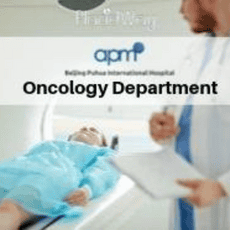
Beijing Puhua International Hospital Oncology
Overview
Beijing Puhua International Hospital's cancer center provides comprehensive therapies for patients using natural, systematic and local treatments including HIFU. They use therapies that are non-toxic and free from side effects to meet the individual needs of every patient.
Read more details
Hebei Yanda International Hospital
Overview
Hebei Yanda International Hospital in Beijing, China, addresses your healthcare needs with expert oncology, cardiology, and neurology treatments.
Read more detailsDiscover your treatment options with a free, no-obligation quote!
Get your quote now!
XinHongqiao Henuo Branch in Shanghai, China
Overview
Visit XinHongqiao Henuo Branch Hospital in Shanghai, China for health screening, endoscopy, gynecology, urology, and specialist care.
Read more details
Authored by
Rizal Aditya
Rizal Aditya Oncology & Immunotherapy Content Specialist A highly accomplished clinical content writer with 5 years of experience and over 1500+ authored articles in the healthcare sector. Rizal specializes in delivering expert, evidence-based insight

Reviewed by
Dr. Orhan Sencan
Consult with Dr. Orhan Sencan, a leading oncologist in Istanbul, Turkey, specializing in cancer treatment, immunotherapy, and personalized care for cancer patients.
Last updated on
Why China is a Global Leader in Esophageal Cancer Treatment?
Due to specific demographic and dietary factors, China sees a highly disproportionate number of esophageal cancer cases globally. This has driven Chinese oncology centers to develop unparalleled surgical volume, clinical expertise, and advanced technologies to combat the disease.
Unmatched Surgical Experience
Because esophageal cancer is highly prevalent in parts of Asia, top-tier Chinese thoracic surgeons perform hundreds of esophagectomies annually. This high-volume experience directly correlates with lower complication rates, cleaner tumor margins, and better overall survival statistics compared to lower-volume centers in the West.
Advanced Robotic & Minimally Invasive Tech
China heavily invests in cutting-edge medical infrastructure. Leading Class 3A oncology hospitals routinely utilize 3D thoracoscopic and Robotic-Assisted Minimally Invasive Esophagectomy (RAMIE) systems. These technologies allow for precise lymph node dissection while significantly reducing surgical trauma and recovery time.
Integrative Oncology & TCM
Chinese cancer centers uniquely integrate modern targeted therapies and immunotherapies with evidence-based Traditional Chinese Medicine (TCM). This holistic approach helps patients tolerate aggressive chemoradiation better, improves appetite, manages severe side effects, and enhances quality of life during rigorous treatment phases.
Access to Clinical Trials & Innovation
As a massive hub for biotech research, China frequently hosts pioneering clinical trials for targeted genetic therapies and PD-1/PD-L1 inhibitors specifically designed for squamous cell carcinomas of the esophagus. International patients often find access to next-generation drugs here much faster and at a lower cost than back home.
Esophageal Cancer Treatment Costs in China vs. United States (2026)
Oncology care is notoriously expensive. Compare projected 2026 pricing for standard esophageal cancer protocols. Chinese centers provide transparent billing, allowing patients to receive world-class multidisciplinary care without crippling medical debt.
| Procedure / Treatment Phase | China Price | US / UK Price | You Save | Savings % |
|---|---|---|---|---|
| Complete Diagnostic Workup (PET-CT, Endoscopy, Biopsy) | $2,500–$4,500 | $10,000–$18,000 | $7,500+ | 75% |
| Minimally Invasive Esophagectomy (MIE) | $16,000–$24,000 | $65,000–$110,000 | $49,000+ | 78% |
| Chemoradiation (Full Neoadjuvant Course) | $10,000–$16,000 | $45,000–$85,000 | $35,000+ | 80% |
| Targeted Immunotherapy (Per Cycle / Month) | $3,500–$6,500 | $12,000–$25,000 | $8,500+ | 72% |
* Prices are 2026 estimates based on verified PlacidWay partner oncology centers in China. Cancer treatment is highly individualized. Total costs depend entirely on the stage of the disease, specific genetic markers, length of hospital stay (ICU requirements), and the customized protocol created by the Multidisciplinary Tumor Board. Request a free quote for customized case evaluation.
Top Chinese Hubs for Esophageal Cancer Treatment
China boasts several mega-cities with massive oncology research hospitals. Each region offers highly specialized Class 3A medical facilities equipped to handle complex upper gastrointestinal cancers.
Shanghai
Eastern Innovation Center
Shanghai is home to globally recognized medical facilities that seamlessly cater to international patients. It leads the nation in the adoption of robotic surgery (RAMIE) and boasts dedicated international patient departments with fluent English-speaking oncology coordinators.
Beijing
The Capital
Beijing hosts China's top government-backed cancer institutes. It is the best destination for patients seeking access to the most advanced clinical trials, cutting-edge genetic sequencing, and the most decorated national experts in thoracic oncology.
Guangzhou
Southern Medical Powerhouse
Due to specific dietary patterns in southern China, Guangzhou sees an incredibly high volume of upper GI cancers. Surgeons here possess unmatched hands-on experience with complex reconstructions of the digestive tract post-tumor removal.
Chengdu
Western China Hub
A rising star in medical tourism, Chengdu offers exceptional modern oncology paired with profound expertise in Traditional Chinese Medicine (TCM). It is an excellent choice for patients focusing heavily on quality of life and holistic symptom management alongside modern therapy.
Esophageal Cancer Treatment Protocols in China
Treatment for esophageal malignancies requires a multidisciplinary approach. Chinese centers provide the full spectrum of curative, neoadjuvant, and palliative therapies tailored to the tumor's stage and cellular makeup.
Minimally Invasive Esophagectomy (MIE)
$16,000 – $24,000The surgical removal of the tumor and a portion of the esophagus, often pulling up the stomach to reconstruct the tract. High-volume Chinese hospitals frequently perform this using highly advanced thoracoscopic or robotic-assisted methods, which greatly reduces chest wall trauma and speeds up post-op breathing recovery.
Save $49,000+ vs. US prices
Advanced Radiation Therapy (IMRT / Proton)
$9,000 – $25,000Utilized either before surgery to shrink the tumor (neoadjuvant) or as a primary definitive treatment. Centers in China offer Intensity-Modulated Radiation Therapy (IMRT) and increasingly, highly precise Proton Beam Therapy, which limits radiation damage to the surrounding heart and healthy lung tissue.
Save $30,000+ vs. US prices
Precision Immunotherapy & Targeted Drugs
$3,500 – $6,500 / cycleFor advanced or metastatic cases, treatment relies on systemic drugs. After comprehensive genetic sequencing of the tumor, oncologists administer specific targeted inhibitors or immunotherapies (like PD-1 inhibitors) that train the body's immune system to identify and destroy esophageal cancer cells.
Save $8,500+ vs. US prices
Endoscopic Palliative Treatments
$4,000 – $7,000If a tumor is inoperable and causing severe difficulty swallowing (dysphagia), Chinese gastroenterologists excel in palliative care. Procedures include the placement of expandable metal stents, endoscopic laser therapy, or photodynamic therapy to open the esophagus and restore the patient's ability to eat comfortably.
Save $12,000+ vs. US prices
How to Choose an Oncology Center for Esophageal Cancer Treatment in China?
Selecting the right hospital for complex cancer care is critical to survival and recovery. Follow this 5-step checklist to ensure you are receiving care at a world-class facility.
Verify "Class 3A" or JCI Accreditation
Ensure the hospital holds China's highest national medical rating (Class 3A / Sanjia) or international Joint Commission International (JCI) accreditation. These designations guarantee the facility meets the highest standards of safety, infection control, and technological infrastructure.
Demand a Multidisciplinary Team (MDT)
Esophageal cancer cannot be treated by a single doctor. Confirm that the hospital utilizes a formal MDT—where surgeons, medical oncologists, radiation oncologists, and pathologists collaborate to design your personalized, comprehensive treatment plan.
Inquire About the Surgeon's Specific Volume
If surgery is recommended, ask exactly how many esophagectomies the specific thoracic surgeon performs annually. High-volume surgeons (performing over 50-100 per year) have significantly lower rates of post-operative complications, such as anastomotic leaks.
Assess the Intensive Care Capabilities
Recovery from esophageal surgery is intensive. The hospital must have a state-of-the-art dedicated surgical ICU, alongside dedicated clinical nutritionists and respiratory therapists to help you recover your strength and breathing capacity safely.
Utilize a Medical Facilitator for Logistics
Navigating the Chinese healthcare system and language barriers alone is daunting. Use a verified partner like PlacidWay to handle medical record translation, secure fast-track appointments at top international departments, and arrange your medical visa.
Your Esophageal Cancer Treatment Timeline in China
Cancer treatment is a complex process. Understanding the clinical pathway from your initial inquiry to your post-treatment recovery helps alleviate anxiety and prepares you for the journey ahead.
Step 1: Remote Assessment & Record Review
Your journey begins at home. You will submit your pathology reports, endoscopy notes, and recent imaging (CT/PET) via PlacidWay. The Chinese oncology team will review your case, provide a preliminary medical opinion, and outline a projected treatment strategy and cost estimate.
Step 2: Arrival & Comprehensive Re-Staging
Upon admission to the international department of the Chinese hospital, you will undergo rigorous re-staging. This often includes a high-definition PET-CT scan, an endoscopic ultrasound (EUS) to determine tumor depth, and potential genetic sequencing of a new biopsy to identify targeted therapy markers.
Step 3: Multidisciplinary Tumor Board (MDT)
Before any treatment begins, a panel of surgical, medical, and radiation oncologists will convene to discuss your exact staging. They will finalize a bespoke protocol—deciding if you need surgery immediately, or if neoadjuvant chemoradiation is required first to shrink the tumor.
Step 4: Active Treatment Phase
If undergoing an esophagectomy, you will spend time in surgery and the ICU, followed by 10-14 days on the surgical ward focusing on lung function and nutrition. If undergoing systemic therapy, you will begin your scheduled cycles of radiation, chemotherapy, or immunotherapy.
Step 5: Rehabilitation & Discharge Planning
Post-treatment, the focus shifts to recovery. You will work with dieticians to adjust to new eating habits (especially after surgery). The medical team will provide a detailed translation of your discharge summary and outline a strict remote follow-up schedule before you are cleared to fly home.
Esophageal Cancer Treatment in China FAQ
Detailed answers regarding the logistics, safety, and clinical protocols for international patients seeking oncology care.
Voices of Hope: Recovery from Esophageal Cancer
Facing a cancer diagnosis is terrifying, but high-quality care can change the narrative. Read how international patients found life-saving expertise and compassionate care at top oncology centers in China.
"When I was diagnosed with Stage 2 squamous cell carcinoma, the waiting lists and costs in the UK were overwhelming. Traveling to Shanghai was the best decision of my life. The robotic surgery was executed flawlessly by a surgeon who performs over a hundred of these a year. The ICU nurses were incredible, and the international coordinator made sure I understood everything. One year later, my scans are completely clear."
"My father's tumor was too advanced for immediate surgery, and the price of targeted immunotherapy at home was going to bankrupt us. We connected with a major cancer center in Beijing. Not only was the cost of the PD-1 inhibitors a fraction of the US price, but they integrated Traditional Chinese herbs that completely stopped his nausea. The tumor shrank enough for a successful resection. We owe them his life."
Why Choose PlacidWay for Your Oncology Journey?
Navigating international cancer care requires profound expertise, urgency, and trust. As an independent medical facilitator, PlacidWay connects you with China's highest-rated oncology specialists safely and efficiently.
Pre-Screened Class 3A Hospitals
We independently verify every Chinese oncology center in our network, ensuring they hold top-tier national accreditations, utilize active Multidisciplinary Tumor Boards, and maintain state-of-the-art intensive care units.
Unbiased Medical Facilitation
As an independent advocate, we are not tied to a single hospital. We provide transparent, comparative treatment plans and cost estimates from multiple leading institutions, allowing you to choose the best clinical fit for your diagnosis.
Direct Specialist Communication
We cut through red tape by organizing direct remote consultations and case reviews between your local doctors and the chief thoracic surgeons and oncologists in China, ensuring alignment before you ever board a plane.
Comprehensive Medical Advocacy
From assisting with the complex transfer and translation of your biopsy reports and PET scans to ensuring proper discharge summaries are generated for your home doctors, we advocate for your seamless continuum of care.
Fight Cancer with World-Class Expertise
Do not let the high cost of treatment dictate your survival. Access high-volume surgical expertise and cutting-edge therapies in China, saving up to 80% on comprehensive care. Connect with a leading Multidisciplinary Tumor Board today.
Get Free QuoteDisclaimer: PlacidWay is a medical tourism facilitator and does not provide medical advice, diagnosis, or treatment. We connect patients with independently verified hospitals and clinics abroad. Always consult with a qualified local oncologist regarding your specific medical condition and before making travel decisions.
Share with AI
Share this page with AI assistants to get summaries and insights


Explore Esophagus Cancer: Stories, Testimonials, and Procedures
Watch in-depth videos covering everything from Esophagus Cancer success stories to detailed procedure explanations. Learn what to expect and hear from real patients.

Which Top Notch Doctors Are Affiliated with the Best Medical Travel Companies?
Addiction Treatment
PlacidWay Medical Tourism
Denver, United States
Adhering to High Standards: How PlacidWay Ensures Trust in Medical Tourism
Addiction Treatment
PlacidWay Medical Tourism
Denver, United States
Global Expansion: Empowering Cancer Centers through PlacidWay Medical Tourism
Addiction Treatment
PlacidWay Medical Tourism
Denver, United States
7 Essential Criteria for Selecting the Ideal Medical Tourism Destination for Your Healthcare Needs
Addiction Treatment
PlacidWay Medical Tourism
Denver, United States
Unlock the Best Esophagus Cancer Packages Just for You
Discover the ultimate Esophagus Cancer packages designed to meet your health and wellness goals. Choose the perfect fit for your journey.

Price starting from $70,000
Advanced CAR-T Cell Therapy for Multiple Myeloma Package in Beijing, China by Bioocus Biotech
Beijing Bioocus Medical Group
- CAR-T Cell Therapy
Beijing, China
Price starting from $70,000
CAR-T Cell Therapy for Hematology Cancer and Immune Diseases Package in Beijing, China by Bioocus Biotech
Beijing Bioocus Medical Group
- CAR-T Cell Therapy
Beijing, China
.png)
Price starting from $29,000
Bone Marrow Transplant Package by Liv Bona Dea Hospital
Liv Bona Dea Hospital in Baku, Azerbaijan
- Cancer Treatment
Baku, Azerbaijan
Price starting from $300,000
FUCASO CAR-T Cell Therapy Package in Beijing, China by Bioocus Biotech
Beijing Bioocus Medical Group
- CAR-T Cell Therapy
Beijing, China
Transformative Esophagus Cancer Experiences: Dive into Procedure Insights
Discover the power of Esophagus Cancer through compelling patient experiences. Uncover detailed insights into procedures, recovery journeys, and life-changing results.
.png)
Nk Cell Therapy in Osaka, Japan
- NK Cell Therapy (Natural Killer Cell Therapy), Cancer Treatment
Osaka, Japan
.png)
.png)
Price starting from $9,800
NK Cell Therapy for Cancer in Kuala Lumpur, Malaysia
- NK Cell Therapy (Natural Killer Cell Therapy), Cancer Treatment
Kuala Lumpur, Malaysia
.png)
Price starting from $18,995
Colon Cancer Immunotherapy in Tijuana, Mexico
- Colon Cancer, Cancer Treatment
Tijuana, Mexico








Read More