
What treatment


1+ Top Rated Clinics for Stem Cell Therapy for Ataxia in Santo Domingo, Dominican Republic
Trusted Medical Tourism Platform Since 2007
What is the best stem cell therapy for ataxia clinic in Santo Domingo, Dominican Republic?
The top stem cell therapy for ataxia clinic in Santo Domingo is the Center for Prolotherapy and Pain Management (Santo Domingo).
This facility operates under the medical regulations of the Dominican Republic’s Ministry of Public Health. The clinic utilizes targeted mesenchymal stem cells (MSCs) sourced from umbilical cord, adipose tissue, or bone marrow to provide neurotrophic support and promote neural repair. Comprehensive treatment packages and adult stem cell therapies range from $4,400 to $5,250 USD, offering highly effective neurological regenerative care at a significantly lower cost compared to pricing in the United States.
 100.00% Patient Recommend
Center for Prolotherapy and Pain Management


Overview
Get top quality and affordable stem cell for Orthopedic in Santo Domingo Dominican Republic at Centro de Proloterapia y Manejo del dolor, Dr. Vargas Decamps.
Read more details

Genoma Health - Stem Cell Dominican Republic
Overview
Genoma Health offers advanced regenerative medicine and stem cell therapy in the Dominican Republic, focusing on personalized, science-based treatments.
Read more details
La Vida Regenerative Medicine in Dominican Republic
Overview
Visit La Vida Regenerative Medicine, a trusted stem cell clinic in Punta Cana, Dominican Republic, offering personalized regenerative therapies.
Read more detailsWhich are the best Stem Cell Therapy for Ataxia clinics in Santo Domingo, Dominican Republic?
For individuals seeking Stem Cell Therapy for Ataxia in Santo Domingo, Dominican Republic, the Center for Prolotherapy and Pain Management is a recognized clinic. When evaluating any facility, look for clinics with established experience in regenerative medicine, positive patient outcomes, and transparent communication regarding treatment protocols for neurological conditions like ataxia. Always prioritize clinics that emphasize patient safety, ethical practices, and comprehensive follow-up care for effective neurological regenerative therapy.
Identifying the "best" clinic for Stem Cell Therapy for Ataxia often involves a personalized assessment, as patient needs and treatment responses can vary significantly. In Santo Domingo, Dominican Republic, the Center for Prolotherapy and Pain Management stands out as a reputable option providing stem cell treatments. When researching potential clinics for neurological conditions like ataxia, consider these key aspects:
- Specialized Expertise: Look for centers with doctors experienced in regenerative medicine and specific knowledge of ataxia and other neurological disorders. Their background should include successful applications of stem cell therapy for similar conditions.
- Accreditation and Standards: Ensure the clinic adheres to international medical standards and local regulations for stem cell procedures. This indicates a commitment to quality and patient safety.
- Patient Testimonials and Outcomes: Reviewing feedback and documented success stories from previous ataxia patients can offer valuable insights into a clinic’s effectiveness and patient care experience.
- Treatment Protocols: Inquire about the specific stem cell types used (e.g., mesenchymal stem cells), their source, processing, and administration methods. A clear, scientifically grounded protocol is essential for effective ataxia treatment.
- Comprehensive Care: The best clinics provide not just the procedure but also pre-treatment evaluations, post-treatment monitoring, and rehabilitation support tailored for individuals with ataxia.
What should I look for in a Stem Cell Therapy for Ataxia clinic in Santo Domingo?
When choosing a Stem Cell Therapy for Ataxia clinic in Santo Domingo, prioritize specialized expertise in neurological regenerative treatments and verifiable patient safety records. Key factors include the clinic's medical team's experience with ataxia, the source and type of stem cells used, facility accreditations, and the availability of clear treatment protocols and follow-up care. These details are crucial for effective ataxia treatment and patient confidence.
Selecting the right clinic is a critical step in your treatment journey. Here are essential aspects to consider when researching Stem Cell Therapy for Ataxia clinics in Santo Domingo:
- Medical Team's Qualifications: Verify that the doctors and specialists have certifications and extensive experience in stem cell therapy, particularly for neurological conditions and ataxia. Their expertise significantly impacts treatment efficacy.
- Type and Source of Stem Cells: Understand if the clinic uses autologous (from your own body) or allogeneic (from a donor) stem cells. Clarify the source (e.g., adipose tissue, bone marrow, umbilical cord) and how these cells are processed and prepared for therapy.
- Facility Accreditations and Technology: Look for clinics with modern facilities equipped with advanced technology for stem cell processing and administration. Accreditations from recognized health organizations indicate adherence to high medical standards.
- Transparency in Treatment Protocols: A reputable clinic will openly discuss its specific treatment plan, including the number of cell implantations, dosage, and expected recovery timeline for ataxia patients. They should explain the scientific basis behind their methods.
- Patient Support and Follow-up: Comprehensive care includes detailed pre-treatment consultations, ongoing support during your stay, and structured post-treatment follow-up. This ensures continued monitoring of your progress and addressing any concerns.
How important are patient testimonials for Stem Cell Therapy for Ataxia clinics?
Patient testimonials are very important, offering firsthand accounts of experiences at Stem Cell Therapy for Ataxia clinics in Santo Domingo. They provide insights into care quality, treatment efficacy for neurological conditions, and overall patient satisfaction, which can guide your decision. However, combine testimonials with professional medical advice and clinic verifications for a comprehensive assessment of the clinic's services.
Patient testimonials serve as powerful indicators of a clinic’s reputation and success rates. While individual results vary, consistent positive feedback often reflects a high standard of care and patient satisfaction. When reviewing testimonials for Ataxia treatment centers in Santo Domingo:
- Look for Specificity: General praise is good, but detailed accounts of improved symptoms, enhanced mobility, or better quality of life for ataxia patients are more informative.
- Consider the Source: Prioritize testimonials from verified patients, especially those available on independent review platforms or directly on the clinic’s website with accompanying information (e.g., video testimonials).
- Identify Commonalities: If multiple patients highlight similar positive aspects like the professionalism of staff, comfort of facilities, or effectiveness of treatment for specific ataxia symptoms, it builds confidence in the clinic’s consistent quality.
- Gauge Responsiveness to Concerns: Sometimes, testimonials include minor issues. How the clinic addresses or learns from these can reveal their commitment to patient care and continuous improvement.
What rehabilitation support is offered after Stem Cell Therapy for Ataxia in Santo Domingo?
Effective Stem Cell Therapy for Ataxia clinics in Santo Domingo typically integrate rehabilitation to enhance treatment outcomes. This can include physical therapy for balance and coordination, occupational therapy for daily living skills, and speech therapy for communication, all tailored to address ataxia symptoms. Post-therapy support is crucial for maximizing recovery and improving neurological function.
Rehabilitation is an integral component of comprehensive Stem Cell Therapy for Ataxia, crucial for maximizing neurological improvements and functional gains. Clinics in Santo Domingo offering these advanced treatments often emphasize a holistic approach to patient recovery. Post-therapy rehabilitation programs may include:
- Physical Therapy: Focused exercises and techniques designed to improve balance, coordination, gait stability, and overall motor control, which are often affected by ataxia.
- Occupational Therapy: Helps patients adapt to daily activities, providing strategies and tools to enhance independence in self-care, work, and leisure despite residual ataxia symptoms.
- Speech and Swallowing Therapy: Addresses dysarthria (speech difficulties) and dysphagia (swallowing problems), common in ataxia, by strengthening muscles and improving coordination for clearer communication and safer eating.
- Nutritional Guidance: Personalized diet plans to support overall neurological health and recovery, potentially including anti-inflammatory or nerve-supporting nutrients.
- Psychological Support: Counseling or support groups to help patients and their families cope with the emotional and psychological challenges of living with ataxia and undergoing treatment.
Are stem cell treatments for neurological conditions regulated in the Dominican Republic?
Yes, stem cell treatments in the Dominican Republic, particularly for neurological conditions like Ataxia, are subject to national health regulations. Clinics must comply with standards set by the Ministry of Public Health, ensuring some level of oversight. Patients should verify that their chosen Santo Domingo clinic openly adheres to these guidelines, demonstrating ethical practice and patient safety.
The regulatory landscape for stem cell therapies varies globally. In the Dominican Republic, the Ministry of Public Health (Ministerio de Salud Pública) is responsible for regulating medical procedures, including advanced treatments like stem cell therapy for neurological conditions such as ataxia. Here’s what patients should know:
- National Oversight: The Ministry of Public Health establishes guidelines and issues licenses for medical facilities and practitioners. Reputable stem cell clinics in Santo Domingo are expected to operate within these regulatory frameworks.
- Ethical Standards: Beyond formal regulations, many clinics adhere to international ethical guidelines for regenerative medicine, which include informed consent, patient safety protocols, and transparent reporting of results.
- Verification is Key: Patients are encouraged to directly inquire about the clinic's licenses, accreditations, and adherence to national and international standards during their initial consultation. This ensures the clinic for your ataxia treatment is operating legitimately.
- Ongoing Development: The field of regenerative medicine is rapidly evolving, and regulations may be updated to reflect new scientific understanding and best practices. A good clinic stays current with these changes.
What types of stem cells are typically used for Ataxia treatment in Santo Domingo clinics?
Stem Cell Therapy for Ataxia in Santo Domingo clinics commonly utilizes Mesenchymal Stem Cells (MSCs). These cells, often sourced from umbilical cord tissue, adipose tissue, or bone marrow, are chosen for their immunomodulatory, anti-inflammatory, and neurotrophic properties, which may help with neural repair and symptom management in ataxia patients.
For neurological conditions like Ataxia, clinics in Santo Domingo offering stem cell therapy primarily focus on Mesenchymal Stem Cells (MSCs). These cells are favored for several reasons:
- Multipotent Properties: MSCs have the ability to differentiate into various cell types, including neural cells, which is beneficial for potential nerve repair and regeneration in ataxia.
- Immunomodulatory Effects: They can regulate the immune system, reducing inflammation that might contribute to neurological damage in ataxia. This helps create a more favorable environment for healing.
- Neurotrophic Support: MSCs secrete growth factors and cytokines that support the survival and function of existing neural cells, potentially slowing down degeneration and improving neuronal connections.
- Common Sources:
- Umbilical Cord Tissue: A popular source due to high cell yield, low immunogenicity, and ethical accessibility.
- Adipose (Fat) Tissue: Readily available and can be harvested with a minimally invasive procedure.
- Bone Marrow: A traditional source, though harvesting can be more invasive.
- Safety Profile: MSCs generally have a good safety profile with a lower risk of immune rejection compared to some other cell types, especially when derived from umbilical cord or well-matched donors.
How do clinics in Santo Domingo ensure patient safety during Stem Cell Therapy for Ataxia?
Patient safety in Stem Cell Therapy for Ataxia clinics in Santo Domingo is ensured through rigorous protocols, including comprehensive patient screening, sterile laboratory practices for cell processing, and precise administration techniques. Reputable facilities prioritize a multidisciplinary approach, continuous monitoring, and adherence to national and international medical guidelines for safe neurological regenerative treatments.
Ensuring patient safety is paramount in any medical procedure, especially with innovative therapies like stem cells for Ataxia. Reputable clinics in Santo Domingo implement several measures to protect their patients:
- Thorough Patient Screening: Before treatment, patients undergo extensive medical evaluations to determine their eligibility, assess existing health conditions, and identify any contraindications. This minimizes potential risks.
- Quality Control of Stem Cells: If allogeneic cells are used (from a donor), they are rigorously screened for infectious diseases and genetic abnormalities. All cells, regardless of source, are processed and expanded in certified, sterile laboratories (e.g., adhering to cGMP standards) to prevent contamination and ensure viability.
- Controlled Administration: Stem cells are administered by trained medical professionals using precise techniques (e.g., intravenous, intrathecal) to target affected areas while minimizing complications.
- Infection Control: Strict aseptic techniques are followed during cell harvesting, processing, and administration to prevent infections, which is a critical aspect of patient care in stem cell treatment.
- Emergency Preparedness: Clinics are equipped to handle potential adverse reactions or emergencies, with trained staff and necessary medical supplies readily available.
- Post-Treatment Monitoring: Patients are closely monitored after the procedure for any immediate side effects, and follow-up schedules are established to track long-term outcomes and address late-onset issues.
What is the typical duration of Stem Cell Therapy for Ataxia treatment at Santo Domingo clinics?
The typical duration for active Stem Cell Therapy for Ataxia in Santo Domingo clinics often ranges from a few days to a week for the primary procedure and initial recovery. This period covers diagnostic evaluations, cell administration, and immediate post-treatment observation. Full therapeutic effects and ongoing rehabilitation may extend over several months.
The actual time spent at a Stem Cell Therapy for Ataxia clinic in Santo Domingo for the treatment itself is often shorter than many expect, though the overall healing process extends beyond that. Here’s a general breakdown:
- Initial Consultation & Evaluation (1-2 days, or remote): This phase involves thorough diagnostic tests, review of medical history, and detailed discussions with specialists to confirm eligibility and tailor a treatment plan for ataxia. This can sometimes be done remotely before travel.
- Cell Harvesting (if autologous, 1 day): If your own cells (e.g., from fat or bone marrow) are used, a minor surgical procedure will be performed to collect them.
- Cell Processing & Preparation (0-5 days): The harvested cells are sent to a specialized lab for processing, expansion, and quality control. This can sometimes take a few days, depending on the volume and type of cells needed. For umbilical cord-derived cells, this preparation happens prior to your arrival.
- Cell Administration (1-2 days): This is the core treatment, where the prepared stem cells are administered to the patient, often via intravenous infusion or intrathecal injection. Multiple administrations may occur over a day or two.
- Post-Procedure Observation (1-3 days): Patients typically remain under observation immediately after cell administration to monitor for any adverse reactions and begin initial recovery.
- Total On-site Duration: Generally, patients might spend anywhere from 3 to 7 days in Santo Domingo for the active phase of their Stem Cell Therapy for Ataxia.
- Rehabilitation and Follow-up: The crucial rehabilitation phase and long-term follow-up can extend for several months, often managed both on-site initially and then remotely or with local care.
Do Stem Cell Therapy for Ataxia clinics in Santo Domingo offer personalized treatment plans?
Yes, reputable Stem Cell Therapy for Ataxia clinics in Santo Domingo emphasize personalized treatment plans. Recognizing that ataxia varies among individuals, these clinics conduct thorough diagnostic evaluations to tailor therapies. This individualized approach optimizes stem cell selection, dosage, and administration methods to specifically target each patient's unique neurological needs and symptoms.
A cornerstone of effective Stem Cell Therapy for Ataxia, especially for a complex neurological condition like ataxia, is a personalized treatment plan. One-size-fits-all approaches are rarely successful in regenerative medicine. Here's how clinics in Santo Domingo ensure personalized care:
- Comprehensive Diagnostics: Before any treatment begins, patients undergo a battery of tests, including detailed neurological assessments, imaging (MRI, CT scans), blood tests, and sometimes genetic screening. This helps doctors understand the specific type and severity of ataxia.
- Individualized Protocol Development: Based on the diagnostic results, the medical team crafts a unique treatment protocol. This includes determining the optimal type and quantity of stem cells, the method of administration (e.g., intravenous, intrathecal, localized injection), and the frequency of applications.
- Patient-Specific Goals: Discussions with the patient and their family are crucial to establish realistic treatment goals, focusing on improving specific ataxia symptoms, enhancing motor function, or improving quality of life.
- Integrated Therapies: Personalized plans often incorporate complementary therapies alongside stem cell administration, such as physical therapy, occupational therapy, and nutritional support, customized to the individual’s recovery needs.
- Adaptive Treatment: The treatment plan can be adjusted based on the patient's response to therapy. Ongoing monitoring and follow-up allow specialists to fine-tune the approach for better long-term outcomes.
What follow-up care is provided by Stem Cell Therapy for Ataxia clinics in Santo Domingo?
Effective follow-up care from Stem Cell Therapy for Ataxia clinics in Santo Domingo is crucial for monitoring progress and optimizing outcomes. This typically includes regular remote consultations, neurological assessments, and guidance on ongoing rehabilitation. Clinics aim to provide comprehensive support post-treatment to ensure sustained improvements in neurological function and overall patient well-being.
The journey with Stem Cell Therapy for Ataxia doesn't end after the initial procedure. Reputable clinics in Santo Domingo understand the importance of sustained care to support long-term recovery and assess treatment efficacy for neurological conditions. Typical follow-up care includes:
- Scheduled Consultations: Patients usually have scheduled remote consultations (via telemedicine or phone) at regular intervals (e.g., 1, 3, 6, and 12 months post-treatment) to monitor neurological progress and address any new concerns.
- Neurological Assessments: These involve re-evaluating symptoms, motor function, balance, coordination, and speech abilities to track improvements or stability in ataxia. Patients may be asked to complete questionnaires or perform specific physical tasks.
- Imaging and Lab Tests: In some cases, follow-up MRI scans or blood tests might be recommended to assess changes in brain structure or relevant biomarkers related to ataxia progression.
- Rehabilitation Program Adjustments: Based on the patient’s progress, the rehabilitation program (physical, occupational, speech therapy) may be adjusted to continue challenging the patient and building on their gains.
- Nutritional and Lifestyle Recommendations: Ongoing advice on diet and lifestyle factors that support nerve health and overall well-being.
- Patient Education and Support: Providing resources and emotional support to help patients and their families manage expectations and adapt to any changes experienced post-therapy.
Do Stem Cell Therapy for Ataxia clinics in Santo Domingo use specialized equipment?
Yes, leading Stem Cell Therapy for Ataxia clinics in Santo Domingo utilize specialized equipment to ensure safe and effective treatment. This includes advanced imaging systems for precise cell delivery, state-of-the-art laboratory technology for sterile cell processing, and specialized rehabilitation devices. Such equipment enhances diagnostic accuracy, procedure safety, and the overall therapeutic outcome for neurological conditions like ataxia.
Modern Stem Cell Therapy for Ataxia requires access to specialized equipment to ensure both the safety and efficacy of the treatment, especially for delicate neurological applications. Clinics in Santo Domingo dedicated to providing high-quality care for ataxia patients typically invest in advanced technology, including:
- Advanced Imaging Systems:
- MRI (Magnetic Resonance Imaging) & CT (Computed Tomography) Scanners: Used for detailed pre-treatment diagnostics to identify affected brain regions and nerve pathways in ataxia, and sometimes for guiding precise cell delivery.
- Ultrasound Guided Injections: For accurate and safe localized delivery of stem cells to specific areas if required.
- State-of-the-Art Laboratory Facilities:
- Cleanrooms and Biological Safety Cabinets: Essential for sterile processing, expansion, and culture of stem cells to prevent contamination and ensure cell viability.
- Flow Cytometry and Cell Counters: Used for precise quantification and characterization of stem cells, ensuring the correct cell type and dosage are administered.
- Cryogenic Storage: For safe long-term preservation of stem cell batches, which is critical for future treatments or research.
- Monitoring Equipment:
- Neurological Monitoring Systems: To assess brain activity or nerve responses during and after treatment.
- Vital Sign Monitors: Standard equipment for continuous patient monitoring during and after procedures.
- Rehabilitation Equipment:
- Specialized Physical Therapy Equipment: Devices to assist with balance training, gait retraining, and strength building, crucial for ataxia rehabilitation.
- Assistive Technologies: Tools that aid patients in regaining independence in daily activities.
How do I verify the credentials of a Stem Cell Therapy for Ataxia clinic in Santo Domingo?
To verify the credentials of a Stem Cell Therapy for Ataxia clinic in Santo Domingo, first check for proper licensing from the Dominican Republic’s Ministry of Public Health. Look for international accreditations, inquire about their medical team's certifications and experience in regenerative neurology, and seek transparent documentation on their stem cell sourcing and protocols. Patient reviews can also provide additional validation.
Verifying a clinic's credentials is a crucial step to ensure you receive safe and effective Stem Cell Therapy for Ataxia. For clinics in Santo Domingo, Dominican Republic, here’s how you can do your due diligence:
- Check Ministry of Public Health Licensing: The primary regulatory body in the Dominican Republic is the Ministry of Public Health (Ministerio de Salud Pública). Inquire if the clinic holds the necessary licenses and permits for offering stem cell therapies.
- Look for International Accreditations: Some clinics may also seek accreditation from international organizations that set high standards for medical quality and patient safety (e.g., Joint Commission International, though this is less common for specialized stem cell centers). While not strictly required, it adds an extra layer of assurance.
- Doctor Qualifications and Board Certifications: Research the medical doctors involved. Verify their educational background, specialized training in regenerative medicine or neurology, and any board certifications. Don't hesitate to ask for their CVs.
- Transparency in Stem Cell Sourcing and Processing: A credible clinic will be transparent about where their stem cells come from (e.g., umbilical cord, adipose tissue), how they are processed, and if they adhere to Good Manufacturing Practice (GMP) standards for cell preparation.
- Review Published Research and Clinical Trials: While not every clinic will conduct its own trials, they should be able to provide evidence-based information supporting their treatment protocols, potentially citing relevant studies or successful case series.
- Ask for References or Patient Testimonials: Reputable clinics often have patient testimonials or can provide references, allowing you to hear firsthand experiences (always cross-reference these with independent reviews).
Can Stem Cell Therapy for Ataxia clinics in Santo Domingo assist with travel arrangements?
Yes, many Stem Cell Therapy for Ataxia clinics in Santo Domingo, particularly those catering to international patients, often provide comprehensive assistance with travel arrangements. This can include help with airport transfers, booking accommodations, and coordinating local transportation, simplifying the logistics for patients traveling for neurological regenerative treatment in the Dominican Republic.
For patients traveling to Santo Domingo for Stem Cell Therapy for Ataxia, managing travel logistics can be a significant concern. Fortunately, many clinics, especially those experienced with medical tourism, offer support to make the journey smoother:
- Airport Transfers: Clinics often arrange for airport pick-up and drop-off services, ensuring patients arrive and depart comfortably.
- Accommodation Assistance: They may have partnerships with local hotels or apartments, offering discounted rates or recommendations that are conveniently located and suited for medical travelers, including those with mobility challenges due to ataxia.
- Local Transportation: Help with arranging transportation to and from the clinic for treatment sessions, consultations, and rehabilitation appointments.
- Visa and Documentation Support: While clinics cannot issue visas, they can often provide necessary invitation letters or guidance on required travel documents for entry into the Dominican Republic.
- Language Support: For international patients, many clinics offer multilingual staff or translation services to ensure clear communication throughout the treatment process.
- Concierge Services: Some higher-end facilities may offer full concierge services, assisting with personal needs, local excursions for family members, or other comforts during the stay.
Are there support groups available for Ataxia patients receiving stem cell therapy in Santo Domingo?
While dedicated, local support groups specifically for Ataxia patients undergoing stem cell therapy in Santo Domingo might be limited, clinics often connect patients with online communities or offer direct counseling. Many patients find invaluable support through broader ataxia networks and regenerative medicine forums, fostering a sense of community and shared experience during their neurological treatment journey.
Finding community and support is vital for anyone undergoing treatment for a chronic condition like ataxia. While specialized local in-person support groups specifically for "Stem Cell Therapy for Ataxia" in Santo Domingo may not be widespread, here’s how patients typically find support:
- Clinic-Provided Resources: Reputable clinics in Santo Domingo often maintain a network of past patients who are willing to share their experiences. They may also offer internal counseling services or facilitate connections with other patients undergoing similar treatments.
- Online Support Communities: Many international online forums, social media groups, and patient advocacy websites are dedicated to ataxia and stem cell therapy. These platforms allow patients from around the world, including those traveling to the Dominican Republic, to connect, share experiences, and offer emotional support.
- General Ataxia Support Organizations: Larger national or international ataxia foundations and organizations often have resources, forums, and events that can provide comprehensive support and information, even if not hyper-focused on stem cell therapy in a specific location.
- Telehealth Counseling: Some clinics or independent therapists offer virtual counseling sessions that can be accessed regardless of geographical location, providing psychological support throughout the treatment and recovery process.
- Family and Caregiver Support: Family involvement is crucial. Many clinics will also offer resources or advice for caregivers, helping them understand how best to support the patient during and after their stem cell journey.
How PlacidWay helps individuals access Stem Cell Therapy for Ataxia in Dominican Republic?
PlacidWay provides detailed, up-to-date information about Stem Cell Therapy for Ataxia, including benefits, risks, and expected outcomes, empowering you to understand your options. We help users compare treatment in various clinics globally, including in the Dominican Republic, ensuring affordable options without compromising on quality or patient safety. PlacidWay assists users in finding trusted, accredited clinics and medical professionals specializing in Stem Cell Therapy for Ataxia in Santo Domingo and other international destinations. We also offer one-on-one consultations to help you make informed decisions about your treatment, ensuring your specific needs are met with personalized guidance. Moreover, PlacidWay ensures continued support after the treatment, including facilitating follow-up care and recovery assistance, so you never feel alone in your journey. Ready to get Stem Cell Therapy for Ataxia in Dominican Republic? Contact us today for a personalized consultation.Share with AI
Share this page with AI assistants to get summaries and insights


List of Best Stem Cell Therapy for Ataxia Clinics in Dominican Republic
Unlock the Best Stem Cell Therapy Packages Just for You
Discover the ultimate Stem Cell Therapy packages designed to meet your health and wellness goals. Choose the perfect fit for your journey.

Price starting from $6,960
Arthritis and Osteoarthritis Treatment with Regenerative Medicine at Genoma Health
Genoma Health - Stem Cell Dominican Republic
- Stem Cell Therapy
Santiago de los Caballeros, Dominican Republic
Price starting from $9,099
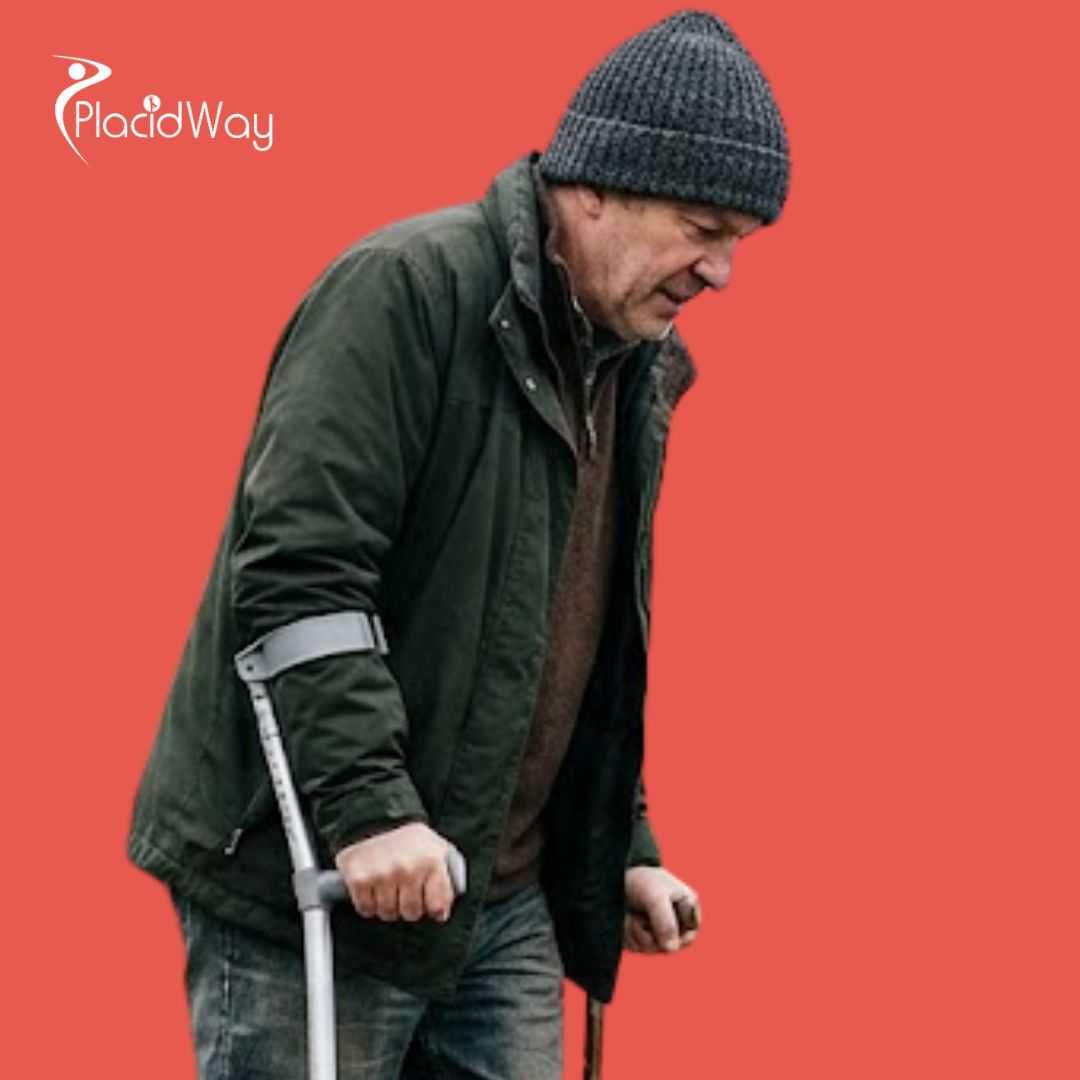
Stem Cell Therapy for Ataxia Package in Tijuana, Mexico by CellsTime Clinique
CellsTime Clinique Tijuana
- Stem Cell Therapy
Tijuana, Mexico

Price starting from $4,400
Stem Cell Therapy for Shoulder Pain in Santo Domingo, Dominican Republic by Dr. Vargas Decamps
Center for Prolotherapy and Pain Management
- Stem Cell Therapy
Santo Domingo, Dominican Republic
Price starting from $4,400
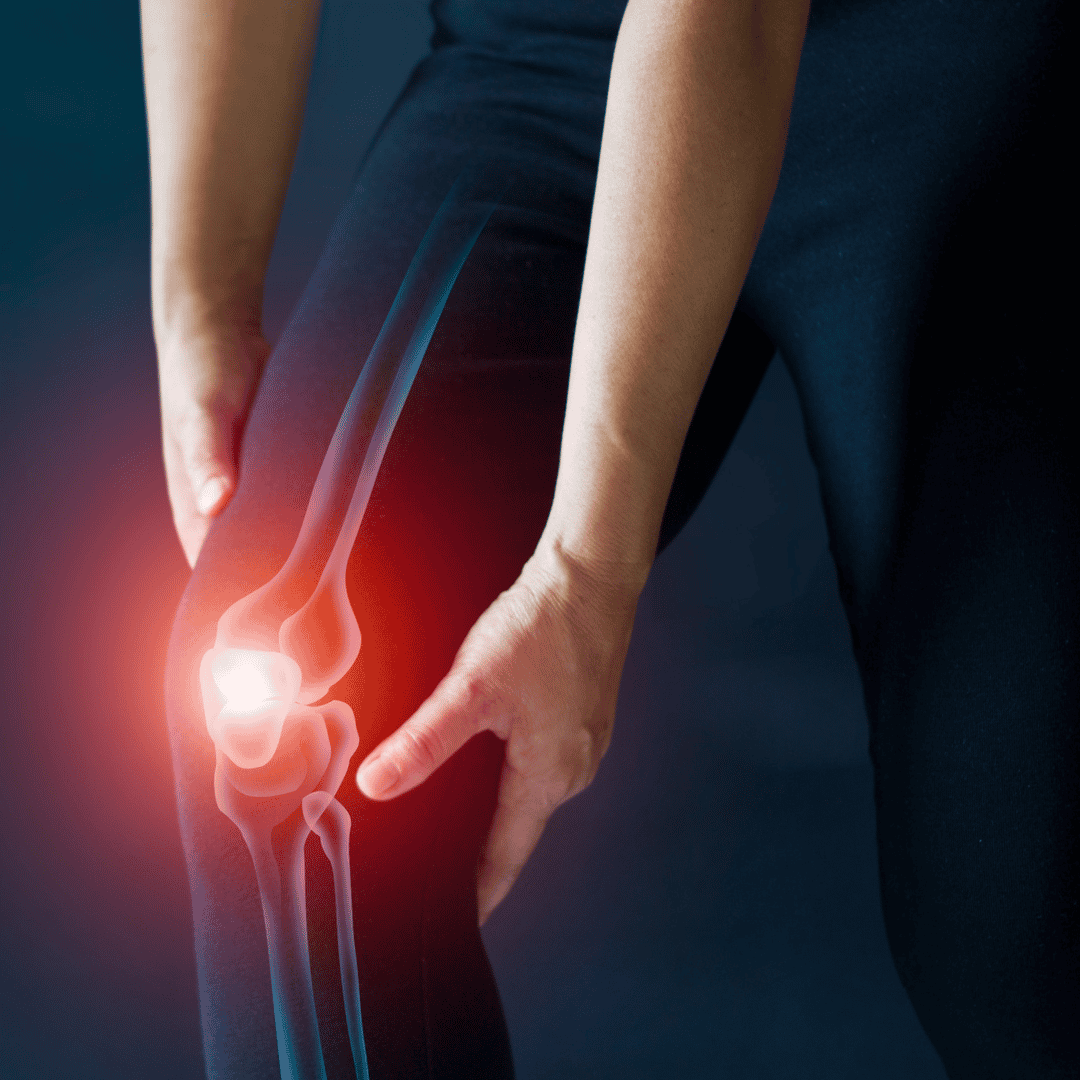
Stem Cells Dominican Republic: Osteoarthritis Treatment by Dr. Vargas Decamps in Santo Domingo
Center for Prolotherapy and Pain Management
- Stem Cell Therapy
Santo Domingo, Dominican Republic
Transformative Stem Cell Therapy Experiences: Dive into Procedure Insights
Discover the power of Stem Cell Therapy through compelling patient experiences. Uncover detailed insights into procedures, recovery journeys, and life-changing results.

Price starting from $4,400
Stem Cell Therapy for Herniated Discs in Dominican Republic
- Stem Cell Therapy for a Herniated Disc, Stem Cell Therapy
Dominican Republic

Price starting from $4,400
Stem Cell Therapy for Ligament Repair in Dominican Republic
- Stem Cell Therapy for Tendon and Ligament Tears, Stem Cell Therapy
Dominican Republic

Price starting from $9,099
Stem Cell Therapy for Ataxia in Tijuana, Mexico
- Stem Cell Therapy for Ataxia, Stem Cell Therapy
Tijuana, Mexico
Price starting from $4,400
Stem Cell Therapy for Degenerative Disc Disease in Dominican Republic
- Stem Cell Therapy for Degenerative Discs, Stem Cell Therapy
Dominican Republic
Explore Stem Cell Therapy: Stories, Testimonials, and Procedures
Watch in-depth videos covering everything from Stem Cell Therapy success stories to detailed procedure explanations. Learn what to expect and hear from real patients.

Why Leading Medical Centers Choose PlacidWay: The Ultimate Marketing & CRM Solution for Global Patient Engagement
Stem Cell Therapy
PlacidWay Medical Tourism
Dominican Republic

Going Beyond Medical Tourism: How PlacidWay's Cutting-Edge Technology is Transforming Healthcare Marketing and CRM for Clinics Globally
Stem Cell Therapy
PlacidWay Medical Tourism
Dominican Republic
Amplify Your Medical Center's Global Presence with PlacidWay Medical Tourism
Stem Cell Therapy
PlacidWay Medical Tourism
Dominican Republic

The Future of Medical Tourism: How PlacidWay is Innovating Patient Acquisition for Regenerative Medicine and Orthopedic Clinics
Stem Cell Therapy
PlacidWay Medical Tourism
Dominican Republic
Learn More with These Stem Cell Therapy Articles
Take a look at these interesting articles, stories and research that will help you learn more about Stem Cell Therapy.

Cartilage Cartography: Why Retirees are Trading Surgery for Santo Domingo’s Precision-Guided Joint Regenerative Injections
PlacidWay Medical Tourism
- Stem Cell Therapy
Dominican Republic

Neural Navigation: Why Santo Domingo is the New Frontline for Combining Stem Cells with Advanced Robotic Rehabilitation
PlacidWay Medical Tourism
- Stem Cell Therapy
Dominican Republic

Evaluating Stem Cell Therapy Options and Patient Safety in Santo Domingo, Dominican Republic
PlacidWay Medical Tourism
- Stem Cell Therapy
Dominican Republic

The Fountain of Youth Found? Why the Global Elite are Booking Annual 'Longevity Cycles' in Santo Domingo’s Luxury Clinics
PlacidWay Medical Tourism
- Stem Cell Therapy for Longevity
Dominican Republic
Stem Cell Therapy Solutions Near You: Explore Top Medical Centers
Discover how Stem Cell Therapy is transforming lives at leading medical centers in Santo Domingo, Dominican Republic. Dive into center profile, specialties, doctors, reviews, etc. and explore the best options tailored to your needs in this region.
La Vida Regenerative Medicine in Dominican Republic
Punta Cana, Dominican Republic
Genoma Health - Stem Cell Dominican Republic
Santiago de los Caballeros, Dominican Republic
Center for Prolotherapy and Pain Management
Santo Domingo, Dominican Republic








The doctors were wonderful and the facility is state of the art.
Read More