
What treatment


1+ Top Rated Clinics for Stem Cell Therapy for Fibromyalgia in Lancaster, United States
Compare Trusted Stem Cell Therapy for Fibromyalgia Specialists in Lancaster, United States and Request a Quote
Trusted Medical Tourism Platform Since 2007
 91.30% Patient Recommend
California Wellness Institute


Overview
Discover Urology and Anti Aging Regenerative Medicine at California Wellness Institute in Rancho Mirage, California, USA - CWIs expert care.
Read more details

 95.02% Patient Recommend
Blatman Health and Wellness Center

Overview
Experience advanced Regenerative Medicine at Blatman Health and Wellness Center in Cincinnati, USA. Rejuvenate your health today!
Read more details
Kentuckiana Integrative Medicine in Jeffersonville, USA
Overview
Discover regenerative medicine in Jeffersonville, United States by Kentuckiana Integrative Medicine offering advanced therapies for pain relief and healing.
Read more details 89.86% Patient Recommend
PlacidWay Medical Tourism

Overview
Discover affordable, quality healthcare worldwide with PlacidWay Medical Tourism. Access trusted clinics, top doctors, and personalized treatment plans.
Read more details.jpeg)




Discover your treatment options with a free, no-obligation quote!
Get your quote now! 97.62% Patient Recommend
CellsTime Clinique Guadalajara
Overview
Visit CellsTime Clinique in Guadalajara, Mexico, for cutting-edge Stem Cell Therapy solutions for diabetes, autism, lupus, and other health conditions!
Read more details
BioStemCells - Stem Cell Clinic in Puerto Vallarta, Mexico
Overview
Explore a stem cell therapy center in Puerto Vallarta, Mexico by BioStemCells offering advanced regenerative treatments for healing and recovery.
Read more details
 91.35% Patient Recommend
Immunotherapy Regenerative Medicine in Puerto Vallarta
Overview
Explore Immunotherapy Regenerative Medicine in Puerto Vallarta, Mexico offering advanced stem cell, immunotherapy, and regenerative treatments.
Read more details
 100.00% Patient Recommend
Regenerative Medicine - Stem Cells by ITC
Overview
Immunity Therapy Center in Tijuana, Mexico, is the forefront of medical innovation, transforming lives through the power of cutting-edge stem cell therapies.
Read more details
Discover your treatment options with a free, no-obligation quote!
Get your quote now! 100.00% Patient Recommend
Stem Health Guadalajara
Overview
Stem Health Clinic, based in Guadalajara, Jalisco, Mexico, brings over 10 years of experience in regenerative medicine, specializing in the use of mesenchymal stem cells. Get Quote Free!
Read more details



 100.00% Patient Recommend
LONVIDA - Regenerative Medicine in Mexico City
Overview
Discover advanced stem cell treatments in Mexico City at Lonvida Wellness and Longevity Center. Offering regenerative medicine, and wellness care.
Read more details

Aura Regenerative Center
Overview
Aura Regenerative Center offers advanced stem cell therapy in Monterrey with personalized regenerative treatments led by experienced medical professionals.
Read more details
 100.00% Patient Recommend
Cellebration Wellness - Stem Cell Clinic San Jose
Overview
Discover Cellebration Wellness in San Jose, Costa Rica, offering cutting-edge stem cell therapy for Multiple Sclerosis, diabetes, COPD, and more.
Read more details

Instituto de Terapia Celular - Stem Cell Guadalajara Mexico
Overview
Find hope with Stem Cell Guadalajara Mexico at Instituto de Terapia Celular. Personalized MSC therapy for autism, joint pain, anti-aging & nerve health.
Read more details
Limphocare by Limphocite - Stem Cell Clinic in Tijuana
Overview
Discover Limphocare by Limphocite, a trusted stem cell clinic in Tijuana offering advanced regenerative treatments tailored for patient care, and recovery.
Read more details
 100.00% Patient Recommend
Sportmed Centro Medico
Overview
Discover the intersection of sports and regenerative medicine in Guadalajara, Mexico. SPORTMED offers innovative solutions for athletes well-being.
Read more details
Stem Health | Leading Stem Cell Clinic in Tijuana, Mexico
Overview
Discover Stem Health, your trusted stem cell clinic in Tijuana, Mexico. We provide personalized stem cell therapies for orthopedic, autoimmune & neurological issues.
Read more details

Stem Solutions
Overview
Stem Solutions in San Pedro Garza Garcia Mexico offers advanced stem cell therapies for autism, autoimmune diseases, neurological disorders & sports medicine.
Read more details
 100.00% Patient Recommend
VISANI® Stem Cells in Puebla, Mexico
Overview
Discover advanced regenerative care at VISANI® Stem Cells, a leading Stem Cell Therapy Clinic in Puebla, Mexico. Safe and effective stem cell treatments.
Read more details
 100.00% Patient Recommend
CellsTime Clinique Puerto Vallarta
Overview
Discover CellsTime Clinique in Puerto Vallarta, Mexico, offering innovative Stem Cell Therapy for various conditions. Your path to improvement starts here!
Read more details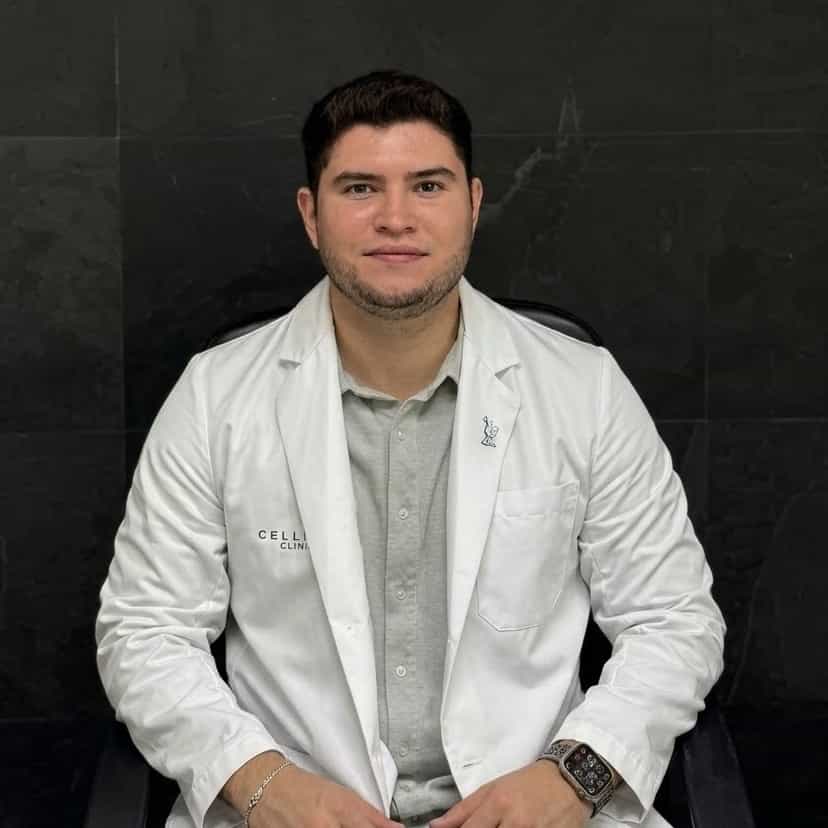
CellsTime Clinique Tijuana
Overview
Discover CellsTime Clinique in the best zone of Tijuana, Mexico. Your premier destination for advanced Stem Cell Therapy for over 80 conditions! - Transportation from San Diego.
Read more details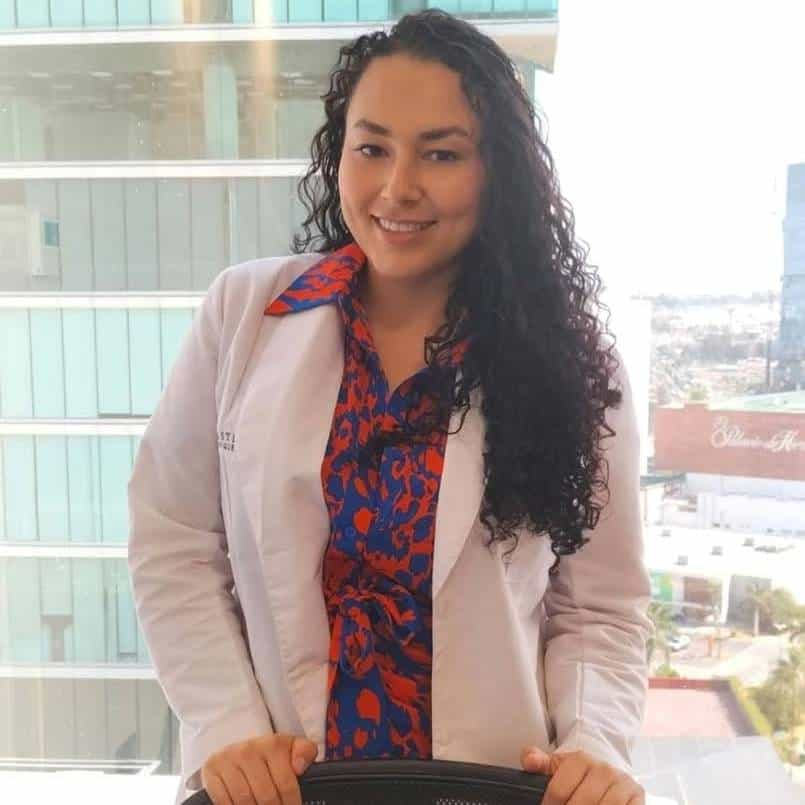
copy.png)
Authored by
Usama Ahmad
Medical content writer with 5+ years of experience specializing in stem cells and regenerative medicine content.

Reviewed by
Dr. Alejandro Fernando
Dr. Alejandro Fernando is a top stem cell specialist in Mexico City, specializing in regenerative medicine, cellular therapies, and chronic disease treatment and Medical Content Reviewer
Last updated on
Which are the best Stem Cell Therapy clinics for Fibromyalgia in Lancaster, United States?
When searching for top Stem Cell Therapy clinics for Fibromyalgia in Lancaster, United States, it's crucial to identify providers with strong patient recommendations, transparent practices, and a focus on regenerative medicine. California Wellness Institute is a prominent clinic in the broader Lancaster area offering regenerative therapies for various conditions, which may include aspects relevant to fibromyalgia. Look for clinics emphasizing individualized treatment plans and comprehensive patient support, which are key for managing complex conditions like fibromyalgia. Always review their credentials and patient testimonials for confidence.
Identifying the "best" clinic often comes down to a combination of factors beyond just location. For Stem Cell Therapy for Fibromyalgia, reputable clinics typically feature:
- Accreditation and Licensing: Ensure the clinic operates under strict medical guidelines and holds necessary state and national licenses for regenerative medicine.
- Specialized Expertise: Look for clinics where medical professionals have specific experience and training in treating fibromyalgia with stem cell therapies.
- Patient Testimonials and Outcomes: Genuine patient stories and measurable outcome data can provide valuable insights into a clinic's effectiveness and patient satisfaction.
- Comprehensive Consultations: A thorough initial consultation should assess your specific condition, discuss treatment protocols, and set realistic expectations.
What should I look for in a Stem Cell Therapy clinic for Fibromyalgia in Lancaster?
When evaluating Stem Cell Therapy clinics for Fibromyalgia in Lancaster, prioritize clinics that offer personalized care, utilize cutting-edge regenerative techniques, and maintain high safety standards. Look for transparency in their treatment protocols, clear communication about expected results, and a dedicated team experienced in chronic pain management. Comprehensive patient education and support throughout your regenerative journey are also critical indicators of a quality clinic.
Choosing a Stem Cell Therapy clinic for your fibromyalgia treatment in Lancaster involves a careful assessment of several key attributes:
- Specialized Focus: Does the clinic specifically mention expertise in treating chronic pain conditions like fibromyalgia with regenerative medicine? This indicates a deeper understanding of the condition.
- Advanced Technology: Inquire about the types of stem cells used (e.g., mesenchymal stem cells, umbilical cord stem cells) and the technology employed for processing and administration. State-of-the-art facilities suggest a commitment to modern care.
- Patient-Centric Approach: A good clinic will offer a personalized treatment plan tailored to your unique health profile and fibromyalgia symptoms, rather than a one-size-fits-all approach.
- Accreditation and Certifications: Verify that the clinic and its medical staff hold proper medical licenses and adhere to relevant regulatory standards within the United States.
- Support Services: Beyond the procedure, consider the availability of pre-treatment evaluations, post-treatment care instructions, and follow-up appointments.
- Initial Consultation: This is where you discuss your fibromyalgia symptoms, medical history, and treatment goals with the clinic's specialists. They'll determine if you're a suitable candidate for stem cell therapy.
- Diagnostic Testing: Expect blood tests, imaging (like MRI or X-rays if pain involves specific joints), and potentially other assessments to pinpoint areas of concern and confirm your health status.
- Medication Review: Your doctor will advise on any medications, supplements, or blood thinners you may need to pause before the procedure to minimize risks.
- Lifestyle Adjustments: You might be advised to optimize your diet, increase hydration, and avoid smoking or alcohol to improve your body's healing capacity.
- Logistics: Plan for transportation to and from the clinic, and arrange for any necessary time off work for the procedure and initial recovery phase.
- Autologous Mesenchymal Stem Cells (MSCs): These are stem cells harvested from your own body, typically from adipose (fat) tissue or bone marrow. They are processed and then reinjected to target areas of inflammation or systemic issues associated with fibromyalgia.
- Allogeneic Stem Cells (e.g., Umbilical Cord MSCs): These cells come from donated umbilical cord tissue, which are rich in potent stem cells. They are known for their strong immunomodulatory and anti-inflammatory properties, making them suitable for systemic conditions like fibromyalgia.
- Platelet-Rich Plasma (PRP): While not strictly a stem cell therapy, PRP treatments utilize growth factors from your own blood platelets to stimulate healing and reduce inflammation. It's often used in conjunction with stem cell therapy to enhance regenerative effects.
- FDA-Approved vs. Investigational: Some stem cell treatments for specific conditions are FDA-approved, while others are still considered investigational and may only be offered within clinical trials.
- Minimal Manipulation Exemption: Certain autologous (patient's own) stem cell procedures that involve "minimal manipulation" and are intended for "homologous use" (performing the same basic function in the recipient as in the donor) might operate under an exemption from full FDA premarket approval. However, interpretation of these exemptions can vary.
- State Licensing: Beyond federal regulations, clinics must also adhere to state-specific medical licensing and practice laws.
- Personalized Aftercare Plan: This includes specific instructions on activity restrictions, wound care (if applicable), and guidelines for managing any mild soreness or swelling at injection sites.
- Follow-up Appointments: Scheduled check-ups with the medical team are essential to monitor your progress, assess symptom improvement, and make any necessary adjustments to your recovery plan.
- Physical Therapy and Rehabilitation: Many clinics integrate or recommend physical therapy tailored to fibromyalgia patients, focusing on gentle exercises, stretching, and mobility to enhance the effects of stem cell treatment and improve functional outcomes.
- Nutritional and Lifestyle Guidance: Advice on anti-inflammatory diets, hydration, stress management techniques, and adequate sleep can significantly support the body's healing processes and aid in long-term fibromyalgia management.
- Accessibility to Medical Team: A supportive clinic will ensure you have clear channels to communicate with your medical team for any questions or concerns that arise during your recovery phase.
- State Medical Board Verification: Check with the Pennsylvania State Board of Medicine to confirm that the clinic and its operating physicians are properly licensed and have no disciplinary actions against them.
- Accreditation Status: Look for accreditation from recognized healthcare organizations. While specific accreditations for stem cell clinics can vary, general medical facility accreditations ensure adherence to high standards of patient safety and quality.
- Physician Qualifications: Confirm that the doctors performing the procedures are board-certified in relevant specialties (e.g., pain management, regenerative medicine) and have specific training and extensive experience in stem cell therapies.
- Professional Affiliations: Membership in professional societies related to regenerative medicine or pain management can indicate a commitment to staying current with best practices and ethical guidelines.
- Transparency of Protocols: A reputable clinic will be open about their stem cell sources, processing methods, and treatment protocols. They should be able to provide scientific literature supporting their specific fibromyalgia therapies.
- Initial Engagement: Most patients appreciate the detailed initial consultations where their complex fibromyalgia symptoms are listened to and understood, leading to tailored treatment plans.
- Procedure Day: The actual stem cell procedure, whether intravenous or targeted injections, is typically described as relatively quick and comfortable, often performed under local anesthesia or mild sedation. Patients generally report minimal pain during the process.
- Immediate Post-Treatment: Patients usually rest briefly at the clinic before being discharged with clear aftercare instructions. Some may experience mild soreness or bruising at the injection or harvest sites, which is generally manageable with over-the-counter pain relief.
- Recovery and Improvement: Recovery is often gradual. Patients frequently report a reduction in chronic widespread pain, decreased fatigue, and improved sleep quality over several weeks to months. Mobility and overall quality of life often see positive shifts.
- Follow-up Care: Regular follow-up appointments are a key part of the patient experience, allowing clinics to monitor progress, adjust rehabilitation plans, and provide ongoing support for fibromyalgia management.
- Integrative Therapies: Combining stem cell treatment with other modalities such as acupuncture, massage therapy, chiropractic care, or specialized pain management techniques.
- Physical Rehabilitation: Tailored exercise plans, gentle stretching, and therapeutic movements designed to improve mobility, reduce stiffness, and enhance overall physical function without exacerbating pain.
- Nutritional and Dietary Support: Guidance on anti-inflammatory diets, supplements, and lifestyle changes that can help mitigate fibromyalgia symptoms and support the body’s healing environment.
- Mental Health Support: Recognizing the psychological impact of chronic conditions, some programs may include access to stress reduction techniques, mindfulness practices, or psychological counseling to help patients cope with fibromyalgia.
- Long-term Wellness Planning: Clinics may assist patients in developing sustainable wellness plans to maintain the benefits of stem cell therapy and prevent symptom recurrence.
- Structured Follow-up Schedule: This usually involves a series of appointments, ranging from a few weeks to several months post-treatment, to assess progress, monitor healing, and address any concerns.
- Detailed Activity Guidelines: Patients receive specific instructions on how to gradually reintroduce physical activities, ensuring they don’t overexert themselves during the critical healing phase. This might include recommendations for light exercise or avoiding strenuous activities.
- Symptom Monitoring and Management: Clinics provide tools or methods for patients to track their fibromyalgia symptoms (pain levels, fatigue, sleep quality) so that adjustments to the aftercare plan can be made as needed.
- Nutritional and Hydration Advice: Ongoing guidance on diet and fluid intake to support cellular regeneration and reduce inflammation, which are beneficial for managing fibromyalgia.
- Rehabilitation Referrals: If necessary, clinics may refer patients to specialized physical therapists or other healthcare providers experienced in working with fibromyalgia to enhance recovery and functional improvement.
- Open Communication Channels: Patients should have easy access to their medical team for questions or support throughout their recovery period.
- Anti-inflammatory Action: Mesenchymal stem cells (MSCs) are known for their potent anti-inflammatory properties. By introducing MSCs, clinics aim to reduce systemic inflammation often implicated in fibromyalgia pain pathways.
- Immunomodulation: Fibromyalgia can involve immune system dysregulation. Stem cells work to modulate immune responses, helping to normalize reactions that might contribute to chronic pain and fatigue.
- Tissue Repair and Regeneration: While fibromyalgia isn't typically characterized by overt tissue damage, stem cells can promote healing and regeneration in areas that may be contributing to localized pain or nerve sensitivity.
- Neuropathic Pain Relief: Some research suggests that stem cells may have neuro-regenerative effects, potentially addressing the neuropathic components of widespread pain in fibromyalgia by supporting nerve health.
- Personalized Treatment Plans: Given the varied presentation of fibromyalgia, clinics emphasize tailoring treatments to each patient, focusing on the specific pain patterns, trigger points, and associated symptoms like fatigue and cognitive dysfunction.
- American College of Rheumatology (ACR) Criteria: Clinics will primarily rely on the established ACR criteria for fibromyalgia diagnosis, which involve assessing widespread pain index (WPI) and symptom severity scale (SSS) scores, along with symptom duration.
- Comprehensive Medical History: A detailed review of the patient's health, including the onset and progression of fibromyalgia symptoms, previous treatments, and any co-existing conditions, is essential.
- Physical Examination: This includes evaluating tender points, assessing muscle strength, range of motion, and neurological function to differentiate fibromyalgia from other conditions.
- Blood Tests: While no specific blood test can diagnose fibromyalgia, tests are often conducted to rule out other conditions that can mimic its symptoms, such as thyroid disorders, rheumatoid arthritis, or lupus. These may include complete blood count, erythrocyte sedimentation rate, C-reactive protein, and thyroid function tests.
- Advanced Imaging: In some cases, imaging studies like MRI might be used to exclude structural abnormalities that could be causing pain.
- Functional Assessments: Some clinics might use questionnaires or functional tests to evaluate how fibromyalgia impacts daily activities and quality of life, helping to set benchmarks for treatment outcomes.
- Clinical Trials: Numerous clinical trials are underway, evaluating the safety and efficacy of different stem cell types (e.g., adipose-derived stem cells, bone marrow mesenchymal stem cells, umbilical cord stem cells) and various administration routes (intravenous, localized injections) for fibromyalgia.
- Mechanism of Action: Researchers are working to better understand how stem cells exert their therapeutic effects in fibromyalgia, particularly their roles in anti-inflammation, immune modulation, and potential neuro-regenerative properties that could impact central sensitization.
- Biomarker Identification: Efforts are being made to identify specific biomarkers that can predict which fibromyalgia patients are most likely to respond to stem cell therapy, allowing for more personalized and effective treatment selection.
- Long-Term Outcomes and Safety: Studies are designed to collect long-term data on pain reduction, functional improvement, quality of life enhancements, and any potential side effects or risks associated with stem cell interventions for fibromyalgia.
- Combination Therapies: Research also explores the synergistic effects of combining stem cell therapy with other conventional or complementary treatments to enhance overall results for chronic pain and fatigue.
- Graded Exercise Therapy: A carefully structured program of low-impact exercises, such as walking, cycling, or swimming, that gradually increases in intensity and duration. This helps improve cardiovascular fitness, muscle strength, and flexibility without overstressing the body.
- Aquatic Therapy (Hydrotherapy): Exercising in water can significantly reduce the impact on joints and muscles, making movement easier and less painful for fibromyalgia patients, while also promoting relaxation.
- Myofascial Release and Massage Therapy: These hands-on techniques can help alleviate muscle stiffness, trigger point pain, and improve circulation, which are common issues in fibromyalgia.
- Mind-Body Practices: Techniques like yoga, Tai Chi, meditation, and deep breathing exercises can reduce stress, improve sleep, and enhance pain coping mechanisms, offering holistic support for fibromyalgia symptoms.
- Cognitive Behavioral Therapy (CBT): CBT can help patients develop coping strategies for chronic pain, manage fatigue, and address the psychological impact of fibromyalgia, complementing the physical benefits of stem cell therapy.
- Nutritional Counseling: Guidance on anti-inflammatory diets, avoiding trigger foods, and incorporating beneficial supplements can support the body’s healing environment and optimize the effects of regenerative medicine.
How to prepare for Stem Cell Therapy for Fibromyalgia at a Lancaster clinic?
Preparing for Stem Cell Therapy for Fibromyalgia at a Lancaster clinic typically begins with a detailed consultation and diagnostic assessment. You'll likely need to provide your full medical history, current medications, and undergo specific tests to confirm your eligibility for regenerative treatment. Following medical advice regarding diet, hydration, and avoiding certain supplements or medications before the procedure is essential for optimal outcomes and a smooth process.
Proper preparation is key to maximizing the effectiveness and safety of your Stem Cell Therapy for fibromyalgia. Here are common steps involved:
What types of Stem Cell Therapy are offered for Fibromyalgia in US clinics?
US clinics specializing in Stem Cell Therapy for Fibromyalgia often focus on mesenchymal stem cells (MSCs) derived from adipose tissue or bone marrow. These regenerative therapies aim to reduce inflammation, modulate immune responses, and promote tissue repair, offering potential relief for persistent fibromyalgia symptoms like chronic widespread pain and fatigue. The specific type of stem cell and administration method will be determined based on your individual condition.
For individuals with fibromyalgia, regenerative medicine approaches using stem cells are gaining traction. The primary types of Stem Cell Therapy commonly offered in specialized US clinics include:
Are Stem Cell Therapy clinics for Fibromyalgia in Lancaster regulated?
Stem Cell Therapy clinics in Lancaster, like all medical facilities in the United States, are subject to regulations primarily enforced by the Food and Drug Administration (FDA). However, the regulatory landscape for regenerative medicine can be complex. Patients seeking fibromyalgia treatment should verify that any clinic they consider operates in compliance with current FDA guidelines, ensuring treatments are provided ethically and safely, focusing on patient well-being and evidence-based practices.
The regulation of Stem Cell Therapy in the United States is primarily overseen by the Food and Drug Administration (FDA). The FDA classifies stem cell products as drugs or biological products, meaning they generally require FDA approval before marketing. However, there are nuances:
What recovery support can I expect from Fibromyalgia Stem Cell Therapy clinics in Lancaster?
After Stem Cell Therapy for Fibromyalgia in Lancaster, clinics typically provide detailed post-treatment instructions focusing on rest, gentle activity, and managing any mild discomfort. Recovery support often includes follow-up appointments to monitor progress, personalized physical therapy recommendations, and nutritional guidance to optimize healing and symptom management. Effective aftercare is crucial for maximizing the long-term benefits of regenerative treatment for chronic conditions like fibromyalgia.
Comprehensive recovery support is a hallmark of quality care at Stem Cell Therapy clinics for fibromyalgia. Patients can generally expect:
How do I verify the credentials of a Stem Cell Therapy clinic for Fibromyalgia in Lancaster?
To verify the credentials of a Stem Cell Therapy clinic for Fibromyalgia in Lancaster, start by checking their medical licenses with the Pennsylvania State Board of Medicine. Look for accreditations from reputable organizations, confirm the expertise of their medical professionals, and inquire about their affiliation with professional regenerative medicine societies. Patient reviews and transparent information about their treatment protocols also offer valuable insights into their credibility and commitment to quality care.
Verifying a clinic's credentials is a critical step in ensuring safe and effective Stem Cell Therapy for fibromyalgia. Here’s a comprehensive approach:
What are the typical patient experiences at Fibromyalgia Stem Cell Therapy centers in Lancaster?
Patients undergoing Fibromyalgia Stem Cell Therapy in Lancaster often report a personalized and supportive experience, beginning with thorough consultations to discuss their symptoms and treatment goals. Many describe the procedure itself as minimally invasive with little discomfort. Post-treatment, individuals typically engage in a guided recovery plan, with some noting gradual improvements in chronic pain, fatigue, and overall well-being. The emphasis is on gentle healing and ongoing communication with the medical team for effective management of fibromyalgia.
Patient experiences at Fibromyalgia Stem Cell Therapy centers in Lancaster generally revolve around these aspects:
Are there specialized Fibromyalgia treatment programs in Lancaster Stem Cell Therapy clinics?
Yes, some Stem Cell Therapy clinics in the Lancaster area and wider US offer specialized programs designed to address the multifaceted symptoms of fibromyalgia. These programs often integrate regenerative medicine with complementary therapies, such as nutritional counseling, physical rehabilitation, and lifestyle modifications, creating a holistic approach to chronic pain and fatigue management. The goal is to provide comprehensive support for improving the overall well-being of individuals with fibromyalgia.
Specialized Fibromyalgia treatment programs in Stem Cell Therapy clinics typically go beyond just the stem cell injections. These comprehensive programs might include:
What aftercare and follow-up services do Lancaster Fibromyalgia Stem Cell clinics provide?
Lancaster Fibromyalgia Stem Cell clinics prioritize thorough aftercare and follow-up, offering personalized plans that include scheduled check-ups and detailed post-procedure instructions. Patients receive guidance on activity levels, symptom monitoring, and lifestyle adjustments to support recovery and maximize the benefits of regenerative therapy. Ongoing communication channels ensure patients have continuous support as they navigate their healing journey for chronic widespread pain and fatigue.
Aftercare and follow-up services are crucial for successful Stem Cell Therapy outcomes, especially for a complex condition like fibromyalgia. Reputable clinics in Lancaster typically offer:
How do Stem Cell Therapy clinics in Lancaster approach chronic widespread pain from Fibromyalgia?
Stem Cell Therapy clinics in Lancaster address chronic widespread pain from Fibromyalgia by leveraging regenerative medicine's potential to reduce inflammation and modulate immune responses. Their approach often involves using mesenchymal stem cells to promote tissue repair and neuro-regeneration, aiming to alleviate the persistent pain, tenderness, and fatigue characteristic of fibromyalgia. Treatments are typically customized, focusing on systemic effects to improve overall patient comfort and quality of life.
Stem Cell Therapy clinics in Lancaster approach chronic widespread pain in fibromyalgia with a focus on its multi-factorial nature:
What diagnostic methods do Lancaster Stem Cell Therapy clinics use for Fibromyalgia?
Lancaster Stem Cell Therapy clinics typically utilize a combination of established diagnostic criteria and advanced assessments to confirm fibromyalgia before considering regenerative treatment. This includes a thorough review of medical history, physical examinations assessing tender points and widespread pain, and ruling out other conditions. They may also employ inflammatory markers or genetic tests to gain a deeper understanding of the patient's condition for personalized fibromyalgia treatment planning.
Before initiating Stem Cell Therapy for fibromyalgia, clinics in Lancaster will perform a thorough diagnostic evaluation to ensure accurate diagnosis and appropriate treatment planning. Common diagnostic methods include:
What ongoing research exists for Stem Cell Therapy in Fibromyalgia at US clinics?
Ongoing research for Stem Cell Therapy in Fibromyalgia at US clinics focuses on understanding the precise mechanisms of action, optimizing cell types and delivery methods, and conducting clinical trials to establish long-term efficacy and safety. Researchers are investigating how regenerative cells can reduce inflammation, modulate immune responses, and alleviate chronic widespread pain and fatigue associated with fibromyalgia. Many clinics participate in or monitor these studies to integrate the latest evidence-based practices into their fibromyalgia treatment protocols.
The field of Stem Cell Therapy for fibromyalgia is continuously evolving, with active research efforts across the United States. Key areas of ongoing investigation include:
What rehabilitation strategies complement Stem Cell Therapy for Fibromyalgia in Lancaster?
Effective rehabilitation strategies complementing Stem Cell Therapy for Fibromyalgia in Lancaster typically involve a multidisciplinary approach focusing on gentle, progressive physical therapy, mindful movement, and pain management techniques. This includes tailored exercise programs, hydrotherapy, and stress-reduction practices like yoga or meditation. Nutritional support and lifestyle adjustments are also key to enhancing the regenerative effects and improving long-term symptom management for chronic widespread pain and fatigue associated with fibromyalgia.
To maximize the benefits of Stem Cell Therapy for fibromyalgia, clinics in Lancaster often recommend integrating complementary rehabilitation strategies:
How PlacidWay helps individuals access Stem Cell Therapy for Fibromyalgia in Lancaster, United States?
PlacidWay provides detailed, up-to-date information about Stem Cell Therapy for Fibromyalgia, including benefits, risks, and expected outcomes, empowering you with knowledge. We help users compare treatment options across various clinics, ensuring affordable choices without compromising on quality or safety. PlacidWay assists in finding trusted, accredited clinics and medical professionals specializing in Stem Cell Therapy for Fibromyalgia in Lancaster, United States, ensuring expert care. We offer one-on-one consultations to help you make informed decisions about your treatment, ensuring your specific needs are met with personalized guidance. PlacidWay ensures continued support after the treatment, including follow-up care and recovery assistance, for a seamless and supportive healing journey. Ready to get Stem Cell Therapy for Fibromyalgia in Lancaster, United States? Contact us today for a personalized consultation.Share with AI
Share this page with AI assistants to get summaries and insights


List of Best Stem Cell Therapy for Fibromyalgia Clinics in United States
Unlock the Best Stem Cell Therapy for Fibromyalgia Packages Just for You
Discover the ultimate Stem Cell Therapy for Fibromyalgia packages designed to meet your health and wellness goals. Choose the perfect fit for your journey.

Price starting from $10,000
Stem Cell Therapy for Joint Arthritis in Fort Lauderdale, United States by Regenestem
Regenestem Fort Lauderdale, USA
- Stem Cell Therapy
Fort Lauderdale, United States

Price starting from $12,500
Stem Cell Therapy for Fibromyalgia in Puerto Vallarta, Mexico by Immunotherapy Regenerative Medicine
Immunotherapy Regenerative Medicine in Puerto Vallarta
- Stem Cell Therapy
Puerto Vallarta, Mexico

Price starting from $12,500
Stem Cell Therapy for Autoimmune Disease in Fort Lauderdale, United States by Regenestem
Regenestem Fort Lauderdale, USA
- Stem Cell Therapy
Fort Lauderdale, United States

Price starting from $12,500
Stem Cell Therapy for Chronic Kidney Disease Package in Fort Lauderdale, USA by Regenestem
Regenestem Fort Lauderdale, USA
- Stem Cell Therapy
Fort Lauderdale, United States
Transformative Stem Cell Therapy for Fibromyalgia Experiences: Dive into Procedure Insights
Discover the power of Stem Cell Therapy for Fibromyalgia through compelling patient experiences. Uncover detailed insights into procedures, recovery journeys, and life-changing results.

Price starting from $14,500
Stem Cell Therapy for Rheumatoid Arthritis in Puerto Vallarta, Mexico
- Stem Cell Treatment for Rheumatoid Arthritis, Stem Cell Therapy
Puerto Vallarta, Mexico

Price starting from $10,000
Stem Cell Therapy for Back Pain in Puerto Vallarta, Mexico
- Stem Cell Therapy for Back Pain, Stem Cell Therapy
Puerto Vallarta, Mexico

Price starting from $9,099
Stem Cell Therapy for Lyme Disease in Tijuana, Mexico
- Stem Cell Therapy for Lyme Disease, Stem Cell Therapy
Tijuana, Mexico

Price starting from $30,000
Stem Cell Therapy for COPD in Puerto Vallarta, Mexico
- Stem Cell Treatment for COPD, Stem Cell Therapy
Puerto Vallarta, Mexico

What kind of treatment does your institute do for multiple sclerosis
Read More