
What treatment


3+ Best Clinics for Stem Cell Therapy for Lyme Disease in Malaysia
What are the best clinics for stem cell therapy for Lyme disease in Malaysia?
The top clinics for stem cell therapy for Lyme disease in Malaysia include FirstCell Malaysia (Kuala Lumpur), Dr. Ebenezer Abel Paul (Kuala Lumpur), Live Stem Cell Asia (Petaling Jaya), ZELL-V Wellness Hub (Kuala Lumpur), and Klinik Setia Gemilang (Shah Alam).
These facilities operate under Ministry of Health (MOH) guidelines and GMP standards, utilizing regenerative Mesenchymal Stem Cells (MSCs). Alongside Lyme disease, these clinics specialize in treating osteoarthritis, autism, diabetes, ADHD, and anti-aging. Stem cell treatment packages in Malaysia range from $6,800 to $20,000 USD, providing targeted immunomodulatory therapies and personalized care plans.
 100.00% Patient Recommend
FirstCell Malaysia


Overview
FirstCell specialize on cell-based medicine and treatments especially via MSC and NKC to enhance wellness and for targeted treatment modules. We are committed in delivering excellent treatment.
Read more details



Dr. Ebenezer Abel Paul - Stem Cells in Malaysia
Overview
Explore Stem Cells in Malaysia with Dr. Ebenezer Abel Paul, offering cutting-edge regenerative therapies and advanced stem cell treatments.
Read more details
 100.00% Patient Recommend
Live Stem Cell Asia - Premier Stem Cell Clinic in Malaysia
Overview
Discover advanced stem cell Malaysia treatments at Live Stem Cell Asia, Petaling Jaya. Experience personalized care and innovative regenerative solutions.
Read more details

ZELL-V Wellness Hub - Regenerative Medicine Malaysia
Overview
ZELL-V Wellness Hub located in Kuala Lumpur, Malaysia. We offers German & Swiss advanced regenerative medicine, cellular therapy, and wellness programs for longevity and vitality.
Read more detailsDiscover your treatment options with a free, no-obligation quote!
Get your quote now! 82.81% Patient Recommend
HELENE - Stem Cell Clinic
Overview
Japan Regenerative Medicine Leading Brand With over a decade of experience and more than 17,000 treated patients. Providing cutting-edge stem cell therapies tailored to various health concerns.
Read more details


 100.00% Patient Recommend
Vega Stem Cell Clinic in Bangkok Thailand
Overview
Vega Clinic in Bangkok, Thailand, helps people feel better with special treatments. They use new ways to heal and make sure each person gets care made just for them.
Read more details
 100.00% Patient Recommend
Azabu Skin Clinic - Dermatology and Stem Cell Therapy in Japan
Overview
Azabu Skin Clinic in Tokyo offers advanced stem cell treatments, regenerative treatments, dermatology, and aesthetic care. Book your consultation today.
Read more details
 96.00% Patient Recommend
Dr. Pravin Patels Innovative Hospital & Research Center
Overview
Dr. Pravin Patel's Innovative Hospital provides best stem cell treatment in Gujarat, India. Also offers Ozone therapy, Quantum therapy , EBOO therapy, Frequency & Laser Therapy at affordable cost.
Read more details

Discover your treatment options with a free, no-obligation quote!
Get your quote now! 100.00% Patient Recommend
GIOSTAR Hospital Bengaluru
Overview
Discover GIOSTAR Hospital in Bengaluru, India—your go-to center for advanced stem cell therapies and cutting-edge procedures for orthopaedics. Explore treatments for diabetes, stroke, SCI, and more.
Read more details
 100.00% Patient Recommend
StemRx Hospital and Research Centre
Overview
At StemRx Hospital & Research Centre, We specialize in advanced Regenerative Medicine & Stem Cell therapy for Autism, Cerebral Palsy, Orthopedics, Migraine, AVN & IVF providing personalized care.
Read more details
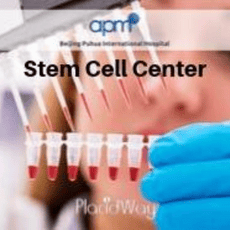
Beijing Puhua International Hospital- Stem Cell Center
Overview
Beijing Puhua International Hospital (BPIH) features a dedicated Stem Cell Center, where a team of highly educated and experienced scientists and technicians are working on the research and development of stem cell technology to restrict the development of several degenerative diseases like Parkinson’s, ALS, Batten, Multiple Sclerosis and more.
Read more details
Beike Biotech
Overview
Beike Biotechnology offers the best stem cell therapy in Thailand, combining top-quality regenerative treatment with cutting-edge technology for optimal patient care.
Read more details

Boston Health Longevity - Anti Aging Stem Cell Therapy in Thailand
Overview
Experience advanced Anti Aging Stem Cell Therapy in Thailand at Boston Health Longevity. Improve cellular health, vitality, and longevity with expert care.
Read more details 100.00% Patient Recommend
Chaum Medical Center
Overview
Premium healthcare at Chaum Medical Center, Seoul. Personalized anti-aging, stem cell therapy, and advanced medical services for a youthful life.
Read more details
Clinique Haru Osaka Umeda - Japan Stem Cell Treatment
Overview
Clinique Haru Osaka Umeda specializes in Japan stem cell treatments for joint and musculoskeletal conditions using advanced regenerative medicine.
Read more details
Healthi Life Longevity Center in Bangkok, Thailand
Overview
Explore stem cell therapy in Bangkok, Thailand by Healthi Life Longevity Center with advanced regenerative treatments and personalized care plans.
Read more details
Hebei Yanda International Hospital
Overview
Hebei Yanda International Hospital in Beijing, China, addresses your healthcare needs with expert oncology, cardiology, and neurology treatments.
Read more details
Krishna Institute of Medical Sciences (KIMS), Bengaluru
Overview
Krishna Institute of Medical Sciences (KIMS) Bengaluru is recognized as the best hospital in India, offering advanced multispecialty care and expert doctors.
Read more details
Mousai Wellness Center - Stem Cell Bangkok Thailand
Overview
Discover advanced Stem Cell treatments in Bangkok, Thailand at Mousai Wellness Center. Safe, innovative, and personalized care for lasting wellness.
Read more details
Nulook Anti-Aging & Regenerative Center
Overview
Nulook Anti-Aging & Regenerative Center in Bali, Indonesia offers Botox, Ultherapy, Dermal Fillers, Thermage, PRP, Pico Laser and more.
Read more detailsWhich are the best Stem Cell Therapy for Lyme Disease clinics in Malaysia?
When searching for top Stem Cell Therapy for Lyme Disease clinics in Malaysia, key options include Dr. Ebenezer Abel Paul - Stem Cells in Malaysia (Kuala Lumpur), FirstCell Malaysia (Kuala Lumpur), Live Stem Cell Asia - Premier Stem Cell Clinic (Petaling Jaya), and Klinik Setia Gemilang (Shah Alam). These facilities are recognized for regenerative medicine and offer specialized treatments relevant to complex conditions like Lyme disease, focusing on patient care and advanced therapies within Malaysia.
Malaysia is emerging as a notable destination for regenerative medicine, attracting patients seeking advanced treatments for various conditions, including Lyme disease. The clinics listed above are prominent choices within the country, offering specialized approaches to stem cell therapy.
- Dr. Ebenezer Abel Paul - Stem Cells in Malaysia (Kuala Lumpur): Known for offering regenerative therapies, this clinic in Kuala Lumpur focuses on providing advanced stem cell treatments.
- FirstCell Malaysia (Kuala Lumpur): Specializes in cell-based medicine, utilizing mesenchymal stem cells (MSCs) and Natural Killer Cells (NKC) for wellness and targeted treatment modules. They emphasize patient satisfaction and comprehensive care.
- Live Stem Cell Asia - Premier Stem Cell Clinic in Malaysia (Petaling Jaya): Located in Petaling Jaya, this clinic provides innovative regenerative solutions and personalized care, including therapies for anti-aging and various chronic conditions.
- Klinik Setia Gemilang (Shah Alam): This wellness center in Shah Alam is recognized for its stem cell therapy offerings, alongside orthopedic treatments and anti-aging solutions, providing a holistic approach to patient health.
These clinics aim to provide comprehensive care and are equipped with facilities and protocols tailored for regenerative treatments. Always consider a thorough consultation to ensure the chosen clinic aligns with your specific needs for Lyme disease management.
What advanced diagnostic methods do Malaysian clinics use for Lyme disease before stem cell therapy?
Malaysian clinics specializing in stem cell therapy for Lyme disease employ advanced diagnostic testing to accurately assess the disease's stage and impact. This often includes sophisticated blood tests like Western Blot, ELISPOT, and specialized immune assays, alongside comprehensive patient history and clinical evaluations to develop personalized treatment strategies.
Accurate diagnosis is crucial before initiating any advanced treatment, especially for a complex condition like Lyme disease, which can present with varied symptoms. Malaysian stem cell therapy clinics prioritize thorough diagnostic evaluations to ensure appropriate patient selection and treatment planning.
Common diagnostic approaches include:
- Advanced Serological Testing: Beyond standard ELISA, clinics often perform more sensitive tests like the Western Blot (IgM and IgG) to detect specific antibodies to Borrelia burgdorferi.
- Cellular Immunity Tests: Tests like the Lymphocyte Transformation Test (LTT) or ELISPOT for Borrelia antigens measure the cellular immune response, which can be crucial for detecting chronic or persistent infections not always caught by antibody tests.
- Co-infection Screening: Lyme disease often involves co-infections (e.g., Babesia, Bartonella, Ehrlichia). Comprehensive testing for these pathogens is critical as they can significantly influence symptoms and treatment outcomes.
- Inflammatory Markers: Evaluation of inflammatory markers (e.g., C-reactive protein, cytokines) helps assess the systemic impact of Lyme disease and guides supportive therapies.
- Neurological and Imaging Studies: For neurological Lyme, patients may undergo MRI scans or nerve conduction studies to assess nerve damage or brain involvement, providing a clearer picture of the disease's progression.
These detailed diagnostics allow clinics to tailor a stem cell therapy protocol that addresses the individual patient's specific presentation of Lyme disease.
How do Malaysian stem cell clinics prepare patients for Lyme disease treatment?
Before stem cell therapy for Lyme disease, Malaysian clinics typically engage in a multi-faceted preparation process. This includes thorough medical evaluations, comprehensive laboratory testing to confirm diagnosis and assess overall health, and detailed consultations to discuss treatment expectations, potential outcomes, and personalized pre-treatment protocols to optimize patient readiness and safety.
Patient preparation is a critical phase to maximize the safety and efficacy of stem cell therapy for Lyme disease. Clinics in Malaysia adopt a structured approach to ensure patients are physically and mentally ready for the procedure.
Key preparatory steps include:
- Detailed Medical History and Physical Examination: A comprehensive review of the patient's medical background, current health status, and symptoms related to Lyme disease.
- Extensive Laboratory Testing: Beyond initial diagnostics, further blood tests may be performed to check organ function (liver, kidney), blood counts, and specific inflammatory markers to ensure the patient can safely undergo stem cell procedures.
- Nutritional Optimization: Patients might receive recommendations for dietary changes and supplements to improve overall health and reduce inflammation, which can enhance the body's response to stem cells.
- Detoxification Protocols: Some clinics incorporate mild detoxification therapies to prepare the body by reducing existing toxin burdens, which is particularly relevant for chronic Lyme sufferers.
- Counseling and Education: Providing clear information about the stem cell therapy process, potential risks, expected recovery, and realistic outcomes helps patients feel more comfortable and prepared.
- Medication Review: Adjusting or temporarily stopping certain medications that could interfere with stem cell activity or the procedure itself.
This holistic preparation aims to create an optimal internal environment for the stem cells to exert their therapeutic effects.
What kind of post-treatment support and follow-up care can I expect from Malaysian clinics after stem cell therapy for Lyme disease?
After stem cell therapy for Lyme disease in Malaysia, clinics prioritize thorough post-treatment support. Patients typically receive detailed instructions for home care, medication schedules, and rehabilitation plans. Regular follow-up appointments, often virtual, monitor progress, manage any potential side effects, and ensure optimal long-term recovery and symptom management.
The journey doesn't end with the stem cell infusion. Effective post-treatment care is vital for maximizing the benefits of the therapy and ensuring a smooth recovery, especially for a condition like Lyme disease. Malaysian clinics are typically structured to provide comprehensive support after the procedure.
You can generally expect:
- Personalized Recovery Plan: This includes guidelines on activity levels, diet, hydration, and any necessary supplements or medications to support healing and reduce inflammation.
- Remote Monitoring: Many clinics offer telemedicine consultations, allowing patients to communicate with their healthcare team from home, particularly beneficial for international patients.
- Symptom Management: Guidance on how to manage any temporary increase in symptoms (known as a "herx reaction") or other side effects, often involving supportive therapies.
- Rehabilitation Referrals: For patients with persistent neurological or musculoskeletal symptoms from Lyme, clinics may recommend or coordinate with local physical therapy, occupational therapy, or neurological rehabilitation specialists.
- Progress Tracking: Periodic re-evaluation of diagnostic markers and symptom scores to track improvement and adjust the long-term health plan as needed.
- Educational Resources: Ongoing access to educational materials about maintaining health, understanding Lyme disease, and optimizing lifestyle for sustained well-being.
This continued support ensures patients feel cared for and guided throughout their recovery, adapting the treatment plan to their evolving needs.
Do Malaysian clinics offer personalized stem cell therapy protocols for individual Lyme disease patients?
Yes, Malaysian clinics widely embrace personalized stem cell therapy protocols for Lyme disease. Recognizing the varied presentations of chronic Lyme, treatment plans are customized based on each patient's unique diagnostic results, symptom profile, genetic factors, and overall health status, ensuring a highly targeted and effective regenerative approach.
Lyme disease is known for its heterogeneous nature, affecting individuals differently with a wide spectrum of symptoms. This necessitates a personalized approach to treatment, which is a hallmark of reputable stem cell clinics in Malaysia.
Personalization in therapy often involves:
- Individualized Cell Selection: Determining the most suitable type of stem cells (e.g., mesenchymal stem cells from umbilical cord, adipose tissue, or bone marrow) and optimal cell count based on the patient's specific condition and severity of Lyme-related damage.
- Targeted Administration Methods: Stem cells can be administered intravenously, locally (e.g., into affected joints), or intrathecally (into the spinal fluid for neurological Lyme), depending on the primary areas of disease impact.
- Adjuvant Therapies: Integrating other supportive therapies such as hyperbaric oxygen therapy, IV nutrient therapy, ozone therapy, or specific immunomodulatory treatments to enhance the stem cells' effects and address underlying systemic imbalances.
- Genetic and Epigenetic Considerations: Some clinics may consider genetic predispositions or epigenetic factors that influence a patient's response to Lyme infection and tailor interventions accordingly.
- Progressive Protocol Adjustments: The treatment plan isn't static; it's often adjusted based on the patient's initial response to therapy and subsequent follow-up assessments, ensuring dynamic and responsive care.
This tailored methodology aims to maximize the therapeutic potential of stem cells, addressing the unique complexities of each patient's Lyme disease.
What are the accreditation standards for stem cell therapy clinics in Malaysia?
Stem cell therapy clinics in Malaysia operate under a framework of national regulations and international best practices, with oversight from the Ministry of Health. Clinics may seek accreditation from local bodies like the Malaysian Society for Cell Therapy (MSCT) or international organizations, ensuring adherence to strict quality, safety, and ethical standards for regenerative treatments.
Ensuring patient safety and quality of care is paramount in advanced medical treatments like stem cell therapy. In Malaysia, efforts are made to regulate and accredit facilities offering these specialized procedures.
Key aspects of accreditation and regulation include:
- Ministry of Health (MOH) Guidelines: The Malaysian Ministry of Health issues guidelines and regulations pertaining to stem cell research and therapy, controlling the types of therapies that can be offered and ensuring that they meet safety standards.
- National Medical Body Oversight: Medical practices, including regenerative medicine, fall under the purview of national medical councils, ensuring that practitioners are qualified and adhere to professional standards.
- Facility Licensing: Clinics must be properly licensed healthcare facilities, ensuring they meet infrastructure, hygiene, and emergency preparedness requirements.
- Staff Qualifications: Medical professionals, including doctors and nurses involved in stem cell therapy, must possess appropriate qualifications, training, and experience in regenerative medicine.
- Ethical Review Boards: For innovative or experimental treatments, adherence to ethical guidelines and review by institutional ethics committees or review boards is crucial.
- Quality Assurance: Clinics often implement rigorous quality control measures for cell sourcing, processing, and storage in their laboratories to ensure the purity, viability, and safety of the stem cells.
Patients are encouraged to inquire about a clinic's specific accreditations and regulatory compliance to make informed decisions.
How do Malaysian clinics manage potential autoimmune responses in Lyme disease patients during stem cell therapy?
Malaysian clinics carefully manage potential autoimmune responses in Lyme patients by using immunomodulatory stem cells, which help rebalance the immune system rather than just suppress it. They employ personalized protocols, pre-screening, and close monitoring during therapy to minimize adverse reactions, focusing on reducing inflammation and promoting natural healing.
Lyme disease can often trigger or exacerbate autoimmune reactions, complicating treatment. Stem cell therapy offers a unique advantage due to the immunomodulatory properties of certain stem cells, particularly mesenchymal stem cells (MSCs).
Malaysian clinics address potential autoimmune responses through several strategies:
- Immunomodulatory Properties of MSCs: Mesenchymal stem cells are known to regulate immune responses, reducing excessive inflammation and promoting a more balanced immune system. This makes them particularly suitable for conditions with an autoimmune component like Lyme disease.
- Pre-treatment Immunological Assessment: Clinics conduct detailed immunological profiles to understand the patient's immune status and identify any pre-existing autoimmune markers or dysregulation.
- Personalized Dosing and Frequency: The number of stem cells administered and the frequency of infusions can be adjusted based on the patient's immune sensitivity and response to initial treatments.
- Supportive Therapies: Concurrent use of anti-inflammatory agents, antioxidants, and immune-supporting nutrients can help manage systemic inflammation and stabilize the immune system during and after stem cell therapy.
- Close Monitoring: Patients are closely monitored for any signs of adverse immune reactions. Early detection allows for prompt intervention and adjustment of the treatment plan.
- Patient Education: Patients are educated about potential immune responses and provided with strategies to support their immune system post-therapy, such as stress reduction techniques and dietary recommendations.
The goal is to harness the regenerative and immune-balancing effects of stem cells to mitigate Lyme-induced autoimmune activity without broadly suppressing the immune system.
What research and clinical trial involvement do Malaysian stem cell clinics have for Lyme disease treatments?
Some leading Malaysian stem cell clinics are actively involved in research and clinical trials, particularly in regenerative medicine for complex conditions. While specific trials for Lyme disease may vary, these clinics often participate in broader studies on chronic inflammation and neurological disorders, applying insights to enhance their Lyme disease treatment protocols and advance regenerative therapies.
In the rapidly evolving field of regenerative medicine, involvement in research and clinical trials is a sign of a clinic's commitment to advancing treatment protocols and staying at the forefront of medical innovation.
Clinics in Malaysia engaged in stem cell therapy for Lyme disease may demonstrate involvement in research through:
- Participation in Investigator-Initiated Studies: Conducting their own internal studies to gather data on treatment efficacy and patient outcomes for conditions like chronic Lyme disease.
- Collaboration with Research Institutions: Partnering with universities or medical research centers to explore new stem cell applications, optimize protocols, and contribute to the scientific understanding of regenerative therapies.
- Database Contribution: Systematically collecting patient data and outcomes, which, while not always formal trials, contributes to a larger understanding of stem cell therapy's effectiveness in real-world settings.
- Focus on Scientific Publications: Clinicians and researchers at these centers may publish their findings in peer-reviewed journals, sharing knowledge and demonstrating their expertise in the field.
- Adherence to International Research Standards: Even if not running large-scale, international trials, clinics often strive to follow similar rigorous methodologies and ethical considerations in their data collection and analysis.
- Continuous Medical Education (CME): Active participation in scientific conferences and workshops keeps their teams updated on the latest research findings and therapeutic advancements in stem cell therapy and Lyme disease.
Patients seeking treatment are encouraged to inquire about a clinic's research activities and how they integrate new findings into their clinical practice for Lyme disease.
What patient eligibility criteria do Malaysian clinics apply for stem cell therapy for Lyme disease?
Malaysian clinics use strict patient eligibility criteria for stem cell therapy for Lyme disease, typically focusing on individuals with a confirmed diagnosis of chronic Lyme who haven't responded to conventional treatments. Exclusions often include active infections (other than Lyme), certain cancers, severe organ dysfunction, or specific autoimmune conditions that could contraindicate the therapy.
Due to the specialized nature of stem cell therapy, clinics establish clear eligibility criteria to ensure patient safety and optimize the potential for successful outcomes. These criteria are particularly important for a multi-systemic illness like Lyme disease.
General eligibility considerations often include:
- Confirmed Diagnosis of Chronic Lyme Disease: Patients must typically have a well-documented history and diagnosis of chronic Lyme disease, often with supporting laboratory evidence.
- Failure of Conventional Treatments: Usually, candidates have exhausted standard therapies (e.g., long-term antibiotics) without achieving significant symptomatic relief.
- Overall Health Status: Patients need to be in reasonably stable general health, free from other severe or uncontrolled medical conditions that could complicate the stem cell procedure or recovery.
- Absence of Active Co-infections: While co-infections are common in Lyme, severe active co-infections that could compromise immune function or treatment safety might need to be addressed prior to stem cell therapy.
- No Active Cancer: Due to theoretical concerns about stem cells interacting with cancerous cells, individuals with a history of certain cancers may be evaluated on a case-by-case basis, or may be excluded.
- Absence of Severe Organ Dysfunction: Patients with severe heart, kidney, or liver disease might be excluded or require specialized risk assessment.
- Realistic Expectations: Clinics also assess a patient's understanding of the treatment, including its benefits, limitations, and the commitment required for post-treatment care.
The final decision on eligibility is made after a thorough medical review by the clinic's specialists.
What specialized facilities and equipment are available at Malaysian stem cell clinics for Lyme disease?
Malaysian stem cell clinics treating Lyme disease are often equipped with state-of-the-art facilities including accredited laboratories for cell processing and storage, sterile operating theaters for harvesting and implantation, and advanced diagnostic imaging. They also incorporate supportive technologies like hyperbaric oxygen therapy chambers, IV infusion suites, and cryopreservation units to enhance treatment efficacy and patient comfort.
The effectiveness and safety of stem cell therapy greatly depend on the quality of the facilities and the technology employed. Malaysian clinics specializing in Lyme disease treatment strive to provide modern, well-equipped environments.
You can typically find:
- Accredited Cell Processing Laboratories: These labs are crucial for the safe and sterile isolation, expansion, and storage of stem cells, often adhering to Good Manufacturing Practice (GMP) standards or similar international quality controls.
- Cryopreservation Units: Advanced freezing technology for long-term storage of stem cell samples, ensuring cell viability and accessibility for future treatments if needed.
- Sterile Operating Theaters: Dedicated surgical suites for minor procedures such as bone marrow aspiration or adipose tissue harvesting, performed under strict aseptic conditions.
- Advanced Imaging for Guidance: Use of ultrasound or fluoroscopy to guide precise stem cell injections, especially for localized treatments in joints or other affected areas.
- Intravenous Infusion Suites: Comfortable and monitored environments for administering stem cells intravenously, often alongside other supportive IV therapies.
- Supportive Modality Equipment: Access to complementary therapies that enhance stem cell function or aid in recovery, such as hyperbaric oxygen therapy (HBOT) chambers, photobiomodulation (low-level laser therapy), or ozone therapy equipment.
- Emergency Response Capability: Full medical emergency equipment and protocols are in place to manage any unforeseen reactions during or after treatment.
These specialized resources are fundamental for providing high-quality, safe, and effective stem cell treatments for complex conditions like Lyme disease.
How do Malaysian clinics ensure ethical sourcing and handling of stem cells for Lyme disease therapy?
Malaysian clinics ensure ethical sourcing and handling of stem cells by adhering to national regulatory guidelines and international standards. They typically source cells from ethically approved origins like umbilical cord blood/tissue, adipose tissue, or bone marrow, with stringent donor screening and patient consent processes to guarantee safety, transparency, and ethical compliance.
Ethical considerations and rigorous safety protocols are paramount when dealing with stem cell therapies. Reputable Malaysian clinics prioritize transparent and ethical practices in every step of stem cell handling for Lyme disease treatment.
Key measures include:
- Regulated Sourcing: Stem cells are typically sourced from adult tissues (autologous: from the patient themselves, e.g., adipose tissue, bone marrow) or ethically approved allogeneic sources (from donors, e.g., umbilical cord blood/tissue). Embryonic stem cells, which raise significant ethical debates, are generally not used in clinical treatments in Malaysia.
- Informed Consent: A comprehensive informed consent process ensures that patients fully understand the source of the cells, the procedure, potential risks, benefits, and alternatives before agreeing to treatment. For allogeneic cells, donor consent is also strictly obtained.
- Donor Screening: Rigorous screening of allogeneic donors for infectious diseases and genetic disorders is conducted to ensure the safety and purity of the cells.
- Strict Laboratory Protocols: Cells are processed in highly sterile, certified laboratories (often GMP-compliant) to prevent contamination and maintain cell viability and quality. This includes traceability records for all cell batches.
- Compliance with National Guidelines: Adherence to the latest national guidelines and regulations set by the Ministry of Health and other relevant bodies ensures legal and ethical compliance within Malaysia.
- Transparency in Cell Type and Potency: Clinics are transparent about the type of stem cells used (e.g., Mesenchymal Stem Cells - MSCs), their origin, and often provide information on cell counts and viability.
These practices are fundamental to maintaining public trust and ensuring the highest standards of patient care.
What are the typical recovery timelines after stem cell therapy for Lyme disease in Malaysia?
Recovery timelines after stem cell therapy for Lyme disease in Malaysia are highly individual, but patients typically experience initial improvements within weeks to a few months. Full regenerative effects can evolve over 3-12 months. Clinics provide personalized post-treatment guidance, emphasizing rest, supportive therapies, and gradual activity reintroduction to optimize healing and symptom resolution.
Recovery from stem cell therapy for Lyme disease is a multi-stage process, and individual experiences can vary significantly based on the severity of the disease, the patient's overall health, and adherence to post-treatment protocols.
General timelines and expectations include:
- Immediate Post-Treatment (Days 1-7):
- Patients usually experience minimal discomfort from the stem cell administration itself.
- Some may notice initial subtle changes or, conversely, a temporary worsening of symptoms (known as a "healing crisis" or "Herxheimer reaction") as the body begins to respond.
- Rest and hydration are strongly recommended during this period.
- Short-Term Recovery (Weeks 2-12):
- Noticeable improvements in energy levels, reduction in pain, and enhanced cognitive function may begin to emerge.
- The stem cells start their immunomodulatory and regenerative processes, reducing inflammation and promoting tissue repair.
- Light activities can usually be resumed, following specific guidance from the clinic.
- Long-Term Healing (Months 3-12+):
- Significant and more sustained improvements are often observed as the stem cells continue to exert their effects.
- The body's natural healing mechanisms are further supported, leading to a more robust and lasting recovery.
- Ongoing follow-up consultations and potential adjunctive therapies help manage long-term wellness.
Patients are typically advised against strenuous activities for a period to allow the stem cells to integrate and function effectively. Patience and consistent adherence to the recovery plan are crucial for optimal outcomes.
What specific types of stem cells are commonly used in Malaysian clinics for Lyme disease?
Malaysian clinics primarily use Mesenchymal Stem Cells (MSCs) for Lyme disease therapy due to their strong immunomodulatory and regenerative properties. These MSCs are commonly sourced from umbilical cord tissue, adipose (fat) tissue, or bone marrow, chosen for their ability to reduce inflammation, repair damaged tissues, and modulate the immune system, crucial for managing chronic Lyme symptoms.
The choice of stem cell type is critical for effective therapy, particularly for complex conditions like Lyme disease which involve inflammation, tissue damage, and immune dysregulation. Mesenchymal Stem Cells (MSCs) are the most commonly utilized due to their advantageous characteristics.
Here are the common types and their sources:
- Mesenchymal Stem Cells (MSCs):
- Immunomodulatory: MSCs can regulate the immune system, dampening excessive inflammatory responses often seen in chronic Lyme disease. This helps to reduce symptoms like joint pain, fatigue, and neurological inflammation.
- Regenerative: They have the ability to differentiate into various cell types (e.g., cartilage, bone, muscle, nerve cells) and secrete growth factors that support tissue repair and regeneration. This is beneficial for addressing tissue damage caused by prolonged Lyme infection.
- Anti-inflammatory: MSCs produce anti-inflammatory molecules, further reducing the inflammatory burden associated with chronic Lyme.
- Common Sources of MSCs:
- Umbilical Cord Tissue (Wharton's Jelly): A rich and ethically robust source of young, potent MSCs. These are often preferred for allogeneic (donor) therapy as they are less immunogenic and readily available.
- Adipose (Fat) Tissue: Easily accessible through a minor liposuction procedure, adipose-derived MSCs (AD-MSCs) are abundant and can be harvested directly from the patient (autologous).
- Bone Marrow: Bone marrow-derived MSCs (BM-MSCs) are also autologous and have a long history of use in regenerative medicine. Harvesting requires a bone marrow aspiration procedure.
Clinics determine the optimal type and source of MSCs based on the individual patient's condition, severity of Lyme disease, and overall health profile to provide the most targeted therapy.
How PlacidWay helps individuals access Stem Cell Therapy for Lyme Disease in Malaysia?
PlacidWay provides detailed, up-to-date information about Stem Cell Therapy for Lyme Disease, including benefits, risks, and expected outcomes, empowering you with knowledge. We help users compare treatment in various clinics across Malaysia, ensuring affordable options without compromising on quality. PlacidWay assists you in finding trusted, accredited clinics and medical professionals specializing in Stem Cell Therapy for Lyme Disease in Malaysia. We offer one-on-one consultations to help users make informed decisions about their treatment, ensuring their specific needs are met. PlacidWay ensures continued support after the treatment, including follow-up care and recovery assistance, for a seamless and worry-free experience. Ready to get Stem Cell Therapy for Lyme Disease in Malaysia? Contact us today for a personalized consultation.Share with AI
Share this page with AI assistants to get summaries and insights


List of Best Stem Cell Therapy for Lyme Disease Clinics in Malaysia
Unlock the Best Stem Cell Therapy for Lyme Disease Packages Just for You
Discover the ultimate Stem Cell Therapy for Lyme Disease packages designed to meet your health and wellness goals. Choose the perfect fit for your journey.

Price starting from $9,500
Anti Aging Stem Cell Treatment Package in Petaling Jaya, Malaysia by Live Stem Cell Asia
Live Stem Cell Asia - Premier Stem Cell Clinic in Malaysia
- Stem Cell Therapy
Petaling Jaya, Malaysia

Price starting from $11,000
Stem Cell Therapy for ADHD Package in Kuala Lumpur, Malaysia by FirstCell
FirstCell Malaysia
- Stem Cell Therapy
Kuala Lumpur, Malaysia
-Package-in-Kuala-Lumpur,-Malaysia-by-FirstCell.jpg)
Price starting from $11,000
Stem Cell Therapy for Down-Syndrome (DS) Package in Kuala Lumpur, Malaysia by FirstCell
FirstCell Malaysia
- Stem Cell Therapy
Kuala Lumpur, Malaysia

Price starting from $14,000
7-Days Intraspinal and IV Stem Cell Therapy for Autism in Kuala Lumpur, Malaysia by FirstCell
FirstCell Malaysia
- Stem Cell Therapy
Kuala Lumpur, Malaysia
Transformative Stem Cell Therapy for Lyme Disease Experiences: Dive into Procedure Insights
Discover the power of Stem Cell Therapy for Lyme Disease through compelling patient experiences. Uncover detailed insights into procedures, recovery journeys, and life-changing results.
.png)
Price starting from $9,800
Stem Cell Therapy for Dementia in Kuala Lumpur, Malaysia
- Stem Cell Therapy
Kuala Lumpur, Malaysia
.png)
Price starting from $12,800
Stem Cell Therapy for Alzheimer’s Disease in Kuala Lumpur, Malaysia
- Stem Cell Treatment for Alzheimers Disease, Stem Cell Therapy
Kuala Lumpur, Malaysia
.png)
Price starting from $12,800
Stem Cell Therapy for Diabetes in Kuala Lumpur, Malaysia
- Stem Cell Treatment for Diabetes, Stem Cell Therapy
Kuala Lumpur, Malaysia
.png)
Price starting from $15,800
Stem Cell Therapy for Kidney Failure in Kuala Lumpur, Malaysia
- Stem Cell Treatment for Kidney Failure, Stem Cell Therapy
Kuala Lumpur, Malaysia

A year ago, I underwent stem cell therapy here. The entire process has been smooth, thanks to the clear explanations provided by the experienced doctor and nurse. I'm now eagerly awaiting the arrival of my first baby.
Read More