
What treatment


10+ Best Clinics for Stem Cell Therapy for Shoulder in United States
Trusted Medical Tourism Platform Since 2007
What are the best stem cell therapy for shoulder clinics in the United States?
The leading stem cell therapy for shoulder clinics in the United States include Regenestem Fort Lauderdale (Florida), California Wellness Institute (Rancho Mirage), Thrive MD (Miami), Blatman Health and Wellness Center (Cincinnati), Michigan Center for Regenerative Medicine (Rochester), and Victor Regenerative Medicine Centers (New York).
These top-rated facilities feature board-certified orthopedic specialists adhering to FDA guidelines, AAAHC, and Joint Commission safety standards. They utilize autologous bone marrow (BMAC), adipose-derived stem cells (ADSCs), and PRP to treat shoulder osteoarthritis, rotator cuff tears, and joint inflammation. Orthopedic regenerative treatment costs generally range from $4,500 to $25,000 USD, depending on the severity of the condition and the specific cellular protocol required.
 91.30% Patient Recommend
California Wellness Institute


Overview
Discover Urology and Anti Aging Regenerative Medicine at California Wellness Institute in Rancho Mirage, California, USA - CWIs expert care.
Read more details

 87.50% Patient Recommend
Regenestem Fort Lauderdale, USA


Overview
Regenestem is a leading regenerative medicine center in Fort Lauderdale, USA, specializing in treatments for neurological conditions, COPD, MS, and more.
Read more details
 100.00% Patient Recommend
Personalized Regenerative Medicine
Overview
Personalized Regenerative Medicine provides best Regenerative Medicine in Los Angeles, USA. Book online now PRP Treatment and Regenerative Injections at Personalized Regenerative Medicine.
Read more details 95.02% Patient Recommend
Blatman Health and Wellness Center
Overview
Experience advanced Regenerative Medicine at Blatman Health and Wellness Center in Cincinnati, USA. Rejuvenate your health today!
Read more detailsDiscover your treatment options with a free, no-obligation quote!
Get your quote now!
Kentuckiana Integrative Medicine in Jeffersonville, USA
Overview
Discover regenerative medicine in Jeffersonville, United States by Kentuckiana Integrative Medicine offering advanced therapies for pain relief and healing.
Read more details 100.00% Patient Recommend
Michigan Center for Regenerative Medicine
Overview
The Michigan Center for Regenerative Medicine specializes in regenerative treatments for orthopedic issues of the joints and spine. We specialize in nonsurgical orthopedics to relieve pain and improve function.
Read more details 89.86% Patient Recommend
PlacidWay Medical Tourism
Overview
Discover affordable, quality healthcare worldwide with PlacidWay Medical Tourism. Access trusted clinics, top doctors, and personalized treatment plans.
Read more details.jpeg)


 100.00% Patient Recommend
The Institute of Regenerative Medicine
Overview
The Institute of Regenerative Medicine provides best Regenerative Medicine in Boca Raton, Florida. Book online now Regenerative Medicine for Knee Joint, Shoulder, Hip at PlacidWay!
Read more detailsDiscover your treatment options with a free, no-obligation quote!
Get your quote now! 100.00% Patient Recommend
Victor Regenerative Medicine Centers
Overview
Victor Regenerative Medicine Centers Dr. Steven Victor is located in New York, USA. The highly skilled medical team offers regenerative medicine therapies and aesthetic services to patients around the globe at affordable costs.
Read more details 100.00% Patient Recommend
Amira Integrative Health by MJA Healthcare
Overview
Amira Integrative Health by MJA Healthcare in East Stroudsburg, PA, United States offers top regenerative therapies and holistic care for transformative health.
Read more details 100.00% Patient Recommend
Thrive MD
Overview
Thrive MD provides best Regenerative Medicine in Miami, Florida. Book online now Regenerative Medicine for Hip, Regenerative Medicine for Knee, and Regenerative Medicine for Shoulder at Thrive MD.
Read more detailsWhich are the top clinics for Stem Cell Therapy for Shoulder in the United States?
When seeking top clinics for Stem Cell Therapy for Shoulder in the United States, patients often consider factors like patient reviews, specialized expertise, and overall patient satisfaction rates. Some highly-rated facilities include Regenestem Fort Lauderdale, California Wellness Institute, Thrive MD, Personalized Regenerative Medicine, Blatman Health and Wellness Center, and Michigan Center for Regenerative Medicine. These clinics are noted for their focus on regenerative solutions for orthopedic conditions.
Choosing the right clinic for shoulder stem cell therapy is a crucial decision, and many facilities across the U.S. specialize in this advanced treatment. Based on patient feedback and reported areas of focus, several clinics consistently stand out for their regenerative medicine programs tailored to shoulder health.
- Regenestem Fort Lauderdale, USA: Known for advanced regenerative medicine, including treatments for orthopedic conditions.
- California Wellness Institute (Lancaster, Los Angeles, Riverside): Offers regenerative medicine and focuses on anti-aging and urology, with a broader scope that includes joint health.
- Thrive MD (Miami, USA): Specializes in regenerative medicine for various joints, including hips, knees, and shoulders.
- Personalized Regenerative Medicine (Los Angeles, San Clemente, USA): Provides PRP treatments and regenerative injections for joint issues.
- Blatman Health and Wellness Center (Cincinnati, USA): Offers comprehensive regenerative medicine, including stem cell therapy for various musculoskeletal pains.
- Michigan Center for Regenerative Medicine (Rochester, USA): Focuses on non-surgical orthopedic regenerative treatments for joints and spine, aiming to improve function and relieve pain.
Other notable clinics include The Institute of Regenerative Medicine in Boca Raton, Victor Regenerative Medicine Centers in New York, Amira Integrative Health by MJA Healthcare in East Stroudsburg, and Scheinberg Orthopedic Group in Santa Barbara, all offering specialized regenerative treatments for shoulder and joint conditions. Researching their specific patient outcomes and clinic philosophies can help you make an informed choice.
What qualifications should I look for in a Stem Cell Therapy for Shoulder clinic in the US?
When selecting a Stem Cell Therapy for Shoulder clinic in the US, prioritize board-certified specialists in orthopedics or regenerative medicine with extensive experience in joint conditions. Look for clinics that are accredited by recognized medical bodies, demonstrating adherence to high standards of care, safety, and ethical practice. Verify physician credentials and confirm their specific expertise in advanced regenerative techniques for shoulder injuries.
Choosing a qualified clinic is vital for effective and safe stem cell therapy. Here are key qualifications to consider:
- Board Certification: Ensure the physicians are board-certified in relevant fields like orthopedic surgery, sports medicine, or physical medicine and rehabilitation. Specialization in regenerative medicine is a significant plus.
- Experience in Regenerative Therapies: Look for clinics and medical teams with a proven track record specifically in stem cell applications for shoulder conditions. Inquire about the number of shoulder procedures performed and patient outcomes.
- Accreditation and Licensing: Confirm that the clinic is fully licensed and accredited by state and national medical boards, indicating compliance with safety and quality standards.
- Multidisciplinary Team: A clinic with a team including orthopedic specialists, physical therapists, and pain management experts can offer more comprehensive care, from diagnosis to rehabilitation.
- Transparent Communication: The clinic should openly discuss treatment protocols, potential benefits, risks, and realistic expectations without overpromising results.
A thorough evaluation of these qualifications helps ensure you receive care from reputable and experienced professionals in the field of stem cell therapy.
How do I prepare for my first consultation at a US Stem Cell Shoulder clinic?
To prepare for your first Stem Cell Therapy for Shoulder consultation in the US, gather all relevant medical records, including imaging (X-rays, MRI reports) and a list of previous treatments. Prepare a detailed symptom history, noting when pain started and how it impacts your daily life. Compile a list of questions about the therapy, clinic's approach, and expected recovery to ensure a productive discussion.
A well-prepared consultation allows for a more accurate assessment and helps you get the most out of your visit.
-
Organize Medical Records: Collect all relevant medical documents, including:
- MRI, X-ray, or ultrasound images and their official reports.
- Previous diagnosis and treatment plans for your shoulder condition.
- List of current medications, allergies, and past surgeries.
-
Document Your Symptoms: Write down a clear history of your shoulder pain:
- When did the pain begin?
- What activities worsen or alleviate the pain?
- How does it affect your daily activities, sleep, and work?
- Rate your pain on a scale of 1-10.
-
Prepare Questions: Think about what you want to know. Examples include:
- What specific stem cell therapy do you recommend for my condition?
- What is the source of the stem cells?
- What are the potential risks and benefits?
- What is the expected recovery timeline and follow-up care?
- Bring Support: If possible, bring a family member or friend to help take notes and remember details.
This comprehensive approach ensures the clinic has a complete picture of your health, and you receive thorough answers to your concerns.
What types of stem cells are commonly used for shoulder treatment in US clinics?
US clinics commonly use autologous mesenchymal stem cells for shoulder treatment, derived from the patient's own bone marrow or adipose (fat) tissue. These cells are known for their regenerative properties and ability to reduce inflammation and promote tissue repair in injured areas like the shoulder joint. Some clinics may also explore allogeneic options, such as umbilical cord-derived cells, though autologous sources are generally preferred for safety and efficacy in regenerative orthopedic applications.
The choice of stem cell source depends on the patient's condition, the clinic's expertise, and regulatory guidelines. The most common types include:
- Adipose-Derived Stem Cells (ADSCs): These are taken from the patient’s own fat tissue, usually through a mini-liposuction procedure. They are abundant and relatively easy to harvest. ADSCs are favored for their regenerative and anti-inflammatory characteristics, making them suitable for various orthopedic applications, including rotator cuff tears and osteoarthritis of the shoulder.
- Bone Marrow Aspirate Concentrate (BMAC): This involves extracting bone marrow, typically from the hip bone (iliac crest). The aspirate is then concentrated to enhance the number of mesenchymal stem cells (MSCs). BMAC is rich in growth factors and progenitor cells that can aid in healing and tissue regeneration, often used for cartilage repair and ligament injuries in the shoulder.
While these autologous (patient's own cells) sources are prevalent, some clinics also research or use allogeneic (donor) sources like umbilical cord tissue-derived mesenchymal stem cells (UC-MSCs), particularly in investigational settings. These options are chosen for their potential to reduce pain, inflammation, and improve joint function in the shoulder.
What post-treatment care and rehabilitation are typical after shoulder stem cell therapy in the US?
After shoulder stem cell therapy in the US, typical post-treatment care involves a structured rehabilitation program tailored to your recovery. This usually includes a period of rest, followed by physical therapy focusing on restoring range of motion, strength, and stability. Clinics emphasize gentle movements, avoiding strenuous activity, and adhering to a personalized exercise regimen. Regular follow-up appointments monitor progress and adjust the recovery plan.
Effective post-treatment care is crucial for optimizing the results of stem cell therapy. Here’s what you can generally expect:
- Initial Rest Period: Immediately after the procedure, a brief period of rest is recommended to allow the treated area to begin healing. This may involve wearing a sling for a short time to protect the shoulder.
- Pain Management: Mild discomfort or soreness at the injection site is common. Clinics will provide guidance on managing pain with over-the-counter medications or other non-pharmacological methods.
-
Physical Therapy: A progressive physical therapy program is a cornerstone of rehabilitation. This will typically involve:
- Gentle range-of-motion exercises to prevent stiffness.
- Strengthening exercises as the shoulder heals.
- Stability and proprioception training to improve joint control.
- Activity Restrictions: You'll likely be advised to avoid heavy lifting, repetitive overhead motions, and high-impact activities for several weeks or months to protect the healing tissue.
- Follow-up Appointments: Regular check-ups with your medical team are scheduled to assess healing, monitor progress, and make any necessary adjustments to your rehabilitation plan.
Adhering strictly to these guidelines is essential for a successful recovery and long-term benefit from the therapy.
Are there specific clinical trials or research programs available at US shoulder stem cell clinics?
Many specialized US shoulder stem cell clinics are actively involved in clinical trials and research programs to advance regenerative medicine. These trials often focus on refining treatment protocols, exploring new stem cell sources, or treating specific shoulder conditions like severe rotator cuff tears or advanced osteoarthritis. Patients interested in innovative approaches should inquire directly with clinics about their participation in ongoing studies.
The field of regenerative medicine is continuously evolving, and many leading US clinics are at the forefront of this research.
-
Active Research: Top clinics often collaborate with academic institutions and participate in investigator-initiated or industry-sponsored clinical trials. These studies aim to:
- Evaluate the safety and efficacy of novel stem cell applications for shoulder injuries.
- Compare different types of stem cells or delivery methods.
- Investigate treatments for conditions not yet fully addressed by standard therapies.
- Patient Participation: For some patients, participating in a clinical trial might offer access to cutting-edge treatments that are not yet widely available. Eligibility criteria are strict, and potential participants undergo thorough screening.
-
Information Sources: Information about ongoing clinical trials can often be found on:
- The clinic’s official website, usually under a "Research" or "Clinical Trials" section.
- Government databases like ClinicalTrials.gov, which lists federally and privately supported clinical studies.
Engaging with a clinic involved in research ensures you are considering the latest advancements and are informed about the scientific basis of your treatment options.
How do US clinics ensure patient safety and ethical practices in stem cell shoulder therapy?
US clinics ensure patient safety and ethical practices in stem cell shoulder therapy through strict adherence to FDA regulations, rigorous internal protocols, and the use of accredited facilities. They emphasize individualized treatment plans, comprehensive patient education on risks and benefits, and transparent consent processes. Many also employ quality assurance measures in cell processing and administration, ensuring the highest standards of care.
Maintaining patient safety and upholding ethical standards are paramount in the evolving field of regenerative medicine. Reputable US clinics implement several measures:
- FDA Guidelines: Clinics follow Food and Drug Administration (FDA) regulations regarding the processing and use of human cells, tissues, and cellular and tissue-based products (HCT/Ps). This includes ensuring minimal manipulation of cells and homologous use where applicable.
- Accreditation and Licensing: Adherence to state licensing requirements and accreditation from organizations like the Joint Commission or Accreditation Association for Ambulatory Health Care (AAAHC) demonstrates a commitment to quality and safety standards.
- Sterile Protocols: All procedures, from cell harvesting to injection, are performed under strict sterile conditions to minimize the risk of infection.
- Patient Education and Informed Consent: Clinics provide comprehensive information to patients about the procedure, potential benefits, known risks, and alternative treatments. A detailed informed consent process ensures patients fully understand and agree to the treatment.
- Qualified Personnel: Procedures are performed by highly trained and experienced medical professionals, including board-certified physicians and specialized support staff.
- Ongoing Monitoring and Reporting: Clinics often have systems in place for tracking patient outcomes and reporting any adverse events, contributing to the broader understanding and safety of these therapies.
These measures collectively create a framework for responsible and patient-centric care in stem cell therapy.
What patient testimonials or success stories should I seek out from US Stem Cell Shoulder clinics?
When researching US Stem Cell Shoulder clinics, look for patient testimonials that detail specific improvements in pain reduction, increased range of motion, and enhanced daily function. Authentic stories often describe their journey from initial injury to post-therapy recovery, including any rehabilitation. Seek out testimonials with varying severity of shoulder conditions to gauge the clinic's diverse experience and realistic outcomes.
Patient testimonials offer valuable insights into the real-world experiences and outcomes of stem cell therapy for shoulder conditions. When evaluating these, focus on:
-
Specific Outcomes: Look for details beyond just "I feel better." Specifics might include:
- Quantitative reduction in pain levels (e.g., "my pain went from an 8 to a 2").
- Improved ability to perform daily activities (e.g., "I can now lift my arm above my head," or "I can sleep without shoulder pain").
- Return to hobbies or sports activities previously impossible.
- Duration of Relief: Understand how long the improvements have lasted. Longer-term success stories can provide more confidence in the therapy's durability.
- Types of Conditions Treated: See if testimonials align with your specific shoulder condition, whether it's osteoarthritis, rotator cuff tears, or tendonitis.
- Consistency Across Multiple Platforms: Check for reviews and stories on various independent platforms (e.g., Google Reviews, health review sites) to ensure a consistent positive reputation.
- Realistic Expectations: Pay attention to testimonials that convey realistic expectations about recovery time and potential limitations, reflecting an honest portrayal of the therapy.
These narratives help you understand what to expect and can provide reassurance as you consider your treatment options.
How can I verify the accreditation and licensing of a Stem Cell Therapy for Shoulder clinic in the US?
To verify the accreditation and licensing of a Stem Cell Therapy for Shoulder clinic in the US, first check with your state's medical board website for physician and facility licenses. Look for accreditations from national organizations like the Joint Commission or AAAHC, which often have online verification tools. You can also directly contact the clinic and request proof of their certifications and regulatory compliance.
Ensuring a clinic is properly accredited and licensed is a critical step in patient due diligence. Here's how you can do it:
-
State Medical Board: Each state has a medical board responsible for licensing medical doctors and healthcare facilities. You can typically search their online databases to verify:
- The license status of the physician performing your stem cell therapy.
- Any disciplinary actions or complaints against the physician or facility.
-
Accreditation Organizations: Look for accreditation from reputable national organizations such as:
- The Joint Commission: Accredits thousands of healthcare organizations and programs in the US. Their website offers a "Quality Check" tool.
- Accreditation Association for Ambulatory Health Care (AAAHC): Focuses on ambulatory (outpatient) healthcare organizations. Their website also provides a directory or verification method.
- College of American Pathologists (CAP): Relevant if the clinic processes stem cells in-house; ensures laboratory quality and accuracy.
- Direct Inquiry: Don't hesitate to ask the clinic directly for copies of their licenses, certifications, and accreditation reports. A reputable clinic will be transparent and willing to provide this information.
- FDA Compliance: While FDA does not "approve" individual clinics, ensure the clinic's stem cell procedures comply with FDA regulations for human cells, tissues, and cellular and tissue-based products (HCT/Ps).
Taking these steps helps confirm the clinic operates with high standards of patient care and safety.
What are the typical recovery expectations after receiving stem cell therapy for a shoulder injury in the US?
Typical recovery after stem cell therapy for a shoulder injury in the US involves gradual improvement over several weeks to months. Patients usually experience reduced pain and enhanced function. Initial improvements may be subtle, progressing with a tailored physical therapy regimen. Full benefits can take 3-6 months, with continued strengthening and activity modification. It's crucial to follow your clinic's specific post-care plan for optimal outcomes.
Recovery from stem cell therapy for a shoulder injury is a dynamic process, and understanding what to expect can help manage patient experience.
-
Immediate Post-Procedure (Days 1-7):
- Mild soreness or swelling at the injection site is common.
- Rest is emphasized, often with minimal use of the treated shoulder.
- Some clinics may recommend light, passive range-of-motion exercises.
-
Early Recovery (Weeks 1-6):
- Pain may gradually decrease, though it can fluctuate.
- Initiation of a structured physical therapy program focusing on gentle active range of motion and light strengthening exercises.
- Avoidance of heavy lifting or strenuous overhead activities.
-
Mid-Term Recovery (Months 2-3):
- More significant improvements in pain relief and functional ability are often observed.
- Physical therapy progresses to moderate strengthening and stability exercises.
- Gradual return to light activities, as tolerated and approved by your medical team.
-
Long-Term Recovery (Months 3-6+):
- Continued tissue regeneration and remodeling.
- Further gains in strength, endurance, and overall shoulder health.
- Full return to most daily activities and many sports, with ongoing maintenance exercises.
Individual recovery times can vary based on the severity of the injury, the patient's overall health, and adherence to the rehabilitation plan.
How PlacidWay helps individuals access Stem Cell Therapy for Shoulder in United States?
PlacidWay provides detailed, up-to-date information about Stem Cell Therapy for Shoulder, including benefits, risks, and expected outcomes, empowering patients to understand their choices thoroughly. We help users compare treatment in various clinics, ensuring affordable options without compromising on quality by offering access to a global network of trusted providers. PlacidWay assists users in finding trusted, accredited clinics and medical professionals specializing in Stem Cell Therapy for Shoulder in United States, ensuring high standards of care and expertise. We offer one-on-one consultations to help users make informed decisions about their treatment, ensuring their specific needs are met with personalized guidance. PlacidWay also ensures continued support after the treatment, including follow-up care and recovery assistance, to ensure a smooth and successful healing journey. Ready to get Stem Cell Therapy for Shoulder in United States? Contact us today for a personalized consultation.Share with AI
Share this page with AI assistants to get summaries and insights


List of Best Stem Cell Therapy for Shoulder Clinics in United States
Unlock the Best Stem Cell Therapy Packages Just for You
Discover the ultimate Stem Cell Therapy packages designed to meet your health and wellness goals. Choose the perfect fit for your journey.

Price starting from $11,500
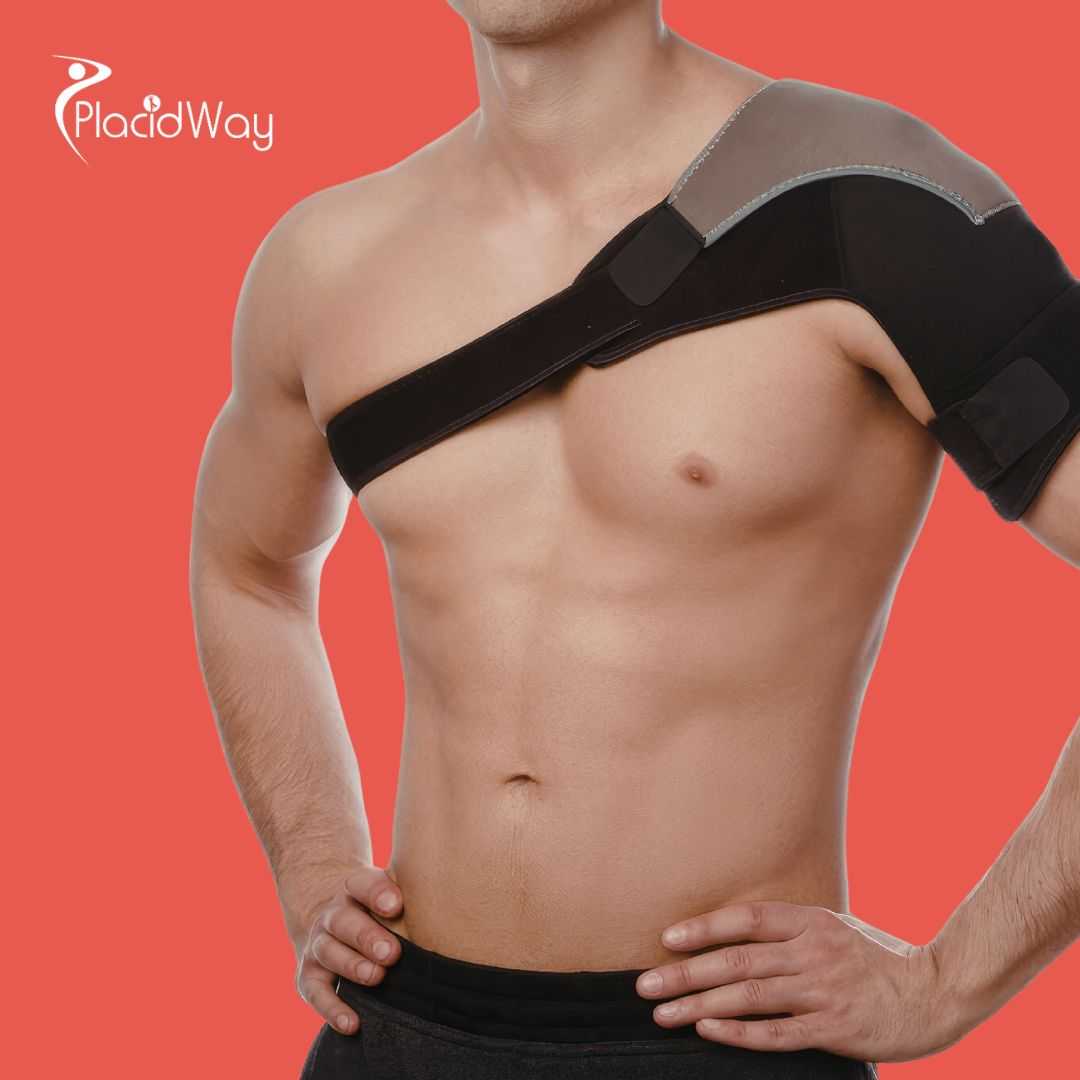
Stem Cell Therapy for Shoulder Pain in Puerto Vallarta, Mexico by Immunotherapy Regenerative Medicine
Immunotherapy Regenerative Medicine in Puerto Vallarta
- Stem Cell Therapy
Puerto Vallarta, Mexico
Price starting from $7,500
Stem Cell Therapy for Shoulder Pain Recovery Package in Puerto Vallarta, Mexico by BioStemCells
BioStemCells - Stem Cell Clinic in Puerto Vallarta, Mexico
- Stem Cell Therapy
Puerto Vallarta, Mexico

Price starting from $4,500
Orthopedic Regenerative Medicine Package in Florida, USA
PlacidWay Mexico Medical Tourism
- Stem Cell Therapy
Tijuana,Mexicali, Mexico
Price starting from $4,599
Stem Cell Therapy for Shoulder Injury Package in Tijuana, Mexico by CellsTime Clinique
CellsTime Clinique Tijuana
- Stem Cell Therapy
Tijuana, Mexico
Transformative Stem Cell Therapy Experiences: Dive into Procedure Insights
Discover the power of Stem Cell Therapy through compelling patient experiences. Uncover detailed insights into procedures, recovery journeys, and life-changing results.

Price starting from $4,599
Stem Cell Therapy for Shoulder Injury in Tijuana, Mexico
- Stem Cell Therapy for Shoulder , Stem Cell Therapy
Tijuana, Mexico
Price starting from $7,500
Stem Cell Therapy for Shoulder Pain in Puerto Vallarta, Mexico
- Stem Cell Therapy for Shoulder , Stem Cell Therapy
Puerto Vallarta, Mexico
.png)
Price starting from $5,000
Stem Cell Therapy for Shoulder Pain in Mexico
- Stem Cell Therapy for Shoulder , Stem Cell Therapy
Mexico
.png)
Regenerative Medicine for COPD in Florida, USA
- Stem Cell Treatment for COPD, Stem Cell Therapy
United States
Explore Stem Cell Therapy: Stories, Testimonials, and Procedures
Watch in-depth videos covering everything from Stem Cell Therapy success stories to detailed procedure explanations. Learn what to expect and hear from real patients.
Comprehensive Autologous Stem Cell Therapy Procedure in USA
Stem Cell Therapy
Regenestem Fort Lauderdale, USA
United States
Age Management Medicine Decoded: Inflammation Control Procedures in the USA
Stem Cell Therapy
California Wellness Institute
United States
Regenerative Exosome Therapy in Mexico: The Future of Cellular Healing
Stem Cell Therapy
Regenestem Fort Lauderdale, USA
United States
Silent Inflammation Control & Age Management: The US Treatment Revolution
Stem Cell Therapy
California Wellness Institute
United States
Learn More with These Stem Cell Therapy Articles
Take a look at these interesting articles, stories and research that will help you learn more about Stem Cell Therapy.
.png)
How 5-Star Medical Resorts Are Transforming Shoulder Joint Replacement in Cancun Mexico for US Seniors
PlacidWay Medical Tourism
- Stem Cell Therapy
Mexico
.png)
Stem Cell Therapy for Type 2 Diabetes: What’s the Real Success Rate?
PlacidWay Medical Tourism
- Stem Cell Therapy
United States

Canada's Answer to Shoulder Pain: Stem Cells in Mexico City Are Providing Real, Lasting Relief
PlacidWay Medical Tourism
- Stem Cell Therapy
Mexico

From Heart Disease to Anti-Aging: Why Patients from the UAE and Saudi Arabia Trust Thai Stem Cell Clinics
PlacidWay Medical Tourism
- Stem Cell Therapy
United States
Stem Cell Therapy Solutions Near You: Explore Top Medical Centers
Discover how Stem Cell Therapy is transforming lives at leading medical centers in , United States. Dive into center profile, specialties, doctors, reviews, etc. and explore the best options tailored to your needs in this region.
Personalized Regenerative Medicine
Los Angeles,San Clemente, United States
California Wellness Institute
Lancaster,Los Angeles,Riverside, United States
Regenestem Fort Lauderdale, USA
Fort Lauderdale, United States
Kentuckiana Integrative Medicine in Jeffersonville, USA
Louisville, United States








What kind of treatment does your institute do for multiple sclerosis
Read More