
What treatment


12+ Best Clinics for Stem Cell Therapy for Tendon and Ligament Tears in United States
What are the best stem cell therapy clinics for tendon and ligament tears in the United States?
The best stem cell therapy clinics in the United States include Thrive MD (Miami), Personalized Regenerative Medicine (Los Angeles), Michigan Center for Regenerative Medicine (Rochester), Regenestem (Fort Lauderdale), The Institute of Regenerative Medicine (Boca Raton), and Victor Regenerative Medicine Centers (New York).
These facilities adhere to FDA guidelines for cell-based products and feature board-certified physicians. They utilize autologous mesenchymal stem cells (MSCs) and PRP to non-surgically treat conditions like Achilles tendonitis, rotator cuff tears, ACL sprains, and joint arthritis. Comprehensive treatment packages range from $4,900 to $25,000 USD, depending on the injury's severity and required rehabilitation.
 91.30% Patient Recommend
California Wellness Institute


Overview
Discover Urology and Anti Aging Regenerative Medicine at California Wellness Institute in Rancho Mirage, California, USA - CWIs expert care.
Read more details

 87.50% Patient Recommend
Regenestem Fort Lauderdale, USA


Overview
Regenestem is a leading regenerative medicine center in Fort Lauderdale, USA, specializing in treatments for neurological conditions, COPD, MS, and more.
Read more details
 100.00% Patient Recommend
Personalized Regenerative Medicine
Overview
Personalized Regenerative Medicine provides best Regenerative Medicine in Los Angeles, USA. Book online now PRP Treatment and Regenerative Injections at Personalized Regenerative Medicine.
Read more details 95.02% Patient Recommend
Blatman Health and Wellness Center
Overview
Experience advanced Regenerative Medicine at Blatman Health and Wellness Center in Cincinnati, USA. Rejuvenate your health today!
Read more detailsDiscover your treatment options with a free, no-obligation quote!
Get your quote now!
Kentuckiana Integrative Medicine in Jeffersonville, USA
Overview
Discover regenerative medicine in Jeffersonville, United States by Kentuckiana Integrative Medicine offering advanced therapies for pain relief and healing.
Read more details 100.00% Patient Recommend
Michigan Center for Regenerative Medicine
Overview
The Michigan Center for Regenerative Medicine specializes in regenerative treatments for orthopedic issues of the joints and spine. We specialize in nonsurgical orthopedics to relieve pain and improve function.
Read more details 89.86% Patient Recommend
PlacidWay Medical Tourism
Overview
Discover affordable, quality healthcare worldwide with PlacidWay Medical Tourism. Access trusted clinics, top doctors, and personalized treatment plans.
Read more details 100.00% Patient Recommend
The Institute of Regenerative Medicine
Overview
The Institute of Regenerative Medicine provides best Regenerative Medicine in Boca Raton, Florida. Book online now Regenerative Medicine for Knee Joint, Shoulder, Hip at PlacidWay!
Read more detailsDiscover your treatment options with a free, no-obligation quote!
Get your quote now! 100.00% Patient Recommend
Victor Regenerative Medicine Centers
Overview
Victor Regenerative Medicine Centers Dr. Steven Victor is located in New York, USA. The highly skilled medical team offers regenerative medicine therapies and aesthetic services to patients around the globe at affordable costs.
Read more details 100.00% Patient Recommend
Amira Integrative Health by MJA Healthcare
Overview
Amira Integrative Health by MJA Healthcare in East Stroudsburg, PA, United States offers top regenerative therapies and holistic care for transformative health.
Read more details 100.00% Patient Recommend
Thrive MD
Overview
Thrive MD provides best Regenerative Medicine in Miami, Florida. Book online now Regenerative Medicine for Hip, Regenerative Medicine for Knee, and Regenerative Medicine for Shoulder at Thrive MD.
Read more detailsStem Cell Therapy of Las Vegas and Med Spa
Stem Cell Therapy of Las Vegas and Med Spa is a stem cell treatment medical center located in Las Vegas, Nevada, United States. They provide the latest technological solutions when it comes to stem cell treatments and extend their helping hand to all those in need. Find out more about them here.


Stemedix, Inc
Stemedix, Inc provides effective Regenerative Medicine, known as Stem Cell Therapy in Saint Petersburg, Florida. Book online now Stem Cell Treatment for ALS, Stem Cell Treatment for Alzheimer's Disease, and Stem Cell Treatment for Multiple Sclerosis at Stemedix, Inc.
Which are the best clinics for Stem Cell Therapy for Tendon and Ligament Tears in the United States?
Several highly-rated clinics across the United States specialize in Stem Cell Therapy for Tendon and Ligament Tears. Top facilities known for patient satisfaction and advanced regenerative treatments include Thrive MD in Miami, Personalized Regenerative Medicine in Los Angeles, Michigan Center for Regenerative Medicine in Rochester, The Institute of Regenerative Medicine in Boca Raton, and Victor Regenerative Medicine Centers in New York. Others like California Wellness Institute and Blatman Health and Wellness Center also receive high recommendations for their expertise in regenerative orthopedic care.
When searching for the "best stem cell therapy clinics for tendon and ligament tears in the US," it’s crucial to consider factors beyond just a list. Leading clinics in the United States typically offer a comprehensive approach, including thorough diagnostics, personalized treatment plans, and post-procedure care. Many of these clinics focus exclusively on regenerative medicine, ensuring specialized expertise in using stem cells for orthopedic injuries. They often boast high patient satisfaction rates due to their commitment to innovative treatments and patient-centered care for knee ligament tears, rotator cuff tears, Achilles tendon injuries, and other musculoskeletal conditions.
What criteria should I use to select a Stem Cell Therapy clinic for tendon and ligament tears in the US?
When choosing a Stem Cell Therapy clinic for tendon and ligament tears in the US, prioritize physician specialization in regenerative orthopedics, clinic accreditation, and patient testimonials. Look for evidence-based practices, transparency in treatment protocols, and comprehensive follow-up care that includes rehabilitation. Ensure the clinic uses reputable stem cell sources, like a patient's own bone marrow or adipose tissue, for tendon and ligament repair.
Selecting the right clinic for regenerative medicine, especially for delicate tendon and ligament injuries, requires careful consideration. Here are key criteria to guide your decision:
- Physician Expertise: Look for clinics with board-certified physicians specializing in sports medicine, orthopedic surgery, or regenerative medicine who have extensive experience with stem cell applications for musculoskeletal conditions.
- Accreditation and Safety: Verify that the clinic adheres to national and state regulatory standards. Accreditation by recognized medical bodies ensures a commitment to safety protocols and quality care in stem cell procedures.
- Treatment Transparency: A reputable clinic will clearly explain the proposed stem cell therapy, including the type of stem cells used (e.g., mesenchymal stem cells from bone marrow aspirate or adipose tissue), the procedure itself, potential benefits, and realistic expectations for recovery from conditions like ACL tears or torn Achilles tendons.
- Diagnostic Capabilities: Advanced clinics utilize state-of-the-art imaging (MRI, ultrasound) to accurately diagnose the extent of tendon and ligament damage, crucial for tailoring effective stem cell treatments.
- Patient Support & Follow-up: Comprehensive care extends beyond the procedure. Inquire about post-treatment monitoring, rehabilitation programs, and accessible patient support for your recovery journey.
How do clinics in the US diagnose tendon and ligament tears for stem cell treatment?
US clinics diagnose tendon and ligament tears for stem cell treatment through a thorough clinical evaluation, including a physical examination and detailed medical history. This is complemented by advanced imaging techniques such as MRI, ultrasound, or X-rays to precisely visualize the injury's location and severity. These diagnostic tools are crucial for determining if stem cell therapy is the most appropriate regenerative treatment for your specific tendon or ligament damage.
Accurate diagnosis is paramount before embarking on any regenerative therapy. Clinics specializing in stem cell treatments for musculoskeletal injuries in the United States employ a multi-faceted approach to assess tendon and ligament tears:
- Clinical Examination: Physicians perform a detailed physical examination to evaluate pain, range of motion, stability, and specific areas of tenderness related to the injured tendon or ligament.
- Patient History: A comprehensive review of the patient's medical history, including previous injuries, treatments, and lifestyle factors, helps in understanding the injury's context.
- Advanced Imaging:
- Magnetic Resonance Imaging (MRI): Provides highly detailed images of soft tissues, making it excellent for visualizing the extent of tendon tears, ligament ruptures, and associated damage.
- Ultrasound: Offers real-time imaging, useful for dynamic assessment of tendons and ligaments, and can help guide injections.
- X-rays: Primarily used to rule out bone fractures or other skeletal issues that might be contributing to the pain.
- Functional Assessment: Some clinics may also conduct functional tests to assess how the injury impacts daily activities and athletic performance.
What types of stem cells are commonly used by US clinics for tendon and ligament repairs?
US clinics primarily use autologous stem cells, meaning they come from the patient's own body, for tendon and ligament repairs. The most common types are Mesenchymal Stem Cells (MSCs) derived from bone marrow aspirate concentrate (BMAC) or adipose (fat) tissue. Platelet-Rich Plasma (PRP) is often used in conjunction with stem cells to enhance healing and regenerative outcomes for soft tissue injuries.
The field of regenerative medicine in the United States focuses heavily on the safe and effective application of stem cells for orthopedic conditions. For tendon and ligament tears, clinics typically utilize specific types of stem cells:
- Mesenchymal Stem Cells (MSCs): These are multipotent adult stem cells capable of differentiating into various cell types, including bone, cartilage, muscle, and fat cells. They also possess anti-inflammatory and immunomodulatory properties, which are beneficial for tissue repair.
- Bone Marrow Aspirate Concentrate (BMAC): MSCs are harvested from the patient's own bone marrow, usually from the hip bone, concentrated, and then injected into the injured area. This is a common and well-established method for tendon and ligament regeneration.
- Adipose-Derived Stem Cells (ADSCs): MSCs are harvested from the patient's own fat tissue through a mini-liposuction procedure. Adipose tissue is a rich source of MSCs and is increasingly used for orthopedic applications.
- Platelet-Rich Plasma (PRP): While not strictly a stem cell therapy, PRP is often used as an adjunct. It involves concentrating platelets from the patient's blood, which contain numerous growth factors that stimulate healing and can enhance the effects of stem cell injections for damaged tendons and ligaments.
What is the typical recovery process after stem cell therapy at a US clinic for tendon or ligament injuries?
Recovery after stem cell therapy for tendon or ligament injuries at a US clinic typically involves an initial rest phase followed by progressive rehabilitation. Patients usually experience mild soreness initially, gradually transitioning to gentle movement and physical therapy. Full recovery, with significant improvement in pain and function, can take several months, emphasizing patience and adherence to the personalized rehabilitation plan for optimal tendon and ligament healing.
The recovery process following stem cell therapy for tendon and ligament tears is a critical component of successful treatment. While individual experiences may vary, a general timeline and expected steps include:
- Immediate Post-Procedure (Days 1-7):
- Patients may experience mild to moderate soreness or swelling at the injection site.
- Rest is usually recommended, with limited weight-bearing or activity on the treated area.
- Pain management typically involves over-the-counter medication as prescribed by the clinic.
- Early Rehabilitation (Weeks 1-6):
- Gentle physical therapy or home exercises are introduced to restore range of motion and prevent stiffness.
- Activities of daily living can gradually resume, avoiding high-impact or strenuous movements that could re-injure the tendon or ligament.
- The focus is on protecting the healing tissue and promoting blood flow.
- Progressive Strengthening (Months 2-6):
- Physical therapy progresses to strengthening exercises, targeting the muscles supporting the injured joint.
- Gradual return to light activities and sports-specific movements, under the guidance of the clinic's rehabilitation team.
- Patients often report significant reductions in pain and improvements in function during this phase.
- Long-Term Integration & Maintenance (6+ Months):
- Continued adherence to exercise programs is essential for maintaining results and preventing future injuries.
- Regular follow-up appointments with the clinic may be scheduled to monitor progress and assess long-term outcomes.
- Physical Therapy (PT): A cornerstone of conservative treatment, PT involves targeted exercises to strengthen surrounding muscles, improve flexibility, and restore proper biomechanics, crucial for recovery from tendonitis or minor ligament sprains.
- Platelet-Rich Plasma (PRP) Therapy: Utilizing growth factors from the patient's own blood, PRP injections stimulate tissue repair and reduce inflammation, often complementing or preceding stem cell treatments.
- Prolotherapy: This involves injecting a natural irritant solution (like dextrose) into the injured area to trigger an inflammatory response, promoting collagen production and strengthening weakened ligaments and tendons.
- Rest and Immobilization: For acute injuries, rest, ice, compression, and elevation (RICE) combined with bracing or splinting can allow initial healing to occur.
- Medication: Non-steroidal anti-inflammatory drugs (NSAIDs) may be prescribed to manage pain and inflammation, though long-term use is typically discouraged due to potential side effects.
- Steroid Injections: While offering temporary pain relief, steroid injections are generally used sparingly for tendon issues as they can potentially weaken tissue over time.
- Medical History Review: Provide a complete medical history, including all past and current conditions, allergies, and surgical procedures.
- Medication Management: Discuss all medications, including prescription drugs, over-the-counter pain relievers (like NSAIDs), and supplements. Clinics often require patients to discontinue anti-inflammatory medications days or weeks before the procedure to avoid interfering with the stem cell's healing process.
- Diet and Hydration: Follow any specific dietary recommendations, which might include avoiding alcohol or caffeine, and staying well-hydrated to support overall health and optimal cell function.
- Arrange Transportation: Although many stem cell procedures are minimally invasive, it's wise to have someone drive you home, especially if you receive any mild sedation or if the injection site might cause discomfort immediately afterward.
- Activity Restrictions: Plan to limit strenuous activities for a few days to a week post-procedure, as advised by your physician, to allow the treated area to begin healing without undue stress.
- Ask Questions: Prepare a list of questions for your consultation to ensure you understand every aspect of the procedure, including expected outcomes, risks, and recovery timeline for your tendon or ligament injury.
- Personalized Rehabilitation Plans: Clinics work closely with physical therapists to design individualized rehabilitation programs that guide patients through progressive strengthening and mobility exercises. These plans are adapted as the tendon or ligament heals and are critical for restoring full function.
- Scheduled Follow-up Appointments: Regular check-ups are essential to monitor the healing progress, assess pain levels, and adjust the rehabilitation plan as needed. These may include clinical examinations and follow-up imaging (e.g., ultrasound or MRI) to evaluate tissue regeneration.
- Activity Progression Guidelines: Patients receive clear instructions on gradually increasing their activity levels, ensuring the treated tendon or ligament is not overstressed during the healing phase. This includes advice on returning to sports or work.
- Nutritional and Lifestyle Counseling: Some clinics offer guidance on nutrition, hydration, and lifestyle modifications that can further support the body's regenerative capabilities and overall well-being.
- Patient Education: Empowering patients with knowledge about their condition, the regenerative process, and self-care strategies is a key component of long-term support, helping them take an active role in their recovery and injury prevention.
- Ongoing Communication: Clinics maintain open lines of communication, allowing patients to ask questions and report any concerns as they progress through their recovery.
- FDA Oversight: The FDA generally regulates human cells, tissues, and cellular and tissue-based products (HCT/Ps). For a stem cell product to be legally marketed, it typically needs to undergo an FDA premarket review and approval process, similar to other biological drugs.
- Minimal Manipulation and Homologous Use: The FDA has specific criteria regarding "minimal manipulation" and "homologous use" for HCT/Ps. If a clinic is using a patient's own cells that are minimally manipulated and used for the same function in the recipient (e.g., bone marrow cells for bone repair), they might be exempt from full FDA premarket review. However, interpretation of these terms can be a gray area, and patients should seek clarity.
- Unapproved Treatments: It is important to note that many stem cell therapies offered today for orthopedic conditions, particularly those involving more than minimal manipulation or non-homologous use, are considered unapproved by the FDA. Clinics offering these treatments may be operating under specific FDA exceptions or may face future regulatory scrutiny.
- Patient Safety Focus: The FDA's main concern is patient safety. They actively discourage the use of unproven stem cell treatments that pose risks of serious adverse events, including infections, tumor formation, or blindness.
- Informed Consent: Reputable clinics will provide thorough informed consent documents that explain the regulatory status of the specific stem cell therapy, potential risks, and benefits.
- Pain Reduction: A primary goal of stem cell therapy is to alleviate chronic pain associated with tendonitis, ligament sprains, or partial tears. Many patients report a significant decrease in pain levels, often reducing reliance on pain medication.
- Improved Function and Mobility: As the damaged tissues regenerate and strengthen, patients commonly experience an increase in range of motion, better joint stability, and improved ability to perform daily activities or sports.
- Tissue Regeneration: Stem cells aim to repair and regenerate damaged tissue, promoting the formation of new, healthy collagen fibers, which can strengthen the injured tendon or ligament.
- Reduced Need for Surgery: For many, successful stem cell therapy can help avoid or postpone invasive surgical procedures, especially in cases of partial tears or chronic degenerative conditions.
- Individual Variability: Outcomes are not uniform. Factors influencing results include:
- The severity and chronicity of the tendon or ligament injury.
- The patient's overall health, age, and lifestyle (e.g., smoking status, activity level).
- Adherence to post-procedure rehabilitation protocols.
- The specific type and concentration of stem cells used.
- Realistic Expectations: While promising, stem cell therapy is not a "miracle cure." Clinics typically emphasize realistic expectations, focusing on significant improvement in symptoms and functional capacity rather than a complete reversal of tissue damage to its pre-injury state.
- Physician Board Certification: Ensure the physician performing the procedure is board-certified in a relevant specialty, such as:
- Orthopedic Surgery
- Sports Medicine
- Physical Medicine and Rehabilitation (PM&R)
- Anesthesiology with a pain management fellowship
- Specialized Training in Regenerative Medicine: While board certification is important, inquire about additional fellowship training or specific certifications in regenerative medicine and stem cell applications.
- Clinic Accreditation & Licensing: Confirm that the clinic itself is properly licensed by state health authorities and adheres to applicable local regulations. Some clinics may also have accreditation from organizations focused on outpatient surgical centers or cell therapy.
- Adherence to FDA Guidelines: Ask the clinic about their compliance with FDA regulations regarding cell processing and deployment. Reputable clinics are transparent about whether their procedures fall under FDA-approved guidelines or specific research protocols.
- Professional Affiliations: Membership in professional organizations related to regenerative medicine or orthopedics can indicate a commitment to professional standards and ongoing education.
- Experience with Specific Procedures: Inquire about the clinic's experience and success rates with the specific type of tendon or ligament injury you have.
- Advanced Imaging Guidance:
- Ultrasound Guidance: Real-time ultrasound imaging allows physicians to visualize the precise location of the injured tendon or ligament and accurately guide the stem cell injection. This ensures optimal placement of cells directly into the damaged tissue.
- Fluoroscopy Guidance: For deeper or more complex joint structures, fluoroscopy (a type of X-ray imaging) can be used to guide injections, ensuring accuracy, especially around bony structures.
- Pulsed Electromagnetic Field (PEMF) Therapy: PEMF devices emit electromagnetic fields that can stimulate cellular repair, reduce inflammation, and improve circulation. This therapy is often used post-injection to enhance the healing environment and support stem cell activity in the injured tendon or ligament.
- Low-Level Laser Therapy (LLLT) / Photobiomodulation: This therapy uses specific wavelengths of light to stimulate cellular function, reduce pain and inflammation, and accelerate tissue repair at a cellular level, complementing the regenerative effects of stem cells for soft tissue injuries.
- Shockwave Therapy (Extracorporeal Shockwave Therapy - ESWT): While sometimes considered mildly invasive depending on intensity, low-energy shockwave therapy can be non-invasive and is used to stimulate healing in chronic tendon injuries by promoting new blood vessel formation and tissue regeneration, often as a preparatory step or adjunct to stem cell therapy.
- Cryotherapy: Localized or whole-body cryotherapy can be used to reduce inflammation and pain, supporting post-procedure comfort and recovery after stem cell injections.
- Clinical Trials: Many academic medical centers and specialized regenerative medicine clinics in the US are actively involved in clinical trials. These trials investigate new stem cell sources, delivery methods, and protocols to enhance the repair of damaged tendons and ligaments.
- Research and Development: US institutions and private clinics invest significantly in research and development to understand the mechanisms of action of different stem cell types, optimize cell preparation, and explore combination therapies (e.g., stem cells with growth factors or scaffolds).
- Collaboration: There is often strong collaboration between clinicians, scientists, and biotechnology companies in the US, fostering a dynamic environment for translating laboratory discoveries into clinical applications for tendon and ligament regeneration.
- Innovation in Techniques: US clinics frequently pioneer and adopt advanced techniques, such as using highly concentrated cell products from bone marrow or adipose tissue, and employing precision image-guided injections to target specific areas of tendon or ligament damage.
- Publication and Education: Leading US clinics and their medical staff contribute to scientific literature, present at international conferences, and participate in educating the broader medical community on the latest advancements in regenerative orthopedics.
- Chronic Tendinopathies:
- Achilles Tendinopathy: Chronic pain and degeneration in the Achilles tendon.
- Patellar Tendinopathy (Jumper's Knee): Persistent pain in the patellar tendon below the kneecap.
- Rotator Cuff Tendinopathy/Partial Tears: Degenerative changes or partial tears in the shoulder's rotator cuff tendons, responsible for arm movement and stability.
- Elbow Tendinopathies (Tennis/Golfer's Elbow): Chronic pain and degeneration in the tendons around the elbow.
- Partial Ligament Tears:
- Anterior Cruciate Ligament (ACL) Tears (Partial): Stem cell therapy can help stabilize and heal partial ACL tears, potentially delaying or avoiding surgery.
- Medial Collateral Ligament (MCL) Sprains: Mild to moderate MCL injuries respond well to regenerative approaches to strengthen the ligament.
- Meniscus Tears (Degenerative): While not a ligament, degenerative meniscus tears are often treated similarly, aiming for tissue repair and pain relief.
- Osteoarthritis-Related Tendon/Ligament Issues: Stem cells can address the underlying inflammation and tissue damage in tendons and ligaments exacerbated by joint degeneration.
- Patient Testimonials and Reviews: Check independent review platforms (Google, Yelp, Healthgrades) for consistent positive feedback regarding patient experiences, treatment effectiveness, and overall care. Be wary of clinics with very few or overly generalized reviews.
- Physician Expertise and Experience: A reputable clinic will have physicians with strong backgrounds in orthopedics, sports medicine, or regenerative medicine, often with specialized training in stem cell procedures. Look for doctors who publish research or speak at medical conferences.
- Transparency in Treatment: High-quality clinics are open about their treatment protocols, the source of their stem cells (e.g., autologous bone marrow or adipose tissue), and their adherence to FDA guidelines. They should clearly explain the scientific basis for their therapies.
- Clear Communication and Realistic Expectations: A trustworthy clinic will provide honest information about potential outcomes, recovery timelines, and any limitations of stem cell therapy for tendon or ligament tears. They won't promise guaranteed cures or immediate, dramatic results.
- Longevity and Specialization: Clinics that have been operating for several years and specialize specifically in regenerative orthopedics often have more refined protocols and deeper expertise.
- Professional Affiliations and Awards: Recognition from medical societies or industry awards can indicate a clinic's commitment to excellence and ethical practices in regenerative medicine.
Do US clinics offer non-surgical options for tendon and ligament tears besides stem cell therapy?
Yes, many US clinics specializing in orthopedic care and regenerative medicine offer various non-surgical options for tendon and ligament tears. These can include Platelet-Rich Plasma (PRP) therapy, prolotherapy, physical therapy, bracing, and targeted pain management injections. Stem cell therapy is often considered when these initial non-surgical approaches don't provide sufficient relief or for more significant injuries where surgical intervention is traditionally considered.
For patients with tendon and ligament tears, US clinics provide a spectrum of non-surgical interventions, often exploring these before recommending regenerative medicine like stem cell therapy. These options aim to reduce pain, improve function, and facilitate the body's natural healing process:
How should I prepare for a stem cell therapy appointment at a US clinic?
To prepare for your stem cell therapy appointment at a US clinic, ensure you disclose your full medical history and current medications. You may be advised to stop certain anti-inflammatory drugs or supplements prior. Arrange for transportation post-procedure and clear your schedule for initial recovery. Follow specific dietary or hydration guidelines provided by the clinic to optimize your body's healing capacity for tendon or ligament repair.
Proper preparation is vital for a smooth and effective stem cell therapy experience at a US clinic. Here’s what patients should typically expect to do:
What long-term support do US clinics provide after stem cell treatment for tendon and ligament tears?
US clinics typically offer structured long-term support after stem cell treatment for tendon and ligament tears, emphasizing personalized rehabilitation protocols. This includes regular follow-up appointments, tailored physical therapy regimens, and guidance on activity progression to maximize regenerative outcomes. They focus on strengthening the healed tissue and preventing re-injury, ensuring patients achieve sustainable recovery from conditions like ACL tears or Achilles tendonitis.
Effective long-term support is crucial for patients undergoing stem cell therapy for tendon and ligament tears, ensuring optimal healing and sustainable results. US clinics are committed to providing comprehensive post-treatment care:
Are stem cell clinics in the United States regulated for tendon and ligament therapies?
Yes, stem cell clinics in the United States are subject to regulation by the Food and Drug Administration (FDA) for tendon and ligament therapies. The FDA has specific guidelines for cell-based products, with the primary focus on ensuring patient safety and treatment efficacy. Patients should verify that clinics offering stem cell therapy adhere to these regulations and avoid those promoting unproven or unapproved treatments for musculoskeletal injuries.
The regulatory landscape for stem cell therapies in the United States can be complex, but the Food and Drug Administration (FDA) plays a crucial role in overseeing these treatments, especially for conditions like tendon and ligament tears.
What patient outcomes can I expect from stem cell therapy clinics in the US for tendon/ligament injuries?
Patients undergoing stem cell therapy for tendon and ligament injuries at US clinics can generally expect reduced pain, improved function, and enhanced mobility. While not a cure-all, many report significant improvements in quality of life. Outcomes vary based on injury severity, patient health, and adherence to rehabilitation. Clinics aim for long-term healing and pain relief, enabling a return to activities with better joint stability and tissue integrity.
Patients seeking stem cell therapy for tendon and ligament tears in the United States typically hope for a return to a more active, pain-free life. The outcomes, while generally positive for many, depend on several individual and injury-specific factors:
What credentials should I verify when evaluating a stem cell clinic in the US?
When evaluating a stem cell clinic in the US for tendon/ligament issues, verify the treating physician's board certification in relevant specialties like orthopedics or regenerative medicine. Look for affiliations with reputable medical institutions and national organizations. Confirm the clinic's adherence to FDA guidelines for cell-based procedures, ensuring they operate ethically and prioritize patient safety in regenerative orthopedic care.
Verifying credentials is a crucial step to ensure you receive safe and effective treatment for tendon and ligament tears in the United States. Here’s what you should check:
What non-invasive technologies do US clinics use to enhance stem cell therapy for tears?
US clinics enhance stem cell therapy for tendon and ligament tears using non-invasive technologies like advanced imaging (ultrasound, fluoroscopy) for precise cell delivery and pulsed electromagnetic field (PEMF) therapy or low-level laser therapy (LLLT) to stimulate healing. These modalities improve targeting accuracy and accelerate tissue repair without additional surgical steps, optimizing regenerative outcomes for musculoskeletal injuries.
To maximize the effectiveness of stem cell therapy for tendon and ligament tears, many clinics in the United States integrate various non-invasive technologies. These tools aid in precise delivery of cells and support the body's healing environment:
Are US clinics at the forefront of stem cell research for tendon and ligament repairs?
Yes, many US clinics are at the forefront of stem cell research for tendon and ligament repairs, often participating in clinical trials and advancing regenerative medicine. They frequently collaborate with universities and research institutions to develop innovative techniques, refine protocols, and improve patient outcomes. This commitment ensures access to cutting-edge therapies for complex musculoskeletal injuries.
The United States is widely recognized as a global leader in biomedical research, and this extends to the field of stem cell therapy for orthopedic injuries like tendon and ligament tears.
What types of tendon and ligament tears are most effectively treated by stem cell therapy in US clinics?
Stem cell therapy in US clinics is most effective for chronic, degenerative tendon conditions like Achilles tendonitis, patellar tendonitis, and rotator cuff tears, as well as partial ligament tears such as ACL or MCL sprains. It's particularly beneficial for injuries that haven't responded to traditional non-surgical treatments, promoting natural healing and reducing pain for sustained recovery of soft tissue injuries.
Stem cell therapy in US clinics shows promising results for a range of tendon and ligament tears, particularly those considered chronic or partially damaged where traditional treatments have fallen short. The most commonly and effectively treated conditions include:
What should I consider when evaluating the reputation of a US stem cell clinic?
When evaluating the reputation of a US stem cell clinic for tendon and ligament treatments, consider patient testimonials, physician credentials, and transparent communication about treatment protocols. Look for clinics with a long history of specialized regenerative orthopedic care, positive online reviews, and clear information on success rates for similar injuries. Avoid clinics promising guaranteed results, as outcomes can vary for regenerative medicine.
Assessing the reputation of a US stem cell clinic is crucial for making an informed decision about your tendon and ligament treatment. Here’s what to look for:
How PlacidWay helps individuals access Stem Cell Therapy for Tendon and Ligament Tears in the United States?
PlacidWay provides detailed, up-to-date information about Stem Cell Therapy for Tendon and Ligament Tears, including benefits, risks, and expected outcomes. Our platform helps users compare treatment options in various clinics across the United States, ensuring access to quality care without compromising on affordability. We assist individuals in finding trusted, accredited clinics and experienced medical professionals specializing in Stem Cell Therapy for Tendon and Ligament Tears in the US. PlacidWay offers one-on-one consultations to help you make informed decisions, ensuring your specific needs for tendon or ligament healing are met. We also ensure continued support after your treatment, including guidance on follow-up care and recovery assistance. Ready to get Stem Cell Therapy for Tendon and Ligament Tears in the United States? Contact us today for a personalized consultation.Share with AI
Share this page with AI assistants to get summaries and insights


List of Best Stem Cell Therapy for Tendon and Ligament Tears Clinics in United States
Unlock the Best Stem Cell Therapy for Tendon and Ligament Tears Packages Just for You
Discover the ultimate Stem Cell Therapy for Tendon and Ligament Tears packages designed to meet your health and wellness goals. Choose the perfect fit for your journey.

Price starting from $12,500
Stem Cell Therapy for Chronic Kidney Disease Package in Fort Lauderdale, USA by Regenestem
Regenestem Fort Lauderdale, USA
- Stem Cell Therapy
Fort Lauderdale, United States

Price starting from $10,000
Stem Cell Therapy for Joint Arthritis in Fort Lauderdale, United States by Regenestem
Regenestem Fort Lauderdale, USA
- Stem Cell Therapy
Fort Lauderdale, United States

Price starting from $8,500
Anti Aging Stem Cell Treatments in Fort Lauderdale, United States by Regenestem
Regenestem Fort Lauderdale, USA
- Stem Cell Therapy
Fort Lauderdale, United States
Price starting from $6,000
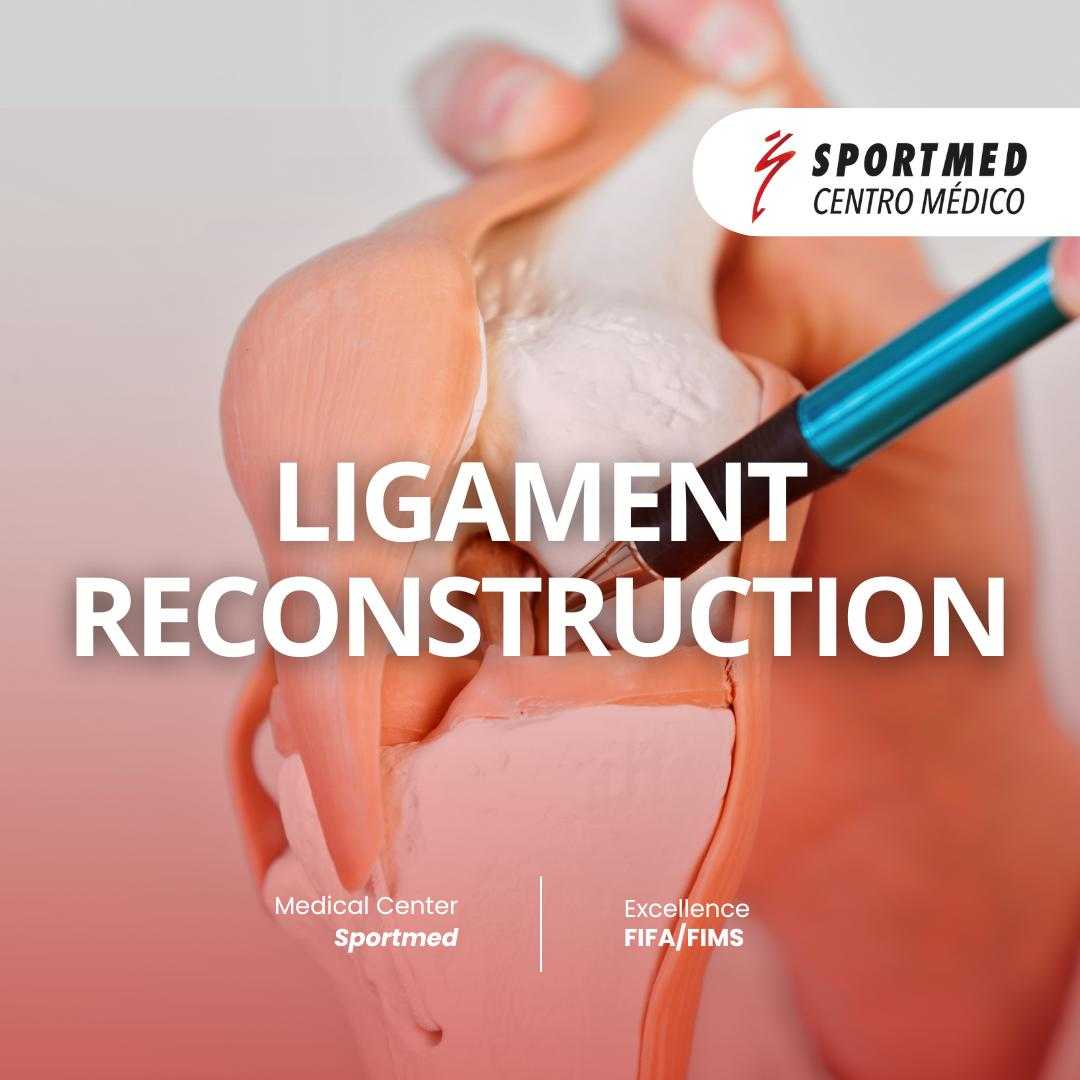
Stem Cell Therapy for Tendon and Ligament Tears Package at Sportmed Centro Medico, Guadalajara, Mexico
Sportmed Centro Medico
- Stem Cell Therapy
Guadalajara,Puerto Vallarta, Mexico
Transformative Stem Cell Therapy for Tendon and Ligament Tears Experiences: Dive into Procedure Insights
Discover the power of Stem Cell Therapy for Tendon and Ligament Tears through compelling patient experiences. Uncover detailed insights into procedures, recovery journeys, and life-changing results.
Regenerative Medicine for ALS in United States
- Stem Cell Treatment for ALS, Stem Cell Therapy
United States
.png)
Regenerative Medicine for COPD in Florida, USA
- Stem Cell Treatment for COPD, Stem Cell Therapy
United States
.png)
Price starting from $15,000
Regenerative Medicine for Cerebral Palsy in United States
- Stem Cell Treatment for Cerebral Palsy, Stem Cell Therapy
United States
.png)
Price starting from $15,000
Regenerative Medicine for Diabetes in United States
- Stem Cell Treatment for Diabetes, Stem Cell Therapy
United States

What kind of treatment does your institute do for multiple sclerosis
Read More