


The Complete Guide to Parkinson Stem Cell Treatment in India: Hope, Healing, and Innovation
Living with a neurodegenerative condition presents unimaginable daily challenges for patients and their families. However, groundbreaking advancements in regenerative medicine are offering new avenues of hope. For those seeking innovative and highly effective care, Parkinson stem cell treatment India has rapidly emerged as a globally recognized, life-changing medical pathway. Patients are no longer restricted to traditional therapies that only mask symptoms.
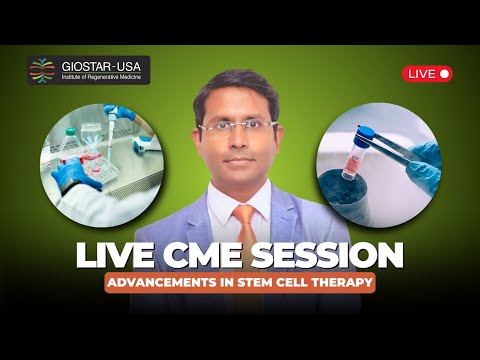
Instead, modern medical tourists are discovering world-class clinical infrastructure, leading neurologists, and highly targeted cellular therapies abroad. Watch our comprehensive guide to understand how state-of-the-art stem cell protocols are helping patients regain their independence, reduce their reliance on heavy medications, and improve their overall quality of life at a fraction of Western healthcare costs.
Video Chapters & Quick Navigation
The Rising Global Demand for Parkinson Stem Cell Treatment India
The landscape of neurological care is undergoing a profound transformation. Historically, patients diagnosed with degenerative motor conditions were given limited options, primarily focusing on symptom management rather than addressing the root cause of cellular decline. This standard approach often leaves patients frustrated as the disease naturally progresses over time.
However, as highlighted at , the advent of regenerative medicine has shifted this paradigm entirely. Medical travelers from the United States, the United Kingdom, Canada, and Australia are actively seeking advanced stem cell therapies abroad. India has positioned itself at the epicenter of this medical revolution, offering unparalleled expertise and cutting-edge laboratory facilities.
By combining rigorous scientific protocols with compassionate patient care, specialized neurological centers in India are providing tangible hope. The high volume of international patients traveling for affordable stem cell therapy for Parkinson's in India is a direct testament to the efficacy, safety, and remarkable outcomes achieved by these dedicated medical institutions.
Understanding Parkinson's Disease and the Regenerative Promise
To truly appreciate the value of regenerative treatments, one must first understand the fundamental nature of Parkinson's disease. It is a progressive nervous system disorder that heavily impacts movement, causing tremors, stiffness, and a noticeable slowing of standard bodily mechanics. This deterioration occurs because certain nerve cells in the brain begin to break down or die.
The specific cells affected are those responsible for producing dopamine, a crucial chemical messenger. When dopamine levels decrease, it results in the abnormal brain activity that leads to the physical symptoms of Parkinson's. For decades, the primary line of defense has been pharmacological intervention aimed at temporarily boosting dopamine levels in the brain.
The Limitations of Traditional Dopaminergic Medications
While traditional medications such as Levodopa are highly effective in the early stages of the disease, their efficacy tends to wane over time. Patients often experience what neurologists refer to as "motor fluctuations," where the medication's benefits wear off prematurely before the next dose is due. Furthermore, long-term use of these drugs can lead to severe side effects, including involuntary movements known as dyskinesia.
These harsh realities underscore the desperate need for alternative treatments that go beyond mere symptom suppression. As discussed in the video at , the focus of modern science has pivoted toward therapies that can potentially halt or reverse cellular damage. This is precisely where the promise of regenerative medicine comes into play.
How Regenerative Medicine Changes the Paradigm
Unlike conventional drugs that mimic dopamine, stem cell treatments aim to restore the brain's internal ecosystem. Regenerative medicine focuses on repairing damaged tissues and stimulating the body's innate healing mechanisms. By introducing potent, healthy cells into the patient's system, medical professionals can target the underlying neurodegeneration.
The ultimate goal is to promote neurogenesis—the growth of new nervous tissue—and protect the remaining dopamine-producing cells from further damage. This holistic approach offers a multi-faceted defense against the disease, providing patients with a more sustainable and long-lasting improvement in their motor functions and overall well-being.
Mechanism of Action: How Stem Cell Therapy Fights Neurological Decline
The biological mechanisms underlying stem cell therapy for Parkinson's disease are both fascinating and highly complex. When patients undergo advanced Parkinson's care abroad, they benefit from a deeply scientific approach to cellular regeneration. Stem cells are unique because they have the remarkable ability to develop into many different cell types within the body.
In the context of neurodegenerative disorders, these cells serve as an internal repair system. Once introduced into the body, they migrate to areas of injury or inflammation, a process commonly known as "homing." Upon reaching the damaged neural tissues, they begin executing multiple therapeutic functions simultaneously.
Mesenchymal Stem Cells (MSCs) and Neuroprotection
Mesenchymal stem cells (MSCs) are frequently utilized in top Indian medical centers due to their potent regenerative properties. These specific cells secrete powerful bioactive molecules, including growth factors and cytokines, which create a highly nurturing microenvironment in the brain. This neuroprotective effect shields existing neurons from progressive cellular death.
Furthermore, MSCs promote angiogenesis, which is the formation of new blood vessels. Improved blood flow to the brain ensures that compromised neural tissues receive the oxygen and essential nutrients required for survival and repair. This dual action of protection and nourishment is critical for slowing the progression of Parkinson's symptoms.
Reducing Neuroinflammation in the Brain
Chronic neuroinflammation is a well-documented driver of Parkinson's disease progression. Overactive immune responses in the brain can accelerate the destruction of dopamine-producing cells. One of the most significant benefits of stem cell therapy is its profound immunomodulatory effect, as noted at in our detailed breakdown.
Stem cells actively calm this hostile immune response, reducing the toxic inflammation that damages neurons. By resetting the immune environment within the central nervous system, cellular therapies create a stable foundation for neurological recovery, allowing patients to experience notable reductions in tremors and muscle rigidity.
Why Medical Tourists Are Choosing India for Stem Cell Therapy
Choosing the right destination for highly specialized medical treatment is a monumental decision for any family. Over the past decade, India has meticulously built a reputation as the premier global hub for regenerative medicine. This is not merely due to cost efficiency, but rather an uncompromising commitment to clinical excellence and patient safety.
The best regenerative medicine hospitals for neurology in India offer an integrated healthcare model that combines Western-trained physicians with Eastern hospitality. Patients receive personalized care plans, dedicated concierge services, and continuous medical monitoring throughout their entire stay, ensuring a stress-free healing environment.
World-Class Medical Infrastructure and Accreditation
Indian medical facilities catering to international patients are equipped with ultra-modern laboratories that rival the best institutions in Europe and North America. These centers strictly adhere to Good Manufacturing Practice (GMP) standards for stem cell culturing and processing. Many of these hospitals proudly hold accreditations from the Joint Commission International (JCI) and the National Accreditation Board for Hospitals (NABH).
This stringent regulatory oversight ensures that the stem cells used are pure, viable, and entirely free from contamination. The integration of advanced diagnostic tools, such as high-resolution MRI and functional neuroimaging, allows doctors to map the brain precisely and monitor the physical impact of the therapy in real-time.
Highly Specialized Neurologists and Researchers
The driving force behind India's success in cellular therapy is its exceptional medical talent. Indian neurologists and stem cell researchers are often educated and fellowship-trained in top-tier universities across the United States and the United Kingdom. They bring back innovative techniques and a deep understanding of complex neurological disorders.
These specialists work in multidisciplinary teams, collaborating with physiotherapists, nutritionists, and holistic wellness experts to provide a comprehensive treatment protocol. This collaborative approach ensures that every aspect of the patient's condition is addressed, leading to vastly superior clinical outcomes.
Comprehensive Cost Analysis of Parkinson's Treatment
The financial burden of managing a chronic neurodegenerative disease can be devastating for families. In Western countries, experimental or advanced cellular therapies are rarely covered by standard insurance policies, leaving patients to face exorbitant out-of-pocket expenses. This financial barrier prevents thousands of individuals from accessing potentially life-altering care.
In stark contrast, the cost of stem cell treatment for Parkinson's in India is remarkably accessible. Due to lower operational costs, favorable exchange rates, and a highly competitive medical tourism sector, Indian clinics can offer premium treatments at a fraction of Western prices. This immense affordability does not equate to a compromise in quality; rather, it reflects a more efficient healthcare delivery system.
| Treatment Location | Estimated Cost Range (USD) | Inclusions Typically Offered |
|---|---|---|
| United States | $25,000 - $45,000+ | Treatment only. Excludes diagnostics and hospital stay. |
| United Kingdom | $20,000 - $35,000+ | Treatment and basic post-op monitoring. |
| India | $6,000 - $12,000 | Treatment, comprehensive diagnostics, hospital stay, airport transfers, and rehab. |
As the data clearly shows, patients traveling to India can save up to 70% on their overall medical expenses. These all-inclusive packages often cover extended hospital stays, personalized physiotherapy sessions, and dedicated translation services, ensuring a seamless and comfortable experience for international visitors.
Types of Stem Cells Utilized in Indian Medical Centers
Not all stem cell therapies are created equal. The specific protocol designed for a Parkinson's patient heavily depends on their age, medical history, and the precise stage of their disease progression. Leading Indian medical centers utilize a variety of advanced cellular sources to achieve optimal clinical results.
The choice of stem cell source is determined after a rigorous medical evaluation. By tailoring the therapy to the individual's unique biological makeup, neurologists can significantly enhance the homing capacity and survival rate of the newly introduced cells, leading to more robust motor improvements.
Autologous Bone Marrow-Derived Stem Cells
Autologous stem cells are harvested directly from the patient's own body, most commonly from the bone marrow in the hip bone. This method entirely eliminates the risk of immune rejection or graft-versus-host disease, as the cells are a perfect genetic match. As highlighted at , bone marrow is a rich source of multipotent mesenchymal stem cells.
Once extracted, these cells are processed and purified in a specialized laboratory before being reintroduced into the patient's central nervous system. This approach has demonstrated excellent safety profiles and consistent improvements in muscle rigidity and balance for many advanced-stage patients.
Umbilical Cord-Derived Stem Cells
For patients whose own stem cells may be compromised due to age or underlying health conditions, allogeneic umbilical cord-derived stem cells present a powerful alternative. These cells are ethically sourced from healthy, full-term pregnancies with the mother's strict consent. Cord tissue is teeming with highly robust, youthful mesenchymal stem cells.
Because these cells are naive and lack mature immune markers, they are immune-privileged, meaning they do not trigger a rejection response in the recipient. Their high proliferative capacity and potent anti-inflammatory properties make them exceptionally effective at halting the rapid neurodegeneration associated with Parkinson's disease.
The Complete Patient Journey: From Consultation to Recovery
Embarking on a medical journey abroad can initially seem daunting, but top-tier Indian medical centers have perfected the art of international patient care. The process is highly streamlined, prioritizing the patient's comfort and clinical safety at every single touchpoint. The journey begins long before the patient ever boards a flight.
Dedicated medical coordinators facilitate online video consultations between the patient and the leading neurologists in India. During these initial discussions, the patient's medical records, MRI scans, and current medication lists are thoroughly reviewed to determine if they are a suitable candidate for regenerative therapy.
Initial Neurological Assessment and Protocol Design
Upon arriving in India, patients are greeted at the airport and chauffeured to their chosen medical facility or luxury accommodation. The first few days are dedicated to comprehensive diagnostic testing. Neurologists conduct detailed motor function assessments, blood panels, and advanced neuroimaging to establish a precise clinical baseline.
Based on these real-time diagnostics, the medical board finalizes the customized stem cell protocol. This individualized approach ensures that the dosage, cell type, and method of administration are perfectly aligned with the patient's specific neurological deficits and overall health profile.
Targeted Administration and Implantation Protocols
The actual administration of the stem cells is a minimally invasive procedure, typically performed under local anesthesia or mild sedation. To ensure the cells effectively bypass the blood-brain barrier and reach the central nervous system, neurologists often utilize an intrathecal injection. This involves carefully delivering the purified cells directly into the spinal canal.
The procedure is highly monitored and usually takes only a few hours. Patients are kept under observation in comfortable, private recovery suites to ensure immediate stability. Because the intervention is minimally invasive, the physical recovery from the procedure itself is exceptionally rapid, allowing patients to begin rehabilitation almost immediately.
Realizing the Benefits: Post-Treatment Rehabilitation and Care
Stem cell therapy is a powerful catalyst for healing, but it is not a standalone magic bullet. The most successful treatment outcomes in India are achieved through a combination of cellular therapy and aggressive, targeted physical rehabilitation. Neuro-rehabilitation is an integral component of the all-inclusive packages offered by premium medical centers.
In the weeks following the cellular implantation, patients work closely with specialized physical and occupational therapists. These sessions are designed to retrain the brain, improve gait, enhance fine motor skills, and rebuild muscle strength. The newly introduced stem cells thrive in this active environment, forging new neural pathways more efficiently.
As the neuroprotective and regenerative effects take hold over the following three to six months, many patients report a significant reduction in tremors, enhanced facial expression, improved speech clarity, and a profound restoration of their personal independence. This holistic approach ensures that patients maximize the long-term benefits of their regenerative medical journey.
Take the First Step Toward a Better Quality of Life
You do not have to accept the limitations of traditional Parkinson's treatments. PlacidWay Medical Tourism connects you with India's most advanced, accredited stem cell research hospitals. Let us help you navigate your journey to recovery with affordable, world-class medical care.
GET A FREE MEDICAL QUOTE


.png)




.png)
.png)



.png)











Share this listing