
When standard pain management protocols plateau, many patients explore complementary medical interventions, seeking to understand how systemic and local therapies might address underlying cellular stress rather than just masking symptoms.
Quick Takeaway: Ozone therapy is a complementary and emerging medical approach used to manage chronic pain and inflammatory conditions by attempting to improve tissue oxygenation and modulate oxidative stress. While utilized by specialized pain clinics for conditions ranging from osteoarthritis to post-viral fatigue, it remains an investigational treatment that is typically administered alongside established standard-of-care medical therapies.
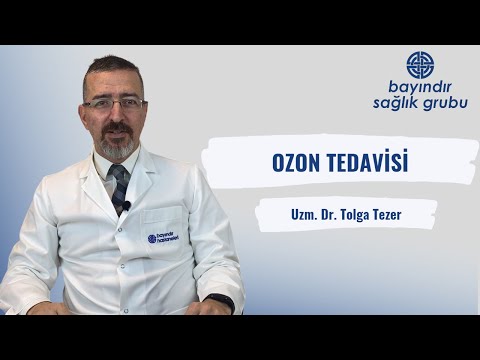
- 0:00 - Introduction: Dr. Tolga Tezer at Bay?nd?r Sö?ütözü Hospital
- 0:37 - Medical Background: The Historical Context of Ozone Use
- 1:34 - Cellular Mechanisms: How Medical Ozone Affects Oxygenation
- 2:53 - The Antioxidant Response: Managing Cellular Stress
- 3:25 - Immune System Modulation: Exploring Systemic Effects
- 3:44 - The Post-Covid Application: Addressing Fatigue and Respiratory Symptoms
- 4:36 - Pain Management Focus: Treating Joint and Tendon Conditions
- 5:07 - Spinal Applications: Local Injections for Neck and Back Pain
The Physiological Goal: Why Ozone is Introduced to the Body
Understanding ozone therapy requires shifting focus away from traditional pharmaceutical symptom suppression and looking toward cellular environment modification. Dr. Tolga Tezer explains that the medical application of ozone—a gas mixture of oxygen and ozone—is primarily aimed at altering how the body's tissues handle oxygen delivery and cellular waste.
The therapy is built on the premise that chronic pain, persistent inflammation, and autoimmune dysregulation share common cellular environments: areas of low oxygen (hypoxia) and high oxidative stress. The clinical intention is to disrupt this cycle by introducing a controlled, mild oxidative stressor that forces the body to upregulate its own natural defense mechanisms.
The "Oxygen Delivery" Mechanism (Erythrocytes and Nitric Oxide)
A central pillar of the clinical explanation involves the behavior of red blood cells (erythrocytes) and the lining of the blood vessels (endothelium). In states of chronic inflammation, tissues often struggle to extract adequate oxygen from the bloodstream, perpetuating tissue damage and pain signaling.
Dr. Tezer details that medical ozone is theorized to influence this dynamic in two distinct ways. First, it is believed to alter the membrane flexibility of red blood cells, theoretically enhancing their capacity to transport and release oxygen directly into oxygen-starved tissues. Second, the therapy aims to stimulate the endothelial cells to release nitric oxide. Nitric oxide is a potent vasodilator; by widening the blood vessels, the body can physically deliver more blood—and consequently more oxygen and healing factors—to the site of chronic injury or inflammation.
- Vascular Expansion: The stimulation of nitric oxide is intended to physically widen constricted blood vessels in inflamed areas.
- Oxygen Unloading: Changes to red blood cell dynamics are meant to make it easier for oxygen to detach from hemoglobin and enter the surrounding tissue.
- Metabolic Acceleration: Increased oxygenation is thought to speed up cellular metabolism, facilitating faster detoxification of acidic waste products that contribute to the sensation of pain.
The "Oxidative Adaptation" Threshold (Antioxidant Enzymes)
Perhaps the most counterintuitive aspect of ozone therapy is its relationship with oxidative stress. Ozone itself is an oxidant. However, the clinical rationale relies on a concept similar to exercise: introducing a controlled, brief stressor to trigger a disproportionately large adaptive response from the body.
When medical ozone interacts with biological fluids, it creates temporary peroxides. According to the clinical framework explained by Dr. Tezer, the body interprets this micro-stress and responds by rapidly increasing the production of its own master antioxidant enzymes, such as superoxide dismutase (SOD) and glutathione peroxidase. The goal is that this newly generated army of antioxidants will outlast the brief stress of the ozone, ultimately leaving the body better equipped to scavenge the harmful free radicals that drive chronic disease and autoimmune dysfunction.
"By strengthening the body's own antioxidant capacity in this way, it balances oxidative stress... The role of chronic oxidative stress in autoimmune and chronic diseases is thought to be important."
Clinical Applications: How Pain is Targeted Locally
While the systemic effects of ozone are utilized for broader immunological support, its application in a pain polyclinic setting is highly targeted. The therapy is adapted depending on whether the pain originates from a peripheral joint or from structural compressions within the spine.
The "Joint and Tendon" Zone (Osteoarthritis and Fasciitis)
For conditions involving the degradation of cartilage or the chronic inflammation of connective tissues, ozone is often injected directly into the localized area. This includes major weight-bearing joints like the knees and hips, which are common sites of osteoarthritis, as well as the shoulders and sacroiliac joints.
Beyond the joints, the clinic applies this methodology to soft tissue complaints that are notoriously difficult to resolve with standard rest, such as tendinitis, epicondylitis (tennis elbow), plantar fasciitis, and myofascial pain syndromes. The intention behind these local applications is to deliver the oxygenation and anti-inflammatory signaling directly to the avascular (low blood flow) tissues that struggle to heal on their own.
The "Spinal Intervention" Strategy (Herniated Discs)
When addressing chronic neck and back pain, particularly pain stemming from herniated discs, the clinical approach becomes tiered based on the severity of the structural problem. The treatment must match the physical reality of the nerve compression.
| Clinical Stage | Clinical & Practical Reality |
|---|---|
| Mild to Moderate Muscular Pain | Ozone is administered as local injections into the paraspinal muscles surrounding the spine to relieve spasm and improve local blood flow. |
| Advanced Disc Herniation | Performed under operating room conditions using imaging guidance, ozone is applied directly inside the intervertebral disc (intra-discal) to attempt to reduce the volume of the herniation and decrease nerve root inflammation. |
The Broad Systemic Applications: Immune Support and Fatigue
The "Fatigue" Challenge (Long-Covid and Chronic Illness)
Beyond localized pain, Dr. Tezer discusses the systemic administration of ozone, which gained particular attention during and after the Covid-19 pandemic. For patients suffering from "Long-Covid"—characterized by lingering respiratory distress, profound chronic fatigue, poor sleep architecture, and reduced exercise capacity—systemic ozone has been utilized as a supportive therapy.
The clinical rationale here bridges the mechanisms discussed earlier: utilizing the antiviral properties historically associated with ozone, alongside its capacity to clear lingering inflammation and improve systemic oxygen utilization in tissues left exhausted by a severe viral immune response.
Important Patient Safety & Evidence Context
Because ozone therapy alters cellular environments and involves the administration of a reactive gas, it is classified as an emerging or complementary medical procedure. While many clinics report successful clinical observations, it is crucial for patients to weigh these reports against the current consensus of major global health and regulatory bodies.
| Claimed Application | Evidence Strength | What Evidence Shows |
|---|---|---|
| Joint and Musculoskeletal Pain Relief | Mixed / Moderate | Some peer-reviewed clinical trials indicate short-term pain relief and functional improvement for knee osteoarthritis and certain disc herniations. However, it is not universally adopted in standard orthopedic guidelines as a first-line treatment. |
| Treatment of Post-Covid Symptoms | Emerging / Limited | Early, small-scale observational studies suggest potential subjective improvements in fatigue and oxygenation following viral illness, but large-scale, randomized controlled trials necessary for definitive proof are lacking. |
| Systemic Reversal of Chronic Disease | Uncertain | While laboratory mechanisms regarding antioxidants exist, major regulatory bodies (such as the US FDA) state that ozone has no proven widespread medical application for the systemic cure of chronic or autoimmune diseases. |
Potential Risks: If improperly dosed, ozone can cause excessive oxidative stress rather than preventing it. Direct inhalation of ozone gas is highly toxic to the lungs. Local injections may cause temporary pain, swelling, or infection at the injection site.
Established Alternatives: Standard physical therapy, non-steroidal anti-inflammatory drugs (NSAIDs), targeted corticosteroid injections, established biologic therapies (for autoimmune conditions), and conventional surgical interventions for severe disc herniation.
Who is Not a Candidate: Ozone therapy is generally contraindicated for patients with G6PD deficiency (favism), uncontrolled hyperthyroidism, severe cardiovascular instability, bleeding disorders, and those who are pregnant.
No. The U.S. Food and Drug Administration (FDA) currently classifies ozone as a toxic gas with no known useful medical application in specific, adjunctive, or preventive therapy. While widely used in parts of Europe, South America, and globally in dentistry and complementary clinics, it remains unapproved for standard medical disease treatment by the FDA.
Why did Dr. Tezer emphasize nitric oxide release in relation to pain?Nitric oxide is a natural vasodilator produced by the body. Dr. Tezer highlighted it because widening the blood vessels helps deliver more oxygen-rich blood and natural healing factors directly to chronically inflamed, poorly circulated areas like degenerated joints and damaged tendons, potentially aiding the healing process.
Is the intra-discal ozone application a standard alternative to back surgery?Intra-discal ozone therapy is an interventional technique used by some specialists to shrink a herniated disc by reducing its water volume. While some studies support its use as a minimally invasive option, it is not universally considered a replacement for necessary conventional decompressive surgery in cases of severe nerve impingement or structural instability.
What does the "antioxidant response" mean for autoimmune conditions?The clinical theory is that the brief oxidative stress of ozone exposure triggers the body to produce high levels of its own antioxidant enzymes (like SOD). Proponents suggest this helps "reset" or support the immune system in autoimmune conditions driven by chronic oxidative stress, though this mechanism is considered complementary rather than a standalone cure.
- What specific medical training and certifications do you hold for administering clinical ozone therapy safely?
- Can you confirm that you use medical-grade oxygen and certified medical ozone generators, rather than industrial or commercial units?
- What are the exact standard-of-care, evidence-based alternatives I should attempt before trying this complementary approach?
- Will you be coordinating this therapy with my primary care physician or rheumatologist to ensure it does not interfere with my current medications?
- For spinal applications, is the procedure performed under strict sterile operating room conditions with live imaging guidance?
This content is strictly for educational purposes and does not constitute medical advice or a treatment recommendation. The ozone therapy discussed is considered an investigational or complementary treatment by major health authorities, and clinical outcomes are not guaranteed. Readers must consult a qualified, licensed healthcare provider to discuss standard-of-care treatments and evaluate whether this approach is medically appropriate for their specific condition.
Explore What Factors May Affect Your Treatment Decision
Understanding whether a complementary approach like ozone therapy aligns with your chronic pain management requires a careful review of your medical history and previous treatments. PlacidWay helps patients organize their clinical records, coordinate inquiries, and connect with specialized international facilities for personalized, neutral medical evaluations without any pressure to commit.
Request a Specialist ConsultationView English-Translated Video Transcript
0:00 - Hello, I am Dr. Tolga Tezer. I work as a specialist physician at Ankara Bay?nd?r Sö?ütözü Hospital, Anesthesia and Reanimation Clinic.
0:08 - For many years in our hospital's successfully serving pain polyclinic, we have decided to include prolotherapy, neural therapy, and ozone treatment as complementary medical methods into our clinical practice in the upcoming period.
0:22 - In this video, I want to briefly talk to you about the basic logic of ozone therapy, its mechanisms, which patient groups it can be used in, and especially how we use it in pain patients.
0:37 - Ozone therapy can be defined as a complementary medicine method applied for supportive purposes alongside known modern medical treatment methods.
0:48 - Historically, until the 1830s, because it was discovered that the ozone gas or ozone molecule inactivated microorganisms like bacteria, viruses, and fungi, it was used for disinfection purposes in the early periods.
1:08 - Its first known medical use was during the First World War, when it was used by German scientists in the wound treatment of wounded German soldiers.
1:18 - From the 1980s onwards, after the physiological and basic infrastructure of ozone therapy was thoroughly investigated and established, clinical practice has continued to increase rapidly up to the present day.
1:34 - Scientific studies have shown that the medical ozone-oxygen gas mixture is highly effective in conditions of chronic hypoxia, meaning oxygen deficiency in the tissue, chronic inflammatory conditions, meaning the presence of inflammatory states in the tissue, and under conditions where antioxidant systems are working inadequately.
1:56 - Ozone realizes these effects through a set of complex physiological mechanisms.
2:02 - For example, it has shown that it increases the oxygen-carrying capacities of erythrocytes, meaning red blood cells, and their rate of releasing oxygen to the tissue.
2:12 - On the other hand, it increases the release of a molecule called nitric oxide from the endothelial cells that line the inner surface of the blood vessels. This molecule leads to the widening of blood vessels and allows more blood to reach the tissue.
2:29 - When these two effects we mentioned are evaluated together, it has been shown that ozone increases the oxygenation and blood supply of tissues suffering from oxygen deficiency.
2:40 - Thus, cell metabolism speeds up, and while energy production and detoxification capacity increase, the removal of acid and toxin-like substances accumulated in the tissue is ensured.
2:53 - Another important effect of ozone is that it contributes to the cleaning of harmful free radicals that accumulate in the body for various reasons.
3:01 - It increases the effectiveness of antioxidant enzymes like superoxide dismutase and glutathione peroxidase, known as the body's garbage collectors. In this way, by strengthening the body's own antioxidant capacity, it balances oxidative stress.
3:18 - The role of chronic oxidative stress in autoimmune and chronic diseases and in cancer development is thought to be important.
3:25 - It is known that ozone gas balances the immune system through various mechanisms.
3:30 - It has been shown that an inefficiently working immune system is related to chronic infections and chronic autoimmune diseases. Within this framework, it is known that ozone gas is used in the treatment of these diseases.
3:44 - Speaking of the immune system, especially during the Covid-19 pandemic period, due to its antiviral, immune system supporting, and inflammation resolving effects, it has been used in many countries as a supportive treatment.
4:00 - It has been shown again through studies that it limited the uncontrolled inflammatory response and accompanying blood coagulation in severe Covid-19 infections.
4:11 - On the other hand, despite recovering from a Covid-19 infection, symptoms like body and headaches, low-level respiratory distress, chronic fatigue symptoms, sleep irregularities, and a decrease in exercise capacity—a picture termed post-Covid or prolonged Covid—lowers people's quality of life. Ozone therapy is quite effective in alleviating these symptoms.
4:36 - In practice, ozone therapy is successfully used in the treatment of many chronic diseases like diabetes, asthma, and hypertension. So what do we do in our practice in the pain polyclinic?
4:50 - We frequently use it effectively in many diseases like knee, hip, shoulder, sacroiliac joint arthritis, tendinitis, epicondylitis, plantar fasciitis, myofascial pain, and carpal tunnel syndrome, and we obtain successful results.
5:07 - In patients with neck and back pain, we get quite good results with local injections made into the muscles around the spine and around the spine in polyclinic conditions.
5:19 - In more advanced cases where herniation is present, under operating room conditions and using imaging methods, we again obtain successful results with ozone applied inside the herniated disc.
5:31 - In summary, ozone therapy, with many positive effects it adds to the body, has become an effective part of the treatment for chronic diseases and painful conditions.























Share this listing