
What treatment


20+ Key FAQs on Stem Cell Therapy in Thailand
Questions About Stem Cell Therapy in Thailand? Start Here
Trusted Medical Tourism Platform Since 2007
.png)
Can Stem Cell Therapy in Bangkok Help Knee Arthritis?
Yes, stem cell therapy in Bangkok can significantly help knee arthritis by reducing inflammation, alleviating pain, and potentially regenerating damaged cartilage, offering a non-surgical alternative to knee replacement for many patients. Dealing with knee pain can be exhausting. It limits your movement, affects your sleep, and stops you from enjoying the things you love. If you have been looking for alternatives to major surgery, you might have heard about stem cell therapy in Bangkok as a potential solution. Many people are asking: Can this treatment really fix my knee arthritis? The short answer is that for many people, yes, it can make a huge difference. Bangkok has become a global hub for medical tourism, specifically for regenerative medicine, because it offers advanced technology at a fraction of the price you would pay in Western countries. Instead of just masking the pain with medication, this therapy aims to heal the underlying damage. In this guide, we will walk through everything you need to know. We aren't just going to throw medical jargon at you. We will look at the costs, the procedure itself, the safety standards in Thailand, and what you can realistically expect. Whether you are battling early-stage osteoarthritis or chronic joint pain, understanding your options in Bangkok could be the first step toward getting back on your feet. What is stem cell therapy for knee arthritis? Stem cell therapy for knee arthritis is a regenerative procedure where potent cells are injected into the knee joint to repair damaged cartilage and reduce inflammation naturally. Think of stem cell therapy as a way to jumpstart your body's own healing process. In a healthy knee, your body repairs minor wear and tear automatically. But with arthritis, that repair system can't keep up with the damage. This therapy introduces a high concentration of healing cells directly into the problem area. These cells have the unique ability to transform into the specific types of cells needed by the body—in this case, cartilage or connective tissue. Once injected, they work to calm the environment inside your knee, drastically lowering the inflammation that causes pain. It is distinct from steroid injections, which only temporarily hide the pain. Regenerative therapy aims to fix the structural issue, potentially delaying or even preventing the need for invasive knee replacement surgery down the line. How does stem cell therapy work to repair knees? The therapy works by utilizing the "signaling" capability of stem cells to lower inflammation and stimulate existing cartilage cells to grow and repair the joint surface. The science behind this is fascinating but simple. When stem cells are injected into an arthritic knee, they don't just turn into cartilage overnight. Their primary job is actually "signaling." They act like a construction manager, sending out chemical signals to your body's existing cells to wake up and start repairing the damage. This process is called the paracrine effect. It reduces the swelling and hostile environment inside an arthritic joint. Over time, this creates a healthier space where cartilage can stabilize and, in some cases, regenerate. Patients often report a gradual improvement. First, the pain subsides as inflammation drops. Then, stiffness decreases, allowing for better movement. It is a biological approach to healing that uses your body's natural toolkit, just amplified. Why is Bangkok a popular destination for this treatment? Bangkok is popular because it offers world-class medical facilities, experienced doctors trained internationally, and costs that are 50-70% lower than in the US or Europe. Bangkok isn't just a tourist spot; it is a medical powerhouse. The city is home to hospitals and clinics that are Joint Commission International (JCI) accredited, which is the gold standard for global healthcare. You get access to the same technology and safety protocols you would find in the West. The doctors in Bangkok are highly experienced. Many have studied in the US, UK, or Germany and specialize specifically in regenerative medicine. They perform these procedures daily, giving them a level of expertise that generalists elsewhere might lack. Plus, the service culture in Thailand is unmatched. From the moment you land, the process is streamlined. You aren't just a number on a chart; you receive personalized care that includes airport pickups, translators, and luxury hospital suites, often for less than the cost of a standard outpatient visit back home. What is the cost of stem cell therapy for knees in Bangkok? The cost of stem cell therapy for knees in Bangkok generally ranges from $3,500 to $10,000 per knee, depending on the cell source and number of injections. Cost is a huge factor for medical tourists. In Bangkok, you can expect to pay significantly less than you would in Western countries, without sacrificing quality. The price varies based on whether you use your own cells (autologous) or donor cells (allogeneic), and how many millions of cells are injected. Here is a detailed comparison to give you a clear picture: Country Estimated Cost (Per Knee) Notes Bangkok (Thailand) $3,500 - $10,000 Includes consultation & follow-up United States $8,000 - $25,000 Often not covered by insurance Australia $7,000 - $15,000 Long waiting lists for specialists United Kingdom $6,000 - $12,000 Limited availability in NHS This price difference allows many patients to combine their treatment with a relaxing recovery vacation in Thailand, and they still end up saving money compared to getting treated locally. What types of stem cells are used for knees in Bangkok? Clinics in Bangkok typically use Mesenchymal Stem Cells (MSCs) derived from either the patient's own adipose (fat) tissue, bone marrow, or umbilical cord tissue. The type of cell matters. Mesenchymal Stem Cells (MSCs) are the standard for orthopedic issues because they are excellent at forming bone and cartilage. In Bangkok, you will usually be offered a choice. Adipose-derived: Cells are taken from your own belly fat. It is a simple mini-liposuction. These are abundant and potent. Bone Marrow: Cells are drawn from your hip bone. This is the traditional method but can be slightly more invasive. Umbilical Cord: These are donor cells (young and very potent) from healthy births. They don't require harvesting from your body, meaning less pain for you. Your doctor will recommend the best source based on your age and health. Older patients often benefit more from umbilical cord cells because those cells are "younger" and replicate faster than the patient's own aged cells. Is stem cell therapy effective for severe arthritis? Stem cell therapy is most effective for mild to moderate arthritis (Stages 1-3), but can still provide significant pain relief for severe (Stage 4) cases, though it may not fully regrow cartilage. Managing expectations is key. If you have "bone-on-bone" arthritis, stem cell therapy is unlikely to give you a brand-new knee. However, that doesn't mean it is useless. Even in severe cases, the anti-inflammatory properties can drastically reduce pain and improve quality of life. For mild to moderate osteoarthritis, the results can be structural, actually slowing the disease's progression. For severe cases, it is often viewed as a "bridge" treatment—something to delay knee replacement surgery for a few years and keep you active without heavy painkillers. Always show your X-rays or MRI to the Bangkok medical team before flying. They will give you an honest assessment of whether you are a candidate or if the damage is too advanced for this specific treatment. Is the procedure painful? The procedure is minimally invasive and generally not painful; local anesthesia is used to numb the area during both harvesting and injection. Fear of pain is natural, but this isn't surgery. It is an injection. If you are using your own cells, the harvesting part (taking fat or bone marrow) is done under local anesthesia. You might feel pressure or a pinch, but not sharp pain. The injection into the knee itself is quick. Doctors use imaging guidance (like ultrasound) to make sure the needle goes exactly into the joint space, not the bone. This precision reduces discomfort. Most patients describe the feeling as "fullness" or pressure in the knee immediately after the shot. This is normal and settles down quickly. You won't need general anesthesia, which lowers the risk significantly compared to surgery. What is the recovery time after treatment? Recovery is minimal; patients walk out of the clinic the same day, with most returning to normal light activities within 24 to 48 hours. One of the biggest benefits of stem cell therapy is the lack of downtime. Unlike knee replacement, where you are out of commission for months, here you walk out on your own two feet. For the first couple of days, doctors usually recommend taking it easy. You can walk, but don't run a marathon. You might experience minor swelling or soreness at the injection site, which can be managed with ice packs. By the end of the first week, most people are back to their daily routine. However, "recovery" of the joint takes longer. The cells need time to work. You typically start feeling the real benefits—less pain, smoother movement—about 3 to 4 weeks post-treatment. Are there side effects to stem cell therapy? Side effects are rare and usually mild, limited to temporary swelling, redness, or stiffness at the injection site that resolves within a few days. Because this therapy uses biological material—either your own or highly screened donor cells—the risk of rejection is almost zero. Your body recognizes the material. The most common "side effect" is just the physical reaction to a needle entering the joint. In very rare cases, infection can occur, just like with any injection. However, top clinics in Bangkok adhere to sterile surgical protocols to prevent this. It is safer than long-term use of painkillers, which can damage your stomach and kidneys. Always adhere to the post-care instructions. Avoiding strenuous exercise for the first few weeks ensures the cells stay where they are supposed to be and do their job effectively. Is stem cell therapy legal and regulated in Thailand? Yes, stem cell therapy is legal in Thailand and is regulated by the Thai Food and Drug Administration and the Medical Council of Thailand to ensure safety and ethical standards. Thailand has taken a proactive approach to medical tourism regulation. The government supports the development of regenerative medicine but keeps a close watch on it. Clinics must be licensed, and the labs processing the cells must meet strict hygiene and safety standards. This is different from some "wild west" destinations where anything goes. In Bangkok, reputable hospitals follow international guidelines. They use ISO-certified laboratories for cell expansion and counting. When researching, look for clinics that are transparent about their licensing. They should be able to show you exactly where the cells come from and how they are processed. The Medical Council of Thailand ensures that doctors practicing these therapies are properly trained. Who is a good candidate for this procedure? Good candidates are active individuals with mild to moderate osteoarthritis who want to avoid surgery and have not found relief from physical therapy or medication. Not everyone fits the bill. The ideal patient is someone who has persistent knee pain that interferes with daily life but isn't ready for a metal knee implant. If you have good overall health and realistic expectations, you are likely a strong candidate. Factors that help include not being significantly overweight and being a non-smoker. Smoking constricts blood vessels and can hinder the healing process that the stem cells try to initiate. If you have active cancer or a severe infection elsewhere in your body, doctors will likely advise against the procedure. It is about safety first. A thorough consultation with the Bangkok medical team will determine if your body is ready to accept and utilize the cells. How does it compare to knee replacement surgery? Stem cell therapy is non-surgical, has minimal downtime, and preserves natural anatomy, whereas knee replacement is invasive, requires months of rehab, but offers a permanent mechanical fix. Comparing the two is like comparing apples and oranges. Knee replacement is a mechanical solution: cutting out the bad bone and replacing it with metal and plastic. It is highly effective but invasive, with significant risks like clots or infection, and a long, painful rehab. Stem cell therapy is a biological solution. It tries to save the natural knee. It doesn't burn bridges; if it doesn't work as well as hoped, you can still get a knee replacement later. For younger patients (under 60), preserving the natural knee is usually preferred. Knee replacements wear out after 15-20 years. Using stem cells to buy time and maintain natural function is often the smarter strategic move for longevity. How long do the results last? Results vary by patient but typically provide pain relief and improved function for 2 to 5 years, after which a repeat treatment may be considered. This isn't a "one shot and cure forever" deal, but the effects are long-lasting. Most patients enjoy several years of relief. The longevity depends on how you treat your knees afterward. If you go back to high-impact running or gain weight, the wear and tear will return faster. Some patients choose to have a "booster" injection after a few years to maintain the benefits. Because the procedure is so simple, repeating it isn't a major medical event. The goal is to stop the downward spiral of arthritis. By reducing inflammation now, you slow down the degradation of the joint, effectively pressing the "pause" button on your arthritis for a significant period. Can I walk immediately after the treatment? Yes, you can walk immediately after the procedure, though it is recommended to keep weight-bearing minimal for the first 24 hours to aid cell retention. You won't need crutches or a wheelchair. You walk out of the clinic. However, treating your knee with care in those first critical hours is smart. The cells are a liquid suspension; you want them to settle into the damaged areas. Most Bangkok clinics will advise you to rest in your hotel for the remainder of the day. By the next day, light walking is fine. It is a perfect excuse to enjoy a relaxing day by the hotel pool (just don't jump in yet!). This mobility is a huge plus for travelers. You don't need medical transport to get to the airport. You can fly home comfortably a day or two after the procedure, making the logistics of the trip very easy. How many sessions are usually needed? Most patients require only one session of stem cell therapy, though severe cases might benefit from a second injection a few months later. Unlike physical therapy where you go every week, stem cell therapy is potent. One high-dose injection is usually enough to trigger the healing cascade. The cells continue working inside you for weeks and months. In some protocols offered in Bangkok, they might combine the stem cells with PRP (Platelet-Rich Plasma) or growth factors in the same session to boost the effect. This "cocktail" approach maximizes the impact of that single visit. If your arthritis is very advanced, your doctor might suggest a two-step plan, but this is discussed upfront. For the vast majority of medical tourists, it is a "one trip, one treatment" experience. What accreditation do Thai hospitals have? Top Thai hospitals often hold Joint Commission International (JCI) accreditation, ensuring they meet rigorous global standards for patient safety and care quality. Safety is non-negotiable. Thailand was actually the first country in Asia to achieve JCI accreditation for its hospitals. This is the same body that accredits the best hospitals in the USA. It means the facility meets over 1,000 specific quality standards. When you choose a JCI-accredited facility in Bangkok, you know the air filtration, sterilization, and medical records systems are top-tier. You aren't taking a gamble on a back-alley clinic. Always check for this seal of approval on the clinic's website. It is your assurance that the facility takes your health as seriously as you do. It provides peace of mind that allows you to focus on getting better. What preoperative preparations are required? Preparation typically involves stopping anti-inflammatory medications (NSAIDs) for a week prior and staying well-hydrated to ensure the body is primed for healing. To get the best results, you need to prep your body. Anti-inflammatory meds like Ibuprofen or Advil can actually block the signaling process that stem cells use to work. So, doctors will tell you to stop taking them beforehand. Hydration is also crucial. Healthy cells need water. Drinking plenty of water before your procedure helps, especially if they are harvesting cells from your own body. You should also avoid alcohol for a few days before and after the treatment. Alcohol is a toxin that can reduce the potency of the cells. A little discipline before the trip pays off in better results later. Why is it cheaper in Bangkok than in the West? It is cheaper due to the lower cost of living, lower labor costs for medical staff, and favorable currency exchange rates, not because of lower quality. Don't mistake lower price for lower quality. The economics of Thailand are simply different. Rent, salaries, and insurance costs for hospitals are a fraction of what they are in New York or London. These savings are passed directly to you. In the US, administrative costs and malpractice insurance drive up medical bills astronomically. In Bangkok, the pricing is transparent. You pay for the treatment, the doctor's time, and the technology—no hidden administrative bloat. This affordability allows you to access premium treatments—like higher cell counts or advanced rehab packages—that might be financially out of reach back home. What language support is available for international patients? Major hospitals in Bangkok have dedicated international centers with interpreters for dozens of languages, ensuring clear communication for English, Arabic, Chinese, and European speakers. Communication is vital when discussing your health. Bangkok's medical tourism industry is built on welcoming foreigners. Doctors at top hospitals speak excellent English, often having studied abroad themselves. Beyond the doctors, the nursing and support staff are accustomed to international guests. You will often find dedicated counters for different nationalities—Japanese, Arabic, Western—staffed by native speakers. This removes the stress of the language barrier. You can ask detailed questions about your knee, your recovery, and your medications, and get clear, understandable answers. You are never left guessing. Is follow-up care provided after I return home? Yes, reputable clinics provide remote follow-up via video calls or email to monitor your progress and adjust rehabilitation advice as needed. Your relationship with the doctor doesn't end when you board the plane. Good clinics want to know how you are doing. They will schedule follow-up chats via Zoom or WhatsApp to check on your pain levels and mobility. If you need physical therapy back home, they can provide protocols and letters for your local therapist. This continuity of care ensures you stay on the right track during the critical weeks when the cells are settling in. Technology makes this seamless. You get the expertise of a Bangkok specialist combined with the convenience of recovering in your own living room. It is the best of both worlds. Ready to explore affordable, world-class knee solutions? Contact PlacidWay today to find the best accredited clinics for stem cell therapy in Bangkok....
Read more details

.png)
Can Stem Cell Therapy In Thailand Help Reverse Degenerative Disc Disease?
Stem cell therapy for degenerative disc disease in Thailand offers a non-surgical solution to regenerate damaged spinal discs, typically costing between $4,500 and $10,000. This is significantly more affordable than Western countries while utilizing advanced Umbilical Cord or Bone Marrow Mesenchymal Stem Cells. Living with chronic back pain can feel like an endless battle. If you have been diagnosed with degenerative disc disease (DDD), you know the struggle of waking up stiff, limiting your movements, and constantly worrying about whether your back will "give out." For years, the only "real" solutions seemed to be endless painkillers or invasive spinal fusion surgery, which comes with long recovery times and scary risks. But what if there was a way to actually repair the damage instead of just masking it? This is where stem cell therapy for degenerative disc disease in Thailand is changing the game. Thailand has emerged as a global hub for regenerative medicine, offering cutting-edge treatments that are often unavailable or prohibitively expensive in the West. We are talking about state-of-the-art facilities, board-certified specialists, and advanced protocols that use the body's natural healing mechanisms to restore spine health. In this guide, we will dive deep into everything you need to know. We will cover the cost of stem cell therapy in Thailand, the success rates you can expect, and walk you through the procedure step-by-step. Whether you are tired of chronic pain or looking for an alternative to surgery, this post will give you the clear, honest answers you need to make an informed decision about your spine health. What is stem cell therapy for degenerative disc disease? Stem cell therapy for degenerative disc disease is a regenerative procedure where potent Mesenchymal Stem Cells (MSCs) are injected into damaged spinal discs to reduce inflammation and stimulate tissue repair. Think of your spinal discs as the shock absorbers of your back. Over time, due to age or injury, these discs lose water and wear down—this is degenerative disc disease. Traditional treatments usually focus on managing symptoms. Stem cell therapy, however, aims to treat the root cause. By injecting high concentrations of Mesenchymal Stem Cells (MSCs) directly into the affected disc (intradiscal injection) or the surrounding area, doctors aim to kickstart a regeneration process. These powerful cells have the unique ability to differentiate into cartilage and connective tissue. Once inside the disc space, they work to decrease the chronic inflammation that causes pain and help rebuild the disc's structural integrity. The goal is to rehydrate the disc, improve its height, and restore its function as a cushion between your vertebrae. It is important to understand that this is a biological treatment, not a mechanical one. Unlike surgery, which fuses bones together with metal screws, regenerative medicine uses biological building blocks to heal the tissue naturally. This means you maintain your spinal mobility and avoid the permanent stiffness often associated with surgical fixation. How much does stem cell therapy for DDD cost in Thailand? The cost of stem cell therapy for degenerative disc disease in Thailand generally ranges from $4,500 to $10,500 per comprehensive package, depending on the number of cells and clinic protocols. One of the biggest drivers for medical tourism is affordability, and Thailand delivers on this front without compromising quality. A comprehensive stem cell therapy package in Thailand for spine conditions typically falls between $4,500 and $10,500. This price variation depends largely on the source of the stem cells (umbilical cord vs. bone marrow), the total cell count (e.g., 50 million vs. 100 million cells), and whether additional therapies like physiotherapy or hyperbaric oxygen chambers are included. In comparison, similar treatments in the United States—if you can find them, as FDA regulations are strict—can cost upwards of $20,000 to $50,000. In Thailand, the package price usually covers not just the procedure itself, but also airport transfers, doctor consultations, pre-op testing, and sometimes even accommodation for a few nights. It is crucial to look at the "price per million cells" when comparing clinics. Some clinics might offer a lower upfront price but provide a lower concentration of cells, which might be less effective for severe degenerative disc disease. Always ask for a detailed breakdown of what is included in the quote so there are no surprises later. Comparison of Stem Cell Therapy Cost: Thailand vs USA vs UK Thailand offers a savings of 50% to 70% on stem cell therapy compared to the USA and UK, providing world-class medical care at a fraction of the Western price. To give you a clearer picture of the financial difference, here is a comparison of estimated costs for spine stem cell treatments across major medical destinations: Country Estimated Cost (USD) What's Typically Included Thailand $4,500 - $10,500 High-dose stem cells (UC-MSC), MRI review, airport transfer, follow-up care. United States $15,000 - $50,000+ Procedure only (often lower cell counts due to regulations). United Kingdom $12,000 - $25,000 Procedure and consultation only. Australia $10,000 - $18,000 Procedure only. Mexico $5,000 - $12,000 Procedure and local transport. As you can see, Thailand provides immense value. The lower cost is not due to lower quality but rather lower overhead costs, labor costs, and malpractice insurance premiums in Asia. This allows Thai clinics to invest in state-of-the-art laboratories and offer higher cell counts for a lower price than their Western counterparts. What is the success rate of stem cell therapy for back pain in Thailand? Patient outcomes in Thailand show a success rate of approximately 70% to 80% for pain relief and improved mobility in degenerative disc disease cases, with results typically lasting several years. While no medical procedure can guarantee a 100% cure, the success rate of stem cell therapy for DDD is encouraging. Clinical data and patient reports from top Thai clinics suggest that about 70% to 80% of suitable candidates experience significant relief. "Success" in this context is usually defined as a measurable reduction in pain scores (e.g., dropping from an 8/10 pain level to a 2/10), reduced reliance on pain medication, and improved functional mobility. Factors influencing success include the patient's age, the severity of the degeneration, and the type of stem cells used. Patients with mild to moderate disc degeneration tend to see better results than those with discs that have completely collapsed (bone-on-bone). Additionally, lifestyle factors play a role; patients who follow post-procedure rehabilitation protocols and maintain a healthy weight often report more durable results. It is important to have realistic expectations. Stem cell therapy is a process of biological repair. Unlike a corticosteroid injection that might numb pain instantly, stem cells take time to work. Most patients report noticing initial improvements within 3 to 6 weeks, with continued healing peaking around the 6-month mark. How does the stem cell procedure for DDD work? The procedure is minimally invasive, involving a precise injection of stem cells into the affected spinal disc under fluoroscopic (X-ray) guidance, taking less than an hour to complete. The stem cell procedure for degenerative disc disease in Thailand is designed to be as minimally invasive as possible. It is an outpatient procedure, meaning you do not need to stay in the hospital overnight for the surgery itself. First, you will undergo a comprehensive evaluation, including an MRI review, to pinpoint the exact discs causing your pain. On the day of the treatment, you will be given a local anesthetic to numb the area. Some clinics also offer mild sedation to keep you relaxed. Using fluoroscopic guidance (a live X-ray video), the specialist guides a thin needle precisely into the center of the damaged disc (the nucleus pulposus). This ensures the cells are delivered exactly where they are needed most. Once the needle is in place, the concentrated stem cell solution is injected. The entire process usually takes 45 to 60 minutes. After the injection, you will rest in a recovery room for an hour or two for observation before being discharged to your hotel. The simplicity of the procedure stands in stark contrast to spinal fusion surgery, which involves cutting muscle, bone grafts, and lengthy hospital stays. What types of stem cells are used for spine treatment in Thailand? Clinics in Thailand primarily use Umbilical Cord-derived Mesenchymal Stem Cells (UC-MSCs) due to their high potency and lack of immune rejection, though Bone Marrow and Adipose cells are also options. The type of cell used is a critical factor in the treatment's effectiveness. In Thailand, the most common and recommended type for degenerative disc disease is Umbilical Cord-derived Mesenchymal Stem Cells (UC-MSCs). These are "allogeneic" cells, meaning they come from a donor (healthy, screened umbilical cords after C-sections). UC-MSCs are preferred because they are "young," meaning they replicate faster and release more potent healing factors than the older stem cells found in an adult patient's own body. Alternatively, some patients prefer Autologous Stem Cells, which come from their own body. This can be harvested from bone marrow (usually the hip bone) or adipose tissue (belly fat). While using your own cells eliminates any fear of disease transmission, the downside is that the quality of these cells declines with age. If you are over 50, your own stem cells may not be as vigorous as newborn donor cells. Top Thai clinics often have their own advanced laboratories or partner with certified labs to culture these cells, expanding them into the millions (e.g., 100 million cells) to ensure a therapeutic dose that is significantly higher than what can be achieved with bedside centrifugation used in some other countries. Is stem cell therapy for degenerative disc disease painful? The procedure involves minimal discomfort, comparable to a standard injection, as local anesthesia is used to numb the area during the treatment. Fear of pain is natural, but you can rest assured that stem cell injections are generally well-tolerated. The procedure is not considered painful by most standards. The initial numbing shot (local anesthetic) feels like a small pinch or bee sting. Once the area is numb, you should feel pressure but not sharp pain as the needle is guided into the disc. Some patients report a sensation of "fullness" or pressure in the back when the fluid is injected into the disc space. This is temporary and subsides quickly. If you are particularly anxious or have a low pain threshold, discuss sedation options with your doctor beforehand. Thai medical teams are renowned for their gentle care and hospitality, ensuring you are comfortable throughout the process. Post-procedure soreness is common but mild. It typically feels like a bruise or muscle ache at the injection site and can be managed easily with over-the-counter pain relievers and ice packs. It is far less painful than the post-operative recovery associated with surgical spinal interventions. How long is the recovery time after stem cell injection? Recovery is rapid, with most patients returning to light daily activities within 2 to 3 days, though strenuous exercise and heavy lifting should be avoided for at least 4 to 6 weeks. One of the massive advantages of stem cell therapy is the minimal downtime. Unlike spinal surgery, which can lay you up for months, most patients walk out of the clinic the same day. You will be advised to rest for the first 24 to 48 hours to allow the injection site to settle. Most people can return to light, non-strenuous work (like desk jobs) within 3 to 5 days. However, "recovery" doesn't mean you can run a marathon next week. The stem cells need a stable environment to attach and begin repairing the tissue. You will likely be instructed to avoid: Heavy lifting (anything over 10-15 lbs). High-impact activities (running, jumping). Deep twisting or bending of the spine. This "relative rest" period usually lasts for about 4 to 6 weeks. During this time, gentle walking is encouraged to keep blood flowing. Many clinics will provide a specific physical therapy protocol to gradually reintroduce movement and strengthen the core muscles supporting your spine. Are there any risks or side effects of stem cell therapy for the spine? Serious risks are extremely rare; the most common side effects are temporary soreness, swelling, or minor flu-like symptoms, with a very low risk of infection when performed in sterile environments. Safety is a top priority, and stem cell therapy in Thailand is regulated to ensure high standards. Serious complications are very rare, occurring in less than 1% of cases. The most common side effects are minor and temporary, such as swelling at the injection site, mild fever (a sign the immune system is active), or a temporary increase in pain for a few days (known as a "flare-up"). Because the procedure involves a needle, there is a theoretical risk of infection, bleeding, or nerve injury. However, using fluoroscopic guidance drastically minimizes these risks by ensuring the needle avoids nerves and blood vessels. Using reputable clinics that follow international sterility standards further reduces infection risk. Regarding tumors or cancer: Extensive research on Mesenchymal Stem Cells (MSCs) has shown they are safe and do not form tumors. This is a risk associated with embryonic stem cells, which are NOT used for these orthopedic treatments. Reputable Thai clinics use adult MSCs (from cord, fat, or bone marrow) which have an excellent safety profile. Am I a good candidate for stem cell therapy for DDD? Ideal candidates are those with mild to moderate degenerative disc disease who have not found relief from physical therapy but still have some disc height remaining; it is not suitable for complete spinal fusion cases. Not everyone with back pain is a candidate for stem cell therapy. The treatment relies on having some existing tissue structure to build upon. You are likely a good candidate if: You have chronic back pain confirmed by MRI to be caused by disc degeneration. You have "failed conservative treatment" (physio, meds, rest) for at least 3-6 months. You still have some disc height remaining (not completely bone-on-bone). You do not have significant spinal instability or severe spinal stenosis that requires mechanical decompression. If your spine has completely collapsed or if you have severe nerve compression that requires surgically removing bone, stem cells alone may not be enough. However, some surgeons use stem cells in conjunction with surgery to speed up healing. A preliminary review of your MRI scans by the Thai medical team is the only way to know for sure if you qualify. How does Thailand regulate stem cell clinics? Thailand regulates stem cell therapy through the Thai FDA and the Medical Council of Thailand, ensuring clinics meet strict safety, ethical, and laboratory standards. You might worry about the "Wild West" of medical tourism, but Thailand is a leader in strictly regulated healthcare. The Thai Food and Drug Administration (FDA) and the Medical Council of Thailand oversee regenerative medicine practices. Clinics must adhere to Good Manufacturing Practice (GMP) standards for their laboratories where cells are processed. This regulation ensures that the stem cells you receive are free from contamination, viable (alive), and safe for human use. Many top hospitals in Thailand also hold JCI (Joint Commission International) accreditation, which is the gold standard for global healthcare quality. When choosing a clinic, always look for these certifications to ensure you are receiving legal, safe, and high-quality care. Can I fly home immediately after the procedure? It is recommended to wait 3 to 5 days before flying home to allow the initial inflammation to subside and ensure no immediate post-procedure complications arise. While you physically could fly shortly after the procedure, it is not recommended to jump on a long-haul flight immediately. Sitting in a cramped airplane seat for 10+ hours can be uncomfortable and might aggravate your back right after the injection. Most doctors recommend staying in Thailand for at least 3 to 5 days post-treatment. This buffer period serves two purposes: it allows the immediate post-injection soreness to fade, and it gives the doctor a chance to perform a follow-up check to ensure the injection site is healing cleanly. Plus, it gives you a few days to relax in a hotel, enjoy some Thai food, and recover in comfort before dealing with the stress of travel. Thailand is a beautiful place to recover, so take advantage of it! How many stem cell sessions are needed for degenerative disc disease? Most patients with degenerative disc disease require only one comprehensive treatment session, though severe cases may benefit from a booster treatment 12 to 24 months later. Unlike physical therapy which requires visits every week, stem cell therapy for DDD is typically a "one-and-done" procedure for the majority of patients. A single, high-dose injection of millions of cells is usually sufficient to kickstart the repair process that continues for months. However, degenerative disc disease is a progressive condition. While the stem cells can reverse damage and turn back the clock, they cannot stop the aging process forever. Some patients with severe degeneration or high activity levels might choose to return for a "booster" injection 1 to 2 years later to maintain the benefits. Your doctor will create a personalized long-term plan for you based on how your body responds to the first treatment. What is the difference between stem cell therapy and spinal fusion surgery? Spinal fusion permanently joins vertebrae together, limiting motion and requiring long recovery, while stem cell therapy heals the existing tissue to preserve natural spinal mobility and flexibility. The difference between these two approaches is night and day. Spinal fusion surgery is a mechanical fix: it removes the damaged disc and uses metal hardware to fuse two vertebrae into one solid bone. This stops the pain by stopping the movement. The downside? You lose flexibility in that segment, and the stress is transferred to the discs above and below, often leading to "adjacent segment disease" down the road. Stem cell therapy, on the other hand, is a biological fix. It attempts to save the disc rather than remove it. It preserves your natural anatomy and spinal motion. There is no cutting of muscle, no removal of bone, and no hardware left inside your body. It is a much less risky path that keeps the door open—if stem cells don't work, you can still have surgery later. But if you have surgery, you cannot undo a fusion. How do I choose the best stem cell clinic in Thailand? Look for JCI-accredited hospitals or specialized clinics with board-certified orthopedists, transparent pricing, and verifiable patient testimonials. Choosing the right provider is the most critical step in your journey. Don't just go for the cheapest option. When researching stem cell clinics in Thailand, look for: Medical Credentials: Ensure the doctor is a board-certified orthopedic surgeon or spine specialist, not a general practitioner. Lab Standards: Ask where the cells come from. Is the lab GMP-certified? Do they test for viability and sterility? Experience: How many spinal stem cell procedures has the doctor performed? Experience matters significantly for intradiscal injections. Transparency: The clinic should be open about their pricing, cell counts, and expected outcomes. Avoid clinics that promise "100% cures." Reviews: Look for video testimonials and reviews from international patients who had similar conditions. Ready to explore affordable, world-class spine care? Get a Free Quote for Stem Cell Therapy Take the first step toward a pain-free life today with PlacidWay....
Read more details.png)
Can Stem Cell Therapy In Thailand Help With Parkinson’s Disease?
Yes, stem cell therapy in Thailand can help manage Parkinson's disease symptoms by regenerating damaged nerve cells, potentially improving motor function, reducing tremors, and enhancing overall quality of life. When you or a loved one is navigating the challenges of a progressive condition like Parkinson's, finding effective treatment options can feel like an uphill battle. You might be wondering if stem cell therapy in Thailand is a viable solution. The short answer is that while it isn't a guaranteed cure, many patients have found significant relief from symptoms and a better quality of life through these advanced treatments in Thailand. Thailand has emerged as a global hub for medical tourism, particularly for regenerative medicine. Patients are drawn not just by the affordable costs compared to the West, but by the high standard of care in internationally accredited facilities. In this guide, we will walk you through everything you need to know—from how the procedure works and what it costs, to safety standards and what kind of results you might realistically expect. Let's dive into the details of how this innovative therapy is changing lives. What is the success rate of stem cell therapy for Parkinson's in Thailand? "The success rate of stem cell therapy for Parkinson's in Thailand is generally reported around 60% to 70% for symptom improvement, with many patients experiencing reduced tremors and better mobility." Determining an exact "success rate" for stem cell therapy for Parkinson's can be tricky because it's not a one-size-fits-all cure. However, data from top clinics in Thailand suggests that approximately 60-70% of patients report noticeable improvements. "Success" in this context usually means a reduction in the severity of symptoms rather than a complete reversal of the disease. Patients often report that their movements become smoother and less rigid. For many, the "off" periods (times when medication stops working well) become shorter or less intense. It is important to approach this with realistic expectations; the goal is often to slow down disease progression and improve daily living standards, rather than to walk away completely cured. Clinical outcomes can vary heavily based on the patient's age, the stage of the disease, and their overall health. Those in the early to moderate stages of Parkinson's typically see better and longer-lasting results compared to those in advanced stages. How does stem cell therapy work for Parkinson's disease? "Stem cell therapy works by introducing healthy cells that can differentiate into dopamine-producing neurons, repairing damaged brain tissue and reducing inflammation associated with Parkinson's disease." The science behind this treatment is fascinating. Parkinson's disease is primarily caused by the death of nerve cells in the brain that produce dopamine, a chemical messenger vital for controlling movement. Stem cell therapy aims to address this root cause. When stem cells are introduced into the body, they have the unique ability to seek out areas of damage and inflammation. Once these cells reach the brain, they can potentially differentiate (transform) into new dopamine-producing neurons or support existing ones. Perhaps even more importantly, they release potent anti-inflammatory factors and growth hormones. This "paracrine effect" helps to protect the remaining healthy neurons from further degeneration. Essentially, you are giving your brain a regenerative boost. By reducing neuroinflammation and encouraging the repair of neural pathways, the therapy helps restore some of the communication lines between the brain and the body that Parkinson's has disrupted. What is the cost of stem cell therapy for Parkinson's in Thailand? "The cost of stem cell therapy for Parkinson's in Thailand typically ranges from $7,000 to $20,000 USD, covering multiple sessions, medical tests, and accommodation." One of the biggest drivers for medical tourism is cost. In Thailand, you can access world-class regenerative medicine for a fraction of the price you might pay elsewhere. A comprehensive package usually falls between $7,000 and $20,000 USD. This price variance depends on the number of stem cells used, the method of administration, and the length of your hospital stay. It is crucial to understand that "cheaper" does not mean lower quality here. The lower cost is largely due to lower labor and operational costs in Thailand. Most packages are all-inclusive, meaning they cover not just the stem cell injections, but also airport transfers, specialized blood work, doctor consultations, and sometimes even physiotherapy sessions. Below is a detailed comparison to help you understand the financial value. Comparison of Stem Cell Therapy Costs by Country "Stem cell therapy in Thailand costs approximately 60-70% less than in the US or UK, offering savings of tens of thousands of dollars for similar treatment protocols." When you compare the global landscape, Thailand stands out as a high-value destination. In countries like the USA, stem cell treatments for conditions like Parkinson's are often not covered by insurance and can be prohibitively expensive. Country Estimated Cost (USD) Notes Thailand $7,000 - $20,000 Includes accommodation & rehab often. United States $25,000 - $50,000+ Often excludes hospital stay fees. United Kingdom $20,000 - $45,000 Limited availability for this therapy. Mexico $8,000 - $15,000 Popular for US border patients. Germany $15,000 - $25,000 Strict regulations, high quality. As you can see, choosing Thailand for medical tourism can save you tens of thousands of dollars, allowing you to allocate funds towards post-treatment therapy and recovery support. What types of stem cells are used in Thailand for Parkinson's? "Clinics in Thailand primarily use Mesenchymal Stem Cells (MSCs) derived from umbilical cord tissue or adipose (fat) tissue due to their high safety profile and potent regenerative capabilities." The type of cell used is a critical factor in the safety and efficacy of the treatment. In Thailand, the most common standard is Mesenchymal Stem Cells (MSCs). These are typically harvested from two main sources: umbilical cord tissue (from healthy, screened donors) or the patient's own adipose (fat) tissue. Umbilical cord-derived cells are often preferred for older patients with Parkinson's. This is because these "young" cells are more potent, multiply faster, and have not been exposed to the aging process or environmental toxins that a patient's own cells might have. They are considered "immunoprivileged," meaning they rarely cause rejection reactions. Some clinics may also offer induced Pluripotent Stem Cells (iPSCs) in clinical trial settings, but MSCs remain the gold standard for general therapy due to their established safety record and ability to modulate the immune system effectively. Is stem cell therapy for Parkinson's safe? "Yes, stem cell therapy is generally considered safe when performed in accredited Thai hospitals, with the main risks being minor side effects like temporary headache or injection site pain." Safety is naturally a top concern. When performed in reputable, regulated clinics in Thailand, stem cell therapy safety is very high. The Mesenchymal Stem Cells used are known for not forming tumors, which was a concern with older types of embryonic stem cell research. Most patients experience no serious adverse effects. The most common side effects are mild and transient, such as a low-grade fever, a headache, or some soreness at the injection site immediately after the procedure. These typically resolve within 24 to 48 hours. However, infection is a risk with any medical procedure involving injections. This is why it is vital to choose a facility that adheres to strict sterile protocols. Many top Thai hospitals are JCI (Joint Commission International) accredited, which means they meet the same rigorous safety standards as top US hospitals. How are stem cells administered to Parkinson's patients? "Stem cells are usually administered via Intravenous (IV) infusion for systemic benefits and Intrathecal injection (lumbar puncture) to deliver cells directly into the spinal fluid and brain." For Parkinson's disease, simply injecting cells into the blood isn't always enough; they need to reach the brain. Therefore, doctors in Thailand often use a combination of methods. The most common is Intravenous (IV) infusion, which is like a standard drip. This helps reduce systemic inflammation throughout the body. To target the central nervous system more directly, doctors often perform an Intrathecal injection. This involves a lumbar puncture (spinal tap) to inject stem cells directly into the cerebrospinal fluid. This bypasses the blood-brain barrier, allowing a higher concentration of cells to reach the brain and the damaged neurological tissues. Some advanced clinics may also use stereotactic injections (injecting directly into the brain), but this is surgical and less common for standard medical tourism due to its complexity and invasiveness. The IV and Intrathecal combination is the industry standard for balancing safety and efficacy. How long does the treatment process take in Thailand? "A typical stem cell treatment package in Thailand lasts between 10 to 14 days, allowing time for cell cultivation, multiple administration sessions, and observation." You won't be flying in and out in a single weekend. A proper treatment protocol requires time. Most stem cell packages in Thailand are designed as a 2-week program. The first few days are dedicated to comprehensive health screenings, blood tests, and neurological evaluations to establish a baseline. The treatment itself usually involves multiple sessions spread out over several days. For example, you might receive an IV infusion on day 3, an intrathecal injection on day 5, and supportive therapies like physiotherapy or hyperbaric oxygen therapy in between. This structured approach ensures your body has time to accept the cells and allows doctors to monitor you closely for any immediate reactions. It also gives you a chance to rest and enjoy the hospitality Thailand is famous for. What improvements can I realistically expect? "Patients typically notice improvements in balance, reduced tremors, clearer speech, and increased energy levels, usually starting 3 to 6 months after the treatment." Managing expectations is key. You should not expect to wake up the next morning symptom-free. Stem cell therapy is a biological process, and cellular repair takes time. While some patients report a "boost" in energy within days, significant neurological improvements often take 3 to 6 months to manifest. Commonly reported benefits include: Improved Motor Skills: Less stiffness and smoother walking gaits. Reduced Tremors: Shaking may become less violent or frequent. Better Balance: Reduced risk of falls. Non-Motor Improvements: Better sleep quality, clearer speech, and improved cognitive focus. Many patients describe it as "turning back the clock" a few years on their disease progression, giving them more independence in their daily lives. Do I need to stop taking my Parkinson's medication? "No, you should generally continue your Parkinson's medication as prescribed, though your doctor may adjust the dosage later as stem cell therapy begins to take effect." It is very important not to stop your medication abruptly. Stem cell therapy is designed to work alongside your current treatment plan, not strictly replace it overnight. You will likely continue taking Levodopa or other prescribed drugs during your trip to Thailand. However, as the therapy begins to work over the following months, you might find that you require less medication to manage your symptoms. Many patients are able to lower their dosages under the supervision of their neurologist, which in turn helps reduce the side effects of the medication itself, such as dyskinesia. Are there any specific requirements to be a candidate? "Good candidates are typically in the early to moderate stages of Parkinson's, generally healthy, and free from active infections or cancer." Not everyone is an ideal candidate for stem cell treatment. Clinics in Thailand will perform a pre-screening, usually via email or video call, before you even book your flight. They will review your medical history and recent MRI scans. The best candidates are those who have been diagnosed with idiopathic Parkinson's disease (not atypical Parkinsonism, though some clinics treat this too) and are in the mild to moderate stages. If the disease is extremely advanced and the patient is completely immobile, the potential for significant recovery is lower. You must also be free of uncontrolled infections, cancer, or severe bleeding disorders. Why choose Thailand over other countries? "Thailand offers a unique combination of JCI-accredited hospitals, experienced medical specialists, affordable pricing, and a supportive, hospitality-focused environment." Thailand has earned its reputation as a "Medical Hub of Asia" for good reason. It’s not just about the low cost of treatment. The country is home to a high density of JCI-accredited hospitals, ensuring Western-grade safety protocols. Furthermore, Thai culture is renowned for its hospitality. In a medical context, this translates to doctors and nurses who are incredibly attentive, kind, and patient-focused. The recovery environment—often involving luxury accommodation, great weather, and nutritious food—also plays a positive role in healing. Many clinics even offer VIP services including airport pickup and personal translators. What is the recovery time after the procedure? "Physical recovery is quick, often just 1-2 days of rest, but the biological recovery and cell integration process continues for several months." The physical downtime for stem cell therapy is minimal. If you undergo a lumbar puncture, you will be asked to lie flat for a few hours to prevent headaches, and you might be advised to take it easy for 24 to 48 hours. Most patients are up and walking around Bangkok or Phuket within a day or two. However, the "internal" recovery takes longer. Your brain and body need time to utilize the new cells. Doctors often recommend a healthy diet, supplements, and physical therapy for several months post-treatment to maximize the integration of the stem cells. You aren't just recovering from a procedure; you are actively building new neural pathways. How long do the benefits last? "The benefits of stem cell therapy can last anywhere from 1 to 3 years or more, depending on the individual's disease progression and lifestyle." Since Parkinson's is a progressive degenerative disease, stem cell therapy is not a permanent fix that stops the disease forever. However, the effects are long-lasting. Most patients enjoy a period of stability and improved symptoms that can last for 1 to 3 years. After this period, as the natural aging process and disease progression continue, some patients choose to return to Thailand for a "top-up" or booster treatment. The non-invasive nature of the therapy makes repeat treatments a viable option for maintaining quality of life over the long term. What is included in a standard medical package? "Standard packages usually include the stem cell injections, doctor fees, hospital stay, airport transfers, and sometimes physiotherapy and nutritional support." When you see a price quote for medical tourism in Thailand, it is usually an "all-inclusive" package. This is designed to make the experience stress-free for international travelers. Typically, a package will cover: Stem Cell Preparation: The harvesting and processing of millions of cells. Medical Fees: Neurologist and nursing costs. Testing: Pre-op blood work and viral screening. Logistics: Private transport from the airport to the clinic/hotel. Therapies: Supportive treatments like Physiotherapy, Acupuncture, or Transcranial Magnetic Stimulation (TMS). Always ask for a detailed breakdown before booking to ensure there are no hidden costs. Looking for the best Stem Cell Clinics in Thailand? Navigate your medical journey with confidence. Explore top-rated clinics, compare packages, and get free quotes for Stem Cell Therapy today. Explore Options at PlacidWay...
Read more detailsDiscover your treatment options with a free, no-obligation quote!
Get your quote now!
Is Stem Cell Therapy for Autism Available in Thailand?
Stem cell therapy for autism in Thailand is a regenerative treatment using mesenchymal stem cells (MSCs) to potentially improve cognitive and behavioral function. Costs typically range from $4,500 to $27,000 depending on the protocol. Autism Spectrum Disorder (ASD) is a complex neurodevelopmental condition that affects communication, behavior, and social interaction. For many families, traditional therapies like speech and occupational therapy provide significant support, but they often look for additional interventions to help their loved ones achieve a better quality of life. This search for answers has led many to explore stem cell therapy for autism in Thailand, a country that has rapidly emerged as a global hub for regenerative medicine and medical tourism. Thailand offers advanced medical facilities, highly trained specialists, and regulations that allow for the safe application of these innovative treatments. If you are asking, "Is stem cell therapy available for autism in Thailand?" the answer is a resounding yes. The country is home to internationally accredited clinics and hospitals that specialize in using umbilical cord-derived mesenchymal stem cells (UC-MSCs) to address the underlying biological factors associated with autism, such as neuroinflammation and immune dysregulation. Unlike some Western nations where regulations strict access to these therapies, Thailand provides a regulated environment where patients can access cutting-edge care under strict medical supervision. Choosing to travel for medical treatment is a significant decision. It involves understanding not just the potential medical benefits, but also the logistics, costs, and safety standards involved. Families often find that the cost of stem cell therapy for autism in Thailand is significantly lower than in countries like the US or Panama, without compromising on the quality of care. In this guide, we will answer the most pressing questions you likely have, from specific pricing and procedure details to success rates and safety protocols, helping you make an informed choice for your family's future. What is stem cell therapy for autism? “Stem cell therapy for autism is a regenerative treatment that introduces healthy stem cells into the body to reduce neuroinflammation, regulate the immune system, and promote the repair of neural connections in the brain.” Stem cell therapy for autism is considered a form of regenerative medicine. The core idea is to use the body's natural repair mechanisms—or introduced cells with similar properties—to address biological issues that may contribute to autism symptoms. Research suggests that many individuals with autism suffer from chronic neuroinflammation (inflammation in the brain) and immune system dysregulation. Stem cells, particularly Mesenchymal Stem Cells (MSCs), are known for their potent anti-inflammatory and immunomodulatory properties. When these cells are administered to a patient, they do not necessarily "become" new brain cells. Instead, they act like a medicinal signaling system. They release growth factors and anti-inflammatory proteins that help calm the inflamed environment in the brain. This "paracrine effect" is believed to improve blood flow (perfusion) to the brain and encourage the formation of new neural connections, which can lead to improvements in behavior, speech, and cognitive focus. It is important to understand that this is not a "cure" in the traditional sense. It is a biological intervention designed to improve the physiological baseline of the patient. By reducing the biological stress on the brain, the therapy aims to make the brain more receptive to learning and traditional therapies, potentially unlocking developmental milestones that were previously stalled. Is stem cell therapy for autism available in Thailand? “Yes, stem cell therapy for autism is widely available in Thailand, primarily in Bangkok and Chiang Mai, where licensed clinics and hospitals offer comprehensive treatment packages for international patients.” Thailand has positioned itself as a leader in the field of medical tourism, and stem cell therapy for autism in Thailand is one of its key offerings. You can find availability across major medical hubs, with Bangkok being the primary center for these advanced treatments. Unlike some countries where clinics might operate in a legal gray area, Thailand has established a framework where reputable medical centers operate with licenses from the Ministry of Public Health. The availability extends beyond just the injection of cells. Leading clinics in Thailand offer holistic "integrative" programs. This means that when you book a treatment, it is rarely just a single appointment. Instead, it is often a multi-day or multi-week program that includes the stem cell administration alongside supportive therapies such as hyperbaric oxygen therapy (HBOT), occupational therapy, peptide therapy, and nutritional support. For international families, access is streamlined. Most clinics have dedicated international patient departments that speak English and can assist with everything from reviewing medical records prior to arrival to arranging airport transfers. The therapy is available year-round, though it is always recommended to book months in advance due to the high demand from families globally. What is the cost of stem cell therapy for autism in Thailand? “The cost of stem cell therapy for autism in Thailand generally ranges from $4,500 to $27,000, with most comprehensive packages averaging around $15,000, which is significantly more affordable than similar treatments in the US or Panama.” Cost is a major factor for families considering this treatment, as it is rarely covered by insurance. The cost of stem cell therapy for autism in Thailand is one of its most attractive features. While prices can vary based on the number of cells (dosage) and the length of stay, patients can generally expect to pay 50% to 70% less than they would in Western countries or other major stem cell hubs like Panama. The price difference does not imply a reduction in quality; rather, it reflects the lower cost of labor, facility overhead, and living expenses in Thailand. A standard package usually includes the stem cell injections, medical consultations, pre-treatment testing, and sometimes airport transfers. Higher-end packages may include accommodation, extensive rehabilitation sessions (OT/PT), and additional biological treatments like exosomes or growth factors. Below is a detailed cost comparison to help you understand the financial landscape: Country/Region Estimated Cost Range (USD) What is Typically Included Thailand $4,500 - $27,000 High-dose UC-MSCs, medical tests, airport pickup, often includes supportive therapies like HBOT. Panama $18,000 - $30,000+ Treatment only, well-established clinics, higher travel and accommodation costs. United States $15,000 - $50,000+ Variable legality, often clinical trials or limited clinics; high cost for medical care. Mexico $8,000 - $15,000 Treatment and varying levels of support; travel proximity convenience for US patients. Europe (e.g., Swiss/Germany) $20,000 - $45,000 Premium clinics, very strict regulations, high cost of living and medical fees. What types of stem cells are used for autism in Thailand? “Clinics in Thailand primarily use Allogeneic Mesenchymal Stem Cells (MSCs) derived from Umbilical Cord tissue (UC-MSCs) because they are young, potent, and safe, with no risk of rejection.” The specific type of cell used is critical to the success of the therapy. In Thailand, the gold standard for autism treatment is Umbilical Cord-derived Mesenchymal Stem Cells (UC-MSCs). These are "allogeneic" cells, meaning they come from a donor—specifically, from the umbilical cord tissue donated by healthy mothers after a normal C-section birth. Why are these cells preferred over a patient's own (autologous) cells? Potency: UC-MSCs are "day zero" cells. They are incredibly young and have not been exposed to environmental toxins, aging, or the potential genetic factors that might be present in the patient's own cells. They replicate faster and secrete more healing factors. Low Immunogenicity: These cells are "immune-privileged," meaning they do not carry the markers that typically trigger an immune system attack. This eliminates the need for matching donors to patients and removes the risk of rejection. No Invasive Harvesting: Using donor cells means the child does not have to undergo a painful bone marrow extraction or liposuction procedure to harvest their own cells. Thai labs process these cells under strict Good Manufacturing Practice (GMP) standards to ensure they are sterile, viable, and present in high enough numbers (often millions per dose) to be therapeutically effective. Is stem cell therapy for autism legal in Thailand? “Yes, stem cell therapy is legal in Thailand when performed in licensed medical facilities under the supervision of the Thai FDA and Medical Council, ensuring strict safety and ethical standards.” Navigating the legality of stem cell therapy can be confusing. In Thailand, the medical landscape is well-regulated. The Thai Food and Drug Administration (Thai FDA) and the Medical Council of Thailand oversee the use of stem cells. While the treatment is often classified as "investigational" or "supportive" rather than a standard-of-care cure, it is permitted for use in private hospitals and clinics that meet specific licensing requirements. This regulatory oversight is a key differentiator between Thailand and other "wild west" medical tourism destinations. Thai regulations require that stem cell laboratories adhere to international standards for cell culturing and expansion. This ensures that the cells you receive are free from contamination and are exactly what the clinic claims them to be. However, parents should still be vigilant. Always verify that the specific clinic you are choosing is fully licensed and that the doctors are registered with the Thai Medical Council. Avoid any facility that cannot provide transparent documentation regarding the source and testing of their stem cells. What is the success rate of stem cell therapy for autism? “Clinics in Thailand often report patient satisfaction rates around 85% to 90%, with improvements commonly seen in social interaction, eye contact, sleep patterns, and reduced hyperactivity.” Defining "success" in autism treatment is subjective, as every child is unique. However, based on data collected by major clinics in Thailand, approximately 85% to 90% of patients show some level of improvement following treatment. It is important to manage expectations: "success" rarely means a complete reversal of the diagnosis. Instead, it refers to measurable gains in quality of life. Parents and doctors typically report the most significant improvements in the following areas: Social Interaction: Increased willingness to engage with others and better eye contact. Cognitive Function: Improved attention span and faster learning of new tasks. Speech: Expansion of vocabulary or the emergence of non-verbal communication skills. Behavioral Issues: A reduction in repetitive behaviors ("stimming"), hyperactivity, and aggressive outbursts. Physical Health: Better sleep cycles and improved digestion/gut health. Results are not immediate. While some parents notice changes within a few weeks, the full benefits of the cell regeneration process often unfold over 3 to 6 months post-treatment. Repeat treatments are sometimes recommended after a year to sustain or build upon these gains. How is the procedure performed? “The procedure typically involves intravenous (IV) infusions or intrathecal injections (into the lower back), performed in a sterile setting, often taking less than an hour per session.” The procedure for stem cell therapy in Thailand is designed to be minimally invasive. There are two primary methods of administration used for autism, often in combination: 1. Intravenous (IV) Infusion: This is the most common method. A small IV line is placed in the patient's arm or hand, and the stem cells are dripped into the bloodstream over 30 to 60 minutes. This allows the cells to circulate throughout the body, reducing systemic inflammation and addressing gut health, which is closely linked to brain health. 2. Intrathecal Injection: This method is more direct. It involves injecting stem cells into the spinal canal via a lumbar puncture (lower back). This allows the cells to bypass the blood-brain barrier and reach the brain and central nervous system more effectively. While this sounds daunting, it is a standard medical procedure performed by anesthesiologists or neurologists, often under light sedation to ensure the child is comfortable and still. A typical treatment protocol might involve multiple IV sessions and one Intrathecal session spread over 3 to 5 days. Is the treatment safe for children? “Yes, stem cell therapy using umbilical cord MSCs is generally considered safe, with the most common side effects being mild fever or headache that resolves within 24 hours.” Safety is the number one concern for any parent. Clinical data and years of application in Thailand suggest that stem cell therapy using UC-MSCs has a high safety profile. Because the cells are mesenchymal (adult) stem cells and not embryonic stem cells, there is no risk of them developing into tumors or unwanted tissue types. Serious adverse events are extremely rare. The most commonly reported side effects are mild and transient, including: Low-grade fever: A "flu-like" reaction as the immune system responds to the new cells. Headache: Occasionally reported after intrathecal injections due to pressure changes in spinal fluid. Fatigue: The child may feel tired for a day or two after the procedure. Thai clinics mitigate risks by screening all cell donors for infectious diseases (HIV, Hepatitis, etc.) and testing the final cell product for sterility and endotoxins before it ever reaches the patient. What is the best age for stem cell therapy for autism? “While treatment can be effective at any age, the 'golden window' is typically between the ages of 3 and 10, when the brain is most plastic and responsive to regenerative signals.” Neuroplasticity—the brain's ability to reorganize itself by forming new neural connections—is highest in young children. Therefore, most experts suggest that early intervention yields the best results. Children aged 3 to 10 are often considered the ideal candidates for stem cell therapy because their developmental trajectory is still being actively established. However, this does not mean older children or adults cannot benefit. Adolescents and young adults can still see improvements, particularly in emotional regulation, anxiety reduction, and independence. The goals of therapy may simply shift from "developmental milestones" to "quality of life improvements" as the patient gets older. Thai clinics treat patients of all ages, customizing the dosage based on body weight and age. How many stem cells are needed? “The dosage typically ranges from 50 million to 200 million stem cells per treatment cycle, calculated based on the patient's body weight to ensure therapeutic efficacy.” Dosage is a critical component of the treatment's success. A low dose may not provide enough biological signal to create a change. In Thailand, clinics are known for providing high therapeutic doses compared to some US clinics that are restricted by regulations. A standard protocol often involves administering approximately 1 to 2 million cells per kilogram of body weight. For a typical child, a total package might include anywhere from 50 million to over 100 million active cells. It is crucial to ask the clinic specifically about their "guaranteed cell count" and "viability rate" (the percentage of cells that are alive and active upon injection) to ensure you are getting what you pay for. Does the treatment require hospitalization? “Most stem cell treatments are performed on an outpatient basis, meaning you stay at a nearby hotel and visit the clinic daily for treatment, though some packages offer hospital stays.” Generally, stem cell therapy for autism in Thailand is an outpatient procedure. You do not need to be admitted to a hospital overnight unless you have specific medical needs that require 24-hour monitoring. This allows families to stay in comfortable hotels or serviced apartments, creating a more relaxed and vacation-like environment for the child, which can help reduce anxiety. However, if you choose a large private hospital for the treatment, they may include a 1-2 night inpatient stay as part of their premium package for observation. Most standalone specialized clinics will have you come in for a few hours each day for treatment and therapies, leaving the rest of the day free for rest or light tourism. Why is Thailand a top destination for this therapy? “Thailand combines world-class medical infrastructure and highly skilled doctors with affordability and a hospitality-focused culture, making it an ideal, stress-free destination for medical tourism.” Thailand is often referred to as the "Land of Smiles," but its reputation in healthcare is serious business. It was the first country in Asia to achieve JCI accreditation (the gold standard for global healthcare) for its hospitals. When you choose Thailand for autism treatment, you are accessing a medical system that is built to serve international patients. Beyond the medical credentials, the service culture is unmatched. Thai nurses and staff are renowned for their gentle and compassionate care, which is incredibly important when treating children with sensory sensitivities or anxiety. Furthermore, the cost of living—hotels, food, and transport—is low, making a 2-week stay affordable for a whole family. What additional therapies are included? “Comprehensive packages often include occupational therapy, physical therapy, Hyperbaric Oxygen Therapy (HBOT), and nutritional counseling to maximize the effectiveness of the stem cells.” Stem cells work best when the brain is stimulated. This is why the best clinics in Thailand do not just offer injections; they offer integrative rehabilitation. A typical package might include: Hyperbaric Oxygen Therapy (HBOT): Breathing pure oxygen in a pressurized chamber to increase oxygen delivery to the brain and reduce inflammation. Occupational Therapy (OT): Exercises to improve fine motor skills and sensory processing. Nutritional Counseling: Advice on anti-inflammatory diets or supplements to support gut health. Acupuncture or TCM: Traditional Chinese Medicine is sometimes used to complement modern treatments. These therapies aim to "activate" the new neural pathways that the stem cells are helping to form. How long does the entire process take? “A typical treatment course requires a stay of 5 to 7 days in Thailand to allow for initial testing, cell administration over multiple days, and immediate post-treatment monitoring.” Families should plan for a trip of approximately one week. A standard timeline looks like this: Day 1: Arrival, consultation with the doctor, and blood tests. Day 2: First round of stem cell infusion (IV) and supportive therapies (like HBOT). Day 3: Rest day or light therapies. Day 4: Second round of infusion or intrathecal injection. Day 5-7: Final observation, discharge consultation, and flight home. This short timeframe makes it feasible for parents to fit the treatment into school holidays or work leave. Are there specific exclusions I should know about? “Yes, children with active infections, cancer, or uncontrolled seizures may not be eligible for treatment, and a thorough medical history review is required before approval.” Not every child is a candidate for stem cell therapy. Safety is paramount, and doctors will exclude patients if there are contraindications. If a child has an active infection (like a flu or virus), treatment will be postponed because the immune system is already stressed. Additionally, patients with a history of cancer are generally excluded due to the theoretical risk of cell proliferation, although MSCs are generally considered safe. Severe, uncontrolled epilepsy might also be a reason to modify or decline treatment. It is essential to send full medical records to the clinic beforehand for a "pre-screening" to ensure your travel is not in vain. How do I prepare my child for the trip? “Preparation involves obtaining medical records, securing visas if necessary, and preparing your child for travel with social stories or comfort items to reduce anxiety during the flight and clinic visits.” Traveling with a child on the spectrum can be challenging. Preparation is key. Start by gathering all necessary medical reports, including recent blood work and diagnosis letters. Ensure your passports are valid. For the child, try to normalize the experience. Use "social stories" to explain that they will be going on a plane and seeing a doctor who will help them. Bring noise-canceling headphones, favorite snacks, and comfort objects. Many Thai clinics are very child-friendly, but having familiar items from home can make the hospital environment feel safer. Will insurance cover the cost? “No, stem cell therapy for autism is considered an elective or experimental procedure and is typically not covered by international health insurance or US-based insurance plans.” It is important to be financially prepared, as insurance coverage for stem cell therapy for autism is virtually non-existent. Because the FDA and other Western regulatory bodies still classify this as an experimental treatment, insurance providers usually list it as an exclusion. Families typically pay out-of-pocket. However, some clinics offer payment plans, and many families successfully fundraise through platforms like GoFundMe or medical grants specifically for autism support. What follow-up care is required? “Post-treatment care involves continuing standard therapies (speech/OT) at home and maintaining contact with the Thai clinic for periodic progress updates via video calls.” The treatment does not end when you leave Thailand. The stem cells continue to work for months, and their effect is maximized if the child continues to receive stimulation. Follow-up is crucial. Parents are encouraged to intensify speech and occupational therapy upon returning home to take advantage of the brain's increased plasticity. The Thai clinic will typically schedule follow-up emails or video calls at the 1-month, 3-month, and 6-month marks to track progress and answer any questions. Ready to Explore Stem Cell Therapy Options? Finding the right clinic for your child is a critical step. PlacidWay can help you connect with top-rated, accredited stem cell centers in Thailand, compare customized packages, and get free quotes. Click For Stem Cell Therapy for Autism ...
Read more details
What Makes Thailand a Preferred Destination for Non-Surgical Stem Cell Therapy for Chronic Pain?
Thailand is a preferred destination for non-surgical stem cell therapy because it offers access to advanced Mesenchymal Stem Cells (MSCs) at 50-70% lower costs than the West, regulated by strict safety standards and performed in JCI-accredited hospitals by internationally trained specialists. Chronic pain can feel like a heavy weight you carry every single day, limiting your movement and diminishing your quality of life. If you have been researching solutions beyond traditional surgery or long-term medication, you might have noticed a growing trend: thousands of patients are heading to Thailand for non-surgical stem cell therapy. It is not just about a tropical vacation; it is about accessing advanced regenerative medicine that is often unavailable or prohibitively expensive in Western countries. Thailand has established itself as a global hub for medical tourism, particularly in the field of regenerative medicine. The country combines world-class healthcare infrastructure with highly skilled medical professionals who are experts in using stem cell therapy for chronic pain. Whether you are dealing with osteoarthritis, back pain, or neuropathy, Thailand offers a compelling mix of affordability, safety, and cutting-edge technology. In this guide, we will break down exactly why patients are choosing Thailand for these procedures. We will cover the costs, safety regulations, and what you can actually expect from the treatment. If you are looking for a real solution to manage pain without going under the knife, this is what you need to know. What is non-surgical stem cell therapy for chronic pain? Non-surgical stem cell therapy involves injecting concentrated stem cells, often Mesenchymal Stem Cells (MSCs), directly into damaged tissues or joints to reduce inflammation, repair damage, and alleviate chronic pain without the need for invasive incisions or long recovery periods. Non-surgical stem cell therapy is a form of regenerative medicine designed to repair damaged tissues using the body's own healing mechanisms or donor cells. Unlike surgery, which removes or mechanically fixes tissue, stem cell therapy introduces potent cells into the injured area to stimulate regeneration. For chronic pain sufferers, this means targeting the root cause of the pain—such as worn-out cartilage or inflamed nerves—rather than just masking the symptoms with painkillers. The procedure typically utilizes Mesenchymal Stem Cells (MSCs), which are known for their ability to differentiate into various cell types like bone, cartilage, and muscle. In Thailand, these therapies are advanced and often involve high concentrations of viable cells that can effectively modulate the immune system and reduce inflammation. This makes it a powerful option for conditions where standard treatments have failed. How much does stem cell therapy cost in Thailand? The cost of stem cell therapy in Thailand generally ranges from $3,000 to $15,000, depending on the complexity of the condition and the number of cells used, which is significantly lower than the $25,000 to $50,000 often charged in the US. One of the biggest drivers for medical tourism is cost, and Thailand offers substantial savings. In countries like the US or Australia, stem cell treatments are often classified as experimental and are rarely covered by insurance, leading to steep out-of-pocket expenses. Thailand provides the same, if not better, quality of treatment for a fraction of the price. The lower cost does not equate to lower quality; rather, it reflects the lower cost of living and operation in Thailand. Below is a comparison table to give you a clear idea of the potential savings: Country Estimated Cost Range (USD) Notes Thailand $3,000 - $15,000 Includes consultation, procedure, and often follow-up. United States $25,000 - $50,000+ High variability; often excludes facility fees. Australia $18,000+ Limited availability for advanced culture-expanded cells. United Kingdom $15,000 - $25,000 Strict regulations often limit cell types available. These prices in Thailand often include VIP services, such as airport transfers and sometimes even accommodation, making the entire package very attractive for international patients. Is stem cell therapy for chronic pain legal in Thailand? Yes, stem cell therapy is legal and strictly regulated in Thailand by the Thai Food and Drug Administration (FDA) and the Medical Council of Thailand, ensuring that clinics adhere to high ethical and safety standards for patient protection. Thailand takes a proactive but regulated approach to regenerative medicine. The Thai FDA and the Medical Council of Thailand oversee the industry to ensure patient safety. Unlike some countries where regulations are gray or non-existent, Thailand has established clear guidelines on the sourcing, culturing, and application of stem cells. This regulatory framework allows reputable hospitals to offer treatments that might be restricted elsewhere due to slow bureaucratic approval processes. It is important to note that while the therapy is legal, it must be performed in licensed medical facilities. The government strictly monitors these facilities to prevent unethical practices. This oversight gives international patients peace of mind, knowing they are receiving treatment in a system that values medical ethics and professional accountability. What types of chronic pain can be treated with stem cells in Thailand? Stem cell therapy in Thailand effectively treats various chronic pain conditions, including knee and hip osteoarthritis, degenerative disc disease, rotator cuff injuries, neuropathy, and chronic back or neck pain resulting from sports injuries or aging. The versatility of stem cells allows them to treat a wide range of conditions. In Thailand, clinics focus heavily on orthopedic and degenerative conditions that cause chronic pain. Patients with knee osteoarthritis, for example, often see significant improvements as the stem cells help regenerate cartilage and reduce the inflammation that causes pain. Common conditions treated include: Osteoarthritis: Knees, hips, shoulders, and ankles. Spinal Conditions: Degenerative disc disease, herniated discs, and spinal stenosis. Soft Tissue Injuries: Partial tears in tendons (like the rotator cuff) and ligaments. Neuropathy: Nerve pain caused by diabetes or other conditions. Autoimmune Pain: Joint pain associated with conditions like Rheumatoid Arthritis. What kinds of stem cells are used for pain management? Thai clinics primarily use Mesenchymal Stem Cells (MSCs) derived from umbilical cord tissue (Allogeneic) because they are young, potent, and immune-privileged, though some treatments may also use Adipose (fat) or Bone Marrow stem cells depending on the patient's needs. The type of stem cell used is critical to the success of the treatment. Thailand is a leader in using Umbilical Cord-derived Mesenchymal Stem Cells (UC-MSCs). These cells are harvested from healthy, donated umbilical cords after childbirth (with maternal consent). They are considered "young" cells, meaning they replicate faster and release more healing factors than the "older" stem cells found in an adult patient's own body. While some clinics still offer Autologous treatments (using your own fat or bone marrow), the trend in Thailand is shifting toward Allogeneic (donor) cells. These cells are screened rigorously for safety. They are "immune-privileged," meaning the recipient's body generally does not reject them, removing the need for donor matching. This allows for higher cell counts to be administered, which is often crucial for treating significant chronic pain. Are Thai stem cell clinics safe and accredited? Top Thai stem cell clinics are highly safe, often located within JCI-accredited hospitals that meet strict international healthcare standards, and utilize GMP-certified laboratories to ensure the sterility, viability, and potency of the stem cells. Safety is a top priority for medical tourists. Thailand boasts a high number of Joint Commission International (JCI) accredited hospitals—the gold standard for global healthcare. Many stem cell centers are departments within these large, multi-specialty hospitals, ensuring that you have access to full medical support if needed. Furthermore, the laboratories that culture these cells are often GMP (Good Manufacturing Practice) certified. This certification guarantees that the cells are processed in a sterile, controlled environment, minimizing infection risks and ensuring high cell viability. When researching, you should always look for these accreditations to distinguish top-tier medical providers from smaller, less regulated clinics. How does the stem cell therapy procedure work? The procedure is minimally invasive, typically involving a direct injection of stem cells into the affected joint or an IV drip for systemic relief, performed under local anesthesia or mild sedation, and usually takes less than a few hours to complete. The process is straightforward and designed to be as comfortable as possible. It usually begins with a comprehensive consultation and imaging (like X-rays or MRI) to pinpoint the exact source of pain. On the day of the procedure, there is no need for general anesthesia or a hospital stay. For joint pain, the doctor will clean the area and use local anesthesia to numb the skin. Using ultrasound or fluoroscopic guidance for precision, they inject the stem cells directly into the damaged joint or disc. If you are receiving treatment for systemic inflammation or neuropathy, the cells might be administered via an intravenous (IV) drip. The entire process takes only a few hours, allowing you to return to your hotel to rest shortly after. What is the success rate of stem cell therapy for pain in Thailand? While individual results vary, many reputable Thai clinics report success rates between 70% and 80% for chronic joint pain relief, with patients experiencing significant improvements in mobility and pain reduction within 3 to 6 months. Success rates can vary based on the severity of the condition and the patient's overall health, but the data is encouraging. Many patients report a noticeable reduction in pain and an improvement in function. For osteoarthritis specifically, clinical observations suggest that a large majority of patients experience relief that can last for several years. It is important to manage expectations. Stem cell therapy is not a "magic bullet" that works overnight. It is a biological process. The cells need time to reduce inflammation and stimulate repair. Most patients start seeing tangible results around the 4 to 12-week mark, with improvements continuing for up to 6 months or more. Is the procedure painful? The procedure is generally not painful; patients may feel a mild prick during the local anesthesia injection and some pressure during the stem cell administration, but significant pain is rare and post-procedure soreness is typically manageable with over-the-counter medication. One of the main benefits of non-surgical stem cell therapy is the lack of surgical trauma. You will not have large incisions or stitches. The discomfort is comparable to receiving a routine vaccination or a cortisone shot. Local anesthesia is used to numb the injection site, so you shouldn't feel sharp pain. After the anesthesia wears off, it is normal to feel some soreness or swelling in the treated area for a few days. This is actually a positive sign that the body's healing response has been triggered. Doctors will usually prescribe or recommend mild pain relievers to manage this short-term discomfort. How long is the recovery time after treatment? Recovery is rapid with minimal downtime; most patients can walk out of the clinic the same day and resume light daily activities within 24 to 48 hours, though strenuous exercise should be avoided for several weeks to allow the cells to settle. Compared to surgery, which can require months of rehabilitation, stem cell therapy offers a very short recovery timeline. You are typically advised to rest for the first 24 to 48 hours after the procedure. This helps the cells settle into the target area. Most patients can resume normal, low-impact activities—like walking or office work—within a couple of days. However, physicians usually advise against high-impact sports or heavy lifting for at least 3 to 4 weeks. This precaution ensures that the new cells have the best environment to facilitate repair without being subjected to excessive mechanical stress. Are there any side effects or risks? Side effects are generally minor and rare, limited mostly to temporary swelling, redness, or soreness at the injection site; serious complications like infection are extremely uncommon when the procedure is performed in a sterile, regulated clinical environment. Since the treatment uses either your own cells or highly screened, immune-privileged donor cells, the risk of rejection is virtually non-existent. The most common side effects are mild and localized: temporary swelling, stiffness, or minor bruising at the injection site. Serious risks, such as infection, are extremely rare in Thailand's top hospitals due to their strict adherence to sterile protocols. Unlike older concerns with controversial embryonic stem cells, the adult MSCs used in these treatments do not carry the risk of uncontrolled growth or tumor formation, making them a safe profile for therapeutic use. Why is stem cell therapy cheaper in Thailand than in the US? The lower cost in Thailand is due to lower labor and operational costs, favorable exchange rates, and a more streamlined regulatory environment that reduces administrative overhead, not a lack of quality or medical expertise. It is a common misconception that lower cost means lower quality. In Thailand, the cost difference is primarily economic. The cost of labor, real estate, and medical malpractice insurance is significantly lower than in the United States or Europe. These savings are passed directly to the patient. Additionally, the regulatory pathway in Thailand allows for more direct access to these therapies without the massive administrative bloat seen in the US healthcare system. This efficiency allows clinics to offer premium, high-dose stem cell treatments at a price point that is accessible to a wider range of patients. How do I choose the best stem cell clinic in Thailand? Choose a clinic that is JCI-accredited, employs board-certified doctors with specific training in regenerative medicine, uses GMP-certified labs for cell processing, and is transparent about their cell sources, viability counts, and patient outcomes. Selecting the right provider is crucial. Do not just look for the lowest price; look for value and safety. Start by checking if the hospital or clinic has JCI accreditation. Verify the credentials of the doctor—many top Thai specialists have trained in the US or UK and speak fluent English. Ask specific questions about the stem cells: Where do they come from? What is the cell count per injection? Is the lab GMP certified? A reputable clinic will be transparent with this information and happy to provide it. Reading patient reviews and seeking assistance from established medical tourism facilitators can also help you navigate the options safely. Can I travel immediately after the procedure? Patients are generally advised to wait at least 2 to 3 days after the procedure before flying home to ensure any immediate post-treatment swelling has subsided and to allow for a final follow-up check with the doctor. While the procedure is outpatient, jumping on a long-haul flight immediately is not recommended. Pressure changes in the cabin and long periods of sitting can be uncomfortable right after joint injections. Most doctors recommend staying in Thailand for a few days post-treatment. This buffer time allows you to attend a follow-up consultation to ensure the injection site is healing well. It also gives you a chance to relax and enjoy the hospitality Thailand is famous for, which can be a nice boost to your overall well-being and stress levels, further aiding recovery. What should I prepare before my medical trip? Before traveling, gather all relevant medical records and imaging (MRI/X-rays) to share with the Thai medical team, check visa requirements for your country, and consult with a medical tourism facilitator to handle logistics like appointments and accommodation. Preparation is key to a smooth experience. Start by gathering your current medical history, including recent MRIs, X-rays, and physician reports regarding your chronic pain. You will need to send these to the clinic beforehand so they can assess your candidacy and customize your treatment plan. Check if you need a visa—many Western countries have visa-exemption for short stays in Thailand, but it is always best to confirm. Finally, consider working with a medical tourism agency. They can coordinate your appointments, airport transfers, and even hotel stays, removing the stress of planning so you can focus entirely on your health and recovery. Ready to find relief from chronic pain? Discover affordable, world-class stem cell therapy options in Thailand today. Explore Stem Cell Packages ...
Read more details
How Does Stem Cell Therapy for Sports Injuries Work in Thailand Compared to Conventional Rehab?
Stem cell therapy in Thailand actively regenerates damaged tissue using Mesenchymal Stem Cells (MSCs), offering a faster, minimally invasive alternative to the long recovery times and potential surgical risks associated with conventional rehabilitation. If you are an athlete or an active individual dealing with a nagging injury, you might feel stuck in a cycle of pain, rest, and slow rehabilitation. The question, "How does stem cell therapy for sports injuries work in Thailand compared to conventional rehab?" is becoming increasingly common among those looking for better solutions than just icing a knee or waiting months for a tendon to heal. In short, while conventional rehab focuses on managing symptoms and mechanical repair, stem cell therapy in Thailand aims to biologically regenerate the damaged tissue itself, often significantly shortening recovery times. Thailand has emerged as a global hub for this advanced medical technology, offering high-quality care at a fraction of the cost found in Western countries. Instead of just stitching a tear or suppressing inflammation with medication, doctors in Thailand use regenerative medicine to boost your body's natural healing processes. This approach is particularly appealing for sports injuries like torn ligaments, damaged cartilage, and chronic tendonitis, where traditional surgery might mean a career-ending downtime. In this guide, we will dive deep into everything you need to know about stem cell therapy for sports injuries in Thailand. We will cover the costs, the procedure, safety standards, and exactly how it stacks up against the old-school methods of surgery and physical therapy. Whether you are a professional athlete or a weekend warrior, understanding these differences could be the key to getting back in the game faster and stronger. What is the mechanism of stem cell therapy for sports injuries in Thailand? “Stem cell therapy in Thailand works by injecting concentrated Mesenchymal Stem Cells (MSCs) directly into the injury site, where they reduce inflammation, modulate the immune system, and differentiate into new tissue cells to repair damage.” The core mechanism of stem cell therapy for sports injuries relies on the unique ability of stem cells to transform into specific types of cells needed by the body. In Thailand, specialists primarily use Mesenchymal Stem Cells (MSCs). When these cells are injected into an injured area—such as a torn meniscus or an inflamed rotator cuff—they identify the damaged tissue and begin a process called differentiation. This means they can turn into cartilage, bone, tendon, or muscle cells to physically replace what was lost or damaged. Beyond just replacing cells, these stem cells act as "medicinal signaling cells." They release powerful growth factors and cytokines that signal the body's own repair mechanisms to kick into high gear. This paracrine effect is crucial because it drastically reduces inflammation (a major cause of pain in sports injuries) and prevents the formation of scar tissue, which can limit future mobility. Thai clinics often utilize advanced imaging technology, such as ultrasound or fluoroscopy, to guide these injections with pinpoint accuracy. This ensures the regenerative cells are placed exactly where the tear or degeneration is most severe, maximizing the biological potential for healing compared to systemic treatments. How does stem cell therapy compare to conventional surgery for sports injuries? “Stem cell therapy is minimally invasive with a recovery time of weeks, whereas conventional surgery often requires incisions, general anesthesia, and months of painful rehabilitation with higher risks of complications.” The difference between stem cell therapy and conventional surgery is night and day regarding invasiveness. Surgery typically involves cutting into the body to sew tissues back together or remove damaged parts. This trauma triggers a new healing cycle that the body must recover from, often requiring weeks of immobilization and months of physical therapy to regain strength. There is also the inherent risk of infection, blood clots, and adverse reactions to general anesthesia. In contrast, stem cell therapy is a needle-based procedure usually performed under local anesthesia. There are no large incisions and no removal of tissue. Patients can often walk out of the clinic the same day. Because the structure of the joint is maintained and not surgically altered, the risk of developing early-onset arthritis—a common side effect of surgeries like meniscectomies—is significantly lower. Comparison Table: Stem Cells vs. Surgery Feature Stem Cell Therapy Conventional Surgery Invasiveness Minimally invasive (Injection) High (Incisions/Cutting) Recovery Time 4-8 weeks for improvement 3-9 months or longer Pain Level Mild discomfort Moderate to Severe post-op pain Focus Regeneration of tissue Mechanical repair or removal What types of stem cells are used for sports injuries in Thailand? “Clinics in Thailand primarily use Mesenchymal Stem Cells (MSCs) derived from the patient's own adipose (fat) tissue or bone marrow, as well as highly potent allogeneic cells from screened umbilical cord tissue.” Thailand is known for offering a diverse range of stem cell types tailored to the specific injury. The most common are Autologous Mesenchymal Stem Cells (MSCs), which are harvested from the patient's own body. This can be done via a mini-liposuction to get adipose-derived stem cells or a bone marrow aspiration. These are safe because they come from your own body, eliminating rejection risks. However, many top-tier Thai clinics also specialize in Allogeneic Mesenchymal Stem Cells, specifically from umbilical cord tissue (Wharton’s Jelly). These cells are harvested from healthy, screened donors after scheduled C-sections. They are often preferred for older athletes because these "young" stem cells are more potent and reproduce faster than the older stem cells found in an adult patient's own body. The choice between autologous and allogeneic depends on the patient's age, the severity of the sports injury, and the doctor's recommendation. Umbilical cord stem cells are particularly popular in Thailand due to their strong anti-inflammatory properties and lack of immune rejection, making them an "off-the-shelf" solution for immediate treatment. What specific sports injuries can be treated with stem cells in Thailand? “Commonly treated sports injuries in Thailand include ACL and meniscus tears, rotator cuff injuries, tennis elbow, Achilles tendonitis, and early-stage osteoarthritis in knees and hips.” The versatility of regenerative medicine allows it to address a wide spectrum of musculoskeletal issues. Knee injuries are the most common complaint among medical tourists visiting Thailand. This includes partial tears of the Anterior Cruciate Ligament (ACL) and meniscus tears, which are notorious for ending athletic careers. Instead of shaving away the torn meniscus (which leads to arthritis), stem cells aim to heal the tear. Shoulder injuries, specifically rotator cuff tears and labral tears, also respond well to treatment. For overhead athletes like tennis players or swimmers, preserving the natural anatomy of the shoulder is critical, making stem cells a superior option to surgery which might limit range of motion. Chronic overuse injuries like Achilles tendonitis, golfer's elbow, and plantar fasciitis are also frequently treated. Furthermore, stem cell therapy is effectively used for Osteoarthritis (OA) caused by old sports injuries. By regenerating the cartilage surface and reducing the synovial inflammation, athletes can prolong the life of their joints and delay or prevent the need for total joint replacement surgery. How much does stem cell therapy for sports injuries cost in Thailand? “The cost of stem cell therapy for sports injuries in Thailand ranges from $3,000 to $15,000, which is significantly lower than the $20,000 to $50,000 typically charged in the US or Europe.” Cost is a major driving factor for patients traveling to Thailand. In Western countries, stem cell therapy costs can be prohibitive, often not covered by insurance because it is still considered "investigational" by some authorities. In Thailand, the lower cost of living and operations allows world-class clinics to offer the same (or better) treatments for a fraction of the price. The price variation depends on the source of the cells (bone marrow vs. umbilical cord), the number of cells injected (cell count), and the number of joints being treated. A simple PRP injection might be on the lower end, while a comprehensive protocol involving millions of expanded umbilical cord stem cells will be higher. Cost Comparison: Stem Cell Therapy for Sports Injuries Country Estimated Cost Range (USD) Thailand $3,000 - $15,000 United States $20,000 - $50,000+ Australia $15,000 - $30,000 United Kingdom $18,000 - $40,000 Mexico $5,000 - $20,000 Is stem cell therapy legal in Thailand for sports injuries? “Yes, stem cell therapy is legal in Thailand and is strictly regulated by the Thai Food and Drug Administration (TFDA) and the Medical Council of Thailand to ensure safety and ethical standards.” Thailand has a progressive yet regulated environment for medical tourism and regenerative medicine. Unlike some countries where the legal status is grey, Thailand has established clear guidelines through the Medical Council and the Thai FDA. Clinics must be licensed to perform these procedures, and the laboratories cultivating the cells are subject to strict Good Manufacturing Practice (GMP) standards. This regulatory oversight provides a layer of safety for international patients. It ensures that the stem cells are harvested, processed, and stored correctly to prevent contamination. When choosing a provider, it is essential to verify that the clinic operates under these legal frameworks and possesses the necessary accreditations, such as JCI (Joint Commission International) accreditation, which many top Thai hospitals hold. What is the success rate of stem cell therapy for sports injuries in Thailand? “While individual results vary, many top clinics in Thailand report success rates between 70% and 80% for sports injuries, with patients experiencing significant pain reduction and improved mobility.” Defining the "success rate" in medicine can be complex, but for stem cell therapy, success is usually measured by a reduction in pain, improvement in function, and tissue regrowth visible on imaging. Clinical data and patient reports from Thailand suggest that about 70-80% of treated patients experience substantial improvement. This is comparable to, and in some chronic cases better than, conventional surgical outcomes. Success is highly dependent on the severity of the injury and the patient's adherence to post-treatment protocols. For example, a partial ACL tear has a much higher success rate for complete healing than a completely ruptured ligament. Similarly, mild to moderate osteoarthritis responds better than bone-on-bone friction. Thai doctors are generally very transparent during the consultation phase about the expected outcome for your specific condition. How long is the recovery time for stem cell therapy in Thailand? “Patients typically see initial improvements within 4 to 6 weeks, with full tissue regeneration and return to peak athletic performance occurring between 3 to 6 months.” One of the biggest advantages of stem cell treatment is the accelerated recovery timeline. After the procedure, most patients can return to daily activities within 24 to 48 hours, although they must avoid strenuous impact on the treated joint. This is a stark contrast to the weeks of immobilization required after surgery. The biological process of regeneration takes time. The first phase involves reducing inflammation, which provides pain relief in the first few weeks. The structural repair of cartilage or tendon tissue continues for months. Athletes are often cleared for light training around the 4-6 week mark and can return to full competition in 3-6 months, depending on the sport and injury severity. Conventional ACL surgery, by comparison, often requires 9-12 months away from sport. Are there any side effects of stem cell therapy for sports injuries? “Side effects are generally minor and rare, typically limited to temporary swelling, stiffness, or mild pain at the injection site that resolves within a few days.” Because stem cell therapy is minimally invasive, the side profile is very favorable compared to surgery. The most common "side effect" is simply a reaction to the injection itself—mild soreness or swelling in the joint for 24-48 hours. This is actually a sign that the healing cascade is beginning. Serious complications like infection are extremely rare in Thailand's accredited facilities due to sterile techniques. With autologous cells (your own), there is zero risk of rejection. With umbilical cord cells, the risk is also negligible because these cells are "immune-privileged," meaning the recipient's immune system does not recognize them as foreign invaders. Thai clinics adhere to strict donor screening protocols to ensure safety. How many stem cell sessions are required for a sports injury? “Most sports injuries are treated with a single intensive session, but severe degenerative conditions or extensive damage may require a follow-up booster session 6 to 12 months later.” The number of sessions depends on the treatment protocol of the specific clinic. Many Thai clinics offer a comprehensive "one-stop" treatment where a high dose of millions of stem cells is administered in a single visit. This is often sufficient for injuries like a meniscus tear or tendonitis. However, for progressive conditions like severe osteoarthritis or complex multi-ligament injuries, doctors might recommend a "booster" injection. This second dose, often smaller, helps to maintain the regenerative momentum. Some packages in Thailand include multiple injections over the course of a week-long stay to maximize the concentration of cells in the injured area. What is the difference between PRP and stem cell therapy in Thailand? “PRP uses platelets from your blood to release growth factors, while stem cell therapy uses live cells to actively regenerate tissue; stem cell therapy is more potent and suitable for more severe injuries.” Platelet-Rich Plasma (PRP) and stem cell therapy are both regenerative treatments, but they work on different levels. PRP is like a fertilizer; it releases growth factors that encourage existing cells to work harder. It is excellent for mild tendonitis or muscle strains. Stem cell therapy, on the other hand, provides the "seeds" (new cells) as well as the fertilizer. For significant structural damage—like a hole in the cartilage or a torn ligament—PRP alone is often not enough. Stem cells have the capacity to differentiate into the necessary tissue types, providing a structural repair that PRP cannot achieve. Many Thai clinics actually combine both: using stem cells to repair the tissue and PRP to support and nourish the stem cells. Who is an ideal candidate for stem cell therapy in Thailand? “Ideal candidates are individuals with partial tears, chronic tendonitis, or mild-to-moderate arthritis who wish to avoid surgery and have realistic expectations about regenerative healing.” Not everyone is a candidate for regenerative medicine. The best candidates are those who have not yet reached the point of total tissue failure. For example, if a meniscus is completely removed, there is no scaffolding for stem cells to attach to. If a joint is "bone-on-bone" with severe deformity, stem cells may reduce pain but cannot fully restore the joint architecture. Athletes looking to avoid the downtime of surgery are prime candidates. Additionally, older active individuals who want to maintain their lifestyle without undergoing joint replacement surgery benefit greatly. A consultation with a Thai specialist, usually involving an MRI review, is the only way to determine candidacy definitively. How are stem cells administered for sports injuries? “Stem cells are administered via precise intra-articular injections directly into the joint or soft tissue, often guided by ultrasound or fluoroscopy to ensure accurate placement.” The administration process in Thailand is sophisticated. It is not just a blind shot into the knee or shoulder. Doctors use real-time imaging (Ultrasound or C-Arm Fluoroscopy) to visualize the internal structures. They guide the needle exactly into the tear or the space where cartilage loss is most severe. This precision is vital for success. If the stem cells are injected into the surrounding fat pad instead of the joint capsule, the results will be suboptimal. The procedure typically takes less than an hour, is performed in a sterile outpatient setting, and requires only local numbing agents. Why do athletes choose Thailand for stem cell therapy over other countries? “Athletes choose Thailand for its combination of affordable world-class healthcare, experienced specialists trained internationally, and the availability of advanced stem cell types not yet approved in some Western nations.” Thailand has mastered the art of medical tourism. It offers a "sweet spot" where high medical standards meet affordability. Many Thai doctors have trained in the US or Europe and speak fluent English, removing communication barriers. The hospitals often look more like 5-star hotels, providing a level of service and comfort that reduces the stress of treatment. Furthermore, the regulatory environment in Thailand allows for the use of expanded Mesenchymal Stem Cells (culturing cells to increase their numbers), which provides a much higher therapeutic dose than what is allowed in the US under strict FDA "minimal manipulation" guidelines. This higher cell count is often correlated with better clinical outcomes for sports injuries. What should I expect during a consultation in Thailand? “During a consultation, you can expect a thorough review of your MRI scans and medical history, a physical examination, and a detailed discussion of the treatment plan and expected outcomes.” The consultation process is thorough. Before you even fly to Thailand, many clinics offer a remote assessment where you send your MRI or X-ray files via a secure portal. The medical team reviews these to confirm if you are a candidate. Once in Thailand, you will meet your specialist face-to-face. They will perform a physical exam to test range of motion and stability. They will explain the source of the stem cells, the science behind the procedure, and honestly discuss the success probability. This is also the time to ask about the specific technology used for cell harvesting and counting. Can stem cell therapy completely replace orthopedic surgery? “Stem cell therapy can replace surgery for many partial tears and degenerative conditions, but complete ruptures or severe deformities may still require surgical intervention.” While stem cell therapy is revolutionary, it is not magic. It cannot reattach a completely severed ACL that has retracted. In such cases, surgery is needed to mechanically reconnect the ligament. However, stem cells are increasingly used alongside surgery to speed up healing and strengthen the repair. For conditions like partial rotator cuff tears, tennis elbow, and early-to-moderate osteoarthritis, stem cell therapy is effectively replacing surgery as the first line of treatment. It allows patients to skip the scalpel entirely, avoiding the irreversible structural changes that surgery causes. How does the quality of care in Thailand compare to Western countries? “The quality of care in Thailand’s top private hospitals is comparable to Western standards, with many facilities holding JCI accreditation and utilizing state-of-the-art medical technology.” There is a misconception that "medical tourism" means lower quality. In Thailand, specifically in Bangkok and Phuket, private hospitals are world-renowned centers of excellence. Facilities like Bumrungrad or Samitivej are JCI-accredited, meaning they meet the same rigorous safety standards as top US hospitals. The equipment used for stem cell processing and imaging is often the latest generation imported from Germany, Japan, or the US. The nursing staff is highly trained in caring for international patients, ensuring that the entire experience—from airport pickup to the procedure room—is seamless and professional. What pre-treatment preparations are needed for stem cell therapy? “Patients are usually advised to stop taking anti-inflammatory medications (NSAIDs) for a week before treatment and to stay well-hydrated and avoid alcohol to optimize cell viability.” Preparation is key to a successful outcome. Anti-inflammatory drugs (like Ibuprofen or Advil) can inhibit the body's healing response and affect stem cell function, so doctors will ask you to stop these for at least a week prior. You should also inform the doctor of any blood thinners or supplements you are taking. Lifestyle factors matter too. Smoking and excessive alcohol can reduce blood flow and stem cell potency. Patients are encouraged to eat a healthy diet and stay hydrated. If you are undergoing an autologous fat transfer, you don't need to "gain weight," but being in good general health helps the harvesting process. What does post-treatment rehabilitation look like in Thailand? “Post-treatment rehab involves rest for the first few days followed by a progressive physical therapy program to restore range of motion and strengthen the joint without overloading the healing tissue.” The injection is just the start; rehabilitation ensures the new tissue forms correctly. Thailand offers excellent physical therapy centers often located within the same hospital. The protocol generally starts with "relative rest" and gentle range-of-motion exercises. Over the following weeks, you will progress to strengthening exercises. The goal is to stimulate the stem cells through mechanical load without damaging the fragile new tissue. Many patients choose to stay in Thailand for a week or two post-treatment to take advantage of the affordable, high-quality physiotherapy available before returning home. Ready to Accelerate Your Recovery? Don't let a sports injury keep you on the sidelines. Explore safe, affordable, and world-class stem cell therapy options in Thailand. Ready to Explore Stem Cell Options in Thailand? Navigating the regulations and finding the right clinic can be overwhelming. Let us help you connect with MHLW-approved providers. ...
Read more details
What Results Can Patients Expect from Joint Pain Stem Cell Therapy in Thailand?
Patients undergoing joint pain stem cell therapy in Thailand can expect significant pain reduction, improved range of motion, and enhanced cartilage repair within 3 to 6 months. With success rates exceeding 80% for mild to moderate osteoarthritis, the therapy offers a proven, non-surgical alternative to joint replacement, utilizing high-potency umbilical cord stem cells. For those suffering from the grinding ache of osteoarthritis or sports injuries, the promise of relief often feels out of reach without major surgery. This leads many to ask: What results can patients expect from joint pain stem cell therapy in Thailand? Thailand has established itself as a premier destination for medical tourism, specifically in regenerative medicine, offering advanced protocols that go far beyond simple pain management. The results in Thailand are driven by the use of high-quality Mesenchymal Stem Cells (MSCs), often derived from umbilical cord tissue. These potent cells actively regenerate damaged cartilage and modulate inflammation, treating the root cause of the pain rather than just masking symptoms. Patients typically report a return to active lifestyles—hiking, swimming, and walking without pain—often within weeks of treatment. In this guide, we will break down the expected clinical outcomes, the timeline of recovery, and the cost advantages of choosing Thailand for your joint health journey. How does stem cell therapy regenerate damaged joints? Stem cells regenerate damaged joints by docking at sites of injury and differentiating into chondrocytes (cartilage cells) and osteoblasts (bone cells). They also secrete powerful growth factors and exosomes that reduce synovial inflammation, inhibit cell death, and stimulate the body's natural repair mechanisms. The mechanism is a biological restoration process. In conditions like osteoarthritis, the protective cartilage wears down, causing bone-on-bone friction. Stem cells act as "medicinal signaling cells." When injected into the joint capsule, they release anti-inflammatory cytokines that immediately start cooling down the "hot" joint environment. Over the following weeks, these cells help rebuild the extracellular matrix—the scaffolding of your cartilage—providing a smoother surface for the joint to glide upon. This dual action of stopping destruction and starting construction is what makes the therapy so effective. What is the timeline for seeing results? Most patients begin to feel a reduction in pain and inflammation within 2 to 4 weeks post-treatment. Significant structural improvements and peak mobility gains are typically observed between 3 and 6 months as the cartilage regenerates and matures. Patience is key with biological therapies. Unlike a cortisone shot that works instantly but wears off, stem cells work cumulatively. The first month is often characterized by a decrease in morning stiffness and swelling. By month three, many patients report walking longer distances without discomfort. Long-term follow-ups show that these benefits can last for several years, especially when accompanied by physical therapy and lifestyle adjustments. What is the cost of joint stem cell therapy in Thailand? The cost of stem cell therapy for joint pain in Thailand ranges from $3,500 to $8,500 USD per joint. Comprehensive packages, including high-dose cells (100 million+), accommodation, and rehabilitation, can range from $7,000 to $12,000, offering immense value compared to the West. Thailand offers a unique blend of luxury and affordability. The lower cost does not imply lower quality; rather, it reflects lower hospital overheads and government support for medical tourism. You often receive VIP treatment in JCI-accredited hospitals that resemble 5-star hotels. Below is a cost comparison table for Joint Pain Stem Cell treatments: Region Estimated Cost (USD) Package Inclusions Thailand (Bangkok/Phuket) $3,500 - $8,500 Cells, Tests, & often Rehab United States $15,000 - $30,000 Procedure only (Outpatient) Singapore $15,000 - $25,000 High cost of living/medical fees Mexico $3,500 - $9,000 Similar value, closer to US Which joints can be treated effectively? The therapy is highly effective for large weight-bearing joints like the Knees and Hips. It also produces excellent results for Shoulder (rotator cuff) injuries, Ankles, and even small joints in the hands affected by rheumatoid arthritis. Knees are the most common application, often saving patients from total knee replacement. However, Thai clinics are also experts in treating hip osteoarthritis using ultrasound-guided injections to ensure the cells reach deep into the hip socket. For athletes, stem cells are used to treat partial tendon tears in the shoulder or elbow, accelerating recovery without the scar tissue formation associated with surgery. Is the treatment safe and regulated? Yes, stem cell therapy in Thailand is regulated by the Thai FDA and the Medical Council of Thailand. Licensed hospitals must adhere to strict GMP (Good Manufacturing Practice) standards for cell processing, ensuring sterility and safety. Thailand takes its reputation as a medical hub seriously. The government strictly oversees regenerative medicine to prevent malpractice. Most top-tier hospitals use internationally accredited labs to culture their cells, ensuring you receive a verifiable, potent dose of live stem cells. Adverse reactions are rare, typically limited to minor temporary swelling at the injection site, which resolves within a day or two. What is the source of stem cells used in Thailand? Clinics primarily use Allogeneic Mesenchymal Stem Cells (MSCs) from donated human umbilical cord tissue. These "young" cells are preferred over the patient's own (autologous) cells because they replicate faster, are more potent, and have superior anti-inflammatory properties. Using umbilical cord cells (Wharton's Jelly) is a game-changer. Unlike bone marrow stem cells from an older patient, which may be sluggish, cord-derived cells are biologically "fresh." They are immune-privileged, meaning they do not cause rejection, making them safe for anyone to use. Some clinics still offer autologous treatments (using your own fat/bone marrow) if you prefer, but the trend in Thailand is heavily towards high-dose cord cells for better outcomes. How is the procedure performed? The procedure is a minimally invasive outpatient injection performed under local anesthesia. Doctors use fluoroscopy or ultrasound guidance to precisely deliver the cells into the damaged joint space. The entire visit takes about 1-2 hours. Precision is critical. Thai specialists don't just "blindly" inject the knee. They use real-time imaging to ensure the stem cells are deposited exactly where the cartilage defects are. This maximizes the therapeutic effect. Patients can walk out of the clinic immediately after the procedure, though they are advised to rest the joint for 24 hours. What are the success rates for osteoarthritis? Clinical data from Thailand indicates success rates of over 80% for patients with mild to moderate osteoarthritis (Grade 2-3). Success is defined as a significant reduction in VAS pain scores and improvement in functional mobility lasting more than 12 months. While no treatment works for everyone, the odds are heavily in your favor if you are a good candidate. Patients with "bone-on-bone" arthritis (Grade 4) may still experience pain relief but might not see significant cartilage regrowth. Thai doctors are known for their honesty; they will typically review your X-rays before you travel and tell you if your joint is too far gone for stem cells to be effective. Why choose Thailand for this treatment? Thailand combines world-class medical expertise with renowned hospitality. You get access to US-board certified doctors, state-of-the-art facilities, and affordable pricing, all while recovering in a relaxing, vacation-like environment. The "Thai touch" in healthcare is real. Nurses and doctors provide a level of attentive care that is often missing in rushed Western hospitals. The seamless integration of medical appointments with tourism services (drivers, hotels, translators) makes the experience stress-free. Furthermore, Thailand's medical infrastructure is vast, with specialized centers dedicated entirely to regenerative medicine, ensuring you are treated by experts, not generalists. Do I need a visa for medical treatment? Citizens from the US, UK, Canada, Australia, and many European countries can enter Thailand visa-free for 30 to 60 days (depending on current rules). For longer treatments, a Medical Visa (Non-Immigrant O) can be easily arranged with hospital support. Thailand is very open to medical tourists. The visa exemption stamp you get at the airport is usually sufficient for a stem cell treatment trip, which typically lasts 3 to 7 days. Major hospitals have international liaison offices that handle all immigration paperwork if you need to extend your stay for rehabilitation. How long is the recovery time? Recovery is rapid. Patients are advised to rest the joint for 1-2 days post-injection. Light walking can resume immediately, but high-impact activities like running or heavy lifting should be avoided for 4 to 6 weeks to allow the cells to settle. This quick turnaround is a major advantage. You don't need months of downtime. Many patients combine their treatment with a light holiday in Phuket or Chiang Mai, enjoying the beaches or culture while their joints heal. Physical therapy is often recommended starting 2 weeks after the procedure to strengthen the muscles around the joint without stressing the new cartilage. Are there side effects? Side effects are minimal and rare. Some patients may experience mild stiffness, swelling, or a "fullness" sensation in the joint for 24-48 hours. Serious complications like infection are extremely rare in accredited Thai facilities. Because the procedure is non-surgical and uses safe, screened cells, the risk profile is much lower than surgery. There is no risk of blood clots (DVT) from immobilization or complications from general anesthesia. Doctors will provide you with simple pain management instructions (usually just ice and rest) for the first few days. Experience Pain-Free Movement Find top-rated Stem Cell clinics in Thailand for Joint Pain. Get a free medical review and transparent cost estimate today. Get a Free Quote on PlacidWay...
Read more detailsDiscover your treatment options with a free, no-obligation quote!
Get your quote now!
When Should Degenerative Disc Stem Cell Therapy Be Considered in Bangkok?
Degenerative disc stem cell therapy in Bangkok should be considered when chronic back pain persists despite physical therapy and medication, but before surgical fusion becomes necessary. It is an ideal option for patients seeking a minimally invasive alternative to regenerate damaged spinal discs and restore mobility. Chronic back pain caused by Degenerative Disc Disease (DDD) can be debilitating, turning simple daily tasks into agonizing hurdles. Patients often find themselves stuck between ineffective painkillers and major spinal surgery. This leads to the pressing question: when should degenerative disc stem cell therapy be considered in Bangkok? Bangkok has established itself as a premier destination for orthopedic regenerative medicine, offering advanced solutions that aim to repair the spine rather than just fuse it. The therapy utilizes Mesenchymal Stem Cells (MSCs) to target the root cause of the pain—the dehydrated and damaged intervertebral discs. By injecting these potent cells directly into the disc, the treatment promotes rehydration and tissue repair, effectively acting as a "biological cushion" restoration. In this guide, we will explore the ideal timing for this procedure, the cost benefits of choosing Thailand, and the medical evidence supporting this innovative approach to spinal health. What is Degenerative Disc Disease and how do stem cells help? DDD is the wear and tear of spinal discs, leading to pain and stiffness. Stem cells help by differentiating into chondrocytes (cartilage cells) to regenerate the disc's outer layer and nucleus. They also release anti-inflammatory factors to reduce pain and swelling immediately. As we age, our spinal discs lose water content and become brittle, leading to cracks and tears. This is the essence of DDD. Stem cell therapy intervenes by introducing fresh, regenerative cells into this deteriorating environment. These cells don't just sit there; they actively signal the body to repair the annulus fibrosus (the tough outer ring) and rehydrate the nucleus pulposus (the soft center). This dual action helps restore disc height and cushioning, which relieves pressure on pinched nerves. When is the right time to consider this therapy? The best time to consider this therapy is during the mild to moderate stages of degeneration (Pfirrmann Grade I-III). It is most effective when the disc still has some height and structure remaining, serving as a bridge to avoid invasive spinal fusion surgery. Timing is everything. If you wait until the disc is completely collapsed (bone-on-bone), stem cells may have limited effect. The "sweet spot" for treatment in Bangkok is when you have chronic pain that limits activity but have not yet developed severe spinal instability. Many patients fly to Bangkok specifically to avoid surgery. If your doctor back home has suggested a discectomy or spinal fusion, getting a second opinion for stem cell therapy in Thailand could offer a less invasive, motion-preserving alternative. What is the cost of Degenerative Disc stem cell therapy in Bangkok? The cost of stem cell therapy for DDD in Bangkok typically ranges from $4,500 to $13,000 USD, depending on the number of discs treated and cell count. This is a fraction of the $25,000 to $50,000+ often charged in the US or Europe. Thailand offers exceptional value for money. The lower cost includes the high-tech lab processing of stem cells, the expertise of orthopedic specialists, and often the hospital stay. In Western countries, insurance rarely covers this "experimental" treatment, making the out-of-pocket cost prohibitive for many. Below is a cost comparison table for Spinal Stem Cell treatments: Region Estimated Cost (USD) Treatment Scope Bangkok, Thailand $4,500 - $13,000 Intradiscal Injection + Rehab United States $25,000 - $50,000+ Injection Only (Outpatient) Europe (Germany) $18,000 - $25,000 Treatment + limited stay Mexico $8,000 - $15,000 Treatment Only How is the procedure performed? The procedure is minimally invasive and performed under fluoroscopic (C-Arm) guidance. A thin needle delivers the stem cells directly into the affected disc(s) with high precision. It takes about 1-2 hours and is usually done under local anesthesia or mild sedation. Accuracy is key in spinal procedures. Bangkok's top clinics use state-of-the-art imaging technology to ensure the needle lands exactly in the center of the disc. This maximizes the safety and efficacy of the injection. Because no incisions are made, muscle tissue is spared, and there is no scarring. This contrasts sharply with traditional open-back surgery, which requires significant recovery time. Why choose Bangkok for spinal regeneration? Bangkok is home to JCI-accredited hospitals that rival the best in the West. The city combines world-class orthopedic expertise with advanced regenerative labs that can legally culture high doses of stem cells, ensuring a more potent treatment than is often available elsewhere. Medical tourism in Bangkok is sophisticated. You aren't just going to a clinic; you are often visiting massive, multi-specialty hospitals with dedicated international wings. The doctors are frequently board-certified in the US or UK. Furthermore, Thai regulations allow for the expansion of mesenchymal stem cells in the lab, meaning you can receive millions of cells in one dose—a crucial factor for regenerating dense tissue like a spinal disc. What are the risks involved? Risks are minimal compared to surgery but can include temporary increased pain, injection site soreness, or rarely, infection. Using umbilical cord-derived cells virtually eliminates the risk of rejection, making it a safe biological option. Safety protocols in Bangkok are rigorous. The primary risk comes from the injection process itself, not the cells. This is why choosing a clinic with experienced interventional pain specialists is vital. Post-procedure, some patients feel a "pressure" in the back for a few days as the volume of fluid in the disc increases, but this typically subsides quickly. What are the success rates? Clinical data suggests significant pain reduction in 70-80% of properly selected candidates. Patients often report improvements in mobility and a decrease in pain medication usage within 3 to 6 months post-treatment. Success is measured by the reduction of pain scores (VAS) and improvement in function (ODI). While stem cells may not make a 60-year-old spine look 20 again, they can stabilize the degeneration and significantly improve quality of life. Many patients are able to return to golf, hiking, and active work lifestyles that were previously impossible due to chronic back pain. How long is the recovery? Recovery is rapid. Most patients are discharged within 24 hours and can return to light daily activities after 2-3 days. Strenuous exercise and heavy lifting should be avoided for 6 to 12 weeks to allow the cells to settle and repair the tissue. Unlike spinal fusion, which requires months of rehabilitation, stem cell therapy allows for a quicker return to normalcy. You will likely wear a soft back brace for a few weeks to support the spine. Bangkok's hospitality extends to recovery, with many clinics offering physiotherapy packages or partnering with luxury hotels where you can rest comfortably before flying home. Who is NOT a candidate? Patients with complete spinal collapse, active cancer, severe spinal stenosis causing paralysis, or active infections are generally not candidates. A thorough MRI review by the Bangkok medical team is required to determine eligibility. Stem cells cannot fix mechanical problems like a vertebrae slipping out of place (spondylolisthesis) or open up a canal that is completely blocked by bone spurs. In these severe cases, surgery might still be the only option. Honest stem cell clinics in Bangkok will tell you if you aren't a candidate. They often request your recent MRI images via email before you even book your flight. What is the source of the stem cells? Bangkok clinics primarily use Allogeneic Mesenchymal Stem Cells (MSCs) from donated umbilical cord tissue. These cells are young, robust, and have superior regenerative capabilities compared to older cells harvested from a patient's own bone marrow or fat. Umbilical cord cells are the "gold standard" for orthopedic regeneration. They are harvested ethically from healthy live births and screened rigorously. These cells are "immune-privileged," meaning they don't trigger an immune attack, making them safe for use in any patient without the need for matching or immunosuppressant drugs. Do I need a visa? Most visitors from the US, UK, Canada, and EU are granted a 30-day visa exemption on arrival, which is sufficient for the treatment duration. For longer stays, a Medical Visa can be arranged with the help of the hospital. Thailand makes medical travel easy. The 30-day stamp allows plenty of time for the consultation, procedure, and a relaxing recovery period. If you plan to stay longer for extensive rehabilitation, the hospital's international department will assist with the necessary paperwork for a visa extension. How do I choose a clinic? Look for clinics with established orthopedic departments, board-certified spine specialists, and clear transparency regarding their cell sourcing and lab certifications. Avoid clinics that offer "one-size-fits-all" treatments for every disease. Your spine is delicate; trust it only to specialists. Ask specifically about the doctor's experience with intradiscal injections. A general practitioner should not be performing spinal procedures. Check for reviews from other international patients and ask to video chat with the doctor to discuss your specific MRI results. Are there alternatives to stem cells? Alternatives include Platelet-Rich Plasma (PRP) therapy, which is cheaper but less potent, or traditional options like epidural steroid injections (temporary relief) and surgery (permanent structural change). Stem cells offer a middle ground of true regeneration. PRP uses your blood's growth factors and can be effective for mild cases or muscle strain. However, for actual disc degeneration where tissue volume is lost, the regenerative power of stem cells is far superior. Steroids only mask the pain and can actually weaken tissue over time. Stem cells aim to heal the tissue, offering a more logical long-term solution. Can I combine this with a holiday? Yes, many patients treat this as a "medical vacation." After the initial 2-3 days of rest, you can enjoy Bangkok's culture and cuisine. However, activities involving twisting, bending, or impact (like jet skiing) are strictly prohibited during recovery. Bangkok is a vibrant city. While you won't be bungee jumping, you can certainly enjoy river cruises, fine dining, and shopping. Just ensure you have a comfortable hotel with good pillows and perhaps a pool for gentle walking, which is excellent for spinal rehabilitation. Stop Living with Back Pain Discover advanced Stem Cell solutions for Degenerative Disc Disease in Bangkok. Get a free MRI review and cost estimate today. Get a Free Quote on PlacidWay...
Read more details
How Effective is Stem Cell Therapy for Joint Treatments in Thailand?
Stem cell therapy in Thailand offers promising results for joint treatments, especially for conditions like osteoarthritis and sports injuries. Many patients experience significant pain reduction and improved joint function, benefiting from Thailand's advanced medical facilities and skilled specialists. Joint pain can be a debilitating experience, affecting millions worldwide and significantly reducing their quality of life. For those seeking innovative solutions beyond traditional treatments, regenerative medicine, particularly stem cell therapy for joint treatments, has emerged as a hopeful alternative. Thailand has rapidly become a leading destination for medical tourism, attracting individuals from across the globe interested in these advanced therapies. This blog post will explore the effectiveness of stem cell therapy for joint treatments in Thailand, answering the most common questions people ask when considering this option. From understanding the types of conditions treated and the cells used to discussing safety, costs, and what to expect, we'll cover essential information to help you make informed decisions about seeking regenerative solutions for your joint pain in Thailand. How effective is stem cell therapy for joint pain in Thailand? "Stem cell therapy in Thailand shows promising effectiveness for joint pain, particularly in conditions like osteoarthritis and cartilage damage. Many patients report significant improvement in pain, mobility, and overall quality of life." The effectiveness of stem cell therapy for joint treatments in Thailand is a topic of significant interest for individuals suffering from chronic joint pain. While individual results can vary, a growing body of clinical evidence and patient testimonials suggest positive outcomes, especially for conditions like osteoarthritis, where cartilage degradation is a primary issue. These treatments aim not just to mask pain, but to facilitate the body's natural healing processes. Patients often experience a reduction in pain, decreased inflammation, and improved joint function and mobility. The regenerative potential of stem cells helps in repairing damaged tissues, leading to a better quality of life. Thailand's medical facilities are well-equipped with state-of-the-art technology and staffed by highly trained specialists who contribute to these positive outcomes. What types of joint conditions can stem cell therapy treat in Thailand? "Stem cell therapy in Thailand is commonly used for osteoarthritis (knees, hips, shoulders), rheumatoid arthritis, meniscus tears, ligament injuries, and other degenerative joint conditions." Stem cell therapy in Thailand offers potential relief for a broad spectrum of joint-related conditions. Its regenerative properties make it suitable for degenerative issues and injuries alike. Understanding the specific conditions it addresses can help patients determine if this therapy is a viable option for them. Common conditions treated include: Osteoarthritis: This is the most frequent target, especially for knees, hips, and shoulders, where cartilage breakdown causes pain and stiffness. Stem cells can help regenerate cartilage and reduce inflammation. Rheumatoid Arthritis: While not a cure, stem cells can help modulate the immune response and reduce inflammation associated with this autoimmune condition. Meniscus Tears and Ligament Injuries: These can benefit from stem cell injections that promote tissue repair and healing, potentially avoiding or delaying surgery. Tendinitis and Bursitis: Chronic inflammation in tendons and bursae can be alleviated by the anti-inflammatory effects of stem cells. Other Degenerative Joint Conditions: This includes general cartilage damage, chronic joint pain from overuse, and certain sports-related injuries. What are the different types of stem cells used for joint treatment in Thailand? "Mesenchymal Stem Cells (MSCs), often derived from adipose tissue or bone marrow, are predominantly used for joint treatments in Thailand due to their anti-inflammatory and regenerative properties." In Thailand, as in many other leading medical centers globally, the primary type of stem cells utilized for joint treatments are Mesenchymal Stem Cells (MSCs). These "adult" stem cells are multipotent, meaning they can differentiate into various cell types, including cartilage, bone, and fat cells. More importantly for joint health, MSCs possess strong anti-inflammatory and immunomodulatory properties, making them ideal for treating degenerative joint conditions. MSCs are typically harvested from two main sources within the patient's own body (autologous): Adipose (Fat) Tissue: This is a popular source because fat contains a high concentration of MSCs and is relatively easy to extract with a minor liposuction procedure. Bone Marrow: Bone marrow aspiration, usually from the hip bone, is another rich source of MSCs. Once harvested, these cells are processed and concentrated in a laboratory before being reinjected into the affected joint. Some clinics may also offer treatments using umbilical cord-derived MSCs, which are allogeneic (from a donor) and often sourced from ethically collected, screened umbilical cords after healthy births. Is stem cell therapy for joints safe in Thailand? "Yes, stem cell therapy for joints in Thailand is generally considered safe when performed in accredited clinics by experienced medical professionals who adhere to international standards." Safety is a paramount concern for anyone considering any medical procedure, especially one as advanced as stem cell therapy for joint treatments. When undergoing treatment in Thailand, safety largely depends on the chosen clinic and the expertise of its medical staff. Reputable Thai clinics prioritize patient safety, often operating under stringent international medical guidelines and utilizing advanced sterile techniques. When autologous stem cells (from the patient's own body) are used, the risk of allergic reactions or rejection is virtually eliminated. Potential side effects are typically minimal and temporary, often related to the injection site, such as mild pain, swelling, or bruising. Serious complications are rare but can include infection, though this risk is significantly mitigated in accredited facilities with strict protocols. It is always recommended to choose clinics with transparent practices, certified doctors, and a clear understanding of regulatory compliance. What is the typical cost of stem cell therapy for joints in Thailand? "The cost of stem cell therapy for joints in Thailand typically ranges from $5,000 to $15,000 per joint, varying based on the clinic, type of stem cells, and the complexity of the treatment." One of the significant advantages of seeking medical treatments in Thailand, including stem cell therapy for joint treatments, is the competitive pricing compared to Western countries. While the exact cost can vary considerably, it generally falls within a range that makes it an attractive option for medical tourists. The total price is influenced by several factors. Key factors affecting the cost include: Clinic Reputation and Location: Renowned clinics in major cities might charge more. Type and Source of Stem Cells: Whether autologous (from fat or bone marrow) or allogeneic (from umbilical cord) cells are used can impact the price. Number of Joints Treated: Treating multiple joints will naturally increase the overall cost. Complexity of the Condition: More severe or complex joint issues might require more extensive procedures. Inclusions in the Package: Some packages might include initial consultations, diagnostic tests, post-treatment care, and follow-up appointments. Despite these variations, the cost often remains a fraction of what similar treatments would incur in countries like the United States or Europe, making Thailand a financially viable option for many patients seeking advanced joint care. How does stem cell therapy for joints work? "Stem cell therapy works by introducing specialized cells into the affected joint, which possess the ability to reduce inflammation, promote tissue repair, and regenerate damaged cartilage or other structures." The mechanism of action behind stem cell therapy for joint treatments is truly fascinating, leveraging the body's intrinsic healing capabilities. When stem cells, particularly Mesenchymal Stem Cells (MSCs), are introduced into a damaged joint, they don't just sit there; they actively respond to the injured environment. These cells have several key functions that contribute to joint repair and pain relief: Anti-inflammatory Effects: MSCs secrete powerful anti-inflammatory molecules that help reduce swelling and pain within the joint, a crucial step in alleviating discomfort. Immunomodulation: They can modulate the local immune response, preventing the body from attacking its own tissues and creating a more conducive environment for healing. Paracrine Signaling: Stem cells release growth factors and cytokines that stimulate local cells to repair and regenerate. This encourages the formation of new blood vessels and recruits other healing cells to the area. Differentiation: While primarily acting through paracrine effects, MSCs also have the potential to differentiate into specialized cells like chondrocytes (cartilage cells), osteocytes (bone cells), and adipocytes (fat cells), directly contributing to tissue regeneration. The procedure typically involves harvesting stem cells from the patient's own fat or bone marrow, concentrating them, and then precisely injecting them into the target joint. This targeted approach allows the cells to deliver their regenerative and anti-inflammatory power exactly where it's needed. What should I expect during a stem cell joint treatment in Thailand? "During stem cell joint treatment in Thailand, you can expect an initial consultation, stem cell harvesting (from fat or bone marrow), processing in a lab, and then injection into the joint, usually under local anesthesia." Undergoing stem cell therapy for joint treatments in Thailand involves a structured process designed to ensure safety and effectiveness. Knowing what to expect can help ease any anxieties and prepare you for the journey. The typical process unfolds in several key stages: Initial Consultation and Assessment: Your journey begins with a thorough medical evaluation, including a review of your medical history, imaging (X-rays, MRI), and physical examination. The specialist will determine if you are a suitable candidate for stem cell therapy and discuss the best approach for your specific joint condition. Stem Cell Harvesting: If autologous cells are used, a minor procedure will be performed to collect stem cells. This is typically done either from your bone marrow (usually from the hip) or adipose (fat) tissue (via a mini-liposuction). Both procedures are generally well-tolerated and performed under local anesthesia, with minimal discomfort. Cell Processing: The harvested tissue is then sent to a specialized laboratory within the clinic, where the stem cells are isolated, concentrated, and prepared for injection using sterile techniques. This process can take a few hours. Joint Injection: The concentrated stem cells are then carefully injected directly into the affected joint, often guided by ultrasound or fluoroscopy to ensure precise placement. This step is also typically performed under local anesthesia. Post-Treatment Care: After the injection, you will receive specific instructions regarding activity restrictions, pain management, and follow-up appointments. Most patients can resume light activities within a few days, but strenuous exercise is usually restricted for several weeks to allow the healing process to begin. How long does it take to see results from stem cell therapy for joints? "Patients typically begin to notice improvements from stem cell therapy for joints within 4 to 12 weeks, with optimal results often seen between 3 to 6 months post-treatment as the regenerative process continues." Patience is key when undergoing stem cell therapy for joint treatments in Thailand, as the regenerative process is a biological one that takes time. Unlike immediate pain relief from medications, stem cell therapy works by encouraging natural healing and tissue regeneration, which doesn't happen overnight. Most patients will not experience instant results immediately after the injection. Initial improvements, such as a reduction in pain and swelling, can often be noticed within 4 to 12 weeks following the procedure. However, the full benefits, including significant improvements in joint function and mobility, typically become more apparent over a longer period, often ranging from 3 to 6 months. Some patients may continue to see improvements for up to a year as the cells continue to exert their therapeutic effects. Factors that can influence the timeline for results include the severity of the joint condition, the patient's age and overall health, adherence to post-treatment care instructions, and the specific type and concentration of stem cells used. Why choose Thailand for stem cell joint treatments? "Thailand is a popular destination for stem cell joint treatments due to its high-quality medical facilities, internationally trained specialists, competitive pricing, and renowned hospitality services for medical tourists." Thailand has solidified its reputation as a global hub for medical tourism, and its offerings for advanced treatments like stem cell therapy for joint treatments are a prime example. Several compelling reasons draw international patients to Thailand for their joint care needs: World-Class Medical Facilities: Thai hospitals and clinics boast modern infrastructure, equipped with state-of-the-art technology and adhering to international standards of care and hygiene. Many are accredited by prestigious international organizations. Highly Skilled Specialists: Many Thai doctors specializing in regenerative medicine have received training and certifications from leading institutions worldwide. They bring a wealth of expertise and experience to patient care. Cost-Effectiveness: The cost of stem cell therapy in Thailand is significantly more affordable compared to equivalent treatments in Western countries, without compromising on quality or safety. This makes advanced care accessible to a broader range of patients. Excellent Patient Care and Hospitality: Thailand is famous for its warm hospitality and patient-centric approach. Medical tourists often receive personalized care, with dedicated staff assisting with everything from language translation to accommodation arrangements. Combine Treatment with Tourism: Patients can often combine their medical journey with a recovery period in Thailand's beautiful, relaxing environments, aiding both physical and mental well-being. These factors collectively create an appealing package for individuals seeking high-quality, affordable, and comfortable medical care for their joint conditions. Are there any alternatives to stem cell therapy for joint pain? "Yes, alternatives to stem cell therapy for joint pain include physical therapy, medication (NSAIDs, corticosteroids), hyaluronic acid injections, PRP therapy, and surgical options like arthroscopy or joint replacement." While stem cell therapy for joint treatments in Thailand offers an innovative solution, it's important to recognize that various other treatment options exist for joint pain. The best approach often depends on the severity of the condition, patient preferences, and medical advice. Here are some common alternatives: Conservative Management: Physical Therapy: Strengthening exercises, flexibility training, and manual therapy can improve joint stability and reduce pain. Medication: Over-the-counter pain relievers, Non-Steroidal Anti-Inflammatory Drugs (NSAIDs), and prescription medications can help manage pain and inflammation. Lifestyle Modifications: Weight loss, low-impact exercise, and assistive devices can alleviate stress on joints. Injections: Corticosteroid Injections: Provide temporary relief by reducing inflammation directly in the joint. Hyaluronic Acid Injections: Also known as viscosupplementation, these injections lubricate the joint and improve cushioning, particularly for knee osteoarthritis. Platelet-Rich Plasma (PRP) Therapy: Uses concentrated platelets from the patient's own blood, rich in growth factors, to stimulate healing. PRP is often considered a complementary regenerative therapy alongside or as an alternative to stem cells. Surgical Interventions: Arthroscopy: A minimally invasive procedure to diagnose and treat joint problems, such as repairing cartilage tears. Osteotomy: Involves reshaping bones to shift weight away from damaged cartilage. Joint Replacement (Arthroplasty): For severe, end-stage joint damage, full or partial joint replacement (e.g., knee or hip replacement) can provide significant pain relief and functional improvement. Each alternative has its own indications, benefits, and risks, and a comprehensive discussion with a healthcare provider is essential to determine the most suitable treatment plan. Considering advanced joint treatments or medical travel? Explore a world of healthcare solutions with PlacidWay. Connect with leading international providers and discover options tailored to your health journey....
Read more details
How Can Muscular Dystrophy Stem Cell Therapy Slow Disease Progression in Bangkok?
Stem cell therapy in Bangkok slows muscular dystrophy progression by regenerating damaged muscle fibers and reducing inflammation. Mesenchymal stem cells differentiate into muscle cells and secrete growth factors that protect existing muscles, improving strength and mobility. Living with Muscular Dystrophy (MD) presents daily challenges, as progressive muscle weakness affects mobility and quality of life. Families often ask: how can muscular dystrophy stem cell therapy slow disease progression in Bangkok? Thailand has emerged as a global hub for regenerative medicine, offering hope where traditional treatments often focus only on symptom management. In short, advanced stem cell protocols in Bangkok aim to halt muscle degeneration and stimulate repair at a cellular level. The approach is twofold. First, high-quality stem cells are introduced to replace damaged muscle tissue. Second, these cells release potent anti-inflammatory agents that protect the remaining healthy muscle. This dual action can significantly delay the advancement of the disease, allowing patients to maintain independence for longer. In this article, we will examine the science behind this treatment, break down the costs compared to Western countries, and answer the critical questions you need to know before planning your medical journey to Bangkok. What is the mechanism behind stem cells treating Muscular Dystrophy? Stem cells treat Muscular Dystrophy by differentiating into healthy muscle cells (myocytes) and fusing with damaged fibers to restore dystrophin production. They also secrete paracrine factors that reduce inflammation and prevent cell death in existing muscle tissue. The science relies on the unique ability of stem cells, particularly Mesenchymal Stem Cells (MSCs), to adapt and repair. In patients with MD, a genetic mutation causes muscle fibers to break down faster than the body can repair them. Stem cell therapy intervenes by introducing a new supply of healthy cells. Once administered, these cells migrate to sites of injury. They can fuse with existing muscle fibers to introduce healthy genetic material, potentially restoring the production of essential proteins like dystrophin. Furthermore, the "paracrine effect" means these cells signal the body's own repair systems to wake up, reducing the chronic inflammation that destroys muscle over time. What types of Muscular Dystrophy can be treated in Bangkok? Bangkok clinics treat various forms of Muscular Dystrophy, including Duchenne (DMD), Becker (BMD), Limb-Girdle (LGMD), and Facioscapulohumeral (FSHD). Treatment protocols are customized based on the specific type and severity of the condition. While Duchenne Muscular Dystrophy (DMD) is the most common and severe form treated, regenerative centers in Bangkok are equipped to handle other variations. Duchenne patients, usually young boys, often see the most focus because rapid progression requires urgent intervention. However, adults with Becker or Limb-Girdle MD also seek treatment. The goal for all types remains consistent: to slow down the rate of muscle wasting. Doctors in Bangkok will tailor the dosage and method of delivery—whether intravenous or localized injections—depending on which muscle groups are most affected by the specific type of MD. What is the cost of stem cell therapy for Muscular Dystrophy in Bangkok? The cost of stem cell therapy for Muscular Dystrophy in Bangkok typically ranges from $15,000 to $25,000 USD per comprehensive treatment cycle. This is significantly lower than similar experimental treatments in the US or Europe, which can exceed $50,000. Bangkok offers a compelling balance of high medical standards and cost-effectiveness. The price generally includes the stem cell expansion, hospital stay, rehabilitation sessions (physical therapy), and nursing care. In comparison, seeking similar treatments in Germany or the US—where they might not even be widely available—can cost two to three times as much. Below is a cost comparison table for Muscular Dystrophy stem cell treatments: Country Estimated Cost (USD) Inclusions Thailand (Bangkok) $15,000 - $25,000 Multiple injections, PT, Hospital Stay Germany $25,000 - $45,000 Treatment only (Outpatient often) United States $50,000 - $100,000+ Clinical trials or specialized clinics Mexico $12,000 - $20,000 Treatment and basic follow-up Note: Prices vary based on the number of stem cells administered (e.g., 100 million vs. 200 million cells) and the length of the rehabilitation program. How are stem cells administered for this condition? Stem cells are typically administered via Intravenous (IV) drip for systemic circulation and localized intramuscular injections for targeted muscle groups. In some cases, intrathecal (spinal) injections are used to reach the central nervous system. The delivery method is critical for success. Intravenous administration ensures that stem cells travel through the bloodstream to reach organs like the heart and lungs, which are also muscles affected by MD. This helps in improving overall stamina and respiratory function. Local injections are more direct. Doctors identify weaker muscle groups—such as the legs or arms—and inject stem cells directly into them. This places the regenerative cells exactly where they are needed most to stimulate repair. The combination of these methods ensures a comprehensive approach to the disease. Why is Bangkok a preferred destination for this therapy? Bangkok is preferred due to its internationally accredited hospitals (JCI), experienced regenerative medicine specialists, and permissive yet regulated environment for cell therapy. The combination of advanced technology and affordable pricing attracts patients globally. Thailand has invested heavily in medical tourism. Unlike some countries where stem cell laws are restrictive or unclear, Bangkok has established centers that operate under strict ethical and safety guidelines. The hospitals here often feel like luxury hotels, reducing the stress on families traveling with sick children. Additionally, the medical teams in Bangkok are often trained in the US or Europe, meaning they speak fluent English and utilize the same advanced protocols found in the West, but at a fraction of the price. Are the stem cells from the patient or a donor? Most clinics in Bangkok use Allogeneic (donor) stem cells, typically from umbilical cord tissue (UC-MSCs). These cells are preferred because they are young, potent, and have low immunogenicity, meaning the patient's body is unlikely to reject them. Using the patient's own cells (autologous) for Muscular Dystrophy is often less effective because those cells contain the same genetic defects causing the disease. Donor cells from umbilical cords are "neutral" and healthy. They have not been exposed to environmental toxins or aging. Umbilical cord MSCs are also immune-privileged, which means they do not trigger a strong immune response. This removes the need for heavy immunosuppressant drugs, making the procedure safer for children and weakened adults. Is stem cell therapy for MD safe? Yes, stem cell therapy using umbilical cord MSCs is generally considered safe with a low risk of adverse reactions. Bangkok clinics follow strict sterility protocols to prevent infection, and the cells are screened rigorously for diseases before use. Safety is the top concern for any parent or patient. In reputable Bangkok hospitals, the cells undergo extensive testing for viruses, bacteria, and genetic abnormalities. The procedure itself is minimally invasive—no major surgery is required. Side effects are typically minor and transient, such as a slight fever or headache immediately after the infusion. Long-term safety data for MSCs is positive, showing no increased risk of tumor formation, which is a common myth. What improvements can patients expect? Patients often report improved muscle strength, better balance, reduced fatigue, and slower disease progression. While not a cure, the therapy can stabilize the condition, leading to easier breathing and prolonged ability to walk. It is important to manage expectations—this is a treatment to manage and slow the disease, not a magic cure. However, the gains can be life-changing. Parents of children with DMD often notice that their child falls less often, has more energy to play, and can climb stairs better. For adults, improvements might manifest as better upper body strength, allowing them to perform daily tasks like feeding themselves or brushing their hair independently. These quality-of-life improvements are the primary goal of the therapy. How long does the treatment process take? A typical treatment protocol in Bangkok lasts between 2 to 3 weeks. This includes the initial evaluation, multiple rounds of cell injections, and an intensive physiotherapy program designed to maximize the uptake of the new cells. You cannot simply fly in for a day and leave. The therapy works best when combined with rehabilitation. The first few days involve health screenings. The infusions are spaced out over the following week. Crucially, Bangkok clinics integrate physical and occupational therapy into the package. Stimulating the muscles immediately after receiving stem cells helps the new cells "learn" what they need to do. This intensive period ensures the best possible outcome. Can stem cells reverse muscle wasting completely? No, stem cells cannot completely reverse severe muscle wasting or replace all lost tissue. The primary goal is to preserve existing muscle and slow further degeneration. Early intervention yields better results than treating advanced stages. Regenerative medicine has limits. Once muscle tissue has been entirely replaced by fat or scar tissue (fibrosis), it is very difficult to turn back into muscle. This is why doctors emphasize early treatment. However, even in advanced stages, the anti-inflammatory properties of the stem cells can help preserve cardiac and respiratory function, which are vital for survival. Do I need a visa for medical treatment in Thailand? Many Western nationalities receive a 30-day visa exemption upon arrival. For longer stays or specific medical entries, Thailand offers a Non-Immigrant Visa (Medical) which allows for extended stays for treatment and recovery. Thailand is very tourist-friendly. Citizens from the US, UK, Canada, and many European nations can enter without a pre-arranged visa for 30 days, which covers the standard treatment duration. If your treatment plan requires a longer stay, the hospital in Bangkok can provide a letter of support to help you apply for a medical visa extension. The process is straightforward, ensuring you can focus on recovery rather than paperwork. What is the recovery time after the procedure? Recovery time is minimal. Most patients are discharged the same day as the infusion. Some may experience mild fatigue for 24-48 hours, but there is no lengthy downtime, allowing families to enjoy Bangkok during the trip. Since the procedure involves IV drips and injections rather than surgery, the body recovers quickly. You won't be bedridden. In fact, light activity is encouraged to keep blood flowing. Many families turn the trip into a "medical vacation," visiting cultural sites in Bangkok or relaxing at a nearby beach resort after the treatment cycle is complete. Can children with Duchenne Muscular Dystrophy receive this? Yes, children with Duchenne Muscular Dystrophy (DMD) are frequent candidates for this therapy. Pediatric protocols are adjusted for the child's weight and age to ensure safety and efficacy. Pediatric care requires a gentle touch. Bangkok hospitals have specialized pediatric departments that make the experience less frightening for children. The use of sedation for local injections ensures the child is not in pain. Parents should bring medical records and genetic test results so the medical team can customize the cell count for the child's specific needs. How often is the treatment required? Stem cell therapy is not a one-time cure. Most patients require follow-up treatments every 6 to 12 months to maintain the benefits and continue slowing disease progression. Because Muscular Dystrophy is a genetic condition, the body continues to fight against the muscles. The stem cells provide a temporary boost and repair mechanism, but their effects wane over time. Many families plan an annual trip to Bangkok for a "booster" infusion. Doctors will monitor progress and adjust the frequency based on how well the patient holds onto the improvements. How do I prepare for my trip to Bangkok? Preparation involves gathering all recent medical reports, genetic tests, and X-rays. Consult with the Bangkok clinic via video call beforehand to assess candidacy. Pack comfortable clothing for physical therapy and ensure your passport has 6 months' validity. The first step is a virtual consultation. You don't want to fly halfway across the world only to find out you aren't a candidate. Send your medical history to the international patient center of the chosen hospital. Also, consider the climate—Bangkok is tropical. Light, breathable clothing is essential. If the patient uses a wheelchair, check with your airline and hotel regarding accessibility, though major Bangkok medical centers are fully accessible. Looking for Advanced MD Treatment? Connect with top stem cell specialists in Bangkok for Muscular Dystrophy Stem Cell Therapy. Get a free treatment plan and cost estimate today. Find Solutions on PlacidWay...
Read more details
How Effective Is Osteoarthritis Stem Cell Therapy in Bangkok?
Stem cell therapy for osteoarthritis in Bangkok is highly effective for early to moderate stages (Grades 1-3), with success rates between 80-90% for pain reduction and improved mobility. The average cost ranges from $3,500 to $8,500 USD per joint, offering a non-surgical alternative to knee replacement. For millions suffering from the grinding pain of Osteoarthritis (OA), the traditional path often leads to a single destination: total joint replacement surgery. However, Bangkok has established itself as a global capital for orthopedic regenerative medicine, offering a biological alternative that aims to save the natural joint rather than replace it. By utilizing high-potency Mesenchymal Stem Cells (MSCs), often derived from umbilical cord tissue, Thai hospitals are achieving remarkable results in regenerating cartilage and silencing chronic inflammation. This guide analyzes the effectiveness, costs, and medical infrastructure that make Bangkok a top choice for knee and hip preservation. Success Rates: What can patients realistically expect? Effectiveness correlates heavily with the stage of the disease. For Stage 1-2 (Early/Mild), success rates exceed 90%. For Stage 3 (Moderate), patients typically see a 70-80% reduction in pain. Stage 4 (Bone-on-Bone) patients may experience pain relief but significant cartilage regrowth is unlikely. The "effectiveness" of stem cell therapy in Bangkok is measured by the WOMAC score (measuring pain, stiffness, and physical function) and MRI evidence of cartilage thickening. Anti-Inflammatory Response: Almost all patients report a rapid decrease in pain within 2-4 weeks as the stem cells release cytokines that suppress the "fire" of inflammation inside the joint. Cartilage Regeneration: In early stages, stem cells can differentiate into chondrocytes (cartilage cells), effectively patching small defects and improving the joint's cushioning. Delaying Surgery: For many patients aged 40-60, this therapy successfully pushes back the need for knee replacement by 5 to 10 years, allowing them to remain active without metal implants. Cost of Osteoarthritis Stem Cell Therapy in Bangkok The cost for a comprehensive knee or hip stem cell package in Bangkok typically ranges from $3,500 to $8,500 USD (approx. 120,000 – 300,000 THB). This usually includes the consultation, MRI scan, cell preparation, and the injection procedure. In the United States or Europe, similar treatments—often using lower-quality, unexpanded cells due to strict regulations—can cost upwards of $15,000 to $25,000. Thailand offers premium, expanded cell counts (often 50-100 million cells) at a fraction of the price. Treatment Protocol Bangkok Cost (USD) US/EU Cost (USD) Single Knee Injection (MSC) $3,500 - $5,000 $8,000 - $12,000 Bilateral Knee Protocol (Both Knees) $6,000 - $9,000 $15,000 - $25,000 High-Dose Protocol (100M Cells + Exosomes) $8,000 - $12,000 $30,000+ Add-on: PRP Therapy (3 sessions) $500 - $1,000 $2,500 - $4,000 Why choose Bangkok for joint therapy? Bangkok is home to JCI-accredited hospitals like Vejthani and Bumrungrad, which employ US/UK-board certified orthopedic surgeons. The regulatory environment allows for the use of expanded Umbilical Cord MSCs, which are younger and more potent than the patient's own aged cells (Autologous). The "Cell Count" factor is critical. In many countries, expanding cells in a lab is restricted, limiting doctors to a "soup" of bone marrow that may contain very few active stem cells. In Bangkok, labs can culture the cells to guarantee a dosage of 50 million, 100 million, or more. This high dosage is often the key differentiator in effectiveness for large joints like the knee or hip. What is the procedure like? The procedure is minimally invasive and takes less than an hour. It involves a precise intra-articular injection (into the joint capsule) under ultrasound or fluoroscopic guidance to ensure the cells reach the damaged cartilage. Most patients walk out of the clinic the same day. The protocol often includes: Step 1: MRI or X-ray to map the damage. Step 2: Harvesting (if using own fat) or Thawing (if using donor Cord cells). Step 3: Injection of Stem Cells mixed with PRP (Platelet-Rich Plasma) to provide a "scaffold" for the cells to attach to. Step 4: A customized physical therapy plan to stimulate the cells during the recovery phase. Are there risks? The risks are minimal compared to surgery. The most common side effect is temporary swelling or mild pain at the injection site for 24-48 hours. Because Umbilical Cord MSCs are "immune-privileged," there is virtually no risk of rejection. However, patients must choose accredited clinics to ensure the cells are screened for sterility and viability. If you are considering knee replacement but want to explore joint preservation first, PlacidWay Medical Tourism can connect you with Bangkok's top orthopedic specialists for a free MRI review. Get a Free Quote from PlacidWay...
Read more details
What Benefits Does Kidney Disease Stem Cell Therapy Offer in Bangkok?
Stem cell therapy for kidney disease in Bangkok utilizes Mesenchymal Stem Cells (MSCs) to reduce renal inflammation, decrease fibrosis, and improve Glomerular Filtration Rates (GFR). Treatment costs typically range from $7,000 to $15,000 USD, offering a potential alternative to delay dialysis. Chronic Kidney Disease (CKD) is often viewed as a progressive, irreversible condition, leaving many patients with dialysis or transplant as their only options. However, Bangkok, Thailand, has emerged as a global center for regenerative medicine, offering advanced stem cell protocols designed to halt or even reverse kidney damage. By leveraging the regenerative power of Mesenchymal Stem Cells (MSCs), stem cell clinics in Bangkok are helping international patients restore renal function and improve their quality of life. This guide examines the specific therapeutic benefits, the science behind the treatment, and the financial considerations for seeking care in Thailand. What are the primary benefits of stem cell therapy for kidneys? The primary benefits include a significant reduction in chronic inflammation, the repair of damaged nephrons (kidney filtering units), and the inhibition of fibrosis (scarring). Patients often experience improved energy levels, stabilized or improved creatinine/GFR levels, and a reduced need for dialysis. The core mechanism of MSCs is their potent anti-inflammatory effect. Kidney failure is driven by chronic inflammation that destroys tissue over time. When introduced into the body, stem cells "home" to these inflamed areas and release bio-active molecules (paracrine effect) that suppress the immune system's attack on the kidney, effectively putting out the "fire" causing the damage. Additionally, stem cells promote angiogenesis—the formation of new blood vessels. This improves blood flow to the kidneys, ensuring that the remaining healthy tissue receives the oxygen and nutrients it needs to function optimally. This dual action of stopping damage and supporting repair is what makes this therapy so promising for CKD patients. How much does kidney stem cell therapy cost in Bangkok? The cost for a comprehensive kidney stem cell protocol in Bangkok ranges from $7,000 to $15,000 USD (approx. 240,000 – 520,000 THB). High-end packages that include extensive rehabilitation, multiple infusions, and luxury accommodation can reach up to $25,000. While not "cheap," these prices are significantly lower than similar experimental treatments in the US or Europe, which can exceed $50,000. The cost variation depends largely on the cell dosage (e.g., 100 million vs. 300 million cells) and the source (umbilical cord vs. bone marrow). Below is a comparative look at estimated costs for kidney regenerative treatments in Bangkok: Treatment Protocol Estimated Cost (USD) Estimated Cost (THB) Standard IV Stem Cell Infusion (100M cells) $7,000 - $9,500 ?240,000 - ?330,000 Intensive Protocol (200M+ cells + Exosomes) $12,000 - $18,000 ?420,000 - ?630,000 Supportive Therapies (Ozone, Chelation, Peptide) $2,000 - $4,000 ?70,000 - ?140,000 Diabetic Nephropathy Specialized Care $10,000 - $15,000 ?350,000 - ?520,000 What stages of kidney disease can be treated? Stem cell therapy is most effective for CKD Stages 3 and 4, where there is still viable kidney tissue to preserve. It is also used for Diabetic Nephropathy and Polycystic Kidney Disease (PKD). Stage 5 (End-Stage Renal Disease) patients may see limited benefits but could potentially reduce dialysis frequency. Timing is crucial. In Stage 3 (moderate damage), stem cells can significantly slow progression and stabilize function, potentially delaying dialysis for years. In Stage 4 (severe damage), the goal shifts to preservation and symptom management. For patients already on full dialysis (Stage 5), the kidneys often have extensive scarring (sclerosis). While stem cells cannot regenerate a completely scarred organ, they can still provide systemic benefits, improve heart health (often compromised in dialysis patients), and reduce fatigue. How is the procedure performed? The most common method is a systemic Intravenous (IV) infusion, similar to a standard blood drip. Some advanced clinics may offer targeted administration via the renal artery (catheterization), though this is more invasive and carries higher risks, so IV is generally preferred for safety. The treatment is typically an outpatient procedure. Patients arrive at the clinic, undergo final blood checks, and receive the cells via an IV drip over the course of 1 to 2 hours. This is often painless and requires no anesthesia. Clinics in Bangkok frequently utilize Umbilical Cord-Derived Mesenchymal Stem Cells (UC-MSCs). These are "young" cells with higher potency and multiplication capacity compared to older, autologous cells taken from the patient's own fat or bone marrow. What is the success rate? Success is measured by a reduction in creatinine levels and an increase in GFR. Clinical data suggests that 60-70% of patients respond positively, showing disease stabilization or improvement within 3 to 6 months. It is important to understand that "success" does not always mean a cure. For a progressive disease like CKD, stopping the decline is a massive victory. Many patients report that their numbers (BUN, Creatinine) improve significantly in the first few months, followed by a plateau where the condition remains stable. Subjective improvements are also key metrics. Patients often report having more energy, better appetite, less nausea, and reduced edema (swelling) in the legs and ankles, which significantly improves their daily life. Are there risks or side effects? The therapy is generally safe, especially when using high-quality, screened UC-MSCs. Minor side effects may include transient fever, fatigue, or headache immediately following the infusion. Serious adverse events are rare in accredited Bangkok facilities. The safety of the procedure depends heavily on the laboratory quality. Thailand's leading clinics use labs that are ISO-certified and adhere to international GMP (Good Manufacturing Practice) standards. This ensures the cells are free from bacteria, viruses, and endotoxins. Because MSCs are immune-privileged, they do not trigger a rejection response (Graft vs. Host Disease), making matching unnecessary. However, patients should avoid clinics that promise unrealistic "100% cures" or those that do not provide a Certificate of Analysis (CoA) for the cells. Why choose Bangkok for this treatment? Bangkok combines world-class medical infrastructure (JCI-accredited hospitals) with experienced regenerative specialists. The regulatory environment allows for the legal application of expanded stem cells, providing access to higher dosages than what is typically available in the West. Hospitals like Bumrungrad and specialized centers like Vega Stem Cell Clinic or StemCells21 attract thousands of medical tourists annually. These facilities offer a level of service akin to a 5-star hotel, with dedicated international patient coordinators who handle everything from airport pickup to visa extensions. Furthermore, Bangkok's holistic approach often integrates stem cells with other supportive therapies—such as diet counseling and peptide therapy—to maximize the environment for kidney healing. If you are exploring options for kidney disease treatment and want to connect with verified clinics in Bangkok, PlacidWay Medical Tourism can help you navigate your choices and obtain personalized quotes. Get a Free Quote from PlacidWay...
Read more details
How Effective Is Spinal Cord Injury Stem Cell Therapy in Thailand?
Stem cell therapy for spinal cord injury in Thailand is highly effective for improving quality of life, with 60-70% of patients regaining sensation, bladder/bowel control, and some motor function, especially when combined with Epidural Stimulation technology. For decades, a diagnosis of Spinal Cord Injury (SCI) came with a prognosis of permanent limitation. Conventional medicine focused on adaptation—learning to live with paralysis—rather than recovery. However, Thailand has emerged as a global pioneer in changing this narrative. By combining advanced Stem Cell Therapy with breakthrough Epidural Stimulation technology, medical centers in Bangkok are helping patients regain functions previously thought lost forever. Patients from the USA, UK, and Australia are flocking to Thailand not just for the affordable costs, but for the access to comprehensive rehabilitation protocols that are unavailable or strictly experimental at home. Whether it’s regaining the ability to stand, recovering bladder control, or simply feeling the touch of a loved one again, the results coming out of Thailand are offering tangible hope. In this guide, we will analyze the real-world effectiveness of these treatments, explain the unique "combination therapy" approach that sets Thailand apart, and provide a transparent look at the costs and top clinics involved. What tangible results can SCI patients expect? While total reversal of paralysis is rare, patients frequently report significant improvements in autonomic function (bladder/bowel control), return of sensation, increased muscle mass, and improved trunk stability. It is crucial to set realistic expectations: stem cell therapy is rarely a "cure" that immediately restores running ability. However, it is a powerful tool for functional recovery. The most common early improvements are "autonomic"—meaning better control over bladder and bowel functions. For many patients, this alone is life-changing, reducing the risk of infections and restoring dignity. Sensory recovery is also common, with patients reporting the return of feeling in previously numb areas. Motor recovery varies by injury severity (Complete vs. Incomplete). Patients with incomplete injuries often see improved limb strength and coordination. Even those with complete injuries have reported regaining the ability to sweat (temperature regulation) and stabilize their core, which massively improves independence in daily transfers. The "Thailand Difference": What is Epidural Stimulation? Thailand is a world leader in combining stem cells with Epidural Stimulation—a device implanted on the spine that sends electrical currents to "wake up" dormant nerves, allowing some paralyzed patients to voluntarily move their legs and even stand. This is the game-changer. While stem cells work to repair the biological hardware (nerves), Epidural Stimulation acts as the software, bypassing the injury site to send signals directly to the spinal cord below the lesion. When these two therapies are combined, the results are synergistic. The stem cells regenerate the tissue, making the spinal cord more receptive to the electrical signals from the stimulator. In Thailand, patients undergo a surgery to implant the device, followed by weeks of "mapping"—tuning the device to specific movements like standing or stepping. Videos of previously paralyzed patients taking steps on a treadmill with this device are becoming increasingly common outcomes of Thai treatment programs. What is the cost of SCI treatment in Thailand? A standard stem cell for SCI package in Thailand costs $20,000–$30,000 USD, while a comprehensive protocol including Epidural Stimulation and 30+ days of rehabilitation can range from $75,000 to $95,000 USD. Treatment in Thailand is an investment, but it is significantly more accessible than in the West. In the US, Epidural Stimulation is largely restricted to clinical trials with extremely limited spots. To access similar care privately in Europe or the US (if available), costs would easily exceed $150,000 to $200,000. The higher-end stem cell packages in Thailand are all-inclusive: surgery for the stimulator, millions of stem cells (often 200M+), hospital stay, and—most importantly—an intensive 4-6 week rehabilitation program with daily physiotherapy, occupational therapy, and device mapping. This holistic approach ensures the best possible return on investment. Cost Breakdown: Thailand vs. Western Options Treatment Protocol Cost in USA/Europe Cost in Thailand Stem Cell Injection Only $30,000 - $50,000 (Experimental) $20,000 - $30,000 Epidural Stimulation Surgery $100,000+ (Trial/Research) $50,000 - $70,000 Rehabilitation (1 Month) $30,000+ Included in Package Availability Very Limited / Waitlists Available Immediately Is it safe? What are the risks? The procedure is generally safe when performed in accredited hospitals; risks are mostly related to standard surgical complications (for the stimulator) or minor side effects from stem cell injections like headache or fever. Thailand's medical tourism sector is heavily regulated. Top clinics use Mesenchymal Stem Cells (MSCs) from umbilical cord tissue, which are screened rigorously for safety and have no risk of rejection. The procedure to implant the Epidural Stimulator is minimally invasive but, like any surgery, carries small risks of infection or device migration. However, safety is not just about the surgery; it's about the care. Thai hospitals like World Medical Center or specialized clinics provide 24/7 nursing care during your stay, monitoring for any complications and ensuring a smooth recovery process. Who is an ideal candidate? Candidates with "incomplete" injuries generally see the best results, but those with "complete" injuries can still benefit significantly from autonomic recovery and Epidural Stimulation; early treatment (within 2 years) is optimal. Time is muscle. While chronic patients (5+ years post-injury) do see improvements, the most dramatic results are often seen in patients treated within the first 1-2 years of injury. Patients must be medically stable and free from severe infections. Doctors will evaluate your MRI scans and ASIA score (impairment scale) to give a realistic prognosis. Even for those with complete severance of the cord, the goal shifts to improving trunk control and organ function, which can drastically improve quality of life. Ready to push the boundaries of recovery? Explore advanced SCI treatments in Thailand. Get a Free Quote from PlacidWay...
Read more details
What Improvements Can Parkinson’s Stem Cell Therapy Provide in Thailand?
Stem cell therapy for Parkinson's in Thailand can provide significant improvements such as reduced tremors, decreased muscle rigidity, improved balance, and a potential reduction in medication dosage, all at a cost 60-70% lower than Western alternatives. Living with Parkinson’s disease often feels like a slow, relentless loss of control. The tremors, stiffness, and balance issues can turn simple daily tasks into major hurdles. For many patients and their families, the standard regimen of Levodopa and other medications provides relief, but often at the cost of diminishing returns and frustrating side effects over time. This has led many to ask: "Is there a way to not just mask the symptoms, but to actually help the brain repair itself?" Thailand has become a global beacon of hope for this very reason. Renowned for its advanced medical tourism infrastructure, Thailand offers cutting-edge Stem Cell Therapy designed to target the root causes of Parkinson's—neurodegeneration and inflammation. Unlike the limited options available in many Western countries, Thai medical centers utilize regulated, high-potency Mesenchymal Stem Cells (MSCs) to potentially restore dopamine levels and improve quality of life. In this guide, we will explore the specific improvements you can realistically expect, break down the costs compared to the US and Europe, and navigate the safety and legal landscape of seeking treatment in the "Land of Smiles." What specific improvements can I expect from the therapy? Patients typically report noticeable improvements in motor functions, including reduced tremors, smoother gait (walking), better balance, and decreased muscle stiffness (rigidity) within 3 to 6 months post-treatment. The primary goal of stem cell therapy for Parkinson's is neuroprotection and regeneration. The most immediate improvement many patients notice is a reduction in muscle rigidity and stiffness. This often translates to a smoother gait, allowing patients to walk with more confidence and less risk of falling. Tremors, while difficult to eliminate entirely, are frequently reduced in severity, making fine motor tasks like eating or buttoning a shirt easier. Beyond motor skills, there is a profound impact on "non-motor" symptoms. Many patients report improved energy levels, better sleep patterns, and clearer speech. Perhaps most significantly, successful therapy can lead to a reduction in the "off" periods (times when medication stops working) and may allow for a lower dosage of traditional Parkinson's drugs, thereby reducing side effects like dyskinesia (involuntary movements). How does stem cell therapy work for Parkinson’s? The therapy works by injecting mesenchymal stem cells that migrate to damaged brain areas, releasing growth factors to reduce neuroinflammation and stimulating the regeneration of dopamine-producing neurons. Parkinson’s disease is characterized by the death of dopamine-producing neurons in a part of the brain called the substantia nigra. Stem cell therapy in Thailand typically uses Mesenchymal Stem Cells (MSCs) derived from umbilical cord tissue (allogeneic). These cells are potent "paramedics" for the brain. Once administered, these stem cells release powerful anti-inflammatory cytokines and neurotrophic factors (like BDNF and GDNF). This creates a "healing environment" that protects remaining neurons from further damage (neuroprotection) and encourages the growth of new neural connections. In some cases, the stem cells may differentiate into new cells that support the existing neural network, helping to restore the brain's natural ability to produce and regulate dopamine. What is the cost of Parkinson’s stem cell therapy in Thailand? The cost of stem cell therapy for Parkinson's in Thailand generally ranges from $7,000 to $15,000 USD, offering a savings of approximately 60-70% compared to similar experimental treatments in the US or Europe. Cost is often the deciding factor for international patients. In the US or Europe, if you can find a clinic offering this therapy (often under "right to try" laws or clinical trials), costs can exceed $30,000 to $50,000 USD. In Thailand, you receive world-class care in JCI-accredited hospitals for a fraction of that price. The price variation in Thailand depends on the number of stem cells administered (dosage), the method of delivery (IV vs. Intrathecal), and the inclusion of supportive therapies like physiotherapy, Transcranial Magnetic Stimulation (TMS), or hyperbaric oxygen therapy. A comprehensive package usually includes the procedure, hospital stay, doctor fees, and airport transfers. Cost Comparison: Thailand vs. USA/Europe Treatment Component Cost in USA/Europe Cost in Thailand Stem Cell Protocol (High Dose) $25,000 - $45,000 $7,000 - $12,000 Supportive Therapies (TMS, Rehab) $5,000 - $10,000 Included or ~$1,500 Hospital/Clinic Fees $5,000+ Included in Package Estimated Total Savings - ~65% Is stem cell therapy for Parkinson’s legal in Thailand? Yes, stem cell therapy is legal and strictly regulated by the Thai Food and Drug Administration (TFDA) and the Medical Council of Thailand, ensuring safe and ethical practices. Thailand is not an unregulated market. The government actively promotes medical tourism and has established strict guidelines to ensure patient safety. The Thai FDA oversees the production and lab safety of stem cell products, while the Medical Council regulates the clinical application. It is important to note that while "embryonic" stem cells are largely restricted due to ethical concerns, the use of Adult Mesenchymal Stem Cells (MSCs)—derived from umbilical cord tissue or the patient's own fat/bone marrow—is permitted and widely practiced in licensed medical centers. This regulation provides a layer of safety and quality assurance that is sometimes missing in other medical tourism destinations. What is the procedure like? The procedure typically involves a multi-day protocol where stem cells are administered via Intravenous (IV) drip and often Intrathecal injection (lumbar puncture) to bypass the blood-brain barrier. To treat a neurological condition like Parkinson's, getting the cells to the brain is the challenge. Most comprehensive protocols in Thailand use a two-pronged approach. First, an Intravenous (IV) infusion delivers a high dose of stem cells systemically to reduce overall inflammation in the body. Second, and crucially, doctors often perform an Intrathecal injection (similar to an epidural or lumbar puncture). This second method injects stem cells directly into the spinal fluid, allowing them to bypass the "blood-brain barrier" and reach the central nervous system more effectively. The procedure is generally performed under local anesthesia or mild sedation, takes about 1-2 hours, and requires a short recovery period. The entire treatment course, including rehabilitation, often lasts 5 to 7 days. What is the success rate? While not a guaranteed cure, reputable clinics in Thailand report a success rate of approximately 70-80%, defined as measurable improvements in symptoms and quality of life measures. Success in Parkinson’s therapy is defined as a significant improvement in quality of life and a slowing of disease progression, rather than a total reversal. Clinical data and patient testimonials from top Thai hospitals suggest that about 70% to 80% of patients respond positively to the treatment. The degree of success often depends on the stage of the disease. Patients in the early to moderate stages tends to see the most dramatic results because they still have a reserve of neurons that can be protected and stimulated. Advanced-stage patients may still experience benefits, particularly in reduced rigidity and improved alertness, but expectations should be managed carefully. Improvements typically become noticeable 3 to 6 months after treatment. Are there any side effects? Side effects are generally minor and temporary, including mild headaches, low-grade fever, or soreness at the injection site, all of which typically resolve within 24 to 48 hours. Because the therapy utilizes Mesenchymal Stem Cells (especially those from umbilical cord tissue), the risk of immune rejection is extremely low. These cells are "immune-privileged," meaning the body does not attack them. This eliminates the need for immunosuppressant drugs. Serious complications are very rare when the procedure is performed in a sterile, accredited hospital environment. The most common side effects are related to the injection itself, such as a temporary headache (from the lumbar puncture) or mild flu-like symptoms as the immune system reacts to the new cells. Doctors in Thailand will monitor you closely for 24 hours post-procedure to manage any discomfort. Why choose Thailand over other countries? Thailand combines JCI-accredited hospitals and highly trained specialists with a hospitality-focused culture, providing a stress-free environment that is crucial for neurological recovery. Thailand offers a unique blend of "high tech" and "high touch." Bangkok is home to hospitals that rival the best in the West, equipped with the latest MRI technology and clean-room laboratories. However, it is the Thai culture of care—often referred to as Thai hospitality—that sets it apart. For a Parkinson's patient, stress can exacerbate symptoms. The ability to recover in a luxury hospital suite that feels like a hotel, with attentive nurses and access to holistic therapies like Thai massage (modified for patients) and acupuncture, creates an optimal environment for healing. Furthermore, the logistical ease—with many hospitals offering dedicated international patient centers that handle visas, airport pickups, and translation—makes the journey seamless. Ready to explore advanced Stem Cell Therapy for Parkinson's in Thailand? Get a Free Quote from PlacidWay...
Read more details
How Does Anti-Aging Stem Cell Therapy Work in Bangkok?
Anti-aging stem cell therapy in Bangkok works by replenishing the body's supply of regenerative cells. Clinics use high-potency Mesenchymal Stem Cells (MSCs) administered via IV drip or local injection to repair damaged tissues, reduce systemic inflammation, and boost collagen production, effectively "turning back the clock" on cellular aging. Aging is inevitable, but the way we age is changing. For decades, people have relied on creams and surgeries to hide the signs of getting older, but what if you could repair your body from the inside out? If you have been researching regenerative solutions, you are likely asking: How does anti-aging stem cell therapy work in Bangkok? Bangkok has cemented its reputation as the "medical hub of Asia," attracting thousands of visitors annually who seek advanced anti-aging treatments that go far beyond Botox. In Thailand, cutting-edge biotechnology allows for the use of expanded Mesenchymal Stem Cells (MSCs)—a therapy often restricted or astronomically expensive in the West. This treatment doesn't just target wrinkles; it aims to rejuvenate your entire system, boosting energy, mental clarity, and organ function. In this detailed guide, we will explore the science, safety, costs, and real-world results of undergoing stem cell therapy in the heart of Thailand. What is anti-aging stem cell therapy? Anti-aging stem cell therapy is a regenerative medical procedure that introduces young, healthy stem cells into the body to replace damaged cells, reduce inflammation, and stimulate the body's natural self-repair mechanisms. Think of your body as a house. Over time, the maintenance crew (your natural stem cells) gets tired and decreases in number. This leads to the "wear and tear" we call aging—joint pain, fatigue, and wrinkles. Anti-aging stem cell therapy is essentially hiring a massive team of new, energetic contractors to fix the cracks in the walls and upgrade the wiring. In Bangkok, this therapy usually involves introducing millions of young Mesenchymal Stem Cells (MSCs). These cells are unique because they can differentiate into various tissue types (like bone, cartilage, or fat) and, more importantly, they release chemical signals that tell your existing cells to start working harder. It is a biological "reboot" for your system. How does stem cell therapy fight aging? Stem cells fight aging through "paracrine signaling," releasing growth factors and exosomes that lower oxidative stress, dampen chronic inflammation (inflammaging), and boost collagen production for tissue elasticity. The primary driver of aging is a state of chronic, low-grade inflammation often referred to as "inflammaging." This silently damages your organs and skin over decades. When stem cells are introduced into your bloodstream, they hunt down these areas of inflammation. Once they find damaged tissue, they don't just sit there; they act as pharmacies. They release exosomes and cytokines—tiny messenger packets—that instruct your body to stop inflammation and start repairing. This leads to improved blood flow (angiogenesis), better hormonal balance, and the regeneration of collagen and elastin, which are the proteins that keep skin firm and joints flexible. Why is Bangkok a top destination for this treatment? Bangkok combines world-class medical infrastructure with advanced regulations that allow for the safe use of expanded cell cultures, offering treatments at 50-70% lower costs than the US or Europe. Bangkok is not just a tourist spot; it is home to JCI-accredited hospitals that rival the best in the world. The key advantage here is the regulatory environment. In countries like the US, the FDA heavily restricts the expansion of stem cells, meaning you often get a very low "dose" of cells. In Thailand, laboratories are permitted to culture and expand stem cells under strict sterile conditions. This means a patient in Bangkok can receive a therapeutic dose of 100 million cells or more, compared to the few thousand they might get in a restricted market. This higher dosage is often critical for achieving systemic anti-aging results. What types of stem cells are used in Bangkok? Clinics primarily use Allogeneic Mesenchymal Stem Cells (MSCs) derived from umbilical cord tissue (Wharton’s Jelly) due to their youth and potency, though some offer autologous cells from the patient's own fat. Umbilical Cord MSCs are the gold standard for anti-aging in Bangkok. These cells are harvested from healthy, pre-screened donors after a C-section birth. Because they are "day zero" cells, they have maximum vitality and have not been exposed to environmental toxins or aging. Some patients prefer using their own cells (autologous), usually harvested from fat tissue via liposuction. However, if a patient is 60 years old, their stem cells are also 60 years old and may have lost much of their regenerative power. Therefore, most top doctors in Bangkok recommend the younger, more potent umbilical cord cells for the best anti-aging outcomes. What is the cost of anti-aging stem cell therapy in Bangkok? The cost of anti-aging stem cell therapy in Bangkok typically ranges from $3,000 to $15,000 USD, depending on the cell count (e.g., 20 million vs. 100 million cells) and the inclusion of additional wellness therapies like ozone or vitamin drips. While not "cheap," the value proposition in Bangkok is immense. A similar high-dose treatment in the US (if available via clinical trial) or Panama could cost upwards of $25,000 to $30,000. Below is a breakdown of what you might pay in Bangkok: Treatment Package Bangkok Cost (Avg) USA/Europe Cost (Avg) Details Facial Rejuvenation $3,000 - $5,000 $8,000+ Local injections + Microneedling with 10-20M cells. Systemic Anti-Aging (IV) $5,000 - $9,000 $15,000 - $25,000 IV Drip with 50-100M MSCs. Premium Executive Package $10,000 - $15,000 $30,000+ 100M+ cells, Exosomes, Ozone Therapy, extensive labs. Joint Repair Add-on $1,500 - $3,000 $5,000+ Direct injection into knees/hips during the same trip. Is stem cell therapy legal in Thailand? Yes, stem cell therapy is legal and regulated by the Thai Food and Drug Administration (Thai FDA) and the Medical Council of Thailand, ensuring clinics meet safety and ethical standards. Thailand has taken a proactive approach to regulation. Rather than banning the practice, they regulate the laboratories that produce the cells. Facilities must adhere to Good Manufacturing Practice (GMP) standards to ensure the cells are sterile, pure, and viable. This oversight gives patients peace of mind. You aren't visiting a back-alley clinic; you are likely being treated in a hospital or a specialized medical center that is subject to regular government inspections. How are the stem cells administered? For general anti-aging, cells are administered via a painless Intravenous (IV) drip. For aesthetic concerns, they are injected directly into the face, neck, or scalp using tiny needles. The IV procedure is simple. You sit in a comfortable recliner while a nurse hooks up a drip. The stem cells, suspended in a saline solution, slowly enter your bloodstream over 30 to 60 minutes. From there, they circulate through the heart and lungs, eventually finding their way to tissues that need repair. For facial treatments, doctors may use a technique called "mesotherapy," creating micro-channels in the skin to deliver the stem cells and growth factors deep into the dermis where collagen is produced. Does the treatment work for wrinkles and skin quality? Yes, stem cells stimulate fibroblasts to produce new collagen and elastin, leading to thicker, more elastic skin, reduced fine lines, and a noticeable "glow" that develops over several weeks. One of the first things patients notice is an improvement in skin texture. As the stem cells repair the micro-vasculature (tiny blood vessels) in the skin, blood flow improves, bringing more oxygen and nutrients to the surface. This results in a healthier complexion and a reduction in the "gray" tone often associated with aging skin. Can stem cells improve energy and fatigue? Many patients report a significant boost in energy, improved sleep quality, and better mental clarity within 2 to 4 weeks of treatment, likely due to reduced systemic inflammation. Chronic fatigue is often a symptom of the body fighting internal inflammation. By calming this immune response, stem cells free up the body's energy reserves. Patients frequently describe feeling "lighter" and more alert, with an ability to exercise longer and recover faster than they could before the treatment. What are the risks and side effects? Risks are minimal, with the most common side effects being mild fatigue, headache, or a low-grade fever for 24 hours post-treatment as the immune system reacts to the new cells. Because Mesenchymal Stem Cells are "immune-privileged," they do not require blood matching and the risk of rejection (Graft vs. Host Disease) is virtually zero. The main risk comes from poor sterility, which is why choosing a certified clinic is non-negotiable. Reputable Bangkok clinics will always provide a lab report certifying the cells are free from bacteria, viruses, and endotoxins. How long does the procedure take? The actual stem cell infusion takes about 1 to 2 hours, but the entire appointment (including consultation and health checks) typically lasts half a day. Bangkok clinics operate with high efficiency. You will likely arrive in the morning for blood work and a doctor's consultation. Once cleared, the procedure begins. Since it is an outpatient treatment, you can leave the clinic immediately after and return to your hotel. What is the recovery time? There is zero downtime. Most patients can resume normal activities immediately, though doctors advise avoiding alcohol, smoking, and strenuous exercise for 3 to 7 days. You can enjoy your time in Bangkok, go shopping, or visit temples right after your treatment. However, to give the cells the best environment to thrive, you should avoid things that cause inflammation—like heavy drinking or eating processed foods—for the first week. How many sessions are needed for results? For anti-aging, a single high-dose session (e.g., 100 million cells) once a year is the standard protocol for most patients to maintain optimal results. Unlike facial facials that need to be repeated monthly, stem cell therapy induces long-term biological changes. The cells continue to signal repair for months after the infusion. Many patients make an annual trip to Bangkok to get a "booster" treatment to maintain their vitality. Who is a good candidate for anti-aging stem cells? Ideal candidates are healthy individuals over 35 looking to prevent aging signs, or those experiencing chronic fatigue, joint pain, or reduced cognitive sharpness. You don't have to be "sick" to benefit. In fact, many people use this as preventative medicine. However, if you have active cancer, uncontrolled infections, or certain blood disorders, you may not be eligible. A thorough medical screening is always conducted before approval. How do I choose a safe clinic in Bangkok? Look for clinics with JCI accreditation or Thai Ministry of Health licensing, and ask for a Certificate of Analysis (CoA) that proves the cell count and viability of their product. Transparency is key. The best clinics will have an in-house lab or a partnership with a major biotech center. They should be able to tell you exactly where the cells come from, how they were tested, and ensure they have a viability rate of over 95%. What is the difference between fresh and frozen cells? Bangkok is unique in offering fresh stem cells, which are cultured immediately before your arrival; these are believed to be more potent and active than cells that have been cryopreserved (frozen). Freezing cells (cryopreservation) is common and logistically easier, but the thawing process can sometimes damage the cells or reduce their "wakefulness." Fresh cells are living, metabolically active, and ready to go to work the moment they enter your body. This is a premium service that sets top Thai clinics apart. Can I combine stem cells with other cosmetic procedures? Yes, stem cells are often combined with Thermage, Ultherapy, or plastic surgery to speed up healing, reduce scarring, and enhance the final aesthetic results. Many medical tourists combine a facelift or laser treatment with stem cell therapy. The stem cells act as a "healing turbocharge," reducing the swelling and bruising from surgery much faster than normal, allowing you to show off your new look sooner. What is the success rate of anti-aging therapy? While subjective, patient satisfaction rates are high (over 80%), with most reporting improved sleep, skin texture, libido, and general vitality within 3 months of treatment. Success in anti-aging is measured by how you feel and function. While it won't make you look 18 again, it can reset your biological markers to a more youthful state. Patients often report that their "biological age" (measured by DNA methylation tests) decreases after treatment. Ready to rejuvenate your body in Bangkok? Navigating the options for stem cell therapy abroad can be overwhelming. PlacidWay Medical Tourism is your trusted partner, ready to connect you with certified, top-tier anti-aging clinics in Bangkok that meet rigorous safety standards and offer the best prices. Get a Free Quote from PlacidWay...
Read more details
What Can Knee Osteoarthritis Stem Cell Therapy Do To Relieve Joint Pain in Thailand?
Stem cell therapy for knee osteoarthritis in Thailand can significantly relieve joint pain, reduce inflammation, and stimulate cartilage regeneration. It offers a minimally invasive alternative to knee replacement surgery, often improving mobility and quality of life for patients with mild to moderate arthritis. Knee pain is one of those nagging issues that can slowly take over your life. Whether it’s a sharp twinge when you climb stairs or a dull ache that keeps you up at night, osteoarthritis affects millions of people globally. If you’ve been told that surgery is your only option, or if you’re tired of relying on painkillers, you might be looking for a better way. This is where stem cell therapy for knee osteoarthritis in Thailand comes into the picture. Thailand has emerged as a world-class destination for medical tourism, particularly in the field of regenerative medicine. But why are so many people flying halfway across the world for this treatment? The answer lies in the combination of cutting-edge technology, highly experienced specialists, and significantly more affordable costs compared to Western countries. Instead of just masking the pain, stem cell therapy aims to heal the root cause by regenerating damaged tissue. In this guide, we’ll walk you through everything you need to know. We aren't just going to throw medical jargon at you; we want to have a real conversation about what this treatment entails, how much it costs, and what kind of results you can actually expect. Whether you are curious about the procedure or ready to book a flight, this article covers all the bases to help you make an informed decision about your joint health. What is stem cell therapy for knee osteoarthritis? “Stem cell therapy for knee osteoarthritis is a regenerative medical procedure that involves injecting concentrated stem cells into the knee joint to repair damaged cartilage, reduce inflammation, and improve overall joint function without major surgery.” Think of stem cell therapy as a way to jumpstart your body's natural healing process. In a healthy knee, your body constantly repairs minor wear and tear. However, with osteoarthritis, the breakdown of cartilage happens faster than your body can fix it. This treatment introduces a fresh supply of potent cells directly into the problem area. These cells are unique because they have the ability to transform into different types of tissue, including cartilage and bone. When injected into an arthritic knee, they don't just sit there; they actively work to calm the environment inside your joint. They release anti-inflammatory proteins and growth factors that signal your existing cells to start repairing the damage. The goal isn't just temporary relief. While pain medication wears off in a few hours, the objective here is to alter the course of the disease. By aiming to regenerate the structural integrity of the knee, this therapy offers a long-term solution that can potentially delay or even prevent the need for invasive total knee replacement surgery. How does stem cell therapy work for knee pain? “The therapy works by utilizing the regenerative properties of mesenchymal stem cells (MSCs) to target inflammation and regenerate worn-out cartilage. Once injected, these cells boost the body’s repair mechanisms, leading to reduced pain and smoother joint movement.” The mechanism behind how stem cell therapy works is fascinating. Once the stem cells are delivered into the knee capsule, they act like a construction manager at a building site. They assess the damage—in this case, the worn-down cartilage and inflamed tissue—and begin directing resources to fix it. Here is a simplified breakdown of the process: Anti-inflammatory action: The first thing patients usually notice is a reduction in swelling. The stem cells release cytokines that aggressively fight chronic inflammation, which is the primary cause of pain. Regeneration: Over weeks and months, the cells differentiate into chondrocytes (cartilage cells), helping to fill in surface defects on the joint lining. Lubrication: The treatment also stimulates the production of hyaluronic acid, which acts as a natural oil for your rusty hinge, making movement smoother and less creaky. What is the cost of stem cell therapy for knees in Thailand? “The cost of stem cell therapy for knees in Thailand typically ranges from $3,500 to $12,000 per treatment. This varies based on the type of cells used, the number of injections required, and whether one or both knees are being treated.” One of the biggest drivers for medical tourism is the cost of stem cell therapy in Thailand. In countries like the US or Australia, similar treatments can easily cost upwards of $20,000 to $30,000, and they are rarely covered by insurance. Thailand offers a high-quality alternative at a fraction of that price, without compromising on safety or medical standards. The price gap exists largely due to lower overhead costs in Thailand, not a lack of expertise. You can expect premium packages that often include airport transfers, initial consultations, and follow-up care. Below is a detailed comparison to give you a clearer picture of the financial benefits. Cost Comparison: Thailand vs. Western Countries Treatment Type Cost in USA/UK Cost in Thailand Single Knee Injection $8,000 - $15,000 $3,500 - $5,000 Double Knee Protocol $15,000 - $25,000 $6,000 - $9,000 Premium Umbilical Cord MSCs $25,000+ $7,000 - $12,000 What types of stem cells are used in Thailand? “Clinics in Thailand primarily use Umbilical Cord-derived Mesenchymal Stem Cells (UC-MSCs) because they are younger and more potent. Other options include Adipose (fat) derived stem cells and Bone Marrow stem cells from the patient’s own body.” Not all stem cells are created equal. In Thailand, you will find that doctors have access to a variety of cell types, allowing them to tailor the treatment to your specific condition. The three main types are: Umbilical Cord-derived MSCs (Allogeneic): These are increasingly popular in Thailand. They are harvested from healthy, donated umbilical cords after childbirth. Since these cells are "day zero" young, they replicate much faster and reduce inflammation more effectively than older cells. Adipose-derived Stem Cells (Autologous): These are taken from your own body fat, usually via a mini-liposuction. While they are abundant, their quality can depend on your age and general health. Bone Marrow Stem Cells (Autologous): This is the traditional method, where cells are harvested from your hip bone. It is effective but involves a slightly more invasive extraction procedure compared to the other methods. Who is the ideal candidate for this therapy? “The ideal candidate is someone with mild to moderate knee osteoarthritis (Stage 1-3) who wants to avoid surgery. Patients with severe 'bone-on-bone' arthritis may see limited results and are typically evaluated on a case-by-case basis.” Understanding if you are a good candidate for stem cell therapy is crucial for managing expectations. This treatment works best when there is still some cartilage left to save. If you are in the early to middle stages of osteoarthritis, you have the highest chance of seeing significant regeneration and pain relief. However, if your condition has progressed to Stage 4—where the cartilage is completely gone and bone is rubbing directly against bone—stem cell therapy might not be a miracle cure. In such severe cases, it can still provide pain relief by reducing inflammation, but it likely won't regrow enough cartilage to fully restore the joint space. A thorough evaluation with X-rays or MRI is always the first step. What is the success rate of knee stem cell therapy in Thailand? “Success rates for knee stem cell therapy in Thailand are high, with approximately 80-90% of patients reporting significant improvement in pain and mobility. The effectiveness is highest in early to moderate stages of osteoarthritis.” When we talk about the success rate, we are looking at patient satisfaction, pain reduction, and functional improvement. Clinical data and patient reports from top Thai medical centers suggest very positive outcomes. Stage 1 (Early): Success rates are near 95%, often reversing the damage completely. Stage 2 (Mild): About 85-90% of patients experience major relief and improved function. Stage 3 (Moderate): Success sits around 70-80%, with many patients successfully delaying knee replacement for years. It is important to note that "success" doesn't always mean a brand-new knee. For many, it means being able to walk without pain, play golf again, or sleep through the night without throbbing joints. How is the procedure performed? “The procedure is a minimally invasive outpatient process. It involves harvesting or preparing the cells, followed by a precise injection into the knee joint under ultrasound or fluoroscopic guidance to ensure accuracy.” The procedure for stem cell therapy is surprisingly simple and quick compared to surgery. It is typically performed on an outpatient basis, meaning you don't have to stay overnight in a hospital bed. Here is what a typical treatment day looks like: First, the area is numbed with a local anesthetic to ensure you are comfortable. If you are using your own cells, the doctor will perform a quick extraction from your fat or bone marrow. If you are using donor cells (umbilical cord), this step is skipped. Next, the stem cells are prepared and concentrated in a lab. Finally, the doctor uses real-time imaging, like an ultrasound, to guide the needle to the exact spot where the cartilage is damaged. This precision is key to ensuring the cells go exactly where they are needed most. The actual injection takes only a few minutes. Is the stem cell injection painful? “Most patients report very little pain during the stem cell injection. Local anesthesia is used to numb the area, making the procedure feel similar to a standard joint injection or a blood draw.” Fear of pain is a common concern, but you can rest easy. The stem cell injection itself is generally well-tolerated. Since local anesthesia is used, you will likely feel pressure rather than sharp pain. If you have ever had a cortisone shot or a blood test, the sensation is quite comparable. If you are undergoing the harvesting procedure (bone marrow or fat extraction), you might feel some soreness at the extraction site for a few days afterward. This is usually mild and can be managed with over-the-counter pain relievers. The knee itself might feel a bit "full" or stiff immediately after the injection, but this sensation typically fades quickly. What is the recovery time after treatment? “Recovery is rapid, with most patients walking out of the clinic the same day. Mild swelling may last for 2-3 days, but normal light activities can usually be resumed within a week. Strenuous exercise should be avoided for 4-6 weeks.” One of the biggest advantages of this therapy over surgery is the recovery time. With a total knee replacement, you are looking at months of painful rehab. With stem cell therapy, the downtime is minimal. For the first 24 to 48 hours, doctors usually recommend resting the knee and applying ice to reduce any swelling. You won't be bedridden; walking is permitted, but you should take it easy. Most people are back to their daily office jobs or light routines within 3 to 5 days. However, you will need to hold off on running, heavy lifting, or high-impact sports for at least a month to give the cells the best chance to settle and start their work. How long does it take to see results? “Results are not immediate; most patients begin to notice pain relief within 3 to 6 weeks. Significant improvement in mobility and structural repair typically peaks between 3 and 6 months post-treatment.” It is important to have realistic patience. Stem cell therapy is a biological process, not a mechanical fix. The cells need time to calm the inflammation and rebuild tissue. You won't wake up the next morning with a perfect knee, but don't be discouraged. The "anti-inflammatory phase" usually kicks in within the first few weeks, where you will notice less pain and stiffness. The "regenerative phase" takes longer. By the 3-month mark, many patients report a drastic difference in how their knee feels and functions. The improvements can continue to accumulate for up to a year after the single treatment session. Are there any risks or side effects? “Risks are minimal, especially when compared to surgery. The most common side effects are temporary swelling and stiffness. Serious complications like infection are extremely rare when the procedure is performed in a reputable, sterile clinic.” Safety is a top priority. Because stem cell therapy uses biological material—either from your own body or highly screened donors—the risk of allergic reaction or rejection is virtually non-existent. There is no foreign object like metal or plastic being inserted into your body. The primary risks are related to the injection process itself, such as a slight risk of infection, which is standard for any needle-based procedure. Reputable clinics in Thailand adhere to strict international sterilization standards, making these risks very low. Some patients might experience a "flare-up" of pain for a day or two after the shot, which is actually a sign that the immune system is responding to the cells. Why choose Thailand for medical tourism? “Thailand is chosen for its combination of internationally accredited hospitals, highly skilled doctors trained in the West, and costs that are 50-70% lower than in the US or Europe. The hospitality and tourism infrastructure also make the recovery process more pleasant.” Thailand's medical tourism sector is not just about saving money; it is about value. The country boasts a high number of JCI-accredited hospitals, which is the gold standard for global healthcare. Many specialists in Thailand have completed their training or fellowships in the US, UK, or Germany, bringing world-class expertise back home. Beyond the medical side, the service culture in Thailand is unmatched. You are treated less like a patient and more like a guest. Plus, recovering in a tropical paradise with excellent food and comfortable 5-star accommodation is certainly more appealing than a cold hospital room. This stress-free environment can actually contribute positively to your healing. How long do the results last? “The effects of stem cell therapy can last anywhere from 3 to 5 years, and in some cases, even longer. Duration depends on the severity of the arthritis, the patient’s lifestyle, and how well the knee is cared for post-treatment.” While stem cell therapy results are not permanent in the sense that they stop aging forever, they are long-lasting. Unlike a steroid shot that lasts a few months, a successful stem cell treatment can provide relief for several years. Many patients find that they can go 3, 5, or even more years before feeling the need for a "top-up" or considering other options. Maintaining a healthy weight, staying active with low-impact exercises, and following your doctor's advice will help extend the lifespan of the treatment benefits. What preparation is needed before the trip? “Preparation involves sending your recent X-rays or MRI scans to the clinic for a preliminary assessment. You may also need to stop taking certain medications, like blood thinners or anti-inflammatories, a few days before the procedure.” Before you book your flight, there is a little homework to do. Preparation for stem cell therapy starts with a digital consultation. You will send your medical records and knee scans to the medical team in Thailand. They will review these to ensure you are a suitable candidate and plan your specific treatment protocol. medically, you might be asked to stop taking NSAIDs (like ibuprofen) for a week before the procedure, as these can interfere with the effectiveness of the stem cells. It is also recommended to stay well-hydrated and eat a healthy diet leading up to your trip to ensure your body is in prime condition for healing. Does insurance cover stem cell therapy in Thailand? “Most standard health insurance policies do not cover stem cell therapy as it is often classified as an elective or experimental procedure. However, the out-of-pocket cost in Thailand is often lower than the deductible or co-pay for surgery in Western countries.” It is best to assume that insurance will not cover this treatment. Because regenerative medicine is still considered "emerging" by many Western insurance companies, they rarely pay for it. However, do not let this discourage you. When you do the math, the total cost of the trip and treatment in Thailand often comes out to be less than the hidden costs, co-pays, and lost wages associated with undergoing major surgery at home. Some specialized international health insurance plans or medical travel facilitators might offer financing options, so it is worth asking. What is the difference between PRP and Stem Cell Therapy? “PRP (Platelet-Rich Plasma) uses growth factors from your blood to stimulate healing, while stem cell therapy uses actual cells that can differentiate into new tissue. Stem cell therapy is generally more potent and better suited for more advanced arthritis than PRP.” You will often hear PRP and stem cell therapy mentioned together, but they are different. PRP is like giving the workers on a construction site energy drinks—it boosts their performance for a short time. Stem cell therapy is like bringing in a whole new crew of specialized workers to actually fix the building. PRP is fantastic for mild tendonitis or very early arthritis. However, for actual tissue degeneration and moderate osteoarthritis, stem cells offer a much more powerful regenerative capability. Often, doctors in Thailand will combine both—using PRP to create a fertile environment for the stem cells to thrive. Can I treat both knees at the same time? “Yes, treating both knees in a single session is very common and safe. Since the procedure is minimally invasive, having both knees treated does not significantly increase recovery time or risk.” If you suffer from bilateral knee pain, you will be glad to know that treating both knees at once is standard practice. Unlike knee replacement surgery, where doing both legs at once can be risky and debilitating, stem cell injections are gentle enough to handle double duty. This is also more cost-effective. You save on hospital fees, doctor visits, and travel costs by getting everything done in one trip. You will still be able to walk out of the clinic, though you might walk a bit slower for the first couple of days. Is stem cell therapy legal and regulated in Thailand? “Yes, stem cell therapy is legal in Thailand and is regulated by the Thai Food and Drug Administration and the Medical Council. Reputable clinics adhere to strict ethical and safety guidelines for cell cultivation and application.” Thailand takes its medical reputation seriously. Stem cell regulation in Thailand is overseen by government bodies to ensure patient safety. The best clinics use labs that are GMP (Good Manufacturing Practice) certified, which is the same standard used for pharmaceutical production. However, as with any destination, due diligence is key. Stick to established hospitals and renowned clinics that have clear track records and transparent protocols. Avoid places making "miracle cure" claims that sound too good to be true. What aftercare is required? “Aftercare involves a specific physical therapy plan to strengthen the muscles around the knee without stressing the joint. Patients are advised to maintain a healthy diet and avoid smoking to maximize cell survival and regeneration.” The treatment doesn't end when the injection is done. Post-treatment care is vital for success. Your doctor will likely provide a physical therapy protocol that starts with gentle range-of-motion exercises and gradually builds up to strengthening the quadriceps and hamstrings. Lifestyle factors play a huge role too. Smoking, excessive alcohol, and a poor diet can hinder the stem cells' ability to work. Giving your body the right nutrients and rest will help you get the most out of your investment in your health. If you are ready to take the next step towards a pain-free life, explore your options for medical tourism today. Ready to explore affordable and effective knee treatments in Thailand with PlacidWay Medical Tourism? Get a Free Quote from PlacidWay...
Read more details
Can Stem Cell Therapy Help Children with Autism in Thailand?
Stem cell therapy for autism in Thailand offers a potential avenue for improving behavioral and cognitive symptoms in children using umbilical cord-derived stem cells, with affordable packages ranging from $4,500 to $15,000. For parents of children with Autism Spectrum Disorder (ASD), the journey to find effective support is often filled with research, hope, and sometimes frustration with the limitations of conventional therapies. While behavioral and speech therapies are foundational, many families are turning to Regenerative Medicine to address the underlying biological factors of autism, such as neuroinflammation and immune dysregulation. Thailand has positioned itself as a global leader in this field, offering advanced stem cell therapy in state-of-the-art facilities that rival those in the West, but at a significantly more accessible price point. This guide explores the potential of this treatment, the safety protocols in place, and what a typical medical trip to Bangkok looks like for a family seeking new hope for their child. How can stem cells help a child with autism? Stem cells may help children with autism by reducing neuroinflammation, modulating the immune system, and improving blood flow to the brain, which can lead to better focus, sleep, and social interaction. Research suggests that autism is not just a "hard-wired" genetic condition but often involves chronic inflammation in the brain (neuroinflammation) and gut, as well as immune system imbalances. Mesenchymal Stem Cells (MSCs), particularly those derived from umbilical cord tissue, are potent anti-inflammatory agents. When administered, these cells travel to areas of inflammation and release bioactive molecules that can help "calm" the immune system and promote the repair of neural connections. While not a cure, this biological "reset" can create a better environment for the brain to develop, often resulting in improvements in eye contact, sleep patterns, emotional regulation, and the ability to learn from traditional therapies like ABA or speech therapy. What is the cost of autism stem cell therapy in Thailand? The cost for a comprehensive stem cell therapy package for autism in Thailand typically ranges from $4,500 to $15,000 USD, depending on the number of cells and additional supportive therapies included. One of the main reasons families travel to Thailand is the cost-effectiveness. In the US or Panama, similar treatments can cost upwards of $20,000 to $30,000. In Thailand, you receive premium care with high cell counts (often 50 million to 100 million active cells) for a fraction of that price. Packages generally include the stem cell infusions, medical consultations, airport transfers, and sometimes even supportive therapies like hyperbaric oxygen therapy (HBOT) or peptide therapy to enhance the results. Destination Estimated Cost (USD) What's Typically Included Thailand $4,500 - $15,000 High-dose MSCs, extensive medical support, & often accommodation assistance USA $15,000 - $30,000+ Treatment only; often restricted by FDA regulations Panama $18,000 - $25,000 Well-known but higher travel and treatment costs Mexico $10,000 - $18,000 Variable regulation; proximity to US keeps prices competitive but higher than Asia Is the treatment legal and safe in Thailand? Yes, stem cell therapy is legal and regulated by the Thai Food and Drug Administration (TFDA) and Medical Council, provided it is performed in licensed medical facilities adhering to safety standards. Thailand takes patient safety seriously. The Thai Food and Drug Administration (TFDA) and the Medical Council of Thailand oversee the use of stem cells. While the treatment is still considered "investigational" in many parts of the world, Thailand allows its use under strict medical supervision. Reputable clinics use allogeneic Mesenchymal Stem Cells (MSCs) derived from screened, healthy umbilical cord tissue. These cells are processed in GMP (Good Manufacturing Practice) certified laboratories to ensure sterility and potency. Unlike embryonic stem cells, MSCs are ethically sourced (from donated cords after healthy births) and have an excellent safety profile with no risk of tumor formation. What is the success rate for children? Clinics often report success rates of 85-90% in terms of observed improvements in symptoms, though individual results vary; significant changes are most often seen in behavior, sleep, and social engagement. Success in autism therapy is measured by improvements in Quality of Life rather than a "cure." Parents and clinicians typically track changes using standard autism scoring systems (like ATEC or CARS). Reports from Thai clinics and some meta-analyses suggest that a large majority of treated children show measurable gains. Commonly reported improvements include: Reduced hyperactivity and "stimming" behaviors. Improved sleep cycles and digestion. Increased attention span and willingness to learn. Better eye contact and social responsiveness. It is important to manage expectations; while some children experience "awakenings" with rapid language gains, for others, the progress is more subtle and gradual. What does the procedure involve? The procedure is minimally invasive, usually involving intravenous (IV) infusions or intrathecal injections over 3-7 days, often combined with supportive therapies like occupational therapy. A typical treatment protocol in Thailand is designed to be as stress-free as possible for the child. It usually spans 3 to 7 days. Evaluation: Comprehensive blood work and doctor consultation upon arrival. Administration: The most common method is a simple Intravenous (IV) drip, which takes about 45-60 minutes. Some protocols also include an Intrathecal injection (into the lower spine) to deliver cells directly to the central nervous system; this is done by an anesthesiologist under mild sedation to ensure the child feels no pain. Supportive Care: Many clinics integrate Hyperbaric Oxygen Therapy (HBOT), Transcranial Magnetic Stimulation (TMS), or peptide therapy to maximize the benefits of the stem cells. Are there any side effects? Side effects are generally mild and temporary, such as low-grade fever, headache, or nausea for 24-48 hours; severe adverse reactions are extremely rare. Umbilical cord-derived MSCs are "immune-privileged," meaning they do not trigger a rejection response from the child's immune system. This makes the safety profile very high. The most common side effect is a mild "healing crisis"—a low-grade fever or fatigue for a day or two post-treatment as the immune system interacts with the new cells. Serious complications are exceedingly rare when treatment is performed in a licensed hospital setting. Doctors will monitor the child closely during and after the procedure to ensure their safety and comfort. Give Your Child a Chance to Thrive Explore the potential of advanced stem cell therapy in Thailand. Connect with top pediatric regenerative specialists for a free consultation and personalized treatment plan with PlacidWay Medical Tourism. Get a Free Quote & Treatment Plan Today...
Read more details
When is Meniscus Tear Stem Cell Therapy Most Effective in Thailand?
Stem cell therapy for meniscus tears in Thailand is most effective for partial tears, "red zone" injuries with blood supply, and degenerative tears, where the goal is to regenerate tissue and avoid surgical removal (meniscectomy). Knee pain from a torn meniscus can feel like a constant roadblock, stopping you from running, hiking, or simply climbing stairs without a sharp reminder of the injury. For years, the standard solution has been surgery to cut out the damaged part. But in Thailand, a growing number of international patients are finding a different path: regeneration. Thailand has established itself as a global hub for medical tourism, particularly in the field of orthopedics and regenerative medicine. The country combines advanced biotechnology with highly skilled specialists to offer treatments that aim to repair rather than remove. But is it right for everyone? Timing and the specific type of tear matter immensely. In this guide, we will explore exactly when this therapy works best, the costs involved compared to the West, and why Thailand's regulatory environment makes it a trusted destination for your knee recovery. When is the "Golden Window" for effectiveness? "The therapy is most effective when treated early, specifically for tears located in the vascular 'red zone' or 'red-white zone' of the meniscus, where there is still some natural blood supply to support regeneration." Not all meniscus tears are created equal. The meniscus has two distinct zones: the outer third (Red Zone), which has a blood supply, and the inner two-thirds (White Zone), which does not. Stem cells thrive where there is blood flow. Therapy is considered most effective for: Partial Tears: Incomplete tears that haven't displaced the meniscus tissue. Degenerative Tears: Fraying caused by aging or osteoarthritis, which responds poorly to surgery but well to the anti-inflammatory boost of stem cells. Red Zone Injuries: Tears on the outer rim where stem cells can synergize with the body's natural healing mechanisms. It is generally less effective for complex "bucket-handle" tears that have flipped into the joint or fully detached roots, which usually require surgical reattachment first. What is the cost of meniscus stem cell therapy in Thailand? "The cost of stem cell therapy for meniscus tears in Thailand range from $1,750 to $8,500 USD per knee, offering a potential savings of 50-70% compared to the US, where similar regenerative protocols can exceed $15,000." One of the primary reasons patients travel to Bangkok or Phuket is the value proposition. You receive premium care in JCI-accredited hospitals for a fraction of the price back home. The cost varies based on the source of the cells (your own vs. donor) and the number of injections required. Estimated Cost Comparison: Thailand: $1,750 - $8,500 USD United States: $6,000 - $25,000 USD Europe: $7,000 - $15,000 USD Mexico: $3,000 - $8,000 USD How does the procedure actually repair the tear? "Stem cells injected into the knee release potent growth factors and cytokines that reduce inflammation, prevent cell death (apoptosis), and stimulate the recruitment of the body's own repair cells to bridge the tear." Think of stem cells not just as "building blocks," but as "managers." When Mesenchymal Stem Cells (MSCs) are injected into the knee joint, they detect the injury signals. They immediately start working to modulate the immune system, switching it from a chronic inflammatory state (which eats away at cartilage) to a healing state. They secrete trophic factors—biological signals that encourage new blood vessels to form (angiogenesis) and stimulate the resident cartilage cells (chondrocytes) to lay down new tissue matrix. This biological boost can be the difference between a tear that heals and one that becomes chronic. What types of stem cells are used in Thailand? "Thai clinics primarily use Allogeneic Umbilical Cord MSCs due to their superior potency and anti-inflammatory properties, though Autologous cells (from your own fat or bone marrow) are also widely available." You will typically be offered two choices: Umbilical Cord MSCs (Allogeneic): Sourced from healthy, screened donors. These cells are "young" (day zero) and replicate very fast. They are often preferred for older patients whose own stem cells may be less active. Autologous Cells: Harvested from your own body via a mini-liposuction (fat) or bone marrow draw. This eliminates any fear of disease transmission, but the potency depends on your age and health. What is the success rate for this treatment? "Clinical data and patient outcomes in Thailand indicate a success rate of 70% to 80%, measured by significant pain reduction and the avoidance of surgery within 1-2 years of treatment." Success is defined by the patient's ability to return to daily activities without pain. Most patients report a noticeable decrease in pain within 3-4 weeks as the inflammation subsides. Structural improvements—the actual healing of the meniscus tissue—take longer, typically appearing on MRI scans 6 to 12 months post-treatment. It is important to note that while stem cells can repair tears, they cannot regrow a meniscus that has been completely removed in a previous surgery. They work best on tissue that is still present. Is the therapy regulated and safe? "Yes, stem cell therapy is legal and regulated by the Thai Food and Drug Administration (TFDA) and the Medical Council, ensuring that licensed clinics adhere to strict safety and GMP (Good Manufacturing Practice) standards." Thailand is not the "Wild West" of medicine. The government actively promotes medical tourism and enforces high standards to protect that reputation. The TFDA oversees the safety of cellular products, ensuring they are free from contaminants and viable for treatment. Top hospitals in Bangkok often hold JCI accreditation, the gold standard for global healthcare safety. Ready to Heal Your Knee? Don't let a meniscus tear dictate your mobility. Explore safe, effective, and affordable stem cell options in Thailand. Get a free quote and personalized treatment plan from top-rated specialists today with PlacidWay Medical Tourism. Get a Free Quote & Treatment Plan Today...
Read more details
Where Can Shoulders Stem Cell Therapy Improve Mobility in Thailand?
Shoulder stem cell therapy in Thailand is primarily available in Bangkok (at major international hospitals and specialized regenerative clinics) and Phuket (wellness and rehabilitation centers). These treatments improve mobility by regenerating damaged rotator cuff tendons and reducing osteoarthritis inflammation, typically costing between $3,000 and $8,000 USD. Chronic shoulder pain does more than just hurt—it steals your freedom. Whether it's reaching for a seatbelt, combing your hair, or swinging a golf club, limited shoulder mobility can drastically shrink your world. For many, the only option presented at home is invasive surgery with a painful, months-long recovery. However, Thailand has emerged as a global leader in regenerative medicine, offering a non-surgical alternative that focuses on repairing the joint rather than replacing it. By combining world-class medical infrastructure with advanced stem cell protocols, Thai clinics are helping patients regain full range of motion without the downtime of surgery. In this guide, we will explore where to go, how it restores mobility, and what you can expect to pay. How does stem cell therapy improve shoulder mobility? It improves mobility by introducing Mesenchymal Stem Cells (MSCs) that regenerate torn tendon tissue (rotator cuff), heal cartilage, and potently reduce the inflammation that causes "frozen shoulder" and stiffness. Loss of mobility is often caused by two factors: mechanical damage (tears) and inflammation (swelling/pain). Stem cell therapy addresses both: Tendon Regeneration: For partial rotator cuff tears, injected stem cells [Image of rotator cuff anatomy] can differentiate into tenocytes (tendon cells), bridging the tear and strengthening the tissue integrity. Anti-Inflammatory "Reset": Chronic inflammation causes scar tissue and stiffness (adhesive capsulitis). MSCs release cytokines that turn off this inflammation, allowing the joint to loosen and move freely again. Lubrication: The therapy often includes growth factors that improve the quality of synovial fluid, "greasing" the joint for smoother rotation. Where are the best locations for treatment in Thailand? Bangkok offers the highest concentration of JCI-accredited hospitals and specialized labs (e.g., Bumrungrad, StemCells21). Phuket is ideal for patients seeking a "medical vacation" with integrated physical therapy in a resort setting. 1. Bangkok: The Medical Hub Bangkok is the epicenter of medical tourism in Asia. Here, you will find large, multi-specialty hospitals that look more like 5-star hotels. Clinics here often have their own on-site Cell Processing Centers (CPCs), ensuring the cells are fresh and viable. Best for: Complex cases requiring MRI diagnostics and multidisciplinary care. 2. Phuket: Recovery & Wellness Phuket is famous for combining medical treatment with luxury recovery. Clinics here focus on integrated rehabilitation—combining stem cell injections with physiotherapy, hydrotherapy, and massage to maximize mobility gains. Best for: Patients who want to recover by the beach and focus on aggressive physical therapy. 3. Chiang Mai: Affordable Excellence For a slower pace and slightly lower costs, Chiang Mai offers excellent regenerative centers. It is a hub for "digital nomads" and expats, meaning English is widely spoken and long-term stays are affordable. Best for: Budget-conscious travelers seeking high-quality care. What conditions are treated? This therapy is most effective for: Rotator Cuff Tears: Partial tears respond exceptionally well, often avoiding surgery. Shoulder Osteoarthritis: "Wear and tear" arthritis where cartilage has thinned. Labral Tears: Damage to the rim of the shoulder socket. Frozen Shoulder (Adhesive Capsulitis): Helping to break the cycle of inflammation and stiffness. What is the cost of shoulder stem cell therapy in Thailand? Treatments typically range from $3,000 to $8,000 USD, depending on the cell count (e.g., 20 million vs. 50 million MSCs) and whether the protocol includes rehabilitation or multiple joints. In the US or Europe, similar regenerative treatments can cost $15,000 to $25,000. The cost of shoulder stem cell therapy in Thailand you save 50-70% while often receiving a higher quantity of cells. Treatment Level Thailand Cost (Avg) USA Cost (Est) Single Joint Injection (Standard) $3,000 - $4,500 $8,000 - $12,000 High-Dose / Multi-Session $6,000 - $8,500 $15,000 - $25,000 Rehab Package (1 Week) +$1,000 - $2,000 $5,000+ Is it safe and legal? Yes, stem cell therapy is legal in Thailand and regulated by the Thai FDA. Reputable clinics use certified labs to ensure cells are sterile and safe. Thailand has a clear regulatory framework. Clinics must be licensed to perform these procedures. Most high-end clinics use Mesenchymal Stem Cells (MSCs) derived from umbilical cord tissue (allogeneic) or your own body (autologous), both of which have excellent safety profiles with minimal risk of rejection. Success Rates: What can I expect? Patients typically report a significant reduction in pain within 2 to 4 weeks as inflammation subsides. Structural improvements and increased range of motion usually peak around the 3 to 6-month mark as new tissue forms. While it may not fix a completely severed tendon, it has a high success rate for partial tears and arthritis, often delaying joint replacement for years. Restore Your Range of Motion If you are struggling to lift your arm or sleep on your side, stem cell therapy in Thailand could be the answer. Combine a relaxing vacation with world-class medical care. Contact PlacidWay Medical Tourism today to review your MRI with a Thai specialist and get a personalized treatment plan. Get a Free Quote & Treatment Plan Today...
Read more details
Can Hip Osteoarthritis Stem Cell Therapy Improve Walking Ability in Thailand?
Yes, stem cell therapy for hip osteoarthritis in Thailand can significantly improve walking ability by regenerating cartilage, reducing inflammation, and restoring joint function, allowing patients to walk longer distances with less pain. Hip osteoarthritis is a progressive condition that slowly robs you of your independence. Simple joys like a morning walk or shopping can become painful ordeals. If you are wondering, "Can hip osteoarthritis stem cell therapy improve walking ability in Thailand?" the answer is a hopeful yes. This regenerative treatment offers a non-surgical path to regain mobility and reduce the deep, aching pain that characterizes hip arthritis. Thailand has established itself as a global leader in regenerative medicine, combining cutting-edge technology with affordable pricing. Clinics in Bangkok are using advanced stem cell protocols to target the root cause of joint degeneration. Instead of replacing the hip joint with metal and plastic, these therapies aim to repair the natural tissue, helping patients get back on their feet faster and with fewer complications than traditional surgery. How does stem cell therapy improve walking ability? Stem cells improve walking ability by reducing the chronic inflammation that causes pain and by regenerating the cartilage surface of the hip joint, which restores smooth, friction-free movement. Walking becomes difficult with osteoarthritis because the protective cartilage in your hip joint wears down, leading to bone-on-bone friction. This causes inflammation, stiffness, and pain. Stem cell therapy addresses this by introducing potent Mesenchymal Stem Cells (MSCs) directly into the joint capsule. These cells work in two powerful ways to improve your gait: Anti-Inflammatory Effect: They release signaling proteins that drastically reduce inflammation. This pain relief alone often allows patients to walk more naturally, without the "antalgic gait" (limping) caused by avoiding pain. Tissue Regeneration: Over time, the stem cells stimulate the repair of damaged cartilage and soft tissue. A smoother joint surface means less friction with every step, allowing for a longer stride and better endurance. What is the 1-Day Package by Vega Clinic? The "1-Day Stem Cell Bangkok Thailand Package for Hip Osteoarthritis by Vega Clinic" is a streamlined, high-potency protocol priced around $4,500 that includes consultation, vitamin drips, and targeted stem cell injections. Vega Stem Cell Clinic in Bangkok offers a package designed specifically for efficiency and potency. Recognizing that international patients often have limited time, they have condensed the treatment into a comprehensive one-day experience without compromising quality. The package typically includes: Consultation: Detailed assessment by orthopedic and regenerative specialists. Preparation: A specialized Vitamin IV Drip to boost your body's receptiveness to the cells. The Procedure: Injection of 30 million Umbilical Cord-Derived Mesenchymal Stem Cells (UC-MSCs) directly into the hip joint. Growth Factors: The inclusion of growth factors to accelerate the healing process. How is the procedure performed? The procedure is minimally invasive; it involves a simple intra-articular injection guided by imaging to ensure the cells are delivered precisely into the hip joint space, taking only a few hours. Unlike hip replacement surgery, which involves sawing bone and long hospital stays, this stem cell procedure is an outpatient treatment. You walk in and walk out the same day. The doctor uses ultrasound or fluoroscopy (live X-ray) to visualize the hip joint. A needle is carefully guided into the space between the ball and socket. The concentrated stem cell solution is then injected. The entire process is quick, with most of the time spent on preparation and observation. What results can patients expect regarding mobility? Most patients report a significant reduction in pain and stiffness within 2-4 weeks, with progressive improvements in walking distance and stair climbing ability continuing for 3-6 months. The improvement in walking ability is usually gradual but significant. Weeks 1-2: You may feel some soreness from the injection, but the deep, gnawing arthritis pain starts to fade as inflammation drops. Month 1: Morning stiffness decreases. You might find it easier to get out of a chair or a car. Months 3-6: This is when the regenerative benefits peak. Patients often report being able to walk longer distances before pain sets in. Activities like golfing, hiking, or simply walking through a mall become enjoyable again. How much does it cost compared to surgery? At approximately $4,500 USD, the stem cell package is significantly cheaper than hip replacement surgery in the US ($30,000+) or even private surgery in Thailand ($12,000+), with no lengthy rehab costs. The financial advantage is clear. Not only is the procedure itself affordable, but you also save on the hidden costs of surgery: no hospitalization, no expensive post-op rehab facility, and less time off work. This makes it an accessible option for those without comprehensive insurance coverage for regenerative therapies. Treatment Estimated Cost (USD) Recovery Time Stem Cell Therapy (Vega Clinic) ~$4,500 1-3 Days Hip Replacement (Thailand) $12,000 - $18,000 3-6 Months Hip Replacement (USA) $30,000 - $50,000+ 3-6 Months Why choose Thailand for this treatment? Thailand offers world-class medical infrastructure, experienced specialists, and a unique hospitality culture that makes the medical travel experience stress-free and comfortable. Bangkok is a medical tourism hub for a reason. The clinics are modern, often exceeding Western standards in terms of service and luxury. English is widely spoken, and the staff are trained to assist international patients with everything from airport transfers to accommodation. Additionally, the "Thai touch"—the culture of care and hospitality—adds a layer of comfort that is often missing in busy Western hospitals. Recovering in a city known for its excellent service and amenities can make a significant difference in your overall experience. Are there risks involved? The procedure is considered very safe; the main risks are minor infection or temporary swelling at the injection site, while the use of screened UC-MSCs eliminates rejection risks. Safety is paramount. The Umbilical Cord-Derived Stem Cells used at Vega Clinic are sourced from healthy donors and undergo rigorous screening for safety and sterility. Because they are "immune-privileged," your body accepts them without the need for anti-rejection drugs. The risks are minimal compared to the major complications associated with hip surgery, such as blood clots or implant failure. If hip pain is keeping you seated while life passes by, consider the regenerative options available in Thailand. PlacidWay Medical Tourism can help you connect with a stem cell clinic in Thailand the key to restoring your mobility. Get a Free Quote & Treatment Plan Today...
Read more detailsShare with AI
Share this page with AI assistants to get summaries and insights


Table of Contents
- Can Stem Cell Therapy in Bangkok Help Knee Arthritis?
- Can Stem Cell Therapy In Thailand Help Reverse Degenerative Disc Disease?
- Can Stem Cell Therapy In Thailand Help With Parkinson’s Disease?
- Is Stem Cell Therapy for Autism Available in Thailand?
- What Makes Thailand a Preferred Destination for Non-Surgical Stem Cell Therapy for Chronic Pain?
Explore Stem Cell Therapy: Stories, Testimonials, and Procedures
Watch in-depth videos covering everything from Stem Cell Therapy success stories to detailed procedure explanations. Learn what to expect and hear from real patients.
Stem Cell Therapy in Thailand: What It Can and Cannot Fix Explained by EDNA Wellness
Cancer Treatment
EDNA Wellness - Surgeon-Led Stem Cell Clinic in Bangkok Thailand
Bangkok, Thailand

Patient Stories Turn Into Medical Proof at EDNA Wellness in Bangkok Thailand
Cancer Treatment
EDNA Wellness - Surgeon-Led Stem Cell Clinic in Bangkok Thailand
Bangkok, Thailand
Experience Deep Healing and Better Living at EDNA Wellness Stem Cell Clinic in Bangkok
Cancer Treatment
EDNA Wellness - Surgeon-Led Stem Cell Clinic in Bangkok Thailand
Bangkok, Thailand
Stem Cell Therapy in Thailand: Real Patient Results Speak for Themselves at EDNA Wellness
Cancer Treatment
EDNA Wellness - Surgeon-Led Stem Cell Clinic in Bangkok Thailand
Bangkok, Thailand
Unlock the Best Stem Cell Therapy Packages Just for You
Discover the ultimate Stem Cell Therapy packages designed to meet your health and wellness goals. Choose the perfect fit for your journey.

Price starting from $9,850
Autism Stem Cell Therapy Program in Bangkok, Thailand by EDNA Wellness
EDNA Wellness - Surgeon-Led Stem Cell Clinic in Bangkok Thailand
- Stem Cell Therapy
Bangkok, Thailand

Price starting from $4,620
Stem Cell Therapy for Shoulder Pain Package in Bangkok, Thailand by EDNA Wellness
EDNA Wellness - Surgeon-Led Stem Cell Clinic in Bangkok Thailand
- Stem Cell Therapy
Bangkok, Thailand

Price starting from $3,080
Stem Cell Therapy for Knee Joint Maintenance Package in Bangkok, Thailand by EDNA Wellness
EDNA Wellness - Surgeon-Led Stem Cell Clinic in Bangkok Thailand
- Orthopedic/Knee Surgery
Bangkok, Thailand

Price starting from $5,540
Stem Cell Knee Ligament + Meniscus Regeneration Program in Bangkok, Thailand by EDNA Wellness
EDNA Wellness - Surgeon-Led Stem Cell Clinic in Bangkok Thailand
- Stem Cell Therapy
Bangkok, Thailand
Transformative Stem Cell Therapy Experiences: Dive into Procedure Insights
Discover the power of Stem Cell Therapy through compelling patient experiences. Uncover detailed insights into procedures, recovery journeys, and life-changing results.

Price starting from $2,500
Stem Cell Treatments for Hair Loss in Thailand
- Stem Cell Treatment for Hair Loss, Stem Cell Therapy
Thailand

Price starting from $3,500
Osteoarthritis Stem Cell Treatment in Thailand
- Stem Cell Therapy for Osteoarthritis, Stem Cell Therapy
Thailand

Price starting from $2,500
Stem Cell Therapy for Knee Injuries in Thailand
- Stem Cell Treatment for Knee Osteoarthritis Abroad, Stem Cell Therapy
Thailand
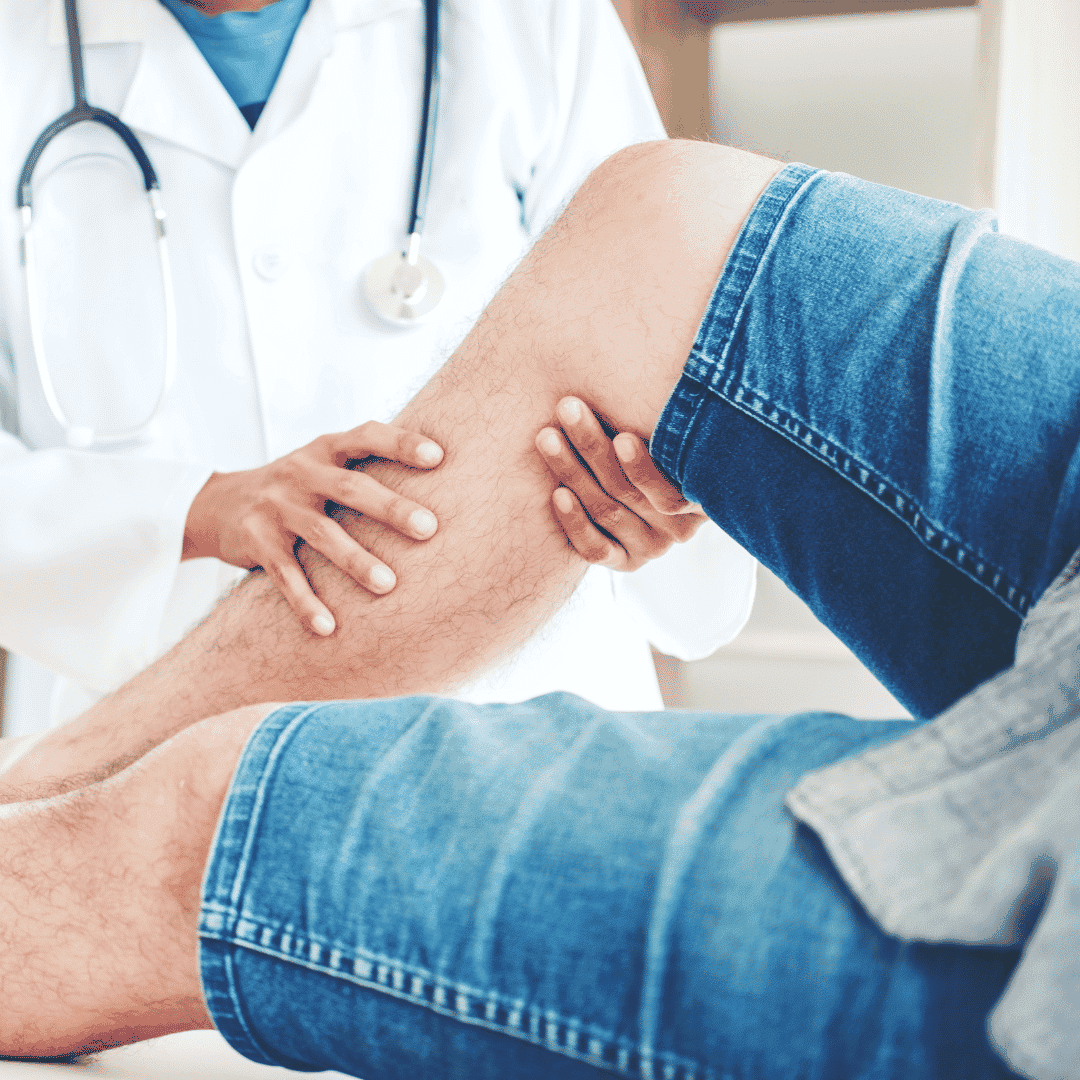
Price starting from $2,250
Stem Cell Therapy for Meniscus Tear in Thailand
- Stem Cell Therapy for a Meniscus Tear, Stem Cell Therapy
Thailand







