What treatment

What treatment
.jpg)
Live cell therapy in Japan is highly effective for anti-aging and skin rejuvenation. It utilizes cultured stem cells to boost collagen, repair damaged tissues, and reduce wrinkles. Treatments cost between $4,000 and $15,000 per session. Key Takeaways: Anti-Aging Excellence Cellular Restoration: Treatments target the root cause of aging by replenishing depleted fibroblasts and boosting natural collagen. Stringent Safety: All procedures are strictly governed by the Act on the Safety of Regenerative Medicine. Autologous Purity: Therapies utilize your own biological material, effectively eliminating the risk of immune rejection. Long-Lasting Results: Unlike synthetic fillers, biological rejuvenation provides structural skin improvements that last for years. How does live cell therapy in Japan work for anti-aging and skin rejuvenation? The treatment works by extracting your own healthy cells, multiplying them in a highly sterile laboratory, and reintroducing them into aging skin to stimulate intense structural repair. Fibroblasts are the foundation of youthful skin, responsible for producing collagen, elastin, and hyaluronic acid. As we age, the number and activity of these vital cells plummet dramatically, leading to sagging, deep wrinkles, and dullness. Regenerative medicine tackles this degradation at the cellular source by introducing millions of fresh, highly potent cells directly into the dermal layer of the face and neck. These newly introduced cells immediately begin synthesizing fresh structural proteins, restoring the natural elasticity and volume of the skin from the inside out. Furthermore, these cells secrete powerful growth factors that awaken your existing dormant tissues. This paracrine signaling effect essentially bio-hacks your facial tissue into behaving like dramatically younger skin. The continuous release of beneficial cytokines reduces micro-inflammation, which is a primary driver of the aging process known as inflammaging. Over time, the structural matrix of the face is naturally rebuilt without the need for synthetic dermal fillers or invasive surgical lifting procedures. This creates a deeply authentic and natural aesthetic improvement. What is the average live cell therapy cost in Japan? The financial investment for these advanced protocols typically ranges from $4,000 to $15,000, heavily dependent on the cellular yield required and the specific laboratory cultivation techniques used. This comprehensive price usually encompasses the entire medical journey, starting from the initial tissue extraction to the sophisticated laboratory expansion, and concluding with the final targeted administration procedure. While this initial output may seem higher than conventional cosmetic injectables, the profound biological restoration offers vastly superior long-term value for patients seeking permanent structural changes. Compared to equivalent cutting-edge therapies in North America or Western Europe, the pricing remains highly competitive. This affordability is due to a highly specialized medical infrastructure and a large volume of technological advancement within the nation. You gain access to world-renowned expertise without the heavily inflated costs found in Western aesthetic markets. Furthermore, many international packages generously cover pre-operative blood panels, mandatory infectious disease screening, and dedicated follow-up consultations. Patients must remember that suspiciously low prices might indicate compromised laboratory standards, making it crucial to prioritize absolute quality and rigorous government accreditation over finding the cheapest available option. How do I choose the best live cell therapy clinic in Japan? Choosing a top-tier facility requires verifying their official government certification under the regenerative medicine act. You should actively look for specialized centers that possess exceptional clinical standards. When evaluating your medical options, it is vital to select a facility that strictly adheres to the Ministry of Health, Labour and Welfare guidelines. A proper center will have a certified processing facility either securely on-site or partnered with a top-tier national medical laboratory. This ensures total cell viability, prevents contamination, and maximizes the anti-aging efficacy of your treatment. For example, Cell Grand Clinic in Osaka, Japan is highly recognized for its advanced regenerative protocols and personalized patient care. Finding a highly rated stem cell clinic in Japan ensures you receive specialized therapies that are meticulously tailored to your specific biological needs and aesthetic concerns. Transparency is another critical factor when making your decision. The best medical centers will provide absolutely clear information regarding the number of cells being cultured, the exact method of dermal administration, and realistic expectations for your skin rejuvenation journey. Avoid any facility that refuses to share laboratory certification details. Why is medical tourism in Japan growing for regenerative treatments? The massive influx of international patients seeking these therapies is primarily driven by the nations unparalleled legal framework, advanced laboratory infrastructure, and world-renowned clinical safety records. In 2014, the government proactively enacted the Act on the Safety of Regenerative Medicine. This groundbreaking legislation established a streamlined approval process while simultaneously enforcing incredibly rigorous safety standards. This allows specialists to offer cutting-edge therapies legally and safely, often years before they become available to patients in Western healthcare systems. Medical travelers also immensely benefit from the legendary hospitality and technical precision of local healthcare professionals. The clinical environment is characterized by immaculate hygiene protocols, state-of-the-art diagnostic imaging, and a deeply meticulous approach to personalized patient care. The attention to detail is truly unmatched globally. Many premium facilities cater specifically to international visitors by providing dedicated concierge services, medical interpreters, and streamlined documentation processes. Combining world-class cellular science with an ultra-advanced healthcare system makes this destination the undisputed global leader for individuals seeking serious and safe anti-aging solutions. What specific skin conditions can be treated with cellular therapies? Cellular therapies are exceptionally versatile, treating a wide array of degenerative skin issues by rebuilding the dermal architecture rather than just temporarily masking the superficial symptoms. Deep dynamic and static wrinkles across the forehead, around the delicate eyes, and deep nasolabial folds are significantly softened as the dermal matrix heavily thickens. Severe loss of skin elasticity and facial volume are directly addressed through the natural regeneration of dense collagen and elastin fibers deep within the tissue. Stubborn acne scars and profound textural irregularities are smoothly leveled out as healthy new cellular growth systematically replaces damaged, fibrotic scar tissue. Severe sun damage and stubborn hyperpigmentation fade visibly as the massive introduction of healthy cells normalizes melanin production and improves cellular turnover rates. Chronic skin dullness and poor micro-circulation are effectively reversed through the rapid formation of new micro-blood vessels, restoring a youthful, healthy glow. How long does it take to see results from these anti-aging treatments? Unlike synthetic dermal fillers that provide an instant but temporary plumping effect, regenerative therapies require patience as they rely heavily on natural biological rebuilding processes. Most patients begin to notice a very subtle improvement in skin hydration, brightness, and overall texture within the first three to four weeks following the injection. As the newly introduced biological materials successfully establish themselves and begin robust collagen synthesis, more profound structural changes gradually become visible between the three and six-month mark. The absolute peak results of the therapy typically manifest around nine to twelve months post-treatment. During this extended period, wrinkles continue to soften naturally, and the facial contours appear significantly lifted and much firmer. The gradual nature of the improvement ensures that no one will suspect you had a cosmetic procedure done. Because the treatment fundamentally alters the cellular age of the facial tissue, these incredible rejuvenating effects are exceptionally long-lasting, often remaining clearly visible for several years. Maintenance sessions can be strategically scheduled to prolong the biological youthfulness of the skin almost indefinitely. What types of cells are utilized for facial rejuvenation procedures? The most prevalent biological materials utilized for facial rejuvenation are autologous adipose-derived cells, alongside powerful dermal fibroblasts that target structural aging directly. Adipose-derived cells are carefully harvested from the patients own fat tissue, usually through a very minor and comfortable mini-liposuction procedure on the abdomen or inner thighs. Fat tissue is incredibly rich in regenerative properties, making it the globally preferred source for advanced cosmetic and anti-aging applications. Once extracted safely, the tissue is processed to isolate the vital components. Another highly effective approach involves culturing autologous dermal fibroblasts. A tiny biopsy is taken from behind the ear, where the skin is heavily protected from ultraviolet damage. These specific cells are absolute experts at producing dense collagen and elastin, making them a highly targeted weapon against severe facial aging and sagging. Some elite clinical protocols even combine both cell types alongside isolated exosomes to drastically maximize the regenerative signaling cascades within the aging skin. This multi-faceted approach ensures that every layer of the dermis receives the biological instructions needed to repair, firm, and rejuvenate completely. Are there any side effects associated with regenerative skin treatments? Because the gold standard protocols utilize autologous cells derived entirely from your own body, the risk of allergic reaction, tissue rejection, or disease transmission is virtually eliminated. The human immune system perfectly recognizes the injected biological material as self, ensuring a completely harmonious integration into the delicate facial tissues. This makes cellular therapy fundamentally safer and far more predictable than many synthetic implants, foreign biological products, or animal-derived cosmetic substances heavily used in the past. The minor side effects that do occur are almost exclusively related to the physical injection process itself rather than the cellular material. Patients may occasionally experience mild swelling, localized redness, or minor pinpoint bruising at the precise injection sites. These physical reactions are completely normal inflammatory responses that resolve quickly. Strict adherence to highly sterile laboratory environments and proper administration techniques minimizes any risk of post-procedure infection. Comprehensive blood screening prior to treatment ensures that only candidates with optimal cellular health proceed, further guaranteeing the absolute safety and brilliant efficacy of the entire rejuvenation process. Why choose PlacidWay for your regenerative medicine journey? PlacidWay connects you with globally recognized specialists, ensuring you receive safe, certified, and fully transparent care tailored exactly to your unique anti-aging goals. Rigorous Facility Vetting: We exclusively collaborate with fully accredited and government-licensed medical centers that maintain impeccable clinical safety records and operate certified, state-of-the-art cell cultivation laboratories. Complete Cost Transparency: Our dedicated team provides comprehensive, all-inclusive price quotes entirely upfront, fully eliminating hidden laboratory fees or unexpected medical expenses during your clinical journey. Dedicated Patient Coordination: You receive customized, continuous assistance from a dedicated care manager who expertly handles all complex medical communication between you and the leading regenerative specialists. Seamless Medical Record Transfer: We carefully facilitate the highly secure exchange of your preliminary health reports, diagnostic imaging, and consultation notes to ensure the clinical team is fully prepared. Ongoing Post-Treatment Support: Our deep commitment to your health continues long after your procedure concludes, with structured follow-up communication to carefully monitor your progress and satisfaction. Frequently Asked Questions Is regenerative medicine strictly regulated by the Japanese government? Yes, regenerative therapies are heavily regulated under the Act on the Safety of Regenerative Medicine. Facilities must pass stringent inspections by the Ministry of Health, Labour and Welfare and obtain specific licenses to culture and administer biological materials, ensuring the highest global safety standards. Can I combine cellular treatments with other cosmetic procedures in Tokyo or Osaka? Absolutely. Many patients choose to combine regenerative injections with non-invasive treatments like laser resurfacing or radiofrequency microneedling. However, it is essential to consult with your specialist, as some aggressive heat-based treatments might need to be spaced out to avoid damaging the newly introduced delicate cells. How long do the anti-aging effects of cellular therapies typically last? Because this therapy fundamentally reverses cellular aging rather than just masking wrinkles, the results are exceptionally durable. Most patients enjoy visible improvements in skin elasticity, volume, and texture for three to five years. Maintaining a healthy lifestyle and protecting the skin from sun damage can extend these benefits even further. Do Japanese specialists use autologous or allogeneic cells for skin rejuvenation? For anti-aging and facial rejuvenation, the overwhelming majority of top-tier centers utilize autologous cells, which means they are harvested from your own body. This protocol completely eliminates the risk of immune rejection or disease transmission, making it the safest and most effective method for cosmetic enhancement. Is there any downtime required after receiving cellular injections for the face? Downtime is remarkably minimal. Patients might experience slight redness, mild swelling, or tiny pinpoint bruises at the injection sites, but these typically subside within twenty-four to forty-eight hours. You can usually return to your normal daily activities almost immediately, though rigorous exercise and saunas should be avoided for a few days. Will I need to undergo multiple sessions to achieve optimal skin rejuvenation? While a single session containing tens of millions of cultured cells can produce dramatic anti-aging results, some specialists recommend a multi-step protocol depending on the severity of skin degradation. A comprehensive consultation will determine if you require a one-time intensive treatment or a series of smaller micro-injections over several months. Are language barriers a problem for international patients seeking care? Language is rarely an issue at premium facilities that cater to global patients. Top regenerative centers provide dedicated medical interpreters fluent in English and other major languages. These professionals accompany you during consultations, medical exams, and the procedure itself to ensure perfect communication and absolute peace of mind. Does a patients age affect the success rate of anti-aging therapies? Age can influence the initial yield and multiplication rate of harvested cells during the laboratory cultivation phase. However, advanced incubation technologies used by leading centers can successfully multiply cells even from patients in their seventies or eighties, ensuring a robust therapeutic dose that delivers significant rejuvenating effects regardless of your chronological age. How are the regenerative cells administered for facial rejuvenation purposes? The concentrated biological serum is typically administered using ultra-fine micro-needles or specialized mesotherapy guns directly into the dermal layer of the face, neck, or hands. Some protocols also include an intravenous drip component to promote systemic anti-aging and reduce cellular inflammation throughout the entire body. What medical records are required before starting cellular therapy? Before acceptance into a protocol, you will need to provide comprehensive blood test results, screening for infectious diseases such as HIV, Hepatitis B, and Hepatitis C, and a detailed medical history. This strict screening process is mandatory under national medical laws to ensure the safety and viability of the laboratory cultivation process. Start Your Anti-Aging Transformation Today Do not leave your cellular health to chance. PlacidWay connects you directly with internationally renowned, government-accredited clinics offering the most advanced regenerative therapies available. Receive a complimentary, no-obligation medical quote, obtain a personalized treatment plan from leading specialists, and unlock your skins youthful potential securely. Get Your Free Medical Quote * Responses are typically provided within 24 hours. Your medical privacy is strictly guaranteed....
Read more details.jpg)
PRP therapy in Tokyo improves skin texture and reduces aging by using your own concentrated blood platelets to stimulate collagen production and cellular renewal. This natural process smooths wrinkles, minimizes scars, and restores youthful radiance. Key Takeaways: Regenerative Skin Healing Natural Rejuvenation: Utilizes your bodys own biological material to reverse signs of aging without synthetic fillers. Collagen Stimulation: Highly concentrated growth factors trigger rapid production of essential skin proteins. Exceptional Safety: Autologous nature means zero risk of allergic reactions or biological rejection. Advanced Technology: Japanese clinics use high yield closed system centrifuges for maximum platelet density. Holistic Results: Effectively diminishes fine lines hyperpigmentation acne scars and uneven skin tone. How does the biological mechanism of platelet rich plasma reverse skin aging? The treatment isolates healing growth factors from your blood which are then reintroduced to the skin. These factors signal localized stem cells to multiply accelerating tissue repair and robust collagen generation. The fundamental science behind this remarkable treatment lies in the regenerative power of human blood. When you sustain an injury your body naturally rushes platelets to the site to form a clot and initiate the healing cascade. Platelets are essentially microscopic reservoirs packed with powerful proteins called growth factors. In aesthetic medicine doctors harness this exact mechanism but redirect it toward repairing the structural damage caused by environmental aging and chronological tissue breakdown. Once the highly concentrated serum is applied or injected into the dermal layers it acts as an intense biological catalyst. The growth factors immediately begin communicating with your existing skin cells instructing them to behave like much younger cells. This communication triggers a massive localized proliferation of fibroblasts which are the specific cells responsible for manufacturing fresh collagen and elastin. As these structural proteins accumulate they thicken the dermis restoring the plumpness that is typically lost with age. Furthermore this biological process stimulates angiogenesis which is the formation of new microscopic blood vessels. Enhanced blood flow means better oxygen and nutrient delivery to the superficial skin layers. This vascular improvement is what gives patients that coveted luminous glow clearing up dullness and creating a visibly healthier complexion from the inside out. The results are entirely natural because the structural improvements are built by your own body. What factors determine the average PRP therapy cost in Tokyo for international patients? The PRP therapy cost in Tokyo generally ranges from $400 to $1200 per session. Pricing depends heavily on the clinic reputation technology used for blood separation and whether complementary treatments are added. Understanding the financial investment required for regenerative aesthetics requires looking at several variables. The baseline cost for extracting and preparing the plasma is just one component. The specific type of centrifuge technology plays a massive role in pricing. Standard processing might be more affordable but premium facilities utilize advanced closed system kits that yield up to five times the normal concentration of platelets. These high yield kits naturally carry a higher price tag but offer significantly superior clinical outcomes. Another major factor influencing the PRP therapy cost in Tokyo is the delivery method chosen by your physician. Simple topical application following a standard facial is the most economical route. However direct targeted injections into deep wrinkles or the delicate under eye area require extensive medical expertise and precision thus increasing the procedural fee. Many patients opt to combine their session with medical grade microneedling which adds to the overall invoice but maximizes the absorption of the biological serum. Finally the geographic location of the facility and the credentials of the presiding dermatologist affect the final quote. Centers located in prestigious districts like Ginza or Omotesando often have higher overhead costs which reflect in their pricing structures. When planning a budget international visitors must also consider potential consultation fees English interpretation services and prescribed post care dermatological products that support the healing process. How do you select the best PRP therapy clinic in Tokyo for anti aging treatments? Choosing the right PRP therapy clinic in Tokyo requires verifying the credentials of the medical staff reviewing hygiene protocols and ensuring the facility uses FDA or PMDA approved centrifuge technologies. Identifying a premier establishment in a vast metropolis requires diligent research and attention to medical standards. The absolute first step is ensuring that the facility is officially registered with the Japanese Ministry of Health Labor and Welfare. Because this procedure involves handling human blood it must strictly be performed in a highly regulated clinical environment not a standard beauty salon. You want to look for board certified dermatologists or plastic surgeons who specialize specifically in regenerative medicine. When evaluating a potential PRP therapy clinic in Tokyo inquire directly about their preparation protocols. The effectiveness of your treatment relies entirely on the quality of the plasma extracted. Ask what brand of centrifuge they use and what platelet concentration ratio they guarantee. High end centers pride themselves on transparency and will gladly explain their laboratory processes emphasizing their commitment to maximizing growth factor yields safely. Patient experiences and before and after portfolios are also critical indicators of clinical competence. Look for facilities that can demonstrate consistent natural looking results across various age groups and skin types. Excellent centers will offer comprehensive initial consultations where they thoroughly assess your skin health discuss realistic expectations and explicitly map out a customized treatment schedule tailored precisely to your unique biological aging concerns. What are the main benefits of exploring medical tourism in Tokyo for regenerative care? Engaging in medical tourism in Tokyo offers access to world renowned precision cutting edge medical technology and impeccable clinical hygiene all while allowing patients to experience a rich cultural destination. Japan has quietly emerged as a global powerhouse in the field of regenerative medicine and biological therapies. The primary advantage of traveling here is the unparalleled level of meticulousness that characterizes Japanese medical culture. Doctors in this country are known for their exacting precision and conservative approach aiming for subtle undeniable perfection rather than overdone artificial looks. This philosophy perfectly aligns with treatments designed to restore natural youthfulness rather than alter facial anatomy. Another significant driver for medical tourism in Tokyo is the integration of advanced technology. The nation invests heavily in medical research ensuring that clinics are equipped with the absolute latest in diagnostic imaging and cellular processing equipment. Patients benefit from sophisticated skin analysis devices that map hidden sun damage and deeper structural weaknesses allowing doctors to target injections with mathematical accuracy rather than just visual guesswork. Beyond the clinical excellence the overall patient experience in Japan is characterized by exceptional hospitality known as omotenashi. International patients are treated with profound respect and care from the moment they step into the lobby. Facilities maintain astonishing levels of cleanliness and organization minimizing any anxiety associated with receiving medical treatments abroad. Combining this superior healthcare experience with the opportunity to explore a fascinating modern city makes it an highly attractive option for health conscious travelers. Expert Insight The Japanese approach to regenerative dermatology treats the skin as an organ rather than just a canvas. By optimizing the cellular environment prior to introducing concentrated growth factors doctors achieve significantly longer lasting aesthetic results. What specific aging signs does PRP therapy in Tokyo address most effectively? This biological treatment excels at reversing textural irregularities volumetric volume loss and cumulative sun damage by rebuilding the foundational architecture of the skin from within. Fine Lines and Crepey Skin: Effectively smooths out delicate wrinkles particularly around the thin skin of the eyes and mouth where traditional fillers might appear too bulky. Deep Nasolabial Folds: Helps plump the deep lines running from the nose to the mouth by stimulating localized collagen matrices beneath the fold. Under Eye Hollows: Thickens the delicate under eye dermis reducing the appearance of dark circles caused by visible blood vessels and tissue thinning. Acne Scarring: Promotes cellular turnover that gradually fills in atrophic depressions smoothing the overall surface texture. Sun Damage and Pigmentation: Accelerates the shedding of melanin heavy superficial cells resulting in a more uniform and radiant complexion. Overall Skin Laxity: Restores mild to moderate firmness across the jawline and cheeks by regenerating the elastic fibers that keep skin taut. How do advanced Japanese processing techniques improve the quality of extracted plasma? Japanese facilities often utilize proprietary double spin centrifugation methods that precisely isolate platelets from red and white blood cells yielding a purer and vastly more potent regenerative serum. The success of regenerative treatments rests entirely on the quality and concentration of the harvested biological material. Basic systems often involve a single spin cycle which separates the blood but leaves a significant amount of inflammatory white blood cells and heavy red blood cells mixed with the plasma. This impure mixture can cause unnecessary swelling and provides a suboptimal concentration of the desired growth factors reducing the overall efficacy of the session. In contrast leading aesthetic centers employ advanced double spin protocols. The first spin separates the plasma from the heavy red cells. The second precisely calibrated spin concentrates the platelets into a tiny highly dense fraction often referred to as the buffy coat. This meticulous refinement process ensures that the final injectable liquid is incredibly pure containing almost zero red blood cells and a massively amplified platelet count compared to whole blood. Furthermore some innovative facilities in the region enhance the serum by adding specific biocompatible activators right before injection. These activators signal the platelets to release their growth factors immediately upon entering the dermal tissue maximizing the regenerative impact. The strict temperature controls and precise timing adhered to by laboratory technicians ensure that the delicate proteins remain viable and fully active throughout the entire procedure. What is the typical recovery protocol after receiving cosmetic blood injections in Japan? Recovery is remarkably swift typically requiring only one to three days of social downtime. Patients must avoid direct sunlight harsh skincare ingredients and strenuous exercise while the micro channels heal. One of the most appealing aspects of autologous biological treatments is the minimal downtime required. Immediately following the procedure your face will likely appear flushed similar to a mild sunburn and you may feel a slight tightness. The clinic will apply a soothing cooling mask and provide specific instructions on how to care for your skin during the critical first twenty four hours. It is imperative not to wash the face immediately allowing the topical serum to fully penetrate the micro channels. By the second day the initial redness significantly subsides though minor pinpoint bruising at specific injection sites might become visible. Patients are instructed to use only gentle hydrating cleansers and to apply generous amounts of specialized barrier repair creams provided by the dermatologist. All active skincare ingredients like retinoids alpha hydroxy acids and vitamin C serums must be strictly avoided for at least five to seven days to prevent intense irritation. Strict sun protection is the most vital component of the recovery protocol. Because the skin barrier is temporarily compromised it is highly susceptible to UV damage which can lead to post inflammatory hyperpigmentation. Japanese specialists emphasize the mandatory use of broad spectrum mineral sunscreens and physical barriers like wide brimmed hats whenever stepping outside. Normal daily activities can be resumed almost immediately but rigorous workouts saunas and hot yoga should be paused for a few days to minimize swelling. How do specialized centers like HELENE Clinic integrate cellular extraction with holistic anti aging? Advanced facilities combine precise platelet extraction with comprehensive dermatological assessments creating deeply customized protocols that address underlying cellular degradation rather than just superficial symptoms. Integrating advanced regenerative medicine into cosmetic dermatology requires exceptional clinical standards and profound biological understanding. Facilities renowned for these treatments often combine concentrated plasma with broader cellular therapies to achieve unparalleled results. A prime example of this innovative approach is the highly respected HELENE - Stem Cell Clinic in Tokyo, Japan which represents the absolute pinnacle of Japanese medical innovation and regenerative safety. At such elite clinics the focus shifts dramatically from merely treating visible symptoms to fundamentally repairing the skin architecture at a cellular level. Medical professionals utilize state of the art laboratory environments to isolate the absolute most potent growth factors from your blood sample. This highly concentrated biological serum is then meticulously delivered into targeted areas stimulating rapid collagen synthesis and deep tissue repair with incredible precision. Patients visiting these top tier establishments benefit immensely from a holistic comprehensive approach to anti aging. The treatment plans are carefully customized based on exhaustive dermatological assessments ensuring that the autologous materials are utilized exactly where they are needed most. This profound dedication to diagnostic precision biological safety and completely natural results is exactly what sets Japanese regenerative aesthetics apart on the global stage. Did You Know? The concentrated serum extracted from your blood is sometimes referred to as liquid gold in the aesthetic industry due to its distinct yellowish hue and its incredibly high inherent value in tissue regeneration and anti aging medicine. Why Choose PlacidWay for booking regenerative medicine treatments in Japan? PlacidWay acts as your reliable advocate providing access to strictly vetted clinics transparent financial breakdowns and dedicated bilingual support to navigate complex foreign healthcare systems effortlessly. Strict Clinic Vetting: We exclusively partner with medically accredited and government certified facilities ensuring that you receive care in environments that maintain the highest rigorous safety standards. Transparent Pricing: We provide clear comprehensive cost breakdowns so you know exactly what your regenerative treatment entails protecting you from unexpected or hidden clinical fees. Dedicated Patient Support: Our professional care team assists with medical document translation and facilitates direct preliminary communication with your chosen aesthetic specialist. Unbiased Guidance: We offer objective factual information about various certified clinics empowering you to make highly informed decisions regarding your healthcare and biological treatments. Treatment Customization: We help carefully align your specific aesthetic desires and anti aging goals with the right medical professionals who specialize in tailored regenerative therapies. Frequently Asked Questions Is platelet rich plasma painful when injected into the face? Most patients experience minimal discomfort during the procedure. Clinics in Japan typically apply a highly effective topical numbing cream for about thirty minutes before the injections begin. Some facilities also offer localized cooling devices to further minimize any stinging sensation making the overall experience quite tolerable. Can I wear makeup immediately after a facial blood plasma treatment? Dermatologists strongly advise against applying makeup for at least twenty four to forty eight hours post treatment. The micro channels created during the injection process remain open temporarily making the skin vulnerable to bacteria and irritation. Keeping the face clean allows the healing factors to absorb fully without interference. Are there any side effects associated with autologous plasma injections? Because the treatment uses your own biological material the risk of allergic reactions is virtually nonexistent. Typical side effects are mild and include temporary redness pinpoint bleeding minor swelling and occasional bruising at the injection sites. These issues generally resolve on their own within a few days. How long do the anti aging effects of facial plasma last? While individual biological responses vary most patients enjoy visible improvements for twelve to eighteen months. The newly stimulated collagen provides long term structural support to the dermal layers. Maintaining a healthy lifestyle and following a good skincare routine can significantly extend these rejuvenating benefits over time. Can plasma therapy completely cure severe facial acne scars? It is highly effective at reducing the depth and visibility of atrophic acne scars by stimulating tissue regeneration. However complete eradication of severe deep ice pick scars may require a multimodal approach. Japanese specialists often combine this therapy with fractional lasers or subcision for the most dramatic scar revision outcomes. Is a special medical visa required for short cosmetic appointments in Japan? For short non invasive treatments that require only a few hours at the clinic most international patients can simply enter using a standard tourist visa or visa waiver program depending on their nationality. A dedicated medical visa is generally only necessary for extended hospitalizations or long term treatment plans. How do Japanese facilities ensure the safety of blood processing? Medical regulations in Japan are exceptionally stringent regarding biological materials. Facilities utilize closed system sterile centrifuges that prevent airborne contamination during the separation process. Furthermore strictly enforced clinical protocols guarantee that all equipment is single use and appropriately disposed of after every individual patient session. Is it safe to combine microneedling with my plasma session? Yes combining these two modalities is exceptionally safe and highly recommended. Microneedling creates thousands of microscopic pathways in the epidermis allowing the concentrated growth factors to penetrate deeply and evenly across the entire face. This synergistic approach amplifies collagen production significantly more than either treatment performed alone. What activities should I avoid before having my blood drawn? Patients are advised to stop taking blood thinning medications and supplements such as aspirin ibuprofen and fish oil for at least one week prior to the session to prevent excessive bruising. Additionally it is crucial to stay highly hydrated and avoid heavy alcohol consumption for forty eight hours before the draw to ensure optimal plasma quality. Do top tier Japanese aesthetic centers provide English translators? Many prominent centers catering to international visitors employ dedicated in house medical interpreters to bridge any communication gaps. For those that do not agencies facilitate the process by arranging certified medical translators who accompany patients during consultations ensuring that all clinical details and aesthetic goals are perfectly understood. Start Your Skin Transformation Journey Today Discover the ultimate in regenerative aesthetics. PlacidWay connects you with verified government certified clinics specializing in biological anti aging therapies. Get a free no obligation quote and let our experts help you design a customized treatment plan. Get Your Free Quote * Responses typically within 24 hours. Privacy completely guaranteed....
Read more details.png)
Yes, anti-aging stem cell therapy is fully legal in Japan. It is strictly regulated under the Act on the Safety of Regenerative Medicine (ASRM) passed in 2014, ensuring that all treatments meet the highest safety, ethical, and scientific standards for systemic rejuvenation. If you are asking yourself, "Is anti-aging stem cell therapy legal in Japan?" you will be pleased to know that the answer is a definitive yes. Japan has firmly established itself as a global powerhouse in the field of regenerative medicine. Unlike many regions where these advanced medical treatments exist in a legally ambiguous gray area, Japan has taken a highly structured, government-backed approach. The Japanese government recognizes the immense potential of cellular therapies for systemic rejuvenation and longevity, choosing to strictly regulate the industry to protect patients rather than restricting access to innovation. The landscape of regenerative medicine in Japan changed dramatically in 2014 with the introduction of the Act on the Safety of Regenerative Medicine (ASRM). This legislation created a clear, safe, and legal pathway for medical facilities to offer stem cell treatments to both domestic citizens and international patients. For individuals seeking to combat cellular decline, reduce chronic inflammation, and restore youthful vitality, Japan stem cell laws provide an unparalleled safety net. Every single step of the process—from your very first medical consultation to the culturing of your cells in pristine, government-inspected laboratories—is meticulously monitored. By combining rigorous legal frameworks with cutting-edge biotechnology, Japan offers a unique environment where patients do not have to compromise on safety to access advanced anti-aging treatments. Throughout this comprehensive guide, we will answer the most common questions about the specific legalities, safety protocols, available treatment options, and the overall stem cell treatment cost in Japan to help you make a fully informed decision about your health and longevity journey. How does Japan regulate stem cell therapy for anti-aging? Japan regulates stem cell therapy through the Ministry of Health, Labour and Welfare (MHLW). Clinics must submit detailed treatment plans to an independent certified committee and use highly regulated cell processing centers to legally treat patients. Japan’s approach to overseeing regenerative medicine is widely considered the gold standard globally. The government acts as the primary governing body, ensuring that all legal stem cell clinics in Japan adhere to strict scientific and ethical protocols. To offer any form of cellular therapy, a medical facility cannot simply open its doors and begin treating patients. Instead, they must draft an exhaustive treatment protocol detailing the exact type of cells being used, the medical condition being targeted—such as systemic anti-aging—and the expected safety outcomes. This protocol is then reviewed by a highly specialized, independent committee composed of medical experts, bioethicists, and legal professionals. Only after this committee approves the plan can the clinic officially register with the government. Furthermore, authorities continuously monitor these facilities, requiring mandatory reporting on patient outcomes. This ongoing surveillance ensures that regenerative medicine in Japan remains safe, transparent, and highly effective. What is the Act on the Safety of Regenerative Medicine (ASRM)? The ASRM is a 2014 Japanese law that provides a strict legal framework for regenerative medicine. It ensures that stem cell therapies are administered safely by requiring clinics to register their treatment protocols with the government. The Act on the Safety of Regenerative Medicine (ASRM) is the absolute cornerstone of Japan stem cell laws. Enacted in late 2014, this groundbreaking legislation was specifically designed to accelerate the clinical application of regenerative therapies while fiercely protecting patient safety. Prior to this act, cellular therapies often fell into regulatory loopholes worldwide. The ASRM classifies stem cell treatments into three distinct risk categories based on the level of cellular manipulation. Most anti-aging treatments fall under Class II, which involves cultured adult stem cells and requires rigorous oversight and approval from a specialized committee. By creating this dedicated legal framework, Japan successfully eliminated underground, unregulated practices. Patients traveling from abroad can rest assured that any clinic operating under the ASRM is legally bound to uphold the highest standards of medical care, ethical sourcing, and laboratory processing. Are stem cell anti-aging treatments safe in Japan? Yes, stem cell anti-aging treatments in Japan are considered some of the safest in the world. Strict government regulations guarantee that only vetted protocols, highly sterile laboratory environments, and qualified medical professionals are involved. When considering cellular therapies, safety is naturally the top priority for patients. Because anti-aging stem cell therapy legal in Japan operates under such a watchful eye, the safety profile is incredibly high. The government leaves no room for experimental guesswork when it comes to patient well-being. Safety starts with the initial patient screening. Before any treatment begins, patients undergo comprehensive blood work and medical evaluations to ensure they are ideal candidates. Furthermore, the laboratory processes used to isolate and multiply the cells are performed in heavily guarded cleanrooms to completely eliminate the risk of contamination. Additionally, doctors administering these therapies must possess specific qualifications. The combination of licensed specialists, sterile cell processing, and continuous government reporting makes regenerative medicine in Japan a benchmark for global medical safety. What types of stem cells are legally used for anti-aging in Japan? Legally approved stem cells for anti-aging in Japan typically include autologous adipose-derived mesenchymal stem cells (from your own fat) and allogeneic umbilical cord-derived stem cells, depending on the clinic's approved protocol. Under Japan stem cell laws, medical facilities can utilize different types of cells, provided they have submitted the specific protocol for government review. The most common and widely trusted option for systemic rejuvenation is autologous adipose-derived mesenchymal stem cells. This means the cells are extracted from your own body fat, processed, and reintroduced to your system, eliminating any risk of rejection. Another highly effective option approved in certain legal clinics is the use of umbilical cord-derived mesenchymal stem cells. These are ethically sourced from healthy, full-term donor births. Because umbilical cord cells are incredibly young and robust, they are highly sought after for their potent anti-inflammatory and anti-aging treatments. Your physician will help you decide which cellular source is best suited for your specific biological needs, ensuring that whichever option you choose is fully compliant with national safety standards. Can foreigners legally get stem cell therapy in Japan? Absolutely. Foreigners and medical tourists can legally receive stem cell therapy in Japan. International patients must follow the exact same strict medical screenings and legal consent processes as Japanese citizens. Japan is highly welcoming to international patients seeking advanced healthcare. You do not need to be a resident or citizen to access anti-aging stem cell therapy legal in Japan. The country has a booming medical tourism sector specifically catering to individuals looking for longevity solutions. However, being an international patient does not mean you can bypass the rules. Foreigners are subjected to the exact same stringent medical evaluations as locals. You will be required to provide medical history, undergo extensive blood testing, and sign legally mandated informed consent forms that outline your treatment. Many legal stem cell clinics in Japan offer translation services and dedicated patient coordinators to ensure that language barriers do not interfere with your understanding of the treatment or the strict legal protocols protecting you. What is the cost of anti-aging stem cell therapy in Japan vs other countries? The cost of stem cell therapy in Japan ranges from $15,000 to $35,000. While more expensive than countries like Mexico or Turkey, Japan offers unparalleled legal safety, strict government oversight, and advanced cellular processing technology. Understanding the stem cell treatment cost in Japan requires looking at the global landscape of regenerative medicine. Because Japan enforces such strict legal and laboratory standards, the price is inherently higher than in lightly regulated medical tourism destinations. However, patients are paying for guaranteed safety, high cell viability, and profound legal protection. Country Average Cost Range (USD) Regulatory Environment Japan $15,000 - $35,000 Highly Regulated (ASRM law) United States $20,000 - $50,000 Highly Regulated (FDA strict limits) South Korea $10,000 - $35,000 Moderately Regulated Mexico $3,500 - $15,000 Lightly Regulated Turkey $3,000 - $15,000 Lightly Regulated While you can find cheaper options in countries with minimal oversight, the risk of receiving unviable cells or suffering complications increases significantly. In Japan, the higher cost directly correlates with the superior quality control mandated by the Act on the Safety of Regenerative Medicine (ASRM). Why is stem cell therapy for anti-aging so expensive in Japan? The high cost of stem cell therapy in Japan reflects strict legal compliance, the use of government-certified Cell Processing Centers (CPCs), rigorous safety testing, and highly specialized cellular expansion processes. The stem cell treatment cost in Japan often surprises international patients, especially when comparing it to less regulated regions. The primary reason for this premium pricing is the absolute adherence to Japan stem cell laws. Maintaining this level of legality and safety requires immense financial investment from the clinics. First, operating or partnering with a Certified Cell Processing Center (CPC) is incredibly costly. These laboratories must maintain strict cleanroom standards, utilize medical-grade reagents, and employ highly specialized cellular biologists. Every batch of cells is rigorously tested for viability, sterility, and optimal count before it is ever cleared for infusion. Additionally, the administrative burden of being a legal stem cell clinic in Japan involves continuous reporting to government committees. Clinics pay significant fees for independent ethical reviews and ongoing compliance monitoring. Ultimately, you are not just paying for a medical procedure; you are investing in unmatched cellular quality. Is stem cell therapy FDA-approved or MHLW-approved in Japan? In Japan, stem cell therapy is not regulated by the US FDA, but rather by Japan's Ministry of Health, Labour and Welfare (MHLW). Clinics must have their specific treatment plans reviewed and accepted under MHLW guidelines. A common point of confusion for North American patients is looking for FDA approval abroad. Because you are seeking treatment in Asia, the US Food and Drug Administration (FDA) has no jurisdiction. Instead, regenerative medicine in Japan is strictly governed by the Ministry of Health, Labour and Welfare (MHLW). The MHLW serves a similar purpose to the FDA by ensuring public safety, but it operates under the specific, forward-thinking Act on the Safety of Regenerative Medicine (ASRM). Rather than universally approving or denying stem cells as a blanket drug, the MHLW evaluates and approves specific clinic protocols. If a clinic's methodology, laboratory processing, and patient care plan meet the government's rigorous standards, they are granted permission to treat patients. This allows for faster access to safe, innovative anti-aging treatments than is currently possible under strict FDA regulations in the US. What are the legal requirements for a stem cell clinic in Japan? A legal stem cell clinic in Japan must possess a valid MHLW Notification Number, employ certified specialists, operate or partner with a licensed Cell Processing Center, and maintain continuous reporting of patient outcomes. The barriers to entry for opening a legal stem cell clinic in Japan are purposefully high to protect patients from malpractice. The very first requirement is submitting a detailed regenerative medicine provision plan to a certified special committee. This plan must pass intense ethical and scientific scrutiny. Once approved, the clinic receives an official notification number from the government. Furthermore, the clinic is legally forbidden from processing cellular tissues in a standard back room. They must either build an extraordinarily expensive, government-certified in-house laboratory or contract out to a licensed third-party Cell Processing Center. Finally, the medical staff must possess specific credentials in regenerative medicine, and the clinic is legally bound to track patient progress and report any side effects. This framework ensures that anti-aging stem cell therapy legal in Japan remains totally transparent. What is a Certified Cell Processing Center (CPC) in Japan? A Certified Cell Processing Center (CPC) is a highly sterile, government-inspected laboratory where stem cells are isolated, multiplied, and tested. Japanese law mandates that all stem cells be processed in a CPC. A Certified Cell Processing Center (CPC) is the technological heart of regenerative medicine in Japan. By law, medical facilities cannot simply process biological tissues in a standard clinic environment. The government mandates that all cellular manipulation occurs inside a highly regulated, sterile CPC. These specialized facilities are equipped with state-of-the-art cleanrooms that meticulously control air quality, temperature, and humidity to prevent any possibility of bacterial contamination. When a patient undergoes anti-aging treatments, their cells are transported to one of these centers to be isolated and cultivated over several weeks. The CPC must pass rigorous, periodic inspections by the health ministry to maintain its certification. This ensures that by the time your cells are ready for your anti-aging infusion, they are biologically potent, entirely free of pathogens, and strictly compliant with Japan stem cell laws. How do I verify if a Japanese stem cell clinic is legal? To verify a Japanese stem cell clinic's legality, ask for their official MHLW treatment plan registration number. You should also confirm they use a certified CPC and offer transparent, itemized pricing without making unrealistic promises. Because medical tourism requires a significant investment of time and money, doing your due diligence is essential. The easiest way to verify if anti-aging stem cell therapy legal in Japan is being practiced correctly at your chosen facility is to ask for their MHLW Notification Number. Every legal clinic will proudly display or provide this number upon request. Next, inquire about their laboratory standards. Ask them directly where your cells will be processed. A reputable, legal stem cell clinic in Japan will transparently name their partnered Certified Cell Processing Center or show you their in-house facility credentials. Finally, gauge their honesty during the consultation. Clinics operating under the Act on the Safety of Regenerative Medicine (ASRM) are required to provide realistic expectations and disclose potential risks. If a clinic promises miraculous, overnight cures, it is a red flag. Legitimate clinics focus on science, not aggressive sales tactics. What happens during a legal stem cell consultation in Japan? During a legal consultation in Japan, you will undergo thorough medical screening, blood tests, and a detailed discussion of the treatment plan, expected outcomes, and potential risks, followed by a strict informed consent process. When you arrive for your consultation, the experience will feel highly clinical and meticulously organized. The first step involves a comprehensive health screening. Doctors will review your medical history, current medications, and run extensive blood panels to rule out infectious diseases or underlying conditions that might disqualify you from treatment. Once you are medically cleared, the physician will explain the exact science behind the anti-aging treatments. They will discuss how the cells are harvested, how they are processed in the laboratory, and how they will be reintroduced into your body via intravenous infusion. The final, legally crucial step under Japan stem cell laws is the informed consent process. The clinic must provide documentation outlining realistic expectations, the exact stem cell treatment cost in Japan without hidden fees, and any minor risks involved. You must sign these documents before any physical procedure begins. What are the expected results of anti-aging stem cell therapy? Patients undergoing anti-aging stem cell therapy in Japan often report improved skin elasticity, reduced chronic inflammation, enhanced energy levels, better sleep quality, and overall systemic rejuvenation at a cellular level. It is important to understand that regenerative medicine in Japan focuses on systemic health from the inside out. While many patients seek these therapies for cosmetic improvements, true anti-aging happens at the cellular level. Stem cells naturally seek out areas of inflammation and tissue damage within the body to initiate repair. In the weeks and months following the treatment, patients commonly report a profound surge in natural energy and a reduction in chronic joint or muscle aches. This is due to the potent anti-inflammatory properties of the infused cells. Furthermore, improvements in sleep quality and cognitive clarity are frequently noted. On an aesthetic level, because stem cells stimulate the production of collagen and elastin, patients often experience noticeably firmer, more radiant skin. By addressing the root causes of aging, anti-aging stem cell therapy legal in Japan provides a holistic restoration of youthful vitality. How long does the anti-aging stem cell procedure take in Japan? The entire process typically requires two visits to Japan. The first visit involves a few days for harvesting and screening, followed by a 3 to 4-week cell culturing period, and a second short visit for the actual intravenous infusion. The timeline for receiving cellular therapy is dictated by biology and strict Japan stem cell laws. If you are using your own autologous cells, you should plan for two separate trips. The initial visit will take about 2 to 3 days. During this time, you will have your medical consultation, blood tests, and the minor procedure to extract a small sample of adipose (fat) tissue. After you return home, your cells are sent to the Certified Cell Processing Center. Here, scientists spend the next 3 to 4 weeks carefully cultivating your cells until they multiply into tens of millions of potent, viable stem cells. The laboratory takes its time to ensure the highest quality required by the Act on the Safety of Regenerative Medicine (ASRM). Once the cells are ready, you will return to the legal stem cell clinic in Japan for your second visit. The actual infusion process is simple and usually takes just a few hours via an IV drip. You can generally fly back home the very next day. Are there any risks associated with legal stem cell therapy in Japan? While highly regulated and safe, minor risks include temporary swelling or bruising at the extraction site. Serious complications are extremely rare in Japan due to the strict laboratory protocols and legal safety nets. When discussing advanced medical treatments, it is essential to understand potential side effects. However, because anti-aging stem cell therapy legal in Japan is so strictly governed, the risks are remarkably low compared to unregulated medical markets. Most patients experience only mild, temporary side effects related to the physical procedure itself. For instance, if you are using your own fat cells, you may feel slight bruising, tenderness, or swelling at the mini-liposuction site. Similarly, the intravenous infusion site may be mildly sore or tired for a day or two as your body processes the anti-aging treatments. Severe complications, such as infections or cell rejection, are incredibly rare at any legal stem cell clinic in Japan. This high safety profile is a direct result of the mandatory use of certified laboratories and the rigorous pre-treatment medical screenings required by the government. Is umbilical cord stem cell therapy legal in Japan for anti-aging? Yes, the use of allogeneic umbilical cord stem cells is legal in Japan, provided the clinic has submitted the specific treatment protocol and received official approval from a certified committee under the ASRM regulations. While many patients choose to use their own biological material, there is growing interest in allogeneic therapies—specifically, umbilical cord-derived mesenchymal stem cells. Under Japan stem cell laws, utilizing donor cells is completely legal, but it requires an even higher level of regulatory scrutiny. A clinic wishing to offer these specific anti-aging treatments must source the umbilical cords ethically from healthy, full-term births, following intense donor screening for infectious diseases and genetic conditions. The government closely monitors the supply chain and laboratory expansion of these donor cells. Umbilical cord cells are favored by some because they are "day zero" cells, possessing massive anti-inflammatory power and vitality. If you opt for this route, you save time by avoiding the fat extraction process, though you must ensure your chosen clinic holds the specific MHLW approval for allogeneic therapies. Does Japanese health insurance cover anti-aging stem cell therapy? No, Japanese national health insurance does not cover anti-aging stem cell therapy. Because it is considered an elective, regenerative, and aesthetic treatment, patients must pay entirely out-of-pocket. A common question regarding the stem cell treatment cost in Japan is whether insurance will help offset the financial burden. The short answer is no. Japanese National Health Insurance is designed to cover medically necessary, standard-of-care treatments for illnesses and injuries. Because stem cell therapy for longevity and systemic rejuvenation is classified as an elective, preventive, and regenerative procedure, it falls outside the scope of public insurance coverage. The same applies to international health insurance plans, which rarely cover medical tourism for anti-aging purposes. Therefore, patients should be fully prepared to cover the costs out-of-pocket. Reputable clinics will provide a fully itemized quote during the consultation phase so that there are absolutely no financial surprises regarding your regenerative medicine in Japan experience. How does the cell culturing process work legally in Japan? Under Japanese law, extracted cells are sent to a licensed facility where they are cultivated for several weeks to multiply into tens of millions of viable cells, ensuring a high-quality, potent dose for anti-aging therapy. The magic of cellular rejuvenation does not happen in the operating room; it happens in the laboratory. Once a doctor extracts a small sample of your fat tissue, it contains only a fractional amount of stem cells. To achieve systemic anti-aging treatments, you need millions of cells. Under the Act on the Safety of Regenerative Medicine (ASRM), the tissue is securely transported to a Certified Cell Processing Center. Inside a sterile hood, scientists isolate the mesenchymal stem cells from the fat tissue. They then place these cells in a nutrient-rich culture medium inside an incubator that mimics the human body's temperature and oxygen levels. Over the next 3 to 4 weeks, the cells naturally divide and multiply. Before they are released back to the legal stem cell clinic in Japan, scientists run strict quality control tests to count the cells and verify they are entirely free of bacteria, ensuring maximum safety and efficacy. Why choose Japan over other countries for regenerative anti-aging? Choosing Japan for regenerative anti-aging guarantees you are receiving therapies grounded in Nobel-prize-winning science, backed by the world's most comprehensive legal framework, ensuring unmatched safety and quality control. The decision to travel for medical treatments is significant, but Japan makes the choice easy for those who prioritize safety and scientific excellence. The foundation of regenerative medicine in Japan is built on decades of intensive research, highlighted by global scientific accolades and Nobel-prize-winning discoveries in cellular biology. Unlike regions where clinics operate with minimal oversight, making it difficult to verify the safety of the cells being injected into your body, Japan stem cell laws remove the guesswork. The ASRM provides a crystal-clear framework that holds doctors and laboratories highly accountable to the government. Ultimately, when you choose to seek anti-aging stem cell therapy legal in Japan, you are investing in peace of mind. You receive world-class hospitality, precise medical care, and the confidence that you are receiving the safest, most advanced regenerative treatments available in the world today. If you are ready to explore your options for safe, legally compliant regenerative medicine, PlacidWay can connect you with top-rated, fully certified medical facilities. Contact PlacidWay today to find the perfect solution for your anti-aging and healthcare needs....
Read more detailsDiscover your treatment options with a free, no-obligation quote!
Get your quote now!.png)
Anti-aging treatments in Malaysia are highly effective due to strict Ministry of Health regulations, the use of FDA-approved technologies, and the expertise of LCP-certified aesthetic doctors. If you have been looking in the mirror lately and noticing a few more fine lines or a lack of that youthful glow, you are definitely not alone. The quest for the fountain of youth has led many people to look beyond their borders, and anti-aging treatments in Malaysia have become a massive topic of conversation. But does it actually work? Is it safe? And most importantly, is it worth the trip? The short answer is yes. Malaysia has rapidly evolved into a world-class hub for medical tourism, specifically for aesthetic and regenerative medicine. With a unique combination of affordability, advanced technology, and highly qualified specialists, the country offers results that rival those in the US, UK, or Australia—often at a fraction of the price. Whether you are interested in non-invasive lasers, injectables, or advanced stem cell therapy, Malaysia provides a safe and effective environment to rejuvenate your appearance. In this guide, we will answer every burning question you might have about getting anti-aging procedures in Malaysia, from the real costs to safety standards and recovery times. What are the most popular anti-aging treatments in Malaysia? The most popular treatments include Stem Cell Therapy, PRP (Platelet-Rich Plasma), Botox and Dermal Fillers, HIFU (High-Intensity Focused Ultrasound), and laser skin resurfacing. Malaysia offers a comprehensive range of aesthetic treatments that cater to different needs, from subtle enhancements to deep rejuvenation. The most sought-after procedures are often non-surgical or minimally invasive, allowing tourists to enjoy their holiday with little downtime. Botox and Dermal Fillers remain the gold standard for quick fixes, smoothing out wrinkles and restoring lost volume in the cheeks and lips. For those seeking more natural, long-term rejuvenation, Stem Cell Therapy and PRP (Platelet-Rich Plasma) are incredibly popular. These treatments use biological material to repair tissues and stimulate collagen from within. Additionally, energy-based devices like HIFU and Thermage are widely used for non-surgical face lifting. How much do anti-aging treatments cost in Malaysia? Anti-aging treatments in Malaysia generally cost 50-70% less than in Western countries, with stem cell therapy ranging from $2,000 to $5,000 and Botox starting at around $4 per unit. Cost is often the biggest driving factor for medical tourists. In Malaysia, you can access premium, FDA-approved brands (like Juvederm or Botox) for significantly less than you would pay at home. This isn't due to lower quality, but rather lower operating costs and exchange rates. Here is a detailed comparison of estimated costs for common anti-aging procedures in Malaysia: Treatment Cost in USA/UK (Approx.) Cost in Malaysia (Approx.) Savings Stem Cell Therapy (Anti-Aging) $10,000 - $25,000 $2,000 - $5,000 ~80% HIFU (Full Face) $2,000 - $4,000 $500 - $1,200 ~70% Dermal Fillers (Per Syringe) $600 - $1,000 $300 - $600 ~40-50% PRP Therapy (Per Session) $800 - $1,500 $250 - $600 ~60% Botox (Per Unit) $10 - $15 $4 - $8 ~50% Are aesthetic doctors in Malaysia qualified? Yes, aesthetic doctors in Malaysia must hold a "Letter of Credentialing and Privileging" (LCP) from the Ministry of Health, ensuring they are fully trained and authorized to perform these procedures. This is a critical question for safety. In Malaysia, the aesthetic medical industry is strictly regulated. A general practitioner cannot simply buy a laser machine and start treating patients. They must undergo specific training and obtain an LCP (Letter of Credentialing and Privileging) license. Many Malaysian specialists also hold internationally recognized qualifications from the UK (such as MRCP), Australia, or the US. When choosing a provider, you should always ask to see their LCP certificate, which guarantees they have met the rigorous standards set by the Malaysian Ministry of Health. How effective is Stem Cell Therapy for anti-aging in Malaysia? Stem cell therapy in Malaysia is considered highly effective for generalized rejuvenation, offering improvements in energy, skin elasticity, and sleep quality by regenerating damaged cells. Stem cell therapy is one of the top reasons people travel to Malaysia. Unlike simple cosmetic cover-ups, stem cells aim to reverse aging at a cellular level. Patients often report not just better-looking skin, but also improved vitality, better sleep, and reduced joint pain. Clinics in Malaysia typically use Mesenchymal Stem Cells (MSCs) derived from the umbilical cord or the patient's own bone marrow/fat. These facilities often partner with specialized Good Manufacturing Practice (GMP) laboratories to ensure the highest quality and safety of the cells used. While individual results vary, the feedback on regenerative medicine in Malaysia is overwhelmingly positive. Is it safe to get medical aesthetic treatments in Malaysia? Yes, it is safe as long as you choose a licensed clinic regulated by the Ministry of Health and avoid unlicensed beauty salons offering medical procedures. Safety is a priority in Malaysia’s healthcare sector. Private hospitals and aesthetic centers are monitored by the Private Healthcare Facilities and Services Act. However, a common pitfall for tourists is confusing "beauty salons" with "medical aesthetic clinics." Medical aesthetic clinics are run by doctors and can legally perform injections, lasers, and thread lifts. Beauty salons (or spas) are only allowed to do non-invasive facials. To ensure your safety, always verify that you are in a registered medical facility. If the price seems too good to be true at a random beauty spa, it is best to walk away. What is a "Non-Surgical Facelift" and does it work? A non-surgical facelift uses technologies like HIFU or Thread Lifts to lift sagging skin without surgery, offering noticeable results that last 1 to 2 years. For those who are not ready for the knife, the non-surgical facelift is a fantastic option available in Malaysia. The most common method involves HIFU (High-Intensity Focused Ultrasound), which delivers heat energy deep into the skin's structural layers to stimulate collagen production and tighten sagging areas. Another popular option is the Thread Lift. This involves inserting dissolvable medical-grade threads under the skin to physically lift the face. The results are immediate and improve over time as the threads stimulate collagen. While it won't replicate the dramatic results of surgery, it is highly effective for moderate sagging and requires minimal recovery. Does Malaysia offer Hormone Replacement Therapy (HRT) for anti-aging? Yes, Malaysia offers comprehensive Bioidentical Hormone Replacement Therapy (BHRT) to balance hormones, improve mood, and combat physical signs of aging in both men and women. Aging isn't just about wrinkles; it is also about how you feel inside. Hormone Replacement Therapy (HRT) is widely available in Malaysia to treat the internal symptoms of aging, such as fatigue, low libido, and brain fog, often associated with menopause or andropause. Many anti-aging centers specialize in Bioidentical Hormone Replacement Therapy (BHRT), which uses plant-derived hormones that are chemically identical to those your body produces. Before prescribing anything, doctors will conduct comprehensive blood panels to tailor the dosage specifically to your body's needs, ensuring a safe and balanced approach to wellness. What is the recovery time for these treatments? Recovery time is minimal for non-surgical treatments; injections may cause minor bruising for a few days, while laser treatments might cause redness for 24-48 hours. One of the benefits of choosing non-invasive anti-aging treatments is the "lunchtime procedure" aspect. You can literally have a treatment done and go out for dinner the same evening. Treatments like Botox and fillers have zero downtime, though you might experience slight swelling or bruising. More intensive treatments like CO2 lasers or deep chemical peels may require 3 to 5 days of "social downtime" where your skin peels and heals. However, if you are on vacation in Malaysia, this is the perfect time to relax in a hotel or resort while you recover, away from the prying eyes of colleagues and neighbors. Can I combine my treatment with a holiday? Absolutely, Malaysia is a premier medical tourism destination, allowing you to easily combine treatments with a vacation in Kuala Lumpur, Penang, or Langkawi. Combining wellness with wanderlust is the essence of medical tourism. Malaysia is famous for its vibrant cities, lush rainforests, and pristine beaches. Many patients schedule their treatments at the beginning of their trip (for recovery time) or at the very end (to look fresh upon returning home). Cities like Kuala Lumpur and George Town (Penang) are packed with luxury hotels located just minutes away from top medical centers. You can enjoy world-class street food, shopping, and cultural sites. Just remember to follow your doctor's advice regarding sun exposure, as UV rays can affect healing skin. How long do the results of anti-aging treatments last? Results vary by treatment; Botox lasts 3-6 months, fillers 9-18 months, and stem cell therapy or HIFU can provide benefits for 1 to 3 years. It is important to manage expectations regarding longevity. Botox is temporary, typically wearing off after 4 months, requiring maintenance sessions. Dermal fillers, depending on the thickness and brand, can last anywhere from a year to 18 months. Regenerative treatments like Stem Cell Therapy often have longer-lasting systemic effects, potentially slowing down the aging process for several years. However, lifestyle factors such as smoking, sun exposure, and diet play a huge role in how long you maintain that youthful look. Your doctor will provide a maintenance plan to prolong your results. What are the risks or side effects? Common side effects include temporary redness, swelling, or bruising, while serious risks like infection are extremely rare when treated by certified professionals. Every medical procedure carries some risk. For injectables, the most common issues are minor and temporary, such as bruising or asymmetry, which can be easily corrected. Lasers carry a risk of hyperpigmentation, especially for darker skin tones, if post-care instructions aren't followed strictly. Serious complications like infection or vascular occlusion are very rare, especially when you are in the hands of an LCP-certified doctor. This highlights the importance of choosing a reputable clinic over a cheap, unlicensed provider. Malaysian doctors are well-trained to handle complications should they arise. How do I choose the right anti-aging clinic in Malaysia? Look for clinics that display their LCP license, have positive patient reviews, clear pricing, and doctors with verifiable international qualifications. With so many options, selection can be overwhelming. Start by verifying the clinic's credentials. A legitimate clinic will proudly display their LCP certification and the doctor's APC (Annual Practising Certificate). Check online reviews on platforms like Google or medical tourism facilitators. Look for before-and-after photos that look natural and not heavily edited. Furthermore, a good clinic will offer a thorough consultation—often virtual—before you even fly out, allowing you to meet the doctor and discuss your goals and medical history. Do doctors in Malaysia speak English? Yes, English is widely spoken in Malaysia and is the primary language used in the medical and business sectors, ensuring no communication barriers. Communication is key to getting the results you want. Fortunately, Malaysia is a Commonwealth country where English is almost a second language. In the medical field, it is the standard language of instruction and practice. You will find that doctors, nurses, and administrative staff speak fluent English. This eliminates the fear of "lost in translation" errors that can happen in other medical tourism destinations. You can confidently articulate exactly what you want to fix and understand the doctor's advice perfectly. Are consultations free? Many clinics offer free or low-cost initial consultations, especially for international patients, which can often be done virtually via WhatsApp or Zoom. To attract international patients, many Malaysian aesthetic clinics waive the consultation fee if you proceed with a treatment. Even if they charge, the fee is usually nominal (around $20-$50). Virtual consultations are standard practice now, allowing you to get a preliminary treatment plan and cost estimate before you book your flight. This transparency allows you to budget accurately and prevents any nasty financial surprises upon arrival. It also gives you a chance to gauge the doctor's personality and professionalism. What is the difference between aesthetic clinics and beauty salons? Aesthetic clinics are medical facilities run by doctors licensed to perform invasive procedures, while beauty salons are non-medical businesses limited to surface-level facials and massages. This distinction is crucial. A beauty salon creates a relaxing experience but cannot alter your biology. They provide facials, massages, and scrubs. An aesthetic clinic is a medical facility that uses science and prescription-strength products to change your appearance. If a beautician at a salon offers to inject Botox or use a high-powered laser, they are breaking the law. These "black market" treatments are dangerous. Always ensure you see a "Dr." before your name, not a "therapist," when undergoing anti-aging procedures. Ready to turn back the clock? Malaysia offers a compelling mix of quality, safety, and affordability for anyone seeking effective anti-aging solutions. With world-class doctors and advanced technology, you can achieve the youthful look you desire while enjoying a beautiful holiday. Looking for the best anti-aging clinics in Malaysia?...
Read more details
Osaka offers advanced anti-aging treatments like Stem Cell Therapy, NMN infusions, and Exosome therapy, strictly regulated for safety and often costing 20-30% less than in the US or Europe. When people think of Osaka, they usually picture vibrant street food scenes and historical castles. However, this bustling Japanese city has quietly become a global powerhouse for advanced medical wellness and regenerative medicine. If you are looking to turn back the clock, Osaka offers some of the most cutting-edge anti-aging treatments available today, backed by rigorous scientific standards. Japan is unique because it was one of the first countries to establish a clear legal framework for regenerative medicine, making procedures like stem cell therapy and exosome infusions both accessible and safe. Whether you are interested in non-invasive aesthetic tweaks or deep cellular rejuvenation, Osaka provides a blend of high-tech innovation and traditional omotenashi (hospitality). In this guide, we will break down exactly what is available, how much it costs, and what you need to know before booking your trip. What are the most popular anti-aging treatments in Osaka? The most sought-after treatments in Osaka include Stem Cell Therapy (for systemic rejuvenation), NMN IV Drips (for energy and DNA repair), and Exosome infusions (for skin and tissue regeneration). Osaka's clinics categorize anti-aging into two main buckets: aesthetic improvements and cellular regeneration. On the aesthetic side, advanced machinery like HIFU (High-Intensity Focused Ultrasound) and Potenza (microneedling with radiofrequency) are standard. These treatments focus on tightening skin and boosting collagen production without surgery. On the regenerative side, Japan is famous for Stem Cell Therapy and NMN (Nicotinamide Mononucleotide) treatments. These aren't just about looking better; they are about feeling younger. Patients often fly to Osaka specifically for "culture supernatant" therapies, which use the growth factors derived from stem cells to signal your body's own cells to repair themselves. This holistic approach is why medical tourism in Osaka is growing so rapidly. What is the cost of anti-aging treatments in Osaka? Anti-aging costs in Osaka vary widely: NMN Drips start at $250, Exosomes around $300–$800, while full Stem Cell Therapy ranges from $10,000 to $35,000 depending on the cell source. Pricing in Japan is generally transparent. Unlike some countries where prices fluctuate based on who you are, Japanese clinics usually have fixed price lists. While high-end regenerative procedures are an investment, they are often competitively priced compared to the US or Switzerland due to the favorable exchange rate of the Yen. Below is a breakdown of average costs you can expect in Osaka: Treatment Type Average Cost in Osaka (USD) Typical Frequency NMN IV Therapy (300mg) $250 – $600 per session Once every 2-4 weeks Exosome Infusion $300 – $900 per session Monthly or as a course Stem Cell Therapy (Autologous) $10,000 – $25,000 One-time or annual HIFU (Full Face) $400 – $700 Every 6 months PRP (Platelet-Rich Plasma) $300 – $600 Course of 3 sessions Is Stem Cell Therapy legal and safe in Osaka? Yes, Stem Cell Therapy is legal and strictly regulated under Japan's "Act on the Safety of Regenerative Medicine," requiring clinics to be government-certified and report their results. Safety is the primary concern for anyone traveling for medical procedures. In 2014, Japan implemented the Act on the Safety of Regenerative Medicine. This groundbreaking law classifies treatments into three categories based on risk. Most anti-aging stem cell treatments fall under Class II (moderate risk) or Class III (low risk). This regulation means that any anti-aging clinic in Osaka offering these services must submit rigorous plans to the Ministry of Health, Labour and Welfare. They are vetted for safety, facility standards, and physician expertise. This government oversight provides a layer of security that is missing in many other medical tourism destinations. How does NMN therapy work for anti-aging? NMN therapy boosts NAD+ levels in the body, which activates "sirtuins" (longevity genes) to repair DNA, improve energy metabolism, and enhance cognitive function. NMN (Nicotinamide Mononucleotide) has become a buzzword in the longevity community. It is a precursor to NAD+, a molecule that is essential for energy production in our cells. As we age, our NAD+ levels drop significantly, leading to fatigue, metabolic issues, and cellular aging. In Osaka, NMN is commonly administered via IV drip rather than just oral supplements. The intravenous route ensures 100% bioavailability, meaning your body absorbs the full dosage immediately. Patients often report feeling a "brain fog" lift and increased physical energy shortly after treatment. It is a popular "lunch break" procedure because it takes less than an hour and has zero downtime. What are Exosomes and are they better than Stem Cells? Exosomes are cell-free messengers extracted from stem cells that signal tissue repair; they are considered safer and more affordable than live stem cell transfers but offer similar rejuvenation benefits. Think of exosomes as the letters that stem cells send to each other. They contain growth factors, mRNA, and proteins that tell aging cells to "wake up" and repair themselves. Because exosomes do not contain live DNA or the cell nucleus, there is virtually no risk of the cells dividing uncontrollably or being rejected by the immune system. For facial rejuvenation, exosome therapy in Osaka is often applied directly to the skin using microneedling (like Dermapen 4 or Potenza). This allows the exosomes to penetrate deep into the dermis, significantly improving skin texture, fine lines, and acne scars. For systemic anti-aging, they can be administered via IV. Many experts see exosomes as the "next generation" of therapy because they offer the benefits of stem cells without the complexity and high cost of harvesting your own fat or bone marrow. Can foreigners easily get treatment in Osaka? Yes, foreigners are welcome, but it is essential to book through clinics that offer interpretation services or medical tourism facilitators to navigate language barriers and medical forms. Osaka welcomes international patients, but the language barrier can be a challenge. While major hospitals have English-speaking staff, smaller specialized beauty or longevity clinics might not. It is crucial to verify this before you book. Many clinics in areas like Umeda and Shinsaibashi are accustomed to international clients and may offer tablet-based translation or have dedicated interpreters. Additionally, Japan offers a specific Medical Visa for patients planning longer stays or more complex procedures, though for simple anti-aging treatments, a standard tourist visa is usually sufficient. What is the difference between PRP and Stem Cell therapy? PRP uses platelets from your own blood to release growth factors for mild repair, while Stem Cell therapy uses live cells to actively regenerate and replace damaged tissue, offering more potent results. PRP (Platelet-Rich Plasma) is often called the "Vampire Facial." It involves drawing a small amount of your blood, spinning it to concentrate the platelets, and injecting it back into the skin. It is excellent for surface-level improvements and hair loss but has limited power for deep systemic aging. Stem Cell Therapy is far more powerful. It involves harvesting mesenchymal stem cells (usually from your own abdominal fat), culturing them to increase their numbers, and reintroducing them. These cells can differentiate into various cell types, actively repairing organs, joints, and skin structure. If PRP is a renovation of the façade, Stem Cell therapy is repairing the foundation of the house. Is HIFU available and popular in Osaka? Yes, HIFU is extremely popular in Osaka for non-surgical face lifting, with advanced machines like Ultracell Zi and Ultraformer III widely available at competitive prices. High-Intensity Focused Ultrasound (HIFU) is the go-to anti-aging treatment in Osaka for lifting sagging skin without a scalpel. The technology uses ultrasound energy to heat the deep layers of the skin (the SMAS layer), causing it to contract and stimulating new collagen. In Osaka, clinics compete fiercely on technology. You will find the latest iterations of these machines, which are less painful and faster than older models. It is a "lunchtime lift" that leaves no scars, making it perfect for travelers who want to sightsee immediately after their appointment. What should I expect during a consultation in Osaka? Expect a thorough medical history review and skin analysis, often using 3D imaging technology; Japanese doctors tend to be conservative and honest, prioritizing natural results over drastic changes. Japanese medical culture values precision and honesty. During your consultation, do not expect a hard sell. The doctor will likely use a skin analysis machine to show you sun damage and aging spots that aren't visible to the naked eye. They will explain exactly what a treatment can and cannot do. For regenerative therapies like stem cells, the consultation is even more detailed. It may involve blood tests to ensure you are a good candidate. You should bring your medical history and be prepared to discuss your lifestyle habits in detail. The goal is always safety and efficacy. Are there side effects to anti-aging IV drips? Side effects are rare but can include minor bruising at the injection site or temporary vascular pain; serious reactions are uncommon when performed in regulated clinics. IV therapies like NMN, Vitamin C, or Exosomes are generally very well tolerated. The most common complaint is simply a small bruise where the needle was inserted. Some patients might feel a warm sensation during the infusion, which is normal. However, because these treatments affect the body systemically, it is vital to disclose any allergies or current medications. For example, high-dose Vitamin C drips can interact with certain conditions. This is why the strict medical oversight in Osaka's clinics is a significant advantage—you are being treated by medical professionals, not just spa therapists. Why choose Osaka over Tokyo for anti-aging? Osaka often offers more competitive pricing than Tokyo and a friendlier, more relaxed atmosphere, while still providing the same high standard of medical technology and expertise. Tokyo is the capital and has the highest concentration of clinics, but that comes with a "Tokyo price tag." Osaka is known for being more pragmatic and value-oriented. You can often find the exact same high-quality treatments and machinery in Osaka for 10-20% less than in Ginza or Roppongi. Furthermore, the culture in Osaka is famously friendly. Doctors and staff are often perceived as more approachable and less formal, which can be comforting for international patients who might feel nervous about undergoing medical procedures abroad. How long do stem cell results last? Results from stem cell therapy can last from several months to a few years, depending on the patient's lifestyle, age, and the type of cells used. Regenerative medicine is not a permanent fix, but it is long-lasting. Because you are repairing tissue, the clock is effectively "turned back," but it will start ticking again. Many patients feel the peak benefits—higher energy, better skin quality, reduced joint pain—for 6 to 12 months after treatment. To maintain these results, some patients return to Osaka annually for "top-up" treatments, often using less invasive options like exosome IVs or culture supernatant injections in between major stem cell sessions. Does insurance cover anti-aging treatments in Japan? No, Japanese National Health Insurance does not cover anti-aging or cosmetic procedures; these are considered elective and must be paid for out-of-pocket. It is important to budget accordingly. In Japan, the healthcare system is split between insurance-covered treatments (for illness) and "jiyu shinryo" (free/discretionary medical practice) which includes aesthetics and anti-aging. All the treatments discussed here fall under discretionary practice. Payment is usually required upfront. Most clinics accept major credit cards, but it is wise to check if they accept foreign cards or if you need to notify your bank beforehand, especially for high-ticket items like stem cell therapy. How to book an appointment for anti-aging in Osaka? Booking is best done 1-2 months in advance via the clinic's website or a medical tourism facilitator, ensuring you have time for any necessary pre-consultation medical questionnaires. Popular doctors in Osaka can be booked out weeks in advance. Do not rely on walking in. Most reputable clinics will have a web form or LINE (a popular messaging app in Japan) account for reservations. When contacting them, be clear about your availability and what you are looking for. If you require an interpreter, mention this in your very first email so they can arrange for a staff member who speaks your language to be present. Are there combination treatments available? Yes, "set menus" are common, such as combining HIFU with exosomes or NMN drips with skin lasers to maximize efficiency and results during a single visit. Japanese clinics are masters of efficiency. They know that international travelers have limited time. It is very common to see packages that combine internal and external treatments. For example, you might sit for an NMN IV drip (internal repair) while simultaneously receiving a laser facial (external repair). These combinations often come with a package discount compared to booking them separately. Ask for "set plans" or "campaign menus" when you inquire. Ready to explore the best anti-aging clinics in Osaka? Finding the right clinic and navigating medical choices in a foreign country can be overwhelming. Whether you are looking for stem cell therapy, advanced aesthetics, or holistic wellness checks, PlacidWay can help connect you with certified, trusted anti-aging providers in Japan. ...
Read more details.jpg)
A facelift in Thailand typically costs between $4,000 and $10,000 USD, depending on the procedure's complexity, the surgeon's experience, and the clinic's facilities. This makes it a significantly more affordable option compared to Western countries while often maintaining high standards of care. If you're considering a surgical procedure to rejuvenate your appearance, Thailand has become a global hub for high-quality, affordable cosmetic surgery. A facelift in Thailand offers the chance to achieve a more youthful look with a highly skilled surgeon, often for a fraction of the price you would pay at home. This guide provides a detailed breakdown of the costs, the types of procedures available, what's included in a typical package, and how to ensure you are choosing a safe and reputable provider for your journey. What is the Detailed Cost of a Facelift in Thailand in 2025? In 2025, the cost of a facelift in Thailand ranges from approximately $4,000 for a mini-facelift to $10,000+ for a full deep plane facelift. This represents a 50-70% savings compared to prices in the US, UK, or Australia. The affordability is a primary draw for medical tourists. The final price depends on the complexity of the surgery and the surgeon's expertise. Here is a clear cost comparison: Country Average Facelift Cost (USD) Thailand $4,000 - $10,000 United States $15,000 - $30,000+ United Kingdom $10,000 - $20,000+ Australia $12,000 - $25,000+ How Do Different Types of Facelifts (Mini, SMAS, Deep Plane) Affect the Price? The type of facelift directly impacts the cost. A mini-facelift is the least expensive, targeting only the lower face. A standard SMAS facelift is mid-range. A deep plane facelift is the most complex and expensive, offering more natural and longer-lasting results. Surgeons in Thailand are proficient in all modern techniques, and they will recommend the best approach for you: Mini-Facelift: Best for younger patients with mild jowling. It involves smaller incisions and a quicker recovery, making it the most affordable option. Standard (SMAS) Facelift: The most common type. It addresses the lower and mid-face by lifting the skin and tightening the underlying muscle layer (the SMAS). This provides a significant and lasting rejuvenation. Deep Plane Facelift: The most advanced technique. The surgeon repositions the muscle and skin layers as a single unit, providing a powerful lift that looks exceptionally natural. It requires a high level of surgical skill and is therefore the most expensive option. Is the Quality of Care and Surgeons in Thailand Trustworthy? Yes, the quality is trustworthy and often world-class. Top surgeons are board-certified, often with international training (US/UK) and memberships in global societies like ISAPS. Many hospitals hold JCI accreditation, the highest global standard for patient safety. Thailand's reputation in medical tourism is built on a foundation of quality. To ensure you receive the best care: Verify Surgeon Credentials: Ensure your surgeon is a board-certified plastic surgeon. Look for memberships in groups like the International Society of Aesthetic Plastic Surgery (ISAPS). Choose an Accredited Hospital: Prioritize hospitals with Joint Commission International (JCI) accreditation. This guarantees they follow strict international protocols for safety and hygiene. Read Independent Reviews: Look for consistent, detailed patient feedback on independent platforms. What is Typically Included in an All-Inclusive Facelift Package in Thailand? An all-inclusive package usually includes the surgery (surgeon, anesthesia, hospital fees), a 1-2 night hospital stay, pre-op tests, post-op medications, and follow-up checks. Many top packages also include airport transfers and hotel accommodation for your recovery. These packages are designed to make the process seamless for international patients. The main items not included are your international flights, meals, and personal expenses. A reputable clinic will provide a clear, itemized list of what is and is not covered in your quoted price, so there are no hidden surprises. What is the Recovery Timeline for a Facelift for a Medical Tourist in Thailand? The recovery requires a stay in Thailand of about 10 to 14 days. Initial healing, swelling, and bruising occur in the first week. Sutures are typically removed around day 7-10, after which patients are usually cleared to fly home for continued recovery. Planning your trip around the recovery is key. Here is a typical timeline: Day 1-2: Surgery and overnight hospital stay for monitoring. Day 3-7: Resting at your hotel. Swelling and bruising will be at their peak. You'll wear a compression garment. Day 7-10: You will have a follow-up appointment to have sutures removed. Much of the initial discomfort will have subsided. Day 10-14: After a final check-up, you are typically cleared to fly home. You must continue to avoid strenuous activity for several more weeks, and final results will take several months to fully appear as all swelling resolves. Ready to explore your options for a high-quality, affordable facelift? Visit PlacidWay to connect with top-tier clinics and experienced surgeons in Thailand and worldwide. Your journey to a refreshed look starts here!...
Read more details.jpg)
The average price of a facelift in Korea typically ranges from $5,000 to $20,000 USD, though this can vary significantly based on the type of facelift, clinic reputation, surgeon's expertise, and the complexity of the procedure. Planning for a cosmetic procedure, especially one as significant as a facelift, involves many considerations, and understanding the financial aspect is often at the top of the list. If you're looking into getting a facelift in Korea, you've chosen a destination renowned worldwide for its advanced plastic surgery techniques and highly skilled professionals. However, pinpointing an exact facelift cost in Korea can feel like navigating a maze due to the numerous variables involved. Don't worry, we're here to help clarify what you can expect. What is the average price of a facelift in Korea? The average price of a facelift in Korea typically ranges from $5,000 to $20,000 USD, depending on the specific type of facelift, the clinic's prestige, and the surgeon's experience. The actual facelift cost in Korea can vary significantly based on several key factors. Generally, you can expect a range from approximately $5,000 USD for a mini facelift to upwards of $20,000 USD for a more complex full or deep plane facelift. This broad spectrum reflects the individualized nature of cosmetic surgery, where each procedure is tailored to the patient's specific needs and desired outcomes. How does the cost of a mini facelift in Korea compare to a full facelift? The cost of a mini facelift in Korea is generally significantly lower than a full facelift, typically ranging from $5,000 to $10,000, while a full facelift can cost anywhere from $10,000 to $20,000 or more. Mini Facelift in Korea A mini facelift in Korea is a less extensive procedure designed for individuals with mild to moderate signs of aging, primarily in the lower face and jawline. It involves shorter incisions, often around the ears, and focuses on tightening the superficial tissues. This procedure typically addresses: Mild jowling Early signs of sagging in the neck and jawline Fine lines and wrinkles that are not yet deeply set Because it's less invasive, requires less surgical time, and often involves local anesthesia with sedation, the cost of a mini facelift in Korea is considerably lower. You can expect to pay anywhere from $5,000 to $10,000 USD for this type of procedure. Full Facelift (SMAS or Deep Plane) in Korea A full facelift, encompassing techniques like the SMAS facelift or deep plane facelift, is a much more comprehensive procedure. It targets moderate to severe signs of aging across the entire face and often includes a neck lift. These procedures involve: More extensive incisions (extending into the hairline and around the ears) Redraping and tightening not just the skin but also the underlying muscle and connective tissue (SMAS or deeper planes) Addressing significant jowling, deep nasolabial folds, marionette lines, and substantial neck sagging What is included in the facelift package price in Korea? A typical facelift package price in Korea often includes the surgeon's fee, anesthesia, facility charges, initial consultations, and a few post-operative follow-up appointments. Always confirm specific inclusions with your chosen clinic. When you receive a quote for the price of a facelift in Korea, it's crucial to understand exactly what that figure encompasses. A comprehensive package should ideally cover all essential aspects of the procedure, ensuring there are no unexpected costs. While inclusions can vary slightly between clinics, here's a general breakdown of what is typically part of a Korean facelift package: Surgeon's Fee: This is the primary component and reflects the surgeon's skill, experience, and the time spent performing the surgery. Highly reputable surgeons with a specialization in facelift in Korea will have higher fees. Anesthesia Fees: Covers the cost of the anesthesiologist and the anesthetic agents used during the procedure. The type of anesthesia (local with sedation, twilight, or general) and its duration will impact this cost. Facility Charges: This includes the use of the operating room, surgical equipment, and any necessary medical supplies during the surgery. Top-tier clinics in Korea boast advanced facilities, contributing to their overall facelift cost in Korea. Initial Consultations: Many clinics include the cost of the preliminary consultations with the surgeon where your goals are discussed, your face is assessed, and a personalized treatment plan is developed. Pre-Operative Tests: Basic medical screenings and blood tests required to ensure you are a suitable candidate for surgery are often included or charged separately at a minimal cost. Post-Operative Care: This usually covers a few follow-up appointments with your surgeon to monitor your recovery, remove sutures, and assess results. It might also include initial medications or dressings. How do Korean facelift prices compare to other countries? Korean facelift prices are generally competitive, often significantly lower than in Western countries like the USA or UK, while offering comparable or superior quality and advanced surgical techniques. Comparison Table: Facelift Cost (Average Range in USD) Country Average Facelift Cost Range (USD) Notes South Korea $5,000 - $20,000 Highly competitive, advanced techniques, experienced surgeons. USA $10,000 - $25,000+ Higher operating costs, varying surgeon fees. UK $8,000 - $20,000 Can be comparable to US in some clinics. Thailand $4,000 - $12,000 Known for lower costs, quality varies. Turkey $3,500 - $10,000 Very competitive, emerging medical tourism destination. What is the typical recovery timeline for a facelift in Korea? The typical recovery timeline for a facelift in Korea involves significant swelling and bruising for 1-2 weeks, with most patients feeling presentable after 2-4 weeks, and full results becoming visible over several months. Understanding the recovery timeline for a facelift in Korea is just as important as knowing the price of a facelift in Korea. While the specific duration and intensity of recovery can vary based on the individual, the extent of the facelift, and surgical technique. What are the qualifications of top facelift surgeons in Korea? Top facelift surgeons in Korea typically possess board certification in plastic surgery, extensive experience in facial aesthetics, a specialization in various facelift techniques, and often affiliations with reputable medical associations. When considering the price of a facelift in Korea, it's equally important to consider the expertise behind that price. Korea is home to some of the world's most skilled plastic surgeons, but knowing what qualifications to look for can help you select the best professional for your procedure. Ready to explore your options for a transformative journey? Visit PlacidWay to connect with leading medical tourism providers and discover healthcare solutions tailored to your needs, including the best options for a facelift in Korea....
Read more detailsDiscover your treatment options with a free, no-obligation quote!
Get your quote now!.jpg)
You can get Botox in Mexico at reputable clinics and medical spas in popular tourist destinations like Tijuana, Cancun, Guadalajara, and Mexico City, often at a lower cost than in the US or Canada. This guide will walk you through everything you need to know about finding the right place, understanding the costs, ensuring your safety, and what to expect from your Botox treatment journey in Mexico. Let's explore how you can safely and effectively achieve your aesthetic goals while enjoying the many benefits Mexico has to offer. This comprehensive guide is designed to answer all your pressing questions, helping you navigate the options and make an informed decision about obtaining Botox treatments. From identifying the most popular cities for medical tourism to understanding the qualifications of practitioners, we’ll cover every aspect to ensure your experience is positive and your results are exactly what you envisioned. Where are the best places to get Botox in Mexico? The best places to get Botox in Mexico include major cities like Tijuana, Cancun, Guadalajara, Mexico City, and Puerto Vallarta, which host many reputable clinics and board-certified practitioners. These destinations are popular for medical tourism due to their accessibility, modern facilities, and experienced staff. Mexico boasts several key destinations that have become hubs for medical tourism, making them excellent choices for those seeking Botox treatments. Each city offers unique advantages, from proximity to the US border to luxurious recovery options. Tijuana: Located just across the border from San Diego, California, Tijuana is exceptionally convenient for US residents. It has a high concentration of medical facilities and aesthetic clinics catering specifically to international patients. Cancun: Known for its beautiful beaches and resorts, Cancun also offers high-quality cosmetic clinics, often situated within or near luxury hotels. Guadalajara: As one of Mexico's largest cities, Guadalajara is a significant medical center. It's home to many top-tier hospitals and specialized aesthetic clinics with highly trained plastic surgeons and dermatologists. Mexico City: The capital city is a cosmopolitan hub with an extensive range of premium medical facilities. Puerto Vallarta: Another popular coastal destination, Puerto Vallarta provides excellent medical tourism options with numerous clinics specializing in aesthetic procedures. How much does Botox cost in Mexico compared to the US or Canada? The cost of Botox in Mexico is typically 30-70% lower than in the US or Canada, often ranging from $5 to $10 per unit, depending on the clinic, practitioner's experience, and specific location within Mexico. This significant saving is a major draw for medical tourists. Here’s a general comparison table for Botox costs: Region Average Cost per Unit (USD) Estimated Cost for a Full Treatment (e.g., 30 units) United States $10 - $20 $300 - $600 Canada $10 - $15 $300 - $450 Mexico $5 - $10 $150 - $300 Is it safe to get Botox in Mexico? Yes, it is generally safe to get Botox in Mexico, provided you choose a reputable clinic with licensed and experienced medical professionals, such as board-certified dermatologists or plastic surgeons. Diligence in research and selection is key to ensuring safety and effective results. However, like any medical procedure anywhere in the world, the safety of your Botox treatment largely depends on the choices you make. The key is to avoid unregulated practitioners or unlicensed establishments that might offer suspiciously low prices. These can pose significant risks, including using counterfeit products, improper injection techniques, and unsanitary conditions, which can lead to complications such as infection, allergic reactions, or unsatisfactory aesthetic outcomes. Ready to explore your options for safe and affordable medical treatments, including Botox in Mexico? Visit PlacidWay to connect with top-tier clinics and specialists worldwide and plan your personalized health journey today....
Read more details.jpg)
The price of Botox in Cancun ranges from $8 to $12 per unit, or $150 to $350 per area. Patients enjoy 40 to 60 percent savings compared to standard US costs, utilizing the exact same FDA approved neuromodulators at fully certified aesthetic clinics. Key Takeaways: Aesthetic Savings & Quality Exceptional Affordability: Treatments are priced per unit at an average of eight to twelve dollars, drastically lowering overall facial rejuvenation costs. Authentic Products: Facilities strictly utilize authentic, unadulterated Allergan products regulated by rigorous national health standards. Medical Expertise: Injections are predominantly administered by board certified dermatologists and plastic surgeons rather than nursing staff. Vacation Convenience: The minimal downtime associated with neuromodulators perfectly complements a relaxing tropical holiday itinerary. How does the Botox cost in Cancun compare to prices in North America? The Botox cost in Cancun is exceptionally budget friendly, allowing international patients to save approximately half of what they would normally spend at their local dermatology offices back home. In major cities across the United States and Canada, aesthetic clinics typically charge by the unit, with standard pricing hovering between fifteen and twenty five dollars per unit. When treating multiple facial zones simultaneously, such as the forehead and the glabellar complex between the eyebrows, these cumulative costs add up rapidly. It is quite common for North American patients to receive clinical bills exceeding six hundred dollars for a single maintenance session. Conversely, premium medical facilities in the Mexican Caribbean benefit from significantly lower operational overhead, affordable medical malpractice insurance, and favorable currency exchange rates. They pass these substantial financial advantages directly to the consumer without compromising on product quality or medical safety. Patients visiting this tropical region can expect to pay between eight and twelve dollars per unit for identical authentic neuromodulators. This remarkable price discrepancy serves as a major catalyst for international patients seeking high end aesthetic enhancements abroad. By choosing to schedule their cosmetic treatments during their scheduled holiday, individuals can effectively offset the entire cost of their round trip flight and luxury resort accommodation simply through the massive savings generated from their facial rejuvenation procedures. Aesthetic Treatment Area Average US/Canada Cost Average Cost in Cancun Estimated Patient Savings Per Unit Pricing $15 - $25 $8 - $12 Up to 50 percent Forehead Smoothing $300 - $500 $150 - $200 $150 - $300 Crow Feet (Both Eyes) $400 - $600 $160 - $250 $240 - $350 Masseter Jaw Slimming $600 - $1,000 $300 - $450 $300 - $550 Why is medical tourism in Cancun so popular for Botox procedures? The exponential growth of medical tourism in Cancun is driven by a unique combination of globally certified medical professionals, state of the art aesthetic facilities, and a stress free tropical recovery environment. Exceptional Financial Savings: Discounted premium procedures allow international patients to access high end aesthetic care that might otherwise be entirely financially prohibitive in their home countries. Unbeatable Geographic Proximity: Close proximity to major North American travel hubs means patients can quickly reach their medical destination via short, direct, and highly inexpensive commercial flights. Tailored International Care: Specialized clinics are purposefully designed to cater specifically to international visitors, offering fluent bilingual staff, luxurious waiting areas, and streamlined personalized patient protocols. Serene Recovery Environment: The unique opportunity to recuperate quietly in a serene, resort style setting significantly reduces post procedure stress and physiologically enhances the overall cellular healing experience. Stringent Safety Regulations: Strict clinical regulatory standards continuously enforced by local and national health authorities ensure that medical tourists receive dedicated care that matches or exceeds rigorous international benchmarks. Are the products used at a Botox clinic in Cancun authentic and safe? Yes, any reputable Botox clinic in Cancun strictly utilizes authentic, globally recognized neuromodulators sourced directly from official pharmaceutical distributors to ensure absolute patient safety and optimal results. A very common misconception regarding cosmetic treatments performed abroad is that lower regional prices inherently equate to inferior, diluted, or counterfeit products. However, top tier aesthetic centers operating within this bustling tourist hub use the exact same globally approved and scientifically proven brands that serve as the gold standard in North American and European dermatological practices. These specialized products are heavily regulated by COFEPRIS, the national health regulatory agency, which independently enforces rigorous safety standards functionally comparable to the American FDA. Furthermore, accredited facilities must strictly adhere to complex cold chain logistics to perpetually maintain the required temperature, molecular stability, and clinical efficacy of the neurotoxins from the manufacturer laboratory directly to the injection syringe. Visiting patients are consistently encouraged to ask their attending practitioner to visually unbox the sealed vial right in front of them during the appointment. You possess the full right to verify the printed pharmaceutical lot number, hologram seal, and official expiration date. Ethical and highly transparent medical practitioners enthusiastically welcome these verification requests, as it firmly reinforces their unwavering professional commitment to delivering completely safe and highly effective aesthetic outcomes. Expert Insight on Product Safety In premier Mexican clinics, transparency is considered paramount. Many elite dermatologists provide patients with a physical authenticity passport after their treatment. This card clearly lists the exact brand utilized, the specific number of units administered, and the unique factory batch code, guaranteeing complete peace of mind for the international traveler. How many units of Botox in Cancun will I need for facial rejuvenation? The precise required dosage of Botox in Cancun varies significantly among individuals, typically ranging from twenty to sixty total units based on unique facial anatomy, muscle strength, and specific aesthetic goals. Dermatological treatment plans are highly personalized to suit the specific muscular dynamics of each patient. For illustrative purposes, adequately smoothing horizontal forehead lines generally requires anywhere from ten to twenty units. Meanwhile, treating the remarkably strong corrugator muscles located directly between the eyebrows often necessitates fifteen to twenty five units to effectively temporarily paralyze the thick tissue and prevent deep vertical wrinkling. Successfully erasing delicate dynamic lines around the fragile eye area usually takes roughly ten to fifteen units per side. It is also highly important to note that male patients consistently require higher injection dosages due to their naturally greater muscle mass and denser facial tissue structures, meaning their total unit count and subsequent bill will naturally be slightly higher than a female patient treating the exact same facial regions. During your comprehensive initial consultation, the attending medical physician will carefully map out your spontaneous facial expressions and underlying muscle movements using a specialized marking pencil. This incredibly precise anatomical mapping ensures that exactly the right amount of product is strategically injected into the optimal physiological locations, providing a beautifully refreshed and youthful appearance without resulting in an unnatural, overly frozen look. What specific areas can be treated with Botox in Cancun? Highly trained medical specialists offering Botox in Cancun utilize advanced neuromodulators to skillfully address a vast array of aesthetic and functional concerns, extending far beyond basic upper face wrinkle reduction. Upper Face Rejuvenation: Expertly smoothing deep horizontal forehead creases and vertical frown lines between the eyebrows to consistently create a vastly more relaxed, highly approachable, and rested expression. Eye Area Brightening: Delicately erasing crinkling dynamic wrinkles around the outer corners of the eyes, which instantly brightens the upper face and makes the eyes appear visibly larger and vastly more awake. Facial Contouring: Performing non surgical jaw slimming by injecting the enlarged masseter muscles, which creates a desirable V shape face while simultaneously providing immense medical relief from painful teeth grinding. Lip Enhancement: Executing highly precise lip flips, an innovative technique that specifically relaxes the circular muscle around the mouth to subtly roll the upper lip outward, providing the illusion of a much fuller pout without using fillers. Nasal Corrections: Subtly lifting slightly drooping nasal tips or effectively smoothing diagonal bunny lines that naturally form on the upper bridge of the nose during exaggerated facial expressions or smiling. Hyperhidrosis Treatment: Effectively treating severe clinical hyperhidrosis by systematically deactivating overactive sweat glands located in the underarms, palms, or soles of the feet to provide patients with many consecutive months of complete dryness. How do I choose the most reliable Botox clinic in Cancun? Locating a premier Botox clinic in Cancun involves systematically evaluating the medical qualifications of the attending staff, reviewing verified international patient testimonials, and thoroughly checking local health accreditations. Unlike in many Western healthcare systems where registered nurses or medical aestheticians frequently administer routine cosmetic injectables, in Mexico, these precise clinical procedures are predominantly performed directly by specialized medical doctors. It is critically important for travelers to seek out fully board certified dermatologists or extensively trained plastic surgeons who inherently possess an intricate, comprehensive understanding of complex facial anatomy and underlying vascular structures. Prospective international patients should thoroughly and meticulously investigate the clinical facility online presence prior to booking, paying exceptionally close attention to comprehensive written reviews shared by other medical travelers. Authentic before and after photographic portfolios can also provide invaluable visual insight into the chosen practitioner specific aesthetic style, demonstrating their proven consistency in reliably delivering subtle, natural looking cosmetic results rather than exaggerated changes. Clear medical communication represents another absolutely vital factor in your decision making process. The very best aesthetic centers purposely employ fully bilingual medical staff who can clearly and comfortably explain the entire treatment process, openly discuss any potential procedural risks, and help set highly realistic outcome expectations. Establishing this exceptionally clear communication ensures that you and your doctor remain perfectly aligned regarding your desired cosmetic outcomes. What is the recovery protocol after getting Botox in Cancun? The physical downtime associated with non surgical medical tourism in Mexico is incredibly brief, allowing enthusiastic patients to seamlessly blend their rapid aesthetic enhancements with their exciting holiday itinerary. Neuromodulator injections are universally referred to within the industry as simple lunchtime procedures precisely because they require absolutely zero general anesthesia and cause only very minimal localized dermal trauma. Most healthy patients experience nothing more than slight temporary redness or tiny, mosquito bite sized superficial bumps directly at the designated injection sites, which typically resolve completely naturally within fifteen to thirty short minutes. While you can certainly immediately return to your luxurious resort accommodation following the appointment, there are a few highly important tropical climate restrictions to observe. Patients must strictly avoid all direct facial sun exposure, intense environmental heat, resort saunas, and any form of strenuous cardiovascular exercise for at least twenty four full hours to actively prevent increased systemic blood flow from prematurely displacing the neurotoxin into unintended adjacent muscle groups. It is also strongly medically advised to remain in a fully upright physical position for four continuous hours post treatment and to entirely refrain from wearing tightly fitted hats or aggressively massaging the freshly treated facial areas. By diligently following these remarkably simple post operative guidelines and applying broad spectrum sunscreen generously, you can safely and happily enjoy the beautiful local beaches and delicious regional cuisine without ever compromising your valuable aesthetic investment. Did You Know? Many high end medical spas situated in this tropical region specifically schedule their international injectable appointments for the late afternoon. This clever scheduling strategy perfectly allows patients to safely avoid the peak midday sun immediately after their treatment, promoting a cooler, safer, and vastly more comfortable initial recovery period. Can I combine other dermal fillers with Botox in Cancun? Absolutely, the comprehensive and highly flexible nature of medical tourism in Cancun makes it highly convenient and incredibly cost effective to safely combine neuromodulators with a vast variety of complementary aesthetic treatments. One of the absolute most popular procedural combinations globally requested by travelers is the non surgical liquid facelift, which expertly pairs targeted muscle relaxing neurotoxins with strategically placed volumizing dermal fillers. While the neurotoxin rapidly addresses the dynamic wrinkles actively caused by repeated muscle movement, the premium hyaluronic acid fillers beautifully restore lost subcutaneous volume in the hollowed cheeks, thinning lips, and deep nasolabial folds, resulting in a stunningly complete facial rejuvenation. International patients also frequently elect to schedule non invasive superficial skin resurfacing treatments, such as rejuvenating chemical peels, collagen stimulating microneedling, or advanced laser light therapies, during the exact same clinical visit. Expertly addressing both underlying muscle dynamics and superficial skin texture simultaneously yields far superior, highly synergistic, and much longer lasting holistic anti aging results than either solitary treatment modality could possibly achieve entirely alone. Furthermore, many forward thinking visitors intelligently take full advantage of the incredibly diverse, world class medical expertise currently available in the tropical region by efficiently coordinating their dermatological aesthetic appointments alongside advanced cosmetic dentistry procedures. This highly multidisciplinary approach to personal wellness saves incredibly valuable travel time and wonderfully maximizes the immense financial benefits associated with traveling abroad for premium healthcare services. Why is PlacidWay the best choice for booking Botox in Mexico? PlacidWay serves as your premier global patient advocacy platform for safely navigating medical tourism in Mexico, providing a highly secure, financially transparent, and deeply personalized pathway to top tier aesthetic care. Rigorous Professional Vetting: We conduct incredibly rigorous, ongoing background checks on every single medical facility and practicing doctor currently in our expansive network, ensuring they hold fully active board certifications and flawlessly clean safety records. Guaranteed Financial Transparency: Our dedicated platform proudly guarantees one hundred percent transparent pricing structures, providing you with highly comprehensive financial quotes that successfully eliminate the frustrating risk of hidden clinical fees. Dedicated Medical Coordination: Patients receive highly dedicated, ongoing coordination support from extensively trained medical advisors who expertly facilitate seamless, accurate medical communication between you and your chosen specialist. Exclusive Care Packages: We offer special access to highly exclusive, pre negotiated treatment packages that wonderfully maximize your overall financial value while safely encompassing all necessary medical consultations and post procedure checkups. Empowered Decision Making: Our remarkably extensive portfolio of fully verified patient testimonials and visual clinical case studies profoundly empowers you to make highly informed, completely confident decisions regarding your personalized aesthetic journey. How long do the anti aging results of Botox in Cancun typically last? The impressive wrinkle smoothing effects of Botox in Cancun generally last between three and four continuous months, identically mirroring the exact longevity of identical clinical treatments performed anywhere else in the world. The total functional duration of your cosmetic results naturally depends quite heavily on individual systemic metabolic rates, daily lifestyle factors, and the specific facial anatomical areas being treated. Areas characterized by highly constant muscle activity, such as the expressive muscles around the mouth or eyes, may metabolize the protein product slightly faster than broader, significantly less dynamic structural areas like the expansive upper forehead. Interestingly, consistent and properly repeated aesthetic treatments can actually serve to noticeably extend the total lifespan of the injected neurotoxin. Over time, the specifically targeted facial muscles become physiologically trained to relax, and they gradually weaken in physical density from this prolonged lack of strenuous use. This biological phenomenon means that long term, dedicated patients often happily find they can successfully stretch the total time between their regular maintenance appointments up to five or even six full months. To safely preserve your wonderfully youthful, refreshed glow for as long as medically possible, top dermatologists highly recommend maintaining a very high quality topical skincare routine, staying adequately internally hydrated, and utilizing daily, high SPF sun protection. Actively protecting your delicate facial skin from harsh ultraviolet damage is especially and critically crucial when frequently enjoying the beautiful, bright, and intensely sunny climate characterizing the gorgeous Mexican Caribbean. Frequently Asked Questions About Botox in Cancun Is getting Botox in Cancun more affordable than in border towns like Tijuana? While border towns offer highly competitive pricing due to their proximity to the United States, coastal resort destinations maintain similar budget friendly price points ranging from eight to twelve dollars per unit. The primary advantage of choosing the coastal region is the luxurious resort environment and specialized international patient care designed specifically for travelers. How does the tropical climate affect my Botox in Cancun recovery? The hot climate does not degrade the neuromodulator once it is injected into the facial muscle. However, excessive heat can increase blood circulation, which might cause the product to migrate during the first twenty four hours. Staying in an air conditioned environment on your first day ensures optimal product settling and prevents unwanted diffusion. Are aesthetic consultations for Botox in Cancun complimentary? Many premier aesthetic centers offer complimentary initial assessments for international travelers, especially when booking comprehensive treatment packages. During this session, the physician evaluates your facial anatomy, measures muscle strength, and provides an exact unit count and financial breakdown before proceeding with the actual injections. What happens if I need a Botox in Cancun touch up after returning home? Reputable aesthetic centers meticulously document your exact dosage, injection sites, and pharmaceutical lot numbers in your digital medical file. They will gladly provide this detailed clinical documentation so you can seamlessly continue your maintenance schedule with a local dermatologist or plastic surgeon in your home country. Is English widely spoken by specialists providing Botox in Cancun? Yes, because this area is a massive global hub for international healthcare, the vast majority of board certified plastic surgeons and dermatologists are fully bilingual. Many have completed advanced medical fellowships in the United States or Europe, ensuring completely fluent and precise medical communication regarding your aesthetic goals. Is tipping expected after receiving Botox in Cancun? Unlike standard hospitality services at resorts or restaurants, tipping medical professionals such as doctors or registered nurses for clinical procedures is entirely unnecessary and not expected. The quoted price for your aesthetic treatment encompasses the total compensation for their medical expertise and clinical overhead. Can I fly on an airplane the same day I receive Botox in Cancun? Yes, flying after receiving wrinkle relaxers is completely safe and will not affect your final cosmetic results. The cabin pressure changes do not impact the neurotoxin placement. However, attending doctors strictly advise waiting at least four hours before boarding your flight to ensure you remain upright while the product initially binds to the nerve receptors. What payment methods are accepted for Botox in Cancun treatments? International aesthetic facilities are highly accommodating and typically accept all major credit cards, debit cards, and cash payments in multiple global currencies. It is highly advisable to notify your banking institution before traveling abroad to prevent any international transaction blocks on your primary card when paying for your medical services. Should I avoid drinking alcohol before my Botox in Cancun appointment? Yes, it is clinically recommended to abstain from consuming alcoholic beverages for at least twenty four hours prior to your cosmetic procedure. Alcohol acts as a mild systemic blood thinner, which significantly increases the likelihood of localized bruising, swelling, and delayed healing at the precise injection sites. Can male patients benefit from getting Botox in Cancun? Absolutely, male aesthetic treatments represent one of the fastest growing demographic segments in international cosmetic healthcare. Clinics offer specialized masculine facial contouring techniques that smooth deep expression lines while carefully preserving strong, distinguished facial characteristics without ever appearing overdone or overly frozen. Start Your Aesthetic Transformation Journey Today Do not leave your facial rejuvenation to chance. PlacidWay seamlessly connects you with the most highly rated, fully accredited aesthetic clinics abroad. Get a free, no obligation quote, receive a highly personalized treatment plan from board certified medical specialists, and instantly unlock exclusive medical tourism packages designed perfectly just for you. Get Your Free Quote...
Read more details.jpg)
You can get Botox treatments in Vietnam at numerous reputable aesthetic clinics, dermatology centers, and international hospitals primarily located in major cities like Ho Chi Minh City and Hanoi. The appeal of getting Botox in Vietnam extends beyond just cost savings. Many facilities adhere to international standards, employing skilled dermatologists and aesthetic doctors who are experienced in performing cosmetic injections. These practitioners use genuine, FDA-approved products, ensuring effective and safe outcomes for clients seeking to reduce wrinkles, sculpt their features, or address other concerns. Our goal is to give you a comprehensive overview, making your journey to getting Botox treatments in Vietnam as smooth and comfortable as possible. Get ready to discover why Vietnam is fast becoming a go-to destination for aesthetic procedures. What cities in Vietnam offer reputable Botox treatments? Reputable Botox treatments in Vietnam are primarily available in major cities such as Ho Chi Minh City and Hanoi, where advanced aesthetic clinics, dermatology centers, and international hospitals are concentrated. Ho Chi Minh City, often considered the more dynamic and rapidly developing of the two, offers a vast selection of clinics. Areas like District 1, District 3, and Phu Nhuan District are particularly known for their clusters of modern aesthetic centers. Many of these clinics employ Western-trained doctors or doctors with extensive international experience. Similarly, Hanoi, the capital city, is home to numerous highly regarded establishments providing Botox treatments. The city’s more traditional yet increasingly modern landscape means you'll find a blend of established institutions and newer, boutique clinics. How much does Botox cost in Vietnam? The cost of Botox in Vietnam is generally lower than in Western countries, typically ranging from $5 to $15 USD per unit, depending on the clinic, doctor's experience, brand of Botox, and location within Vietnam." The price for Botox in Vietnam is typically quoted per unit. Most clinics will clearly state their per-unit price, and the total cost will depend on the number of units required for your specific treatment area. For instance, treating forehead lines might require 10-20 units, while crow's feet could be 12-24 units. Jawline slimming might need more, often 40-60 units. Treatment Area Typical Units Needed Estimated Cost Range (USD) Forehead Lines 10-20 units $50 - $300 Frown Lines (Glabellar) 15-25 units $75 - $375 Crow's Feet 12-24 units $60 - $360 Jawline Slimming 40-60 units $200 - $900 Are Botox treatments in Vietnam safe and reliable? Yes, many Botox treatments in Vietnam are safe and reliable, provided you choose licensed clinics with experienced medical professionals who use genuine, FDA-approved products and adhere to strict hygiene standards. Key indicators of safety and reliability include: Licensed Facilities: Reputable clinics are officially licensed by the Vietnamese Ministry of Health. This licensing ensures they meet specific standards for infrastructure, equipment, and medical personnel. Qualified Practitioners: Look for doctors who are board-certified, have specialized training in aesthetic medicine, and possess significant experience in administering Botox injections. Many skilled doctors in Vietnam have trained internationally or frequently attend global conferences to stay updated on best practices. Genuine Products: Authentic Botox (botulinum toxin type A) products are crucial for safety and efficacy. Legitimate clinics source their products from official distributors, ensuring they are not counterfeit or diluted. During your consultation, don't hesitate to ask about the brand of product they use and its origin. Hygiene and Sterilization: Clinics adhering to strict hygiene and sterilization protocols minimize the risk of infection, a critical aspect for any injectable procedure. Clean environments and sterile equipment are non-negotiable. How long do Botox results last, and how often do I need treatments in Vietnam? Botox results in Vietnam typically last for 3 to 6 months, and most individuals require repeat treatments every 3 to 4 months to maintain optimal aesthetic effects and continuous muscle relaxation. Understanding the duration of Botox results and the frequency of necessary treatments is crucial for planning your aesthetic journey, especially if you're traveling for procedures. In Vietnam, as elsewhere, the effects of Botox are temporary, as the body naturally metabolizes the neurotoxin over time. Always communicate any concerns or unusual symptoms to your clinic immediately. Choosing a reputable and experienced provider for your Botox treatments in Vietnam is your best defense against adverse outcomes. Ready to explore your options for Botox treatments in Vietnam or other global healthcare solutions?...
Read more details
You can get a high-quality facelift in Guadalajara at major, accredited private hospitals from board-certified (AMCPER) plastic surgeons. The city is renowned for its deep pool of surgical talent and expertise, particularly in facial rejuvenation. Guadalajara, the vibrant cultural heart of Jalisco, has also earned a distinguished reputation as a center of medical excellence in Mexico. While other cities may be more famous for tourism, Guadalajara is renowned for its deep pool of highly skilled, expertly trained surgeons. For patients seeking a facelift in Guadalajara, this means access to some of the country's top specialists in facial rejuvenation. The city offers a sophisticated, metropolitan alternative for medical travel, combining world-class private hospitals with a rich cultural experience. The key to a successful journey is knowing how to tap into this network of expertise safely. While many excellent surgeons practice in the city, your top priority must be to identify a provider who meets the highest standards of safety and qualification. This guide, current for September 2025, will provide a comprehensive overview of your options. We will explore why Guadalajara is a hub for surgical talent, break down the costs of a facelift, and provide a clear, actionable framework for vetting a surgeon and hospital to ensure your plastic surgery in Mexico is a safe and successful experience. Why is Guadalajara a Hub for Surgical Expertise? Guadalajara is considered a hub for surgical expertise because it is home to one of Mexico's most prestigious medical universities and training programs for plastic surgeons. This creates a high concentration of experienced, respected specialists and a culture of medical excellence. Unlike some destinations that are purely focused on tourism, Guadalajara's reputation is built from the inside out. It is a city where many of Mexico's best doctors are trained, which fosters a highly competitive and skilled medical community. Key advantages of choosing Guadalajara: A Deep Pool of Talent: As a major training center, the city has a large number of highly qualified, AMCPER-certified plastic surgeons, giving patients a wide choice of experts. Focus on Expertise: Patients often choose Guadalajara when their primary goal is to access a specific, highly-renowned surgeon who is considered a leader in their field, particularly in complex procedures like facelifts. Top-Tier Hospitals: The city has numerous modern, well-equipped private hospitals that meet high standards of care and are experienced in treating both local and international patients. The #1 Factor: Finding a Board-Certified (AMCPER) Surgeon The most important step for your safety is to verify that your surgeon is board-certified by the Mexican Association of Plastic, Aesthetic and Reconstructive Surgery (AMCPER). This is the only official credential that guarantees their qualifications. AMCPER certification is the gold standard and your non-negotiable first step in research. It is the Mexican equivalent of the American Board of Plastic Surgery (ABPS) and ensures the surgeon has completed years of specialized training. What it Guarantees: An AMCPER-certified surgeon has completed a full medical degree, a multi-year residency in general surgery, and an additional rigorous residency specifically in plastic surgery. How to Verify: You must personally verify any potential surgeon's membership on the official AMCPER website directory. If a doctor is not on this list, they are not a board-certified plastic surgeon. Look for a Specialist: For a facelift, choose a surgeon whose before-and-after gallery shows a clear focus on facial rejuvenation procedures. The Importance of an Accredited Surgical Facility A facelift is a major surgery that must be performed in a full-service, accredited hospital or certified surgical center. This ensures you have access to a board-certified anesthesiologist, emergency services, and the highest standards of sterilization. A great surgeon will only operate in a great facility. When vetting a provider in Guadalajara, you must confirm the quality of the hospital where the procedure will take place. Choose a Hospital, Not a Clinic: Insist on having your surgery in a full-service private hospital (often called a clínica). Avoid any provider who suggests performing a facelift under general anesthesia in a small, in-office surgical suite (consultorio). Look for Accreditation: While JCI accreditation is the highest global standard, many of Guadalajara's top private hospitals are accredited by Mexico's General Health Council, which also ensures high standards for safety, anesthesia care, and emergency response. What is the Average Cost of a Facelift in Guadalajara? The all-inclusive price for a full facelift and neck lift from a reputable, board-certified surgeon in Guadalajara typically ranges from $6,000 to $10,000 USD. A less extensive 'mini facelift' would be at the lower end of this range. This price represents a significant savings compared to the $15,000 to $25,000+ cost for the same procedure in the United States. The price is usually quoted as an all-inclusive package for the medical services, covering the surgeon's fee, anesthesiologist's fee, and all hospital costs. Be very wary of any price quoted significantly below this range, as it is a major red flag that corners are being cut on safety. What Red Flags Should I Watch Out For? The biggest red flags are surgeons who are not AMCPER-certified, procedures offered in small non-hospital clinics, unrealistically low prices, and communication primarily through unofficial social media agents instead of the official clinic staff. Your safety depends on your ability to spot these warning signs and walk away. Be extremely cautious of any provider who: Cannot Prove Board Certification: If they are not on the official AMCPER directory, they are not a qualified plastic surgeon. Offers a "Too Good to Be True" Price: An extremely cheap price is a sign that corners are being cut on hospital safety, anesthesia, or surgeon qualifications. Uses Unofficial Promoters: Be wary of third-party "agents" or "influencers" on Instagram or Facebook who are not official employees of the surgeon's clinic. Lacks Transparency: A reputable surgeon and clinic will be open and honest about their credentials, the facility they use, and the risks of the procedure. Finding a surgeon you can trust is the most important step in your facial rejuvenation journey. Placidway is a global leader in medical tourism, connecting patients with a network of pre-vetted, accredited hospitals and board-certified plastic surgeons in Guadalajara and other top destinations....
Read more details
There is no official best facelift surgeon in Thailand. The top surgeons are identified by their Thai board certification, a specialization in facial surgery, and their affiliation with a JCI-accredited international hospital, primarily in Bangkok. Thailand's reputation as a world-class destination for cosmetic surgery is built on a foundation of highly skilled surgeons, state-of-the-art hospitals, and exceptional patient care. For those seeking facial rejuvenation, the facelift is a transformative procedure, and Thailand is a top choice. This popularity leads to a critical question: "Who is the best facelift surgeon in Thailand?" It's a natural query for a procedure where artistry and expertise are paramount. However, the reality is that no single, official "best of" list exists. The "best" surgeon is not a name on a marketing list but a highly qualified specialist whose aesthetic vision and technical skill are a perfect match for your unique facial anatomy and goals. This guide, current for September 2025, is designed to empower you to look beyond subjective rankings. We will not provide a list of names, but something far more valuable: a professional framework for identifying a truly elite surgeon yourself. We will cover the non-negotiable credentials, the importance of the surgical facility, and how to evaluate a surgeon's work to ensure your facial rejuvenation in Bangkok is a safe and successful experience. Is There an Official 'Best Facelift Surgeon' List for Thailand? No, there are no official medical boards or professional societies that rank surgeons in a 'best of' format. These lists are created by marketing entities. A top surgeon's quality is proven by verifiable credentials, their specialization in facial surgery, and consistent patient outcomes, not by a subjective list. It is essential to approach any online ranking of doctors with a critical eye. These are not created by unbiased medical review boards. A surgeon who is excellent at breast surgery may not have the same level of focus and expertise in the delicate and complex anatomy of the face. The safest and most effective way to find a top surgeon is to ignore these lists and focus on a methodical vetting process based on the objective criteria that truly define a world-class surgeon. What Credentials Define a Top-Tier Surgeon in Thailand? A top-tier surgeon in Thailand is defined by their board certification from the Thai Board of Plastic and Reconstructive Surgery, membership in professional societies, and often, additional fellowship training in the U.S., South Korea, or other leading countries. Verifying a surgeon's qualifications is the most critical step in your research. A top surgeon in Thailand will have: Thai Board Certification: This is the non-negotiable credential. It ensures the surgeon has completed a rigorous, multi-year residency program specifically in plastic surgery, certified by the Medical Council of Thailand. Professional Society Membership: Look for membership in the Society of Aesthetic Plastic Surgeons of Thailand (ThSAPS). Membership in international societies like ISAPS (International Society of Aesthetic Plastic Surgery) is another strong indicator of a commitment to global standards. International Training: Many of Thailand's most renowned surgeons have pursued advanced fellowship training abroad in facial plastic surgery, bringing a global perspective and the latest techniques to their practice. Hospital Affiliation: A qualified surgeon will have official operating privileges at a major, JCI-accredited hospital. Why Your Surgery Must Be in a JCI-Accredited Hospital Choosing a surgeon who operates in a JCI-accredited hospital is the best way to ensure your safety. The Joint Commission International (JCI) is a U.S.-based body that holds international hospitals to the same rigorous safety and quality standards as top hospitals in the United States. A facelift is a major surgery that should only be performed in a fully-equipped, internationally accredited hospital. This provides a critical safety net that smaller clinics cannot. Bangkok is home to several world-famous JCI-accredited hospitals, such as Bumrungrad International Hospital and Samitivej Hospital. Choosing a surgeon who operates at one of these facilities ensures: A board-certified anesthesiologist will manage your procedure. The hospital has a fully-staffed Intensive Care Unit (ICU) and 24/7 emergency services. Strict, internationally-audited protocols for sterilization and infection control are followed. A full team of highly-trained surgical nurses and support staff are on hand. This is your single best guarantee of a safe surgical environment. Finding a True Specialist in Facial Rejuvenation The best facelift surgeons are specialists who dedicate a significant portion of their practice to facial surgery. They are experts in advanced techniques like the deep plane facelift and can customize the procedure to your specific anatomical needs and goals. A great surgeon doesn't use a "one-size-fits-all" approach. They are proficient in multiple techniques to deliver the most natural and lasting result. Look for a Focus: Review the surgeon's website and before-and-after gallery. Is it filled with a variety of body procedures, or is there a clear and deep focus on facelifts, neck lifts, and eyelid surgery? A specialist will have a portfolio dominated by facial procedures. Technique Expertise: A top surgeon will be an expert in advanced techniques like the Deep Plane Facelift, which repositions the deeper layers of the facial muscles for a more natural and longer-lasting result than older "skin-only" lifts. Customized Plans: During a consultation, a top surgeon will create a plan tailored to you, often suggesting complementary procedures like fat grafting to restore volume or a neck lift for a complete rejuvenation. How to Evaluate a Surgeon's Aesthetic Style and Results Evaluate a surgeon's work by meticulously reviewing their before-and-after gallery. The hallmark of an excellent facelift is a result that looks refreshed and youthful, not 'pulled,' 'tight,' or 'wind-swept.' The scars should be nearly invisible. A surgeon's photo gallery is their artistic portfolio. When you review their work, look for: Natural, Rejuvenated Outcomes: The patient should look like a well-rested version of themselves, not like a different person. Well-Hidden Scars: A top surgeon is a master at placing incisions in the natural creases around the ear and within the hairline so that they are almost imperceptible once healed. Harmonious Results: The result should be balanced. Look for a smooth jawline, a natural cheek contour, and an overall appearance that is harmonious and not distorted. Patients Like You: Look for before-and-after photos of patients who have a similar facial structure and pattern of aging to your own. This will give you the most realistic idea of the potential results. Finding a surgeon you can trust with your face is the most important step in your rejuvenation journey. Placidway is a global leader in medical tourism, connecting patients with a network of pre-vetted, JCI-accredited hospitals and board-certified plastic surgeons in Thailand and other top destinations. Explore your options with a focus on safety and quality....
Read more details
You can get Botox in Cancun at reputable dermatology clinics and the aesthetic departments of JCI-accredited hospitals. For safety, injections must be performed by a board-certified dermatologist or plastic surgeon using a genuine, branded product. Cancun is a world-class destination for sun, sand, and relaxation. It has also become a premier hub for high-quality, affordable cosmetic treatments. For many travelers, getting Botox in Cancun is the perfect way to add a touch of rejuvenation to their vacation. The city is home to modern medical facilities and experienced, often U.S.-trained, doctors. However, in a bustling tourist city, it is absolutely critical to know how to distinguish a reputable medical clinic from a high-risk beauty spa or a tourist trap. The key to a safe and successful experience is not just finding a place that offers injections, but finding a qualified medical professional who uses authentic products in a sterile environment. This guide, current for September 2025, is designed to be your roadmap. We will explore the types of facilities you should look for, what a realistic price is, how to verify your injector's credentials, and the red flags to avoid. This is your essential guide to getting cosmetic injections in Mexico safely and effectively. What is a Realistic Price for Botox in Cancun? The price of Botox from a reputable medical clinic in Cancun typically ranges from $9 to $16 USD per unit. A single treatment area, like frown lines or crow's feet, might cost between $250 and $500. Prices significantly below this are a major red flag. This price range represents a significant savings of 40-60% compared to the U.S., where the cost per unit can be $15 to $25 or more. This affordability is due to Mexico's lower operational costs for medical practices, not a compromise on the quality of the product or the injector's skill at a top clinic. It is crucial to be wary of any provider offering Botox for a price that seems "too good to be true." An unusually low price (e.g., $3-$5 per unit) is a strong indicator that the provider is either using a counterfeit, unregulated product or that the person performing the injection is not a qualified medical doctor. Why the Injector's Qualification is the Most Important Safety Factor The person holding the syringe is the most important factor. For your safety and to achieve a natural result, Botox must only be injected by a licensed and experienced medical doctor, ideally a board-certified dermatologist or plastic surgeon, who has an expert understanding of facial anatomy. Botox is a powerful medical drug. When injected correctly, it is incredibly safe. When injected incorrectly, it can lead to serious complications. A board-certified dermatologist or plastic surgeon has spent years studying the intricate network of facial muscles. Their expertise is critical for: Achieving Natural Results: They know precisely which muscles to target to smooth wrinkles while preserving your natural expressions, avoiding a "frozen" or "surprised" look. Avoiding Complications: They know which critical areas to avoid to prevent side effects like a droopy eyelid (ptosis), an asymmetrical smile, or even difficulty swallowing. Managing Adverse Events: In the rare case of an adverse reaction, a medical doctor is qualified to manage it immediately and effectively. You should never allow a beautician, spa therapist, or other non-medical professional to inject Botox. A qualified surgeon in Mexico will be certified by AMCPER. How to Ensure You Are Receiving an Authentic Product You must ensure you are being treated with a genuine, internationally-approved brand of botulinum toxin. The top global brands are Botox®, Dysport®, and Xeomin®. Always ask to see the sealed vial and box before the injection to verify its authenticity. A reputable clinic will only use products from trusted, globally recognized manufacturers that are approved by COFEPRIS (Mexico's health authority). Brand Manufacturer Key Feature Botox® Cosmetic Allergan (USA) The original and most well-known brand, the global gold standard. Dysport® Ipsen (France) A leading European brand, known to diffuse slightly more, which can be good for larger areas like the forehead. Xeomin® Merz (Germany) A 'pure' toxin without additive proteins, which may reduce the chance of developing resistance. The most important action you can take as a patient is to politely ask your doctor, "May I please see the vial before you draw it up?" A professional, ethical doctor will be more than happy to show you the sealed packaging to give you peace of mind. What Defines a Safe and Reputable Clinic in Cancun? A safe clinic is a professional medical facility, not a beauty spa. Look for the aesthetic department of a major private hospital (like the JCI-accredited Hospital Galenia or Auna network) or a dedicated dermatology or plastic surgery clinic run by board-certified doctors. Your search should focus on places that are clearly medical, not just cosmetic. The Right Setting: A major red flag is any provider offering injections in a hotel room, at a party, or in a non-clinical setting like a hair salon. A reputable provider will operate from a dedicated, sterile medical office. The Right Staff: The person consulting with you and performing the injection must be a licensed medical doctor. The Right Focus: A top clinic will perform a full facial assessment and consult with you on your goals. They will not pressure you or try to "upsell" you on an excessive amount of product. Their goal is a natural, refreshed result. Your face deserves the best and safest care. Placidway is a global leader in medical tourism, connecting patients with a network of pre-vetted, reputable medical clinics and board-certified doctors in Cancun and other top destinations....
Read more details.jpg)
You can get Botox in Mexico City at reputable dermatology clinics and the aesthetic departments of major private hospitals, primarily in the Polanco, Condesa, and Roma Norte districts. For safety, injections must be performed by a board-certified doctor. Mexico City is a vibrant, cosmopolitan metropolis that has become a world-class center for high-end medical and aesthetic care. For visitors seeking to refresh their appearance, getting Botox in Mexico City is a popular and highly accessible option, offering a standard of care that is on par with the best clinics in the U.S. and Europe, but at a more affordable price. However, in a sprawling city of millions, the key is knowing where to look to find a safe, reputable, and highly skilled provider. This is not a treatment to be sought in a local spa or beauty salon. A safe and effective Botox injection is a medical procedure that requires a deep understanding of facial anatomy. This guide, current for September 2025, is designed to be your roadmap. We will explore the types of facilities you should be looking for, the neighborhoods where the best clinics are concentrated, what a realistic price is, and the non-negotiable credentials your injector must have. This is your essential guide to getting cosmetic injections in Mexico safely. What is a Realistic Cost for Botox in Mexico City? The cost of Botox from a reputable medical clinic in Mexico City typically ranges from $9 to $18 USD per unit. A single treatment area, like frown lines or crow's feet, might cost between $250 and $500. Prices significantly below this are a major red flag. This price range represents a significant savings compared to a major U.S. city like New York or L.A., where the cost per unit can be $15 to $25 or more. The affordability is due to Mexico's lower operational costs for medical practices, not a compromise on the quality of the product or the injector's skill at a top clinic. It is crucial to be wary of any provider offering Botox for a price that seems "too good to be true." An unusually low price (e.g., $3-$5 per unit) is a strong indicator that the provider is either using a counterfeit, unregulated product or that the person performing the injection is not a qualified medical doctor. Why the Injector's Qualification is the Most Important Safety Factor The person holding the syringe is the most important factor. For your safety and to achieve a natural result, Botox must only be injected by a licensed and experienced medical doctor, ideally a board-certified dermatologist or plastic surgeon, who has an expert understanding of facial anatomy. Botox is a powerful medical drug. When injected correctly, it is incredibly safe. When injected incorrectly, it can lead to serious complications. A board-certified dermatologist or plastic surgeon has spent years studying the intricate network of facial muscles. Their expertise is critical for: Achieving Natural Results: They know precisely which muscles to target to smooth wrinkles while preserving your natural expressions, avoiding a "frozen" or "surprised" look. Avoiding Complications: They know which critical areas to avoid to prevent side effects like a droopy eyelid (ptosis), an asymmetrical smile, or even difficulty swallowing. Managing Adverse Events: In the rare case of an adverse reaction, a medical doctor is qualified to manage it immediately and effectively. You should never allow a beautician, spa therapist, or other non-medical professional to inject Botox. A qualified surgeon in Mexico will be certified by AMCPER. How to Ensure You Are Receiving an Authentic Product You must ensure you are being treated with a genuine, internationally-approved brand of botulinum toxin. The top global brands are Botox®, Dysport®, and Xeomin®. Always ask to see the sealed vial and box before the injection to verify its authenticity. A reputable Botox clinic in Mexico will only use products from trusted, globally recognized manufacturers that are approved by COFEPRIS (Mexico's health authority). Brand Manufacturer Key Feature Botox® Cosmetic Allergan (USA) The original and most well-known brand, the global gold standard. Dysport® Ipsen (France) A leading European brand, known to diffuse slightly more, which can be good for larger areas like the forehead. Xeomin® Merz (Germany) A 'pure' toxin without additive proteins, which may reduce the chance of developing resistance. The most important action you can take as a patient is to politely ask your doctor, "May I please see the vial before you draw it up?" A professional, ethical doctor will be more than happy to show you the sealed packaging to give you peace of mind. What Defines a Safe and Reputable Clinic in Mexico City? A safe clinic is a professional medical facility, not a beauty spa. Look for the aesthetic department of a major private hospital or a dedicated dermatology or plastic surgery clinic in an upscale, professional neighborhood like Polanco, Condesa, or Roma Norte. Your search should focus on places that are clearly medical, not just cosmetic. The Right Neighborhoods: The highest concentration of premier, board-certified specialists and high-end clinics is found in Polanco, Condesa, and Roma Norte. These areas are known for their safety and professional establishments. The Right Setting: A major red flag is any provider offering injections in a hotel room, at a party, or in a non-clinical setting like a hair salon. A reputable provider will operate from a dedicated, sterile medical office. The Right Focus: A top clinic will perform a full facial assessment and consult with you on your goals. They will not pressure you or try to "upsell" you on an excessive amount of product. Their goal is a natural, refreshed result. Your face deserves the best and safest care. Placidway is a global leader in medical tourism, connecting patients with a network of pre-vetted, reputable medical clinics and board-certified doctors in Mexico City and other top destinations. Explore safe and affordable options for your cosmetic treatments with confidence....
Read more details
The cost of Botox in Bangkok ranges from 200-350 THB ($6-$10 USD) per unit. This affordable price at reputable medical clinics is for genuine, approved products like Botox® or Dysport® administered by a qualified doctor. Bangkok has earned its reputation as a world-class destination for high-quality, affordable cosmetic treatments, and Botox is one of the most sought-after procedures for medical tourists. The allure of smoothing away wrinkles for a fraction of the price back home is a powerful motivator. This leads to the all-important question for anyone planning a trip: "How much does Botox cost in Bangkok?" While the treatment is exceptionally affordable, it is crucial for patients to understand the price structure and, more importantly, how that price relates to the safety and quality of the treatment. The search for a bargain should never come at the expense of your health. A surprisingly low price can be a major red flag for counterfeit products or unqualified injectors. This guide, current for September 2025, is designed to provide a transparent and realistic breakdown of Botox pricing in Bangkok. We will explore the typical cost per unit, explain what defines a safe and reputable provider, and give you the essential tools to ensure your experience with cosmetic treatments in Thailand is both successful and safe. What is the Average Cost of Botox in Bangkok? At reputable medical clinics and JCI-accredited hospitals in Bangkok, the price for genuine Botox® or other approved brands typically ranges from 200 to 350 Thai Baht (THB) per unit. This is approximately $6 to $10 USD per unit. This price point represents a significant savings of 50-70% compared to the United States, where the cost per unit can be $12 to $25. A typical treatment for crow's feet, which might require 20 units, could cost $120-$200 in Bangkok versus $240-$500 in the U.S. The price is usually quoted per unit, allowing for a completely customized treatment. A doctor will assess your facial muscles and recommend the exact number of units needed to achieve your desired result. A full treatment for the forehead and frown lines, for example, might require 30-40 units, putting the total cost in the $180-$400 range. Why is Botox So Much More Affordable in Bangkok? The affordability is not due to a compromise on quality at top clinics. It is a result of Thailand's economic factors, including a lower cost of living, which reduces clinic operational costs, and a favorable currency exchange rate for international visitors. The price difference is purely economic. Reputable clinics in Bangkok use the exact same FDA- and CE-approved products that are used in the U.S. and Europe. The savings come from lower overhead costs: Lower Operational Expenses: The cost to lease a premium clinical space, pay staff, and cover utilities is significantly lower. Favorable Exchange Rate: The strength of currencies like the US Dollar, Euro, and Australian Dollar against the Thai Baht provides immense value. Competitive Market: Bangkok is a major hub with many high-quality clinics, which keeps prices competitive and transparent. Price vs. Safety: The Dangers of 'Too-Cheap' Botox A price significantly below the standard range (e.g., under 150 THB/$4 USD per unit) is a major red flag. This dangerously low price is only possible by using counterfeit, unregulated products or by having an unqualified, non-medical person perform the injection. Your safety depends on two things: the product and the injector. A "too-good-to-be-true" price almost always means a compromise on one of these critical factors. The Risk of Counterfeit Products: To offer rock-bottom prices, some establishments may use unbranded or fake botulinum toxin from unknown sources. These products can be ineffective, diluted, or contaminated, leading to poor results, infections, or adverse reactions. The Risk of Unqualified Injectors: The other way to cut costs is to have the injections performed by someone who is not a medical doctor. This is extremely dangerous. An injector without an expert understanding of facial anatomy can cause serious complications like droopy eyelids (ptosis), facial paralysis, or an asymmetrical "frozen" look. Understanding the Products: Botox® vs. Dysport® and Other Brands Botox® is the most famous brand, but top Botox clinics in Bangkok also use other globally-approved, safe, and effective brands of botulinum toxin, such as Dysport®, Xeomin®, and high-quality Korean brands like Hugel Toxin. A reputable clinic will be transparent about the brand they use and why they recommend it for you. Product Origin Notes Botox® Cosmetic USA The original and global gold standard. Dysport® France A leading European brand, excellent for larger areas like the forehead. Xeomin® Germany A 'pure' toxin without additive proteins, may reduce the chance of developing resistance. Korean Brands (e.g., Hugel) South Korea High-quality, approved products that are very popular and effective in the Asian market. How to Find a Safe and Reputable Clinic in Bangkok Find a safe provider by choosing a reputable medical clinic or the dermatology department of a JCI-accredited hospital. You must verify that the injector is a licensed medical doctor and ask to see the sealed, branded vial of the product before it is used. You can easily find safe and affordable Botox in Bangkok by following these steps: Choose a Medical Facility: Your search should focus on dedicated aesthetic medical clinics or the skin/plastic surgery centers within major JCI-accredited hospitals like Bumrungrad International or Samitivej Hospital. Avoid spas and beauty salons. Verify the Doctor's Credentials: Ensure the person injecting you is a licensed medical doctor with a specialization in dermatology or plastic surgery. Read Independent Reviews: Check Google Maps and third-party forums for recent, detailed reviews of the clinic's professionalism and patient results. Insist on Product Authenticity: During your appointment, politely ask the doctor to show you the sealed box and vial. A professional doctor will be happy to do this to provide you with peace of mind. Your face deserves the best and safest care. Placidway is a global leader in medical tourism, connecting patients with a network of pre-vetted, reputable medical clinics and board-certified doctors in Bangkok. Explore safe and affordable options for your cosmetic treatments with confidence....
Read more details
The price of Botox in Mexico typically ranges from $6 to $15 per unit, making it significantly more affordable than in the United States or Canada. The total cost depends on the number of units needed for specific areas, the clinic's location, and the doctor's expertise. If you've been considering cosmetic enhancements to reduce wrinkles and achieve a more youthful appearance, the idea of getting Botox might have crossed your mind. Many people are now looking beyond their home countries for high-quality, yet more affordable, medical and cosmetic procedures. One destination that consistently comes up in these conversations is Mexico. The popularity of seeking Botox in Mexico has surged, largely due to its competitive pricing and accessibility for those living in North America. When people search for information about Botox costs in Mexico, they're not just looking for a number; they want to understand the value, the safety, and what goes into that price tag. It’s natural to wonder if a lower price means a compromise on quality, or if it's simply a reflection of different economic structures. We understand these concerns and aim to provide clear, comprehensive answers to all your questions about the price of Botox in Mexico. This guide will walk you through everything from per-unit costs to what influences the final bill, helping you make an informed decision about your wrinkle treatment journey. We'll explore why Mexico offers such appealing prices, what to look for in a reputable clinic, and what to expect from the entire process. What is the average price of Botox per unit in Mexico? "The average price of Botox per unit in Mexico typically falls within the range of $6 to $15 USD. This is considerably lower than in the United States, where units can cost $10 to $25, or in Canada, where prices are often $10 to $18 per unit." The cost of Botox is usually calculated per unit, which refers to the standardized measurement of the neurotoxin. In Mexico, you can generally expect to pay anywhere from $6 to $15 for each unit. This price point represents a significant saving compared to what you might pay in the United States or Canada. For instance, in many U.S. cities, a single unit of Botox can cost upwards of $20, and sometimes even more in high-end clinics. The exact price per unit can fluctuate based on several factors. These include the specific clinic you choose, its location (e.g., a border town versus a major city like Mexico City), the brand of neurotoxin being used (as some clinics might offer alternatives to Allergan's original Botox®), and the practitioner's experience level. Always confirm the per-unit cost before beginning any Botox treatment to avoid surprises. How much does a full Botox treatment typically cost in Mexico? "A full Botox treatment in Mexico, targeting common areas like the forehead, frown lines, and crow's feet, usually costs between $200 and $600 USD. The total price depends on the number of areas treated and the precise quantity of units required for effective results." While the per-unit cost gives you a baseline, what most people want to know is the total expense for a complete treatment. The overall cost for a Botox treatment in Mexico depends entirely on how many units are needed to address your specific concerns. Common treatment areas include the forehead lines, the glabellar lines (frown lines between the eyebrows), and crow's feet around the eyes. Each area requires a different number of units: Forehead Lines: Typically 10-20 units Glabellar Lines (Frown Lines): Typically 15-25 units Crow's Feet: Typically 5-15 units per eye (10-30 total) A standard treatment targeting all three of these popular areas might require between 40 to 75 units in total. Based on Mexico's per-unit pricing of $6-$15, this translates to an estimated total cost ranging from approximately $240 to $1,125. However, many clinics offer package deals for multiple areas, often bringing the typical total cost for a common treatment plan into the $200-$600 range, especially for more moderate needs. It's essential to have a consultation with a qualified professional who can assess your needs and provide an accurate estimate for your specific Botox treatment plan. Why is Botox more affordable in Mexico compared to the US or Canada? "Botox in Mexico is more affordable primarily due to lower operating costs for clinics, reduced medication import duties and wholesale prices, a generally lower cost of living, and less expensive medical liability insurance, without necessarily indicating lower quality." The significant price difference for Botox treatments between Mexico and its northern neighbors can be attributed to several economic and structural factors. It's not necessarily a reflection of lower quality, but rather a different economic landscape that makes medical services more accessible. Key reasons for the affordability include: Lower Operating Costs: Rent, utilities, and staffing wages for medical facilities are generally lower in Mexico than in the US or Canada. This reduces the overhead for clinics, allowing them to offer services at a more competitive price. Medication Procurement: The wholesale cost of pharmaceutical products, including Botox, can be lower in Mexico due to different import duties, tax structures, and direct purchasing agreements. Cost of Living: The overall cost of living in Mexico is lower, which impacts everything from salaries for medical staff to the general expenses associated with running a business. Medical Liability and Insurance: The cost of medical malpractice insurance and associated legal fees tends to be lower in Mexico, which is a substantial saving for practitioners that can be passed on to patients. These factors combine to create an environment where high-quality cosmetic procedures like Botox can be offered at a fraction of the price found elsewhere, making Mexico a popular destination for medical tourism. Are there different types of Botox available in Mexico, and do prices vary? "Yes, various brands of botulinum toxin type A, including Allergan's original Botox®, Xeomin®, and Dysport®, are typically available in Mexico. While all are neurotoxins used for wrinkle reduction, their prices may vary slightly based on the specific product, clinic, and patient preference." While "Botox" is often used as a generic term, it specifically refers to the brand Botox® manufactured by Allergan. However, there are other approved neurotoxins on the market that achieve similar results, and these are also available in Mexico. These alternatives include: Xeomin® (IncobotulinumtoxinA): Known for being a "naked" neurotoxin, meaning it doesn't contain accessory proteins, which may reduce the risk of antibody formation. Its onset might be slightly different. Dysport® (AbobotulinumtoxinA): This product tends to spread a bit more, which can be advantageous for treating larger areas. Some users report a quicker onset of action. Jeuveau® (PrabotulinumtoxinA-xvfs): A newer option in some markets, it's specifically approved for glabellar lines. The availability of these different brands can vary by clinic. Most reputable clinics in Mexico will offer the original Botox®, but may also provide one or two alternatives. Prices can differ slightly between these products, usually by a dollar or two per unit. Some practitioners might have a preference for one product over another based on their experience and the patient's specific needs. Always discuss with your practitioner which neurotoxin they plan to use and why, ensuring you are comfortable with the choice and understand any potential price variation. What factors influence the final cost of Botox in Mexico? "The final cost of Botox treatment in Mexico is influenced by several factors, including the clinic's reputation, the doctor's experience and specialization, the total number of units required, the specific brand of neurotoxin chosen, and the geographic location of the clinic within Mexico." Understanding that the "price of Botox in Mexico" is not a single, fixed number is crucial. Several key elements contribute to the final cost you will pay: Factor Impact on Cost Clinic's Reputation & Location High-end clinics in prime tourist areas or major cities (e.g., Cancun, Mexico City, Guadalajara) may charge more than smaller clinics or those in less urbanized areas. Border towns like Tijuana and Nuevo Laredo also have competitive pricing due to high demand from US visitors. Practitioner's Experience Highly experienced, board-certified dermatologists or plastic surgeons specializing in injectables typically command higher fees than less experienced practitioners. Their expertise often justifies the higher cost in terms of safety and results. Number of Units Required This is the most direct determinant. More extensive wrinkle treatment across multiple areas will require more units, thereby increasing the total cost. Brand of Neurotoxin While Allergan's original Botox® is widely available, clinics might offer alternatives like Dysport® or Xeomin®. Slight price variations can exist between these different brands. Promotional Offers/Packages Some clinics offer discounts for booking multiple areas, combining Botox with other treatments (like fillers), or for returning patients. These can reduce the overall expense. Always request a detailed quote after an initial consultation to get a clear understanding of your specific Botox treatment cost. Is the quality of Botox and treatment in Mexico comparable to other countries? "Yes, many reputable clinics and certified medical professionals in Mexico provide Botox treatments of a quality comparable to those in the United States or Canada, utilizing authentic products and adhering to high safety and hygiene standards. Patient research is key to identifying these high-standard facilities." The notion that lower prices automatically equate to lower quality is a common misconception, especially in the realm of medical tourism. Mexico has a thriving medical tourism industry, attracting patients worldwide for a wide range of procedures, including Botox. This industry thrives on providing high-quality care at competitive prices. Many Mexican doctors and specialists receive training internationally, including in the US and Europe, and often belong to international medical associations. Reputable clinics invest in modern equipment, maintain sterile environments, and strictly use authentic, FDA-approved (or equivalent international body approved) Botox products. The key is diligent research: Look for clinics with international accreditations (though not strictly necessary for Botox, it indicates a commitment to high standards). Ensure the practitioner is a board-certified dermatologist, plastic surgeon, or a medical doctor with extensive training and experience in injectables. Read patient reviews and testimonials on independent platforms. Verify that they use sealed, authentic vials of Botox or other neurotoxins. You should be able to see the product packaging. By doing your homework, you can find clinics in Mexico that offer exceptional quality Botox treatments, matching or even exceeding the standards you might expect from clinics in other developed countries. How can I find a reputable clinic for Botox in Mexico? "To find a reputable clinic for Botox in Mexico, thorough research is essential: verify doctor certifications and experience, read comprehensive patient reviews, look for clinics with clear safety protocols, and ideally, seek recommendations from trusted sources or medical tourism facilitators." Finding the right clinic is the most critical step to ensure a safe and effective Botox treatment experience in Mexico. Here's a structured approach to identifying a reputable provider: Verify Doctor Credentials: Ensure the doctor is a licensed medical professional (dermatologist, plastic surgeon, or trained aesthetic physician). Look for certifications from recognized medical boards or associations in Mexico and internationally. Many doctors will proudly display their credentials. Research Clinic Reputation and Reviews: Use online platforms like Google Reviews, Facebook, Yelp, and medical tourism forums to read patient testimonials. Pay attention to consistent themes regarding safety, professionalism, results, and hygiene. Check for Authenticity of Products: A reputable clinic will be transparent about the products they use. They should be able to show you the sealed packaging of the Botox vial, confirming it's an authentic product from a legitimate manufacturer like Allergan. Never accept treatments from unmarked vials. Request a Consultation: Many clinics offer virtual consultations. This is a great opportunity to ask questions about the doctor's experience, the procedure, the products used, and the expected costs. A good consultation should be informative and make you feel comfortable. Examine Facility Standards: Look for clinics that are clean, modern, and well-maintained. While you might not be there in person for initial checks, photos and virtual tours can give you an idea. Good hygiene and safety protocols are non-negotiable. Consider Medical Tourism Facilitators: Companies like PlacidWay specialize in connecting patients with reputable international clinics. They often vet facilities and can provide an added layer of assurance. By following these steps, you significantly increase your chances of finding a high-quality, trustworthy provider for your Botox in Mexico. What is included in the price of Botox in Mexico, and are there hidden fees? "The quoted Botox price in Mexico typically covers the cost of the neurotoxin product and the injection procedure itself. However, it is essential to clarify whether initial consultations, follow-up appointments, or any numbing agents are included, as these can sometimes be considered additional fees." When you receive a quote for Botox in Mexico, it's important to understand exactly what that price covers to avoid any unexpected charges. Generally, the listed price per unit or for a specific treatment area will include: The cost of the authentic Botox (or alternative neurotoxin) product. The fee for the medical professional to perform the injections. However, there can sometimes be additional costs that are not automatically included in the initial quote. It is crucial to ask direct questions about these potential "hidden fees" before agreeing to treatment: Consultation Fee: Some clinics charge a separate fee for the initial consultation, especially if you decide not to proceed with the treatment immediately. Others may waive this fee if you go ahead with the injections. Follow-up Appointments: If you require a touch-up or a follow-up assessment a week or two after the initial treatment, confirm if this visit is included in the original price or if there will be an additional charge. Numbing Cream/Anesthesia: While Botox injections are generally well-tolerated, some individuals prefer a topical numbing cream. Ask if this is an extra cost. Post-Procedure Care Products: Occasionally, clinics might recommend specific skincare products to enhance or maintain results. These are almost always an additional cost. Travel and Accommodation: If you are traveling for your Botox treatment, remember to factor in the costs of flights, hotels, and transportation within Mexico, as these are entirely separate from the medical procedure itself. Always request a detailed breakdown of all expected costs in writing to ensure full transparency and peace of mind before your Botox treatment. Considering medical tourism for affordable and quality healthcare? Explore your options with PlacidWay! Discover Medical Solutions with PlacidWay...
Read more details
Stem cell longevity treatments in Mexico are trending towards more personalized, comprehensive protocols that combine mesenchymal stem cells (MSCs) with other regenerative therapies like exosomes and PRP. This approach focuses on systemic anti-aging benefits, including reduced inflammation, improved energy, and tissue repair, attracting patients seeking advanced care at a lower cost than in other countries. The field of regenerative medicine is growing rapidly, and Mexico has become a prominent destination for those seeking advanced longevity treatments. Patients from around the world are traveling to Mexico to access innovative therapies, especially for anti-aging and overall wellness. The appeal of Mexico is a combination of affordability, a favorable regulatory environment, and the availability of clinics that are at the forefront of this technology. These clinics are not just offering simple stem cell injections; they are developing sophisticated, multi-faceted protocols designed to address the root causes of aging at a cellular level. This blog post will explore the latest trends in stem cell longevity treatments in Mexico, providing detailed answers to the most common questions people have about this exciting area of medicine. We'll delve into the specific types of cells used, the cost-effectiveness of treatments, what to look for in a reputable clinic, and the scientific principles behind these therapies, giving you a clear understanding of what to expect. What are mesenchymal stem cells (MSCs) and why are they used for longevity? "Mesenchymal stem cells (MSCs) are multipotent adult stem cells that can differentiate into various cell types. They are a primary choice for longevity treatments due to their potent anti-inflammatory, immune-modulating, and regenerative properties, which address the core biological processes of aging." Mesenchymal stem cells, or MSCs, are a type of adult stem cell found in various tissues, including bone marrow, adipose (fat) tissue, and umbilical cord tissue. They are considered "multipotent," meaning they have the ability to develop into several different kinds of cells, such as bone, cartilage, and fat cells. However, their primary benefit for longevity and anti-aging goes beyond simple differentiation. The true power of MSCs lies in their ability to act as powerful signaling cells. They release a variety of growth factors, cytokines, and other molecules that have a systemic effect on the body. This is what makes them so effective for longevity treatments. They don't just repair one specific area; they work on a broader scale to reduce chronic inflammation, modulate the immune system, and promote the regeneration of tissues. This comprehensive, systemic approach helps to slow down the cellular decline that is a hallmark of the aging process, leading to improvements in energy, mental clarity, skin health, and overall vitality. What are the latest types of stem cells and treatments being offered in Mexico? "The latest trends in stem cell longevity treatments in Mexico involve using a combination of allogeneic mesenchymal stem cells from umbilical cord tissue and integrating them with other regenerative therapies like exosomes, platelet-rich plasma (PRP), and peptides for enhanced results." While MSCs remain the cornerstone of many longevity protocols, clinics in Mexico are moving beyond using just one type of cell or treatment. A major trend is the use of high-potency allogeneic (donor) stem cells derived from umbilical cord tissue. These are often preferred for longevity treatments because they are younger, more robust, and readily available from carefully screened donors. In addition to these cells, clinics are creating comprehensive "regenerative boost" protocols. These often include: Exosomes: These are tiny vesicles secreted by stem cells that contain beneficial proteins and genetic material. They are essentially the "messengers" of stem cells and can be administered on their own to stimulate tissue repair and rejuvenation. Platelet-Rich Plasma (PRP): Derived from the patient's own blood, PRP contains a high concentration of growth factors that can be used to amplify the regenerative effects of stem cells, particularly for joint health and skin rejuvenation. Peptides and Nutrients: Many clinics are incorporating targeted peptides and nutrient infusions to support cellular function and optimize the environment for the stem cells to work effectively. This multi-pronged strategy is designed to address aging on various fronts, from reducing inflammation to improving mitochondrial function and stimulating tissue repair. What is the typical cost of stem cell longevity treatments in Mexico? "The cost of stem cell longevity treatments in Mexico varies, typically ranging from $4,500 for simpler, single-protocol sessions to comprehensive multi-session programs that can cost between $10,000 and $25,000, which is significantly more affordable than in the United States or Europe." One of the main reasons Mexico has become a leading destination for regenerative medicine is the significant cost savings. The same treatments that might cost upwards of $20,000 or more in the United States are often available for a fraction of the price in Mexico. This affordability is due to lower operational costs, and the clinics are often structured to cater to international medical tourism. The final price depends on several factors: Type and Number of Cells: The quantity and quality of stem cells administered will affect the cost. Higher-dose protocols or those using premium, high-viability cells will be more expensive. Treatment Protocol: A simple intravenous infusion will be less costly than a comprehensive package that includes additional therapies like exosomes, PRP, or personalized nutrient infusions. Clinic and Location: Prices can vary between clinics and cities. For example, a clinic in a major medical hub like Guadalajara or Tijuana might have different pricing than one in a smaller city. Patients should be transparent about pricing and ensure their chosen clinic provides a clear breakdown of all costs, including consultation, lab work, treatment, and any aftercare. How are stem cell longevity treatments regulated in Mexico? "In Mexico, the regulatory body, COFEPRIS, is actively working to establish a comprehensive framework for advanced medical therapies, including stem cells. While the regulatory landscape is more relaxed than in some other countries, many reputable clinics adhere to strict international standards and ethical protocols to ensure patient safety." The regulatory environment in Mexico is a key factor in the growth of its stem cell industry. While it is often described as "less restrictive" than the United States, it does not mean there are no rules. The main health authority, COFEPRIS, is the equivalent of the FDA in the U.S. and is in the process of defining a more specific regulatory framework for cellular therapies. Many leading clinics have chosen to proactively operate under a high level of self-governance. They follow international standards such as Good Manufacturing Practice (GMP) in their labs, use cells from certified, carefully screened donors, and employ internationally trained, board-certified physicians. Patients should always ask about a clinic's certifications, accreditations, and the specific sourcing of their stem cells to ensure they are choosing a safe and ethical provider. What are the benefits of stem cell longevity treatments? "Benefits of stem cell longevity treatments often include increased energy levels, improved skin texture and appearance, enhanced cognitive function and mental clarity, and reduced inflammation, which can lead to a better overall quality of life." The goal of stem cell longevity therapy is not just to extend life, but to improve the "healthspan"—the period of life where one is free from serious illness and chronic disease. By addressing the root causes of aging at the cellular level, these treatments can offer a wide range of benefits. Patients often report a noticeable increase in vitality, deeper sleep, and a reduction in the feeling of chronic fatigue. On a more physical level, the anti-inflammatory effects can help with joint stiffness and pain, while the regenerative properties can improve skin elasticity and appearance. Furthermore, there is growing evidence to suggest that stem cells may have neuroprotective effects, leading to improvements in memory and focus. What are the potential risks and side effects of stem cell therapy? "When performed at a reputable clinic, stem cell therapies are generally considered safe, with potential side effects being mild and temporary, such as fatigue, fever, or administration site reactions. Serious risks like infection or tumor formation are rare, especially with the use of adult mesenchymal stem cells from a high-quality lab." As with any medical procedure, there are potential risks and side effects, though they are minimal with modern regenerative medicine practices. The most common side effects are often mild and short-lived, including: Transient fever or flu-like symptoms. Fatigue or headache. Redness, swelling, or minor pain at the injection site. More serious risks, such as immune rejection or infection, are extremely rare, particularly when clinics use high-quality, screened allogeneic cells or the patient's own (autologous) cells. The risk of tumor formation is a common concern but is primarily associated with embryonic stem cells, which are not used in these types of treatments. A key part of mitigating risk is selecting a clinic with a strong track record of safety, ethical practices, and transparent protocols. Interested in exploring regenerative medicine and stem cell therapies for longevity? PlacidWay can connect you with leading, accredited clinics in Mexico and other top destinations worldwide, helping you navigate your options and find the right solution for your health and wellness goals. ...
Read more details
When it comes to longevity stem cell therapy in Mexico, several clinics stand out for their expertise, facilities, and patient care. Some of the most frequently mentioned and well-regarded clinics include MexStemCells Clinic, Stem Health Clinic, and VISANI® Stem Cells. Longevity has become a buzzword, and for a good reason. People are not just looking to live longer, but to live better, with more vitality and fewer age-related ailments. This quest for a higher quality of life has led many to explore innovative treatments, and one of the most promising fields is regenerative medicine, particularly longevity stem cell therapy. Mexico has emerged as a leading destination for this kind of treatment, attracting patients from all over the world, especially from the United States and Canada. The combination of high-quality medical care, experienced professionals, and often more affordable prices makes it a very appealing option. However, with so many clinics available, it can be overwhelming to know where to begin your search. This guide will help you understand what to look for and will provide an overview of some of the most reputable clinics and what makes them stand out in the field of anti-aging and regenerative medicine. We’ll cover key questions people have, from the cost of treatment to the safety and the types of procedures offered, to give you a clear picture of what to expect on your journey to better health. What is longevity stem cell therapy? Longevity stem cell therapy is a regenerative treatment that uses stem cells to help the body repair, regenerate, and restore cellular function to counteract the effects of aging. Longevity stem cell therapy is a specialized form of regenerative medicine that focuses on slowing down or reversing the biological processes of aging. As we get older, our body's natural ability to repair and replace damaged cells and tissues declines. This leads to the visible and internal signs of aging, such as reduced energy, joint pain, decreased skin elasticity, and a higher risk of chronic diseases. The therapy works by introducing a new supply of healthy stem cells into the body, which can then differentiate into various cell types and release growth factors and other signaling molecules. These new cells and their byproducts help to reduce inflammation, improve immune function, and promote tissue repair throughout the body. It’s an approach that addresses aging at its core, at the cellular level, rather than just treating the symptoms. What are the main benefits of anti-aging stem cell therapy? The main benefits of anti-aging stem cell therapy include increased energy levels, improved skin health, reduced inflammation, better immune function, and a potential reduction in the risk of age-related diseases. The benefits of anti-aging stem cell therapy are wide-ranging and can significantly improve a person’s quality of life. Patients often report a noticeable increase in their overall energy and stamina, making daily activities feel less strenuous. This is often accompanied by an improvement in skin health, as the therapy can boost collagen production, leading to a smoother, firmer, and more youthful appearance. Internally, the therapy targets systemic inflammation, which is a key driver of many age-related diseases. By reducing chronic inflammation, stem cells can help improve joint function and reduce pain. The immune system also gets a boost, which helps the body fight off infections and illnesses more effectively. Many people also experience better sleep patterns, improved cognitive function, and a general sense of well-being. How much does longevity stem cell therapy cost in Mexico? The cost of longevity stem cell therapy in Mexico can vary significantly, generally ranging from $4,000 to over $15,000, depending on the clinic, the type of cells used, and the personalized treatment protocol. The cost of longevity stem cell therapy in Mexico is a major factor for many patients. The price is often considerably lower than in the U.S. or other developed countries, with savings of up to 70% being common. However, the exact price is not one-size-fits-all. It depends on several variables, including: Clinic Reputation and Location: Highly reputable clinics with advanced facilities and well-known doctors in popular medical tourism cities like Tijuana, Cancun, or San José del Cabo may have higher prices. Source and Dose of Stem Cells: The number of stem cells administered and their source (e.g., umbilical cord tissue, adipose tissue) play a big role in the final cost. Higher doses and specific cell types can be more expensive. Included Services: Many clinics offer package deals that include doctor consultations, lab work, accommodation, and transportation, which can affect the total price. It is important to get a detailed quote from a clinic to understand what is included in the cost and to avoid any hidden fees. Are stem cell treatments for longevity safe in Mexico? Stem cell treatments in Mexico are generally considered safe when performed at reputable, licensed clinics that adhere to strict safety protocols and international standards. The safety of stem cell treatments for longevity in Mexico is a primary concern for many patients. The key is to choose a clinic that is properly regulated and licensed. Mexico's regulatory body, COFEPRIS, is responsible for overseeing these clinics. A reputable clinic will be transparent about its licensing and safety procedures. Safe clinics follow these practices: They source their stem cells from certified laboratories that test for sterility and viability. They have a team of experienced, certified doctors and medical professionals. They perform thorough patient evaluations and create personalized treatment plans. They use minimally invasive procedures and follow-up with patients after their treatment. It's crucial for patients to do their research and look for clinics with a proven track record, positive patient testimonials, and a commitment to ethical medical practices. Which cities in Mexico are best for longevity stem cell therapy? Popular cities in Mexico for longevity stem cell therapy include Tijuana, Cancun, San José del Cabo, and Puerto Vallarta, as these locations are known for having a concentration of high-quality clinics and are easily accessible for international patients. The best cities for longevity stem cell therapy often have a well-developed medical tourism infrastructure. Tijuana: Located just across the border from San Diego, Tijuana is a major hub for medical tourism. It offers a wide range of clinics and is very convenient for patients traveling from the U.S. Cancun: Known for its beautiful beaches, Cancun has also become a center for regenerative medicine, attracting patients who want to combine their treatment with a relaxing vacation. San José del Cabo: This city in Baja California Sur is home to several high-end clinics that focus on luxury and a holistic approach to wellness and longevity. Puerto Vallarta: This city combines a vibrant tourist scene with a growing medical sector, providing another excellent option for patients seeking quality care. What is the typical process for longevity stem cell treatment in Mexico? The typical process for longevity stem cell treatment in Mexico begins with a virtual consultation, followed by on-site examinations, the stem cell administration, and a post-treatment follow-up plan. A typical treatment journey for longevity stem cell therapy usually starts before you even travel. Here is a breakdown of the process: Initial Consultation: The first step is often a remote consultation (via phone or video call) with a specialist. You’ll discuss your health history, wellness goals, and any specific conditions you want to address. The doctor will determine if you are a good candidate for the therapy. On-site Visit: Once you arrive at the clinic, you will have a more detailed in-person consultation, which may include physical exams, blood work, and other diagnostic tests. Treatment: The stem cells are administered, most often through an intravenous (IV) drip. The procedure is generally quick and minimally invasive. Recovery and Follow-up: Patients usually have a short recovery period at the clinic before they are cleared to return to their hotel. Many clinics offer a follow-up plan that includes remote check-ins to monitor your progress. The entire on-site process can range from a few days to a week, depending on the specific protocol. What types of stem cells are used for longevity therapy? For longevity therapy, clinics in Mexico primarily use Mesenchymal Stem Cells (MSCs), which are derived from sources like umbilical cord tissue, adipose (fat) tissue, and bone marrow. The effectiveness of longevity stem cell therapy is highly dependent on the type of cells used. Mesenchymal Stem Cells (MSCs): These are the most common type of stem cells used in regenerative medicine. They are multipotent, meaning they can differentiate into various cell types (bone, cartilage, muscle, fat cells) and have powerful anti-inflammatory and immunomodulatory properties. Umbilical Cord-Derived Stem Cells: Many clinics prefer these as they are younger, more potent, and have a lower risk of rejection. They are ethically sourced from donated umbilical cords after a healthy birth. Adipose-Derived Stem Cells: These are harvested from a patient’s own fat tissue. This is an autologous procedure, which means there is no risk of immune rejection. The choice of stem cell source is a critical part of the personalized treatment plan. Are there any risks or side effects of longevity stem cell therapy? While generally safe, potential risks of longevity stem cell therapy include minor side effects like soreness or swelling at the injection site, and in rare cases, a low-grade fever or headache. As with any medical procedure, there are potential risks and side effects, though they are generally minimal with longevity stem cell therapy. Reputable clinics work to minimize these risks by following strict safety protocols. Possible side effects might include: Temporary flu-like symptoms, such as a low-grade fever or body aches. Mild soreness, bruising, or swelling at the site of the injection or IV. In very rare cases, an allergic reaction to the treatment. These side effects are typically short-lived and resolve on their own. The most significant risk comes from receiving treatment at an uncertified or unhygienic clinic, which could lead to a serious infection. This is why thorough research and choosing a reputable clinic is so important. How do I choose the best longevity stem cell clinic in Mexico? To choose the best longevity stem cell clinic in Mexico, you should verify its COFEPRIS license, check the credentials and experience of its doctors, and read patient reviews and testimonials. Choosing the right clinic is the most important decision you'll make. Here's a checklist to guide you: Accreditation and Licensing: Ensure the clinic is licensed by COFEPRIS, Mexico's health regulatory body. This ensures they meet a basic standard of care. Doctor's Expertise: Look for clinics with medical directors and a team of doctors who have extensive experience and specialized training in regenerative medicine and stem cell therapies. Stem Cell Source: Inquire about where the clinic sources its stem cells and ask for proof of third-party testing for quality and safety. Patient Testimonials: Look for reviews and testimonials from past patients. These can provide valuable insights into the patient experience, the quality of care, and the results achieved. Transparent Communication: The clinic should be open and willing to answer all your questions about the procedure, costs, and potential outcomes. What should I expect for results after longevity stem cell therapy? Results from longevity stem cell therapy are highly individual, with some patients noticing improved energy and sleep within weeks, while more significant changes like reduced inflammation and better joint function may take several months to become apparent. It is important to have realistic expectations. Longevity stem cell therapy is not a magical cure, and the results can vary from person to person. Immediate Effects: Many patients report feeling more energetic, sleeping better, and having improved mood within the first few weeks or months. Long-Term Effects: The more profound changes, such as reduced chronic inflammation, improved organ function, and better joint mobility, may take several months to develop as the new cells integrate and work to repair and regenerate tissue. The longevity of the results can also vary, and some patients choose to undergo periodic follow-up treatments to maintain the benefits. The best results are often seen in patients who also commit to a healthy lifestyle, including a good diet and regular exercise. Ready to explore your options for longevity and regenerative medicine? PlacidWay can help you find a certified and reputable clinic in Mexico and assist with every step of your medical journey. ...
Read more details
International patients are choosing Mexico for stem cell longevity therapies due to its combination of affordable, advanced treatments, less restrictive regulations, and high-quality care in reputable, often internationally accredited, clinics. Have you ever wondered if it's possible to slow down the aging process, to not just add years to your life, but life to your years? This is the central promise of stem cell longevity therapies, a cutting-edge field of medicine that's gaining incredible momentum. A surprising number of people from the U.S., Canada, and Europe are looking south, to Mexico, to access these transformative treatments. But why Mexico? The country has rapidly emerged as a leading hub for medical tourism, especially in the realm of regenerative medicine. This isn't just a story about lower costs; it's about accessibility to innovative therapies that might not be available back home. For many, the journey to a stem cell longevity therapy in Mexico starts with a search for vitality. They are looking to combat the cellular wear and tear that comes with age, aiming to improve energy levels, sharpen cognitive function, and enhance their overall quality of life. Mexico offers a unique blend of highly skilled medical professionals, state-of-the-art clinics, and a regulatory environment that supports the application of advanced stem cell protocols. This combination makes it a compelling destination for those who want to take a proactive approach to their health and wellness, using the power of their own body's healing mechanisms to foster a more youthful and vibrant future. Why are so many international patients choosing Mexico for stem cell therapies? "International patients choose Mexico for stem cell therapies primarily due to three key factors: significantly lower costs compared to the U.S. and Europe, access to advanced treatments not yet widely approved in their home countries, and the presence of high-quality, specialized clinics with experienced doctors." The allure of Mexico as a destination for stem cell longevity therapies is multifaceted. The most significant driver is, without a doubt, the cost. Treatments in Mexico can be 40-90% cheaper than in the United States. This dramatic price difference makes regenerative medicine accessible to a much broader audience who might otherwise be priced out of such advanced procedures. However, the decision is rarely based on cost alone. Many patients are drawn to Mexico because its regulatory framework, overseen by the Federal Commission for Protection against Sanitary Risk (COFEPRIS), allows for a wider range of stem cell applications than what is currently available under the more restrictive guidelines of the FDA in the U.S. or similar bodies in other Western nations. This regulatory flexibility means patients can access innovative treatments, particularly using allogeneic mesenchymal stem cells (MSCs) from sources like umbilical cord tissue, which are praised for their potent regenerative capabilities and low risk of immune rejection. Furthermore, top Mexican clinics are often located in easily accessible and pleasant tourist destinations like Cancun, Tijuana, and Guadalajara, making the entire medical journey more convenient and less stressful. These clinics often boast state-of-the-art facilities, English-speaking staff, and comprehensive patient care packages that include everything from airport transfers to post-treatment follow-ups, ensuring a seamless experience for international visitors. What exactly are stem cell longevity therapies? "Stem cell longevity therapies are proactive medical treatments that use stem cells to repair and regenerate tissues throughout the body. The goal is to combat the effects of aging at a cellular level, thereby improving vitality, organ function, and overall healthspan, rather than just treating a specific disease." Think of your body as a complex, bustling city. Over time, some of the infrastructure—the roads, the buildings, the power grid—starts to wear down. Stem cells are like the master construction crew that can be called in to repair and rebuild these worn-out parts. Stem cell longevity therapy is a proactive approach that doesn't wait for a total system failure (i.e., a major disease). Instead, it systematically introduces these powerful regenerative cells into your body to address the cumulative damage of aging. The primary goal is to enhance your "healthspan," which is the period of your life spent in good health, free from chronic diseases and age-related disabilities. The therapies typically involve intravenous (IV) infusions of millions of potent stem cells, most commonly mesenchymal stem cells (MSCs). These cells are known for their ability to: Reduce Inflammation: Chronic inflammation is a key driver of aging and many age-related diseases. MSCs are powerful anti-inflammatory agents. Promote Cellular Repair: They can travel to sites of damage and differentiate into new, healthy cells or release growth factors that encourage your own cells to heal. Modulate the Immune System: They help to balance and regulate the immune system, which can become dysfunctional with age. Improve Blood Flow: They can stimulate the formation of new blood vessels, enhancing oxygen and nutrient delivery to tissues. By addressing these core aspects of the aging process, these therapies aim to revitalize the body from the inside out, leading to increased energy, better cognitive function, and improved physical performance. How much does stem cell therapy for longevity cost in Mexico? "The cost of stem cell therapy for longevity in Mexico typically ranges from $3,500 to $15,000 USD. The final price depends on the type and number of stem cells used, the clinic's reputation, and the comprehensiveness of the treatment package." The cost of stem cell longevity therapies in Mexico presents one of the most compelling arguments for international patients. While prices can vary, they are consistently and significantly lower than in the United States, where similar treatments could cost anywhere from $20,000 to $50,000 or more. The dramatic savings in Mexico do not necessarily imply a compromise on quality. Lower operational costs, reduced labor expenses, and a favorable economic climate allow Mexican clinics to offer these advanced procedures at a more accessible price point. The price of a longevity protocol is influenced by several factors. A basic anti-aging treatment with a lower cell count will be at the lower end of the spectrum, while a more comprehensive protocol with a very high count of stem cells (e.g., 100 million cells or more) combined with other supportive therapies like nutrient IVs or platelet-rich plasma (PRP) will be at the higher end. Below is a general comparison of potential costs: Therapy Aspect Typical Cost in Mexico (USD) Estimated Cost in the US (USD) Basic IV Stem Cell (Anti-Aging) $4,000 - $7,000 $15,000 - $25,000 Comprehensive Longevity Protocol $7,500 - $15,000 $25,000 - $50,000+ Single Joint Injection $1,950 - $4,000 $5,000 - $8,000 Export to Sheets Many clinics in Mexico offer all-inclusive packages that bundle the cost of the treatment, physician consultations, lab work, and sometimes even local transportation and accommodation assistance, providing transparency and convenience for patients traveling from abroad. Are stem cell clinics in Mexico safe and regulated? "Yes, reputable stem cell clinics in Mexico are safe and regulated. The key is to choose a clinic that is licensed by COFEPRIS (the Mexican equivalent of the FDA), adheres to international standards for cell processing, and is staffed by qualified medical professionals." Safety is understandably a primary concern for anyone considering medical treatment abroad. The safety of stem cell therapy in Mexico is directly tied to the quality and legitimacy of the chosen clinic. While Mexico's regulations are more permissive in terms of treatment applications, they are not non-existent. The regulatory body, COFEPRIS, is responsible for licensing and overseeing medical establishments, including those that provide stem cell therapies. Reputable clinics prioritize patient safety and transparency. Here’s what to look for to ensure you are choosing a safe and credible provider: COFEPRIS License: This is non-negotiable. The clinic must have a valid license for practicing regenerative medicine. Many leading clinics proudly display their certification. Qualified Medical Team: Research the doctors and medical staff. Look for physicians who are board-certified, have specialized training in regenerative medicine, and have extensive experience with stem cell protocols. High-Quality Cell Sources: The clinic should be transparent about where their stem cells come from. The best clinics use cells processed in labs that adhere to Good Manufacturing Practice (GMP) standards, ensuring the cells are pure, viable, and free from contaminants. Patient Testimonials and Reviews: Look for authentic reviews and testimonials from previous patients. These can provide invaluable insight into the patient experience and the clinic's level of care. While the industry does have less reputable players making exaggerated claims, the top-tier clinics in Mexico operate with a high degree of professionalism and are committed to patient safety and ethical practices. What types of stem cells are used for longevity treatments in Mexico? "For longevity and anti-aging treatments in Mexico, the most commonly used cells are allogeneic Mesenchymal Stem Cells (MSCs). These are typically sourced from donated umbilical cord tissue or placenta, valued for their high potency, immune-privileged status, and ethical sourcing." The type of stem cell used is a critical component of any regenerative therapy. In Mexico, clinics specializing in longevity and anti-aging predominantly use Mesenchymal Stem Cells (MSCs). These are adult stem cells, not to be confused with embryonic stem cells, and they are masters of healing and regeneration. MSCs can be sourced from a patient's own body (autologous), usually from fat tissue or bone marrow. However, for systemic anti-aging purposes, allogeneic MSCs—those sourced from a healthy, screened donor—are often preferred. The most popular source for allogeneic MSCs is the Wharton's jelly of donated umbilical cords. Here’s why these cells are considered ideal for longevity therapies: Potency and Youth: Umbilical cord MSCs are "young," robust, and have not been exposed to the aging process or environmental toxins that a patient's own older cells have. This makes them more powerful and effective. Abundance: A single umbilical cord can yield hundreds of millions of high-quality stem cells, allowing for treatments with high, therapeutic doses. Immune-Privileged: Umbilical cord MSCs have a unique property that allows them to be administered to any patient without the need for HLA matching and with an extremely low risk of immune rejection. Non-Invasive Collection: The cells are collected from umbilical cords that are voluntarily donated after healthy births, making the process ethical and harmless to both mother and baby. These powerful cells are typically administered intravenously, allowing them to circulate throughout the body to reduce inflammation, promote tissue repair, and foster a state of systemic rejuvenation. What does the process for receiving treatment in Mexico look like for an international patient? "The process for an international patient involves an initial remote consultation, a review of medical records, scheduling the treatment, and then traveling to the clinic. Reputable clinics assist with every step, from travel logistics to post-treatment follow-up, ensuring a smooth experience." Clinics in Mexico that cater to international patients have refined their processes to be as seamless and stress-free as possible. The journey typically follows a clear, structured path: Initial Consultation: This is usually done remotely via phone or video call. You will speak with a patient coordinator or a scientific liaison to discuss your health goals, ask initial questions, and determine if you are a potential candidate. Medical Evaluation: You will be asked to provide your medical history and relevant records. The clinic's medical team will review this information to confirm your eligibility and design a personalized treatment protocol. Treatment Plan and Quote: Once approved, you will receive a detailed treatment plan outlining the type of cells to be used, the dosage, the administration method, and a transparent, all-inclusive cost quote. Scheduling and Logistics: The clinic will work with you to schedule your treatment dates. Many clinics offer assistance with booking accommodation and arranging for airport-to-hotel-to-clinic transportation. Arrival and Treatment: Upon arrival, you will have an in-person consultation with the physician. The treatment itself, often an IV infusion, is typically a simple outpatient procedure that takes a few hours. Post-Treatment Care: After the procedure, you'll receive detailed aftercare instructions. Many patients feel well enough to enjoy the local area for a day or two before traveling home. Follow-Up: Good clinics provide follow-up consultations remotely to monitor your progress in the weeks and months following your treatment. What benefits can one expect from stem cell longevity therapy? "Benefits from stem cell longevity therapy are systemic and can include increased energy levels, improved cognitive function and mental clarity, reduced inflammation and joint pain, enhanced physical performance and recovery, better sleep quality, and a more youthful appearance of the skin." The goal of stem cell longevity therapy is not to cure a single disease but to improve the overall function of the body as a whole. The benefits reported by patients are often broad and life-enhancing. Because the stem cells work at a fundamental, cellular level, the improvements can manifest in numerous ways. While results can vary from person to person based on their baseline health and lifestyle, common reported benefits include: Increased Vitality and Energy: Many patients describe a noticeable reduction in fatigue and a significant boost in their overall energy levels. Enhanced Cognitive Function: Improvements in memory, focus, and mental clarity are frequently reported as the therapy reduces neural inflammation. Reduced Aches and Pains: The powerful anti-inflammatory effect of MSCs can lead to a significant decrease in chronic joint pain and general body aches. Improved Physical Performance: Athletes and active individuals often notice faster recovery times, increased stamina, and improved muscle function. Better Sleep Patterns: Many people experience deeper, more restorative sleep after treatment. Enhanced Libido: A general revitalization of the body's systems can often lead to an improvement in sexual health and drive. Aesthetic Improvements: Patients often report healthier, more hydrated skin with improved elasticity, as stem cells can boost collagen production. It's important to view these benefits as the result of a systemic "tune-up," helping your body function more like a younger version of itself. Ready to explore how stem cell therapy can enhance your longevity and quality of life? Explore PlacidWay's network of certified clinics in Mexico to find trusted, affordable, and cutting-edge solutions tailored to your health goals. Take the first step towards a more vibrant you today! ...
Read more details
Yes, individuals over the age of 70 can receive stem cell therapy for longevity in Mexico. Many clinics in Mexico do not have strict upper age limits and tailor treatments to the specific health needs of older adults. As we age, the desire to maintain vitality and a high quality of life becomes increasingly important. For many, the prospect of slowing the aging process and enhancing overall well-being is an attractive one. In recent years, stem cell therapy for longevity has emerged as a promising field of regenerative medicine, and Mexico has become a popular destination for those seeking these innovative treatments. If you're over 70 and wondering if this could be a viable option for you, you're not alone. Many older adults are exploring the potential of stem cell therapy to rejuvenate their bodies at a cellular level. This comprehensive guide will delve into everything you need to know about pursuing stem cell therapy for longevity in Mexico for individuals over 70. We'll explore the types of treatments available, their safety and efficacy, the associated costs, and what you can expect from the entire process. The information provided here aims to offer a clear and balanced perspective, empowering you to make an informed decision about your health and wellness journey. We will address the most common questions and concerns that people have when considering this path, providing you with the knowledge to navigate your options confidently. Whether you're seeking to boost your energy levels, improve your mobility, or simply feel more youthful, understanding the ins and outs of stem cell therapy in Mexico is the first crucial step. The allure of Mexico for medical tourism is undeniable, with its state-of-the-art clinics, experienced medical professionals, and significantly lower costs compared to many Western countries. For seniors, this can make cutting-edge treatments more accessible. However, it's essential to approach this decision with careful consideration and thorough research. This blog will serve as your go-to resource, breaking down complex topics into easy-to-understand information. We aim to provide you with a realistic overview of what stem cell therapy in Mexico can offer, helping you to weigh the potential benefits against the risks and decide if it aligns with your personal health goals. Can people over 70 get stem cell therapy for longevity in Mexico? "Yes, it is generally possible for individuals over the age of 70 to receive stem cell therapy for longevity in Mexico. Many Mexican clinics that specialize in regenerative medicine do not have a strict upper age limit and assess patient eligibility on a case-by-case basis, focusing on the individual's overall health and specific needs." Many clinics in Mexico that offer stem cell therapy for longevity are accustomed to treating older patients. The primary consideration for these clinics is not the chronological age of the patient but rather their overall health status. A thorough medical evaluation is a standard part of the process to determine if an individual is a suitable candidate for the therapy. This evaluation typically includes a review of medical history, current health conditions, and may involve various diagnostic tests. The goal of this assessment is to ensure that the potential benefits of the therapy outweigh any potential risks. For seniors, this personalized approach is crucial. The medical team will tailor the treatment protocol to the specific needs of the individual, taking into account any pre-existing conditions or health concerns. This ensures a higher level of safety and a greater potential for positive outcomes. What is stem cell therapy for longevity? "Stem cell therapy for longevity, often referred to as anti-aging stem cell therapy, is a regenerative treatment that uses stem cells to help repair and rejuvenate tissues and organs throughout the body. The primary goal is to improve overall health, vitality, and quality of life by addressing age-related cellular decline." As we age, our body's natural supply of stem cells diminishes, and their ability to repair damaged tissues declines. Stem cell therapy for longevity aims to counteract this process by introducing a fresh supply of vibrant stem cells into the body. These new stem cells can then differentiate into various cell types, promoting regeneration and reducing inflammation. The purported benefits of this therapy are wide-ranging and can include: Increased energy levels and reduced fatigue Improved cognitive function and mental clarity Enhanced immune system function Reduced joint pain and improved mobility Healthier skin, hair, and nails Improved organ function What types of stem cell therapies are offered in Mexico for longevity? "In Mexico, the most common types of stem cell therapies for longevity involve the use of mesenchymal stem cells (MSCs). These MSCs are typically sourced from umbilical cord tissue, placenta, or sometimes the patient's own adipose (fat) tissue or bone marrow." Mesenchymal stem cells are popular for longevity treatments due to their potent regenerative capabilities and their ability to modulate the immune system. When administered intravenously, these cells can travel throughout the body to sites of inflammation and damage, where they can initiate repair processes. Here's a breakdown of the common sources of MSCs used in Mexican clinics: Source Description Umbilical Cord Tissue A rich source of young, vibrant MSCs collected from the umbilical cords of healthy, screened donors after birth. This is a non-invasive and ethically sourced option. Placenta The placenta is another excellent source of MSCs, known for its high concentration of growth factors that can further enhance the regenerative effects of the therapy. Adipose Tissue (Autologous) In this method, stem cells are harvested from the patient's own fat tissue through a mini-liposuction procedure. These are then processed and reintroduced into the body. Bone Marrow (Autologous) Stem cells are extracted from the patient's own bone marrow, typically from the hip bone. This method is more invasive than adipose tissue extraction. Is stem cell therapy for longevity safe for seniors in Mexico? "The safety of stem cell therapy for longevity in seniors in Mexico is highly dependent on the chosen clinic and its adherence to strict medical and safety protocols. Reputable clinics with experienced professionals and high-quality cell sources can provide a safe treatment environment." When considering stem cell therapy in Mexico, it is crucial to do thorough due diligence to ensure you are choosing a reputable and safe clinic. Look for clinics that are transparent about their procedures, cell sourcing, and the qualifications of their medical staff. Many high-quality clinics in Mexico are internationally accredited and follow stringent guidelines to ensure patient safety. Potential risks, as with any medical procedure, can include infection, allergic reactions, or the therapy being ineffective. However, these risks are minimized when the treatment is performed in a sterile environment by qualified professionals using high-quality, screened stem cells. For seniors, it's also important to discuss any potential interactions with current medications or health conditions with the treating physician. What is the cost of stem cell therapy for longevity in Mexico? "The cost of stem cell therapy for longevity in Mexico can range from approximately $5,000 to $20,000 USD or more. The final price depends on the type and number of stem cells used, the clinic's reputation and location, and the specific treatment protocol designed for the patient." Compared to the United States and other Western countries, the cost of stem cell therapy in Mexico is significantly lower, often by 50-70%. This affordability is a major draw for many international patients. The cost typically includes the initial consultation, the stem cell treatment itself, and any necessary follow-up care. It's important to get a detailed cost breakdown from the clinic beforehand to avoid any hidden fees. Many clinics offer package deals that may include accommodation and transportation, making the entire process more convenient for international travelers. What are the regulations for stem cell therapy in Mexico? "Stem cell therapy in Mexico is regulated by the Federal Commission for the Protection against Sanitary Risks (COFEPRIS). However, the regulatory landscape can be less stringent than in countries like the United States, which is why choosing a clinic that adheres to international best practices is crucial." While COFEPRIS oversees medical treatments in Mexico, the enforcement of regulations can vary. This makes it imperative for patients to research clinics thoroughly. Reputable clinics will often voluntarily adhere to international standards, such as those set by the International Society for Stem Cell Research (ISSCR), to ensure patient safety and treatment efficacy. Always ask a potential clinic about their regulatory compliance and any certifications they hold. How do I choose a reputable stem cell clinic in Mexico? "To choose a reputable stem cell clinic in Mexico, look for accreditations, patient testimonials, and transparency in their treatment protocols and pricing. It's also advisable to have a direct consultation with the medical team to discuss your specific case and ask any questions you may have." Here are some key factors to consider when selecting a clinic: Accreditation and Certifications: Look for clinics that are accredited by international bodies or have certifications from recognized medical organizations. Physician Experience: Research the qualifications and experience of the medical team. They should have specialized training in regenerative medicine. Patient Reviews and Testimonials: Look for reviews from previous patients to get an idea of their experiences and outcomes. Transparency: The clinic should be open and honest about their procedures, the source of their stem cells, and all associated costs. Personalized Consultation: A reputable clinic will offer a detailed consultation to assess your needs and answer your questions. What can I expect during the stem cell therapy procedure? "The stem cell therapy procedure for longevity is typically minimally invasive and involves the intravenous (IV) administration of stem cells. The entire process is usually completed within a few hours, and patients can typically return to their daily activities shortly after." The treatment process generally follows these steps: Initial Consultation and Evaluation: A thorough medical assessment to determine your suitability for the therapy. Treatment Day: The stem cells are administered through an IV drip, a process that is generally painless and takes about 1-2 hours. Post-Treatment Observation: You will likely be monitored for a short period after the infusion to ensure there are no immediate adverse reactions. Follow-Up: The clinic will provide you with post-treatment instructions and may schedule follow-up consultations to monitor your progress. How long does it take to see results from stem cell therapy for longevity? "The timeline for seeing results from stem cell therapy for longevity can vary from person to person. Some individuals report feeling improvements in their energy levels and overall well-being within a few weeks, while for others, the full benefits may become more apparent over several months as the stem cells continue to work." The regenerative process initiated by stem cell therapy is gradual. The stem cells need time to home in on damaged areas, reduce inflammation, and stimulate repair. Patience is key, and it's important to have realistic expectations about the timeline for results. Maintaining a healthy lifestyle with a balanced diet and regular exercise can help to enhance the effects of the therapy. How long do the effects of stem cell therapy for longevity last? "The longevity of the effects of stem cell therapy can also vary widely among individuals. Many patients experience benefits that last for several years. The duration of the effects can be influenced by the patient's age, overall health, lifestyle, and the specific treatment protocol they received." To prolong the benefits of the therapy, it is often recommended to adopt a healthy lifestyle. This includes a nutritious diet, regular physical activity, and avoiding smoking and excessive alcohol consumption. Some individuals may choose to have periodic booster treatments to maintain their results over the long term. What are the potential risks and side effects for seniors? "For seniors, the potential risks and side effects of stem cell therapy are generally low when performed in a reputable clinic. The most common side effects are mild and temporary, such as fatigue, headache, or flu-like symptoms immediately following the infusion. More serious complications are rare." It's important for seniors to have a thorough discussion with the treating physician about any potential risks, especially in the context of their individual health status. The medical team should be aware of all pre-existing conditions and medications to minimize any potential for adverse reactions. Choosing a clinic that prioritizes patient safety is the most critical step in mitigating risks. What are the benefits of stem cell therapy for those over 70? "For individuals over 70, the potential benefits of stem cell therapy for longevity can be significant, leading to an improved quality of life. These benefits can include increased energy, reduced pain and inflammation, improved mobility, enhanced cognitive function, and a stronger immune system." Many seniors who undergo this therapy report feeling more youthful and vibrant. The ability to engage more fully in daily activities and hobbies can have a profound positive impact on mental and emotional well-being. By addressing the root causes of age-related decline at a cellular level, stem cell therapy offers a proactive approach to healthy aging. How should I prepare for stem cell therapy in Mexico? "Preparation for stem cell therapy in Mexico involves consulting with your doctor, choosing a reputable clinic, and following any pre-treatment instructions provided by the clinic. This may include dietary recommendations or temporary adjustments to your medication schedule." Once you have chosen a clinic, they will provide you with a detailed set of pre-treatment guidelines. These may include: Avoiding certain medications, such as anti-inflammatory drugs, for a period before the treatment. Staying well-hydrated. Getting adequate rest. Arranging for your travel and accommodation in Mexico. What does post-treatment care involve? "Post-treatment care for stem cell therapy is relatively simple and focuses on allowing your body to rest and recover. It's generally recommended to avoid strenuous activity for a few days and to follow a healthy lifestyle to support the regenerative process." Your clinic will provide you with specific post-treatment instructions. These will likely include recommendations for diet, exercise, and any supplements that may enhance the effects of the therapy. It's important to listen to your body and give it the time it needs to heal and regenerate. Are there alternatives to stem cell therapy for longevity? "Yes, there are several alternatives to stem cell therapy for promoting longevity and healthy aging. These include lifestyle interventions such as a healthy diet and regular exercise, as well as other medical treatments like hormone replacement therapy and nutritional supplements." While stem cell therapy offers a unique approach to cellular regeneration, it's not the only option for those looking to enhance their vitality in their later years. A holistic approach to health that includes a balanced diet rich in antioxidants, regular physical activity, stress management techniques, and adequate sleep can have a profound impact on the aging process. It's always a good idea to discuss all your options with a healthcare professional to determine the best approach for your individual needs. Ready to explore how stem cell therapy can enhance your longevity and quality of life? Explore PlacidWay for solutions related to medical tourism and healthcare services. ...
Read more detailsShare this page with AI assistants to get summaries and insights


Discover the ultimate Anti Aging packages designed to meet your health and wellness goals. Choose the perfect fit for your journey.
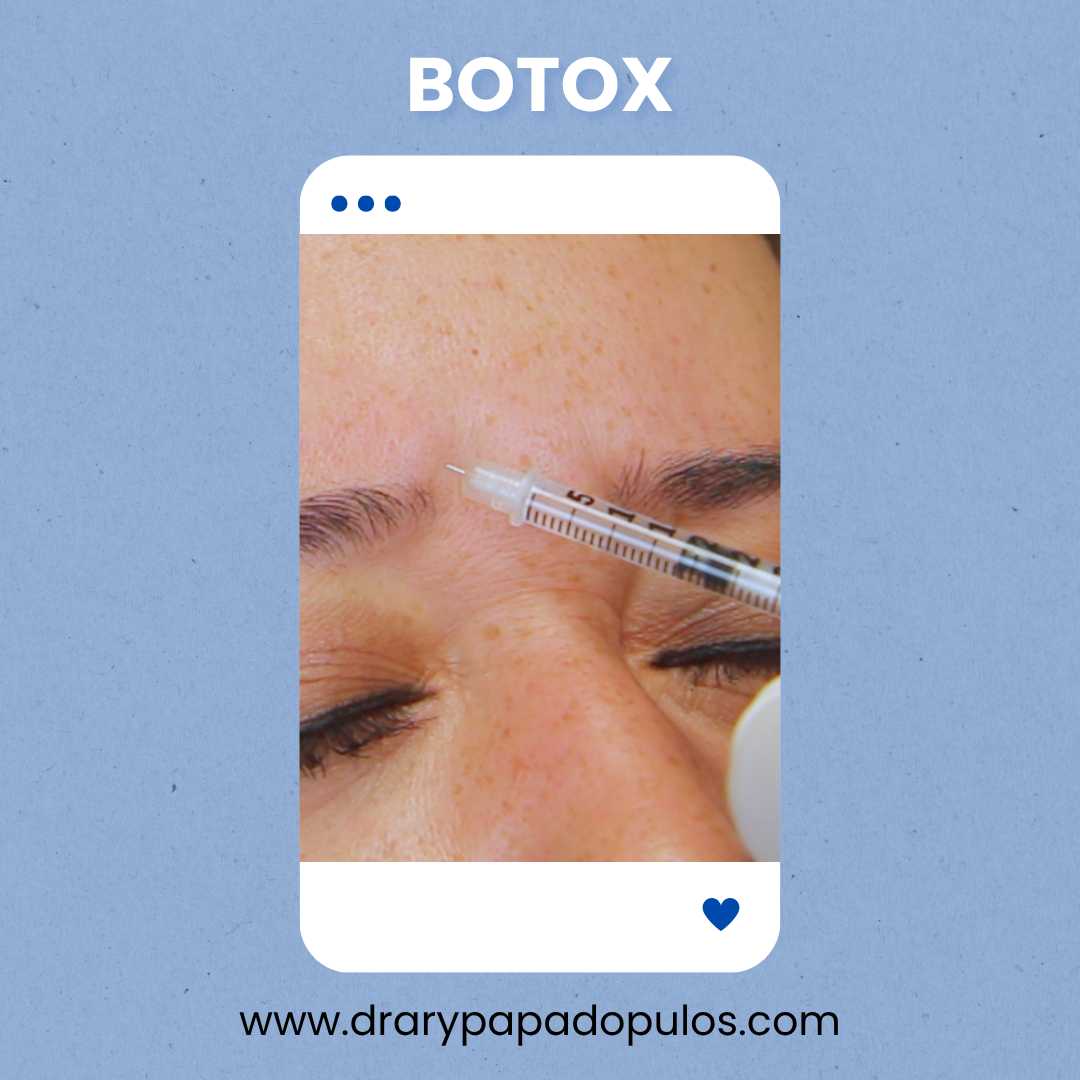
Price starting from $400
Mexico City, Mexico

Price starting from $4,990
Mexico City, Mexico
Price starting from $10,000
Tokyo, Japan

Price starting from $10,000
Cali, Colombia
Discover the power of Anti Aging through compelling patient experiences. Uncover detailed insights into procedures, recovery journeys, and life-changing results.
.png)
Seoul, South Korea
.png)
Price starting from $800
Tijuana, Mexico
.png)
Price starting from $10,000
Japan
.png)
Puerto Vallarta, Mexico


