
What treatment


20+ Key FAQs on Dentistry in South Korea
Questions About Dentistry in South Korea? Start Here
Trusted Medical Tourism Platform Since 2007
.png)
Is It Safe for Chinese Patients to Get Dental Implants in Seoul?
Yes, it is incredibly safe for Chinese patients to get dental implants in Seoul. South Korea boasts a 98% implant success rate, strict government regulations for foreign patient care, and world-class technology like 3D navigation surgery. For patients flying in from China, Seoul offers an unparalleled combination of medical safety, high aesthetic standards, and seamless translation services. If you are struggling with missing teeth, you already know the daily toll it takes. You might find yourself chewing carefully on one side of your mouth, hiding your smile in family photographs, or feeling self-conscious during business dinners. Perhaps you have explored getting tooth replacement in a top-tier Chinese city like Beijing or Shanghai, only to be shocked by the premium prices, or maybe you are simply searching for the absolute highest aesthetic standard available in Asia. You have likely heard about South Korea's reputation as a global hub for medical tourism. Seoul is famous for its flawless cosmetic and dental work. But the moment you seriously consider booking a flight, the anxiety creeps in. Is It Safe for Chinese Patients to Get Dental Implants in Seoul? Will the language barrier be a problem? What if something goes wrong after you fly back home? I completely understand these fears. Traveling across borders for a medical procedure is a massive decision, and you need honest, transparent answers to make it. This comprehensive guide is written specifically for you. We are going to break down the exact costs, compare the clinical quality between domestic Chinese options and South Korean clinics, and walk you through the entire journey. You will get the honest facts you need to feel confident, reassured, and ready to take the next step toward reclaiming your health and your smile. Quick Facts: China vs. Seoul Dental Implants Premium Implant Cost (Tier 1 China) $2,000 - $3,000 Premium Implant Cost (Seoul) $1,000 - $1,500 10-Year Success Rate (China) 92% - 95% 10-Year Success Rate (Seoul) 96% - 98% Average Recovery Time 3-7 days for swelling; 3-6 months for bone fusion What Exactly Is a Dental Implant and How Does It Work? A dental implant is a tiny, biocompatible titanium screw surgically placed into your jaw to act as an artificial tooth root. After it bonds with your natural bone, a lifelike porcelain or zirconia crown is securely attached to the top. To put it simply, a dental implant replaces the entire structure of a missing tooth, from the root hidden beneath the gums to the visible crown you use to chew. The secret to its incredible strength is a biological process called osseointegration, where your jawbone literally grows around and fuses with the titanium. Here is the step-by-step process you will experience: 3D Consultation (CBCT Scan): High-tech imaging maps your jawbone density, nerve pathways, and sinus cavities. This allows Seoul dentists to digitally plan your surgery with millimeter precision before you even sit in the chair. Surgical Placement: Under local anesthesia (or sleep dentistry), the titanium implant is gently guided into the precise location in your jawbone. Thanks to advanced Korean techniques, this is often minimally invasive and highly efficient. Osseointegration (Healing Phase): You will return to China while your jawbone bonds with the titanium over the next 3 to 6 months. This creates a rock-solid foundation. Abutment Connection: On your second trip to Seoul, a tiny connector called an abutment is attached to the implant above the gumline. Custom Crown Placement: Finally, a masterfully crafted, color-matched crown is secured to the abutment. Your smile is instantly and beautifully restored. This is the gold standard for tooth replacement. Unlike traditional dentures, implants will never slip or fall out. Unlike dental bridges, they do not require shaving down healthy neighboring teeth. Why Choose Seoul for Dental Implants Over Domestic Options? Seoul offers world-class surgical precision, unmatched aesthetic outcomes, VIP Chinese translation services, and access to premium implant brands at highly competitive prices compared to top-tier Chinese hospitals. Unrivaled Aesthetic Standards: South Korea is globally recognized for its meticulous attention to beauty. Dentists in Seoul do not just focus on function; they obsess over making sure the shape, color, and translucency of your new tooth perfectly mimic nature. Advanced Technology: Seoul clinics heavily utilize computer-guided, 3D navigation surgery. This reduces incision sizes, cuts surgical time in half, and dramatically minimizes post-operative swelling and pain. Health & Preservation: Implants naturally stimulate your jawbone, preventing the rapid bone loss and facial sagging that occurs when teeth are missing. Convenient Travel: With flights from major Chinese cities like Beijing, Shanghai, and Qingdao taking just 1.5 to 3 hours, traveling to Seoul is often faster than flying across China. Dedicated Concierge Care: Top clinics in Seoul are structured for medical tourism. They provide dedicated Chinese translators, airport pickups, and priority scheduling so you never feel lost or confused. How Much Can Chinese Patients Save on Dental Implants in Seoul? You can save between 30% and 50% on premium treatments. While a high-end imported implant at a VIP clinic in Shanghai might cost $2,500, a comparable world-class procedure in Seoul typically costs $1,000 to $1,500. When considering medical travel, understanding the financial breakdown is crucial. In Tier 1 Chinese cities, the cost of premium imported implants (like the Swiss brand Straumann or the top-tier Korean brand Osstem) has skyrocketed due to import taxes and high operational markups at VIP private hospitals. Procedure Type Premium Clinic (Tier 1 China) Premium Clinic (Seoul) Estimated Savings Single Premium Implant (Full Tooth) $2,000 - $3,000 $1,000 - $1,500 40% - 50% Bone Grafting (Per Arch) $800 - $1,500 $400 - $800 35% - 50% Full Mouth Restoration (All-on-4/6) $25,000 - $40,000 $12,000 - $18,000 45% - 55% Zirconia Crown Upgrade $600 - $1,000 $350 - $600 35% - 40% Why is Seoul more affordable for premium care? South Korea is actually the home of several top-tier global implant manufacturers (like Osstem and Dentium). Because these world-class materials are produced domestically in Korea, local clinics do not pay heavy import taxes. Furthermore, districts like Gangnam have high clinic density, creating healthy competition that drives down prices while keeping quality exceptionally high. Finally, South Korea offers foreign tourists tax refunds on medical procedures, putting money right back into your pocket before you fly home. Are Dental Materials in Seoul Safe and Certified? Yes. The safety standards in Seoul are among the highest in the world. Clinics use strictly FDA and CE-certified materials, and the Korean government heavily regulates clinics permitted to treat international patients to ensure absolute safety. It is entirely normal to worry about safety and infection when receiving surgery abroad. The last thing you want is a substandard material placed into your jawbone. Let us look objectively at why South Korea’s medical safety standards offer incredible peace of mind. Quality Metric Premium China Seoul, South Korea Safety Note Material Certification NMPA / FDA KFDA / FDA / CE Strictly regulated Grade 5 Titanium Government Regulation High (Public & Private) Extreme oversight for foreign patients Must be certified to treat tourists Sterilization Tech Standard Autoclave 14-step ISO protocol + Plasma Infection rates below 1% in Seoul Dentist Training Domestic Medical Degrees Domestic + Frequent US/EU fellowships Seoul dentists lead global conferences Here is why Chinese patients can trust the process in Seoul: Strict Legal Framework: In South Korea, a clinic cannot just decide to market to Chinese patients. They must be officially licensed by the Ministry of Health and Welfare as a medical institution for foreign patients, proving they meet rigorous international safety standards. Authentic Brands: Because the major implant manufacturers (Osstem, Dentium, Megagen) are headquartered in South Korea, the risk of counterfeit materials—an unfortunate reality in some fast-growing markets—is virtually zero. Advanced Diagnostics: Routine use of 3D CBCT scanners ensures the dentist knows exactly where major nerves and sinus cavities are located. This prevents nerve damage and ensures the implant is placed in the densest bone. What is the Recovery Timeline for Dental Implants in South Korea? The complete journey takes about 3 to 6 months, broken into two short trips to Seoul. You will spend roughly 3 to 5 days in Korea per trip, allowing you to heal comfortably back home in China. Time is a major factor when traveling for healthcare. You do not want to be away from work or family in China for weeks on end. Fortunately, modern implantology is incredibly efficient. Trip 1: Consultation & Surgery (3-5 Days in Seoul) You will arrive, get your 3D scans, and have your consultation with your dedicated Chinese translator. Surgery is often performed the next day. You will rest for a day or two to ensure any minor swelling goes down, then fly home. Healing Phase (3-6 Months in China) While you go about your normal daily life back home, your jawbone naturally fuses to the titanium implant. This waiting period is non-negotiable; it is what guarantees lifelong stability. Trip 2: Crown Placement (3-5 Days in Seoul) You return to Seoul. The clinic will take digital impressions (no messy putty) and custom-mill your beautiful new porcelain or zirconia crown in their high-tech lab. The crown is secured, and you fly home with a perfect smile. Crucial considerations for your journey: Flights: Booking flights from Beijing, Shanghai, or Guangzhou is fast and affordable. Visas: Ensure your tourist or medical visa for South Korea is arranged well in advance. Language: Verify your chosen clinic has in-house, native-level Chinese translators. Do not rely solely on translation apps for medical discussions. Bone Grafting: If your 3D scan reveals thin jawbone, grafting will be done during Trip 1. This is routine, but it may extend your healing phase by a couple of months. Who is a Good Candidate for Dental Implants in Korea? Ideal candidates are healthy adults with missing teeth who want a permanent, highly aesthetic solution. A 3D scan in Seoul will definitively confirm if your jawbone can support an implant. Before you book a ticket, it is important to know if your body is ready for this procedure. Implants are suitable for the vast majority of people, but some conditions require extra planning. You are likely a great candidate if you have: One or more missing teeth causing chewing difficulties or aesthetic concerns. Adequate jawbone density (or are willing to undergo safe bone grafting). Healthy gums free from active, severe periodontal disease. A commitment to excellent oral hygiene (brushing, flossing, and check-ups). Overall good health that allows for minor oral surgery. The ability to travel to Seoul for two short trips spaced months apart. You may need to reconsider, or consult closely with a specialist, if you have: Uncontrolled Diabetes: High blood sugar severely impairs wound healing and osseointegration. If your diabetes is well-managed with medication, implants are usually safe. Heavy Smoking Habits: Smoking drastically restricts blood flow to the gums and increases the implant failure rate. You will be asked to stop smoking before and during the healing phase. Certain Medications: Bisphosphonates (used for osteoporosis) or immunosuppressive drugs require careful evaluation by your Korean surgeon. Active Gum Disease: All infections in the mouth must be fully treated and healed before an implant can be safely placed. Recent Heart Attack: Elective surgeries are typically postponed for several months following severe cardiac events. Pregnancy: It is standard medical practice to delay elective surgeries and X-rays until after delivery. If you are generally healthy, the next step is reaching out to a clinic. Many top Seoul clinics offer preliminary online consultations where you can share panoramic X-rays taken in China to get a rough estimate of your eligibility before you travel. Frequently Asked Questions We know that deciding to travel from China to South Korea for dental work comes with many specific questions. We have compiled the most common concerns regarding cost, safety, travel logistics, and long-term care to give you total peace of mind. How much can Chinese patients save on dental implants in Seoul? Chinese patients can save 30% to 50% compared to premium dental clinics in Tier 1 cities like Beijing or Shanghai. A premium global implant in Seoul costs $1,000-$1,500, whereas the exact same procedure might cost $2,000-$3,000 in China. Are dental materials in Seoul safe and certified? Yes, dental materials in Seoul are highly regulated and exceptionally safe. Clinics use FDA-approved and CE-certified titanium implants, including world-leading domestic brands like Osstem and Dentium, as well as premium international brands like Straumann. What is the recovery timeline for dental implants in South Korea? Initial swelling subsides in 3 to 7 days. Most patients fly back to China within a week. Full bone integration takes 3 to 6 months. You will then return for a short second trip to have your permanent crown attached. Do clinics in Seoul provide Chinese translation services? Yes. South Korea's medical tourism infrastructure is highly advanced. Most reputable clinics catering to international patients offer dedicated, in-house fluent Chinese translators who assist from your first consultation through your final recovery. Will I need bone grafting for dental implants in Korea? Bone grafting is only required if you have insufficient jawbone density due to prolonged tooth loss or severe gum disease. A 3D CBCT scan during your consultation in Seoul will determine this. It adds a few months to the total healing timeline. What happens if a complication occurs after I return to China? Reputable Seoul clinics offer international warranties of 5 to 10 years. Because Korean implant brands like Osstem are widely used in China, your local Chinese dentist can easily perform routine maintenance or manage minor issues using the documentation provided by your Seoul clinic. Can I get dental implants in Seoul if I have existing bone loss? Yes. Dentists in Seoul are world-renowned for advanced bone grafting and sinus lift procedures. By using synthetic or natural bone graft materials, they can rebuild your jawbone over 4 to 6 months to safely support a titanium implant. Which districts in Seoul are best for dental tourism? Gangnam and Seocho are the premier districts for medical and dental tourism in Seoul. These areas house the most technologically advanced clinics, highly trained board-certified specialists, and facilities specifically designed for international patients. How do I verify if a Seoul dental clinic is reputable? Look for clinics certified by the Korean Ministry of Health and Welfare for treating foreign patients. Check for board-certified specialists, international ISO certifications, verifiable before-and-after cases, and clear, transparent pricing without hidden fees. Is it safe for Chinese patients to travel to Seoul alone for dental surgery? Absolutely. Seoul is one of the safest cities globally. Many clinics offer VIP concierge services, including airport pickup, hotel booking assistance, and in-clinic translation, making solo travel completely safe and stress-free. How many trips from China to Seoul will I need? Most standard implant procedures require exactly two trips. The first trip (3-5 days) is for extraction, 3D scanning, and implant placement. The second trip (3-5 days), about 3-6 months later, is for placing the custom permanent crown. Ready to Get Your Smile Back? You have done the research. You know the numbers. You know it is safe. The only thing left is taking the first step. Request a free consultation today and get a personalized treatment plan with exact pricing for top-tier care in Seoul. Get My Free Quote No obligation. No pressure. Just honest answers and clear next steps. References American Dental Association. "Dental Implant Costs and Considerations." Korean Ministry of Health and Welfare. "Regulations on Medical Institutions Treating Foreign Patients." Straumann Group. "Titanium Grade 5 Implant Standards." Osstem Implant Global. "Global Success Rates and Research Analysis." PlacidWay Medical Tourism. "Dental Implants in South Korea: A Comprehensive Guide." Medical Disclaimer Important: This article is for informational purposes only and is not medical advice. Consult a licensed dentist or oral surgeon before undergoing any dental procedure. Individual results vary based on anatomy and health conditions. Seek immediate medical attention if you experience severe swelling, continuous bleeding, high fever, or difficulty swallowing after oral surgery....
Read more details

.png)
How Much Do Dental Veneers Cost in Korea for Chinese Patients Compared to Beijing and Shanghai?
Dental veneers in Korea cost $400 to $800 per tooth compared to premium clinics in Beijing and Shanghai charging $800 to $1,500 per tooth. For Chinese patients, this means you can save 40% to 50% on a complete smile makeover while accessing some of the world's most advanced cosmetic dental technology and in-house ceramists. If you are reading this, you are likely feeling frustrated by the dental options in your home city. You look in the mirror and wish for a brighter, more symmetrical smile. Maybe your teeth are slightly crooked, deeply stained, or chipped. You know exactly what you want a natural, radiant smile but when you consult top-tier international dental clinics in tier-1 cities, the quotes are absolutely staggering. You find yourself wondering, How Much Do Dental Veneers Cost in Korea for Chinese Patients Compared to Beijing and Shanghai? We understand the hesitation. Traveling to another country for dental work feels intimidating. You might be worried about the language barrier, the quality of the materials, or what happens if something goes wrong after you fly home. Let us put your mind at ease. Chinese patients travel to Seoul by the thousands every year specifically for cosmetic dentistry. This guide will give you the honest numbers, breakdown the exact timeline, and show you precisely why combining a quick trip to Korea with your dental care is the smartest investment you can make for your confidence. Quick Facts: Dental Veneers in Korea vs China (Tier-1 Cities) Average Cost Per Veneer (Beijing/Shanghai) $800 - $1,500 Average Cost Per Veneer (Seoul, Korea) $400 - $800 Full Smile Makeover Cost (16 teeth) China: $12,800+ | Korea: $6,400+ Typical Warranty 5 - 10 years at reputable clinics Treatment Duration 5 - 7 days (One single trip) What Exactly Are Dental Veneers? A dental veneer is an ultra-thin shell of medical-grade porcelain custom-crafted to cover the front surface of your tooth. It instantly corrects color, shape, size, and minor alignment issues to create a flawless, natural smile. Think of a dental veneer like a high-tech, customized contact lens for your tooth. Made from exceptionally strong materials like Lithium Disilicate (commonly known as E-Max) or Zirconia, these shells are permanently bonded to your natural teeth. Here is how the procedure works in simple terms: Digital Smile Design: The dentist takes 3D digital scans of your mouth and face. Together, you design the exact shape, length, and shade of your new smile before anything is touched. Gentle Preparation: To ensure the veneer does not look bulky, the dentist removes a microscopic layer of enamel (usually 0.3mm to 0.5mm). Sometimes, no preparation is needed at all. Temporary Veneers: While the lab creates your permanent porcelain veneers (which takes a few days), you wear temporary acrylic versions to protect your teeth and test-drive your new look. Final Bonding: The temporaries are removed, and the custom porcelain veneers are permanently cemented onto your teeth using specialized UV-cured adhesives. Unlike harsh teeth whitening that fades in 6 months and can damage your enamel, veneers offer a permanent color transformation. And unlike full dental crowns, which require grinding down 60% to 70% of your healthy tooth structure, veneers preserve almost all of your natural tooth. Why Choose Korean Dental Veneers Over Options in Shanghai or Beijing? Korean cosmetic dentists handle a massive volume of aesthetic cases, giving them unmatched expertise in creating highly translucent, "glass-skin" style natural teeth rather than the opaque, unnaturally white "chiclet" teeth often seen elsewhere. Superior Aesthetic Customization: Korean beauty standards emphasize a hyper-natural, translucent look. Their master ceramists hand-paint the fine ridges and subtle gradients into the porcelain, so your teeth look like you were simply born with perfect genetics, not like you bought a new smile. Speed of Treatment: In Beijing, waiting for an external lab to craft your veneers can take 2 to 3 weeks. Top Korean clinics have in-house laboratories and master ceramists on staff, meaning they can perfectly craft and adjust your smile in just 5 to 7 days. Conservative Approach: Korean dentistry is highly focused on preserving your natural biology. They are global leaders in "minimal-prep" and "no-prep" veneer techniques, keeping your underlying teeth incredibly healthy. Seamless VIP Convenience: Dental tourism in Seoul is a highly polished machine. Clinics provide airport pickups, hotel partnerships, and dedicated Mandarin-speaking medical translators who stay by your side for your entire journey. Durability: Because they utilize authentic, imported Swiss and German porcelain systems bonded with high-end adhesives, these veneers effortlessly last 10 to 15 years—or longer with good oral hygiene. Comparing the Cost of Dental Veneers in Korea vs Tier-1 Chinese Cities You can confidently save 40% to 50% on premium dental veneers. Even factoring in flights from Shanghai or Beijing to Seoul and a week in a nice hotel, the total expense is significantly lower than treatment at a private VIP clinic in China. When you research the porcelain veneers price in Beijing or the cost of dental veneers Shanghai vs Seoul, the disparities are shocking. A high-end private clinic in Shanghai's Jing'an district might charge up to $1,500 (approx. 10,700 RMB) for a single E-Max veneer. Let us look at the real numbers. Procedure Beijing / Shanghai Seoul, Korea Savings Composite Veneer (per tooth) $300 - $500 $150 - $250 50% Premium E-Max Porcelain (per tooth) $800 - $1,500 $400 - $800 45-50% Zirconia Veneer (per tooth) $900 - $1,600 $450 - $850 45-50% Full Smile Makeover (16 E-Max teeth) $12,800 - $24,000 $6,400 - $12,800 45-50% Digital 3D Smile Design Consult $200 - $500 $0 - $100 80-100% Why is Korea so much more affordable? The price difference has absolutely nothing to do with lower quality materials. The materials are identical. The savings come from two major factors: First, high import taxes on premium foreign dental materials in China inflate costs. Second, the massive concentration of dental clinics in Seoul (especially in Gangnam) creates intense, healthy competition. This high volume allows clinics to maintain enormous in-house labs, cutting out the expensive third-party laboratory fees that Chinese dentists are forced to pass on to you. Are Dental Veneers Safe in Korea for Chinese Tourists? Yes. Korean dental clinics operate under strict regulations governed by the Ministry of Health and Welfare. Top international clinics utilize the exact same authentic materials (like Ivoclar Vivadent) used in premium Shanghai and US clinics. It is totally normal to feel anxious about undergoing a medical procedure abroad. However, South Korea's medical tourism infrastructure is deeply institutionalized and exceptionally safe. Quality Metric Tier-1 Chinese Clinics Top Korean Clinics Notes Materials Used E-Max, Zirconia E-Max, Zirconia Authentic globally sourced materials Ceramic Labs Mostly external 3rd party Mostly In-house In-house allows faster, precise adjustments 10-Year Success Rate 92% - 95% 95% - 98% Both offer exceptional clinical safety Sterilization NHC regulations KAHF / JCI standards International level hygiene protocols Government Oversight: The Korean government actively monitors clinics that treat foreign patients, holding them to incredibly high standards to protect the country's medical tourism reputation. The Materials are Identical: Whether you pay $1,500 in Shanghai or $600 in Seoul, the physical block of E-Max porcelain comes from the exact same manufacturer in Liechtenstein. Language Is Never an Issue: You do not need to speak a word of Korean. Medical translators are standard staff members who handle all technical communication between you and the doctor. Post-Procedure Support: Elite clinics give you digital copies of your dental scans and material passports, so if you ever need a check-up back in China, your local dentist knows exactly what was used. Your primary job is simply making sure you choose an established, internationally certified clinic, rather than shopping strictly for the lowest basement price. What is the Timeline for Dental Veneers in Seoul? The entire process requires just one trip lasting 5 to 7 days. In between your first and last appointment, you are free to explore Seoul, shop, and enjoy your vacation wearing temporary veneers. Day 1 (Arrival & Consultation): You will meet your translator, receive 3D scans and X-rays, discuss your desired smile design, and finalize costs. Day 2 (Preparation): The dentist gently prepares your teeth. Impressions are sent immediately to the in-house lab. You leave the clinic wearing a beautifully crafted set of temporary veneers. Days 3-5 (Vacation Time): The ceramists hand-layer and bake your custom porcelain veneers. Meanwhile, you enjoy the sights and food of Seoul. Day 6 (Try-In & Bonding): Your temporary veneers are removed. The permanent veneers are tested for fit and shade. If they are perfect, they are permanently bonded. If tiny tweaks are needed, the in-house lab does them on the spot. Day 7 (Final Check & Departure): A quick bite-check to ensure your jaw rests comfortably, and you are ready to fly home to China with your new smile. Travel Logistics: Flights from Beijing or Shanghai to Seoul are incredibly short (2-3 hours) and inexpensive. Follow-up Care: Once bonded, E-Max veneers act just like natural teeth. You can have them checked and professionally cleaned by your regular dentist in China every six months. Who is the Ideal Candidate for Affordable Dental Veneers in Korea? Great candidates want to fix discoloration, minor gaps, or chipped teeth and are willing to travel for a few days to save 50% without sacrificing top-tier aesthetic quality. You are likely a great candidate if you have: Deep intrinsic stains that laser whitening cannot fix (like tetracycline stains). Slightly gapped or irregularly shaped teeth. Chipped or worn-down edges from minor grinding. A desire for a permanent, symmetrical smile makeover. Healthy gums and sufficient tooth enamel remaining. The ability to take 5 to 7 days off for a short trip to Seoul. You may need to reconsider (or explore other treatments) if you have: Severe tooth decay: Cavities must be fully resolved before veneers can be applied. Active gum disease: Periodontitis will compromise the bonding and must be treated first. Extremely crooked teeth: You may need clear aligners (like Invisalign) before getting veneers. Severe nighttime teeth grinding (Bruxism): This can crack porcelain unless you commit to wearing a nightguard. Very weak or broken teeth: You might be better suited for full dental crowns rather than thin veneers. Zero travel flexibility: If you absolutely cannot spare 5 days to leave China. If you fall into the "great candidate" category, your next step is incredibly simple: request an online consultation. Most clinics will review a few photos of your teeth and give you a clear assessment and quote before you ever book a flight. Frequently Asked Questions It is completely normal to have a lot of questions before booking a flight for medical care. Below, we cover the exact concerns patients from Beijing and Shanghai ask regarding cost, timeline, and long-term care when traveling to Seoul. How much do dental veneers cost in Korea compared to Beijing and Shanghai? Dental veneers in Korea typically cost $400 to $800 per tooth, while premium clinics in Beijing and Shanghai charge $800 to $1,500 per tooth for the exact same E-Max or Zirconia materials. This represents a 40% to 50% savings. Are dental veneers in Korea safe for Chinese patients? Yes, Korean dental clinics are among the safest in the world. They follow strict sterilization protocols regulated by the Korean Ministry of Health and use globally recognized, FDA-approved materials. The success rates of 95-98% match or exceed global standards. What is the recovery time for dental veneers in Korea? There is virtually zero downtime. You might experience mild tooth sensitivity to hot or cold for 3 to 7 days, and your gums may feel slightly tender for 2 to 3 days. Most patients return to their normal eating habits and travel activities immediately. Do I need my teeth shaved down for veneers? Not necessarily. Many top Korean cosmetic dentists specialize in 'no-prep' or 'minimal-prep' veneers, meaning they remove less than 0.3 millimeters of enamel—or sometimes none at all. A consultation and 3D scan will determine if you are a candidate for this conservative approach. What happens if something goes wrong with my Korean veneers after I return to China? Reputable Korean clinics provide warranties ranging from 5 to 10 years. Because the materials used (like Ivoclar E-Max) are global standards, any highly skilled local dentist in Beijing or Shanghai can easily perform minor adjustments or manage rare complications like a debonded veneer. How do Korean cosmetic dental standards compare to Beijing and Shanghai? While top-tier clinics in Beijing and Shanghai offer excellent quality, Korean clinics process an exponentially higher volume of aesthetic cases. This high daily repetition gives Korean ceramists and dentists unparalleled expertise in creating highly translucent, natural-looking smiles rather than bulky, opaque white teeth. Which areas in Korea are best for Chinese dental tourists? The Gangnam and Apgujeong districts in Seoul are the gold standard for medical and dental tourism. Clinics in these areas boast in-house ceramic laboratories, top-tier CAD/CAM technology, and dedicated international departments with fluent Mandarin-speaking staff. Will my local dentist in Beijing or Shanghai do follow-up care? Yes. Routine cleanings, X-rays, and check-ups can be performed by any qualified dentist in your home city. Simply inform them that you have porcelain or E-Max veneers so they use the correct non-abrasive polishing pastes during your bi-annual cleanings. How do I know if a Korean dental clinic is reputable for Chinese patients? Look for clinics that hold accreditation from the Korean Accreditation Program for Hospitals Serving Foreign Patients (KAHF). Verify they have in-house master ceramists, utilize authentic branded materials, and offer dedicated Chinese translation services. Is it safe to travel to Korea for dental work alone if I do not speak Korean? Absolutely. South Korea is ranked as one of the safest countries globally. Major dental clinics catering to international patients employ full-time, native-speaking Mandarin translators who accompany you during every step of your consultation and treatment. How many trips to Korea will I need for porcelain veneers? You only need one trip. The entire process for a full smile makeover typically takes 5 to 7 days. Because elite Korean clinics have on-site laboratories, they can manufacture your custom veneers in days rather than the weeks required by most clinics. Can I get a full smile makeover in a single trip to Seoul? Yes. Thanks to digital smile design and in-house milling machines, a full smile makeover (typically 16 to 20 veneers) can be completed seamlessly within a 7-day stay in Seoul, allowing you to combine your procedure with a short vacation. Ready to Stop Hiding Your Smile? You have done the research. You know it is incredibly safe, surprisingly fast, and costs nearly half of what you would pay at home. The only thing left is taking the first step toward the confidence you deserve. Request a free photo consultation today and get a personalized smile plan with exact pricing. Get My Free Quote No obligation. No pressure. Just honest advice from world-class cosmetic dentists. References International Society of Aesthetic Plastic Surgery (ISAPS). "Global Aesthetics and Dental Trends." PlacidWay Medical Tourism. "Dental Veneers Cost in South Korea for International Patients" Journal of Prosthetic Dentistry. "Clinical Performance of Porcelain Veneers: A 10-Year Follow-up." Medical Disclaimer Important: This article is for informational purposes only and is not intended as substitute for professional medical or dental advice, diagnosis, or treatment. Always seek the advice of a qualified and licensed dentist regarding any dental condition or before undergoing any cosmetic procedure. Individual results will vary based on dental anatomy and oral health. Seek immediate medical attention if you experience severe pain, excessive swelling, or signs of infection after any dental treatment....
Read more details
How Do Japanese Patients Book Dental Treatment in Seoul? Step-by-Step Guide
Japanese patients book dental treatment in Seoul by scheduling an online consultation, forwarding panoramic X-rays, and coordinating short 2.5-hour flights for care. Dental implants in Seoul cost $1,000-$1,500 per tooth compared to $3,000+ in Japan, allowing for 50-60% savings while accessing world-class, high-speed dental technology. If you live in Japan, you already know the frustration. The National Health Insurance (NHI) is fantastic for basic check-ups and simple cavities. But the moment you need advanced care—like a dental implant to replace a missing tooth, or highly aesthetic zirconia crowns the costs suddenly skyrocket. You are left staring at quotes for ¥400,000 to ¥600,000 per tooth, wondering how you will ever afford to smile confidently again. This is exactly why thousands of Japanese citizens are looking across the sea. A quick two-hour flight to South Korea offers a compelling alternative. But navigating a medical trip in a foreign language can feel overwhelming. You are likely asking yourself: "Is it really safe? How do I communicate? What if something goes wrong after I fly back to Tokyo or Osaka?" We understand those anxieties. This comprehensive How Do Japanese Patients Book Dental Treatment in Seoul? Step-by-Step Guide is written specifically for you. We are going to walk you through the entire Seoul dental treatment process honestly, addressing every fear and providing the clear, actionable steps you need to take control of your dental health without emptying your savings. Quick Facts: Dental Treatment in Japan vs. Seoul Average Cost Per Implant (Japan) $3,000 - $4,500 (approx. ¥450k-¥650k) Average Cost Per Implant (Seoul) $1,000 - $1,500 (approx. ¥150k-¥220k) Average Savings 50% - 60% Full Mouth Implants (Japan) $25,000 - $40,000 Full Mouth Implants (Seoul) $9,000 - $14,000 10-Year Success Rate (Japan) 95% - 97% 10-Year Success Rate (Seoul) 95% - 98% Average Recovery Time 3-7 days for swelling; 3-6 months for bone healing Typical Warranty 5-10 years at reputable Seoul clinics Complication Rate 2% - 4% (rare) How to Schedule a Dentist Appointment in Seoul from Japan The process starts entirely online. You share your recent X-rays via email or messenger apps, receive a preliminary treatment plan with exact costs, and then pick a date to fly over. The clinic handles the scheduling seamlessly. You do not need to fly to Korea just to have a 15-minute chat with a dentist. The Seoul dental tourism infrastructure is incredibly advanced and designed to save you time. Here is the step-by-step process of exactly how you book and execute your treatment: The Remote Consultation: You reach out to a clinic (often via email, LINE, or a medical tourism facilitator). You send them a recent panoramic X-ray from your local Japanese dentist alongside photos of your smile. The Treatment Plan & Quote: Within a few days, the Seoul clinic reviews your scans and sends back a detailed treatment plan in Japanese or English. This includes exact pricing, the timeline, and whether you need preliminary work like bone grafting. Booking the Trip: Once you agree to the plan, you coordinate dates. You book your 2-2.5 hour flight (usually into Gimpo or Incheon airports) and reserve a nearby hotel. Many clinics assist with hotel recommendations or provide VIP airport pickup. Clinic Visit & Surgery: You arrive at the clinic. A 3D CBCT scan is taken to verify the remote plan. You meet your dentist, finalize details, and undergo the procedure (often the same day or the next morning). Return and Heal: After a couple of days of resting and enjoying light tourism, you fly back to Japan. Your jawbone heals for the next 3 to 6 months before your final trip to place the permanent crowns. It is beautifully straightforward. You avoid the endless weeks of waiting for appointments that you often experience at busy domestic clinics. Why Do Japanese Patients Choose Seoul Dental Tourism? Patients choose Seoul for the "Pali-pali" (fast-paced) efficiency, cutting-edge 3D technology, Japanese-speaking coordinators, and premium materials at half the price of Tokyo clinics. Traveling abroad for medical care is a big decision. But compared to sticking with high-priced private options or settling for lower-quality materials covered by insurance at home, the benefits of traveling to Seoul are massive. Speed and Efficiency: South Korea is famous for its "pali-pali" (hurry up) culture. Clinics are equipped with in-house laboratories and 3D milling machines. What takes 3 weeks of waiting for a lab in Japan can often be done in a single day in Seoul. Premium Aesthetics: Korean dentistry places a massive emphasis on aesthetics. If you want a natural, beautiful smile that perfectly matches your facial structure, Seoul dentists are globally renowned for their cosmetic expertise. Advanced Technology: The standard of care in Seoul includes 3D CBCT scanners, digital intraoral scanners (no more messy putty impressions), and computer-guided implant surgery. Language Support: Because Japan is Korea's closest neighbor, top clinics in areas like Gangnam have dedicated Japanese-speaking dentists in Seoul or full-time medical translators by your side every second. Unmatched Convenience: A flight from Fukuoka, Osaka, or Tokyo to Seoul is shorter than the bullet train ride between Tokyo and Kyoto. It is a simple weekend trip. How Much Does a Dental Crown Cost in Seoul vs Tokyo? You save roughly 50% on all major procedures. A premium implant is $1,000-$1,500 in Seoul compared to $3,000+ in Japan. A highly aesthetic zirconia crown is $350-$600 in Seoul vs $800-$1,200 in Japan. Let's look directly at the numbers. While basic dental care in Japan is cheap due to the NHI system, the materials used (like silver amalgams or basic plastics) are often outdated or aesthetically unappealing. If you want premium, long-lasting materials, you have to pay out of pocket (Jiyu Shinryo). Here is how those out-of-pocket costs compare to Seoul. Procedure Japan (Out-of-Pocket) Seoul, Korea Estimated Savings Single Implant (Titanium + Crown) $3,000 - $4,500 $1,000 - $1,500 50-65% Zirconia Crown (Aesthetic) $800 - $1,200 $350 - $600 40-50% Porcelain Veneers (Per Tooth) $900 - $1,500 $400 - $700 50-55% Bone Grafting (If needed) $1,000 - $2,000 $300 - $800 60-70% All-on-4 Full Mouth Restorations $15,000 - $25,000 $6,000 - $10,000 50-60% Why is the price difference so massive? It is all about market competition and domestic manufacturing. South Korea is home to some of the world’s largest and most respected dental implant manufacturers (like Osstem and Dentium). Because the materials are produced domestically and there is intense competition among top-tier clinics in Seoul, overhead costs drop dramatically. You are paying for the exact same high-quality titanium and zirconia, just without the massive markup seen in Japan. Are Dental Clinics in Seoul Safe for Japanese Patients? Yes, absolutely. South Korea boasts a 95-98% dental implant success rate. Top clinics follow rigorous international ISO sterilization standards, and many dentists hold international board certifications. It is perfectly natural to worry about safety when crossing borders for medical care. Let me reassure you: South Korea's medical system is consistently ranked among the best in the OECD. But let us break down exactly how quality compares so you can rest easy. Quality Metric Japan Standard Seoul Standard Notes Implant Materials Grade 4/5 Titanium Grade 4/5 Titanium Same FDA/CE approved materials Clinical Success Rates 95% - 97% 95% - 98% Statistically identical outcomes Technology Used Varies widely by clinic Standardized 3D CBCT & CAD/CAM Seoul clinics highly tech-focused Sterilization Ministry of Health rules ISO 13485 / JCI standards Both strictly regulated Surgical Precision Often freehand Computer-guided prevalent Guided surgery lowers risks To ensure maximum safety, always verify the clinic. Look for: Certifications: The clinic should be certified by the Korean Ministry of Health and Welfare to treat foreign patients. Transparency: They should willingly share the exact brand of implant they use (e.g., Straumann, Osstem) and give you the physical serial number after surgery. Specialization: Ensure your surgery is performed by an oral and maxillofacial surgeon or a dedicated implantologist, not just a general dentist. Communication: A clinic with Japanese native translators prevents any medical misunderstandings. Dental Implant Timeline for Japanese Patients in Korea The entire process spans 3 to 6 months but only requires two short trips to Seoul. Total time spent in the dentist's chair is remarkably minimal. Because you are flying internationally, careful scheduling is key. Here is what your timeline will look like: Trip 1: Consultation & Placement (2 to 3 days in Seoul) You arrive, have your 3D scans, and the surgery is performed. A temporary tooth or healing cap is placed. You fly back to Japan once cleared by the doctor (usually within 48 hours). The Waiting Period (3 to 6 months at home in Japan) This is the osseointegration phase. Your jawbone naturally fuses to the titanium implant. You live your normal life, eat relatively normally, and wait for the bone to solidify. Trip 2: The Final Crown (2 to 3 days in Seoul) You fly back. The dentist takes a digital scan of your healed gums and mills your permanent zirconia crown. It is attached, adjusted for your bite, and you go home with a brand-new smile. Crucial travel considerations: Visas: Japanese passport holders do not currently need a visa for short medical trips to South Korea (K-ETA may apply, check current regulations). Flights: Budget airlines like Peach, Jeju Air, and Jin Air offer daily round-trip flights for under $200. Follow-up: Ask the Seoul clinic to provide a detailed report in English or Japanese. You can hand this to your local Japanese dentist for future cleanings. Are You a Good Candidate for Dental Travel to Seoul? Ideal candidates have missing teeth, seek high-quality restorations at lower prices, and are comfortable taking two short international flights. Not every single person should hop on a plane for dental work. You need to assess your own health and willingness to travel. You are likely a great candidate if you: Need one or more implants, veneers, or crowns. Are facing quotes in Japan that are beyond your budget for premium materials. Have generally good cardiovascular health and can undergo mild oral surgery. Are comfortable communicating via email or messenger apps for the initial steps. Are willing to commit to the 3-6 month healing process. Want access to world-class 3D aesthetic technology. You may need to reconsider if you: Have extreme dental anxiety: Traveling abroad might compound your stress. Have severe uncontrolled diabetes: This drastically lowers implant success rates and impedes healing. Only need minor work: A single cavity filling is cheaper to do on your Japanese NHI than flying to Seoul. Smoke heavily: Smoking increases implant failure. If you cannot quit temporarily, implants might not be for you. Are currently undergoing radiation therapy: Especially in the head or neck region. Cannot take time off work: Though trips are short (2 days), you still need flexibility to travel twice. If you match the "great candidate" profile, your very next step should be gathering your recent X-rays to prepare for an online quote. Frequently Asked Questions We know you still have specific concerns about crossing the Sea of Japan for dental care. Here are the exact answers to the most common questions Japanese patients ask about Seoul dental treatments. How much does a dental crown cost in Seoul vs Tokyo? A premium Zirconia crown in Seoul typically costs $350 to $600. In Tokyo, the same high-quality aesthetic crown costs $800 to $1,200. This represents a savings of roughly 40% to 50% for Japanese patients traveling to Korea. Are dental clinics in Seoul safe for Japanese patients? Yes, Seoul is a globally recognized hub for medical and dental tourism. Clinics adhere to strict ISO and Korean Ministry of Health sterilization standards, boasting success rates of 95-98%, which perfectly match or exceed Japanese standards. What is the recovery time for dental implants in Korea? Initial swelling subsides in 3 to 7 days. Most Japanese patients return home within a few days of surgery. Full jawbone healing (osseointegration) takes 3 to 6 months before you return to Seoul for the final crown. Do I need bone grafting for dental implants in Seoul? Bone grafting is only required if you lack sufficient jawbone density, often caused by long-term tooth loss. A 3D CBCT scan during your Seoul consultation will confirm this. It adds 4 to 6 months to your timeline and $300 to $800 to the cost. What happens if I have complications after returning to Japan? Reputable Seoul clinics offer 5 to 10-year warranties. Serious complications are extremely rare (2-4%). For minor issues, you can visit a local Japanese dentist using the implant documentation (brand, size, specifications) provided by your Korean clinic. Can I get implants in Korea if I have severe bone loss? Yes. Advanced bone grafting and sinus lift procedures performed in Seoul can rebuild the necessary bone structure. While it extends the overall treatment timeline by several months, it allows patients with severe bone loss to safely receive implants. What are the best areas in Seoul for dental treatments? Gangnam and Myeongdong are the top districts for international patients. Gangnam is famous for premium, high-tech aesthetic dentistry, while both areas host clinics with dedicated translation staff and Japanese-speaking coordinators. Will my Japanese dentist do follow-up care after my Seoul trip? Most private dentists in Japan will perform routine cleanings and check-ups. It is highly recommended to bring your translated dental records and X-rays from Seoul so your local provider understands exactly what implant system was used. How do I know if a Seoul dental clinic is reputable? Look for board-certified specialists, internationally recognized implant brands (like Osstem, Dentium, or Straumann), clear pricing without hidden fees, and in-house translation services. Avoid clinics that rush you without requesting preliminary X-rays. Is it safe to travel to Seoul for dental work alone? Absolutely. South Korea is one of the safest countries in the world, and the flight from Japan is just 2 to 2.5 hours. Many clinics offer airport pickup, making solo travel highly convenient and stress-free. How many trips to Korea will I need for dental implants? A standard implant requires two trips. Trip one (2-3 days) is for extraction and implant placement. Trip two (2-3 days), scheduled 3 to 6 months later, is for placing the permanent abutment and custom crown. How do Japanese patients finance dental treatments in Seoul? Because treatment in Seoul is 40-60% cheaper than in Japan, most patients pay out of pocket via major credit cards (Visa, Mastercard) or cash. Ensure you check your card's foreign transaction fees and daily limits before traveling. You Have Done the Research. Claim Your Smile. You know it is safe. You know the cost savings are real. The only thing left to do is see exactly what your personalized treatment will look like. Connect with top-tier Seoul clinics today. Get My Free Quote No obligation. No pressure. Just honest medical estimates. References American Dental Association. "Dental Implant Costs and Considerations." Straumann Group. "Titanium Grade 5 Implant Standards." PlacidWay Medical Tourism. "Top Dental Clinics in South Korea" Medical Disclaimer Important: This article is for informational purposes only and does not constitute medical advice. Always consult a licensed dentist or oral surgeon before deciding on international dental treatments. Individual results will vary based on anatomical and health factors. If you experience severe bleeding, fever, or breathing difficulties after any surgery, seek immediate local emergency medical care....
Read more detailsDiscover your treatment options with a free, no-obligation quote!
Get your quote now!.png)
Can Taiwanese Patients Combine K-Pop Tourism and Dental Treatment in Seoul?
Yes! With flight times under 3 hours and highly advanced cosmetic clinics, Taiwanese travelers can achieve a "Korean celebrity smile makeover" while saving 20-40% on high-end cosmetic procedures, easily funding their K-Pop vacation. If you are a fan of K-culture, you have likely marveled at the flawless, radiant smiles of your favorite idols and actors. Perhaps you have looked in the mirror, wishing you could fix a chipped tooth, close a gap, or finally replace that missing molar. But life in Taiwan is busy, and premium cosmetic dentistry or implants at high-end Taipei clinics can carry a surprisingly hefty price tag. You might be wondering: Can Taiwanese Patients Combine K-Pop Tourism and Dental Treatment in Seoul? It sounds like a dream scenario getting world-class dental work done in the morning and cheering at a BTS or Blackpink concert in the evening. I am here to tell you that this is not only possible, but it is becoming one of the most popular travel trends for Taiwanese tourists. You do not have to choose between investing in your health and treating yourself to an unforgettable vacation. This guide will walk you through exactly how to plan your trip, what to expect regarding safety and costs, and how to come home with a smile worthy of a magazine cover. Quick Facts: Dental Tourism (Taiwan vs. Seoul) Average High-End Veneer Cost (Taiwan) $800 - $1,300 USD Average High-End Veneer Cost (Seoul) $400 - $800 USD Flight Time (Taipei to Seoul) Approx. 2.5 Hours 10-Year Success Rate 95% (Taiwan) / 96% (Seoul) Aesthetic Specialty General Care (Taiwan) / K-Beauty Idol Aesthetics (Seoul) What Is K-Pop Dental Tourism and How Does It Work? K-pop dental tourism Seoul style involves strategically booking cosmetic or restorative dental procedures in Korea while filling your recovery time with K-pop concerts, idol cafe visits, and shopping in districts like Gangnam. Combining a holiday with healthcare might sound complicated, but the infrastructure in South Korea makes it remarkably seamless. Medical tourism is heavily supported by the Korean government, meaning clinics are specifically set up to cater to international patients, offering rapid turnaround times that suit a tourist's schedule. Here is how a typical K-Pop dental tourism trip works: Pre-Trip Virtual Consultation: You send your X-rays or photos to a clinic in Seoul. A coordinator (often fluent in Mandarin or English) reviews them with the dentist and provides a treatment plan and timeline. Arrival and In-Person Assessment: You land at Incheon Airport, drop your bags, and head to the clinic for a 3D scan and final consultation. The Procedure: Whether it is the surgical placement of Seoul dental implants or prepping your teeth for a Korean celebrity smile makeover, the clinical work is done using cutting-edge technology to minimize pain and downtime. The K-Pop Experience: While waiting for your permanent crowns or veneers to be crafted in the lab (usually 3 to 5 days), you attend concerts, visit K-Star Road, and enjoy Korean BBQ. Final Placement: You return to the clinic for your final fitting, ensure everything feels perfect, and fly back to Taiwan with a breathtaking new smile. The beauty of this process is the efficiency. What might take several weeks of back-and-forth appointments in Taiwan can often be compressed into a single, highly coordinated vacation week in Seoul. Why Should Taiwanese Patients Choose a Korean Celebrity Smile Makeover? Choosing Seoul means accessing world-leading "K-Beauty" aesthetic standards, English/Mandarin speaking staff, fast-tracked tourist schedules, and savings that essentially pay for your flights and concert tickets. Unmatched Aesthetic Expertise: South Korea is the global capital of cosmetic enhancement. Dentists here are hyper-focused on the "golden ratio" of facial symmetry, ensuring your smile looks naturally dazzling, much like a K-Pop idol's. Speed and Convenience: Seoul clinics understand you are on vacation. They utilize in-house 3D printing and CAD/CAM labs to create crowns and veneers in days, not weeks. Language Support: Top Seoul dental clinics English and Mandarin speaking coordinators accompany you from the waiting room to the dentist's chair, eliminating any stressful language barriers. Cost-Effectiveness: While basic dental care in Taiwan is very affordable under National Health Insurance (NHI), high-end cosmetic work like veneers and implants are out-of-pocket and can be surprisingly expensive. Seoul offers highly competitive rates for premium work. The Ultimate Distraction: Dental anxiety is real. What better way to take your mind off a procedure than knowing you are about to go shopping in Myeongdong or see your favorite group perform live? How Much Does a Smile Makeover Cost in Seoul vs. Taiwan? Taiwanese dental patients in Korea can expect to save 20-40% on cosmetic procedures. For example, a single porcelain veneer is $400-$800 USD in Seoul, compared to $800-$1,300 USD at high-end cosmetic clinics in Taiwan. Let us talk numbers. While Taiwan has excellent, affordable general healthcare, the luxury cosmetic dental market operates differently. In Seoul, the sheer density of aesthetic clinics creates intense competition, which drives down prices while keeping technological standards incredibly high. (Note: Prices are listed in USD for universal comparison, though you will generally pay in KRW). Cosmetic Procedure High-End Clinic (Taiwan) Premium Clinic (Seoul) Estimated Savings Porcelain Veneer (Per Tooth) $800 - $1,300 USD $400 - $800 USD 30-40% Seoul Dental Implants Cost (Standard) $1,500 - $2,500 USD $1,000 - $1,600 USD 25-35% Professional Laser Whitening $400 - $700 USD $200 - $400 USD 30-50% Zirconia Crown $600 - $900 USD $400 - $600 USD 20-30% Full Smile Makeover (16 Veneers) $12,800 - $20,800 USD $6,400 - $12,800 USD Up to 40% Why are prices lower in Seoul for premium aesthetics? It is all about volume, clinic concentration, and government support. In districts like Gangnam, there are hundreds of clinics competing for patients. Furthermore, the Korean government offers tax incentives and support for clinics that cater to international medical tourists. You get the same FDA-approved materials (like Straumann or Osstem implants) and master-level artistry, but at a price that leaves plenty of room in your budget for luxury hotels and merchandise. Is It Safe for Taiwanese Dental Patients to Travel to Korea? Yes. South Korea has strict government regulations for medical tourism. Success rates for implants and veneers match or exceed global standards (95-98%). Clinics use rigorous international sterilization protocols. It is completely normal to feel a bit anxious about getting medical work done outside of Taiwan, where the NHI system feels like a warm safety blanket. You are wondering: "Will the quality be as good? What if I get an infection?" Let us put those fears to rest with hard facts. South Korea is not an emerging medical destination; it is an established global leader in aesthetics. Quality Metric Taiwan Clinics Seoul Clinics Notes Materials Used FDA/CE Approved FDA/CE Approved Identical global brands used. Success Rates (Implants) 95-96% 96-98% Highly specialized surgical volume. Infection Rates Under 2% Under 2% Strict ISO and hospital-grade sterilization. Govt Oversight Ministry of Health Ministry of Health & Welfare (MOHW) Korea requires special permits for treating foreigners. Here are the key safety elements you should keep in mind: Strict Certification: Not just any clinic in Korea can treat foreign patients. The government requires clinics to possess a special medical tourism certification, ensuring they meet rigorous safety and communication standards. World-Class Tech: Seoul clinics invest heavily in 3D CBCT scanners, digital impression wands (no more messy putty in your mouth!), and pain-management systems. High Volume Means High Expertise: Because Korean dentists perform so many cosmetic and implant procedures daily, their muscle memory, technique, and aesthetic eye are incredibly refined. Clear Warranties: Reputable providers will give you written guarantees (often 5 to 10 years) for their implants and restorations. To ensure your safety, the most important action you can take is to verify the clinic's credentials and ensure they specialize in treating international patients. How to Plan a K-Pop Dental Trip to Seoul: Timeline and Process Veneer trips take 5-7 days total. Implant trips require two visits: Trip 1 for surgery (3-4 days), a 3-6 month healing period in Taiwan, and Trip 2 for the final crown (3-4 days). Timing is everything, especially when you are trying to coordinate around concert dates and flight sales. Here is a realistic timeline for combining treatment with your K-Pop tourism: Phase 1: Pre-planning (1-2 months before) Decide on your concert dates. Contact clinics for virtual consultations to lock in your dental appointments around your entertainment schedule. Phase 2: Arrival & Preparation (Day 1-2) Arrive in Seoul. Have your in-person consultation, 3D scans, and tooth preparation (for veneers) or surgery (for implants). You will leave with temporary teeth if necessary. Phase 3: Tourism & Recovery (Day 3-5) Your custom ceramics are being manufactured. You might have mild swelling if you had implant surgery, so stick to soft Korean foods (like Samgyetang or Juk) and low-impact tourism like visiting idol pop-up stores or cafes in Gangnam. If you had veneers, you are ready for a high-energy concert immediately! Phase 4: Final Placement (Day 6-7) Return to the clinic to have your final veneers or implant crowns cemented. The dentist checks your bite. You fly back to Taiwan the next day. Crucial travel considerations: Language Services: Double-check that your clinic has dedicated translators. Do not rely solely on translation apps for medical consent forms. Follow-up Care: Speak to your local dentist in Taiwan before you leave. Ensure they are willing to do routine cleanings on Korean implants. Bone Grafting: If your initial scan shows bone loss, you may need a bone graft. This pushes the implant timeline back, requiring you to wait 4-6 months before the implant can be placed safely. Are You a Good Candidate for K-Pop Dental Tourism in Seoul? Ideal candidates want cosmetic upgrades or implants, love Korean culture, have a few vacation days saved up, and have generally good oral hygiene. Traveling for dental work is an exciting adventure, but it is not the right choice for every single dental issue. Let us see if your profile matches the ideal medical tourist. You are likely a great candidate if you: Desire cosmetic improvements like porcelain veneers, zirconia crowns, or professional whitening. Need 1-2 dental implants and are physically healthy enough for minor oral surgery. Want to upgrade your smile specifically to the high "idol aesthetics" standard. Have a passport ready and can take 5 to 7 days off work in Taiwan. Do not have active, severe gum disease (periodontitis must be managed first). Are a non-smoker, or are willing to quit temporarily to ensure fast healing. You may need to reconsider if you have: A Dental Emergency: If you are in severe pain or have a massive infection, use your Taiwan NHI immediately. Do not wait for a flight. Severe Dental Anxiety: If you need multiple sedation sessions and constant, monthly hand-holding from a familiar local doctor, medical tourism might cause you undue stress. Complex Orthodontics Needed: Braces or long-term aligners require monthly check-ins. Traveling to Seoul every month is not practical. Stick to local Taiwanese orthodontists for traditional braces. Extensive Bone Loss: While bone grafting is common, highly complex jaw reconstructions might require prolonged observation best handled close to home. Heavy Smoking Habits: Smoking massively increases implant failure. If you cannot stop during the healing phase, implants are risky regardless of the country. If you fit the "great candidate" profile, your next logical step is gathering your recent dental X-rays to send out for a free online quote. Frequently Asked Questions We know you still have questions about logistics, safety, and bridging the gap between Taiwan and Korea. Here are the 12 most common questions Taiwanese patients ask when planning their K-Pop dental journey. Can Taiwanese patients combine K-Pop tourism and dental treatment in Seoul? Yes, absolutely! With just a 2.5-hour flight from Taipei, many Taiwanese patients successfully schedule cosmetic dental work or implants around concert dates, shopping in Gangnam, and visiting K-Pop agency landmarks. Clinics are accustomed to tourist schedules. How much does a Korean celebrity smile makeover cost? A full set of porcelain veneers in Seoul typically costs between $400 and $800 USD per tooth, often saving Taiwanese patients 20-40% compared to high-end private cosmetic clinics in Taipei. Exact pricing depends on the clinic's prestige and the material used. Are Seoul dental clinics safe for international patients? Yes, South Korea boasts some of the strictest medical tourism regulations in the world. Clinics catering to international patients must be government-certified, employ high-level sterilization, and use universally recognized FDA-approved materials like Straumann or Osstem. What is the recovery time for dental veneers or implants in Korea? Veneer recovery is almost instant, allowing you to attend a K-Pop concert the very next day. Implant surgery requires 3-7 days of soft food and rest, after which you can comfortably explore Seoul's milder tourist spots without major discomfort. Do I need bone grafting before getting Seoul dental implants? Not always. Only patients with significant jawbone loss (often due to missing a tooth for years) require grafting. A quick 3D CBCT scan during your Seoul consultation will confirm if it is necessary, adding about 4-6 months to your overall timeline. What happens if something goes wrong with my dental work after returning to Taiwan? Top Seoul clinics offer 5-10 year warranties on implants and veneers. For minor adjustments, clinics provide comprehensive English and Mandarin records so your local Taiwanese dentist can easily assist you. Major complications are extremely rare (under 2%). Can I get dental implants in Seoul if I have jaw bone loss? Yes, bone loss is a standard issue treated with bone grafting. Korean specialists are world-renowned for advanced grafting techniques, allowing you to successfully receive implants once the new bone heals over a few months. Which districts in Seoul are best for dental tourism and K-Pop sites? Gangnam and Apgujeong are the premier hubs for both elite dental clinics and K-Pop culture. You can easily walk from your dental appointment to famous entertainment company headquarters, aesthetic cafes, or the famous K-Star Road. Will my Taiwanese dentist do follow-up care for Korean dental work? Yes, most modern dentists in Taiwan will handle your routine cleanings and check-ups. Just be sure to bring your treatment records and X-rays provided by your Seoul clinic. It is polite to notify your local dentist of your plans beforehand. How do I know if a Seoul dental clinic has English or Mandarin translation? Reputable medical tourism clinics advertise their in-house translation services on their websites. When booking, explicitly request a Mandarin or English-speaking coordinator to accompany you throughout your visits, ensuring zero miscommunication. Is it safe to travel to Seoul for dental work alone as a K-Pop fan? Seoul is incredibly safe for solo travelers. The public transit is easy to navigate, crime rates are very low, and clinics provide detailed aftercare instructions to ensure you are comfortable at your hotel. Many solo travelers join fan meetups during recovery. How many trips from Taiwan to Korea will I need for dental implants? Veneers usually require just one 5-7 day trip. Implants generally require two trips: one for the initial surgical placement, and a second trip 3-6 months later to attach the final permanent crown after the bone has healed. Ready to Get Your K-Pop Idol Smile? You have done the research. You know how close Seoul is and how much you can save. The only thing left is taking the first step. Request a free, virtual consultation today to get a personalized quote and start planning your perfect K-Pop dental getaway. Get My Free Quote No obligation. No pressure. Just honest answers from top-rated Seoul professionals. References Korea Tourism Organization. "Medical Tourism in South Korea: Guidelines and Safety." Ministry of Health and Welfare (South Korea). "Regulation of Clinics Treating International Patients." Straumann Group. "Titanium Grade 5 Implant Standards and Global Use." PlacidWay Medical Tourism. "Understanding Dental Implants and Global Pricing Factors." Medical Disclaimer Important: This article is for informational purposes only and is not intended as medical advice. Always consult a licensed dentist or oral surgeon in Taiwan or South Korea before undergoing any dental procedure. Individual recovery times, treatment suitability, and results will vary. Seek immediate medical attention if you experience severe swelling, intense pain, or fever after dental surgery....
Read more details.png)
How Long Does It Take to Get Dental Veneers in Seoul as a Taiwanese Tourist?
For a Taiwanese tourist, getting dental veneers in Seoul typically takes just 4 to 7 days and only requires one trip. Because top Korean clinics use advanced in-house 3D laboratories, you can complete a stunning, permanent smile makeover during a single short vacation. You look in the mirror and imagine a flawless, radiant smile, but instead, you see chipped edges, slight discoloration, or a gap you have felt self-conscious about for years. You have thought about getting cosmetic dentistry at home, but the high costs and drawn-out timelines keep holding you back. So, you find yourself researching options abroad and wondering, How Long Does It Take to Get Dental Veneers in Seoul as a Taiwanese Tourist? It is completely normal to feel hesitant. Booking a 2.5-hour flight from Taipei to Seoul for a medical procedure comes with questions. What if the language barrier is too difficult? What if the timeline is too tight and you get "stuck" in South Korea? What if the quality does not match the beautiful K-pop smiles you see online? This guide is written specifically for you. I am going to walk you through the exact timeline, costs, and honest realities of getting a smile makeover in South Korea, so you can transform your confidence without the anxiety. Quick Facts: Dental Veneers in Taiwan vs Seoul Average Time Required (Taiwan) 2 - 3 weeks (waiting on external labs) Average Time Required (Seoul) 4 - 7 days (in-house 3D milling) Average Cost Per Veneer (Taiwan) $700 - $1,200 USD Average Cost Per Veneer (Seoul) $400 - $800 USD Typical Warranty 5 - 10 years (both locations) What Exactly Are Porcelain Veneers and How Do They Work? Veneers are ultra-thin shells of medical-grade ceramic attached to the front of your natural teeth. They instantly correct stains, chips, gaps, and slight crookedness, giving you a perfectly symmetrical smile. Think of a dental veneer like an ultra-strong, custom-made protective shield for your tooth. Made from high-quality porcelain (like E.max) or zirconia, these thin shells are permanently bonded to the front surface of your teeth. The result is an immediate, natural-looking transformation. Here is the step-by-step process of how dental tourism in Korea makes this happen: Consultation & 3D Imaging: The dentist evaluates your facial structure, lip line, and existing teeth. They use high-tech 3D scanners (no messy clay molds) to map your mouth perfectly. Tooth Preparation (Enamel Reshaping): To ensure the veneers do not look bulky, a tiny fraction of your tooth enamel (about 0.3mm to 0.5mm) is gently buffed away under local anesthesia. Temporary Veneers: While your permanent smile is being crafted in the lab, you will wear comfortable temporary veneers so you can explore Seoul with confidence. Final Bonding: A few days later, you return to the clinic. The dentist checks the fit, color, and shape before permanently cementing the porcelain veneers to your teeth using a specialized bonding light. The beauty of this procedure is its versatility. Whether you want a bright "Hollywood white" smile or a subtly enhanced natural look, the ceramic is custom-tinted to your exact preference. Why Should Taiwanese Tourists Choose Seoul for Dental Veneers Over Clinics at Home? Seoul offers world-leading aesthetic technology, turnaround times of just 4 to 7 days, and prices up to 40% lower than Taiwan, all wrapped in a city perfect for a quick, enjoyable vacation. Unmatched Speed: Most Taiwanese clinics rely on off-site laboratories, meaning you wait 2 to 3 weeks for your veneers. Seoul's top cosmetic dentistry clinics have in-house CEREC 3D milling machines and master ceramists on staff, cutting the wait time to just a few days. Hyper-Advanced K-Beauty Aesthetics: South Korea is the global capital of aesthetics. Their dentists are heavily trained in facial harmony and smile design, ensuring your teeth fit your facial structure rather than looking like standard "chiclets." Dedicated International Support: Top Gangnam clinics cater specifically to medical tourists. They provide free in-house Mandarin translators, airport pickups, and hotel booking assistance. You are never left struggling with a language barrier. Cost Savings: Even factoring in the cost of a round-trip flight from Taipei to Seoul (usually $200-$350 USD) and a hotel, getting 6 to 8 veneers in Korea is often significantly cheaper than staying in Taiwan. Convenience: You get to combine a world-class dental procedure with a fun vacation. You can shop in Myeongdong, eat Korean BBQ, and visit cafes while waiting for your permanent veneers. How Much Will a Smile Makeover in Seoul Cost You? You can expect to save 30% to 50% on premium porcelain veneers in South Korea. A full upper-smile makeover (8 teeth) costs around $3,200-$6,400 in Seoul, compared to $5,600-$9,600+ in Taiwan. It is easy to assume that because Seoul offers such high-end technology, it must be more expensive. Fortunately, that is not the case. Let's break down the realistic numbers for a Taiwanese tourist. Procedure Price in Taiwan (USD) Price in Seoul (USD) Your Savings Single Porcelain Veneer $700 - $1,200 $400 - $800 35% - 40% Full Smile (8 Upper Teeth) $5,600 - $9,600 $3,200 - $6,400 30% - 40% Consultation & 3D Scan $100 - $200 Often Free / Included 100% Temporary Veneers $200 - $400 Included in package 100% Why are prices so much better in South Korea? It is not because they use cheaper materials. The ceramic brands (like Ivoclar Vivadent's E.max) are exactly the same worldwide. The lower price is due to immense competition in districts like Gangnam, government incentives for medical tourism, and economies of scale. Because these clinics perform thousands of smile makeovers a year and own their lab equipment, they eliminate the "middleman" lab fees that Taiwanese dentists have to pass on to you. Are Dental Veneers in Seoul Safe and High Quality for Foreign Patients? Yes, South Korea is globally recognized for medical safety. You receive the exact same world-class materials (like E.max and Zirconia) as you would in Taiwan or the US, placed by rigorously trained specialists. It is totally understandable to worry about the quality of medical care in a foreign country. But South Korea is not an emerging market—it is a global leader in medical and dental tech. Let's look at the facts so you can rest easy. Quality Metric Taiwan Clinics Seoul Clinics Notes Veneer Materials E.max, Zirconia, Feldspathic E.max, Zirconia, Feldspathic Identical global material brands Fabrication Tech External dental labs In-house 3D CAD/CAM milling Seoul's tech allows faster turnaround 10-Year Success Rate 90% - 95% 93% - 96% Incredibly durable in both countries Sterilization High standard JCI / ISO / KAHF certified Korea strictly regulates tourist clinics Here is what gives you peace of mind: Elite Dental Education: Dentistry is one of the most fiercely competitive fields in South Korea. The specialists treating you are among the top 1% of medical professionals in the country, and many hold international board certifications from the US or Europe. Strict Government Oversight: Clinics that cater to international tourists must be certified by the Korean Ministry of Health and Welfare (KAHF). They undergo rigorous inspections for hygiene, safety, and transparent business practices. Language is Handled: You will not accidentally agree to the wrong shade of white. The best clinics provide fluent Mandarin speakers who sit with you and the dentist to ensure your aesthetic goals are perfectly understood. Your safety is never compromised. The only difference is that you are getting the procedure done in a highly optimized, tech-forward environment. Exactly How Long Does It Take to Get Dental Veneers in Seoul as a Taiwanese Tourist? The entire process requires just 4 to 7 days from start to finish. You only need to visit the clinic two times during your vacation in Seoul. Because the flight from Taipei to Seoul is only about 2.5 hours, integrating this dental procedure into a short one-week vacation is incredibly easy. Here is a typical timeline for your trip: Day 1: Arrival & Consultation (2-3 hours). You fly in, head to the clinic, and meet your Mandarin-speaking coordinator. You will have a 3D scan, discuss your smile goals, and lock in the design. Day 2: Preparation & Temporaries (2-4 hours). The dentist gently prepares your enamel (if needed). Impressions are sent to the in-house lab, and you are fitted with comfortable temporary veneers. Days 3 & 4: Explore Seoul! While your custom porcelain veneers are being meticulously crafted, you are free to enjoy your vacation. Shop in Dongdaemun, visit Gyeongbokgung Palace, and enjoy soft Korean foods (like silken tofu stew). Day 5 or 6: Final Bonding (1-2 hours). You return to the clinic. The temporaries are removed, and your permanent veneers are bonded. You leave with a stunning, finished smile. Day 7: Fly Home to Taiwan. You head to Incheon Airport and fly back to Taipei, ready to show off your new look. Crucial tips for planning your trip: Send photos first: Most Korean clinics offer free online consultations. Send photos of your teeth via LINE or WhatsApp before booking flights so you know exactly what is possible and how much it will cost. Schedule a buffer day: Always leave 24 hours between your final bonding and your flight home, just in case minor adjustments to your bite are needed. Check holiday schedules: Avoid booking during major Korean holidays like Chuseok or Seollal, as labs and clinics may be closed. Who Is the Ideal Candidate for a Smile Makeover in South Korea? Great candidates have healthy gums, minor cosmetic flaws (chips, stains, small gaps), and 5 to 7 days of available vacation time. Veneers are not suitable for severe teeth grinding or active gum disease. Before you book that plane ticket from Taiwan, you need to know if you are biologically a good fit for this procedure. Veneers are a cosmetic enhancement, not a cure for underlying dental diseases. You are likely a great candidate if you have: Chipped, cracked, or worn-down front teeth Stubborn discoloration that teeth whitening cannot fix Small gaps between your teeth that you want closed Slightly misaligned or uneven teeth (but not severely crooked) Healthy gums and adequate tooth enamel At least 5 to 7 days available to travel to Seoul You may need to reconsider or get pre-treatment in Taiwan if you have: Severe teeth crowding: Veneers cannot fix drastically crooked teeth; you may need Invisalign or braces first. Active gum disease (Periodontitis): Gums must be pink, healthy, and free of bleeding before veneers can be applied. Treat this at home first. Severe Bruxism (Teeth Grinding): Grinding can crack porcelain veneers. If you grind your teeth, you must commit to wearing a custom night guard while sleeping. Severe enamel loss: If your enamel is too thin, the veneer will not bond properly. In this case, dental crowns might be a better option. Large cavities: Any active decay must be treated before cosmetic work is placed over the tooth. No time: If you can only be in Korea for a weekend (2 days), you cannot get quality custom porcelain veneers. The smartest next step? Take a few well-lit selfies of your teeth and send them to a clinic for a free pre-assessment. Frequently Asked Questions When Taiwanese tourists look into Seoul dental tourism, the same worries usually pop up: language barriers, enamel shaving, and what happens if something goes wrong later. Here are the honest, direct answers to the top 11 questions. How much do porcelain veneers cost in Seoul vs Taiwan? In Seoul, porcelain veneers cost between $400 and $800 USD per tooth, whereas in Taiwan, the same quality of E.max or zirconia veneers often costs $700 to $1,200 USD. For a full smile makeover of 8 teeth, you could save up to 40%, easily covering your travel costs. Will the language barrier be an issue for Taiwanese patients in Korea? No. Most top-tier cosmetic dental clinics in Seoul, particularly in the Gangnam district, have dedicated international departments with fluent Mandarin-speaking coordinators and translators to assist you from consultation to final bonding. Is the enamel shaving process painful? The tooth preparation process is not painful, as local anesthesia is used to numb the area. You may experience mild sensitivity to hot or cold temperatures for 3 to 5 days after your permanent veneers are bonded, which is completely normal and fades quickly. How many trips from Taiwan to Korea will I need? You only need one trip to Seoul. Because most high-end clinics have in-house laboratories and 3D milling machines, the entire process—from consultation to final placement—can be completed in just 4 to 7 days during a single vacation. What happens if a veneer chips after I return to Taiwan? Reputable clinics in Seoul offer 5 to 10-year warranties. If a veneer chips, you can usually have it repaired by a local Taiwanese dentist, and the Korean clinic will reimburse the cost, or they will replace it for free if you travel back. Always confirm warranty details in writing before starting. Which areas in Seoul are best for dental tourism? Gangnam and Apgujeong are the premier districts for cosmetic dentistry in Seoul. These areas are heavily regulated hubs for medical tourism, offering the highest concentration of English and Mandarin-speaking specialists, cutting-edge tech, and high-end aesthetic care. How do I know if a Seoul dental clinic is reputable? Look for clinics that are certified by the Korean Ministry of Health and Welfare for treating foreign patients. Also, check for US or internationally trained prosthodontists, transparent pricing, responsive communication, and extensive before-and-after portfolios. Is it safe to travel to Seoul alone for a cosmetic procedure? Absolutely. Seoul is ranked as one of the safest cities in the world. Getting veneers is a non-invasive procedure, so you will be fully capable of traveling, shopping, taking the subway, and dining out alone during your 4 to 7-day stay. How long do porcelain veneers actually last? High-quality porcelain veneers from Seoul typically last 10 to 15 years, and often up to 20 years with excellent oral hygiene. They are highly resistant to stains from coffee, tea, and everyday wear, ensuring your smile stays bright for a long time. Can I get zero-prep veneers in Korea to avoid enamel loss? Yes. Many Korean clinics specialize in minimal or zero-prep veneers, which require removing less than 0.2mm of enamel, or none at all. A 3D scan during your consultation will determine if your teeth are aligned well enough for this conservative option. Are there financing options for Taiwanese tourists in Korea? International financing is generally not available for non-residents in Korea. Most Taiwanese tourists pay with international credit cards or cash. However, the 30-50% savings usually offsets the need for long-term financing, making out-of-pocket payment much more achievable. Ready to Transform Your Smile in Seoul? You have done the research. You know it takes just a few days, and you know the savings are real. The only thing left is taking the first step toward the confidence you deserve. Request a free consultation today to get a personalized timeline and exact pricing. Get My Free Quote No obligation. No pressure. Just honest answers from top medical tourism coordinators. References American College of Prosthodontists. "Veneers - Uses, Benefits, and Procedures." Korea Tourism Organization. "Medical Tourism in South Korea: Safety and Regulations." PlacidWay Medical Tourism. "Cost Comparison of Dental Veneers Abroad" Medical Disclaimer Important: This article is for informational purposes only and is not medical advice. Consult a licensed dentist or prosthodontist before undergoing any dental procedure. Individual results vary based on dental health, anatomy, and adherence to aftercare. Seek immediate medical attention if you experience severe pain, excessive bleeding, or sudden bite misalignment after surgery....
Read more details.png)
What Do Southeast Asian Patients Need to Prepare Before Getting Dental Work in Seoul?
To prepare for dental work in Seoul, Southeast Asian patients need a local 3D X-ray for virtual consultations, a 5 to 7-day travel window, and an understanding of the 40-60% cost savings compared to high-tier Asian medical hubs. Booking an English-speaking clinic in Gangnam ensures seamless communication and access to world-class 98% success rate technology. If you live in Southeast Asia and have been handed a massive treatment plan by your local dentist, you might be feeling a familiar knot of anxiety in your stomach. Whether you are in Singapore facing sky-high prices, or in a country where you worry about access to top-tier aesthetic dental technology, the frustration is real. You want a healthy, beautiful smile, but the cost or the local quality standards might be holding you back. So, you start exploring dental tourism in South Korea. You have seen the flawless smiles of K-pop idols and heard that Seoul is the global capital of aesthetics and medical tech. But it feels overwhelming, doesn't it? You might be wondering: What Do Southeast Asian Patients Need to Prepare Before Getting Dental Work in Seoul? Will there be a language barrier? Is it safe? This guide is written specifically for you. I am going to walk you through exactly what to expect, how to prepare, and how to protect yourself, so you can make a confident decision without the guesswork. Quick Facts: Southeast Asia vs. Seoul Dental Care Average Cost Per Implant (Singapore/High-End SEA) $3,000 - $4,500 Average Cost Per Implant (Seoul) $1,000 - $1,800 Clinical Success Rates (Complex Procedures) 92-95% (Average SEA) vs. 97-98% (Seoul) Veneer Turnaround Time 2-3 weeks (SEA) vs. 1-3 days (Seoul 1-Day Tech) International Warranty Standard 1-3 years (SEA) vs. 3-10 years (Seoul) What Is the Process of Preparing for Dental Work in Seoul? Preparing for dental tourism in South Korea involves 4 clear steps: gathering local X-rays, holding a virtual consultation, planning a 5-7 day travel itinerary, and verifying your clinic's English support. It is highly structured and easier than most patients expect. Going overseas for medical care can sound intimidating, but preparing for dental work in Seoul is a highly streamlined process. South Korea has spent the last decade building an infrastructure specifically for international medical tourists. Here is the step-by-step preparation journey: Get Local Diagnostics: Before booking flights, visit a local dentist in your home country to get a panoramic X-ray or a 3D CBCT scan. You will email these digital files to Seoul clinics for an accurate preliminary quote. The Virtual Consultation: The Seoul clinic will review your scans and hold a video call with you. They will outline your personalized treatment plan, exact costs, and how many days you need to stay. Travel and Accommodation Prep: Depending on your passport (e.g., Singapore, Malaysia, Thailand), you may enter Korea visa-free or via K-ETA. You will want to book a hotel in the district where your clinic is located—usually Gangnam—to minimize commute times after procedures. On-the-Ground Coordination: Upon arrival, premium clinics provide airport transfers and assign you a dedicated English-speaking coordinator. They handle all communication between you and the doctor. The Treatment: Thanks to advanced in-house labs and 3D milling machines, treatments that take weeks in Southeast Asia (like crowns or veneers) are often completed in a matter of days. Unlike navigating local healthcare systems, the medical tourism agencies and clinic coordinators in Seoul do the heavy lifting for you. You just need to show up prepared. Why Choose Dental Tourism in South Korea Over Local Clinics? Patients choose Seoul for its unbeatable combination of digital dentistry technology, hyper-efficient treatment timelines, world-renowned aesthetic standards, and prices that are up to 60% lower than places like Singapore or Australia. Next-Level Technology: Seoul clinics utilize 3D scanners (goodbye messy putty impressions), AI-assisted implant guides, and in-house CAD/CAM milling machines. This tech is standard in Korea but often reserved only for the most expensive elite clinics in Southeast Asia. Hyper-Speed Timelines: Need veneers or crowns? What takes 2 to 3 weeks of waiting in your home country can often be done in just 1 to 2 days in Seoul because the clinics have their own dedicated dental laboratories on-site. Flawless Aesthetics: South Korea is the global epicenter of beauty. The dentists here are perfectionists when it comes to the shade, shape, and translucency of your teeth, ensuring a natural but brilliant smile. Minimally Invasive Techniques: Because of digital pre-planning, implant surgeries in Seoul often require zero incisions (flapless surgery), resulting in less bleeding, virtually no swelling, and faster healing. The Tourism Bonus: You get to recover while enjoying world-class shopping in Myeongdong, incredible Korean cuisine, and the safe, spotless streets of Seoul. Cost Comparison: Analyzing the Price of Dental Work in Seoul By traveling to Seoul, Southeast Asian patients save an average of 40% to 60% on major procedures. A full set of veneers in Seoul costs about $5,000-$8,000, while the same quality in Singapore or premium Western clinics would easily exceed $15,000. Let us look closely at the numbers. While prices in countries like Vietnam or Thailand might seem low, South Korea offers a "sweet spot"—it provides First-World, elite-level medical care but at significantly lower prices than Singapore, Australia, or the US. Procedure Singapore/Premium SEA Seoul, South Korea Estimated Savings Single Dental Implant (w/ Crown) $3,000 - $4,500 $1,000 - $1,800 50-60% Porcelain Veneer (Per Tooth) $1,000 - $1,500 $500 - $800 40-50% Zirconia Crown $800 - $1,200 $400 - $600 50% All-on-4 (Full Arch Implants) $15,000 - $25,000 $7,000 - $10,000 50-60% Professional Teeth Whitening $600 - $1,000 $200 - $400 60% Why are prices in Seoul more affordable than you'd expect? It is not because they cut corners on materials. Actually, South Korea is home to some of the world's leading implant manufacturers (like Osstem and Dentium). Domestic production keeps material costs low. Furthermore, the extreme concentration of high-end clinics in areas like Gangnam creates fierce competition, which keeps prices fair and drives technological innovation through the roof. Understanding the Quality of Dental Care in South Korea Yes, it is incredibly safe. South Korea enforces some of the strictest medical guidelines in the world. Sterilization, technology, and success rates (98%) routinely outperform averages in the US and parts of Southeast Asia. It is perfectly natural to feel protective of your health. Flying across the ocean to let a stranger perform surgery on your mouth requires immense trust. Let me put your mind at ease. The quality of dental care in South Korea is not just good. It is consistently ranked among the best in the world. Quality Metric Home Country (SEA) Seoul, South Korea Notes Implant Brands Nobel, Straumann, Various Osstem, Dentium, Straumann Korea produces premium global brands Success Rate 92-95% 97-98% Boosted by 3D digital planning Infection Rates Varies widely Less than 1% Mandatory government sterilization audits Dentist Training Local Universities Highly competitive SNU / Yonsei Only top 1% enter Korean dental schools Here are the safety reassurances you need: Government Oversight: The Korean government heavily regulates clinics that treat foreigners. Clinics must be certified by the Ministry of Health and Welfare. No "Blind" Surgery: Reputable Seoul dentists refuse to do freehand implants. They utilize computer-guided 3D stents, meaning the angle and depth of your implant are calculated by software before you even sit in the chair. Language is Not a Barrier: You will not be misunderstood. Clinics that cater to medical tourists employ full-time, medical-fluent English coordinators. Strict Sterilization: Korean clinics follow ultra-modern 14-step sterilization protocols to prevent cross-contamination. As long as you verify your clinic is accredited for international patients, your safety is arguably higher than at many standard clinics back home. Mapping Out the Seoul Dental Treatment Timeline Cosmetic treatments (veneers, crowns) take 1 trip of 3 to 7 days. Surgical treatments (implants) take 2 trips spaced 3 to 6 months apart. Total healing time is identical to doing it in your home country. How much time do you need to take off work? Here is exactly what your Seoul dental treatment timeline will look like: Phase 1: The Initial Visit (3-7 days in Seoul) Day 1: Arrival, deep consultation, 3D scanning, and finalizing the treatment plan. Day 2: The procedure. Whether it is prepping teeth for veneers or surgically placing implant titanium posts. Day 3-5: Recovery and minor adjustments. For veneers, your final smile is fitted on day 4 or 5. For implants, stitches are removed or checked. Day 6: Final check-up and clearance to fly home safely. Phase 2: The Healing Phase (At Home in Southeast Asia) For cosmetic work, you are completely done. Enjoy your new smile! For implants, you will spend 3 to 6 months at home letting your jawbone fuse to the implant (osseointegration). Phase 3: The Final Restoration (4-5 days in Seoul - Implants Only) Return to Seoul. The doctor places your permanent, custom-milled crown onto the healed implant root. You fly home with full chewing function. Crucial Travel Considerations: Visas: Check K-ETA or visa requirements based on your passport well in advance. Flights: Southeast Asia to Incheon (ICN) is generally a comfortable 5 to 7-hour direct flight from hubs like Singapore, KL, Manila, or Bangkok. Accommodation: Stay in Gangnam or Seocho-gu to be within walking distance of top clinics. Avoid staying an hour away just to save a few dollars. Are You Eligible? Candidate Profile for South Korea Dental Care The ideal candidate wants premium, high-tech results, has the ability to travel for 5-7 days, and desires to save thousands of dollars on extensive treatments like implants, full mouth rehabilitations, or smile makeovers. Is dental tourism right for you? It is an investment of time, and you need to be sure it makes sense for your specific medical and financial situation. You are likely a great candidate if you: Need multiple high-cost procedures (implants, veneers, full mouth restorations). Are frustrated by the slow, outdated technology at local clinics. Have a valid passport and the ability to take a week off work. Want natural-looking, K-beauty standard aesthetics. Are generally in good health, making surgery safe. Want to combine necessary healthcare with a well-deserved vacation. You may need to reconsider or seek local care if you: Only need one basic filling: The cost of flights and hotels will outweigh the savings for minor work. Have uncontrolled systemic diseases: Severe, uncontrolled diabetes or heart conditions make long-distance travel and surgery risky. Cannot commit to two trips: If you need implants but absolutely cannot fly to Seoul twice, you might have to stay local. Are currently undergoing chemotherapy: Your immune system needs to be strong for implant healing. Suffer from extreme dental anxiety: While Seoul clinics offer sedation, being far from home might heighten your stress unnecessarily. Have zero jawbone density: While grafting is possible, extreme cases might require multi-year treatments better managed by a doctor down the street. If you match the "great candidate" profile, your next step is simple: get an X-ray locally and reach out for a free virtual quote. Frequently Asked Questions We know you have specific concerns about money, safety, and travel. Here are the 12 most common questions Southeast Asian patients ask before booking their dental work in Seoul, with transparent, honest answers. How much does dental work in Seoul cost compared to Southeast Asia? Patients typically save 40-60% compared to high-cost countries like Singapore. For example, a dental implant in Seoul costs $1,000-$1,800, whereas it can cost $3,000-$4,500 in Singapore. Even compared to Malaysia or the Philippines, Seoul offers much more advanced 3D technology for a similar price. Is the quality of dental care in South Korea better than in my home country? Yes, South Korea is a global leader in digital dentistry. Success rates for implants are around 98%. The clinics use advanced CBCT scanners, 3D printers, and CAD/CAM technology that might be rare or extremely expensive in parts of Southeast Asia. What is the dental work recovery in Seoul like? Recovery depends on the procedure. For implants or extractions, expect swelling for 3-5 days. Most tourists can resume sightseeing within 48 hours. Full bone integration takes 3-6 months. Clinics usually provide pain medication and detailed aftercare instructions in English. What happens if I experience complications after returning home? Serious complications occur in less than 2% of cases. Reputable clinics in Seoul offer warranties ranging from 3 to 10 years. They will provide you with a comprehensive medical record and implant brand details in English so your local dentist in Southeast Asia can easily manage any minor follow-up care. Can I get dental implants in Seoul if I have jaw bone loss? Absolutely. Korean dentists are highly skilled in advanced bone grafting and sinus lifts. A 3D CBCT scan during your consultation will determine if you need a graft, which will add roughly $300-$800 and a few months of healing time to your treatment plan. Which areas in Seoul are the best locations for dental tourism? Gangnam and Myeongdong are the premier districts. Gangnam is famous for high-end aesthetic and surgical dentistry, boasting the highest concentration of English-speaking clinics and board-certified specialists. Will my local dentist in Southeast Asia do my follow-up care? Yes, most local dentists will perform routine cleanings and check-ups. You must bring back your exact treatment records and the brand name of any implants or materials used in Seoul (like Osstem or Dentium) to ensure seamless care. How do I verify if a Seoul dental clinic is safe and reputable? Look for clinics certified by the Korean Ministry of Health and Welfare for treating foreign patients. Verify that the dentists are board-certified specialists, check for international patient reviews, and ensure they have an in-house English translation team. Is it safe to travel to Seoul for dental work alone? Yes, Seoul is one of the safest cities in the world for solo travelers. Public transport is excellent, and crime rates are incredibly low. A companion is only recommended if you are undergoing IV sedation for multiple extensive extractions. How many trips to South Korea will I need? For veneers or crowns, only one trip of 5-7 days is needed. For traditional dental implants, you will need two trips: one for surgery (3-4 days) and a second trip 3-6 months later for the final crown (4-5 days). How do I overcome the language barrier at Seoul dental clinics? Choose a clinic that specifically caters to medical tourists. These clinics employ full-time, medical-fluent English coordinators who stay with you from the consultation through the surgery and follow-up. Can I finance my dental work in South Korea? International financing directly through Korean clinics is rare. Most Southeast Asian patients pay via credit card or cash. Because the savings are often 40-60%, patients generally use savings or secure a personal medical loan from their home country. You Have Done the Research. Ready to Take the Next Step? You know what to expect. You know the timeline. You know the incredible savings and quality waiting for you in Seoul. The only thing left is finding out exactly how much your new smile will cost. Get My Free Quote No obligation. No pressure. References? Osstem Implant. "Global Distribution and Quality Control of Korean Implants." American Dental Association. "Dental Implant Success Rates and Care." PlacidWay Medical Tourism. "Dental Clinics and Cost Information in South Korea." Medical Disclaimer Important: This article is for informational purposes only and does not constitute medical advice. You should always consult with a licensed dentist or oral surgeon before undergoing any dental procedures, whether in your home country or abroad. Individual medical results, healing times, and costs will vary based on your unique anatomy and health condition. Seek immediate medical attention if you experience extreme swelling, high fever, severe pain, or difficulty breathing after any surgery....
Read more details.png)
The Real Cost of a Hollywood Smile in Seoul for Chinese Patients
The Real Cost of a Hollywood Smile in Seoul for Chinese Patients ranges from $4,500 to $12,000 USD (approximately 32,000 to 86,000 RMB) for a full aesthetic makeover. This represents a 30-40% savings compared to equivalent VIP luxury clinics in Tier-1 Chinese cities, while offering world-class Korean aesthetic standards and a rapid 5-7 day completion time. If you are unhappy with your smile, you know exactly how heavy that burden feels. It is the hesitation before taking a photo on your holiday. It is the subconscious habit of covering your mouth when laughing with friends. It is the frustration of trying endless whitening strips that do nothing, while scrolling through social media wondering how your favorite influencers achieved those flawless, glowing teeth. You have likely looked into premium dental clinics in Beijing, Shanghai, or Guangzhou, only to be shocked by the staggering price tags of high-end cosmetic dentistry. So, you start considering medical tourism. You have heard about the legendary aesthetic precision of South Korea. But traveling across borders for dental work is daunting. You are wondering: Is the language barrier going to be an issue? Are they using safe materials? And most importantly, what is The Real Cost of a Hollywood Smile in Seoul for Chinese Patients in 2026 without any hidden fees? This guide is written specifically for you. I understand the anxiety of planning overseas medical treatments. I am going to break down the exact numbers, timeline, and quality comparisons so you can make a confident, pressure-free decision about reclaiming your perfect smile. Quick Facts: Tier-1 China vs. Seoul Smile Makeovers Average Cost for 16 Premium Veneers (Tier-1 China) $8,000 - $18,000 USD (57,000 - 129,000 RMB) Average Cost for 16 Premium Veneers (Seoul) $4,500 - $12,000 USD (32,000 - 86,000 RMB) Average Savings 30% - 40% (for equivalent VIP quality) Treatment Turnaround Time China: 2-4 weeks | Seoul: 5-7 days Standard Warranty China: 1-3 years | Seoul: 5-7 years What Exactly Is a Hollywood Smile and How Does It Work? A "Hollywood Smile" is a complete aesthetic redesign of your visible teeth, primarily using ultra-thin porcelain veneers, crowns, and sometimes laser gum contouring to create a perfectly aligned, white, and natural-looking smile. A Hollywood smile isn't just a single procedure; it is a bespoke architectural redesign of your mouth. In South Korea, dentists are celebrated for their subtle, natural aesthetic—avoiding the fake, bulky "chiclet" look in favor of a translucent, youthful glow that perfectly frames your face. Here is step-by-step how the magic happens: AI Smile Design & Consultation: Using 3D intraoral scanners and AI technology, the dentist maps your facial symmetry. You will see a digital mock-up of your future smile before anything is touched. Minimal Preparation: To ensure the veneers don't look bulky, the dentist gently buffs a microscopic layer (0.1mm to 0.3mm) off the front of your teeth. In 2026, many Korean clinics specialize in "no-prep" veneers, meaning zero shaving is required. Temporary Placement: While your permanent ceramic teeth are milled in the lab, you are fitted with temporaries. Final Bonding: A few days later, the custom porcelain veneers (usually made of ultra-durable E.max or Zirconia) are permanently bonded to your teeth. The result? A perfectly straight, permanently white smile that resists coffee and tea stains better than natural enamel. Why Chinese Tourists Choose South Korea for Dental Veneers Chinese patients flock to Seoul because it offers VIP translation services, 5-day turnaround times due to in-house labs, and world-renowned Korean beauty standards that focus on natural translucency rather than bulky, artificial whiteness. Incredible Speed: Because top Seoul clinics have their own in-house master ceramists and 3D CAD/CAM milling machines, what takes a month in China can be done in 5 to 7 days in Korea. The "Korean Aesthetic": South Korean cosmetic dentists are famous for understanding East Asian facial structures. They design teeth that look perfectly natural, with light-reflecting translucency at the edges. Seamless Language Support: The best dental clinics in Korea for Chinese tourists have dedicated, full-time Chinese translators. You will never feel lost or misunderstood. Minimal Tooth Shaving: Korean clinics invest heavily in ultra-thin veneer technology, prioritizing the health of your underlying natural tooth. Vacation Perks: It is a 2-hour flight from Beijing or Shanghai. You can get world-class dental work while enjoying a shopping and culinary holiday in Myeongdong or Gangnam. What is the Price of a Full Hollywood Smile in Seoul Compared to China? You can save thousands of dollars without compromising on luxury. A full set of premium porcelain veneers that costs up to $18,000 USD in a Shanghai VIP clinic typically costs around $8,000 to $10,000 USD in a top-tier Seoul clinic. Let's look at the numbers. It is vital to compare apples to apples here: we are comparing the absolute best VIP clinics in Tier-1 Chinese cities with the absolute best international clinics in Gangnam, Seoul. Procedure Tier-1 China (Premium) Seoul (Premium) Value / Savings Single Porcelain Veneer (E.max) $600 - $1,200 $400 - $800 ~30% cheaper Full Makeover (16 Veneers) $9,600 - $18,000 $6,400 - $12,000 Save thousands Laser Gum Contouring $500 - $1,000 $300 - $600 ~40% cheaper Professional Zoom Whitening $300 - $600 $200 - $400 Excellent value Why is premium care in Seoul more affordable? It is all about density and competition. Seoul is the aesthetic capital of the world. Because there is such a high volume of patients, clinics can afford the most expensive 3D milling tech and the best materials without passing massive overhead costs to a small number of VIPs. You are getting the benefit of South Korea's hyper-efficient, highly competitive medical infrastructure. Is the Safety of Cosmetic Dentistry in Seoul for International Patients Guaranteed? Yes. Top Seoul clinics adhere to rigorous standards enforced by the Korean Dental Association and use the exact same FDA-approved global materials (like Ivoclar e.max) found in Beverly Hills or Shanghai. It is totally natural to worry about quality when the price is lower. "Are they using cheap materials?" No, they are not. South Korea's medical regulations are incredibly strict, especially for clinics licensed to treat international tourists. Quality Metric Premium Clinics in China Seoul International Clinics Notes Veneer Materials E.max, Zirconia, Feldspathic E.max, Zirconia, Feldspathic Identical global suppliers Tech Integration High, but often outsourced labs Highest global density; in-house labs Seoul offers faster revisions Dentist Training Domestic & International Rigorous KDA licensing Korean dental schools are highly ranked Sterilization High Standards ISO standard, multi-stage autoclave No compromise on hygiene Here is what guarantees your safety: Authenticity Certificates: Reputable clinics give you the authenticity card for the exact porcelain block used for your teeth, proving they used genuine E.max or Straumann materials. In-House Master Ceramists: Because the person making your veneer is down the hall from the dentist, communication is flawless. If the shade is slightly off, they adjust it immediately. Strict Licensing: South Korea heavily regulates clinics that advertise to medical tourists, requiring specialized licenses, malpractice insurance, and clean safety records. Do your research, choose a certified clinic, and your safety is absolutely assured. How Long Does a Hollywood Smile Procedure Take in Seoul? The entire process takes exactly one trip, lasting about 5 to 7 days. You will spend roughly 2 days in the clinic, and the rest of the time enjoying Seoul. One of the biggest advantages of a Seoul Hollywood smile package 2026 is the rapid turnaround. Here is your typical timeline: Day 1 (2-3 hours): Initial consultation, 3D panoramic X-rays, digital smile design. If you agree to the plan, your teeth are gently prepped, temporary veneers are placed, and you are free to go. Days 2-4 (Free Time): You are free to explore Seoul! Go shopping in Dongdaemun, eat incredible food, and relax while the in-house lab crafts your permanent veneers. Day 5 or 6 (2-3 hours): You return to the clinic. The temporaries are removed, and the permanent porcelain veneers are bonded onto your teeth. Bite adjustments are made. Day 7 (30 mins): A quick final check-up to ensure your bite is perfect and your gums are adapting well. You fly home with a flawless smile. Important considerations for your trip: Travel Documents: Ensure your visa to South Korea is sorted (if applicable) before booking clinic dates. Payment: Confirm with the clinic in advance—most take UnionPay, Alipay, and WeChat Pay. Eating with Temporaries: Stick to softer foods for the 3-4 days you have temporary veneers to avoid dislodging them. Are You a Good Candidate for a Seoul Hollywood Smile Package? Most adults with healthy gums and a desire for a perfectly aligned, permanently white smile are excellent candidates. However, severe bite issues may require orthodontics first. You are likely a great candidate if you have: Severely stained teeth that don't respond to professional whitening Chipped, worn, or uneven teeth Slight gaps or minor misalignments you want corrected instantly A gummy smile (often treated with laser contouring alongside veneers) Healthy gums free from active periodontal disease The ability to travel to Seoul for 5 to 7 days You may need to reconsider or undergo preliminary treatment if you have: Severe teeth grinding (Bruxism): You can still get veneers, but you must commit to wearing a nightguard to protect your investment. Active gum disease: This must be fully treated and healed before placing any aesthetic restorations. Severe bite misalignment: If you have a severe overbite or underbite, placing veneers without fixing the bite can cause them to crack. Missing teeth: Veneers only cover existing teeth. If a tooth is missing, you will need a dental implant or a bridge as part of your package. Extremely weakened enamel: If your tooth structure is too weak, crowns might be recommended instead of veneers for better structural support. Unrealistic expectations: Veneers look amazing, but they are still medical prosthetics that require good daily oral hygiene to maintain. If you are unsure, request a virtual consultation. Top clinics will review photos of your teeth and let you know immediately if you are a candidate before you even book a flight. Frequently Asked Questions We know you still have questions about traveling from China to Korea for dental work. Here are the clear, honest answers to the most common concerns regarding cost, safety, and logistics. How much does a full Hollywood smile cost in Seoul? The Real Cost of a Hollywood Smile in Seoul for Chinese Patients in 2026 ranges from $4,500 to $12,000 USD (approx. 32,000 to 86,000 RMB) for a complete set of 16-20 premium veneers or crowns, depending on the materials used and clinic prestige. Are porcelain veneers in Seoul cheaper than in Beijing or Shanghai? Yes, when comparing premium VIP clinics. High-end aesthetic dentistry in Seoul is often 30 to 40 percent more affordable than equivalent luxury clinics in Tier-1 Chinese cities due to intense local competition, in-house labs, and high patient volume. Do I need to speak Korean to get dental work in Seoul? No. The vast majority of clinics catering to international patients employ full-time, fluent Chinese medical translators to guide you through every step of the process, from consultation to aftercare. You will have seamless communication. How long do porcelain veneers from South Korea last? With proper care, brushing, and flossing, premium porcelain veneers (like E.max or Zirconia) placed in Seoul typically last 10 to 15 years, and often much longer. Many clinics provide warranties covering the first 5 to 7 years. Will my natural teeth need to be shaved down significantly? Not necessarily. Seoul is renowned for ultra-thin, minimal-prep or no-prep veneers. In many cases, only 0.1mm to 0.3mm of enamel is gently buffered to ensure the veneer doesn't look bulky, fully preserving your natural tooth structure. Can I combine my dental trip with a vacation in Seoul? Absolutely. Because the procedure typically requires only two main clinic visits spaced 3 to 5 days apart, you will have plenty of time to shop in Myeongdong, dine in Gangnam, and explore the city while your custom veneers are being crafted. What happens if a veneer chips after I return to China? Reputable Seoul clinics offer international warranties. If a minor chip occurs within the warranty period (usually 5-7 years), they will often cover the cost of a replacement veneer, which can be fitted on your next trip or occasionally coordinated with a partner clinic in China. Can I get a Hollywood smile if I have crooked teeth? If your teeth are slightly misaligned, veneers can create an instantly straight appearance, often called "instant orthodontics." However, if you have severe crowding or bite issues, clear aligners may be required before placing veneers. How many trips to Seoul are required for a Hollywood smile? Only one trip is required. The entire process, from your first consultation and digital scan to the final bonding of your permanent veneers, can be completed in just 5 to 7 days. This makes it perfect for a Golden Week holiday. Are the materials used in Korea safe and globally recognized? Yes. Top clinics in Seoul use world-renowned, FDA-approved and CE-marked materials like Ivoclar IPS e.max, ensuring the exact same global standards for biocompatibility and strength that you would find in Beverly Hills or London. Do Seoul dental clinics accept Alipay, WeChat Pay, or UnionPay? Yes, nearly all major international dental clinics in Seoul accept UnionPay credit and debit cards, and a growing majority have fully integrated Alipay and WeChat Pay to easily accommodate the high volume of Chinese medical tourists. Is it safe to travel alone to Seoul for cosmetic dentistry? Extremely safe. Seoul is consistently ranked as one of the safest cities globally for solo travelers. Furthermore, cosmetic dental procedures use local numbing, not general anesthesia, so you will be fully independent and capable of navigating the city immediately after your appointments. Ready to Transform Your Smile? You have done the research. You know it is safe, fast, and far more affordable than local VIP options. Stop hiding your teeth and take the first step toward the radiant smile you deserve. Request a free virtual consultation today and get a personalized treatment plan with exact pricing. Get My Free Quote No obligation. No pressure. Completely confidential. References Ivoclar Vivadent. "IPS e.max System Clinical Longevity and Success Rates." Journal of Prosthetic Dentistry. "Survival Rates of Porcelain Laminate Veneers: A Systematic Review." PlacidWay Medical Tourism. "Cosmetic Dentistry Packages and Costs in South Korea." Medical Disclaimer Important: This article is for informational and educational purposes only and does not constitute medical advice. Consult a licensed dentist or aesthetic specialist before undergoing any dental procedure. Individual results, timelines, and costs may vary. Seek immediate medical attention if you experience severe pain, excessive bleeding, or signs of infection after any dental treatment....
Read more detailsDiscover your treatment options with a free, no-obligation quote!
Get your quote now!.png)
Is Getting a Smile Makeover in Seoul Worth the Long Flight for American Patients?
Yes, absolutely. Patients save 50% to 70% on comprehensive treatments, bringing a $30,000 US procedure down to roughly $9,000. Even after factoring in a 14-hour flight and a luxury hotel stay, you save thousands while receiving world-class, digital dentistry in just 7 to 14 days. You have probably spent countless hours staring at the mirror, gently pulling back your lips, wishing your teeth were just a little straighter, a little whiter, a little more perfect. A beautiful smile is not just about vanity; it is about the confidence to laugh without covering your mouth and to speak in meetings without feeling self-conscious. But when you finally sit in a local US dentist's chair and hear the quote often exceeding $20,000 or $30,000 for a full transformation—your heart sinks. Suddenly, that dream feels completely out of reach. So, you start researching alternatives and stumble upon the idea of getting a smile makeover in South Korea. You see the stunning before-and-after photos and the shockingly affordable prices. But then the anxiety sets in. Is Getting a Smile Makeover in Seoul Worth the Long Flight for American Patients? Will the quality be as good? What if something goes wrong 6,000 miles away from home? I know exactly how scary it feels to consider crossing the globe for medical care. This guide is written to give you the honest, unvarnished truth comparing everything from Seoul veneers cost to clinical safety so you can decide if the journey is right for you. Quick Facts: US vs. Seoul Dental Tourism Full Smile Makeover Cost (US) $20,000 - $45,000 Full Smile Makeover Cost (Seoul) $5,000 - $12,000 Treatment Turnaround Time 2-4 weeks (US) vs 5-10 days (Seoul) 10-Year Success Rate 95% - 98% (US) vs 96% - 99% (Seoul) Standard Warranty 1-5 years (US) vs 5-10 years (Seoul) What Is a Smile Makeover and How Does It Work? A smile makeover is a custom combination of cosmetic treatments designed to dramatically improve the appearance of your teeth. It typically includes porcelain veneers, crowns, teeth whitening, and laser gum contouring to create a perfectly balanced, brilliant smile. A smile makeover is not a single, one-size-fits-all procedure. It is a highly personalized treatment plan designed by a master cosmetic dentist to address your specific insecurities—whether that means fixing crooked teeth, closing gaps, masking severe discoloration, or replacing missing teeth. When you undergo cosmetic dentistry in Seoul, the process is streamlined and highly advanced. Here is exactly how it unfolds: Digital Smile Design: Using 3D intraoral scanners (no messy putty!), the dentist maps your mouth. Computer software generates a digital mock-up, allowing you to "try on" your new smile and make tweaks before anything physical is done. Preparation: If you are receiving porcelain veneers or crowns, a microscopic layer of enamel (often less than 0.5mm) is gently removed to make space. Temporary restorations are placed to protect your teeth. In-House Fabrication: Unlike US clinics that mail impressions to third-party labs, elite dental clinics in Seoul use on-site CAD/CAM milling machines. A master ceramist crafts your custom veneers or crowns in mere days. Final Placement: You return to the clinic to have the temporaries removed. The final porcelain pieces are bonded to your teeth using a specialized light-cured cement, instantly transforming your face. Finishing Touches: Laser gum contouring or professional teeth whitening of your lower teeth may be done to ensure everything looks incredibly natural and cohesive. The biggest benefit over traditional orthodontics (like braces or Invisalign) is time. Instead of waiting two to three years for straight teeth, a smile makeover achieves flawless results in just about a week. Plus, it fixes shape and color—things that braces cannot change. Why is a Seoul vs US Smile Makeover Comparison So Favorable for Americans? Seoul offers world-leading aesthetic precision at a fraction of the cost. You get faster turnaround times thanks to on-site labs, cutting-edge digital dentistry, and a dedicated VIP experience tailored specifically for international dental tourism Seoul patients. If you are going to take a 14-hour flight, the payoff has to be massive. Here is why thousands of Americans decide the journey to South Korea is worth every mile: Unmatched Aesthetic Expertise: Seoul is widely considered the cosmetic surgery capital of the world. Dentists there train rigorously in facial symmetry and aesthetics. Your smile won't look like "Chiclets"—it will look brilliantly natural. Blazing Fast Speed: Because top Korean clinics utilize in-house dental laboratories and 3D printing, a full set of porcelain veneers can be finished in 4 to 7 days. In the US, waiting for a third-party lab can leave you in fragile temporary veneers for 3 to 4 weeks. Painless Digital Dentistry: South Korea is a tech hub. Expect painless 3D scanning, computer-guided implant placement, and laser dentistry that minimizes bleeding and reduces recovery time significantly. Complete VIP Care: Dental tourism Seoul clinics are built for foreigners. They provide English-speaking coordinators, arrange your hotel, pick you up from Incheon Airport, and hold your hand through the entire process. An Incredible Vacation: While your new teeth are being crafted, you get to explore ancient palaces, eat world-class Korean BBQ, and shop in bustling night markets. It turns a medical procedure into a memorable holiday. What is the Cost of a Smile Makeover in Seoul? You will save 50-75% on every component. A premium porcelain veneer costs $400-$800 in Seoul compared to $1,500-$2,500 in the US. Even with $2,000 factored in for flights and a nice hotel, the total savings easily exceed $10,000. Let's talk numbers, because this is the primary reason you are researching dental work in Korea. A smile makeover is an investment, but the pricing differences across borders are staggering. Below is a breakdown of what you can expect. Cosmetic Procedure Average US Price Average Seoul Price Your Savings Porcelain Veneers (per tooth) $1,500 - $2,500 $400 - $800 65 - 75% Zirconia Crowns (per tooth) $1,200 - $2,000 $450 - $700 60 - 70% Professional Teeth Whitening $500 - $800 $150 - $300 60 - 70% Dental Implant (implant + crown) $3,500 - $6,000 $1,000 - $1,800 65 - 75% 8-Veneer Smile Makeover $12,000 - $20,000 $3,200 - $6,400 65 - 75% Full Mouth (Upper & Lower 16 teeth) $24,000 - $40,000 $6,400 - $12,800 65 - 75% Why are the Seoul veneers cost and overall prices so drastically lower? It is essential to understand that cheaper does not mean lower quality. The cost of living, commercial real estate rent, and administrative overhead are significantly lower in South Korea than in major US cities. Furthermore, the South Korean government heavily subsidizes healthcare infrastructure and caps malpractice insurance premiums. The materials (like e.max porcelain or Straumann titanium) are exactly the same brands your US dentist uses. You are paying for a fairer economic structure, not a compromised smile. Is It Safe to Get Dental Work in South Korea? Yes, absolutely. South Korea boasts one of the most advanced healthcare systems in the world. Top clinics hold JCI accreditation and use the exact same FDA-approved materials as US clinics, achieving a nearly identical 96-99% success rate. This is the elephant in the room. You want to save money, but you do not want to end up as a horror story on the evening news. I completely understand that fear. The truth is, South Korea is not a developing nation cutting corners. It is a highly modern, wealthy country where medical standards often surpass those found in average American strip-mall dental offices. Quality Metric United States Seoul, South Korea Notes Veneer Materials IPS e.max, Empress, Zirconia IPS e.max, Empress, Zirconia Same global manufacturers Technology Mixed (many traditional molds) Highly Digital (3D scans standard) Seoul leads in digital adoption Infection Control OSHA / ADA Standards JCI / KDA International Standards Equal emphasis on hygiene Aesthetic Success Rate 95-98% 96-99% Clinically identical outcomes Consider these important safety factors: Strict Oversight: The Korean Dental Association rigorously regulates practicing standards, and clinics catering to tourists often obtain Joint Commission International (JCI) accreditation to prove global competency. Elite Training: Dentistry in Korea is highly competitive. Many top specialists complete fellowships in the United States or Europe before bringing those techniques back to Seoul. Volume equals Expertise: Because cosmetic procedures are highly normalized in Korean culture, these dentists perform hundreds of smile makeovers per year, honing an artistic eye that average general dentists simply lack. Pristine Facilities: You will notice that Korean clinics look more like high-end spas. Sterilization rooms are often visible behind glass, showcasing their commitment to absolute hygiene. The key to safety is thorough research. Do not pick the absolute cheapest clinic on Instagram. Pick a verified, board-certified provider, and your risks are no different than driving to your local downtown dentist. What is the Timeline for Cosmetic Dentistry in Seoul? Plan to spend 7 to 14 days in Seoul for a cosmetic smile makeover. If you only need veneers and crowns, it requires 2 or 3 clinic visits within a single week. One of the best parts about traveling to Korea for a smile makeover is the efficiency. Here is what your timeline typically looks like: Day 1 - Arrival & Consultation: You land at Incheon Airport. At your clinic visit, you get 3D X-rays, discuss your aesthetic goals, and finalize the treatment plan. Day 2 - Preparation: Teeth are lightly prepped. Scans are sent directly to the in-house lab. Temporary veneers or crowns are placed so you can eat and socialize. Days 3 to 5 - Vacation Time: Enjoy Seoul! Visit the Gyeongbokgung Palace, shop in Myeongdong, or relax in a traditional jimjilbang (bathhouse). Day 6 - Fitting & Bonding: Your permanent porcelain restorations are ready. The dentist tries them in, makes any necessary adjustments, and securely bonds them to your teeth. Day 8 - Final Check & Flight Home: A quick follow-up to ensure your bite is perfect and your gums are happy. You are cleared to fly home with a stunning new smile. Crucial considerations for your trip: The Flight: Flights from the US to Seoul take 12 to 15 hours. Plan for 1 to 2 days of jet lag recovery. Language Barriers: Choose a clinic with an in-house English translator. Do not rely on Google Translate for medical procedures. Accommodation: Stay in the Gangnam or Apgujeong districts, where most elite clinics are located, to avoid long subway commutes. Food during prep: While wearing temporaries (Days 2-5), stick to soft foods like Korean porridge, soft tofu stew, and noodles. Avoid hard or sticky items. Who Are the Best Candidates for a Smile Makeover in South Korea? Ideal candidates are healthy adults seeking to fix discoloration, gaps, chips, or mild misalignment who have 7-14 days available to travel. Good gum health is required before starting cosmetic work. Flying across the world is a big commitment. It is vital to know if you are clinically ready before you book your ticket. You are likely a great candidate if you: Have chipped, cracked, or naturally small teeth Struggle with severe staining that professional whitening cannot fix Have minor gaps or slight overlapping (without needing full braces) Want to replace old, noticeable dental work with natural-looking porcelain Have a healthy jawbone and generally healthy gums Have the flexibility to take 1 to 2 weeks off from work for travel You may need to reconsider or plan for extra steps if you: Have active gum disease: Periodontitis must be treated and healed before placing any veneers or crowns. Need major bite realignment: Severe overbites or underbites may require orthodontics or jaw surgery, which takes much longer than a week. Grind your teeth severely: Bruxism can crack porcelain. You can still get a makeover, but you must commit to wearing a custom night guard. Have severe bone loss: If you are missing teeth and need implants, poor bone density requires a bone graft first, adding months to your timeline. Cannot handle long flights: If 14+ hours on a plane is physically prohibitive due to back issues or health constraints. Have unrealistic expectations: A good dentist designs a smile that fits your unique facial symmetry, not an exact copy of a celebrity's teeth. If you fit the "great candidate" profile, your next step is scheduling a virtual consultation. A good clinic will review your photos and X-rays remotely and give you a green light before you spend a dime on airfare. Frequently Asked Questions It is totally normal to have a dozen "what-ifs" running through your mind. Below, we cover the most pressing questions Americans ask when considering dental work in Korea, from navigating bone loss to managing post-trip complications. What is the cost of a smile makeover in Seoul? A full smile makeover in Seoul typically costs between $5,000 and $12,000, depending on the treatments required. This is a massive reduction from the $20,000 to $45,000 you would typically pay in the United States for the exact same procedures. Because of low overhead and high tech efficiency, you keep thousands in your pocket. Is it safe to get dental work in South Korea? Yes, it is incredibly safe. South Korea is globally recognized for its advanced healthcare infrastructure. Clinics use state-of-the-art digital dentistry, 3D imaging, and follow rigorous international sterilization protocols, achieving a 96-99% success rate. The standard of care often rivals or beats average US clinics. What is the recovery time for cosmetic dentistry in Seoul? Recovery is surprisingly fast. For veneers and crowns, most patients experience only mild sensitivity that subsides in 3 to 5 days. Because Seoul clinics often have in-house labs, you can complete your entire makeover and recovery in a 7 to 14-day trip, flying home ready to return to work. Do I need bone grafting for a smile makeover? If your smile makeover involves dental implants and you have suffered bone loss, a graft may be needed. A 3D CBCT scan at your consultation will determine this. Bone grafting adds $300 to $800 to your cost and requires an additional healing phase of 4 to 6 months before placing the final tooth. What happens if complications arise with my dental work in Korea? Top clinics offer 5 to 10-year warranties on their restorations. While serious complications are rare (under 2%), minor adjustments can usually be handled by your local US dentist. Reputable Korean clinics provide full English documentation to share with your home provider to ensure seamless continuity of care. Can I get a smile makeover in Seoul if I have bone loss? Yes. While standard veneers do not require bone mass, missing teeth require implants. Bone grafting can successfully rebuild your jaw over 4 to 6 months, making you a perfect candidate for implant-supported crowns or bridges on a subsequent trip to Seoul. Your dream smile is still achievable. Which areas are best for dental tourism Seoul? The Gangnam and Apgujeong districts in Seoul are the global epicenters of cosmetic treatments. These areas host the most advanced, board-certified specialists who cater specifically to international patients with dedicated English-speaking concierges, upscale facilities, and easy access to tourist-friendly hotels. Will my US dentist do follow-up care? Most US dentists are happy to perform routine cleanings and check-ups on international work, provided you bring your treatment records. Always establish a relationship with a local dentist before you fly so you know you have support when you return. They appreciate the transparency and the detailed clinical notes. How do I know if a Seoul dental clinic is reputable? Look for board-certified specialists, JCI (Joint Commission International) accreditation, transparent pricing, and verifiable before-and-after portfolios. Ensure they have dedicated English-speaking staff and utilize modern CAD/CAM digital dentistry. Avoid places that use high-pressure sales tactics or refuse remote video consultations. Is it safe to travel to South Korea alone for a smile makeover? Absolutely. Seoul consistently ranks as one of the safest cities in the world for solo travelers. Public transport is clean and efficient, crime rates are extremely low, and top dental clinics often arrange airport transfers and hotel bookings for you. You will feel highly supported and secure. How many trips to South Korea will I need? If you are getting veneers, crowns, and whitening, it only takes one trip lasting 7 to 10 days. If your smile makeover requires dental implants, you will need two trips spaced 4 to 6 months apart to allow the titanium posts to fuse with your jawbone before the permanent crowns can be placed. Can I finance my dental work in Korea? While US credit systems like CareCredit rarely work internationally, many Americans use personal loans, travel credit cards, or health savings accounts. Because you save 50-70% upfront, many patients simply pay out of pocket for an amount they would have used as a mere downpayment in the US. Ready to Get Your Smile Back? You have done the research. You know the numbers. You know it is safe to trust the experts in Seoul. The only thing left is taking the first step. Request a free consultation today and get a personalized treatment plan with exact pricing. Get My Free Quote No obligation. No pressure. Just honest answers from global dental experts. References Joint Commission International. "JCI-Accredited Organizations in South Korea." Journal of International Society of Preventive & Community Dentistry. "Global Perspectives on Dental Tourism and Quality of Care." Ivoclar Vivadent. "IPS e.max System Specifications and Global Distribution." PlacidWay Medical Tourism. "Complete Guide to Cosmetic Dentistry in South Korea." Medical Disclaimer Important: This article is for informational purposes only and is not intended to replace professional medical or dental advice. Consult a licensed dentist or oral surgeon before undergoing any cosmetic or restorative dental procedure. Individual results, timelines, and costs may vary. Seek immediate medical attention if you experience severe swelling, continuous bleeding, fever, or extreme pain after any surgical procedure....
Read more details.png)
Full Mouth Implants in Korea: All-on-4 vs All-on-6 Cost Guide for Japanese Patients
Full Mouth Implants in Korea cost roughly $7,000 to $12,000 per arch, representing a massive 40% to 60% savings compared to the $15,000+ prices typical in Japan. South Korean clinics use world-class, globally recognized materials and boast a stellar 95-98% success rate, making it a highly accessible, premium option for Japanese patients seeking a total smile restoration. Living with failing teeth or uncomfortable dentures is exhausting. If you are researching a Full Mouth Implants in Korea: All-on-4 vs All-on-6 Cost Guide for Japanese Patients, you probably know the exact feeling. It is the hesitation before ordering a steak at a restaurant. It is the self-conscious way you cover your mouth when laughing with friends. It is the constant, quiet anxiety about your oral health deteriorating day by day. And if you have looked into getting full arch implants in Tokyo or Osaka, you have likely experienced another kind of shock: the staggering price tag. In Japan, national health insurance (NHI) does not cover advanced implantology, leaving you to shoulder costs that can easily rival the price of a luxury car. It is incredibly frustrating to know that a permanent, beautiful solution exists, but feels financially out of reach. That is why thousands of Japanese citizens are looking just a short, two-hour flight away. South Korea has quietly become a global powerhouse in advanced dentistry. This guide is written specifically for you. I promise to give you honest, transparent, and comprehensive information so you can overcome your hesitations, understand your options, and confidently take the next step toward reclaiming your smile. Quick Facts: Japan vs South Korea Dental Implants Average Cost: All-on-4 (Japan) $15,000 - $25,000 per arch Average Cost: All-on-4 (Korea) $7,000 - $10,000 per arch Average Cost: All-on-6 (Japan) $20,000 - $30,000 per arch Average Cost: All-on-6 (Korea) $8,500 - $12,000 per arch Clinical Success Rates 95% - 98% (Both Countries) Typical Recovery Time 3-7 days initial; 3-6 months full bone healing Clinic Warranty 5 to 10+ Years Serious Complication Rate Under 3% (Rare) What Is the Difference Between All-on-4 and All-on-6 Implants? Both procedures replace a full upper or lower arch of teeth using titanium posts. All-on-4 uses four angled implants, making it perfect for patients with bone loss. All-on-6 uses six straight implants, providing maximum stability for those with stronger jawbones. When you are looking at full mouth reconstruction, "All-on-4" and "All-on-6" are the gold standards. Both techniques give you a permanent, non-removable set of teeth that function exactly like natural ones. But how do they actually work? Let's break down the process step by step: Digital Mapping & Assessment: Using advanced 3D CBCT scanners, the dentist evaluates your jawbone density. This precise map determines exactly where the implants will be placed to avoid nerves and utilize the strongest bone. Strategic Placement: During surgery, any remaining failing teeth are extracted. Then, the titanium implants are inserted. In an All-on-4, the back two implants are tilted up to 45 degrees. This clever angling maximizes contact with existing bone, frequently eliminating the need for expensive bone grafts. In an All-on-6, six implants are placed vertically to distribute bite force evenly. Attaching Temporary Teeth: In many cases, a temporary set of acrylic teeth is attached on the very same day. You will not leave the clinic toothless. The Healing Phase (Osseointegration): Over the next 3 to 6 months, a biological miracle happens. Your natural bone grows around and fuses directly to the titanium threads of the implant. This creates an anchor as strong as—or stronger than—natural tooth roots. Final Restoration: Once fully healed, you return for your second trip. The temporary teeth are swapped for a permanent, highly durable Zirconia or Porcelain bridge customized perfectly to your facial structure. Ultimately, All-on-6 offers slightly more stability and bite force distribution, but it requires more healthy bone mass. All-on-4 is an incredibly innovative solution that bypasses mild to moderate bone loss. Your Korean specialist will recommend the best path based on your specific anatomy. Why Choose All-on-4 or All-on-6 Full Mouth Implants in Korea Instead of Dentures? Implants provide 80-100% of your natural bite force and stop facial bone collapse. Dentures only give you 20% bite force, slip while speaking, and cause your jawbone to shrink prematurely. It is tempting to look at traditional dentures as a quick, cheap fix. But when you compare the daily reality of dentures to fixed implants, the differences are life-changing: Incredible Bite Function: Dentures limit you to soft foods. Implants restore almost 100% of your natural chewing power. You can eat crisp apples, chewy meats, and crusty breads without a second thought. Unshakable Confidence: Because All-on-4 and All-on-6 implants are screwed securely into your jaw, they will never slip, click, or fall out while you are talking, laughing, or sneezing. Preserving Facial Structure: When you lose teeth, your body stops sending nutrients to the jawbone, causing it to shrink. This leads to premature wrinkling and a "sunken" facial appearance. Implants stimulate the bone just like natural roots, halting bone loss entirely. No More Messy Adhesives: Say goodbye to sticky pastes, nightly soaking routines, and sore gums. You simply brush and water-floss your new implants as if they were your natural teeth. Unmatched Longevity: Dentures need to be relined or replaced every 5 years as your gums change shape. Titanium implants can last 20 years or even a lifetime with proper oral hygiene. Cost Analysis: How Much Do Full Mouth Implants Cost in Korea? Expect to save between 40% and 60% overall. A complete All-on-4 upper or lower arch in Korea will cost you around $7,000 to $10,000, compared to the $15,000+ charged in Japanese cities like Tokyo or Osaka. Let's talk numbers. When pricing full arch restorations, costs can vary based on the brand of implant used (e.g., Straumann vs. Korean brands like Osstem) and whether you need complex extractions. However, the contrast between Japanese and Korean pricing is stark. Procedure Japan Average Price South Korea Average Price Your Savings All-on-4 (Per Arch) $15,000 - $25,000 $7,000 - $10,000 50 - 60% All-on-6 (Per Arch) $20,000 - $30,000 $8,500 - $12,000 50 - 60% Bone Grafting (If Needed) $1,000 - $3,000 $400 - $800 60 - 70% CBCT Scan & Consultation $200 - $400 Often Free / $50 Up to 100% Tooth Extractions (Per Tooth) $100 - $250 $50 - $100 50 - 60% Why is there such a massive price difference? It is completely natural to wonder if lower prices mean lower quality. The answer is a firm no. South Korea is one of the world's leading manufacturers of dental implants (such as Osstem and Dentium), meaning clinics do not pay heavy import taxes for top-tier materials. Furthermore, the cost of living, clinic overhead, and dentist labor fees are significantly lower in Korea than in Japan's major metropolitan areas. You are paying for the procedure itself, not inflated real estate and high overhead costs. Are Full Mouth Implants in South Korea Safe for Japanese Patients? Yes. Korean clinics utilize the exact same Grade-5 titanium implants, 3D CBCT imaging, and ISO sterilization protocols found in premium Tokyo clinics. The quality of care is world-class. It is perfectly normal to feel nervous about crossing international borders for a medical procedure. You want to ensure you are not trading safety for savings. The good news is that South Korea is globally recognized for its hyper-advanced medical and dental infrastructure. Quality Metric Japan Standard Korea Standard Notes Implant Materials Titanium / Zirconia Titanium / Zirconia Identical biocompatible materials Top Brands Used Straumann, Nobel, Osstem Straumann, Nobel, Osstem, Dentium Korea is home to top global brands Sterilization Strict domestic guidelines ISO 13485 / JCI International health standards met Dentist Training Highly regulated Global training (US/EU/Domestic) Korean surgeons are highly specialized Elite Specialization: South Korea handles a massive volume of medical tourists. Because of this, surgeons perform hundreds of implant procedures monthly, leading to highly refined surgical skills. Technological Superiority: Korean clinics are early adopters of AI-guided surgery, 3D printing, and digital impressions, which means less invasive procedures and faster healing times for you. Language and Comfort: Top dental tourism clinics in Seoul and Busan employ fluent Japanese translators or have Japanese-speaking staff, ensuring that nothing is lost in translation during your treatment. For your peace of mind, always ask prospective clinics for their success rates, verifiable before-and-after photos, and details about their warranty policies. Reputable providers will happily share this. What is the Recovery Time and Timeline for Full Mouth Implants in Korea? The process requires two trips from Japan to Korea. Expect initial surgical recovery to take 3 to 7 days. Total completion of the process, including bone integration, takes 4 to 6 months. Navigating the timeline is simple once you know what to expect. Here is the typical breakdown for a Japanese patient traveling to Korea: Phase 1: The First Trip (3 to 5 Days in Korea) You will fly into Seoul or Busan. On day one, you will undergo a consultation and 3D imaging. Surgery typically occurs on day two. Any failing teeth are removed, the implants are placed, and temporary teeth are attached. You will rest for a day or two to ensure no immediate complications before flying back to Japan. Phase 2: Healing at Home in Japan (3 to 6 Months) You will return to your normal life. For the first few weeks, you will stick to a soft-food diet (like tofu, eggs, and soft fish) while your jawbone fuses to the implants. Swelling and bruising usually vanish after the first week. Phase 3: The Second Trip (3 to 4 Days in Korea) Once your jaw is completely healed and the implants are solidly fused, you will make a short return trip. The dentist will take final impressions and swap your temporary acrylic teeth for your permanent, stunning Zirconia or Porcelain arch. You fly home with your final, lifelong smile. Important Travel Considerations: Short Flights: Flights from Tokyo, Osaka, or Fukuoka to Seoul take between 1.5 and 2.5 hours. It is physically easier than flying domestically within some larger countries. Follow-up Care: It is wise to have a local Japanese dentist lined up for routine cleanings once the process is complete. Post-Op Rest: Do not plan a rigorous sightseeing tour right after your surgery. Spend a day relaxing in your hotel room. How to Know if You Are a Good Candidate for All-on-4 Dental Implants in Korea? The ideal candidate is someone missing most or all of their teeth on an arch, who wants a permanent solution, is in generally good health, and is willing to commit to a 6-month healing process. Not everyone is a perfect fit for full mouth implants right away. It is important to look at your current health profile realistically. You are likely a great candidate if you: Have severe tooth decay, advanced gum disease, or are already missing multiple teeth. Currently wear dentures and hate the way they fit or feel. Have enough jawbone density (or are a candidate for bone grafting/All-on-4 angled placement). Do not have chronic health conditions that severely impair healing. Are committed to maintaining excellent oral hygiene post-surgery. Are prepared to travel to Korea twice within a six-month period. You may need to reconsider or seek extra medical clearance if you: Are a Heavy Smoker: Smoking drastically reduces blood flow to the gums, increasing the risk of implant failure by up to 15%. Clinics will require you to stop smoking weeks before and after the surgery. Have Uncontrolled Diabetes: Elevated blood sugar severely impairs wound healing and increases infection risk. If your diabetes is well-managed (stable HbA1c), you can proceed safely. Have Severe Osteoporosis: Particularly if you are taking intravenous Bisphosphonates, as this can lead to bone healing complications. Are Undergoing Cancer Treatments: Radiation to the head or neck area can complicate bone healing. Have Active Periodontal Disease: Any existing gum infections must be fully treated and cleared up before implants can be placed. Your first step should always be an online consultation. By sending a panoramic X-ray to a Korean clinic, they can give you a highly accurate preliminary assessment before you ever book a flight. Frequently Asked Questions We know you still have questions. Here are the most common concerns Japanese patients have when planning their trip to South Korea for full mouth implants, answered directly. How much do full mouth implants cost in Korea compared to Japan? In Korea, an All-on-4 full arch costs between $7,000 and $10,000, while an All-on-6 ranges from $8,500 to $12,000. In Japan, these same procedures typically cost $15,000 to $25,000 per arch, meaning Japanese patients save 40% to 60% by traveling to South Korea. These savings cover the flight and accommodation multiple times over. What is the main difference between All-on-4 and All-on-6 implants? All-on-4 uses four titanium implants per jaw (two straight in the front, two angled in the back) to support a full arch of teeth, making it highly ideal for patients with some bone loss who want to avoid grafting. All-on-6 uses six vertically placed implants for enhanced stability, which distributes bite pressure more evenly but requires more existing jawbone to anchor properly. Are dental implants in South Korea safe for Japanese patients? Yes, completely safe. South Korea is a global leader in dental technology and medical tourism. Their top-tier clinics use world-renowned implant brands, strictly follow international ISO sterilization standards, and boast clinical success rates of 95-98%, which identically matches or exceeds global averages in Japan, the US, or Europe. What is the recovery time for full mouth implants in Korea? Initial swelling, slight bleeding, and bruising usually peak at 3-5 days and subside within a week. You can return to non-strenuous work in 3-7 days. Complete bone integration (osseointegration) takes 3-6 months. During this healing phase, you will wear temporary fixed teeth, ensuring you never have to go without a smile. Do I need a bone graft for All-on-4 dental implants in Korea? Not always. The beauty of the All-on-4 technique is that it specifically angles the back implants to maximize your existing anterior bone, often bypassing the need for expensive and time-consuming grafting. However, if your bone loss is severe due to long-term denture use, a graft may still be required. A 3D CBCT scan will confirm this. What happens if I experience complications after returning to Japan? Serious complications like implant rejection are quite rare (under 3%). Reputable Korean clinics offer 5 to 10-year, or even lifetime, warranties on the implants themselves. Furthermore, many high-end clinics have partner networks in Japan or will happily coordinate with your local Japanese dentist to manage minor adjustments or post-operative care. Which cities in Korea are best for dental tourism? Seoul is the premier destination, particularly districts like Gangnam, which are globally famous for clustering world-class medical and aesthetic facilities. Busan is also highly popular for Japanese patients due to its extreme proximity (accessible via a short flight or ferry from Fukuoka) and slightly lower overhead costs compared to the capital. Will my local Japanese dentist provide follow-up care? Most Japanese dentists are willing to assist with routine cleanings, maintenance, and X-rays if you provide them with your "implant passport"—a document detailing the exact brand, size, and specifications used by your Korean surgeon. It is highly recommended to speak with a local dentist to secure their support before you travel. How do I verify the quality of a dental clinic in Korea? Look for clinics that have dedicated international patient departments, offer transparent Japanese or English translation services, hold ISO 13485 or JCI certifications, and transparently use globally recognized implant brands like Straumann, Nobel Biocare, or top-tier Korean brands like Osstem or Dentium. Avoid clinics that pressure you into immediate decisions. Is it safe to travel solo from Japan to Korea for this surgery? Yes, South Korea is exceptionally safe with low crime rates, and the flight from Japan is incredibly short. Many top-tier dental clinics offer comprehensive concierge services, including airport pickup and hotel booking assistance for solo travelers. However, having a family member or friend accompany you is always comforting for the first 24 hours post-surgery. How many trips from Japan to Korea will I need? Most patients require exactly two trips. Trip one (lasting 3-5 days) covers your consultation, extractions, implant placement, and the fitting of your temporary teeth. Trip two (lasting 3-4 days), scheduled 3-6 months later after the bone has healed, is exclusively for placing and adjusting the final, permanent zirconia or porcelain bridge. Can I finance my dental implants in Korea? Because you are an international patient without Korean residency, local in-house financing or payment plans are usually unavailable. Japanese patients typically pay upfront via credit card, international wire transfer, or cash. However, because the total costs are roughly 50% lower than in Japan, the out-of-pocket cash price is often much more manageable. Ready to Get Your Confidence Back? You have done the research. You know that world-class dental care is just a short flight away at a fraction of the cost. The only thing left is taking the first step toward a permanent, beautiful smile. Request a free consultation today to get your personalized treatment plan and exact pricing. Get My Free Quote No obligation. No pressure. Just honest guidance to help you make the best decision for your health. References Journal of Korean Association of Oral and Maxillofacial Surgeons. "Clinical Outcomes of Dental Implants in South Korea." Osstem Implant. "Global Implant Distribution and Titanium Standards." Japan Dental Association. "National Health Insurance Coverage Limits for Restorative Dentistry." PlacidWay Medical Tourism. "Dental Implants Cost in South Korea: Complete Guide" Medical Disclaimer Important: This article is intended for general informational and educational purposes only and does not constitute professional medical or dental advice. You should always consult with a licensed dentist or oral surgeon to determine if dental implants are the right treatment for your specific medical history and condition. Individual results will vary. If you experience severe pain, excessive swelling, fever, or difficulty breathing/swallowing after any dental procedure, seek immediate emergency medical attention....
Read more details.png)
KOIHA-Accredited Dental Clinics in Korea: What International Patients From Asia Need to Know
KOIHA (Korea Institute for Healthcare Accreditation) ensures dental clinics meet strict global safety and quality standards. International patients from Asia save 40-60% on complex dental procedures in South Korea compared to places like Singapore, Hong Kong, or Japan, while enjoying 98% success rates driven by world-class advanced dental technology. If you are living in Singapore, Hong Kong, Japan, or elsewhere in Asia, you already know how incredibly stressful dental issues can be. The constant ache when you chew, the hesitation to smile freely, and the worry about worsening oral health take a heavy toll. But perhaps the most stressful part is sitting in a local dentist's chair and being handed a treatment quote that equals the price of a luxury car. The numbers are simply staggering, leaving you feeling stuck between draining your savings or living with the pain. You have likely heard whispers about dental tourism in South Korea, but traveling abroad for surgery brings up entirely new fears. What about language barriers? What if the clinic is not sanitary? Will you regret crossing borders for medical care? We hear you, and those fears are completely valid. If you are researching KOIHA-Accredited Dental Clinics in Korea: What International Patients From Asia Need to Know, we promise to give you honest, transparent, and actionable information so you can confidently reclaim your smile without compromising your safety or your wallet. Quick Facts: Asian Dental Care vs. South Korea Avg. Implant Cost (Singapore/Japan) $3,500 - $5,000 USD Avg. Implant Cost (South Korea) $1,200 - $2,000 USD Average Savings 40% - 60% 10-Year Success Rate (Home) 95% - 97% 10-Year Success Rate (Korea) 96% - 98% Average Recovery Time 3-7 days for swelling; 3-6 months for full healing Typical Warranty 5-10 years at KOIHA clinics Complication Rate 1% - 3% (extremely rare) What is KOIHA Accreditation for Hospitals and Clinics? KOIHA is the South Korean equivalent of the globally recognized JCI (Joint Commission International). To earn this badge, a dental clinic must pass over 500 rigorous checkpoints regarding infection control, patient safety, and medical quality. When looking into medical travel, the term "accreditation" gets thrown around a lot. What does KOIHA accreditation meaning actually entail? KOIHA stands for the Korea Institute for Healthcare Accreditation. Governed by the South Korean Ministry of Health and Welfare, it is an absolute gold standard for medical safety. If a clinic holds this certification, you are not walking into a back-alley tourist trap. You are walking into a facility that operates at the pinnacle of modern medicine. Here is exactly what is happening behind the scenes at a KOIHA-certified facility: Strict Infection Control: Every tool is sterilized using hospital-grade autoclaves. The protocols are audited continuously to guarantee zero cross-contamination. Advanced Technology Mandates: These clinics must maintain state-of-the-art diagnostic equipment. We are talking about 3D CBCT (Cone Beam Computed Tomography) scanners that map your jawbone to the millimeter, removing guesswork from oral surgery. International Patient Centers: Accredited facilities that treat foreigners must have dedicated multilingual staff. You will have a medical translator walking you through every step in English, Mandarin, or Japanese. Transparent Treatment Planning: Before a drill is ever picked up, you receive a legally binding treatment plan outlining the exact procedure, risks, and a fixed cost. No surprise fees. By choosing a certified clinic, you instantly eliminate the risks typically associated with unverified medical tourism. Why Choose High-Quality Dental Care in Seoul Over Local Options? Patients choose Seoul because they gain access to top-tier specialist prosthodontists and world-leading domestic implant brands (like Osstem) at a fraction of the cost, all wrapped in a VIP medical tourism experience. You might be asking yourself, "Is the flight really worth it?" When you weigh the benefits against local alternatives in high-cost Asian nations, the answer becomes incredibly clear. World-Class Expertise: Dentistry in South Korea is highly competitive. Only the top 1% of students enter medical and dental schools. Furthermore, it is incredibly common for these top-tier dentists to complete specialized training or fellowships in the US or Europe. Cutting-Edge Domestic Brands: South Korea is home to massive dental manufacturing giants like Osstem and Dentium. Because these premium, FDA-approved implants are manufactured locally, clinics avoid heavy import taxes and pass the savings directly to you. Speed and Efficiency: High-quality dental care in Seoul is streamlined. Procedures that might take weeks of waiting for lab work in Singapore can often be completed in days in Korea, thanks to in-house 3D printing and digital CAD/CAM milling machines. VIP Convenience: The best dental clinics in South Korea for foreigners operate like boutique hotels. They offer airport pick-ups, hotel coordination, and personal concierges. You are treated as an esteemed guest, not just a patient. Cosmetic Perfection: South Korea is the global capital of aesthetics. Their dentists do not just want your implant to function; they are obsessed with making sure it perfectly matches the translucency, color, and shape of your natural teeth. Cost of Dental Implants in Korea vs Singapore and Other Asian Nations You can expect to save 40-60% across the board. A full-mouth All-on-4 restoration in Hong Kong or Singapore easily tops $35,000 USD, whereas the same life-changing procedure in Seoul costs around $12,000-$15,000 USD. Let us look at the real numbers. It is vital to understand that cheaper does not mean inferior. The Korean government actively subsidizes the medical tourism industry, and the local abundance of premium dental technology keeps overhead low. Procedure Singapore/Japan/HK (USD) South Korea (USD) Estimated Savings Single Dental Implant (Total) $3,500 - $5,000 $1,200 - $2,000 50-60% Bone Grafting (Per Quadrant) $1,200 - $2,500 $400 - $900 55-65% Zirconia Crown $1,000 - $1,800 $500 - $800 45-55% All-on-4 (Full Arch) $18,000 - $28,000 $7,000 - $10,000 55-65% Why exactly is there such a huge gap? In Singapore and Hong Kong, commercial real estate is among the most expensive in the world. Dentists must pass their exorbitant rent and operational overhead onto the patient. In South Korea, while still a developed nation, the concentration of dedicated medical buildings and heavy government backing for medical visa holders creates a far more cost-effective environment for the patient. Is It Safe to Get Dental Work in South Korea at a KOIHA Center? Yes, it is exceptionally safe. South Korean dental facilities operate with infection control rates and clinical success rates that parallel or exceed those found in top hospitals in the US and Singapore. It is natural to be defensive about your health. Letting someone perform oral surgery on you requires immense trust. Let us break down how South Korean KOIHA-approved clinics compare to the safety standards you are used to back home. Quality Metric Singapore/Japan Standards KOIHA Korea Standards Notes Material Quality FDA/CE Approved Titanium FDA/CE Approved Titanium Biocompatible materials only Surgical Success Rate 95-97% 96-98% Extensive use of surgical guides in Korea boosts accuracy Sterilization MOH strict guidelines KOIHA/JCI hospital grade Zero tolerance for cross-contamination Specialist Training Rigorous national exams Rigorous national + intl. fellowships Korean doctors perform high volumes of complex cases Here is what guarantees your safety: Computer-Guided Surgery: Dentists in Korea rarely place implants free-hand. They utilize 3D computer guides to place the titanium post at the exact, mathematically perfect angle. This drastically reduces surgical time and post-operative pain. Accountability: KOIHA is not a one-time badge. It requires continuous, unannounced audits. If a clinic slips on its hygiene or safety protocols, it loses its accreditation and, consequently, its international patients. Post-Op Care: The commitment to your health does not end when you leave the chair. You will be provided with specific medications, detailed care instructions in your native language, and direct contact lines to your medical coordinator. What is the Dental Treatment Timeline for Tourists in Korea? Most full implant treatments require 2 separate trips to South Korea, spaced about 3 to 6 months apart. Each trip usually requires a 4 to 7-day stay in the country. Because dental implants rely on a biological process called osseointegration (where your jawbone heals around the implant), the treatment cannot be rushed. Here is the exact timeline you can expect: Trip 1: Consultation and Surgery (4-7 Days) Your first day involves a panoramic 3D scan and consultation. By day two or three, the surgery takes place. If you need a tooth extracted or bone grafting, it is usually done at the same time the titanium post is placed. You will rest for a few days to ensure no early complications arise before flying home. The Healing Phase (3-6 Months at Home) You will return to your home country. During this time, the implant fuses securely with your jaw. You may be fitted with a temporary denture or crown so you do not have a visible gap while you wait. Trip 2: Placement of the Final Crown (3-5 Days) You fly back to Seoul. The dentist will take a digital impression of your healed gums. Within a few days, a local high-tech lab mills your final, perfectly matched Zirconia crown, and the dentist secures it in place. Crucial considerations for your journey: Medical Visa vs. Tourist Visa: Most citizens of Singapore, Japan, and Hong Kong enjoy visa-free entry to South Korea for short stays, making travel incredibly easy. Communication: Always confirm your chosen clinic has an in-house English-speaking coordinator. Knowing how to find English speaking dentists in Korea is as simple as asking the clinic about their International Patient Center. Follow-Up Logistics: Ask the Korean clinic for a full copy of your medical records and implant specifications (brand and size) before leaving. This ensures your local dentist back home can assist with routine cleanings. Are You a Candidate for Dental Tourism in South Korea? You are an ideal candidate if you need multiple implants or complex restorative work, have the flexibility to travel twice, and want to save thousands without sacrificing quality. Traveling for medical care is a big decision. Before booking a flight to Incheon Airport, review these checklists to ensure you are making the right choice. You are likely a great candidate if you: Need comprehensive procedures (multiple implants, All-on-4, or extensive bone grafts) where local costs are prohibitive. Have a relatively healthy immune system and no severe uncontrolled chronic illnesses. Are willing and able to take two short trips abroad over a 6-month period. Appreciate VIP concierge services and having your appointments meticulously managed. Have a missing tooth (or teeth) and adequate jawbone density, or are willing to undergo a standard bone graft. Are a non-smoker, or are willing to quit smoking weeks before and months after surgery to ensure healing. You may need to reconsider if you: Only need a simple filling or a single basic crown. The cost of flights and hotels will outweigh the savings. Have severely uncontrolled diabetes or autoimmune conditions that dangerously impair your ability to heal from surgery. Are currently taking heavy doses of bisphosphonate medications for osteoporosis, which can complicate jawbone healing. Suffer from extreme travel anxiety or cannot secure the necessary time off work for two separate trips. Have active, severe gum disease (periodontitis). This must be fully treated and stabilized before any implants can be placed. If you check the boxes for a good candidate, your next and most important step is reaching out for a virtual consultation. Most top-tier Korean clinics will review your local X-rays for free and provide a preliminary treatment plan before you ever book a ticket. Frequently Asked Questions We know you still have questions. Here are the exact answers to what international patients researching KOIHA-accredited dental clinics in Korea ask most frequently. What is KOIHA accreditation for hospitals and clinics? KOIHA (Korea Institute for Healthcare Accreditation) is a strict regulatory body overseen by the South Korean Ministry of Health. It evaluates clinics on over 500 safety, hygiene, and quality standards, ensuring international-level medical care comparable to JCI standards. How much are dental implants in Korea compared to Singapore? Dental implants in Korea cost between $1,200 and $2,000 USD per tooth, whereas the same procedure in Singapore typically ranges from $3,500 to $5,000 USD. This provides a savings of 40% to 60% for Asian international patients, even factoring in travel costs. Are dental clinics in South Korea safe for international patients? Yes, it is highly safe. KOIHA-accredited clinics adhere to global sterilization and safety protocols identical to top Western hospitals. South Korea boasts a 98% success rate for dental implants, driven by advanced 3D imaging and highly trained specialists. What is the recovery time for dental implants in Korea? Initial swelling subsides in 3 to 7 days, and most patients return to normal light activities within 1 to 2 weeks. The complete bone healing process, known as osseointegration, takes 3 to 6 months before the final permanent crown can be attached. Do I need bone grafting for dental implants in Korea? Not always. Bone grafting is only required if you lack sufficient jawbone density to support the titanium post. This is precisely determined via a 3D CBCT scan during your initial consultation. If needed, a graft adds $400 to $900 USD and 3 to 6 months to your timeline. What happens if I have complications after returning to my home country? Reputable Korean clinics offer 5 to 10-year warranties on their implant systems. While severe complications are extremely rare (1-3%), you will be provided with detailed medical records in English so your local dentist can safely manage routine follow-ups or address minor issues. Can I get dental implants in Korea if I have severe bone loss? Yes. South Korean dental specialists are world-renowned for advanced oral surgery, including complex bone grafts and sinus lifts. Once the specially grafted bone heals and solidifies, successful implant placement is entirely possible for most patients. Which areas in Korea are best for dental tourism? Seoul is the premier destination, particularly upscale districts like Gangnam, which are globally recognized for high-quality medical and cosmetic care. These areas house the highest concentration of KOIHA-accredited facilities tailored for international tourists. How to find English speaking dentists in Korea? Look for KOIHA-accredited clinics that feature dedicated International Patient Centers. These leading facilities employ full-time medical translators, English-speaking staff, and dentists who have frequently trained or practiced in English-speaking countries. Is it safe to travel to South Korea for dental work alone? Absolutely. South Korea is consistently ranked as one of the safest countries in the world for solo travelers. Many accredited medical clinics offer full concierge services, including airport pickup and hotel transfers, making solo medical travel completely stress-free. How many trips to Korea will I need for full dental implants? Standard implant treatments require 2 trips spaced 3 to 6 months apart. The first trip (4-7 days) is for the surgical extraction and implant placement. The second trip (3-5 days) is purely for securing the custom abutment and final prosthetic crown. Can I finance dental tourism in South Korea? While direct financing from Korean clinics to foreign nationals is rare, patients typically use personal savings, travel medical loans from their home country, or credit cards. Because the procedures are 40-60% cheaper, many find they can comfortably afford the out-of-pocket costs. You Have Done the Research. Let Us Take the Next Step. You know about the massive cost savings. You understand the world-class safety of KOIHA accreditation. Stop letting dental quotes at home hold you back from the smile you deserve. Request a free consultation today and get a personalized, transparent treatment plan in South Korea. Get My Free Quote No obligation. No pressure. Just clear answers to help you decide. References Korea Institute for Healthcare Accreditation (KOIHA). "Healthcare Quality and Patient Safety Standards." American Dental Association. "Dental Implant Procedures and Safety." Joint Commission International. "Global Standards for Quality and Safety in Medical Tourism." Osstem Implant. "Global Standards of Titanium Implant Manufacturing." PlacidWay Medical Tourism. "Dental Tourism in South Korea: Costs and Quality." Medical Disclaimer Important: This article is for informational purposes only and does not constitute professional medical advice. Always consult with a licensed healthcare provider, dentist, or oral surgeon before committing to any medical procedure, especially abroad. Individual medical situations and results will vary. If you undergo surgery and experience severe pain, excessive swelling, uncontrolled bleeding, or high fever upon returning home, seek immediate emergency medical attention....
Read more details.png)
Is Cosmetic Dentistry In South Korea More Advanced Than Other Countries?
Cosmetic dentistry in South Korea is highly advanced, utilizing 3D CAD/CAM systems, AI smile design, and premium materials. Clinics offer rapid, precise treatments at costs significantly lower than Western nations, making it a global destination. Key Takeaways: Dental Excellence in Seoul One-Day Dentistry: In-house digital milling allows for crowns and veneers to be created in hours, not weeks. Unmatched Aesthetics: Treatments are heavily influenced by the K-beauty standard, focusing on hyper-natural, flawless symmetry. Global Affordability: Patients enjoy premium materials at a fraction of the price found in North America or Europe. Minimally Invasive: Emphasis on preserving natural tooth structure using advanced microscopic dentistry. Comprehensive Care: Dedicated international departments ensure seamless translation and treatment coordination. What makes the technology used for cosmetic dentistry in South Korea superior? The technology is driven by rapid innovation in 3D imaging and artificial intelligence. This allows for unparalleled precision, eliminating human error and delivering immediate, custom-tailored aesthetic results. When evaluating the landscape of global dental care, the infrastructure supporting cosmetic dentistry in South Korea stands in a league of its own. The nation is a global powerhouse for technological manufacturing, and this prowess directly bleeds into their medical sectors. Walking into a top-tier dental center in Seoul feels less like visiting a traditional clinic and more like stepping into a futuristic design studio. The traditional, uncomfortable putty impressions that cause gag reflexes have been entirely replaced by ultra-fast 3D intraoral scanners that map the micro-topography of your teeth in seconds. Furthermore, these digital impressions are instantaneously fed into highly sophisticated Computer-Aided Design and Computer-Aided Manufacturing (CAD/CAM) systems. While a dentist in the West might need to mail physical molds to an off-site laboratory and wait two weeks for a veneer, Korean facilities typically house their own master ceramists and robotic milling machines on-site. This means a flawless, custom-shaded porcelain veneer can be digitally designed, milled from a solid block of ceramic, and securely bonded to your tooth on the exact same day. Beyond the physical manufacturing, artificial intelligence plays a massive role in treatment planning. Advanced software analyzes a patient's entire facial structure, including the golden ratio of their features, the dynamic movement of their lips when speaking or laughing, and their gum architecture. This AI-assisted digital smile design allows the dentist and patient to co-create the perfect smile on a monitor before a single tooth is ever touched, ensuring absolute satisfaction with the final blueprint. How much does a complete smile makeover and cosmetic dentistry cost in South Korea? Patients can expect to save between forty to sixty percent compared to North American or European prices. High-quality treatments remain remarkably affordable without compromising on premium materials. The financial aspect is one of the most compelling reasons international patients seek treatment abroad. The cosmetic dentistry cost in South Korea represents incredible value, primarily due to the intense local competition, government subsidies for medical technology, and a lower cost of living compared to major Western metropolises. You are not paying for cheaper materials; you are benefiting from a highly efficient, high-volume healthcare economy. Porcelain Veneers: Expect to pay between five hundred to eight hundred dollars per tooth, compared to the fifteen hundred to two thousand dollars typically charged in the United States. Premium Dental Implants: Top-tier global brands like Straumann or domestic leaders like Osstem range from one thousand to eighteen hundred dollars per fixture, including the abutment and crown. Professional Teeth Whitening: Advanced laser whitening sessions usually cost between two hundred and four hundred dollars, offering profound results in a single one-hour sitting. Zirconia Crowns: Highly durable and aesthetically pleasing metal-free crowns are priced around five hundred to seven hundred dollars each. All-on-4 Full Mouth Restoration: Complete arch rehabilitations can be completed for eight thousand to twelve thousand dollars, saving patients tens of thousands compared to domestic alternatives. Free Consultations: Many top centers offer complimentary 3D CBCT scans and digital smile design mock-ups during the initial consultation phase for international visitors. How can I find a reliable cosmetic dentistry clinic in South Korea? Finding a trustworthy facility requires verifying international accreditations and board certifications. Dedicated medical facilitators help filter the best options based on hygiene, technology, and verified patient outcomes. With thousands of practicing dentists in districts like Gangnam alone, selecting the right cosmetic dentistry clinic in South Korea can feel overwhelming. The key is to look beyond flashy marketing and focus strictly on medical credentials. Elite centers catering to international patients will proudly display their accreditations from organizations such as the Joint Commission International or the rigorous standards set by the Korean Ministry of Health and Welfare. These certifications guarantee that the facility meets the highest global standards for sterilization, emergency protocols, and ethical patient care. Another crucial factor is specialization. The best results come from centers that employ a multi-disciplinary approach. Instead of a single general dentist performing every task, premium clinics have dedicated prosthodontists for veneers, periodontists for gum aesthetics, and oral surgeons for implants. This collaborative approach ensures that an absolute master of their specific craft executes every phase of your smile makeover. You should also request to see extensive before-and-after portfolios to ensure their aesthetic vision aligns with yours. Finally, the language barrier must be addressed. A reliable clinic will have a dedicated international patient department. They employ full-time, medically fluent translators who accompany you from the moment you step through the door until your final check-up. This ensures that your desires are perfectly understood and that you are fully informed about every step of the clinical process, mitigating any anxiety associated with receiving healthcare abroad. Why is medical tourism in South Korea booming for dental procedures? The country offers a perfect blend of elite medical expertise, cutting-edge infrastructure, and a highly welcoming environment for international patients seeking transformational results. The explosive growth of medical tourism in South Korea is not an accident; it is the result of a meticulously planned healthcare strategy. The nation has actively positioned itself as the capital of cosmetic enhancement, and dental care is a massive pillar of that reputation. Government Support: The Korean government strictly regulates and actively supports facilities that treat foreign patients, ensuring high standards of safety and fair pricing. Unmatched Training: Dental specialists undergo grueling, highly competitive academic training, often supplementing their local education with fellowships in the United States or Europe. Aesthetic Culture: Because physical appearance is highly valued in Korean culture, doctors possess an incredible eye for detail, striving for absolute perfection in symmetry and natural beauty. Speed and Efficiency: The entire medical culture is built around efficiency. Procedures that take months elsewhere are safely condensed into days, which is vital for patients on a tight vacation schedule. Holistic Patient Experience: Facilities treat international patients like VIP guests, offering concierge services, luxurious recovery lounges, and seamless coordination with local accommodations. What are the most popular cosmetic dental procedures requested by international patients in Seoul? International visitors primarily seek out porcelain veneers, digital dental implants, and professional laser teeth whitening. These treatments yield the most dramatic aesthetic improvements in minimal time. Porcelain veneers, often referred to locally as laminate treatments, are undeniably the most sought-after procedure. Patients travel from across the globe to achieve the flawless, translucent smiles seen on Korean celebrities. What sets Korean specialists apart is their minimally invasive philosophy. They utilize ultra-thin, high-strength ceramics like E-max, which require little to no shaving of the natural tooth enamel. This preserves the structural integrity of the tooth while completely masking severe discoloration, chips, or minor misalignments. Digital dental implants are another massive draw. Instead of traditional freehand surgery, Korean oral surgeons rely heavily on computer-guided navigation systems. A 3D surgical guide is printed specifically for the patient's mouth, dictating the exact angle, depth, and position of the titanium implant. This minimally invasive technique avoids massive incisions, significantly reduces post-operative swelling, and ensures the highest possible success rate for integrating the artificial root with the jawbone. To finalize their smile makeovers, many patients opt for gum contouring and professional whitening. A gummy smile can distract from beautifully shaped teeth. Using precision soft-tissue lasers, specialists gently sculpt the gum line to create a perfectly symmetrical frame for the teeth, with virtually no downtime. Combined with a powerful, deep-penetrating laser whitening session, the final result is a dramatically rejuvenated, youthful appearance that transforms the patient's entire face. How fast can I complete my dental veneers or implants in Korean clinics? Due to in-house laboratories and digital workflows, many complex procedures can be completed in just one to three days. This rapid turnaround is ideal for international visitors on tight schedules. The concept of One-Day Dentistry is fully realized in Seoul's top aesthetic centers. For a standard set of eight to ten porcelain veneers, the timeline is astonishingly brief. Day one involves the initial consultation, 3D scanning, smile design approval, and tooth preparation. While you explore the vibrant city or relax in a dedicated VIP lounge, the in-house master ceramists digitally mill and hand-finish your bespoke veneers. By the afternoon or the very next morning, you return for the final bonding and polish. What traditionally takes three weeks happens in under forty-eight hours. For dental implants, the process is uniquely optimized for travelers. Many clinics offer immediate-load implants, commonly known as teeth-in-a-day. If you have sufficient bone density, a failing tooth can be extracted, the titanium post placed via guided surgery, and a temporary, functional crown attached all in a single appointment. You walk out with a complete smile. However, you will need to return three to six months later, after the jawbone has completely fused with the implant, to have the permanent ceramic crown securely fastened. This immense speed does not equate to rushing. It is simply the elimination of logistical bottlenecks. Because everything from the diagnostic imaging equipment to the fabrication laboratory and the surgical suites are under one roof, communication between the prosthodontist, surgeon, and ceramist is instantaneous. This integrated ecosystem ensures that your limited time in the country is maximized without ever compromising clinical excellence. Are the dental materials used in South Korea safe and internationally approved? Yes, top clinics strictly utilize FDA-approved and CE-certified materials from global leading brands. You receive the exact same high-grade ceramics and titanium used worldwide. Lithium Disilicate (E-max): The gold standard for veneers, renowned for its incredible strength and light-reflecting properties that perfectly mimic natural tooth enamel. Monolithic Zirconia: Used for posterior crowns and implant bridges, offering near-indestructible durability with excellent aesthetic masking properties. Medical-Grade Titanium: Implant fixtures are sourced from industry titans like Switzerland's Straumann or Korea's own heavily researched Osstem, ensuring lifetime biocompatibility. Toxin-Free Bonding Agents: The cements and resins used to secure restorations are strictly free of BPA and other harmful chemicals, adhering to strict international health protocols. Rigorous Sterilization: Facilities utilize hospital-grade autoclaves and multi-step ultrasonic cleaning systems to ensure every instrument exceeds global infection control standards. Traceability: Reputable centers provide patients with official authenticity passports for their implants and crowns, complete with serial numbers and manufacturer details. What kind of aftercare and warranties do South Korean dental clinics provide? Reputable centers offer comprehensive warranties on their restorative work, ranging from five years to a lifetime. They also provide detailed digital records for your local dentist. A major concern for any patient traveling for healthcare is what happens after they return home. Top Korean dental centers understand this anxiety and have instituted robust international aftercare protocols. When your treatment concludes, you do not simply walk away. You are provided with an extensive exit package that includes all your digital X-rays, 3D CBCT scans, treatment notes, and a detailed letter explaining the exact procedures performed and materials used. This allows your local dentist to easily take over your routine prophylactic care seamlessly. Warranties are a standard feature of premium aesthetic dentistry in Seoul. High-quality porcelain veneers and crowns typically come with a five to ten-year guarantee against structural failure or material defects. For dental implants, the titanium root often carries a lifetime manufacturer's warranty, while the attached crown is covered for several years. Should a genuine failure occur, the clinic will repair or replace the restoration at no charge, demonstrating immense confidence in their clinical execution. Furthermore, communication remains open long after your flight departs. Dedicated international coordinators conduct scheduled follow-ups via video calls or secure messaging apps to monitor your healing process and answer any questions. Some of the largest dental networks even maintain partnerships with affiliate clinics in major Western cities, allowing for localized troubleshooting without the need to immediately fly back to Asia. How do language barriers get handled during complex cosmetic dental consultations? Leading dental centers employ full-time, medically trained interpreters to ensure seamless communication. Every detail of your treatment plan is explained in your native language. In-House Concierge: From your initial email inquiry, you are paired with a fluent coordinator who remains by your side throughout your entire physical visit. Medical Fluency: Translators are rigorously trained in dental terminology, ensuring that complex diagnoses and surgical risks are conveyed with absolute accuracy. Translated Documentation: All informed consent forms, financial quotes, and post-operative care instructions are provided in professionally translated, easy-to-understand formats. Multilingual Doctors: A significant portion of leading aesthetic specialists have trained internationally and possess a strong working command of English, allowing for direct rapport building. 24/7 Digital Support: Post-treatment, patients have access to round-the-clock messaging support in their native language to immediately address any late-night healing concerns. Why Choose PlacidWay to book your cosmetic dentistry journey to South Korea? PlacidWay acts as your dedicated advocate, connecting you with elite, pre-vetted dental centers while securing the best possible treatment packages. We ensure a stress-free and transparent medical experience. Navigating an international healthcare landscape demands expertise, trust, and a dedicated advocate. PlacidWay serves as your premier gateway to the finest aesthetic dental specialists globally, ensuring your transformation is handled with absolute precision and care. Here is why discerning patients rely on our platform: Rigorous Facility Vetting: We perform exhaustive due diligence, partnering exclusively with heavily accredited dental centers that boast impeccable safety records and employ board-certified specialists. Transparent Financials: PlacidWay eliminates the anxiety of hidden costs. We provide comprehensive, itemized quotes upfront so you know exactly what your customized aesthetic package entails before making a decision. Direct Specialist Access: Through our platform, you gain priority access to renowned smile architects, allowing you to undergo virtual consultations and digital evaluations long before leaving your home. Unwavering Patient Advocacy: Our dedicated case managers prioritize your medical needs and aesthetic desires, acting as a powerful liaison between you and the clinical staff to guarantee total satisfaction. Tailored Medical Packages: We help curate complete treatment itineraries that bundle extensive procedures, advanced aftercare, and necessary diagnostics into highly competitive, value-driven packages. Frequently Asked Questions About Korean Dental Care Do I need a special visa for dental treatments in Seoul? Most international patients visiting for standard dental procedures that take less than ninety days can enter using a standard tourist visa or an electronic travel authorization. If your treatment plan requires extensive jaw surgery or a prolonged recovery period, you may apply for a dedicated medical visa with an official invitation from your chosen facility. Is it safe to get full mouth restoration in a single trip? Yes, it is entirely safe when planned correctly. Korean dental centers utilize advanced digital workflows to map out every step of a full mouth restoration before you even arrive. By using guided surgery and immediate load implants, they can safely condense months of traditional treatment into a few intensive days without compromising your health or the final results. Can I eat normal food immediately after getting Korean veneers? While the specialized dental cement cures instantly under a specialized light, dentists highly recommend sticking to a soft food diet for the first forty-eight hours. This allows your gums to heal from any minor contouring and ensures you get accustomed to your new bite before tackling hard or sticky foods. How do Korean dentists manage pain and dental anxiety? Patient comfort is a massive priority. Facilities offer various sedation options ranging from nitrous oxide and oral sedatives to full IV conscious sedation for complex cases. Furthermore, they use computer-controlled local anesthesia delivery systems that eliminate the pinch associated with traditional injections. Are digital smile designs really accurate before the actual procedure? Absolutely. Digital smile design software analyzes your facial proportions, lip line, and jaw movement with extreme precision. The simulated image you see during your consultation is typically a near-perfect representation of your final results, and dentists will even create a temporary mock-up for you to test-drive in your own mouth. Do Korean clinics accept my international dental insurance? Direct billing for international insurance is quite rare in Asian dental facilities. However, reputable centers will provide you with all the necessary itemized receipts, detailed treatment codes, and official diagnostic reports translated into English so you can submit a reimbursement claim to your provider back home. What happens if my dental implant fails after I return home? Top-tier facilities provide extensive international warranties on their fixtures. Since they use globally recognized implant brands, any certified dentist in your home country can access the necessary parts. If a failure occurs due to surgical error within the warranty period, the original center will typically replace it at no additional medical cost. Is teeth whitening in Seoul different from what I get in my home country? The core chemical process is similar, but Korean centers often use highly advanced laser activation systems that achieve brighter results in less time while minimizing enamel sensitivity. They also frequently bundle professional in-office whitening with customized take-home maintenance kits for prolonged radiance. Can I combine my dental treatments with other cosmetic surgeries? Yes, combining treatments is a hallmark of medical tourism. Many patients schedule their dental work alongside facial aesthetics or dermatology treatments. However, your medical team will carefully coordinate your schedule to ensure that dental work does not interfere with the recovery protocols of any facial plastic surgeries. What is the standard recovery time for gum contouring procedures? Because Korean specialists primarily use advanced soft-tissue lasers instead of traditional scalpels, gum contouring recovery is incredibly fast. Most patients experience zero bleeding and only mild tenderness that subsides within twenty-four to forty-eight hours, allowing them to enjoy their vacation almost immediately. Transform Your Smile With Global Experts Today Do not compromise on the quality of your aesthetic dentistry. Let PlacidWay connect you with world-class, board-certified specialists. Receive a comprehensive, personalized treatment plan and discover how affordable a flawless smile can truly be. Get Your Free Quote * Responses typically within 24 hours. Privacy guaranteed....
Read more details.png)
How Reliable Are Dental Implant Procedures In South Korea?
Dental implants in South Korea are exceptionally reliable, boasting a 98 percent success rate. Clinics utilize advanced 3D scanning, computer-guided surgery, and premium brands, offering world-class dental care at highly affordable prices. Key Takeaways: Dental Excellence in Korea High Success Rates: Procedures maintain a proven 98 percent success rate globally. Advanced Technology: 3D CBCT scanners and AI guided placement ensure pinpoint accuracy. Cost Effectiveness: Patients save up to 60 percent compared to North American dental pricing. Premium Materials: Utilization of FDA approved titanium fixtures and durable zirconia crowns. Expert Specialists: Board certified prosthodontists undergo rigorous international training. Why are computer guided dental implants in South Korea considered highly accurate? Computer guided surgery uses 3D imaging to map the exact nerve pathways and bone density of your jaw. This allows the surgeon to create a custom template for flawless, millimeter precise placement without large incisions. The precision of modern oral surgery relies heavily on digital innovation. When you visit a top tier facility for dental implants in South Korea, the process begins with a comprehensive 3D Cone Beam Computed Tomography scan. This advanced imaging goes far beyond traditional flat X rays by providing a complete three dimensional model of your cranial structure. Dentists use this model to identify the optimal angle and depth for the titanium post, ensuring it completely avoids delicate sinus cavities and lower jaw nerves. Following the scan, specialists use sophisticated software to simulate the entire surgery virtually before you even sit in the dental chair. They fabricate a custom surgical guide using high speed 3D printers. This physical guide fits snugly over your existing teeth or gums during the actual procedure, featuring precise holes that dictate exactly where the drill should go. This eliminates human error and drastically reduces the surgical time required. Furthermore, this guided approach enables flapless surgery. Because the dentist knows exactly what lies beneath the gum line, they do not need to make wide incisions to expose the bone. This minimally invasive technique translates directly to significantly less post operative swelling, minimal bleeding, and a much faster healing timeline for international patients engaging in medical tourism in South Korea. How does the dental implant cost in South Korea compare to Western countries? Patients can expect to save between fifty to seventy percent on their total treatment bill. A single implant that costs four thousand dollars in the United States typically costs around one thousand to fifteen hundred dollars in Seoul. The primary driver for the boom in international patients seeking restorative dentistry is the dramatic price difference. The dental implant cost in South Korea is remarkably competitive without sacrificing an ounce of quality. In countries like the United States, Canada, and Australia, a single completed tooth replacement can easily exceed four to five thousand dollars. In stark contrast, top clinics in Seoul offer the exact same procedure using globally recognized materials for a fraction of that price. This affordability is not a result of cutting corners. The cost of living, clinical overhead, and domestic manufacturing of premium dental supplies all contribute to lower prices. South Korea is home to several of the worlds leading implant manufacturers. Because clinics do not have to pay exorbitant import taxes on these highly engineered medical devices, they pass those massive savings directly onto the consumer. Additionally, the highly competitive nature of the local healthcare market drives prices down while pushing service standards up. Clinics vie for both domestic and international clients by offering comprehensive packages. These packages often bundle the 3D scans, the titanium fixture, the abutment, and the final porcelain or zirconia crown into one transparent price, ensuring patients face zero unexpected financial surprises during their journey. What makes Korean dental implant brands like Osstem and Dentium globally trusted? Korean brands like Osstem and Dentium hold stringent FDA and CE certifications. They feature proprietary surface treatments that actively stimulate bone growth, ensuring rapid integration and long term structural stability. While many patients are familiar with Swiss or American brands like Straumann and Nobel Biocare, South Korean manufacturers have firmly established themselves as global leaders in implantology. Osstem Implant, for instance, is routinely ranked among the top five dental implant companies worldwide. The secret to their immense success lies in their obsessive focus on surface technology and biocompatibility. The surface of a titanium implant must fuse perfectly with the human jawbone in a process called osseointegration. Korean brands utilize advanced sandblasted and acid etched surface treatments. Some premium lines even feature hydrophilic coatings that attract blood components immediately upon insertion. This rapid biological response significantly shortens the healing phase, allowing patients to receive their permanent crowns much sooner than traditional methods would allow. Beyond the biological advantages, these domestic brands offer unparalleled mechanical stability. Their tapered thread designs provide high initial stability even in softer bone types. When you choose a reputable dental implant clinic in South Korea, you are benefiting from decades of localized research and development that has been exported and trusted by leading dental professionals across over seventy countries worldwide. Did You Know? South Korea has the highest rate of dental implant placement per capita in the entire world. The national health insurance system subsidizes the procedure for senior citizens, leading to massive clinical experience for local oral surgeons who perform thousands of these specific surgeries annually. How fast is the recovery process for one day dental implants in South Korea? One day implants allow for tooth extraction, post placement, and temporary crown attachment in a single visit. Recovery is remarkably swift, with most patients resuming normal non strenuous activities within twenty four to forty eight hours. For international travelers pressed for time, the concept of immediate load or one day implants is revolutionary. Traditional methods require multiple months of healing with a gap in your smile before a tooth is attached. However, specialized clinics catering to medical tourism in South Korea utilize highly specific protocols to safely bypass this waiting period for eligible candidates. During a one day procedure, the damaged tooth is gently extracted preserving the surrounding socket walls. The titanium post is immediately torqued into the fresh site. Because of the high initial stability achieved through advanced Korean implant designs, the dentist can attach a high quality temporary resin crown on the exact same day. You leave the clinic with a complete, aesthetically pleasing smile. The recovery from this streamlined process is generally quite mild. Since the gums are not repeatedly opened and sutured over multiple appointments, trauma to the soft tissue is minimized. Patients manage minor discomfort with over the counter pain relievers and are usually exploring the sights of Seoul the very next day. Strict adherence to a soft diet is mandatory, however, to ensure the implant integrates successfully over the following weeks. What type of materials are used at a top dental implant clinic in South Korea? Top clinics exclusively utilize pure, medical grade titanium or titanium alloys for the surgical roots. For the visible artificial tooth, highly durable and aesthetically natural monolithic zirconia is the absolute standard. The longevity of your restorative work depends entirely on the caliber of materials implanted into your body. Any reputable dental implant clinic in South Korea strictly avoids cheap, unregulated metals. The foundation of the procedure relies on medical grade titanium. Titanium is inherently biocompatible, meaning the human immune system does not recognize it as a foreign object, preventing rejection and allowing actual bone cells to fuse directly to its surface. Moving above the gum line, the abutment the connector piece is usually crafted from titanium or specialized tooth colored ceramics. But the true star of the visual aesthetic is the crown itself. While older methods used porcelain fused to metal which could leave a dark line at the gums, modern Korean clinics almost exclusively champion full Zirconia crowns. Zirconia is a highly advanced ceramic crystal that boasts the structural strength of metal while perfectly mimicking the light reflecting properties of natural dental enamel. It is highly resistant to chipping, cracking, and staining from coffee or tea. By utilizing cutting edge CAD CAM milling machines right inside the clinic, technicians sculpt these blocks of solid zirconia into custom teeth that match your natural smile flawlessly. How do clinics ensure safety and hygiene for medical tourism in South Korea? Clinics adhere to strict international health protocols, utilizing multi step autoclave sterilization, disposable surgical barriers, and negative pressure operating rooms to completely eliminate the risk of cross contamination. Safety is the cornerstone of the Korean medical industry. The Ministry of Health and Welfare imposes rigorous regulations on all dental facilities. For clinics specifically targeting medical tourism in South Korea, acquiring international accreditations such as JCI (Joint Commission International) is a common practice to demonstrate their unwavering commitment to global hygiene standards. Behind the scenes, the sterilization protocols are intensely thorough. Every reusable instrument undergoes ultrasonic cleaning, chemical disinfection, and high temperature pressurized autoclave sterilization. Items are individually sealed in indicator pouches that change color only when absolute sterility is achieved. Furthermore, anything that cannot be autoclaved such as suction tips, protective barriers, and anesthetic needles is strictly single use and disposed of as biohazardous waste immediately. The environmental controls within the surgical suites are equally impressive. Many premium dental centers operate dedicated implantology rooms equipped with advanced HEPA filtration and negative air pressure systems. This ensures that airborne pathogens cannot enter the surgical environment, providing patients with a sterile sanctuary that rivals the operating theaters found in major western hospitals. Can I get All on 4 dental implants in South Korea during a single trip? Yes, the All on 4 technique is widely performed and expertly executed. It allows patients missing an entire arch of teeth to receive four strategic implants supporting a fully fixed, functional set of temporary teeth in just one visit. For individuals suffering from extensive tooth loss or dealing with the discomfort of removable dentures, the All on 4 procedure offers a life changing alternative. Dental implants in South Korea are not limited to single tooth replacements. Top prosthodontists are highly skilled in full mouth rehabilitation. This technique utilizes just four precisely angled titanium posts per jaw to support a complete, non removable dental bridge. By angling the posterior implants up to forty five degrees, surgeons can maximize the use of available dense bone. This crucial step often completely eliminates the need for expensive and painful bone grafting surgeries. It is an incredibly efficient system designed to reduce surgical trauma and expedite the functional recovery of the patient. During your initial trip, the four posts are placed and a fixed acrylic provisional bridge is attached immediately. You leave the clinic with a secure smile capable of chewing soft to medium foods. After allowing the jaw to heal and integrate with the metal posts over several months, a brief second trip is required to attach the permanent, highly resilient zirconia or porcelain bridge. What hidden expenses should I watch out for during dental tourism in Seoul? While baseline prices are low, patients should account for potential ancillary costs such as sinus lift surgeries, synthetic bone grafting materials, specialized panoramic imaging, and post operative prescription medications. Transparency is vital when planning your medical journey. While the advertised dental implant cost in South Korea is highly attractive, it is crucial to understand that every patients anatomical needs are unique. The base price usually covers the standard fixture, abutment, and crown. However, if your jawbone has deteriorated due to long term tooth loss, additional foundational procedures will be medically necessary. Bone grafting involves placing synthetic or natural bone material into the jaw to ensure the titanium post has a thick, stable foundation to anchor into. Similarly, if upper teeth are being replaced, a sinus lift may be required to gently push the sinus membrane upward, making room for the implant. These specialized anatomical procedures carry separate fees that can increase the overall treatment cost. Other minor but notable expenses include the mandatory 3D CBCT scans if they are not bundled in a promotional package, temporary healing crowns, and pharmaceutical prescriptions for antibiotics and pain relief. To avoid surprises, always insist on a comprehensive, itemized quote based on your recent panoramic X rays before booking your procedure. Why Choose PlacidWay for your dental implants in South Korea? PlacidWay removes the stress of international healthcare by connecting you directly with deeply vetted, highly accredited dental professionals, ensuring safe, transparent, and superior clinical outcomes. Embarking on international dental treatment requires immense trust and meticulous planning. PlacidWay acts as your dedicated advocate, ensuring every clinical aspect of your journey is handled with absolute professionalism and care. Here is why thousands of patients rely on us: Strict Clinical Vetting: We partner exclusively with board certified dental professionals and clinics that hold recognized international safety accreditations, ensuring zero compromise on your medical health. Absolute Price Transparency: Our experts provide clear, itemized quotations directly from the clinic, completely eliminating hidden medical fees or unexpected clinical surcharges upon your arrival. Dedicated Patient Coordination: From transferring your dental X rays to arranging virtual consultations with the oral surgeon, our team facilitates seamless pre operative communication. Eradicating Language Barriers: We ensure you are matched with facilities that provide dedicated English speaking medical staff, guaranteeing you fully understand every step of your surgical plan. Post Treatment Advocacy: Our commitment does not end when your surgery is over. We assist in coordinating any necessary follow up care, ensuring you have long term support for your new smile. Frequently Asked Questions About Dental Implants in South Korea Do I need a visa for dental treatment in Seoul South Korea? Many international patients entering for short term dental procedures can utilize standard tourist entry or electronic travel authorizations depending on their passport. For extensive full mouth restorations requiring longer stays, patients might need to apply for a specific medical tourist visa through their chosen embassy. How long do I need to stay in South Korea for a full mouth dental implant procedure? For traditional implants, patients usually make two trips. The first trip lasts about five to seven days for placement. After a healing period of three to six months at home, a second trip of about seven to ten days is required to attach the final permanent crowns. Are English speaking dentists available in South Korean dental clinics? Yes, major dental facilities catering to international patients employ internationally trained dentists who speak fluent English. Additionally, dedicated international patient departments provide in house medical translators to ensure perfect communication throughout your entire treatment. What happens if my dental implant fails after returning from South Korea? Reputable centers offer comprehensive warranties on their implant fixtures, often ranging from five years to a lifetime. If a structural failure occurs, the clinic typically replaces the implant at no additional medical cost, though patients usually need to cover their own return transportation. Can I eat Korean food immediately after getting dental implants? Following surgery, patients must adhere to a strict soft food diet for the first few weeks. While you can enjoy mild Korean soups and soft tofu dishes, you must avoid spicy, crunchy, or chewy foods like kimchi or grilled meats until your gums have completely healed and the implants are secure. Do South Korean dental clinics accept international health insurance? Most cosmetic and restorative dental work is not covered by standard international health insurance. Patients generally pay out of pocket using major credit cards or cash. However, you can request detailed itemized English receipts to submit to your provider for potential out of network reimbursement. Are there any age limits for getting dental implants in South Korea? There is no upper age limit for implant surgery as long as the patient is in good general health and possesses sufficient jawbone density. The only restriction applies to young patients whose jawbones are still growing, typically those under the age of eighteen. What is the success rate of Osstem and Dentium implants in South Korea? Domestic premium brands like Osstem and Dentium boast success rates exceeding ninety eight percent. These brands invest heavily in research and development, featuring advanced hydrophilic surfaces that promote rapid bone integration, making them highly reliable choices for international patients. Can I combine a vacation in Jeju Island with my dental implant surgery in Seoul? Absolutely. Many patients schedule their surgical phase in Seoul, take a short domestic flight to Jeju Island for a relaxing recovery period, and then return to the clinic for a final checkup before flying back to their home country. How do I verify the credentials of a prosthodontist in South Korea? You can verify a specialists credentials through the Korean Dental Association or by utilizing trusted medical facilitation platforms. These platforms perform rigorous annual background checks, ensuring the dentist holds valid board certifications and maintains a flawless malpractice record. Restore Your Smile with Confidence Today Don't let missing teeth compromise your quality of life. PlacidWay connects you with globally recognized, highly vetted dental professionals. Get a free, comprehensive quotation, receive a tailored surgical plan from board certified experts, and unlock premium restorative care designed uniquely for you. Get Your Free Quote * Secure process. Responses typically within 24 hours....
Read more details
How Long Do Full Arch Implants Take in Korea?
Full arch implants in Korea typically take 3 to 6 months to complete. The initial surgery for implant placement takes 2 to 4 hours. After a healing period of 3 to 6 months for osseointegration, the final prosthetic teeth are attached in a few days. Key Takeaways: Procedure Timeline & Details Advanced Diagnostics: 3D imaging allows for precise surgical planning and faster implant placement. First Trip Duration: The initial surgical phase usually requires only a one to two week stay. Crucial Healing Phase: Osseointegration requires three to six months of healing back in your home country. Final Restoration: A brief second trip is needed to attach the permanent, highly durable ceramic teeth. Long Term Success: Premium titanium and zirconia materials ensure high success rates and natural looking results. What is the step by step timeline for full arch implants in Korea? The entire timeline spans several months divided into two main trips. You will undergo initial placement first, wait for the bone to heal, and return for the final permanent teeth. During your first visit, the surgical phase takes priority. After comprehensive 3D scanning and consultation, the specialist will extract any remaining failing teeth, prepare the jawbone, and strategically insert four to six titanium posts. This surgery takes just a few hours under sedation. Within a day or two, a temporary fixed acrylic bridge is attached, allowing you to leave the country with a functional, aesthetic smile. This initial trip generally requires you to stay for about ten to fourteen days to ensure proper initial healing and suture removal. The second phase happens entirely at home and requires immense patience. This is the osseointegration period, lasting anywhere from three to six months. During this critical window, your jawbone slowly grows around and fuses with the microscopic threads of the titanium implants. This biological bonding process creates an incredibly strong foundation capable of withstanding the immense bite forces of chewing. You must stick strictly to a soft food diet during these months so you do not disturb the healing implants beneath your temporary teeth. Your final phase involves returning to your chosen facility. The dentist removes the temporary acrylic bridge and takes precise digital impressions of your fully healed implants and gums. A highly skilled dental laboratory then custom mills your permanent prosthetic bridge, usually from monolithic zirconia or porcelain fused to a metal framework. This process takes a few days. Once the final teeth are securely screwed into place, your bite is adjusted for perfect harmony, completing the treatment timeline. How much do full arch implants cost in Korea compared to other countries? Patients typically save forty to sixty percent on their dental restoration by traveling overseas. The financial advantages are significant without compromising on clinical excellence. When evaluating the full arch implants cost in Korea, patients are often surprised by the immense value. In nations like the United States, Australia, or the United Kingdom, completely restoring a single arch can easily exceed twenty five thousand to thirty five thousand dollars. By contrast, specialized centers in Seoul offer the exact same premium implant brands and surgical protocols for a fraction of that amount. This dramatic price difference allows patients to afford top tier medical care while also enjoying a vibrant cultural experience during their recovery. The lower prices are not a reflection of inferior quality. Rather, they are the result of lower operational overhead, highly efficient clinic workflows, and government support for medical infrastructure. Furthermore, the high density of specialized dental centers creates a competitive market that drives prices down while elevating the standard of care. This robust ecosystem ensures that international patients receive transparent, all inclusive pricing without hidden fees for operating room time or surgical assistants. A comprehensive treatment package generally covers everything required for a successful outcome. This includes 3D CT scans, surgeon fees, the titanium posts, abutments, the temporary acrylic healing bridge, and the final permanent ceramic restoration. Patients must simply account for their flight and accommodation expenses, which still results in massive overall savings when compared to local dental providers in Western countries. What advanced technologies are used at a full arch implants clinic in Korea? Top tier facilities utilize fully digital workflows encompassing 3D imaging, computer guided surgical stents, and robotic milling machines for ultimate precision. The technological landscape at a specialized full arch implants clinic in Korea is extraordinarily advanced. The diagnostic foundation relies on Cone Beam Computed Tomography. Unlike traditional flat x rays, this scanner provides a high resolution, three dimensional view of the cranial anatomy. It reveals the exact density of the jawbone, the location of sensitive sinus cavities, and the pathway of critical facial nerves. This allows the surgeon to virtually plan the exact angle, depth, and diameter of each implant long before the surgery begins. To transfer this virtual plan into reality, clinics use specialized 3D printers to create computer guided surgical stents. These custom fitted resin guides snap over the gums during the operation. They contain precise metal sleeves that direct the surgical drill at the exact predetermined angle. This technology eliminates human error, reduces surgical time, minimizes tissue trauma, and results in a dramatically faster and more comfortable recovery for the patient. The restorative phase is equally high tech. Messy, uncomfortable putty impressions have been entirely replaced by intraoral wands. These small cameras take thousands of pictures per second to create a perfect digital replica of the mouth. This data is sent to computer aided design software where the new smile is digitally sculpted. Finally, computer aided manufacturing milling machines carve the final teeth from a solid block of zirconia with microscopic accuracy, ensuring a flawless fit and natural aesthetic. Do I need a bone graft before getting implants? Many patients require some form of bone augmentation if they have experienced significant bone loss over time. This ensures a stable foundation for the titanium posts. When natural teeth are missing for an extended period, the underlying jawbone begins to resorb or shrink away due to a lack of stimulation from chewing. If a patient has worn traditional removable dentures for years, the bone volume may be too thin or shallow to safely anchor a titanium screw. During the initial virtual consultation, specialists analyze the 3D scans to measure bone density accurately. If the bone is insufficient, a grafting procedure becomes a mandatory prerequisite for long term success. For the upper jaw, the most common augmentation procedure is a sinus lift. Because bone loss in the upper posterior region causes the sinus cavity to drop, there is often not enough vertical height for an implant. The surgeon gently elevates the delicate sinus membrane and packs biocompatible bone grafting material into the newly created space. Over several months, the body converts this material into dense, healthy native bone, creating a solid anchor point. Depending on the severity of the bone loss, grafting might extend the overall treatment timeline. Minor defects can often be grafted simultaneously during the implant placement surgery. However, severe atrophy requires a staged approach. The graft is placed first, and the patient must heal for four to six months before the implants can be securely inserted. While this adds time to the journey, it is absolutely critical for preventing structural failure in the future. How painful is the recovery after getting implants? While it sounds intimidating, the post operative discomfort is highly manageable. Precise surgical techniques and modern pharmacology ensure a smooth healing process. Proactive Pain Management: Clinics provide robust prescription regimens, including anti inflammatories and analgesics, to keep you comfortable during the first crucial seventy two hours. Expected Swelling and Bruising: Moderate facial swelling and minor bruising around the jawline are normal biological responses. Intermittent ice pack application on the cheeks significantly reduces these symptoms. Strict Dietary Modifications: To prevent placing stress on the surgical sites, you must consume only liquid or blended foods like protein shakes and broths for the first few weeks. Modified Oral Hygiene: Vigorously spitting or using a harsh toothbrush is forbidden. You will gently rinse with a prescribed chlorhexidine mouthwash to maintain a sterile oral environment. Adequate Rest Protocols: Strenuous physical exercise, heavy lifting, or bending over must be avoided entirely for at least two weeks to prevent elevated blood pressure from causing bleeding at the surgical sites. What materials are used for the final prosthetic teeth? Premium clinics exclusively utilize biocompatible materials known for their immense durability, tissue compatibility, and superior aesthetic qualities. The most critical components hidden beneath the gums are the implants themselves. These are constructed from high grade titanium alloys. Titanium possesses a unique biological property that allows human osteoblasts to attach directly to its surface, creating a permanent structural bond. This material is incredibly lightweight, entirely resistant to corrosion, and exceptionally strong, serving as the perfect artificial root system for the jawbone. For the visible teeth, monolithic zirconia has become the undisputed gold standard for permanent full arch restorations. Zirconia is a highly advanced ceramic material that is virtually indestructible under normal chewing forces. Unlike older acrylic options that can chip, stain, or wear down over time, zirconia maintains its structural integrity and brilliant color indefinitely. Furthermore, it does not irritate the delicate gum tissues, preventing inflammation. The fabrication of these zirconia bridges involves artistic mastery. Master ceramists digitally design the teeth to complement your facial structure, skin tone, and lip line. They apply subtle layers of porcelain shading to the zirconia base to mimic the natural translucency, light reflection, and internal anatomy of real enamel. The result is a vibrant, customized smile that functions beautifully and looks completely natural. How do I maintain my new teeth after returning from medical tourism in Korea? Protecting your investment requires diligent daily maintenance and professional oversight to ensure your new smile lasts a lifetime without complications. Advanced Daily Brushing: Use a non abrasive toothpaste and a soft bristled electric toothbrush to thoroughly clean the ceramic surfaces without scratching the polished finish. Crucial Under Bridge Cleaning: Food particles can become trapped between the artificial gums and your natural tissue. Utilizing a water flosser daily is absolutely essential to flush out debris and bacteria. Nighttime Protection: Because implants lack the natural shock absorbing ligaments of real teeth, wearing a custom fitted night guard is highly recommended to protect against subconscious teeth grinding. Routine Professional Care: You must visit a local dental hygienist every six months. They possess specialized tools made of plastic or graphite that can clean the titanium posts without scratching them. Vigilant Symptom Monitoring: Always remain alert for signs of peri implantitis, such as red, swollen, or bleeding gums around the implants. Catching inflammation early prevents catastrophic bone loss. What are the risks associated with this major dental procedure? While incredibly successful, oral surgery carries inherent biological and mechanical risks that must be understood and mitigated through expert care. The most immediate concern following any invasive procedure is the risk of postoperative infection. If bacteria infiltrate the surgical sites before the soft tissue seals, it can jeopardize the entire foundation. Clinics aggressively mitigate this risk through hyper sterile operating environments, rigorous antibiotic protocols, and strict instructions regarding postoperative oral hygiene. Patients must follow these directions flawlessly to prevent pathogenic complications. Another rare but serious biological risk is nerve damage. The lower jaw houses the inferior alveolar nerve, which provides sensation to the lips and chin. If an implant is placed too deeply, it can compress or sever this nerve, leading to temporary or permanent numbness. This highlights the absolute necessity of utilizing advanced 3D CBCT scans and computer guided surgical stents, which allow the surgeon to map nerve pathways precisely and avoid them completely. Mechanical failures represent a different category of risk. While titanium and zirconia are immensely strong, excessive bite forces from chronic clenching or chewing on incredibly hard objects like ice can cause components to fracture. The tiny screws connecting the bridge to the implants can also loosen over time. Regular checkups ensure these connections remain tight and that the bite forces are evenly distributed across the entire prosthetic framework. Why choose PlacidWay for your dental journey? PlacidWay operates as your dedicated healthcare advocate, ensuring safety, clinical excellence, and absolute transparency throughout your entire medical journey. Rigorous Facility Vetting: We conduct exhaustive background checks on every partner facility. We mandate proof of international accreditations, board certifications, and flawless clinical safety records before recommending any center to our patients. Transparent Financial Negotiation: Our team leverages established relationships to secure highly competitive, all inclusive treatment packages. We ensure you receive a comprehensive breakdown of all costs upfront, completely eliminating the risk of hidden medical fees. Seamless Medical Record Transfer: We facilitate the secure and efficient digital transfer of your 3D scans, panoramic x rays, and comprehensive medical history directly to the overseas specialists for accurate virtual surgical planning. Dedicated Patient Coordination: From your initial inquiry to your final postoperative follow up, our specialized coordinators serve as your central point of contact, ensuring all medical questions are answered promptly by qualified experts. Strict Quality and Safety Advocacy: We fiercely protect your interests. If any concerns arise regarding your clinical care or treatment protocol, our team steps in immediately to resolve issues and guarantee you receive the highest standard of medical excellence. Frequently Asked Questions About Dental Implants Is it safe to get dental implants in Seoul? Yes, getting dental implants in Seoul is highly safe. The country boasts one of the most advanced healthcare systems globally. Dental professionals undergo rigorous training and must adhere to strict government regulations regarding sterilization, patient safety, and clinical protocols. Facilities often exceed international standards for hygiene and surgical care. Can I get all on four implants done in a single trip to Korea? While the initial surgical placement of the titanium posts and the attachment of temporary teeth can be completed in a single trip lasting about ten to fourteen days, the final permanent ceramic teeth require a second visit. The jawbone needs several months to heal and fuse with the metal posts before the heavy permanent prosthesis can be safely attached. What kind of anesthesia is used for full mouth restoration in Korea? Most complex oral surgeries utilize conscious IV sedation combined with local anesthesia. This ensures you remain completely relaxed, pain free, and unaware of the surgical process, yet you can still respond to basic commands from the surgical team. General anesthesia is rarely required but is available for highly anxious patients at specialized hospital settings. Are the dentists in Korea board certified for implantology? Yes, specialists in Korea performing complex restorations are highly credentialed. After obtaining their general dental degree, they complete extensive postgraduate residencies in oral and maxillofacial surgery or periodontics. Many hold international certifications and memberships in global implantology organizations, ensuring they practice the latest evidence based techniques. How soon can I eat normal food after dental implant surgery in Korea? You must adhere to a strict liquid and very soft food diet for the first few weeks following surgery. Because you will be wearing a temporary acrylic bridge while your bone heals, chewing hard or crunchy foods can compromise the integration process. You can return to a completely normal diet only after the final permanent ceramic bridge is attached months later. Do Korean dental clinics offer warranties on their implants? Reputable facilities typically offer extensive warranties on the physical titanium fixtures, often ranging from ten years to a lifetime. The restorative portion, such as the zirconia crowns or bridge framework, usually carries a separate warranty of three to five years. Warranties remain valid provided you maintain excellent oral hygiene and attend regular checkups. Can I smoke during the dental implant healing process? Smoking is strictly prohibited during the entire treatment timeline. Nicotine constricts blood vessels, severely reducing blood flow to the oral tissues. This drastically increases the risk of infection and implant failure because the bone cannot properly fuse with the titanium. Patients are strongly advised to quit smoking weeks before surgery and throughout the recovery phase. What happens if my body rejects the dental implant? True allergic rejection of medical grade titanium is incredibly rare. However, an implant can fail to integrate due to infection, poor bone quality, or excessive bite forces during healing. If this occurs, the surgeon will remove the failed post, clean the site, perform additional bone grafting if necessary, and place a new fixture after a designated healing period. Is there a specific age limit for getting full mouth implants in Korea? There is no upper age limit for this procedure, provided the patient is in good general health and has sufficient bone density or is a candidate for bone grafting. The only age restriction applies to young patients whose jawbones are still actively growing, which typically means patients must be at least eighteen to twenty one years old before undergoing treatment. How do I communicate with my Korean dentist if I do not speak the language? Facilities catering to international patients employ dedicated, fluent English speaking coordinators and medical translators. These professionals accompany you during every consultation, diagnostic scan, and surgical appointment. All medical documents, consent forms, and post operative care instructions are fully translated into your native language to ensure complete comprehension. Restore Your Smile with Confidence Stop letting dental issues hold you back. PlacidWay connects you with globally recognized specialists for advanced dental care. Get a free, no obligation virtual consultation, receive a personalized treatment timeline, and explore secure, premium healthcare options today. ...
Read more details
How Much Do Dental Implants Cost in South Korea?
The dental implants cost in South Korea typically ranges from $1,000 to $2,500 per tooth. This price includes the titanium post, abutment, and crown. Full mouth restorations like All on 4 average between $8,000 and $15,000 per arch. Key Takeaways: Dental Implants in South Korea Exceptional Affordability: Patients save up to 60 percent compared to prices in the United States or Australia without compromising on material quality. Advanced Diagnostics: Clinics universally utilize 3D CBCT scanners and AI-guided surgery for pinpoint precision and faster recovery times. Premium Materials: Access to globally recognized brands like Straumann alongside top-tier domestic brands like Osstem and Dentium. Speed and Efficiency: Highly optimized clinical workflows allow for same-day extractions and immediate implant placements for eligible candidates. What factors influence the overall dental implants cost in South Korea? The final price tag depends heavily on the implant brand chosen, the need for preparatory bone grafting, and the type of crown material selected. Additionally, the specific geographic location of the clinic plays a minor role in pricing variations. Brand of the Implant Fixture: Selecting premium international brands like Nobel Biocare or Straumann will increase the dental implants cost in South Korea compared to utilizing high-quality domestic brands like Osstem, which are heavily subsidized locally. Necessity of Bone Grafting: Patients experiencing severe jawbone deterioration require bone graft procedures or sinus lifts before implant placement, which adds separate surgical fees and material costs to the overall treatment plan. Crown Material Selection: The final visible tooth can be crafted from porcelain fused to metal or pure monolithic zirconia. Zirconia crowns are highly resistant to chipping and offer superior aesthetics, making them slightly more expensive. Complexity of the Extraction: If the patient requires complex surgical extractions of existing damaged teeth prior to implant insertion, this additional surgical time and expertise will be reflected in the final comprehensive invoice. Choice of Anesthesia: While local anesthesia is standard and highly affordable, patients suffering from dental anxiety who opt for deep intravenous conscious sedation will incur extra charges for the specialized anesthesiologist required on-site. Why is choosing a specialized dental implants clinic in South Korea crucial for success? Selecting a dedicated facility ensures your procedure is handled by board-certified oral surgeons rather than general dentists. Specialized centers maintain stringent sterilization protocols and house on-site dental laboratories for rapid crown fabrication. Navigating the vast landscape of oral healthcare requires diligence, particularly when planning a major restorative procedure abroad. A specialized dental implants clinic in South Korea focuses exclusively on complex restorative surgeries, meaning their surgeons perform hundreds of implant placements annually. This high volume of specialized experience drastically reduces the risk of surgical complications, nerve damage, or implant failure due to improper placement angles. Furthermore, premier clinics dedicated to implantology invest heavily in state-of-the-art infrastructure. Unlike general practices, these specialized centers boast dedicated surgical suites equipped with hospital-grade air filtration systems to prevent surgical site infections. They also employ dedicated implant coordinators who manage your entire clinical journey, from initial radiographic assessments to final bite adjustments, ensuring a seamless continuum of care. The presence of an in-house dental laboratory is another hallmark of a top-tier facility. When a clinic crafts its own abutments and crowns on the premises, the turnaround time is reduced from weeks to mere days. This integration allows the prosthodontist and the lab technician to collaborate directly on the color matching and shape of your new teeth, ensuring a perfectly natural and aesthetically pleasing outcome before you return to your home country. Expert Insight on Clinical Standards Top facilities catering to international patients undergo rigorous accreditation processes by the Ministry of Health and Welfare. This accreditation guarantees that the clinic adheres to the strictest international protocols for equipment sterilization, patient safety, and emergency response capabilities. How does medical tourism in South Korea ensure high quality standards for international dental patients? The government actively regulates the international healthcare sector, mandating that clinics treating foreign patients possess specialized licenses. This strict oversight guarantees transparent pricing, mandatory malpractice insurance, and comprehensive language support. The global reputation of medical tourism in South Korea is built upon a foundation of uncompromising quality and robust governmental oversight. The Korean government views medical tourism as a vital sector of the national economy and has implemented stringent laws to protect international patients. Only medical facilities that meet rigorous safety criteria and employ certified medical translators are legally permitted to attract and treat patients from overseas. This regulated environment directly benefits the patient by eliminating the risk of encountering unregulated or sub-standard providers. When you search for dental implants in South Korea, you are accessing a highly curated network of dental hospitals that utilize the exact same premium titanium fixtures and aesthetic ceramic materials found in top-tier clinics in London or New York. The lower cost is a product of national healthcare efficiencies and lower administrative overhead, not a compromise in clinical quality. Moreover, the emphasis on patient experience is paramount. Clinics catering to medical tourists often assign a personal concierge to guide you through every step of your clinical visits. This dedicated support system ensures that all medical documentation is accurately translated, pre-operative instructions are clearly understood, and your post-operative recovery is monitored closely, creating a stress-free environment conducive to rapid healing. Global Cost Comparison: Single Dental Implant Country Average Minimum Cost Average Maximum Cost South Korea $1,000 $2,500 United States $3,500 $6,000 United Kingdom $3,000 $5,500 Australia $3,200 $5,800 What are the exact steps involved when getting dental implants in South Korea? The process involves a comprehensive initial diagnostic phase, followed by the surgical placement of the titanium post, a healing period for osseointegration, and finally, the attachment of the custom-made crown. Advanced 3D Imaging and Planning: Upon arrival, the dental team conducts a highly detailed CBCT scan to map out your jawbone density, identify nerve pathways, and create a precise digital surgical guide for implant placement. Tooth Extraction and Site Preparation: If damaged teeth are still present, they are meticulously extracted. Depending on the patient profile, bone grafting material may be inserted into the socket immediately to preserve bone structure. Precision Implant Surgery: Using profound local anesthesia, the oral surgeon makes a micro-incision in the gum tissue and precisely inserts the biocompatible titanium implant into the jawbone using the predetermined digital surgical guide. The Osseointegration Healing Phase: The patient enters a critical healing period lasting several months where the jawbone naturally fuses with the microscopic pores of the titanium implant, creating an incredibly strong, permanent foundation. Abutment and Final Crown Fabrication: Once healing is confirmed via x-ray, a connecting piece called an abutment is attached. Digital impressions are taken to craft a bespoke ceramic or zirconia crown that perfectly matches your natural bite and tooth shade. How do the materials used for dental implants in South Korea compare to those in the US or UK? The materials are completely identical. South Korean clinics import the exact same medical-grade titanium alloys and premium dental ceramics used by top-tier professionals in North America and Europe, ensuring identical durability and aesthetic results. A common misconception regarding medical travel is that lower prices equate to inferior materials. This is entirely false regarding dental implants in South Korea. The global dental supply chain is highly standardized. Whether you receive your treatment in Los Angeles or Seoul, the foundation of the implant is constructed from commercially pure titanium or a highly durable titanium alloy. These metals are celebrated for their unparalleled biocompatibility, meaning the human immune system accepts them without triggering rejection responses. Beyond the structural post, the visible portion of the tooth requires extraordinary craftsmanship and high-end materials. Korean dental laboratories are renowned globally for their precision. They primarily utilize advanced monolithic zirconia or lithium disilicate ceramics to mill the final crowns. These advanced materials possess unique light-reflecting properties that mimic the translucency of natural tooth enamel perfectly, ensuring that your final smile looks entirely organic and vibrant. Furthermore, many patients specifically travel to access specific global brands. Every premium dental implants clinic in South Korea offers globally recognized systems such as Straumann from Switzerland or Nobel Biocare from Sweden. By choosing these internationally standardized brands, you ensure that if you ever need minor adjustments or maintenance years later in your home country, your local dentist will possess the compatible tools and components to assist you effortlessly. Did You Know? South Korea is home to one of the most technologically advanced dental manufacturing sectors in the world. Their domestic implant surface treatments, designed to encourage faster bone growth around the titanium post, are currently exported to over eighty countries globally. What advanced diagnostic technologies do South Korean dental clinics use for implant placement? Clinics leverage state-of-the-art Cone Beam Computed Tomography scanners and digital intraoral wands to create perfect 3D digital replicas of your mouth, enabling minimally invasive, computer-guided surgical techniques. 3D Cone Beam Computed Tomography (CBCT): Unlike flat traditional x-rays, CBCT scanners rotate around the head to capture cross-sectional images, allowing surgeons to measure bone density in microscopic detail and map out critical facial nerves safely. Digital Intraoral Scanners: Messy, uncomfortable putty impressions are a thing of the past. Clinics use digital wand scanners to capture thousands of images per second, creating a flawless 3D model of your gums and teeth instantly. Computer-Guided Surgical Stents: Utilizing the 3D data, a custom surgical guide is 3D-printed. This guide is placed over your gums during surgery, physically restricting the surgical drill to the exact predetermined angle and depth, eliminating human error. Artificial Intelligence Treatment Planning: Leading diagnostic software uses artificial intelligence algorithms to predict bone growth patterns and recommend the optimal size and brand of implant based on millions of previous global surgical outcomes. Digital Smile Design Software: Before a single incision is made, advanced software allows you to preview your final smile on a digital monitor, enabling you to request adjustments to tooth shape and length prior to laboratory fabrication. Are bone grafts and sinus lifts included in the initial dental implants cost in South Korea? No, bone grafting and sinus lift procedures are considered preparatory surgeries and are billed separately. Depending on the complexity and volume of bone required, these procedures can add between $300 and $1,000 to your total treatment plan. When reviewing initial estimates for the dental implants cost in South Korea, it is vital to understand that baseline quotes typically cover straightforward placements in healthy bone. If a patient has been missing a tooth for an extended period, the underlying jawbone naturally begins to resorb or shrink. In these scenarios, the surgeon cannot safely anchor an implant without first rebuilding the foundation through a bone graft procedure, which utilizes synthetic bone granules or sterilized donor tissue. Similarly, when replacing upper molar teeth, the sinus cavity often rests too close to the gumline. To prevent the titanium implant from puncturing the sinus membrane, a specialized procedure called a sinus lift is required. The surgeon gently elevates the delicate membrane and packs bone graft material beneath it, creating a deep, secure bed for the future implant. Because this is a highly delicate surgical procedure requiring specific expertise, it incurs an independent surgical fee. Transparent communication is a hallmark of premium medical tourism facilitators. Before you commit to traveling, your chosen clinic will evaluate your panoramic x-rays or local CT scans remotely. Based on this remote assessment, they will provide a comprehensive, itemized treatment plan that clearly separates the cost of the implant fixture, the custom crown, and any necessary preparatory surgeries like bone grafting, ensuring you face zero financial surprises upon arrival. How do domestic implant brands like Osstem affect the dental implants cost in South Korea? Choosing premium domestic brands like Osstem or Dentium significantly reduces the overall cost. These brands offer world-class clinical success rates but bypass heavy international import taxes, passing substantial savings directly to the patient. A major strategic advantage of seeking medical tourism in South Korea is gaining direct access to the powerhouse of domestic dental manufacturing. South Korea is home to Osstem Implant, currently ranked among the top global manufacturers by market share. Because these premium implants are manufactured locally, clinics acquire them without paying exorbitant cross-border tariffs or international shipping fees, allowing them to offer the final procedure at a highly competitive rate. Patients often wonder if choosing a domestic Korean brand means compromising on clinical quality. Decades of peer-reviewed clinical data confirm that brands like Osstem, Dentium, and Megagen perform flawlessly, boasting osseointegration success rates exceeding ninety-eight percent, perfectly mirroring their Swiss and Swedish competitors. They utilize identical medical-grade titanium and feature advanced micro-threaded surface treatments designed to stimulate rapid cellular bone growth. The decision ultimately comes down to patient preference and geographical convenience. If you are comfortable with an internationally respected but Korean-made brand, your overall dental implants cost in South Korea will remain at the lowest end of the pricing spectrum. However, if you prefer the peace of mind that comes with a globally ubiquitous brand like Nobel Biocare, your chosen clinic can readily accommodate that request at a slightly higher premium. Why Choose PlacidWay to facilitate your dental implant procedure in South Korea? PlacidWay serves as your dedicated medical advocate, eliminating the stress of cross-border healthcare by providing access to strictly vetted specialists, transparent pricing, and comprehensive pre-surgical coordination. Stringent Clinic Verification Protocols: PlacidWay only partners with elite dental facilities that possess internationally recognized accreditations and verifiable track records of excellence, ensuring you are never exposed to sub-standard clinical practices. Complete Financial Transparency: We advocate for you to receive comprehensive, itemized treatment quotes before you commit. We ensure there are absolutely no hidden surgical fees or unexpected post-operative material charges. Seamless Medical Record Coordination: Our dedicated team facilitates the secure transfer of your local dental x-rays and medical history to the Korean specialists, allowing them to formulate a highly accurate preliminary surgical plan remotely. Direct Surgeon Communication: PlacidWay facilitates direct digital consultations between you and your prospective oral surgeon, allowing you to discuss your specific anxieties and expectations before making any final decisions. Dedicated Patient Advocacy: Throughout your entire medical journey, our support team remains actively involved, serving as a reliable point of contact to resolve any medical concerns and ensure your clinical experience exceeds expectations. Frequently Asked Questions About Dental Implants in South Korea Do I need a special visa for dental implant surgery in South Korea? Most international patients traveling for minor dental procedures lasting less than 90 days can enter South Korea using a standard tourist visa or the K-ETA electronic travel authorization. If your dental reconstruction requires extensive bone grafting and a recovery period exceeding three months, your chosen clinic can help you apply for a C-3-3 Medical Tourist Visa. Is it safe to fly immediately after getting a dental implant in Seoul? Dentists generally recommend waiting at least 48 to 72 hours before taking a long-haul flight after implant surgery. Cabin pressure changes can exacerbate swelling and minor bleeding at the surgical site. Allowing a brief rest period in Seoul ensures your surgeon can conduct a final post-operative check before you depart. Can I get immediate load dental implants in South Korea? Yes, many advanced clinics in South Korea offer immediate load implants, often referred to as same day teeth. This approach requires excellent bone density and involves placing a temporary crown on the implant immediately after surgical insertion, allowing you to leave the clinic with a functional smile. What happens if my dental implant fails after I return to my home country? Reputable clinics typically offer comprehensive warranties on the implant fixture itself, often lasting from five years to a lifetime. If a failure occurs due to material defects, the clinic will usually replace the implant at no extra cost, though you would be responsible for the travel expenses to return to South Korea. Will the dental staff in South Korea speak English during my consultations? Facilities catering to international patients maintain dedicated international departments equipped with fluent English speaking coordinators. These coordinators accompany you during all consultations and surgeries to ensure clear communication between you and the dental surgeon regarding your treatment plan and recovery instructions. Are bone grafts commonly required before getting implants in South Korea? Bone grafting is only necessary if your jawbone lacks the density or volume to securely hold the titanium implant. South Korean clinics use advanced 3D CBCT scans to evaluate your bone structure meticulously during the initial consultation to determine if a synthetic or natural bone graft is mandatory for long-term implant stability. What payment methods are accepted by dental clinics in South Korea? Major dental hospitals accept international credit cards such as Visa, Mastercard, and American Express. Many clinics also allow direct international bank transfers for large treatment plans like full mouth restorations. It is advisable to notify your bank beforehand to prevent international transaction blocks. How much pain should I expect during the implant recovery process in South Korea? The surgical procedure is performed under local anesthesia or conscious sedation, making it entirely painless. Post-operative discomfort is usually mild and easily managed with prescribed over-the-counter pain relievers and anti-inflammatory medications provided by your clinic, with most patients resuming normal activities within a few days. Can I combine my dental implant trip with cosmetic treatments in Seoul? Absolutely. South Korea is a global hub for both dental and cosmetic treatments. Many patients schedule non-invasive cosmetic procedures like dermatology treatments or minor aesthetic enhancements during their dental healing period, maximizing the value of their medical tourism journey. How long do dental implants placed in South Korea actually last? With proper oral hygiene and regular dental check-ups, the titanium implant post placed in your jawbone is designed to last a lifetime. The visible ceramic or zirconia crown attached to the implant generally lasts between ten and fifteen years before requiring replacement due to normal wear and tear. Restore Your Smile with Confidence Today Take the first step towards a permanent, beautiful smile. Let PlacidWay connect you with elite oral surgeons in South Korea. Secure transparent pricing, premium clinical care, and a personalized dental restoration plan designed exclusively for your needs....
Read more details.png)
How Much Do All-On-4 or All-On-6 Implants Cost in South Korea?
All-on-4 or All-on-6 dental implants in South Korea typically cost between $8,000 and $15,000 per arch. This price includes premium titanium posts, a fixed bridge, and advanced 3D surgical planning, saving patients 50-70% compared to USA costs. Key Takeaways: Dental Implants in Korea Cost Savings: Patients save up to $20,000 on full-mouth restorations compared to Western clinics. Digital Precision: Use of 3D CT scans and Digital Guided Surgery for 98%+ success rates. Premium Brands: Access to globally renowned brands like Osstem, Dentium, and Straumann. Speed of Treatment: "One-Day" load protocols are often available for eligible patients. Aesthetic Excellence: Skilled prosthodontists focused on the "natural look" aesthetic. What is the success rate of All-on-4 dental implants in South Korea? The success rate for All-on-4 dental implants in South Korea exceeds 98%, thanks to strict surgical protocols and the use of high-definition digital diagnostic imaging. South Korea is a global leader in medical technology, and this is especially evident in their dental sector. The high success rate is not an accident; it is the result of rigorous specialization. All-on-4 dental implants in South Korea are typically performed by oral surgeons who have undergone extensive training in implantology. These specialists use 3D Cone Beam Computed Tomography (CBCT) to map out the patient's bone density and nerve locations with sub-millimeter accuracy before the first incision is ever made. Furthermore, the environment in a top-tier All-on-4 dental implants clinic in South Korea is governed by extreme sterilization standards. The use of sterile, single-use surgical kits and specialized air filtration systems in operating rooms minimizes the risk of peri-implantitis, which is the leading cause of implant failure. Patients are also provided with comprehensive post-operative kits, including specialized antibiotics and antibacterial rinses, to ensure the healing phase is successful. Finally, the "Digital Guide" system used in Korea allows for flapless surgery in many cases. By using a 3D-printed surgical template, the dentist can place the implants through tiny punch holes rather than large incisions. This leads to less bleeding, faster healing, and a much lower risk of post-surgical infection, contributing to the nation's world-class dental success statistics. Did You Know? South Korea has the highest dental implant penetration rate in the world per capita. This means Korean dentists perform these procedures more frequently than almost any other nationality, leading to an incredible depth of clinical experience. Why is South Korea a top destination for dental implants? South Korea offers a unique combination of ultra-modern technology, competitive pricing, and highly specialized dentists, making it a premier hub for dental medical tourism. The rise of medical tourism in South Korea is largely driven by the "Gangnam Style" of healthcare—sophisticated, fast, and high-quality. In the dental field, this manifests as "Digital Dentistry." Unlike many Western clinics that still use traditional impressions and physical molds, Korean clinics are almost entirely digital. From intraoral scanners to in-house CAD/CAM milling machines, the entire workflow is designed for speed and precision, allowing for full-mouth restorations to be completed in a fraction of the usual time. Cost is another major factor. The All-on-4 dental implants cost in South Korea is significantly lower not because the quality is less, but because of the high volume of domestic manufacturing. South Korea produces its own world-class implants (Osstem, Dentium), which reduces the markup found in other countries that must import these components. This vertical integration allows clinics to offer premium materials at mid-range prices. Lastly, the infrastructure for international patients is second to none. Most major clinics have dedicated "International Centers" with staff who handle everything from airport pickups to hotel bookings and tax refund processing. The level of hospitality in the Korean medical sector is designed to make the patient feel like a guest rather than a number, providing a stress-free environment for complex dental work. Is All-on-6 better than All-on-4 for full mouth restoration in South Korea? All-on-6 is often recommended for patients with higher bite force or lower bone density, as the two extra implants provide superior stability and more even pressure distribution. When you visit an All-on-4 dental implants clinic in South Korea, the specialist will evaluate your bone volume using a CT scan to decide between All-on-4 and All-on-6. All-on-4 is a fantastic solution for patients who have suffered significant bone loss in the back of the jaw, as it tilts the posterior implants to utilize the available bone in the front. It is efficient, cost-effective, and highly successful. However, All-on-6 dental implants in South Korea are becoming increasingly popular for patients who desire maximum longevity. By placing six implants per arch, the dentist creates a "stronger foundation." This is particularly beneficial for patients who grind their teeth (bruxism) or those who have a very strong bite. The additional implants mean that if one implant ever faces a complication, the remaining five can still support the bridge, providing an extra layer of "insurance" for your smile. The cost difference between the two is often minimal in Korea—usually a few thousand dollars—because the surgical labor and prosthetic manufacturing are the bulk of the expense, not the extra two titanium posts. For many medical tourists, the peace of mind that comes with the added stability of All-on-6 makes it the preferred choice for a "forever" smile. How many trips are required for dental implants in South Korea? A standard full-mouth restoration requires two separate trips to South Korea: the first for the surgery and temporary bridge, and the second for the final permanent prosthesis. The first trip usually lasts about 7 to 10 days. During this visit, any remaining failing teeth are extracted, the 4 or 6 implants are placed, and a temporary acrylic bridge is attached. This is known as "immediate loading." It ensures that you do not leave the All-on-4 dental implants clinic in South Korea without teeth. You will spend a few days in Seoul for follow-up checks to ensure the gums are healing correctly before flying home. The "healing phase" follows, lasting between 3 to 6 months. During this time, the process of osseointegration occurs, where your jawbone actually grows into and fuses with the titanium implant surface. This is a biological process that cannot be rushed. You will wear your temporary bridge during this time and follow a soft-food diet to avoid putting too much pressure on the healing implants. The second trip is the "Final Fitting" and usually lasts 10 to 14 days. This is where the magic of Korean dental technology shines. Using digital scans of your healed gums, the lab will custom-mill your final bridge out of high-strength Zirconia or Porcelain. This visit includes multiple "try-ins" where the bite and aesthetics are perfected. Once you and the dentist are 100% happy, the final bridge is permanently screwed into place, and you are ready to show off your new smile to the world. What materials are used for All-on-4 crowns in South Korea? Korean clinics primarily use Monolithic Zirconia for All-on-4 bridges, a material known for its diamond-like strength and highly translucent, natural appearance. In the past, many dental bridges were made of "Porcelain Fused to Metal" (PFM). These were strong but often left a dark metal line at the gumline and could chip easily. Today, All-on-4 dental implants in South Korea utilize advanced Monolithic Zirconia. This material is milled from a single block of crystal, meaning there are no layers to chip or break. It is virtually indestructible under normal chewing forces and is completely biocompatible. For the aesthetic layer, Korean master technicians often use a technique called "Micro-layering." They take the strong zirconia base and apply thin layers of translucent porcelain to the "smile zone." This mimics the way natural tooth enamel reflects light, ensuring that your implants don't look like "fake white chiclets" but rather like healthy, vibrant natural teeth. The All-on-4 dental implants cost in South Korea usually includes these premium materials, whereas they might be a high-priced upgrade elsewhere. Additionally, the implant posts themselves are made of Grade 5 Titanium or Titanium-Zirconium alloys (like Roxolid). These materials are chosen for their ability to bond with bone and their high tensile strength. Whether you choose a domestic brand like Osstem or a Swiss brand like Straumann, you are receiving the highest tier of medical-grade hardware available in modern dentistry. Can I get same-day implants in South Korea? Yes, many patients are candidates for "Teeth-in-a-Day," where the surgery and the attachment of a functional temporary bridge occur within a single 24-hour period. The concept of "Same-Day Implants" is a staple of medical tourism in South Korea. For patients who qualify, the clinic uses pre-surgical 3D planning to manufacture the temporary bridge before the patient even arrives at the clinic. On the day of the surgery, the implants are placed using a digital guide, and the bridge is adjusted and fixed immediately. This means you walk in with failing teeth and walk out with a full, functional set of teeth the same afternoon. However, it is important to understand that "Same-Day" refers to the *temporary* teeth. You still need the 3-6 month healing period before the *final* permanent bridge can be placed. The immediate bridge allows you to eat a soft diet, speak clearly, and smile confidently during the transition period. It acts as a "stent" that protects the surgical sites and helps shape the gum tissue for the final result. Candidate selection for same-day loading is strict. The surgeon must achieve a high "primary stability" torque (usually over 35 Ncm) during placement. If the bone is too soft, the surgeon may advise a "delayed load" approach to ensure the implants aren't disturbed during the critical first weeks of healing. Safety and long-term success always take priority over speed in any reputable All-on-4 dental implants clinic in South Korea. How do I manage the recovery from All-on-6 surgery in South Korea? Recovery in Korea is enhanced by "Deswelling Clinics" which provide specialized laser therapy, ice-compression treatments, and nutritional IV drips to minimize bruising and discomfort. The first 48 to 72 hours after All-on-6 dental implants in South Korea are the most critical. Patients typically experience some swelling and minor bruising, which is a natural response to the surgery. To combat this, Korean clinics are famous for their "Aftercare Deswelling Programs." This often includes sessions under a SmartLux LED lamp, which uses specific wavelengths of light to stimulate cellular repair and reduce lymphatic swelling. Dietary management is also easier in Seoul than one might think. The city has a deep cultural history of "healing foods," such as pumpkin porridge (Hobak-juk), which is naturally anti-inflammatory and easy to eat with a temporary bridge. Many clinics provide patients with a list of nearby "soft food" restaurants and can even arrange for specialized recovery meals to be delivered to your hotel. Pain management is handled through a combination of long-acting local anesthetics used during surgery and a tailored prescription of painkillers for the following week. Most patients report that the discomfort is far less than they expected, often comparing it to a simple tooth extraction. By the 5th day, most medical tourists are comfortable enough to enjoy light sightseeing in the beautiful districts of Seoul before their final check-up and flight home. Why Choose PlacidWay for Dental Implants in South Korea? PlacidWay provides a secure bridge to Korea's best dental care, offering verified clinic options and expert guidance to ensure your international dental journey is safe and successful. Choosing to travel abroad for major dental work is a significant decision. PlacidWay simplifies this by acting as your advocate and quality-control partner. We understand the nuances of medical tourism in South Korea and help you navigate the sea of options to find the perfect match for your needs. Here is how PlacidWay adds value to your journey: Rigorous Clinic Vetting: We only partner with clinics that hold KAHF (Korean Accreditation Program for Hospitals Serving International Patients) or equivalent certifications, ensuring they meet global safety standards. Negotiated All-Inclusive Packages: We help you find All-on-4 dental implants cost in South Korea packages that include the CT scans, extractions, sedation, and temporary bridge, preventing "bill shock" later. Facilitated Doctor Consultations: We ensure your dental records and CT scans are reviewed by the actual surgeon in Korea before you book your flight, providing you with a reliable preliminary treatment plan. Multi-Language Support: Our team helps bridge the communication gap, ensuring your specific aesthetic goals and medical concerns are clearly understood by the Korean dental team. Post-Op Support: PlacidWay remains your point of contact even after you return home, assisting with any follow-up questions or communication needs with the clinic during your healing phase. Frequently Asked Questions About All-on-4 in Korea Is the quality of Korean dental implants comparable to European brands? Yes, South Korean dental implant brands like Osstem and Dentium are globally recognized for their durability and success rates. Most clinics in Seoul offer a choice between high-quality domestic brands and international standards like Straumann or Nobel Biocare, with domestic options being significantly more affordable while maintaining ISO certification. How long is the total stay required for All-on-6 dental implants in South Korea? For the first stage (surgery and temporary bridge), a stay of 7 to 10 days is recommended. After a healing period of 3 to 6 months for osseointegration, a second trip of approximately 10 to 14 days is required to manufacture and fit the final permanent zirconia or porcelain prosthesis. Are dental consultations and CT scans in Seoul free for international patients? Many top-tier dental clinics in Gangnam include the initial 3D CT scan and professional consultation in their All-on-4 or All-on-6 package prices. If billed separately, a CT scan typically costs around $100 to $200, which is often deducted from the final treatment cost if the patient proceeds with surgery. Will my dental insurance cover All-on-4 dental implants in South Korea? Most dental insurance providers treat international procedures as "out-of-network." However, many clinics provide detailed, English-language itemized invoices and surgical reports that you can submit for potential reimbursement once you return home. It is best to check with your provider regarding their international policy. Is it safe to fly immediately after dental implant surgery? Most dentists in South Korea recommend waiting at least 48 to 72 hours before flying after an All-on-4 procedure. This allows the initial swelling to peak and ensures that the sinus pressure during flight does not cause discomfort or bleeding at the surgical sites. Clinics in Seoul often provide "fit-to-fly" certificates after a 3-day post-op checkup. Do Korean dentists speak English well enough for complex procedures? Specialists in the major medical tourism hubs of Seoul are often educated abroad and speak fluent English. Furthermore, clinics catering to international patients employ dedicated dental coordinators and translators who accompany the patient during every step of the process to ensure 100% communication accuracy. What is the warranty period for All-on-4/6 implants in South Korea? Reputable clinics typically offer a 5 to 10-year warranty on the dental implant posts and a 2 to 5-year warranty on the prosthetic bridge. This warranty covers manufacturing defects and structural failures, provided the patient adheres to the recommended annual maintenance and hygiene protocols. Can I get All-on-4 surgery if I have diabetes? Yes, patients with controlled diabetes can undergo dental implant surgery in South Korea. The dental clinic will require a recent HbA1c report to ensure your blood sugar levels are stable, as uncontrolled diabetes can slow the healing process and increase the risk of implant failure. What happens if an implant fails after I return to my home country? While failure is rare (under 2%), top Korean clinics have "Guarantee Policies" where they will replace the failed implant free of charge. Some international patients opt for "Medical Tourism Insurance" which can help cover the cost of travel back to Korea for corrective procedures. Is sedation dentistry common in South Korea for dental implants? Yes, "Sleep Dentistry" or IV conscious sedation is widely available and popular for full-mouth restorations. This allows the patient to remain in a relaxed, dream-like state while the surgeon completes the extractions and implant placements, making a 4-hour surgery feel like minutes. Restore Your Smile and Confidence in South Korea Don't let the high cost of dental care keep you from the smile you deserve. PlacidWay connects you with Korea's world-leading dental clinics and board-certified oral surgeons. Get a free, no-obligation quote today and discover how affordable a full-mouth restoration can be....
Read more details.png)
Is Laser Gum Contouring Safe in Korean Clinics?
Yes, laser gum contouring in Korean clinics is considered extremely safe. These clinics utilize advanced laser technology and adhere to rigorous international medical standards, ensuring precise treatments with minimal risks and faster recovery times. Have you ever hesitated to smile fully in a photo because you felt like your gums were stealing the spotlight from your teeth? You are not alone. Many people deal with what is commonly known as a "gummy smile" or an uneven gum line, which can affect self-confidence. Fortunately, modern dental solutions like laser gum contouring have made correcting this issue easier and less invasive than ever before. But as with any medical procedure, the question of safety—especially when traveling abroad—is paramount. South Korea has emerged as a global powerhouse in cosmetic and dental tourism, known for its cutting-edge technology and highly skilled specialists. If you are considering this procedure, you are likely wondering: Is laser gum contouring safe in Korean clinics? The short answer is yes, provided you choose a reputable facility. Korean dental clinics are often equipped with the latest laser devices that minimize bleeding and infection risks, offering a safe alternative to traditional surgery. In this guide, we will dive deep into everything you need to know about laser gum contouring in Korea. From a detailed breakdown of gum contouring costs to understanding the recovery process and safety protocols, we have covered all the essential questions to help you make an informed decision about your smile transformation. Is laser gum contouring safe in Korean clinics? “Laser gum contouring in Korea is generally very safe because clinics use FDA-approved laser technology that cauterizes as it cuts, significantly reducing the risk of infection and bleeding compared to traditional scalpel surgery.” Safety is the number one concern for anyone traveling for medical care, and rightly so. In South Korea, dental safety standards are among the highest in the world. The country's medical boards enforce strict regulations regarding hygiene, sterilization, and equipment maintenance. When it comes to laser gum contouring, Korean clinics typically use advanced diode or Erbium lasers. These devices are exceptionally precise, allowing dentists to target excess gum tissue without damaging surrounding teeth or healthy tissue. One of the primary safety benefits of using lasers over scalpels is the "cauterization" effect. As the laser removes the gum tissue, it instantly seals the blood vessels. This results in minimal to no bleeding during the procedure, which drastically lowers the chance of post-operative complications. Furthermore, the high-energy beam sterilizes the area, reducing the risk of bacterial infection—a common concern in oral surgeries. However, safety also depends on the practitioner. Korean periodontists and cosmetic dentists undergo rigorous training, often with international fellowships. To ensure the highest level of safety, it is always recommended to verify that your chosen clinic has accreditation for treating international patients and that the dentist specializes in periodontal procedures. Why is South Korea a popular destination for gum contouring? “South Korea is a top destination because it offers high-quality cosmetic dental results at a fraction of the cost found in Western countries, combined with state-of-the-art technology and experienced specialists.” South Korea is often referred to as the plastic surgery capital of the world, and this expertise extends naturally into cosmetic dentistry. The popularity of gum contouring in Korea is driven by a culture that highly values aesthetics. Dentists here possess an artistic eye for symmetry and balance, which is crucial for reshaping a gum line to complement a patient’s unique smile and facial structure. Beyond aesthetics, the technological infrastructure in Korean clinics is impressive. Many clinics in Seoul are equipped with 3D digital scanners and digital smile design (DSD) software. This allows patients to see a simulation of their future smile before the procedure even begins. This level of predictability and patient involvement is a major draw for international visitors who want to ensure their trip yields the exact results they desire. Finally, the "pali-pali" (hurry-hurry) culture of efficiency in Korea works in favor of medical tourists. Clinics are designed to handle procedures quickly and efficiently without sacrificing quality. This means you can often have your consultation and procedure done within the same trip, maximizing your time and budget. How much does laser gum contouring cost in Korea? “The cost of laser gum contouring in Korea typically ranges from $150 to $600 per arch or session, which is significantly more affordable than the $2,000 to $3,000 often charged in the US or Europe.” One of the most compelling reasons to choose Korea for this procedure is the gum contouring cost. In many Western countries, gum contouring is considered a cosmetic procedure and is rarely covered by insurance. Patients are often charged per tooth, which can make a full smile makeover prohibitively expensive. In contrast, Korean clinics often offer package pricing per arch (upper or lower gum line) or flat rates that are much more budget-friendly. The lower cost does not imply lower quality; rather, it reflects lower overhead costs and high competition among clinics in Korea. Below is a comparison table to highlight the potential savings: Procedure Type Average Cost in USA/UK Average Cost in South Korea Estimated Savings Laser Gum Contouring (Per Tooth) $300 - $500 $50 - $100 70% - 80% Full Gum Lift (Front 6-8 Teeth) $2,000 - $3,500 $400 - $800 60% - 75% Consultation & X-Rays $150 - $300 Free - $50 80% - 100% It is important to note that these prices are estimates. The final price can vary based on the complexity of your case—for example, if bone shaving is required alongside soft tissue removal, the cost will be higher. However, even with travel expenses included, many patients find the total investment to be lower than having the procedure done domestically. What is the difference between laser gum contouring and traditional surgery? “Laser gum contouring uses light energy to vaporize tissue with minimal bleeding and no stitches, whereas traditional surgery uses a scalpel, requires sutures, and has a longer, more painful recovery.” Understanding the difference between laser gum contouring and traditional gingivectomy (gum surgery) is key to understanding why the laser method is preferred. Traditional surgery involves using a medical scalpel to cut away excess gum tissue. While effective, this method causes bleeding, requires stitches (sutures) to close the wounds, and often results in significant swelling and discomfort during the healing process. In contrast, laser contouring is a minimally invasive technique. The laser acts as a cutting instrument that simultaneously vaporizes the tissue and seals the nerve endings and blood vessels. This means there is no need for stitches in the vast majority of cases. The precision of the laser also prevents damage to the underlying bone or tooth structure, which can sometimes occur with manual instruments. Because the procedure is so gentle, the "downtime" is virtually non-existent compared to scalpel surgery. Patients who opt for the laser method in Korea can often return to their sightseeing or daily activities the very next day, whereas traditional surgery might require several days of bed rest and a strictly limited diet. Is the gum contouring procedure painful? “Most patients report little to no pain during laser gum contouring because local anesthesia is used, and the laser seals nerve endings instantly, significantly reducing post-operative soreness.” The fear of pain is a major barrier for many dental patients, but laser gum contouring pain is minimal. Before the procedure begins, the dentist will apply a local anesthetic to numb the gum tissue completely. This ensures that you will not feel any sharp sensations while the laser is working; you might only feel a slight movement or pressure. Post-procedure discomfort is also surprisingly low. Because the laser seals the nerves as it cuts, the raw, throbbing pain associated with traditional gum surgery is largely absent. Most patients describe the sensation after the anesthesia wears off as a mild "pizza burn" feeling—similar to when you eat hot food too quickly. Any minor soreness or sensitivity can typically be managed with over-the-counter pain relievers like ibuprofen. Korean dentists will also provide specific aftercare instructions to keep you comfortable, such as avoiding spicy foods for a few days. How long does the laser gum contouring procedure take? “The procedure is very quick, typically taking between 30 to 60 minutes depending on the number of teeth being treated and the amount of tissue being removed.” Efficiency is a hallmark of Korean dental clinics. A standard laser gum lift session is usually completed in under an hour. This timeframe includes the administration of anesthesia and the actual reshaping process. If you are only having one or two teeth corrected, the laser portion might take as little as 15 minutes. The speed of the procedure makes it incredibly convenient for medical tourists. You don't need to block out an entire day for the surgery. Many patients schedule their appointment in the morning and enjoy a light activity or shopping in Seoul by the afternoon. However, if your case is complex—for instance, if you require "crown lengthening" where bone needs to be modified to prevent the gums from growing back—the procedure will take longer. In such cases, the dentist will discuss the timeline with you during the consultation phase. What is the recovery time for laser gum contouring? “Recovery is rapid; most patients feel back to normal within 24 to 48 hours, with the gums fully healing and settling into their new shape within 1 to 2 weeks.” One of the biggest advantages of choosing laser technology is the swift recovery time. Immediately after the procedure, your gums may look slightly red or swollen, but this usually subsides within a day. Because there are no stitches to worry about, you don't have the hassle of returning to the clinic for suture removal. For the first 24 hours, it is crucial to be gentle. You should avoid brushing the treated area directly and stick to soft foods. By the second or third day, most people feel comfortable enough to return to their normal routine, although they should continue to be careful when eating hard or crunchy foods. Complete healing, where the gum tissue creates a tight, healthy seal around the tooth, generally takes about two weeks. During this time, the appearance of your smile will continue to improve as any residual inflammation fades away. Are the results of gum contouring permanent? “Yes, the results of laser gum contouring are generally permanent because the excess gum tissue is removed and does not typically grow back, provided proper oral hygiene is maintained.” Patients often ask, "Will my gums grow back?" In the vast majority of cases, gum contouring results are permanent. Once the excess tissue is vaporized by the laser, it is gone for good. The gum line is redefined to a higher position, exposing more of the tooth structure permanently. However, there are rare exceptions. If the underlying bone is not adjusted in cases where it dictates the gum level (biological width), the gum tissue might attempt to grow back to cover the bone. This is why a thorough examination by a skilled Korean periodontist is vital; they will determine if you need simple soft tissue contouring or a more involved crown lengthening procedure to ensure the results last a lifetime. Additionally, certain medications or medical conditions can cause gum overgrowth (gingival hyperplasia). If you are taking such medications, be sure to inform your dentist, as this could affect the longevity of your results. What are the risks or side effects of laser gum contouring? “Risks are minimal but can include temporary sensitivity, swelling, or uneven gum lines if not performed correctly; serious complications like infection are extremely rare with laser treatments.” While laser gum surgery is safe, no medical procedure is entirely without risk. The most common side effect is temporary tooth sensitivity. Because more of your tooth structure is exposed, the newly revealed enamel (or root surface) might be sensitive to hot and cold temperatures for a few weeks. Special toothpaste can usually alleviate this issue. In rare cases, if too much gum tissue is removed, it can expose the root of the tooth, which may look unappealing and cause chronic sensitivity. This is why choosing an experienced doctor in Korea is critical—over-contouring is a technique error, not a failure of the technology itself. Infection is a very low risk due to the sterilizing properties of the laser, but it is still possible if post-operative hygiene is poor. Following your dentist's cleaning instructions carefully will effectively negate this risk. Who is the ideal candidate for laser gum reshaping? “Ideal candidates are those with a ‘gummy smile,’ uneven gum lines, or teeth that appear small due to excess tissue, provided they have healthy gums free of active periodontal disease.” Not everyone is a candidate for this procedure. The best candidates are individuals who feel their teeth look "boxy" or short because the gum tissue covers too much of the enamel. If you have an asymmetrical smile where the gum line is higher on one tooth than another, laser reshaping can bring balance to your appearance. However, oral health is a prerequisite. If you have active gum disease (gingivitis or periodontitis), you must treat the infection first. Contouring inflamed or infected gums is unsafe and will lead to poor healing. Korean dentists will always perform a comprehensive exam to ensure your gums are healthy enough for cosmetic alteration. Additionally, you should have realistic expectations. While gum contouring can dramatically improve a smile, it cannot change the position or shape of the jawbone itself. What kind of anesthesia is used during the procedure? “Local anesthesia is standard for laser gum contouring, numbing only the gums; sedation is rarely needed but may be available for patients with severe dental anxiety.” For almost all laser gum contouring cases in Korea, local anesthesia (like Lidocaine) is sufficient. The dentist will inject the numbing agent directly into the gums. You will be awake and alert, but you won't feel pain in the treatment area. Because the procedure is minimally invasive, general anesthesia or deep sedation is generally considered unnecessary and adds risks and costs that aren't needed. However, if you suffer from extreme dental phobia, some specialized clinics in Korea offer "sleep dentistry" or twilight sedation options. Be sure to ask about this in advance if anxiety is a major concern for you. Can I eat normally after laser gum surgery? “You should stick to a soft, cool diet for the first 2-3 days, avoiding spicy, crunchy, or hot foods that could irritate the healing gum tissue.” Dietary restrictions are temporary but important. For the first few days after your gum contouring procedure, your gums will be tender. Hard foods like chips, nuts, or crusty bread can poke the healing tissue and cause bleeding or pain. It is recommended to eat foods like yogurt, pasta, eggs, soup (lukewarm, not boiling hot), and smoothies. Spicy foods, which are common in Korean cuisine (like Kimchi), should be avoided for at least a week as they can cause a stinging sensation on the raw tissue. You should also avoid using a straw, as the suction can sometimes disturb the healing process, although this is less of a concern with laser surgery than with extractions. Do I need to return to Korea for follow-up appointments? “No, follow-up appointments are rarely required for international patients since there are no stitches to remove, but a final check-up before you fly home is recommended.” One of the logistical benefits of laser gum contouring is that it is a "one-and-done" treatment for most people. Since the laser cauterizes the wound, there are no sutures to remove. This means you do not need to plan a second trip to Korea just for a follow-up. However, if you are staying in Korea for a few days after the procedure, most clinics will invite you back for a quick 10-minute check-up just to ensure healing is progressing perfectly. If you must fly home immediately, many clinics offer "digital follow-ups" where you can send a photo of your gums via WhatsApp or email for the dentist to review. How do I prepare for my gum contouring appointment in Korea? “Preparation is simple: maintain good oral hygiene, eat a good meal beforehand, and avoid blood-thinning medications like aspirin for a few days prior to the procedure.” Preparing for laser gum surgery is straightforward. The most important step is to arrive with a clean mouth. Brush and floss thoroughly before your appointment. It is also wise to eat a solid meal before you go in, as your mouth will be numb for a few hours afterward, making eating difficult. You should inform your Korean dentist of any medications you are taking. Generally, you will be asked to stop taking blood thinners (including aspirin and some supplements like fish oil or Vitamin E) for a few days before the treatment to minimize any potential bleeding, even though laser surgery causes very little bleeding to begin with. What technologies do Korean clinics use for gum contouring? “Korean clinics use cutting-edge technology such as diode lasers and Er:YAG lasers for precision, alongside Digital Smile Design (DSD) software to plan the perfect gum line aesthetics.” Korea's reputation for high-tech healthcare is well-earned. In the realm of gum contouring, you will often find clinics using soft tissue diode lasers. These are excellent for removing gum tissue while managing hemostasis (stopping bleeding). Higher-end clinics may use Erbium lasers (Er:YAG), which are even more versatile and cause less thermal damage to surrounding tissues, resulting in even faster healing. Beyond the laser itself, the planning technology is vital. Digital Smile Design (DSD) is widely used in Korea. This involves taking high-resolution photos and videos of your mouth and using software to design the ideal gum architecture. This ensures that the amount of gum removed is calculated with mathematical precision to suit your facial proportions. Does insurance cover laser gum contouring in Korea? “No, laser gum contouring is typically considered a cosmetic procedure and is not covered by insurance, but the low cost in Korea makes it affordable out-of-pocket.” It is important to manage financial expectations: insurance coverage for gum contouring is very rare, regardless of whether you have it done in the US or Korea. Insurance providers view this as an aesthetic enhancement rather than a medical necessity. However, because the out-of-pocket cost in Korea is so much lower (often 50-70% less than in the West), many patients find that they can pay for the procedure, their flight, and their hotel for roughly the same price as just the procedure back home. Always ask the clinic for a detailed quote upfront so you can budget accordingly. Ready to Transform Your Smile? If you are looking for safe, affordable, and high-quality laser gum contouring, South Korea is a world-class destination. Don't let a gummy smile hold you back any longer. Explore PlacidWay today to find top-rated clinics, compare packages, and get a free quote for your dental journey in Korea....
Read more details.png)
How Much Do Laminate Veneers Cost in South Korea?
"The cost of laminate veneers in South Korea typically ranges between $400 and $800 per tooth, depending on the material used, the technology applied, and the specific dental facility." If you are considering upgrading your smile, you are likely wondering about the laminate veneers cost in South Korea. The short answer is that you can expect to pay anywhere from $400 to $800 per tooth for high-quality veneers. South Korea has rapidly become a global hub for advanced medical and dental care, attracting thousands of international patients each year. The country is renowned for its cutting-edge technology, highly skilled dental professionals, and strict healthcare standards. Getting Korean dental veneers is not just about affordability; it is about receiving top-tier aesthetic dentistry. When you choose South Korea for your dental procedures, you benefit from state-of-the-art digital imaging, precise 3D printing technologies, and premium materials like E-max and zirconia. These tools allow Korean dentists to create ultra-thin, natural-looking veneers that perfectly match your facial structure and desired tooth shade. Many patients find that even when factoring in the cost of flights and accommodation, the total cost of veneers in South Korea is significantly lower than in their home countries. This guide covers everything you need to know about the pricing, the procedure, the types of materials available, and how to plan your dental trip effectively. Whether you are looking to fix a single chipped tooth or completely overhaul your smile with a full set of veneers, understanding the financial and procedural aspects will help you make an informed decision. What exactly are laminate veneers? "Laminate veneers are custom-made, ultra-thin shells crafted from porcelain or composite resin that cover the front surface of teeth to improve their appearance." Laminate veneers act as a permanent cosmetic solution for a variety of dental imperfections. They are designed to bond securely to the front of your existing teeth, instantly altering their color, shape, size, or length. The materials used mimic the light-reflecting properties of natural teeth, making them incredibly discreet and visually appealing. Dentists use these ultra-thin shells to correct issues such as severe discoloration that cannot be fixed by whitening, chipped or broken teeth, uneven spaces or gaps, and minor misalignments. Because they require minimal removal of the original tooth enamel compared to dental crowns, they are a preferred choice for conservative cosmetic dentistry. Stain Resistance: Porcelain laminate veneers highly resist stains from coffee, tea, and smoking. Natural Look: They offer a translucent quality that closely resembles natural enamel. Durability: With proper care, they serve as a long-term solution for smile enhancement. How much do laminate veneers cost in South Korea compared to other countries? "Laminate veneers in South Korea cost $400 to $800 per tooth, offering up to 60% savings compared to the US or UK, where prices range from $1,000 to $2,500." When analyzing the laminate veneers cost in South Korea, the financial benefits become immediately clear. In Western countries like the United States, the United Kingdom, and Australia, cosmetic dentistry carries a heavy premium due to high overhead costs and labor fees. In contrast, the competitive medical tourism market in South Korea keeps prices accessible without compromising on the quality of materials or the expertise of the professionals. This massive price difference allows international patients to afford a full smile makeover. Often, patients use the savings to cover their travel expenses and still end up spending less overall. Below is a detailed cost comparison table to illustrate the average pricing per tooth across different regions. Country Average Cost per Tooth (USD) Potential Savings South Korea $400 - $800 Base Rate United States $1,000 - $2,500 Up to 60% - 70% United Kingdom $900 - $1,800 Up to 50% - 60% Australia $1,200 - $2,000 Up to 60% Why is South Korea a popular destination for dental veneers? "South Korea is popular for dental veneers because of its advanced digital dentistry, highly trained specialists, affordable pricing, and fast turnaround times." South Korea has built a massive reputation in the global healthcare and aesthetics market. Dental tourism in South Korea is thriving because facilities invest heavily in the latest dental technology, including 3D CAD/CAM systems. These systems allow dentists to design, mill, and place veneers in a fraction of the time it takes in other countries. Furthermore, South Korean dentists undergo rigorous training and education. Many are internationally certified and hold memberships in global dental organizations. The focus on precision and aesthetics in Korean culture translates directly into their dental work, ensuring that patients receive beautifully crafted, natural-looking smiles. Another driving factor is the efficiency of the healthcare system. What might take weeks and multiple appointments in the US can often be completed in just a few days in South Korea, making it highly convenient for international travelers. What types of dental veneers are available in South Korea? "In South Korea, you can choose from traditional porcelain veneers, E-max (lithium disilicate) veneers, zirconia veneers, and composite resin veneers." When looking into Korean dental veneers, you will find that facilities offer a wide range of materials to suit different budgets and aesthetic goals. E-max veneers are currently the most popular choice. Made from lithium disilicate glass-ceramic, E-max is prized for its exceptional strength and translucent appearance, which closely mimics natural tooth enamel. Zirconia veneers are another premium option. They are highly durable and are often recommended for patients who have a habit of grinding their teeth or for teeth that have severe dark staining, as zirconia is more opaque and can hide underlying discoloration effectively. E-max Veneers: Best for front teeth due to high translucency and natural aesthetics. Zirconia Veneers: Best for durability and masking dark stains. Porcelain Veneers: The traditional, reliable standard for cosmetic enhancement. Composite Veneers: A more affordable, non-invasive option, though less durable than porcelain. Are affordable veneers in South Korea of good quality? "Yes, affordable veneers in South Korea maintain excellent quality. Lower prices are a result of lower living costs, government subsidies, and market competition, not poor materials." It is a common misconception that lower medical costs equate to lower quality. The favorable cost of veneers in South Korea is purely an economic factor. The country benefits from a lower cost of living, subsidized education for medical professionals, and intense competition among top-tier dental facilities, all of which drive prices down for the consumer. Facilities in South Korea use the exact same globally recognized brands and materials for veneers (like Ivoclar Vivadent's E-max) as high-end facilities in Beverly Hills or London. The digital equipment used for scanning and milling is often superior to standard equipment found globally. Additionally, the Korean government strictly regulates the healthcare sector, enforcing high standards for hygiene, patient safety, and operational protocols, ensuring that international patients receive safe and world-class care. How long does the laminate veneer procedure take in South Korea? "The entire laminate veneer procedure in South Korea typically takes between 3 to 7 days, usually requiring only two or three visits to the dental office." One of the biggest advantages of traveling for Korean dental veneers is the speed of the procedure. Thanks to in-house laboratories and CAD/CAM milling machines, many facilities can design and manufacture your custom veneers in just a few days. During your first visit, the dentist will consult with you, prepare your teeth, and take digital impressions. While your permanent veneers are being crafted, you will be fitted with temporary veneers to protect your teeth. A few days later, you will return for your second appointment, where the dentist will carefully bond the final laminate veneers to your teeth, making any necessary adjustments for a perfect bite and fit. This rapid turnaround allows international patients to complete their dental treatments within a standard one-week vacation timeframe. What is the process for getting laminate veneers in South Korea? "The process involves an initial consultation with 3D scanning, tooth preparation (enamel shaving), placing temporary veneers, and finally bonding the permanent custom veneers." The journey begins long before you arrive in South Korea. Most top facilities offer online consultations where you can send photos or X-rays to receive an initial evaluation and a quote for your laminate veneers cost in South Korea. Once you arrive, the in-person process is seamless and highly structured. During the first physical consultation, the dentist takes panoramic X-rays and 3D digital scans of your mouth. Together, you will select the shade and shape of your new teeth. Next, a very thin layer of enamel (about 0.5mm) is gently shaved from the front of your teeth under local anesthesia to make room for the veneers. Digital impressions are sent to the lab. After 3 to 5 days, the permanent veneers are ready. The dentist checks the fit, color, and shape before permanently cementing them onto your teeth using a specialized light-cured adhesive. Does the procedure for laminate veneers hurt? "No, the procedure does not hurt. Dentists use local anesthesia during the tooth preparation phase to ensure you feel no pain or discomfort." Patient comfort is a massive priority during cosmetic dentistry procedures. When the dentist needs to remove a small amount of enamel to prepare your teeth for the veneers, they will administer a local anesthetic. You will remain fully awake but your mouth will be completely numb, preventing any pain. After the numbing wears off, it is normal to experience some mild sensitivity to hot or cold temperatures for a few days. This happens because the inner layer of the tooth is slightly closer to the surface until the permanent veneer is securely bonded. Once the final veneers are placed, they act as a protective shield for your teeth, and any sensitivity typically subsides quickly. Over-the-counter pain relievers are usually more than enough to manage any minor discomfort in the first 24 hours. How long do laminate veneers last? "With proper oral hygiene and regular dental check-ups, high-quality porcelain and E-max laminate veneers can last anywhere from 10 to 15 years, and sometimes even longer." Investing in the cost of veneers is a long-term commitment to your smile. The longevity of your veneers depends heavily on the material used and how well you take care of them. Porcelain and E-max veneers are incredibly durable and highly resistant to decay and staining, making them capable of lasting well over a decade. While the veneers themselves cannot get cavities, the underlying natural tooth is still vulnerable to decay. Therefore, maintaining excellent oral hygiene is strictly required to preserve the foundation of the veneer. Activities that put excessive stress on your teeth—such as biting nails, opening packaging with your teeth, or chewing on ice and hard candies—can chip or crack the veneers. If you grind your teeth at night, your dentist will highly recommend wearing a protective night guard while you sleep. Can I get a full set of veneers in South Korea in one trip? "Yes, international patients can easily get a full set of veneers completed in a single trip to South Korea, usually requiring a stay of 7 to 10 days." Many patients looking to maximize their travel opt for a full smile makeover, which usually consists of 6 to 10 veneers on the upper teeth and sometimes the lower teeth. The advanced infrastructure of dental tourism in South Korea is perfectly set up to accommodate this. Because many top facilities have dedicated in-house dental laboratories, they do not have to rely on external shipping to manufacture the veneers. The design and production process is highly streamlined. You can have your initial consultation on a Monday, and have your full set of custom veneers permanently bonded by Friday or Saturday. It is always recommended to plan a stay of at least 7 to 10 days to allow a buffer for any minor adjustments or follow-up checks before flying back home. Do I need to shave my natural teeth for laminate veneers? "Yes, standard laminate veneers require shaving about 0.3mm to 0.5mm of natural tooth enamel to ensure the veneer fits perfectly without looking bulky." Tooth preparation is a necessary step for traditional porcelain and E-max veneers. The dentist removes a very thin layer of the hard, outer enamel. This process is irreversible, which means that once you get veneers, you will always need a covering on those teeth. This shaving process creates a rough surface for the dental cement to adhere to strongly. More importantly, it ensures that the added thickness of the veneer sits flush with the rest of your teeth and your gum line, preventing a bulky, unnatural appearance. South Korea also offers "no-prep" or "minimal-prep" veneers (similar to Lumineers). These are even thinner than traditional veneers and require little to no enamel removal. However, they are not suitable for everyone, particularly if you are trying to hide dark stains or fix significant crowding. How do I maintain and care for my new Korean laminate veneers? "Care for your veneers by brushing twice daily with a non-abrasive toothpaste, flossing daily, avoiding hard foods, and visiting your local dentist for regular cleanings." Maintaining your Korean dental veneers is very similar to caring for your natural teeth, but with a few extra precautions. You must practice strict daily oral hygiene. Use a soft-bristled toothbrush and non-abrasive toothpaste; abrasive formulas like harsh whitening pastes can scratch the surface of the polish on the porcelain. Flossing is entirely safe and highly necessary. Plaque can still build up where the veneer meets the gum line, leading to gum disease which can compromise the veneer over time. Regular professional cleanings every six months are essential to keep your gums healthy. Avoid using your veneered teeth as tools. Do not bite down directly on hard items like bones, hard nuts, or ice. If you play contact sports, always wear a custom mouthguard to protect your investment. Are there any risks associated with getting veneers abroad? "The risks include potential miscommunication due to language barriers and difficulties with follow-up care if adjustments are needed after returning home." While the overall success rate for dental procedures in South Korea is exceptionally high, traveling abroad for medical care does come with inherent variables to consider. The most common concern is post-procedure follow-up. If a veneer chips or feels uncomfortable a month after you return home, you will need to see a local dentist to fix it, which may incur additional costs. Language barriers can also pose a minor challenge, though most reputable facilities catering to international patients have fluent English-speaking staff and dedicated translators to ensure clear communication regarding your expectations. To mitigate these risks, thoroughly research the facility before booking. Look for international accreditations, read patient reviews, and ask detailed questions during your virtual consultation regarding their policies on guarantees and follow-up care. Can I combine my dental trip to South Korea with a vacation? "Yes, you can easily combine your dental procedure with a vacation. The downtime is minimal, allowing you to explore the rich culture, food, and sights of South Korea." One of the best aspects of dental tourism in South Korea is the ability to enjoy a fantastic holiday while getting your dental work done. The procedure for laminate veneers is minimally invasive, meaning you will not require prolonged bed rest or heavy recovery time. Between your initial consultation and the final placement of your veneers, you will typically have a few days of free time. You can use this window to explore the vibrant streets of Seoul, visit historical palaces like Gyeongbokgung, shop in Myeongdong, or enjoy the world-famous Korean cuisine. Just remember to adhere to your dentist's guidelines regarding food and drink while you are wearing your temporary veneers, as they are more fragile and prone to staining than the final permanent ones. How do I choose the right facility for my laminate veneers in South Korea? "Choose a facility by checking their international certifications, reviewing before-and-after photos, reading patient testimonials, and ensuring they use modern CAD/CAM technology." Selecting the right dental provider is the most crucial step in your journey. Start by looking for facilities that explicitly cater to international patients, as they are equipped with multilingual coordinators and understand the tight schedules of travelers. Always ask to see a portfolio of their previous work. Before-and-after photos of previous veneer patients will give you a clear idea of the dentist's aesthetic style and capability. Verify the credentials of the specific dentist who will be performing your procedure, ensuring they specialize in prosthodontics or cosmetic dentistry. Do not decide based solely on the cheapest laminate veneers cost in South Korea. Focus on value, technology, and trust. A facility that communicates clearly, offers comprehensive treatment plans, and answers all your questions transparently is worth choosing. Ready for Your Smile Makeover? Ready to transform your smile with top-tier dental care? Explore PlacidWay for comprehensive solutions related to medical tourism, tailored healthcare services, and trusted global dental packages that perfectly fit your needs....
Read more details.png)
Is South Korea a Good Destination for Full Mouth Restoration?
Yes, South Korea is an excellent destination for full mouth restoration. It offers world-class dental technology, highly experienced specialists, and affordable prices, allowing patients to save up to 50% on complex dental reconstructions without compromising on quality or safety. If you are dealing with severe dental issues, you might be asking yourself, "Is South Korea a good destination for full mouth restoration?" The short answer is an absolute yes. Over the past decade, South Korea has quietly become a global powerhouse in the medical and dental fields. When it comes to complex procedures that require precision, high-quality materials, and advanced technology, very few countries can match the standards set by South Korean dental professionals. A full mouth restoration in South Korea is not just about getting your teeth fixed; it is about completely transforming your smile, your ability to chew, and your overall confidence. Patients from the United States, Australia, Europe, and neighboring Asian countries are traveling to Seoul and other Korean cities in record numbers. They are looking for top-tier dental tourism in South Korea because the local healthcare infrastructure is incredibly advanced. Clinics there utilize 3D imaging, computer-aided design (CAD), and cutting-edge implant techniques that are often much more expensive back home. Dealing with missing teeth, severe decay, or jaw alignment issues can be incredibly stressful, both emotionally and financially. Full mouth reconstruction is a major investment. Fortunately, choosing South Korea allows you to access internationally trained prosthodontists and oral surgeons who perform these extensive procedures daily. In this detailed guide, we will answer all the important questions you have about getting a full mouth restoration in South Korea, from the procedures involved to the exact costs you can expect to pay. What is a full mouth restoration? A full mouth restoration is a comprehensive dental treatment designed to rebuild or replace all of the teeth in a patient's mouth, improving both oral function and facial aesthetics. A full mouth restoration (also known as a full mouth reconstruction) is not a single procedure. Instead, it is a highly customized treatment plan that addresses multiple severe dental problems at once. This treatment is typically recommended for patients who have lost most or all of their teeth, have teeth that are severely worn down from grinding, or suffer from advanced gum disease. The goal of a full mouth reconstruction is to completely restore the functionality of your bite and the appearance of your smile. Dentists will look at your teeth, gums, jaw muscles, and bite alignment to create a master plan. This comprehensive approach ensures that the final result not only looks natural but also functions perfectly for speaking and eating. Why choose South Korea for full mouth restoration? Patients choose South Korea for full mouth restoration because of the country's advanced dental technology, highly skilled specialists, strict safety standards, and significantly lower costs compared to Western countries. Choosing South Korea for full mouth restoration makes sense for several compelling reasons. First and foremost is the technology. South Korea is a tech-centric nation, and this heavily influences their medical sector. Dental clinics are equipped with the latest 3D CT scanners, digital impression tools, and in-house laboratories that allow for precise and rapid fabrication of crowns and implants. Additionally, the level of expertise is incredibly high. Dentistry is one of the most competitive fields of study in South Korea, meaning only the top students become dentists. Many of these professionals also complete specialized training in the US or Europe. When you travel for dental tourism in South Korea, you are often being treated by globally recognized experts in implantology and restorative dentistry. What is the average cost of full mouth restoration in South Korea? The average cost of a full mouth restoration in South Korea ranges from $10,000 to $25,000, depending on the complexity of the procedures, materials used, and the patient's specific dental needs. The cost of full mouth restoration in South Korea is one of the primary reasons international patients travel there. While $10,000 to $25,000 is still a significant amount of money, it is a fraction of what you would pay for the exact same treatment plan in North America or Europe. The final price depends on whether you need bone grafting, the number of dental implants required, and the type of crowns (such as zirconia or porcelain) you choose. To give you a clearer picture of why dental tourism in South Korea is so popular, here is a detailed cost comparison table showing the average prices for a complete full mouth restoration across different countries: Country Estimated Average Cost (USD) Quality of Care / Technology United States $40,000 - $80,000+ Excellent United Kingdom $35,000 - $70,000+ Excellent Australia $35,000 - $75,000+ Excellent South Korea $10,000 - $25,000 Excellent (World-Class) How much can I save on full mouth reconstruction in South Korea compared to the US or UK? Patients can typically save between 50% and 70% on full mouth reconstruction in South Korea compared to the prices charged by dentists in the United States or the United Kingdom. The savings associated with a full mouth restoration in South Korea are massive. In the United States, replacing a full arch of teeth using the All-on-4 implant method can easily cost upwards of $25,000 per jaw, bringing a full mouth treatment to $50,000 or more. In South Korea, that same premium treatment usually costs less than half of that amount. These savings occur because the overall cost of living, clinical overhead, and domestic manufacturing of high-quality dental supplies (like Osstem implants, which are globally recognized and made in Korea) keep prices lower. You are not paying for a lower quality of care; you are benefiting from a highly efficient, regulated, and competitive healthcare market. What procedures are included in a full mouth restoration? A full mouth restoration generally includes a combination of dental implants, dental crowns, porcelain veneers, bridges, bone grafting, and sometimes root canal therapy or gum disease treatment. Because every mouth is different, no two full mouth reconstructions are exactly the same. Your Korean dentist will perform a thorough evaluation to determine exactly what you need. Often, the process begins with foundational work, such as treating periodontal (gum) disease or performing tooth extractions for teeth that cannot be saved. Once the foundation is healthy, the restorative phase begins. This is where dental implants in South Korea play a massive role. Implants act as artificial tooth roots. Depending on your needs, the dentist may attach individual crowns, a dental bridge, or a full fixed denture (like All-on-4 or All-on-6) to these implants to give you a complete, functional set of teeth. Are dentists in South Korea qualified for complex mouth reconstructions? Yes, dentists in South Korea are highly qualified for complex mouth reconstructions, often holding specialized degrees in prosthodontics and implantology, and many are members of international dental boards. The qualifications of dental professionals in South Korea are exceptional. To become a dentist there requires passing rigorous national examinations. Furthermore, those who handle a full mouth restoration usually spend an additional three to four years specializing in oral and maxillofacial surgery or prosthodontics. You will find that many dentists catering to international patients hold memberships in prestigious global organizations, such as the International Congress of Oral Implantologists (ICOI). This means they follow the exact same global protocols and safety standards as top dentists in New York, London, or Sydney. How long does a full mouth restoration take in South Korea? A full mouth restoration in South Korea usually requires two trips. The first trip takes about 1 to 2 weeks for implants, and the second trip takes 1 to 2 weeks for final crowns after a 3 to 6-month healing period. Timing is an important factor when planning dental tourism in South Korea. Because a full mouth reconstruction usually involves placing implants into the jawbone, your body needs time to heal. During your first visit, any necessary extractions, bone grafting, and the placement of the titanium implants will occur. You will leave with temporary teeth so you are never without a smile. After returning home, you wait roughly 3 to 6 months for osseointegration—the process where the jawbone fuses with the implants. Your second trip to South Korea will be to place the permanent, custom-made zirconia or porcelain crowns. Thanks to in-house labs, this second phase is often completed very quickly and efficiently. Is it safe to travel to South Korea for major dental work? Yes, it is incredibly safe to travel to South Korea for major dental work. The country has a heavily regulated healthcare system, incredibly low crime rates, and strict hygiene and sterilization protocols in clinics. Safety is often a primary concern for patients considering medical treatments abroad. Fortunately, South Korea boasts one of the safest environments in the world. From a medical standpoint, the government strictly regulates healthcare facilities. Clinics performing a full mouth restoration in South Korea must adhere to rigorous sterilization and infection control protocols that rival or exceed those in the US and Europe. From a travel perspective, South Korea is known for its excellent public transportation, low crime rates, and welcoming atmosphere for foreigners. Clinics that specialize in international patients also have dedicated staff to help you with accommodations, airport transfers, and local guidance, ensuring a safe and stress-free experience. What materials are used for dental implants and crowns in South Korea? South Korean clinics use premium, globally recognized materials, including titanium for dental implants and highly durable, aesthetically pleasing zirconia or porcelain for crowns and bridges. When you invest in a full mouth reconstruction, the quality of the materials used is just as important as the skill of the dentist. You can rest assured that South Korean clinics use only FDA-approved and CE-certified materials. For dental implants in South Korea, titanium is the standard due to its strength and biocompatibility. Many clinics offer top international implant brands like Straumann or Nobel Biocare, as well as premium domestic brands like Osstem and Dentium, which are highly respected worldwide. For the visible teeth (crowns and bridges), solid zirconia is incredibly popular because it is virtually indestructible and mimics the natural translucency of real teeth beautifully. Do South Korean dental clinics use advanced technology? Yes, South Korean dental clinics are known globally for utilizing advanced technology, including 3D CT scanners, CAD/CAM systems for digital smile design, and state-of-the-art laser dentistry. Technology is where South Korea truly shines. A successful full mouth restoration requires absolute precision, and Korean clinics achieve this by relying on digital dentistry. Before any surgery begins, 3D CT scans are taken to map out your jawbone density and nerve locations, ensuring that implants are placed with pinpoint accuracy. Furthermore, messy traditional putty impressions are largely a thing of the past. Clinics use digital intraoral scanners to take 3D pictures of your mouth. These images are sent to a CAD/CAM (Computer-Aided Design and Manufacturing) system, which mills your temporary and permanent crowns on-site with flawless accuracy, drastically reducing the margin for human error. Will there be a language barrier at South Korean dental clinics? No, language is rarely a barrier. Clinics that cater to international patients employ fluent English-speaking dentists and dedicated medical translators to ensure clear communication throughout your treatment. A common worry regarding dental tourism in South Korea is communication. However, top-tier clinics have anticipated this and built robust international departments. The lead dentists and oral surgeons have often studied or attended conferences in English-speaking countries and are highly proficient in medical English. Even if the supporting staff is not fully fluent, clinics assign a dedicated, bilingual medical coordinator to you. This coordinator acts as your personal translator, guide, and point of contact from your initial online consultation until you fly back home, ensuring you fully understand every step of your full mouth reconstruction. What happens if I need bone grafting before my full mouth reconstruction? If you have suffered bone loss, the dentist will perform a bone grafting procedure to rebuild the jawbone, providing a solid and secure foundation for the dental implants. Many patients who need a full mouth restoration in South Korea have been missing teeth for a long time or have suffered from severe periodontal disease. This often leads to jawbone deterioration. Without enough dense bone, a titanium implant cannot anchor securely. If this is the case, your surgeon will perform a bone graft. During this procedure, bone material (either synthetic, from a donor, or from your own body) is added to the weakened area of the jaw. Depending on the severity of the bone loss, the implants can sometimes be placed at the same time as the graft. In more severe cases, you may need to wait a few months for the graft to solidify before the dental implants are placed. How do I prepare for a full mouth restoration trip to South Korea? To prepare, you should get a local panoramic X-ray, send it to the Korean clinic for an initial online consultation, agree on a treatment plan, and arrange your flights and accommodation. Preparation is key to a successful medical trip. The first step for a full mouth reconstruction abroad is reaching out for an online consultation. You will need to visit a local dentist to get a recent panoramic X-ray or 3D scan and send this to the clinic in South Korea. Based on these images, their specialists will draft a proposed treatment plan and a cost estimate. Once you review and accept the treatment plan, the clinic's international coordinator will help you schedule your appointments. They can also provide documentation for your visa (if required) and recommend local hotels near the clinic to make your daily commutes easy and stress-free. What is the recovery process like after full mouth restoration? The initial recovery involves mild swelling and discomfort for a few days, managed with prescribed medication. You will need to eat a soft food diet while your implants fuse with the jawbone. Because a full mouth restoration is a significant surgical procedure, proper recovery is essential. Immediately after the placement of dental implants in South Korea, it is normal to experience some swelling, bruising, and minor pain. The clinic will provide you with pain relievers, antibiotics to prevent infection, and a special antibacterial mouthwash. You will be required to stick to a very soft diet (like soups, smoothies, and mashed potatoes) for several weeks. This prevents putting undue pressure on the new implants while they are undergoing osseointegration. Your dentist will provide a detailed post-operative care sheet to ensure your healing process is smooth and successful. Can I combine my dental treatment with a vacation in South Korea? Yes, many patients combine their dental treatment with a vacation. While you must rest for the first few days after surgery, you will have plenty of downtime to explore South Korea safely. One of the best parts of dental tourism in South Korea is the opportunity to explore a beautiful, vibrant country. Seoul, where the majority of top dental clinics are located, is an incredible city blending ancient palaces with ultra-modern architecture, shopping, and culture. Your dentist will advise you to rest entirely for the first 48 to 72 hours following the surgical phase of your full mouth reconstruction. After that, as long as you feel up to it and avoid strenuous physical activity, you are free to sightsee. Many patients view the financial savings from the dental procedure as a way to easily fund a luxury Asian vacation. How long do dental implants from South Korea last? With proper oral hygiene and regular check-ups, the titanium dental implants placed during your full mouth restoration in South Korea are designed to last a lifetime. When considering the cost of full mouth restoration in South Korea, it is important to view it as a long-term investment. The titanium posts used for dental implants are incredibly durable and resistant to decay. Once they successfully fuse with your jawbone, they act as permanent artificial roots. While the implants themselves can last a lifetime, the crowns or prosthetic bridges attached to them may eventually experience wear and tear over 15 to 20 years. However, high-quality materials like zirconia are highly resistant to chipping and staining, ensuring your new smile remains beautiful for decades. Are there any risks associated with full mouth restoration abroad? Like any surgery, risks include infection or implant failure, but these are rare. Traveling abroad adds the risk of complex follow-up care if complications arise after returning home. It is important to be realistic about any medical procedure. The clinical risks of a full mouth reconstruction—such as infection, nerve damage, or an implant failing to integrate—are generally the same whether the procedure is done in New York or Seoul. Top South Korean clinics have incredibly high success rates (often above 98%) due to their rigorous planning and hygiene standards. The specific risk of dental tourism in South Korea is distance. If a rare complication happens a month after you return home, you cannot easily drive back to your surgeon. To mitigate this, reputable clinics offer warranties on their work and will coordinate with a local dentist in your home country if immediate adjustments are necessary. How do I maintain my new teeth after a full mouth restoration? You must maintain your new teeth by brushing twice a day, using a water flosser, attending regular dental check-ups, and wearing a night guard if you grind your teeth. Getting a full mouth restoration in South Korea gives you a second chance at a perfect smile, but it requires commitment on your part to maintain it. While dental implants and zirconia crowns cannot get cavities, the gum tissue around them is still vulnerable to infection (peri-implantitis) if plaque is allowed to build up. Excellent daily oral hygiene is mandatory. Dentists highly recommend using a water flosser to clean beneath fixed bridges and around implant posts. Furthermore, you must continue to see a local dentist in your home country every six months for professional cleanings and X-rays to ensure the bone around the implants remains healthy and strong. Ready to Transform Your Smile in South Korea? If you are tired of living with dental pain or hiding your smile, a full mouth restoration could change your life. Do not let high local costs stop you from getting the world-class care you deserve....
Read more details
What is the Cost of a Dental Implant in Seoul, South Korea?
A single dental implant in Seoul, South Korea, typically ranges from ?1,500,000 to ?3,000,000 (approximately $1,100 to $2,200 USD), depending on the clinic, implant brand, and complexity of the procedure. Thinking about dental implants in Seoul, South Korea? You're not alone! Many individuals worldwide are choosing Seoul for their dental care needs, especially for procedures like dental implants. It's a fantastic choice not just for the vibrant culture and delicious food, but also for its advanced healthcare system and competitive pricing. Getting a dental implant is a significant decision, and understanding the costs involved is naturally a top priority. In Seoul, you'll find a blend of cutting-edge technology, highly skilled dentists, and prices that often present a compelling alternative to what you might pay in Western countries. This guide will walk you through everything you need to know about the cost of a dental implant in Seoul, South Korea, breaking down the factors that influence pricing and what you can expect from your dental journey. What is the average cost of a dental implant in Seoul, South Korea? The average cost for a single dental implant in Seoul, South Korea, is approximately ?2,000,000 to ?2,500,000 ($1,500 to $1,900 USD), encompassing the implant, abutment, and crown. When considering a dental implant in Seoul, it's important to understand that the "cost" usually refers to a package that includes several components. This average price typically covers the implant post itself, which is surgically placed into your jawbone, the abutment that connects the post to the crown, and the custom-made crown (the visible tooth) that sits atop everything. These figures are averages and can vary. Some clinics might offer slightly lower prices for specific promotions or standard materials, while premium clinics or those using top-tier implant brands might charge towards the higher end of the spectrum. It's always wise to get a detailed breakdown from your chosen clinic to understand exactly what is included in their quoted price. What factors influence the total cost of dental implants in Seoul? Key factors influencing dental implant costs in Seoul include the implant brand, materials (e.g., zirconia, titanium), additional procedures like bone grafting, the dentist's experience, and clinic location. Several variables play a significant role in determining the final price of your dental implant in Seoul. Understanding these factors can help you gauge the value and make an informed decision. Implant Brand and Material: There are many dental implant manufacturers worldwide. Premium brands (e.g., Straumann, Nobel Biocare) often come with a higher price tag due to their extensive research, clinical track record, and advanced materials. The implant post itself is usually titanium, but the crown can be made from various materials like porcelain-fused-to-metal (PFM) or all-ceramic (zirconia), with zirconia often being more expensive due to its aesthetic qualities and durability. Additional Procedures: Not everyone has sufficient bone density or gum health for immediate implant placement. Procedures like bone grafting, sinus lifts, or gum contouring might be necessary before the implant can be placed, adding to the overall cost and treatment time. Dentist's Experience and Clinic Reputation: Highly experienced dentists, especially those with specialized training in implantology, may charge more for their expertise. Similarly, clinics known for their state-of-the-art facilities, advanced technology, and high success rates might have higher prices. Clinic Location and Amenities: Clinics located in affluent districts of Seoul (e.g., Gangnam) or those offering luxury amenities might have higher overheads, which can translate into slightly higher prices. Number of Implants: While this guide focuses on a single implant, if you need multiple implants, the total cost will naturally increase, though some clinics might offer a slightly reduced per-implant rate for multiple placements. Is it cheaper to get dental implants in Seoul compared to Western countries? Yes, dental implants in Seoul can often be significantly cheaper than in many Western countries like the US, Canada, or Europe, while still offering high-quality care and advanced technology. One of the primary reasons many international patients consider Seoul for dental implants is the cost-effectiveness. In countries like the United States, a single dental implant can easily range from $3,000 to $6,000 USD, and sometimes even more, depending on the region and complexity. Similarly, in Canada or parts of Europe, prices can be substantially higher than those found in Seoul. The lower cost in Seoul does not typically reflect a compromise on quality. South Korea boasts a highly competitive healthcare market, advanced medical technology, and a well-trained medical workforce. The country's strong economy and government investments in healthcare infrastructure contribute to maintaining high standards at more accessible price points compared to many Western nations, making it an attractive destination for dental tourism. What are the typical stages involved in a dental implant procedure in Seoul? A typical dental implant procedure in Seoul involves an initial consultation, implant placement surgery, a healing period (osseointegration), and finally, the placement of the abutment and custom crown. The dental implant process is a multi-stage treatment designed to ensure long-term success and stability. Here's a breakdown of the typical stages: Initial Consultation and Planning: This first step involves a comprehensive examination, including X-rays, 3D CT scans, and a discussion of your medical history. The dentist will assess your oral health, bone density, and suitability for implants, then create a personalized treatment plan. Implant Placement Surgery: During this stage, the titanium implant post is surgically placed into your jawbone. This is typically done under local anesthesia. After placement, the gum tissue is usually closed over the implant, and a healing cap may be placed. Healing Period (Osseointegration): This is the crucial time when the implant fuses with your jawbone, a process called osseointegration. This period can last anywhere from 3 to 6 months, depending on individual healing rates and bone quality. During this time, you might wear a temporary denture or bridge. Abutment Placement: Once osseointegration is complete, a minor surgical procedure is performed to expose the implant and attach the abutment, which is the connector piece that will hold your new crown. Crown Fabrication and Placement: Impressions are taken to create your custom-made crown, matching the color, shape, and size of your natural teeth. Once the crown is ready, it is securely cemented or screwed onto the abutment, completing the restoration. Each stage is critical for the success and longevity of your dental implant, and your Seoul dental team will guide you through every step. Are there any hidden costs associated with dental implants in South Korea? Generally, reputable clinics in South Korea provide transparent pricing; however, potential hidden costs might include pre-operative diagnostics, post-operative medications, or unforeseen complex grafting needs. One of the strengths of the South Korean healthcare system is its emphasis on clarity and professionalism. Most reputable dental clinics in Seoul strive to provide very clear and upfront pricing. However, it's always wise for patients, especially international ones, to ask for a detailed cost breakdown to avoid any surprises. Potential additional costs that might not be included in a basic implant quote could be: diagnostic imaging (like initial X-rays or CT scans if not factored into the consultation), necessary pre-implant procedures (such as tooth extractions or extensive gum treatments), bone grafting or sinus lift procedures if determined necessary after initial assessment, post-operative medications (painkillers, antibiotics), or a temporary prosthetic while you wait for osseointegration. Always clarify what your package includes and what might be an extra charge before starting treatment. What types of dental implants are available in Seoul, and how do they affect cost? Seoul clinics offer various dental implant types, including traditional endosteal implants, mini implants, and all-on-4/6 systems, with costs varying based on material, complexity, and number of implants needed. Seoul's dental clinics are equipped to provide a wide range of implant solutions, catering to diverse patient needs and clinical situations. The type of implant chosen directly impacts the overall cost. The most common type is the endosteal implant, which is a screw-shaped titanium post surgically placed into the jawbone. These are ideal for most patients with sufficient bone density for a single tooth replacement. For patients missing multiple teeth, solutions like implant-supported bridges or full-arch restorations like All-on-4 or All-on-6 systems are available. These full-arch solutions involve placing four or six implants to support an entire arch of prosthetic teeth, and naturally, their total cost is higher than a single implant due to the complexity and number of components. Another factor is the choice of restoration material for the crown. While titanium is standard for the implant post, crowns can be made from various materials: Porcelain Fused to Metal (PFM): A metal base with porcelain layered over it. Generally strong and less expensive, but the metal base can sometimes show through. All-Ceramic (Zirconia): Made entirely from ceramic material. Highly aesthetic, durable, and biocompatible, often preferred for front teeth. Zirconia crowns usually command a higher price. Your dentist in Seoul will discuss the best type of implant and crown material for your specific situation, considering both clinical suitability and your budget. How do clinics in Seoul maintain high quality despite lower prices for dental implants? Seoul clinics maintain high quality through competitive market forces, government healthcare investments, high technology adoption, and a strong emphasis on patient satisfaction in a medical tourism hub. The perception that lower prices equate to lower quality is often dispelled when it comes to medical tourism in South Korea. Seoul's dental sector thrives on a combination of factors that allow it to offer premium services at more accessible price points. Firstly, the sheer volume of dental clinics and practitioners in Seoul creates a highly competitive environment. This competition encourages clinics to invest in the latest technology, continuous training for their staff, and to optimize their operational costs without compromising on patient care. Secondly, the South Korean government actively supports and invests in its healthcare infrastructure and research, ensuring a high standard across the board. Many dental professionals receive advanced training and are adept at using cutting-edge diagnostic and treatment equipment, such as 3D CT scanners and CAD/CAM technology for precise implant planning and crown fabrication. Furthermore, as a growing hub for medical tourism, Seoul's clinics understand the importance of international patient satisfaction and reputation. They adhere to stringent hygiene protocols and often seek international accreditations to assure global patients of their commitment to excellence. This combination of competitive market dynamics, governmental support, technological advancement, and a focus on patient outcomes contributes to Seoul's ability to offer high-quality dental implants at a competitive cost. What should medical tourists consider when planning dental implant treatment in Seoul? Medical tourists should consider travel logistics, accommodation, communication (translator services), clinic accreditation, post-operative care plans, and the total duration of their stay in Seoul for dental implants. Planning dental implant treatment abroad, especially in a city like Seoul, requires careful consideration beyond just the procedure itself. Here are key aspects for medical tourists to keep in mind: Travel and Accommodation: Factor in flight costs, visa requirements (if any), and accommodation for the duration of your stay. Depending on the implant process, you might need to make two trips or stay for an extended period. Look for hotels or serviced apartments near your chosen clinic. Communication: While many clinics cater to international patients with English-speaking staff, having access to translation services, especially for complex medical discussions, can be invaluable. Confirm language support beforehand. Clinic Research and Accreditation: Thoroughly research potential clinics. Look for information on their dentists' qualifications, patient reviews, and any international accreditations they may hold (though not all excellent clinics will have these, it can be an added layer of assurance). Post-Operative Care and Follow-up: Understand the post-operative care instructions and what follow-up might be required. If a complication arises after you return home, know what support the clinic offers or if local dentists can assist. Overall Timeline: The entire implant process can span several months. Be prepared for potentially two trips to Seoul (one for implant placement, one for crown placement) or a single, longer stay, depending on your treatment plan. Considering these aspects will ensure a smoother and more successful dental tourism experience in Seoul. Is bone grafting often required for dental implants in Seoul, and what is its cost? Bone grafting may be required if there's insufficient jawbone for implant support. In Seoul, the cost for bone grafting typically ranges from ?300,000 to ?1,000,000 ($220 to $750 USD) per site, depending on complexity and material. Bone grafting is a common procedure in implant dentistry, especially for patients who have experienced bone loss due to tooth extraction, gum disease, or trauma. A strong and adequate jawbone is crucial to securely anchor the dental implant and ensure its long-term stability. If your initial diagnostic scans show insufficient bone volume or density, your Seoul dentist will likely recommend a bone graft. The cost of bone grafting in Seoul can vary based on several factors: Type of Graft Material: Bone graft materials can be autogenous (taken from your own body), allograft (from a human donor), xenograft (from an animal source, commonly bovine), or synthetic. The material choice influences cost. Amount and Location of Graft: A small localized graft will be less expensive than a larger, more complex graft or a sinus lift procedure, which rebuilds bone in the upper jaw near the sinuses. Complexity of Procedure: The skill required and the time taken for the grafting procedure will also affect its price. It's important to view bone grafting as an investment in the success of your dental implant. Without adequate bone support, the implant may fail. Your dental clinic in Seoul will provide a clear explanation of whether this procedure is necessary and its associated costs during your initial consultation. How long does it take to complete the entire dental implant process in Seoul? The complete dental implant process in Seoul, from initial placement to final crown, usually takes 3 to 6 months, allowing adequate time for osseointegration, though some immediate loading options exist. The timeline for a dental implant procedure isn't instantaneous, as it involves biological healing processes. Here's a general breakdown of the duration: The most significant part of the timeline is the osseointegration period, which is when the implant post fuses with your jawbone. This typically takes 3 to 6 months. During this time, the implant must remain undisturbed to heal properly. For patients requiring additional procedures like bone grafting or tooth extractions, this healing time will extend further, adding an extra 3 to 9 months before the implant can even be placed. After osseointegration, there will be appointments for abutment placement and taking impressions for your custom crown, followed by the final crown placement. These steps usually take a few weeks. Some advanced cases might qualify for immediate loading implants, where a temporary crown is placed shortly after implant surgery. However, this is not suitable for everyone and depends on bone quality and implant stability at the time of placement. Your Seoul dental team will provide a personalized timeline based on your specific treatment needs. Considering dental implants or other healthcare services abroad? Explore PlacidWay for comprehensive solutions and connect with trusted global providers tailored to your needs....
Read more details
How Long Does the Dental Implant Procedure Take in Seoul, South Korea?
The dental implant procedure in Seoul can vary significantly, typically ranging from a few months for straightforward cases to over a year for complex situations requiring extensive preparatory work like bone grafting. Initial surgery usually takes 1-2 hours per implant. Planning a dental implant procedure can feel like a big step, especially when considering traveling to a bustling city like Seoul for treatment. One of the most common questions people have is, "How long will this all take?" It’s a completely valid concern, as understanding the timeline is crucial for scheduling, budgeting, and making travel arrangements. The good news is that Seoul is renowned for its advanced dental care and efficiency, attracting many international patients seeking high-quality treatment. While the actual surgical placement of a dental implant might only take an hour or two per implant, the entire process from initial consultation to the final crown placement spans several months. This extended timeline is due to the biological healing required, specifically for osseointegration, where the implant fuses with your jawbone. Factors like the number of implants, the health of your jawbone, and whether additional procedures like bone grafts or sinus lifts are needed will all play a significant role in determining your specific timeline. We'll break down each stage so you know exactly what to expect when you choose Seoul for your dental implant journey. What is the typical timeline for a dental implant procedure in Seoul? The typical timeline for a dental implant procedure in Seoul, from initial assessment to final crown placement, generally spans 3 to 9 months, though it can extend beyond a year for complex cases requiring additional preparatory treatments. The journey to a complete dental implant in Seoul is a multi-stage process designed to ensure the best possible long-term outcome. It's not a single appointment procedure, but rather a carefully spaced series of visits that allow for proper healing and integration. Understanding these stages will help you plan your visits and manage your expectations regarding the overall duration. Generally, the process unfolds in several key phases: Initial Consultation and Planning (1-2 days): This involves comprehensive examinations, X-rays, 3D scans, and a discussion of your treatment plan. This can often be completed in a single visit or over two consecutive days. Implant Placement Surgery (1-2 hours per implant): This is the surgical procedure where the titanium implant post is placed into your jawbone. This is usually done in one visit. Healing and Osseointegration (3-6 months): This is the most crucial, and often the longest, phase. During this time, the implant fuses with your jawbone. A temporary crown might be placed to maintain aesthetics. Abutment Placement (1 visit, usually 30-60 minutes): Once osseointegration is complete, a small connector post (abutment) is attached to the implant. Sometimes, this is done during the initial surgery. Crown Fabrication and Placement (1-2 weeks for fabrication, 1 visit for placement): Impressions are taken, and your custom crown is fabricated. Once ready, it's permanently attached to the abutment. For international patients, clinics in Seoul are adept at streamlining these visits where possible, sometimes combining initial assessment and even implant placement if conditions are ideal and travel schedules are tight. However, the biological healing time for osseointegration cannot be rushed. What are the stages of a dental implant procedure? The stages of a dental implant procedure include initial consultation and planning, implant placement surgery, a healing period for osseointegration, abutment placement, and finally, custom crown fabrication and placement. To fully grasp the timeline, it's essential to understand the distinct stages involved in receiving a dental implant. Each stage serves a specific purpose, contributing to the success and longevity of your new tooth. Comprehensive Examination and Treatment Planning: This initial stage involves a thorough dental examination, taking X-rays and 3D CT scans to assess your bone density, gum health, and overall oral structure. The dentist will discuss your medical history and create a personalized treatment plan, including determining the best implant type and position. Tooth Extraction (if necessary): If the damaged tooth is still present, it will need to be extracted first. A healing period of several weeks to a few months may be required before implant placement, especially if there's significant infection or damage. Bone Grafting or Sinus Lift (if necessary): If your jawbone isn't dense enough or the sinus cavity is too low (for upper jaw implants), preparatory procedures like bone grafting or a sinus lift might be needed. These add several months (typically 4-9 months) to the overall treatment timeline as the grafted bone needs time to integrate and strengthen. Implant Placement Surgery: This is the surgical step where the titanium implant post is precisely placed into the jawbone. This outpatient procedure typically involves local anesthesia and sedation, and takes about 1 to 2 hours per implant. Osseointegration (Healing Period): After implant placement, the implant needs time to naturally fuse with the jawbone. This biological process, called osseointegration, usually takes 3 to 6 months. During this period, you might wear a temporary denture or bridge. Abutment Placement: Once osseointegration is complete and the implant is stable, a small connector piece called an abutment is attached to the implant. This may involve a minor surgical procedure if the implant was covered by gum tissue, or it might be placed during the initial surgery. Prosthetic Crown Fabrication and Placement: After the abutment is in place, impressions of your mouth are taken to custom-fabricate your new crown (the visible tooth). This process usually takes 1-2 weeks. Once the crown is ready, it is securely cemented or screwed onto the abutment, completing your new tooth. Each of these stages is critical, and rushing through them can compromise the success of the implant. Clinics in Seoul prioritize patient safety and optimal results, adhering strictly to these necessary healing periods. Does a bone graft extend the implant timeline? Yes, a bone graft significantly extends the dental implant timeline, typically adding an extra 4 to 9 months for the grafted bone to fully heal and integrate before the implant can be safely placed. Bone grafting is a common preparatory procedure for dental implants, especially for patients who have experienced bone loss due to tooth extraction, gum disease, or trauma. It's essential to have sufficient bone density and volume to securely hold the implant. If your initial examination reveals inadequate bone, a bone graft will be recommended. The process of bone grafting involves adding bone material (either from your own body, a donor, an animal source, or synthetic material) to the jawbone. This new bone material needs time to integrate with your existing bone, effectively building a strong foundation for the implant. This healing period is crucial and cannot be rushed. Here’s a general breakdown of how bone grafting impacts the timeline: Procedure Approximate Timeline Added Purpose Minor Graft (e.g., socket preservation) 2-4 months To prevent bone loss after extraction, allowing earlier implant placement. Major Graft (e.g., block graft, sinus lift) 6-9 months or more To rebuild significant bone volume for implant stability. It's important to factor this additional time into your overall planning, especially if you're traveling for the procedure. While it adds to the duration, a successful bone graft is vital for the long-term success and stability of your dental implants. How many visits are typically required for dental implants in Seoul? Typically, dental implants in Seoul require a minimum of two trips spread over several months, with the first trip for consultation and implant placement, and the second for abutment and crown placement after the healing period. More complex cases may require additional visits. For international patients, the number of trips to Seoul for dental implants is a critical consideration for logistics and budgeting. While the entire process is phased, clinics in Seoul are experienced in accommodating international schedules to minimize travel burden. Here’s a breakdown of typical visit requirements: First Trip (2-7 days): Day 1-2: Initial consultation, comprehensive diagnostics (X-rays, CT scans), treatment planning, and potentially any necessary tooth extractions. Day 3-5: Implant placement surgery. If multiple implants or complex extractions are needed, this might extend your stay for initial post-operative checks. Day 6-7: Final post-operative check-up before returning home, along with instructions for at-home care during the osseointegration period. Healing Period (3-6 months, at home): This is the time for osseointegration, during which you will be back in your home country. Second Trip (7-14 days): Day 1-2: Assessment of implant integration, abutment placement (if not done during the first surgery), and taking impressions for the custom crown. Day 3-10: While your custom crown is being fabricated in a local lab, you can explore Seoul or simply relax. Some clinics may offer temporary solutions during this time. Day 11-14: Final crown placement and adjustments. Your new tooth is complete! For patients requiring bone grafting or sinus lifts, an additional trip or a significantly longer first trip might be necessary, or the healing period will be extended before the second trip for implant placement. Always discuss your travel limitations and preferences with the clinic during your initial consultation so they can help plan the most efficient schedule for you. What is the recovery time after a dental implant? Initial recovery after dental implant surgery typically lasts a few days to a week, with mild discomfort manageable by over-the-counter pain relievers. Full biological recovery, known as osseointegration, takes 3 to 6 months as the implant fuses with the jawbone. Understanding recovery is important for managing expectations and ensuring the success of your implant. There are two main aspects to recovery: immediate post-surgical recovery and long-term biological healing. Immediate Post-Surgical Recovery (First Few Days to a Week): After the implant placement surgery, it's normal to experience some discomfort. This typically includes: Swelling: This is common and usually peaks within 24-48 hours, gradually subsiding over the next few days. Applying ice packs can help. Minor Bleeding: Some light bleeding or oozing from the surgical site is normal for the first day. Pain and Soreness: You will likely feel some pain or soreness, which can usually be managed with prescribed pain medication or over-the-counter pain relievers. Diet Restrictions: You'll be advised to stick to soft foods for a few days to avoid irritating the surgical site. Most patients can return to light activities and work within 1-3 days after surgery, depending on the number of implants and individual healing rates. Strenuous activities should be avoided for at least a week to prevent complications. Long-Term Biological Healing (Osseointegration - 3 to 6 Months): This is the critical phase where the titanium implant post biologically fuses with your jawbone. This process, called osseointegration, is what gives the implant its stability and strength. During this time, you won't feel much happening, but internally, your bone cells are growing around and bonding with the implant surface. This period cannot be rushed and is essential for the long-term success of the implant. During this time, you might have a temporary restoration to maintain aesthetics. Following post-operative instructions diligently, maintaining excellent oral hygiene, and attending follow-up appointments (even if remotely through your local dentist or through virtual check-ins with your Seoul clinic) are vital for a smooth recovery and successful osseointegration. Why choose Seoul for dental implant tourism? Seoul is a top choice for dental implant tourism due to its high-quality dental care, state-of-the-art technology, experienced dentists, competitive pricing, and excellent infrastructure for medical tourists, ensuring a comfortable and efficient treatment experience. Seoul has emerged as a global hub for medical tourism, and dental implants are a significant part of this appeal. Patients from around the world choose Seoul for a combination of factors that ensure a high-quality, efficient, and often more affordable experience compared to Western countries. Advanced Technology and Techniques: Dental clinics in Seoul are equipped with cutting-edge technology, including 3D CT scanners, digital impression systems, and CAD/CAM technology for precise implant placement and custom crown fabrication. Many clinics use guided surgery techniques for enhanced accuracy and reduced recovery time. Highly Skilled and Experienced Dentists: South Korean dentists are known for their rigorous training, often specializing in fields like oral and maxillofacial surgery or prosthodontics. Many have international experience and affiliations, ensuring expertise and adherence to global standards. Competitive Pricing: While not the cheapest in the world, dental implant costs in Seoul are generally more competitive than in North America, Western Europe, or Australia, without compromising on quality. This value proposition makes it attractive for medical tourists. High Standards of Care and Safety: South Korean medical facilities adhere to strict national regulations and often pursue international accreditations, ensuring patient safety, hygiene, and ethical practices. Medical Tourism Infrastructure: Seoul boasts a robust infrastructure catering to international patients, including multilingual staff, translation services, assistance with accommodation and transport, and seamless clinic coordination. Many clinics specifically cater to medical tourists, offering tailored packages. Cultural Experience: Beyond medical treatment, patients can enjoy Seoul's vibrant culture, delicious cuisine, and numerous attractions, making the trip a more holistic and positive experience. These combined advantages make Seoul a compelling destination for anyone considering dental implants, offering peace of mind alongside a world-class dental solution. What factors influence the total duration of the implant process? The total duration of the dental implant process is primarily influenced by the need for preparatory procedures like bone grafting, the number of implants required, individual healing rates, the patient's overall health, and the type of implant chosen. While a general timeline can be provided, the exact duration of your dental implant process is highly individualized. Several factors come into play, potentially shortening or extending the overall journey: Need for Preparatory Procedures: Bone Grafting: As discussed, if you lack sufficient jawbone density, a bone graft is necessary and adds 4-9 months (or more) for healing before implant placement. Sinus Lift: Similar to bone grafting, a sinus lift for upper jaw implants requires a significant healing period. Tooth Extractions: If existing teeth need to be extracted, a healing period (typically 2-4 months) might be required before implant placement, unless immediate implant placement is an option. Number of Implants: Placing multiple implants can sometimes extend the initial surgical time and might require a slightly longer initial recovery period, though the osseointegration time per implant generally remains similar. Individual Healing Rate: Everyone heals differently. Factors like age, metabolism, and lifestyle can influence how quickly your bone integrates with the implant. Overall Health and Lifestyle: Certain medical conditions (e.g., uncontrolled diabetes, autoimmune diseases) and lifestyle choices (e.g., smoking) can impair healing and osseointegration, potentially prolonging the process. Type of Implant: While most implants follow a similar osseointegration timeline, some specialized implants or techniques (e.g., immediate loading implants) can slightly alter the sequence or speed of certain stages, though long-term stability still relies on proper healing. Oral Hygiene and Compliance: Diligently following post-operative instructions and maintaining excellent oral hygiene are crucial for preventing complications and ensuring a smooth, timely healing process. Your dentist in Seoul will conduct a thorough assessment to provide you with the most accurate personalized timeline during your initial consultation. What are the typical costs associated with dental implants in Seoul? The typical cost of a single dental implant in Seoul ranges from approximately $1,500 to $3,500 USD, which usually includes the implant post, abutment, and crown. This price can vary based on the clinic's reputation, brand of implant used, and any additional procedures. Cost is a significant factor for anyone considering dental implants, especially for those traveling internationally. Seoul offers a compelling balance of high-quality care and competitive pricing. It's important to understand what contributes to the overall cost. Here’s a general breakdown: Single Implant (Post, Abutment, Crown): The base price for a single implant typically includes the titanium screw (implant post), the connector piece (abutment), and the final custom-made crown. Price Range: Approximately $1,500 - $3,500 USD per implant. Factors Influencing Cost: Clinic Reputation and Location: More prestigious clinics or those in prime locations might have higher fees. Implant Brand: Different implant brands (e.g., Straumann, Nobel Biocare, Osstem, Dentium) have varying price points, with premium brands generally costing more. Korean domestic brands often offer excellent quality at a more affordable price. Material of Crown: Porcelain-fused-to-metal (PFM) crowns are generally less expensive than all-ceramic (zirconia) crowns, which offer superior aesthetics and strength. Additional Procedures (Separate Costs): Initial Consultation & Diagnostics: Some clinics charge a separate fee for the initial examination, X-rays, and CT scans, while others may include it if treatment proceeds. Tooth Extraction: If an existing tooth needs removal, this is an added cost. Bone Grafting/Sinus Lift: These essential preparatory procedures significantly add to the overall cost, ranging from a few hundred to several thousand dollars depending on complexity and material used. Temporary Restoration: A temporary crown, bridge, or denture worn during the healing phase may incur an extra charge. Sedation: If you opt for conscious sedation or general anesthesia, there will be additional fees. When inquiring about costs, always ask for a detailed, itemized quote that includes all potential procedures and materials. Many clinics in Seoul offer packages for international patients that bundle services, which can be cost-effective. Comparing these detailed quotes is crucial for transparent financial planning. Are there options for same-day or immediate implants in Seoul? Yes, Seoul clinics offer same-day or immediate dental implant options, where a temporary crown is placed shortly after implant surgery. However, this is only suitable for specific cases with excellent bone quality and requires careful assessment by the dentist to ensure successful long-term integration. The idea of leaving the clinic with a new tooth on the same day as your implant surgery is appealing, and it is indeed a possibility in Seoul, given its advanced dental technology. This is known as "immediate loading" or "same-day implants." How Immediate Implants Work: In cases where a patient has sufficient bone density and stability at the implant site, a temporary crown can be placed on the implant shortly after it is surgically inserted into the jawbone. This provides immediate aesthetic and sometimes functional benefits, meaning you don't have to go without a tooth during the healing phase. The temporary crown is designed to put minimal pressure on the implant, allowing osseointegration to still occur. Conditions for Immediate Implants: Not everyone is a candidate for same-day implants. Ideal candidates typically have: Excellent bone quality and volume. Good overall health with no compromising medical conditions. A non-smoking lifestyle. No active gum disease or infections. A stable bite that won't put excessive force on the newly placed implant. The dentist will conduct a thorough evaluation, including advanced imaging, to determine if immediate loading is a safe and viable option for you. While it offers convenience, the primary goal remains the long-term success of the implant, which relies on proper osseointegration. Even with immediate loading, the final, permanent crown will typically be placed after the 3-6 month osseointegration period, once the implant has fully fused with the bone and can withstand normal biting forces. How to plan a medical trip to Seoul for dental implants? Planning a dental implant trip to Seoul involves choosing a reputable clinic, securing necessary medical records, arranging flights and accommodation, obtaining a visa if required, and coordinating closely with the clinic's international patient support for a smooth journey. Embarking on a medical trip to Seoul for dental implants requires careful planning to ensure a smooth and stress-free experience. Here's a step-by-step guide: Research and Select a Clinic: Look for clinics in Seoul with strong reputations for dental implants, modern facilities, and experience with international patients. Many clinics have websites in English and offer virtual consultations. Initial Consultation (Remote): Contact your chosen clinic for an initial remote consultation. You'll likely need to send recent X-rays, CT scans, and your dental history. The clinic will review your case and provide a preliminary treatment plan and cost estimate. Plan Your Itinerary and Budget: Based on the clinic's recommended timeline (e.g., two trips over several months), book your flights and accommodation. Factor in not just treatment costs, but also travel, lodging, food, and potential sightseeing. Visa and Travel Documents: Check if you need a visa to enter South Korea. Ensure your passport is valid for at least six months beyond your planned departure date. Purchase travel insurance that covers medical emergencies. Coordinate with Clinic's International Patient Services: Most clinics catering to medical tourists have dedicated teams to assist with airport transfers, accommodation suggestions, translation services, and scheduling appointments. Utilize these services to simplify your trip. Prepare Medical Records: Bring copies of all relevant dental records, medical history, and a list of current medications. Financial Arrangements: Confirm payment methods with the clinic. Be aware of exchange rates and consider how you'll access funds during your stay. Pack Appropriately: Besides personal items, consider packing comfortable clothing for post-surgery recovery, any necessary personal medications, and adaptors for electronics. By meticulously planning each aspect, you can ensure your focus remains on your dental health and enjoying the unique experience Seoul offers. What should I consider before traveling for dental implants? Before traveling for dental implants, consider your overall health, the full financial commitment (including travel), the required time commitment for multiple visits, potential language barriers, and ensuring clear communication with your chosen clinic regarding post-operative care and follow-up. Traveling for dental implants offers many advantages, but it also comes with unique considerations. Being well-prepared can prevent unforeseen challenges and ensure a successful outcome. Comprehensive Health Assessment: Ensure you are in good general health. Certain medical conditions (like uncontrolled diabetes, heart conditions, or immune disorders) or medications can affect your suitability for surgery or healing. Discuss your full medical history with your chosen Seoul dentist. Financial Transparency: Get a detailed, itemized quote from the clinic. Understand what is included (implant, abutment, crown) and what might be extra (consultation fees, X-rays, bone grafts, temporary restorations, sedation). Factor in all travel-related expenses (flights, accommodation, food, local transport, tourism). Time Commitment: Dental implants are not a one-trip procedure. Be prepared for multiple trips over several months or an extended stay for more complex cases. Ensure your work and personal life can accommodate these timelines. Communication and Language: Confirm that the clinic has English-speaking staff or reliable translation services. Clear communication is vital for understanding your treatment plan, pre- and post-operative instructions, and addressing any concerns. Post-Operative Care and Follow-up: Understand the post-operative care instructions thoroughly. Discuss how follow-up care will be handled once you return home. Can your local dentist assist, or will the Seoul clinic provide remote support? Emergency Preparedness: Know what to do in case of an emergency while in Seoul or back home. Have contact information for the clinic readily available. Accreditation and Standards: Research the clinic's accreditations and the quality standards it adheres to. Look for clinics that use internationally recognized implant brands. Travel Insurance: Consider comprehensive travel insurance that covers medical treatment abroad and potential trip cancellations or interruptions. Addressing these points thoroughly before your trip will help you approach your dental implant journey to Seoul with confidence and peace of mind. Ready to explore world-class dental implant solutions in Seoul or other leading medical destinations? PlacidWay helps you connect with top international clinics and specialists tailored to your needs. Discover your options and start your journey to a healthier smile today! ...
Read more detailsShare with AI
Share this page with AI assistants to get summaries and insights


Table of Contents
- Is It Safe for Chinese Patients to Get Dental Implants in Seoul?
- How Much Do Dental Veneers Cost in Korea for Chinese Patients Compared to Beijing and Shanghai?
- How Do Japanese Patients Book Dental Treatment in Seoul? Step-by-Step Guide
- Can Taiwanese Patients Combine K-Pop Tourism and Dental Treatment in Seoul?
- How Long Does It Take to Get Dental Veneers in Seoul as a Taiwanese Tourist?
Explore Dentistry: Stories, Testimonials, and Procedures
Watch in-depth videos covering everything from Dentistry success stories to detailed procedure explanations. Learn what to expect and hear from real patients.
Seoulful Healing: Unveiling Excellence in Health Tourism in South Korea
Cosmetic/Plastic Surgery
PlacidKorea
Seoul, South Korea

CHA Medical Center: Leading Healthcare Services Across South Korea - Watch Video
Cosmetic/Plastic Surgery
CHA Gangnam Medical Center
Seoul, South Korea
Dental Implants in Seoul, South Korea by Le Dental Clinic
Dentistry
Le Dental Clinic
Seoul, South Korea
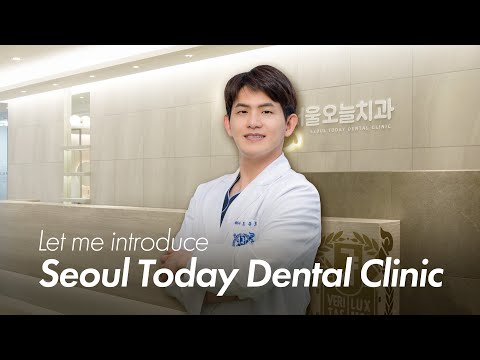
Dr. Doh | Best Dentist in Seoul South Korea at Today Dental Clinic
Dentistry
Seoul Today Dental Clinic
Seoul, South Korea
Unlock the Best Dentistry Packages Just for You
Discover the ultimate Dentistry packages designed to meet your health and wellness goals. Choose the perfect fit for your journey.

Price starting from $129
Frenectomy Package in Ahmedabad India by House of Dontics
House of Dontics Dental Clinic in Ahmedabad, India
- Dentistry
Ahmedabad, India

Price starting from $500
Dental Implants Package in Seoul, South Korea by Le Dental Clinic
Le Dental Clinic
- Dentistry
Seoul, South Korea
.png)
Price starting from $8,850
All-on-6 Dental Implant at Barun Dental Clinic in South Korea
Barun Dental Clinic
- Dentistry
Seoul, South Korea

Price starting from $2,699
Hollywood Smile Package in Ahmedabad India by House of Dontics
House of Dontics Dental Clinic in Ahmedabad, India
- Dentistry
Ahmedabad, India
Transformative Dentistry Experiences: Dive into Procedure Insights
Discover the power of Dentistry through compelling patient experiences. Uncover detailed insights into procedures, recovery journeys, and life-changing results.
.png)
.png)
.png)
Price starting from $8,850
All-on-6 Dental Implant in South Korea
- All on 6 Dental Implants, Dentistry
Seoul, South Korea
.png)







