
A Guide to ACL Surgery Cost in Turkey
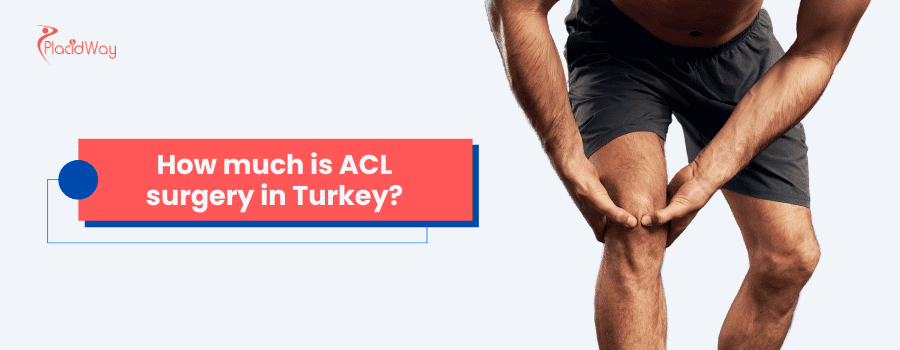
If you have experienced a severe knee injury and are exploring orthopedic treatment options abroad, you might be researching ACL surgery in Turkey. The anterior cruciate ligament (ACL) is a crucial band of tissue that stabilizes the knee joint. When it tears—often during sports involving sudden stops or changes in direction—surgical reconstruction may be required to restore function and prevent further joint damage. Navigating healthcare in another country requires careful consideration of costs, medical protocols, travel safety, and the extensive rehabilitation required for joint operations.
Key Takeaways
- Cost estimates typically cover the immediate procedure and hospital stay, but exclude long-term physical therapy and travel expenses.
- Thorough diagnostic imaging (MRI) and a local medical evaluation are required to determine if you are a suitable candidate.
- Reconstruction involves replacing the torn ligament with a tissue graft, which influences both recovery timelines and surgical complexity.
- Flying after orthopedic surgery increases the risk of blood clots, necessitating a recovery stay of 10 to 14 days before traveling home.
- Success depends heavily on your commitment to a six- to nine-month local physical therapy program following the operation.
What is included in the total cost of an ACL reconstruction?
Understanding healthcare pricing structures abroad helps you avoid unexpected financial burdens. Many medical facilities bundle the core components of the procedure into a single package. These packages frequently cover pre-operative blood work, the surgical graft processing, the use of the operating theater, and standard post-operative medications administered during your hospital admission.
However, it is crucial to recognize what is rarely included in these baseline estimates. Expenses such as initial MRI diagnostics (often required before you travel), long-term physical therapy, specialized knee braces, deep vein thrombosis (DVT) prevention medication for your flight, and accommodation for the duration of your recovery are typically separate. Out-of-pocket costs can increase depending on whether concurrent knee damage, such as a torn meniscus, is discovered and repaired during the operation.
Am I a suitable candidate for anterior cruciate ligament surgery?
Not every torn ACL requires an operation. A qualified healthcare provider evaluates candidacy based on your age, activity level, the severity of knee instability, and whether you have sustained associated injuries to other ligaments or cartilage. If your knee frequently gives out or buckles while walking or performing light activities, surgery is often recommended to prevent further damage to the joint's protective cartilage, which can lead to early-onset osteoarthritis.
Conversely, individuals with sedentary lifestyles, partial tears, or those unable to commit to extensive physical therapy may be advised to pursue conservative treatments. Nonsurgical approaches involve targeted physical therapy to strengthen the surrounding leg muscles and utilizing custom bracing. A formal medical assessment, complete with imaging tests, is essential before making any travel arrangements.
What types of grafts are used for knee ligament repair?
Because a torn anterior cruciate ligament cannot be simply stitched back together, it must be reconstructed using a substitute graft. The choice of graft affects recovery time, potential complications, and sometimes the overall surgical cost. The most common autografts involve taking tissue from the patellar tendon (connecting the kneecap to the shinbone), the hamstring tendons, or the quadriceps tendon. Using your own tissue typically yields strong results but requires a secondary surgical site on your leg, which can cause additional pain during early recovery.
Allografts rely on donor tissue, eliminating the need to harvest from your own body. This often results in less immediate post-operative pain and smaller incisions. However, allografts carry a slightly higher risk of graft failure in young, highly active athletes and involve minimal risks related to tissue rejection or disease transmission. Discussing the pros and cons of each graft type with an orthopedic specialist helps determine the best approach for your specific anatomy and lifestyle goals.
How do I choose the right ACL surgery clinic in Turkey?
The quality of care can vary widely between different facilities. When evaluating your options, look for hospitals that hold recognized accreditations, such as from the Joint Commission International (JCI). These accreditations indicate that the facility complies with rigorous standards for patient safety, medical equipment maintenance, and clinical outcomes.
Furthermore, research the primary surgeon’s background. Valid credentials include specialized fellowship training in sports medicine or orthopedic surgery, along with memberships in recognized international orthopedic societies. A reputable clinic will readily provide access to their surgeons' qualifications and schedule virtual consultations to discuss your specific case, allowing you to ask detailed questions about their case volume and infection rates before committing to travel.
What are the potential risks and complications of this procedure?
Understanding the risks associated with invasive surgery is vital for informed consent. While reconstruction is standard practice for treating this injury, complications can occur. Infection in the joint space is a severe complication that can compromise the new graft and require additional surgeries. Some patients experience arthrofibrosis, a condition where scar tissue forms inside the knee, severely limiting range of motion and requiring intensive therapy or further intervention to correct.
For international patients, deep vein thrombosis (DVT) is a particularly significant concern. The combination of lower-limb surgery and prolonged immobility during flights greatly increases the risk of forming dangerous blood clots in the legs. Medical protocols typically require a period of ground recovery, the use of compression stockings, and sometimes prophylactic blood-thinning medication to mitigate this travel-related risk.
How long should I expect to stay in the country for recovery?
Planning the duration of your trip requires accounting for the immediate post-operative recovery phase. After being discharged from the hospital, which usually occurs one to two days after the procedure, you will need a comfortable environment to rest, manage pain, and elevate your leg. Navigating a hotel room and bathroom while relying on crutches requires careful logistical planning.
Your surgeon will schedule follow-up appointments during this window to monitor the incision sites for signs of infection, remove sutures, and assess your initial mobility. Because flying increases DVT risks, doctors usually withhold fitness-to-fly certificates until they are confident your early recovery is stable. Rushing the journey home can jeopardize the success of the procedure and your overall health.
| Recovery Phase | Typical Timeline | Primary Focus |
|---|---|---|
| Initial Healing | Days 1–14 | Pain management, reducing swelling, safe travel home. |
| Early Rehab | Weeks 2–6 | Regaining range of motion, weaning off crutches. |
| Strengthening | Months 2–6 | Building quadriceps strength, normal walking gait. |
| Return to Activity | Months 6–12+ | Agility training, safe return to physical sports. |
What does the initial physical therapy timeline look like?
Physical therapy is arguably just as critical to a successful outcome as the surgery itself. While still in the hospital, a physical therapist will guide you through initial exercises, such as ankle pumps and gentle knee extensions, to promote blood circulation and prevent stiffness. You will also receive instruction on how to safely navigate stairs and walk using crutches without placing undue stress on the new graft.
The graft is actually at its weakest between the sixth and twelfth weeks post-operation as the tissue remodels itself inside the joint. Therefore, adherence to prescribed movement restrictions during the early months is critical. Overworking the knee early on can stretch or tear the healing graft, compromising joint stability.
How does medical tourism in Turkey work for orthopedic patients?
Traveling for complex joint repair requires more logistical effort than minor outpatient procedures. Prior to travel, you must transfer medical records, including high-resolution MRI scans, to the prospective clinical team for review. This allows the surgeon to confirm your diagnosis and propose a tailored surgical plan. Patients must also consider the practical aspects of travel, ensuring their chosen accommodations feature elevators, walk-in showers, and easy access to transportation.
Navigating a foreign healthcare system involves potential language barriers. Facilities accustomed to treating international patients often employ patient coordinators or medical interpreters to facilitate communication between you, the nursing staff, and the surgical team. Clear communication regarding pain management and physical therapy instructions is essential for a safe recovery.
What happens if I need follow-up care after returning home?
Continuity of care presents one of the most significant challenges in medical tourism. Because rehabilitation takes up to a year, your overseas surgical team cannot provide hands-on post-operative monitoring. Before leaving the destination country, you must request comprehensive medical files, including operative reports, graft details, implant specifications, and post-operative imaging. These documents are crucial for your home healthcare providers.
If complications arise—such as persistent swelling, fever, or increasing pain—you will require immediate local intervention. It is highly advisable to discuss your travel plans with a local orthopedic doctor beforehand. Securing a commitment from a local provider to oversee your post-operative rehabilitation ensures you have a safety net once you return home.
Why Choose PlacidWay for Medical Tourism?
Organizing medical care internationally involves extensive research and complex decision-making. PlacidWay serves as a resource for individuals exploring healthcare opportunities across the globe.
- Global Medical Network: PlacidWay maintains a vast directory of healthcare facilities and clinical providers spanning multiple countries, helping patients identify options that align with their specific medical needs.
- Resource Comparison: The platform enables users to compare different medical centers, read about facility accreditations, and evaluate various surgical approaches in one centralized location.
- Cost Transparency: PlacidWay provides access to estimated price ranges for procedures, allowing patients to plan their finances and understand the potential scope of medical expenses abroad.
- Patient Education: The website offers extensive articles, guides, and resources designed to inform patients about medical procedures, recovery expectations, and healthcare logistics.
- Direct Information Access: Users can utilize the platform to request information directly from healthcare providers, facilitating open communication and early consultation processes before committing to a treatment plan.
Frequently Asked Questions
Is it safe to fly after knee ligament reconstruction?
Flying shortly after knee reconstruction increases the risk of deep vein thrombosis (DVT). Most orthopedic specialists recommend waiting 10 to 14 days before taking a flight, and they may prescribe blood thinners or compression stockings for travel.
Do Turkish hospitals use international surgical protocols?
Many major medical facilities cater to international patients by adhering to protocols established by global accreditation bodies. However, standards vary by facility, making independent verification of credentials necessary.
Will I need crutches during my flight home?
Yes, patients typically require crutches for two to four weeks post-operation. You will need to coordinate with your airline for wheelchair assistance at the airport and extra legroom during the flight.
Does the estimated ACL surgery cost in Turkey cover long-term physical therapy?
Estimates usually only cover inpatient physical therapy during the first few days after the procedure. Long-term rehabilitation, which lasts six to nine months, will need to be arranged and paid for in your home country.
Can a torn ACL heal without surgical intervention?
A completely torn anterior cruciate ligament cannot heal on its own due to poor blood supply. However, older or less active individuals may manage symptoms through physical therapy and bracing without undergoing an operation.
How long does the actual knee operation take?
Anterior cruciate ligament reconstruction usually takes between one and two hours to complete, depending on the complexity of the tear and whether concurrent meniscal injuries need to be repaired.
Are bilateral knee surgeries performed during the same trip?
Operating on both knees simultaneously is highly uncommon and generally discouraged due to the extreme difficulty of rehabilitation, increased surgical risks, and the inability to bear weight on either leg during initial recovery.
What type of anesthesia is typically used?
Orthopedic teams usually perform this operation under general anesthesia, though regional anesthesia (such as a spinal block) combined with a sedative is sometimes used depending on patient health and surgeon preference.
Do orthopedic surgeons in popular destinations speak English?
Many surgeons who frequently treat international patients speak English fluently. Facilities heavily involved in global healthcare often provide dedicated translation services for medical appointments.
How soon can I return to sports after the procedure?
Returning to pivoting or contact sports usually takes nine to twelve months of dedicated physical therapy. Premature return significantly increases the risk of graft failure or injury to the opposite knee.
Compare Treatment Options
Explore medical facilities, compare estimated costs, and gather the information you need to make an informed decision about your orthopedic care.
Request Treatment InformationReferences
- ACL Injury: Does It Require Surgery? – American Academy of Orthopaedic Surgeons (AAOS)
- ACL Reconstruction: Risks and What to Expect – Mayo Clinic
- Anterior Cruciate Ligament (ACL) Reconstruction – MedlinePlus (National Library of Medicine)
- Knee Ligament Surgery Recovery and Complications – National Health Service (NHS)
- Medical Tourism: Travel for Medical Care – Centers for Disease Control and Prevention (CDC)
- Travel and Health: Deep Vein Thrombosis – World Health Organization (WHO)






















Share this listing