


Unlock An Ideal Profile: Forehead Contouring in Seoul
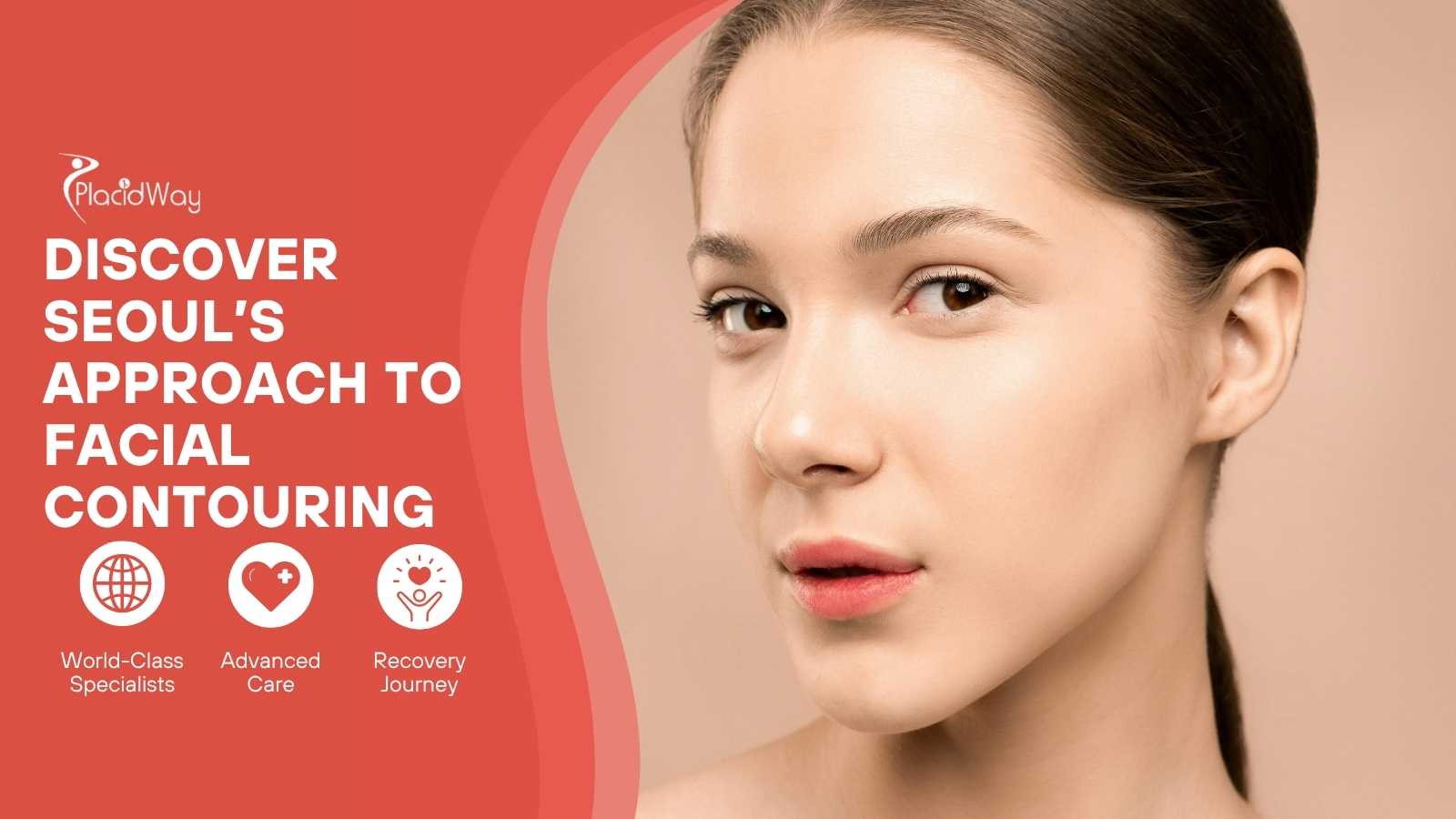
The forehead contouring cost in Seoul, South Korea typically ranges from $3,500 to $6,500. This estimate varies based on the technique used, such as bone reduction, custom implants, or fat grafting, and the surgeon's expertise.
Key Takeaways
- Average surgical costs range between $3,500 and $6,500 depending on procedure complexity.
- Common techniques include bone shaving, autologous fat grafting, and custom silicone implants.
- Initial recovery requires 10 to 14 days in the country before patients are cleared for air travel.
- Thoroughly verifying surgeon board certification through recognized medical societies is crucial.
- Pre-operative 3D CT imaging is standard practice for precise structural planning.
What Factors Influence the Forehead Contouring Cost in Seoul, South Korea?
The final price fluctuates based on the surgical complexity, the materials used for augmentation, and the facility's fee structure. Advanced diagnostic testing and anesthesia type also play significant roles.
When evaluating the forehead contouring cost in Seoul, South Korea, patients must consider the specific surgical technique required. Bone reduction procedures often have different pricing structures compared to augmentation methods that utilize custom-made silicone implants or advanced fat grafting. The complexity of the structural changes directly impacts the operating time and surgical resources utilized.
The experience and qualifications of the surgical team are crucial pricing determinants. Board-certified plastic surgeons with extensive backgrounds in craniofacial procedures typically command higher fees for their specialized expertise. Furthermore, any forehead contouring clinic in Seoul, South Korea equipped with high-resolution 3D CT scanning technology may charge more, as these tools allow for precise preoperative planning and enhanced safety.
Finally, facility fees, anesthesiologist charges, and post-operative care packages contribute to the total expenditure. Some medical centers provide all-inclusive pricing that covers necessary follow-up appointments and recovery medications, while others bill these items separately. Patients should carefully review all estimated costs during their initial consultations to avoid unexpected expenses.
What Types of Forehead Contouring Procedures are Available?
Patients typically choose between augmentation using implants or fat grafting to add volume, and reduction techniques like bone shaving. A thorough evaluation determines the most suitable approach.
- Custom Silicone Implants: These are designed using 3D imaging to fit the patient's unique bone structure precisely, providing permanent volume and shape enhancement to a flat or depressed forehead.
- Bone Shaving (Reduction): For individuals with a prominent brow bone or protruding forehead, this technique carefully burrs down the outer layer of the skull bone to create a smoother contour.
- Autologous Fat Grafting: This less invasive method harvests fat from the patient's thighs or abdomen, purifies it, and injects it into the forehead area to create soft, natural-looking volume.
- Bone Cement Augmentation: Utilizing materials like methyl methacrylate, surgeons can mold and shape the forehead during the procedure to correct asymmetries and improve structural contour.
- Combination Approaches: Many patients undergo a combination of reduction and augmentation, such as shaving a prominent brow ridge while adding fat to the upper forehead.
Did You Know?
South Korea is recognized globally for pioneering advanced 3D modeling in facial bone surgery. This technology allows surgeons to create customized surgical guides and implants before the operation even begins, enhancing both safety and aesthetic precision.
How Should I Choose a Forehead Contouring Clinic in Seoul, South Korea?
Selecting a facility requires verifying the surgeon's board certification, reviewing the clinic's safety protocols, and analyzing portfolios. Thorough research is essential for a safe outcome.
When searching for a reputable forehead contouring clinic in Seoul, South Korea, the foremost priority is verifying the surgeon's credentials. Patients should ensure the specialist is certified by recognized bodies such as the Korean Society of Plastic and Reconstructive Surgeons (KSPRS). Expertise in craniofacial or facial bone contouring is critical, as the forehead involves complex anatomical structures.
The facility's infrastructure and emergency preparedness are equally important. A reliable clinic should have in-house anesthesiologists, advanced 3D CT imaging equipment, and comprehensive emergency protocols. Investigating the clinic's history of safety and their specific protocols for managing potential surgical complications provides vital peace of mind.
During the consultation process, carefully evaluate the surgeon's communication style and treatment philosophy. A trustworthy professional will discuss both the benefits and the potential risks, provide realistic expectations, and avoid pressuring you into immediate decisions. Requesting to see a portfolio of past cases can help determine if their aesthetic approach aligns with your goals.
What Should I Expect During the Recovery Process?
Recovery involves an initial phase of significant swelling and potential bruising, typically requiring one to two weeks of downtime. Final contour settling can take several months.
The immediate post-operative period for forehead contouring in Seoul, South Korea involves wearing a compression bandage to minimize swelling and support the newly shaped tissues. Patients commonly experience tightness, mild to moderate discomfort, and temporary numbness around the surgical site, manageable with prescribed oral medications. Elevating the head is crucial during the first few days.
Most individuals can expect the majority of visible swelling and bruising around the eyes and forehead to subside within two to three weeks. While many patients feel comfortable returning to non-strenuous work after 10 to 14 days, rigorous physical activities, heavy lifting, and contact sports must be strictly avoided for at least four to six weeks to ensure proper stabilization.
Long-term recovery requires patience, as the final aesthetic results may not be fully apparent until three to six months post-surgery. Residual minor swelling can fluctuate, and sensory nerve recovery—where numbness gradually resolves into normal sensation—can take several months. Adhering strictly to the surgeon's instructions is vital for optimal healing.
Important Consideration
Air travel is generally contraindicated immediately following facial bone surgery. The changes in cabin pressure can exacerbate swelling and pose risks to healing incisions. Always consult your surgeon, but prepare to remain in the host city for a minimum of 10 to 14 days post-operation.
What are the Potential Risks and Complications?
While generally safe when performed by qualified specialists, risks include infection, nerve injury causing temporary or permanent numbness, and implant shifting. Understanding these is crucial.
- Infection and Bleeding: As with any surgical intervention, there is a risk of post-operative infection or hematoma formation, which requires prompt medical management.
- Nerve Damage: The supraorbital and supratrochlear nerves run through the forehead; surgical trauma can lead to altered sensation or numbness that is usually temporary but occasionally permanent.
- Implant Complications: If an implant is used, risks include malposition, shifting, fluid accumulation (seroma), or capsular contracture, potentially necessitating a revision surgery.
- Asymmetry and Dissatisfaction: Uneven bone reduction, unpredictable fat graft absorption, or implant placement issues can result in visible asymmetry.
- Anesthesia Risks: General anesthesia carries inherent risks, including respiratory issues or adverse allergic reactions, underscoring the need for a board-certified anesthesiologist.
Is Medical Tourism in Seoul, South Korea a Viable Option for Facial Contouring?
Traveling for facial procedures is popular due to the concentration of specialized craniofacial surgeons. However, proper planning regarding logistics and post-operative care is essential.
Participating in medical tourism in Seoul, South Korea offers access to some of the most experienced facial contouring specialists available. South Korean clinics are renowned for integrating advanced technologies that enhance surgical precision. Furthermore, many facilities cater specifically to international patients, offering multi-lingual coordination staff to assist with consultations.
Despite the advantages, patients must meticulously plan for the logistical challenges of having surgery abroad. It is crucial to allocate sufficient time for the initial consultation, the surgery itself, and a mandatory post-operative stay. Navigating a foreign environment while recovering requires careful preparation and realistic timelines.
Additionally, prospective patients should establish a clear plan for continuity of care once they return home. While major complications are uncommon with properly vetted surgeons, having a local medical professional available to address minor healing issues or provide routine follow-up assessments ensures long-term safety.
How Long Do the Results of Forehead Contouring Last?
Bone reduction or custom solid implants offer permanent structural changes. However, outcomes from fat grafting may vary as the body naturally metabolizes some transferred fat.
When undergoing structural modifications, such as bone shaving or burring, the alterations made to the skull are permanent. The reduced bone will not regrow, meaning the newly contoured, smoother forehead profile will be maintained for a lifetime. This permanence makes bone reduction a sought-after technique for definitively changing a prominent brow ridge.
Similarly, synthetic implants made from materials like medical-grade solid silicone or customized porous polyethylene are designed to be permanent structural additions. Unless a complication arises—such as an infection or late-stage implant shifting that requires removal—these implants will maintain their volume and shape indefinitely.
Conversely, autologous fat grafting presents a different longevity profile. While a significant portion of the injected fat establishes a permanent blood supply, the body naturally reabsorbs a percentage of it initially. Consequently, some patients may require a secondary touch-up session, and the remaining fat will still respond to natural body weight fluctuations.
What Pre-Operative Assessments are Required?
Comprehensive evaluations include physical examinations, detailed medical history reviews, and advanced radiological imaging to ensure the patient is a safe surgical candidate.
- 3D CT Scanning: This imaging provides a detailed, three-dimensional view of the skull, frontal sinus, and nerve pathways to guide precise and safe surgical alterations.
- Comprehensive Blood Tests: Routine pre-operative blood work is mandatory to assess overall health, check for bleeding disorders, and ensure general anesthesia safety.
- Electrocardiogram (ECG): Evaluating cardiac function is a standard protocol prior to procedures requiring general anesthesia to rule out underlying heart conditions.
- Medical History Review: The surgical team will conduct a thorough review of past surgeries, current medications, allergies, and lifestyle factors like smoking.
- Physical and Aesthetic Examination: The surgeon assesses skin elasticity, existing bone structure, and hairline position to determine the most anatomically appropriate technique.
Can Forehead Contouring be Combined with Other Procedures?
It is highly common for patients to undergo supplementary facial procedures simultaneously. Combining surgeries can reduce overall recovery time and consolidate facility fees.
Many individuals seeking forehead contouring in Seoul, South Korea opt to combine their treatment with other facial aesthetic procedures. Because the forehead significantly influences the upper third of the face, altering its shape often necessitates adjustments to adjacent areas. A common pairing is rhinoplasty, as adjusting a prominent brow bone can visually alter the appearance of the nasal bridge.
Hairline lowering or brow lift surgeries are also frequently performed alongside forehead contouring. If bone reduction or implant placement requires an incision near the hairline, a surgeon can utilize the same access point to lower a high hairline or elevate drooping eyebrows. This synergistic approach maximizes outcomes while minimizing additional scarring.
Combining procedures during a single operation requires only one session of general anesthesia, consolidates the recovery periods into a single timeframe, and can sometimes be more cost-effective. However, the surgeon must carefully evaluate the patient's health to ensure they can safely tolerate a prolonged surgical duration.
Why Choose PlacidWay for Your Treatment Journey?
PlacidWay connects patients with globally recognized medical facilities, fostering informed decisions through transparency and comprehensive resources.
- Extensive Global Network: Access a carefully curated directory of internationally recognized and credentialed healthcare providers specializing in complex craniofacial procedures.
- Transparent Cost Comparisons: Utilize platforms that present clear pricing models, helping patients evaluate estimated treatment expenses across different international facilities.
- Detailed Provider Profiles: Review comprehensive clinic data, including surgeon qualifications, facility accreditations, and patient testimonials, all in one centralized location.
- Robust Educational Resources: Access an extensive library of medical articles and procedure guides designed to help patients understand complex treatments and realistic outcomes.
- Direct Patient-to-Clinic Communication: Benefit from a platform that facilitates seamless, direct inquiries between you and the chosen medical providers.
Frequently Asked Questions
How long does forehead contouring surgery take?
The surgical time typically ranges from one and a half to three hours. This duration depends heavily on whether you are undergoing bone reduction, implant placement, or a combination of both procedures.
Will I have visible scars after the procedure?
In most cases, surgeons place the necessary incisions either well behind or directly along the natural hairline. This strategic placement ensures that any resulting scars remain largely hidden by your hair once fully healed.
What type of anesthesia is used for forehead contouring?
Due to the structural nature of bone remodeling and the need for complete immobility, these procedures are typically performed under general anesthesia administered by a board-certified anesthesiologist.
Are customized implants safe for forehead augmentation?
Medical-grade solid silicone and customized porous materials like Medpor are widely recognized and generally well-tolerated by the body, offering a safe option for permanent volume enhancement in suitable patients.
How soon can I fly back home after surgery in Seoul?
Patients are generally advised to wait 10 to 14 days before flying. This mandatory recovery period allows for initial healing, suture removal, and ensures that post-operative swelling safely accommodates cabin pressure changes.
Is forehead bone shaving painful?
You will not feel pain during the surgery due to general anesthesia. Post-operative discomfort is typically characterized by tightness and pressure rather than sharp pain, which is manageable with prescribed oral pain medication.
Can fat grafting provide permanent forehead volume?
The fat that survives the initial transfer and establishes a blood supply becomes a permanent part of your tissue. However, because the body naturally metabolizes some fat early on, results vary, and touch-ups may be necessary.
What is the difference between forehead reduction and contouring?
Reduction specifically refers to decreasing the prominence of the bone (shaving or burring). Contouring is a broader term encompassing all reshaping techniques, including both reduction and augmentation (adding volume).
How do I verify a Korean plastic surgeon's credentials?
You can verify a specialist's credentials by ensuring they are registered with the Korean Society of Plastic and Reconstructive Surgeons (KSPRS) and by requesting to see their official board certification documentation.
What should I pack for medical tourism in Seoul?
Pack loose-fitting clothing that buttons in the front to avoid pulling over your head, a comfortable travel neck pillow to help you sleep elevated, all necessary travel medical documents, and any regular daily medications.
Ready to Explore Your Options?
Connect with verified specialists and compare treatment plans to make an informed decision about your medical journey.
Request InformationMedical Disclaimer: The information provided is for educational purposes only and should not replace professional medical advice. Treatment outcomes and estimated costs vary by individual case and chosen facility.
References
- Facial Implants Overview – American Society of Plastic Surgeons (ASPS)
- Forehead Contouring and Augmentation Using 3D Technology – National Center for Biotechnology Information (NCBI)
- Global Patient Safety Guidelines in Aesthetic Surgery – International Society of Aesthetic Plastic Surgery (ISAPS)
- General Anesthesia Risks and Preparation – Mayo Clinic
- Foreign Patient Support and Safety Guidelines – Korea Health Industry Development Institute (KHIDI)
- Facial Bone Surgery and Post-Operative Care – MedlinePlus
.jpg)



.png)


.jpg)



.jpg)
.jpg)
.jpg)








Share this listing