


Best Cancer Treatment Centers in Tijuana, Mexico for International Patients
Tijuana is a major hub for medical tourists seeking various approaches to oncology. A cancer treatment in Tijuana, Mexico typically includes standard therapies, advanced immunotherapy, and alternative protocols, often available at lower costs than in the aUS.
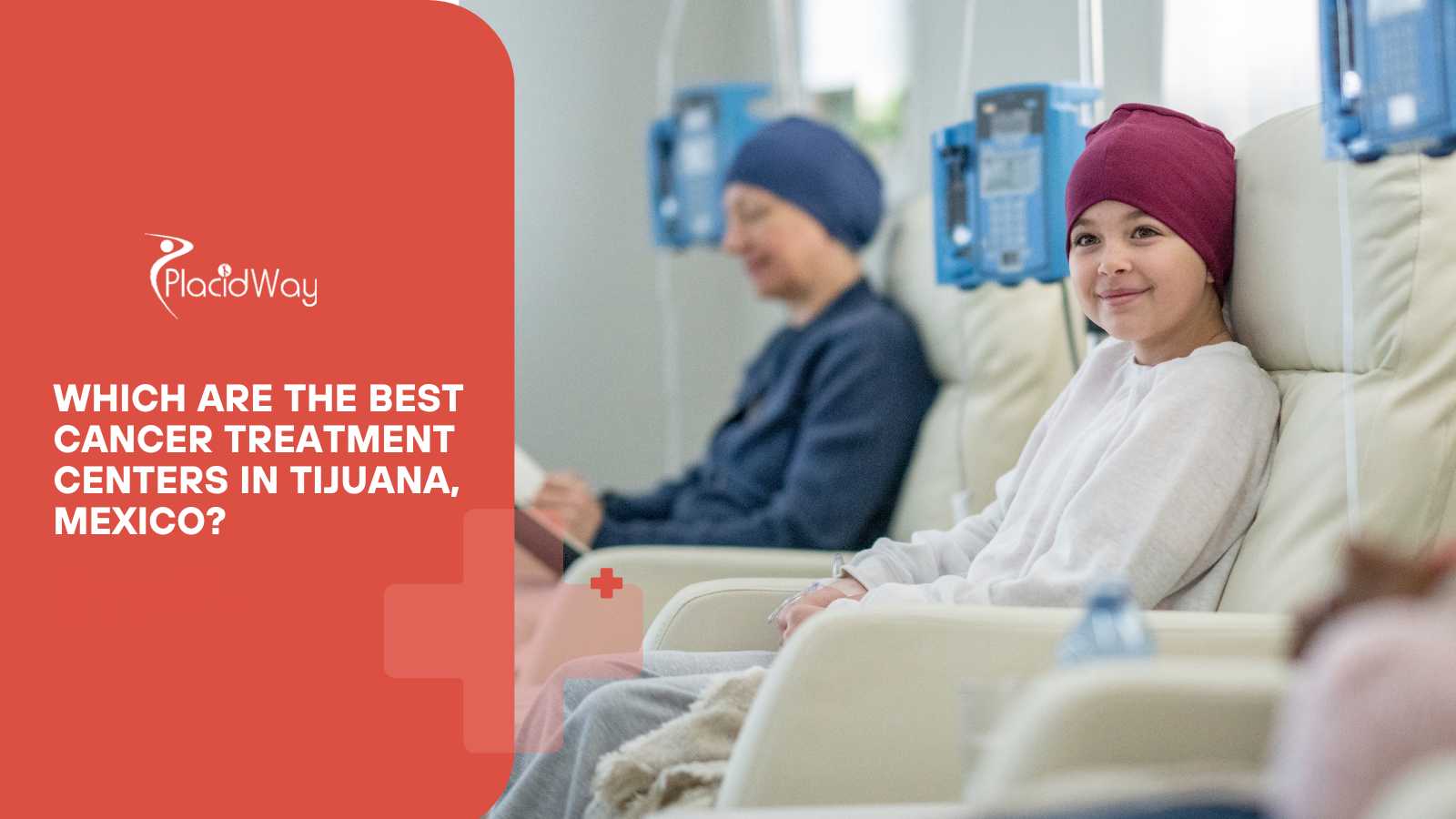
Facing a cancer diagnosis is one of the most challenging experiences a person can go through. As you explore your options, you may find yourself looking beyond your local healthcare system. Over the past few decades, Mexico—specifically border cities like Tijuana—has become a prominent destination for international patients seeking both conventional and alternative oncological care.
Understanding the landscape of medical tourism in Tijuana, Mexico requires careful research. The region offers a wide spectrum of care, ranging from board-certified urologists and oncologists performing standard surgeries to holistic centers focusing on integrative therapies not widely available or approved in the United States or Canada. Because medical approaches and regulations differ across borders, it is highly recommended to consult with your primary healthcare provider before making any international medical travel decisions.
Key Takeaways
- Tijuana offers a mix of conventional oncology (surgery, chemotherapy) and alternative/integrative therapies.
- Treatments such as specialized immunotherapy and Insulin Potentiation Therapy (IPT) are frequently sought by international patients.
- A cancer clinic in Tijuana, Mexico typically provides bilingual care and assistance with travel logistics.
- Alternative treatments carry unique risks and are often not FDA-approved; thorough patient research is essential.
- Costs are generally lower than out-of-pocket expenses in the US, but most treatments are not covered by standard American health insurance.
What types of cancer treatments are available in Tijuana?
Tijuana provides access to conventional medical treatments like surgery and chemotherapy, alongside a wide array of alternative, integrative, and holistic therapies designed to support immune function.
When looking at treatment options south of the border, patients usually encounter two main categories of care. The first is conventional medicine, which mirrors the standard protocols used worldwide. This includes surgical tumor removal, standard chemotherapy, targeted radiation therapy, and hormonal treatments. Many hospitals in Tijuana are equipped with modern technology to perform these standard procedures safely.
The second category, which attracts a significant portion of medical tourists, involves integrative and alternative medicine. These programs often aim to treat the whole body rather than just targeting the tumor. Therapies might include high-dose intravenous Vitamin C, hyperthermia (heating the body to weaken cancer cells), ozone therapy, and specialized nutritional protocols. Many clinics blend these alternative methods with low-dose traditional therapies, aiming to minimize the severe side effects often associated with standard cancer treatments.
Who are some of the known providers and clinics in the region?
Patients frequently explore various specialists and centers in Mexico, including Alternative Cancer Treatment by ITC, Limphocare by Limphocite, Dr. Donato Perez Garcia, Dr. Victor Mendoza, and Instituto de Terapia Celular.
The medical landscape in Mexico features a diverse range of practitioners and specialized centers. As you research your options, you may come across several well-known names and facilities that cater specifically to international patients.
- Alternative Cancer Treatment by ITC - Immunity Therapy Center: This Tijuana-based facility is widely known for focusing on customized, alternative, and integrative cancer treatments. They emphasize strengthening the immune system through a combination of non-invasive therapies.
- Limphocare by Limphocite: This group focuses specifically on immunotherapy for cancer in Mexico. Their approach often involves trying to train the patient's own immune system to recognize and attack malignant cells.
- Dr. Donato Perez Garcia: A notable figure in alternative oncology, he is heavily associated with the development and administration of Insulin Potentiation Therapy (IPT), a unique approach to delivering chemotherapy.
- Dr. Victor Mendoza: A specialist focusing on urology, offering conventional and minimally invasive treatments for urological cancers, such as prostate, bladder, and kidney cancer.
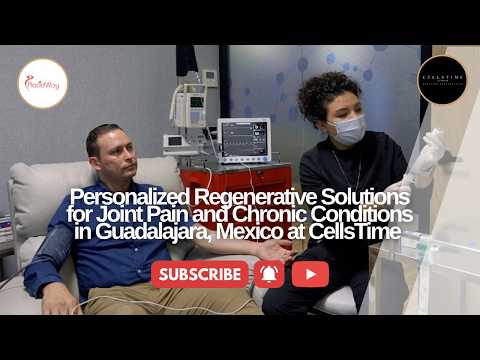
- Instituto de Terapia Celular (Stem Cell Guadalajara Mexico): While located further south in Guadalajara rather than Tijuana, this institute is frequently researched by patients exploring stem cell applications, regenerative medicine, and cellular therapies in Mexico.
It is vital to thoroughly vet any provider, understand their specific medical philosophy, and request verifiable data regarding their outcomes before committing to a treatment plan.
What is Insulin Potentiation Therapy (IPT)?
IPT is an alternative protocol that uses insulin to lower blood sugar, followed by a lower-than-standard dose of chemotherapy, based on the theory that cancer cells will more readily absorb the drugs.
Insulin Potentiation Therapy (IPT) is an alternative cancer treatment often associated with clinics in Mexico, including the practice of Dr. Donato Perez Garcia, whose family pioneered the technique. The fundamental theory behind IPT relies on the way cancer cells consume energy. Malignant cells typically have a much higher demand for glucose (sugar) than healthy cells.
During an IPT session, a physician administers insulin to intentionally induce a state of mild hypoglycemia (low blood sugar). The theory suggests that this "starves" the cancer cells, causing them to open their cell membranes in search of nutrients. At this precise moment, a fraction of the standard dose of chemotherapy—often combined with glucose—is administered. Proponents claim that the cancer cells absorb the chemotherapy drugs more aggressively than healthy cells, allowing for effective treatment with significantly reduced side effects such as hair loss and severe nausea.
While the concept is biochemically interesting, it is crucial to note that mainstream oncological organizations have not endorsed IPT. Extensive, peer-reviewed clinical trials comparing long-term survival rates of IPT versus standard chemotherapy are lacking, meaning results can vary widely depending on the individual patient.
How does immunotherapy for cancer work in Mexico?
Immunotherapy in Mexico often includes standard checkpoint inhibitors as well as specialized, personalized vaccines—like dendritic cell therapy—designed to stimulate the body’s natural defenses against tumors.
Immunotherapy is a rapidly evolving field of oncology that uses the body's own immune system to fight disease. In the United States, certain immunotherapies are standard care for specific cancers (like melanoma and lung cancer). However, clinics in Mexico, such as Limphocare by Limphocite and ITC, often offer forms of immunotherapy that are either experimental or still in clinical trials north of the border.
One common approach is Dendritic Cell Therapy. This process involves drawing a patient's blood, extracting specific immune cells (dendritic cells), and exposing them to proteins from the patient’s own tumor in a laboratory setting. Once these cells learn to recognize the cancer markers, they are multiplied and injected back into the patient. The goal is for these activated cells to trigger a robust immune response against the cancer.
While immunotherapy can be highly effective in suitable patients, it is not a cure-all. Cancers have complex ways of evading the immune system, and responses to treatments can be unpredictable. You should always ask your provider to explain the specific type of immunotherapy being offered and the realistic expectations for your specific cancer stage.
What role do urologists play in cancer care in Tijuana?
Urologists specialize in the diagnosis and surgical treatment of cancers affecting the male and female urinary tract and the male reproductive organs, including the prostate, kidneys, and bladder.
For patients dealing with localized genitourinary cancers, a specialized surgeon is often the primary doctor. Urologists, such as Dr. Victor Mendoza, manage conditions like prostate cancer, renal (kidney) cell carcinoma, testicular cancer, and bladder cancer. In Tijuana, well-equipped hospitals offer various urological interventions.
Depending on the diagnosis, a urologist may perform open surgery, laparoscopic procedures, or even robotic-assisted surgeries to remove tumors while preserving as much normal function as possible. For early-stage prostate cancer, treatments might include a radical prostatectomy or localized therapies designed to spare surrounding nerves. These specialists often work alongside oncologists to determine if additional treatments like radiation or chemotherapy are needed after surgery.
Because urological surgery requires significant precision to avoid complications related to urinary incontinence or sexual function, it is essential to review a surgeon’s specific experience, board certifications, and complication rates before proceeding with an operation abroad.
Are stem cell therapies used for cancer treatment in Mexico?
Stem cell therapy is primarily used in standard oncology to rebuild the immune system after high-dose chemotherapy for blood cancers, though some alternative clinics offer cellular therapies for general wellness.
Stem cell therapy is one of the most discussed and sometimes misunderstood areas of modern medicine. In standard, globally accepted oncology, stem cell transplants (often bone marrow transplants) are a critical treatment for blood-related cancers like leukemia, lymphoma, and multiple myeloma. These transplants replace diseased bone marrow with healthy stem cells after the patient undergoes intense radiation or chemotherapy.
In Mexico, facilities like the Instituto de Terapia Celular in Guadalajara specialize in broader applications of stem cells and regenerative medicine. While stem cells have incredible potential for tissue repair and managing autoimmune conditions, their role in treating solid tumors (like breast or lung cancer) remains highly experimental.
Some alternative clinics utilize stem cells with the intention of boosting overall vitality, repairing tissue damage caused by traditional treatments, or modulating the immune system. However, patients must exercise extreme caution. Introducing growth-promoting stem cells into a body with an active solid tumor carries the theoretical risk of unintentionally promoting tumor growth. Always discuss cellular therapies with an independent, board-certified oncologist.
How much does cancer treatment cost in Tijuana?
The cancer treatment cost in Tijuana, Mexico typically ranges from $15,000 to $45,000 for a multi-week intensive program, which is generally lower than uninsured costs in the United States.
Financial toxicity is a major reason patients look across the border for medical care. The overall cost of care in Mexico is generally 40% to 70% lower than in the United States. However, because cancer care is highly individualized, exact pricing varies wildly based on the clinic, the length of stay, and the specific medications required.
If you are exploring a cancer clinic in Tijuana, Mexico for a comprehensive alternative or integrative protocol, a typical three-to-four-week outpatient program often costs between $18,000 and $35,000. This estimate usually covers daily doctor visits, specialized IV therapies, nutritional planning, and basic diagnostic blood work. Standard surgical interventions by specialists (like a prostatectomy) might range from $8,000 to $15,000.
| Type of Treatment / Service | Estimated Cost Range in Tijuana |
|---|---|
| Initial Oncology Consultation | $100 - $300 |
| PET/CT Scan | $1,000 - $1,800 |
| Alternative/Integrative Program (3 Weeks) | $18,000 - $35,000 |
| Dendritic Cell Immunotherapy (per cycle) | $8,000 - $15,000 |
Keep in mind that these are strictly estimates. Patients must also factor in the costs of lodging, travel, specialized supplements to take home, and ongoing follow-up consultations. Because US health insurance rarely covers international care, you should prepare to fund these treatments independently.
Is it safe to travel to Tijuana for medical care?
Hundreds of thousands of patients safely visit Tijuana yearly for healthcare. Reputable clinics provide secure transport, and exercising standard travel precautions is generally sufficient for a safe trip.
Safety is a common concern when planning medical travel. Tijuana is one of the busiest border crossings in the world and relies heavily on the medical tourism industry. The areas surrounding the major hospitals and prominent clinics (such as the Zona Rio district) are generally considered safe and cater heavily to American and Canadian tourists.
To ensure a secure experience, most high-quality clinics offer comprehensive concierge services. This typically includes a private driver who will pick you up directly from the San Diego airport, drive you across the border, and take you to your hotel or the clinic. It is advisable to stick to the recommended tourist and medical zones, avoid traveling alone at night, and follow any travel advisories issued by your home country.
How should patients evaluate a cancer clinic in Mexico?
Patients should verify the clinic's licenses, check the doctors' board certifications, request transparent pricing, and ensure the facility has clear protocols for handling medical emergencies.
Choosing a clinic is a critical decision that requires thorough due diligence. You should never base your choice solely on a beautifully designed website or emotional testimonials. Start by verifying the credentials of the lead physicians. Check if they hold recognized board certifications in oncology, surgery, or internal medicine in Mexico, and see if they belong to international medical associations.
During your initial consultation, ask direct questions about their treatment philosophy. A trustworthy doctor will honestly discuss both the potential benefits and the limitations or risks of their proposed protocol. If a clinic guarantees a cure, claims to be 100% successful, or pressures you to make an immediate financial deposit, you should view this as a significant red flag. Furthermore, ensure the facility has the infrastructure (such as an intensive care unit or emergency transfer agreements) to stabilize you if you experience an adverse reaction to a treatment.
What are the risks of pursuing alternative cancer therapies abroad?
Risks include disease progression if effective conventional treatments are delayed, adverse reactions to unproven therapies, and difficulties securing follow-up care from local oncologists once you return home.
While exploring every available option is a natural response to a serious diagnosis, traveling abroad for alternative care involves distinct medical risks. The most significant danger is the potential progression of the disease. If you choose to forgo or delay standard, evidence-based treatments (like a medically necessary surgery) in favor of unproven alternative therapies, the cancer may spread and become much harder to treat.
Additionally, alternative treatments can have side effects. High-dose vitamins can affect kidney function, and immune-stimulating therapies can cause fever, inflammation, or autoimmune-like reactions. Because these treatments occur outside the jurisdiction of US or Canadian regulatory bodies, patient recourse in the event of medical malpractice is extremely limited.
Finally, consider your long-term care plan. Many domestic oncologists may be unfamiliar with or skeptical of the protocols used in alternative Mexican clinics. This can sometimes make it difficult to integrate your international treatment records with your local ongoing care once you return home. Always maintain open, honest communication with your home healthcare team regarding your international travel plans.
Why Choose PlacidWay
Navigating international healthcare options can be overwhelming. PlacidWay exists to help patients make informed decisions regarding their medical journeys. Here are a few facts about how we can assist you:
- Extensive Directory: PlacidWay provides a comprehensive directory of clinics and medical providers worldwide, allowing you to view and compare multiple options in one place.
- Direct Communication: Our platform facilitates direct contact between you and international medical centers so you can ask specific questions about treatments and credentials.
- Transparent Information: We aim to provide clear, upfront details regarding estimated costs, facility accreditations, and provider backgrounds.
- Educational Resources: PlacidWay offers articles, guides, and patient resources designed to educate you on what to expect when seeking medical care abroad.
- No-Cost Inquiries: Patients can use our platform to request information and initial estimates from clinics without paying upfront fees to PlacidWay.
Frequently Asked Questions
How do I cross the border for medical appointments in Tijuana?
Many patients drive or walk across the border from San Diego. Clinics often provide a Medical Lane pass (Fast Pass) that significantly reduces wait times when returning to the United States.
Can US health insurance be used in Mexico?
Most standard US health insurance plans, including Medicare, do not cover elective or alternative medical treatments outside the country. Patients typically pay out-of-pocket, though some PPO plans may reimburse a small portion of conventional therapies if pre-approved.
Do Tijuana clinics offer palliative cancer care?
Yes, many clinics in the region focus heavily on palliative care, which aims to improve quality of life, manage pain, and reduce the side effects of conventional treatments rather than focusing solely on curing the disease.
Are the medical facilities in Tijuana regulated?
Mexican medical facilities are regulated by COFEPRIS (the Federal Commission for the Protection against Sanitary Risk). However, alternative therapies may operate under different regulatory frameworks than standard treatments in the US or Canada.
What languages do doctors in Tijuana speak?
The vast majority of doctors and medical staff who cater to international patients in Tijuana are bilingual, speaking fluent English and Spanish to ensure clear communication regarding complex medical topics.
Can I return home immediately after treatment?
This depends entirely on the type of treatment received. While some non-invasive outpatient therapies allow for same-day travel, surgeries or intensive IV therapies may require you to stay locally for several days or weeks to monitor for potential complications.
How long do alternative cancer programs typically last?
Intensive alternative or integrative cancer programs often require a commitment of three to six weeks of daily outpatient or inpatient therapies, followed by a long-term home care protocol.
Do I need a referral to see a specialist in Tijuana?
A formal referral from your primary care doctor is generally not required to book a consultation in Mexico. However, you will need to provide your complete medical history, pathology reports, and recent imaging scans.
What should I bring to my first oncology consultation?
You should bring all recent PET/CT scans, MRI results, pathology reports, blood work, a list of current medications, and detailed records of any prior surgeries, chemotherapy, or radiation treatments you have undergone.
How do Mexican clinics handle medical records?
Reputable clinics maintain digital medical records and will provide you with copies of your treatment protocols, test results, and discharge summaries in English so that you can share them with your local healthcare team.
Compare Treatment Options
Gather the information you need to make the right healthcare choice. Connect with providers and request details about treatments, costs, and availability.
Request Treatment InformationReferences
- Immunotherapy to Treat Cancer – National Cancer Institute
- Stem Cell Transplants in Cancer Treatment – American Cancer Society
- Traveler's Health: Mexico – Centers for Disease Control and Prevention
- Complementary and Alternative Medicine – National Cancer Institute
- Medical Tourism for Cancer Treatment (Study) – National Center for Biotechnology Information

























Share this listing