
Hip Replacement Waiting Times in Istanbul, Turkey: Expectation Management and Expedited Options
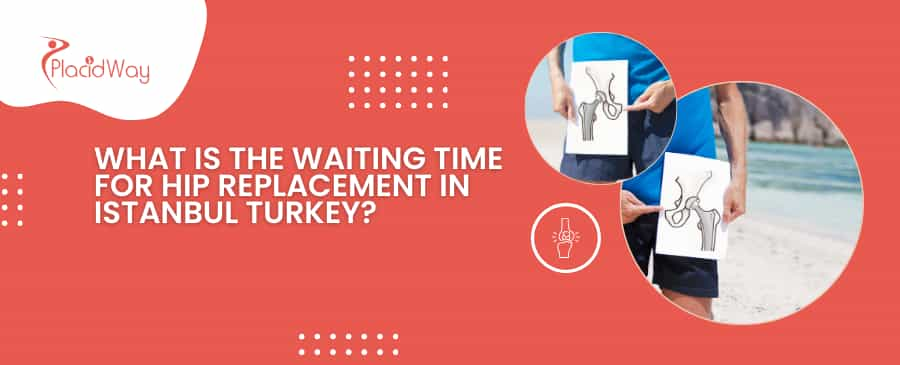
Many individuals exploring hip replacement in Istanbul, Turkey do so because they are facing extensive delays in their home countries. Prolonged waitlists for joint replacement surgery can lead to declining mobility and chronic pain. By looking abroad, patients often find that private healthcare systems are structured differently, allowing for more immediate access to orthopedic care.
However, scheduling major surgery abroad involves much more than simply booking a flight. Understanding the timeline, the required medical evaluations, and the necessary recovery periods is essential for patient safety. This guide explores what international patients can expect regarding timelines, preparation, and safety when considering joint replacement overseas.
Key Takeaways
- Surgery can often be scheduled within 1 to 3 weeks of submitting medical records.
- Pre-operative testing is mandatory and occurs immediately upon arrival.
- Patients should plan to stay in the country for 10 to 14 days for surgery and initial recovery.
- Medical clearance for flying after surgery is strict due to the risk of blood clots.
- Local follow-up care in your home country is necessary for long-term monitoring.
Why is the waiting time for hip replacement so short in Istanbul?
In many countries, public healthcare systems prioritize urgent, life-threatening conditions over elective surgeries like joint replacements. This prioritization often results in waitlists stretching from several months to over a year. During this time, patients may experience a significant decrease in their quality of life due to joint deterioration.
In contrast, the facilities that cater to medical tourism in Turkey are primarily private entities. They have dedicated orthopedic departments structured specifically to handle a high volume of patients. Because they are privately funded, they can invest in extensive infrastructure, including multiple operating theaters and large surgical teams, which prevents bottlenecks in scheduling.
How long does the entire hip replacement process take in Turkey?
Booking the surgery may happen quickly, but the actual treatment timeline requires a commitment of about two weeks in the country. This timeline is carefully structured to prioritize patient safety and minimize post-operative complications.
- Days 1-2 (Arrival & Assessment): Upon arrival, you will undergo comprehensive blood tests, cardiovascular evaluations, and imaging to ensure you are fit for surgery.
- Day 3 (Surgery): The procedure typically takes a few hours, followed by transfer to a recovery room.
- Days 4-7 (Hospital Stay): Patients usually remain in the hospital for 3 to 5 days, where physical therapy begins immediately to encourage joint movement.
- Days 8-14 (Outpatient Recovery): You will rest at a local hotel, attend follow-up appointments, and wait for final clearance from your surgeon to board a commercial flight.
What factors can delay my scheduled hip replacement?
Safety always comes before scheduling. Even if a patient has been tentatively scheduled for surgery, the medical team reserves the right to postpone the procedure if the pre-operative evaluation reveals underlying risks. Major joint surgery places considerable stress on the cardiovascular and respiratory systems.
Common reasons for a delay include uncontrolled high blood pressure, elevated blood sugar levels, or the presence of a localized infection (such as a severe dental infection or urinary tract infection). Infections are particularly concerning because bacteria can travel through the bloodstream and settle on the new artificial joint, leading to severe complications. It is vital to have an honest discussion with your local doctor before traveling to identify any potential roadblocks to surgery.
Do I need to travel to Istanbul multiple times for the procedure?
To accommodate international patients, facilities utilize telemedicine and secure digital portals. During the preliminary stages, you will share your local X-rays, MRI scans, and medical history with the surgical team online. The orthopedic surgeon will review these documents to determine if you are a suitable candidate for the procedure.
If you are deemed a candidate, the clinic will issue a tentative treatment plan. You only travel once you have accepted this plan. The in-person physical examination and final diagnostic tests are conducted immediately upon your arrival, usually a day or two before the surgery date. This streamlined approach minimizes travel fatigue and expense.
What medical tests are required before my hip replacement?
Thorough pre-operative testing is non-negotiable. While you may have submitted X-rays from home, the surgical team in Istanbul will likely take their own imaging to accurately plan the sizing and placement of the prosthetic joint. They may use specialized CT scans to create a 3D model of your anatomy.
The blood tests check for anemia, kidney function, liver function, and coagulation (how well your blood clots). The ECG and chest X-ray evaluate your heart and lungs to ensure you can safely tolerate general or spinal anesthesia. You will also meet with an anesthesiologist to discuss your medical history and determine the safest method of pain management for your specific situation.
How does the scheduling process work for international patients?
Navigating cross-border healthcare requires coordination. When you first reach out to a facility, they will assign a patient coordinator to guide you. The general steps are:
- Initial Inquiry: You provide basic details about your condition and mobility issues.
- Record Submission: You upload recent imaging (X-rays/MRIs) and local doctor reports.
- Surgeon Review: The orthopedic team evaluates the files to confirm you need a replacement.
- Treatment Plan: You receive a proposed timeline, including hospital stay requirements and necessary recovery time.
- Booking: Once you agree, you select a date that aligns with your travel schedule, usually within a few weeks.
What is the standard recovery timeline before I can fly home?
Flying after major orthopedic surgery presents a serious risk of Deep Vein Thrombosis (DVT), which occurs when blood clots form in the deep veins of the legs. The combination of recent surgery, decreased mobility, and the pressurized cabin of an airplane significantly elevates this risk. A blood clot can be life-threatening if it travels to the lungs.
Surgeons mitigate this risk by requiring patients to stay in the city for early mobilization and monitoring. During this waiting period, you will likely be prescribed blood-thinning medication and instructed to wear compression stockings. Once the surgeon determines your mobility is sufficient and the risk of clotting has decreased, they will provide a "fit to fly" certificate.
How does the hip replacement cost in Istanbul compare to wait times?
The relationship between scheduling speed and financing is closely linked. In public systems where care is funded by taxpayers, procedures are free at the point of service, but demand far outstrips supply, causing long waits. Private patients bypass this system entirely.
While prices are lower than paying out-of-pocket in the US or the UK, medical tourists are still bringing private funds into the Turkish healthcare system. This financial structure allows private hospitals to employ larger staff, maintain well-equipped operating rooms, and keep wait times strictly to the time it takes for a patient to arrange travel and undergo pre-operative screening. Keep in mind that costs are estimates and vary depending on the implant material, the complexity of your specific joint damage, and the length of hospital stay required.
Is it safe to skip long waitlists by traveling abroad for surgery?
Bypassing a waitlist does not mean bypassing risk. Any surgical procedure carries the potential for complications, including infection, nerve damage, implant dislocation, and adverse reactions to anesthesia. Traveling internationally adds layers of complexity. If a complication occurs weeks or months after you have returned home, you will need a local orthopedic surgeon willing to take over your care.
It is crucial to discuss your plans with your primary care physician before deciding to travel. You must ensure you are healthy enough for international travel and major surgery. Additionally, you need to establish a clear plan for physical therapy and long-term follow-up in your home country, as the success of a joint replacement relies heavily on diligent rehabilitation.
How do I choose a reliable hip replacement clinic in Istanbul, Turkey?
When evaluating facilities, look for those accredited by international bodies such as the Joint Commission International (JCI), which monitors patient safety standards, infection control, and facility quality. You should also inquire about the surgeon's credentials, specifically their experience in performing the exact type of joint replacement you require.
Do not hesitate to ask detailed questions during your initial consultation. Ask about their infection rates, the types of implants they use, and their protocols for managing emergencies. A reliable facility will be open about potential risks and will not guarantee a "perfect" outcome, as individual healing and results vary widely among patients.
Why Choose PlacidWay for Medical Tourism in Turkey?
Planning international healthcare requires careful consideration of various medical, logistical, and safety factors. PlacidWay acts as an informational resource for patients exploring treatments abroad. Here is how PlacidWay assists in the process:
- Access to Provider Information: PlacidWay offers detailed profiles of clinics and hospitals, allowing you to research credentials and facility standards.
- Educational Resources: The platform provides informative content regarding international patient safety, typical procedures, and what to expect during medical travel.
- Facilitated Communication: PlacidWay helps connect patients directly with international healthcare providers to initiate consultations and ask medical questions.
- Comparative Tools: Patients can use the platform to compare treatment approaches, timelines, and facility options across different destinations.
- Global Network: PlacidWay aggregates information on numerous healthcare centers that are accustomed to treating international patients and navigating cross-border care.
Frequently Asked Questions
Can I fly home immediately after hip replacement in Turkey?
No. Most surgeons recommend staying in Istanbul for 10 to 14 days after surgery. Flying too soon increases the risk of deep vein thrombosis (DVT) and pulmonary embolism. You must be medically cleared by your surgeon before taking a commercial flight.
Does my home health insurance cover hip surgery in Istanbul?
Typically, domestic health insurance policies do not cover planned medical procedures abroad. You will likely need to pay out-of-pocket, though some specialized medical tourism insurance plans or international policies may offer partial coverage. Always check with your provider beforehand.
Are both hips replaced at the same time if needed?
Bilateral hip replacement (replacing both hips in one surgery) is possible but generally reserved for younger, exceptionally healthy patients due to the increased stress on the body, higher blood loss, and a more demanding recovery process. Your surgeon will determine if this is appropriate for you.
What happens if I experience complications after returning home?
If complications such as infection, severe pain, or mobility issues arise after returning home, you must seek immediate care from a local physician or emergency department. It is crucial to arrange local follow-up care before you travel abroad for surgery.
How soon after contacting a clinic can I have surgery?
Depending on the clinic's availability and how quickly you can provide your medical records, surgery can often be scheduled within 1 to 3 weeks. However, this timeline depends entirely on your medical clearance and ability to safely travel.
Do orthopedic surgeons in Istanbul speak English?
Many orthopedic surgeons working in facilities that cater to international patients speak English. Additionally, hospitals often provide dedicated patient coordinators and translators to assist with communication throughout your stay.
Is a visa required for medical travel to Turkey?
Visa requirements depend on your nationality. Many international visitors can obtain an e-Visa online before traveling. You should check the official Turkish Ministry of Foreign Affairs website for the most current entry requirements for your country.
What type of hip implants are used in Istanbul?
Accredited facilities typically use standard, internationally recognized implant brands made from materials like titanium, ceramic, and highly cross-linked polyethylene. The specific implant chosen depends on your age, bone density, and anatomical needs.
Will I need physical therapy while still in Istanbul?
Yes, physical therapy usually begins the day after surgery. You will work with a physiotherapist in the hospital and continue basic exercises at your hotel to regain mobility and learn how to use walking aids before flying home.
Can clinics accommodate patients with complex medical histories?
Patients with complex medical histories require thorough pre-operative evaluation. While many facilities have comprehensive intensive care units, some pre-existing conditions may make traveling for major surgery too risky. Complete medical transparency is required.
Explore Your Treatment Options
Gather the information you need to make an informed decision about orthopedic care abroad. Compare facilities, request timelines, and connect with healthcare providers.
Request Treatment InformationReferences
- Medical Tourism - World Health Organization (WHO)
- Medical Tourism - Centers for Disease Control and Prevention (CDC)
- Total Hip Replacement - American Academy of Orthopaedic Surgeons (AAOS)
- Accredited Organizations - Joint Commission International (JCI)
- Hip Replacement Recovery - National Health Service (NHS)
- International Society for Quality in Health Care (ISQua)
- Deep Vein Thrombosis and Pulmonary Embolism Related to Travel - CDC Yellow Book




























Share this listing