


Why U.S. Patients Compare the Full Cost of Limb Lengthening in Turkey
U.S. patients compare the limb lengthening cost in Turkey because it offers savings of up to 60-70% compared to American clinics. While surgery in the U.S. can exceed $80,000 to $100,000, packages for limb lengthening in Turkey typically range from $15,000 to $45,000, including advanced techniques like Precice 2, accommodation, and physical therapy, making medical tourism in Turkey a highly attractive option.
Key Takeaways: Cost and Quality of Limb Lengthening in Turkey
- Significant Savings: The total limb lengthening cost in Turkey is substantially lower than in the U.S., even factoring in flights and extended stays.
- Advanced Technology: Top limb lengthening clinic in Turkey utilizes state-of-the-art methods, including LON (Lengthening Over Nail) and fully internal motorized nails like Precice.
- Comprehensive Packages: Medical tourism providers often bundle surgery, hospital stay, specialized physical therapy, and hotel accommodations into one transparent price.
- Experienced Surgeons: Turkey boasts highly skilled orthopedic surgeons who perform a large volume of these specialized procedures annually.
- Extended Recovery Needs: Patients must budget for a prolonged stay (often 2-3 months) in Turkey for the active lengthening and crucial physical therapy phases.
What factors influence the total cost of Limb Lengthening in Turkey for international patients?
The total price depends heavily on the surgical method chosen, the length of your stay, physical therapy intensity, and the specific limb lengthening clinic in Turkey. Fully internal methods cost significantly more than external or hybrid techniques.
When evaluating the limb lengthening cost in Turkey, U.S. patients must look beyond the initial surgical fee. The most significant variable is the surgical technique. The Ilizarov method (fully external fixator) is the oldest and least expensive, but also the most cumbersome. The LON (Lengthening Over Nail) method, a hybrid approach, offers a middle ground in price and comfort. The most expensive, yet increasingly popular choice, is the fully internal motorized nail system, such as the Precice nail. This method utilizes magnetic fields for lengthening, eliminating external pins, significantly reducing infection risks, and offering a much more comfortable recovery, but it commands a premium price.
Another major cost factor is the duration of your stay. The active lengthening phase typically takes 2 to 3 months, during which daily physical therapy is mandatory. Comprehensive packages often cover a set number of weeks in a recovery hotel or apartment, complete with meals and transportation to the clinic. Extending this stay, or requiring more intensive daily physical therapy sessions, will increase the total expenditure. Furthermore, the reputation and luxury level of the chosen limb lengthening clinic in Turkey play a role; JCI-accredited hospitals in prime locations of Istanbul will naturally charge more than smaller facilities.
Finally, hidden costs must be factored into the comparison. These include round-trip flights, visa fees, specialized compression garments, mobility aids (wheelchairs, walkers), and the eventual cost of the second surgery required to remove the internal nails a year or two later. While medical tourism in Turkey offers immense savings, thorough budgeting for these secondary expenses is crucial for a realistic comparison against U.S. prices.
"When requesting quotes, always demand a 'total all-inclusive' breakdown. A seemingly low initial quote might exclude the cost of the expensive internal nail itself, or only cover the first week of physical therapy. Transparency in pricing is a hallmark of a reputable international clinic."
How does the LON method compare to the Precice method regarding cost and recovery in Turkey?
The LON method is a more affordable hybrid option ($15,000-$25,000) using external frames, requiring more post-op care. The Precice method is fully internal, offering a faster, more comfortable recovery with less scarring, but costs significantly more ($30,000-$45,000).
The Lengthening Over Nail (LON) method is a frequent choice for patients seeking a balance between cost and efficiency. It combines an internal intramedullary nail with an external fixator. The external frame is used for the active daily lengthening process. Once the desired height is achieved, the internal nail is locked in place, and the bulky external frame is removed. This significantly reduces the time patients must wear the external device compared to traditional methods, but it still involves pin-site care and carries a risk of superficial infections during the lengthening phase. It is a cost-effective option widely available at many a limb lengthening clinic in Turkey.
Conversely, the Precice system represents the pinnacle of modern limb lengthening technology. It is a fully internal, remote-controlled magnetic intramedullary nail. There are no external pins or frames, which drastically reduces the risk of infection, minimizes scarring, and provides a vastly superior aesthetic and physical comfort level during recovery. The lengthening is achieved by placing an external magnetic remote control over the leg for a few minutes daily. Because the hardware itself is expensive and requires highly specialized surgical training, this method represents the higher end of the limb lengthening cost in Turkey.
When deciding, U.S. patients must weigh the financial savings of LON against the comfort and safety benefits of Precice. While Precice is more expensive in Turkey, it is still a fraction of the cost of the identical procedure performed in the United States, making it the preferred choice for many international patients utilizing medical tourism in Turkey.
The magnetic technology used in the Precice nail was originally adapted from technology used to remotely adjust the shape of satellite antennas in space!
Should I choose Femur or Tibia lengthening, and how does it affect the price in Turkish clinics?
Femur (thigh) lengthening is generally preferred as it yields more height (up to 8cm), heals faster, and is often slightly less expensive than tibia (calf) lengthening (up to 5-6cm), which carries higher risks of complications and nerve damage.
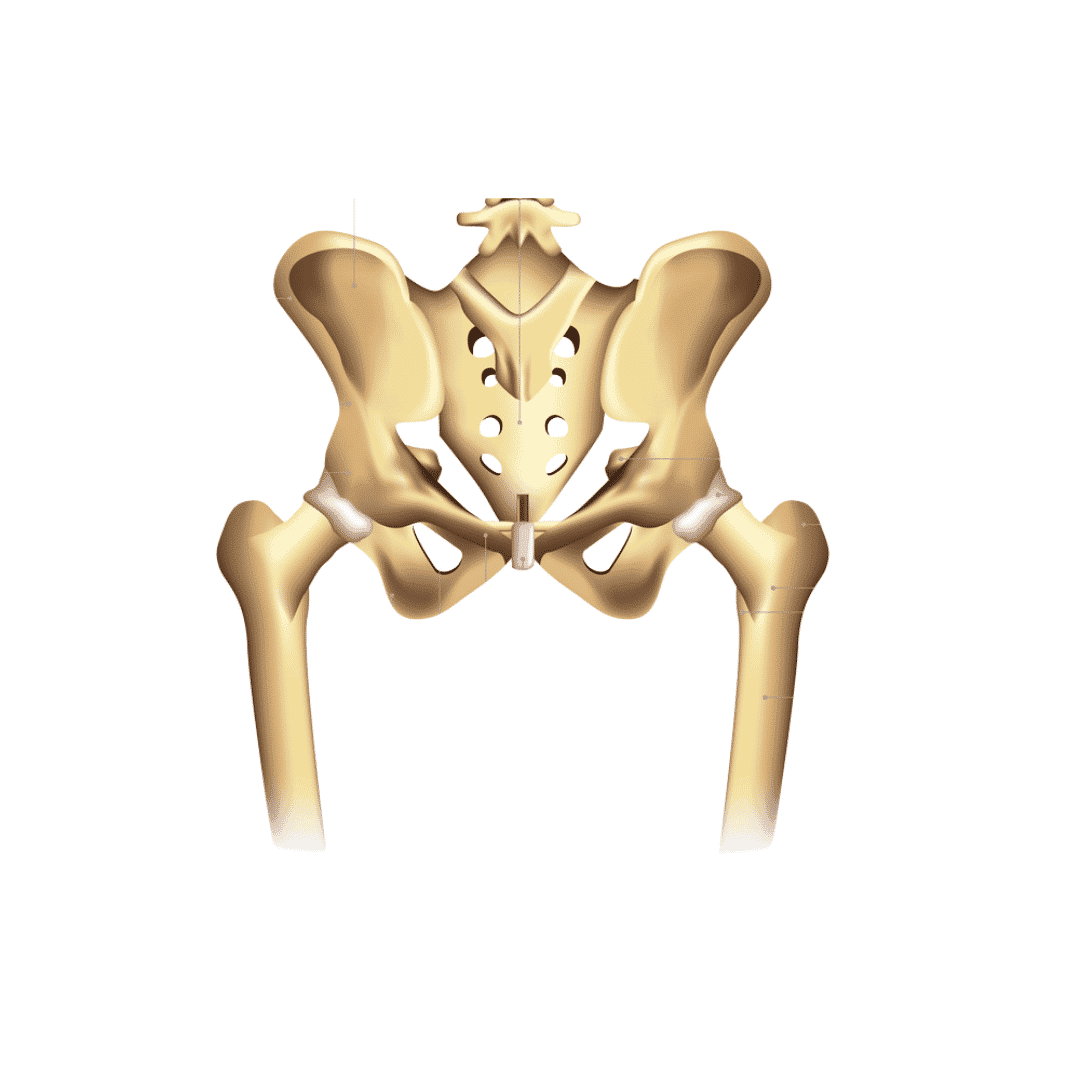
The choice between lengthening the femurs or the tibias is a critical medical decision that also impacts the overall cost. Femur lengthening is the most common starting point. The femur bone is thicker, heals faster, and can safely accommodate more substantial lengthening typically up to 8 centimeters (about 3.1 inches). Because the surrounding muscle mass is larger, the procedure is generally considered safer with a slightly lower risk of severe complications compared to the lower leg. Consequently, a standard package for femur limb lengthening in Turkey might be marginally less expensive or form the baseline price quoted by clinics.
Tibia lengthening is often chosen by patients who want to maintain specific body proportions or who are seeking an additional height increase after already completing femur surgery. However, the tibia can only safely be lengthened by about 5 to 6 centimeters (about 2.4 inches). The procedure is anatomically more complex due to the proximity of crucial nerves and tighter skin and muscle compartments. Recovery is often more painful, and the consolidation phase (bone hardening) takes longer. Some clinics may charge a premium for tibia surgeries due to the increased surgical complexity and the need for meticulous post-operative nerve monitoring.
Patients should consult extensively with their chosen orthopedic surgeon to determine the best approach based on their biomechanics, desired height goals, and budget. While combining both procedures simultaneously is technically possible, it is universally discouraged by reputable specialists in medical tourism in Turkey due to the extreme danger and grueling recovery process.
The maximum safe lengthening amount is largely dictated not by the bone, but by the surrounding soft tissues—muscles, nerves, and blood vessels—which need time to stretch and adapt to the new length.
Why is intensive physical therapy crucial, and is it included in the cost in Turkey?
Physical therapy prevents permanent muscle contractures and joint stiffness, ensuring you can actually walk normally after gaining height. Comprehensive packages in Turkey usually include daily PT sessions, but you must verify the duration and frequency in the quote.
A common misconception is that the surgery itself is the most challenging part of limb lengthening in Turkey. In reality, the surgery is merely the first step; the true work begins during the active lengthening phase, heavily reliant on physical therapy (PT). As the bone is slowly pulled apart (typically 1 millimeter per day), the surrounding muscles, tendons, and ligaments must stretch to accommodate the new length. Without aggressive, daily physical therapy, these soft tissues will become dangerously tight, leading to severe joint stiffness (contractures), inability to straighten the legs, and potentially permanent loss of mobility.
When comparing the limb lengthening cost in Turkey, evaluating the included physical therapy program is paramount. Reputable packages designed for international patients will include comprehensive PT, often 5 to 6 days a week, conducted by therapists specialized in limb lengthening recovery. This therapy includes intense stretching, gait training, and muscle strengthening exercises. It is rigorous, painful, but absolutely essential for a functional outcome.
Patients must carefully review their quotes. Does the price cover PT for the entire 2-3 month lengthening phase, or only the first few weeks? If you require an extended stay, how much do additional PT sessions cost? A cheaper initial quote from a lesser-known limb lengthening clinic in Turkey might lack sufficient post-operative rehabilitation, which could compromise the entire investment and the patient's long-term health.
How do U.S. patients manage potential risks and complications after returning from Turkey?
Managing risks requires establishing a relationship with a local U.S. orthopedic surgeon before traveling to Turkey, maintaining online check-ins with the Turkish clinic, and strictly adhering to the post-op physical therapy and weight-bearing protocols.
While the financial appeal of medical tourism in Turkey is undeniable, the logistical challenge of handling complications from afar is a primary concern for U.S. patients. Limb lengthening is an elective but highly invasive procedure, carrying risks such as non-union (bone failing to heal), premature consolidation (bone healing too fast), infections (especially with external pins), and deep vein thrombosis (DVT). Returning to the U.S. while still in the consolidation phase means you are geographically distant from your primary surgeon.
To mitigate this, thorough preparation is key. Before committing to a limb lengthening clinic in Turkey, ensure they provide robust telemedicine support for post-operative monitoring. You will need to send regular X-rays back to your Turkish surgeon to track bone growth. More importantly, you must secure a local orthopedic surgeon or a specialized physical therapy team in the U.S. who is willing to take over your care, order X-rays, and handle any immediate complications, such as a hardware malfunction or sudden pain.
Ignoring this step can lead to significant stress and emergency medical bills stateside. The total cost comparison must include the potential out-of-pocket expenses for U.S.-based follow-up consultations and localized physical therapy during the year-long consolidation phase after returning home.
Why Choose PlacidWay for Organizing Limb Lengthening in Turkey?
PlacidWay removes the guesswork by connecting you with verified, top-tier orthopedic clinics in Turkey, negotiating all-inclusive transparent packages, and providing dedicated support throughout your complex medical journey.
Organizing a complex, life-altering procedure like limb lengthening overseas requires meticulous planning and trusted partnerships. PlacidWay serves as your essential guide in navigating the landscape of medical tourism in Turkey. Here is why patients rely on PlacidWay:
- Rigorous Vetting Process: We do not partner with just any facility. We ensure you are connected only with highly reputable, accredited orthopedic centers and specialized surgeons with proven track records in limb lengthening.
- Transparent Package Pricing: We understand the anxiety surrounding hidden fees. We work to provide you with comprehensive quotes that clearly outline what is included—from surgery and hospital stays to physical therapy and accommodation—so you can budget accurately.
- Personalized Patient Coordination: Our dedicated team assists you through every step, helping coordinate initial consultations, facilitating medical record transfers, and ensuring smooth communication between you and the Turkish medical staff.
- Focus on Quality Care: By utilizing PlacidWay, you ensure access to the latest medical technologies, like the Precice system, performed in facilities prioritizing stringent safety standards and comprehensive post-operative rehabilitation.
- Peace of Mind Abroad: Navigating a foreign medical system is daunting. We provide the necessary support structure, allowing you to focus entirely on your complex recovery and physical therapy regimen.
Frequently Asked Questions About Limb Lengthening in Turkey
How long is the typical hospital stay for limb lengthening in Turkey?
Most limb lengthening procedures in Turkey require a hospital stay of 3 to 7 days immediately following the surgery. After discharge, patients usually transfer to a nearby hotel or recovery facility for ongoing physical therapy and monitoring during the initial lengthening phase.
Do I need a companion to travel with me to Turkey for this surgery?
While not strictly mandatory, having a companion is highly recommended, especially during the first few weeks post-surgery. You will have mobility limitations, and assistance with daily activities, attending physical therapy sessions, and general emotional support is invaluable. Many clinics offer companion packages or dedicated caregiver services if you travel alone.
What type of visa do U.S. citizens need for medical treatment in Turkey?
U.S. citizens generally need an e-Visa to enter Turkey. This can be obtained easily online before travel. For a typical limb lengthening process that may take a few months, a standard tourist e-Visa (usually valid for 90 days within a 180-day period) is often sufficient, but you should verify current regulations or ask your clinic if a specific medical visa is more appropriate for extended stays.
How soon after limb lengthening surgery in Turkey can I fly back to the U.S.?
Flying immediately after surgery is not recommended due to deep vein thrombosis (DVT) risks. Patients typically need to stay in Turkey for the active lengthening phase, which can take 2-3 months. You should only fly back when your orthopedic surgeon clears you, usually once the bone has consolidated enough to handle travel stresses, and always with proper DVT prophylaxis.
Will there be a language barrier with the medical staff at a limb lengthening clinic in Turkey?
Top medical tourism facilities in Turkey cater extensively to international patients. Most leading orthopedic surgeons and their core medical staff speak fluent English. Additionally, reputable clinics provide dedicated patient coordinators or translators who are available 24/7 to assist with all communications, ensuring you understand every step of your treatment.
What happens if I experience complications after returning to the U.S. from Turkey?
This is a crucial consideration. Before surgery, ensure the Turkish clinic provides a clear post-operative care plan and continuous online consultations. You should also secure a local orthopedic surgeon in the U.S. willing to handle potential complications or monitor your progress (like X-rays), as traveling back to Turkey for immediate urgent care is often impractical.
Are the implants used in Turkey for limb lengthening FDA-approved?
Reputable clinics in Turkey use high-quality, internationally recognized implants. The Precice system (Precice 2, Precice Stryde), which is widely used in top Turkish clinics, is FDA-approved in the U.S. Always confirm the exact brand and model of the implant with your surgeon and verify its international certifications beforehand.
How intense is the physical therapy required during limb lengthening in Istanbul?
Physical therapy is rigorous and non-negotiable for a successful outcome. Expect to undergo physical therapy sessions 5 to 6 days a week while in Turkey. These sessions focus on maintaining joint flexibility, preventing muscle contractures, and ensuring the new bone forms correctly. Dedication to PT is as important as the surgery itself.
Can I lengthen both my femurs and tibias at the same time in Turkey?
Most responsible surgeons strongly advise against lengthening femurs and tibias simultaneously (quadrilateral lengthening) due to the extreme physical toll, high risk of severe complications, and agonizing recovery. The standard and safer approach is to lengthen the femurs first, and if desired, the tibias in a subsequent surgery months later.
Is the cost of the implant removal included in the initial quote from Turkish clinics?
Usually, the implant removal surgery is NOT included in the initial cost estimate. Internal nails like the Precice need to be removed 1-2 years after the initial surgery once the bone is fully consolidated. You must budget for this second, smaller procedure, which can cost several thousand dollars, whether you do it in Turkey or back in the U.S.




















Share this listing