
コンテンツ
高度な医療科学によって活力を回復し、変性疾患に対処することは、多くの海外患者にとって現実のものとなっています。日本の幹細胞治療は、身体の自然治癒力を精密かつ丁寧に引き出したいと願う人々にとって、最高の選択肢として注目を集めています。厳格な安全基準と臨床における革新性で知られる日本は、卓越した伝統と高度な医療研究インフラを兼ね備えており、世界中の患者にとって日本の幹細胞治療は最良の選択肢となっています。
日本は、再生医療に特化した研究者や臨床医からなるエリート集団の本拠地です。これらの専門家は、世界でも最先端の規制枠組みの中で活動する、この分野のパイオニアであることが多いです。幹細胞治療という観点から見ると、日本は、人工多能性幹細胞(iPS細胞)をはじめとする最先端の細胞治療技術を活用した施設を備え、高度な医療体験を提供している点で際立っています。
日本の再生医療は、単なる医療介入にとどまらず、細胞修復を通して生活の質を回復させることを目指しています。整形外科疾患、神経疾患、アンチエイジングなど、どのような治療をお考えでも、日本の専門医は安全性と長期的な有効性を最優先に考えています。高度な技術を誇るこの国を選ぶことで、患者様は革新的な治療を受けながら、世界で最も革新的な社会の一つである日本の独特な文化と温かいおもてなしを体験することができます。
知っていましたか?
日本は、特に細胞医療分野において、医療イノベーションの世界的な拠点へと変貌を遂げました。この進化は、山中伸弥博士によるノーベル賞受賞のiPS細胞の発見によって加速され、日本の再生医療への多大な投資につながりました。これにより、患者は、現在世界市場で入手可能な中で最も厳格な規制と科学的検証を受けた再生医療を日本で受けることができるようになりました。
主なポイントを一覧でご紹介
日本における幹細胞治療は再生医療の安全性に関する法律(ASRM)によって規制されているため、最高レベルの安全性が期待できます。
一流の医師たちは日本の幹細胞研究のリーダーであり、複雑な慢性疾患に対する包括的な専門知識を提供しています。
当施設の専門家は、独自の細胞増殖法を用いて、日本における高効能再生医療の成果を実現するのに最適な治療法を提供しています。
日本は先進細胞療法に関する厳格な倫理ガイドラインを維持しており、患者が正当かつ科学的に裏付けられた治療を受けられることを保証している。
一流の医療チームが、日本での再生医療の旅を最初から最後までサポートする専任コーディネーターを提供します。
患者様は、精密さと清潔さを重視した環境から恩恵を受け、ステムセルズジャパンの治療後の回復に穏やかな雰囲気の中で過ごすことができます。
精密文化
健康に集中する間、あなたは精密さが生活様式の一部となっている国に身を置くことになります。新幹線の定時運行から研究所の綿密な検査まで、卓越性への日本のこだわりは、医療の旅に他に類を見ない背景を提供し、真に治癒過程を助ける信頼感をもたらします。
治療のプロセスをスムーズに進めるため、東京と大阪の多くのトップクリニックでは、外国人患者向けに特化した包括的なパッケージを提供しています。これらのパッケージには通常、診察、検査、専門施設での細胞処理、そして治療の実施が含まれています。以下では、革新的な国である日本で幹細胞治療を受けるメリットと、再生医療における具体的な目標を理解するのに役立つ情報を厳選してご紹介します。
注:日本で再生医療を受ける際、多くの患者様は、回復と長期的な健康効果のために、最高品質の幹細胞を確実に受けられるよう、アドバンスト・セル・セラピー・ジャパンのプロトコルを利用することを選択されています。

Price starting from $19,800
Diabetes Regenerative Medicine Package in Osaka, Japan by Cell Grand Clinic
Cell Grand Clinic - Japan’s Best Stem Cell Clinic
- Stem Cell Therapy
Osaka, Japan
Price starting from $19,800
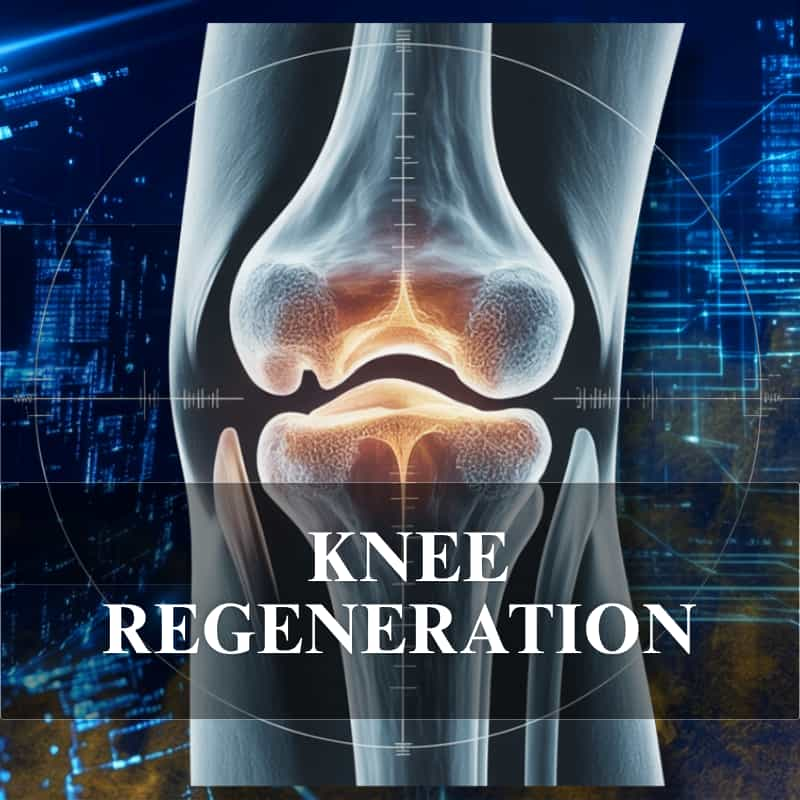
Stem Cell Therapy for Knee Osteoarthritis in Osaka Japan by Cell Grand Clinic
Cell Grand Clinic - Japan’s Best Stem Cell Clinic
- Stem Cell Therapy
Osaka, Japan

Price starting from $19,800
Stem Cell Therapy for Erectile Dysfunction in Osaka Japan by Cell Grand Clinic
Cell Grand Clinic - Japan’s Best Stem Cell Clinic
- Stem Cell Therapy
Osaka, Japan

Price starting from $10,000
Stem Cell Therapy for Knee Osteoarthritis Package in Tokyo, Japan by HELENE Clinic
Helene Clinic - Stem Cell Therapy in Tokyo, Japan
- Stem Cell Therapy
Tokyo, Japan

Price starting from $10,000
Stem Cell Therapy for Parkinson’s Disease Package in Tokyo, Japan by HELENE Clinic
Helene Clinic - Stem Cell Therapy in Tokyo, Japan
- Stem Cell Therapy
Tokyo, Japan

Price starting from $10,000
Stem Cell Therapy for Diabetes Package in Tokyo, Japan by Helene Clinic
Helene Clinic - Stem Cell Therapy in Tokyo, Japan
- Stem Cell Therapy
Tokyo, Japan
日本での幹細胞治療への投資を理解するには、日本の再生医療の平均価格を把握する必要があります。治療対象となる疾患によって異なりますが、通常12,000ドルから25,000ドルの範囲です。これは、日本における高度な規制と安全性を考慮すると、特に先進的な細胞治療を提供する他国と比較した場合、競争力のある価格と言えます。これらの費用には、認可を受けた細胞処理センターで行われる、日本の幹細胞に必要な高度な培養プロセスが含まれます。日本での再生医療の最終価格は、細胞の供給源、必要な注射回数、および回復のために設計された具体的な臨床プロトコルによって異なります。このデータを活用して、専門的な医療ケアのための予算を自信を持って計画してください。
ヒント:総予算を計算する際は、初期診断画像検査の費用と、細胞培養期間である5~7日間の入院費用も考慮に入れることを忘れないでください。
Stem Cell Therapy センターのコスト比較 Japan
| プロバイダー | 手順 | 価格 |
|---|---|---|
| Helene Clinic - Stem Cell Therapy in Tokyo, Japan | Stem Cell Treatment for Diabetes, Stem Cell Therapy | $10000 |
| Helene Clinic - Stem Cell Therapy in Tokyo, Japan | Stem Cell Treatment for Knee Osteoarthritis Abroad, Stem Cell Therapy | $8000 |
| Cell Grand Clinic - Japan’s Best Stem Cell Clinic | Stem Cell Therapy for Osteoarthritis, Stem Cell Therapy | $19800 |
| Cell Grand Clinic - Japan’s Best Stem Cell Clinic | Stem Cell Treatment for Diabetes, Stem Cell Therapy | $19800 |
| Helene Clinic - Stem Cell Therapy in Tokyo, Japan | Stem Cell Therapy for Stroke, Stem Cell Therapy | $10000 |
| Helene Clinic - Stem Cell Therapy in Tokyo, Japan | Stem Cell Treatment for Parkinsons Disease, Stem Cell Therapy | $10000 |
Stem Cell Therapy コスト比較 Japan
| 国 | 手順 | 価格 |
|---|---|---|
| United States | Stem Cell Treatment for Diabetes, Stem Cell Therapy | $22000 |
日本は、認定資格を持つ研究者と最先端の医療インフラが融合していることから、幹細胞治療における一流の拠点として台頭しています。日本で幹細胞治療を希望する患者は、間葉系幹細胞治療や再生医療など、高度な技術を提供する一流の医療センターから選択できます。これらの施設は、高度な細胞治療の特徴である医療の卓越性と精密さ、そしてホスピタリティを融合させ、海外からの患者にスムーズな治療体験を提供できるよう設計されています。
日本で再生医療を受けることは、施術そのものだけでなく、生物学的イノベーションの最先端を行く世界最高水準の医療を受ける機会にもなります。日本で幹細胞治療を受ける際には、最高の安全性と効果を確保するために、医療チームの資格や施設の認定状況をしっかりと調査することが不可欠です。
安全第一:クリニックが日本の厚生労働省が定める再生医療の安全に関する法律に基づき認可を受けていることを確認し、厳格な国の安全基準および倫理基準を満たしていることを確認してください。
Cell Grand Clinic - Japan’s Best Stem Cell Clinic
Osaka, Japan

Helene Clinic - Stem Cell Therapy in Tokyo, Japan
Tokyo, Japan

日本での幹細胞治療を検討される際、その変化を直接ご覧いただくことで、必要な理解と自信を得ることができます。このセクションでは、実際の治療結果と患者様の体験談を紹介する動画ギャラリーをご用意しました。これらの動画は、クリニックへの来院から最終的な健康状態に至るまで、日本の再生医療のすべてを記録しており、透明性のある情報を提供しています。これらの体験談をご覧いただくことで、日本の先進的な細胞治療の質の高さ、そして日本の幹細胞治療および再生医療における専門医による個別化されたケアについて、より深くご理解いただけるでしょう。
ヒント:再生医療ジャパンに関する動画を視聴する際は、患者さんが語る長期的な回復の節目に注目し、日本での幹細胞治療後のご自身の回復期間について現実的な期待を持つようにしてください。


以下に、提携クリニックで日本国内の幹細胞治療を受けられた患者様からの、検証済みのレビューと評価を掲載しています。これらのレビューは、日本の再生医療の効果、医療スタッフのプロ意識、そして日本での幹細胞治療のための渡航体験全般について貴重な情報を提供します。これらの体験談を読むことで、日本の先進的な細胞療法や再生医療についてどのようなことが期待できるのかが明確になり、日本で幹細胞治療を受けるのに最適な専門医を選ぶ際の参考になるでしょう。
レビューのヒント:初回のカウンセリングの深さ、使用する細胞の種類、機能改善が期待できる期間などについて、クリニックがどれだけ透明性をもって説明しているかを確認しましょう。

日本の幹細胞治療は安全ですか?
はい、日本の幹細胞治療は、厳格な規制体制のおかげで、世界で最も安全な治療法の一つとされています。再生医療の安全に関する法律は、日本で再生医療を提供するすべてのクリニックが、細胞処理と患者ケアに関する厳格な基準を遵守することを保証しています。日本で先進的な細胞治療を選択する患者は、臨床上の安全性と倫理的な透明性を最優先するシステムを信頼することができます。
幹細胞治療(Stem Cells Japan)で一般的に治療される疾患にはどのようなものがありますか?
日本の医療機関は、変形性関節症、脊髄損傷、心血管疾患など、さまざまな疾患の治療に幹細胞を利用しています。再生医療は、自己免疫疾患やアンチエイジング治療にも活用されています。先進細胞治療を提供する日本の各センターは、それぞれ異なる治療プロトコルに特化しており、患者一人ひとりの医療ニーズに合わせた的確な治療を提供しています。
日本の再生医療の独自性とは何でしょうか?
日本は、再生医療に特化した迅速承認制度を世界で初めて導入した国として、世界をリードしています。これにより、患者は他国に比べてはるかに早く高度な細胞治療を受けることができます。さらに、最先端技術と高品質な検査基準の融合により、日本の幹細胞治療は海外の患者にとって最高の選択肢となっています。
日本における幹細胞治療の費用はいくらですか?
費用は使用する細胞の種類や症状の複雑さによって異なりますが、日本の幹細胞治療は高度な技術水準に見合った競争力のある価格設定となっています。一部の発展途上地域と比べると高額になる場合もありますが、日本の再生医療における専門知識は大きな価値を提供します。日本の先進的な細胞治療は、健康と身体機能への長期的な投資として捉えられることが多いのです。
日本での再生医療の治療期間(入院期間)はどのくらいですか?
日本で再生医療を受ける患者のほとんどは、5日から10日間の滞在を計画する必要があります。この期間は、初回診察、細胞投与処置、および帰国前の必要なモニタリングを行うためのものです。細胞培養を必要とする一部の幹細胞治療の場合、患者は2回の来院が必要となるか、治療サイクルに合わせてより長い滞在を手配する必要があるかもしれません。
ステムセルズジャパンでは、自家細胞と他家細胞のどちらが使用されていますか?
どちらのタイプも利用可能ですが、ステムセルズジャパンは拒絶反応のリスクを最小限に抑えるため、患者自身の細胞を用いる自家移植治療に重点を置いています。これは日本の再生医療における重要な要素であり、高い適合性を確保しています。しかし、先進細胞治療ジャパンでは、特定の臨床応用向けに高品質な同種移植オプションに関する研究も継続的に行われています。
先進細胞療法(日本)を受けた後、回復期間は必要ですか?
日本の先進細胞療法における回復期間は、従来の外科手術に比べて非常に短いのが一般的です。日本で幹細胞療法を受けた多くの患者様は、ダウンタイムが最小限で済み、数日で軽い活動に戻ることができます。日本の再生医療のほとんどは非侵襲的な治療法であるため、数ヶ月かけて徐々に自然な治癒過程が進み、改善が見られます。
再生医療ジャパンの対象となるかどうかは、どうすればわかりますか?
再生医療の対象となるのは、一般的に侵襲的な手術以外の治療法を探している方、または標準治療に反応しない慢性疾患を抱えている方です。適格性を判断するには、日本の幹細胞専門医による詳細な医学的審査が必要です。日本のほとんどの幹細胞治療提供機関では、正確な評価を行うために、最新の医療記録と画像診断結果の提出を求めています。
日本における再生医療の成功率はどのくらいですか?
日本における再生医療の成功率は疾患によって異なりますが、疼痛管理や機能改善においては概して高い水準を維持しています。先進的な細胞療法を選択された患者様は、症状の著しい軽減と生活の質の向上を実感されることが多くあります。日本の幹細胞療法における臨床的専門知識は、患者様が現在利用可能な最も効果的な治療プロトコルを受けられることを保証します。
日本で幹細胞治療を受けるにはどうすればいいですか?
PlacidWayを通じて認定クリニックとつながることで、日本での幹細胞治療を予約できます。このプラットフォームは、日本の再生医療分野で最高の専門医を見つけ、治療プランを比較し、診察の予約をするのに役立ちます。日本の幹細胞治療にご興味がある方も、最新の先進細胞治療にご興味がある方も、海外からの患者様でも予約プロセスが簡素化されています。
How Much Does Stem Cell Therapy Cost in Japan?
Investment & Financial Overview Stem Cell Therapy Cost in Japan: Comprehensive Guide The stem cell therapy cost in Japan typically ranges from $10,000 to $40,000 per treatment. This pricing depends on the specific condition, cellular protocol, and the stem cell therapy clinic in Japan administering care. Cell Grand Clinic (Osaka) is directed by Dr. Yuichi Wakabayashi, MD, PhD, American Board of Regenerative Medicine (ABRM) board certified, with more than 3,000 autologous stem cell treatments for patients from about 20 countries. The clinic operates under 15 MHLW-notified regenerative medicine treatment plans and uses only the patient's own adipose-derived stem cells (no donor cells, no batch pooling). Osaka is about 50 minutes from Kansai International Airport. Medical Disclaimer: All provided figures are estimates. Actual costs vary based on case complexity, individual patient requirements, and facility policies. This content is for informational purposes and does not replace professional medical advice. Key Takeaways Treatments in East Asia are heavily regulated, ensuring high laboratory standards and procedural safety. Autologous treatments and allogeneic cord cell therapies carry distinct financial and medical profiles. Systemic intravenous infusions generally demand a significantly higher budget than localized joint injections. Patients must account for airfare, lodging, and extended observation periods when planning their trip. Comprehensive pre-treatment evaluation is mandatory before any clinical facility approves an international candidate. What Factors Influence The Stem Cell Therapy Cost In Japan? The stem cell therapy cost in Japan depends on the condition being treated, the source of the biological material, and the laboratory processing time required. Complex systemic therapies naturally incur higher expenses. Cellular source plays a significant role in determining the final price. Autologous treatments using a patient own adipose tissue or bone marrow require specialized surgical extraction procedures. Conversely, allogeneic therapies utilizing donor cells involve rigorous third-party laboratory screening and advanced cultivation techniques, which also command a premium. The total cell count administered acts as another primary driver of the financial estimate. Treating localized joint degeneration requires fewer cells than addressing systemic autoimmune or neurological conditions. Producing tens of millions of viable, high-quality cells demands extended sterile laboratory time and sophisticated equipment, which naturally increases the overall investment. Finally, the specific stem cell therapy clinic in Japan chosen by the patient influences the budget. Facilities maintaining in-house certified cell processing centers or partnering with highly accredited external laboratories often charge higher fees reflecting their elevated safety and strict quality control standards. How Do Prices Differ Between Joint Injections And Systemic Stem Cell Therapy In Japan? Localized joint injections generally cost between $6,500 and $13,000, while systemic intravenous protocols often range from $20,000 to over $40,000. This variance reflects the differing cellular volumes required. Orthopedic procedures targeting a single knee or shoulder use smaller cellular volumes, keeping laboratory processing costs on the lower end of the spectrum. Systemic therapies for neurological or autoimmune challenges require massive cellular expansion to attempt system-wide immune modulation. Intravenous infusions demand advanced monitoring and sometimes multi-day administration protocols, increasing facility and medical staff fees. Joint injections are often completed in a single outpatient visit, minimizing the total time spent in the clinical setting. Comprehensive multi-session packages for severe chronic conditions consistently sit at the highest tier of the pricing scale. Treatment Category Estimated JPY Estimated USD Localized Joint Injection (Single) ¥1,000,000 - ¥1,500,000 $6,500 - $9,700 Localized Joint Injection (Bilateral) ¥1,400,000 - ¥2,000,000 $9,000 - $13,000 Systemic IV Infusion (Neurological) ¥3,000,000 - ¥6,000,000 $20,000 - $40,000+ Which Conditions Are Commonly Treated By A Stem Cell Therapy Clinic In Japan? A qualified stem cell therapy clinic in Japan typically addresses osteoarthritis, various autoimmune disorders, and specific neurological challenges. Treatment eligibility depends entirely on thorough individual medical evaluation. Orthopedic applications remain highly sought after by international patients. Physicians frequently utilize regenerative protocols to address knee osteoarthritis, cartilage degeneration, and sports-related joint injuries, aiming to reduce localized inflammation and promote natural tissue repair in suitable candidates. Neurological and autoimmune conditions represent another major focus for these specialized centers. While outcomes vary significantly from patient to patient, clinics offer targeted systemic protocols for individuals facing chronic degenerative diseases, seeking to modulate the immune system and potentially slow symptom progression. Additionally, numerous facilities provide comprehensive anti-aging and longevity therapies. These systemic wellness protocols focus on cellular rejuvenation and generalized inflammatory reduction across the body. However, these complex preventative regimens often represent the highest tier of the stem cell therapy cost in Japan. Did You Know? The nation has established specialized regulatory tracks to accelerate the safe clinical application of regenerative technologies, placing it at the global forefront of biological medicine research. What Types Of Cells Are Utilized For Stem Cell Therapy In Japan? Medical professionals primarily utilize adipose-derived, bone marrow-derived, or umbilical cord tissue cells. The exact cellular selection depends entirely on the patient diagnosis, age, and clinical protocol. Adipose-derived cells are harvested directly from the patient fat tissue through a minor surgical procedure. This autologous approach is highly popular because it typically yields a robust number of viable cells and eliminates the risk of tissue rejection, making it suitable for various orthopedic and systemic applications. Bone marrow extraction serves as another autologous option. While the harvesting procedure from the hip bone is slightly more invasive than fat extraction, bone marrow contains specialized cells that physicians often prefer for specific orthopedic repairs and complex bone-related regenerative treatments. Umbilical cord-derived cells offer an allogeneic alternative. These donated cells are ethically sourced from healthy, full-term pregnancies. They are heavily screened for safety and disease, providing a potent treatment option without requiring the patient to undergo an invasive extraction procedure. How Does The Act On The Safety Of Regenerative Medicine Impact Stem Cell Therapy In Japan? The Act on the Safety of Regenerative Medicine establishes strict regulatory frameworks for every stem cell therapy clinic in Japan. It mandates rigorous safety measures, ethical considerations, and clinical reporting. Implemented to promote safe cellular therapies, this comprehensive legislation classifies biological procedures into distinct risk categories. High-risk and moderate-risk protocols require extensive prior review and approval by certified regenerative medicine committees before any facility can legally offer them to patients. The law also heavily regulates the cultivation of biological materials. Facilities must either process cells in strictly audited in-house laboratories or outsource to state-certified cell processing centers. This dual-pathway requirement ensures all cellular materials meet exceptional sterility and viability standards. For individuals pursuing medical tourism in Japan, this robust legal framework offers significant peace of mind. The mandatory continuous reporting of adverse events to the Ministry of Health ensures a highly monitored, transparent, and patient-focused clinical environment. Are There Hidden Expenses When Planning Medical Tourism In Japan? While medical quotes cover the clinical procedure, patients must independently budget for international airfare, extended lodging accommodations, specialized dietary needs, and ground transportation during their stay. When calculating the total stem cell therapy cost in Japan, travel logistics represent a substantial secondary budget. Flights to major hubs like Tokyo or Osaka fluctuate heavily based on the season, and patients should strongly consider flexible ticketing in case their physical recovery timeline shifts slightly. Accommodation is another critical financial factor. Because many regenerative protocols require a multi-day observation period after the infusion, securing a comfortable, accessible hotel near the facility is essential. Major city hospitality can be expensive, so early booking and budget planning are highly recommended. Patients must also account for specialized travel health insurance. Standard domestic health policies do not cover international care, and a dedicated medical travel policy provides vital financial protection against unexpected logistical disruptions or non-related health emergencies during the trip. Important Consideration: Always request an itemized clinical quote before traveling. Clarify whether pre-procedure diagnostic blood panels or specialized imaging scans are included in the bundled price or billed separately. Does Health Insurance Cover The Stem Cell Therapy Cost In Japan? Major health insurance networks and national programs typically classify these cellular procedures as investigative. Consequently, patients almost always pay the entire stem cell therapy cost in Japan out of pocket. Navigating insurance for regenerative medicine remains challenging globally. Most standard North American and European health insurance policies explicitly deny coverage for cellular therapies targeting joints, aging, or neurological conditions, viewing them as falling outside standard institutional care protocols. Even when engaging in medical tourism in Japan, international medical insurance rarely absorbs the clinical fees associated with the primary therapy. Patients must arrange alternative funding, utilize personal savings, or secure specialized medical financing before committing to an international treatment plan. However, patients should still maintain robust international travel health insurance. While it will not fund the cellular procedure itself, it remains crucial for covering standard medical emergencies, sudden accidents, or unavoidable travel interruptions while navigating a foreign healthcare system. What Recovery Protocols Are Required After Stem Cell Therapy In Japan? Post-procedure care typically involves mandated physical rest, temporary activity restrictions, and a monitored clinical observation period before the patient receives medical clearance to travel home. Following localized joint injections, physicians consistently instruct patients to avoid bearing heavy weight on the treated area. Systemic intravenous treatments often require aggressive hydration and prolonged rest to manage temporary mild fatigue. Most clinics mandate a follow-up consultation a few days post-procedure to accurately assess initial healing and stability. Patients must generally avoid standard anti-inflammatory medications unless explicitly approved by their treating specialist. Prematurely stressing the body can severely compromise the potential biological benefits of the entire cellular investment. What Makes Medical Tourism In Japan Favorable For Stem Cell Therapy? Medical tourism in Japan offers access to highly regulated clinical environments, advanced laboratory technology, and renowned medical expertise, making it a premier destination for complex cellular care. The country consistently stands at the forefront of global regenerative research. Supported by aggressive government initiatives and strict health ministry oversight, a stem cell therapy clinic in Japan operates under some of the most rigorous safety and quality control standards existing in the world today. Beyond clinical excellence, the nation offers an exceptionally safe and highly hospitable environment for international visitors. The national infrastructure is highly efficient, public transportation is pristine, and major medical centers frequently provide professional translation services to ensure clear patient communication. Ultimately, patients choose this destination because it combines cutting-edge biological science with unparalleled procedural safety frameworks. While the stem cell therapy cost in Japan may be higher than in some developing nations, the regulatory guarantees provide invaluable clinical confidence. Why Choose PlacidWay For Finding A Stem Cell Therapy Clinic In Japan? Navigating international healthcare requires reliable information and structured, factual guidance. PlacidWay connects patients with verified medical options worldwide through a transparent, informational framework. Access to Transparent Pricing Structures PlacidWay provides clear, upfront pricing estimates for various procedures, helping patients compare the stem cell therapy cost in Japan without encountering hidden clinical fees during their initial research. Detailed Provider Profiles The platform offers extensive digital profiles on international facilities, allowing users to review physician credentials, verify facility certifications, and explore specific medical specialty areas. Streamlined Clinic Communication PlacidWay facilitates the initial communication channels between patients and international medical teams, making it significantly easier to request specific medical consultations and share basic health histories. Educational Patient Resources Users gain immediate access to a comprehensive library of informative articles, detailed treatment explanations, and procedural expectations to support an empowered, knowledgeable decision-making process. Global Facility Connections The network includes connections to established medical centers across numerous highly regulated countries, giving patients the complete freedom to evaluate different regional clinical environments safely. Stem Cell Gallery at Cell Grand Clinic Clinical Cases Treatment Cases AGA Cases - Before-and-After Images Diabetes DM Cases Knee Pain Cases Skin Cases Official Awards and Certificates Cell Grand Clinic has earned international recognition for its leadership in regenerative medicine and commitment to advancing patient-centered care. The clinic's founder, Dr. Yuichi Wakabayashi, was featured in the Business section of The Wall Street Journal, highlighting his pioneering work and innovative vision in the field of regenerative medicine. Further demonstrating its dedication to clinical excellence, the clinic's leadership holds the prestigious American Board of Regenerative Medicine Certificate, reinforcing its reputation as an Advanced Stem Cell Clinic in Japan. Adding to these achievements, Cell Grand Clinic was recognized by Healthcare Business Review APAC as a Top Regenerative Medicine Solution in APAC for 2026, reflecting its growing influence and excellence in delivering cutting-edge regenerative healthcare solutions. Recognized by Healthcare Business Review APAC as a Top Regenerative Medicine Solution in APAC (2026). The Wall Street Journal Feature Dr. Yuichi Wakabayashi Peer-Reviewed Publication Reflecting this commitment to transparency, Dr. Wakabayashi’s one-year outcome report on adipose-derived stem cell therapy for knee osteoarthritis was published in the peer-reviewed medical journal Cureus in 2026 (DOI: 10.7759/cureus.113830), adding independently verifiable clinical documentation to the clinic’s growing body of research. Symptomatic Improvement Following Intra-articular Injection of Cultured Autologous Adipose-Derived Mesenchymal Stem Cells in Kellgren-Lawrence Grade 3 Knee Osteoarthritis: A Case Report With One-Year Follow-Up Page 1 Page 2 Page 3 Page 4 Page 5 Author: Yuichi Wakabayashi Affiliation: Regenerative Medicine, Cell Grand Clinic, Osaka, Japan Journal: Cureus Year: 2026 Volume/Issue: 18(8) Article: e113830 DOI: 10.7759/cureus.113830 Frequently Asked Questions Is stem cell therapy in Japan safe for international patients? Patient safety is highly prioritized. The government heavily regulates every stem cell therapy clinic in Japan through the Act on the Safety of Regenerative Medicine, ensuring strict compliance with laboratory sterility and clinical protocols. How long do I need to stay for medical tourism in Japan? Treatment timelines vary significantly by protocol. Most individuals engaging in medical tourism in Japan stay between five to ten days to allow for initial consultations, the procedure, and post-treatment observation. What is the average recovery time for stem cell therapy in Japan? Recovery fluctuates based on the specific condition and cellular administration route. Localized joint treatments may require weeks of physical restriction, while systemic infusions usually involve only a few days of mild fatigue. Are umbilical cord cells legal for stem cell therapy in Japan? Yes, the use of ethically sourced, heavily screened allogeneic cord cells is permitted when administered by licensed professionals under the strict regulatory frameworks managed by the local health ministries. How soon can I see results from a stem cell therapy clinic in Japan? Clinical outcomes remain highly individualized. Some patients report gradual improvements in mobility or energy levels over several months, while others may experience minimal clinical changes following their procedure. Is English spoken widely during medical tourism in Japan? Major medical centers catering to international visitors typically employ bilingual staff or utilize professional medical translators to ensure clear communication regarding care and informed consent. Do I need a special visa for a stem cell therapy clinic in Japan? Citizens of many North American and European countries can enter on a standard short-term visitor visa. However, verifying exact entry requirements based on nationality before booking is essential. Are there age limits for stem cell therapy in Japan? Age limitations depend entirely on the clinical protocol and the overall health baseline of the patient. Facilities evaluate each candidate individually, assessing organ function before granting approval. Can I combine other treatments with stem cell therapy in Japan? Combining therapies depends entirely on medical compatibility. Clinicians generally advise against simultaneous intensive procedures to avoid overwhelming the immune system during the cellular integration phase. What is the success rate for stem cell therapy in Japan? Success rates fluctuate heavily based on the specific condition, patient health, and cellular quality. No reputable facility can guarantee a specific medical outcome, and results vary significantly among suitable patients. Compare Regenerative Care Options Review verified international clinical facilities, access transparent pricing estimates, and request factual information to support your medical journey. Request Treatment Information References Act on the Safety of Regenerative Medicine – Japanese Law Translation Regenerative Medical Products Guidelines – Pharmaceuticals and Medical Devices Agency (PMDA) Japan FDA Warns About Unapproved Therapies – U.S. Food and Drug Administration Medical Tourism Safety Guidelines – Centers for Disease Control and Prevention Mesenchymal Stem Cells: Clinical Applications – National Institutes of Health Stem Cells: What They Are and What They Do – Mayo Clinic Patient Safety and Quality of Care – World Health Organization Cell Grand Clinic Profile Cell Grand Clinic - Japan's Best Stem Cell Clinic Cell Grand Clinic Treatment Packages Stem Cell Therapy for Erectile Dysfunction in Osaka Japan by Cell Grand Clinic Anti Aging Stem Cell Treatment in Osaka Japan: GOLD Regenerative Medicine Package by Cell Grand Clinic Stem Cell Therapy for Knee Osteoarthritis in Osaka Japan by Cell Grand Clinic AGA/FAGA Stem Cell Therapy for Hair Loss Package in Osaka, Japan by Cell Grand Clinic Cell Grand Clinic Doctor Dr. Yuichi Wakabayashi Cell Grand Clinic Videos Stem Cell Therapy for Knee Osteoarthritis | Non-Surgical Knee Treatment in Japan Diabetes Stem Cell Treatment in Japan: Beyond Insulin for Diabetes and Complications Beyond the Blue Pill: The Latest Drug-Free ED Treatment in Japan to Restore Your Natural Power Stem Cell Therapy in Japan by Dr. Yuichi Wakabayashi: Why Patients Prefer Cell Grand Clinic Osaka Patient Testimonials How Laura Bennett Found Relief through Stem Cell Therapy for Knee Pain in Osaka, Japan by Cell Grand Clinic Reclaiming My Confidence: A Pragmatic Australian's Journey with Stem Cell Hair Therapy in Osaka, Japan at Cell Grand Clinic A Singaporean Patient's ED & Anti-Aging Treatment Experience in Osaka, Japan at Cell Grand Clinic Why We Chose Japan's Premium Safety Over Cheaper Options: A Hong Kong Couple's Anti-Aging Journey at Cell Grand Clinic
Is Stem Cell Therapy Legal in Japan?
Yes, stem cell therapy is legal in Japan under the Act on the Safety of Regenerative Medicine. The Ministry of Health, Labour and Welfare tightly regulates clinics and certified cell processing centers to ensure rigorous patient safety standards. Medical Disclaimer: All provided figures are estimates. Actual costs vary based on case complexity, individual patient requirements, and facility policies. This content is for informational purposes and does not replace professional medical advice. Key Takeaways The Act on the Safety of Regenerative Medicine establishes strict regulatory frameworks for biological treatments. The Ministry of Health, Labour and Welfare oversees all clinical approvals and facility inspections. Biological materials must be processed in strictly audited, certified Cell Processing Centers. Treatments are classified by risk levels, ensuring tailored safety protocols for different cellular applications. International patients must undergo comprehensive medical evaluation prior to receiving preliminary treatment approval. How Does The ASRM Regulate A Stem Cell Therapy Clinic In Japan? Every stem cell therapy clinic in Japan must adhere to the Act on the Safety of Regenerative Medicine, requiring detailed treatment plan registration and independent committee approval before treating any patient. The regulatory landscape transformed significantly when the national government implemented the Act on the Safety of Regenerative Medicine (ASRM) in 2014. This dedicated legal framework was designed to safely accelerate the availability of biological therapies while maintaining uncompromising patient safety. Under this law, a clinic cannot simply decide to offer regenerative treatments; they must navigate a multi-tiered approval process managed by the Ministry of Health, Labour and Welfare (MHLW). Before any clinical administration occurs, the medical facility must submit a comprehensive Regenerative Medicine Provision Plan. This detailed document outlines the specific cell types utilized, the exact laboratory processing methods, the targeted medical condition, and the strict safety monitoring protocols in place. This plan is then rigorously reviewed by an independent, government-certified committee composed of medical and scientific experts. Furthermore, the ASRM mandates that all cellular cultivation and preparation occur within certified Cell Processing Centers (CPC). Clinics must either construct highly regulated in-house laboratories that pass government inspection or contract with external, state-certified facilities. This level of traceability ensures that regulators can track biological materials from initial harvesting through sterile expansion to final patient administration, preventing unauthorized or unsafe practices. Did You Know? The creation of this purpose-built regulatory framework was heavily motivated by the desire to lead global biological research following Dr. Shinya Yamanaka receiving the Nobel Prize for his work on induced pluripotent stem cells. What Is The Average Stem Cell Therapy Cost In Japan? The stem cell therapy cost in Japan generally ranges between $10,000 and $40,000. This estimate varies drastically depending on the medical condition, required cellular volume, and laboratory cultivation time. Financial estimates for biological care depend primarily on the complexity of the clinical protocol. Procedures addressing localized joint degeneration require fewer viable cells and less laboratory processing time. Consequently, these orthopedic applications sit at the lower end of the pricing spectrum, often ranging from $8,000 to $15,000. The administration is typically straightforward, minimizing extended facility utilization fees. Conversely, protocols designed for systemic neurological or autoimmune challenges require massive cellular expansion. Cultivating tens of millions of robust, sterile cells demands specialized laboratory equipment, expensive consumables, and extended multi-day viability testing. Due to this intense resource requirement, systemic intravenous packages frequently exceed $25,000 to $40,000. Patients must also account for secondary expenses beyond the clinical invoice. Engaging in cross-border healthcare requires budgeting for international flights, specialized travel health insurance, and extended hotel accommodations, as most clinics mandate a multi-day post-procedure observation window before medical travel clearance is granted. Treatment Category Primary Administration Method Estimated Cost Range (USD) Orthopedic / Joint Degeneration Localized Intra-articular Injection $8,000 - $15,000 Autoimmune Modulations Systemic Intravenous Infusion $15,000 - $25,000 Neurological Challenges Systemic IV / Specialized Delivery $25,000 - $40,000+ Which Medical Conditions Can Be Addressed Through Medical Tourism In Japan? Physicians managing medical tourism in Japan frequently evaluate patients facing severe osteoarthritis, targeted autoimmune disorders, and specific neurological challenges, though suitability depends entirely on individual health baselines. Orthopedic medicine represents a major focus for international patients seeking care. Clinical specialists utilize regenerative protocols to address chronic knee osteoarthritis, persistent cartilage defects, and severe sports injuries. In suitable candidates, these localized therapies aim to modulate joint inflammation and potentially support the natural tissue healing environment, often pursued by patients hoping to delay invasive joint replacement surgeries. Facilities also provide complex systemic protocols aimed at specific autoimmune and neurological conditions. These treatments involve administering high volumes of expanded cells intravenously to attempt immune system modulation. It is crucial to understand that outcomes for these systemic interventions vary significantly among individuals, and success depends heavily on disease progression and overall patient vitality. Furthermore, specialized clinics offer comprehensive anti-aging and cellular wellness regimens. These protocols focus on generalized inflammatory reduction and cellular rejuvenation. However, patients pursuing these therapies must maintain highly realistic expectations regarding measurable physiological changes, as long-term efficacy remains under continuous scientific evaluation globally. Are Laboratory Processing Standards Safe For International Patients? Yes, laboratory processing adheres to strict national regulations. Facilities must operate certified Cell Processing Centers that enforce rigorous Good Gene, Cellular, and Tissue-based Products Manufacturing Practice guidelines. The safety of any biological therapy relies entirely on the environment where the cells are cultivated. Under national law, all processing must occur in facilities that comply with specialized manufacturing practice standards dictated by the Pharmaceuticals and Medical Devices Agency. These cleanrooms feature advanced air filtration systems and highly controlled environmental parameters to eliminate contamination risks. Every cellular batch undergoes meticulous quality control before it is cleared for clinical use. Technicians perform comprehensive endotoxin assays, multi-day sterility cultures, and precise viability counting. This traceable documentation ensures that physicians administer a known quantity of robust, living cells, which is essential for both patient safety and potential clinical efficacy. This stringent oversight is a primary reason why international patients choose this specific destination for care. The mandatory continuous reporting of adverse events and regular facility audits by regulatory authorities create a transparent, highly monitored clinical environment that actively protects foreign visitors from substandard biological processing. Important Consideration: When evaluating a clinic, patients should explicitly request the facility MHLW treatment plan registration number and confirm the name of their certified Cell Processing Center to ensure legal compliance. What Are The Known Risks And Side Effects Of Regenerative Treatments? While strict regulations minimize laboratory dangers, patients may experience localized injection site pain, temporary fatigue, rare immune reactions, or a complete lack of measurable clinical improvement following the procedure. Biological interventions carry inherent risks that patients must carefully weigh. The most common side effects are directly related to the physical administration method. Following an intra-articular joint injection, patients frequently report temporary localized swelling, mild stiffness, or minor discomfort at the injection site that typically resolves naturally within a few days. Systemic intravenous treatments present different potential reactions. As the body processes the large cellular influx, patients may experience temporary fatigue, low-grade fevers, or mild flu-like symptoms during the immediate post-procedure observation window. While severe systemic infections are exceptionally rare due to stringent cleanroom standards, unpredictable immune responses remain a medical possibility. The most significant clinical risk remains varying efficacy. Ethical medical professionals cannot guarantee specific health outcomes. Some highly suitable candidates may invest substantial financial resources into a comprehensive cellular protocol only to experience minimal or transient symptom relief. Honest consultations that transparently discuss these realities are a hallmark of compliant clinical practice. How Do Physicians Determine If A Patient Is A Suitable Candidate? Specialists require comprehensive pre-treatment evaluations, involving detailed health history reviews, recent diagnostic imaging, and recent blood panels to ensure the patient can safely tolerate the specific biological intervention. Clinics mandate the submission of translated medical records before issuing any preliminary travel approval or financial estimate. Patients must provide recent laboratory blood panels to identify underlying contraindications, such as active infections or severe immune deficiencies. Physicians meticulously review current MRI or CT scans to assess the exact severity of joint degeneration or targeted neurological damage. A thorough evaluation of existing comorbidities ensures the patient systemic health can manage the physiological stress of the procedure. Detailed clinical consultations are conducted to manage expectations and discuss the variable probability of clinical success. Individuals who fail to meet strict physiological safety criteria are ethically denied treatment to protect their long-term health. What Does A Standard Treatment Protocol Entail For Foreign Visitors? A typical international protocol involves remote diagnostic clearance, immediate in-person consultations upon arrival, the cellular administration, and a mandatory localized observation period before medical clearance for air travel. The clinical journey begins long before the patient boards a flight, starting with meticulous remote medical vetting. Once preliminary approval is granted and the patient arrives in the country, the clinic conducts a final in-person diagnostic assessment. This vital step confirms the remote findings and ensures the patient remains in an optimal health state after experiencing international travel stress. The administration process itself is generally performed in an outpatient clinical setting under local anesthesia or mild sedation, depending on the route of delivery. For orthopedic concerns, specialists often utilize advanced ultrasound guidance for precise joint targeting. For systemic conditions, the cells are delivered via a monitored intravenous line over several hours. Following the procedure, facilities strictly enforce a localized observation window. Patients must remain nearby for follow-up examinations over a few days. This protocol allows the medical team to accurately monitor for any immediate adverse reactions and confirm patient stability before issuing authorization for a long-haul return flight. What Types Of Biological Materials Are Permitted For Stem Cell Therapy In Japan? The national regulatory framework classifies biological therapies by risk, permitting the use of autologous somatic cells, allogeneic donor materials, and heavily monitored induced pluripotent stem cells under specific committee approvals. The national classification system organizes cellular treatments into three distinct risk categories to appropriately gauge regulatory oversight. Class III (Low Risk) encompasses minimally manipulated materials, such as platelet-rich plasma (PRP), often used in standard sports medicine recovery. These procedures require less intense regulatory review but still mandate strict facility processing standards. Class II (Medium Risk) includes the most commonly sought treatments involving somatic cells, such as adipose-derived mesenchymal stem cells (MSCs). These materials are either extracted directly from the patient fat tissue or ethically sourced from umbilical cord donors. Because these cells undergo significant laboratory expansion, they require robust independent committee review and continuous safety reporting. Class I (High Risk) treatments utilize highly complex materials like embryonic cells or induced pluripotent stem cells (iPSCs). While the nation is a pioneer in iPSC research, these therapies are generally restricted to highly controlled clinical settings and specific experimental protocols, representing the forefront of advanced regenerative medical science. How Do Japanese Regulations Compare To Other Countries? Unlike regions that require multi-decade clinical trials for all biologicals, the local framework provides a fast-track pathway for therapies to be offered safely after rigorous independent safety review. The global regulatory landscape for regenerative medicine varies wildly. In the United States, regulatory bodies often classify heavily expanded cellular materials similarly to traditional pharmaceutical drugs, requiring exhaustive, multi-phase clinical trials that can take decades and cost millions before a therapy becomes publicly available. Alternatively, some developing nations possess minimal specific legislation regarding biological therapies. This lack of oversight enables cheaper treatments but exposes patients to significant risks regarding uncertified laboratory processing, unverified cellular viability, and a lack of formalized adverse event reporting protocols. The local regulatory approach strikes a unique balance. By creating purpose-built legislation, the government allows clinics to offer advanced therapies outside of traditional long-term trials, provided they prove the rationale and safety of their methods to a government-certified committee. This system accelerates patient access to promising treatments while maintaining uncompromised scientific accountability. Why Choose PlacidWay For Finding Regenerative Healthcare Options? PlacidWay provides a structured informational platform designed to help patients evaluate complex global healthcare options, compare transparent clinical pricing, and connect directly with verified international medical teams safely. Transparent Pricing Comparisons: Users can easily access and evaluate baseline cost estimates for various medical protocols across multiple highly regulated global regions without hidden fees. Detailed Provider Profiles: The platform offers comprehensive overviews of facility certifications, clinical specialties, and physician credentials to support informed decision-making. Streamlined Clinic Communication: Patients can utilize secure channels to share preliminary medical histories and request direct consultations with international specialists efficiently. Educational Patient Resources: A robust library of articles and procedure guides helps users understand complex medical terminology and realistic procedural expectations before committing to care. Global Facility Connections: The network encompasses established clinical centers worldwide, allowing individuals to research medical environments that best align with their specific healthcare requirements. Frequently Asked Questions Is it safe to undergo cellular treatments in Japanese medical centers? Patient safety is heavily prioritized under national law. When individuals receive care at a regulated facility utilizing a certified cell processing center, the procedures adhere to stringent clinical safety and laboratory sterility protocols. How long do international patients need to stay in the country for care? Most clinical protocols require foreign visitors to remain locally available for five to ten days. This timeframe accommodates initial diagnostic testing, the medical procedure itself, and a mandatory post-treatment observation period. Do I require a specific medical visa to receive treatment? Citizens from many North American and European countries can typically enter on a standard short-term visitor visa for medical consultations. However, verifying exact entry requirements based on your specific nationality is essential before booking travel. Does health insurance cover these procedures performed abroad? Standard global health insurance networks generally classify these specialized regenerative protocols as investigational. Consequently, international patients almost always pay the entire clinical fee out of their personal funds. Are umbilical cord derivatives allowed under current national laws? Yes, ethically sourced and heavily screened allogeneic materials, such as umbilical cord derivatives, are permitted for therapeutic use when processed in authorized laboratories under the supervision of licensed medical committees. How soon might someone notice physiological changes post-treatment? Clinical outcomes fluctuate significantly among suitable candidates. Some individuals report gradual improvements in mobility or comfort over several months, while others may experience minimal to no therapeutic changes. Can I receive complementary therapies alongside my cellular infusions? Medical professionals usually advise against combining systemic cellular therapies with other intensive interventions simultaneously. All complementary protocols must be individually assessed to ensure they do not compromise the healing process. Are medical translators available for foreign visitors? Major facilities dedicated to international patient care typically employ bilingual medical staff or utilize professional translators to ensure clear communication regarding informed consent, procedural risks, and recovery instructions. What is the standard recovery protocol for joint injections? Following localized joint injections, physicians consistently instruct patients to avoid bearing heavy weight on the treated area for several weeks to allow optimal tissue integration and minimize localized inflammation. Are there specific age constraints for undergoing these protocols? Age restrictions depend entirely on the specific medical protocol and the overall health baseline of the patient. Clinicians evaluate organ function, systemic vitality, and existing comorbidities rather than relying solely on a strict chronological limit. Compare Regenerative Care Options Evaluate global clinical facilities, review detailed pricing estimates, and request transparent information to support your healthcare journey. Request Treatment Information References Regenerative Medical Products Guidelines – Pharmaceuticals and Medical Devices Agency (PMDA) Amendment of the Act on the Safety of Regenerative Medicine – National Center for Biotechnology Information (NCBI) Guidelines for Stem Cell Research and Clinical Translation – International Society for Stem Cell Research (ISSCR) Medical Tourism Safety Guidelines – Centers for Disease Control and Prevention (CDC) Patient Safety and Quality of Care – World Health Organization (WHO)
Can Stem Cells Help Recover from Paralysis in Japan?
Yes, recent breakthroughs in Japan show that stem cell therapy, particularly using iPS-derived cells, has helped some patients with spinal cord injuries regain motor function, offering new hope for paralysis recovery. Hello, and welcome! If you or a loved one are facing the challenges of paralysis, you've likely heard whispers of groundbreaking medical advancements. One of the brightest beacons of hope is coming from Japan, a country at the forefront of stem cell therapy. The big question on everyone's mind is, "Does it actually work?" The short answer is that it's showing incredible promise. We're not talking about a far-off science fiction concept anymore; we're talking about real clinical studies where patients with severe spinal cord injuries have regained movement. It's a journey, not a magic wand, but the progress is undeniable and exciting. Japan has uniquely positioned itself as a global leader in this field, thanks to supportive government regulations and world-class research institutions. This has created an environment where cutting-edge treatments can be developed and, in some cases, offered to patients sooner than in other parts of the world. This doesn't mean it's a free-for-all; the process is still carefully regulated, but the focus is on accelerating hope and healing. In this post, we're going to dive deep into what's really happening with stem cell therapy for paralysis in Japan. We'll cut through the hype and look at the facts. What types of treatments are available? What do the studies *actually* say about success rates? Who is a good candidate? And, of course, what is the cost of stem cell therapy? We'll answer the questions you've been searching for, so you can get a clearer picture of what's possible. What is stem cell therapy for paralysis? Stem cell therapy for paralysis is a regenerative treatment that uses special cells (stem cells) to help repair damaged nerve tissue in the spinal cord, reduce inflammation, and potentially restore lost motor or sensory function. At its core, stem cell therapy for paralysis is a form of regenerative medicine. When a spinal cord injury (SCI) occurs, the vital connection between the brain and the rest of the body is damaged or severed. This blocks signals, leading to paralysis. Traditional treatments focus on stabilization and rehabilitation, but they can't repair the damaged spinal cord itself. This is where stem cells come in. Stem cells are like the body's master builders. They have the amazing ability to develop into different types of cells and can also self-renew. When used to treat paralysis, the idea is that these cells can be introduced to the injury site to: Replace damaged nerve cells: Some stem cells can be coaxed into becoming new neurons or the support cells (glia) that help neurons function. Reduce inflammation: Inflammation at the injury site can cause further damage. Many stem cells, particularly Mesenchymal Stem Cells (MSCs), are powerfully anti-inflammatory. Release protective factors: Stem cells secrete special proteins (growth factors) that can protect the surviving nerve cells from dying and encourage them to grow. Modulate the immune system: They can help calm the body's immune response, which sometimes attacks its own tissue after an injury. The goal isn't just to patch a hole. It's to create a more supportive environment for healing, to rebuild broken circuits, and to give the body a chance to repair itself in ways it couldn't on its own. Can stem cells really help paralysis recovery? Yes, clinical studies, particularly in Japan, have shown that stem cells can help some patients with paralysis recovery. In a recent trial, patients with spinal cord injuries regained the ability to stand or use their arms. This is the most important question, and the answer is a cautious but optimistic "yes." For a long time, spinal cord injuries were considered permanent. However, recent breakthroughs are challenging that grim prognosis. The most compelling evidence comes from a clinical trial at Keio University in Tokyo. In this landmark study, researchers treated patients with "subacute" spinal cord injuries (meaning their injury was recent, typically within a few weeks). They injected millions of special stem cells, called iPS-derived neural stem cells, directly into the injury site. The results, published in 2022, were remarkable: out of four patients, two showed significant improvement. One patient, who was fully paralyzed, regained the ability to stand and even practice walking. Another regained the ability to move their arms and feed themselves. This is considered a massive leap forward. It's important to be realistic. This was a small, early-phase study focused primarily on safety. The success rate was "50%" in this tiny group, and the other two patients did not see the same level of improvement. It also works best on recent injuries. However, it provides concrete, human proof that paralysis recovery is no longer an impossible dream. It shows that, with the right cells in the right environment, regeneration is possible. Why is Japan known for stem cell therapy for paralysis? Japan is known for stem cell therapy because of its advanced research, particularly in iPS cells (a Nobel Prize-winning Japanese discovery), and its unique regulatory system that allows for the fast-tracking of promising regenerative treatments. Japan's reputation as a stem cell hub isn't an accident. It's built on two key pillars: scientific innovation and supportive regulation. First, the innovation: the technology behind induced Pluripotent Stem Cells (iPS cells) was developed at Kyoto University, earning a Nobel Prize in 2012. This discovery allows scientists to take adult skin or blood cells and "reprogram" them into an embryonic-like state, from which they can become any cell type—including nerve cells. This bypasses the ethical debates around embryonic stem cells and is a cornerstone of Japanese research. Second, the regulation. In 2014, Japan passed new laws—the "Act on the Safety of Regenerative Medicine (ASRM)" and the "PMD Act"—to create a special, fast-track pathway for regenerative medicine. This system allows for "conditional approval" of treatments that show promising early data. This means that, unlike in the US or Europe where it can take 10-15 years, a promising therapy can be made available to patients in Japan much more quickly, provided they are monitored and data is collected. This has turned Japan into a "living laboratory" for regenerative medicine, attracting patients and researchers from all over the world. What is the legal status of stem cell therapy in Japan? Stem cell therapy is legal in Japan, operating under a specific regulatory framework. The "Act on the Safety of Regenerative Medicine" allows clinics to offer approved treatments, but many are still considered experimental and are not the same as fully approved drugs. This is a crucial point to understand. "Legal" doesn't mean "universally approved and covered by insurance." Japan's system is tiered. On one hand, you have fully approved medical products, like Stemirac, which has conditional approval for treating subacute spinal cord injuries. On the other hand, you have many private clinics that operate under the ASRM law. Under the ASRM, a clinic can submit a detailed treatment plan (e.g., "Use the patient's own fat-derived stem cells to treat osteoarthritis") to a government-certified committee. If the committee approves the plan based on its safety and rationale, the clinic is legally allowed to offer that treatment, even if it's still considered experimental. This is why you'll see a wide variety of stem cell therapies offered in Japan that may not be available elsewhere. It's a system designed to balance patient access with safety, but it places a lot of responsibility on the patient to research the specific clinic and treatment plan. It's also important to note that treatments using iPS cells (like the Keio University trial) are still largely in the clinical trial phase and not available commercially in private clinics. What's typically offered in clinics are treatments using Mesenchymal Stem Cells (MSCs) derived from a patient's own fat or bone marrow. What types of stem cells are used in Japan for paralysis? The two main types are induced Pluripotent Stem Cells (iPS cells), used in cutting-edge clinical trials, and Mesenchymal Stem Cells (MSCs), which are more commonly used in clinics and for the approved product "Stemirac." Understanding the "ingredients" is key. Not all stem cells are the same. In Japan, the treatments for paralysis generally involve two different types: Induced Pluripotent Stem Cells (iPS cells): This is the "high-tech" option. As mentioned, these are adult cells reprogrammed to be pluripotent (meaning they can become *any* cell). In the Keio trial, they were turned into neural precursor cells—the building blocks of the nervous system. The hope is that they will directly integrate into the spinal cord and become new, functional neurons. This is a highly complex, targeted approach primarily seen in major university hospitals and clinical trials. Mesenchymal Stem Cells (MSCs): This is the more common type used in clinics, including for the conditionally approved product Stemirac. MSCs are "adult" stem cells, typically harvested from the patient's own (autologous) bone marrow or fat tissue. Their main power isn't necessarily becoming new neurons. Instead, they act as the "paramedics" of the body. When infused, they home in on the injury, powerfully reduce inflammation, release a flood of protective growth factors, and help modulate the immune system. They create a healthy, supportive environment that allows the body's own repair mechanisms to work better. So, you can think of iPS cells as trying to rebuild the road, while MSCs are like the crew that cleans up the crash site, puts out the fires, and directs traffic so repair trucks can get through. What is the difference between iPS cells and MSCs for paralysis? iPS cells are used to create new nerve cells to directly replace damaged ones (a "regenerative" approach). MSCs are used to manage the injury site by reducing inflammation and releasing growth factors (a "reparative" and "supportive" approach). Let's dig a little deeper into this. The approach you might receive in Japan depends heavily on this difference. The iPS cell approach is one of direct replacement. The theory is that the paralysis is due to lost nerve cells, so the solution is to add new ones. This is a highly complex process, with risks like the cells not integrating correctly or, in early fears, forming tumors (a risk that has been greatly reduced with new techniques). This is the cutting edge and is mostly found in research trials for very specific patients, like those with recent injuries. The MSC approach is more about support and modulation. It's less about rebuilding the spinal cord from scratch and more about saving what's left. Most of the long-term damage from a spinal cord injury comes from the secondary cascade—swelling, inflammation, and cell death that spreads from the initial impact. MSCs are brilliant at stopping this secondary damage. By calming inflammation and protecting existing neurons, they can preserve function that would otherwise be lost. This is why Stemirac (which uses MSCs) is approved for *subacute* injuries—to stop that secondary damage wave in its tracks. What is the "Stemirac" treatment in Japan? Stemirac is a conditionally approved stem cell product in Japan for treating subacute spinal cord injuries. It uses the patient's own (autologous) bone marrow-derived mesenchymal stem cells (MSCs) delivered through an intravenous (IV) infusion. Stemirac is a big deal because it was one of the first stem cell products to receive any kind of government approval for spinal cord injury. It was developed by a company called Nipro and received conditional, time-limited approval in 2018. This approval was based on a small study of 13 patients. The process is specific: It is intended for patients with subacute SCI (generally within 14-40 days of injury). Doctors harvest bone marrow from the patient's hip. The MSCs are isolated from the marrow and grown in a lab for several weeks to get a very large dose (hundreds of millions of cells). This large dose is then infused back into the patient through a simple IV drip. The cells are thought to travel through the bloodstream, detect the "danger signals" from the spinal cord injury, and accumulate there to do their work. The approval was controversial because the trial was small and not double-blinded (the "gold standard"). However, supporters argue that for patients with no other options, this accelerated access is a humane and necessary step. What is the cost of stem cell therapy for paralysis in Japan? The cost of stem cell therapy for paralysis in Japan can vary dramatically, from $15,000 to over $50,000 USD. This depends on the type of cells, the number of treatments, the clinic, and the patient's specific condition. This is the question on everyone's mind, and unfortunately, the answer is complex. The cost of stem cell therapy is not a single, fixed price. It depends on many factors. Treatments in major university hospitals as part of a trial (like the Keio iPS cell study) may be covered by research funds, but these are extremely difficult to get into. For private clinics offering MSC treatments, you are paying out-of-pocket. The price range is wide, but here’s a general breakdown of what you might see. Please note these are *estimates* to give you an idea, not exact quotes. Treatment Type Estimated Cost Range (USD) What It Typically Includes Single IV Infusion (MSCs) $15,000 - $25,000 Consultation, cell harvesting (if autologous), lab processing, and a single high-dose IV infusion of MSCs. Multi-Session Program (MSCs) $25,000 - $60,000+ A comprehensive package that may include 3-5 infusions over several weeks, plus associated therapies like physiotherapy. Direct Injection (Clinical Trial) Varies (Often covered by trial) This is for treatments like the iPS cell trial. It's not a commercial product. Costs are for the surgery, hospital stay, and monitoring, which may be covered by the research grant or national health insurance if it's an approved trial. Stemirac (Approved Product) Covered by Japanese Insurance* *If you are a resident of Japan and meet the extremely specific criteria (e.g., subacute SCI), the product itself is conditionally covered. Foreigners would likely not have access to this coverage. These costs typically do *not* include travel, accommodation, or long-term follow-up care. It's a significant financial undertaking, which is why it's so important to have a clear consultation with a clinic beforehand. Does Japanese national insurance cover stem cell therapy for paralysis? Only in very specific cases. The approved product "Stemirac" has conditional insurance coverage for Japanese residents with subacute spinal cord injuries. Most other stem cell treatments in private clinics are not covered and must be paid out-of-pocket. This is a common point of confusion. The headlines about Stemirac being "covered by insurance" are true, but they apply to a very narrow slice of the population: Japanese citizens or residents who are part of the national health insurance system and who suffer a spinal cord injury, and are treated within the "subacute" window. For international patients, or for patients with chronic (old) injuries, this coverage does not apply. Almost all treatments offered to medical tourists in private clinics are self-pay. You should operate under the assumption that you will be responsible for 100% of the cost. How successful is stem cell therapy for paralysis in Japan? Success rates are still being studied and are not guaranteed. The famous Keio University iPS cell trial showed significant improvement in 2 out of 4 patients (a 50% rate in a tiny group). Other studies show more modest, but still meaningful, improvements in sensation or motor function. This is where we must be both hopeful and realistic. "Success" can mean different things. For one person, it might mean regaining the ability to breathe without a ventilator. For another, it might mean regaining bladder control. For another, it's walking. The Keio University trial is the most dramatic example, with a 50% success rate in its first four patients. But it's a tiny, tiny sample size. The 13-patient study for Stemirac also showed that 12 of the 13 patients improved by at least one grade on the ASIA impairment scale (a standard for measuring SCI). However, critics pointed out that some spontaneous recovery is expected in subacute injuries, and there was no placebo group to compare against. Most clinics will not—and should not—promise a "cure." What they are offering is a *chance* at improvement. The success depends heavily on: The type of injury: A complete severing of the spinal cord is much harder to treat than a contusion or partial injury. The age of the injury: Subacute (recent) injuries generally respond much better than chronic (old) injuries, as there is less scar tissue. The patient's health: Overall health and commitment to rehabilitation play a huge role. The treatment protocol: The type of cells, the dose, and the delivery method all matter. What does the stem cell therapy procedure for paralysis involve? The procedure varies. It can be a non-invasive IV infusion (like for Stemirac), where cells travel to the injury, or a more complex surgical procedure involving direct injection of cells into the spinal cord (like the iPS cell trials). Your experience in Japan would be very different depending on the treatment you receive. For an IV Infusion (Common in clinics with MSCs): Consultation & Harvest: You'll have an initial consultation, blood tests, and scans. If using your own (autologous) cells, there will be a procedure to harvest them, often a "mini-liposuction" to get fat tissue or a bone marrow draw. Cell Processing: The harvested tissue is sent to a lab, where the MSCs are isolated and cultured. This can take 2-4 weeks. Infusion: You'll return to the clinic for the infusion. This is often as simple as sitting in a chair with an IV in your arm for 30-60 minutes. You are monitored for a short time after and then are free to leave. Repeat: This process might be repeated several times over a number of weeks. For a Direct Injection (Common in clinical trials with iPS cells): Screening: This is an extensive process to see if you are a perfect match for the trial's criteria (e.g., must be 3 weeks post-injury, ASIA-A grade, etc.). Surgery: This is a major neurosurgical procedure. The surgical team will carefully expose the injured part of your spinal cord. Injection: Using micro-needles and advanced imaging, the surgeons inject millions of prepared neural stem cells directly into and around the injury site. Recovery & Rehab: You will have a significant hospital stay for recovery, followed by months or even years of intensive, monitored physiotherapy. You will also need to take immune-suppressing drugs to prevent your body from rejecting the new cells. Who is a good candidate for this treatment in Japan? The best candidates are often those with "subacute" spinal cord injuries (a few weeks to a few months old). However, clinics may also treat "chronic" injuries (older than 6 months), though expectations for recovery may be more modest. This is one of the most important factors. The "timing" of the injury is critical. Most of the dramatic success stories, and the approved treatments like Stemirac, are for subacute spinal cord injuries. This is the "sweet spot" after the initial swelling has gone down but before dense, impenetrable scar tissue has formed. In this window, the stem cells have the best chance of stopping secondary damage and promoting repair. What about chronic injuries (e.g., someone who has been in a wheelchair for 5 years)? This is a much tougher challenge. The scar tissue at the injury site is a major physical barrier, and the neural pathways have been dormant for a long time. Many clinics in Japan *will* treat chronic patients, usually with high-dose IV infusions of MSCs. The goal here is less about "rebuilding" the spine and more about "optimizing" it—reducing chronic inflammation, improving nerve signaling, and potentially waking up dormant pathways. Improvements are often more subtle: a recovery of some sensation, reduced pain, or slight improvements in motor control, rather than walking again. It's about improving quality of life. What is a "subacute" spinal cord injury and why does it matter? A "subacute" spinal cord injury is one that is no longer in the initial, acute phase (first few days) but is not yet chronic. This period, typically from 2 weeks to 6 months post-injury, is considered the prime window for stem cell intervention. Think of a spinal cord injury like a major car crash on a highway. Acute Phase (First 0-14 days): This is the crash itself. There's chaos, fire, and explosions (swelling, inflammation, cell death). It's too dangerous and chaotic to start repairs. The focus is on stabilization. Subacute Phase (2 weeks - 6 months): The fires are out, but the wreckage is still smoldering. This is the critical window. If you can get a cleanup crew (MSCs) in *now*, you can clear the debris, stop smoldering fires (inflammation), and prevent the whole highway from being permanently blocked. This is when Stemirac is used. Chronic Phase (6+ months): The wreckage has been left for so long that a giant, permanent concrete barrier (scar tissue) has been built across the highway. Now, just cleaning up isn't enough. You have to somehow break through that barrier, which is much, much harder. This is why all the most promising research and approved treatments target that subacute window. It's the moment of greatest opportunity for intervention. What are the risks or side effects of this therapy? The risks are generally considered low for MSC infusions, with the most common side effects being temporary headache, fever, or fatigue. The risks for surgical injection (iPS cell trials) are higher, as they include the risks of major spinal surgery and immune-suppressing drugs. No medical procedure is zero-risk, but the safety profile for MSC therapy is one of its biggest advantages. Because the cells are often your own (autologous), there is no risk of rejection. The Keio University iPS cell trial, which used donor cells, reported no serious adverse effects. The Mayo Clinic's similar trial in the U.S. also concluded the procedure was safe, with minor side effects like headaches. For MSC IV infusions, the risks are minimal and may include: Headache or fever, which usually resolves within 24 hours. Fatigue after the infusion. Risk of infection at the IV site (same as any IV). For iPS cell surgical injections, the risks are more significant because it's a major operation: Standard risks of anesthesia. Risk of infection at the surgical site. Risk of bleeding or spinal fluid leak. Risks from the immune-suppressing drugs (like high blood pressure or increased risk of infection), which are required for donor cells. An early fear with iPS cells was the risk of them forming tumors (teratomas). However, researchers have gotten much better at purifying the cells, and this risk is now considered very low and is watched for intensely in all trials. How long is the recovery period after treatment? For an IV infusion, there is virtually no recovery period. For surgical injections, hospital recovery is several weeks. However, the "recovery" in terms of neural function takes many months, or even years, and requires intensive, ongoing rehabilitation. This is a critical point: the stem cells are not a "fix." They are the *start* of a new recovery process. You don't get the infusion and walk the next day. The stem cells create the *potential* for repair, but the brain still needs to relearn how to use those new or repaired pathways. Think of the stem cells as planting a seed. You still have to water it, give it sunlight, and protect it. That "watering" is rehabilitation. Every successful stem cell study has been paired with intensive physiotherapy. The patient in the Keio trial who can now stand has been in active training to relearn how to walk. You must be prepared for a long-term, dedicated rehabilitation program to take advantage of any openings the stem cells create. What is the process for a foreigner to get stem cell therapy in Japan? Foreigners can get stem cell therapy in Japan by contacting private clinics or medical tourism facilitators. The process involves submitting medical records for review, an online consultation, and then traveling to Japan for the treatment, which is paid for out-of-pocket. Japan's system is open to international patients, but it requires careful planning. Research: This is the most important step. You need to find reputable clinics. Look for clinics that are transparent about their treatment, have clear pricing, and are registered with the Ministry of Health, Labour and Welfare (MHLW). Consultation: You will typically start with an online consultation. You (or a medical facilitator) will send all your medical records, MRIs, and a history of your injury. The clinic's doctors will review your case and determine if you are a candidate. Treatment Plan & Cost: If you are accepted, the clinic will propose a detailed treatment plan (e.g., "Three infusions of 200 million adipose-derived MSCs") and a clear cost estimate. Travel & Logistics: You will need to arrange a medical visa (if required), flights, and accessible accommodation. Many clinics or their partner agencies (like PlacidWay) can help with these logistics. Treatment: You will travel to Japan for the treatment, which could take anywhere from a few days for a single infusion to several weeks for a multi-session protocol. Follow-up: The clinic will provide follow-up instructions, and you will typically be monitored remotely after you return home. What should I look for in a Japanese stem cell clinic? Look for a clinic that is officially registered with the Japanese Ministry of Health, Labour and Welfare (MHLW). They should be transparent about their treatment plan, the source and number of cells, the risks, and the cost, and they should not make unrealistic promises of a "cure." This is your most important task as a patient. Because this field is so new, and there is so much hope, it can be a target for bad actors. Here's a checklist of what to look for: Government Registration: This is non-negotiable. Ask for proof that the clinic and its treatment plan are registered with the MHLW under the ASRM. Transparency: Do they clearly explain the *type* of cells (MSCs? iPS?), the *source* (your own fat? a donor?), and the *dose* (how many million cells)? If they are vague, this is a red flag. Realistic Claims: Be very wary of any clinic that "guarantees" results or promises a "cure for paralysis." Reputable doctors are hopeful but cautious. They will talk about "potential for improvement" and "quality of life." Specialization: Do they have experience with neurological conditions and spinal cord injuries, or do they just treat wrinkles and sore knees? Look for specialists. Clear Pricing: You should receive a detailed, itemized quote with no hidden fees. Good Communication: Do they have English-speaking staff? Do they answer your questions patiently and completely? You must be able-to communicate clearly about your health. Finding the right path to recovery can feel overwhelming, but you don't have to do it alone. The world of regenerative medicine is complex, but it's filled with new possibilities. If you're ready to explore your options for stem cell therapy in Japan or other leading destinations, PlacidWay is here to help. We connect patients with a global network of accredited clinics and hospitals. Let us help you get a free, no-obligation consultation and find the solution that's right for you.
Can Stem Cells Slow Parkinson’s Progression in Japan?
Recent clinical trials in Japan using induced pluripotent stem (iPS) cells have shown significant promise. This therapy has demonstrated it can be done safely and may slow Parkinson's progression by replacing lost dopamine-producing neurons, with some patients showing improved motor function. Hello! If you or a loved one are navigating the challenges of Parkinson's disease, you've likely heard whispers and hopeful reports about stem cell therapy, particularly from Japan. It's a topic filled with complex science but also immense hope. For decades, Parkinson's treatment has focused on managing symptoms, primarily replacing the brain's lost dopamine with medications. While these drugs are essential, they don't stop the underlying disease from progressing. This is where the groundbreaking work in Japan comes in, offering a completely different approach. Instead of just managing the deficit, scientists are working to *replace* the very cells that Parkinson's destroys. Japan has become a global leader in this field, largely due to the discovery of induced pluripotent stem cells (iPS cells), which earned a Nobel Prize. These are not embryonic stem cells; they are adult cells (like skin or blood) reprogrammed to become any cell in the body, including the specific dopamine-producing neurons that are lost in Parkinson's. Recent clinical trials from prestigious institutions like Kyoto University are moving this from theory to reality. They are not just asking if it's possible, but if it's safe and effective at slowing, or perhaps one day even reversing, the relentless progression of this disease. We're going to dive into exactly what this treatment is, what the latest 2025 findings show, how much it might cost, and what it could mean for patients around the world. This isn't about miracle cures, but about real, tangible scientific progress. We'll break down the common questions, separate the hype from the reality, and give you the clear, expert answers you're searching for. Let's explore the current landscape of stem cell therapy for Parkinson's in Japan together. What is stem cell therapy for Parkinson's disease? Stem cell therapy for Parkinson's is a regenerative treatment that aims to replace the dopamine-producing brain cells (neurons) destroyed by the disease. The goal is to restore the brain's ability to produce its own dopamine, thereby reducing symptoms and potentially slowing disease progression. Traditional Parkinson's treatments, like Levodopa, essentially provide the brain with the dopamine it's no longer making. This stem cell therapy is different; it's a form of regenerative medicine. The core idea is to transplant new, healthy cells—grown from stem cells—directly into the specific brain regions (like the putamen) where the original neurons have died off. Once transplanted, these new cells are intended to mature into functional dopamine-producing neurons. If successful, they integrate into the brain's existing circuitry, start producing dopamine, and restore the communication pathways that control movement. This is a fundamental repair strategy, which is why it holds the potential to not just mask symptoms but to create a lasting, biological change and slow progression. How does Parkinson's disease affect the brain? Parkinson's disease primarily affects a small area of the brain called the substantia nigra. In this area, nerve cells that create a vital chemical called dopamine begin to die off. This loss of dopamine disrupts signals to brain regions that control movement, leading to the classic motor symptoms of Parkinson's. Think of dopamine as a crucial messenger that allows for smooth, coordinated muscle movement. When you decide to walk, type, or smile, dopamine relays that signal efficiently. In a person with Parkinson's disease, the cells producing this messenger are progressively lost. As dopamine levels drop, the signals become weak and erratic. This disruption is what causes the hallmark symptoms: Tremor: Shaking, often beginning in a hand or finger. Bradykinesia: Slowness of movement, making simple tasks difficult. Rigidity: Stiffness in the limbs or trunk. Postural Instability: Problems with balance and coordination. Because the disease is progressive, this cell loss continues over time, and symptoms worsen. The goal of stem cell therapy is to directly replenish this specific population of lost cells. Can stem cell therapy really slow the progression of Parkinson's? Yes, evidence from recent clinical trials in Japan suggests it is possible. By transplanting new, healthy dopamine-producing cells, the therapy aims to restore the brain's depleted dopamine system. This could functionally halt or slow the progression of symptoms, as the new cells are not affected by the disease in the same way. This is the central question and the most exciting part of the research. The Kyoto University trial, with results published in 2025, provides the strongest evidence to date. Researchers observed that among the patients evaluated, several showed measurable improvements in their motor function scores even when they were off their standard medications. This is a key indicator that the treatment is having a genuine effect. Furthermore, brain scans (specifically PET scans) confirmed that the transplanted iPS cells were surviving, integrating, and—most importantly—producing dopamine two years after the procedure. This suggests the treatment can create a new, lasting source of dopamine. While no one is using the word "cure," this is the first therapeutic approach that has demonstrated a potential to create a long-term biological repair, fundamentally changing the disease's trajectory for a patient. What are iPS cells, and why are they used in Japan? Induced Pluripotent Stem Cells (iPS cells) are adult cells (like skin or blood) that are genetically reprogrammed back into an embryonic-like, "pluripotent" state. This means they can be coaxed into becoming any cell type, including the dopamine neurons needed for Parkinson's treatment. Japan is the birthplace of iPS cell technology, discovered by Dr. Shinya Yamanaka at Kyoto University. This discovery is a source of national pride and a focus of intensive government and academic research. Using iPS cells cleverly sidesteps the ethical and logistical hurdles of using embryonic stem cells. There are two main advantages: No Ethical-Sourcing Issues: Since they come from adult donors (or even the patient themselves, known as "autologous"), they avoid the controversy associated with embryos. Reduced Rejection Risk: The Kyoto trial used iPS cells from healthy donors whose immune profiles (HLA-matched) are compatible with a large portion of the Japanese population. This makes them "off-the-shelf" cells that are less likely to be rejected by the patient's immune system, reducing the need for heavy immunosuppressant drugs. Is stem cell therapy for Parkinson's approved in Japan? As of late 2025, there is no *fully* approved and commercially marketed stem cell therapy for Parkinson's in Japan. However, the system is unique. Some treatments are available under Japan's "Act on the Safety of Regenerative Medicine (ASRM)," which allows clinics to offer experimental therapies with regulatory oversight. This is a critical distinction. The groundbreaking iPS cell treatment from the Kyoto University trial is not yet available to the public. Sumitomo Pharma, the company that manufactured the cells, has filed for regulatory approval in Japan based on the trial's promising results. It is currently under a priority review, meaning a decision could come relatively soon. Separately, some private clinics in Japan offer other types of stem cell treatments (often using stem cells from fat or bone marrow) for Parkinson's. These treatments are offered under the ASRM framework, which means the government has accepted their treatment plan as meeting safety standards, but it does *not* mean the treatment has been proven effective. These are still considered experimental and are typically very expensive. What is the status of clinical trials for Parkinson's stem cell therapy in Japan? Clinical trials are active and producing very promising results. The most significant is the physician-led Phase I/II trial at Kyoto University Hospital, which transplanted iPS cell-derived dopamine neurons into seven patients. The results, published in April 2025, confirmed the treatment's safety and showed potential efficacy. This trial is the one generating global headlines. Its primary goal was to check for safety, and it passed with flying colors: no serious adverse events, no tumors, and no uncontrolled movements (dyskinesias) were reported over the two-year follow-up period. This safety profile is a massive achievement. The trial also looked at efficacy. As mentioned, four of the six evaluated patients showed improved motor function, and PET scans confirmed the cells were alive and working. Based on this success, the pharmaceutical company Sumitomo Pharma is also running trials in the U.S. and is seeking approval in Japan. This marks a major step from academic research toward a widely available, approved medical treatment. Is it safe to get stem cell therapy for Parkinson's in Japan? Safety depends heavily on the treatment type. The iPS cell clinical trials at Kyoto University have demonstrated a strong safety profile over two years. However, treatments at private, for-profit clinics operating under the ASRM are still experimental, and their long-term safety and efficacy are not as rigorously proven. The main concerns with any stem cell therapy, especially in the brain, are: Tumor Formation: The risk that transplanted stem cells could grow uncontrollably. The iPS cells used in the Kyoto trial are carefully differentiated into neurons *before* transplantation to minimize this risk, and no tumors were seen. Uncontrolled Movements (Dyskinesias): This was a major side effect in older trials using fetal tissue. The new iPS cell-derived neurons appear to be much safer, with no graft-induced dyskinesias reported. Rejection: The patient's immune system could attack the new cells. This is managed by using HLA-matched donor cells and a temporary course of immunosuppressant drugs. While Japan's top research institutions are world-class, patients must be cautious about "stem cell tourism" and clearly understand the difference between a rigorous clinical trial and an experimental treatment offered at a private clinic. How is the stem cell procedure for Parkinson's performed in Japan? In the advanced iPS cell clinical trials, the procedure is a form of neurosurgery. Using precise imaging, surgeons transplant millions (e.g., 5 to 10 million) of lab-grown dopamine-producing neurons directly into the putamen, a deep brain structure severely affected by Parkinson's. This is not a simple injection. It is a highly specialized surgical procedure. The cells are delivered using a very fine needle, guided by MRI, to ensure they are placed in the exact locations where they are needed most. The patient is under anesthesia, and the procedure is performed by a team of neurosurgeons and neurologists. Some private clinics, however, may offer different, less-proven methods, such as intravenous (IV) infusions or injections into the spinal fluid. These methods are not believed to be effective for Parkinson's disease because the stem cells are unlikely to cross the blood-brain barrier and turn into the specific neurons needed in the correct location. What is the cost of stem cell therapy for Parkinson's in Japan? The cost of stem cell therapy for Parkinson's in Japan varies dramatically. Treatments in formal clinical trials (like the Kyoto University study) are typically funded by the research body or government and are not a direct cost to the patient. However, experimental treatments at private clinics are very expensive, often ranging from $25,000 to $100,000 USD or more. These private clinic costs are paid out-of-pocket and are not covered by insurance, as the treatments are not yet approved as a standard of care. The price can depend on the type of stem cells used (e.g., adipose-derived), the number of cells, the number of infusions, and the clinic's reputation. It's vital to get a clear, itemized quote before considering such a treatment. Here is a general cost comparison for context, though prices for experimental treatments are not standardized: Treatment Type Location Estimated Cost (USD) Notes iPS Cell Clinical Trial Japan (e.g., Kyoto University) $0 (for patient) Funded by research. Not open to the public; strict eligibility. Adipose/Mesenchymal Stem Cell (MSC) Therapy Private Clinic (Japan) $25,000 - $80,000+ Experimental (ASRM regulated). Efficacy for Parkinson's is not well-proven. MSC Therapy Clinics in Other Countries (e.g., Panama, Mexico) $15,000 - $50,000 Regulatory standards vary widely. High risk of unproven treatments. Standard Parkinson's Medication (Annual) USA / Europe $2,500 - $10,000+ Ongoing cost for symptom management. Does not slow progression. Who is an eligible candidate for this treatment? Eligibility is extremely specific. For the iPS cell clinical trials in Japan, participants were highly selected. Criteria included being between 50-69 years old, having Parkinson's for at least five years, and still being responsive to standard dopamine medication. These strict criteria are used to ensure the trial can accurately measure safety and efficacy. Patients with very advanced Parkinson's or those who no longer respond to Levodopa were generally excluded. Some trials were also limited to residents of Japan. For private clinics offering experimental treatments, the eligibility criteria are often much looser. This may seem appealing, but it also reflects the less rigorous, non-standardized nature of the therapy being offered. Reputable providers will still require a thorough medical evaluation to rule out contraindications. What is the recovery process like? The recovery process involves two phases. First is the short-term recovery from the neurosurgery, which involves a hospital stay. Second is the long-term monitoring, which includes a temporary course of immunosuppressant drugs (for about 6-12 months) to prevent rejection of the new cells. This is not an "in-and-out" procedure. After the brain surgery, patients are monitored closely in the hospital for several days. Once discharged, they begin the immunosuppression regimen. This is a critical period, as these drugs lower the body's overall immune defense, increasing the risk of infection. Patients must be careful and have regular follow-up appointments. It's also important to manage expectations. The benefits are not instant. The transplanted cells need months, or even a year or more, to fully mature, integrate, and start producing a significant amount of dopamine. The Kyoto trial followed patients for two years to properly assess the long-term effects. What is the success rate of stem cell therapy for Parkinson's in Japan? It is too early to state a "success rate" in percentages. However, the results from the Kyoto iPS cell trial are a strong indicator of success. In that small study, four out of six evaluated patients showed measurable improvements in motor function, and PET scans confirmed cell survival and dopamine production in the brain. This is a remarkable outcome for a Phase I/II trial, which is primarily focused on safety. "Success" here is defined as: Safety: The treatment did not cause harm. (Achieved) Cell Survival: The transplanted cells lived. (Achieved, confirmed by scans) Efficacy: The cells produced dopamine and reduced symptoms. (Achieved in a majority of the small group) This is a "proof-of-concept" success. It shows the therapy *can* work. Larger Phase III trials will be needed to determine *how well* it works across a larger, more diverse population and to establish a true statistical success rate. What is the difference between iPS cell therapy and adult stem cell (e.g., adipose) therapy? iPS cell therapy for Parkinson's involves creating *new* dopamine-producing neurons in a lab and surgically transplanting them to replace what was lost. Adult stem cell (MSC) therapy, often using cells from fat (adipose) tissue, does not create new neurons. Instead, these cells are typically infused intravenously to reduce inflammation and provide supportive "growth factors," which may protect existing neurons. This is the most important difference for a patient to understand. The iPS cell approach is a *replacement* strategy. It's like planting new trees in a forest that burned down. The adult stem cell (Mesenchymal Stem Cell or MSC) approach is a *support* strategy. It's like adding fertilizer and water to the remaining trees to help them survive longer. While reducing inflammation (the support strategy) may be beneficial, only the iPS cell replacement strategy directly addresses the core problem of Parkinson's disease: the massive loss of dopamine-producing cells. This is why the scientific community is so focused on the iPS cell trials in Japan. How do I find a reputable clinic for stem cell therapy in Japan? Finding a reputable clinic means looking for transparency, a connection to formal research, and adherence to Japan's ASRM regulations. Be wary of clinics that make "cure" promises, lack published data, or downplay risks. The safest route is often through major university hospitals and research institutions. Here's what to look for: Affiliation: Is the clinic part of a major university hospital (like Kyoto University Hospital) or research institute? Transparency: Do they clearly state what *type* of stem cells are used (i.e., iPS cells vs. adipose)? Do they explain the exact procedure? Data: Can they provide data, ideally published in peer-reviewed journals, for their specific treatment? ASRM Approval: Do they clearly show their treatment plan is approved by Japan's Ministry of Health, Labour and Welfare under the ASRM? Realistic Claims: Reputable doctors will be very cautious with their language. They will say "experimental," "shows promise," or "may slow progression." They will not say "cure" or "reverse." Be extremely skeptical of any clinic that relies heavily on patient testimonials instead of scientific data or that pressures you into making a quick decision. This is a major medical procedure, not a simple commodity. What is Japan's ASRM (Act on the Safety of Regenerative Medicine)? The ASRM is a unique Japanese law passed in 2014 that creates a framework for offering regenerative medicine treatments (like stem cell therapy) outside of the traditional, lengthy clinical trial process. It allows certified clinics to offer experimental therapies to paying patients, as long as the treatment plan is submitted to and approved by a government committee. This law is why Japan has so many clinics offering these advanced treatments. However, ASRM approval is *not* the same as full marketing approval from the PMDA (Japan's FDA). The ASRM committee primarily judges the *safety* of the proposed treatment and the clinic's ability to perform it, not its *effectiveness*. This "fast-track" system is designed to accelerate innovation, but it places a greater burden on the patient to understand that they are paying for an experimental treatment, not a proven one. How long does the treatment take? The iPS cell transplant is a single neurosurgical procedure that takes several hours. However, the total commitment is much longer, including a hospital stay of several days, and a follow-up period of immunosuppression and monitoring that lasts at least one to two years. This is not a quick trip. Patients traveling for this treatment would need to plan for an extended stay in Japan for the initial procedure and recovery. They would also need to coordinate long-term follow-up care with their neurologists back home, in communication with the Japanese medical team. Will I have to stop my Parkinson's medication? No, you will not stop your existing Parkinson's medication. In the Kyoto trial, patients continued their standard Levodopa regimen. The goal of the stem cell therapy is to supplement and restore the brain's own dopamine production, which may eventually allow for a *reduction* in medication, but this is a long-term goal. In fact, the trial measured success by testing patients' motor function *off* their medication, demonstrating the new cells were providing a benefit independent of their normal drugs. Any adjustments to your medication would be made very slowly and carefully by your neurology team long after the procedure. What are the next steps for this research? The next steps are regulatory approval and larger, double-blind Phase III clinical trials. Sumitomo Pharma has already applied for manufacturing and marketing authorization in Japan. If approved, this would be the world's first "off-the-shelf" iPS cell therapy for Parkinson's disease. A successful Phase III trial would be the final step to confirm the treatment's efficacy and safety in a larger, more diverse group of patients. This would move the therapy from an experimental procedure to a new standard of care, paving the way for it to become available to patients worldwide. Ready to Explore Your Healthcare Options? Navigating advanced medical treatments like stem cell therapy can be complex. PlacidWay is here to help you find and compare high-quality, safe, and reputable healthcare solutions around the world. Explore our network of accredited clinics and find the expert care you deserve. Explore PlacidWay Today
What Kinds of Stem Cells are Used for Knees Treatment in Japan?
In Japan, knee treatments primarily use autologous mesenchymal stem cells (MSCs). The most common types are adipose-derived stem cells (extracted from fat) and bone marrow-derived stem cells. Clinics frequently culture these cells under strict medical regulations before injecting them. When conservative treatments like physical therapy, weight management, and anti-inflammatory medications no longer control the pain of knee osteoarthritis, patients often begin exploring regenerative options. Japan has established itself as a well-regulated destination for regenerative medicine, attracting patients globally who are seeking alternatives to joint replacement surgery. Understanding the specific biological materials utilized in these procedures is an important first step. The Japanese medical framework focuses heavily on safety, relying on adult stem cells harvested directly from the patient. Below, we explore the different types of cells used, how they function, the typical patient experience, and the regulatory environment governing these treatments. Key Takeaways Mesenchymal Stem Cells (MSCs): The primary cell type used for joint therapies, usually sourced from the patient's own fat or bone marrow. Adipose vs. Bone Marrow: Adipose (fat) tissue is highly favored in Japan due to its dense cell yield and minimally invasive extraction. Cultured Processing: Many Japanese facilities specialize in multiplying cells in a lab to achieve a high concentration for injection. Strict Regulations: The Japanese government tightly oversees cell therapies through the Act on the Safety of Regenerative Medicine (ASRM). Autologous Focus: Treatments overwhelmingly utilize the patient’s own cells rather than donor cells to minimize rejection risks. How do adipose-derived stem cells help with knee osteoarthritis? Adipose-derived stem cells (ADSCs) are harvested from your own body fat and contain a high concentration of mesenchymal stem cells suitable for joint applications. They are heavily utilized in Japan because fat tissue yields a high volume of viable cells. Adipose tissue, typically collected from the abdomen or thighs via a minor liposuction procedure, is a remarkably rich source of stem cells. Once extracted, the fat is processed to isolate the regenerative cells from the lipid (fat) cells. These isolated cells have powerful anti-inflammatory properties. When introduced into a joint affected by osteoarthritis, ADSCs work primarily by altering the inflammatory environment. Osteoarthritis creates a toxic, inflamed environment inside the knee capsule that degrades cartilage. Adipose-derived cells release special proteins and growth factors called cytokines that help calm this inflammation. Over time, this modulation can reduce swelling, alleviate pain, and improve joint function. In addition to calming inflammation, these cells may stimulate the patient's existing joint cells to produce healthier synovial fluid, which acts as a natural lubricant. While they do not "regrow" a brand-new knee, their ability to create a healthier joint environment makes them a staple in Japanese regenerative orthopedics. Are bone marrow stem cells commonly used for knee joints in Japan? Bone marrow stem cells are extracted from the pelvic bone and have a long history of use in orthopedic treatments. While they provide excellent regenerative properties, the extraction process is slightly more invasive than fat harvesting. Bone marrow-derived mesenchymal stem cells (BMSCs) represent one of the oldest and most studied forms of regenerative medicine for orthopedics. To obtain these cells, a physician performs an aspiration, usually from the posterior iliac crest (the back of the hip bone), under local anesthesia. BMSCs naturally play a role in bone and cartilage maintenance within the body, making them a logical choice for joint repair. Studies have shown they are highly effective at promoting tissue healing and reducing the painful symptoms of cartilage degeneration. However, the concentration of stem cells found in bone marrow tends to decrease as a person ages, whereas the stem cell count in fat tissue remains relatively stable throughout adulthood. Because knee osteoarthritis frequently affects older adults, many specialists in Japan prefer adipose-derived cells for senior patients, though bone marrow remains a viable and effective option depending on the clinic's expertise and the patient's specific medical profile. Important Consideration: The choice between adipose and bone marrow cells should be made during a comprehensive evaluation with a qualified physician. Factors such as age, body composition, and existing health conditions will influence which tissue source is safest and most appropriate for you. Does Japan use cultured or uncultured stem cells for knee repair? Japanese clinics frequently use cultured stem cells, meaning the harvested cells are multiplied in a specialized laboratory before being injected. This allows doctors to deliver millions of cells directly into the knee joint to support healing. The distinction between cultured and uncultured cells is a defining feature of regenerative medicine. Uncultured cell therapy (sometimes called same-day therapy or Stromal Vascular Fraction - SVF) involves harvesting the tissue, spinning it in a centrifuge to isolate the cells, and injecting them back into the patient on the same day. This limits the number of cells delivered to whatever was naturally present in the extracted sample. In contrast, cultured cell therapy takes a small tissue sample and sends it to a highly sterile Cell Processing Center (CPC). Over the course of three to five weeks, laboratory technicians feed and nurture the cells, allowing them to multiply significantly. A single small fat sample can yield tens of millions of potent mesenchymal stem cells. Japan has heavily invested in the infrastructure required for safe cell culturing. The regulatory environment permits and oversees these advanced laboratories, meaning patients have access to precisely measured, highly concentrated cellular treatments that may offer more robust anti-inflammatory responses for severe joint degradation. Are donor stem cells (allogeneic) or the patient's own cells (autologous) preferred? For knee osteoarthritis and cartilage repair, Japanese medical guidelines strongly favor autologous stem cells. This means the cells used are sourced entirely from your own body, minimizing the risk of rejection or immune complications. In medical terminology, "autologous" refers to using your own biological material, while "allogeneic" refers to using material from a donor. When treating localized joint problems like knee osteoarthritis, the standard of care in Japan relies almost exclusively on autologous cells. The primary advantage of autologous therapy is safety. Because the cells carry your own DNA, your immune system recognizes them as friendly tissue. This virtually eliminates the risk of graft-versus-host disease, allergic reactions, or immune rejection, which are concerns when introducing foreign biological material into the body. Furthermore, using autologous cells avoids many of the complex ethical and communicable disease screening hurdles associated with donor tissues. You receive a treatment tailored specifically to your own biology, which is a cornerstone of the personalized medicine approach highly valued by Japanese regulatory health agencies. What is the typical process for receiving stem cell therapy for knees in Japan? Undergoing stem cell therapy for knees in Japan involves an initial consultation, a cell harvesting procedure, laboratory cultivation, and the final injection. The entire process often takes several weeks from start to finish. Patients can generally expect the treatment protocol to unfold in several distinct phases. The timeline varies slightly depending on whether the clinic uses cultured or uncultured cells, but a cultured approach is highly typical. Phase 1: Comprehensive Consultation and Screening. The physician will review your medical history, perform a physical examination of the knee, and evaluate imaging such as MRI or X-rays. Blood tests are also conducted to screen for infectious diseases and assess overall health. Phase 2: Cell Harvesting. If deemed a suitable candidate, you will undergo a minor procedure to collect the tissue. For adipose cells, a small amount of fat is removed from the abdomen under local anesthesia. For bone marrow, an aspiration is performed on the hip bone. Phase 3: Cultivation (If Applicable). The harvested tissue is transported to a certified Cell Processing Center. Over 3 to 5 weeks, the mesenchymal stem cells are isolated, purified, and multiplied to reach the target dosage. Phase 4: The Injection. Once the cells are ready, you return to the clinic. The doctor injects the concentrated cell mixture directly into the knee joint capsule, often using ultrasound guidance to ensure precise placement. What is the estimated stem cell therapy for knees cost in Japan? The stem cell therapy for knees cost in Japan is generally treated as an out-of-pocket medical expense and typically ranges from $12,000 to $25,000 USD per knee. Prices fluctuate based on cell culture methods and clinic protocols. Because regenerative joint treatments are not fully covered by the national health insurance system for general osteoarthritis, patients must self-fund these procedures. The cost reflects the advanced technology, strict laboratory standards, and specialized medical expertise required to execute the treatment safely. Several factors influence the final price. Uncultured (same-day) treatments tend to fall on the lower end of the spectrum because they bypass the lengthy laboratory phase. Conversely, cultured therapies are more expensive due to the overhead costs of utilizing certified Cell Processing Centers for several weeks. When reviewing price estimates, it is important to ask what is included in the quote. Some clinics bundle pre-treatment blood work, MRI reviews, cell storage fees, and post-injection physical therapy consultations into a single package, while others itemize these services separately. Always request a clear, comprehensive breakdown of estimated expenses before committing to a treatment plan. How does the Japanese government regulate knee stem cell treatments? Japan regulates regenerative medicine through the Act on the Safety of Regenerative Medicine (ASRM), which requires clinics to meet strict safety standards. Facilities must pass rigorous committee reviews before offering cell therapies to patients. Japan is globally recognized for having one of the most comprehensive legal frameworks regarding regenerative medicine. The Ministry of Health, Labour and Welfare (MHLW) oversees all stem cell activities to protect patient safety. The ASRM categorizes therapies based on their associated risks. Cultured stem cell treatments for joint repair generally fall under Class II (medium risk) because the cells are processed and multiplied outside the body. To legally provide a Class II therapy, a clinic must submit detailed treatment protocols to a Certified Special Committee for Regenerative Medicine. This committee, composed of medical experts, lawyers, and bioethicists, thoroughly evaluates the scientific rationale, safety measures, and facility standards. Only after this committee approves the protocol and the MHLW accepts the notification can a clinic administer the treatment. This strict oversight provides patients with a layer of assurance that the clinic is operating legally, utilizing certified laboratories, and adhering to evidence-based safety guidelines. Who is generally a suitable candidate for this type of joint therapy? Candidates typically include adults with mild to moderate knee osteoarthritis who have not found relief through conservative treatments like physical therapy or medication. Severe bone-on-bone arthritis may not respond well to cell therapy. Stem cell therapy is not a universal cure and is not appropriate for everyone. Medical professionals carefully evaluate candidates to ensure the treatment has a reasonable chance of providing benefit. Doctors often use grading scales, such as the Kellgren-Lawrence scale, to assess the severity of cartilage degeneration via X-ray. Patients with Grade 2 (mild) to Grade 3 (moderate) osteoarthritis are generally considered the best candidates. At these stages, there is still some joint space and cartilage remaining, allowing the cells to modulate inflammation effectively. Patients suffering from meniscal tears or early-stage cartilage defects may also be evaluated for treatment suitability. Conversely, individuals with Grade 4 (severe) osteoarthritis, where the cartilage is completely gone and bones are rubbing against each other, are often advised against stem cell therapy. In such advanced cases, surgical interventions like a partial or total knee replacement are typically necessary. Additionally, patients with active infections, blood disorders, or certain forms of cancer may face contraindications and must discuss their full medical history with a physician. How long does recovery take after stem cell injections in the knee? Recovery from knee stem cell injections usually involves brief rest followed by a gradual return to daily activities and guided physical therapy. While the injection itself requires minimal downtime, tissue healing occurs gradually over months. The immediate aftermath of the injection involves minimal physical downtime compared to invasive joint surgery. Most patients experience mild stiffness, swelling, or localized soreness at the injection site for a few days. Doctors typically recommend resting the joint, avoiding strenuous activities, and perhaps using crutches for 24 to 48 hours to minimize stress on the knee. Over the next few weeks, you may be encouraged to start gentle, low-impact movements to keep the joint mobile. A structured physical therapy program is highly recommended during this phase. Rehabilitation helps strengthen the supporting muscles around the knee, which is vital for long-term joint health and maximizing the benefits of the cellular therapy. It is important to understand that regenerative medicine works biologically, not mechanically. Unlike surgery, which physically alters the joint immediately, cells require time to modulate the inflammatory environment. Patients often begin noticing improvements in pain and mobility anywhere from one to three months post-injection, with continued progress possible over a six-month period. Results and recovery trajectories vary significantly from person to person. How can international patients find a regulated stem cell clinic in Japan? Selecting a certified stem cell clinic in Japan requires verifying their MHLW credentials and understanding their specific treatment protocols. As medical tourism in Japan grows, many accredited facilities now offer specialized support for international patients. For those traveling from abroad, navigating a foreign healthcare system can seem complex. The most critical step is ensuring the facility is fully registered and operating within the bounds of the Act on the Safety of Regenerative Medicine. Patients can request to see a clinic's MHLW notification number for the specific therapy they intend to receive. Because the treatment process for cultured cells involves a harvesting phase and an injection phase separated by several weeks, international patients must plan their logistics carefully. Some choose to take two separate, shorter trips, while others plan an extended stay in the country. Discussing travel limitations with the clinic upfront is essential so they can align the laboratory timeline with your travel schedule. Language support is another crucial factor. Reputable clinics accustomed to treating international patients will either have English-speaking staff or require the presence of a professional medical interpreter. Accurate translation is necessary to ensure you fully understand the risks, the benefits, the post-care instructions, and how to manage potential complications once you return to your home country. Why Choose PlacidWay for Medical Tourism in Japan? Researching medical options abroad requires reliable information. PlacidWay serves as a global medical resource platform designed to assist patients in gathering facts about international healthcare. Extensive Directory: Access a broad network of international healthcare providers and specialists in one centralized location. Facility Information: Compare clinic accreditations, specialties, and available technologies side-by-side. Direct Communication: Utilize platform tools to connect with clinics directly and ask specific medical or logistical questions. Cost Transparency: Review estimated pricing structures for various treatments to help budget for out-of-pocket expenses. Educational Resources: Read patient guides, articles, and frequently asked questions to better understand global healthcare systems. Frequently Asked Questions Is stem cell therapy for knees painful? Patients typically experience mild discomfort rather than severe pain. The extraction process (liposuction or bone marrow aspiration) and the final knee injection are performed under local anesthesia. Some soreness and swelling at the injection or harvest sites are common for a few days following the procedure. How many injections are needed for knee treatment? Many protocols in Japan involve a single, highly concentrated injection of cultured stem cells per knee. However, the exact number of injections depends on the clinic's specific protocol, the type of cells used, and the individual patient's joint condition. A specialist will outline a personalized treatment plan. Do stem cells regrow knee cartilage completely? Stem cells do not completely regrow a brand-new joint or restore cartilage to a youthful state. Instead, they typically help modulate joint inflammation, improve joint fluid quality, and may promote partial tissue repair, which can lead to reduced pain and improved mobility in suitable patients. Can I walk immediately after a knee stem cell procedure? Most patients can walk shortly after the injection, but doctors usually advise minimizing weight-bearing activities and resting the joint for the first 24 to 48 hours. Crutches or a knee brace may be recommended temporarily to protect the knee while the initial healing begins. What are the common side effects of knee stem cell injections? Common side effects include temporary swelling, redness, stiffness, and mild pain at the injection site or the tissue harvest site. These symptoms typically resolve within a few days to a week. Serious complications like joint infection are rare but possible, which is why strict sterile protocols are necessary. How long do the effects of stem cell knee therapy last? The duration of symptom relief varies widely among patients. Some individuals report sustained improvements in pain and mobility lasting for several years, while others may require additional conservative treatments sooner. Longevity often depends on the initial severity of the arthritis and post-treatment rehabilitation. Is a visa required for medical treatment in Japan? Visa requirements depend on your country of citizenship. Many countries have visa-exemption agreements with Japan for short-term stays. For longer treatments or non-exempt nationalities, Japan offers a specific Medical Stay Visa, which requires coordination with a registered guarantor or medical coordinator. Do Japanese stem cell clinics offer English support? Facilities that frequently accommodate international patients often provide English-speaking staff or professional medical interpreters. However, you should always confirm language support availability prior to booking, as accurate communication during medical consultations is critical for your safety. Are platelet-rich plasma (PRP) and stem cell therapy the same? No, they are different. PRP is derived from your blood and contains growth factors that help reduce inflammation and promote healing, but it does not contain stem cells. Stem cell therapy involves harvesting actual mesenchymal cells from fat or bone marrow, which are often cultured before injection. Can stem cell therapy prevent the need for total knee replacement? In patients with mild to moderate osteoarthritis, successful cell therapy may delay or reduce the necessity for joint replacement surgery by managing symptoms effectively. However, for those with severe, bone-on-bone arthritis, surgery is often still required, as cell therapy cannot replace a severely degraded joint. Compare Treatment Options Gather information on certified clinics, specialized therapies, and estimated costs to help you make an informed decision about your joint care. Request Treatment Information References Act on the Safety of Regenerative Medicine – Ministry of Health, Labour and Welfare, Japan Efficacy of Adipose-Derived Stem Cells for Knee Osteoarthritis – National Center for Biotechnology Information (NCBI) Guidelines on Unproven Cellular Therapies – International Society for Cell & Gene Therapy (ISCT) Guidelines for the Non-Surgical Management of Knee Osteoarthritis – Osteoarthritis Research Society International (OARSI) Bone Marrow vs. Adipose Tissue Mesenchymal Stem Cells – National Institutes of Health (NIH) / PubMed Official Medical Tourism Guide – Japan National Tourism Organization (JNTO) Medical Disclaimer: The information provided in this article is for educational and informational purposes only and does not constitute medical advice, diagnosis, or treatment recommendations. Regenerative medicine, including stem cell therapy, carries varying degrees of risk, and patient outcomes differ based on individual medical histories and conditions. Not all patients are suitable candidates for cell therapies. Always consult with a licensed, qualified healthcare professional to discuss your specific medical needs, evaluate potential risks and benefits, and determine the most appropriate course of treatment. Prices, timelines, and regulations discussed are estimates and subject to change.
When Will I See Results After Stem Cell Therapy for Hair Loss in Japan?
Most patients start noticing new hair growth and improved thickness 3 to 6 months after undergoing stem cell therapy for hair loss in Japan. Optimal results typically appear between 9 to 12 months as the hair follicles progressively regenerate. Dealing with thinning hair or bald spots can be a frustrating experience that affects your confidence and daily life. As regenerative medicine advances, many international patients are exploring stem cell therapy for hair loss in Japan. Known for its strict regulatory environment and technological innovation, the country has become a primary destination for those seeking progressive approaches to hair restoration. However, setting realistic expectations about the recovery and regrowth timeline is vital before booking a flight. Because regenerative treatments rely on your body's natural biological processes, hair does not grow back overnight. Understanding how the procedure works, what influences your individual timeline, and how to plan for your treatment can help you make an informed medical decision. Key Takeaways Visible hair growth usually begins within 3 to 6 months, peaking around 9 to 12 months. The procedure typically uses your own adipose-derived cells harvested via a minor localized extraction. Individual outcomes vary widely based on age, health, and the type of alopecia being treated. Japan regulates regenerative medicine strictly, ensuring high safety standards at certified clinics. Multiple factors influence total costs, making a personalized medical consultation essential. How does stem cell therapy promote hair growth? Stem cells help repair damaged tissue by releasing growth factors that stimulate dormant hair follicles, encouraging them to enter the active growth phase and produce thicker hair shafts. When injected into the scalp, these regenerative cells communicate with the existing, weakened hair follicles. Over time, conditions such as androgenetic alopecia cause follicles to miniaturize, producing thinner and shorter hairs until they eventually stop growing altogether. The introduced cells help reverse this miniaturization process by improving blood flow to the scalp and reducing local inflammation. The biological mechanism relies heavily on the healing environment created by the stem cells. Instead of merely moving hair from one part of the scalp to another, like a traditional transplant, this therapy aims to revitalize the existing cellular structure. Because the body takes time to rebuild these microscopic structures, the transition from dormant follicles to visibly thicker hair is a gradual process. What factors influence how quickly I see hair growth results? Your individual healing response, age, severity of hair loss, underlying health conditions, and adherence to post-treatment care all dictate the speed and quality of your results. Regenerative medicine is highly personalized. Younger patients or those in the early stages of hair thinning often respond faster because their follicles have not been dormant for as long. Conversely, areas of the scalp that have been completely bald for many years may have limited viable follicles left to stimulate, which can prolong the timeline or reduce the overall effectiveness. Lifestyle factors also play a massive role in cellular regeneration. Patients who smoke, experience high stress, or have poor nutritional habits may experience slower growth. Proper blood circulation and a healthy immune system are required to transport nutrients to the newly stimulated follicles, meaning your general wellness directly impacts your scalp health. Is stem cell therapy an effective treatment for all types of alopecia? While highly effective for early-to-moderate androgenetic alopecia, it may not work well for scarring alopecia or complete baldness where the follicles are permanently destroyed. Determining your eligibility is the most critical step before traveling for treatment. Male and female pattern baldness, which involves the progressive shrinking of hair follicles, generally responds best to cellular therapy. Because the follicle structure remains intact beneath the skin, it can still receive the regenerative signals necessary to resume normal hair production. However, conditions that cause permanent tissue scarring or autoimmune-induced hair loss require careful medical evaluation. In cases of advanced alopecia where the skin has become completely smooth and shiny, the follicles may no longer exist. A qualified medical professional will need to examine your scalp to determine if enough viable follicles remain to make the procedure worthwhile. What does a typical treatment timeline look like in Japanese clinics? The clinical process typically spans one to two days, encompassing a thorough medical consultation, a minor extraction procedure, cell processing, and the final scalp injections. Understanding the day-to-day timeline is helpful when planning your trip. The procedure is normally completed on an outpatient basis. Here is an estimated overview of the process: Treatment Phase Description Duration Initial Consultation Scalp analysis, medical history review, and blood tests to clear you for the procedure. 1 to 2 hours Cell Extraction A minimally invasive mini-liposuction under local anesthesia to harvest body fat. 30 to 45 minutes Laboratory Processing Isolating and purifying the stem cells from the extracted adipose tissue. 1 to 3 hours Scalp Injection Administering the concentrated cells into the thinning areas of the scalp. 45 to 60 minutes How much does a stem cell therapy for hair loss cost in Japan? The stem cell therapy for hair loss cost in Japan is estimated to range between $4,000 and $8,000, depending heavily on the clinic, laboratory technology, and individual treatment scope. Because prices vary significantly based on medical needs, these figures should be viewed strictly as estimates rather than guaranteed quotes. The total expense usually reflects the complexity of harvesting your own cells, purifying them in regulated laboratories, and the expertise of the medical provider. When budgeting for your trip, remember to account for additional expenses such as flights, hotel accommodations, pre-operative blood panels, and translation services if they are not included in a medical package. Consulting directly with a clinic will provide you with a detailed breakdown of costs based on your specific medical evaluation. Are the hair restoration results from this treatment permanent? While the therapy can significantly slow hair loss and promote long-lasting regrowth, it cannot halt the natural aging process or cure genetic baldness permanently. Many patients enjoy thicker, healthier hair for years after their initial procedure. The revitalized follicles perform much better than before, significantly improving scalp coverage. However, the genetic factors driving conditions like male pattern baldness remain in your DNA. Over time, natural aging and ongoing genetic predispositions may cause thinning to gradually resume. Because of this, some patients choose to undergo maintenance sessions or combine the therapy with approved topical treatments to sustain their results. Your doctor can help develop a long-term care plan tailored to your specific hair loss pattern. What are the potential risks or side effects of this procedure? Side effects are typically mild and localized, including temporary scalp tenderness, slight swelling, and minor bruising at the injection or extraction sites, though rare complications like infection can occur. Because the treatment uses autologous cells—meaning they are harvested from your own body—the risk of allergic reaction or tissue rejection is remarkably low. The most common experiences post-procedure involve mild discomfort akin to a sunburn on the scalp, which usually resolves within a few days. However, any procedure that breaches the skin carries a risk of infection. Ensuring that your provider adheres to strict sterilization protocols is paramount. If you experience severe pain, excessive swelling, or fever after returning home, you must seek prompt medical attention from a local healthcare provider. How should I prepare for my treatment at a stem cell therapy for hair loss clinic in Japan? Proper preparation involves discontinuing blood-thinning medications, avoiding smoking, and providing your chosen stem cell therapy for hair loss clinic in Japan with comprehensive medical records. Review Medications: Inform your doctor about all supplements and prescriptions, as some can increase bleeding risks. Avoid Alcohol and Tobacco: Nicotine constricts blood vessels, which can impede healing and limit the therapy's effectiveness. Hydrate Well: Proper hydration improves tissue health, making the extraction of adipose tissue smoother. Plan Your Travel: Arrive a day or two before your consultation to recover from jet lag and lower your stress levels. Prepare Your Scalp: Wash your hair thoroughly before your clinic visit, as you will not be able to shower normally for a day or two after. What is the standard recovery and aftercare process? Recovery is generally swift, requiring you to protect your scalp from direct sunlight, avoid strenuous exercise for a few days, and follow specific washing instructions to protect the treated follicles. Immediately following the procedure, your scalp may feel tight or sensitive. Most clinics advise patients not to touch, rub, or massage the scalp for at least 48 hours to ensure the newly injected cells remain localized. You will also be instructed to sleep with your head slightly elevated to reduce swelling. Intense physical activity, saunas, and swimming pools should be avoided for the first week to minimize sweating and lower the risk of infection. Adhering strictly to these aftercare guidelines gives the regenerative cells the best possible environment to begin repairing your hair follicles. Why is medical tourism in Japan popular for regenerative medicine? Medical tourism in Japan is highly regarded due to the country's stringent safety regulations, advanced laboratory standards, and deep expertise in cellular research. Unlike some destinations where experimental procedures operate in a legal gray area, Japan regulates cellular therapies under the Act on the Safety of Regenerative Medicine. This means that any facility offering these therapies must pass strict government safety reviews, ensuring that their laboratories and clinical practices meet high medical standards. For international patients, this oversight provides a layer of reassurance. Combining highly trained medical professionals with rigorous hygiene and laboratory protocols reduces risks and improves the likelihood of a positive clinical experience. Why Choose PlacidWay for Medical Tourism in Japan? PlacidWay is a medical tourism resource designed to help patients safely explore healthcare options abroad. Here is how they can assist you: Extensive Provider Network: Access information on various medical facilities located throughout major Japanese cities. Educational Resources: Read comprehensive guides detailing procedure steps, estimated costs, and medical travel logistics. Direct Communication: Connect easily with medical coordinators at international clinics to ask your specific clinical questions. Transparent Estimates: Request cost estimates upfront to better plan your medical travel budget. Patient-Focused Tools: Compare clinic details and provider profiles side-by-side to make an informed choice based on facts. Frequently Asked Questions (FAQs) Can women undergo stem cell hair loss treatments in Japan? Yes, women are frequently excellent candidates for regenerative hair treatments. Female pattern hair loss often responds well to follicle stimulation, provided the underlying cause is not related to untreated hormonal imbalances or specific medical conditions. Will I need multiple sessions for optimal hair growth? Many patients achieve their desired outcome with a single comprehensive session, but some may benefit from follow-up or maintenance treatments a year later. Your medical provider will determine the appropriate frequency based on your individual response. Does stem cell therapy for hair loss involve surgery? The procedure is minimally invasive. It involves extracting a small amount of tissue, typically fat from the abdomen or thigh, using local anesthesia, followed by injecting the processed cells into the scalp. Can I combine stem cell treatments with hair transplants in Japan? Yes, many regenerative medicine clinics offer combined approaches. Using stem cells alongside a hair transplant may help support graft survival and encourage faster healing, though this depends on your specific clinical evaluation. How long will I need to stay in Tokyo or Osaka for the procedure? Most international patients plan to stay for 3 to 5 days. This timeframe allows for the initial consultation, the procedure itself, and a brief follow-up appointment before traveling home. What type of stem cells are commonly used for hair restoration? Adipose-derived stem cells, which are harvested from your own body fat, are the most common type used for hair restoration. They are rich in regenerative properties and carry a low risk of allergic reaction since they come from your own body. Is PRP the same as stem cell therapy? No. Platelet-Rich Plasma uses growth factors isolated from your blood, while stem cell therapy uses actual regenerative cells typically harvested from fat tissue. Stem cell therapy is generally considered a more advanced procedure. Will my newly grown hair look natural? Because the treatment stimulates your own existing follicles, any resulting hair growth will match your natural hair texture, color, and growth pattern. How long after the procedure can I wash my hair? Clinics typically advise waiting 24 to 48 hours before gently washing your hair. You will receive specific aftercare instructions regarding water temperature and the types of mild shampoo to use. Are stem cell treatments regulated in Japan? Yes, Japan has a strict regulatory framework known as the Act on the Safety of Regenerative Medicine. Facilities offering these treatments must meet government standards and pass rigorous safety reviews. Explore Your Hair Restoration Options Connect with experienced providers in Japan to request detailed treatment information, personalized estimates, and clinical guidance for your hair loss journey. Request Treatment Information References Efficacy of Adipose-Derived Stem Cells for Hair Loss – National Center for Biotechnology Information (NCBI) Regenerative Medicine in Hair Restoration – International Society of Hair Restoration Surgery (ISHRS) Act on the Safety of Regenerative Medicine – Ministry of Health, Labour and Welfare Japan Stem Cell Therapies for Androgenetic Alopecia – National Institutes of Health Regulatory Information on Regenerative Products – Pharmaceuticals and Medical Devices Agency (PMDA) Japan Traveler Health Information for Japan – Centers for Disease Control and Prevention (CDC) Medical Disclaimer: The information provided in this article is for educational purposes only and does not substitute for professional medical advice, diagnosis, or treatment. Stem cell therapy and hair restoration outcomes vary significantly depending on individual health, age, and biological response. Risks and side effects are possible. Always consult with a qualified, licensed medical professional to determine if you are a suitable candidate for this or any other medical procedure.
日本で幹細胞治療を受けるにあたり、最適な専門医を選ぶことは、世界最先端の生物学的治療を受けるための重要なステップです。私たちは、東京、大阪をはじめとする日本各地で、幹細胞治療と総合的な再生医療の分野で高い専門性を持つ経験豊富な医師を厳選しました。これらの医師は、日本の厳格な安全基準の遵守、臨床研究、そして患者の治療成績に基づいて評価されており、あなたの再生医療ニーズに最適な専門医を見つけるお手伝いをいたします。
認定再生医療専門家
規制遵守の確認済み
日本で再生医療を提供する医師は、厚生労働省の厳格なガイドラインに基づいて診療を行っています。医師の資格は、自家移植および同種移植材料の取り扱いに関する高度な訓練を証明するものであり、患者は高水準の医療監督と倫理的プロトコルの下で、安心して日本で幹細胞治療を受けることができます。
高度な細胞培養技術
最先端の処理技術
先進的な細胞治療を提供する多くの専門医は、幹細胞の純度と効能を確保するために、世界最高水準のCPC(細胞処理センター)施設を利用しています。これらの専門家は、精密な分離・増殖技術に重点を置き、再生医療におけるあらゆる治療プロトコルが、最大限の治療効果と安全性を発揮できるよう最適化されています。
個別化された再生医療プロトコル
個別化された生物学的ソリューション
日本の幹細胞治療における第一線の医師たちは、整形外科、神経科、またはアンチエイジングといった個々の目標に合わせた治療計画を策定する、オーダーメイドのアプローチを重視しています。細胞採取から最終的な投与に至るまで、日本の再生医療は、患者一人ひとりの長期的な細胞の健康状態と機能改善に焦点を当てています。

Yuichi Wakabayashi
Cell Grand Clinic – Japan’s Best Stem Cell Clinic
- Longevity Specialist
Osaka, Japan
再生医療におけるグローバルリーダーシップ
日本は、先駆的な研究と強固な規制枠組みに支えられ、幹細胞治療における世界有数の拠点としての地位を確立しました。日本の医療機関は再生医療の最前線に立ち、様々な変性疾患や慢性疾患に対する画期的な治療法を患者に提供しています。
日本で幹細胞治療を希望する人々は、安全性と革新性を最優先する医療制度の恩恵を受けることができます。先進的な細胞治療を臨床現場に導入することで、日本の病院は高度な科学的厳密性と技術的洗練度を実現し、世界中から患者を惹きつけています。
革新的な生物学的治療法
日本を選ぶ主なメリットの一つは、日本では専門的な再生医療が受けられることです。これらの治療法は、身体本来の治癒力を活用して損傷した組織を修復し、臓器の機能を回復させることに重点を置いており、より侵襲性の高い従来の外科手術に代わる選択肢となる場合が多いです。
整形外科疾患、自己免疫疾患、アンチエイジングなど、どのような治療目標であっても、日本の幹細胞治療は高純度細胞処理技術を活用しています。この精密さへのこだわりこそが、日本の再生医療が生活の質の向上を求める患者にとって、非常に効果的で人気の高い治療法であり続ける理由です。
高い臨床安全性基準
先進細胞療法ジャパンの施術は、国の保健当局によって厳しく監視されており、すべてのクリニックが厳格な品質管理プロトコルを遵守していることが保証されています。この監視体制により、日本の幹細胞は、最高の国際バイオセーフティ基準を満たす認定ラボで処理されることが保証されます。
日本は、卓越した医療水準に加え、世界最高水準のおもてなしと効率的なインフラを備えた、回復を支援する環境を提供しています。海外からの患者様にとって、日本で再生医療を受けることは、医療の誠実さと技術力で名高いこの国で、高度な治療へと至る、安全で確実な道筋となるでしょう。
海外での治療を選択することは大きな決断です。PlacidWayは信頼できるパートナーとして、厳選された一流の日本国内の幹細胞治療クリニックをご紹介し、安全で透明性の高い、スムーズな回復への道のりをサポートします。
厳格な審査
専門医の資格や病院の認定状況を確認しているため、安心して高度な細胞療法を日本で予約でき、専門家の手に委ねられるという安心感を得られます。
カスタマイズされた見積もり
日本有数の再生医療クリニックから、詳細な見積もりを無料で入手できます。隠れた費用がなく、最適なプランをお選びいただけるよう、パッケージの比較をお手伝いいたします。
ビデオ相談
当社では、専門医との直接ビデオ通話を可能にし、渡航前に幹細胞治療の目標について話し合ったり、専門医のコミュニケーションスタイルを評価したりすることができます。
旅行サポート
お客様の到着、ホテル予約、送迎スケジュールの調整をお手伝いし、日本での再生医療旅行における現地でのロジスティクスガイドとしてサポートいたします。
患者擁護
最初のお問い合わせから治療後のフォローアップまで、当院のチームは皆様をサポートし、ご滞在中のクリニックとの円滑なコミュニケーションを確保いたします。
検証済みレビュー
過去の患者様からの実際の体験談や成功事例をご覧いただくことで、治療効果を検証し、日本での先進細胞治療に対する現実的な期待値を設定することができます。
未来のヘルスケアを今すぐ体験しましょう。PlacidWayにご連絡いただければ、無料でお見積もりを作成し、日本での幹細胞治療を通して健康への道を歩み始めるお手伝いをいたします。
無料の個別見積もりを入手



















Share this listing