


Athletes Choose Spine Surgery in Turkey to Save Careers
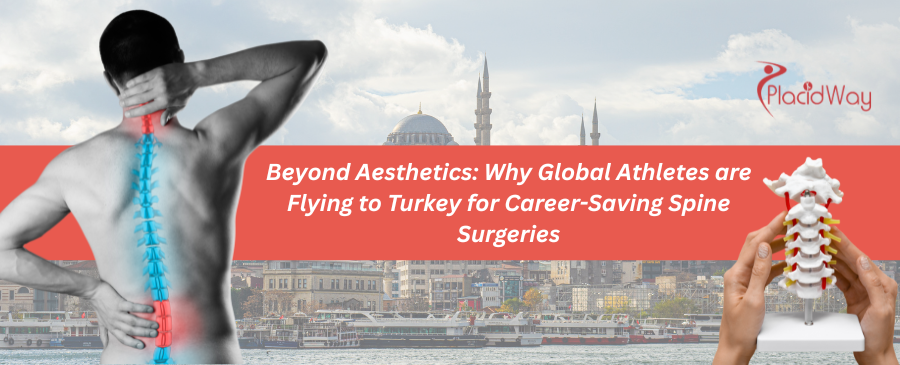
Facing career-ending injuries in 2024, professional athletes are bypassing domestic delays for Minimally Invasive Spine Surgery in Turkey. Saving up to 60% on costs, they access world-class neurosurgery and elite rehabilitation centers to return to the field faster than ever before.
The Shift from Cosmetic Capital to Complex Orthopedic Hub
For the past decade, the global narrative surrounding medical tourism in this transcontinental nation has been heavily dominated by cosmetic enhancements. However, beneath the viral surface of hair transplants and dental veneers, a quiet revolution has been unfolding in the realm of high-acuity medical care. Driven by multi-billion-dollar government incentives and massive private sector investments, the country’s major metropolitan centers have transformed into premier destinations for complex neurosurgery and orthopedics. Today, high-performance athletes from Europe, North America, and the Middle East are actively seeking out the advanced spinal care ecosystems found in these cutting-edge medical cities.
This transition from an aesthetic hotspot to a global powerhouse for complex surgical interventions is backed by substantial data. Market reports indicate a staggering 35% year-over-year increase in international patients traveling specifically for orthopedic and spinal procedures. The medical infrastructure has been meticulously upgraded to feature smart operating rooms equipped with real-time AI-guided spinal navigation, robotic-assisted surgical arms, and intraoperative MRI capabilities. By combining this hyper-advanced medical technology with a deeply ingrained culture of premium hospitality, the destination has successfully positioned itself as a critical lifeline for professional sports figures whose livelihoods depend entirely on their physical mobility and rapid recovery.
Did You Know?
The transcontinental medical hub treats over 1.2 million international medical tourists annually. Complex orthopedic, neurosurgical, and sports medicine procedures now make up a rapidly expanding 20% of this demographic, reflecting a massive shift toward high-acuity global healthcare.
Why Elite Athletes Trust Spine Surgery Over Domestic Alternatives
In the high-stakes world of professional sports, time is the ultimate currency. When an athlete suffers a severe lumbar disc herniation or spinal stenosis, every passing week of nerve compression results in irreversible muscle atrophy and a decline in athletic performance. Unfortunately, domestic healthcare systems in the United States and the United Kingdom are frequently bogged down by bureaucratic inefficiencies. Athletes often face mandatory "step-therapy" protocols dictated by insurance companies, forcing them to undergo months of ineffective conservative treatments before surgical intervention is finally authorized. This administrative red tape can effectively end a professional sports career before the athlete even reaches the operating table.
Conversely, the international medical model completely eliminates these critical delays. Elite athletes traveling abroad benefit from an expedited, VIP triage system. Upon arrival at highly accredited international facilities, patients undergo comprehensive diagnostic imaging—including high-definition 3T MRIs and biomechanical stress tests—within hours, not weeks. Surgical interventions are scheduled immediately following the multi-disciplinary board’s consensus. This rapid deployment of definitive, corrective neurosurgery minimizes neurological damage, preserves core muscle mass, and drastically accelerates the athlete’s timeline for returning to professional competition.
Advanced Minimally Invasive Techniques Extending Athletic Careers
The success rate of athletes returning to elite competition is directly correlated with the utilization of tissue-sparing surgical technologies. The medical facilities catering to this demographic specialize in cutting-edge procedures designed to maintain spinal biomechanics:
- Endoscopic Microdiscectomy: Utilizing ultra-high-definition cameras and tubular retractors less than a centimeter wide, surgeons can remove herniated disc fragments without slicing through the critical back muscles that athletes rely on for explosive rotational power.
- Artificial Disc Replacement (Motion Preservation): Rather than fusing vertebrae together—which permanently limits flexibility and transfers stress to adjacent discs—surgeons utilize advanced titanium and polymer artificial discs. This preserves the athlete's natural range of motion, which is vital for sports like golf, tennis, and gymnastics.
- Robotic-Assisted Spinal Fusion: When stabilization is absolutely necessary, robotic guidance systems are utilized to place pedicle screws with sub-millimeter accuracy. This drastically reduces the risk of nerve damage and ensures perfect biomechanical alignment.
- Continuous Intraoperative Neuromonitoring (IONM): Throughout the procedure, neurophysiologists monitor electrical signals traveling through the spinal cord and peripheral nerves in real-time, ensuring absolute neurological safety during high-risk maneuvers.
- Regenerative Orthobiologics: Post-surgical recovery is frequently augmented with advanced stem cell therapies and Platelet-Rich Plasma (PRP) injections administered directly into the surgical site, stimulating accelerated cellular healing and reducing systemic inflammation.
Cost Breakdown: The Financial Logic for Uninsured and Underinsured Athletes
While top-tier superstars may have access to unlimited funds, the vast majority of professional athletes—including minor league players, MMA fighters, and Olympic hopefuls—operate on strict budgets with highly restrictive sports health insurance policies. In the United States, advanced procedures like multi-level artificial disc replacements are frequently classified as "experimental" by insurance carriers, leaving the athlete to shoulder the entire financial burden. An elite spinal procedure, coupled with hospital fees and specialized rehabilitation, can easily generate a catastrophic medical bill exceeding $80,000 to $100,000 out-of-pocket.
The financial architecture of the medical tourism sector completely mitigates this crisis. Because of heavily subsidized national medical education, lower administrative overhead, and highly favorable currency exchange rates, premium international medical centers can offer exact matching—or superior—surgical interventions at a fraction of the North American price. Crucially, these comprehensive packages are entirely transparent, bundling the surgeon’s fee, operating room time, advanced imaging, and initial physical therapy into one predictable, upfront cost.
The Comprehensive Rehabilitation Ecosystem for Elite Competitors
Experienced medical professionals understand that a flawless neurosurgical operation represents only fifty percent of an athlete's journey back to peak performance; the remaining fifty percent relies entirely on aggressive, meticulously monitored rehabilitation. International medical centers designed for global athletes do not simply discharge patients to standard outpatient physical therapy clinics. Instead, they feature fully integrated, on-site sports rehabilitation complexes that rival the training facilities of elite European soccer clubs and NFL franchises.
Within days of their spinal procedure, athletes begin highly customized recovery protocols under the supervision of specialized physiotherapists and sports biomechanists. These state-of-the-art recovery ecosystems utilize hyperbaric oxygen therapy chambers to flood healing tissues with oxygen, anti-gravity treadmills that allow for cardiovascular maintenance without spinal compression loading, and computer-assisted kinematic analysis to correct the microscopic gait compensations that led to the original injury. This holistic, all-under-one-roof approach ensures that athletes are not just healing from surgery, but are actively rebuilding their athletic foundation in a highly controlled environment before boarding a flight home.
"We are observing a massive paradigm shift in high-performance sports medicine. Athletes are no longer tethered to the geographic limitations or the bureaucratic delays of their home countries. By connecting these professionals with elite, internationally accredited neurosurgical centers, we ensure they receive immediate, career-saving interventions. The global healthcare market has evolved to a point where uncompromising surgical precision and holistic sports rehabilitation are accessible safely and affordably across borders."
— Pramod Goel, CEO of PlacidWay
Navigating International Board Certifications and Patient Safety
The decision to undergo spinal surgery abroad is naturally accompanied by deep scrutiny regarding safety protocols and surgical competency. However, the medical infrastructure serving international athletes operates under an intensely rigorous regulatory framework. The elite neurosurgeons and orthopedic specialists performing these high-stakes operations typically undergo a minimum of 12 to 14 years of exhaustive medical training. Furthermore, the global cross-pollination of medical knowledge means that many of these lead surgeons hold dual board certifications, including recognition from the European Board of Orthopaedics and Traumatology (EBOT), and have completed prestigious fellowships at leading academic institutions in the United States and Germany.
Beyond individual surgeon credentials, the facilities themselves are subject to relentless quality control. The top-tier hospitals are accredited by the Joint Commission International (JCI), which is the absolute gold standard in global healthcare evaluation. This accreditation mandates strict compliance with hundreds of safety metrics, ranging from ultra-sterile operating room airflow systems to highly advanced Intensive Care Unit (ICU) capabilities. Consequently, peer-reviewed data consistently shows that infection rates and surgical complication metrics in these premium international hospitals are statistically indistinguishable from, and frequently superior to, average domestic facilities in Western nations.
Did You Know?
The region's largest medical metropolis boasts more than 30 Joint Commission International (JCI) accredited medical facilities. This concentration gives it one of the highest densities of globally certified, world-class hospitals of any single city on the planet.
The Strategic Role of PlacidWay in Connecting Athletes to World-Class Care
Despite the overwhelming benefits of traveling for advanced sports medicine, the logistics of navigating a foreign healthcare system during a severe medical crisis can be deeply intimidating. An athlete suffering from debilitating sciatic nerve pain cannot afford the time or energy required to independently audit foreign hospital accreditations, translate complex medical jargon, or verify the authenticity of a surgeon's international fellowship. The digital landscape is flooded with medical marketing, making it incredibly difficult to separate elite, career-saving medical institutions from standard healthcare clinics.
This critical information gap is exactly where dedicated global healthcare platforms provide immense value. Serving as an independent, highly vetted connector, PlacidWay removes the guesswork from international medical travel. The platform allows athletes and their management teams to safely transfer encrypted medical files and MRI scans, facilitating direct virtual consultations with pre-screened, globally accredited neurosurgeons. By managing the complexities of credential verification, securing transparent pricing, and assisting with medical visa logistics, PlacidWay ensures that the athlete's sole focus remains entirely on their surgical recovery and returning to the sport they love.
The Future of Sports Medicine and High-Acuity Medical Travel
As the global healthcare landscape continues to evolve, the trajectory of medical tourism clearly indicates a massive sustained shift toward high-acuity interventions. The destination's ongoing commitment to developing "smart hospitals" powered by artificial intelligence, coupled with massive investments in regenerative orthobiologics, ensures that it will remain at the absolute forefront of sports medicine for decades to come. As surgical techniques become even less invasive and recovery times continue to shrink, international borders will become increasingly irrelevant to patients seeking the highest standard of physiological care.
Furthermore, the normalization of cross-border medical travel by high-profile athletes is having a profound trickle-down effect on the general public. As weekend warriors, amateur athletes, and active seniors witness professional sports stars successfully rehabilitating complex spinal injuries abroad, the stigma associated with international surgery is rapidly dissipating. The democratization of elite medical care means that everyday individuals no longer have to settle for a life of chronic pain or financial ruin; they too can access the exact same world-class, career-saving surgical ecosystems previously reserved for elite champions.




.png)

.png)



.png)
.png)
.jpg)
.png)












Share this listing