
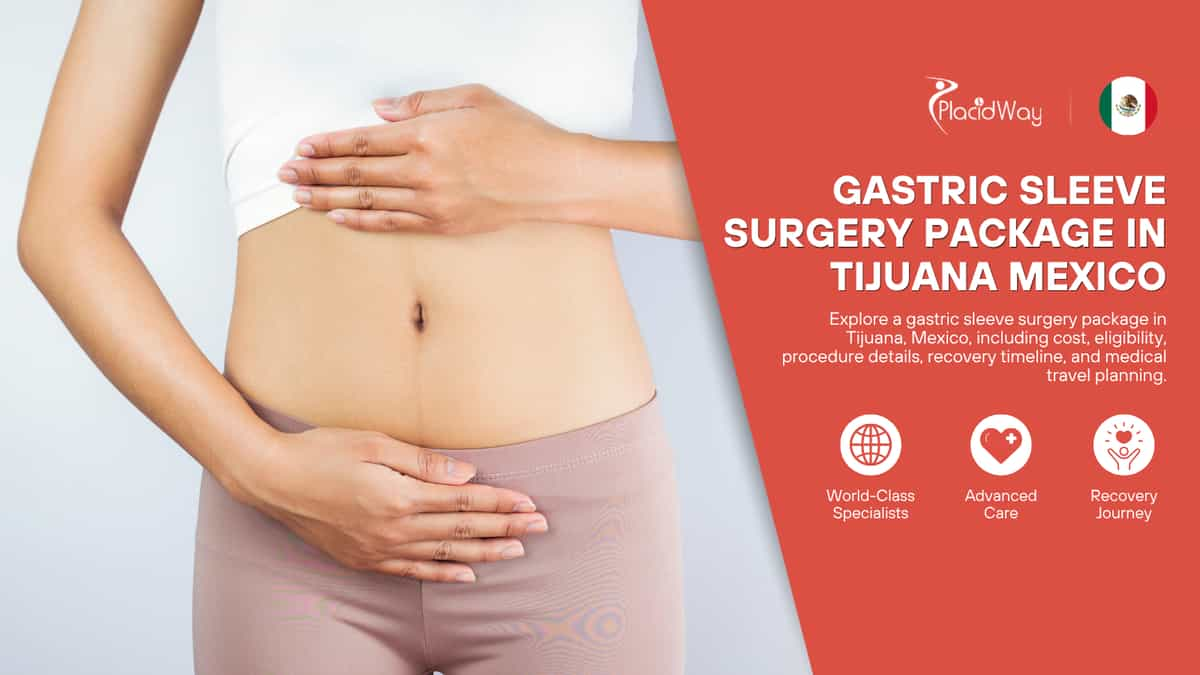
Ditch the endless cycle of restrictive fad diets and explore a medically sound pathway toward long-term metabolic health with our accessible bariatric solutions. This comprehensive gastric sleeve surgery package in Tijuana, Mexico, is designed for individuals seeking sustainable weight management, offering international patients access to board-certified surgical care at an estimated starting price of $4,500. Ideal for candidates with a Body Mass Index (BMI) of 35 or higher, the program requires a typical 4-to-5-day stay in the region to accommodate the procedure and immediate post-operative monitoring. Please note that exact procedural costs, final surgical clearance, and specific package inclusions rely entirely upon a thorough preliminary medical assessment by your treating physician.
Essential Package Insights at a Glance
- Estimated Initial Investment: Packages start at approximately $4,500, offering a transparent financial alternative to North American healthcare pricing while maintaining stringent clinical standards.
- Accredited Care Environments: Interventions take place in specialized bariatric centers that strictly adhere to rigorous international health and safety protocols.
- Patient Qualifications: Suitable candidates generally present a BMI over 35, or a BMI over 30 accompanied by obesity-related conditions such as hypertension or type 2 diabetes.
- Surgical Approach: The laparoscopic procedure involves removing approximately 75% to 80% of the stomach capacity to naturally encourage sustained portion control and hormonal metabolic shifts.
- Mandatory Health Screening: Comprehensive pre-travel cardiology, psychological, and nutritional evaluations are strictly required to verify your physiological readiness for international medical travel.
Evaluating the Financial Investment for Bariatric Care
Understanding the financial scope of weight loss surgery is a critical step in your planning process. Medical tourism to Mexico has grown substantially because it allows patients to access quality surgical care without the prohibitive out-of-pocket costs commonly found in other regions. Below is a general cost comparison of sleeve gastrectomy procedures across different countries.
| Country / Region | Estimated Average Cost (USD) |
|---|---|
| United States | $15,000 – $25,000+ |
| Canada (Private Clinics) | $14,000 – $19,000+ |
| United Kingdom (Private Care) | $10,000 – $14,000+ |
| Tijuana, Mexico (Starting From) | $4,500 |
Detailed Cost Breakdown for Your Gastric Sleeve Package
*Note: The following table represents an estimated cost breakdown. Final pricing is entirely dependent on your individual medical assessment, required post-operative care, and specific clinical needs.
| Procedure Item / Service | Estimated Cost (USD) | Service Description |
|---|---|---|
| Pre-Operative Diagnostics | Included in total | Blood panels, EKG, and physician consultations required before surgery. |
| Surgeon & Anesthesia Fees | Included in total | Compensation for the board-certified bariatric surgeon and dedicated anesthesiologist. |
| Operating Room & Equipment | Included in total | Use of advanced laparoscopic technology and sterile surgical facilities. |
| Hospital and Hotel Stay | Included in total | Standard inpatient recovery time and basic hotel accommodations for remaining days. |
| Local Ground Transportation | Included in total | Airport pick-up, clinic transfers, and return trips to the border or airport. |
| Total Estimated Package Price | $4,500 USD | Baseline starting estimate prior to individual medical evaluation. |
What Your Package Includes
- Comprehensive pre-operative medical consultations and lab work.
- Surgeon, anesthesiologist, and operating room fees.
- Standard medication administered during your hospital stay.
- 1 to 2 nights of inpatient care at the medical facility.
- 1 to 2 nights of post-discharge hotel accommodation.
- Nutritional guidance and a tailored post-op diet plan.
- Ground transportation between the San Diego airport/border, hotel, and clinic.
Expenses Not Included
- Round-trip airfare or travel costs to San Diego/Tijuana.
- Passport, visa, or necessary travel documentation fees.
- Medical complications insurance (highly recommended).
- Meals, lodging, and leisure activities for your travel companion.
- Long-term post-operative medications and daily multivitamin supplements.
- Follow-up blood work required by your local primary care physician upon returning home.
Determining Your Eligibility for a Sleeve Gastrectomy
Bariatric surgery is a major medical intervention requiring careful patient selection. While the procedure offers significant health benefits, it is not suitable for everyone. Physicians generally assess candidacy based on internationally recognized medical guidelines to prioritize your safety and long-term success.
- Individuals with a Body Mass Index (BMI) of 40 or higher.
- Individuals with a BMI between 35 and 39.9 who also suffer from serious weight-related health problems, such as obstructive sleep apnea, severe joint pain, or type 2 diabetes.
- Patients who have documented unsuccessful attempts to lose weight through traditional diet, exercise, and medically supervised weight loss programs.
- Adults typically between the ages of 18 and 65, though exceptions are occasionally made based on overall health.
- Individuals demonstrating psychological readiness and a firm commitment to lifelong dietary changes and nutritional supplementation.
Required Health Documentation for Your Preliminary Assessment
Before traveling to Tijuana, your surgical team will need a comprehensive view of your current health status. Gathering these documents promptly ensures the team can accurately assess your surgical risks and approve your travel.
- A detailed letter of medical clearance from your local primary care physician or specialist.
- Recent blood test results, specifically a Complete Blood Count (CBC) and comprehensive metabolic panel.
- A recent electrocardiogram (EKG) to assess cardiovascular fitness for general anesthesia.
- A complete list of all current prescription medications, over-the-counter drugs, and herbal supplements.
- Detailed history of any previous abdominal surgeries or major medical conditions.
The Mechanics of Your Sleeve Gastrectomy: A Step-by-Step Guide
The gastric sleeve, clinically known as a laparoscopic sleeve gastrectomy, is a widely performed restrictive bariatric procedure. It is designed to physically limit the amount of food you can consume while also reducing the production of ghrelin, the hormone responsible for triggering hunger. Here is a plain-language overview of how the surgery is typically performed.
Step 1: Administering General Anesthesia
You will be placed under general anesthesia by a specialized bariatric anesthesiologist, ensuring you are completely asleep, comfortable, and pain-free throughout the entire operation.
Step 2: Making Laparoscopic Incisions
Rather than making one large open cut, the surgeon makes several small keyhole incisions across your abdomen. A laparoscope—a thin tube equipped with a high-definition camera—is inserted to guide the surgical instruments.
Step 3: Resecting the Stomach Volume
Using specialized surgical staplers, the surgeon carefully divides your stomach, permanently removing approximately 75% to 80% of its outer curve. The intestines are left completely intact and are not bypassed during this specific procedure.
Step 4: Forming the New "Sleeve"
The remaining portion of the stomach is stapled closed, transforming it into a narrow tube or "sleeve" that is roughly the shape and size of a banana. This new stomach holds significantly less food.
Step 5: Safety Checks and Closure
The surgeon performs a leak test using a harmless dye to ensure the staple line is completely secure. Once verified, the small abdominal incisions are closed with sutures or surgical tape, and you are moved to the recovery ward.
Your Medical Travel Itinerary: From Arrival to Departure
Traveling for medical care requires structure. Most bariatric clinics in Tijuana utilize a highly organized timeline to minimize patient stress and ensure all medical protocols are followed precisely. While exact schedules vary, a standard itinerary looks like this:
- Day 1: Arrival and Pre-Op Preparations
You are greeted at the designated airport (usually San Diego) or border crossing by clinic transportation. You will be taken to the clinic for final blood work, an EKG, and an in-person consultation with your surgeon and anesthesiologist to review the final details before checking into your hotel. - Day 2: Surgery Day
You arrive at the hospital fasting. After final preparations, the laparoscopic surgery is performed (typically taking 1 to 2 hours). You will wake up in a specialized recovery room before being moved to your private hospital room for overnight monitoring. - Day 3: Inpatient Recovery and Testing
You remain in the hospital. Medical staff will monitor your vital signs, manage any discomfort, and assist you in walking the halls to prevent blood clots. A final leak test is often performed. You will begin sipping clear liquids. - Day 4: Discharge and Hotel Rest
Upon physician clearance, you are discharged from the hospital and transported to your recovery hotel. You will rest, continue your hydration schedule, and prepare for your journey home. - Day 5: Medical Clearance and Journey Home
Following a final assessment, you receive your fit-to-fly clearance. The transportation team drives you back across the border to the airport for your return flight.
Planning Your Time in Mexico: Essential Stay Requirements
While the surgery itself is relatively brief, sufficient local recovery time is non-negotiable for international patients. Travel clearance depends entirely on your treating physician's assessment of your post-operative stability.
- Expect to allocate a minimum of 4 to 5 days total away from home.
- Immediate post-surgery flying is prohibited due to the risk of Deep Vein Thrombosis (blood clots).
- You must demonstrate the ability to hold down fluids and walk independently before being cleared to travel.
- Patients are advised to book flexible return flights in case the surgeon recommends an extra day of rest.
Navigating Your Post-Operative Healing and Dietary Transition
Surgery is only the first step; the true work begins during recovery. Healing from a gastric sleeve happens in carefully managed stages to allow your new stomach to heal without stretching or tearing the staple line.
- Weeks 1-2 (Clear Liquids): Hydration is your primary goal. You will consume only clear broths, water, sugar-free gelatin, and highly diluted juices to prevent dehydration while the stomach tissue heals.
- Weeks 3-4 (Pureed Foods): You will slowly introduce blended, lump-free foods that require no chewing, focusing heavily on lean protein sources like blended tofu, smooth yogurt, and protein shakes.
- Weeks 5-6 (Soft Foods): Soft, easily mashable foods are introduced. Fish, scrambled eggs, and soft cooked vegetables become staples as you learn your new physical limits.
- Long-Term Maintenance: You will transition to a permanent diet of solid, nutrient-dense foods. Meals will be drastically smaller. Daily bariatric vitamins are required for life to prevent malnutrition.
Understanding the Potential Risks and Surgical Complications
Any major abdominal surgery carries inherent medical risks. We encourage you to approach this decision with a clear understanding of potential complications. This list is not exhaustive, and your surgeon will discuss your individual risk profile during your consultation to ensure you are fully informed.
- Staple Line Leaks: A rare but serious complication where stomach fluid leaks into the abdominal cavity, requiring immediate medical intervention.
- Bleeding or Infection: As with any surgical incision, there is a risk of internal bleeding or wound site infections.
- Nutritional Deficiencies: Reduced food intake can lead to anemia or osteoporosis if strict vitamin supplementation protocols are ignored over time.
- Gastroesophageal Reflux Disease (GERD): Some patients may develop or experience worsening acid reflux after a sleeve procedure.
- Blood Clots: Deep vein thrombosis (DVT) is a risk during the immediate recovery phase, mitigated by early walking and blood-thinning medications.
Anticipating Realistic Health Outcomes and Lifestyle Changes
Bariatric surgery is a powerful tool, not a standalone cure. Results rely heavily on patient compliance with new dietary and exercise habits. When patients adhere strictly to post-operative guidelines, the health transformations can be profound.
- Patients often typically lose between 50% to 70% of their excess body weight within the first 12 to 18 months following surgery.
- Many individuals may see significant improvements or remission in obesity-related conditions, including type 2 diabetes and high blood pressure.
- Mobility typically improves, and conditions like obstructive sleep apnea often lessen in severity.
- Weight regain is possible over several years if the stomach stretches due to consistent overeating or if high-calorie liquid diets are consumed.
- Outcomes inherently vary by patient; no specific weight loss milestones or medical cures can be definitively guaranteed.
Patient-Focused Questions About Traveling for Weight Loss Surgery
Is it truly safe to travel to Tijuana for a major surgical procedure?
Tijuana has developed a highly regulated medical tourism infrastructure. The leading bariatric clinics utilize state-of-the-art hospitals that often align with international accreditation standards. However, safety depends entirely on choosing board-certified surgeons and thoroughly researching the specific facility rather than shopping purely based on the lowest price.
Will I experience severe pain when I wake up from the gastric sleeve operation?
Because the procedure is performed laparoscopically with small incisions, physical pain is usually manageable. Most patients report a sensation of deep soreness in their abdominal muscles, similar to an intense workout. You may also experience temporary shoulder pain caused by the carbon dioxide gas used to inflate your abdomen during surgery. Medications are provided to manage these symptoms.
Do I need a valid passport to book this medical package?
Yes. If you are an international traveler (including citizens of the United States and Canada), a valid passport is legally required to re-enter your home country after your procedure. It is highly advised to ensure your passport is valid for at least six months past your intended travel dates.
How will I communicate if I do not speak fluent Spanish?
Language barriers are rarely an issue in reputable medical tourism centers. Because these facilities cater specifically to North American and international patients, the surgeons, attending nurses, and patient coordinators are typically fully bilingual in English and Spanish.
Who provides my follow-up care once I return to my home country?
Your primary care physician at home must be involved in your long-term follow-up. While your surgical team in Mexico will provide virtual check-ins and nutritional advice via phone or email, you need a local doctor to order routine blood tests, monitor your vitamin levels, and address any late-stage complications.
Is it possible to stretch my new stomach out and regain the weight?
Yes, the remaining stomach tissue is somewhat elastic. If you routinely force yourself to eat past the point of comfortable fullness, or if you constantly graze on food throughout the day over a period of years, the stomach can stretch. This allows for increased food intake, which often leads to weight regain. Strict portion control is vital for life.
Will I have an excessive amount of loose skin after losing the weight?
Loose skin is a very common reality following rapid and massive weight loss. Its severity depends on your age, genetics, the total amount of weight lost, and how long your skin was stretched prior to surgery. While exercise can tone underlying muscle, many patients ultimately choose to undergo separate body contouring surgeries (like a tummy tuck) 12 to 18 months later.
Why do I have to take daily vitamins for the rest of my life?
Because you are eating drastically smaller quantities of food, it is physically impossible to obtain all the necessary nutrients through diet alone. To prevent severe health issues like anemia, nerve damage, or osteoporosis, bariatric patients must take specialized, easily absorbable multivitamin and mineral supplements permanently.
Can I safely become pregnant after having a gastric sleeve?
Yes, many women experience improved fertility after weight loss. However, physicians strongly recommend waiting at least 12 to 18 months post-surgery before attempting to conceive. This allows your weight to stabilize and protects the developing fetus from potential nutritional deficiencies during your period of rapid weight loss.
Am I allowed to drink alcohol after recovering from the procedure?
Alcohol consumption should be avoided for the first six months. When you do reintroduce alcohol, you must exercise extreme caution. Because you have a much smaller stomach, alcohol empties into your intestines and bloodstream rapidly, leading to significantly faster intoxication. Additionally, alcohol contains empty calories that can hinder your weight loss goals.
Ready to Take the Next Step Toward Your Health Goals?
Deciding to undergo weight loss surgery is a major life choice that requires careful thought and professional guidance. We are here to answer your questions, outline your options, and help you determine if this medical package aligns with your health needs. Reach out today for a confidential, no-pressure assessment.
Request Free QuoteMedical Disclaimer: The content provided on this page is for general informational and educational purposes only and does not constitute professional medical advice, diagnosis, or treatment. Always consult with a qualified healthcare provider regarding your eligibility, individual risks, and necessary post-operative care before making any medical decisions.
Educational References and Clinical Guidelines:
- National Institute of Diabetes and Digestive and Kidney Diseases (NIDDK) – Types of Bariatric Surgery Overview
- Mayo Clinic – Sleeve Gastrectomy Patient Guide and Risks
- American Society for Metabolic and Bariatric Surgery (ASMBS) – Standard Bariatric Surgery Procedures
- U.S. Food and Drug Administration (FDA) – Safety Information on Bariatric Surgical Devices
- MedlinePlus (National Library of Medicine) – Weight Loss Surgery Health Information






















Share this listing