


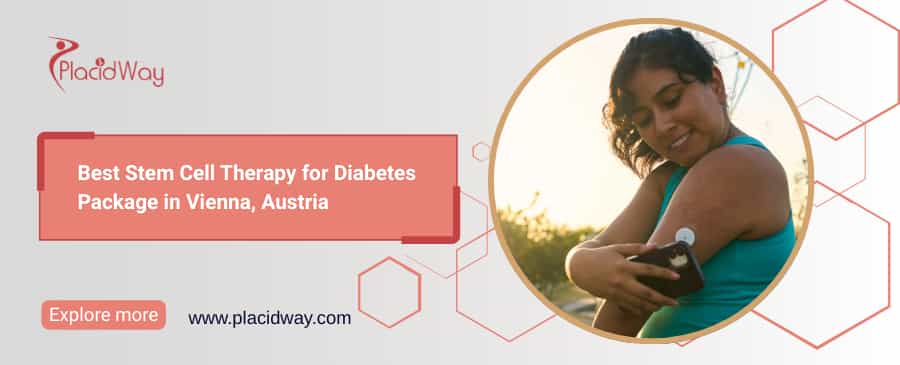
Best Stem Cell Therapy for Diabetes Package in Vienna, Austria
Finding the Best Stem Cell Therapy for Diabetes Package in Vienna, Austria can be a transformative step toward better health management and an improved quality of life. Vienna has emerged as a global leader in regenerative medicine, offering advanced protocols that utilize the body's natural healing mechanisms to address pancreatic dysfunction and insulin regulation issues found in both Type 1 and Type 2 diabetes.
Patients choosing this advanced diabetic treatment in Vienna benefit from Austria's rigorous medical standards, which are among the highest in the European Union. The clinics here utilize state-of-the-art biotechnology to isolate and administer stem cells, aiming to regenerate damaged tissues and reduce dependency on exogenous insulin. By combining cutting-edge science with patient-centered care, Vienna offers a compelling and effective destination for those seeking alternatives to traditional diabetes management.
Key Takeaways
- Regenerative Potential: The therapy focuses on repairing pancreatic beta cells to improve natural insulin production and regulate glucose levels naturally.
- World-Class Medical Standards: Vienna is home to renowned specialists and accredited facilities that adhere to strict European Union safety and quality regulations.
- Cost-Effective Solutions: Compared to the United States and other Western European nations, Austria offers high-quality treatment at a more accessible price point.
- Minimally Invasive Procedures: The stem cell protocols used are generally outpatient procedures with minimal downtime, allowing for a comfortable recovery experience.
- Comprehensive Care Packages: Treatment plans are holistic, often including nutritional counseling and long-term follow-up strategies to maximize success.
Cost Overview and Comparison for Stem Cell Therapy for Diabetes in Vienna, Austria
The financial aspect of medical tourism is a primary driver for many patients, and the cost of stem cell therapy for diabetes in Vienna, Austria offers significant value for money. While the technology is sophisticated, the operational efficiencies of Austrian healthcare allow clinics to offer competitive pricing without compromising on safety or efficacy. Patients can often access premium regenerative care in Vienna for a fraction of what they might pay in North America.
Below is a comparative look at the estimated costs for this procedure across different regions. This highlights the potential savings available when choosing Vienna as your medical destination. Please note that these figures are estimates and can fluctuate based on currency exchange rates and specific clinic protocols.
| Country | Estimated Cost (USD) | Estimated Savings |
|---|---|---|
| Vienna, Austria | $12,000 - $18,000 | - |
| United States | $25,000 - $50,000 | 50% - 65% |
| United Kingdom | $22,000 - $40,000 | 40% - 55% |
| Germany | $15,000 - $22,000 | 15% - 20% |
*Note: Prices listed above are approximate and may vary depending on the complexity of the procedure, the number of stem cell injections required, and the patient's specific medical condition. A personalized quote is recommended.
What’s Included in the Stem Cell Therapy for Diabetes Package
- Comprehensive Medical Evaluation: Initial consultation with a specialist, including a review of medical history and necessary blood work to determine eligibility.
- Stem Cell Procedure: The harvesting, processing, and administration of stem cells (e.g., adipose-derived or bone marrow) performed by certified medical professionals.
- Operating Room Fees: All costs associated with the use of the sterile facility, medical equipment, and nursing staff during the procedure.
- Post-Operative Care: Immediate monitoring after the procedure to ensure patient safety and stability before discharge from the clinic.
- Medical Reports and Translations: Provision of all medical records and reports in English for your personal records or home physician.
- Initial Medications: Supply of necessary post-procedure medications, such as anti-inflammatories or antibiotics, required for the first few days of recovery.
What’s Not Included in the Stem Cell Therapy for Diabetes Package
- Travel Expenses: International airfare to and from Vienna, Austria, is the responsibility of the patient.
- Accommodation: Hotel stays or recovery apartment rentals are not typically included in the medical package fee.
- Visa and Legal Fees: Any costs associated with obtaining a Schengen visa or travel permits to enter Austria.
- Personal Expenses: Meals, transportation within the city (unless specified), and sightseeing costs are not included.
- Travel Insurance: Comprehensive medical travel insurance covering potential complications or trip cancellations is highly recommended but not included.
- Extended Medications: Long-term prescriptions or supplements needed beyond the immediate recovery period.
Understanding Stem Cell Therapy for Diabetes in Vienna
Regenerative medicine in Vienna utilizes the unique properties of stem cells to address the root causes of diabetes rather than just managing symptoms. The primary goal is to halt the autoimmune attack in Type 1 diabetes or improve insulin sensitivity in Type 2 diabetes. By introducing potent stem cells into the body, the treatment aims to repair damaged tissues and modulate the immune system.
The process is highly scientific and regulated. Clinics in Vienna typically use Mesenchymal Stem Cells (MSCs) derived from the patient's own fat tissue or bone marrow, or ethically sourced umbilical cord tissue. These cells have the ability to differentiate into various cell types and secrete factors that promote healing. The therapy is designed to be safe, with a focus on improving the patient's metabolic profile and reducing long-term complications associated with high blood sugar.
- Primary Purpose: To regenerate pancreatic beta cells, enhance insulin secretion, and improve overall metabolic function.
- Types of Cells Used: Autologous (from the patient) or Allogeneic (donor) Mesenchymal Stem Cells (MSCs).
- How It Works: Stem cells reduce inflammation, modulate the immune response, and stimulate the growth of new blood vessels in the pancreas.
- Main Benefits: Potential reduction in HbA1c levels, decreased need for insulin or oral medications, and improved energy levels.
- Recovery Time: The procedure is minimally invasive, with most patients returning to light activities within 24 to 48 hours.
- Success Rate: While individual results vary, clinical data suggests significant improvement in glycemic control for a majority of qualified candidates.
Who Is the Ideal Candidate for Diabetes Stem Cell Treatment?
Not every patient with diabetes is a suitable candidate for stem cell therapy. The best outcomes are typically seen in individuals who have retained some pancreatic function and are medically stable enough to undergo the procedure. Doctors in Vienna perform a thorough screening process to ensure that the benefits outweigh the risks and that the patient has realistic expectations regarding the outcome.
Ideal candidates are usually those who are proactive about their health and are looking for a supplementary treatment to standard care. This therapy is not a cure-all but a powerful tool in disease management. Patients who are committed to maintaining a healthy lifestyle, including proper diet and exercise, tend to see the most sustained results from regenerative treatments.
- Diagnosis: Patients diagnosed with Type 1 or Type 2 Diabetes Mellitus who are struggling with glycemic control.
- Medical Stability: Individuals without severe, end-stage complications such as advanced kidney failure or active cancer.
- Realistic Expectations: Patients who understand that this is a management therapy aimed at improvement, not necessarily a guaranteed permanent cure.
- Commitment to Lifestyle: Candidates willing to adhere to post-treatment dietary and exercise protocols to support the stem cells' efficacy.
- Age Considerations: Generally suitable for adults; pediatric cases are considered on a highly specific, case-by-case basis by specialists.
Day-by-Day Itinerary for Your Stem Cell Therapy in Vienna
- Day 1: Arrival and Consultation: Arrive in Vienna. meet with your medical team for a physical examination, review of medical history, and pre-procedure blood tests.
- Day 2: Preparation and Testing: Final review of test results. The medical team will explain the procedure in detail, answer questions, and provide pre-op instructions (fasting, medication adjustments).
- Day 3: The Procedure: Admission to the clinic. Stem cell harvesting (if autologous) followed by processing and administration (via IV or direct injection). This usually takes 3-5 hours. Observation period included.
- Day 4: Rest and Recovery: A day dedicated to rest. Patients are advised to stay hydrated and relax at their accommodation. Mild fatigue is common but manageable.
- Day 5: Follow-up and Discharge: Final check-up with the doctor to monitor injection sites and general well-being. Discussion of aftercare plan and discharge.
- Day 6: Departure: Patients are usually cleared to fly home, provided they feel well and have no immediate concerns.
What to Expect from Your Stem Cell Therapy for Diabetes in Vienna, Austria
Patients undergoing this therapy in Vienna can expect a professional, high-end medical experience. The clinics are designed to be comfortable and modern, far removed from the sterile and intimidating atmosphere of traditional hospitals. From the moment you arrive, the focus is on your comfort and understanding of the process. The medical staff speaks fluent English, ensuring clear communication throughout your journey.
regarding the physical experience, the procedure involves minimal discomfort. Most patients report feeling only a slight pinch during the harvesting or injection phases, often performed under local anesthesia or mild sedation. Post-procedure, it is normal to experience some fatigue as the body begins the healing process. Improvements in blood sugar levels are typically not immediate; they occur gradually over weeks and months as the stem cells repair tissue and modulate the immune system.
Post-Stem Cell Therapy Recovery in Vienna
- Immediate Rest: Avoid strenuous physical activity for at least 3 to 5 days following the procedure to allow the body to focus on cellular integration.
- Hydration: Drink plenty of water to help flush out toxins and support the circulation of the newly introduced stem cells.
- Blood Sugar Monitoring: continue to monitor glucose levels closely, as insulin requirements may fluctuate or decrease in the weeks following treatment.
- Dietary Adjustments: Follow a low-inflammatory, nutrient-rich diet as recommended by the clinic nutritionist to support stem cell survival.
- Avoid Toxins: Abstain from alcohol and smoking for several weeks, as these can negatively impact the viability of the stem cells.
- Follow-up Communication: Maintain contact with the Vienna clinic via email or video call to report progress and adjust medications if necessary.
Why Choose Vienna, Austria for Diabetes Stem Cell Treatment?
- Cutting-Edge Research: Austria is at the forefront of European medical research, offering access to the latest advancements in regenerative protocols.
- Regulatory Safety: Clinics operate under strict EU medical directives, ensuring the highest standards of hygiene, safety, and ethical sourcing of stem cells.
- Experienced Specialists: Vienna attracts top-tier medical talent, meaning you will be treated by experts with specific experience in diabetic regenerative care.
- Holistic Approach: Austrian medicine often integrates conventional treatments with advanced therapies and lifestyle modifications for better long-term results.
- Central Location: Located in the heart of Europe, Vienna is easily accessible via international flights and offers excellent infrastructure for medical tourists.
- Patient-Centric Care: The culture of care in Vienna prioritizes patient dignity, comfort, and personalized attention, reducing the stress of medical travel.
Explore Vienna While You Recover: Top Attractions for Patients
- Schönbrunn Palace Gardens: A perfect location for gentle walking. The flat paths and stunning baroque architecture offer a relaxing environment for recovery.
- St. Stephen's Cathedral: Located in the city center, this iconic gothic structure can be admired from the outside or visited for a quiet moment of reflection.
- Vienna Coffee House Culture: Relaxing in a traditional café is a quintessential Viennese experience. Enjoy a tea or water while soaking in the historic atmosphere without physical exertion.
- The MuseumsQuartier: This cultural complex offers plenty of seating and slow-paced museum tours, ideal for patients who want to see art without rushing.
- The Prater Park: A large public park offering green spaces and fresh air, perfect for a leisurely stroll to aid circulation during recovery.
- Belvedere Palace: Another architectural gem with beautiful grounds that are accessible and easy to navigate for those taking it easy.
FAQs About Stem Cell Therapy for Diabetes in Vienna, Austria
1. Is stem cell therapy for diabetes legal in Austria?
Yes, stem cell therapy is legal in Austria and is regulated under strict national and European Union laws to ensure patient safety and ethical standards.
2. How long do the results last?
Results vary by patient. Some experience benefits for several years, while others may require a top-up treatment after a year or two. Lifestyle plays a major role in longevity.
3. Will I be able to stop taking insulin immediately?
No. Patients should not stop insulin immediately. Reductions in medication should only be done under the strict supervision of a doctor as the body responds to the therapy.
4. Is the procedure painful?
The procedure is generally well-tolerated. Local anesthesia is used during harvesting and injection, resulting in minimal discomfort for the patient.
5. What type of stem cells are used in Vienna clinics?
Most clinics use Mesenchymal Stem Cells (MSCs) derived from the patient's own adipose (fat) tissue or bone marrow, or high-quality cord tissue cells, depending on the specific case.
6. Are there any side effects?
Side effects are rare and typically mild, including temporary soreness at the injection site, minor bruising, or low-grade fever as the immune system responds.
7. How soon can I fly home after the treatment?
Most doctors recommend staying in Vienna for at least 24 to 48 hours after the procedure for observation. Most patients fly home on the 5th or 6th day of their trip.
8. Do I need a referral from my home doctor?
While not always strictly mandatory, having a medical report or referral from your local endocrinologist is highly beneficial for the Vienna medical team to understand your history.
9. Is this treatment covered by insurance?
Generally, stem cell therapy for diabetes is considered an elective or experimental procedure by many insurance companies and is typically an out-of-pocket expense.
10. Can this therapy treat both Type 1 and Type 2 diabetes?
Yes, protocols exist for both. For Type 1, the goal is immunomodulation to stop the attack on beta cells. For Type 2, the goal is to reduce insulin resistance and repair tissue.
Start Your Journey to Better Health with PlacidWay
PlacidWay is your trusted partner in navigating the world of medical tourism, connecting you with top-tier clinics in Vienna for your diabetes care. Here is how we assist you:
- Verified Medical Providers: We exclusively partner with accredited clinics and board-certified specialists in Austria to ensure your safety and high-quality care.
- Transparent Pricing: We provide detailed, upfront cost estimates so you can plan your medical expenses without hidden fees or surprises.
- Direct Clinic Access: Our platform facilitates direct communication with the medical team, allowing you to ask questions and discuss your specific condition before you commit.
- Personalized Assistance: From gathering your medical records to scheduling your appointments, our coordination team supports you through the administrative process.
- Patient Advocacy: We stand by your side throughout the process, ensuring your voice is heard and your medical needs are prioritized by the facility.





.png)
















Share this listing