
What treatment


10+ Important FAQs on Medical Treatments in India
Questions on Medical Treatments in India? Find Answers Here
Trusted Medical Tourism Platform Since 2007
.png)
How Much Does Stem Cell Transplant Cost in India?
The Stem Cell Transplant cost in India usually ranges from $15,000 to $35,000. Autologous procedures are generally more affordable, whereas allogeneic transplants require higher budgets. Final pricing depends on hospital choice and donor needs. Key Takeaways Costs typically vary between $15,000 and $35,000 depending on the specific type of transplant required. Autologous options utilize the patient own cells, which generally reduces overall testing and logistical expenses. Allogeneic options require a donor match, introducing additional screening fees and comprehensive registry search costs. International patients should budget for extended stays due to mandatory post-operative isolation and extensive monitoring. Choosing specialized oncology centers ensures access to international standard isolation protocols and multidisciplinary care. Medical Disclaimer: The information provided in this article is for educational purposes only and should not replace professional medical advice. Cost estimates are subject to change and vary by clinic, city, materials, case complexity, and specific treatment requirements. Always consult with a qualified healthcare provider. What exactly is a Stem Cell Transplant in India and how does it work? A stem cell transplant replaces damaged bone marrow with healthy cells to restore blood production. The procedure involves collecting cells, conditioning the patient, and infusing the new cells. The process begins with cell collection from either the patient or a matched donor. These vital cells are carefully processed in a laboratory and preserved until the medical team prepares the patient for the infusion stage. Patients first undergo a conditioning regimen utilizing chemotherapy or radiation. This step is crucial because it helps eliminate existing diseased cells and suppresses the immune system to prevent rejection of the new cells. The healthy cells are then administered intravenously, similar to a standard blood transfusion. Over several weeks, these cells migrate to the bone marrow where they begin generating a fresh supply of healthy blood cells. What factors influence the Stem Cell Transplant cost in India? The total financial investment depends heavily on the transplant type, hospital infrastructure, and donor matching fees. Additional variables include extensive pre-operative testing and necessary post-treatment medications. Transplant Category: Autologous procedures generally involve lower expenses since they do not require donor matching, whereas allogeneic transplants include comprehensive donor search and acquisition fees. Facility Standards: Selecting a modern hospital equipped with advanced isolation units typically increases the overall base estimate compared to standard healthcare facilities offering basic amenities. Medical Condition: The severity of the underlying illness dictates the intensity of the conditioning regimen, directly affecting the required duration of specialized clinical care. Length of Admission: Patients typically stay in protected isolation rooms for several weeks to mitigate infection risks, and prolonged hospital stays significantly impact the final medical bill. Supportive Care: Post-transplant recovery necessitates long-term immunosuppressive prescriptions and frequent follow-up specialist consultations that cumulatively add to the total projected expenditure. How do autologous and allogeneic procedures differ in price? Autologous transplants typically range from fifteen thousand to twenty thousand dollars, making them more budget-friendly. Allogeneic transplants are usually priced between twenty-two thousand and thirty-five thousand dollars due to complex donor needs. An autologous transplant utilizes the patient own stem cells, which significantly reduces logistical complexities and associated expenses. Since there is no need to find, test, or compensate a donor, the overall financial burden is notably lower. Conversely, an allogeneic transplant requires stem cells from a genetically matched donor. The extensive process of searching international registries, conducting specific compatibility tests, and harvesting cells from a second individual adds substantial costs to the procedure. Furthermore, allogeneic procedures carry a higher risk of complications. This potential risk necessitates a more intensive post-operative care plan, longer hospital stays, and expensive prophylactic medications, further elevating the overall price. Transplant Category Source of Cells Estimated Cost Range Typical Use Cases Autologous Patient own body $15,000 - $20,000 Multiple Myeloma, Lymphoma Allogeneic Matched donor $22,000 - $35,000 Leukemia, Aplastic Anemia Did You Know? The mandatory requirement for finding an exact human leukocyte antigen match is the primary reason allogeneic transplants are typically more complex and costly to perform than autologous procedures. What medical conditions can a Stem Cell Transplant in India potentially treat? This cellular therapy is primarily utilized to treat severe blood disorders, immune deficiencies, and certain cancers. It offers a potential path to recovery for suitable patients who have exhausted conventional options. Leukemias and Lymphomas: These aggressive blood cancers are common reasons patients seek bone marrow replacement to safely restore healthy blood cell production. Multiple Myeloma: Individuals suffering from this plasma cell cancer frequently undergo autologous transplants following intensive chemotherapy to help prolong disease remission. Aplastic Anemia: When the bone marrow fails to produce sufficient new blood cells, introducing healthy donor stem cells can potentially treat this severe condition. Sickle Cell Disease: This inherited red blood cell disorder may sometimes be effectively managed using an allogeneic transplant from a closely matched sibling. Immune System Disorders: Patients with severe combined immunodeficiency or other genetic immune system failures may benefit significantly from receiving healthy donor cells. How can international patients choose a reliable Stem Cell Transplant clinic in India? Finding a trustworthy medical facility requires verifying international accreditations, assessing medical team expertise, and reviewing infection control protocols. Patients must prioritize specialized oncology centers with dedicated transplant units. Accreditation Verification: Look for facilities recognized by global healthcare organizations to ensure strict adherence to international quality and patient safety standards. Specialist Credentials: Prioritize official credential verification by checking the specialist registration with the Medical Council of India and reviewing their specific bone marrow transplant experience. Infrastructure Standards: A reliable clinic must feature high-efficiency particulate air filtered isolation rooms to properly protect immunocompromised patients during recovery. Multidisciplinary Approach: The best centers employ a comprehensive team including specialized nurses, infectious disease experts, and clinical nutritionists to support optimal healing. Transparent Pricing: Reliable institutions provide clear, itemized cost estimates upfront and offer dedicated patient departments to assist with complex financial planning. What is the typical recovery timeline after undergoing this procedure? The initial recovery phase usually requires a hospital stay of three to six weeks, while full immune system restoration can take up to twelve months. Patients must adhere to strict lifestyle modifications. Immediately following the cell infusion, patients experience a period where their blood counts drop significantly. During these first few weeks, they are highly susceptible to infections and require constant supervision in a sterile environment. Once blood counts stabilize, the patient may be discharged but must remain close to the medical facility. The first one hundred days are crucial for monitoring potential complications, requiring frequent outpatient visits and laboratory testing. Long-term recovery happens gradually as the new immune system matures over the next several months. Patients are advised to follow dietary guidelines and maintain regular communication with their healthcare providers to ensure sustained health. Important Consideration Patients must account for significant lifestyle adjustments during the first one hundred days of recovery. This critical period involves strict dietary rules and mandatory isolation to protect the vulnerable immune system from environmental pathogens. Are there hidden expenses associated with the Stem Cell Transplant cost in India? While hospitals provide initial estimates, patients should budget for additional expenses like extended accommodations and specialized medications. Proper financial planning is crucial to avoid unexpected out-of-pocket costs during recovery. Pre-Transplant Evaluations: Extensive blood work, imaging scans, and organ function tests required before the procedure might not be fully covered in basic initial estimates. Extended Accommodations: After hospital discharge, patients must stay in a clean, nearby apartment for several weeks, adding significant daily living expenses to the budget. Outpatient Medications: Long-term prescriptions for immunosuppressants, antivirals, and protective antibiotics can add substantial costs over the first year of clinical recovery. Unforeseen Complications: Developing severe infections or graft rejection may necessitate readmission to intensive care, which can drastically increase the overall medical bill. Caregiver Expenses: Traveling with a companion is mandatory for this procedure, meaning patients must also account for their caregiver food, lodging, and local transportation needs. What makes medical tourism in India a practical choice for complex treatments? Traveling for medical care allows patients to access accredited healthcare infrastructure and highly experienced specialists at lower costs. The availability of English-speaking professionals further enhances the overall patient experience. The primary advantage is the potential for significant financial savings without compromising on clinical outcomes. This approach allows international patients to afford advanced therapies that might be financially out of reach in their home countries. Many hospitals catering to international patients are equipped with modern medical technology that meets strict clinical protocols. These institutions consistently monitor and report patient outcomes to maintain their global healthcare accreditations. Beyond clinical care, these specialized facilities offer dedicated international patient services that streamline the entire healthcare journey. From securing fast-tracked appointments to providing dedicated care coordination, these services ensure a smooth experience. Why Choose PlacidWay for your international medical journey? PlacidWay serves as a global medical portal connecting patients with certified healthcare providers around the world. The platform empowers individuals to make informed decisions by offering transparent facility and provider information. Extensive Global Network: Access a carefully curated selection of internationally accredited hospitals and highly qualified medical professionals across multiple regions. Transparent Information: Review detailed provider profiles, treatment options, and facility credentials to compare healthcare choices confidently before traveling. Customized Healthcare Options: Explore a variety of medical packages tailored to specific health needs and budget requirements without any hidden surprises. Direct Provider Communication: Facilitate seamless interactions with chosen medical facilities to ask specific questions and clarify treatment plans directly. Educational Resources: Utilize comprehensive guides and articles that help patients understand their medical conditions and navigate the global healthcare landscape effectively. Frequently Asked Questions Is a stem cell transplant painful? The actual infusion of stem cells is generally well-tolerated and feels similar to receiving a standard blood transfusion. However, the pre-treatment conditioning phase involving chemotherapy can cause discomfort and fatigue. How long does a stem cell transplant procedure take? The stem cell infusion itself usually takes only a few hours. The entire hospital admission, including conditioning and initial recovery, typically spans three to six weeks depending on the patient. What is the success rate of stem cell transplants in India? Outcomes vary widely based on patient age, underlying condition, and transplant type. Survival rates depend heavily on disease stage, organ function, and donor compatibility. Can I fly immediately after a stem cell transplant? Patients are strongly advised against air travel immediately after discharge due to a compromised immune system. Medical experts typically recommend waiting at least one hundred days before flying. Do health insurance plans cover this specific procedure? Many international health insurance plans may cover this procedure if deemed medically necessary. Patients must consult their provider to understand coverage limits and obtain pre-authorization for overseas care. What is graft versus host disease? This is a potential complication of an allogeneic transplant where donated immune cells attack the patient healthy tissues. It requires prompt medical intervention and immunosuppressive medications to manage. How is a donor selected for a stem cell transplant? Donors are chosen based on human leukocyte antigen tissue typing to find a genetic match. Siblings offer the highest chance, but international registries are used for unrelated compatible donors. What specific dietary restrictions are necessary post-treatment? Patients must follow a strict neutropenic diet to prevent foodborne infections. This involves avoiding raw fruits, undercooked meats, and unpasteurized dairy, ensuring all meals are thoroughly cooked. Are there strict age limits for receiving this therapy? While younger patients generally experience fewer complications, advancements in conditioning have made the procedure safer for older individuals. The decision is based on overall health rather than age alone. Can this therapy permanently cure multiple myeloma? An autologous transplant is a standard treatment for multiple myeloma, generally utilized to achieve prolonged remission rather than an absolute cure. Patients may still require ongoing maintenance therapy. Compare Treatment Options Worldwide Take the next step in your healthcare journey. Connect with accredited providers, compare estimates, and access the detailed information you need to make an informed decision. Request Treatment Information References Why Stem Cell Transplants Are Used – American Cancer Society Bone Marrow Transplant – MedlinePlus (National Library of Medicine) Stem Cell Transplant Recovery Guide – National Health Service UK Hematopoietic Stem Cell Transplantation Outcomes – National Center for Biotechnology Information...
Read more details

.png)
Who are the Best Orthopedic Doctors in India?
Leading orthopedic specialists in India include experts like Dr. Shivkumar V. Santpure, Dr. Bharat Mody, Dr. Sujai S, and Dr. Anup Khatri. These board-certified surgeons practice at accredited hospitals across major cities, offering advanced joint replacements and spine surgeries at 70% to 80% lower costs than Western nations. Key Takeaways: Orthopedic Care in India Substantial Financial Savings: Consulting an orthopedic doctor in India offers self-pay patients cost reductions of 70% to 80% compared to typical private healthcare prices in North America. Accredited Hospital Standards: Leading facilities maintain international health accreditations, robotic surgical navigation systems, and dedicated international patient departments. Transparent Bundled Pricing: Evaluating an orthopedic surgery cost in India involves reviewing comprehensive packages covering surgeon fees, implants, and hospital stays. Standardized Prosthetics: Reputable hospitals utilize FDA-cleared and CE-certified implant systems manufactured by leading global medical technology companies. Structured Medical Travel: Engaging in medical tourism in India includes streamlined airport transfers, translation services, and structured rehabilitation protocols. Who Are the Leading Orthopedic Specialists and Surgeons Practicing in India? Prominent orthopedic surgeons in India include Dr. Shivkumar V. Santpure, Dr. Bharat Mody, Dr. Sujai S, and Dr. Anup Khatri, all recognized for extensive expertise in joint reconstruction and arthroscopy. Identifying top musculoskeletal specialists requires evaluating educational backgrounds, board certifications, and clinical experience. The leading bone and joint surgeons practicing in India typically complete rigorous medical training at premier domestic institutions before pursuing specialized subspecialty fellowships in joint reconstruction, arthroscopy, or spine surgery across international centers of excellence. When patients search for an orthopedic doctor in India, verifying active medical registration with the National Medical Commission (NMC) ensures that the practitioner meets all legal and professional standards. Practitioners such as Dr. Shivkumar V. Santpure, Dr. Bharat Mody, Dr. Sujai S, and Dr. Anup Khatri handle high volumes of complex joint replacements and spinal interventions, demonstrating lower complication rates and superior functional outcomes. These specialists operate within advanced multi-specialty medical centers equipped with laminar airflow operating suites, real-time computer navigation, and dedicated intensive care units, supporting safe surgical environments for international patients. Did You Know? Many senior orthopedic surgeons in India have performed thousands of successful joint arthroplasties, giving their clinical teams exceptional expertise in managing complex joint deformities. What Is the Average Orthopedic Surgery Cost in India? The out-of-pocket orthopedic surgery cost in India typically spans from $5,000 for arthroscopic interventions to $12,000 for complex joint replacements or spinal fusions. Navigating healthcare finances for major bone and joint procedures requires a clear understanding of self-pay pricing models. When evaluating the orthopedic surgery cost in India, international patients find that comprehensive care packages cover operating theater utilization, surgeon compensation, anesthesia, and inpatient nursing care. Lower overall facility operational expenses and favorable administrative overhead enable hospitals to maintain competitive pricing structures. While minor procedures like diagnostic or therapeutic arthroscopy involve lower expenses, major joint reconstruction requires significant resource allocation. Evaluating total expenses at an orthopedic clinic in India ensures that self-pay individuals account for pre-operative diagnostic imaging, specialized blood panels, prosthetic components, and required post-operative physical therapy sessions. Prices vary by hospital brand, regional location within New Delhi, Mumbai, or Bangalore, and individual case complexity. Accredited medical centers provide detailed itemized estimates upon reviewing patient medical records and recent diagnostic imaging files. Orthopedic Procedure Type Estimated Self-Pay Cost (USD) Inpatient Hospital Stay Knee Arthroscopy $3,500 - $6,500 Outpatient - 1 Day Total Knee Replacement $6,000 - $11,500 3 - 5 Days Total Hip Replacement $6,000 - $11,000 3 - 5 Days Single-Level Spinal Fusion $8,500 - $13,000 4 - 6 Days Why Do International Patients Choose Medical Tourism in India for Orthopedics? International patients choose medical tourism in India for its world-class accredited hospitals, high-volume joint specialists, advanced technology, and comprehensive patient support services. Engaging in medical tourism in India offers distinct benefits for individuals seeking specialized orthopedic care. Major hospital networks in cities like New Delhi, Mumbai, and Chennai maintain international facility accreditations, ensuring compliance with strict global standards for hygiene, surgical safety, and patient care. Furthermore, the country has established itself as a premier global healthcare destination by combining advanced medical technology with personalized hospitality. Dedicated international patient coordination departments assist travelers with medical visa invitations, airport transportation, multi-language interpretation, and lodging arrangements. High procedural volumes performed by specialized joint surgeons give clinical teams extensive experience in handling complex joint anatomies, resulting in reliable functional outcomes and high patient satisfaction rates. Important Consideration Patients should request detailed documentation regarding implant component brands and serial numbers prior to surgery to ensure long-term device traceability and worldwide compatibility. What Facility Standards and Safety Protocols Apply in India? Top hospitals hold international accreditations like Joint Commission International, maintain advanced sterilization units, and follow strict infection control protocols. Ensuring clinical safety requires rigorous evaluation of hospital infrastructure and operational standards. Premier medical centers in India hold recognized international health accreditations, such as Joint Commission International (JCI) approval, validating their adherence to strict global surgical safety guidelines. Accredited centers feature advanced sterile processing departments, laminar airflow operating theaters to minimize airborne contamination, and comprehensive backup systems for critical care support. These measures significantly reduce post-operative infection risks. Patients can verify hospital accreditations directly through official accrediting body databases, ensuring transparency and confidence when selecting a medical facility for elective orthopedic surgery. What Is the Post-Operative Rehabilitation and Recovery Timeline? Mobilization begins within 24 hours of surgery, followed by structured inpatient physical therapy and a gradual return to normal activity over 3 to 6 months. Structured physical therapy is critical for achieving optimal functional recovery after undergoing orthopedic surgery. In Indian hospitals, supervised mobilization begins on the first day following surgery, with physical therapists guiding patients through assisted standing, walking with assistive devices, and gentle range-of-motion exercises. Following discharge from the acute care hospital, international patients are advised to remain locally in India for 10 to 14 days. This extended recovery window allows the surgical team to monitor wound healing, oversee initial outpatient physical therapy sessions, remove surgical staples, and provide formal fit-to-fly clearance. Upon returning home, continuing structured outpatient physiotherapy for 8 to 12 weeks strengthens supporting musculature and restores natural joint mechanics. What Clinical Risks and Complications Should Patients Consider? Clinical risks include surgical site infection, joint stiffness, blood clots, component wear, and the need for coordinated follow-up care at home. All surgical interventions involve inherent clinical risks. Potential complications of orthopedic surgery include superficial or deep wound infections, joint stiffness, nerve irritation, excessive bleeding, or hardware loosening over time. Traveling internationally introduces added health considerations, particularly regarding deep vein thrombosis (DVT) during long journeys. Surgical teams mitigate DVT risks by prescribing anticoagulant medications, utilizing mechanical compression devices, and enforcing early walking protocols. Patients can minimize risks by disclosing their complete medical history during pre-op evaluations, adhering strictly to rehabilitation instructions, and establishing communication with a local physical therapist in their home country prior to departure. How Should Patients Prepare for Medical Travel to India? Preparation involves gathering diagnostic imaging, securing virtual pre-consultations, verifying visa requirements, and arranging travel companion support. Proper pre-travel planning helps ensure a well-organized medical journey. Start by compiling recent high-resolution X-rays, MRI scans, and clinical notes from your home doctor. Transmitting these digital files for remote pre-consultations allows orthopedic teams in India to review your case and formulate a precise treatment plan. Travel-document requirements depend on citizenship and whether the patient travels by air. Obtain a valid electronic medical visa (e-Medical Visa) well in advance. Traveling with a companion is strongly recommended to assist with personal mobility during early recovery. Finally, confirm all financial and logistical agreements in writing before departure. Understanding package inclusions helps prevent unexpected expenses and allows you to focus fully on your physical recovery. Why Choose PlacidWay? PlacidWay connects patients with accredited international hospitals, providing transparent cost comparisons, verified facility profiles, and direct communication channels. Navigating global healthcare options can feel complex. PlacidWay serves as a global medical information resource, helping patients explore accredited treatment centers and connect directly with experienced orthopedic specialists worldwide. Access to Broad Global Healthcare Directories Browse comprehensive profiles of accredited hospitals and specialty orthopedic clinics across international destinations. Transparent Cost Estimates Review estimated procedure pricing and package details to plan your medical travel budget effectively. Direct Medical Facility Communication Connect directly with hospital international patient offices to share medical imaging and request case evaluations. Verified Specialist Documentation Examine surgeon background details, subspecialty fellowship histories, and hospital accreditations before booking. Comprehensive Educational Resources Access detailed procedure guides, destination overviews, and planning checklists to support your healthcare journey. Frequently Asked Questions How much does orthopedic surgery in India cost compared to the United States? Orthopedic surgery in India typically ranges from $5,000 to $12,000 depending on the procedure, offering self-pay savings of 70% to 80% compared to typical private healthcare prices in the United States. What credentials should patients verify for an orthopedic doctor in India? Patients should verify that an orthopedic doctor in India holds official registration with the National Medical Commission, board certification in orthopedics, and fellowship training. Are medical implant brands used for orthopedic surgery in India internationally recognized? Accredited medical centers in India utilize FDA-cleared or CE-certified prosthetic implant systems manufactured by leading global medical technology companies. How long must international patients stay in India following major orthopedic surgery? Patients are generally advised to remain locally in India for 10 to 14 days following major joint replacement or spine surgery to complete initial rehabilitation and receive fit-to-fly clearance. What is included in a self-pay medical travel package for orthopedic surgery in India? Self-pay packages generally include surgeon and anesthesia fees, operating room expenses, hospital room stays, prosthetic components, diagnostic imaging, and early bedside physical therapy. Can patients undergo robotic-assisted joint replacement procedures at an orthopedic clinic in India? Many modern orthopedic centers in India offer robotic navigation systems and computer-assisted surgical techniques to ensure precise alignment and faster recovery. Is medical tourism in India safe for international patients seeking orthopedic care? Yes, medical tourism in India can be safe when performed at internationally accredited hospital facilities by board-certified specialists following strict global hygiene standards. Does health insurance cover elective orthopedic surgery performed in India? Coverage depends entirely on your specific insurance policy provider. Certain international health plans or specialized medical travel programs offer partial out-of-network reimbursement. What clinical risks should patients consider before traveling for orthopedic surgery? Potential clinical risks include surgical site infection, joint stiffness, blood clots, component loosening, and the need for coordinated follow-up care after returning home. How is deep vein thrombosis managed after joint replacement surgery in India? Surgeons mitigate blood clot risks by prescribing anticoagulant medications, utilizing mechanical compression devices, and initiating early walking protocols within 24 hours of surgery. Request Treatment Information Compare accredited medical centers, review specialist qualifications, and request personalized procedure estimates for your joint care journey. Request Treatment Information Medical Disclaimer: The content provided in this article is for educational and informational purposes only and does not constitute formal medical advice. Always consult with a qualified healthcare professional before undergoing any surgical intervention. Pricing Disclaimer: Cost estimates are subject to variation based on individual medical conditions, facility selection, surgeon experience, and required implant materials. References Activities After Total Knee Replacement Guidelines – American Academy of Orthopaedic Surgeons Total Joint Arthroplasty Outcomes and Economics – National Center for Biotechnology Information Pre-Travel Consultation & Health Guidelines – Centers for Disease Control and Prevention WHO Surgical Safety Guidelines – World Health Organization International Healthcare Facility Accreditation Standards – Joint Commission International Evaluation of Orthopedic Surgery Outcomes – PubMed...
Read more details.png)
What is the Cost of Knee Replacement in India?
Knee replacement surgery in India typically costs between $6,000 and $11,500 per joint, offering significant savings compared with private healthcare costs in many Western countries. Key Takeaways: Knee Replacement in India Substantial Financial Savings: Choosing a knee replacement in India offers self-pay patients cost reductions of 70% to 80% compared to typical private healthcare prices in North America. World-Class Infrastructure: Accredited medical centers feature advanced surgical navigation systems, laminar airflow operating suites, and dedicated international patient units. Transparent Bundled Pricing: Evaluating a knee replacement cost in India involves reviewing all-inclusive packages covering surgeon fees, implants, and hospital stays. Standardized Prosthetics: Reputable hospitals utilize FDA-cleared and internationally recognized knee implant systems manufactured by leading global biomechanical firms. Structured Recovery Frameworks: Comprehensive care models integrate early post-operative physiotherapy and extended local monitoring to support successful functional rehabilitation. What is the Average Knee Replacement Cost in India for Self-Pay Patients? The out-of-pocket knee replacement cost in India typically spans from $6,000 to $11,500 per joint depending on material selection and facility choice. Navigating healthcare finances for major orthopedic procedures requires a clear understanding of self-pay pricing models. When evaluating the knee replacement cost in India, international patients find that comprehensive care packages cover operating theater utilization, surgeon compensation, anesthesia, and inpatient nursing care. Lower overall facility operational expenses and favorable administrative overhead enable hospitals to maintain competitive pricing structures. While single-joint replacements remain standard, patients requiring bilateral interventions or specialized custom-engineered prosthetics will encounter varied pricing. Evaluating options at an orthopedic clinic in India ensures that self-pay individuals account for pre-operative diagnostic imaging, specialized blood panels, and required post-operative physical therapy sessions. Prices vary by hospital brand, regional location within major cities like New Delhi, Mumbai, or Chennai, and individual case complexity. Accredited medical centers provide detailed itemized estimates upon reviewing patient medical records and recent diagnostic imaging files. Did You Know? Prosthetic implant materials—such as high-flex polyethylene and oxinium components—play a primary role in determining baseline surgical package costs due to their long-term wear resistance. What Procedure Types Are Available at an Orthopedic Clinic in India? Available procedures at an accredited orthopedic clinic in India include total knee arthroplasty, partial knee replacement, bilateral procedures, and revision surgeries. Patients seeking joint reconstruction gain access to advanced surgical methodologies. Total knee arthroplasty replaces damaged femoral and tibial joint surfaces with durable artificial components, eliminating arthritic friction and restoring pain-free range of motion. Many orthopedic centers specialize in computer-assisted navigation and minimally invasive approaches. These techniques help surgeons ensure precise bone cuts and accurate prosthetic component placement, which can reduce post-operative discomfort and accelerate functional recovery. Additionally, specialized surgical teams perform complex revision arthroplasties for patients needing prosthetic component exchanges due to wear, loosening, or infection. Advanced surgical planning helps surgeons manage bone loss and restore joint stability. Knee Procedure Type Estimated Self-Pay Cost (USD) Inpatient Hospital Stay Total Knee Arthroplasty (Standard) $6,000 - $11,500 3 - 5 Days Partial Knee Replacement $5,500 - $9,500 2 - 4 Days Bilateral Total Knee Replacement $12,000 - $19,000 5 - 8 Days Complex Revision Knee Arthroplasty $10,000 - $18,000+ 6 - 9 Days Why Do International Patients Choose Medical Tourism in India for Orthopedics? International patients choose medical tourism in India for its world-class accredited hospitals, high-volume joint specialists, advanced technology, and personalized patient care services. Engaging in medical tourism in India offers distinct benefits for individuals seeking specialized orthopedic care. Major hospital networks in cities like New Delhi, Mumbai, and Bangalore maintain international facility accreditations, ensuring compliance with strict global standards for hygiene, surgical safety, and patient care. Furthermore, the country has established itself as a premier global healthcare destination by combining advanced medical technology with personalized hospitality. Dedicated international patient coordination departments assist travelers with medical visa invitations, airport transportation, multi-language interpretation, and lodging arrangements. High procedural volumes performed by specialized joint surgeons give clinical teams extensive experience in handling complex joint anatomies, resulting in reliable functional outcomes and high patient satisfaction rates. Important Consideration Patients should request detailed documentation regarding implant component brands and serial numbers prior to surgery to ensure long-term device traceability and worldwide compatibility. What Surgeon Qualifications and Facility Standards Apply in India? Orthopedic specialists maintain active licensing through official registries, complete formal subspecialty fellowships, and practice in accredited hospitals. Ensuring clinical safety requires rigorous evaluation of professional credentials. Orthopedic specialists performing joint arthroplasty must hold active medical registration with the National Medical Commission (NMC) of India, alongside board certifications and specialized fellowship training. Many leading surgeons complete advanced training at prominent international medical institutions across Western nations. Patients can verify physician credentials directly through official medical council registries. Professional association memberships provide insight into ongoing continuing education but should not be treated as standalone proof of active surgical licensing. Hospital facilities must hold recognized international or national health accreditations, such as Joint Commission International (JCI) approval. Accredited centers maintain advanced sterile processing departments, dedicated intensive care units, and comprehensive emergency backup systems to handle unexpected medical needs. What Is the Post-Operative Rehabilitation and Recovery Timeline? Mobilization begins within 24 hours of surgery, followed by structured inpatient physical therapy and a gradual return to normal activity over 3 to 6 months. Structured physical therapy is critical for achieving optimal functional recovery after undergoing a knee replacement in India. In local hospitals, supervised mobilization begins on the first day following surgery, with physical therapists guiding patients through assisted standing, walking with assistive devices, and gentle range-of-motion exercises. Following discharge from the acute care hospital, international patients are advised to remain locally for 10 to 14 days. This extended recovery window allows the surgical team to monitor wound healing, oversee initial outpatient physical therapy sessions, remove surgical staples, and provide formal fit-to-fly clearance. Upon returning home, continuing structured outpatient physiotherapy for 8 to 12 weeks strengthens supporting knee musculature and restores natural joint flexion. What Clinical Risks and Complications Should Patients Consider? Clinical risks include surgical site infection, joint stiffness, blood clots, component wear, and the need for coordinated follow-up care at home. All surgical interventions involve inherent clinical risks. Potential complications of joint replacement include superficial or deep wound infections, joint stiffness, nerve irritation, excessive bleeding, or component wear over time. Traveling internationally introduces added health considerations, particularly regarding deep vein thrombosis (DVT) during long journeys. Surgical teams mitigate DVT risks by prescribing anticoagulant medications, utilizing mechanical compression boots, and enforcing early walking protocols. Patients can minimize risks by disclosing their complete medical history during pre-op evaluations, adhering strictly to rehabilitation instructions, and establishing communication with a local physical therapist in their home country prior to departure. How Should Patients Prepare for Medical Travel? Preparation involves gathering diagnostic imaging, securing virtual pre-consultations, verifying travel documentation, and arranging travel companion support. Proper pre-travel planning helps ensure a well-organized medical journey. Start by compiling recent high-resolution weight-bearing X-rays, MRI scans, and clinical notes from your home doctor. Transmitting these digital files for remote pre-consultations allows orthopedic teams to review your case and formulate a precise treatment plan. Travel-document requirements depend on citizenship and whether the patient travels by air. Verify passport validity and obtain a valid medical visa well in advance. Traveling with a companion is strongly recommended to assist with personal mobility during early recovery. Finally, confirm all financial and logistical agreements in writing before departure. Understanding package inclusions helps prevent unexpected expenses and allows you to focus fully on your physical recovery. Why Choose PlacidWay? PlacidWay connects patients with accredited international hospitals, providing transparent cost comparisons, verified facility profiles, and direct communication channels. Navigating global healthcare options can feel complex. PlacidWay serves as a global medical information resource, helping patients explore accredited treatment centers and connect directly with experienced orthopedic specialists worldwide. Access to Broad Global Healthcare Directories Browse comprehensive profiles of accredited hospitals and specialty orthopedic clinics across international destinations. Transparent Cost Estimates Review estimated procedure pricing and package details to plan your medical travel budget effectively. Direct Medical Facility Communication Connect directly with hospital international patient offices to share medical imaging and request case evaluations. Verified Specialist Documentation Examine surgeon background details, subspecialty fellowship histories, and hospital accreditations before booking. Comprehensive Educational Resources Access detailed procedure guides, destination overviews, and planning checklists to support your healthcare journey. Frequently Asked Questions How much does knee replacement surgery cost in India for international patients? The average knee replacement cost in India ranges between $6,000 and $11,500 per joint, providing 70% to 80% savings compared to typical private healthcare prices in the United States. Are international knee implant brands utilized during knee replacement in India? Accredited medical centers utilize FDA-cleared and internationally recognized prosthetic knee systems manufactured by leading global medical technology companies. How long must international patients stay in India after undergoing knee replacement in India? Patients are generally advised to remain locally in the country for 10 to 14 days following knee replacement in India to complete initial rehabilitation and receive fit-to-fly clearance. What is included in a self-pay medical package for a knee replacement in India? Self-pay packages generally include surgeon and anesthesia fees, operating room expenses, hospital room stays, prosthetic implants, diagnostic imaging, and early bedside physical therapy. How do patients verify the credentials of an orthopedic surgeon before receiving a knee replacement in India? Patients can verify surgeon credentials by checking official registration with the National Medical Commission of India and confirming specialty board certifications and fellowship histories. Is traveling for a knee replacement in India safe for foreign visitors? Yes, joint replacement surgery can be safe when performed at internationally accredited hospital facilities by board-certified specialists following strict global infection control protocols. Can patients undergo minimally invasive knee replacement procedures during medical tourism in India? Many modern orthopedic centers offer computer-assisted navigation and minimally invasive surgical approaches to support precise implant placement and faster recovery. Does health insurance cover elective knee replacement surgery performed during medical tourism in India? Coverage depends entirely on your specific insurance policy provider. Certain international global health insurance plans or specialized employer-sponsored travel programs offer partial reimbursement. What clinical risks should patients consider before traveling for a knee replacement in India? Potential clinical risks include surgical site infection, joint stiffness, blood clots, component wear, and the need for structured follow-up care after returning home. How is deep vein thrombosis managed after receiving care at an orthopedic clinic in India? Surgeons mitigate blood clot risks by prescribing anticoagulant medications, utilizing mechanical compression devices, and initiating early walking protocols within 24 hours of surgery. Request Treatment Information Compare accredited medical centers, review specialist qualifications, and request personalized procedure estimates for your joint care journey. Request Treatment Information Medical Disclaimer: The content provided in this article is for educational and informational purposes only and does not constitute formal medical advice. Always consult with a qualified healthcare professional before undergoing any surgical intervention. Pricing Disclaimer: Cost estimates are subject to variation based on individual medical conditions, facility selection, surgeon experience, and required implant materials. References Activities After Total Knee Replacement Guidelines – American Academy of Orthopaedic Surgeons Total Joint Arthroplasty Outcomes and Economics – National Center for Biotechnology Information Pre-Travel Consultation & Health Guidelines – Centers for Disease Control and Prevention WHO Surgical Safety Guidelines – World Health Organization International Healthcare Facility Accreditation Standards – Joint Commission International Evaluation of Orthopedic Surgery Outcomes – PubMed...
Read more detailsDiscover your treatment options with a free, no-obligation quote!
Get your quote now!.jpg)
How Much Does Rhinoplasty Surgery Cost in India?
The Rhinoplasty cost in India typically ranges from $800 to $2,500. This estimate varies based on the surgeon's experience, technique used, case complexity, and the facility's location. Additional fees may apply for anesthesia and tests. Key Takeaways Prices in the region are highly competitive compared to North American or European healthcare markets. Final estimates depend heavily on whether the procedure is a primary surgery or a complex revision. Costs generally exclude international airfare, long-term accommodation, and specialized travel insurance. Prospective patients must prioritize verifying local medical credentials over seeking the lowest possible price. Treatment bundles often include surgical fees, basic hospital stays, and immediate post-operative consultations. What factors influence the Rhinoplasty cost in India? The final price is determined by the surgeon's expertise, the geographic location of the facility, and the specific surgical technique required. Complex cases naturally incur higher overall surgical fees. A primary driver of the financial estimate is the operating surgeon's level of specialization. Medical professionals with extensive portfolios and specialized fellowships in facial plastic surgery typically command higher professional fees. Their specialized training often allows for more precise planning and execution, which can be a critical consideration for prospective patients. The physical location of the chosen facility also plays a significant role in price variation. Metropolitan hubs with high living costs and advanced infrastructure generally feature higher hospital fees than smaller regional cities. Larger hospitals often incorporate comprehensive intensive care units and specialized post-operative care wings, which are factored into their overhead. Furthermore, the exact surgical requirements dictate the time needed in the operating theater. A simple bridge refinement requires less anesthesia and surgical time than a comprehensive reconstruction involving rib cartilage grafting. The duration of the operation directly impacts facility usage fees and the anesthesiologist's compensation. Important Consideration: Hidden Costs When reviewing price quotes, always clarify if the estimate includes pre-operative blood work, specific anatomical imaging (like CT scans), prescription medications for recovery, and follow-up consultations. These auxiliary items can add up if not bundled into the initial package. What is the difference between open and closed Rhinoplasty in India? Surgeons typically utilize either the open or closed surgical technique depending on the anatomical needs. Each approach offers distinct advantages for accessing and reshaping the internal nasal structure. Open Approach: Involves a small external incision across the columella, the tissue separating the nostrils. Visibility: The open method allows the surgeon to lift the skin envelope entirely, providing direct visualization of the skeletal framework. Complex Cases: It is generally the preferred method for extensive reshaping, major asymmetry correction, and intricate grafting work. Closed Approach: All surgical incisions are placed entirely inside the nasal passages, resulting in no external scarring. Recovery Differences: Closed procedures often result in slightly less immediate post-operative swelling and a marginally faster initial recovery timeline. Suitability: The closed technique is typically reserved for more straightforward cases, such as simple dorsal hump removal. Are there hidden charges when choosing a Rhinoplasty clinic in India? While many facilities offer comprehensive rhinoplasty surgery packages, unexpected expenses can arise if the initial quote was not fully itemized. Patients must request detailed financial breakdowns before committing to treatment. Transparency is a critical factor when interacting with international healthcare providers. A reputable facility should be able to provide a comprehensive list of what is included in their quoted price. Some estimates might only reflect the surgeon's professional fee, entirely omitting the costs associated with the operating room, surgical materials, and anesthesia. Patients should also inquire about the costs of potential medical complications, though rare. Standard packages typically cover the scheduled procedure but may not include extended hospital stays if a patient experiences an unexpected reaction to anesthesia or requires additional monitoring. Understanding the financial protocol for such events is a key part of travel planning. Additionally, items utilized during the recovery phase are sometimes billed separately. This can include specialized compression garments, silicone splints, saline nasal sprays, and prescribed antibiotics or pain management medications. Clarifying these minor details helps prevent budget overruns during the recovery period. Typical Cost Components Breakdown Expense Category Description Impact on Final Price Surgeon's Fee Compensation for medical expertise and time. High (Varies widely by experience) Facility Fees Operating room usage and hospital room. Medium (Depends on hospital tier) Anesthesia Medications and anesthesiologist services. Medium (Based on surgery duration) Pre-op Tests Bloodwork, ECG, and physical exams. Low *Note: This table represents general cost categories. Actual financial structures vary by clinic. How does medical tourism in India impact the overall price of a nose job? Medical tourism in India attracts international patients due to a combination of highly trained medical professionals and cost-effective operational expenses. Many private healthcare facilities maintain standards comparable to Western institutions. The primary economic advantage stems from regional differences in the cost of living and overall healthcare administration costs. Salaries for medical support staff, facility maintenance, and local pharmaceutical pricing are generally lower, which translates to a more affordable base price for the surgical procedure itself. However, patients must accurately calculate the logistical costs associated with international healthcare travel. The savings on the surgical fee must be balanced against the cost of round-trip international flights, securing necessary travel visas, and booking hotel accommodations for the mandatory recovery period before flying is medically approved. Many specialized medical travel agencies offer concierge services to manage these logistics, though these services add to the overall expenditure. When evaluating the financial viability of traveling for care, individuals must view the procedure cost as just one component of a broader medical travel budget. Who is considered a suitable candidate for this cosmetic procedure? Ideal candidates are individuals with fully developed facial bones who are in good general physical health. They must have realistic expectations regarding the degree of change achievable through surgery. Physical Maturity: Facial growth must be complete, which generally occurs in the mid-to-late teenage years. General Health: Patients should not suffer from conditions that impair healing, such as uncontrolled diabetes or severe autoimmune disorders. Non-Smokers: Nicotine constricts blood vessels, significantly increasing the risk of tissue necrosis and delayed healing. Psychological Readiness: Candidates should be pursuing the surgery for personal satisfaction, not to meet external pressures or idealized social media standards. Anatomical Viability: The patient's existing skin thickness and cartilage strength must be capable of supporting the proposed structural changes. Did You Know? The modern concept of nasal reconstruction has ancient roots. Sushruta, an ancient Indian physician who lived around 600 BCE, is widely regarded as one of the earliest pioneers of plastic surgery, having documented techniques for reconstructing noses lost to punishment or trauma. What is the typical recovery timeline after nose reshaping surgery? Recovery involves distinct phases, starting with acute swelling and bruising for the first two weeks. Final contouring results may take up to a full year to become completely refined and visible. The immediate post-operative phase covers the first seven to ten days. During this time, patients typically wear an external nasal splint and may have internal packing to support the new structures. Swelling around the eyes and cheeks is expected, often accompanied by manageable discomfort and congestion similar to a severe head cold. By the third or fourth week, the majority of the visible bruising usually dissipates, and patients generally feel comfortable returning to non-strenuous social and professional environments. However, the nose will still be somewhat swollen, particularly around the nasal tip, and the tissues will feel noticeably stiff to the touch. The long-term healing process is gradual. While major changes are apparent within a month, the skin continues to shrink-wrap over the new cartilage framework for months. The final definition, especially in cases involving thick skin or extensive structural alterations, is typically evaluated at the one-year mark. What are the potential risks and complications of this procedure? As with any surgical intervention, there are inherent risks including infection, adverse anesthesia reactions, or dissatisfaction with the aesthetic outcome. Proper pre-operative screening helps mitigate these factors. Infection and Bleeding: Standard surgical risks that require immediate medical attention if excessive bleeding or fever occurs. Airway Obstruction: Scar tissue formation or structural shifts can occasionally lead to new or worsened breathing difficulties. Asymmetry: The human face is naturally asymmetric, and achieving perfect symmetry is functionally impossible, leading to potential minor aesthetic variations. Septal Perforation: In rare functional cases, a small hole may develop in the nasal septum, requiring further surgical repair. Numbness: Temporary alteration of sensation in the nasal skin and upper lip is common, though permanent numbness is rare. Need for Revision: Statistically, a small percentage of patients may seek secondary surgery to correct functional issues or refine aesthetic details. How can international patients verify a medical professional's credentials? Thorough research is mandatory before finalizing any medical travel plans. Patients should independently verify medical licenses, board certifications, and the accreditation status of the operating facility. Prospective patients should begin by requesting the physician's full medical license details and verifying them against official regional medical council registries. It is important to confirm that the professional is specifically registered as a specialist in plastic surgery, otolaryngology (ENT), or maxillofacial surgery, rather than just a general practitioner. Reviewing before-and-after portfolios is a standard part of the research phase, but patients must request to see long-term results (one year post-op or more). Examining photos of patients with similar pre-operative anatomy helps assess whether the surgeon's aesthetic style aligns with the patient's goals. Additionally, evaluating the hospital or clinic itself is crucial. Facilities holding international accreditations, such as from the Joint Commission International (JCI) or the National Accreditation Board for Hospitals & Healthcare Providers (NABH), adhere to strict protocols regarding patient safety, sterilization, and emergency response capabilities. Why Choose PlacidWay for comparing global treatment options? PlacidWay provides an educational platform that assists patients in comparing international healthcare facilities and medical professionals. The platform allows individuals to gather standardized information to make informed decisions. Access to Information: The platform aggregates profiles of various international hospitals and clinics, detailing their specific services and facility infrastructure. Provider Profiles: Patients can review the educational backgrounds, medical specializations, and listed certifications of international healthcare professionals in one centralized location. Direct Communication: The service facilitates initial contact between prospective patients and medical centers, allowing users to ask specific questions about proposed treatment plans. Cost Transparency: Users can request and compare customized price estimates from multiple facilities to better understand the global market rates for their specific medical needs. Educational Resources: PlacidWay offers informational articles and guides regarding various medical procedures, helping patients understand the clinical terminology and recovery expectations. Frequently Asked Questions Is it medically safe to fly after nasal surgery in India? Patients are generally advised to wait at least seven to ten days before flying after a nose procedure. Cabin pressure changes can cause discomfort and increase the risk of bleeding in the early healing stages. Always get clearance from your treating physician before booking a return flight. How long do the structural results of the procedure last? The structural modifications made during the surgery are typically permanent. However, the natural aging process will continue to affect the tissues of the face over time, which may cause subtle changes to the nasal profile decades later. Will I experience significant physical pain post-operation? Most patients report feeling a dull ache, pressure, and congestion rather than sharp pain. Discomfort is usually manageable with prescribed oral medications during the first few days, after which it subsides rapidly. Can I wear prescription glasses during the initial healing process? You should avoid resting heavy glasses on the bridge of your nose for at least four to six weeks. Pressure from the frames can indent the healing cartilage and bone, potentially altering the final aesthetic outcome. Does a thicker skin profile affect the surgical outcome? Yes, thick sebaceous skin can obscure fine underlying skeletal changes, meaning results may look less defined. Surgeons often use specialized grafting techniques to create better structural projection for patients with this tissue type. How soon can I resume strenuous physical exercise? Light walking is encouraged immediately to promote circulation, but strenuous cardiovascular exercise and heavy lifting must be avoided for at least four to six weeks. High blood pressure can increase the risk of delayed bleeding and excessive swelling. What specific type of anesthesia is typically administered? The procedure is most commonly performed under general anesthesia to ensure patient comfort and protect the airway. In select minor tip refinement cases, local anesthesia with intravenous sedation may be utilized. Are there non-surgical alternatives available in Indian clinics? Yes, dermal fillers can temporarily camouflage small bumps or asymmetries in what is known as a liquid nose job. However, fillers cannot reduce the physical size of the nose or correct internal breathing obstructions. How is the cartilage for structural grafting obtained? Surgeons primarily harvest cartilage from the nasal septum during the procedure. If the septal supply is insufficient, particularly in revision cases, they may utilize cartilage from the ear or a small segment of the patient's rib. What is the minimum age requirement for this elective surgery? Surgeons typically require female patients to be at least 15 or 16 years old, and male patients to be 17 or 18, ensuring the facial skeleton has reached full maturity. Operating before growth is complete can interfere with ongoing facial development. Explore Your Treatment Options Today If you are considering medical travel and wish to understand more about facility options, available specialists, and customized estimates, begin your research process securely. Request Treatment Information Medical Disclaimer: The information provided in this article is for educational purposes only and does not constitute medical advice. Prices mentioned are rough estimates and subject to change based on individual case complexity and clinic policies. Always consult with a qualified healthcare professional regarding any medical concerns or before undergoing surgery. References Rhinoplasty Procedure Details – American Society of Plastic Surgeons (ASPS) Rhinoplasty Overview, Risks, and Results – Mayo Clinic Nose Reshaping Surgery Health Information – MedlinePlus Functional and Cosmetic Rhinoplasty – Cleveland Clinic Medical Tourism Patient Safety Guidelines – Centers for Disease Control and Prevention (CDC) Complications in Rhinoplasty: A Review – National Institutes of Health (NIH)...
Read more details
Can Stem Cells Treat Diabetes in India?
Diabetes Mellitus, a chronic condition affecting millions, is a significant global health challenge. While conventional treatments focus on managing blood sugar levels, stem cell therapy offers a promising avenue that aims to address the root causes of the disease by regenerating insulin-producing cells or modulating the immune system. India has emerged as a key destination for individuals seeking these advanced treatments, combining cutting-edge medical technology with relatively affordable costs. This blog post will explore the potential of stem cell therapy for diabetes in India, answering common questions about its efficacy, types, costs, and what patients can expect. What types of stem cell therapy are used for Diabetes in India? "The main types of stem cell therapy for diabetes in India involve Mesenchymal Stem Cell (MSC) therapy and approaches using pancreatic islet cells derived from induced pluripotent stem cells (iPSCs), aiming to restore insulin production or modulate the immune system." Mesenchymal Stem Cell (MSC) therapy is one of the most commonly explored avenues. MSCs, often sourced from bone marrow, adipose tissue, or umbilical cord tissue, possess immunomodulatory and regenerative properties. For diabetes, MSCs are believed to help by reducing inflammation, secreting factors that protect existing beta cells, and potentially differentiating into insulin-producing cells or improving the function of dysfunctional ones. They can also aid in the regeneration of blood vessels, crucial for improving overall pancreatic health. Another promising area, primarily in clinical trial stages globally and in India, involves using induced pluripotent stem cells (iPSCs). These are adult cells that have been reprogrammed to an embryonic-like state, giving them the ability to differentiate into various cell types, including insulin-producing pancreatic beta cells. The goal is to transplant these lab-grown beta cells into diabetic patients to restore natural insulin production. This approach holds significant potential for Type 1 Diabetes, where the body's immune system destroys its own beta cells. Is stem cell therapy for diabetes effective in India? "While still largely considered experimental or within clinical trial frameworks, stem cell therapy for diabetes in India has shown promising results in some patients, particularly in improving blood sugar control, reducing insulin dependence, and enhancing the overall quality of life." Clinical trials and observational studies conducted in India and worldwide have reported encouraging outcomes. For Type 1 Diabetes, the focus is on halting the autoimmune destruction of beta cells and potentially replacing them. In Type 2 Diabetes, stem cell therapy aims to improve insulin sensitivity and partially restore beta-cell function. Patients have reported improvements in HbA1c levels, a reduction in insulin dosage, and better control of blood glucose. However, it's crucial to understand that it's not yet a guaranteed cure for all patients and individual responses can vary significantly. What is the success rate of stem cell therapy for diabetes in India? "The reported success rates for stem cell therapy for diabetes in India vary, with some studies indicating that a significant percentage of patients, particularly those in early stages or with Type 2 diabetes, experience reduced insulin dependency and improved glycemic control, with success rates of around 50-70% in specific clinical settings." While a definitive universal success rate is difficult to quote due to the varying protocols, types of diabetes, and individual patient conditions, some clinics and trials in India have reported positive outcomes. For example, some studies using MSCs have shown that a notable proportion of patients with Type 2 diabetes experience a reduction in their insulin requirements or even achieve insulin independence for a period. For Type 1 diabetes, the aim is often to preserve residual beta-cell function and reduce the severity of hypoglycemic episodes. Long-term data is still being gathered, and outcomes can depend heavily on patient selection and the specific stem cell protocol used. How much does stem cell therapy for diabetes cost in India? "Stem cell therapy for diabetes in India is considerably more affordable than in many Western countries, with average costs typically ranging from $3,800 to $7,000 (approximately Rs. 3,15,000 to Rs. 5,80,000), depending on the type of diabetes, the specific protocol, the number of infusions, and the chosen hospital or clinic." The cost-effectiveness is a major factor attracting international patients to India for stem cell treatments. In comparison, similar therapies in countries like the USA or Europe can cost tens of thousands, or even hundreds of thousands, of dollars. This affordability in India is due to lower operational costs, competitive healthcare markets, and a strong focus on medical tourism. The quoted price generally covers the procedure, initial assessments, hospital stay, and post-treatment follow-up, though it's always advisable to get a detailed breakdown of inclusions. What are the risks and side effects of stem cell therapy for diabetes? "The risks and side effects of stem cell therapy for diabetes are generally considered mild and temporary, including fatigue, headache, chills, nausea, pain or swelling at the injection site, and a low-grade fever. More severe complications like infection or immune rejection are rare, especially with autologous (patient's own) cells." While stem cell therapy is generally regarded as safe, particularly when using autologous or carefully screened allogeneic (donor) cells, potential side effects can occur. These often relate to the administration method, such as localized pain or bruising from injections, or transient systemic symptoms like fever or headache after intravenous infusion. The risk of immune rejection is significantly lower with Mesenchymal Stem Cells (MSCs) compared to other cell types due to their immunomodulatory properties. However, as with any medical procedure, there's a minimal risk of infection. Reputable clinics follow strict safety protocols to minimize these risks. How long does recovery take after stem cell therapy for diabetes? "Recovery after stem cell therapy for diabetes is typically quick, with patients experiencing minimal downtime and often resuming normal activities within a few days. Significant improvements in blood sugar control or a reduction in insulin dependence may become noticeable over several weeks to months as the cells take effect." Unlike highly invasive surgical procedures, stem cell therapy for diabetes usually involves minimally invasive administration methods, such as intravenous infusions or direct injections into specific areas. This means patients generally do not require a long hospital stay. While immediate recovery from the procedure itself is quick, the biological effects of the stem cells, such as improved beta-cell function or immune modulation, can take time to manifest. Patients are often advised to continue monitoring their blood glucose levels and working closely with their doctors to adjust medication as their condition improves. Which hospitals in India offer stem cell therapy for diabetes? "Several specialized clinics and some larger hospital groups in India offer stem cell therapy for diabetes, including institutions like Advancells, Stem Cell Care India, Giostar, and specific departments within major multi-specialty hospitals that focus on regenerative medicine." India has a growing number of medical facilities that are involved in stem cell research and therapy. While it's important to note that many treatments are still considered experimental or part of clinical trials, some established centers provide these services. These include: Advancells Stem Cell Care India Giostar Specialized units within larger hospital chains like Apollo Hospitals or Max Healthcare, which may collaborate with stem cell research initiatives. Patients should thoroughly research clinics, verify their credentials, and ensure they are recognized for ethical and effective stem cell treatments for diabetes. Am I a suitable candidate for stem cell therapy for diabetes in India? "Suitability for stem cell therapy for diabetes in India is determined through a comprehensive medical evaluation, typically favoring patients with early-stage Type 1 Diabetes, or Type 2 Diabetes with residual beta-cell function, and generally excluding those with severe long-term complications or uncontrolled comorbidities." Eligibility criteria vary depending on the specific stem cell protocol and the clinic. Generally, ideal candidates for stem cell therapy for diabetes might include: Type 1 Diabetes: Patients in the "honeymoon phase" (recently diagnosed with some residual insulin production) or those experiencing severe hypoglycemia. Younger patients may also be more suitable. Type 2 Diabetes: Patients who still have some functional beta cells, are not completely insulin-dependent, or have complications that might benefit from regenerative effects. Patients with severe long-term complications of diabetes (like advanced kidney failure or significant cardiovascular disease) or other uncontrolled health conditions might not be ideal candidates due to increased risks. A thorough assessment by an endocrinologist and a stem cell specialist is essential to determine individual suitability. What is the typical duration of stay for stem cell therapy in India? "The typical duration of stay for stem cell therapy for diabetes in India can range from 3-7 days, accommodating the initial evaluations, the procedure itself (which often takes a few hours), and a short period of post-treatment observation before returning home." Since many stem cell procedures for diabetes are minimally invasive, requiring intravenous infusions or localized injections, the in-hospital stay is often brief. Patients may arrive a day or two before the procedure for pre-treatment tests and consultations and stay for a few days post-procedure for observation. For international patients, planning for a slightly longer stay is advisable to allow for follow-up appointments and comfortable travel back. Some clinics may recommend multiple rounds of treatment over several months, which would require return visits. Are there clinical trials for stem cell therapy for diabetes in India? "Yes, India is actively involved in clinical trials for stem cell therapy for diabetes, contributing to global research efforts to develop and refine these innovative treatments, exploring various stem cell types and delivery methods for both Type 1 and Type 2 diabetes." India has a robust medical research landscape, with several institutions and private clinics participating in clinical trials for stem cell therapy in diabetes. These trials are crucial for gathering scientific evidence on the safety and efficacy of new stem cell protocols, identifying optimal dosages, and understanding long-term outcomes. Patients interested in participating in clinical trials should inquire with reputable research hospitals or specialized stem cell centers in India, as this can offer access to cutting-edge treatments and contribute to the advancement of diabetes care. What should I consider when choosing a clinic for stem cell therapy for diabetes in India? "When selecting a clinic for stem cell therapy for diabetes in India, prioritize those with strong accreditations, a multidisciplinary team experienced in both diabetes and regenerative medicine, transparent pricing, comprehensive pre- and post-treatment care, and clear communication about expected outcomes and potential risks." Choosing the right clinic is paramount. Here are key considerations: Accreditation and Licensing: Ensure the clinic is officially registered and accredited by relevant national or international bodies (e.g., NABH, JCI). Medical Team Expertise: Verify that the team includes qualified endocrinologists, stem cell specialists, and support staff with extensive experience in diabetes management and regenerative therapies. Specific Protocols: Understand the exact stem cell type (e.g., MSCs, iPSC-derived cells) and administration method they use, and ensure it's backed by scientific rationale. Transparency in Pricing: Obtain a detailed cost breakdown, including all associated fees for tests, consultations, the procedure, and follow-up care, to avoid hidden charges. Patient Testimonials and Outcomes: While individual results vary, look for credible patient testimonials and any outcome data the clinic provides, maintaining realistic expectations. Comprehensive Care: Assess if the clinic offers thorough pre-treatment evaluation, personalized treatment plans, and robust post-treatment follow-up and monitoring. Ethical Practices: Confirm the clinic adheres to high ethical standards in stem cell research and therapy. Can stem cell therapy cure diabetes? "Currently, stem cell therapy for diabetes is not considered a universal 'cure' in the traditional sense, but it shows significant potential to improve pancreatic function, reduce insulin dependency, and manage diabetes-related complications, leading to better disease control and an enhanced quality of life for many patients." While some patients, particularly those with early-stage Type 1 Diabetes, have achieved periods of insulin independence after stem cell therapy, it's not a guaranteed permanent cure for all forms or stages of diabetes. The goal of stem cell treatment is often to restore a degree of pancreatic function, modulate the immune response, and mitigate the progression of the disease and its complications. Ongoing research aims to develop therapies that can offer a complete and lasting cure, but as of now, it's more accurately described as a powerful disease-modifying therapy that can significantly improve outcomes. What are the long-term benefits of stem cell therapy for diabetes? "The long-term benefits of stem cell therapy for diabetes can include sustained improvement in blood glucose control, reduction in the need for insulin or oral medications, delayed progression of diabetes complications (neuropathy, nephropathy, retinopathy), and an overall improvement in the patient's quality of life." For patients who respond well, stem cell therapy can provide lasting improvements. These benefits stem from the stem cells' ability to reduce inflammation, protect existing insulin-producing cells, and potentially regenerate or improve the function of damaged tissues. This can lead to more stable blood sugar levels, fewer episodes of hypo- or hyperglycemia, and a decreased risk of developing or worsening diabetes-related complications affecting the eyes, kidneys, nerves, and cardiovascular system. The duration of these long-term benefits is an area of ongoing research, but promising results have been observed over several years in some individuals. How does stem cell therapy compare to conventional diabetes treatments? "Stem cell therapy for diabetes differs from conventional treatments by addressing the underlying cellular and immunological causes of the disease, aiming to restore pancreatic function or modulate the immune system, whereas conventional treatments primarily manage blood sugar levels through medication, diet, and lifestyle adjustments." Conventional diabetes treatments, such as insulin injections, oral medications, diet control, and exercise, focus on regulating blood glucose levels to prevent complications. These therapies are ongoing and manage the symptoms but generally do not reverse the underlying pathology or restore lost pancreatic function. Stem cell therapy, in contrast, offers a regenerative approach. For Type 1 Diabetes, it aims to protect existing beta cells from autoimmune attack or replace them. For Type 2 Diabetes, it seeks to improve insulin sensitivity and the function of dysfunctional beta cells. While stem cell therapy holds the promise of reducing or eliminating the need for daily medication, it is currently a more advanced and less widely available treatment option, often used when conventional therapies are insufficient or for specific patient profiles. It represents a shift from managing symptoms to potentially modifying the disease course. Explore PlacidWay for solutions related to medical tourism and healthcare services. ?...
Read more details
Can Stem Cell Therapy Treat Both Type 1 and Type 2 Diabetes in India?
Yes, stem cell therapy in India addresses both Type 1 and Type 2 Diabetes. For Type 1, it helps modulate the immune system to stop attacking pancreatic cells. For Type 2, it reduces insulin resistance and inflammation. India offers these advanced protocols for $4,500 to $8,000 USD, which is 70% cheaper than Western alternatives. Diabetes is often described as a full-time job with no vacation. Whether you are constantly checking your pump for Type 1 or managing medication and diet for Type 2, the mental and physical toll is exhausting. The fear of long-term complications—like neuropathy, kidney failure, or vision loss—is always lurking in the background. While insulin and metformin save lives, they don't fix the underlying problem: a pancreas that isn't working right or a body that ignores the insulin it makes. This is where India is making waves in the medical world. Indian specialists are using Mesenchymal Stem Cells (MSCs) to target the root causes of diabetes, not just the blood sugar spikes. In Type 1, the goal is to calm the immune system; in Type 2, it is to reset the body's metabolism. Patients are flying to New Delhi, Mumbai, and Bangalore to access these regenerative treatments that are often unavailable or prohibitively expensive at home. In this guide, we will break down exactly how this works for each type of diabetes, what you can realistically expect in terms of results, and why India has become a global hub for diabetic stem cell research and treatment. Can stem cells help Type 1 Diabetes? Yes, for Type 1 Diabetes, stem cells act as an immune-modulator. Since Type 1 is an autoimmune condition where the body attacks its own beta cells, stem cells work to "reset" the immune system, halting this attack and preserving any remaining pancreatic function, potentially reducing daily insulin needs. For Type 1 diabetics, the problem is the immune system acting like a sniper, taking out the insulin-producing cells. Stem cell therapy introduces a massive dose of "peacekeeping" cells. These MSCs release signals that tell the immune system to stand down. While it is rare to get a patient completely off insulin forever if they have had the disease for decades, many "honeymoon" patients (recently diagnosed) or those with some residual function see a significant drop in their insulin dosage. The main goal is to stop the disease from progressing further and to stabilize blood sugar levels to prevent crashes. Can stem cells treat Type 2 Diabetes? Yes, stem cell therapy is highly effective for Type 2 Diabetes. It works by reducing systemic inflammation and improving insulin sensitivity. The cells help repair damaged tissues and rejuvenate the pancreas, allowing the body to utilize insulin more effectively and lower HbA1c levels. Type 2 is largely a metabolic and inflammatory disorder. Your cells have locked their doors and won't let insulin in. Stem cells help pick those locks. By reducing the chronic inflammation that causes insulin resistance, they help your body's natural insulin work again. Patients with Type 2 often see better results than Type 1 patients because their pancreas is usually still producing some insulin; the body just isn't using it. After treatment, many patients can reduce their oral medications and report higher energy levels and better weight management. What is the cost of diabetes stem cell therapy in India? The average cost of stem cell therapy for diabetes in India ranges from $4,500 to $8,000 USD. This typically includes a multi-day hospital stay, extensive blood work, the stem cell infusion, and airport logistics. In comparison, similar treatments in Europe or Panama can cost upwards of $20,000. India offers a unique value proposition: high-volume expertise at a low cost. Because diabetes is an epidemic in India itself, doctors there have treated thousands of patients and have refined their protocols. You aren't paying for luxury marketing; you are paying for medical substance. Here is a quick cost comparison: Country Estimated Cost (USD) What's Included? India $4,500 - $8,000 Treatment, Hospital Stay, Tests Mexico $6,000 - $10,000 Treatment only (Outpatient) Panama $20,000 - $30,000 Treatment & Hotel Germany $18,000 - $25,000 Clinic stay & Treatment How is the procedure performed? The standard protocol involves an Intravenous (IV) infusion of stem cells. In some specific cases, doctors may use intrapancreatic injection via catheterization (cath lab) to deliver cells directly to the pancreas, though IV is more common and less invasive. The procedure takes about an hour. Most patients receive a systemic IV drip. It is painless and simple. The stem cells travel through the bloodstream and home in on areas of inflammation—which for diabetics, includes the pancreas, liver, and vascular system. If the doctor opts for the direct pancreatic approach, it is slightly more complex (similar to an angiogram) but ensures a higher concentration of cells hits the target organ immediately. What is the success rate? Success is measured by a reduction in medication and stabilized blood sugar. Approximately 70-80% of patients respond positively, seeing a drop in HbA1c levels and a reduced need for insulin or metformin. Results are typically observed within 2 to 4 months post-treatment. It is important to define "success." It usually doesn't mean eating unlimited cake and never taking a pill again. It means your blood sugar is no longer a rollercoaster. It means your HbA1c drops from a dangerous 9.0 to a manageable 6.5. For many, it means stopping insulin injections and managing solely with diet or mild pills. Are there risks or side effects? The procedure is very safe. Common side effects are mild and include fatigue, headache, or low-grade fever for a day as the immune system reacts. Hypoglycemia (low blood sugar) is a risk immediately following treatment as the body becomes more sensitive to insulin, so monitoring is crucial. The "danger" actually comes from the treatment working too well, too fast. As your insulin sensitivity improves, your usual dose of insulin might be too much, causing your blood sugar to drop. This is why doctors in India will monitor you closely for a few days and adjust your medication dosages in real-time. Why is India a top destination for diabetes treatment? India is known as the "Diabetes Capital of the World," which means its doctors have unmatched experience in treating the condition. Experience matters. An Indian specialist might see more diabetes cases in a month than a Western doctor sees in a year. They understand the nuances of the disease. Furthermore, the stem cell clinics in India are highly advanced, producing high-viability cells that meet international quality standards. What type of stem cells are used? Clinics generally use Umbilical Cord Mesenchymal Stem Cells (UC-MSCs) from healthy donors. These cells are "immune-privileged" (no rejection risk) and are more potent than bone marrow cells. Some clinics may use autologous (your own) bone marrow cells if specifically requested or clinically indicated. Using donor cells from the umbilical cord is preferred because they are young and aggressive healers. A diabetic patient's own stem cells are often "tired" and affected by the high blood sugar environment, making them less effective for therapy. UC-MSCs offer a fresh start. Can it help with diabetic complications? Yes, this is a major benefit. Stem cells improve blood flow and repair damaged nerves, offering relief from diabetic neuropathy (nerve pain), kidney dysfunction, and retinopathy. Many patients seek treatment primarily to stop these complications from worsening. Sometimes the blood sugar number isn't the biggest problem—it's the burning feet or the failing kidneys. Because stem cells travel systemically, they help repair the micro-vasculature (tiny blood vessels) all over the body. Patients often report that the sensation returns to their feet or that their kidney filtration rates (GFR) stabilize after treatment. How long do the results last? Results can last anywhere from 1 to 3 years or longer, depending on lifestyle factors. Diet and exercise are critical. If a patient returns to a high-sugar diet, the benefits will diminish. Periodic "booster" treatments may be recommended to maintain the effects. Stem cells give you a reset, but they don't make you bulletproof. Think of it as fixing the engine of a car. It runs great now, but if you put bad fuel in it (sugar and processed food), it will break down again. The patients who see permanent changes are the ones who use the therapy as a springboard to a healthier lifestyle. Conclusion Stem cell therapy represents a paradigm shift in diabetes care. Instead of just managing the decline, it offers a way to actively repair the damage. India stands at the forefront of this shift, offering accessible, high-quality care for both Type 1 and Type 2 diabetics. While it is not a magic cure that replaces all responsibility, it is a powerful tool that can reduce medication dependence and protect your organs from long-term damage. If you are ready to move beyond just "managing" your diabetes and start treating the root cause, the experts in India are ready to help. Ready to take control of your health? Click here to explore PlacidWay and connect with India's top certified stem cell specialists for diabetes today. Get a Free Quote & Treatment Plan Today...
Read more details
How Much Does a Dental Crown Cost in India?
The dental crown cost in India typically ranges from $50 to $350 per tooth. This estimate fluctuates heavily based on the selected material, with porcelain-fused-to-metal (PFM) being more affordable, while premium Zirconia or E-max crowns cost more. Key Takeaways Costs vary significantly based on material selection, clinic location, and necessary preliminary preparations like root canals. Zirconia and E-max provide superior aesthetics and strength compared to traditional metal or resin options. Verifying the credentials of a dental crown clinic in India through official registries is an essential step before booking. Participating in medical tourism in India offers potential financial advantages but requires careful logistical planning. Securing a domestic dentist for routine checkups and unforeseen complications is vital for the longevity of your restoration. What Factors Influence the Dental Crown Cost in India? The primary factor influencing the overall expense is the material chosen for fabrication, followed closely by the geographic location of the facility and the complexity of any preliminary dental work required to save the tooth. When calculating the final investment for a dental crown in India, the material composition plays the largest role. Highly aesthetic and durable options like monolithic Zirconia and lithium disilicate (E-max) require advanced laboratory milling equipment and expensive raw materials, driving up their baseline price compared to standard alloys or basic composite resins. Location also dictates pricing structures. Facilities situated in major metropolitan hubs like Mumbai, Delhi, or Bangalore may charge premium rates to cover higher overhead costs and state-of-the-art diagnostic technologies. Conversely, clinics in smaller tier-two cities might offer more competitive pricing, though travel logistics may become more complex for international visitors. Furthermore, structural damage to the original tooth can necessitate additional procedures. If decay has reached the dental pulp, a root canal therapy must be performed before the crown can be placed. If the tooth lacks sufficient structure to hold a cap, a post-and-core buildup may be necessary. These essential preparatory steps will inevitably increase the total financial commitment. Dental Crown Material / Procedure Estimated Cost Range (USD) Metal or Acrylic Resin (often temporary) $40 - $80 Porcelain-Fused-to-Metal (PFM) $80 - $150 Zirconia (Standard to Premium) $150 - $250 E-max / All-Ceramic $180 - $350 Post and Core Buildup (if needed) $30 - $70 Which Materials Are Best for a Dental Crown in India? The optimal material depends on the location of the tooth being restored, functional chewing requirements, and the patient's aesthetic preferences, with Zirconia and E-max being highly favored by international patients. Selecting the right material at a dental crown clinic in India involves balancing aesthetics with biomechanical strength. Zirconia is exceptionally durable and highly resistant to fracturing, making it an ideal choice for posterior molars that endure the brunt of heavy chewing forces. It can also be color-matched to natural teeth, offering a strong blend of utility and appearance. For anterior (front) teeth where appearance is the highest priority, lithium disilicate, commonly known as E-max, is frequently recommended. E-max crowns possess a natural translucency that closely mimics organic tooth enamel. While slightly less robust than Zirconia, they provide superior cosmetic results for teeth exposed during a natural smile. Porcelain-fused-to-metal (PFM) remains a viable, cost-effective alternative. It offers the underlying strength of a metal alloy combined with a tooth-colored exterior. However, over time, gum recession can expose a dark metallic line at the base of a PFM crown, which some patients find aesthetically displeasing for highly visible front teeth. How Long Does the Procedure Take at a Dental Crown Clinic in India? Receiving a permanent restoration usually requires two separate appointments spanning over three to five days, allowing the external laboratory time to custom-craft the final prosthesis to exact specifications. The traditional process begins with the initial preparation visit. During this appointment, the dentist removes decayed or damaged tissue and shapes the tooth to accommodate the cap. Detailed physical impressions or digital scans are then taken and sent to a dental laboratory. The patient is fitted with a temporary acrylic crown to protect the sensitive tooth structure while waiting. Several days later, the patient returns for the final cementation. The temporary cap is carefully removed, and the new permanent restoration is evaluated for fit, bite alignment, and color accuracy. Once both the dentist and the patient are satisfied, strong dental adhesives are used to permanently bond the restoration into place. It is important to note that some advanced facilities offer CAD/CAM (Computer-Aided Design and Computer-Aided Manufacturing) technology. This permits the digital scanning and on-site milling of ceramic crowns in a single day, eliminating the need for temporary restorations and shortening the overall treatment timeline for suitable candidates. Are Pre-Treatments Required Before Getting a Dental Crown in India? Many patients require foundational treatments, such as root canal therapy, core build-ups, or minor gum contouring, to ensure the underlying tooth structure can properly support and sustain the new restoration. A crown requires a solid, healthy foundation to function properly. If dental decay has penetrated deeply into the tooth and infected the nerve pulp, root canal therapy is absolutely necessary before capping the tooth. Sealing a crown over an active infection will inevitably lead to severe pain, abscesses, and the eventual failure of the restoration. In cases where a significant portion of the natural tooth has broken away or decayed, there may not be enough physical structure left to hold the crown securely. In these instances, a dentist must perform a post-and-core buildup, inserting a small structural post into the treated root canal to anchor a composite material, thereby rebuilding the core of the tooth. Patients traveling for care must understand that these preliminary procedures will extend their required stay and increase the overall dental crown cost in India. Comprehensive diagnostic X-rays upon arrival are the only definitive way a provider can confirm exactly which foundational treatments are required. How to Verify the Quality of a Dental Crown Clinic in India? International patients must independently verify professional credentials, checking active registrations with the Dental Council of India (DCI) and ensuring the facility adheres to strict international sterilization protocols. When selecting a provider, prioritizing official licensure over marketing claims is essential. Prospective patients should request the dentist's registration details and verify their standing with the Dental Council of India or relevant state dental councils. This ensures the practitioner meets national educational and ethical standards for clinical practice. Beyond basic licensing, inquire about specialized training. While general dentists routinely place crowns, complex cases involving extensive bite reconstruction may benefit from a Prosthodontist—a specialist with years of additional training in the restoration and replacement of teeth. Facility infrastructure also demands scrutiny. Reputable clinics will transparently discuss their sterilization processes, often utilizing advanced autoclaves and maintaining certifications from bodies like the National Accreditation Board for Hospitals & Healthcare Providers (NABH) or relevant ISO standards, which indicate a commitment to patient safety. Important Consideration Never rely solely on patient testimonials or impressive clinic photography. Always ask direct questions about the specific brands of materials used, the laboratory handling the fabrication, and the protocol in place should a restoration fail shortly after returning home. What Should I Know About Medical Tourism in India for Dental Care? Combining healthcare with international travel requires securing appropriate medical visas, understanding local travel health advisories, and scheduling sufficient recovery time to manage potential immediate clinical adjustments. Participating in medical tourism in India is a significant logistical undertaking. Depending on your nationality and the extent of the treatment, you may be required to apply for a specific Medical Visa (M-Visa) rather than a standard tourist visa. Properly declaring the purpose of your visit ensures compliance with local immigration laws. Health and safety during travel are paramount. Patients should consult travel medicine resources, such as the CDC, regarding recommended vaccinations and guidelines for consuming safe food and water. Developing a gastrointestinal illness during a complex dental procedure can severely complicate your treatment schedule and recovery. Finally, scheduling flexibility is vital. While clinical timelines are generally reliable, unexpected delays—such as a crown requiring an extra day in the laboratory for precise color correction—can occur. Booking a return flight too closely to the expected completion date risks forcing a provider to rush the final fitting process. Did You Know? Selecting accommodations within close proximity to your chosen clinic can significantly reduce travel stress in heavily congested metropolitan areas. Minimizing long daily commutes allows you to rest comfortably between your preparatory and final fitting appointments. What Are the Potential Risks and Complications? While generally safe, the procedure carries risks such as post-operative tooth sensitivity, potential nerve damage requiring future root canal therapy, or a poorly fitted restoration leading to bite misalignment. Thermal Sensitivity: It is common to experience sensitivity to hot or cold temperatures immediately following cementation, which may subside or indicate nerve stress. Nerve Inflammation: The trauma of drilling can occasionally cause irreversible pulpitis, necessitating a root canal even after the permanent crown is placed. Allergic Reactions: Though rare, some individuals may have localized allergic responses to specific metals used in PFM or full-metal crowns. Chipping or Fracturing: Porcelain and ceramic materials can chip under excessive bite force, particularly if the patient suffers from bruxism (teeth grinding). Decay at the Margin: If the cement seal degrades or oral hygiene is poor, bacteria can accumulate at the edge of the crown, causing decay beneath the restoration. Bite Misalignment: A crown seated slightly too high can cause jaw pain, headaches, and damage to the opposing natural teeth upon biting. How Long Is the Recovery and How Should I Maintain My Crown? Immediate recovery involves managing mild sensitivity for a few days, but long-term maintenance requires rigorous daily oral hygiene and establishing care with a local domestic dentist for regular preventative checkups. Following the final placement, patients can usually resume normal activities immediately, though the gums around the treated tooth may feel tender. Dentists typically advise avoiding excessively sticky, chewy, or hard foods for the first few days to allow the dental cement to achieve its maximum bonding strength. Maintaining a dental crown in India is no different than caring for natural teeth. Diligent brushing twice a day with non-abrasive fluoride toothpaste and daily flossing are critical to prevent plaque buildup at the crown's margin, where the restorative material meets the natural gum line. Because restorations are not immune to failure, establishing a relationship with a dentist in your home country is imperative. Regular domestic checkups allow a professional to monitor the integrity of the crown, adjust your bite if necessary, and address minor complications before they lead to premature replacement. Why Choose PlacidWay for Planning Your Dental Treatment? PlacidWay assists international patients by providing an educational platform to compare global healthcare facilities, enabling transparent decision-making regarding potential treatments without aggressive sales tactics. Facility Comparisons: Access comprehensive profiles of various international providers to evaluate their listed services and specific clinical specializations. Transparent Cost Estimates: Gather preliminary pricing information to help you understand the potential financial scope of your desired restorative treatments. Educational Materials: Utilize extensive reading resources covering procedure details, material differences, and general recovery timelines. Direct Inquiry Facilitation: Connect seamlessly with clinic representatives to ask specific questions regarding your unique medical history and logistical needs. Credential Visibility: Review accessible information regarding clinical accreditations and professional registrations to aid in your independent provider vetting process. Frequently Asked Questions How long do dental crowns typically last with proper care? With diligent oral hygiene, a soft diet where appropriate, and regular professional checkups, dental crowns generally last between five and fifteen years before requiring replacement due to normal wear or underlying tooth issues. Is it painful to get a tooth prepared for a crown? The tooth preparation process is typically performed under local anesthesia, meaning patients should not feel sharp pain during the shaping. Some mild sensitivity or gum soreness may occur in the days following the appointment. Can an existing crown be whitened if it becomes stained? No, traditional dental bleaching agents do not change the color of porcelain, ceramic, or composite materials used in crowns. If a crown becomes noticeably discolored or no longer matches surrounding teeth, it usually must be replaced. What is the difference between a dental implant and a crown? An implant is a surgical titanium post placed into the jawbone to replace a missing tooth root, whereas a crown is the visible, tooth-shaped cap placed either over a natural, damaged tooth or on top of an implant abutment. Will my domestic insurance cover treatments performed in India? Most standard domestic dental insurance plans do not cover treatments performed internationally. Patients should consult their specific insurance providers to verify if any out-of-network reimbursement options apply for emergency care. How soon can I travel by plane after receiving my permanent crown? Unless the crown placement was combined with an invasive surgical procedure, patients can typically fly within 24 to 48 hours after final cementation, provided they feel comfortable and have no signs of immediate complication. What should I do if my temporary crown falls out while traveling? If a temporary crown dislodges, you should contact your clinic immediately. They may advise you to carefully replace it using a temporary dental adhesive found at pharmacies until you can return to the clinic for professional re-cementation. Are CAD/CAM same-day crowns available in major Indian cities? Yes, many modern facilities in metropolitan areas utilize CAD/CAM technology, allowing them to digitally scan, mill, and place ceramic crowns in a single visit, though this depends entirely on the clinic's specific equipment. Do dentists in major metropolitan areas speak English fluently? A significant percentage of dental professionals and clinical staff in major cities who cater to international patients speak English proficiently, helping to ensure clear communication regarding medical histories and treatment plans. What happens if I experience a complication after returning to my home country? Patients must establish a relationship with a local dentist prior to traveling, as addressing post-operative complications requires accessible domestic care to prevent further health issues or irreversible damage to the restoration. Request Treatment Information Take the next step in evaluating your dental health options. Request comprehensive information to compare carefully researched facilities that match your clinical needs. Compare Dental Crown Options References Dental Crowns: Purpose, Procedure, Complications, Care – Cleveland Clinic Dental Crowns: What Are They, Types, Procedure & Care – WebMD India Travel Health Guidelines – Centers for Disease Control and Prevention Root Canal Treatment Overview and Need for Crowns – Mayo Clinic Crowns Patient Education – American Dental Association Oral Health Fact Sheet – World Health Organization...
Read more detailsDiscover your treatment options with a free, no-obligation quote!
Get your quote now!
How Much Limb Lengthening Surgery Cost in India?
The total limb lengthening surgery cost in India typically ranges from $14,000 to $35,000. This orthopedic expense varies based on the chosen surgical method, hardware specifications, hospital tier, and required rehabilitation duration. Key Takeaways Prices fluctuate significantly based on whether the procedure utilizes internal magnetic nails, external fixators, or hybrid lengthening techniques. Comprehensive budgeting must account for operating room charges, surgeon fees, hardware expenses, and prolonged physical therapy. Patients exploring options evaluate limb lengthening surgery cost in India alongside international alternatives in regions like Turkey and Mexico. Official verification of orthopedic surgeon credentials through national medical registries is essential for clinical safety. The lengthy recovery timeline requires strict nutritional compliance, psychological readiness, and continuity of care after returning home. What Factors Determine Total limb lengthening surgery cost in India? Total expenses are shaped by the surgical hardware chosen, facility overhead, geographic location, and the extended duration of postoperative rehabilitation. Calculating the true financial investment required for stature lengthening involves examining numerous interdependent variables. The single largest factor influencing the bill is the type of fixation device implanted during the operation. Sophisticated internal magnetic intramedullary nails command higher prices due to their advanced engineering and manufacturing precision, whereas traditional external fixators or hybrid lengthening over nail techniques offer more budget-friendly alternatives. Facility fees also play a major role in the financial breakdown. Private orthopedic hospitals that maintain advanced surgical theaters, intensive care units, and specialized inpatient nursing care charge higher rates than smaller surgical centers. Furthermore, the geographic destination within the country heavily dictates baseline operational costs, allowing international medical travelers to find diverse pricing structures across different metropolitan hubs. Prospective patients must also factor in secondary expenses that accumulate over the year-long healing cycle. These include frequent digital X-ray evaluations, specialized physical therapy sessions, nutritional supplements to support bone calcification, mobility equipment rentals, and extended accommodation expenses during the critical distraction phase. Procedure Method Estimated Cost Range (India) External Fixation Methods $14,000 - $22,000 LON Method (Lengthening Over Nail) $18,000 - $28,000 Internal Magnetic Nail Systems $28,000 - $35,000 How Does limb lengthening surgery cost in India Compare Internationally? India offers competitive pricing structures for advanced orthopedic procedures, often making it a prominent destination for international medical tourism. When evaluating global options, many individuals examine the specific limb lengthening surgery cost in India because the country has established specialized orthopedic centers focusing on distraction osteogenesis. Procedures utilizing internal magnetic rods or hybrid techniques in local facilities generally range between $14,000 and $35,000, presenting a substantial financial difference compared to similar surgeries performed in Western Europe or the United States. This regional pricing differential is driven by lower domestic operational overhead, favorable exchange rates, and government-supported medical tourism frameworks designed to attract international patients. However, prospective patients must look beyond the initial price tag to evaluate the exact services included in a package, such as airport transfers, translation support, and postoperative rehabilitation housing. Despite these economic advantages, patients must maintain rigorous standards when selecting a provider. Investigating hospital accreditations, analyzing surgeon experience with complex limb reconstruction, and confirming the origin of implant hardware are vital steps that should never be compromised in pursuit of lower costs. Expert Insight When reviewing international medical quotes, always request an itemized list that explicitly details whether medications, physical therapy sessions, hardware removal surgeries, and emergency complication care are covered under the quoted price. What Is Involved In A limb lengthening clinic in India or Abroad? Specialized centers perform controlled bone osteotomies and guide patients through a structured, multi-month bone regeneration and rehabilitation protocol. Undergoing treatment at a dedicated limb lengthening clinic in India or any other specialized international medical center involves a meticulous clinical pathway. The process begins with comprehensive physical evaluations, bone density scans, and psychological clearances to ensure the candidate is fully prepared for the demanding physiological journey ahead. During the primary surgery, the orthopedic specialist creates a precise bone break, or osteotomy, in either the femurs or tibias and inserts the chosen internal or external fixation hardware. Following a brief inpatient recovery period, the patient enters the active distraction phase, where the bone is mechanically separated by approximately one millimeter per day to stimulate new bone growth. Once the desired height is achieved, the patient transitions into the prolonged consolidation phase. During this time, physical therapy becomes paramount to prevent muscle contractures while the newly formed soft tissue matrix hardens into solid, load-bearing bone. Only after full bone consolidation is achieved will the medical team consider eventual hardware removal procedures. What Are The Medical Risks And Complications Of Stature Lengthening? Potential medical complications include severe nerve stretching, joint stiffness, deep bone infections, delayed union, and hardware mechanical failure. Stature lengthening is a profound structural alteration carrying significant biological risks. As bones are separated, surrounding soft tissues, blood vessels, and nerves are placed under intense tension. If elongation occurs too rapidly, patients may suffer temporary or permanent nerve damage resulting in numbness, chronic pain, or motor dysfunction. Muscle contractures represent another persistent challenge. Because muscles adapt slower than bone elongation, they pull forcefully against adjacent joints, risking permanent stiffness or dislocation if aggressive physical therapy is neglected. Infection is also a serious threat, particularly with external fixator pin tracts or surgical incisions, requiring strict hygiene and immediate antibiotic intervention. Furthermore, the body may fail to generate sufficient bone tissue, leading to delayed union or non-union. This complication can stall the healing timeline and necessitate secondary surgical procedures, such as bone grafting, to achieve proper skeletal stabilization and structural integrity. Important Consideration Always verify that your chosen facility utilizes FDA-cleared or internationally recognized implant systems. Substandard hardware increases the risk of mechanical failure during the critical bone consolidation phase. How Can Patients Evaluate Safety Standards In medical tourism in India? Evaluating safety requires verifying formal hospital accreditations, checking surgeon licensing through official medical boards, and assessing clinical hygiene protocols. Engaging in medical tourism in India or any foreign destination requires rigorous due diligence to ensure patient safety. Prospective medical travelers must not rely solely on online advertisements or promotional agency claims. Instead, they should independently verify that the operating hospital holds recognized international health accreditations. Verifying surgeon credentials is equally critical. Patients should obtain the practitioner full legal name and license number to check their standing through official government medical registries. Confirming that the surgeon holds specialized board certification in orthopedics and traumatology, alongside documented fellowship training in limb reconstruction, provides objective proof of their clinical competence. Additionally, patients should inquire about the clinic complication management protocols, infection control statistics, and the availability of 24/7 on-site orthopedic nursing care during the vulnerable early stages of postoperative recovery. What Is The Importance Of Postoperative Continuity Of Care? Long-term success relies on establishing a relationship with a domestic orthopedic specialist to oversee rehabilitation after returning home. The medical journey does not conclude when a patient boards a flight home. Postoperative management spans many months, making continuity of care an absolute necessity. Before undergoing surgery abroad, individuals must secure a local orthopedic physician or physical therapist willing to take over their long-term management. Patients are responsible for obtaining comprehensive medical records from their operating team, including detailed surgical notes, discharge summaries, hardware specifications, and baseline digital X-rays. Handing these files to the domestic provider ensures a smooth transition of medical oversight. Routine tasks such as monitoring bone calcification progress, reviewing X-ray imagery, managing physical therapy regimens, and addressing unexpected late-stage symptoms must be handled locally. Clear communication channels between the international surgeon and the domestic specialist safeguard the patient recovery trajectory. Did You Know? Air travel is strictly restricted during the active distraction and early consolidation phases due to the severe risk of deep vein thrombosis and increased pressure on healing bone structures. Patients must secure explicit medical clearance before flying. Why Choose PlacidWay To Research Your Medical Journey? PlacidWay provides an objective informational platform to help patients compare international healthcare facilities, review transparent estimates, and connect with credentialed specialists. Global Facility Directory Access structured profiles to research accredited orthopedic centers and specialized surgical providers worldwide. Transparent Estimates Review estimated pricing structures to assist with comprehensive financial planning before making clinical commitments. Direct Inquiries Connect securely with international medical teams to ask preliminary procedural questions and evaluate responses. Objective Data Explore documented facility capabilities, available technologies, and patient care protocols based on factual information. Educational Guides Read extensive articles detailing surgical methodologies, recovery timelines, and essential medical travel safety tips. Frequently Asked Questions About limb lengthening surgery in India What factors influence limb lengthening surgery cost in India? Limb lengthening surgery cost in India depends on the choice of hardware such as internal nails or external fixators, hospital fees, surgeon experience, case complexity, and the duration of inpatient care. Are follow-up physical therapy sessions included in the initial surgical quote? Initial surgical quotes typically do not include long-term postoperative physical therapy. Patients should budget separately for months of rehabilitation sessions, specialized mobility equipment, and necessary nutritional supplements. How does the choice of surgical technique impact overall expenses? Advanced internal magnetic nail systems require sophisticated engineering and advanced manufacturing, making them notably more expensive than traditional external fixators or hybrid lengthening over nail methods. Does health insurance cover cosmetic stature lengthening procedures? Domestic and international health insurance providers generally classify elective stature lengthening as a cosmetic or non-essential procedure, meaning policies almost never cover the associated expenses. What out-of-pocket expenses should patients anticipate when traveling abroad? Patients must anticipate additional out-of-pocket expenses beyond hospital bills, including extended local accommodation during the distraction phase, domestic transport, specialized clothing, and routine X-ray imaging. Why are revision procedures or hardware removal billed separately? Planned hardware removal operations occur months after the initial lengthening phase as entirely distinct surgical events, requiring a new operating room booking, anesthesia, and separate surgical team fees. What financial provisions should be made for potential medical complications? Patients should maintain emergency financial reserves to cover unforeseen medical complications such as delayed bone healing, superficial or deep infections, or unexpected readmissions requiring secondary interventions. How can patients accurately compare price quotes from different clinics? Patients can accurately compare price quotes by requesting fully itemized breakdowns that clearly separate hardware expenses, surgeon fees, anesthesia charges, room rates, and estimated rehabilitation durations. What role do specialized medical tourism facilitators play in planning? Specialized medical tourism facilitators help coordinate hospital stays, local ground transfers, and accommodation packages, though patients must still verify exactly which clinical services are included. How do currency exchange fluctuations affect international surgical budgeting? Currency exchange rate volatility can unexpectedly alter the final cost of care when converting domestic funds into the local currency of the surgical destination, making financial buffers prudent. Explore Your Orthopedic Options Today Compare verified global facilities, review transparent pricing estimates, and connect with credentialed medical specialists to plan your healthcare journey. Request Treatment Information References Musculoskeletal conditions – World Health Organization Limb Lengthening and Deformity Correction – OrthoInfo AAOS Surgical Site Infection (SSI) – Centers for Disease Control and Prevention Complications of limb lengthening – National Center for Biotechnology Information Leg lengthening and shortening – MedlinePlus Medical Encyclopedia Cosmetic Limb Lengthening Outcomes – National Institutes of Health...
Read more details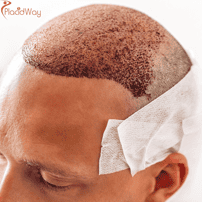
How Much Does a Hair Transplant Cost in India?
Hair loss can be a distressing experience, affecting self-confidence and overall appearance. Many people turn to hair transplant surgery as a permanent solution to restore their hairline and regain lost hair. India has emerged as one of the most popular destinations for hair transplants due to its affordable pricing, skilled surgeons, and advanced medical facilities. If you’re considering a hair transplant in India, understanding the cost factors and available techniques is crucial. This guide provides a detailed breakdown of hair transplant costs in India, including influencing factors, benefits, risks, and frequently asked questions. Key Insights at a Glance Affordable Pricing: Hair transplant costs in India range from 40,000 INR to 1,50,000 INR ($480 – $1,800). Cost per Graft: The price per graft varies from 25 INR to 120 INR($0.30 – $1.50), depending on the clinic and method. Popular Techniques: FUE and FUT are the most commonly used procedures for hair transplants. City-wise Variation: Delhi, Mumbai, and Bangalore have slightly higher costs than smaller cities. Additional Charges: Consultation fees, medications, and post-op care may add to the total cost. Hair Transplant Cost in India – A Detailed Breakdown The cost of a hair transplant in India depends on several factors, such as the number of grafts required, the technique used, and the clinic’s reputation. Here's a general price estimate: Cost Based on Number of Grafts Number of Grafts Estimated Cost (INR) Estimated Cost (USD) 1,500 Grafts 30,000 – 1,20,000 INR $360 – $1,440 2,000 Grafts 40,000 – 1,60,000 INR $480 – $1,920 3,000 Grafts 60,000 – 2,40,000 INR $720 – $2,880 4,000 Grafts 80,000 – 3,20,000 INR $960 – $3,840 Cost Based on Procedure Type Procedure Type Cost Per Graft (INR) Total Cost Estimate (INR) Total Cost Estimate (USD) FUE (Follicular Unit Extraction) 40 – 120 INR 60,000 – 2,50,000 INR $720 – $3,000 FUT (Follicular Unit Transplantation) 25 – 80 INR 40,000 – 1,50,000 INR $480 – $1,800 DHI (Direct Hair Implantation) 50 – 150 INR 75,000 – 3,00,000 INR $900 – $3,600 Factors Affecting Hair Transplant Cost in India Several factors determine the cost of a hair transplant in India: 1. Number of Grafts Required The cost increases with the number of grafts needed. A person with extensive baldness will require more grafts, raising the overall expense. 2. Type of Hair Transplant Technique FUE (Follicular Unit Extraction): More expensive due to its minimally invasive nature and quicker recovery. FUT (Follicular Unit Transplantation): Cheaper but leaves a linear scar. DHI (Direct Hair Implantation): Premium method, offering higher precision but at a higher cost. 3. Clinic Location Clinics in metros like Delhi, Mumbai, and Bangalore charge higher than smaller cities due to operational costs and demand. 4. Surgeon’s Expertise Highly experienced and reputed hair transplant surgeons charge higher consultation and procedure fees. 5. Additional Costs Pre-Surgery Tests: 2,000 INR – 5,000 INR ($24 – $60) Medications & Aftercare: 5,000 INR – 10,000 INR ($60 – $120) Follow-up Sessions: 3,000 INR – 8,000 INR ($36 – $96) Benefits of Getting a Hair Transplant in India Affordable Yet High-Quality Treatments – Costs are 60-70% lower than in Western countries. Experienced & Certified Surgeons – India has internationally trained doctors. Natural-Looking & Permanent Results – Hair transplants offer a lifelong solution. Minimal Recovery Time – Most patients resume daily activities within a week. Medical Tourism Packages – Some clinics offer stay, transportation, and treatment packages for international patients. Potential Risks of Hair Transplant Surgery While hair transplant surgery is safe, it does come with some risks: Infection & Swelling – Rare but possible if post-surgery care is neglected. Bleeding & Scarring – FUT leaves a visible scar; FUE has minimal scarring. Temporary Hair Shedding – Some patients experience shock loss, but hair regrows. Unnatural Hairline – If performed incorrectly, the hairline may look artificial. Did You Know? Hair transplants can be done for beards, eyebrows, and eyelashes too! Many people opt for facial hair restoration in addition to scalp transplants. Frequently Asked Questions (FAQs) 1. How much does a hair transplant cost in India? The cost of a hair transplant in India ranges from 40,000 INR to 1,50,000 INR ($480 – $1,800). The final price depends on the number of grafts, clinic location, and technique used. 2. Is a hair transplant in India safe? Yes, hair transplants in India are safe when performed by experienced surgeons at reputable clinics. Clinics for hair transplantation in India follow international standards and advanced techniques. 3. How many grafts do I need for a full hair transplant? The number of grafts depends on the degree of baldness. For moderate hair loss, 2,000 to 3,000 grafts are usually needed. Severe baldness may require 4,000 or more grafts. 4. Does hair transplant surgery leave scars? FUT leaves a linear scar on the donor area. FUE leaves tiny, unnoticeable scars that heal quickly. DHI has no visible scarring as it uses a pen-like implanting tool. 5. What is the recovery time after a hair transplant? Most patients resume daily activities within 5-7 days. Full hair growth results can take 6 to 12 months after surgery. 6. Does a hair transplant guarantee permanent results? Yes! Hair transplants provide permanent and natural results, as the transplanted hair follicles continue to grow like normal hair. 7. Can international patients get a hair transplant in India? Absolutely! Many clinics offer medical tourism packages, including airport pickup, hotel stays, and treatment for foreign patients. Start Your Hair Transplant Journey Today! A hair transplant in India is an affordable, safe, and effective solution for hair loss. With world-class clinics, skilled surgeons, and competitive pricing, India is a top destination for permanent hair restoration. If you're ready to take the next step toward regaining your confidence, explore your options and book a consultation with a trusted hair transplant clinic today....
Read more details
From Bench to Bedside: How India is Leading the Way in Regenerative Medicine Innovation
Regenerative medicine in India combines advanced stem cell therapies and tissue engineering at costs 60 to 80 percent lower than Western nations. Treatments typically range from $3,000 to $12,000, offering world-class care in accredited facilities. Key Takeaways: Advanced Cellular Healing Rapid Translation: Indian laboratories excel at moving biological discoveries quickly from research benches to patient bedsides. Cost Effectiveness: Patients save thousands of dollars without compromising on laboratory standards or clinical expertise. Holistic Integration: Leading centers combine biological treatments with extensive physical rehabilitation and nutritional support. Ethical Compliance: Treatments follow strict national guidelines to ensure cellular purity and patient safety. Why do international patients choose regenerative medicine in India for complex therapies? International patients travel for these treatments because they seek rapid access to innovative therapies that are often restricted by lengthy bureaucratic approvals in their home countries. Regenerative medicine in India provides a unique blend of cutting-edge technology and immediate clinical availability. The primary driver for this influx of global patients is the presence of state-of-the-art biological laboratories co-located within massive tertiary care hospitals. This bench-to-bedside infrastructure allows medical professionals to harvest, process, and administer biological materials within the same facility. This localized approach drastically reduces the risk of cellular degradation that often occurs during long-distance biological transport, ensuring that patients receive the highest possible concentration of viable cells. Furthermore, the clinical expertise available across major metropolitan hubs is globally competitive. Many senior medical consultants and laboratory directors have trained extensively at premier institutions across North America and Europe before returning to establish highly specialized cellular therapy departments. Their deep understanding of global medical standards ensures that international patients receive care that meets or exceeds Western clinical expectations. Lastly, the comprehensive nature of the care programs sets this destination apart. Rather than simply administering an injection and sending the patient home, elite centers offer multidisciplinary care pathways. A single patient might be evaluated by an orthopedist, a neurologist, an immunologist, and a dedicated rehabilitation specialist to ensure the biological application is supported by an optimal healing environment inside the body. What is the average regenerative medicine cost in India compared to Western alternatives? The regenerative medicine cost in India is highly competitive, generally running between $3,000 and $12,000 for comprehensive treatment protocols. This represents a massive financial advantage compared to similar procedures in North America or Europe. Treatment Type Estimated Cost (USA/UK) Estimated Cost (India) Joint Regeneration Protocol $10,000 - $25,000 $3,000 - $6,000 Neurological Cellular Therapy $25,000 - $40,000 $7,000 - $12,000 Advanced PRP (Multiple Sessions) $3,000 - $6,000 $800 - $2,000 Lower Overhead Expenses: Hospital administrative costs and laboratory operational expenses are substantially lower, allowing facilities to pass these significant savings directly to the patient without reducing clinical quality. Domestic Equipment Manufacturing: The rapidly growing domestic biomedical engineering sector provides high-quality centrifuges and incubation equipment at lower price points than imported Western machinery. Economical Professional Fees: While the medical professionals are highly trained and globally recognized, standard consultation and surgical fees remain adjusted to the regional economic landscape. Bundled Care Packages: Treatment centers frequently bundle the biological procedure, hospital stay, physical therapy, and diagnostic imaging into a single transparent price, eliminating the surprise billing often experienced elsewhere. Affordable Extended Stays: Because complex treatments require prolonged observation, the exceptionally low cost of long-term luxury hospital suites makes extended recovery financially viable. How do you select the safest regenerative medicine clinic in India? Choosing the right facility requires verifying their international quality accreditations and ensuring they maintain dedicated Good Manufacturing Practice certified laboratories. A premier regenerative medicine clinic in India will always prioritize transparent ethical protocols. The first critical factor in your selection process should be investigating the laboratory infrastructure. Advanced biological treatments require strictly controlled environments known as clean rooms. These specialized laboratories filter airborne particles to prevent any bacterial contamination while cells are being processed or multiplied. Facilities that outsource their cellular processing to third-party offsite labs often expose biological materials to temperature fluctuations during transit, which can severely compromise the clinical outcome. Secondly, international patients must verify that the chosen hospital strictly adheres to the ethical guidelines established by national medical research councils. Reputable centers will only offer therapies that have demonstrable scientific backing and will never promise guaranteed miraculous cures for terminal conditions. They should provide clear, data-driven explanations regarding realistic success rates, potential side effects, and the exact source of the biological material being utilized. Finally, examine the multidisciplinary capability of the institution. Safely administering advanced biological treatments requires a team approach. An outstanding center will have critical care units, advanced diagnostic imaging machines, and comprehensive rehabilitation departments all under one roof. This integrated hospital infrastructure guarantees that if any unexpected medical complications arise, an entire network of specialists is immediately available to intervene. Did You Know? Many elite biomedical facilities across South Asia utilize proprietary closed-loop processing systems. This means from the moment biological tissue is extracted to the moment it is injected back into the patient, the material never touches the outside air, virtually eliminating the risk of hospital-acquired infections. Which orthopedic conditions benefit from regenerative medicine in India? Orthopedic applications are currently the most successful and widely requested procedures available to visiting patients. Regenerative medicine in India offers profound relief for individuals suffering from severe joint degeneration and sports-related injuries. Osteoarthritis Degeneration: Biological injections into the knee or hip joints help modulate the aggressive inflammatory response and can stimulate localized cartilage repair, significantly delaying the need for total joint replacement surgeries. Avascular Necrosis: This condition, involving bone death due to poor blood supply, is effectively treated using core decompression surgery combined with concentrated biological materials to stimulate new blood vessel formation. Chronic Tendinopathy: Stubborn conditions like severe tennis elbow or Achilles tendon wear respond exceptionally well to targeted cellular applications that trigger microscopic tissue remodeling. Spinal Disc Degeneration: Minimally invasive biological injections into intervertebral discs are being utilized to rehydrate damaged tissue and reduce chronic lower back pain without requiring invasive spinal fusion hardware. Meniscus Tears: Rather than surgically removing torn cartilage, specialized biological applications are injected directly into the meniscal tear to encourage natural bridging and structural healing. How does medical tourism in India facilitate advanced stem cell treatments? The robust infrastructure designed specifically for international travelers streamlines the entire clinical journey. Medical tourism in India creates a supportive ecosystem that handles complex logistics so patients can focus entirely on cellular healing. The governmental support for healthcare travelers is immense. Fast-tracked medical visas specifically designed for individuals seeking clinical care allow for rapid entry and extended stays. Dedicated immigration counters at major airports ensure that patients arriving with severe mobility issues or chronic pain bypass standard customs queues and receive immediate physical assistance upon landing. Furthermore, major hospitals feature dedicated international patient lounges that function like luxury hotel concierges. These departments are staffed by multilingual coordinators who manage everything from translating diagnostic reports to scheduling multiple specialist appointments on the same day. This high level of coordination is crucial for biological therapies, where lab extraction, processing times, and clinical administration must be synchronized perfectly. The surrounding hospitality infrastructure is heavily integrated with the healthcare system. Recovery hotels located adjacent to major treatment centers offer specialized dietary menus, wheelchair-accessible suites, and nursing-on-call services. This seamless integration ensures that the delicate post-procedure recovery window is managed in a stress-free environment, maximizing the potential for cellular integration. What specific bench-to-bedside technologies are utilized for regenerative medicine in India? Innovations focus on isolating highly potent biological material and delivering it with extreme precision. The integration of advanced diagnostics ensures that regenerative medicine in India is highly targeted and scientifically optimized. The bench aspect relies heavily on flow cytometry and automated cellular expansion bioreactors. Flow cytometry allows scientists to count and verify the exact number of living, active cells in a specific sample before it is cleared for patient use. This quality control step is critical because injecting dead or inactive biological matter yields zero clinical benefit. Bioreactors allow for safe multiplication of cells in a completely enclosed, automated environment. On the bedside delivery front, precision imaging is mandatory. Gone are the days of blind injections based on anatomical landmarks. Today, specialists utilize high-definition musculoskeletal ultrasound and live fluoroscopy machines to guide the delivery needle in real-time. This ensures that the costly biological material is deposited precisely at the microscopic site of tissue damage, rather than being wasted in surrounding healthy muscle. Additionally, cutting-edge bio-scaffolding techniques are being integrated into surgical repairs. Surgeons use natural collagen matrices or synthetic biodegradable meshes to hold applied biological cells in place over a large tissue defect. This prevents the cells from washing away in the bloodstream and gives them a structural framework upon which they can multiply and rebuild damaged human tissue. How are cellular therapies customized for neurological disorders in India? Treating brain and spinal conditions requires highly sophisticated administration techniques to bypass natural biological barriers. Specialized centers adapt their protocols to directly address the specific neural pathway damage of each patient. Intrathecal Administration: To bypass the blood-brain barrier, biological materials are carefully injected into the cerebrospinal fluid through a lumbar puncture, allowing therapeutic agents direct access to the central nervous system. Autism Spectrum Protocols: Customized cellular applications aim to reduce neuroinflammation and improve blood perfusion in specific brain regions, which may assist in improving developmental milestones. Spinal Cord Injury Management: Specialists combine targeted biological injections directly at the injury site with intensive robotic gait training to stimulate dormant neural pathways and encourage microscopic nerve sprouting. Multiple Sclerosis Supportive Care: Advanced biological protocols are utilized to modulate the aggressive autoimmune response, aiming to slow disease progression and encourage the repair of damaged myelin sheaths. What ethical guidelines govern regenerative medicine in India? The national medical framework strictly regulates all biological procedures to protect patient safety. Authorized clinical centers operate under the direct oversight of powerful governmental medical research councils. The regulatory environment explicitly distinguishes between proven medical procedures and experimental clinical trials. Standardized therapies utilizing autologous cells for orthopedic issues are widely accepted and practiced safely under standard surgical protocols. However, applying unproven biological treatments for complex genetic or terminal illnesses must be conducted strictly within registered clinical trials monitored by institutional ethics committees. Furthermore, the commercial manipulation of embryonic biological material is heavily restricted and strictly monitored. Reputable centers rely entirely on ethically sourced adult biological materials or non-controversial umbilical cord tissues obtained from healthy, voluntary donors post-childbirth. This strict adherence to global ethical norms reassures international patients that they are receiving morally sound healthcare. Finally, patient consent protocols are extremely rigorous. Before any cellular material is harvested or processed, the patient undergoes thorough counseling. Medical specialists must transparently document that the patient fully understands the experimental nature of certain advanced therapies, the anticipated biological mechanisms, and the realistic timeline for observing clinical improvements. What post-treatment rehabilitation is available for regenerative medicine patients in India? Successful biological healing depends heavily on specialized physical movement after the procedure. Elite clinical facilities provide extensive, customized physical therapy regimens to ensure the new cellular growth aligns correctly with existing bodily tissues. For orthopedic patients, the immediate post-procedure period involves careful joint offloading followed by controlled range-of-motion exercises. Rehabilitation specialists use advanced hydrotherapy pools to allow patients to exercise newly treated knee or hip joints without bearing their full body weight. This gentle mechanical stress signals the injected biological material to differentiate into tough, resilient cartilage rather than soft, non-functional scar tissue. Neurological patients experience highly intensive rehabilitation programs utilizing advanced technology. Virtual reality systems and robotic exoskeletons are frequently employed to force repetitive, precise movements. This intense physical stimulation provides the necessary functional demands required to help newly administered biological agents establish functional connections within the damaged nervous system. Nutritional counseling is also a major component of the recovery phase. Clinical dietitians design customized anti-inflammatory dietary plans rich in specific micronutrients required for optimal cellular multiplication. This holistic approach ensures that the systemic environment within the patient's body actively supports the localized biological treatment they just received. Why Choose PlacidWay to schedule regenerative medicine in India? PlacidWay provides a highly secure pathway to top-tier healthcare by connecting you directly with ethically verified and internationally accredited medical facilities. Our dedicated platform ensures seamless communication and fully transparent pricing for your entire biological therapy journey. Rigorous Medical Facility Vetting: We exclusively partner with elite hospital networks that maintain pristine international accreditations and adhere strictly to global ethical guidelines concerning advanced cellular therapies. Absolute Price Transparency: Patients receive highly detailed financial quotes covering clinical consultation fees, laboratory processing charges, and facility costs with zero hidden administrative surprises upon arrival. Direct Specialist Access: We facilitate comprehensive pre-treatment virtual consultations between prospective patients and board-certified medical professionals to thoroughly discuss clinical suitability and expected therapeutic outcomes. Comprehensive Medical Record Review: Our secure digital system allows your local diagnostic reports and imaging to be carefully evaluated by leading international specialists to formulate a precise pre-arrival treatment protocol. Stringent Quality Control: We continuously monitor our extensive partner network to ensure all associated facilities utilize certified Good Manufacturing Practice laboratories for all sensitive biological processing and storage. Dedicated Patient Advocacy: Every individual receives continuous, personalized support from our specialized medical coordinators who prioritize clinical safety, medical ethics, and overall patient satisfaction above all else. Frequently Asked Questions About Regenerative Medicine in India Is an e-Medical Visa required to undergo regenerative therapies in India? Yes, international patients seeking clinical treatments must apply for a specific medical visa rather than a standard tourist visa. The medical visa ensures you have legal permission to receive hospital care and allows for visa extensions if your cellular therapy protocol requires a longer recovery period. How long do I need to stay in India for a complete stem cell therapy protocol? The required length of stay depends entirely on your specific medical condition and the type of biological application required. Most standard orthopedic protocols require a ten to fourteen day stay, while complex neurological treatments might necessitate three to four weeks for comprehensive administration and initial physical rehabilitation. Can I combine traditional orthopedic surgery with cellular therapy in India? Absolutely. Many leading hospitals integrate biological applications with conventional orthopedic surgeries like joint replacements or ligament repairs. Administering platelet-rich plasma or concentrated bone marrow aspirate during surgery significantly accelerates tissue healing and reduces postoperative inflammation. Do Indian hospitals strictly use autologous or allogeneic stem cells? Top-tier healthcare facilities utilize both types depending on clinical indications. Autologous cells are harvested directly from the patient to eliminate rejection risks. Allogeneic cells, typically derived from ethically sourced umbilical cord tissue, are utilized when a patient lacks sufficient healthy cells for auto-harvesting. Are there specialized rehabilitation centers for neurological patients in major Indian cities? Yes, major healthcare hubs like Delhi, Mumbai, and Bangalore host advanced neuro-rehabilitation centers. These facilities work in tandem with cellular therapy units to provide intensive physical therapy, occupational training, and robotic-assisted mobility exercises to maximize the regenerative benefits of the primary treatment. Will my domestic health insurance cover regenerative treatments performed in India? Most Western domestic health insurance plans do not cover international medical travel or investigational biological therapies. Patients typically fund these procedures out of pocket. However, the significantly lower procedural costs in South Asia often make self-funding more affordable than paying domestic insurance deductibles. What are the primary sources of biological material used in Indian regenerative clinics? Clinical professionals primarily source biological materials from three safe areas. Bone marrow is extracted from the hip bone, adipose tissue is collected via minor abdominal liposuction, and ethically donated umbilical cord tissue is processed in highly regulated laboratories following strict biological safety protocols. Is it possible to undergo anti-aging regenerative therapies during a short trip to India? Yes, localized biological applications for aesthetic and anti-aging purposes, such as facial rejuvenation or hair restoration, can usually be completed within three to five days. These minimally invasive procedures require minimal downtime, making them highly suitable for shorter international visits. Are English translators necessary when visiting top-tier Indian hospitals? Translators are generally not required for English-speaking patients. The entire medical education system in the country is conducted in English, meaning all senior consultants, laboratory technicians, and nursing staff are highly proficient. For non-English speakers, accredited hospitals provide dedicated language interpreters. How do Indian medical facilities transport and store sensitive biological products? Accredited facilities utilize advanced cryopreservation technologies to store biological materials at sub-zero temperatures using liquid nitrogen tanks. Transportation between laboratories and operating theaters is conducted using specialized temperature-controlled medical couriers equipped with real-time thermal monitoring to ensure absolute cellular viability. Unlock Your Body's Healing Potential Today Do not let chronic pain or degenerative conditions limit your lifestyle. PlacidWay connects you directly with leading, ethically certified clinical facilities across South Asia. Receive a comprehensive medical evaluation from top specialists and explore affordable biological treatment options tailored perfectly to your unique health needs. Get Your Free Quote * Secure medical record review. Complete privacy guaranteed....
Read more details
How much does stem cell therapy cost for autism in India?
Autism Spectrum Disorder (ASD) is a complex neurodevelopmental condition that affects communication, social interaction, and behavior. While conventional therapies focus on managing symptoms and improving functional skills, stem cell therapy has emerged as a promising, albeit still investigational, treatment option. India has become a popular destination for medical tourism, offering various treatments at more affordable prices compared to Western countries, and stem cell therapy for autism is no exception. This blog post aims to shed light on the costs involved, what influences them, and essential considerations for families exploring this avenue in India. What is the typical cost range for stem cell therapy for autism in India? "The cost of stem cell therapy for autism in India typically ranges from ?3,30,000 to ?10,00,000 (approximately $4,000 to $12,000 USD) per treatment cycle, though this can vary significantly based on several factors." India has positioned itself as a global hub for medical tourism, largely due to its competitive pricing for various medical procedures, including advanced therapies like stem cell treatment. While the exact figures can fluctuate, families seeking stem cell therapy for autism can generally expect to pay between ?3.3 lakhs and ?10 lakhs for a single course of treatment. This broad range accounts for differences in clinic reputation, the type of stem cells used, the number of injections, and the comprehensive nature of the treatment package. It is important to note that multiple treatment cycles may be recommended, which would naturally increase the overall cost. What factors influence the cost of stem cell therapy for autism in India? "Several factors influence the cost of stem cell therapy for autism in India, including the type and source of stem cells, the number of required injections, the reputation and location of the clinic, and any additional therapies included in the treatment plan." The price tag on stem cell therapy for autism is not uniform, as it's a dynamic figure shaped by various elements. One primary factor is the type and source of stem cells used. For instance, autologous stem cells (derived from the patient's own body, like bone marrow or adipose tissue) may have a different cost structure than allogeneic stem cells (derived from a donor, often umbilical cord tissue). The processing and culturing of these cells also play a significant role. Furthermore, the number of stem cell injections or sessions required for a particular patient will directly impact the total expenditure. A more complex case requiring multiple infusions over an extended period will naturally cost more than a simpler one. The reputation, accreditation, and location of the clinic in India also contribute to price variations. Highly specialized clinics in major metropolitan cities like Mumbai, Delhi, or Bangalore with state-of-the-art facilities and experienced medical professionals may charge more than smaller centers. Lastly, the inclusions in the treatment package, such as pre-treatment diagnostics, post-treatment rehabilitation, follow-up consultations, and supportive therapies (e.g., occupational therapy, speech therapy, ABA therapy), can significantly affect the overall cost. Some clinics offer all-inclusive packages, while others bill for these services separately. Are there different types of stem cells used for autism treatment in India? "Yes, various types of stem cells are explored for autism treatment in India, primarily Mesenchymal Stem Cells (MSCs) derived from sources like umbilical cord tissue, bone marrow, and adipose (fat) tissue." In the context of stem cell therapy for autism, Mesenchymal Stem Cells (MSCs) are the most commonly utilized due to their immunomodulatory, anti-inflammatory, and neurotrophic properties. These cells can be sourced from: Umbilical Cord-derived Mesenchymal Stem Cells (UC-MSCs): These are often preferred due to their youthful nature, high proliferation rate, and lower immunogenicity, meaning they are less likely to cause an immune reaction when used from a donor. Autologous Bone Marrow Stem Cells: These are extracted from the patient's own bone marrow. The advantage here is that there's no risk of rejection, but the procedure for extraction can be invasive. Adipose-derived Stem Cells: These are obtained from the patient's fat tissue, usually through liposuction. Like bone marrow cells, they are autologous, eliminating rejection concerns. The choice of stem cell type can influence the cost due to differing collection, processing, and application methodologies. Each type has its unique benefits and potential applications, which are carefully considered by medical professionals based on the patient's specific condition. What does a typical stem cell therapy package for autism in India include? "A typical stem cell therapy package for autism in India often includes initial consultations, diagnostic tests (like MRI and blood work), the stem cell extraction and infusion procedures, short hospital stays, and sometimes a period of post-treatment follow-up and rehabilitation." When considering stem cell therapy for autism in India, it's crucial to understand what is covered in the quoted price. While packages vary, a comprehensive one generally encompasses several key components: Pre-treatment evaluation: This involves detailed medical history review, neurological examinations, blood tests, imaging (like MRI of the brain), and other specialized diagnostic assessments to determine the patient's suitability for the therapy and to establish a baseline. Stem cell procurement and processing: This includes the cost associated with harvesting the stem cells (if autologous), their processing in a specialized laboratory, and preparation for infusion. Stem cell administration: This covers the actual procedure of administering the stem cells, which can be through intravenous (IV) infusions, intrathecal injections (into the spinal fluid), or a combination, depending on the clinic's protocol. Hospital stay: A short hospital stay for monitoring after the procedure might be included, especially for intrathecal injections. Post-treatment follow-up: Some packages include initial follow-up consultations to assess progress and manage any immediate concerns. Supportive therapies: While not always fully included, some clinics integrate or recommend concurrent therapies like physical therapy, occupational therapy, speech therapy, and behavioral therapy (ABA) to complement the stem cell treatment. It's important to clarify if these are part of the package or an additional expense. How long does the stem cell therapy process take in India? "The stem cell therapy process for autism in India typically involves a stay of 3 to 10 days for the core treatment, though the overall treatment plan, including follow-ups, can extend over several months to a year." The immediate phase of stem cell therapy for autism usually requires a relatively short stay in India. Patients might need to be in the country for approximately 3 to 10 days, depending on the number of infusions and the type of stem cells used. This period allows for initial assessments, the procedure itself, and a brief recovery and monitoring period. However, it's vital to understand that the effects of stem cell therapy are often not immediate and can unfold over several months. Many clinics recommend a series of infusions spaced out over time, and regular follow-up consultations, which might be done remotely or require subsequent visits, are crucial for monitoring progress and adjusting other therapies. Therefore, while the direct medical intervention might be quick, the entire autism treatment journey with stem cells is a longer-term commitment. Is stem cell therapy for autism covered by insurance in India? "Generally, stem cell therapy for autism is not covered by insurance in India, as it is largely considered an experimental or investigational treatment and is not yet a standard medical procedure for autism spectrum disorder." One of the significant financial considerations for families pursuing stem cell therapy for autism in India is the lack of insurance coverage. Most health insurance policies, both domestic and international, do not cover stem cell treatments for conditions like autism. This is primarily because these therapies are often classified as experimental, investigational, or not yet approved by major regulatory bodies as a standard treatment for ASD. Patients and their families should be prepared to bear the entire cost out-of-pocket. It's always advisable to directly contact your insurance provider to confirm their specific policies regarding stem cell therapies. What are the potential benefits of stem cell therapy for autism? "While still under investigation, potential benefits reported from stem cell therapy for autism include improvements in social interaction, communication, reduction in repetitive behaviors, improved attention span, and decreased hyperactivity." The rationale behind using stem cell therapy for autism stems from the hypothesis that autism may involve immune dysregulation, chronic inflammation, and neurodevelopmental abnormalities. Mesenchymal Stem Cells (MSCs), the most commonly used type, are believed to exert their therapeutic effects through: Immunomodulation: Regulating the immune system to reduce inflammation in the brain. Neuroprotection: Protecting existing brain cells and potentially promoting the growth of new ones. Angiogenesis: Promoting the formation of new blood vessels, which can improve blood flow and nutrient supply to brain tissue. Patients and their families have anecdotally reported various improvements following stem cell treatment, including enhanced eye contact, better social engagement, improved speech and language skills, reduced aggression and tantrums, and increased focus. However, it's crucial to emphasize that these are often individual observations, and more robust, large-scale clinical trials are needed to conclusively establish the efficacy and safety of stem cell therapy for autism. What are the potential risks and side effects of stem cell therapy for autism? "Potential risks and side effects of stem cell therapy for autism can include fever, infection at the injection site, allergic reactions, headache, and in rare cases, more serious complications like tumor formation, although clinics in India aim to minimize these risks through stringent protocols." Like any medical procedure, stem cell therapy for autism carries potential risks and side effects, though serious complications are considered rare. Common, mild side effects might include: Fever and chills: These are often temporary and resolve within a day or two. Headache: Especially after intrathecal injections. Pain or bruising at the injection site: Similar to any injection. Allergic reactions: While rare, these can occur, especially with allogeneic cells. More significant, albeit less common, risks that have been theoretically discussed or rarely observed in various stem cell applications include: Infection: As with any invasive procedure. Tumor formation: A theoretical risk, particularly with certain types of pluripotent stem cells, though less of a concern with MSCs. Immune rejection: More relevant for allogeneic transplants if proper matching or immunosuppression isn't considered, though MSCs have low immunogenicity. Reputable clinics in India adhere to strict protocols for cell processing and administration to minimize these risks. It's essential for families to have an open discussion with the medical team about all potential risks and side effects before proceeding with the treatment. How do clinics in India ensure the safety of stem cell therapy for autism? "Reputable clinics in India ensure the safety of stem cell therapy for autism by adhering to strict ethical guidelines, employing highly trained medical professionals, utilizing state-of-the-art sterile laboratories for cell processing, and conducting thorough patient screening." Ensuring patient safety is paramount for any medical treatment, and stem cell therapy for autism in India is no exception. Leading clinics committed to ethical practices typically implement several measures: Strict Patient Selection: Patients undergo rigorous evaluation to determine their suitability for the therapy, identifying any contraindications that might increase risks. Accredited Facilities: Clinics often operate in hospitals or facilities that meet international standards for quality and patient care. Sterile Cell Processing: Stem cells are processed in Good Manufacturing Practice (GMP) compliant laboratories to ensure purity, viability, and sterility, minimizing the risk of contamination. Experienced Medical Teams: Procedures are performed by qualified doctors, neurosurgeons, and medical staff with expertise in stem cell applications and autism spectrum disorder. Post-Procedure Monitoring: Patients are closely monitored after the infusion for any adverse reactions, and emergency protocols are in place. While the regulatory landscape for stem cell therapies can vary, reputable clinics prioritize patient well-being and transparency. It is always advised to research and choose clinics with a strong track record and proper certifications. What is the success rate of stem cell therapy for autism in India? "The success rate of stem cell therapy for autism is still debated, and while anecdotal evidence from clinics in India and some studies suggest positive outcomes for certain individuals, it's important to understand that there is no universal "cure" for autism, and responses vary greatly." It's crucial to approach the concept of "success rate" in stem cell therapy for autism with caution. Unlike treatments for certain diseases where success can be measured by eradication or complete remission, autism is a complex developmental condition with a wide spectrum of symptoms and severities. There is no universally recognized cure for autism, and stem cell therapy is viewed as a potential way to mitigate some of its core symptoms or improve quality of life. While some clinics in India and research studies have reported improvements in areas such as social interaction, communication, and reduction in repetitive behaviors in a percentage of patients, these results are not guaranteed for every individual. The degree of improvement can vary significantly from subtle changes to more noticeable progress. It's essential for families to have realistic expectations and to understand that "success" is often measured by functional improvements rather than a complete reversal of the condition. Many medical professionals advocate for stem cell therapy to be considered as part of a comprehensive autism treatment plan that includes conventional therapies like ABA, speech, and occupational therapy. How to choose a reputable clinic for stem cell therapy for autism in India? "Choosing a reputable clinic for stem cell therapy for autism in India involves thoroughly researching their accreditations, checking the qualifications and experience of their medical staff, reviewing patient testimonials, and understanding their treatment protocols and transparency." Selecting the right clinic for stem cell therapy for autism in India requires diligent research and careful consideration. Here are key steps to help make an informed decision: Accreditation and Licensing: Verify if the clinic is accredited by national or international healthcare organizations. This indicates adherence to certain quality and safety standards. Medical Team's Expertise: Research the qualifications, experience, and specialization of the doctors and medical professionals involved in the stem cell treatment. Look for those with specific experience in neurology and autism spectrum disorders. Transparency in Protocols: A reputable clinic will be transparent about its stem cell therapy protocols, including the type of cells used, their source, processing methods, and administration routes. They should be able to explain the scientific basis for their approach. Patient Testimonials and Reviews: While anecdotal, reviewing testimonials and seeking feedback from previous patients can provide insights into their experiences with the clinic and the outcomes. However, remember that individual results vary. Ethical Considerations: Ensure the clinic adheres to ethical guidelines for stem cell research and therapy. Be wary of clinics that promise a "cure" or guarantee unrealistic results. Comprehensive Care Approach: Look for clinics that emphasize a holistic approach to autism treatment, integrating stem cell therapy with other conventional and evidence-based therapies. Communication and Support: Assess the clinic's responsiveness and willingness to answer all your questions thoroughly, providing clear and concise information. By meticulously evaluating these aspects, families can increase their chances of choosing a clinic that prioritizes patient safety and delivers high-quality care for autism treatment. What is the long-term prognosis after stem cell therapy for autism? "The long-term prognosis after stem cell therapy for autism is still being studied, and while initial improvements may be observed, ongoing research is needed to determine the sustained benefits and durability of these effects over many years." Because stem cell therapy for autism is still an evolving field, comprehensive long-term data on prognosis is limited. Many studies and anecdotal reports focus on short-to-medium term outcomes (e.g., 6 months to 2 years post-treatment). While some individuals show sustained improvements in various aspects of autism symptoms, the extent and duration of these benefits can vary significantly. Factors influencing the long-term outcome include the severity of the autism spectrum disorder, the patient's age, the specific stem cell protocol used, and continued engagement with supportive therapies like behavioral intervention, speech therapy, and occupational therapy. Researchers are actively conducting longer-term follow-up studies to better understand the lasting impact of stem cell treatment and to identify predictors of positive outcomes. Families should consider stem cell therapy as a potential component of a lifelong management plan for autism, rather than a standalone, definitive cure. Are there any age restrictions for stem cell therapy for autism in India? "While there are no strict universal age restrictions for stem cell therapy for autism in India, many clinics prefer to treat children, as younger brains may be more responsive to regenerative therapies; however, adult cases are also considered on an individual basis." The applicability of stem cell therapy for autism across different age groups is a common question. While there isn't a universally mandated age limit, many clinics in India and around the world tend to focus on treating younger children with autism. The rationale is often based on the principle of neuroplasticity, suggesting that younger, developing brains may be more amenable to the potential regenerative and modulatory effects of stem cells. The brain's ability to form new neural connections and adapt is generally higher in early childhood. However, this does not mean that adults with autism are excluded. Some clinics do offer stem cell treatment to older adolescents and adults, recognizing that even mature brains can exhibit some degree of plasticity. The decision to treat a patient, regardless of age, is typically made after a thorough individual assessment, considering the severity of the autism spectrum disorder, overall health, and specific symptoms that might be targeted by the therapy. What is the typical duration of hospital stay for stem cell therapy for autism in India? "The typical duration of hospital stay for stem cell therapy for autism in India is usually 1 to 3 days, often involving an outpatient procedure or a minimal overnight stay for monitoring, depending on the method of stem cell administration." The direct hospital stay associated with stem cell therapy for autism in India is generally brief. For procedures involving intravenous (IV) infusions, patients might not require any overnight hospital stay and can be treated on an outpatient basis. However, if the stem cells are administered intrathecally (into the spinal fluid) or through other more invasive methods, a short hospital admission of 1 to 3 days might be recommended for post-procedure observation and to manage any immediate side effects like headache. The total time spent in India for the entire treatment cycle, including initial evaluations and follow-ups, will naturally be longer, but the in-hospital component of the stem cell infusion itself is typically minimal. Explore PlacidWay for solutions related to medical tourism, healthcare services, or other relevant offerings....
Read more details
Can stem Cells Treat Alzheimer’s disease in India?
Can stem cells offer a real treatment for Alzheimer's disease in India? This is a question filled with hope for countless families facing the challenges of this neurodegenerative condition. To be direct, stem cell therapy for Alzheimer's disease in India is currently an experimental treatment and is not a proven cure or a standard, government-approved therapy. While it represents a promising frontier in medical research and is offered by some specialized clinics, it's crucial to understand that its clinical effectiveness and long-term safety have not yet been definitively established through large-scale studies. This post will guide you through the essential questions surrounding stem cell therapy for Alzheimer's in India. We will explore the scientific basis for the treatment, its legal and regulatory status, the associated costs, and what the procedure actually involves. As you navigate the options for Alzheimer's care, this information aims to provide a clear, balanced, and realistic overview of where this innovative therapy stands today. What is Stem Cell Therapy and How is it Supposed to Work for Alzheimer's? "Stem cell therapy for Alzheimer's disease is an advanced medical procedure that involves introducing new stem cells into the body to help repair, replace, or regenerate damaged brain cells. The theory is that these cells can reduce brain inflammation, promote the growth of new neurons, and improve neural connections, thereby potentially slowing the disease's progression." Alzheimer's disease is characterized by the progressive loss of brain cells (neurons) and the buildup of abnormal proteins called amyloid plaques and tau tangles. This leads to memory loss, cognitive decline, and functional impairment. Stem cell therapy aims to counteract this damage. The most commonly used cells for this purpose are Mesenchymal Stem Cells (MSCs), which can be sourced from a patient's own bone marrow or fat tissue, or from donated umbilical cord tissue. These cells are known for their powerful regenerative and anti-inflammatory properties. Once administered, it is believed they can: Reduce Neuroinflammation: Calm the chronic inflammation in the brain that contributes to neuron damage. Modulate the Immune System: Help regulate the body's immune response to prevent it from attacking healthy brain tissue. Clear Protein Aggregates: Potentially help clear the toxic amyloid and tau proteins that are hallmarks of the disease. Is Stem Cell Therapy Officially Approved for Alzheimer's in India? "No, stem cell therapy for Alzheimer's disease is not an approved treatment by India's central regulatory bodies, including the Indian Council of Medical Research (ICMR) and the Central Drugs Standard Control Organization (CDSCO). It is considered an investigational therapy." According to the National Guidelines for Stem Cell Research (NGSCR) 2017, any use of stem cells for therapeutic purposes—outside of bone marrow transplants for specific blood disorders—is classified as experimental. This means that stem cell therapy for Alzheimer's should only be offered within the framework of a formal, registered, and monitored clinical trial. Clinics that offer this treatment as a routine procedure are operating outside of these official guidelines. Patients considering this option must be made aware of its experimental nature and the unproven efficacy through a detailed informed consent process. What is the Cost of Stem Cell Therapy for Alzheimer's in India? "The cost of stem cell therapy for Alzheimer's in India typically ranges from ?4,00,000 to ?10,00,000 (approximately $4,800 to $12,000 USD). The final price can vary based on the clinic's reputation, the type and source of stem cells, the number of sessions, and the patient's specific condition." This cost is significantly lower than what might be charged in the United States or Europe, making India a destination for some medical tourists. However, it's a substantial out-of-pocket expense, as health insurance in India does not cover experimental treatments. Be sure to request a detailed cost breakdown from any clinic to understand what is included in the package. What is the Reported Success Rate for This Treatment? "There is no officially recognized success rate for stem cell therapy for Alzheimer's in India due to the lack of large-scale, peer-reviewed clinical data. While some clinics claim high success rates, these are often based on anecdotal evidence or small, uncontrolled studies." Some clinics and patient testimonials report improvements in cognitive function, memory, daily living activities, and a slower rate of decline. However, these results are not guaranteed and can vary widely between individuals. Without robust scientific evidence from controlled trials, it is impossible to validate these claims or establish a reliable success rate for stem cell therapy for Alzheimer's. It is crucial to approach such claims with a healthy dose of skepticism. What Does the Treatment Procedure Involve? "The procedure for stem cell therapy for Alzheimer's typically involves harvesting stem cells, processing them in a lab, and then administering them back to the patient, most commonly through an intravenous (IV) infusion or an intrathecal (spinal) injection." The process generally follows these steps: Evaluation: A comprehensive medical assessment, including neurological exams, cognitive tests, and imaging scans, is performed to confirm the diagnosis and determine eligibility. Cell Harvesting: If using the patient's own cells (autologous), a small amount of bone marrow or adipose (fat) tissue is collected under local anesthesia. If using donor cells (allogeneic), they are sourced from a screened, healthy umbilical cord. Lab Processing: The harvested sample is sent to a lab where the stem cells are isolated, concentrated, and prepared for administration. Administration: The stem cells are infused into the patient. An IV drip is common, but for more direct delivery to the nervous system, an intrathecal injection into the spinal canal may be used. Post-Treatment Monitoring: The patient is monitored for any immediate side effects, and a rehabilitation and follow-up plan is established to track progress over the subsequent months. What are the Potential Risks and Side Effects? "The risks associated with stem cell therapy for Alzheimer's include short-term side effects like fever, headache, and nausea, as well as more serious risks such as infection, immune reactions, and the theoretical risk of tumor growth. Since the treatment is experimental, the long-term side effects are not yet fully known." While clinics often market the procedure as safe and minimally invasive, potential risks exist: Immediate Side Effects: Pain or infection at the injection site, fatigue, headache, and chills. Immune Rejection: If donor cells are used, the body's immune system might reject them. Uncontrolled Growth: There is a theoretical, albeit low with MSCs, risk that the cells could form tumors. Lack of Efficacy: A significant risk is that the patient may undergo the expensive procedure with no discernible benefit. How Can I Find a Reputable Clinic in India? "Finding a reputable clinic for an experimental therapy requires extreme diligence. Focus on centers associated with major research hospitals (like AIIMS or NIMHANS), be wary of those that promise a 'cure,' and ensure they are transparent about the treatment's investigational status and provide clear information on risks." When evaluating a clinic, ask critical questions: Are you registered with the CDSCO to conduct a clinical trial for Alzheimer's? What are the credentials of your medical team? Can you provide peer-reviewed data from your past patients? How do you source and process your stem cells? Are you fully transparent about all potential risks and costs? Are There Proven Alternatives to Stem Cell Therapy? "Yes, while there is no cure for Alzheimer's, there are several approved and evidence-based treatments and strategies available in India that focus on managing symptoms and improving quality of life. These include medications, cognitive therapies, and lifestyle management." Standard Alzheimer's care in India focuses on a holistic approach: Medications: Drugs like cholinesterase inhibitors (e.g., Donepezil) and Memantine are approved to manage cognitive and behavioral symptoms. Cognitive Stimulation Therapy (CST): Involves engaging in group activities and exercises designed to improve memory and problem-solving skills. Occupational Therapy: Helps individuals maintain independence by adapting their environment and tasks. Supportive Care: Managing diet, exercise, and social engagement is crucial for maintaining overall well-being. These proven strategies should form the foundation of any Alzheimer's care plan. Navigating complex medical treatments can be overwhelming. If you're exploring healthcare options around the world, PlacidWay can connect you with accredited facilities and provide the information you need to make confident decisions. Explore Global Healthcare Solutions with PlacidWay! ?...
Read more details
Can Stem Cell Therapy Assist with Spinal Cord Injuries in India?
Yes, stem cell therapy in India is showing promising results for Spinal Cord Injury (SCI) patients, with clinics reporting improvements in motor function, sensation, and bladder control in approximately 70-90% of cases, depending on injury severity. India offers these advanced treatments at a fraction of the global cost, often under strict clinical trial protocols. A spinal cord injury (SCI) changes life in an instant. For years, the prognosis was static: "this is as good as it gets." However, India has emerged as a global frontier for regenerative medicine, challenging that narrative. Indian neuro-specialists are using stem cell therapy not just to manage symptoms, but to attempt to repair the damaged neural circuitry itself. From comprehensive rehabilitation centers in Mumbai to research institutes in Delhi, India is combining aggressive physical therapy with biological intervention. Patients from around the world are traveling to India to access treatments that are often unavailable or prohibitively expensive in the West. In this guide, we will break down the reality of SCI treatment in India: the actual success rates, the "biological bridge" mechanism of stem cells, the legal landscape you need to understand, and the top centers leading this charge. How effective is stem cell therapy for Spinal Cord Injury? Therapy is effective in improving quality of life, though it is rarely a "cure" that restores full walking ability immediately. The primary benefits observed are improved trunk stability, return of some sensation, reduced spasticity, and regained bladder/bowel control. The goal of stem cell therapy in India is neuroregeneration. When Mesenchymal Stem Cells (MSCs)—usually from your own bone marrow—are injected into the spinal canal (intrathecal injection), they perform three critical functions: Anti-Inflammatory: They reduce the chronic inflammation that prevents healing. Neuroprotection: They secrete growth factors (like BDNF and NGF) that protect surviving neurons from dying. Bridging: They help stimulate the growth of new axons (nerve fibers) across the scar tissue of the injury site. What are the success rates in India? Leading Indian institutes report success rates (defined as measurable functional improvement) of around 91% for thoracolumbar injuries and 74% for cervical injuries. However, "success" typically means improved independence and sensation, not necessarily a complete return to pre-injury mobility. Success is subjective. For a quadriplegic patient, "success" might mean regaining enough hand function to operate a wheelchair joystick or feed themselves. For a paraplegic, it might mean regaining bladder sensation, which drastically reduces the risk of fatal kidney infections. Factors influencing success: Age of Injury: Recent injuries (within 6 months to 2 years) tend to respond better than chronic injuries (5+ years). Completeness: "Incomplete" injuries (ASIA B/C/D) generally see more dramatic improvements than "Complete" (ASIA A) injuries. What is the cost of stem cell therapy for SCI in India? The cost typically ranges from ?5,00,000 to ?15,00,000 INR ($6,000 to $18,000 USD). This usually includes hospital stay, the stem cell procedure, and a rigorous 2-4 week neuro-rehabilitation program, which is critical for activating the cells. India offers a significant cost advantage—often 70-80% cheaper than the US or Europe—without compromising on medical expertise. Most packages are "all-inclusive," covering the surgery, accommodation for the patient and a caregiver, and intensive physiotherapy. Treatment Component Estimated Cost (India) Estimated Cost (USA/Europe) Stem Cell Procedure $6,000 - $10,000 $30,000 - $50,000 In-patient Neuro-Rehab (2-4 weeks) $2,000 - $5,000 $20,000+ (often not included) Total Estimated Package $8,000 - $15,000 $50,000 - $100,000+ Is it legal? What are the regulations? Stem cell therapy for SCI is considered "investigational" by the Indian Council of Medical Research (ICMR). This means it is not a standard, approved cure like an aspirin. Reputable hospitals offer it under strict "clinical trial" or "experimental" protocols. You should verify that the hospital has an Institutional Ethics Committee (IEC) approval for the procedure. Important Warning: The 2017 and 2021 National Guidelines for Stem Cell Research in India state that stem cell use for SCI should be conducted as clinical trials. Avoid small, shady clinics promising "100% guaranteed cures." Stick to large, accredited institutes that publish their data and explain the experimental nature of the treatment. Who is a good candidate? Ideal candidates are medically stable, free from active infections (like severe bedsores or UTIs), and mentally prepared for intense rehabilitation. Patients with "incomplete" injuries usually see the most functional gain, but "complete" injury patients are also accepted to improve trunk control and quality of life. What is the recovery process? The procedure itself (bone marrow aspiration and injection) is minimally invasive with a 1-2 day recovery. However, the *real* recovery happens in the gym. Patients typically stay in India for 2 to 4 weeks for intensive neuro-rehabilitation to "teach" the new cells how to function. The stem cells act as the hardware upgrade, but the rehabilitation is the software update. Without the physical therapy, the stem cells may not integrate effectively. This is why Indian packages almost always include a heavy focus on physiotherapy. Ready to explore your options? If you are considering stem cell therapy for a spinal cord injury, India offers world-class expertise and comprehensive rehabilitation at an accessible price point. PlacidWay Medical Tourism can help you connect with ICMR-compliant, top-rated spine institutes in India to review your MRI reports and assess your eligibility....
Read more details
Is Stem Cell Therapy Safe for Motor Neuron Disease in India?
Yes, stem cell therapy for Motor Neuron Disease (MND) in India is considered generally safe when performed in accredited centers using autologous cells (the patient's own), with minimal side effects and a focus on slowing disease progression. Motor Neuron Disease (MND), encompassing conditions like ALS (Amyotrophic Lateral Sclerosis), is a devastating diagnosis. As the disease progressively affects the nerves that control movement, patients often feel like they are in a race against time. With conventional medicine currently offering limited options to halt progression, many patients and their families are turning their eyes toward India. The burning question on everyone's mind is: "Is stem cell therapy safe for MND in India, and can it really make a difference?" India has carved out a niche as a global leader in neurological rehabilitation and regenerative medicine. Specialized institutes in Mumbai, Delhi, and Bangalore are combining autologous stem cell transplants with intensive neuro-rehabilitation to try and stabilize this aggressive condition. Unlike the "wild west" scenarios often feared in medical tourism, top Indian clinics operate under strict ethical guidelines and have published extensively on their safety data. In this guide, we will provide an honest look at the safety profile of these treatments, the potential for slowing disease progression, the costs involved compared to Western trials, and how to navigate the legal landscape of receiving stem cell treatment in India. How safe is the procedure in India? The procedure is highly safe because it typically uses autologous bone marrow stem cells, eliminating rejection risks, and is performed by specialized neurosurgeons in sterile, hospital-grade environments. Safety is the primary concern for any patient considering overseas treatment. In India, the standard protocol for MND uses autologous stem cells, meaning the cells are harvested from your own body (usually bone marrow from the hip bone). Because the biological material is yours, there is virtually zero risk of immune rejection or graft-versus-host disease. Leading Indian institutes follow rigorous safety protocols. The most common side effects reported are minor and temporary, such as pain at the bone marrow harvest site, a mild headache (if cells are injected into the spinal fluid), or low-grade fever for 24 hours. Serious adverse events are extremely rare in accredited facilities. It is crucial, however, to choose a clinic that is NABH accredited and has a documented track record in neurology. What improvements can MND patients expect? While not a cure, therapy aims to slow disease progression and improve quality of life, with many patients reporting better speech clarity, reduced drooling, improved swallowing, and stabilization of limb strength. It is vital to manage expectations: stem cell therapy is currently not a cure for MND/ALS. The primary goal is to slow down the progression of the disease and extend the patient's quality of life. The stem cells work by releasing neurotrophic factors (growth factors) that protect existing motor neurons from dying and reduce neuro-inflammation. Clinical data from India indicates that approximately 60-70% of patients experience a "stabilization period" where their symptoms do not worsen as rapidly as expected. Specific improvements often cited include clearer speech (dysarthria), easier swallowing (dysphagia), reduced muscle stiffness (spasticity), and better trunk balance. These "small" victories can significantly impact daily independence. What is the cost of stem cell therapy for MND in India? The cost of stem cell therapy for MND in India typically ranges from $4,000 to $12,000 USD, which is significantly more affordable than the $30,000+ often charged for similar experimental treatments in other countries. India offers one of the most cost-effective options for this therapy globally. A comprehensive package usually includes hospital stay (often 5-7 days), the stem cell procedure (harvesting and transplantation), extensive neuro-rehabilitation (physiotherapy, occupational therapy, speech therapy), and nursing care. In contrast, seeking similar experimental treatments in countries like China, Panama, or Eastern Europe can cost three to four times as much. The lower cost in India is due to lower operational expenses and the exchange rate, not a lack of medical sophistication. In fact, many Indian neuro-specialists are trained in the UK or USA. Cost Comparison: India vs. Other Regions Treatment Component Cost in USA/Europe (if avail) Cost in India Stem Cell Protocol $25,000 - $50,000 $4,000 - $8,000 Neuro-Rehabilitation (1 week) $5,000 - $10,000 Included or ~$1,000 Hospitalization & Nursing $2,000+ per day Included in Package Estimated Total $30,000 - $60,000+ $5,000 - $12,000 Is stem cell therapy legal for MND in India? Stem cell therapy is permitted in India but is highly regulated by the ICMR; it is generally offered under "compassionate use" or clinical research protocols for conditions like MND where no other cure exists. The regulatory landscape in India is overseen by the Indian Council of Medical Research (ICMR). While stem cell therapy is not yet approved as a standard-of-care drug for MND, it is permitted to be administered by registered medical practitioners in licensed hospitals, often under the umbrella of clinical research or experimental therapy. Hospitals must adhere to strict ethical guidelines regarding patient consent and cell processing. Patients should be wary of clinics making guaranteed claims of a cure. Reputable Indian hospitals will be transparent about the experimental nature of the treatment and will require you to sign detailed informed consent forms acknowledging that outcomes can vary. How is the treatment administered? The most effective method involves injecting stem cells directly into the spinal fluid (Intrathecal injection) to bypass the blood-brain barrier and reach the motor neurons, often combined with Intravenous (IV) infusion. Since MND affects the central nervous system, simply injecting cells into the blood (IV) is often insufficient because the blood-brain barrier blocks them. Indian protocols typically use Intrathecal Administration. This involves a lumbar puncture (spinal tap) where cells are injected into the cerebrospinal fluid, allowing them to circulate directly around the brain and spinal cord. Some clinics also inject cells into specific muscle groups (Intramuscular) to support the neuromuscular junctions. The combination of these delivery routes ensures the maximum number of regenerative cells reach the targeted damage sites. What is the success rate? Data from leading Indian institutes suggests a 60-70% success rate in terms of stabilizing disease progression and improving functional scores over a 6 to 12-month period. "Success" in MND is hard to define. It rarely means a reversal of the disease. Instead, Indian doctors look for a slowing of the decline. For example, if a patient was losing 10% of their function every month, reducing that loss to 2% is considered a success. Published studies from Indian centers have shown that patients who undergo stem cell therapy combined with rehabilitation show statistically significant improvements in the ALSFRS-R (ALS Functional Rating Scale) compared to those who do not. However, the disease is relentless, and the benefits may plateau after 6-12 months, leading some patients to return for "maintenance" doses. Why is rehabilitation important? Stem cells act as the "seeds" for repair, but rehabilitation acts as the "water/fertilizer"; intensive therapy helps retrain the brain and strengthens the new neural pathways created by the stem cells. One of the distinct advantages of treatment in India is the integration of intensive rehabilitation. You don't just get an injection and leave. Most protocols involve 4-6 hours of daily therapy, including physiotherapy to maintain muscle bulk, occupational therapy for daily tasks, and speech therapy. This "activity-dependent plasticity" is crucial. The physical activity signals the new stem cells where they are needed most. Indian hospitals often provide a home exercise plan for patients to continue after they return to their home country, which is essential for maintaining the benefits. Ready to explore options for slowing MND progression with PlacidWay Medical Tourism? Get a Free Quote from PlacidWay...
Read more details
When Should Huntington’s Patients Consider Stem Cell Therapy in India?
Huntington’s patients should consider stem cell therapy in India during the early to middle stages of the disease, particularly when standard medications fail to control chorea or cognitive decline. India offers advanced, cost-effective protocols that focus on neuroprotection and slowing disease progression through the use of neurotrophic-releasing stem cells. Huntington’s Disease (HD) is a relentless genetic condition that gradually erodes a person's physical and mental capabilities. Families watching their loved ones struggle with involuntary movements and cognitive decline often feel helpless as conventional medicine offers limited solutions. This leads to a critical question: when should Huntington’s patients consider stem cell therapy in India? India has emerged as a beacon of hope in the field of neuro-regenerative medicine, offering supportive therapies that go beyond mere symptom masking. The treatment focuses on using Mesenchymal Stem Cells (MSCs) to create a neuroprotective environment in the brain. Unlike gene editing, which is still in its infancy, stem cell therapy is available now in India to help slow down the rapid degeneration of neurons, potentially buying patients precious time and quality of life. In this guide, we will analyze the optimal timing for this intervention, the biological mechanisms at play, and why India is becoming a preferred destination for families seeking affordable yet advanced neurological care. How does stem cell therapy help Huntington’s Disease? Stem cells do not "cure" the genetic mutation but help by secreting neurotrophic factors (like BDNF) that protect existing neurons from dying. They also reduce neuroinflammation and promote angiogenesis (blood flow), helping to preserve brain volume and slow the worsening of motor and cognitive symptoms. The primary problem in HD is the premature death of brain cells in the striatum. Stem cell therapy in India works on the principle of "neuroprotection." When stem cells are injected, they migrate to areas of damage and release powerful growth factors. These factors act like fertilizer for the brain, strengthening the surviving neurons so they can withstand the toxic effects of the mutant Huntington protein for longer. Additionally, they help dampen the chronic inflammation in the brain that accelerates cell death. When is the right time to start treatment? The ideal time is the "early-symptomatic" stage. Intervention is most effective when the patient still has significant functional ability and brain tissue reserve. Treating late-stage HD is less effective because there are fewer surviving neurons to protect or rescue. Waiting too long is a common mistake. Regenerative medicine works best when there is something left to save. If a patient is already bedridden with severe cognitive loss, stem cells may offer only minimal benefits. However, patients in the early to moderate stages—who are experiencing chorea (jerky movements), balance issues, or mild mood changes—are often the best candidates. The goal is to stabilize these symptoms and prevent the rapid slide into disability. What is the cost of stem cell therapy for Huntington’s in India? The cost of stem cell therapy for Huntington’s Disease in India ranges from $5,000 to $12,000 USD. This comprehensive package often includes hospital stay, MRI scans, physiotherapy, and the stem cell procedure itself—significantly cheaper than experimental options in the US or Europe. India’s cost advantage is massive. In the US or Europe, stem cell treatments for neurological conditions are often unavailable outside of strict clinical trials or cost upwards of $30,000. India offers a regulated environment where these therapies are accessible at a fraction of the price. Below is a cost comparison table for Huntington’s Stem Cell treatments: Region Estimated Cost (USD) Inclusions India (Mumbai/Delhi) $5,000 - $12,000 Treatment + Neuro-Rehab China $20,000 - $30,000 Treatment Only Mexico $10,000 - $18,000 Treatment + limited stay United States N/A (Trials only) Strictly regulated/Unavailable How is the procedure performed? The procedure typically involves Intrathecal Injections (into the spinal fluid) via a lumbar puncture. This allows stem cells to bypass the blood-brain barrier and reach the brain directly. Some protocols also include Intravenous (IV) infusions for systemic support. Administering cells into the bloodstream alone is often insufficient for brain disorders because the blood-brain barrier blocks them. Indian neuro-specialists prioritize the intrathecal route. The procedure is minimally invasive, performed under local anesthesia, and takes about 30-45 minutes. It is generally painless, with patients lying flat for a few hours afterward to ensure the cells circulate effectively to the brain. Why is India a preferred destination for this? India is home to specialized centers that focus exclusively on neurological regeneration. These centers combine stem cell therapy with intensive neuro-rehabilitation (physiotherapy, occupational therapy) to maximize the functional improvements. In India, the treatment is holistic. You don't just get an injection and leave. The best clinics enroll patients in a rigorous rehabilitation program during their stay. This "rehab-plus-cells" approach is crucial because the stem cells open a window of neuroplasticity (brain adaptability), and therapy helps the brain learn how to use that new potential to improve balance and speech. What improvements can be expected? While not a cure, patients often report a stabilization of symptoms. Improvements may include reduced chorea (involuntary movements), better balance, clearer speech, and improved swallowing ability. Psychological symptoms like irritability or depression may also stabilize. Success in HD is often measured by what doesn't happen—slowing the rate of decline. However, many families report "gains" in daily living activities. For example, a patient might regain the ability to feed themselves or walk without assistance. These quality-of-life improvements are significant for families dealing with the daily reality of the disease. Is the treatment safe? Yes, using autologous (patient’s own) bone marrow stem cells or allogeneic umbilical cord cells is generally safe. The risk of rejection or tumor formation is negligible with these cell types. The main risks are minor, related to the lumbar puncture itself (e.g., headache). Safety is a priority in accredited Indian hospitals. They adhere to international standards for cell processing. Because the cells are often adult stem cells (MSCs), they do not carry the ethical or safety concerns associated with embryonic stem cells. Before treatment, patients undergo rigorous screening to ensure they are fit for the procedure. What is the source of the stem cells? Clinics in India primarily use Autologous Bone Marrow Mononuclear Cells (BMMNCs) or Allogeneic Umbilical Cord MSCs. Bone marrow is harvested from the patient's hip bone, while cord cells are sourced from healthy donor banks. Autologous cells are popular because they are the patient's own biological material, eliminating immune rejection risks entirely. However, for older patients or those with advanced disease, Umbilical Cord cells are sometimes preferred because they are younger and biologically more potent. Your doctor will decide the best source based on the patient's age and specific condition. Do I need a medical visa? Yes, international patients must apply for a Medical Visa (M-Visa) to undergo treatment in India. The hospital will provide an official invitation letter to facilitate this process, which is streamlined and can often be done online (e-Medical Visa). Do not travel on a tourist visa for medical treatment; it can lead to legal issues. The Medical Visa allows for a longer stay and permits attendants (family members) to accompany the patient on a Medical Attendant Visa. Indian consulates are generally very supportive of patients seeking medical care, making the approval process quick. How long does the treatment take? A typical protocol lasts 7 to 10 days. This includes pre-treatment evaluation, the stem cell harvesting and injection, and several days of intensive rehabilitation to kickstart the recovery process. This is not a "drive-through" procedure. The hospital stay is vital for monitoring and therapy. Patients usually arrive on a Sunday, have tests on Monday, treatment on Tuesday/Wednesday, and rehab for the rest of the week. This structured approach ensures that the patient is stable and responding well before flying back home. Are the results permanent? No, the results are not permanent because HD is a progressive genetic disorder. Stem cell therapy acts as a buffer. Most patients see benefits for 6 months to 2 years, after which repeat treatments may be considered to maintain the neuroprotective effects. It is crucial to manage expectations. Stem cells cannot fix the DNA mutation causing HD. They manage the damage. Think of it as servicing a car to keep it running longer; you may need to go back for maintenance. Many families plan annual or biennial trips to India to sustain the improvements. How do I choose a clinic in India? Choose a hospital that is NABH accredited (National Accreditation Board for Hospitals) and has a dedicated neuro-regenerative department. Look for published scientific papers by the doctors and video testimonials from other HD patients. India has many world-class hospitals, but also some smaller clinics that may overpromise. Stick to major names in cities like Mumbai, Delhi, or Bangalore. Ask specifically about their experience with neurodegenerative disorders. A clinic that specializes in orthopedic knees may not be the best choice for a complex brain condition like Huntington’s. Slow the Progression of Huntington’s Explore advanced Stem Cell therapy options in India. Get a free medical evaluation and a personalized treatment plan today. Find Treatment on PlacidWay...
Read more details
What Are the Benefits of Avascular Necrosis Stem Cell Therapy in India?
The primary benefits of Avascular Necrosis Stem Cell Therapy in India include rapid pain relief, effective joint preservation, and bone tissue regeneration. Patients access advanced regenerative care at highly affordable costs, preventing surgery. Key Takeaways: Joint Preservation in India Non-Surgical Healing: Utilizes the natural regenerative power of the body to repair deteriorating bone structure. Exceptional Affordability: Treatments cost significantly less than comparable procedures in North America or Europe. Rapid Rehabilitation: Minimally invasive techniques allow for faster recovery compared to total joint replacements. World-Class Infrastructure: Access to internationally accredited medical centers featuring cutting-edge biomedical laboratories. Holistic Care Models: Seamless integration of advanced medical procedures with specialized orthopedic physiotherapy. How does Avascular Necrosis Stem Cell Therapy in India heal bone death without surgery? Regenerative treatments utilize the natural healing properties of the human body to repair damaged bone tissue and restore blood supply. This approach effectively halts the progression of bone death without requiring invasive joint replacements. The core mechanism behind this progressive treatment is known as angiogenesis, which is the physiological process through which new blood vessels form from pre-existing vessels. When a specialized medical team injects concentrated cellular material into the necrotic lesion of the bone, these powerful cells immediately begin to signal the surrounding tissue to develop new capillary networks. Restoring localized blood flow is the absolute most critical step in treating bone death, as it delivers essential oxygen and nutrients to the starving joint tissue. Following the restoration of blood supply, the process of osteogenesis takes place. The introduced cellular material possesses a remarkable capability to differentiate into osteoblasts, which are the specialized biological cells responsible for synthesizing bone mineralization. Over a period of several months, these newly formed osteoblasts actively reconstruct the deteriorating structural matrix of the hip or shoulder joint, significantly improving bone density and mechanical strength. Furthermore, these advanced cellular injections provide profound anti-inflammatory benefits. Avascular necrosis is typically accompanied by severe localized inflammation that exacerbates daily pain and limits physical mobility. The regenerative cells release high concentrations of cytokines and growth factors that naturally modulate the immune response, swiftly reducing swelling within the joint capsule and providing patients with substantial pain relief shortly after the procedure. Did You Know? Many orthopedic surgeons combine cellular therapy with a minimally invasive technique called core decompression. By drilling a tiny channel into the dead bone to relieve internal pressure, they create a perfect biological pathway to implant the regenerative cells directly into the center of the damage. What is the Avascular Necrosis Stem Cell Therapy cost in India compared to other nations? The Avascular Necrosis Stem Cell Therapy cost in India ranges between $4,000 and $8,000, which is significantly lower than Western countries. This exceptional affordability includes comprehensive medical care and advanced clinical facilities. One of the most compelling reasons international patients seek treatment on the subcontinent is the immense financial advantage. In nations like the United States or the United Kingdom, regenerative orthopedic procedures remain largely uncovered by public health insurance because they are classified as progressive treatments. Consequently, patients are forced to pay astronomical out-of-pocket fees. In contrast, the robust healthcare infrastructure in India allows top-tier hospitals to offer identical, globally standardized procedures at a fraction of the price. The lower Avascular Necrosis Stem Cell Therapy cost in India is not a reflection of reduced clinical quality. Instead, it is the result of favorable currency exchange rates, lower domestic administrative costs, and government initiatives designed to heavily subsidize the importation of advanced biomedical technology. This economic environment ensures that international patients receive care from internationally trained specialists using cutting-edge medical equipment without facing financial ruin. When budgeting for your medical journey, it is vital to understand what these costs encompass. Comprehensive treatment packages typically cover initial specialist consultations, advanced MRI diagnostics, laboratory processing fees for the cellular material, the image-guided injection procedure, and immediate post-operative care. Below is an approximate comparison highlighting the immense savings available to global travelers. Country Estimated Cost Range (USD) Cost Savings United States $20,000 - $35,000 Baseline United Kingdom $15,000 - $25,000 Moderate Australia $18,000 - $28,000 Moderate India $4,000 - $8,000 Up to 80% Savings How do patients choose a reliable Avascular Necrosis Stem Cell Therapy clinic in India? Finding a premium Avascular Necrosis Stem Cell Therapy clinic in India requires evaluating international accreditations and verifiable patient success rates. Top tier facilities always prioritize advanced laboratory standards and comprehensive orthopedic care. Selecting the right medical institution is the most crucial step in your healthcare journey. The safest approach is to look for hospitals that hold prestigious international certifications, such as the Joint Commission International accreditation or the National Accreditation Board for Hospitals and Healthcare Providers. These rigorous certifications guarantee that the clinical facility strictly adheres to the highest global standards for patient safety, sterile environments, and clinical governance. Equally important is the technological capability of the medical center. A premier Avascular Necrosis Stem Cell Therapy clinic in India will feature dedicated on-site regenerative laboratories equipped with Good Manufacturing Practice certified cleanrooms. This ensures that the cellular materials extracted from your body are processed in a highly sterile, controlled environment using specialized centrifuge technology, which maximizes cell viability and prevents any risk of biological contamination. Finally, prospective patients should thoroughly investigate the specific expertise of the orthopedic specialists operating within the clinic. Look for board-certified orthopedic surgeons who have completed specialized fellowships in regenerative medicine and joint preservation. High-quality clinics are always fully transparent, willing to provide detailed case studies, discuss their specific clinical success rates, and connect you with former international patients who can share their firsthand recovery experiences. Expert Insight When evaluating medical facilities abroad, always inquire about their specific diagnostic imaging capabilities. Top orthopedic centers use high-resolution 3 Tesla MRI machines to accurately map the exact size and location of the necrotic lesion before planning any cellular injection, ensuring absolute precision during the procedure. What is the recovery timeline for Avascular Necrosis Stem Cell Therapy in India? Patients typically experience a gradual reduction in pain within the first three to four weeks post procedure. Complete structural healing and functional restoration usually require three to six months of guided physical rehabilitation. The immediate post-operative phase focuses entirely on protecting the newly treated joint and managing minor discomfort. For the first few days following the injection, patients are generally advised to rest and utilize mobility aids such as crutches to maintain a non-weight-bearing status. This critical period allows the introduced cells to settle into the damaged bone matrix without being subjected to immense mechanical stress. Indian medical teams provide comprehensive pain management protocols to ensure patient comfort during this initial phase. As patients transition into the intermediate recovery phase, spanning weeks two through six, the focus shifts toward gentle mobilization. Specialized orthopedic physiotherapists design customized rehabilitation programs featuring passive range-of-motion exercises and aquatic therapy, which are highly popular in Indian wellness centers. These controlled movements stimulate blood circulation around the joint, delivering oxygen to the regenerating tissues while actively preventing joint stiffness and muscular atrophy. The long-term healing phase extends from three to six months and is characterized by the actual structural rebuilding of the bone. During this period, patients gradually transition from partial to full weight-bearing activities under medical supervision. Follow-up MRI scans are typically scheduled around the six-month mark to visually confirm the increase in bone density and the successful revascularization of the necrotic lesion. Strict adherence to prescribed physiotherapy during this timeline is vital for achieving permanent functional restoration. Who is the ideal candidate for Avascular Necrosis Stem Cell Therapy in India? The most successful candidates are individuals in the early to moderate stages of joint degeneration where the bone structure has not entirely collapsed. Early intervention is critical for maximizing tissue regeneration and preventing complete joint failure. Orthopedic specialists universally utilize the Ficat and Arlet staging system to determine patient eligibility for cellular joint preservation. The absolute ideal candidates are those diagnosed with Stage I or Stage II avascular necrosis. In these early phases, the blood supply has been compromised and bone death has commenced, but the spherical shape of the femoral head or joint structure remains fully intact. Introducing regenerative cells at this critical juncture can effectively reverse the damage before catastrophic structural failure occurs. Age and overall physiological health also play significant roles in determining candidacy. Younger patients naturally possess a higher concentration of robust, metabolically active progenitor cells in their bone marrow and adipose tissue, which translates to a more vigorous healing response. However, active older adults without severe underlying autoimmune conditions or active infections can also achieve excellent outcomes. Comprehensive blood panels and health screenings are conducted to ensure the body is capable of supporting the cellular regeneration process. Conversely, patients whose condition has advanced to Stage III or Stage IV are generally not considered viable candidates for standalone injection therapy. Once the necrotic bone has structurally collapsed and led to severe secondary osteoarthritis, the mechanical damage is simply too extensive for cellular repair alone. In such advanced scenarios, Indian specialists will ethically advise patients to explore alternative interventions such as total joint arthroplasty, ensuring that medical expectations align with clinical realities. How does medical tourism in India support Avascular Necrosis patients? Engaging in medical tourism in India provides international patients with streamlined access to elite healthcare infrastructure and specialized orthopedic wellness programs. The ecosystem is explicitly designed to handle complex international medical journeys seamlessly. The landscape of medical tourism in India has evolved into a highly sophisticated ecosystem dedicated to global patient care. Leading hospitals have established specialized international patient departments staffed by native English-speaking coordinators. These dedicated professionals handle every logistical detail of the clinical experience, from scheduling complex multi-disciplinary medical consultations to coordinating pre-operative diagnostic imaging, ensuring that language barriers never impede the delivery of world-class healthcare. Beyond the hospital walls, the country offers an unparalleled holistic recovery environment. Many international orthopedic patients choose to recover in specialized luxury wellness retreats situated near major hospital hubs. These facilities blend modern physical therapy protocols with traditional Ayurvedic practices, providing customized anti-inflammatory diets, therapeutic massage treatments, and serene environments that dramatically reduce physiological stress and promote rapid cellular healing. Furthermore, the Indian government actively supports global healthcare seekers by streamlining administrative processes. The implementation of specialized medical visas ensures fast-tracked entry into the country for patients requiring urgent orthopedic intervention. This governmental backing, combined with the availability of highly affordable luxury accommodations, transforms what could be a stressful medical emergency into a comfortable, deeply supported healing journey. What are the risks of Avascular Necrosis Stem Cell Therapy in India? While generally considered highly safe because they use the autologous cells of the patient, potential risks include minor infection at the injection site or temporary joint stiffness. Serious adverse reactions are extremely rare when performed under strict sterile conditions. The primary reason cellular joint therapies boast an exceptional safety profile is the utilization of autologous tissue. This means the medical team harvests the regenerative materials directly from your own body, typically from your pelvic bone marrow or abdominal adipose tissue. By utilizing your own biological material, the risk of tissue rejection, severe allergic reactions, or disease transmission is virtually eliminated, making it significantly safer than traditional surgical implants. Despite the high safety margins, it is a medical procedure, and patients should be aware of minor, temporary side effects. Following the bone marrow extraction and the subsequent joint injection, it is perfectly normal to experience localized soreness, mild bruising, and temporary joint stiffness. These symptoms are part of the natural inflammatory healing response initiated by the body and typically resolve on their own within a week, aided by simple over-the-counter analgesics prescribed by your physician. The only notable clinical risk associated with intra-articular injections is the potential for localized infection. However, premium medical institutions in India mitigate this risk entirely by performing all extraction and injection procedures inside advanced sterile operating theaters using fluoroscopic or ultrasound guidance. Adherence to strict international sanitization protocols ensures that instances of joint infection are exceedingly rare and statistically negligible. How long do the results of Avascular Necrosis Stem Cell Therapy in India last? Clinical studies indicate that successful bone regeneration can provide long lasting relief spanning many years or even permanently halting disease progression. Long term success heavily depends on patient compliance with weight management and physical therapy. The ultimate goal of regenerative joint therapy is not merely temporary symptom management, but actual disease modification. By stimulating angiogenesis and repairing the structural integrity of the necrotic lesion, the treatment aims to permanently halt the progression of bone death. For patients treated during the critical early stages of the disease, clinical follow-ups frequently demonstrate that the structural repair can last for decades, effectively allowing them to completely avoid total joint replacement surgery for the rest of their lives. Medical professionals gauge the longevity of the results through objective radiological evidence. Annual follow-up MRI diagnostics often reveal sustained or increased bone density within the previously damaged areas, proving that the cellular regeneration has created enduring structural changes. As long as the newly formed blood vessels remain healthy and patent, the bone tissue will continue to receive the nourishment it requires to survive and function normally. However, the sustained longevity of the procedure is deeply intertwined with patient lifestyle choices following recovery. To protect the newly regenerated joint tissue, patients must commit to long-term joint health strategies. This includes maintaining a healthy body mass index to reduce mechanical stress on the hips and knees, participating in low-impact cardiovascular exercises like swimming to maintain surrounding muscle strength, and strictly avoiding excessive corticosteroid use or high alcohol consumption, which are known primary catalysts for bone death. Why Choose PlacidWay for Avascular Necrosis Stem Cell Therapy in India? PlacidWay serves as your premier global healthcare companion, connecting you directly with accredited medical centers and highly vetted regenerative medicine specialists. We prioritize patient safety, absolute pricing transparency, and unparalleled clinical quality. Navigating the complex landscape of international healthcare can be an overwhelming endeavor, particularly when seeking specialized progressive treatments. PlacidWay eliminates the stress and uncertainty by serving as your dedicated patient advocate. We empower you to make highly informed medical decisions through our extensive network of elite global healthcare providers. Here is exactly why thousands of patients trust PlacidWay for their complex orthopedic needs: Strict Evaluation of Medical Accreditations: We continuously monitor our partner facilities, ensuring they possess and maintain prestigious international healthcare certifications that guarantee uncompromising patient safety and sterile clinical environments. Comprehensive Medical Record Reviews: Our platform facilitates the secure transfer of your diagnostic imaging and medical history directly to specialized orthopedic surgeons for thorough pre-consultation reviews, ensuring you are a viable clinical candidate before making any commitments. Absolute Pricing Transparency: We engage in direct pricing negotiations with top medical centers to provide you with comprehensive, all-inclusive treatment quotes, entirely eliminating the risk of hidden international healthcare fees and surprise medical bills. Dedicated Clinical Patient Advocacy: Our support teams remain entirely focused on maximizing your clinical outcomes, acting as an active liaison between you and the hospital administration to guarantee your medical needs are prioritized. Facilitation of Independent Medical Opinions: We actively encourage and assist our patients in obtaining multiple independent medical opinions from different board-certified regenerative specialists, empowering you with diverse clinical perspectives to make the safest possible choice. Frequently Asked Questions About Joint Regeneration in India Is regenerative therapy for bone death painful when performed in Indian hospitals? The procedure is generally well-tolerated and involves minimal discomfort. Indian orthopedic specialists utilize advanced local anesthesia and mild sedation during the extraction of bone marrow or adipose tissue. The actual injection into the affected joint is performed under precise image guidance, ensuring minimal trauma to surrounding tissues. Post-procedure soreness is common but easily managed with standard oral analgesics prescribed by your physician. Which Indian cities are recognized as premier hubs for joint preservation procedures? Major metropolitan areas such as New Delhi, Mumbai, Chennai, and Bangalore are considered the primary destinations for advanced orthopedic care. These cities house highly accredited medical institutions equipped with state-of-the-art regenerative laboratories and comprehensive international patient support centers. Choosing a major hub ensures access to the highest concentration of specialized medical talent and seamless connectivity through international airports. How long should international patients plan to stay in India for joint regeneration treatments? International patients are typically advised to plan for a stay ranging from ten to fourteen days. This timeline accommodates comprehensive pre-operative diagnostic imaging, the actual minimally invasive procedure, and a critical initial observation period. Remaining in the country for this duration allows your medical team to monitor your early recovery phase and initiate guided physical therapy before you undertake a long-distance flight home. Do Indian medical centers utilize bone marrow or adipose tissue for treating joint degeneration? Top tier medical facilities in India utilize both bone marrow and adipose tissue, depending on the specific clinical requirements of the patient. Bone marrow aspirate concentrate is frequently preferred for avascular necrosis due to its high concentration of osteogenic precursors necessary for bone healing. However, adipose-derived tissue is also highly effective for joint inflammation and cartilage support, and specialists often combine these approaches for optimal structural regeneration. Are the regenerative medicine laboratories in India compliant with international safety standards? Yes, premium healthcare facilities catering to international patients maintain regenerative laboratories that strictly adhere to global Good Manufacturing Practice standards. These specialized cleanrooms utilize advanced HEPA filtration and strict sterilization protocols to process human tissue safely. Such rigorous adherence to international biomedical guidelines ensures that the risk of contamination or infection is virtually eliminated during cellular processing. What happens if my hip has already collapsed; can Indian specialists still use regenerative methods? If avascular necrosis has progressed to the point of severe structural collapse and secondary osteoarthritis, standalone regenerative injections may not provide sufficient mechanical support. In such advanced cases, Indian orthopedic surgeons may recommend combining cellular therapy with surgical interventions like core decompression or bone grafting. This integrative approach helps stimulate healing in the newly grafted bone, offering a customized solution even for late-stage degeneration. Will international health insurance policies cover the cost of regenerative joint procedures in India? Coverage for regenerative medicine varies significantly among international insurance providers. Because cellular therapies are often classified as progressive treatments, many standard policies may not offer direct billing. However, the exceedingly affordable out-of-pocket costs in India often make the procedure highly accessible regardless of insurance status. Patients are always encouraged to request detailed medical codes from their chosen facility to petition their insurers for partial reimbursement. Can patients combine traditional Indian Ayurvedic therapies with modern regenerative treatments during recovery? A unique advantage of traveling to the subcontinent is the ability to integrate traditional holistic wellness practices with advanced allopathic procedures. Many premium medical centers collaborate with certified Ayurvedic practitioners to offer customized anti-inflammatory diets, therapeutic massage, and specialized herbal applications that complement the cellular healing process. This holistic approach supports systemic wellness and can accelerate overall physical rehabilitation. How soon can patients safely fly back to their home country after receiving joint injections in India? Most orthopedic specialists clear patients for international air travel approximately five to seven days after the procedure, provided there are no complications. During the flight, patients are strictly advised to wear medical grade compression stockings, stay adequately hydrated, and perform seated ankle exercises to mitigate the risk of deep vein thrombosis. Your medical team will provide specific travel clearance certificates and detailed in-flight mobility guidelines. How do Indian orthopedic specialists monitor the success of the treatment after patients return home? Continuity of care is managed through robust telemedicine platforms established by top Indian healthcare providers. Patients are scheduled for routine virtual consultations at specific intervals, such as three, six, and twelve months post-procedure. During these video calls, specialists review new MRI scans taken in the patient home country to objectively measure bone density improvements and adjust ongoing physical therapy protocols accordingly. Start Your Joint Preservation Journey Today Do not let bone degeneration dictate your quality of life. PlacidWay connects you with globally accredited orthopedic clinics specializing in regenerative medicine. Get a free, no-obligation clinical evaluation, receive personalized treatment protocols from board-certified specialists, and access exclusive medical wellness packages designed to restore your mobility. Get Your Free Quote...
Read more details
Can Motor Neuron Disease Stem Cell Therapy Slow Progression in India?
Yes, Motor Neuron Disease Stem Cell Therapy in India can help slow progression by protecting neurons, reducing inflammation, and promoting tissue repair. Treatment costs range from $6,000 to $12,000, offering hope for improved quality of life. Key Takeaways: MND Regenerative Care in India Therapeutic Goal: Focuses on disease modification, reducing neuroinflammation, and enhancing cellular survival. Cost Efficiency: Average treatment prices represent a fraction of the cost compared to North American healthcare systems. Advanced Protocols: Utilizes minimally invasive intrathecal injections to bypass the blood-brain barrier effectively. Quality Standards: High-end medical facilities comply strictly with international laboratory and cleanroom guidelines. Comprehensive Packages: International programs integrate regenerative injections with targeted neuro-rehabilitation. How does Motor Neuron Disease Stem Cell Therapy in India work for patients? Stem cells target damaged neurological areas to secrete neurotrophic factors. This protects surviving motor neurons and decreases toxic neuroinflammation in the spinal cord. Motor Neuron Disease involves the progressive degeneration of nerve cells in the brain and spinal cord, leading to severe muscle atrophy and weakness. Motor Neuron Disease Stem Cell Therapy in India introduces concentrated, highly viable regenerative cells directly into the central nervous system. Once these cells are administered, usually via a precise lumbar puncture, they migrate toward areas of neurological damage through a biological process known as homing. Instead of merely replacing dead cells, which is highly complex in mature neurological tissue, these introduced cells act as powerful biological modulators. They release vital proteins and growth factors, including Brain-Derived Neurotrophic Factor and Glial Cell Line-Derived Neurotrophic Factor. These specialized proteins create a supportive microenvironment that shields existing motor neurons from further rapid degeneration and oxidative stress. Furthermore, this advanced therapy offers profound immunomodulatory benefits. In patients suffering from this condition, the bodys immune system often triggers excessive, chronic inflammation within the central nervous system, accelerating nerve death. The regenerative cells suppress these aggressive immune responses, significantly calming the neuroinflammation and allowing the body to focus on cellular repair and stabilization. What is the average Motor Neuron Disease Stem Cell Therapy cost in India? The Motor Neuron Disease Stem Cell Therapy cost in India ranges between $6,000 and $12,000. This is significantly more affordable than similar treatments offered in Western nations. One of the primary reasons international patients travel globally is the financial accessibility of world-class medical treatments. The Motor Neuron Disease Stem Cell Therapy cost in India provides a remarkable economic advantage without compromising on laboratory protocols or medical expertise. While comparable therapies in the United States or Europe can easily exceed $30,000 per session, Indian medical centers offer comprehensive regenerative packages at a fraction of that price. This substantial cost difference is not due to inferior quality. Instead, it is driven by Indias lower overall cost of living, favorable currency exchange rates, and highly efficient medical infrastructure. The quoted packages typically encompass much more than just the cellular injection. They often cover detailed pre-operative neurological testing, the complex laboratory processing of the cells, hospital stay, local transportation, and initial post-treatment physical therapy sessions. Patients are advised to request a transparent, itemized quote before traveling. High-quality centers will clearly outline what is included in the financial package, ensuring there are no unexpected hospital fees. This transparent approach allows patients to budget accurately for their medical journey and focus entirely on their neurological recovery. Country Estimated Therapy Cost (USD) Package Inclusions India $6,000 - $12,000 Therapy, Lab Processing, Hospital Stay, Rehab United States $25,000 - $40,000+ Therapy Only (Outpatient) United Kingdom $20,000 - $35,000 Therapy, Basic Monitoring How to choose a reliable Motor Neuron Disease Stem Cell Therapy clinic in India? Selecting a top Motor Neuron Disease Stem Cell Therapy clinic in India requires verifying hospital accreditations, analyzing laboratory standards, and reviewing ethical medical protocols. Verify Institutional Accreditations: Ensure the facility holds certifications from recognized medical bodies, such as the National Accreditation Board for Hospitals and Healthcare Providers. This guarantees strict adherence to clinical safety and patient care protocols. Evaluate Cleanroom Laboratory Standards: The processing of regenerative cells must occur in Good Manufacturing Practice certified laboratories. This prevents contamination and ensures the maximum viability and potency of the cells before injection. Research the Neurological Team: A reputable Motor Neuron Disease Stem Cell Therapy clinic in India will employ specialized neurologists who have specific, documented experience in managing complex neurodegenerative conditions and administering advanced therapeutics. Demand Treatment Transparency: High-quality medical centers will openly discuss the limitations of the therapy. They will provide realistic expectations regarding disease stabilization rather than making unethical promises of a complete biological cure. Assess Post-Treatment Rehabilitation: Regenerative medicine is most effective when paired with physical therapy. Choose a clinic that features an in-house neuro-rehabilitation department dedicated to stimulating the newly introduced cells through targeted exercises. What specific stem cells are utilized for Motor Neuron Disease Stem Cell Therapy in India? Medical experts primarily use Mesenchymal Stem Cells derived from bone marrow, adipose tissue, or umbilical cords due to their potent regenerative and immunomodulatory properties. The foundation of effective regenerative medicine lies in selecting the correct cellular source. In the context of neurological conditions, Mesenchymal cells are universally considered the gold standard by leading researchers. Depending on the specific protocol of the medical facility, these cells can be autologous, meaning they are harvested directly from the patients own body, typically from the hip bone marrow or abdominal fat tissue. Once harvested, these biological materials are rushed to a sterile laboratory. Here, technicians isolate the purest regenerative cells and cultivate them to multiply their numbers significantly. This processing phase is critical because injecting a high volume of highly viable cells directly correlates with a stronger therapeutic response within the patients central nervous system. Alternatively, many advanced protocols now utilize allogeneic cells, specifically those sourced from donated umbilical cord Wharton's Jelly. These neonatal cells are highly prized because they are biologically younger, possess robust multiplication capabilities, and produce an exceptional volume of anti-inflammatory proteins. Furthermore, they are immune-privileged, allowing them to be safely administered to any patient without the need for complex tissue matching. Did You Know? Mesenchymal cells possess a unique biological ability called homing. When introduced into the cerebrospinal fluid, they act like microscopic paramedics, detecting chemical distress signals emitted by dying motor neurons and traveling directly to those precise areas to begin their repair work. What outcomes can patients expect from Motor Neuron Disease Stem Cell Therapy in India? Patients frequently report a stabilization of their neurological condition, slower progression of muscle weakness, improved swallowing capabilities, and enhanced overall energy levels. It is vital for patients and their families to approach regenerative medicine with scientifically grounded expectations. The primary clinical objective of Motor Neuron Disease Stem Cell Therapy in India is to alter the trajectory of the disease. While individual responses vary based on age, genetics, and disease duration, the most common positive outcome is a noticeable deceleration in the rate of neurological decline. Many patients experience subtle but deeply impactful functional improvements in the months following the procedure. These can manifest as reduced muscle spasticity, making daily movements less painful and rigid. Some individuals report improved bulbar function, meaning they experience less difficulty with swallowing and speaking, which drastically enhances their daily quality of life and nutritional intake. Furthermore, patients frequently note an increase in overall stamina and a reduction in chronic fatigue. It is important to understand that the cellular repair process is gradual. Biological changes at the microscopic level take time to translate into physical improvements, with most patients observing the peak benefits between three and six months post-injection, particularly when they adhere strictly to their rehabilitation regimens. How does medical tourism in India benefit international neurology patients? The rapidly expanding sector of medical tourism in India offers comprehensive care packages. These combine advanced neurological treatments with dedicated international patient support teams. The landscape of global healthcare has shifted dramatically, and medical tourism in India stands at the forefront, particularly for complex neurological procedures. International patients are drawn not only by the technological advancements but by the holistic, patient-centric approach provided by top-tier hospitals. These facilities have established dedicated international wings staffed by fluent English-speaking coordinators who manage every aspect of the patients medical journey. When an international patient arrives for treatment, they bypass the lengthy waitlists commonly experienced in national healthcare systems like those in the UK or Canada. Indian medical centers prioritize rapid, comprehensive evaluations. A patient can undergo advanced MRI diagnostics, specialized blood panels, and neurological consultations within a matter of days, leading to an immediate commencement of their customized therapeutic protocol. Furthermore, the cultural emphasis on hospitality ensures that patients and their traveling companions feel deeply supported. Specialized packages often include comfortable accommodations designed for individuals with mobility challenges, custom dietary planning, and seamless airport logistics. This stress-free environment allows the patient to focus their vital energy entirely on their medical treatment and subsequent physical rehabilitation. Is the Motor Neuron Disease Stem Cell Therapy in India a painful process? The extraction and delivery procedures are minimally invasive. They are performed under local anesthesia or mild sedation to ensure patients experience absolute minimal discomfort throughout. Painless Extraction Methods: If autologous cells are used, the bone marrow aspiration or mini-liposuction is conducted using potent local anesthetics and twilight sedation. Patients typically report feeling slight pressure rather than sharp pain during the brief harvesting process. Use of Allogeneic Alternatives: For patients who are too frail to undergo cellular extraction, clinics utilize pre-processed umbilical cord cells. This completely eliminates the need for any surgical harvesting, making the procedure incredibly gentle. Precision Intrathecal Administration: The actual delivery of the cells is typically performed via a standard lumbar puncture in the lower back. Highly experienced anesthesiologists perform this procedure using fine-gauge needles to minimize tissue trauma. Short Procedure Duration: The injection phase of the therapy is incredibly swift, usually taking less than thirty minutes to complete safely. Post-Procedural Comfort: After the lumbar puncture, patients rest flat on their backs for a few hours to prevent minor spinal headaches. Any mild discomfort at the injection site is easily managed with standard, over-the-counter analgesics. What is the recovery protocol after Motor Neuron Disease Stem Cell Therapy in India? Post-treatment recovery involves a short clinical observation period. This is immediately followed by an intensive, customized neuro-rehabilitation program including daily physiotherapy. Recovery from the biological administration of the therapy is generally rapid. Patients are monitored in a comfortable clinical suite for a few days to ensure vital signs remain stable and no adverse immune reactions occur. During this initial phase, medical staff prioritize hydration and rest to allow the newly introduced cells to adapt to the central nervous system environment. However, the true recovery process relies heavily on physical activation. High-quality centers providing Motor Neuron Disease Stem Cell Therapy in India integrate immediate neuro-rehabilitation into their protocols. Physiotherapy is essential because it stimulates the nervous system, effectively training the new regenerative cells to establish functional connections with existing muscle tissues and nerve pathways. Before returning to their home countries, patients receive a comprehensive, long-term rehabilitation blueprint. This personalized guide details daily exercises, dietary recommendations rich in neuro-protective antioxidants, and strategies for managing energy levels. Compliance with this home-based recovery program is often the deciding factor in maximizing and sustaining the long-term benefits of the regenerative procedure. Expert Insight Regenerative injections act as the biological seeds for healing, but physical therapy is the water and sunlight required for growth. We heavily emphasize to our international patients that cellular therapy is a partnership between advanced clinical science and their dedication to daily rehabilitation. Why Choose PlacidWay for Motor Neuron Disease Stem Cell Therapy in India? PlacidWay empowers patients by connecting them with certified medical centers. We offer transparent pricing and comprehensive medical coordination without the stress of navigating foreign systems. Organizing complex neurological treatments internationally requires precision and trusted networks. PlacidWay serves as your dedicated healthcare advocate, ensuring your journey toward regenerative medicine is safe, transparent, and professionally managed. Here is why patients globally trust PlacidWay for their medical requirements: Rigorous Facility Vetting: We conduct thorough evaluations of clinic accreditations, laboratory certifications, and historical safety records to ensure you only consult with top-tier medical providers. Remote Pre-Evaluations: PlacidWay facilitates direct digital access to board-certified neurologists. This allows your existing medical records to be reviewed securely before you make any financial or logistical commitments. Transparent Financial Planning: We specialize in providing clear, all-inclusive medical package pricing. Our team ensures that hospital fees, laboratory costs, and medical consultations are fully outlined with absolutely zero hidden fees. Dedicated Patient Advocacy: Navigating complex medical terminology is challenging. Our patient communication specialists act as a bridge between you and the medical team, ensuring all your clinical questions are answered thoroughly. Post-Treatment Care Coordination: Our commitment does not end when the procedure is complete. We assist in scheduling and coordinating essential post-treatment virtual follow-ups to monitor your neurological progress continuously. Frequently Asked Questions About Motor Neuron Disease Stem Cell Therapy in India How long do the effects of Motor Neuron Disease Stem Cell Therapy in India last? The duration of improvements following Motor Neuron Disease Stem Cell Therapy in India varies significantly among patients. While some individuals experience sustained benefits and stabilized symptoms for several years, others may notice the therapeutic effects beginning to plateau after twelve to eighteen months. Medical professionals often recommend periodic evaluations to determine if booster sessions are necessary to maintain optimal neurological function. Can Motor Neuron Disease Stem Cell Therapy in India completely cure the condition? Currently, Motor Neuron Disease Stem Cell Therapy in India is not classified as a definitive cure for the condition. The primary objective of this advanced regenerative treatment is disease modification. By protecting existing motor neurons and reducing neuroinflammation, the therapy aims to slow the progression of the disease, alleviate severe symptoms, and significantly improve the overall quality of life for the patient. Are there age limits for Motor Neuron Disease Stem Cell Therapy in India? While there is no strict upper age limit for Motor Neuron Disease Stem Cell Therapy in India, patient eligibility is highly individualized. Medical specialists conduct comprehensive pre-treatment assessments focusing on the patients overall cardiovascular health, organ function, and the stage of the disease rather than chronological age alone. This ensures the treatment is both safe and potentially efficacious for the specific individual. What medical records are needed before booking Motor Neuron Disease Stem Cell Therapy in India? To secure an accurate medical evaluation for Motor Neuron Disease Stem Cell Therapy in India, international patients must provide comprehensive neurological records. This typically includes recent MRI scans of the brain and spine, Electromyography reports, detailed clinical progression notes from a primary neurologist, and recent comprehensive blood work. These documents allow the medical team in India to customize the regenerative protocol accurately. How soon can a patient fly back home after Motor Neuron Disease Stem Cell Therapy in India? Following Motor Neuron Disease Stem Cell Therapy in India, patients are generally advised to remain in the country for seven to ten days. This crucial window allows the medical staff to monitor the patient for any immediate physiological reactions, administer the initial phase of neuro-rehabilitation, and ensure the patient is physically stable enough to endure a long-haul international flight comfortably. What are the side effects of Motor Neuron Disease Stem Cell Therapy in India? Motor Neuron Disease Stem Cell Therapy in India is generally well-tolerated, with severe adverse reactions being exceptionally rare. Mild, transient side effects may include temporary low-grade fever, mild headache, or slight localized pain at the injection or extraction site. These minor symptoms are typical immune responses to the introduction of regenerative cells and usually resolve independently within twenty-four to forty-eight hours. Is a medical visa required for Motor Neuron Disease Stem Cell Therapy in India? Yes, international patients seeking Motor Neuron Disease Stem Cell Therapy in India must apply for an official Indian Medical Visa. To facilitate this process, the chosen accredited medical facility will issue a formal visa invitation letter once the preliminary medical evaluation is approved. This specialized visa ensures patients legally receive medical care and can stay for the duration of their prescribed treatment. Can advanced stage patients benefit from Motor Neuron Disease Stem Cell Therapy in India? Patients in the advanced stages of the disease can sometimes undergo Motor Neuron Disease Stem Cell Therapy in India, though the expected outcomes are carefully managed. In late-stage cases, the therapy focuses heavily on palliative benefits, such as reducing severe spasticity, managing pain, and attempting to marginally slow further deterioration, rather than expecting significant functional recovery. Are umbilical cord cells safe for Motor Neuron Disease Stem Cell Therapy in India? Umbilical cord-derived mesenchymal cells used in Motor Neuron Disease Stem Cell Therapy in India are considered highly safe. These cells are ethically sourced from healthy, full-term pregnancies and undergo rigorous laboratory screening for genetic abnormalities, infectious diseases, and viability. Because they are immune-privileged, they pose an extremely low risk of graft-versus-host disease or bodily rejection. Do centers providing Motor Neuron Disease Stem Cell Therapy in India offer remote follow-up? Top-tier facilities offering Motor Neuron Disease Stem Cell Therapy in India prioritize comprehensive continuity of care. They routinely schedule remote video consultations at regular intervals, such as one, three, and six months post-treatment. This allows the medical team to monitor neurological improvements, adjust rehabilitation strategies, and collaborate seamlessly with the patients local healthcare providers. Explore Regenerative Solutions for MND Today Take proactive steps toward neurological stabilization. PlacidWay connects you with globally recognized, fully accredited regenerative medicine centers in India. Request your free medical consultation, receive a customized therapy blueprint, and access transparent pricing packages designed to support your journey to improved health. Get Your Free Quote...
Read more details.png)
What is the cost of Facelift Surgery in India? Prices, Factors & Benefits
The facelift surgery cost in India typically ranges from $2,000 to $4,500, depending on the surgical technique and clinic location. This represents a massive saving compared to Western prices, making medical tourism in India an incredibly attractive option for safe, high-quality facial rejuvenation. Key Takeaways: Aesthetic Surgery Excellence Cost Efficiency: Patients save up to 70% compared to North American or European healthcare prices. World-Class Expertise: Surgeons are internationally board-certified with extensive global training. Advanced Techniques: Access to cutting-edge SMAS and deep plane facial lifting methods. Comprehensive Care: English-speaking medical staff offering personalized aftercare programs. Premium Facilities: Procedures are performed in JCI and NABH accredited hospitals. What exactly influences the facelift surgery cost in India? The final price tag is determined by the specific type of surgical technique required, the experience level of the plastic surgeon, the geographical location of the clinic, and the length of the hospital stay. Understanding the precise breakdown of your medical expenses is crucial before embarking on a journey for aesthetic enhancement. The primary driver of the facelift surgery cost in India is the anatomical complexity of the procedure chosen. A superficial mini lift requires less time in the operating theater and basic local anesthesia, keeping costs on the lower end of the spectrum. Conversely, a comprehensive deep plane lift requires meticulous surgical skill, general anesthesia, and an extended surgical duration, which naturally increases the overall investment. Geographic location within the subcontinent also plays a substantial role in price variation. Choosing a premier facelift surgery clinic in India located in highly cosmopolitan areas like South Mumbai or Central Delhi might carry a premium due to higher facility overheads. However, these leading metropolitan hubs also boast the highest concentration of elite, internationally acclaimed cosmetic surgeons and state-of-the-art technological infrastructure. Finally, the level of luxury and privacy you desire impacts the bottom line. Premium patient suites, exclusive private nursing care, and highly specialized post-operative therapies will add to the standard package. Even with these luxurious additions, the total expenditure remains vastly more affordable than basic procedures performed in the United States or the United Kingdom. Type of Procedure Estimated Cost Range (USD) Best Suited For Mini Facelift $1,800 - $2,500 Early signs of aging, mild jowling Traditional Full Facelift $2,800 - $3,800 Moderate to severe skin laxity SMAS / Deep Plane Facelift $3,500 - $4,800 Deep structural aging, profound sagging Why is medical tourism in India popular for facial rejuvenation? International patients flock to this destination because it offers a rare combination of elite surgical expertise, stringent safety protocols, complete language compatibility, and dramatic financial savings. The exponential growth of medical tourism in India is not solely driven by affordable price tags. It is heavily anchored in the unparalleled quality of medical education and rigorous training standards prevalent in the country. Many of the leading plastic surgeons operating today have completed advanced aesthetic fellowships in the United States, Europe, or South Korea. This global exposure ensures they are proficient in the latest, least invasive techniques that yield natural-looking results. Language acts as a major catalyst for international patients. English is an official language and serves as the primary medium of instruction in all Indian medical schools. Therefore, patients traveling from English-speaking nations experience zero communication barriers. From the initial virtual consultation to the final post-operative follow-up, patients can clearly articulate their aesthetic goals and understand every medical nuance directly from their surgeon. Furthermore, the hospitality aspect integrated into Indian healthcare is globally renowned. Medical tourists are often assigned dedicated international patient coordinators who manage hospital admissions, nursing schedules, and recovery logistics. This seamless, concierge-level service transforms what could be a stressful surgical trip into a highly organized, comfortable healing retreat. Did You Know? Many top-tier cosmetic hospitals in India incorporate traditional holistic wellness into post-surgical recovery. Patients often have access to customized nutritional plans and gentle Ayurvedic deswelling therapies that complement modern surgical medicine, speeding up the healing timeline significantly. What are the different types of facelift surgery in India available for international patients? Surgeons offer personalized solutions including the less invasive Mini Facelift, the Traditional Full Facelift for moderate aging, and the highly advanced SMAS Facelift for deep tissue restructuring. Aesthetic medicine is not a one-size-fits-all discipline. When you choose to undergo **facelift surgery in India**, your surgeon will conduct a comprehensive facial mapping analysis to recommend the exact procedure tailored to your anatomy. For patients in their late thirties to early fifties experiencing initial signs of sagging around the jawline, the Mini Facelift is highly favored. This technique utilizes shorter incisions strategically hidden around the ears, resulting in minimal bruising and a remarkably swift return to normal activities. For more advanced aging characterized by deep nasolabial folds, significant jowling, and loose neck skin, the Traditional Full Facelift is the standard approach. This procedure involves longer incisions extending into the hairline, allowing the surgeon to remove a larger volume of excess skin. It provides a comprehensive rejuvenation of the mid-to-lower face, restoring a crisp, youthful facial contour that lasts for over a decade. The pinnacle of modern facial rejuvenation available at any premier facelift surgery clinic in India is the SMAS (Superficial Musculoaponeurotic System) lift. Instead of merely pulling the skin tight, which can lead to an unnatural wind-blown look, the surgeon addresses the underlying muscle and fibrous tissue layers. By lifting and securing the SMAS layer, the tension is placed on the deep structures rather than the skin itself. This guarantees a soft, highly natural aesthetic outcome and significantly extends the longevity of the surgical results. How do I choose the best facelift surgery clinic in India without knowing local facilities? The most reliable method is to look for strict international medical accreditations like JCI, review the surgeon's specialized credentials, and thoroughly evaluate their clinical before-and-after portfolios. Selecting the right medical facility from thousands of miles away requires a methodical approach based on verifiable facts rather than marketing claims. The gold standard indicator of clinical excellence is accreditation by the Joint Commission International (JCI) or the National Accreditation Board for Hospitals & Healthcare Providers (NABH). A facelift surgery clinic in India holding these certifications has proven that its surgical hygiene, emergency response protocols, and patient care systems meet or exceed the strictest global standards. The credentials of the lead plastic surgeon are equally paramount. You must verify that the practitioner is a board-certified plastic surgeon, ideally holding memberships in prestigious organizations such as the International Society of Aesthetic Plastic Surgery (ISAPS) or the Association of Plastic Surgeons of India (APSI). These affiliations ensure the surgeon commits to continuous medical education and adheres to strict ethical surgical practices. Finally, insist on reviewing extensive clinical evidence. A reputable surgeon will gladly provide a comprehensive portfolio of high-resolution before-and-after photographs featuring patients with similar facial structures to yours. Additionally, reading detailed patient testimonials and engaging in an extensive video consultation will help you gauge the surgeon's communication style and determine if their aesthetic philosophy aligns with your personal goals. Expert Insight When evaluating before-and-after photos, pay close attention to the earlobes and the hairline. A hallmark of superior surgical skill is the absence of pixie ears (pulled down earlobes) and a perfectly intact, natural hairline following the closure of surgical incisions. What benefits can I expect after undergoing facelift surgery in India? Patients can anticipate a dramatic reduction in visible aging, restoration of firm facial contours, elimination of deep wrinkles, and a profound boost in personal confidence and psychological well-being. Opting for facelift surgery in India delivers a multitude of aesthetic and psychological advantages that non-surgical treatments simply cannot match. The physical transformation is immediate and striking. Eradication of Excess Skin: The procedure permanently removes lax, drooping skin that contributes to a tired, aged appearance. Jawline Definition: Sagging jowls are lifted and secured, restoring a sharp, youthful, and highly defined jawline profile. Deep Wrinkle Smoothing: Severe creases, particularly the nasolabial folds between the nose and mouth, are significantly softened. Muscle Tightening: Underlying facial musculature is repositioned, providing a robust structural foundation that prevents future sagging. Natural Volume Redistribution: Fallen facial fat pads are elevated back to the cheekbones, recreating the youthful triangle of beauty. Beyond the physical mirror reflection, the psychological benefits are immensely rewarding. Patients frequently report feeling revitalized, experiencing renewed self-assurance in both professional environments and personal relationships. Because the top Indian surgeons emphasize natural aesthetics, patients look refreshed and vibrant rather than artificially altered, ensuring their newfound confidence is rooted in genuine rejuvenation. How long is the recovery period for facelift surgery in India? The active social downtime spans roughly two to three weeks. While initial bruising fades quickly, the deep facial tissues will continue to settle and refine over the course of three to six months. Setting realistic expectations regarding the healing timeline is crucial for a stress-free experience. Immediately following your procedure at a leading facelift surgery clinic in India, you will experience moderate swelling, bruising, and a feeling of tightness across your face and neck. The first three to four days are dedicated strictly to rest. Your surgical team will provide specialized compression wraps and specific sleeping instructions to keep your head elevated, which dramatically reduces fluid accumulation. By the end of the first week, most patients feel significantly better and return to the clinic for suture removal and a detailed progress evaluation. During the second week, the visible bruising changes color and begins to dissipate rapidly. At this stage, many international patients feel comfortable enough to engage in light tourism activities, provided they wear sun protection and avoid strenuous physical exertion. By the third week, cosmetic concealers can easily hide any residual discoloration, and most individuals are ready to travel home and return to desk-based work. However, the internal healing mechanism is a marathon, not a sprint. The microscopic tissue remodeling and subtle softening of the surgical contours will continue quietly over several months. You will notice your aesthetic outcome becoming more natural and refined with each passing week until the final, spectacular result is fully realized. Are there any hidden fees associated with the facelift surgery cost in India? Reputable clinics provide highly transparent pricing, but patients must account for pre-surgical bloodwork, specialized recovery garments, pharmacy prescriptions, and mandatory local taxation. Financial clarity is a cornerstone of a positive medical journey. While the advertised facelift surgery cost in India often highlights the surgeon fee and operating room charges, comprehensive budgeting requires exploring the peripheral expenses. Before any surgery involving anesthesia, mandatory medical clearances are required. These include detailed blood panels, electrocardiograms (EKG), and sometimes chest X-rays. If these are not explicitly listed in your package, they will incur an additional charge upon arrival. Post-operative care materials also contribute to the final bill. Patients are required to purchase specialized surgical compression garments to support the newly lifted tissues and minimize swelling. Additionally, you will need to fill pharmacy prescriptions for a course of antibiotics, medical-grade analgesics, and specialized scar-reduction ointments. While pharmaceutical costs in India are remarkably low, they still need to be factored into your total budget. Lastly, it is imperative to inquire about local medical taxes and extended hospital stay fees. If your body requires an extra night of observation beyond the standard package, the hospital will bill for the accommodation and nursing care. By requesting a strictly itemized, all-inclusive quote during your initial consultation phase, you can ensure complete financial peace of mind and avoid any unpleasant surprises right before your procedure. How does the quality of facelift surgery in India compare to the USA or UK? The clinical quality is completely equivalent to premier Western healthcare systems. The profound price difference reflects regional economic factors, not any reduction in medical standards or surgical safety. A common misconception is that lower prices equate to compromised quality. In the context of medical tourism in India, this could not be further from the truth. The dramatic affordability is simply a reflection of macroeconomic variables: the lower cost of local real estate, favorable currency exchange rates, and lower administrative staff wages. The actual medical hardware, surgical instruments, and sterilization equipment utilized in Indian aesthetic centers are identical to those found in Beverly Hills or Harley Street. Indian plastic surgeons are subject to incredibly rigorous academic and practical training. A vast majority of the leading specialists catering to international clientele hold dual board certifications and regularly speak at global aesthetic symposiums. They are pioneers in adapting techniques for diverse anatomical structures, giving them a broad, highly refined surgical perspective that benefits all patients regardless of ethnicity. Furthermore, because the volume of complex reconstructive and aesthetic surgeries performed in India is exceptionally high, surgeons rapidly accumulate vast clinical experience. This high case volume sharpens their technical precision and aesthetic judgment. Consequently, patients receive surgical care from veterans who perform these intricate procedures daily, ensuring outcomes that rival, and often surpass, global benchmarks for excellence. What should I prepare before traveling for medical tourism in India? Proper preparation includes securing the correct medical visa, ceasing specific blood-thinning medications, compiling detailed medical history records, and packing appropriate recovery clothing. Your journey toward facial rejuvenation begins weeks before you board a flight. From a bureaucratic standpoint, you must apply for an Indian e-Medical Visa. This specific visa category requires an official invitation letter from your chosen facelift surgery clinic in India, proving your intent to undergo treatment at a recognized medical institution. Securing this documentation early prevents any last-minute travel disruptions. Medically, you must adhere strictly to your surgeon's pre-operative instructions. This invariably includes stopping any medications or supplements that increase bleeding risks, such as aspirin, ibuprofen, vitamin E, and certain herbal teas, at least two weeks prior to surgery. Complete transparency regarding your medical history, including past surgeries and current prescriptions, is absolutely vital for your safety during general anesthesia. Logistical packing also requires foresight. Following your surgery, you will have limited neck mobility and will be instructed to avoid pulling garments over your head to protect your surgical incisions. Pack a wardrobe consisting entirely of loose-fitting, button-down shirts, zip-up sweaters, and comfortable slip-on footwear. Bringing a high-quality travel pillow to maintain head elevation during your hotel recovery is also highly recommended. Why Choose PlacidWay for your facelift surgery in India? PlacidWay acts as your premier medical advocate, ensuring direct access to rigorously vetted hospitals, transparent pricing models, and world-renowned plastic surgeons for a perfectly secure aesthetic journey. Embarking on international medical care requires supreme confidence in your chosen providers. PlacidWay eliminates the guesswork and anxiety associated with finding a legitimate, safe medical facility abroad. Here is why discerning patients rely on PlacidWay for their aesthetic transformations: Strict Medical Vetting: We perform comprehensive background checks, partnering exclusively with JCI-accredited institutions and board-certified surgeons who maintain flawless safety records. Absolute Price Transparency: We negotiate robust medical packages that clearly define all clinical costs, shielding you from hidden hospital fees and ensuring budget predictability. Direct Specialist Access: Through our platform, you gain immediate access to extensive surgeon portfolios, verifiable clinical credentials, and authentic patient testimonials. Seamless Consultation Coordination: Our dedicated team facilitates extensive pre-travel virtual consultations, ensuring your aesthetic goals align perfectly with the surgeon's capabilities. Unwavering Patient Advocacy: Your health is our paramount concern. We act as your ongoing medical liaison, guaranteeing prioritized clinical attention from your initial inquiry through your complete recovery. Frequently Asked Questions About Facelift Surgery in India What is the ideal age to get a facelift in India? There is no specific ideal age, but most international patients seeking a facelift in India are between 40 and 70 years old. The best candidates are those experiencing noticeable facial sagging, deep creases, and jowls, while still maintaining some skin elasticity and good overall physical health. Can I combine a neck lift with a facelift in India? Yes, combining a neck lift with a facelift is highly recommended and very common among patients visiting India. This combination ensures a harmonious rejuvenation, as treating the face without addressing a sagging neck can lead to an unnatural, unbalanced appearance. Is it safe to fly back home immediately after a facelift in India? Surgeons strictly advise against flying immediately after facial surgery. You should plan to stay in India for at least ten to fourteen days post-surgery. This allows time for the removal of sutures, initial swelling reduction, and ensures you are cleared for the pressure changes associated with air travel. Do Indian plastic surgeons use general or local anesthesia for facelifts? The choice of anesthesia depends on the complexity of the procedure. A mini facelift might be performed under local anesthesia with twilight sedation. However, a comprehensive SMAS or deep plane facelift is almost always performed under general anesthesia for optimal patient comfort and surgical precision. Will my facelift scars be visible after the surgery? Board-certified plastic surgeons in India use advanced techniques to conceal incisions within the natural contours of your ears and hairline. While scars are inevitable, they fade significantly over time and are generally imperceptible to others once the healing process is completely finished. How long do the results of a facelift performed in India last? A professionally executed facelift can turn back the clock by ten to fifteen years. While the surgery does not stop the natural aging process, the improvements are permanent. Patients who maintain a healthy lifestyle and protect their skin from sun damage enjoy long-lasting, beautifully aged results. Are pre-operative medical tests included in the facelift surgery cost in India? This depends entirely on the specific clinic and package you choose. Some premium medical tourism packages bundle all pre-operative blood tests, EKGs, and consultations into one final price. In other cases, these essential safety diagnostics are billed separately upon your arrival. Which Indian cities are best for facial plastic surgery procedures? Metropolitan hubs like New Delhi, Mumbai, Chennai, and Bangalore are considered the premier destinations for facial aesthetics. These cities host internationally accredited hospitals, highly specialized aesthetic centers, and infrastructure tailored specifically to support global medical tourists. What type of aftercare is provided for international patients in India? Top aesthetic centers in India provide exceptional aftercare, which often includes regular follow-up consultations, wound dressing changes by specialized nurses, prescribed medications for pain and swelling management, and sometimes even complimentary lymphatic drainage massages to accelerate the healing process. Is it possible to get a mini facelift instead of a full facelift in India? Absolutely. A mini facelift is widely available and is an excellent option for patients with mild to moderate lower facial sagging. It involves shorter incisions, a quicker recovery period, and a lower overall cost compared to a traditional full facelift, making it very popular. Start Your Transformation Journey in India Today Do not compromise on quality for affordability. PlacidWay connects you with India's highest-rated, internationally accredited surgical centers. Request a comprehensive cost estimate, review extensive surgeon portfolios, and secure a perfectly planned medical itinerary tailored precisely to your aesthetic goals. Get Your Free Quote...
Read more details
How Much Does Gastric Sleeve Surgery Cost in India?
The gastric sleeve surgery cost in India typically ranges from $3,500 to $5,500 USD. This highly affordable price includes the medical procedure, hospital stay, and standard pre-operative tests at a leading gastric sleeve surgery clinic in India. Key Takeaways: Bariatric Excellence in India Massive Savings: Patients save up to seventy percent compared to North American healthcare prices. Global Standards: Procedures are conducted in JCI and NABH accredited super-specialty hospitals. Zero Wait Times: International patients benefit from priority scheduling and immediate medical attention. All-Inclusive Care: Packages often cover the surgical team, private room, and essential medications. Expert Surgeons: Doctors hold international fellowships and possess decades of laparoscopic expertise. Finding a permanent solution to severe obesity can be a financially overwhelming journey in many Western nations. However, opting for a gastric sleeve surgery in India presents a viable, safe, and highly economical alternative. By combining world-class medical infrastructure with highly skilled bariatric surgeons, the country has positioned itself as a global leader in weight loss treatments. This comprehensive guide explores everything you need to know about navigating medical tourism in India for your bariatric needs. From understanding the true financial breakdown to learning about post-operative care, we provide the essential insights required to make an informed and confident health decision. What Influences the Gastric Sleeve Surgery Cost in India? The overall price is determined by hospital accreditation levels, the specific city chosen, the length of the hospital stay, and the complexity of the patient's existing medical conditions. While the baseline price is exceptionally low, variations exist depending on the specific facility you choose. Premium corporate hospitals in Tier 1 cities like Mumbai or New Delhi might charge slightly more than hospitals in smaller metropolitan areas. This slight increase often correlates with ultra-luxurious private suites, dedicated international patient wings, and access to the latest robotic surgical technology. Furthermore, the gastric sleeve surgery cost in India can fluctuate based on the specific medical consumables utilized during the operation. Top surgeons use imported FDA approved titanium staples and state of the art laparoscopic instruments to ensure maximum safety. While these premium tools add to the overall package, the total cost remains a fraction of what you would pay out of pocket in the United States or the United Kingdom. Lastly, patients with high BMI categories or multiple severe comorbidities such as advanced heart disease or severe sleep apnea may require extended days in the intensive care unit for specialized monitoring. This extra level of intensive care naturally influences the final billing, though transparent facilities will always outline these potential variable costs during your initial online consultation. Country Average Estimated Cost (USD) Wait Time United States $15,000 - $25,000 3 to 6 Months United Kingdom $10,000 - $14,000 1 to 2 Years (NHS) India $3,500 - $5,500 Immediate What is Included at a Gastric Sleeve Surgery Clinic in India? A standard medical package typically bundles pre-operative diagnostics, surgeon and anesthesia fees, operation theater charges, and a multi-day stay in a private recovery room. When selecting a reputable gastric sleeve surgery clinic in India, international patients are usually offered comprehensive, all-inclusive medical packages. These packages are designed specifically to eliminate hidden financial surprises. By bundling the essential services together, hospitals provide a seamless and stress-free experience for travelers who are unfamiliar with the local healthcare billing systems. A typical high quality bariatric package encompasses several critical components. While specific offerings vary slightly between hospital networks, you can generally expect the following inclusions when you receive your final quote: • Extensive Pre-operative Evaluation: Complete blood work, electrocardiogram, chest x rays, and ultrasound imaging. • Surgical Expertise: Professional fees for the lead bariatric surgeon, the assisting surgical team, and the anesthesiologist. • Facility Costs: Complete operation theater charges, recovery room fees, and standard medical consumables including surgical staples. • Hospital Accommodation: A three to four night stay in a private, air conditioned hospital room equipped with modern amenities. • Post-operative Care: Initial post surgery medications, dietary consultations, and physiotherapy guidance before discharge. Are Hospitals for Gastric Sleeve Surgery in India Globally Accredited? Yes, the premier medical facilities catering to international patients hold prestigious global accreditations like JCI and strict national certifications like NABH to ensure ultimate patient safety. Safety is the primary concern for anyone traveling abroad for major operations. The landscape of medical tourism in India is dominated by colossal corporate hospital chains that invest millions into maintaining international standards. These institutions undergo rigorous external audits to achieve the Joint Commission International accreditation. This gold standard certification guarantees that the hospital operates with the exact same safety protocols, hygiene standards, and emergency response capabilities as top tier hospitals in the United States. In addition to global stamps of approval, Indian healthcare facilities must adhere to the strict guidelines established by the National Accreditation Board for Hospitals and Healthcare Providers. This dual layer of certification ensures that every aspect of patient care, from the sterilization of surgical tools to the administration of correct anesthesia dosages, is meticulously monitored and flawlessly executed. Furthermore, these highly accredited institutions utilize the latest advancements in medical technology. Many bariatric centers feature modular operation theaters equipped with highly advanced High Definition laparoscopic cameras and sophisticated vital sign monitoring systems. This commitment to technological excellence significantly minimizes surgical risks and drastically improves the overall outcome for international patients seeking a gastric sleeve surgery in India. Did You Know? Many Indian hospitals feature dedicated International Patient Lounges. These exclusive areas offer multi-cuisine cafeterias, currency exchange desks, and dedicated concierges to help your accompanying loved ones feel completely at home while you recover. How Much Weight Can I Lose After Gastric Sleeve Surgery in India? Patients typically experience a dramatic transformation, losing between sixty to seventy percent of their excess body weight within the first twelve to eighteen months following the operation. The success rates for individuals undergoing this transformative procedure are exceptionally high. The operation works by permanently removing approximately eighty percent of the stomach volume, leaving behind a narrow tube resembling a banana. This physical restriction means you feel entirely full after consuming very small portions of food, naturally enforcing a massive reduction in your daily caloric intake without the constant sensation of starving. Beyond the simple physical restriction, a gastric sleeve surgery clinic in India will explain the crucial metabolic changes that occur. The portion of the stomach that is surgically extracted is primarily responsible for producing ghrelin, widely known as the hunger hormone. With dramatically lower ghrelin levels in your bloodstream, your psychological craving for food diminishes significantly, making it much easier to adhere to healthy eating habits. However, long term success relies heavily on your personal commitment to lifestyle adjustments. While the surgery provides a powerful biological tool for rapid fat loss, maintaining your new physique requires a lifelong dedication to mindful eating, daily vitamin supplementation, and regular cardiovascular exercise. The comprehensive dietary guidance provided before your departure from India sets the foundation for this permanent healthy lifestyle. Who is a Good Candidate for Gastric Sleeve Surgery in India? Ideal candidates generally have a Body Mass Index over forty, or a Body Mass Index over thirty five accompanied by severe obesity related health conditions such as type two diabetes or hypertension. Determining medical eligibility is the vital first step in your international healthcare journey. Surgeons evaluate candidacy based on universally accepted medical guidelines. If traditional methods of weight reduction such as strictly supervised diets and rigorous exercise regimens have failed to yield lasting results, you may be clinically approved for this life changing intervention. For patients suffering from severe comorbidities, the procedure offers benefits that extend far beyond aesthetics. Conditions like severe sleep apnea, debilitating joint pain, and uncontrollable blood sugar levels often see remarkable improvement or total remission shortly after the stomach size is reduced. This metabolic reset is a primary reason many seek medical tourism in India to reclaim their health swiftly. Psychological readiness is equally evaluated during your initial online consultations. Candidates must demonstrate a clear understanding of the permanent anatomical changes taking place and showcase a willingness to adhere to strict post operative nutritional protocols. A multidisciplinary team, including psychologists and dieticians, will assess your overall readiness to ensure you are fully prepared for life after surgery. How is the Recovery for Gastric Sleeve Surgery in India Managed? Recovery involves a structured timeline starting with a three to four day hospital admission, followed by resting at a local hotel for about a week before securing final clearance to travel home. The immediate post operative phase is carefully monitored to ensure rapid and safe healing. Because the procedure is performed laparoscopically using tiny keyhole incisions, physical trauma to the body is minimal compared to traditional open surgery. Patients are typically encouraged by the nursing staff to stand up and take short, slow walks down the hospital corridor within just a few hours of waking up from anesthesia. This early mobility is crucial for preventing dangerous blood clots and stimulating bowel function. During your initial hospital stay, you will transition through strict dietary phases. You begin with clear liquids like water and specialized broths, gradually moving to slightly thicker liquids before discharge. Before you leave the gastric sleeve surgery clinic in India, a clinical nutritionist will provide you with a highly detailed, phase by phase dietary manual that dictates exactly how to introduce pureed and eventually solid foods safely over the coming weeks. Once discharged, patients transition to a comfortable nearby hotel to continue their recuperation. During this time, you will return to the hospital for a final checkup. The surgeon examines your healing incisions, reviews your hydration levels, and officially clears you for your international flight. This meticulously structured process is why medical tourism in India boasts such high safety and satisfaction rates. What Are the Risks of Gastric Sleeve Surgery in India? While generally safe, potential complications include internal bleeding, infection, nutritional deficiencies, and the rare but serious risk of a leak developing along the stomach staple line. Every major surgical intervention carries inherent risks, and it is vital to be fully informed before committing to the procedure. The most critical complication specific to this operation is a staple line leak. This occurs when the surgical staples fail to seal the newly formed stomach tube completely, allowing digestive juices to seep into the abdominal cavity. Indian surgeons use advanced triple-stapling technology and intra-operative leak testing dyes to reduce this risk to less than one percent. Long term risks are primarily associated with nutritional absorption and diet management. Because you are eating significantly smaller quantities of food, you are at a higher risk for developing vitamin and mineral deficiencies over time. Iron, calcium, and vitamin B12 levels must be closely monitored. Diligently taking your prescribed daily bariatric multivitamins is non negotiable to prevent issues like hair loss, bone density reduction, or chronic fatigue. Another potential long term effect is the development or worsening of acid reflux disease. The anatomical changes increase internal stomach pressure, occasionally forcing acid back into the esophagus. If you already suffer from severe acid reflux, your surgeon might suggest an alternative procedure like a gastric bypass. Thorough pre operative diagnostics ensure that the specific operation chosen is anatomically appropriate for your unique digestive system. How Experienced Are Doctors Performing Gastric Sleeve Surgery in India? Indian bariatric specialists are globally renowned, possessing decades of rigorous surgical experience, high volume clinical practice, and advanced fellowships from prestigious Western medical boards. The caliber of medical professionals is the true driving force behind the success of medical tourism in India. The specialists heading these departments are not ordinary general surgeons; they are hyper-specialized experts who focus entirely on metabolic and weight loss procedures. Many have completed extensive fellowships in advanced laparoscopic and robotic surgery at leading medical universities across the United States, the United Kingdom, and Europe. A significant advantage of choosing a gastric sleeve surgery clinic in India is the sheer volume of cases these doctors handle. Because the country serves as a massive regional hub for healthcare, top surgeons perform hundreds of successful bariatric procedures annually. This high frequency clinical repetition results in incredible precision, faster operation times, and a profound ability to seamlessly navigate unexpected anatomical anomalies during surgery. Furthermore, these medical leaders are highly active in the global surgical community. They regularly publish peer-reviewed clinical research, present successful case studies at international medical conferences, and hold senior memberships in global organizations like the International Federation for the Surgery of Obesity and Metabolic Disorders. This dedication to continuous medical education ensures they employ the most modern and scientifically proven surgical techniques available today. Expert Insight When evaluating your surgical options, always inquire about the surgeon's specific complication rates and their individual experience with revisions. Top tier Indian specialists maintain complication rates that consistently fall well below the accepted global medical averages. Why Choose PlacidWay for Gastric Sleeve Surgery in India? PlacidWay provides a secure and transparent medical platform, connecting international patients directly with highly vetted, globally accredited healthcare facilities and world renowned bariatric experts. Planning a complex medical procedure halfway across the globe requires absolute trust and precise coordination. Attempting to navigate foreign healthcare systems independently can lead to language barriers, unexpected costs, and extreme stress. PlacidWay acts as your dedicated medical advocate, streamlining the entire clinical process so you can focus entirely on your health and recovery. Here is why thousands of international patients rely on PlacidWay to coordinate their gastric sleeve surgery in India: Pre-screened Medical Providers: We meticulously evaluate every hospital partner, ensuring they hold active international accreditations and maintain flawless safety records. Transparent Pricing Structures: We eliminate hidden fees by providing clear, all-inclusive medical quotes that detail exactly what the gastric sleeve surgery cost in India covers. Comprehensive Medical Profiles: Patients gain exclusive access to detailed surgeon resumes, patient testimonials, and hospital facility photographs before making any commitments. Direct Doctor Consultations: Our platform facilitates direct video calls with your chosen bariatric surgeon to discuss your specific medical history and formulate a personalized clinical plan. Post-treatment Care Coordination: We ensure that your digital medical records are securely transferred and follow up virtual appointments are scheduled to monitor your recovery remotely. Frequently Asked Questions About Gastric Sleeve Surgery in India Is a medical visa required for gastric sleeve surgery in India? Yes, international patients traveling for medical procedures must apply for an Indian Medical Visa. This specific visa category requires an official invitation letter from a recognized and accredited hospital. Securing this visa ensures you are legally protected and allowed to stay for the duration of your clinical recovery. How long is the waiting time for gastric sleeve surgery in India? Unlike public healthcare systems in Western countries where patients wait months or years, the waiting time at top private Indian hospitals is practically non-existent. Once your medical records are reviewed and approved by the surgical team, you can schedule your procedure within a matter of weeks. Which cities are best for medical tourism in India regarding bariatric care? Metropolitan hubs like New Delhi, Mumbai, Chennai, and Bangalore are the primary destinations. These cities host massive healthcare infrastructures, feature international airports for easy access, and boast specialized centers of excellence dedicated entirely to advanced bariatric and metabolic treatments. Will language be an issue during my gastric sleeve surgery in India? Language barriers are extremely rare because English is widely spoken across the Indian healthcare sector. All senior doctors, nursing staff, and patient coordinators are fluent in English. Many premium hospitals also offer dedicated interpreters for Arabic, French, and Russian speaking patients. What diet must I follow before my gastric sleeve surgery in India? Your surgeon will typically prescribe a high protein and low carbohydrate liquid diet starting one to two weeks before your operation. This crucial step shrinks the liver, making the laparoscopic procedure safer and reducing the overall risk of surgical complications. How soon can I fly home after gastric sleeve surgery in India? Patients are generally advised to stay in the country for at least ten to fourteen days post operation. This timeframe allows for proper hospital recovery, follow up consultations, and ensures you are medically cleared by your surgeon to handle a long haul flight safely. Will I need to bring a companion for my gastric sleeve surgery in India? While bringing a companion is comforting and recommended for emotional support, it is not strictly mandatory. Premium hospitals provide dedicated nursing care and international patient coordinators who assist you around the clock, ensuring you are never left alone during your recovery. Are payment plans available for the gastric sleeve surgery cost in India? Direct installment plans are generally not offered to international patients due to cross border financial regulations. However, many patients secure medical loans in their home countries before traveling, and hospitals accept major international credit cards for smooth and secure transactions. What type of anesthesia is used for gastric sleeve surgery in India? The procedure is performed entirely under general anesthesia. You will be completely asleep and pain free during the operation. Expert anesthesiologists monitor your vital signs continuously throughout the surgery to ensure maximum safety and comfort. How do I manage follow up care after gastric sleeve surgery in India? Top bariatric centers provide extensive digital follow up programs. You will have regular video consultations with your surgeon and a dedicated dietician to monitor your weight loss progress, adjust nutritional supplements, and address any concerns long after you return home. Start Your Weight Loss Journey in India Today Do not let exorbitant healthcare prices delay your transformation any longer. PlacidWay connects you with globally accredited bariatric specialists. Request a customized, all-inclusive medical quote and schedule a direct consultation to begin your journey toward a healthier, more vibrant life. Get Your Free Quote...
Read more details
Which are the best All on 6 Dental Implants clinics in Rajkot, India?
The All on 6 Dental Implants cost in India, specifically in Rajkot, ranges from $3,500 to $5,500 per arch, providing extensive savings compared to Western nations. The procedure is exceptionally safe, utilizing globally recognized implant brands, stringent sterilization, and highly experienced specialists. Restoring your smile with a full arch of teeth is a life-changing decision. For patients suffering from extensive tooth loss or severe periodontal disease, finding a reliable, high-quality, and affordable solution is paramount. In recent years, Rajkot, a vibrant city in the western Indian state of Gujarat, has emerged as a premier destination for complex dental restorations. Combining cutting-edge dental technology with internationally trained prosthodontists and implantologists, patients can achieve a flawless smile without the exorbitant price tags found in North America or Europe. Key Takeaways for Your Dental Journey Massive Cost Savings: Achieve savings of up to 70% compared to US and UK dental prices without compromising on the quality of materials or care. Global Standards: Clinics in Rajkot strictly adhere to international sterilization and operational protocols, using premium implant brands like Nobel Biocare and Straumann. Expert Practitioners: You will be treated by highly specialized oral surgeons and implantologists, many of whom have trained or certified internationally. Advanced Technology: Benefit from state-of-the-art diagnostic tools like CBCT scanners and 3D intraoral imaging for precision implant placement. Seamless Facilitation: Partnering with medical tourism facilitators ensures you connect with the most reputable, vetted clinics effortlessly. What are All on 6 Dental Implants and How Do They Work? The All on 6 procedure replaces a full arch of missing teeth using exactly six strategically placed titanium implants. These implants act as sturdy anchors for a permanent, custom-made prosthetic bridge. The biomechanics behind the All on 6 system are revolutionary. Instead of replacing each missing tooth with a single implant—which is both excessively costly and surgically invasive—this technique utilizes six titanium posts to support an entire row of teeth. Two implants are placed vertically in the anterior (front) of the jaw, while the remaining four are placed in the posterior (back) at precise angles. This angulation maximizes the use of available dense bone, often bypassing the need for extensive bone grafting. Once the titanium posts are embedded into the jawbone, a process called osseointegration begins. Over the course of three to six months, the natural bone tissue grows around and fuses with the micro-textured surface of the titanium implants. This biological fusion is what gives the new teeth their incredible bite force and unwavering stability, replicating the strength of natural tooth roots. During the healing phase, patients are never left without teeth. A temporary, aesthetically pleasing prosthetic is secured to the implants immediately after surgery. Once full integration is confirmed by your specialist, the temporary bridge is swapped for the final, meticulously crafted set of permanent teeth, restoring both impeccable function and stunning facial aesthetics. Expert Insight: The strategic placement of six implants not only provides unparalleled stability for chewing tough foods but also prevents the bone resorption (shrinkage) that naturally occurs after tooth loss. This helps maintain the natural contour of your jawline and prevents premature facial aging. Why is Rajkot, India a Top Choice for Dental Restoration? Rajkot combines a robust, modern healthcare infrastructure with highly skilled, English-speaking dental professionals, making it an emerging hotspot for international patients seeking top-tier dental treatments at affordable rates. World-Class Medical Infrastructure: Dental centers in Rajkot are equipped with the latest global technology, including digital impression scanners, 3D CBCT imaging, and in-house CAD/CAM dental laboratories. Highly Qualified Specialists: It is common to find dentists in Rajkot who hold fellowships or advanced degrees from prestigious institutions in the UK, USA, or Germany, ensuring you receive care that meets western standards. No Waiting Lists: Unlike public healthcare systems in the UK or Canada where patients wait months for a consultation, getting All on 6 Dental Implants in India allows you to schedule surgery at your earliest convenience. English Fluency: Communication is vital in healthcare. The medical staff, doctors, and patient coordinators in Rajkot are fluent in English, ensuring every step of your treatment plan is thoroughly understood. Personalized Patient Care: The hospitality in Gujarat is legendary. Clinics provide warm, highly personalized care, taking the time to understand your anxiety, aesthetic goals, and medical history. Comprehensive Treatment Hub: Beyond dental care, Rajkot is a major center for holistic wellness, allowing patients to combine their dental rehabilitation with general wellness check-ups or relaxing recovery. How Does the All on 6 Dental Implants Cost in Rajkot Compare Globally? The All on 6 Dental Implants cost in India is a fraction of western prices. In Rajkot, you can expect to pay between $3,500 and $5,500 per arch, compared to upward of $25,000 in the USA. The primary driver for international patients flying to Rajkot is the exceptional financial value. It is a common misconception that lower cost equates to lower quality. In reality, the price discrepancy is strictly due to the lower cost of living, reduced operational overheads, and favorable currency exchange rates. The titanium implants and zirconia crowns used are imported from the exact same manufacturers (like Nobel Biocare, Osstem, or Straumann) used by your local dentist back home. Country / Location Estimated Cost (Per Arch in USD) Quality of Materials Rajkot, India $3,500 - $5,500 Premium (Titanium / Zirconia) United States $25,000 - $30,000 Premium (Titanium / Zirconia) United Kingdom $20,000 - $25,000 Premium (Titanium / Zirconia) Australia $22,000 - $28,000 Premium (Titanium / Zirconia) When you factor in the cost of flights and luxury accommodation, patients traveling to India still save tens of thousands of dollars. Furthermore, many dental packages in India are all-inclusive, meaning consultations, 3D imaging, extractions, the temporary bridge, and the final zirconia prosthesis are all bundled into one transparent price without hidden fees. Am I a Good Candidate for All on 6 Implants? Ideal candidates are those missing most or all of their teeth in an arch, possess adequate bone density, and do not have underlying medical conditions that severely impair healing. Extensive Tooth Loss: This procedure is specifically designed for edentulous patients (those with no teeth) or those whose remaining teeth are severely decayed and require extraction. Sufficient Bone Volume: While the All on 6 technique maximizes available bone, a baseline level of jawbone density is required to anchor the titanium posts securely. A 3D scan will confirm your bone status. Good General Health: Patients should be free from conditions that severely compromise the immune system or inhibit bone healing, such as uncontrolled diabetes or active cancer treatments. Commitment to Oral Hygiene: Although implants cannot get cavities, the surrounding gums can still succumb to peri-implantitis (gum disease). Candidates must be willing to brush, water-floss, and attend regular checkups. Non-Smokers preferred: Smoking drastically reduces blood flow to the gums, interfering with the critical osseointegration process. Candidates must agree to cease smoking prior to and during the healing phase. Did You Know? If a dentist determines that your jawbone is too thin to support six implants, they may recommend bone grafting or suggest the All-on-4 technique instead, which utilizes fewer implants and requires less posterior bone density. What is the Typical Procedure Timeline in Rajkot? The process generally requires two trips to India. The first visit lasts 7-10 days for surgery and temporary teeth placement. The second visit, 3-6 months later, lasts about a week for the final permanent restoration. Your journey begins with an initial online consultation, where you share your panoramic X-rays or CBCT scans with the dental specialists in Rajkot. Once approved, you will travel for Phase One. Upon arrival, a comprehensive physical examination and high-resolution 3D scan are performed to map the precise location of nerves, sinuses, and bone structures. Surgery is usually scheduled for the next day. Any failing teeth are extracted, the six implants are surgically embedded, and an acrylic temporary bridge is affixed. You leave the clinic on the same day with a fully functional, albeit temporary, smile. Following the surgery, you will enter the healing and osseointegration phase, which occurs from the comfort of your home country. Over the next three to six months, you will adhere to a modified soft-food diet to avoid placing undue stress on the integrating implants. The jawbone will slowly fuse with the titanium threads, locking them into place permanently. Phase Two involves returning to Rajkot. The temporary bridge is removed, and digital impressions are taken of your fully healed gums and implants. The in-house dental lab will then craft your permanent bridge—often made from high-strength Zirconia or Porcelain. The dentist will ensure the bite is aligned perfectly, the aesthetics match your facial structure, and the permanent teeth are securely anchored to the abutments. How Safe is it to Get Dental Implants in Rajkot Clinics? Undergoing oral surgery in an accredited All on 6 Dental Implants clinic in India is highly secure. Top facilities in Rajkot follow strict international protocols for hygiene, sterilization, and patient safety. Patient safety is the absolute cornerstone of premier dental tourism hubs. The leading clinics in Rajkot are accredited by the National Accreditation Board for Hospitals & Healthcare Providers (NABH) and often hold ISO certifications for quality management. These governing bodies ensure that the clinic operates under the same rigorous health and safety standards you would expect in a first-world country. In terms of infection control, clinics utilize advanced autoclaves for the sterilization of all non-disposable instruments. Surgical suites are maintained under strict aseptic conditions. Furthermore, the use of computer-guided implant surgery drastically reduces the margin of error. By planning the exact angle and depth of the implant on a computer beforehand, the surgeon minimizes tissue trauma, avoids vital nerves, and significantly accelerates the post-operative recovery time. Finally, safety is heavily tied to the expertise of the practitioner. You are not being treated by a general dentist, but by oral maxillofacial surgeons and specialized implantologists who perform these full-arch restorations daily, possessing a deep mastery of complex dental anatomy. What Materials Are Used for All on 6 Dental Implants in India? The finest materials are utilized globally: pure biocompatible Titanium for the implant posts, and high-strength, translucent Zirconia or Porcelain fused to metal for the permanent crowns. Titanium Implants: The actual screws embedded in the bone are made from medical-grade titanium. Titanium is uniquely biocompatible, meaning the human body does not reject it, allowing for flawless bone integration. Zirconia Prosthesis: For the visible teeth, Zirconia is the gold standard. It is virtually indestructible, highly resistant to chipping or staining, and possesses a natural translucency that mimics real dental enamel beautifully. Porcelain-Fused-to-Metal (PFM): An alternative to pure zirconia, PFM bridges offer a strong metal base coated with aesthetically pleasing porcelain. While slightly more affordable, they are highly durable. Acrylic / Composite (Temporary): During the healing phase, lightweight acrylic is used. It puts less stress on the healing bone while still providing a highly aesthetic temporary smile. Premium Brands: Indian clinics import their materials from industry leaders such as Nobel Biocare (Switzerland), Straumann (Switzerland), and Osstem (South Korea), ensuring your implants come with international warranties. Material Insight: Zirconia is not only incredibly strong but also hypoallergenic and tissue-friendly. Because it contains no metal, patients with metal allergies can safely receive a pure Zirconia full-arch bridge, avoiding the "dark gum line" sometimes seen with older dental technology. How Long Do All on 6 Implants Last and How Do I Care for Them? With proper oral hygiene and regular professional check-ups, the titanium implant posts can last a lifetime, while the restorative bridge typically lasts 15 to 20 years before needing minor touch-ups. The longevity of your investment relies heavily on your commitment to maintenance. While the artificial teeth cannot decay, the gums and bone surrounding the titanium posts are still vulnerable to bacterial infection. If plaque is allowed to build up, it can lead to peri-implantitis, a condition that degrades the bone and can cause the implants to loosen and fail. Daily care is straightforward but non-negotiable. You must brush your prosthetic teeth at least twice a day using a soft-bristled toothbrush and a low-abrasive toothpaste to avoid scratching the Zirconia or Porcelain. Crucially, flossing must be adapted. Using a high-quality water flosser is highly recommended to flush out food particles and bacteria trapped in the tiny space between the bridge and your natural gum line. Additionally, patients who grind their teeth at night (bruxism) should inform their dentist so a custom night guard can be fabricated. This prevents immense pressure from cracking the ceramic crowns over time. Finally, visiting a local dental hygienist every six months for a professional cleaning and X-rays will ensure the long-term success of your radiant new smile. Why Choose PlacidWay for All on 6 Dental Implants in Rajkot, India? PlacidWay removes the overwhelming stress of international medical travel by exclusively partnering with strictly vetted, top-tier dental facilities to ensure you receive world-class, safe, and transparent care. Rigorous Clinic Vetting: PlacidWay meticulously screens every dental clinic in Rajkot for international accreditations, sterilization standards, and verified patient success rates before adding them to their network. Verified Surgeon Credentials: We ensure that your procedure is handled only by board-certified implantologists with extensive portfolios of successful full-arch restorations. 100% Transparent Pricing: We provide comprehensive, customized, free quotes upfront. You will know exactly what the implants, lab work, and consultations cost with absolutely no hidden medical fees. Dedicated Patient Advocacy: PlacidWay assigns a personal coordinator who advocates for your medical needs, facilitates communication between you and the foreign doctor, and assists with transferring medical records and X-rays. Continuous Medical Support: From your initial inquiry through your surgery and post-operative recovery, PlacidWay remains your trusted liaison, ensuring clinical accountability at every step of your journey. How Does Medical Tourism in India Benefit Dental Patients? Medical tourism in India offers a holistic healing experience. It empowers patients to bypass crippling domestic healthcare costs, access immediate premium treatments, and recover in a culturally rich environment. The rapid expansion of the healthcare sector has positioned India as a dominant force in global medical travel. The government has facilitated this boom by introducing streamlined e-medical visas, ensuring international patients can enter the country swiftly for urgent treatments. For dental patients, this means immediate relief from the pain and embarrassment of severe tooth loss without navigating frustrating insurance hurdles or prolonged waiting lists. Beyond the clinical advantages, traveling to cities like Rajkot allows patients to blend top-tier healthcare with a transformative travel experience. Gujarat is famous for its rich heritage, tranquil temples, and exceptional hospitality. Patients often find that recovering away from the stress of their daily routine, supported by dedicated medical concierges, significantly enhances their physical and mental healing process. Ultimately, participating in medical tourism in India is an exercise in patient empowerment. It returns the power of choice to the individual, proving that world-class dental restorations—using the exact same global materials—do not have to lead to financial ruin. It is a seamless blend of advanced clinical proficiency, significant economic value, and compassionate care. Cultural Insight: Rajkot is renowned for its vibrant culture and traditional handicrafts. Many patients enjoy exploring the local markets or visiting the Gandhi Museum (Kaba Gandhi No Delo) during their light recovery days, making the dental journey an enriching life experience rather than just a medical trip. Frequently Asked Questions (FAQs) Is bone grafting always required for All on 6 implants? No, bone grafting is not always necessary for the All on 6 procedure. The implants are strategically angled to maximize the use of available bone. However, if severe bone loss has occurred over a prolonged period, your dental surgeon in Rajkot may recommend a minor graft to ensure a stable foundation. Is the All on 6 implant procedure painful? The procedure is performed under local anesthesia or IV sedation, ensuring you feel no pain during the surgery. Post-operative discomfort, mild swelling, and bruising are common but can be effectively managed with prescribed over-the-counter pain relievers and cold compresses. How soon can I eat normally after getting All on 6 implants in Rajkot? Immediately after surgery, you will be fitted with a temporary prosthesis and must follow a soft-food diet for approximately 3 to 6 months while osseointegration occurs. Once your permanent, highly durable teeth are attached, you can return to eating all your favorite foods without restriction. What is the success rate of All on 6 dental implants in India? The success rate for this procedure in India is exceptionally high, typically ranging between 95% and 98%. The use of internationally recognized implant brands, advanced 3D imaging, and the expertise of highly skilled implantologists contribute to these excellent, long-lasting outcomes. Can smokers get All on 6 dental implants? Smokers can get implants, but smoking significantly increases the risk of implant failure and infection by restricting blood flow to the gums. Dentists strongly advise quitting smoking at least one month before surgery and during the entire 3 to 6 month healing process to ensure successful osseointegration. Do I need to visit Rajkot multiple times for this procedure? Typically, the procedure requires two visits. The first visit involves extraction (if necessary), implant placement, and fitting the temporary prosthesis. After a healing period of 3 to 6 months back home, a second, shorter visit is required to take impressions and place your permanent zirconia or porcelain crowns. What happens if a dental implant fails? While rare, if an implant fails to integrate with the bone, the dentist will remove it, clean the area, and allow it to heal. Once healed, a new implant can usually be placed. Top-tier clinics in Rajkot often provide warranties on their implants, offering peace of mind. How do I clean my new All on 6 teeth? You should treat your All on 6 implants just like natural teeth. Brush twice a day with a non-abrasive toothpaste, use a water flosser to clean beneath the bridge, and attend regular dental check-ups. Maintaining excellent oral hygiene is crucial for the longevity of your new smile. Are there financing options for dental work in India? While international patients usually pay out-of-pocket, the drastically reduced prices make the procedure highly affordable without financing. However, some healthcare facilitation platforms and credit providers do offer specialized medical loans or flexible payment plans for patients traveling abroad for major treatments. Will the final teeth look natural? Absolutely. The final prosthesis is custom-crafted in an advanced dental laboratory to match the shape, size, and shade of natural teeth that best complement your facial structure. High-quality materials like Zirconia are translucent, mimicking the light-reflecting properties of natural tooth enamel perfectly. Ready to Transform Your Smile in Rajkot? Don't let exorbitant dental costs hold you back. Let PlacidWay connect you with strictly vetted, world-class dental implant clinics in Rajkot, India. Experience transparent pricing, dedicated patient advocacy, and exceptional surgical expertise. Get Your Free Quote...
Read more detailsShare with AI
Share this page with AI assistants to get summaries and insights


Explore : Stories, Testimonials, and Procedures
Watch in-depth videos covering everything from success stories to detailed procedure explanations. Learn what to expect and hear from real patients.

Osteoarthritis #KneePain Relief with Regenerative Treatment Mumbai |Osteoarthritis Recovery Journey
Stem Cell Therapy
StemRx Hospital and Research Centre
Mumbai,Navi Mumbai, India

Krunal Patel from Melbourne Chose Invisalign Treatment in Ahmedabad, India by House of Dontics
Dentistry
House of Dontics Dental Clinic in Ahmedabad, India
Ahmedabad, India

Ganesh from London Recommends Dental Care in Ahmedabad, India by House of Dontics
Dentistry
House of Dontics Dental Clinic in Ahmedabad, India
Ahmedabad, India

Dental Care in Ahmedabad India: Stop Doing These 3 Things If You Want Straight Teeth
Dentistry
House of Dontics Dental Clinic in Ahmedabad, India
Ahmedabad, India
Unlock the Best Packages Just for You
Discover the ultimate packages designed to meet your health and wellness goals. Choose the perfect fit for your journey.

Price starting from $2,999
All on 6 Dental Implants Package in Ahmedabad, India by House of Dontics Dental Clinic
House of Dontics Dental Clinic in Ahmedabad, India
- Dentistry
Ahmedabad, India

Price starting from $129
Frenectomy Package in Ahmedabad India by House of Dontics
House of Dontics Dental Clinic in Ahmedabad, India
- Dentistry
Ahmedabad, India

Price starting from $1,799
Invisible Aligners Package in Ahmedabad India by House of Dontics
House of Dontics Dental Clinic in Ahmedabad, India
- Dentistry
Ahmedabad, India

Price starting from $79
Root Canal Package in Ahmedabad India by House of Dontics
House of Dontics Dental Clinic in Ahmedabad, India
- Dentistry
Ahmedabad, India
Transformative Experiences: Dive into Procedure Insights
Discover the power of through compelling patient experiences. Uncover detailed insights into procedures, recovery journeys, and life-changing results.
.png)

Price starting from $2,500
Breast Augmentation in India
- Breast Augmentation, Cosmetic/Plastic Surgery
India
.png)
Price starting from $3,250
All-on-6 Dental Implants in Mumbai, India
- All on 6 Dental Implants, Dentistry
Mumbai, India

Price starting from $10,000
Stem Cell Therapy for Longevity in India
- Stem Cell Therapy for Longevity
India







