What treatment


20+ Key FAQs on Infertility/IVF in Egypt
Questions About Infertility/IVF in Egypt? Start Here
Trusted Medical Tourism Platform Since 2007
.jpg)
How Much Does IVF Cost In Egypt?
The average IVF cost in Egypt typically ranges from EGP 40,000 to EGP 80,000 (approximately $1,300 to $2,600 USD) for a single cycle, but this can vary significantly based on the clinic, specific treatment needs, and included services. Embarking on a fertility journey is a significant step, and Egypt has become a compelling destination for high-quality, affordable In Vitro Fertilization (IVF). The country offers a blend of reputable clinics, experienced specialists, and prices that are a fraction of those in Western countries. This guide will provide a detailed breakdown of the IVF cost in Egypt, including what a standard cycle includes, the price of additional procedures, and how to choose a reputable clinic, ensuring you can plan your journey with confidence. Why is Egypt an Attractive Destination for IVF Treatment? Egypt is an attractive destination for IVF due to its combination of significant cost savings (50-70%), high medical standards with internationally trained doctors, modern clinics, and minimal to no waiting lists for treatment. The country's appeal is multi-faceted. Patients receive care in modern facilities that adhere to international standards. Many of Egypt's top fertility specialists have received training in the UK, Europe, or the US, bringing world-class expertise to their practice. This high quality, combined with prices that make the procedure accessible to a much wider audience, creates an unbeatable value proposition. The efficiency of the private healthcare system also means patients can start their treatment promptly. What is the Detailed Cost Breakdown for an IVF Cycle in Egypt in 2025? In 2025, a standard IVF cycle in Egypt costs approximately $1,300 - $2,600 USD (40,000 - 80,000 EGP). This typically includes the core medical procedures but often excludes medications, which can add another $1,000 - $2,000 USD. The affordability is a primary draw. Here’s a comparative breakdown to illustrate the value: Cost Component Average Cost in Egypt (USD) Average Cost in US/UK (USD) Standard IVF Cycle (Procedure) $1,300 - $2,600 $12,000 - $20,000+ Fertility Medications $1,000 - $2,000 $3,000 - $7,000+ Estimated Total for One Cycle $2,300 - $4,600 $15,000 - $27,000+ How Much Do Additional Procedures like ICSI and PGT Add to the Cost? Additional procedures add to the base IVF cost in Egypt. ICSI typically adds $300-$500, while Preimplantation Genetic Testing (PGT-A) can add $1,000-$2,000 or more. Embryo freezing usually costs an additional $300-$600 for the initial process. Many patients require or opt for advanced techniques to increase their chances of success. These are typically priced separately from the standard IVF cycle. Here are the common add-ons: Procedure Approximate Additional Cost (USD) ICSI (Intracytoplasmic Sperm Injection) $300 - $500 PGT-A (Genetic Screening) $1,000 - $2,000+ Embryo Freezing & First Year Storage $300 - $600 Is the Quality of Care and Success Rates in Egypt Comparable to the West? Yes, the quality of care is excellent at reputable clinics. Many are internationally accredited, use advanced technology, and employ highly experienced specialists. Success rates are competitive with global standards, often reaching 40-60% per transfer for women under 35. Patients can expect a very high standard of care in Egypt's leading fertility centers. The high quality is ensured by: International Accreditations: Many hospitals hold accreditations that signify a commitment to quality and safety. Expert Specialists: Fertility doctors in Egypt are highly qualified, with many holding board certifications or having received training in the UK, Europe, or the US. Advanced Technology: Clinics are equipped with modern embryology labs, which are crucial for high success rates. While success is never guaranteed in fertility treatment and depends heavily on individual factors like age, patients can be confident that the clinical standards in Egypt's best centers support a high probability of success. How Do I Choose a Reputable IVF Clinic in Egypt? To choose a reputable clinic, verify its accreditations, research the qualifications and experience of its fertility specialists, read independent patient reviews, and request a transparent, itemized price quote to avoid hidden costs. Making the right choice of clinic is crucial. Your research should focus on these key areas: Doctor's Credentials: Look for fertility specialists (reproductive endocrinologists) with international training and board certifications. Patient Reviews: Look for consistent, detailed feedback on independent platforms and forums. Pay attention to comments about communication, care, and the professionalism of the staff. Transparent Pricing: A good clinic will provide a clear, detailed cost estimate without pressure. Be wary of prices that seem too good to be true. Communication: Ensure the clinic has excellent communication channels and English-speaking staff for international patients. If you're considering IVF treatment in Egypt or exploring other fertility solutions globally, PlacidWay can connect you with trusted clinics and provide personalized assistance to help you navigate your medical journey....
Read more details

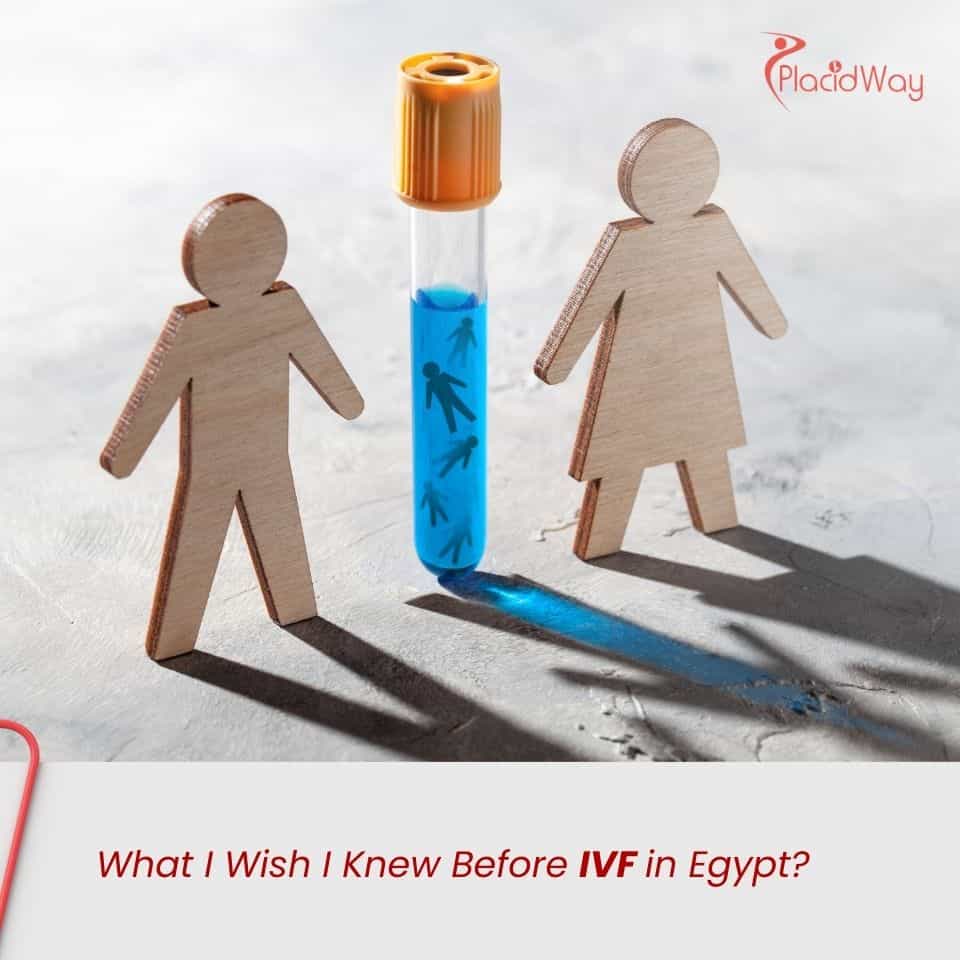
What I Wish I Knew Before IVF in Egypt?
Before starting IVF in Egypt, it's essential to understand the full cost breakdown beyond the initial quote, the legal and religious regulations that govern the process, and the importance of choosing a clinic with high laboratory standards. The journey to parenthood through In Vitro Fertilization (IVF) is a profound one. Egypt has become a key destination for this journey, offering a combination of experienced specialists, modern clinics, and affordable care. However, a successful IVF in Egypt hinges on being well-prepared. Understanding the nuances, from the true costs to the specific legal framework for fertility treatment, is crucial. This guide provides clear answers to the most common questions, helping you navigate your IVF journey with confidence and clarity. What is the average cost of an IVF cycle in Egypt? The average cost of IVF in Egypt ranges from approximately $2,500 to $5,000 USD. This price is significantly lower than in the US or Europe, but it's crucial to confirm exactly what is included in the initial quote. While the cost savings are a major draw, the advertised price may not cover everything. To budget accurately, request a detailed, itemized quote. Confirm if the price includes consultations, monitoring, anesthesia, and especially fertility medications, which can be a significant separate expense. Also, ask about the costs for ICSI, embryo freezing, and storage. Are the success rates for IVF in Egypt reliable? Success rates in reputable Egyptian clinics are comparable to international standards, often ranging from 40-60% per cycle for younger women. However, it's important to ask how the clinic calculates and reports its data, as methods can vary. When evaluating a clinic's success rates, look deeper than the general number. Ask for statistics specific to your age and diagnosis. Most importantly, clarify if they are reporting the "pregnancy rate" or the "live birth rate"—the latter is the most meaningful metric for success. A transparent clinic will provide this data and set realistic expectations. What are the laws regarding IVF and surrogacy in Egypt? IVF in Egypt is strictly regulated by law and religious principles. Treatment is only available to legally married heterosexual couples using their own eggs and sperm. Egg donation, sperm donation, and surrogacy are all illegal. This is a critical point for international patients. Clinics in Egypt require legal proof of marriage before starting treatment. This means IVF in Egypt is not an option for single individuals, unmarried couples, or same-sex couples. Furthermore, the use of donor gametes (eggs or sperm) is strictly prohibited. How do I choose the best IVF clinic in Egypt? To choose the best clinic, look for one with internationally recognized accreditation, experienced embryologists, modern laboratory technology, and transparent communication. Prioritize doctors who are fluent in your language or have excellent translation services. The quality of the clinic's embryology lab is paramount to your success. Look for clinics with international certifications (like ISO) and experienced embryologists. Schedule video consultations to assess the doctor's approach and ensure clear communication. Reading recent reviews from other international patients can also offer valuable insights into their experience. What is the typical IVF process and timeline in Egypt? The entire IVF process in Egypt requires a stay of approximately 3 to 4 weeks. This timeline covers ovarian stimulation, monitoring, egg retrieval, fertilization, embryo development, and the embryo transfer procedure. Your stay will revolve around a structured medical schedule. The process begins with 10-14 days of ovarian stimulation and monitoring, followed by the egg retrieval procedure. The embryos then develop in the lab for 3-5 days before the embryo transfer. You should plan to rest for a couple of days after the transfer before your flight home. What is ICSI and is it standard practice in Egypt? Intracytoplasmic Sperm Injection (ICSI) is an advanced fertilization technique where a single sperm is injected directly into an egg. It is very common in Egypt and is often used as the standard method of fertilization in many clinics to maximize success rates. ICSI is a powerful technique that dramatically increases fertilization rates, especially in cases of male factor infertility. Because of its effectiveness, most top clinics in Egypt use ICSI as their standard procedure for all patients. However, you should always confirm if ICSI is included in your IVF package or if it is an additional charge. Can we choose the gender of our baby in Egypt? Yes, gender selection through Preimplantation Genetic Diagnosis (PGD) or Screening (PGS) is legally permitted and available in many IVF clinics in Egypt. It is often used for family balancing purposes. Gender selection via PGD/PGS is an option available at many Egyptian fertility clinics. This technology involves testing the embryos before transfer to identify their chromosomes. In addition to revealing the gender, it can also screen for major chromosomal abnormalities. This is an advanced procedure that comes with a significant additional cost, so you should discuss it early in your consultation if you are interested. Embarking on a fertility journey abroad requires trusted partners. PlacidWay connects you with a global network of accredited fertility clinics and healthcare providers. Explore your options and find the support you need for your path to parenthood....
Read more details.png)
What Success Rates Are Reported for IVF With PGD in Nicosia, Cyprus?
Success rates for IVF with PGD in Nicosia, Cyprus typically range between 65% and 75% per embryo transfer for women under 35. These impressive rates are driven by advanced genetic screening technology and highly experienced clinical embryologists. Key Takeaways: Fertility Success & Care in Cyprus High Success Rates: Averages reach up to 75 percent for young patients using genetic screening to select the absolute healthiest embryos. Affordable Care: Comprehensive treatments cost significantly less compared to standard clinics located in the United Kingdom or the United States. Advanced Technology: Specialized facilities utilize cutting edge Next Generation Sequencing for unparalleled diagnostic accuracy. Comprehensive Screening: Testing accurately detects hundreds of complex chromosomal abnormalities and devastating single gene disorders. Favorable Regulations: The region offers highly flexible fertility laws, actively attracting thousands of global medical tourists annually. What factors influence the success of IVF with PGD in Nicosia Cyprus? The success of this fertility treatment heavily depends on maternal age, egg quality, and the specific genetic conditions being screened. Clinic expertise and laboratory standards also play a massive role in achieving a healthy pregnancy. Maternal age remains the most critical determining factor because egg quality and overall ovarian reserve naturally decline as women get older. Younger patients typically produce a higher volume of euploid embryos, which significantly increases the baseline chances of a successful implantation following the transfer. The physiological health of the reproductive organs also dictates how well the body responds to initial hormonal stimulation. The absolute proficiency of the embryology laboratory is equally vital to achieving favorable clinical outcomes. High quality laboratories maintain incredibly strict atmospheric controls, optimal culture mediums, and employ exceptionally skilled clinical embryologists who can perform delicate embryo biopsies without causing any cellular trauma. The environment where embryos grow for five days must perfectly mimic the natural human body. Furthermore, the patient overall reproductive health, including specific uterine receptivity and carefully balanced hormone levels, affects the final outcome. Comprehensive pre-treatment evaluations ensure that the endometrial lining is perfectly thickened and prepared to receive the genetically tested blastocyst. Proper synchronization between the embryo development stage and the uterine environment maximizes the probability of a healthy ongoing pregnancy. How much does IVF with PGD cost in Nicosia Cyprus on average? Patients can expect to pay between $5,500 and $8,500 for a completely inclusive cycle. This IVF with PGD cost in Nicosia, Cyprus is highly competitive and often saves patients up to sixty percent compared to Western healthcare systems. Patients can expect to pay a highly competitive base rate for a complete cycle, making the financial investment extremely attractive for international self-paying couples seeking premium care. Initial medical consultations, detailed pelvic ultrasound scans, and continuous cycle monitoring are usually bundled directly into the foundational package price offered by top tier medical facilities. The specialized laboratory fees required for precise embryo biopsy and advanced next generation genetic sequencing form a significant but highly justified portion of the total financial cost. Fertility medications required for aggressive ovarian stimulation are typically billed separately because the exact required pharmacological dosage varies significantly depending on individual patient physiology. Embryo freezing and highly secure cryogenic storage fees for the first full year are often integrated into the primary treatment package to provide patients with reliable future family building options. Comprehensive post transfer medical consultations and crucial early pregnancy hormone monitoring are provided to ensure maximum patient safety and the early detection of a successful embryonic implantation. How do I choose the right IVF with PGD clinic in Nicosia Cyprus? Selecting the ideal facility requires researching their laboratory certifications, success metrics, and staff qualifications. Every IVF with PGD clinic in Nicosia, Cyprus should offer complete transparency regarding their clinical protocols. Selecting the absolute ideal medical facility requires dedicating ample time to researching their international laboratory certifications, transparent clinical success metrics, and the verifiable academic qualifications of their entire medical staff. Every top tier medical establishment should enthusiastically offer complete operational transparency regarding their laboratory protocols and historical success rates explicitly for your specific age demographic. Start your clinical evaluation by thoroughly verifying the strict international accreditations of the facility, such as rigorous ISO quality management certifications or esteemed clinical affiliations with recognized European fertility societies. These prestigious medical credentials practically guarantee that the clinical laboratory strictly adheres to rigorous quality control standards, highly ethical medical practices, and the latest groundbreaking advancements in reproductive endocrinology. It is absolutely crucial to deeply evaluate the specialized experience level of the lead reproductive doctors and the senior clinical embryologists working tirelessly behind the scenes. Facilities that continuously invest heavy capital in advanced medical education and consistently utilize cutting edge laboratory technologies, such as undisturbed time lapse embryonic incubators, generally achieve vastly superior clinical pregnancy outcomes compared to standard regional centers. What genetic diseases can PGD detect during the fertility process? Preimplantation Genetic Diagnosis can accurately identify over four hundred single gene disorders and complex chromosomal abnormalities. This exhaustive testing ensures exclusively healthy embryos are selected for the final transfer. Preimplantation Genetic Diagnosis is an incredibly revolutionary clinical screening tool inherently capable of accurately identifying over four hundred distinct single gene disorders and various complex structural chromosomal abnormalities prior to any embryo implantation taking place. This profound diagnostic testing capability strongly ensures that exclusively healthy, genetically robust embryos are ultimately selected for the delicate transfer into the maternal uterus. The advanced laboratory screening process is historically highly effective at reliably detecting exceptionally severe hereditary conditions such as Cystic Fibrosis, Huntington disease, and Sickle Cell Anemia. Couples who possess a thoroughly documented known family history of these debilitating diseases can now confidently proceed to build their loving families without the agonizing daily fear of passing on a life altering genetic mutation. Beyond successfully isolating distinct single gene mutations, the sophisticated screening technology expertly detects major structural chromosomal rearrangements including historically balanced translocations and highly complex inversions. This exhaustive genetic evaluation drastically reduces the heartbreaking medical risk of experiencing recurrent unexplained miscarriages and deeply frustrating implantation failures that are typically associated directly with undiagnosed embryonic chromosomal anomalies. How does age impact IVF with PGD outcomes for international patients? Age inversely correlates directly with ovarian reserve and the percentage of chromosomally normal embryos produced. While genetic testing helps identify the best embryos, it cannot reverse the natural biological decline in overall egg quality. Chronological age inversely correlates directly with female physiological ovarian reserve and the overall statistical percentage of chromosomally normal embryos successfully produced during the intense ovarian stimulation phase. While advanced genetic testing brilliantly helps identify the absolute best embryos available in the laboratory, it unfortunately cannot artificially reverse the natural biological decline in egg quality that is strictly associated with advanced maternal aging. For generally healthy women comfortably under the age of thirty five, the vast statistical majority of retrieved eggs are biologically and genetically normal, leading to a much higher overall volume of healthy embryos available for the final clinical transfer. This specific younger demographic consistently and predictably enjoys the highest clinical pregnancy success rates and the absolute lowest incidence of devastating genetic anomalies. As female patients gracefully approach their late thirties and early forties, the underlying biological rate of embryonic aneuploidy increases at a highly significant and measurable pace. Comprehensive genetic screening therefore becomes an absolutely invaluable clinical tool for this specific vulnerable age group by actively filtering out abnormal embryos, thereby successfully preventing emotionally devastating physical pregnancy losses and heavily exhausting failed reproductive cycles. What makes medical tourism in Nicosia Cyprus ideal for families? The vibrant city combines progressive fertility regulations with exceptional infrastructure and a deeply relaxing environment. Engaging in medical tourism in Nicosia, Cyprus offers international patients unparalleled privacy, exceptional affordability, and outstanding clinical care. The beautiful and historic capital city seamlessly combines highly progressive national fertility regulations with truly world class medical infrastructure and a deeply relaxing, sun drenched Mediterranean environment. Engaging actively in structured medical travel in this specific region reliably offers international patients unparalleled medical privacy, exceptional financial affordability, and absolutely outstanding clinical care systematically delivered from globally trained and highly respected reproductive specialists. The stunning region boasts highly favorable legal frameworks intentionally designed for all assisted reproductive technologies, readily and legally allowing specialized clinical procedures that might be heavily restricted, heavily monitored, or entirely banned in other conservative European countries. This profound and refreshing legal flexibility continuously attracts thousands of hopeful couples annually who are actively seeking comprehensive genetic testing and highly advanced, unhindered reproductive solutions. The picturesque island naturally provides a beautifully stress free atmosphere which is widely and scientifically proven by leading reproductive endocrinologists to positively impact complex fertility treatment outcomes. Exhausted traveling patients can comfortably and peacefully recover in stunning coastal settings, enjoying a wonderfully mild climate and exceptionally warm local hospitality that beautifully transforms a rigid clinical medical procedure into a deeply rejuvenating, holistic wellness retreat. What is the step by step process for IVF combined with PGD screening? The clinical journey begins with comprehensive ovarian stimulation and precise egg retrieval, safely followed by laboratory fertilization using specialized techniques. The resulting embryos are microscopically biopsied on the fifth day before final transfer. Customized hormone medications are carefully and precisely administered via daily subcutaneous injections for roughly ten to twelve days to robustly stimulate the female ovaries to produce multiple mature eggs simultaneously. A minor outpatient surgical procedure is meticulously and safely performed under light intravenous sedation to retrieve the mature eggs safely from the expanded ovarian follicles without causing the patient any distinct physical discomfort. Advanced Intracytoplasmic Sperm Injection is expertly and routinely used to manually inject a single morphologically healthy, highly motile sperm directly into each retrieved mature egg to mathematically maximize overall fertilization rates. The successfully resulting embryos are carefully cultured in highly advanced artificial incubators for five to six consecutive days until they organically reach the incredibly robust and highly expanded blastocyst stage. A highly skilled senior embryologist delicately and precisely extracts a minute cluster of external cells from the outer layer of the blastocyst for highly comprehensive, incredibly detailed next generation genetic sequencing. After the detailed laboratory test results conclusively and reliably confirm the chromosomal health of the embryos, a single euploid blastocyst is gently and precisely transferred into the thoroughly prepared maternal uterus. Are there any clinical risks associated with performing PGD on embryos? While modern embryo biopsy laboratory techniques are exceptionally refined, there is a very minimal risk of slight damage during cell extraction. Partnering exclusively with IVF with PGD in Nicosia, Cyprus top specialists neutralizes this risk. While modern embryonic biopsy laboratory techniques are exceptionally refined, heavily practiced, and internationally standardized, there is technically always a very minimal theoretical risk of slightly damaging the fragile embryo during the complex microscopic cell extraction process. However, actively making the informed choice to work exclusively with globally recognized, top tier medical clinics practically ensures this specific biological risk remains statistically negligible and exceptionally rare. The incredibly delicate biopsy procedure is now exclusively performed on fully developed day five or day six embryos when they possess hundreds of rapidly dividing cells and are widely considered highly resilient to microscopic surgical intervention. The required cellular samples are safely extracted strictly from the outer trophectoderm layer, which eventually forms the protective placental tissue, leaving the absolutely vital inner cell mass completely and totally untouched. It is clinically and ethically important for all prospective patients to clearly understand that absolutely no genetic test in current medical existence is one hundred percent completely foolproof. There is always a minute biological possibility of clinical misdiagnosis strictly due to a highly complex natural phenomenon called chromosomal mosaicism, where an individual embryo inherently contains an unpredictable mixture of both completely normal and distinctly abnormal cell lines. Why Choose PlacidWay for your fertility journey? We provide unparalleled global guidance by seamlessly connecting you with certified medical facilities and widely recognized fertility specialists. Our team ensures your medical journey is completely transparent and tailored to your needs. Extensive Global Network: We exclusively and proudly partner with highly prestigious, internationally accredited medical centers that consistently and transparently demonstrate the highest clinical success rates in the industry. Verified Medical Professionals: Our comprehensive platform gives you immediate, highly secure direct access to esteemed board certified reproductive endocrinologists and exceptionally skilled, veteran clinical embryologists. Complete Transparent Pricing: We expertly negotiate highly comprehensive medical treatment packages to completely guarantee there are absolutely no hidden financial fees or unexpected clinical expenses during your medical journey. Patient Centric Clinical Support: Our deeply compassionate care coordinators offer continuous medical assistance, highly clear communication, and unwavering emotional support throughout your entire complex reproductive cycle. Rigorous Quality Assurance: We continuously, rigorously, and strictly vet all partner medical facilities for their absolute strict adherence to international patient safety protocols and highly ethical global medical guidelines. Frequently Asked Questions About Genetic Fertility Screening How long do I need to stay in Nicosia for IVF with PGD treatment? Most international patients need to plan for a comprehensive medical stay of approximately eighteen to twenty one days. This specific timeframe adequately covers the entire ovarian stimulation phase, the delicate egg retrieval procedure, the crucial laboratory time required for extensive embryo development and genetic biopsy, and the final embryo transfer. Some patients strategically choose to have their initial stimulation monitoring done in their home country alongside their local gynecologist. By doing this, they can successfully reduce their time abroad to just seven to ten days, making the entire medical process significantly more manageable for those with strict work commitments. Are gender selection procedures legal alongside IVF with PGD in Nicosia? Yes, the region is widely recognized as one of the few global destinations where family balancing through precise gender selection is completely legally permitted when professionally combined with advanced genetic technology. Many international couples actively choose IVF with PGD in Nicosia, Cyprus specifically because this progressive legal framework allows them to ethically select the sex of their future child while simultaneously screening the embryos for severe chromosomal health issues. This unique combination of reproductive freedom and advanced genetic safety is a primary driver for the booming medical sector in the region. What medical tests are required before starting IVF with PGD in Cyprus? Before officially commencing any fertility treatment, female patients must undergo highly comprehensive hormonal blood tests. These vital tests typically include AMH, FSH, LH, and Estradiol levels, perfectly paired with a detailed pelvic ultrasound to accurately assess the baseline ovarian reserve. Male partners are strictly required to provide a highly detailed comprehensive semen analysis to evaluate sperm count, motility, and morphology. Furthermore, both partners must absolutely be screened for major infectious diseases such as HIV, Hepatitis B, Hepatitis C, and Syphilis to ensure the ultimate safety of the laboratory environment and the future pregnancy. Is it safe to fly back home immediately after an embryo transfer in Nicosia? While it is generally considered medically safe to fly, the vast majority of experienced fertility specialists highly recommend actively resting for at least twenty four to forty eight hours post embryo transfer before undertaking any long distance international flight. The artificial cabin pressure and high altitude do not negatively impact the delicate implantation process in any way. However, physically minimizing travel related stress, heavy luggage lifting, and general exhaustion is considered absolutely crucial during the incredibly delicate early stages of the highly anticipated two week wait period. Do clinics in Nicosia offer egg or sperm donation options with PGD? Absolutely. The medical region is highly renowned globally for maintaining incredibly extensive, legally protected, and highly diverse anonymous donor databases. International patients can seamlessly and legally combine third party reproductive services, such as premium egg donation or rigorously tested sperm donation, with highly comprehensive genetic screening protocols. This powerful combination is specifically designed to maximize their overall clinical chances of successfully achieving a healthy, vibrant pregnancy, especially for older couples or those who have previously experienced multiple unexplained biological implantation failures. What is the upper age limit for undergoing IVF with PGD in North Cyprus? The official legal age limit for female patients undergoing assisted fertility treatments in this specific region is generally fifty five years old, which is remarkably and significantly higher than the strict limitations imposed by many other restrictive European nations. However, for international patients intending to use their own biological eggs, medical doctors will rigorously evaluate the individual physiological ovarian reserve. Those patients over the age of forty five are often gently and professionally advised to seriously consider specialized donor egg programs to guarantee vastly superior clinical pregnancy outcomes. How does the climate in Nicosia affect the IVF recovery process? The beautifully mild, consistently sunny Mediterranean climate provides a highly therapeutic, deeply calming environment that naturally and effectively reduces systemic stress and crippling anxiety levels for traveling patients. Scientifically lowered stress hormones, specifically cortisol, directly and positively contribute to significantly better physical recovery rates. This relaxing atmosphere can easily create a much more biologically optimal internal uterine environment for a successful embryo implantation, unequivocally making the city a premier, highly sought after global destination for complex reproductive care and emotional healing. Can international patients get medication easily from pharmacies in Nicosia? Yes, the local medical pharmacies are exceptionally well stocked and heavily regulated, providing immediate access to all standard, high quality fertility medications required for aggressive ovarian stimulation and crucial post transfer luteal support. Your carefully chosen medical clinic will promptly provide you with official, legally recognized medical prescriptions upon your arrival. Furthermore, many high end premium medical facilities even boast fully integrated in house pharmacies specifically designed to dispense the exact specialized medications you need instantly, completely eliminating any unnecessary logistical stress or treatment delays. What payment methods are accepted for fertility treatments in Cyprus clinics? Top tier international medical facilities purposefully accept multiple highly secure, universally recognized payment methods to easily accommodate global patients. These convenient options strictly include all major international credit cards, highly secure direct bank wire transfers, and quite often, direct cash payments conveniently accepted in either Euros or United States Dollars. It is absolutely always recommended to thoroughly confirm the officially accepted currencies and the specific required payment schedules directly with your dedicated medical care coordinator well before traveling to ensure total financial peace of mind. Are there support groups or counseling available for medical tourists in Nicosia? Many premium, patient focused fertility centers absolutely offer highly dedicated psychological support services and completely confidential counseling sessions specifically and uniquely tailored for the complex needs of international medical patients. Navigating the heavy emotional burden of infertility alongside the logistics of international medical travel can be profoundly emotionally taxing. Therefore, these top clinics thoughtfully provide access to licensed professional therapists who expertly help couples effectively manage clinical stress, process medical outcomes, and consistently maintain a highly positive, resilient mindset throughout their entire reproductive journey. Start Your Transformative Fertility Journey Today Do not leave your future family to chance. PlacidWay connects you directly with the absolute top rated, globally accredited fertility clinics available. Get a completely free, zero obligation quote, receive a highly personalized treatment plan from board certified reproductive specialists, and successfully unlock exclusive medical tourism packages designed just for you. ...
Read more details.png)
How Much Does IVF With PGD in Nicosia, Cyprus Cost?
The average IVF with PGD cost in Nicosia, Cyprus ranges from $6,500 to $9,000 per cycle. This price typically includes ICSI, genetic testing of embryos for hereditary diseases, medication, and standard fertility clinic consultations. Key Takeaways: Genetic Fertility Treatments in Nicosia Financial Efficiency: Patients save up to sixty percent compared to North American healthcare pricing while receiving premium reproductive care. Advanced Diagnostics: Comprehensive screening evaluates embryos for single-gene disorders and chromosomal abnormalities prior to implantation. Regulatory Safety: The Ministry of Health ensures strict ethical compliance and robust quality control protocols for all international patients. Holistic Care: Comprehensive packages integrate expert medical procedures, cutting-edge embryology, and dedicated psychological support systems. High Success Rates: Utilizing screened blastocysts dramatically reduces miscarriage risks and improves live birth clinical outcomes. What is included in the IVF with PGD cost in Cyprus? The standard financial package for genetic fertility treatments in Nicosia covers the core laboratory procedures and consultations. Patients can expect a comprehensive bundle that handles embryo creation and sophisticated chromosome analysis. Pre-Treatment Consultations: Comprehensive initial assessments via video link or in-person to analyze medical history, review preliminary blood work, and design a customized ovarian stimulation protocol. Ovarian Stimulation Monitoring: Regular ultrasound scans and hormone blood tests conducted during the medication phase to safely track follicular development and prevent hyperstimulation syndrome. Oocyte Retrieval and Sperm Preparation: The surgical extraction of mature eggs under mild sedation, coupled with advanced sperm washing and morphological selection techniques in the andrology laboratory. Intracytoplasmic Sperm Injection: The precise micro-injection of a single healthy sperm into each mature egg to maximize fertilization rates, which is mandatory before performing any genetic biopsy. Embryo Biopsy and Genetic Screening: The highly specialized removal of trophectoderm cells from a day-five blastocyst using laser technology, followed by sequencing to detect specific inherited genetic mutations. Vitrification and Embryo Transfer: The rapid-freezing of biopsied embryos while awaiting genetic results, followed by the careful thawing and ultrasound-guided placement of a healthy embryo into the uterus. How does the IVF with PGD cost in Cyprus compare to other nations? Fertility patients save significantly when choosing Nicosia over North American or Western European destinations. The financial advantage does not compromise the high quality of reproductive medical care provided. Understanding the global landscape of reproductive healthcare pricing reveals why Nicosia has emerged as a premier hub for prospective parents. In countries like the United States, a single cycle incorporating comprehensive genetic screening can easily exceed twenty-five thousand dollars. This exorbitant pricing places vital genetic preventative care out of reach for many families carrying hereditary conditions. The pricing model in Nicosia removes these immense financial barriers while utilizing the exact same next-generation sequencing technology found in top-tier global laboratories. European patients also find incredible value in Nicosia. While the United Kingdom offers robust domestic clinics, the private sector costs for genetic biopsy and embryo screening remain prohibitively high, often hovering around fifteen thousand pounds. Furthermore, waiting lists for specialized genetic consultations in domestic public health systems can delay treatments by years. By traveling to an IVF with PGD clinic in Cyprus, patients bypass these lengthy queues and receive immediate, personalized attention at a fraction of their local private sector rates. The lower cost in Nicosia is not a reflection of compromised medical standards but rather a result of lower local operational overhead, favorable exchange rates, and a government structure that actively supports medical tourism. Clinics continuously reinvest these operational savings into state-of-the-art laboratory equipment and ongoing training for their embryology staff. This economic ecosystem ensures that international patients receive world-class genomic screening without the crushing debt typically associated with advanced fertility treatments. Country Average Treatment Cost (USD) Accessibility & Wait Times Nicosia, Cyprus $6,500 - $9,000 Immediate access, dedicated coordinators United States $20,000 - $30,000 High cost barriers, fast private access United Kingdom $15,000 - $22,000 Long public waits, expensive private sector Who is the ideal candidate for IVF with PGD in Cyprus? Couples with known genetic anomalies or those who have experienced recurrent pregnancy losses benefit most from this advanced reproductive technology. It is highly recommended for older prospective mothers seeking viable pregnancies. The primary candidates for this specialized diagnostic procedure are couples where one or both partners are known carriers of a monogenic disease. When families have a history of conditions like cystic fibrosis, spinal muscular atrophy, or Huntington disease, the risk of passing these devastating illnesses to offspring is incredibly high. By undergoing targeted genetic screening in Nicosia, these couples can ensure that only embryos free from the specific genetic mutation are selected for transfer, effectively breaking the chain of inherited disease within their family tree. Another crucial demographic includes women facing advanced maternal age. As a woman ages, the chromosomal integrity of her oocytes naturally declines, leading to a higher percentage of embryos with aneuploidy, which means they have an incorrect number of chromosomes. Aneuploidy is the leading cause of failed implantation and early miscarriage. By electing to perform IVF with PGD in Cyprus, older mothers can identify the chromosomally normal embryos, thereby restoring their chances of a successful live birth to rates comparable to much younger women. Furthermore, patients who have endured multiple failed fertility cycles or unexplained recurrent pregnancy loss are excellent candidates. Often, these heartbreaking outcomes are rooted in undetected chromosomal structural abnormalities, such as balanced translocations in one of the parents. Routine fertility treatments cannot solve this invisible barrier. The sophisticated laboratory analysis provided in Nicosia decodes the embryonic blueprint, allowing specialists to bypass compromised embryos and transfer only those with the highest potential for a healthy, full-term pregnancy. What are the legal regulations for medical tourism in Cyprus regarding fertility? The Ministry of Health tightly regulates all reproductive procedures to ensure high safety standards and ethical practices. The liberal yet secure legal framework makes the island a prime destination for fertility patients. The legal environment in Nicosia provides a perfect balance of progressive medical permissions and rigorous safety oversight. The Ministry of Health mandates that all fertility centers undergo stringent annual inspections to maintain their operating licenses. These inspections evaluate laboratory air quality, emergency protocols, embryologist certifications, and the meticulous documentation of biological material tracking. This level of government oversight guarantees that international patients engaging in medical tourism in Cyprus receive care that meets or exceeds the European Union directives on tissue and cell handling. One of the legal cornerstones that attracts thousands of patients is the progressive stance on third-party reproduction combined with genetic screening. Unlike many restrictive European nations, Cyprus allows anonymous egg and sperm donation to be seamlessly integrated with advanced genetic diagnostics. The law strictly protects the identity of the donors while mandating extensive psychological and physical health screening for them. This legal protection allows couples battling severe male-factor infertility or diminished ovarian reserve to pursue family building with the added security of chromosomal analysis. Additionally, the legal framework clearly delineates the ethical boundaries of embryo testing. While screening for life-threatening single-gene mutations and aneuploidy is fully supported to ensure healthy offspring, the law strictly prohibits genetic manipulation or screening purely for non-medical cosmetic traits. This ethical line ensures that the technology is utilized strictly for therapeutic and preventative medical purposes. Patients travel to Nicosia knowing they are entering a medically advanced environment grounded in deep bioethical integrity and legal transparency. Did You Know? In modern reproductive science, the embryo biopsy is performed on day five of development, known as the blastocyst stage. The embryologist carefully removes a few cells from the trophectoderm, the outer layer that will eventually become the placenta, leaving the inner cell mass that forms the baby completely untouched and unharmed. How do you select the best IVF with PGD clinic in Cyprus? Evaluating laboratory technology and the certification of embryologists is critical when choosing a reproductive facility. Prospective parents should also verify the international accreditation status of the medical center. Laboratory Air Quality: Ensure the facility operates a certified cleanroom environment with HEPA filtration and VOC removal systems, as embryos are highly sensitive to airborne toxins during the extended day-five culture process. Embryologist Expertise: Biopsying a fragile blastocyst requires immense microscopic dexterity. Verify that the laboratory director and senior staff hold specialized certifications from recognized bodies like ESHRE in clinical embryology and micromanipulation. Sequencing Technology: Confirm that the center utilizes Next Generation Sequencing for their genetic analysis. This modern technology provides the highest resolution and accuracy in detecting chromosomal abnormalities compared to outdated FISH or array-CGH methods. Cryopreservation Protocols: The success of genetic screening relies heavily on the ability to freeze and thaw embryos safely. Investigate the clinic vitrification survival rates, which should ideally sit above ninety-five percent in a top-tier facility. Transparent Success Metrics: A reputable center will openly discuss their clinical pregnancy and live birth rates specific to patients utilizing genetic screening, broken down by age demographics, rather than citing overall, generalized statistics. What is the success rate for IVF with PGD in Cyprus? Screening embryos for chromosomal abnormalities significantly increases implantation success and reduces miscarriage rates. Clinical outcomes in Nicosia rival top tier global fertility centers. When analyzing clinical outcomes, it is vital to understand that genetic screening fundamentally changes the statistical landscape of fertility treatments. In traditional cycles, embryologists choose which embryo to transfer based purely on morphological appearance under a microscope. However, an embryo that looks perfectly healthy visually can still harbor severe chromosomal defects. By integrating preimplantation diagnostics, specialists in Nicosia eliminate this guesswork. Transferring a genetically verified euploid embryo yields implantation rates that can soar upwards of sixty to seventy percent per transfer, regardless of the maternal age at the time of egg retrieval. Furthermore, the true value of this advanced screening is observed in the drastic reduction of clinical miscarriages. For women over the age of thirty-eight, the natural risk of miscarriage due to chromosomal errors is substantial. By filtering out aneuploid embryos before they ever reach the uterus, an IVF with PGD clinic in Cyprus effectively lowers the miscarriage risk to baseline levels seen in healthy donors in their twenties. This psychological and physical preservation is immeasurably valuable to patients who have previously suffered the trauma of pregnancy loss. It is important to maintain realistic expectations regarding the initial embryo yield. Genetic screening does not cure poor egg quality; it acts as a highly accurate diagnostic filter. A patient might produce six blastocysts, but the screening may reveal that only one or two are genetically normal and viable for transfer. While the attrition rate of embryos can feel discouraging during the laboratory phase, this strict filtering process is exactly what drives the exceptionally high live-birth success rates per final transfer in Nicosia. How long do you need to stay for medical tourism in Cyprus during IVF? A complete fresh treatment cycle typically requires a stay of two to three weeks on the island. Some patients choose split cycles which alter the duration of their required physical presence. Planning the logistics of international medical travel requires a clear understanding of the biological timeline involved in reproductive treatments. For patients opting for a traditional continuous cycle, the journey begins on day two or three of their menstrual cycle. They arrive in Nicosia to commence daily hormonal injections under the direct supervision of the clinic. This stimulation phase lasts approximately ten to twelve days, punctuated by frequent ultrasound monitoring to track follicle growth. Following the egg retrieval surgery, the patient must wait five to six days for the embryos to reach the blastocyst stage and undergo the biopsy. Because genetic sequencing takes additional time, the modern standard of care increasingly favors the freeze-all protocol, often referred to as a split cycle. In this scenario, the patient travels to Nicosia for the stimulation and egg retrieval, which requires a stay of only about twelve days. Once the eggs are retrieved and fertilized, the patient returns home. The clinic cultivates the embryos, performs the biopsy, and cryopreserves them. Once the genetic lab report is finalized weeks later, the patient plans a second, much shorter trip of merely three to four days specifically for the frozen embryo transfer. Engaging in medical tourism in Cyprus offers the unique advantage of combining a rigorous medical schedule with a restorative environment. Between ultrasound appointments and while waiting for laboratory updates, patients find themselves in a Mediterranean climate that naturally reduces stress levels. Cortisol reduction is highly beneficial during fertility treatments. Clinics often assist in structuring the itinerary so patients can rest comfortably in seaside accommodations, turning a highly clinical process into a calming, focused retreat dedicated to family building. What genetic disorders can be screened during IVF with PGD in Cyprus? Advanced genomic sequencing allows embryologists to identify hundreds of single gene disorders before embryo transfer. This preventative approach stops the transmission of severe hereditary conditions. Cystic Fibrosis: A severe inherited life-threatening disorder that damages the lungs and digestive system. Carrier parents can ensure their child does not inherit the mutated CFTR gene responsible for the disease. Thalassemia: A blood disorder involving lower-than-normal amounts of an oxygen-carrying protein. Given its prevalence in Mediterranean genetics, clinics in Nicosia are highly specialized in screening for both Alpha and Beta variations. Spinal Muscular Atrophy: A genetic disease affecting the central nervous system, peripheral nervous system, and voluntary muscle movement. Preimplantation diagnostics can completely break the inheritance cycle of this debilitating condition. Huntington Disease: An adult-onset, fatal genetic disorder that causes the progressive breakdown of nerve cells in the brain. Screening allows affected families to halt the transmission of this dominant genetic mutation to the next generation. Sickle Cell Anemia: An inherited group of disorders where red blood cells contort into a sickle shape, causing severe pain and organ damage. Early genetic intervention ensures offspring are born free from the condition. BRCA1 and BRCA2 Mutations: Families with a severe history of hereditary breast and ovarian cancers can utilize testing to prevent passing these high-risk cancer susceptibility genes to their future children. What psychological support is available at an IVF with PGD clinic in Cyprus? Emotional wellness is a critical component of fertility care, and top centers provide dedicated psychological counseling. Coping with genetic screening results requires specialized therapeutic guidance. The journey through assisted reproductive technology is fraught with profound emotional fluctuations. When genetic diagnostics are introduced, the psychological stakes are elevated significantly. Waiting for the laboratory report detailing the chromosomal health of your embryos can be an agonizing period of suspense. Recognizing this immense emotional burden, premier reproductive centers in Nicosia integrate professional psychological support directly into their treatment paradigms, ensuring patients are not left to navigate this turbulent mental landscape alone. Specialized fertility counselors are available to help patients process complex feelings of grief or anxiety. For instance, receiving news that a large percentage of embryos are aneuploid or carry a familial genetic mutation requires delicate, empathetic communication and coping strategies. These counselors assist couples in managing expectations, dealing with the trauma of past miscarriages, and making difficult ethical decisions regarding the disposition of affected embryos, all within a confidential and supportive framework. Furthermore, managing the stress of cross-border medical care requires distinct resilience. Being away from home support networks while undergoing intensive hormonal therapies can induce feelings of isolation. The holistic approach championed by an IVF with PGD clinic in Cyprus ensures that mental health check-ins are as routine as ultrasound scans. This comprehensive care model acknowledges that a calm, supported mind is just as vital to a successful pregnancy outcome as a biologically optimized uterus. Why choose PlacidWay for IVF with PGD in Cyprus? Navigating cross border reproductive care requires expert guidance and access to fully vetted medical institutions. Our platform connects prospective parents with top tier fertility specialists seamlessly. Strict Medical Vetting: We exclusively partner with reproductive centers that maintain rigorous international accreditations, possess highly certified embryology laboratories, and demonstrate proven success in advanced genetic diagnostics. Transparent Treatment Pricing: Our platform guarantees absolute financial clarity regarding your customized IVF with PGD cost in Cyprus, completely eliminating the anxiety of hidden laboratory fees or unexpected procedural charges. Dedicated Patient Advocacy: You receive continuous, compassionate support from our medical coordinators who act as your personal liaisons, ensuring your clinical concerns are prioritized by the fertility specialists. Seamless Clinical Coordination: We meticulously organize the transfer of your preliminary medical records and facilitate direct consultations between you and the lead embryologists before you ever make a financial commitment. Ethical Quality Assurance: We monitor patient clinical outcomes and satisfaction continuously, guaranteeing that our network remains comprised only of institutions delivering the highest standard of evidence-based reproductive medicine. Frequently Asked Questions About Genetic Embryo Screening in Nicosia Can gender selection be performed with PGD in Nicosia? Gender selection for family balancing is strictly regulated in Nicosia and is generally only permitted for preventing sex-linked genetic diseases. Patients seeking preimplantation genetic screening solely for choosing the sex of their baby without medical indication will find that reputable clinics adhere strictly to European ethical guidelines prohibiting this practice. Is egg donation combined with PGD legally permitted in Cyprus? Yes, combining egg donation with genetic testing is legally permitted and highly regulated in Nicosia. Many international patients choose this route when dealing with severe maternal age-related infertility or inheritable maternal conditions, as the laws in Cyprus protect the anonymity of donors while allowing comprehensive genetic screening of the resulting embryos. Are hidden fees common when paying for fertility treatments in Nicosia? Top-tier reproductive centers in Nicosia pride themselves on financial transparency, offering all-inclusive packages. However, patients should always clarify if pre-cycle blood tests, specific stimulation medications, and annual embryo storage fees are included in their initial quote to avoid unexpected out-of-pocket expenses during their treatment journey. Do Nicosia fertility centers offer embryo freezing after PGD? Absolutely. Because genetic testing requires time for laboratory analysis, the biopsied embryos are almost always frozen using advanced vitrification techniques. Once the genetic results return, a healthy embryo is thawed for a frozen embryo transfer during a subsequent, hormonally optimized menstrual cycle. What is the maximum age limit for women undergoing IVF in Cyprus? The legal age limit for female patients undergoing in vitro fertilization in Cyprus is generally up to 45 years old. However, with special permission from the Ministry of Health and rigorous cardiovascular and overall health screenings, treatment can sometimes be extended up to the age of 55 for medically sound candidates. Can I bring my own medications from home for my IVF cycle in Cyprus? Patients are often allowed to purchase their ovarian stimulation medications in their home country and bring them to Nicosia. This requires careful coordination with your assigned coordinator to ensure the exact dosages and brands align with your specialized treatment protocol formulated by the local specialist. Are tandem cycles available alongside genetic testing in Nicosia? Many clinics in Nicosia offer tandem IVF cycles, which involve synchronizing the patient with an egg donor. The patient undergoes retrieval alongside the donor, and embryos from both sources can be genetically tested. This provides a backup plan ensuring the highest chance of a successful, genetically sound pregnancy in a single trip. How many embryos are legally allowed to be transferred in Cyprus? To minimize the risks associated with multiple pregnancies, the Ministry of Health in Cyprus typically limits the number of embryos transferred to two. For patients under 35 undergoing their first cycle, single embryo transfer is strongly encouraged, especially when utilizing genetically screened, high-quality blastocysts. Does health insurance cover fertility treatments in Nicosia? International health insurance plans rarely cover cross-border fertility treatments or genetic testing procedures. Patients should approach their journey to Nicosia as a self-pay medical expense, though the significantly lower costs compared to domestic care make it highly affordable even without insurance coverage. Are English speaking coordinators available at Nicosia fertility centers? Yes, catering to a vast international demographic, premier clinics in Nicosia employ dedicated multilingual patient coordinators. These professionals are fluent in English and guide patients through every medical consultation, legal document, and laboratory report, ensuring zero communication barriers during the complex treatment process. Start Your Path to Parenthood in Nicosia Today Do not let geographical borders or financial constraints limit your dreams of building a healthy family. PlacidWay connects you with Nicosia's top-rated, government-accredited reproductive specialists. Get a free, no-obligation quote, receive a personalized protocol from certified embryologists, and unlock exclusive fertility care packages designed just for you. ...
Read more details
How effective is IVF with PGS (Preimplantation Genetic Screening) in Mexico?
IVF with PGS in Mexico is highly effective, often boosting success rates to 60% - 75% per transfer by ensuring only chromosomally healthy embryos are used. This technology is available in Mexico at a cost 60% lower than in the US. Trying to conceive can be an emotional rollercoaster, especially when you have faced setbacks like recurrent miscarriages or failed IVF cycles. You want answers, and more importantly, you want a healthy baby. This is where IVF with PGS (Preimplantation Genetic Screening) changes the game. It allows doctors to look at the genetic health of an embryo before it is transferred, significantly increasing the odds of a successful pregnancy. For many couples, particularly those in the US and Canada, the cost of this advanced technology at home is prohibitive. That is why Mexico has become a beacon of hope. It offers the exact same state-of-the-art genetic testing technology found in American labs but at a fraction of the price. We are talking about modern fertility centers in cities like Cancun, Guadalajara, and Mexico City that are fully equipped to handle complex cases. In this guide, we will cut through the medical jargon and answer the real questions you have. We will look at the hard numbers on success rates, break down the costs in detail, and explain exactly why testing your embryos might be the missing link in your fertility journey. What is the success rate of IVF with PGS in Mexico? When a genetically normal (euploid) embryo is identified via PGS and transferred, the success rate for implantation in Mexico is typically between 60% and 75%, regardless of maternal age. The single biggest factor in IVF failure is chromosomal abnormality in the embryo. By using IVF with PGS in Mexico, embryologists can filter out embryos that would likely result in a negative test or a miscarriage. Once a healthy "euploid" embryo is identified, your chances of taking a baby home skyrocket compared to a standard IVF cycle where you are essentially flying blind. It is important to understand that PGS doesn't make the embryos better; it just helps select the right one. Whether you are 30 or 42, if you have a genetically normal embryo to transfer, your chances of pregnancy are excellent. Mexican fertility specialists are highly skilled in this selection process, using the same Next-Generation Sequencing (NGS) technology used globally. How much does IVF with PGS cost in Mexico? The average cost for IVF with PGS in Mexico ranges from $6,500 to $9,000 USD. This usually includes the IVF cycle, ICSI, and the genetic testing of up to 4-8 embryos. Cost is often the deciding factor for international patients. In the United States, a full cycle of IVF combined with genetic screening fees can easily surpass $25,000. In Mexico, you can access the exact same procedure for about a third of the price. This financial relief lowers stress, which arguably helps with the process too. Here is a detailed comparison of what you might expect to pay: Service USA Average Cost Mexico Average Cost Potential Savings IVF Cycle (Standard) $12,000 - $15,000 $4,500 - $6,000 ~60% PGS/PGT-A Biopsy & Lab Fee $4,000 - $6,000 $2,000 - $3,000 ~50% Medication (Stimulation) $3,000 - $6,000 $1,500 - $2,500 ~50-60% Total Estimated Cost $20,000 - $27,000+ $8,000 - $11,500 ~60% Savings Many clinics in Mexico offer "guarantee" packages or multi-cycle discount plans, which can provide even more value if the first attempt isn't successful. What exactly does PGS test for? PGS (now often called PGT-A) screens embryos to count the chromosomes, ensuring there are exactly 46 chromosomes (23 pairs) to prevent conditions like Down Syndrome or Turner Syndrome. Think of PGS as a spell-check for the embryo's DNA structure. It checks if the embryo has the correct number of chromosomes (euploid). Embryos with missing or extra chromosomes (aneuploid) typically fail to implant or result in a miscarriage. For example, an extra chromosome 21 causes Down Syndrome. By identifying these issues in the lab—before the embryo is ever placed in the uterus—doctors can spare patients the heartbreak of a miscarriage or the difficult decisions associated with genetic abnormalities discovered later in pregnancy. Who is the ideal candidate for PGS in Mexico? PGS is highly recommended for women over 35, couples with a history of recurrent miscarriages, or those who have had multiple failed IVF cycles despite good quality embryos. As women age, egg quality naturally declines, leading to a higher percentage of embryos with chromosomal errors. At age 30, perhaps 25% of embryos are abnormal. By age 40, that number can jump to 60% or higher. PGS allows older mothers to "level the playing field" by finding the healthy needle in the haystack. It is also a powerful tool for couples with unexplained infertility. If you have been transferring "perfect looking" embryos under the microscope but aren't getting pregnant, the issue might be genetic invisibilities that only PGS can reveal. Is PGS safe for the embryo? Yes, modern PGS involves taking a biopsy from the trophectoderm (the cells that become the placenta), leaving the inner cell mass (the baby) untouched, with a risk of damage below 1%. In the early days of genetic testing, biopsies were taken from day-3 embryos, which was riskier. Today, Mexican clinics perform the biopsy on day-5 or day-6 blastocysts. At this stage, the embryo has hundreds of cells. Embryologists carefully remove about 5 to 10 cells from the outer layer. This method is considered extremely safe and does not appear to harm the baby's development. The embryo is then frozen while the cells are sent for analysis. Can PGS detect the gender of the baby? Yes, because PGS analyzes chromosomes (XX for female, XY for male), it reveals the gender of each embryo with nearly 100% accuracy. While the primary medical goal of PGS is a healthy pregnancy, a byproduct of checking the chromosomes is knowing the sex. This allows for "family balancing"—choosing to transfer a male or female embryo if you have a preference. In Mexico, gender selection is generally permitted and is a common reason international patients seek treatment there. It offers a legal and regulated environment for parents who wish to balance their families while prioritizing the health of the baby. How long does the process take in Mexico? You should plan for a 15 to 21-day stay in Mexico for the stimulation and egg retrieval, followed by a return trip 1-2 months later for the frozen embryo transfer. IVF with PGS is almost always a "Frozen Embryo Transfer" (FET) cycle. You cannot do a fresh transfer because it takes time (usually 1-2 weeks) to get the genetic results back from the lab. So, your journey is split into two parts. First trip: You undergo ovarian stimulation and egg retrieval. The embryos are created, grown to day 5, biopsied, and frozen. You go home. Second trip: Once the results are in and your body has recovered from the hormones, you return for a simple, painless embryo transfer procedure using one of the healthy embryos. Does PGS improve success rates for women over 40? Yes, significantly; while the overall chance of producing a normal embryo is lower, transferring a confirmed euploid embryo yields similar pregnancy rates (approx. 60%) to younger women. This is the "great equalizer" effect of PGS. For a woman over 40, the hardest part is getting the normal embryo. Many eggs may fail to fertilize or arrest development. However, if you do get a euploid embryo, your uterus is still very capable of carrying a pregnancy. Without PGS, a woman over 40 might endure multiple failed transfers and miscarriages because the embryos were naturally abnormal. PGS saves time and heartache by ensuring you only attempt to carry embryos that have a real chance of survival. What is the difference between PGS and PGD? PGS (PGT-A) screens for general chromosomal counts, while PGD (PGT-M) looks for a specific genetic disease (like Cystic Fibrosis) that both parents are known to carry. It is easy to confuse the two. If you are generally healthy but struggling to conceive or are older, you likely need PGS. If you and your partner know you carry a specific gene mutation (like Tay-Sachs, Sickle Cell, or Thalassemia) and want to ensure your child doesn't inherit it, you need PGD. Both procedures are performed the same way via biopsy, but the lab analysis is different. Mexican clinics are fully equipped to perform both types of testing depending on your medical history. Is the technology in Mexico comparable to the US? Yes, top-tier Mexican fertility clinics use the same embryoscopes, laser biopsy tools, and NGS platforms found in the US, often adhering to US standards of care. Medical tourism works because the quality of care is high, not because it is "cheap" quality. The leading clinics in destinations like Tijuana, Cancun, and Mexico City are often run by doctors who trained in the US or Europe. They understand that international patients expect the best. You will find that the labs are pristine, the equipment is the latest generation from Japan or Germany, and the protocols are identical to what you would receive in a high-end clinic in Los Angeles or New York. What happens to the embryos that are not normal? Abnormal (aneuploid) embryos are generally discarded ethically and not transferred, as they would almost certainly result in a failed implantation or miscarriage. This is a difficult but necessary part of the process. The report you get from the genetic lab will clearly list which embryos are "Normal" and which are "Abnormal." In some cases, you might get a "Mosaic" embryo, which has a mix of normal and abnormal cells. Mosaic embryos are a gray area; some can self-correct and result in healthy babies. Your doctor in Mexico will have a detailed consultation with you to discuss the risks and potential of transferring a mosaic embryo if no fully normal ones are available. Are there risks associated with IVF and PGS? Risks include Ovarian Hyperstimulation Syndrome (OHSS) from medications, and a tiny risk (<1%) that the embryo could be damaged during the biopsy or freezing process. IVF is generally safe, but it is a medical procedure. The hormone injections can cause bloating, mood swings, and in rare cases, OHSS, where the ovaries swell and become painful. Your doctor monitors you closely with ultrasounds to prevent this. Regarding the biopsy, skilled embryologists have extremely "gentle hands." Because they take cells from the outer layer (placenta) rather than the inner core (fetus), the risk to the future baby is negligible. The benefit of avoiding a miscarriage typically far outweighs the minute risk of the biopsy itself. How do I transport my medication to Mexico? It is often cheaper and easier to buy medications in Mexico, but if you bring them, keep them in original packaging with a prescription copy to avoid customs issues. Many patients are surprised to find that fertility meds in Mexico are significantly cheaper—sometimes 50% less—than in the US. Clinics often have partnerships with local pharmacies that can deliver the meds right to your hotel. If you prefer to bring your own, just ensure you have a letter from your doctor explaining what the medications are for. Always carry them in your carry-on luggage (especially if they require refrigeration) to prevent loss or temperature damage. What documents do I need for IVF in Mexico? You will need a valid passport, and married couples may need to show a marriage certificate, though laws are generally flexible for unmarried couples and single women in most states. Mexico is quite progressive regarding fertility treatments. Unlike some countries that strictly ban IVF for single women or same-sex couples, Mexico is largely open. However, specific clinics may have their own internal policies, so it is always best to ask beforehand. Bring your medical history, specifically previous hormone panels, HSG (tube test) results, and sperm analysis. Having these ready can save you time and money on repeating tests unnecessarily. Is there a waiting list for IVF with PGS in Mexico? Typically, there are no long waiting lists for IVF with PGS in Mexico. you can usually start your treatment with your next menstrual cycle once your initial consultation and tests are complete. One of the frustrations of public healthcare systems (like in Canada or the UK) is the wait time. In Mexico's private medical sector, speed is a priority. Once you have chosen a clinic and had your video consultation, you can sync your cycle and book your flight. This efficiency helps couples who feel like they are racing against their biological clock. Choosing to undergo IVF with PGS is a big decision, but the data is clear: it offers the highest probability of a live birth per transfer. Doing it in Mexico makes this elite technology accessible without compromising on quality. ...
Read more details
How Long Does It Take to Recover After IVF Treatment in Thailand?
Physical recovery after IVF treatment in Thailand typically takes 1 to 2 days after egg retrieval, but the full process requires a stay of 2 to 3 weeks. Most patients feel well enough to travel 48 hours after the embryo transfer, though complete emotional and physical normalization can take a few weeks. Deciding to undergo fertility treatment abroad is a massive step, and Thailand has emerged as a beacon of hope for many couples seeking world-class care at affordable prices. But beyond the medical appointments and the excitement of a potential pregnancy, there is a practical question that weighs heavily on every patient's mind: how long does it take to recover after IVF treatment in Thailand? Knowing the answer is crucial for planning your leave from work, booking your flights, and mentally preparing for the journey ahead. The beauty of choosing Thailand lies not just in its advanced medical technology but in the environment it offers for healing. Unlike the clinical, rushed atmosphere you might experience at home, recovering here means resting in a tropical paradise known for its hospitality. However, "recovery" isn't just about waking up from sedation. It involves a physical timeline following egg retrieval and a delicate emotional phase after the embryo transfer. Whether you are curious about when you can fly home or how many days you'll need to spend resting in your hotel, understanding these timelines will help you navigate your fertility journey with confidence. In this guide, we will break down everything you need to know about the IVF recovery timeline in Thailand, from immediate post-op care to the "two-week wait." We will also answer the most pressing questions patients ask, ensuring you feel fully prepared for this life-changing experience. How long is the physical recovery after IVF in Thailand? "Most women recover physically from the egg retrieval procedure within 24 to 48 hours. However, mild bloating and cramping may persist for 3 to 5 days as the ovaries return to their normal size." The physical recovery after IVF in Thailand is generally quite fast. The most invasive part of the process is the egg retrieval, which is performed under mild sedation. You will likely wake up feeling groggy, but this sensation usually fades within a few hours. Most clinics in Bangkok or Phuket will monitor you for a couple of hours before discharging you to your hotel. While you might feel tender, serious pain is rare. For the next day or two, it is normal to experience some cramping similar to menstrual pain, along with a feeling of fullness or bloating. This happens because your ovaries have been stimulated to produce multiple eggs and are larger than usual. Doctors typically prescribe mild pain relievers and recommend rest. By day three, most patients feel back to their normal physical selves, although high-impact exercise should still be avoided to protect the ovaries. How long do I need to stay in Thailand for the full IVF treatment? "You should plan to stay in Thailand for approximately 2 to 3 weeks for a full IVF cycle. This covers ovarian stimulation, egg retrieval, and embryo transfer, though some patients split this into two shorter trips." The length of your stay depends heavily on your specific treatment protocol. For a fresh IVF cycle, where stimulation, retrieval, and transfer happen consecutively, a 3-week stay is the standard recommendation. You usually arrive on the second day of your cycle to begin stimulation injections, which last about 10-12 days. Egg retrieval follows shortly after, and the embryo transfer occurs 3 to 5 days later. Some couples prefer to split the treatment into two visits to minimize time away from work. In this "freeze-all" approach, you stay for about 10 days for the stimulation and egg retrieval, then fly home. You return a month or two later for the Frozen Embryo Transfer (FET), which only requires a stay of about 5 to 7 days. This method is becoming increasingly popular in Thailand as it allows the body to recover from hormones before the pregnancy attempt. Can I fly home immediately after the embryo transfer? "Yes, you can usually fly 1 to 2 days after the embryo transfer. There is no evidence that flying harms implantation, but many doctors suggest waiting 48 hours to ensure you are rested and relaxed." This is one of the most common anxieties for medical tourists. The good news is that flying after IVF does not negatively impact success rates. The cabin pressure in a commercial airplane has no effect on a microscopic embryo implanting in the uterus. Your embryo is safely tucked away, similar to a grain of sand in a peanut butter sandwich—gravity or movement won't dislodge it. However, comfort is key. Long-haul flights can be exhausting and dehydrating. Most Thai fertility specialists recommend resting in your hotel for at least 24 to 48 hours after the transfer before heading to the airport. This gives you time to decompress and ensures you aren't rushing through security lines immediately after a delicate procedure. When you do fly, stay hydrated and walk around the cabin occasionally to promote blood flow. What is the cost of IVF in Thailand compared to other countries? "IVF in Thailand typically costs between $6,000 and $9,000, which is 50-70% cheaper than in the US or Australia, where costs can exceed $20,000." Cost is often the driving factor for choosing Thailand. While "cheap" can sometimes imply lower quality, in Thailand, the lower cost is due to the lower cost of living and medical wages, not a lack of expertise. You get access to premium, JCI-accredited hospitals for a fraction of the price you would pay in the West. Below is a comparison table to help you visualize the potential savings: Country Average Cost per Cycle (USD) Includes Medications? Thailand $6,000 - $9,000 Often Yes United States $15,000 - $30,000 Usually No Australia $10,000 - $15,000 Partially United Kingdom $8,000 - $12,000 No Keep in mind that these are averages. The final price can vary based on whether you need advanced techniques like ICSI (Intracytoplasmic Sperm Injection) or PGT (Preimplantation Genetic Testing), which are readily available and affordable in Thailand. How can I speed up my recovery after egg retrieval? "Hydration and high-protein intake are the best ways to speed up recovery. Drinking electrolyte-rich fluids and eating salty, protein-heavy snacks helps reduce bloating and drain excess fluid from the ovaries." Recovering from egg retrieval is mostly about managing bloating. During stimulation, your estrogen levels skyrocket, which can cause your blood vessels to leak fluid into your tissues. To counteract this, doctors in Thailand often recommend a "salty diet" immediately post-retrieval—not unhealthy fast food, but healthy salty snacks like nuts or electrolyte drinks. Protein is also your best friend during this recovery phase. It helps maintain fluid balance in your blood vessels. Stock up on lean chicken, eggs, tofu, or protein shakes. Avoiding sugary drinks and carbohydrates can also help prevent inflammation. Rest is equally important; give your body permission to do nothing for a day or two. What are the common side effects after IVF treatment? "Common side effects include mild cramping, bloating, breast tenderness, and mood swings. Light spotting can also occur after the procedure but typically resolves quickly." Hormone injections are powerful, and your body will react to them. During the stimulation phase, you might feel emotional, irritable, or fatigued—often described as "PMS times ten." Physical side effects like bruising at the injection site are also common but minor. After the egg retrieval, the main complaints are pelvic heaviness and constipation (often a side effect of anesthesia or pain meds). After the embryo transfer, the progesterone supplements you'll likely take can cause symptoms that mimic pregnancy, such as sore breasts and fatigue. It is important to remember that these symptoms are normal responses to medication and not necessarily signs of success or failure. Is strict bed rest necessary after embryo transfer? "No, strict bed rest is not necessary and may actually be harmful. Light movement helps blood flow to the uterus, so a day of relaxation followed by normal, light activity is best." In the past, doctors prescribed strict bed rest, but modern research has debunked this. Lying still for days can increase your stress levels and slow down blood circulation, which is vital for a healthy uterine lining. You want oxygen-rich blood reaching your uterus to support the embryo. Think of it as "couch rest" rather than "bed rest." Feel free to lounge, watch movies, or read a book, but getting up to cook a light meal or take a gentle shower is perfectly fine. Avoid heavy lifting or high-intensity cardio, but don't be afraid to move around gently. What specific foods should I eat during my recovery in Thailand? "Focus on a warm, nourishing diet rich in antioxidants, such as leafy greens, berries, nuts, and fish. Thai cuisine offers excellent options like clear soups and steamed fish, but avoid street food that might cause stomach upset." Thailand is a food lover's paradise, and you can use this to your advantage. Look for foods rich in omega-3 fatty acids, like salmon or mackerel, which are great for inflammation. Antioxidant-rich fruits like dragon fruit, papaya, and mango are abundant and can support cellular health. However, be cautious with hygiene. The last thing you want during recovery is food poisoning (known as "Delhi Belly" or "Bangkok Belly"). Stick to cooked meals from reputable restaurants and avoid raw seafood or unpeeled fruits from street vendors. Drinking bottled water is a must—never drink tap water. Can I enjoy a holiday or sightseeing in Thailand during IVF? "Yes, light sightseeing is encouraged as it reduces stress. Relaxing activities like visiting temples, beach walks, or gentle shopping are fine, but avoid strenuous trekking or extreme water sports." Many couples turn their IVF trip into a "fertility vacation." Being in a beautiful environment can significantly lower cortisol (stress) levels, which may be beneficial for treatment. Thailand’s beaches, luxury malls, and cultural sites offer plenty of low-impact distractions. Plan your itinerary wisely. During the stimulation phase, you will have daily appointments, so stay close to the clinic. After the transfer, avoid activities that raise your core body temperature, like sunbathing for hours or visiting hot springs, as high heat can be detrimental to early pregnancy. How soon will I know if the IVF treatment was successful? "You will typically take a blood pregnancy test (Beta hCG) 10 to 14 days after the embryo transfer. It is crucial to wait for this test rather than relying on home urine tests, which can give false results." The "two-week wait" is often the hardest part of the recovery timeline emotionally. While it is tempting to use a supermarket pregnancy test on day 5 or 6, these are often inaccurate. The hormones used during IVF (like the trigger shot) can stay in your system and produce a false positive. Conversely, it might be too early for a urine test to detect a real pregnancy. If you are still in Thailand, the clinic will perform the blood test for you. If you have returned home, you will need to arrange this with your local doctor and email the results to your Thai specialist. Are IVF clinics in Thailand safe and internationally accredited? "Yes, top fertility clinics in Thailand are highly safe and often hold JCI (Joint Commission International) accreditation. Many specialists are trained in the US or Europe and follow strict international protocols." Safety is a valid concern, but Thailand is a global leader in medical tourism for a reason. Major hospitals in Bangkok and Phuket operate with standards that rival or exceed those in Western countries. They utilize state-of-the-art labs with HEPA filtration systems to ensure air quality for embryo culture. When choosing a clinic, look for the JCI Gold Seal of Approval. This indicates the facility has met rigorous global standards for patient safety and care quality. Additionally, many Thai doctors speak excellent English, ensuring there is no communication barrier during your critical consultations. What activities should I strictly avoid during the two-week wait? "Avoid high-impact exercise, heavy lifting (over 10 lbs), hot baths, saunas, and sexual intercourse. These activities can stimulate uterine contractions or raise body temperature, which may hinder implantation." During the delicate implantation window, you want to keep the uterus calm. High-intensity workouts like running or CrossFit can divert blood flow away from the uterus to the muscles. Similarly, sexual intercourse is usually discouraged for a couple of weeks because orgasm causes uterine contractions, and there is a slight risk of infection. You should also avoid raising your core body temperature. This means no hot yoga, saunas, steam rooms, or very hot baths. A warm shower is perfectly safe and hygienic. Do I need a companion or partner with me in Thailand? "While not mandatory, having a companion is highly recommended for emotional support and logistical help. If you are using your partner's sperm, they will only need to be present for one day, but their support is valuable throughout." Undergoing IVF can be an emotional rollercoaster. Having a partner, friend, or family member with you provides a crucial support system. They can help with logistics like getting taxis, buying food, or just being there to hold your hand after the egg retrieval when you might feel groggy. If your partner cannot stay for the whole three weeks, they can fly in for the sperm collection day (usually the same day as egg retrieval) and leave shortly after. However, sharing the experience often brings couples closer together. What happens if I experience complications like OHSS while abroad? "Severe complications are rare, but if Ovarian Hyperstimulation Syndrome (OHSS) occurs, Thai hospitals are fully equipped to treat it. You would receive IV fluids and monitoring until stable, which might delay your flight home by a few days." OHSS is a condition where the ovaries over-respond to medication, causing fluid buildup in the abdomen. Mild cases are common and managed with diet and rest. Severe cases are rare (less than 1-2% of patients) but require medical attention. Because you are likely being treated at a large, multi-disciplinary hospital in Thailand, you have immediate access to emergency care if needed. Your fertility specialist monitors you closely via ultrasound to catch any signs of OHSS early, often adjusting medication to prevent it before it starts. How does the tropical climate in Thailand affect IVF recovery? "The warm climate can be relaxing and good for circulation, but extreme heat and dehydration are risks. Stay in air-conditioned environments during the hottest part of the day and drink plenty of water." Thailand is hot and humid. While the warmth is generally pleasant and can help muscles relax, you must be careful not to overheat. Dehydration is the enemy of recovery. If you are out exploring, carry a water bottle at all times. Mosquitoes are another factor in the tropics. While the risk of diseases like Dengue or Zika is generally low in urban tourist areas, it is wise to use pregnancy-safe insect repellent (like DEET-free versions) and wear long sleeves in the evenings, just to be extra safe. How much time off work should I really plan for? "Plan for at least 3 weeks off work if doing a full fresh cycle. If splitting the treatment, you will need about 10 days for the first trip and 7 days for the second trip." Trying to work remotely while undergoing IVF is possible but can be stressful due to time zone differences and reliable internet needs. If you can afford it, taking the time completely off allows you to focus entirely on your well-being. If you must work, ensure your employer knows you have medical appointments that cannot be moved. Thai clinics are efficient, but appointment times can sometimes change based on how your follicles are growing. Can I get a Thai massage during my IVF recovery? "You should avoid traditional Thai massage, which involves deep pressure and twisting. However, a gentle foot, shoulder, or head massage is generally safe and great for stress relief." Traditional Thai massage is vigorous and involves assisted yoga poses that twist the body. This is strictly prohibited when your ovaries are enlarged or after an embryo transfer. The twisting could risk ovarian torsion, a serious medical emergency. That said, a relaxing oil massage on your legs or shoulders can be wonderful for reducing anxiety. Just be sure to tell the therapist you are pregnant (or potentially pregnant) so they avoid pressure points related to the reproductive system. What medications will I need to take after the procedure? "You will typically be prescribed progesterone (pessaries or injections) and estrogen to support the uterine lining. You will need to continue these medications for several weeks after you return home." The "recovery" phase involves a new medication regimen. Progesterone is essential for maintaining the uterine lining to hold the pregnancy. In Thailand, this is often given as vaginal suppositories or intramuscular injections. Make sure you buy enough medication from the Thai clinic to last you until you can see your local doctor back home. It is often much cheaper to purchase these drugs in Thailand than in the US or Europe, so ask your doctor for a slightly larger supply to cover travel delays. Ready to Start Your Family? Navigating IVF abroad doesn't have to be overwhelming. Let us help you find the best accredited clinics and renowned fertility specialists in Thailand. Explore IVF Options with PlacidWay...
Read more details
Can I Get IVF with Gender Selection in Georgia?
Yes, you can get IVF with gender selection in Georgia. It is a legal and widely available procedure performed using Preimplantation Genetic Diagnosis (PGD) or Screening (PGS) for both medical reasons and family balancing. For many couples, the dream of completing their family involves more than just having a healthy baby—it sometimes involves family balancing, or the desire to have a child of a specific gender. If you have found yourself searching, "Can I get IVF with gender selection in Georgia?", you are likely looking for a solution that combines high medical standards with supportive laws. The short answer is yes. Georgia (the country) has emerged as one of the world's leading destinations for reproductive tourism, offering safe, legal, and effective gender selection services. Unlike many Western countries where sex selection is strictly prohibited unless there is a risk of a genetic disease, Georgia maintains a more liberal approach. Here, intended parents can utilize advanced technologies like PGD (Preimplantation Genetic Diagnosis) and PGS (Preimplantation Genetic Screening) not only to screen for chromosomal abnormalities but also to identify the sex of the embryo with over 99% accuracy before implantation. This makes it an attractive option for couples who already have children of one gender and wish to balance their family dynamic. Beyond the legal advantages, Georgia is renowned for its affordability without compromising on quality. You can access world-class fertility clinics in cities like Tbilisi for a fraction of the cost you might pay in the United States or the UK. Whether you are seeking IVF with gender selection for medical reasons or personal preference, understanding the process, costs, and requirements is the first step toward bringing your new family member home. Is gender selection legal in Georgia? Yes, gender selection is legal in Georgia. While the law explicitly permits PGD for medical reasons, there is no prohibition on gender selection for family balancing, making it a widely accepted practice in fertility clinics. The legal framework in Georgia regarding reproductive health is exceptionally favorable for international patients. The country's "Law on Health Care" explicitly allows for the use of assisted reproductive technologies (ART) like IVF. While the text of the law focuses on preventing genetic diseases as a primary reason for genetic testing, it does not ban the use of this information for sex selection. This "permissive" legal environment means that clinics operate openly and transparently. You do not need to prove a history of gender-linked genetic disorders (such as hemophilia) to request gender selection. Most major clinics in Tbilisi and Batumi offer this service as part of their standard IVF packages for couples seeking family balancing. It is important to note that while the procedure is legal, it must be performed as part of an IVF cycle. You cannot simply "choose" a gender through natural conception or simpler methods like IUI with the same legal and medical certainty found in IVF with genetic testing. How does the gender selection process work in Georgia? The process involves an IVF cycle followed by PGT-A (formerly PGS) or PGD testing. Embryos are created in the lab, biopsied on day 5, and their DNA is analyzed to determine the sex (XX or XY) before the transfer. The journey begins just like a standard In Vitro Fertilization (IVF) cycle. The female partner undergoes ovarian stimulation to produce multiple eggs, which are then retrieved and fertilized with sperm in the laboratory. The resulting embryos are cultured for five days until they reach the blastocyst stage. At this stage, a few cells are safely biopsied from the outer layer of the embryo (the trophectoderm), which eventually becomes the placenta. This biopsy does not harm the cells that will form the baby. The samples are sent for Preimplantation Genetic Testing for Aneuploidy (PGT-A). This advanced screening counts the chromosomes to ensure the embryo is healthy (euploid) and simultaneously reveals the gender with near-perfect accuracy. Once the results are back—usually within a couple of weeks—you and your doctor will consult on which embryos to transfer. You can explicitly request to transfer only the healthy embryos of your desired gender, ensuring the outcome of your pregnancy aligns with your family goals. What is the cost of IVF with gender selection in Georgia? The total cost for IVF with gender selection in Georgia typically ranges from $7,000 to $12,000 USD. This generally includes the IVF cycle, medication, and the PGD/PGS genetic testing fees. Georgia is one of the most cost-effective destinations for fertility treatment globally. The cost of IVF with gender selection is significantly lower than in the US, where similar procedures can exceed $25,000. The price variance usually depends on the clinic's reputation, the specific type of genetic technology used (NGS vs. array CGH), and the number of embryos tested. Below is a comparison table to help you understand the potential savings: Country Average Cost (USD) Includes Medications? Georgia $7,000 - $12,000 Often Yes USA $25,000 - $35,000 No UK (Private) $15,000 - $20,000 No Turkey $6,000 - $9,000 Varies Cyprus $6,500 - $10,000 Varies Keep in mind that travel, accommodation, and any complications or additional cycles will add to your total expense. However, even with travel costs included, most international patients save 50-60% by choosing Georgia. Who is eligible for gender selection in Georgia? Heterosexual couples (married or cohabiting) and single women are generally eligible. Surrogacy with gender selection is strictly limited to heterosexual married couples, while IVF laws are more flexible for single women. Georgia’s regulations are distinct when it comes to who can access treatment. Heterosexual married couples have the most freedom and can access all services, including IVF, gender selection, and surrogacy. Cohabiting heterosexual couples also enjoy broad access to IVF and gender selection services. Single women are also eligible for IVF with gender selection, often using their own eggs and donor sperm. However, legal restrictions in Georgia currently prohibit surrogacy for same-sex couples and single men. If you fall into these categories, you may need to look for alternative destinations or specific legal advice. Always verify the current eligibility criteria with your chosen clinic, as internal clinic policies can sometimes be stricter than the national law. What is the success rate of gender selection in Georgia? The accuracy of gender selection via PGD/PGS is over 99%. The overall pregnancy success rate for IVF in Georgia ranges from 50% to 70% per transfer, depending on the woman's age and egg quality. It is important to distinguish between the accuracy of the selection and the success of the pregnancy. The genetic testing technology used in Georgia is incredibly precise; if the lab identifies an embryo as male or female, it is virtually certain to be correct. The actual pregnancy rate depends heavily on maternal age. Younger women (under 35) often see success rates of 65-70% per transfer when using genetically tested euploid embryos. For women over 40 using their own eggs, success rates decline, but the use of donor eggs can restore success rates to over 70%, regardless of the intended mother's age. Do I need to be married to get IVF in Georgia? No, you do not need to be married to undergo standard IVF with gender selection in Georgia. Cohabiting couples and single women can legally access these treatments. Unlike some Middle Eastern or conservative nations where a marriage certificate is mandatory for any fertility treatment, Georgia is more progressive. Unmarried heterosexual couples can undergo IVF treatment together. They will simply sign a notarized consent form at the clinic acknowledging their partnership and intent. However, if you are considering surrogacy along with gender selection, the rules tighten. Georgian law specifically restricts commercial surrogacy to heterosexual couples who are married or cohabiting (though marriage is preferred for smoother legal processing of the baby's passport later). How long does the entire procedure take? The entire process takes about 3 weeks if done in one trip. This covers ovarian stimulation (10-12 days), egg retrieval, and a fresh transfer. However, PGD testing often requires freezing embryos, necessitating two shorter trips. If you are using PGT-A for gender selection, the timeline often shifts to a "Frozen Embryo Transfer" (FET) cycle. Genetic testing laboratories typically require 1-2 weeks to process the biopsy results. Therefore, most international patients plan two visits: Trip 1 (15-20 days): For stimulation and egg retrieval. Embryos are created, biopsied, and frozen. You return home. Trip 2 (3-5 days): You return 1-2 months later for the transfer of the selected gender embryo. This split timeline actually improves success rates, as it allows the woman's body to recover from the fertility medications before the pregnancy begins. Is gender selection safe for the embryo? Yes, the biopsy performed for gender selection is considered safe. It involves removing only a few cells from the trophectoderm (outer layer) at the blastocyst stage, which does not damage the inner cells that become the baby. Modern PGT-A testing is far safer than older methods that biopsied embryos at Day 3. By waiting until Day 5 (blastocyst stage), the embryo has hundreds of cells, making it robust enough to withstand the biopsy of 5-10 cells. Studies have shown that embryos that undergo this type of biopsy implant at the same rate as non-biopsied embryos. Furthermore, because the testing ensures you are transferring a genetically normal embryo, it actually reduces the risk of miscarriage and increases the likelihood of a healthy live birth. Can I choose the gender of twins? Yes, if you have healthy embryos of the desired gender(s), you can request to transfer two embryos. You could choose two boys, two girls, or one of each for a boy/girl twin set. While many doctors advocate for Single Embryo Transfer (SET) to minimize the risks associated with multiple pregnancies, transferring two embryos is legal and common in Georgia. If your goal is to have twins, you can discuss this with your fertility specialist. However, this is strictly dependent on the number of healthy (euploid) embryos you produce. You might need a higher number of eggs retrieved to ensure you have two perfect candidates of the specific genders you want. What documents are required for IVF in Georgia? Standard requirements include passports for both partners and a marriage certificate (if applicable/available). You will also need to sign notarized consent forms provided by the clinic. The paperwork in Georgia is refreshingly simple compared to other countries. You generally do not need a visa if you are from the US, EU, or many other nations (Georgia has a 1-year visa-free policy for many citizens). The critical documents are your identification (passports). If you are not married, the clinic will provide a specific legal agreement for you to sign that establishes your intent to undergo treatment as a couple. If you are using an egg donor or surrogate, additional contracts will be drafted to clarify parental rights, which are robustly protected under Georgian law. Why is Georgia popular for medical tourism? Georgia combines Western medical standards with Eastern pricing. It is safe, tourist-friendly, has liberal IVF laws, and offers high success rates, making it a top global hub for fertility. The country has heavily invested in its medical infrastructure. Many clinics in Tbilisi are equipped with the latest embryology technology (like EmbryoScope incubators) and are staffed by doctors trained in Europe or the US. Beyond the medicine, Georgia is a beautiful country to visit. It is famous for its hospitality, wine, and stunning mountain landscapes. This allows couples to turn a stressful medical procedure into a relaxing vacation, which can positively impact stress levels and outcomes. What happens to the remaining embryos? You have full control over your remaining embryos. You can freeze them for future use, donate them to other couples, or discard them, depending on your personal ethics and the clinic's policies. Because IVF often produces more embryos than you can transfer at once, you will likely have "leftovers." If you have successfully conceived your desired boy or girl, you can pay a small annual fee to keep the others frozen. This is an excellent insurance policy if you decide to have another child later. If you are certain your family is complete, Georgia allows for embryo donation (sometimes called "embryo adoption") to help other infertile couples, or compassionate disposal. Are there age limits for IVF in Georgia? Most clinics in Georgia accept women up to age 50-53, provided they are in good health. However, women over 43-45 are usually recommended to use donor eggs due to egg quality issues. While there is no strict "legal" age cap that applies to every clinic, ethical guidelines usually cap treatment around the age of natural menopause or slightly after. The uterus can often carry a pregnancy much later than ovaries can produce viable eggs. For gender selection specifically, older women using their own eggs face challenges because they produce fewer chromosomally normal embryos. In these cases, using an egg donor is a common solution that makes gender selection viable and highly successful even for women in their late 40s. Does insurance cover gender selection in Georgia? Generally, no. Most international insurance providers consider IVF and gender selection to be elective procedures and do not cover costs incurred abroad. You should expect to pay out-of-pocket for your treatment in Georgia. However, because the base cost is so low compared to Western prices, the total expense is often less than a deductible or co-pay might be for a partially covered procedure in the US. Some patients may be able to claim reimbursement for diagnostic tests (like blood work or ultrasounds) done in their home country before traveling, so it is worth checking your policy details. Ready to Start Your Journey? Finding the right clinic for IVF and gender selection can be overwhelming. Let us help you navigate the options in Georgia. Explore Your IVF Options...
Read more details.png)
How Much Does IVF Treatment Cost in Cyprus for International Patients?
The average cost of IVF treatment in Cyprus ranges from €2,500 to €4,000 per cycle. Specialized packages like Egg Donation IVF typically cost between €4,500 and €6,000, while Gender Selection (PGD/PGS) packages generally range from €5,000 to €7,500, making Cyprus 50-70% more affordable than the UK or USA. For many couples and individuals dreaming of starting a family, the high price tag of fertility treatments at home can feel like a massive roadblock. If you've been looking into your options, you've likely heard about IVF in Cyprus. This beautiful Mediterranean island isn't just a holiday destination; it has quietly become one of the world’s leading hubs for affordable, high-quality fertility care. Whether you are considering standard IVF, need an egg donor, or are interested in gender selection for family balancing, Cyprus offers medical standards that rival the best clinics in Europe at a fraction of the cost. But navigating the prices between North and South Cyprus, understanding the packages, and figuring out hidden fees can be tricky. In this guide, we will break down exactly how much IVF treatment costs in Cyprus for international patients in 2025. We will cover everything from donor cycles to travel expenses, ensuring you have all the information you need to make a confident decision without any surprises. What is the average cost of a standard IVF cycle in Cyprus? A standard IVF cycle using your own eggs in Cyprus typically costs between €2,500 and €3,500. This price usually covers the medical procedure, scans during the treatment, and egg retrieval, but often excludes medication. When we talk about "standard IVF," we are referring to a cycle where a woman uses her own eggs and her partner's sperm. In Cyprus, this is significantly more affordable than in countries like the UK, where private treatment can easily exceed £6,000. Most clinics in Cyprus offer a package that includes the initial consultations, ultrasound scans required during the stimulation phase, the egg collection procedure under sedation, fertilization (ICSI is often included standard), and the embryo transfer. However, it is important to note what is not usually included. The cost of stimulation medications—which can range from €800 to €1,500 depending on your specific needs—is almost always an extra expense. Additionally, if you plan to freeze embryos for future use, that will likely incur a separate fee. Despite these add-ons, the total cost remains highly competitive for international patients seeking quality care. Why is IVF in Cyprus cheaper than in the UK or USA? IVF in Cyprus is cheaper due to lower operational costs, favorable government tax incentives for medical tourism, and lower living expenses, allowing clinics to offer world-class medical technology at significantly reduced rates compared to Western Europe or North America. A common misconception is that "cheaper" means "lower quality," but in the context of medical tourism in Cyprus, this isn't the case. The cost difference is largely economic. The cost of living, wages, and real estate in Cyprus are lower than in London or New York, meaning clinics have lower overheads. They pass these savings on to patients. Furthermore, the fierce competition between the many high-quality clinics on the island helps keep prices accessible. Another factor is the volume of international patients. Cyprus clinics are streamlined to handle visitors efficiently, often bundling services into packages that would be billed separately in the US healthcare system. You are getting access to the same advanced technology (like EmbryoScope incubators and ICSI) used globally, just without the premium markup associated with Western healthcare systems. What is the cost of IVF with Egg Donation in Cyprus? IVF with egg donation in Cyprus generally ranges from €4,500 to €6,000. This price includes donor compensation, donor medication, and the full IVF process for the recipient. Cyprus is a premier destination for egg donation IVF because of its large, diverse donor pool and favorable regulations. Unlike some countries with long waiting lists, Cyprus typically has no wait time for donors. The cost you pay generally covers the thorough screening of the donor (medical, genetic, and psychological), her stimulation medications, and her compensation. Because the donor's medication is included in the package price, the cost is much more predictable than a standard cycle where you buy your own meds. International patients particularly appreciate that anonymity is strictly protected in Cyprus (especially in the North), and you can often select donors based on detailed profiles including physical characteristics, education, and hobbies. How much does Gender Selection (PGD/PGS) cost in Cyprus? Gender selection IVF packages in Cyprus, utilizing PGD or PGS technology, typically cost between €5,000 and €7,500. This includes the IVF cycle and the genetic testing of embryos to determine sex before transfer. One of the biggest draws for international patients is gender selection (often called family balancing), which is legally restricted in many countries but available in North Cyprus. The process involves Preimplantation Genetic Diagnosis (PGD) or Screening (PGS/NGS). You aren't just paying for the gender selection; you are paying for a genetic screen that ensures only healthy, chromosomally normal embryos are transferred. The price variation depends on the method used. FISH (Fluorescence In Situ Hybridization) is an older, slightly cheaper method, while NGS (Next Generation Sequencing) is more accurate and comprehensive but costs more. If you already have a boy and desperately want a girl (or vice versa), this technology offers nearly 99.9% accuracy for gender, provided you have healthy embryos of the desired sex available. North Cyprus vs. South Cyprus: What is the price difference? North Cyprus is generally 15-20% cheaper than South Cyprus, with IVF cycles starting around €2,500 compared to €3,000+ in the South. Additionally, the North allows for gender selection and has higher age limits, affecting the types of packages available. The island is divided into the Republic of Cyprus (South, EU member) and the Turkish Republic of Northern Cyprus (North). North Cyprus is generally known as the more budget-friendly option and the "capital" of fertility tourism on the island. The currency in the North is the Turkish Lira (though clinics charge in Euros or Pounds), while the South uses the Euro. Beyond the base price, the regulatory differences impact cost and availability. South Cyprus follows strict EU regulations, which forbids gender selection for non-medical reasons. North Cyprus permits it. If you are looking for specific treatments like family balancing or need an age limit waiver (up to 55), the North is often the only option, which simplifies the "shopping" process for many international patients. What is the cost of Tandem IVF in Cyprus? Tandem IVF, which combines your own eggs with a backup donor's eggs in a single cycle, costs approximately €6,000 to €7,500. This maximizes your chances of success without giving up on your own genetic material immediately. Tandem IVF is a unique and popular option in Cyprus for women with low ovarian reserve who aren't quite ready to move fully to donor eggs. In this cycle, both you and a donor are stimulated simultaneously. If your eggs result in good quality embryos, you use them. If not, or if you want to mix them to ensure a transfer takes place, you have the donor embryos ready. This "safety net" approach saves you from paying for two separate full cycles (one own egg, one donor) if the first fails. It provides peace of mind and is a cost-effective strategy for older women (typically 40+) who want one last try with their own genetics while securing a high chance of pregnancy. How much is Sperm Donation IVF in Cyprus? IVF with sperm donation in Cyprus costs between €4,500 and €5,500. This includes the standard IVF procedure plus the cost of sourcing certified, screened donor sperm from international sperm banks. For single women or couples with male factor infertility, sperm donation is a straightforward path. Cyprus clinics work with reputable international sperm banks (often from Denmark or the USA) as well as local banks. The cost includes the procurement of the sample and the ICSI procedure to fertilize the eggs. If you are looking for a less invasive option, IUI (Intrauterine Insemination) with donor sperm is also available and much cheaper, usually ranging from €1,000 to €1,500, though the success rates are lower than full IVF. Most international patients traveling for treatment prefer IVF to maximize the efficiency of their trip. What is the cost of Embryo Donation in Cyprus? Embryo donation in Cyprus typically costs between €5,000 and €6,500. This usually involves creating fresh embryos using a donor egg and donor sperm, resulting in very high success rates. Unlike some countries where "embryo adoption" refers to using leftover frozen embryos from other couples, in Cyprus, embryo donation usually means "Double Donation"—using fresh eggs from a donor and fresh/frozen sperm from a donor to create brand new embryos specifically for you. This is why the success rates are so high (often over 75%). Because you are essentially paying for both an egg donor and a sperm donor (plus the IVF lab work), the cost is higher than standard IVF but offers one of the surest paths to parenthood. It is an excellent option for couples where both partners have fertility challenges or for single women with low ovarian reserve. What is the ROPA method cost for same-sex couples? The ROPA method (Reciprocal IVF) for lesbian couples in Cyprus costs between €5,000 and €6,000. This price covers the stimulation of one partner, egg retrieval, fertilization with donor sperm, and transfer to the other partner. Reciprocal IVF (ROPA) allows both partners in a same-sex relationship to be physically involved in the pregnancy: one supplies the eggs (genetic mother), and the other carries the pregnancy (birth mother). Cyprus is very welcoming to same-sex couples, particularly in the North where regulations are liberal regarding marital status. The cost includes the donor sperm and the medical procedures for both women. It is slightly more expensive than standard IVF because two people are undergoing medical procedures (one retrieval, one transfer preparation), but it is a cherished option for "shared motherhood." Does insurance cover IVF in Cyprus for foreigners? Generally, international health insurance and national healthcare systems (like the NHS) do not cover elective fertility treatments abroad in Cyprus. You will likely need to pay out-of-pocket, though some private insurers may cover diagnostic tests. For the vast majority of international patients, IVF in Cyprus is a self-pay treatment. Western European and North American insurance policies typically exclude "medical tourism" for fertility. However, you might be able to get some of the preliminary testing (blood tests, ultrasounds) done in your home country under your local insurance before you travel, which can save you a few hundred Euros. Some clinics in Cyprus offer "guarantee programs" or refund packages—where you pay a higher lump sum (e.g., €12,000 - €15,000) for multiple cycles, and if no live birth is achieved, you get a percentage of your money back. This works as a form of private insurance directly with the clinic. What is the success rate of IVF in Cyprus? IVF success rates in Cyprus are high, averaging 50-60% for standard IVF (under 35s) and jumping to 70-80% for donor egg cycles. These rates are comparable to top clinics in Spain and the USA. Success rates are a major driver for people traveling to Cyprus. Because clinics use advanced technologies like blastocyst transfer (waiting until day 5 of embryo development), success rates are excellent. For women over 40 using their own eggs, success rates naturally drop (as they do everywhere), which is why the affordable donor options become so attractive. When comparing costs, always factor in the success rate. A cheap cycle that fails is more expensive in the long run than a slightly pricier one that works the first time. Cyprus strikes a balance: affordable pricing and high success rates. Are there hidden costs in Cyprus IVF packages? Potential "hidden" costs include stimulation medication (€1,000+), pre-treatment viral screening tests (€200-€300), embryo freezing fees (€500+), and extra accommodation days if the cycle takes longer than expected. Transparency is key. While the package price is attractive, you must budget for the extras. Almost all clinics charge separately for the medication you take before arriving in Cyprus. You will also need recent viral tests (HIV, Hepatitis, etc.) for both partners; if you don't bring these results with you, the clinic will charge to run them. Other potential extra costs include sedation fees (sometimes charged separately), sperm freezing if the male partner cannot be present on egg collection day, and extended culture fees if the clinic pushes embryos to the blastocyst stage (though many include this now). What is the age limit for IVF in Cyprus? The legal age limit for IVF in North Cyprus is 45, but this can be extended up to 55 with special ethics committee approval. In South Cyprus, the limit is typically 50. This is a game-changer for older women. In many European countries, treatment is strictly forbidden after age 45 or even earlier. North Cyprus offers a lifeline to women aged 45-55. To qualify for the "over 45" approval, you typically need to undergo a thorough health check (cardiology, mammogram, general wellness) to prove you are fit for pregnancy. This flexibility is a primary reason women over 50 choose Cyprus for donor egg IVF. How much does freezing eggs or embryos cost? Freezing embryos or eggs in Cyprus costs between €500 and €1,000 for the initial freezing and one year of storage. Annual storage fees thereafter are typically €200-€300. If you have surplus good-quality embryos after your cycle, freezing them is highly recommended. It means if you want a sibling later, or if the first transfer fails, you can return for a "Frozen Embryo Transfer" (FET). An FET cycle is much cheaper (usually €1,000 - €1,500) and easier than a fresh cycle since you don't need full stimulation or egg retrieval again. How much should I budget for travel and accommodation? You should budget approximately €800 to €1,500 for flights, accommodation, and transport for a 1-2 week stay. Cyprus offers a wide range of affordable hotels and apartments, often close to clinics. Cyprus is a major tourist destination, so it has a vast array of accommodation options. Off-season travel (October to April) can be incredibly cheap, with 4-star hotels costing significantly less than in summer. Many clinics offer packages that include airport transfers and accommodation at partner hotels, which can take the stress out of logistics. Flights to Larnaca (South) or Ercan (North) are frequent from major European hubs. If flying to Ercan, you usually have a brief touch-down in Turkey. If flying to Larnaca, you can easily cross the border to the North by taxi (a 60-90 minute drive) if your clinic is there. Detailed IVF Cost Comparison: Cyprus vs. Other Countries The table below illustrates the significant savings available in Cyprus compared to the UK, USA, and Spain, covering standard and donor treatments. To help you visualize the value, here is a comparison of average fertility treatment prices in 2025. Treatment Type Cyprus (Avg Cost) UK (Avg Private Cost) USA (Avg Cost) Spain (Avg Cost) Standard IVF (Own Eggs) €2,500 - €3,500 €6,000 - €8,000 €12,000 - €15,000 €4,500 - €6,500 Egg Donation IVF €4,500 - €6,000 €10,000 - €12,000 €25,000 - €40,000 €7,000 - €9,500 Gender Selection (PGD) €5,000 - €7,500 Not Allowed* €18,000 - €25,000 Not Allowed* Embryo Donation €5,000 - €6,500 €10,000+ (Waitlists) €15,000+ €7,000 - €9,000 Sperm Donation IVF €4,500 - €5,500 €7,000 - €9,000 €15,000+ €5,500 - €7,000 *Gender selection for non-medical reasons is generally illegal in the UK and Spain. Can single women get IVF in Cyprus? Yes, single women are legally allowed to undergo IVF treatment in Cyprus, particularly in North Cyprus, using donor sperm. The cost is similar to sperm donation IVF packages. North Cyprus is a very popular destination for solo mothers by choice. The laws are supportive, and clinics are experienced in treating single women. You will not face the same scrutiny or requirement for a partner that exists in some other jurisdictions. The process is identical to standard IVF with sperm donation, and you have full control over selecting your sperm donor. Conclusion Choosing to travel for IVF is a big decision, but the cost of IVF in Cyprus makes it a compelling option for thousands of international patients every year. With prices that are less than half of what you might pay in the UK or US, combined with high success rates, advanced gender selection options, and a relaxing holiday environment, Cyprus offers a unique pathway to parenthood. Whether you need a simple cycle, an egg donor, or a specialized PGD package, the island's clinics provide world-class care without the world-class price tag. Just remember to verify your specific package inclusions and factor in your travel costs to get a true picture of your investment. Get a Free Quote from PlacidWay...
Read more details
What are the legal requirements for surrogacy in India?
Surrogacy in India is strictly regulated to be altruistic, meaning no payment to the surrogate is allowed. Only married Indian couples and widowed/divorced single Indian women are eligible. For many couples and individuals dreaming of parenthood, surrogacy is a beacon of hope when natural conception isn't an option. However, navigating the legal landscape of surrogacy in India can feel like walking through a maze. With the introduction of the Surrogacy (Regulation) Act, 2021, and subsequent amendments in 2024 and 2025, the rules have changed dramatically. Gone are the days of "rent-a-womb" tourism; today, India prioritizes ethical, altruistic practices designed to protect both the mother and the child. If you are considering this path in 2026, you likely have a dozen questions keeping you up at night. Who is actually allowed to commission a surrogacy now? Can you use a donor egg if you have medical complications? What about OCI cardholders? The good news is that the law is clearer than ever, even if it is stricter. This guide breaks down every legal requirement, from eligibility criteria to mandatory certifications, stripping away the legal jargon to give you the plain facts. Whether you are an Indian citizen living in Delhi or an NRI residing in New York, understanding these regulations is your first step toward expanding your family. We will explore the shift from "close relative" to "willing woman," the new allowances for donor gametes, and the rigid ban on commercial surrogacy that defines the current era of Indian reproductive law. Let's get started on your journey to understanding your rights and obligations. What is the primary law governing surrogacy in India today? “The Surrogacy (Regulation) Act, 2021 is the primary legislation, which bans commercial surrogacy and permits only altruistic arrangements for eligible Indian intending parents.” The legal backbone of surrogacy in India is the Surrogacy (Regulation) Act, 2021. Before this Act, the industry was largely unregulated, leading to concerns about the exploitation of poor women. The new law completely overhauled the system by banning "commercial surrogacy"—where a surrogate is paid a fee or salary—and legalizing only "altruistic surrogacy." Under this altruistic model, the surrogate mother cannot receive any financial compensation for her "service." The intending parents are only legally allowed to pay for her medical expenses, hospitalization costs, and a mandatory insurance policy. Any payment beyond these specific costs is a criminal offense, punishable by up to 10 years in imprisonment. This fundamental shift aims to ensure that women become surrogates out of compassion and willingness to help, rather than financial desperation. Who is eligible to be an 'Intending Couple' for surrogacy? “An eligible intending couple must be legally married Indian citizens for at least 5 years, with the wife aged 23-50 and the husband aged 26-55, who have a medical certificate of infertility.” The law is very specific about who can apply. To qualify as an "Intending Couple," you must be legally married. Live-in partners, regardless of how long they have been together, are not recognized under this Act. The marriage must have subsisted for at least five years, a rule designed to ensure the stability of the household the child will be born into. Age limits are also strictly enforced. The wife must be between 23 and 50 years old, and the husband must be between 26 and 55 years old on the day of certification. Furthermore, the couple must not have any surviving child (biological, adopted, or from a previous surrogacy). There is a compassionate exception to this "no surviving child" rule: if your existing child suffers from a life-threatening disorder or an incurable mental or physical disability, you may still be eligible, provided you get approval from the appropriate authority. Can single women or men opt for surrogacy in India? “Single men are banned from surrogacy entirely. Single women can opt for surrogacy only if they are widowed or divorced, aged 35-45, and use their own eggs.” The Act is quite restrictive regarding single parenthood. Single men are completely barred from commissioning a surrogacy in India. There are no exceptions to this rule currently. For single women, the law provides a narrow window of eligibility. You must be either a widow or a divorcee; unmarried single women are not eligible. If you meet the marital status criteria, you must also be between the ages of 35 and 45. Crucially, the law mandates that a single woman must use her own eggs for the procedure. She cannot use donor eggs, meaning she must be medically capable of producing healthy oocytes to create the embryo with donor sperm. This ensures a biological link between the mother and the child. Are OCI (Overseas Citizen of India) cardholders eligible? “Yes, OCI cardholders are now eligible for surrogacy in India, provided they meet the same strict criteria as resident Indian couples, including the marriage and age requirements.” This has been a point of confusion and legal battles, but recent notifications have clarified the stance. Overseas Citizens of India (OCI) are treated on par with Indian citizens for the purpose of surrogacy. This is a massive relief for the Indian diaspora who wish to return to their roots to build their families. However, simply holding an OCI card is not a free pass. You must still fulfill all other criteria: a valid marriage of 5+ years, age limits, and medical proof of infertility. You will need to obtain the same "Certificate of Essentiality" and "Certificate of Eligibility" from the District Medical Board as a resident couple. Note that strictly foreign nationals (without OCI status) are still completely banned from commissioning surrogacy in India. What constitutes a "Medical Indication" for surrogacy? “Couples must prove 'medical necessity,' such as an absent or abnormal uterus, repeated IVF failures, or a medical condition that makes pregnancy life-threatening for the woman.” Surrogacy is viewed as a last resort under Indian law, not a lifestyle choice. You cannot opt for surrogacy simply because you do not wish to carry a pregnancy. You must obtain a certificate from a District Medical Board stating that you have a biological or medical reason that necessitates gestational surrogacy. Common accepted indications include the absence of a uterus (hysterectomy), a congenital condition like Mayer-Rokitansky-Küster-Hauser (MRKH) syndrome, or multiple failed IVF cycles where the embryo quality was good but implantation failed. Additionally, if a pregnancy would pose a serious risk to the mother's life (e.g., severe heart disease), this also qualifies as a valid medical indication. What are the new rules regarding Donor Eggs and Sperm (Gametes)? “A 2024 amendment now allows the use of one donor gamete (egg or sperm) if a medical board certifies that the intending parent has a medical condition requiring it.” Originally, the 2021 Act required that the child be genetically related to both parents, effectively banning donor eggs or sperm. This caused immense distress for couples where one partner had no viable gametes. Recognizing this gap, the government issued a crucial notification in February 2024 amending the rules. Now, if the District Medical Board certifies that either the husband or the wife suffers from a medical condition that necessitates the use of a donor gamete, it is permitted. However, the child must still be genetically related to at least one of the intending parents. For example, if the wife cannot produce eggs, the couple can use a donor egg fertilized by the husband's sperm. You cannot use both donor egg and donor sperm; the creation of a child with no biological link to the couple is still prohibited. Who can be a Surrogate Mother under the new law? “A surrogate must be a married woman aged 25-35 with a child of her own. She must be a 'willing woman' and can only act as a surrogate once in her lifetime.” The criteria for the surrogate mother are designed to protect her health and ensure she has completed her own family. She must be between 25 and 35 years old and married. Crucially, she must already have at least one biological child of her own, ensuring she understands the physical and emotional implications of pregnancy and childbirth. Originally, the law required the surrogate to be a "close relative." However, recent interpretations and select committee recommendations have shifted this language to a "willing woman." This broader definition helps couples who may not have a sister or cousin willing to carry a pregnancy. The surrogate must provide informed consent and be medically and psychologically certified as fit for the process. She can never provide her own eggs for the surrogacy (traditional surrogacy is banned); she acts only as a gestational carrier. What certificates are required from the Government? “Intending parents must obtain two key documents: a 'Certificate of Essentiality' (medical proof) and a 'Certificate of Eligibility' (legal proof) from the appropriate government boards.” The paperwork for surrogacy is rigorous. You cannot simply walk into a clinic and start treatment. First, you need the Certificate of Essentiality. This requires a recommendation from a District Medical Board confirming your medical need for surrogacy. It also requires an order from a Magistrate's court regarding the parentage and custody of the child to be born, ensuring the child's legal rights are secured before conception. Second is the Certificate of Eligibility. This is issued by the Appropriate Authority (usually a state-level health official) after verifying your age, marriage duration, citizenship, and insurance coverage for the surrogate. Without these two certificates, no clinic in India can legally perform the embryo transfer. Is there mandatory insurance for the surrogate? “Yes, the intending parents must purchase a health insurance policy for the surrogate that covers a period of 36 months (3 years) to handle any pregnancy complications.” To protect the surrogate's long-term health, the law mandates a comprehensive insurance policy. The coverage must be for a duration of 36 months. This extended period is intended to cover not just the 9 months of pregnancy, but also the postpartum recovery phase and any potential long-term complications arising from the delivery. This insurance must be purchased from a company recognized by the Insurance Regulatory and Development Authority (IRDAI). The policy amount must be sufficient to cover all expenses for medical complications, and proof of this policy is a prerequisite for obtaining your legal permissions to proceed. What is the cost breakdown for legal surrogacy in India? “Total costs typically range from ?15 Lakhs to ?25 Lakhs ($18,000 - $30,000), covering medical procedures, legal fees, and the surrogate's insurance and medical care.” While you cannot pay the surrogate a "fee," surrogacy is not free. The costs are directed toward the medical and legal processes. A significant portion goes to the IVF clinic for the retrieval, fertilization, and embryo transfer cycles. You are also responsible for the surrogate's nutritional support, maternity clothing, and travel expenses for checkups, which are legally reimbursable. Legal fees are also a factor, as you will need a lawyer to draft the affidavits and navigate the court orders for parentage. The mandatory 36-month insurance policy premium is another fixed cost. When comparing costs to countries like the USA (where it can exceed $100,000), India remains a financially viable option, but ethical compliance is non-negotiable. What are the rights of the child born through surrogacy? “The child is legally deemed the biological child of the intending couple from birth, entitled to all the same rights and privileges as a natural-born child.” One of the strongest protections in the 2021 Act is for the child. The law explicitly states that a child born out of a surrogacy procedure shall be deemed to be the biological child of the intending couple. The surrogate mother has no parental rights over the child. This is vital for inheritance and succession purposes. Furthermore, the Act makes it a serious criminal offense to abandon a child born through surrogacy for any reason—be it a birth defect, gender, or medical condition. The intending parents are legally bound to accept custody of the child. The birth certificate will carry the names of the intending parents (genetic parents), not the surrogate. Are same-sex couples or live-in partners eligible? “No, same-sex couples, live-in partners, and unmarried heterosexual couples are strictly prohibited from accessing surrogacy services in India.” India's surrogacy laws are conservative regarding family structure. The Act defines a "couple" strictly as a legally married Indian man and woman. This definition explicitly excludes LGBTQ+ couples and live-in partners. Despite the decriminalization of homosexuality in India, the right to commission a surrogacy has not been extended to same-sex relationships. This exclusion has been challenged in courts, but as of 2026, the statutory ban remains in force. Same-sex couples looking for surrogacy options often have to look to jurisdictions with more inclusive laws, such as the United States or Colombia. What happens if I violate the surrogacy laws? “Violating the Surrogacy Act is a non-bailable offense punishable by up to 10 years of imprisonment and a fine of up to ?10 Lakhs.” The government takes these regulations very seriously. Offences such as undertaking commercial surrogacy, exploiting a surrogate mother, abandoning a child, or selling human embryos are cognizable, non-bailable, and non-compoundable. This means if you are charged, you cannot settle the matter out of court, and getting bail will be difficult. This strict penal code applies to everyone involved: the intending parents, the clinic, the doctors, and any middlemen or agents. It is vital to work only with registered clinics that follow the letter of the law to avoid severe legal jeopardy. How do I find a registered surrogacy clinic? “You must strictly use clinics registered with the National Registry of Banks and Clinics of India; operating through an unregistered agent or clinic is illegal.” Under the new regime, all fertility and surrogacy clinics must be registered with the National and State Surrogacy Boards. A list of these registered entities is typically available on the government's health department websites. You should ask any clinic for their registration number before booking a consultation. Do not rely on third-party "agents" or facilitators who promise to find you a surrogate for a fee. Advertising for surrogacy is banned, and the process of finding a "willing woman" must be done transparently and ethically, usually through the clinic's internal verified programs or your own network. Start Your Journey with Confidence Surrogacy in India has transformed from a commercial industry into a regulated, ethical path to parenthood. While the rules are strict, they are designed to provide legal certainty and safety for everyone involved—especially the baby. By understanding eligibility, securing the right certificates, and respecting the altruistic spirit of the law, you can navigate this process successfully. If you are ready to explore your legal options for surrogacy in India, PlacidWay can guide you. We connect you with top-rated, government-registered fertility clinics that adhere to every compliance standard of the 2026 laws. Let us help you take the first legal and safe step toward your family. ...
Read more details
What is the success rate of IVF with egg donation in Greece?
The success rate of IVF with egg donation in Greece is impressively high, typically ranging between 60% and 75% per embryo transfer. For women using fresh donor eggs, clinical pregnancy rates often reach up to 71%, making Greece one of the most successful destinations for fertility treatment globally. If you have been navigating the complex world of fertility treatments, you probably know that hope can sometimes feel like a numbers game. When it comes to IVF with egg donation in Greece, those numbers are incredibly promising. It’s not just about the statistics; it’s about the real possibility of building a family when other doors seem to have closed. Greece has quietly become a powerhouse in the world of reproductive medicine. The combination of advanced medical technology, highly skilled doctors, and a progressive legal framework allows clinics to offer success rates that rival or even exceed those in the US and UK. What stands out most is that the success rate of IVF with egg donation in Greece remains consistently high regardless of the recipient's age, because the quality of the donor eggs is the primary driver of success. In this guide, we are going to dive deep into everything you need to know. We will look at the specific numbers, break down the costs compared to other countries, and explain exactly why so many international patients are choosing Greece for this life-changing journey. Whether you are curious about safety, legalities, or just want to know if this path is right for you, we have got you covered. Why are success rates with donor eggs higher in Greece? Success rates are higher in Greece because clinics adhere to strict donor selection criteria, using eggs from young, healthy women typically under age 30. This ensures high egg quality, which is the most critical factor for successful fertilization and implantation, boosting rates to over 70%. The primary reason for the exceptional outcomes in Greek fertility clinics is the meticulous screening and selection of egg donors. In Greece, donors are usually young women between the ages of 18 and 30, though the legal limit is 35. Biologically, egg quality is at its peak during these years, leading to embryos that are genetically normal and have a much higher potential for implantation. Furthermore, Greek clinics are equipped with state-of-the-art embryology labs that utilize advanced technologies like time-lapse monitoring and blastocyst culture. These technologies allow embryologists to select only the healthiest embryos for transfer. When you combine young, premium-quality eggs with world-class lab environments, the IVF success rate naturally climbs significantly higher than cycles using a patient's own eggs, especially for women over 40. Does the recipient's age affect IVF success with donor eggs? Surprisingly, the recipient's age has minimal impact on the success rate of IVF with donor eggs. Since the eggs come from young donors, the pregnancy rates for a 45-year-old woman are nearly identical to those of a 30-year-old, provided the recipient has a healthy uterus capable of carrying a pregnancy. This is one of the most comforting facts for many women. If you are using your own eggs, age is the biggest enemy of fertility. However, with egg donation, the biological clock is effectively rewound. The success of the procedure depends almost entirely on the age of the egg donor, not the woman carrying the baby. Statistics from Greek clinics show that women in their late 40s and early 50s achieve pregnancy rates comparable to much younger women when using donor eggs. Of course, your general health still matters. Before proceeding, doctors will ensure that your uterus is healthy and that you can safely carry a pregnancy to term. Issues like fibroids or polyps would need to be addressed, but your ovarian reserve—or how many eggs you have left—becomes irrelevant in this process. What is the cost of IVF with egg donation in Greece? The average cost of IVF with egg donation in Greece typically ranges from €5,000 to €8,000 per cycle. This price generally includes donor compensation, medication for the donor, egg retrieval, fertilization, and embryo transfer, making it a very cost-effective option compared to other Western countries. Cost is often a deciding factor for families considering medical tourism. In Greece, you get premium medical care at a fraction of the price you might pay elsewhere. A standard egg donation cycle usually covers all the medical procedures for the donor and the recipient, including the laboratory phase. However, it is important to check if medication for the recipient (you) and travel expenses are included, as these are often extra. To give you a clear perspective, here is a detailed comparison of approximate costs for IVF with egg donation across popular destinations: Country Average Cost (EUR) Average Cost (USD) Notes Greece €5,000 - €8,000 $5,400 - $8,600 Includes donor meds & procedure. Spain €6,500 - €9,500 $7,000 - $10,200 Slightly higher cost of living/care. United Kingdom €10,000 - €13,000 $10,800 - $14,000 Long waitlists often apply. United States €25,000 - €45,000 $27,000 - $48,000 Extremely high medical fees. How does the cost in Greece compare to the UK and USA? Greece is significantly more affordable, costing about 50% less than the UK and up to 80% less than the USA. While a cycle in the US can exceed $30,000, similar treatment in Greece costs around $6,000, allowing patients to save money even after factoring in flights and accommodation. The financial difference is staggering. In the USA, the high cost is driven by expensive medical insurance, high donor compensation, and operational costs. In the UK, while the NHS offers some support, egg donation cycles are rarely funded, and private clinics are expensive with long waiting lists. Greece offers a solution where low cost does not mean low quality. Many patients find that they can pay for their treatment, a beautiful vacation in the Mediterranean, and still have money left over compared to what they would have spent at home. This affordability allows some couples to budget for multiple cycles if necessary, reducing the financial pressure of the "one shot" mentality. Is egg donation anonymous in Greece? Yes, Greece offers both anonymous and non-anonymous (open) egg donation. While strict anonymity was the standard, recent legal changes now allow donors to choose to release their identity to the child after they turn 18, giving parents more flexibility in how they build their families. Greece has traditionally been known for its strict anonymity laws, which protected the privacy of both the donor and the recipients. This meant you would receive non-identifying information such as the donor's height, hair color, eye color, blood type, and education, but not their name or photo. This system ensured a massive pool of willing donors, eliminating waiting lists. However, acknowledging the global shift towards transparency, Greece has updated its framework. Donors can now opt for "Open ID" donation. This means that while the parents cannot know the donor's identity at the time of treatment, the child has the right to access this information once they reach adulthood. This flexibility makes Greece a unique destination that caters to different parental preferences regarding donor anonymity. What is the maximum age limit for IVF in Greece? Greece has one of the highest age limits for IVF in Europe, currently allowing treatment for women up to the age of 54. However, women between the ages of 50 and 54 must provide additional medical clearance and obtain special permission from the National Authority of Assisted Reproduction. This extended age limit is a game-changer for many women who have been turned away by clinics in other countries where the cut-off is often 45 or 50. The Greek law recognizes that biological age and physical health are not always the same. If you are fit and healthy, the state allows you to pursue motherhood later in life. For patients aged 50 to 54, the process involves submitting recent medical records (like cardiac and general health checks) to ensure pregnancy won't pose a serious risk to your health. The regulatory body reviews these requests, but approval is generally granted if the medical evidence supports your ability to carry a pregnancy safely. How are egg donors screened in Greece? Egg donors in Greece undergo rigorous screening that includes psychological evaluations, genetic testing for diseases like Cystic Fibrosis and Thalassemia, and infectious disease checks (HIV, Hepatitis). Only young, healthy women who pass these strict medical and psychological assessments are approved to donate. Safety and quality are paramount. The screening process is exhaustive to ensure the baby is healthy and the donor is safe. Donors undergo a battery of blood tests to rule out infectious diseases (HIV, Hepatitis B and C, Syphilis) and comprehensive genetic screening to check for common hereditary conditions prevalent in the Mediterranean and Europe. Beyond physical health, donors are also evaluated psychologically to ensure they fully understand the implications of donation and are mentally prepared. This thorough vetting process is a key reason why the success rate of IVF with egg donation is so reliable in Greek clinics. What is the timeline for an IVF egg donation cycle in Greece? The entire process usually takes 1 to 2 months from initial consultation to embryo transfer. However, your physical presence in Greece is typically only required for about 7 to 10 days, as the preparation and monitoring can often be coordinated remotely with your local doctor. One of the biggest advantages of treatment in Greece is the lack of waiting lists. Once you select a donor, the synchronization process can begin almost immediately. You will start taking medication in your home country to prepare your uterine lining, while the donor undergoes stimulation in Greece. You will travel to Greece for the final stage: the fertilization of the eggs (using partner or donor sperm) and the embryo transfer. This "medical holiday" is short enough to fit into a standard vacation leave, minimizing disruption to your work and daily life. Can single women and unmarried couples undergo IVF in Greece? Yes, the Greek legal framework is very inclusive. Single women and unmarried heterosexual couples are legally permitted to undergo IVF and egg donation treatment. Unmarried couples are required to sign a notarial deed to establish legal parentage before treatment begins. Greece is incredibly welcoming to diverse family structures. Single women can access the full range of fertility treatments, including sperm donation and egg donation (double donation). For unmarried couples, the law requires a simple legal document signed before a notary in Greece, stating that the partner consents to the treatment and will be the legal father of the child. Currently, female same-sex couples can also access treatment, often treated legally as a "single woman" unless civil partnerships are recognized, though laws are evolving rapidly. It is always best to check the specific legal requirements with your chosen clinic. What medical tests are required before traveling to Greece? Before traveling, you will need to provide recent hormone blood tests (TSH, Prolactin), a transvaginal ultrasound to check the uterus, infectious disease screening (HIV, Hepatitis, Syphilis), and a pap smear. Male partners will need a recent semen analysis and infectious disease screening. To maximize your chances of success and ensure you are ready for the transfer, doctors need a complete picture of your health. Most of these tests can be done in your home country and emailed to the clinic. This "remote workup" saves you time and money, ensuring that when you arrive in Greece, everything is ready to go. If any issues are found, such as a polyp in the uterus or thyroid imbalances, they can be treated locally before you book your flight, ensuring your body is in the optimal state for embryo implantation. Are there waiting lists for egg donors in Greece? No, there are virtually no waiting lists for egg donors in Greece. Due to the large pool of young, altruistic donors and the supportive legal system, clinics can almost immediately match you with a suitable donor who meets your physical and medical criteria. In countries like the UK, patients can wait months or even years for a donor. In Greece, the availability is abundant. Whether you are looking for specific physical traits like eye color, hair color, or skin tone, clinics can usually find a match very quickly. This immediacy is crucial for older patients who feel the pressure of time. It allows you to plan your treatment cycle around your schedule, rather than waiting indefinitely for a donor to become available. Is gender selection allowed in Greece? Gender selection for non-medical reasons (family balancing) is strictly prohibited in Greece. Pre-implantation Genetic Testing (PGT) is allowed to screen for genetic abnormalities, and gender can only be revealed or selected if there is a risk of transmitting a sex-linked genetic disease. Greece adheres to strict ethical guidelines regarding assisted reproduction. While you can use PGT-A (genetic testing) to ensure your embryos have the correct number of chromosomes—which significantly reduces miscarriage rates—you cannot use this information to choose a boy or a girl purely for preference. Exceptions are made only when there is a proven medical history of serious genetic conditions that affect only one sex (like Hemophilia). In such cases, gender selection is permitted as a medical necessity to ensure the health of the child. What are the risks associated with IVF using donor eggs? The risks are generally low but include a slightly higher chance of hypertensive disorders like pre-eclampsia in the recipient. Multiple pregnancies (twins or triplets) are also a risk if more than one embryo is transferred, which is why single embryo transfer is often recommended. While the success rate of IVF with egg donation is high, it is a medical procedure. The medication used to prepare the uterus (estrogen and progesterone) is generally well-tolerated but can cause bloating or mood swings. The most significant medical risk for the recipient is High Blood Pressure or Pre-eclampsia during pregnancy, which is slightly more common in donor egg pregnancies than in spontaneous ones. Your obstetrician will monitor you closely. The risk of Ovarian Hyperstimulation Syndrome (OHSS) is virtually zero for you, as you are not stimulating your own ovaries—only the donor carries that small risk. How many embryos can be transferred in Greece? The number of embryos transferred depends on age and medical history, but for egg donation cycles, the limit is typically two embryos. However, many clinics strongly advocate for Single Embryo Transfer (SET) to avoid the risks associated with twin pregnancies and ensure the health of both mother and baby. Greek law is specific about the number of embryos to prevent high-risk multiple births. For women over 40 using their own eggs, up to three or four embryos might be allowed, but with donor eggs, the embryos are of such high quality that transferring more than two is rarely necessary or safe. A single high-quality blastocyst gives you an excellent chance of pregnancy (often over 60-70%) without the complications that come with carrying twins. Your doctor will discuss the best strategy for your specific case. Is surrogacy legal in Greece for international patients? Yes, surrogacy is legal in Greece for international patients, but it is a strictly regulated judicial process. You must prove there is a medical inability to carry a pregnancy, and a Greek court judgment is required before the embryo transfer can take place. Greece is one of the few countries in the EU that allows altruistic surrogacy for foreigners. It is not a commercial "pay-for-baby" system; the surrogate is reimbursed for expenses, but cannot be paid a salary. The intended mother must have a medical reason (like absence of uterus or repeated IVF failures) to apply. The process is legally secure because a court order issued before the pregnancy establishes the intended parents as the legal parents from the moment of birth. This provides immense security compared to other countries where parentage is decided after birth. What happens to remaining embryos after treatment? Any high-quality embryos remaining after your cycle can be cryopreserved (frozen) for future use. You can choose to store them for a second child, donate them to another couple, donate them for research, or eventually have them destroyed, depending on your consent and Greek law. Since donor egg cycles often result in multiple good-quality blastocysts, you will likely have "spares." These are vitrified (flash-frozen) and stored at the clinic. If your first transfer is successful, these frozen embryos are a golden ticket for a sibling later on. Frozen Embryo Transfers (FET) are much cheaper and easier than a full fresh cycle, as the embryos are already created. You simply prepare your lining and travel for the transfer. Success rates for FET in Greece are nearly as high as fresh transfers, thanks to advanced freezing techniques. Ready to Start Your Journey? Navigating fertility options abroad can be overwhelming, but you don't have to do it alone. Whether you need help finding the best clinic in Greece, understanding costs, or planning your trip, PlacidWay is here to guide you. Explore Fertility Options with PlacidWay...
Read more detailsShare with AI
Share this page with AI assistants to get summaries and insights


Table of Contents
Transformative Infertility IVF Experiences: Dive into Procedure Insights
Discover the power of Infertility IVF through compelling patient experiences. Uncover detailed insights into procedures, recovery journeys, and life-changing results.
.png)
.png)