
What treatment


32+ Best Clinics for Gastric Plication in Mexico
Trusted Medical Tourism Platform Since 2007
What are the best gastric plication clinics in Mexico?
The top bariatric centers for gastric plication in Mexico include Dr. Cristobal Garza (Piedras Negras), Dr. Marco Sariñana (Mexicali), Hernia Clinic Mexico and Bariatric Center (Merida), Diabetes Obesity Clinic (Tijuana), Costamed Medical Group (Cancun), and Hospital Velmar (Ensenada).
These leading facilities maintain strict safety standards with JCI and Mexican Council of General Surgery (CMCG) accreditations. They specialize in minimally invasive weight loss solutions, including gastric plication, sleeve gastrectomy, mini gastric bypass, and gastric balloon procedures. All-inclusive treatment packages range from $3,000 to $8,833 USD, offering significant cost savings compared to US prices while helping patients safely lose 40% to 70% of their excess body weight.
Hospital CYNTAR in Tijuana, Mexico


Overview
Multispecialty hospital in Tijuana, Mexico. Explore Hospital Cyntar’s surgical specialties, international patient support, and request a free quote.
Read more details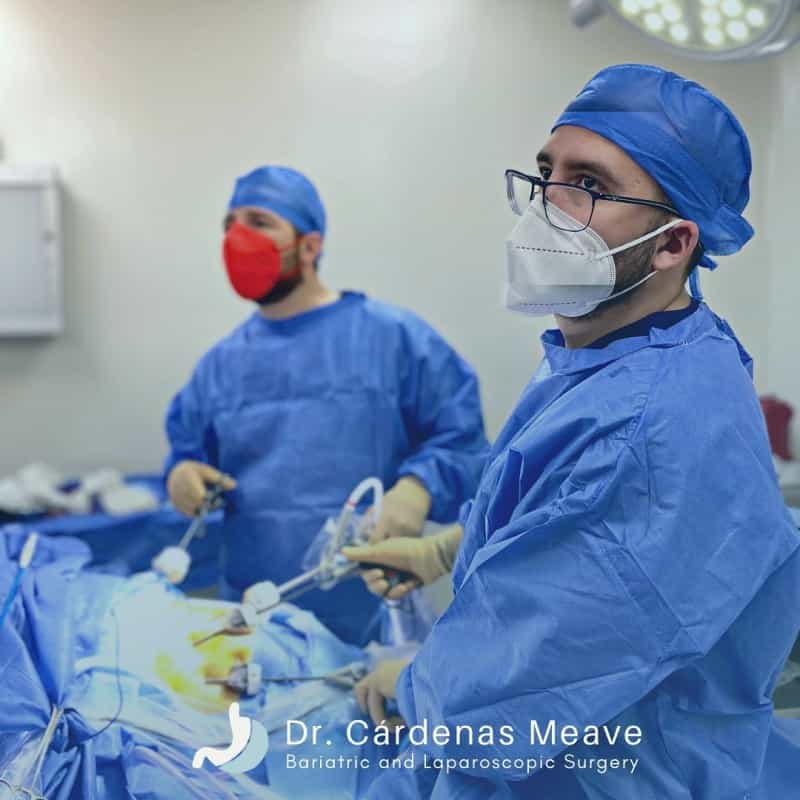



Dr. Cristobal Garza - Bariatric Surgeon in Mexico
Overview
Dr. Cristobal Garza’s clinic is one of the top 10 best bariatric surgery centers in Mexico, offering expert care to help you achieve lasting weight loss. Book now!
Read more details
Hospital Vallarta Medical Center in Puerto Vallarta, Mexico
Overview
Discover multispecialty medical care at Hospital Vallarta Medical Center in Puerto Vallarta, Mexico, with experienced specialists and modern facilities.
Read more details
Dr. Cristobal Garza | Spanish Profile
Overview
Descubre la cirugía bariátrica de primer nivel con el Dr. Cristóbal Garza en Piedras Negras, México. ¡Alcanza tus metas de pérdida de peso con atención y apoyo experto!
Read more details
Discover your treatment options with a free, no-obligation quote!
Get your quote now!
 100.00% Patient Recommend
Dr. Marco Sariñana - Bariatric Surgeon in Mexico

Overview
Dr. Marco Sariñana offers expert bariatric surgery in Mexicali, Mexico, specializing in gastric bypass, sleeve gastrectomy, lap band, SADI-S, and more.
Read more details
 100.00% Patient Recommend
Hernia Clinic Mexico and Bariatric Center
Overview
Hernia Clinic Mexico is the best clinic for Bariatric Surgery and Hernia Surgery in Merida Mexico. Book your consultation for WLS today at PlacidWay!
Read more details
Hospital CYNTAR Bariatric Surgery Center
Overview
Hospital CYNTAR is a JCI-accredited multispecialty surgical hospital in Tijuana, Mexico, located just minutes from the San DiegoU.S. border and serving international patients
Read more details 100.00% Patient Recommend
Argentina Medical Center
Overview
Argentina Medical Center in Mexicali, Mexico provides high-quality, safe, and effective bariatric surgery and plastic surgery to local and foreign patients. Whether you need a gastric bypass, gastric sleeve, breast augmentation or tummy tuck, you can find it in this clinic.
Read more detailsDiscover your treatment options with a free, no-obligation quote!
Get your quote now!
B4everFIT Weight Loss Surgery in Mexicali Mexico
Overview
Top Bariatric Surgery in Mexicali at B4everFIT. Gastric Sleeve, Gastric Bypass, Mini Gastric Bypass, Gallbladder & Hernia Surgery. Book your appointment now.
Read more details 95.45% Patient Recommend
Costamed Medical Group in Playa del Carmen Mexico
Overview
Explore advanced healthcare at Costamed Medical Group, a trusted multispecialty hospital in Playa del Carmen, Mexico for international patients.
Read more details


 100.00% Patient Recommend
Diabetes Obesity Clinic
Overview
Discover top-rated Bariatric and Metabolic Surgery in Tijuana, Mexico, at Diabetes Obesity Clinic. Transform your life today!
Read more details
Do It Bariatrics
Overview
Do It Bariatrics in Tijuana, Mexico offers top-notch obesity and weight loss surgery, including gastric sleeve, gastric bypass, and SILS procedures.
Read more details 100.00% Patient Recommend
Dr. Edgar Santos
Overview
Discover transformative weight loss at Dr. Edgar Santos' premier Bariatric Surgery Clinic in Juarez, Chihuahua, Mexico. Achieve lasting health and wellness.
Read more details 100.00% Patient Recommend
Dr. Elias Garcia
Overview
Dr. Elias Garcia provides best Bariatric Surgery in Mexicali Mexico. Book online now Gastric Sleeve, Gastric Band, and Gastric Bypass at PlacidWay.
Read more details
Dr. Federico Hernandez - Bariatric Surgery
Overview
Top weight loss surgery in Mexicali, Mexico by Dr. Federico Hernandez. Specializing in Gastric Sleeve, Gastric Balloon, and advanced bariatric procedures.
Read more details
Dr. Francisco Ortega - Bariatric Surgery
Overview
Dr. Francisco Ortega offers bariatric surgeries like gastric bypass, sleeve, and transit bipartition in Hermosillo, Mexico, helping patients achieve lasting weight loss.
Read more details 100.00% Patient Recommend
Dr. Jesus A. Armenta Jasso
Overview
DR. JESUS A. ARMENTA JASSO is located in Nuevo Laredo, Mexico and offers affordable and effective Bariatric Surgery, Endoscopic surgery, and Colonoscopy to patients worldwide.
Read more details
Dr. Juan Emerio Hernandez Gutierrez
Overview
Achieve lasting weight loss with top bariatric surgery in Zapopan, Mexico, by Dr. Juan Emerio Hernandez Gutierrez. Expert care for a healthier you.
Read more details
Dr. Manuel Aceves - Bariatric Center
Overview
Experience top-tier bariatric surgery with Dr. Manuel Acevez in Guadalajara, Mexico. Achieve your weight loss goals and transform your life with expert care.
Read more details 100.00% Patient Recommend
Dr. Marco Vargas Tames - Bariatric Surgery in Tijuana Mexico
Overview
Experience expert Bariatric Surgery in Tijuana Mexico with Dr. Marco Vargas Tames. Safe, advanced weight loss procedures for lasting health and confidence.
Read more detailsWhich are the top Gastric Plication clinics in Mexico?
Mexico offers several highly-rated Gastric Plication clinics, providing excellent care for weight loss surgery. Top choices include those located in major medical tourism hubs like Mexicali, Tijuana, Merida, and Piedras Negras. These facilities often boast experienced bariatric surgical teams, modern infrastructure, and comprehensive patient support programs designed for international visitors seeking effective and safe treatment options. Look for clinics with strong patient testimonials and clear procedural information.
When considering Gastric Plication or other bariatric procedures in Mexico, several clinics stand out due to their specialized services and patient care. Some of the leading options include:
- Dr. Cristobal Garza - Bariatric Surgeon in Mexico (Piedras Negras): Known for expert bariatric care and lasting weight loss solutions.
- Dr. Marco Sariñana - Bariatric Surgeon in Mexico (Mexicali): Specializes in various bariatric surgeries, including gastric bypass and sleeve gastrectomy.
- Hernia Clinic Mexico and Bariatric Center (Merida): A reputable center offering both bariatric and hernia surgeries.
- Hospital Velmar (Ensenada): A multispecialty hospital providing comprehensive medical care, including bariatric surgery services.
- Argentina Medical Center (Mexicali): Offers high-quality bariatric and plastic surgery options for both local and international patients.
- B4everFIT Weight Loss Surgery in Mexicali Mexico: Features gastric sleeve, gastric bypass, and mini gastric bypass procedures.
- Diabetes Obesity Clinic (Tijuana): Renowned for bariatric and metabolic surgery with a focus on comprehensive patient experience.
- Costamed Medical Group (Cancun, Playa Del Carmen, Cozumel): Provides extensive medical services, including specialized bariatric surgery.
How do I choose the right Gastric Plication clinic in Mexico?
Choosing a Gastric Plication clinic involves checking surgeon qualifications, facility accreditation, patient testimonials, and the comprehensive care package offered. Prioritize board-certified bariatric surgeons, clinics with international certifications like JCI, and transparent communication about pre- and post-operative support. Ensuring the facility has modern equipment and a dedicated team for bariatric patients is also key for a successful journey.
Selecting the ideal clinic for Gastric Plication is a critical decision. Here are key factors to consider:
- Surgeon Expertise: Look for bariatric surgeons with extensive experience specifically in Gastric Plication and other weight loss procedures. Verify their board certifications and professional affiliations, demonstrating a commitment to high standards.
- Facility Accreditation: Ensure the clinic or hospital holds recognized national or international accreditations, such as those from the Joint Commission International (JCI) or local health authorities. This indicates adherence to strict quality and safety protocols.
- Comprehensive Care Packages: A good clinic offers more than just the surgery itself. Inquire about packages that include pre-operative evaluations, nutritional counseling, psychological support, post-operative follow-ups, and even assistance with travel and accommodation.
- Technology and Equipment: Modern clinics utilize advanced laparoscopic equipment and state-of-the-art diagnostic tools, which contribute to minimally invasive procedures, greater precision, and quicker recovery times.
- Patient Testimonials and Reviews: Reading feedback from previous patients can provide valuable insights into the clinic's quality of care, staff attentiveness, and overall patient experience.
What accreditations should a Gastric Plication clinic in Mexico have?
For Gastric Plication in Mexico, clinics should ideally possess international accreditations like Joint Commission International (JCI) or national certifications from bodies such as the Mexican Council of General Surgery. These accreditations signify adherence to global safety standards, quality patient care, and continuous improvement in medical practices. They provide an objective measure of a facility's commitment to excellence and patient safety.
Accreditations are vital indicators of a medical facility's commitment to quality and safety. For Gastric Plication clinics in Mexico, look for these key accreditations:
- Joint Commission International (JCI): This is a globally recognized accreditation that ensures a facility meets rigorous international healthcare standards for patient safety and quality of care.
- Mexican Council of General Surgery (CMCG): For surgeons, certification from the CMCG is crucial, indicating they have met national standards for surgical expertise and ethics, particularly in bariatric and metabolic surgery.
- Mexican Association of Endoscopic Surgery (AMCE): Membership in this association can indicate a surgeon's proficiency in minimally invasive techniques, which are commonly used in Gastric Plication.
- American Society for Metabolic and Bariatric Surgery (ASMBS) affiliations: While primarily a U.S.-based organization, some Mexican clinics or surgeons may have affiliations or memberships, demonstrating their alignment with recognized international best practices in bariatric care.
- Local Health Ministry Licensing: Ensure the clinic is properly licensed by the Mexican Ministry of Health (Secretaría de Salud) to operate and perform complex surgical procedures.
What types of patient support services are offered by Gastric Plication clinics in Mexico?
Mexican Gastric Plication clinics typically offer extensive patient support services, including pre-operative consultations, nutritional guidance, psychological evaluations, and dedicated post-operative follow-up programs. Many also provide international patient coordination, assisting with travel logistics, airport transfers, accommodation, and translation services to ensure a smooth and comfortable experience for those traveling from abroad.
To ensure a successful and comfortable weight loss journey, Gastric Plication clinics in Mexico provide a range of supportive services:
- Pre-operative Support: This often includes detailed medical evaluations, consultations with bariatric surgeons, anesthesiologists, nutritionists, and psychologists to prepare patients physically and mentally for the surgery.
- Nutritional Counseling: Registered dietitians provide personalized meal plans and education before and after surgery, crucial for adapting to new eating habits and ensuring proper nutrient intake.
- Psychological Support: Many clinics offer access to psychologists or counselors to address emotional factors related to obesity and support patients through the lifestyle changes associated with bariatric surgery.
- Post-operative Follow-up: This includes scheduled check-ups, monitoring progress, and addressing any concerns during the recovery period, which can extend for several months or even years.
- International Patient Coordination: For medical tourists, clinics often have dedicated coordinators who assist with travel arrangements, airport pickup, local transportation, hotel bookings, and language translation to make the process seamless.
- Support Groups: Some clinics facilitate patient support groups, allowing individuals to share experiences and receive encouragement from others undergoing similar weight loss transformations.
What is the typical recovery process after Gastric Plication at a Mexican clinic?
The typical recovery process after Gastric Plication at a Mexican clinic involves a short hospital stay (1-3 days), followed by a gradual return to activities. Patients adhere to a liquid diet transitioning to soft foods, then solids, over several weeks. Most individuals can resume light daily activities within a week and return to work within 2-4 weeks, depending on the nature of their job and individual healing.
Recovering from Gastric Plication requires patience and adherence to medical advice. Here's a general overview:
- Immediate Post-Op (Hospital Stay): Patients typically remain in the clinic for 1 to 3 days. During this time, pain management is closely monitored, and patients begin a clear liquid diet. Medical staff will guide early mobilization, such as short walks, to prevent complications.
-
First Few Weeks (At Home/Recovery Lodging):
- Dietary Progression: The diet gradually progresses from clear liquids to full liquids (protein shakes, thin soups), then to pureed foods, soft foods, and eventually regular solid foods, usually over 4-6 weeks. Strict adherence is vital for healing and avoiding complications.
- Activity: Light activities like walking are encouraged. Strenuous exercise, heavy lifting, and prolonged standing or sitting should be avoided for several weeks to allow the surgical sites to heal.
- Medication and Supplements: Patients will receive prescriptions for pain relief, anti-nausea, and stomach protection. Lifelong vitamin and mineral supplementation is typically required to prevent deficiencies.
- Long-Term Recovery: Full recovery involves consistent lifestyle changes, including diet, exercise, and regular follow-up appointments with the bariatric team (surgeon, nutritionist, psychologist). Weight loss is gradual and varies for each individual. Most patients can resume normal activities and exercise routines within 6-8 weeks, with their doctor's approval.
What are the expected outcomes of Gastric Plication performed in Mexico?
Patients undergoing Gastric Plication in Mexico can expect significant weight loss, often losing 40-70% of their excess body weight within 1-2 years. Beyond weight reduction, many experience improvement or resolution of obesity-related health conditions like Type 2 diabetes, high blood pressure, and sleep apnea. The procedure typically leads to enhanced quality of life, increased mobility, and improved self-esteem with proper lifestyle adherence.
Gastric Plication aims to provide substantial and sustainable weight loss, along with numerous health benefits:
- Significant Weight Loss: On average, patients can expect to lose 40% to 70% of their excess body weight within the first one to two years post-surgery. This weight loss is primarily due to reduced stomach capacity and changes in hunger-regulating hormones.
-
Resolution or Improvement of Comorbidities:
- Type 2 Diabetes: Many patients experience significant improvement or even complete remission of Type 2 diabetes, often reducing or eliminating the need for medication.
- High Blood Pressure: Blood pressure levels often decrease, leading to reduced reliance on antihypertensive medications.
- Sleep Apnea: Symptoms of obstructive sleep apnea typically improve or resolve as weight decreases.
- Joint Pain: Reduced stress on joints often alleviates chronic pain, particularly in the knees and hips.
- Enhanced Quality of Life: Patients often report increased energy levels, improved mobility, and a greater ability to participate in physical activities. This leads to a significant boost in overall well-being and self-confidence.
- Sustainable Results: While initial weight loss is rapid, long-term success hinges on consistent adherence to dietary guidelines, regular physical activity, and ongoing medical follow-ups.
Are Gastric Plication clinics in Mexico equipped with modern technology?
Many Gastric Plication clinics in Mexico are equipped with state-of-the-art technology, including advanced laparoscopic systems and 3D imaging capabilities. This modern equipment facilitates minimally invasive procedures, offering patients smaller incisions, reduced pain, shorter hospital stays, and faster recovery. These clinics frequently invest in the latest medical advancements to provide high-quality, safe, and effective bariatric surgical options.
Mexican clinics specializing in Gastric Plication have increasingly adopted modern medical technologies to enhance surgical outcomes and patient experience:
- Advanced Laparoscopic Systems: Gastric Plication is primarily performed using laparoscopic (minimally invasive) techniques. Clinics utilize high-definition cameras, specialized surgical instruments, and monitors that allow surgeons to perform the procedure through small incisions, reducing trauma and scarring.
- 3D Imaging and Navigation: Some advanced centers incorporate 3D imaging technology to provide surgeons with a more detailed and spatial view of the surgical field, aiding in precision and safety during the complex folding and suturing of the stomach.
- State-of-the-Art Anesthesia Monitoring: Modern clinics employ advanced anesthesia equipment and continuous monitoring systems to ensure patient safety throughout the procedure, tracking vital signs and adjusting anesthesia levels as needed.
- Energy Devices: Surgeons often use advanced energy-based devices for tissue dissection and sealing, minimizing blood loss and improving surgical efficiency.
- Telemedicine and Remote Monitoring: For international patients, some clinics leverage telemedicine platforms for pre-operative consultations and post-operative follow-ups, facilitating ongoing care and support regardless of geographical distance.
What kind of dietary changes are involved before Gastric Plication in Mexico?
Before Gastric Plication in Mexico, patients undertake a strict pre-operative diet, typically low in carbohydrates and fats, and high in protein. This dietary regimen, guided by a nutritionist, aims to shrink the liver, reduce abdominal fat, and minimize surgical risks. Following this diet is crucial for a safer procedure and to prepare the body for the significant post-operative nutritional changes required for long-term success.
The pre-operative diet is a foundational component of Gastric Plication preparation, designed to optimize surgical safety and outcomes:
- Liver Shrinkage Diet: The primary goal is to reduce the size of the liver, which often becomes enlarged in individuals with obesity. A smaller liver makes the surgical field more accessible, reducing risks and complications during the procedure. This diet is typically low in calories, carbohydrates, and fats, while being high in protein.
- Duration: This specialized diet usually lasts for 2 to 4 weeks leading up to the surgery, depending on the individual's current weight and medical history.
-
Typical Components:
- High Protein: Emphasis on lean protein sources like chicken, fish, eggs, and protein shakes to maintain muscle mass and promote healing.
- Low Carbohydrate: Restriction of sugars, starches, and processed foods.
- Low Fat: Limiting unhealthy fats to reduce overall caloric intake.
- Increased Fluid Intake: Encouraging plenty of water to stay hydrated and support bodily functions.
-
Benefits:
- Reduces surgical time and complexity.
- Minimizes the risk of complications such as bleeding and infection.
- Begins the process of lifestyle modification, mentally preparing patients for post-surgery dietary changes.
How do Gastric Plication clinics in Mexico address post-operative pain management?
Mexican Gastric Plication clinics prioritize effective post-operative pain management through a tailored approach that may include intravenous medications, oral pain relievers, and sometimes nerve blocks. Patients receive a personalized pain control plan designed to minimize discomfort, facilitate early mobilization, and support a smoother recovery. The medical team continuously monitors pain levels to adjust medication as needed, ensuring comfort throughout the hospital stay.
Effective pain management is crucial for a comfortable and speedy recovery after Gastric Plication. Clinics in Mexico employ various strategies:
- Multimodal Analgesia: This approach combines different types of pain relievers, such as opioids, non-steroidal anti-inflammatory drugs (NSAIDs), and local anesthetics, to target various pain pathways and reduce overall discomfort.
- Intravenous (IV) Medications: Immediately after surgery, patients typically receive IV pain medication, which provides rapid relief and can be easily adjusted by the medical staff.
- Patient-Controlled Analgesia (PCA): In some cases, patients may be given a PCA pump, allowing them to self-administer small, controlled doses of pain medication as needed, providing a sense of control over their pain.
- Oral Pain Relievers: As patients transition away from IV medications, they are typically prescribed oral pain relievers for continued management, often including both prescription and over-the-counter options.
- Nerve Blocks: For some laparoscopic procedures, regional nerve blocks may be used to numb the surgical area, providing long-lasting pain relief without the systemic side effects of oral or IV medications.
- Continuous Monitoring: The nursing staff regularly assesses pain levels and adjusts the pain management plan to ensure optimal comfort while minimizing side effects like nausea or excessive sedation.
What are the long-term follow-up recommendations after Gastric Plication in Mexico?
Long-term follow-up after Gastric Plication in Mexico typically involves scheduled visits with the bariatric team at 3, 6, and 12 months post-surgery, then annually. These appointments monitor weight loss, nutritional status, vitamin levels, and overall health to ensure sustained progress and address any potential complications. Regular virtual consultations can also be arranged for international patients, offering continued support and guidance.
Long-term follow-up is essential for maximizing the success of Gastric Plication and maintaining optimal health:
-
Regular Medical Appointments:
- First Year: Typically, follow-up visits are scheduled at 3, 6, and 12 months after surgery. These appointments allow the surgical team to monitor weight loss progress, assess nutritional status, and address any immediate concerns.
- Beyond One Year: Annual check-ups are generally recommended for life. These visits are crucial for long-term health monitoring, identifying potential deficiencies, and preventing weight regain.
- Nutritional Monitoring: Ongoing consultations with a dietitian help patients adjust their diet as their body changes, ensuring adequate intake of protein, vitamins, and minerals. Blood tests will regularly check for deficiencies in iron, B12, calcium, and Vitamin D.
- Psychological Support: Addressing the emotional and behavioral aspects of weight loss is a continuous process. Some patients benefit from ongoing psychological counseling or support groups to navigate body image changes, emotional eating, and new coping mechanisms.
- Exercise Guidance: As patients lose weight, their ability and capacity for physical activity improve. Ongoing guidance from fitness professionals can help establish and maintain an effective exercise routine.
- Virtual Follow-ups: For international patients, many Mexican clinics offer telehealth options, allowing for virtual consultations with their bariatric team, making long-term care more accessible and convenient.
What lifestyle changes are necessary after Gastric Plication in Mexico?
After Gastric Plication in Mexico, necessary lifestyle changes include adhering to a strict modified diet, incorporating regular physical activity, and committing to lifelong vitamin and mineral supplementation. Patients must also learn to eat slowly, chew thoroughly, and avoid drinking during meals to prevent discomfort and maximize nutrient absorption. These changes are vital for successful weight loss and overall health improvement.
Gastric Plication is a powerful tool, but its success fundamentally relies on a commitment to significant, lifelong lifestyle changes:
-
Dietary Adjustments:
- Portion Control: Due to the reduced stomach size, patients must eat much smaller portions.
- Mindful Eating: Eating slowly, chewing food thoroughly, and paying attention to satiety cues are crucial to avoid discomfort and maximize digestion.
- Protein First: Prioritizing lean protein intake at every meal helps preserve muscle mass and promotes fullness.
- Hydration: Drinking plenty of fluids throughout the day is important, but patients must avoid drinking 30 minutes before, during, and 30 minutes after meals to prevent stretching the stomach and displacing food.
- Nutrient-Dense Foods: Focusing on whole, unprocessed foods like vegetables, fruits, and lean proteins while avoiding high-sugar, high-fat, and processed items.
-
Regular Physical Activity:
- Gradually increasing physical activity is vital for weight loss, improving metabolism, and maintaining overall health. This includes daily walks, and eventually progressing to more intense exercise as tolerated.
-
Lifelong Supplementation:
- Due to changes in nutrient absorption and reduced food intake, daily vitamin and mineral supplements (multivitamin, B12, Vitamin D, calcium, iron) are essential to prevent deficiencies.
-
Behavioral and Emotional Health:
- Addressing emotional eating patterns, stress management, and body image concerns is critical for long-term success. Engaging in psychological counseling or support groups can be very beneficial.
What are the dietary restrictions for Gastric Plication patients in Mexico?
Gastric Plication patients in Mexico adhere to strict dietary restrictions that progress through phases: clear liquids, full liquids, pureed foods, soft foods, and eventually regular solids. They must avoid sugary drinks, high-fat foods, spicy or irritating foods, and large portions. Drinking during meals is also restricted to prevent stomach distention and ensure nutrient absorption. Lifelong vitamin supplementation is required to prevent deficiencies.
Dietary restrictions for Gastric Plication patients are carefully structured and evolve through several phases, ensuring proper healing and adaptation:
-
Phase 1: Clear Liquids (Days 1-3 Post-Op):
- Only clear liquids like water, sugar-free broths, sugar-free gelatin, and diluted juices. This allows the stomach to heal without stress.
-
Phase 2: Full Liquids (Weeks 1-2 Post-Op):
- Includes protein shakes, milk, thin cream soups, and yogurt. Focus is on high-protein, low-sugar options to promote healing and provide essential nutrients.
-
Phase 3: Pureed Foods (Weeks 3-4 Post-Op):
- Soft, mashed foods like pureed vegetables, lean ground meats (blended), and cottage cheese. Foods must be smooth, without lumps, and consumed in very small portions.
-
Phase 4: Soft Foods (Weeks 5-6 Post-Op):
- Introduction of soft, easily digestible foods like flaky fish, eggs, and cooked vegetables. Avoiding tough meats, fibrous vegetables, and bread is crucial.
-
Phase 5: Regular Solids (After Week 6):
- Gradual reintroduction of regular solid foods, with continued emphasis on lean protein, vegetables, and whole grains. Patients must eat very slowly, chew thoroughly, and stop at the first sign of fullness.
- Sugary Drinks & High-Fat Foods: These are generally restricted or advised against to prevent dumping syndrome and minimize caloric intake.
- Carbonated Beverages: Avoided due to potential for gas and stomach distention.
- Alcohol: Generally avoided due to altered absorption and potential for high calories.
- Drinking with Meals: Patients are advised not to drink 30 minutes before, during, and 30 minutes after meals to prevent discomfort and maximize food intake space.
- Caffeine: Often limited initially to prevent irritation.
What types of support groups are available for Gastric Plication patients in Mexico?
Gastric Plication clinics in Mexico often facilitate various support groups for patients, including in-person meetings, online forums, and virtual communities. These groups provide a crucial platform for patients to share experiences, exchange tips, and offer emotional encouragement throughout their weight loss journey. Support can be especially beneficial for international patients, fostering a sense of community and shared understanding regardless of geographical distance.
Support groups play a vital role in the long-term success of Gastric Plication, providing a network of understanding and encouragement:
- Clinic-Sponsored Groups: Many bariatric clinics in Mexico organize their own support groups, often led by a psychologist or nutritionist from their team. These groups can meet in-person or virtually, catering to both local and international patients.
- Online Forums and Social Media Communities: For patients traveling from abroad, online forums and private social media groups dedicated to bariatric surgery in Mexico are invaluable. These communities allow patients to connect with others who have undergone procedures at the same clinics or in the same region, sharing experiences and practical advice.
- Peer-to-Peer Support: Within these groups, patients can find mentors or 'buddies' who are further along in their weight loss journey, offering motivation and practical insights. This peer support is often cited as a key factor in sustained success.
- Educational Workshops: Some support groups integrate educational workshops focusing on topics like healthy meal preparation, exercise routines, managing emotional eating, and navigating social situations post-surgery.
- Language-Specific Groups: Recognizing the diverse patient base, some clinics or online communities may offer support groups in different languages, ensuring effective communication and a more inclusive environment for non-Spanish speakers.
How PlacidWay helps individuals access Gastric Plication in Mexico?
PlacidWay simplifies the process of finding and accessing Gastric Plication in Mexico by providing detailed, up-to-date information on available clinics, procedures, and expected outcomes. We help users compare various treatment options in different facilities, ensuring they find affordable solutions without compromising on quality. PlacidWay assists individuals in identifying trusted, accredited clinics and experienced medical professionals specializing in Gastric Plication across Mexico. We offer one-on-one consultations to understand specific needs, helping users make informed decisions tailored to their unique health goals. Furthermore, PlacidWay ensures continued support after treatment, including coordinating follow-up care and recovery assistance, for a seamless and successful medical journey. Ready to get Gastric Plication in Mexico? Contact us today for a personalized consultation.Unlock the Best Obesity Bariatric Surgery Packages Just for You
Discover the ultimate Obesity Bariatric Surgery packages designed to meet your health and wellness goals. Choose the perfect fit for your journey.

Price starting from $6,000
Bariatric Surgery Package in Mexicali, Mexico by Dr. Marco Sariñana
Dr. Marco Sariñana - Bariatric Surgeon in Mexico
- Obesity/Bariatric Surgery
Mexicali, Mexico

Price starting from $4,500
Gastric Sleeve Plication in Cancun
PlacidWay Mexico Medical Tourism
- Obesity/Bariatric Surgery
Tijuana,Mexicali, Mexico

Price starting from $5,500
Gastric Sleeve Surgery Package in Puerto Vallarta, Mexico by VMC Hospital
Hospital Vallarta Medical Center in Puerto Vallarta, Mexico
- Obesity/Bariatric Surgery
Puerto Vallarta, Mexico

Price starting from $7,500
Gastric Sleeve Package in Tijuana, Mexico by Hospital CYNTAR
Hospital CYNTAR in Tijuana, Mexico
- Obesity/Bariatric Surgery
Tijuana, Mexico
Transformative Obesity Bariatric Surgery Experiences: Dive into Procedure Insights
Discover the power of Obesity Bariatric Surgery through compelling patient experiences. Uncover detailed insights into procedures, recovery journeys, and life-changing results.
.jpg)
Price starting from $7,000
Gastric Bypass in Merida Mexico
- Gastric Bypass, Obesity/Bariatric Surgery
Merida, Mexico
.png)
.png)
Price starting from $3,800
Weight Loss Surgery in Mexicali, Mexico
- Obesity/Bariatric Surgery
Mexicali, Mexico
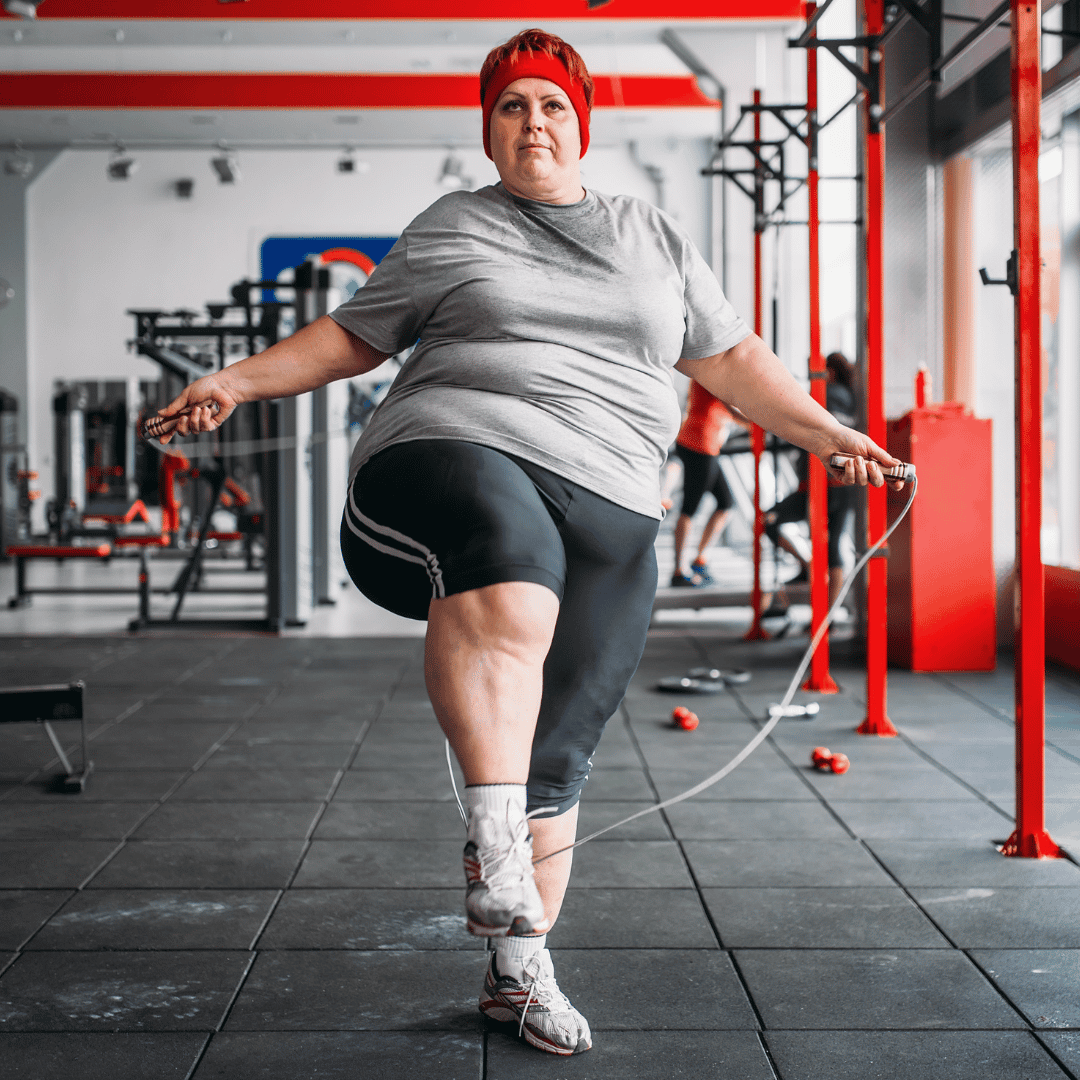
Weight Loss Surgery in Nuevo Laredo, Mexico – See How It Works!
- Obesity/Bariatric Surgery
Nuevo Laredo, Mexico
Explore Obesity Bariatric Surgery: Stories, Testimonials, and Procedures
Watch in-depth videos covering everything from Obesity Bariatric Surgery success stories to detailed procedure explanations. Learn what to expect and hear from real patients.

Why Tijuana Has Emerged as a Premier Destination for Bariatric Surgery?
Obesity Bariatric Surgery
PlacidWay Mexico Medical Tourism
Mexico

Traveling Alone for Bariatric Surgery in Tijuana, Mexico: Crystal's Story
Obesity Bariatric Surgery
Hospital CYNTAR in Tijuana, Mexico
Mexico

Going Beyond Medical Tourism: How PlacidWay's Cutting-Edge Technology is Transforming Healthcare Marketing and CRM for Clinics Globally
Obesity Bariatric Surgery
PlacidWay Medical Tourism
Mexico

PlacidWay: Your All-in-One Solution for Patient Acquisition in Medical Tourism
Obesity Bariatric Surgery
PlacidWay Medical Tourism
Mexico
Learn More with These Obesity Bariatric Surgery Articles
Take a look at these interesting articles, stories and research that will help you learn more about Obesity Bariatric Surgery.
.jpg)
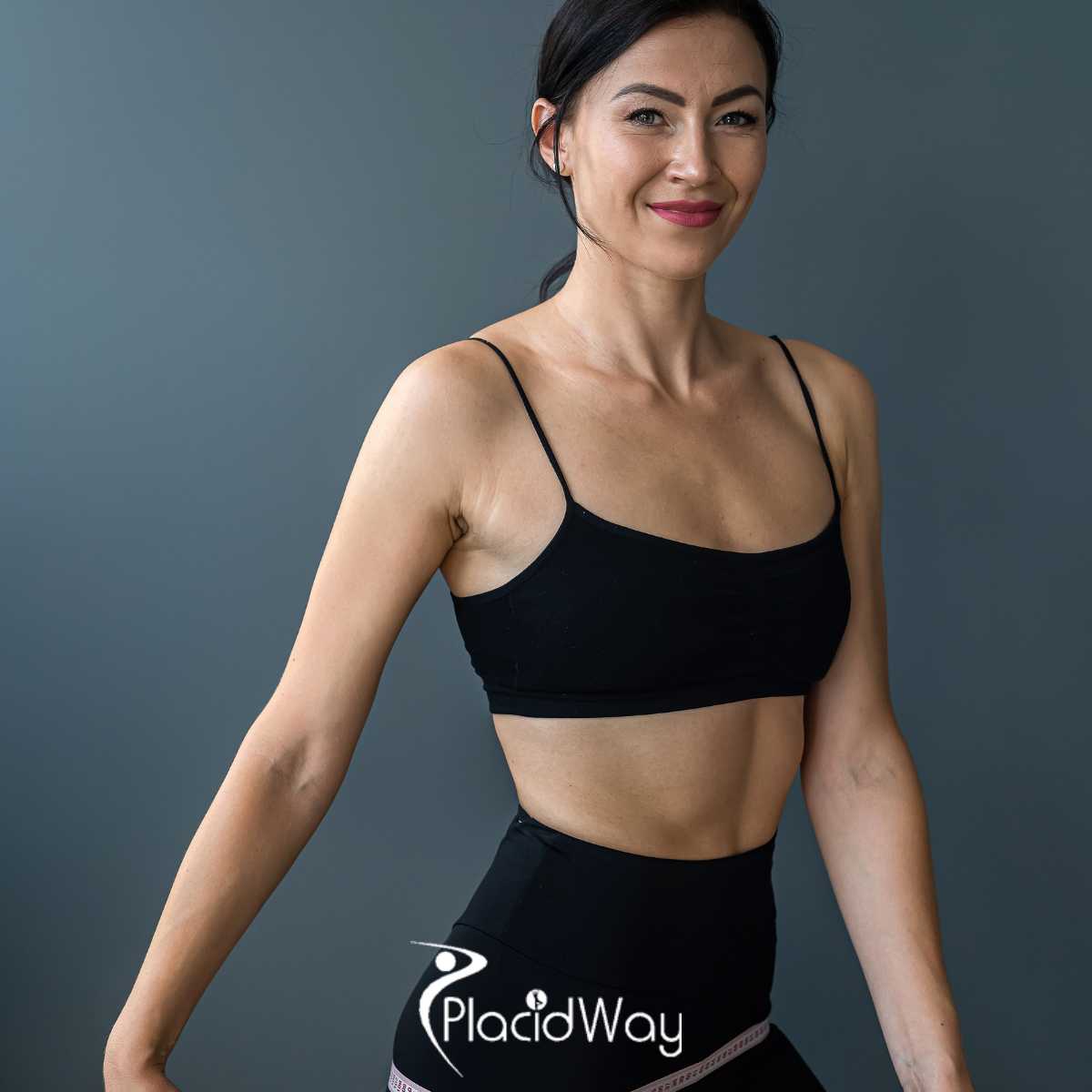
Is Gastric Plication in Mexico Right for You? A Guide to Safety, Cost, and Treatment Options
PlacidWay Mexico Medical Tourism
- Obesity/Bariatric Surgery
Mexico
.jpg)
Is Gastric Plication in Tijuana, Mexico Right for You? A Guide to Costs, Safety, and Qualifications
PlacidWay Mexico Medical Tourism
- Obesity/Bariatric Surgery
Mexico

Obesity Continues to Rise: Alarming Statistics Promote Change
Obesity Bariatric Surgery by Dr. Jorge Maytorena
- Obesity/Bariatric Surgery
Mexico
Obesity Bariatric Surgery Solutions Near You: Explore Top Medical Centers
Discover how Obesity Bariatric Surgery is transforming lives at leading medical centers in , Mexico. Dive into center profile, specialties, doctors, reviews, etc. and explore the best options tailored to your needs in this region.
Dr. Marco Sariñana - Bariatric Surgeon in Mexico
Mexicali, Mexico
Hospital CYNTAR in Tijuana, Mexico
Tijuana, Mexico

Hospital Vallarta Medical Center in Puerto Vallarta, Mexico
Puerto Vallarta, Mexico
Dr. Cristobal Garza | Spanish Profile
Piedras Negras, Mexico








Excellent care from Dr. Sariñana and his team. But I'm happy with the results three months after surgery. 100% recommended. I'm the orange girl.
Read More