
What treatment


22+ Best Clinics for IVF with Embryo Donation and Gender Selection in Mexico
Trusted Medical Tourism Platform Since 2007
What are the best fertility treatment clinics in Mexico?
The 8 best fertility treatment clinics in Mexico are: ViaFERT (Culiacan), Centro de Fertilidad del Prado (Tijuana), Dr. Javier Piri Sarmiento (Tijuana), Eligen Fertility Center (Gustavo A. Madero), Fertility Beyond Borders (Cancun), The Fertility Center Mexico (Tijuana), FertilyLife (Cancun), and Medica Fertil (Queretaro).
These COFEPRIS-certified clinics utilize advanced PGT-A laboratory technology to offer specialized treatments including IVF, ICSI, egg and embryo donation, surrogacy, and accurate gender selection. Treatment packages range from $4,000 to $10,400 USD, providing a significant cost advantage for international patients seeking highly regulated, advanced reproductive care and family balancing.

 100.00% Patient Recommend
Centro de Fertilidad del Prado


Overview
Del Prado Fertility Center, recognized as one of the best fertility clinics in Tijuana, Mexico, provides advanced fertility treatments, personalized care, and address reproductive challenges.
Read more details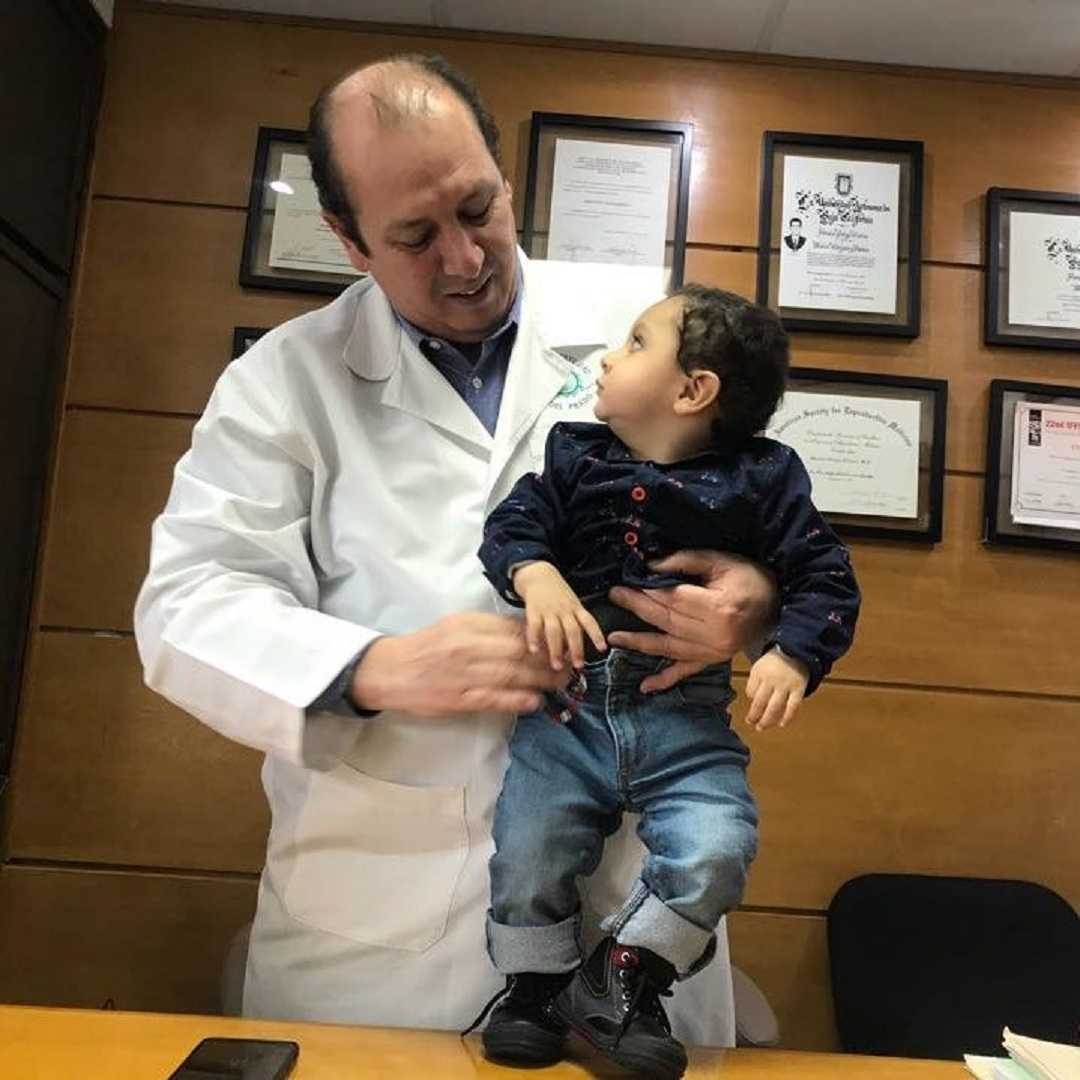

 100.00% Patient Recommend
Dr. Javier Piri Sarmiento - IVF Specialist in Tijuana Mexico

Overview
Dr. Javier Piri, fertility and reproductive medicine expert in Tijuana. Personalized IVF treatments to help you start your family.
Read more details


Eligen Fertility Center
Overview
Eligen Fertility Center in Gustavo Adolfo Madero, Mexico offers surrogacy, IVF, ICSI, semen freezing, IUI, and ovulation induction services.
Read more details
 100.00% Patient Recommend
Fertility Beyond Borders - Dr. Felix Atondo
Overview
Discover leading IVF clinic in Tijuana, Mexico. Fertility Beyond Borders offers expert fertility solutions for your journey. Book now at PlacidWay!
Read more details
Discover your treatment options with a free, no-obligation quote!
Get your quote now! 81.82% Patient Recommend
IREGA Cancun (Institute of Reproduction, Gynecology and Genetics)
Overview
Choose IREGA in Cancun, Mexico, for IVF, fertility treatments, egg donation, genetic testing, and personalized reproductive care.
Read more details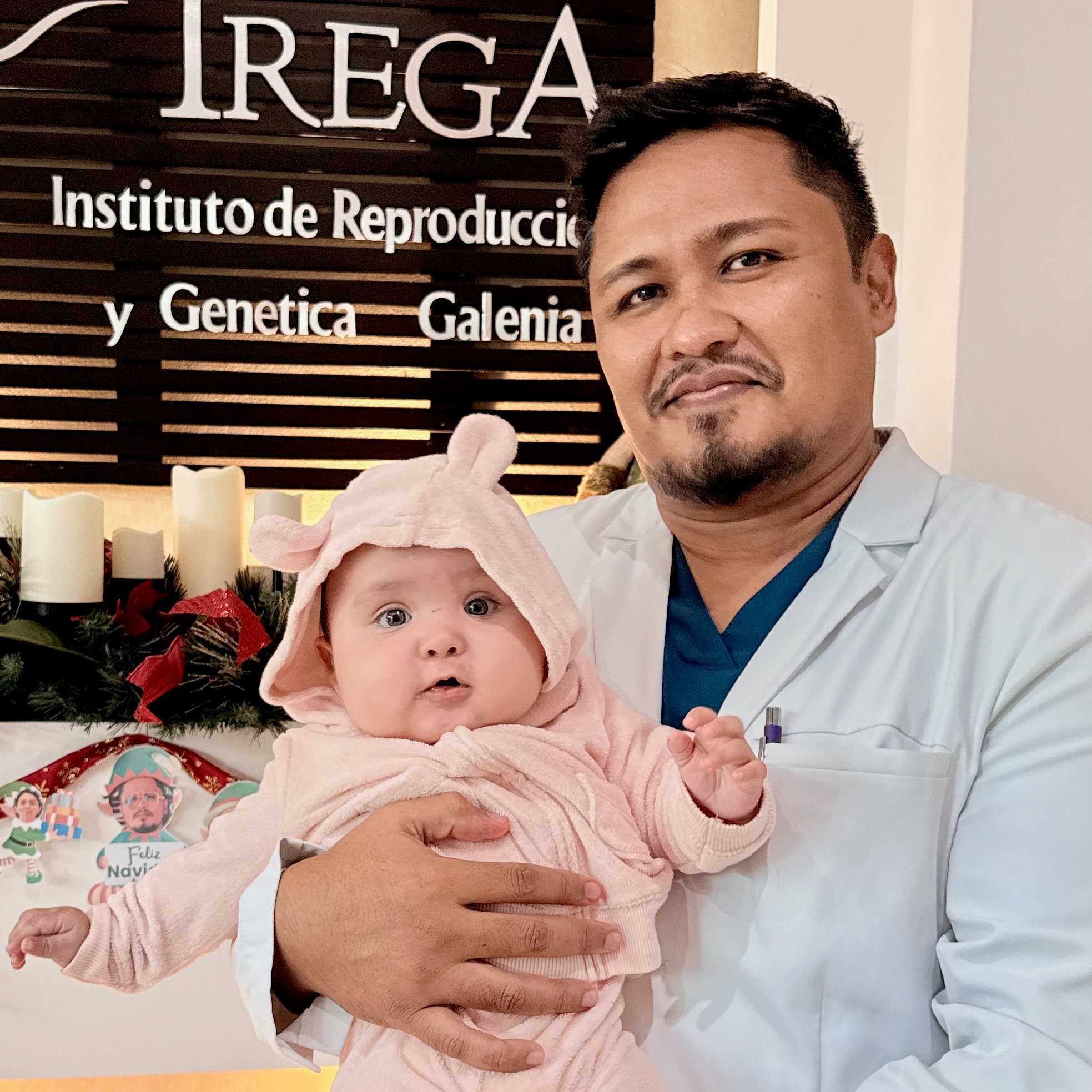


IVF Clinic in Mexico ViaFERT Culiacan
Overview
ViaFERT is one of the best fertility clinics in Mexico, located in Culiacan. Expert IVF, ICSI, IUI, egg donation, and genetic testing. Book your consultation today.
Read more details



The Fertility Center Mexico
Overview
The Fertility Center Mexico is a top IVF clinic in Tijuana, Mexico, offering advanced fertility treatments for your parenthood journey.
Read more details

Eligen Fertility Center | Spanish Profile
Overview
Eligen Fertility Center en Gustavo Adolfo Madero, Mexico ofrece servicios de gestacion subrogada, FIV, ICSI, congelacion de semen, IUI e induccion de ovulacion.
Read more detailsDiscover your treatment options with a free, no-obligation quote!
Get your quote now!
FertilyLife
Overview
Discover FertilyLife, the premier IVF Treatment Center in Cancun, Mexico. Offering surrogacy, egg donation, ICSI, embryo cryopreservation and more.
Read more details 66.67% Patient Recommend
Medica Fertil
Overview
Medica Fertil provides best IVF Treatment in Queretaro, Mexico. Book online now IVF with Gender Selection, In Vitro Fertilization, and Intrauterine insemination at Medica Fertil.
Read more details



Baja Fertility Services - IVF Clinic Tijuana Mexico
Overview
Discover Baja Fertility Services, a leading IVF clinic in Tijuana, Mexico, offering advanced fertility treatments and personalized patient care.
Read more details 100.00% Patient Recommend
Consultorio Privado
Overview
Consultorio Privado in Merida, Mexico provides expert women's care, fertility solutions, comprehensive obstetrics, and advanced gynecological treatments.
Read more details 100.00% Patient Recommend
DR CIGUENA FERTILITY CENTER
Overview
DR CIGÜEÑA FERTILITY CENTER in Mexicali, Mexico specializes in Infertility and Reproductive Medicine and offers the best-assisted reproduction treatments for those who wish to conceive and had difficulty achieving it.
Read more details 100.00% Patient Recommend
Fertilidad Integral
Overview
Discover Mexico City's leading IVF fertility clinic. Fertilidad Integral offers premier treatment with compassion and expertise. Book your consultation today!
Read more details
Hestia Fertility
Overview
Discover expert fertility care at Hestia Fertility in Juarez, Mexico. Personalized treatments, advanced labs, and compassionate support await you.
Read more details 80.00% Patient Recommend
Inovavita Fertility Clinic
Overview
Inovavita Fertility Clinic in Mexico City, Mexico, offers Reproductive Medicine services in Women's Health and Fertility treatments, which range from Gynecology to Reproductive and Genetic Medicine.
Read more details
IREGA Acapulco
Overview
IREGA IVF Acapulco is a leading clinic in Mexico offering reproductive health and infertility treatment solutions for local and international patients. Their key treatment procedures include IVF, artificial Insemination, PGD, ICSI, Assisted Hatching, Egg Donation, Sex Selection and more.
Read more details
IVF Clinic in Mexico ViaFERT Mazatlan
Overview
ViaFERT is a leading IVF clinic in Mazatlan, Mexico, offering advanced fertility treatments like IVF, ICSI, egg donation, and surrogacy to help build families.
Read more details 100.00% Patient Recommend
Nucleo V
Overview
Núcleo V clinic in Ciudad Juarez, Mexico, provides high-quality gynecology treatment and stem cell therapy at affordable prices to patients around the world.
Read more details 100.00% Patient Recommend
PROVIDA
Overview
Renowned for offering some of the less expensive IVF options, the clinic provides top-tier fertility treatments and regenerative medicine. With more than 20 years of expierence.
Read more detailsWhich are the top IVF with Embryo Donation and Gender Selection clinics in Mexico?
Mexico boasts several highly-regarded fertility clinics specializing in IVF with embryo donation and gender selection, attracting international patients seeking advanced reproductive solutions. Among the top-listed options are ViaFERT (Culiacan and Mazatlan), Centro de Fertilidad del Prado (Tijuana), Eligen Fertility Center (Gustavo A. Madero), and Fertility Beyond Borders - Dr. Felix Atondo (Tijuana, Guadalajara, Cancun). These clinics are recognized for their expertise in assisted reproductive technology and comprehensive patient care.
When considering fertility treatment in Mexico, particularly for advanced procedures like IVF with embryo donation and gender selection, discerning patients often seek clinics with proven track records and specialized services. The leading clinics listed above distinguish themselves through a combination of cutting-edge technology, experienced medical teams, and patient-centric approaches.
- ViaFERT (Culiacan and Mazatlan): Known for its comprehensive IVF programs, including egg donation and genetic testing. Their multi-city presence offers accessibility and consistent quality of care.
- Centro de Fertilidad del Prado (Tijuana): This center is recognized for its advanced fertility treatments and personalized care, addressing a wide range of reproductive challenges. They emphasize a tailored approach to each patient's journey.
- Eligen Fertility Center (Gustavo A. Madero): Offers a broad spectrum of services, including surrogacy, IVF, and genetic screening options crucial for gender selection. They focus on providing modern fertility solutions.
- Fertility Beyond Borders - Dr. Felix Atondo (Tijuana, Guadalajara, Cancun): Operates across multiple locations, providing expert fertility solutions with a strong emphasis on international patient needs and seamless treatment experiences.
These clinics are often chosen by individuals and couples from abroad for their favorable legal environment for gender selection, highly skilled specialists, and state-of-the-art laboratory facilities, ensuring high success rates for complex fertility cases. Researching specific clinic specializations and patient testimonials can help you align with the best fit for your unique family-building goals.
What should I prioritize when choosing an IVF clinic in Mexico for embryo donation and gender selection?
When selecting an IVF clinic in Mexico for embryo donation and gender selection, prioritize robust donor screening protocols, advanced PGT-A technology, and transparent success rates for live births. Also, look for comprehensive patient support, including bilingual coordinators and clear communication channels, as well as official accreditations like COFEPRIS to ensure safety and quality care throughout your reproductive journey.
Choosing the right fertility clinic is a critical decision, especially when complex procedures like embryo donation and gender selection are involved. To make an informed choice, consider these essential factors:
- Accreditation and Regulatory Compliance: Ensure the clinic is licensed and regulated by Mexico's federal health authority, COFEPRIS. This guarantees adherence to national healthcare standards. Look for additional international certifications, if available, which can indicate a commitment to global best practices.
- Laboratory Expertise and Technology: The quality of the embryology lab directly impacts success. Verify that the clinic uses state-of-the-art equipment and advanced techniques like PGT-A (Preimplantation Genetic Testing for Aneuploidies) for accurate gender selection and chromosomal screening. Inquire about the experience and qualifications of their embryologists.
- Embryo Donor Program Rigor: Investigate the clinic's screening process for embryo donors. A reputable program should include comprehensive medical, genetic, infectious disease, and psychological evaluations to ensure donor safety and embryo quality. Understand what non-identifying information about donors will be provided to you.
- Success Rates Transparency: Request specific success rates for embryo donation cycles, focusing on live birth rates per transfer, which is the most meaningful statistic. Be cautious of clinics that only provide generalized IVF success rates or unclear data.
- International Patient Support: For those traveling from abroad, dedicated support services are crucial. Look for clinics offering bilingual patient coordinators, assistance with travel logistics, and established protocols for remote monitoring and follow-up care. Clear and empathetic communication is paramount.
How do Mexican fertility clinics ensure embryo quality for donation and gender selection?
Mexican fertility clinics ensure embryo quality through stringent donor screening, advanced laboratory techniques, and comprehensive genetic testing. Donors undergo thorough medical, genetic, and psychological evaluations. Embryos are cultured in state-of-the-art labs and often undergo Preimplantation Genetic Testing for Aneuploidy (PGT-A) to confirm chromosomal normalcy and viability before gender selection and transfer, maximizing success rates.
The success of IVF with embryo donation and gender selection largely hinges on the quality of the embryos. Clinics in Mexico employ a multi-faceted approach to maintain and verify embryo quality:
- Rigorous Donor Selection:
- Medical Evaluation: Donors undergo extensive physical exams, medical history reviews, and screening for chronic illnesses.
- Genetic Screening: Comprehensive genetic carrier screening is performed to rule out inheritable conditions, often including tests for hundreds of genetic disorders.
- Infectious Disease Testing: Donors are thoroughly tested for infectious diseases such as HIV, Hepatitis B and C, and sexually transmitted infections (STIs) to ensure safety.
- Psychological Assessment: Mental health professionals evaluate donors to ensure they are psychologically stable and fully understand the implications of donation.
- Advanced Embryology Laboratory Practices:
- Optimal Culture Conditions: Embryos are cultured in highly controlled environments with precise temperature, humidity, and gas levels to support optimal development.
- Time-Lapse Embryo Monitoring: Many modern clinics use advanced incubators with time-lapse imaging, allowing embryologists to continuously monitor embryo development without disturbing their environment, helping select the healthiest embryos.
- Blastocyst Stage Transfer: Embryos are typically cultured to the blastocyst stage (Day 5 or 6), as these embryos are more robust and have a higher implantation potential.
- Preimplantation Genetic Testing for Aneuploidy (PGT-A):
- Chromosomal Screening: PGT-A is performed on a small biopsy from the embryo's outer cells to identify chromosomal abnormalities (aneuploidies), which are a common cause of implantation failure and miscarriage.
- Gender Identification: During PGT-A, the sex chromosomes are also analyzed, allowing for accurate gender selection for family balancing. Only chromosomally normal embryos of the desired gender are selected for transfer.
What support services are available for international patients at Mexican IVF clinics?
Mexican IVF clinics catering to international patients offer extensive support, including dedicated bilingual coordinators, assistance with travel logistics, and remote monitoring arrangements. They provide clear treatment calendars, medication guidance, and help with local accommodation and transportation. This comprehensive assistance aims to minimize stress and ensure a smooth experience for patients traveling for fertility treatments, from initial inquiry to post-procedure follow-up.
For international patients considering IVF with embryo donation and gender selection in Mexico, comprehensive support services are crucial for a stress-free journey. Leading fertility clinics in Mexico understand these unique needs and offer tailored assistance to ensure a smooth and comfortable experience.
Key support services typically include:
- Dedicated International Patient Coordinator: This is often your primary point of contact, acting as a liaison between you and the medical team. They assist with scheduling appointments, explaining treatment plans, and answering non-medical questions in your native language (e.g., English).
- Travel and Accommodation Assistance: Many clinics have partnerships with local hotels, offering discounted rates or preferred arrangements. They can also provide guidance on airport transfers, local transportation, and navigating the area, making your stay more convenient.
- Remote Monitoring and Coordination: To reduce your time away from home, clinics often facilitate remote monitoring. This means you can undergo initial tests, ultrasounds, and bloodwork with your local physician, and the results are then securely shared with your Mexican clinic.
- Medication Procurement and Guidance: Clinics provide detailed prescriptions and instructions for obtaining necessary fertility medications, sometimes assisting with sourcing them locally or guiding you on how to bring them from your home country.
- Language and Cultural Support: All key staff, including doctors, nurses, and administrative personnel, are typically fluent in English, ensuring clear communication and cultural sensitivity throughout your treatment journey.
- Post-Treatment Follow-up: Support often extends beyond the procedure itself, with clinics providing instructions for post-transfer care and coordinating with your home healthcare provider for ongoing monitoring and follow-up pregnancy tests.
What kind of ethical guidelines do Mexican fertility clinics follow for gender selection?
Mexican fertility clinics offering gender selection for family balancing typically follow ethical guidelines that prioritize patient autonomy and informed consent. While not federally prohibited for non-medical reasons, reputable clinics ensure it's performed as part of Preimplantation Genetic Testing for Aneuploidy (PGT-A), primarily screening for chromosomal health. They emphasize patient education and counseling to ensure families make well-considered decisions.
In Mexico, the legal and ethical landscape around gender selection is more permissive than in many other countries, making it a destination for family balancing. However, reputable fertility clinics operate under their own strong ethical frameworks, often aligning with international standards of reproductive medicine.
Key ethical considerations and practices include:
- Patient Autonomy and Informed Consent: Clinics prioritize ensuring that patients fully understand the nature of gender selection via PGT-A, including its purpose, accuracy, potential benefits (like screening for genetic abnormalities), and any associated risks. Detailed informed consent forms are mandatory.
- Medical Rationale (Primary): While gender selection is offered for non-medical reasons (family balancing), clinics often frame it as an additional benefit of PGT-A, where the primary medical goal is to identify and transfer chromosomally healthy embryos. This approach ensures that the procedure also contributes to higher IVF success rates and reduces the risk of miscarriage.
- Avoidance of Sex Discrimination: Ethical clinics strive to prevent gender selection from being used to promote societal biases or discrimination against either sex. Counseling is usually provided to discuss motivations and implications.
- Transparency in Practice: Reputable clinics are transparent about their PGT-A procedures, success rates, and the qualifications of their embryologists and genetic specialists. They should be open to discussing their internal ethical review processes.
- Regulatory Adherence: Clinics must comply with general health and assisted reproduction regulations set by COFEPRIS (Federal Commission for the Protection against Sanitary Risks), even if specific legislation on gender selection for non-medical reasons is not restrictive.
What type of pre-treatment testing is required for IVF with embryo donation in Mexico?
Pre-treatment testing for IVF with embryo donation in Mexico typically includes comprehensive evaluations for the recipient. This involves hormonal assessments, uterine health checks (e.g., ultrasound, hysteroscopy), and infectious disease screening. The goal is to ensure the recipient's body is optimally prepared for embryo transfer and pregnancy, minimizing potential risks and maximizing the chances of success.
Before commencing an IVF cycle with embryo donation, Mexican fertility clinics require a thorough evaluation of the intended recipient to ensure optimal health and uterine readiness. This diagnostic phase is crucial for personalized treatment planning and maximizing success rates.
Common pre-treatment tests include:
- Hormonal Profile:
- Estradiol (E2), Progesterone (P4), Luteinizing Hormone (LH), Follicle-Stimulating Hormone (FSH): These tests assess ovarian function and hormonal balance, ensuring the recipient's body can adequately prepare for embryo implantation.
- Thyroid-Stimulating Hormone (TSH) and Prolactin: These measure thyroid function and prolactin levels, which can impact fertility and pregnancy outcomes.
- Uterine Evaluation:
- Transvaginal Ultrasound: To assess the uterine lining (endometrium) thickness and check for any structural abnormalities like fibroids or polyps that could hinder implantation.
- Saline Infusion Sonography (SIS) or Hysteroscopy: May be recommended to get a more detailed view of the uterine cavity, especially if initial ultrasounds show concerns or if there's a history of implantation failure.
- Infectious Disease Screening:
- HIV 1 & 2, Hepatitis B & C, Syphilis: Required to ensure the safety of the recipient and the pregnancy, adhering to standard medical guidelines.
- Blood Group and Rh Factor: Essential for pregnancy management.
- General Health Assessment: May include a complete blood count (CBC), blood glucose levels, and other general health markers to ensure the recipient is fit for pregnancy.
- Semen Analysis (for male partner, if applicable): Even with embryo donation, a sperm analysis might be requested to assess any male factor infertility if there are no existing male children and family balancing is desired with male embryos.
Do Mexican IVF clinics offer personalized counseling for embryo donation and gender selection?
Yes, most reputable Mexican IVF clinics provide personalized counseling for embryo donation and gender selection. This crucial support helps individuals and couples explore the emotional, ethical, and psychological aspects of these specialized fertility treatments. Counseling ensures informed decision-making, addresses potential concerns, and prepares patients for the unique journey of building a family through donor embryos with specific gender preferences.
Considering embryo donation and gender selection involves significant emotional and ethical considerations beyond the medical procedures themselves. Recognizing this, leading fertility clinics in Mexico offer dedicated counseling services as an integral part of their patient care.
The scope of personalized counseling typically includes:
- Emotional and Psychological Support: Navigating infertility and the decision to use donor embryos can be emotionally challenging. Counselors provide a safe space to discuss feelings, expectations, and any grief associated with biological infertility.
- Ethical Considerations of Donation: Discussion around the ethical implications of using donated embryos, including anonymity, the donor screening process, and the potential for future contact (if permissible and desired by all parties, though typically anonymous in Mexico).
- Implications of Gender Selection: Counseling helps patients explore their motivations for gender selection (family balancing) and understand any societal or personal pressures. It ensures patients are making a choice that aligns with their long-term family values and well-being.
- Understanding the Child's Perspective: Counselors may guide parents in thinking about how and when to discuss the child's origin story with them, emphasizing openness and honesty, which is vital for the child's identity development.
- Preparing for Parenthood: Counseling can also address the unique aspects of parenting a child conceived through embryo donation, helping prospective parents feel confident and prepared for their journey.
- Decision-Making Support: The process of choosing an embryo and selecting a gender can be complex. Counselors facilitate discussions between partners, helping them align on decisions and manage any disagreements.
This specialized counseling ensures that patients are not only medically prepared but also emotionally and psychologically ready for the unique path of parenthood through embryo donation and gender selection.
How is post-treatment follow-up managed for international patients after IVF with embryo donation in Mexico?
Post-treatment follow-up for international patients after IVF with embryo donation in Mexico is meticulously coordinated by clinics to ensure continued care back home. This typically involves providing detailed medical records, clear instructions for ongoing medication, and arrangements for local monitoring (like blood tests and ultrasounds) with the patient's home doctor. Clinics maintain open communication channels for support.
Ensuring seamless care after you return home is a priority for Mexican fertility clinics that serve international patients. The post-treatment phase, particularly the crucial first few weeks of potential pregnancy, requires careful monitoring and communication.
Here’s how clinics typically manage post-treatment follow-up:
- Detailed Medical Records: Upon completion of your embryo transfer, the clinic will provide you with a comprehensive medical report. This document includes details of your treatment cycle, the embryo transfer procedure, any medications administered, and specific post-transfer instructions. This record is essential for your home healthcare provider.
- Post-Transfer Instructions and Medication Plan: You’ll receive clear, written instructions on your medication regimen, including dosages and timings for progesterone and other necessary supplements to support early pregnancy. This may include guidance on when to stop certain medications if pregnancy is not achieved.
- First Pregnancy Test Guidance: The clinic will advise you on the exact timing for your initial pregnancy test (typically a beta-hCG blood test) which is usually performed 9-12 days post-transfer. This test can be arranged with your local doctor once you are back home.
- Local Monitoring Coordination: If pregnancy is confirmed, the Mexican clinic will outline a schedule for early pregnancy monitoring, such as follow-up blood tests and ultrasounds. They can assist in coordinating these appointments with your gynecologist or fertility specialist in your home country.
- Ongoing Communication: International patient coordinators maintain open communication channels (email, secure patient portal, phone) to address any questions or concerns you may have during the two-week wait and early pregnancy.
- Emergency Protocols: Clinics will provide clear instructions on what to do and whom to contact in case of any urgent concerns or complications once you are back in your home country.
How do Mexican clinics address anonymity and donor information in embryo donation programs?
Mexican clinics typically maintain anonymity for embryo donors, acting as an intermediary to protect all parties' privacy. Recipients receive non-identifying donor information, such as physical characteristics, ethnicity, education, and medical history, to aid in selection. This practice ensures privacy while providing sufficient details for informed choices about the embryo's background within the clinic's transparent donor program.
Anonymity in embryo donation is a common practice in Mexico, designed to protect the privacy of both the donors and the recipient families. Fertility clinics handle this delicate aspect with clear protocols to ensure transparency without revealing identifying details.
Here's how Mexican clinics generally manage anonymity and donor information:
- Strict Anonymity: In most Mexican fertility clinics, embryo donation is fully anonymous. This means that neither the recipient family nor the child will know the identity of the embryo donors, and vice-versa. The clinic acts as a neutral intermediary.
- Non-Identifying Donor Profiles: While identities are withheld, recipient families receive comprehensive non-identifying information about the embryo donors. This typically includes:
- Physical Characteristics: Height, weight, hair color, eye color, skin tone.
- Ethnicity and Ancestry: General background information.
- Education and Occupation: Details about their academic and professional achievements.
- Medical and Genetic History: A thorough family medical history, including any known hereditary conditions, and results from extensive genetic screening tests performed on the donors.
- Psychological Evaluation Summary: Information regarding their psychological assessment.
- Personal Interests and Talents: Sometimes, brief descriptions of hobbies or special skills may be included.
- Matching Process: Recipient families use these detailed profiles to select embryos that best match their preferences for physical traits or background. The clinic's staff provides guidance and support during this selection process.
- Legal Framework: Mexican law supports the anonymity of gamete (egg and sperm) and embryo donors. Clinics operate within this legal framework, ensuring all procedures comply with national regulations concerning assisted reproductive technologies.
- Confidentiality and Data Security: Clinics implement robust data protection measures to safeguard all patient and donor information, ensuring confidentiality and compliance with privacy laws.
Do fertility clinics in Mexico collaborate with international genetic labs for advanced screening?
Yes, many leading fertility clinics in Mexico collaborate with international genetic laboratories for advanced embryo screening, especially for procedures involving gender selection and comprehensive genetic health assessments. This partnership ensures access to the latest, highly accurate testing technologies like PGT-A, enhancing diagnostic capabilities and improving the safety and success rates of treatments for patients seeking specialized IVF services.
To provide the most advanced and reliable services for IVF with embryo donation and gender selection, many top-tier fertility clinics in Mexico extend their capabilities by partnering with specialized international genetic laboratories. This collaboration is particularly crucial for sophisticated procedures like Preimplantation Genetic Testing (PGT).
Here’s why and how these collaborations work:
- Access to Cutting-Edge Technology: International genetic labs often possess advanced equipment and expertise for genetic analysis that might surpass what an individual clinic's in-house lab can offer. This includes technologies for expanded genetic carrier screening for donors and comprehensive chromosomal screening for embryos (PGT-A).
- Enhanced Accuracy for Gender Selection: For gender selection, high accuracy is paramount. Collaborating with specialized labs ensures that PGT-A results are highly reliable, typically over 99% accurate, minimizing errors and confirming the desired sex of the embryo.
- Broader Genetic Screening Capabilities: These partnerships allow clinics to offer more extensive genetic screening for potential donors and embryos, identifying a wider range of genetic conditions. This significantly reduces the risk of transmitting inheritable diseases and increases the chance of a healthy pregnancy.
- Quality Assurance and Accreditation: Reputable international genetic labs often hold stringent accreditations (e.g., CLIA, CAP) and adhere to strict quality control standards. Clinics leveraging these partnerships can assure patients of the high quality and reliability of their genetic testing results.
- Streamlined Logistics: Clinics establish efficient protocols for safely transporting biopsied embryo cells to the partner lab and receiving results promptly. This minimizes any potential impact on embryo viability or treatment timelines.
- Expert Interpretation and Counseling: Beyond just testing, the collaboration often includes access to genetic counselors and specialists who can interpret complex genetic results and provide counseling to patients, helping them understand the implications of the findings for their family-building decisions.
What common challenges do clinics address in IVF with embryo donation for international patients in Mexico?
Mexican clinics adeptly manage several challenges for international patients seeking IVF with embryo donation. These include coordinating remote diagnostics, managing medication logistics across borders, overcoming language barriers with bilingual staff, and providing emotional support for donor-conceived families. They also ensure legal compliance and streamline travel arrangements, making the complex process as accessible and stress-free as possible.
Fertility clinics in Mexico specializing in IVF with embryo donation for international patients have developed robust strategies to address the unique challenges that arise when receiving medical care abroad. Their goal is to ensure a smooth and successful journey for every family.
Common challenges and clinic solutions include:
- Logistical Coordination Across Borders:
- Challenge: Arranging travel, accommodation, and local transport, plus integrating preliminary medical tests done in the patient's home country.
- Solution: Dedicated international patient coordinators assist with all logistics, provide lists of trusted local services, and establish clear protocols for remote monitoring results from home physicians.
- Medication Management:
- Challenge: Sourcing specific fertility medications in Mexico or transporting them internationally, ensuring proper storage and administration.
- Solution: Clinics provide detailed prescriptions, guidance on legal import/export, and often help patients procure medications locally or through partner pharmacies. They offer clear administration instructions.
- Language and Communication Barriers:
- Challenge: Misunderstandings due to language differences can cause stress and medical errors.
- Solution: Clinics employ bilingual staff, including coordinators, nurses, and doctors fluent in English, ensuring all medical and logistical information is clearly communicated and understood.
- Emotional and Psychological Support:
- Challenge: The emotional toll of infertility, the process of using donor embryos, and navigating gender selection decisions can be overwhelming.
- Solution: Many clinics offer psychological counseling services, either in-person or via telehealth, to help patients cope with emotional aspects and make informed decisions.
- Legal and Ethical Framework Understanding:
- Challenge: Patients need to understand Mexican laws regarding embryo donation, parental rights, and the ethics of gender selection.
- Solution: Clinics provide clear explanations of the legal and ethical landscape, ensuring patients are fully informed and sign comprehensive consent forms. They ensure compliance with all national health regulations.
- Ensuring Continuity of Care:
- Challenge: Transitioning care back to a home country doctor after treatment in Mexico.
- Solution: Clinics furnish detailed medical records, post-treatment instructions, and assist in coordinating follow-up tests and consultations with the patient's local healthcare providers.
How PlacidWay helps individuals access IVF with Embryo Donation and Gender Selection in Mexico?
PlacidWay simplifies your journey to parenthood by providing detailed, up-to-date information about IVF with Embryo Donation and Gender Selection. We equip you with comprehensive knowledge about the procedures, including the benefits, potential risks, and realistic outcomes, so you can move forward with confidence.
We empower you to compare treatment packages from various top-tier clinics in Mexico. PlacidWay helps you find affordable options that fit your budget without ever compromising on the quality of care, ensuring you receive world-class treatment from leading specialists.
Finding a trustworthy provider is crucial. PlacidWay connects you with a network of trusted, accredited clinics and highly qualified medical professionals who specialize in IVF with Embryo Donation and Gender Selection in Mexico, giving you peace of mind.
We believe in personalized care. PlacidWay offers one-on-one consultations to understand your unique situation and help you make the most informed decision about your treatment. Our goal is to ensure your specific needs and family-building dreams are at the center of your medical journey.
Our commitment to you doesn't end after the procedure. PlacidWay ensures you have access to continued support after your treatment, facilitating communication with your clinic for follow-up care and recovery assistance as you transition back home.
Ready to get IVF with Embryo Donation and Gender Selection in Mexico? Contact us today for a personalized consultation.
Share with AI
Share this page with AI assistants to get summaries and insights


List of Best IVF with Embryo Donation and Gender Selection Clinics in Mexico
Unlock the Best Fertility Treatment Packages Just for You
Discover the ultimate Fertility Treatment packages designed to meet your health and wellness goals. Choose the perfect fit for your journey.

Price starting from $4,930
IVF Treatment Package in Mexico by ViaFERT Culiacan
IVF Clinic in Mexico ViaFERT Culiacan
- Fertility Treatment
Culiacan, Mexico

Price starting from $9,900
IVF Treatment Package in Cancun, Mexico by FertilyLife
FertilyLife
- Fertility Treatment
Cancun, Mexico

Price starting from $7,000
IVF Treatments Package in Tijuana, Mexico by Dr. Javier Piri Sarmiento
Dr. Javier Piri Sarmiento - IVF Specialist in Tijuana Mexico
- Fertility Treatment
Tijuana, Mexico
-Package-at-Advanced-Fertility-Center-Cancun,-Cancun,-Mexico.png)
Price starting from $10,000
In Vitro Fertilization (IVF) Package at Advanced Fertility Center Cancun, Cancun, Mexico
Advanced Fertility Center Cancun
- Fertility Treatment
Cancun, Mexico
Transformative Fertility Treatment Experiences: Dive into Procedure Insights
Discover the power of Fertility Treatment through compelling patient experiences. Uncover detailed insights into procedures, recovery journeys, and life-changing results.


Price starting from $7,800
Gender Selection in Mexico
- IVF with Gender Selection, Fertility Treatment
Mexico
.png)
Price starting from $3,500
Tubal Ligation Reversal in Tijuana, Mexico
- Tubal Ligation Reversal, Fertility Treatment
Tijuana, Mexico
.png)
Price starting from $3,300
Tubal Ligation Reversal in Mexicali Mexico
- Tubal Ligation Reversal, Fertility Treatment
Mexicali, Mexico
Explore Fertility Treatment: Stories, Testimonials, and Procedures
Watch in-depth videos covering everything from Fertility Treatment success stories to detailed procedure explanations. Learn what to expect and hear from real patients.

PlacidWay Partners with Vault Cares Network: A Smarter, Safer Path to Medical Care Worldwide
Fertility Treatment
Vault Cares Network
Mexico

IVF Cost in Cancun Mexico: Affordable Solutions for Fertility Treatment
Fertility Treatment
PlacidWay Mexico Medical Tourism
Mexico

PlacidWay: Your All-in-One Solution for Patient Acquisition in Medical Tourism
Fertility Treatment
PlacidWay Medical Tourism
Mexico
How PlacidWay Simplifies the Digital Marketplace for Patients and Providers
Fertility Treatment
PlacidWay Medical Tourism
Mexico
Learn More with These Fertility Treatment Articles
Take a look at these interesting articles, stories and research that will help you learn more about Fertility Treatment.

Fertility Treatment Options in Guadalajara, Mexico: A Complete Guide for New Yorkers
PlacidWay Medical Tourism
- Fertility Treatment
Mexico

Cheapest Countries for Gender Selection with IVF in 2026
PlacidWay Medical Tourism
- Fertility Treatment
Mexico

Exploring Gender Selection and IVF in Mexico: Why Canadian Couples Are Choosing Mexico for Family Planning
PlacidWay Medical Tourism
- Fertility Treatment
Mexico

Mexico Surrogacy Agency: The Complete Guide to Starting Your Journey as Intended Parents
PlacidWay Medical Tourism
- Fertility Treatment
Mexico
Fertility Treatment Solutions Near You: Explore Top Medical Centers
Discover how Fertility Treatment is transforming lives at leading medical centers in , Mexico. Dive into center profile, specialties, doctors, reviews, etc. and explore the best options tailored to your needs in this region.

Dr. Javier Piri Sarmiento - IVF Specialist in Tijuana Mexico
Tijuana, Mexico

Fertility Beyond Borders - Dr. Felix Atondo
Tijuana,Guadalajara,Cancun, Mexico

Eligen Fertility Center
Gustavo A. Madero, Mexico








Assisted reproduction specialists at the Meadow Fertility Center are references in human reproduction in the Northwest of the country and Southern California. For 20 years, they offer first-rate, infertility, IVF and Gynecology treatments. Dr. Horacio Ortega has been my lifelong gynecologist and the women in my family, and we are extremely grateful to him and the clinic. Highly recommended.
Read More