
What treatment


12+ Best Clinics for Intracytoplasmic sperm injection ICSI in Turkey
Trusted Medical Tourism Platform Since 2007
What are the best Intracytoplasmic Sperm Injection (ICSI) clinics in Turkey?
The best Intracytoplasmic Sperm Injection (ICSI) clinics in Turkey include Medicana International IVF Center, Medical Park Hospitals Group, Memorial Hospital Group, Jinepol IVF Clinic, and Prof. Dr. Nilgun Turhan Fertility Clinic (all located in Istanbul), alongside HUMA Hospital (Kayseri).
These leading facilities hold JCI accreditation and Turkish Ministry of Health approvals. They specialize in advanced reproductive treatments including ICSI, standard IVF, Micro-TESE, and gamete freezing. Note that the use of donor eggs or embryos is strictly prohibited by Turkish law. Fertility treatment costs range from $2,900 to $6,750 USD, offering international patients world-class care at highly affordable prices.

 100.00% Patient Recommend
Medical Park Hospitals Group in Istanbul, Turkey


Overview
Medical Park Hospital Istanbul offers advanced healthcare services, and modern facilities for international patients seeking quality treatment in Turkey.
Read more details



Sezgin Dursun Clinic - Gynecology Clinic in Istanbul
Overview
Sezgin Dursun Clinic offers expert gynecology, pregnancy care, ultrasound, and aesthetic gynecology services by an experienced gynecologist in Istanbul Turkey.
Read more details
 100.00% Patient Recommend
Istanbul Okan University Hospital
Overview
Explore comprehensive healthcare services at Istanbul Okan University Hospital, a leading multispecialty hospital in Turkey.
Read more details
Medicana International IVF Center
Overview
Medicana International IVF Center, is a renowned fertility clinic in Istanbul, Turkey, with extensive experience with In Vitro Fertilization. Most fertility specialists at this center have been educated and trained in the EU or the USA, and have many years of experience working with foreign couples. The center offers the latest Assisted Reproductive Technologies such as ICSI, IMSI, PGD, IVF and ma
Read more detailsDiscover your treatment options with a free, no-obligation quote!
Get your quote now!
Memorial Hospital Group
Overview
Memorial, with 12 hospitals & 8000+ staffs, treats over 85,000 patients from 170 countries. As Turkeys first JCI-accredited hospital, we set the gold standard for international medical care.
Read more details 100.00% Patient Recommend
Prof. Dr. Nilgun Turhan Fertility Clinic
Overview
Prof. Dr. Nilgun Turhan has been working in Obstetrics and Gynaecology and IVF for over 30 years. She is a renowned expert in the field of infertility and assisted reproductive technologies (IVF). Key procedures include Infertility, Monitoring, Intrauterine, Insemination, Egg Freezing, Sperm Freezing, and more.
Read more details 100.00% Patient Recommend
ADATIP Hospital Group
Overview
Discover ADATIP Hospital, the leading healthcare facility in Istanbul, Turkey, renowned for its excellence in IVF, orthopedic, and cosmetic surgery.
Read more details 100.00% Patient Recommend
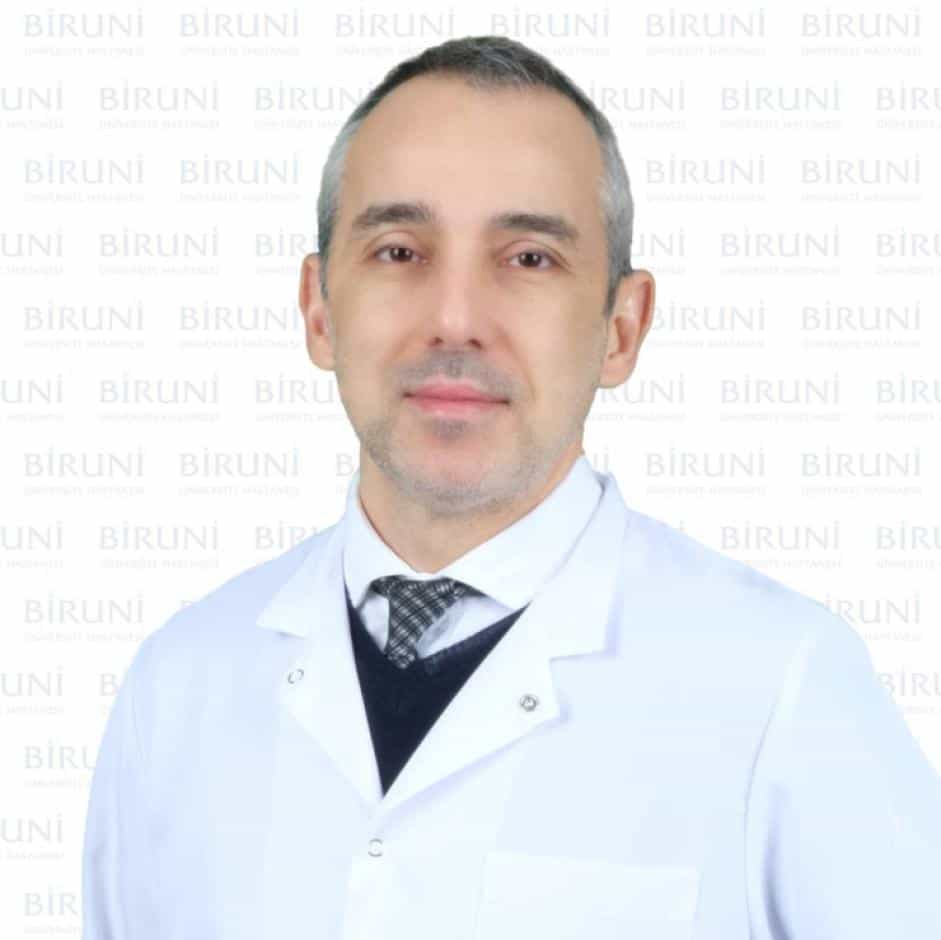
Biruni University Hospital in Istanbul Turkey
Overview
Explore advanced treatments at Biruni University Hospital, a leading multispecialty hospital in Istanbul, Turkey, serving local and international patients.
Read more details

Discover your treatment options with a free, no-obligation quote!
Get your quote now! 83.33% Patient Recommend
Emsey Hospital
Overview
Emsey Hospital is the Best Hospital in Istanbul Turkey that has won JCI International Accreditation, and has the most complete medical facilities and experienced medical staff.
Read more details 100.00% Patient Recommend
HUMA Hospital
Overview
Experience top-notch healthcare at Huma Hospital Kayseri. Specializing in cosmetic procedures, gynecology, and IVF treatments in Turkey.
Read more details 100.00% Patient Recommend
Irfan Tarhan Klinik
Overview
Irfan Tarhan Klinik offers IVF in Istanbul, Turkey, along with labiaplasty, vaginoplasty, vaginal rejuvenation, ovulation induction, and fertility treatments.
Read more details
 100.00% Patient Recommend
Jinepol IVF Clinic
Overview
Jinepol IVF Clinic provides best IVF Treatment in Istanbul Turkey. Book online now ICSI, IUI, and Egg Freezing at PlacidWay.
Read more details
Lokman Hekim Health Group - Multispecialty Hospital in Istanbul
Overview
Discover advanced healthcare services at Lokman Hekim Health Group, a trusted multispecialty hospital in Istanbul, Turkey.
Read more detailsWhich are the best Intracytoplasmic Sperm Injection (ICSI) clinics in Istanbul, Turkey?
Istanbul, Turkey offers several highly-rated ICSI clinics renowned for their expertise and advanced fertility services. Top choices include Medicana International IVF Center, Jinepol IVF Clinic, Prof. Dr. Nilgun Turhan Fertility Clinic, Istanbul Okan University Hospital, Cevre Hospital, and Fertillife Cevre Hospital. These clinics are known for experienced fertility specialists, modern embryology labs, and comprehensive patient support, making them excellent options for international patients seeking successful ICSI treatments.
When considering ICSI treatment in Turkey, particularly in a hub like Istanbul, you'll find numerous facilities with robust fertility programs. These clinics often stand out due to their commitment to patient care, technological investments, and success rates.
- Medicana International IVF Center: Known for extensive experience in IVF and ICSI, with specialists trained in Europe and the USA. They utilize cutting-edge assisted reproductive technologies.
- Jinepol IVF Clinic: Offers comprehensive IVF and ICSI treatments, including IUI and egg freezing, catering to both local and international patients with dedicated support.
- Prof. Dr. Nilgun Turhan Fertility Clinic: Led by a specialist with over 30 years of experience, this clinic focuses on infertility and advanced reproductive techniques like ICSI and egg/sperm freezing.
- Istanbul Okan University Hospital: A large, multi-specialty hospital with a dedicated fertility department, emphasizing patient satisfaction and academic expertise in ICSI and related treatments.
- Cevre Hospital: With decades of experience, Cevre Hospital integrates cosmetic, bariatric, and fertility treatments, including successful IVF and ICSI programs, with a strong focus on international patient care.
- Fertillife Cevre Hospital: A top-rated IVF clinic known for its expert care and cutting-edge technology in Istanbul, dedicated to helping patients achieve parenthood through advanced fertility solutions.
These clinics are often accredited and provide tailored treatment plans, ensuring a high standard of care for individuals and couples pursuing ICSI. Researching each clinic's specific offerings and patient reviews can help you make an informed decision for your fertility journey in Turkey.
What is the typical timeline for an ICSI cycle at Turkish fertility clinics?
An ICSI cycle in Turkish fertility clinics typically spans 3-5 weeks, starting with ovarian stimulation, followed by egg retrieval, sperm injection, embryo culture, and finally, embryo transfer. This timeframe can vary slightly based on individual patient response and the specific protocol used by the fertility specialist. Initial consultations and diagnostic tests usually precede this active treatment period.
Understanding the timeline helps manage expectations and plan your trip if you're traveling for treatment. While the exact duration can vary, a general outline is as follows:
- Initial Consultation & Diagnostics (1-2 weeks): This phase involves medical history review, physical exams, blood tests (hormone levels), and ultrasounds for the female partner, plus semen analysis for the male partner. Some preliminary tests can often be done in your home country.
- Ovarian Stimulation (10-14 days): Medications are administered to stimulate the ovaries to produce multiple eggs. This phase involves regular monitoring through blood tests and ultrasounds.
- Egg Retrieval (Day 1 of cycle, single day procedure): A minor surgical procedure to collect the mature eggs from the ovaries.
- Sperm Retrieval & ICSI (Day of retrieval): On the same day as egg retrieval, sperm is collected (or thawed if frozen), and a single sperm is injected into each mature egg.
- Embryo Culture (3-5 days): Fertilized eggs (embryos) are cultured in the embryology lab to allow for development.
- Embryo Transfer (Day 3 or Day 5 after retrieval): One or more viable embryos are transferred into the uterus. This is a simple, non-surgical procedure.
- Luteal Phase Support & Pregnancy Test (2 weeks): Post-transfer, progesterone medication is continued, and a blood test is performed after about two weeks to confirm pregnancy.
Many clinics offer flexible scheduling to accommodate international patients, often consolidating appointments to minimize travel time.
What support services do Turkish ICSI clinics provide for international patients?
Turkish ICSI clinics offer comprehensive support services for international patients, including dedicated multilingual patient coordinators, assistance with travel logistics (accommodation, airport transfers), and translation services during consultations. They aim to make the entire fertility treatment journey as smooth and stress-free as possible, providing a single point of contact for all non-medical needs.
International patient care is a hallmark of many leading Turkish fertility clinics. They understand that traveling for medical treatment can be daunting and strive to offer a holistic support system.
Key support services typically include:
- Patient Coordinators: A dedicated English-speaking (and often multi-lingual) coordinator will guide you from your initial inquiry through your entire treatment and follow-up. They help with scheduling, paperwork, and answer any non-medical questions.
- Travel Assistance: Many clinics offer or can arrange airport pickup and drop-off, book local accommodation (often discounted rates with partner hotels), and advise on local transport.
- Translation Services: Professional translators are available for all medical appointments, ensuring clear communication between you and your fertility team.
- Pre-Arrival Planning: Clinics assist with organizing necessary diagnostic tests that can be performed locally before your arrival, streamlining your stay in Turkey.
- Post-Treatment Follow-up: Remote follow-up support is typically provided after you return home, including advice on medication protocols and coordinating with your local healthcare provider.
This extensive support system is designed to remove logistical burdens, allowing you to focus entirely on your treatment and well-being.
How do Turkish clinics address male factor infertility using ICSI?
Turkish ICSI clinics effectively address male factor infertility by directly injecting a single healthy sperm into each egg. They employ advanced sperm retrieval techniques such as TESE or micro-TESE for severe cases, alongside detailed semen analysis to identify the best sperm for fertilization. This targeted approach significantly improves success rates for couples facing male infertility challenges.
ICSI was developed specifically to overcome male factor infertility, making it a cornerstone treatment in Turkish fertility clinics for such diagnoses.
Their approach typically involves:
- Comprehensive Male Fertility Assessment: This starts with a detailed semen analysis to evaluate sperm count, motility, and morphology. Additional tests like sperm DNA fragmentation analysis may be performed to assess sperm quality at a genetic level.
- Advanced Sperm Retrieval Techniques:
- Testicular Sperm Extraction (TESE): For men with no sperm in their ejaculate (azoospermia), a small tissue sample is taken from the testicle to find sperm.
- Micro-TESE: A more refined version of TESE, where a microsurgical technique is used to identify and extract sperm-producing areas, minimizing tissue damage and maximizing sperm yield.
- Sperm Selection: Highly skilled embryologists meticulously select the healthiest, most motile sperm for injection under a high-powered microscope.
- Direct Injection: Once selected, the chosen sperm is directly injected into the egg, bypassing any issues related to sperm mobility or ability to penetrate the egg's outer layer.
This specialized expertise ensures that even in challenging male infertility cases, couples have a strong chance of successful fertilization and pregnancy.
What pre-treatment consultations are typically offered by ICSI clinics in Turkey?
ICSI clinics in Turkey typically offer thorough pre-treatment consultations, often including initial virtual meetings for international patients. These consultations cover medical history review, discussion of previous treatments, explanation of the ICSI process, and personalized treatment planning. The fertility specialist will also detail necessary diagnostic tests to be completed before commencing the cycle, ensuring a comprehensive evaluation.
Pre-treatment consultations are crucial for tailoring an effective ICSI plan and for you to feel comfortable and informed.
What you can expect from these consultations:
- Medical History Review: The fertility specialist will meticulously review both partners' medical histories, including any prior fertility treatments, surgeries, or underlying health conditions.
- Diagnostic Test Evaluation: Existing diagnostic results will be assessed, and recommendations for any additional necessary tests (e.g., specific hormonal assays, advanced semen analysis, hysteroscopy) will be made to get a complete picture of your fertility status.
- Personalized Treatment Plan: Based on the comprehensive evaluation, the specialist will outline a customized ICSI treatment protocol, explaining each step, potential medications, and the expected timeline.
- Discussion of Expectations and Risks: The consultation will cover realistic success rates based on your specific profile, as well as any potential risks or side effects associated with ICSI and associated procedures.
- Opportunity for Questions: This is your chance to ask all your questions, ensuring you have a clear understanding of the entire process and feel confident moving forward.
- Virtual Consultation Option: For international patients, initial consultations are often offered virtually via video call, allowing you to connect with the specialist from your home country before committing to travel.
Can patients from other countries bring their own sperm or eggs for ICSI in Turkey?
Turkish regulations generally permit international patients to import their own frozen sperm for ICSI treatment. However, the use of donor eggs or donor embryos is prohibited by law in Turkey, even if sourced from abroad. Couples must use their own eggs and sperm, or in specific cases, retrieve fresh sperm locally. Always confirm the latest regulations directly with your chosen clinic.
Navigating international fertility laws can be complex, and Turkey has specific regulations that impact international patients seeking ICSI.
Here’s a breakdown of the common practices:
- Sperm Import: Most Turkish fertility clinics are equipped to receive and utilize frozen sperm samples transported from other countries. There will be specific protocols and documentation required for this, which your patient coordinator will explain. This is particularly helpful for male partners who cannot be present for the entire treatment cycle.
- Egg and Embryo Donation Restrictions: It is important to note that Turkish law strictly prohibits any form of egg donation, sperm donation (for anonymous donors), and embryo donation. This means that if a female partner cannot produce viable eggs, or a couple requires a donated embryo, treatment involving these elements cannot be performed in Turkey.
- Legal Framework: These regulations are in place to ensure ethical standards and align with local cultural and religious sensitivities surrounding family lineage and reproduction.
- Consult Your Clinic: Given the strictness of these laws, it's crucial to have an open and direct conversation with your chosen Turkish fertility clinic about your specific needs before planning your trip. They can advise you on what is permissible and offer alternative solutions if necessary.
What certifications should an ICSI laboratory in Turkey possess?
An ICSI laboratory in Turkey should ideally possess international accreditations such as Joint Commission International (JCI) for overall quality and patient safety, alongside national certifications from the Turkish Ministry of Health. These accreditations signify adherence to stringent international and national standards for laboratory practices, quality control, and clinical outcomes, which are vital for successful fertility treatments.
The quality of an embryology laboratory is critical for the success of ICSI procedures. When evaluating an ICSI clinic in Turkey, it's essential to look beyond just the clinic's general reputation and inquire about their laboratory's specific accreditations and practices.
Key certifications and standards to consider:
- Joint Commission International (JCI) Accreditation: While this is often for the entire hospital or clinic, it indicates that all departments, including the embryology lab, meet rigorous international standards for safety, quality, and patient-centered care.
- Turkish Ministry of Health Approvals: Ensures the laboratory complies with national healthcare regulations, which are comprehensive for fertility clinics.
- ISO Certifications (e.g., ISO 15189 for medical laboratories): Though less common specifically for embryology, some advanced labs may pursue ISO certification, demonstrating a commitment to quality management systems.
- Internal Quality Control Programs: A reputable lab will have robust internal quality control and assurance programs, including regular equipment calibration, staff training, and embryo development monitoring.
- Experienced Embryologists: The qualifications and experience of the embryology team, particularly in microsurgical techniques like ICSI, are as important as the lab's certifications. Inquire about their professional memberships and ongoing education.
These certifications and practices contribute directly to the optimal conditions needed for sperm handling, egg fertilization, and healthy embryo development.
How do Turkish ICSI clinics support patients through potential treatment side effects?
Turkish ICSI clinics proactively support patients through potential treatment side effects by providing clear pre-treatment education, continuous monitoring during stimulation, and immediate medical attention for any complications. They offer personalized advice on managing discomfort and have dedicated medical staff available to address patient concerns, ensuring physical and emotional well-being throughout the process.
Fertility treatments, including ICSI, can sometimes involve side effects, primarily from the ovarian stimulation medications or minor discomfort from procedures. Reputable Turkish clinics are well-prepared to manage these aspects.
Their support typically includes:
- Pre-Treatment Counseling: Before starting, you will receive detailed information about common side effects, such as bloating, mood swings, or mild abdominal discomfort from hormonal medications.
- Close Monitoring: During the ovarian stimulation phase, regular ultrasounds and blood tests allow the medical team to adjust medication dosages, minimizing risks like Ovarian Hyperstimulation Syndrome (OHSS).
- Accessibility to Medical Staff: You'll have clear instructions on whom to contact (often your patient coordinator or a dedicated nurse) if you experience concerning symptoms, ensuring prompt medical advice or intervention.
- Pain Management: During egg retrieval, anesthesia is used to ensure comfort. Post-procedure, pain relief is provided, and instructions for managing any lingering discomfort are given.
- Emotional Support: Some clinics offer access to counselors or support groups, recognizing the emotional toll that fertility treatments can take. Your patient coordinator can also provide empathetic support and guidance.
- Post-Procedure Care Instructions: Clear guidelines on activity levels, diet, and symptoms to watch for after egg retrieval and embryo transfer are provided to aid recovery and peace of mind.
Are Turkish ICSI clinics equipped for couples with complex medical histories?
Yes, many leading Turkish ICSI clinics are highly equipped to manage couples with complex medical histories. They boast experienced multi-disciplinary teams, advanced diagnostic tools, and state-of-the-art facilities capable of handling challenging fertility cases. Clinics often collaborate with other specialized departments, such as endocrinology or genetics, to provide integrated care for patients with pre-existing conditions.
Turkish fertility clinics, particularly those within larger hospital groups, are often at the forefront of reproductive medicine and are well-prepared for intricate cases.
Here’s why they are suitable for complex medical histories:
- Multi-Disciplinary Approach: Clinics frequently house or have immediate access to specialists in various fields, such as endocrinologists for hormonal imbalances, geneticists for hereditary conditions, and obstetricians for high-risk pregnancies. This ensures all aspects of your health are considered.
- Advanced Diagnostic Capabilities: Beyond standard fertility tests, these clinics offer sophisticated diagnostic tools like advanced imaging, genetic screening (PGT-A/M/SR), and detailed immunological assessments to pinpoint underlying issues.
- Tailored Protocols: For patients with conditions like recurrent miscarriage, endometriosis, PCOS, or male factor infertility needing surgical sperm retrieval, specialists develop highly individualized ICSI protocols designed to maximize success while minimizing risks.
- State-of-the-Art Technology: Investment in the latest embryology lab technology, including advanced incubators and micro-manipulation systems, allows for precise handling and development of embryos even in complex situations.
- Experienced Fertility Teams: The fertility doctors, embryologists, and nurses often have extensive experience with a wide spectrum of complex cases, enabling them to navigate unforeseen challenges effectively.
What roles do embryologists play in an ICSI cycle at Turkish clinics?
Embryologists at Turkish ICSI clinics play a critical role, being highly skilled professionals responsible for the precise handling of eggs and sperm, performing the ICSI procedure, and overseeing embryo development. They ensure optimal laboratory conditions, meticulously select viable sperm, inject them into the eggs, and monitor embryo growth, directly impacting fertilization and success rates.
The embryology lab is the heart of an ICSI cycle, and the embryologists are the skilled artisans working within it. Their expertise is paramount for successful outcomes.
Their key responsibilities in an ICSI cycle include:
- Gamete Handling: Carefully processing and preparing both the eggs (oocytes) retrieved from the female partner and the sperm sample from the male partner.
- Sperm Selection: Using high-powered microscopes, they identify and select the healthiest and most motile sperm from the prepared sample for injection. This step is crucial, especially in cases of male factor infertility.
- ICSI Procedure: Performing the delicate micro-injection where a single selected sperm is directly injected into each mature egg to facilitate fertilization. This requires exceptional precision and steady hands.
- Embryo Culture: Providing the ideal environment for fertilized eggs to develop into embryos over several days, mimicking the conditions within the human body. This involves maintaining precise temperature, humidity, and gas levels.
- Embryo Assessment & Selection: Meticulously monitoring the growth and quality of the embryos, assessing their developmental milestones, and selecting the most viable embryos for transfer or freezing.
- Cryopreservation: If there are surplus high-quality embryos, embryologists are responsible for safely freezing them for future use (cryopreservation).
The success of your ICSI cycle relies heavily on the skill and experience of these vital team members.
How PlacidWay helps individuals access Intracytoplasmic Sperm Injection (ICSI) in Turkey?
- PlacidWay provides detailed, up-to-date information about Intracytoplasmic Sperm Injection (ICSI), including benefits, risks, and expected outcomes, empowering you to understand every aspect of the procedure before making a decision.
- PlacidWay helps users compare ICSI treatment in various accredited clinics in Turkey, ensuring you find affordable options that meet high international standards without compromising on the quality of care or technology.
- PlacidWay assists users in finding trusted, accredited clinics and board-certified medical professionals specializing in Intracytoplasmic Sperm Injection (ICSI) in Turkey, connecting you with experienced teams and state-of-the-art facilities.
- PlacidWay offers one-on-one consultations to help users make informed decisions about their treatment. We listen to your concerns and help match you with a clinic that meets your specific medical needs and personal preferences.
- PlacidWay ensures continued support even after the treatment is complete. We can assist with arrangements for follow-up care and recovery, providing peace of mind throughout your entire medical journey.
Ready to get Intracytoplasmic Sperm Injection (ICSI) in Turkey? Contact us today for a personalized consultation.
Share with AI
Share this page with AI assistants to get summaries and insights


List of Best Intracytoplasmic sperm injection ICSI Clinics in Turkey
Unlock the Best Fertility Treatment Packages Just for You
Discover the ultimate Fertility Treatment packages designed to meet your health and wellness goals. Choose the perfect fit for your journey.

Price starting from $2,500
IVF Treatment in Istanbul, Turkey - Cost & Packages
PlacidWay Turkey Medical Tourism
- Fertility Treatment
Istanbul, Turkey

Price starting from $3,500
IVF Treatment Package in Istanbul Turkey by Group Florence
Group Florence Nightingale Hospitals in Istanbul Turkey
- Fertility Treatment
Istanbul, Turkey

Price starting from $5,000
IVF Treatment Package in Kayseri, Turkey by Huma Hospital
HUMA Hospital
- Fertility Treatment
Kayseri, Turkey

Price starting from $3,000
IVF Package in Istanbul, Turkey at VM Medical Park Florya
Medical Park Hospitals Group in Istanbul, Turkey
- Fertility Treatment
Istanbul, Turkey
Transformative Fertility Treatment Experiences: Dive into Procedure Insights
Discover the power of Fertility Treatment through compelling patient experiences. Uncover detailed insights into procedures, recovery journeys, and life-changing results.
.png)
.png)
.png)

Explore Fertility Treatment: Stories, Testimonials, and Procedures
Watch in-depth videos covering everything from Fertility Treatment success stories to detailed procedure explanations. Learn what to expect and hear from real patients.

The Inspiring Journey of IVF Treatment in Turkey
Fertility Treatment
Best Fertility Clinic - SAKALLI IVF
Turkey
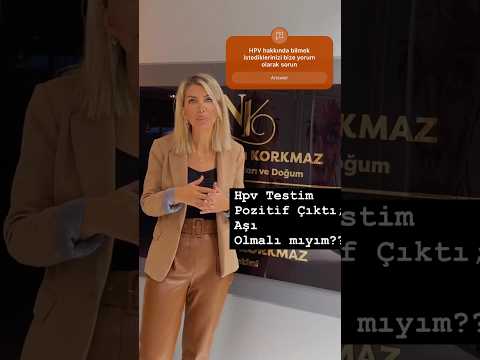
Practical Insights on the HPV Treatment and Vaccination Procedure in Istanbul, Turkey
Fertility Treatment
Dr. Nazli Korkmaz Clinic
Turkey
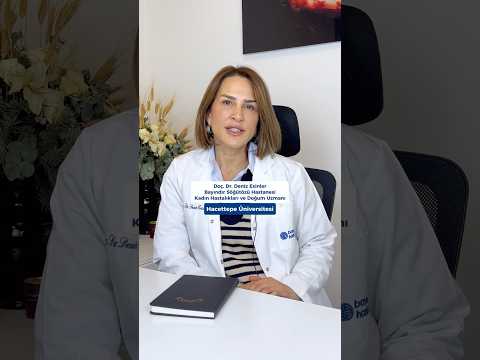
Expert Perinatology and High-Risk Pregnancy Care in Ankara, Turkey
Fertility Treatment
Bayindir Healthcare Group
Turkey
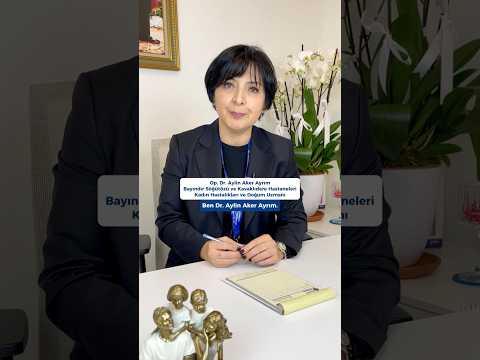
Clear Overview of the Most Budget-Friendly In Vitro Fertilization Procedure in Turkey
Fertility Treatment
Bayindir Healthcare Group
Turkey
Learn More with These Fertility Treatment Articles
Take a look at these interesting articles, stories and research that will help you learn more about Fertility Treatment.

IVF in Turkey: Best Clinics, Success Rate, And Cost in 2026
PlacidWay Medical Tourism
- Fertility Treatment
Turkey

IVF in Turkey for German Couples: Fertility Cost Savings and Clinic Guide
PlacidWay Medical Tourism
- Fertility Treatment
Turkey

London to Istanbul IVF: British Couples Full Fertility Cost Savings Guide
PlacidWay Medical Tourism
- Fertility Treatment
Turkey

IVF in Turkey vs UAE: Why Dubai Couples Choose Istanbul Fertility Clinics?
PlacidWay Medical Tourism
- Fertility Treatment
Turkey
Fertility Treatment Solutions Near You: Explore Top Medical Centers
Discover how Fertility Treatment is transforming lives at leading medical centers in , Turkey. Dive into center profile, specialties, doctors, reviews, etc. and explore the best options tailored to your needs in this region.

Istanbul Okan University Hospital
Istanbul, Turkey
Medicana International IVF Center
Istanbul, Turkey

Memorial Hospital Group
Istanbul, Turkey

Sezgin Dursun Clinic - Gynecology Clinic in Istanbul
Istanbul, Turkey








Excellent! I can't wait for my turn. treatment.
Read More