
What treatment


1+ Top Rated Clinics for Stem Cell Therapy for Celiac Disease in Riverside, United States
Compare Trusted Stem Cell Therapy for Celiac Disease Specialists in Riverside, United States and Request a Quote
Trusted Medical Tourism Platform Since 2007
 91.30% Patient Recommend
California Wellness Institute


Overview
Discover Urology and Anti Aging Regenerative Medicine at California Wellness Institute in Rancho Mirage, California, USA - CWIs expert care.
Read more details

 87.50% Patient Recommend
Regenestem Fort Lauderdale, USA


Overview
Regenestem is a leading regenerative medicine center in Fort Lauderdale, USA, specializing in treatments for neurological conditions, COPD, MS, and more.
Read more details
 100.00% Patient Recommend
Personalized Regenerative Medicine
Overview
Personalized Regenerative Medicine provides best Regenerative Medicine in Los Angeles, USA. Book online now PRP Treatment and Regenerative Injections at Personalized Regenerative Medicine.
Read more details 95.02% Patient Recommend
Blatman Health and Wellness Center
Overview
Experience advanced Regenerative Medicine at Blatman Health and Wellness Center in Cincinnati, USA. Rejuvenate your health today!
Read more detailsDiscover your treatment options with a free, no-obligation quote!
Get your quote now!
Kentuckiana Integrative Medicine in Jeffersonville, USA
Overview
Discover regenerative medicine in Jeffersonville, United States by Kentuckiana Integrative Medicine offering advanced therapies for pain relief and healing.
Read more details 89.55% Patient Recommend
PlacidWay Medical Tourism
Overview
Discover affordable, quality healthcare worldwide with PlacidWay Medical Tourism. Access trusted clinics, top doctors, and personalized treatment plans.
Read more details



 100.00% Patient Recommend
The Institute of Regenerative Medicine
Overview
The Institute of Regenerative Medicine provides best Regenerative Medicine in Boca Raton, Florida. Book online now Regenerative Medicine for Knee Joint, Shoulder, Hip at PlacidWay!
Read more details 100.00% Patient Recommend
Victor Regenerative Medicine Centers
Overview
Victor Regenerative Medicine Centers Dr. Steven Victor is located in New York, USA. The highly skilled medical team offers regenerative medicine therapies and aesthetic services to patients around the globe at affordable costs.
Read more detailsDiscover your treatment options with a free, no-obligation quote!
Get your quote now! 100.00% Patient Recommend
Amira Integrative Health by MJA Healthcare
Overview
Amira Integrative Health by MJA Healthcare in East Stroudsburg, PA, United States offers top regenerative therapies and holistic care for transformative health.
Read more details 100.00% Patient Recommend
Thrive MD
Overview
Thrive MD provides best Regenerative Medicine in Miami, Florida. Book online now Regenerative Medicine for Hip, Regenerative Medicine for Knee, and Regenerative Medicine for Shoulder at Thrive MD.
Read more detailsWhich are the top Stem Cell Therapy for Celiac Disease clinics in Riverside, United States?
When searching for top Stem Cell Therapy clinics for Celiac Disease in Riverside, United States, the California Wellness Institute is a notable facility listing Riverside among its service locations. This clinic specializes in regenerative medicine, which includes advanced therapies that may be relevant to autoimmune conditions like Celiac Disease. It's important to confirm their specific expertise and treatment protocols for Celiac, ensuring alignment with your individual needs and medical history for optimal care.
While many clinics in the broader United States offer stem cell therapies, identifying those with a direct presence or specialized programs for Celiac Disease in Riverside is key. The California Wellness Institute, for example, highlights its focus on regenerative medicine and lists multiple locations, including Riverside. For patients exploring treatment options, it's always advisable to:
- Verify Specific Celiac Protocols: Inquire if the clinic has established treatment protocols for Celiac Disease using stem cell therapy.
- Review Practitioner Expertise: Confirm the physicians' experience and qualifications in treating autoimmune gastrointestinal conditions with regenerative approaches.
- Check for Local Presence: Ensure the clinic maintains an accessible office in Riverside for consultations and follow-up care.
What should I look for in a Stem Cell Therapy clinic for Celiac Disease in Riverside?
When selecting a Stem Cell Therapy clinic for Celiac Disease in Riverside, focus on clinics demonstrating robust expertise in autoimmune conditions, legitimate accreditation, and clear communication about their stem cell protocols. Look for transparency regarding cell sourcing, safety measures, and comprehensive patient care models, which are vital for effective treatment outcomes in this specialized field. Your research should confirm their dedication to ethical and patient-centric regenerative medicine.
Choosing the right clinic for Celiac Disease stem cell therapy in Riverside involves several critical considerations beyond just location:
- Clinical Specialization: Prioritize clinics that specifically highlight their experience and successful outcomes in treating autoimmune or gastrointestinal disorders with stem cell therapy. This indicates a deeper understanding of Celiac's unique challenges.
- Accreditation and Licensing: Ensure the clinic is fully licensed and accredited by relevant medical boards and regulatory bodies in California and the United States. This guarantees adherence to stringent safety and quality standards for regenerative medicine.
- Transparent Protocols: A reputable clinic will openly discuss their stem cell types (e.g., mesenchymal stem cells), their origin (autologous or allogeneic), processing methods, and how they are administered. They should explain the scientific basis for their approach in treating Celiac.
- Patient-Centered Approach: Look for clinics that emphasize personalized treatment plans, offering detailed consultations to understand your medical history, current symptoms, and individual health goals.
- Supportive Care Integration: Consider facilities that combine stem cell therapy with complementary therapies, such as nutritional guidance or lifestyle coaching, for a more holistic approach to managing Celiac Disease.
How important is clinic accreditation for Stem Cell Therapy for Celiac Disease in Riverside?
Clinic accreditation is absolutely essential for Stem Cell Therapy for Celiac Disease in Riverside. It provides an assurance that the facility adheres to rigorous safety standards, ethical practices, and quality patient care. Accredited clinics follow strict protocols for handling and administering stem cells, minimizing risks and increasing the likelihood of effective, responsible treatment for complex autoimmune conditions like Celiac Disease.
Accreditation is a formal recognition that a healthcare organization meets specific external standards, serving as a critical indicator of quality and safety in specialized medical fields such as stem cell therapy. For Celiac Disease patients, this is especially vital because:
- Ensures Patient Safety: Accredited clinics are required to maintain strict sterility protocols, reducing the risk of infection and complications during cell harvesting, processing, and administration.
- Validates Expertise: It confirms that the medical professionals delivering the therapy are appropriately qualified, trained, and experienced in regenerative medicine and its application for specific conditions.
- Guarantees Quality Control: Accreditation bodies assess laboratory standards, ensuring that stem cells are handled and prepared according to scientifically sound and safe methodologies.
- Upholds Ethical Standards: Clinics must adhere to ethical guidelines regarding patient information, informed consent, and the responsible use of investigational therapies.
What role do patient testimonials play in selecting a Stem Cell Therapy clinic in Riverside?
Patient testimonials offer valuable personal insights into the quality of care and treatment experience at a Stem Cell Therapy clinic in Riverside. For individuals considering therapy for Celiac Disease, these stories can provide a glimpse into the clinic's environment, staff interactions, and general patient satisfaction, helping to build trust and inform expectations about the journey ahead. They supplement clinical data by showcasing real-world perspectives.
While medical decisions should primarily be guided by qualified healthcare professionals and evidence-based information, patient testimonials contribute significantly to the selection process in several ways:
- Real-World Experience: Testimonials offer narratives from individuals who have undergone treatment, detailing their journey from initial consultation through post-therapy recovery. This human perspective can be incredibly relatable.
- Service Quality Insights: Patients often comment on aspects like the clinic's cleanliness, the professionalism of the medical staff, the clarity of communication, and the level of personalized attention received.
- Emotional Support and Confidence: Reading about positive experiences can provide reassurance and confidence for new patients, especially when dealing with a chronic condition like Celiac Disease and a novel treatment approach.
- Identification of Specific Concerns: Some testimonials might highlight areas of concern or provide tips for navigating the treatment process, helping prospective patients prepare better.
What questions should I ask a Stem Cell Therapy clinic in Riverside during an initial consultation for Celiac Disease?
During your initial consultation for Celiac Disease stem cell therapy in Riverside, it's crucial to ask focused questions about the clinic's specific experience with Celiac patients, the exact type and source of stem cells used, and detailed procedural steps. Inquire about their safety protocols, expected outcomes, potential risks, and the structure of post-treatment follow-up care to ensure clarity and confidence in your decision-making.
An initial consultation is your opportunity to gather critical information and assess whether a clinic is the right fit for your Celiac Disease treatment. Here are key questions to ask:
- "What is your specific experience with treating Celiac Disease patients using stem cell therapy?" This helps gauge their familiarity with your condition.
- "Which types of stem cells do you use (e.g., MSCs, ADSCs, BMSCs), and what is their source (autologous, allogeneic)?" Understanding the cellular components is fundamental.
- "Can you walk me through the entire treatment process, from preparation to administration and recovery?" This clarifies expectations for the procedure.
- "What are the potential risks, side effects, or complications associated with this therapy, especially for Celiac Disease, and how are they managed?" Safety is paramount.
- "What kind of diagnostic evaluations are performed before treatment to confirm suitability and monitor progress?" This highlights their assessment methodology.
- "What is your success rate for Celiac Disease patients, and how do you define 'success'?" This helps set realistic expectations.
- "What follow-up care and long-term monitoring do you provide after the stem cell treatment?" Understanding post-procedure support is crucial for managing an autoimmune condition.
What is the typical patient journey at a Stem Cell Therapy clinic for Celiac Disease in Riverside?
The typical patient journey at a Stem Cell Therapy clinic for Celiac Disease in Riverside usually begins with a thorough diagnostic assessment and personalized consultation. This is followed by the stem cell procurement and preparation phase, leading to the targeted therapeutic administration. Post-procedure, patients engage in a structured follow-up program involving monitoring, nutritional guidance, and continuous support to track progress and optimize long-term health outcomes.
While individual experiences may vary slightly, the general patient journey includes:
- Initial Consultation and Evaluation: This involves a detailed medical history review, current symptom assessment, existing diagnostic results, and potentially additional tests to determine eligibility and tailor a treatment plan.
- Treatment Planning: Based on the evaluation, the medical team will outline a personalized stem cell therapy plan, discussing the type of stem cells, dosage, and administration method, along with expected outcomes and potential risks.
- Cell Procurement (if autologous): If using the patient's own cells (e.g., from fat or bone marrow), a minimally invasive procedure will be performed to harvest the cells. These cells are then processed in a specialized laboratory to concentrate the therapeutic components.
- Stem Cell Administration: The prepared stem cells are then delivered to the patient, often through intravenous infusion or targeted injections, depending on the specific Celiac Disease manifestations.
- Post-Treatment Care and Recovery: Patients typically undergo a short recovery period, followed by detailed instructions on diet, activity restrictions, and medication.
- Follow-up and Monitoring: A critical phase involving scheduled appointments, repeat diagnostic tests (e.g., celiac antibodies, inflammatory markers), and ongoing support to assess the treatment's efficacy and adjust supportive care as needed for sustained relief.
How do Stem Cell Therapy clinics in Riverside ensure patient safety for Celiac Disease treatments?
Stem Cell Therapy clinics in Riverside ensure patient safety for Celiac Disease treatments through strict adherence to national and state regulatory standards, comprehensive patient screening, and rigorous sterile protocols. They employ highly trained medical professionals, provide detailed informed consent, and maintain robust post-treatment monitoring to manage any potential side effects effectively, minimizing risks in this advanced therapeutic area.
Patient safety is a top priority for ethical and responsible Stem Cell Therapy clinics, especially when treating complex conditions like Celiac Disease. They implement a multi-faceted approach:
- Adherence to Regulatory Guidelines: Clinics operate under the watchful eye of relevant health authorities, ensuring that all procedures meet established safety and ethical standards for regenerative medicine in the United States.
- Thorough Patient Screening: Before any treatment, patients undergo extensive medical evaluations to determine their overall health, suitability for therapy, and to identify any contraindications or potential risks specific to their Celiac Disease presentation.
- Sterile Environment and Protocols: All stem cell handling, processing, and administration procedures are conducted in highly sterile conditions (e.g., certified cleanrooms) to prevent contamination and infection risks.
- Qualified Medical Team: Treatment is performed by licensed physicians and support staff who possess specialized training and experience in stem cell therapies and the management of autoimmune disorders.
- Informed Consent Process: Patients receive comprehensive education about the proposed therapy, including its scientific basis, potential benefits, known risks, alternative treatments, and realistic expectations, before providing explicit consent.
- Continuous Monitoring and Follow-up: Clinics provide close post-treatment monitoring to identify and promptly manage any adverse reactions or complications, coupled with scheduled follow-up appointments to track patient progress and long-term safety.
Are Stem Cell Therapy clinics in Riverside collaborating with gastroenterologists for Celiac Disease?
Leading Stem Cell Therapy clinics in Riverside often collaborate with or refer patients to gastroenterologists for comprehensive care in treating Celiac Disease. This integrated approach ensures that patients benefit from specialized expertise in both regenerative medicine and gastrointestinal health, optimizing diagnostic accuracy, treatment planning, and long-term management of this complex autoimmune disorder.
Collaboration between specialties is a hallmark of comprehensive patient care, particularly for chronic conditions like Celiac Disease:
- Holistic Patient Management: Gastroenterologists provide crucial insights into the specific nuances of a patient's Celiac Disease, including their intestinal health, current symptoms, and history of gluten exposure. This information is vital for tailoring stem cell therapy appropriately.
- Pre- and Post-Treatment Support: A gastroenterologist can help manage a patient's diet and medication regimen before stem cell therapy and monitor the healing and inflammatory markers in the gut lining afterward.
- Diagnostic Expertise: Gastroenterologists are instrumental in initial diagnosis and ongoing assessment of Celiac Disease progression or remission, often through endoscopy and biopsy, providing objective data to evaluate the stem cell therapy's impact.
- Enhanced Safety: A collaborative approach ensures that any potential interactions between existing Celiac medications and stem cell therapy are carefully considered and managed, contributing to overall patient safety.
- Referral Networks: Reputable stem cell clinics often have established networks with gastroenterologists, facilitating seamless communication and integrated care for their Celiac Disease patients. It's always advisable to discuss this aspect with any clinic you are considering.
What types of stem cells are commonly used for Celiac Disease therapy in Riverside clinics?
In Riverside clinics exploring stem cell therapy for Celiac Disease, Mesenchymal Stem Cells (MSCs) are frequently utilized due to their potent immunomodulatory and regenerative capabilities. These MSCs can be sourced from various tissues, including a patient's own adipose (fat) tissue or bone marrow, or from screened, ethically obtained allogeneic sources like umbilical cord tissue, tailored to the specific treatment approach.
The choice of stem cell type is critical and is typically based on research, safety profiles, and the specific goals of treating an autoimmune condition like Celiac Disease:
- Mesenchymal Stem Cells (MSCs): These are the most commonly employed type of stem cells in regenerative medicine for autoimmune disorders. MSCs are highly valued for:
- Immunomodulation: Their ability to regulate the immune system, potentially dampening the autoimmune response that causes Celiac Disease.
- Anti-inflammatory Properties: They can reduce inflammation in the gut, which is a hallmark of Celiac-induced damage.
- Tissue Repair: MSCs can promote the regeneration of damaged intestinal lining, supporting healing and improved nutrient absorption.
- Common Sources of MSCs:
- Autologous Adipose-Derived Stem Cells (ADSCs): Harvested from a patient's own fat tissue via a minor liposuction procedure. This is a popular option due to ease of access and minimal ethical concerns.
- Autologous Bone Marrow-Derived Stem Cells (BMSCs): Obtained from the patient's bone marrow, typically from the hip, known for their regenerative potential.
- Allogeneic Umbilical Cord Tissue/Blood Derived Stem Cells: These are ethically sourced from screened, healthy donors after full-term births. They are often considered potent due to their "young" state and robust regenerative capacity.
How do Stem Cell Therapy clinics in Riverside support long-term patient follow-up for Celiac Disease?
Stem Cell Therapy clinics in Riverside typically support long-term follow-up for Celiac Disease patients through structured monitoring programs, regular check-ups, and ongoing communication channels. This includes assessing symptom improvement, tracking serological markers, providing continued dietary and lifestyle guidance, and coordinating with primary care or gastroenterologists to ensure sustained well-being and to evaluate the therapy's lasting impact on gut health.
Effective long-term follow-up is crucial for managing Celiac Disease after stem cell therapy, helping patients maintain improvements and address any evolving needs. Reputable clinics in Riverside will typically offer:
- Scheduled Clinical Assessments: Regular appointments with the medical team to evaluate overall health, assess the persistence of symptom improvement, and discuss any new concerns.
- Laboratory Monitoring: Periodic blood tests to track Celiac-specific antibodies (e.g., tTG-IgA, EMA), inflammatory markers, and nutrient levels to objectively measure the therapy's impact on autoimmune activity and gut recovery.
- Imaging and Endoscopic Follow-up: Depending on the individual case, repeat endoscopic procedures or imaging might be recommended to visually assess intestinal healing and villous atrophy.
- Nutritional and Lifestyle Counseling: Continued support from dietitians or nutritionists to reinforce strict gluten-free diet adherence and offer personalized dietary strategies that support gut health and overall well-being.
- Patient Education and Empowerment: Providing patients with resources and knowledge to understand their ongoing condition, recognize potential triggers, and actively participate in their long-term health management.
- Communication Channels: Ensuring open lines of communication for patients to reach out with questions or concerns between scheduled visits, fostering a sense of continuous support.
How do Stem Cell Therapy clinics in Riverside tailor treatments for individual Celiac Disease patients?
Stem Cell Therapy clinics in Riverside personalize Celiac Disease treatments by conducting comprehensive initial assessments, including detailed medical history, current symptoms, and advanced diagnostics. They then develop customized protocols based on the patient's specific disease severity, unique genetic profile, and overall health status, ensuring the most targeted and effective regenerative approach for managing this autoimmune condition.
Tailoring treatment for Celiac Disease with stem cell therapy is essential due to the variable nature of the condition among individuals. Clinics achieve this personalization through:
- In-Depth Diagnostic Evaluation: Beyond standard Celiac panels, clinics may utilize advanced immune profiling, gut microbiome analysis, and detailed symptom mapping to understand the patient's unique biological landscape and disease presentation.
- Individualized Treatment Protocols: Based on the diagnostic findings, the type and dose of stem cells (e.g., autologous or allogeneic MSCs), the method of administration (intravenous, local injections), and the frequency of treatments are customized. This ensures the therapy directly addresses the patient’s specific inflammatory and regenerative needs.
- Personalized Supportive Therapies: Complementary treatments such as specific nutritional interventions, dietary adjustments, targeted supplementation, and lifestyle modifications are integrated into the plan to support the stem cell therapy and optimize gut healing.
- Ongoing Monitoring and Adjustment: Treatment plans are not static; they are dynamically adjusted based on the patient's response to therapy, symptom changes, and follow-up diagnostic results, ensuring the approach remains effective throughout the patient's journey.
- Patient Engagement: Clinics involve patients actively in decision-making, considering their preferences, concerns, and lifestyle factors to create a treatment experience that is both medically sound and personally manageable.
What complementary therapies might be offered alongside Stem Cell Therapy for Celiac Disease in Riverside clinics?
Riverside clinics offering Stem Cell Therapy for Celiac Disease often integrate complementary therapies to enhance treatment outcomes and overall well-being. These can include personalized nutritional counseling, advanced dietary planning, gut microbiome support through probiotics and prebiotics, and lifestyle adjustments focusing on stress management and exercise. This holistic approach aims to optimize the healing environment for regenerative processes.
A comprehensive approach to managing Celiac Disease with stem cell therapy often extends beyond the core procedure to include various supportive therapies:
- Personalized Nutritional Counseling:
- Strict Gluten-Free Diet Reinforcement: Guidance on maintaining a truly gluten-free diet to prevent further intestinal damage.
- Nutrient Repletion: Addressing nutritional deficiencies common in Celiac patients through targeted supplementation and dietary strategies.
- Anti-inflammatory Diets: Incorporating foods that reduce inflammation and support gut healing.
- Gut Microbiome Support:
- Probiotics and Prebiotics: Tailored recommendations to restore a healthy balance of gut bacteria, which plays a crucial role in Celiac Disease.
- Digestive Enzymes: Supplementation to aid in the breakdown and absorption of nutrients.
- Lifestyle Modifications:
- Stress Management Techniques: Guidance on practices like mindfulness, meditation, or yoga to reduce stress, which can impact autoimmune conditions.
- Regular Exercise: Recommendations for physical activity to support overall health and immune function.
- Adequate Sleep: Emphasizing the importance of restorative sleep for healing and immune regulation.
- Intravenous (IV) Nutrient Therapy: Administering vitamins, minerals, and amino acids directly into the bloodstream to bypass a compromised gut and ensure optimal cellular function and healing.
How do Stem Cell Therapy clinics in Riverside address potential interactions with existing Celiac medications?
Stem Cell Therapy clinics in Riverside meticulously address potential interactions with existing Celiac medications through comprehensive patient intake and close collaboration with referring physicians. Before therapy, they conduct detailed medication reviews, assess potential immunosuppressive effects, and adjust regimens as needed to minimize interference with stem cell efficacy and ensure patient safety throughout the regenerative treatment process.
Managing potential medication interactions is a critical aspect of patient safety and treatment effectiveness in stem cell therapy for Celiac Disease:
- Thorough Medication Review: During the initial consultation, the medical team conducts an exhaustive review of all medications, supplements, and herbal remedies a patient is currently taking. This includes over-the-counter drugs and any Celiac-specific prescriptions.
- Collaboration with Referring Physicians: Clinics often communicate directly with the patient's gastroenterologist or primary care physician to gain a complete understanding of their current Celiac treatment regimen and medical history. This collaborative approach ensures continuity of care.
- Assessment of Immunosuppressants: If a Celiac patient is on immunosuppressive drugs (though less common for uncomplicated Celiac, it can occur in refractory cases), these medications might interfere with the function of administered stem cells, particularly allogeneic (donor) cells. Clinics will carefully evaluate if and when these medications need to be adjusted or temporarily paused.
- Personalized Medication Management Plan: Based on the review, a specific plan is developed regarding the management of existing medications before, during, and after stem cell therapy. This plan aims to:
- Avoid adverse drug reactions.
- Prevent interference with stem cell engraftment or therapeutic effects.
- Ensure patient comfort and safety throughout the treatment process.
- Close Monitoring: Patients are closely monitored for any signs of medication interactions or changes in their Celiac symptoms during the treatment period and follow-up phases.
What is the expected timeline for observing improvements after Stem Cell Therapy for Celiac Disease in Riverside?
The expected timeline for observing improvements after Stem Cell Therapy for Celiac Disease in Riverside can vary, but generally, patients might start noticing subtle changes within a few weeks to several months post-treatment. Significant and sustained improvements, particularly in gut healing and reduced autoimmune response, typically manifest over a period of three to six months, continuing to evolve for up to a year as the regenerative processes progress.
Understanding the timeline for potential improvements helps manage patient expectations and highlights the gradual nature of regenerative medicine:
- Initial Weeks (2-4 weeks): Some patients may report a reduction in acute inflammatory symptoms, such as bloating, abdominal pain, or fatigue. These early improvements are often due to the initial anti-inflammatory effects of the stem cells.
- Intermediate Period (1-3 months): More noticeable changes might begin to emerge. Patients could experience improved digestive comfort, increased energy levels, and a reduction in the frequency or severity of Celiac-related symptoms. Objective markers, like specific Celiac antibody levels, might start to show a downward trend.
- Longer Term (3-12 months and beyond): This is typically when more significant and sustained benefits are observed. The stem cells continue their work of immunomodulation and tissue repair, leading to potentially more substantial healing of the intestinal lining (villous recovery). Regular follow-up diagnostics, including repeat serology and possibly endoscopy, would provide objective evidence of these improvements.
How PlacidWay helps individuals access Stem Cell Therapy for Celiac Disease in United States?
PlacidWay provides comprehensive, up-to-date information about Stem Cell Therapy for Celiac Disease, detailing benefits, risks, and expected outcomes to empower your decision-making. We help users compare various clinics in the United States, ensuring access to quality and affordable options. Our platform assists in finding trusted, accredited facilities and medical professionals specializing in Stem Cell Therapy for Celiac Disease. PlacidWay offers one-on-one consultations, helping you make informed choices tailored to your specific needs. Additionally, we ensure continued support after your treatment, including follow-up care and recovery assistance for a seamless healthcare journey. Ready to get Stem Cell Therapy for Celiac Disease in United States? Contact us today for a personalized consultation.Share with AI
Share this page with AI assistants to get summaries and insights


List of Best Stem Cell Therapy for Celiac Disease Clinics in United States
Unlock the Best Stem Cell Therapy Packages Just for You
Discover the ultimate Stem Cell Therapy packages designed to meet your health and wellness goals. Choose the perfect fit for your journey.
Price starting from $4,500
Best Affordable Stem Cell Therapy in Las Vegas, USA For You
PlacidWay US Medical Tourism
- Stem Cell Therapy
Denver, United States

Price starting from $7,099
Stem Cell Therapy for Celiac Disease Package in Tijuana, Mexico by CellsTime Clinique
CellsTime Clinique Tijuana
- Stem Cell Therapy
Tijuana, Mexico

Price starting from $25,000
Regenerative Medicine for Autism Package in New York, USA by Victor Regenerative Medicine Centers
Victor Regenerative Medicine Centers
- Stem Cell Therapy
New York, United States

Price starting from $15,000
Stem Cell Therapy for Autism Package in Denver, United States by PlacidWay Hospital
PlacidWay: Global Medical Tourism Platform
- Stem Cell Therapy
, United States
Transformative Stem Cell Therapy Experiences: Dive into Procedure Insights
Discover the power of Stem Cell Therapy through compelling patient experiences. Uncover detailed insights into procedures, recovery journeys, and life-changing results.

Price starting from $15,000
Regenerative Medicine for Multiple Sclerosis in United States
- Stem Cell Treatment for Multiple Sclerosis, Stem Cell Therapy
United States

Price starting from $25,000
Regenerative Medicine for Stroke in United States
- Stem Cell Therapy for Stroke, Stem Cell Therapy
United States
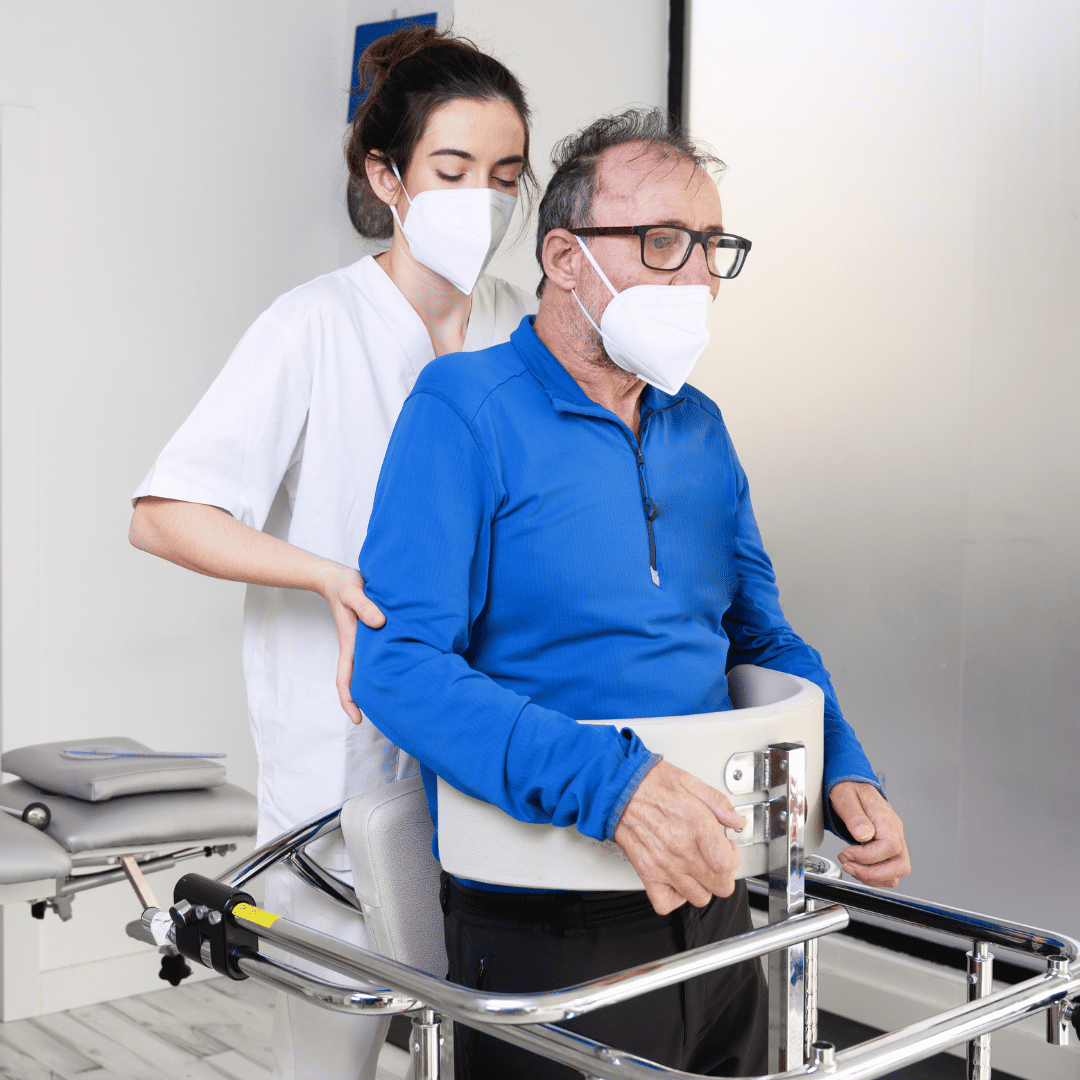
Regenerative Medicine for ALS in United States
- Stem Cell Treatment for ALS, Stem Cell Therapy
United States

Price starting from $12,500
Top and Effective Regenerative Medicine for Autism in Florida, USA
- Stem Cell Therapy
United States
Explore Stem Cell Therapy: Stories, Testimonials, and Procedures
Watch in-depth videos covering everything from Stem Cell Therapy success stories to detailed procedure explanations. Learn what to expect and hear from real patients.
Watch Why Americans are Traveling Abroad for Medical Tourism
Stem Cell Therapy
PlacidWay Medical Tourism
United States
Revitalize Your Regenerative Medicine Clinic with PlacidWay's Proven Marketing Solutions
Stem Cell Therapy
PlacidWay Medical Tourism
United States

PlacidWay Partners with Vault Cares Network: A Smarter, Safer Path to Medical Care Worldwide
Stem Cell Therapy
Vault Cares Network
United States
Learn More with These Stem Cell Therapy Articles
Take a look at these interesting articles, stories and research that will help you learn more about Stem Cell Therapy.
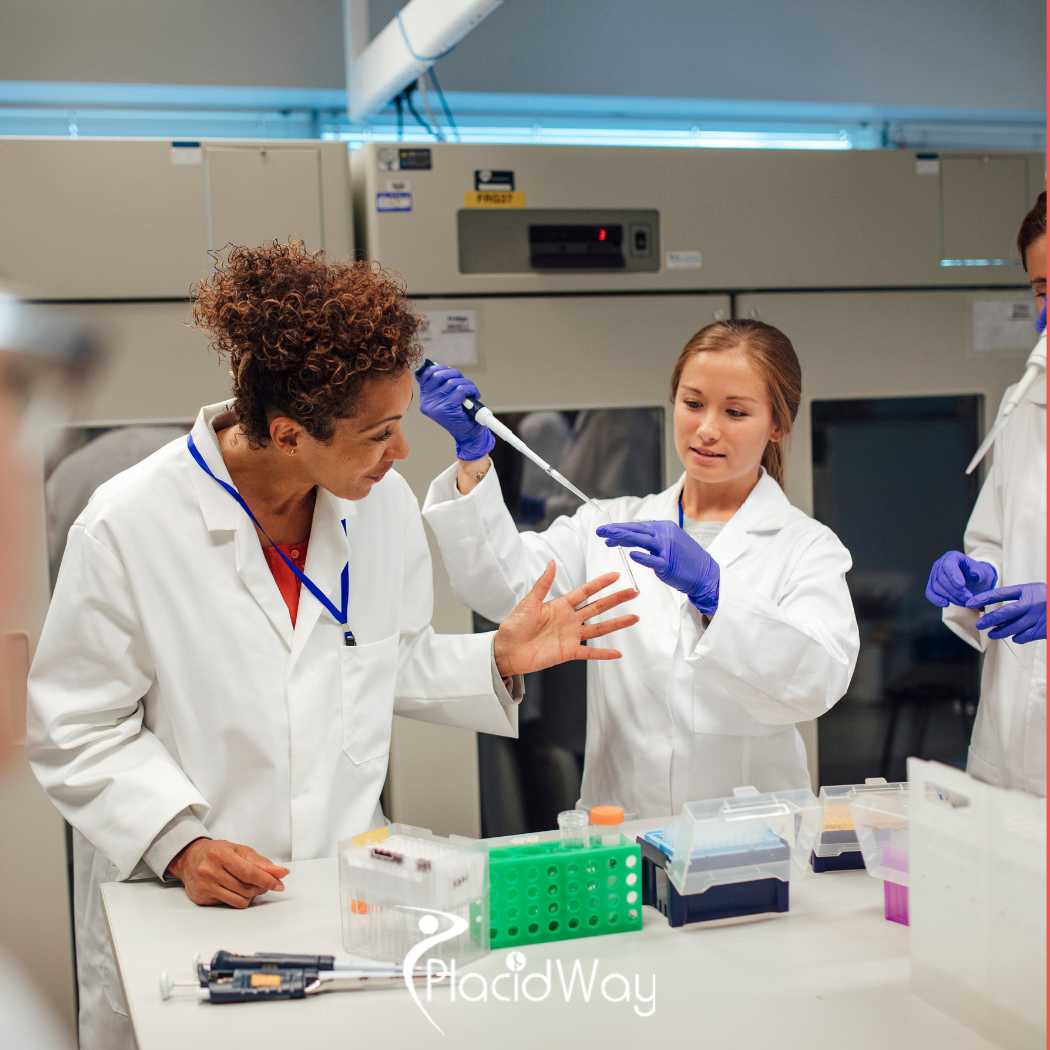
A Guide to Identifying Safe and Legitimate Stem Cell Therapies
PlacidWay Medical Tourism
- Stem Cell Therapy
United States
Stem Cell Therapy for Type 2 Diabetes: What’s the Real Success Rate?
PlacidWay Medical Tourism
- Stem Cell Therapy
United States

Evaluating FDA-Regulated Stem Cell Therapy for Parkinson's Disease in the United States
PlacidWay US Medical Tourism
- Stem Cell Therapy
United States
Understanding Stem Cell Therapy for Diabetes in the United States: Treatment Safety, Costs, and Clinical Options
PlacidWay US Medical Tourism
- Stem Cell Therapy
United States
Stem Cell Therapy Solutions Near You: Explore Top Medical Centers
Discover how Stem Cell Therapy is transforming lives at leading medical centers in Riverside, United States. Dive into center profile, specialties, doctors, reviews, etc. and explore the best options tailored to your needs in this region.
Personalized Regenerative Medicine
Los Angeles,San Clemente, United States
Blatman Health and Wellness Center
Cincinnati, United States
California Wellness Institute
Lancaster,Los Angeles,Riverside, United States
Regenestem Fort Lauderdale, USA
Fort Lauderdale, United States








What kind of treatment does your institute do for multiple sclerosis
Read More