
What treatment


10+ Highly Rated stem cell therapy for sjogrens syndrome Clinics in Japan
Reach Out to These Certified stem cell therapy for sjogrens syndrome Clinics List in Japan Loved by Patients!
 82.81% Patient Recommend
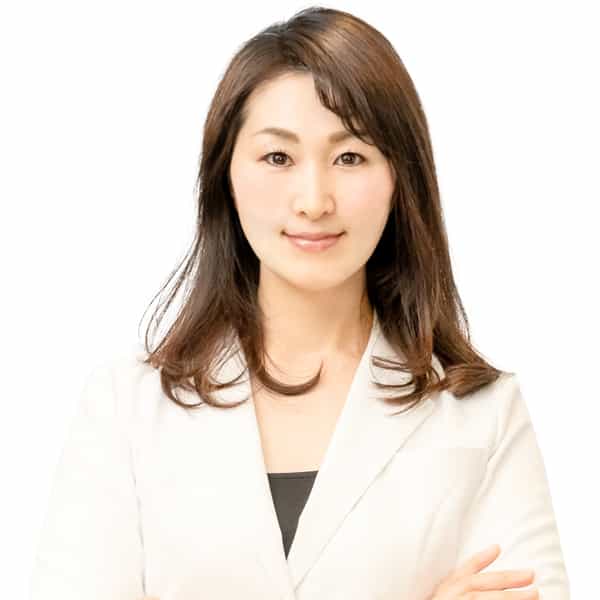
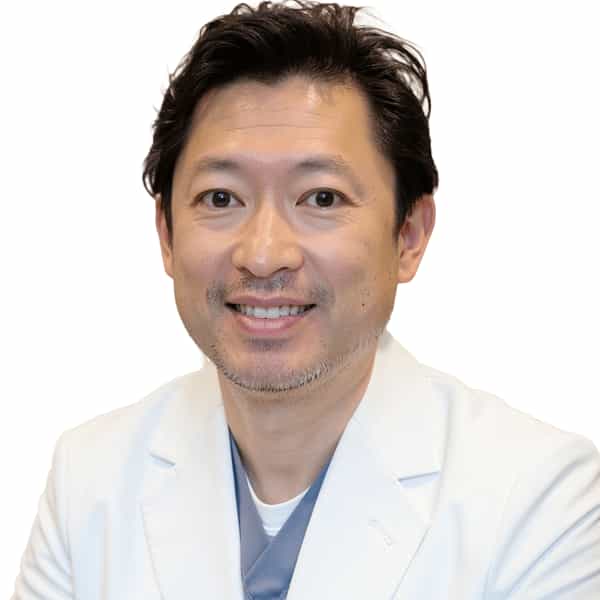
HELENE - Stem Cell Clinic


Overview
Japan Regenerative Medicine Leading Brand With over a decade of experience and more than 17,000 treated patients. Providing cutting-edge stem cell therapies tailored to various health concerns.
Read more details

 100.00% Patient Recommend
Azabu Skin Clinic - Dermatology and Stem Cell Therapy in Japan
Overview
Azabu Skin Clinic in Tokyo offers advanced stem cell treatments, regenerative treatments, dermatology, and aesthetic care. Book your consultation today.
Read more details
Riso Clinic - Japan Stem Cell Therapy
Overview
Explore Japan stem cell therapy at Riso Clinic in Tokyo. Advanced regenerative treatments for knee osteoarthritis, joint injuries, and cartilage repair.
Read more details
Clinique Haru Osaka Umeda - Japan Stem Cell Treatment
Overview
Clinique Haru Osaka Umeda specializes in Japan stem cell treatments for joint and musculoskeletal conditions using advanced regenerative medicine.
Read more detailsDiscover your treatment options with a free, no-obligation quote!
Get your quote now!
Beijing Puhua International Hospital- Stem Cell Center
Overview
Beijing Puhua International Hospital (BPIH) features a dedicated Stem Cell Center, where a team of highly educated and experienced scientists and technicians are working on the research and development of stem cell technology to restrict the development of several degenerative diseases like Parkinson’s, ALS, Batten, Multiple Sclerosis and more.
Read more details
Krishna Institute of Medical Sciences (KIMS), Bengaluru
Overview
Krishna Institute of Medical Sciences (KIMS) Bengaluru is recognized as the best hospital in India, offering advanced multispecialty care and expert doctors.
Read more details 95.18% Patient Recommend
ReeLabs Stem Cells in Mumbai, India
Overview
ReeLabs provides advanced Stem Cell Mumbai services, including stem cell banking and therapy for safe preservation and future medical use.
Read more details

SCF Clinic - Stem Cell Bangkok Thailand
Overview
Experience advanced Stem Cell Bangkok Thailand at SCF Clinic. We offer CAR-T, NK Cell therapy, Exosomes, Multi-Cancer Early Detection & Anti-Aging programs.
Read more detailsDiscover your treatment options with a free, no-obligation quote!
Get your quote now!PlacidWay India Medical Tourism
For the best care, access the best. PlacidWay India Medical Tourism offers medical care options in foreign destinations, including world-class surgeons and physicians, state-of-the-art facilities and up-to-date technologies, treatments and procedures for individuals seeking health and wellness abroad.


 100.00% Patient Recommend
Medical Park Hospitals Group in Istanbul, Turkey
Overview
Medical Park Hospital Istanbul offers advanced healthcare services, and modern facilities for international patients seeking quality treatment in Turkey.
Read more details
Aura Regenerative Center
Overview
Aura Regenerative Center offers advanced stem cell therapy in Monterrey with personalized regenerative treatments led by experienced medical professionals.
Read more details
 100.00% Patient Recommend
Dr. Ebenezer Abel Paul - Stem Cell Clinic in Dubai, UAE
Overview
Verve Wellness, a top clinic for Stem Cell in Dubai, led by Dr. Ebenezer Abel Paul. We offer personalized anti-aging & wellness programs using MSCs & IV NAD+.
Read more details
 100.00% Patient Recommend
Quantum Biohack - Stem Cell Therapy Playa del Carmen
Overview
Quantum Biohack offers licensed stem cell therapy in Playa del Carmen with personalized regenerative and longevity treatments under medical supervision.
Read more details
 92.31% Patient Recommend
Center for Advanced Medicine in Frankfurt, Germany
Overview
Leading Regenerative Medicine Germany center in Frankfurt. Expert care in oncology, chronic diseases, neurological therapies, detox & integrative medicine.
Read more details.png)
Asklepios Kliniken Hamburg in Germany for International Patients
Overview
Asklepios Kliniken in Germany offers international patients access to a large hospital network founded in 1985 and supported by around 70,000 employees.
Read more details
Genoma Health - Stem Cell Dominican Republic
Overview
Genoma Health offers advanced regenerative medicine and stem cell therapy in the Dominican Republic, focusing on personalized, science-based treatments.
Read more details
Lumm Medical - Stem Cell Medellin Colombia
Overview
Lumm Medical Medellin , Colombia is a center specializing in regenerative medicine.We treat injuries and chronic joint pain, aging, and aesthetic issues using advance stem cell therapies
Read more detailsPlacidWay Mexico Medical Tourism
PlacidMexico perfectly combines healthcare with exotic travel options in Mexico at affordable prices. If you are trying new ways to improve or preserve your health through traditional or alternative health methods or if you have a condition that requires medical attention PlacidMexico offers a variety of options for you to choose.
Regenerative Medicine Cabo San Lucas Mexico
Regenerative Medicine Cabo San Lucas Mexico offers advanced stem cell therapy for autism, osteoarthritis, anti-aging, hair loss, and joint repair treatments.
PlacidWay Austria Medical Tourism
PlacidWay Austria Medical Tourism offers you the opportunity to access pocket-friendly, topmost medical services offered by some of the most famous hospitals and clinics in the country. We will help you choose from a broad variety of customized programs which include various treatment options, accredited medical centers, highly experienced doctors, accommodation and transportation options, translators, and everything else you might need for a successful medical experience in a foreign country.
Which are the best clinics for Stem Cell Therapy for Sjogren's Syndrome in Japan?
For Stem Cell Therapy targeting Sjogren's Syndrome in Japan, highly-rated facilities known for advanced regenerative medicine include HELENE - Stem Cell Clinic in Tokyo and Cell Grand Clinic in Osaka. Both are recognized for their expertise in cellular therapies and adherence to Japan's stringent medical regulations, offering personalized protocols for various complex conditions, including those with autoimmune components. Their focus on innovative, high-quality stem cell treatments draws patients seeking specialized care within a robust regulatory framework.
When seeking clinics specializing in stem cell therapy for conditions like Sjogren's Syndrome in Japan, two prominent facilities stand out for their comprehensive approach and advanced treatments:
- HELENE - Stem Cell Clinic (Tokyo): This clinic is well-regarded for its extensive experience in regenerative medicine, treating a wide range of health concerns. They emphasize individualized stem cell therapies, which can be crucial for autoimmune conditions like Sjogren's. Patients often highlight the clinic's meticulous approach and supportive staff.
- Cell Grand Clinic (Osaka): Known as a leading stem cell clinic in Japan, Cell Grand offers cutting-edge regenerative therapies focused on anti-aging, chronic conditions, and overall wellness. Their expertise in advanced cellular treatments makes them a strong option for exploring therapeutic possibilities for Sjogren's Syndrome.
Both clinics benefit from Japan's stringent regulatory environment for regenerative medicine, ensuring high standards of safety and quality. They focus on using advanced techniques and personalized care plans to address patient needs.
How do Japanese clinics evaluate patients for Stem Cell Therapy for Sjogren's Syndrome?
Japanese clinics conduct a thorough, multi-faceted evaluation for Sjogren's Syndrome patients considering stem cell therapy. This includes an extensive review of your medical history, current symptoms, previous treatments, and comprehensive diagnostic tests. Specialists assess eligibility based on your specific health profile, disease severity, and potential for treatment benefits, ensuring a personalized approach to regenerative medicine is safe and appropriate for your individual condition.
The evaluation process at leading Japanese stem cell clinics is detailed and patient-centric:
- Comprehensive Medical History: Physicians will carefully review your complete medical records, focusing on the onset, progression, and severity of your Sjogren's Syndrome symptoms. This includes any previous treatments, medications, and their efficacy.
- Diagnostic Testing: Expect a range of tests to confirm the diagnosis and assess organ involvement. This may include blood tests (autoimmune markers, inflammatory markers, organ function), imaging (ultrasound of salivary glands, MRI), and sometimes biopsies.
- Clinical Assessment: A detailed physical examination and evaluation of your specific symptoms (e.g., dry eyes, dry mouth, fatigue, joint pain) will be performed.
- Personalized Consultation: Specialists discuss your expectations, potential benefits, and risks of stem cell therapy. This ensures you have a clear understanding of the proposed treatment plan and its suitability for your condition.
Clinics like HELENE - Stem Cell Clinic and Cell Grand Clinic prioritize patient safety and tailor treatment plans based on these extensive evaluations.
What types of stem cells are commonly used for autoimmune conditions in Japan?
In Japan, mesenchymal stem cells (MSCs) are predominantly used for autoimmune conditions like Sjogren's Syndrome. These cells, often derived from a patient's own adipose tissue (fat) or bone marrow, are valued for their immunomodulatory and anti-inflammatory properties. Japanese clinics focus on isolating, culturing, and expanding these MSCs in highly controlled, GMP-certified laboratories to achieve therapeutic doses, aiming to regulate immune responses and promote tissue repair in affected areas.
For autoimmune diseases, including Sjogren's Syndrome, Japanese regenerative medicine typically utilizes:
- Mesenchymal Stem Cells (MSCs): These are multipotent stromal cells that can differentiate into a variety of cell types. More importantly for autoimmune conditions, they possess strong immunomodulatory and anti-inflammatory capabilities.
- Sources of MSCs:
- Adipose-Derived Stem Cells (ADSCs): Extracted from a patient's own fat tissue through a minimally invasive liposuction procedure. This is a common and preferred source due to abundance and ease of access.
- Bone Marrow-Derived Stem Cells (BMSCs): Harvested from the patient's bone marrow.
The focus is often on autologous (patient's own) cells to minimize rejection risks. Japanese clinics rigorously process and expand these cells in specialized, GMP-compliant facilities to ensure purity, viability, and a high cell count for optimal therapeutic effect.
What is the typical treatment protocol for Sjogren's Syndrome Stem Cell Therapy in Japan?
A typical stem cell therapy protocol for Sjogren's Syndrome in Japan involves several stages. First, an initial consultation and stem cell harvesting (usually from fat tissue) take place. The collected cells are then cultured and expanded in a specialized laboratory over a few weeks. Finally, the patient returns for the administration of the highly concentrated stem cells, often via intravenous infusion for systemic effects or targeted injections for localized symptoms. Post-treatment, monitoring and follow-up guidance are provided.
The general protocol followed by clinics like HELENE - Stem Cell Clinic and Cell Grand Clinic typically includes:
- Initial Consultation and Cell Harvesting (Trip 1):
- A thorough medical review and discussion of the treatment plan.
- Collection of adipose tissue (fat) through a small, outpatient procedure, usually from the abdomen or thigh.
- Laboratory Processing and Expansion (4-6 weeks):
- The harvested cells are sent to a certified Cell Processing Center (CPC) within Japan.
- Cells are carefully cultured and expanded to achieve a high, therapeutic dosage under strict quality control.
- Stem Cell Administration (Trip 2):
- The patient returns to the clinic for the infusion of the expanded stem cells.
- Administration is often intravenous (IV) for systemic benefits, or via direct injections into specific affected areas if applicable (e.g., salivary glands).
- The procedure is minimally invasive and typically does not require an overnight stay.
- Post-Treatment Care and Follow-up:
- Patients receive detailed instructions for post-treatment care and lifestyle recommendations.
- Follow-up appointments are scheduled to monitor progress and assess treatment efficacy.
How do Japanese clinics ensure high-quality stem cell products for therapy?
Japanese clinics ensure high-quality stem cell products through strict adherence to the "Act on the Safety of Regenerative Medicine," rigorous Good Manufacturing Practice (GMP) standards, and specialized Cell Processing Centers (CPCs). These facilities meticulously culture and expand cells, performing comprehensive testing for sterility, viability, and potency before administration. This stringent regulatory environment and advanced laboratory practices are central to Japan's reputation for safe and effective regenerative therapies.
The commitment to quality and safety in Japanese stem cell clinics is paramount:
- Regulatory Oversight: Japan has a robust regulatory framework, the "Act on the Safety of Regenerative Medicine," which governs the research and clinical application of regenerative therapies. This ensures all procedures and cell products meet stringent national standards.
- Good Manufacturing Practice (GMP): Clinics operate specialized Cell Processing Centers (CPCs) that adhere to GMP guidelines, guaranteeing the sterile and controlled environment necessary for cell culture and expansion.
- Quality Control Testing: Every batch of expanded stem cells undergoes extensive testing:
- Sterility Testing: To ensure no contamination (bacteria, fungi, viruses).
- Viability Assessment: To confirm a high percentage of live, healthy cells.
- Phenotypic Analysis: To verify the cells are indeed MSCs and possess the correct characteristics.
- Potency Testing: To assess their functional capabilities, such as their ability to differentiate or secrete trophic factors.
- Traceability: Comprehensive records are maintained for each patient's cells, from harvest to administration, ensuring full traceability and accountability.
What distinguishes leading Japanese stem cell clinics for autoimmune treatments?
Leading Japanese stem cell clinics for autoimmune treatments like Sjogren's Syndrome are distinguished by their adherence to strict national regulations, advanced cell processing capabilities, and emphasis on personalized therapy protocols. They often integrate traditional medical approaches with innovative regenerative techniques, boast high patient satisfaction, and invest significantly in research. Their multidisciplinary teams also provide holistic care, focusing on overall wellness alongside targeted cellular intervention.
Several key factors set apart top Japanese clinics in the field of autoimmune regenerative medicine:
- Stringent Regulatory Compliance: Japan's "Act on the Safety of Regenerative Medicine" ensures a high level of safety and ethical standards for all procedures.
- Advanced Cell Processing Facilities: Many leading clinics, such as HELENE - Stem Cell Clinic and Cell Grand Clinic, operate their own GMP-certified Cell Processing Centers (CPCs), ensuring meticulous control over cell quality, purity, and expansion.
- Personalized Treatment Protocols: Rather than a one-size-fits-all approach, these clinics excel at tailoring stem cell dosages and administration methods based on each patient's specific condition, severity of symptoms, and overall health profile.
- Integration of Holistic Care: Beyond cellular therapy, many clinics incorporate lifestyle adjustments, nutritional guidance, and complementary therapies to support the regenerative process and enhance overall patient well-being.
- Experienced Specialists and Multidisciplinary Teams: Clinics employ highly trained regenerative medicine specialists, immunologists, and support staff who work together to provide comprehensive care.
- Focus on Research and Innovation: Japan is at the forefront of regenerative medicine research, and leading clinics often participate in or follow the latest advancements to offer the most current therapeutic options.
What patient testimonials exist for Sjogren's Stem Cell Therapy in Japanese clinics?
While specific public testimonials for Sjogren's Syndrome are less common due to patient privacy and the condition's niche nature, general stem cell therapy clinics in Japan often share patient experiences related to autoimmune support, improved inflammation, and enhanced quality of life. Patients frequently report reduced fatigue, diminished dryness, and overall improvements in well-being following treatments at facilities like HELENE - Stem Cell Clinic and Cell Grand Clinic, reflecting positive outcomes in their regenerative journeys.
Although direct, widespread testimonials for Sjogren's Syndrome patients receiving stem cell therapy in Japan may not be easily accessible due to medical privacy, patients undergoing regenerative treatments for various conditions in Japanese clinics often share positive experiences. These typically include:
- Improved Quality of Life: Patients frequently report a general improvement in their daily lives, such as increased energy levels and reduced fatigue.
- Reduction in Symptoms: For conditions involving inflammation or tissue damage, patients often note a decrease in pain, swelling, and other discomforts. For Sjogren's, this might translate to reduced dryness of eyes and mouth, and fewer systemic symptoms.
- Enhanced Well-being: Many testimonials speak to an overall sense of rejuvenation and improved health markers, contributing to a better mental and physical state.
- Professional and Compassionate Care: Patients consistently praise the high level of professionalism, thoroughness, and compassionate support received from the medical staff at Japanese clinics.
Clinics like HELENE - Stem Cell Clinic and Cell Grand Clinic regularly update their websites with patient stories or aggregated satisfaction ratings, providing insights into the patient experience with their regenerative therapies.
What supporting therapies might be recommended alongside stem cell therapy for Sjogren's in Japan?
Alongside stem cell therapy for Sjogren's Syndrome, Japanese clinics often recommend a holistic approach, integrating supporting therapies to optimize outcomes. These may include personalized nutritional plans focused on anti-inflammatory diets, specialized physical therapy to manage musculoskeletal symptoms, targeted supplementation, and lifestyle modifications like stress reduction techniques. This comprehensive strategy aims to create an ideal internal environment for the stem cells to function effectively and to enhance overall patient well-being and symptom management.
To maximize the efficacy of stem cell therapy for Sjogren's Syndrome, Japanese clinics often incorporate a range of supporting therapies:
- Personalized Nutritional Guidance: An anti-inflammatory diet is crucial. Clinics may provide tailored meal plans and dietary advice to reduce systemic inflammation and support overall cellular health.
- Targeted Supplementation: Recommendations for specific vitamins, minerals, and antioxidants that can aid immune modulation and reduce oxidative stress, supporting the body's natural healing processes.
- Lifestyle Modifications: Advice on adequate hydration, regular gentle exercise (e.g., yoga, light walking) to improve circulation and reduce stiffness, and stress management techniques (e.g., meditation, mindfulness) to alleviate stress-related symptom flares.
- Physical Therapy/Rehabilitation: For patients experiencing joint pain or muscle weakness due to Sjogren's, customized physical therapy programs can help improve mobility, strength, and reduce discomfort.
- Ocular and Oral Care: Continued management of dry eyes (e.g., artificial tears, punctal plugs) and dry mouth (e.g., salivary stimulants, oral hygiene practices) is vital. Stem cell therapy aims to improve these, but adjunctive care remains important.
- Traditional Japanese Medicine: Some clinics may offer complementary therapies rooted in traditional Japanese medicine, customized to support the patient's constitution and enhance the regenerative effects.
What are the long-term follow-up procedures at Japanese stem cell clinics for autoimmune conditions?
Long-term follow-up at Japanese stem cell clinics for autoimmune conditions like Sjogren's Syndrome typically involves scheduled check-ups, often spanning several months to a year post-treatment. These follow-ups include monitoring symptom improvement, assessing overall health status through diagnostic tests, and adjusting lifestyle recommendations. The aim is to track the sustained effects of the therapy, ensure patient well-being, and provide ongoing support to maintain the benefits achieved from the regenerative treatment.
Effective long-term care is crucial for optimizing and maintaining the benefits of stem cell therapy for autoimmune conditions:
- Scheduled Follow-up Appointments: Patients are typically scheduled for follow-up visits at regular intervals (e.g., 1-month, 3-month, 6-month, and 12-month marks) post-treatment. These can often be conducted via telehealth for international patients, with periodic in-person visits.
- Symptom Monitoring: Clinics will track improvements in specific Sjogren's symptoms, such as levels of dryness in eyes and mouth, fatigue, pain, and overall functional ability. Standardized questionnaires and patient diaries may be used.
- Diagnostic Re-evaluation: Repeat blood tests for autoimmune markers, inflammatory markers, and organ function are common to objectively assess the therapy's impact on disease progression and immune modulation. Imaging studies might also be repeated if necessary.
- Lifestyle and Nutritional Review: Ongoing guidance on diet, exercise, and stress management is provided, with adjustments made based on the patient's progress and evolving needs.
- Communication and Support: Clinics ensure open lines of communication for patients to report any changes or concerns, offering continuous support throughout the recovery and maintenance phase.
- Potential for Booster Treatments: Depending on individual response and disease trajectory, some patients may be advised on the potential for future booster stem cell infusions to sustain or enhance results.
What is the accreditation process for Stem Cell Therapy clinics in Japan?
Stem cell therapy clinics in Japan must adhere to a rigorous accreditation process under the "Act on the Safety of Regenerative Medicine." This involves submitting detailed clinical plans for approval by the Ministry of Health, Labour and Welfare (MHLW), demonstrating compliance with stringent safety, efficacy, and ethical standards. Clinics must utilize certified Cell Processing Centers (CPCs) and have expert review boards to ensure all procedures are conducted with the highest quality and patient safety protocols.
Japan's regulatory framework for regenerative medicine is one of the most comprehensive globally:
- Act on the Safety of Regenerative Medicine: This law, enacted in 2014, governs the clinical use of stem cell therapies, balancing innovation with patient safety.
- Clinical Plan Submission and Approval: Any clinic wishing to provide regenerative medicine therapies must submit a detailed "Clinical Study Plan" or "Clinical Research Plan" to the Ministry of Health, Labour and Welfare (MHLW). This plan outlines the therapy, target conditions, safety measures, expected outcomes, and ethical considerations.
- Review Board Approval: Each plan is reviewed by an Institutional Review Board (IRB) or a Certified Regenerative Medicine Committee (CRMC) to ensure scientific validity, ethical compliance, and patient protection.
- Designated Cell Processing Centers (CPCs): Clinics must partner with or operate their own MHLW-approved CPCs for cell processing and expansion. These centers must adhere to Good Manufacturing Practice (GMP) standards.
- Ongoing Reporting and Monitoring: Approved clinics are required to report on the safety and efficacy of their treatments to the MHLW, ensuring continuous oversight.
This strict accreditation process ensures that clinics like HELENE - Stem Cell Clinic and Cell Grand Clinic meet high standards for patient care in regenerative medicine.
How do Japanese stem cell clinics manage patient expectations for Sjogren's Syndrome?
Japanese stem cell clinics manage patient expectations for Sjogren's Syndrome by providing transparent, evidence-based information during comprehensive consultations. They educate patients on realistic outcomes, emphasizing symptom management and quality of life improvement rather than a complete cure. Discussions cover potential benefits like reduced inflammation and improved dryness, alongside acknowledging that individual responses vary, ensuring patients make informed decisions with clear understanding of the therapy's scope and limitations for their autoimmune condition.
Managing patient expectations is a critical aspect of patient care at Japanese stem cell clinics:
- Transparent Communication: During initial and follow-up consultations, clinics clearly explain the current scientific understanding of stem cell therapy for autoimmune conditions like Sjogren's Syndrome.
- Realistic Outcome Discussion: Emphasis is placed on managing symptoms, reducing inflammation, improving quality of life, and potentially slowing disease progression, rather than promising a definitive "cure." Patients are informed that results can vary significantly among individuals.
- Detailed Treatment Plan Review: Patients receive a clear outline of the proposed protocol, including cell types, administration methods, and expected timeline for observing changes.
- Risk and Benefit Analysis: A thorough discussion of potential benefits (e.g., reduced dryness, less fatigue, improved immune regulation) and any associated risks or side effects is conducted.
- Educational Materials: Clinics often provide comprehensive educational resources to help patients understand their condition and the regenerative therapy in detail.
- Psychological Support: Acknowledging the chronic nature of Sjogren's, some clinics offer psychological support or guidance on coping strategies, ensuring patients have a holistic understanding of their journey.
What patient support services are offered by top Japanese stem cell clinics?
Top Japanese stem cell clinics, like HELENE and Cell Grand, provide a range of patient support services to enhance the treatment experience, especially for international patients. These typically include multilingual staff, patient coordinators to assist with scheduling and logistics, detailed pre- and post-treatment guidance, and help with local arrangements like accommodation and transportation. Their aim is to ensure a comfortable and seamless journey for patients seeking specialized regenerative therapies in Japan.
Leading stem cell clinics in Japan understand the unique needs of patients, particularly those traveling internationally for specialized care:
- Multilingual Staff and Translators: Many clinics employ staff fluent in multiple languages or provide professional translation services to ensure clear communication between patients and the medical team.
- Patient Coordinators/Case Managers: Dedicated coordinators assist with scheduling appointments, managing medical records, coordinating between different specialists, and answering non-medical questions throughout the patient's journey.
- Assistance with Logistics: While clinics typically don't book flights or accommodation directly, they often provide recommendations for nearby hotels, transportation options, and guidance on visa processes to ease the travel burden.
- Pre- and Post-Treatment Education: Comprehensive materials and consultations are provided regarding preparation for treatment, expected recovery, and long-term lifestyle recommendations.
- Follow-up Support: Mechanisms for long-term follow-up, including telehealth consultations, ensure ongoing monitoring and support after the patient returns home.
- Holistic Wellness Programs: Some clinics integrate nutritional counseling, lifestyle coaching, and mental well-being support to provide a holistic care experience.
Are there specific recovery guidelines after Sjogren's Stem Cell Therapy in Japan?
Yes, Japanese stem cell clinics provide specific recovery guidelines after Sjogren's Syndrome therapy to optimize regenerative outcomes. These typically include avoiding strenuous physical activity for a short period, adhering to personalized dietary recommendations (often anti-inflammatory), maintaining good hydration, and managing stress effectively. Patients are also advised to closely monitor their symptoms and attend scheduled follow-up appointments, often with options for remote consultations, to track progress and ensure sustained benefits from the treatment.
After undergoing stem cell therapy for Sjogren's Syndrome in Japan, patients receive tailored recovery guidelines to maximize results and ensure a smooth healing process:
- Rest and Activity Restrictions: Initially, patients are advised to rest and avoid strenuous physical activities for a specified period (usually a few days to a week), allowing the body to integrate the new cells.
- Hydration and Nutrition: Maintaining excellent hydration is emphasized, particularly important for Sjogren's patients. Patients often receive dietary recommendations focusing on anti-inflammatory foods and avoiding processed items to support the healing environment.
- Medication Management: Clear instructions are given regarding current medications for Sjogren's and any new prescriptions, ensuring proper adherence and avoiding contraindications.
- Symptom Monitoring: Patients are encouraged to closely monitor their symptoms (e.g., changes in dryness, pain, fatigue) and report any significant changes or concerns to the clinic.
- Avoidance of Certain Substances: Patients are typically advised to avoid alcohol, smoking, and certain supplements that might interfere with the stem cell activity for a period.
- Follow-up Schedule: Adherence to the prescribed follow-up schedule is crucial for tracking progress, adjusting lifestyle recommendations, and assessing the long-term efficacy of the therapy. This may include remote check-ins.
These guidelines are designed to support the body's regenerative processes and ensure the best possible therapeutic outcome.
What are the qualifications of specialists performing stem cell therapy in Japan?
Specialists performing stem cell therapy in Japan are highly qualified, often holding advanced medical degrees (MDs and PhDs) and extensive training in regenerative medicine, immunology, or relevant specialties. They must operate under the strict guidelines of Japan's "Act on the Safety of Regenerative Medicine," ensuring expertise in cell biology, clinical application, and patient safety protocols. Many are also actively involved in research, contributing to the field's continuous advancement, providing a high level of medical competence and ethical care.
The medical professionals involved in stem cell therapy in Japan are held to very high standards:
- Medical Licensing: All physicians must be fully licensed medical doctors (MDs) in Japan, with extensive experience in their respective specialties (e.g., immunology, rheumatology, internal medicine, regenerative medicine).
- Specialized Training: Many specialists have undergone additional rigorous training and certifications in regenerative medicine, cell therapy, or stem cell biology. This ensures they are proficient in the latest techniques and research.
- Academic Background: It's common for doctors in leading regenerative clinics, such as those at HELENE - Stem Cell Clinic and Cell Grand Clinic, to have advanced academic degrees (e.g., PhDs) and to be involved in ongoing scientific research and publications in the field.
- Clinical Experience: Extensive practical experience in administering cell-based therapies and managing patients with complex conditions, including autoimmune disorders, is a key qualification.
- Regulatory Compliance: Specialists are deeply familiar with and strictly adhere to the "Act on the Safety of Regenerative Medicine" and other national guidelines, emphasizing patient safety and ethical practices.
- Multidisciplinary Approach: Often, treatment involves a team of specialists, including physicians, scientists, and nurses, working collaboratively to provide comprehensive care.
Can international patients easily access Sjogren's Stem Cell Therapy in Japanese clinics?
Yes, international patients can generally access Sjogren's Stem Cell Therapy in Japanese clinics, as many facilities are equipped to handle overseas visitors. Clinics often provide multilingual support, dedicated patient coordinators, and assistance with travel logistics like accommodation recommendations and understanding visa requirements. While the process involves initial remote consultations and planning two visits (for cell harvesting and infusion), clinics aim to make the journey as smooth as possible for those seeking advanced regenerative treatments in Japan.
Japanese stem cell clinics are increasingly geared towards accommodating international patients:
- Dedicated International Patient Services: Many leading clinics have specialized departments or staff focused on assisting patients from abroad, offering services like multilingual support and patient coordination.
- Remote Consultations: The initial consultation and medical history review can often be conducted remotely (via video call), allowing international patients to assess their eligibility and discuss treatment plans before traveling.
- Assistance with Logistics: While patients are generally responsible for their own travel arrangements, clinics often provide guidance on:
- Accommodation: Recommending nearby hotels or extended-stay options.
- Transportation: Advising on local transport or shuttle services.
- Visa Requirements: Providing necessary documentation or letters to support visa applications for medical treatment.
- Streamlined Treatment Phases: The typical two-trip protocol (initial visit for cell harvesting, followed by a second visit for cell infusion after laboratory expansion) is designed to minimize overall travel time while ensuring optimal treatment.
- Post-Treatment Follow-up: Remote follow-up options are often available to monitor progress once patients return to their home countries.
Clinics like HELENE - Stem Cell Clinic and Cell Grand Clinic strive to make the experience as seamless and comfortable as possible for their international clientele.
How PlacidWay helps individuals access Stem Cell Therapy for Sjogren's Syndrome in Japan?
PlacidWay provides detailed, up-to-date information about Stem Cell Therapy for Sjogren's Syndrome, including benefits, risks, and expected outcomes, empowering patients with knowledge. We help users compare treatment options in various Japanese clinics, ensuring affordable options without compromising on quality by presenting transparent pricing and package details. PlacidWay assists users in finding trusted, accredited clinics and medical professionals specializing in Stem Cell Therapy for Sjogren's Syndrome in Japan, leveraging our extensive network of verified providers. We offer one-on-one consultations to help users make informed decisions about their treatment, ensuring their specific needs are met with personalized guidance. PlacidWay ensures continued support after the treatment, including follow-up care and recovery assistance, through coordinated communication channels with chosen facilities. Ready to get Stem Cell Therapy for Sjogren's Syndrome in Japan? Contact us today for a personalized consultation.Share with AI
Share this page with AI assistants to get summaries and insights



List of Best stem cell therapy for sjogrens syndrome Clinics in Japan
Unlock the Best Stem Cell Therapy for Sjogrens Syndrome Packages Just for You
Discover the ultimate Stem Cell Therapy for Sjogrens Syndrome packages designed to meet your health and wellness goals. Choose the perfect fit for your journey.

Price starting from $10000.0
Stem Cell Therapy for Spinal Cord Injury Package in Tokyo, Japan by HELENE Clinic
HELENE - Stem Cell Clinic
- Stem Cell Therapy
Tokyo, Japan

Price starting from $21000.0
AGA/FAGA Stem Cell Therapy for Hair Loss Package in Osaka, Japan by Cell Grand Clinic
Cell Grand Clinic - Best Stem Cell Clinic in Japan
- Stem Cell Therapy
Osaka, Japan

Price starting from $52000.0
Stem Cell × Fibroblast Anti-Aging GOLD Regenerative Medicine Package in Osaka, Japan by Cell Grand Clinic
Cell Grand Clinic - Best Stem Cell Clinic in Japan
- Anti Aging
Osaka, Japan

Price starting from $21000.0
ED (Erectile Dysfunction) Stem Cell Therapy Package in Osaka, Japan by Cell Grand Clinic
Cell Grand Clinic - Best Stem Cell Clinic in Japan
- Stem Cell Therapy
Osaka, Japan
Transformative Stem Cell Therapy for Sjogrens Syndrome Experiences: Dive into Procedure Insights
Discover the power of Stem Cell Therapy for Sjogrens Syndrome through compelling patient experiences. Uncover detailed insights into procedures, recovery journeys, and life-changing results.
.png)
Stem Cell Therapy for Spinal Cord Injury in Japan
- Stem Cell Treatment for Spinal Cord Injury, Stem Cell Therapy
Japan
.png)
Price starting from $10000.0
Stem Cell Therapy for Knee Osteoarthritis in Japan
- Stem Cell Treatment for Knee Osteoarthritis Abroad, Stem Cell Therapy
Japan
.png)
Stem Cell for Knee Osteoarthritis in Osaka, Japan
- Stem Cell Therapy for Osteoarthritis, Stem Cell Therapy
Osaka, Japan
.png)
Stem Cell Therapy for Alzheimer’s Disease in Japan
- Stem Cell Treatment for Alzheimers Disease, Stem Cell Therapy
Japan

(Translated by Google) The teacher is nice, but I am bothered by the staff\'s private conversations (laughter) and their behavior. (Original) 先生はいい方なのですが、スタッフの私語(笑い声)や対応が気になります。
Read More