
What treatment


5+ Best Clinics for Stem Cell Therapy for Tendon and Ligament Tears in India
Trusted Medical Tourism Platform Since 2007
What are the best clinics for stem cell therapy for tendon and ligament tears in India?
The leading stem cell therapy clinics in India are: GIOSTAR Hospital (Bengaluru), Dr. Pravin Patel's Innovative Hospital (Vadodara), StemRx Hospital and Research Centre (Mumbai), Krishna Institute of Medical Sciences (Bengaluru), and ReeLabs Stem Cells (Mumbai).
These facilities comply with ICMR guidelines and utilize GMP-certified sterile laboratories. They specialize in treating rotator cuff tears, ACL/MCL injuries, meniscal tears, and chronic tendonitis using autologous stem cells. Procedure costs generally range from $3,400 to $16,000 USD, providing an affordable, minimally invasive alternative to conventional orthopedic surgery.
 96.00% Patient Recommend
Dr. Pravin Patel Innovative Hospital & Research Center


Overview
Dr. Pravin Patel's Innovative Hospital provides best stem cell treatment in Gujarat, India. Also offers Ozone therapy, Quantum therapy , EBOO therapy, Frequency & Laser Therapy at affordable cost.
Read more details


 100.00% Patient Recommend
GIOSTAR Hospital Bengaluru
Overview
Discover GIOSTAR Hospital in Bengaluru, India—your go-to center for advanced stem cell therapies and cutting-edge procedures for orthopaedics. Explore treatments for diabetes, stroke, SCI, and more.
Read more details
 100.00% Patient Recommend
StemRx Hospital and Research Centre
Overview
At StemRx Hospital & Research Centre, We specialize in advanced Regenerative Medicine & Stem Cell therapy for Autism, Cerebral Palsy, Orthopedics, Migraine, AVN & IVF providing personalized care.
Read more details
 95.24% Patient Recommend
ReeLabs Stem Cells in Mumbai, India
Overview
ReeLabs provides advanced Stem Cell Mumbai services, including stem cell banking and therapy for safe preservation and future medical use.
Read more details
Discover your treatment options with a free, no-obligation quote!
Get your quote now! 93.96% Patient Recommend
RegenOrthoSport - Sports Medicine in Hyderabad India
Overview
Explore RegenOrthoSport in Hyderabad, India for regenerative orthopedics, sports medicine, PRP, stem cell therapy, and non-surgical pain relief.
Read more details
Viecell Institute of Regenerative Medicine
Overview
Discover Viecell Institute in Surat, Gujarat, India, for cutting-edge stem cell therapy. Transforming health with advanced regenerative solutions.
Read more detailsWhich are the leading clinics for Stem Cell Therapy for Tendon and Ligament Tears in India?
For Stem Cell Therapy targeting tendon and ligament tears in India, top-rated clinics include GIOSTAR Hospital Bengaluru, Dr. Pravin Patel's Innovative Hospital & Research Center in Vadodara, and StemRx Hospital and Research Centre in Mumbai. These facilities are recognized for their specialized expertise in regenerative orthopedic care, advanced technology, and high patient satisfaction across various locations in India.
When seeking effective stem cell treatment for orthopedic conditions like tendon and ligament tears, India has emerged as a significant hub, offering several reputable clinics. GIOSTAR Hospital Bengaluru is highly regarded for its advanced stem cell therapies and modern orthopedic procedures, often dealing with a range of musculoskeletal issues. Dr. Pravin Patel's Innovative Hospital & Research Center in Vadodara focuses on comprehensive regenerative medicine, including ozone and quantum therapies, alongside stem cell applications for various conditions, including chronic injuries. StemRx Hospital and Research Centre, located in Mumbai and Navi Mumbai, also stands out for its dedicated approach to regenerative medicine, offering personalized treatments for conditions affecting tendons and ligaments. These clinics consistently receive positive feedback from patients and are well-equipped to provide specialized care.
What should I look for in a Stem Cell Therapy clinic for tendon and ligament issues in India?
When choosing a stem cell therapy clinic in India for tendon and ligament issues, prioritize facilities with clear accreditation, specialized expertise in musculoskeletal regeneration, and transparent protocols for cell sourcing and administration. Look for positive patient testimonials and evidence of advanced diagnostic and therapeutic technologies to ensure comprehensive and effective care.
Selecting the right clinic is crucial for successful treatment outcomes. Here’s what to consider:
- Accreditation and Licensing: Ensure the clinic operates under recognized national and international healthcare standards and is licensed to perform stem cell procedures. This signifies adherence to safety and quality guidelines.
- Specialized Expertise: Verify that the medical team has specific experience in orthopedic regenerative medicine and treating tendon and ligament injuries with stem cells. Inquire about their success rates and patient outcomes for similar conditions.
- Technology and Infrastructure: A reputable clinic will utilize state-of-the-art laboratory facilities for stem cell processing and advanced imaging techniques (like MRI and ultrasound) for accurate diagnosis and precise cell delivery.
- Transparency in Protocols: The clinic should clearly explain its stem cell sourcing (e.g., autologous from your own body), processing methods, and treatment protocols. Understanding these steps is key to informed decision-making.
- Patient Support and Aftercare: Comprehensive clinics offer robust patient support, including detailed pre-procedure consultations, attentive post-treatment follow-up, and structured rehabilitation plans to maximize recovery.
How do clinics in India ensure safety in Stem Cell Therapy for tendon and ligament tears?
Indian clinics prioritize safety in stem cell therapy for tendon and ligament tears through strict adherence to ethical guidelines and national regulatory frameworks, such as those from the Indian Council of Medical Research (ICMR). They employ sterile laboratory environments for cell processing, utilize autologous (patient's own) cells, and maintain rigorous clinical protocols to minimize risks and ensure patient well-being during regenerative treatments.
Safety is paramount in any medical procedure, especially with advanced therapies like stem cells. Indian clinics maintain high safety standards by:
- Regulatory Compliance: Adhering to the guidelines set by the ICMR and other relevant health authorities ensures that all procedures, from research to clinical application, meet strict ethical and safety criteria.
- Ethical Sourcing and Processing: Most treatments for orthopedic conditions use autologous stem cells, meaning cells are harvested from the patient's own body (e.g., bone marrow, adipose tissue). This significantly reduces the risk of rejection or adverse immune reactions. Laboratories follow Good Manufacturing Practices (GMP) to ensure cell purity and viability.
- Sterile Environment: Procedures are carried out in highly sterile conditions to prevent infection, a critical aspect of any injection-based or minimally invasive treatment.
- Experienced Medical Teams: Procedures are performed by qualified orthopedic surgeons and regenerative medicine specialists who have extensive training in stem cell applications and injection techniques, ensuring precision and minimizing complications.
- Comprehensive Patient Screening: Thorough evaluation of patient medical history, current health status, and suitability for the therapy helps identify and mitigate potential risks before treatment begins.
What types of tendon and ligament injuries can be treated with stem cells in Indian clinics?
Indian clinics utilize stem cell therapy for a variety of tendon and ligament injuries, including chronic tendonitis, rotator cuff tears, ACL/MCL tears, meniscal injuries, plantar fasciitis, and Achilles tendon issues. This regenerative approach aims to promote natural tissue repair, reduce inflammation, and alleviate pain, offering a less invasive alternative for many musculoskeletal conditions.
Stem cell therapy in India is increasingly applied to a broad spectrum of tendon and ligament injuries that might otherwise require surgical intervention or long-term pain management. Common treatable conditions include:
- Chronic Tendonitis/Tendinopathy: Conditions like Achilles tendinopathy, patellar tendinopathy (jumper's knee), tennis elbow (lateral epicondylitis), and golfer's elbow (medial epicondylitis) often respond well.
- Rotator Cuff Tears: Partial tears of the rotator cuff tendons in the shoulder can benefit from stem cell injections to enhance healing and reduce the need for surgery.
- Ligament Injuries: Injuries to ligaments such as the Anterior Cruciate Ligament (ACL) or Medial Collateral Ligament (MCL) in the knee, especially partial tears, are targeted to improve stability and promote regeneration.
- Meniscal Tears: Certain types of meniscal tears, particularly those with good blood supply, can be supported by stem cell treatments to encourage repair.
- Plantar Fasciitis: Chronic heel pain due to inflammation or degeneration of the plantar fascia ligament.
- Other Soft Tissue Injuries: Various muscle strains, sprains, and other connective tissue damages.
What is the typical patient experience at a Stem Cell Therapy clinic in India for orthopedic conditions?
A typical patient experience at an Indian stem cell clinic involves an initial consultation and thorough diagnostic imaging to assess the injury. This is followed by a minimally invasive procedure for stem cell extraction (often from bone marrow or adipose tissue), laboratory processing, precise injection into the injury site, and a personalized post-treatment rehabilitation plan tailored for optimal recovery.
The patient journey for stem cell therapy in India is generally structured and patient-centric, focusing on comfort and effective treatment. Here's a breakdown:
- Initial Consultation and Diagnosis: Your journey begins with a comprehensive medical review, physical examination, and advanced imaging (MRI, ultrasound) to confirm the diagnosis and determine if stem cell therapy is suitable.
- Stem Cell Extraction: If eligible, stem cells are typically harvested from your own body, most commonly from bone marrow (from the hip) or adipose (fat) tissue (via mini-liposuction). This is a minor surgical procedure usually performed under local anesthesia.
- Laboratory Processing: The extracted tissue is then sent to a specialized laboratory within or affiliated with the clinic. Here, the stem cells are isolated, concentrated, and prepared for re-implantation.
- Stem Cell Injection: The concentrated stem cells are injected directly into the injured tendon or ligament under precise image guidance (ultrasound or fluoroscopy) to ensure accurate placement. This is generally a quick procedure.
- Post-Procedure Care and Rehabilitation: After the injection, you'll receive instructions for immediate post-procedure care. This is typically followed by a personalized rehabilitation program, often involving physiotherapy, to support the healing process and gradually restore function to the treated area. Follow-up appointments are scheduled to monitor progress.
Are Stem Cell Therapy clinics in India specialized in sports injury recovery?
Yes, many leading Stem Cell Therapy clinics in India, including GIOSTAR Hospital Bengaluru and Dr. Pravin Patel's Innovative Hospital, are highly specialized in sports injury recovery. They offer tailored regenerative programs for athletes with tendon and ligament tears, focusing on accelerating healing, reducing downtime, and facilitating a safe return to their sport, often integrating cutting-edge therapies with comprehensive rehabilitation protocols.
India's advanced medical tourism sector has led to the development of specialized clinics catering to sports injuries, where regenerative medicine plays a key role. These clinics often feature:
- Dedicated Sports Medicine Teams: Specialists include orthopedic surgeons with expertise in sports injuries, regenerative medicine physicians, physiotherapists, and rehabilitation experts, all working collaboratively.
- Athlete-Centric Protocols: Treatment plans are customized for athletes, considering the specific demands of their sport, recovery timelines, and goals for returning to peak performance.
- Advanced Diagnostic Tools: They utilize high-resolution MRI and dynamic ultrasound to precisely identify the extent of tendon and ligament damage, crucial for guiding stem cell application.
- Comprehensive Rehabilitation: Post-treatment, athletes undergo intensive, personalized rehabilitation programs designed to rebuild strength, flexibility, and agility, ensuring the regenerated tissue is robust enough for athletic activity.
- Focus on Minimally Invasive Solutions: Stem cell therapy offers a less invasive alternative to traditional surgery, which is often attractive to athletes looking to avoid prolonged recovery periods associated with surgical interventions.
What role does rehabilitation play after stem cell treatment for tendon injuries in Indian clinics?
Rehabilitation is absolutely crucial after stem cell treatment for tendon and ligament tears in Indian clinics. It acts as a vital partner to the regenerative process, ensuring the healing tissues are properly loaded, strengthened, and integrated for optimal functional recovery. Clinics typically prescribe structured physiotherapy and gradual exercise programs to protect the treated area and maximize the long-term benefits of stem cell therapy.
Stem cell therapy initiates the healing process, but rehabilitation is what guides and optimizes that healing, ensuring the newly regenerating tissues develop strength and proper function. Here's why it's so important:
- Guiding Tissue Integration: Controlled movement and specific exercises help the new cells and tissues organize correctly, forming a strong, functional structure rather than disorganized scar tissue.
- Restoring Range of Motion: Early, gentle rehabilitation helps prevent stiffness and maintains joint flexibility around the injured tendon or ligament.
- Progressive Strengthening: As healing progresses, resistance exercises are gradually introduced to strengthen the surrounding muscles, improving support and stability for the repaired tendon or ligament.
- Preventing Re-injury: A well-structured rehabilitation program educates the patient on proper body mechanics and activity modification, significantly reducing the risk of re-injury to the treated area.
- Optimizing Long-Term Outcomes: Patients who diligently follow their rehabilitation plans often experience better long-term pain relief, improved function, and a quicker return to their desired activity levels.
How do Indian stem cell clinics assess suitability for tendon and ligament repair?
Indian stem cell clinics comprehensively assess patient suitability for tendon and ligament repair through a detailed medical history, physical examinations, and advanced diagnostic imaging like MRI and ultrasound. They analyze the injury's severity, chronicity, and the patient's overall health to determine the most effective regenerative treatment plan and ensure favorable outcomes.
Before recommending stem cell therapy, clinics conduct a thorough evaluation to ensure the treatment is appropriate and has the best chance of success. This assessment typically involves:
- Detailed Medical History: Doctors will review your complete medical background, including any pre-existing conditions, medications, allergies, and previous treatments for the injury.
- Physical Examination: A hands-on examination assesses the affected joint or limb for pain, swelling, tenderness, range of motion, and stability, pinpointing the exact location and nature of the tendon or ligament damage.
- Advanced Imaging:
- Magnetic Resonance Imaging (MRI): Provides highly detailed images of soft tissues, allowing doctors to visualize the extent of tendon or ligament tears, degeneration, and surrounding tissue health.
- Ultrasound: Often used for dynamic assessment, showing tissues in motion and guiding precise injection placement.
- X-rays: Used to rule out bone fractures or significant joint degeneration that might influence treatment.
- Blood Tests: Routine blood work may be performed to check overall health, detect any underlying conditions that could affect the therapy, and assess inflammatory markers.
- Discussion of Expectations: The medical team will discuss realistic expectations, potential benefits, and any risks associated with the therapy to ensure the patient is fully informed.
What support services do Stem Cell Therapy clinics in India offer for international patients?
Stem Cell Therapy clinics in India provide extensive support services for international patients, including travel logistics, accommodation assistance, airport transfers, and multilingual interpretation. They also offer guidance on visa processes, dedicated patient coordinators, and personalized packages, ensuring a seamless and comfortable medical journey from arrival to departure, allowing patients to focus solely on their treatment and recovery.
Recognizing the unique needs of patients traveling from abroad, many Indian stem cell clinics offer comprehensive support services to make the experience as smooth and stress-free as possible:
- Travel and Accommodation Assistance: Clinics often help with flight bookings, hotel reservations, and arranging comfortable accommodation that suits the patient's budget and recovery needs.
- Airport Transfers: Complimentary pick-up and drop-off services at major airports simplify arrival and departure.
- Language Interpretation: Professional interpreters are often available to bridge communication gaps between patients and medical staff, ensuring clear understanding throughout the treatment process.
- Visa and Documentation Support: Clinics can provide invitation letters and guidance on obtaining necessary medical visas and other travel documentation.
- Dedicated Patient Coordinators: A specific coordinator is often assigned to each international patient, acting as a single point of contact for all inquiries and arrangements before, during, and after treatment.
- Local Transportation: Assistance with local transport for clinic visits, sightseeing, or other personal needs.
- Post-Treatment Follow-up: Many clinics offer virtual follow-up consultations to monitor progress once patients return to their home country.
How do Stem Cell Therapy clinics in India stay updated on new regenerative treatment protocols?
Leading Stem Cell Therapy clinics in India remain at the forefront of regenerative medicine by actively engaging in ongoing clinical research, publishing scientific findings, and regularly participating in international conferences and workshops. They often collaborate with global research institutions and adhere to evolving national and international regulatory guidelines, ensuring their treatment protocols for tendon and ligament repair are evidence-based and incorporate the latest advancements for improved patient outcomes.
The field of regenerative medicine, particularly stem cell therapy, is constantly evolving. Reputable clinics in India ensure their practices are current by:
- Continuous Research and Development: Many clinics have in-house research divisions or collaborate with academic institutions to conduct their own studies, contributing to the body of scientific knowledge and refining treatment approaches.
- Participation in Conferences and Workshops: Doctors and researchers frequently attend and present at international and national regenerative medicine conferences, allowing them to learn about new techniques, share insights, and network with global experts.
- Professional Training and Education: Medical staff undergo continuous professional development and specialized training to stay proficient with emerging technologies and best practices in stem cell isolation, processing, and application.
- Adherence to Evolving Guidelines: They closely monitor and adapt to updates from regulatory bodies like the Indian Council of Medical Research (ICMR) and international organizations, ensuring all protocols meet the highest standards of safety and efficacy.
- Interdisciplinary Collaboration: Collaborating with specialists from various medical fields, both locally and internationally, helps integrate diverse perspectives and innovations into their regenerative treatment strategies for complex orthopedic conditions.
How PlacidWay helps individuals access Stem Cell Therapy for Tendon and Ligament Tears in India?
PlacidWay provides detailed, up-to-date information about Stem Cell Therapy for Tendon and Ligament Tears, including benefits, risks, and expected outcomes, empowering you with knowledge. PlacidWay helps users compare treatment in various clinics, ensuring affordable options without compromising on quality. Our platform assists you in finding trusted, accredited clinics and medical professionals specializing in Stem Cell Therapy for Tendon and Ligament Tears in India. PlacidWay offers one-on-one consultations to help users make informed decisions about their treatment, ensuring their specific needs are met. We also ensure continued support after the treatment, including follow-up care and recovery assistance, making your health journey seamless. Ready to get Stem Cell Therapy for Tendon and Ligament Tears in India? Contact us today for a personalized consultation.Share with AI
Share this page with AI assistants to get summaries and insights


List of Best Stem Cell Therapy for Tendon and Ligament Tears Clinics in India
Unlock the Best Stem Cell Therapy Packages Just for You
Discover the ultimate Stem Cell Therapy packages designed to meet your health and wellness goals. Choose the perfect fit for your journey.

Price starting from $5,000
Stem Cell Therapy for Knee Arthritis Package in Hyderabad India by RegenOrthoSport
RegenOrthoSport - Sports Medicine in Hyderabad India
- Stem Cell Therapy
Hyderabad, India
Price starting from $4,750
Stem Cells and PRP Knee Cartilage Rejuvenation Chondroplasty Package in Bengaluru, India by Giostar
GIOSTAR Hospital Bengaluru
- Orthopedic/Knee Surgery
Bengaluru, India
Price starting from $9,000
Diabetes Mellitus Type 1 & 2 in Mumbai, India by StemRX
StemRx Hospital and Research Centre
- Stem Cell Therapy
Mumbai,Navi Mumbai, India

Price starting from $10,000
Advanced Stem Cell Therapy for ALS Package in Mumbai, India
Leading Neurology and Spine Care Center in Navi Mumbai, India
- Stem Cell Therapy
Mumbai,Navi Mumbai, India
Transformative Stem Cell Therapy Experiences: Dive into Procedure Insights
Discover the power of Stem Cell Therapy through compelling patient experiences. Uncover detailed insights into procedures, recovery journeys, and life-changing results.
.png)
Price starting from $9,500
Stem Cell Therapy for Diabetes Bengaluru, India
- Stem Cell Treatment for Diabetes, Stem Cell Therapy
Bengaluru, India
.png)
Price starting from $7,500
Stem Cell Therapy in India for Diabetes Type 1
- Stem Cell Treatment for Diabetes, Stem Cell Therapy
India
.png)
Price starting from $9,500
Stem Cell Therapy for Kidney Disease in Bengaluru, India
- Stem Cell Treatment for Kidney Failure, Stem Cell Therapy
Bengaluru, India
Price starting from $7,500
Stem Cell Therapy in India for Diabetes Type 2
- Stem Cell Treatment for Diabetes, Stem Cell Therapy
India
Explore Stem Cell Therapy: Stories, Testimonials, and Procedures
Watch in-depth videos covering everything from Stem Cell Therapy success stories to detailed procedure explanations. Learn what to expect and hear from real patients.
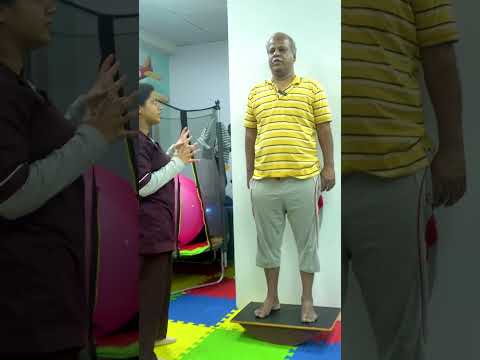
Specialized Physiotherapy and Neurological Rehabilitation Procedures in Navi Mumbai, India for Severe Balance Disorders
Stem Cell Therapy
StemRx Hospital and Research Centre
India

Innovative Stem Cell Therapy in Navi Mumbai, India for Natural Disease Treatment
Stem Cell Therapy
StemRx Hospital and Research Centre
India
Post-COVID Syndrome Stem Cell Therapy in Navi Mumbai, India
Stem Cell Therapy
StemRx Hospital and Research Centre
India

Breakthrough Stem Cell Therapy Procedure for Autism in Navi Mumbai, India
Stem Cell Therapy
StemRx Hospital and Research Centre
India
Learn More with These Stem Cell Therapy Articles
Take a look at these interesting articles, stories and research that will help you learn more about Stem Cell Therapy.
-(2).png)
Stem Cell Treatment in India at an Affordable Cost
PlacidWay India Medical Tourism
- Stem Cell Therapy
India
-(6).png)
Stem Cell Transplant for Thalassemia in India with Comprehensive Guide and Cost
PlacidWay Medical Tourism
- Stem Cell Therapy
India
-(4).png)
PRP and Stem Cell Therapy Costs and Treatment Options in Malaysia
PlacidWay Medical Tourism
- Stem Cell Therapy
India
.png)
Diabetes Stem Cell Breakthroughs in India: Safe, Effective, and Affordable in 2026
PlacidWay Medical Tourism
- Stem Cell Therapy
India
Stem Cell Therapy Solutions Near You: Explore Top Medical Centers
Discover how Stem Cell Therapy is transforming lives at leading medical centers in , India. Dive into center profile, specialties, doctors, reviews, etc. and explore the best options tailored to your needs in this region.
GIOSTAR Hospital Bengaluru
Bengaluru, India

RegenOrthoSport - Sports Medicine in Hyderabad India
Hyderabad, India
StemRx Hospital and Research Centre
Mumbai,Navi Mumbai, India

ReeLabs Stem Cells in Mumbai, India
Mumbai, India








As a US.-based Pulmonary/Critical Care physician, I am sharing my family’s experience to provide clinical context for others. My sister recently passed away at this facility, following acute complications from Extracorporeal Blood Oxygenation and Ozonation (EBOO). In my professional observation, the facility appeared significantly under-equipped and under-staffed to manage the complex complications associated with this procedure. When our family sought answers, the lead physician was unavailable, and the staff present seemed unable to provide a clear protocol for managing the acute issues that arose. Based on this experience in the lack of standard safety measures I observed, I cannot recommend the center for high risk or experimental treatments. Please exercise caution.
Read More