
What treatment


Find 10+ Stem Cell Treatment for Degenerative Diseases Clinics in Tokyo
Find Top Stem Cell Treatment for Degenerative Diseases Clinics in Tokyo, Offering Advanced Treatments
 82.81% Patient Recommend
HELENE - Stem Cell Clinic


Overview
Japan Regenerative Medicine Leading Brand With over a decade of experience and more than 17,000 treated patients. Providing cutting-edge stem cell therapies tailored to various health concerns.
Read more details
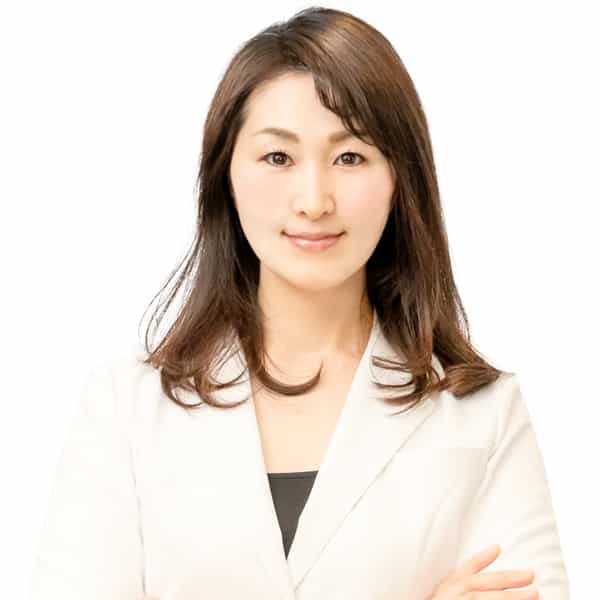
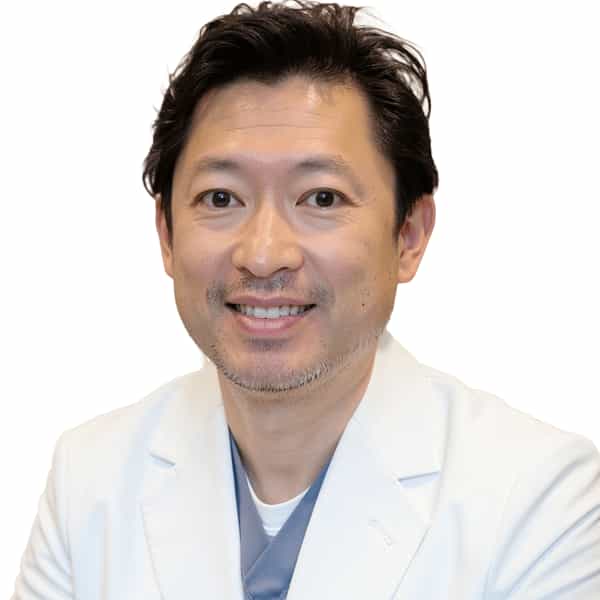

 100.00% Patient Recommend
Azabu Skin Clinic - Dermatology and Stem Cell Therapy in Japan
Overview
Azabu Skin Clinic in Tokyo offers advanced stem cell treatments, regenerative treatments, dermatology, and aesthetic care. Book your consultation today.
Read more details
Riso Clinic - Japan Stem Cell Therapy
Overview
Explore Japan stem cell therapy at Riso Clinic in Tokyo. Advanced regenerative treatments for knee osteoarthritis, joint injuries, and cartilage repair.
Read more details
Clinique Haru Osaka Umeda - Japan Stem Cell Treatment
Overview
Clinique Haru Osaka Umeda specializes in Japan stem cell treatments for joint and musculoskeletal conditions using advanced regenerative medicine.
Read more detailsDiscover your treatment options with a free, no-obligation quote!
Get your quote now! 100.00% Patient Recommend
Vega Stem Cell Clinic in Bangkok Thailand
Overview
Vega Clinic in Bangkok, Thailand, helps people feel better with special treatments. They use new ways to heal and make sure each person gets care made just for them.
Read more details
 100.00% Patient Recommend
FirstCell Malaysia
Overview
FirstCell specialize on cell-based medicine and treatments especially via MSC and NKC to enhance wellness and for targeted treatment modules. We are committed in delivering excellent treatment.
Read more details


Dr. Ebenezer Abel Paul - Stem Cells in Malaysia
Overview
Explore Stem Cells in Malaysia with Dr. Ebenezer Abel Paul, offering cutting-edge regenerative therapies and advanced stem cell treatments.
Read more details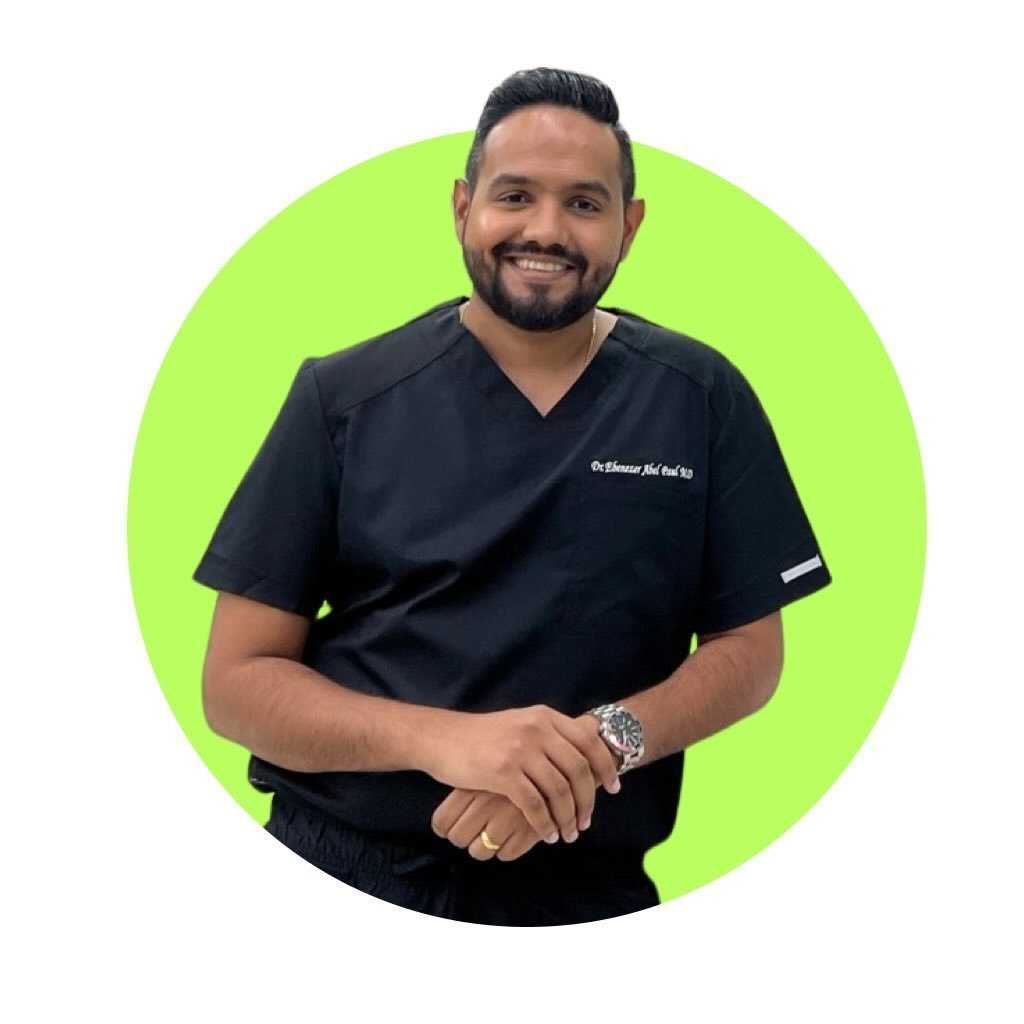
 96.00% Patient Recommend
Dr. Pravin Patels Innovative Hospital & Research Center
Overview
Dr. Pravin Patel's Innovative Hospital provides best stem cell treatment in Gujarat, India. Also offers Ozone therapy, Quantum therapy , EBOO therapy, Frequency & Laser Therapy at affordable cost.
Read more details

Discover your treatment options with a free, no-obligation quote!
Get your quote now! 100.00% Patient Recommend
GIOSTAR Hospital Bengaluru
Overview
Discover GIOSTAR Hospital in Bengaluru, India—your go-to center for advanced stem cell therapies and cutting-edge procedures for orthopaedics. Explore treatments for diabetes, stroke, SCI, and more.
Read more details
 100.00% Patient Recommend
Live Stem Cell Asia - Premier Stem Cell Clinic in Malaysia
Overview
Discover advanced stem cell Malaysia treatments at Live Stem Cell Asia, Petaling Jaya. Experience personalized care and innovative regenerative solutions.
Read more details
 100.00% Patient Recommend
StemRx Hospital and Research Centre
Overview
At StemRx Hospital & Research Centre, We specialize in advanced Regenerative Medicine & Stem Cell therapy for Autism, Cerebral Palsy, Orthopedics, Migraine, AVN & IVF providing personalized care.
Read more details
Beijing Puhua International Hospital- Stem Cell Center
Overview
Beijing Puhua International Hospital (BPIH) features a dedicated Stem Cell Center, where a team of highly educated and experienced scientists and technicians are working on the research and development of stem cell technology to restrict the development of several degenerative diseases like Parkinson’s, ALS, Batten, Multiple Sclerosis and more.
Read more details
Beike Biotech
Overview
Beike Biotechnology offers the best stem cell therapy in Thailand, combining top-quality regenerative treatment with cutting-edge technology for optimal patient care.
Read more details

Boston Health Longevity - Anti Aging Stem Cell Therapy in Thailand
Overview
Experience advanced Anti Aging Stem Cell Therapy in Thailand at Boston Health Longevity. Improve cellular health, vitality, and longevity with expert care.
Read more details 100.00% Patient Recommend
Chaum Medical Center
Overview
Premium healthcare at Chaum Medical Center, Seoul. Personalized anti-aging, stem cell therapy, and advanced medical services for a youthful life.
Read more details
Healthi Life Longevity Center in Bangkok, Thailand
Overview
Explore stem cell therapy in Bangkok, Thailand by Healthi Life Longevity Center with advanced regenerative treatments and personalized care plans.
Read more details
Hebei Yanda International Hospital
Overview
Hebei Yanda International Hospital in Beijing, China, addresses your healthcare needs with expert oncology, cardiology, and neurology treatments.
Read more details
Krishna Institute of Medical Sciences (KIMS), Bengaluru
Overview
Krishna Institute of Medical Sciences (KIMS) Bengaluru is recognized as the best hospital in India, offering advanced multispecialty care and expert doctors.
Read more details
Merkel Clinic
Overview
Merkel Clinic is a leading stem cell therapy center, specializing in innovative treatments for various medical conditions using cutting-edge regenerative medicine techniques.
Read more details
Mousai Wellness Center - Stem Cell Bangkok Thailand
Overview
Discover advanced Stem Cell treatments in Bangkok, Thailand at Mousai Wellness Center. Safe, innovative, and personalized care for lasting wellness.
Read more detailsWhich are the top clinics for Stem Cell Treatment for Degenerative Diseases in Tokyo, Japan?
When seeking top clinics for Stem Cell Treatment for Degenerative Diseases in Tokyo, Japan, HELENE - Stem Cell Clinic stands out as a leading option. This clinic is recognized for its advanced regenerative medicine and extensive experience, having treated thousands of patients. They focus on delivering personalized, cutting-edge stem cell therapies for a variety of health conditions.
Identifying the "best" clinic often depends on individual needs, but HELENE - Stem Cell Clinic consistently appears as a highly-regarded choice within Tokyo's specialized regenerative medicine landscape. They emphasize using innovative stem cell therapies and have a strong track record of patient satisfaction, making them a significant consideration for those exploring treatment options in the region.
What types of degenerative diseases can be treated with stem cell therapy in Tokyo?
Stem cell therapy in Tokyo, Japan, offers promising treatment avenues for a variety of degenerative diseases, targeting conditions that involve cellular damage or loss. Clinics like HELENE specialize in regenerative medicine to address issues such as knee osteoarthritis, Parkinson's disease, Alzheimer's disease, and diabetes. The goal is to repair, replace, or restore damaged tissues and cells, enhancing function and alleviating symptoms.
This innovative treatment is explored for conditions where traditional therapies offer limited relief. The types of degenerative diseases often targeted include:
- Neurological Disorders: Parkinson's disease, Alzheimer's disease, spinal cord injury, and peripheral neuropathy benefit from stem cells' ability to support nerve repair and regeneration.
- Orthopedic Conditions: Knee osteoarthritis and other joint degeneration can be addressed as stem cells help regenerate cartilage and reduce inflammation.
- Metabolic Diseases: For conditions like diabetes, stem cell therapy aims to improve pancreatic islet cell function or reduce insulin resistance.
- Autoimmune Conditions: Certain autoimmune diseases might see improvement through the immunomodulatory effects of stem cells.
What are the potential benefits of stem cell therapy for degenerative diseases in Japan?
Stem cell therapy in Japan for degenerative diseases offers several potential benefits, primarily focusing on regeneration and repair. Patients often experience reduced pain, improved function, and enhanced quality of life by targeting the root cause of the disease – cellular damage. Clinics in Tokyo, like HELENE, leverage advanced techniques to maximize these regenerative outcomes for conditions such as osteoarthritis, neurological disorders, and diabetes, often with minimal invasiveness compared to traditional surgery.
Key benefits patients report or may experience from stem cell treatments include:
- Tissue Regeneration: Stem cells can differentiate into various cell types, aiding in the repair or replacement of damaged tissues, such as cartilage in joints or nerve cells in neurological conditions.
- Reduced Inflammation: Many degenerative diseases involve chronic inflammation. Stem cells possess immunomodulatory properties that can help reduce inflammation, alleviating pain and slowing disease progression.
- Pain Reduction: By repairing damaged tissue and reducing inflammation, stem cell therapy can significantly decrease chronic pain, which is a common symptom of degenerative conditions.
- Improved Functionality: Enhanced tissue health and reduced pain often lead to better mobility, strength, and overall physical function, allowing patients to resume daily activities more comfortably.
- Delayed Disease Progression: For many degenerative diseases, stem cell therapy aims not only to alleviate symptoms but also to slow down or even halt the progression of the condition.
- Minimally Invasive: Compared to extensive surgical procedures, many stem cell treatments are minimally invasive, leading to shorter recovery times and fewer risks.
What should I look for in a reputable stem cell clinic in Tokyo?
When choosing a reputable stem cell clinic in Tokyo, it's crucial to prioritize several factors to ensure safety and effectiveness. Look for clinics with extensive experience in regenerative medicine, a strong focus on patient safety, and transparent communication about their treatments. Accreditation, positive patient testimonials, and a multidisciplinary approach also signal a high-quality facility that adheres to stringent medical standards and practices.
Here’s a checklist of what to consider:
- Accreditation and Licensing: Verify that the clinic is licensed and operates under the strict regulatory framework governing regenerative medicine in Japan. This ensures they meet national safety and quality standards.
- Medical Expertise: Research the qualifications and experience of the medical team, including their specialization in regenerative medicine and specific degenerative conditions.
- Treatment Transparency: A reputable clinic will clearly explain the proposed treatment plan, including the type of stem cells used, the procedure, potential risks, and expected outcomes. They should also provide comprehensive pre- and post-treatment care instructions.
- Patient Testimonials and Outcomes: Look for patient reviews, success stories, and clinical data regarding treatment outcomes. This can offer insight into patient satisfaction and the clinic's efficacy.
- Advanced Technology: Ensure the clinic utilizes state-of-the-art equipment and follows the latest advancements in stem cell research and application.
- Personalized Care: A top clinic offers individualized treatment plans tailored to your specific condition and health profile, rather than a one-size-fits-all approach.
How are stem cell treatments regulated in Japan?
Stem cell treatments in Japan are subject to strict regulatory oversight, particularly under the Act on the Safety of Regenerative Medicine (ASRM) and the Pharmaceutical Affairs Act. These regulations ensure patient safety and the ethical conduct of research and clinical applications. Clinics offering stem cell therapies, such as those in Tokyo, must obtain specific approvals and adhere to rigorous guidelines for cell processing, administration, and reporting outcomes. This robust framework aims to balance innovation with patient protection.
Japan has been proactive in establishing a comprehensive regulatory environment for regenerative medicine. Key aspects of the regulatory landscape include:
- Act on the Safety of Regenerative Medicine (ASRM): This act, introduced in 2014, mandates that all clinical research and treatments involving regenerative medicine, including stem cell therapies, must be approved by the Ministry of Health, Labour and Welfare (MHLW) and reviewed by certified ethics committees.
- Pharmaceutical Affairs Act (PMD Act): Also updated in 2014, this act allows for conditional approval of regenerative medicine products that demonstrate probable efficacy and safety, accelerating access for patients while requiring continued data collection.
- Reporting Requirements: Clinics must register their stem cell treatment plans with the government and regularly report on the safety and effectiveness of the procedures to ensure ongoing surveillance.
- Quality Control: Stringent standards are enforced for the procurement, processing, storage, and quality control of stem cells to minimize risks of contamination and ensure therapeutic potency.
- Informed Consent: Comprehensive informed consent is mandatory, ensuring patients fully understand the experimental nature, potential risks, benefits, and alternatives of stem cell therapies.
What does the recovery process typically involve after stem cell therapy for degenerative diseases?
The recovery process after stem cell therapy for degenerative diseases in Tokyo is generally less extensive than traditional surgeries, yet it requires careful adherence to post-treatment instructions. Patients usually experience mild discomfort or soreness at the injection site, which subsides within a few days. Depending on the treated condition, a gradual return to normal activities and a tailored rehabilitation program are often recommended to maximize the therapy's benefits and ensure optimal long-term results.
While individual recovery times vary, here's what patients can generally expect:
- Immediate Post-Procedure: Most stem cell treatments are outpatient, meaning patients can return home the same day. There might be some localized swelling, bruising, or mild pain at the site where cells were harvested (e.g., bone marrow, adipose tissue) or injected.
- Rest and Activity Restrictions: Initial rest is typically recommended, with specific instructions to avoid strenuous activities for a period (e.g., 1-2 weeks), allowing the treated area to heal and the cells to integrate.
- Pain Management: Over-the-counter pain relievers are usually sufficient to manage any discomfort. Stronger medication might be prescribed if needed, but is rarely required.
- Physical Therapy/Rehabilitation: For musculoskeletal or neurological conditions, a personalized rehabilitation program is often crucial. This helps to restore strength, flexibility, and function, working in conjunction with the regenerating cells.
- Follow-up Appointments: Clinics schedule follow-up visits to monitor progress, assess treatment efficacy, and make any necessary adjustments to the recovery plan.
- Gradual Improvement: The regenerative process takes time, so improvements are typically gradual, often becoming noticeable over several weeks to months. Patience and adherence to the care plan are key.
How long can patients expect stem cell therapy results to last for degenerative conditions?
The duration of stem cell therapy results for degenerative conditions can vary significantly among individuals, depending on the specific disease, its severity, and patient factors. While some patients experience long-lasting benefits for several years, others might require repeat treatments to maintain improvements. Clinics in Tokyo often emphasize ongoing lifestyle management and follow-up care to help extend the positive effects of the therapy for conditions like chronic joint pain or neurological symptoms.
Stem cell therapy aims to promote natural healing and regeneration, but it's not a permanent cure for all degenerative processes. Here's a closer look at factors influencing results:
- Nature of the Disease: Conditions that are less severe or involve slower degeneration may show more sustained results compared to rapidly progressing diseases.
- Patient's Overall Health: Factors like age, general health, lifestyle choices (diet, exercise, smoking), and presence of other medical conditions can impact how well the body responds to and sustains the therapy.
- Type and Source of Stem Cells: Different types of stem cells (e.g., mesenchymal stem cells from adipose tissue, bone marrow, or umbilical cord) and their preparation methods can influence efficacy and longevity of effects.
- Adherence to Post-Treatment Care: Following rehabilitation protocols and lifestyle recommendations rigorously plays a crucial role in supporting the regenerative process and preserving results.
- Individual Response: Each patient's biological response to stem cell therapy is unique, meaning outcomes and their duration can differ even for similar conditions.
What are the latest advancements in stem cell therapy for degenerative diseases in Japan?
Japan is at the forefront of regenerative medicine, with ongoing advancements in stem cell therapy for degenerative diseases. Recent innovations include refined techniques for cell isolation and expansion, development of induced pluripotent stem cells (iPSCs) for personalized treatments, and enhanced delivery methods that target specific damaged tissues more effectively. Clinics in Tokyo are actively integrating these breakthroughs, continually improving the safety and efficacy of treatments for neurological, orthopedic, and metabolic conditions.
Japan's progressive regulatory environment and strong research infrastructure contribute to its leadership in this field. Key advancements include:
- Induced Pluripotent Stem Cells (iPSCs): Researchers are making significant strides in using iPSCs, which are adult cells reprogrammed to an embryonic-like state, offering a personalized stem cell source with reduced ethical concerns and risk of immune rejection.
- Exosome Therapy: Beyond direct cell transplantation, there's growing interest in exosomes, tiny vesicles secreted by stem cells that carry therapeutic molecules, offering a cell-free approach to deliver regenerative signals.
- Enhanced Delivery Systems: Innovations in biomaterials and tissue engineering allow for more precise and sustained delivery of stem cells to target areas, improving engraftment and therapeutic effect, particularly for conditions like spinal cord injury and heart disease.
- Gene Editing Technologies: Advances in tools like CRISPR are being explored to genetically modify stem cells for improved therapeutic properties or to correct genetic defects underlying degenerative diseases.
- Combination Therapies: Clinics are increasingly exploring combining stem cell therapy with other regenerative modalities, such as growth factors, PRP (Platelet-Rich Plasma), or specialized rehabilitation, to optimize patient outcomes.
- Clinical Trials Expansion: Japan is conducting numerous clinical trials, constantly evaluating new stem cell applications and refining existing protocols to provide evidence-based treatments.
Are there patient testimonials or success stories available for stem cell treatments in Tokyo clinics?
Yes, patient testimonials and success stories are often available for stem cell treatments offered by clinics in Tokyo. Many reputable clinics, including HELENE - Stem Cell Clinic, share patient experiences on their websites or through medical tourism platforms. These stories provide valuable insights into the treatment journey, personal outcomes, and the overall patient care experience, helping prospective patients understand what to expect. They typically highlight improvements in pain, mobility, and quality of life for various degenerative conditions.
When researching stem cell treatment, consulting testimonials can be very helpful:
- Online Platforms: Websites like PlacidWay often feature verified patient reviews and testimonials for clinics, including those in Tokyo, detailing experiences with specific treatments and clinics.
- Clinic Websites: Many clinics publish success stories, often with before-and-after accounts or video testimonials, to showcase their results and patient satisfaction.
- Direct Contact: Some clinics may facilitate contact with former patients, with their consent, allowing prospective patients to hear first-hand accounts.
- Support Groups and Forums: Online communities dedicated to regenerative medicine or specific degenerative diseases can be a source of shared experiences and discussions about clinics in Japan.
What is involved in an initial consultation for stem cell treatment in a Tokyo clinic?
An initial consultation for stem cell treatment in a Tokyo clinic is a comprehensive process designed to assess your medical history and determine suitability for therapy. It typically involves a thorough review of your health records, physical examination, and detailed discussion about your specific degenerative condition. The medical team will explain the stem cell treatment options, potential benefits, risks, and expected outcomes, allowing you to ask questions and make an informed decision.
Here’s a breakdown of what an initial consultation typically entails:
- Medical History Review: The medical team will carefully examine your complete medical history, including previous diagnoses, treatments, medications, allergies, and lifestyle factors.
- Diagnostic Imaging Review: Bring any relevant imaging (X-rays, MRI, CT scans) or lab results. The specialist will review these to understand the extent of your degenerative condition.
- Physical Examination: A thorough physical examination relevant to your condition will be conducted to assess your current health status and functional limitations.
- Discussion of Treatment Goals: You'll have an in-depth conversation about your expectations and what you hope to achieve with stem cell therapy.
- Treatment Explanation: The doctor will explain the various stem cell therapy options applicable to your condition, detailing the type of cells used, the procedure, and the scientific rationale.
- Risk-Benefit Analysis: A clear explanation of potential risks, side effects, and expected benefits will be provided. This is crucial for informed consent.
- Q&A Session: This is your opportunity to ask any questions or voice concerns you might have about the treatment, recovery, or post-care.
- Eligibility Assessment: Based on all collected information, the medical team will determine if you are a suitable candidate for stem cell therapy.
How should I prepare for stem cell treatment if I choose a clinic in Tokyo?
Preparing for stem cell treatment in a Tokyo clinic involves several steps to ensure a smooth and effective process. This includes following pre-procedure dietary and medication guidelines, arranging travel logistics, and ensuring all necessary medical documents are organized. It's vital to communicate openly with your chosen clinic, like HELENE, about any health changes or concerns before your arrival to allow for proper planning and optimization of your treatment journey.
Here's a general guide to preparing for your stem cell treatment:
- Follow Medical Instructions: Adhere strictly to any dietary restrictions, medication adjustments, or supplements recommended by your Tokyo clinic. This might include stopping certain anti-inflammatory drugs or blood thinners.
- Complete Pre-Treatment Tests: Ensure all required blood tests, imaging scans, and other diagnostic evaluations are completed and sent to the clinic in advance, if not done locally in Tokyo.
- Travel and Accommodation: Plan your travel to Tokyo and arrange suitable accommodation for the duration of your stay, including recovery time. Consider accessibility if you anticipate limited mobility post-procedure.
- Support Person: If possible, arrange for a companion to travel with you, especially if the treatment involves sedation or might affect your mobility immediately after.
- Nutrition and Hydration: Maintain a healthy diet and stay well-hydrated in the days leading up to your treatment to support your body's healing capacity.
- Rest: Ensure you get adequate rest before your procedure to be in the best possible physical state.
- Logistics for Communication: Have a plan for international communication (e.g., local SIM, international roaming) to stay in touch with the clinic and your family.
- Questions Ready: Prepare a list of any remaining questions for your doctor during your final pre-treatment consultation.
How PlacidWay helps individuals access Stem Cell Treatment for Degenerative Diseases in Tokyo, Japan?
PlacidWay provides detailed, up-to-date information about Stem Cell Treatment for Degenerative Diseases, including benefits, risks, and expected outcomes, ensuring you are fully informed. We help users compare treatment options in various clinics, such as HELENE - Stem Cell Clinic, ensuring affordable options without compromising on quality. PlacidWay assists users in finding trusted, accredited clinics and medical professionals specializing in Stem Cell Treatment for Degenerative Diseases in Tokyo, Japan. We offer one-on-one consultations to help users make informed decisions about their treatment, ensuring their specific needs are met. Furthermore, PlacidWay ensures continued support after the treatment, including follow-up care and recovery assistance, making your medical journey seamless. Ready to get Stem Cell Treatment for Degenerative Diseases in Tokyo, Japan? Contact us today for a personalized consultation.Share with AI
Share this page with AI assistants to get summaries and insights


List of Best Stem Cell Treatment for Degenerative Diseases Clinics in Japan
Unlock the Best Stem Cell Treatment for Degenerative Diseases Packages Just for You
Discover the ultimate Stem Cell Treatment for Degenerative Diseases packages designed to meet your health and wellness goals. Choose the perfect fit for your journey.
.png)
Price starting from $10000.0
Stem Cell Therapy for Knee Osteoarthritis Package in Tokyo, Japan by HELENE Clinic
HELENE - Stem Cell Clinic
- Stem Cell Therapy
Tokyo, Japan

Price starting from $19800.0
AGA/FAGA Stem Cell Therapy for Hair Loss Package in Osaka, Japan by Cell Grand Clinic
Cell Grand Clinic - Best Stem Cell Clinic in Japan
- Stem Cell Therapy
Osaka, Japan

Price starting from $4500.0
Advanced Degenerative Disc Treatment with Bangkok Stem Cell Package by Vega Clinic
Vega Stem Cell Clinic in Bangkok Thailand
- Stem Cell Therapy
Bangkok, Thailand

Price starting from $68000.0
Advanced Autologous Stem Cell Treatment for Diabetes Package in Tokyo, Japan by HELENE Clinic
HELENE - Stem Cell Clinic
- Stem Cell Therapy
Tokyo, Japan
Transformative Stem Cell Treatment for Degenerative Diseases Experiences: Dive into Procedure Insights
Discover the power of Stem Cell Treatment for Degenerative Diseases through compelling patient experiences. Uncover detailed insights into procedures, recovery journeys, and life-changing results.
.png)
Stem Cell Therapy for Stroke Rehabilitation in Japan
- Stem Cell Therapy for Stroke, Stem Cell Therapy
Japan
.png)
Stem Cell Therapy for Parkinson’s Disease in Japan
- Stem Cell Treatment for Parkinsons Disease, Stem Cell Therapy
Japan

Price starting from $10000.0
Stem Cell Therapy for Spinal Cord Injury in Tokyo Japan
- Stem Cell Treatment for Spinal Cord Injury, Stem Cell Therapy
Tokyo, Japan
.png)
Price starting from $10000.0
Stem Cell Therapy for Knee Osteoarthritis in Japan
- Stem Cell Treatment for Knee Osteoarthritis Abroad, Stem Cell Therapy
Japan

(Translated by Google) The teacher is nice, but I am bothered by the staff\'s private conversations (laughter) and their behavior. (Original) 先生はいい方なのですが、スタッフの私語(笑い声)や対応が気になります。
Read More