
What treatment


1+ Top Rated Clinics for Stem Cell Treatment for Hand and Wrist Abroad in Lancaster, United States
Compare Trusted Stem Cell Treatment for Hand and Wrist Abroad Specialists in Lancaster, United States and Request a Quote
Trusted Medical Tourism Platform Since 2007

 91.30% Patient Recommend
California Wellness Institute


Overview
Discover Urology and Anti Aging Regenerative Medicine at California Wellness Institute in Rancho Mirage, California, USA - CWIs expert care.
Read more details

 87.50% Patient Recommend
Regenestem Fort Lauderdale, USA


Overview
Regenestem is a leading regenerative medicine center in Fort Lauderdale, USA, specializing in treatments for neurological conditions, COPD, MS, and more.
Read more details
 100.00% Patient Recommend
Personalized Regenerative Medicine
Overview
Personalized Regenerative Medicine provides best Regenerative Medicine in Los Angeles, USA. Book online now PRP Treatment and Regenerative Injections at Personalized Regenerative Medicine.
Read more details 95.02% Patient Recommend
Blatman Health and Wellness Center
Overview
Experience advanced Regenerative Medicine at Blatman Health and Wellness Center in Cincinnati, USA. Rejuvenate your health today!
Read more detailsDiscover your treatment options with a free, no-obligation quote!
Get your quote now!
Kentuckiana Integrative Medicine in Jeffersonville, USA
Overview
Discover regenerative medicine in Jeffersonville, United States by Kentuckiana Integrative Medicine offering advanced therapies for pain relief and healing.
Read more details 100.00% Patient Recommend
Michigan Center for Regenerative Medicine
Overview
The Michigan Center for Regenerative Medicine specializes in regenerative treatments for orthopedic issues of the joints and spine. We specialize in nonsurgical orthopedics to relieve pain and improve function.
Read more details 89.55% Patient Recommend
PlacidWay Medical Tourism
Overview
Discover affordable, quality healthcare worldwide with PlacidWay Medical Tourism. Access trusted clinics, top doctors, and personalized treatment plans.
Read more details




 100.00% Patient Recommend
The Institute of Regenerative Medicine
Overview
The Institute of Regenerative Medicine provides best Regenerative Medicine in Boca Raton, Florida. Book online now Regenerative Medicine for Knee Joint, Shoulder, Hip at PlacidWay!
Read more detailsDiscover your treatment options with a free, no-obligation quote!
Get your quote now! 100.00% Patient Recommend
Victor Regenerative Medicine Centers
Overview
Victor Regenerative Medicine Centers Dr. Steven Victor is located in New York, USA. The highly skilled medical team offers regenerative medicine therapies and aesthetic services to patients around the globe at affordable costs.
Read more details 100.00% Patient Recommend
Amira Integrative Health by MJA Healthcare
Overview
Amira Integrative Health by MJA Healthcare in East Stroudsburg, PA, United States offers top regenerative therapies and holistic care for transformative health.
Read more details 100.00% Patient Recommend
Thrive MD
Overview
Thrive MD provides best Regenerative Medicine in Miami, Florida. Book online now Regenerative Medicine for Hip, Regenerative Medicine for Knee, and Regenerative Medicine for Shoulder at Thrive MD.
Read more detailsWhich are the best Stem Cell Treatment for Hand and Wrist clinics in Lancaster, United States?
For top-tier Stem Cell Treatment for Hand and Wrist in Lancaster and across the United States, several highly-rated clinics stand out for their expertise in regenerative medicine. Based on patient reviews and specialized services, notable options include California Wellness Institute (which lists Lancaster as a location), Regenestem Fort Lauderdale, Thrive MD in Miami, Personalized Regenerative Medicine in Los Angeles, Blatman Health and Wellness Center in Cincinnati, Michigan Center for Regenerative Medicine in Rochester, The Institute of Regenerative Medicine in Boca Raton, Victor Regenerative Medicine Centers in New York, Amira Integrative Health by MJA Healthcare in East Stroudsburg, and Scheinberg Orthopedic Group in Santa Barbara. These centers are recognized for their commitment to patient care and advanced stem cell therapies for orthopedic conditions.
When seeking specialized care for hand and wrist conditions using stem cell therapy, it's crucial to consider a clinic's focus on regenerative medicine and their track record.
- California Wellness Institute (Lancaster, CA): Offers comprehensive regenerative medicine solutions, including those for orthopedic concerns like hand and wrist pain. They emphasize personalized treatment plans.
- Regenestem Fort Lauderdale, USA: Specializes in a broad range of regenerative medicine, including treatments for joint repair and arthritis, which can be highly beneficial for hand and wrist issues.
- Thrive MD (Miami, FL): Known for regenerative medicine for various joint issues, indicating a strong capability for hand and wrist treatments.
- Personalized Regenerative Medicine (Los Angeles, CA): Provides PRP treatment and regenerative injections, often used for improving healing in hand and wrist injuries.
- Blatman Health and Wellness Center (Cincinnati, OH): Offers various stem cell therapies for joint pain, including options relevant for hand and wrist.
- Michigan Center for Regenerative Medicine (Rochester, MI): Focuses on non-surgical orthopedics to alleviate pain and restore function in joints and the spine, applicable to hand and wrist conditions.
- The Institute of Regenerative Medicine (Boca Raton, FL): Provides regenerative medicine for knee, shoulder, and hip, demonstrating expertise in joint regeneration that could extend to smaller joints.
- Victor Regenerative Medicine Centers (New York, NY): While offering a range of stem cell treatments, their focus on regenerative therapies suggests potential for hand and wrist applications.
- Amira Integrative Health by MJA Healthcare (East Stroudsburg, PA): Offers top regenerative therapies with a holistic approach, which can support overall healing for hand and wrist conditions.
- Scheinberg Orthopedic Group (Santa Barbara, CA): Specializes in regenerative medicine for joints, including adult stem cell therapies, making them a strong choice for hand and wrist issues.
What factors should I consider when choosing a Stem Cell Treatment for Hand and Wrist clinic?
When selecting a stem cell clinic for hand and wrist treatment, prioritize factors like the clinic's experience with orthopedic regenerative medicine, specific protocols for hand/wrist conditions, and transparency regarding stem cell sources. Look for centers with a multidisciplinary team, comprehensive diagnostic capabilities, and a clear patient education process. Confirm that they offer personalized treatment plans and have robust post-treatment care and follow-up. Ensuring the clinic adheres to high safety and ethical standards is paramount for successful and secure regenerative therapy.
Choosing the right clinic for Stem Cell Treatment for Hand and Wrist involves more than just finding a nearby facility. Here’s a breakdown of crucial factors:
- Specialized Expertise: Confirm the clinic has a strong background in orthopedic regenerative medicine, specifically treating hand and wrist conditions. Ask about their experience with similar cases.
- Treatment Protocols: Inquire about the types of stem cells used (e.g., adipose-derived, bone marrow-derived, umbilical cord) and their specific protocols for hand and wrist regeneration.
- Accreditation and Safety: Ensure the clinic operates under strict medical guidelines and safety standards. Check for relevant accreditations or certifications in regenerative medicine.
- Diagnostic Capabilities: A good clinic will use advanced imaging and diagnostic tools to accurately assess your condition before recommending stem cell therapy.
- Patient-Centric Approach: Look for a clinic that emphasizes personalized care, thorough consultations, and clear communication about expected outcomes and recovery.
- Post-Treatment Care: Understand what follow-up care, rehabilitation, or physical therapy programs are included to support your recovery and optimize results.
How can I verify the credentials of a Stem Cell Treatment for Hand and Wrist clinic?
To verify a stem cell clinic's credentials for hand and wrist treatment, start by checking if their medical professionals are board-certified in relevant specialties like orthopedics or regenerative medicine. Research the clinic's licenses and accreditations from national or state medical boards and recognized organizations, such as the American Academy of Orthopaedic Surgeons or the International Society for Stem Cell Research. Look for transparent reporting of clinical outcomes and patient testimonials. Don't hesitate to directly ask the clinic for documentation of their qualifications, safety protocols, and experience with specific hand and wrist conditions.
Verifying credentials is a vital step in ensuring patient safety and treatment efficacy for hand and wrist stem cell therapy.
- Physician Qualifications: Confirm that the doctors performing the procedures are licensed and board-certified in specialties relevant to regenerative medicine, such as orthopedics, sports medicine, or pain management.
- Clinic Licensing: Check if the clinic itself is licensed and regulated by state or national health authorities. This ensures they meet basic operational and safety standards.
- Accreditation Bodies: Look for affiliations with recognized professional organizations in regenerative medicine or orthopedics. While specific accreditation for stem cell clinics can vary, reputable bodies often endorse ethical practices.
- Review of Outcomes: Ask the clinic for information on their success rates and patient outcomes, especially for hand and wrist conditions. Reputable clinics will often have this data available or be transparent about their clinical experience.
- Ethical Practices: Ensure the clinic adheres to ethical guidelines for stem cell research and therapy. They should be transparent about the source of stem cells and the scientific basis for their treatments.
What types of hand and wrist conditions can Stem Cell Treatment address?
Stem cell treatment for hand and wrist can effectively address various orthopedic conditions, particularly those involving cartilage damage, tendon injuries, and degenerative issues. These regenerative therapies are often utilized for osteoarthritis in the wrist or finger joints, tendonitis (like De Quervain's tenosynovitis or carpal tunnel syndrome-related inflammation), ligament sprains, and even some forms of nerve compression. By promoting tissue repair and reducing inflammation, stem cell therapy aims to alleviate pain, improve joint function, and enhance overall mobility in the hand and wrist.
Stem cell therapy holds promise for a range of hand and wrist ailments by leveraging the body's natural healing mechanisms.
- Osteoarthritis: This degenerative joint disease, common in the wrist and thumb base, involves cartilage breakdown. Stem cells can help regenerate cartilage and reduce inflammation, offering relief from pain and stiffness.
- Tendon Injuries: Conditions like tendonitis (e.g., extensor or flexor tendonitis, De Quervain's tenosynovitis) and partial tendon tears can benefit from stem cell injections, which accelerate healing and repair damaged tissue.
- Ligament Sprains and Tears: Injuries to the ligaments in the wrist or fingers, such as ulnar collateral ligament (UCL) tears, can be treated with stem cells to promote tissue repair and stability.
- Carpal Tunnel Syndrome: While often requiring surgery, stem cell therapy can sometimes help reduce inflammation and nerve compression in milder cases or as an adjunct therapy.
- Other Joint Degeneration: Stem cell therapy can be considered for other forms of joint degeneration or chronic pain in the hand and wrist that haven't responded to conventional treatments.
What should I expect during my initial consultation for hand and wrist stem cell therapy?
During your initial consultation for hand and wrist stem cell therapy, expect a thorough medical history review focusing on your specific pain, injuries, and previous treatments. The specialist will perform a physical examination of your hand and wrist, often reviewing existing imaging like X-rays or MRIs, or ordering new ones. You'll discuss treatment goals, stem cell types, and the procedure steps. It's a key opportunity to ask questions about potential outcomes, risks, and post-treatment care tailored to your hand and wrist condition. This comprehensive assessment ensures a personalized approach to your regenerative treatment plan.
The first meeting with a stem cell specialist for your hand or wrist is crucial for understanding your options. Here’s what typically happens:
- Detailed Medical History: The doctor will ask about your current symptoms, how long you've had them, any previous injuries or surgeries to your hand and wrist, and treatments you've tried.
- Physical Examination: A comprehensive physical assessment will evaluate your hand and wrist's range of motion, strength, stability, and identify specific areas of pain or concern.
- Imaging Review: Bring any relevant X-rays, MRIs, or other diagnostic reports. The specialist will review these to understand the extent of tissue damage in your hand and wrist.
- Treatment Discussion: The doctor will explain whether stem cell therapy is a suitable option for your condition, outlining the specific type of stem cells recommended (e.g., from your own bone marrow or adipose tissue), the harvesting method, and the injection procedure.
- Setting Expectations: You'll discuss realistic outcomes, potential risks, and the timeline for recovery and results. This is your chance to voice any concerns and ask all your questions.
- Personalized Plan: If deemed a good candidate, a customized treatment plan will be outlined, including pre-treatment preparations and post-procedure care instructions for your hand and wrist.
What distinguishes a reputable Stem Cell Treatment for Hand and Wrist clinic?
A reputable Stem Cell Treatment for Hand and Wrist clinic stands out by prioritizing patient safety and evidence-based practices. Key distinctions include transparent communication about stem cell sources and scientific rationale, highly qualified and board-certified medical staff, and adherence to stringent regulatory standards and ethical guidelines. Such clinics utilize advanced diagnostic imaging to precisely target treatment areas and offer personalized care plans, rather than one-size-fits-all approaches. They also provide comprehensive follow-up care and realistic expectations regarding outcomes for hand and wrist regeneration, focusing on long-term patient well-being over quick fixes.
Identifying a trustworthy clinic for hand and wrist stem cell therapy is crucial for your health journey. Here are the hallmarks of a reputable center:
- Experienced and Qualified Medical Team: They will have physicians with extensive experience in regenerative medicine and orthopedic conditions, often board-certified in relevant specialties.
- Evidence-Based Practices: A reputable clinic relies on established scientific research and clinical data to support their stem cell protocols for hand and wrist injuries. They won't make exaggerated claims.
- Transparency in Treatment: They clearly explain the source of stem cells (e.g., autologous from your own body, or ethically sourced allogeneic cells), the processing methods, and the specific procedure for your hand or wrist.
- Advanced Technology: The clinic invests in state-of-the-art equipment for precise cell harvesting, processing, and guided injections (like ultrasound or fluoroscopy) to ensure accurate placement in your hand or wrist.
- Patient Education: They take the time to educate you about your condition, the treatment options, potential benefits, and any associated risks, ensuring you make an informed decision.
- Comprehensive Follow-up Care: A good clinic offers structured post-treatment protocols, including physical therapy referrals and scheduled follow-up appointments to monitor your progress and long-term results.
Are there specific technologies used in advanced hand and wrist stem cell clinics?
Yes, advanced hand and wrist stem cell clinics often employ specialized technologies to enhance treatment precision and efficacy. These commonly include high-resolution ultrasound or fluoroscopic guidance systems for accurate stem cell delivery to damaged tendons, ligaments, or joints in the hand and wrist. Labs within or associated with these clinics utilize advanced centrifuges and processing equipment for isolating and concentrating stem cells from sources like bone marrow or adipose tissue. Some also use cutting-edge imaging for detailed pre-treatment diagnostics and post-treatment monitoring to track regenerative progress.
Cutting-edge technology plays a significant role in modern stem cell therapy for hand and wrist conditions:
- Image Guidance Systems:
- High-Resolution Ultrasound: Used in real-time to visualize the precise anatomy of the hand and wrist, guiding injections directly to the affected tendons, ligaments, or joint spaces. This ensures optimal placement of stem cells for localized healing.
- Fluoroscopy: A type of medical imaging that shows a continuous X-ray image on a monitor, often employed for deeper joint injections or procedures requiring precise needle placement in bony structures.
- Centrifugation and Cell Processing:
- Automated Centrifuges: Specialized centrifuges are used to process patient-derived tissues (like bone marrow aspirate or adipose tissue) to isolate and concentrate the stem cells, ensuring a high yield of viable cells for treatment.
- Closed System Processing: Many clinics use closed-system processing techniques to minimize contamination risks during cell preparation, enhancing patient safety.
- Diagnostic Imaging:
- MRI (Magnetic Resonance Imaging): Essential for detailed assessment of soft tissue injuries, cartilage damage, and nerve impingement in the hand and wrist before treatment.
- Advanced X-rays: Can provide clear views of bone structure and joint spaces.
- Growth Factor Analysis: Some clinics might perform analysis to quantify growth factors within the prepared stem cell solution to optimize regenerative potential.
How important is patient experience and testimonials for hand and wrist stem cell clinics?
Patient experience and testimonials are incredibly important for hand and wrist stem cell clinics, offering valuable insights into the quality of care and realistic treatment outcomes. While not a substitute for professional medical advice, genuine testimonials can reflect a clinic's patient-centric approach, staff attentiveness, and the effectiveness of their regenerative therapies for similar hand and wrist conditions. They provide social proof and help prospective patients gauge what to expect throughout their treatment journey, from initial consultation to post-recovery support. Looking for consistent positive feedback and detailed patient stories can be a strong indicator of a clinic's reliability and success.
When considering stem cell treatment for your hand and wrist, hearing from others who have gone through the process can be very reassuring and informative:
- Validation and Trust: Positive patient experiences build confidence. They suggest that the clinic delivers on its promises and that patients are generally satisfied with their care and results.
- Realistic Expectations: Testimonials often share detailed journeys, including initial pain, the treatment process, and recovery timelines. This helps new patients form realistic expectations about their own hand and wrist regenerative therapy.
- Quality of Care Insights: Patients frequently comment on aspects like staff professionalism, the clarity of explanations, and the level of support received. This feedback sheds light on the overall patient experience beyond just the medical procedure.
- Specific Condition Relevance: Look for testimonials from individuals who underwent stem cell treatment for hand and wrist issues similar to yours. Their stories can provide specific examples of how the therapy helped them.
- Transparency and Credibility: Clinics that openly share patient testimonials, especially with detailed accounts and sometimes even before-and-after visuals (where appropriate and ethical), demonstrate transparency and stand by their services.
What are the latest advancements in Stem Cell Treatment for Hand and Wrist?
The field of Stem Cell Treatment for Hand and Wrist is constantly evolving, with significant advancements focusing on enhancing tissue regeneration and functional recovery. Recent developments include more refined techniques for isolating and concentrating stem cells from adipose (fat) tissue and bone marrow, leading to purer and more potent therapeutic preparations. There's also growing research into exosome therapy, which uses cell-derived vesicles to deliver regenerative signals, and combination therapies integrating PRP (Platelet-Rich Plasma) with stem cells for synergistic effects. Furthermore, advanced imaging guidance for ultra-precise injections is improving treatment efficacy in targeted areas of the hand and wrist.
Staying informed about the latest breakthroughs in regenerative medicine helps patients make better decisions about their hand and wrist treatment options:
- Enhanced Cell Isolation & Concentration: Techniques for harvesting and processing stem cells from a patient's own body (autologous) are becoming more sophisticated. This allows clinics to obtain higher concentrations of viable stem cells, potentially improving therapeutic outcomes for hand and wrist repair.
- Exosome Therapy: This emerging area utilizes exosomes, tiny vesicles released by stem cells, which carry growth factors and genetic material. Exosomes act as messengers, promoting healing and reducing inflammation without directly injecting cells, offering a potentially less invasive option for hand and wrist conditions.
- Combination Therapies: Clinics are increasingly using multi-modal approaches, combining stem cell injections with other regenerative treatments like Platelet-Rich Plasma (PRP). PRP's growth factors can create a more conducive environment for stem cells to thrive and regenerate tissue in the hand and wrist.
- Improved Delivery Methods: Precision is key. Advancements in image-guided injection techniques, such as high-definition ultrasound and advanced fluoroscopy, ensure that stem cells are delivered exactly where needed in the delicate structures of the hand and wrist.
- Biomaterial Scaffolds: Research is exploring the use of biocompatible scaffolds alongside stem cells to provide a framework that supports new tissue growth, particularly for complex cartilage or bone defects in the hand and wrist.
How long does recovery typically take after Stem Cell Treatment for Hand and Wrist?
Recovery after Stem Cell Treatment for Hand and Wrist varies depending on the specific condition, its severity, and the individual's healing capacity. Generally, initial discomfort and swelling at the injection site might last a few days to a week. Most patients can resume light activities within the first week, while more strenuous activities involving the hand and wrist are typically restricted for several weeks to months. Significant improvement in pain relief and function is often noticed within 3 to 6 months, with full regenerative effects developing over 6 to 12 months. Adhering to post-treatment guidelines and physical therapy is crucial for optimal healing and recovery.
Understanding the recovery timeline is important for planning your Stem Cell Treatment for Hand and Wrist:
- Immediate Post-Procedure: You may experience mild soreness, swelling, or bruising at the injection site in your hand or wrist for a few days. Pain management often involves over-the-counter medication.
- First Few Weeks: Light activity is usually permitted, but you'll need to avoid heavy lifting, gripping, or putting direct pressure on the treated area. Physical therapy may begin gently to maintain mobility without stressing the healing tissues.
- 1-3 Months: As the regenerative process progresses, you should start noticing a gradual reduction in pain and improvement in function. Your physical therapy regimen will likely intensify to rebuild strength and range of motion in your hand and wrist.
- 3-6 Months: Many patients experience significant symptomatic relief and improved mobility within this timeframe. Return to most normal activities, including moderate exercise, is often possible, guided by your doctor and therapist.
- 6-12 Months and Beyond: The full regenerative effects of stem cells continue to mature. Long-term results, including sustained pain relief and enhanced function in your hand and wrist, typically become apparent and stable during this period.
How do clinics ensure patient safety during hand and wrist stem cell procedures?
Reputable clinics ensure patient safety during hand and wrist stem cell procedures through stringent adherence to medical protocols and best practices. This includes comprehensive patient screening to assess suitability and identify any contraindications, using sterile environments and single-use instruments to prevent infection, and employing image guidance (like ultrasound or fluoroscopy) for accurate and safe cell delivery. They prioritize autologous (patient's own) cells to minimize immune reactions and maintain strict laboratory standards for cell processing. Furthermore, clinics provide detailed pre- and post-procedure instructions and offer continuous monitoring to manage any potential side effects, ensuring the highest level of safety for hand and wrist regenerative treatments.
Patient safety is paramount for any medical procedure, especially with advanced therapies like stem cell treatment for the hand and wrist. Clinics employ several measures:
- Thorough Patient Screening: Before any procedure, patients undergo extensive evaluation, including reviewing medical history, current health status, and diagnostic tests. This helps identify any underlying conditions that could pose risks or contraindications for stem cell therapy.
- Sterile Environment and Equipment: Procedures are performed in accredited medical facilities using sterile techniques and equipment to prevent infections. Single-use instruments are common to ensure hygiene.
- Precision Guided Injections: Utilizing advanced imaging technologies such as high-resolution ultrasound or fluoroscopy allows medical professionals to precisely guide the injection needle to the target area in the hand or wrist, avoiding damage to surrounding nerves, blood vessels, or other sensitive structures.
- Autologous Cell Use: Many clinics primarily use autologous stem cells, meaning cells harvested from the patient's own body (e.g., bone marrow or adipose tissue). This significantly reduces the risk of immune rejection or allergic reactions.
- Strict Laboratory Protocols: If cells are processed in a lab, strict aseptic techniques and quality controls are maintained to ensure the purity and viability of the stem cell preparation.
- Post-Procedure Monitoring and Instructions: Patients receive clear instructions for post-treatment care and potential side effects. Clinics also schedule follow-up appointments to monitor recovery and address any concerns promptly.
What kind of support is offered by clinics during the hand and wrist stem cell recovery period?
During the hand and wrist stem cell recovery period, leading clinics provide comprehensive support to optimize healing and patient comfort. This typically includes detailed post-procedure instructions on activity restrictions and wound care, along with prescribed pain management if needed. Many clinics integrate or recommend personalized physical therapy programs tailored to hand and wrist rehabilitation, crucial for restoring strength and mobility. Patients also benefit from scheduled follow-up appointments to monitor progress and address any concerns. Accessible communication channels, like phone or patient portals, ensure ongoing support, making sure patients feel guided throughout their regenerative journey.
Effective support during the recovery period is vital for maximizing the success of hand and wrist stem cell treatment. Clinics offer a multi-faceted approach:
- Detailed Aftercare Instructions: You'll receive clear guidelines on how to care for your hand and wrist post-procedure, including managing any discomfort, activity limitations, and signs to watch for.
- Pain Management: Clinics often provide prescriptions or recommendations for pain relief to manage any post-injection soreness or discomfort, ensuring a more comfortable recovery.
- Physical Therapy Integration: Many regenerative medicine clinics have in-house physical therapists or strong partnerships with specialized therapists focusing on hand and wrist rehabilitation. A customized therapy plan is developed to gradually restore strength, flexibility, and function.
- Scheduled Follow-Up Appointments: Regular check-ups with your physician are crucial to monitor your healing progress, assess improvements, and make any necessary adjustments to your recovery plan.
- Accessible Communication: Reputable clinics ensure patients have a way to easily contact the medical team with questions or concerns that may arise during their recovery, providing peace of mind.
- Nutritional and Lifestyle Advice: Some clinics may also offer guidance on nutrition, supplements, and lifestyle adjustments that can further support the regenerative process and overall healing of your hand and wrist.
Can hand and wrist stem cell treatment be combined with other therapies?
Yes, hand and wrist stem cell treatment can often be effectively combined with other regenerative and supportive therapies to enhance outcomes. Commonly, Platelet-Rich Plasma (PRP) therapy is used synergistically with stem cells, as PRP's concentrated growth factors can stimulate stem cell activity and accelerate healing in damaged tissues like tendons, ligaments, or cartilage. Additionally, clinics frequently integrate physical therapy and occupational therapy before and after stem cell injections to optimize joint mechanics, strengthen supporting muscles, and improve functional recovery of the hand and wrist. Nutritional guidance and anti-inflammatory diets may also be recommended as complementary approaches.
Combining stem cell therapy with other treatments is a common strategy to maximize the regenerative potential and functional recovery for hand and wrist conditions:
- Platelet-Rich Plasma (PRP) Therapy: PRP is frequently used in conjunction with stem cells. It involves injecting a concentrated solution of your own platelets, rich in growth factors, into the injured area. These growth factors can stimulate stem cells, enhance tissue repair, and reduce inflammation in the hand and wrist.
- Physical and Occupational Therapy: These therapies are almost always recommended as a crucial component of a comprehensive treatment plan.
- Pre-Treatment: Therapy can help prepare the hand and wrist, reduce inflammation, and improve mobility before stem cell injection.
- Post-Treatment: Essential for guided rehabilitation, strengthening muscles, improving range of motion, and ensuring proper function as the tissues regenerate.
- Acupuncture or Dry Needling: Some patients find relief from pain and improved blood flow in the hand and wrist through these complementary therapies, which can support the healing environment.
- Nutritional Support: Clinics may recommend specific dietary changes or supplements that promote anti-inflammatory responses and provide essential nutrients for tissue repair and regeneration.
- Bracing or Taping: Temporary immobilization or support can protect the treated hand and wrist tissues during early recovery, allowing for undisturbed healing.
What are the long-term benefits of Stem Cell Treatment for Hand and Wrist?
The long-term benefits of Stem Cell Treatment for Hand and Wrist often include sustained pain reduction, improved joint mobility, and enhanced functional capacity. By promoting natural tissue regeneration, this therapy aims to address the root cause of issues like osteoarthritis, tendonitis, or ligament damage, rather than just masking symptoms. Patients typically experience increased strength, better grip function, and a reduced need for pain medication or invasive surgeries in the future. These lasting effects contribute significantly to an improved quality of life and the ability to resume daily activities and hobbies with less discomfort.
Stem cell therapy offers more than just temporary relief for hand and wrist conditions; it aims for lasting improvements:
- Sustained Pain Relief: One of the most significant long-term benefits is a substantial and lasting reduction in chronic pain that often accompanies conditions like osteoarthritis or persistent tendon issues in the hand and wrist.
- Improved Joint Function and Mobility: By helping regenerate damaged cartilage, tendons, and ligaments, stem cells can restore smoother joint movement, increase range of motion, and improve overall flexibility in the hand and wrist.
- Enhanced Functional Capacity: Patients often regain the ability to perform daily tasks, work-related activities, and recreational hobbies that were previously limited by pain or stiffness in their hands and wrists. This includes better grip strength and dexterity.
- Reduced Need for Surgery: For many, successful stem cell treatment can postpone or even eliminate the need for more invasive surgical interventions, such as joint replacements or tendon repairs, minimizing surgical risks and recovery times.
- Natural Tissue Regeneration: Unlike treatments that only manage symptoms, stem cell therapy stimulates the body's natural healing processes, leading to the regeneration and repair of damaged tissues, contributing to more durable and long-lasting results.
- Better Quality of Life: Ultimately, these physical improvements translate into a significantly enhanced quality of life, allowing individuals to live more actively and comfortably without the constant burden of hand and wrist pain.
How PlacidWay helps individuals access Stem Cell Treatment for Hand and Wrist in United States?
PlacidWay provides detailed, up-to-date information about Stem Cell Treatment for Hand and Wrist, including benefits, risks, and expected outcomes, empowering you to make informed choices. We help users compare treatment options in various clinics across the United States, ensuring affordable options without compromising on quality or safety. PlacidWay assists you in finding trusted, accredited clinics and medical professionals specializing in Stem Cell Treatment for Hand and Wrist in the United States. We offer one-on-one consultations to help you make informed decisions about your treatment, ensuring your specific needs are met with personalized care. Furthermore, PlacidWay ensures continued support after the treatment, including guidance on follow-up care and recovery assistance, for a comprehensive patient journey. Ready to get Stem Cell Treatment for Hand and Wrist in United States? Contact us today for a personalized consultation.Share with AI
Share this page with AI assistants to get summaries and insights


List of Best Stem Cell Treatment for Hand and Wrist Abroad Clinics in United States
Unlock the Best Stem Cell Therapy Packages Just for You
Discover the ultimate Stem Cell Therapy packages designed to meet your health and wellness goals. Choose the perfect fit for your journey.

Price starting from $5,590
Stem Cell Therapy for Wrist Pain & Joint Repair Package in Mexico City, Mexico by MexStemCells
MexStemCells Clinic
- Stem Cell Therapy
Mexico City, Mexico

Price starting from $6,000
Stem Cell Treatment for Hand and Wrist Abroad Package at Sportmed Centro Medico, Guadalajara, Mexico
Sportmed Centro Medico
- Stem Cell Therapy
Guadalajara,Puerto Vallarta, Mexico

Price starting from $5,995
Stem Cell Therapy for Hand and Wrist Package in Guadalajara, Mexico by Instituto de Terapia Celular
Instituto de Terapia Celular - Stem Cell Guadalajara Mexico
- Stem Cell Therapy
Tijuana,Guadalajara, Mexico

Price starting from $15,000
Stem Cell Therapy for Autism Package in Denver, United States by PlacidWay Hospital
PlacidWay: Global Medical Tourism Platform
- Stem Cell Therapy
, United States
Transformative Stem Cell Therapy Experiences: Dive into Procedure Insights
Discover the power of Stem Cell Therapy through compelling patient experiences. Uncover detailed insights into procedures, recovery journeys, and life-changing results.

Price starting from $25,000
Regenerative Medicine for Stroke in United States
- Stem Cell Therapy for Stroke, Stem Cell Therapy
United States

Price starting from $15,000
Regenerative Medicine for Multiple Sclerosis in United States
- Stem Cell Treatment for Multiple Sclerosis, Stem Cell Therapy
United States

Regenerative Medicines for Rheumatoid Arthritis in united states
- Stem Cell Treatment for Rheumatoid Arthritis, Stem Cell Therapy
United States

Price starting from $12,500
Top and Effective Regenerative Medicine for Autism in Florida, USA
- Stem Cell Therapy
United States
Explore Stem Cell Therapy: Stories, Testimonials, and Procedures
Watch in-depth videos covering everything from Stem Cell Therapy success stories to detailed procedure explanations. Learn what to expect and hear from real patients.

Revitalize Your Regenerative Medicine Clinic with PlacidWay's Proven Marketing Solutions
Stem Cell Therapy
PlacidWay Medical Tourism
United States

PlacidWay Partners with Vault Cares Network: A Smarter, Safer Path to Medical Care Worldwide
Stem Cell Therapy
Vault Cares Network
United States

Watch Why Americans are Traveling Abroad for Medical Tourism
Stem Cell Therapy
PlacidWay Medical Tourism
United States
Learn More with These Stem Cell Therapy Articles
Take a look at these interesting articles, stories and research that will help you learn more about Stem Cell Therapy.

Evaluating FDA-Regulated Stem Cell Therapy for Parkinson's Disease in the United States
PlacidWay US Medical Tourism
- Stem Cell Therapy
United States
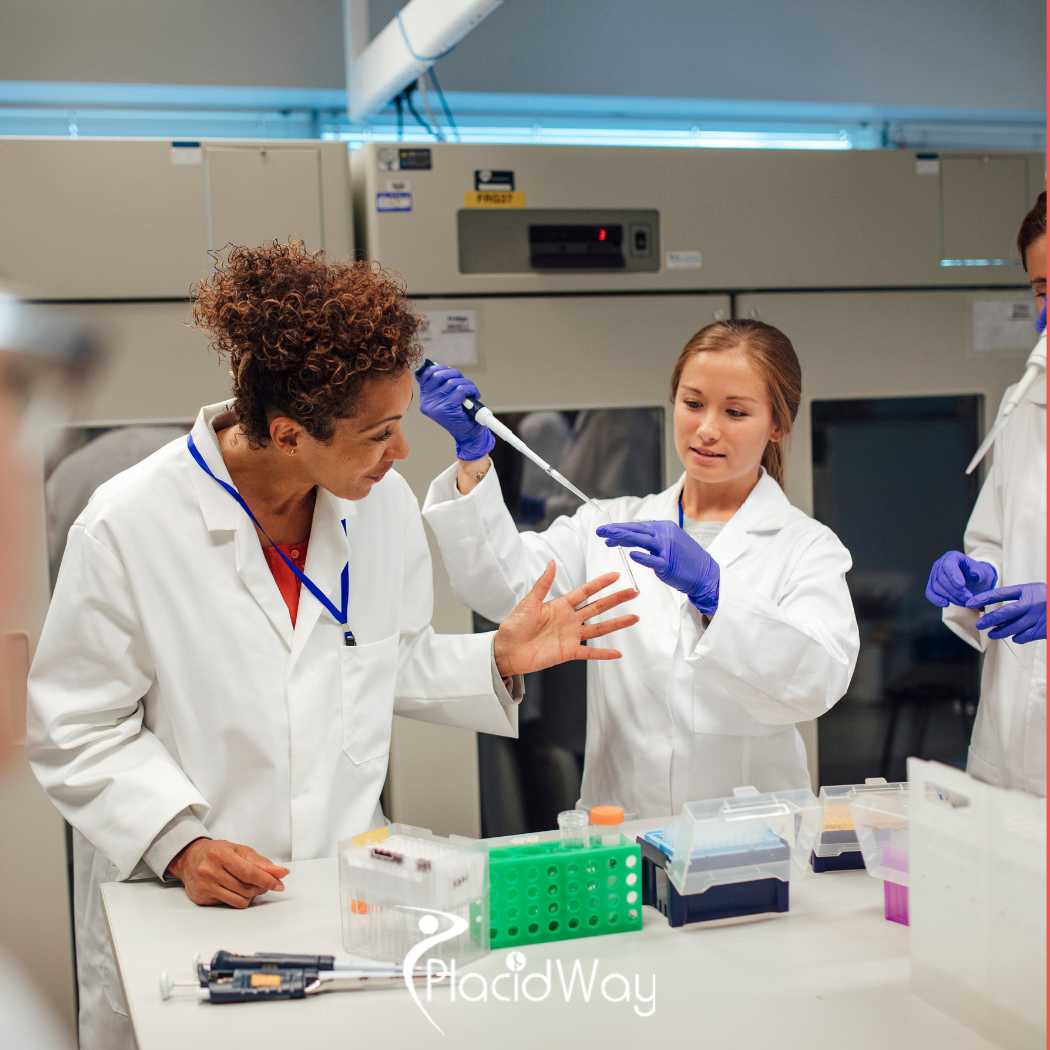
A Guide to Identifying Safe and Legitimate Stem Cell Therapies
PlacidWay Medical Tourism
- Stem Cell Therapy
United States
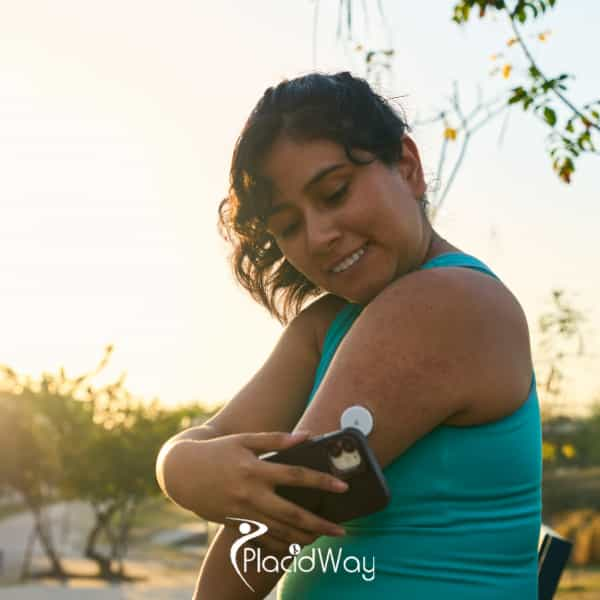
Stem Cell Therapy for Type 2 Diabetes: What’s the Real Success Rate?
PlacidWay Medical Tourism
- Stem Cell Therapy
United States

Understanding Stem Cell Therapy for Diabetes in the United States: Treatment Safety, Costs, and Clinical Options
PlacidWay US Medical Tourism
- Stem Cell Therapy
United States
Stem Cell Therapy Solutions Near You: Explore Top Medical Centers
Discover how Stem Cell Therapy is transforming lives at leading medical centers in Lancaster, United States. Dive into center profile, specialties, doctors, reviews, etc. and explore the best options tailored to your needs in this region.

California Wellness Institute
Lancaster,Los Angeles,Riverside, United States

Kentuckiana Integrative Medicine in Jeffersonville, USA
Louisville, United States

Regenestem Fort Lauderdale, USA
Fort Lauderdale, United States
Personalized Regenerative Medicine
Los Angeles,San Clemente, United States








What kind of treatment does your institute do for multiple sclerosis
Read More