
What treatment


20+ Key FAQs on Dentistry in Mexico
Questions About Dentistry in Mexico? Start Here
Trusted Medical Tourism Platform Since 2007

What Is The Cost Of Braces In Mexico Compared To The U.S.?
The average braces cost in Mexico typically ranges from $1,000 to $3,000, while similar orthodontic treatments in the US cost between $4,000 and $8,000. Patients can often save up to 60 percent on comprehensive orthodontic care by traveling. Key Takeaways Traditional metal brackets typically range from $1,000 to $2,500 south of the border. Patients should confirm their specialist possesses a valid cédula profesional through the official government registry. Clear aligners offer an alternative for international patients seeking fewer in-person adjustment visits. Travel logistics and accommodation costs must be calculated into the overall orthodontic budget. Reputable providers generally utilize FDA-cleared or internationally recognized orthodontic systems. What Is The Average braces cost in Mexico Compared To The US? Orthodontic treatments south of the border typically cost between $1,000 and $3,500, depending on the materials used. In contrast, standard US prices range from $4,000 to $8,000 for similar comprehensive alignment plans. The overall financial investment required for dental alignment varies significantly based on geographic location and case complexity. Patients seeking traditional metal brackets can often find comprehensive treatment packages for a fraction of standard North American fees. These packages generally include the initial placement, periodic wire adjustments, and standard diagnostic imaging. For individuals preferring less visible options, aesthetic treatments such as ceramic brackets and removable clear aligners are also widely available at reduced rates. While these advanced materials require a higher initial investment than stainless steel, the international pricing remains highly competitive. It is essential to understand that these figures represent base estimates. The final financial commitment depends on individual anatomical requirements, the duration of the treatment plan, and the specific geographic region chosen for care. Border cities with high medical tourism demand may present slightly different pricing structures than inland metropolitan hubs. Procedure Category Average US Estimate Average Mexico Estimate Traditional Metal Brackets $3,000 - $7,000 $1,000 - $2,500 Ceramic Brackets $4,000 - $8,000 $1,500 - $3,500 Clear Aligners (e.g., Invisalign) $4,500 - $8,000 $2,500 - $4,500 Why Are Procedures At A braces clinic in Mexico More Affordable? The affordability stems from a significantly lower cost of living, reduced commercial real estate overhead, and lower malpractice insurance premiums, not a reduction in medical quality or standard of care. The primary driver behind the lower pricing structure is the broader economic context of the region. Medical facilities operate with substantially lower overhead costs, including more affordable commercial real estate leasing and reduced administrative expenses. These operational savings allow practitioners to offer competitive rates without compromising clinical outcomes. Furthermore, dental education is heavily subsidized by the government, meaning specialists graduate with significantly less student debt compared to their North American counterparts. This financial freedom translates directly into lower procedural fees for patients, as doctors do not need to inflate prices to cover massive educational loans. The regulatory environment also plays a role in overall affordability. Malpractice insurance premiums do not reach the exorbitant levels seen in the United States healthcare system. Consequently, clinics can allocate their financial resources toward acquiring advanced diagnostic technology and high-quality restorative materials rather than paying excessive administrative fees. What Orthodontic Systems Are Used For braces in Mexico? Specialists utilize FDA-cleared or internationally recognized orthodontic systems, including traditional metal brackets, aesthetic ceramic options, and removable clear aligners to suit varying patient needs. Traditional Metal Brackets: The most common, durable, and cost-effective choice, utilizing stainless steel to correct complex bite issues and severe misalignment. Ceramic Brackets: Fabricated from tooth-colored or clear materials that blend naturally with the enamel, offering a more discreet appearance for self-conscious patients. Lingual Systems: Custom-made attachments placed entirely on the back surface of the teeth, providing a completely hidden orthodontic solution. Clear Aligners: A series of removable, transparent trays that gradually shift teeth, potentially requiring fewer in-person clinic visits compared to fixed brackets. Self-Ligating Brackets: Advanced bracket systems designed with specialized doors to hold the wire, which may reduce friction and potentially shorten overall adjustment times. Did You Know? Many top-rated international clinics use the exact same globally recognized brands for brackets, wires, and clear aligner trays that are utilized by leading orthodontists in the United States. How Can Patients Verify Orthodontists For medical tourism in Mexico? Prospective patients must verify their provider credentials by checking the official SEP national registry for a valid cédula profesional and ensuring the doctor completed formal orthodontic specialty training. The foundation of safe medical travel lies in rigorous provider verification. Patients must not rely solely on professional association memberships or promotional clinic websites. Instead, they should demand the specialists professional registration number and verify it through official government databases to confirm medical legitimacy. It is crucial to distinguish between a general dentist and a dedicated orthodontic specialist. A qualified specialist will possess specific postgraduate university training focused entirely on tooth movement, jaw alignment, and complex bite correction. Patients have the right to request documentation proving this advanced educational background. Beyond individual doctor credentials, patients should investigate the facility itself. Reputable clinics adhere to strict sterilization protocols monitored by national regulatory bodies such as COFEPRIS. Patients should ask detailed questions regarding cross-contamination prevention standards and the specific brands of biomaterials used in the clinic. What Are The Potential Risks Of Traveling For Braces In Mexico? Patients face challenges coordinating regular monthly adjustments, managing unexpected bracket breakages from afar, and navigating complex jurisdictional laws if medical complications arise after returning home. The most significant challenge in international orthodontic care is the logistical demand of the adjustment schedule. Wire tightening and progress monitoring typically require physical clinic visits every four to eight weeks. Missing these critical appointments can severely stall treatment progress and compromise the final aesthetic result. Unforeseen mechanical failures, such as a detached bracket or a snapped wire, present immediate complications for traveling patients. While a local domestic dentist may provide temporary palliative care to alleviate discomfort, they will rarely perform permanent repairs on foreign systems, forcing the patient to schedule an unexpected international trip. Additionally, patients must recognize the legal complexities of medical tourism. Legal recourse for medical malpractice across international borders is highly complex and often financially unfeasible. Patients assume a degree of responsibility for their continuity of care and must have a clear contingency plan for managing potential complications. Important Consideration Orthodontic movement can occasionally cause root resorption or gum irritation. Patients traveling abroad must understand that managing these clinical risks requires open, consistent communication with their attending international specialist. How Often Must Patients Travel For Braces Adjustments In Mexico? Traditional bracket systems typically require in-person adjustments every four to eight weeks, meaning patients must commit to frequent cross-border travel throughout their one to two-year treatment plan. Orthodontic treatment is not a single surgical event; it is a prolonged process of guided anatomical change. The specialist must regularly evaluate the movement of the roots and apply new directional forces via wire replacements and elastic adjustments to keep the treatment on schedule. For patients residing far from border crossing points, the accumulated cost of flights, local transportation, and overnight accommodations can quickly diminish the initial financial savings. It is essential to calculate the total projected travel expenses across twenty or more potential visits before committing to an international provider. Some modern facilities are integrating tele-orthodontics for specific phases of treatment. However, remote monitoring is generally reserved for patients using removable clear aligner systems, as physical brackets inherently require hands-on manipulation by the attending specialist. Can You Transfer Care For Braces In Mexico Back To A US Orthodontist? Transferring active orthodontic care is highly complex, as many domestic specialists hesitate to take over cases started abroad due to differences in bracket systems and liability concerns. Patients occasionally begin treatment abroad with the intention of finishing it closer to home. However, finding a domestic orthodontist willing to accept an active international transfer case is notoriously difficult. Practitioners are often reluctant to assume legal liability for a treatment plan they did not originally design or initiate. Furthermore, the specific brands and mechanical systems of brackets used internationally may differ from those utilized by the local provider. If the domestic specialist lacks the compatible tools or replacement parts for that specific system, they cannot safely perform the necessary adjustments. In many transfer scenarios, the local orthodontist will require the complete removal of the foreign brackets and the initiation of an entirely new treatment plan from scratch. This process incurs full domestic fees, entirely negating any financial savings achieved during the initial medical travel experience. Are Clear Aligners A Better Option Than Traditional Braces In Mexico? Clear aligner therapy may benefit traveling patients because the custom trays can often be monitored remotely, significantly reducing the number of required physical visits to the international clinic. For international patients, the primary advantage of clear aligner systems is the reduced frequency of mandatory clinic visits. Specialists can provide patients with multiple sets of sequential trays to take home, allowing the treatment to progress for several months before an in-person evaluation is required. While the base cost of these advanced proprietary systems is higher than traditional metal brackets, the reduction in travel expenses often balances the overall budget. However, patients must strictly adhere to the required wear time of twenty-two hours per day; failure to comply will result in teeth not tracking correctly with the trays. Not all malocclusions can be effectively corrected with removable trays. Severe crowding, significant vertical discrepancies, or complex jaw realignments often necessitate the sustained, rigid force provided only by fixed traditional brackets. A comprehensive clinical evaluation is mandatory to determine true candidacy. What Hidden Fees Should Patients Watch Out For When Getting Braces In Mexico? Patients must request fully itemized treatment plans, as initial promotional quotes may exclude necessary preliminary procedures, diagnostic imaging, monthly adjustment fees, and the final retention devices. A seemingly attractive promotional rate may only cover the initial application of the brackets. Patients must explicitly ask if the quoted price includes all subsequent monthly adjustment visits, or if those routine appointments carry an additional, recurring fee that will inflate the total budget over time. Preliminary dental work is frequently required before active alignment can begin. Undiagnosed cavities, active periodontal disease, or the need for strategic tooth extractions are not included in standard orthodontic packages and will be billed as separate restorative procedures prior to bracket placement. The conclusion of active treatment requires the creation and fitting of custom retainers to prevent the teeth from shifting back to their original positions. The cost of these essential retention devices, along with the final panoramic x-rays to verify root parallelism, are often billed separately at the end of the treatment journey. Expert Insight Always demand a comprehensive, written financial agreement before allowing a specialist to bond brackets to your teeth. Transparency in billing protects patients from unexpected international expenses. Why Choose PlacidWay To Compare Providers For Braces In Mexico? PlacidWay provides an extensive directory that allows patients to research international healthcare facilities, review provider credentials, and request detailed treatment estimates for their specific dental needs. Offers a comprehensive database of registered international dental professionals and modern clinics. Facilitates direct communication with clinic coordinators to request itemized pricing based on your unique case. Provides educational resources to help patients understand complex restorative and orthodontic procedures. Allows users to compare facility profiles and specialized dental technology across various geographic regions. Assists patients in gathering factual information to make informed, independent healthcare decisions. Frequently Asked Questions Do US dental insurance plans cover braces in Mexico? Most domestic dental insurance policies restrict coverage to treatments performed within the United States. Patients usually pay out of pocket for international orthodontic care, though a few specialized plans may offer partial reimbursement for out-of-network foreign providers. Are the brackets and wires used for braces in Mexico the same as in the US? Reputable clinics commonly use the exact same globally recognized and FDA-cleared brands of brackets, wires, and clear aligners found in North American practices. Patients can always request the brand names and original packaging of the materials used. Can adults get braces in Mexico for cosmetic alignment? Yes, adult orthodontics is highly common and widely available across international dental hubs. Specialists offer discreet options like ceramic brackets and clear aligners specifically tailored to adult patients seeking aesthetic corrections. What happens if a bracket breaks after getting braces in Mexico? If a bracket dislodges or a wire snaps, you will need to visit a local dentist for emergency palliative care to clip the wire or secure the bracket. You must then schedule a trip back to your primary orthodontist for a permanent repair. Is it safe to cross the border for monthly visits for braces in Mexico? Border cities have dedicated medical districts that cater to international patients, but standard travel precautions apply. Patients should stay in vetted areas, travel during daylight, and remain aware of their surroundings at all times. How do payment installments work for braces in Mexico? Clinics typically require a substantial upfront deposit covering thirty to fifty percent of the total cost to begin treatment. The remaining balance is often paid in monthly installments during subsequent adjustment visits. What distinguishes a specialist for braces in Mexico from a general dentist? An orthodontist is a specialist who has completed standard dental school followed by several years of advanced university training specifically focused on tooth movement and jaw alignment. General dentists do not have this specialized postgraduate degree. How long does the initial consultation for braces in Mexico take? Initial consultations usually take one to two hours. This time includes taking panoramic x-rays, performing 3D intraoral scans, capturing clinical photographs, and discussing the comprehensive treatment timeline with the specialist. Are final retainers factored into the initial estimate for braces in Mexico? Retainers are sometimes billed separately at the end of the treatment plan. Patients should carefully review their initial itemized quote to confirm whether the final retention phase and the physical retainers are included in the base price. Can I utilize my Health Savings Account for braces in Mexico? Under certain conditions, patients may use funds from a Health Savings Account or Flexible Spending Account for eligible dental expenses incurred abroad. It is essential to consult with a tax advisor and the account administrator to verify specific documentation requirements. Compare Dental Implant Options and Orthodontic Providers Explore verified international dental providers and receive transparent treatment estimates tailored to your specific clinical needs. Request Treatment Information References Clear Aligners Overview – American Dental Association Travelers Health: Mexico – Centers for Disease Control and Prevention Transferring to a New Orthodontist – American Association of Orthodontists Dental Braces Risks and Results – Mayo Clinic Dental Materials and Devices – U.S. Food and Drug Administration Malocclusion and Orthodontic Treatments – National Institute of Dental and Craniofacial Research...
Read more details

.png)
Why are Dental Surgeons in Mexico Becoming the Go-to Choice For High-Quality Care?
Dental surgeons in Mexico are becoming a top choice for high-quality care due to significant cost savings, modern clinics, highly trained professionals, and convenient accessibility for international patients. Patients can often save up to 70% on procedures compared to costs in the US or Canada, without compromising on safety or treatment standards. Are you considering dental work but find the costs at home overwhelming? You're not alone! Many people are now looking beyond their borders for affordable, high-quality dental solutions, and Mexico has emerged as a leading destination. Dental surgeons in Mexico are increasingly recognized for providing exceptional care, often at a fraction of the price you'd pay in countries like the United States or Canada. This growing trend, often called dental tourism, isn't just about saving money; it's about accessing top-notch facilities, experienced professionals, and advanced dental technology. This shift is driven by a combination of factors, including lower operational costs in Mexico, a strong focus on international patient care, and a commitment by many Mexican clinics to adhere to global standards of quality and safety. If you've been wondering why so many people are heading south for their dental needs, prepare to explore the compelling reasons behind Mexico's rise as a dental care hotspot. What makes Mexico a premier destination for dental tourism? Mexico is a premier destination for dental tourism due to its substantial cost savings, high-quality care, use of advanced technology, and convenient accessibility, especially for patients from the US and Canada. Mexico has solidified its position as a leading destination for dental tourism, capturing a significant portion of the global market. The primary draw is the remarkable affordability, with dental procedures often costing up to 70% less than in the United States and the United Kingdom. This makes complex treatments, which might be out of reach for many in their home countries, financially viable. Beyond cost, Mexican dental clinics are increasingly recognized for their high standards of care. Many facilities are equipped with the latest dental technology, such as CAD/CAM machines for same-day crowns and 3D CT scans for precise implant planning, ensuring efficient and accurate treatments. Furthermore, many dental professionals in Mexico pursue international training, bringing a global perspective and expertise to their practice. The combination of significant savings, advanced technology, and skilled practitioners creates a compelling value proposition for dental tourists. How much can you save on dental implants in Mexico compared to the US? You can save up to 70% on dental implants in Mexico compared to the US, with single implants costing around $750-$800 in Mexico versus $3,000-$4,500 in the USA. The savings cost on dental implants in Mexico are one of the most significant motivators for dental tourism. On average, a single dental implant in Mexico can cost between $500 and $800, while in the United States, the same procedure often ranges from $3,000 to $4,500. This represents a substantial saving of 70% or more. For more extensive procedures like All-on-4 dental implants, the cost difference is even more dramatic. In Mexico, an All-on-4 procedure per arch typically ranges from $6,000 to $12,000. In contrast, the same treatment in the US can cost anywhere from $14,000 to $28,000. These lower prices in Mexico are primarily due to lower operational costs, including labor, facility rent, and insurance, rather than a compromise on the quality of materials or care. Here’s a comparison of common dental implant costs: Dental Implant Procedure Cost in Mexico (USD) Cost in USA (USD) Single Dental Implant (Implant Only) $500 – $800 $3,000 – $4,500 Implant Abutment $200 – $400 $500 – $1,000 Dental Crown (Porcelain) $400 – $1,000 $1,000 – $2,500 All-on-4 Implants (per arch) $6,000 – $12,000 $14,000 – $28,000 Are dental procedures in Mexico safe? Yes, dental procedures in Mexico are generally safe, especially when choosing reputable clinics that adhere to stringent national health regulations and international accreditation standards. The safety of dental procedures in Mexico is a common concern for many prospective patients. However, tens of thousands of US and Canadian patients safely receive high-quality dental work in Mexico each year. The key to a safe experience lies in selecting a reputable clinic. Many Mexican dental facilities comply with strict national health regulations and often seek international accreditation from esteemed healthcare organizations like the Joint Commission International (JCI) or obtain ISO certifications. These accreditations indicate that the clinics meet global benchmarks for patient safety, hygiene, and quality of care. Reputable clinics in popular dental tourism cities and border towns are specifically designed to cater to international patients, often employing advanced sterilization techniques and modern equipment. While some misinformation exists, the vast majority of patients report positive and safe experiences when they do their research and choose a well-vetted provider. What is the quality of dental care in Mexico? The quality of dental care in Mexico is often high, with many dentists trained in the US or internationally, and clinics utilizing advanced technology and high-quality materials comparable to those used in Western countries. The quality of dental care in Mexico is a significant factor in its appeal. Many Mexican dentists receive their education and training from highly respected institutions, both within Mexico and internationally, including in the United States. This rigorous training ensures they are well-versed in the latest dental techniques and practices. Furthermore, leading dental clinics in Mexico invest heavily in modern technology, such as digital imaging, 3D printing for restorations, and advanced laser dentistry tools. They also use high-quality, internationally recognized dental materials for implants, crowns, and veneers, ensuring durability and effectiveness comparable to those found in the US or Canada. The lower cost of dental care in Mexico stems from lower operating expenses, not from a compromise on the quality of materials or the expertise of the dental professionals. How important is accreditation for Mexican dental clinics? Accreditation is very important for Mexican dental clinics as it signifies adherence to international standards of quality, safety, and patient care, providing an extra layer of assurance for patients. When considering dental work in Mexico, checking for accreditation and certifications is a crucial step. While Mexico has its own national health regulations, international accreditations offer an added layer of assurance. Organizations like the Joint Commission International (JCI) or ISO certifications indicate that a clinic has undergone rigorous evaluation and meets global benchmarks for patient safety, quality of care, and facility management. Although not all clinics may have these specific international accreditations, many reputable ones will have affiliations with national dental associations or professional boards that uphold high standards. Researching a clinic’s credentials, looking for positive patient reviews, and inquiring about their adherence to sterilization protocols can help ensure you choose a reliable and high-quality provider. A commitment to international standards suggests a clinic prioritizes patient well-being and delivers consistent, excellent results. What are the best cities for dental tourism in Mexico? The best cities for dental tourism in Mexico include Los Algodones, Tijuana, and Cancun, each offering unique advantages in terms of accessibility, number of clinics, and tourist attractions. Mexico offers several prominent cities that have become hubs for dental tourism, each with its own unique appeal: Los Algodones: Often dubbed "Molar City," this small town directly across the US border from Yuma, Arizona, boasts an incredibly high concentration of dental clinics—over 500 within a square mile. It's ideal for those seeking quick, affordable procedures without extensive travel or vacation plans. Many dentists here are US-trained. Tijuana: Located just south of San Diego, California, Tijuana is another highly accessible border city. It features numerous modern clinics with highly qualified dentists, many of whom have received training from top US institutions. Tijuana offers a wider range of urban amenities compared to Los Algodones, blending medical care with city experiences. Cancun: For those looking to combine their dental treatment with a vacation, Cancun on the Yucatan Peninsula is an excellent choice. It offers world-class dental clinics in a beautiful resort setting, making it popular for longer treatments where recovery can be enjoyed amidst beaches and cultural sites. Cancun is well-connected by direct flights from many international cities. Puerto Vallarta: Similar to Cancun, Puerto Vallarta provides a beautiful coastal backdrop for dental tourism. It’s known for its scenic beaches, art scene, and a growing number of modern dental facilities that cater to international patients. Mexico City: As the capital, Mexico City offers a vast selection of highly specialized dental clinics, modern infrastructure, and a rich cultural experience. While not typically a "dental vacation" spot in the beach sense, it appeals to those seeking advanced treatments in a major metropolitan area. What do patient testimonials say about dental work in Mexico? Patient testimonials for dental work in Mexico consistently highlight significant cost savings, high quality of care, professionalism of staff, and excellent results, often exceeding expectations. Patient testimonials and reviews are invaluable resources when researching dental clinics in Mexico. A quick search reveals numerous positive experiences from international patients who have undergone various procedures, from routine cleanings to complex full-mouth restorations. Many patients express surprise and satisfaction with the high quality of care they receive, often noting that it rivals or surpasses the care they would have received at home, but at a much lower cost. Common themes in testimonials include: Exceptional Cost Savings: Patients frequently mention saving thousands of dollars on their treatments. Professional and Friendly Staff: Many commend the dentists and support staff for their professionalism, empathy, and clear communication, often noting bilingual capabilities. Modern Facilities and Technology: Patients are often impressed by the state-of-the-art equipment and clean, modern clinics. Efficient Treatment Schedules: The ability to complete extensive work in a shorter timeframe is a frequent highlight. Positive Results: The most important aspect, patients consistently report satisfaction with the aesthetic and functional outcomes of their dental work, leading to improved confidence and quality of life. These firsthand accounts provide compelling evidence of the positive experiences many dental tourists have in Mexico. What are the pros and cons of dental tourism in Mexico? The pros of dental tourism in Mexico include significant cost savings, access to high-quality care, and the opportunity to combine treatment with a vacation; cons may include travel risks, potential communication barriers, and the need for thorough research. Like any travel for medical purposes, dental tourism in Mexico comes with its own set of advantages and considerations. Pros: Lower Costs: This is the primary driver, with savings of 50-70% on major procedures. High Quality of Care: Many clinics offer advanced treatments, modern technology, and highly trained dentists. Accessibility: Especially for US and Canadian patients, Mexico is geographically close, with many border towns and direct flights to major cities. Reduced Waiting Times: Appointments can often be scheduled quickly, avoiding long waits common in some home countries. Combination with Vacation: For many, it's an opportunity to receive necessary dental work while enjoying a holiday. Bilingual Staff: Many clinics catering to international patients have English-speaking dentists and support staff, minimizing communication issues. Cons: Travel Risks and Costs: While savings are significant, travel expenses (flights, accommodation, local transport) still need to be factored in. Communication Barriers: While many clinics are bilingual, language differences can arise outside the clinic setting. Follow-up Care: Long-term follow-up or emergency care might require returning to Mexico or finding a local dentist willing to take over. Research Required: It's crucial to do thorough research to identify reputable clinics and avoid unqualified practitioners. Perception of Safety: Some individuals may have concerns about personal safety in certain parts of Mexico, though popular dental tourism areas are generally safe. Careful planning and research can significantly mitigate the cons and maximize the benefits of dental tourism in Mexico. What is the average cost of a dental crown in Mexico? The average cost of a dental crown in Mexico ranges from $400 to $600 per tooth, which is considerably less than the $1,000-$3,000 cost in the US. Dental crowns are a common restorative procedure, and the cost in Mexico is significantly lower than in many Western countries. On average, you can expect to pay between $400 and $600 USD for a dental crown in Mexico. This price often includes both porcelain and zirconia crowns, which are popular choices for their durability and natural appearance. In comparison, a dental crown in the United States can easily cost between $1,000 and $3,000, depending on the material and the complexity of the case. Many clinics in Mexico offer advanced technology like CAD/CAM systems, which can fabricate and place crowns in a single visit, adding to the convenience and efficiency for international patients. If you need multiple crowns, some clinics may offer package deals, further increasing your savings. For instance, a full set of crowns (e.g., 10 teeth per arch) could cost around $4,500 USD in Mexico. How much does a root canal typically cost in Mexico? A root canal in Mexico typically costs between $200 and $450, representing a significant saving compared to prices in the US or Canada. The cost of a root canal procedure in Mexico is considerably more affordable than in the United States or Canada. On average, a root canal in Mexico can cost anywhere from $200 to $450 USD, depending on the tooth's location and complexity. This is a stark contrast to the average cost in the US, which can range from $700 to over $1,500, not including the cost of a necessary crown that usually follows a root canal. Many Mexican dental specialists who perform root canals (endodontists) are highly trained and use modern techniques and equipment, ensuring high success rates. It's often recommended to get a dental crown immediately after a root canal to protect the treated tooth, and this combined procedure in Mexico still offers substantial savings compared to getting both done in Western countries. What is the cost of veneers in Mexico? The cost of veneers in Mexico ranges from $2,000 to $4,500 USD for a full set of 8 to 10 veneers, with individual veneers costing significantly less than in the US. For those seeking cosmetic enhancements, veneers in Mexico offer an attractive and affordable option. The cost of a full set of veneers, typically comprising 8 to 10 veneers, can range from $2,000 to $4,500 USD. This is a substantial saving when compared to the United States, where individual porcelain veneers can cost anywhere from $1,000 to $2,500 or more, making a full set prohibitively expensive for many. Both porcelain and composite veneers are available, with porcelain being more durable and aesthetic, and composite being a more economical choice. Mexican clinics specializing in cosmetic dentistry often employ highly skilled ceramists and use advanced techniques to ensure the veneers are custom-made to perfectly match your desired aesthetic, providing beautiful, natural-looking results. How much does a dental bridge cost in Mexico? A 3-unit dental bridge in Mexico typically costs between $1,350 and $1,650 USD, offering significant savings compared to prices in the US. Dental bridges are a common solution for replacing missing teeth, and Mexico provides a cost-effective alternative for this procedure. For a 3-unit bridge, which is a common type, the cost in Mexico generally ranges from $1,350 to $1,650 USD. This price can vary depending on the materials used (e.g., porcelain, zirconia) and the number of crowns needed to span the gap. In contrast, a 3-unit dental bridge in the United States can cost upwards of $2,000 to $5,000 or more. The lower cost in Mexico does not indicate a reduction in quality, as many clinics use the same high-grade materials and employ experienced dental technicians to fabricate custom bridges that fit seamlessly and restore chewing function and aesthetics. What are essential travel tips for dental tourists in Mexico? Essential travel tips for dental tourists in Mexico include thoroughly researching clinics, planning transportation and accommodation, understanding payment methods, and being aware of local customs and safety guidelines. For a smooth dental tourism experience in Mexico, planning is key: Research Clinics Thoroughly: Look for clinics with excellent reviews, clear credentials, and transparent pricing. Consider using a reputable dental referral agency if you prefer. Plan Transportation and Accommodation: Decide whether to fly into a major city (like Cancun or Mexico City) or drive to a border town (like Los Algodones or Tijuana). Many clinics offer shuttle services from airports or border crossings. Book your accommodation in advance. Understand Payment Methods: Most clinics accept US dollars, credit cards, and international bank transfers. Confirm accepted payment methods beforehand. Communication: While many clinics have English-speaking staff, learning a few basic Spanish phrases can be helpful for interactions outside the clinic. Passport and Visa: Ensure your passport is valid. Check if you need a visa for Mexico based on your nationality. Insurance: Be aware that most domestic dental insurance plans do not cover international dental work. Consider travel insurance that covers medical emergencies. Local Safety: Research the specific area you plan to visit. Stick to well-trafficked tourist areas and use reputable transportation services. Prepare for Recovery: Discuss post-procedure care with your dentist, including any dietary restrictions or medication, and plan for a comfortable recovery period. Is it safe to get teeth done in Mexico? Yes, it is generally safe to get teeth done in Mexico, particularly in established dental tourism destinations with reputable clinics that prioritize patient safety and adhere to strict hygiene standards. The safety of getting dental work done in Mexico is a valid concern for many individuals. However, the vast majority of patients who choose reputable clinics in established dental tourism destinations in Mexico experience safe and successful outcomes. Clinics that cater to international patients often adhere to high standards of hygiene and sterilization, comparable to those found in the US or Canada. They use modern equipment and follow strict protocols to prevent infections and ensure patient well-being. The perception of safety can sometimes be influenced by general news about Mexico, but it's important to differentiate between popular tourist and medical destinations and other regions. Cities like Los Algodones, Tijuana, and Cancun have robust dental tourism infrastructures and are accustomed to welcoming international visitors, with safety measures in place for tourists. Choosing a clinic with good reviews, transparent practices, and perhaps international accreditations is the best way to ensure a safe experience. Are Mexican dentists as good as US dentists? Many Mexican dentists are as good as, or comparable to, US dentists, with many receiving US or international training, using advanced technology, and adhering to high standards of care. This is a common question, and the answer for many Mexican dentists is a resounding yes. Many dental professionals in Mexico are highly skilled, experienced, and dedicated to providing excellent care. A significant number of Mexican dentists have received part of their education or specialized training in the United States, Europe, or other internationally recognized institutions. They often participate in ongoing professional development and stay updated on the latest dental techniques and technologies. The lower cost of dental work in Mexico is not an indicator of lower quality. Instead, it reflects the lower overhead costs of running a practice in Mexico, including lower malpractice insurance rates, facility rents, and labor costs. Reputable clinics in Mexico use the same high-quality materials and state-of-the-art equipment as their counterparts in the US and Canada. Therefore, when you choose a well-vetted clinic and dentist, you can expect a quality of care that is on par with, or even exceeds, what you might find at home. What kind of dental technology is used in Mexican clinics? Mexican dental clinics, especially those catering to international patients, often use advanced technology such as CAD/CAM systems, 3D CT scans, intraoral scanners, and digital X-rays for precise diagnosis and efficient treatment. Leading dental clinics in Mexico are equipped with cutting-edge dental technology, mirroring the advancements found in top-tier clinics worldwide. This commitment to technology allows for more accurate diagnoses, more efficient procedures, and better patient outcomes. Some of the common technologies you'll find include: CAD/CAM Systems: Computer-Aided Design/Computer-Aided Manufacturing technology allows for the design and creation of dental crowns, veneers, and bridges in-house, often enabling same-day restorations. 3D CT Scans (Cone-Beam Computed Tomography): These advanced imaging systems provide highly detailed, three-dimensional images of the teeth, bones, soft tissues, and nerve pathways, which is critical for precise implant planning, root canal treatments, and complex oral surgeries. Intraoral Scanners: These digital scanners create accurate 3D models of a patient's teeth and gums, eliminating the need for traditional, messy impressions and improving the fit of restorations. Digital X-rays: Offering lower radiation exposure and instant image viewing, digital X-rays are standard for diagnosing issues and monitoring treatment progress. Dental Lasers: Used for various procedures, including gum treatments, cavity preparation, and teeth whitening, offering less pain and faster healing. Microscopes: For intricate procedures like root canals, dental microscopes provide enhanced visibility, leading to greater precision and success rates. The use of these technologies underscores the commitment of many Mexican clinics to providing modern, high-quality dental care. Is there a language barrier in Mexican dental clinics? In most Mexican dental clinics catering to international patients, there is no significant language barrier as many dentists and staff are fluent in English. One common concern for international patients is the language barrier. However, in popular dental tourism destinations across Mexico, most reputable clinics and their staff are highly proficient in English. This is a crucial aspect of catering to a global clientele, particularly from the United States and Canada. From the dentists and hygienists to the administrative staff and patient coordinators, you'll often find that communication is clear and effective. Many clinics even have dedicated international patient coordinators who are fully bilingual and can assist with everything from scheduling appointments to arranging transportation and answering questions about your treatment plan. This ensures that patients can fully understand their diagnosis, treatment options, and aftercare instructions without any misunderstandings due to language differences. What aftercare should I expect after dental work in Mexico? After dental work in Mexico, you should expect clear instructions on oral hygiene, dietary restrictions, medication, and follow-up care from your dentist, similar to aftercare provided anywhere else. Proper aftercare is crucial for the success and longevity of any dental procedure, and Mexican dental clinics prioritize providing detailed instructions to their patients. Your dentist will typically provide comprehensive guidance, which may include: Oral Hygiene Practices: Specific instructions on how to brush and floss around the treated area, especially for implants or crowns, to prevent infection and maintain cleanliness. Dietary Restrictions: Advice on what foods to avoid (e.g., hard, sticky, or acidic foods) and how to manage your diet during the initial healing period. Medication: Prescriptions for pain relief, antibiotics (if necessary), or anti-inflammatory drugs, along with clear instructions on dosage and duration. Activity Level: Recommendations on physical activity, especially after surgical procedures, to ensure proper healing. Follow-up Appointments: Information on when and if follow-up visits are needed, either in Mexico or guidance on communicating with your local dentist for long-term care. Many clinics also offer remote consultation options for post-treatment questions or concerns, providing ongoing support even after you return home. Always ensure you fully understand all aftercare instructions before leaving the clinic. How can I find a good dentist in Mexico? To find a good dentist in Mexico, research clinics with strong online reviews, verify credentials and experience, look for modern facilities and advanced technology, and consider using reputable dental referral agencies. Finding a good dentist in Mexico requires diligent research, but the effort is well worth it for the quality and savings you can achieve. Here’s a step-by-step approach: Online Research and Reviews: Start by searching for clinics in your preferred dental tourism city (e.g., Los Algodones, Tijuana, Cancun). Look for clinics with a high volume of positive patient reviews on independent platforms and their own websites. Pay attention to comments about the dentist’s expertise, staff professionalism, clinic cleanliness, and communication. Check Credentials and Experience: Investigate the dentists' qualifications. Look for information on their education, specializations, years of experience, and any affiliations with international dental associations. Many top Mexican dentists have trained in the US or Europe. Look for Modern Facilities and Technology: Reputable clinics invest in state-of-the-art equipment like 3D CT scanners, CAD/CAM systems, and digital X-rays. Information about their technology is often highlighted on their websites. Ask for Clear Pricing: Good clinics will provide transparent cost estimates upfront. Get a detailed treatment plan and breakdown of costs before you commit. Consider Dental Referral Agencies: Companies like PlacidWay specialize in connecting patients with vetted, high-quality international dental clinics. They can streamline the research process and often assist with travel logistics. Communication: Ensure the clinic has English-speaking staff to facilitate clear communication about your treatment. By following these steps, you can significantly increase your chances of finding a highly competent and trustworthy dental professional in Mexico. How does the quality of dental care in Mexico compare to the US and Canada? The quality of dental care in Mexico's top clinics is comparable to that in the US and Canada, with many Mexican dentists having similar training, using the same advanced technology, and adhering to international standards. When comparing the quality of dental care, it's essential to understand that quality can vary within any country, including the US, Canada, and Mexico. However, the top-tier dental clinics in Mexico that cater to international patients often provide a quality of care that is on par with, if not superior to, many practices in the US and Canada. Dentist Training and Expertise: Many Mexican dentists have received advanced training, often from US or European universities, and are committed to continuous education. They are highly skilled, particularly in specialized fields like implantology, orthodontics, and cosmetic dentistry. Technology and Facilities: Leading Mexican clinics invest in the same advanced dental technology (e.g., CAD/CAM, 3D CT scans, intraoral scanners) and maintain modern, sterile facilities, ensuring precise and efficient treatments. Materials: Reputable clinics use high-quality, internationally recognized dental materials from brands like Straumann, Nobel Biocare, and Ivoclar Vivadent, which are also used in the US and Canada. Cost Discrepancy: The significant cost difference is primarily due to lower operational costs in Mexico (lower labor, rent, insurance) and a different economic structure, not a compromise on quality or materials. Patient Experience: Many patients report excellent experiences, highlighting attentive service, thorough explanations, and successful outcomes. While there might be less regulatory oversight across the board compared to the US or Canada, the competitive nature of dental tourism in Mexico means that the best clinics must maintain high standards to attract and retain international patients. Therefore, choosing a well-researched clinic ensures you receive excellent care. For solutions related to medical tourism, healthcare services, or other relevant offerings, explore PlacidWay....
Read more details
How Much Does a Set of Dentures Cost in Mexico?
A set of dentures in Mexico can range from $250 to $1,500 for a full set, offering a significant cost advantage compared to the United States. The final price depends on the type of denture, the materials used, and the specific clinic. Embarking on a journey to restore your smile with dentures can bring up many questions, with the most pressing one often being about the cost. If you're exploring options outside of your home country, you may have heard about the affordability of dental care in Mexico. But how much does a set of dentures actually cost in Mexico? The short answer is, significantly less than what you might expect to pay in the U.S. or Canada. For many, this cost-effectiveness, combined with high-quality treatment, makes Mexico an attractive destination for dental tourism. The prospect of getting affordable dentures without compromising on quality is a reality for thousands of people who travel to Mexico each year. The lower cost of living, reduced overhead for dentists, and a competitive market all contribute to making dentures more accessible. This doesn't mean a drop in standards; in fact, many Mexican dental clinics are equipped with state-of-the-art technology and staffed by highly trained, bilingual professionals. Whether you need full dentures, partials, or even implant-supported options, you'll find a range of choices to fit your budget and dental needs. This guide will walk you through everything you need to know about the cost of dentures in Mexico, helping you make an informed decision about your dental health. How much does a full set of dentures cost in Mexico? A full set of dentures in Mexico typically costs between $500 and $1,500. This is a fraction of the price in the United States, where the same quality dentures can cost upwards of $3,000 to $8,000. The price for a full set of dentures in Mexico is a major draw for many international patients. The significant difference in cost is not a reflection of lower quality but is due to the lower operational costs and cost of living in Mexico. You can expect to find a range of prices depending on the materials used and the clinic you choose. For instance, basic acrylic dentures will be at the lower end of the price spectrum, while dentures made with higher-grade materials or porcelain teeth may cost more. It's important to get a detailed quote from the dental clinic that outlines all the costs involved. This will help you avoid any surprises and understand exactly what you're paying for. Many clinics in popular dental tourism destinations like Tijuana, Los Algodones, and Cancun offer competitive pricing and packages that may include consultations, x-rays, and adjustments. What is the average price of partial dentures in Mexico? The average price of partial dentures in Mexico ranges from $250 to $800. The cost varies based on the material, such as flexible acrylic or a metal framework, and the number of teeth being replaced. For those who still have some natural teeth, partial dentures are an excellent solution to fill in the gaps. In Mexico, these are also considerably more affordable than in the U.S. The type of partial denture you choose will be the primary factor influencing the cost. Flexible partial dentures, known for their comfort and natural appearance, might be priced differently than traditional partials with a metal framework. The complexity of your case, such as the number and location of the missing teeth, will also play a role in the final price. It's always best to have a consultation with a dentist to determine the most suitable type of partial denture for your needs and to get an accurate cost estimate. How much do implant-supported dentures cost in Mexico? Implant-supported dentures in Mexico can cost between $4,000 and $10,000 per arch. This is a significant saving compared to the U.S., where the same procedure can cost from $15,000 to $30,000 or more. Implant-supported dentures, also known as snap-on dentures, offer a more stable and permanent solution for tooth loss. This procedure involves placing dental implants into the jawbone, which then act as anchors for the dentures. While this is a more complex and expensive option than traditional dentures, the cost savings in Mexico are substantial. The final cost will depend on the number of implants required, the type of denture, and any additional procedures like bone grafting that may be necessary. An All-on-4 or All-on-6 system, which uses four or six implants to support a full arch of teeth, will have a different price point than a denture supported by just two implants. A thorough consultation and treatment plan are crucial for understanding the overall cost. What factors affect the price of dentures in Mexico? Several factors influence the final cost of dentures in Mexico, including the type of denture, the materials used, the dentist's experience, the clinic's location, and any additional procedures required. Understanding the variables that contribute to the cost of dentures can help you make a more informed decision. Here’s a breakdown of the key factors: Type of Denture: As discussed, full dentures, partial dentures, and implant-supported dentures all have different price points. Materials: The materials used to fabricate the dentures play a significant role in the cost. Basic acrylic is the most affordable, while high-impact acrylics, flexible materials, and porcelain teeth will increase the price. Dentist's Expertise: A highly experienced prosthodontist or a specialist in cosmetic dentistry may charge more for their services. Clinic's Location: Clinics in popular tourist areas might have slightly higher prices than those in less frequented locations. However, they often have more experience treating international patients. Additional Procedures: The need for tooth extractions, bone grafting, or a sinus lift will add to the overall cost of your treatment. Factor Impact on Cost Denture Type Full dentures are generally more expensive than partials, and implant-supported are the most costly. Materials Higher quality materials like porcelain or flexible acrylics increase the price. Clinic's Reputation Clinics with a long history of successful outcomes may have higher fees. Are dentures from Mexico good quality? Yes, dentures from reputable dental clinics in Mexico are of high quality. Many clinics use the same materials and adhere to the same international standards as dental practices in the United States and Canada. A common concern for those considering dental work abroad is whether the quality will be up to par. In Mexico, you can find dental clinics that are on par with the best in the world. The key is to do your research and choose a reputable provider. Look for clinics with accreditations, positive patient reviews, and before-and-after photos of their work. Many dentists in Mexico have received training in the U.S. or Europe and are members of international dental associations. The materials used for dentures in Mexico are often sourced from the same suppliers as those used in the U.S. This means you can get high-quality acrylic, porcelain, or flexible dentures that are both durable and aesthetically pleasing. The combination of skilled dentists and quality materials ensures that you can receive a new smile that you'll be proud of. How long does it take to get dentures in Mexico? The process of getting traditional dentures in Mexico can be completed in as little as 3 to 7 days. For implant-supported dentures, the timeline is longer, typically requiring two separate trips over a period of 4 to 6 months. One of the advantages of getting dentures in Mexico is the efficiency of the process. Many clinics have on-site dental labs, which significantly speeds up the fabrication of your dentures. For traditional full or partial dentures, you can often have your new smile within a week. This typically involves a few appointments for impressions, a wax try-in to check the fit and appearance, and the final fitting. For implant-supported dentures, the process is more involved. The initial trip will be for the surgical placement of the implants. You will then need a healing period of several months for the implants to integrate with your jawbone. The second trip will be for the fabrication and fitting of the final denture. While this takes longer, the stability and longevity of implant-supported dentures make it a worthwhile investment for many. Is it safe to get dentures in Mexico? Yes, it is generally safe to get dentures in Mexico, provided you choose a reputable and accredited dental clinic. Look for clinics that follow strict sterilization protocols and have a history of positive patient outcomes. Safety is a top priority when it comes to any medical procedure. The key to a safe and successful dental experience in Mexico is to do your homework. Research clinics thoroughly, read patient testimonials, and don't be afraid to ask questions about their sterilization procedures and infection control measures. Many clinics in Mexico that cater to international patients adhere to the same high standards of hygiene and safety as clinics in the U.S. Choosing a clinic in a well-known dental tourism hub can also provide an added layer of security, as these areas are accustomed to serving foreign patients and often have a high concentration of reputable clinics. By being a discerning patient and selecting a qualified provider, you can have a safe and positive experience getting dentures in Mexico. What are the best dental clinics in Mexico for dentures? The "best" dental clinic for dentures in Mexico depends on your individual needs and preferences. However, some of the most reputable clinics are located in cities like Tijuana, Los Algodones, Cancun, and Puerto Vallarta. Identifying the top dental clinics requires some research on your part. Look for clinics that have: Positive online reviews and patient testimonials. Accreditations from international organizations. Before-and-after galleries of their work. Clear and transparent pricing. English-speaking staff. Many reputable websites and medical tourism facilitators can help you connect with vetted and pre-screened dental clinics in Mexico. These resources can provide you with detailed information about different clinics, including their specialties, pricing, and patient reviews, making it easier to find the right fit for you. Are there hidden costs when getting dentures in Mexico? While reputable clinics are transparent about their pricing, it's important to get a comprehensive treatment plan that outlines all potential costs. Hidden costs can include things like x-rays, consultations, or adjustments if they are not included in the initial quote. To avoid any unexpected expenses, it's crucial to have a clear understanding of what is included in the price of your dentures. Before committing to a clinic, ask for a detailed written quote that breaks down all the costs. This should include: The cost of the dentures themselves. Fees for consultations and x-rays. The cost of any necessary extractions. Charges for temporary dentures. The price of adjustments and follow-up appointments. By getting everything in writing, you can ensure that there are no surprises and that you are fully aware of the total investment required for your new smile. Also, inquire about payment options, as some clinics may offer discounts for cash payments. What kind of denture materials are used in Mexico? Dental clinics in Mexico use a wide range of high-quality materials for dentures, including acrylic, porcelain, and flexible thermoplastic resins. The materials are often the same brands and quality as those used in the United States. The choice of material for your dentures will impact their appearance, durability, and cost. Here's a look at some of the common materials used in Mexico: Acrylic: This is the most common and affordable material for the base of the denture. High-impact acrylics offer improved strength and durability. Porcelain: The teeth of the denture can be made from porcelain, which offers a very natural appearance and is highly resistant to staining. Flexible Resins: Used for partial dentures, these materials are lightweight, comfortable, and blend in well with the natural gums. Metal Framework: Partial dentures may have a cast metal framework for added strength and stability. During your consultation, your dentist will discuss the pros and cons of each material and help you choose the best option based on your needs and budget. What should I expect during my first visit for dentures in Mexico? During your first visit for dentures in Mexico, you can expect a comprehensive dental examination, including x-rays, a discussion of your treatment options, and impressions of your mouth to be taken. Your initial appointment is a crucial step in the denture process. The dentist will thoroughly assess your oral health to determine the most appropriate type of denture for you. This will likely involve a physical examination of your gums and any remaining teeth, as well as diagnostic imaging like x-rays or a CT scan. This first visit is also your opportunity to discuss your goals and expectations with the dentist. You can ask questions about the different types of dentures, materials, and the overall treatment timeline. Once a treatment plan is agreed upon, the dentist will take precise impressions of your mouth, which will be used to create your custom-fitted dentures. How do I choose a good dentist in Mexico for dentures? Choosing a good dentist in Mexico for dentures involves researching their credentials, reading patient reviews, and looking at their before-and-after work. Communication and a sense of trust are also key factors. Finding the right dentist is just as important as finding the right clinic. Look for a dentist who is a specialist in prosthodontics, which is the dental specialty focused on restoring and replacing teeth. You can often find information about a dentist's qualifications and experience on the clinic's website. Don't hesitate to schedule a virtual consultation or communicate with the dentist via email before you travel. This will give you a chance to ask specific questions and get a feel for their communication style. A good dentist will be patient, informative, and make you feel comfortable and confident in your decision. What are the pros and cons of getting dentures in Mexico? The main pro of getting dentures in Mexico is the significant cost savings. The cons can include the need for travel, potential language barriers, and the importance of thorough research to find a reputable clinic. Weighing the advantages and disadvantages can help you decide if getting dentures in Mexico is the right choice for you. Pros: Cost Savings: The most significant benefit is the ability to save 50-70% or more compared to prices in the U.S. High-Quality Care: Many clinics offer excellent dental care with modern technology and skilled dentists. Efficiency: The process can be very quick, especially with on-site dental labs. Travel Opportunity: You can combine your dental treatment with a vacation in a beautiful country. Cons: Travel Required: You will need to factor in the cost and time for travel and accommodation. Language Barrier: While many dentists and staff speak English, communication can sometimes be a challenge. Follow-up Care: If you have any issues with your dentures after you return home, it can be more difficult to get them addressed. Research is Crucial: You need to invest time in finding a reputable and trustworthy clinic. How do I care for my new dentures from Mexico? Caring for your new dentures from Mexico is the same as caring for dentures obtained anywhere else. This includes daily cleaning, proper storage, and regular dental check-ups. To ensure the longevity of your new dentures and maintain good oral hygiene, it's important to follow a proper care routine. Your dentist in Mexico will provide you with specific instructions, but here are some general guidelines: Clean them daily: Brush your dentures with a soft-bristled brush and a non-abrasive denture cleaner to remove food particles and plaque. Handle them with care: Dentures can break if dropped, so handle them over a folded towel or a basin of water. Soak them overnight: Most dentures need to be kept moist to maintain their shape. Soak them in a denture solution or water when you're not wearing them. Rinse after eating: After every meal, remove and rinse your dentures to wash away food particles. Schedule regular check-ups: Continue to see your local dentist for regular check-ups to ensure your dentures continue to fit properly and to have your oral health monitored. Ready to explore your options for affordable, high-quality dentures in Mexico? PlacidWay can help you connect with trusted and experienced dental providers. Explore our network of clinics and take the first step towards a new smile today!...
Read more detailsDiscover your treatment options with a free, no-obligation quote!
Get your quote now!.png)
Can California Residents Drive to Los Algodones for Affordable Dental Implants in a Weekend Trip?
Yes, California residents can easily drive to Los Algodones for a weekend trip to get premium dental implants. By parking securely on the US side in Andrade, California, and walking across the border, you save 60% to 75% on treatment while being back home by Sunday evening. You are staring at a dental estimate that looks more like the down payment on a house, feeling a sinking mix of frustration and despair. Living in California means dealing with astronomical living costs, but being told you need $30,000 or more for a full mouth of replacement teeth feels entirely out of reach. You might be hiding your smile in family photos or struggling to eat your favorite foods, wondering if there is any realistic way to get your confidence back without draining your retirement account. If you have been asking yourself, "Can California residents drive to Los Algodones for affordable dental implants in a weekend trip?", you are far from alone. Thousands of people from Los Angeles, San Diego, and the Inland Empire make this exact journey down Interstate 8 every single week. It is perfectly normal to feel a bit apprehensive about crossing the border for healthcare. But I promise to give you the honest, straightforward facts about what this quick weekend trip actually looks like, so you can decide if it is the right choice for your smile and your wallet. Quick Facts: California vs. Los Algodones Dental Implants Average Cost Per Implant (California) $4,000 - $6,000 Average Cost Per Implant (Los Algodones) $750 - $1,500 Border Crossing Method Park in Andrade, CA and walk 5 minutes 10-Year Success Rate (Both Regions) 95% - 97% Standard Warranty (Los Algodones) 5-10 years on implants and crowns What Exactly Are Dental Implants and How Do They Work? A dental implant is a small, bio-friendly titanium post placed into your jawbone to replace a missing root. Over several months, it fuses with your bone, providing a permanent foundation for a highly realistic porcelain crown. To understand why this procedure is worth the drive, you need to understand what you are actually getting. A dental implant is not just a cosmetic fix; it is a permanent structural replacement for a missing tooth. Here is how the process works in plain English: 3D Imaging and Planning: Before anything happens, the dentist takes a CBCT (Cone Beam Computed Tomography) scan. This 3D x-ray shows your exact bone density and nerve locations, ensuring perfect, safe placement. Surgical Placement: Your mouth is numbed, and the titanium post (the implant) is gently guided into your jawbone. Because titanium is biocompatible, your body accepts it as natural material. Osseointegration (The Waiting Phase): You go home to California while your jawbone physically grows around and bonds to the titanium post. This takes about 3 to 6 months and is the secret to an implant's lifetime durability. The Abutment: Once the bone is healed solid, a tiny connector called an abutment is screwed into the top of the implant. The Final Crown: A custom-shaded, ultra-durable porcelain crown is cemented onto the abutment. Your new tooth looks, acts, and chews exactly like the real thing. Compared to old-fashioned dentures that slip and rub, or bridges that require grinding down healthy adjacent teeth, implants are the gold standard of modern dentistry. They actually stimulate your jawbone when you chew, preventing that premature aging and facial sagging caused by bone loss. Why Should You Choose a Weekend Trip to Molar City for Dental Implants? Los Algodones (Molar City) offers world-class expertise, unbeatably convenient border access, and savings that routinely exceed 60%—all without requiring you to use up your precious vacation days. Unmatched Convenience: You do not need to book expensive flights to Costa Rica or Thailand. Los Algodones is roughly a 4-hour drive from Los Angeles and 2.5 hours from San Diego. You can leave Friday afternoon and be back for dinner on Sunday. Hyper-Specialized Expertise: Los Algodones has the highest concentration of dentists in the world. The top implantologists here do nothing but place implants all day, every day. Their experience often dwarfs that of a local general dentist in California. No Border Driving Hassles: You do not even have to drive your car into Mexico. You park in the massive, secure lot in Andrade, California, and walk 5 minutes directly into the clinic zone. No international auto insurance needed. Preserved Vacation Time: Because the trips are so short and drivable, you do not need to burn a week of PTO just to get your teeth fixed. A simple long weekend is all it takes. Language is Never a Barrier: Because 95% of their patients are Americans and Canadians, nearly all reputable clinic staff and doctors speak fluent English. How Much Will a Weekend Trip to Los Algodones Save You on Dental Implants? You will save 60% to 75% across the board. A single implant costs around $1,200 total in Mexico versus $4,500 in California. The savings easily cover your gas, hotel, and meals, leaving thousands in your bank account. Let us look at the hard numbers. The table below compares the average out-of-pocket costs a patient faces in a Southern California clinic versus a premium clinic in Los Algodones. Procedure Type California Price Los Algodones Price Your Savings Single Implant (Post + Crown) $4,000 - $6,000 $1,000 - $1,500 65% - 75% Bone Grafting (Per Quadrant) $800 - $3,000 $400 - $600 50% - 80% Sinus Lift $1,500 - $3,000 $600 - $1,000 60% - 66% All-on-4 Full Arch (One Jaw) $20,000 - $30,000 $8,000 - $12,000 60% - 65% 3D CBCT Scan $300 - $600 $150 (often free with treatment) 75% - 100% So, why is it so drastically cheaper? Are they using substandard materials? No. The titanium posts and porcelain crowns come from the exact same global manufacturers (like Straumann and Nobel Biocare) that your California dentist uses. The massive price difference comes down to the cost of living and business overhead. Commercial rent in Los Algodones is a fraction of the cost in San Diego or Los Angeles. Malpractice insurance, staff wages, and administrative costs are incredibly low. They pass those operational savings directly onto you. Is It Safe for California Residents to Drive to Los Algodones for Dental Work? Yes, it is highly safe. The town of Los Algodones is tightly secured and exists almost exclusively for American and Canadian medical tourists. Medically, top clinics match or exceed US hygiene and surgical standards. You might be envisioning a dusty, unregulated back room when you think of border town dentistry. I want to validate that fear—it is normal to be cautious. But the reality of top-tier clinics in Los Algodones will shock you. They are often more modern and technologically advanced than the average neighborhood dentist in California. Quality Metric California Clinics Premium Algodones Clinics Notes Implant Materials FDA-approved Titanium FDA-approved Titanium Zero difference in raw materials Sterilization OSHA Standards ISO 13485 Standards Global gold standard for hygiene Dentist Training US Dental Schools Mexican, US, or European trained Many hold global certifications Town Safety Varies by city High tourism security Algodones relies on US tourists Physical Safety: The local economy of Los Algodones depends 100% on American and Canadian tourists feeling safe. It is peaceful, heavily patrolled, and incredibly welcoming. You will see seniors walking around with shopping bags and pharmacy hauls. Clinical Safety: The best clinics maintain ISO 13485 certification, the strict international standard for medical device and facility sterilization. Surgical Technology: You will find in-house dental labs, 3D printing technology, and digital impression scanners. They do not cut corners on tech because high volume demands high efficiency. Recourse: Reputable clinics offer robust, written warranties on their work, often lasting 5 to 10 years, which is rarely offered by local California dentists. Do your research. Pick a vetted, well-reviewed clinic, and you will receive care that rivals Beverly Hills at a fraction of the cost. What Is the Exact Timeline for a Weekend Dental Trip to Los Algodones? You will need two weekend trips. Trip 1 (Friday-Sunday) is for consultation and surgery. Then you heal at home for 3-6 months. Trip 2 (Friday-Sunday) is for placing your permanent crown. Here is what a typical schedule looks like for a California resident heading down for Trip 1 (The Surgery): Friday Afternoon (Travel): Drive down Interstate 8. From LA, it takes about 4 hours. From San Diego, about 2.5 hours. Check into a hotel in Yuma, Arizona, just 10 minutes from the border. Saturday Morning (Consultation & Surgery): Drive to the Andrade border parking lot (it costs about $6-$10 for the day). Walk across the border. Your clinic is likely a 2-minute walk away. Have your 3D scan, consultation, and the surgical placement of your implants in one session. Saturday Afternoon (Recovery): Walk back across the border to your car. Drive back to your Yuma hotel to rest, ice your jaw, and watch some TV. Sunday Morning (Check-up & Home): Some clinics request a quick post-op check on Sunday morning. If cleared, you hit the road and are back home in California by Sunday afternoon, ready for work on Monday. Crucial considerations to keep in mind: Passports: You will need a valid US Passport or Passport Card to re-enter the United States smoothly. Driving Home: While you can drive the day after surgery, you cannot drive immediately if you choose IV sedation. Bring a companion if you plan on being sedated. Temporary Teeth: If your implant is in the front of your mouth, the dentist will provide a temporary tooth so you never go home with a visible gap. Patience: You must wait 3 to 6 months for the bone to heal before making your second weekend trip for the final crown. This cannot be rushed. Who Is the Ideal Candidate for Affordable Dental Implants in Mexico? The ideal candidate is someone in good general health who needs affordable tooth replacement, has the ability to travel twice over a 6-month period, and is committed to maintaining good oral hygiene. Dental implants are life-changing, but they are still a surgical procedure. Let us be clear about who this is perfect for, and who might need to pump the brakes. You are likely a great candidate for a Los Algodones trip if you: Have one or more missing teeth or severely failing teeth. Are struggling with the high cost of California dental estimates. Have a relatively healthy immune system and controlled blood sugar. Are willing to commit to two short trips spaced a few months apart. Have adequate jawbone density (or are willing to undergo bone grafting). Can commit to brushing, flossing, and caring for your new teeth. You may need to reconsider or seek special medical clearance if you: Are a heavy smoker: Smoking restricts blood flow and increases the risk of implant failure by 10% to 15%. You must be willing to quit during the healing phase. Have uncontrolled diabetes: High blood sugar severely impairs bone healing and invites infection. Are currently undergoing cancer treatments: Specifically, radiation to the head and neck, which damages bone vitality. Take intravenous bisphosphonates: These osteoporosis drugs can cause complications with jawbone healing. Have active, untreated gum disease: Periodontitis must be cured before an implant can be safely placed. Cannot travel safely: If sitting in a car for 3 to 4 hours is medically dangerous for you. If you fit the "great candidate" profile, your next step is simply getting a 3D scan and a firm quote. Do not let fear of the unknown hold you back from a solution that is completely within your reach. Frequently Asked Questions When planning a medical border crossing, it is natural to have a dozen questions running through your mind. We have compiled the most common questions California residents ask about getting dental implants in Los Algodones to give you total peace of mind. How much do dental implants cost in Los Algodones compared to California? In Los Algodones, a single dental implant costs between $750 and $1,500. In California, the exact same procedure typically costs $3,500 to $6,000. For a full mouth restoration, you can expect to pay $8,000 to $15,000 in Los Algodones versus $35,000 to $60,000+ in the US. Are dental implants in Los Algodones of the same quality as in California? Yes. Reputable clinics in Los Algodones use the exact same FDA-approved titanium implants and global brands (like Nobel Biocare and Straumann) as American dentists. The 95% long-term success rate is identical to the United States. What is the recovery time for dental implants after a weekend trip? Initial swelling and mild discomfort peak within 3 to 5 days. Most patients driving back to California on Sunday are ready to return to desk work by Monday or Tuesday. Full bone integration takes 3 to 6 months before the final crown is placed. What happens if I experience complications with my implant after returning to California? Serious complications are rare (under 5%). If minor issues arise, your local California dentist can usually assist, provided you bring your implant documentation. Top-tier Los Algodones clinics also provide 5 to 10-year warranties and will fix implant failures for free if you return. Can I still get dental implants in Los Algodones if I have severe bone loss? Yes, absolutely. Dentists in Los Algodones routinely perform bone grafting and sinus lifts. This procedure adds about $500 to $1,200 to your cost and requires 4 to 8 months of healing before the actual titanium implant can be placed. Why is Los Algodones considered the best location for a weekend dental trip? Known as 'Molar City,' Los Algodones is located right on the California/Arizona border. You can park in Andrade, California, and walk safely across the border into a town entirely dedicated to dental tourism, making it the most convenient weekend destination for SoCal residents. Will my local California dentist provide follow-up care? Most local dentists will perform routine cleanings and check-ups on your implants. It is crucial to request your dental records, X-rays, and the specific brand of implant used before leaving Los Algodones, so your local provider knows exactly what they are working with. How do I verify a dental clinic in Los Algodones is safe and reputable? Look for clinics with ADA (American Dental Association) affiliations, ISO certifications, and dentists who have completed postgraduate training in the US or Europe. Always ask for verifiable patient reviews and ensure they use a 3D CBCT scanner for precision planning. Is it safe to travel solo to Los Algodones for dental surgery? Yes. Thousands of Americans walk across the Andrade border alone daily. The town is highly secure and caters exclusively to medical tourists. However, bringing a friend or family member to drive you home to California after your procedure is highly recommended for your comfort. How many weekend trips to Mexico will I actually need? You will typically need two trips. The first weekend trip involves the consultation, 3D imaging, and surgical placement of the implant. After 3 to 6 months of healing at home, you will make a second weekend trip to have your permanent, custom crown attached. Can I finance my dental implants if I go to Mexico? Yes, many premium clinics in Los Algodones accept medical tourism financing companies, and some accept major credit cards. Because the costs are 60-75% lower than in California, many patients find they can simply pay out of pocket without taking on debt. You have done the research... You know the facts, you see the savings, and you understand the timeline. Stop living with dental pain or hiding your smile. Let us connect you with a world-class, vetted professional who can restore your confidence. Get My Free Quote No obligation. No pressure. References American Dental Association. "Dental Implant Costs and Considerations." Centers for Disease Control and Prevention. "Medical Tourism: Travel for Medical Care." PlacidWay Medical Tourism. "Dental Implants Cost in Mexico: Ultimate Guide." Medical Disclaimer Important: This article is for informational purposes only and is not meant to serve as medical advice. Always consult a licensed dentist or oral surgeon before undergoing any dental procedure. Individual recovery times, costs, and results will vary based on your specific health profile. Seek immediate medical attention if you experience severe swelling, continuous bleeding, fever, or difficulty swallowing after oral surgery....
Read more details.png)
Can Americans Get a Full Smile Makeover with Zirconia Veneers in Los Algodones in Just 3 Days?
Yes, The answer is absolutely yes. Thanks to advanced in-house CAD/CAM 3D milling technology, top clinics in Los Algodones can prep, design, and place a complete set of 16 to 20 zirconia veneers in just 72 hours. This accelerated timeline saves American patients up to 70% compared to traditional US prices without sacrificing quality. If you have been dreaming of a flawless, Hollywood-level smile, you are likely exhausted by the massive price tags at your local dental office. You have probably stared at a quote for $30,000 or more, feeling a heavy sinking sensation in your stomach. The hesitation before smiling in family photos, the way you subtly cover your mouth when laughing—it is a heavy emotional burden to carry. Maybe you have been putting off treatment for years because the numbers are simply staggering and the timeline is too long. So, you start researching alternatives. You hear whispers about "Molar City" and wonder: Can Americans Get a Full Smile Makeover with Zirconia Veneers in Los Algodones in Just 3 Days? It sounds almost too incredible to be true. You naturally wonder if a 3-day turnaround means corners are being cut. Is it truly safe? Will your new smile look like chiclets, or will it look stunning and natural? This comprehensive guide is written specifically for you. I understand the anxiety of crossing a border for healthcare, and my promise is to give you the honest, unfiltered facts so you can make an empowered decision about your smile. Quick Facts: Zirconia Veneers in Los Algodones vs US Average Cost Per Veneer (US) $1,500 - $2,500 Average Cost Per Veneer (Mexico) $350 - $550 Total Makeover Timeline (US) 3 - 5 weeks (waiting for off-site labs) Total Makeover Timeline (Mexico) 3 - 4 days (using in-house CAD/CAM) 10-Year Success Rate (US) 95% - 98% 10-Year Success Rate (Mexico) 94% - 98% Recovery Time Immediate (mild sensitivity for 3-7 days) Typical Warranty 2-5 years at reputable clinics Complication Rate 1% - 3% (rare debonding) What Is a 3-Day Zirconia Veneer Makeover and How Does It Work? A 3-day zirconia veneer makeover uses CAD/CAM 3D technology to design, mill, and place ultra-durable, custom-crafted ceramic shells over your natural teeth in a single visit to Mexico, skipping the weeks of waiting on off-site labs. Zirconia veneers are ultra-thin, incredibly strong ceramic shells that are permanently bonded to the front surface of your natural teeth. Unlike traditional porcelain, zirconia is milled from a solid block of crystal, making it highly resistant to chipping and cracking. But how do clinics in Los Algodones achieve this in just 3 days when US clinics take a month? The secret is in-house CAD/CAM (Computer-Aided Design and Computer-Aided Manufacturing) technology. Here is the exact step-by-step process: Consultation & Preparation (Day 1): The dentist shaves a microscopic layer of enamel (about 0.5mm) from your teeth to ensure the veneers won't look bulky. Digital Scanning (Day 1): Instead of gross, gooey impression trays, an intraoral scanner takes highly precise 3D digital images of your prepped teeth. Digital Design & Milling (Day 2): Your smile is designed on a computer screen. This file is sent to an in-house robotic milling machine, which carves your new veneers out of solid zirconia blocks in just hours. Custom Shading & Glazing (Day 2): Master ceramists hand-paint and bake the zirconia to give it the translucency and natural color gradients of real teeth. Final Bonding (Day 3): You return to the clinic. The dentist checks the fit, makes any final micro-adjustments, and permanently cements the zirconia veneers to your teeth. This streamlined process eliminates the middleman (off-site dental labs) entirely, accelerating the timeline while giving the dentist direct control over the quality. Why Choose Zirconia Veneers for Your Smile Makeover in Los Algodones? Zirconia veneers are 5 to 10 times stronger than traditional porcelain, completely stain-resistant, last 15-20 years, and can be milled on-site in Los Algodones in just 3 days. When you are traveling for a dental vacation, you want materials that are going to last. You do not want to fly back to Mexico a year later because you chipped a tooth on a piece of ice. Here is why zirconia is the gold standard for your full smile makeover: Unmatched Durability: Zirconia is known as "ceramic steel." It boasts a flexural strength of 900 to 1200 MPa, compared to traditional porcelain which sits around 150 to 400 MPa. If you grind your teeth at night, zirconia is vastly superior. Stain Immunity: Drink all the black coffee, red wine, and tea you want. Zirconia is non-porous. It will not absorb stains over time like composite resins do. Lightning-Fast Timeline: Because zirconia can be milled via CAD/CAM machinery directly in the clinic, you get your permanent smile in 3 days. Traditional pressed porcelain often requires an outside lab and weeks of waiting. Biocompatibility for Health: Zirconia is entirely metal-free and highly biocompatible. It does not irritate the gum line or cause the "dark ring" often seen with older dental crowns. Natural Translucency: Older generations of zirconia were too opaque. Today's modern, highly translucent zirconia mimics the way light passes through natural enamel perfectly. The Cost of a Full Smile Makeover in Los Algodones vs The US A full set of 16 zirconia veneers in Los Algodones costs roughly $6,400 to $8,000. In the United States, that exact same treatment plan ranges from $24,000 to $40,000. You save around 75%. Let's look at the real numbers. When patients seek a "full smile makeover," they usually need 8 to 10 teeth treated on the top arch, and 8 to 10 on the bottom arch. This ensures the entire visible "smile zone" is completely uniform in color and shape. Procedure US Price (Estimated) Los Algodones Price Your Savings Single Zirconia Veneer $1,500 - $2,500 $350 - $550 70% - 78% Top Arch (8 Veneers) $12,000 - $20,000 $2,800 - $4,400 75% Full Mouth (16 Veneers) $24,000 - $40,000 $5,600 - $8,800 75% Full Mouth (20 Veneers) $30,000 - $50,000 $7,000 - $11,000 76% Night Guard (Protective) $500 - $800 $100 - $150 80% So, how is it this cheap? Are they using inferior materials? Absolutely not. The drastic price difference has zero to do with the quality of the zirconia. The savings are driven entirely by Mexico's lower cost of living. Dentists graduate without half a million dollars in student loan debt. Malpractice insurance costs a fraction of what it does in the US. Commercial real estate for the clinic is cheaper, and staff salaries are aligned with the local economy. They pass those massive overhead savings directly to you. Is a 3-Day Smile Makeover in Mexico Safe and High-Quality? Yes, it is remarkably safe. Top clinics in Los Algodones adhere to strict international sterilization protocols and utilize identical FDA-approved zirconia blocks and digital scanners that you would find in Beverly Hills or Manhattan. It is perfectly normal to feel nervous. Your smile is your signature to the world, and handing that over to someone in another country requires an immense amount of trust. Let's compare exactly what you are getting on both sides of the border to ease those fears. Quality Metric US Clinics Los Algodones Clinics Notes Material Brands BruxZir, Ivoclar, 3M BruxZir, Ivoclar, 3M Identical brand-name materials used. Digital Scanners 3Shape Trios, iTero 3Shape Trios, iTero No difference in 3D scanning tech. Milling Machines Amann Girrbach, Sirona Amann Girrbach, Sirona Milled on the exact same machines. Infection Control OSHA / CDC standards ISO / ADA equivalent standards Top clinics use autoclaves and barrier methods. Specialist Training US Dental Schools Top Mexican Universities (often US fellowships) Many specialists attend US continuous education. Here are a few things to keep in mind regarding safety and quality: Certifications matter: Do not just walk into the first clinic you see over the border. Reputable clinics proudly display affiliations with the American Dental Association (ADA) or the American Academy of Cosmetic Dentistry (AACD). On-site labs ensure control: Because the milling machine and master ceramist are literally down the hall from your dental chair in Los Algodones, any adjustments to the shade, shape, or fit are done instantly. There is no "it's good enough" mentality because fixing it takes minutes, not weeks. Check the portfolio: A truly great cosmetic dentist will have hundreds of high-resolution, unedited before-and-after photos of actual patients. Sterilization is visible: You will see the same sealed, sterile tool bags pulled from autoclaves that you see at your home dentist. The ultimate reassurance? Thousands of Americans cross the border into Los Algodones every single day for this exact procedure. The entire town's economy is built on keeping American patients safe, happy, and eager to leave 5-star reviews. The Exact Timeline for a 3-Day Zirconia Veneer Process in Los Algodones You will need to be in Los Algodones for 3 to 4 days total. Day 1 is prep and scanning. Day 2 is milling and resting. Day 3 is final placement. If you are coordinating time off work and booking hotels, you need to know exactly how the schedule breaks down. While it is called a "3-day makeover," many patients stay a 4th day just to be safe and enjoy a mini-vacation. Day 1: Arrival & Preparation (3-4 hours in chair) You walk across the border and check into the clinic. You undergo a comprehensive consultation, x-rays, and smile design planning. Once you agree on the plan, you are numbed, and your teeth are gently prepped. The dentist takes a 3D digital scan. You leave the clinic with temporary veneers on your teeth. Day 2: The Waiting Game (Free Time) While you relax at a hotel pool in Yuma, Arizona, or explore the local artisan markets in Los Algodones, the clinic's CAD/CAM machines are hard at work milling your zirconia veneers. The ceramist custom stains and glazes them. Day 3: The Grand Reveal (2-3 hours in chair) You return to the clinic. The temporaries are removed. The new zirconia veneers are temporarily placed on your teeth so you can see the color and shape. If you love them, they are permanently cemented into place. Your bite is adjusted, and you are ready to show off your new smile. Crucial considerations for your trip: Travel Logistics: Most patients fly into Yuma International Airport (YUM) in Arizona, which is only a 15-minute drive to the Los Algodones border. Accommodation: You can stay in a US hotel in Yuma and walk across the border daily, or book a room at one of the dedicated medical tourism hotels right inside Los Algodones. Language: Do not worry if you don't speak Spanish. In Los Algodones, every doctor, receptionist, and coordinator speaks fluent English. Follow-Up: Ask the clinic for a digital copy of your x-rays and treatment records to bring back to your home dentist. Are You a Candidate for a Full Smile Makeover in Los Algodones? Ideal candidates have structurally sound teeth but suffer from severe staining, chips, gaps, or uneven sizing. If you have severe gum disease or completely missing teeth, you will need other restorative work first. Zirconia veneers are miraculous, but they are not a cure-all. They require a healthy foundation. Let's make sure this is the right procedure for you before you book a flight. You are likely a great candidate if you have: Deep intrinsic tooth staining that professional whitening cannot fix (like tetracycline stains). Chipped, worn down, or fractured front teeth. Gaps between your teeth (diastema) that you want closed without years of braces. Slightly crooked or uneven teeth (veneers act as "instant orthodontics"). Healthy gum tissue with no active periodontal disease. Sufficient natural tooth enamel remaining to support the veneer bonding. You may need to reconsider, or seek additional treatments, if you have: Active gum disease: Bleeding, receding gums must be treated with deep cleaning or laser therapy before any cosmetic work can be done. Severe tooth decay: A veneer covers the front of a tooth. If the tooth is rotting from the inside, it needs a root canal and a full 360-degree crown, not a veneer. Missing teeth: Veneers need a tooth to adhere to. If you have gaps from missing teeth, you will need dental implants or a dental bridge incorporated into your smile makeover. Severe bite misalignment: If you have a massive overbite or underbite, placing veneers without fixing the bite can lead to them cracking under pressure. Severe bruxism (teeth grinding): While zirconia is incredibly strong, extreme grinders must commit to wearing a custom night guard every single night to protect their investment. The best course of action is to request a free virtual consultation. Most top clinics in Los Algodones allow you to email them close-up photos of your teeth and panoramic x-rays from your local dentist to determine your eligibility before you travel. Frequently Asked Questions When preparing for a dental trip to Mexico, you need crystal clear answers. Below are the 12 most common questions American patients ask about getting zirconia veneers in Los Algodones, covering everything from real costs to solo travel safety. How much does a full smile makeover with zirconia veneers cost in Los Algodones? A single zirconia veneer in Los Algodones costs between $350 and $550. A full smile makeover (typically 16 to 20 teeth) costs between $5,600 and $11,000, compared to $24,000 to $50,000 in the US. This represents a savings of roughly 70 to 75 percent. Are zirconia veneers in Los Algodones the same quality as in the US? Yes. Top clinics in Los Algodones use the exact same FDA-approved zirconia blocks, such as BruxZir or Ivoclar ZirCAD, that American dentists use. The CAD/CAM milling machines are also identical to those used in high-end US labs. What is the recovery time after getting zirconia veneers? Recovery is virtually immediate. You may experience mild tooth sensitivity to hot and cold temperatures for 3 to 7 days after the enamel preparation. Your gums might be slightly tender for a few days, but you can resume normal activities instantly. What happens if a veneer falls off or I have complications? Complications with zirconia veneers are rare (around 1-3%). Reputable clinics in Los Algodones provide 2 to 5-year warranties. If a veneer debonds, you can often have your local US dentist re-cement it for a small fee, or return to Mexico if a full replacement is needed. Can I get zirconia veneers if I have bone loss or missing teeth? Veneers only cover the front surface of existing, relatively healthy teeth. If you have severe bone loss or entirely missing teeth, you will likely need dental implants or bridges first. Your Los Algodones dentist will evaluate your bone density via a CBCT scan. Are there other best locations besides Los Algodones for veneers in Mexico? While Los Algodones is the most convenient for US border crossing, other excellent Mexican destinations for cosmetic dentistry include Cancun, Playa del Carmen, Tijuana, and Puerto Vallarta. However, Los Algodones boasts the highest concentration of specialized dental clinics. Will my local US dentist do follow-up care for Mexican veneers? Most US dentists will happily perform routine cleanings, x-rays, and standard follow-up care. Just let them know you have zirconia veneers so they use the correct non-abrasive polishing pastes during your bi-annual cleanings. How do I verify a dental clinic in Los Algodones is safe? Look for clinics with ADA (American Dental Association) affiliations, CAD/CAM technology on-site, transparent pricing, unedited before-and-after portfolios, and verifiable patient reviews. Ensure the treating dentist is a prosthodontist or cosmetic specialist. Is it safe for Americans to travel solo to Los Algodones for a smile makeover? Yes, Los Algodones is considered one of the safest border towns. You can simply park on the US side in Yuma, Arizona, and walk across the border directly into the medical tourism zone. Many solo travelers navigate the 3-day process with ease. How many trips does a 3-day smile makeover actually require? A true 3-day smile makeover using in-house CAD/CAM technology requires just one single trip. You arrive on day one for prep, rest on day two while the veneers are milled, and have them placed on day three. Can I finance my zirconia veneers in Los Algodones? While some specialized medical tourism financing companies exist, most Mexican clinics require cash or credit card payments upon arrival. Because the cost is 70% lower than in the US, many Americans pay outright using savings or a personal credit card. Are there financing options for dental work in Mexico? Yes. Some clinics partner with US-based medical financing companies like CareCredit or United Medical Credit. However, many patients simply utilize standard travel rewards credit cards to pay for the procedure while earning points. Ready to Stop Hiding Your Smile? You have done the research. You know that a 3-day makeover in Los Algodones is safe, incredibly affordable, and life-changing. The only thing left to do is take the first step. Request a free virtual consultation today and get a personalized treatment plan with exact, transparent pricing. Get My Free Quote No obligation. No pressure. Just honest answers from world-class dental professionals. References American Dental Association. "Dental Veneers: Costs and Considerations." Ivoclar Vivadent. "IPS e.max and ZirCAD Material Science and Specifications." PlacidWay Medical Tourism. "Guide to Dental Veneers Cost and Clinics in Mexico" Medical Disclaimer Important: This article is for informational purposes only and does not constitute medical advice. Consult a licensed dentist or prosthodontist before undergoing any dental procedure, including cosmetic veneers. Individual results and eligibility vary based on oral health. Seek immediate medical attention if you experience severe pain, excessive swelling, or prolonged bleeding after any dental surgery....
Read more details.png)
Is It Safe for Canadians to Cross the US-Mexico Border at Los Algodones for Dental Work?
Yes, it is highly safe. In 2026, Los Algodones remains one of the safest border towns in North America, welcoming over 3,000 international patients daily. The border crossing from Andrade, California, is heavily monitored, pedestrian-friendly, and specifically structured to protect medical tourists from Canada and the US. If you live in Canada and need major dental work, you already know the harsh reality. Provincial health insurance does not cover your teeth, and the out-of-pocket estimates you receive from local dentists can feel like a down payment on a house. The sticker shock is real. The anxiety of draining your retirement savings just to be able to chew comfortably or smile with confidence is a heavy burden to carry. So, you start looking south. You hear about "Molar City" Los Algodones, Mexico a sunny haven where thousands of Canadian snowbirds go every winter to get premium dental care for pennies on the dollar. But then the worry sets in. You see the news headlines. You wonder, Will I be secure walking across? Is the medical care actually good, or am I putting my health at risk to save money? This guide was written specifically for you. I know you need honest, unfiltered information to make a decision about your health. We are going to break down exactly what the border crossing looks like today, how the quality of care truly compares to Canadian standards, and what you need to do to secure a beautiful, healthy smile safely. If you're ready to explore your options right now, you see exactly how much you could save. Quick Facts: Dental Care in Canada vs. Los Algodones Average Cost Per Implant (Canada) $3,500 - $6,000 CAD Average Cost Per Implant (Los Algodones) $950 - $2,000 CAD 10-Year Success Rate (Canada) 95% - 97% 10-Year Success Rate (Los Algodones) 94% - 96% Average Recovery Time 3-7 days initial; 3-8 months bone healing Typical Warranty 1-3 years (Canada) vs. 5-10 years (Mexico) Complication Rate 2% - 5% (Identical in both countries) What Is the Los Algodones Border Crossing Experience Like? You do not even need to drive into Mexico. Most Canadians park on the US side at the Andrade Port of Entry in California and walk 5 minutes across the border. Clinics are located literally steps away from the pedestrian gates. When people think of crossing the US-Mexico border, they often picture chaotic traffic, massive fences, and stressful checkpoints. Los Algodones is entirely different. Known affectionately as "Molar City," this small town exists almost exclusively to provide healthcare and pharmaceuticals to North Americans. Here is exactly how the process works for a Canadian medical tourist: Arrival in the US: You fly into Yuma International Airport in Arizona (about a 15-minute drive from the border) or drive down in your RV as a snowbird. Parking at the border: You drive to the Andrade Port of Entry in California (right on the Arizona border). There is a massive, secure, paved parking lot managed by the Quechan Indian Tribe. You park your car securely on the US side. The pedestrian walk: You take your Canadian passport and walk along a designated, heavily monitored pedestrian pathway. There is no dodging traffic. It is a calm, 5-minute walk. Arriving in Molar City: The moment you step through the turnstiles into Mexico, you are in a safe, vibrant tourist zone. Top-rated dental clinics are situated within a 2 to 4 block radius of the border gate. The return trip: After your appointment, you walk back through US Customs, show your passport, and get back in your car. You do not have to navigate Mexican highways. You do not have to worry about local traffic laws. The infrastructure is specifically built for English-speaking patients walking across for the day. Why Choose Los Algodones for Dental Work Over Canada in 2026? Beyond saving 60-75%, Canadians choose Los Algodones for the immense concentration of specialists, cutting-edge 3D technology, faster treatment timelines, and the ability to escape harsh Canadian winters. Massive Cost Savings: This is the primary driver. Keeping 70% of your money in your pocket means you can afford full mouth restorations that would otherwise be impossible in Toronto or Vancouver. Concentrated Expertise: Los Algodones has over 300 dental clinics in a four-block radius. The level of competition is fierce, which means clinics must maintain incredibly high standards and employ top specialists (endodontists, maxillofacial surgeons) to survive. Advanced Technology: Top clinics here invest heavily in state-of-the-art CBCT 3D scanners, CAD/CAM milling machines for same-day crowns, and laser dentistry—equipment many local Canadian dentists do not have in-house. Faster Timelines: Because they have on-site dental labs, procedures that take weeks of waiting in Canada (like crafting a custom crown) can often be done in 1 to 3 days in Los Algodones. The "Snowbird" Benefit: You can combine your dental treatment with a warm winter vacation in Arizona or Southern California. Get out of the snow, get your teeth fixed, and recover in the sunshine. Cost Comparison: Dental Work Canada vs. Los Algodones Mexico The average Canadian saves between $2,500 and $4,500 CAD on a single dental implant and upwards of $20,000 to $40,000 CAD on All-on-4 full mouth restorations by traveling to the border. Let's look at the actual numbers. Keep in mind that prices in Canada vary slightly by province, but the savings remain staggering regardless of where you live. Dental Procedure Canada Price (Est. CAD) Los Algodones Price (Est. CAD) Savings % Single Dental Implant (with Crown) $3,500 - $6,000 $950 - $1,800 70% All-on-4 Full Mouth Implants (per arch) $25,000 - $35,000 $8,000 - $12,000 65% Porcelain/Zirconia Crown $1,000 - $1,500 $300 - $600 70% Root Canal Treatment $800 - $1,200 $250 - $400 65% Bone Grafting (per unit) $800 - $2,000 $350 - $600 60% Why are the prices so vastly different? It is crucial to understand that cheaper does not mean inferior. The price disparity comes down to macroeconomics. The cost of living in Mexico, the commercial real estate rent, malpractice insurance premiums, and the salaries of hygienists and assistants are all significantly lower than in Canada. The top clinics pass these overhead savings directly to you, while utilizing the exact same FDA-approved titanium implants and high-grade porcelains used by your hometown dentist. Are Dental Procedures Safe for Canadians Traveling to Molar City in 2026? Yes, dental procedures are completely safe when you choose an accredited clinic. The materials, sterilization protocols, and surgical techniques mirror those used in top North American facilities. I know the nagging thought in the back of your mind: What if I get an infection? What if the implant fails? These fears are completely normal. But when we look at the clinical data comparing top-tier Mexican border clinics to standard Canadian practices, the fear starts to fade into reassurance. Quality Metric Canadian Dental Clinics Los Algodones Top Clinics Notes Implant Materials Titanium Grade 4/5, Zirconia Titanium Grade 4/5, Zirconia Exactly the same materials Implant Brands Used Straumann, Nobel Biocare Straumann, Nobel Biocare Same global manufacturers Clinical Success Rates 95% - 97% 94% - 96% Statistically equivalent outcomes Sterilization Standards Provincial Health Guidelines ISO 13485 / ADA Standards Strict international protocols Dentist Qualifications Canadian Board Certified Mexican Boards + US/Intl Training Highly vetted professionals Here is why you can feel confident in your safety: No Counterfeit Materials: Premium dental clinics in Los Algodones unbox the implants in front of you. You receive the exact same serial numbers and brand guarantees you would get in Toronto. Rigorous Sterilization: The best facilities use hospital-grade autoclaves and adhere strictly to ISO 13485 standards. Cross-contamination risks are incredibly low. Highly Educated Specialists: Due to the lucrative nature of medical tourism, Los Algodones attracts the best dental talent in Mexico. Many of these doctors completed residencies or fellowships at prestigious universities in the United States and Europe. Built on Reputation: A Canadian dental clinic can survive on local walk-in traffic. A Los Algodones clinic survives entirely on word-of-mouth reviews from North Americans. If they provide unsafe care, internet reviews will put them out of business within months. The key to safety is choosing the right provider. You must do your research, look for accreditations, and never choose a clinic solely because they offer the absolute lowest basement price. Step-by-Step Border Crossing and Dental Timeline for Canadians Most major implant procedures require 2 trips spaced 3 to 6 months apart. Trip 1 covers consultation and surgery (1-3 days). Trip 2 covers the final custom crown placement (1-2 days). If you are planning to fly down from Canada, here is the timeline you need to prepare for: Phase 1: Research and Booking (At Home) Contact a medical tourism agency or clinic directly. Send your current panoramic X-rays via email. Get a preliminary quote and treatment plan. Book your flights to Yuma, AZ or Phoenix, AZ. Phase 2: Trip One - Surgery (1 to 3 Days in Mexico) You cross the border into Los Algodones. Day 1 involves a 3D CBCT scan and a final consultation. If approved, the implants (and any necessary bone grafts or extractions) are surgically placed that same day or the next. You will likely receive a temporary crown or denture. You cross back to the US to recover in your hotel. Phase 3: Healing Period (3 to 6 Months in Canada) You fly back home. Over the next several months, the titanium implant fuses solidly to your jawbone—a crucial process called osseointegration. Phase 4: Trip Two - Final Smiles (1 to 2 Days in Mexico) You return to Los Algodones. The dentist removes the temporary prosthetics, takes precise impressions, and places your permanent, custom-crafted porcelain or zirconia crowns. You walk back across the border with a brand-new smile. Crucial Considerations for Canadians: Passport: Make sure your Canadian passport is valid for at least 6 months beyond your travel dates. Currency: Most clinics accept US Dollars in cash or credit card. They do not typically accept Canadian Dollars, so plan your currency exchange accordingly. Travel Insurance: Standard Canadian provincial health coverage does not extend to Mexico. Buy comprehensive travel medical insurance for your trip. Accommodation: While there are a few hotels in Los Algodones, 90% of patients prefer to book a hotel or Airbnb in Yuma, Arizona, and commute the 15 minutes to the border each morning. Is Dental Tourism in Los Algodones the Right Choice for You? The ideal candidate is in good health, needs extensive dental work (like implants or full crowns) where the savings outweigh flight costs, and is comfortable with short-term travel. We want to be completely transparent: crossing the border for dental work is an incredible solution, but it is not for every single person. You need to weigh your specific circumstances. You are likely a great candidate if you: Need major restorative work (implants, All-on-4, veneers, multiple crowns) totaling over $4,000 CAD locally. Are a Canadian snowbird who already winters in Arizona, California, or Texas. Are in relatively good overall health to undergo dental surgery. Have the flexibility to travel for 3 to 4 days at a time. Have treatable jawbone levels (or are a candidate for bone grafting). Are committed to maintaining excellent oral hygiene to protect your investment. You may need to reconsider or seek local alternatives if you: Only need a single filling or routine cleaning (the cost of the flight from Canada negates the savings). Suffer from uncontrolled diabetes, which severely impairs healing and raises infection risks. Are undergoing active radiation therapy for head or neck cancer. Take heavy doses of bisphosphonate medications for osteoporosis. Have severe, untreated gum disease (periodontitis must be managed prior to implant surgery). Are a heavy smoker unwilling to quit (smoking reduces implant success by over 10-15%). Suffer from severe travel anxiety or phobias that would make two international trips highly stressful. If you fit the criteria for a great candidate, your next step is simply getting a firm price quote. Do not guess. Get the actual numbers so you can make an informed choice. Frequently Asked Questions We have compiled the most common questions Canadians ask when researching if it is safe to cross the US-Mexico border at Los Algodones for dental work. These answers provide the clarity you need before booking your flight. Is it safe for Canadians to cross the US-Mexico border at Los Algodones for dental work in 2026? Yes, it is highly safe. The Andrade, California border crossing into Los Algodones is heavily secured by US Customs and Border Protection. Over 3,000 international patients cross daily without incident, making it one of the safest border towns in Mexico. Violence affecting tourists in this specific medical zone is virtually non-existent. How much does dental work in Los Algodones cost compared to Canada? Canadians typically save 60% to 75% in Los Algodones. A single dental implant costs $700-$1,500 compared to $3,500-$6,000 in Canada. A full mouth restoration costs $8,000-$15,000 versus $30,000-$60,000 in Canada. The savings easily cover the cost of flights and hotels. Are the dentists in Los Algodones qualified to treat Canadian patients? Absolutely. Many dentists in Los Algodones have completed specialized training in the US, Canada, or Europe. They are highly accustomed to treating North American patients, use the same FDA-approved materials, and follow international sterilization standards (ISO 13485). English is spoken fluently in all major clinics. What is the recovery time for dental implants in Mexico? Initial swelling goes down in 3-7 days. Most Canadians return to normal activities within 1-2 weeks after returning home. Full bone healing (osseointegration) takes 3-6 months for the lower jaw and 5-8 months for the upper jaw, after which you return to Mexico for the permanent crown. What happens if I have complications after returning to Canada? Reputable clinics provide 5-10 year warranties. Severe complications are rare (2-5%). Most minor follow-up care can be handled by your local Canadian dentist, provided you bring back your implant documentation showing the brand and specifications. In rare cases of failure, the Mexican clinic will replace the implant free of charge. Can Canadians travel to Los Algodones alone safely? Yes. Thousands of snowbirds and medical tourists travel to Los Algodones solo every year. The town is compact, pedestrian-friendly, and heavily reliant on medical tourism, making it very secure for solo travelers. Walking across the border during daylight hours is safe and common. How many trips to Mexico will a Canadian need for dental implants? You will generally need two trips. The first trip (1-3 days) is for the consultation, extractions (if needed), and surgical placement of the titanium post. The second trip, scheduled 3-6 months later, is for the final abutment and permanent crown placement. What is the best border crossing for Canadians going to Los Algodones? The Andrade, California Port of Entry is the best and only direct crossing into Los Algodones. Most Canadians fly into Yuma, Arizona (15 minutes away), park their rental car or take an Uber to the US side of Andrade, and simply walk across the pedestrian gate. Do I need bone grafting for dental implants in Mexico? Not always. Bone grafting is only required if you lack sufficient jawbone density due to long-term missing teeth or periodontal disease. A 3D CBCT scan during your consultation will determine this. If needed, it adds 4-8 months to your timeline and $500-$1,200 to your cost. How do I verify a Mexican dental clinic is reputable? Look for international accreditations (like the ADA or equivalent), US/Canadian board certifications among the staff, ISO sterilization standards, and verifiable patient reviews on third-party sites. Reputable clinics use recognized global implant brands like Straumann or Nobel Biocare and will provide the serial numbers. Will my Canadian dentist do follow-up care for Mexican dental work? Most Canadian dentists are perfectly willing to assist with follow-up care, routine exams, or cleanings as long as you provide your Mexican dental records and X-rays. It is highly recommended to discuss your travel plans with your local provider before your trip to ensure they will help you with long-term maintenance. Can Canadians finance dental work done in Mexico? While international financing through Canadian banks can be tricky, some specialized medical tourism agencies offer financing partnerships. However, because prices are 60-75% lower in Los Algodones, most Canadians find they can comfortably pay out-of-pocket using savings, lines of credit, or travel credit cards. You Have Done the Research. What is Next? You know it is safe. You know the border crossing is secure and pedestrian-friendly. You know the savings are real and the quality is exceptional. Do not let dental costs in Canada keep you from smiling. Request a free consultation today and get a personalized treatment plan with exact pricing. Get My Free Quote No obligation. No pressure. Just honest answers to help you make the best decision. References U.S. Customs and Border Protection. "Andrade Port of Entry Statistics and Information." American Dental Association. "Dental Implant Procedures and International Standards." Canadian Dental Association. "Dental Implants: Patient Expectations and Costs." Straumann Group. "Titanium Implant Quality Standards." PlacidWay Medical Tourism. "Dental Implants Cost in Mexico and Border Safety" Medical Disclaimer Important: This article is intended for informational and educational purposes only and does not constitute medical or dental advice. You should always consult with a licensed dental professional or surgeon before making decisions about undergoing any surgical procedure, whether in Canada or internationally. Individual results, risks, and recovery times vary by patient. If you undergo surgery and experience severe pain, excessive bleeding, swelling that worsens after 3 days, or high fever, seek immediate medical attention from a qualified healthcare provider....
Read more details.png)
Can Canadian Snowbirds in Yuma Get Same-Day Dental Treatment in Los Algodones?
Yes, they absolutely can with over 300 dental clinics located just 7 miles from Yuma, procedures like crowns and veneers can be completed in a single 4 to 8 hour visit using advanced 3D technology. You drove down from Canada to escape the freezing winter, settling happily into the warm, golden sunshine of Yuma, Arizona. Life in the RV park is great until a sudden toothache or a chipped tooth threatens to ruin your hard-earned getaway. You look at local US dental prices, and your heart sinks. The quotes are astronomical, and worse, they want you to wait three weeks for a permanent crown. Then, your neighbors around the campfire start talking about a border town known affectionately as "Molar City." You find yourself wondering: Can Canadian Snowbirds in Yuma Get Same-Day Dental Treatment in Los Algodones? You are not alone in your hesitation. The idea of crossing a border into Mexico for medical care sounds a bit intimidating the first time. What if the quality isn't good? What if they rush the procedure? Will it look natural? I promise to give you the honest, unfiltered truth about cross-border dental care. In this guide, we will walk through the exact costs, the safety standards, and everything you need to know before you make that quick 15-minute drive from Yuma to the border. Let's ease your worries so you can get back to enjoying your winter in the sun. Quick Facts: Canada/US vs. Los Algodones Dentistry Same-Day Crown Cost (Canada/US) $1,200 - $1,800 CAD/USD Same-Day Crown Cost (Mexico) $250 - $450 USD Average Savings 70% - 80% Wait Time for Crown Canada: 2-3 weeks | Mexico: 3-5 hours Distance from Yuma, AZ 15-20 minute drive (7 miles) What Is Same-Day Dental Treatment and How Does It Work? Same-day dentistry uses advanced CAD/CAM technology (like CEREC) to digitally scan your tooth, design a custom restoration, and mill it in-house in a matter of hours. No messy impressions, no temporary crowns, and no return visits. In traditional dentistry back home, getting a crown means gagging on gooey impression paste, wearing a fragile temporary crown for two weeks, and praying it doesn't fall off while you are eating dinner. Same-day dentistry completely eliminates that hassle. Here is the exact step-by-step process you will experience: Digital Scanning: Instead of messy putty, the dentist uses a wand-like digital scanner to take highly precise 3D images of your teeth in seconds. Computer-Aided Design (CAD): The dentist or lab technician uses software to design your new crown or veneer on a screen, ensuring a perfect bite and fit. In-House Milling (CAM): The design is sent to an on-site milling machine. Right there in the clinic, a solid block of porcelain or zirconia is carved into your new tooth in about 15 to 30 minutes. Custom Finishing and Placement: The crown is color-matched to your surrounding teeth, polished, glazed, and permanently cemented into your mouth. The benefit here is massive for Canadian snowbirds. You get a permanent, beautiful restoration without interrupting your vacation schedule for weeks on end. Why Choose Same-Day Dental Treatment in Los Algodones? Choosing same-day dental care saves you 70-80% compared to US/Canadian prices, requires only one round of numbing, and allows you to resolve painful dental issues in a single afternoon. Massive Time Savings: You do not have to put your Yuma winter activities on hold. You walk into Mexico at 9:00 AM and walk back out at 2:00 PM with a brand-new smile. Only One Appointment: Traditional crowns require you to be numbed twice (once for the prep, once for the final placement weeks later). Same-day tech means you only face the needle once. No Fragile Temporaries: Temporary crowns restrict what you can eat and often fall out. You skip this frustrating phase entirely. Cost Efficiency: Because the clinic manufactures the crown in-house, they avoid third-party lab fees, passing those savings directly to you. Convenience: You are already living just 7 miles away. Yuma to Los Algodones dentists are incredibly accessible. You can park on the US side in Andrade, walk across the border, and be sitting in a dental chair in minutes. How Much Does Same-Day Dental Treatment Cost in Los Algodones? You will typically save 70% to 80% on every procedure. A same-day porcelain crown costs $250-$450 in Los Algodones compared to $1,500 back in Canada or the US. Let us look at the numbers, because this is what usually makes people finally decide to book a trip to Molar City. The prices in Canada and the US have skyrocketed, while dental tourism Mexico options have remained remarkably affordable. Procedure Canada / US Price Los Algodones Price Your Savings Porcelain / Zirconia Crown $1,200 - $1,800 $250 - $450 75% - 80% Root Canal Treatment $900 - $1,500 $200 - $350 70% - 75% Porcelain Veneer $1,000 - $2,500 $350 - $450 70% - 80% Simple Extraction $150 - $300 $40 - $80 70% - 75% Deep Cleaning / Scaling $200 - $400 $50 - $100 70% - 75% Why are prices so much lower? It is crucial to understand that the lower cost does not mean lower quality. The materials—like E-Max porcelain or Zirconia—are sourced from the exact same global manufacturers. The massive savings come entirely from Mexico's lower cost of living. Dentists' education costs are lower, real estate is cheaper, and staff salaries are much lower than in Canada. Furthermore, Mexican clinics do not have to inflate prices to deal with complex US/Canadian insurance bureaucracy. Is Safety of Same-Day Dental Treatment in Mexico Guaranteed? Yes. Top clinics in Los Algodones catering to Canadian snowbirds dental care in Mexico use the exact same ADA-approved materials, strict sterilization protocols, and modern technology found in premier Canadian and US offices. This is the number one fear for first-timers: Is it safe? Am I going to regret this? Let us compare the quality standards directly. Quality Metric Canada / US Los Algodones Clinics Notes Materials Used E-Max, Zirconia, Titanium E-Max, Zirconia, Titanium Sourced from same global brands Sterilization ADA/CDA Standards ADA & ISO Standards Top clinics use hospital-grade autoclaves Technology CBCT, Digital X-Rays, CAD/CAM CBCT, Digital X-Rays, CAD/CAM Mexico clinics often have newer equipment Dentist Training North American Boards Mexican Boards + US/Intl Certs Many specialists trained in the US Here is what you need to look for to ensure your safety: Verify their tech: Ask if they have an in-house CAD/CAM lab. This is mandatory for same-day service. Check the sterilization: Reputable clinics proudly display their sterilization rooms and use sealed, pre-packaged tools for every patient. Read Los Algodones dental clinic reviews: Don't just trust a website. Look for reviews from other winter Texans and Canadian snowbirds who have had work done recently. Look for US affiliations: Many top dentists in Molar City are members of the American Dental Association (ADA) or the American Academy of Implant Dentistry (AAID). By choosing an established, well-reviewed clinic, you are getting care that is equal to—and often more personalized than—what you receive back home. What is the Timeline for Same-Day Dental Procedures? Expect a single trip taking 4 to 6 hours total. You will have a morning consultation, free time to explore the town while your crown is milled, and an afternoon fitting. Here is what a typical day looks like when you travel from Yuma for same-day dental work: 8:30 AM - The Border Crossing: You park in the large lot on the US side in Andrade, CA (cost is about $6-$8 for the day) and simply walk through the pedestrian gates. No lines going into Mexico. 9:00 AM - Consultation & Prep: You meet your dentist, get digital X-rays or a 3D scan, and agree on the treatment. The dentist preps your tooth and takes a digital optical scan. No gooey impressions. 10:30 AM to 1:00 PM - The Milling Wait: While the lab designs and mills your new crown, you are free to leave the clinic. Enjoy some authentic Mexican tacos, browse the colorful local shops, or pick up affordable prescription medications at the local pharmacies. 1:30 PM - The Final Placement: You return to the clinic. The dentist checks the fit, makes any micro-adjustments, and permanently cements the crown in place. 3:00 PM - Heading Home: You walk back across the border. Wait times vary, but you are usually back at your RV park in Yuma before dinner, sporting a brand-new smile. Important travel considerations: Don't forget your passport! Even though you are walking across, you must have a valid passport to re-enter the United States. Also, remember that while walking into Mexico is instant, the line to walk back into the US can take 30 to 90 minutes depending on the time of day. Best Candidates for Same-Day Dental Treatment in Mexico You are an ideal candidate if you need a crown, veneer, or inlay/onlay and have healthy underlying gums. If you require extractions or same-day dental implants in Los Algodones, eligibility depends heavily on your jawbone density. Not every dental issue can be fixed in a single day. It is important to know if your specific problem qualifies for this rapid treatment. You are likely a great candidate if you have: A cracked or chipped tooth that needs a crown A large, old filling that has failed or fallen out A tooth that recently had a root canal and needs protection Cosmetic concerns you want to fix with veneers Generally healthy gums without severe periodontal disease The ability to sit comfortably for a 1-to-2 hour initial prep session You may need to reconsider or plan for multiple trips if you have: Severe gum disease: Infections must be treated and healed before permanent restorations are placed. A need for standard implants: While "teeth-in-a-day" exists, standard implants require a 3 to 6 month healing period (osseointegration) before a permanent crown can be placed. Extensive bone loss: If you need bone grafting, you cannot get same-day implants. Complex full-mouth reconstruction: A full bite realignment might require more comprehensive planning and a few days of work rather than just a few hours. The best next step is simply sending your recent X-rays down to a reputable clinic. Most offer free remote consultations and will tell you exactly if you qualify for same-day service before you ever cross the border. Frequently Asked Questions When you are researching cross-border dental care, you naturally have a lot of questions. Here are the most common questions Canadian snowbirds ask about getting same-day treatments in Los Algodones. How much does same-day dental treatment cost in Los Algodones? Same-day dental treatments in Los Algodones cost between $250 and $450 for a porcelain crown, compared to $1,200 to $1,800 in Canada or the US. Root canals typically cost $200 to $300, offering a 70% to 80% savings. Are same-day crowns in Mexico as good as the ones in Canada? Yes. Top clinics in Los Algodones use the exact same CAD/CAM technology (like CEREC) and FDA-approved materials used in Canadian clinics. The quality, durability, and appearance are identical. Is the border crossing from Yuma to Los Algodones safe? Absolutely. The Andrade, California border crossing is just 7 miles from Yuma. Los Algodones is a safe, pedestrian-friendly town catering specifically to North American medical tourists and snowbirds. Can I get same-day dental implants in Los Algodones? While traditional implants take 3-6 months to heal, some clinics offer 'teeth-in-a-day' or All-on-4 procedures for qualifying patients. However, same-day dental implants in Los Algodones depend entirely on your bone density and health. What happens if my same-day crown cracks after I leave? Reputable clinics offer warranties ranging from 2 to 5 years. If a complication arises, they will replace or repair the work at no extra cost. Because you are wintering in Yuma, returning to the clinic is just a short 15-minute drive. Do Los Algodones dentists speak English? Yes, almost all dentists and clinic staff in Los Algodones speak fluent English. The town is built around Canadian snowbirds dental care in Mexico, so seamless communication is a top priority. How do I choose the best clinic for Canadian snowbirds? Read Los Algodones dental clinic reviews from verified patients, look for ADA affiliations, ask about CAD/CAM technology, and ensure they have an in-house lab for same-day treatments. Can I travel to Los Algodones alone for dental work? Yes, solo travel to Los Algodones is extremely common and safe. Thousands of winter Texans and Canadian snowbirds walk across the border daily. The dental clinics are located just a few blocks from the pedestrian crossing. How long does the border crossing take from Yuma? The drive from Yuma to the Andrade border crossing takes about 15 to 20 minutes. Walking into Mexico takes 2 minutes. Walking back into the US can take 30 to 90 minutes depending on the time of day. Do I need Mexican pesos to pay for my dental work? No. Every dental clinic, pharmacy, and restaurant in Los Algodones accepts US dollars. Many also accept major credit cards, though paying in cash (USD) sometimes yields a small discount. Will my Canadian dental insurance cover work in Mexico? Some Canadian private dental insurance plans will reimburse you for out-of-country emergency or routine care. You must pay out of pocket in Mexico, and the clinic will provide you with the necessary itemized receipts to file your claim back home. Is there a guarantee on same-day dental work in Mexico? Yes, quality clinics provide written guarantees on their materials and workmanship. Be sure to ask for the warranty terms before beginning your same-day procedure. Ready to Get Your Smile Back? You have done the research. You know the numbers. You know it is safe. The only thing left is taking the first step. Request a free consultation today and get a personalized treatment plan with exact pricing. Get My Free Quote No obligation. No pressure. Just honest answers from real dentists. References American Dental Association. "Dental Crowns Overview." Canadian Dental Association. "Crowns: Restoring Damaged Teeth." PlacidWay Medical Tourism. "Dental Implants Cost in Mexico" Medical Disclaimer Important: This article is for informational purposes only and is not medical advice. Consult a licensed dentist or surgeon before undergoing any dental procedure. Individual results vary. Seek immediate medical attention if you experience severe swelling, fever, or difficulty swallowing after surgery....
Read more detailsDiscover your treatment options with a free, no-obligation quote!
Get your quote now!.png)
How Much Do Canadians Save on Dental Crowns by Visiting Los Algodones vs Canadian Dentists?
The short answer is Yes. You can save 65% to 75%. A single premium crown in Canada costs $1,200 to $1,800 CAD, whereas the exact same high-quality zirconia or porcelain crown in Los Algodones costs just $300 to $500 CAD. If you have ever cringed after sipping a hot coffee or caught yourself hiding your smile in family photos, you know the physical and emotional toll of a damaged tooth. And if you live in Canada, you likely also know the financial shock that comes next. You sit in your local dentist's chair, waiting for relief, only to be handed a treatment plan that costs more than a mortgage payment. It is a terrible feeling to have to choose between your health and your life savings. Because of this, thousands of Canadians are looking south. You have probably heard whispers at the office or read stories online about "Molar City"—a small, vibrant Mexican town right on the Arizona border where high-quality dental work is suddenly affordable again. But it is natural to feel hesitant. You are asking yourself: How Much Do Canadians Save on Dental Crowns by Visiting Los Algodones vs Canadian Dentists? Is the quality actually the same? What if something goes wrong? I am here to walk you through the honest facts, step by step, so you can make a decision that feels safe, smart, and right for your smile. Quick Facts: Canadian Dentists vs. Los Algodones Crowns Average Cost Per Crown (Canada) $1,200 - $1,800 CAD Average Cost Per Crown (Los Algodones) $300 - $500 CAD Average Patient Savings 65% - 75% per tooth Wait Time for Lab Creation 2-3 weeks (Canada) vs. 1-3 days (Los Algodones) Materials Used Identical (E.max, Zirconia, Porcelain) What Is a Dental Crown and How Does the Process Work? A dental crown is a custom-made protective "cap" that covers a damaged, decayed, or weakened tooth. It restores your tooth's size, shape, strength, and appearance, functioning exactly like natural tooth enamel. Think of a dental crown as a sturdy helmet for a fragile tooth. When a tooth is cracked, worn down, or weakened by a large filling or root canal, a crown encases the entire visible portion of the tooth. It is custom-sculpted to match your bite perfectly. Here is the straightforward process of getting a crown: Numbing and Preparation: The dentist numbs the area and gently shapes the damaged tooth, removing any decay so the crown will fit snugly over it. Impressions (Digital or Mold): Using high-tech 3D scanners or traditional molds, the dentist takes an exact replica of your bite. Temporary Placement: You receive a temporary crown to protect the tooth while the permanent one is being crafted in the dental laboratory. Fabrication: The lab sculpts your permanent crown from durable materials like Zirconia or Porcelain. Final Cementation: The temporary crown is removed, and the permanent crown is permanently bonded to your tooth. Compared to a massive extraction or a dental implant, a crown saves your natural tooth root. It is the most effective way to prevent further decay while restoring the brilliant look of a healthy tooth. Why Choose Dental Crowns in Los Algodones Over Canadian Options? Los Algodones offers savings of up to 75%, in-house dental labs that finish crowns in just 1 to 3 days (instead of weeks), and a highly experienced medical tourism infrastructure catering specifically to North Americans. Incredible Financial Relief: You keep thousands of dollars in your pocket. A treatment plan requiring four crowns in Canada could cost over $6,000 CAD. In Los Algodones, that same plan is roughly $1,500 CAD. Unmatched Speed and Convenience: Because of the massive volume of dental tourists, major clinics in Los Algodones have advanced in-house CAD/CAM labs. You can often get your permanent crown in just 2 or 3 days, eliminating the weeks of waiting in a fragile temporary crown. Premium Aesthetic Materials: Mexican dentists use world-renowned materials like E.max (lithium disilicate) and Zirconia. These resist chipping, look incredibly natural, and do not leave an ugly dark line at your gums. Top-Tier Expertise: Dentists in "Molar City" place thousands of crowns every year. Many have completed postgraduate training in the US or Europe, giving them a level of daily hands-on experience that surpasses many neighborhood dentists. Combine Treatment with Travel: You can escape the freezing Canadian winter, fly into warm Arizona, walk across the border for your appointment, and spend your recovery relaxing in the sun. The Real Cost Comparison: What You Actually Pay Expect to save between $800 and $1,300 CAD on every single crown. The price difference comes from Mexico's significantly lower cost of living, reduced student debt for dentists, and lower clinic overhead not from cheap materials. Let us look at the numbers. When you review this table, keep in mind that the materials and the manufacturing brands used in both countries are exactly the same. The prices below are estimated averages in Canadian Dollars (CAD) to help you accurately plan your out-of-pocket expenses. Dental Procedure Average Canadian Price (CAD) Los Algodones Price (CAD) Your Savings Porcelain-Fused-to-Metal (PFM) Crown $1,100 - $1,400 $250 - $350 70 - 75% Full Zirconia Crown (Highly Durable) $1,300 - $1,800 $400 - $550 65 - 70% E.max Crown (Highly Aesthetic) $1,400 - $1,900 $450 - $600 65 - 70% Root Canal (Molar) $900 - $1,300 $250 - $350 70 - 75% Post and Core Build-up $350 - $500 $100 - $150 70% Why is there such a massive price gap? It is all about economics. In Canada, dentists face incredibly high costs for clinic space, staff salaries, malpractice insurance, and lab fees. In Mexico, labor and real estate costs are a fraction of what they are up north. Furthermore, the Mexican government subsidizes dental education, so dentists do not graduate with massive student debt. They pass these structural savings directly to you. Are Dental Crowns in Los Algodones as Safe as Canadian Dentists? Yes. Top-tier clinics in Los Algodones adhere to strict international safety protocols and boast success rates of 95% to 98%, which exactly mirrors the clinical outcomes found in Canadian dental offices. It is completely normal to feel anxious about cross-border healthcare. We are conditioned to believe that paying more means getting better quality. However, when you dig into the standards of reputable Los Algodones clinics, you will find those fears are unfounded. Quality Metric Canadian Dentists Los Algodones Clinics The Verdict Crown Materials FDA/Health Canada Approved FDA Approved (Imported) Identical brands used Sterilization Provincial Board Standards OSHA & ADA Guidelines Both use hospital-grade autoclaves Success Rate 95% - 98% 95% - 98% Outcomes are virtually identical Technology 3D Scanners, Digital X-Rays 3D Scanners, CAD/CAM Milling Mexico often has faster in-house labs Here is how you can ensure absolute safety during your dental vacation: Look for Certifications: Ensure the clinic follows OSHA (Occupational Safety and Health Administration) and ADA sterilization protocols. Demand Name Brands: Reputable clinics proudly advertise that they use authentic Ivoclar Vivadent (E.max) or standard Zirconia blocks. Verify Communication: The top clinics employ fully fluent, English-speaking staff so nothing is ever lost in translation. Ask About Guarantees: Excellent providers offer written warranties of 2 to 5 years on their crown work. If you stick to well-reviewed, established medical tourism clinics, the standard of care will rival or even exceed what you are used to back home. How Long Will the Dental Crown Process Take in Los Algodones? Most Canadians need just one trip lasting 2 to 4 days. You arrive for prep on day one, and the final crown is cemented on day three or four, leaving you plenty of time to relax in the interim. Your time is valuable, especially when you are traveling. One of the greatest advantages of Los Algodones dental tourism is efficiency. Here is a typical timeline: Day 1: Arrival & Prep (2-3 hours). You cross the border, have your consultation, get your X-rays, and the dentist prepares the tooth. You will leave with a comfortable temporary crown. Day 2: Lab Creation (0 hours in clinic). While you lounge by a pool in nearby Yuma or explore the local markets, the clinic's master ceramists mill and bake your custom crown. Day 3 or 4: Final Fitting (1 hour). You return to the clinic. The dentist removes the temporary, tests the fit of the permanent crown, makes any microscopic bite adjustments, and cements it permanently into place. Crucial travel considerations: Flights: Most Canadians fly into Phoenix, AZ (a 3-hour drive to the border) or directly into Yuma, AZ (a 15-minute drive). Border Crossing: You can literally park your rental car in the secure US lot in Andrade, California, and walk 5 minutes across the border to the clinics. Passports: Remember, you need a valid Canadian passport to fly into the US and cross the US/Mexico border. Root Canals: If you need a root canal before the crown, add 1 extra day to your timeline to allow the tooth to settle. Who Is a Good Candidate for Los Algodones Dental Crowns? If you have a cracked tooth, a large failing filling, or need a root canal, you are an excellent candidate. You simply need enough healthy root structure remaining to support the crown. Are you the right fit for this journey? Let us evaluate your situation. You are likely a great candidate if you: Have a tooth with severe decay that is too large for a standard filling. Have a cracked, chipped, or fractured tooth causing pain. Recently had a root canal and need to protect the remaining brittle tooth. Have severe cosmetic discoloration that whitening cannot fix. Are in generally good health and safe to travel. Want to save thousands of dollars without sacrificing quality. You may need to reconsider or seek alternative treatments if you: Have no remaining root: A crown needs a foundation. If the tooth must be extracted, you will need a dental implant or bridge instead (which Los Algodones also does affordably). Have untreated, severe gum disease: Active periodontal disease must be treated before placing crowns, or the foundation will fail. Are pregnant in the third trimester: Travel and prolonged dental sitting are generally not recommended this late in pregnancy. Suffer from severe dental anxiety: While Mexican dentists are very gentle, managing severe phobia in a foreign country can be stressful. Have complex underlying medical issues: Uncontrolled diabetes or bleeding disorders require medical clearance prior to travel. Only need one small filling: The cost of the flight from Canada might outweigh the savings of minor, single-tooth procedures. The math works best for multiple procedures or high-ticket items like crowns and implants. To be absolutely sure, get a local copy of your panoramic X-rays from your Canadian dentist. You can email these to a clinic in Mexico for a preliminary assessment before you ever book a flight. Frequently Asked Questions We know you have specific questions about combining Canadian expectations with Mexican dental realities. Below, we address the 12 most pressing concerns patients just like you have asked. How much do Canadians save on dental crowns by visiting Los Algodones vs Canadian dentists? Canadians typically save 65% to 75% on dental crowns. A premium crown in Canada costs between $1,200 and $1,800 CAD, while the exact same crown in Los Algodones costs approximately $300 to $500 CAD ($200-$400 USD). This massive price drop allows Canadians to afford comprehensive treatments. Are dental crowns in Los Algodones as good as the ones in Canada? Yes. Dentists in Los Algodones use the exact same FDA-approved materials, such as E.max porcelain and high-grade Zirconia, as Canadian dentists. The quality, durability, and aesthetics are identical. The cost savings come from lower labor and overhead, not from inferior products. How long is the recovery time for a dental crown? Recovery is virtually immediate. You may experience mild sensitivity to hot or cold for 3 to 7 days after the final crown is placed, but you can resume eating and normal activities right away. Ibuprofen is usually more than enough to handle any mild gum soreness. What happens if a complication occurs after I return to Canada? Reputable Los Algodones clinics offer 2 to 5-year warranties on their crowns. Minor adjustments can usually be handled by your local Canadian dentist, while major failures (which are rare, at about 1-2%) are fully replaced for free if you return to the clinic. Always ask for warranty terms in writing. Will a dental crown prevent further bone loss? A dental crown sits above the gumline on an existing tooth root or implant. While it restores chewing function and protects the tooth structure, it relies on the healthy root or implant below to stimulate the jawbone and prevent bone loss. As long as your root is intact, the bone remains healthy. Why is Los Algodones considered the best location for Canadians seeking dental work? Known as 'Molar City,' Los Algodones has over 300 dental clinics in a walkable, safe tourist zone just blocks from the US border. Its massive infrastructure for dental tourism keeps prices highly competitive and standards exceptionally high, specifically catering to the needs of North Americans. Can I travel to Los Algodones safely by myself? Yes, it is extremely safe. Most Canadians fly into Yuma, Arizona, and simply walk across the border into Los Algodones. The town is entirely catered to North American medical tourists, heavily policed for tourist safety, making solo travel very common and secure. How many trips will I need to make for a dental crown? You typically only need one trip. Most clinics in Los Algodones have on-site CAD/CAM dental labs, allowing them to prep your tooth and craft your custom crown in just 2 to 3 days, compared to the 2 to 3 weeks it takes in Canada. Will my Canadian dentist provide follow-up care? Most Canadian dentists are perfectly happy to provide standard cleanings, check-ups, and routine follow-up care for your Mexican dental work. Simply bring your treatment records and X-rays back home with you to add to your patient file. How do I verify a clinic in Los Algodones is reputable? Look for clinics with ADA (American Dental Association) affiliations, modern sterilization equipment, on-site labs, transparent pricing, and verifiable testimonials from other Canadian or US patients. Reputable clinics will gladly answer questions via phone or video call before you arrive. Do I have to pay upfront for dental crowns in Mexico? Most clinics require payment in stages—often a portion when the tooth is prepped and the balance when the final crown is cemented. You generally do not have to pay the entire bill before treatment begins. Cash and major credit cards are universally accepted. Can I use my Canadian dental insurance in Los Algodones? Many Los Algodones clinics accept North American dental insurance and will help you fill out the reimbursement forms to submit to your provider back home. However, because the cash price is so low, many Canadians find it cheaper to just pay out-of-pocket and save their insurance limits. Ready to Get Your Smile Back? You have done the research. You know the numbers. You know it is safe. The only thing left is taking the first step. Request a free consultation today and get a personalized treatment plan with exact pricing. Get My Free Quote No obligation. No pressure. Just honest answers from real dentists. References Canadian Dental Association. "Crowns: Restoring Damaged Teeth." American Dental Association. "Dental Crowns and Uses." U.S. Customs and Border Protection. "Western Hemisphere Travel Initiative (WHTI) Guidelines." PlacidWay Medical Tourism. "Dentistry in Los Algodones Mexico: Cost & Clinics." Medical Disclaimer Important: This article is for informational purposes only and is not medical advice. Consult a licensed dentist or surgeon before undergoing any dental procedure. Individual results vary. Seek immediate medical attention if you experience severe swelling, high fever, or difficulty breathing after any dental surgery....
Read more details.png)
Can Uninsured Americans Get Affordable Root Canal Treatment in Los Algodones, Mexico?
Yes, uninsured Americans can easily get affordable root canal treatment in Los Algodones, Mexico. The procedure typically costs $200 to $350 compared to $1,000 to $1,800 in the US, saving patients up to 75% while using the exact same dental materials and advanced endodontic techniques. If you are waking up with a throbbing, relentless toothache, you already know the panic that sets in. The pain is bad enough, but when you realize you don't have dental insurance, the anxiety about the cost can be absolutely paralyzing. You might be staring at the ceiling at 3 AM, wondering how on earth you are going to come up with thousands of dollars just to stop the pain without losing your tooth. You are not alone in this—millions of Americans face this exact crisis every year. Perhaps someone mentioned heading south of the border, and you find yourself asking: Can Uninsured Americans Get Affordable Root Canal Treatment in Los Algodones, Mexico? The idea might feel a little intimidating at first. You might be worried about safety, language barriers, or whether the quality of care is going to hold up. I completely understand those hesitations. But I am here to give you the honest, unfiltered facts. Getting affordable dental care across the border is not only possible, it is incredibly common, highly regulated, and could be the perfect solution to save your tooth and your bank account. Let's break down everything you need to know. Quick Facts: Root Canals in Los Algodones vs. The US Average Cost of Root Canal (US) $1,000 - $1,800 (excluding crown) Average Cost of Root Canal (Mexico) $200 - $350 (excluding crown) Average Savings 70% - 80% Clinical Success Rate (US) 85% - 97% Clinical Success Rate (Mexico) 85% - 97% Initial Recovery Time 3-5 days of mild soreness Typical Crown Warranty 2-5 years at reputable clinics Complication Rate 3% - 5% (rare) What Is a Root Canal Procedure and How Does It Stop Tooth Pain? A root canal (endodontic therapy) removes infected nerve tissue from inside a decaying tooth. The dentist cleans the hollowed space, seals it with a rubber-like material, and protects it with a crown, instantly relieving pain while saving your natural tooth. When decay reaches the soft core of your tooth known as the pulp the nerves inside become inflamed and infected. That is what causes that excruciating pain you are feeling right now. A root canal, technically called endodontic therapy, is a safe procedure designed to clear out that infection, eliminate your pain, and save the natural structure of your tooth so it does not have to be pulled. Here is step-by-step how the procedure works: Numbing and isolation: The dentist administers local anesthesia so you feel absolutely nothing. A small rubber dam is placed around the tooth to keep it dry and isolated from bacteria in your mouth. Cleaning the infection: A tiny opening is made in the top of the tooth. The dentist uses specialized micro-instruments to carefully remove the infected pulp and nerve tissue from the root canals. Shaping and sealing: The hollowed-out canals are disinfected, shaped, and then tightly filled with a biocompatible rubber-like material called gutta-percha. This seals out future bacteria. Adding a core buildup and crown: Because the tooth is now hollow, it becomes brittle. The dentist builds up the core and places a custom dental crown over the tooth to restore its strength, shape, and function. Choosing an affordable root canal instead of simply having the tooth pulled (extracted) ensures that your surrounding teeth will not shift out of place, and it preserves your jawbone structure for years to come. Why Choose Affordable Root Canal Treatment in Los Algodones Over Extraction? Saving your natural tooth prevents adjacent teeth from shifting, stops jawbone deterioration, and avoids the need for expensive dental implants later. A root canal is an investment in your long-term oral health. When you are staring down a $3,000 dental bill in the US, paying $150 to just pull the tooth seems incredibly tempting. But tooth extraction comes with a cascade of long-term problems that will eventually cost you more money and discomfort. By seeking affordable dental care in a border town like Los Algodones, you get to keep your natural smile. Here is why that matters: Jawbone preservation: Your tooth root stimulates your jawbone. When you pull a tooth, the bone underneath begins to shrink and melt away, which can alter your facial structure and cause a sunken appearance over time. Prevents tooth shifting: A gap in your mouth acts like a missing book on a bookshelf; the adjacent teeth will eventually lean and shift into the empty space, ruining your bite alignment. Saves money in the long run: If you pull a tooth, replacing it later with a bridge or a dental implant will cost thousands. A root canal solves the problem permanently upfront. Maintains chewing function: You will be able to chew normally, distributing the bite force evenly across your mouth rather than overworking the other side. Preserves a natural appearance: A modern porcelain or zirconia crown over your root canal will look completely natural. No one will ever know you had dental work done. How Much Does a Root Canal Cost in Los Algodones Compared to the US? You will save roughly 70-80% on endodontic therapy. The total cost for a root canal, post, and crown in the US can exceed $3,000. In Los Algodones, the exact same comprehensive treatment bundle will cost between $550 and $800 total. Let's talk about the numbers because that is the real reason you are considering crossing the border. When uninsured Americans get affordable root canal treatment in Los Algodones, Mexico, they are not sacrificing quality; they are simply bypassing the bloated healthcare economics of the US. Procedure United States (Uninsured) Los Algodones, Mexico Estimated Savings Root Canal (Anterior / Front Tooth) $900 - $1,200 $200 - $250 75% - 80% Root Canal (Molar / Back Tooth) $1,200 - $1,800 $250 - $350 75% - 80% Core Buildup & Post $300 - $500 $80 - $120 70% - 75% Porcelain fused to Metal Crown $1,000 - $1,500 $200 - $300 75% - 80% Premium Zirconia Crown $1,500 - $2,500 $350 - $450 75% - 80% Why are prices so radically different? It all comes down to overhead. Dentists in Mexico graduate without the crushing, half-million-dollar student loan debt that US dentists carry. Additionally, commercial real estate, staffing salaries, malpractice insurance, and daily operating costs are a fraction of what they are in the United States. Mexican dentists purchase their materials like gutta-percha, anesthetics, and dental cement from the exact same global suppliers, but they pass their low overhead savings directly to you. Is it Safe to Get a Root Canal in Los Algodones, Mexico? Yes. Los Algodones is known as the dental capital of the world. Leading clinics utilize 3D CBCT imaging, microscopic endodontic tools, and strict ISO sterilization standards, matching or exceeding typical US safety protocols. It is totally natural to feel nervous. You are wondering if the clinics are clean, if the water is safe, and if the dentist knows what they are doing. Let me put your mind at ease. The dental tourism industry in Los Algodones is the lifeblood of the town's economy. The top clinics cater specifically to Americans and Canadians, and they know that pristine hygiene and outstanding results are the only way to stay in business. Quality Metric US Dental Clinics Top Los Algodones Clinics Notes Sterilization OSHA / CDC guidelines OSHA equivalent & ISO 9001 Autoclaves used universally Endodontic Specialists Available upon referral Available immediately on-site Faster access in Mexico Diagnostic Equipment Standard X-ray or CBCT 3D CBCT Scanners widely used Helps find hidden root canals Success Rate 85% - 97% 85% - 97% Identical clinical outcomes Dental Materials FDA-approved brands FDA-approved global brands Same gutta-percha & cements used Here is what gives you peace of mind: Highly trained specialists: Root canals are often performed by endodontists—specialists who focus exclusively on treating the dental pulp—meaning they do this complex work every single day. Many have undergone training or continuing education in the US. Advanced technology: Because clinics in Los Algodones compete for international patients, they invest heavily in top-tier technology. They use digital apex locators, microscopes, and 3D imaging to ensure they don't miss a single millimeter of infection. Strict infection control: Top-rated facilities use bottled distilled water for dental lines and hospital-grade autoclaves to sterilize instruments, eliminating the risk of waterborne bacteria. English is spoken everywhere: You will not struggle to explain your pain. From the reception desk to the dentist's chair, the staff is fully bilingual. Your next step to feeling secure is to simply ask clinics about their endodontists' credentials and sterilization methods. The reputable ones will gladly share this information. What is the Timeline for Getting a Root Canal in a Border Dental Town? Most treatments take 2 to 4 days over a single trip. The root canal is done on day 1, and the permanent crown is fabricated in local labs and placed by day 3 or 4. Time is of the essence when you are in pain. In the US, you might wait weeks to see a specialist, and then another 3 weeks for an outside lab to create your crown. Los Algodones operates with incredible efficiency because they know you are traveling. Phase 1: Diagnosis & Procedure (Day 1): You arrive, get your X-rays and an exact quote. If you agree, the endodontist performs the root canal immediately, relieving your pain. A temporary filling or crown is placed. Phase 2: Crown Fabrication (Day 2-3): Los Algodones has dozens of local, high-tech dental labs. While you relax at your hotel (either in Yuma, AZ, or in Mexico), the lab custom mills your permanent porcelain or zirconia crown. Phase 3: Final Placement (Day 3-4): You return to the clinic. The dentist checks the fit, color, and bite alignment of your new crown, cements it permanently into place, and you head home with a restored smile. Important considerations for your trip: Travel logic: You can fly into Yuma International Airport (AZ) or drive. Most patients park on the US side of the border in the massive Quechan Casino parking lot and simply walk across the border to the clinics. Passport needed: While you can sometimes walk into Mexico without one, you absolutely need a valid US Passport or Passport Card to get back into the United States. Post-care: Arrange to have a local dentist back home who can do your regular cleanings and check-ups. Payment: While many clinics accept credit cards (sometimes with a 3-5% fee), cash or traveler's checks are widely preferred and accepted. Who is the Ideal Candidate for Endodontic Therapy in Mexico? You are an ideal candidate if you have deep decay, sharp tooth pain, and a healthy surrounding jawbone. If your tooth is fractured below the gum line, it may need to be extracted and replaced with an implant instead. A root canal works wonders, but it is not magic. The tooth needs to have enough healthy structure left to hold a crown. How do you know if it will work for you? You are likely a great candidate if you have: Severe, throbbing tooth pain, especially when chewing or applying pressure Lingering sensitivity to hot or cold temperatures that lasts long after the food is gone A small pimple-like bump on the gums near the area of pain Dark discoloration of the tooth indicating nerve death Swollen, tender gums around a specific tooth A deep cavity that hasn't yet caused the tooth to crumble completely You may need to reconsider and look at alternative treatments (like an extraction and implant) if you have: A vertical root fracture: If the tooth is cracked all the way down below the gumline, it cannot be saved by a root canal. Inadequate bone support: If severe periodontal (gum) disease has eroded the bone holding the tooth, saving the root won't keep the tooth stable. Too little tooth structure left: If decay has eaten away so much of the tooth that a crown has nothing to hold onto, extraction may be required. A massive, active systemic infection: While rare, massive facial swelling may require IV antibiotics before any dental work can safely proceed. Uncontrolled medical conditions: Severe bleeding disorders or unstable heart conditions require special management. Your next step is simple: Contact a reputable clinic in Los Algodones for a free consultation. You can even email them your local US X-rays, and they can often tell you over the phone if your tooth is savable. Frequently Asked Questions It is completely normal to have a dozen questions before crossing the border for healthcare. Below, we cover the exact concerns patients have regarding cost, quality comparisons, recovery, and the logistics of securing your treatment safely. How much does a root canal cost in Los Algodones without insurance? A root canal in Los Algodones typically costs between $200 and $350 depending on the tooth, compared to $1,000 to $1,800 in the US. A high-quality crown will add $250 to $450, bringing your total to roughly $450 to $800 instead of $3,000+. This 70-80% discount applies universally to uninsured patients. Are root canals in Los Algodones, Mexico safe for uninsured Americans? Yes, getting a root canal in Los Algodones is safe when performed by qualified endodontists using internationally recognized protocols. Success rates are 85-97%, matching US standards, and modern clinics use state-of-the-art sterilization and imaging equipment. Thousands of Americans safely make this trip every week. What is the recovery time for an affordable root canal procedure? Most patients experience immediate relief from their initial toothache. Mild soreness lasts for 3 to 5 days and is easily managed with over-the-counter pain relievers like ibuprofen. You can typically return to normal activities the very next day, though you should avoid chewing on that side until the permanent crown is placed. What happens if I experience complications after returning home? Reputable clinics in Mexico offer warranties on their work, often lasting 2 to 5 years for crowns. Complications are rare (around 3 to 5%). If a minor issue arises, your local US dentist can handle it using the detailed treatment records your Mexican dentist provides. For major issues, you may need to return to the clinic to utilize the warranty. Does a root canal prevent bone loss in the jaw? Yes. Unlike tooth extraction, a root canal saves your natural tooth root. Keeping the root in your jawbone continues to stimulate the surrounding bone when you chew, which actively prevents the bone loss associated with missing teeth. It protects the structural integrity of your face and adjacent teeth. Why is Los Algodones considered one of the best locations for dental tourism? Los Algodones, often called Molar City, is directly across the border from Yuma, Arizona. It features hundreds of specialized dental clinics within a few walkable blocks, catering primarily to US and Canadian patients with English-speaking staff and highly competitive prices. Its safety record and pedestrian-friendly setup make it unmatched. How will I handle follow-up care with my local dentist? Most US dentists are accustomed to seeing patients who have had dental work done abroad. Bring a copy of your post-treatment X-rays and clinical notes from your Mexican dentist so your local provider can integrate them into your routine 6-month checkups. Be upfront with your local dentist about your plans before you travel. How can I verify the quality of a dental clinic in Mexico? Look for clinics with dedicated specialists (endodontists for root canals), ISO-certified sterilization practices, verifiable online reviews, modern equipment like 3D CBCT scanners, and clear, transparent pricing with no hidden fees. Never choose a clinic based solely on street touts; do your research online first. Is it safe to travel to Los Algodones alone for dental work? Yes, Los Algodones is widely considered one of the safest border towns. Thousands of seniors and solo travelers visit daily. You can easily park your car on the US side in Yuma and walk across the border directly into the medical district, which is heavily monitored and incredibly welcoming to tourists. How many trips to Mexico will I need for a root canal and crown? Usually, it requires only one trip lasting 2 to 4 days. The root canal is completed on the first day, the tooth is prepped, and the local dental labs fabricate your permanent crown to be cemented a day or two later. You can stay in an affordable hotel nearby during the lab processing time. Can I finance my dental treatment in Mexico if I don't have insurance? While US dental insurance and third-party care credit options don't always cross the border, the prices in Los Algodones are typically 70% lower, making cash payments realistic. Some specialized medical tourism agencies can also assist with financing or arranging discounted travel packages. Stop the Pain and Save Your Tooth Today You have done the research. You know that relief is just across the border at a price you can actually afford. Don't let the fear of US dental costs force you to lose a healthy tooth. Request a free consultation and get a precise, upfront quote today. Get My Free Quote No obligation. No pressure. Just honest answers to get your health back on track. References American Association of Endodontists. "Root Canal Explained: Step-by-Step Guide." American Dental Association (ADA). "Endodontic Treatment Basics and Expectations." Centers for Disease Control and Prevention. "Infection Control in Dental Settings." PlacidWay Medical Tourism. "Dental Work in Los Algodones Mexico - Cost & Reviews" Medical Disclaimer Important: This article is for informational purposes only and is not intended to be a substitute for professional medical or dental advice, diagnosis, or treatment. Always seek the advice of your dentist or other qualified health provider with any questions you may have regarding a medical condition. Individual results vary based on oral health status. Seek immediate medical attention if you experience severe facial swelling, difficulty breathing or swallowing, or high fever, as these may indicate a life-threatening spreading infection....
Read more details.png)
What Is the Cost of All-on-4 Dental Implants in Los Algodones for American Patients?
In 2026, the average cost of All-on-4 dental implants in Los Algodones is $8,500 to $12,500 per arch. This provides American patients a staggering savings compared to the $25,000 to $40,000 per arch typically charged in the United States, keeping an extra 65% to 70% in your pocket without compromising on quality or safety. Living with failing teeth or uncomfortable dentures is exhausting. You are tired of hiding your smile in family photos, avoiding your favorite crunchy foods, and feeling that constant ache of dental anxiety. You know you need a permanent solution to reclaim your confidence and your health. But then, your local dentist hands you a treatment plan for a full mouth restoration, and your heart sinks. Seeing a $50,000 or $80,000 price tag is enough to make anyone feel utterly defeated. You are not alone in this frustration. Right now, thousands of people just like you are asking: What Is the Cost of All-on-4 Dental Implants in Los Algodones for American Patients in 2026? You have probably heard the whispers about "Molar City" and wondered if crossing the border for affordable dental implants in Mexico is a smart move. You might feel hesitant, wondering if it is truly safe or if the materials are as reliable as what you would get back home. I promise to give you the honest, transparent, and fluff-free truth right here, so you can confidently take the next step toward a smile you actually love. Quick Facts: All-on-4 Implants (US vs Los Algodones) Average Cost Per Arch (US) $25,000 - $40,000 Average Cost Per Arch (Los Algodones) $8,500 - $12,500 Overall Patient Savings 65% - 70% 10-Year Success Rate (US) 95% - 98% 10-Year Success Rate (Los Algodones) 94% - 97% Average Recovery Time 3-5 days for swelling; 4-6 months for bone fusion Typical Warranty 5-10 years on implants at reputable clinics Severe Complication Rate Less than 4% What Exactly Is the All-on-4 Procedure and How Does It Work? All-on-4 is a revolutionary dental technique that replaces an entire upper or lower arch of teeth using just four strategically placed titanium implants. It gives you a permanent, non-removable bridge of teeth that look and act like natural teeth. Imagine building a sturdy bridge over a river. You do not need a pillar under every single inch of the bridge; you just need a few deeply anchored, strategically placed support columns to hold the entire structure safely. That is exactly how All-on-4 works for your mouth. Instead of placing an implant for every single missing tooth which is incredibly expensive and requires a massive amount of healthy jawbone—your dentist uses just four titanium posts per arch. Here is exactly how the journey unfolds: Consultation and 3D Imaging: The dentist uses a CBCT (Cone Beam Computed Tomography) scan to map out your jawbone in 3D. This ensures they find the densest bone to anchor the implants safely. Extractions and Placement: While you are comfortably sedated, any remaining failing teeth are removed. The dentist then places two implants vertically in the front of your jaw, and two at a 45-degree angle in the back. This tilting technique is the secret to avoiding bone grafts. The Temporary Arch: You wake up, and on the very same day, a temporary (but fully functional) set of teeth is attached to those implants. You literally walk out with a brand-new smile. Osseointegration (Healing Phase): Over the next 4 to 6 months, you return home. During this time, your jawbone naturally heals and fuses directly to the titanium implants, locking them into place permanently. Your Final Teeth: You return for your final trip. The temporary teeth are removed, and your custom-crafted, ultra-durable permanent bridge (usually made of Zirconia) is screwed into place. This All-on-4 package cost in Mexico covers the entire transition from a painful, failing mouth to a permanent, gorgeous smile. Why Choose Los Algodones for Full Mouth Dental Implants? Los Algodones offers a rare combination of world-class dental expertise, state-of-the-art technology, and massive cost savings. You get premium Zirconia bridges and global implant brands for a fraction of US prices. Immediate function: Unlike traditional dentures that you have to take out at night, All-on-4 teeth stay in your mouth. You brush them just like regular teeth. Bone graft avoidance: Because the posterior implants are angled to utilize the best available bone, you can often skip the painful, expensive, and time-consuming bone grafting process entirely. Palate-free comfort: Upper dentures cover the roof of your mouth, destroying your ability to taste food properly and often triggering a gag reflex. All-on-4 leaves the roof of your mouth completely uncovered. Aesthetic perfection: Modern Zirconia arches reflect light exactly like natural tooth enamel. The gumline is color-matched to your natural tissue. No one will ever know they are not your real teeth. Unmatched Cost-effectiveness: Choosing Molar City All-on-4 pricing means you can afford the absolute highest tier of materials (like full Zirconia) for less than half the price of the cheapest acrylic options in the US. How Much Can You Save on All-on-4 Implants in 2026? You can expect to save around 65% to 70%. A full mouth restoration (both upper and lower arches) of All-on-4 implants in Los Algodones costs roughly $17,000 to $24,000 total, compared to $50,000 to $80,000+ in the US. Let us look at the real numbers. When you are making a life-changing investment like this, you need to see exactly where your money is going and understand how these incredible savings are actually possible. Procedure Component United States Los Algodones Savings Single Arch All-on-4 (Acrylic Bridge) $25,000-$30,000 $8,500-$10,000 66% Single Arch All-on-4 (Zirconia Bridge) $30,000-$40,000 $10,500-$12,500 61% Full Mouth (Upper & Lower Arches) $50,000-$80,000 $17,000-$24,000 65-70% IV Sedation $1,000-$2,000 $400-$600 60% 3D CBCT Scan & Consultation $300-$500 $0-$100 80-100% Why is the pricing so dramatically different? It is the question everyone asks. The truth is, the titanium implants and the zirconia blocks used to mill your teeth cost the exact same amount in Mexico as they do in the US. The massive savings come entirely from the economic differences in labor, real estate, and malpractice insurance. Mexican dentists do not graduate with $400,000 in student debt, and their clinic overhead is a fraction of what an American clinic pays. They pass those operational savings directly to you. Is It Safe to Get All-on-4 Dental Implants in Los Algodones? Yes, absolutely. Los Algodones clinics cater almost exclusively to American and Canadian patients. Top-tier providers use global implant brands (Nobel Biocare, Straumann) and adhere to strict international ISO sterilization standards. It is perfectly normal to feel a knot of anxiety in your stomach when you think about getting surgery in another country. Your safety and health are paramount. Let us look at the objective facts comparing care standards, so you can see why hundreds of thousands of Americans make this trip every single year. Quality Metric US Clinics Los Algodones Clinics Notes Implant Materials Grade 5 Titanium Grade 5 Titanium Materials are physically identical Implant Brands Nobel Biocare, Straumann Nobel Biocare, Straumann Mexican clinics use global industry leaders Sterilization OSHA / FDA Standards ISO 13485 Standards Global medical safety guidelines followed Specialist Training Board Certified Specialists US/EU Trained Specialists Many Mexican dentists have international degrees Infection Rates Approx. 1-2% Approx. 1-2% Statistically equivalent outcomes Here is what gives patients true peace of mind: You get a passport for your implants: Reputable clinics give you a "passport" or serial number for your Nobel Biocare or Straumann implants. Any dentist in the US can verify them and order parts if ever needed. Specialization matters: Dentists in Los Algodones perform All-on-4 procedures all day, every day. Their high volume translates to incredible surgical precision and experience compared to a local US dentist who might only do one All-on-4 a month. On-site dental labs: The best clinics in Los Algodones have 3D milling machines right inside their buildings. This means tighter quality control and a perfect fit for your new teeth. ADA affiliations: Many leading dentists in Molar City maintain active memberships in the American Dental Association and the American Academy of Implant Dentistry. The key to safety is choosing an established, well-reviewed clinic. When you do your research and pick a reputable provider, your level of care is right on par with the best clinics in the States. How Long Does the All-on-4 Process Take in Mexico? Plan for exactly 2 trips spread over a 4 to 6-month timeline. The first trip takes 3 to 5 days for surgery. The second trip takes 3 to 5 days to place your permanent teeth. Getting a full mouth restoration is a marathon, not a sprint. While you do get "teeth in a day," the biological process of your jawbone healing takes time. Here is your roadmap: Trip 1: The Surgery (3 to 5 Days in Mexico) Day 1 is your in-person consultation and CBCT scan. Day 2 is your surgery extractions, implant placement, and impressions for your temporary bridge. Day 3 or 4, you receive your fixed temporary teeth. You travel home the next day. The Healing Phase (4 to 6 Months at Home) You will be back to your normal life. You will eat a soft-food diet for the first few weeks while osseointegration occurs. Your temporary teeth look great, so nobody will know you are in the middle of dental treatment. Trip 2: The Final Smile (3 to 5 Days in Mexico) You return to Los Algodones. The dentist removes the temporary bridge, takes final impressions of your fully healed gums, and the lab crafts your permanent, gorgeous Zirconia teeth. They screw them in, and you are done. Crucial travel considerations: Crossing the border: You can fly into Yuma, Arizona, and simply walk across the border into Los Algodones. It takes less than 10 minutes. Language barrier: Almost all clinic staff, hotel workers, and pharmacists in Los Algodones speak fluent English. Follow-up care: Before your second trip, you may need a panoramic X-ray done at a local US clinic to email to your Mexican dentist to verify healing. Accommodations: Many top-tier clinics have partnered hotels right next door, specifically designed for recovering dental patients. Who Is a Good Candidate for All-on-4 Implants? Ideal candidates are missing most or all of their teeth, are tired of removable dentures, and have relatively good overall health. A 3D CBCT scan is required to confirm if you have enough bone density for the implants. Not every single person is a perfect fit for this procedure. It is crucial to be upfront about your health to ensure the implants succeed for a lifetime. You are likely a great candidate if you: Have failing teeth due to severe decay or gum disease. Are currently wearing full or partial dentures and hate them. Have been told you do not have enough bone for traditional individual implants. Are in generally good physical health and can handle routine surgery. Maintain a commitment to excellent oral hygiene moving forward. Are ready to commit to the 4 to 6-month healing process. You may need to reconsider or take extra precautions if you: Are a heavy smoker: Smoking restricts blood flow to the gums, increasing the risk of implant failure by up to 15 percent. You will need to stop smoking before and during healing. Have uncontrolled diabetes: High blood sugar severely impairs healing. If your A1C is well-managed, you are generally fine. Take osteoporosis medications: Bisphosphonates can cause jaw healing complications. You must disclose this to your dentist. Have active, untreated gum disease: All periodontal disease must be treated and cleared before implants can be placed to prevent infection. Are undergoing cancer treatments: Radiation to the head or neck can prevent the jawbone from fusing to the implants. Cannot commit to a soft-food diet: Eating hard foods too early in the healing phase can literally tear the implants out of the bone. The only way to know with 100% certainty is to have a consultation. Getting a free quote based on your panoramic X-rays is the perfect first step. Frequently Asked Questions When you are looking into the cost of All-on-4 dental implants in Los Algodones for American patients in 2026, you undoubtedly have dozens of detailed questions. Below, I have answered the most common concerns regarding pricing, safety, and logistics to put your mind at ease. How much do All-on-4 dental implants cost in Los Algodones? In 2026, a single arch of All-on-4 dental implants in Los Algodones costs between $8,500 and $12,500. A full mouth restoration (both upper and lower arches) generally ranges from $17,000 to $24,000, depending on the final bridge material used. This is a dramatic savings compared to the $50,000 to $80,000 average in the United States. Are All-on-4 implants in Los Algodones safe? Yes, it is very safe when you choose a reputable clinic. Top dentists in Los Algodones use the exact same FDA-approved titanium implants (like Nobel Biocare) and follow the same strict ISO sterilization standards as clinics in the United States. Ensure you choose a certified provider. What is the recovery time for the All-on-4 procedure? Initial swelling and mild discomfort peak around 3 to 5 days after surgery. Most patients return to work and light activities within a week. Complete bone healing (osseointegration) takes 4 to 6 months. You will wear a functional, temporary set of teeth during this entire healing phase. What happens if I experience complications with my implants? Reputable Los Algodones clinics provide 5 to 10-year warranties on their implants. If a minor issue arises, your local US dentist can usually address it using your implant "passport." Serious complications are extremely rare, occurring in less than 4% of cases, and the clinic in Mexico will repair them under warranty. Can I get All-on-4 if I have severe bone loss? Yes, one of the main advantages of the All-on-4 technique is that the back implants are tilted at a 45-degree angle to maximize existing bone, often eliminating the need for expensive and time-consuming bone grafts. A 3D CBCT scan will confirm your eligibility. Why is Los Algodones known as the best location for dental tourism? Los Algodones, known as 'Molar City', is located right on the Arizona/California border. It caters almost entirely to US and Canadian patients, meaning English is spoken everywhere, and over 300 clinics are highly competitive, ensuring top-tier quality, fair pricing, and modern technology. Will my US dentist provide follow-up care for implants done in Mexico? Yes, most US dentists will handle your routine cleanings and checkups. Simply ask your Mexican clinic for your treatment records, CBCT scans, and the specific brand of implants used (like Straumann or Zimmer) so you can give them to your local dentist. How do I verify a dental clinic in Los Algodones is legitimate? Look for clinics with ADA (American Dental Association) affiliations, doctors with US or European specialized training, ISO 13485 sterilization certification, and hundreds of verifiable patient reviews or video testimonials. Never choose a clinic based solely on having the absolute lowest price. Is it safe to travel to Los Algodones alone for dental work? Yes, thousands of Americans safely walk across the border alone every day. The town is highly secure and tourist-friendly. However, having a travel companion for the day of your surgery is highly recommended since you will be recovering from sedation and will need assistance returning to your hotel. How many trips to Los Algodones will I need for All-on-4? You will need exactly two trips. The first trip (3-5 days) is for extractions, implant placement, and attaching your temporary teeth. The second trip (3-5 days), about 4 to 6 months later, is to place your permanent zirconia or acrylic bridge. Can I finance my All-on-4 dental implants in Mexico? Yes. While US dental insurance rarely covers implants, many patients use third-party medical tourism financing, care credit alternatives, or personal loans. Because the total cost is up to 70% lower, many patients simply pay cash from savings or use a standard reward credit card. Ready to Get Your Smile Back? You have done the research. You know the numbers. You know it is safe. The only thing left is taking the first step. Request a free consultation today and get a personalized treatment plan with exact pricing. Get My Free Quote No obligation. No pressure. Just honest answers from real dentists. References American Dental Association. "Dental Implant Costs and Considerations." Nobel Biocare. "The All-on-4® treatment concept." Straumann Group. "Titanium Grade 5 Implant Standards." PlacidWay Medical Tourism. "Dental Implants Cost in Mexico" Medical Disclaimer Important: This article is for informational purposes only and is not medical advice. Consult a licensed dentist or oral surgeon before undergoing any dental procedure, including All-on-4 implants. Individual results vary based on bone density and overall health. Seek immediate medical attention if you experience severe swelling, fever, or difficulty swallowing after surgery....
Read more details.png)
Is Dental Treatment in Los Algodones Safe for American Seniors?
Yes, The answer is overwhelmingly positive. Reputable border clinics use the exact same FDA-approved materials and stringent sterilization protocols as US dentists. Seniors report a 95-98% success rate for implants while saving up to 75% on out-of-pocket costs in a highly secure, pedestrian-friendly medical zone. If you are approaching or enjoying retirement, you already know the harsh reality of senior dental care in the United States. Medicare does not cover it. Premium dental insurance maxes out at a mere $1,500 to $2,000 a year. Meanwhile, your local dentist just handed you a treatment plan for crowns, bridges, or implants that costs as much as a new luxury car. For American seniors living on a fixed income, spending $30,000 to fix a deteriorating smile is not just stressful as it is financially impossible. So, you start researching alternatives and the name "Los Algodones" keeps popping up. Your friends at the RV park rave about their experiences there. You hear it affectionately called "Molar City." But as you consider crossing the border into Mexico, the anxiety kicks in. You are asking yourself the most important question: Is Dental Treatment in Los Algodones Safe for American Seniors in 2026? You worry about sanitation, the quality of the materials, the language barrier, and physical safety. I completely understand these fears. This guide was written specifically for you, to strip away the rumors and provide honest, numbers-backed answers so you can make a confident decision about protecting your health and your retirement savings. Quick Facts: US vs. Los Algodones Dental Care for Seniors Average Cost of Full Arch Implants (US) $25,000 - $40,000 per arch Average Cost of Full Arch Implants (Los Algodones) $8,000 - $12,000 per arch Implant Success Rate for Seniors 95-98% (Identical in both countries) Post-Op Recovery Time 3-7 days for swelling; 4-6 months bone healing Standard Treatment Warranty 2-5 years (Often more comprehensive in Mexico) What Is the Los Algodones Dental Experience for Seniors? The process is incredibly streamlined for seniors. You park your car in Yuma, Arizona, walk a few hundred feet across the border, and step directly into a secure, English-speaking medical district spanning just 4 walkable blocks. Going to Mexico for dental work might sound like a chaotic adventure, but the reality of Los Algodones is entirely different. It is a highly organized, heavily protected micro-economy that exists almost entirely to provide healthcare to American and Canadian retirees. Over 3,000 seniors cross this border every single day during the winter months. Here is step-by-step how the process works for senior dental tourism in Mexico: Arrival in Yuma, Arizona: You drive or take your RV to Yuma, which borders the crossing point at Andrade, California. You leave your vehicle in a massive, secure, paved parking lot on the US side. The Pedestrian Crossing: You take a short, flat, wheelchair-accessible walk right through customs. No driving in Mexican traffic required. Entering the Medical Zone: The moment you cross, you are in a concentrated 4-block radius packed with over 350 dental clinics, pharmacies, and vision centers. It is flat, easily navigable, and entirely focused on seniors. The Consultation: You are greeted by fluent English-speaking staff. They utilize modern CBCT 3D scanners to evaluate your jawbone—crucial for older adults—and present a treatment plan without high-pressure sales tactics. Immediate Treatment: Because there are so many on-site labs, procedures that take weeks in the US (like custom crowns or dentures) are often completed in just 24 to 48 hours. The entire town is designed to cater to older adults. From ramps to pharmacies where you can safely fill prescriptions, the infrastructure is built around your convenience. Why Do American Seniors Choose Los Algodones for Dental Work? Seniors choose Los Algodones because it offers a perfect combination of massive 70% cost savings, incredibly high-quality care, zero language barriers, and an unparalleled level of safety and convenience at a pedestrian border crossing. Unmatched Financial Relief: The primary driver is cost. Preserving your retirement nest egg while getting necessary medical care is the biggest benefit. The savings allow seniors to afford premium solutions like fixed implants rather than settling for removable, uncomfortable dentures. Specialized Senior Care: Dentists in Los Algodones spend all day, every day treating patients over the age of 60. They are absolute experts in managing age-related dental issues like severe bone loss, medication interactions, and gum disease. No Navigation Hassles: Unlike traveling to major Mexican cities where you have to navigate airports, taxis, and traffic, Los Algodones requires zero driving in Mexico. You walk across, and your clinic is likely just a 3-minute stroll away. Speed of Treatment: No more waiting 3 weeks with a temporary crown. With on-site ceramic labs, you can often get permanent crowns, bridges, or denture relines in a single afternoon. Holistic Healthcare Savings: While you are fixing your teeth, you can also update your prescription glasses and purchase your routine maintenance medications safely at pharmacies, compounding your overall savings. How Much Can American Seniors Save on Dental Care in Los Algodones? Expect to save between 60% and 75% across the board. A high-quality porcelain crown drops from $1,500 in the US to just $350 in Los Algodones. Let's look at the numbers plainly. When you are on a fixed income, every dollar counts. In the US, pricing for senior dental care has skyrocketed due to massive administrative overhead, malpractice insurance, and high labor costs. In Los Algodones, those overhead costs are a fraction of the US equivalent, but the quality of the raw materials (titanium implants, porcelain crowns) remains exactly the same. Common Senior Procedure Average US Price Los Algodones Price Estimated Savings Single Dental Implant (with Crown) $4,000 - $6,000 $1,100 - $1,500 70% Full Acrylic Dentures (Upper & Lower) $3,000 - $5,000 $600 - $900 75% Porcelain fused to Metal Crown $1,000 - $1,500 $200 - $350 75% All-on-4 Implant System (Per Arch) $25,000 - $35,000 $8,000 - $12,000 65% Bone Grafting (Per Quadrant) $800 - $2,500 $300 - $500 65% Why are prices so different? Many seniors worry that cheaper means lower quality. It does not. Mexican clinics buy their dental materials from the exact same global companies as US dentists. The savings are completely driven by the lower cost of living, reduced student debt for Mexican dentists, lower facility costs, and the absence of bloated US dental insurance bureaucracy. What Are the Safety Standards for Senior Dental Work in Los Algodones? Yes, you can rest easy. Both physically and medically, Los Algodones maintains exceptional safety standards. Infection rates are at the same low 1-2% mark as in the United States, and the town is heavily policed to protect its lucrative senior tourism industry. We need to address the two types of safety: physical safety regarding the border, and medical safety regarding the procedures. Physically, Los Algodones is arguably the safest border town in Mexico. The Mexican government knows their economy relies entirely on you feeling safe. There is a heavy, reassuring police presence, and violent crime against tourists is virtually non-existent in this 4-block medical bubble. Safety Metric US Dental Clinics Los Algodones Clinics Notes for Seniors Sterilization OSHA/ADA Guidelines OSHA/ADA Guidelines Reputable clinics use autoclaves and seal tools identically. Diagnostic Tech Digital X-rays, 3D CBCT Digital X-rays, 3D CBCT Crucial for seniors to detect hidden bone loss before surgery. Materials Used FDA-approved Titanium FDA-approved Titanium Always ask your clinic for the brand name of the implant. Anesthesia Safety Licensed Anesthesiologist Licensed Anesthesiologist IV Sedation is safely administered to seniors daily. Medical safety relies entirely on picking a trustworthy clinic. Look for: Certifications: Many top dentists are members of the American Dental Association (ADA) or the American Academy of Implant Dentistry (AAID). Transparency: Good clinics will unseal sterilized equipment right in front of you. Comprehensive Medical History: A reputable dentist will ask for a full list of your medications (like blood thinners or heart meds) before ever touching a tool. Warranties: Trustworthy clinics put their money where their mouth is, offering 2 to 5-year guarantees on their restorative work. As long as you do your research and avoid individuals trying to pull you into off-strip alleys, your safety is highly secured. What Is the Timeline for Senior Dental Procedures? Basic work takes 1-3 days. Major implant work takes 2 trips spanning 4-6 months. You will never be left without teeth during the healing process. If you are planning your travel from the Midwest or East Coast, knowing the timeline is critical. Here is what you can expect: Day 1: Consultation and Prep. You arrive, get your 3D scans, agree to a treatment plan, and prep work (like extractions or impressions) begins immediately. Days 2-3: Simple Restorations. If you are getting crowns, veneers, or standard dentures, the on-site labs create them rapidly. You are fitted, adjusted, and ready to head home. Month 1-6: Implant Healing Phase. If you get implants, the titanium posts are placed on Day 1. You will be given temporary teeth so you never go toothless. You return home to let the bone heal and fuse with the implants for roughly 4 to 6 months. Final Visit (2-3 days). You return to Los Algodones for your permanent, beautiful crowns or fixed denture arch. Important Senior Considerations: Travel Fatigue: Do not rush. Book a comfortable hotel in Yuma to rest before and after your procedures. Post-Op Care: Have a plan for soft foods (soups, smoothies) for the first two weeks back home. Medication Logistics: You can buy your prescribed antibiotics and painkillers at a Los Algodones pharmacy for steep discounts before crossing back to the US. Are You a Good Candidate for Dental Treatment in Mexico? Most seniors are excellent candidates. However, your overall systemic health is just as important as your dental health when planning international medical travel. You are likely a great candidate if you: Are relatively mobile and can walk short distances or comfortably use a wheelchair. Have a fixed income but have some savings to pay out-of-pocket for high-value care. Suffer from missing teeth, painful failing teeth, or ill-fitting dentures. Have medical conditions (like diabetes or hypertension) that are well-managed with medication. Have a valid US Passport or Passport Card (required for returning to the US). Are looking for premium solutions like implants that you simply cannot afford at home. You may need to reconsider if you: Have severe, uncontrolled heart disease: Major oral surgery carries risks; uncontrolled heart issues may require treatment in a full hospital setting, not a clinic. Are currently undergoing radiation or heavy chemotherapy: Your immune system needs to be stable to heal from oral surgery. Take heavy blood thinners you cannot stop: Discuss this thoroughly with both your US cardiologist and your Mexican dentist. Suffer from severe dementia or cognitive decline: The stress of travel and remembering post-op care instructions can be too burdensome without a dedicated 24/7 caretaker. Cannot travel comfortably: If flying to Arizona or driving to Yuma is physically excruciating, local care even if limited might be safer. Expect miracles with zero bone: If you have 30 years of severe bone loss, implants *might* still be possible, but it will require extensive grafting and longer timelines. The best next step? Request a free quote or virtual consultation. Many top clinics will review your local US X-rays via email before you ever book a flight. Frequently Asked Questions It is perfectly normal to have a lot of questions before making a decision this important. We have compiled the most common concerns American seniors have when researching dental care in Los Algodones. How much do dental implants cost for seniors in Los Algodones? Dental implants in Los Algodones typically cost between $700 and $1,200 per tooth for seniors, compared to $3,000 to $6,000 in the US. A full arch (All-on-4) costs about $8,000 to $12,000, saving seniors roughly 60% to 75% on out-of-pocket expenses. Is it physically safe to walk across the border into Los Algodones? Yes. The border crossing at Andrade, California into Los Algodones is considered one of the safest pedestrian crossings. The medical zone spans only about 4 to 6 square blocks, heavily patrolled, flat, and extremely accessible for seniors using canes or wheelchairs. What is the recovery time for senior dental procedures in Mexico? Recovery depends on the procedure. Simple extractions or crowns require 1-3 days of mild tenderness. Implant surgery swelling subsides in 3-7 days. Because older adults may heal slightly slower, dentists provide specific aftercare guidelines to ensure a smooth 3-6 month bone healing process. Does Medicare cover dental treatment in Los Algodones? No, traditional Medicare does not cover routine or restorative dental care in the US or internationally. However, because Los Algodones prices are 70% lower, seniors often find paying cash in Mexico is cheaper than paying the copays on standard US dental insurance plans. What happens if a senior experiences complications after returning home? Established clinics provide 2 to 5-year warranties on their work. Most minor adjustments can be handled by a local US dentist. Severe complications are rare (under 3%), but if they occur, reputable border clinics will repair or replace the work at no additional charge. Can older adults with bone loss still get dental implants in Los Algodones? Absolutely. Jawbone loss is incredibly common in seniors who have worn dentures or had missing teeth for years. Los Algodones specialists frequently perform bone grafting and sinus lifts to safely rebuild the foundation before placing implants. How do I know if a Los Algodones dental clinic is reputable? Look for clinics that employ ADA-affiliated, board-certified specialists, use modern CBCT 3D scanners, feature on-site sterilization labs, and clearly display upfront pricing without hidden fees. Authentic patient reviews and transparent communication are key. Will my US dentist handle follow-up care for work done in Mexico? Many US dentists are perfectly willing to perform cleanings and routine maintenance on Mexican dental work, provided you give them your treatment records and the brand names of any implants used. It is best to have this conversation with your local dentist prior to traveling. Is it safe for a senior to travel to Los Algodones alone? Yes, thousands of seniors make the trip alone every year. The town is nicknamed "Molar City" specifically because it caters to American and Canadian retirees. However, if you are undergoing major surgery involving sedation, you must bring a companion to assist you post-operation. How many trips to the border will I need for full mouth restoration? Standard full mouth restoration with implants requires 2 trips. The first trip (1-3 days) is for extractions, implant placement, and temporary teeth. The second trip, scheduled 4 to 6 months later, is to place your final, permanent teeth. Do Los Algodones dentists speak fluent English? Yes, English is the primary language spoken in the medical and tourist areas of Los Algodones. Dentists, hygienists, and patient coordinators are fully bilingual, ensuring seniors understand every step of their medical treatment without translation barriers. Can I safely buy my prescription medications while in Los Algodones? Yes. Most seniors combine their dental visits with stops at local, regulated pharmacies to purchase antibiotics, pain medication, and routine prescriptions at a fraction of US prices. Your dentist will write a valid prescription that you can legally bring back across the US border. Ready to Get Your Smile Back? You have done the research. You know the numbers. You know it is safe. The only thing left is taking the first step. Request a free consultation today and get a personalized treatment plan with exact pricing. Get My Free Quote No obligation. No pressure. Just honest answers from real dentists. References American Dental Association. "Dental Implant Costs and Considerations for Older Adults." Centers for Medicare & Medicaid Services. "Medicare Dental Coverage Policies." American Academy of Implant Dentistry. "Cost Analysis and Safety Protocols." PlacidWay Medical Tourism. "Dental Implants Cost in Mexico and Border Clinics" Medical Disclaimer Important: This article is for informational purposes only and is not medical advice. Consult a licensed dentist or oral surgeon before undergoing any dental procedure, especially if you have pre-existing health conditions common among seniors. Individual results vary. Seek immediate medical attention if you experience severe swelling, fever, extreme pain, or difficulty swallowing after oral surgery....
Read more details.png)
How Much Can American Medicare Patients Save on Dental Implants by Going to Los Algodones?
By traveling just across the border, seniors can save 60% to 75% on out-of-pocket costs. A single implant in Los Algodones costs $700 to $1,500 compared to $3,000 to $6,000 in the US, allowing retirees on a fixed income to afford world-class dental care. If you are on a fixed income, you already know the harsh reality of American healthcare: Medicare simply does not cover most dental work, and it explicitly excludes dental implants. You have probably sat in a US dentist's chair, listening to them outline a beautiful treatment plan to replace your missing teeth, only to have your heart sink when they hand you a bill for $15,000, $30,000, or even $50,000. It is a terrifying number when you are living on retirement savings and Social Security. You shouldn't have to choose between chewing your food comfortably and paying your mortgage. If you have been researching a Medicare alternative for dental implants, you have likely stumbled upon "Molar City." You are wondering, How Much Can American Medicare Patients Save on Dental Implants by Going to Los Algodones in 2026? Is it really safe for someone your age? Will you be taking a foolish risk just to save a few dollars? This guide is written specifically for you. I am going to walk you through the honest costs, the genuine safety standards, and exactly what to expect so you can make a decision that feels right for your health and your wallet. Quick Facts: Los Algodones Implants vs. US Dental Care Typical Medicare Implant Coverage $0 (100% Out of Pocket) Average Cost Per Implant (US) $3,000 - $6,000 Cost Per Implant (Los Algodones 2026) $700 - $1,500 Average Savings 60% - 75% Standard Clinic Warranty 5-10 Years What Is It? Understanding Dental Implants for Seniors A dental implant is a small titanium post that acts as an artificial tooth root. It is gently placed into your jawbone to provide a rock-solid foundation for a permanent, natural-looking replacement tooth, eliminating the need for messy, slipping dentures. Many seniors are told they just need to settle for removable dentures as they age. But dentures only restore about 20% of your natural chewing power. A dental implant is the closest thing modern medicine has to growing a brand-new tooth. Here is the step-by-step process of how it works: Evaluation & 3D Imaging: The dentist takes a CBCT scan (a 3D X-ray) to check your jawbone density. If you have worn dentures for years, your bone may have shrunk, but this scan will show exactly what you need. Implant Placement: A small, biocompatible titanium post is surgically placed into your jawbone. Titanium is used because the human body naturally accepts it without rejection. Osseointegration (Healing): Over the next 4 to 6 months, an amazing process called osseointegration occurs. Your natural jawbone actually grows around and fuses to the titanium post, making it a permanent part of your body. The Abutment: Once fully healed, a small connector piece called an abutment is screwed into the top of the implant. The Final Crown: A beautiful, custom-made porcelain crown is permanently attached to the abutment. You can now eat apples, steak, and corn on the cob without a second thought. For older adults, this process halts jawbone deterioration. When you lose teeth, the jawbone melts away over time, causing the face to look sunken. Implants stimulate the bone just like natural teeth, preserving your facial structure and health. Why Do Medicare Patients Go to Los Algodones for Dental Work? Seniors flock to Los Algodones because it offers first-world dental care at third-world prices, it is incredibly accessible by simply walking across the US border from Yuma, Arizona, and the dentists specialize in complex senior dental care. Los Algodones is affectionately known as "Molar City." Located just feet from the US border crossing in Yuma, Arizona, it hosts more dentists per capita than anywhere else in the world. But why do thousands of retirees travel here every day? Massive Financial Relief: The primary reason is survival. Without Medicare dental coverage, affording local care is impossible for many. Dental implants in Los Algodones offer a lifeline to oral health without draining retirement accounts. Unmatched Convenience for Seniors: You do not have to navigate scary foreign airports. Most patients drive to the Quechan Casino parking lot on the US side in Yuma, park their car safely, and literally walk two blocks across the border into a safe, tourist-friendly medical zone. Specialization in Older Adults: Los Algodones dentists treat seniors all day, every day. They are intimately familiar with complex cases involving severe bone loss, osteoporosis medications, and transitioning patients from failing dentures to fixed implant bridges (like All-on-4). Speed of Care: In the US, you might wait weeks between appointments. In Los Algodones, clinics have on-site laboratories, meaning what takes a month in the US can sometimes be accomplished in just a few days. English is Universal: You will not encounter a language barrier. The town relies 100% on American and Canadian medical tourists, so every receptionist, dental assistant, and dentist speaks fluent English. Los Algodones Dental Implants Cost 2026: A True Price Comparison Expect to save between 60% and 75% on every phase of your treatment. Even when factoring in travel costs to Arizona, the total savings for a Medicare patient paying out-of-pocket usually ranges from $10,000 to over $30,000 depending on the procedure. Let us look at the real numbers. These are the projected out-of-pocket prices for 2026, comparing the average US dental clinic to a reputable Los Algodones clinic. Remember, since Medicare pays $0, the US price is exactly what would come out of your checking account. Dental Procedure US Price (Out of Pocket) Los Algodones Price (2026) Total Savings % Single Dental Implant (Post Only) $1,800 - $3,000 $700 - $900 65% - 70% Complete Single Tooth (Post + Abutment + Crown) $3,500 - $6,000 $1,200 - $1,800 65% - 75% Bone Grafting (Per Quadrant) $800 - $2,500 $300 - $600 60% - 75% All-on-4® Full Arch Implants (One Jaw) $20,000 - $30,000 $8,000 - $12,000 60% - 65% Full Mouth Restoration (Both Jaws) $40,000 - $60,000 $16,000 - $22,000 60% - 70% Why is the price gap so huge? It is completely natural to wonder if you are getting a "cheap" or inferior product. You are not. A global dental supply company like Nobel Biocare or Straumann charges Mexican dentists the exact same price for the titanium implant post as they charge an American dentist. The materials are identical. The staggering savings come entirely from the cost of living and doing business. Commercial real estate in Mexico is cheaper. Malpractice insurance is significantly lower. Dental hygienist and staff salaries are lower. Furthermore, American dental school graduates often carry $300,000 in student loan debt, which they must pay off by charging you higher prices. Mexican universities are heavily subsidized, so your dentist passes those operational savings directly to you. Are Dental Implants Safe for Seniors in Mexico? Yes. Top Los Algodones clinics adhere to the exact same American Dental Association (ADA) and FDA guidelines as your local dentist. Success rates for senior dental implants in Los Algodones are between 94% and 96%, effectively matching US outcomes. Safety is the biggest barrier for anyone over 65 considering cross-border care. You have probably watched news stories warning about medical tourism. While caution is absolutely necessary, the data shows that established dental tourism hubs like Los Algodones are incredibly safe. Let us compare the quality metrics directly. Quality Metric United States Clinics Los Algodones Clinics The Verdict Implant Material FDA-Approved Grade 5 Titanium FDA-Approved Grade 5 Titanium Identical materials used Implant Brands Straumann, Nobel Biocare, Zimmer Straumann, Nobel Biocare, Zimmer Identical global brands 10-Year Success Rate 95% - 97% 94% - 96% Statistically equivalent outcomes Sterilization Protocols OSHA & ADA Standards ISO 13485 & ADA Standards Equal international standards Surgical Technology 3D CBCT Scans, CAD/CAM 3D CBCT Scans, CAD/CAM Same diagnostic technology To ensure your absolute safety, you must adhere to a few simple rules: Never shop on price alone: If a clinic in Los Algodones is advertising a $300 implant, run away. Stick to the $700-$1,500 average to ensure you are getting legitimate name-brand materials. Verify their credentials: Look for dentists who are members of the American Dental Association (ADA) or the American Academy of Implant Dentistry (AAID). Many top-tier Mexican dentists proudly hold these cross-border affiliations. Demand transparency: The best clinics will give you a written guarantee of the implant brand they are placing in your mouth. Check the equipment: Ensure the clinic has an in-house 3D panoramic X-ray machine (CBCT). Placing implants blind without 3D imaging is an outdated, risky practice. By choosing a vetted, highly-rated clinic, you are eliminating the risks associated with discount, fly-by-night operations. Traveling to Los Algodones from the US: Your 2026 Timeline Your implant journey will require two trips spaced 4 to 6 months apart. Total time from your initial consultation to flashing your final, permanent smile will be roughly half a year. If you have never traveled for medical care before, the logistics can seem daunting. But Los Algodones is specifically designed to make this easy for American seniors. Here is a realistic timeline of the process: Phase 1: Research and Consultation (From Home) You reach out to a trusted dental tourism agency or directly to clinics to get preliminary quotes. You will forward any recent dental X-rays you have from your US dentist. Phase 2: The First Trip (Surgery) - 2 to 3 Days You travel to Yuma, Arizona (many fly into Phoenix or San Diego and drive, while "Snowbirds" drive down in their RVs). You walk across the border for your 3D scan and consultation. If everything looks good, the dentist performs any necessary extractions, bone grafting, and places the titanium implants. You rest in a hotel in Yuma or Algodones, have a follow-up check the next morning, and head home. Phase 3: The Healing Period - 4 to 6 Months You return to your daily life in the US. If the implant is in a visible area, you will be given a temporary denture or flipper so you never have to go without teeth. During this time, osseointegration is taking place beneath your gums. Phase 4: The Final Trip (Restoration) - 2 Days You return to Molar City. The dentist checks the healing, uncovers the implant, attaches the abutment, and places your beautiful, permanent porcelain crowns. Your journey is complete. Crucial Border Crossing Considerations: You will need a valid US Passport or a Passport Card to re-enter the United States. Bring cash or a credit card with zero foreign transaction fees. While clinics take credit cards, cash sometimes secures an extra 3-5% discount. Many clinics offer a free shuttle service from the Yuma airport or US-side hotels directly to their front door. Always ask about concierge services! Who is the Best Candidate for Los Algodones Dental Implants Cost 2026? Age is not a disease, and it does not disqualify you from getting dental implants. A healthy 80-year-old is a much better candidate than an unhealthy 40-year-old. Success depends on bone density, overall health, and commitment to the process. Before you pack your bags, it is vital to know if you are biologically ready for implant surgery. You are likely a fantastic candidate if you: Are missing one, several, or all of your teeth Are struggling with loose, uncomfortable, or painful dentures Have decent overall physical health and well-managed chronic conditions Can comfortably undergo routine dental procedures like extractions Have sufficient jawbone density, or are willing to undergo bone grafting Are a non-smoker, or are willing to pause smoking during the healing phase You may need to reconsider, or consult your primary care physician closely, if you have: Unmanaged Diabetes: High blood sugar severely impairs your body's ability to heal and fight infection. If your A1C is elevated, implants are a massive risk. Controlled diabetes is generally perfectly fine. Severe Osteoporosis History: If you are taking IV bisphosphonates or high-dose oral osteoporosis medications, you are at risk for a rare condition where the jawbone fails to heal. Always disclose your full medication list. Recent Heart Attack: Most oral surgeons recommend waiting at least 6 months after a significant cardiac event before undergoing implant surgery. Active Cancer Treatment: Radiation therapy to the head or neck area makes implant integration very difficult. Heavy Smoking Habit: Nicotine constricts blood vessels, starving the surgical site of oxygen. Smoking cuts implant success rates by up to 15%. Inability to Travel Safely: If navigating a border town and staying in a hotel would place undue physical stress on you, domestic care may be required. If you are cleared by your doctor, age alone should never stop you from enjoying a steak or smiling with confidence again. Frequently Asked Questions When investigating a Medicare alternative for dental implants in Mexico, seniors have very specific, practical questions. Below are the most common concerns regarding cost, travel safety, and aftercare. How much can American Medicare patients save on dental implants by going to Los Algodones in 2026? Because Medicare does not cover dental implants, American seniors pay out-of-pocket. In the US, this costs $3,000 to $6,000 per tooth. By going to Los Algodones in 2026, you pay only $700 to $1,500 per tooth, resulting in a 60% to 75% savings on your total treatment plan. Does Medicare or Medicare Advantage cover dental implants in Mexico? Original Medicare (Part A and B) does not cover dental implants anywhere. While some Medicare Advantage (Part C) plans offer minor dental benefits, they rarely cover implants fully and almost never cover cross-border care. You will be paying cash, but the Mexican cash price is generally lower than a US insurance copay would be. Are dental implants safe for seniors in Mexico? Yes, dental implants are exceptionally safe for seniors in Los Algodones when placed by certified specialists using FDA-approved titanium. The 10-year clinical success rate in reputable Mexican clinics is 94% to 96%, which is nearly identical to the 95% to 97% success rate found in the United States. What is the recovery time for dental implants for older adults? Initial surgical swelling decreases in 3 to 7 days, and most seniors resume normal activities within 1 to 2 weeks. Full osseointegration (bone healing) takes slightly longer for older adults, usually 4 to 6 months for the lower jaw and 6 to 8 months for the upper jaw before the final crown is placed. Do I need bone grafting for dental implants if I've worn dentures for years? If you have worn dentures for a long time, you likely have some jawbone loss due to lack of tooth root stimulation. A 3D CBCT scan at your consultation will show exactly how much. Bone grafting can successfully rebuild this lost bone, adding 4 to 8 months of healing time and $300 to $600 to your cost. What happens if a complication arises with my Mexican dental implants? Top-tier Los Algodones clinics offer comprehensive 5 to 10-year warranties on their implants. If a rare complication occurs (complication rates are just 2% to 5%), your local US dentist can usually assist using the clinical records provided by your Mexican dentist, or you can return to Los Algodones for free warranty correction. Can I get implants in Los Algodones if I have osteoporosis? Yes, but it requires careful screening. Your dentist needs to know if you take bisphosphonate medications (like Fosamax or Boniva), as these can occasionally interfere with bone healing. Your Mexican oral surgeon will coordinate with your US doctor to ensure it is perfectly safe to proceed with your specific treatment. Why is Los Algodones considered the best location for seniors? Los Algodones (Molar City) is literally steps across the border from Yuma, Arizona. It is highly walkable, English is universally spoken, and it caters entirely to US and Canadian retirees and Snowbirds. You do not need to navigate scary airports or busy foreign highways, making it incredibly convenient and stress-free. Will my US dentist do follow-up cleaning and care? Yes. Before traveling, it is wise to find a local dental hygienist or dentist willing to perform routine cleanings. Simply bring home the official documentation of the implant brand (e.g., Straumann, Nobel Biocare) used in Los Algodones so your local provider has your accurate medical records. How do I verify a Los Algodones dental clinic is legitimate? Look for clinics that employ dentists with ADA affiliations, US or Canadian postgraduate training, and strict ISO 13485 sterilization certifications. Also, insist on clinics that provide upfront, written quotes and require a 3D CBCT scan before they ever touch your mouth. Is it safe to travel to Los Algodones alone as an older adult? Absolutely. Thousands of seniors walk across the border from Yuma, AZ every single day alone. You can park on the US side in a secure, monitored lot and simply walk the few hundred feet to the dental clinics. However, bringing a friend for your actual surgery day is highly recommended so they can help you back to your hotel while you are groggy. How many trips to Los Algodones will I need for full implants? For standard dental implants, you must expect exactly 2 trips. The first trip (1-2 days) is for extraction, bone grafting, and surgically placing the titanium implant. The second trip (1-2 days), which happens 4 to 6 months later after your jawbone heals, is for placing your permanent abutment and porcelain crown. Ready to Stop Settling for Slipping Dentures? You have done the research. You know that Medicare will not cover the bill, but you also know that Los Algodones offers a safe, brilliant, and affordable path forward. Take control of your oral health today. Get My Free Quote No obligation. No pressure. Just honest numbers so you can plan your retirement confidently. References Medicare.gov. "Dental Services Coverage Under Part A and B." American Dental Association (ADA). "Dental Implants for Older Adults. Nobel Biocare. "Global Standardizations of Implant Material Specifications." PlacidWay Medical Tourism. "Dental Implants Cost in Mexico: A Patient's Guide" Medical Disclaimer Important: This article is provided for educational and informational purposes only and does not constitute medical or financial advice. We are not doctors or Medicare representatives. Always consult your primary care physician and a licensed, board-certified dentist before making decisions regarding cross-border dental surgery. Individual results, healing times, and costs will vary based on your unique health profile. Seek immediate medical attention if you experience severe swelling, fever, or difficulty swallowing after any dental procedure....
Read more details.png)
What is the Cost of Teeth Whitening in Cancun, Mexico?
A bright, white smile is often seen as a symbol of health, confidence, and youth. Unfortunately, achieving that perfect smile can come with a hefty price tag in many countries. However, Cancun, Mexico has emerged as a top destination for dental tourism, offering affordable teeth whitening services without compromising on quality. Whether you're looking for professional in-office treatments, Cancun offers a variety of options to suit your needs and budget. In this post, we’ll discuss the cost of teeth whitening in Cancun, the available options, and why Cancun has become a go-to destination for affordable, high-quality dental care. Key Insights at a Glance The cost of teeth whitening in Cancun typically costs between $150 to $600. Professional in-office whitening is available for $150 to $300. Cancun offers professional whitening at affordable prices compared to the USA and Canada. The cost is significantly lower compared to the USA and Canada, where treatments can cost over $500. Cancun’s experienced dental professionals provide excellent results with minimal downtime. Teeth whitening in Cancun is much more affordable than in the United States or Canada, where professional treatments can cost up to $500 or more. On average, you can expect to pay between $150 to $600 for teeth whitening in Cancun, depending on the type of treatment and the clinic you choose. For professional in-office whitening, such as Zoom! Whitening, the cost typically ranges from $150 to $300. The price may vary depending on the clinic’s reputation, the type of whitening treatment, and any additional services included in the package (such as consultation, post-treatment care, etc.). Teeth Whitening Options in Cancun One of the most popular in-office teeth whitening treatments in Cancun is Zoom! Whitening is a professional system that uses a special light to activate the whitening gel, producing faster and more noticeable results. This treatment typically takes about 1 hour and can cost anywhere from $150 to $300, depending on the clinic and the specific treatment used. Why Choose Cancun for Teeth Whitening? 1. Affordable Prices The most significant advantage of getting teeth whitening in Cancun is the cost. Professional in-office treatments are available for a fraction of the price you would pay in the USA or Canada. For example, Zoom! Whitening can cost up to $600 to $1,000 USD in the United States, whereas the same treatment in Cancun costs around $150 to $300 USD. 2. Experienced Dentists Dentists in Cancun are highly trained and experienced, with many having received education and training in the United States or other top dental schools. Additionally, many of Cancun's dental professionals specialize in cosmetic dentistry, ensuring that you receive top-quality care for your smile. 3. Modern Dental Clinics There are a variety of modern dental clinics in Cancun that are equipped with state-of-the-art technology, ensuring that you receive the best possible care. These clinics adhere to international standards of cleanliness and hygiene, providing a comfortable and safe environment for all patients. 4. Quick and Effective Results Teeth whitening treatments in Cancun are not only affordable but also quick and effective. Whether you opt for an in-office treatment, you can expect noticeable results within a short period, with many patients seeing improvements after just one session. 5. Convenient Location for Dental Tourism Cancun is a top destination for dental tourism due to its proximity to the United States and its appeal as a vacation destination. Many dental clinics offer all-inclusive packages that include treatment, accommodation, and even guided tours of Cancun’s beautiful beaches, making it a great option for those looking to combine dental work with leisure. Did You Know? Cancun sees over 1 million medical tourists annually, with dental care being one of the most sought-after services. Teeth whitening in Cancun is performed using the latest technology, such as Zoom! Whitening, to deliver the best possible results in less time. FAQs 1. How much does teeth whitening cost in Cancun? Teeth whitening in Cancun typically costs between $150 and $600 USD, depending on the type of treatment and clinic chosen. 2. What type of teeth whitening treatment is offered in Cancun? The most common treatment is in-office whitening, such as Zoom! Whitening, which offers quick, noticeable results. 3. How long does an in-office teeth whitening session take? An in-office whitening session usually lasts about 1 hour depending on the clinic and the treatment. 4. Is teeth whitening in Cancun safe? Yes, teeth whitening in Cancun is safe when performed by experienced, qualified dental professionals. The clinics in Cancun adhere to international standards of care and hygiene. 5. Why is teeth whitening in Cancun so affordable? Teeth whitening in Cancun is more affordable due to lower overall healthcare costs in Mexico. The quality of care remains high, with dentists trained internationally. Ready to Whiten Your Smile in Cancun? Teeth whitening in Cancun offers an affordable, effective way to enhance your smile. With experienced dentists, modern clinics, and lower prices compared to the USA or Canada, Cancun is a top destination for dental tourism. Reach out to a reputable clinic in Cancun today to schedule your consultation and take the first step towards a brighter smile!...
Read more details.png)
What is the Cost for Gum Contouring in Tijuana?
If you're considering gum contouring as a way to enhance the appearance of your smile, you may have looked into various options available around the world. One of the most popular and affordable destinations for cosmetic dental procedures is Tijuana, Mexico. With its proximity to the United States, highly qualified dentists, and significantly lower costs, Tijuana has become a hotspot for dental tourism. In this post, we will discuss the cost of gum contouring in Tijuana, the procedure itself, and why many people are choosing this city for their dental needs. Key Insights at a Glance Cost of Gum contouring in Tijuana, Mexico ranges between MXN 2,500 to MXN 10,000 (approximately $150 to $600). The cost is much lower than in the USA and Canada, where it can exceed $2,000. Tijuana offers experienced dentists, modern clinics, and high-quality materials. The procedure is quick, minimally invasive, and requires a short recovery time. Many patients travel to Tijuana to save money without sacrificing quality care. How Much Does Gum Contouring Cost in Tijuana? The cost of gum contouring in Tijuana is significantly lower than in North America, making it an attractive option for dental tourists. On average, the price for gum contouring ranges between MXN 2,500 to MXN 10,000 (approximately $150 to $600) in Tijuana. In contrast, the same procedure can cost over $2,000 in the United States or Canada. Here’s a general breakdown of the cost of gum contouring in Tijuana: Procedure Type Price Range in Tijuana (MXN) Price Range in USD (approx.) Gum Contouring (per session) MXN 3,000 – MXN 12,000 $150 – $600 The exact cost will depend on the extent of the contouring needed, the complexity of your case, and the dental clinic you choose. For those who need more extensive work or who are combining gum contouring with other cosmetic dental procedures, the cost may be higher. What is Gum Contouring? Gum contouring, also known as gum reshaping or gingivoplasty, is a cosmetic dental procedure that involves removing excess gum tissue to create a more aesthetically pleasing gum line. This procedure is often done to: Correct a "gummy smile" where too much gum tissue shows when you smile. Even out the gum line for a more symmetrical appearance. Expose more of the teeth to enhance the overall smile. The procedure is usually quick and minimally invasive. The dentist uses a laser or a scalpel to carefully reshape the gum tissue, and the process typically requires little to no downtime. Why Choose Tijuana for Gum Contouring? 1. Affordable Prices The most significant advantage of getting gum contouring in Tijuana is the price. The cost is a fraction of what you would pay in the United States, Canada, or Europe. This makes Tijuana an attractive destination for dental tourists, especially for those looking to enhance their smiles without breaking the bank. 2. Experienced Dentists Many of the best dentists in Tijuana are highly trained, with many having received education and training in the United States or other top dental schools. Additionally, many clinics in Tijuana are equipped with state-of-the-art technology to ensure the best results. 3. Modern Dental Clinics Dental clinics in Tijuana offer modern facilities, advanced equipment, and use high-quality materials. Patients can expect a professional and clean environment with standards that match or exceed those found in the United States. 4. Quick and Minimally Invasive Procedure Gum contouring is a quick procedure, often completed in just one session. It is minimally invasive, with a short recovery time. Most patients are able to return to their normal activities within a day or two, making it an attractive option for those with busy schedules. 5. Convenient Location Tijuana is easily accessible for international patients, especially those from the United States. With short travel times from cities like San Diego, it’s a convenient option for those seeking affordable dental work without the long flights to distant countries. What to Expect During the Procedure Gum contouring is generally performed under local anesthesia to ensure that you are comfortable throughout the procedure. The dentist will carefully remove excess gum tissue using a laser or scalpel, reshaping the gums to create a more balanced, symmetrical smile. If you are undergoing gum contouring as part of a larger cosmetic dental procedure (such as veneers or crowns), the dentist will coordinate the timing of the treatments. The procedure usually takes between 30 minutes to 1 hour, depending on the extent of the gum reshaping needed. Recovery and Aftercare The recovery time for gum contouring is relatively short. After the procedure, you may experience mild swelling or tenderness in the gums, but this should subside within a few days. Most patients are able to return to normal activities within 24 to 48 hours. To ensure the best results, you should follow your dentist’s aftercare instructions, which may include: Avoiding hot or spicy foods for a few days. Using a special mouthwash to help prevent infection. Keeping the area clean to avoid complications. Did You Know? Gum contouring is one of the most popular cosmetic dental procedures in Tijuana, helping people achieve a more balanced smile with minimal downtime. The procedure is often combined with other cosmetic dental treatments, such as teeth whitening or veneers, for enhanced results. FAQs 1. How much does gum contouring cost in Tijuana? Gum contouring in Tijuana typically costs between $150 to $600 USD per session, significantly less than in the United States or Canada. 2. Is gum contouring a painful procedure? Gum contouring is generally not painful, as it is performed under local anesthesia. You may experience mild discomfort or swelling after the procedure, but it is typically manageable. 3. How long does the gum contouring procedure take? The procedure usually takes 30 minutes to 1 hour depending on the extent of the gum reshaping required. 4. Can gum contouring fix a "gummy smile"? Yes, gum contouring is commonly used to correct a "gummy smile" by removing excess gum tissue and creating a more symmetrical gum line. 5. How soon can I return to my normal activities after gum contouring? Most patients can return to normal activities within 24 to 48 hours after the procedure, though you may need to avoid certain foods for a few days. Ready to Enhance Your Smile with Gum Contouring in Tijuana? Gum contouring in Tijuana is an affordable and effective way to improve your smile. With experienced dentists, modern clinics, and significant cost savings, Tijuana is the perfect destination for those seeking high-quality cosmetic dental care. Reach out to a reputable dental clinic in Tijuana today to schedule your consultation and learn how gum contouring can help you achieve the smile you've always wanted....
Read more details
Where to Go for Dental Work Without Insurance?
Facing a hefty dental bill and don't have insurance? Don't despair! High-quality, affordable dental care is within reach – you might just need to pack your bags. Dental tourism is a rapidly growing trend, offering individuals and families the opportunity to combine necessary dental procedures with exciting travel experiences, often at a fraction of the cost in their home countries. This blog post is your passport to affordable dental care. We'll explore some of the top international destinations for dental work, highlighting their specialties, costs, and what makes them unique. We'll also delve into the benefits of dental tourism, factors to consider when choosing a destination, and answer frequently asked questions to help you make informed decisions about your dental health and travel plans. Why Consider Dental Tourism? The rising cost of dental care in many developed countries, coupled with limited insurance coverage, has led many people to seek treatment abroad. Here are some compelling reasons to consider dental tourism: Significant Cost Savings: Dental procedures in many countries can be 50-80% cheaper than in the US, Canada, or the UK, even when factoring in travel expenses. High-Quality Care: Many international dental clinics boast state-of-the-art facilities, cutting-edge technology, and highly skilled dentists with extensive experience and international certifications. Access to Specialists: Some destinations are known for their expertise in specific areas, such as cosmetic dentistry, implantology, or orthodontics, making it easier to find specialists for complex procedures. Combined Vacation: Dental tourism allows you to combine your dental treatment with a relaxing vacation, exploring new cultures, enjoying beautiful scenery, and creating unforgettable memories. Shorter Waiting Times: In some cases, you can access treatment much quicker abroad, avoiding long waiting lists that are common in some countries. Top Destinations for Dental Tourism without Insurance Let's explore some of the most popular and reputable destinations for dental tourism: 1. Mexico Popular Procedures: General dentistry, cosmetic dentistry, implants, orthodontics. Why Mexico? Proximity to the US and Canada, affordable prices, experienced dentists, diverse tourist attractions. Popular Cities: Los Algodones, Tijuana, Cancun, Playa del Carmen. Some of the best clinics are: All on X Dental Studio Rancherito Dental Sani Dental Group RUMO Dental Group Dental Project Mexico 2. Costa Rica Popular Procedures: Dental implants, cosmetic dentistry, full mouth restorations. Why Costa Rica? Beautiful beaches, lush rainforests, eco-tourism opportunities, high-quality dental clinics with modern facilities. Popular Cities: San José, Escazú. Some of the best clinics are: Dental Clinic OCI Tamarindo Aesthetic Dental Care Costa Rica Americas Dental Care 3. Colombia Popular Procedures: Cosmetic dentistry, dental implants, full mouth rehabilitation. Why Colombia? Affordable prices, highly skilled dentists, vibrant culture, diverse landscapes, from mountains to beaches. Popular Cities: Medellín, Cali, Bogotá. Some of the best clinics are: Carolina Hurtado Odontologia Integral Clinica Foscal Clinica Uribe 4. Croatia Popular Procedures: Dental implants, full mouth reconstructions, cosmetic dentistry. Why Croatia? Long tradition of dental excellence, highly trained dentists, thermal baths and spas, rich history and culture. Popular Cities: Zagreb Some of the best clinics are: Dentivo Croatia Dental Care Dental Care Croatia Dentech Dental Centar 5. Turkey Popular Procedures: Dental implants, veneers, crowns, hair transplants. Why Turkey? Affordable prices, experienced dentists, advanced technology, historical sites, beautiful beaches. Popular Cities: Istanbul, Antalya. Some of the best clinics are: West Dental Clinic Turkey ADATIP HOSPITAL GROUP Tower Dental Clinic Zeynep Isilay Kaya 6. Thailand Popular Procedures: Dental implants, cosmetic dentistry, general dentistry. Why Thailand? Affordable prices, friendly people, tropical climate, stunning beaches, delicious cuisine. Popular Cities: Bangkok, Phuket. Some of the best clinics are: Bangkok Dental Hospital 7. Dominican Republic Popular Procedures: Cosmetic dentistry, dental implants, full mouth rehabilitation. Why South Korea? Advanced technology, highly skilled dentists, modern clinics, vibrant culture, K-pop and entertainment. Popular Cities: Santo Domingo Some of the best clinics are: Anatomica Clinic Centro Odontologico Clinic 8. India Popular Procedures: Dental implants, cosmetic dentistry, general dentistry, complex dental surgeries. Why India? Highly affordable prices, experienced dentists, diverse culture, historical sites, spiritual retreats. Popular Cities: Delhi, Mumbai, Chennai. Some of the best clinics are: City Dental - Implant Hospital Choosing the Right Destination: Factors to Consider Selecting the best destination for your dental tourism journey involves considering several factors: Cost of Treatment: Research the average cost of dental procedures in different countries and compare them with your budget. Quality of Care: Look for clinics with experienced dentists, modern facilities, and positive patient reviews. Check for accreditations and certifications. Travel Costs and Convenience: Consider flight costs, visa requirements, travel time, and ease of communication. Language: Ensure the dental clinic has staff who speak your language or that translation services are available. Tourist Attractions: Choose a destination that offers activities and attractions you'll enjoy during your trip. Safety and Security: Research the safety and security situation in your chosen destination. Planning Your Dental Tourism Trip Once you've chosen your destination, careful planning is essential for a smooth and successful experience: Research and Choose a Clinic: Thoroughly research potential dental clinics abroad, read patient reviews, and compare prices. Get a Personalized Quote: Contact the clinic and provide details about your desired procedures to get a personalized quote. Plan Your Travel: Book flights, accommodation, and any necessary travel insurance. Communicate with the Clinic: Discuss your treatment plan, travel arrangements, and any concerns you may have with the clinic. Prepare for Your Trip: Pack all necessary documents, medications, and personal items. FAQs about Dental Tourism 1. Is dental tourism safe? Yes, dental tourism can be safe if you choose a reputable clinic with experienced dentists and modern facilities. Do your research and choose a destination with good healthcare standards. 2. Will my dental work be covered by insurance? It depends on your insurance plan. Some plans may offer partial coverage for treatment received abroad, while others may not. Check with your insurance provider for details. 3. What if something goes wrong with my dental work after I return home? Reputable dental clinics offer warranties or guarantees on their work. Discuss this with the clinic before your treatment and ensure they have a plan for follow-up care or addressing complications. 4. How do I find a qualified dentist abroad? Research online, read patient reviews, and check for dental tourism platforms that connect patients with accredited clinics. 5. What about language barriers? Many clinics in popular dental tourism destinations have staff who speak English or offer translation services. 6. What should I do in case of a dental emergency while abroad? Discuss emergency procedures with your chosen clinic and ensure they have a plan in place. Also, consider purchasing travel insurance that covers dental emergencies. Ready to Explore Your Global Dental Options? Contact PlacidWay Today! Are you ready to embark on your journey to a healthier, more affordable smile? PlacidWay is your trusted partner in dental tourism, connecting you with top-rated dental clinics worldwide and providing personalized guidance every step of the way. Our experienced team can help you find the perfect destination, choose the right clinic, and plan your trip, ensuring a seamless and rewarding experience. Don't let financial constraints or limited insurance coverage prevent you from achieving the smile you deserve. Contact PlacidWay today and let us help you explore your global dental options!...
Read more details
Dental Tourism in Tijuana For Implants: What to know
If you're considering dental implants but the high costs in the U.S. or Canada are holding you back, Tijuana, Mexico, offers a compelling alternative. In recent years, Tijuana has become a popular destination for dental tourism, especially for those seeking affordable yet high-quality dental implant procedures. From the significant savings to the opportunity to explore a vibrant city, dental tourism in Tijuana has become a go-to option for many. In this guide, we’ll break down everything you need to know about getting dental implants in Tijuana. Whether you're concerned about costs, quality, or the experience itself, we’ll cover all the key factors that will help you make an informed decision. Key Insights at a Glance Tijuana offers affordable dental implants, saving up to 70% compared to the U.S. Many top-tier clinics in Tijuana feature U.S.-trained dentists. The process involves initial consultations, implant placement, and healing time. Tijuana’s proximity to the U.S. makes it convenient for travelers. Post-treatment care is essential for the long-term success of your implants. Why Choose Tijuana for Dental Implants? Dental implants are a popular solution for people who need to replace missing teeth. However, the cost of getting dental implants in countries like the U.S. or Canada can be prohibitive, with prices ranging anywhere from $3,000 to $4,500 per tooth. In contrast, Tijuana offers prices that are up to 70% lower, making it an affordable option without compromising on quality. Cost Savings You Can’t Ignore One of the primary reasons dental tourism in Tijuana has gained so much attention is the significant savings. While prices in the U.S. can be steep, a full set of dental implants in Tijuana typically costs between $900 and $1,500 per tooth, depending on the clinic and the type of implant. With the cost of flights and accommodation, you may still end up saving thousands compared to domestic options. The Process of Getting Dental Implants in Tijuana The journey to getting dental implants in Tijuana follows a structured process. It typically includes several key steps, from consultation to the placement of the implants. 1. Initial Consultation and Planning Before any procedure, you'll need a consultation with the dentist to assess your oral health and determine if you're a good candidate for dental implants. This typically involves X-rays or 3D scans of your jaw and teeth. The dentist will discuss your options, the type of implants best suited to your needs, and the estimated timeline. 2. Placement of the Implants Once you're approved for dental implants, the next step is the surgical procedure. This usually involves placing a titanium post into the jawbone where the missing tooth is located. This post acts as a root for the new tooth. Depending on the complexity of the procedure, you might need one or more sessions to complete the implant placement. 3. Healing Period After the implant is placed, there’s a healing period of 3 to 6 months. During this time, the titanium post fuses with the bone in a process called osseointegration. Your dentist will likely recommend follow-up visits to monitor your progress and ensure proper healing. 4. Placement of the Final Restoration After the healing process, a custom crown, bridge, or denture will be placed on top of the implant. This final restoration is designed to match your natural teeth and provide long-lasting functionality. Why Tijuana's Clinics Are Trusted by International Patients Many people may wonder if they can trust the quality of dental care in Tijuana. The answer is yes, but it’s essential to do your research. Tijuana is home to several dental clinics that are equipped with modern technology and employ experienced, U.S.-trained dentists. Many of these clinics cater specifically to international patients, offering services in English and helping with logistics like transportation and accommodations. High-Quality Care at Affordable Prices The dental professionals in Tijuana are highly skilled, with many of them receiving training in the U.S. or Canada. These clinics adhere to international standards, ensuring that you receive top-tier care. Additionally, the equipment and materials used in Tijuana’s clinics are often the same as those used in the U.S. or other developed countries. Did You Know? Tijuana is only a 30-minute drive from San Diego, California, making it an easy and quick trip for U.S. residents seeking affordable dental implants. Attractions in Tijuana: A Vacation While You Recover One of the perks of dental tourism in Tijuana is the chance to combine your dental procedure with a vacation. Tijuana is a vibrant city with a rich culture, delicious food, and plenty of attractions to explore during your recovery period. Exploring Tijuana’s Culture and Cuisine While recovering from your procedure, you can explore some of Tijuana’s highlights. From delicious street tacos to upscale dining experiences, the food scene in Tijuana is a big draw for visitors. You can also visit cultural landmarks like the Tijuana Cultural Center, the famous Avenida Revolución, and nearby beaches. The Risks to Consider Like any medical procedure, dental implants come with risks. However, these risks can be minimized with proper care and by choosing a reputable clinic. Some common risks include: Infection: As with any surgery, there's a risk of infection around the implant site. Implant Failure: If the implant doesn't fuse properly with the bone, it may fail. Nerve Damage: Though rare, nerve damage can occur if the implant is placed incorrectly. Sinus Issues: For implants placed in the upper jaw, there's a slight risk of sinus problems. Before choosing a dental clinic in Tijuana, it’s crucial to research the clinic's reputation and read reviews from previous patients. Cost Breakdown: Dental Implants in Tijuana To help you make a more informed decision, here’s a general breakdown of the cost of dental implants in Tijuana compared to the U.S. and Canada: Location Dental Implants Price Tijuana, Mexico $700 United States $3,800 Canada $3,300 more detail costs: Procedure Tijuana (USD) U.S. (USD) Canada (USD) Consultation & X-rays $50 - $150 $200 - $300 $150 - $250 Single Dental Implant $700 - $1,100 $3,000 - $4,500 $2,500 - $3,800 Crown (Per Tooth) $400 - $600 $1,000 - $1,500 $800 - $1,200 Full Set of Implants $10,000 - $15,000 $25,000 - $35,000 $20,000 - $30,000 Note: The prices above can vary depending on the clinic, the materials used, and the complexity of the procedure. Did You Know? You can often save money by choosing a package that includes consultation, treatment, and even accommodations in Tijuana’s dental tourism clinics. Best Dental Implant Clinics in Tijuana, Mexico List of the top-rated dental implant clinics in Tijuana Mexico: Dental Project Mexico At Dental Project Mexico, we are a dedicated group of professionals passionate about transforming smiles and enhancing dental health. Our main objective is to provide you and your family with the best dental experience at every step of your visit. Marietta Dental Care Tijuana At Marietta Dental Care Tijuana in Tijuana, Mexico, patients can rest assured they are in expert hands. Located just 10 minutes from the San Ysidro Port of Entry in Tijuana's vibrant Zona Río neighborhood, known for its upscale shopping, dining, and boutique hotels, the clinic offers both high-quality care and a pleasant stay. Advanced Smiles Dentistry Advanced Smiles Dentistry is a comprehensive dental clinic in Tijuana in the heart of the amazing Zona Rio Medical District. Our goal is to make you feel at home away from home offering our best facilities, prices, qualified doctors, customer service and quality service. FAQs 1. How much do dental implants cost in Tijuana compared to the U.S. and Canada? Dental implants in Tijuana can cost up to 70% less than in the U.S. or Canada. A single implant in Tijuana typically costs between $900 and $1,500, while in the U.S., it can range from $3,000 to $4,500. 2. How long do dental implants take to heal? The healing process for dental implants usually takes about 3 to 6 months. This period allows the titanium implant to fuse with your jawbone, a process called osseointegration, ensuring stability for your new tooth. 3. Are the dental clinics in Tijuana safe? Yes, many dental clinics in Tijuana meet international standards, with U.S.-trained dentists and modern equipment. It’s important to choose a clinic with good reviews and a strong reputation to ensure the best care. 4. Can I travel to Tijuana for dental implants if I’m not familiar with Spanish? Most dental clinics in Tijuana cater to English-speaking patients and have staff who can assist you throughout the process. You can expect clear communication and support, making your visit smooth and stress-free. 5. What should I expect during my visit to Tijuana for dental implants? Your visit will typically start with a consultation and X-rays. The actual implant placement will be a surgical procedure, followed by a recovery period of several months. You may also want to explore Tijuana’s attractions during your stay. 6. What are the risks involved with getting dental implants in Tijuana? As with any dental surgery, risks include infection, nerve damage, implant failure, or sinus issues. These risks can be minimized by choosing a reputable clinic and following aftercare instructions carefully. 7. Is dental tourism in Tijuana only for implants? No, Tijuana is also a popular destination for other dental procedures like veneers, crowns, bridges, and even general dentistry. The city offers a wide range of affordable treatments for those seeking dental care abroad. Ready to Take the Next Step? If you’re considering dental implants in Tijuana, it’s essential to work with trusted clinics that prioritize your health and comfort. PlacidWay can help you connect with top clinics and provide the resources you need to make your dental tourism experience seamless and successful. Reach out to us today for a consultation! ...
Read more details
Best Clinics for All-on-4 Dental Implants in Mexico – Costs & Benefits
Mexico has become a leading destination for All-on-4 dental implants, offering high-quality treatment at a fraction of the cost compared to the U.S. and Canada. Patients can expect world-class facilities, experienced specialists, and cost savings of up to 70%. With numerous top-rated clinics across Los Algodones, Tijuana, Cancun, Playa del Carmen, and beyond, Mexico is a prime location for those seeking affordable, high-quality dental restorations. Below is a list of the top 10 clinics for All-on-4 dental implants in Mexico. 10 Best All-on-4 Dental Implant Clinics in Mexico Here is the Top 10 Clinics Table with accurate pricing, location, specialization, and patient satisfaction ratings. Clinic Name Location Specialization Patient Satisfaction Starting Price (USD) RUMO Dental Group Los Algodones General & Cosmetic Dentistry 100% Recommend $7,088 All on X Dental Studio Los Algodones Dental Implants 100% Recommend $11,090 Dental Artistry & World Dental Center Nuevo Progreso Cosmetic Dentistry & All-on-4 94.12% Recommend $8,800 Fixing Smiles Los Algodones Implants, Veneers & All-on-4 100% Recommend $7,000 – $8,500 Marietta Dental Care Los Algodones Los Algodones Full Mouth Restorations & Implants 100% Recommend $7,500 Sani Dental Group Los Algodones Laser, Oral Surgery & Implant Dentistry 98.25% Recommend $8,110 YeahSmile Cancun Dental Implants & Cosmetic Dentistry 100% Recommend $9,834 Dental Corner Cancun General & Cosmetic Dentistry 100% Recommend $10,200 PURE Smile Makeover Center San Jose del Cabo Full Mouth Makeovers 100% Recommend $10,800 NES Dental Clinic Ciudad Juarez Advanced Implantology & 3D Guided Surgery 100% Recommend $25,000 Top 10 Clinics for All-on-4 Dental Implants in Mexico Here is an updated detailed overview of the top clinics offering All-on-4 dental implants in Mexico. These clinics have been selected based on patient satisfaction, specialization, and affordability. 1. RUMO Dental Group – Los Algodones RUMO Dental Group is a well-known clinic offering high-quality All-on-4 dental implants with a strong focus on modern dental technology and patient comfort. Uses digital scanning and 3D imaging for precise implant placement. Offers competitive pricing without compromising on quality. Highly trained specialists in dental implantology and full-mouth rehabilitation. Caters to international patients looking for affordable dental care. 2. All on X Dental Studio – Los Algodones All on X Dental Studio specializes in full-mouth restorations, making it a preferred destination for All-on-4 dental implants in Mexico. In-house lab ensures fast and high-quality prosthetics. Bilingual staff for international patients. Custom zirconia and acrylic implant-supported dentures. Well-established reputation among dental tourists. 3. Dental Artistry & World Dental Center – Nuevo Progreso Dental Artistry & World Dental Center is highly rated for its precision and expertise in cosmetic and implant dentistry. Uses CAD/CAM technology for exact dental restorations. Specializes in zirconium crowns and full-mouth reconstructions. Minimally invasive surgical techniques for faster recovery. Works with international patients to arrange travel and accommodation. 4. Fixing Smiles – Los Algodones Fixing Smiles is a trusted clinic offering a range of implant solutions, including high-quality All-on-4 restorations. Specialists in implant-supported full-arch prosthetics. Personalized care plans for each patient. Uses state-of-the-art technology for implant placement. Affordable solutions without compromising quality. 5. Marietta Dental Care – Los Algodones Marietta Dental Care is a well-established clinic that provides durable and aesthetic All-on-4 restorations. Custom-designed prosthetics for a natural look. Utilizes digital impressions for improved precision. Highly experienced in full-mouth restorations. Focuses on patient comfort and long-lasting results. 6. Sani Dental Group – Los Algodones Sani Dental Group is one of the most well-known dental providers in Mexico, catering to thousands of dental tourists every year. Recognized by the American Dental Association (ADA). Advanced laser technology for precision treatments. Offers full rehabilitation services for missing teeth. Affordable yet high-quality implant solutions. 7. YeahSmile – Cancun YeahSmile provides high-end implant solutions in Cancun, with a reputation for excellence and long-lasting results. In-house dental lab ensures top-quality materials. Treatments come with a five-year guarantee. Cutting-edge digital technology for precise implants. Popular for dental tourism in Cancun. 8. Dental Corner – Cancun Dental Corner offers a full range of implant solutions with a focus on high-end aesthetic restorations. Specializes in full-mouth rehabilitations. Uses premium implant materials for durability. Comfortable and stress-free patient experience. Located in Cancun’s medical district for easy access. 9. PURE Smile Makeover Center – San Jose del Cabo PURE Smile Makeover Center is a luxury dental clinic offering high-end implant procedures, including All-on-4. Advanced full-mouth restorations with digital planning. Specializes in cosmetic and maxillofacial dentistry. Custom prosthetics made for each patient’s unique needs. VIP services for international patients. 10. NES Dental Clinic – Ciudad Juarez NES Dental Clinic is one of the top clinics for advanced implantology, offering cutting-edge techniques for All-on-4 implants. Uses 3D-guided surgeries for precise implant placement. Offers regenerative medicine techniques for improved healing. Specializes in full-mouth restorations and complex cases. 24/7 dental services available for emergencies. Cost of All-on-4 Dental Implants in Mexico The cost of All-on-4 dental implants in Mexico is significantly lower than in the U.S. or Canada while maintaining high-quality care. Procedure Average Cost in Mexico Average Cost in the U.S. All-on-4 Implants $4,000 – $7,500 $20,000 – $30,000 All-on-6 Implants $5,500 – $9,000 $25,000 – $35,000 Full-Mouth Restoration $8,000 – $15,000 $40,000 – $60,000 What Affects the Cost? Several factors determine the price of All-on-4 dental implants in Mexico: Type of prosthetics: Zirconia is more expensive than acrylic. Location: Border cities like Tijuana and Los Algodones tend to be more affordable. Additional procedures: Bone grafting or extractions may increase costs. Dentist expertise: Highly experienced specialists often charge more. Final Thoughts Mexico is a top destination for All-on-4 dental implants, offering world-class care at a fraction of the cost. Whether you visit Los Algodones, Cancun, or Tijuana, you can find experienced dentists and modern facilities specializing in full-mouth restorations. If you are looking for affordable and high-quality dental implants, these top clinics in Mexico offer excellent solutions to restore your smile and improve your oral health. Reach out to a clinic today and take the first step toward a lasting, confident smile!...
Read more details
A Comprehensive Guide to Dental Crowns: Why Cancun Mexico is Your Go-To Destination
If you're considering a dental crown, you're likely looking for a solution that combines quality with affordability. While dental care can be expensive in certain countries, the rise of medical tourism has made dental treatments, especially dental crowns, more accessible and affordable for patients worldwide. One of the top destinations for dental crowns is Cancun, Mexico. This vibrant city, known for its beautiful beaches, offers state-of-the-art dental services at a fraction of the cost you'd pay elsewhere. But why should you consider Cancun for your dental care? Let’s explore the reasons. Key Insights at a Glance: Dental crowns are common solutions for tooth damage or decay. Cancun offers high-quality dental services at affordable rates. The city has certified dental professionals and modern facilities. Dental tourism in Cancun combines treatment with a vacation. The cost of dental crowns in Cancun can be up to 70% lower than in the U.S. What is a Dental Crown? A dental crown is a cap placed over a tooth to restore its shape, size, and strength. Crowns are typically used to protect a weakened tooth, restore a broken or severely worn-down tooth, or cover a dental implant. The crown fits over the existing tooth or implant like a cap and is cemented into place, making it look and function just like a natural tooth. Types of Dental Crowns Porcelain Crowns: Made from durable ceramic materials, these crowns are popular for their natural look, especially for front teeth. Metal Crowns: Known for their strength, these crowns are typically used for back teeth. Porcelain-Fused-to-Metal Crowns: These offer both strength and a natural appearance, making them a good option for both front and back teeth. Zirconia Crowns: Highly durable and aesthetic, zirconia crowns are a great option for both strength and appearance. Why Cancun for Dental Crowns? Cancun has emerged as a leading destination for dental tourism, particularly for patients seeking affordable dental crowns. Here’s why: 1. Affordable Prices One of the main reasons why Cancun stands out is the cost. Dental procedures costs in Cancun are up to 70% cheaper than those in the U.S., Canada, or Europe. For example, the cost of a dental crown in Cancun typically ranges from $300 to $600, compared to $1,000 or more in the U.S. or Canada. 2. High-Quality Dental Care Despite the lower costs, the quality of dental care in Cancun is exceptional. Many dentists in Cancun have received training in the U.S. or Europe and are fluent in English, ensuring clear communication. The city is home to state-of-the-art dental clinics that use the latest technology and materials. 3. Experienced Professionals Cancun's dental professionals are highly experienced, with many having worked internationally. Many clinics are accredited by international organizations, ensuring that they meet global dental standards. For international patients, language barriers can be a concern. However, most top dental clinics in Cancun Mexico cater to tourists and therefore have English-speaking staff, which makes communication seamless and the treatment process smooth and stress-free. Top Dental Clinics in Cancun, Mexico Sani Dental Group Cancun Dental Corner Costamed Medical Group YeahSmile 4. Convenient Location Cancun is not only a dental hub but also a tourist paradise. After your dental treatment, you can relax and recover while enjoying the city's beautiful beaches and resorts. This combination of healthcare and vacation makes Cancun an ideal destination for dental tourists. 5. Quick Recovery Times The recovery time for dental crowns is generally minimal, with most patients experiencing only minor discomfort after the procedure. This allows you to continue enjoying your vacation while healing from your dental treatment. Did You Know? Cancun is not just known for its dental care but also for its holistic approach to patient care, offering a relaxing environment to help with recovery post-treatment. The Cost Breakdown of Dental Crowns in Cancun One of the biggest attractions for dental tourists is the cost savings. Below is a detailed cost breakdown of dental crowns in Cancun: Type of Crown Cost in Cancun Cost in U.S./Canada Notes Porcelain Crown $300 - $500 $1,000 - $1,500 Offers natural look, ideal for front teeth. Metal Crown $350 - $500 $800 - $1,200 Strong, used for back teeth. Porcelain-Fused-to-Metal Crown $400 - $600 $1,000 - $1,500 Combines strength and aesthetics. Zirconia Crown $500 - $600 $1,200 - $1,800 Highly durable and aesthetically pleasing. As you can see, you can save hundreds, if not thousands, of dollars by choosing Cancun for your dental crown treatment. Benefits of Dental Crowns in Cancun Choosing Cancun for your dental crown procedure comes with multiple advantages, including: Cost-Effectiveness: The most significant benefit is the cost savings. You can get high-quality dental care without breaking the bank. No Waiting Lists: Unlike in many countries with long waiting lists for dental procedures, Cancun offers quick appointments, often with immediate availability. State-of-the-Art Clinics: Many clinics in Cancun use cutting-edge technology, including 3D imaging and digital impressions, ensuring precise results. Holiday and Recovery Combo: Cancun offers a chance to recover while enjoying a vacation, combining dental treatment with relaxation. English-Speaking Dentists: Many dentists in Cancun are fluent in English, making communication easy and stress-free for international patients. Did You Know? Many dental clinics in Cancun provide free transportation to and from your hotel to make your experience even more seamless! Risks to Consider While the benefits are many, it's important to be aware of potential risks, such as: Quality Variations: Although many clinics in Cancun are highly reputable, not all dental practices meet the same standards. It’s essential to research and choose an accredited clinic with positive reviews. Travel Risks: Traveling abroad for dental care may involve some risks, including potential complications or delays in treatment. Always ensure that you have post-treatment follow-up available if needed. Recovery Time: Although the recovery time for dental crowns is typically short, the travel time and jet lag could affect how you feel after the procedure. It’s best to plan a few extra days to rest and recover. Did You Know? In Cancun, most dental procedures are completed in just one or two appointments, often allowing you to leave with your permanent crown on the same visit! FAQs about Dental Crowns in Cancun 1. How long do dental crowns last? Dental crowns can last between 5 to 15 years, depending on the material used and how well you care for your teeth. Regular check-ups and proper oral hygiene can extend the lifespan of your crown. 2. Do I need to stay in Cancun for the whole treatment? Typically, dental crowns can be placed in one or two visits. For some patients, a temporary crown may be placed during the first visit, and the permanent crown is fitted during the second visit. You may need to stay for up to a week. 3. What should I do to prepare for dental crown treatment in Cancun? Before your trip, ensure you have all the necessary medical records and any relevant dental history. A consultation with your Cancun dentist prior to your visit may be required to ensure you are a good candidate for crowns. 4. How can I choose the best dental clinic in Cancun? Look for clinics that are accredited by international dental organizations, have positive reviews, and use modern dental equipment. Many clinics in Cancun offer free consultations, allowing you to evaluate their services before making a decision. 5. Are dental crowns in Cancun safe? Yes, dental crowns in Cancun are generally very safe when performed by experienced, certified dentists in accredited clinics. It's important to ensure that the clinic follows international standards of care and hygiene. 6. Can I get a dental crown if I have a dental implant? Yes, dental crowns are commonly used to cover dental implants. Your dentist in Cancun will ensure that the crown fits securely over the implant and looks natural. 7. What is the recovery time for a dental crown? Most patients experience minimal discomfort after the procedure. Recovery time is typically fast, with most people able to return to their normal activities within 24-48 hours. However, it’s always a good idea to avoid hard or sticky foods during the first few days. If you’re ready to explore dental care options in Cancun and want to learn more about how PlacidWay can help you find the best treatment and clinic for your dental crown, don’t hesitate to reach out. We offer consultations to guide you in making an informed decision, ensuring both your dental health and travel experience are smooth and worry-free. Take the next step towards your perfect smile today! ...
Read more details
Playa del Carmen Dental Implants – Cost, Best Clinic & Benefits
Playa del Carmen has become a sought-after destination for dental implants, attracting patients from the United States, Canada, and Europe. With significantly lower prices, experienced specialists, and modern dental clinics, the city offers a combination of affordability and quality that makes it a top choice for dental tourists. If you are considering dental implants in Playa del Carmen, understanding the cost, procedure, and benefits can help you make an informed decision. This guide provides everything you need to know about getting dental implants in this beautiful coastal city. Cost of Dental Implants in Playa del Carmen The cost of dental implants in Playa del Carmen varies depending on the type of implant, the materials used, and the complexity of the procedure. However, even the most advanced implant procedures are significantly more affordable than in the U.S. Procedure Playa del Carmen Cost U.S. Cost Savings Single Dental Implant $800 – $1,500 $3,000 – $5,000 Up to 70% All-on-4 Implants $4,000 – $6,500 $24,000 – $30,000 Up to 75% All-on-6 Implants $6,000 – $8,500 $28,000 – $35,000 Up to 75% All-on-8 Implants $7,500 – $10,000 $35,000 – $40,000 Up to 75% These prices include consultation, surgery, implant placement, and follow-up care. Additional procedures such as bone grafting or sinus lifts may increase the overall cost. Sani Dental Group Playacar – Best Dental Clinic in Playa del Carmen Sani Dental Group Playacar is one of the most recognized dental clinics in Playa del Carmen, Mexico. Known for its high standards of care, experienced specialists, and advanced dental technology, this clinic has become a top choice for both local and international patients seeking dental implants and other restorative procedures. Why Choose Sani Dental Group Playacar? Sani Dental Group is one of the largest dental service providers in Mexico and has earned recognition from prestigious organizations like American Dental Association (ADA). This ensures that the clinic follows strict international standards for safety, hygiene, and patient care. The clinic is staffed by a team of highly qualified dentists specializing in dental implants, prosthodontics, oral surgery, and cosmetic dentistry. Many of the specialists have undergone additional training abroad, ensuring they stay up to date with the latest advancements in implant technology. One of the standout features of Sani Dental Group Playacar is its state-of-the-art equipment. The clinic is equipped with 3D imaging, digital impressions, laser technology, and CAD/CAM systems, which help enhance the precision of implant placement and other procedures. Services Offered at Sani Dental Group Playacar Sani Dental Group offers a comprehensive range of dental services, including: Single Tooth Implants – Ideal for replacing individual missing teeth with natural-looking and long-lasting results. All-on-4 and All-on-6 Implants – Full arch restoration using 4 or 6 implants, providing a stable and permanent solution for patients with multiple missing teeth. Bone Grafting and Sinus Lifts – Essential procedures to strengthen the jawbone before implant placement. Same-Day Crowns and Bridges – Using CAD/CAM technology, the clinic can fabricate and place custom crowns in a single visit. Full Smile Makeovers – Combining veneers, implants, crowns, and teeth whitening for a complete transformation. Preventive and General Dentistry – Routine checkups, deep cleaning, fillings, and gum disease treatment to maintain overall oral health. Patient Experience and Benefits Sani Dental Group Playacar is known for offering personalized care and transparent pricing, ensuring that international patients feel comfortable and well-informed throughout their treatment journey. The clinic provides: Free initial consultation with a treatment plan Flexible payment options, including financing plans English-speaking staff for easy communication Assistance with travel and accommodations for dental tourists Comprehensive post-treatment care to ensure the success of implants With its combination of expertise, affordability, and top-tier facilities, Sani Dental Group Playacar is an excellent choice for anyone considering dental implants in Playa del Carmen. Patients can expect world-class care at a fraction of the cost compared to the U.S. and Canada. Types of Dental Implants Available in Playa del Carmen The type of dental implant you need depends on the number of missing teeth and the condition of your jawbone. The most common options include: Single Tooth Implant – This is ideal for patients missing one tooth. A titanium post is surgically placed in the jawbone, and after healing, a crown is attached for a natural look and feel. All-on-4 Implants – This procedure is designed for patients who have lost all or most of their teeth. Four strategically placed implants support a full set of upper or lower teeth, providing stability and a natural appearance. All-on-6 Implants – Similar to the All-on-4 technique, but with six implants for enhanced durability and support. This is recommended for patients with strong jawbones who want extra stability. All-on-8 Implants – Using eight implants, this option offers maximum support and longevity. It is ideal for patients who require a full-mouth restoration with long-lasting results. Step-by-Step Guide to Getting Dental Implants in Playa del Carmen 1. Initial Consultation and Treatment Plan Your journey begins with an initial consultation where the dentist assesses your oral health, takes X-rays or 3D scans, and discusses the best implant options for you. This step ensures that your treatment plan is tailored to your specific needs. 2. Implant Placement Surgery Once the treatment plan is finalized, the implant is surgically placed into the jawbone. This procedure is performed under local anesthesia and is typically painless. After surgery, a temporary crown or denture may be placed while the implant heals. 3. Healing and Osseointegration Osseointegration is the process where the implant fuses with the jawbone, which usually takes between 3 to 6 months. During this time, patients need to follow their dentist’s aftercare instructions to ensure proper healing. 4. Final Restoration Once healing is complete, the final crown, bridge, or denture is attached to the implant. The new tooth is custom-made to match the shape, size, and color of the surrounding teeth, providing a natural and functional result. Benefits of Getting Dental Implants in Playa del Carmen Dental implants are a long-term solution for missing teeth, offering several advantages over traditional dentures or bridges. Durability and Longevity – Implants are designed to last a lifetime with proper care, making them a worthwhile investment. Improved Functionality – Unlike dentures, implants restore full chewing ability, allowing patients to eat all types of food comfortably. Natural Appearance – Implants blend seamlessly with natural teeth, enhancing the overall look of the smile. Prevention of Bone Loss – Implants help maintain jawbone density, preventing the bone deterioration that occurs after tooth loss. Boost in Confidence – With a full set of teeth, patients feel more comfortable smiling, speaking, and eating in social situations. How to Choose the Best Dental Clinic in Playa del Carmen When selecting the best clinic for dental implants in Playa del Carmen, it’s important to consider several factors to ensure the best outcome. Look for a clinic with experienced implant specialists who have undergone extensive training in implantology. The dentist should have a proven track record of successful procedures and satisfied patients. Check whether the clinic uses modern technology such as 3D imaging, digital impressions, and laser dentistry. These tools improve accuracy and contribute to better implant success rates. Read patient reviews on Google, social media, or medical tourism platforms to get an idea of the clinic’s reputation. Testimonials from other international patients can provide valuable insights into the quality of care. Ensure the clinic follows strict sterilization and safety protocols to prevent infections and complications. A reputable clinic should meet international hygiene standards. Finally, ask for a detailed treatment plan that outlines the costs, procedures, and recovery timeline. Transparency in pricing and treatment expectations is essential for a smooth experience. FAQs About Dental Implants in Playa del Carmen 1. How much for All-on-6 dental implants? The cost of All-on-6 dental implants in Playa del Carmen ranges from $6,000 to $8,500, depending on the materials used and the clinic’s expertise. This is significantly more affordable than in the U.S., where prices range from $28,000 to $35,000. The cost typically includes consultation, surgery, implant placement, and follow-up visits, making it a cost-effective solution for full-mouth restoration. 2. Are all-on-6 dental implants worth it? Yes, All-on-6 implants provide greater stability, better chewing function, and a more natural feel compared to traditional dentures. They also help prevent bone loss, preserving facial structure and preventing the sunken look that comes with missing teeth. The long lifespan of 20+ years makes them a durable and worthwhile investment, especially for patients needing full-arch restoration. 3. How long does it take to get All-on-6 dental implants? The procedure is typically done in two phases. The first visit involves placing the implants, which takes about two to three hours per arch. After this, a healing period of 3 to 6 months is required for the implants to fuse with the jawbone (osseointegration). Once healed, the final prosthetic teeth are placed in a second visit. Some patients may qualify for immediate load implants, where a temporary fixed denture is attached the same day. 4. Where is the safest place in Mexico for dental work? Playa del Carmen is considered one of the safest places in Mexico for dental work. The city is known for its modern clinics, highly trained dentists, and strict hygiene protocols. Many dental clinics follow international safety standards, and the area is a well-established hub for medical and dental tourism, attracting patients from the U.S., Canada, and Europe. 5. Does All-on-6 prevent bone loss? Yes, All-on-6 implants help prevent bone loss by stimulating the jawbone, similar to natural tooth roots. This stimulation keeps the bone strong and prevents the shrinkage that occurs with missing teeth. Compared to traditional dentures, which do not provide this stimulation, All-on-6 implants maintain facial structure and overall oral health for the long term. Final Thoughts Playa del Carmen has become one of the top destinations for affordable, high-quality dental implants. With skilled specialists, advanced clinics, and cost-effective treatments, it offers a perfect solution for those looking to restore their smile without overspending. f you need a permanent, natural-looking tooth replacement, consider booking a consultation at one of Playa del Carmen’s leading dental clinics. With proper planning and the right dental team, you can achieve a beautiful, confident smile while enjoying the beauty of Mexico’s Caribbean coast....
Read more details
Nuevo Progreso Dentist Prices – How Much Does Dental Work Cost in Mexico?
Nuevo Progreso, Mexico, has become a top destination for affordable, high-quality dental care. With significantly lower costs than in the U.S. and Canada, patients can save up to 70% on treatments while receiving expert care from experienced dentists. If you're searching for Nuevo Progreso dentist prices and wondering about the cost of dental implants, crowns, root canals, and other procedures, this guide provides a detailed cost breakdown and essential tips for choosing the right clinic. Why Choose Nuevo Progreso for Dental Care? Nuevo Progreso is one of the best dental tourism destinations in Mexico due to: Low Prices – Treatments are 70% cheaper than in the U.S. Experienced Dentists – Many specialists are trained internationally. Modern Clinics – Clinics use state-of-the-art equipment and advanced technology. Convenient Location – Easily accessible from Texas and other U.S. border states. No Long Wait Times – Get treatments done faster than in many other countries. Nuevo Progreso Dentist Prices – Cost Breakdown Here’s an overview of the cost of dental implants in Nuevo Progreso compared to the U.S.: Procedure Nuevo Progreso Price U.S. Price Savings Dental Implants $900 – $1,500 $3,000 – $5,000 Up to 70% All-on-4 Dental Implants $3,500 – $6,000 $24,000 – $30,000 Up to 75% All-on-6 Dental Implants $5,000 – $7,500 $28,000 – $35,000 Up to 75% Dental Crowns (Porcelain) $250 – $450 $1,200 – $2,500 Up to 80% Porcelain Veneers $350 – $600 $1,500 – $3,000 Up to 75% Zoom Teeth Whitening $150 – $250 $600 – $1,000 Up to 75% Wisdom Tooth Extraction $80 – $250 $400 – $1,000 Up to 80% Dentures (Full Set) $600 – $1,000 $2,000 – $4,000 Up to 70% These prices vary depending on the clinic, dentist experience, and materials used. Nuevo Progreso Dental Implants – Affordable and High-Quality Many people travel to Nuevo Progreso for dental implants, as they are much more affordable than in the U.S. without sacrificing quality. Types of Dental Implants & Their Costs Single Tooth Implant – $900 – $1,500 All-on-4 Dental Implants – $3,500 – $6,000 All-on-6 Dental Implants – $5,000 – $7,500 All-on-8 Dental Implants – $6,000 – $9,000 Clinics use top-quality materials, including titanium implants and zirconia crowns, ensuring durability and long-term success. How to Choose the Best Dentist in Progreso, Mexico? Finding the best dentist in Nuevo Progreso is essential for safe and high-quality treatment. Here’s what to look for: Dentist’s Experience & Credentials – Ensure they are certified and well-trained. Technology & Equipment – Look for clinics using 3D scans, digital X-rays, and CAD/CAM technology. Patient Reviews – Check Google reviews and testimonials for honest feedback. Sterilization & Hygiene Standards – Choose clinics with strict sterilization protocols. Transparent Pricing – Ask for a detailed price breakdown before committing. What to Expect When Visiting a Dentist in Nuevo Progreso? If you're planning your first dental visit to Nuevo Progreso, here's what to expect: Initial Consultation & Treatment Plan – The dentist will evaluate your teeth, take X-rays, and discuss treatment options. Procedure & Recovery – Most treatments require only one or two visits. Some procedures, like dental implants, may need follow-ups. Payment Options – Many clinics accept cash, and credit cards, and even offer payment plans. Post-Treatment Care – You’ll receive detailed aftercare instructions to ensure proper healing. FAQs About Dental Crowns and Dental Work in Nuevo Progreso, Mexico 1. What is the average cost of crowns in Mexico? The average cost of porcelain dental crowns in Mexico ranges from $250 to $450 per tooth, depending on the clinic, materials used, and the dentist’s expertise. Compared to the $1,200 – $2,500 cost in the U.S., patients can save up to 80% while still receiving high-quality, durable crowns from experienced dentists. 2. Is it worth going to Mexico for dental work? Yes, traveling to Mexico for dental treatments like crowns, implants, and veneers is a cost-effective and high-quality option. With modern clinics, highly trained dentists, and prices that are 50-75% lower than in the U.S., many patients find it affordable and reliable to get dental work done in Mexico. Additionally, there are no long wait times, and patients can often combine treatment with a vacation. 3. How long does it take to get crowns in Mexico? Most dental crowns in Nuevo Progreso require two visits over a few days. The first visit includes tooth preparation, impressions, and temporary crowns, while the second visit involves fitting and cementing the final crown. Some clinics with in-house CAD/CAM technology offer same-day crowns, reducing the time required for treatment. 4. Are crowns done in one day? Yes, some clinics in Nuevo Progreso offer same-day crowns using CEREC or CAD/CAM technology. These crowns are designed, milled, and placed in a single visit, eliminating the need for multiple trips. However, traditional crowns may still take a few days as they require lab fabrication for a custom fit. 5. What happens if I can't afford a crown? If you can’t afford a crown in the U.S. or Canada, getting dental crowns in Nuevo Progreso is an excellent alternative. With prices as low as $250 per tooth, dental care in Mexico is far more affordable. Some clinics also offer payment plans, allowing patients to receive essential treatments without financial strain. Final Thoughts: Nuevo Progreso – The Best Place for Affordable Dental Care Nuevo Progreso is an excellent choice for affordable and high-quality dental work. With low prices, experienced dentists, and modern clinics, patients can restore their smiles at a fraction of U.S. costs. Whether you need dental implants, crowns, root canals, or veneers, Nuevo Progreso provides world-class treatment without breaking the bank. Ready to get affordable dental care? Schedule a consultation with a top dentist in Nuevo Progreso today!...
Read more detailsShare with AI
Share this page with AI assistants to get summaries and insights


Table of Contents
- What Is The Cost Of Braces In Mexico Compared To The U.S.?
- Why are Dental Surgeons in Mexico Becoming the Go-to Choice For High-Quality Care?
- How Much Does a Set of Dentures Cost in Mexico?
- Can California Residents Drive to Los Algodones for Affordable Dental Implants in a Weekend Trip?
- Can Americans Get a Full Smile Makeover with Zirconia Veneers in Los Algodones in Just 3 Days?
Explore Dentistry: Stories, Testimonials, and Procedures
Watch in-depth videos covering everything from Dentistry success stories to detailed procedure explanations. Learn what to expect and hear from real patients.
Mexico Implants & Crowns Unfiltered: A Patient Experience Price‑Savvy Guide
Dentistry
Dental Del Rio
Los Algodones, Mexico
Root canal by Dr Fernanda
Dentistry
Complete Advanced Dentistry - Dental Clinic in Los Algodones
Los Algodones, Mexico
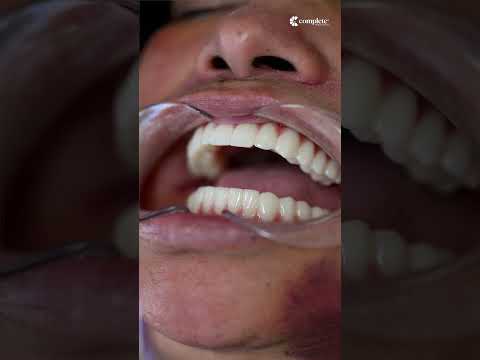
Fixed teeth in 2 days? Yes, it’s possible.
Dentistry
Complete Advanced Dentistry - Dental Clinic in Los Algodones
Los Algodones, Mexico
Full Mouth Restoration by Dr. Alonso Yañez
Dentistry
Complete Advanced Dentistry - Dental Clinic in Los Algodones
Los Algodones, Mexico
Unlock the Best Dentistry Packages Just for You
Discover the ultimate Dentistry packages designed to meet your health and wellness goals. Choose the perfect fit for your journey.
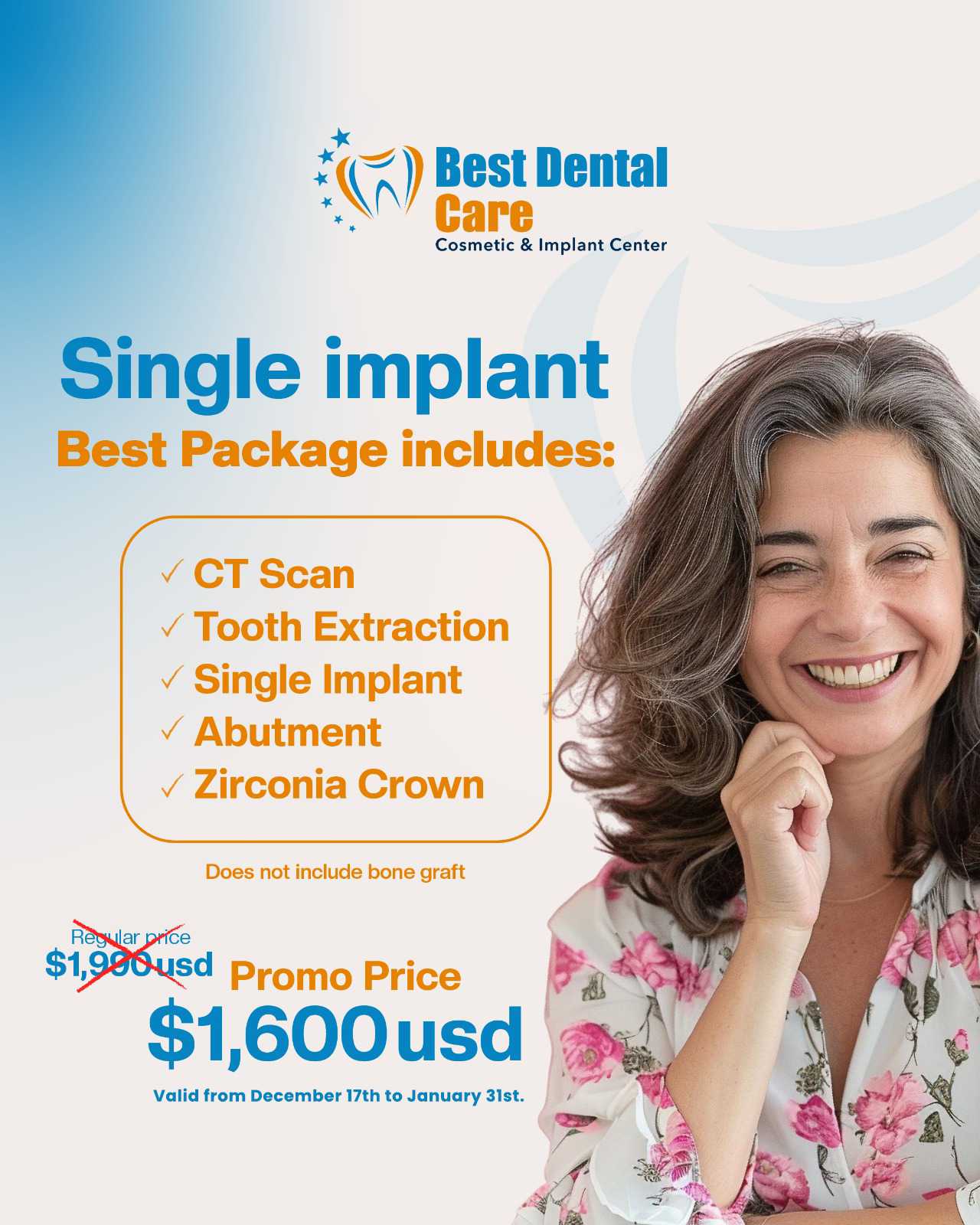
Price starting from $1,600
Limited-Time Dental Implant Promotion
Best Dental Care - Dental Clinic in Los Algodones, Mexico
- Dentistry
Los Algodones, Mexico

Price starting from $9,625
Full Mouth Restoration Package in Cancun, Mexico by SANI Dental
Sani Dental Group Cancun
- Dentistry
Cancun, Mexico

Price starting from $6,900
Full Mouth Restoration in Los Algodones, Mexico by Complete Advanced Dentistry
Complete Advanced Dentistry - Dental Clinic in Los Algodones
- Dentistry
Los Algodones, Mexico

Price starting from $5,000
Smile Makeover Package in Los Algodones, Mexico by Best Dental Care
Best Dental Care - Dental Clinic in Los Algodones, Mexico
- Dentistry
Los Algodones, Mexico
Transformative Dentistry Experiences: Dive into Procedure Insights
Discover the power of Dentistry through compelling patient experiences. Uncover detailed insights into procedures, recovery journeys, and life-changing results.
.png)
.png)
Price starting from $12,635
All on 4 Dental Implants in Cancun, Mexico
- All on 4 Dental Implants, Dentistry
Cancun, Mexico
.png)
Get Quality All on 8 Dental Implants in Cancun - Mexico
- All on 8 Dental Implants, Dentistry
Cancun, Mexico
.png)
Price starting from $7,080
All on 4 Dental Implants in Tijuana, Mexico | Save 80%
- All on 4 Dental Implants, Dentistry
Tijuana, Mexico







