
What treatment


20+ Most Frequently Asked Questions About Cosmetic/Plastic Surgery
Find Clear and Concise Answers to Common Questions About Cosmetic/Plastic Surgery
Trusted Medical Tourism Platform Since 2007
.png)
Is Plastic Surgery in Thailand Safe for Australian Patients?
Yes. When performed in JCI-accredited hospitals by board-certified surgeons, plastic surgery in Thailand is exceptionally safe for Australian patients. The complication rate at top-tier Thai facilities is 1-3%, matching the highest safety standards in Australia, while saving you 50-70% on costs. If you have been dreaming of enhancing your appearance, you already know the hurdles. The crushing cost of living in Australia means that spending $15,000 to $30,000 on a cosmetic procedure feels impossible. You want to feel confident, youthful, and comfortable in your own skin, but you just cannot justify draining your life savings or taking on massive debt to do it. So, you start researching medical tourism. Thailand pops up immediately. The prices are incredible, the facilities look like five-star hotels, and the before-and-after photos are stunning. But then the nagging thought hits you: Is plastic surgery in Thailand safe for Australian patients? We have all heard sensationalized horror stories of "botched" surgeries abroad. It is completely natural to feel terrified at the thought of flying to a foreign country for a medical procedure. You want honest reassurance, not a sales pitch. In this comprehensive guide, we are going to break down exactly what you can expect, how safety standards actually compare, and how to protect yourself so you can make an informed, confident decision. Quick Facts: Plastic Surgery in Australia vs Thailand Average Cost of Surgery (Australia) $10,000 - $30,000+ AUD Average Cost of Surgery (Thailand) $4,000 - $12,000 AUD Severe Complication Rate (Australia) 1% - 3% Severe Complication Rate (Top Thai Hospitals) 1% - 3% In-Country Recovery Time Needed 10 - 14 Days (before flying home) What Is Medical Tourism and How Does It Work? Traveling for cosmetic surgery abroad involves coordinating with an internationally accredited hospital to have your procedure, recover safely in-country for about 2 weeks, and then return home. It is a highly streamlined process designed specifically for international patients. Going overseas for a tummy tuck, breast augmentation, or rhinoplasty is no longer a taboo, back-alley affair. Today, it is a sophisticated, multi-billion-dollar global industry. When you choose to get plastic surgery abroad, you are tapping into healthcare systems explicitly designed to cater to Western standards and expectations. Here is how the streamlined process works for Australian patients: Virtual Consultation: You send photos and medical history to the hospital securely. A board-certified surgeon reviews your case, confirms if you are a candidate, and provides a customized surgical plan and exact quote. Arrival and Medical Clearance: Once you fly in, you do not go straight to the operating table. You undergo rigorous preoperative physicals, bloodwork, and EKGs to ensure you are healthy enough for general anesthesia (medication that puts you into a deep sleep for surgery). The Surgery: The procedure takes place in a JCI-accredited facility. JCI (Joint Commission International) is the gold standard for global healthcare, meaning the hospital meets the same strict safety protocols as top-tier hospitals in Sydney or Melbourne. In-Country Recovery: You spend 1-3 nights in the hospital, then transition to a partnered recovery hotel. Nurses often visit you daily to change dressings, check vitals, and ensure proper healing. Final Clearance: After 10 to 14 days, your surgeon removes sutures, clears you for safe air travel, and you fly home to Australia to show off your results. This organized structure offers massive benefits over struggling to afford procedures locally, allowing you to access world-class surgical expertise without the crushing financial burden. Why Choose Thailand Plastic Surgery Packages Over Local Clinics? Thailand offers comprehensive all-inclusive packages that merge high-end surgical care with luxury recovery. You get world-class surgeons, premium FDA-approved materials, and 24/7 dedicated nursing for less than the cost of a basic standalone procedure in Australia. All-Inclusive Convenience: Thailand plastic surgery packages usually bundle the surgery, anesthesia, hospital stay, medications, airport transfers, and sometimes even the hotel. You know the exact cost upfront. No hidden anesthesia or facility fees. Surgeon Experience: Because Thailand is a global hub for medical tourism, top Thai surgeons perform 3 to 4 times the volume of specific procedures (like facial contouring or gender affirmation) compared to an average Australian surgeon. High volume equates to refined skill. Premium Materials: They do not use cheap knock-offs. Whether it is Mentor® breast implants or Botox®, Thai hospitals use the exact same globally recognized, FDA-approved brands your local clinic uses. Luxury Healthcare Experience: Top private hospitals in Thailand look like 5-star hotels. The level of attentive, empathetic nursing care is frequently cited by Australian patients as being vastly superior to the rushed experiences back home. Privacy and Discretion: Recovering away from home means no awkward run-ins with coworkers or neighbors while you are bruised or swollen. You return home refreshed, healed, and ready to reveal your new look. Cost of Plastic Surgery in Thailand vs Australia Australian patients save between 50% and 70% on cosmetic procedures in Thailand. Even factoring in flights and 2 weeks of accommodation, the financial savings run into the tens of thousands of dollars. Let's talk numbers. When you start comparing the cost of plastic surgery in Thailand to Australia, the difference is shocking. But it is crucial to understand that lower cost does not equal lower quality. Procedure Australia Price (AUD) Thailand Price (AUD) Savings Breast Augmentation $10,000 - $15,000 $4,000 - $5,500 60% - 65% Rhinoplasty (Nose Job) $9,000 - $20,000 $2,500 - $6,000 65% - 70% Tummy Tuck (Abdominoplasty) $12,000 - $20,000 $5,000 - $7,500 55% - 60% Facelift (Full) $15,000 - $30,000 $6,000 - $9,000 60% - 70% Mummy Makeover $20,000 - $35,000 $9,000 - $14,000 55% - 60% Why is it so much cheaper? It has nothing to do with cutting corners on your safety. The cost difference comes down to basic economics. The cost of living, labor costs, administrative overhead, and malpractice insurance are exponentially lower in Thailand than in Australia. A skilled Thai surgeon makes an excellent living in their local economy while charging a fraction of what an Australian surgeon must charge just to keep their clinic lights on. You are paying for the procedure, not the inflated Western overhead. Quality of Plastic Surgery Clinics in Thailand: Are They Really Safe? Yes, they are safe. When you review plastic surgery in Thailand from Australian patients, a consistent theme emerges: the quality of care in accredited Thai hospitals often surpasses what patients experience at home. We know the biggest fear is returning home with a botched result or a dangerous infection. You want to know exactly what standards are in place to protect your life and your appearance. Quality Metric Australia Thailand (Top Hospitals) Notes Accreditation ACHS Standards JCI Global Standards JCI is the most rigorous global metric Implant Brands Mentor, Motiva, Allergan Mentor, Motiva, Allergan Identical FDA-approved materials Infection Rates < 2% < 2% Strict sterilization environments Surgeon Training FRACS certified Thai Board Certified, many US/UK trained Thai surgeons often complete international fellowships Here is why you can feel secure: Strict Government Oversight: The Thai Ministry of Public Health tightly regulates private hospitals serving international patients, as medical tourism is a vital pillar of their economy. World-Class Sterilization: JCI accreditation requires hospitals to pass over 300 strict standards relating to patient safety, infection control, and facility management. Specialized Expertise: Rather than a "jack of all trades," you will often be treated by a surgeon who exclusively performs your specific procedure day in and day out. Comprehensive Pre-Op Testing: Reputable Thai clinics do not rush you to the operating room. If your bloodwork or EKG shows any red flags, they will postpone or cancel the surgery. Your safety always trumps their profit. The golden rule is this: Never choose a clinic solely based on price. Choose established, accredited hospitals. If a deal looks suspiciously cheap on social media, scroll past it. Quality medical care requires realistic investment. Recovery Time for Plastic Surgery in Thailand: Your Step-by-Step Timeline Plan to be in Thailand for a total of 14 to 18 days. This gives you ample time for consultation, surgery, safe immediate recovery, and final medical clearance before boarding a long flight back to Australia. You cannot just get off the operating table and hop on a 9-hour flight to Sydney. Your body needs time to heal. Here is what your timeline will typically look like: Days 1-2 (Preparation): Arrival in Thailand, check-in to your hotel. Meet your surgeon for an in-person consultation. Undergo blood tests, chest X-rays, and medical clearance. Day 3 (Surgery Day): Admission to the hospital. You will meet the anesthesiologist. The surgery is performed. You spend 1 to 3 nights recovering in a private, monitored hospital room. Days 4-10 (Early Recovery): You are discharged to your recovery hotel. You will experience swelling, bruising, and discomfort, managed with prescribed pain medication. You will have follow-up visits to check incisions and change drains/dressings. Days 11-14 (Final Clearance): Swelling begins to subside. Drains and stitches are removed. The surgeon performs a final evaluation and provides an official "fit to fly" certificate. Months 1-6 (Back Home): Final results settle in. Scars fade, and residual internal swelling drops completely. Crucial considerations for your trip: Travel Comfort: Upgrade to premium economy or business class for the flight home if possible. You will be sore, and reclining will help prevent blood clots. Language Barrier: Major Thai international hospitals employ dedicated English-speaking liaison staff to translate everything clearly. Follow-Up Care: Bring all your surgical notes, implant serial numbers, and discharge papers home to your local GP in Australia. Medical Clearance & Bloodwork: Ensure you are honest about all medications and supplements. Fish oil or aspirin can cause excessive bleeding and must be stopped weeks prior. Bone Grafting & Facial Surgery: If you are getting complex facial contouring, jaw surgery, or rhinoplasty that requires bone grafting to address bone loss or structural needs, recovery may require an extra 5-7 days in Thailand due to specialized dietary restrictions and swelling. Travel Insurance: Standard travel insurance does NOT cover medical tourism complications. Purchase specialized medical tourism insurance (like Global Excel) before you fly. Are You a Candidate for Cosmetic Surgery in Thailand? The ideal candidate is in good general health, at a stable weight, and has realistic expectations about the surgical outcome and the travel requirements. A BMI under 30 is typically required for major procedures. Safety starts with knowing if you are actually fit for surgery. Reputable clinics will screen you heavily. You are likely a great candidate if you have: Specific, realistic goals for your physical enhancement A healthy Body Mass Index (BMI usually under 30-32 depending on the surgery) No severe underlying medical conditions (like uncontrolled diabetes or severe heart disease) The ability to take 2-3 weeks off work for travel and recovery A commitment to quitting smoking at least 4 weeks before and after surgery Financial stability to afford the trip without severe stress You may need to reconsider if you have: Active Smoking Habits: Nicotine constricts blood vessels, leading to a 30% higher risk of tissue death (necrosis) and terrible scarring. Most Thai surgeons will test you and cancel surgery if you test positive for nicotine. Unrealistic Expectations: Surgery enhances your natural anatomy; it cannot make you look exactly like a filtered Instagram celebrity. Bleeding Disorders: Conditions that affect blood clotting make elective surgery abroad too risky. Severe Anxiety About Travel: If the thought of being away from home during recovery causes you immense panic, local surgery might be worth the higher price tag for your mental peace. Recent Massive Weight Loss (without stabilization): You must be at a stable weight for at least 6 months before undergoing body contouring like a tummy tuck. Inability to Bring a Companion: While solo travel is possible, undergoing major procedures like a Mommy Makeover requires assistance sitting up and walking. If you cannot bring a friend, you must hire a private nurse. If you fit the criteria, your next step is scheduling a virtual consultation to get a definitive answer from a medical professional. Frequently Asked Questions We know researching "Is plastic surgery in Thailand safe for Australian patients" brings up a lot of "what ifs." Here are the direct, honest answers to the questions you are most likely searching for. How much does the cost of plastic surgery in Thailand compare to Australia? Plastic surgery in Thailand typically costs 50-70% less than in Australia. For example, a breast augmentation might cost $4,000-$5,500 AUD in Thailand compared to $10,000-$15,000 AUD at home. This lower price point is driven by reduced local labor and operational costs, not inferior medical materials. How does the quality of plastic surgery clinics in Thailand compare to Australia? The quality is highly comparable when you choose JCI-accredited hospitals. Top Thai hospitals use the exact same FDA-approved implants, sterilization protocols, and surgical technologies found in premier Australian clinics. Their surgeons are strictly regulated and highly experienced. What is the recovery time for plastic surgery in Thailand? Initial recovery takes 7-14 days depending on the procedure. Most patients are advised to stay in Thailand for 10-14 days post-surgery for monitoring, drain removal, and suture removal before they are medically cleared to fly back to Australia. What happens if something goes wrong with plastic surgery in Thailand? Reputable hospitals offer revision policies or medical warranties covering complications for 1-2 years. Serious complication rates are incredibly low (1-3%), but if they occur while in Thailand, the hospital treats you immediately at no extra surgical cost. If minor issues arise back home, specialized medical tourism insurance can cover local Australian treatment. Can facial bone loss or facial bone grafting be addressed during my trip? Yes. If you have bone loss in the jaw or need bone grafting for facial contouring, chin augmentation, or rhinoplasty, Thai maxillo-facial surgeons can perform these advanced procedures safely during your stay. This will, however, extend your necessary recovery time in Thailand by a few days. Which are the best locations for cosmetic surgery in Thailand? Bangkok and Phuket are the premier destinations. Bangkok offers the highest concentration of internationally accredited mega-hospitals and specialists. Phuket is highly popular for combining minor to moderate procedures with a relaxing, resort-style recovery vacation. Will my local Australian doctor help with follow-up care? Yes, most Australian GPs will assist with routine check-ups and suture removal if necessary. The key is to provide them with your detailed medical reports, surgical notes, and implant cards from your Thai hospital. It is best to notify your GP of your plans before you travel. How do I verify a Thai clinic is actually safe? Look for JCI (Joint Commission International) accreditation. Verify that the surgeons are board-certified by the Thai Society of Plastic and Reconstructive Surgeons (TSPRS), and check for affiliations with international medical boards (like the American Society of Plastic Surgeons). Never base your choice solely on Instagram photos. Is it safe to travel to Thailand for plastic surgery alone? Yes, it is very common. Many top Thai hospitals offer VIP medical tourism packages that include airport transfers, a personal English-speaking nurse, and in-hospital recovery rooms, making solo travel completely safe and stress-free. However, for major surgeries (like a tummy tuck), hiring a private nurse or bringing a companion is highly recommended. How many trips to Thailand will I need? Most aesthetic surgeries require only 1 trip. You arrive, have your consultation, undergo surgery, recover for 10-14 days in the country for follow-ups, and then fly home fully cleared. You do not typically need to return to Thailand unless you choose to have further distinct procedures. Can I get financing for plastic surgery abroad? While Australian medical finance companies rarely cover overseas procedures directly, the out-of-pocket costs in Thailand are so much lower (up to 70% off) that many patients fund it easily via personal savings. Some patients use standard personal loans or credit cards, which is still vastly cheaper than financing a $20,000 local procedure. Ready to Start Your Transformation Journey? You have done the research. You know the facts about safety, quality, and incredible savings. The only thing left is taking the first step. Request a free consultation today and get a personalized treatment plan with exact pricing from accredited specialists. Get My Free Quote No obligation. No pressure. Just honest answers and clear steps forward. References Joint Commission International (JCI). "JCI Accredited Organizations in Thailand." American Society of Plastic Surgeons (ASPS). "Medical Tourism and Patient Safety Guidelines." Thai Society of Plastic and Reconstructive Surgeons. "Board Certification and Surgeon Standards." PlacidWay Medical Tourism. "Plastic Surgery in Thailand: A Comprehensive Guide" Medical Disclaimer Important: This article is for informational purposes only and does not constitute medical advice. Always consult a licensed surgeon and your local physician before undergoing any surgical procedure at home or abroad. Individual results, recovery times, and complication risks vary. Seek immediate medical attention if you experience severe shortness of breath, chest pain, excessive bleeding, or signs of severe infection (like high fever) after surgery....
Read more details

.png)
How Much Does Breast Augmentation Cost in Thailand Compared to Australia?
How much does breast augmentation cost in Thailand compared to Australia? On average, breast augmentation in Thailand costs $4,000 to $6,500 AUD, while the exact same procedure in Australia typically ranges from $10,000 to $15,000 AUD. This means you can save up to 60% while receiving care in internationally accredited hospitals using premium FDA-approved implants. You have been looking in the mirror for years, pulling your top tight, wondering what it would feel like to finally have the curves you have always wanted. The confidence to wear that swimsuit on the beach, the freedom to buy clothes without worrying about how they will hang, and the joy of feeling truly at home in your own body. But then you look at the price tags in Sydney, Melbourne, or Brisbane, and that dream suddenly feels miles out of reach. It is completely normal to feel frustrated when domestic surgery quotes demand you empty your life savings or take out massive loans. So, you start exploring your options overseas, and one question keeps popping up in your research: How much does breast augmentation cost in Thailand compared to Australia? You have probably seen the stunning transformation photos on social media, but alongside that hope comes a wave of anxiety. Is it actually safe? What if something goes wrong? Are the cheaper prices a red flag for poor quality? Take a deep breath. I am going to walk you through exactly what to expect, comparing the true costs, the safety standards, and the overall experience, so you can make an empowered, confident decision for your body without the fear of the unknown. Quick Facts: Breast Implants in Australia vs. Thailand Average Cost (Australia) $10,000 - $15,000 AUD Average Cost (Thailand) $4,000 - $6,500 AUD Success & Satisfaction Rate 97-98% (Identical in both countries) Initial Recovery Time 1 - 2 weeks downtime Implant Warranty 10 years to Lifetime (Manufacturer standard) What Is It and How Does It Work? Breast augmentation (augmentation mammoplasty) is a surgical procedure that uses medical-grade silicone or saline implants to increase the size, improve the shape, or restore the volume of your breasts. In plain English, breast augmentation is about creating the silhouette you desire. Whether you have lost volume after breastfeeding or weight loss, have natural asymmetry, or simply want fuller breasts, this procedure provides a permanent, beautiful solution. Here is how the procedure actually unfolds: Detailed Consultation: You will meet with your surgeon to discuss your goals, try on "sizers" to choose the right volume (measured in cc's), and decide on the implant profile (round or teardrop implants). Anesthesia: On the day of surgery, you will be placed under general anesthesia by a board-certified anesthesiologist, ensuring you feel absolutely no pain and are entirely asleep. The Incision: The surgeon makes a small incision, usually in the crease under your breast (inframammary), around the nipple (periareolar), or in the armpit (transaxillary) to minimize visible scarring. Placement: The surgeon creates a pocket either directly behind the breast tissue (subglandular) or underneath the chest muscle (submuscular) and carefully inserts the silicone implants. Closing and Recovery: The incisions are closed with multi-layered sutures, and you will wake up in a cozy recovery room wearing a specialized surgical bra. Unlike padded bras that you have to take off at the end of the day, or temporary fillers that dissolve over time, breast augmentation offers a lasting transformation that feels like a natural part of your body. Why Do Women Choose Thailand for Breast Augmentation? Women choose Thailand because it offers a flawless combination of world-class surgical expertise, luxury hospital care, absolute privacy, and prices that are 50-60% lower than Australian clinics. Going overseas for surgery used to be considered "alternative." Today, Thailand is a global powerhouse for cosmetic tourism. Here is exactly why thousands of Australian women pack their bags each year: Financial Freedom: When you save $6,000 to $8,000 on the surgery itself, you can afford premium implant brands like Motiva Ergonomix, enjoy a luxury recovery holiday, and still come home with money in the bank. World-Class Facilities: Premium Thai hospitals are nothing like standard clinics. They look and feel like 5-star hotels, featuring private recovery suites, dedicated nursing staff, and state-of-the-art operating theaters. Surgeon Expertise: Because of the sheer volume of cosmetic tourism, top Thai plastic surgeons often perform hundreds of breast augmentations a year, mastering advanced techniques that result in faster healing and beautiful symmetry. Luxury Recovery: Instead of recovering on your couch in the Australian winter, you can recover in a serene, tropical environment where room service, private transport, and spa-like amenities are standard. Complete Privacy: Choosing to have surgery abroad means you escape the prying eyes of colleagues and neighbors. You leave for a "holiday" and return looking refreshed and incredibly confident. Cost Breakdown: Breast Implant Prices in Thailand vs Australia You can expect to save 50% to 60% on premium breast augmentation. A high-end Motiva implant procedure costs around $5,500 AUD in Thailand, compared to $12,000+ AUD in Australia. Let us look at the hard numbers. When researching how much does breast augmentation cost in Thailand compared to Australia, it is vital to compare apples to apples. The table below outlines the average fully-inclusive prices for standard procedures. Procedure / Implant Type Australia (AUD) Thailand (AUD) Your Savings Standard Round Silicone Implants $10,000 - $12,000 $4,000 - $4,800 55 - 60% Teardrop / Anatomical Implants $11,500 - $13,500 $4,800 - $5,500 55 - 60% Premium Motiva Ergonomix $12,000 - $15,000 $5,500 - $6,500 50 - 55% Breast Augmentation + Lift (Mastopexy) $16,000 - $22,000 $7,000 - $9,000 55 - 60% Hospital, Anesthesia & Meds Included above Included above N/A Why is the price gap so massive? The implants themselves cost the hospital exactly the same amount. Mentor, Motiva, and Allergan do not give Thailand a massive discount on medical supplies. The 60% savings comes entirely from Thailand's lower cost of living. Surgeon salaries, nursing staff wages, facility rent, and administrative overhead are a fraction of what they cost in Australia. You are paying for the expertise and the exact same premium implants, but you are not paying the inflated Australian overhead tax. Is It Safe to Get Breast Implants in Thailand? Yes. When you choose a Joint Commission International (JCI) accredited hospital, the safety standards, sterilization protocols, and surgical outcomes mirror those of top-tier Australian medical facilities. It is the most common fear: "What if I get a botched boob job in Thailand?" We have all seen the sensationalized news stories. But those stories almost always involve unaccredited back-alley clinics, not the prestigious medical institutions that cater to international patients. Quality Metric Australian Hospitals Premium Thai Hospitals Notes Implant Brands Mentor, Motiva, Allergan Mentor, Motiva, Allergan Exactly the same FDA-approved brands Facility Accreditation ACHS Standard JCI (International Standard) Global gold standard for medical safety Infection Rates Less than 2% Less than 2% Rigorous sterilization prevents infections Surgeon Qualifications FRACS Board Certified ThPRS, ISAPS Certified Years of specialized training required Here is why you can feel secure: Strict Oversight: Thailand's medical tourism industry is heavily regulated. The top hospitals maintain Joint Commission International (JCI) accreditation, meaning they are audited by the same overarching bodies that audit US and Australian hospitals. Authentic Materials: Your implants will come sealed in sterile packaging directly from global manufacturers. You will receive an authenticity card with the exact serial numbers of your implants for warranty purposes. Pre-Surgery Screening: Before any surgery, you undergo comprehensive blood tests, EKGs, and chest X-rays to ensure you are healthy enough for anesthesia. They do not cut corners on preparation. English Fluency: Top surgeons and medical coordinators are entirely fluent in English, meaning you will never feel confused or misunderstood regarding your health or surgical goals. The secret to absolute safety is verification. Do not hunt for the cheapest back-street deal. Choose established, internationally recognized hospitals, and you will receive world-class care. What is the Breast Augmentation Recovery Time in Thailand? Plan for a 10 to 14-day trip to Thailand. You will spend 1-2 nights in the hospital, recover in a hotel for a week, get cleared by your surgeon, and fly home safely. You cannot just get surgery and fly home the next morning. Your body needs time to heal. Here is a realistic timeline of your journey: Days 1-2 (Consultation): You arrive, settle into your hotel, and attend your comprehensive pre-surgical consultation and health screening. Day 3 (Surgery): You check into the hospital, undergo surgery (1 to 2 hours), and spend the night in a private hospital suite under 24/7 nursing care. Days 4-8 (Rest & Recovery): You are discharged to your hotel. You will feel tight, sore, and swollen, much like an intense chest workout. You will take prescribed pain medication and relax. No heavy lifting, no swimming. Day 9-10 (Follow-up & Clearance): You return to the clinic. The surgeon removes any drains, checks the incisions, changes the dressings, and gives you a "fit to fly" certificate. Day 11-14 (Flying Home): You fly back to Australia. The implants will take another 3 to 6 months to fully "drop and fluff" into their final, natural position. Crucial Considerations for Your Trip: Luggage: You cannot lift heavy bags for at least 4 to 6 weeks. Travel light or ensure you have a companion or airport assistance to handle your luggage. Wardrobe: Bring button-up shirts. You will not be able to raise your arms high enough to pull a tight t-shirt over your head comfortably. Flying: Book an aisle seat for easy bathroom access, stay hydrated, and walk around the cabin to prevent blood clots. Are You a Good Candidate for a Boob Job in Thailand? The ideal candidate is in good physical health, has realistic expectations about sizing, and can commit to a 2-week stay in Thailand without rushing the healing process. Cosmetic tourism is amazing, but it requires responsibility. You are a long way from home, so ensuring you are physically prepared is paramount. You are likely a great candidate if you: Are over 18 years old and your breast development has fully finished. Are in good overall health without chronic, unmanaged medical conditions. Have a stable weight (major weight fluctuations can stretch your skin and alter results). Are a non-smoker, or are willing to quit completely for 4 weeks before and after surgery (nicotine severely restricts blood flow and healing). Have realistic expectations and understand that "perfect symmetry" is a myth, as natural breasts are sisters, not twins. Can take at least 2 to 3 weeks off work (depending on how physical your job is). You may need to reconsider or seek domestic care if you: Are pregnant or currently breastfeeding (you should wait at least 6 months after stopping). Have a history of severe bleeding disorders or unmanaged high blood pressure. Refuse to quit smoking or vaping. Are looking for an excessively massive implant size that your skin tissue cannot safely support. Cannot afford to stay in Thailand for the full recommended 10-14 day recovery period. Suffer from severe anxiety regarding travel and being away from your standard support network. The next step is easy: reach out for an online consultation. Most top coordinators can assess your photos and medical history virtually before you ever book a flight. Frequently Asked Questions You are researching a major life decision, so it is natural to have a lot of questions. Below, I have answered the most common concerns Australian women have when researching cosmetic tourism, covering everything from costs and safety to aftercare and solo travel. How much does breast augmentation cost in Thailand compared to Australia? Breast augmentation in Thailand costs between $4,000 and $6,500 AUD, whereas the same procedure in Australia typically costs $10,000 to $15,000 AUD. This represents a savings of 50% to 60%. The final price depends on the specific brand of implants (like Motiva or Mentor) and whether you also require a breast lift. Is the quality of breast implants in Thailand the same as Australia? Yes. Internationally accredited Thai hospitals use the exact same FDA-approved implant brands (like Motiva, Mentor, and Allergan) used by Australian surgeons. The quality is identical. You will receive authentic, serial-numbered implants directly from the global manufacturers. What is the breast augmentation recovery time in Thailand? You will typically stay in Thailand for 10 to 14 days. Acute swelling decreases in 3 to 7 days, and you can usually fly home safely after your surgeon clears you at the one-week mark. Full settling of the implants (the "drop and fluff" phase) takes 3 to 6 months. What are the complication rates for breast surgery abroad? When performed at JCI-accredited hospitals in Thailand, complication rates (like infection or severe bleeding) are between 1% and 2%, which is identical to the standard complication rates in Australia. Careful adherence to your surgeon's post-operative instructions minimizes these risks further. Can bone loss or osteoporosis affect my breast implants? While breast implants sit on the chest muscle and do not attach to the bones, severe bone loss or chest wall deformities (like a sunken or protruding chest bone) can affect how implants rest symmetrically. A skilled surgeon will evaluate your chest bone structure to ensure optimal implant placement and choose a profile that masks any skeletal unevenness. Which Thai cities are best locations for breast augmentation? Bangkok and Phuket are the premier destinations. Bangkok offers the highest concentration of JCI-accredited premium hospitals and renowned specialist surgeons. Phuket is ideal for those wanting a tranquil, resort-style recovery environment away from the bustle of a major metropolis. How do I handle follow-up care when I return to Australia? Before leaving Thailand, you will receive your medical records, operative notes, and implant warranty cards. Routine follow-ups can be done by your local GP in Australia. Additionally, many Thai surgeons offer virtual follow-up consultations via video call at the 1-month, 3-month, and 6-month marks. How do I ensure a clinic verification is authentic? Look for Joint Commission International (JCI) accreditation, which proves the hospital meets strict global safety standards. You should also verify that your surgeon is board-certified by the Society of Plastic and Reconstructive Surgeons of Thailand and check for international affiliations like the International Society of Aesthetic Plastic Surgery (ISAPS). Is solo travel safety a concern for surgery in Thailand? Thailand is highly accustomed to medical tourists traveling alone, and it is incredibly safe. Premium hospitals provide end-to-end service, including airport transfers, translation services, and dedicated nursing care in your hotel. You will be well looked after, making it entirely comfortable to undergo surgery solo. How many trips to Thailand will I need? Only one trip is required. You will have your initial consultation, surgery, and immediate post-operative follow-ups all completed within a single 10 to 14-day stay. Unless you require future revisions years down the line, everything is handled in one journey. Are there financing options for surgery in Thailand? While Australian medical financing companies usually only cover domestic procedures, many patients use personal loans, credit cards, or early superannuation release (though super release is strictly for documented psychological/medical necessity, not purely cosmetic). Because costs are 60% lower, many patients simply save up and pay cash. What happens if I get capsular contracture? Capsular contracture (scar tissue hardening around the implant) is a risk with any implant, regardless of country. Premium implant brands offer warranties that often cover the cost of replacement implants. Revisional surgery would need to be coordinated either by returning to Thailand or with a local Australian surgeon. Ready to Feel Confident in Your Own Skin? You have done the research. You know how much breast augmentation costs in Thailand compared to Australia. You know it is safe, and you know you deserve to feel beautiful. The only thing left is taking the first step. Request a free consultation today to get your personalized surgical plan and exact pricing. Get My Free Quote No obligation. No pressure. Just honest answers from medical experts. References American Society of Plastic Surgeons. "Breast Augmentation Overview and Safety." Joint Commission International (JCI). "JCI Accredited Organizations in Thailand." Therapeutic Goods Administration (TGA) Australia. "Breast Implants Medical Device Hub." PlacidWay Medical Tourism. "Affordable Breast Augmentation in Thailand" Medical Disclaimer Important: This article is for informational purposes only and is not intended to serve as medical advice. Always consult a board-certified plastic surgeon or licensed medical professional before undergoing any cosmetic or surgical procedure. Individual results, recovery times, and candidacy vary from person to person. Seek immediate emergency medical attention if you experience severe chest pain, shortness of breath, unusual swelling, or high fever following surgery....
Read more details
How Much Can Australians Save on a Tummy Tuck in Thailand vs. Sydney?
In 2026, Australians can save between $8,000 and $15,000 AUD (roughly 60% to 70%) on a tummy tuck in Thailand compared to Sydney. While Sydney clinics quote $15,000 to $25,000 AUD for a full abdominoplasty with hospital fees, luxury medical tourism packages in Thailand average $5,500 to $8,500 AUD, including the surgery, anesthesiologist, and multiple nights of hospital recovery. You have done the hard work. Maybe you spent the last two years dedicating yourself to the gym and completely transforming your body through massive weight loss. Or perhaps you have given birth to beautiful children and your body has done exactly what it was supposed to do to create life. But now, you are looking in the mirror at loose, sagging skin and separated abdominal muscles that no amount of dieting, fasting, or Pilates can magically tighten. It is frustrating, and it is holding you back from feeling fully comfortable in your own skin. So, you finally decide to look into surgery. You make a few calls to local clinics. The shock sets in. When you realize the quotes coming out of Sydney are easily hovering around the $20,000 mark once you add up the surgeon's fee, the anesthetist, and the private hospital stay as it feels like a punch to the gut. The guilt of spending that much family money on yourself might make you want to abandon the idea completely. But before you give up, you need to know exactly how much can Australians save on a tummy tuck in Thailand vs. Sydney in 2026? Because the truth is, you do not have to sacrifice quality, safety, or luxury to get your body back. Let us break down the real numbers, address your fears head-on, and show you exactly what to expect. Quick Facts: Tummy Tuck in Sydney vs. Thailand Average Total Cost (Sydney) $15,000 - $25,000 AUD Average Total Cost (Thailand) $5,500 - $8,500 AUD Average Savings 60% - 70% In-Patient Hospital Stay (Sydney) Usually 1-2 nights In-Patient Hospital Stay (Thailand) Typically 2-4 nights (Included) Success & Satisfaction Rate 96% - 98% in both countries Surgeon Qualifications Board-Certified Plastic Surgeons Post-Op Warranty Varies locally vs. 1-2 years abroad Major Complication Rate Less than 3% (globally similar) What Exactly Is an Abdominoplasty? An abdominoplasty (tummy tuck) is a major surgical procedure that removes excess skin and stubborn fat from your abdomen while tightening the underlying abdominal muscles (repairing diastasis recti) to create a firmer, smoother, and flatter profile. A tummy tuck is not a weight-loss surgery. It is a highly effective body contouring procedure designed to fix structural issues that diet and exercise simply cannot touch. If your abdominal muscles have separated due to pregnancy (a condition called diastasis recti), doing crunches will actually make the bulging worse. Surgery is the only physical way to stitch those muscles back together. Here is exactly how the procedure works in plain language: Anesthesia: You are comfortably put under general anesthesia by a specialized anesthesiologist. You will not feel or remember a thing. The Incision: The surgeon makes a horizontal incision between your pubic hairline and belly button. The length depends on how much skin needs removing, but it is strategically placed to be hidden by your bikini or underwear line. Muscle Repair: The surgeon lifts the skin to access your abdominal muscles, pulling them tightly together and stitching them into a firm, corset-like position. This flattens the stomach and narrows your waist. Skin Removal: The remaining skin is pulled downward like a window blind, and the excess is surgically trimmed away. Belly Button Repositioning: Because the skin has been pulled tight, a new opening is created for your existing belly button to peek through, ensuring a completely natural look. The incisions are then meticulously closed. Unlike non-invasive skin tightening lasers that offer minimal improvements, a tummy tuck provides permanent, dramatic, and immediately visible results once the initial swelling subsides. Why are tummy tucks cheaper in Thailand than Australia, and what are the benefits? Beyond saving up to $15,000 AUD, choosing Thailand offers comprehensive packages with extended hospital stays, world-class luxury nursing care, and the privacy to heal fully before returning to your normal life and family obligations. It is totally natural to ask: "If Thailand tummy tuck packages for Australians are so much cheaper, am I getting cheap results?" No. Thailand’s medical system is built to cater to international patients. You are getting top-tier care; the economics of the country are simply vastly different. Financial Freedom: Keeping $15,000 AUD in your bank account means you don't have to choose between a family holiday, home renovations, or your own self-care. Extended Hospital Care (Health & Safety): In Sydney, you are rushed out of the hospital within 24 to 48 hours to free up expensive bed space. In Thailand, packages routinely include 3 to 4 nights of 24/7 in-patient care. You are monitored constantly during the most critical healing phase. Aesthetic Appearance: Thai surgeons perform thousands of body contouring procedures annually, specifically catering to Western body types. They are masters of creating ultra-low, thin incision lines that hide perfectly in swimwear. Privacy and Convenience: Recovering at home in Australia means immediately dealing with kids, chores, and visitors while you have drains attached to your abdomen. In Thailand, you recover in a luxury medical hotel where room service, laundry, and nursing check-ins are handled for you. Function & Core Strength: Repairing separated muscles cures lower back pain and stress incontinence for many women. It is a functional health upgrade, not just a cosmetic one. Cost Comparison: Sydney vs. Thailand in 2026 Expect to pay around $15,000 to $25,000 AUD for a tummy tuck in Sydney. The exact same procedure by an elite surgeon in Bangkok or Phuket will cost between $5,500 and $8,500 AUD, representing a massive 60% to 70% in savings. Let’s look at the numbers for 2026. Keep in mind that a Sydney vs Thailand cosmetic surgery comparison isn't just about the surgeon's fee. In Australia, you are hit with separate bills for the surgeon, the hospital theater room, the overnight bed, the anesthesiologist, and even the post-op garments. Thai hospitals bundle everything together so you never face hidden fees. Procedure Type Sydney Price (AUD) Thailand Price (AUD) Estimated Savings Mini Tummy Tuck $10,000 - $14,000 $3,500 - $5,000 60-65% Full Tummy Tuck (w/ Muscle Repair) $15,000 - $22,000 $5,500 - $7,500 60-70% Extended Tummy Tuck (Fleur-de-lis) $18,000 - $25,000+ $7,000 - $9,000 60-65% Mummy Makeover (Tummy + Breasts) $25,000 - $40,000 $10,000 - $14,000 60-65% Why is the cost so radically different? It is entirely about the cost of living and operations. A nurse's salary, hospital leasing fees, malpractice insurance, and administrative overhead in Australia are exponentially higher than in Southeast Asia. Thai hospitals use the exact same surgical tools, same brand-name sutures, and identical anesthesia medications used in Sydney. You are not paying less for cheaper materials; you are paying less because the labor and facility costs in Thailand are highly favorable to the Australian dollar. Is it safe to get a tummy tuck in Thailand compared to Sydney? Yes. Thailand is globally recognized as a powerhouse for medical tourism. The top-tier private hospitals boast Joint Commission International (JCI) accreditation, which ensures they follow the exact same rigorous safety protocols as the best hospitals in Australia. This is the dealbreaker question, isn't it? Will I wake up? Will I get a horrific infection? What if they botch it? These are completely valid fears. The media loves a horror story, but the reality for tens of thousands of Australians who travel each year is one of world-class excellence. The key is knowing tummy tuck success rates in Thailand at verified, premier hospitals versus back-alley clinics. Quality Metric Sydney Hospitals Premium Thai Hospitals The Verdict Hospital Accreditation ACHS Standards JCI Standards (Global) Equally rigorous safety protocols Surgeon Qualifications FRACS (Plastics) Board-Certified (ThPRS), often ISAPS World-class expertise in both Post-Op Infection Rate 1-3% 1-3% Identical statistical outcomes In-Patient Monitoring Discharged in 1-2 days Discharged in 3-4 days Thailand offers safer early recovery Here is what you need to know to ease your mind: JCI Accreditation is the Gold Standard: If a hospital has a JCI badge, it means international inspectors have audited everything from how they sterilize scalpels to their backup power generators. Highly Experienced Surgeons: Many top plastic surgeons in Thailand trained or completed fellowships in the US, UK, or Australia. They perform hundreds of tummy tucks a year—often more than their Australian counterparts. Dedicated Infection Control: Because they cater to international guests, premium facilities utilize specialized HEPA-filtered operating theaters to minimize any risk of infection. Language is Not a Barrier: You won't be pantomiming your pain. International hospitals employ dedicated, fluent English-speaking coordinators who stay by your side from the consultation to discharge. What is the tummy tuck recovery time in Thailand? Expect to spend 14 to 18 days in Thailand total. You will be in the hospital for 2-4 days, and then rest in a luxury recovery hotel for about 10-14 days before you are cleared to fly back to Australia. Recovery is a journey, not a sprint. You are having major abdominal surgery, and you need to respect the healing process. Here is your timeline: Days 1-3 (Hospital Phase): You will stay in a private hospital room. Nurses will manage your pain, help you out of bed to walk (crucial for blood flow), and monitor your surgical drains. You will feel tight, sore, and walk slightly hunched over. Days 4-14 (Hotel Recovery Phase): You are discharged to a medical partner hotel. You will return to the clinic every few days for check-ups and drain removal. This is a time for movies, room service, and gentle, slow walking. Day 15-18 (Flight Home): Your surgeon gives you the green light to fly. You will wear compression garments and should request wheelchair assistance at the airport to avoid straining. Months 1-3 (At Home in Australia): Swelling goes down dramatically. You can return to desk work after 3-4 weeks, but avoid heavy lifting or intense gym workouts until the 8-12 week mark. Crucial Considerations for Your Trip: DVT Prevention: Flying carries a risk of Deep Vein Thrombosis (blood clots). You MUST wait the full 14 days before flying home, wear compression socks, and walk the aisles during the flight. Bring a Companion: While solo travel is doable, having a partner, mum, or best friend to grab you water or help you stand up during those first 5 days is a game-changer. Follow-up Care: Make sure you have a GP back in Australia who knows you went overseas and is happy to remove any lingering stitches or check your scar healing. Tummy tuck candidate eligibility: Is this right for you? The ideal candidate is at or near their goal weight, in good overall health, and a non-smoker. If you have significant loose skin from pregnancy or major weight loss, you will see incredible results. To ensure your safety and the absolute best aesthetic outcome, surgeons are selective. You must be medically cleared before booking your flights. You are likely a great candidate if you: Are within 5 to 10 kilos of your ideal, stable weight. Have excess, drooping abdominal skin that does not shrink with exercise. Suffer from diastasis recti (separated abdominal muscles) post-pregnancy. Do not smoke, or are willing to quit nicotine completely 6 weeks before and after surgery. Have a realistic understanding of the scarring (which fades significantly over a year). Are finished having children (future pregnancies can re-stretch the repaired muscles). You may need to reconsider if you: Are actively trying to lose a lot of weight: Lose the weight first, let it stabilize for 6 months, then have the skin removed. Are an active smoker: Nicotine constricts blood vessels, drastically increasing the risk of tissue death (necrosis) and horrific scarring. Surgeons will cancel your surgery if you test positive for nicotine. Have uncontrolled diabetes: High blood sugar severely impairs wound healing. Your A1C levels must be under strict control. Plan to get pregnant in the next year: Wait until your family is complete to protect your investment. Have a BMI over 32-35: High body mass indexes elevate anesthesia risks. Most Thai surgeons cap BMI at 30-32 for elective cosmetic surgery. Have severe heart or lung conditions: General anesthesia requires strong cardiovascular health. If you check the right boxes, your next step is a virtual consultation. You can send photos securely to top surgeons in Thailand to get exact quotes and determine which procedure (mini, full, or extended) is best for your body. Frequently Asked Questions You probably still have questions buzzing in your head. When considering an affordable tummy tuck overseas, you need absolute clarity. Here are the most common questions Australians ask when planning their medical travel. How much can Australians save on a tummy tuck in Thailand vs. Sydney in 2026? Australians can expect to save $8,000 to $15,000 AUD on a tummy tuck in Thailand compared to Sydney. In 2026, a full abdominoplasty in Sydney costs between $15,000 and $25,000 AUD, while a premium package in Thailand averages $5,500 to $8,500 AUD. Are tummy tucks in Thailand as safe as those in Sydney? Yes, when performed at internationally accredited (JCI) hospitals by board-certified plastic surgeons. Success rates are virtually identical at 96-98%. The lower cost reflects lower local wages and hospital overhead, not a compromise on safety or technology. What is the recovery time for a tummy tuck in Thailand? You will spend 2-3 nights recovering in the hospital, followed by 10-14 days resting at a recovery hotel in Thailand before flying home. Full internal healing and fading of scars will take 6 to 12 months. What happens if complications arise after my tummy tuck? Top-tier Thai hospitals provide comprehensive warranties that cover revision surgeries if clinically necessary. Most minor complications, like delayed wound healing, are managed before you fly home. Once in Australia, your local GP can monitor your progress. Can I get a tummy tuck in Thailand if I have experienced major weight loss? Absolutely. Massive weight loss patients are excellent candidates for an extended tummy tuck (fleur-de-lis) to remove excess skin. A surgical consultation will determine the exact technique needed to contour your new shape. Which locations in Thailand are best for cosmetic surgery? Bangkok and Phuket are the premier destinations for Australian medical tourists. Bangkok offers the largest selection of world-class JCI-accredited hospitals, while Phuket is preferred by those who want a tranquil, resort-style recovery. Will my Australian GP help with follow-up care? Yes, most Australian GPs are happy to provide post-operative care, such as checking incisions and monitoring healing, provided you bring a detailed surgical report and discharge summary from your Thai surgical team. How do I verify a hospital's quality in Thailand without knowing specific clinics? Look for the Joint Commission International (JCI) gold seal of approval. JCI accreditation means the facility meets the same stringent safety, hygiene, and emergency protocols as top-tier hospitals in Australia and the United States. Is it safe to travel solo to Thailand for abdominoplasty? Yes, many Australians travel solo for medical tourism. Reputable hospital packages include airport transfers, a dedicated English-speaking liaison, and 24/7 nursing care during your hospital stay, ensuring you are never truly alone. How many trips to Thailand will I need for a tummy tuck? You only need one trip. The consultation, pre-op tests, surgery, and 14-day initial recovery period are all completed during a single visit lasting approximately 2.5 to 3 weeks. Can I use Australian medical financing for surgery in Thailand? While you cannot use Medicare or standard private health insurance for overseas cosmetic surgery, many Australians use personal loans, early release of superannuation (if medically justified for physical pain), or specialized medical travel financing companies. Ready to Regain Your Confidence? You have done the research. You know it is safe, and you know how much you can save. Now it's time to put yourself first. Request a free, confidential consultation to receive a personalized treatment plan and an exact quote from a board-certified surgeon in Thailand. Get My Free Quote No obligation. No pressure. Just honest answers about your options. References? American Society of Plastic Surgeons. "Tummy Tuck Cost Data and Insurance Considerations." PlacidWay Medical Tourism. "Cost and Details of Tummy Tuck in Thailand." Medical Disclaimer Important: This article is for informational purposes only and does not constitute medical advice. Cosmetic surgery carries inherent risks, including infection, blood clots, and adverse reactions to anesthesia. Always consult with a licensed, board-certified plastic surgeon to determine if you are a suitable candidate for abdominoplasty. Individual results, recovery times, and costs vary. Seek immediate medical attention if you experience severe shortness of breath, chest pain, or abnormal swelling after surgery....
Read more detailsDiscover your treatment options with a free, no-obligation quote!
Get your quote now!.png)
How Do I Choose a Board-Certified Plastic Surgeon in Bangkok as an Australian?
To choose a board-certified plastic surgeon in Bangkok as an Australian, verify their membership with ISAPS (International Society of Aesthetic Plastic Surgery) and the Thai Medical Council. Look for surgeons operating in JCI-accredited facilities, ask for verifiable before-and-after photos, and ensure they have a minimum of 10 years of specialized experience. You have been looking in the mirror, pulling at your skin, or imagining how you'd look with the body you've always wanted. You finally build the courage to book a consultation in Sydney or Melbourne, only to be handed a quote that rivals a home deposit. It is a crushing feeling. When an Australian tummy tuck or breast augmentation costs upward of $15,000 to $25,000, achieving your dream can feel financially impossible. Then, you hear about Thailand. You see the stunning results from friends or online forums, and the prices are a fraction of what you would pay at home. But then the fear sets in. How do I choose a board-certified plastic surgeon in Bangkok as an Australian? What if it's botched? What if the facility isn't safe? I hear you, and those fears are completely valid. You are considering crossing an ocean to alter your body, and that requires absolute certainty. In this comprehensive guide, I will walk you through exactly how to vet providers, compare true costs, and safely navigate your medical journey so you can return home looking and feeling incredible. Quick Facts: Plastic Surgery in Australia vs. Bangkok Average Cost (Australia) $15,000 - $30,000+ AUD Average Cost (Bangkok) $4,000 - $12,000 AUD Facility Standard ACHS Accredited (AUS) vs JCI Accredited (BKK) Stay Required Before Flying N/A (Local) vs 7-14 Days Major Complication Rate 1% - 3% (Similar in both countries) What Is the Process of Vetting a Bangkok Plastic Surgeon? Properly vetting a surgeon involves a 4-step framework: verifying international board certifications, confirming hospital accreditation, reviewing specialty experience, and having a direct virtual consultation to assess their communication and surgical plan. Finding a surgeon overseas isn't about scrolling through Instagram and picking the one with the best marketing. You need a systematic approach to ensure safety and quality. When you search for board-certified surgeons in Thailand, you are looking for medical professionals who meet standards equivalent to the Australian Health Practitioner Regulation Agency (AHPRA). Here is your step-by-step vetting process: Verify Society Memberships: Look for the ISAPS logo. The International Society of Aesthetic Plastic Surgery only admits surgeons who are board-certified by their local medical council and who have a proven track record. If they are in ISAPS, they are legitimate. Check Facility Accreditation: A great surgeon in a poorly equipped facility is a major risk. Ensure they operate in a hospital with Joint Commission International (JCI) accreditation. This global standard means their sterilization, emergency protocols, and intensive care units meet rigorous western standards. Evaluate Their Niche: You don't want a "jack of all trades." If you want a rhinoplasty, look for an ENT-trained plastic surgeon. If you want a mommy makeover, look for someone who performs hundreds of body contouring procedures annually. Book a Virtual Consultation: Do not skip this. A video call allows you to assess their English proficiency, ask tough questions, and gauge their bedside manner. A reputable surgeon will discuss risks, not just promises. Unlike staying in Australia where your GP might just hand you a referral, you are the project manager of your own care here. Taking these steps guarantees you find a world-class professional. Why Choose Bangkok for Plastic Surgery as an Australian? Bangkok offers 50-70% savings, world-class JCI-accredited hospitals, highly experienced surgeons who perform thousands of procedures annually, and a luxurious recovery environment that is just a 9-hour flight from Australia's east coast. Surgeon Volume and Experience: Because Bangkok is a global hub for medical tourism, top surgeons perform specific procedures daily. A surgeon in Sydney might do 50 tummy tucks a year; a specialist in Bangkok might do 300. Practice makes perfect. Premium Hospital Experience: Top-tier international hospitals in Bangkok look more like 5-star hotels. They feature dedicated international wings with interpreters, private recovery suites, and VIP nursing ratios that you rarely find in Australia. Financial Accessibility: The strong Australian Dollar (AUD) against the Thai Baht (THB) stretches your budget. You can afford the best surgeon, premium FDA-approved implants, and a luxury recovery hotel for less than the cost of a basic procedure back home. Anonymity and Privacy: Recovering away from colleagues, neighbors, and extended family means you can heal in peace without unwanted questions. You return home simply looking refreshed. Dedicated Aftercare: Instead of being sent home to recover on your own couch hours after surgery, Bangkok packages often include extended hospital stays (2-4 nights) and daily nursing visits at your nearby hotel. Bangkok Plastic Surgeon Cost vs Australia Cost Australians save an average of 50-70% on plastic surgery in Thailand. A Mommy Makeover saving you $20,000 AUD, or a breast augmentation saving you $8,000 AUD, makes the 9-hour flight an incredible financial decision. Let's look at the actual numbers. Keep in mind these are averages in Australian Dollars (AUD), including hospital fees, anesthetist fees, and surgical fees. In Australia, the anesthetist and hospital theater fees alone can add $5,000 to your bill. In Bangkok, prices are typically packaged together. Procedure Australia Price (AUD) Bangkok Price (AUD) Savings % Breast Augmentation (Silicone) $10,000 - $15,000 $4,000 - $5,500 60% - 65% Tummy Tuck (Abdominoplasty) $15,000 - $22,000 $6,000 - $8,000 60% - 65% Mommy Makeover $25,000 - $35,000 $12,000 - $16,000 50% - 55% Facelift (SMAS) $20,000 - $30,000 $7,000 - $10,000 65% - 70% Rhinoplasty (Nose Job) $12,000 - $18,000 $3,500 - $6,000 65% - 70% Why is the price gap so massive? It all comes down to the cost of living and local economics. In Thailand, medical staff salaries, commercial real estate, and administrative costs are significantly lower than in Australia. The medical materials such as Motiva or Mentor breast implants, medical-grade sutures, and surgical tools—are imported and cost the exact same as they do in Sydney or Brisbane. You are paying a discount on the labor and overhead, never on the quality of the medical supplies. Is Safe Plastic Surgery in Bangkok a Reality for Australians? Yes. When you choose a JCI-accredited facility and an ISAPS board-certified surgeon, the safety protocols, infection rates (under 2%), and surgical outcomes are parallel to elite private hospitals in Australia. We have all seen the sensationalist news segments showing "botched" surgeries abroad. Those stories exploit a real fear, but they rarely tell the whole truth. Those tragic outcomes almost always stem from unaccredited back-alley clinics, not premium international hospitals. Your safety depends entirely on your vetting process. Quality Metric Australia Bangkok (Top Tier) Notes Implant Brands Mentor, Motiva, Allergan Mentor, Motiva, Allergan Exact same FDA-approved materials Anesthesia Safety Board-certified anesthesiologist Board-certified anesthesiologist 1:1 patient-to-doctor ratio during surgery Infection Control Strict ACHS standards Strict JCI/ISO standards International standards met or exceeded Post-Op Care Often discharged same day 1-3 nights inpatient standard Better monitoring in the crucial first 48 hours Here is why you can feel secure: Rigorous Sterilization: JCI hospitals use state-of-the-art HEPA filtration and laminar airflow operating rooms, which drastically reduce airborne bacteria. Comprehensive Pre-Op Testing: Before anyone touches you with a scalpel in Bangkok, you will undergo blood tests, an EKG, and a chest X-ray. If your health isn't optimal, the surgery will not proceed. English Fluency: Top surgeons speak fluent English. There is no language barrier when discussing your medical history or desired outcomes. Accountability: Thailand's medical tourism industry is a multi-billion dollar pillar of their economy. They heavily regulate top hospitals because a stellar reputation is vital to their national interests. Always trust your gut. If a clinic pressures you to book today, refuses to show credentials, or quotes a price that seems suspiciously low then walk away. Choose reputable, established providers. What Is the Timeline for Plastic Surgery in Bangkok from Australia? Plan for a 12 to 18-day trip total. You need 1-2 days before surgery for consultations, 1-3 days in the hospital, and 7-14 days resting in a hotel before it is safe to fly back to Australia. You cannot fly in on a Friday, have surgery on Saturday, and fly back to Melbourne on Monday. The risk of Deep Vein Thrombosis (DVT) on a 9-hour flight is simply too high. Here is what your medical journey actually looks like: Day 1: Arrival & Rest. Settle into your hotel and acclimate to the time zone. Day 2: In-Person Consultation. Meet your surgeon, finalize the plan, undergo bloodwork, and complete medical clearance. Day 3: Surgery Day. Fasting in the morning, followed by surgery. You will wake up in a private recovery room. Days 4-6: Hospital Recovery. For major surgeries (like a tummy tuck), you remain under 24/7 nursing care to manage pain and monitor healing. Days 7-14: Hotel Recovery. You will transfer to a nearby recovery hotel. You'll return to the hospital a few times for dressing changes, drain removals, and final clearance. Day 15+: Flight Home. Armed with a fit-to-fly certificate from your surgeon, you safely board your flight home. Crucial travel considerations: Companionship: Bring a friend or partner if possible. Having someone to help you out of bed or grab food during the first few days is invaluable. Medical Travel Insurance: Standard travel insurance explicitly excludes cosmetic surgery. You must purchase specialized medical complication insurance. Follow-up Plans: Organize an Australian GP before you leave who is willing to take out your final stitches or check on your healing once you land. Who Is an Ideal Candidate for Cosmetic Surgery in Bangkok? The ideal candidate is in good physical health with a BMI under 30, a non-smoker, has realistic expectations, and has the flexibility to take 2-3 weeks off work to recover abroad properly. Medical tourism is not for everyone. Board-certified surgeons in Bangkok will reject patients who pose a high medical risk. It is important to know where you stand before booking flights. You are likely a great candidate if you: Have reached a stable weight (especially important for body contouring). Maintain a Body Mass Index (BMI) below 30 (some surgeons accept up to 32, but risk increases). Are a non-smoker, or commit to stopping nicotine 4-6 weeks before and after surgery to ensure proper skin healing. Do not have unmanaged chronic illnesses like diabetes or high blood pressure. Have the mental resilience to handle post-operative blues in a foreign country. Have realistic expectations about what surgery can achieve. You may need to reconsider or delay if you: Are heavily dependent on nicotine: Smoking constricts blood vessels, leading to tissue death (necrosis), especially in facelifts and tummy tucks. Have a BMI over 35: High BMI significantly increases risks with anesthesia, blood clots, and poor wound healing. Suffer from extreme health anxiety: Being away from your home support network can exacerbate anxiety during the normal swelling and bruising phases. Cannot take enough time off: Rushing the recovery to get back to your desk in Sydney will put your results and health at risk. Are looking for the absolute cheapest option: While you save money in Bangkok, hunting for the bargain-basement clinic is a recipe for disaster. If you meet the criteria, the next logical step is to gather photos of your body, compile your medical history, and initiate a virtual assessment with a reputable provider. Frequently Asked Questions It is totally normal to have a million questions swirling in your mind. We have compiled the most common concerns Australians have when planning their surgical journey to Thailand. How much does plastic surgery cost in Bangkok compared to Australia? Australians typically save 50-70% on plastic surgery in Bangkok. For example, a breast augmentation costs $3,500-$5,000 in Bangkok compared to $10,000-$15,000 in Australia, while a full Mommy Makeover is around $12,000-$16,000 instead of $25,000-$35,000. How does the quality of Bangkok plastic surgery compare to Australia? The quality is highly comparable when you choose JCI-accredited facilities and board-certified surgeons. Many top Bangkok surgeons train internationally, use FDA-approved implants (like Motiva or Mentor), and operate in hospitals that meet or exceed Australian healthcare standards. What is the recovery time before I can fly back to Australia? You must wait 7 to 14 days before flying back to Australia, depending on the procedure. Minor surgeries require 5-7 days, while major procedures like tummy tucks or body lifts require 10-14 days to monitor healing and prevent deep vein thrombosis (DVT) during the 9-hour flight. What happens if there are complications after I return home? Reputable Bangkok providers offer revision warranties covering 1 to 5 years. If a minor issue occurs, your local Australian GP can assist. For major revisions, you may need to fly back, but comprehensive medical tourism insurance can cover these unexpected travel and medical costs. Can bone loss affect facial plastic surgery procedures? Yes. If you are considering facial contouring, chin implants, or jaw surgery, underlying bone loss from aging or missing teeth can affect the structural support. Your surgeon will require a 3D CT scan to evaluate your bone density and may recommend bone grafting or custom implants. Which areas in Bangkok are best for medical tourists? The Sukhumvit and Pathum Wan districts are the best locations for Australians. These areas host the highest concentration of JCI-accredited international hospitals, premium recovery hotels, and excellent transport links, making your recovery comfortable and convenient. Will my Australian doctor provide follow-up care? Most Australian GPs and specialists will provide follow-up care if you bring your complete medical records, operative notes, and implant details translated into English. It is highly recommended to arrange this support system before you leave for Thailand. How do I verify a Thai plastic clinic's credentials? You can verify credentials by checking the Thai Medical Council website, searching for the surgeon in the International Society of Aesthetic Plastic Surgery (ISAPS) directory, and confirming the facility holds Joint Commission International (JCI) accreditation. Is it safe to travel to Bangkok for surgery alone? Yes, many Australians travel solo for surgery. To ensure safety, book a medical concierge service or stay in a recovery hotel that provides 24/7 nursing care, airport transfers, and transport to your follow-up appointments. You will not have to navigate the city alone. How many trips to Thailand will I need for my procedure? Most plastic surgery procedures require only one well-planned trip. You will arrive 1-2 days before surgery for in-person consultations, have the procedure, and stay 7-14 days for recovery and clearance to fly home. Revisions are rare. Can I finance my plastic surgery in Thailand from Australia? While Thai hospitals do not offer direct payment plans to international patients, many Australians use local medical financing companies, personal loans, or credit cards. Because the costs are 50-70% lower, paying out-of-pocket is often achievable for many. You Have Done the Research You know the exact steps to take, the safety protocols to look for, and the life-changing savings waiting for you. Stop wondering "what if" and start taking action. Get matched with a verified, board-certified surgeon in Bangkok today. Get My Free Quote No obligation. No pressure. Just honest answers from real specialists. References Joint Commission International (JCI). "Gold Seal of Approval for International Hospitals." Australian Society of Plastic Surgeons. "Understanding Plastic Surgery Costs and Standards." PlacidWay Medical Tourism. "Guide to Plastic Surgery in Thailand" Medical Disclaimer Important: This article is for informational purposes only and does not constitute medical advice. Always consult a licensed medical professional or board-certified plastic surgeon before undergoing any elective cosmetic procedure. Individual results will vary based on body type, health status, and adherence to aftercare. Seek immediate medical attention if you experience severe pain, shortness of breath, unusual swelling, or signs of infection post-surgery....
Read more details.png)
What Do UK Patients Need To Know Before Getting Liposuction in Thailand?
You need to know that you can save 50% to 60% compared to UK private clinic prices, while receiving care in internationally accredited hospitals. However, you must plan for a mandatory 7-to-10 day recovery period in Thailand before taking the 12-hour flight home to prevent blood clots. You have hit a wall. You eat right, you drag yourself to the gym on dark, rainy British mornings, but those stubborn pockets of fat on your stomach, thighs, or flanks simply refuse to budge. You look in the mirror and feel deeply frustrated that your body does not reflect your hard work. It is completely normal to feel this way, and you are not alone in wanting a permanent solution. When you start researching private UK clinics in London, Manchester, or Birmingham, the sticker shock is immediate. With prices regularly exceeding £5,000 or even £8,000 for multiple areas, body contouring feels like a luxury reserved for celebrities. That is exactly why so many Britons are exploring liposuction in Thailand for UK patients. But the idea of flying 6,000 miles for cosmetic surgery is terrifying. What if something goes wrong? Is it really clean and safe? Will you get botched? I am here to give you the honest, unfiltered truth about Thailand medical tourism liposuction—no fluff, just the facts you need to make a confident, safe decision for your body and your bank account. Quick Facts: UK vs Thailand Liposuction Average Cost (3 Areas) - UK £5,000 - £8,000 Average Cost (3 Areas) - Thailand £2,500 - £3,500 Safety / Success Rate (UK) 98% Safety / Success Rate (Thailand) 97% - 98% (JCI Accredited Hospitals) Mandatory In-Country Recovery Go home same day (UK) vs 7-10 Days (Thailand) Typical Warranty/Revision Policy Often 1 year free revision in both countries Major Complication Rate 1% - 3% (Rare in both countries) What Exactly Is Liposuction and How Does It Work? Liposuction is a surgical fat removal procedure that permanently suctions out stubborn fat cells from targeted areas like the stomach, thighs, or arms, leaving you with a more sculpted, contoured physique. Think of liposuction as precision body sculpting, not a weight-loss tool. It removes deep, localized fat deposits that are genetically resistant to your diet and exercise routines. Modern techniques, such as VASER (ultrasound-assisted) or tumescent liposuction, make the process safer and less invasive than ever before. Here is step-by-step how the procedure happens in a Thai hospital: Anesthesia: Depending on the areas treated, you will receive either general anesthesia (you are fully asleep) or local anesthesia with IV sedation. Tumescent Fluid Injection: The surgeon injects a sterile solution containing saline, lidocaine (a numbing agent), and epinephrine (to shrink blood vessels). This reduces bruising and makes fat easier to remove. Incision and Cannula Insertion: Tiny, 3-to-4 millimeter incisions are made in discreet areas. A thin, hollow tube called a cannula is inserted. Fat Breakdown and Removal: The surgeon moves the cannula back and forth to loosen the fat cells (often aided by ultrasound waves in VASER lipo), which are then suctioned out of the body using a surgical vacuum. Closing and Compression: The small incisions are closed, and you are immediately placed into a tight compression garment to minimize swelling and help your skin conform to your new shape. The primary benefit? Fat cells are permanently removed. If you maintain a stable weight, those problem areas will remain smooth and contoured for the rest of your life. Why Should UK Citizens Consider Medical Tourism Liposuction in Thailand? Thailand offers world-class, board-certified plastic surgeons, ultra-modern private hospitals, and VIP patient care, all for less than half the price of a standard UK private clinic. Unbeatable Value: Even factoring in a round-trip British Airways flight and two weeks in a luxury Bangkok hotel, you still save thousands of pounds compared to Harley Street prices. World-Class Facilities: Thai private hospitals feel more like 5-star hotels than clinical wards. Many hold Joint Commission International (JCI) accreditation, the gold standard for global healthcare safety. Elite Surgeons: You are not getting "discount" doctors. The top plastic surgeons in Thailand are board-certified, and a vast majority have undertaken extensive fellowships in the UK, USA, or Australia. Advanced Technology: Thai clinics heavily invest in the latest body contouring tech, including VASER, SmartLipo, and BodyTite, which some smaller UK clinics have yet to adopt. VIP Recovery: Instead of recovering in cold, rainy Britain, you can recover in a serene, climate-controlled hotel suite with dedicated nursing services and daily check-ins available. How Much Does Liposuction Cost in Thailand Compared to the UK? You can expect to save 50% to 60% on body contouring. Treating three areas (like stomach, flanks, and thighs) costs about £6,000 in the UK, but only £2,800 in Thailand. Let us talk numbers. In the UK, cosmetic surgery is strictly private, meaning you pay a massive premium for the clinic's rent, British staff wages, and sky-high insurance premiums. In Thailand, the medical infrastructure is built to cater to international tourists efficiently and affordably. Procedure UK Average Price Thailand Price Savings Liposuction (1 Area) £3,500 £1,500 57% Liposuction (3 Areas) £6,000 £2,800 53% Lipo 360 (Full Torso) £8,000 £4,000 50% VASER Liposuction (Add-on) £4,500 (Base) £2,000 (Base) 55% Lipo with Fat Transfer (e.g. BBL) £8,500 £4,200 50% Why the huge price difference? You are not paying for cheaper surgical instruments or corner-cutting. The cost of living, nursing wages, facility overheads, and administrative costs in Thailand are dramatically lower than in London or Manchester. Furthermore, Thai clinics handle a massive volume of international patients, allowing them to offer economy-of-scale pricing while maintaining exceptionally high standards of care. Is it Safe to Travel to Thailand for Liposuction from the UK? Yes. When you choose a JCI-accredited facility and an ISAPS-registered surgeon, your risk is statistically identical to having the surgery performed on Harley Street. The UK tabloids love a "botched abroad" horror story. But those stories almost exclusively involve unregistered clinics, uncertified doctors, and patients chasing impossibly cheap "back-alley" deals. If you do your research and select top-tier safe liposuction clinics in Thailand, you are in incredibly safe hands. Quality Metric UK Clinics Thailand Clinics Notes Surgical Standards CQC Regulated JCI Accredited JCI is the highest global healthcare standard. Surgeon Qualifications GMC / BAAPS Thai Medical Council / ISAPS Many Thai surgeons hold dual international boards. Infection Rates Less than 1% Less than 1% Sterilization protocols are globally standardized. Anesthesia Safety Board-certified Anesthetist Board-certified Anesthetist Never allow a surgeon to administer general anesthesia alone. To ensure your absolute safety, you must take these precautions: Verify the Surgeon: Check that your doctor is registered with ISAPS and has specific, verifiable experience in body contouring. Check the Facility: Only book procedures at hospitals or clinics with JCI (Joint Commission International) accreditation. Buy Medical Travel Insurance: Your standard post office holiday insurance will not cover complications from elective surgery. Buy a specialized policy like Medical Travel Shield before leaving the UK. Do Not Haggle for Health: If a clinic's price is drastically lower than the £1,500-£3,000 average, walk away. Quality care has a baseline cost. What is the Timeline for Returning to the UK After Liposuction in Thailand? Expect a 10 to 14-day total trip. You will spend 1-2 days on pre-op, 1 day on surgery, and 7-10 days recovering in your Thai hotel before you are medically cleared to fly back to the UK. You cannot have surgery on Tuesday and fly back to Heathrow on Thursday. Liposuction recovery in Thailand requires strict adherence to a timeline, primarily due to the risks associated with long-haul flying. Days 1-2 (Pre-Op): Arrive, settle into your hotel, and attend your in-person consultation and blood tests. Day 3 (Surgery): The procedure takes 1 to 4 hours. You may stay overnight in the hospital depending on the extent of the fat removal. Days 4-8 (Initial Recovery): You will be bruised, swollen, and leaking tumescent fluid. You will rest in your hotel room, take prescribed antibiotics and painkillers, and wear your compression garments 24/7. Days 9-10 (Clearance): You will have a final check-up with your surgeon. They will remove any sutures and give you a medical "fit to fly" certificate. Crucial Travel Considerations: The DVT Risk: A 12-hour flight from Bangkok to London carries a risk of Deep Vein Thrombosis (blood clots) after surgery. You must wait the mandatory 7-10 days, wear flight socks, and walk the aisle every hour during your flight home. Compression Garments: You will wear a tight elastic body suit under your clothes on the flight. Dress in loose, comfortable layers like sweatpants and oversized t-shirts. Luggage: You will not be able to lift heavy suitcases. Pack light, use four-wheeled spinner luggage, and ask airport staff or your companion for lifting assistance. What Are the Candidate Requirements for Lipo in Thailand? The ideal candidate is within 30% of their ideal body weight (BMI under 30), has good skin elasticity, is a non-smoker, and wants to contour specific fat pockets, not lose massive amounts of weight. Liposuction is brilliant, but it is not magic, and it is not right for everyone. Top Thai surgeons are ethical and will turn you away if you do not meet the health requirements. You are likely a great candidate if you have: Stubborn fat deposits on your abdomen, thighs, arms, or back that resist diet and exercise. A BMI (Body Mass Index) of 30 or below. Good skin elasticity (so your skin snaps back over your new, slimmer contours). Excellent general health, free from severe cardiovascular or immune conditions. The ability to take 2 weeks off work for travel and recovery. Realistic expectations about body contouring versus weight loss. You may need to reconsider if you have: A BMI over 30: Liposuction is not a weight loss procedure. Removing too much fat at once is medically dangerous. Severe skin laxity: If you have loose, hanging skin (perhaps from pregnancy or massive weight loss), liposuction will only empty the fat, leaving the skin emptier. You likely need a tummy tuck (abdominoplasty) instead. Active smoking habits: Nicotine constricts blood vessels and severely delays healing. You must quit smoking 4 weeks before and after surgery. Unrealistic expectations: Lipo removes fat; it does not cure cellulite or stretch marks. Bleeding disorders: Conditions that affect blood clotting make surgery too risky. No companion: While solo travel is possible, navigating a foreign airport post-surgery alone is exhausting and stressful. Your next step? Get an online assessment. Reputable Thai clinics allow you to send photos securely from the UK so a surgeon can evaluate your candidacy before you ever book a flight. Frequently Asked Questions We know that traveling across the world for a medical procedure brings up a lot of concerns. Here are the 12 most common questions UK patients ask before booking liposuction in Thailand, covering everything from costs to the flight home. How much does liposuction cost in Thailand compared to the UK? Liposuction in Thailand typically costs £1,500 to £3,000 depending on the number of areas treated. In the UK, the same procedures range from £4,000 to £8,000. UK patients generally save 50-60% even after factoring in flights and accommodation. The savings stem from lower operating costs and a highly optimized medical tourism infrastructure. Is it safe to travel to Thailand for liposuction? Yes, it is very safe if you choose a JCI-accredited hospital and a board-certified plastic surgeon. Thailand is a top global destination for medical tourism, with success and safety rates mirroring those in the UK (97-98%). As long as you avoid unverified, excessively cheap clinics, you are in excellent hands. How long must I stay in Thailand before flying back to the UK? You must stay in Thailand for 7 to 10 days after your surgery. This window is mandatory for follow-up appointments, suture removal, and ensuring you are medically cleared to handle a 12-hour flight home without high risk of DVT. Do not try to rush this timeline. What happens if I get a complication after returning home? Most reputable Thai clinics offer 1-to-2 year revision policies. However, for immediate post-op complications, you will need to see your local UK GP or visit an NHS facility if it is a medical emergency. Always secure specialized medical tourism insurance before traveling, as it covers emergency interventions back in the UK. Will I need to wear a compression garment on the flight? Yes. You must wear your medical-grade compression garment 24/7 for the first 3-4 weeks, which absolutely includes your flight back to the UK. You should also wear flight socks to prevent deep vein thrombosis (DVT) and stay hydrated. Which Thai cities are best for medical tourism liposuction? Bangkok and Phuket are the premier destinations. Bangkok offers the highest concentration of JCI-accredited mega-hospitals and elite surgeons. Phuket provides excellent private clinics in a more relaxed, holiday-focused recovery environment. Both are excellent choices for UK patients. How do I verify a board-certified plastic surgeon in Thailand? Look for memberships in international organizations like ISAPS (International Society of Aesthetic Plastic Surgery) or the Society of Plastic and Reconstructive Surgeons of Thailand. Reputable clinics will clearly display their surgeons' credentials and GMC-equivalent registration numbers on their websites. Can I travel solo from the UK to Thailand for surgery? While many UK patients do travel solo, it is highly recommended to bring a companion, or utilize a clinic's VIP nursing package. You will be groggy and sore for the first 48 hours and will need help with meals, medication, and moving around your hotel. Will my UK GP help with follow-up care? UK GPs will treat infections or emergencies via the NHS. However, they will not provide routine cosmetic follow-ups or aesthetic assessments for private surgeries done abroad. You should coordinate virtual follow-ups via Zoom or WhatsApp with your Thai surgeon. How many trips to Thailand will I need for liposuction? You only need one trip. The consultation, medical clearance, surgery, and immediate post-operative recovery are all completed during a single 10-to-14 day stay. Unlike multi-stage dental work, fat removal is a one-and-done procedure. Does standard UK travel insurance cover medical tourism complications? No. Standard UK travel insurance explicitly excludes planned medical treatments and related complications. You must purchase dedicated medical tourism insurance (like Medical Travel Shield) before your departure to ensure you are financially protected. Can I combine my liposuction with a Thai holiday? Yes, but do the holiday first. Enjoy the beaches, spicy food, and swimming before your procedure. After surgery, you cannot swim, sunbathe, or exert yourself, and you must wear a restrictive compression garment while resting in an air-conditioned room. You Have Done the Research. Ready for the Next Step? You know the costs, you understand the safety protocols, and you know what to expect. Stop wondering "what if" and start taking action. Request a free, personalized assessment from top Thai surgeons today. Get My Free Quote No obligation. No pressure. Just honest answers from board-certified professionals. References Joint Commission International (JCI). "Accredited Organizations in Thailand." National Health Service (NHS). "Cosmetic Procedures: Liposuction." PlacidWay Medical Tourism. "Liposuction in Thailand: A Comprehensive Guide." Medical Disclaimer Important: This article is for informational purposes only and is not intended to substitute for professional medical advice, diagnosis, or treatment. Always consult a licensed, board-certified plastic surgeon before undergoing any cosmetic procedure. Individual body contouring results vary. Seek immediate medical attention if you experience severe pain, shortness of breath, sudden swelling in the legs, or signs of infection after surgery....
Read more details-cheaper-in-Thailand-than-in-the-UK-(1).png)
Is Blepharoplasty (Eyelid Surgery) Cheaper in Thailand Than in the UK?
Yes, blepharoplasty is significantly cheaper in Thailand. Eyelid surgery in Thailand costs between £800 and £1,500, compared to £3,000 to £6,000 in the UK private sector. UK patients typically save 60% to 75% while receiving care from internationally trained surgeons in premium, accredited hospitals. If you are looking in the mirror and gently pulling back the skin above your eyes to see how you used to look, you are not alone. Heavy, hooded eyelids or prominent under-eye bags can make you look exhausted, sad, or older than you actually feel even after a full eight hours of sleep. You might have considered doing something about it, perhaps booking a consultation in London or Manchester, but then you saw the UK prices and felt your heart sink. When quotes for a simple cosmetic procedure rival the cost of a new car, you naturally start looking for alternatives. You are likely asking yourself, "Is blepharoplasty (eyelid surgery) cheaper in Thailand than in the UK?" and wondering if traveling abroad means sacrificing your safety. This comprehensive guide is written specifically for you. We will break down the honest costs, address your very valid fears about safety and quality, and give you the exact steps to reclaim your vibrant, youthful appearance without draining your savings. Quick Facts: Eyelid Surgery (UK vs Thailand) Average Cost (Upper OR Lower) - UK £3,000 - £4,500 Average Cost (Upper OR Lower) - Thailand £800 - £1,500 Success & Satisfaction Rate 95%+ in both UK and premium Thai clinics Time Off Work Needed 7-10 Days (Both locations) Major Complication Rate 1% - 3% (Rare in both countries) What Exactly Is Blepharoplasty and How Does It Work? Blepharoplasty is a cosmetic surgical procedure that removes excess skin, muscle, and fat from your upper or lower eyelids. It takes 1 to 2 hours, is performed under local anesthesia with sedation, and permanently brightens your face. Think of blepharoplasty as a targeted refresh for the windows to your soul. As we age, our skin loses elasticity. The constant pull of gravity causes excess skin to gather on the upper eyelids, and fat pads to bulge outward beneath the eyes, creating "bags." No amount of expensive eye cream can fix structural skin sagging or displaced fat. Here is exactly what happens during the procedure: Preparation and Anesthesia: You are given either local anesthesia with deep intravenous sedation (so you are relaxed and feel nothing) or light general anesthesia. Strategic Incisions: For the upper eyelid, the surgeon makes a tiny incision hidden perfectly in the natural crease of your eye. For the lower eyelid, the incision is either just below the lash line or inside the lower lid (transconjunctival) so no scar is visible. Targeted Removal: The surgeon delicately trims away the excess, drooping skin and removes or repositions the bulging fat pads that cause puffiness. Precision Suturing: Fine, microscopic stitches are used to close the incisions, ensuring scars heal smoothly and remain virtually undetectable. Unlike temporary solutions like Botox or dermal fillers which must be injected every 6 to 12 months—blepharoplasty physically addresses the root cause of the aging eye. The results are dramatic, immediate, and lasting. Why is eyelid surgery cheaper in Thailand and what are the benefits? You gain a permanent, youthful appearance and eliminate tired eye bags, all while saving thousands of pounds. The cost is lower simply because Thailand has a drastically lower cost of living, reduced facility overheads, and favorable exchange rates compared to the UK. Choosing to travel for your eyelid procedure is a big decision, but the benefits go far beyond just the financial savings. Here is why thousands of UK citizens make this trip every year: Permanent youthful appearance: You will look 5 to 10 years younger. You will stop hearing, "Are you feeling okay? You look tired." Improved vision function: If your upper eyelid skin droops severely enough, it physically blocks your peripheral vision. Removing this skin literally opens up your world. Financial freedom: Paying £1,200 instead of £4,500 means you can afford the procedure outright without taking on high-interest UK medical debt. Elite VIP experience: Because of the lower overhead, Thai medical facilities treat you like royalty. You get private recovery suites, dedicated nursing staff, and unhurried consultations that simply do not exist in the rushed UK private sector. Discreet recovery: Recovering on a quiet balcony in Thailand means no nosy neighbors or coworkers asking why you are wearing dark sunglasses. By the time you fly back to the UK, you simply look incredibly rested. How much does blepharoplasty cost in Thailand compared to the UK? You will save roughly 60% to 75% on every variation of eyelid surgery. A complete upper and lower blepharoplasty costs up to £7,000 in the UK, but only about £2,000 in Thailand. Let us look at the hard numbers. The table below compares the average private clinic fees in the United Kingdom with the premium, JCI-accredited hospital fees in Thailand. Keep in mind that UK prices often hide hidden fees for anesthesia and facility use, whereas Thai quotes are generally all-inclusive packages. Procedure UK Private Cost Thailand Cost Average Savings Upper Blepharoplasty £3,000 - £4,500 £800 - £1,200 70% Lower Blepharoplasty (Eye Bags) £3,500 - £5,000 £900 - £1,500 70% Combined Upper & Lower Lids £5,500 - £7,500 £1,800 - £2,800 65% Asian Double Eyelid Creation £3,500 - £4,500 £800 - £1,300 70% Ptosis Repair (Muscle Tightening) £4,000 - £6,000 £1,200 - £2,000 65% Why is the price gap so massive? It is crucial to understand that cheaper does not mean lower quality in this context. Thai surgeons use the exact same surgical lasers, the exact same sterile sutures, and the exact same anesthetics as Harley Street clinics in London. The difference lies entirely in the general economy. The cost of commercial real estate, nursing staff salaries, administrative overhead, and malpractice insurance in Thailand is a fraction of what it is in the UK. Those operational savings are passed directly to you. Is it safe to get blepharoplasty in Thailand compared to UK clinics? Yes. Thailand is one of the world's leading medical tourism destinations. By choosing an internationally accredited hospital and a board-certified plastic surgeon, your safety and clinical outcomes are equivalent to premium UK care. This is the barrier for most people. The fear of "botched" surgery abroad is very real, fueled by tabloid horror stories. I completely understand if you feel anxious about this. However, the data tells a very reassuring story when you choose the right providers. Quality Metric UK Private Sector Premium Thai Hospitals Notes Facility Standards CQC Regulated JCI Accredited (Global) JCI is the gold standard of international healthcare. Surgeon Qualifications GMC / BAAPS Registered Thai Board / ISAPS Members Many Thai surgeons hold US or UK board certifications. Infection Rates Less than 2% Less than 2% Stringent sterilization protocols are identical. Surgical Technology Modern Lasers & Optics Modern Lasers & Optics Equipment is imported from the same global manufacturers. Here are the safety facts that should put your mind at ease: International Accreditation: Thailand boasts dozens of JCI-accredited hospitals. This means they are audited by the same governing body that evaluates top-tier American hospitals. Highly Experienced Surgeons: Because Thailand is a global hub for cosmetic surgery, top Thai plastic surgeons often perform 5 to 10 times more blepharoplasties annually than their UK counterparts. In surgery, high repetition leads to mastery. Strict Hygiene Protocols: The operating theaters in premium Thai medical centers look like spaceships. They utilize advanced HEPA filtration and strict sterilization to prevent infection. Comprehensive Pre-op Testing: You will not be rushed into surgery. Your trip will include extensive blood tests, EKG, and an in-person consultation to ensure you are perfectly healthy before going under the knife. To ensure your safety, simply follow the golden rule: never choose a clinic based solely on the lowest price. Verify their JCI accreditation and ensure your specific doctor is board-certified in plastic surgery. What is the recovery time for eyelid surgery in Thailand and the travel timeline? You will need to spend 7 to 10 days in Thailand. The surgery takes about 1-2 hours. You will rest for 5-7 days, have your stitches removed, and then you are cleared to fly back to the UK. Combining surgery with international travel requires a bit of logistical planning. Fortunately, thousands of Brits do this easily. Here is what your typical 10-day timeline looks like: Day 1-2 (Arrival & Consultation): Arrive in Thailand, settle into your hotel, and attend your comprehensive face-to-face consultation and pre-op health check. Day 3 (Surgery Day): Head to the hospital. The procedure takes 1 to 2 hours. Most patients are discharged the same day to rest in their hotel with cold compresses. Days 4-7 (Rest & Recovery): You will experience swelling, tightness, and bruising (often resembling a black eye). This is completely normal. You will relax indoors, watch TV, order room service, and apply ice packs. Day 8-9 (Suture Removal): Return to the clinic. The surgeon will inspect your healing and painlessly remove the fine stitches. Day 10 (Fly Home): You are medically cleared to board your flight back to the UK. You can wear sunglasses through the airport to hide any lingering yellow bruising. Important Travel Considerations: Do not plan a beach holiday post-op: You must keep your healing incisions out of direct sunlight, swimming pools, and ocean water to prevent infection and bad scarring. Bring a companion if possible: While solo travel is incredibly common and safe, having someone to fetch ice packs and order food for the first 48 hours is wonderful. Wear loose clothing: Pack tops that button or zip up the front so you do not have to pull tight collars over your sensitive face. Organize your UK follow-up: While Thai surgeons offer video follow-ups, know which local GP or private walk-in clinic you can use back home just in case you need reassurance. Who is a good candidate for Thailand medical tourism eyelid surgery? Ideal candidates are non-smokers in good overall health who have realistic expectations and can take 2 weeks off from work and social obligations. Traveling halfway across the world for surgery requires you to be physically and mentally prepared. Is this the right choice for you? You are likely a great candidate if you have: Noticeably drooping upper eyelids that make you look tired or impair your vision. Puffy, bulging fat pockets under your eyes that do not go away with sleep. A generally positive outlook and realistic expectations (surgery refreshes your look, it does not change your identity). Good overall cardiovascular and physical health. The ability to comfortably take 10 to 14 days off work to travel and heal. No underlying major eye conditions like severe glaucoma or chronic dry eye. You may need to reconsider or take extra precautions if you have: Active smoking habits: Smoking drastically constricts blood vessels, delaying healing and increasing complication risks. You must quit at least 4 weeks before and after surgery. Uncontrolled high blood pressure: This can increase bleeding risks during and after the procedure. Thyroid eye disease (Graves' disease): This condition causes eye bulging and requires highly specialized functional treatment, not just cosmetic surgery. Severe dry eye syndrome: Blepharoplasty can temporarily exacerbate dry eyes. Your surgeon needs to evaluate this closely. Unrealistic perfectionism: If you expect absolute zero-scar perfection or to look exactly like a filtered Instagram photo, no surgeon in the UK or Thailand can satisfy you. Fear of flying: A 12+ hour flight home with minor swelling is not ideal if you suffer from severe travel anxiety. If you fit the profile of a great candidate, the next best step is getting a digital consultation. Most Thai clinics will review your photos for free and tell you exactly what is achievable. Frequently Asked Questions When you are considering asking, "Is blepharoplasty (eyelid surgery) cheaper in Thailand than in the UK?", a dozen other questions naturally follow. Here are honest, direct answers to the 11 most common questions we hear from UK patients. How much does blepharoplasty cost in Thailand compared to the UK? Eyelid surgery in Thailand costs between £800 and £1,500 per area (upper or lower), compared to £3,000 to £6,000 in the UK. Combining both upper and lower lids in Thailand costs around £1,800 to £2,800, saving you 60-75%. Is it safe to get blepharoplasty in Thailand? Yes, it is highly safe when performed by board-certified plastic surgeons in JCI-accredited hospitals. Thailand's premium private medical facilities maintain safety, hygiene, and success rates (95-98%) that are virtually identical to top UK private clinics. What is the recovery time for eyelid surgery in Thailand? Initial swelling and bruising peak around day 3 and subside significantly by day 7 to 10. Sutures are usually removed on day 5 to 7. Most patients feel confident returning to normal social activities within 10 to 14 days. What happens if I experience complications after returning home? While major complications are rare (1-3%), reputable Thai clinics provide extensive post-op instructions and digital follow-ups. If minor issues arise, your local UK GP or private clinic can assist with standard wound care. Many Thai clinics also have revision guarantees. Can blepharoplasty cause bone loss around the eye? No. Eyelid surgery strictly involves the careful removal or repositioning of excess skin, muscle, and localized fat pads. It does not interact with or cause bone loss in the orbital bone structure of your face. Which Thai locations are best for medical tourism eyelid surgery? Bangkok is the premier hub, featuring the highest concentration of internationally accredited hospitals and elite surgeons. Phuket is also highly popular for those wanting a peaceful, resort-style recovery environment before flying back to the UK. How do I handle follow-up care when returning to the UK? You will stay in Thailand for 7 to 10 days to have your stitches removed and get final medical clearance. Once back in the UK, your Thai surgeon will typically conduct follow-ups via video call at 1-month and 3-month intervals. How do I verify a Thai plastic surgery clinic is reputable? Look for JCI (Joint Commission International) accreditation, surgeons who are members of ISAPS (International Society of Aesthetic Plastic Surgery), transparent UK vs Thailand pricing, and verifiable patient before-and-after portfolios. Is it safe to travel solo to Thailand for eyelid surgery? Absolutely. Thousands of UK patients travel solo for cosmetic surgery every year. Premium Thai hospitals offer VIP services, including airport transfers, dedicated English-speaking concierges, and on-site hotel accommodations for a seamless solo experience. How many trips to Thailand will I need? You only need one single trip lasting 10 to 14 days. The consultation, pre-op tests, surgery, initial recovery, and stitch removal are all completed during this single visit. How can I finance my medical tourism trip to Thailand? Because the savings are so substantial (often £3,000+), many patients use personal savings or a standard low-interest UK credit card. Some medical travel agencies also partner with international financing companies to offer monthly payment plans. You have done the research. Now take the next step. You know why it costs less. You know the quality is world-class. If you are tired of looking tired and want to explore your options safely, request a free, personalized quote based on your unique needs. Get My Free Quote No obligation. No pressure. Just clear answers and transparent pricing. References British Association of Aesthetic Plastic Surgeons (BAAPS). "Eyelid Surgery (Blepharoplasty) Information." Joint Commission International (JCI). "JCI-Accredited Organizations in Thailand." American Society of Plastic Surgeons (ASPS). "Eyelid Surgery Safety and Risks." National Health Service (NHS). "Cosmetic Procedures: Eyelid Surgery." PlacidWay Medical Tourism. "Plastic Surgery Costs in Thailand" Medical Disclaimer Important: This article is for educational and informational purposes only and is not intended as medical advice. Always consult with a board-certified plastic surgeon or licensed medical professional before undergoing any surgical procedure. Individual results, recovery times, and risks vary. Seek immediate medical attention if you experience severe pain, visual disturbances, bleeding, or signs of infection after surgery....
Read more details.png)
Is It Legal for Americans To Get Gender Reassignment Surgery in Thailand?
Yes, it is 100% legal for Americans to get gender reassignment surgery in Thailand. As an American citizen, you have the legal right to travel abroad for medical care. To receive surgery in Thailand, you simply must follow the World Professional Association for Transgender Health (WPATH) guidelines, which typically require 1 to 2 psychiatric evaluation letters and documented hormone therapy, depending on the specific procedure. If you are exploring gender affirmation, you already know the emotional exhaustion of waiting. The gatekeeping in the United States healthcare system can feel insurmountable. Between insurance companies denying claims, waitlists that stretch on for years, and out-of-pocket costs that rival the price of a house, you might feel like you are running out of options to simply become the person you know you are. Because of these barriers, thousands of Americans look overseas every year, wondering, "Is it legal for Americans to get gender reassignment surgery in Thailand?" It is completely understandable to feel nervous about leaving your home country for such a deeply personal and life-changing procedure. You might be terrified of the "what-ifs," worried about the quality of care, or anxious about navigating a foreign medical system. This guide is here to replace that anxiety with facts. We will break down the exact laws, costs, safety protocols, and realistic timelines so you can make an empowered, informed decision about your future. Quick Facts: Gender Reassignment Surgery (US vs. Thailand) Average Cost for MTF Bottom Surgery (US) $25,000 - $40,000+ Average Cost for MTF Bottom Surgery (Thailand) $9,000 - $15,000 Patient Satisfaction Rates 94% - 98% in both countries Required Recovery Time In-Country N/A (US) vs. 3-4 Weeks (Thailand) Major Complication Rates Under 3-5% (Highly comparable) What Is Gender Reassignment Surgery Abroad and How Does It Work? Gender reassignment surgery (also called gender confirmation surgery) involves medical procedures to align your physical body with your gender identity. Abroad, this involves remote consultations, traveling for specialized surgery, an extended hospital stay, and in-country recovery before flying home. Gender reassignment surgery encompasses a variety of procedures. For trans women (MTF), this often includes vaginoplasty (creating a vagina), breast augmentation, and Facial Feminization Surgery (FFS). For trans men (FTM), it may include top surgery (mastectomy), hysterectomy, and phalloplasty or metoidioplasty (creating a penis). When you choose to have this done in Thailand, the process looks like this: Remote Evaluation: You submit your medical history, psychological letters, and photos securely to a Thai surgical team. They review your case and design a treatment plan. Arrival & Clearances: You fly to Thailand 2 to 3 days before surgery. You will meet your surgeon face-to-face, have blood work done, undergo an EKG, and have a mandatory in-person evaluation with a Thai psychiatrist. The Surgery: Depending on the procedure, you will be under general anesthesia for 3 to 8 hours. The surgical techniques in Thailand are globally renowned for their focus on aesthetic detail and functional sensation. Hospital Recovery: You will stay in a private hospital room for 4 to 7 days, receiving 24/7 nursing care, pain management, and instruction on post-operative care (such as dilation for MTF patients). Hotel Recovery: You will move to a nearby affiliated hotel for another 2 to 3 weeks. Nurses will visit you, or you will take a short shuttle to the hospital for follow-ups before you are cleared to fly home. Why Choose Gender Confirmation Surgery in Thailand Over the US? Patients choose Thailand for world-class surgical expertise, dramatically lower costs, deeply respectful hospital cultures, and access to advanced techniques (like the sigmoid colon method) that are difficult to access or afford in the United States. Unmatched Surgical Experience: While a typical US surgeon might perform a few dozen gender surgeries a year, elite Thai surgeons perform hundreds. Thailand has been a global hub for transgender healthcare for over three decades. Advanced Techniques: Thai surgeons have pioneered highly advanced vaginoplasty techniques (such as non-penile inversion and sigmoid colon methods) that result in excellent depth, natural appearance, and preserved sensation. Comprehensive Care Packages: In the US, you are often sent home 24 to 48 hours after a major surgery. In Thailand, packages include up to a week in the hospital with 24-hour nursing care, ensuring your most vulnerable healing days are monitored by medical professionals. Privacy and Respect: Thai medical professionals are internationally recognized for treating transgender patients with profound dignity, respect, and correct gendering—something that is still, sadly, a struggle in some domestic hospitals. No Insurance Gatekeeping: While you still must meet psychological requirements, you bypass the months of fighting insurance adjusters who try to deem life-saving procedures as "cosmetic." Cost of MTF Surgery in Thailand vs. the United States You can expect to save 60% to 75% on gender reassignment surgery in Thailand. Even after factoring in $1,500 for flights and $1,500 for a month-long hotel stay, the total out-of-pocket cost is tens of thousands of dollars less than in the US. Let us look at the financial reality. If you are paying out-of-pocket, the United States is one of the most expensive healthcare markets in the world. Here is a realistic comparison of average costs for uninsured patients or those with high deductibles/denied coverage. Procedure Home Country (US) Destination (Thailand) Average Savings MTF Vaginoplasty (Penile Inversion) $25,000 - $40,000 $9,000 - $15,000 60-65% MTF Facial Feminization (Full) $30,000 - $60,000 $12,000 - $22,000 60% FTM Top Surgery (Mastectomy) $8,000 - $15,000 $3,500 - $6,000 55-60% FTM Phalloplasty $50,000 - $100,000+ $25,000 - $35,000 50-65% Breast Augmentation $6,000 - $10,000 $3,000 - $5,000 50% Why is there such a massive price difference? It is critical to understand that lower cost does not mean lower quality. The savings come from Thailand's lower cost of living, lower administrative overhead, and capped medical malpractice insurance rates. Hospital infrastructure and labor costs (nurses, anesthesiologists) are simply a fraction of US prices. The surgical tools, anesthesia, and medical implants (like breast implants from Mentor or Allergan) are the exact same FDA-approved brands used in the United States. Is Safe Transgender Surgery in Thailand a Reality for Foreigners? Yes. Thailand operates world-class, internationally accredited hospitals specifically designed for medical tourists. Safety standards, hygiene protocols, and infection rates match or exceed those found in average US hospitals. It is entirely normal to worry about safety when flying 8,000 miles for surgery. "What if I get an infection?" "What if the hospital isn't clean?" Let us address these fears head-on with a look at the quality metrics. Quality Metric Home Country (US) Destination (Thailand) Notes Hospital Accreditation Joint Commission (JCAHO) Joint Commission International (JCI) Same global standard of safety Surgeon Specialization General plastics + gender Often 100% dedicated to gender Thai surgeons have higher specific volume Infection Control Standard US protocols Strict international protocols Infection rates are statistically identical Post-Op Monitoring 1-2 days inpatient 4-7 days inpatient Longer hospital stays prevent early complications To ensure a safe procedure, you must choose a reputable provider. Keep these detailed points in mind: JCI Accreditation: Look for hospitals with Joint Commission International accreditation. This is the gold standard of global healthcare, meaning they pass rigorous tests for sterilization, emergency preparedness, and patient care. Pre-Operative Testing: Reputable Thai clinics require strict blood work, HIV screening, and chest X-rays to ensure you are healthy enough for anesthesia. Language Barriers: Top international hospitals in Thailand employ fluent English-speaking doctors, nurses, and dedicated patient coordinators. You will not be left confused about your care. WPATH Compliance: Safe, ethical Thai surgeons will always require psychiatric letters before altering your body. If a clinic offers to skip this step, run the other way. Ultimately, your safety comes down to thorough research. Choosing an established hospital with verified reviews ensures you are in the hands of global experts. Timeline for Gender Reassignment Surgery in Thailand Plan for a 3 to 4-week trip. You will spend 2-3 days prepping, 4-7 days in the hospital recovering, and 2-3 weeks resting at a nearby hotel while attending follow-up checks. This is not a weekend getaway. Major surgery requires serious rest. Here is the realistic timeline of your journey: Preparation Phase (6-12 months prior): Secure your mental health recommendation letters, stay consistent on hormone replacement therapy (HRT), gather your funds, and book your surgery dates. Travel and Pre-Op (Days 1-3): Arrive in Bangkok or Phuket. Acclimate to the time zone. Attend your final in-person surgical consultation, psychiatric evaluation, and complete lab work. Surgery and Hospitalization (Days 4-10): The surgery takes place. You will wake up in a recovery ward and transition to a private room. Nurses manage your pain, help you walk, and teach you critical post-op care (like dilation techniques for vaginoplasty). Hotel Recovery (Days 11-25): You are discharged to an affiliated hotel. You will rest, heal, and travel back to the clinic every few days for check-ups, stitch removal, and progress monitoring. Clearance and Flight Home (Day 26+): Once the surgeon confirms you are healing well and safe to sit for a long flight, you will be cleared to travel back to the United States. Crucial considerations for your trip: Flights: Upgrade to premium economy or business class if possible. Sitting at a 90-degree angle for 20 hours after bottom surgery is incredibly uncomfortable. Companionship: Traveling with a partner or friend is highly recommended to help you with meals, emotional support, and mobility in the early days. HRT Protocols: Most surgeons require you to stop estrogen 2 to 4 weeks before surgery to reduce the risk of blood clots (DVT). Requirements for Gender Reassignment Surgery in Thailand You must be at least 18 years old, have lived in your affirmed gender for 12 continuous months, have been on HRT for 12 months (for bottom surgery), and provide psychiatric recommendation letters. Thailand strictly follows the international WPATH Standards of Care and their own Thai Medical Council regulations. You cannot simply walk in and request surgery. You are likely a great candidate if you: Are at least 18 years of age (20 is the legal age of majority in Thailand, so 18-19 year-olds need written parental consent). Have a documented diagnosis of gender dysphoria. Have lived continuously for at least 12 months in the gender role that aligns with your identity. Have 1 or 2 letters of recommendation from qualified mental health professionals (depending on the procedure). Have been on continuous hormone therapy for 12 months (required for bottom surgery, not strictly required for top surgery or FFS). Are in good overall physical health to undergo general anesthesia. You may need to reconsider or delay your trip if you: Have uncontrolled medical conditions: Unmanaged diabetes, severe heart disease, or high blood pressure must be stabilized first. Are a heavy smoker: Nicotine constricts blood vessels and can cause tissue death (necrosis) in the newly constructed areas. Most surgeons demand you quit smoking 4 to 6 weeks prior. Have a high BMI: For complex bottom surgeries, many surgeons require a BMI under 30 or 32 to minimize surgical and anesthetic risks. Cannot take 4 weeks off work: Rushing your recovery invites severe complications. You must be able to commit to the timeline. Lack a support system at home: Recovery continues for months. You need a safe environment upon your return to the US. Cannot pause HRT: If stopping hormones for a few weeks pre-op will cause severe mental health distress, you need to prepare a coping plan with your therapist. If you meet the criteria, your next step is reaching out to a coordinator to review your medical history and secure a quote. Frequently Asked Questions Navigating international surgery is complex, and you deserve transparent answers. Here are the 12 most common questions patients ask when planning their journey to Thailand. Is it legal for Americans to get gender reassignment surgery in Thailand? Yes, it is 100% legal for Americans to get gender reassignment surgery in Thailand. You simply need a valid passport, an appropriate visa, and to meet the medical and psychological requirements set by the World Professional Association for Transgender Health (WPATH) and the Thai Medical Council. What are the requirements for gender reassignment surgery in Thailand? Requirements typically include being at least 18 years old, having 1 to 2 letters of recommendation from licensed mental health professionals, completing 12 months of continuous hormone therapy, and living in your affirmed gender for at least one year. You must also pass pre-operative health screenings. How much does gender reassignment surgery cost in Thailand compared to the US? Male-to-Female (MTF) bottom surgery in Thailand costs between $9,000 and $15,000, compared to $25,000 to $40,000 in the US. Female-to-Male (FTM) procedures and Top Surgeries also see savings of 60% to 75% due to lower labor and overhead costs in Southeast Asia. Is MTF surgery in Thailand safe for foreigners? Yes, MTF surgery in Thailand is highly safe when performed at accredited international hospitals. Thailand is a global pioneer in gender confirmation techniques, with top surgeons performing hundreds of these specialized procedures annually with complication rates below 3-5%. What is the recovery timeline for gender reassignment surgery in Thailand? You will typically spend 4 to 7 days in the hospital and must remain in Thailand for 3 to 4 weeks total for follow-up appointments and early recovery. Full healing takes 6 to 12 months once you return home, with energy levels gradually returning to normal after 6-8 weeks. How does the quality of gender confirmation surgery in Thailand vs US compare? The quality is highly comparable and often preferred. Many Thai hospitals hold Joint Commission International (JCI) accreditation, and their surgical teams possess decades of specialized, high-volume experience specifically in transgender healthcare that is hard to match in average US clinics. What happens if there are complications after I return home? Reputable Thai hospitals offer post-operative warranties, often covering revision surgeries within the first year if deemed medically necessary. Before you leave, your surgeon will provide detailed records so a local primary care doctor or specialist in the US can manage your routine follow-up and address minor issues. Can I travel to Thailand alone for gender reassignment surgery? Yes. While having a support person is ideal, many top-tier hospitals provide dedicated nursing care, airport transfers, and medically supervised hotel recovery packages that make solo travel safe and fully supported throughout the initial vulnerable weeks. How long do I need to stay in Thailand for my surgery? Most surgeons require a minimum stay of 21 to 28 days for bottom surgery procedures, and 10 to 14 days for top surgery or facial feminization. This ensures you are closely monitored during the highest-risk healing window and cleared for safe air travel back to the United States. How do I verify the quality of a hospital or clinic in Thailand? Look for Joint Commission International (JCI) accreditation, verify the surgeon's credentials with the Thai Medical Council, read patient testimonials in transgender support communities, and request before-and-after portfolios. Reputable facilities will always be transparent about their standards and complication rates. How can I finance gender reassignment surgery abroad? While US health insurance rarely covers international care, the 60-70% lower costs mean many patients pay out-of-pocket using personal savings, medical loans, personal credit, or medical tourism financing agencies. Some US banks offer specific medical loans that can be used internationally. Who handles my follow-up care when I return to the United States? You will need a local general practitioner, gynecologist, or urologist willing to collaborate with your Thai surgeon. Your hospital will provide detailed surgical notes, imaging, and dilation schedules to guide your US-based doctor in managing your long-term wellness. Take the First Step Toward Your True Self You have done the research. You know your rights. You know the quality is world-class. Now it is time to turn years of waiting into action. Connect with top-rated, accredited providers in Thailand and receive a free, personalized evaluation. Get My Free Quote No obligation. No pressure. Completely confidential. References Joint Commission International. "JCI Accredited Organizations in Thailand." American Psychological Association. "Transgender People, Gender Identity and Gender Expression." National Institutes of Health (NIH). "Quality of Life After Gender Affirmation Surgery." Thai Medical Council. "Guidelines for Medical Practice Regarding Gender Reassignment Surgery." PlacidWay Medical Tourism. "Gender Reassignment Surgery Packages and Costs in Thailand." Medical Disclaimer Important: This article is for informational and educational purposes only and does not constitute medical or legal advice. Always consult with a licensed mental health professional and a board-certified surgeon before making decisions about gender reassignment surgery. Individual results, costs, and recovery times will vary. If you experience severe bleeding, signs of infection, high fever, or sudden shortness of breath after surgery, seek immediate emergency medical attention....
Read more detailsDiscover your treatment options with a free, no-obligation quote!
Get your quote now!
How Do Patients From the UAE Plan a Breast Augmentation Trip to Bangkok?
They start by booking a virtual consultation, scheduling a 10 to 14-day stay in Thailand, and arranging a 6-hour flight from Dubai or Abu Dhabi. By traveling to Bangkok, women from the UAE save an average of 50-60% while receiving world-class care with FDA-approved silicone implants. You have been thinking about it for a long time. Maybe it is the way your clothes fit, or the volume you lost after having children, or simply a desire to feel more confident in your own skin. But every time you look into getting breast implants in Dubai or Abu Dhabi, the prices make your heart sink. At $10,000 or more, it feels like an impossible luxury. So, you start exploring other options. You hear whispers from friends or read online that Thailand is the secret hub for world-class cosmetic procedures. You find yourself wondering: How do patients from the UAE plan a breast augmentation trip to Bangkok? Is it genuinely safe to fly across the world for surgery? Will you be treated with the luxury and discretion you expect? I completely understand your hesitation. You want beautiful, natural results, but you refuse to compromise your health to save money. This guide is written exactly for you—to give you honest, step-by-step numbers, facts, and reassurance so you can make the right decision for your body. Quick Facts: Breast Augmentation Cost UAE vs Bangkok Average Cost (UAE) $8,000 - $12,000 Average Cost (Bangkok) $3,500 - $5,500 Success & Satisfaction Rate 98% - 99% in JCI Hospitals Required Time in Country 10 - 14 Days minimum Complication Rate Under 3% (Capsular Contracture/Infection) What Is Breast Augmentation in Thailand and How Does It Work? Breast augmentation uses FDA-approved silicone or saline implants to increase breast size, restore volume, and improve symmetry. The surgery takes 1-2 hours under general anesthesia in a world-class Bangkok hospital. Breast augmentation (augmentation mammoplasty) is a surgical procedure designed to enhance the size and shape of your breasts. Whether you are choosing cohesive silicone gel "gummy bear" implants or teardrop shapes for a natural slope, the goal is to create a silhouette that matches your desires. Here is how the procedure happens when you arrive in Bangkok: In-person consultation: You meet your surgeon, review your 3D imaging, confirm your implant size (usually measured in CCs), and finalize the surgical plan. Anesthesia: You are placed under general anesthesia by a board-certified anesthesiologist, ensuring you are completely asleep and pain-free. Incision and placement: The surgeon makes a precise incision (usually under the breast crease or around the areola) and creates a pocket either behind the breast tissue or under the pectoral muscle to insert the implant. Closing and wrapping: The incisions are closed with layered sutures. You are placed in a specialized surgical support bra to minimize swelling. Unlike padded bras that you take off at night, implants offer a permanent, 24/7 boost to your confidence. By having this done in a major medical tourism Thailand hub, you benefit from elite surgical artistry without the extreme markup of your home country. Why Choose to Get Breast Implants in Bangkok Over Dubai? Patients choose Bangkok for a combination of 50-60% cost savings, elite board-certified surgeons, total privacy away from the UAE, and the ability to recover in a luxury 5-star environment. Massive Cost Savings: You keep $4,000 to $6,000 in your pocket. Even after booking a premium flight and a 5-star hotel in Thailand, you are spending significantly less than the base surgical fee in the UAE. World-Class Expertise: Plastic surgery in Thailand is a globally respected industry. Many Bangkok surgeons perform hundreds of augmentations yearly, giving them superior technical experience compared to doctors who do a wider, less specialized variety of surgeries. Discretion and Privacy: In the UAE, it can feel like everyone knows everyone. Flying to Bangkok gives you total anonymity. You leave on a "vacation" and return looking refreshed and confident. Premium Recovery Environment: Your recovery in Bangkok can be spent in luxury hotels with room service, spa-like atmospheres, and dedicated medical concierges—turning a medical procedure into a healing retreat. The Exact Same Materials: You are not getting "budget" implants. You receive premium, serialized implants from Motiva, Mentor, or Allergan, complete with international lifetime warranties. How Much Does Breast Augmentation Cost in Bangkok Compared to Dubai? You will save 50-60% on average. A standard silicone breast augmentation in Bangkok costs roughly $4,200 compared to $9,500 in the UAE. The savings come from lower living and operational costs, not inferior medical care. Let us look closely at the numbers. Pricing in the UAE is heavily influenced by exorbitant commercial real estate costs, high salaries for support staff, and general inflation. In Thailand, the cost of living and clinic overhead is a fraction of Dubai's. The actual medical devices the implants themselves cost the same for the clinic to buy. You are saving on labor and facility fees. Procedure UAE Average Price Bangkok Average Price Estimated Savings Silicone Gel Implants (Round) $8,500 - $11,000 $3,500 - $4,500 55% - 60% Teardrop/Ergonomic Implants $10,000 - $13,000 $4,500 - $5,800 50% - 55% Breast Lift with Augmentation $12,000 - $16,000 $5,500 - $7,500 50% - 60% Implant Revision/Replacement $10,000 - $15,000 $4,800 - $6,500 50% - 55% Fat Transfer Breast Augmentation $9,000 - $13,000 $4,000 - $6,000 50% - 55% These Bangkok prices typically include surgeon fees, anesthesiologist fees, operating room use, the implants themselves, and standard post-op medications. Airfare from Dubai to Bangkok (roughly $500-$800) and 10 days in a good hotel ($800-$1,500) still keeps your total spend miles below UAE prices. Is It Safe to Get Breast Implants in Thailand? Yes. Thailand is a top-3 global destination for medical tourism. Top-tier clinics hold strict JCI accreditations, utilize FDA-approved implants, and report safety and infection rates that rival or beat major western hospitals. It is perfectly normal to feel a wave of anxiety about safety. Will the clinic be clean? What if something goes wrong while you are asleep? Rest assured, the standard of care in Bangkok’s premium hospitals is staggering. You are not walking into a back-alley clinic; you are entering futuristic, multi-specialty hospitals that cater specifically to international VIPs. Quality Metric UAE Clinics Bangkok Clinics Notes Implant Brands Motiva, Mentor, Allergan Motiva, Mentor, Allergan 100% Identical FDA-approved materials Hospital Accreditation JCI / DHA / HAAD JCI / ISO / HA Thailand Both meet elite global standards Surgeon Certification Local / International Boards ISAPS / Thai Plastic Surgery Board Many Thai doctors are US/UK trained Infection Rates Under 1-2% Under 1-2% Sterilization is identical Warranty Tracking Serial number provided Serial number provided Global warranty applies anywhere Here is what guarantees your safety when you travel to Bangkok: Strict Sterilization Protocols: Premier facilities utilize the same HEPA-filtered operating rooms and sterilization autoclaves found in the US and the UAE. Authentic Implants Only: Reputable clinics unbox your implants in front of you or immediately provide the manufacturer’s serial number card, which registers your implant for a global lifetime warranty. Dedicated Anesthesiologists: In Bangkok, an MD anesthesiologist stays by your side monitoring your vitals for the entirety of the 1 to 2-hour surgery. Pre-Operative Clearance: Before you even enter surgery, you undergo mandatory blood tests, EKGs, and sometimes a chest X-ray to ensure your body is ready. Choosing a board-certified surgeon is the ultimate safety net. Never choose a clinic solely on price; choose based on verifiable medical credentials. How Long Should I Stay in Bangkok After Breast Augmentation? You must plan for a 10 to 14-day trip total. This allows time for your pre-op consultation, the surgery day, acute recovery, and the crucial 7-day post-op checkup where you are cleared to fly back to the UAE safely. Planning your timeline properly is the secret to a stress-free trip. Do not rush the process. Here is what your typical schedule will look like: Days 1-2: Arrival & Consultation. You fly into Suvarnabhumi Airport, settle into your hotel, and meet your surgeon for final 3D imaging, bloodwork, and surgical prep. Day 3: Surgery Day. You arrive at the hospital, undergo the 1-2 hour procedure, and spend a few hours (or one night, depending on the clinic) in the recovery ward under nurse supervision. Days 4-8: Rest & Recovery in Hotel. You return to your hotel to rest. You will feel tightness and soreness. You will walk around lightly to promote blood flow. Days 9-11: Follow-Up & Clearance. You visit the clinic to have any drains (if used) removed, incisions checked, and receive your fit-to-fly medical certificate. Days 12-14: Light Tourism & Departure. You can do light shopping or enjoy a nice dinner before catching your 6-hour flight back to the UAE. Crucial travel considerations to keep in mind: Flying restrictions: You cannot fly for at least 7 days post-surgery due to cabin pressure and the risk of deep vein thrombosis (DVT). Follow your surgeon's clearance timeline exactly. Packing: Bring zip-up tops or button-down shirts. You will not be able to lift your arms above your head for the first week to pull a t-shirt on. A Companion: While solo travel is common, having a friend or partner helps immensely during the first 48 hours when reaching for water or getting out of bed is difficult. Luggage: You cannot lift heavy bags. Ensure you have a rolling suitcase or ask for airport assistance on your way home. Are You a Good Candidate for Plastic Surgery in Thailand? Ideal candidates are healthy non-smokers with realistic expectations who can dedicate 2 weeks to recovery in Bangkok. If you have severe untreated medical conditions or cannot take time off work, you may need to wait. Breast augmentation is incredibly successful, but it is not for everyone right at this moment. You need to assess your health honestly. You are likely a great candidate if you: Are physically healthy with no major untreated medical conditions. Maintain a stable weight (major weight fluctuations can alter surgical results). Feel your breasts are too small, asymmetrical, or have lost volume post-pregnancy. Are not currently pregnant or breastfeeding (wait at least 6 months after weaning). Can comfortably arrange 10 to 14 days off from work and family duties in the UAE. Have realistic expectations about scars (they fade, but never disappear 100%). You may need to reconsider or delay if you: Are a heavy smoker: Nicotine restricts blood vessels and causes severe healing complications. You must stop smoking for 4-6 weeks before and after surgery. Have uncontrolled diabetes or hypertension: These must be strictly managed before a surgeon will clear you for general anesthesia. Plan to get pregnant immediately: While implants do not usually stop you from breastfeeding, pregnancy alters breast shape. It is best to wait until you are done having children if possible. Cannot follow resting protocols: If you are a workaholic who intends to carry heavy laptops or hit the gym on day 5, you will ruin your results. Are treating emotional trauma: Surgery enhances your body, not your soul. Ensure you are doing this for yourself, not to save a relationship. If you match the "great candidate" profile, your very next step should be submitting photos for a free virtual assessment. Frequently Asked Questions It is completely normal to have a million questions running through your mind before booking a flight from the UAE. Here are the clear, straightforward answers to the 11 most common questions we hear from women planning this exact trip. How much does a breast augmentation cost in Bangkok compared to the UAE? Breast implants in Bangkok typically cost between $3,500 and $5,500. In the UAE (Dubai or Abu Dhabi), the same procedure costs $8,000 to $12,000. This represents a 50-60% savings, even when factoring in flight and hotel costs. What quality of implants are used in Bangkok compared to the UAE? Bangkok surgeons use the exact same FDA-approved implant brands as UAE clinics, including Motiva, Mentor, and Allergan. The quality, materials, and safety profiles are identical in both countries. You will receive an official serial number tracking card for global warranty. What is the recovery time for breast implants in Bangkok? Initial acute recovery takes 3-5 days. You will need to stay in Bangkok for 10-14 days for post-op checkups and stitch removal. Most women return to desk jobs in 2 weeks and resume full exercise at 6-8 weeks. What happens if I experience complications after returning to the UAE? Reputable Bangkok clinics offer 1-5 year revision warranties. For immediate minor issues, you can visit a local UAE doctor. Major complications like severe capsular contracture are rare (under 3%), but your Bangkok surgeon will coordinate care or a revision trip. Can heavy breast implants cause rib bone loss or chest issues? A common fear is that oversized implants cause rib bone loss or chest wall deformity. While massive implants can put pressure on tissues, standard FDA-approved implants placed by expert Bangkok surgeons do not cause bone loss. Your surgeon will recommend a proportionate size. Which areas in Bangkok are best for plastic surgery recovery? The Sukhumvit and Siam areas are top choices. They offer premium, hygienic hotels near major international hospitals, easy access to nutritious food, and calm environments perfect for resting after plastic surgery in Thailand. Will my doctor in Dubai do follow-up care? Yes, many UAE general practitioners and gynecologists are happy to perform routine breast exams and ultrasound checks. Bring your surgical notes and implant serial number cards provided by your Bangkok clinic to your local doctor. How do I know if a Bangkok plastic surgery clinic is verified? Look for JCI (Joint Commission International) hospital accreditation, ISO certifications, and surgeons who are board-certified by the Society of Plastic and Reconstructive Surgeons of Thailand or ISAPS. Check patient reviews and ask for before-and-after portfolios. Is it safe for a woman to travel solo to Bangkok for surgery? Absolutely. Thailand is highly accommodating to solo female medical tourists. Many clinics provide airport VIP transfers, dedicated English-speaking nurses, and 24/7 concierge support, making solo travel perfectly safe and comfortable. How many trips to Thailand will I need for this procedure? You only need one trip. By planning a single 10-14 day stay, you complete your consultation, surgery, recovery, and final clearance to fly home back to the UAE without needing a second visit. Can I finance my medical tourism Thailand trip from the UAE? Most international patients pay out-of-pocket via credit card or wire transfer since UAE medical financing usually doesn't cover overseas elective surgery. However, the 50-60% savings often make paying cash more viable than financing local UAE prices. You Have Done the Research. What Is Next? You know the exact costs. You know it is safe. You know the exact timeline. The only thing left to do is to find out exactly what your unique procedure will require. Get your personalized treatment plan from board-certified surgeons today. Get My Free Quote No obligation. No pressure. 100% confidential. References American Society of Plastic Surgeons (ASPS). "Breast Augmentation Overview and Safety." Joint Commission International (JCI). "Accredited Hospitals in Thailand." Society of Plastic and Reconstructive Surgeons of Thailand. "Surgical Standards in Thailand." PlacidWay Medical Tourism. "Best Breast Augmentation in Bangkok, Thailand" Medical Disclaimer Important: This article is for informational purposes only and is not intended as substitute medical advice, diagnosis, or treatment. Always consult a board-certified plastic surgeon regarding your specific physical condition. Individual surgical results will vary. Seek immediate medical attention if you experience severe shortness of breath, unusual chest pain, intense heat around incisions, or high fever after any surgery....
Read more details.png)
Why Do Patients From Dubai Choose Thailand Over Turkey for Plastic Surgery?
In 2026, patients from Dubai choose Thailand over Turkey for plastic surgery because of Thailand's focus on ultra-premium, unhurried care and absolute privacy. While Turkey offers high-volume affordability, Thailand provides 5-star hospital stays, dedicated Arabic-speaking medical teams, and a discreet, resort-style recovery environment with a 98% patient satisfaction rate. You look in the mirror and know exactly what you want to enhance. You have done the workouts, you have tried the high-end skincare routines in Dubai, but some things just require a skilled surgical touch. The hesitation isn't about whether to do it. It's about where to go to ensure you get the absolute safest, most beautiful result. If you are reading this, you are probably asking yourself the big question: why do patients from Dubai choose Thailand over Turkey for plastic surgery in 2026? Both destinations are incredibly popular for medical tourism. You have likely seen the Instagram ads for Istanbul clinics and heard whispers about the elite, private retreats in Bangkok or Phuket. The choice can feel overwhelming, and honestly, a little scary. You want to save money compared to Dubai's premium prices, but you absolutely refuse to compromise on safety, luxury, or the natural look of your results. Take a deep breath. This guide was written specifically for you. I understand the anxiety of flying across the world for a medical procedure. I am going to give you the honest, unfiltered facts about the Thailand vs Turkey plastic surgery debate, the true costs, and exactly what to expect so you can confidently plan your aesthetic journey. Quick Facts: Dubai vs. Thailand Plastic Surgery Average Cost of Premium Rhinoplasty (Dubai) $8,000 - $12,000 Average Cost of Premium Rhinoplasty (Thailand) $3,500 - $5,500 Average Savings from Dubai 40% - 60% Recovery Environment Discreet 5-star tropical resorts with nursing care Patient Satisfaction Rate (Thailand) 98% What Is the Thai Medical Tourism Experience? The Thai medical tourism experience is a seamless, end-to-end VIP service. It combines world-class surgical precision with the legendary hospitality of Thailand, transforming a stressful medical procedure into a luxurious, rejuvenating retreat. When you book plastic surgery packages in Thailand, you aren't just paying for time in an operating room. You are investing in a carefully curated experience designed to remove all stress from your shoulders. Here is how the process actually works: VIP Airport Arrival: The moment your flight from Dubai lands, you are greeted by a private chauffeur and an Arabic-speaking medical coordinator. You are whisked past the usual crowds directly to your premium hospital suite or luxury hotel. Comprehensive Clinical Assessment: Before any surgery, you undergo extensive lab work, 3D imaging (like a VECTRA 3D simulator to visualize your results), and a lengthy, unhurried consultation with your board-certified surgeon. The Procedure: Your surgery takes place in a Joint Commission International (JCI) accredited facility. These hospitals resemble 5-star hotels more than clinical wards, featuring state-of-the-art 2026 surgical technology to minimize tissue trauma. Boutique Recovery: Instead of recovering in a crowded urban center, you spend your healing days in a private, luxurious suite. Nurses monitor your vitals, while you enjoy customized Halal meals and complete privacy away from the prying eyes of your social circle in Dubai. The biggest benefit over alternatives? You never feel like a number on a conveyor belt. It is customized, compassionate care from start to finish. What Are the Benefits of Choosing Thailand for Cosmetic Surgery Instead of Turkey? Dubai to Thailand medical tourism offers superior privacy, highly personalized surgeon attention, culturally tailored Arabic hospitality, and a tropical recovery environment that Turkish clinics which often focus on high-volume patient turnover simply cannot match. Unhurried Consultations (Health & Appearance): Turkey is famous for high-volume aesthetic clinics where surgeons perform multiple surgeries daily. Thailand’s top aesthetic clinics prioritize a boutique approach. Your surgeon takes their time, ensuring your results look naturally tailored to your unique facial or body structure, not like a cookie-cutter template. Cultural Comfort (Convenience): Thai hospitals have entire wings dedicated to Middle Eastern patients. From native Arabic-speaking coordinators to dedicated prayer rooms and certified Halal gastronomy, your lifestyle needs are respected implicitly. Absolute Privacy (Function): Dubai is a small world; everyone knows everyone. Recovering in a bustling European/Eurasian hub like Istanbul increases the chance of bumping into acquaintances. Thailand offers secluded, resort-style recovery where your privacy is fiercely protected. Exceptional Nursing Culture (Duration of Care): Thai nursing is globally renowned for its gentle, empathetic nature. You will receive attentive 24/7 post-operative care that drastically reduces the emotional and physical stress of healing. Advanced Medical Infrastructure: Thailand was the first Asian country to achieve JCI accreditation and heavily invests in 2026 tech, such as AI-assisted aesthetic planning and robotic body contouring tools, ensuring faster healing and cleaner incisions. How Much Does Plastic Surgery Cost in Thailand Compared to Dubai and Turkey? You can save between 40% and 60% on plastic surgery in Thailand compared to Dubai. While Turkey might be 10-15% cheaper than Thailand on paper, Thailand includes comprehensive hospital stays, premium nursing, and luxury amenities that make the overall value much higher. Let’s talk numbers. When you live in Dubai, you are used to paying a premium for luxury. But when it comes to medical care, paying double doesn't necessarily mean you are getting twice the quality. Here is a realistic look at how the costs break down across the most requested procedures. Procedure Dubai Average Turkey Average Thailand Average Savings (Dubai vs Thai) Rhinoplasty $8,000 - $12,000 $2,500 - $4,000 $3,500 - $5,500 45-55% Breast Augmentation $9,000 - $14,000 $3,000 - $4,500 $4,000 - $6,000 50-60% Liposuction (per area) $5,000 - $8,000 $1,800 - $3,000 $2,200 - $3,500 50-60% Facelift (Full) $15,000 - $25,000 $4,500 - $7,000 $6,000 - $9,500 55-65% Tummy Tuck $10,000 - $16,000 $3,500 - $5,000 $4,500 - $6,500 50-60% Why are the prices so different? It has absolutely nothing to do with cheap materials. Top hospitals in Thailand use the exact same FDA-approved breast implants (like Motiva or Mentor) and surgical tools used in Dubai and Beverly Hills. The savings come from Thailand's highly favorable currency exchange rate, lower cost of luxury labor, and massive government investment in medical tourism infrastructure which lowers overhead costs for premium clinics. Turkey may appear slightly cheaper, but Thai quotes almost always include overnight hospital stays, comprehensive nursing, and VIP transfers—things that are often unmentioned "add-ons" in Istanbul clinics. Is It Safe to Travel to Thailand for Aesthetic Procedures? Yes. Thailand has over 60 JCI-accredited hospitals (the gold standard in global healthcare). The infection and complication rates at these top-tier facilities are 1-2%, exactly the same as premium clinics in Dubai or the United States. It is entirely normal to worry about safety when leaving Dubai for surgery. "What if I get an infection? What if the surgeon isn't qualified?" Let’s put those fears to rest with hard facts. The top aesthetic hospitals in Thailand for Arab patients operate at the absolute highest echelon of global medical standards. Quality Metric Dubai Standards Thailand Standards Notes Hospital Accreditation JCI / DHA Accreditations JCI Accreditations (>60 hospitals) Globally recognized safety protocols Surgeon Certification International/Local Board ISAPS / Thai Medical Council Many Thai surgeons trained in US/UK Major Complication Rate 1-2% 1-2% Statistically identical clinical outcomes Sterilization Protocols ISO 13485 Standards ISO 13485 Standards Zero compromise on infection control Elite Training: The surgeons performing your operation aren't novices. Most lead surgeons at highly rated Thai aesthetic clinics hold international fellowships from the United States, the UK, or South Korea. Pre-Surgical Screening: Thailand takes no chances. You will undergo rigorous cardiac, blood, and physical screening the day before surgery. If you aren't perfectly healthy, they will not operate. FDA-Approved Materials: Whether it’s dermal fillers, breast implants, or surgical hardware, premium Thai clinics use the exact same international brands that Dubai clinics use. Language is Not a Barrier: Miscommunication in medicine is dangerous. That’s why top Thai hospitals employ full-time medical translators who speak fluent Gulf Arabic, ensuring you understand every detail of your care. The key to this safety is choosing a reputable, well-reviewed hospital rather than hunting for the cheapest possible bargain. Do that, and you are in incredibly safe hands. What is the Timeline for a Plastic Surgery Trip from Dubai to Thailand? Plan for a 10 to 14-day trip. You will need 1 day for consultations, 1 day for surgery, 1-3 nights in the hospital, and the remaining days recovering in your resort before getting clearance to fly home. Leaving your life in Dubai requires planning. Here is the realistic step-by-step timeline for your medical journey: Remote Consultation (Weeks prior): You send photos and medical history from Dubai. The surgeon reviews them via video call and provides a treatment plan and exact quote. Arrival & Pre-Op (Day 1-2): Flight to Bangkok or Phuket. Check into your hotel. Visit the clinic for your physical examination, 3D scanning, and final surgical discussion. Surgery Day (Day 3): Fasting, preparation, and the procedure itself. You will wake up in a private recovery suite. Hospital Recovery (Day 4-5): Depending on the procedure (like a tummy tuck or mommy makeover), you will stay in the hospital for 1 to 3 nights with 24/7 nursing care. Resort Recovery (Day 6-12): Move to your luxury hotel. Nurses may visit you daily to change dressings and check vitals. You can relax by the pool (in the shade!) and enjoy room service. Final Clearance & Departure (Day 13-14): Final check-up, removal of drains or stitches, receiving your medical files, and flying back to Dubai. Important things to think about before booking: Flight Considerations: A direct flight from Dubai to Bangkok is about 6 hours. Upgrading to Business Class for the flight home is highly recommended to reduce swelling and avoid blood clots. Sun Exposure: Tropical Thailand is beautiful, but you must keep fresh scars completely out of the sun to prevent dark pigmentation. Companions: While solo travel is perfectly safe due to VIP nursing services, bringing a friend or spouse makes the emotional recovery much easier. Follow-up Care: Top clinics arrange video calls 1, 3, and 6 months post-op to monitor your healing progress from Dubai. Are You a Good Candidate for Plastic Surgery Packages in Thailand? Ideal candidates are in good physical health, non-smokers, have realistic aesthetic goals, and are willing to dedicate 10-14 days to the medical travel process. A remote video consultation confirms your exact eligibility. Just because you want surgery doesn't mean your body is ready for it. Honesty is crucial here. You are likely a great candidate if you: Are at or near your ideal, stable body weight (for body contouring). Are in good overall physical and cardiovascular health. Do not smoke or use nicotine/shisha (or are willing to quit 4 weeks prior). Have realistic expectations about what surgery can achieve. Can take 2 full weeks away from work and responsibilities in Dubai. Understand and are prepared for the physical ups and downs of surgical recovery. You may need to reconsider or delay your trip if you have: Uncontrolled Diabetes: High blood sugar dramatically impairs healing and increases infection risk. Heavy Shisha/Smoking Habits: Nicotine constricts blood vessels, leading to tissue necrosis. Top Thai surgeons will refuse to operate if nicotine is in your system. BMI Over 30-35: For procedures like tummy tucks, a high BMI increases anesthesia risks. Surgeons may ask you to lose weight first. Recent Childbirth: You must wait at least 6 months after finishing breastfeeding before undergoing a mommy makeover or breast surgery. Severe Bleeding Disorders: Conditions that affect blood clotting make major cosmetic surgery unsafe. Unrealistic Goals: If you expect to look exactly like a filtered Instagram celebrity, ethical surgeons will decline the operation. If you are unsure where you stand, your very next step should be a remote consultation. Submit your photos, and let a professional evaluate your specific situation. Frequently Asked Questions When planning a medical journey from Dubai to Southeast Asia, it is natural to have dozens of questions. Below, we cover the exact details you need regarding cost, quality comparisons, handling complications, solo travel, and more. How much does plastic surgery cost in Thailand compared to Dubai and Turkey? In 2026, plastic surgery in Thailand costs 40-60% less than in Dubai. While Turkey is often 10-15% cheaper than Thailand, Thailand includes premium hospital stays, VIP Arab-patient services, and luxury resort recovery that make the overall value significantly higher. Is the quality of plastic surgery in Thailand better than Turkey? Both countries have excellent surgeons, but Thailand is highly favored by Dubai patients for its unhurried, boutique approach to care. Thailand boasts over 60 JCI-accredited hospitals and is known for prioritizing precision and VIP privacy over high-volume 'factory-style' turnarounds. What is the recovery time for plastic surgery in Thailand? Most patients stay in Thailand for 10 to 14 days. Initial swelling decreases in the first week. You can usually enjoy light, resort-based activities by day 5, and fly back to Dubai safely by day 10 to 14, depending on the procedure. What are the complication rates for plastic surgery in Thailand? At top JCI-accredited Thai hospitals, major complication rates remain exceptionally low at around 1-2%, which is on par with top facilities in Dubai, London, and Beverly Hills. Choosing an internationally accredited facility is the best way to mitigate risk. Can facial plastic surgery address age-related bone loss? Yes. If you have facial bone loss due to aging, Thai surgeons frequently combine facelifts with advanced fat grafting, custom implants, or structural fillers to restore the natural, youthful framework of your face before pulling the skin taut. Which locations in Thailand are best for plastic surgery? Bangkok is the primary hub for complex surgeries due to its massive, world-class medical infrastructure. Phuket is highly popular for minor procedures and those wanting an ultra-private, beachfront recovery experience. How is follow-up care handled once I return to Dubai? Premium Thai hospitals provide extensive digital follow-up via video calls. They also provide you with comprehensive medical files and often have partnerships or referrals to clinics in Dubai should you need hands-on post-operative care. How can I verify a Thai plastic surgery clinic is safe? Always look for the Gold Seal of Approval from the Joint Commission International (JCI). Additionally, verify that your surgeon is board-certified by the International Society of Aesthetic Plastic Surgery (ISAPS) or the Thai Society of Plastic and Reconstructive Surgeons. Is it safe to travel solo from Dubai to Thailand for surgery? Absolutely. Thailand's top medical tourism programs include VIP airport pickups, dedicated Arabic-speaking personal coordinators, and 24/7 nursing care. You are never truly alone, making solo travel extremely safe and stress-free. How many trips to Thailand will I need? For most procedures like rhinoplasty, breast augmentation, or liposuction, you only need one trip. The consultation, surgery, and immediate recovery are all completed during a single 10 to 14-day stay. Can I finance my plastic surgery trip to Thailand? While international financing can be complex, many patients use personal loans from Dubai banks or premium credit cards. Because you save up to 50% compared to Dubai prices, many patients comfortably pay out-of-pocket without needing third-party medical loans. You have done the research... You know the savings are real, the hospitals are world-class, and the privacy is unmatched. It is time to stop dreaming about your ideal results and start planning them. Request a personalized, remote assessment today. Get My Free Quote No obligation. No pressure. References Joint Commission International. "JCI-Accredited Organizations in Thailand." PlacidWay Medical Tourism. "Top Plastic Surgery Packages in Thailand." Tourism Authority of Thailand. "Thailand Medical Tourism Guidelines & Statistics." Medical Disclaimer Important: This article is for informational purposes only and is not medical advice. Consult a licensed, board-certified plastic surgeon before undergoing any surgical or cosmetic procedure. Individual results vary based on anatomy and health status. Seek immediate medical attention if you experience severe swelling, excessive bleeding, fever, or shortness of breath after surgery....
Read more details.png)
How Much Can American Women Save on a Mommy Makeover in Colombia vs the USA?
American women can expect to save 50% to 70% overall. A complete mommy makeover in the US typically costs $18,000 to $30,000+, while the exact same suite of procedures performed by board-certified plastic surgeons in Colombia costs between $6,500 and $9,500. Pregnancy and childbirth are beautiful, miraculous events, but let's be totally honest with each other as they completely change your body in ways that diet and exercise simply cannot fix. You might be dealing with stretched abdominal muscles (diastasis recti), deflated or sagging breasts, and stubborn pockets of fat that refuse to budge. You look in the mirror and miss the woman you used to be. You want your confidence back, and you deserve it. But then you start researching local US surgeons, and the sticker shock hits hard. When you are quoted $25,000 for a tummy tuck and breast lift, your heart sinks. As a mother, spending a luxury car down payment on yourself feels impossible, and you might think you have to give up on your dream. That is exactly why thousands of women are looking beyond borders and asking: How Much Can American Women Save on a Mommy Makeover in Colombia vs the USA? It is completely normal to feel nervous about leaving the country for surgery. You want honest facts, not sales pitches. This guide is written to give you the reassurance, exact numbers, and clear comparisons you need to make a safe, confident decision for yourself and your family. Quick Facts: Mommy Makeover USA vs. Colombia Average Total Cost (US) $18,000 - $30,000+ Average Total Cost (Colombia) $6,500 - $9,500 Complication Rate Under 2% in both countries (with board-certified surgeons) Initial Recovery Timeline 10-14 days before flying home Revision Policy Surgeon fees waived for 1 year (OR fees apply) What Is a Mommy Makeover Exactly? A mommy makeover is not a single surgery; it is a personalized combination of body contouring procedures done simultaneously under one anesthesia. It typically restores the breasts, flattens the abdomen, and sculpts the waistline. When you hear "mommy makeover," it is actually an umbrella term for a customized set of procedures designed to address the specific physical tolls of pregnancy and breastfeeding. By combining them into one surgery, you only go under anesthesia once, and you only have one recovery period. Here is step-by-step what is typically involved: Breast Rejuvenation: Depending on how your breasts changed, this might mean a breast lift (mastopexy) to raise sagging tissue, breast augmentation (implants) to restore lost volume, or a reduction if your breasts remained uncomfortably large. Abdominal Repair (Tummy Tuck): Also known as an abdominoplasty. The surgeon removes excess, overstretched skin and, crucially, sews your separated abdominal muscles (diastasis recti) back together like an internal corset. Liposuction 360: The surgeon uses a thin tube to suction out stubborn fat pockets from the abdomen, flanks (love handles), and mid-back to give you a sculpted, hourglass silhouette. Fat Transfer (Optional): Many women opt to have the purified fat from liposuction transferred to their hips or buttocks (Brazilian Butt Lift) to balance their newly narrowed waist. The main benefit over alternative, non-surgical treatments is that surgery physically removes skin and repairs muscle. No amount of laser therapy, creams, or pilates can repair an inch-wide muscle separation or tighten severely stretched skin. Next Step: Take a realistic look in the mirror and make a mental list of your top two priority areas to discuss during a consultation. Why Choose a Mommy Makeover in Colombia Over the USA? Beyond saving up to 70%, Colombia offers superior post-operative care through "Recovery Houses" with 24/7 nursing, meals, and daily lymphatic drainages luxuries that would cost thousands extra in the US. Comprehensive Post-Op Care: In the US, you are usually sent home a few hours after a massive surgery to recover with your spouse trying to manage drains and medication. In Colombia, you recover in a dedicated medical guest house with 24/7 nursing care. World-Class Expertise: Body contouring is deeply ingrained in Colombian culture. Top surgeons perform these specific combination surgeries daily, giving them a level of artistry and repetition that is hard to match globally. All-Inclusive Convenience: Packages usually include your hotel/recovery house, ground transportation, meals, and post-op massages. You just focus on healing. Health and Safety: Colombian clinics strictly enforce BMI limits (usually under 30 or 32) and require extensive blood work to ensure you are healthy enough for a 4 to 6-hour surgery, proving they prioritize your life over a paycheck. Unmatched Aesthetics: Colombian surgeons are famous for creating dramatic, yet natural-looking curves. They are experts at aggressive liposuction combined with precise muscle repair to create a snatched waist. Cost Comparison: Tummy Tuck and Breast Lift Colombia vs US You can expect to keep $10,000 to $20,000 in your pocket. The massive price difference has nothing to do with inferior materials, but rather the lower cost of labor, medical education, and overhead in Colombia. Let's look at the actual numbers. It is vital to compare "apples to apples." In the US, a surgeon might quote you $12,000, but they leave out the anesthesia fees, operating room fees, and post-op garments. The Colombian prices below are generally all-inclusive of the medical fees. Procedure United States Price Colombia Price Savings Full Mommy Makeover (Tummy Tuck, Breast Lipo) $18,000 - $30,000+ $6,500 - $9,500 50-70% Tummy Tuck (Abdominoplasty) $8,000 - $15,000 $3,500 - $5,000 55-65% Breast Lift with Implants $8,000 - $14,000 $3,500 - $4,800 55-65% Liposuction 360 $6,000 - $12,000 $2,500 - $4,000 55-65% Recovery House (12 days) N/A (Would be $10k+) $1,200 - $2,000 Immense Value Why is the price difference so drastic? It is not because they use cheap scalpels or bad anesthesia. The global market dictates the cost of medical supplies—FDA-approved breast implants cost the same everywhere. The savings come from economics. The cost of living in Colombia is significantly lower. Medical education is heavily subsidized, so doctors don't graduate with $500,000 in student loans. Additionally, medical malpractice insurance in the US is astronomically expensive, and US surgeons must pass that overhead cost directly onto you. Next Step: Factor in an additional $600 to $1,000 for round-trip flights when calculating your total budget. Is It Safe to Get a Mommy Makeover in Colombia for American Women? Yes. When you choose a board-certified surgeon operating in an accredited clinic, surgery in Colombia is incredibly safe. In fact, due to the mandatory recovery house stays, early post-op complications are often caught faster than in the US. The safety of cosmetic surgery abroad is the number one fear holding women back. We hear horror stories on the news, but those tragic cases almost exclusively involve unlicensed individuals operating in unsterile environments. Here is a factual comparison of quality metrics: Quality Metric US Standards Colombia Standards Notes Implant Brands Mentor, Allergan, Sientra Mentor, Motiva, Allergan Identical, FDA-approved materials Certification American Board of Plastic Surgery Sociedad Colombiana de Cirugía Plástica (SCCP) Rigorous 13+ year training paths for both Infection Rate 1-2% 1-2% Identical when in accredited hospitals Facility Standard JCAHO Accredited Secretaria de Salud / JCI Accredited Strict sterilization protocols To ensure your safety, you must adhere to these non-negotiable rules: Verify the SCCP: Only let a doctor who is an active member of the Sociedad Colombiana de Cirugía Plástica touch you. Never accept a "cosmetic surgeon" (who might just be a general practitioner). You need a Plastic Surgeon. Demand an accredited clinic: Surgery should take place in an official hospital or high-level clinic, not a strip-mall back room. Embrace the BMI limits: If a surgeon accepts you with a BMI over 32 for a massive combination surgery, run. High BMI increases anesthesia and blood clot risks dramatically. Follow bloodwork rules: Expect strict hemoglobin requirements. If your iron is too low, reputable doctors will cancel the surgery to protect your life. Next Step: When requesting quotes, explicitly ask for the surgeon's full name so you can verify their SCCP credentials online. What is the Recovery Timeline for a Mommy Makeover in Colombia? Expect to spend 12-14 total days in Colombia. You will be hunched over for the first week to protect your tummy tuck incision. Full internal healing takes 6 months, but you can usually return to a desk job in 3-4 weeks. A mommy makeover is a major trauma to the body. You are going to be swollen, bruised, and uncomfortable. Here is the typical timeline: Days 1-3 (In Colombia): You will be extremely sore and groggy. You will have surgical drains attached to you. Nurses at the recovery house will help you to the bathroom, manage your pain pills, and monitor your vitals. Days 4-10 (In Colombia): You will start daily lymphatic drainage massages to push out fluid. You will walk around hunched over at a 45-degree angle. You will start feeling more human. Days 11-14 (In Colombia): Drains are usually removed. Your surgeon will clear you to fly home. Wear compression socks on the plane and walk the aisles to prevent blood clots! Weeks 3-6 (At Home): You are wearing your faja (compression garment) 24/7. Swelling goes up and down. You can slowly stand up straight. No lifting children or groceries. Months 3-6 (At Home): Your "fluff fairy" arrives (implants settle into a natural shape). Internal swelling subsides, and your final, snatched shape becomes visible. Crucial Considerations: Fajas: You will need 2 to 3 high-quality compression garments. You will live in these for months. Massages at home: You MUST book local lymphatic massage therapists back in the US before you leave. Skip this, and you risk hard scar tissue (fibrosis). Childcare: Have your spouse, mom, or a friend ready to take over 100% of the childcare duties for the first month you are back. You cannot lift your toddlers. Next Step: Start researching lymphatic drainage massage therapists in your local US city to get an idea of their availability and pricing. Who is the Ideal Candidate for a Mommy Makeover in Colombia? The ideal candidate is done having children, has a BMI under 30, is a non-smoker, and is in good psychological health with realistic expectations about surgical scarring. Surgery is not a magic wand, and it is not safe for everyone. You need to assess if this is the right time in your life. You are likely a great candidate if: You are 100% finished having children (future pregnancies will ruin the muscle repair). You are at a stable weight close to your goal (surgery is for contouring, not massive weight loss). Your BMI is below 30 (some doctors accept up to 32, but lower is safer). You have been nicotine/vape free for at least 4-6 weeks (nicotine kills tissue and causes necrosis). You have 14 days of PTO available from work. You have a strong support system at home to handle the kids while you recover. You may need to reconsider or delay if you have: Plans for more children: Wait until your family is complete. A BMI over 33: You will need to lose weight first. Surgery at a high BMI vastly increases the risk of deep vein thrombosis (DVT) and pulmonary embolisms. Uncontrolled medical issues: Diabetes, high blood pressure, or thyroid conditions must be strictly managed and cleared by your primary care doctor. Anemia: You will need to build your iron levels up with supplements for months before surgery. No help at home: If you are a single mom with no family nearby to help with lifting and driving, recovery will be incredibly dangerous. Next Step: Schedule a physical with your primary care doctor to check your A1C, hemoglobin, and overall health to see if you are a surgical candidate. Frequently Asked Questions It is natural to have a million questions running through your mind. I have compiled the most common, pressing questions American women have when considering a mommy makeover in Colombia. How much does a mommy makeover cost in Colombia vs the USA? A comprehensive mommy makeover in Colombia typically costs between $6,500 and $9,500. In the United States, the exact same combination of procedures costs between $18,000 and $30,000+. This means American women can save 50% to 70% by traveling to Colombia, even after factoring in flights and accommodation. Is it safe to have plastic surgery in Colombia? Yes, Colombia is highly regarded for plastic surgery safety when you choose a board-certified surgeon. Colombian surgeons undergo rigorous 13-year medical training, and top private hospitals hold international accreditations with complication rates below 2%, matching US standards. Safety is compromised only when patients choose unverified, cheap "clinics." What is included in a mommy makeover? A standard mommy makeover usually includes a tummy tuck (abdominoplasty) to repair separated muscles and remove loose skin, breast surgery (lift, augmentation, or reduction), and Liposuction 360 to contour the waist and back. It is fully customized to your specific body needs. How long do I need to stay in Colombia for a mommy makeover? You should plan to stay in Colombia for 12 to 14 days. You will arrive 1-2 days before surgery for pre-op testing, have the surgery, and stay 10-12 days for monitored recovery, lymphatic drainages, and final clearance from your surgeon to safely fly home. What happens if I have complications after returning to the USA? Most severe complications are caught during your mandatory 12-day stay in Colombia. If a rare minor issue (like delayed wound healing or a spit suture) occurs back home, your local urgent care or primary care doctor can assist. Reputable Colombian providers offer virtual follow-ups for months after your procedure. Which Colombian cities are best for a mommy makeover? Medellin, Bogota, and Cali are the top three destinations. Medellin is particularly popular with American women due to its advanced medical infrastructure, plethora of modern recovery houses, and spring-like climate which aids in comfortable healing without excessive sweating. How many post-op massages do I need? You will need approximately 10 lymphatic drainage massages while in Colombia, usually starting the day after surgery. You should plan to continue these massages 1-2 times a week for a month once you return to the US to prevent fluid buildup, reduce swelling, and prevent hard scar tissue. Can I travel to Colombia alone for a mommy makeover? Yes, many women do this safely by booking a comprehensive 'recovery house' package. These specialized medical guest houses provide 24/7 nursing care, meals, medication management, and transportation, acting as your full-time companion so you never feel alone or helpless. Do Colombian surgeons use the same breast implants as US surgeons? Absolutely. Reputable board-certified surgeons in Colombia use FDA-approved, globally recognized implant brands such as Mentor, Motiva, and Allergan. The materials, serial numbers, and warranties are identical to what you would receive in a US clinic. How do I verify if a Colombian plastic surgeon is board-certified? You can verify a surgeon's credentials by checking the official directory of the Sociedad Colombiana de Cirugía Plástica (SCCP), which is the Colombian equivalent of the American Board of Plastic Surgery. A quick search on their official website will confirm their status. When can I hold my kids again after a mommy makeover? You cannot lift anything over 5-10 pounds for the first 4 to 6 weeks to protect your internal abdominal stitches. If you have toddlers, you must sit down and have them climb into your lap carefully. Full physical interaction, like picking them up while standing, takes about 6 to 8 weeks. Can I finance a mommy makeover in Colombia? While US healthcare credit cards (like CareCredit) don't work internationally, many medical tourism agencies offer partnerships with specialized third-party financing companies. However, because the cost is 50-70% lower, many women use personal savings, a low-interest personal bank loan, or general travel credit cards. Ready to Reclaim Your Confidence? You have done the research. You know that world-class care at a fair price is possible. You deserve to feel like yourself again. Take the next step toward your transformation and request a free, personalized quote from board-certified professionals today. Get My Free Quote No obligation. No pressure. Just honest answers from medical experts. References American Society of Plastic Surgeons. "Mommy Makeover Cost and Procedures." Joint Commission International. "JCI Accredited Organizations in Colombia." PlacidWay Medical Tourism. "How much is a mommy makeover in Colombia?" Medical Disclaimer Important: This article is for informational purposes only and does not constitute medical advice. A mommy makeover is a major surgical event. Always consult a licensed, board-certified plastic surgeon before undergoing any medical procedure. Individual results, recovery times, and costs will vary. Seek immediate medical attention if you experience severe shortness of breath, chest pain, sudden leg swelling, or signs of infection after surgery....
Read more details.png)
Is Plastic Surgery in Colombia Safe for American Patients at Accredited Clinics?
Yes. When performed at internationally accredited facilities by board-certified surgeons, plastic surgery in Colombia boasts a 98% to 99% safety success rate, matching top US hospitals. Patients safely save 50% to 70% on comprehensive procedures while receiving world-class 24/7 recovery care. You look in the mirror and know exactly what you want to change, but the astronomical price tags back home keep forcing you to put your dreams on hold. It is incredibly frustrating to feel like you are priced out of feeling confident in your own skin. The thought of compromising on quality or taking dangerous shortcuts just to afford a tummy tuck, breast augmentation, or mommy makeover is terrifying. You deserve to look and feel your absolute best without draining your life savings or taking unnecessary risks. As you begin searching for realistic alternatives, the main question inevitably arises: Is Plastic Surgery in Colombia Safe for American Patients at Accredited Clinics in 2026? We know the idea of traveling to South America for a major cosmetic procedure can feel incredibly overwhelming. You probably have a hundred questions swirling in your mind right now about safety standards, anesthesia, hygiene protocols, and the reality of recovering far from home. In this comprehensive guide, I am going to give you honest, straightforward facts about cosmetic surgery in Colombia. We will walk through everything you need to know, side-by-side with US medical standards, so you can make a secure, confident, and educated decision about your body. Quick Facts: Cosmetic Procedures in Colombia vs. Home Average Mommy Makeover Cost (US) $18,000 - $25,000 Average Mommy Makeover Cost (Colombia) $6,000 - $9,000 Average Patient Savings 50% - 70% Typical Safety Success Rate (US) 98% - 99% Typical Safety Success Rate (Colombia) 98% - 99% (at accredited clinics) In-Country Recovery Time (US) 0 days (Discharged to home) In-Country Recovery Time (Colombia) 10 - 14 days before flying Medical Complication Rate 1% - 2% (Extremely rare) Included Post-Op Care Often includes 24/7 nursing & lymphatic massages What Is Medical Tourism for Plastic Surgery and How Does It Work? Medical tourism for plastic surgery involves traveling abroad to receive aesthetic procedures at a significantly lower cost while maintaining world-class medical standards. You fly in, undergo your scheduled surgery, recover safely in a specialized retreat, and fly home completely transformed. In plain language, medical tourism simply means crossing international borders to obtain high-quality medical care that is either unavailable or prohibitively expensive in your home country. In Colombia, the infrastructure for international patients is incredibly advanced. The process is heavily streamlined to take the stress out of your hands. Here is how the typical journey unfolds step-by-step: Virtual Medical Consultation: Long before you book a flight, you will have a video consultation with a board-certified Colombian surgeon. You will share your medical history, photos, and goals to determine if you are a safe candidate. Arrival and Pre-Operative Testing: You arrive in Colombia and are greeted by your English-speaking patient coordinator. The next day, you undergo mandatory, extensive blood work and electrocardiograms (EKGs) to ensure your body is fully prepared for anesthesia. The Surgical Procedure: Your surgery is performed in a JCI-accredited or similarly certified hospital setting using FDA-approved materials, advanced monitoring, and highly specialized anesthesiologists. Supervised Recovery: Instead of being sent to an empty house to fend for yourself, you are transferred to a "Casa de Recuperación" (Recovery House). Here, trained nurses monitor your vitals, administer medications, provide meals, and perform essential lymphatic drainage massages. Medical Clearance and Departure: After 10 to 14 days of healing and a final evaluation by your surgeon, you are issued a "fit to fly" certificate, and you head back to the United States with your new results. The main benefit of this approach over local alternatives is the holistic care model. In the US, you are often discharged hours after a major surgery and expected to manage your own bandages, drains, and pain. In Colombia, you receive round-the-clock professional supervision during the most critical days of your recovery. Why Choose Plastic Surgery in Colombia Over Domestic Options? Choosing Colombia offers massive financial savings, access to world-renowned body contouring experts, mandatory 24/7 post-operative nursing care, and an all-inclusive recovery experience that is virtually impossible to afford in the United States. Unmatched Aesthetic Expertise: Colombian surgeons are globally recognized pioneers in body contouring, particularly VASER liposuction and High-Definition sculpting. Their cultural emphasis on aesthetic perfection means they perform these procedures at a much higher volume than many US surgeons, honing their skills to an elite level. All-Inclusive Recovery Sanctuaries: Rather than recovering alone, your package typically includes a stay at a luxury recovery house. You get 24/7 nursing, customized anti-inflammatory meals, and daily lymphatic massages that dramatically reduce swelling and speed up your healing process. Exceptional Financial Value: You can undergo a comprehensive mommy makeover (tummy tuck, breast lift, liposuction) with two weeks of nursing care and luxury accommodation for less than the cost of just the surgical fee alone in cities like Miami or Los Angeles. Advanced Facility Standards: Premium clinics in cities like Medellín and Bogotá operate in ultra-modern hospitals that utilize the exact same state-of-the-art monitoring, sterilization, and surgical equipment as American facilities. Comprehensive Pre-Op Screening: Colombian surgical protocols are incredibly strict. You will undergo rigorous cardiac and blood testing upon arrival. If your numbers are not perfect, the surgery will not proceed. This uncompromising stance on health prioritizes your life over profit. Cost Comparison of Plastic Surgery in Colombia vs. US On average, American patients save between 50% and 70% on cosmetic procedures in Colombia. A $15,000 tummy tuck in the US costs approximately $5,000 in Colombia, without any sacrifice in surgical quality or safety. Let us look at the real numbers. It is vital to understand that comparing US and Colombian prices is often not an apples-to-apples comparison, because the Colombian price typically includes much more. While a US quote might just cover the surgeon and the operating room, a Colombian quote often bundles the anesthesia, implants, surgical garments (fajas), and sometimes even your recovery house stay. Surgical Procedure Home Country Price (US) Destination Price (Colombia) Average Savings % Breast Augmentation (Implants) $7,000 - $10,000 $3,000 - $4,500 50% - 60% Liposuction (Multiple Areas) $6,000 - $10,000 $2,500 - $4,500 55% - 65% Tummy Tuck (Abdominoplasty) $9,000 - $15,000 $4,000 - $6,000 55% - 65% Mommy Makeover $18,000 - $25,000 $6,000 - $9,000 60% - 70% Rhinoplasty (Nose Job) $8,000 - $15,000 $3,500 - $5,500 55% - 65% Facelift (Rhytidectomy) $12,000 - $20,000 $5,500 - $8,000 55% - 60% Why is there such a massive price difference? It is entirely about economics, not a reduction in medical quality. The cost of living in Colombia is drastically lower than in the United States. Surgeon salaries, nursing staff wages, commercial real estate for clinics, and medical liability insurance are all a fraction of US costs. The strong US dollar further amplifies your purchasing power. The implants, the anesthesia drugs, and the surgical tools are exactly the same as you are simply bypassing the inflated American healthcare labor and administrative overhead. Assessing the Safety of Plastic Surgery in Colombia for Americans Yes, it is remarkably safe. When you choose an accredited clinic and a surgeon verified by the Colombian Society of Plastic Surgery (SCCP), you are receiving care that meets or exceeds US standards. We know that the fear of the unknown is the biggest hurdle. You might be picturing back-alley clinics based on sensationalized news stories. Let us dispel those myths right now with hard data and verifiable facts. Top-tier medical tourism in Colombia is a highly regulated, sophisticated industry. Quality Metric US Standards Colombian Standards Notes Surgeon Credentials Board Certified (ABPS) Board Certified (SCCP) Both require 10+ years of rigorous surgical training. Facility Accreditation JCAHO / AAAASF JCI / AAAASF / MinSalud Top clinics share the exact same global accreditations. Surgical Materials FDA-approved brands FDA-approved brands Mentor, Motiva, and Allergan implants are used globally. Infection Control Stringent Hospital Protocols ISO 13485 / Strict Protocols Infection rates are identical (1-2%) at accredited centers. Post-Op Monitoring Discharged to home care 24/7 nursing in recovery house Colombia offers superior immediate aftercare supervision. Here is what keeps you safe when you do it right: Strict Verification: Reputable agencies ensure your doctor is a verified member of the Sociedad Colombiana de Cirugía Plástica (SCCP), the gold standard equivalent to the American Board of Plastic Surgery. In-Hospital Surgeries: Real safety comes from having your procedure in a Level III or Level IV hospital or an AAAASF-certified surgical center, not an unaccredited back-office clinic. These hospitals have intensive care units (ICUs) and blood banks on standby—just in case. Pre-Surgical Clearance: Your Colombian anesthesiologist will review your fresh lab work in person. If there is even a hint of anemia, abnormal heart rhythm, or clotting issues, they will aggressively postpone or cancel the surgery. They do not take risks. Medical Complication Policies: High-end clinics require you to purchase an inexpensive, specialized medical complication policy (often around $100) before surgery, which fully covers any extended hospital stay if an unforeseen issue arises. The only danger in Colombian medical tourism comes from patients chasing the absolute lowest price on Instagram without verifying credentials. If you stick to accredited, verified providers, you are in exceptionally safe hands. What is the Timeline for Cosmetic Surgery in Colombia? Plan for a total trip of 10 to 14 days. You will arrive 1-2 days before surgery for tests, have your procedure, and recover under professional supervision for 8-12 days before flying home. Your journey requires a dedicated block of time. Unlike minor dental work, major body contouring means you cannot fly home the next day. Here is your timeline: Phase 1: Pre-Travel Prep (4 to 8 weeks out): Virtual consultations, paying deposits, booking flights, and arranging time off work. You must stop smoking and pause certain medications. Phase 2: Arrival and Pre-Op (Days 1-2): You land in Colombia, settle into your recovery house, meet your surgeon in person, finalize the surgical plan, and complete your mandatory lab work. Phase 3: Surgery Day (Day 3): Fasting, admission to the clinic, the surgery itself (usually 2 to 5 hours), and waking up in the recovery bay before being transported to your recovery house. Phase 4: In-Country Healing (Days 4-14): The toughest part. You will rest, receive daily lymphatic massages to reduce swelling, have your drains checked, and attend follow-up visits with your surgeon. Phase 5: Departure (Day 14+): Once cleared, you fly home. Full internal healing and final aesthetic results will take 3 to 6 months to fully materialize. Crucial considerations to keep in mind: Travel Arrangements: Book flexible flights. Sometimes healing takes an extra day or two, and your surgeon will not clear you to fly if it is not safe. Language Barriers: Ensure your chosen clinic provides bilingual patient coordinators. Medical terminology is hard enough to understand in your native language. Bone Grafting for Facial Procedures: If you are traveling for extensive facial contouring, rhinoplasty, or jaw implants, be aware that previous facial bone loss may require bone grafting. This adds complexity and specific healing requirements to your timeline, which will be identified during your 3D CT scan. Post-Op Follow-Up at Home: Secure a local general practitioner in the US who is willing to take out your stitches or drains if you return home before they are ready to be removed. Insurance Limitations: Your standard US health insurance will absolutely not cover elective cosmetic surgery abroad, nor will it cover travel delays. Are You an Ideal Candidate for Plastic Surgery in Colombia? The safest candidates are healthy non-smokers with a BMI under 30, realistic expectations, and the patience to follow strict recovery protocols. Honesty is critical here. Traveling abroad for surgery adds a layer of physical stress (flying, climate change, altitude in cities like Bogotá) that requires a healthy foundation. You are likely a great candidate if you: Are in generally excellent health with no severe underlying medical conditions. Have a Body Mass Index (BMI) strictly under 30 (some surgeons accept up to 32, but lower is safer). Are a non-smoker, or are willing to completely quit nicotine at least 6 weeks prior to surgery. Have reached a stable goal weight, especially if seeking a tummy tuck or liposuction. Can take a full two to three weeks away from work and family obligations. Possess the mental resilience to handle post-operative swelling, bruising, and emotional fluctuations away from home. You may need to reconsider or delay your trip if you: Have a high BMI (Over 32): High BMI drastically increases the risk of anesthesia complications and blood clots. Most ethical Colombian surgeons will refuse to operate. Are an active smoker or vaper: Nicotine constricts blood vessels, leading to tissue death (necrosis) and horrific scarring. You will be tested for nicotine upon arrival; if positive, your surgery will be canceled. Have uncontrolled diabetes or hypertension: These conditions impair healing and increase surgical bleeding risks. Suffer from severe heart or lung disease: The risk of general anesthesia combined with international flights is too great. Have severe anemia: Low hemoglobin levels mean you cannot safely lose the blood associated with major procedures like a mommy makeover. Are looking for a quick vacation: Medical tourism is about surgery, not sightseeing. You will not be hiking, drinking alcohol, or exploring the city while recovering. If you check all the right boxes, your next step is scheduling a virtual consultation to get a personalized assessment from a board-certified professional. Frequently Asked Questions It is completely normal to have lingering concerns before committing to international surgery. Below, we have compiled the most critical, frequently asked questions regarding cost, safety, quality comparisons, and the logistics of flying for cosmetic procedures, giving you the specific answers you need. How much does plastic surgery cost in Colombia? Plastic surgery in Colombia costs 50% to 70% less than in the United States. A tummy tuck averages $4,000 to $6,000 compared to $9,000 to $15,000 in the US, while a full mommy makeover costs $6,000 to $9,000 instead of $18,000 to $25,000. These lower prices reflect the reduced cost of labor and overhead in Colombia, not a decrease in the quality of care or materials used. Is a quality comparison between US and Colombian clinics favorable? Yes, when utilizing internationally accredited clinics. These top-tier Colombian facilities use the same FDA-approved materials, strict ISO sterilization standards, and advanced surgical techniques as top US hospitals, yielding nearly identical 98% to 99% success rates. The key is ensuring your surgeon is SCCP board-certified and operates in a certified clinical environment. What is the recovery time for plastic surgery in Colombia? You will need to stay in Colombia for 10 to 14 days post-surgery for immediate recovery and medical clearance to fly. Most patients return to desk work within 2 to 3 weeks, while full internal healing and final results take 3 to 6 months. During your in-country stay, you will likely receive daily lymphatic massages to accelerate healing. What happens if complications arise after I return home? Reputable clinics offer medical complication insurance for your stay and provide detailed operative reports. If complications occur back home, your local physician can coordinate with your Colombian surgeon. Major complications are incredibly rare, sitting at just 1% to 2%, and most minor issues (like a small opening in an incision) can be easily managed by your local primary care doctor. Can I get facial plastic surgery if I have severe bone loss? Yes, but it requires preparation. If you have significant facial bone loss from aging or trauma, your surgeon may require bone grafting or custom facial implants to rebuild the skeletal structure before performing aesthetic lifts. A 3D CT scan during your consultation will determine your specific needs and dictate your specialized recovery timeline. Which Colombian cities are best locations for plastic surgery? Bogotá, Medellín, and Cali are the top three destinations. Medellín is particularly renowned for its advanced medical infrastructure, luxury recovery houses, and perfect year-round climate, making it the premier choice for American medical tourists. Cali is historically known as a hub for body contouring, while Bogotá offers world-class, large-scale medical centers. Will my US doctor provide follow-up care? Most primary care physicians in the US are happy to monitor your healing, remove surgical drains, or manage routine follow-ups, provided you bring your translated surgical records. It is highly recommended to arrange this partnership prior to your travel so you are not scrambling to find a willing doctor once you return home. How do I verify a clinic is actually accredited and safe? Ensure the clinic is certified by the Colombian Ministry of Health (MinSalud) and ideally holds international accreditations like JCI or AAAASF. Verify that your surgeon is an active, verified member of the Colombian Society of Plastic Surgery (SCCP). Never book surgery through social media without cross-referencing these official medical databases. Is solo travel safety a concern when going to Colombia for surgery? It is safe if you utilize comprehensive medical tourism packages. These include airport pickups, private transportation, and 24/7 nursing care in a dedicated recovery house, ensuring you are never navigating the city alone while vulnerable. However, having a trusted friend or family member accompany you is always recommended for emotional support during the tough early days of recovery. How many trips to Colombia will I need? For most cosmetic procedures like liposuction, breast augmentation, or tummy tucks, only one trip of 10 to 14 days is required. The consultation, surgery, and immediate supervised recovery all happen during this single visit. You will conduct your follow-ups via video call once you are back in the United States. What financing options exist for surgery abroad? While traditional US medical credit cards rarely cover international procedures, there are specialized medical tourism financing companies available. Because costs are 50% to 70% lower, many patients successfully use personal loans, standard credit cards, or cash savings. You do not have to go into massive debt to achieve your aesthetic goals. How long must I wait before flying to prevent complications? To prevent Deep Vein Thrombosis (DVT) and ensure surgical incisions are stable, you must wait a minimum of 10 to 14 days before taking an international flight. Your surgeon must evaluate your healing and provide a formal 'fit to fly' medical clearance before you head to the airport. Do not attempt to shorten this timeline to save on hotel costs. Choosing to undergo a cosmetic transformation is a deeply personal and life-changing decision. As we have seen, the answer to Is Plastic Surgery in Colombia Safe for American Patients at Accredited Clinics in 2026? is a resounding yes—provided you do your homework, prioritize your health over rock-bottom prices, and trust only verified medical professionals. You do not have to settle for feeling uncomfortable in your own skin, and you certainly do not have to bankrupt yourself to fix it. Ready to Transform Your Confidence? You have done the research. You know the incredible value. You know it is safe when done right. The only thing left is taking the very first step toward the body you deserve. Request a free consultation today and get a personalized treatment plan with exact pricing. Get My Free Quote No obligation. No pressure. Just honest answers from world-class surgeons. References Joint Commission International. "Global Standards for Hospitals and Medical Centers." PlacidWay Medical Tourism. "Top 10 Best Plastic Surgery Clinics in Colombia" Medical Disclaimer Important: This article is for informational purposes only and does not constitute medical advice. Always consult a licensed, board-certified plastic surgeon before undergoing any cosmetic or surgical procedure. Individual results, recovery times, and risks vary by patient. Seek immediate medical attention if you experience severe shortness of breath, sudden chest pain, excessive bleeding, or signs of infection after surgery....
Read more details.png)
How Long Do Americans Need to Stay in Colombia for a Tummy Tuck and Liposuction Recovery?
Americans need to stay in Colombia for 10 to 14 days for a tummy tuck and liposuction recovery. This two-week window ensures your drains are removed safely, your initial incisions heal properly, and you receive medical clearance from your surgeon to avoid a serious risk of blood clots on your flight home. You have spent months, maybe years, looking in the mirror, pulling at loose skin, and dreaming of feeling confident in your favorite clothes again. You have done everything right eating well, working out but your body simply has not bounced back after pregnancy or major weight loss. But as you research your options and see the astronomical price tags for surgery in the United States, that dream starts to feel entirely out of reach. Then, you hear about medical tourism in Colombia. You see incredible before-and-after photos and prices that actually make sense. But immediately, the logistics feel overwhelming. You are likely asking yourself: How Long Do Americans Need to Stay in Colombia for a Tummy Tuck and Liposuction Recovery? It is terrifying to think about recovering from major surgery in a foreign country. Will you be safe on the long flight home? Will you be alone in a hotel room in pain? I promise to give you honest, complete, and comforting information so you can make the absolute best choice for your body, your wallet, and your peace of mind. Quick Facts: Body Contouring in the US vs Colombia Average Cost (US) $15,000 - $25,000 Average Cost (Colombia) $5,000 - $8,500 Required Post-Op Stay 0 days (US) vs 10-14 days (Colombia) Surgeon Certification American Board of Plastic Surgery vs SCCP (Colombia) Complication Rate 2% - 4% (Identical when using board-certified surgeons) What Exactly Are a Tummy Tuck and Liposuction? A tummy tuck removes sagging skin and physically repairs torn abdominal muscles, while liposuction suctions out stubborn pockets of fat. When combined, these two procedures dramatically transform your entire midsection. To understand the healing process after lipo and a tummy tuck, it helps to know exactly what is happening to your body in the operating room. This is a transformative combination that does what no amount of dieting or exercise can achieve. Here is a step-by-step breakdown of the procedure: Anesthesia: You are placed under general anesthesia so you feel absolutely no pain and sleep through the entire process. Liposuction (Fat Removal): Before tightening the skin, the surgeon uses a thin tube called a cannula to break up and suction out localized fat from your abdomen, flanks (love handles), and sometimes your back. This sculpts the waistline. Muscle Repair (Diastasis Recti): The surgeon makes an incision low on the abdomen (easily hidden by underwear). They then physically stitch your separated abdominal muscles back together, creating an internal corset for a flat stomach. Skin Removal: The excess, stretched-out skin is pulled tight downwards, and the surplus is surgically removed. A new opening is carefully created for your belly button. Incision Closure: The incisions are closed using sutures, skin adhesives, or tapes. Small surgical drains are often temporarily placed under the skin to prevent fluid buildup. The benefit of combining these procedures over doing them separately is profound. Liposuction alone cannot tighten loose skin, and a tummy tuck alone cannot remove thick fat deposits on your sides. Together, they provide a complete, contoured silhouette. Why Choose Colombia for Plastic Surgery? Colombia is a global capital for body contouring because of its highly skilled, board-certified surgeons and its incredible "recovery house" culture, offering 24/7 nursing care that is almost impossible to find affordably in the US. Why are tens of thousands of Americans packing their bags for cities like Medellin, Bogota, and Cali every year? It is not just about the price tag as it is about a level of care and aesthetic artistry that is deeply ingrained in Colombian culture. Expertise in Body Contouring: Colombian surgeons are internationally famous for creating natural, beautiful hourglass figures. They understand curves and proportion better than almost anyone in the world. All-Inclusive Recovery Houses: Instead of going home to have your spouse try to change your bandages, you stay in a luxurious casa de recuperación. These facilities include 24/7 nursing, personalized meals, medication management, and transportation. World-Class Lymphatic Massages: In Colombia, post-op care is taken incredibly seriously. You will receive daily lymphatic drainage massages to push out fluids, reduce swelling, and prevent painful scar tissue. In the US, you often have to hunt down and pay a premium for a separate massage therapist. Advanced Technology: Top Colombian clinics utilize state-of-the-art VASER and ultrasound liposuction techniques, which melt fat before suctioning it out, leading to smoother results and less bruising. Premium Compression Garments: Colombia manufactures the best post-surgical compression garments (fajas) in the world. Your surgeon will ensure you are fitted perfectly to support your healing. How Much Can You Save on a Tummy Tuck in Colombia? You can expect to save 60% to 70% overall. A combination tummy tuck and liposuction procedure costs $5,000 to $8,500 in Colombia, compared to the staggering $15,000 to $25,000 you would pay in the United States. The financial relief is often the tipping point for Americans deciding to travel. But you must be smart about comparing costs. In the US, quotes often exclude anesthesia, facility fees, and post-op care. In Colombia, packages are almost always comprehensive. Procedure / Service United States Price Colombia Price Average Savings Tummy Tuck (Stand-alone) $8,000 - $12,000 $3,500 - $5,000 50% - 60% Liposuction (3-4 Areas) $6,000 - $10,000 $2,500 - $4,000 50% - 60% Tummy Tuck + Lipo Combo $15,000 - $25,000 $5,000 - $8,500 60% - 70% Post-Op Care (14 Days Nursing) $4,000 - $8,000+ $1,000 - $2,000 75% Lymphatic Massages (10 Sessions) $1,000 - $1,500 Included or $300 75% - 100% So, why is it so much cheaper? Are they cutting corners? Absolutely not. The drastic price difference comes down to the local economy. The cost of living, medical malpractice insurance, office rent, and nursing labor in Colombia are a fraction of what they are in New York or Miami. The savings are passed directly to you, while the medical equipment and surgical tools remain the same globally recognized brands. Is It Safe to Travel to Colombia for a Tummy Tuck and Lipo? Yes, it is remarkably safe, provided you choose an SCCP board-certified surgeon, operate in a certified clinic, and do not rush your flight home. The 10 to 14-day stay is the most critical safety requirement to prevent post-op flight complications. It is perfectly normal to feel anxious. You might be wondering, "What if there is an emergency?" or "How do I know the operating room is clean?" Let us look at how the medical standards in Colombia compare directly to what you expect back home. Quality Metric United States Colombia Notes Surgeon Board Certification ABPS (American Board) SCCP (Colombian Society) Both require 10+ years of intense surgical training Facility Regulation State Health Boards Seccional de Salud Strict government oversight of sterilization and safety Anesthesia Administration MD Anesthesiologist MD Anesthesiologist Always request a dedicated anesthesiologist Post-Op Monitoring Go home same day 24/7 in a Recovery House Colombia offers far superior immediate post-op care Safety is largely in your hands based on the choices you make before you fly. Protect yourself by adhering to these rules: Verify the SCCP: Never let anyone touch you who is not an active member of the Colombian Society of Plastic Surgery (SCCP). Do not chase rock-bottom prices: If a quote is $2,000 for a tummy tuck, run. That is a dangerous red flag for unlicensed "aesthetic centers." Be honest about your medical history: Tell your surgeon about every medication, vitamin, or past health issue. Respect the flying timeline: Flying home 4 days after surgery is a massive risk for pulmonary embolisms. Your 10 to 14-day stay is non-negotiable for safety. What Is the Recovery Timeline for Lipo and Tummy Tuck in Colombia? Plan for a total stay of 14 days. Days 1-3 involve surgery and deep rest. Days 4-10 are for active healing, daily massages, and drain removal. Days 11-14 are for final check-ups and receiving medical clearance to fly home. If you are planning your time off work, here is exactly how your 14-day medical tourism journey will unfold. Phase 1: Arrival and Pre-Op (Days 1-2): You fly into Colombia, get settled at your recovery house, and have your in-person consultation and pre-op bloodwork. You meet your surgeon to finalize the plan. Phase 2: Surgery Day (Day 3): The big day. Surgery takes 3 to 5 hours. You will wake up in a compression garment and be transported safely to your recovery house to sleep under nursing supervision. Phase 3: Acute Recovery (Days 4-7): These are the hardest days. You will be walking hunched over to protect your abdominal incision. Nurses will manage your pain medication, empty your surgical drains, and help you to the bathroom. You will start light lymphatic massages. Phase 4: Turning the Corner (Days 8-12): The pain significantly subsides. Your surgical drains are typically removed during this window (a huge relief!). You are walking more upright, and the massages begin to show you the contour of your new body. Phase 5: Clearance and Travel (Days 13-14): Your surgeon performs a final check-up, ensures your incisions are closed and healing well, and gives you a medical certificate confirming you are safe to fly. Crucial things to prepare for your recovery: The flight home: You MUST get up and walk down the airplane aisle every hour to prevent blood clots. Wear compression socks. Drains: You will likely have 1 to 3 tubes draining fluid from your abdomen for the first week. It is annoying but vital for healing. Language barrier: Download Google Translate on your phone. Even with bilingual coordinators, speaking to night nurses at the recovery house is easier with a translation app. Follow-up at home: Schedule an appointment with your primary care doctor in the US for about a week after you return, just for peace of mind. Are You a Good Candidate for a Tummy Tuck and Lipo in Colombia? The ideal candidate is at a stable weight (BMI under 30-32), does not smoke, has realistic expectations, and can easily secure 2 to 3 weeks away from work and family duties for recovery. Traveling for surgery requires physical and mental stamina. Let us look at whether this is the right path for you right now. You are likely a great candidate if: You have excess, sagging skin on your abdomen from pregnancy or weight loss. You have stubborn fat deposits that do not respond to diet and exercise. Your weight has been stable for at least 3 to 6 months. You are a non-smoker, or are willing to stop smoking entirely for 4 weeks before and after surgery. You have no major medical conditions like uncontrolled diabetes or heart disease. You have a strong support system at home to help with childcare and heavy lifting when you return. You may need to reconsider or delay your trip if: Your BMI is over 32: Many top surgeons will refuse the surgery, as high BMI increases anesthesia and infection risks. You plan to get pregnant again: A tummy tuck stitches your muscles together. Pregnancy will undo this expensive repair. You are actively losing weight: Wait until you reach your goal weight, otherwise, you will develop new loose skin later. You use nicotine or vape: Nicotine constricts blood vessels and causes tissue death (necrosis). This is a hard "no" from surgeons. You cannot take time off: If you must be back at a physical job in 7 days, you cannot travel for this surgery. You have severe anxiety about traveling: Mental health matters. If being away from home will cause panic, it may be worth financing the procedure locally. The best way to know for sure is to submit photos to a reputable medical tourism agency or directly to a clinic for a free virtual evaluation. Frequently Asked Questions We know you have a lot of specific questions about timelines, safety, and logistics. We have compiled the most common questions Americans ask when planning their trip below. How long do Americans need to stay in Colombia for a tummy tuck and liposuction recovery? Americans typically need to stay in Colombia for 10 to 14 days after a tummy tuck and liposuction. This allows time for drain removal, essential post-op massages, and medical clearance to fly safely without high risk of blood clots. Never attempt to fly home before your surgeon clears you. How much does a tummy tuck and lipo cost in Colombia? A combination tummy tuck and liposuction in Colombia usually costs between $5,000 and $8,500 depending on the surgeon's expertise and the city. This is a 60-70% savings compared to the US, where the same procedures can cost $15,000 to $25,000. These prices usually include anesthesia and operating room fees. Are Colombian plastic surgeons safe and qualified? Yes. Reputable Colombian plastic surgeons undergo rigorous training similar to US doctors, requiring years of specialized residency. They are board-certified by the Colombian Society of Plastic Surgery (SCCP). Always verify their SCCP membership before booking to ensure you are in the hands of a qualified specialist. What is a recovery house in Colombia? A recovery house (casa de recuperación) is an all-inclusive medical accommodation where you stay after surgery. They provide 24/7 nursing care, specialized anti-inflammatory meals, medication management, and daily lymphatic drainage massages. It takes the stress completely off you so you can just focus on healing. Is it safe to fly after a tummy tuck and liposuction? It is safe to fly only after your surgeon clears you, usually 10 to 14 days post-op. Flying too soon increases the risk of deep vein thrombosis (DVT) or pulmonary embolisms due to cabin pressure and prolonged sitting. You must wear compression socks, stay hydrated, and walk frequently during your flight. What happens if I have complications after returning to the US? Most immediate complications, like hematomas, occur within the first 10 days while you are still in Colombia under direct medical care. Once home, minor wound care can be handled by your local primary care doctor. In a true, severe emergency, you would visit a local ER just as you would for any domestic surgery. Will I need to speak Spanish to get plastic surgery in Colombia? While Spanish is helpful, top medical tourism clinics in Colombia cater heavily to Americans. They have bilingual surgeons and provide dedicated English-speaking patient coordinators who translate for you during consultations, pre-op testing, and hospital admissions. How many lymphatic massages will I need in Colombia? You will typically receive 10 to 15 lymphatic drainage massages while in Colombia, starting the day after surgery. These are crucial for reducing swelling, preventing painful fluid buildup (seromas), and smoothing out the final results of your liposuction. How do I verify a Colombian plastic surgeon's credentials? You can easily verify a surgeon's credentials by checking the official online directory of the Colombian Society of Plastic, Aesthetic and Reconstructive Surgery (SCCP). Only fully board-certified specialists who have passed rigorous evaluations are listed there. Can I travel to Colombia alone for plastic surgery? Yes, many patients travel alone because the infrastructure is set up for it. Recovery houses provide 24/7 nursing care, airport transfers, and transport to all your medical appointments. You are never truly alone during the critical healing phase, making it much safer than recovering alone in a US hotel. Do I need to buy my fajas (compression garments) before I go? No. Most Colombian clinics include high-quality, custom-fitted fajas in your surgical package. It is better to get them there, as the medical staff will fit you locally to ensure the compression level is safe, effective, and correctly sized for your specific post-surgical swelling. Can I finance my plastic surgery in Colombia? Yes. While you cannot use traditional US healthcare financing networks (like CareCredit) internationally, several third-party medical tourism lenders offer personal loans. However, because the overall costs are so drastically lower, many patients find they can simply pay using credit cards or personal savings. Ready to Transform Your Body and Reclaim Your Confidence? You have done the research. You know the timeline. You understand the safety protocols. The only thing left to do is take the very first step. Request a free, confidential virtual consultation today to get a personalized treatment plan and exact pricing. Get My Free Quote No obligation. No pressure. Just honest answers from world-class medical professionals. References American Society of Plastic Surgeons. "Tummy Tuck (Abdominoplasty) Procedure and Recovery." Centers for Disease Control and Prevention (CDC). "Traveler's Health: Medical Tourism Safety Guidelines." American Board of Cosmetic Surgery. "Liposuction Recovery and Post-Operative Care Requirements." PlacidWay Medical Tourism. "Tummy Tuck in Colombia: Costs, Clinics, and Complete Guide" Medical Disclaimer Important: This article is intended for informational and educational purposes only and should never be construed as professional medical advice. Always consult a licensed, board-certified plastic surgeon before undergoing any surgical procedure. Individual healing timelines, results, and complication risks will vary. Seek immediate emergency medical attention if you experience red-flag symptoms such as severe shortness of breath, sudden chest pain, excessive uncontrollable bleeding, high fever, or severe localized swelling in your legs following surgery....
Read more details.png)
Can American Women Get a BBL and Breast Augmentation in One Trip to Medellin Colombia?
Yes, American women can safely get a BBL and breast augmentation in one trip to Medellin, Colombia. This dual procedure saves you up to 60% in surgical costs, requires only one round of anesthesia, and involves an all-inclusive recovery period of 14 to 21 days in Colombia before you are cleared to fly home safely. You have probably stood in front of the mirror, pulling at your clothes, dreaming of a balanced, hourglass figure. You want the fuller, perkier breasts, and you want that stubborn lower belly fat gone and repositioned to give your hips and glutes a beautiful, natural curve. But then you look at the prices for a "mommy makeover" or dual body contouring in the United States, and your heart sinks. Spending $20,000 to $30,000 is simply out of reach for most of us. Then you see the incredible transformations of women who traveled abroad. You start asking yourself: Can American Women Get a BBL and Breast Augmentation in One Trip to Medellin Colombia? Is it actually safe? How in the world do you sleep when you have surgery on both your front and your back? You need honest answers, not just glossy Instagram photos. I completely understand your hesitation traveling to another country for major surgery is a big deal. This guide is written to address your deepest fears, break down the exact costs, and show you exactly how thousands of women are safely achieving their dream bodies in Medellin. Quick Facts: BBL & Breast Augmentation in Medellin vs. US Average Combined Cost (US) $18,000 - $25,000 Average Combined Cost (Medellin) $7,000 - $10,000 (with recovery house) Average Savings 50% - 60% Recovery Time in Destination N/A (US) vs 14-21 Days (Colombia) Complication Rate 2% - 4% (Similar in both countries with certified surgeons) What Is a Combined BBL and Breast Augmentation? This combination surgery enhances your breasts with silicone or saline implants, while simultaneously using liposuction to remove fat from your abdomen, waist, and back. That purified fat is then carefully injected into your hips and buttocks to create an hourglass figure. Combining a Brazilian Butt Lift (BBL) with breast augmentation is an advanced body contouring procedure that completely transforms your silhouette in one day. Instead of doing your breasts, waiting a year, and then doing your body, you get it all done together. Here is exactly how the step-by-step process works in the operating room: Liposuction (Lipo 360): While you are under general anesthesia, the surgeon uses a thin tube (cannula) to gently vacuum away stubborn fat from your abdomen, flanks (love handles), and back. This immediately cinches your waistline. Fat Purification: The extracted fat isn't just pushed back into your body. It is placed in a specialized centrifuge that separates the healthy, viable fat cells from blood and fluids. Gluteal Augmentation (Fat Transfer): Using precise, ultrasound-guided technology, the surgeon injects those healthy fat cells into the subcutaneous layers of your hips and buttocks, sculpting the curve and volume you desire. Breast Augmentation: Finally, the surgeon creates a small incision (usually in the breast crease) and inserts FDA-approved breast implants to enhance volume, projection, and cleavage. The major benefit of doing this all at once is proportion. Your surgeon can see exactly how your new cinched waist interacts with your new breast size, ensuring you wake up with a perfectly balanced, natural-looking hourglass figure. Why Choose a BBL and Breast Implants Combo in One Trip? Combining surgeries means you only go under general anesthesia once, endure one single recovery period, take less total time off work, and get to spend your recovery in a luxurious Colombian recovery house with 24/7 nursing care. Single Anesthesia Event: Every time you go under general anesthesia, there is a risk. Combining procedures means your body only has to process and recover from anesthesia medications once. One Recovery Period: Let's be real recovering from surgery is uncomfortable. By combining them, you suffer through the swelling, the specialized sleeping positions, and the downtime just one time. Within 4 to 6 weeks, you are fully healed from both. Unmatched Cost Efficiency: You pay the operating room fee, the anesthesiologist fee, and the travel expenses only once. This saves you thousands of dollars compared to splitting the surgeries up. The Recovery House Experience: Unlike the US, where you are sent home to your partner or parents hours after surgery, Medellin packages include 14+ days in a recovery house. You get 24/7 nurses, daily lymphatic drainage massages, customized meals, and someone to help you bathe and dress. Immediate Total Transformation: You don't have to live with a flat chest while waiting to afford your breasts after your BBL. Your complete aesthetic goal is achieved on the same day. Cost of BBL and Breast Augmentation in Colombia You can expect to save 50-60% on your total aesthetic journey. A combined surgery in Medellin costs $7,000 to $10,000, which often includes your 14-day stay at a recovery house, post-op massages, and compression garments. When you look at the price difference, it is normal to wonder if there is a catch. How can you get two major surgeries, two weeks of room and board, and nursing care for the price of just the breast implants in Miami or Beverly Hills? Expense Category United States Medellin, Colombia Savings BBL (Lipo 360 + Fat Transfer) $10,000-$15,000 $3,500-$5,500 55-65% Breast Augmentation (Implants) $6,000-$9,000 $2,500-$3,500 55-65% Anesthesia & Operating Room $2,500-$4,000 Included in surgery quote 100% Recovery House (14 Days + Care) $4,000+ (rarely offered) $1,500-$2,500 50-60% Total Average Cost $18,000-$25,000+ $7,500-$10,000 50-60% Why is Colombia so much cheaper? It has absolutely nothing to do with cutting corners on safety or using cheap breast implants. Colombian surgeons use the exact same FDA-approved silicone implants (like Mentor or Allergan) as US surgeons. The massive price difference is entirely due to the cost of living. Commercial rent for clinics, malpractice insurance premiums, and the salaries of the surgical staff and nurses are exponentially lower in Colombia. You are simply taking advantage of global economic differences. Safety of Combining BBL and Breast Surgery in Medellin Yes, getting both surgeries together is safe, provided your surgeon uses ultrasound-guided fat transfer and limits total time under anesthesia to under 5-6 hours. Top clinics in Medellin follow strict international safety protocols. Safety is the single most important factor. You want a beautiful body, but more importantly, you want to wake up, heal flawlessly, and go home to your family. The truth is, Medellin is a global hub for plastic surgery, and their elite surgeons are world-renowned for their body contouring skills. Quality Metric US Clinics Medellin Clinics Notes Implant Brands Mentor, Allergan, Sientra Mentor, Allergan, Motiva Same FDA-approved or CE-marked implants BBL Safety Standard Ultrasound-guided (mandated in some states) Ultrasound-guided (standard at top clinics) Prevents fat injection into the muscle Post-Op Care Discharged to family same day Discharged to 24/7 nursing recovery house Medellin offers superior monitoring Surgeon Certification Board Certified (ABPS) Board Certified (SCCP) Look for SCCP or ISAPS membership To ensure your safety, keep these factors in mind when selecting a provider: Subcutaneous Fat Injection: The greatest risk of a BBL is a fat embolism. Reputable Medellin surgeons use ultrasound guidance to ensure fat is injected only above the muscle, never into or below it, reducing this risk to near zero. Strict BMI Limits: Safe surgeons will reject patients with a BMI over 30 or 32 for a combined surgery. Pushing limits increases surgical time and anesthesia risks. Cardiology Clearance: High-quality clinics in Colombia require full EKG, bloodwork, and medical clearance before you are allowed in the operating room. Blood Clot Prevention: Because you are flying home after, clinics mandate a 14 to 21-day wait period before air travel, prescribe blood thinners if necessary, and use pneumatic compression boots during surgery. Your reassurance comes from verifying your doctor. Never bargain-hunt for surgery. Choose a board-certified member of the Colombian Society of Plastic Surgery (SCCP). Recovery Time for BBL and Breast Implants: The Process Plan for a 14 to 21-day trip to Medellin. You will need 2-3 weeks of dedicated recovery before you are medically cleared to handle a long flight back to the United States. Combining two surgeries means your body will demand rest. You are healing a chest incision while also healing widespread lipo trauma and trying to protect newly transferred fat. Here is what your timeline looks like: Phase 1: Pre-Op (Days 1-2): You arrive in Medellin. You have an in-person consultation, bloodwork, and final surgical markings. Phase 2: Surgery & Immediate Recovery (Days 3-5): Surgery takes 4-5 hours. You wake up in a compression garment (faja). You are taken to your recovery house. You will feel sore, tight, and very tired. You will sleep in a zero-gravity chair. Phase 3: Active Healing (Days 6-14): You receive 10 to 15 lymphatic drainage massages to push out fluid, reduce swelling, and prevent fibrosis. Surgical drains are removed around day 7 to 10. You start feeling more like yourself, taking short walks around the recovery house. Phase 4: Clearance & Flight Home (Days 15-21): The surgeon clears you for travel. You fly home using a BBL pillow to avoid sitting on your newly transferred fat. Crucial considerations for your recovery: Sleeping Logistics: You cannot sleep on your stomach (breasts) or flat on your back (glutes). You must sleep propped up in a recliner or use specialized BBL pillows that support your thighs. Lymphatic Massages: These are non-negotiable. Lipo 360 causes fluid buildup. Daily massages push this fluid out through your incisions or lymphatic system. They are uncomfortable but vital. The Faja: You will wear a tight compression garment 23 hours a day for up to 3 months. It acts like a mold for your new body and keeps swelling down. Fat Survival: You must eat nutrient-dense meals (provided by your recovery house) to "feed" the newly transferred fat. Starving yourself will kill your BBL results. Who is a Candidate for BBL and Breast Augmentation in One Trip? The ideal candidate is an American woman in good health, with a BMI under 30, adequate fat reserves for transfer, and the ability to take 3 weeks off work to travel and recover properly. Combining these procedures takes a toll on the body. Surgeons in Medellin are incredibly skilled, but they are also strict about who they will operate on to protect your life. You are likely a great candidate if you: Have a BMI between 22 and 30. Have enough "pinchable" fat on your stomach, back, or thighs to harvest. Are a non-smoker (nicotine constricts blood vessels and causes fat necrosis and nipple loss). Do not have severe medical conditions like uncontrolled diabetes or heart disease. Have realistic expectations about fat absorption (you will lose 30-40% of the transferred fat). Can commit to 2-3 weeks away from home for the initial recovery phase. You may need to reconsider or split the surgeries if you: Have a BMI over 32: High BMI increases anesthesia risks and the risk of blood clots. You may be asked to lose weight first. Are very thin (BMI under 20): If you do not have enough fat to harvest, a BBL is impossible. You may need gluteal implants instead. Cannot take time off: If you must return to a physical job within a week, this combined surgery is not for you. Vape or smoke: You must quit all nicotine 4-6 weeks before and after surgery. There are no exceptions without risking catastrophic tissue death. Have severe anemia: Lipo 360 involves blood loss. If your hemoglobin is too low, surgery will be canceled. Suffer from extreme anxiety: Recovering in a foreign country from dual surgeries is mentally taxing. "Lipo depression" is real, and you need mental resilience. If you match the ideal profile, your next step is scheduling virtual consultations. They will ask for photos of your body and a detailed medical history to give you a definitive answer. Frequently Asked Questions When you are planning a cosmetic surgery vacation to Colombia, questions naturally pile up. Below are the most common concerns American women have when researching a combined body contouring trip, covering costs, safety, and recovery logistics. What is the total cost of a BBL and breast augmentation in Colombia? A combined BBL and breast augmentation in Colombia typically costs between $7,000 and $10,000. This is 50-60% less than the $18,000 to $25,000 you would pay in the United States, even after factoring in travel and a recovery house. Is it safe to get a BBL and breast implants at the same time? Yes, combining these surgeries is safe when performed by board-certified plastic surgeons in accredited facilities. It limits your exposure to general anesthesia to a single event. However, it requires strict adherence to safety protocols and a dedicated 14-21 day recovery period. How do I sleep with both breast implants and a BBL? This is a common concern! You cannot sleep on your stomach due to the breast implants, and you cannot sleep flat on your back due to the BBL. You will sleep in a zero-gravity recliner or use specialized BBL pillows that support your thighs while keeping pressure off your buttocks and chest. How long do I need to stay in Medellin for recovery? You must plan to stay in Medellin for 14 to 21 days post-surgery. This allows your surgeon to monitor your initial healing, removes surgical drains safely, and ensures you are medically cleared to handle a flight back to the US without high risk of blood clots. What are the risks and complication rates? Complication rates hover around 2-4%, similar to the US. Risks include infection, poor wound healing, asymmetry, and fat necrosis. Using ultrasound-guided fat transfer virtually eliminates the severe risks historically associated with BBLs. Will I lose the transferred fat after returning to the US? You will lose about 30-40% of the transferred fat during the first 3 months as your body naturally absorbs it. The fat that survives past 90 days is permanent. Surgeons account for this by slightly over-correcting during the procedure. Why is Medellin a top location for plastic surgery? Medellin is globally renowned for advanced body contouring techniques, highly skilled board-certified surgeons, luxurious recovery houses, and state-of-the-art clinics. The city has built a robust infrastructure specifically catering to medical tourists. How do I verify a Colombian plastic surgeon is reputable? Ensure your surgeon is a member of the SCCP (Colombian Society of Plastic, Aesthetic and Reconstructive Surgery). Look for international certifications (like ISAPS), transparent complication rates, and verifiable patient reviews. Will US doctors provide follow-up care if needed? While most routine healing happens in Colombia, you should secure a local primary care doctor in the US willing to do basic post-op wellness checks. In the rare event of a severe complication, US emergency rooms and specialists will always provide care. Is it safe to travel solo to Medellin for cosmetic surgery? Yes, many women travel alone. If you do, booking an all-inclusive recovery house is mandatory. They provide 24/7 nursing care, meals, transportation, and medication management so you are never truly navigating the recovery alone. Do I need multiple trips to Colombia? No. The consultation, medical clearance, surgery, and immediate 2-3 week recovery are all completed in a single trip. All subsequent follow-ups are typically handled via telehealth. Can I finance my plastic surgery vacation to Medellin? Yes, there are medical tourism financing companies that offer loans specifically for surgery abroad. However, because the total cost is roughly 60% lower than in the US, many patients are able to pay out of pocket. Ready to Start Your Transformation? You have done the research. You know the exact costs, the safety protocols, and the recovery timeline. The only thing left is taking the next step. Request a free consultation today and get a personalized body contouring treatment plan. Get My Free Quote No obligation. No pressure. References Food and Drug Administration (FDA). "Breast Implants - Certain Labeling Recommendations to Improve Patient Communication." Aesthetic Surgery Journal. "Ultrasound-Assisted Gluteal Fat Grafting: A Paradigm Shift in Safety." PlacidWay Medical Tourism. "Mommy Makeover Cost in Colombia" Medical Disclaimer Important: This article is for informational purposes only and does not constitute medical advice. Consult a board-certified plastic surgeon before undergoing any cosmetic procedure. Individual results, recovery times, and fat retention vary. Seek immediate medical attention if you experience red-flag symptoms such as shortness of breath, severe chest pain, sudden leg swelling, or signs of infection after surgery....
Read more details.png)
Is a Mommy Makeover in Cali Colombia a Good Option for Canadian Moms Seeking Affordable Surgery?
Yes, a Mommy Makeover in Cali Colombia is an excellent option for Canadian moms. You can expect to pay $7,000 to $10,000 CAD, which represents a massive 60% to 70% savings compared to Canadian prices. Cali is home to globally recognized, board-certified plastic surgeons who operate in state-of-the-art facilities, offering world-class safety and beautiful, natural-looking results. Let’s have an honest conversation. You love your children more than anything in the world, but pregnancy, childbirth, and breastfeeding have completely changed your body. You look in the mirror and see stretched skin that will not shrink back, separated abdominal muscles causing back pain, and breasts that have lost their volume. No amount of dieting, pilates, or core exercises can fix torn tissue or remove excess skin. You just want to feel like yourself again confident, comfortable, and at home in your own skin. The problem? When you started researching options back home, the sticker shock was paralyzing. A full mommy makeover in Canada can easily cost upwards of $25,000 to $30,000 CAD. For most families, spending the equivalent of a down payment on a house just isn't realistic. So, you start exploring alternatives, and you wonder: Is a Mommy Makeover in Cali Colombia a Good Option for Canadian Moms Seeking Affordable Surgery? You have probably heard whispers in mom groups about women returning from Colombia looking and feeling amazing, but you are naturally terrified about safety, quality, and the logistics of flying for surgery. I promise you, this guide will give you the honest, unfiltered truth so you can make a safe, empowered decision. Quick Facts: Mommy Makeover in Canada vs. Cali Colombia Average Total Cost (Canada) $20,000 - $30,000+ CAD Average Total Cost (Cali Colombia) $7,000 - $10,000 CAD Board-Certified Success Rates Canada: 98% | Colombia: 97% Time Off Work Needed 4 to 6 weeks (identical for both) Complication Rate Under 4% (when using SCCP certified surgeons) What Is a Mommy Makeover in Cali Colombia? A mommy makeover is not a single surgery, but a customized combination of procedures performed simultaneously. It typically involves repairing torn abdominal muscles (tummy tuck), removing stubborn fat (liposuction), and restoring the breasts (lift and/or augmentation). In plain language, a mommy makeover aims to restore the physical elements of your body that pregnancy altered permanently. Having these procedures done together under one anesthesia session in Cali Colombia saves you time, dramatically reduces recovery periods, and provides a comprehensive transformation. Here is the typical step-by-step process: Consultation & Planning: You arrive in Colombia and have an in-person meeting with your surgeon. They mark your body, run pre-operative blood tests, and ensure you are medically cleared. Breast Restoration: Depending on your needs, the surgeon will perform a Mastopexy (breast lift) to raise sagging tissue, and often insert silicone or saline implants to restore lost volume. Abdominal Repair: The surgeon performs an Abdominoplasty (tummy tuck). They stitch together the separated abdominal muscles (diastasis recti), giving you back your core strength, and remove the apron of excess, stretched skin. Body Contouring: Liposuction is strategically used around the flanks, back, and waist to sculpt the new curves and ensure a smooth, natural transition to your new flat stomach. Recovery Protocol: You are moved to a specialized recovery suite where nurses monitor your vitals, manage your pain, and guide your first steps. The benefit of doing this all at once is profound. Instead of going under general anesthesia two or three separate times over several years, you go to sleep once and wake up with the hardest part behind you. Why Choose Body Contouring Surgery in Cali Colombia? Cali, Colombia is globally recognized as a premier destination for plastic surgery. You gain access to highly specialized surgeons, elite recovery houses, and life-changing results for a fraction of the cost you would pay in Canada. Specialized Expertise: Surgeons in Cali perform mommy makeovers daily. Because of the sheer volume of body contouring they do, their aesthetic eye and surgical precision are incredibly refined. Functional Health Restoration: This isn't just vanity. Repairing diastasis recti (muscle separation) cures the chronic lower back pain and pelvic floor dysfunction many moms suffer from silently. Recovery Houses (Casas de Recuperación): Colombia offers a unique medical tourism perk: specialized recovery houses. For around $100-$150 a day, you get a private room, 24/7 nursing care, specialized post-op meals, and lymphatic drainage massages built right in. Aesthetic Results: Colombian plastic surgery is famous for prioritizing beautiful, curvy, natural-looking results that flatter a woman's natural anatomy. Financial Freedom: By saving $15,000+ on your procedure, you do not have to dip into your kids' college funds or take out a massive loan to feel good in your own body again. Detailed Cost Breakdown for Canadian Moms You can easily save 60% to 70% by choosing Cali, Colombia. A comprehensive package including surgery, anesthesia, and facility fees costs roughly $7,000 to $10,000 CAD, compared to $25,000+ in Toronto or Vancouver. Let's look at the real numbers. It is important to compare apples to apples. When you get a quote in Canada, it often excludes the taxes, anesthesiologist fees, and compression garments. Let's see how affordable surgery for Canadian moms breaks down. Procedure Average Cost (Canada) Average Cost (Cali Colombia) Your Savings Tummy Tuck (Abdominoplasty) $10,000 - $15,000 CAD $3,500 - $5,000 CAD ~65% Breast Lift with Implants $10,000 - $14,000 CAD $3,500 - $4,500 CAD ~65% Liposuction (Multiple Areas) $6,000 - $10,000 CAD $2,000 - $3,500 CAD ~65% Full Mommy Makeover (Combined) $20,000 - $35,000 CAD $7,000 - $10,000 CAD $15,000+ CAD saved Why is there such a massive price difference? You are not paying for cheaper materials or underqualified doctors. The cost of living, clinical overhead, and administrative costs in Colombia are drastically lower than in Canada. Furthermore, the exchange rate heavily favors the Canadian dollar. You are leveraging global economics to get premium healthcare at a fair price. Is it Safe for Canadian Moms to Have Surgery in Colombia? Yes. When you choose a board-certified surgeon in Cali, you are receiving care that matches or exceeds Canadian standards. Medical tourism is heavily regulated, and top clinics use the exact same FDA-approved implants and surgical tools. The fear of the unknown is completely normal. Leaving your home country for a major medical procedure is daunting. But once you look at the empirical data regarding plastic surgery in Colombia, that fear is replaced by reassurance. Quality Metric Canada Cali Colombia Notes Surgeon Certification Royal College of Physicians SCCP (Colombian Society) Both require 10+ years of rigorous training Surgical Facilities Accredited Hospitals/Clinics Accredited Hospitals/Clinics Top Cali clinics use hospital-grade ORs Implant Brands Mentor, Allergan, Motiva Mentor, Allergan, Motiva Identical, FDA-approved materials used globally Anesthesia Safety Board-Certified Anesthesiologist Board-Certified Anesthesiologist Mandatory for major surgeries in both Post-Op Care Discharged to go home Recovery houses with 24/7 nurses Colombia actually offers superior post-op support Here is how you guarantee your safety: Verify the SCCP: Never allow a doctor to operate on you unless they are an active, verified member of the Colombian Society of Plastic, Aesthetic and Reconstructive Surgery. Ask About the Facility: Ensure the surgery takes place in a certified clinic or hospital with an intensive care unit (ICU) on site, just in case of an emergency. Medical Clearance: A reputable clinic will require comprehensive blood work, EKGs, and a physical before they ever let you near an operating room. Honesty about BMI: The safest surgeons enforce a strict Body Mass Index (BMI) limit, usually under 30 or 32, to minimize anesthesia risks. Always remember: the goal is to safely return to your family looking amazing. Take the time to vet your provider thoroughly. Your Mommy Makeover Recovery Timeline in Colombia You must plan to be in Colombia for 10 to 14 days. Recovery involves strict rest, walking to prevent blood clots, and attending post-op massage appointments before you are cleared to fly back to Canada. A mommy makeover is a major operation. Your body will need significant time and energy to heal. Here is exactly what the timeline looks like: Days 1-3 (The Toughest Phase): You will experience the most swelling and discomfort. You will be walking hunched over to protect your abdominal incision. You will need help getting out of bed and using the washroom. (This is where a recovery house shines). Days 4-7 (Turning the Corner): Pain transitions into a dull ache and tightness. Your drains (if used) are monitored. You begin your daily lymphatic drainage massages to reduce swelling and prevent fluid buildup. Days 8-12 (Gaining Independence): You are walking more upright. Many surgeons remove the surgical drains during this window. You will have your final check-up to get clearance to fly. Weeks 2-6 (Healing at Home): Back in Canada, you must avoid lifting anything over 5-10 lbs (including your toddlers!). You will wear a compression garment (faja) 24/7. Swelling slowly subsides. Months 3-6 (Final Results): The internal swelling is completely gone. Scars begin to lighten, and your final, beautiful body contour is fully revealed. Crucial considerations for Canadian medical tourists: Travel Support: Bring a partner or a friend. Navigating the airport on the way home requires a wheelchair and someone to handle all luggage. Language Barrier: Many top surgeons speak English, but hiring a bilingual driver or staying at an English-speaking recovery house reduces anxiety. Childcare: You cannot lift your small children for at least 6 weeks. Arrange for adequate help at home in Canada. Bone Grafting and Dental Work: A unique consideration pregnancy depletes calcium, and many moms face dental issues. Since you are already traveling for affordable healthcare, some moms utilize their time in Colombia to get dental implants and bone grafting at a fraction of Canadian prices. Travel Insurance: Standard travel insurance does not cover medical complications from elective surgery. Ensure you purchase specialized medical tourism complication insurance. Are You an Ideal Candidate for This Procedure? The best candidates are in good overall health, have a BMI under 30, are done having children, and have realistic expectations about the recovery process. You are likely a great candidate if: You are at or near your ideal, maintainable body weight. It has been at least 6 months since you finished breastfeeding. You suffer from diastasis recti (muscle separation) that diet and exercise cannot fix. You have excess, hanging abdominal skin. Your breasts have lost volume or exhibit significant drooping (ptosis). You do not smoke (or are willing to quit entirely 6 weeks before and after surgery). You may need to reconsider or delay surgery if: You plan to have more children: A future pregnancy will stretch out your repaired muscles and skin, reversing the surgery. Your BMI is over 32: High BMI dramatically increases the risks of anesthesia complications, infection, and poor wound healing. You have uncontrolled health issues: High blood pressure, diabetes, or autoimmune disorders must be strictly managed and cleared by a doctor. You cannot take time off: If you must return to a physically demanding job within 2 weeks, you cannot safely have this surgery. You expect a weight-loss procedure: A mommy makeover is for body contouring, not weight loss. You should already be at a stable weight. You smoke or vape: Nicotine restricts blood vessels, leading to tissue necrosis (death of skin tissue). Surgeons will test for nicotine and cancel your surgery if positive. If you meet the criteria, your next step is booking a virtual consultation to discuss your specific anatomy and goals. Frequently Asked Questions It is totally normal to have a million questions running through your mind. Below, we cover the exact concerns Canadian moms have before making the leap, from cost comparisons to solo travel safety. How much does a mommy makeover cost in Cali Colombia? A comprehensive mommy makeover in Cali Colombia typically costs between $7,000 and $10,000 CAD. This is a massive saving compared to the $20,000 to $30,000 CAD you would pay in Canada for the exact same combination of procedures. The final price depends on whether you need implants, the extent of liposuction, and the specific surgeon you choose. How does the quality of care in Cali compare to Canada? The quality of care is exceptionally high. Top clinics in Cali operate in internationally accredited hospitals. Board-certified Colombian surgeons use the same modern techniques, advanced sterilization protocols, and high-quality implants (like Mentor or Motiva) as their Canadian counterparts. What is the recovery time for a mommy makeover in Colombia? You will need to stay in Cali for 10 to 14 days post-surgery for immediate recovery, drain removal, and medical clearance to fly. Once back in Canada, expect 4 to 6 weeks before returning to normal activities or an office job. It takes 3 to 6 months to see final, fully-healed results without swelling. What happens if complications arise after my mommy makeover? Most reputable Colombian clinics offer surgical complication insurance policies that cover you while in the country. If a rare complication (like a minor infection or delayed healing) occurs after returning home, your Canadian healthcare system or local GP will manage your immediate medical needs, just as they would for any injury. Does pregnancy-related bone loss affect my surgery or require bone grafting? Pregnancy can deplete your body's calcium, leading to mild bone density loss, particularly in the jaw. While bone grafting is a dental procedure and unrelated to a tummy tuck, many Canadian moms use their recovery time in Colombia to get affordable dental implants, addressing this bone loss safely alongside their body contouring. Which locations in Colombia are best for plastic surgery? Cali, Bogota, and Medellin are the top medical tourism hubs. Cali Colombia, in particular, is internationally recognized as the "capital of plastic surgery" due to its high concentration of elite, board-certified body contouring specialists and world-class recovery infrastructure. Will my Canadian doctor provide follow-up care? Yes, but you should discuss your plans with your local GP beforehand. Most Canadian doctors will gladly remove your final sutures if needed or monitor your healing, provided you bring back detailed surgical reports and operation notes from your Colombian surgeon. How do I verify a plastic surgery clinic in Cali Colombia? Always look for surgeons who are active members of the Colombian Society of Plastic, Aesthetic and Reconstructive Surgery (SCCP). This ensures they have completed rigorous training that mirrors the standards of the Royal College of Physicians and Surgeons of Canada. Avoid cosmetic doctors without specialized surgical credentials. Is it safe to travel to Cali Colombia for surgery alone? While many women travel alone and utilize medical concierge services that provide 24/7 nursing care at a recovery house, it is highly recommended to bring a partner, friend, or family member. You will need physical help sitting up, managing luggage, and navigating the airport during the first few days. How many trips to Colombia will I need to make? You only need 1 trip. The consultation, pre-op medical tests, the actual surgery, and the immediate 10 to 14 day recovery period all happen during a single visit. Follow-up consultations to check your healing progress are typically conducted virtually once you are back home in Canada. Can Canadian moms finance a mommy makeover in Colombia? Yes. While Colombian clinics usually require upfront payment via cash or wire transfer before surgery, many Canadian moms use domestic options like medical financing lines of credit (Medicard), personal bank loans, or home equity to fund their highly affordable trip. You Deserve to Feel Like Yourself Again You have done the research. You know the incredible savings, and you understand the safety standards. The only thing left is taking the first step for yourself. Request a free consultation today and receive a personalized treatment plan with exact pricing. Get My Free Quote No obligation. No pressure. Just honest answers from world-class experts. References American Society of Plastic Surgeons. "Mommy Makeover Candidate and Cost Overview." FDA Guidelines. "Breast Implant Safety and Approved Materials." PlacidWay Medical Tourism. "Cost and Clinics for a Mommy Makeover in Colombia." Medical Disclaimer Important: This article is for informational purposes only and is not meant to replace professional medical advice. Always consult a licensed, board-certified plastic surgeon or your primary care physician before undergoing any surgical procedure. Individual results, recovery times, and candidacy vary from person to person. Seek immediate emergency medical attention if you experience severe shortness of breath, chest pain, uncontrolled bleeding, or signs of severe infection (such as a high fever) after any surgery....
Read more details.png)
What Do Canadian Patients Need to Know Before Booking a Tummy Tuck in Bogotá Colombia?
Canadian patients traveling to Bogotá for a tummy tuck need to know that the procedure costs $3,500-$5,500 CAD (saving 50-70% vs. Canada), requires a 10-14 day stay in Colombia for safe recovery, and offers world-class outcomes when booking with board-certified plastic surgeons. You have put in the hard work. You have dieted, exercised, and perhaps carried children, but every time you look in the mirror, that stubborn loose skin and separated abdominal muscle just will not budge. The hesitation before wearing a swimsuit or even fitted jeans is exhausting. You are ready to reclaim your body, but then you look at the reality of getting plastic surgery in Canada. A full tummy tuck in cities like Toronto or Vancouver can cost upwards of $10,000 to $15,000 CAD. Add to that the months-long waiting lists just to get a consultation, and the dream starts to feel completely out of reach. So, you begin looking south. You hear stories about Canadian medical tourism in Colombia, specifically Bogota, where patients return with beautifully contoured abdomens for a fraction of the cost. But the worries creep in: "Is it really safe to fly to South America for surgery? What if something goes wrong? Will I regret this?" If you are wondering exactly What Do Canadian Patients Need to Know Before Booking a Tummy Tuck in Bogotá Colombia?, you are in the right place. This guide is written specifically for you. I am going to walk you through the honest facts, the real costs, and the exact steps you need to take to ensure your journey is safe, comfortable, and life-changing. Let us ease those fears and get you the answers you deserve. Quick Facts: Tummy Tuck in Canada vs. Bogotá Average Cost (Canada) $10,000 - $15,000 CAD Average Cost (Bogotá) $3,500 - $5,500 CAD Average Savings 50% - 70% Typical Wait Time 6-12 Months (Canada) vs. 4-8 Weeks (Bogotá) Complication Rate 2% - 4% (Similar in both countries for board-certified surgeons) What Exactly Is a Tummy Tuck and How Does It Work? A tummy tuck (abdominoplasty) is a surgical procedure that removes excess skin and fat while tightening the underlying abdominal muscles. It restores a flat, firm profile that diet and exercise alone cannot achieve. A tummy tuck, known medically as an abdominoplasty in Bogota, is not just a weight-loss surgery. It is a highly specialized body contouring procedure designed to address what happens to the body after significant weight loss, aging, or pregnancy. When skin loses its elasticity and abdominal muscles separate (a condition called diastasis recti), no amount of sit-ups will fix it. That is where surgery comes in. Here is step-by-step how the procedure works: Anesthesia: You will be placed under general anesthesia so you are completely asleep and comfortable during the 2 to 4 hour procedure. The Incision: The surgeon makes a horizontal incision between the pubic hairline and the belly button. The length depends on the amount of loose skin being removed. Muscle Repair: The surgeon lifts the skin and repairs the weakened or separated abdominal muscles, stitching them tightly together to create a firm internal corset. Skin Excision & Redraping: The upper abdominal skin is pulled down tightly. The excess skin is trimmed away, and a new opening is created for your belly button. Closure: The incisions are closed using sutures, skin adhesives, or tapes. Drainage tubes may be temporarily placed under the skin to prevent fluid buildup. Unlike liposuction, which only removes fat, a tummy tuck actually addresses the structural issues of your core. If you have an apron of loose skin hanging over your waistline, a tummy tuck is the only definitive way to remove it. Why Choose a Tummy Tuck in Bogota Colombia Over Staying in Canada? Bogota offers elite plastic surgeons, state-of-the-art facilities, and specialized "recovery houses" that provide 24/7 nursing care—yielding a safer, more luxurious recovery experience for half the price of a standard Canadian procedure. Unmatched Post-Op Care: In Canada, you are often sent home a few hours after surgery to be cared for by a terrified spouse. In Bogota, medical tourists stay in dedicated Recovery Houses. These facilities offer 24/7 nursing, specialized meals, and daily lymphatic drainage massages to speed up healing. World-Class Expertise: Colombian plastic surgeons are internationally renowned for body contouring. Because the volume of aesthetic surgeries is so high, surgeons in Bogota perform hundreds of tummy tucks a year, refining their techniques far beyond what a typical local surgeon might experience. Zero Waitlists: Want to book your surgery for your upcoming winter vacation? You can. In Bogota, you can typically schedule your procedure within 4 to 8 weeks, compared to the grueling 6 to 12 month wait times often found in Canadian clinics. Financial Freedom: By saving 50 to 70 percent on the procedure, you aren't just saving money; you are avoiding the stress of massive medical debt while still receiving top-tier care. All-Inclusive Convenience: Many medical tourism packages include airport transfers, clinic transport, and translation services. You are guided every step of the way, making the process smoother than navigating the healthcare system back home. How Much Does a Tummy Tuck Cost in Bogota Compared to Canada? You can save thousands of dollars without sacrificing quality. A full tummy tuck in Bogota averages $4,500 CAD, compared to $12,500 CAD in Canada. Let us look at the real numbers. It is vital to understnd that the cost of a tummy tuck in Colombia is not lower because of poor quality. It is lower due to the favorable exchange rate between the Canadian Dollar and the Colombian Peso, as well as a significantly lower cost of living, medical malpractice insurance, and overhead costs in Bogota. Procedure Type Canada Price (CAD) Bogota Price (CAD) Estimated Savings Mini Tummy Tuck $7,000 - $9,000 $2,800 - $3,500 60% Full Tummy Tuck $10,000 - $15,000 $3,500 - $5,500 65% Tummy Tuck with Lipo 360 $14,000 - $18,000 $5,000 - $7,000 60-70% Mommy Makeover (Tummy + Breasts) $20,000 - $28,000 $7,500 - $10,000 60-65% Even when you factor in the cost of flights from Toronto, Montreal, or Calgary (around $600 to $900 CAD) and a 14-day stay at an all-inclusive recovery house ($1,500 to $2,500 CAD), your total spend will still be thousands of dollars less than just the surgical fee alone in Canada. Is It Safe for Canadian Patients to Get a Tummy Tuck in Colombia? Yes. Bogota boasts internationally accredited clinics and strict health ministry regulations. When you choose a verified, board-certified surgeon, the safety protocols match or exceed those found in Canadian hospitals. It is completely normal to feel anxious about having surgery abroad. You have probably seen sensationalized "botched" stories on television. However, the reality of planned, verified medical tourism in Colombia is entirely different. Let us compare the safety standards directly. Quality Metric Canada Bogotá, Colombia Notes Surgeon Certification Royal College of Physicians Colombian Society of Plastic Surgery (SCCP) Both require 5+ years of specialized residency. Facility Standards Provincial Health Ministries Secretaria de Salud / AAAASF Top Bogota clinics have international accreditation. Anesthesia Care Board-Certified Anesthesiologist Board-Certified Anesthesiologist Identical monitoring and drug protocols. Immediate Post-Op Sent home with family caregiver Recovery house with 24/7 nursing Bogota offers significantly better immediate monitoring. To ensure your safety, make sure you follow these rules: Verify Credentials: Only book with a surgeon who is an active member of the Colombian Society of Plastic, Aesthetic and Reconstructive Surgery (SCCP). Do Not Hide Medical History: Disclose everything to your Colombian surgeon during virtual consultations—previous surgeries, medications, and smoking habits. Follow Travel Guidelines: Do not fly back to Canada too soon. You must stay in Bogota for the recommended duration to prevent blood clots. Book a Recovery House: Attempting to recover in a standard Airbnb without nursing assistance is dangerous. A recovery house is essential for safe tummy tuck recovery in Bogota. What is the Tummy Tuck Recovery Timeline in Bogota? Plan to spend 10 to 14 days in Bogota. You will walk hunched over for the first few days, manage drains for a week, and require 6 to 8 weeks back in Canada before returning to the gym. A tummy tuck is a major surgery. Your recovery will dictate your final results. Here is what your timeline will look like when you travel from Canada to Colombia: Days 1-3 (In Bogota): You will experience the most discomfort. You will rest at your recovery house, where nurses will manage your pain medication, help you to the bathroom, and ensure you sleep in an elevated position. You will walk slightly hunched over to avoid pulling the incisions. Days 4-7 (In Bogota): You will begin daily lymphatic drainage massages to reduce swelling. You will feel stronger and start walking upright. The surgical drains are usually removed around Day 7. Days 8-14 (In Bogota): Your surgeon will conduct a final post-op evaluation. Once you are cleared, you can board your flight back to Canada. Weeks 3-6 (Back in Canada): You will wear a compression garment (faja) under your clothes. Swelling will slowly decrease. You can return to a desk job, but no heavy lifting or strenuous exercise. Months 2-6: Your scars will begin to fade, internal healing completes, and you can enjoy your fully restored, flat abdomen. Crucial Considerations for Canadians: DVT Prevention: Deep Vein Thrombosis (blood clots) is a risk when flying after surgery. You must walk the aisles of the airplane during your flight back to Canada and wear compression socks. Lymphatic Massages: Try to find a registered massage therapist in your Canadian city who specializes in post-op lymphatic drainage to continue your care. Medical Insurance: Your provincial health plan (OHIP, MSP, etc.) will not cover complications from elective surgery abroad. Purchase specific medical tourism insurance before you fly. Who is Eligible for Abdominoplasty in Colombia? Ideal candidates are non-smokers at a stable weight with a BMI under 30 who are done having children. You must be in good overall health to undergo general anesthesia safely. Traveling thousands of kilometers for surgery means you need to be physically prepared. Not everyone is an ideal candidate for a tummy tuck, and a reputable Colombian surgeon will be honest with you about your eligibility. You are likely a great candidate if you: Have excess, drooping abdominal skin that won't respond to diet or exercise. Have weakened or separated abdominal muscles (diastasis recti) from pregnancy. Have maintained a stable weight for at least 6 months. Are a non-smoker, or are willing to quit nicotine completely 6 weeks before and after surgery. Are finished having children (future pregnancies can re-stretch the muscles and skin). Have realistic expectations about the surgical scar and recovery process. You may need to reconsider or delay if you: Have a BMI over 30: Most board-certified surgeons in Bogota impose strict Body Mass Index limits to minimize anesthesia and healing risks. You may be advised to lose weight first. Are actively smoking: Nicotine restricts blood vessels, leading to tissue necrosis (skin death) and horrific scarring. Surgeons will cancel your operation if you test positive for nicotine. Plan to lose massive weight: Wait until you reach your goal weight before removing the skin. Have uncontrolled medical conditions: Severe diabetes, heart conditions, or bleeding disorders make elective surgery abroad too dangerous. The best way to find out if you are eligible is to send your photos and medical history to a clinic for a free, no-obligation virtual consultation. Frequently Asked Questions When Canadian patients are researching a tummy tuck in Bogota Colombia, the same worries pop up time and time again. From costs to safety and travel logistics, here are the direct answers to the most commonly asked questions. How much does a tummy tuck cost in Bogota compared to Canada? A tummy tuck in Bogota costs between $3,500 and $5,500 CAD, while the same procedure in Canada typically ranges from $10,000 to $15,000 CAD. This results in an average savings of 50% to 70%, even when factoring in travel and accommodation expenses. Is it safe for Canadian patients to get a tummy tuck in Colombia? Yes, it is highly safe when you choose board-certified plastic surgeons operating in accredited clinics. Bogota is a global hub for medical tourism with rigorous healthcare standards that rival those in Canada. Doing your research and booking verified providers is the key to safety. What is the recovery time for a tummy tuck in Bogota? You will need to stay in Bogota for 10 to 14 days after surgery for initial recovery and lymphatic massages. Full recovery takes about 6 to 8 weeks before you can resume strenuous workouts back home. You will wear a compression garment for most of this period. What are the common complications of abdominoplasty? While rare (occurring in 2-4% of cases), potential complications include infection, poor wound healing, fluid accumulation (seroma), or blood clots. Following post-op instructions, avoiding nicotine, and staying in Bogota for medical clearance drastically minimizes these risks. Are there BMI limits for tummy tucks in Colombia? Yes. Most reputable surgeons in Bogota require your Body Mass Index (BMI) to be under 30 for safety reasons. A BMI over 30 significantly increases the risk of anesthesia complications, deep vein thrombosis, and poor wound healing. Why is Bogota considered one of the best locations for plastic surgery? Bogota offers a combination of highly skilled, internationally trained surgeons, state-of-the-art medical facilities, and specialized recovery houses that provide 24/7 nursing care—a luxurious and safe recovery experience that is rarely affordable in Canada. Will my Canadian doctor provide follow-up care after surgery abroad? Most Canadian GPs will assist with routine check-ups, stitch removal, or prescribing antibiotics if needed, provided you bring complete medical records and operative reports from your Colombian surgeon. It is best to have a conversation with your family doctor before you travel. How do I verify a Colombian plastic surgeon or clinic? Ensure the surgeon is a board-certified member of the Colombian Society of Plastic Surgery (SCCP) and operates in a clinic certified by the Colombian Ministry of Health. Look for international accreditations like AAAASF and always ask to see extensive before-and-after portfolios. Is it safe to travel solo to Bogota for a tummy tuck? Yes, many Canadian patients travel alone. By booking an all-inclusive recovery house, you will have 24/7 nursing staff, specialized meals, and private clinic transportation, making solo travel entirely manageable and surprisingly relaxing. How many trips to Colombia will I need for this procedure? You only need one trip. You will fly to Bogota, have your in-person consultation, undergo surgery, complete your 10-14 day initial recovery at a recovery house, get your medical "fit to fly" clearance, and fly back to Canada. Can I finance my tummy tuck in Bogota from Canada? While Colombian clinics rarely offer direct financing to international patients, many Canadians use personal lines of credit, medical tourism loans, or credit cards to fund the procedure. Because the cost is so much lower, patients often pay out of pocket with savings. How soon can I fly back to Canada after a tummy tuck? Surgeons require you to stay in Bogota for 10 to 14 days post-op. Flying sooner puts you at a severe risk for Deep Vein Thrombosis (DVT) due to cabin pressure and prolonged sitting. Your safety must come before your flight schedule. Ready to Reclaim Your Confidence? You have done the research. You understand the costs and the safety protocols of Canadian medical tourism in Colombia. The only thing left is taking the first step. Request a free consultation today to see if you are a candidate and get a personalized quote. Get My Free Quote No obligation. No pressure. Just honest answers from verified medical professionals. References American Society of Plastic Surgeons. "What is a Tummy Tuck?" PlacidWay Medical Tourism. "Tummy Tuck in Bogota Colombia: Affordable and Safe" Medical Disclaimer Important: This article is for informational purposes only and does not constitute medical advice. You should always consult with a licensed physician or board-certified plastic surgeon before undergoing any surgical procedure. Individual results will vary based on health, age, and genetics. Seek immediate medical attention if you experience severe shortness of breath, chest pain, or unusual swelling after surgery, as these can be signs of life-threatening complications....
Read more details
Beyond the Factory: Why is Seoul the Global Epicenter of Aesthetic Wellness?
Seoul has evolved into the global epicenter of "aesthetic wellness" by combining unparalleled anatomical precision with high-end hospitality. Discerning patients travel to South Korea for boutique, one-patient-per-day clinics, advanced Deep Plane techniques, and bundled pricing (typically $5,000 to $15,000) that prioritizes natural longevity over transient trends. Key Takeaways: Aesthetic Wellness in South Korea Boutique Revolution: Elite clinics restrict schedules to one surgery per day for absolute surgeon focus. Deep Plane Mastery: Shift towards structural mid-face repositioning rather than skin-pulling techniques. Predictable Science: Mandatory 3D CT mapping and physical bone modeling prior to facial contouring. Accelerated Healing: Post-op care includes Hyperbaric Oxygen Therapy (HBOT) and Healite LED treatments. Radical Transparency: Bundled pricing structures eliminate hidden facility and anesthesia fees. For decades, the Gangnam district of Seoul has been stereotyped as a high-octane "factory" of plastic surgery. Yet, a more sophisticated narrative has emerged. The question is no longer if Seoul is leading the industry, but why it has become the preferred sanctuary for those seeking restorative medicine. As a consultant in this space, I have identified five key revelations setting the global benchmark. 1. What is the "One-Patient-Per-Day" Boutique Revolution in Gangnam? In a model prioritizing patient-centricity over volume, top-tier boutique clinics strictly limit surgeons to one operation daily, ensuring total cognitive and physical bandwidth is dedicated to a single patient's safety and results. This counter-intuitive move is the cornerstone of their safety protocol. By dedicating a full day to a single patient, globally recognized surgeons ensure absolute surgical focus and undivided attention. This contrasts sharply with the "factory-style" model often found in high-traffic Western clinics, where fatigue can compromise the micro-details of a complex procedure. In Seoul, true luxury is not just found in marble lobbies; it is found in the surgeon's unhurried precision. As one patient from Australia noted: "From the minute I walked in for surgery, I was given the doctor's undivided attention. The care I received during and after my surgery was nothing short of amazing." 2. How does the Deep Plane technique achieve 8 subtle markers of natural beauty? The Deep Plane Facelift releases underlying ligaments to reposition facial structures, avoiding a "pulled" look. Specialists target 8 aesthetic markers, including naturally shaped ears, restored mid-face volume, and minimally visible incisions. The technical gold standard in Seoul has shifted away from the traditional SMAS lift. Instead, specialists champion the Deep Plane Facelift. This technique allows for a structural repositioning of the mid-face and jawline. The result is not a "tight" face, but a deeply "restored" one. Surgeons aim for specific aesthetic markers that signify a masterful, natural result: Naturally Shaped Ears: Avoiding the "pixie ear" distortion caused by excessive skin tension. Natural Eye Shape: Ensuring lifting effects do not pull or alter the patient's almond eye shape. Symmetrical Lifting: Restoring balance to asymmetrical features via structural tension. Defined Jawline: Addressing submental bulkiness for a sharp, clean profile. Restored Volume: Lifting deep malar fat pads instead of relying heavily on superficial fillers. 3. Why is Millimeter Precision (3D CT Mapping) vital for facial contouring in Korea? Seoul clinics replace guesswork with predictable science by using high-resolution 3D CT scans and 3D-printed skull models to plan exact bone removal paths before the patient even enters the operating room. In the high-stakes realm of facial contouring such as V-Line surgery and Zygoma (cheekbone) reduction—accuracy is paramount. The process begins with high-resolution 3D CT scanning to map the facial bone structure and safely identify the exact path of the inferior alveolar nerve. To mitigate the "fear of the unknown," elite surgeons now utilize 3D-printed physical bone models of the patient's actual skull to perform a dry run. By the time the first incision is made with piezoelectric surgical instruments (which cut bone while leaving soft tissues completely unharmed), every millimeter has been pre-validated. 4. What makes Seoul's Recovery "Bio-Hack" a Hospitality-Medical Hybrid? Post-operative care in Seoul involves clinical bio-hacks like Hyperbaric Oxygen Therapy (HBOT) and Healite LED to reduce swelling timelines by 50%, complemented by luxury touches like professional in-clinic hair washes. In Seoul, the surgical journey does not end with the final suture. The post-operative window is treated with the same intensity as the surgery itself. Clinics aggressively integrate advanced therapies to promote cell regeneration and flush out lymphatic fluid rapidly. Perhaps the most telling detail of Seoul’s hospitality-medical hybrid is the "professional hair wash" service. It serves as a vital bridge between the clinical and the spa experience, restoring a patient's dignity and comfort during the most vulnerable days of recovery. 5. How does radical pricing transparency benefit medical tourists in Gangnam? Unlike Western systems where facility fees multiply the quote, top Korean clinics offer all-inclusive, bundled pricing. This covers surgery, anesthesia, and valuable post-op deswelling packages without hidden costs. A major draw for the global elite is the straightforward nature of the Korean pricing model. Below is an estimated guide to aesthetic investments, which highlights the value of bundled services. Procedure Type Estimated Cost (USD) Primary Strategic Benefit Deep Plane Facelift $14,600 Structural longevity; avoids "pulled" look Full V-Line Surgery $8,000 – $12,000 Precision reshaping of jaw and chin Rhinoplasty (Primary) $2,190 – $3,650 Tip refinement and bridge harmony Upper/Lower Blepharoplasty $1,095 – $4,380 Restores youthful, bright expression Zygoma Reduction $5,000 – $7,000 Softens harsh mid-face proportions Why Choose PlacidWay for Medical Tourism in South Korea? PlacidWay connects international patients exclusively with government-accredited, boutique clinics in Seoul, ensuring transparent pricing, multi-lingual support, and a zero "ghost doctor" guarantee. The evolution of medical travel in Seoul represents a profound shift from "vanity" to "precision restoration." However, navigating a foreign medical system requires an expert advocate. Here is why discerning patients choose PlacidWay: Strict Clinic Vetting: We partner only with clinics registered with the Korean Ministry of Health, prioritizing those with unblemished safety records. Zero Ghost Doctors: We mandate strict transparency protocols, ensuring the surgeon you consult with is the exact surgeon performing your procedure. Comprehensive Support: From virtual consultations to airport transfers, we handle the logistics so you can focus entirely on your restorative journey. Frequently Asked Questions About Aesthetic Wellness in Seoul How much does plastic surgery in Seoul typically cost? The cost of plastic surgery in Seoul varies by procedure, but medical tourists often save 30% to 50% compared to US prices. For example, a Deep Plane Facelift averages $14,600, while primary Rhinoplasty ranges from $2,190 to $3,650. These prices generally include bundled care like anesthesia and post-op deswelling treatments. Is it safe to get a facelift or plastic surgery in South Korea? Yes, it is highly safe when booking through accredited channels. South Korea has strict medical regulations, including the "Real Name Surgery" system that mandates the consulting doctor performs the surgery. Top clinics utilize 3D CT mapping and advanced endoscopic tools to minimize risks and maximize anatomical precision. What is a Deep Plane Facelift and why is it popular in Seoul? A Deep Plane Facelift repositions the underlying muscular structure (SMAS) rather than just pulling the skin. It is popular in Seoul because it provides structural longevity and a highly natural, restored appearance without the artificial "wind-tunnel" look associated with older lifting techniques. What is the "one-patient-per-day" policy in Gangnam clinics? Boutique clinics in Gangnam often restrict lead surgeons to one major surgery per day. This prioritizes patient safety and surgical precision, ensuring the doctor's complete cognitive and physical bandwidth is dedicated to a single patient, avoiding the fatigue common in high-volume "factory" clinics. How long should I stay in Seoul for recovery after facial surgery? For major facial contouring or a facelift, a stay of 10 to 14 days is recommended. This allows enough time for the initial swelling to subside, for sutures to be safely removed, and for patients to undergo intensive post-operative deswelling therapies offered by the clinics. What are post-operative deswelling treatments in Korean clinics? Korean clinics integrate advanced bio-hacks for recovery, including Hyperbaric Oxygen Therapy (HBOT), Healite LED therapy, and Radiofrequency (RF) massages. These treatments promote cell regeneration, flush out lymphatic fluid, and can reduce the swelling timeline by nearly half. What is V-Line surgery in South Korea? V-Line surgery is a facial contouring procedure that reshapes the jaw and chin into a slimmer, softer "V" shape. Surgeons in Seoul use 3D CT mapping and piezoelectric surgical instruments to safely and precisely shave or reposition the bone. Do doctors in Seoul speak English? Many top board-certified surgeons in Seoul speak English, and clinics catering to international patients employ full-time medical translators. Agencies like PlacidWay ensure you have a dedicated coordinator to bridge any communication gaps during consultations and recovery. Can I finance my medical tourism trip to Seoul? While Korean clinics rarely offer direct in-house financing to international patients, most accept major global credit cards. Patients often use third-party medical loans or financing plans from their home country to fund their aesthetic wellness journey. Why choose PlacidWay for booking aesthetic procedures in Seoul? PlacidWay partners strictly with government-accredited clinics that have zero malpractice histories. They provide transparent bundled pricing, assist with travel and accommodation coordination, and ensure you receive personalized support throughout your entire medical journey. Start Your Transformation Journey in Korea Today Don't leave your safety to chance. PlacidWay connects you with Korea's top-rated, government-accredited aesthetic wellness clinics. Get a free, no-obligation quote, receive a personalized treatment plan from board-certified surgeons, and unlock exclusive medical tourism packages designed just for you. Get Your Free Quote...
Read more details
What Skin Conditioning And Mobility Exercises Help Before Thigh Lift Surgery In Gangnam?
To prepare for a thigh lift in Gangnam, South Korea, stop smoking and avoid blood-thinning meds two weeks prior. Arrange post-op compression garments and a recovery hotel nearby. Complete all required medical tests requested by your chosen clinic. Key Takeaways: Gangnam Leg Contouring Preparation Health Optimization: Reach your goal weight and maintain it for six months before booking. Logistical Planning: Book accommodations in Gangnam for at least fourteen days post-surgery. Financial Readiness: Expect packages ranging from six thousand to nine thousand dollars. Medical Abstinence: Strictly avoid herbal supplements, aspirin, and nicotine to prevent complications. Wardrobe Adjustments: Pack loose skirts or wide-leg pants to accommodate severe initial swelling. What medical evaluations are needed before a Thigh Lift in South Korea? You must undergo comprehensive cardiovascular and blood testing to ensure general anesthesia safety. These tests are typically conducted one to two days before your operation directly at the facility. Because leg contouring is an extensive surgical process that removes large amounts of excess skin and fat, surgeons require absolute certainty regarding your cardiovascular health. A standard pre-operative panel includes an electrocardiogram to check your heart rhythm, a chest X-ray to evaluate lung capacity, and comprehensive blood work to check for anemia, clotting factors, and infection. International patients are often advised to have basic blood work done in their home country a month before flying. This preliminary step prevents the heartbreaking scenario of flying across the globe only to be denied surgery due to an unforeseen health issue like low hemoglobin levels. Once you arrive, the medical staff will run their own definitive tests to establish a baseline. Additionally, the surgical team may utilize ultrasound imaging to assess the thickness of subcutaneous fat versus skin laxity. This mapping allows the surgical team to precisely plan the incision patterns, ensuring maximum skin removal with the least possible tension on the final closure lines. Did You Know? Surgical centers in Gangnam often have full diagnostic laboratories in-house. This means you do not have to travel to different hospitals for pre-op testing; everything from blood draws to X-rays happens in the same building. What is the average Thigh Lift cost in South Korea? The Thigh Lift cost in South Korea ranges between six thousand and nine thousand dollars. This competitive pricing includes advanced medical technology and premium aftercare therapies. The total investment for your body contouring journey depends heavily on the technique required. A minor inner crescent lift, which targets the upper groin area, falls on the lower end of the spectrum. Conversely, an extended bilateral lift, which addresses tissue from the groin down to the knee, represents the higher end of the pricing scale. Country / Region Average Estimated Cost (USD) Inclusions United States $12,000 - $18,000 Surgery only United Kingdom $10,000 - $15,000 Surgery and standard follow-up South Korea $6,000 - $9,000 Surgery, deswelling therapy, translation When budgeting, it is critical to look beyond the base surgical fee. Premium packages in Asia typically bundle necessary post-operative care, saving you hundreds of dollars. This often encompasses specialized compression garments, multiple sessions of radiofrequency deswelling massages, and necessary prescription medications. Furthermore, international patients benefit from a value-added tax refund system. The local government allows medical tourists to reclaim a percentage of the tax paid on cosmetic procedures directly at the airport upon departure, effectively lowering the overall financial burden. How do I identify a safe Thigh Lift clinic in South Korea? To find a reputable Thigh Lift clinic in South Korea, look for government accreditation, board-certified plastic surgeons, and transparent safety policies regarding anesthesia and emergency care. Verify Board Certification: Ensure the surgeon holds official certification from the national plastic surgery association, proving they have completed specialized contouring training. Check for Anesthesiologists: The facility must employ full-time, dedicated anesthesiologists rather than on-call doctors to monitor you continuously during the operation. Demand Real Name Surgery: Choose centers that strictly enforce policies guaranteeing the consulting doctor is the sole individual performing the operation. Review Emergency Systems: Confirm the presence of uninterrupted power supplies and automated external defibrillators within the operating theater. Seek Medical Tourism Certification: Look for centers officially recognized by the Ministry of Health and Welfare to treat foreign patients safely. What should my packing list include for medical tourism in South Korea? Your packing list must prioritize extreme comfort and convenience. Bring highly adjustable clothing, slip-on footwear, essential medical records, and voltage adapters for your electronics. Packing for medical tourism in South Korea requires anticipating limited mobility. After a lower body contouring procedure, bending over or lifting your legs will be challenging. Pack slip-on shoes with good traction, as tying shoelaces will be practically impossible for the first week. Clothing choices are crucial. Tight pants, jeans, and leggings should be left at home. Instead, pack loose-fitting maxi skirts, extremely baggy sweatpants, and long button-down shirts. Your legs will be wrapped in thick bandages and bulky compression garments, significantly increasing your thigh circumference temporarily. Soft, dark-colored fabrics are recommended in case of minor fluid drainage. Do not forget your administrative essentials. Bring printed copies of your passport, medical visa documentation if applicable, pre-operative lab results, and any emergency contact lists. Since local pharmacies require specific localized prescriptions, bring an adequate supply of your regular non-blood-thinning daily medications. How long is the mandatory stay in Gangnam after surgery? International patients are required to remain in the country for at least ten to fourteen days post-operation. This period covers crucial follow-up appointments, drain removals, and suture management. The initial twenty-four hours are typically spent hospitalized under close observation. The nursing staff monitors your vital signs, manages pain via intravenous drips, and ensures there is no excessive bleeding. Once discharged to your hotel, the real recovery timeline begins, requiring rest and very gentle, short walks around your room. Days three through seven involve frequent trips back to the surgical center. Medical staff will empty and eventually remove your surgical drains, clean the incision sites, and change your dressings. They also utilize this time to initiate advanced deswelling therapies to expedite the healing process. Stitch removal usually happens between days ten and fourteen. Leaving the country before this milestone is strictly prohibited by medical professionals due to the high risk of incision reopening or infection during air travel. Only after a final physical assessment will your surgeon issue the medical clearance certificate needed for your flight home. Did You Know? Many premium recovery hotels in the Gangnam district are interconnected with medical centers or are located just a block away. Some even offer specialized menus featuring low-sodium, high-protein meals designed specifically for post-operative patients. How do Korean surgeons minimize scarring during thigh reduction? Surgeons utilize strategic incision placement hidden in natural body folds and employ multi-layered suturing techniques. This minimizes tension on the skin surface, preventing scars from widening. Asian medical aesthetics place a massive emphasis on scar mitigation. To achieve a flawless Thigh Lift in South Korea, specialists meticulously plan incisions. For patients with mild skin laxity, the incision is confined purely to the groin crease. When the patient wears underwear or a bikini, the scar remains entirely invisible. When an extended lift is necessary, the vertical incision runs down the inner inseam of the leg. Rather than a straight line which can contract and become noticeable, surgeons often use a subtle zigzag or curved pattern that naturally blends with the leg mechanics. The closure is performed using multi-layered internal dissolving stitches that hold the deep tissue together. By securing the deep fascial layers firmly, the top layer of skin experiences zero pulling tension. This lack of tension prevents hypertrophic scarring. Furthermore, patients are provided with a strict scar management protocol including customized silicone sheets and fractionated laser sessions before they return home. What dietary changes are necessary weeks prior to the operation? Dietary preparation focuses on reducing inflammation, stopping bleeding risks, and promoting tissue healing. You must adjust your intake of specific vitamins, herbs, and macronutrients. Cease Herbal Supplements: Stop taking garlic, ginseng, ginger, and ginkgo biloba, as these drastically increase bleeding during surgery. Eliminate Omega Acids: Fish oils and Vitamin E supplements act as mild blood thinners and must be paused two weeks prior. Increase Protein Intake: Consume lean meats, tofu, and legumes to build the amino acid reserves necessary for rapid cellular repair. Lower Sodium Consumption: Heavily processed and salty foods exacerbate post-operative swelling; transitioning to a low-sodium diet early helps immensely. Hydrate Aggressively: Drink ample water daily to ensure your skin is supple and your circulatory system is functioning optimally. How do Gangnam facilities handle aftercare and deswelling? Top facilities implement rigorous aftercare protocols involving high-tech equipment. Treatments like smart light therapy and ultrasound massages rapidly decrease edema and soothe traumatized tissues. Aftercare in Seoul goes far beyond a simple follow-up consultation. Medical tourists are treated to advanced therapeutic regimens designed to halve the normal recovery time. SmartLux light therapy is a staple; exposing the surgical site to specific wavelengths of red and near-infrared light stimulates mitochondria, accelerating skin regeneration. High-frequency ultrasound massages are subsequently introduced. These gentle, non-contact treatments generate deep tissue heat, which encourages the lymphatic system to flush out the excess fluids and trapped blood responsible for severe bruising. This ensures the newly contoured skin adheres smoothly to the underlying muscle. Finally, precise compression management is overseen by specialists. You are fitted with a custom medical garment that applies calculated pressure to specific leg zones. The staff teaches you exactly how to don and doff this garment safely, ensuring it supports your new contours without compromising circulation. Why choose PlacidWay for your procedure? PlacidWay simplifies the complex landscape of international healthcare. We provide unparalleled support, secure pricing, and access to rigorously vetted medical professionals dedicated to patient safety. Uncompromising Verification: We conduct exhaustive background checks, partnering only with medical institutions that boast zero malpractice history and hold international safety accreditations. Transparent Financials: We negotiate comprehensive, all-inclusive medical packages so you never face hidden surgical fees, unexpected anesthesia costs, or surprise facility charges. Dedicated Advocacy: Our patient coordination team acts as your personal health advocate, bridging cultural gaps and ensuring your specific aesthetic goals are clearly understood by the surgeon. Elite Specialist Access: We connect you directly with elite board-certified plastic surgeons who specialize exclusively in massive weight loss contouring and complex body lifts. Continuous Care Assurance: From the initial virtual consultation to the final post-operative follow-up, our team monitors your satisfaction and health status meticulously. Frequently Asked Questions About Leg Contouring in Gangnam Is general anesthesia used for thigh contouring in Gangnam? Yes, this extensive surgical procedure requires general anesthesia to ensure complete patient comfort and absolute immobility. Due to the deep tissue work and precise skin excision required, local anesthesia is insufficient. Patients undergo comprehensive pre-operative health screenings to confirm they are fit for general anesthesia. Will there be visible scars after leg skin removal surgery? Scarring is inevitable whenever skin is surgically removed. However, board-certified surgeons in Gangnam specialize in strategic incision placement, typically hiding scars along the natural groin crease or the inner inseam of the leg. Intensive post-operative scar care, including silicone gels and laser treatments, helps fade these marks significantly over time. Can I combine liposuction with thigh skin excision in Seoul? Combining these two methods is highly common and often recommended. Liposuction removes stubborn fat deposits, while the excision removes the resulting loose skin. This dual approach provides a smoother, more contoured silhouette. Your surgeon will evaluate your skin elasticity to determine if combination therapy is the best approach for your body type. How soon can I fly back home after thigh surgery in Asia? Most international patients are cleared to fly back home ten to fourteen days post-operation. This timeframe allows the initial critical healing phase to pass, ensures all surgical drains are removed, and minimizes the risk of deep vein thrombosis associated with long-haul flights. Your surgeon must provide final medical clearance before you board a plane. Do Gangnam surgical facilities provide English translators? Top-tier facilities catering to international patients employ dedicated in-house translation departments. These professional medical interpreters accompany you during consultations, pre-operative testing, the morning of your surgery, and all follow-up appointments to ensure clear communication and complete peace of mind. Are lymphatic drainage massages included in Seoul surgical packages? Comprehensive medical packages typically include several sessions of lymphatic drainage massage and specialized deswelling therapies. These non-invasive treatments are crucial for reducing fluid retention, minimizing bruising, and preventing the formation of hard scar tissue beneath the skin, accelerating your overall healing process. What happens if I experience swelling during my flight back? Swelling during air travel is normal due to cabin pressure changes and prolonged sitting. To mitigate this, patients are instructed to wear their medical-grade compression garments, stay heavily hydrated, avoid salty airplane food, and perform seated ankle exercises. Walking the aisle periodically also keeps blood circulating. Can I walk normally right after thigh reduction surgery? You will be encouraged to take short, gentle walks within a day after surgery to promote blood circulation, but your gait will not be normal immediately. A slight waddle or restricted stride is expected due to tightness and swelling. Full mobility and normal walking mechanics typically return after three to four weeks. Is a body mass index limit enforced for leg contouring candidates? Surgical facilities usually require patients to have a body mass index below thirty for safety and optimal aesthetic results. The procedure is designed for body contouring and skin removal, not weight loss. Patients who have recently experienced massive weight loss must maintain a stable weight for at least six months before qualifying. How do Korean surgeons manage pain control post-operation? Pain management involves a multi-modal approach. Initially, intravenous pain medication is administered during your overnight hospital stay. Upon discharge, you will receive a specific regimen of oral analgesics, muscle relaxants, and anti-inflammatory drugs. Pain typically peaks in the first three days and becomes highly manageable within a week. Start Your Transformation Journey with PlacidWay Do not leave your body contouring goals to chance. Connect with accredited experts and discover transparent pricing for your procedure. Take the first step toward a confident new you by exploring world-class medical options. Get Your Free Quote * Secure, confidential, and personalized support....
Read more details
What Factors Help Select Between Bone Reduction Forehead Contouring And Filler Or Fat Grafting In Gangnam?
Choosing forehead contouring in Gangnam depends on your aesthetic goals. Surgical implants offer permanent volume for flat foreheads, while non-surgical fat grafting and fillers provide subtle, temporary rounding with zero downtime and lower costs. Key Takeaways: Forehead Contouring Methods Surgical Precision: Custom silicone implants provide a permanent, dramatic enhancement for deep brow bones. Non-Surgical Ease: Micro-fat grafting uses your own cells for a softer, organic volume increase with minimal recovery. Advanced Diagnostics: Korean clinics utilize sophisticated 3D CT imaging to ensure absolute facial symmetry regardless of the method chosen. Cost Considerations: Non-surgical methods are more budget-friendly initially but may require future maintenance sessions. A beautifully rounded, smooth forehead is a hallmark of youth and femininity in Asian beauty standards. For individuals dealing with a flat, asymmetrical, or heavily sloped upper face, seeking aesthetic enhancement in Seoul has become the gold standard. When navigating the elite clinics of Gangnam, patients face a primary decision: committing to a permanent surgical implant or opting for the subtle enhancement of non-surgical injectables. Understanding the nuances of each approach is vital for achieving a harmonious profile. What is the primary difference between surgical and non surgical forehead contouring in Gangnam? The primary difference lies in the longevity of results and the invasiveness of the technique. Surgical contouring utilizes permanent custom implants while non-surgical relies on temporary dermal fillers or semi-permanent fat transfers. Surgical augmentation represents a permanent structural change to your facial anatomy. Surgeons make a discreet incision behind the hairline to create a pocket directly above the forehead bone. Into this pocket they carefully insert a pre-molded solid silicone implant that has been uniquely crafted to match the exact curvature of your skull. This method is unparalleled for addressing severe flatness or prominent brow ridges because the solid material fully masks underlying bone irregularities without shifting over time. Conversely non-surgical contouring is a minimally invasive artistry focused on soft tissue enhancement. Fat grafting involves harvesting adipose tissue from your thighs or abdomen via gentle liposuction. The fat is purified in a centrifuge and then meticulously injected in microscopic layers across the forehead. This technique requires no scalpel incisions and leaves no visible scars making it incredibly appealing to patients seeking a softer organic look. The choice between these two distinct pathways dictates your entire medical journey. Surgical intervention requires dedicated downtime for swelling resolution and stitch removal but guarantees lifelong results. Non-surgical methods allow patients to return to casual activities almost immediately but require an understanding that the body will naturally resorb some of the injected volume over several years requiring eventual touch-ups. Feature Surgical Implant Non-Surgical (Fat Grafting) Longevity Permanent Semi-permanent (varies by retention) Invasiveness High (Incision behind hairline) Low (Micro-injections) Ideal For Severe flatness, deep brow bones Mild asymmetry, soft volume needs Who is the ideal candidate for surgical forehead contouring in South Korea? The ideal candidate for a surgical implant has a severely sloped forehead, prominent supraorbital ridges, or a deep horizontal depression that soft tissue injections cannot adequately camouflage. Patients who find that their side profile looks overly masculine or harsh due to a prominent brow bone are exceptional candidates for surgical implants. When the underlying bone structure features significant dips or ridges, injecting fat or fillers often fails to provide a smooth surface because soft tissue mimics the rigid bone underneath. A solid custom silicone shell acts as a structural bridge hiding these bony imperfections completely and providing a seamless convex curve. Furthermore individuals who desire a highly projected dramatic volume increase should heavily consider the surgical route. While fat grafting is excellent for subtle enhancements transferring too much fat into the tight forehead area can lead to poor cell survival rates or a heavy spongy appearance. An implant provides maximum structural projection without weighing down the delicate forehead skin ensuring the overlying tissue remains taut and youthful. Lastly the ideal surgical candidate is someone willing to undergo a brief but strict recovery period. This includes wearing compressive bandages avoiding strenuous physical activity and patiently waiting for post-operative swelling to subside. If you value a one-time permanent solution and have realistic expectations about the surgical healing process proceeding with a custom implant at a reputable Korean facility will yield immensely satisfying results. Did You Know? In South Korea the custom silicone implant used for your forehead is crafted almost two weeks before your actual surgery. Doctors use a 3D plaster mold or digital CT rendering to carve the implant specifically for your skull meaning no two forehead implants are ever identical. Why is fat grafting highly recommended for non surgical forehead augmentation? Fat grafting is recommended because it utilizes completely biocompatible material from your own body ensuring zero risk of allergic rejection while providing a soft natural texture. Dual Benefit: The procedure involves mild liposuction to harvest fat thereby subtly contouring a donor site like the lower abdomen or inner thighs while simultaneously enhancing the face. Stem Cell Rejuvenation: Adipose tissue is rich in adult stem cells. When injected into the forehead these cells promote immense skin rejuvenation improving overall skin texture tone and elasticity. Customizable Volume: Surgeons layer the fat in microscopic droplets across multiple tissue planes allowing them to sculpt specific areas like the temples and glabella for holistic facial harmony. Zero Foreign Body Reaction: Because the filler material is purely autologous your immune system completely accepts it eliminating the risks of capsule formation or implant rejection. Natural Tactile Feel: Once the transferred fat integrates with your existing blood supply the forehead feels completely natural to the touch with no hard edges or artificial stiffness. How much does forehead contouring cost in South Korea compared to western clinics? The forehead contouring cost in South Korea ranges from $2,000 to $4,500 depending on the technique which is roughly forty to fifty percent lower than comparable treatments in North America or Europe. Financial accessibility combined with world class medical expertise is a primary driver for international patients. Surgical silicone implant procedures typically require an investment between $3,500 and $4,500. This fee is highly comprehensive usually covering the pre-operative 3D CT scans the fabrication of the custom implant anesthesia fees and the surgery itself. In western countries a similar custom fabricated craniofacial implant procedure can easily exceed $8,000. For those opting for non-surgical pathways micro-fat grafting generally costs between $1,500 and $2,500. A significant financial advantage in Korean clinics is that this price frequently includes a secondary touch up session scheduled a few months later to ensure optimal volume retention. Dermal fillers are the most economical choice costing approximately $800 to $1,200 depending on the volume of hyaluronic acid required. It is crucial to factor in the holistic value provided by these facilities. The quoted prices often bundle essential aftercare therapies such as deswelling light treatments medication and in person translation services. By eliminating hidden fees and providing transparent pricing models the Korean medical sector ensures that patients receive premium aesthetic care without the exorbitant markups common in western healthcare systems. What advanced technology does a premium forehead contouring clinic in South Korea use? Premium clinics utilize high resolution 3D CT scanners and advanced computer aided design software to map your facial skeleton ensuring precision in both surgical planning and implant fabrication. The technological infrastructure within a top tier forehead contouring clinic in South Korea is staggering. Before any procedure is confirmed patients undergo rigorous three dimensional Computed Tomography scanning. This technology generates a flawless digital replica of your craniofacial bone structure allowing surgeons to identify minute asymmetries locate nerve pathways and measure the exact thickness of your existing bone and soft tissue. If you proceed with surgical implants this digital blueprint is exported to sophisticated CAD software. The surgical team digitally sculpts the implant on the screen manipulating its projection and margins until it aligns perfectly with your aesthetic desires and anatomical limitations. This file is then sent to a specialized laboratory where the solid silicone is carved or 3D printed guaranteeing a seamless fit that prevents future fluid accumulation or shifting. Even for non-surgical fat grafting technology plays a vital role. Clinics utilize advanced closed loop centrifuge systems like the Lipokit to harvest and purify fat without exposing it to the air. This dramatically increases the viability and survival rate of the fat cells. Additionally post-operative technology such as SmartLux LED therapy devices and hyperbaric oxygen chambers are standardly employed to accelerate cellular repair and minimize visible bruising. How does the recovery process differ between surgical and non surgical methods? Surgical recovery requires a dedicated rest period of seven to ten days for swelling and stitch removal while non-surgical fat grafting requires only three to four days of mild social downtime. Initial Swelling: Surgical implants cause moderate swelling that slowly descends down the face towards the eyes over the first three days. Fat grafting causes minor puffiness localized directly to the injection sites. Bandaging Protocol: Implant patients must wear a firm compression bandage wrapped around their head for roughly three days to secure the implant pocket. Fat graft patients wear zero compression to avoid crushing the newly transferred fat cells. Stitch Removal: Surgical incisions within the hairline require suture removal around day seven or ten. Non-surgical methods use tiny cannula entry points that heal independently within forty eight hours without stitches. Activity Restrictions: Both methods prohibit strenuous exercise saunas and heavy lifting for one month but surgical patients must be exceptionally careful to sleep strictly on their backs to avoid implant pressure. Final Results: Fat grafting results settle into their permanent state after roughly three months once cell survival is determined. Surgical implants reveal their final contour much faster usually within four to six weeks once deep tissue edema resolves. Are there any significant risks associated with forehead implants or fat grafting? While highly safe under expert care surgical implants carry rare risks of fluid accumulation or shifting whereas fat grafting risks involve uneven volume resorption or minor calcification. Safety is the cornerstone of Gangnam surgical practices but all medical procedures carry inherent risks. With surgical implants the most specific risk is seroma formation which is an accumulation of clear fluid around the implant. This typically occurs if the implant pocket is made too large or if the patient fails to wear the required compression bandages. Korean specialists mitigate this by ensuring an absolute custom fit through 3D printing drastically reducing empty spaces where fluid could gather. Infection and implant displacement are incredibly rare thanks to strict sterilization protocols and precise pocket dissection. If an implant does shift slightly or if a patient eventually decides they no longer want it the silicone piece can be easily and safely removed through the original incision without causing permanent damage to the underlying bone. For non-surgical fat grafting the primary concern is predictability. The body naturally absorbs a percentage of the transferred fat and this absorption can occasionally be slightly asymmetrical. Surgeons combat this by slightly over-correcting the volume during the initial procedure and scheduling a secondary touch up to perfect the symmetry. Adhering strictly to post-operative guidelines such as maintaining a stable body weight and avoiding smoking heavily safeguards against these risks. How does the Korean volume aesthetic influence forehead contouring techniques? The Korean aesthetic heavily prioritizes a youthful three dimensional facial profile characterized by a smoothly convex forehead that catches the light creating a vibrant and innocent appearance. In South Korea facial beauty is deeply analyzed through the lens of volume and dimension. A flat or receding forehead is often viewed as making the face look harsh wide or aged. The desired aesthetic goal is a beautifully rounded contour that flows seamlessly into the bridge of the nose. This convex curve catches ambient light perfectly which naturally highlights the center of the face drawing attention away from wide cheekbones or a square jaw. This cultural preference dictates how surgeons approach the procedure. Rather than just adding bulk they focus intensely on the transition zones. For instance when performing fat grafting a skilled Gangnam surgeon will ensure the fat softly tapers into the temples to prevent a localized bulging look. The goal is never to create a protruding brow but rather a continuous elegant slope that enhances facial harmony. This aesthetic philosophy is beneficial for international patients because Korean surgeons are masters of subtlety. They possess a refined eye for balancing the upper middle and lower thirds of the face. Whether you are seeking a dramatic augmentation or a minor structural adjustment their techniques are universally aimed at producing a soft sophisticated and highly natural outcome that defies obvious surgical intervention. Why is medical tourism in South Korea considered the top choice for facial contouring? Medical tourism in South Korea dominates the global market because it uniquely combines hyper-specialized surgical expertise cutting edge medical technology and comprehensive patient centric hospitality. Hyper Specialization: Surgeons in Gangnam often dedicate their entire careers to specific facial regions allowing them to master complex craniofacial anatomy far beyond general plastic surgeons. Stringent Safety Standards: The Korean government heavily regulates medical facilities catering to international patients ensuring mandatory safety equipment like continuous power supplies and emergency intensive care units. Transparent Accountability: The widespread implementation of Real Name Surgery systems and closed circuit television monitoring in operating rooms guarantees that only your chosen specialist performs the procedure. Holistic Care Packages: Clinics provide end to end services encompassing airport transfers hotel accommodations multi lingual translation and intensive post operative deswelling therapies. Global Aesthetic Competence: Having treated thousands of international visitors Korean surgeons deeply understand diverse ethnic anatomical differences and can tailor their techniques to match varied western and eastern beauty standards. Why Choose PlacidWay for your forehead contouring journey in Gangnam? PlacidWay connects you with globally accredited clinics and board-certified facial contouring specialists in Gangnam ensuring a safe transparent and highly personalized medical journey. Rigorous Clinic Vetting: We exclusively partner with medical facilities that pass stringent background checks for malpractice and adhere to strict international safety protocols. Transparent Pricing Structures: Our platform provides all inclusive cost estimates upfront protecting you from the hidden medical fees often associated with international healthcare. Certified Surgeon Matching: We pair you meticulously with highly specialized board certified plastic surgeons who possess documented expertise in complex craniofacial aesthetics. Comprehensive Treatment Planning: You receive detailed pre-operative remote consultations allowing you to discuss your specific aesthetic goals directly with your chosen medical team before committing. Dedicated Patient Advocacy: Our representatives act as your personal healthcare liaisons ensuring seamless communication and prioritizing your medical needs throughout your entire clinical experience. Frequently Asked Questions About Forehead Contouring in Korea Is forehead contouring surgery painful? The procedure itself is performed under general anesthesia or deep sedation so you will not feel any pain during the operation. Post-operative discomfort is generally mild to moderate and is easily managed with oral painkillers prescribed by your clinic. Most patients report a feeling of tightness rather than sharp pain. Can forehead implants cause hair loss? Temporary hair thinning near the incision site can occasionally happen due to surgical trauma but permanent hair loss is extremely rare. Korean surgeons use specialized zigzag incision techniques behind the hairline to protect hair follicles and ensure that any scarring is completely hidden by your natural hair growth. How long do forehead fillers last compared to fat grafting? Hyaluronic acid fillers typically last between nine to eighteen months depending on your metabolism. Fat grafting offers much longer lasting results because once the transferred fat cells survive the initial healing phase they become a permanent part of your facial tissue, though slight volume reduction can occur over many years. Will a forehead implant look unnatural or visible under the skin? When performed by a highly skilled specialist an implant will look entirely natural. Korean clinics utilize 3D CT scanning to print an exact replica of your skull creating a custom silicone implant that fits flush against your bone structure eliminating any visible edges or unnatural transitions. Do I need to shave my head for surgical forehead contouring? You do not need to shave your head for this procedure. Surgeons carefully part your hair and make a small incision within the hairline. They may trim a very tiny amount of hair directly on the incision line but this is completely invisible once your hair is styled normally. What is the minimum age for getting forehead contouring in Seoul? Patients must be at least eighteen years old and have fully developed facial bones before undergoing any structural facial contouring surgery. Surgeons will evaluate your bone maturity during the initial consultation to ensure the procedure is safe and appropriate for your physical development. Can I combine forehead contouring with a rhinoplasty in the same surgery? Yes combining these two procedures is incredibly common and highly recommended for achieving optimal facial harmony. Enhancing the forehead often changes the visual profile of the nose so addressing both the forehead and the nasal bridge simultaneously allows the surgeon to create a perfectly balanced and graceful side profile. Are there English speaking staff at Gangnam plastic surgery clinics? Top tier clinics catering to international patients employ dedicated in-house English speaking translators and patient coordinators. They will accompany you during consultations, medical examinations, surgery day preparations, and all post-operative checkups to ensure you understand every step of your medical journey. How soon can I wash my hair after a forehead implant procedure? Most clinics allow you to wash your hair gently around three to five days after the surgery once the initial bandages are removed. Some premium facilities even include complimentary professional hair washing services in their aftercare packages so the nurses can safely clean your hair without disturbing the incision site. Does medical insurance cover any part of facial bone contouring in Korea? Because forehead contouring is classified as an elective cosmetic procedure standard medical insurance does not cover the costs. Patients are responsible for all expenses out of pocket which is why utilizing a medical tourism agency helps secure the best possible all-inclusive packages and transparent pricing. Discover Your Perfect Profile in South Korea Take the guesswork out of international healthcare. PlacidWay connects you with premium vetted clinics in Gangnam ensuring exceptional surgical safety and stunning aesthetic results. Explore customized treatment plans and secure your comprehensive medical package today. Get Your Free Quote * Secure confidential consultation. Responses typically within 24 hours....
Read more details.png)
Is Mommy Makeover Surgery In Turkey Safe?
A mommy makeover in Turkey is highly safe when performed at internationally accredited hospitals by board certified plastic surgeons. Facilities adhere to strict European medical standards, ensuring advanced care and excellent patient outcomes. Key Takeaways: Safety & Quality Expert Surgeons: Medical professionals undergo rigorous, decade long training programs. Accredited Facilities: Treatments take place in JCI accredited hospitals equipped with modern ICUs. Comprehensive Testing: Mandatory pre operative physical exams and blood panels ensure patient fitness. Advanced Aftercare: Dedicated post operative nursing staff monitor vital signs continuously. What procedures are included in a mommy makeover in Turkey? This comprehensive treatment combines several surgical techniques customized to restore a woman's pre pregnancy figure. It specifically targets the breasts, abdomen, and areas with stubborn fat deposits. The primary component usually involves abdominal rejuvenation, specifically a tummy tuck. Pregnancy significantly stretches the abdominal muscles and skin, often leading to a condition called diastasis recti where the muscles separate. A tummy tuck surgically repairs these torn muscles and removes the excess, drooping skin, resulting in a much firmer and flatter abdominal profile. Breast enhancement is the second major pillar of this transformative process. Depending on how pregnancy and breastfeeding have altered the breast tissue, a patient may require a breast lift to correct severe sagging, breast implants to restore lost volume, or a combination of both. The surgeon meticulously works to elevate the breast position and reshape the tissue to achieve a youthful contour. Finally, liposuction is integrated to address localized pockets of fat that are highly resistant to traditional diet and rigorous exercise. Surgeons commonly target the flanks, lower back, and thighs to create a seamless, contoured silhouette. By performing these procedures simultaneously, patients achieve holistic body rejuvenation under a single anesthesia session, which streamlines the overall healing process. How much does a mommy makeover cost in Turkey compared to other countries? The financial investment required is remarkably lower than in Western nations without sacrificing medical quality. Patients typically save between fifty to seventy percent on their total medical bills. The average mommy makeover cost in Turkey ranges from five thousand to eight thousand dollars for a comprehensive package. In stark contrast, the exact same combination of surgeries in the United States or the United Kingdom easily exceeds fifteen thousand to twenty five thousand dollars. The dramatic price difference is largely driven by lower domestic labor costs, reduced administrative overhead, and favorable currency exchange rates. International packages bundle multiple expenses together, meaning hospital fees, surgeon fees, and anesthesia costs are combined into one transparent price. This cost efficiency allows patients to access premium medical brands, such as globally recognized breast implants, which might be financially out of reach in their home countries. How do I choose a safe mommy makeover clinic in Turkey? Selecting the right medical facility requires diligent research and verification of international credentials. You must prioritize hospitals that maintain independent quality accreditations and verifiable safety records. Your first step is to verify the institutional accreditations of the hospital. You should specifically look for facilities certified by the Joint Commission International or the International Organization for Standardization. These rigorous global standards ensure the facility utilizes strict sterilization protocols, advanced surgical technology, and emergency preparedness systems comparable to top tier Western hospitals. Equally important is investigating the specific credentials of your prospective plastic surgeon. Ensure the specialist is a board certified member of recognized medical societies, such as the International Society of Aesthetic Plastic Surgery. Reviewing their dedicated portfolio of before and after photographs, specifically focusing on patients with similar body types to yours, provides crucial insight into their artistic skill and surgical capability. Finally, utilize patient advocacy platforms to read verified testimonials regarding the comprehensive care experience. A highly rated mommy makeover clinic in Turkey will not only showcase excellent surgical results but will also highlight superior pre operative communication, transparent pricing, and attentive post operative nursing care. Establishing absolute trust with your medical team is the foundation of a safe surgical journey. What is the recovery timeline for this combination surgery? Because this involves multiple surgical sites, the recovery process demands patience and strict adherence to medical guidelines. Full tissue healing and final scar maturation evolve gradually over several months. The first week involves significant rest, as patients will experience localized swelling, bruising, and manageable discomfort at the incision sites. Patients must walk in a slightly bent over position for the initial ten days to completely avoid placing any tension on the fresh abdominal incisions. By week three, most individuals can comfortably transition back to light, non physically demanding desk jobs and perform basic daily household routines. Strenuous cardiovascular exercise, heavy lifting, and intense core workouts must be completely avoided for a strict minimum of six to eight weeks. It generally takes up to six full months for all deep tissue swelling to subside completely, revealing the absolute final contoured surgical results. How does medical tourism in Turkey ensure high quality healthcare standards? The government has implemented strict oversight to protect international patients and elevate the country as a premier healthcare destination. Continuous regulatory audits guarantee absolute compliance with modern medical safety protocols. The Ministry of Health actively monitors and inspects all private hospitals that cater to foreign patients. Facilities must obtain specific operational licenses to participate in the international healthcare sector, which mandates stringent criteria regarding surgical safety, intensive care unit availability, and sanitation. This governmental involvement significantly reduces the risk of substandard care. Additionally, the competitive nature of the medical sector drives continuous technological investment. Top hospitals constantly upgrade their operating theaters with state of the art cardiovascular monitors, modern anesthesia delivery systems, and advanced sterilization units. This technological arms race directly benefits the patient by drastically minimizing the risk of intraoperative complications and post surgical infections. Furthermore, the educational standards for specialist physicians are incredibly demanding. Prospective plastic surgeons must complete extensive medical degrees followed by highly competitive, multi year residency programs in reconstructive surgery. Many of these elite doctors pursue additional fellowships in Europe or North America, bringing cutting edge techniques back to their home institutions to further refine patient outcomes. What are the physical requirements to qualify for these procedures? Not every patient is an immediate candidate for extensive body contouring. Surgeons evaluate several specific physical health parameters to ensure your body can safely tolerate multiple simultaneous operations. You must be at or very close to your ideal, sustainable target weight before booking the operation to achieve the best possible aesthetic results. Patients should have a Body Mass Index preferably under thirty, as higher indices significantly elevate the risks associated with general anesthesia and wound healing. Active tobacco smoking completely disqualifies a candidate, and patients must absolutely cease all nicotine consumption at least one month prior to the surgical date. A comprehensive pre operative blood panel must confirm excellent organ function, adequate hemoglobin levels, and the complete absence of active systemic infections. Individuals must have realistic psychological expectations regarding surgical outcomes, fully understanding that cosmetic surgery enhances contours but does not achieve absolute perfection. How is pain managed during and after the surgical process? Modern pain management protocols prioritize patient comfort and safety above all else. A dedicated anesthesiologist meticulously tailors a multimodal pain relief strategy specifically for your unique physiological profile. During the actual operation, you will be placed under deep general anesthesia, meaning you will be completely asleep and entirely unaware of the surgical process. The anesthesiologist continuously monitors your heart rate, blood pressure, and oxygen saturation levels, making precise micro adjustments to the medication to maintain total physiological stability throughout the extended duration of the complex surgery. Immediately upon waking in the recovery room, long acting local anesthetics injected directly into the abdominal muscles and breast tissues during the procedure will begin to take effect. These targeted nerve blocks significantly blunt the initial wave of post operative pain, allowing you to transition smoothly out of sedation without experiencing sudden, severe discomfort. For the remainder of your hospital stay and subsequent recovery at your accommodation, you will be provided with a strictly scheduled regimen of oral analgesics and anti inflammatory medications. This proactive approach prevents pain from escalating, allowing you to rest comfortably and focus entirely on healing while minimizing the dependency on heavy narcotic painkillers. What should I expect during the initial consultation phase? The pre operative consultation is the foundational step for a successful transformation. This detailed medical dialogue ensures absolute alignment between your aesthetic desires and surgical reality. The physician will conduct a thorough physical examination of your abdominal skin laxity, underlying muscle separation, and overall breast tissue density. You will undergo an extensive review of your complete medical history, including previous abdominal surgeries, childbirth methods, and any current prescription medications. The surgical team will capture detailed, clinical baseline photographs from multiple specific angles to aid in meticulous pre operative surgical planning and architectural design. Your doctor will present a highly customized surgical plan, clearly detailing exact incision placements, recommended implant sizes, and targeted liposuction zones. You will receive absolutely transparent documentation outlining every single potential surgical risk, anticipated recovery milestones, and all inclusive financial responsibilities. Why Choose PlacidWay for your procedure? Navigating international healthcare systems requires expert guidance to guarantee safety and quality. PlacidWay serves as your dedicated medical advocate throughout the entire clinical journey. Strict Facility Vetting: We exclusively partner with internationally certified hospitals that strictly adhere to rigorous Western standards of medical safety and clinical hygiene. Verified Medical Credentials: Our dedicated team thoroughly validates the board certifications, educational backgrounds, and surgical success rates of every single partner physician. Absolute Price Transparency: We provide comprehensive, customized medical quotes that clearly detail all surgical costs, anesthesia fees, and hospital charges without any hidden financial surprises. Seamless Medical Coordination: Our patient care representatives facilitate the swift and secure transfer of all your preliminary medical records directly to the attending foreign surgical team. Continuous Patient Advocacy: From the moment of your very first inquiry until long after your final post operative checkup, our support staff remains available to address any clinical concerns. Frequently Asked Questions About Mommy Makeover Surgery How soon after giving birth can I have surgery? You should wait at least six months to a full year after giving birth or finishing breastfeeding before undergoing these procedures. Your body needs adequate time to fully heal from childbirth and for your hormones to stabilize. Breast tissue must return to its baseline size and shape to ensure accurate surgical planning and long lasting results. Can I breastfeed after having a breast lift and augmentation? Breastfeeding may still be possible depending on the specific surgical technique used by your plastic surgeon. Incisions that avoid severing the milk ducts and nerves around the areola generally preserve lactation ability. However, any breast surgery carries a slight risk of reducing milk production, so you should discuss your future nursing plans during your consultation. Will a future pregnancy ruin the results of my surgery? A subsequent pregnancy will stretch your abdominal skin and underlying muscles again, potentially reversing the effects of a tummy tuck. Your breasts may also undergo structural changes due to hormonal fluctuations. Surgeons strongly advise waiting until you have completely finished having children before investing in these comprehensive cosmetic procedures. Are the surgical scars permanent after abdominal and breast surgery? Yes, surgical scars are permanent, but experienced surgeons strategically place incisions in discreet areas that can be easily hidden by underwear or bikini bottoms. Over time and with proper scar care regimens, these marks will significantly fade and flatten. Advanced laser therapies and silicone scar sheets can also be utilized to minimize their appearance. Is it safe to fly back home after undergoing multiple body contouring procedures? Flying is generally safe after you have been medically cleared by your attending surgeon, which usually takes about ten to fourteen days post operation. Patients are advised to stay hydrated, wear medical compression socks, and walk up and down the airplane aisle periodically. These precautions are essential to prevent deep vein thrombosis and ensure a comfortable journey. What kind of post operative garments are required during the healing phase? You will need to wear customized medical grade compression garments around your abdomen and a specialized surgical bra for your breasts. These garments must be worn around the clock for the first four to six weeks to reduce tissue swelling, improve blood circulation, and help your body conform to its newly sculpted contours. Do hospitals provide translation services for international patients seeking medical treatments? Yes, reputable healthcare facilities catering to international patients employ dedicated multi lingual patient coordinators. These professionals stay by your side during medical consultations, surgical preparations, and recovery phases to ensure clear communication. This completely eliminates the language barrier between you and the medical staff. What happens if there is a complication after returning to my home country? Top tier medical facilities offer extensive post operative follow up care via secure telemedicine platforms. If an unexpected complication arises, your surgical team will coordinate with your local healthcare provider to ensure you receive the necessary medical attention. Many comprehensive medical packages also include specialized insurance to cover revision surgeries if clinically required. Are the silicone and saline implants used in breast augmentation FDA approved? Yes, certified medical centers exclusively utilize high quality, internationally recognized implant brands that carry approval from stringent regulatory bodies like the FDA or CE mark. Patients receive an official product passport containing the exact serial numbers and warranty information for the implants used during their surgical procedure. How long will the final results of my body contouring last? The results of body contouring can be incredibly long lasting provided you maintain a stable weight through a balanced diet and regular exercise. While the aging process and gravity will naturally affect your body over the decades, the major structural improvements such as tightened abdominal muscles and removed excess skin are permanent changes. Start Your Transformation Journey Today Don't leave your safety to chance. PlacidWay connects you with globally rated, internationally accredited medical facilities. Get a free, no obligation quote, receive a personalized treatment plan from board certified surgeons, and unlock exclusive healthcare options designed just for you. Get Your Free Quote * Responses typically within 24 hours. Privacy guaranteed....
Read more details.png)
Why Is Rhinoplasty Surgery In Thailand So Popular?
Rhinoplasty in Thailand is globally popular due to the perfect blend of world-class surgeons, advanced JCI-accredited hospitals, and affordable costs ranging from $1,500 to $4,500, offering massive savings without compromising on quality care. Key Takeaways: Aesthetic Excellence & Medical Value Exceptional Affordability: Patients save between fifty to seventy percent compared to surgical prices in North America or Europe. Surgical Mastery: Specialists are internationally recognized for their versatile expertise in both Asian and Caucasian nasal anatomy. Uncompromised Safety: Procedures are performed in deeply regulated, internationally accredited medical facilities utilizing cutting-edge sterilization. Advanced Techniques: Access to state-of-the-art ultrasonic bone sculpting and complex autologous rib cartilage grafting. Luxurious Recovery: The destination offers unparalleled hospitality, allowing patients to heal in absolute comfort and tranquil privacy. What Is The Average Cost Of Nasal Reshaping Compared To Other Countries? The average rhinoplasty cost in Thailand ranges between $1,500 and $4,500 depending on the complexity of the procedure. This represents a significant saving of up to seventy percent compared to prices in the United States or Australia. When prospective patients meticulously evaluate their global healthcare options, pricing inevitably stands out as a primary deciding factor. Medical facilities in Southeast Asia offer highly competitive rates predominantly because the general cost of living, administrative expenses, and operational overheads are substantially lower than in Western nations. This robust economic advantage is passed directly to the international patient, completely avoiding the inflated healthcare markups seen elsewhere without reducing the rigorous standard of clinical care. The exact financial investment required depends heavily on the specific surgical approach utilized by your chosen doctor. A standard closed approach involving minor tip refinement or a straightforward silicone implant tends to fall on the lower end of the pricing spectrum. Conversely, highly complex open structural surgeries requiring extensive autologous rib grafting, or secondary revision procedures correcting previous surgical failures, require significantly more operative time and thus command a higher premium. However, these comprehensive quotes usually completely cover the lead surgeon fee, dedicated anesthesiologist, sterile operating room charges, and all essential post-operative medications. Even when factoring in the supplementary expenses of international long-haul flights, premium hotel accommodations, and local transportation, the total financial outlay remains drastically lower than staying domestic. Patients can indulge in a lavish, highly supported recovery period in a tropical paradise while still saving many thousands of dollars on their overall medical and aesthetic journey. How Do Specialists Customize The Procedure For Different Ethnicities? Surgeons performing cosmetic facial procedures here are globally renowned for their versatile expertise in both Asian and Caucasian facial anatomy. They flawlessly tailor every operation to match the unique ethnic characteristics and goals of the patient. • Extensive decades-long training allows specialists to flawlessly perform structural augmentation commonly requested by Asian patients seeking significantly higher nasal bridges and refined tip projection. • Top aesthetic surgeons seamlessly execute complex reduction methodologies for Caucasian patients looking to permanently remove prominent dorsal humps or elegantly narrow a bulbous nasal tip. • Advanced computer-aided 3D imaging technology is deeply integrated during initial consultations to help patients accurately visualize highly realistic outcomes based on their specific underlying bone structure. • Surgical innovators frequently harvest autologous cartilage grafts from the patient ear or rib cage to provide exceptionally natural-looking and structurally permanent support for the most demanding aesthetic cases. • Profound cultural sensitivity and a deep, intuitive understanding of diverse global beauty standards ensure that final surgical results look completely harmonious and perfectly balanced with the rest of the facial features. What Makes Medical Facilities Here Internationally Recognized For Safety? A top-tier rhinoplasty clinic in Thailand rigorously adheres to stringent international safety protocols and frequently holds Joint Commission International accreditation. This guarantees patients receive holistic care that exceeds global standards. The uncompromising commitment to international patient safety begins the very moment a person steps into a certified medical facility. Leading cosmetic centers and boutique aesthetic hospitals are heavily equipped with cutting-edge surgical technology, highly advanced cardiovascular life-support systems, and ultra-sterile, positive-pressure operating environments meticulously engineered to prevent any conceivable risk of airborne or contact infection. Medical professionals operating in these prestigious facilities undergo exceptionally rigorous background checks and often hold elite international board certifications from esteemed medical boards located in the United States, the United Kingdom, or Australia. Their unwavering dedication to continuous medical education and global fellowship participation guarantees they remain intimately updated on the safest, most effective surgical methodologies available in the modern aesthetic industry. Comprehensive pre-operative health screenings are completely mandatory before any invasive cosmetic surgery is officially approved by the medical board. These strict, multipoint physiological evaluations ensure that every single patient is physically robust enough to handle general anesthesia, thereby dramatically reducing the statistical likelihood of unexpected intra-operative or post-operative medical complications. Which Surgical Techniques Are Most Commonly Used For Nose Reshaping? The most common techniques utilized by experts include open rhinoplasty, closed rhinoplasty, and synthetic implant-based augmentation. The chosen methodology depends entirely on the intricate anatomical needs of the individual patient. • The closed endonasal technique involves making all surgical incisions entirely inside the nostrils, ensuring absolutely zero visible external scarring and promoting a remarkably faster, less painful overall healing timeline. • The open structural approach requires a microscopic incision across the columella, providing the operating doctor with maximum direct visibility and unparalleled control for highly complex reshaping and extensive structural grafting. • Premium silicone and Gore-Tex implant augmentation is exceptionally popular for individuals requiring significant bridge elevation, utilizing hypoallergenic medical-grade materials flawlessly carved to perfectly fit the native nasal bone. • Advanced autologous cartilage grafting techniques meticulously use the patients own biological tissue from the internal septum or rib to rebuild the nasal tip, offering the most natural-feeling and long-lasting architectural support. • Modern ultrasonic piezo-surgery employs highly specialized vibratory tools to gently reshape and smooth dense nasal bones with microscopic precision, resulting in significantly less facial bruising and surrounding soft tissue trauma. Why Is The Environment Uniquely Suited For Cosmetic Surgery Recovery? The robust infrastructure supporting medical tourism in Thailand is purposely designed to provide a stress-free, luxurious environment for post-surgical recovery. Patients massively benefit from exceptional hospitality and dedicated wellness services. Successfully recovering from major cosmetic surgery requires absolute tranquility, dedicated comfort, and zero environmental stress, which this globally celebrated destination provides in absolute abundance. International medical tourists can freely choose from countless premium boutique hotels and luxury serviced apartments located mere minutes from their chosen surgical centers, completely eliminating the exhausting stress of long, bumpy commutes during the highly sensitive initial healing phase. The world-renowned hospitality industry here works in deeply synchronized tandem with leading healthcare providers. Many premium accommodations offer highly specialized, bespoke amenities explicitly designed for recovering surgical patients, including dedicated in-room private nursing care, custom anti-inflammatory dietary menus formulated to rapidly reduce facial swelling, and exceptionally comfortable electronically adjustable beds to keep the head safely elevated during sleep. The inherently serene, tropical environment plays a massive, scientifically proven role in boosting psychological well-being and immune response post-surgery. Instead of recovering in a sterile, depressing clinical setting or rushing back to a highly stressful corporate work environment, patients can deeply relax in absolute luxurious privacy while easily taking advantage of gentle holistic healing therapies, such as specialized lymphatic drainage massages provided by highly trained wellness therapists. What Is The Typical Recovery Timeline After Receiving A Nose Job? The initial intensive recovery phase takes approximately one to two weeks, during which major swelling visibly subsides. However, the complete maturation of the tissues and final aesthetic results take up to a full year to manifest entirely. • Patients are strictly required to wear a rigid, custom-molded protective nasal splint for the first seven days to heavily support the newly fractured bone and manipulated cartilage during the most highly fragile biological healing stage. • Experiencing mild to moderate purple bruising heavily localized around the delicate under-eye area is completely normal and typically fades entirely within the first ten to fourteen days of dedicated bed rest. • The vast majority of individuals feel completely comfortable and highly confident returning to non-strenuous desk work and light social activities immediately after the two-week mark, once the highly visible external splint and fine stitches are carefully removed. • Intense cardiovascular exercises, heavy weight lifting, and extreme bending must be strictly avoided for an absolute minimum of four to six weeks to prevent dangerously increased facial blood pressure and potentially catastrophic internal bleeding. • While the overall facial profile looks phenomenally improved after just a few short months, residual microscopic swelling continues to imperceptibly resolve over twelve to eighteen months, particularly refining the highly dense tissue around the very tip. Are Revision Surgeries Common And Can They Be Performed Effectively Here? While initial primary surgeries possess remarkably high success rates, revision procedures are heavily sought by patients deeply unhappy with previous providers. Highly specialized local surgeons excel at correcting complex functional and aesthetic surgical failures. Secondary revision procedures are inherently and exponentially more complex than virgin primary surgeries primarily because the attending doctor must carefully navigate heavily altered internal anatomy, dense layers of unpredictable scar tissue, and severely compromised structural integrity. It fundamentally requires an absolute master level of surgical skill, infinite patience, and profound anatomical knowledge to successfully rebuild a rapidly failing nasal framework without causing further irreversible tissue necrosis. Elite reconstructive specialists practicing in this specific region are heavily and continuously sought after globally for their unparalleled expertise in complex autologous rib cartilage grafting. This advanced technique is absolute necessity when native septal cartilage has been foolishly depleted or destroyed in previous botched operations. This incredibly strong, abundant biological tissue allows them to forcefully reconstruct the collapsed bridge and drooping tip with incredible long-term stability. International patients desperately traveling for crucial revision work massively benefit from highly thorough digital consultations prior to booking their flights. Expert surgeons brilliantly utilize advanced digital diagnostic imaging to deeply assess suspected internal structural damage and meticulously create a highly detailed, personalized surgical blueprint to perfectly restore both vital breathing functionality and beautiful facial harmony simultaneously. What Risks Are Associated With Cosmetic Nasal Surgery And How Are They Minimized? Potential inherent risks include postoperative infection, adverse anesthesia reactions, asymmetrical healing, and restrictive breathing difficulties. These valid concerns are heavily minimized by exclusively choosing accredited facilities and strictly adhering to medical guidelines. • Postoperative bacterial infections are exceptionally rare largely due to the mandatory intravenous administration of broad-spectrum prophylactic antibiotics and the ruthlessly rigorous sterilization protocols relentlessly maintained in modern operating theaters. • Dangerous internal bleeding is safely managed by strictly forbidding the consumption of blood-thinning pain medications, alcohol, and herbal supplements for two full weeks prior to the scheduled surgery date. • Severe anesthesia complications are comprehensively mitigated through exhaustive cardiovascular blood panels and respiratory health screenings conducted long before any international patient is officially cleared for the operating room. • Profound aesthetic dissatisfaction is highly prevented through extensive two-way communication, the use of highly accurate 3D morphing software, and setting exceptionally realistic psychological expectations during the initial clinical consultation. • Long-term functional breathing issues are systematically avoided by ensuring the operating surgeon aggressively prioritizes strong structural integrity and absolute airway preservation over overly aggressive, visually appealing but structurally weak cosmetic reduction. How Do I Best Prepare For My Comprehensive Cosmetic Consultation? Thoroughly preparing involves gathering your complete medical history, defining your aesthetic goals clearly, and documenting a list of clinical questions. This allows the surgeon to accurately assess your candidacy and recommend the absolute safest surgical approach. Always start the critical preparation phase by meticulously compiling a highly comprehensive personal medical history document, specifically detailing any previous bodily surgeries, currently prescribed medications, known drug allergies, and hidden pre-existing health conditions. Absolute, uncompromising transparency is incredibly critical for both the head anesthesiologist and the lead surgeon to formulate a flawlessly safe, highly customized operative strategy. Proactively bring highly clear visual references or photographs of aesthetic results you find personally appealing, but deeply remain realistic about what can actually be achieved based strictly on your specific biological facial anatomy. The seasoned surgeon will intelligently use these provided references to deeply understand your personal taste, not as a guaranteed exact blueprint, as every single face demands customized proportional balancing. Carefully prepare a highly detailed written list of specific questions regarding the surgeons exact years of relevant experience, the exact anatomical techniques they plan to deploy on your face, and their historically documented complication rates. Do not ever hesitate to firmly ask about their official clinical revision policies in the event of asymmetry, and clearly understand exactly what kind of intensive post-operative care is legally included in their final quoted fee structure. Why Choose PlacidWay For Your International Medical Journey? PlacidWay serves as your premier medical facilitation partner, ensuring you securely connect with the most reputable and globally accredited healthcare providers. We completely remove the guesswork from your medical journey by offering transparent, safe healthcare solutions. Exclusive Vetted Network We meticulously maintain an exclusive, highly curated network of rigorously vetted, internationally accredited hospitals and board-certified surgeons to absolutely guarantee your utmost clinical safety and aesthetic excellence at all times. Dedicated Clinical Coordination Our highly dedicated patient coordination team provides flawless, barrier-free communication between you and the foreign medical provider, aggressively ensuring all your complex clinical questions are answered promptly and accurately. Transparent Financial Packaging We expertly negotiate highly transparent, all-inclusive medical pricing packages so you completely understand every single aspect of your procedural costs without ever encountering any shocking hidden hospital fees or surprise surgical charges. Comprehensive Provider Analytics Our advanced platform offers deeply comprehensive provider profiles, including verified global patient testimonials, authentic before-and-after clinical galleries, and highly detailed doctor credential verification to heavily aid your critical decision-making process. Unwavering Patient Advocacy We aggressively provide ongoing, compassionate advocacy and steadfast support throughout your entire hospital experience, fiercely ensuring you receive premium, VIP-level medical care from the initial digital consultation straight through to your final clinical discharge. Frequently Asked Questions About Nasal Surgery Is it safe to fly after getting a nose job in Thailand? You should wait at least seven to ten days before flying internationally. Flying too soon can significantly increase swelling and risk bleeding due to rapid cabin pressure changes. Your operating surgeon will provide official medical clearance before you are permitted to board a flight home. Do I need a specific visa to enter Thailand for medical treatment? Many nationalities automatically receive a visa exemption for tourist stays up to thirty days, which is usually sufficient for standard surgical recovery. For longer rehabilitation periods or highly complex treatments, you can apply for a specific Medical Visa through your local Thai embassy prior to departure. Are silicone nasal implants safe for long-term use? Modern medical-grade silicone implants utilized by top specialists are highly safe and rigorously designed to last a lifetime. However, autologous cartilage grafting is often recommended for active patients seeking the absolute lowest possible risk of tissue rejection or eventual implant extrusion. Can I combine rhinoplasty with a chin augmentation procedure? Combining a nose job with chin augmentation is highly popular and frequently recommended as it dramatically improves overall facial harmony and profile balance. Performing them concurrently also ensures you only undergo general anesthesia and the associated recovery period once. Will my nose be tightly packed with gauze after surgery? Traditional heavy nasal packing is rarely utilized by advanced cosmetic surgeons today. Most elite providers utilize soft internal silicone splints or leave the airway completely open, which significantly reduces post-operative discomfort and allows for remarkably easier breathing during the initial healing phase. How soon can I wear prescription glasses after nasal surgery? You must strictly avoid resting heavy glasses on your delicate nasal bridge for at least four to six weeks post-operation. The constant downward pressure can permanently indent the healing bones and cartilage. If vision correction is necessary, you can tape the frames to your forehead or wear soft contact lenses. Do local clinics provide fluent English-speaking medical staff? Premier hospitals and exclusive aesthetic clinics catering to international patients exclusively employ fluent English-speaking board-certified surgeons, intensive care nurses, and dedicated international medical coordinators to ensure absolute clarity and seamless communication regarding your specialized care. What is an alarplasty and is it included in a standard procedure? Alarplasty is a highly specific surgical alteration designed to narrow wide nostrils or reduce the nasal base. While it is frequently performed concurrently with complete structural reshaping, it is medically considered a separate surgical step and should be thoroughly discussed during consultation to determine if it is included in your official quote. Can I go to the beach or swim during my surgical recovery? Swimming in public pools or the ocean is strictly prohibited for a minimum of four to six weeks to prevent severe bacterial infections in your healing incisions. You must also religiously avoid direct sun exposure to prevent permanent hyperpigmentation and severe darkening of your sensitive surgical scars. Will my domestic health insurance cover cosmetic surgery abroad? Standard health insurance policies universally deny coverage for purely cosmetic enhancements. However, if your surgical plan involves correcting a documented functional breathing disorder, such as a severe deviated septum, a minor portion of the functional repair might be reimbursable, though international out-of-network coverage varies drastically by provider. Begin Your Facial Transformation Journey Safely Today Do not leave your critical aesthetic and medical safety up to chance. Allow PlacidWay to securely connect you with elite, internationally accredited facial surgeons. Request a completely free, zero-obligation quote right now to receive highly personalized treatment plans and unlock exclusive medical packages engineered explicitly for your absolute success. Get Your Free Quote * Secure form. Guaranteed privacy. We aim to respond within twenty-four hours....
Read more detailsShare with AI
Share this page with AI assistants to get summaries and insights


Table of Contents
- Is Plastic Surgery in Thailand Safe for Australian Patients?
- How Much Does Breast Augmentation Cost in Thailand Compared to Australia?
- How Much Can Australians Save on a Tummy Tuck in Thailand vs. Sydney?
- How Do I Choose a Board-Certified Plastic Surgeon in Bangkok as an Australian?
- What Do UK Patients Need To Know Before Getting Liposuction in Thailand?
Explore Cosmetic Plastic Surgery: Stories, Testimonials, and Procedures
Watch in-depth videos covering everything from Cosmetic Plastic Surgery success stories to detailed procedure explanations. Learn what to expect and hear from real patients.
Refresh Your Appearance with Eyelid Surgery in Bogota, Colombia by Dr. Felipe Castro Esguerra
Cosmetic/Plastic Surgery
Dr. Felipe Castro Esguerra - Plastic Surgeon in Colombia
Bogota, Colombia
Achieve a Youthful Look with Facelift Surgery in Istanbul, Turkey at Wolistic Center
Cosmetic/Plastic Surgery
Wolistic Center - Aesthetic & Wellness Clinic in Istanbul Turkey
Istanbul, Turkey
Achieve Firmer Contours with Mastopexy in Bogota Colombia by Dr. Felipe Castro Esguerra
Cosmetic/Plastic Surgery
Dr. Felipe Castro Esguerra - Plastic Surgeon in Colombia
Bogota, Colombia
Deep Plane Facelift with Platysmaplasty Before and After in Yerevan, Armenia
Cosmetic/Plastic Surgery
Boroyan Plastic Surgery in Yerevan Armenia
Yerevan, Armenia
Unlock the Best Cosmetic Plastic Surgery Packages Just for You
Discover the ultimate Cosmetic Plastic Surgery packages designed to meet your health and wellness goals. Choose the perfect fit for your journey.

Price starting from $3,500
SMAS Facelift Package in Yerevan, Armenia by Boroyan Plastic Surgery
Boroyan Plastic Surgery in Yerevan Armenia
- Cosmetic/Plastic Surgery
Yerevan, Armenia

Price starting from $8,000
Breast Augmentation Package in Tijuana, Mexico by Dr. Israel Villalobos
Dr. Israel Villalobos - Plastic Surgery in Tijuana Mexico
- Cosmetic/Plastic Surgery
Tijuana, Mexico

Price starting from $9,000
Breast Augmentation Package in Jeddah, Saudi Arabia by Andalusia Health Group
Andalusia Health Group in Jeddah, Saudi Arabia
- Cosmetic/Plastic Surgery
Jeddah, Saudi Arabia

Price starting from $3,500
Lower Facelift Package in Yerevan, Armenia by Boroyan Plastic Surgery
Boroyan Plastic Surgery in Yerevan Armenia
- Cosmetic/Plastic Surgery
Yerevan, Armenia
Transformative Cosmetic Plastic Surgery Experiences: Dive into Procedure Insights
Discover the power of Cosmetic Plastic Surgery through compelling patient experiences. Uncover detailed insights into procedures, recovery journeys, and life-changing results.
.png)
Tummy Tuck in Barranquilla, Colombia
- Tummy Tuck Surgery, Cosmetic/Plastic Surgery
Barranquilla, Colombia
.png)
Price starting from $3,200
Breast Augmentation In Mexico City, Mexico
- Breast Augmentation, Cosmetic/Plastic Surgery
Mexico City, Mexico
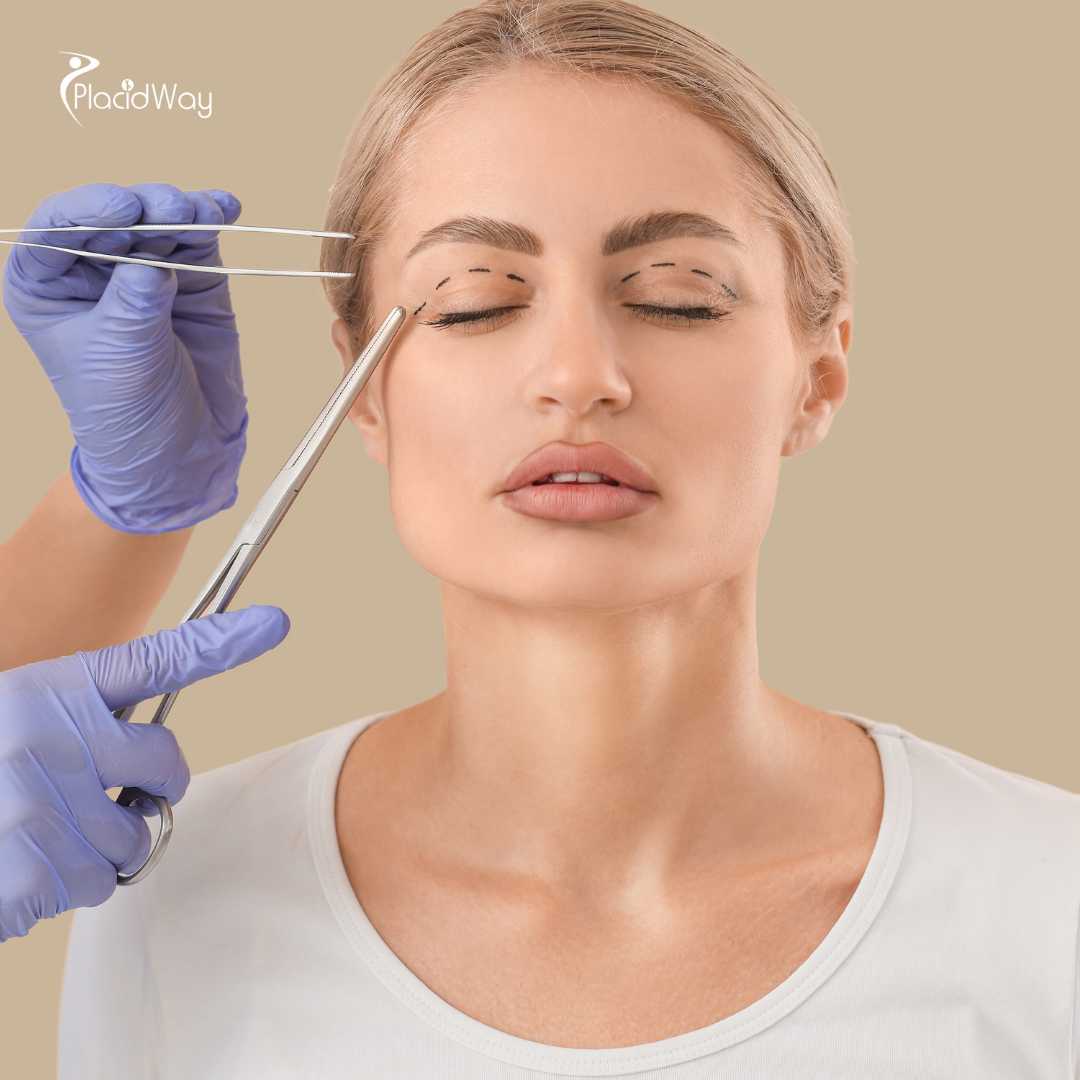
Price starting from $5,599
Blepharoplasty in Ensenada, Mexico
- Eyelid Surgery, Cosmetic/Plastic Surgery
Ensenada, Mexico
Price starting from $3,499
Chin Augmentation in Ensenada, Mexico
- Chin Implant, Cosmetic/Plastic Surgery
Ensenada, Mexico







