
What treatment


20+ Key FAQs on Fertility Treatment in Argentina
Questions About Fertility Treatment in Argentina? Start Here
Trusted Medical Tourism Platform Since 2007
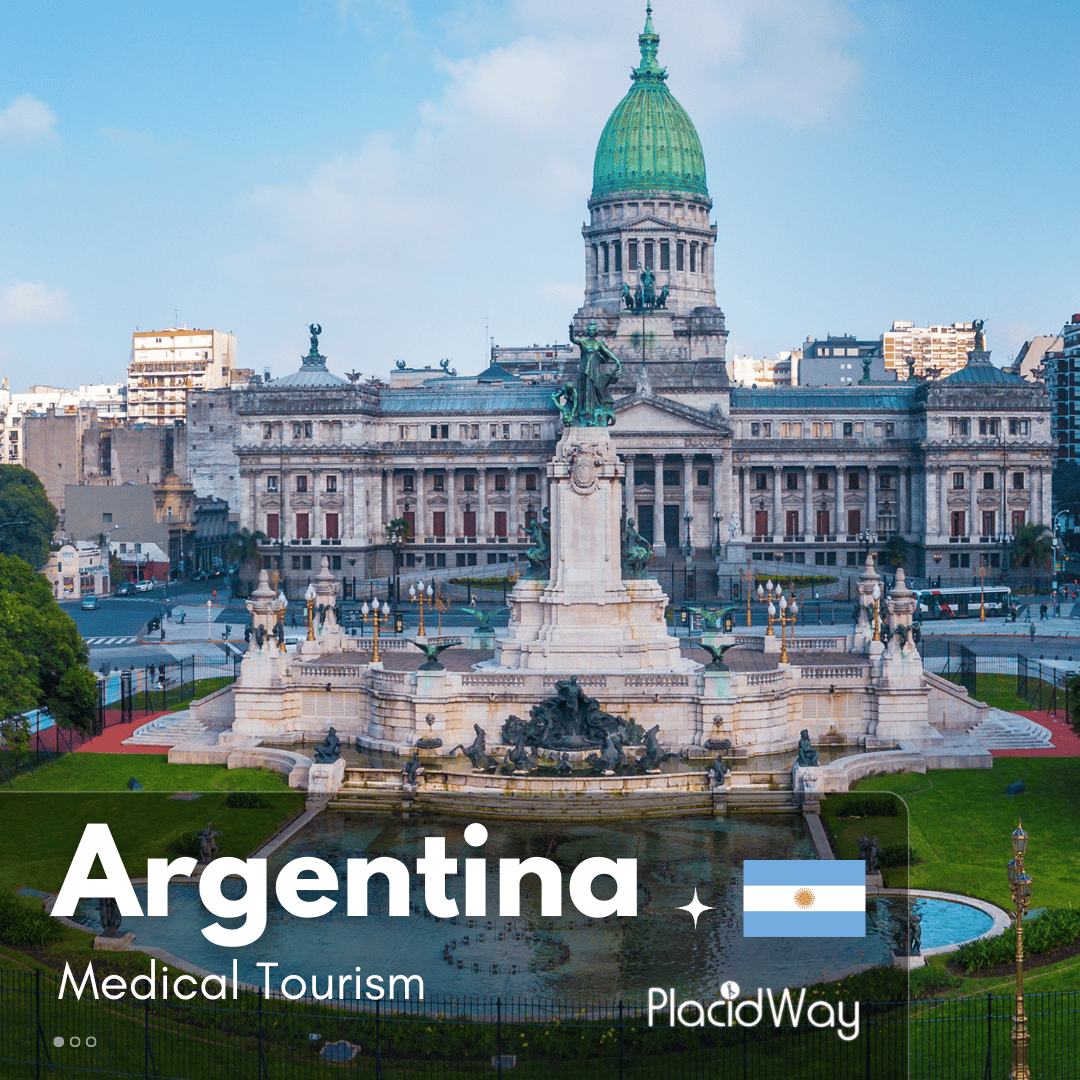
How Much Does IVF with IMSI and MACS Cost in Argentina?
IVF with IMSI and MACS in Argentina typically costs between $4,500 and $6,500. This advanced package includes the base IVF procedure along with specialized sperm selection techniques to improve success rates. Navigating the world of fertility treatments can be overwhelming, especially when looking into advanced technologies like IMSI and MACS. If you are exploring options for IVF with IMSI and MACS cost in Argentina, you have likely realized that this South American destination offers a unique blend of high-end medical technology and cost-effectiveness. In 2026, the average cost for a comprehensive cycle incorporating these advanced sperm selection methods ranges from $4,500 to $6,500, significantly lower than prices in the United States or Europe. Choosing Argentina for your fertility journey is not just about the affordable IVF prices; it is about accessing world-class laboratory standards. Techniques such as IMSI (Intracytoplasmic Morphologically Selected Sperm Injection) and MACS (Magnetic-Activated Cell Sorting) are designed specifically for cases of male factor infertility or repeated IVF failure. By focusing on the healthiest sperm at a microscopic and molecular level, these procedures aim to maximize your chances of a successful pregnancy from the very first transfer. This guide breaks down everything you need to know about the expenses, the procedures, and why Argentina is a leading choice for international patients. What is the average cost of IVF with IMSI and MACS in Argentina? "The average cost for IVF with IMSI and MACS in Argentina is approximately $5,500, with a standard range of $4,500 to $6,500 depending on the specific lab requirements." When you look at the total fertility treatment budget, the base IVF cycle usually starts around $3,500 to $4,300. Adding advanced sperm selection like IMSI and MACS typically adds an additional $1,000 to $1,500 to the total package. These "add-ons" are vital for couples who have experienced high DNA fragmentation or poor embryo development in the past. Argentina’s healthcare system is highly competitive, which keeps IVF package prices transparent and manageable. Most clinics provide a bundle that includes the initial consultations, ovarian stimulation monitoring, the retrieval procedure, and the specialized lab work required for IMSI and MACS. How does the cost of IMSI and MACS in Argentina compare to other countries? "IVF costs in Argentina are 50% to 70% lower than in the US and UK, making advanced technologies like IMSI and MACS much more accessible to international patients." Price transparency is a hallmark of the Argentinian medical tourism sector. While a similar treatment in the United States could easily exceed $20,000 once all lab fees are included, Argentina remains a bastion of affordable high-tech fertility care. Below is a detailed cost comparison for 2026: Country Standard IVF Cost IVF + IMSI + MACS Cost Argentina $3,500 - $4,500 $4,500 - $6,500 United States $12,000 - $15,000 $18,000 - $25,000 United Kingdom $6,000 - $8,000 $9,000 - $12,000 Spain $5,000 - $7,000 $7,500 - $9,500 Mexico $5,000 - $7,500 $6,500 - $8,500 What exactly is IMSI and why is it used in Argentina? "IMSI uses a high-powered microscope to magnify sperm up to 6,000 times, allowing embryologists to select the most structurally perfect sperm for fertilization." In a standard ICSI (Intracytoplasmic Sperm Injection) procedure, sperm is magnified about 400 times. While this is enough to see basic movement and shape, it cannot detect subtle defects. IMSI in Argentina is a game-changer because it allows specialists to see tiny "vacuoles" or holes in the sperm head that are linked to DNA damage. By using real-time high-magnification, doctors can discard sperm that look normal under a regular microscope but are actually deficient. This precision selection is particularly recommended for: Patients with severe teratozoospermia (abnormal sperm shape). Couples with repeated miscarriages. Cases where previous IVF or ICSI cycles have failed. What is the MACS sperm selection technique? "MACS (Magnetic-Activated Cell Sorting) is a laboratory method that uses magnetic beads to filter out apoptotic (dying) sperm, ensuring only the most viable cells are used." While IMSI focuses on how the sperm looks (morphology), MACS in Argentina focuses on how the sperm "feels" internally. It targets sperm apoptosis, which is essentially programmed cell death. Even if a sperm looks perfect and moves well, it might be in the early stages of breaking down, which leads to poor embryo quality. The MACS procedure involves passing the sperm through a magnetic field. Damaged sperm stick to the beads, while the healthy, viable sperm flow through. Combining IMSI and MACS provides a double-layer of security: you select the best-looking sperm that is also biologically robust. Who is the ideal candidate for IVF with IMSI and MACS? "The ideal candidates are men with high DNA fragmentation, couples with recurrent implantation failure, or those over 35 seeking to maximize embryo quality." If you are struggling with unexplained infertility, your doctor might suggest these advanced tools. Often, the issue lies in the genetic integrity of the sperm, which standard tests might miss. In Argentina, clinics frequently use these techniques for international patients who have "one last shot" and want the most thorough approach possible. Research indicates that male fertility factors contribute to nearly 50% of all infertility cases. Using advanced sperm selection reduces the risk of developmental arrest in embryos, which often happens on Day 3 or Day 5 of culture. Are there any hidden costs in Argentinian IVF packages? "Most clinics include IMSI and MACS in their premium packages, but patients should budget extra for stimulation medications and embryo freezing." When planning your IVF trip to Argentina, it is important to distinguish between "procedure costs" and "total cycle costs." While the laboratory work for IMSI and MACS is often fixed, the cost of hormonal medications varies based on the woman's ovarian reserve. Medications can add $1,000 to $2,500 to your total. Other potential extras include PGT-A (Preimplantation Genetic Testing), which checks the number of chromosomes in the embryo. While not part of the IMSI/MACS lab work, it is often paired with them for the most comprehensive IVF success strategy. What are the success rates for IVF with IMSI and MACS in Argentina? "Success rates for IVF with IMSI and MACS in Argentina range from 65% to 75% for women under 35, significantly outperforming standard IVF in complex cases." By filtering out the "bad" sperm, you are essentially giving the egg the best possible partner for fertilization. This results in higher blastocyst conversion rates. In Argentina, the fertility success rates are highly audited and follow international standards, giving patients peace of mind. For older couples or those with low ovarian reserve, every single embryo is precious. Using MACS to reduce DNA fragmentation ensures that the few embryos created have the highest chance of reaching the transfer stage and resulting in a live birth. How long do I need to stay in Argentina for this treatment? "A typical stay for IVF in Argentina is 15 to 20 days, covering the period from the start of stimulation to the embryo transfer." To minimize your time away from home, many Argentinian fertility centers allow you to start your medications in your home country under local supervision. You then fly to Buenos Aires for the final monitoring, egg retrieval, and the advanced lab procedures. The IMSI and MACS lab work happens on the day of retrieval. While the embryologists are busy selecting the perfect sperm, you can rest and enjoy the local culture. The embryo transfer usually takes place 3 to 5 days later. Is it safe to travel to Argentina for IVF in 2026? "Yes, Argentina is a premier destination for medical tourism, known for its modern infrastructure, highly trained specialists, and welcoming atmosphere." The medical community in Argentina is renowned for its expertise in reproductive medicine. Many doctors have trained in the US or Europe and bring that knowledge back to state-of-the-art clinics. Furthermore, the legal framework for IVF in Argentina is very supportive of both domestic and international patients. From a logistical standpoint, traveling to Argentina is straightforward, with major international airports and a variety of accommodation options ranging from luxury hotels to specialized recovery apartments for medical travelers. Can IMSI and MACS be combined with Egg Donation? "Absolutely. Combining donor eggs with IMSI and MACS is an excellent strategy for couples where both partners face fertility challenges." When using donor eggs in Argentina, the quality of the egg is usually very high. However, if the male partner has sperm issues, those high-quality eggs could still result in poor embryos. Using advanced sperm selection ensures that the donor eggs are paired with the absolute best sperm available from the partner. The cost of egg donation IVF with IMSI/MACS usually starts around $7,000 to $9,000. This is still a fraction of what you would pay for a similar high-success-rate program in North America. How do I choose the right clinic for advanced IVF in Argentina? "Look for clinics with international accreditation, high-magnification microscopy equipment, and a dedicated international patient department." Not all labs are equipped for IMSI or MACS. It requires specialized machinery and highly trained embryologists who can spend hours looking at sperm samples. When researching, ask the clinic specifically about their sperm selection protocols and how often they perform these procedures. Reading IVF patient testimonials and checking success data is essential. A clinic that is transparent about their results and offers clear communication in English or your native language will make your medical tourism experience much smoother. What are the risks or side effects of IMSI and MACS? "There are no additional physical risks to the patient; IMSI and MACS are laboratory-based techniques performed solely on the sperm sample." Unlike some medical procedures, these advanced fertility add-ons do not involve extra surgery or medication for the woman. The "risk" is primarily financial, as they increase the IVF cycle cost. However, for many, the increased pregnancy success rate far outweighs the extra expense. Some studies suggest that IMSI might take longer for the embryologist, which means the eggs spend more time outside the incubator. However, modern time-lapse technology and controlled environments in Argentinian labs mitigate these concerns effectively. Does Argentina offer financing for international IVF patients? "Direct financing from clinics is rare for foreigners, but many medical tourism platforms offer payment plans and competitive IVF packages." While you likely won't find traditional bank financing in Argentina as an international visitor, you can save money by choosing all-inclusive IVF bundles. These packages often include airport transfers, local transportation, and even discounted medical travel insurance. By paying in US Dollars or Euros, international patients often benefit from favorable exchange rates, making the cost of living and treatment in Argentina exceptionally low compared to their home countries. What is the first step to starting IVF in Argentina? "The first step is a virtual consultation with a fertility specialist to review your medical history and determine if IMSI and MACS are right for you." During this initial meeting, the doctor will review your semen analysis and previous IVF history. They will then provide a customized fertility treatment plan and a detailed quote. This allows you to plan your travel and budget with total confidence. Once you decide to move forward, the international patient coordinator will guide you through the logistics, from sending your initial tests to scheduling your procedure in Argentina. The process is designed to be as stress-free as possible, allowing you to focus on your health and your future family. Take the Next Step Toward Your Family Ready to explore the best IVF with IMSI and MACS options in Argentina? Don't let high costs or complex procedures hold you back. At PlacidWay, we connect you with top-tier fertility clinics that offer advanced technology at a fraction of the price. Whether you need expert advice, a second opinion, or a customized package, we are here to help you navigate your global healthcare journey. Contact PlacidWay today to find your ideal fertility solution in Argentina and start your path to parenthood with confidence....
Read more details

Can I Use Both Donor Eggs and Donor sperm in Argentina?
Yes, you can use both donor eggs and donor sperm in Argentina, a process often called double donation, which is legal and widely available for all individuals and couples. Choosing to start a family through assisted reproduction is a significant step, and finding the right destination for your journey is crucial. Argentina has become a premier global destination for fertility treatments due to its progressive laws and high medical standards. If you are wondering if you can use both donor eggs and donor sperm in Argentina, the answer is a definitive yes. This approach, known as double donation, allows intended parents to achieve their dreams of parenthood even when facing complex biological challenges. In this guide, we will explore the nuances of fertility treatment in Argentina, focusing on the legal landscape, the biological process, and the practicalities of undergoing IVF with donor eggs and sperm. Argentina’s National Law on Medically Assisted Reproduction ensures that these services are accessible to everyone, regardless of marital status or sexual orientation. This inclusivity, combined with a deep pool of diverse donors, makes the country a top choice for international patients seeking affordable and high-quality reproductive care. We will delve into everything from the initial consultation to the success rates you can expect when choosing this path. Is double donation legal in Argentina for international patients? "Double donation is completely legal in Argentina under the National Law 26.862, which guarantees access to fertility treatments for all individuals, including foreigners." Argentina possesses one of the most progressive legal frameworks for assisted reproduction in the world. The law dictates that any person of legal age has the right to access medically assisted reproduction. This means that whether you are a single woman, a single man, or part of a same-sex or heterosexual couple, you are legally permitted to use both donor eggs and donor sperm in Argentina. For international patients, this provides a level of security and peace of mind. There are no restrictive requirements regarding marriage or "proven infertility," which are common hurdles in other countries. The anonymous donation system in Argentina is also strictly regulated, ensuring that the privacy of both the donors and the intended parents is protected while maintaining high standards for donor screening. Who can access IVF with donor eggs and sperm in Argentina? "All adults, regardless of marital status, sexual orientation, or nationality, have full legal access to IVF with donor eggs and sperm in Argentina." One of the reasons Argentina is so popular for reproductive tourism is its non-discriminatory approach. The clinics cater to a wide demographic of patients. Single women often choose double donation when they have low ovarian reserve and no partner. Similarly, same-sex couples and heterosexual couples facing dual infertility find a welcoming environment here. Single parents by choice: High accessibility for those building families solo. LGBTQ+ families: Argentina was a pioneer in equal rights, making it a safe haven for same-sex fertility treatments. Older patients: Those over 40 often find egg donation to be the most successful path. What is the cost of using donor eggs and donor sperm in Argentina? "The cost for IVF with both donor eggs and donor sperm in Argentina typically ranges from $6,000 to $9,000, which is significantly lower than in the US or Europe." Financial considerations are a major factor for many. When comparing global fertility costs, Argentina offers a compelling advantage. The cost of donor egg IVF in the United States can easily exceed $30,000 when including donor fees and medications. In Argentina, you receive the same advanced technology—such as ICSI and PGT-A (preimplantation genetic testing)—at a fraction of the price. Below is a detailed cost comparison to help you understand the potential savings for double donation procedures: Country Estimated Cost (USD) Includes Donor Fees? Argentina $6,000 - $9,000 Yes United States $30,000 - $45,000 Often separate Spain $9,000 - $13,000 Yes United Kingdom $12,000 - $18,000 Yes How are egg and sperm donors screened in Argentina? "Donors in Argentina undergo rigorous medical, genetic, and psychological screening to ensure the highest safety and health standards for the offspring." Quality and safety are the hallmarks of Argentine fertility clinics. Donors are typically young adults (usually between 18 and 30) who undergo a battery of tests. This includes infectious disease screening (HIV, Hepatitis B/C, Syphilis), karyotyping to check for chromosomal abnormalities, and genetic carrier screening for common recessive disorders. The psychological evaluation is equally important. It ensures that the donors fully understand the implications of their donation and are doing so for altruistic or responsible reasons. Because the donor pool in Argentina is diverse, patients can usually find donors with matching physical characteristics such as hair color, eye color, and skin tone. Can I choose my donor’s characteristics? "While donation is anonymous, you can select donors based on physical traits, ethnicity, education level, and blood type to ensure a close match." In accordance with anonymous donation laws, you will not receive identifying information such as names or photos of the donors. However, the medical team works closely with you to match your preferences. You can provide a "wish list" of characteristics. This phenotypic matching is a standard part of the process for egg and sperm donation in Argentina. Many clinics use sophisticated software to assist in facial recognition matching or "matching by similarity" where they choose a donor who shares your facial structure, even if you never see the donor's face yourself. This helps the child feel a sense of physical belonging within the family. What are the success rates for double donation in Argentina? "Double donation often yields the highest success rates in fertility, with cumulative pregnancy rates frequently exceeding 70% per cycle." Success rates for IVF with donor gametes are generally much higher than standard IVF using the patient's own eggs, especially for women over 40. This is because the donor eggs come from young, healthy individuals with high reproductive potential. When combined with screened donor sperm, the resulting embryos are typically of very high quality. Many clinics in Argentina report a live birth rate that is significantly higher than the global average. By utilizing blastocyst culture (growing embryos to day 5) and vitrification (advanced freezing techniques), clinics can optimize the timing of the embryo transfer to ensure the uterine environment is perfectly prepared. How long do I need to stay in Argentina for the treatment? "For a double donation cycle, patients usually only need to be in Argentina for 7 to 10 days to complete the final check-ups and embryo transfer." One of the advantages of double donation in Argentina is that the "heavy lifting" (the stimulation and retrieval of the donor) happens before you even arrive. You can often coordinate the preliminary tests and endometrial preparation with a doctor in your home country. You only need to travel to Argentina for the embryo transfer procedure. During your stay, you will have a final ultrasound to check your lining thickness. The embryo transfer itself is a quick, painless procedure similar to a pap smear. After a brief period of rest, you are free to enjoy the culture and beauty of Buenos Aires or other Argentine cities before heading home. Are there age limits for fertility treatment in Argentina? "Most clinics in Argentina accept patients up to age 50 or 52, provided they pass a health screening to ensure a safe pregnancy." While the law is broad, clinics follow ethical guidelines regarding the age of the intended mother. This is primarily to protect the health of the woman, as pregnancy later in life carries higher risks of complications like preeclampsia or gestational diabetes. A maternal health clearance is standard practice for women over 45. The reproductive experts in Argentina are experienced in managing "advanced maternal age" pregnancies. They will perform cardiac evaluations and general health checks before approving a double donation cycle to ensure that your body is ready for the journey of pregnancy and childbirth. What is the process of matching donor sperm and eggs? "The matching process involves synchronizing the donor's cycle or using vitrified eggs, then fertilizing them with the chosen donor sperm via ICSI." Once you have selected your donor profiles, the clinic begins the laboratory phase. In many cases, frozen donor eggs (vitrified) are used, which allows for immediate fertilization without the need for cycle synchronization. The donor sperm is thawed and processed to select the most motile and healthy sperm cells. Intracytoplasmic Sperm Injection (ICSI) is almost always used in double donation to maximize the fertilization rate. This involves injecting a single sperm directly into each egg. The resulting embryos are then monitored closely in a time-lapse incubator to track their development until they reach the blastocyst stage. Can I do PGT-A on embryos created from donor eggs and sperm? "Yes, PGT-A (Preimplantation Genetic Testing for Aneuploidies) is available and recommended to ensure only chromosomally normal embryos are transferred." Even with young donor gametes, chromosomal errors can occur. PGT-A testing in Argentina allows the embryologists to screen the embryos before transfer. This significantly reduces the risk of miscarriage and increases the likelihood of a healthy live birth. It also helps avoid the risk of conditions like Down Syndrome. Adding PGT-A to your double donation package provides an extra layer of certainty. For international patients who are traveling long distances, this can be an invaluable tool to minimize the number of transfers needed to achieve a successful pregnancy. Is there a waiting list for donor eggs in Argentina? "Unlike many European countries, Argentina typically has no waiting lists for donor eggs due to a large and diverse population of willing donors." In countries like the UK or Canada, the wait for an egg donor can be months or even years. In Argentina, the culture of donation is very positive. Most patients can find a donor match and start their treatment cycle within a few weeks of their initial consultation. This efficiency is a major draw for those who are eager to start their family quickly. The availability of donor sperm banks is also extensive. Argentina imports sperm from international banks and maintains its own local banks, ensuring that a vast array of sperm donor profiles is always available for immediate use in double donation cycles. What language do the doctors speak in Argentina? "Most fertility specialists in Argentina are fluent in English and have international training, ensuring clear communication for foreign patients." Communication is vital when undergoing complex medical treatments abroad. Most top-tier clinics in Buenos Aires have international patient coordinators who speak English, Portuguese, and sometimes French or German. The fertility doctors themselves often spend time training in the US or Europe, making them comfortable discussing medical details in English. You can expect your telehealth consultations to be conducted in English, and all your medical reports and instructions will be provided in a language you understand. This eliminates the stress of language barriers during such an emotional time. What happens if the first transfer doesn't work? "If the first transfer is unsuccessful, any remaining frozen embryos can be used for a subsequent Frozen Embryo Transfer (FET) at a lower cost." It is common for a double donation cycle to produce multiple high-quality embryos. If the first embryo transfer does not result in a pregnancy, the clinic will keep your other embryos safely cryopreserved. A Frozen Embryo Transfer (FET) is much simpler and cheaper than a full cycle, as it only requires preparing the uterine lining. Many patients choose to return to Argentina for a sibling transfer a few years later using these same embryos. This ensures that their children are biological siblings, sharing the same donor egg and sperm sources. How do I start my journey for double donation in Argentina? "The first step is a virtual consultation with a reproductive specialist to review your medical history and create a customized treatment plan." The journey begins from the comfort of your home. You will gather your previous medical records and any relevant test results. During the video consultation, the doctor will explain the double donation process in detail and answer any specific questions you have about your chances of success. From there, the international patient team will guide you through the logistics: matching with donors, ordering medications for your lining preparation, and scheduling your travel dates. The process is designed to be as seamless and stress-free as possible for those coming from abroad. Ready to take the next step in your fertility journey? PlacidWay can help you connect with the top-rated fertility centers in Argentina. We provide resources and support to help you find the best reproductive care tailored to your needs. Explore your options today! ...
Read more details
Is it Safe for Americans to Travel to Argentina for Fertility treatment?
Yes, Argentina is generally considered safe for Americans traveling for fertility treatment, provided standard travel precautions are taken. The country offers world-class medical facilities, particularly in Buenos Aires, with safety standards comparable to Western nations. Deciding to travel abroad for medical care is a big decision, especially when it involves something as sensitive and personal as growing your family. If you’ve been looking at options, you’ve likely noticed that Argentina has emerged as a top destination for fertility tourism.But naturally, your first question is likely: Is it actually safe?The short answer is yes. Argentina is currently ranked as one of the safest countries in Latin America. While economic fluctuations are common, they rarely impact the safety of tourists or the quality of private medical care. In fact, for many Americans, the combination of high-quality reproductive medicine, progressive legal frameworks, and significantly lower costs makes traveling to Argentina for fertility treatment an incredibly smart choice. In this guide, we will break down everything you need to know—from crime and safety concerns to the quality of clinics and the real costs of IVF in 2026. Is Argentina safe for American tourists in 2026? “Argentina is ranked as the third safest country in Latin America for 2025/2026. While violent crime is relatively low compared to the region, tourists should remain vigilant against petty theft and pickpocketing in major hubs like Buenos Aires.” When we talk about safety, it's important to distinguish between "violent crime" and "petty crime." Argentina does not suffer from the high levels of violent crime seen in some other Latin American nations. Most American visitors enjoy their stay without any issues. However, like any major tourist destination (think Paris or New York), petty theft is a reality. In busy areas of Buenos Aires, such as La Boca or San Telmo, "motochorros" (motorcycle thieves) and pickpockets can target distracted tourists. The key is to stay alert, avoid flashing expensive jewelry or phones on the street, and stick to well-lit, populated areas. Political demonstrations are also common in Argentina but are typically non-violent. It is advisable to avoid large protests simply to prevent travel disruptions. Is the quality of fertility clinics in Argentina comparable to the US? “Yes, private fertility clinics in Argentina offer medical standards comparable to the US, often using the same advanced technology. Many specialists are internationally trained and members of organizations like ASRM and ESHRE.” One of the biggest misconceptions about medical tourism is that "lower cost" means "lower quality." In Argentina, this is simply not the case. The private healthcare sector is robust, modern, and highly regulated. Many Argentine fertility specialists have completed fellowships in the United States or Europe. They utilize state-of-the-art technology for procedures like ICSI (Intracytoplasmic Sperm Injection), PGT-A (genetic testing), and egg vitrification. When choosing a clinic, look for accreditation by the Argentine Society of Reproductive Medicine (SAMER), which ensures the facility meets strict ethical and medical standards. What is the cost of IVF in Argentina vs the USA? “An IVF cycle in Argentina typically costs between $4,000 and $6,000, compared to $15,000 to $20,000 in the USA. This represents a savings of approximately 60-70% for American patients.” Cost is the primary driver for Americans seeking fertility treatment abroad. The price difference is stark, allowing many couples to afford multiple cycles in Argentina for the price of one in the US. Below is a detailed comparison of estimated costs for 2026. Procedure Cost in USA (Avg) Cost in Argentina (Avg) Initial Consultation $300 - $500 $50 - $150 Standard IVF Cycle $15,000 - $20,000 $4,000 - $6,000 Egg Donation Cycle $30,000 - $50,000 $7,000 - $10,000 Embryo Freezing $1,000 - $2,000 $300 - $600 PGT-A (Genetic Testing) $4,000 - $6,000 $1,500 - $2,500 Note: These prices are estimates and can vary based on the specific clinic and exchange rates. Do fertility doctors in Argentina speak English? “Yes, most top-tier fertility specialists in Argentina speak fluent English, as many have trained or attended conferences abroad. However, nursing staff and administrative personnel may have varying levels of fluency.” Communication is vital when discussing complex medical treatments. In major cities like Buenos Aires and Cordoba, clinics that cater to international patients prioritize bilingual staff. Your primary doctor will almost certainly speak English. However, for interactions with receptionists or nurses, it can be helpful to have a translation app handy or ask the clinic if they provide a dedicated patient coordinator who speaks your language. This ensures that instructions regarding medication dosages and appointment times are perfectly understood. Is Argentina safe for LGBTQ+ couples seeking fertility treatment? “Argentina is a global leader in LGBTQ+ rights and is extremely safe for same-sex couples. It was the first country in Latin America to legalize same-sex marriage, and fertility clinics are highly inclusive and welcoming.” For LGBTQ+ couples, safety isn't just about crime—it's about acceptance. Argentina is widely considered one of the most gay-friendly destinations in the world. The "Equal Marriage Law" passed in 2010 grants same-sex couples the exact same rights as heterosexual couples, including adoption and assisted reproduction. Fertility clinics in Argentina are accustomed to treating same-sex female couples (offering ROPA method/reciprocal IVF) and single parents. You will find a welcoming, non-discriminatory environment that respects your family structure. Are there risks of Zika or Dengue virus for fertility patients? “Zika and Dengue viruses are present in Argentina, though outbreaks vary by region and season. Fertility patients, especially those attempting pregnancy, must take strict precautions against mosquito bites or consult doctors about timing their travel.” This is a critical health consideration. The Zika virus, which can cause birth defects, is endemic in parts of South America. While Buenos Aires generally has lower risk than tropical northern provinces, cases do occur, particularly during the summer months (December to March). If you are pregnant or trying to conceive, you must discuss this risk with your doctor. Many patients choose to travel during the cooler months (May to September) when mosquito activity is minimal. Always use EPA-registered insect repellent and stay in accommodations with air conditioning and screens. Is egg donation anonymous in Argentina? “By default, egg donation in Argentina is anonymous to protect donor privacy. However, some programs may offer 'identity release' options or share non-identifying information (medical history, physical traits) with intended parents.” Argentina's legal framework prioritizes the privacy of the donor. Typically, you will not meet your donor or know their name. However, clinics provide extensive non-identifying profiles, which include physical characteristics (height, eye color, hair color), educational background, and medical history. If having an open identity donor is a non-negotiable requirement for you (so your child can contact them at age 18), you must specifically look for clinics that offer this service, as it is less common than the standard anonymous model. What determines legal parenthood for fertility patients in Argentina? “Argentina uses the concept of 'Procreative Will' to determine parenthood. This means the legal parents are the individuals who signed the consent forms expressing the intent to have a child, regardless of genetic link.” This is one of the most progressive aspects of Argentine law. The Civil and Commercial Code states that parentage in assisted reproduction is defined by the will to procreate. This is excellent news for patients using donor eggs or sperm. Legally, the person who gives birth and their partner (who signed the consent) are the parents. You do not need to "adopt" your own child if you used a donor. This simplifies the process of obtaining a birth certificate and passport for your baby. How long does the IVF process take in Argentina? “A typical IVF cycle requires a stay of approximately 15 to 20 days in Argentina for monitoring and egg retrieval. If using frozen embryos or donor eggs, the required stay may be shorter, around 7 to 10 days.” You need to plan your trip carefully. For a fresh cycle using your own eggs, you need to be present for the stimulation phase (monitoring follicle growth), the trigger shot, and the retrieval. However, many clinics allow you to start the stimulation medication in the US under the guidance of a local doctor and travel to Argentina only for the final monitoring and retrieval. This "satellite monitoring" can reduce your time abroad to just over a week. Can I fly back to the US immediately after embryo transfer? “Yes, most doctors permit flying 24 to 48 hours after an embryo transfer. There is no evidence that air travel negatively impacts implantation success, but checking with your specific specialist is advised.” Many patients worry that the vibration or pressure changes of a flight will affect the embryo. Medical research generally suggests this is not a risk. The embryo is securely inside the uterus, like a grain of sand in a peanut butter sandwich—it isn't going to fall out. That said, doctors usually recommend resting for a day after the procedure before heading to the airport. This is more for your comfort and stress levels than for the medical success of the procedure. What happens if the fertility treatment fails? “If the treatment fails, you can return for a subsequent cycle. Because the cost is significantly lower, many Americans find they can afford 2-3 attempts in Argentina for the price of a single attempt in the US.” IVF is never a guarantee, regardless of where in the world you do it. Success rates depend heavily on age and ovarian reserve. If the first cycle is unsuccessful, your doctor will review the data to adjust the protocol. Many patients choose to freeze extra embryos during their first trip. If the first transfer fails, they can return later for a Frozen Embryo Transfer (FET), which is much cheaper, less invasive, and requires a shorter stay than a full stimulation cycle. Do I need a visa to enter Argentina for medical treatment? “US citizens generally do not need a visa for stays of up to 90 days for tourism or medical treatment. You will need a valid passport and, increasingly, proof of travel health insurance.” The entry process is straightforward. Upon arrival, your passport will be stamped, granting you a 90-day stay. This is more than enough time for any fertility treatment. Ensure your passport is valid for at least six months beyond your travel dates. Important Update: As of recent regulations, travelers are often required or strongly advised to show proof of medical travel insurance that covers hospitalization. It is crucial to buy a policy that covers you for general health issues while abroad. Why is fertility treatment so much cheaper in Argentina? “The lower cost is due to the local economy, favorable exchange rates, and lower overhead expenses (salaries, rent, insurance) for clinics, not a lack of medical technology or expertise.” The "blue dollar" exchange rate and the general economic situation in Argentina mean that the US dollar has tremendous purchasing power. Medical professionals in Argentina are highly skilled but earn salaries in local currency that are lower than their US counterparts. Additionally, malpractice insurance costs—a huge driver of medical inflation in the US—are significantly lower in Argentina. These savings are passed directly to international patients. How do I choose the right fertility clinic in Argentina? “Choose a clinic that is accredited, has an international patient department, and is transparent about success rates. Reading reviews from other American patients and requesting a video consultation is highly recommended.” Don't just pick the cheapest option. Look for clinics that are members of SAMER (Argentine Society of Reproductive Medicine). Ask specific questions during your consultation: What are your success rates for women my age? Do you have an English-speaking coordinator? What is the total estimated cost including medication? Can you coordinate with my local doctor for preliminary testing? Is surrogacy legal for foreigners in Argentina? “Surrogacy is not prohibited in Argentina, but it operates in a legal grey area without a specific national law. However, specific jurisdictions like Buenos Aires have established procedures that allow foreign parents to be recognized legally.” Surrogacy in Argentina is becoming a popular alternative to Eastern Europe. While there is no national law explicitly regulating it, courts and local regulations (especially in the Autonomous City of Buenos Aires) have created a pathway for intended parents. Generally, you will need a judicial order or an administrative process to ensure your names—and not the surrogate's—appear on the birth certificate. It is absolutely essential to work with a specialized agency and legal team if pursuing surrogacy here to navigate the bureaucracy safely. What about accommodations and getting around? “Buenos Aires offers a wide range of affordable, high-quality Airbnb rentals and hotels near major clinics. Uber and Cabify are safe, reliable, and recommended over hailing street taxis.” Comfort is key during treatment. Neighborhoods like Palermo, Recoleta, and Belgrano are safe, leafy, and filled with cafes and parks—perfect for keeping stress levels low. You can find luxury apartments for a fraction of what they would cost in US cities. For transport, download the Uber or Cabify apps. They provide GPS tracking, upfront pricing, and remove the language barrier of explaining your destination to a driver. Ready to Start Your Fertility Journey in Argentina? Navigating medical travel can be overwhelming, but you don't have to do it alone. Find top-rated fertility clinics, compare prices, and get free quotes from trusted providers. Explore Fertility Options on PlacidWay...
Read more detailsDiscover your treatment options with a free, no-obligation quote!
Get your quote now!
How Much Does a Full IVF Cycle Cost in Buenos Aires, Argentina?
A full IVF cycle in Buenos Aires, Argentina, typically ranges from $4,500 to $5,500 USD. This price usually includes monitoring, egg retrieval, fertilization, and embryo transfer, but often excludes medication costs which can add an additional $1,500 to $3,000. Are you considering growing your family but finding the costs of fertility treatments at home to be overwhelming? You aren't alone. Many couples and individuals are looking abroad for high-quality, affordable solutions, and IVF in Buenos Aires, Argentina has emerged as a leading choice. To answer the main question right off the bat: A standard IVF cycle in this vibrant South American city generally costs between $4,500 and $5,500 USD, which is significantly lower than prices in the US or UK. Navigating the world of fertility treatments can feel like learning a new language, especially when you are looking into options in another country. However, Argentina stands out not just for its affordable IVF cost, but for its advanced medical technology and incredibly supportive legal environment for all family types. Whether you are looking for standard IVF, egg donation, or genetic testing, Buenos Aires offers world-class care that rivals top clinics in North America. In this guide, we will break down every financial aspect you need to know. We will cover the specific costs of different procedures, hidden fees to watch out for, and how the quality of care stacks up against international standards. We want you to feel empowered and informed as you explore this life-changing journey. What is the detailed breakdown of IVF costs in Buenos Aires? “A detailed breakdown of IVF costs in Buenos Aires includes $4,500–$5,500 for the procedure itself, $1,500–$3,000 for stimulation medications, $200–$500 for initial consultations, and potential extra fees for anesthesia or embryo freezing.” When you look at the total price tag, it is crucial to understand exactly what you are paying for. The base package for In Vitro Fertilization (IVF) in Buenos Aires typically covers the essential medical procedures. This includes the monitoring of your cycle with ultrasounds and blood tests, the egg retrieval surgery, the fertilization of the eggs in the lab, and the final embryo transfer. This core service usually falls in that $4,500 to $5,500 range. However, the "sticker price" rarely tells the whole story. You need to budget separately for medication. Fertility medications are highly personalized based on your body's needs, and while they are generally cheaper in Argentina than in the US, they still represent a significant chunk of the budget. Additionally, some clinics might charge separately for the anesthesia used during egg retrieval or for the initial freezing of any extra healthy embryos you produce. It is always a smart move to ask for a "fee schedule" upfront. This document should list every potential cost, from the first appointment to the pregnancy test. Knowing these details helps you avoid surprise bills later on, ensuring your focus remains on staying stress-free and healthy during your treatment. How does the cost of IVF in Argentina compare to the USA and UK? “IVF in Argentina costs approximately 60-70% less than in the USA, where cycles can exceed $20,000, and is roughly 40-50% cheaper than in the UK, making it a highly cost-effective option for international patients.” The financial difference between choosing Buenos Aires versus a clinic in a major US city is staggering. In the United States, a single cycle of IVF can easily run between $15,000 and $30,000 once you factor in medications and add-ons like genetic testing. In contrast, you can receive the same level of medical expertise in Argentina for a fraction of that price. This massive saving is often the deciding factor for couples who might need multiple cycles to achieve a successful pregnancy. Below is a comparison table to give you a clear picture of the potential savings: Procedure Cost in USA (Avg) Cost in UK (Avg) Cost in Buenos Aires (Avg) Standard IVF Cycle $15,000 - $25,000 $7,000 - $10,000 $4,500 - $5,500 Egg Donation IVF $25,000 - $40,000 $12,000 - $18,000 $7,000 - $9,000 ICSI Add-on $1,500 - $3,000 $1,500 - $2,500 Included or $500 Even when you factor in the cost of flights and accommodation for a two-week stay, the total expenditure often remains significantly lower than a single cycle at a local clinic in the US. This "medical value travel" allows patients to access premium healthcare without depleting their life savings. How much does IVF with egg donation cost in Buenos Aires? “IVF with egg donation in Buenos Aires typically costs between $6,900 and $9,000, which covers the donor's compensation, screening, medication, and the complete IVF cycle for the intended parent.” For many intended parents, using donor eggs is the path that offers the highest chance of success. In Buenos Aires, egg donation programs are renowned for their quality and affordability. The cost usually ranges from $6,900 to $9,000. This fee is more comprehensive than a standard cycle because it includes the recruitment and medical screening of the donor, as well as her compensation and the medications she needs to produce eggs. Argentina has a diverse population with European heritage (largely Italian and Spanish), which means there is a wide availability of donors with various phenotypes. This diversity often reduces the waiting time to find a match compared to other countries. The legal framework protects the anonymity and rights of all parties, making the process smooth and secure. The lower cost does not imply lower standards. Donors undergo rigorous psychological, genetic, and medical testing to ensure the health of the future baby. This high level of screening is standard practice in accredited Argentine clinics, providing peace of mind alongside financial savings. What is the cost of ICSI in Buenos Aires? “Intracytoplasmic Sperm Injection (ICSI) in Buenos Aires is often included in the standard IVF package or charged as a small add-on of around $500 to $800, unlike in other countries where it adds thousands to the bill.” Intracytoplasmic Sperm Injection (ICSI) is a technique where a single sperm is injected directly into an egg to assist fertilization. It is commonly used in cases of male factor infertility. One of the great advantages of treatment in Argentina is that many top clinics simply include ICSI as part of their standard IVF protocol if it is medically indicated, without a massive surcharge. If the clinic does charge separately for it, the fee is generally nominal, often under $1,000. In comparison, US clinics might treat ICSI as a premium add-on costing several thousand dollars. This inclusive approach by Argentine doctors focuses on the goal of creating an embryo rather than itemizing every step of the laboratory process. This technique significantly improves fertilization rates, especially in difficult cases. Knowing that this advanced technology is accessible without breaking the bank relieves a lot of pressure for couples worried about sperm quality issues. Are fertility medications included in the package price? “No, fertility medications are rarely included in the base IVF package price in Argentina; patients should budget an additional $1,500 to $3,000 depending on the specific stimulation protocol prescribed by the doctor.” It is standard practice globally, including in Argentina, to keep medication costs separate from the treatment package. This is because every patient responds differently to ovarian stimulation. A woman with a lower ovarian reserve might need higher doses of hormones, while a patient with PCOS might need a much lower, carefully monitored dose. You can purchase these medications at local pharmacies in Buenos Aires, often at prices lower than in the US. Some patients choose to buy them in their home country if they have insurance coverage, but you should check if your specific drugs are covered for overseas treatment. Always ask your Argentine specialist for a list of generic names for the drugs, as brand names can vary between countries. The clinic will provide you with a prescription and can often guide you to pharmacies that offer discounts for fertility patients. Budgeting for the upper end of the estimate ($3,000) is a safe strategy to ensure you aren't caught off guard by these necessary pharmaceutical costs. How much does Preimplantation Genetic Testing (PGT-A) cost? “Preimplantation Genetic Testing (PGT-A) in Buenos Aires generally costs between $3,000 and $5,000, depending on the number of embryos being tested, with some clinics charging a per-embryo fee of around $400 to $600.” PGT-A (formerly known as PGS) allows embryologists to screen embryos for chromosomal abnormalities before transfer. This technology helps ensure that only healthy embryos are used, which can increase success rates and reduce the risk of miscarriage. In Argentina, adding this advanced screening is quite affordable compared to the US, where it can cost upwards of $6,000 to $8,000. Costs can be structured in two ways: a flat fee for a batch of embryos (e.g., up to 5 embryos) or a per-embryo fee. The biopsy is performed in the Buenos Aires lab, and samples are sometimes sent to specialized genetic laboratories, which guarantees high-reliability results. If you are over the age of 35 or have a history of recurrent pregnancy loss, doctors often recommend this step. While it adds to the upfront cost, it can actually save money in the long run by avoiding the emotional and financial costs of transferring embryos that effectively would not result in a healthy pregnancy. What are the consultation fees for international patients? “Initial consultation fees for international patients in Buenos Aires range from free to $200 USD, and many clinics offer video consultations to discuss medical history and treatment plans before you travel.” Before you ever board a plane, you will likely have a "virtual meet and greet" with your doctor. Many forward-thinking clinics in Buenos Aires offer this first video consultation for free or at a very low cost (around $100-$200). This is a fantastic opportunity to gauge your comfort level with the specialist and the clinic's communication style. During this call, the doctor will review your medical history and previous test results. They will outline a tentative treatment plan and confirm if you are a good candidate for treatment in Argentina. This step is crucial for building trust and ensuring that the clinic follows EEAT guidelines (Experience, Expertise, Authoritativeness, and Trustworthiness). If you do pay a fee for the consultation, many clinics will deduct this amount from your final treatment bill if you decide to proceed with them. It is a low-risk way to start your journey and get a professional second opinion on your fertility challenges. How much does embryo freezing and storage cost? “Embryo freezing and the first year of storage are often included in the full IVF package; subsequent annual storage fees in Buenos Aires are affordable, typically ranging from $300 to $500 per year.” If your IVF cycle is successful and you have additional healthy embryos, you will likely want to freeze them for future siblings. This process, known as cryopreservation, is a standard part of modern IVF. In Argentina, the freezing process itself is frequently bundled into the main package price, along with the first year of storage. Maintaining these frozen embryos long-term is also very cost-effective. Annual storage fees are generally between $300 and $500. This is a stark contrast to US storage fees, which can climb to over $1,000 annually. Having frozen embryos means that if you want another child in two or three years, you won't need to undergo the expensive and physically demanding ovarian stimulation and egg retrieval process again. You would simply pay for a "Frozen Embryo Transfer" (FET), which is much cheaper and less invasive. Are there hidden costs I should be aware of? “Potential hidden costs include pre-treatment medical tests, travel expenses, accommodation for 10-15 days, unforeseen medical complications, and specific legal fees if donor gametes or specialized contracts are involved.” Transparency is key to a stress-free medical trip. While the clinic's quote covers the medical procedure, you must account for external costs. Pre-treatment testing (blood work, semen analysis, uterine evaluation) is required before the cycle begins. You can often do these at home, but they are an expense to consider. Travel is the other big variable. You will need to stay in Buenos Aires for approximately 10 to 15 days during the stimulation and retrieval phase. Fortunately, the city offers a range of accommodation options, from affordable Airbnbs to luxury hotels, often at prices much lower than in Europe or North America. Food and transportation (taxis/Uber) are also very reasonably priced in Argentina. Finally, always ask about "what if" scenarios. For example, if you need extra monitoring ultrasounds because your follicles are growing slowly, is there an extra charge? Clarifying these details in your initial consultation will prevent unpleasant surprises. What are the success rates for IVF in Argentina? “IVF success rates in Argentina are comparable to the US, with delivery rates per oocyte retrieval averaging around 20-25% for standard cases, and rising significantly higher for patients using donor eggs.” Cost is important, but results matter most. Argentina boasts a highly developed reproductive medicine sector with success rates that align with global standards. For women under 35 using their own eggs, clinical pregnancy rates can be as high as 40-50% per transfer. These numbers naturally decline with age, which is why egg donation is a popular alternative for older patients. The high success rates are due to the rigorous training of Argentine specialists, many of whom have studied or worked in the US and Europe. They utilize the same advanced technologies, such as time-lapse embryo imaging and blastocyst culture, found in the world's best clinics. However, success is individual. It depends on factors like age, ovarian reserve, and sperm quality. During your consultation, a reputable doctor will give you a personalized estimate of your success chances rather than just quoting general clinic statistics. Is IVF in Argentina available to single women and LGBTQ+ couples? “Yes, Argentina has some of the most progressive laws in the world, guaranteeing access to IVF and assisted reproduction for single women and LGBTQ+ couples without discrimination.” Argentina is a pioneer in reproductive rights. The 2013 Reproductive Health Law ensures that assisted reproduction is a right for all citizens, and this spirit of inclusivity extends to international patients. Single women and same-sex couples are welcomed with open arms and receive the same high standard of care as heterosexual couples. This legal safety net is a huge draw. In many countries, IVF is restricted to married, heterosexual couples. In Buenos Aires, you will find a non-judgmental, supportive environment. Clinics are experienced in helping building diverse families, including lesbian couples seeking Reciprocal IVF (ROPA method) and single women using sperm donation. There is no need for a marriage certificate or proof of infertility to access treatment if you are a same-sex couple or single. The focus is purely on helping you achieve your dream of parenthood. Is it safe to travel to Buenos Aires for medical treatment? “Yes, Buenos Aires is generally safe for medical tourists, with modern infrastructure and accredited clinics located in upscale, secure neighborhoods like Recoleta and Palermo.” Safety is a valid concern for any medical traveler. Buenos Aires is a large, cosmopolitan capital city that welcomes millions of tourists annually. The neighborhoods where most top fertility clinics are located—such as Palermo, Recoleta, and Belgrano—are safe, affluent, and pedestrian-friendly. They are filled with parks, cafes, and museums. Medically, the safety standards are excellent. Private clinics in Argentina follow strict sanitation and procedural protocols similar to those in the US. Many doctors speak excellent English, reducing the risk of miscommunication. As with any major city, standard travel precautions apply (watch your belongings, avoid unlit areas at night), but there are no specific threats targeting medical tourists. The warmth of the Argentine people is often cited as a highlight of the experience. How long do I need to stay in Argentina for IVF? “Most patients need to stay in Buenos Aires for approximately 14 to 20 days for a full IVF cycle, though this can be split into two shorter trips depending on the treatment plan.” Time management is a critical part of the cost equation. For a fresh IVF cycle using your own eggs, you typically need to be in Buenos Aires for the stimulation phase (monitoring) and the egg retrieval. This usually requires a stay of about 2 weeks. If you are doing a fresh transfer, you might stay a few days longer. Some patients choose to start their medication at home under the guidance of a local doctor and travel to Argentina only for the final days of monitoring and the retrieval. This can shorten the trip to about 7-10 days. If you are using donor eggs, the timeline is often more flexible. The male partner may only need to visit for 1-2 days to provide a sperm sample (or ship it frozen), and the female partner can travel later for the embryo transfer, which is a quick procedure requiring a short stay of 3-5 days. Does insurance cover IVF in Argentina? “International health insurance rarely covers IVF procedures abroad; however, some patients may be able to claim reimbursement for diagnostic tests or medications depending on their specific policy.” Generally speaking, you should expect to pay out-of-pocket for IVF in Argentina. Most US and European health insurance plans do not cover elective fertility treatments abroad. However, it is worth checking your policy details. Some global health insurance plans might cover specific diagnostic tests like blood work or ultrasounds if they are deemed medically necessary. Even without insurance, the cash price in Argentina is often lower than the "copay" or deductible you might face for fertility treatments in the US. The clinic will provide you with detailed receipts and medical reports in English, which you can use for your own records or potential tax deductions related to medical expenses in your home country. Why should I choose Buenos Aires for my IVF journey? “Buenos Aires offers a unique combination of high medical quality, savings of up to 70%, inclusive laws, and a compassionate, personalized approach to patient care that is often missing in larger, busier systems.” Choosing a destination for IVF is about more than just the price tag. Buenos Aires offers a holistic experience. The doctors here are known for their warm, personal approach. You aren't just a number; you are a patient with a name and a story. This emotional support is invaluable during the rollercoaster of fertility treatment. Furthermore, the city itself is a beautiful place to "wait." Instead of stressing in a cold hotel room, you can enjoy world-class dining, stunning architecture, and a relaxed culture. This environment can help lower your stress levels, which is beneficial for treatment outcomes. Combining a vacation with your treatment (often called "conception tourism") turns a medical necessity into a memorable life experience. The blend of top-tier science and human warmth makes Argentina a premier choice. Ready to start your journey towards parenthood with world-class care at an affordable price? Explore IVF Options on PlacidWay...
Read more detailsShare with AI
Share this page with AI assistants to get summaries and insights


Unlock the Best Fertility Treatment Packages Just for You
Discover the ultimate Fertility Treatment packages designed to meet your health and wellness goals. Choose the perfect fit for your journey.

Price starting from $4,300
Highly-Successful IVF with PGS Fertility Method in Buenos Aires Argentina
Dr. Glujovsky | Fertility Argentina | CEGYR
- Fertility Treatment
Buenos Aires, Argentina

Price starting from $6,000
IVF with Egg Donation Package in Buenos Aires, Argentina
PlacidWay Argentina Medical Tourism
- Fertility Treatment
, Argentina

Price starting from $4,300
IVF Procedure in Buenos Aires Argentina
Dr. Glujovsky | Fertility Argentina | CEGYR
- Fertility Treatment
Buenos Aires, Argentina
Price starting from $5,680
Best Male Factor Procedure With Own Eggs In Buenos Aires, Argentina
Dr. Glujovsky | Fertility Argentina | CEGYR
- Fertility Treatment
Buenos Aires, Argentina
Transformative Fertility Treatment Experiences: Dive into Procedure Insights
Discover the power of Fertility Treatment through compelling patient experiences. Uncover detailed insights into procedures, recovery journeys, and life-changing results.
.png)
Price starting from $8,000
IVF Fertility Treatment in Colombia - Successful IVF Treatment
- In Vitro Fertilization (IVF), Fertility Treatment
Colombia
.png)
Price starting from $5,500
Tubal Ligation Reversal in Panama City, Panama
- Tubal Ligation Reversal, Fertility Treatment
Panama City, Panama
.png)
Price starting from $8,100
IVF with Gender Selection in Panama City, Panama
- IVF with Gender Selection, Fertility Treatment
Panama City, Panama

Price starting from $7,600
IVF with Egg Donation in Panama City Panama
- IVF(In Vitro fertilization) with Egg Donation, Fertility Treatment
Panama City, Panama







