What treatment

What treatment
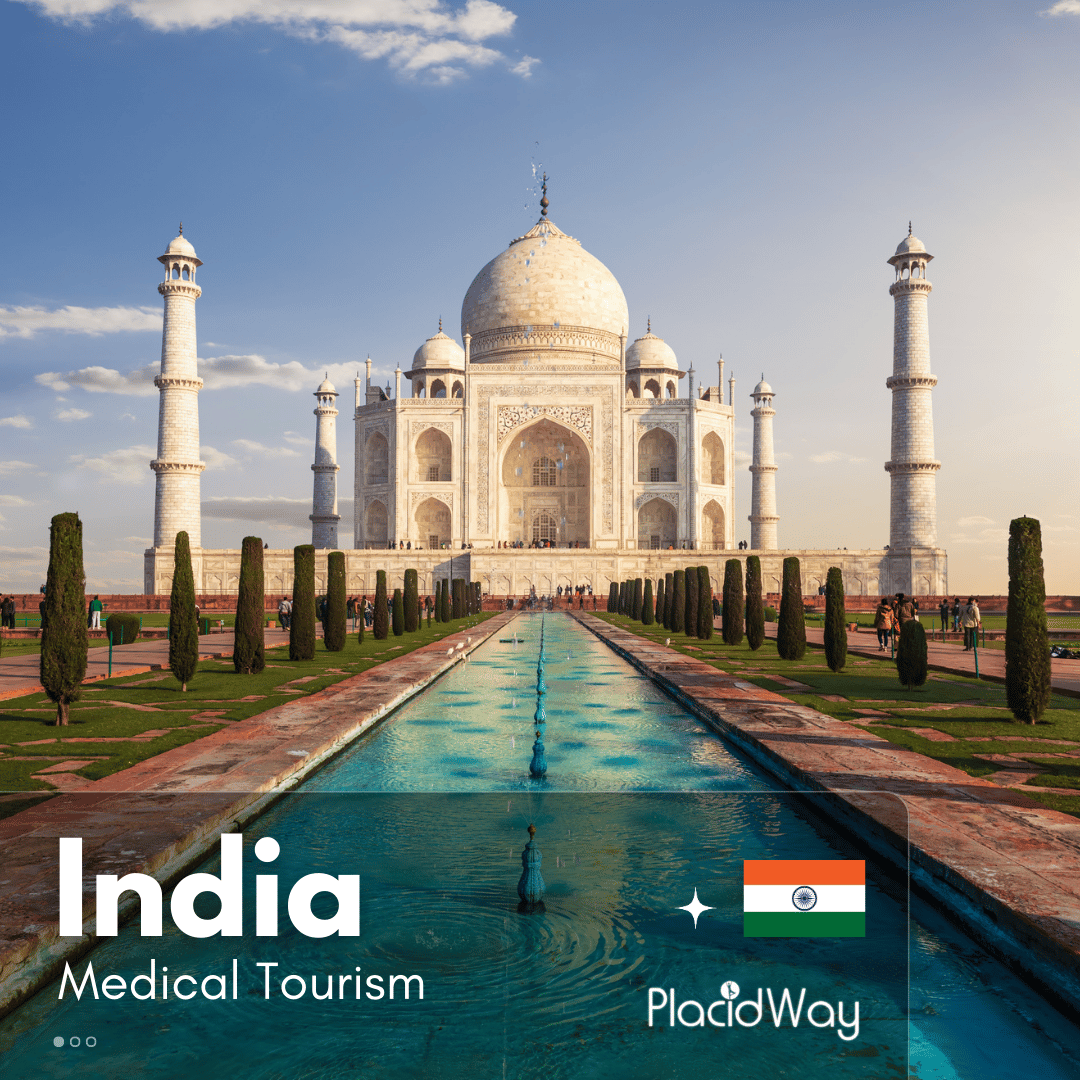
The best hospitals for heart treatment in India are internationally accredited facilities located in major metropolitan hubs like Delhi, Mumbai, and Chennai. They offer advanced bypass surgeries and valve replacements at highly affordable prices. Key Takeaways: Cardiovascular Care Excellence Global Accreditation: Top facilities hold Joint Commission International and National Accreditation Board for Hospitals certifications. Massive Cost Savings: Patients typically save between sixty to eighty percent compared to Western healthcare systems. Advanced Techniques: Widespread availability of robotic surgeries and minimally invasive valve replacements. Zero Wait Times: Immediate scheduling for critical surgeries upon medical evaluation. Expert Specialists: Cardiac surgeons with decades of experience and international fellowships. What is the average Heart Treatment cost in India compared to other countries? The average Heart Treatment cost in India ranges from four thousand to ten thousand dollars depending on the procedure. This is dramatically lower than the fifty thousand to over one hundred thousand dollars charged in the United States or Europe. Understanding the financial aspects of global healthcare is vital for international patients. When evaluating the Heart Treatment cost in India, it becomes immediately apparent why the country is a leading destination. The dramatic price difference is not a reflection of lower quality but rather the result of favorable currency exchange rates, lower administrative overheads, and government subsidized medical education. This economic environment allows premium facilities to offer the exact same FDA approved implants and surgical technology used in the West at a fraction of the price. A standard Coronary Artery Bypass Graft procedure might cost upwards of eighty thousand dollars in North America, while the same operation performed by highly decorated surgeons in Asia will cost around six thousand dollars. This inclusive price typically covers the hospital stay, surgeon fees, operating room charges, and standard medications. Even when factoring in the cost of international flights and extended hotel stays for recovery, the total expenditure remains overwhelmingly in favor of seeking treatment abroad. Beyond the primary surgical fees, patients benefit from lower costs for essential diagnostic tests like MRI scans, angiograms, and echocardiograms. Pre operative evaluations that could cost thousands of dollars elsewhere are often bundled into comprehensive care packages. This transparent pricing structure eliminates the stress of hidden medical bills, allowing patients and their families to focus entirely on health and recovery. Procedure Type Estimated Cost in US ($) Estimated Cost in India ($) Coronary Artery Bypass Graft $70,000 - $120,000 $5,000 - $7,500 Heart Valve Replacement $80,000 - $150,000 $6,500 - $9,000 Angioplasty with Stent $25,000 - $40,000 $2,500 - $4,000 Pacemaker Implantation $30,000 - $50,000 $3,000 - $6,000 What types of procedures are included in Heart Treatment in India? Comprehensive Heart Treatment in India covers everything from routine diagnostics to complex transplants. The facilities are equipped to handle adult and pediatric congenital anomalies alongside advanced degenerative diseases. Patients traveling for Heart Treatment in India have access to a full spectrum of cardiovascular interventions. The surgical teams are highly versatile and proficient in the following major categories: Coronary Artery Bypass Grafting: Including beating heart surgeries which eliminate the need for a heart lung machine, leading to fewer complications and faster recovery. Valve Repair and Replacement: Utilizing mechanical and biological valves from top global brands, as well as advanced Transcatheter Aortic Valve Replacement techniques. Pediatric Cardiology: Specialized interventions for congenital heart defects such as atrial septal defects, ventricular septal defects, and Tetralogy of Fallot in infants and children. Electrophysiology and Devices: Implantation of pacemakers, implantable cardioverter defibrillators, and complex ablation therapies for treating severe arrhythmias. Heart Transplants and Assist Devices: End stage heart failure management including Left Ventricular Assist Device implantation and full organ transplantation for eligible candidates. How do I choose the right Heart Treatment clinic in India? Selecting the best Heart Treatment clinic in India requires checking for international accreditations, reviewing the specific expertise of the surgical teams, and evaluating the modern technological infrastructure of the intensive care units. Finding a reliable Heart Treatment clinic in India is the most critical step in your medical journey. Your primary focus should be on institutional accreditations. Facilities recognized by the Joint Commission International have proven they meet the highest global standards for patient safety, rigorous clinical protocols, and facility management. This baseline ensures that the care environment mirrors what you would expect in top Western hospitals. Secondly, evaluate the multi disciplinary approach of the medical center. The most successful outcomes arise when cardiac surgeons, cardiologists, anesthesiologists, and critical care specialists work together in a dedicated heart institute rather than a general hospital wing. You should look for centers that publish their clinical success rates and maintain dedicated international patient lounges to help navigate administrative processes seamlessly. Finally, technology plays an indispensable role. A premier establishment will feature ultra modern hybrid operating rooms that combine traditional surgical setups with advanced imaging capabilities. This allows surgeons to perform complex, minimally invasive procedures with pinpoint accuracy. Furthermore, robust cardiac intensive care units with specialized one to one nursing ratios are vital for navigating the critical first forty eight hours following major surgery safely. Did You Know? Many top tier cardiac facilities in South Asia feature dedicated international wings. These specialized floors offer personalized dietary menus tailored to various global cuisines, customized cultural care protocols, and dedicated concierges to ensure patients from overseas feel entirely at home during their recovery. Why is medical tourism in India highly recommended for cardiovascular care? Because medical tourism in India offers an unmatched combination of elite surgical expertise, cutting edge technology, and profound affordability, entirely eliminating the long wait times seen in public healthcare systems. The growth of medical tourism in India is largely driven by its outstanding cardiovascular care sector. The government has actively supported this industry by introducing streamlined medical visa processes. These specialized visas allow patients and their attendants fast tracked entry and extended stays specifically tailored for complex treatments and prolonged rehabilitation. This supportive infrastructure makes crossing borders for major surgery incredibly accessible. Furthermore, the caliber of medical professionals is extraordinary. A vast majority of the leading cardiac surgeons leading these departments have completed rigorous fellowships and training programs in the United States, United Kingdom, or Australia. They bring back world class techniques and integrate them with local innovations. Patients benefit from being treated by pioneers who frequently publish in global medical journals and routinely perform high volumes of complex surgeries, which directly correlates with better patient survival rates. Lastly, the holistic approach to healing sets the region apart. Beyond the operating table, the healthcare culture places heavy emphasis on comprehensive recovery. Patients have access to integrated therapies combining modern cardiac rehabilitation exercises with ancient wellness practices like specialized yoga and meditation designed for heart health. This unique dual approach helps significantly lower postoperative stress levels and enhances long term cardiovascular well being. Which Indian cities are considered prime destinations for cardiac surgeries? The most prominent destinations for advanced cardiac interventions include major metropolitan areas such as Delhi, Mumbai, Chennai, and Bangalore. These cities house the largest concentration of accredited super specialty healthcare centers. When planning your medical journey, selecting the right city is just as crucial as finding the right clinic. The following urban centers are globally recognized for their medical excellence: New Delhi and the National Capital Region: Features the highest number of internationally accredited institutions and exceptional connectivity via a massive international airport, making it ideal for immediate arrivals. Chennai: Often referred to as the healthcare capital of the country, this southern city is famous for pioneering complex organ transplants and offering highly cost effective care solutions. Mumbai: A major financial hub that boasts ultra luxurious hospital facilities, catering extensively to VIP and elite international patients demanding the utmost privacy and comfort. Bangalore: Known for integrating advanced digital technology into healthcare, offering the latest in robotic surgeries and AI assisted cardiac diagnostics. Hyderabad: Rapidly emerging as a center of excellence for both adult and pediatric cardiology with sprawling medical campuses and dedicated research institutes. What accreditations should I look for when seeking Heart Treatment in India? Patients must verify that a hospital holds Joint Commission International and National Accreditation Board for Hospitals and Healthcare Providers certifications. These ensure strict adherence to global safety and quality control standards. In the realm of global healthcare, accreditations serve as your primary guarantee of safety and medical excellence. The gold standard to look for is the Joint Commission International accreditation. When a facility earns this seal, it signifies that they have passed rigorous inspections covering everything from surgical infection rates to medication management and emergency response protocols. Choosing a recognized facility guarantees that the clinical practices align with top Western healthcare norms. Equally important is the National Accreditation Board for Hospitals and Healthcare Providers certification. This is the highest national standard of healthcare excellence within the country. It acts as an overarching quality assurance program that mandates continuous improvement in patient care, ensuring that nursing staff are highly qualified, medical records are transparent, and patient rights are strictly upheld. Facilities often display these badges proudly on their official platforms. Beyond broad institutional accreditations, patients should also look for specific certifications related to diagnostic imaging and laboratories, such as ISO certifications. These technical accreditations guarantee that the blood banks and pathology labs supporting the cardiac surgery units operate with zero margin for error. Comprehensive accreditation ensures that your entire medical ecosystem, from diagnosis to discharge, is secure and reliable. How long is the recovery period for major Heart Treatment in India? The total in country recovery period usually spans three to four weeks. This includes a hospital stay of roughly seven to ten days, followed by two weeks of outpatient recovery in a nearby hotel to ensure fitness for international air travel. Recovery timelines vary depending heavily on the specific nature of the procedure, but a well structured recovery protocol is standard across all major facilities. Immediately following a major open heart surgery, patients are closely monitored in a dedicated cardiac intensive care unit for two to three days. During this critical window, vital signs are continuously tracked, and medical teams work round the clock to manage pain and prevent early complications. Once stabilized, the patient is transferred to a private step down ward. Over the next five to seven days, cardiac rehabilitation begins gently. Specialized physiotherapists assist patients with basic mobility, breathing exercises to clear the lungs, and slow walking. During this hospital phase, dietary experts create customized nutrition plans, and patients receive comprehensive education regarding their new daily medications and wound care. After formal hospital discharge, international patients do not fly home immediately. It is medically mandated to stay in the city for an additional fourteen days. During this period, you will reside in a comfortable, recovery friendly hotel while attending outpatient checkups. The surgical team will conduct final echocardiograms, remove any remaining sutures, and officially clear you for the pressurization changes associated with high altitude flying. Are minimally invasive options available for Heart Treatment in India? Yes, premium facilities offer highly advanced minimally invasive cardiac surgeries. These include robotic assisted operations, totally endoscopic coronary artery bypasses, and catheter based valve replacements that avoid cracking the chest bone. Modern cardiovascular care has shifted dramatically away from traditional open chest surgeries toward less traumatic approaches, and top tier medical centers in this region are at the forefront of this revolution. Minimally invasive cardiac surgery involves making small incisions, typically a few inches long, between the ribs. Through these tiny openings, surgeons use specialized microscopic instruments and high definition cameras to operate on the heart. This approach drastically reduces blood loss and minimizes visible scarring. One of the most sought after advanced treatments is Transcatheter Aortic Valve Replacement. This procedure allows doctors to replace a diseased heart valve without opening the chest at all. Instead, a new, fully collapsible replacement valve is delivered to the site through a catheter inserted in the groin artery. Because the physical trauma is so minor, patients who were previously deemed too high risk for traditional surgery can now be treated safely and effectively. The benefits of these advanced methods are profound for medical tourists. Because minimally invasive procedures avoid cutting the sternum, the physical pain post surgery is significantly reduced. More importantly, the rehabilitation timeline is accelerated. Patients often leave the hospital days earlier and can resume normal daily activities in a matter of weeks rather than months, making the logistics of traveling for medical care much easier to manage. Why choose PlacidWay for your Heart Treatment in India? PlacidWay serves as your dedicated medical advocate, connecting you with verified healthcare facilities. We ensure complete transparency regarding costs, medical credentials, and personalized care coordination for your cardiovascular journey. Navigating international healthcare systems for major life saving procedures can be overwhelming. PlacidWay removes the uncertainty from this process by acting as a comprehensive medical facilitator tailored to your specific clinical needs. Here is why patients trust us with their cardiovascular health: Rigorous Facility Vetting: We partner strictly with medical centers that hold recognized international accreditations. Our team ensures that every hospital in our network maintains exceptional safety records and employs globally certified cardiovascular surgeons. Pre Consultation Medical Review: We facilitate the secure transfer of your existing medical records, angiograms, and echocardiograms to specialized surgical teams. This allows doctors to evaluate your case and provide an accurate medical opinion before you make any decisions. Total Cost Transparency: We negotiate comprehensive medical packages that clearly outline all hospital fees, surgeon charges, ICU stays, and implant costs. We protect you from hidden medical bills and ensure you understand the complete financial commitment upfront. Dedicated Patient Advocacy: From the moment you inquire, you are assigned a dedicated medical coordinator. This advocate acts as a liaison between you and the hospital administration, ensuring your medical and cultural preferences are respected at all times. Post Operative Care Continuity: We help ensure that your discharge summaries and post operative care instructions are clearly translated and securely transmitted to your primary care physician back home, maintaining a seamless continuity of medical care. Frequently Asked Questions About Cardiovascular Procedures Is it safe for international patients to undergo Heart Treatment in India? Yes, undergoing cardiac procedures in this country is highly safe for international patients. The top medical centers strictly follow international protocols and maintain rigorous infection control measures. These facilities are staffed by highly experienced cardiac teams who routinely handle complex cases with success rates that match or exceed global standards. What is the typical waiting time for cardiac procedures in Indian hospitals? One of the biggest advantages for foreign patients is the absence of waiting lists. Once you complete your initial consultations and pre operative evaluations, surgeries can often be scheduled within a few days. This rapid response is crucial for patients requiring urgent cardiovascular interventions who cannot afford to wait months in their home healthcare systems. Do Indian cardiac centers provide language translation services for international patients? Absolutely. Major healthcare institutions catering to foreign visitors employ dedicated international patient departments. These departments include fluent translators for languages such as Arabic, Russian, French, and Spanish. This ensures clear communication between you and your surgical team regarding your diagnosis, treatment plan, and aftercare instructions. Can I travel back home immediately after my Heart Treatment in India? Immediate travel is not recommended after major cardiac surgery. Patients must typically remain in the country for two to four weeks post discharge. This period allows your surgical team to monitor your healing process, adjust medications, and ensure you are fit to endure the physical stress of an international flight safely. Are the medical implants used during Indian heart surgeries globally approved? Premium medical facilities exclusively use FDA approved and CE marked implants and devices. Whether you need a pacemaker, a replacement heart valve, or arterial stents, the materials utilized are sourced from leading global manufacturers. You will receive official documentation and warranties for any device implanted during your procedure. What pre operative tests are mandatory before cardiac surgery in India? Before any major cardiac intervention, patients undergo a thorough battery of diagnostics. This generally includes advanced echocardiograms, stress tests, pulmonary function tests, and comprehensive blood panels. These evaluations ensure your body is strong enough for anesthesia and help the surgeons tailor the operation to your exact anatomical needs. How do Indian hospitals ensure post operative infection control? Top tier medical centers utilize laminar airflow systems in their operating theaters to guarantee a sterile environment. Post surgery, patients are transferred to specialized cardiac intensive care units equipped with high efficiency particulate air filters. Dedicated nursing staff adhere to strict hand hygiene and isolation protocols to eliminate the risk of hospital acquired infections. Will my home country health insurance cover Heart Treatment in India? Coverage depends entirely on your specific insurance policy. Many international insurance providers now recognize global medical facilities and offer cross border coverage due to the high quality and cost effectiveness. Patients should contact their insurance provider prior to traveling to confirm out of network international benefits and required documentation. What role does cardiac rehabilitation play after treatment in Indian hospitals? Cardiac rehabilitation is a critical component of the recovery process. Comprehensive programs involve monitored physical therapy, nutritional counseling, and lifestyle modification guidance. These sessions begin while you are still admitted and continue during your outpatient stay, ensuring you regain your strength and understand how to maintain long term cardiovascular health. How are medical complications handled for foreign patients in India? Accredited institutions have multi disciplinary teams available around the clock to manage any unforeseen complications. These centers feature state of the art emergency response units and backup specialists in nephrology, pulmonology, and neurology. Comprehensive care packages often account for extended stays in the intensive care unit if additional medical stabilization becomes necessary. Secure Your Heart Health With Premium Medical Care Today Do not let extensive waiting lists compromise your cardiovascular health. PlacidWay connects you with globally accredited surgical institutes offering world class life saving procedures at affordable prices. Reach out to our dedicated medical coordinators for a comprehensive case review and personalized treatment packages. Get Your Free Quote * Medical records reviewed confidentially. Responses typically provided within 24 hours....
Read more details
The average cost of heart catheterization in India ranges from $150 to $800, depending on the facility. This is significantly lower than the $5,000+ charged in the US, making it a top destination for affordable and high-quality cardiac care. Key Takeaways: Cardiac Care Quality and Pricing Massive Cost Savings: Patients can save up to eighty percent on procedures without compromising on medical standards. Advanced Technology: Facilities utilize state-of-the-art flat-panel cath labs for high-resolution imaging. Expert Cardiologists: High patient volumes ensure doctors possess exceptional procedural expertise. Swift Recovery: The widespread adoption of the radial wrist approach minimizes bed rest time. What factors influence the heart catheterization cost in India? The final price depends on the city, facility type, and whether interventions like stents are needed. Diagnostic only is cheaper than interventional procedures. When calculating your budget, the primary differentiator is whether the procedure remains strictly diagnostic or becomes interventional. A purely diagnostic angiogram requires fewer consumables and a shorter time in the cath lab. However, if the cardiologist discovers a severe blockage and proceeds to perform an angioplasty with stent placement, the cost will increase to cover the balloon, the physical stent, and extended use of the facility. The choice of accommodation within the hospital also plays a significant role in the overall pricing. Most multi-specialty centers offer a tiered room system ranging from shared general wards to luxurious private suites. International patients often opt for single private rooms to ensure comfort and privacy, which slightly elevates the total package cost compared to local averages but remains highly affordable on a global scale. Finally, geographic location impacts the financial aspect. Major metropolitan hubs like Mumbai, Delhi, and Bangalore have high concentrations of premium hospitals and may charge slightly more than facilities in smaller tier two cities. Despite these minor regional variations, the overall national average remains incredibly cost-effective. Procedure Type Estimated Cost Range (USD) Description Diagnostic Angiogram $150 - $350 Visualizing the arteries without making corrections. With Single Stent $1,500 - $2,500 Includes diagnostic check plus placing one medicated stent. Complex Intervention $3,000 - $4,500 Multiple stents or advanced bifurcation lesion treatment. How does a heart catheterization clinic in India maintain high safety standards? Top cardiac facilities strictly adhere to international accreditation protocols like JCI and NABH. They utilize state of the art cath labs with advanced imaging technology. Global Accreditations: Premium centers achieve Joint Commission International and National Accreditation Board for Hospitals certifications, ensuring global quality parity. Infection Control Protocols: Strict sterilization procedures are mandated, including laminar airflow systems and high-efficiency particulate air filters within the procedural rooms. Advanced Imaging Systems: Facilities invest in the latest digital subtraction angiography machines, which lower radiation doses while providing crystal-clear images of the blood vessels. Highly Trained Staff: The catheterization teams consist of interventional cardiologists, specialized cardiac nurses, and dedicated radiographers who undergo rigorous continuous training. Emergency Preparedness: Fully equipped critical care units and rapid response surgical teams remain on standby to handle any unprecedented complications instantly. What is the recovery process like after heart catheterization in India? Recovery is generally swift with most patients walking within a few hours. Complete rest for the first day is advised to prevent bleeding at the insertion site. Following the procedure, you will be moved to a specialized recovery area where nursing staff will monitor your vital signs meticulously. If the catheter was inserted through your groin, you will need to lie flat on your back for several hours to allow the artery to seal completely. In contrast, if the radial approach via the wrist was utilized, you can sit up and move around much sooner, which significantly enhances patient comfort. Hydration plays a crucial role during the immediate postoperative phase. The nursing team will provide ample oral fluids or intravenous hydration to help your kidneys flush out the contrast dye used during the imaging process. Most diagnostic patients are discharged on the same day or the following morning, while interventional patients might stay an extra night for observation. Once discharged, your cardiologist will provide detailed instructions regarding wound care and activity restrictions. You will be advised to avoid lifting heavy objects or engaging in strenuous physical activities for at least a week to prevent the puncture site from reopening. Gradual resumption of daily activities is encouraged alongside strict adherence to prescribed medications. Did You Know? Many modern cardiac centers utilize a special closure device or a medical plug to seal the artery hole instantly after the catheter is removed. This advanced technique eliminates the need for prolonged manual pressure and significantly speeds up the time it takes for you to safely get out of bed. Are there different types of heart catheterization procedures available? Facilities offer both right heart and left heart catheterization depending on your specific symptoms. The approach can be radial through the wrist or femoral through the groin. The most common variation is the left heart catheterization, which focuses primarily on the coronary arteries. This is the gold standard for diagnosing coronary artery disease, as it provides a clear roadmap of blockages that might be causing angina or leading to a heart attack. During this procedure, the doctor can also measure the pressure inside the left ventricle and assess the function of the aortic and mitral valves. Conversely, a right heart catheterization is performed to measure the blood pressure inside your heart and lungs. By utilizing a specialized balloon-tipped catheter known as a Swan-Ganz, cardiologists can evaluate conditions like pulmonary hypertension or heart failure. It allows the medical team to see how well the heart is pumping blood and whether there are any congenital defects present in the right chambers. Beyond the targeted heart chambers, the physical entry points also differ. The femoral approach utilizes the large artery in the upper leg, which has historically been the standard route. However, medical expertise has heavily shifted toward the transradial approach via the wrist artery, favored for its lower bleeding risks and enhanced patient mobility immediately following the procedure. How do I prepare for my heart catheterization? Preparation involves fasting for several hours and undergoing preliminary blood tests. You must also pause certain medications like blood thinners as advised by your cardiologist. Fasting Protocol: You will be instructed not to consume any food or dark liquids for six to eight hours prior to your scheduled hospital arrival time to prevent anesthesia complications. Medication Adjustments: Inform your care team about all medications you take. Drugs like warfarin or certain diabetes medications may need to be stopped a few days in advance. Allergy History: It is vital to report any known allergies to iodine, seafood, or X-ray dyes, as the medical team will need to administer pre-medications to prevent adverse reactions. Comfortable Clothing: Pack loose fitting clothes that are easy to put on after the procedure, especially since you may have a bulky bandage on your wrist or groin. Travel Companion: Due to the lingering effects of sedatives, you are strictly prohibited from driving yourself back to your hotel. You must arrange for a companion or a medical taxi service. What are the potential risks and how are they managed? While extremely safe, minor risks include bruising at the puncture site or rare allergic reactions to the contrast dye. Cardiac teams are fully equipped to handle any immediate complications instantly. Heart catheterization is routinely performed globally and is considered a very safe procedure, yet no medical intervention is entirely without risk. The most common minor complication is localized bleeding or the formation of a small hematoma beneath the skin at the catheter insertion point. Nurses closely monitor the site postoperatively and apply specialized pressure techniques to resolve these minor issues quickly. Another potential concern is the interaction between the contrast dye and your kidneys. In rare cases, especially in patients with preexisting diabetes or chronic kidney conditions, the dye can cause temporary renal strain known as contrast induced nephropathy. To mitigate this risk, physicians carefully calculate dye volumes and ensure patients receive abundant intravenous fluids to aid the kidneys in rapid filtration. More severe complications, such as tearing of an artery lining, irregular heart rhythms, or stroke, are exceedingly rare but heavily guarded against. The procedural suites are integrated with advanced monitoring equipment, allowing the interventional cardiologist and the surrounding critical care team to detect and immediately correct any vascular or arrhythmic anomalies before they escalate. Why is medical tourism in India popular for cardiac procedures? International patients flock to the region because of the massive cost savings without compromising on medical expertise. English speaking staff and world renowned cardiologists add to the appeal. Unmatched Affordability: The favorable exchange rate and lower administrative overheads mean complex cardiac evaluations cost a fraction of Western prices. Zero Waiting Lists: Unlike public healthcare systems in countries like Canada or the UK, international patients are given priority scheduling, preventing dangerous delays in diagnosis. High Volume Expertise: Surgeons handle thousands of complex cases annually, leading to unparalleled procedural dexterity and lower complication rates compared to less active centers. No Language Barriers: English is predominantly used in the medical sector. From consent forms to nursing instructions, communication flows seamlessly without needing translators. Holistic Healthcare Approach: Many hospitals blend modern allopathic medicine with traditional healing, offering dietary and yoga based rehabilitation to improve long term cardiovascular health. How long should I stay in the country for this procedure? A short stay of one week is usually sufficient for a straightforward diagnostic procedure. This allows time for pre operative consultations and post operative follow ups. Planning your itinerary requires factoring in multiple medical checkpoints. Upon arrival, you should allocate the first two days for initial consultations and mandatory preliminary testing. This buffer time also allows your body to recover from long haul flight fatigue and jet lag, ensuring your blood pressure and stress levels are stable before heading into the catheterization laboratory. The procedure day itself requires an overnight stay in the hospital, even if you feel perfectly fine, purely as a precautionary measure to monitor the puncture site. If the intervention escalates to placing a stent, the medical team might extend your inpatient observation by an additional forty eight hours to monitor cardiac enzymes and ensure the newly opened artery remains stable. After discharge, cardiologists highly recommend staying near the hospital for an additional three to four days. During this period, you will attend a final follow up appointment to check the healing of the incision and review the final angiogram reports. Once the specialist clears you, providing a fit to fly certificate, you can safely board your flight back home without fear of cabin pressure affecting your recovery. What diagnostic tests are required before heart catheterization? Before the procedure you will undergo an electrocardiogram, echocardiogram, and basic blood profiles. These ensure your heart and kidneys are fit for the contrast dye and mild sedation. To guarantee maximum safety, every patient undergoes a comprehensive pre admission screening panel. The foundation of this panel is a twelve lead Electrocardiogram which measures the electrical activity of your heart to detect any ongoing arrhythmias or evidence of past silent heart attacks. This is often paired with a 2D Echocardiogram, an ultrasound that visualizes the pumping strength of the heart chambers and valve functionality. Blood tests form the second critical pillar of preoperative preparation. A complete blood count ensures you do not have an underlying infection or severe anemia. More importantly, a renal function panel focusing on serum creatinine and blood urea nitrogen is mandatory. Because the iodine based contrast dye is processed through the kidneys, verifying strong renal health is non negotiable for clearance. Finally, coagulation profiles like PT and INR are checked. These tests measure how fast your blood clots. Since doctors will be puncturing a major artery, they need absolute certainty that your body can form a stable clot post procedure to prevent excessive bleeding. If any of these parameters are out of optimal range, the procedure might be momentarily delayed until medication corrects the imbalance. Why Choose PlacidWay for your heart catheterization? PlacidWay connects you with globally accredited cardiac facilities and highly experienced specialists. We ensure a seamless healthcare journey focused entirely on your medical needs and safety. Verified Hospital Networks: We exclusively partner with medically accredited institutions that maintain the highest standards of sterilization and cardiac intensive care capabilities. Transparent Medical Pricing: Our platform provides clear visibility into procedural costs, eliminating hidden medical fees so you can focus entirely on your health recovery. Direct Specialist Access: We facilitate immediate remote consultations with board certified interventional cardiologists to evaluate your specific case before you commit to the procedure. Comprehensive Record Review: Our dedicated medical coordinators ensure all your previous echocardiograms and blood works are reviewed by the surgical team in advance. Dedicated Patient Advocacy: From preoperative preparation to post discharge follow ups, our team supports your clinical needs to ensure a safe and effective healing journey. Frequently Asked Questions About Heart Catheterization Is heart catheterization painful? The procedure itself is not painful because you are given local anesthesia at the insertion site and mild sedation to help you relax. You might feel some pressure when the catheter is inserted or a warm flushing sensation when the contrast dye is injected, but sharp pain is extremely rare. Can I eat before a heart catheterization procedure in India? Patients are generally required to fast for at least six to eight hours prior to the procedure. This empty stomach protocol helps prevent nausea or vomiting complications related to the sedation and contrast dye used during the process. How long does a heart catheterization take to perform? A standard diagnostic heart catheterization usually takes about thirty to forty five minutes from start to finish. However, if the cardiologist discovers a blockage and proceeds to perform an interventional angioplasty, the total time can extend to two hours. Will I be awake during my heart catheterization in India? Yes, most patients remain awake but heavily relaxed under conscious sedation. Being awake allows you to follow simple instructions from the cardiologist, such as taking a deep breath or coughing, which assists in capturing the best possible X-ray images of your heart. What is the difference between a diagnostic and interventional catheterization? A diagnostic procedure simply uses dye and X-rays to look for blockages or structural issues without making any corrections. An interventional procedure goes a step further by actively treating the discovered problem, such as inflating a balloon or placing a stent to open a blocked artery. Is the contrast dye used in Indian clinics safe for my kidneys? The contrast dye is generally safe for patients with normal kidney function. Because the kidneys filter out the dye, medical teams check your blood work beforehand. If you have borderline kidney issues, they will provide extra intravenous fluids before and after the procedure to protect your renal system. How soon can I shower after a groin catheterization? You can usually take a shower twenty four hours after the procedure once the initial bandage is removed. It is important to avoid taking baths, sitting in hot tubs, or swimming for at least a week to prevent infection at the puncture site. Do Indian cardiac centers use radial wrist access for catheterization? Yes, the radial approach through the wrist is highly preferred and routinely performed in modern Indian cardiac centers. This method significantly reduces bleeding risks, allows patients to sit up immediately, and offers a much faster overall recovery compared to the traditional groin approach. Can I exercise after returning home from my medical trip to India? Light walking is encouraged immediately, but strenuous exercise and heavy lifting should be strictly avoided for at least one week. Your cardiologist will provide a personalized timeline for returning to the gym based on whether you had a diagnostic check or a stent placement. What symptoms indicate an emergency after a heart catheterization? You should seek immediate medical attention if you experience severe chest pain, sudden swelling or a hard lump at the insertion site, bleeding that does not stop with pressure, or if the affected leg or arm becomes cold, numb, or discolored. Secure Your Heart Health Safely and Affordably Do not delay critical cardiac evaluations due to high local costs. Let PlacidWay connect you with internationally recognized cardiovascular centers. Request a comprehensive medical review and discover transparent pricing tailored to your health needs. Get Your Free Quote...
Read more detailsShare this page with AI assistants to get summaries and insights


Discover the ultimate Heart Care Surgery packages designed to meet your health and wellness goals. Choose the perfect fit for your journey.

Price starting from $15000.0
Panama City, Panama

Price starting from $12000.0
Istanbul, Turkey

Price starting from $5500.0
Mumbai, India
Price starting from $12500.0
Denver, United States


