
What treatment


20+ Most Frequently Asked Questions About Obesity/Bariatric Surgery
Find Clear and Concise Answers to Common Questions About Obesity/Bariatric Surgery
Trusted Medical Tourism Platform Since 2007

Who is the Highest Rated Bariatric Surgeon in Mexico?
Identifying a single "highest-rated" bariatric surgeon in Mexico is challenging as ratings depend on various factors including patient reviews, surgical outcomes, and surgeon credentials. However, surgeons like Dr. Jorge Maytorena, Dr. Cristobal Garza, and Dr. Manuel Nunez Virgen consistently receive high praise and are considered among the best in the field. Embarking on a weight loss journey is a significant life decision, and choosing the right surgeon is paramount to its success. Mexico has emerged as a leading destination for bariatric surgery, offering a combination of highly skilled surgeons, state-of-the-art facilities, and affordable costs. If you're wondering, "Who is the highest-rated bariatric surgeon in Mexico?", you've come to the right place. While "highest-rated" can be subjective, this guide will introduce you to some of the most acclaimed and frequently praised bariatric surgeons in Mexico. These surgeons are recognized for their extensive experience, exceptional patient outcomes, and dedication to patient care. We will delve into their qualifications, the procedures they specialize in, and what patients are saying about them, providing you with a comprehensive overview to help you in your search for the best bariatric surgeon for your needs. This detailed exploration will equip you with the necessary information to make a confident and informed choice for your transformative journey. Who are the Top-Rated Bariatric Surgeons in Mexico? "While there isn't one definitive 'highest-rated' surgeon, surgeons like Dr. Jorge Maytorena, Dr. Cristobal Garza, Dr. Manuel Nunez Virgen, Dr. Ricardo Cisneros, and Dr. Rodolfo Aparicio consistently appear at the top of patient reviews and professional listings for bariatric surgery in Mexico." Mexico is home to numerous highly skilled and internationally recognized bariatric surgeons. Determining the absolute "highest-rated" can be a matter of personal preference and specific needs. However, several surgeons consistently receive outstanding reviews from patients and are held in high regard by the medical community. These surgeons often have extensive experience, impressive credentials, and a track record of successful surgeries. Among the most frequently mentioned top-rated surgeons are: Dr. Jorge Maytorena: Renowned for his expertise and patient-centered approach, Dr. Maytorena is a leading choice for medical tourists seeking quality bariatric care. Dr. Cristobal Garza: With a strong focus on safety and successful outcomes, Dr. Garza is a highly respected figure in the field of bariatric surgery. Dr. Manuel Nunez Virgen: Praised for his surgical skill and comprehensive aftercare, Dr. Nunez Virgen is another top-tier surgeon in Mexico. Dr. Ricardo Cisneros: Known for his work in advanced laparoscopic procedures and his dedication to patient well-being. Dr. Rodolfo Aparicio: A well-regarded surgeon with a reputation for excellent results and compassionate care. It's important to research each surgeon's specializations and patient testimonials to find the best fit for your individual circumstances. What Qualifications Should I Look for in a Bariatric Surgeon in Mexico? "When choosing a bariatric surgeon in Mexico, look for board certification, memberships in professional organizations (like the Mexican College for the Surgery of Obesity and Metabolic Diseases - CMCOEM), extensive experience in your desired procedure, and positive patient reviews." Ensuring your surgeon is well-qualified is crucial for a safe and successful bariatric surgery. Here are the key qualifications to look for: Board Certification: This is a fundamental indicator of a surgeon's expertise and adherence to high standards of practice. Look for certification from reputable bodies like the Mexican Board of General Surgery (CMCG) and the Mexican College for the Surgery of Obesity and Metabolic Diseases (CMCOEM). Professional Memberships: Membership in international organizations such as the International Federation for the Surgery of Obesity and Metabolic Disorders (IFSO) or the American Society for Metabolic and Bariatric Surgery (ASMBS) demonstrates a commitment to staying current with the latest advancements in the field. Experience: Inquire about the surgeon's experience, specifically the number of bariatric procedures they have performed. A high volume of surgeries often correlates with a higher level of skill and proficiency. Specialization: Ensure the surgeon specializes in the specific procedure you are considering, whether it's a gastric sleeve, gastric bypass, or another type of bariatric surgery. How Do I Find Patient Reviews for Bariatric Surgeons in Mexico? "You can find patient reviews for bariatric surgeons in Mexico on various platforms, including medical tourism websites, surgeon-specific and clinic websites, social media groups, and online forums dedicated to bariatric surgery." Patient reviews offer invaluable insights into a surgeon's practice and the patient experience. Here's where you can find them: Medical Tourism Websites: Websites like PlacidWay often feature verified patient reviews and testimonials for surgeons and clinics. Clinic and Surgeon Websites: Many surgeons and their clinics will have a dedicated section for patient testimonials and before-and-after photos. Social Media: Facebook groups and other social media platforms dedicated to bariatric surgery in Mexico can be a great source of firsthand accounts and recommendations from previous patients. Online Forums: Websites like ObesityHelp and BariatricPal have active forums where individuals discuss their experiences with different surgeons in Mexico. When reading reviews, look for consistent themes regarding the surgeon's communication, the quality of care provided by the staff, and the overall satisfaction with the surgical outcome. What are the Most Common Bariatric Surgeries Performed in Mexico? "The most common bariatric surgeries performed in Mexico are the gastric sleeve (sleeve gastrectomy), gastric bypass (Roux-en-Y), and mini gastric bypass. These procedures are popular due to their effectiveness in achieving significant long-term weight loss." Top bariatric surgeons in Mexico are proficient in a range of weight loss procedures. The most frequently performed include: Gastric Sleeve (Sleeve Gastrectomy): This procedure involves removing a large portion of the stomach, leaving a smaller, banana-shaped "sleeve." This restricts food intake and reduces the production of the hunger-inducing hormone ghrelin. Gastric Bypass (Roux-en-Y): In this surgery, a small stomach pouch is created and connected directly to the small intestine. This both restricts food intake and reduces the absorption of calories and nutrients. Mini Gastric Bypass: A simpler and quicker version of the traditional gastric bypass, this procedure also involves creating a smaller stomach pouch and bypassing a portion of the small intestine. The best surgery for you will depend on your individual health profile, weight loss goals, and the surgeon's recommendation. What is the Cost of Bariatric Surgery in Mexico with a Top-Rated Surgeon? "The cost of bariatric surgery in Mexico with a top-rated surgeon typically ranges from $4,000 to $8,000 USD. This is significantly more affordable than in the United States, where the same procedures can cost upwards of $20,000." One of the primary reasons patients travel to Mexico for bariatric surgery is the significant cost savings. The lower cost does not mean a compromise in quality, as top surgeons in Mexico use the same high-quality materials and operate in modern, well-equipped facilities. Here's a general cost comparison: Procedure Average Cost in Mexico (USD) Average Cost in the US (USD) Gastric Sleeve $4,000 - $6,000 $15,000 - $25,000 Gastric Bypass $5,500 - $8,000 $20,000 - $30,000 These prices often include not only the surgery itself but also hospital fees, surgeon's fees, and pre- and post-operative care. What are the Benefits of Having Bariatric Surgery in Mexico? "The primary benefits of having bariatric surgery in Mexico are significant cost savings, access to highly experienced and qualified surgeons, modern medical facilities, and shorter wait times for procedures." Opting for bariatric surgery in Mexico offers several compelling advantages: Affordability: As highlighted, the cost of surgery in Mexico is a fraction of what you would pay in the United States or Canada, making it accessible to a wider range of people. High-Quality Care: Many bariatric centers in Mexico are accredited by international bodies and adhere to the same high standards of care as facilities in the US. Surgeons are often trained in both Mexico and the US. Experienced Surgeons: The high volume of bariatric surgeries performed in Mexico means that surgeons have a great deal of experience and expertise. Reduced Wait Times: In countries with public healthcare systems, wait times for bariatric surgery can be lengthy. In Mexico, you can typically schedule your procedure much more quickly. All-Inclusive Packages: Many clinics offer comprehensive packages that include transportation, accommodation, and other services, making the entire process seamless for international patients. Is Bariatric Surgery in Mexico Safe? "Yes, bariatric surgery in Mexico is safe when performed by a qualified and experienced surgeon in a reputable and accredited medical facility. It's crucial to do thorough research and choose a provider with a proven track record of safety and success." The safety of your bariatric surgery in Mexico largely depends on the surgeon and facility you choose. By selecting a board-certified surgeon and a hospital that is accredited by international organizations, you can be confident in the quality and safety of your care. To ensure your safety: Verify Credentials: Confirm your surgeon's board certifications and professional memberships. Choose an Accredited Facility: Look for hospitals with accreditations from bodies like the Joint Commission International (JCI). Read Patient Reviews: Pay attention to what past patients say about their safety and the level of care they received. Have a Thorough Consultation: A reputable surgeon will conduct a comprehensive evaluation to ensure you are a good candidate for surgery and to discuss all potential risks and benefits. What Should I Expect During My Bariatric Surgery Journey in Mexico? "Your bariatric surgery journey in Mexico typically involves an initial consultation (often virtual), pre-operative tests upon arrival, the surgery itself, a short hospital stay for recovery, and post-operative follow-up care, which may continue remotely once you return home." A typical bariatric surgery journey for an international patient in Mexico follows a well-organized process: Initial Consultation: You will have an initial consultation with your chosen surgeon, often conducted remotely via video call. During this consultation, you will discuss your medical history, weight loss goals, and the most suitable surgical option. Travel and Pre-Operative Preparations: Upon arriving in Mexico, you will be transported to your accommodation. You will then undergo pre-operative tests, such as blood work and an EKG, to ensure you are ready for surgery. The Surgery: The surgery is performed in a modern, fully-equipped hospital. Most bariatric procedures are done laparoscopically, which involves smaller incisions and a faster recovery time. Hospital Stay and Recovery: You will typically stay in the hospital for one to three nights for monitoring and initial recovery. The medical team will manage any pain and help you with the transition to a liquid diet. Post-Operative Care and Follow-Up: After being discharged from the hospital, you will have follow-up appointments with your surgeon. Many clinics provide ongoing support and nutritional counseling remotely once you return home to ensure your long-term success. Ready to take the next step in your weight loss journey?Explore PlacidWay to find and connect with the highest-rated bariatric surgeons in Mexico and access comprehensive packages for your healthcare needs....
Read more details

How Much is Mini Gastric Bypass Surgery in Cancun, Mexico?
Considering mini gastric bypass surgery is a significant step towards a healthier future. Cancun, Mexico, has emerged as a leading destination for this procedure, drawing patients from around the world due to its high-quality medical facilities, experienced surgeons, and remarkably affordable prices. This blog post aims to answer common questions about the cost, process, and benefits of undergoing mini gastric bypass surgery in Cancun, providing comprehensive information to help you make an informed decision. We will delve into what makes Cancun a preferred choice for medical tourism, the breakdown of costs, and what to expect before, during, and after your surgery. What is the average cost of Mini Gastric Bypass Surgery in Cancun, Mexico? "The average cost of mini gastric bypass surgery in Cancun, Mexico, ranges from $5,000 to $7,500." This price typically includes the surgeon's fees, anesthesia, hospital stay, pre-operative tests, and post-operative medications. It's important to note that this is a general range, and the exact cost can vary based on the specific clinic, the surgeon's experience, and the comprehensiveness of the package offered. Compared to countries like the United States or Canada, where the same procedure can cost upwards of $18,000 to $25,000, Cancun provides a much more accessible option without compromising on quality of care. Many clinics in Cancun are internationally accredited and adhere to strict medical standards, making it a safe and appealing choice for bariatric surgery. What factors influence the cost of Mini Gastric Bypass in Cancun? "Several factors influence the cost of mini gastric bypass in Cancun, including the clinic's reputation, the surgeon's experience, the type of facility, and the inclusions in the surgical package." The reputation of the medical facility plays a significant role. Highly-rated hospitals and clinics with state-of-the-art equipment and international accreditations might have slightly higher fees. Similarly, surgeons with extensive experience, specialized training, and a strong track record of successful mini gastric bypass procedures may also charge more. The type of facility, whether it's a dedicated bariatric center or a multi-specialty hospital, can also affect the price. Furthermore, comprehensive packages that include things like airport transfers, hotel stays, nutritional counseling, and extended post-operative care will naturally be priced higher than basic surgical fees. What is typically included in a Mini Gastric Bypass package in Cancun? "A typical mini gastric bypass package in Cancun often includes the surgeon's fees, anesthesiologist's fees, hospital stay, pre-operative lab work and diagnostics, post-operative medications, and follow-up consultations." Many clinics offer all-inclusive packages designed to simplify the medical tourism experience. Beyond the core medical services, these packages may also cover airport pick-up and drop-off, accommodation in a nearby hotel for a few nights before and after surgery, and dedicated patient coordinators. Some even include dietary guidance and support groups, which are crucial for long-term success after weight loss surgery. Always clarify what is explicitly covered in the package to avoid any unexpected expenses. Are there any hidden costs I should be aware of for Mini Gastric Bypass in Cancun? "While many clinics in Cancun offer transparent, all-inclusive packages for mini gastric bypass surgery, it's important to confirm what is covered to avoid potential hidden costs such as pre-existing condition evaluations, extended hospital stays, or unexpected complications." Although providers strive for transparency, patients should always ask for a detailed breakdown of costs. Potential hidden fees could include: Pre-operative evaluations for specific pre-existing conditions: If additional specialist consultations or tests are needed beyond standard screenings. Extended hospital stay: If complications arise or a longer recovery period is required in the hospital than initially planned. Medications not covered in the package: Specific prescriptions or supplements might incur extra charges. Travel insurance: While not a direct medical cost, it's a wise investment that can cover unforeseen travel or medical emergencies. Personal expenses: Food outside the provided meals, sightseeing, or shopping are not typically included. Always read the fine print and ask direct questions about what is not included in the quoted price. How does the cost of Mini Gastric Bypass in Cancun compare to the USA or Canada? "The cost of mini gastric bypass surgery in Cancun is significantly lower, typically 50-70% less than in the USA or Canada, where prices can range from $18,000 to $25,000 or more." This substantial price difference is a primary reason why many individuals choose Mexico for their bariatric surgery. The lower cost of living, reduced operational expenses for clinics and hospitals, and competitive medical tourism market contribute to these more affordable rates. Despite the lower price, the quality of care in reputable Cancun clinics often meets or exceeds international standards, with many surgeons having extensive experience and training from Western countries. This makes Cancun an attractive option for those seeking high-quality, affordable weight loss solutions. Is Mini Gastric Bypass in Cancun safe? "Yes, mini gastric bypass in Cancun is generally safe, especially when performed by experienced, board-certified surgeons in accredited medical facilities that adhere to international safety standards." Cancun has become a hub for medical tourism, attracting skilled surgeons and investing in modern hospital infrastructure. Many clinics catering to international patients hold international accreditations, such as those from the Joint Commission International (JCI), which signify adherence to rigorous patient safety and quality-of-care standards. Patients should always research their chosen clinic and surgeon thoroughly, checking credentials, patient reviews, and facility accreditations to ensure a safe and successful outcome for their mini gastric bypass procedure. What are the benefits of choosing Cancun for Mini Gastric Bypass Surgery? "Choosing Cancun for mini gastric bypass surgery offers numerous benefits, including significant cost savings, access to experienced surgeons and modern facilities, reduced wait times, and the opportunity for a recuperative getaway." Cost-Effectiveness: The primary draw is the substantial savings compared to Western countries, making life-changing bariatric surgery more accessible. High-Quality Medical Care: Many clinics boast internationally trained, board-certified surgeons and state-of-the-art equipment. Reduced Wait Times: Patients can often schedule their surgery much quicker than in their home countries. Medical Tourism Destination: Cancun offers a pleasant environment for recovery, allowing patients to combine their medical trip with a relaxing vacation. This can contribute positively to the healing process. Comprehensive Packages: Many providers offer all-inclusive packages that streamline the entire process, from arrival to departure. These combined factors make Cancun a highly appealing destination for individuals seeking effective and affordable weight loss solutions. What qualifications should I look for in a surgeon for Mini Gastric Bypass in Cancun? "When selecting a surgeon for mini gastric bypass in Cancun, look for board certification, extensive experience in bariatric surgery (specifically mini gastric bypass), membership in international bariatric associations, and positive patient testimonials." A board-certified surgeon demonstrates a high level of expertise and adherence to professional standards. Experience is crucial, so inquire about the number of mini gastric bypass procedures they have performed and their success rates. Membership in organizations like the American Society for Metabolic and Bariatric Surgery (ASMBS) or the Mexican Council of Bariatric and Metabolic Surgery (CMCOEM) indicates a commitment to staying current with best practices. Finally, reading patient reviews and asking for references can provide valuable insight into the surgeon's approach and patient outcomes, ensuring you choose a qualified and trustworthy professional for your weight loss surgery. What is the recovery process like after Mini Gastric Bypass in Cancun? "The recovery process after mini gastric bypass in Cancun typically involves a hospital stay of 1-3 days, followed by a gradual return to normal activities over 2-4 weeks, with full recovery taking several months." Immediately after the surgery, patients will be closely monitored in the hospital. The focus will be on pain management and starting the post-operative diet, which begins with clear liquids and gradually progresses to pureed foods, soft foods, and eventually solid foods. Patients are encouraged to start walking soon after surgery to aid recovery and prevent complications. Most international patients stay in Cancun for about a week to allow for initial recovery and a final check-up before returning home. Long-term recovery involves adhering to a strict diet, taking supplements, and incorporating regular exercise, all guided by the medical team. This commitment is vital for the long-term success of the mini gastric bypass. What are the potential risks and complications of Mini Gastric Bypass? "Like any major surgery, mini gastric bypass carries potential risks and complications, though they are generally rare. These can include bleeding, infection, leaks at the staple line, nutrient deficiencies, and complications related to anesthesia." While mini gastric bypass is considered a safer and less complex procedure than traditional gastric bypass, it's not without its potential downsides. Specific risks include: Bleeding and Infection: As with any surgery, there's a small risk of these complications. Anastomotic Leaks: A rare but serious complication where stomach contents leak from the staple lines. Nutrient Deficiencies: Due to the malabsorptive component, patients may experience deficiencies in vitamins and minerals, requiring lifelong supplementation. Dumping Syndrome: Rapid emptying of stomach contents into the small intestine, leading to symptoms like nausea, diarrhea, and dizziness, especially after eating sugary or fatty foods. Gallstones: Rapid weight loss can increase the risk of gallstone formation. Ulcers: Formation of ulcers at the surgical site. Reputable clinics in Cancun will thoroughly discuss these risks with patients and take all necessary precautions to minimize them. What kind of post-operative support is available after Mini Gastric Bypass in Cancun? "Post-operative support after mini gastric bypass in Cancun typically includes dietary guidance from a nutritionist, follow-up consultations with the surgeon, and sometimes access to online support groups or patient coordinators for remote assistance." The success of mini gastric bypass hinges on long-term lifestyle changes, and good post-operative support is critical. Reputable clinics understand this and provide resources to help patients adapt to their new eating habits and maintain weight loss. This usually involves detailed dietary plans, often spanning several phases, to guide patients through the reintroduction of various foods. Regular check-ups with the surgeon ensure proper healing and address any concerns. For international patients, many clinics offer virtual consultations or connect them with patient coordinators who can answer questions and provide support remotely. Some also facilitate online support groups where patients can share experiences and advice, fostering a sense of community. How long should I plan to stay in Cancun for Mini Gastric Bypass surgery? "Patients undergoing mini gastric bypass surgery in Cancun should plan to stay in the city for approximately 5 to 7 days, including pre-operative assessments, the surgery itself, and initial post-operative recovery." This timeframe allows for essential pre-surgical consultations and tests to ensure you are a suitable candidate and fully prepared for the procedure. The surgery typically requires a hospital stay of 1 to 3 nights. The remaining days are for initial recovery in a comfortable hotel, allowing the medical team to monitor your progress and provide final instructions before your return home. It's crucial to follow your surgeon's recommendations for the length of your stay to ensure a safe and smooth recovery. What are the eligibility requirements for Mini Gastric Bypass? "Eligibility for mini gastric bypass surgery generally requires a Body Mass Index (BMI) of 40 or higher, or a BMI of 35 or higher with at least one obesity-related comorbidity such as type 2 diabetes, high blood pressure, or sleep apnea." Beyond BMI, candidates for mini gastric bypass must also demonstrate a commitment to significant lifestyle changes, including adherence to a new diet and regular exercise, and be psychologically prepared for the surgery and its long-term implications. They should have a history of unsuccessful attempts at weight loss through diet and exercise alone. A comprehensive medical evaluation will also assess overall health to ensure the patient can safely undergo the procedure and recover well. Can I combine Mini Gastric Bypass with a vacation in Cancun? "While mini gastric bypass surgery in Cancun offers the appeal of a beautiful destination, the primary focus should be on your health and recovery. It is possible to combine it with a short, relaxing recuperation, but extensive sightseeing or strenuous activities are not recommended immediately after surgery." Many patients appreciate the opportunity to recover in a pleasant environment like Cancun. Some medical tourism packages even include stays in resort-like settings designed for post-operative rest. However, it's crucial to prioritize your recovery. Immediately after surgery, you'll need to rest, follow dietary restrictions, and limit physical activity. Any exploration should be gentle and short-lived. Planning a true "vacation" portion of your trip for a later date, once you're fully recovered, is advisable. Your medical team will provide specific guidelines on activity levels. How do I prepare for Mini Gastric Bypass surgery in Cancun? "Preparing for mini gastric bypass surgery in Cancun involves following your surgeon's pre-operative diet (often a liquid diet), stopping certain medications, and arranging travel logistics like flights and accommodation." Preparation is a critical component of successful bariatric surgery. Your medical team will provide detailed instructions, which typically include: Pre-operative Diet: This often involves a strict liquid diet for a period (e.g., 1-2 weeks) leading up to the surgery to shrink the liver and reduce fat around abdominal organs, making the surgery safer. Medication Adjustments: You may need to stop certain medications, especially blood thinners, a week or two before surgery. Medical Clearances: Ensuring all necessary medical tests and evaluations are completed and cleared by your local doctor or the Cancun clinic. Travel Arrangements: Booking flights, confirming accommodation, and arranging airport transfers, especially if not included in your package. Packing Essentials: Comfortable clothing, essential toiletries, and any personal items for your hospital and hotel stay. Mental Preparation: Understanding the changes ahead and committing to the new lifestyle. Following these guidelines meticulously will contribute to a smoother surgery and recovery. What are the long-term outcomes and weight loss expectations after Mini Gastric Bypass? "Patients can expect significant long-term weight loss after mini gastric bypass, typically losing 60-80% of their excess weight within 12-18 months, with sustained weight loss for many years through adherence to lifestyle changes." Mini gastric bypass is known for its effective and durable weight loss results. Beyond weight reduction, patients often experience significant improvements or even resolution of obesity-related health conditions such as type 2 diabetes, high blood pressure, sleep apnea, and high cholesterol. The exact amount of weight loss and the long-term success depend heavily on the individual's commitment to the post-operative dietary guidelines, regular physical activity, and consistent follow-up care. It's a powerful tool, but consistent effort is needed to maintain the positive outcomes. Will my insurance cover Mini Gastric Bypass in Cancun? "Generally, most private health insurance plans in the USA and Canada do not cover mini gastric bypass surgery in Cancun, as it is an elective procedure performed outside their network." While some insurance providers may have limited international coverage for emergencies, elective procedures like bariatric surgery are typically not covered. Patients usually pay out-of-pocket for their surgery in Mexico. However, it is always recommended to contact your insurance provider directly to inquire about any specific policies or potential for partial reimbursement, especially if you have a high deductible or an out-of-network benefits plan. Many clinics in Cancun offer financing options or payment plans to help manage the cost, making mini gastric bypass more financially accessible. If you're considering mini gastric bypass surgery, Cancun, Mexico, presents a compelling option, balancing affordability with high standards of care. By providing comprehensive answers to common questions, we hope to have shed light on the process, costs, and benefits of undergoing this life-changing procedure in this popular medical tourism destination. Making an informed decision is crucial for your health journey. To explore options for mini gastric bypass surgery or other healthcare services in Cancun and beyond, visit PlacidWay. We connect you with world-class medical facilities and experienced professionals, helping you find the right solution for your healthcare needs. ....
Read more details.jpg)
Is Gastric Bypass Safe in Tijuana, Mexico for US Citizens?
Gastric bypass in Tijuana, Mexico is highly safe for US citizens when performed at internationally accredited bariatric centers. Board-certified surgeons utilize advanced laparoscopic techniques with package costs ranging from $5,000 to $7,500. Key Takeaways: Bariatric Safety & Quality World-Class Expertise: Bariatric specialists perform hundreds of successful procedures annually. Exceptional Cost Savings: Save 50% to 70% compared to typical United States healthcare prices. Advanced Technology: Utilization of minimally invasive 3D laparoscopy for faster healing. Strict Safety Protocols: Mandatory pre-operative testing and specialized intensive care units. Comprehensive Packages: Inclusive of hospital stay, surgical fees, and nutritional counseling. Why do US citizens travel for a gastric bypass clinic in Tijuana, Mexico? US patients choose a gastric bypass clinic in Tijuana, Mexico due to the exceptional affordability, proximity to the border, and the presence of highly specialized, board-certified bariatric surgeons. Geographic convenience plays a massive role, as Tijuana is just minutes away from the San Diego international airport. Patients can bypass the long waiting lists often mandated by US health insurance companies and begin their weight loss journey immediately. The region features purpose-built recovery houses that offer luxurious, stress-free environments tailored for post-surgical healing. Medical staff are highly accustomed to treating international patients, providing fully bilingual support to ensure clear communication. Patients receive undivided attention in boutique medical facilities rather than feeling lost in massive, impersonal hospital systems. How much does a gastric bypass cost in Tijuana, Mexico? The average gastric bypass cost in Tijuana, Mexico ranges from $5,000 to $7,500 for an all-inclusive package. This provides a dramatic saving compared to the $20,000 to $30,000 charged in the US. Understanding the pricing structure is vital for patients seeking affordable healthcare solutions. The quoted price in top facilities is rarely just for the surgery; it is designed as an all-encompassing package. These bundles generally cover the surgeon fees, anesthesiologist charges, surgical facility costs, and all necessary pre-operative laboratory testing. This transparency allows patients to budget effectively without fearing unexpected medical bills. The stark difference in cost is not a reflection of lower quality care. Rather, it is the result of differing economic structures, lower administrative overhead, and capped malpractice insurance rates outside the United States. Mexican hospitals can afford to utilize the exact same FDA-approved surgical staplers and medical supplies while passing the operational savings directly to the patient. Furthermore, these affordable packages usually include several nights of accommodation. Patients typically spend two nights in the hospital for close medical monitoring, followed by a stay in a partnered recovery hotel. Meals customized to the strict post-operative liquid diet are also provided, ensuring you are nourished safely during those crucial first days. What are the safety protocols for medical tourism in Tijuana, Mexico? Facilities catering to medical tourism in Tijuana, Mexico enforce rigorous international safety standards. They utilize advanced sterilization techniques, mandatory pre-operative cardiac evaluations, and dedicated intensive care units. Safety is the primary concern for any individual traveling abroad for surgery. Leading hospitals in this region combat these concerns by achieving accreditations from respected global health organizations. These certifications ensure that the facility undergoes regular, unannounced audits regarding their hygiene protocols, equipment maintenance, and emergency response capabilities, mirroring the standards expected in North America. Before you ever enter the operating room, you must pass a stringent battery of medical clearances. This includes comprehensive blood panels, electrocardiograms to check heart health, and consultations with internal medicine specialists. If any red flags are detected during these tests, ethical surgeons will delay or cancel the procedure until your health is optimized, proving that patient safety supersedes profit. Post-operative safety protocols are equally robust. Following the procedure, patients undergo leak tests using specialized medical dyes to ensure the newly created stomach pouch is perfectly sealed. Continuous monitoring of vital signs is maintained by specialized bariatric nurses, and fully equipped emergency rooms are on standby should any rare complications arise during the recovery phase. What is the recovery timeline for gastric bypass in Tijuana Mexico? Patients typically stay in the hospital for two to three days, followed by a brief stay at a specialized recovery center. Most individuals can return to desk jobs within two to three weeks. The immediate recovery phase begins the moment you wake up from anesthesia. Within a few hours, nurses will encourage you to stand up and take short walks around the hospital ward. This early mobilization is a critical protocol designed to stimulate circulation, prevent deep vein thrombosis, and help dissipate the harmless carbon dioxide gas used to inflate your abdomen during the laparoscopic procedure. The dietary recovery timeline is strictly phased to protect your healing stomach. For the first week or two, you will be on a clear liquid diet, consuming protein waters and broths in tiny sips. Gradually, over the course of six to eight weeks, your bariatric nutritionist will guide you through pureed foods and soft foods, until you can safely transition back to a modified solid food diet. Physical recovery and energy levels improve remarkably after the first month. While heavy lifting and strenuous abdominal workouts must be avoided for at least six weeks, light cardiovascular exercise like walking or swimming is highly encouraged. By the third month, as rapid weight loss becomes visible, most patients experience a massive surge in energy and mobility. How do I qualify for bariatric surgery in Tijuana? Qualifications generally require a Body Mass Index over 35, or a BMI over 30 combined with obesity-related health conditions. A thorough medical evaluation determines your final surgical eligibility. Candidates must demonstrate a history of unsuccessful attempts at traditional diet and exercise programs. Patients suffering from metabolic conditions like type 2 diabetes, severe sleep apnea, or hypertension are prime candidates. A psychological evaluation is often required to ensure you are mentally prepared for the drastic lifestyle changes ahead. Age parameters typically range from 18 to 65 years old, though exceptions are made based on overall physiological health. You must commit to a lifetime of taking specialized bariatric multivitamins to prevent nutritional deficiencies. What type of surgical techniques are used in Tijuana? Top bariatric surgeons exclusively utilize minimally invasive laparoscopic techniques. This modern approach requires only a few small keyhole incisions, resulting in significantly less pain and scarring. The traditional method of performing a Roux-en-Y procedure involved a massive incision down the center of the abdomen. Today, specialized clinics rely entirely on advanced laparoscopy. The surgeon inserts a high-definition camera and precise microscopic tools through ports that are merely fractions of an inch wide. This minimizes trauma to the abdominal wall and radically reduces the risk of post-operative hernias or wound infections. During the procedure, the surgeon creates a small pouch at the top of the stomach, roughly the size of a walnut. This pouch is then connected directly to the middle section of the small intestine. This dual-action technique restricts the amount of food you can eat and reduces the absorption of calories and nutrients, making it the gold standard for dramatic weight loss. Some premium facilities also offer robotic-assisted bariatric surgery using systems like the Da Vinci surgical robot. This technology provides the surgeon with enhanced 3D visualization and an unparalleled range of motion, allowing for incredibly precise suturing when rerouting the delicate intestinal pathways. What kind of aftercare is provided for US citizens? Comprehensive programs offer robust remote aftercare featuring telehealth consultations, access to private support groups, and detailed nutritional guidelines curated for your lifelong success. Dedicated bariatric nutritionists provide step-by-step meal plans tailored to your specific healing phase. Patients receive scheduled video check-ins at specific milestones to monitor weight loss progression and general health. Prescription adjustments and lab work requests can be coordinated remotely with your local primary care physician. Access to exclusive online communities allows you to connect with fellow bariatric patients for mutual motivation. Direct emergency messaging systems ensure you can reach a medical professional promptly if you experience concerning symptoms. Are there hidden fees for bariatric procedures in Tijuana? Reputable bariatric centers offer transparent pricing structures with no surprise bills. However, specific medical complexities discovered during pre-op testing could result in necessary additional charges. When selecting a destination for gastric bypass in Tijuana, Mexico, securing a clearly itemized quote is essential. The vast majority of standard medical supplies, hospital fees, and professional consultations are baked into the core price. Honest medical coordinators will provide you with a comprehensive document detailing exactly what is and is not included before you pay any deposit. That being said, exceptional medical circumstances can occasionally alter the final cost. For instance, if a surgeon discovers an undiagnosed hiatal hernia during your pre-operative endoscopy, they must repair it simultaneously to ensure the success of the bypass. This highly beneficial, on-the-spot surgical repair will typically incur a modest, clearly communicated extra fee. Additionally, patients with exceptionally high BMIs or those requiring specialized cardiac monitoring may face minor surcharges. This is because severe obesity demands additional anesthesia time, specialized equipment, and sometimes an extended hospital stay to guarantee absolute patient safety. Always discuss these potential medical add-ons during your initial consultation. Why choose PlacidWay for gastric bypass in Tijuana Mexico? PlacidWay acts as your trusted medical liaison, connecting you strictly with highly vetted bariatric centers to ensure a safe, transparent, and medically superior weight loss journey. Strict Facility Vetting: We partner exclusively with internationally accredited hospitals that possess verifiable safety records and maintain modern intensive care capabilities. Transparent Medical Pricing: Our platform guarantees access to all-inclusive medical packages with thoroughly itemized procedures, eliminating the stress of hidden medical fees. Dedicated Patient Coordination: We facilitate smooth communication between you and your chosen clinical team, ensuring your medical history is properly reviewed prior to your arrival. Access to Board-Certified Experts: PlacidWay ensures your surgery is performed solely by renowned bariatric specialists who have completed thousands of successful metabolic procedures. Comprehensive Pre-Op Preparation: Our team assists in gathering and organizing your local medical records so your Mexican surgical team is fully prepared for your specific health profile. Frequently Asked Questions About Medical Tourism in Tijuana How safe is the border crossing for medical tourists in Tijuana? Crossing the border into Tijuana for medical purposes is highly routine and safe. Millions of US citizens cross annually for healthcare. Most premium bariatric packages include dedicated medical shuttles that utilize fast-track medical lanes to bypass standard border traffic, ensuring a secure and seamless transition from San Diego directly to your hospital. Can I use my US health insurance for surgery in Mexico? Standard US health insurance typically does not cover elective procedures performed outside the United States. However, the out-of-pocket self-pay prices in Mexico are often lower than the copays and deductibles required by US insurance plans. Some specialized medical loan providers do offer financing specifically for international healthcare. Will I need a passport to travel to Tijuana for surgery? Yes, a valid US passport or a passport card is required to re-enter the United States after your procedure. While Mexico may allow entry with a birth certificate and ID in some land crossing situations, US Customs and Border Protection strictly requires a passport for a smooth and legal return journey. What happens if I experience complications after returning home? Reputable bariatric centers provide extensive post-operative telehealth support to monitor your recovery. In the rare event of a severe complication, you can visit a local US emergency room. Many patients also opt to purchase specialized medical complication insurance before their trip, which covers unexpected medical treatments required upon returning home. How long does the actual gastric bypass surgery take? The surgical procedure usually takes between 90 minutes to two hours to complete. Because it is performed laparoscopically, the time under general anesthesia is minimized. After the surgery, you will spend a few hours in the recovery room being closely monitored before being transferred to your private hospital room. Will I have loose skin after losing weight rapidly? Rapid and massive weight loss often results in excess or sagging skin, though the severity depends on your age, genetics, and how much weight you lose. Many bariatric patients return to Mexico a year or two after their initial surgery to undergo more affordable post-bariatric body contouring procedures like tummy tucks or arm lifts. Can I bring a companion with me to the hospital? Yes, most bariatric facilities actively encourage you to bring one adult companion for emotional support. Standard VIP hospital rooms typically include a comfortable sleeping sofa or recliner for your guest. Most all-inclusive packages cover the accommodation costs for your companion, though their food might be an additional small expense. What kind of pain management is provided after surgery? Pain is aggressively managed using intravenous medications immediately following the procedure. Before you are discharged to your hotel or home, your medical team will prescribe oral pain relievers and anti-inflammatory medications. Most patients report feeling soreness similar to an intense abdominal workout rather than sharp, unbearable pain. How soon can I fly back to the US after my procedure? Surgeons generally recommend waiting at least three to five days post-surgery before flying to minimize the risk of blood clots and ensure you are stable. During your flight, it is highly recommended to wear compression socks, stay hydrated with sips of water, and get up to walk the aisle every hour. Are the medical staff and nurses in Tijuana fluent in English? Facilities catering to international patients employ fully bilingual surgeons, doctors, and patient coordinators. While some floor nurses might have limited conversational English, the hospitals always have dedicated English-speaking liaisons available 24/7 to ensure clear communication regarding your medication, comfort, and recovery needs. Transform Your Life with Expert Bariatric Care Take the first step toward lasting health and confidence. PlacidWay connects you with premium, board-certified surgeons in Mexico. Secure a personalized evaluation, receive a transparent all-inclusive quote, and start your weight loss journey safely. Get Your Free Quote * Secure, confidential process. Expect a reply within 24 hours....
Read more detailsDiscover your treatment options with a free, no-obligation quote!
Get your quote now!
How can I prepare for a Bariatric Surgery in Istanbul?
Deciding to have bariatric surgery is a monumental step towards a healthier future, and choosing Istanbul as your destination places you among thousands who seek world-class medical care at affordable prices. The key to a successful and stress-free experience lies in thorough preparation. So, how can you best prepare for your weight loss surgery in this vibrant Turkish city? Preparing for bariatric surgery in Istanbul involves three key phases: medical readiness, including a mandatory pre-op diet; meticulous logistical planning for your travel and stay; and crucial mental and emotional preparation for the lifestyle changes ahead. By methodically addressing each of these areas, you can approach your surgery with confidence and set yourself up for the best possible outcome. What are the first steps in the preparation process? “The first step is to thoroughly research and choose a reputable clinic for bariatric surgery in Istanbul and an experienced surgeon. Your initial online consultations are critical for gathering information and building trust.” Before any diet or travel plans, your focus should be on due diligence. Look for clinics and hospitals in Istanbul with international accreditation, such as JCI (Joint Commission International). Scrutinize your potential surgeon's credentials, experience, and specialization in bariatric procedures. Read independent patient reviews and watch testimonials to get a real-world perspective. During your initial video consultations, come prepared with a list of questions for both the surgeon and the international patient coordinator to ensure all your concerns are addressed. What are the mandatory medical preparations? “The most critical medical preparation is adhering to a strict pre-operative diet for 2-4 weeks before your surgery. Quitting smoking and alcohol is also non-negotiable.” This low-carbohydrate, low-sugar, high-protein diet is designed to shrink your liver. An enlarged liver can make laparoscopic surgery more difficult and risky, so following this diet is crucial for your safety. Your clinic will provide specific guidelines, which often transition to a liquid-only diet for the last few days before the procedure. Additionally, you must stop smoking and consuming alcohol at least two weeks before surgery. Smoking impairs healing and increases the risk of complications, while alcohol can interfere with anesthesia and your liver. You will also need to provide your medical history and may be asked to get some basic tests done in your home country before you travel. What should I pack for my trip to Istanbul? “Pack for comfort and convenience. Focus on loose-fitting clothes, essential personal items, and entertainment for your recovery period.” Your packing list should be practical. Here are some must-haves: Comfortable Clothing: Loose sweatpants, front-buttoning pyjamas, t-shirts, and comfortable underwear. Footwear: Slip-on shoes or slippers are essential, as bending over will be difficult. Personal Items: Toothbrush, toothpaste, lip balm (hospital air is dry), and any personal medications. Electronics: Phone, tablet, headphones, and a European power adapter (Type F). Documents: Passport, copies of your medical records, flight details, and clinic contact information. Post-Op Comfort: A small pillow to support your abdomen when coughing or moving. What logistical arrangements do I need to make? “You need to book your flights, ensure your passport is valid, check Turkish visa requirements for your nationality, and confirm all arrangements with your clinic’s international patient coordinator.” Most bariatric surgery packages in Istanbul are all-inclusive, covering your hospital stay, hotel accommodation, and all transfers between the airport, hotel, and hospital. Your primary logistical tasks are: Flights: Book flights that align with the schedule provided by your clinic, typically requiring you to arrive a day or two before surgery and stay for about a week. Visa: Check the official Turkish Ministry of Foreign Affairs website for the latest visa requirements for your country. Many nationalities can easily obtain an e-Visa online. Communication: Maintain clear communication with your patient coordinator. Confirm your flight details with them so they can arrange your VIP airport transfer. How do I prepare financially? “Clarify the total cost and payment methods with your clinic in advance. It's also wise to purchase travel insurance that specifically covers medical complications.” Before you travel, confirm the total cost of bariatric surgery in Istanbul and what's included in your package. Payment is generally made by cash (Euros or USD) or international bank transfer before the procedure, though credit card options might be available with potential fees. Crucially, secure travel insurance that specifically covers medical complications related to elective surgery, as standard policies often do not. This specialized coverage is vital for protecting you from unexpected expenses should any issues arise from your bariatric surgery in Istanbul, ensuring financial peace of mind throughout your treatment journey. How can I prepare mentally and emotionally? “Mental preparation is just as important as physical. Understand that surgery is a tool, not a magic cure, and commit to the permanent lifestyle changes required for long-term success.” Your mindset is a key predictor of your success. Start by setting realistic expectations about the pace of weight loss and the challenges of the post-op diet. Build a strong support system of friends and family who understand your journey. If you struggle with emotional eating, consider speaking with a therapist before your trip to develop new coping mechanisms. Embracing the journey and visualizing a healthier, more active future can be a powerful motivator. What happens when I arrive in Istanbul? “Upon arrival, you will be greeted by a driver from your clinic, taken to your hotel to settle in, and then transported to the hospital for your final pre-operative tests and in-person consultation.” The process is designed to be seamless. After your airport pickup, you'll typically have time to rest at your hotel. The next step is a comprehensive check-up at the hospital, which includes blood tests, an ECG, and consultations with an internist, cardiologist, and the anesthesiologist. This is followed by a final, face-to-face meeting with your surgeon to discuss the procedure and sign consent forms, ensuring you are fully informed and ready for your surgery day. Ready for Your Transformation Ready to take the first step towards a new life? Proper preparation is the key to a successful bidet. Explore your options with PlacidWay to connect with leading, vetted bariatric surgeons in Istanbul and receive a personalized treatment plan to begin your journey with confidence....
Read more details
How much Cost of Bariatric Surgery in Turkey?
Bariatric surgery is a life-changing procedure for individuals who are severely overweight or obese and have not been able to lose weight through diet and exercise alone. Istanbul, Turkey, has become one of the leading destinations for bariatric surgery due to its affordable pricing, skilled surgeons, and modern medical facilities. Thousands of medical tourists from around the world travel to Istanbul every year for gastric bypass, gastric sleeve, and other weight-loss surgeries. In this article, we will explore the cost of bariatric surgery in Istanbul, why it’s a popular destination for medical tourism, the types of bariatric surgeries available, and the recovery process. Key Insights at a Glance: Affordable Prices: Bariatric surgery in Istanbul costs between $4,500 to $8,000, much lower than the average price of $20,000 to $30,000 in the U.S. Experienced Surgeons: Istanbul is home to board-certified surgeons with expertise in bariatric surgery. All-Inclusive Packages: Many clinics offer all-inclusive packages, including surgery, accommodation, transportation, and post-surgery care. Quick Recovery: Most patients return to light activities within 2 to 3 weeks and full recovery typically occurs within 6 to 8 weeks. World-Class Clinics: Istanbul clinics meet international medical standards, ensuring patient safety and optimal outcomes. Cost Breakdown of Bariatric Surgery in Istanbul The cost of bariatric surgery in Istanbul can vary based on the type of procedure and the clinic you choose. On average, patients can expect to pay between $4,500 to $8,000 for their surgery. This price is significantly more affordable compared to other countries, including the U.S., where bariatric surgery can cost upwards of $20,000 to $30,000. Here’s a breakdown of common bariatric surgeries and their typical costs in Istanbul: Procedure Cost (USD) Gastric Sleeve Surgery $4,500 - $6,000 Gastric Bypass Surgery $5,500 - $8,000 Mini Gastric Bypass $5,000 - $7,500 Gastric Balloon $3,500 - $5,000 This cost typically includes surgery, anesthesia, pre-operative tests, post-operative care, and sometimes accommodation and transportation if you opt for an all-inclusive package. Stat Fact: Bariatric surgery in Istanbul costs up to 70% less than in the U.S., making it an ideal choice for international patients. Why Choose Istanbul for Bariatric Surgery? Istanbul has become one of the leading cities for medical tourism, particularly for bariatric surgery. Here are some reasons why Istanbul is an excellent choice for weight loss surgery: 1. Affordable Prices Without Sacrificing Quality The cost of bariatric surgery in Istanbul is significantly lower than in the U.S. or Canada. Despite the savings, Istanbul offers high-quality care, with experienced surgeons and state-of-the-art clinics. Many clinics in Istanbul have modern equipment and follow international guidelines, ensuring that patients receive top-notch medical care. 2. Experienced and Certified Surgeons Istanbul boasts a large number of board-certified surgeons who specialize in bariatric surgeries. Many of them have received international training and have years of experience performing procedures like gastric bypass, gastric sleeve, and mini gastric bypass. These highly skilled professionals ensure that patients are in safe hands. 3. World-Class Clinics Clinics in Istanbul meet international medical standards, ensuring a safe and effective surgery. Many clinics are accredited by global organizations such as the Joint Commission International (JCI), which ensures the facility meets the highest standards of safety and quality. They are equipped with state-of-the-art medical technology and offer comfortable, clean environments for patients. 4. All-Inclusive Medical Packages for International Patients Many clinics in Istanbul offer affordable all-inclusive packages designed for international patients. These packages often include: The surgery itself Pre-operative consultations and tests Accommodation during your stay Airport transfers and local transportation Post-operative care and follow-up visits These packages help ensure a hassle-free experience and make the process more cost-effective for patients traveling from abroad. 5. Convenient Location for Medical Tourism Istanbul is a global hub for medical tourism, and its unique position as a bridge between Europe and Asia makes it easily accessible to patients from all over the world. The city offers excellent amenities, including luxurious hotels, restaurants, and sightseeing opportunities. After your surgery, you can relax and recover in a comfortable environment before returning home. What to Expect During Bariatric Surgery in Istanbul The Procedure Bariatric surgery is typically performed under general anesthesia. The type of procedure you will undergo depends on the surgery you and your surgeon have discussed. For example, during gastric sleeve surgery, the surgeon will remove a portion of the stomach to create a smaller, sleeve-shaped stomach. During gastric bypass surgery, a smaller stomach pouch is created and connected to the small intestine to bypass a portion of the stomach and intestine. The procedure typically takes between 1.5 to 3 hours, depending on the complexity and type of surgery. Post-Operative Care After surgery, you will be monitored for a short period in the recovery room before being transferred to your hospital room. Post-operative care includes follow-up visits, monitoring of vital signs, and nutritional counseling to help you adjust to your new diet. Most patients can leave the hospital after 2 to 3 days but will need to follow up with their surgeon in the weeks following the surgery. Recovery After Bariatric Surgery in Istanbul First Week After your surgery, you will be on a liquid diet for several days to help your stomach heal. Expect some discomfort, swelling, and bruising around the incision sites. These symptoms are usually temporary and can be managed with medication. Patients typically stay in the hospital for 2 to 3 days and are advised to rest during this period. 2 to 3 Weeks After the first week, you can return to light activities such as walking. However, it’s important to avoid strenuous activities and heavy lifting during this time to ensure proper healing. You will be gradually transitioned to a soft food diet during this period. 6 to 8 Weeks Full recovery typically takes about 6 to 8 weeks, at which point patients can resume more strenuous physical activities, including exercise. The final weight loss results will begin to show, and most patients start noticing significant weight loss within the first few months. Did You Know? Turkey is one of the top destinations for bariatric surgery, with Istanbul leading the way due to its combination of affordability and expertise. Bariatric surgery can help patients lose 50% to 80% of their excess weight within the first year, leading to significant health benefits. Frequently Asked Questions (FAQs) 1. How much can I save by getting bariatric surgery in Istanbul compared to the U.S.? Bariatric surgery in Istanbul can save you up to 70%. While U.S. prices range from $20,000 to $30,000, surgery in Istanbul costs between $4,500 and $8,000. 2. What does the cost of bariatric surgery in Istanbul include? The cost typically includes surgery, anesthesia, pre-operative consultations, post-operative care, and sometimes accommodation and transportation if you opt for an all-inclusive package. 3. What is the recovery time after bariatric surgery? Most patients can return to light activities within 2 to 3 weeks. Full recovery generally takes 6 to 8 weeks, with noticeable weight loss within the first few months. 4. Are there risks associated with bariatric surgery? Common risks include infection, bleeding, nutritional deficiencies, and gastrointestinal issues. However, these risks are minimized with proper care and experienced surgeons. 5. How do I choose the best clinic for bariatric surgery in Istanbul? Look for accredited clinics, board-certified surgeons, and positive patient reviews. A consultation before surgery will also help ensure the clinic meets your needs. 6. Can I combine bariatric surgery with other procedures in Istanbul? Yes, many patients combine bariatric surgery with procedures like liposuction, tummy tucks, or breast augmentation for a more complete transformation. 7. Is bariatric surgery safe in Istanbul? Yes, bariatric surgery in Istanbul is safe when performed by experienced surgeons in accredited clinics that follow international safety standards. Start Your Journey Today If you are considering bariatric surgery to achieve significant weight loss, Istanbul offers a cost-effective and high-quality solution. With experienced surgeons, modern clinics, and all-inclusive packages, Istanbul is an ideal destination for weight loss surgery. Contact a trusted provider through PlacidWay today to schedule your consultation and take the first step toward a healthier, more confident you!...
Read more details.jpg)
How to Choose the Best Gastric Sleeve Surgeon in Tijuana?
To choose the best and safest gastric sleeve surgeon in Tijuana look for specialized bariatric board certifications check international hospital accreditations read verified patient testimonials and ensure they use modern surgical technology. Key Takeaways: Surgeon Safety & Quality Board Certifications: Verify membership in national and international bariatric surgery councils. Hospital Infrastructure: Only select facilities equipped with a fully staffed Intensive Care Unit. Transparent Pricing: Ensure packages outline all medical fees to avoid unexpected post surgery bills. Comprehensive Care: Look for packages including nutritional counseling and psychological evaluations. High Patient Volume: Choose specialists who perform bariatric procedures daily for optimal precision. What are the mandatory certifications for a top gastric sleeve surgeon in Tijuana? Verifying a surgeons medical credentials is the most critical step for patient safety. Always ensure your chosen professional holds specialized bariatric certifications rather than just a general medical degree. Verify their active membership in the Mexican College of Bariatric Surgery for national compliance. Check for affiliations with international organizations like the American Society for Metabolic and Bariatric Surgery. Confirm they hold primary board certification in general surgery before looking at specialized weight loss training. Ask for documented evidence of advanced fellowship training specifically in minimally invasive laparoscopic techniques. Ensure they participate in continuing medical education to stay updated on modern staple line reinforcement protocols. How does the hospital facility impact the safety of a gastric sleeve in Mexico? The quality of the medical facility is just as important as the surgeons skill level. A fully equipped hospital ensures comprehensive care and provides immediate response capabilities for any surgical complications. Choosing a dedicated gastric sleeve clinic in Mexico rather than a basic outpatient surgical center significantly elevates your safety profile. Top tier facilities operate within full scale hospitals equipped with modern intensive care units and specialized bariatric equipment designed specifically to support higher weight capacities safely. Accreditations from recognized international health bodies demonstrate that the facility adheres strictly to global safety and hygiene standards. These rigorous external evaluations cover everything from operating room sterilization protocols to emergency response preparedness and proper waste disposal. Furthermore a premium hospital environment provides immediate access to a multidisciplinary medical team. This includes specialized bariatric anesthesiologists cardiologists and internal medicine experts who meticulously monitor your vital signs and manage your pain levels throughout your entire hospital stay. What should a comprehensive gastric sleeve package include to ensure patient safety? A safe bariatric package goes far beyond the surgery itself by encompassing all necessary medical support systems. Comprehensive care includes thorough pre operative testing and extensive post operative monitoring. When evaluating providers it helps to compare what standard discount packages offer versus what a truly safe premium package entails. Below is a breakdown of what you should demand from your chosen medical team. Medical Component Discount Package Premium Safe Package Pre Operative Blood Panels & EKGs Often Out of Pocket Fully Included Post Operative Leak Test Basic Observation Fluoroscopy Contrast Test Nutritional Counseling Printed Pamphlet Dedicated Dietitian Sessions Take Home Medications Extra Charge Provided at Discharge How can international patients verify patient reviews for a gastric sleeve clinic in Mexico? Reading authentic patient experiences provides valuable insight into the quality of care and long term results. It is essential to look beyond promotional websites to find genuine unbiased testimonials. Start your research by joining dedicated bariatric weight loss support groups on social media platforms where real patients share their unedited journeys. These independent communities often feature highly detailed accounts of experiences with specific Tijuana medical teams highlighting both incredibly positive outcomes and critical areas of concern. Video testimonials serve as another excellent resource because they allow you to visually verify the patients physical transformation and hear their story directly. While watching these videos pay close attention to reviews that discuss the surgeons bedside manner the overall cleanliness of the hospital and the responsiveness of the nursing staff during the painful early recovery hours. Finally reputable independent medical tourism platforms offer aggregated ratings collected from verified international patients. Cross referencing these reviews across multiple independent platforms helps you build a realistic expectation and makes it much easier to identify any recurring red flags regarding hidden financial fees or inadequate post operative support. Did You Know? Many top surgeons in Tijuana perform over five hundred bariatric procedures annually. This incredibly high volume gives them vastly superior technical proficiency compared to doctors who only perform weight loss surgeries occasionally. Why is pre operative screening crucial before undergoing bariatric surgery in Tijuana? Extensive pre operative testing forms the absolute foundation of a safe surgical experience. These evaluations identify potential hidden health risks and allow the medical team to customize your anesthesia safely. Comprehensive blood panels check for underlying conditions like severe anemia or uncontrolled diabetes that could hinder healing. Electrocardiograms evaluate your cardiovascular health to ensure your heart can withstand the physical stress of surgery. Chest x rays help anesthesiologists accurately assess your lung capacity and overall respiratory function. Psychological evaluations determine if you are mentally prepared for the massive dietary lifestyle changes ahead. Baseline nutritional assessments establish your current health status and help create a customized post op diet plan. What emergency protocols must be in place at a reliable medical tourism facility? Preparing for the unexpected is a hallmark of an elite bariatric center. Safe facilities maintain incredibly strict emergency protocols and possess the infrastructure to handle any surgical complication immediately. The absolute cornerstone of surgical safety is the presence of an on site Intensive Care Unit fully staffed with critical care specialists. While severe complications during a routine weight loss procedure are statistically rare having a dedicated ICU available ensures that if unexpected respiratory or cardiovascular issues arise life saving intervention is literally just seconds away. Additionally the primary surgical team must include a dedicated bariatric anesthesiologist who specializes exclusively in managing the unique airway challenges and precise dosing requirements of patients with higher body mass indexes. Their specific expertise is absolutely vital in preventing anesthesia related emergencies during the laparoscopic procedure. Furthermore the facility should maintain its own on site blood bank and have firmly established transfer protocols with larger regional tertiary medical centers if highly specialized intensive care becomes necessary. This high level of readiness distinguishes a world class medical facility from a basic cosmetic surgical clinic. How does surgical experience volume affect the success rate of gastric sleeve procedures? The sheer number of successful procedures a surgeon has performed directly correlates with their technical proficiency. High volume bariatric surgeons routinely encounter and overcome complex anatomical variations. Surgeons who perform hundreds of weight loss surgeries annually develop vastly superior muscle memory and surgical precision. Extensive procedural experience translates directly to shorter operating times which drastically reduces the hours you spend under general anesthesia. High volume practitioners are much better equipped to safely handle unexpected internal scar tissue or severely enlarged livers during surgery. They have fine tuned their internal staple line reinforcement techniques specifically to minimize the dangerous risk of post operative leaks. A seasoned consistent medical team works seamlessly together anticipating the surgeons exact needs and enhancing overall operating room safety. What post operative care and follow up should the bariatric surgical team provide? Long term surgical success relies heavily on the quality of aftercare and nutritional support. The best surgical teams provide comprehensive medical guidance well beyond your initial hospital discharge. Immediate post operative care involves round the clock monitoring by specialized bariatric nurses who actively manage your pain levels and strongly encourage early mobility to prevent dangerous blood clots. You must receive direct medical supervision while taking your very first sips of water to ensure your newly sized stomach pouch is functioning correctly without any immediate leaks. Before you are cleared to leave the facility a dedicated bariatric nutritionist should provide an extensive dietary roadmap detailing your strict progression from clear liquids to pureed foods and eventually solid meals. This critical nutritional counseling is absolutely vital for preventing severe malnutrition and ensuring your delicate stomach heals properly during the most crucial first few weeks. Long term follow up support usually involves scheduled virtual video consultations with your primary surgical team or a highly trained designated patient coordinator. They must be readily available to answer your daily questions review your ongoing weight loss progress and help you successfully navigate any difficult dietary challenges once you return home. How to evaluate the true gastric sleeve cost in Mexico without falling for hidden fees? Understanding exactly what your financial investment covers is crucial for a stress free recovery journey. A fully transparent pricing model protects you from unexpected hospital bills upon your arrival or discharge. Always demand a highly detailed itemized quote that clearly breaks down the main surgeon fees hospital facility costs and anesthesiologist charges. Verify specifically if mandatory pre operative cardiovascular testing and blood work are included in the heavily advertised base price. Ask directly if essential post operative medications like pain relievers and powerful acid reducers are provided freely or require out of pocket payment. Check if the total quoted price covers the cost of a travel companion staying safely inside your private hospital room during your recovery. Confirm in writing that there are absolutely no extra surprise fees for specialized surgical equipment sometimes required for patients with very high body mass indexes. Why choose PlacidWay for your medical tourism in Mexico journey? PlacidWay serves as your ultimate patient advocate and guide when seeking high quality bariatric care abroad. We carefully connect you with elite specialists while enforcing strict healthcare quality standards. Rigorous Facility Vetting: We perform extensive background checks on every partner medical facility to definitively ensure they hold proper recognized international accreditations and maintain flawless safety records. Comprehensive Comparisons: Our intuitive platform allows you to easily compare detailed surgeon profiles verifiable credentials and authentic patient reviews to find the perfect specialist for your specific health needs. Direct Specialist Communication: We actively facilitate clear transparent communication directly between you and the leading bariatric surgical teams long before you are ever required to make any financial commitments. Fierce Price Advocacy: Our dedicated patient coordination team works tirelessly on your behalf to negotiate and secure the most competitive highly transparent pricing packages available in the medical sector. Extensive Educational Resources: We provide you with rich detailed medical resources to help you completely understand the entire surgical process the associated risks and the necessary long term lifestyle adaptations. Frequently Asked Questions About Gastric Sleeve in Mexico Is it safe to travel to Tijuana for a gastric sleeve procedure? Yes traveling to Tijuana for bariatric surgery is highly safe when you select certified facilities. Thousands of international patients visit annually specifically for medical care utilizing dedicated border medical lanes and secure private hospital transportation systems. How much weight can I expect to lose after a gastric sleeve in Tijuana? Most patients lose between sixty to seventy percent of their excess body weight within the first twelve to eighteen months. Your ultimate success relies heavily on strictly following the post operative dietary guidelines and committing fully to long term lifestyle changes. What is the typical recovery time for bariatric surgery in Mexico? Initial recovery takes about one to two weeks before you can comfortably resume light daily activities. Full internal healing of the stomach pouch and the entire staple line generally takes up to six weeks during which you must adhere to a specialized transitional diet. Will I need to follow a special diet before my gastric sleeve operation? Yes you must complete a very strict pre operative liquid diet designed specifically to shrink your liver. This liver shrinking phase typically lasts anywhere from three to fourteen days depending on your starting body mass index making the actual surgical procedure significantly safer. How long do I need to stay in Tijuana after my bariatric surgery? Patients are generally required to stay in the city for three to five days post surgery. This duration allows the medical team to perform crucial leak tests administer proper intravenous hydration and monitor your initial recovery completely before clearing you safely for travel. Are there financing options available for medical tourists in Mexico? While direct in house hospital financing is rare for international patients due to credit limitations many specialized third party medical loan companies provide international funding. You can also utilize specialized medical credit cards or acquire personal bank loans to cover your surgical expenses safely. What are the potential risks of getting a gastric sleeve abroad? Risks include internal staple line leaks excessive bleeding and site infection which are standard surgical risks anywhere in the world. However choosing a cheap unverified clinic without an intensive care unit or skipping proper pre operative blood evaluations significantly elevates these inherent dangers. Do Tijuana bariatric surgeons speak fluent English? Top tier bariatric specialists who actively cater to international patients speak excellent fluent English having often trained or attended extensive medical seminars in the United States. Furthermore premium hospitals always employ dedicated bilingual patient coordinators to assist with all complex medical translations. Can I bring a companion with me for my gastric sleeve surgery? Absolutely bringing a trusted companion is highly encouraged for much needed emotional and physical support. Most premium bariatric packages proudly include comfortable accommodations for one adult guest to stay right in your private hospital suite during your entire recovery phase. How soon can I return to work after having a gastric sleeve in Tijuana? Patients with sedentary desk jobs can often confidently return to work within ten to fourteen days. If your specific profession requires heavy lifting or intense physical labor you will need to take a mandatory medical leave of at least four to six weeks to prevent dangerous hernias. Transform Your Life Safely With Top Bariatric Experts Do not leave your health to chance when exploring weight loss options abroad. PlacidWay connects you directly with internationally accredited hospitals and highly vetted board certified surgeons. Let us help you find the absolute safest and most effective care tailored completely to your needs. Get Your Free Quote Today * Responses typically within 24 hours. Your medical privacy is strictly guaranteed....
Read more details
Who is the best weight loss surgeon in Mexico?
Deciding to undergo weight loss surgery is a transformative step toward reclaiming your health and vitality. As medical tourism becomes increasingly popular, Mexico has solidified its reputation as a premier destination for safe, affordable, and effective bariatric procedures. However, prospective patients often wonder where to begin their search. This guide answers the most pressing questions people have about weight loss surgery in Mexico, providing clear, expert-backed information to help you navigate your options with confidence. We will cover everything from procedure costs and safety protocols to what you can expect from highly-regarded surgeons in the field. Who are Some of the Top-Rated Weight Loss Surgeons in Mexico? "While the 'best' surgeon is subjective and depends on individual patient needs, Mexico is home to numerous highly skilled and internationally recognized bariatric surgeons. Esteemed professionals like Dr. Jorge Maytorena, Dr. Cristobal Garza, Dr. Marco Sariñana, Dr. Manuel Nunez Virgen, and Dr. Ricardo Cisneros are celebrated for their extensive experience and commitment to patient success." These surgeons have dedicated their careers to the field of bariatrics, performing thousands of successful procedures. For instance, Dr. Jorge Maytorena, practicing in Tijuana, is known for his extensive experience with over 10,000 successful surgeries, including gastric sleeve and bypass. Similarly, Dr. Cristobal Garza in Piedras Negras has over a decade of experience and has performed more than 3,500 procedures. When selecting a surgeon, it is crucial to look at their credentials, the number of procedures they have performed, and their specialization. Surgeons like Dr. Marco Sariñana in Mexicali and Dr. Ricardo Cisneros in Tijuana are known for their advanced laparoscopic techniques. Meanwhile, Dr. Manuel Nunez Virgen is a respected name in Guadalajara. The key is to find a board-certified surgeon operating in a modern, well-equipped hospital who makes you feel informed and secure. What Are the Requirements for Bariatric Surgery in Mexico? "Generally, the requirements for weight loss surgery in Mexico are a Body Mass Index (BMI) of 30 or higher. Patients with a BMI between 30 and 34 may be required to have an obesity-related comorbidity, such as type 2 diabetes, high blood pressure, or sleep apnea." The eligibility criteria in Mexico can be more flexible compared to countries like the U.S. or Canada, where a BMI of 40 (or 35 with comorbidities) is often required. This allows individuals who are at an earlier stage of obesity to take proactive steps toward better health. Before surgery, you will undergo a comprehensive medical evaluation, which includes a review of your health history, blood tests, and sometimes a psychological assessment to ensure you are prepared for the lifestyle changes ahead. It's a common misconception that lower requirements mean lower standards. Reputable Mexican bariatric centers adhere to strict safety protocols. The goal is to ensure that the procedure is both safe and effective for the patient's specific health profile. How Much Does a Gastric Sleeve in Mexico Cost? "An all-inclusive gastric sleeve in Mexico typically costs between $3,900 and $5,500. This price is significantly lower than in the United States, where the same procedure can cost upwards of $15,000 to $25,000." This cost difference is a primary reason why so many international patients choose Mexico for their surgery. The lower price is not a reflection of lower quality but is due to the lower cost of living, operational expenses, and surgeon fees in Mexico. Most top-tier providers offer "all-inclusive" packages, which add tremendous value and convenience. These packages often cover the surgeon's fees, hospital stay, anesthesia, pre-operative tests, post-operative medications, a nutritional program, and ground transportation from the airport to the hotel and hospital. This transparent pricing model helps patients budget effectively without worrying about hidden fees. What’s Included in a Weight Loss Surgery Package? "A typical weight loss surgery package in Mexico includes all major medical expenses, such as the surgeon and hospital fees, as well as logistical support like hotel accommodations and dedicated ground transportation. This ensures a seamless and stress-free experience for the patient." To provide peace of mind for medical tourists, leading bariatric centers bundle services into comprehensive packages. You can generally expect the following to be included: Medical Services: Surgeon's fees Anesthesiologist's fees All hospital fees Pre-operative exams and lab work Post-operative medications and supplies Logistical Support: A personal case manager or patient coordinator Private transportation between the airport, hotel, and hospital A stay in a nearby, comfortable hotel for a few nights before and after the hospital stay Aftercare: Post-operative dietary guidelines and support Follow-up consultations Always request a detailed list of what is included in your package to ensure you understand the full scope of the services. Is It Safe to Get Weight Loss Surgery in Mexico? "Yes, getting weight loss surgery in Mexico is safe, provided you choose a qualified, board-certified surgeon and a hospital that adheres to international standards of care and hygiene. Thousands of patients from the U.S. and Canada safely undergo successful procedures in Mexico every year." Safety is understandably a top concern. To ensure a safe experience, it's vital to do your homework. Research your surgeon's credentials—look for certifications from organizations like the Mexican Council of General Surgery. Choose a hospital that is well-regarded and preferably has international accreditations. Modern bariatric facilities in cities like Tijuana, Cancun, and Guadalajara are equipped with the same advanced technology found in U.S. hospitals. Furthermore, experienced surgeons like Dr. Jorge Maytorena and Dr. Cristobal Garza have complication rates that are comparable to, or even lower than, the averages in the United States. Open communication with your chosen clinic and reading patient reviews will provide further assurance. Gastric Sleeve vs. Gastric Bypass: Which Is Better? "The choice between a gastric sleeve and a gastric bypass depends on the patient's specific health profile, weight loss goals, and medical history. A gastric sleeve is less invasive and highly effective, while a gastric bypass can lead to greater long-term weight loss and better resolution of comorbidities like diabetes for some patients." The gastric sleeve (sleeve gastrectomy) is currently the most popular weight loss procedure worldwide. It involves removing about 80% of the stomach, which restricts food intake and reduces the production of the hunger hormone, ghrelin. It's a simpler, shorter procedure with a lower risk of long-term nutritional deficiencies. The Roux-en-Y gastric bypass is a more complex surgery that involves creating a small stomach pouch and rerouting the small intestine. This not only restricts food intake but also reduces calorie and nutrient absorption (malabsorption). It is often recommended for patients with a higher BMI or severe type 2 diabetes. Surgeons like Dr. Marco Sariñana can perform a detailed evaluation to recommend the best procedure for you. What Is Recovery Like After Surgery in Mexico? "Initial recovery after weight loss surgery in Mexico involves a 1-2 night hospital stay, followed by a few days of rest at a nearby hotel. Patients are typically able to fly home within 4-5 days, with instructions to follow a phased dietary plan and activity restrictions for several weeks." During your hospital stay, the medical team will manage any discomfort and monitor your initial recovery. You'll be encouraged to walk around shortly after surgery to promote healing and prevent blood clots. Upon discharge, you will move to your hotel to continue recovering before your flight home. Your surgeon will provide a detailed post-operative plan, which is crucial for long-term success. This includes a multi-stage diet that transitions from clear liquids to soft foods and then to a long-term healthy eating plan. Following this plan diligently is key to adapting to your new stomach and maximizing your weight loss results. Can I Get Revision Bariatric Surgery in Mexico? "Yes, highly experienced surgeons in Mexico specialize in revision bariatric surgery. This procedure is for patients who have experienced insufficient weight loss or complications from a previous weight loss surgery, such as a failed LAP-BAND® or gastric sleeve." Revision surgery is more complex than a primary procedure and requires a surgeon with specialized expertise. Surgeons like Dr. Ricardo Cisneros are skilled in assessing the issues with a prior surgery and converting it to a more effective procedure, such as converting a LAP-BAND® to a gastric sleeve or a sleeve to a mini gastric bypass. If you are considering revision surgery, a thorough consultation is essential. The surgeon will evaluate your case to determine the cause of the issue and recommend the best path forward to help you achieve your health goals. Ready to take the next step in your weight loss journey? Explore PlacidWay to connect with leading bariatric surgeons in Mexico and find a solution that's right for you. ...
Read more detailsDiscover your treatment options with a free, no-obligation quote!
Get your quote now!.jpg)
Which Clinics Offer All-Inclusive Gastric Bypass In Turkey?
Numerous JCI-accredited hospitals and specialized bariatric centers across Istanbul, Antalya, and Izmir offer comprehensive packages. An all-inclusive gastric bypass in Turkey typically covers surgery, hotel, transfers, and post-op care. Key Takeaways: Bariatric Surgery Advantages Comprehensive Packages: Enjoy zero hidden fees with bundled clinical, accommodation, and support services. Global Standards: Treatments are performed in state-of-the-art, internationally accredited facilities. Cost Efficiency: Patients save significantly compared to domestic healthcare pricing without sacrificing quality. Expert Surgeons: Access to highly experienced specialists conducting thousands of successful metabolic procedures. Dedicated Support: Multilingual coordinators ensure seamless communication and comfort throughout the journey. What Is Included In An All-Inclusive Gastric Bypass Package In Turkey? These comprehensive bundles typically cover the surgical procedure, anesthesia, hospital stay, hotel accommodation, and VIP transfers. They provide a seamless experience for international patients from arrival to departure. Extensive pre-operative blood panels, electrocardiograms, and vital respiratory evaluations. Consultations with specialized dietitians, cardiologists, and the lead bariatric surgeon prior to the operation. The complete surgical procedure including operating room fees, FDA-approved surgical materials, and general anesthesia. Several nights of recovery in a private hospital suite equipped with modern amenities and full-time nursing staff. Post-operative hotel stays in luxury accommodations tailored for medical recovery and comfort. Continuous language translation services ensuring perfect medical understanding between patient and doctor. How Much Does The Gastric Bypass Cost In Turkey Compared To Other Countries? Patients can expect an overall gastric bypass cost in Turkey ranging between $4000 and $7000. This represents a massive saving of up to seventy percent compared to average prices in the United States or Western Europe. The remarkable affordability of bariatric surgery in this region is primarily driven by lower domestic operational costs and favorable currency exchange rates. Importantly, this lower price point does not indicate a compromise in medical quality. Strong government incentives and investments in the healthcare sector help maintain highly competitive pricing specifically designed to attract and support international patients seeking metabolic interventions. These substantial financial savings allow patients to access premium healthcare facilities and highly experienced surgeons without the crippling debt often associated with major surgeries in their home countries. Many individuals find that even when accounting for long-haul flight expenses and premium hotel upgrades, the total financial outlay remains drastically lower than domestic deductibles or out-of-pocket maximums. Furthermore, the transparent pricing models implemented by these specialized medical centers mean that the quoted price is almost always the final price. This all-encompassing approach eliminates the intense fear of unexpected medical bills, separate anesthesiologist invoices, or hidden facility fees that frequently deter patients from seeking necessary life-saving treatments locally. Expert Insight When evaluating financial estimates, always request a highly detailed itemized breakdown. Reputable medical centers will gladly show exactly what medications, tests, and post-operative garments are included in your bundle, ensuring total peace of mind before you travel. How To Choose A Reputable Gastric Bypass Clinic In Turkey? Selecting the perfect gastric bypass clinic in Turkey requires verifying international accreditations such as JCI and checking specific surgical qualifications. Reviewing patient testimonials and comprehensive care protocols is essential. Look for dedicated bariatric centers that hold prestigious international hospital accreditations confirming strict safety standards. Verify that the lead surgeon holds active memberships in global bariatric societies and has a verifiable track record of thousands of procedures. Ensure the facility provides clear communication channels, transparent pricing structures, and English-speaking medical staff. Ask the medical center about their specific protocols for handling potential post-operative complications and emergency care access. Confirm they offer a comprehensive twelve-month nutritional aftercare program rather than just immediate surgical discharge. Is It Safe To Travel For Medical Tourism In Turkey For Bariatric Surgery? Participating in medical tourism in Turkey is exceptionally safe when utilizing established healthcare corridors and accredited hospital networks. The nation has heavily invested in world-class clinical infrastructure for global patients. The regional Ministry of Health implements incredibly strict regulations on any facility catering to foreign medical travelers. Only hospitals that meet rigorous international benchmarks, demonstrate advanced hygiene protocols, and maintain state-of-the-art intensive care units are officially granted the specialized licenses required to operate within the health tourism sector. Additionally, the specialized clinical staff treating international patients undergoes rigorous continuous education, with many top surgeons completing advanced fellowships in Europe or North America. This extensive background ensures they remain at the cutting edge of modern surgical techniques and international standards of patient care, drastically reducing complication rates associated with complex metabolic procedures. The dedicated international patient departments embedded within these hospitals act as an invaluable safety net. They provide comprehensive round-the-clock support, addressing any medical concerns immediately, managing complex logistical details, and cultivating a stress-free, healing-focused environment that is highly conducive to rapid physical recovery. What Type Of Pre-Operative Testing Is Required For Gastric Bypass In Turkey? Comprehensive medical evaluations are strictly mandatory before undergoing a gastric bypass in Turkey to ensure patient suitability. These diagnostic tests typically take a full day and are conducted immediately upon hospital admission. Extensive blood panels checking complete blood count, thyroid function, hormone levels, and essential vitamin deficiencies. Detailed electrocardiograms paired with thorough cardiology consultations to ensure optimal heart health for general anesthesia. Pulmonology evaluations and respiratory capacity testing, including chest X-rays, to clear patients for deep sedation. Comprehensive abdominal ultrasounds designed to evaluate liver size and detect any underlying gallbladder issues before operating. Pre-operative endoscopy to meticulously examine the stomach lining for active ulcers, hiatal hernias, or dangerous bacterial infections. Day Typical Patient Journey Timeline Day 1 Airport arrival, VIP transfer to hospital, comprehensive pre-op medical testing, and surgeon consultation. Day 2 Surgical procedure day. Patient rests in recovery room before moving to a private hospital suite under close observation. Day 3-4 Inpatient recovery. Medical team performs leak tests and introduces the first stage of the specialized clear liquid diet. Day 5-6 Discharge from hospital to partner luxury hotel. Focus shifts to rest, hydration, and short, gentle walks. Day 7-8 Final clinical check-up, meeting with the dietitian, receiving fit-to-fly certificate, and departing for home. How Long Should I Stay In Turkey For Gastric Bypass Recovery? A standard medical journey requires a total stay of about seven to ten days to guarantee adequate healing and proper clinical follow-up. This specific timeframe allows surgeons to monitor the critical initial recovery phase. Patients typically spend the first three to four nights securely inside the hospital under constant medical supervision. During this highly sensitive period, experienced nurses administer intravenous pain management medication, carefully monitor vital signs, and encourage patients to take their very first steps to promote healthy circulation. Following official hospital discharge, patients smoothly transition to a partnered recovery hotel for the remainder of their trip. Being geographically close to the primary medical facility allows for completely stress-free access to the mandatory final surgical check-up and comprehensive nutritional consultation before boarding a flight back home. This mandated rest period is scientifically crucial for dramatically minimizing the risk of deep vein thrombosis associated with long-distance air travel. Furthermore, it gives the patient valuable time to adapt mentally and physically to their strict new liquid diet under the watchful guidance of specialized bariatric professionals. Did You Know? Walking is the absolute best activity immediately after stomach surgery. It rapidly disperses the safe but uncomfortable gas used to inflate your abdomen during the laparoscopic procedure, effectively preventing shoulder and chest pain. What Post-Operative Care Is Provided By Bariatric Clinics In Turkey? Premium medical facilities offer highly extensive aftercare programs that feature personalized diet mapping and robust remote monitoring. This ongoing digital support is absolutely vital for ensuring safe, long-term weight loss success. Detailed, week-by-week nutritional guidelines covering the progressive liquid, pureed, soft, and solid food transition stages. Scheduled virtual consultations with clinical dietitians extending up to twelve months following your departure date. Dedicated patient coordinators who remain highly accessible via messaging apps to answer urgent daily questions. Specific medical prescriptions and recommendations for essential bariatric vitamins, calcium, and complex mineral supplements. Exclusive access to international online support groups aimed at promoting enduring psychological well-being and motivation. Can I Combine My Gastric Bypass Recovery With A Vacation In Turkey? While many patients hope to sightsee, it is clinically crucial to prioritize medical recovery over tourism activities immediately after abdominal surgery. Gentle local walking is highly encouraged, but physically strenuous excursions must be strictly avoided. The highly critical first week after a metabolic procedure involves your body adapting to a drastically reduced caloric intake while actively managing mild to moderate surgical discomfort. Patients very often experience profound fatigue as their internal systems heal, making rigorous travel itineraries deeply impractical and potentially unsafe for recovery. However, the recovery period certainly does allow for beneficial low-impact relaxation. Many international patients deeply enjoy resting comfortably at their premium hotel properties, taking very short, slow walks along the beautiful Bosphorus, or relaxing by the serene Mediterranean coast, which tremendously aids in overall mental rejuvenation. Surgeons universally advise strongly against swimming in public pools, engaging in any heavy lifting, or spending long hours exposed to direct sunlight during this sensitive initial healing phase. Any true, intensive vacation activities should ideally be scheduled prior to the hospital admission date to avoid completely compromising your health outcome. Why Choose PlacidWay To Book Your Gastric Bypass Procedure? PlacidWay massively simplifies the complex process of arranging healthcare abroad by directly connecting patients with fully vetted medical facilities. Our platform ensures total transparency, supreme safety, and highly personalized medical advocacy. Rigorous Clinical Vetting: We exclusively partner with certified medical centers that proudly maintain flawless surgical safety records and active international accreditations. Total Price Transparency: Our dedicated platform provides completely clear pricing models without any hidden medical fees or unexpected clinical charges upon arrival. Direct Medical Access: We quickly facilitate secure, direct video consultations between you and top-tier bariatric specialists before any financial commitment is made. Relentless Patient Advocacy: Our highly experienced medical coordinators fiercely advocate for your specific healthcare needs, clinical preferences, and dietary requirements. Comprehensive Comparisons: We offer a highly detailed, side-by-side comparison of various medical packages so you can make an incredibly informed healthcare decision. Frequently Asked Questions About Bariatric Surgery What is the BMI requirement for bariatric surgery in Istanbul? Medical facilities generally require international patients to have a Body Mass Index of 35 or higher with associated obesity-related conditions, or a Body Mass Index over 40 without related conditions. Surgeons strictly adhere to these international bariatric guidelines to ensure patient safety and optimal long-term health outcomes. Will I have excess skin after losing weight from stomach surgery in Antalya? Rapid weight loss following metabolic procedures often leads to loose or sagging skin, depending on your age, skin elasticity, and the total amount of weight lost. Many patients choose to return a year or two later for body contouring procedures to address this cosmetic concern once their weight has fully stabilized. Are the bariatric surgeons in Izmir board certified? Yes, reputable medical facilities ensure their specialists hold national board certifications from the Ministry of Health. Many top surgeons also pursue advanced fellowships abroad and maintain active memberships in prestigious global organizations like the International Federation for the Surgery of Obesity and Metabolic Disorders. How soon can I drink coffee after weight loss surgery? Dietitians strongly recommend avoiding all caffeinated beverages for at least thirty days post-operation. Caffeine can irritate the healing stomach pouch, increase the risk of acid reflux, and act as a diuretic, which makes it significantly harder to maintain adequate hydration during the critical early recovery phase. Do Turkish hospitals use FDA approved surgical staples for bariatric procedures? Top-tier healthcare providers exclusively utilize premium, internationally recognized surgical materials. Facilities dedicated to international patients import high-quality titanium staples and advanced sealing devices from leading global medical manufacturers to ensure maximum tissue security and minimize the risk of post-operative leaks. Can I get pregnant after having a gastric bypass? Pregnancy is entirely possible and often becomes much safer following significant weight loss. However, obstetricians and bariatric specialists strongly advise waiting a minimum of eighteen to twenty-four months before conceiving to ensure your weight has stabilized and nutritional stores are sufficient to support a healthy developing fetus. What happens if I experience complications after returning home from my medical trip? Comprehensive treatment packages typically include extended remote monitoring and telemedicine consultations. If an acute physical complication arises, your dedicated medical coordinator will liaise with your local primary care physician to provide surgical records and collaborative guidance for immediate, safe medical intervention. Do I need to bring a companion with me for my hospital stay? While bringing a supportive friend or family member can provide emotional comfort, it is not strictly medically necessary. The dedicated nursing staff, comprehensive patient care teams, and multi-lingual coordinators provide round-the-clock physical assistance and emotional support throughout your entire clinical admission and hotel recovery. Is hair loss common after weight loss surgery? Temporary hair thinning is a very common physical response to rapid weight reduction and the stress of anesthesia, typically peaking around months three to six. This condition is usually fully reversible if patients strictly follow their prescribed high-protein diets and consistently take their daily bariatric specific multivitamin supplements. Will my health insurance cover any part of my international bariatric surgery? Most domestic health insurance providers do not extend coverage for planned elective or medically necessary procedures performed overseas. Therefore, international medical travelers should be fully prepared to self-fund their treatments, utilizing savings, medical loans, or specialized healthcare financing options available in their home country. Transform Your Health With Confidence Take control of your weight loss journey today. PlacidWay connects you with globally accredited bariatric centers offering unmatched surgical expertise. Request a free, transparent quote and receive a completely customized medical action plan from leading specialists. Get Your Free Quote...
Read more details.jpg)
Who Is The Best Gastric Bypass Surgeon In Mexico?
Finding the ideal gastric bypass surgeon in Mexico requires verifying board certifications, specialized bariatric training, and long-term success rates. Top specialists operate in accredited facilities offering comprehensive multidisciplinary care. Key Takeaways: Bariatric Excellence Accredited Expertise: Look for specialists with international bariatric certifications and extensive laparoscopic experience. Cost Efficiency: Patients typically save up to 70 percent on procedures compared to United States healthcare pricing. Comprehensive Care: Premium packages include nutritional counseling, internal medicine clearance, and psychological support. Advanced Technology: Leading healthcare providers utilize minimally invasive surgical techniques for faster recovery times. Safety Standards: Top-tier centers maintain rigorous international hygiene protocols and feature onsite intensive care units. Choosing the right medical professional for your weight loss journey is a life-changing decision. When considering a gastric bypass in Mexico, patients are often overwhelmed by the sheer number of options available. The country has emerged as a global epicenter for bariatric excellence, attracting thousands of international patients annually. However, distinguishing between average providers and world-class specialists requires careful research and an understanding of international medical standards. The Roux-en-Y gastric bypass is considered the gold standard of weight loss surgery. It is a highly complex, metabolically altering procedure that requires immense technical skill. Therefore, the search for the best provider should focus intensely on verifiable credentials, complication rates, and the quality of the supporting medical team. By knowing exactly what criteria to evaluate, patients can secure world-class healthcare at a fraction of domestic costs. What qualifications should the best gastric bypass surgeon in Mexico possess? The top specialists hold active certifications from international bariatric boards and possess years of specialized fellowship training in advanced laparoscopic techniques. They must perform hundreds of successful operations annually to maintain elite status. The foundation of surgical excellence lies in rigorous medical education and continuous peer review. Leading professionals in this field do not simply graduate from medical school; they complete extensive general surgery residencies followed by specialized fellowships specifically focused on bariatric and metabolic surgery. This advanced training ensures they have mastered the intricate anatomy of the digestive tract and the precise mechanics required to reroute the intestines safely. Beyond initial training, ongoing certification is paramount. Elite providers voluntarily subject themselves to audits by organizations such as the International Federation for the Surgery of Obesity and Metabolic Disorders or the Mexican College of Bariatric and Metabolic Surgery. These governing bodies require members to maintain impeccable safety records, participate in continuing medical education, and strictly adhere to standardized protocols for patient care before, during, and after the operation. Experience measured by surgical volume is another critical indicator of proficiency. The most highly regarded professionals perform hundreds of complex bariatric procedures each year. High surgical volume correlates directly with lower complication rates, as the medical team develops optimized muscle memory and the ability to swiftly navigate any unexpected anatomical anomalies during the operation. Always verify the total number of specific bypass surgeries the specialist has completed throughout their career. How much does a gastric bypass cost in Mexico compared to the United States? The gastric bypass cost in Mexico typically ranges between $5,500 and $8,500 for a comprehensive package. This represents a massive financial saving when compared to the $20,000 to $30,000 typically charged in North America. The primary driving force behind the booming healthcare travel industry is the profound difference in pricing. In the United States and Canada, weight loss procedures are notoriously expensive and frequently denied by insurance companies unless stringent, multi-year criteria are met. Uninsured or underinsured patients face astronomical hospital bills, separate anesthesia fees, and exorbitant charges for pre-operative diagnostics, making life-saving treatment entirely inaccessible. Conversely, the pricing structures across the border are designed to be all-inclusive and highly transparent. A standard payment usually covers the surgeon fees, anesthesiologist fees, operating room expenses, intensive care unit access if needed, standard medications, and a multi-night stay in a private hospital suite. This bundled approach eliminates the anxiety of hidden fees and allows patients to budget their entire journey with complete confidence. The dramatic price difference is not a reflection of lower quality care, but rather the result of favorable economic factors. Lower administrative overhead, reduced medical malpractice insurance premiums, and the general cost of living allow top-tier hospitals to offer premium services at a fraction of the cost. The money saved allows patients to invest in highly specialized care that rivals or exceeds domestic healthcare standards. Service Component United States Average Cost Mexico Average Cost Surgical Procedure & Hospitalization $20,000 - $35,000 $5,500 - $8,500 Anesthesia & Operating Room $3,000 - $5,000 Included in Package Pre-Op Diagnostics & Bloodwork $1,000 - $2,500 Included in Package What makes a gastric bypass clinic in Mexico safe and reliable? A reliable gastric bypass clinic in Mexico features rigorous international accreditation, modern sterilization technology, and fully equipped intensive care units. These facilities employ dedicated multidisciplinary teams to oversee every aspect of recovery. Safety is the absolute highest priority when undergoing major abdominal surgery. The premier facilities dedicated to international patients operate more like luxury health centers than traditional hospitals, yet they strictly adhere to advanced clinical safety regulations. Before booking, patients must confirm that the chosen hospital holds accreditation from reputable domestic health councils or international commissions, ensuring their operational standards meet global benchmarks. A critical component of a reliable center is the availability of on-site emergency infrastructure. While complications are rare with experienced professionals, a top-tier hospital will always have a fully staffed Intensive Care Unit, an internal blood bank, and continuous cardiovascular monitoring equipment. Surgery should never be performed in isolated surgical suites or strip-mall clinics that lack the resources to handle unforeseen medical emergencies. Furthermore, reliable centers employ a comprehensive multidisciplinary team approach. The surgical expert does not work alone; they are supported by internal medicine specialists, certified anesthesiologists, specialized bariatric nurses, and clinical dietitians. This collaborative environment ensures that the patient is thoroughly evaluated from every medical angle prior to anesthesia, drastically reducing the risk of intraoperative complications. Did You Know? Many premier facilities in popular destination cities undergo rigorous sterilization audits using ultraviolet technology and advanced HEPA filtration systems in their operating rooms to ensure surgical site infection rates remain near zero. How does medical tourism in Mexico benefit bariatric patients? Medical tourism in Mexico provides patients with affordable access to world-class healthcare without enduring agonizingly long wait lists. The industry offers a seamless, highly organized patient experience tailored specifically for international travelers. The phenomenon of traveling for healthcare has transformed the way patients approach massive weight loss. One of the most significant benefits is the total elimination of wait times. In countries with socialized healthcare systems, patients can languish on waiting lists for years before securing a surgical date, during which their metabolic conditions often worsen. Traveling internationally allows patients to schedule their life-saving intervention within weeks of their initial consultation. The infrastructure surrounding this industry is deeply highly developed and patient-centric. Entire logistical networks exist to ensure the patient journey is stress-free. From the moment you land at the airport, dedicated bilingual concierges manage transportation, hotel check-ins, and hospital admissions. This high level of service allows the patient to focus entirely on mental preparation and physical recovery rather than navigating a foreign transportation system. Additionally, the cultural approach to patient care in these specialized centers is often described as exceptionally warm and attentive. Nurses and doctors spend significantly more time at the bedside compared to the rushed environments often experienced in domestic hospitals. This compassionate care, combined with state-of-the-art facilities, transforms a daunting medical procedure into a supportive, healing retreat. What is the typical recovery timeline after gastric bypass in Mexico? Patients generally stay hospitalized for two to three days and rest at a local hotel for another few days before flying home. A complete return to normal daily activities and strenuous exercise usually takes four to six weeks of dedicated healing. Understanding the physiological recovery process is vital for setting realistic expectations. Because top professionals utilize advanced laparoscopic techniques involving only small keyhole incisions, the external healing is quite rapid. Here is a general breakdown of the recovery phases: Days One to Three: Managed inside the hospital. Patients undergo leak tests, receive intravenous hydration, and take supervised walks in the hallways to promote circulation and prevent blood clots. Days Four to Seven: Recovery continues at a designated hotel. Pain is usually well-managed with oral medication. The diet consists strictly of clear liquids. Weeks Two to Three: Patients return home and transition to full liquids and eventually pureed foods. Energy levels may fluctuate as the body adapts to drastically reduced caloric intake. Weeks Four to Six: Soft foods are introduced. Incisions are generally fully healed externally. Most patients are cleared to return to office-based work and begin light cardiovascular exercises. Months Three and Beyond: Normal solid foods are consumed in very small portions. Rapid weight loss is highly visible, and metabolic improvements, such as normalized blood sugar levels, become highly apparent. Are there specific diet requirements before undergoing a gastric bypass procedure? A strict preoperative liquid diet is absolutely mandatory for one to three weeks prior to the operation. This diet is specifically designed to shrink the liver and deplete glycogen stores, drastically reducing intraoperative risks. The preparatory phase is arguably just as critical as the surgery itself. Many individuals suffering from severe obesity also have an enlarged, fatty liver. Because the liver sits directly over the stomach, a heavy, enlarged liver makes it incredibly difficult for the medical team to safely access the surgical site using laparoscopic tools. The strict preoperative diet forces the body to burn fat stored in the liver, effectively shrinking it. The exact duration of this diet depends heavily on the patient's starting Body Mass Index. Patients with higher BMIs may require three or four weeks on the regimen, while those with lower BMIs might only need one week. The diet typically consists of high-protein shakes, clear broths, sugar-free gelatin, and copious amounts of water. Solid foods, refined sugars, and heavy carbohydrates are strictly prohibited during this time. Adhering to this diet is a massive test of willpower and mental readiness. It serves a dual purpose: physically preparing the internal anatomy for safe manipulation and psychologically preparing the patient for the strict dietary limitations they will face during the postoperative recovery months. Failing to follow this diet can result in the cancellation of the surgery upon arrival, as it poses too great a risk to the patient. How do I verify the success rates of a bariatric surgeon? You can verify surgical proficiency by requesting long-term patient outcome data and reviewing complication statistics. Independent healthcare reviews, unedited video testimonials, and transparency regarding revision surgeries are strong indicators of success. Researching medical outcomes requires looking past polished marketing materials. Genuine success in bariatric medicine is not just measured by the scale immediately after surgery; it is measured by long-term weight maintenance and the resolution of comorbidities such as hypertension and type two diabetes. Prospective patients should ask the provider directly for statistics regarding their specific excess weight loss percentages at the one-year and five-year marks. Equally important is investigating the rate of complications, such as staple line leaks, strictures, or severe infections. A highly skilled professional will be entirely transparent about these risks and their personal statistical occurrence. Beware of any professional who claims a zero percent complication rate, as all major surgeries carry inherent risks; transparency is the hallmark of ethical medical practice. Patient communities also provide invaluable insight. Exploring dedicated bariatric forums and private support groups allows you to connect with individuals who have already completed their journey with specific providers. These candid discussions often reveal details about bedside manner, the cleanliness of the hospital, and the responsiveness of the post-operative support team, offering a holistic view of the expected quality of care. What type of post-operative support is included in bariatric packages? High-quality programs provide ongoing virtual consultations with nutritionists and access to dedicated support groups. This continuous follow-up ensures patients maintain correct vitamin supplementation and successfully navigate emotional challenges. The physical operation is only the first step in a lifelong transformation. Because the Roux-en-Y procedure fundamentally alters how the body digests and absorbs food, patients require extensive education to prevent dangerous nutritional deficiencies. Top international centers assign a dedicated bariatric nutritionist to each patient, providing detailed meal plans and instructions on mandatory daily intake of calcium, iron, and specific multivitamins. Psychological support is equally critical. Massive, rapid weight loss drastically changes physical appearance, which can lead to body dysmorphia or emotional distress as patients adapt to their new reality. Comprehensive care packages often include access to psychological evaluations and ongoing virtual counseling sessions to help patients address the root causes of their previous eating habits and develop healthier coping mechanisms. Furthermore, medical accessibility should not end when you board your flight home. Elite providers maintain robust telemedicine departments, allowing patients to schedule video consultations with their medical team to discuss any concerns, share laboratory results, or adjust dietary guidelines. This commitment to continuous, lifelong care drastically improves long-term success rates and overall patient satisfaction. Expert Insight Surgical intervention is a powerful tool, not a magical cure. The most successful patients are those who utilize the surgery as a catalyst for complete lifestyle reconstruction, heavily leaning on their provided nutritional and psychological support networks during the first critical year of recovery. Why Choose PlacidWay for your bariatric surgery journey? PlacidWay connects you with globally accredited healthcare providers while ensuring complete transparency and personalized medical advocacy. We empower patients to make highly informed decisions regarding their life-changing treatments. Navigating international healthcare systems can be incredibly overwhelming when trying to manage your health simultaneously. PlacidWay serves as a crucial bridge between patients and elite medical institutions, providing a secure, guided pathway to profound health transformations. Here is why partnering with us elevates your medical journey: Strict Medical Vetting: We conduct rigorous background checks on every partner institution. PlacidWay ensures that the hospitals feature international accreditations and that the specialists hold verifiable, active board certifications in advanced metabolic medicine. Complete Price Transparency: We eliminate the stress of hidden medical fees. By utilizing our platform, you receive comprehensive, itemized quotes that clearly outline exactly what medical services, diagnostics, and consultations are covered within your chosen healthcare package. Dedicated Patient Advocacy: Our expert coordinators act as your personal healthcare advocates. They facilitate seamless communication between you and the international medical staff, ensuring your questions are answered promptly and your medical history is thoroughly reviewed. Pre-Treatment Consultations: We facilitate direct video consultations between you and the surgical experts before any commitments are made. This allows you to build a trusting relationship and discuss customized treatment plans tailored specifically to your metabolic needs. Unbiased Information Access: PlacidWay provides a vast library of objective medical resources, authentic patient testimonials, and detailed facility profiles, giving you the power to compare multiple top-tier options and select the environment that aligns perfectly with your health goals. Frequently Asked Questions About Gastric Bypass in Mexico Is it safe to travel to Mexico for weight loss surgery? Traveling to Mexico for weight loss surgery is highly safe when you select internationally accredited facilities and board-certified specialists. The leading bariatric centers maintain hygiene and safety protocols that match or exceed those found in the United States and Canada. Furthermore, destination cities are well-equipped to handle international patients safely and efficiently. Will my domestic health insurance cover bariatric surgery in Mexico? Most domestic health insurance plans do not cover medical procedures performed outside of your home country. However, because the out-of-pocket prices in Mexico are a fraction of the cost in the US, many patients find that paying directly is still significantly cheaper than meeting high deductibles or paying for uncovered local surgeries. What happens if there is a medical complication during surgery? Premium bariatric centers are fully equipped general hospitals with dedicated Intensive Care Units and emergency response teams. In the rare event of a complication, the multidisciplinary medical staff is prepared to provide immediate, life-saving interventions without needing to transfer the patient to another facility. How long do I need to stay in Mexico after the procedure? Patients are typically advised to remain in the destination city for at least five to seven days post-surgery. This timeline includes two to three days recovering inside the hospital, followed by a few days resting in a nearby recovery hotel so the surgical team can perform final check-ups before you fly home. Can I bring a companion with me to the hospital? Yes, almost all major healthcare providers encourage patients to bring a companion for emotional and physical support. Many all-inclusive bariatric packages cover the accommodation costs for one companion in your private hospital suite and at the recovery hotel, ensuring you have someone by your side throughout the journey. What type of anesthesia is used for gastric bypass? The procedure is performed entirely under general anesthesia, meaning you will be completely asleep and pain-free during the operation. Before the surgery, a certified anesthesiologist will review your complete medical history and administer the appropriate medications to ensure your utmost safety and comfort. How is a gastric bypass different from a gastric sleeve? While a sleeve merely removes a portion of the stomach to restrict food intake, the bypass involves creating a small stomach pouch and rerouting the intestines. This rerouting introduces malabsorption, meaning your body absorbs fewer calories and nutrients, which typically leads to more rapid and substantial weight loss compared to the sleeve. Will I need skin removal surgery after losing weight? Many patients who experience massive weight loss do develop loose or sagging skin, particularly around the abdomen, arms, and thighs. Whether you need body contouring surgery depends on your age, skin elasticity, and the total amount of weight lost, and this secondary procedure is usually considered twelve to eighteen months later. What medical tests are required before my arrival? Patients are generally required to complete a comprehensive health questionnaire and may need to provide recent blood work or an electrocardiogram prior to booking. Once you arrive at the facility, the medical team will conduct a thorough preoperative evaluation, including fresh blood tests, chest x-rays, and physical exams to clear you for surgery. Can I drink alcohol after fully recovering from the surgery? It is strongly advised to avoid alcohol for at least the first six months after surgery. Because your stomach pouch is much smaller and your intestines are rerouted, alcohol absorbs into your bloodstream incredibly fast, leading to rapid intoxication and a high risk of developing ulcers or liver issues. Start Your Transformation Journey Today Do not leave your health to chance. PlacidWay connects you with globally recognized, fully accredited bariatric centers. Get a free, no-obligation quote, receive a personalized treatment plan from board-certified specialists, and unlock exclusive healthcare packages designed strictly for your well-being. Get Your Free Quote...
Read more details.jpg)
Which Bariatric Surgeons In Mexico Are Board-Certified?
To find board-certified bariatric surgeons in Mexico, patients must verify accreditation from the Mexican Council of General Surgery and CMCOEM. These credentials guarantee rigorous medical training and optimal safety for your weight loss procedure. Key Takeaways: Safety & Quality Metrics Rigorous Verification: Dual certification from general surgery and metabolic councils is mandatory for top safety standards. Cost Efficiency: Average prices range from $4,000 to $8,000, offering massive savings without compromising clinical excellence. Advanced Facilities: Top-rated facilities maintain international accreditations such as Joint Commission International and CSG. Comprehensive Care: Reputable teams utilize a multidisciplinary approach involving nutritionists, psychologists, and internal medicine specialists. How can I verify if a bariatric surgeon in Mexico is genuinely board-certified? You can verify credentials by checking the official online registries of the Mexican Council of General Surgery and the Mexican College of Surgery for Obesity and Metabolic Diseases. Ensuring that your chosen medical professional possesses the proper credentials is the most critical step in planning your healthcare journey. The primary regulatory body you need to look for is the Consejo Mexicano de Cirugía General. This organization functions similarly to the American Board of Surgery, demanding extensive examinations, proven surgical experience, and peer reviews before granting certification. Patients can access their public database online to cross-reference a specific professionals medical license number. Beyond general surgery, the specialist must also hold active membership and certification with the Colegio Mexicano de Cirugía para la Obesidad y Enfermedades Metabólicas. This specific college governs all metabolic and weight loss procedures within the nation. They ensure that their members follow updated international protocols, participate in continuous medical education, and maintain an extremely low complication rate in their clinical practice. You should never hesitate to ask your medical coordinator or the facility directly for copies of these certifications. Ethical and highly skilled professionals display their credentials proudly on their official websites and clinic walls. Verifying these two specific board certifications acts as an absolute safeguard, ensuring you are in the hands of someone who has dedicated their entire career to mastering laparoscopic weight reduction techniques. What is the average bariatric surgery cost in Mexico with a certified specialist? The average bariatric surgery cost in Mexico ranges between $4,000 and $8,000 depending on the exact procedure, facility type, and the expertise of the attending specialist. Financial considerations are often the primary catalyst for patients seeking healthcare options across borders. The bariatric surgery cost in Mexico represents a fraction of the prices typically quoted in the United States or Canada, where similar interventions can easily exceed twenty thousand dollars. This remarkable price difference is not a reflection of lower quality care, but rather the result of lower operational costs, subsidized medical education, and favorable exchange rates. When you receive a quote from a reputable provider, it is usually structured as an all-inclusive package. These comprehensive packages generally cover the primary surgical fee, the anesthesiologist fee, operating room expenses, pre-operative cardiovascular and pulmonary evaluations, and post-operative medications during your hospital stay. It is crucial to request a fully itemized breakdown to guarantee there are no hidden fees related to specialized equipment or extended hospital nights. While the initial price tag is highly attractive, patients must prioritize board certification over finding the absolute cheapest option available. Discounted procedures offered by non-certified practitioners often utilize substandard surgical staplers or operate out of non-accredited facilities, which drastically increases the risk of severe complications. Investing in a certified specialist guarantees safety and long-term success. Procedure Type Estimated Average Cost Expected Hospital Stay Gastric Sleeve $4,000 - $5,500 2 Nights Gastric Bypass $5,500 - $7,000 2-3 Nights Duodenal Switch $6,500 - $8,000 3 Nights Revision Surgery $5,500 - $8,500 3 Nights Are there specific accreditation bodies for a bariatric surgery clinic in Mexico? A reputable bariatric surgery clinic in Mexico should hold accreditations from national regulatory organizations like CSG and international bodies like the Joint Commission International. CSG Accreditation: The Consejo de Salubridad General is the highest national healthcare certification, ensuring the facility meets stringent federal safety and hygiene standards. Joint Commission International: JCI accreditation signifies that the hospital operates with the exact same stringent patient safety protocols found in top-tier American and European medical centers. Center of Excellence Designation: Organizations like the Surgical Review Corporation award this status only to facilities demonstrating exceptional clinical outcomes and high-volume success rates. COFEPRIS Approval: This is the national health regulatory agency responsible for inspecting medical devices, pharmacological supplies, and overall sanitary conditions within the operating theaters. Specialized Intensive Care Units: Accredited centers must possess fully equipped adult intensive care units on-site to handle any rare but serious post-operative emergencies without needing patient transfers. In-House Diagnostic Laboratories: Premium clinics maintain their own radiological and hematological departments to expedite pre-operative clearance and effectively monitor the patient during recovery. How does medical tourism in Mexico ensure high safety standards for weight loss patients? The industry of medical tourism in Mexico maintains safety by establishing dedicated international patient departments, enforcing strict hygiene protocols, and requiring continuous medical education for staff. The robust framework supporting medical tourism in Mexico has evolved drastically over the last two decades. To attract and maintain a global patient base, leading healthcare networks have invested heavily in creating environments tailored specifically for international visitors. These dedicated departments act as an internal audit system, ensuring that every protocol from sterilization to medication administration aligns perfectly with international safety guidelines. Safety is further reinforced through stringent language and communication requirements. Top facilities employ fully bilingual professionals, eliminating any risk of medical errors caused by mistranslation. Dedicated patient case managers remain by your side from the moment you complete your initial consultation until you receive your final medical clearance, ensuring that all dietary guidelines and medication schedules are completely understood. Furthermore, the competitive nature of international healthcare requires facilities to continuously upgrade their technological infrastructure. Hospitals catering to cross-border patients frequently adopt the latest advancements in minimally invasive surgical techniques, implement rigorous infection control measures, and participate in independent audits to prove their complication rates remain well below the global average. Did You Know? Many internationally accredited facilities utilize advanced HEPA filtration systems and positive pressure technology in their operating rooms, which drastically reduces airborne contaminants and minimizes the risk of surgical site infections to nearly zero. What training requirements must weight loss surgeons complete for bariatric surgery in Mexico? To perform bariatric surgery in Mexico, specialists undergo extensive general surgery residencies followed by specialized fellowships in advanced laparoscopic and bariatric techniques. The educational pathway to become a recognized expert in bariatric surgery in Mexico is exceptionally rigorous and demands over a decade of continuous academic and clinical dedication. The journey begins with six to seven years of comprehensive medical school, culminating in a mandatory year of social service where young doctors provide healthcare to underserved communities. Only after this can they apply for highly competitive specialty programs. Once accepted into a specialty track, the physician must complete a grueling four-year residency in general surgery at major public or private hospital institutions. During this period, they perform thousands of diverse surgical interventions, mastering the fundamentals of anatomy, trauma, and critical patient care. At the conclusion of this residency, they must pass demanding board examinations to earn their initial general surgery certification. The final and most crucial step is completing a specialized fellowship focused entirely on advanced laparoscopy and metabolic procedures. These fellowships last one to two additional years. Many top-tier practitioners choose to complete these fellowships or clinical rotations internationally, often training under world-renowned pioneers in the United States or Europe to master complex procedures like the duodenal switch and advanced revisional operations. Do certified Mexican bariatric surgeons use internationally approved medical equipment? Board-certified specialists exclusively utilize advanced medical equipment and surgical supplies that are rigorously tested and approved by international health and safety organizations. A major concern for individuals traveling abroad for medical care involves the quality of the materials used inside their bodies. Fully credentialed professionals maintain strict supply chain standards, utilizing exact replicas of the inventory found in top North American hospitals. They strictly use surgical staplers, trocars, and biocompatible materials manufactured by leading global brands recognized by the FDA and European health authorities. The technological sophistication extends into the operating room infrastructure itself. Certified experts perform these minimally invasive procedures utilizing state-of-the-art high-definition laparoscopic towers. These advanced camera systems provide crystal-clear, magnified visualization of the internal organs, allowing for incredibly precise tissue manipulation, reduced blood loss, and significantly shorter operative times. Furthermore, advanced energy devices like harmonic scalpels are standard tools among elite practitioners. These instruments simultaneously cut and coagulate tissue using ultrasonic vibrations, which drastically minimizes internal trauma compared to traditional electrocautery. Patients can rest assured that accreditation boards continuously monitor clinics to verify that unapproved, counterfeit, or reused disposable instruments are strictly prohibited. What happens during the preoperative consultation with a board-certified specialist? The preoperative consultation involves a comprehensive review of your medical history, physiological assessments, and an in-depth discussion to determine the most suitable weight loss procedure. Comprehensive Medical History Review: The specialist examines past surgical interventions, chronic comorbidities like hypertension or diabetes, and current medication regimens to assess overall surgical risk. Nutritional Assessment: A dedicated dietitian analyzes eating habits and explains the mandatory preoperative liver-shrinking diet required to ensure operative safety. Psychological Evaluation: Professionals assess emotional readiness, ensuring the patient understands the drastic lifestyle changes required for long-term postoperative success. Cardiovascular and Pulmonary Screenings: Specialists conduct electrocardiograms, chest X-rays, and comprehensive blood panels to guarantee the body can safely process general anesthesia. Procedure Selection: Based on the physiological findings and the patients specific metabolic profile, the doctor recommends the most effective technique, whether it be a sleeve, bypass, or alternative method. Expectation Management: The clinical team clearly outlines realistic weight loss timelines, potential surgical complications, and strict post-operative dietary transition phases. How long should I plan to stay in the country for postoperative monitoring? Patients typically need to stay under direct medical supervision for five to eight days to ensure optimal healing, manage immediate dietary transitions, and prevent early complications. Proper postoperative monitoring is crucial for identifying and mitigating early complications such as internal bleeding or anastomotic leaks. Immediately following the operation, patients are required to spend two to three nights in the hospital. During this acute phase, dedicated nursing staff monitor vital signs continuously, manage pain intravenously, and assist the patient with early ambulation to prevent deep vein thrombosis. After being discharged from the primary medical facility, you are not immediately cleared to fly or drive long distances. Patients must transition to a partnered recovery hotel or designated recovery house for an additional two to four days. These specialized accommodations provide a comfortable, stress-free environment while keeping you close to the clinical team should any immediate medical needs arise. Before making your final departure, you will undergo a comprehensive final physical examination. The specialist will review your hydration levels, check the healing progress of your external incisions, and conduct specific radiological swallow tests to ensure complete structural integrity of the newly formed stomach. Only after passing these rigorous checks will you receive official medical clearance to return home safely. What complications are mitigated by choosing a certified bariatric specialist? Selecting an accredited specialist significantly lowers the risks of surgical site infections, anastomotic leaks, severe bleeding, and improper anatomical alterations during the procedure. All surgical interventions carry inherent physiological risks, but the expertise of the operating professional dramatically influences the likelihood of these events occurring. The most feared complication in metabolic operations is an anastomotic leak, where stomach fluids escape into the abdominal cavity. Certified professionals mitigate this risk by utilizing advanced reinforcement techniques, double-layer suturing, and performing intraoperative leak tests using specialized dyes. Another critical risk involves improper anatomical sizing. If a stomach sleeve is made too narrow, the patient will suffer from chronic severe acid reflux, constant nausea, and debilitating strictures. Conversely, if too much tissue is left behind, the patient will fail to achieve meaningful weight loss. Highly trained experts possess the tactile experience and spatial awareness necessary to calibrate the exact stomach volume required for optimal, healthy results. Furthermore, credentialed teams excel in perioperative management to prevent systemic issues like pulmonary embolisms or nutritional deficiencies. They utilize sequential compression devices during the operation, administer prophylactic blood thinners, and provide rigorous, long-term vitamin supplementation schedules. Their extensive training ensures they know not only how to perform the operation flawlessly but how to manage the patients lifelong metabolic transformation. Why Choose PlacidWay for your weight loss journey? PlacidWay connects patients with globally recognized medical providers, offering transparent pricing, extensive provider vetting, and comprehensive healthcare facilitation services. Selecting the right medical provider in a foreign healthcare system requires extensive research and absolute trust. PlacidWay acts as your dedicated healthcare advocate, ensuring that your decision is based on verified clinical data and unwavering safety standards. Here are the core reasons patients trust our platform: 1. Rigorous Background Verification: We perform extensive audits on medical licenses, ensuring every listed professional holds active board certifications and maintains a pristine clinical safety record. 2. Guaranteed Price Transparency: We negotiate direct, all-inclusive medical packages that prevent unexpected hidden hospital fees, providing clear financial predictability for your entire surgical intervention. 3. Premier Hospital Partnerships: Our network exclusively features internationally accredited medical centers equipped with advanced intensive care units and state-of-the-art surgical technology. 4. Comprehensive Clinical Coordination: Our dedicated case managers seamlessly facilitate the secure transfer of your medical records and coordinate remote preliminary consultations with your chosen specialist. 5. Verified Patient Outcomes: We provide access to an extensive database of verified patient testimonials, detailed before-and-after portfolios, and transparent success metrics for specific medical facilities. Frequently Asked Questions About Weight Loss Procedures Is a passport required to undergo weight loss surgery in Mexican border cities? Yes, international patients must possess a valid passport to cross the border and receive medical treatment. Even if you are visiting a border city for a short period, federal regulations require proper identification for entry and return, and medical facilities require government-issued identification for admission and medical records. Can I use my local health insurance to cover bariatric procedures across the border? Standard health insurance policies generally do not cover planned medical treatments abroad. However, some specialized medical tourism insurance policies or employer-sponsored self-funded health plans might offer coverage or reimbursement for international weight loss procedures if performed at internationally accredited hospitals. What dietary changes are mandatory before undergoing a gastric sleeve in Mexican facilities? Patients are required to follow a strict pre-operative liquid diet for one to three weeks depending on their initial body mass index. This specific diet shrinks the liver, making the laparoscopic procedure significantly safer and reducing the risk of complications during the surgical intervention. How do patients communicate with non-English speaking medical staff during their stay? Premium facilities catering to international patients employ fully bilingual medical professionals, including surgeons, specialized nurses, and patient coordinators. Dedicated English-speaking case managers are assigned to each patient to ensure seamless communication and absolute clarity regarding medications, recovery protocols, and medical instructions. Are follow-up appointments conducted virtually after returning to my home country? Yes, specialized centers offer robust virtual aftercare programs. Patients attend video consultations with their surgical team, dietitians, and psychologists at regular intervals. These virtual check-ins monitor weight loss progress, address dietary concerns, and ensure optimal healing without requiring repeated international travel. What types of pain management are provided immediately following stomach reduction procedures? Post-operative pain is typically managed through intravenous analgesics during the hospital stay. Specialists utilize a multimodal pain management approach that minimizes narcotic use, favoring specialized anti-inflammatory medications and targeted muscle relaxants to ensure patient comfort while promoting faster mobility. How soon can patients safely return to work after laparoscopic bariatric surgery? Most patients can return to desk jobs or light duty within ten to fourteen days post-operation. However, individuals with physically demanding occupations requiring heavy lifting or strenuous activity must wait four to six weeks to prevent incisional hernias and allow internal healing to complete. Do medical facilities provide specialized bariatric furniture and recovery rooms? Top-tier accredited hospitals are fully equipped with specialized infrastructure to accommodate bariatric patients comfortably. This includes reinforced hospital beds, properly sized diagnostic equipment, reinforced seating in waiting areas, and larger restroom facilities designed specifically for patient safety and dignity. What happens if a patient does not meet the minimum body mass index requirements for surgical intervention? Ethical and accredited professionals will refuse to perform irreversible surgical procedures on patients who do not meet international criteria. Instead, they may recommend non-surgical alternatives such as endoscopic gastric balloons or medically supervised weight loss programs tailored to the patients specific metabolic needs. How do specialized bariatric centers handle potential surgical emergencies during the operation? Accredited surgical centers are located within or directly adjacent to full-service hospitals equipped with advanced intensive care units, on-site blood banks, and comprehensive emergency diagnostic equipment. This ensures immediate, life-saving interventions are available should any unforeseen medical emergency arise during the procedure. Start Your Transformation Journey Today Do not leave your surgical safety to chance. Let PlacidWay connect you with rigorously verified, board-certified specialists who prioritize your well-being. Secure your comprehensive quote and receive an individualized medical consultation tailored to your unique metabolic profile. Get Your Free Quote...
Read more details
Understanding the Costs and Financing Your Weight Loss Surgery in Mexicali
Weight loss surgery in Mexicali typically costs between $4,000 and $6,500, depending on the specific procedure like gastric sleeve or bypass. This price generally includes the surgery, hospital stay, pre-op tests, and basic post-op care packages. Key Takeaways: Affording Your Bariatric Journey Exceptional Savings: Patients can save up to seventy percent compared to domestic healthcare prices. Transparent Pricing: Most facilities offer comprehensive packages that bundle hospital fees, surgeon compensation, and diagnostics. Flexible Financing: Third-party medical loans and credit options make treatments accessible without upfront cash. High-Quality Care: Lower costs do not compromise safety, with many internationally accredited facilities available. Insurance Alternatives: Self-pay options abroad often cost less than out-of-pocket maximums on domestic insurance plans. What factors determine the weight loss surgery cost in Mexicali? The total expense depends on the chosen procedure type, facility accreditation level, and surgeon expertise. Additional medical testing or extended hospital stays can also influence the final price you pay. When exploring a weight loss surgery clinic in Mexico, you will notice that pricing is not entirely uniform across the board. The primary factor driving the overall expense is the specific bariatric method you select. Complex procedures requiring longer time under anesthesia and highly specialized surgical instruments naturally command a higher price point than more straightforward restrictive surgeries. The complexity of your specific anatomy also plays a crucial role in these calculations. The level of luxury and medical accreditation at the chosen facility also plays a significant role in determining the final bill. Internationally accredited hospitals with advanced intensive care units and state-of-the-art diagnostic equipment will charge slightly more than smaller ambulatory surgical centers. Patients paying for weight loss surgery in Mexico often find that investing a slight premium for elevated safety standards provides incredible peace of mind during their recovery phase. Finally, the individual health profile of the patient can impact the overall financial requirement. Patients with severe comorbidities or exceptionally high body mass indexes might require pre-operative cardiac clearances, specialized medical equipment, or an extended inpatient recovery period. These individualized medical necessities are absolutely crucial for patient safety but can slightly elevate the baseline package price beyond the heavily advertised promotional rates. How much does a gastric sleeve versus gastric bypass cost in Mexicali? Gastric sleeve procedures generally range from $4,000 to $4,800 while gastric bypass is slightly more expensive at $5,500 to $6,500. The bypass requires more operating time and advanced surgical techniques. The gastric sleeve is currently the most requested bariatric intervention globally due to its straightforward approach and rapid recovery timeline. Because this operation simply involves removing a portion of the stomach without rerouting the intestines, the time spent in the operating room is minimized. This efficiency directly translates to a lower weight loss surgery cost in Mexico for the patient, making it a highly attractive option for self-pay individuals seeking effective metabolic change. Conversely, the Roux-en-Y gastric bypass involves creating a small stomach pouch and attaching it directly to the small intestine. This anatomical rerouting demands highly advanced surgical proficiency, additional surgical stapling devices, and more time under general anesthesia. Consequently, clinics must adjust their pricing to account for the increased medical resources and the extended post-operative monitoring required for bypass patients. Both procedures offer exceptional long-term health benefits, but your physician will recommend the best option based on your metabolic needs rather than budget alone. Below is a comparative breakdown of average expected costs to help you plan your healthcare budget effectively. Procedure Type Estimated Cost Range Key Cost Factor Gastric Sleeve $4,000 - $4,800 Shorter surgical duration Gastric Bypass $5,500 - $6,500 Complex intestinal rerouting Mini Gastric Bypass $5,000 - $6,000 Single anastomosis technique Revision Surgery $6,000 - $8,000+ Scar tissue management Are there hidden fees when booking a weight loss surgery clinic in Mexicali? Reputable centers offer transparent pricing but you should budget for unexpected expenses like prescription medications and pre-operative cardiac evaluations. Always request a comprehensive breakdown before paying a deposit. When selecting a weight loss surgery clinic in Mexico, thorough financial planning requires looking beyond the bold numbers on a promotional banner. While genuine medical facilities strive for absolute transparency, certain highly personalized medical variables cannot be factored into a standard flat rate. Understanding these potential out-of-pocket additions ensures a stress-free recovery. Pre-operative specialist evaluations: Patients with preexisting conditions like heart disease or severe sleep apnea may need specific clearance from a local cardiologist or pulmonologist before receiving general anesthesia. Post-operative medications: While in-hospital pain relief and intravenous antibiotics are covered, the oral medications you take back home often require a separate purchase at a local pharmacy prior to discharge. High BMI surcharges: Many surgical centers implement an operational fee for patients with a body mass index exceeding fifty, accounting for specialized operating tables and extra surgical staff needed for optimal safety. Nutritional supplements: Bariatric patients require lifelong daily vitamins and specialized high-quality protein powders to maintain proper nutrition, representing a completely separate ongoing personal lifestyle expense. Complication insurance policies: To protect against unforeseen medical events, proactive patients often opt to purchase specialized third-party medical tourism insurance, adding a few hundred dollars to their initial budget. Did You Know? Many international patients are pleasantly surprised to learn that Mexicali bariatric centers employ dedicated English-speaking patient coordinators. These coordinators help you navigate the local pharmacies to fill your post-op prescriptions at drastically reduced local prices compared to what you would pay back home. What financing options are available for weight loss surgery in Mexicali? Patients can utilize third-party medical loan providers, personal credit cards, or specialized healthcare credit accounts. Some facilitators also partner with specific financial institutions to offer competitive interest rates. Securing funds for weight loss surgery in Mexico is highly achievable thanks to the emergence of specialized medical financing companies. These third-party lenders understand the unique nature of medical tourism and offer unsecured personal loans designed specifically for elective healthcare procedures abroad. Approval is generally based on your domestic credit score and debt-to-income ratio, providing a straightforward application process. Another incredibly popular financing route involves utilizing dedicated healthcare credit cards or standard high-limit personal credit cards. Many credit card companies offer introductory periods with zero percent interest on new purchases, which savvy patients use to fund their operation. By paying off the balance aggressively during the promotional period, patients essentially secure interest-free financing for their life-changing procedure. For individuals leveraging the broader landscape of medical tourism in Mexico, utilizing funds from personal savings, home equity lines of credit, or retirement loans also present viable paths. Because the total cost in Mexicali is a fraction of domestic pricing, the loan amounts required are substantially smaller, making monthly repayment terms highly manageable for the average household budget. Can I use my US health insurance for weight loss surgery in Mexicali? Most US health insurance plans do not cover elective bariatric procedures performed outside the United States. You will likely need to pay out of pocket or secure independent financing for your treatment. Navigating the complexities of health insurance across international borders can be incredibly frustrating. The reality is that major United States healthcare providers maintain strict geographical limitations on elective procedures. Unless you are dealing with a life-threatening emergency while traveling, your domestic policy will almost certainly deny coverage for planned weight loss surgery in Mexico. Despite this lack of direct insurance coverage, thousands of insured Americans still choose to self-pay for their procedures abroad. This decision is entirely driven by basic mathematics. The out-of-pocket maximums, massive deductibles, and mandatory co-pays associated with domestic bariatric surgery often exceed the total cash price of an all-inclusive luxury package in Mexicali. You actually save money bypassing your insurance altogether. Furthermore, domestic insurance companies often enforce agonizing waiting periods, requiring six to twelve months of documented medically supervised diet programs before they even consider approving the surgery. By choosing the self-pay route at a highly accredited facility across the border, you entirely bypass these bureaucratic delays and take immediate control over your personal health timeline. Expert Insight If your employer offers a Health Savings Account or Flexible Spending Account, you may be able to legally use those pre-tax funds to pay for your surgery abroad. You must obtain a Letter of Medical Necessity from your primary care physician stating the procedure treats a specific condition like obesity-induced hypertension. What is included in an all-inclusive bariatric package in Mexicali? A standard comprehensive package covers the surgical facility fees, anesthesia, surgeon compensation, and pre-operative laboratory work. It also provides post-operative nutrition guidelines and basic recovery monitoring. Booking a comprehensive package at a prominent weight loss surgery clinic in Mexico simplifies the entire financial planning process. These packages are specifically designed for international patients who need absolute certainty regarding their medical budget. By bundling all core medical necessities into a single flat rate, clinics eliminate the anxiety of receiving multiple confusing bills from different medical departments. Surgical Team Compensation: The package completely covers the fees for the lead bariatric surgeon, the assisting surgical staff, and the highly trained anesthesiologist who monitors your vitals during the procedure. Operating Room and Equipment: Full access to a state-of-the-art sterile operating room, including the utilization of advanced laparoscopic cameras and premium titanium surgical staples used during gastric sleeve or bypass procedures. Pre-Operative Diagnostics: Comprehensive blood panel testing, electrocardiograms, and standard physical evaluations conducted at the clinic just prior to surgery to confirm you are in optimal condition for general anesthesia. Inpatient Hospital Stay: Accommodations in a private or semi-private recovery room equipped with modern monitoring technology, where a dedicated nursing staff provides round-the-clock care for the first few nights post-operation. Introductory Nutritional Support: Specialized post-operative diet manuals detailing the crucial liquid and puree phases, along with preliminary consultations to ensure you understand how to nourish your healing stomach safely. How does medical tourism in Mexicali help patients afford bariatric care? Patients save up to seventy percent compared to US prices because of lower overhead costs and reduced administrative burdens. This massive discount makes life-saving treatments accessible to those without insurance. The rise of medical tourism in Mexico is fundamentally driven by glaring economic disparities in global healthcare systems. In the United States, medical billing involves a complex web of hospital administrators, aggressive pharmaceutical pricing, and exorbitant malpractice insurance premiums. These systemic overhead costs are ultimately passed directly onto the self-paying patient, making essential metabolic surgeries financially impossible for average wage earners. Mexicali operates under a vastly different economic model. The cost of living, real estate for hospital facilities, and general administrative salaries are significantly lower. Furthermore, the medical education system is heavily subsidized by the government, meaning surgeons graduate without the crushing debt seen in neighboring countries. They can therefore charge reasonable compensation for their exceptional expertise while still maintaining a highly lucrative and ethical practice. These economic advantages culminate in a lower overall weight loss surgery cost in Mexico without any sacrifice to medical quality. Patients receive care using the exact same FDA-approved surgical instruments and laparoscopic technologies found in premium global hospitals, simply without the inflated domestic markup. It democratizes access to life-changing health interventions for individuals who have been priced out of their own local healthcare markets. Are payment plans available directly through hospitals in Mexicali? Direct in-house financing is extremely rare for international patients due to cross-border credit collection challenges. Facilities typically require payment in full prior to the operation date. A common misconception among patients researching treatments abroad is that the hospital itself will allow them to pay off their surgery in monthly installments after returning home. Unfortunately, direct in-house financing is practically non-existent for international tourists. Once a patient crosses the border back into their home country, the foreign medical facility loses all legal leverage to collect outstanding debts if the patient defaults on their agreement. Because of this jurisdictional limitation, every accredited bariatric facility mandates that the complete surgical package balance is settled before you ever enter the operating room. Most clinics require a moderate scheduling deposit to secure your dates, with the remaining balance due either via wire transfer a few weeks prior, or via cashier check upon your physical arrival at the reception desk. If you absolutely require a staggered payment structure, you must secure that arrangement through a domestic third-party lender before leaving for your trip. Once approved by a specialized medical finance company in your home country, that company will transfer the lump sum directly to the clinic or deposit it into your checking account, allowing you to pay the clinic upfront while managing monthly payments domestically. How do medical loans work for funding weight loss surgery in Mexicali? Medical loans are unsecured personal loans specifically designed for healthcare expenses that you repay in monthly installments. You apply through a lender who pays the provider directly or deposits funds into your bank account. Understanding the mechanics of medical lending can dramatically reduce the stress of funding your metabolic transformation. These specialized financial products act as a bridge between your current savings and the total weight loss surgery cost in Mexico. Here is a detailed breakdown of how the medical loan process typically unfolds for international bariatric patients. Initial Application and Soft Pull: You begin by submitting a basic online application detailing your desired loan amount and gross annual income. Most modern lenders perform a soft credit check initially, which does not negatively impact your credit score. Approval and Rate Assignment: Based on your creditworthiness and debt-to-income ratio, the lender will offer specific loan terms, including the annual percentage rate and the repayment duration, which typically spans anywhere from twelve to sixty months. Selecting Disbursement Methods: Once you formally accept the loan terms, you decide how the funds are distributed. Lenders can either send the money directly to the verified medical facility or deposit the cash directly into your personal checking account. Settling the Medical Bill: With the funds secured, you finalize your scheduling with the clinic. Because you are now functioning as a cash-buyer, you avoid any delays associated with waiting for insurance pre-authorizations or medical committee reviews. Structured Monthly Repayment: After your surgery is complete and you return home, you simply make your agreed-upon fixed monthly payments to the domestic lending institution until the principal and interest are entirely satisfied. Why Choose PlacidWay for your weight loss surgery in Mexicali? PlacidWay connects you with top-tier accredited facilities and highly experienced bariatric specialists across the globe. Our platform ensures transparent pricing and dedicated patient advocacy without hidden administrative fees. Embarking on a transformative healthcare journey across international borders requires an experienced and trustworthy partner. PlacidWay acts as your dedicated advocate, ensuring every aspect of your clinical experience meets the highest global standards. Here is why thousands of patients rely on PlacidWay to coordinate their medical tourism in Mexico. Rigorous Clinic Vetting: We absolutely refuse to partner with unverified institutions. Our team conducts extensive background checks, verifying medical board certifications, facility hygiene standards, and historical patient outcomes to guarantee your absolute safety. Uncompromising Price Transparency: Navigating foreign medical pricing can be daunting. We secure highly detailed, itemized quotes from the medical providers so you understand precisely what your payment covers, eliminating the risk of shocking hidden hospital bills. Personalized Medical Advocacy: Our patient coordinators facilitate seamless communication between you and the foreign surgical teams. We ensure your domestic medical records are accurately translated and reviewed by the lead surgeon well before your consultation. Tailored Surgeon Matching: Every patient has unique metabolic needs. Whether you require a standard gastric sleeve or a highly complex revision surgery, we match your specific anatomical requirements with a surgeon who specializes exclusively in that exact procedure. Post-Operative Care Coordination: Patient health remains our top priority long after discharge. We help establish communication channels for necessary medical follow-ups, ensuring you have direct access to professional guidance as you navigate your new dietary lifestyle at home. Frequently Asked Questions About Financing Bariatric Surgery How much deposit is required to schedule bariatric surgery in Mexicali? Most bariatric centers in Mexicali require an initial scheduling deposit ranging from $500 to $1,000. This secures your operating room time and allows the medical team to begin processing your pre-operative paperwork and health evaluations. Does the cost of weight loss surgery in Mexicali include post-op nutritional counseling? Many comprehensive packages include introductory dietary guidelines and a few virtual follow-ups with a nutritionist. However, long-term dedicated nutritional counseling spanning several months or years usually requires an additional ongoing fee. Is revision bariatric surgery more expensive in Mexicali? Yes, revision surgeries cost more than primary procedures. Converting a lap band to a gastric sleeve or fixing a previous bariatric operation requires specialized skill to navigate scar tissue, increasing the surgical time and overall expense. Are there financing options for patients with bad credit seeking weight loss surgery in Mexicali? Patients with lower credit scores may struggle to secure traditional medical loans. Alternative options include applying with a creditworthy co-signer, utilizing specialized subprime medical lenders, or saving up to pay in cash. Do I need to pay in US dollars or Mexican pesos for my surgery in Mexicali? The vast majority of bariatric facilities catering to international patients in Mexicali list their prices and accept payments in US dollars. You can typically pay via credit card, wire transfer, or cashier check in USD. Can I use my FSA or HSA to pay for weight loss surgery in Mexicali? In many cases, you can use funds from a Health Savings Account or Flexible Spending Account for bariatric surgery abroad, provided a physician deems the surgery medically necessary. Always verify specific documentation requirements with your account administrator. Will I have to pay extra for a companion to stay with me in the Mexicali hospital? Standard packages often allow one companion to stay in your private hospital room at no extra nightly charge. However, you will likely need to cover their daily meals and any extra amenities they require during the stay. Are there any tax deductions available for medical tourism in Mexicali? United States taxpayers can sometimes deduct medical expenses, including those incurred abroad, if the costs exceed a certain percentage of their adjusted gross income. You must consult a licensed tax professional to understand how this applies to your specific financial situation. What happens financially if there is a complication during my weight loss surgery in Mexicali? If a medical complication occurs, standard packages do not cover extended ICU stays or additional unplanned surgeries. We highly recommend purchasing specialized medical tourism complication insurance prior to your trip to protect against unexpected out-of-pocket costs. Do Mexicali bariatric clinics charge extra for high BMI patients? Many facilities implement a High BMI Surcharge, typically applied if a patient has a Body Mass Index over 50. This fee covers the necessity for specialized surgical equipment, heavier operating tables, and additional medical staff to ensure patient safety. Start Your Transformation Journey Today Do not let domestic medical costs delay your path to a healthier life. PlacidWay connects you with premium, highly vetted bariatric centers offering world-class care at a fraction of the cost. Get your customized surgical package details and secure your financial peace of mind. Get Your Free Quote...
Read more details
Which are best Sleeve Gastrectomy centers in Merida, Mexico?
The best centers for a sleeve gastrectomy in Merida, Mexico feature board-certified bariatric surgeons, modern facilities, and comprehensive care. Costs range from $4,500 to $6,000, offering major savings for top-tier medical tourism in Mexico. Key Takeaways: Weight Loss Surgery in Merida Cost Efficiency: Save up to seventy percent compared to North American healthcare pricing while maintaining equivalent clinical standards. Exceptional Safety: Merida is known for its peaceful environment and advanced medical infrastructure catering to international patients. Laparoscopic Approach: Minimally invasive techniques lead to smaller incisions, reduced discomfort, and accelerated healing timelines. Holistic Care: Leading facilities provide multidisciplinary support including nutritional counseling and psychological evaluations. Rapid Recovery: Most patients return home within five to seven days following careful post-operative medical monitoring. What makes Merida a top destination for a Sleeve Gastrectomy in Mexico? Merida combines world-class healthcare infrastructure with a peaceful environment, making it an ideal choice for bariatric patients. The city is renowned for its high safety standards and highly trained medical professionals. Choosing the right location for your bariatric journey is just as crucial as selecting the right surgeon. Merida has rapidly emerged as a premier hub for healthcare excellence, drawing patients from across the globe. Unlike bustling border towns, this region offers a tranquil, stress-free atmosphere that is highly conducive to post-operative healing. The local hospitals are equipped with state-of-the-art technology, matching and often exceeding the infrastructural capabilities found in major North American cities. Furthermore, the medical professionals operating in this region frequently undergo extensive training abroad, bringing global best practices back to their local practice. This means international patients receive care that strictly aligns with global clinical protocols. The city is culturally rich and historically significant, providing a serene backdrop that helps reduce pre-surgery anxiety and promotes a positive psychological state during the crucial early days of recovery. Beyond the clinical advantages, the geographical accessibility of the city makes it highly convenient. International airports provide direct or easy connecting flights from major global hubs. This seamless connectivity ensures that patients do not have to endure exhausting travel itineraries immediately before or after undergoing a major anatomical modification, thereby reducing the risk of deep vein thrombosis and travel-related fatigue. How much does a Sleeve Gastrectomy cost in Mexico compared to other countries? A Sleeve Gastrectomy cost in Mexico typically ranges between $4,500 and $6,000, which is significantly lower than the $15,000 to $25,000 often charged in the United States or Canada. Lower Administrative Overhead: The healthcare system operates with significantly less administrative bloat and lower malpractice insurance premiums compared to northern neighbors. These systemic savings are directly passed on to the patient without compromising clinical quality. Inclusive Pricing Models: North American hospitals typically bill separately for the facility, the anesthesiologist, and the surgeon. In contrast, providers here utilize bundled pricing that consolidates all these necessary components into one straightforward sum. Favorable Exchange Rates: Strong foreign currencies relative to the local peso stretch the purchasing power of medical tourists. This economic dynamic allows international patients to access premium healthcare services at a fraction of their domestic cost. No Compromise on Materials: Despite the lower price tag, elite surgical teams utilize the exact same titanium staples and high-definition laparoscopy equipment found in top global hospitals. The cost reduction comes from operational efficiency, not from cutting corners on medical supplies. Accessible Financing: Due to the lower base price, patients who choose to finance their procedure find the monthly payments much more manageable. This financial accessibility removes the barrier to life-saving metabolic interventions for thousands of individuals each year. What is included in a typical package at a Sleeve Gastrectomy clinic in Mexico? A reputable Sleeve Gastrectomy clinic in Mexico provides all-inclusive packages covering your hospital stay, medical fees, and nutritional guidance. These packages ensure patients have zero hidden fees during their recovery journey. Navigating medical bills in a foreign country can be intimidating, which is why specialized providers have perfected the all-inclusive model. When you secure a date for your procedure, the quoted price almost always covers the entirety of your clinical needs. This encompasses the lead surgeons fees, the anesthesiologists time, nursing care, and the use of the operating theater. You will not receive unexpected invoices for surgical materials or standard recovery room utilization. In addition to the immediate surgical costs, these comprehensive offerings cover essential diagnostic testing required before you enter the operating room. Upon arrival at the facility, you will undergo blood draws, cardiovascular evaluations, and necessary imaging to ensure absolute safety. Once cleared, the package transitions to cover your post-operative hospital stay, which typically involves two nights of specialized inpatient care complete with pain management and intravenous hydration. Finally, a critical component of these bundles is the ongoing metabolic support. Recognizing that surgery is merely a tool, premier facilities include detailed nutritional blueprints and direct consultations with certified dietitians. They provide clear guidelines on transitioning from clear liquids to solid foods over the subsequent weeks. This integrated approach guarantees that patients are not just treated surgically, but are educated extensively on how to maintain their results for a lifetime. Did You Know? During this procedure, approximately eighty percent of the stomach is permanently removed. This specific portion of the stomach is responsible for producing ghrelin, the primary hormone that signals hunger to the brain. Removing it causes a profound decrease in appetite. How do I verify the quality of a bariatric center for a Sleeve Gastrectomy in Mexico? You can ensure high quality by checking for international hospital accreditations and verifying the bariatric certifications of the surgical team. Top facilities strictly adhere to global healthcare standards and hygienic protocols. Seek Board Certification: Verify that the primary physician holds active memberships with recognized professional organizations specializing in metabolic interventions. These credentials indicate that the physician has completed rigorous specialized training beyond general surgical education. Examine Hospital Accreditations: The physical hospital should possess recognitions from national health councils or international joint commissions. These badges of honor prove that the institution undergoes routine independent audits regarding their sterilization techniques and emergency response readiness. Review Patient Testimonials: Authentic video diaries and written experiences from previous patients offer invaluable insight into the bedside manner of the staff and the cleanliness of the wards. Look for consistent positive feedback regarding post-operative responsiveness. Demand Transparent Statistics: Elite institutions are fully transparent about their success rates and their historically low complication percentiles. They should willingly provide data on their track record with complex metabolic cases and revision procedures. Assess Multidisciplinary Support: Quality care extends beyond the scalpel. Ensure the provider employs a comprehensive team that includes internal medicine specialists, psychologists, and dedicated nutritional coaches to support your total wellness transformation. What pre-operative tests are required before a Sleeve Gastrectomy in Mexico? Before your Sleeve Gastrectomy in Mexico, you must undergo comprehensive blood panels, an electrocardiogram, and an abdominal ultrasound. These tests ensure you are healthy enough for general anesthesia and surgical intervention. Preparation is the cornerstone of a safe medical outcome. Before any physical alterations begin, the clinical team must construct a comprehensive picture of your internal health. This process starts with extensive hematological analysis. Blood tests assess your complete blood count, clotting factors, liver function, and kidney health. Identifying any underlying anemia or delayed coagulation is vital so that doctors can optimize your system prior to making any incisions. Equally critical is the evaluation of your cardiovascular and respiratory systems. An electrocardiogram monitors your hearts electrical activity, ensuring it can withstand the stress of general anesthesia. In many cases, especially for individuals with a higher body mass index, a chest x-ray is performed to verify clear lungs and rule out undiagnosed respiratory impediments. These proactive diagnostics drastically lower the statistical probability of intraoperative complications. Some institutions also require an endoscopy or abdominal ultrasound a day before the procedure. This internal imaging allows the surgeon to inspect the stomach lining for ulcers, hernias, or severe inflammation that might alter the surgical approach. By meticulously clearing every physiological hurdle beforehand, the medical team guarantees that the operational environment is entirely predictable, paving the way for a flawless execution of the surgical plan. How does the recovery process work for medical tourism in Mexico after bariatric surgery? Participating in medical tourism in Mexico means your recovery is closely monitored by clinical staff in a dedicated healing environment. Patients typically stay in the hospital for two nights followed by a few days in a recovery hotel. The post-operative phase is carefully orchestrated to maximize comfort and promote rapid tissue healing. Immediately following the operation, you will awaken in a specialized recovery unit where nurses constantly monitor your vital parameters. Pain management protocols are initiated instantly through intravenous lines, ensuring that your discomfort is kept to an absolute minimum. Within hours, nurses will assist you in standing up and taking short walks, which is vital for preventing blood clots and dispelling trapped gas. You will remain under inpatient supervision for approximately forty-eight hours. During this period, you will undergo specialized dye tests to confirm that your newly formed stomach pouch has zero leaks. Once the surgical team gives clearance, you will transition to a clear liquid diet. The medical staff will educate you on exactly how to take tiny sips of water to maintain hydration without stretching the healing tissue. After discharge from the ward, you will move to a partnered hotel specifically accustomed to hosting recovering patients. These accommodations often feature specialized menus and easy access to clinical coordinators. You will spend an additional two to three days resting in this comfortable environment. A final follow-up consultation with your doctor ensures your incisions look perfect and you are entirely medically fit to board an airplane for your journey home. Are bariatric procedures like a Sleeve Gastrectomy in Mexico safe for international patients? Yes, undergoing a Sleeve Gastrectomy in Mexico is highly safe when performed at accredited centers with experienced multidisciplinary teams. These centers utilize advanced laparoscopic techniques to minimize risks and enhance recovery. Advanced Laparoscopy: Utilizing specialized micro-cameras allows the procedure to be performed through tiny keyhole incisions rather than a large open cut. This dramatically reduces the risk of serious surgical site infections and massive blood loss. Rigorous Sterilization: Premium institutions maintain operating theaters that feature positive pressure ventilation systems and adhere strictly to international sanitation mandates, matching the infection control environments of leading global hospitals. Leak Testing Protocols: A primary concern with gastric modification is staple line integrity. Expert surgeons perform multiple tests while you are still on the operating table, utilizing methylene blue dye and air pressure checks to guarantee an absolutely sealed stomach pouch. Dedicated Intensive Care: While rarely needed, top-rated facilities maintain fully equipped intensive care units on standby. This provides an absolute safety net, ensuring rapid, life-saving intervention is available immediately if an unexpected emergency arises. Volume Driven Expertise: Surgeons specializing in medical travelers perform hundreds of these specific operations annually. This high repetition builds profound muscle memory and unparalleled expertise, directly translating into smoother operations and superior patient outcomes. What diet must I follow before traveling for a Sleeve Gastrectomy in Mexico? Patients must adhere to a strict liquid diet for one to three weeks prior to their procedure to shrink the liver and reduce surgical risks. This dietary phase is crucial for ensuring a smooth and uncomplicated laparoscopic surgery. Your physical preparation begins weeks before you ever board an airplane. The liver naturally sits directly over the stomach, and in individuals with a higher body mass index, the liver is often enlarged and heavy due to accumulated glycogen and fat. If the liver is too large, it obscures the surgical field, making it difficult and potentially dangerous for the doctor to manipulate instruments around the upper stomach. To resolve this, you will be placed on a specific pre-operative regimen designed specifically to deplete glycogen stores and physically shrink the liver. This typically involves consuming high-protein, low-carbohydrate shakes, clear broths, sugar-free gelatin, and massive amounts of water. Depending on your starting weight, this phase can last anywhere from seven to twenty-one days. Adhering to this phase is not optional; it is a mandatory medical requirement for your safety. During this period, clinical nutritionists from your chosen facility will monitor your progress remotely. They will help you navigate cravings and ensure you are taking in enough protein to maintain muscle mass while dropping visceral fat. Breaking this routine can result in the cancellation of your operation upon arrival, so unwavering commitment to the liquid phase is your first major step toward achieving lifelong metabolic wellness. How does a Sleeve Gastrectomy improve overall metabolic health and wellness? Beyond massive weight loss, this procedure drastically improves or resolves conditions like type two diabetes, hypertension, and sleep apnea. The removal of the stomach portion producing ghrelin also significantly reduces daily hunger signals. The transformation achieved through this procedure goes far beyond aesthetics and fitting into smaller clothing. It acts as a profound metabolic reset for the entire biological system. By restricting the sheer volume of food the stomach can hold, patients consume far fewer calories. However, the true magic lies in the hormonal shift. Eliminating the fundus region of the stomach drastically cuts the production of the hunger hormone, allowing patients to feel satiated with incredibly small portions. This rapid change in dietary intake and hormonal balance forces the body to utilize its stored fat reserves for energy. As visceral fat melts away, the resistance to insulin plummets. It is incredibly common for patients suffering from type two diabetes to see their blood sugar levels normalize within days or weeks of the operation, often leading to a complete cessation of diabetic medications under their doctors guidance. Furthermore, the dramatic reduction in overall body mass alleviates severe mechanical stress on the skeletal system. Patients frequently report the elimination of chronic knee and lower back pain. Respiratory function drastically improves, entirely resolving obstructive sleep apnea for many individuals. Ultimately, the procedure adds years to a patients life expectancy by eliminating the heavy physiological burdens associated with severe obesity and systemic inflammation. Why choose PlacidWay for booking your Sleeve Gastrectomy in Mexico? PlacidWay offers an unparalleled network of certified bariatric centers, ensuring your medical journey is completely transparent, secure, and stress-free. Our platform connects you with top-tier specialists who meet rigorous international standards. Rigorous Clinical Vetting: We do not partner with just any facility. Our team conducts extensive background evaluations on hospital accreditations, sterilization records, and the board certifications of the lead surgical staff to guarantee your absolute safety. Transparent Medical Pricing: We negotiate bundled packages on behalf of our patients. This means the quoted price you see encompasses all necessary medical fees, anesthesia, and hospital stays, protecting you entirely from predatory hidden hospital billing. Direct Specialist Connections: Through our platform, you gain the ability to conduct preliminary digital consultations with the actual specialists who will perform your operation. This fosters immense trust and allows you to ask vital clinical questions before committing. Seamless Record Management: Our dedicated patient coordinators assist in translating and transferring your domestic medical records, EKG results, and bloodwork directly to the foreign clinical team, ensuring zero disruption in your continuum of care. Comprehensive Post-Op Guidance: We remain engaged long after you leave the hospital. We ensure clear channels of communication remain open between you and your surgical team to handle ongoing nutritional counseling and medical check-ins during your long-term recovery. Frequently Asked Questions About Bariatric Surgery in Merida Is Merida a safe city for international medical tourists seeking weight loss surgery? Merida is widely recognized as one of the safest cities in North America. Its high security levels, peaceful atmosphere, and robust healthcare infrastructure make it an exceptionally secure and relaxing environment for international patients undergoing bariatric procedures and recovering post-surgery. How long should I stay in Merida after a gastric sleeve procedure? Patients are generally advised to stay in the city for at least five to seven days total. This timeline includes one day for pre-operative consultations, two nights in the hospital for close medical monitoring, and a few days in a local recovery facility to ensure you are fit to travel home safely. What type of anesthesia is used for gastric sleeve surgery in Merida? The procedure is performed under general anesthesia. This ensures that you are completely unconscious and feel no pain during the surgery. Specialized bariatric anesthesiologists closely monitor your vital signs throughout the operation to maintain the highest levels of patient safety. Will I have excess skin after losing weight from a gastric sleeve? Excess skin is a common possibility after any significant weight loss. Factors influencing this include your age, skin elasticity, genetics, and the total amount of weight lost. Many patients choose to return a year later for body contouring surgeries to remove residual loose skin. Can I drink tap water in Merida during my bariatric recovery? It is highly recommended that international visitors stick to bottled or properly filtered water while visiting. Hospitals and recovery facilities provide purified water for drinking and taking medications to prevent any potential stomach sensitivities during your delicate healing phase. What is the BMI requirement for a gastric sleeve in Mexican clinics? Most specialized centers require a Body Mass Index of 30 or higher, particularly if you have obesity-related co-morbidities like hypertension or type two diabetes. Patients with a Body Mass Index over 40 generally qualify regardless of underlying health conditions. How quickly can I fly back home after my bariatric procedure in Merida? Most surgeons clear patients to fly approximately four to five days after the surgery, provided there are no complications. You will be instructed to get up and walk frequently during your flight to prevent blood clots and ensure healthy circulation. Are the bariatric surgical tools used in Merida FDA approved? Top-tier facilities exclusively utilize surgical staples, laparoscopic instruments, and medical devices imported from leading global manufacturers. These medical supplies typically carry approvals from major international health bodies to ensure structural integrity and reduce complication risks. Will my primary care doctor back home support my post-op care from Mexico? It is highly recommended to establish a relationship with a local physician before you travel. Reputable centers provide comprehensive surgical reports and detailed medical files translated into English so your local doctor can seamlessly take over your routine blood work and nutritional monitoring. Can I bring a companion with me to the hospital in Merida? Yes, having a support person is encouraged. Most modern patient suites are private and include a comfortable sleeper sofa or recliner specifically designed to accommodate one adult companion during your inpatient stay at no extra hospital charge. Start Your Transformation Journey in Mexico Today Do not leave your health to chance. PlacidWay connects you directly with top-rated, internationally accredited bariatric facilities. Get a free, no-obligation quote, receive a personalized medical plan from board-certified specialists, and secure your transparent surgical package right now. Get Your Free Quote...
Read more details
Which are the Top 5 Gastric Balloon Surgery Clinics in Mexico?
The top 5 gastric balloon surgery clinics in Mexico are located in premier medical tourism hubs like Tijuana, Cancun, Mexico City, Guadalajara, and Monterrey. These top-tier facilities offer JCI-accredited care and cost between $2,500 and $4,000. Key Takeaways: Gastric Balloon in Mexico Cost Efficiency: Expect to pay between $2,500 and $4,000, saving up to 70% compared to North American prices. Top Locations: The highest quality care is found in specialized bariatric centers across Tijuana, Cancun, Monterrey, Guadalajara, and Mexico City. Non-Surgical Solution: The procedure takes 20 to 30 minutes under mild sedation with no permanent changes to your anatomy. World-Class Safety: Leading facilities maintain international accreditations like JCI and utilize globally recognized FDA-approved devices. Comprehensive Care: Premium packages frequently include essential aftercare such as remote nutritional counseling and psychological support. Where Are The Top Locations To Find A Gastric Balloon Clinic In Mexico? The most prestigious facilities for this procedure are heavily concentrated in five major geographical hubs, which are Tijuana, Cancun, Monterrey, Guadalajara, and Mexico City. While strict healthcare advertising regulations prevent the specific naming of individual medical centers, understanding the regional strengths of the country will guide you to the right Gastric Balloon clinic in Mexico. Tijuana is widely considered the bariatric capital of the world due to its immediate proximity to the United States border. Patients can fly into San Diego and cross the border in minutes to access ultra-modern hospitals dedicated entirely to weight loss treatments. Cancun presents an entirely different healing environment. It merges world-class healthcare with serene tropical recovery, allowing patients to relax in a resort setting during their crucial first few days of adjustment. Monterrey and Guadalajara represent the technological powerhouses of the country. These cities are characterized by massive, internationally accredited hospital networks that serve as training grounds for the top gastroenterologists in Latin America. Finally, Mexico City is a global metropolis hosting the nation most elite medical specialists. The facilities here cater to international diplomats and feature multidisciplinary teams capable of handling complex medical histories alongside routine bariatric interventions. Choosing any of these top five regions ensures you are accessing the highest standard of medical tourism in Mexico. Did You Know? Many high-end medical facilities in border cities like Tijuana feature dedicated international patient lounges that mimic the luxury of business-class airport terminals, complete with bilingual concierges to assist you. What Is The Average Gastric Balloon Cost In Mexico Compared To The US? The average Gastric Balloon cost in Mexico ranges from $2,500 to $4,000, offering patients massive savings of up to 70 percent compared to the $8,000 to $10,000 typically charged in the United States. Understanding the economics of international healthcare is crucial for making an informed decision. The dramatic difference in price is not a reflection of lower medical standards or inferior devices. In fact, you receive the exact same FDA-approved devices. The cost reduction is driven entirely by the lower cost of living, reduced administrative overhead, and structural differences in medical malpractice insurance within the country. To give you a clearer perspective, here is a general breakdown of how pricing compares across North America for standard bariatric procedures. Keep in mind that prices fluctuate based on the specific type of device chosen and the luxury level of the chosen facility. Procedure / Service Average Cost in USA Average Cost in Mexico Standard 6-Month Device Placement $7,000 - $9,000 $2,500 - $3,200 Adjustable 12-Month Device $8,500 - $11,000 $3,500 - $4,200 Device Removal Procedure $1,500 - $2,500 Included or $500 - $800 How Do I Verify The Quality Of A Gastric Balloon Clinic In Mexico? You can confidently verify quality by checking for international hospital accreditations like JCI, ensuring the lead doctor is board-certified, and confirming the facility operates as a dedicated bariatric center of excellence. When seeking a reputable Gastric Balloon clinic in Mexico, you must look beyond modern website designs and focus on objective medical credentials. The most secure way to filter your options is to look for strict hospital accreditations. Joint Commission International JCI is the global gold standard for healthcare quality. Additionally, the Mexican General Health Council CSG provides rigorous national certification that mirrors international safety protocols. Furthermore, evaluating the medical team is paramount. The specialist performing your endoscopy should be a board-certified gastroenterologist or a dedicated bariatric surgeon, not a general practitioner. A high-quality facility will transparently provide their doctors credentials, allowing you to verify their specialized training and memberships in international societies like the IFSO. Here are crucial indicators of a top-tier bariatric facility: Presence of a fully equipped intensive care unit in the rare event of an emergency. A multidisciplinary team including cardiologists, anesthesiologists, and nutritionists. Transparent publication of device brands utilized such as Orbera or Spatz3. Extensive pre-operative screening protocols including bloodwork and EKGs. A structured long-term follow-up program for international patients. What Is Included In A Standard Package For A Gastric Balloon In Mexico? A comprehensive bariatric package typically bundles the device cost, all medical and facility fees, pre-operative diagnostic testing, post-procedure medications, and several months of virtual nutritional counseling. The concept of all-inclusive medical packaging is one of the primary reasons medical tourism in Mexico is so highly regarded. Instead of receiving multiple confusing bills from the surgeon, the anesthesiologist, and the hospital, international patients receive one transparent quote. This dramatically reduces financial anxiety and allows patients to focus entirely on their health and recovery journey. The medical core of these packages covers the FDA-approved device itself, the endoscopy suite fees, the conscious sedation administered by a certified anesthesiologist, and the primary gastroenterologist fees. Crucially, pre-operative evaluations are also included. Upon your arrival, the medical team will conduct blood tests, electrocardiograms, and a physical assessment to confirm you are medically cleared for the procedure. Equally important is what happens after the procedure. Premium packages always include a post-operative medication kit containing essential anti-nausea drugs, antacids, and pain relievers to manage the critical first week. Furthermore, top clinics provide access to dedicated bariatric nutritionists who will guide you through the phased liquid-to-solid diet transition via video calls once you return to your home country. Expert Insight Always clarify if the removal procedure is included in your initial quote. While some elite clinics bundle the extraction cost into the upfront price, many facilities list it as a separate fee that you will need to pay when you return six or twelve months later. Am I A Good Candidate For A Gastric Balloon In Mexico? Ideal candidates typically have a Body Mass Index between 27 and 40, have not undergone prior stomach surgeries, and are seeking a non-surgical intervention to kickstart major lifestyle and dietary changes. This procedure is a phenomenal tool, but it is not suited for everyone. It bridges the gap between traditional diet and exercise regimens and highly invasive bariatric surgeries like a gastric sleeve. Individuals who classify as moderately overweight to mildly obese are often the best candidates. It is particularly popular among individuals who need to drop thirty to fifty pounds to improve their health but do not meet the strict medical criteria required for permanent surgical anatomy alteration. Medical history plays a definitive role in your candidacy. You will generally be disqualified if you have large hiatal hernias, severe unmanaged acid reflux, active stomach ulcers, or any previous surgical alterations to your stomach or esophagus. The structural integrity of your digestive tract must be uncompromised to safely host the silicone device for several months. Psychological readiness is the final crucial factor. The device works by physically restricting stomach capacity and delaying gastric emptying, making you feel full faster. However, it is not a magic solution. Candidates must be fully committed to overhauling their dietary habits, participating in behavioral therapy if necessary, and adopting a sustainable exercise routine. The device provides the momentum, but the patient must provide the discipline. Which Types Of Gastric Balloons Are Available In Mexico? Top bariatric centers provide world-class options including the Orbera six-month balloon, the Spatz3 adjustable one-year balloon, and the Allurion swallowable balloon which requires no endoscopy for insertion or removal. When selecting a Gastric Balloon clinic in Mexico, you will discover that the country boasts access to the most advanced medical weight loss technology globally available. The most established and widely used device is the Orbera system. It is a smooth silicone sphere placed via endoscopy and filled with sterile saline. It remains in the stomach for six months and has a massive clinical track record of safety and consistent weight loss results. For patients seeking a longer-term solution or who have a higher BMI, the Spatz3 device is incredibly popular. It is currently the only adjustable system on the market. It can remain in the stomach for up to twelve months. Because it has an adjustable tether, doctors can add more saline if weight loss stalls or remove fluid if the patient experiences severe intolerance, providing a highly customized medical experience. Finally, the Allurion system represents the cutting edge of non-invasive weight loss. Patients simply swallow a capsule attached to a thin catheter. Once an X-ray confirms it is correctly positioned in the stomach, the doctor inflates it with fluid and pulls the catheter out. After approximately four months, a specialized valve degrades, the device empties naturally, and it passes safely through the digestive tract. This eliminates the need for anesthesia entirely. How Safe Is Medical Tourism In Mexico For Gastric Balloon Procedures? Medical tourism in Mexico is exceptionally safe when utilizing vetted bariatric centers that adhere to strict international sterilization protocols, utilize FDA-approved devices, and employ highly experienced, board-certified medical teams. Safety concerns are natural when traveling abroad for healthcare, but the reality of modern cross-border medicine is highly sophisticated. The top tier of hospitals caters almost exclusively to North American and European clientele. To maintain their stellar reputations and steady influx of patients, these facilities often exceed the hygienic and operational standards found in standard community hospitals back home. The specific procedure of placing an intragastric device is inherently low risk compared to traditional surgery because no incisions are made and no internal organs are permanently altered. The primary medical risks are related to anesthesia and severe dehydration due to early post-procedure nausea. High-quality clinics mitigate these risks through comprehensive pre-operative screening and by keeping patients under observation until they can comfortably tolerate oral hydration. To ensure maximum safety, patients must conduct thorough due diligence. Relying on reputable medical tourism facilitators, verifying doctor credentials independently, and avoiding suspiciously cheap outlier pricing are critical steps. When you choose an accredited hospital in a major hub, your safety profile is virtually identical to having the procedure performed in a premium clinic in the United States or Canada. What Diet Should I Follow After Getting A Gastric Balloon In Mexico? Patients must navigate a strictly phased dietary transition, beginning with clear liquids for several days, advancing to pureed and soft foods, and finally stabilizing on a high-protein, portion-controlled solid diet. The success of your weight loss journey hinges completely on how strictly you adhere to the post-procedure nutritional guidelines. The first few days are the most challenging as your stomach registers the device as a foreign object. During this phase, you will consume only clear liquids such as water, apple juice, and thin broths. Staying hydrated is your only priority, as solid food will likely induce severe vomiting. As your stomach calms down towards the end of the first week, you will transition into the pureed phase. This includes protein shakes, blended soups, and very soft yogurts. The goal here is to introduce nutrition without forcing the stomach to churn heavily to break down complex textures. Eating incredibly slowly and stopping at the very first sign of fullness is a habit you must cultivate immediately. By the third or fourth week, most patients return to a normal solid diet, but with entirely new parameters. Your meals will be significantly smaller, often a quarter of what you previously consumed. A bariatric diet heavily prioritizes lean proteins to preserve muscle mass, followed by complex carbohydrates like vegetables. Sugar, carbonated beverages, and highly processed fatty foods must be severely restricted to avoid discomfort and maximize fat loss. Why Choose PlacidWay To Find A Gastric Balloon Clinic In Mexico? PlacidWay removes the stress from international healthcare by connecting you exclusively with rigorously vetted bariatric centers, ensuring guaranteed price transparency, and providing dedicated medical advocacy throughout your journey. Navigating the complex landscape of international medical options can be overwhelming. PlacidWay acts as your trusted partner, ensuring your focus remains entirely on your health rather than administrative hurdles. Here is why thousands of patients rely on our expertise: Rigorous Hospital Vetting: We do not feature every facility. We partner strictly with internationally accredited hospitals and bariatric centers of excellence that maintain flawless safety records. Board-Certified Specialists: We ensure that your procedure is performed by verified, highly experienced gastroenterologists and specialized bariatric surgeons, guaranteeing top-tier medical expertise. Absolute Price Transparency: We provide detailed, all-inclusive quotes upfront. This means no hidden anesthesia fees, surprise facility charges, or unexpected medical bills upon arrival. Personalized Medical Advocacy: Our care team reviews your specific medical history to match you with the precise doctor and facility best equipped to handle your unique clinical requirements. Multidisciplinary Care Access: We prioritize clinics that offer comprehensive programs, ensuring you receive the essential pre-operative testing and post-operative nutritional support needed for long-term success. Frequently Asked Questions About Gastric Balloon in Mexico How much weight can I expect to lose with a gastric balloon in Mexico? Most patients lose between 20 to 50 pounds during the six to twelve months the device is in place. This translates to roughly 10 to 15 percent of your total body weight, provided you closely follow the dietary and exercise guidelines provided by your bariatric team. How long does the gastric balloon placement procedure take in a Mexican clinic? The actual insertion process is very brief, typically taking only 20 to 30 minutes to complete. However, you should expect to spend a few hours at the medical facility for pre-operative preparation and brief post-procedure observation before being discharged. Will I experience nausea after getting a gastric balloon in Mexico? Yes, it is highly common to experience nausea, cramping, and vomiting for the first three to five days as your stomach adjusts to the presence of the device. Medical facilities will prescribe specific anti-nausea and acid-reducing medications to help manage these early side effects comfortably. Does the gastric balloon require general anesthesia at a clinic in Mexico? The procedure is usually performed under a mild conscious sedation rather than full general anesthesia. This ensures you are entirely comfortable and asleep during the endoscopic insertion, but allows for a much faster recovery and same-day discharge compared to invasive surgery. How is the gastric balloon removed after six months in Mexico? The removal process is very similar to the insertion. You will undergo mild sedation, and a doctor will use an endoscope passed down your throat to puncture the device, drain the sterile saline fluid, and carefully extract the deflated silicone shell. Can I fly back home the same day after my gastric balloon procedure in Mexico? While it is technically a same-day outpatient procedure, most bariatric specialists strongly recommend staying in a local hotel for at least two to three days before flying. This allows you to manage the initial adjustment period and nausea under the close supervision of your healthcare team. Are the gastric balloons used in Mexico FDA approved? Yes, reputable medical facilities across the country exclusively use globally recognized, FDA-approved devices such as Orbera, Spatz3, and Allurion. These are the exact same high-quality medical devices utilized in top hospitals across the United States and Europe. What happens if the gastric balloon deflates while I am back home? Devices are filled with sterile saline tinted with a safe blue dye. If a leak occurs, your urine will temporarily turn green or blue, alerting you immediately. You would then contact your local gastroenterologist or original surgeon to have the deflated device removed endoscopically. Do Mexican bariatric clinics provide nutritional support after I leave? Premium bariatric centers include extensive virtual follow-up care in their packages. You will typically have access to online consultations with licensed nutritionists and psychologists for six to twelve months to ensure you are building sustainable habits back home. Can I drink alcohol with a gastric balloon placed in Mexico? Alcohol consumption is strictly discouraged, especially during the first few months. Alcohol can irritate the stomach lining, increase the risk of ulcers when combined with the device, and provide empty calories that directly hinder your weight loss goals. Start Your Weight Loss Journey Today Stop waiting and start transforming your life. PlacidWay connects you with the most reputable, internationally accredited bariatric specialists across the globe. Secure transparent pricing, personalized care plans, and the world-class medical attention you deserve. Get Your Free Quote...
Read more details
How Much Does Gastric Sleeve Surgery Cost in India?
The gastric sleeve surgery cost in India typically ranges from $3,500 to $5,500 USD. This highly affordable price includes the medical procedure, hospital stay, and standard pre-operative tests at a leading gastric sleeve surgery clinic in India. Key Takeaways: Bariatric Excellence in India Massive Savings: Patients save up to seventy percent compared to North American healthcare prices. Global Standards: Procedures are conducted in JCI and NABH accredited super-specialty hospitals. Zero Wait Times: International patients benefit from priority scheduling and immediate medical attention. All-Inclusive Care: Packages often cover the surgical team, private room, and essential medications. Expert Surgeons: Doctors hold international fellowships and possess decades of laparoscopic expertise. Finding a permanent solution to severe obesity can be a financially overwhelming journey in many Western nations. However, opting for a gastric sleeve surgery in India presents a viable, safe, and highly economical alternative. By combining world-class medical infrastructure with highly skilled bariatric surgeons, the country has positioned itself as a global leader in weight loss treatments. This comprehensive guide explores everything you need to know about navigating medical tourism in India for your bariatric needs. From understanding the true financial breakdown to learning about post-operative care, we provide the essential insights required to make an informed and confident health decision. What Influences the Gastric Sleeve Surgery Cost in India? The overall price is determined by hospital accreditation levels, the specific city chosen, the length of the hospital stay, and the complexity of the patient's existing medical conditions. While the baseline price is exceptionally low, variations exist depending on the specific facility you choose. Premium corporate hospitals in Tier 1 cities like Mumbai or New Delhi might charge slightly more than hospitals in smaller metropolitan areas. This slight increase often correlates with ultra-luxurious private suites, dedicated international patient wings, and access to the latest robotic surgical technology. Furthermore, the gastric sleeve surgery cost in India can fluctuate based on the specific medical consumables utilized during the operation. Top surgeons use imported FDA approved titanium staples and state of the art laparoscopic instruments to ensure maximum safety. While these premium tools add to the overall package, the total cost remains a fraction of what you would pay out of pocket in the United States or the United Kingdom. Lastly, patients with high BMI categories or multiple severe comorbidities such as advanced heart disease or severe sleep apnea may require extended days in the intensive care unit for specialized monitoring. This extra level of intensive care naturally influences the final billing, though transparent facilities will always outline these potential variable costs during your initial online consultation. Country Average Estimated Cost (USD) Wait Time United States $15,000 - $25,000 3 to 6 Months United Kingdom $10,000 - $14,000 1 to 2 Years (NHS) India $3,500 - $5,500 Immediate What is Included at a Gastric Sleeve Surgery Clinic in India? A standard medical package typically bundles pre-operative diagnostics, surgeon and anesthesia fees, operation theater charges, and a multi-day stay in a private recovery room. When selecting a reputable gastric sleeve surgery clinic in India, international patients are usually offered comprehensive, all-inclusive medical packages. These packages are designed specifically to eliminate hidden financial surprises. By bundling the essential services together, hospitals provide a seamless and stress-free experience for travelers who are unfamiliar with the local healthcare billing systems. A typical high quality bariatric package encompasses several critical components. While specific offerings vary slightly between hospital networks, you can generally expect the following inclusions when you receive your final quote: • Extensive Pre-operative Evaluation: Complete blood work, electrocardiogram, chest x rays, and ultrasound imaging. • Surgical Expertise: Professional fees for the lead bariatric surgeon, the assisting surgical team, and the anesthesiologist. • Facility Costs: Complete operation theater charges, recovery room fees, and standard medical consumables including surgical staples. • Hospital Accommodation: A three to four night stay in a private, air conditioned hospital room equipped with modern amenities. • Post-operative Care: Initial post surgery medications, dietary consultations, and physiotherapy guidance before discharge. Are Hospitals for Gastric Sleeve Surgery in India Globally Accredited? Yes, the premier medical facilities catering to international patients hold prestigious global accreditations like JCI and strict national certifications like NABH to ensure ultimate patient safety. Safety is the primary concern for anyone traveling abroad for major operations. The landscape of medical tourism in India is dominated by colossal corporate hospital chains that invest millions into maintaining international standards. These institutions undergo rigorous external audits to achieve the Joint Commission International accreditation. This gold standard certification guarantees that the hospital operates with the exact same safety protocols, hygiene standards, and emergency response capabilities as top tier hospitals in the United States. In addition to global stamps of approval, Indian healthcare facilities must adhere to the strict guidelines established by the National Accreditation Board for Hospitals and Healthcare Providers. This dual layer of certification ensures that every aspect of patient care, from the sterilization of surgical tools to the administration of correct anesthesia dosages, is meticulously monitored and flawlessly executed. Furthermore, these highly accredited institutions utilize the latest advancements in medical technology. Many bariatric centers feature modular operation theaters equipped with highly advanced High Definition laparoscopic cameras and sophisticated vital sign monitoring systems. This commitment to technological excellence significantly minimizes surgical risks and drastically improves the overall outcome for international patients seeking a gastric sleeve surgery in India. Did You Know? Many Indian hospitals feature dedicated International Patient Lounges. These exclusive areas offer multi-cuisine cafeterias, currency exchange desks, and dedicated concierges to help your accompanying loved ones feel completely at home while you recover. How Much Weight Can I Lose After Gastric Sleeve Surgery in India? Patients typically experience a dramatic transformation, losing between sixty to seventy percent of their excess body weight within the first twelve to eighteen months following the operation. The success rates for individuals undergoing this transformative procedure are exceptionally high. The operation works by permanently removing approximately eighty percent of the stomach volume, leaving behind a narrow tube resembling a banana. This physical restriction means you feel entirely full after consuming very small portions of food, naturally enforcing a massive reduction in your daily caloric intake without the constant sensation of starving. Beyond the simple physical restriction, a gastric sleeve surgery clinic in India will explain the crucial metabolic changes that occur. The portion of the stomach that is surgically extracted is primarily responsible for producing ghrelin, widely known as the hunger hormone. With dramatically lower ghrelin levels in your bloodstream, your psychological craving for food diminishes significantly, making it much easier to adhere to healthy eating habits. However, long term success relies heavily on your personal commitment to lifestyle adjustments. While the surgery provides a powerful biological tool for rapid fat loss, maintaining your new physique requires a lifelong dedication to mindful eating, daily vitamin supplementation, and regular cardiovascular exercise. The comprehensive dietary guidance provided before your departure from India sets the foundation for this permanent healthy lifestyle. Who is a Good Candidate for Gastric Sleeve Surgery in India? Ideal candidates generally have a Body Mass Index over forty, or a Body Mass Index over thirty five accompanied by severe obesity related health conditions such as type two diabetes or hypertension. Determining medical eligibility is the vital first step in your international healthcare journey. Surgeons evaluate candidacy based on universally accepted medical guidelines. If traditional methods of weight reduction such as strictly supervised diets and rigorous exercise regimens have failed to yield lasting results, you may be clinically approved for this life changing intervention. For patients suffering from severe comorbidities, the procedure offers benefits that extend far beyond aesthetics. Conditions like severe sleep apnea, debilitating joint pain, and uncontrollable blood sugar levels often see remarkable improvement or total remission shortly after the stomach size is reduced. This metabolic reset is a primary reason many seek medical tourism in India to reclaim their health swiftly. Psychological readiness is equally evaluated during your initial online consultations. Candidates must demonstrate a clear understanding of the permanent anatomical changes taking place and showcase a willingness to adhere to strict post operative nutritional protocols. A multidisciplinary team, including psychologists and dieticians, will assess your overall readiness to ensure you are fully prepared for life after surgery. How is the Recovery for Gastric Sleeve Surgery in India Managed? Recovery involves a structured timeline starting with a three to four day hospital admission, followed by resting at a local hotel for about a week before securing final clearance to travel home. The immediate post operative phase is carefully monitored to ensure rapid and safe healing. Because the procedure is performed laparoscopically using tiny keyhole incisions, physical trauma to the body is minimal compared to traditional open surgery. Patients are typically encouraged by the nursing staff to stand up and take short, slow walks down the hospital corridor within just a few hours of waking up from anesthesia. This early mobility is crucial for preventing dangerous blood clots and stimulating bowel function. During your initial hospital stay, you will transition through strict dietary phases. You begin with clear liquids like water and specialized broths, gradually moving to slightly thicker liquids before discharge. Before you leave the gastric sleeve surgery clinic in India, a clinical nutritionist will provide you with a highly detailed, phase by phase dietary manual that dictates exactly how to introduce pureed and eventually solid foods safely over the coming weeks. Once discharged, patients transition to a comfortable nearby hotel to continue their recuperation. During this time, you will return to the hospital for a final checkup. The surgeon examines your healing incisions, reviews your hydration levels, and officially clears you for your international flight. This meticulously structured process is why medical tourism in India boasts such high safety and satisfaction rates. What Are the Risks of Gastric Sleeve Surgery in India? While generally safe, potential complications include internal bleeding, infection, nutritional deficiencies, and the rare but serious risk of a leak developing along the stomach staple line. Every major surgical intervention carries inherent risks, and it is vital to be fully informed before committing to the procedure. The most critical complication specific to this operation is a staple line leak. This occurs when the surgical staples fail to seal the newly formed stomach tube completely, allowing digestive juices to seep into the abdominal cavity. Indian surgeons use advanced triple-stapling technology and intra-operative leak testing dyes to reduce this risk to less than one percent. Long term risks are primarily associated with nutritional absorption and diet management. Because you are eating significantly smaller quantities of food, you are at a higher risk for developing vitamin and mineral deficiencies over time. Iron, calcium, and vitamin B12 levels must be closely monitored. Diligently taking your prescribed daily bariatric multivitamins is non negotiable to prevent issues like hair loss, bone density reduction, or chronic fatigue. Another potential long term effect is the development or worsening of acid reflux disease. The anatomical changes increase internal stomach pressure, occasionally forcing acid back into the esophagus. If you already suffer from severe acid reflux, your surgeon might suggest an alternative procedure like a gastric bypass. Thorough pre operative diagnostics ensure that the specific operation chosen is anatomically appropriate for your unique digestive system. How Experienced Are Doctors Performing Gastric Sleeve Surgery in India? Indian bariatric specialists are globally renowned, possessing decades of rigorous surgical experience, high volume clinical practice, and advanced fellowships from prestigious Western medical boards. The caliber of medical professionals is the true driving force behind the success of medical tourism in India. The specialists heading these departments are not ordinary general surgeons; they are hyper-specialized experts who focus entirely on metabolic and weight loss procedures. Many have completed extensive fellowships in advanced laparoscopic and robotic surgery at leading medical universities across the United States, the United Kingdom, and Europe. A significant advantage of choosing a gastric sleeve surgery clinic in India is the sheer volume of cases these doctors handle. Because the country serves as a massive regional hub for healthcare, top surgeons perform hundreds of successful bariatric procedures annually. This high frequency clinical repetition results in incredible precision, faster operation times, and a profound ability to seamlessly navigate unexpected anatomical anomalies during surgery. Furthermore, these medical leaders are highly active in the global surgical community. They regularly publish peer-reviewed clinical research, present successful case studies at international medical conferences, and hold senior memberships in global organizations like the International Federation for the Surgery of Obesity and Metabolic Disorders. This dedication to continuous medical education ensures they employ the most modern and scientifically proven surgical techniques available today. Expert Insight When evaluating your surgical options, always inquire about the surgeon's specific complication rates and their individual experience with revisions. Top tier Indian specialists maintain complication rates that consistently fall well below the accepted global medical averages. Why Choose PlacidWay for Gastric Sleeve Surgery in India? PlacidWay provides a secure and transparent medical platform, connecting international patients directly with highly vetted, globally accredited healthcare facilities and world renowned bariatric experts. Planning a complex medical procedure halfway across the globe requires absolute trust and precise coordination. Attempting to navigate foreign healthcare systems independently can lead to language barriers, unexpected costs, and extreme stress. PlacidWay acts as your dedicated medical advocate, streamlining the entire clinical process so you can focus entirely on your health and recovery. Here is why thousands of international patients rely on PlacidWay to coordinate their gastric sleeve surgery in India: Pre-screened Medical Providers: We meticulously evaluate every hospital partner, ensuring they hold active international accreditations and maintain flawless safety records. Transparent Pricing Structures: We eliminate hidden fees by providing clear, all-inclusive medical quotes that detail exactly what the gastric sleeve surgery cost in India covers. Comprehensive Medical Profiles: Patients gain exclusive access to detailed surgeon resumes, patient testimonials, and hospital facility photographs before making any commitments. Direct Doctor Consultations: Our platform facilitates direct video calls with your chosen bariatric surgeon to discuss your specific medical history and formulate a personalized clinical plan. Post-treatment Care Coordination: We ensure that your digital medical records are securely transferred and follow up virtual appointments are scheduled to monitor your recovery remotely. Frequently Asked Questions About Gastric Sleeve Surgery in India Is a medical visa required for gastric sleeve surgery in India? Yes, international patients traveling for medical procedures must apply for an Indian Medical Visa. This specific visa category requires an official invitation letter from a recognized and accredited hospital. Securing this visa ensures you are legally protected and allowed to stay for the duration of your clinical recovery. How long is the waiting time for gastric sleeve surgery in India? Unlike public healthcare systems in Western countries where patients wait months or years, the waiting time at top private Indian hospitals is practically non-existent. Once your medical records are reviewed and approved by the surgical team, you can schedule your procedure within a matter of weeks. Which cities are best for medical tourism in India regarding bariatric care? Metropolitan hubs like New Delhi, Mumbai, Chennai, and Bangalore are the primary destinations. These cities host massive healthcare infrastructures, feature international airports for easy access, and boast specialized centers of excellence dedicated entirely to advanced bariatric and metabolic treatments. Will language be an issue during my gastric sleeve surgery in India? Language barriers are extremely rare because English is widely spoken across the Indian healthcare sector. All senior doctors, nursing staff, and patient coordinators are fluent in English. Many premium hospitals also offer dedicated interpreters for Arabic, French, and Russian speaking patients. What diet must I follow before my gastric sleeve surgery in India? Your surgeon will typically prescribe a high protein and low carbohydrate liquid diet starting one to two weeks before your operation. This crucial step shrinks the liver, making the laparoscopic procedure safer and reducing the overall risk of surgical complications. How soon can I fly home after gastric sleeve surgery in India? Patients are generally advised to stay in the country for at least ten to fourteen days post operation. This timeframe allows for proper hospital recovery, follow up consultations, and ensures you are medically cleared by your surgeon to handle a long haul flight safely. Will I need to bring a companion for my gastric sleeve surgery in India? While bringing a companion is comforting and recommended for emotional support, it is not strictly mandatory. Premium hospitals provide dedicated nursing care and international patient coordinators who assist you around the clock, ensuring you are never left alone during your recovery. Are payment plans available for the gastric sleeve surgery cost in India? Direct installment plans are generally not offered to international patients due to cross border financial regulations. However, many patients secure medical loans in their home countries before traveling, and hospitals accept major international credit cards for smooth and secure transactions. What type of anesthesia is used for gastric sleeve surgery in India? The procedure is performed entirely under general anesthesia. You will be completely asleep and pain free during the operation. Expert anesthesiologists monitor your vital signs continuously throughout the surgery to ensure maximum safety and comfort. How do I manage follow up care after gastric sleeve surgery in India? Top bariatric centers provide extensive digital follow up programs. You will have regular video consultations with your surgeon and a dedicated dietician to monitor your weight loss progress, adjust nutritional supplements, and address any concerns long after you return home. Start Your Weight Loss Journey in India Today Do not let exorbitant healthcare prices delay your transformation any longer. PlacidWay connects you with globally accredited bariatric specialists. Request a customized, all-inclusive medical quote and schedule a direct consultation to begin your journey toward a healthier, more vibrant life. Get Your Free Quote...
Read more details
Which are best Sleeve Gastrectomy centers in Cancun, Mexico?
The best sleeve gastrectomy centers in Cancun, Mexico, are internationally accredited facilities featuring board-certified bariatric surgeons. These top-tier hospitals offer premium all-inclusive packages typically ranging from $4,000 to $6,000. Key Takeaways: Weight Loss Surgery In Cancun Cost Efficiency: Patients save between fifty and seventy percent compared to domestic healthcare systems without sacrificing clinical quality. World-Class Expertise: Surgeons complete rigorous specialty training and often possess decades of specific bariatric experience. Advanced Technology: Facilities utilize cutting-edge laparoscopic tools and high-definition imaging for precise tissue removal. Comprehensive Packages: Treatment plans bundle hospital fees, nutritional counseling, and post-operative medications into one clear price. Healing Environment: The destination provides a calm, beautiful setting ideal for initial recovery away from daily life stressors. What Factors Make A Facility A Top Sleeve Gastrectomy clinic in Mexico? The premier clinics are defined by rigorous international accreditations, advanced laparoscopic technology, and highly experienced multidisciplinary bariatric teams dedicated to patient safety. Finding a reliable facility requires looking beyond simple marketing and focusing on concrete medical credentials. The most respected centers hold accreditations from organizations such as the Joint Commission International or the General Health Council of the country. These certifications guarantee that the hospital operates under strict international safety standards, from sterile operating environments to emergency response capabilities. A top-tier facility will always prominently display these credentials. Another crucial factor is the technology available within the operating rooms. The best hospitals invest heavily in high-definition laparoscopic camera systems and imported, FDA-approved titanium staplers. This technological advantage allows surgeons to perform the procedure with tiny incisions, significantly reducing bleeding risks and ensuring a clean, straight staple line along the newly formed stomach pouch. Superior equipment directly translates to faster healing times and reduced discomfort. Finally, a premier center provides a truly multidisciplinary approach to weight loss. You will not just meet a surgeon; you will be supported by a comprehensive team including specialized anesthesiologists, bariatric nutritionists, internal medicine doctors, and dedicated patient coordinators. This holistic care model ensures that every aspect of your physical and mental well-being is addressed before, during, and long after you return home. Did You Know? Many internationally accredited hospitals in the region have dedicated international patient departments. These departments employ bilingual staff whose sole job is to translate medical terminology, assist with hospital paperwork, and ensure you feel completely comfortable throughout your stay. How Much Does Sleeve Gastrectomy cost in Mexico Compared To Other Countries? Patients typically pay between $4,000 and $6,000 for this procedure in Cancun, which represents a massive savings of up to seventy percent compared to average North American pricing. The stark difference in healthcare costs is the primary driver for patients seeking procedures abroad. In the United States, patients without robust bariatric insurance coverage often face staggering bills that can drain personal savings or require taking out large medical loans. The lower cost of living, reduced administrative overhead, and competitive medical market in Latin America allow top-tier hospitals to offer the exact same procedure at a fraction of the price. It is important to understand that lower prices do not equate to lower quality care when choosing the right facility. The cost savings are a result of economic factors rather than cutting corners on medical supplies or surgical expertise. In fact, many patients find that the cash-pay price for a premium package abroad is significantly less than the out-of-pocket deductibles and hidden fees associated with domestic healthcare systems. To provide a clear perspective on the financial benefits, reviewing average global pricing is helpful. Below is a comparison table illustrating the standard costs for weight loss surgery across different regions, highlighting the remarkable affordability available through international healthcare options. Country Average Estimated Cost (USD) United States $15,000 - $25,000 Canada (Private) $14,000 - $20,000 United Kingdom $10,000 - $14,000 Cancun, Mexico $4,000 - $6,000 What Safety Standards Do The Best Bariatric Centers In Cancun Follow? Leading centers implement strict pre-operative evaluations, utilize state-of-the-art sterilization techniques, and maintain dedicated intensive care units to guarantee absolute patient safety. Safety is the absolute cornerstone of any successful surgical outcome. The premier hospitals catering to international patients leave nothing to chance. They implement rigorous protocols that often exceed the standard requirements of domestic clinics. Here is how top facilities ensure you remain completely safe throughout your journey: Comprehensive Cardiac and Pulmonary Testing: Before you ever enter an operating room, specialists perform detailed EKGs, chest X-rays, and blood panels to confirm your body can safely handle general anesthesia. Advanced Leak Testing: Surgeons routinely perform multiple dye and air pressure leak tests during the procedure to verify the integrity of the new stomach staple line before finishing the surgery. Strict Infection Control: Operating theaters utilize specialized HEPA filtration systems and adhere to severe sterilization guidelines to eliminate the risk of hospital-acquired infections. Intensive Care Unit Availability: Top hospitals possess fully equipped ICUs on-site. While rarely needed for bariatric procedures, having critical care infrastructure immediately available provides immense peace of mind. Specialized Bariatric Furniture: Facilities are outfitted with reinforced beds, specialized surgical tables, and appropriately sized medical equipment designed specifically for higher-weight patients to ensure physical safety and comfort. What Is Included In Comprehensive Packages For Sleeve Gastrectomy in Mexico? All-inclusive packages usually cover surgeon fees, operating room charges, standard pre-operative tests, anesthesia, medication, and a designated number of nights in the hospital. One of the most appealing aspects of pursuing surgery abroad is the transparent, bundled pricing model. Unlike traditional hospital billing where patients receive separate invoices from the facility, the surgeon, and the anesthesiologist months later, packages are designed to provide absolute financial clarity upfront. The quoted price encompasses the entirety of your clinical care from the moment you step into the hospital. A standard high-quality package includes the core surgical costs: the primary bariatric surgeon fee, the anesthesiologist fee, the cost of the imported surgical staples, and the use of the operating theater. It also covers your stay in a private hospital room, usually for two nights, complete with round-the-clock nursing care and all necessary post-operative pain management medications administered during your hospitalization. Furthermore, premium packages often bundle the essential pre-operative diagnostics required for clearance. This means your bloodwork, electrocardiogram, and nutritional consultations done upon arrival are already factored into the cost. Some clinics even include a nutritional guidebook and direct access to a dietitian to help you navigate the strict post-surgery diet phases once you return home. How Do I Prepare For Weight Loss Surgery While Pursuing medical tourism in Mexico? Preparation involves completing required medical clearances, following a strict pre-operative liquid diet to shrink the liver, and coordinating your medical records with your chosen surgical team. Successful preparation begins weeks before your departure date. The most critical physical requirement is strictly adhering to a pre-operative liver shrinking diet prescribed by your bariatric team. Because the liver sits directly over the stomach, a fatty or enlarged liver can obscure the surgeons view and make the procedure dangerous. This diet, typically consisting of lean proteins and specific shakes, depletes glycogen stores and rapidly reduces liver size to ensure optimal surgical conditions. Administratively, you must coordinate with your local primary care physician to transfer your medical history to your international team. Your chosen clinic will provide a list of required health questionnaires and may request recent blood tests or sleep apnea evaluations to be completed locally. Being entirely transparent about your medical history, current medications, and past surgeries is vital for the anesthesiologist to develop a safe, personalized care plan. Mental preparation is equally important. Weight loss surgery requires a massive lifestyle overhaul. Patients should use the weeks leading up to the procedure to educate themselves thoroughly on the post-operative liquid and pureed diet phases. Weaning off caffeine, carbonated beverages, and smoking well in advance will make the transition significantly smoother and drastically reduce the risk of surgical complications. What Is The Standard Recovery Timeline For Bariatric Patients In Cancun? Most patients stay in the hospital for two nights, remain in the city for an additional three to four days for monitoring, and can return to desk work within two weeks of returning home. The immediate recovery phase begins the moment you wake up from anesthesia. Because the procedure is performed laparoscopically, the physical trauma to your abdominal wall is minimal compared to open surgery. Nurses will encourage you to walk the hospital corridors within just a few hours of waking up. This early mobility is crucial; it helps dissipate the carbon dioxide gas used to inflate your abdomen during surgery, thereby significantly reducing shoulder and chest pain. After a typical two-night hospital stay, patients are discharged to a nearby recovery hotel. During this period, you will focus on resting and slowly sipping clear liquids to stay hydrated. A member of the medical team will usually visit you at the hotel or ask you to return to the clinic for a final evaluation, drain removal if applicable, and a leak test before issuing your medical clearance to fly home. Once you arrive home, the focus shifts to dietary progression and energy management. Most patients feel fatigued during the first two weeks as their body heals on a drastically reduced caloric intake. However, by the third week, as you transition to pureed foods, energy levels typically rebound. Most individuals who hold non-physically demanding jobs can comfortably return to work within ten to fourteen days post-operation. How Do Cancun Centers Handle Post-Operative Care And Long-Term Support? Reputable clinics provide extensive virtual follow-up programs, access to bariatric dietitians, and online support groups to help patients maintain their dietary transition over the first year. Excellent surgical execution is only half the battle; long-term weight loss success relies heavily on sustained aftercare. Leading international clinics understand that distance should not sever the doctor-patient relationship. They utilize robust telemedicine platforms to conduct regular follow-up appointments. Patients can schedule video calls with their surgical team at the one-month, three-month, and six-month marks to discuss their weight loss trajectory and address any gastrointestinal concerns. Nutritional guidance is the cornerstone of this ongoing support. The drastic reduction in stomach size means every bite counts. Centers provide detailed phase-by-phase dietary manuals and assign patients to a dedicated bariatric nutritionist. This expert helps individuals navigate the complex transition from clear liquids to solid foods, ensuring they meet their daily protein goals and properly integrate lifelong vitamin supplements to prevent malnutrition. Psychological and community support also play a massive role in long-term success. Reputable facilities often host private online communities where former and current patients can share recipes, celebrate non-scale victories, and offer emotional support. Navigating the mental aspects of rapid weight loss, changing body image, and shifting relationships with food is much easier when guided by professionals and a community of peers who truly understand the journey. What Specific Surgical Techniques Are Utilized By Leading Mexican Bariatric Centers? Top surgeons perform the procedure laparoscopically with minimal incisions, utilizing advanced stapling devices and staple line reinforcement techniques to prevent leaks and bleeding. The procedure is executed using highly advanced minimally invasive techniques. Surgeons make between three and five tiny incisions in the abdomen, through which specialized instruments and a high-definition camera are inserted. A sizing tube, known as a bougie, is passed down the esophagus into the stomach. This tool acts as a precise guide, allowing the surgeon to consistently measure the exact amount of tissue to remove, typically around seventy to eighty percent of the stomach volume. Once the guide is in place, the surgeon uses surgical staplers to meticulously divide and seal the stomach tissue simultaneously. The portion of the stomach responsible for producing ghrelin, the primary hunger hormone, is completely removed. This creates a new, narrow stomach pouch shaped much like a banana. The dual action of physical restriction and hormonal reduction is what makes this specific technique incredibly effective for massive weight loss. To maximize safety, top-tier surgeons employ advanced staple line reinforcement methods. This often involves oversewing the titanium staple line with specific surgical thread or applying medical-grade sealants. This meticulous extra step drastically minimizes the risk of post-operative bleeding or gastric leaks, ensuring the new stomach structure heals perfectly tight and secure. Why Is Cancun Considered A Premier Destination For Bariatric Surgery? The city combines world-class medical infrastructure with a deeply relaxing, beautiful environment that promotes stress-free healing away from the daily pressures of a patient regular life. Cancun has strategically developed its infrastructure to cater specifically to international medical travelers. The city boasts a highly accessible international airport with direct flights from most major North American and European cities. Upon arrival, the logistics are seamless. The best clinics are located in secure, modern medical districts just a short drive from both the airport and premium resort zones, eliminating the stress of navigating a chaotic foreign metropolis. Beyond logistics, the environment plays a tangible role in patient recovery. Post-operative healing requires low stress, gentle movement, and relaxation. Spending the crucial first days of recovery in a climate-controlled, comfortable hotel room with views of the Caribbean offers a therapeutic advantage. The tranquil atmosphere encourages patients to take gentle, necessary walks along secure, scenic pathways, which aids digestion and prevents blood clots. Finally, the culture of hospitality in the region translates directly into patient care. Medical staff are renowned for their warm bedside manner, taking immense pride in providing attentive, empathetic service. Patients frequently report that the level of personalized care and genuine compassion they receive from the nursing staff and coordinators far exceeds their experiences within their domestic healthcare systems. Why Choose PlacidWay For Your Weight Loss Journey In Cancun? PlacidWay connects you with thoroughly vetted, globally accredited medical facilities and highly experienced surgeons, ensuring your bariatric procedure is safe, transparent, and completely supported. Embarking on a medical journey abroad requires absolute trust and comprehensive support. PlacidWay acts as your dedicated advocate in the global healthcare market, ensuring every aspect of your clinical experience is handled with professionalism. Here is why thousands of patients rely on PlacidWay: Strict Facility Vetting: We partner exclusively with hospitals that maintain pristine safety records, possess international medical accreditations, and utilize state-of-the-art surgical technology. Surgeon Credential Verification: Our network only includes board-certified bariatric specialists who have performed thousands of successful procedures and maintain the highest ethical standards. Complete Price Transparency: We provide detailed, all-inclusive package quotes upfront, guaranteeing you will never encounter hidden medical fees or unexpected hospital charges. Medical Record Coordination: Our team facilitates the secure transfer of your medical history, bloodwork, and diagnostic imaging directly to your chosen international surgical team for proper evaluation. Dedicated Patient Advocacy: You are assigned a personal coordinator who acts as a liaison between you and the clinic, ensuring all your clinical questions are answered promptly by medical professionals. Frequently Asked Questions Is it safe to undergo Sleeve Gastrectomy in Cancun? Undergoing bariatric surgery in Cancun is highly safe when you select accredited hospitals. The top centers adhere strictly to international healthcare standards, utilizing advanced sterilization protocols and employing highly trained medical staff who handle complex cases daily. How long do I need to stay in the city for a Sleeve Gastrectomy in Mexico? Most bariatric patients are advised to remain in the city for about six to seven days total. This includes one day for pre-operative tests, two nights in the hospital for the procedure, and three to four days recovering at a nearby hotel before obtaining medical clearance to fly. Will I have excess skin after losing weight from Sleeve Gastrectomy in Mexico? Excess skin is a common result of rapid weight loss following any bariatric procedure, regardless of where it is performed. The amount of loose skin depends on your age, skin elasticity, and the total amount of weight lost. Many patients later return for body contouring procedures. What happens if there is a complication during my Sleeve Gastrectomy in Mexico? Premium hospitals in Cancun are fully equipped with intensive care units and specialized emergency response teams. In the rare event of a surgical complication, these facilities possess the advanced medical infrastructure required to provide immediate and comprehensive critical care. Can I drink tap water in Cancun during my recovery from Sleeve Gastrectomy? It is strictly advised to avoid drinking tap water anywhere in the country during your recovery. Hospitals and recovery hotels provide purified, bottled water to ensure your newly healing stomach is not exposed to unfamiliar bacteria that could cause severe gastrointestinal distress. Do I need to learn Spanish to communicate at a Sleeve Gastrectomy clinic in Mexico? Learning Spanish is not necessary. The leading bariatric facilities catering to international patients employ bilingual surgeons, nurses, and dedicated patient coordinators who speak fluent English, ensuring clear communication regarding your medical care and recovery instructions. How soon after a Sleeve Gastrectomy in Cancun can I fly back home? Patients are typically cleared to fly home three to four days after being discharged from the hospital. The surgeon will perform a final leak test and evaluation before your departure to ensure your digestive system is healing properly and can handle the cabin pressure changes. Are the surgical staples used for Sleeve Gastrectomy in Mexico high quality? Yes, reputable surgical centers import the exact same FDA-approved titanium staples and laparoscopic equipment used in the United States and Europe. Quality facilities never compromise on surgical materials, as high-grade staples are crucial for preventing post-operative leaks. Will my insurance cover a Sleeve Gastrectomy in Mexico? Most traditional health insurance policies do not cover international medical care. However, the affordable cash pay price for the procedure in Cancun is often lower than the out-of-pocket deductibles and copayments required for the same surgery under domestic insurance plans. Can I bring a companion with me for my Sleeve Gastrectomy in Cancun? Bringing a companion is highly encouraged for emotional support and assistance during your early recovery days. Premium bariatric packages often include accommodations for one adult guest in your private hospital room and at the designated recovery hotel at no additional cost. Start Your Transformation Journey Today Do not leave your health to chance. PlacidWay connects you with globally accredited bariatric clinics and elite surgeons. Get a free, no-obligation quote, receive a personalized treatment plan, and unlock exclusive weight loss packages designed just for you. Get Your Free Quote...
Read more details.png)
How much is Gastric Balloon in Levice, Slovakia?
The average cost of a Gastric Balloon in Levice, Slovakia, ranges between $2,500 and $3,500. It is a highly safe, non-surgical procedure performed by certified bariatric specialists utilizing advanced endoscopic technology in modern, EU-regulated facilities. Key Takeaways: Gastric Balloon in Levice Substantial Savings: Patients can save up to 50% or more compared to pricing in the United States, United Kingdom, and Canada. Non-Surgical Approach: The procedure requires no incisions or general anesthesia, ensuring minimal downtime and an expedited recovery process. Strict Safety Protocols: Facilities in Levice adhere to rigorous European Union medical standards, ensuring top-tier hygiene and patient care. Temporary and Reversible: The balloon is typically removed after six months, making it an excellent temporary tool to kickstart significant weight loss. Comprehensive Support: Many packages include pre-procedure diagnostics, the insertion procedure, and essential nutritional guidelines. Struggling with weight loss can be a challenging journey, and sometimes, diet and exercise alone are not enough to achieve your health goals. A gastric balloon offers a highly effective, non-surgical intervention that physically limits food intake while helping you develop healthier eating habits. In recent years, Slovakia has emerged as a premier destination for high-quality, affordable bariatric treatments. Opting for a Gastric Balloon in Slovakia combines world-class medical expertise with budget-friendly care, allowing patients to transform their lives without overwhelming financial stress. What is the average cost of a Gastric Balloon in Levice, Slovakia? A Gastric Balloon in Levice typically costs between $2,500 and $3,500, offering significant savings compared to Western clinics without compromising on medical quality or safety. The primary reason many international patients look toward Central Europe for their bariatric needs is the significant financial advantage. The Gastric Balloon cost in Slovakia is remarkably lower than what patients would typically face in North America or Western Europe. This price difference is not a reflection of lower quality care, but rather the result of a lower cost of living, reduced administrative overhead, and highly efficient healthcare ecosystems. In Levice, the quoted price for a gastric balloon package generally encompasses the medical consultations, the cost of the device itself (such as a high-quality silicone balloon), the endoscopic insertion procedure, and immediate postoperative monitoring. By bundling these services, clinics can offer transparent, all-inclusive pricing that helps international patients confidently plan their medical journey. To put these savings into perspective, it is vital to compare the average costs globally. Patients traveling to Slovakia can often fund their entire medical trip—including the procedure and subsequent care—for less than the cost of the procedure alone in their home country. Below is a comparative table illustrating these differences. Country Average Estimated Cost (USD) Levice, Slovakia $2,500 - $3,500 United States $7,000 - $10,000+ United Kingdom $5,500 - $7,500 Canada $6,000 - $8,000 Expert Medical Insight When a gastric balloon is inflated with sterile saline, it generally takes up about 30% to 40% of your stomach's total volume. This physical presence slows down the emptying of food, significantly prolonging the feeling of satiety (fullness) and helping you effortlessly adhere to a smaller, calorie-restricted diet. What factors influence the Gastric Balloon cost in Slovakia? The total price of the procedure is influenced by the specific type of balloon used, the comprehensiveness of the clinic's medical package, and the level of expert nutritional consultations provided. Type and Brand of Balloon: Different brands, such as Orbera (a standard 6-month balloon) or Spatz3 (an adjustable 1-year balloon), carry different manufacturing costs, which directly influence the final price. Package Inclusions: Some facilities offer basic insertion-only pricing, while premium clinics include thorough pre-operative diagnostic tests, blood work, and comprehensive cardiac evaluations in their quote. Nutritional and Dietetic Support: A successful bariatric journey requires behavioral changes. Packages that include extended access to a registered dietitian and psychological counseling are generally priced slightly higher. Medical Team Expertise: The fees may vary based on the experience level, board certifications, and international training of the gastroenterologist or bariatric surgeon performing the endoscopy. Facility Amenities: The caliber of the clinic plays a role. State-of-the-art facilities with private recovery suites and advanced endoscopic imaging technology may command a modest premium. Removal Costs: It is crucial to clarify if the initial quote includes the eventual endoscopic removal of the balloon six to twelve months down the line. How does the Gastric Balloon procedure work in Levice? The procedure involves inserting a deflated silicone balloon through the mouth into the stomach using an endoscope, where it is then carefully filled with sterile saline solution to reduce stomach capacity. The gastric balloon procedure is renowned for its minimally invasive nature. Unlike gastric bypass or sleeve gastrectomy, there are no surgical incisions, no altering of the digestive anatomy, and no prolonged hospital stays. The entire process is performed on an outpatient basis. To begin, the patient is administered a mild sedative to ensure comfort and relaxation, preventing any gag reflexes or anxiety during the insertion. Once the patient is sedated, the bariatric specialist inserts a thin, flexible tube equipped with a light and a camera (an endoscope) down the throat and into the stomach. This allows the doctor to visually inspect the stomach lining to ensure there are no ulcers or abnormalities that would prevent safe placement. A deflated, medical-grade silicone balloon is then guided down the esophagus alongside the endoscope. After the balloon reaches the correct position within the stomach, it is connected to a small catheter. The doctor slowly fills the balloon with a sterile saline solution, usually mixed with a blue dye as a safety indicator. Once inflated to the size of a small grapefruit (typically 400 to 700 milliliters), the catheter is gently detached and removed. The entire procedure is remarkably swift, taking only 20 to 30 minutes, after which the patient rests in a recovery room before being discharged. Did You Know? The saline solution injected into the gastric balloon is often tinted with methylene blue dye. This is a brilliant safety feature: if the balloon were to develop a micro-tear and leak inside the stomach, the blue dye is absorbed and safely processed by the kidneys, causing the patient's urine to turn a distinct green or blue color, alerting them instantly. Am I a suitable candidate for a Gastric Balloon in Slovakia? Ideal candidates have a Body Mass Index (BMI) between 27 and 40, have struggled to lose weight through traditional diet and exercise, and are fully committed to adopting long-term lifestyle changes. BMI Requirements: The procedure is explicitly designed for overweight and mildly to moderately obese individuals, bridging the gap between those who need minor dietary help and those who require major bariatric surgery. Previous Weight Loss Attempts: Candidates must have previously attempted structured weight-loss programs, including supervised diets and exercise, without achieving sustainable results. Surgical History: Ideal patients should not have a history of prior esophageal or major gastric surgeries, as scar tissue or anatomical changes can complicate endoscopic placement. Absence of Gastric Conditions: Patients suffering from severe gastroesophageal reflux disease (GERD), large hiatal hernias, or active stomach ulcers are generally contraindicated for this device. Psychological Readiness: Because the balloon is a temporary tool, patients must demonstrate a genuine willingness to participate in medically supervised behavioral and dietary modification programs. Pregnancy Guidelines: Women who are currently pregnant, nursing, or planning to become pregnant within the next six to twelve months are not suitable candidates for a gastric balloon. What are the primary health benefits of choosing a Gastric Balloon? Beyond initiating significant weight loss, patients frequently experience rapid improvements in obesity-related comorbidities, including type 2 diabetes, high blood pressure, sleep apnea, and severe joint pain. The most immediate and visible benefit of a gastric balloon is, of course, weight loss. By restricting the stomach's capacity, patients consume fewer calories without suffering from the intense hunger pangs that typically sabotage traditional diets. This rapid initial weight loss serves as an incredibly powerful psychological motivator. Seeing fast results often empowers patients to strictly adhere to their new exercise and nutritional regimens. Beyond the scale, the metabolic benefits are profound. Even a moderate reduction in body weight (such as 10% of total mass) can drastically reduce visceral fat. This reduction decreases insulin resistance, which is why many patients with pre-diabetes or type 2 diabetes see a normalization of their blood sugar levels. Furthermore, cardiovascular health improves remarkably; hypertension and elevated blood cholesterol levels frequently drop back to healthier ranges. Finally, the mechanical relief on the body's skeletal structure cannot be overstated. Shedding excess pounds significantly alleviates the burden placed on weight-bearing joints like the hips and knees. This reduction in joint pain restores mobility, allowing patients to engage in cardiovascular exercises that previously caused discomfort. Additionally, shedding weight around the neck and chest often resolves or drastically improves obstructive sleep apnea, leading to better sleep quality and higher daily energy levels. Is it safe to undergo a bariatric procedure in Levice, Slovakia? Yes, undergoing this bariatric procedure in Levice is exceptionally safe, as local medical facilities strictly adhere to rigorous European Union healthcare regulations and utilize cutting-edge medical technology. When considering traveling abroad for medical treatments, safety is naturally the primary concern. Fortunately, the landscape of medical tourism in Slovakia is characterized by high standards, exceptional clinical hygiene, and stringent oversight. As a member of the European Union, Slovakia is legally obligated to comply with rigorous EU directives concerning medical devices, patient safety protocols, and healthcare facility sanitation. Finding a reputable Gastric Balloon clinic in Slovakia means accessing facilities that mirror, and sometimes exceed, the clinical standards found in Western Europe and the United States. The doctors performing these endoscopic procedures are highly qualified specialists. Many have undertaken fellowships abroad, are fluent in English, and are active members of international bariatric and gastroenterological societies. Moreover, the devices themselves—such as the Orbera or MedSil balloons—are CE-marked and FDA-approved globally. This means the physical implants utilized in Levice are exactly the same high-grade medical products utilized in top-tier hospitals around the world. The combination of globally approved devices, highly trained medical professionals, and modern, well-equipped clinical environments ensures that patient safety is never compromised. How do I choose the best bariatric facility in Levice? Selecting the right facility requires evaluating the medical team's clinical experience, verifying international accreditations, assessing patient testimonials, and ensuring transparent pricing packages. Verify Credentials: Ensure the gastroenterologist or bariatric specialist is board-certified and has extensive, verifiable experience performing hundreds of successful endoscopic balloon placements. Check Accreditations: Look for clinics that hold international certifications (such as ISO standards or JCI accreditation) indicating a commitment to global healthcare quality protocols. Assess Language Support: Clear communication is vital for your safety and comfort. Ensure the clinical staff and your primary physician are highly proficient in English or offer professional translation services. Demand Transparency: A reputable clinic will provide a detailed, itemized quote outlining exactly what is included (consultations, device, insertion, medications) to prevent hidden fees later. Review Aftercare Programs: The balloon is a tool, not a cure. The best facilities will offer robust follow-up care, including remote dietary counseling and a clear plan for eventual balloon removal. Read Patient Reviews: Independent reviews and visual testimonials from past international patients can provide invaluable insight into the clinic's bedside manner and overall patient satisfaction. What does the recovery process look like after balloon placement? Recovery is generally rapid, though patients commonly experience mild nausea, cramping, and discomfort for the first three to five days as the stomach adjusts to the newly placed silicone balloon. Because there are no surgical incisions, the term "recovery" primarily refers to how well the stomach tolerates the foreign object. Immediately following the procedure, it is entirely normal to experience significant abdominal cramping, nausea, and in some cases, vomiting. Your stomach is essentially trying to digest or expel the balloon. Clinics proactively manage these symptoms by prescribing effective anti-nausea medications and stomach acid inhibitors. During the first three to five days, you will be placed on a strict clear liquid diet. This allows your digestive system to rest and adapt without the heavy burden of processing solid foods. Hydration is critical during this phase. Patients must focus on taking small, frequent sips of water, clear broths, and sugar-free gelatin to prevent dehydration while the body's acute reactive phase subsides. As the initial discomfort fades, usually by the end of the first week, patients transition to a pureed and soft food diet. By the second or third week, most patients can return to eating solid, nutrient-dense foods, albeit in much smaller portions. Energy levels return to normal quickly, and the vast majority of patients are able to resume work and light daily activities within three to five days post-procedure. Expert Medical Insight To maximize the longevity of the balloon and prevent premature degradation of the silicone, doctors prescribe a daily proton pump inhibitor (PPI). This medication substantially reduces stomach acid production, protecting the balloon and minimizing the risk of acid reflux or stomach irritation during the six-month placement period. Why Choose PlacidWay for Gastric Balloon in Levice, Slovakia? PlacidWay connects you with a meticulously vetted network of internationally accredited medical providers, ensuring you receive top-tier bariatric care with complete transparency and dedicated personalized support. Rigorous Provider Vetting: PlacidWay only partners with clinics and bariatric specialists who have proven track records, ensuring your medical care is handled by highly qualified, board-certified professionals. Transparent Financial Estimates: We advocate for absolute financial clarity. Patients receive comprehensive, all-inclusive cost estimates upfront, completely eliminating the anxiety of hidden medical fees. Personalized Patient Coordination: Our dedicated medical coordinators act as your personal liaisons, bridging the communication gap between you and the overseas clinical staff to ensure seamless care. Access to Advanced Technologies: Through our extensive global network, we facilitate access to clinics equipped with state-of-the-art endoscopic technologies that guarantee high safety standards. Commitment to Patient Safety: By prioritizing international accreditations and verifiable quality metrics, PlacidWay ensures that every aspect of your clinical journey meets world-class healthcare standards. Frequently Asked Questions Is the gastric balloon procedure painful? The procedure itself is generally not painful because it is performed under mild sedation or light anesthesia. However, patients commonly experience abdominal cramping, nausea, and discomfort for the first three to five days as the stomach adjusts to the foreign object. How long does the gastric balloon stay in the stomach? Most intragastric balloons are designed to remain in the stomach for a period of six months. There are some specific models, such as the Spatz3 adjustable balloon, that can be left in place for up to twelve months. After the designated period, the balloon must be removed. Will I need surgery to remove the gastric balloon? No, surgery is not required for removal. The removal process is similar to the insertion. It is an outpatient endoscopic procedure performed under mild sedation. The doctor will puncture the balloon, drain the saline fluid, and retrieve the deflated silicone shell through your mouth. Can the balloon burst while inside my stomach? While highly uncommon, it is technically possible for a balloon to deflate or leak. Manufacturers often dye the saline solution blue. If a leak occurs, your urine will turn green or blue, alerting you to contact your doctor immediately for safe endoscopic removal. How much weight can I expect to lose? On average, patients lose between 10% to 15% of their total body weight within the six-month period. However, total weight loss heavily depends on how strictly the patient adheres to the recommended dietary changes and physical exercise routines provided by their nutritional team. Do I need to follow a special diet after placement? Yes. Immediately after placement, you will start on a clear liquid diet, gradually progressing to pureed foods, and eventually returning to solid, healthy meals over a period of a few weeks. Long-term dietary modifications are essential to maintain your weight loss. Can I exercise with a gastric balloon? Absolutely. Once the initial adjustment period is over and your doctor clears you, regular exercise is strongly encouraged. Physical activity works synergistically with the gastric balloon to maximize your weight loss and improve overall cardiovascular health. What happens if I feel nauseous after the procedure? Nausea is a highly anticipated side effect during the first few days. Your medical team will proactively prescribe anti-nausea medications (antiemetics) and stomach acid reducers to help manage these symptoms effectively until your body acclimates to the balloon. Is the gastric balloon covered by international insurance? Typically, gastric balloon procedures are considered elective weight-loss treatments and are rarely covered by standard international health insurance policies. However, the affordable out-of-pocket costs in medical tourism destinations make the procedure highly accessible for self-paying patients. Can I get a second balloon if I need to lose more weight? Yes, it is possible to have another gastric balloon placed after the first one is removed. However, doctors usually recommend waiting a designated period (such as a couple of months) between balloons to allow the stomach lining to rest and recover fully. Ready to Transform Your Life in Levice? Let PlacidWay guide you through every step. Connect with rigorously vetted bariatric specialists in Slovakia and receive a transparent, no-obligation cost estimate tailored to your medical needs. Get Your Free Quote...
Read more details
Which are the best Gastric Balloon medical centers in Guadalajara, Mexico?
The average cost of a Gastric Balloon in Guadalajara, Mexico, ranges from $2,500 to $3,500, offering savings of up to 60% compared to US prices. It is a highly safe, FDA-approved, non-surgical procedure performed endoscopically by board-certified bariatric specialists. Embarking on a weight loss journey is a life-changing decision, and finding the right medical care is paramount to your success. For many patients who struggle to lose weight through traditional diet and exercise but are hesitant to undergo invasive bariatric surgery, the gastric balloon presents an ideal middle ground. Today, Guadalajara has emerged as a premier hub for medical tourism in Mexico, drawing thousands of international patients seeking top-tier bariatric solutions. Renowned for its world-class medical infrastructure, warm hospitality, and exceptionally trained specialists, Guadalajara offers a seamless blend of quality and affordability. When exploring your options for a gastric balloon, understanding the procedure, knowing what to expect during recovery, and learning how to choose the right destination will empower you to make an informed, confident choice for your health. Key Takeaways for Your Weight Loss Journey Affordable Excellence: Achieve massive savings without compromising on international standards of medical care and hygiene. Minimally Invasive: Enjoy a procedure with no surgical incisions, no permanent anatomical changes, and a rapid recovery time. Holistic Support: Many programs in Guadalajara include comprehensive nutritional counseling and psychological support. Fast Procedure: The insertion takes only 20 to 30 minutes under mild sedation, allowing for same-day discharge. Proven Results: Patients typically shed 20 to 50 pounds during the 6 to 12 months the device remains in the stomach. What is a Gastric Balloon and How Does it Work? A gastric balloon is a soft, medical-grade silicone sphere placed temporarily in the stomach endoscopically. It works by occupying space, limiting food intake, and signaling the brain that you are full. The gastric balloon is designed to act as a powerful tool for portion control. Inserted via the mouth and esophagus using an endoscope, the deflated balloon is carefully positioned inside the stomach. Once in the optimal position, the bariatric specialist inflates it with a sterile saline solution. The fluid-filled balloon then settles comfortably within the stomach cavity. Because the balloon takes up roughly one-third to one-half of your stomach's total volume, your physical capacity to consume large meals is drastically reduced. Furthermore, the constant presence of the balloon against the gastric walls stimulates stretch receptors. These receptors send continuous signals to your brain, creating a prolonged feeling of satiety even after eating very small amounts. This device is temporary, typically remaining in place for six to twelve months depending on the brand and model used. During this window, the balloon acts as built-in training wheels for your diet. It restricts your intake while you work with nutritionists to retrain your eating habits, overcome emotional eating triggers, and establish a healthy routine that you can maintain long after the balloon is removed. Did You Know? The saline solution used to fill the gastric balloon is frequently tinted with methylene blue dye. If a rare micro-leak occurs, the dye is absorbed by the body and turns your urine green or blue. This acts as an immediate, foolproof safety alert so the device can be removed before any complications arise. Why is Guadalajara a Top Destination for a Gastric Balloon? Guadalajara combines advanced medical technology, internationally accredited facilities, and highly experienced, board-certified bariatric specialists, making it a premier, safe, and cost-effective choice. World-Class Facilities: Many medical centers in Guadalajara adhere strictly to Joint Commission International (JCI) standards, ensuring hospital environments that rival or exceed those found in the US and Canada. Expert Specialists: The city is home to numerous gastroenterologists and bariatric surgeons who have completed advanced fellowships internationally, bringing global best practices back to their local clinics. Language Accessibility: To cater to the booming industry of medical tourism in Mexico, top clinics feature fully bilingual medical staff, ensuring clear communication and zero language barriers. Comprehensive Care Packages: Treatment centers often provide all-inclusive packages that bundle the procedure, medications, and months of ongoing virtual nutritional counseling. Easy Logistics: Guadalajara International Airport offers direct, short flights from major cities across North America, making travel stress-free and convenient for international patients. Cultural Appeal: Known as the cultural heart of Mexico, Guadalajara offers a tranquil, beautiful environment for patients to relax in before returning home. How Much Does a Gastric Balloon Cost in Guadalajara vs. US/Canada? Patients can expect to pay between $2,500 and $3,500 in Guadalajara, representing immense savings compared to North American prices, without sacrificing clinical excellence or patient safety. One of the primary drivers motivating patients to cross borders is the significant financial advantage. The Gastric Balloon cost in Mexico is a fraction of the price quoted in the United States, Canada, and the United Kingdom. In North America, bariatric procedures are often considered elective by insurance companies, leaving patients to bear the full brunt of out-of-pocket expenses, which can easily exceed $8,000. In Guadalajara, the lower cost of living, reduced overhead for medical facilities, and favorable exchange rates create a perfect storm of affordability. However, a lower price tag does not equate to lower quality. The medical centers use the exact same FDA-approved devices (such as Orbera or Spatz3) and surgical instruments as their northern counterparts. Furthermore, the price quoted in Mexico is generally transparent and all-inclusive. While US hospitals may send separate bills for the facility, the doctor, the anesthesiologist, and follow-up care, a reputable Gastric Balloon clinic in Mexico typically packages all these elements into one clear, upfront price. Country Estimated Cost Range (USD) United States $7,000 - $10,000 Canada $8,000 - $11,000 United Kingdom $5,000 - $7,500 Guadalajara, Mexico $2,500 - $3,500 Am I a Good Candidate for a Gastric Balloon Procedure? Ideal candidates have a Body Mass Index (BMI) between 27 and 40, have not had previous stomach surgery, and are fully committed to adopting lasting dietary and lifestyle changes. BMI Requirements: The procedure is specifically designed for overweight or mildly obese individuals (BMI 27-40) who need to lose 20 to 50 pounds to improve their health. Previous Weight Loss Attempts: Candidates should be individuals who have earnestly tried to lose weight through supervised diets and exercise but have plateaued or regained the weight. No Prior Gastric Surgery: If you have previously undergone bariatric surgery like a gastric bypass or sleeve, or if you have a large hiatal hernia, the balloon is contraindicated for safety reasons. Commitment to Change: The balloon is a catalyst, not a cure. Candidates must be willing to engage with nutritionists and commit to behavioral therapy to change their relationship with food. Medication Compliance: You must be willing to take prescribed acid-reducing medications (PPIs) daily for the entire duration the balloon is in your stomach to prevent ulcers. Realistic Expectations: A good candidate understands the expected weight loss parameters and recognizes that maintaining the weight loss post-removal depends entirely on their new habits. Expert Insight Clinical studies show that patients who actively participate in post-procedure behavioral therapy and maintain a food journal lose significantly more weight than those who rely solely on the physical restriction of the balloon. What Are the Expected Weight Loss Results? Most patients experience a rapid initial weight loss, ultimately shedding 10% to 15% of their total body weight (typically 20-50 lbs) over the six to twelve-month period. The weight loss trajectory with a gastric balloon usually follows a predictable pattern. The most dramatic weight loss occurs during the first three to four months. During this initial phase, the physical restriction is most noticeable, and patients transition from a liquid diet to small portions of solid foods, naturally resulting in a sharp caloric deficit. As the months progress, your stomach will gradually adapt to the presence of the balloon. While the feeling of restriction remains, the rate of weight loss will begin to plateau. This phase is highly critical; it is the time when the healthy eating habits, mindful portion control, and regular exercise routines you have been practicing must take over as the primary drivers of your health. Beyond the numbers on the scale, patients experience profound health improvements. The reduction in body fat frequently leads to lowered blood pressure, improved blood sugar levels, relief from sleep apnea, and reduced joint pain, vastly improving your overall quality of life and energy levels. Is the Gastric Balloon Procedure Safe in Guadalajara? Yes, undergoing a Gastric Balloon in Mexico is extremely safe. The non-surgical nature of the procedure eliminates the risks associated with general anesthesia and permanent anatomical changes. Safety is the primary concern for any patient traveling abroad for medical care. In Guadalajara, the gastric balloon insertion is performed in highly sterilized, modern endoscopy suites. Because there are no incisions, the risks of post-operative infections, blood clots, or surgical site complications are virtually non-existent compared to traditional bariatric surgeries. The bariatric specialists conducting these procedures are rigorously trained, often holding certifications from both Mexican and international medical boards. They utilize advanced endoscopic imaging to carefully evaluate the stomach lining before insertion, ensuring there are no hidden ulcers or anomalies that could compromise your safety. While all medical procedures carry some degree of risk, severe complications with a gastric balloon are incredibly rare. The most common side effects are strictly gastrointestinal—such as nausea and cramping—which are anticipated, carefully managed with medication, and resolve naturally as your body acclimates to the device. Did You Know? Guadalajara is often referred to as the "Silicon Valley of Mexico" due to its booming technology sector. This heavy investment in technology has directly bled into its healthcare infrastructure, ensuring clinics are equipped with the latest, most advanced medical imaging and endoscopic tools available globally. What Does the Recovery Process Look Like? Recovery is swift but requires a mental and physical adjustment period. Most patients experience moderate nausea for the first few days before rapidly returning to normal activities. Days 1 to 3: The stomach treats the balloon as a foreign object, leading to nausea, stomach cramping, and sometimes vomiting. You will be prescribed strong medications to manage these symptoms effectively. Hydration is Key: Because you will be on a clear liquid diet and may experience nausea, sipping water slowly and continuously is critical to prevent dehydration during the first 72 hours. Dietary Progression: After the first few days, you will graduate to thicker liquids (like protein shakes), then pureed foods, and eventually soft solids over a two-week transition period. Return to Work: Because there are no physical wounds to heal, most patients feel well enough to return to desk jobs or light duties within three to five days post-procedure. Acid Reflux Management: You will need to take a daily proton pump inhibitor (PPI) to minimize stomach acid production, which prevents acid reflux and protects the integrity of the balloon. Follow-Up Care: Regular virtual check-ins with your bariatric team in Guadalajara will ensure your diet is progressing safely and your weight loss is on track. How Do I Maintain Results After Balloon Removal? Long-term success relies entirely on maintaining the portion control, nutritional awareness, and physical activity habits established during the months the balloon was in place. The removal of the gastric balloon marks a critical transition in your weight loss journey. Without the physical presence of the device enforcing portion control, the responsibility shifts entirely to your new habits. Patients who view the balloon as a temporary quick-fix often struggle with weight regain. Conversely, those who use the balloon's duration as a learning period thrive. To maintain your results, it is essential to continue working with a nutritionist. You must adhere to a balanced, protein-rich diet that prioritizes whole foods while minimizing processed sugars and empty liquid calories. Mindful eating practices—such as chewing food thoroughly, eating slowly, and recognizing your body's natural fullness cues—must remain a daily priority. Furthermore, regular cardiovascular and strength-training exercises are vital to keeping your metabolism elevated. By building muscle and staying active, your body becomes more efficient at burning calories, safeguarding the incredible progress you achieved during your treatment in Guadalajara. Why Choose PlacidWay for Gastric Balloon in Guadalajara, Mexico? PlacidWay acts as your trusted medical tourism partner, connecting you exclusively with rigorously vetted, globally accredited clinics and highly experienced bariatric doctors in Guadalajara. Rigorous Vetting Process: PlacidWay ensures that every medical center in our network strictly adheres to international standards for safety, hygiene, and clinical excellence before recommending them to patients. Certified Specialists: We connect you only with top-tier, board-certified gastroenterologists and bariatric experts who have a proven, documented history of successful gastric balloon procedures. Transparent Pricing: PlacidWay eliminates the guesswork by providing clear, comprehensive quotes upfront, ensuring you face no hidden fees or unexpected medical bills during your treatment. Dedicated Patient Advocacy: Our care team offers continuous, personalized support from your initial inquiry through your procedure and post-treatment follow-up, acting as your advocate every step of the way. Seamless Coordination: We facilitate direct communication between you and the medical staff in Guadalajara, simplifying the consultation process and ensuring your medical records are seamlessly transferred and reviewed. How to Select the Right Clinic in Guadalajara? Choosing the best facility requires careful research into the clinic’s international accreditations, the surgeon’s specific experience with endoscopic devices, and transparent patient reviews. When navigating your options, do not base your decision solely on the lowest price. The cheapest option is rarely the safest. Instead, look for clinics that hold certifications from recognized international bodies, such as the JCI or the Mexican Council of Bariatric Surgery. These accreditations are a guarantee that the facility maintains rigorous protocols for emergency care and sterilization. Investigate the specific credentials of the physician performing the procedure. A qualified specialist should have extensive experience not just in general surgery, but specifically in advanced therapeutic endoscopy. Ask how many gastric balloon procedures they perform annually and request to see verifiable before-and-after case studies from previous international patients. Finally, evaluate the level of comprehensive care provided. The most reputable centers do not just insert the device and send you home. They provide robust post-procedure support, including dietary guidelines, psychological support, and easy access to medical advice in case you experience prolonged discomfort during your recovery. Frequently Asked Questions About Gastric Balloons in Guadalajara Does getting a Gastric Balloon in Guadalajara require surgery? No, the gastric balloon is a completely non-surgical procedure. It is inserted through the mouth and down the esophagus into the stomach using an endoscope. There are no incisions, no stitches, and no permanent alterations made to your digestive anatomy, making it an incredibly low-risk alternative to traditional bariatric surgeries. How long does the insertion process take? The entire insertion process is exceptionally quick, typically taking only 20 to 30 minutes to complete. Patients are lightly sedated to ensure comfort and prevent gagging. Because it is a minimally invasive outpatient procedure, you will usually be able to rest in recovery and leave the clinic a few hours after the placement. Will I feel the balloon in my stomach? During the first few days, it is entirely normal to feel a sensation of heaviness or fullness in your stomach as your body adjusts to the sudden presence of the balloon. However, this distinct physical sensation generally fades within a week, leaving you only with a prolonged feeling of satiety after eating small amounts of food. Can the balloon burst or leak? While extremely rare due to the durable silicone material, a leak can occur. To safeguard against this, the saline solution used to fill the balloon is typically tinted with a safe, medical-grade blue dye. If a leak happens, the dye absorbs into your system and turns your urine green or blue, alerting you immediately so the balloon can be safely removed. What diet is required immediately after the procedure? Immediately following the placement, you will be placed on a strict clear liquid diet for the first few days to allow your stomach to adjust and minimize severe nausea. You will gradually progress to pureed foods, then soft foods, before returning to a normal, healthy solid food diet after about two to three weeks of careful transition. How is the balloon removed? The removal process is just as simple as the insertion. After six to twelve months, you will be lightly sedated. An endoscope is passed down into the stomach, the balloon is punctured and completely deflated, and then carefully retrieved through the mouth using a specialized grasping tool. The entire removal process takes roughly 20 to 30 minutes. Can I exercise with a gastric balloon? Yes, exercise is highly encouraged once you have recovered from the initial placement, usually within a week. Engaging in regular physical activity is a crucial component of maximizing your weight loss results. However, you should avoid heavy weightlifting, intense core workouts, or high-impact contact sports for the first few weeks to ensure the balloon settles securely. What happens if I experience severe nausea? Nausea and stomach cramping are common in the first three to five days as the stomach naturally tries to digest the foreign object. Your bariatric team in Guadalajara will anticipate this and provide you with a specific prescription regimen of anti-nausea and anti-spasmodic medications to keep you as comfortable as possible during this temporary adjustment period. Is anesthesia used during the procedure? General anesthesia, which requires intubation, is rarely required for a gastric balloon insertion. Instead, patients receive intravenous (IV) conscious sedation. This means you will be sleepy, deeply relaxed, and completely pain-free during the 20-minute procedure, but you will breathe entirely on your own and recover much faster than you would under deep general anesthesia. Can I get a second balloon if needed? Yes, if you require further weight loss after the first balloon is removed at the end of its lifespan, a second balloon can often be placed. However, most doctors recommend waiting a few weeks or up to two months between balloons to let the stomach lining rest and heal. Your specialist will evaluate your progress to determine the best plan. Ready to Transform Your Life? Don't let the high cost of medical care hold you back from achieving your weight loss goals. Let PlacidWay connect you with world-class, rigorously vetted bariatric specialists in Guadalajara for a safe, affordable Gastric Balloon procedure. Get Your Free Quote...
Read more details
Which are the best Gastric Balloon medical centers in Reynosa, Mexico?
The cost of a Gastric Balloon in Reynosa, Mexico typically ranges from $2,500 to $3,500, offering incredible savings compared to the US. It is highly safe when performed in certified bariatric centers by experienced medical professionals. Key Takeaways Massive Cost Savings: Save up to 60% compared to North American pricing without compromising medical quality. Minimally Invasive: The procedure requires no incisions, no surgical alteration of anatomy, and utilizes mild sedation. Rapid Recovery: Being an outpatient procedure, most patients are discharged the same day and recover within a week. Geographic Convenience: Situated directly on the US-Mexico border, Reynosa is incredibly accessible for American and Canadian patients. Comprehensive Care: Clinics often provide holistic programs including nutritional counseling and psychological support. Choosing to undergo a weight loss journey is a life-altering decision, and finding the right location and facility is paramount to your success. In recent years, a growing number of patients have discovered the unparalleled benefits of seeking a Gastric Balloon in Mexico. Among the top destinations, Reynosa stands out as a premier hub for high-quality bariatric care. Situated just across the border from McAllen, Texas, Reynosa offers the perfect blend of geographic convenience, world-class medical expertise, and profound affordability. For those who struggle with traditional dieting but are not quite ready or eligible for invasive bariatric surgeries like a gastric sleeve or bypass, the gastric balloon provides a powerful, temporary, and non-surgical tool. By occupying space in your stomach, it restricts food intake and trains your brain to adopt healthier portion sizes. Below, we dive deep into everything you need to know about navigating medical tourism in Mexico for this transformative procedure. What is the Average Cost of a Gastric Balloon in Reynosa, Mexico? The average Gastric Balloon cost in Mexico, specifically in Reynosa, is between $2,500 and $3,500. This highly inclusive price covers the medical facility, endoscopist fees, sedation, and the balloon device itself. When evaluating weight loss options, financial considerations play a major role for most patients. In the United States and Canada, the out-of-pocket costs for a gastric balloon can be prohibitively expensive, often entirely excluded from health insurance plans due to being classified as elective or cosmetic. This lack of coverage forces patients to bear the full brunt of the financial burden. Fortunately, cross-border healthcare provides an incredibly viable solution. In Reynosa, the lower cost of living and subsidized medical education systems allow top-tier clinics to pass substantial savings directly to the patient. You are receiving the exact same FDA-approved devices—such as Orbera or Spatz3—administered by board-certified gastroenterologists and bariatric specialists. The lower price point does not mean a reduction in the standard of care; rather, it reflects a different economic structure. To illustrate the profound financial advantage, here is a clear comparison of the average costs for this procedure across various popular countries: Country Average Cost (USD) Estimated Savings Reynosa, Mexico $2,500 - $3,500 N/A United States $7,000 - $10,000 Up to 65% Canada $6,500 - $8,500 Up to 60% United Kingdom $5,500 - $7,000 Up to 50% Why is Reynosa, Mexico a Top Choice for Gastric Balloon Procedures? Reynosa boasts cutting-edge medical infrastructure, rigorous international safety accreditations, and highly experienced bilingual medical teams. Its immediate proximity to Texas makes it an incredibly convenient drive-in destination for North American patients. Reynosa has steadily evolved into a powerhouse for specialized medical treatments. Unlike deeply interior Mexican cities that require long flights, Reynosa's border location is a massive strategic advantage. Patients from Texas and surrounding states can literally drive across the border, have their outpatient procedure completed in a state-of-the-art facility, and recover in the comfort of a high-end recovery boutique or head back home shortly thereafter. Furthermore, any reputable Gastric Balloon clinic in Mexico located in Reynosa heavily invests in international certifications. These clinics adhere closely to strict guidelines set forth by organizations like the Joint Commission International (JCI) or the Mexican General Health Council. This ensures that their sterilization, patient care, and emergency protocols match or exceed the standards found in typical US hospitals. The medical professionals in Reynosa are frequently trained globally. Many bariatric specialists and gastroenterologists spend parts of their residency or complete fellowships in the United States, Europe, or Canada. Because they cater to a high volume of international patients, bilingual staff is the standard, ensuring that communication regarding medical history, procedural steps, and post-operative care is crystal clear and free of language barriers. Did You Know? The gastric balloon procedure was originally conceptualized in the early 1980s. Today, with the advent of ultra-durable medical-grade silicone and advanced endoscopic technology, the safety profile of the procedure has skyrocketed, making it one of the safest weight loss interventions globally. How Does the Gastric Balloon Procedure Work for Weight Loss? The balloon is inserted endoscopically through the mouth into the stomach, where it is filled with a sterile saline solution. It occupies roughly a third of the stomach volume, creating a continuous feeling of fullness and drastically reducing caloric intake. Endoscopic Delivery: The deflated silicone balloon is attached to a thin, flexible tube equipped with a light and camera (endoscope) and gently guided down the esophagus under mild sedation. Saline Inflation: Once correctly positioned in the stomach, the doctor fills the balloon with 400 to 700 milliliters of sterile saline solution mixed with a blue dye. Space Occupation: The inflated balloon takes up significant space, functioning as built-in portion control. It physically prevents you from eating large meals. Gastric Emptying Delay: The presence of the balloon slows down the rate at which food empties from your stomach into your intestines, keeping you satiated for much longer periods. Vagal Nerve Stimulation: The pressure of the balloon against the stomach walls gently stimulates the vagus nerve, which sends continuous "I am full" signals directly to the brain. Removal Process: After 6 or 12 months (depending on the device model), the balloon is drained and removed endoscopically, allowing the stomach to return to its original state. Am I a Good Candidate for a Gastric Balloon in Reynosa? Ideal candidates have a Body Mass Index (BMI) between 27 and 40, have not had previous stomach surgeries, and are fully committed to adopting a healthier lifestyle and diet alongside the procedure. The gastric balloon is specifically designed as a mid-tier intervention. It bridges the gap for individuals who have struggled to lose weight through traditional diet and exercise alone but do not qualify for, or actively wish to avoid, major bariatric surgeries. Those with a BMI ranging from 27 to 40 generally see the most profound benefits from this procedure. However, physical metrics are only part of the equation. To be cleared by top specialists, a patient must possess a clear medical history free from serious gastrointestinal issues. Contraindications include large hiatal hernias, active peptic ulcers, inflammatory bowel diseases, or a history of previous gastric surgeries. A thorough preoperative evaluation in Reynosa will include blood work and an endoscopy to guarantee your stomach is healthy enough for the balloon. Mentally, candidates must view the balloon as a tool, not a magic cure. Because the balloon is temporary, long-term success hinges entirely on the patient's willingness to use the 6 to 12-month period to overhaul their eating habits, practice mindful portion control, and integrate regular physical activity into their daily routine. What Safety Protocols Do Gastric Balloon Clinics in Mexico Follow? Premier clinics in Reynosa employ rigorous preoperative medical screenings, utilize state-of-the-art sterilization techniques, deploy continuous cardiac monitoring during sedation, and ensure FDA-approved devices are utilized. Comprehensive Screenings: Every patient undergoes a detailed cardiac and pulmonary evaluation to ensure they can safely handle conscious sedation. Endoscopic Pre-Check: Before the balloon is deployed, the doctor uses the endoscope to inspect the stomach lining for any abnormalities, ensuring it is a pristine environment for the device. Authentic Devices: Top centers exclusively use internationally recognized, authentic, and tracked devices (e.g., Orbera, Obalon, Spatz3), completely avoiding counterfeit or substandard materials. Advanced Monitoring: During the 20-30 minute procedure, an anesthesiologist continuously monitors blood pressure, oxygen saturation, and heart rate to ensure optimal patient stability. Blue Dye Indicator: The saline solution injected into the balloon contains methylene blue dye. In the highly unlikely event of a leak, the patient's urine turns blue, acting as a rapid, unmistakable warning system. Post-Operative Observation: Patients are monitored in recovery suites for a few hours post-procedure to manage immediate nausea before being safely discharged. Expert Medical Insight The first 3 to 5 days post-placement are notoriously referred to as the "adaptation phase." Your stomach recognizes the balloon as a foreign object and tries to digest or expel it, leading to cramping and nausea. This is a normal physiological response and is meticulously managed with prescription anti-nausea and anti-spasmodic medications provided by your clinic. How Long Does the Gastric Balloon Stay in the Stomach? Depending on the specific brand and model of the balloon utilized, it will remain in your stomach for a duration of either 6 months or 12 months before it must be safely removed. The lifespan of a gastric balloon is dictated by the durability of the silicone shell against the harsh, highly acidic environment of human stomach acid. Standard models like the Orbera balloon are designed strictly for a 6-month placement. Overstaying this timeline significantly increases the risk of the silicone weakening, leaking, or deflating, which could lead to an intestinal blockage. In recent years, more advanced models such as the Spatz3 have been introduced to the market. These models feature a heavier, more durable silicone casing and an adjustable volume feature, allowing them to remain safely inside the stomach for a full 12 months. The adjustability aspect also means the doctor can add or remove fluid during the year to alleviate prolonged nausea or reignite stalled weight loss. Regardless of the timeframe, the removal process is virtually identical to the insertion. It requires a return trip to your chosen facility in Reynosa, where the doctor will deflate and extract the balloon endoscopically. The goal is that by the time of extraction, your new dietary habits are so deeply ingrained that you can easily maintain or continue your weight loss independently. What Can I Expect During the Recovery Period in Reynosa? Recovery is remarkably fast compared to surgery. You will experience 3 to 7 days of gastric discomfort, nausea, and cramping as your stomach adjusts to the device, managed effectively with prescribed medications. Immediate Post-Op: After waking up from sedation, you may feel groggy and have a sore throat. You will be monitored for a few hours before discharge. Days 1-3 (The Hardest Phase): Intense waves of nausea, stomach cramping, and occasional vomiting are highly common. Your clinic will provide a strict regimen of antiemetic and antacid medications to curb this. Hydration Focus: During this initial phase, consuming solid food is impossible and prohibited. Your only goal is to sip clear liquids slowly to prevent dehydration. Days 4-7 (Turning the Corner): The nausea usually subsides dramatically. You will transition to thicker liquids like protein shakes, soups, and yogurt as your stomach accepts the balloon's presence. Return to Normalcy: By the beginning of the second week, most patients feel completely normal and return to work. You will feel a strong restriction when eating, signifying the balloon is working. How Much Weight Can I Realistically Lose with a Gastric Balloon? On average, patients can expect to lose between 20 to 50 pounds (10% to 15% of their total body weight) during the lifespan of the balloon, heavily dependent on dietary compliance and exercise. The gastric balloon is highly effective at facilitating rapid initial weight loss. Because your caloric intake is forcefully restricted in the early months, the body quickly taps into fat reserves for energy. Most clinical studies indicate that patients typically shed about three times more weight with a gastric balloon combined with a diet plan than they would with a diet plan alone. The most dramatic weight loss occurs within the first three to four months. During this honeymoon period, the balloon's restrictive feeling is at its peak. As time goes on, the stomach slightly relaxes around the balloon, meaning the physical restriction lessens slightly. This is precisely why establishing healthy habits in those first few months is critical to pushing through plateaus in the latter half of the treatment. It is vital to manage expectations. The balloon will not result in the 100+ pound weight loss typically seen with gastric bypass surgery. It is a highly tailored intervention for moderate weight loss. Patients who actively utilize nutritional counseling, engage in regular cardiovascular exercise, and address emotional eating triggers are consistently the ones who reach the higher end of the 50-pound weight loss spectrum. Nutritional Fact With a gastric balloon, you physically have less room for food. Therefore, every bite matters. Nutritionists highly stress a "protein-first" methodology. Prioritizing lean proteins ensures you maintain muscle mass during rapid weight loss, leaving your body to exclusively burn stored fat for energy. What Diet Must I Follow After Getting a Gastric Balloon? You will progress through a phased diet: clear liquids, full liquids, pureed foods, soft foods, and finally, a regular solid diet characterized by small portions, high protein, and low refined carbohydrates. Phase 1 (Clear Liquids): For the first 3 days, you will consume only water, sugar-free clear juices, broth, and decaffeinated tea. This allows the stomach to settle. Phase 2 (Full Liquids): Days 4 to 10 introduce protein shakes, milk, thin soups, and drinkable yogurts. The goal here is to introduce calories and vital nutrients gently. Phase 3 (Pureed/Soft Foods): Weeks 2 and 3 involve easily digestible foods like scrambled eggs, cottage cheese, mashed potatoes, and pureed vegetables. Chewing thoroughly becomes a critical habit. Phase 4 (Solid Foods): By week 4, you resume a normal diet but with drastically altered parameters. Meals will be roughly the size of a saucer. Mindful Eating Rules: You must chew food until it reaches a liquid consistency, avoid drinking liquids 30 minutes before and after meals (to prevent flushing food out of the stomach too fast), and eliminate carbonated beverages which can cause painful bloating around the balloon. Why Choose PlacidWay for a Gastric Balloon in Reynosa, Mexico? PlacidWay removes the guesswork from medical tourism by connecting patients exclusively with rigorously vetted, internationally accredited bariatric centers and board-certified specialists in Reynosa, ensuring ultimate clinical safety and transparent pricing. Rigorous Facility Vetting: PlacidWay meticulously evaluates every partner clinic in Reynosa, requiring them to possess strict international health accreditations and verifiable standards of medical excellence before they are recommended to patients. Board-Certified Specialists: We ensure you are matched only with top-tier gastroenterologists and bariatric experts who possess extensive, specialized experience in performing thousands of successful endoscopic procedures. Unwavering Price Transparency: We advocate for the patient by negotiating highly competitive, all-inclusive medical packages. There are zero hidden clinical fees; the quote you receive is the final price for your medical care. Comprehensive Clinical Coordination: PlacidWay assists in gathering your medical records, facilitating secure consultations with your chosen Mexican doctor, and ensuring all preoperative clinical requirements are seamlessly met prior to your arrival. Continuous Patient Advocacy: From the moment you request information until long after your balloon is removed, our dedicated care team provides continuous support, ensuring your clinical journey is safe, ethical, and successful. Frequently Asked Questions About Gastric Balloons in Reynosa Is the gastric balloon placement procedure painful? The placement procedure itself is not painful because it is performed under mild sedation. You will be asleep or heavily relaxed while the endoscope is guided down your throat. However, you may experience a sore throat for a day or two afterward due to the endoscopic tube passing through the esophagus. Will I constantly feel the balloon inside my stomach? During the first few days, you will be highly aware of the balloon, experiencing feelings of fullness, heaviness, and occasional cramping as your body tries to adapt. As your body adjusts over the first week to ten days, this sensation transitions into a subtle, background feeling of simply being full faster during meals. Can the gastric balloon burst or deflate inside me? While exceedingly rare, a gastric balloon can deflate. Modern balloons are filled with a sterile saline solution mixed with a harmless blue dye. If the balloon develops a leak, your urine will immediately turn green or blue, acting as a warning signal alerting you to contact your doctor immediately for safe, endoscopic removal. Do I need general anesthesia for the gastric balloon procedure? No, general anesthesia is generally not required, which significantly reduces the risk profile of the procedure. It is typically performed using conscious sedation (often called twilight sedation). You will breathe on your own but will remain incredibly relaxed and will not remember the actual placement taking place. Can I continue to exercise with a gastric balloon? Yes, and exercise is highly encouraged for maximum weight loss! However, you must wait until your doctor clears you—usually about one to two weeks after placement, once the initial nausea has subsided. Once cleared, a combination of cardiovascular and strength-training exercises is perfectly safe and highly beneficial. What happens if I get pregnant with the balloon in place? The gastric balloon is strictly contraindicated during pregnancy. If you discover you are pregnant while the balloon is in place, you must notify your bariatric team immediately. The balloon will need to be safely removed endoscopically to ensure proper caloric intake and nutrition for the healthy development of the baby. How is the gastric balloon removed after six months? Removal is very similar to the initial placement. Under mild sedation, an endoscope is passed into the stomach. The doctor uses a specialized tool to puncture the balloon, suctions out the saline fluid until it is entirely flat, and then uses a grasping tool to safely pull the deflated silicone shell out through the mouth. Am I allowed to drink alcohol with a gastric balloon? It is strongly advised to avoid or strictly limit alcohol consumption. Alcohol is high in empty calories, which can severely hinder your weight loss goals. Furthermore, alcohol can irritate the delicate stomach lining and significantly increase the risk of developing painful stomach ulcers while the balloon is present. Will my stomach stretch permanently after the balloon is removed? No, the gastric balloon will not permanently stretch your stomach. The stomach is a highly muscular organ that naturally expands when eating and contracts when empty. Once the balloon is removed, the stomach quickly returns to its normal resting volume, but your newly trained portion control habits should remain intact. Can I get a second gastric balloon if I need to lose more weight? Yes, it is entirely possible to get a second balloon. However, the first balloon must be removed at the end of its designated lifespan (usually 6 to 12 months). Your doctor will typically recommend a mandatory waiting period of one to two months to let your stomach lining rest and heal before placing a new balloon. Ready to Transform Your Life in Reynosa? Don't let high costs keep you from achieving your weight loss goals. Let PlacidWay connect you with world-class, rigorously vetted bariatric specialists in Reynosa. Experience unparalleled care, profound safety, and massive savings. Get Your Free Quote...
Read more details
What is the Average Gastric Balloon Cost in Egypt?
The average gastric balloon cost in Egypt ranges from $1,500 to $2,500, offering remarkable savings compared to Western prices. It is incredibly safe when placed by experienced bariatric endoscopists in Egypt's internationally accredited medical facilities. Key Takeaways for Patients Significant Savings: Patients can save up to 60-70% on the total procedure compared to the US, UK, or Canada without compromising on medical safety or device quality. Non-Surgical Approach: The procedure is entirely non-invasive, requiring no incisions, and is completed endoscopically in under 30 minutes. World-Class Expertise: Egypt features highly trained, often internationally educated bariatric specialists utilizing top-tier FDA and CE-approved balloons. Comprehensive Care: Premier packages often include nutritional counseling, pre-operative testing, and dedicated post-placement medical support. Ideal Candidate Profile: Best suited for individuals with a BMI between 27 and 40 who need assistance jumpstarting their weight loss and dietary habit changes. What Exactly is a Gastric Balloon Procedure? A gastric balloon is a temporary, non-surgical weight loss device inserted into the stomach via the mouth to reduce food capacity and promote early satiety. The gastric balloon procedure serves as a powerful, non-invasive intervention designed to assist patients in achieving meaningful weight loss without the permanence or risks associated with traditional bariatric surgery. During the process, a deflated silicone balloon is introduced into the stomach endoscopically—meaning it is guided down the throat using a flexible tube equipped with a camera. Once perfectly positioned within the stomach cavity, the physician inflates the balloon with a sterile saline solution, often mixed with a safe blue dye, or a special gas mixture depending on the specific brand utilized. The fundamental mechanism behind the gastric balloon is physical restriction combined with delayed gastric emptying. By occupying a significant portion of the stomach volume, the inflated balloon leaves far less room for food. Consequently, patients feel comfortably full after consuming only small portions. Furthermore, the presence of the balloon slows down the rate at which food empties into the intestines, meaning that the sensation of fullness lasts much longer, effectively curbing between-meal hunger pangs and excessive snacking. It is vital to understand that a gastric balloon in Egypt, just like anywhere else in the world, is not a permanent fixture. It is a temporary tool designed to remain in the stomach for a period of six to twelve months. During this critical window, patients are expected to work closely with dietitians and behavior modification specialists to re-educate themselves on portion control, balanced nutrition, and active living. The balloon jumpstarts the weight loss journey, but the newly acquired lifestyle habits are what sustain the results after the device is safely removed. How Much Does the Gastric Balloon Cost in Egypt Compared to Other Countries? The procedure costs between $1,500 and $2,500 in Egypt, presenting an incredibly cost-effective alternative compared to the $6,000+ price tag commonly found in North America or Western Europe. One of the primary drivers for international patients seeking a gastric balloon clinic in Egypt is the dramatic difference in financial investment. The medical infrastructure in Egypt allows for the provision of world-class bariatric services at a fraction of the cost found in more economically developed nations. This price discrepancy is not indicative of inferior quality, but rather reflects differences in local economic factors, such as favorable exchange rates, lower administrative overhead, and reduced operational costs for private clinics. Country Estimated Cost Range (USD) Potential Savings Egypt $1,500 - $2,500 Base Reference United States $6,500 - $9,000 Up to 75% United Kingdom $5,000 - $7,000 Up to 65% Canada $6,000 - $8,000 Up to 70% When evaluating the gastric balloon cost in Egypt, patients must consider that these packages are frequently all-inclusive. In markets like the US, the quoted price might only cover the device and the doctor's fee, leaving the patient responsible for facility fees, anesthesia, and crucial post-operative nutritional consultations. Egyptian medical centers, recognizing the needs of international visitors, bundle these necessities into one transparent, easy-to-understand price, making financial planning straightforward and devoid of hidden surprises. Medical Insight: The Fluid Inside the Balloon The sterile saline injected into your gastric balloon is intentionally mixed with Methylene Blue. If the balloon experiences an extremely rare micro-tear, this safe dye is absorbed and causes your urine to turn a distinctive green or blue color, acting as an immediate, foolproof alert system to contact your physician. Why is Egypt a Top Destination for a Gastric Balloon? Egypt combines globally recognized medical expertise, state-of-the-art bariatric technology, and a strategically accessible location to offer unparalleled value for weight loss patients. Booming Healthcare Infrastructure: The steady rise of medical tourism in Egypt has led to massive investments in private healthcare sectors, resulting in ultra-modern, internationally accredited hospitals that rival facilities in the West. Highly Educated Specialists: Many of Egypt's top bariatric endoscopists have completed extensive fellowships, residencies, or advanced certifications in the United States, Europe, or the United Kingdom, bringing global best practices back to their local clinics. Use of Premium Devices: Reputable clinics in Egypt strictly utilize top-tier, FDA-approved and CE-marked gastric balloon brands (such as Orbera, Spatz3, and Allurion), ensuring absolute patient safety and device reliability. No Waiting Lists: Unlike public healthcare systems in countries like the UK or Canada where non-urgent procedures can entail months of waiting, Egyptian clinics offer rapid scheduling, allowing you to begin your weight loss journey immediately. Strategic Geographic Location: Situated at the crossroads of Africa, the Middle East, and Europe, Egypt is easily accessible via direct, relatively short flights, reducing the physical strain of travel for international patients. What is Included in the Average Gastric Balloon Package in Egypt? Packages are designed for complete patient peace of mind, encompassing everything from initial medical clearances and the premium balloon device to post-placement nutritional guidance. Choosing to travel for healthcare requires certainty regarding what you are paying for. A highly rated gastric balloon clinic in Egypt will typically offer a comprehensive bundle. Initially, this includes all pre-operative diagnostics. Before the balloon is placed, doctors require blood tests, an ECG, and potentially an initial diagnostic endoscopy to ensure your stomach lining is healthy and free from ulcers or hiatal hernias that could complicate the procedure. The core of the package naturally covers the cost of the premium gastric balloon device itself, the specialized endoscopist's fee, and the fees for the clinical facility and the anesthesiologist (or sedation specialist). Because the procedure is performed on an outpatient basis, overnight hospital stays are rarely required, but the few hours of immediate post-operative recovery and monitoring within a private, comfortable clinic suite are always included in the initial cost. Perhaps the most critical inclusion in a high-quality bariatric package is the post-procedure support. Successful weight loss with a gastric balloon relies heavily on dietary adjustments. Standard packages in Egypt often include digital or in-person consultations with a bariatric nutritionist. They will provide you with a meticulous dietary roadmap—from the immediate clear liquid phase transitioning through soft foods, all the way to sustainable, long-term healthy eating habits tailored to maximize your weight loss. Am I a Good Candidate for a Gastric Balloon in Egypt? Ideal candidates are adults with a BMI between 27 and 40 who have struggled with traditional diet and exercise, and are fully committed to making long-term lifestyle changes. BMI Requirements: The gastric balloon is uniquely positioned for individuals who are overweight or mildly to moderately obese, specifically those who do not qualify for or do not wish to undergo invasive bariatric surgery like a gastric sleeve or bypass. No Prior Stomach Surgery: Individuals who have previously undergone stomach or esophageal surgery are generally contraindicated, as altered anatomy or scar tissue can drastically increase the risk of complications during balloon placement. Absence of Severe Gastrointestinal Issues: Patients must be free of active stomach ulcers, large hiatal hernias, Crohn's disease, or severe, uncontrolled acid reflux, as the balloon could exacerbate these conditions. Commitment to Behavioral Change: The balloon is a catalyst, not a magic cure. Candidates must possess a high degree of motivation to actively participate in diet modifications, nutritional counseling, and regular physical activity to ensure success. Not Pregnant or Lactating: For the safety of the child and mother, women who are currently pregnant, nursing, or planning to become pregnant within the balloon placement timeframe are not eligible for this procedure. Expert Insight: The Brain-Gut Connection The gastric balloon doesn't just mechanically block food. By stretching the stomach walls slightly, it stimulates the vagus nerve. This nerve sends powerful, constant signals to your brain's satiety center, creating a prolonged feeling of fullness on a neurological level, making dieting significantly easier. What Are the Different Types of Gastric Balloons Available? Patients can choose from traditional endoscopic saline balloons like Orbera, adjustable options like Spatz3, or innovative swallowable capsules like the Allurion Elipse balloon. The landscape of non-surgical bariatrics has evolved significantly, offering several distinct types of gastric balloons to suit varying patient needs and anatomical profiles. The most recognized and widely utilized globally is the Orbera Intragastric Balloon. Placed endoscopically and filled with sterile saline, it remains in the stomach for six months. It has a decades-long track record of safety and reliable, predictable weight loss outcomes. For patients requiring a longer intervention or a more tailored approach, the Spatz3 Adjustable Balloon is highly popular. Also placed endoscopically, this unique device is approved to remain in the stomach for up to a full year. Its standout feature is adjustability; the volume of the balloon can be increased or decreased endoscopically during the treatment period. If a patient experiences severe nausea, volume can be reduced. Conversely, if weight loss plateaus, more saline can be added to revitalize feelings of fullness. The most cutting-edge option frequently offered in Egyptian clinics is the Allurion (Elipse) Swallowable Balloon. This revolutionary device requires no endoscopy and no anesthesia for placement or removal. The patient simply swallows a small vegetable-based capsule attached to a thin catheter. Once an X-ray confirms it is in the stomach, it is filled with liquid. After approximately four months, a specialized time-release valve opens, the balloon empties, and the extremely thin casing is passed naturally through the digestive tract. How Should I Prepare for My Gastric Balloon Procedure in Egypt? Preparation involves transitioning to a liquid diet prior to the procedure, fasting for 12 hours beforehand, and securing all prescribed medications to ensure a smooth recovery phase. Pre-Procedure Diet: Your clinical team will usually instruct you to follow a clear liquid diet for 24 to 48 hours before your appointment. This ensures your stomach is completely empty, clean, and ready for a safe endoscopic examination and balloon placement. Fasting Requirements: You must strictly abstain from consuming any food or liquids for at least 8 to 12 hours before the procedure to prevent any risk of aspiration while under conscious sedation. Medication Protocol: Doctors typically prescribe an acid-reducer (like a Proton Pump Inhibitor or PPI) to begin taking a few days before placement. You will also need to have your anti-nausea and anti-cramping medications filled and ready for immediate use upon returning to your recovery space. Mental Readiness: Anticipate the side effects. Knowing that the first few days will involve nausea and discomfort helps prevent anxiety. Prepare your mindset to embrace the upcoming dietary restrictions as a positive step toward your goals. Logistical Planning: Arrange for comfortable, loose-fitting clothing for the day of the procedure. Since you will be mildly sedated, ensure you have a companion to assist you back to your hotel or residence post-procedure. What Can I Expect During the Recovery Process? The initial 3 to 5 days involve a challenging adjustment period marked by nausea and cramping as your stomach acclimates to the balloon, followed by a rapid return to normalcy. The immediate recovery phase is often the most demanding aspect of the entire gastric balloon experience. Because the stomach is a highly sensitive muscular organ, it instantly recognizes the balloon as a foreign object and attempts to digest it or expel it. This physiological response translates to severe nausea, abdominal cramping, a feeling of heavy fullness, and sometimes vomiting. It is crucial to remember that this is a completely normal reaction and indicates that the stomach is functioning as it should. To manage this difficult period, your medical team will provide a robust regimen of medications, including strong anti-emetics to control vomiting and anti-spasmodics to ease stomach cramps. During this time, you will consume strictly small sips of clear liquids—water, weak tea, or clear broths—to maintain hydration without overwhelming your digestive system. Resting comfortably with your head elevated can also help mitigate acid reflux and nausea. By the end of the first week, the vast majority of patients report a dramatic improvement in how they feel. As the stomach finally accepts the presence of the balloon, the cramping subsides, and patients can begin transitioning from liquids to pureed foods. After two weeks, energy levels typically rebound, and patients can engage in normal daily activities and exercise routines, armed with a newfound, effortless ability to control their food portion sizes. Medical Fact: Hydration is Crucial Dehydration is the number one reason patients are readmitted to the clinic during the first week of having a gastric balloon. Keeping a water bottle nearby and taking tiny, consistent sips every few minutes is much more effective and comfortable than trying to drink a whole glass at once. What Long-Term Results Can I Achieve With a Gastric Balloon? Patients typically lose between 10% to 15% of their total body weight within the first 6 months, leading to profound improvements in metabolic health and overall mobility. Significant Weight Reduction: Depending on the starting weight and adherence to lifestyle changes, it is common for patients to shed anywhere from 20 to 50 pounds during the lifespan of the balloon, fundamentally altering their body composition. Resolution of Co-morbidities: The weight loss achieved rapidly improves obesity-related health conditions. Patients frequently see remarkable drops in high blood pressure, improvements in cholesterol profiles, and better management—or even remission—of Type 2 Diabetes. Enhanced Mobility and Joint Relief: Carrying excess weight puts severe strain on weight-bearing joints. Losing just 10% of total body weight can exponentially reduce pressure on the knees and lower back, significantly improving mobility and reducing chronic pain. Psychological Benefits: Achieving success after long struggles with dieting often results in immense boosts to self-esteem, body image confidence, and overall mental health, leading to a more active and socially engaged lifestyle. Sustainable Habit Formation: The ultimate long-term result is the retraining of your brain and stomach. The balloon forces you to eat smaller portions and chew food thoroughly. After six to twelve months, these forced actions turn into ingrained, automatic habits that sustain your weight loss indefinitely. Why Choose PlacidWay for Your Gastric Balloon in Egypt? PlacidWay acts as your trusted medical liaison, ensuring you are connected only with fully accredited, top-tier bariatric specialists who prioritize uncompromising safety and results. Rigorous Medical Vetting: PlacidWay meticulously screens all partner clinics, ensuring they hold recognized international accreditations and strictly adhere to global clinical safety protocols. Elite Board-Certified Specialists: We connect you exclusively with highly experienced, certified bariatric endoscopists who possess verified, demonstrable track records of successful gastric balloon placements. Transparent and Fixed Pricing: Through PlacidWay, patients receive clear, upfront quotes. We eliminate hidden medical fees and unexpected clinical costs, providing total financial clarity before you commit. Unbiased Patient Advocacy: Our dedicated medical coordinators work for you, not the clinic. We offer objective advice, helping you compare different facilities and specialists to find the absolute best fit for your medical profile. Comprehensive Consultation Support: PlacidWay facilitates direct, secure communication channels between you and the operating surgeon prior to your decision, ensuring all your clinical concerns are comprehensively addressed. Frequently Asked Questions Does the gastric balloon require general anesthesia? Most gastric balloon procedures do not require general anesthesia. They are typically performed under mild conscious sedation or local anesthesia spray to the throat, ensuring you are comfortable while remaining breathing on your own during the brief 15 to 20-minute endoscopic placement. Can the balloon burst or deflate inside the stomach? While exceedingly rare, a gastric balloon can deflate. Modern balloons are filled with sterile saline mixed with a blue dye. If the balloon develops a leak, the dye will turn your urine blue or green, serving as an immediate visual warning sign to contact your medical provider for prompt removal. How long does the gastric balloon stay in the stomach? Depending on the specific brand and material used, a gastric balloon is designed to remain in the stomach for either 6 months or up to 12 months. After this designated period, the material begins to weaken due to stomach acid, and it must be professionally removed or, in the case of swallowable capsules, naturally passed. Will I feel the balloon inside me? During the first few days to a week, you will likely be very aware of the balloon's presence, often feeling a sense of heaviness, fullness, or mild discomfort in your upper abdomen. As your stomach acclimates to the device, this sensation diminishes, leaving you simply feeling satiated faster when eating. Are there any dietary restrictions immediately after placement? Yes. Following placement, patients must adhere to a strict liquid diet for the first 3 to 5 days to allow the stomach to adjust. This progresses to a pureed diet, then soft foods, and eventually regular solid foods in small portions over a period of two to three weeks under the guidance of a nutritionist. Can I exercise with a gastric balloon? Exercise is highly encouraged once you have fully recovered from the initial placement side effects, typically after the first week. Regular physical activity is a crucial component of the weight loss strategy. However, extremely high-impact contact sports may need to be avoided or discussed with your specialist. What happens if I experience severe nausea? Nausea is a highly common and expected response as your stomach tries to digest the foreign object. Your medical team will prescribe potent anti-emetic (anti-nausea) medications and antacids to manage these symptoms, which usually subside entirely within the first three to seven days post-procedure. Is the removal process painful? The removal process is not painful, as it is performed under conscious sedation. An endoscope is passed down the throat to puncture and drain the balloon, after which the deflated silicone shell is gently grasped and pulled out through the mouth in a procedure taking roughly 15 minutes. Will my stomach stretch after the balloon is removed? The balloon occupies space but does not permanently alter your stomach's anatomy. Once removed, your stomach maintains its natural size. The goal of the balloon is to help you build portion control habits over 6 to 12 months, which prevents overeating and stomach stretching long after the device is gone. Can I get a second gastric balloon after the first one is removed? Yes, it is possible to receive a second gastric balloon if you have further weight loss goals to achieve. However, doctors typically recommend a resting period of one to two months for the stomach lining to fully heal and return to its natural state before a new balloon is introduced. Ready to Transform Your Life with a Gastric Balloon in Egypt? Don't let cost stand in the way of your health goals. Let PlacidWay connect you with world-class bariatric specialists. Access thoroughly vetted clinics, transparent pricing, and comprehensive medical support for your journey. Get Your Free Quote...
Read more details
Innovative Techniques in Bariatric Surgery: Learning from Turkish Surgeons
Bariatric surgery in Turkey utilizes advanced minimally invasive techniques like robotic sleeve gastrectomy and metabolic bypasses. The bariatric surgery cost in Turkey averages between $3,000 and $6,000, making it a premier destination for affordable, high quality weight loss procedures globally. Key Takeaways: Weight Loss Surgery Excellence Advanced Methods: Frequent use of 3D laparoscopy and robotic assisted surgical systems for extreme precision. Financial Savings: Patients can expect to save up to 70 percent compared to North American healthcare systems. Metabolic Focus: High success rates in procedures designed specifically to induce type 2 diabetes remission. Rigorous Safety: Extensive preoperative cardiac, pulmonary, and psychological testing ensures patient readiness. Holistic Care: Integrated dietetics and long term telehealth follow up provide continuous postoperative support. What are the most innovative techniques used for bariatric surgery in Turkey? Surgeons frequently employ single incision laparoscopic surgery and robot assisted approaches to minimize trauma. These advanced methods ensure highly precise tissue removal and significantly faster healing times for international patients. One of the leading advancements seen in modern medical centers is the widespread adoption of single incision laparoscopic surgery. By performing the entire procedure through one tiny entry point hidden within the natural folds of the navel, surgeons drastically reduce visible scarring. This technique requires exceptional dexterity and is highly sought after by patients prioritizing optimal cosmetic outcomes alongside their weight loss goals. Furthermore, specialists are at the forefront of modifying traditional gastric bypass procedures to reduce long term nutritional deficiencies. Techniques like the mini gastric bypass are constantly being refined by top doctors to ensure optimal absorption of essential vitamins while still providing powerful restrictive and metabolic effects. This balance is critical for maintaining vibrant health as the body rapidly sheds excess fat. The integration of ultra high definition 3D imaging systems during laparoscopic operations allows surgical teams to navigate complex anatomical structures with unprecedented clarity. This technological integration is a defining characteristic of modern bariatric surgery in Turkey, ensuring exceptionally low complication rates, minimized internal bleeding, and superior overall patient safety. Expert Insight The high volume of international patients has allowed local surgeons to achieve mastery in complex revision surgeries. Correcting previous, less successful weight loss operations requires a deep understanding of altered anatomy, a skill set where these specialists truly excel on the global stage. How much does bariatric surgery cost in Turkey compared to other countries? The bariatric surgery cost in Turkey is remarkably lower than in North America or Western Europe without compromising medical excellence. Patients typically save up to seventy percent on their total medical expenses. Procedure Type Average Cost in USA Average Cost in UK Estimated Cost in Turkey Gastric Sleeve $15,000 - $25,000 $10,000 - $14,000 $3,000 - $4,500 Gastric Bypass $20,000 - $30,000 $12,000 - $16,000 $4,000 - $6,000 Gastric Balloon $6,000 - $9,000 $4,000 - $6,000 $1,500 - $2,500 When reviewing the overall financial commitment, it is important to understand what is generally included in these comprehensive medical packages. Reputable facilities bundle the following components into one transparent price: Extensive preoperative diagnostics including complete blood panels, endoscopy, and cardiology evaluations. The complete surgical procedure utilizing FDA approved titanium staples and cutting edge laparoscopic equipment. Hospitalization in a private recovery suite equipped with smart monitoring technology for three to four nights. Postoperative medications, painkillers, and specialized liquid nutrition provided during the hospital stay. Consultations with clinical dietitians and psychological support staff before hospital discharge. Long term remote follow up care via secure telehealth platforms for continuous weight loss tracking. How do Turkish surgeons utilize robotic assistance in weight loss procedures? Robotic platforms allow surgeons to perform complex gastric alterations with enhanced dexterity. This technology translates to minimal tissue trauma, significantly reduced postoperative pain, and much quicker mobilization for the patient. Utilizing systems like the advanced Da Vinci surgical robot, doctors gain a magnified, three dimensional view of the operating field. The robotic arms seamlessly mimic the exact movements of the human hand but eliminate any natural micro tremors. This capability allows for meticulously precise suturing and stapling during the delicate process of gastric pouch creation, ensuring a completely leak proof seal. This level of precision is particularly beneficial for complex revision surgeries or for patients presenting with an exceptionally high body mass index, where traditional laparoscopy might pose physical ergonomic challenges for the surgical team. The robotic approach minimizes physical strain on the doctors, ensuring absolute peak performance and unwavering focus throughout lengthy and demanding procedures. For individuals participating in medical tourism in Turkey, the robotic approach offers the distinct advantage of an accelerated recovery timeline. Because the incisions are highly precise and tissue manipulation is gentle, patients experience drastically less abdominal soreness. This allows them to comfortably transition from the hospital environment to their hotel recovery suite much sooner than traditional methods allow. What makes a bariatric surgery clinic in Turkey safe for international patients? A leading bariatric surgery clinic in Turkey adheres strictly to international healthcare standards and multidisciplinary evaluation protocols. Comprehensive safety measures are implemented at every stage to actively mitigate surgical risks. Choosing the right facility is paramount for a secure medical journey. The safest institutions in the region distinguish themselves by implementing rigorous, uncompromising clinical standards: Mandatory accreditation by prestigious global oversight organizations such as the Joint Commission International. Presence of fully equipped, modern adult intensive care units on site to handle any unforeseen surgical emergencies immediately. Multidisciplinary board reviews where cardiologists, endocrinologists, and pulmonologists must unanimously clear the patient for surgery. Strict utilization of single use surgical instruments and highly advanced, independently audited sterilization departments. Continuous monitoring of vital signs using wearable telemetry devices during the immediate postoperative phase in the ward. Implementation of standardized fast track recovery protocols, including early mobilization to prevent complications like deep vein thrombosis. Did You Know? Many premier clinics employ dedicated bariatric coordinators who hold degrees in both nursing and hospitality. They ensure the clinical excellence of your stay is matched by the comfort and service levels you would expect from a luxury hotel. Which metabolic surgery methods are Turkish surgeons pioneering for diabetes resolution? Medical professionals are globally recognized for pioneering procedures like transit bipartition and ileal interposition. These specific metabolic surgeries are explicitly designed to induce type 2 diabetes remission independent of weight loss. While standard weight loss surgeries improve diabetes primarily through drastic caloric restriction, targeted metabolic surgeries alter gastrointestinal hormones directly. Turkish experts frequently perform transit bipartition, an innovative procedure that redirects a specific portion of digested food to the lower intestine much earlier in the digestive process. This rapid exposure stimulates intense insulin production and vastly improves cellular insulin sensitivity. Ileal interposition is another highly advanced technique mastered by elite surgeons in this region. By carefully repositioning a segment of the small intestine, this complex surgery drastically alters the incretin hormone response. It is highly effective for patients suffering from aggressively uncontrolled diabetes who might not possess a severely elevated body mass index, offering them a true metabolic reset. The documented success rates of these metabolic interventions draw thousands of international patients seeking an actual cure for metabolic syndrome rather than just symptom management. The comprehensive hormonal recalibration provided by these innovative techniques showcases the profound, specialized medical expertise available to those seeking bariatric surgery in Turkey. How does the recovery process work for medical tourism in Turkey following weight loss surgery? The recovery framework for medical tourism in Turkey is highly structured to ensure patients heal safely before flying. It seamlessly blends intensive clinical ward care with comfortable, monitored outpatient hotel recovery. Immediately following the procedure, patients spend three to four nights in a specialized bariatric ward. During this crucial window, dedicated nursing staff continuously monitor fluid intake, manage pain intravenously, and assist with required early walking exercises. This early mobilization is absolutely crucial for preventing blood clots and encouraging the digestive tract to resume normal function. After being discharged from the hospital ward, patients safely transition to a partner recovery facility or a nearby hotel for an additional four to six days. Medical teams often conduct daily visits or virtual check ins to assess vital signs, inspect abdominal incision sites, and ensure the patient is successfully adhering to the strict clear liquid diet required during the first week of healing. Before receiving final medical clearance to fly home, patients undergo a comprehensive final evaluation with their lead surgeon. They receive highly detailed medical reports fully translated into English, specific dietary progression guidelines for the coming months, and a scheduled framework for remote telehealth consultations to meticulously track their ongoing health and weight loss progress. What preoperative assessments are mandatory before bariatric surgery in Turkey? To guarantee optimal outcomes, patients must complete an exhaustive battery of diagnostic tests upon arrival. This rigorous screening process ensures the individual is physiologically prepared for general anesthesia and gastric alteration. Before any surgical intervention begins, comprehensive medical profiling is conducted to map out the safest possible approach: Comprehensive blood panels assessing liver function, kidney health, blood clotting times, and baseline vitamin levels. An electrocardiogram and echocardiogram rigorously reviewed by a senior cardiologist to confirm robust cardiovascular health. An upper gastrointestinal endoscopy to check for hiatal hernias, ulcers, or severe reflux that could alter the planned surgical method. Pulmonary function tests and chest imaging to evaluate lung capacity and screen for severe sleep apnea risks. Abdominal ultrasound imaging to assess the exact size of the liver and check for the presence of problematic gallstones. Psychological evaluations to confirm the patient completely understands the necessary lifelong lifestyle and strict dietary commitments. How do Turkish specialists manage post bariatric dietary transitions? Nutrition experts play a vital role by guiding patients through a carefully phased dietary transition. This strict progression allows the newly formed stomach pouch to heal perfectly without stretching, irritation, or tearing. The initial postoperative phase strictly limits caloric intake to clear liquids such as pure water, diluted apple juice, and thin savory broths. This keeps the patient hydrated while the internal staple lines solidify and heal. Clinical dietitians in the facility educate patients extensively on proper sipping techniques, emphasizing the immense importance of taking very small quantities continuously throughout the day to completely avoid nausea and stomach spasms. Following the successful clear liquid stage, the diet gradually progresses to full liquids including specialized protein shakes and finely strained soups. The bariatric programs place a massive emphasis on early, high quality protein intake to prevent muscle wasting during the most rapid phase of weight loss, setting very specific daily protein goals uniquely tailored to the individual patient. Over the subsequent weeks and months, patients are guided remotely as they slowly introduce pureed foods and eventually transition to soft solid foods. The dedicated dietary teams provide extensive, localized nutritional resources and healthy meal ideas that patients can easily prepare back in their home countries, ensuring the nutritional advice remains practical, enjoyable, and sustainable over a lifetime. What happens if complications arise after returning home from bariatric surgery in Turkey? Reputable facilities establish robust international continuity of care protocols to address any post discharge medical concerns. Patients are never left isolated or unsupported once they return to their home countries. Upon discharge, every patient is provided with a comprehensive, highly detailed medical dossier containing exact surgical notes, imaging results, and laboratory data. This thorough documentation is absolutely crucial for your local primary care physicians or emergency room staff to understand exactly what structural modifications were made to your digestive tract. Leading medical centers utilize secure patient portals and dedicated communication applications to maintain direct, instant contact. If a patient experiences unusual symptoms like severe abdominal pain, high fever, or persistent vomiting, they can immediately consult with their surgical team via secure video call to determine if local emergency medical intervention is necessary. Many top tier clinics also actively participate in global bariatric networks, allowing them to readily refer patients to affiliated specialists in North America or Europe for physical examinations if required. This collaborative, borderless approach bridges the geographical gap, providing profound peace of mind for those concerned about managing potential long term complications from afar. Why Choose PlacidWay for Bariatric Surgery in Turkey? PlacidWay acts as your premier advocate in the global healthcare landscape, ensuring your journey to a healthier life is secure and fully transparent. Our comprehensive vetting process eliminates the guesswork from choosing the right facility. Navigating international healthcare systems requires a trusted partner. Here is why patients rely on PlacidWay for their medical journey: Rigorous Facility Vetting: We exclusively partner with internationally accredited hospitals that demonstrate flawless safety records and utilize state of the art surgical technology. Transparent Financial Overviews: Our team provides detailed, all inclusive cost breakdowns prior to your commitment, ensuring you face absolutely no hidden medical fees or unexpected clinical charges. Dedicated Patient Advocates: You are assigned a personal medical coordinator who facilitates seamless communication between you and the foreign medical teams, acting as your steadfast liaison. Comprehensive Medical Profiling: We assist in securely transferring your local medical records to the international specialists, ensuring they have a complete understanding of your health history. Risk Mitigation Strategies: By strictly filtering out unverified providers and focusing on highly experienced surgeons, we significantly lower the clinical risks associated with seeking complex treatment abroad. Frequently Asked Questions About Weight Loss Procedures Abroad What BMI qualifies a patient for bariatric surgery in Turkey? Medical professionals generally require a Body Mass Index of 35 or higher, especially if accompanied by obesity related conditions like sleep apnea or hypertension. Patients with a Body Mass Index over 40 usually qualify directly. Turkish specialists strictly follow international federation guidelines to ensure the procedure is medically justified. How long should I plan to stay abroad for my weight loss procedure? International patients should anticipate a total stay of eight to ten days. This timeframe covers pre surgical diagnostic testing, a three to four night hospital admission for close monitoring, and several days of hotel recovery. This duration ensures you are physically stable and cleared by the surgical team before flying. Is it safe to board an airplane shortly after gastric sleeve surgery? Flying is completely safe once you are officially cleared by your surgical team, typically around day seven post operation. To prevent deep vein thrombosis during the flight, patients are advised to wear prescribed compression stockings, stay adequately hydrated with clear liquids, and walk down the cabin aisle every hour. Will my domestic health insurance reimburse the costs of treatment in Turkish hospitals? Most domestic insurance policies in North America and Western Europe do not cover elective procedures performed overseas. Patients usually finance these operations out of pocket. However, because the procedural fees are significantly lower abroad, the out of pocket expense is often less than the deductibles or co pays required at home. Are accommodations for a family member included in medical packages? Yes, standard medical packages frequently include provisions for one companion. Private hospital suites usually feature a comfortable sleeper sofa for your guest. Having a family member present provides immense emotional support and practical assistance during the early days of recovery. Do the surgical teams and nursing staff speak fluent English? Leading medical centers catering to international patients employ highly proficient English speaking doctors and dedicated patient coordinators. If a specific nurse is less fluent, the facility provides twenty four hour translation services to ensure seamless communication regarding your pain management and dietary needs. What specific type of anesthesia is utilized during gastric bypass procedures? All major weight loss operations are performed under total general anesthesia. You will be completely unconscious and pain free while a specialized anesthesiologist monitors your cardiovascular and respiratory functions continuously throughout the entirely of the operation. Can I schedule body contouring surgery at the same time as my weight loss operation? Surgeons strongly advise against combining these procedures. Body contouring and skin removal should only be performed after your weight has fully stabilized, which typically takes twelve to eighteen months post operation. Attempting both simultaneously poses severe infection risks and drastically extends recovery times. Which routine medications must be paused before undergoing the procedure? Patients must cease taking nonsteroidal anti inflammatory drugs, blood thinners, and certain herbal supplements at least two weeks prior to admission to prevent excessive bleeding. You must provide a complete list of your prescriptions to the medical team so they can create a customized medication cessation schedule. How do international patients manage their required multivitamin regimens after returning home? Dietitians will provide a comprehensive list of required bariatric specific vitamins, including iron, calcium citrate, and B12 sublingual tablets. While you can purchase the initial supply from the hospital pharmacy, the recommended brands are universally available online or at local pharmacies in your home country for long term maintenance. Begin Your Health Transformation Today Do not leave your medical safety to chance. PlacidWay connects you directly with highly rated, internationally accredited medical centers. Receive a free, no obligation cost estimate and a personalized treatment review from board certified specialists today. Get Your Free Quote * Secure medical reviews. Privacy guaranteed. Reponses typically within 24 hours....
Read more detailsShare with AI
Share this page with AI assistants to get summaries and insights


Explore Obesity Bariatric Surgery: Stories, Testimonials, and Procedures
Watch in-depth videos covering everything from Obesity Bariatric Surgery success stories to detailed procedure explanations. Learn what to expect and hear from real patients.
The Future of Bariatric Surgery in Tijuana: Robotic Surgery at Hospital CYNTAR
Obesity/Bariatric Surgery
Hospital CYNTAR in Tijuana, Mexico
Tijuana, Mexico
Your First 24 Hours: Safe Gastric Bypass Recovery Guide in Mérida Mexico
Obesity/Bariatric Surgery
Bypass Gastrico Merida
Merida, Mexico
Traveling Alone for Bariatric Surgery in Tijuana, Mexico: Crystal's Story
Obesity/Bariatric Surgery
Hospital CYNTAR in Tijuana, Mexico
Tijuana, Mexico
Bariatric Nutrition Mastery: Supplementation Essentials for Mérida Patients
Obesity/Bariatric Surgery
Bypass Gastrico Merida
Merida, Mexico
Unlock the Best Obesity Bariatric Surgery Packages Just for You
Discover the ultimate Obesity Bariatric Surgery packages designed to meet your health and wellness goals. Choose the perfect fit for your journey.

Price starting from $1,800
Low-Cost Gastric Balloon Package in Istanbul, Turkey by ClinicExpert
ClinicExpert - Multispecialty Hospital in Istanbul
- Obesity/Bariatric Surgery
Istanbul, Turkey

Price starting from $9,800
Gastric Bypass Package at Bayindir Healthcare Group, Ankara/İstanbul , Turkey
Bayindir Healthcare Group
- Obesity/Bariatric Surgery
Istanbul,Ankara, Turkey
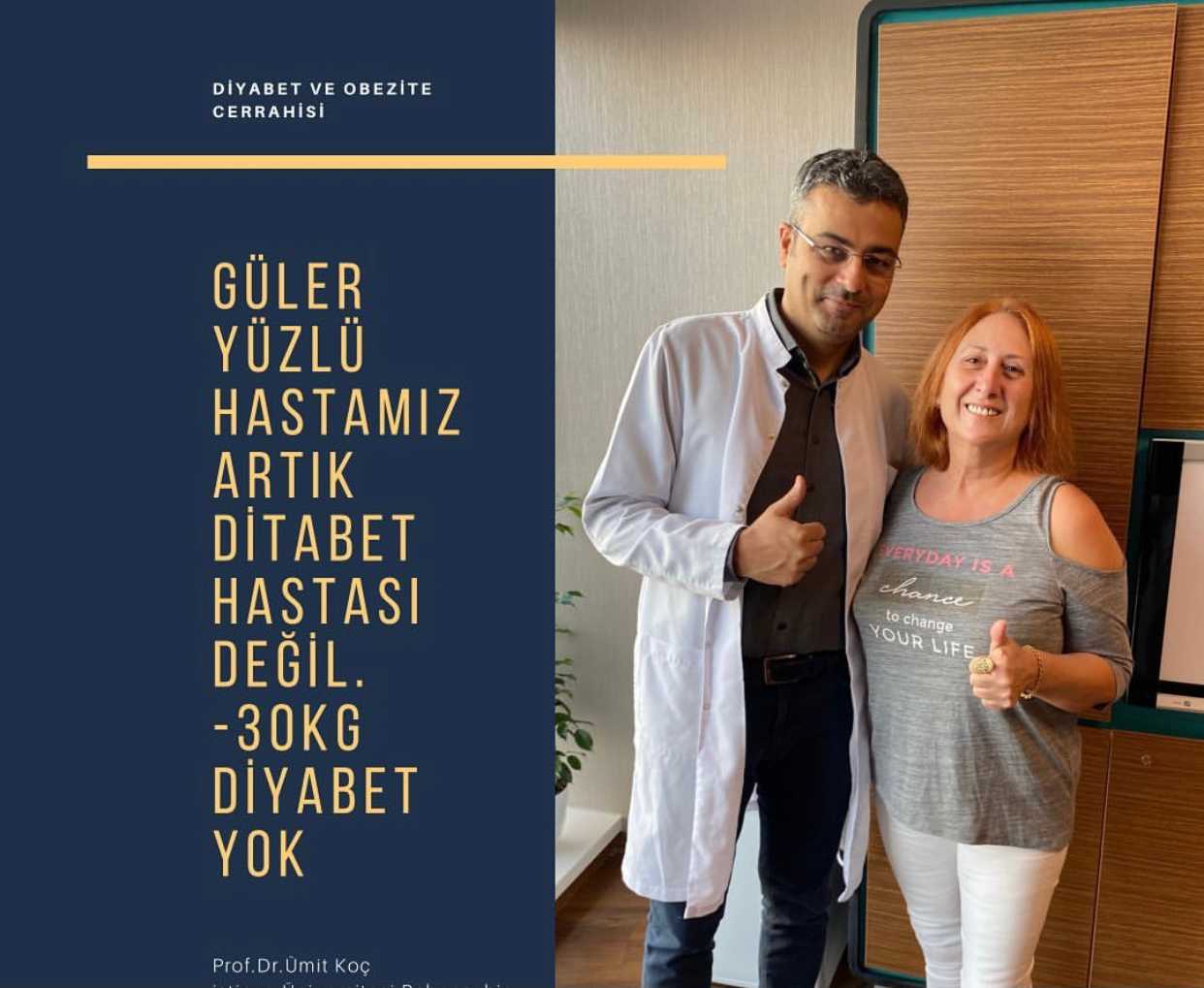
Price starting from $4,150
Gastric Sleeve Package by Prof. MD. Umit Koc in Turkey
Prof. MD. Umit Koc
- Obesity/Bariatric Surgery
Istanbul, Turkey
.png)
Price starting from $3,900
Lose Weight with Gastric Bypass in India by Krishna Institute of Medical Sciences (KIMS), Bengaluru
Krishna Institute of Medical Sciences (KIMS), Bengaluru
- Obesity/Bariatric Surgery
Bengaluru, India
Transformative Obesity Bariatric Surgery Experiences: Dive into Procedure Insights
Discover the power of Obesity Bariatric Surgery through compelling patient experiences. Uncover detailed insights into procedures, recovery journeys, and life-changing results.

.png)
Price starting from $4,600
Gastric Sleeve in Tijuana, Mexico
- Sleeve Gastrectomy, Obesity/Bariatric Surgery
Tijuana, Mexico

.png)
Price starting from $5,000
Mini Gastric Bypass in Tijuana, Mexico
- Mini Gastric Bypass, Obesity/Bariatric Surgery
Tijuana, Mexico







