
Top Hip Replacement Surgeons in Turkey: Expertise, Credentials, and Leading Hospitals

If you are considering a hip replacement in Turkey, you likely have questions about finding a qualified medical team, understanding the procedure, and managing your recovery abroad. Because designating any single physician as the "best" is highly subjective and heavily dependent on specific medical conditions, patients should focus instead on objective criteria when evaluating potential healthcare providers.
Hip arthroplasty is a major surgical procedure designed to relieve pain and restore function in a joint damaged by osteoarthritis, rheumatoid arthritis, or severe injury. Traveling for this procedure involves distinct considerations regarding safety, surgical techniques, and post-operative logistics.
Key Takeaways
- Select surgeons based on measurable qualifications, such as board certifications and specialized fellowship training in joint replacement.
- Thoroughly evaluate the hospital's international accreditations to gauge facility standards.
- Factor in the logistical challenges of flying after major joint surgery, particularly the risk of deep vein thrombosis (DVT).
- Understand that long-term physical therapy and follow-up care must be established locally once you return home.
- Carefully review what is included in treatment estimates to avoid unexpected expenses.
What credentials define top orthopedic specialists in Turkey?
When researching healthcare providers, their educational background and ongoing professional development offer insight into their expertise. In Turkey, physicians complete rigorous medical education followed by a specialization residency in orthopedics. Many surgeons who cater to international patients also complete fellowships abroad—often in the United States, United Kingdom, or Germany—focusing specifically on adult reconstructive surgery.
Furthermore, affiliations matter. Surgeons maintaining memberships in organizations like the American Academy of Orthopaedic Surgeons (AAOS) or the European Hip Society demonstrate a commitment to current international guidelines and ongoing medical education. You should feel comfortable asking a prospective doctor about their specific case volume for hip replacements, as higher surgical volumes are often correlated with lower complication rates.
How can patients verify a surgeon's track record and experience?
Verifying experience goes beyond reading a website bio. During your initial consultation—which often takes place via video call—you have the opportunity to ask detailed, specific questions. Request information on their infection rates, revision rates, and their typical protocol if a complication arises during or after surgery.
It is also helpful to discuss patient outcomes realistically. A responsible medical professional will explain both the benefits and the potential risks of the procedure, rather than promising a pain-free or perfect result. Reviewing published research or articles authored by the surgeon in peer-reviewed medical journals can also indicate their level of expertise and dedication to the field of orthopedics.
What surgical approaches are commonly used for hip arthroplasty?
The surgical approach refers to the way the surgeon accesses the hip joint. The posterior approach is traditionally the most common method worldwide. It gives the surgeon an excellent view of the joint, though patients must strictly follow "hip precautions" (like avoiding crossing legs or bending past 90 degrees) during early recovery to prevent dislocation.
The anterior approach involves accessing the hip from the front, which often allows the surgeon to work between muscles without detaching them. This can potentially lead to a slightly faster initial recovery and fewer post-operative movement restrictions. However, this technique requires specific training and may not be suitable for heavily muscular or obese patients. Your anatomy and overall health will guide the surgeon in recommending the most appropriate approach for your safety and success.
Are you a suitable candidate for traveling to get joint surgery?
Undergoing a major joint reconstruction far from home requires a robust baseline of health. Patients with severe heart disease, unmanaged diabetes, active infections, or a history of significant blood clotting disorders may face elevated risks that contraindicate medical travel. A thorough pre-operative assessment by your local primary care physician is highly recommended before committing to surgery overseas.
Additionally, your current level of mobility plays a role. Navigating airports, flights, and foreign cities before and after surgery can be physically taxing. A comprehensive evaluation of your medical history, current medications, and support system is necessary to determine if traveling for care is a medically sound decision.
What influences a hip replacement cost in Turkey?
While often lower than in North America or parts of Europe, the total expense involves multiple variables. The brand and material of the prosthesis (such as a ceramic-on-ceramic versus metal-on-polyethylene implant) significantly impact the price. High-quality, internationally recognized implant brands carry higher price tags but are often preferred for their longevity and clinical data.
Other cost factors include anesthesia fees, operating room charges, pre-operative diagnostic tests (like MRIs or bloodwork), and post-operative medications. When reviewing financial estimates, patients must verify whether the quoted price covers just the surgical procedure or if it is a comprehensive package including hospital nights and initial physical therapy sessions.
How should you evaluate a hip replacement clinic in Turkey?
Hospital infrastructure is just as important as the surgeon's skill. Accreditation by groups like the Joint Commission International (JCI) or the International Society for Quality in Health Care (ISQua) serves as an indicator that the facility adheres to rigorous international safety and quality standards.
Because hip replacement is an invasive inpatient surgery, the facility must be equipped to handle emergencies. Confirm that the hospital has a fully staffed Intensive Care Unit (ICU) and a dedicated orthopedic ward. Furthermore, inquire about the nursing staff-to-patient ratio and the availability of English-speaking coordinators or translators to ensure clear medical communication during your stay.
What does the immediate recovery timeline look like?
The first few days post-surgery focus on pain management, preventing deep vein thrombosis (DVT), and getting you out of bed. Physical therapists typically visit the day of or the day after surgery to help you stand and take a few steps using a walking aid. This early mobilization is crucial for circulation and joint function.
Once discharged from the hospital, patients usually transition to a nearby hotel to continue initial recovery before flying. During this period, you will need assistance with daily activities like dressing and bathing. The medical team will typically schedule a follow-up appointment to check the surgical incision, remove sutures if necessary, and evaluate your readiness for travel.
What are the specific risks of flying after joint replacement?
The combination of recent orthopedic surgery, reduced mobility, and the prolonged sitting associated with air travel creates an environment conducive to blood clot formation. To mitigate this serious risk, surgeons typically prescribe blood-thinning medications (anticoagulants) and recommend wearing graduated compression stockings for several weeks.
Most orthopedic guidelines advise against long-haul flying for at least a few weeks following a joint replacement, though the exact timeline depends on individual risk factors and the length of the flight. If you must travel, staying hydrated, performing seated leg exercises, and walking the aisle when permitted are essential safety measures.
Why has medical tourism in Turkey grown for orthopedics?
Over the last decade, numerous private hospital groups in the region have focused on attracting international patients by upgrading their facilities and adopting global standards of care. These hospitals often feature modern diagnostic imaging centers, specialized orthopedic operating theaters, and dedicated departments for international patient relations.
Additionally, the integration of advanced medical technologies—such as 3D imaging and specialized surgical instruments—mirrors the standard of care found in many Western healthcare systems. This professional environment, combined with the comprehensive nature of the medical services provided, contributes to the area's prominent position in the global healthcare landscape.
How is long-term follow-up care managed back home?
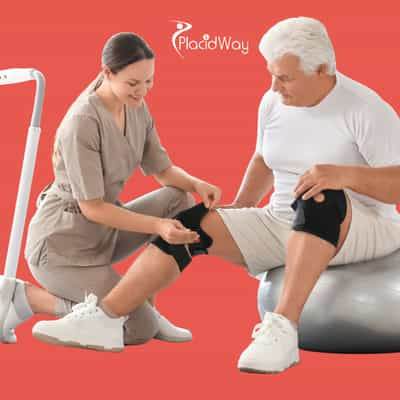
Surgery is only the first step; rehabilitation dictates the final outcome of a hip replacement. You will need weeks or even months of outpatient physical therapy to strengthen the muscles surrounding the new joint and normalize your gait. Relying solely on exercises provided at hospital discharge is rarely sufficient for optimal recovery.
Furthermore, you must have a local physician willing to take over your care. If you experience unexpected pain, swelling, redness around the incision, or fever, you need immediate local access to a medical professional to rule out infection or implant issues. Secure copies of all your surgical notes, implant manufacturer details (including serial numbers), and post-operative x-rays before leaving the foreign hospital to share with your home doctor.
Why Choose PlacidWay for Medical Tourism in Turkey?
Navigating cross-border healthcare requires access to reliable information and an organized approach. PlacidWay serves as a resource for patients exploring international medical options.
- Educational Resources: PlacidWay offers detailed information regarding various orthopedic procedures and international care standards.
- Global Network: The platform connects individuals with medical providers and hospital networks across multiple countries, including Turkey.
- Cost Transparency: Patients can use the platform to compare treatment estimates from different international facilities.
- Consultation Facilitation: The service assists in arranging initial virtual consultations between patients and medical professionals.
- Multilingual Support: PlacidWay provides communication assistance to help overcome language barriers during the preliminary inquiry phase.
Frequently Asked Questions
How long does a hip replacement surgery usually take?
The surgical procedure for a hip replacement typically takes between one and two hours. However, the total time in the operating room includes preparation and anesthesia administration, which adds to this duration.
What type of anesthesia is used for hip arthroplasty?
Surgeons typically use either general anesthesia, where you are completely unconscious, or regional anesthesia, such as a spinal or epidural block, which numbs the lower half of your body while you remain awake but relaxed.
Is a bilateral hip replacement possible in Turkey?
Yes, some specialists perform bilateral (both sides) hip replacements during a single surgery for suitable patients. This depends heavily on your overall health, age, and cardiopulmonary fitness, as it carries higher risks than a single-side procedure.
How long do I need to stay in Turkey after the procedure?
Patients are often advised to stay in the country for 10 to 14 days following surgery. This allows time for initial hospital recovery, physical therapy commencement, and clearance from the surgeon before undertaking a long flight home.
What materials are used for modern hip implants?
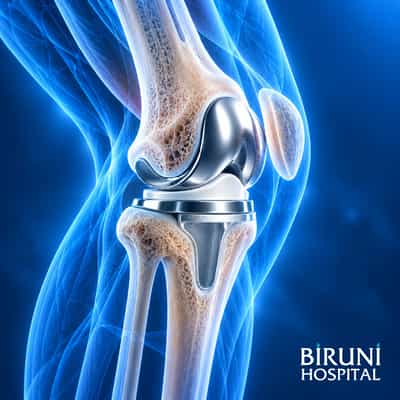
Modern hip implants are commonly made from a combination of metals (such as titanium or cobalt-chromium), highly cross-linked polyethylene (durable plastic), or ceramics. The specific combination depends on your age, activity level, and the surgeon's recommendation.
Can I walk immediately after a hip replacement?
Most patients are encouraged to stand and walk with assistance (using a walker or crutches) either the same day or the day after surgery. Early mobilization can help prevent complications like blood clots and joint stiffness.
What is the typical lifespan of a hip implant?
While individual results vary based on weight, activity level, and implant type, many modern hip implants typically last 15 to 20 years. Some may last longer, while others might require revision surgery sooner due to wear or loosening.
Are physical therapy sessions included in the treatment?
Initial physical therapy while in the hospital is usually part of the surgical care plan. However, you will need to arrange for ongoing outpatient physical therapy once you return home to ensure proper rehabilitation.
What happens if I develop an infection after returning home?
If signs of infection occur after returning home, you must seek immediate medical attention from a local healthcare provider or emergency room. Post-operative infections require prompt evaluation and treatment to protect the new joint.
Do surgical facilities in Turkey offer robotic-assisted hip replacement?
Several advanced medical facilities in the country utilize robotic-assisted systems for hip replacement. This technology may aid the surgeon in precise implant placement, though traditional surgical methods also yield highly successful outcomes in experienced hands.
Compare Treatment Options
Explore objective information regarding orthopedic treatments and connect with healthcare facilities internationally.
Request Treatment InformationReferences
- Total Hip Replacement – American Academy of Orthopaedic Surgeons (AAOS)
- Hip Replacement: Risks and Results – Mayo Clinic
- Deep Vein Thrombosis and Pulmonary Embolism (Air Travel) – Centers for Disease Control and Prevention (CDC)
- Medical Tourism Guidelines – Centers for Disease Control and Prevention (CDC)
- Recovery After Hip Replacement – National Health Service (NHS)
- External Evaluation and Accreditation – International Society for Quality in Health Care (ISQua)




























Share this listing