What treatment


20+ Most Frequently Asked Questions About Rehabilitation
Find Clear and Concise Answers to Common Questions About Rehabilitation
Trusted Medical Tourism Platform Since 2007
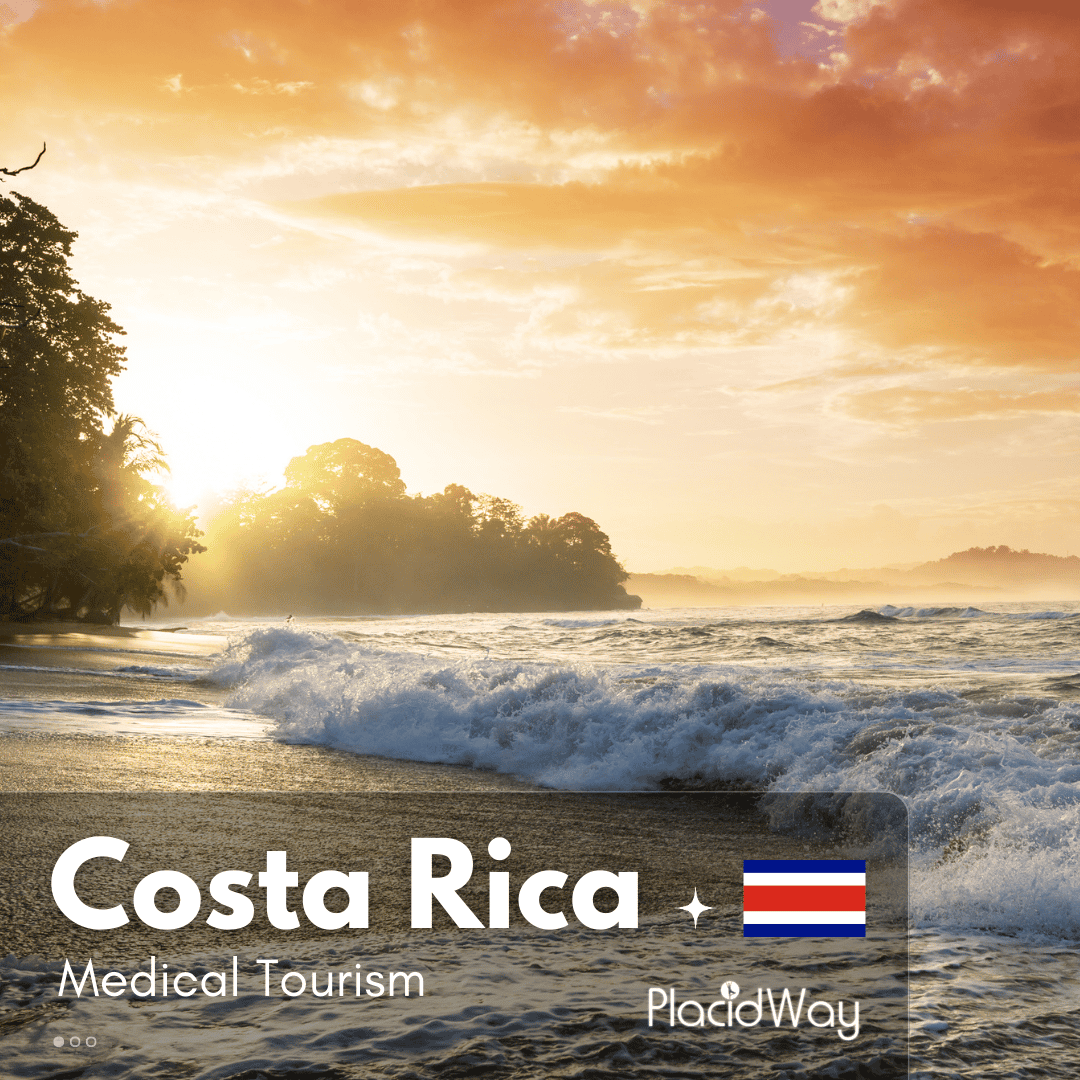
What Treatment Models Are Used in Holistic Rehab Programs in Costa Rica?
Holistic rehab programs in Costa Rica integrate evidence-based psychotherapies like CBT with natural modalities such as Ibogaine therapy, yoga, and ecotherapy to treat the whole person—mind, body, and spirit. If you or a loved one are looking for a path to recovery that goes beyond standard clinical settings, Costa Rica has become a world-renowned destination for healing. So, what treatment models are used in holistic rehab programs in Costa Rica? In short, these centers combine modern medical science with ancient healing traditions and nature-based therapies to address the root causes of addiction. The concept of holistic rehab in Costa Rica is built on the belief that recovery isn't just about stopping substance use; it is about rebuilding a life. Instead of treating symptoms in isolation, these programs focus on physical detoxification, emotional processing, and spiritual reconnection. You will often find a seamless blend of Western medicine—such as medical detox and psychiatry—working alongside alternative practices like plant medicine, mindfulness, and nutritional therapy. This unique approach attracts thousands of international patients annually who are seeking privacy, affordability, and a more compassionate environment. By stepping away from the stressors of daily life and immersing yourself in the "Pura Vida" (pure life) lifestyle, you gain access to a restorative atmosphere that supports deep, lasting change. What defines the holistic treatment model in Costa Rica? "The holistic treatment model in Costa Rica defines recovery as a total wellness journey, combining clinical addiction treatment with physical restoration, emotional healing, and spiritual growth practices." The core philosophy of the holistic treatment model in Costa Rica is that addiction is a symptom of underlying imbalances. Therefore, treatment is designed to heal the entire system rather than just modifying behavior. Centers here do not simply prescribe medication and send you to group therapy; they design a lifestyle overhaul. This involves a personalized schedule that integrates clinical hours with activities that restore your physical vitality and mental peace. In practice, this means your day might start with a medical check-up, followed by a session of Cognitive Behavioral Therapy (CBT), and then transition into a surfing lesson or yoga class. The goal is to replace the "high" of substances with the natural dopamine release found in movement, connection, and self-care. This comprehensive structure helps rewire the brain's reward pathways more effectively than clinical isolation alone. Additionally, the environment itself is considered a therapeutic tool. Costa Rica rehab centers leverage their location—whether nestled in the cloud forests or perched on the Pacific coast—to provide a serene backdrop that lowers cortisol levels (stress hormones) immediately upon arrival. This "environmental medicine" is a key pillar of their holistic definition. How is Ibogaine therapy used in Costa Rica rehab programs? "Ibogaine therapy is used in specialized Costa Rica clinics to significantly reduce opioid withdrawal symptoms and interrupt addiction patterns by resetting the brain's neurotransmitter receptors." One of the most distinct aspects of medical tourism in this region is the availability of Ibogaine therapy. Derived from the root bark of the Tabernanthe iboga shrub, this plant medicine is renowned for its ability to alleviate severe withdrawal symptoms, particularly from opioids and opiates. In Costa Rica, Ibogaine is often administered in specialized, medically supervised facilities that focus specifically on this modality. The treatment typically works in two phases. Physically, it resets opioid receptors in the brain, which can eliminate up to 90% of withdrawal symptoms and cravings within hours. Psychologically, it induces a dream-like state that allows patients to revisit past traumas and gain profound insights into the root causes of their addiction. This "psychospiritual" breakthrough is often described as achieving years of therapy in a single session. However, safety is paramount. Reputable centers in Costa Rica require rigorous cardiac screening (EKGs) and liver function tests before administering Ibogaine treatment. It is not a "magic bullet" but a powerful interruption to addiction that provides a clean slate for the therapeutic work that follows. What evidence-based therapies are integrated with holistic care? "Costa Rica rehabs integrate evidence-based therapies like Cognitive Behavioral Therapy (CBT), Dialectical Behavior Therapy (DBT), and EMDR to ensure clinical effectiveness alongside holistic healing." While the setting may feel like a retreat, the clinical backbone of top-tier holistic rehab programs remains grounded in science. Most accredited centers employ licensed psychologists and psychiatrists who utilize proven methodologies. Cognitive Behavioral Therapy (CBT) is a staple, helping patients identify and change the negative thought patterns that drive substance abuse. Another common modality is Dialectical Behavior Therapy (DBT), which is particularly effective for individuals struggling with emotional regulation and self-harm tendencies. DBT teaches mindfulness, distress tolerance, and interpersonal effectiveness—skills that are crucial for maintaining sobriety in the real world. For those with a history of trauma, Eye Movement Desensitization and Reprocessing (EMDR) is frequently offered to process painful memories safely. CBT: Focuses on changing behavioral patterns. DBT: Focuses on emotional regulation and acceptance. EMDR: Focuses on trauma resolution. Motivational Interviewing: Enhances the internal drive to change. How does nature therapy (ecotherapy) aid recovery in Costa Rica? "Nature therapy, or ecotherapy, utilizes Costa Rica's rainforests and beaches to lower stress, improve mood, and ground patients in the present moment through activities like hiking and surfing." Nature therapy is not just a leisure activity in Costa Rica; it is a clinical intervention. Being surrounded by biodiversity has been scientifically proven to lower blood pressure, reduce anxiety, and boost the immune system. In the context of addiction recovery, reconnecting with the natural world helps repair the disconnect patients often feel from themselves and their surroundings. Programs often include "adventure therapy" components. This might involve hiking to waterfalls, equine therapy (working with horses), or surf therapy on the coast. These activities build self-esteem and resilience. Learning to surf, for instance, teaches patience, balance, and how to get back up after falling—powerful metaphors for the recovery journey itself. Furthermore, the simple act of "grounding" or "earthing"—walking barefoot on sand or grass—is used to regulate the nervous system. In a holistic rehab setting, nature serves as a co-therapist, providing a quiet, non-judgmental space for reflection that is often impossible to find in urban treatment centers. What is the cost of holistic rehab in Costa Rica compared to the US? "Holistic rehab in Costa Rica typically ranges from $3,000 to $10,000 per month, offering a savings of 50-70% compared to similar quality programs in the United States." One of the primary driving factors for medical tourism in Costa Rica is the cost efficiency. Patients can access luxury-level care, private accommodations, and intensive one-on-one therapy for a fraction of what they would pay in North America or Europe. In the US, a luxury holistic center can easily cost upwards of $30,000 a month, making it inaccessible for many families. The lower cost in Costa Rica is due to lower overheads and living costs, not a lack of quality. You are essentially paying for the medical expertise and the facility, without the inflated insurance-driven pricing often seen in the US healthcare system. This affordability allows many patients to stay for longer durations (e.g., 60 or 90 days), which statistically increases the success rate of long-term sobriety. Cost Comparison: Costa Rica vs. USA (Monthly Estimates) Treatment Type Costa Rica Cost (Avg.) USA Cost (Avg.) Standard Holistic Rehab $3,000 - $6,000 $10,000 - $20,000 Luxury/Executive Rehab $7,000 - $12,000 $25,000 - $60,000+ Ibogaine/Plant Medicine (1 week) $3,500 - $6,000 Not widely available/Legal restrictions Medical Detox (Standalone) $1,500 - $3,000 $5,000 - $10,000 Are holistic rehab centers in Costa Rica accredited and safe? "Yes, reputable holistic rehab centers in Costa Rica are licensed by the Ministry of Health (Ministerio de Salud) and many hold international accreditations ensuring high safety standards." Safety is a valid concern for anyone traveling abroad for healthcare. Fortunately, Costa Rica has one of the best healthcare systems in Latin America. Legitimate addiction treatment centers in Costa Rica must be licensed by the Costa Rican Ministry of Health (Ministerio de Salud) and often the Institute on Alcoholism and Pharmacodependency (IAFA). These government bodies ensure that facilities meet strict sanitary, safety, and operational protocols. Beyond local licensing, many top facilities seek international accreditation to demonstrate their commitment to excellence. You will find centers accredited by organizations like the Joint Commission International (JCI) or affiliated with US-based certification boards. This means the medical staff are credentialed, the facility is fire-safe, and the treatment protocols align with global best practices. However, due diligence is always required. It is recommended to verify a center's specific credentials, ask about their emergency medical protocols, and read reviews from past clients. A trustworthy center will be transparent about their licensing and medical capabilities. What role does nutrition and diet play in Costa Rica rehabs? "Nutrition plays a critical role in Costa Rica rehabs, utilizing fresh, organic local produce to repair physical damage caused by addiction and stabilize mood through gut-health focus." In a holistic recovery program, food is medicine. Addiction takes a severe toll on the body, often leading to malnutrition, vitamin deficiencies, and gut health issues that affect serotonin production. Costa Rica is abundant in fresh, tropical fruits, vegetables, and lean proteins, which form the basis of the rehab diet. Processed foods and excessive sugar are typically eliminated. Chefs at these centers often prepare farm-to-table meals designed to balance blood sugar and reduce inflammation. A diet rich in Omega-3s, antioxidants, and amino acids helps the brain repair itself and produce neurotransmitters like dopamine naturally. This nutritional restoration helps reduce physical cravings and brain fog in early recovery. Many programs also include nutritional counseling as part of the curriculum. Patients learn how to shop for and cook healthy meals, giving them a practical toolset for maintaining their physical health once they return home. This focus on nutritional therapy is a key differentiator from standard clinical rehabs. How is the "Pura Vida" philosophy applied to addiction recovery? "The 'Pura Vida' philosophy promotes a simpler, stress-free lifestyle focused on gratitude and presence, helping recovering addicts shift focus from external substances to internal peace." "Pura Vida" is more than just a catchphrase in Costa Rica; it is a way of life that translates to "pure life" or "simple life." In the context of addiction recovery, applying Pura Vida means stripping away the complexities, toxicities, and frantic pace of modern existence that often fuel substance abuse. It encourages a mindset of gratitude, patience, and optimism. Therapeutically, this philosophy aligns with mindfulness and acceptance practices. It teaches patients to appreciate the present moment—a beautiful sunset, a good meal, a meaningful conversation—rather than constantly seeking the next dopamine hit. This cultural immersion helps shift the internal narrative from one of lack and craving to one of abundance and appreciation. Staff at Costa Rican centers embody this spirit, often treating patients with a warmth and familial care that is distinct from the sterile distance of some Western hospitals. This welcoming, non-judgmental atmosphere creates a sense of safety that allows patients to let their guard down and truly heal. Can holistic programs in Costa Rica treat dual diagnosis? "Yes, holistic programs in Costa Rica are equipped to treat dual diagnosis by combining psychiatric care for mental health disorders with holistic therapies for addiction." Dual diagnosis refers to the co-occurrence of a substance use disorder and a mental health condition, such as depression, anxiety, or bipolar disorder. Effective treatment requires addressing both issues simultaneously; otherwise, relapse is highly likely. Leading holistic centers in Costa Rica are fully staffed to manage these complex cases. Treatment involves a collaborative approach. A psychiatrist may manage medication for the mental health condition, while a therapist uses CBT to address behavioral patterns. Simultaneously, holistic modalities like yoga and meditation help regulate the nervous system, which is beneficial for both anxiety and addiction. This integrated care ensures that the mental health condition isn't ignored while treating the addiction. If you have a dual diagnosis, it is crucial to choose a center that explicitly offers psychiatric support. While holistic therapies are powerful, they work best when supported by appropriate medical care for underlying chemical imbalances. Is medical detox available in holistic centers? "Most comprehensive holistic rehabs in Costa Rica offer on-site medical detox with 24/7 nursing care to ensure safe and comfortable withdrawal management before holistic therapies begin." Before the holistic work can begin, the body must be safely cleared of substances. Many people assume that "holistic" means "non-medical," but in reputable Costa Rican centers, medical detox is the standard first step. This process is supervised by doctors and nurses who monitor vital signs and administer medication to ease withdrawal symptoms and prevent complications like seizures. The difference in a holistic setting is the environment and the supportive care. While undergoing detox, you might receive IV vitamin therapy to replenish nutrients, acupuncture to reduce nausea, and gentle massage to ease muscle aches. This "soft landing" approach makes the difficult process of detox more tolerable and dignified. Once the acute physical dependence is broken, the patient can fully engage in the psychological and spiritual aspects of the program. Attempting rehab without a proper medical detox is dangerous, so ensure your chosen facility has a dedicated detox unit. How do mindfulness and yoga support long-term sobriety? "Mindfulness and yoga support long-term sobriety by teaching emotional regulation, reducing stress reactivity, and increasing body awareness, which helps prevent relapse." Yoga and mindfulness are pillars of the holistic rehab model. These are not just exercise routines; they are tools for relapse prevention. Addiction is often a reaction to discomfort—a way to escape painful feelings or stress. Mindfulness teaches patients to sit with discomfort without reacting to it. By observing cravings as temporary waves rather than commands, patients gain control over their impulses. Physically, yoga helps repair the nervous system. Years of drug or alcohol abuse can leave the body in a chronic state of "fight or flight." Deep breathing and deliberate movement stimulate the parasympathetic nervous system (the "rest and digest" mode), lowering anxiety and promoting better sleep. This physical calmness is essential for mental clarity. In Costa Rica, these practices are often conducted in open-air shalas surrounded by nature, enhancing the meditative experience. Patients leave rehab with a personal yoga or meditation practice they can use as a daily anchor for their sobriety back home. What amenities are available at luxury holistic rehabs in Costa Rica? "Luxury holistic rehabs in Costa Rica offer resort-style amenities including private suites, swimming pools, chef-prepared meals, spa services, and fitness centers to ensure comfort during recovery." The term "rehab" often conjures images of cold, hospital-like settings, but luxury rehabs in Costa Rica are more akin to 5-star boutique hotels. The philosophy is that recovery is hard enough; your environment should not add to the struggle. Comfort and privacy are prioritized to allow patients to focus entirely on their internal work. Common amenities include private rooms with en-suite bathrooms, high-speed Wi-Fi (often allowed after a stabilization period), infinity pools, and fully equipped gyms. Some centers offer spa services like massage, sauna, and hydrotherapy as part of the weekly routine. Housekeeping and laundry services are standard, removing daily chores from the patient's concern. These centers also typically offer beautiful communal areas—lush gardens, lounge areas with ocean views—where patients can socialize and relax. The goal of these luxury amenities is to create a sanctuary where healing feels like a gift rather than a punishment. Do staff at Costa Rica rehab centers speak English? "Yes, staff at major international rehab centers in Costa Rica are fully bilingual (English/Spanish), with many clinicians trained in the US or Europe to ensure clear communication." Communication is the bedrock of therapy. Leading holistic treatment centers in Costa Rica cater primarily to an international clientele, specifically from the US, Canada, and Europe. Therefore, being bilingual is a hiring requirement. You will find that doctors, therapists, and administrative staff speak fluent English. In fact, many of the clinical directors and lead therapists have received their education or training abroad. They are culturally competent and understand the specific stressors and backgrounds of Western patients. You do not need to worry about a language barrier hindering your progress in therapy or your medical care. Support staff, such as chefs and drivers, are also usually accustomed to English-speaking guests. This seamless communication ensures that you feel understood and supported throughout your stay. What does a typical day look like in a Costa Rica holistic rehab? "A typical day is structured yet balanced, alternating between clinical therapy sessions, holistic activities like yoga or art therapy, nutritional meals, and downtime for reflection." Structure is vital for early recovery, but holistic programs ensure that structure is not rigid or exhausting. A typical day might begin at 7:00 AM with a sunrise yoga session or a meditation circle, followed by a healthy, organic breakfast. The morning block usually focuses on clinical work: individual therapy, group processing, or psychoeducation workshops. After a nutritious lunch, the afternoon shifts toward holistic and experiential therapies. This could be art therapy, a fitness session, a dip in the pool, or a scheduled excursion to a nearby beach or waterfall. Late afternoons might include 12-step meetings or recovery coaching sessions. Evenings are generally winding down times, featuring dinner, journaling, or leisure time to connect with peers. This rhythm is designed to keep the mind engaged and the body active without causing burnout, establishing a healthy routine that patients can emulate after they leave. Is family therapy part of the holistic treatment package? "Many Costa Rica rehabs include family therapy via video calls or intensive family workshops to address dynamic issues and educate loved ones on how to support recovery." Addiction is a family disease, affecting everyone in the orbit of the individual using substances. Holistic recovery recognizes that healing the family dynamic is often crucial for long-term success. While the patient is in Costa Rica, family therapy is often conducted via secure video conferencing platforms. Some centers go a step further and offer "Family Weeks," where loved ones fly down to Costa Rica for a few days of intensive workshops and joint therapy sessions. These programs educate family members about boundaries, enabling vs. supporting, and the science of addiction. This ensures that when the patient returns home, they are returning to a supportive environment that understands their new needs. What aftercare support is provided after returning home? "Top centers provide robust aftercare plans including ongoing remote therapy, alumni support groups, and coordination with local specialists in your home country to prevent relapse." The real work often begins when you leave rehab. To protect the investment made in recovery, aftercare planning is essential. Before discharge, case managers work with patients to create a detailed exit plan. This often includes setting up appointments with therapists and support groups in the patient's home city. Additionally, many Costa Rica centers offer their own remote aftercare programs. This might look like weekly Zoom group sessions with your cohort or continued one-on-one counseling with your primary therapist for a few months. Staying connected to the people who helped you get sober can be a powerful tether during the transition back to daily life. Why choose Costa Rica over the US for holistic rehab? "Costa Rica offers a unique combination of high-quality, affordable care, a healing tropical environment, and access to alternative therapies like Ibogaine that are often unavailable or cost-prohibitive in the US." Choosing Costa Rica for rehab is often a decision driven by value and philosophy. In the US, the "holistic" label is sometimes just a marketing term added to a standard hospital program. In Costa Rica, the holistic approach is authentic and deeply integrated into the culture and environment. You get more personalized attention, better amenities, and a more diverse range of therapies for a significantly lower price. Furthermore, the physical distance from home can be a therapeutic advantage. It provides a distinct "break" from the triggers, dealers, and toxic relationships that fuel addiction. This geographical cure, combined with expert care, gives you the breathing room needed to build a solid foundation for a new life. Ready to Start Your Healing Journey? Finding the right holistic rehab program in Costa Rica can be the first step toward a life of freedom and wellness. Don't navigate this important decision alone. Explore PlacidWay for Rehab Solutions...
Read more details

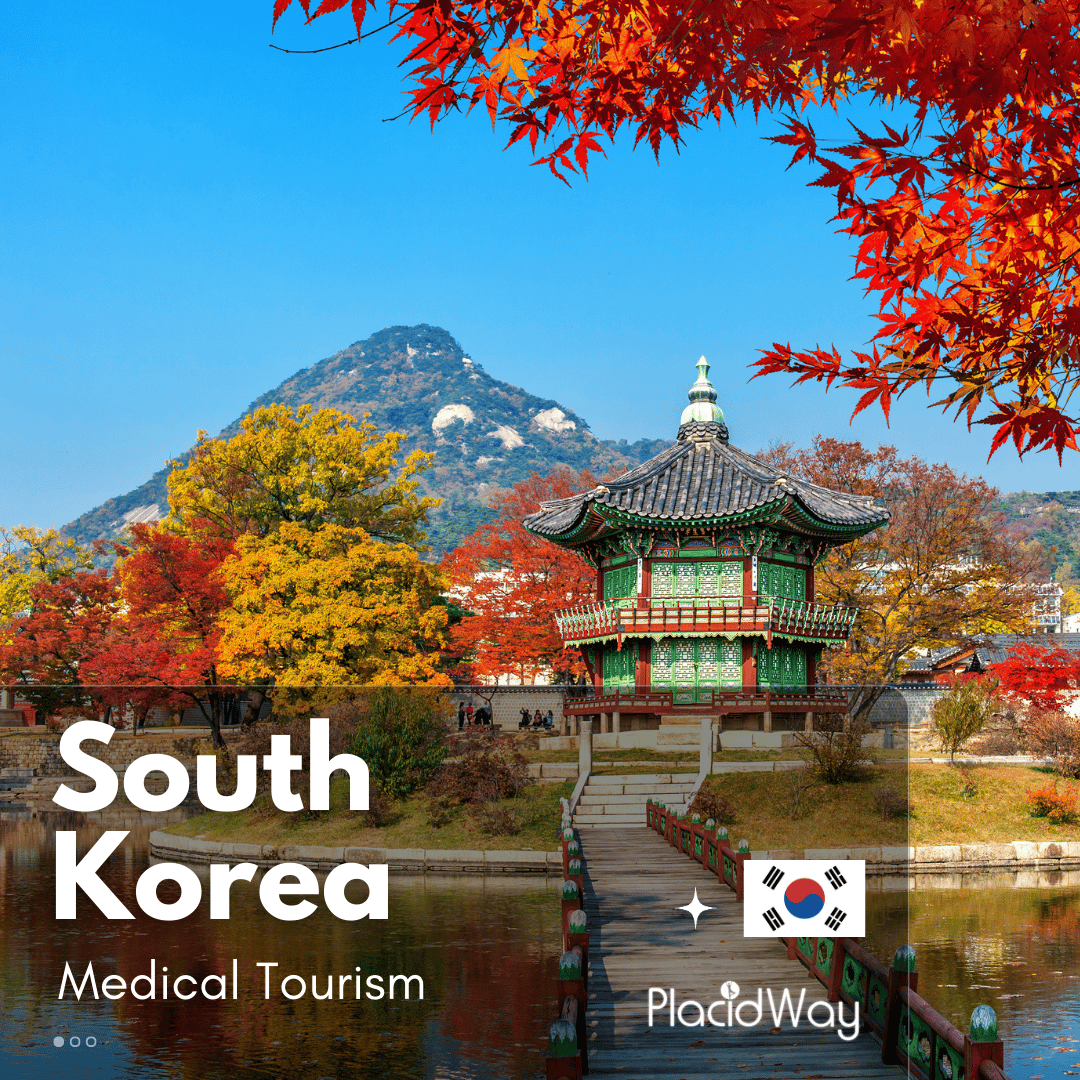
How Much is a Full Body Check-Up in South Korea?
Taking a proactive approach to your health is one of the best decisions you can make, and South Korea has emerged as a global leader in preventive medicine. If you're considering a comprehensive health screening, you’ve likely heard about the incredible efficiency, advanced technology, and affordability offered there. A full body check-up in South Korea is not just a routine physical; it's a deep dive into your current health status using state-of-the-art diagnostic tools. Many people from around the world are choosing South Korea over their home countries to gain a clear and detailed picture of their well-being, often in a fraction of the time and at a fraction of the cost. The country's top-tier hospitals are renowned for their highly skilled medical professionals and patient-centric systems that streamline the entire process. Whether you're looking to establish a health baseline in your younger years or screen for age-related conditions, there is a tailored package that fits your needs. This guide will provide a thorough overview of what to expect, from the costs of different packages to the specific tests included. We will explore why South Korea’s approach to preventive healthcare is setting a new international standard and how you can take advantage of these world-class services for your own peace of mind and long-term health. What is the cost of a basic full body check-up in South Korea? A basic full body check-up in South Korea typically costs between $450 and $820. This entry-level package provides essential screenings for a general overview of your health and is ideal for younger adults or those with no specific symptoms. A basic full body check-up in South Korea is designed as a foundational screening to assess your overall health. It’s an excellent starting point for individuals who want to be proactive about preventive care. These packages are standardized to include a variety of essential tests that can detect common health issues, such as diabetes, high cholesterol, and liver or kidney problems, before they become serious. Despite being the most affordable option, these check-ups are incredibly thorough. They are conducted in the same high-tech facilities as the more expensive packages, ensuring accuracy and quality. A basic package is perfect for establishing a health baseline that you can reference in future years. It generally includes a physical examination, body composition analysis, extensive blood tests, urinalysis, a chest X-ray, and basic organ function tests. How much does a premium or executive check-up cost? A premium or executive full body check-up in South Korea typically ranges from $1,700 to $2,750 or more. These packages offer extensive and specialized diagnostics, including advanced imaging like MRIs or CT scans, and detailed cancer screenings. For a more exhaustive health evaluation, premium and executive packages provide a deeper level of insight. These are highly recommended for individuals over the age of 40, or anyone with a family history of chronic diseases such as cancer, heart disease, or stroke. The higher cost of a premium full body check-up in South Korea reflects the inclusion of sophisticated diagnostic technology and a broader range of specialized tests. These advanced packages aim to detect potential health issues at their absolute earliest stages. In addition to all the tests in a basic package, an executive screening often includes: Advanced Imaging: You can typically choose from a brain MRI, a low-dose lung CT scan (for smokers), an abdominal CT scan, or cardiac CT for calcium scoring. Gastrointestinal Screening: A sedated gastroscopy (to examine the esophagus and stomach) and colonoscopy (to screen for colorectal cancer) are standard. Cardiac Evaluation: This often includes a stress test and an echocardiogram to get a detailed look at your heart's structure and function. Comprehensive Cancer Markers: A wider panel of blood tests to screen for various types of cancers. Why is South Korea so popular for medical check-ups? South Korea is a top destination for medical check-ups because of its world-class medical infrastructure, highly efficient one-day screening process, advanced diagnostic technology, experienced doctors, and significantly more affordable prices compared to countries like the U.S. South Korea's reputation as a leader in medical tourism is built on several key pillars. First and foremost is the incredible efficiency. A comprehensive full body check-up in South Korea that could take months to arrange in other healthcare systems can be completed in just a few hours. This is possible due to the integrated "one-stop" system in major hospitals, where all diagnostic departments are located within the same center, and patients are seamlessly guided from one test to the next. Second is the access to advanced technology. South Korean hospitals invest heavily in the latest medical equipment, from 7T MRIs to advanced CT scanners, ensuring highly accurate results. This is coupled with the expertise of its medical staff, who are highly trained and experienced. Finally, the cost-effectiveness is a major draw. Patients can receive a level of care and a range of tests that would be prohibitively expensive in many Western nations, making preventive health accessible to a wider audience. What tests are included in a typical check-up package? A typical package includes a physical exam, over 70 blood and urine tests, body composition analysis, chest X-ray, abdominal ultrasound, ECG, and sensory tests. Premium packages add options for CT scans, MRIs, endoscopies, and detailed heart screenings. The packages for a full body check-up in South Korea are designed to be comprehensive. While the exact list varies between hospitals and package tiers, you can expect a wide range of screenings. The goal is to provide a holistic view of your health, covering everything from basic organ function to early signs of chronic disease. Category Common Tests Included Basics & Vitals Physical Exam, Blood Pressure, Body Composition, Vision, Hearing, Intraocular Pressure Laboratory Analysis Complete Blood Count, Lipid Panel (Cholesterol), Glucose (Diabetes), Liver & Kidney Function, Thyroid Panel, Hepatitis, Tumor Markers (e.g., PSA for men, CA-125 for women) Imaging (Basic) Chest X-ray, Abdominal Ultrasound (liver, kidneys, gallbladder, etc.), Thyroid Ultrasound, Mammogram (women), Pelvic/Prostate Ultrasound Cardiovascular Electrocardiogram (ECG/EKG) Gastrointestinal Stool Occult Blood Test. (Gastroscopy and Colonoscopy are in premium packages) How long does a full body check-up take? The entire process is remarkably fast. A basic full body check-up in South Korea usually takes about 2 to 3 hours, while a more comprehensive premium package can be completed in 4 to 5 hours, all within a single morning. The efficiency of the check-up process is a hallmark of the South Korean healthcare system. Hospitals have designed their health screening centers for a smooth and rapid flow of patients. Upon arrival, you will be given a personal electronic tag or wristband that guides you from one testing station to the next, minimizing wait times and ensuring you follow the correct sequence of tests. This streamlined workflow means you can complete an entire battery of tests—from blood draws and ultrasounds to CT scans—in just a few hours. This allows you to easily incorporate a comprehensive health screening into a short trip to South Korea without disrupting your travel plans. How do I get my results? Most hospitals provide a same-day consultation with a doctor to discuss the initial results from imaging and physical exams. A full, comprehensive report, translated into English, is typically sent to your email within 7 to 14 days. The process for receiving results is as efficient as the check-up itself. After completing your tests, you will usually have a consultation with a physician who will review your preliminary findings. This immediate feedback is invaluable, allowing you to ask questions and understand any initial concerns. The final, detailed report is compiled once all laboratory tests are complete. This comprehensive document provides a breakdown of all your results, often with explanations and reference ranges. It is professionally translated into English and sent to you securely via email, creating a permanent health record you can share with your doctor at home. Take control of your health journey today. Contact PlacidWay to explore personalized full body check-up packages and connect with world-class medical facilities in South Korea....
Read more details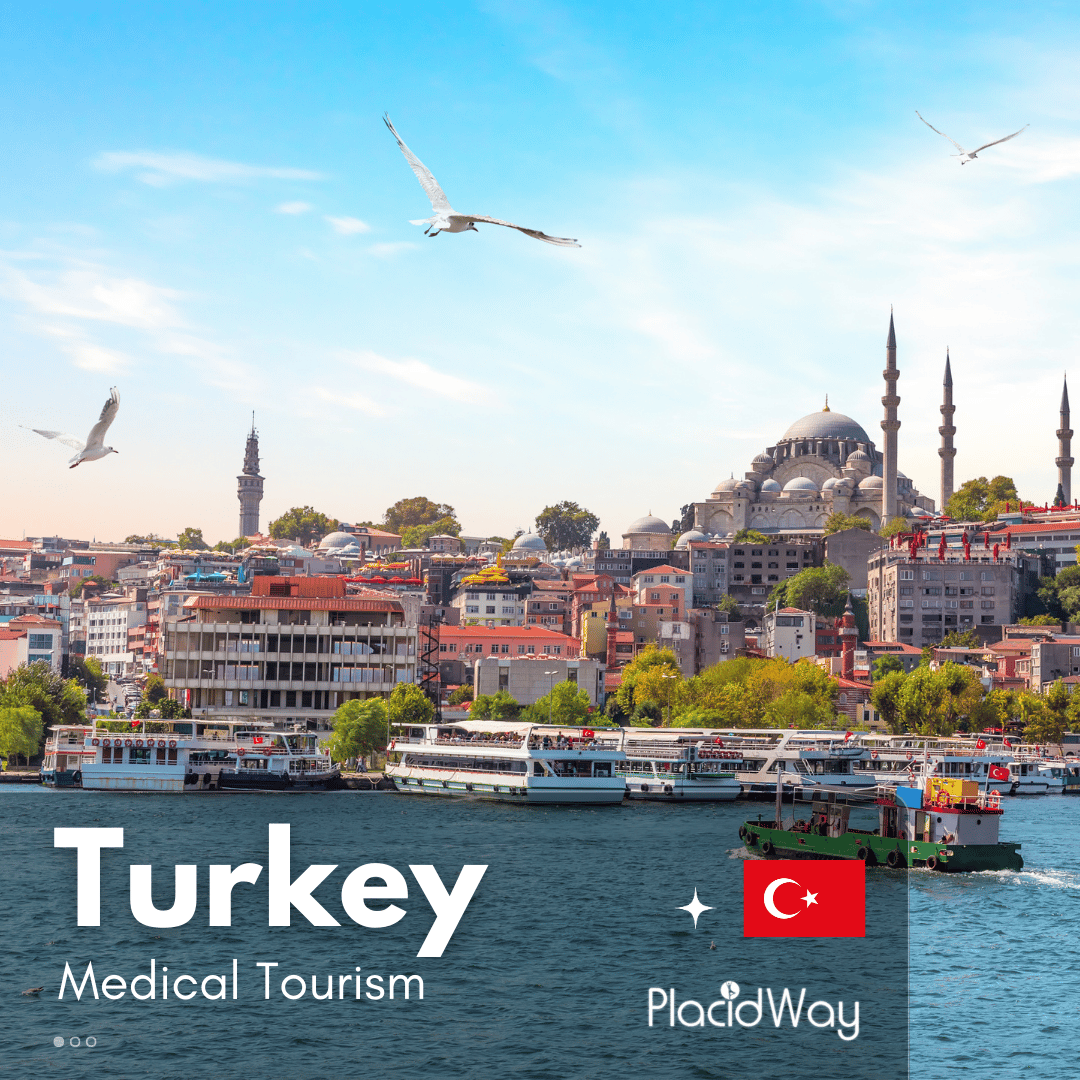
How Much Does a Full Body Check-Up Cost in Turkey?
Taking control of your health is one of the most empowering things you can do. In today's fast-paced world, it's easy to overlook subtle signs your body might be giving you. That's where a full body checkup comes in, acting as a crucial tool for preventive healthcare. But have you ever considered traveling for your health? Turkey has rapidly become a global hub for medical tourism, and for good reason. Combining world-class medical facilities with affordable prices, a full body checkup in Turkey is an excellent option for those looking to get a comprehensive health assessment without breaking the bank. Imagine getting a thorough health screening in a state-of-the-art hospital, with results often delivered the same day, all while being in a country rich with history and culture. That's the experience many international patients have when they choose Turkey for their medical needs. This guide will walk you through everything you need to know about getting a full body checkup in Turkey, from the costs and packages to what to expect during your visit. We'll explore why so many people are turning to Turkey for their healthcare and how you can do the same. Whether you're looking for peace of mind about your health, have specific concerns you want to investigate, or are simply being proactive about your well-being, a full body checkup is a wise investment. And when that investment is made in a country known for its high-quality, affordable healthcare, it's an even smarter choice. Let's dive into the details of what makes a full body checkup in Turkey an attractive and practical option for people from all over the world. What is the cost of a full body checkup in Turkey? The cost of a full body checkup in Turkey typically ranges from $300 to $1,500, with VIP or more comprehensive packages costing up to $3,000. The price varies depending on the hospital and the specific tests included in the package. One of the primary reasons people travel to Turkey for medical services is the significant cost savings. A full body checkup in Turkey is considerably more affordable than in many Western countries, such as the United States or the United Kingdom, where similar checkups can cost thousands of dollars. The lower cost in Turkey does not mean a compromise on quality. In fact, many Turkish hospitals are internationally accredited and equipped with the latest medical technology. The price of a full body checkup package is influenced by several factors: Scope of Tests: A basic package will be more affordable than a comprehensive or VIP package that includes advanced imaging like MRIs or specialized cancer screenings. Hospital Reputation: Well-known, internationally accredited hospitals in major cities like Istanbul may have higher prices than smaller clinics. Inclusions: Some packages may include additional services like airport transfers, accommodation, and a personal translator, which will affect the overall cost. It's always a good idea to get quotes from a few different hospitals and carefully review what is included in each package to ensure you are getting the best value for your needs. What is included in a full body checkup in Turkey? A full body checkup in Turkey typically includes a physical examination, extensive blood tests, urine and stool analysis, radiological imaging like chest X-rays and abdominal ultrasounds, and cardiology tests such as an ECG. The components of a full body checkup in Turkey are designed to give a comprehensive overview of your health. While packages can vary, most standard checkups will include a core set of tests and examinations. These are designed to assess the function of your major organs, screen for common diseases, and identify potential risk factors. Here's a breakdown of what you can generally expect: Test Category Common Tests Laboratory Tests Complete Blood Count (CBC), Fasting Blood Glucose, HbA1c, Lipid Profile, Liver and Kidney Function Tests, Thyroid Panel, Vitamin Levels (B12, D), Urinalysis, Stool Analysis Radiological Examinations Chest X-ray, Abdominal Ultrasound, Thyroid Ultrasound Cardiology Tests Electrocardiogram (ECG), Echocardiography (in some packages), Stress Test (in more comprehensive packages) Specialized Screenings Mammography (for women), PSA test (for men), Smear test (for women), Bone Density Scan In addition to these tests, you will have consultations with various specialists, such as a cardiologist, a nutritionist, and an ophthalmologist, depending on the package you choose. This multi-specialty approach ensures that your results are interpreted by experts in their respective fields. How long does a full body checkup in Turkey take? A full body checkup in Turkey is very efficient and can typically be completed in a single day, taking anywhere from 4 to 8 hours. Some more extensive VIP packages may be spread over two days. Turkish hospitals are known for their efficiency and patient-centric approach. The entire process of a full body checkup is streamlined to minimize waiting times and ensure a smooth experience for international patients. Many hospitals have dedicated coordinators who will guide you through your appointments and tests, often in your native language. The process usually begins early in the morning with blood tests, as these often require fasting. You will then proceed to your various consultations and imaging scans throughout the day. The day typically concludes with a final consultation with a general physician who will review all your results with you, answer your questions, and provide recommendations. Is a full body checkup in Turkey worth it? Yes, a full body checkup in Turkey is worth it for those seeking high-quality, comprehensive healthcare at an affordable price. The combination of advanced medical technology, experienced doctors, and significant cost savings makes it a very attractive option. The value proposition of a full body checkup in Turkey is hard to beat. You receive a level of care and a range of tests that would be prohibitively expensive in many other countries. This allows you to be proactive about your health and get a detailed understanding of your body's condition without the financial strain. Moreover, the experience is often very positive. Many people who have had a full body checkup in Turkey report being impressed by the professionalism of the staff, the cleanliness and modernity of the facilities, and the overall efficiency of the process. The opportunity to combine a health checkup with a vacation in a beautiful country is an added bonus. How do I book a full body checkup in Turkey? Booking a full body checkup in Turkey is a straightforward process. You can contact the international patient department of your chosen hospital directly through their website or by email. They will guide you through the available packages and schedule your appointments. The international patient departments of Turkish hospitals are very helpful and responsive. They can provide you with detailed information about their checkup packages, including the tests included and the costs. They can also assist with travel arrangements, such as airport transfers and hotel bookings. It's a good idea to have your medical history on hand when you contact the hospital, as this can help them recommend the most suitable checkup package for you. Once you have chosen a package and a date, the hospital will provide you with a detailed itinerary for your checkup day. What do I need to prepare for a full body checkup in Turkey? To prepare for a full body checkup in Turkey, you will typically need to fast for 8-12 hours before your appointment for accurate blood test results. It's also advisable to bring any previous medical records and a list of any medications you are taking. The hospital will provide you with specific instructions on how to prepare for your checkup. In addition to fasting, you may be asked to avoid certain medications or supplements for a short period before your tests. It's important to follow these instructions carefully to ensure the accuracy of your results. On the day of your checkup, wear comfortable clothing and shoes, as you will be moving between different departments of the hospital. It's also a good idea to bring a book or something to keep you occupied during any short waiting periods between appointments. Are full body checkups in Turkey reliable? Yes, full body checkups in Turkey are reliable. The top hospitals use state-of-the-art equipment and follow international medical standards. Many are JCI-accredited, ensuring that you receive a high standard of care and accurate test results. The reliability of your full body checkup in Turkey is directly related to the quality of the hospital you choose. By selecting a reputable, internationally accredited facility, you can be confident in the accuracy of your results and the expertise of the medical staff. Many Turkish doctors are leaders in their fields and have extensive experience in working with international patients. The use of advanced technology in Turkish hospitals also contributes to the reliability of the checkups. From the latest MRI and CT scanners to automated laboratory systems, these facilities are equipped to provide precise and dependable diagnostic services. Why is Turkey a popular destination for medical tourism? Turkey is a popular destination for medical tourism due to its combination of high-quality healthcare, affordable prices, experienced doctors, modern facilities, and its strategic location at the crossroads of Europe and Asia. Turkey has invested heavily in its healthcare infrastructure over the past couple of decades, resulting in a network of world-class hospitals and clinics. This, combined with the lower cost of living, allows them to offer medical services at a fraction of the price of many other countries. The Turkish government has also actively promoted medical tourism, making it easy for international patients to travel to the country for treatment. The country's rich culture, beautiful scenery, and delicious cuisine also make it an attractive destination for a "medical vacation." Patients can recover from their procedures or enjoy a holiday after their checkup, making the entire experience more enjoyable. What are the different types of full body checkup packages in Turkey? Full body checkup packages in Turkey are often categorized by age, gender, and the level of detail. Common packages include standard, comprehensive, and VIP checkups, as well as specialized packages for men, women, and children. Hospitals in Turkey understand that different people have different healthcare needs. That's why they offer a variety of full body checkup packages to cater to a wide range of individuals. A standard package will cover the basics, while a comprehensive or VIP package will include more advanced tests and consultations. There are also packages designed specifically for men and women, which include gender-specific cancer screenings and other tests. Pediatric packages are also available for children, focusing on developmental milestones and common childhood health issues. Can I get my full body checkup results on the same day in Turkey? Yes, in many cases, you can get the results of your full body checkup on the same day in Turkey. The efficient processes in Turkish hospitals allow for quick turnaround times for most tests, with a final consultation at the end of the day to discuss the findings. The ability to get your results on the same day is a major advantage for international patients who may be in the country for a limited time. This allows you to have a clear understanding of your health status before you travel back home and to ask any questions you may have in person. While most results are available on the same day, some specialized tests may take a few days to process. In such cases, the hospital will send the results to you by email and can arrange a follow-up consultation via video call if needed. Do I need a visa for a full body checkup in Turkey? Whether you need a visa for a full body checkup in Turkey depends on your nationality. Many nationalities can enter Turkey for up to 90 days without a visa or with an e-visa that can be easily obtained online. It's important to check the visa requirements for your specific country before you travel. You can find this information on the website of the Turkish Ministry of Foreign Affairs or by contacting the Turkish embassy or consulate in your country. If you do need a visa, the process is generally straightforward, and the hospital can often provide you with a letter of invitation to support your application. What is the advantage of a full body checkup? The main advantage of a full body checkup is the early detection of potential health problems. This allows for timely intervention and treatment, which can significantly improve outcomes and prevent serious diseases from developing. A full body checkup provides a baseline of your health that can be used to track changes over time. It can also identify risk factors for common diseases like heart disease, diabetes, and cancer, allowing you to make lifestyle changes to reduce your risk. For many people, a full body checkup provides peace of mind and empowers them to take a more active role in managing their health. How often should I get a full body checkup? The recommended frequency of a full body checkup depends on your age, health history, and risk factors. Generally, it's recommended to have a checkup every 2-3 years in your 20s and 30s, and annually after the age of 40. Your doctor can advise you on the most appropriate frequency for you based on your individual circumstances. If you have a family history of certain diseases or have been diagnosed with a chronic condition, you may need to have checkups more frequently. Regular checkups are a key component of a proactive approach to your health and well-being. Can I combine a full body checkup with a holiday in Turkey? Absolutely! Many people choose to combine their full body checkup in Turkey with a holiday. Since the checkup itself usually only takes a day, you will have plenty of time to explore the beautiful and historic country of Turkey. This "medical vacation" concept is one of the things that makes Turkey such an attractive destination. You can take care of your health and then relax and enjoy the sights, sounds, and tastes of this incredible country. From the bustling city of Istanbul to the beautiful beaches of the Mediterranean coast, there is so much to see and do in Turkey. Ready to take the next step in managing your health? Explore your options for a full body checkup in Turkey with PlacidWay. We can help you find the right hospital and package to meet your needs and budget. Contact us today to learn more and start planning your journey to a healthier you....
Read more detailsDiscover your treatment options with a free, no-obligation quote!
Get your quote now!.jpg)
What Services Are Provided At Rehab Centers In Costa Rica?
Rehab centers in Costa Rica provide medical detox, behavioral therapies, holistic treatments like yoga, and dual diagnosis care. Programs blend modern addiction science with nature based healing in luxury or standard facilities. Seeking help for substance abuse or behavioral addiction is a deeply personal and often challenging decision. In recent years, an increasing number of individuals have looked beyond their domestic borders for comprehensive care, leading to a massive rise in international recovery programs. This vibrant Central American destination has emerged as a global leader in providing world class psychological care, combining cutting edge clinical methodologies with unparalleled natural beauty. Patients exploring these options will find highly structured environments that cater to every facet of the healing journey. From the moment of intake, comprehensive services address the physical, mental, and spiritual toll of addiction. Whether you require intensive medical oversight for severe substance dependency or are seeking a serene environment to overcome psychological burnout, understanding the full spectrum of available services is essential for making an informed healthcare decision. Key Takeaways: Comprehensive Recovery Services Clinical Excellence: Facilities offer 24/7 medically supervised detoxification to ensure maximum physical safety during withdrawal. Holistic Integration: Recovery protocols heavily feature eco therapy, mindfulness, and somatic healing practices. Financial Accessibility: Patients discover significant cost savings without sacrificing the quality of psychiatric care or amenities. Dual Diagnosis Focus: Treating underlying mental health conditions simultaneously prevents future relapse. Absolute Privacy: Secluded tropical campuses guarantee anonymity for international patients seeking discreet treatment. What medical treatments are included during rehab in Costa Rica? Medical treatments include medically supervised detoxification, medication assisted treatment, and comprehensive psychiatric evaluations to ensure patient safety. These clinical services form the foundational step for sustainable recovery. Medical detox is the crucial first phase at any reputable facility. When a patient arrives, they are often physically dependent on substances, and abrupt cessation can lead to severe, sometimes life threatening, physiological reactions. Patients receive round the clock monitoring from licensed medical professionals, including registered nurses and specialized physicians, to manage these acute withdrawal symptoms safely and comfortably. These specialized centers utilize evidence based pharmacological protocols to ease physical dependence. This might include prescribing specific, highly regulated medications that gradually reduce cravings, prevent seizures, and stabilize volatile brain chemistry during the most critical days of early sobriety. This approach minimizes physical suffering, allowing the patient to focus entirely on their upcoming behavioral therapies rather than fighting unbearable physical urges. Furthermore, comprehensive health assessments are conducted immediately upon admission. Prolonged substance abuse frequently masks or directly causes severe physical ailments such as liver dysfunction, cardiovascular stress, or severe malnutrition. Medical teams run extensive blood panels and metabolic tests to address these co-occurring physical health issues, utilizing intravenous vitamin therapies and targeted nutrition to ensure the body heals alongside the mind. How does a rehab clinic in Costa Rica integrate holistic therapies? Facilities seamlessly blend traditional clinical methods with holistic practices like yoga, mindfulness meditation, acupuncture, and nutritional therapy. This integrated approach heals the mind, body, and spirit simultaneously. ? Daily yoga and meditation sessions designed to lower cortisol levels, reduce systemic stress, and drastically improve mental clarity during early recovery. ? Equine assisted therapy that helps patients build trust, develop empathy, and practice nonverbal emotional regulation with gentle animals. ? Acupuncture and therapeutic massage therapies implemented specifically to relieve trapped physical tension and promote the bodys natural detoxification pathways. ? Organic farm to table nutritional programs tailored by dietitians to restore vital gut health and optimize neurotransmitter production in the brain. ? Art and music therapy sessions providing a safe, creative outlet to help patients express complex, deeply rooted trauma and emotions nonverbally. ? Breathwork and somatic sound healing workshops that aid in deep trauma release and nervous system recalibration without traditional talk therapy. Expert Insight on Holistic Care Holistic therapies are not merely luxurious additions; they are scientifically proven to accelerate neuroplasticity. Activities like mindfulness meditation actually increase the density of the prefrontal cortex, which is the exact area of the brain responsible for impulse control and rational decision making disrupted by addiction. What is the average rehab cost in Costa Rica compared to other destinations? The rehab cost in Costa Rica is exceptionally affordable, typically ranging from $4,000 to $15,000 per month. This provides a saving of fifty to seventy percent compared to equivalent luxury facilities in North America. Patients exploring options for medical tourism in Costa Rica consistently find that their healthcare budget stretches significantly further. In North America or parts of Europe, basic inpatient care can quickly exceed thirty thousand dollars a month. Here, standard inpatient programs provide exceptional clinical care, highly comfortable lodging, and intensive daily therapy at a mere fraction of those exorbitant Western prices. Even the most elite luxury programs remain highly accessible. These high end centers feature amenities such as private villas with ocean views, dedicated personal chefs, and highly personalized daily holistic treatments. Such boutique experiences would easily cost upwards of eighty thousand dollars in places like Malibu or Switzerland, making top tier recovery completely attainable for a much broader demographic. The total price quoted by these international facilities usually encompasses all aspects of care: housing, gourmet meals, clinical psychiatric therapies, medical detox monitoring, and holistic excursions. This straightforward, all inclusive pricing model ensures that patients and their families can focus entirely on the healing journey without the chronic anxiety of hidden medical fees or surprise hospital bills arriving months later. Facility Tier Estimated Monthly Cost Typical Inclusions Standard Inpatient $4,000 - $7,000 Shared rooms, group therapy, clinical detox, basic holistic care, all meals. Premium Care $7,000 - $12,000 Private rooms, higher ratio of individual therapy, specialized holistic add ons, fitness programs. Luxury / Executive $12,000 - $25,000+ Private villas, 1 on 1 bespoke therapy, executive business centers, private chefs, extensive spa therapies. Are mental health and dual diagnosis conditions treated during addiction treatment in Costa Rica? Yes, top tier facilities provide specialized dual diagnosis treatment programs that address both substance use disorders and underlying mental health conditions. Treating both simultaneously is essential for long term relapse prevention. The vast majority of individuals struggling with severe substance dependencies also face deeply entrenched psychological challenges such as chronic anxiety, major depressive disorder, severe PTSD, or bipolar disorder. Recognizing this vital connection, clinical professionals at a modern rehab clinic in Costa Rica conduct incredibly thorough psychiatric evaluations upon intake to identify all co-occurring mental health disorders that may be driving the addiction. Once these dual diagnoses are established, on site psychiatrists and specialized behavioral therapists work collaboratively to design highly individualized treatment matrices. These integrated plans ensure that severe mental health symptoms are not simply masked by the removal of substances, but are actively treated through targeted cognitive therapies, EMDR for trauma processing, and highly precise non addictive medication management. By thoroughly addressing the root psychological and emotional causes of addiction, patients build a much stronger, impenetrable foundation for lasting sobriety. They actively learn healthy coping mechanisms and advanced emotional regulation skills, which significantly reduces the statistical risk of returning to substance use when inevitably facing complex life stressors upon returning home. What role does nature play for patients engaging in medical tourism in Costa Rica? The lush tropical environment provides a serene, distraction free backdrop that actively promotes stress reduction and psychological healing. Eco therapy is heavily utilized to reconnect patients with the natural world. ? Guided eco therapy excursions deep into primary rainforests to promote sensory mindfulness and ground an overactive nervous system. ? Oceanfront sunrise meditation sessions that utilize the rhythmic, calming sounds of crashing waves to drastically reduce clinical anxiety. ? Outdoor physical activities such as paddleboarding, surfing, or volcano hiking that naturally boost depleted endorphin and dopamine levels. ? Total immersion in vibrant tropical biodiversity which helps shift negative cognitive perspectives and inspires a profoundly renewed sense of life purpose. ? Strategically secluded campus locations that ensure absolute patient privacy far away from the chaotic urban triggers and societal stressors of home. Did You Know? This country contains nearly six percent of the worlds total biodiversity. Psychological studies show that spending time in highly diverse ecological environments lowers heart rates and decreases the production of stress hormones faster than urban clinical settings, making it an optimal theater for deep psychological healing. What types of behavioral therapies are standard for recovery programs here? Standard therapies include Cognitive Behavioral Therapy, Dialectical Behavior Therapy, individual psychoanalysis, and structured group counseling. These evidence based modalities help rewire destructive thought patterns and behaviors. Cognitive Behavioral Therapy is considered a foundational cornerstone of rehab in Costa Rica. Highly trained therapists guide patients to identify and isolate the deeply ingrained negative thought cycles that invariably lead to substance abuse. Through intensive daily practice, patients learn highly practical cognitive skills to intercept, challenge, and fundamentally change these destructive patterns in real time. Dialectical Behavior Therapy is also widely utilized, particularly for patients dealing with severe emotional dysregulation, self harm tendencies, or severe trauma. This powerful modality focuses heavily on four main pillars: distress tolerance, advanced emotional regulation, mindfulness, and interpersonal effectiveness. These tools empower patients to handle overwhelming physical cravings without immediately reverting to substance use. Alongside individual analysis, highly structured group therapy sessions foster a profound sense of community and shared understanding. Patients connect deeply with peers from around the globe, actively breaking the crippling isolation that fuels active addiction. Learning from the diverse recovery experiences and setbacks of others in a professionally moderated, entirely safe environment is often cited by alumni as the most transformative aspect of their stay. How do luxury facilities differ from standard centers in this region? Luxury facilities offer resort style amenities, private suites, gourmet organic dining, and highly individualized one on one therapy ratios. Standard centers provide excellent clinical care but with shared accommodations and fewer premium holistic add ons. Choosing a premium luxury rehab clinic in Costa Rica means accessing world class, resort tier amenities that rival international five star vacation destinations. Patients enrolled in these elite programs might enjoy spectacular private infinity pools, dedicated personal fitness trainers, on site comprehensive spa services, and highly customized dietary plans prepared daily by internationally trained executive chefs. However, the most significant clinical difference often lies in the staff to patient ratio. Luxury programs strictly limit their total patient intake, sometimes accepting fewer than ten individuals at any given time. This exclusivity ensures that each individual receives multiple hours of personalized, intensive one on one psychiatric counseling and bespoke holistic care every single day, rather than relying predominantly on generalized group therapy. Conversely, standard programs are still exceptionally effective and clinically robust but focus much more heavily on community dynamics, peer support, and communal living. Both facility tiers rigidly maintain the highest medical standards and safety protocols. Ultimately, luxury options simply provide an environment of absolute supreme comfort that can make the daunting, exhausting psychological work of recovery feel far less overwhelming. Is it safe to travel internationally for addiction recovery? Participating in medical tourism in Costa Rica for addiction treatment is incredibly safe. The country boasts a highly regulated healthcare system, stable government, and specialized recovery centers staffed by internationally credentialed experts. ? Healthcare facilities must meet strict, mandatory accreditation standards set by national health ministries and international governing bodies. ? Clinical treatment teams very often include internationally trained, board certified psychiatrists, experienced addictionologists, and trauma specialists. ? English is fluently and widely spoken by all core medical and psychiatric staff, ensuring perfectly clear communication and eliminating dangerous language barriers. ? Centers are purposefully located in exceptionally safe, affluent, and gated residential environments complete with round the clock private security personnel. ? The nation possesses a long standing, globally recognized reputation as a peaceful, politically stable, and deeply welcoming destination for international healthcare seekers. Why Choose PlacidWay for your recovery journey? PlacidWay connects patients with the most reputable and strictly accredited treatment facilities globally. Our trusted platform ensures extreme transparency, clinical safety, and highly personalized treatment matching for your unique recovery journey. Rigorous Clinic Vetting: We provide exclusive access to an extensive network of highly vetted, internationally accredited rehabilitation centers that must pass our stringent quality control and safety checks. Absolute Price Transparency: Our facilitation services deliver comprehensive cost breakdowns to help you understand the exact rehab cost in Costa Rica entirely upfront, ensuring zero hidden medical fees before committing. Precision Treatment Matching: We offer highly personalized assistance in flawlessly matching your highly specific clinical needs and complex dual diagnosis psychiatric requirements with the perfect specialized facility. Expert Medical Connections: We facilitate direct, secure connections to esteemed, board certified psychiatrists and addiction specialists for vital pre admission clinical consultations and health evaluations. Unwavering Patient Advocacy: You receive access to a dedicated patient support team that fiercely prioritizes your physical medical safety, absolute data privacy, and overall clinical care above all else throughout the entire process. Frequently Asked Questions About Recovery Centers How long do addiction recovery programs typically last in this region? Most inpatient programs range from thirty to ninety days. Short term stays of thirty days focus on intensive medical detoxification and foundational behavioral therapy. However, addiction specialists highly recommend sixty to ninety day stays. Extended durations allow the brain chemistry to fully stabilize and provide ample time for patients to internalize vital relapse prevention skills essential for long term success. Are family members involved in the therapeutic recovery process? Yes, comprehensive family therapy is a vital component of long term recovery success. Facilities often incorporate virtual family counseling sessions to repair fractured relationships and establish healthy boundaries. Some elite centers even host specialized family weeks where loved ones visit the campus to participate in intensive educational workshops and joint clinical therapy sessions. What happens after completing an inpatient program? Reputable centers prioritize robust aftercare planning well before a patient is discharged. This transitional care involves setting up outpatient therapy, connecting the individual with local support groups in their home country, and establishing virtual follow up sessions with their primary therapist. A strong continuum of care drastically reduces the statistical likelihood of experiencing a relapse. Do these facilities treat behavioral addictions alongside substance abuse? Absolutely. Clinical teams are expertly trained to treat a wide spectrum of behavioral issues, including gambling addiction, sex and love addiction, and technology or gaming dependencies. These are often treated using similar cognitive behavioral frameworks, addressing the underlying psychological compulsions and trauma that drive destructive reward seeking behaviors. Is medical detoxification always required upon admission? Detoxification is evaluated on a case by case basis during the initial medical assessment. Patients who have been actively using physically addictive substances like alcohol, opioids, or benzodiazepines will require supervised medical detox to ensure absolute safety. Those seeking treatment for strictly psychological dependencies may bypass acute detox and move directly into behavioral therapeutic immersion. Can I continue working remotely while attending an inpatient treatment program? While complete disconnection is highly encouraged to maximize focus on healing, executive treatment tracks do exist. Certain luxury facilities offer specialized programs tailored for high level professionals. These tracks provide designated access to private business centers and high speed internet during specific hours, allowing patients to maintain critical career responsibilities without compromising their clinical progress. Are complex dietary restrictions and personal preferences accommodated? Nutrition is a fundamental pillar of holistic recovery. Top tier centers employ professional chefs and registered dietitians who cater to all dietary requirements, including vegan, gluten free, kosher, and allergy specific protocols. The focus is always on anti inflammatory, nutrient dense organic foods that accelerate brain healing, stabilize mood swings, and restore physical vitality. Will my medical records and treatment stay strictly confidential? Privacy is a paramount concern for international patients, and facilities adhere to stringent global confidentiality protocols similar to rigorous international healthcare laws. Campuses are completely secluded, staff members sign heavy non disclosure agreements, and your medical data is highly encrypted. High profile individuals frequently choose these destinations specifically for the unmatched level of anonymity provided. What makes the tropical climate beneficial for substance abuse recovery? The consistent warmth and abundant sunshine naturally boost essential vitamins which play a crucial role in regulating mood and combating underlying depression. Furthermore, the tropical climate encourages year round outdoor physical activity. Engaging in daily exercise surrounded by lush flora accelerates the natural production of endorphins, aiding significantly in the restoration of a healthy neurochemical balance. How do I know if a rehabilitation facility is properly accredited? When researching international options, patients should look for accreditations from recognized global healthcare organizations and national health ministries. Valid facilities will proudly display their certifications. Utilizing a trusted medical facilitation platform ensures that the clinic has undergone rigorous, independent background checks regarding their medical licensing, safety protocols, and psychiatric staff credentialing. Start Your Healing Journey Today Taking the first step toward recovery is the most important decision of your life. Do not leave your clinical safety to chance. PlacidWay seamlessly connects you with the highest rated, fully accredited luxury and standard rehabilitation facilities globally. Get a completely free, highly confidential quote, receive a personalized recovery plan from board certified experts, and take back control of your future. Get Your Free Quote...
Read more details.jpg)
Which Rehab Centers Are Available In Mexico?
Mexico offers a diverse range of rehab centers, from luxurious, private facilities to more affordable, community-focused programs. Mexico's proximity to North America, combined with its burgeoning medical tourism sector, has made it an attractive choice for individuals seeking privacy, specialized treatments, and often more accessible pricing compared to facilities in the United States or Canada. From exclusive, resort-like settings in coastal towns to focused, intensive programs nestled in tranquil countryside, the variety of addiction treatment Mexico provides is truly remarkable. Many centers combine evidence-based therapies with innovative holistic practices, ensuring a well-rounded approach to recovery. What Types of Rehab Centers Are Available in Mexico? Rehab centers in Mexico encompass a broad spectrum, including luxury residential facilities, standard inpatient programs, specialized clinics for specific addictions, and holistic wellness centers. They cater to various needs, from substance abuse to co-occurring mental health disorders." Mexico's rehabilitation landscape is incredibly diverse, offering a range of options to suit different preferences and financial situations. You can find everything from high-end, discreet luxury centers to more traditional and affordable programs. This variety allows individuals to choose a setting and treatment approach that best aligns with their recovery goals. One prominent category includes luxury rehab centers in Mexico. These facilities often resemble high-end resorts, providing private rooms, gourmet dining, spa services, and a wide array of amenities alongside comprehensive therapeutic interventions. Why Do People Choose Mexico for Addiction Treatment? People choose Mexico for addiction treatment due to its affordability, high-quality care, privacy, serene environment, and the opportunity to escape triggers in their home country. Many rehab centers in Mexico offer advanced therapies and luxurious amenities. One of the primary drivers is cost-effectiveness. Rehab in Mexico can often be significantly more affordable than comparable programs in the United States or Canada, without compromising on the quality of care or the expertise of the staff. This financial accessibility makes long-term or more intensive treatment options a reality for many. What Is the Average Cost of Rehab in Mexico? The average cost of rehab in Mexico varies widely, typically ranging from $3,000 to $10,000 per month for standard programs and $15,000 to $60,000+ per month for luxury facilities, making it generally more affordable than similar treatments in North America. Generally, Mexico offers a more budget-friendly option compared to treatment centers in the United States or Canada. For a standard inpatient program, you might expect costs to range from $3,000 to $10,000 per month. These centers often provide comprehensive care including medical supervision, therapy sessions, group meetings, and basic accommodations. For those seeking a more exclusive experience, luxury rehab Mexico facilities can cost anywhere from $15,000 to $60,000 or even more per month. Here’s a general overview of cost ranges for different types of rehab in Mexico: Type of Rehab Estimated Monthly Cost (USD) Standard Inpatient $3,000 - $10,000 Luxury Inpatient $15,000 - $60,000+ Outpatient Programs $500 - $3,000 (varies greatly by intensity) Are Luxury Rehab Centers Available in Mexico? Yes, luxury rehab centers in Mexico are widely available, offering high-end amenities like private suites, gourmet dining, spa services, and holistic therapies in discreet, resort-like settings. These facilities prioritize comfort, privacy, and personalized, comprehensive treatment plans." What sets these Mexico addiction clinics apart are their extensive amenities and highly individualized programs. Patients can expect private or semi-private accommodations that often resemble a five-star hotel, gourmet meals prepared by private chefs, and a wide array of therapeutic activities. How Long Does Addiction Treatment Typically Last in Mexico? Addiction treatment in rehab centers in Mexico typically lasts between 30 to 90 days for inpatient programs, though longer stays of 6 months or more are also available and often recommended for sustainable recovery, depending on individual needs and the severity of the addiction. The duration of addiction treatment in rehab centers in Mexico can vary widely, tailored to the individual's specific needs, the severity of their addiction, and whether there are co-occurring mental health disorders. While shorter programs exist, most inpatient treatments are designed for a minimum of 30 days. However, many experts and facilities advocate for longer stays to achieve more sustainable recovery. Common program lengths include: 30-Day Programs: Often suitable for individuals with less severe addictions or those stepping down from more intensive care. These provide a crucial initial phase of detox and stabilization. 60-Day Programs: Offer more time for deeper therapeutic work, allowing clients to solidify coping mechanisms and address underlying issues more thoroughly. 90-Day Programs: Considered a "gold standard" by many, these longer programs provide ample time for behavioral changes to take root, for new habits to form, and for individuals to fully immerse themselves in the recovery process. Long-Term Programs (6 months or more): Some Mexico addiction clinics offer extended care options for chronic or severe addictions, providing a more gradual transition back into everyday life and reinforcing recovery skills. If you're exploring options for addiction or mental health treatment and considering the benefits of international care, explore PlacidWay to discover a range of solutions related to medical tourism and healthcare services that could be right for you or your loved ones....
Read more detailsShare with AI
Share this page with AI assistants to get summaries and insights


Unlock the Best Rehabilitation Packages Just for You
Discover the ultimate Rehabilitation packages designed to meet your health and wellness goals. Choose the perfect fit for your journey.
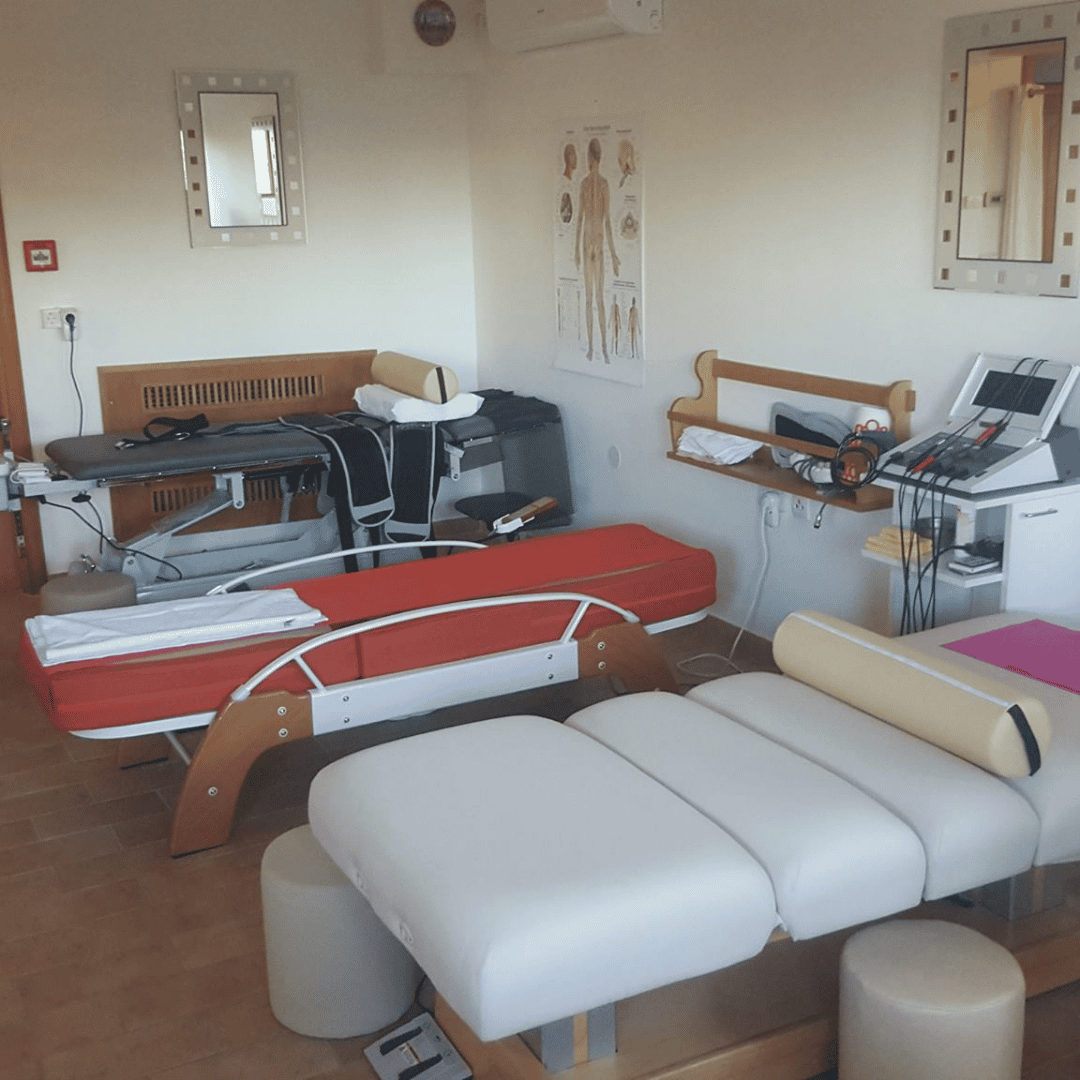
10-Days Life Quality Improvement Program in Murter, Croatia
Polyclinic Markov
- Alternative Medicine
Murter, Croatia

Price starting from $7,783
GMTP Rehabilitation Package in Greece for Spinal Cord Injury, Cerebral Palsy & Brain Injury
GMTP – Greek Med Top Partners
- Neurology
Thessaloniki, Greece

Price starting from $2,300
Comprehensive Degenerative Disease Treatment Program in Famagusta, Cyprus by Romatem
Romatem - Cyprus Physical Therapy and Rehabilitation
- Rehabilitation
Famagusta, Cyprus

Price starting from $2,100
Rehabilitation Package in Konya, Turkey by Fizikon Medical Center
Fizikon Medical Center
- Rehabilitation
Konya, Turkey
Transformative Rehabilitation Experiences: Dive into Procedure Insights
Discover the power of Rehabilitation through compelling patient experiences. Uncover detailed insights into procedures, recovery journeys, and life-changing results.
.png)