What treatment


20+ Most Frequently Asked Questions About Rehabilitation
Find Clear and Concise Answers to Common Questions About Rehabilitation
Trusted Medical Tourism Platform Since 2007

Which Rehab Centers Are Available In Mexico?
Mexico offers diverse rehabilitation facilities for substance use and mental health. Options range from standard inpatient programs to luxury retreats. Centers typically provide supervised detox, behavioral therapy, and structured aftercare planning. Many patients seeking addiction or mental health treatment ask which rehab centers in Mexico are available to international visitors. Seeking support for substance use disorders or co-occurring mental health conditions requires careful consideration of available care levels, medical oversight, and clinical approaches. Finding the right provider involves evaluating treatment philosophy, credentials, and environmental factors that align with your recovery goals. The growth of medical tourism in Mexico provides individuals with an array of recovery options ranging from affordable traditional clinical settings to highly private, holistic wellness retreats. When selecting a rehab centers clinic in Mexico, verifying the facility's licenses and the medical team's qualifications is a crucial step to ensure safe, ethical, and effective care. Key Takeaways Mexico provides various levels of care, including medically supervised detox, residential treatment, and specialized holistic programs. Evaluating the rehab centers cost in Mexico involves looking at the length of stay, amenities, and required medical interventions. Patient safety relies on choosing facilities licensed by Mexican health authorities (such as COFEPRIS) with credentialed clinical staff. Dual-diagnosis treatment is available for individuals facing both substance use disorders and mental health challenges. Comprehensive aftercare planning is essential for maintaining long-term recovery once you return home. What types of addiction treatment programs are available in Mexico? Mexican facilities offer multiple levels of care, including inpatient residential treatment, medical detoxification, and holistic recovery programs tailored to individual clinical needs. Rehabilitation is not a one-size-fits-all process. Facilities across the country provide different structured environments depending on the severity of the addiction and the patient's medical history. Understanding these options helps you find a program suited to your specific physical and psychological requirements. Medical Detoxification: Specialized programs providing 24/7 medical supervision to safely manage withdrawal symptoms. Standard Residential Inpatient: Highly structured clinical environments focusing on daily therapy, psychoeducation, and group counseling. Luxury & Executive Rehab: Private retreat-style facilities offering high-end amenities, private rooms, and flexible access to electronics for professionals. Holistic & Alternative Centers: Programs that integrate traditional therapy with yoga, meditation, art therapy, and nutritional counseling. Dual-Diagnosis Programs: Facilities equipped with psychiatric staff to simultaneously treat substance use and co-occurring mental health disorders. How much does a stay at a rehabilitation facility typically cost? Residential treatment costs vary widely, typically ranging from $4,000 to $25,000 or more per month, depending heavily on the facility's location, medical staffing, and level of luxury. Calculating expected expenses requires looking beyond the base admission fee. The final price is influenced by the required length of stay, the complexity of medical detoxification, and whether the facility provides standard shared accommodations or private luxury suites. Standard inpatient clinics focusing primarily on clinical therapy often fall on the lower end of the spectrum, offering accessible care for international patients. In contrast, luxury facilities catering to executives or individuals seeking high privacy, holistic treatments, and resort-like amenities charge premium rates. These centers often include private chefs, personal fitness trainers, and specialized alternative therapies in their pricing. It is helpful to request a detailed breakdown of costs from a provider to understand what is included, such as psychiatric evaluations, medications, and aftercare planning. Are Mexican rehabilitation facilities safe for international patients? Patient safety depends on selecting reputable, properly licensed facilities that employ qualified medical professionals and maintain secure, supervised environments. When traveling abroad for healthcare, verifying credentials is your most vital step. Reputable rehabilitation centers operate under the oversight of Mexico's health regulatory agency, COFEPRIS (Federal Commission for the Protection against Sanitary Risk). Centers treating international patients should have licensed physicians, registered nurses, and credentialed therapists on staff. Beyond clinical qualifications, physical safety is also a priority. Many private treatment centers are located in gated communities or secluded wellness retreats with 24-hour security. During the initial medical detox phase, strict monitoring is necessary to manage potentially dangerous withdrawal symptoms. Always ask prospective centers about their emergency medical protocols and their proximity to full-service acute-care hospitals in case complex medical interventions are needed. What treatment approaches are commonly used in Mexican facilities? Programs generally combine evidence-based psychological therapies, such as Cognitive Behavioral Therapy (CBT), with complementary holistic practices designed to support overall wellness. Established centers rely on scientifically supported methodologies to address the root causes of substance use and behavioral health issues. Cognitive Behavioral Therapy (CBT) and Dialectical Behavior Therapy (DBT) are staples in most clinical programs. These therapies help patients identify destructive thought patterns, manage triggers, and develop healthier coping mechanisms. Alongside conventional psychotherapy, many facilities integrate complementary modalities to heal the physical body and reduce stress. Patients often participate in mindfulness meditation, equine therapy, fitness regimens, and nutritional rehabilitation. Depending on the center's philosophy, recovery models may follow traditional 12-step programs (like AA or NA) or utilize non-12-step, secular approaches such as SMART Recovery. Facility Type Typical Focus Common Amenities Standard Clinical Evidence-based therapy, strict routine, group counseling. Shared rooms, cafeteria dining, basic recreation areas. Holistic/Wellness Mind-body connection, alternative therapies, nutrition. Yoga studios, meditation gardens, organic meals. Luxury/Executive Privacy, individualized care, continued professional work. Private suites, pools, spa services, private chefs, business centers. How long do inpatient rehabilitation programs typically last? Most residential treatment programs last between 28 and 90 days, though the exact duration is determined by clinical assessments and individual recovery progress. A standard 30-day program is often the starting point for residential care. This timeframe allows enough time for physical detoxification, stabilization, and the introduction of new behavioral therapies. However, medical professionals often recommend longer stays for individuals with long histories of severe substance use or complex co-occurring disorders. Programs lasting 60 to 90 days, or even longer, provide patients with a deeper opportunity to practice relapse prevention skills in a safe environment. The duration of treatment should always be viewed as a flexible clinical recommendation rather than a rigid timeline. A thorough psychological and medical evaluation upon admission helps the clinical team outline a timeline tailored to your specific situation. Do Mexican rehab facilities treat dual-diagnosis conditions? Many facilities employ psychiatrists and psychologists trained to treat co-occurring disorders, addressing both substance use and underlying mental health issues simultaneously. Substance use disorders rarely exist in a vacuum; they frequently co-occur with mental health conditions such as depression, anxiety, bipolar disorder, or post-traumatic stress disorder (PTSD). Treating the addiction without addressing the underlying psychological pain often leads to relapse. This integrated approach is known as dual-diagnosis treatment. Facilities specializing in dual diagnosis have licensed psychiatrists on staff who can prescribe and manage psychiatric medications safely. During the selection process, patients or their families should specifically ask if the center provides comprehensive psychiatric evaluations and if their therapeutic staff holds specialized training in trauma-informed care and complex mental health disorders. What amenities can international patients expect during their stay? Amenities range from basic, comfortable lodging in standard clinical centers to private suites, fitness facilities, and spa services in luxury retreat environments. The living environment varies dramatically based on the center's price point and philosophy. Standard rehabilitation facilities prioritize clinical care over physical luxury. Patients in these centers can expect clean, functional shared rooms, communal dining areas, and basic recreational spaces. This model fosters a strong sense of community and peer support, which many find beneficial for recovery. On the other hand, luxury centers are designed to minimize stress and maximize physical comfort. These facilities often mirror high-end resorts, offering private bedrooms, en-suite bathrooms, swimming pools, massage therapy, and gourmet meals prepared by nutritionists. While premium amenities can make the challenging process of rehab more comfortable, the primary focus should always remain on the quality of the medical and therapeutic care provided. Are staff members at these facilities bilingual? Facilities that cater to international medical tourists typically employ bilingual medical professionals, therapists, and support staff fluent in both English and Spanish. Effective therapy requires clear, nuanced communication. Providers aiming to treat patients from the United States, Canada, and Europe ensure their core clinical team—doctors, psychologists, and counselors—are highly proficient in English. This ensures that therapy sessions, medical instructions, and emotional expressions are accurately understood without language barriers. Before committing to a program, it is perfectly acceptable to speak directly with the admissions team and request a conversation with one of the therapists. This helps you gauge their fluency and ensures you feel comfortable communicating your thoughts and feelings. Additionally, group therapy sessions in these internationally focused centers are usually conducted entirely in English. How should patients prepare for residential treatment in Mexico? Preparation involves gathering comprehensive medical records, coordinating valid travel documents, and completing a pre-admission clinical assessment with the facility. Entering rehab in another country requires a bit of logistical planning. Clinically, you will need to provide the center with your complete medical history, including any current diagnoses, a list of all prescribed medications, and details about your substance use history. This allows the medical team to prepare a safe detoxification protocol before you even arrive. Logistically, ensure your passport is valid for at least six months beyond your planned stay. Most centers provide a strict packing list detailing what is allowed and what is prohibited (such as products containing alcohol, specific over-the-counter medications, or certain electronics). Coordinating your arrival with the facility is also important, as reputable centers often arrange secure transportation directly from the nearest airport to the clinic. What happens after completing an inpatient program? Reputable centers provide a structured aftercare plan, which may include remote counseling, connections to local support groups, and personalized relapse prevention strategies. Completing a 30-, 60-, or 90-day residential program is a significant achievement, but it is only the first phase of lifelong recovery. Transitioning back into everyday life presents new challenges, triggers, and stressors. A quality rehabilitation center will begin developing your discharge and aftercare plan well before your scheduled departure date. Aftercare often involves continuing outpatient therapy with a counselor in your hometown, transitioning into a sober living environment, or participating in regular support group meetings. Many international centers also offer alumni support networks and remote telehealth check-ins to help bridge the gap during the initial months back home. Engaging with these resources is highly recommended to maintain the progress achieved during residential treatment. Why Choose PlacidWay for Medical Tourism in Mexico? PlacidWay operates as a comprehensive directory for international healthcare providers and medical tourism destinations. The platform offers educational resources regarding various global wellness and rehabilitation centers. Users can access information regarding facility accreditations and medical staff credentials to aid their research. PlacidWay allows patients to compare estimated costs across different international treatment facilities. The service provides a direct communication channel, allowing patients to ask questions and gather information from clinics abroad. Frequently Asked Questions Do I need a passport to enter rehab in Mexico? Yes, international patients traveling to Mexico for treatment must have a valid passport. Depending on your country of origin and the length of your program, you may also need to fill out a tourist card or secure a specific visa. Can I use my US health insurance for Mexican rehab centers? Most Mexican rehabilitation facilities do not directly accept US domestic health insurance. Patients typically pay out-of-pocket, though some private international insurance policies or specialized global health plans may offer partial reimbursement. Are families allowed to visit during treatment? Visitation policies vary by facility. Many centers restrict visits during the initial detoxification and early recovery phases to minimize distractions, while allowing scheduled family visits or family therapy sessions later in the program. Do these facilities treat behavioral addictions? Yes, many comprehensive centers employ specialized therapists to address behavioral addictions, such as gambling, gaming, or compulsive eating, often utilizing similar cognitive behavioral approaches used for substance use disorders. Is medical detox always required? Medical detox is not always required. It depends on the specific substance used, the duration of use, and the patient's physical dependence. A clinical evaluation upon admission determines if supervised detoxification is necessary for safety. What should I pack for a rehab stay in Mexico? Facilities usually recommend comfortable, casual clothing, athletic wear, swimwear, basic toiletries (often alcohol-free), and necessary prescription medications in their original bottles. Centers provide specific packing guidelines before admission. Can I keep my phone or laptop during treatment? Electronics policies differ significantly. Traditional inpatient programs often restrict phones and laptops to help patients focus entirely on recovery, whereas luxury or executive programs may allow designated times for remote work or family contact. Do centers accommodate special dietary requirements? Most established residential facilities can accommodate medical and ethical dietary restrictions, including diabetic, gluten-free, vegan, or vegetarian diets, particularly centers that feature on-site nutritionists and private chefs. How quickly can someone be admitted to a facility? Admission timelines vary. Once medical records are reviewed and the initial clinical assessment is completed, admission can sometimes occur within a few days, provided the facility has open beds and the patient is medically stable to travel. Are there outpatient rehab options available for medical tourists? While outpatient options exist, they are generally impractical for international patients unless they plan to reside in Mexico independently for several months. Most medical tourists opt for immersive residential (inpatient) programs. Compare Treatment Options Gather information about rehabilitation facilities, request estimated costs, and learn more about treatment approaches. Request Treatment Information References Principles of Drug Addiction Treatment: A Research-Based Guide – National Institute on Drug Abuse (NIDA) Treatments for Substance Use Disorders – Substance Abuse and Mental Health Services Administration (SAMHSA) Substance Abuse Management – World Health Organization (WHO) The ASAM Criteria for Patient Placement – American Society of Addiction Medicine (ASAM) Travel Health Information for Mexico – Centers for Disease Control and Prevention (CDC) What Is a Substance Use Disorder? – American Psychiatric Association (APA) Detoxification and Substance Abuse Treatment (TIP 45) – SAMHSA Medical Disclaimer: The information provided in this article is for educational and informational purposes only and does not constitute medical advice, diagnosis, or treatment planning. Substance use disorders and mental health conditions require individualized evaluation by appropriately qualified healthcare professionals. Outcomes, risks, and recovery experiences vary significantly by patient. Medical detoxification can carry serious health risks and should only be conducted under proper medical supervision. Always consult with a licensed medical provider before making decisions regarding rehabilitation treatment or international medical travel....
Read more details

How Much Does a Full Body Check-Up Cost in Turkey?
A full body check-up cost in Turkey typically ranges from $300 to $1,000 USD, depending on the complexity of the diagnostic package, the city, and the medical facility. Basic preventive screenings fall on the lower end, while comprehensive executive packages with advanced imaging and specialist consultations cost more. Preventative healthcare is a vital component of maintaining long-term wellness. Over the past decade, proactive health screenings have become increasingly popular, helping individuals understand their baseline health and identify potential risk factors before they develop into serious conditions. For many, seeking a full body check-up in Turkey offers an attractive blend of modern diagnostic technology, experienced medical professionals, and competitive pricing. Turkey has firmly established itself as a premier destination for healthcare travelers. The country boasts numerous internationally accredited diagnostic centers equipped with the latest medical imaging and laboratory technology. In this comprehensive guide, we will explore what you can expect regarding costs, procedures, preparation, and how to navigate the process of scheduling a health screening abroad. Key Takeaways The average cost for a preventative health screening in Turkey ranges between $300 and $1,000 USD. Packages are usually categorized by age, gender, and the depth of the diagnostic testing required. Results are generally provided rapidly, often within 24 to 48 hours. Fasting for 8 to 12 hours is typically required before undergoing blood tests and abdominal ultrasounds. Screenings provide a snapshot of current health but should always be followed up with your primary care physician at home. 1. What is included in a standard full body check-up in Turkey? A standard health screening typically includes laboratory blood tests, basic cardiovascular evaluations, standard imaging studies, and a final consultation with an internal medicine physician. When you visit a full body check-up clinic in Turkey, the foundational package is designed to provide a broad overview of your general health. While exact inclusions vary by facility, a standard panel usually covers the essentials necessary to assess organ function and screen for common metabolic issues. Typically, you can expect the following assessments in a standard package: Laboratory Tests: Complete Blood Count (CBC), fasting blood glucose, lipid profile (cholesterol levels), liver function tests, kidney function tests, and a routine urinalysis. Cardiovascular Screening: A standard electrocardiogram (ECG/EKG) to check the electrical activity of your heart. Imaging: A chest X-ray to evaluate the lungs and a whole abdomen ultrasound to check internal organs like the liver, gallbladder, and kidneys. Physical Examination: A comprehensive physical check and final consultation to review all results with a specialist. 2. Why do international patients travel to Turkey for health screenings? Patients often choose medical tourism in Turkey because it offers modern healthcare infrastructure, internationally trained physicians, and comprehensive testing at highly competitive prices compared to Western nations. The rise of medical tourism has transformed how people approach their healthcare. In many Western countries, elective preventative screenings can be prohibitively expensive or difficult to schedule due to long wait times. Furthermore, public healthcare systems often only cover diagnostic testing when a patient is already exhibiting symptoms of an illness. Turkey provides a practical alternative. Many diagnostic centers in major cities are accredited by international organizations, ensuring they meet rigorous safety and quality standards. The facilities utilize modern medical equipment, and it is common to find multilingual staff and dedicated international patient departments that help coordinate appointments, explain procedures, and translate medical reports into English. Important Consideration: While Turkey offers excellent diagnostic facilities, it is crucial to remember that a check-up is a screening tool. It is not a substitute for continuous care provided by your local primary care physician, who understands your complete medical history. 3. How long does a comprehensive medical check-up take? Most standard and executive check-ups are highly streamlined and can usually be completed within half a day to a full day, typically taking between 4 to 8 hours. Diagnostic centers in Turkey are often designed with efficiency in mind, particularly those catering to international visitors. Because time is a valuable commodity for travelers, clinics coordinate the various tests—blood draws, imaging, and consultations—so that patients move seamlessly from one department to the next without lengthy delays. You will generally start your morning early with the necessary fasting blood tests and ultrasounds. Once these are completed, you are usually offered a light breakfast. The rest of the morning is then spent completing cardiovascular tests, X-rays, and specialist consultations. By the late afternoon or the following day, all results are compiled for the final evaluation. 4. Are full body check-up results reliable in Turkey? Yes, diagnostic testing is generally highly reliable when performed at accredited facilities that utilize modern, calibrated equipment and follow internationally recognized medical guidelines. Turkey's private healthcare sector is heavily regulated, and many clinics seek voluntary international accreditation to demonstrate their commitment to quality control. The laboratory standards, imaging technology (such as CT and MRI scanners), and diagnostic protocols are frequently on par with those found in Europe and North America. However, no medical screening is entirely foolproof. Medical accuracy relies heavily on the quality of the equipment and the expertise of the interpreting physician. False positives (indicating a problem where none exists) and false negatives (missing an existing condition) can occur with any medical test worldwide. Therefore, clinical correlation—where a doctor assesses your test results in the context of your lifestyle, symptoms, and medical history—remains essential. 5. How should I prepare for my health screening? Patients are typically required to fast for 8 to 12 hours before their appointment to ensure the accuracy of blood glucose levels, lipid panels, and abdominal ultrasounds. Proper preparation is critical to obtaining accurate diagnostic results. If you consume food or certain beverages too close to your blood draw, it can temporarily spike your blood sugar or triglycerides, leading to skewed results that might prompt unnecessary concern. Standard preparation guidelines generally include: Fasting: No food or drink (except plain water) for 8-12 hours prior to the test. Avoid Alcohol and Caffeine: Refrain from consuming alcohol for at least 24 hours before your appointment, and avoid caffeine on the morning of the test, as it can affect your blood pressure and ECG results. Medications: Discuss your current medications with the clinic beforehand. You may be advised to hold off on taking morning doses of certain medications, particularly for diabetes, until after your blood is drawn. Clothing: Wear loose, comfortable clothing, preferably a two-piece outfit, as you will need to change into a medical gown or expose your arms and chest for various tests. 6. Can I combine my check-up with a holiday in Turkey? Yes, many international visitors strategically schedule a health screening at the beginning or end of their vacation, allowing them to enjoy Turkey's rich cultural and historical sites. Combining healthcare with leisure travel is a primary draw of medical tourism. Because a comprehensive check-up usually takes only one or two days, it leaves plenty of time for patients to explore their surroundings. Cities like Istanbul, Antalya, and Izmir are not only hubs for excellent medical care but also major tourist destinations. If you plan to combine your screening with a holiday, it is often recommended to schedule the medical appointments early in your trip. This way, if you need to adhere to a fasting schedule or avoid certain foods prior to testing, it will not interfere with your enjoyment of Turkish cuisine later in your vacation. Additionally, taking care of the check-up early provides peace of mind for the remainder of your stay. 7. What happens if an abnormality is detected during the screening? If a test reveals an irregularity, the attending physician will discuss the findings with you and typically recommend further specialized testing or advise you to follow up with a specialist. The primary goal of a preventative screening is early detection. If a blood test is out of range or an ultrasound shows something unusual, the consulting doctor in Turkey will explain what the finding could mean. Depending on the severity, they may suggest conducting an additional, more specific test while you are still at the clinic (such as an MRI or a biopsy) to gather more information. However, it is vital to manage any detected conditions thoughtfully. You will be provided with detailed medical reports, images, and laboratory data. It is strongly advised that you share these comprehensive results with your primary care provider in your home country. Continuity of care is essential for safely managing chronic conditions, monitoring mild abnormalities over time, or beginning any necessary medical treatments. 8. How do VIP or executive health packages differ from standard check-ups? VIP and executive packages are significantly more detailed, often incorporating advanced diagnostic imaging, extensive cancer marker tests, dietary consultations, and specialized cardiac evaluations. For those willing to invest more in their preventative health, executive packages offer a much deeper dive into bodily functions. While standard panels cover the basics, executive screenings look for specific risk factors associated with aging, genetics, and lifestyle. Feature Standard Check-Up Executive / VIP Check-Up Estimated Cost $300 - $500 $600 - $1,000+ Blood Work Basic metabolic, CBC, lipids Comprehensive panels, vitamins, thyroid, tumor markers Cardiology Resting ECG Echocardiogram, Stress ECG (Treadmill test) Consultations Internal Medicine Cardiology, Gynecology/Urology, Dietitian, Eye Exam Note: Pricing and exact inclusions vary depending on the specific facility and the patient's individual health requirements. 9. Will my medical reports be provided in English? Yes, reputable diagnostic centers catering to international patients routinely provide comprehensive medical reports, lab results, and physician summaries in English. A critical component of receiving medical care abroad is ensuring that the data collected is usable once you return home. Clinics in Turkey that specialize in international patients understand this requirement. You will typically receive a physical folder containing all your lab printouts, specialist notes, and digital copies (often on a CD or USB drive) of any imaging studies like X-rays or ultrasounds. Before leaving the clinic, always verify that your name, date of birth, and testing dates are accurate on all documents, and confirm that the final summary is provided in English or a language your home physician can easily interpret. Why Choose PlacidWay for Medical Tourism in Turkey? Navigating healthcare options in a foreign country can be a complex process. PlacidWay serves as a global medical tourism platform designed to help patients make informed, educational decisions regarding their healthcare journeys. Global Connectivity: PlacidWay connects international patients with a wide network of internationally recognized and accredited diagnostic centers. Transparent Information: The platform provides detailed overviews of various clinics, available preventative health packages, and estimated costs, allowing patients to compare options easily. Educational Resources: Patients have access to extensive guides, articles, and frequently asked questions to help them understand what to expect from their chosen procedures. Streamlined Communication: PlacidWay facilitates direct communication between prospective patients and global healthcare providers, ensuring medical questions are answered prior to travel. Customizable Options: The platform allows individuals to search for healthcare options based on their specific budget, geographic preferences, and medical requirements. Frequently Asked Questions (FAQs) Does health insurance cover a health screening in Turkey? For international patients traveling as medical tourists, preventative full body check-ups are typically an out-of-pocket expense. Domestic health insurance from your home country rarely covers elective screenings performed abroad. Are there age-specific check-up packages? Yes, clinics frequently categorize their packages by age, most commonly offering distinct panels for patients under 40 and those over 40. Older age brackets usually include more extensive cardiac and cancer screening tests. Do I need a visa to travel to Turkey for a medical check-up? Visa requirements depend on your nationality. Many international visitors can easily obtain an electronic visa (e-Visa) online prior to travel, allowing a short stay perfectly suited for a medical screening and a brief holiday. What is a tumor marker test, and is it included? Tumor markers are substances found in the blood that can sometimes indicate the presence of certain cancers. These are generally not included in basic packages but are often part of VIP or comprehensive executive screenings. How soon will I receive my check-up results? Most standard test results are available on the same day or the following day. A final consultation is usually scheduled shortly after to review the compiled reports with an internal medicine physician. Are gender-specific screenings available? Yes. Diagnostic centers offer specialized packages that include gynecological exams, mammograms, and bone density tests for women, and prostate-specific antigen (PSA) tests and urological exams for men. Can children get a full body check-up in Turkey? Pediatric check-up packages are available, but they differ significantly from adult packages. They primarily focus on childhood development, growth tracking, basic blood work, and standard physical examinations. What kind of doctors evaluate the check-up results? An internal medicine specialist typically coordinates the check-up, reviews all laboratory and imaging results, and provides the final summary. If specific issues are found, they may refer you to a cardiologist, endocrinologist, or other specialist. Is an MRI included in a standard check-up? Magnetic Resonance Imaging (MRI) is rarely included in a standard or basic check-up package due to its high cost and specialized nature. However, MRIs can be added a la carte or are included in premium executive packages. Can I take my regular medications before the check-up? You must consult the clinic prior to your appointment. While blood pressure medications are often permitted with a small sip of water, diabetes medications typically need to be paused or adjusted due to the fasting requirement. Compare Treatment Options in Turkey Explore a variety of accredited diagnostic centers and preventative health packages. Request more information to find the right screening for your individual health needs. Request Treatment Information Medical Disclaimer: The information provided in this article is for educational and informational purposes only and does not constitute medical advice, diagnosis, or treatment. Preventative health screenings may not detect all underlying medical conditions and are not a substitute for regular consultations with a qualified healthcare provider. Pricing, packages, and medical suitability vary by individual. Always seek the advice of your physician regarding any medical concerns or before making healthcare travel decisions. References Preventive Care and Noncommunicable Diseases – World Health Organization (WHO) Clinical Preventive Services – Centers for Disease Control and Prevention (CDC) The Effectiveness of General Health Checks – National Center for Biotechnology Information (NCBI) Health Tourism in Turkey – USHA? (International Health Services) Electrocardiogram (ECG or EKG) Information – American Heart Association Tumor Markers in Cancer Diagnostics – National Cancer Institute...
Read more details
How Much is a Full Body Check-Up in South Korea?
A full body check-up in South Korea typically costs between $500 and $2,500, depending on the package. Basic screenings often start around $500, while premium packages with MRI, CT scans, and endoscopy range from $1,500 to $2,500 or more. Navigating the options for a full body check-up in South Korea can be an empowering step toward proactive health management. Known for highly efficient healthcare systems and advanced diagnostic technology, the country has become a primary destination for individuals seeking comprehensive health evaluations. Whether you are looking for a routine annual physical or a detailed physiological assessment, understanding the associated expenses, logistical considerations, and available medical services is crucial for international patients. This guide explores everything you need to know about preparing for a diagnostic visit, what various packages entail, and how to effectively plan your medical journey. While diagnostic testing can provide valuable insights into your overall health, it is essential to remember that these screenings are designed to identify potential risks and should always be discussed with a qualified healthcare professional to determine the appropriate follow-up care. Key Takeaways Estimated costs range from roughly $500 for fundamental evaluations to over $2,500 for specialized, VIP diagnostic packages. Comprehensive screenings often include advanced imaging (MRI, low-dose CT), extensive blood work, and endoscopic evaluations. Many prominent screening centers feature dedicated international departments offering interpretation and English-translated medical reports. The screening process usually takes four to six hours, with preliminary results often available for review on the same or the following day. Patients typically need to observe specific preparation guidelines, such as fasting for 8–12 hours prior to the appointment. What influences a full body check-up cost in South Korea? The full body check-up cost in South Korea is primarily influenced by the depth of the diagnostic package, the type of medical facility chosen, and any specialized add-on tests required by the patient. When comparing prices, the most significant variable is the package tier. Basic packages typically focus on essential blood panels, urine tests, body composition, chest X-rays, and standard ultrasounds. These are generally the most affordable options. As you move into premium or VIP packages, the cost increases to account for high-resolution imaging such as Brain MRIs, PET-CT scans, and comprehensive cardiovascular evaluations. The type of facility also plays a role in pricing. Large university-affiliated hospitals may charge a premium due to their extensive infrastructure and direct access to specialized physicians. In contrast, standalone health promotion centers or specialized diagnostic clinics might offer highly competitive pricing while maintaining excellent technological standards. Additionally, requiring a dedicated medical interpreter or opting for expedited services can modestly increase the total expenditure. What is typically included in a comprehensive screening? A comprehensive screening usually goes beyond standard blood work to include detailed organ imaging, cardiovascular assessments, cancer marker tests, and endoscopic examinations of the digestive tract. Most mid-level to premium packages are designed to screen for the most common preventable or manageable conditions. While specific tests vary by facility, a robust comprehensive package often includes: Extensive Laboratory Tests: Complete blood count (CBC), liver and kidney function, lipid profiles, thyroid hormones, and various tumor markers. Imaging Diagnostics: Low-dose chest CT for lung screening, abdominal and pelvic ultrasounds, and bone densitometry. Endoscopy: Gastroscopy and colonoscopy, often performed under conscious sedation to check for ulcers, polyps, or early signs of gastrointestinal issues. Cardiovascular Checks: Electrocardiogram (EKG), arterial stiffness testing, and sometimes an echocardiogram. Gender-Specific Tests: Mammograms and pelvic ultrasounds for women; prostate-specific antigen (PSA) tests for men. Before selecting a package, you should discuss your family medical history with your primary care physician to determine which specific diagnostic tools are most appropriate for your individual risk factors. Why choose a full body check-up clinic in South Korea? Patients frequently select a full body check-up clinic in South Korea because of the country's highly efficient medical infrastructure, rapid turnaround times for test results, and integration of advanced diagnostic technologies. The diagnostic centers in this region are largely modeled on efficiency. Health screening is deeply ingrained in the local culture, meaning clinics perform high volumes of these evaluations daily. This vast experience allows medical teams to conduct thorough examinations swiftly and systematically. Instead of scheduling multiple appointments across different days and locations—as is common in many Western healthcare systems—patients can complete a battery of tests in a single morning under one roof. Furthermore, these facilities often utilize modern equipment, such as high-Tesla MRI machines and advanced endoscopes, which can enhance the detection of subtle abnormalities. The competitive nature of the healthcare sector encourages continuous investment in technology and patient comfort, resulting in a streamlined, hospitable experience for international visitors. Important Consideration: While technological advancement is a significant benefit, technology alone cannot diagnose or treat conditions. The expertise of the interpreting radiologist and physician is equally important. Results should always be reviewed contextually based on your unique health profile. How should patients prepare for their screening? Proper preparation typically involves strict fasting for 8 to 12 hours before the appointment, modifying medication intake, and adhering to specific dietary restrictions if a colonoscopy is planned. Preparation is vital for ensuring the accuracy of your diagnostic results. Most clinics require patients to abstain from all food and beverages, including water, from midnight before the day of the exam. Fasting is necessary to clear the stomach for gastroscopy and to ensure blood tests, such as glucose and lipid panels, are not skewed by recent meals. If your package includes a colonoscopy, the preparation becomes more rigorous. You will likely need to follow a low-fiber diet for two to three days beforehand and consume a prescribed bowel preparation solution the evening before and the morning of the procedure. Additionally, you must inform the clinic of any regular medications you take, especially blood thinners or diabetes medications, as these often need to be temporarily paused under a doctor's guidance. Are language barriers an issue for international patients? Language barriers are generally well-managed at major screening centers, as most facilities catering to international patients offer dedicated in-house interpreters and translated medical documents. Recognizing the influx of overseas visitors, many top-tier diagnostic centers have established comprehensive international healthcare departments. These departments employ bilingual staff—often fluent in English, Russian, Chinese, or Arabic—who accompany patients throughout the screening process. From the initial registration to the final consultation, having an interpreter ensures that instructions are understood and medical histories are accurately communicated. Additionally, the final medical reports and imaging results are routinely translated into English. This makes it easier for you to share your health data with your primary care provider once you return home. If you are booking a clinic outside the major international hubs, it is essential to confirm the availability of language support during the scheduling process. How long does the health screening process take? A standard comprehensive health screening usually takes between three to six hours to complete, depending on the complexity of the package and patient volume on the day of the visit. The logistical flow of these clinics is highly optimized. Upon arrival, you typically change into a comfortable examination uniform and receive an electronic wristband or chart that guides you from one testing station to the next. The systematic approach minimizes wait times between procedures like X-rays, blood draws, and eye exams. If your package includes procedures requiring conscious sedation, such as an endoscopy, you will need to factor in an additional one to two hours for recovery. You will rest in a dedicated recovery room until the sedative wears off sufficiently. Because of the lingering effects of sedation and the energy expended during fasting, most patients prefer to spend the rest of the day resting rather than engaging in strenuous tourist activities. How are the medical test results delivered? Preliminary results are often discussed with a physician on the same day or the following day, while the comprehensive translated report is typically emailed or mailed within one to two weeks. One of the major advantages of undergoing a check-up in this region is the speed of preliminary reporting. Following the completion of your tests, you may have a face-to-face consultation with a general physician. During this meeting, the doctor can review immediate findings, such as basic blood work, body composition, and initial imaging scans, offering immediate feedback on your general health status. However, tests requiring detailed pathological analysis—such as biopsies taken during an endoscopy or specific genetic markers—take longer to process. Once all data is compiled and verified by specialists, a final, comprehensive bound report or secure digital file is generated. This report usually includes detailed explanations of any abnormal markers, along with recommendations for lifestyle changes or further medical evaluation. What happens if an abnormality is found during my screening? If a medical concern is identified, the reviewing physician will explain the findings and may recommend immediate follow-up tests, specialist consultations, or advise you to seek care upon returning home. The primary goal of a diagnostic check-up is early detection. In many cases, abnormalities are minor and can be managed with lifestyle adjustments or routine monitoring. If a physician detects something that requires further investigation—such as a suspicious nodule or significantly elevated liver enzymes—they may offer to schedule secondary diagnostic tests, like an MRI or biopsy, while you are still in the country. If you prefer to undergo treatment in your home country, the clinic will provide you with all necessary medical documentation, imaging files (usually on a CD or USB), and pathology reports. It is highly advised to establish a relationship with a local doctor who can oversee your long-term care and interpret the screening results within the context of your ongoing medical history. Expert Insight: Remember that medical screenings can sometimes yield false positives or false negatives. A single abnormal test result is not a definitive diagnosis. Always consult with a qualified medical professional to understand the implications of your results. Is medical tourism in South Korea safe for international patients? Engaging in medical tourism in South Korea for diagnostic purposes is widely considered safe, provided patients choose properly accredited facilities and realistically assess their fitness for travel. The country maintains strict regulatory standards for healthcare providers. Many institutions catering to international visitors hold domestic certifications from the Korea Institute for Healthcare Accreditation (KOIHA) and, in some cases, international accreditations such as JCI (Joint Commission International). These accreditations help ensure that the clinics follow stringent protocols regarding hygiene, patient safety, and medical equipment maintenance. Nevertheless, travel inherently carries some health risks, particularly if you have pre-existing conditions. It is important to consider the physical toll of long-haul flights combined with the physical demands of fasting and medical testing. Always verify that you are fit to travel before booking, and ensure you have adequate travel health insurance to cover any unexpected medical emergencies that are unrelated to your elective check-up. Why Choose PlacidWay for Medical Tourism? Organizing a health screening abroad requires careful coordination and access to reliable information. PlacidWay helps facilitate medical travel by providing resources that empower patients to make educated choices regarding their healthcare journey. Extensive Global Network: PlacidWay connects patients with a wide variety of medical centers and diagnostic facilities across numerous international destinations. Transparent Provider Information: The platform offers access to facility profiles, helping you review the types of technologies, packages, and amenities available. Multilingual Platform: Patients can navigate resources and request information in multiple languages, easing the initial communication process. Educational Resources: PlacidWay provides articles, cost estimates, and guides to help patients understand the nuances of seeking healthcare abroad. Patient-Driven Choices: Rather than dictating a specific path, the platform allows you to compare different clinics and make the choice that best aligns with your health needs and budget. Frequently Asked Questions Do I need a special visa for a medical check-up in South Korea? Many international visitors can enter South Korea for short-term stays without a special medical visa, depending on their nationality. However, if you require extended treatment, you may need to apply for a Medical Visa (C-3-3 or G-1-10). Always verify current entry requirements with the South Korean embassy in your home country before booking your trip. Can I eat before my health screening? Typically, you must fast for 8 to 12 hours before a comprehensive health screening. This means no food, chewing gum, or beverages, though small sips of water may be permitted to take essential medications if approved by the physician. Fasting ensures accurate blood test results and clear imaging during abdominal ultrasounds or endoscopy. Does health insurance cover medical check-ups in Korea? Routine health screenings are often not covered by international travel insurance or standard health insurance policies, as they are considered preventive care. You should contact your insurance provider directly to determine if any portion of the diagnostic testing can be reimbursed. Are endoscopy procedures done under sedation? Yes, gastroscopy and colonoscopy procedures are commonly performed under conscious sedation (often referred to as "sleep endoscopy" in South Korea) to minimize discomfort. You will need to rest in a recovery area afterward and should avoid driving for the remainder of the day. How soon should I book my screening appointment? It is advisable to book your appointment at least four to six weeks in advance, especially if you require translation services or specific premium testing slots. High-demand screening centers can fill up quickly during peak travel seasons. Can I customize my health screening package? Yes, most screening centers allow you to add specific tests to a standard package based on your family medical history, age, or personal health concerns. Common add-ons include brain MRIs, specific cancer marker tests, or cardiovascular evaluations. Is a PET-CT scan included in standard check-ups? A PET-CT scan is typically reserved for premium or specialized oncology screening packages and is not part of a standard check-up. Because it involves mild radiation exposure, it is usually only recommended for individuals with specific risk factors or previous medical histories. What is the age requirement for a full body check-up? While there is no strict legal age limit, comprehensive screenings involving endoscopy and advanced imaging are generally designed for adults over the age of 30. Younger adults may opt for basic health checks focusing on blood work, physical exams, and basic ultrasounds. Can women undergo screenings during menstruation? It is highly recommended to schedule your check-up at least five to seven days after your menstruation ends. Menstruation can interfere with the accuracy of urine tests, stool tests, and specific gynecological exams like Pap smears. Are the medical reports valid in my home country? Yes, the diagnostic data and imaging (often provided on a USB or CD) are standard medical files that doctors worldwide can read. Getting your written report translated into English ensures your local physician can easily review the findings and recommend any necessary follow-up care. Ready to Explore Your Healthcare Options? Compare treatment options, review diagnostic packages, and gather the information you need to make an informed decision about your health screening abroad. Request Treatment Information References Universal Health Coverage - World Health Organization (WHO) Traveler's Health: South Korea - Centers for Disease Control and Prevention (CDC) Korea Health Industry Development Institute (KHIDI) - Medical Tourism Overview Health Screening Programs in South Korea - National Center for Biotechnology Information (NCBI) Medical Tourism in Korea - Korea Tourism Organization JCI-Accredited Organizations - Joint Commission International Medical Disclaimer: The information provided in this article is for educational and informational purposes only and does not constitute medical advice. Prices and medical protocols are subject to change and vary by facility and individual patient needs. Always consult with a qualified healthcare provider before undergoing any medical diagnostic testing or making decisions regarding medical tourism. Outcomes and risks vary from person to person....
Read more detailsDiscover your treatment options with a free, no-obligation quote!
Get your quote now!
What Services Are Provided At Rehab Centers In Costa Rica?
Rehab centers in Costa Rica provide medical detox, behavioral therapies, holistic treatments like yoga, and dual diagnosis care. Programs blend modern addiction science with nature based healing in luxury or standard facilities. Seeking help for substance abuse or behavioral addiction is a deeply personal and often challenging decision. In recent years, an increasing number of individuals have looked beyond their domestic borders for comprehensive care, leading to a massive rise in international recovery programs. This vibrant Central American destination has emerged as a global leader in providing world class psychological care, combining cutting edge clinical methodologies with unparalleled natural beauty. Patients exploring these options will find highly structured environments that cater to every facet of the healing journey. From the moment of intake, comprehensive services address the physical, mental, and spiritual toll of addiction. Whether you require intensive medical oversight for severe substance dependency or are seeking a serene environment to overcome psychological burnout, understanding the full spectrum of available services is essential for making an informed healthcare decision. Key Takeaways: Comprehensive Recovery Services Clinical Excellence: Facilities offer 24/7 medically supervised detoxification to ensure maximum physical safety during withdrawal. Holistic Integration: Recovery protocols heavily feature eco therapy, mindfulness, and somatic healing practices. Financial Accessibility: Patients discover significant cost savings without sacrificing the quality of psychiatric care or amenities. Dual Diagnosis Focus: Treating underlying mental health conditions simultaneously prevents future relapse. Absolute Privacy: Secluded tropical campuses guarantee anonymity for international patients seeking discreet treatment. What medical treatments are included during rehab in Costa Rica? Medical treatments include medically supervised detoxification, medication assisted treatment, and comprehensive psychiatric evaluations to ensure patient safety. These clinical services form the foundational step for sustainable recovery. Medical detox is the crucial first phase at any reputable facility. When a patient arrives, they are often physically dependent on substances, and abrupt cessation can lead to severe, sometimes life threatening, physiological reactions. Patients receive round the clock monitoring from licensed medical professionals, including registered nurses and specialized physicians, to manage these acute withdrawal symptoms safely and comfortably. These specialized centers utilize evidence based pharmacological protocols to ease physical dependence. This might include prescribing specific, highly regulated medications that gradually reduce cravings, prevent seizures, and stabilize volatile brain chemistry during the most critical days of early sobriety. This approach minimizes physical suffering, allowing the patient to focus entirely on their upcoming behavioral therapies rather than fighting unbearable physical urges. Furthermore, comprehensive health assessments are conducted immediately upon admission. Prolonged substance abuse frequently masks or directly causes severe physical ailments such as liver dysfunction, cardiovascular stress, or severe malnutrition. Medical teams run extensive blood panels and metabolic tests to address these co-occurring physical health issues, utilizing intravenous vitamin therapies and targeted nutrition to ensure the body heals alongside the mind. How does a rehab clinic in Costa Rica integrate holistic therapies? Facilities seamlessly blend traditional clinical methods with holistic practices like yoga, mindfulness meditation, acupuncture, and nutritional therapy. This integrated approach heals the mind, body, and spirit simultaneously. ? Daily yoga and meditation sessions designed to lower cortisol levels, reduce systemic stress, and drastically improve mental clarity during early recovery. ? Equine assisted therapy that helps patients build trust, develop empathy, and practice nonverbal emotional regulation with gentle animals. ? Acupuncture and therapeutic massage therapies implemented specifically to relieve trapped physical tension and promote the bodys natural detoxification pathways. ? Organic farm to table nutritional programs tailored by dietitians to restore vital gut health and optimize neurotransmitter production in the brain. ? Art and music therapy sessions providing a safe, creative outlet to help patients express complex, deeply rooted trauma and emotions nonverbally. ? Breathwork and somatic sound healing workshops that aid in deep trauma release and nervous system recalibration without traditional talk therapy. Expert Insight on Holistic Care Holistic therapies are not merely luxurious additions; they are scientifically proven to accelerate neuroplasticity. Activities like mindfulness meditation actually increase the density of the prefrontal cortex, which is the exact area of the brain responsible for impulse control and rational decision making disrupted by addiction. What is the average rehab cost in Costa Rica compared to other destinations? The rehab cost in Costa Rica is exceptionally affordable, typically ranging from $4,000 to $15,000 per month. This provides a saving of fifty to seventy percent compared to equivalent luxury facilities in North America. Patients exploring options for medical tourism in Costa Rica consistently find that their healthcare budget stretches significantly further. In North America or parts of Europe, basic inpatient care can quickly exceed thirty thousand dollars a month. Here, standard inpatient programs provide exceptional clinical care, highly comfortable lodging, and intensive daily therapy at a mere fraction of those exorbitant Western prices. Even the most elite luxury programs remain highly accessible. These high end centers feature amenities such as private villas with ocean views, dedicated personal chefs, and highly personalized daily holistic treatments. Such boutique experiences would easily cost upwards of eighty thousand dollars in places like Malibu or Switzerland, making top tier recovery completely attainable for a much broader demographic. The total price quoted by these international facilities usually encompasses all aspects of care: housing, gourmet meals, clinical psychiatric therapies, medical detox monitoring, and holistic excursions. This straightforward, all inclusive pricing model ensures that patients and their families can focus entirely on the healing journey without the chronic anxiety of hidden medical fees or surprise hospital bills arriving months later. Facility Tier Estimated Monthly Cost Typical Inclusions Standard Inpatient $4,000 - $7,000 Shared rooms, group therapy, clinical detox, basic holistic care, all meals. Premium Care $7,000 - $12,000 Private rooms, higher ratio of individual therapy, specialized holistic add ons, fitness programs. Luxury / Executive $12,000 - $25,000+ Private villas, 1 on 1 bespoke therapy, executive business centers, private chefs, extensive spa therapies. Are mental health and dual diagnosis conditions treated during addiction treatment in Costa Rica? Yes, top tier facilities provide specialized dual diagnosis treatment programs that address both substance use disorders and underlying mental health conditions. Treating both simultaneously is essential for long term relapse prevention. The vast majority of individuals struggling with severe substance dependencies also face deeply entrenched psychological challenges such as chronic anxiety, major depressive disorder, severe PTSD, or bipolar disorder. Recognizing this vital connection, clinical professionals at a modern rehab clinic in Costa Rica conduct incredibly thorough psychiatric evaluations upon intake to identify all co-occurring mental health disorders that may be driving the addiction. Once these dual diagnoses are established, on site psychiatrists and specialized behavioral therapists work collaboratively to design highly individualized treatment matrices. These integrated plans ensure that severe mental health symptoms are not simply masked by the removal of substances, but are actively treated through targeted cognitive therapies, EMDR for trauma processing, and highly precise non addictive medication management. By thoroughly addressing the root psychological and emotional causes of addiction, patients build a much stronger, impenetrable foundation for lasting sobriety. They actively learn healthy coping mechanisms and advanced emotional regulation skills, which significantly reduces the statistical risk of returning to substance use when inevitably facing complex life stressors upon returning home. What role does nature play for patients engaging in medical tourism in Costa Rica? The lush tropical environment provides a serene, distraction free backdrop that actively promotes stress reduction and psychological healing. Eco therapy is heavily utilized to reconnect patients with the natural world. ? Guided eco therapy excursions deep into primary rainforests to promote sensory mindfulness and ground an overactive nervous system. ? Oceanfront sunrise meditation sessions that utilize the rhythmic, calming sounds of crashing waves to drastically reduce clinical anxiety. ? Outdoor physical activities such as paddleboarding, surfing, or volcano hiking that naturally boost depleted endorphin and dopamine levels. ? Total immersion in vibrant tropical biodiversity which helps shift negative cognitive perspectives and inspires a profoundly renewed sense of life purpose. ? Strategically secluded campus locations that ensure absolute patient privacy far away from the chaotic urban triggers and societal stressors of home. Did You Know? This country contains nearly six percent of the worlds total biodiversity. Psychological studies show that spending time in highly diverse ecological environments lowers heart rates and decreases the production of stress hormones faster than urban clinical settings, making it an optimal theater for deep psychological healing. What types of behavioral therapies are standard for recovery programs here? Standard therapies include Cognitive Behavioral Therapy, Dialectical Behavior Therapy, individual psychoanalysis, and structured group counseling. These evidence based modalities help rewire destructive thought patterns and behaviors. Cognitive Behavioral Therapy is considered a foundational cornerstone of rehab in Costa Rica. Highly trained therapists guide patients to identify and isolate the deeply ingrained negative thought cycles that invariably lead to substance abuse. Through intensive daily practice, patients learn highly practical cognitive skills to intercept, challenge, and fundamentally change these destructive patterns in real time. Dialectical Behavior Therapy is also widely utilized, particularly for patients dealing with severe emotional dysregulation, self harm tendencies, or severe trauma. This powerful modality focuses heavily on four main pillars: distress tolerance, advanced emotional regulation, mindfulness, and interpersonal effectiveness. These tools empower patients to handle overwhelming physical cravings without immediately reverting to substance use. Alongside individual analysis, highly structured group therapy sessions foster a profound sense of community and shared understanding. Patients connect deeply with peers from around the globe, actively breaking the crippling isolation that fuels active addiction. Learning from the diverse recovery experiences and setbacks of others in a professionally moderated, entirely safe environment is often cited by alumni as the most transformative aspect of their stay. How do luxury facilities differ from standard centers in this region? Luxury facilities offer resort style amenities, private suites, gourmet organic dining, and highly individualized one on one therapy ratios. Standard centers provide excellent clinical care but with shared accommodations and fewer premium holistic add ons. Choosing a premium luxury rehab clinic in Costa Rica means accessing world class, resort tier amenities that rival international five star vacation destinations. Patients enrolled in these elite programs might enjoy spectacular private infinity pools, dedicated personal fitness trainers, on site comprehensive spa services, and highly customized dietary plans prepared daily by internationally trained executive chefs. However, the most significant clinical difference often lies in the staff to patient ratio. Luxury programs strictly limit their total patient intake, sometimes accepting fewer than ten individuals at any given time. This exclusivity ensures that each individual receives multiple hours of personalized, intensive one on one psychiatric counseling and bespoke holistic care every single day, rather than relying predominantly on generalized group therapy. Conversely, standard programs are still exceptionally effective and clinically robust but focus much more heavily on community dynamics, peer support, and communal living. Both facility tiers rigidly maintain the highest medical standards and safety protocols. Ultimately, luxury options simply provide an environment of absolute supreme comfort that can make the daunting, exhausting psychological work of recovery feel far less overwhelming. Is it safe to travel internationally for addiction recovery? Participating in medical tourism in Costa Rica for addiction treatment is incredibly safe. The country boasts a highly regulated healthcare system, stable government, and specialized recovery centers staffed by internationally credentialed experts. ? Healthcare facilities must meet strict, mandatory accreditation standards set by national health ministries and international governing bodies. ? Clinical treatment teams very often include internationally trained, board certified psychiatrists, experienced addictionologists, and trauma specialists. ? English is fluently and widely spoken by all core medical and psychiatric staff, ensuring perfectly clear communication and eliminating dangerous language barriers. ? Centers are purposefully located in exceptionally safe, affluent, and gated residential environments complete with round the clock private security personnel. ? The nation possesses a long standing, globally recognized reputation as a peaceful, politically stable, and deeply welcoming destination for international healthcare seekers. Why Choose PlacidWay for your recovery journey? PlacidWay connects patients with the most reputable and strictly accredited treatment facilities globally. Our trusted platform ensures extreme transparency, clinical safety, and highly personalized treatment matching for your unique recovery journey. Rigorous Clinic Vetting: We provide exclusive access to an extensive network of highly vetted, internationally accredited rehabilitation centers that must pass our stringent quality control and safety checks. Absolute Price Transparency: Our facilitation services deliver comprehensive cost breakdowns to help you understand the exact rehab cost in Costa Rica entirely upfront, ensuring zero hidden medical fees before committing. Precision Treatment Matching: We offer highly personalized assistance in flawlessly matching your highly specific clinical needs and complex dual diagnosis psychiatric requirements with the perfect specialized facility. Expert Medical Connections: We facilitate direct, secure connections to esteemed, board certified psychiatrists and addiction specialists for vital pre admission clinical consultations and health evaluations. Unwavering Patient Advocacy: You receive access to a dedicated patient support team that fiercely prioritizes your physical medical safety, absolute data privacy, and overall clinical care above all else throughout the entire process. Frequently Asked Questions About Recovery Centers How long do addiction recovery programs typically last in this region? Most inpatient programs range from thirty to ninety days. Short term stays of thirty days focus on intensive medical detoxification and foundational behavioral therapy. However, addiction specialists highly recommend sixty to ninety day stays. Extended durations allow the brain chemistry to fully stabilize and provide ample time for patients to internalize vital relapse prevention skills essential for long term success. Are family members involved in the therapeutic recovery process? Yes, comprehensive family therapy is a vital component of long term recovery success. Facilities often incorporate virtual family counseling sessions to repair fractured relationships and establish healthy boundaries. Some elite centers even host specialized family weeks where loved ones visit the campus to participate in intensive educational workshops and joint clinical therapy sessions. What happens after completing an inpatient program? Reputable centers prioritize robust aftercare planning well before a patient is discharged. This transitional care involves setting up outpatient therapy, connecting the individual with local support groups in their home country, and establishing virtual follow up sessions with their primary therapist. A strong continuum of care drastically reduces the statistical likelihood of experiencing a relapse. Do these facilities treat behavioral addictions alongside substance abuse? Absolutely. Clinical teams are expertly trained to treat a wide spectrum of behavioral issues, including gambling addiction, sex and love addiction, and technology or gaming dependencies. These are often treated using similar cognitive behavioral frameworks, addressing the underlying psychological compulsions and trauma that drive destructive reward seeking behaviors. Is medical detoxification always required upon admission? Detoxification is evaluated on a case by case basis during the initial medical assessment. Patients who have been actively using physically addictive substances like alcohol, opioids, or benzodiazepines will require supervised medical detox to ensure absolute safety. Those seeking treatment for strictly psychological dependencies may bypass acute detox and move directly into behavioral therapeutic immersion. Can I continue working remotely while attending an inpatient treatment program? While complete disconnection is highly encouraged to maximize focus on healing, executive treatment tracks do exist. Certain luxury facilities offer specialized programs tailored for high level professionals. These tracks provide designated access to private business centers and high speed internet during specific hours, allowing patients to maintain critical career responsibilities without compromising their clinical progress. Are complex dietary restrictions and personal preferences accommodated? Nutrition is a fundamental pillar of holistic recovery. Top tier centers employ professional chefs and registered dietitians who cater to all dietary requirements, including vegan, gluten free, kosher, and allergy specific protocols. The focus is always on anti inflammatory, nutrient dense organic foods that accelerate brain healing, stabilize mood swings, and restore physical vitality. Will my medical records and treatment stay strictly confidential? Privacy is a paramount concern for international patients, and facilities adhere to stringent global confidentiality protocols similar to rigorous international healthcare laws. Campuses are completely secluded, staff members sign heavy non disclosure agreements, and your medical data is highly encrypted. High profile individuals frequently choose these destinations specifically for the unmatched level of anonymity provided. What makes the tropical climate beneficial for substance abuse recovery? The consistent warmth and abundant sunshine naturally boost essential vitamins which play a crucial role in regulating mood and combating underlying depression. Furthermore, the tropical climate encourages year round outdoor physical activity. Engaging in daily exercise surrounded by lush flora accelerates the natural production of endorphins, aiding significantly in the restoration of a healthy neurochemical balance. How do I know if a rehabilitation facility is properly accredited? When researching international options, patients should look for accreditations from recognized global healthcare organizations and national health ministries. Valid facilities will proudly display their certifications. Utilizing a trusted medical facilitation platform ensures that the clinic has undergone rigorous, independent background checks regarding their medical licensing, safety protocols, and psychiatric staff credentialing. Start Your Healing Journey Today Taking the first step toward recovery is the most important decision of your life. Do not leave your clinical safety to chance. PlacidWay seamlessly connects you with the highest rated, fully accredited luxury and standard rehabilitation facilities globally. Get a completely free, highly confidential quote, receive a personalized recovery plan from board certified experts, and take back control of your future. Get Your Free Quote...
Read more details
What Treatment Models Are Used in Holistic Rehab Programs in Costa Rica?
Holistic rehab programs in Costa Rica integrate evidence-based psychotherapies like CBT with natural modalities such as Ibogaine therapy, yoga, and ecotherapy to treat the whole person—mind, body, and spirit. If you or a loved one are looking for a path to recovery that goes beyond standard clinical settings, Costa Rica has become a world-renowned destination for healing. So, what treatment models are used in holistic rehab programs in Costa Rica? In short, these centers combine modern medical science with ancient healing traditions and nature-based therapies to address the root causes of addiction. The concept of holistic rehab in Costa Rica is built on the belief that recovery isn't just about stopping substance use; it is about rebuilding a life. Instead of treating symptoms in isolation, these programs focus on physical detoxification, emotional processing, and spiritual reconnection. You will often find a seamless blend of Western medicine—such as medical detox and psychiatry—working alongside alternative practices like plant medicine, mindfulness, and nutritional therapy. This unique approach attracts thousands of international patients annually who are seeking privacy, affordability, and a more compassionate environment. By stepping away from the stressors of daily life and immersing yourself in the "Pura Vida" (pure life) lifestyle, you gain access to a restorative atmosphere that supports deep, lasting change. What defines the holistic treatment model in Costa Rica? "The holistic treatment model in Costa Rica defines recovery as a total wellness journey, combining clinical addiction treatment with physical restoration, emotional healing, and spiritual growth practices." The core philosophy of the holistic treatment model in Costa Rica is that addiction is a symptom of underlying imbalances. Therefore, treatment is designed to heal the entire system rather than just modifying behavior. Centers here do not simply prescribe medication and send you to group therapy; they design a lifestyle overhaul. This involves a personalized schedule that integrates clinical hours with activities that restore your physical vitality and mental peace. In practice, this means your day might start with a medical check-up, followed by a session of Cognitive Behavioral Therapy (CBT), and then transition into a surfing lesson or yoga class. The goal is to replace the "high" of substances with the natural dopamine release found in movement, connection, and self-care. This comprehensive structure helps rewire the brain's reward pathways more effectively than clinical isolation alone. Additionally, the environment itself is considered a therapeutic tool. Costa Rica rehab centers leverage their location—whether nestled in the cloud forests or perched on the Pacific coast—to provide a serene backdrop that lowers cortisol levels (stress hormones) immediately upon arrival. This "environmental medicine" is a key pillar of their holistic definition. How is Ibogaine therapy used in Costa Rica rehab programs? "Ibogaine therapy is used in specialized Costa Rica clinics to significantly reduce opioid withdrawal symptoms and interrupt addiction patterns by resetting the brain's neurotransmitter receptors." One of the most distinct aspects of medical tourism in this region is the availability of Ibogaine therapy. Derived from the root bark of the Tabernanthe iboga shrub, this plant medicine is renowned for its ability to alleviate severe withdrawal symptoms, particularly from opioids and opiates. In Costa Rica, Ibogaine is often administered in specialized, medically supervised facilities that focus specifically on this modality. The treatment typically works in two phases. Physically, it resets opioid receptors in the brain, which can eliminate up to 90% of withdrawal symptoms and cravings within hours. Psychologically, it induces a dream-like state that allows patients to revisit past traumas and gain profound insights into the root causes of their addiction. This "psychospiritual" breakthrough is often described as achieving years of therapy in a single session. However, safety is paramount. Reputable centers in Costa Rica require rigorous cardiac screening (EKGs) and liver function tests before administering Ibogaine treatment. It is not a "magic bullet" but a powerful interruption to addiction that provides a clean slate for the therapeutic work that follows. What evidence-based therapies are integrated with holistic care? "Costa Rica rehabs integrate evidence-based therapies like Cognitive Behavioral Therapy (CBT), Dialectical Behavior Therapy (DBT), and EMDR to ensure clinical effectiveness alongside holistic healing." While the setting may feel like a retreat, the clinical backbone of top-tier holistic rehab programs remains grounded in science. Most accredited centers employ licensed psychologists and psychiatrists who utilize proven methodologies. Cognitive Behavioral Therapy (CBT) is a staple, helping patients identify and change the negative thought patterns that drive substance abuse. Another common modality is Dialectical Behavior Therapy (DBT), which is particularly effective for individuals struggling with emotional regulation and self-harm tendencies. DBT teaches mindfulness, distress tolerance, and interpersonal effectiveness—skills that are crucial for maintaining sobriety in the real world. For those with a history of trauma, Eye Movement Desensitization and Reprocessing (EMDR) is frequently offered to process painful memories safely. CBT: Focuses on changing behavioral patterns. DBT: Focuses on emotional regulation and acceptance. EMDR: Focuses on trauma resolution. Motivational Interviewing: Enhances the internal drive to change. How does nature therapy (ecotherapy) aid recovery in Costa Rica? "Nature therapy, or ecotherapy, utilizes Costa Rica's rainforests and beaches to lower stress, improve mood, and ground patients in the present moment through activities like hiking and surfing." Nature therapy is not just a leisure activity in Costa Rica; it is a clinical intervention. Being surrounded by biodiversity has been scientifically proven to lower blood pressure, reduce anxiety, and boost the immune system. In the context of addiction recovery, reconnecting with the natural world helps repair the disconnect patients often feel from themselves and their surroundings. Programs often include "adventure therapy" components. This might involve hiking to waterfalls, equine therapy (working with horses), or surf therapy on the coast. These activities build self-esteem and resilience. Learning to surf, for instance, teaches patience, balance, and how to get back up after falling—powerful metaphors for the recovery journey itself. Furthermore, the simple act of "grounding" or "earthing"—walking barefoot on sand or grass—is used to regulate the nervous system. In a holistic rehab setting, nature serves as a co-therapist, providing a quiet, non-judgmental space for reflection that is often impossible to find in urban treatment centers. What is the cost of holistic rehab in Costa Rica compared to the US? "Holistic rehab in Costa Rica typically ranges from $3,000 to $10,000 per month, offering a savings of 50-70% compared to similar quality programs in the United States." One of the primary driving factors for medical tourism in Costa Rica is the cost efficiency. Patients can access luxury-level care, private accommodations, and intensive one-on-one therapy for a fraction of what they would pay in North America or Europe. In the US, a luxury holistic center can easily cost upwards of $30,000 a month, making it inaccessible for many families. The lower cost in Costa Rica is due to lower overheads and living costs, not a lack of quality. You are essentially paying for the medical expertise and the facility, without the inflated insurance-driven pricing often seen in the US healthcare system. This affordability allows many patients to stay for longer durations (e.g., 60 or 90 days), which statistically increases the success rate of long-term sobriety. Cost Comparison: Costa Rica vs. USA (Monthly Estimates) Treatment Type Costa Rica Cost (Avg.) USA Cost (Avg.) Standard Holistic Rehab $3,000 - $6,000 $10,000 - $20,000 Luxury/Executive Rehab $7,000 - $12,000 $25,000 - $60,000+ Ibogaine/Plant Medicine (1 week) $3,500 - $6,000 Not widely available/Legal restrictions Medical Detox (Standalone) $1,500 - $3,000 $5,000 - $10,000 Are holistic rehab centers in Costa Rica accredited and safe? "Yes, reputable holistic rehab centers in Costa Rica are licensed by the Ministry of Health (Ministerio de Salud) and many hold international accreditations ensuring high safety standards." Safety is a valid concern for anyone traveling abroad for healthcare. Fortunately, Costa Rica has one of the best healthcare systems in Latin America. Legitimate addiction treatment centers in Costa Rica must be licensed by the Costa Rican Ministry of Health (Ministerio de Salud) and often the Institute on Alcoholism and Pharmacodependency (IAFA). These government bodies ensure that facilities meet strict sanitary, safety, and operational protocols. Beyond local licensing, many top facilities seek international accreditation to demonstrate their commitment to excellence. You will find centers accredited by organizations like the Joint Commission International (JCI) or affiliated with US-based certification boards. This means the medical staff are credentialed, the facility is fire-safe, and the treatment protocols align with global best practices. However, due diligence is always required. It is recommended to verify a center's specific credentials, ask about their emergency medical protocols, and read reviews from past clients. A trustworthy center will be transparent about their licensing and medical capabilities. What role does nutrition and diet play in Costa Rica rehabs? "Nutrition plays a critical role in Costa Rica rehabs, utilizing fresh, organic local produce to repair physical damage caused by addiction and stabilize mood through gut-health focus." In a holistic recovery program, food is medicine. Addiction takes a severe toll on the body, often leading to malnutrition, vitamin deficiencies, and gut health issues that affect serotonin production. Costa Rica is abundant in fresh, tropical fruits, vegetables, and lean proteins, which form the basis of the rehab diet. Processed foods and excessive sugar are typically eliminated. Chefs at these centers often prepare farm-to-table meals designed to balance blood sugar and reduce inflammation. A diet rich in Omega-3s, antioxidants, and amino acids helps the brain repair itself and produce neurotransmitters like dopamine naturally. This nutritional restoration helps reduce physical cravings and brain fog in early recovery. Many programs also include nutritional counseling as part of the curriculum. Patients learn how to shop for and cook healthy meals, giving them a practical toolset for maintaining their physical health once they return home. This focus on nutritional therapy is a key differentiator from standard clinical rehabs. How is the "Pura Vida" philosophy applied to addiction recovery? "The 'Pura Vida' philosophy promotes a simpler, stress-free lifestyle focused on gratitude and presence, helping recovering addicts shift focus from external substances to internal peace." "Pura Vida" is more than just a catchphrase in Costa Rica; it is a way of life that translates to "pure life" or "simple life." In the context of addiction recovery, applying Pura Vida means stripping away the complexities, toxicities, and frantic pace of modern existence that often fuel substance abuse. It encourages a mindset of gratitude, patience, and optimism. Therapeutically, this philosophy aligns with mindfulness and acceptance practices. It teaches patients to appreciate the present moment—a beautiful sunset, a good meal, a meaningful conversation—rather than constantly seeking the next dopamine hit. This cultural immersion helps shift the internal narrative from one of lack and craving to one of abundance and appreciation. Staff at Costa Rican centers embody this spirit, often treating patients with a warmth and familial care that is distinct from the sterile distance of some Western hospitals. This welcoming, non-judgmental atmosphere creates a sense of safety that allows patients to let their guard down and truly heal. Can holistic programs in Costa Rica treat dual diagnosis? "Yes, holistic programs in Costa Rica are equipped to treat dual diagnosis by combining psychiatric care for mental health disorders with holistic therapies for addiction." Dual diagnosis refers to the co-occurrence of a substance use disorder and a mental health condition, such as depression, anxiety, or bipolar disorder. Effective treatment requires addressing both issues simultaneously; otherwise, relapse is highly likely. Leading holistic centers in Costa Rica are fully staffed to manage these complex cases. Treatment involves a collaborative approach. A psychiatrist may manage medication for the mental health condition, while a therapist uses CBT to address behavioral patterns. Simultaneously, holistic modalities like yoga and meditation help regulate the nervous system, which is beneficial for both anxiety and addiction. This integrated care ensures that the mental health condition isn't ignored while treating the addiction. If you have a dual diagnosis, it is crucial to choose a center that explicitly offers psychiatric support. While holistic therapies are powerful, they work best when supported by appropriate medical care for underlying chemical imbalances. Is medical detox available in holistic centers? "Most comprehensive holistic rehabs in Costa Rica offer on-site medical detox with 24/7 nursing care to ensure safe and comfortable withdrawal management before holistic therapies begin." Before the holistic work can begin, the body must be safely cleared of substances. Many people assume that "holistic" means "non-medical," but in reputable Costa Rican centers, medical detox is the standard first step. This process is supervised by doctors and nurses who monitor vital signs and administer medication to ease withdrawal symptoms and prevent complications like seizures. The difference in a holistic setting is the environment and the supportive care. While undergoing detox, you might receive IV vitamin therapy to replenish nutrients, acupuncture to reduce nausea, and gentle massage to ease muscle aches. This "soft landing" approach makes the difficult process of detox more tolerable and dignified. Once the acute physical dependence is broken, the patient can fully engage in the psychological and spiritual aspects of the program. Attempting rehab without a proper medical detox is dangerous, so ensure your chosen facility has a dedicated detox unit. How do mindfulness and yoga support long-term sobriety? "Mindfulness and yoga support long-term sobriety by teaching emotional regulation, reducing stress reactivity, and increasing body awareness, which helps prevent relapse." Yoga and mindfulness are pillars of the holistic rehab model. These are not just exercise routines; they are tools for relapse prevention. Addiction is often a reaction to discomfort—a way to escape painful feelings or stress. Mindfulness teaches patients to sit with discomfort without reacting to it. By observing cravings as temporary waves rather than commands, patients gain control over their impulses. Physically, yoga helps repair the nervous system. Years of drug or alcohol abuse can leave the body in a chronic state of "fight or flight." Deep breathing and deliberate movement stimulate the parasympathetic nervous system (the "rest and digest" mode), lowering anxiety and promoting better sleep. This physical calmness is essential for mental clarity. In Costa Rica, these practices are often conducted in open-air shalas surrounded by nature, enhancing the meditative experience. Patients leave rehab with a personal yoga or meditation practice they can use as a daily anchor for their sobriety back home. What amenities are available at luxury holistic rehabs in Costa Rica? "Luxury holistic rehabs in Costa Rica offer resort-style amenities including private suites, swimming pools, chef-prepared meals, spa services, and fitness centers to ensure comfort during recovery." The term "rehab" often conjures images of cold, hospital-like settings, but luxury rehabs in Costa Rica are more akin to 5-star boutique hotels. The philosophy is that recovery is hard enough; your environment should not add to the struggle. Comfort and privacy are prioritized to allow patients to focus entirely on their internal work. Common amenities include private rooms with en-suite bathrooms, high-speed Wi-Fi (often allowed after a stabilization period), infinity pools, and fully equipped gyms. Some centers offer spa services like massage, sauna, and hydrotherapy as part of the weekly routine. Housekeeping and laundry services are standard, removing daily chores from the patient's concern. These centers also typically offer beautiful communal areas—lush gardens, lounge areas with ocean views—where patients can socialize and relax. The goal of these luxury amenities is to create a sanctuary where healing feels like a gift rather than a punishment. Do staff at Costa Rica rehab centers speak English? "Yes, staff at major international rehab centers in Costa Rica are fully bilingual (English/Spanish), with many clinicians trained in the US or Europe to ensure clear communication." Communication is the bedrock of therapy. Leading holistic treatment centers in Costa Rica cater primarily to an international clientele, specifically from the US, Canada, and Europe. Therefore, being bilingual is a hiring requirement. You will find that doctors, therapists, and administrative staff speak fluent English. In fact, many of the clinical directors and lead therapists have received their education or training abroad. They are culturally competent and understand the specific stressors and backgrounds of Western patients. You do not need to worry about a language barrier hindering your progress in therapy or your medical care. Support staff, such as chefs and drivers, are also usually accustomed to English-speaking guests. This seamless communication ensures that you feel understood and supported throughout your stay. What does a typical day look like in a Costa Rica holistic rehab? "A typical day is structured yet balanced, alternating between clinical therapy sessions, holistic activities like yoga or art therapy, nutritional meals, and downtime for reflection." Structure is vital for early recovery, but holistic programs ensure that structure is not rigid or exhausting. A typical day might begin at 7:00 AM with a sunrise yoga session or a meditation circle, followed by a healthy, organic breakfast. The morning block usually focuses on clinical work: individual therapy, group processing, or psychoeducation workshops. After a nutritious lunch, the afternoon shifts toward holistic and experiential therapies. This could be art therapy, a fitness session, a dip in the pool, or a scheduled excursion to a nearby beach or waterfall. Late afternoons might include 12-step meetings or recovery coaching sessions. Evenings are generally winding down times, featuring dinner, journaling, or leisure time to connect with peers. This rhythm is designed to keep the mind engaged and the body active without causing burnout, establishing a healthy routine that patients can emulate after they leave. Is family therapy part of the holistic treatment package? "Many Costa Rica rehabs include family therapy via video calls or intensive family workshops to address dynamic issues and educate loved ones on how to support recovery." Addiction is a family disease, affecting everyone in the orbit of the individual using substances. Holistic recovery recognizes that healing the family dynamic is often crucial for long-term success. While the patient is in Costa Rica, family therapy is often conducted via secure video conferencing platforms. Some centers go a step further and offer "Family Weeks," where loved ones fly down to Costa Rica for a few days of intensive workshops and joint therapy sessions. These programs educate family members about boundaries, enabling vs. supporting, and the science of addiction. This ensures that when the patient returns home, they are returning to a supportive environment that understands their new needs. What aftercare support is provided after returning home? "Top centers provide robust aftercare plans including ongoing remote therapy, alumni support groups, and coordination with local specialists in your home country to prevent relapse." The real work often begins when you leave rehab. To protect the investment made in recovery, aftercare planning is essential. Before discharge, case managers work with patients to create a detailed exit plan. This often includes setting up appointments with therapists and support groups in the patient's home city. Additionally, many Costa Rica centers offer their own remote aftercare programs. This might look like weekly Zoom group sessions with your cohort or continued one-on-one counseling with your primary therapist for a few months. Staying connected to the people who helped you get sober can be a powerful tether during the transition back to daily life. Why choose Costa Rica over the US for holistic rehab? "Costa Rica offers a unique combination of high-quality, affordable care, a healing tropical environment, and access to alternative therapies like Ibogaine that are often unavailable or cost-prohibitive in the US." Choosing Costa Rica for rehab is often a decision driven by value and philosophy. In the US, the "holistic" label is sometimes just a marketing term added to a standard hospital program. In Costa Rica, the holistic approach is authentic and deeply integrated into the culture and environment. You get more personalized attention, better amenities, and a more diverse range of therapies for a significantly lower price. Furthermore, the physical distance from home can be a therapeutic advantage. It provides a distinct "break" from the triggers, dealers, and toxic relationships that fuel addiction. This geographical cure, combined with expert care, gives you the breathing room needed to build a solid foundation for a new life. Ready to Start Your Healing Journey? Finding the right holistic rehab program in Costa Rica can be the first step toward a life of freedom and wellness. Don't navigate this important decision alone. Explore PlacidWay for Rehab Solutions...
Read more detailsUnlock the Best Rehabilitation Packages Just for You
Discover the ultimate Rehabilitation packages designed to meet your health and wellness goals. Choose the perfect fit for your journey.
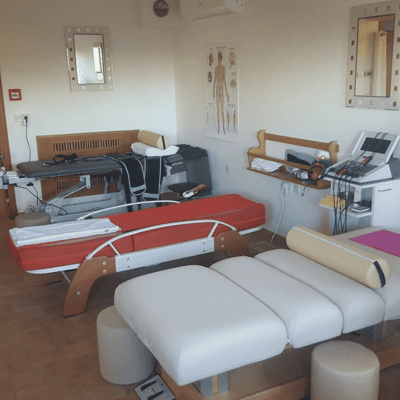
10-Days Life Quality Improvement Program in Murter, Croatia
Polyclinic Markov
- Rehabilitation
Murter,Croatia

Price starting from $2,100
Rehabilitation Package in Konya, Turkey by Fizikon Medical Center
Fizikon Medical Center
- Rehabilitation
Konya,Turkey
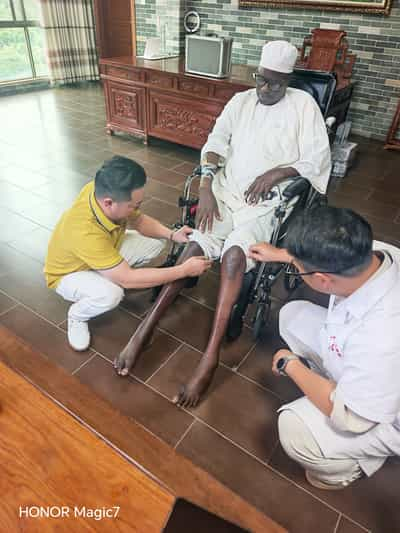
Price starting from $11,800
Spine & Joint System Rehabilitation by Guangzhou Cihua Hospital in China
Guangzhou Cihua Hospital - Orthopedic Rehab in China
- Rehabilitation
Guangzhou,China
Price starting from $1,450
Full body check up - Your Health, Our Commitment: Full Body Wellness Scan
Bellus Clinic
- Rehabilitation
Istanbul,Turkey
Rehabilitation Solutions Near You: Explore Top Medical Centers
Discover how Rehabilitation is transforming lives at leading medical centers in , . Dive into center profile, specialties, doctors, reviews, etc. and explore the best options tailored to your needs in this region.
New Path Ibogaine in Tijuana Mexico
Tijuana,Rosarito Beach
Centro Integral de Salud in Tijuana, Mexico
Tijuana,Mexico
ACIBADEM Bayındır Hospital
Istanbul,Ankara
Biruni Hospital in Istanbul Turkey
Istanbul,Turkey
Transformative Rehabilitation Experiences: Dive into Procedure Insights
Discover the power of Rehabilitation through compelling patient experiences. Uncover detailed insights into procedures, recovery journeys, and life-changing results.



Explore Rehabilitation: Stories, Testimonials, and Procedures
Watch in-depth videos covering everything from Rehabilitation success stories to detailed procedure explanations. Learn what to expect and hear from real patients.
Patient Testimonial: Severe Leg Pain Treatment in China at Guangzhou Cihua Hospital
Rehabilitation
Guangzhou Cihua Hospital - Orthopedic Rehab in China
China
Patient Testimonial: Orthopedic Rehabilitation in China at Guangzhou Cihua Hospital
Rehabilitation
Guangzhou Cihua Hospital - Orthopedic Rehab in China
China
Infrared Thermal Imaging for Sports Injury Prevention | Pain Medical Group
Rehabilitation
Pain Medical Group in Ciudad Juarez, Mexico
Mexico

Patient Thank-You Story Featuring Treatment at King Faisal Specialist Hospital in Riyadh, Saudi Arabia
Rehabilitation
King Faisal Specialist Hospital and Research Centre (KFSHRC) in Riyadh, Saudi Arabia
Saudi Arabia
Learn More with These Rehabilitation Articles
Take a look at these interesting articles, stories and research that will help you learn more about Rehabilitation.
Discover Hotel Murter & Polyclinic Markov on Croatia's Island
Polyclinic Markov
- Rehabilitation
Croatia

KCM Clinic Provides Safe, Quality, and Modern Medical Care in Poland
KCM Clinic - Multispecialty Center in Jelenia Gora, Poland
- Rehabilitation
Poland
Best Rehab Centers in Mexico | Top Addiction Treatment Options
PlacidWay Medical Tourism
- Rehabilitation
Mexico

PlacidWay Launches PlacidWellness
PlacidWay Latin America Medical Tourism
- Rehabilitation
United States








