



Conteúdo
Movimente-se com mais confiança: substituição do joelho na Turquia.
Viver com dor articular constante muda tudo — de repente, coisas simples como passear com o cachorro ou subir escadas podem parecer uma escalada ao Monte Everest. Se você está cansado de ficar em listas de espera intermináveis no Reino Unido ou de enfrentar contas médicas exorbitantes nos EUA ou Canadá, talvez esteja procurando uma opção de tratamento mais acessível. É por isso que muitos pacientes internacionais consideram a cirurgia de substituição do joelho na Turquia . A combinação de cuidados ortopédicos consolidados e custos de tratamento potencialmente mais baixos pode tornar a Turquia uma opção atraente para pacientes que buscam uma cirurgia de substituição do joelho no exterior.
Uma artroplastia total do joelho na Turquia pode custar cerca de US$ 8.500, embora o preço real varie dependendo do hospital, do cirurgião, do implante, do plano de tratamento e dos serviços incluídos no pacote. No entanto, a acessibilidade nunca deve significar comprometer a segurança. Ao pesquisar hospitais, vá além de sites bem elaborados e verifique se a instituição possui as licenças e credenciamentos adequados do Ministério da Saúde da Turquia (Saglik Bakanligi). Você também deve analisar as qualificações do cirurgião, sua experiência em ortopedia e seu registro profissional, incluindo em organizações relevantes como a Associação Médica Turca (TTB) ou a Sociedade Turca de Ortopedia e Traumatologia (TOTBID). Dedicar um tempo para comparar hospitais e cirurgiões pode ajudá-lo a tomar uma decisão mais informada sobre sua jornada rumo à artroplastia do joelho.
Principais conclusões
Realizar uma cirurgia no exterior pode ser uma experiência avassaladora, principalmente quando você precisa organizar por conta própria as taxas hospitalares, a hospedagem e o transporte do aeroporto. É aí que os pacotes com tudo incluído se tornam úteis. Um pacote médico bem estruturado elimina o estresse da sua viagem, agrupando a cirurgia, a fisioterapia pós-operatória e a acomodação local em um plano claro. Em vez de se preocupar com diversas reservas, você pode se concentrar totalmente na sua recuperação. Confira as opções abrangentes abaixo para comparar o que está incluído e encontrar o pacote perfeito para suas necessidades de viagem e tratamento médico.
Price starting from $13,900
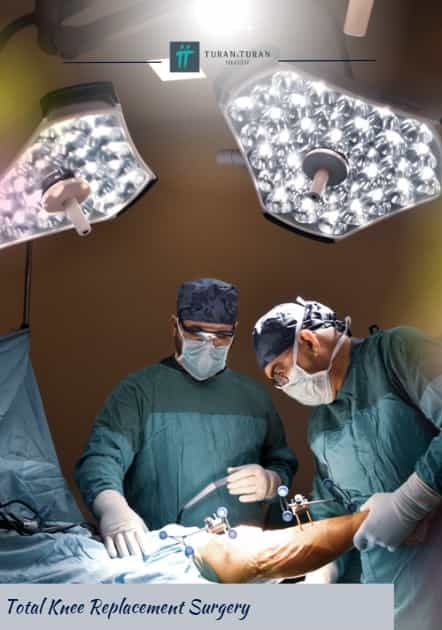
Knee Replacement Revision Surgery Package in Istanbul, Turkey by Turan Turan
Turan Turan Robotic Surgery Center and Orthopedic Clinic in Turkey
- Orthopedic/Knee Surgery
Istanbul,Bursa, Turkey

Price starting from $8,000
Knee Replacement Package in Istanbul, Turkey at Medical Park Hospitals
Medical Park Hospitals Group in Istanbul, Turkey
- Orthopedic/Knee Surgery
Istanbul, Turkey
Vamos falar abertamente sobre números. Em média, uma artroplastia unilateral do joelho na Turquia custa cerca de US$ 8.500, embora esse valor possa variar de US$ 7.000 a US$ 10.500, dependendo da marca da prótese e do hospital. Isso representa um contraste enorme com os US$ 30.000 ou mais que você poderia encontrar na América do Norte. A diferença se deve ao menor custo de vida e operacional na região, e não a uma queda na qualidade médica. No entanto, sempre pergunte o que esse preço realmente cobre — como anestesia, próteses e diárias de internação. Compare os detalhes específicos de preços abaixo para ver qual opção se encaixa melhor no seu orçamento.
Knee Replacement Total or Partial Comparação de custos de centros em Turkey
| Provedor | Procedimento | Preço |
|---|---|---|
| Turan Turan Robotic Surgery Center and Orthopedic Clinic in Turkey | Knee Replacement Total or Partial, Orthopedic/Knee Surgery | $13900 |
| Medical Park Hospitals Group in Istanbul, Turkey | Knee Replacement Total or Partial, Orthopedic/Knee Surgery | $8000 |
Knee Replacement Total or Partial Comparação de custos em Turkey
| País | Procedimento | Preço |
|---|---|---|
| United States | Knee Replacement Total or Partial, Orthopedic/Knee Surgery | $40000 |
Escolher o hospital certo vai muito além de um saguão elegante ou uma recepcionista simpática. Você precisa de uma instalação equipada para cuidados ortopédicos complexos e com rigoroso controle de infecções. Foque em evidências concretas: procure hospitais credenciados pelo Ministério da Saúde da Turquia e aqueles que exibem com orgulho padrões internacionais como o JCI. Não hesite em perguntar sobre suas instalações de UTI e centros de reabilitação pós-operatória, pois sua segurança é a prioridade. Navegue pelos perfis das clínicas abaixo para avaliar suas credenciais, verificar suas licenças médicas e decidir qual ambiente lhe transmite maior segurança.

Turan Turan Robotic Surgery Center and Orthopedic Clinic in Turkey
Istanbul,Bursa, Turkey

Medical Park Hospitals Group in Istanbul, Turkey
Istanbul, Turkey
Às vezes, ler sobre um procedimento não é suficiente para tranquilizá-lo. Assistir a relatos reais de pacientes, visitas virtuais às instalações e entrevistas com cirurgiões pode desmistificar todo o processo. Ver as áreas de fisioterapia e ouvir diretamente da equipe médica ajuda a diminuir a distância entre a informação online e a realidade. Isso proporciona uma noção genuína do ambiente onde você se recuperará. Reserve alguns minutos para assistir aos vídeos abaixo. Eles oferecem uma visão transparente do que você pode esperar ao chegar para a sua cirurgia.
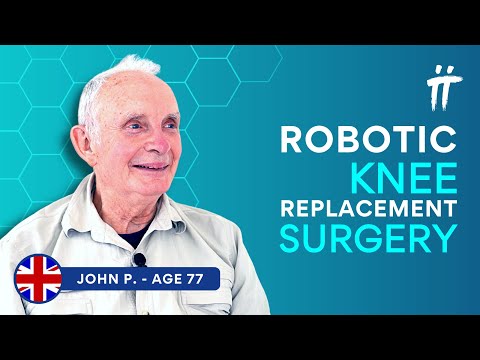
Não há melhor maneira de entender a realidade do turismo médico do que ouvir aqueles que já trilharam esse caminho. Ex-pacientes sabem exatamente o que é a dor e o que a recuperação realmente exige. Ler sobre suas experiências em primeira mão com a equipe de enfermagem, a fisioterapia e as barreiras linguísticas lhe dará informações valiosas que uma brochura simplesmente não consegue transmitir. Explore os depoimentos de pacientes abaixo para ouvir suas histórias sinceras e comparar seus resultados, ajudando você a tomar uma decisão muito mais informada.

How much is a Knee Replacement in Turkey?
Dealing with chronic knee pain can be debilitating, affecting every aspect of your life. If you've been told a knee replacement is your best path forward, the cost can be a major hurdle. This is where medical tourism in Turkey has become a game-changer for thousands of patients worldwide. A knee replacement in Turkey offers a unique combination of affordability, high-quality care, and access to world-class surgeons and technology. This procedure, also known as knee arthroplasty, replaces the damaged surfaces of the knee joint to relieve pain and restore function, and doing it in Turkey can save you up to 70% compared to costs in the US or UK without compromising on quality. This guide will walk you through everything you need to know, answering the most common questions people have about getting knee surgery in this beautiful and medically advanced country. We'll break down the costs, explain the procedure, and give you the confidence to make an informed decision about your health. How much does a knee replacement cost in Turkey? “The average cost of a total knee replacement in Turkey typically ranges from $4,500 to $12,000. For a bilateral procedure (both knees), the cost can range from $15,000 to $20,000, offering significant savings compared to Western countries.” The price for a knee replacement in Turkey is remarkably competitive, making it a top destination for medical travelers. This cost advantage doesn't mean a sacrifice in quality. On the contrary, many Turkish hospitals are internationally accredited and use the same high-quality implants and advanced surgical techniques found in the United States and Europe. The primary reason for the lower price is the country's lower cost of living and operational expenses, not a lower standard of care. When you receive a quote from a Turkish clinic, it's often part of an all-inclusive package, which simplifies the entire process. This means you get one transparent price that covers the majority of your medical and travel-related expenses, allowing you to focus solely on your recovery. What factors influence the cost of knee surgery in Turkey? “Several key factors affect the final cost of knee surgery in Turkey, including the type of implant used (e.g., standard vs. robotic-assisted), the surgeon's experience, the hospital's reputation and accreditation, and the comprehensiveness of the medical package.” Not all knee replacements are the same, and the price can vary based on your specific needs. Understanding these factors will help you see where the value lies. Type of Implant: The material and design of the prosthetic knee joint play a role in the cost. Implants can be made of metal alloys, ceramic, or high-grade plastic. Advanced options, like those used in robotic-assisted surgery, may come at a higher price but can offer greater precision and potentially faster recovery. Hospital and Surgeon: Highly reputable hospitals with JCI (Joint Commission International) accreditation and surgeons with extensive international experience may charge more. However, this often translates to higher success rates and better overall patient care. Surgical Technique: The complexity of the procedure matters. A standard primary knee replacement will cost less than a complex revision surgery (where a previous implant is being replaced) or a bilateral replacement. Minimally invasive techniques might also have different cost structures. Package Inclusions: The extent of the all-inclusive package will influence the price. A package that includes a longer hotel stay, physical therapy sessions, and private transportation will naturally cost more than a basic surgery-only package. What is typically included in a knee replacement package in Turkey? “Most all-inclusive knee replacement packages in Turkey cover the surgeon and anesthesia fees, the cost of the implant, hospital stay, pre-operative tests, post-operative medications, airport transfers, hotel accommodation, and translation services.” The convenience of an all-inclusive package is one of the biggest draws for medical tourists. It removes the stress of planning and hidden fees. While packages vary between clinics, a comprehensive one usually includes: Medical Services: Initial consultation and pre-surgery examinations (X-rays, blood tests). The full cost of the knee arthroplasty surgery. Surgeon, anesthesiologist, and operating room fees. The knee implant itself. Hospital stay (typically 3-5 nights). Post-operative care and medications during your stay. Logistical Support: VIP airport pickup and drop-off. All transfers between the hotel and hospital. Hotel accommodation (often in a 4 or 5-star hotel for a set number of nights). A personal patient coordinator or translator. How does the cost in Turkey compare to the US and UK? “A knee replacement in Turkey can be up to 70% cheaper than in the UK and the US. While a procedure in the US can cost $35,000 or more and around £15,000 ($20,000+) in the UK, the same high-quality treatment in Turkey is available for a fraction of that price.” The cost difference is staggering and is the primary driver for patients seeking treatment abroad. Let's look at a simple comparison: Country Average Cost for Single Knee Replacement Turkey $4,500 - $12,000 United States $30,000 - $50,000+ United Kingdom $18,000 - $25,000 Germany $15,000 - $20,000 This significant saving means that even after factoring in the cost of flights, patients can save tens of thousands of dollars. This makes affordable knee surgery accessible to many who might be facing long waiting lists on national health services or are underinsured in their home countries. Is getting a knee replacement in Turkey safe? “Yes, getting a knee replacement in Turkey is overwhelmingly safe. Many top hospitals are JCI-accredited, meaning they adhere to the highest international standards for patient safety and quality of care, with success rates comparable to leading Western hospitals.” Safety is the number one concern for anyone considering surgery abroad, and rightly so. Turkey's healthcare system has invested heavily in infrastructure and technology to meet and exceed global standards. Many orthopedic surgeons in Turkey have trained in Europe and the US, bringing a wealth of international experience. Furthermore, the JCI accreditation held by premier Turkish hospitals is a rigorous endorsement of their commitment to safety protocols, sterile environments, and patient-centered care. This focus on quality ensures that the risk of complications like infections or implant failure is minimized. What is the success rate for knee replacement in Turkey? “The success rate for knee replacement in Turkey is very high, generally reported between 90% and 95%. This rate is on par with top orthopedic centers globally, reflecting the expertise of the surgeons and the advanced medical technology used.” A successful knee replacement is defined by significant pain relief, improved mobility, and enhanced quality of life. Turkish hospitals consistently deliver these outcomes. Patient satisfaction is a key metric, and reviews from international patients frequently praise the excellent results and the attentive care they receive throughout their journey. The longevity of the implant is also a measure of success. Modern knee implants used in Turkey are designed to last for 15 to 20 years or even longer, especially when paired with proper post-operative care and rehabilitation. Which hospitals are best for knee replacement in Turkey? “Some of the best hospitals for knee replacement in Turkey include internationally recognized groups like Medical Park Hospitals, as well as specialized orthopedic centers like Turan & Turan Clinic, primarily located in Istanbul, Ankara, and Antalya.” Turkey is home to numerous state-of-the-art medical facilities. When choosing a hospital, look for JCI accreditation, positive patient reviews, and specialists in orthopedics. Many of these top-tier hospitals have dedicated international patient departments to ensure a seamless experience, from the initial inquiry to your return home. These facilities are equipped with the latest diagnostic and surgical technology, including robotic-assisted systems that can improve implant alignment and lead to better long-term outcomes. What types of knee replacements are available in Turkey? “Turkish hospitals offer a full range of knee replacement procedures, including total knee replacement (TKR), partial knee replacement (unicompartmental), complex revision surgery, and advanced robotic-assisted knee replacement.” The type of surgery you need depends on the extent of the damage to your knee. A surgeon will assess your condition to recommend the best approach. Total Knee Replacement (TKR): This is the most common procedure, where all three compartments of the knee are replaced. Partial Knee Replacement: If the damage is confined to just one compartment of your knee, a partial replacement may be an option. This is a less invasive procedure with a potentially quicker recovery time. Robotic-Assisted Knee Replacement: This cutting-edge technique uses a robotic arm to assist the surgeon, allowing for incredibly precise placement of the implant. This can lead to a more natural-feeling knee and better longevity. What happens during a knee replacement consultation in Turkey? “During your consultation for a knee replacement in Turkey, you will undergo a comprehensive evaluation, including X-rays and a physical exam. The orthopedic surgeon will discuss your medical history, explain the best surgical approach for you, detail the type of implant to be used, and provide a transparent cost breakdown.” The process usually begins with an online consultation where you can share your medical records and initial X-rays. Once you arrive in Turkey, you will have an in-person meeting with your surgeon. This is your opportunity to ask any and all questions you have about the procedure, recovery, and expected outcomes. Your surgeon will confirm the treatment plan and ensure you are a good candidate for the surgery. This thorough, patient-focused approach is a hallmark of the high-quality care you can expect from Turkish medical teams. How long does the knee replacement procedure take? “The knee replacement surgery itself typically takes between one to two hours to complete. The procedure is performed under general or spinal anesthesia to ensure you are comfortable and pain-free.” While the surgery is relatively quick, you will spend some time in a recovery room immediately afterward for monitoring as the anesthesia wears off. Following this, you'll be moved to your private hospital room, where the nursing staff will manage your initial recovery and pain control. What is the recovery time for a knee replacement in Turkey? “Initial recovery allows for walking with assistance within a day or two of surgery. Most patients can return to normal daily activities within 3 to 6 weeks, with a full recovery and return to low-impact sports taking around 3 to 6 months with consistent physical therapy.” Recovery is a gradual process that requires your active participation. The medical team will get you up and moving very quickly, often the day after surgery, to promote circulation and prevent stiffness. A physical therapist will guide you through exercises to regain strength and flexibility. Most patients stay in Turkey for about one to two weeks post-surgery to ensure they are recovering well before flying home. Your Turkish clinic will provide a detailed rehabilitation plan for you to continue with your local physical therapist. How long will my new knee last? "A modern knee replacement is a durable medical device. Studies show that over 90% of knee replacements are still functioning well after 15 years, and over 80% last for 20 years or more. Longevity depends on your activity level, weight, and overall health." Think of your new knee like the tires on a car—the more mileage and stress you put on them, the faster they will wear out. However, with normal daily activity and by avoiding high-impact sports like running and jumping, you can expect your new knee to last for decades. The high-quality implants used for knee arthroplasty in Turkey are designed for durability and long-term performance. Why is knee surgery so much cheaper in Turkey? “The primary reasons for the affordable knee surgery in Turkey are the country's lower cost of living, favorable currency exchange rates, and government support for the medical tourism sector. It is not a reflection of lower quality care, surgeons, or materials.” Hospitals in Turkey have lower overheads from staff wages to operational costs—compared to facilities in the US or Western Europe. The Turkish government also provides incentives to the health tourism industry, which helps keep prices competitive. This economic advantage is passed directly to the patient, allowing you to access world-class healthcare without the exorbitant price tag. Ready to take the next step toward a pain-free life? Explore your options with PlacidWay. We can connect you with leading, accredited hospitals and expert orthopedic surgeons in Turkey to find the perfect solution for your needs and budget. Start your journey to recovery today!
How Much Does Knee Replacement Surgery Cost in Europe?
The estimated knee replacement surgery cost in Europe generally ranges from $7,000 to $15,000, depending on the country, type of implant, and facility. Prices typically cover the procedure, standard hospital stay, and initial post-operative care. Exploring knee replacement surgery in Europe presents an alternative for patients facing high domestic healthcare expenses or extensive public waiting lists. Joint deterioration, often caused by osteoarthritis, rheumatoid arthritis, or traumatic injury, can severely limit daily activities. When conservative treatments like medication, injections, or physical therapy no longer provide relief, a joint replacement may become a viable medical option to restore function and reduce pain. Understanding the full scope of medical tourism in Europe involves looking beyond the initial price tag. While the financial aspect is often the primary motivator, prospective patients must carefully weigh the clinical considerations, travel logistics, recovery timelines, and the vital importance of continued care once they return home. Key Takeaways Estimated procedure costs across various European destinations frequently range from $7,000 to $15,000. Treatment packages often bundle the surgery, standard implants, hospital stay, and initial physical therapy. Candidacy depends on a thorough evaluation of your medical history, joint damage severity, and overall physical health. Patients must proactively arrange their long-term rehabilitation and medical follow-up in their home country before traveling. Medical tourists should factor in additional expenses such as airfare, companion travel, prolonged lodging, and specialized travel insurance. What factors influence the knee replacement surgery cost in Europe? The knee replacement surgery cost in Europe fluctuates based on the destination country, the complexity of the surgical approach, the type of prosthetic implant utilized, and the length of your inpatient stay. Pricing is not uniform across the continent. Western European nations typically present higher estimates, reflecting higher local living costs and administrative expenses. In contrast, Central and Eastern European countries often provide more competitive pricing models while still adhering to stringent European Union medical regulations and hygiene standards. Another major factor is the implant material. Prosthetics crafted from advanced materials—such as specialized porous metals or highly cross-linked polyethylene—may increase the overall cost but are sometimes selected for their durability. Additionally, the need for specialized surgical techniques, such as computer-assisted navigation or robotic-assisted surgery, can add to the final estimate provided by a knee replacement surgery clinic in Europe. What is usually included in a medical tourism package for this procedure? International packages generally bundle the surgeon's fees, anesthesia, the prosthetic implant, operating room charges, standard pre-operative tests, and your immediate post-operative hospital stay. Facilities that frequently accommodate international patients aim to simplify the financial process by grouping predictable expenses. This typically covers your time in the inpatient ward, nursing care, routine post-operative medications (like pain relievers and blood thinners), and the first few sessions of inpatient physical therapy to get you moving safely. It is crucial to request a detailed itemized breakdown before committing to any treatment. Packages rarely cover extended stays caused by unforeseen medical complications, complex pre-existing conditions requiring extra monitoring, or upgraded implants not specified in the standard quote. You should also clarify whether airport transfers and translation services are included or billed separately. How do partial and total knee replacements differ in price and scope? Partial knee replacements are generally less expensive, require smaller incisions, and offer faster initial recovery times compared to total knee replacements, which replace the entire joint structure. A partial (unicompartmental) knee replacement addresses only the damaged section of the knee, preserving healthy bone and ligaments. Because the procedure is less invasive and requires a smaller implant, the estimated cost is often lower. However, not all patients are eligible for this option; it is typically reserved for those whose arthritis is strictly confined to one compartment of the knee. Total knee replacement involves resurfacing the ends of the femur and tibia and replacing the entire joint interface. This is the more common procedure for patients with widespread osteoarthritis. Due to the complexity of the surgery, the larger prosthetic required, and the longer expected hospital stay, it commands a higher price. Feature Partial Knee Replacement Total Knee Replacement Scope Replaces one diseased compartment Replaces the entire joint interface Cost Estimate Typically lower Typically higher Hospital Stay Usually 1-3 days Usually 3-5 days Which European countries are common destinations for joint replacement? Patients frequently travel to countries such as Turkey, Poland, the Czech Republic, Lithuania, and Spain, balancing competitive treatment estimates with robust medical infrastructure. Many individuals exploring medical tourism in Europe look toward Central and Eastern European countries. These regions have heavily invested in modernizing their private healthcare sectors and often feature English-speaking medical staff accustomed to international protocols. Destinations like Poland and the Czech Republic offer significant cost advantages compared to North American healthcare systems. Turkey is also a highly prominent hub for medical travelers, frequently bridging European and Asian healthcare markets. Western European nations, such as Germany and Spain, are recognized for advanced orthopedic research and technology, though their estimated costs are closer to those found in the US or UK. Did You Know? The European Union implements strict directives on medical devices, meaning that implants utilized in EU member states must meet rigorous safety and quality standards (CE marking) before they can be used in surgery. Am I a suitable candidate for a knee replacement abroad? Suitability for surgery abroad requires a thorough medical assessment to ensure you are healthy enough to undergo major joint surgery and tolerate the physical stress of international travel. Not everyone is an ideal candidate for traveling to a knee replacement surgery clinic in Europe. Suitable candidates typically experience severe, chronic knee pain that significantly impairs daily activities and has not responded to non-surgical treatments. They must also have a stable medical history without severe cardiovascular or respiratory conditions that could make anesthesia or long-haul flights excessively risky. Contraindications may include active infections, severe peripheral vascular disease, or morbid obesity, which can increase the risk of surgical complications or implant failure. You should always consult your local primary care physician or orthopedic specialist to assess your specific surgical risks before making any travel commitments. What should I expect during the pre-operative evaluation? The pre-operative phase involves comprehensive health screenings, imaging tests, and medical consultations to confirm your diagnosis and plan the specific surgical approach. Before you travel, international clinics will usually request your recent medical records, X-rays, or MRI scans for an initial remote consultation. This allows the surgical team to provide a preliminary treatment plan and an accurate estimate of the knee replacement surgery cost in Europe based on your specific joint anatomy. Upon your arrival, a secondary, in-person evaluation is mandatory. You will typically undergo fresh imaging, blood tests, an electrocardiogram (ECG), and a consultation with the anesthesiologist. This rigorous screening is designed to identify any undiagnosed issues that might affect your safety during the procedure. What are the potential risks and complications of knee replacement? As with any major surgery, risks include infection, deep vein thrombosis (blood clots), nerve damage, anesthesia reactions, and potential issues with the prosthetic implant itself. While joint replacement is commonly performed, it is a major operation that carries inherent medical risks. Infection is a serious concern that can occur at the incision site or deep around the implant. To mitigate this, patients are typically given prophylactic antibiotics before and after surgery. Blood clots (DVT) are another significant risk, particularly given the added immobility associated with flying. Surgeons often prescribe blood-thinning medications and compression stockings to reduce this danger. Additionally, while modern prosthetics are durable, they can wear out or loosen over time, potentially requiring a revision surgery years later. Some patients may also experience continued stiffness or persistent pain. Discussing these specific risks with a qualified healthcare professional is essential to making an informed decision. How long does the initial recovery take before I can fly home? Patients usually need to remain in the destination country for 10 to 14 days post-surgery to ensure stable initial recovery, begin physical therapy, and receive clearance to fly. Your hospital stay normally lasts between 3 to 5 days, during which time medical staff monitor your pain levels, wound healing, and mobility. Once discharged from the inpatient unit, you will typically transition to a nearby hotel or a specialized recovery facility to continue your initial rehabilitation. Flying too soon after major lower-extremity surgery significantly increases the risk of deep vein thrombosis. Your surgeon will evaluate your healing progress, remove any surgical staples or non-dissolvable sutures, and officially clear you for air travel only when it is medically appropriate. You will likely need mobility assistance, such as wheelchair services, at the airport. How do I handle follow-up care and physical therapy after returning home? A successful outcome depends heavily on consistent, long-term physical therapy and local medical follow-up, which you must arrange in your home country prior to traveling. The surgery itself is only the first step in restoring joint function; rehabilitation is just as critical. Upon returning home, you will need to engage in a structured physical therapy program for several months to rebuild strength, improve your range of motion, and reduce scar tissue formation. Neglecting this phase can lead to a stiff, painful joint. It is also vital to establish a relationship with a local primary care physician or orthopedist who is willing to take over your post-operative care. You must have a clear plan in place for who to contact if you develop a fever, notice increased redness at the incision site, or experience sudden pain after returning home. Always bring copies of your surgical reports, implant details, and discharge summaries from your European facility. What hidden expenses should I budget for when traveling for surgery? Beyond the core medical procedure, your budget must account for flights, extended lodging, specialized medical travel insurance, a travel companion's expenses, and ongoing local physical therapy. When calculating the true cost of your medical journey, do not rely solely on the clinical quote. Flights can fluctuate in price, and you may need to purchase more expensive tickets that allow for extra legroom or flexible date changes. Accommodation expenses for the 10 to 14 days you spend recovering outside the hospital also add up quickly, especially if a companion is staying with you. Furthermore, standard travel insurance rarely covers complications arising from planned elective surgery abroad. Specialized medical tourism insurance is highly recommended to protect against the financial impact of delayed flights due to medical unfitness or emergency hospitalization. Lastly, factor in the out-of-pocket costs for your months of physical therapy back home, which may not be fully covered by your domestic insurance. Important Consideration: Always request your complete medical file, including detailed notes on the exact make and model of your knee implant, before leaving the clinic. Your home doctor will need this information for any future care or potential MRI scans. Why Choose PlacidWay for Medical Tourism in Europe? PlacidWay serves as an educational platform to help patients navigate their international healthcare options. Here are five factual ways the platform supports patients exploring care abroad: 1. Extensive Information Network Provides access to a broad database of international clinics, allowing patients to review available facilities across multiple European countries in one place. 2. Transparent Cost Estimates Facilitates the acquisition of preliminary quotes and package breakdowns, helping patients formulate realistic budgets before making decisions. 3. Provider Connections Directly connects individuals with facility representatives, enabling patients to ask specific medical, logistical, and financial questions. 4. Multilingual Communication Assists patients by bridging initial language barriers through multi-language support platforms when connecting with foreign medical centers. 5. Procedure Education Supplies objective articles, guides, and checklists to help patients understand the general scope and requirements of orthopedic procedures. Frequently Asked Questions Can I get a bilateral knee replacement in Europe? Yes, some facilities offer bilateral knee replacements (replacing both knees during the same surgery). However, this increases surgical time, risks, and recovery demands. A surgeon must evaluate your overall health to determine if you are a suitable candidate for a simultaneous procedure. Will my domestic health insurance cover surgery in a European country? Most standard domestic health insurance plans do not cover elective treatments performed abroad. You should check directly with your insurance provider to understand your policy. Some patients utilize specialized medical travel insurance or self-fund their procedures. How long does a knee implant typically last? Modern knee implants often last 15 to 20 years, though this varies by patient. Factors such as your activity level, weight, and adherence to rehabilitation protocols can significantly impact the longevity of the prosthetic joint. What type of anesthesia is used for knee replacement? Knee replacements are usually performed under general anesthesia (where you are fully asleep) or regional anesthesia (such as a spinal block, which numbs the lower half of your body). The anesthesiologist will recommend the safest option based on your medical history. Is physical therapy included in European treatment packages? Many international treatment packages include initial post-operative physical therapy while you remain in the hospital or a designated recovery facility. However, you will need to arrange for long-term outpatient physical therapy in your home country. Can I travel alone for a knee replacement surgery? While it is possible to travel alone, it is highly recommended to bring a companion. Post-operative mobility is limited, and having someone to assist with luggage, airport navigation, and daily tasks during early recovery can significantly improve your safety and comfort. How soon after surgery can I walk? Physical therapists typically encourage patients to stand and take a few steps with a walker or crutches within 24 hours after surgery. Early mobilization helps promote circulation and reduces the risk of blood clots, though individual progress varies. What materials are used for knee implants in Europe? Implants are typically made from a combination of biocompatible metals (such as titanium or cobalt-chromium alloys) and highly durable medical-grade plastics (polyethylene). The specific materials used depend on the manufacturer and the surgeon's recommendation. Will I need special equipment at home after surgery? Yes, most patients require assistive devices such as a walker, crutches, or a cane during the initial weeks. Raised toilet seats, shower chairs, and grab bars are also commonly recommended to prevent falls and protect the new joint. How do I communicate with medical staff if I do not speak the local language? Many facilities that cater to international patients employ English-speaking medical staff and patient coordinators. Additionally, dedicated translation services are often provided to ensure you fully understand your medical care, risks, and recovery instructions. Compare Treatment Options Connect with providers to review estimates, understand your eligibility, and gather detailed information about undergoing orthopedic procedures abroad. Request Treatment Information References Total Knee Replacement – American Academy of Orthopaedic Surgeons (AAOS) Knee Replacement Overview and Recovery – National Health Service (NHS) Medical Tourism Guidelines – Centers for Disease Control and Prevention (CDC) Knee Replacement Risks and What to Expect – Mayo Clinic General Safety and Considerations for Medical Tourism – World Health Organization (WHO) Types of Knee Surgery – Arthritis Foundation Medical Disclaimer: The information provided in this article is for educational and informational purposes only and does not constitute medical advice, diagnosis, or treatment recommendations. Knee replacement surgery is a major medical procedure that carries inherent risks, and outcomes vary significantly from patient to patient depending on individual health and adherence to post-operative care. Pricing, availability, and specific travel regulations are subject to change and should not be considered guaranteed. Always consult with a qualified, board-certified healthcare professional in your home country before making any decisions regarding medical travel, elective surgery, or discontinuing any current treatments. PlacidWay does not endorse specific medical providers or guarantee clinical outcomes.
How Much Does a Knee Replacement Cost in Istanbul, Turkey?
The cost of a knee replacement in Istanbul, Turkey, typically ranges from €3,000 to $12,000. This price is significantly lower than in many Western countries, making Istanbul a popular destination for this procedure. Dealing with chronic knee pain can be a daily struggle, impacting your mobility and overall quality of life. If you're considering a knee replacement, you've likely wondered about the costs involved, and you may have heard that Turkey, particularly Istanbul, is an affordable option. But how much does a knee replacement cost in Istanbul, Turkey, really? The straightforward answer is that prices are substantially lower than in the US or UK, without compromising on the quality of care. Istanbul has become a major hub for medical tourism, boasting state-of-the-art hospitals, experienced orthopedic surgeons, and comprehensive care packages that cater to international patients. This detailed guide will walk you through everything you need to know about getting a knee replacement in Istanbul. We'll break down the costs, explain what's included in typical packages, and answer the most pressing questions people have when considering this life-changing surgery abroad. From understanding the different types of knee replacements to navigating your recovery in a new city, we've got you covered. Our goal is to provide you with a clear and comprehensive overview, helping you make an informed decision about your healthcare journey. We'll explore why so many people are choosing Istanbul for their orthopedic needs and what you can expect from the experience, ensuring you feel confident and prepared every step of the way. What is the average cost of a knee replacement in Istanbul? The average cost of a total knee replacement in Istanbul ranges from approximately $4,000 to $8,000. A partial knee replacement is slightly less, averaging between $3,000 and $6,000. The cost of a knee replacement in Istanbul is significantly more affordable compared to countries like the United States, where the same procedure can cost upwards of $40,000, or the United Kingdom, where it can range from $12,000 to $18,000. This considerable price difference is a primary reason why many international patients flock to Istanbul for orthopedic surgery. The lower cost does not imply a compromise on quality; rather, it reflects the lower cost of living, operational expenses, and favorable exchange rates in Turkey. It's important to note that these are average costs, and the final price can vary based on several factors, which we will discuss in detail. Many hospitals and clinics in Istanbul offer all-inclusive packages that bundle the surgery with other services, providing a transparent and often more economical option for medical tourists. These packages are designed to make the entire process as seamless as possible for international patients. What factors influence the cost of a knee replacement in Istanbul? The primary factors influencing the cost are the type of implant, the hospital's reputation and accreditation, the surgeon's experience, the surgical technique (e.g., robotic-assisted), and the comprehensiveness of the medical package. Type of Implant: The brand and material of the knee implant are significant cost drivers. Reputable international brands like Zimmer Biomet, Stryker, and Johnson & Johnson are commonly used in Istanbul's top hospitals and may cost more than local alternatives. The material of the implant (e.g., metal-on-plastic, ceramic-on-plastic) also affects the price. Hospital and Surgeon: Highly reputable hospitals with international accreditations, such as JCI (Joint Commission International), and surgeons with extensive experience and a high success rate will naturally command higher fees. Their expertise and the quality of the facility's infrastructure contribute to the overall cost. Surgical Technique: The method used for the surgery can impact the price. For instance, minimally invasive or robotic-assisted knee replacement surgery may be more expensive than traditional open surgery due to the advanced technology and specialized skills required. Medical Package Inclusions: The services included in your treatment package will affect the final cost. Comprehensive packages often cover the surgery, anesthesia, hospital stay, pre-operative tests, post-operative medication, and sometimes even accommodation and airport transfers. What is typically included in a knee replacement package in Istanbul? Most knee replacement packages in Istanbul are all-inclusive and typically cover the surgeon's and anesthesiologist's fees, hospital stay for a set number of days, pre-operative consultations and tests, the cost of the implant, post-operative medications, and often airport transfers and accommodation. When you opt for a knee replacement package in Istanbul, you can generally expect a comprehensive range of services designed to provide a hassle-free experience. These packages are a key reason why medical tourism in Turkey is so appealing. While the specifics can vary between clinics, a standard package usually includes: Medical Services: This forms the core of the package and includes the surgery itself, the fees for the orthopedic surgeon and the anesthesiologist, the cost of the knee prosthesis, all necessary pre-operative tests (such as X-rays, blood tests, and an ECG), and post-operative medications during your hospital stay. Hospitalization: The package will specify the number of nights you'll stay in the hospital, which is typically around 3-5 nights for a knee replacement. This includes your room, meals, and nursing care. Logistical Support: To ease the travel burden, many packages include airport pick-up and drop-off services. Some even arrange for your accommodation in a nearby hotel for the duration of your stay in Istanbul. A dedicated patient coordinator or translator is often part of the package to assist with communication and ensure a smooth process. How much does a partial knee replacement cost in Istanbul? A partial knee replacement in Istanbul typically costs between $3,000 and $6,000. The final price depends on the specific implant used and the complexity of the procedure. A partial knee replacement, also known as unicompartmental knee arthroplasty, is a less invasive procedure than a total knee replacement. It involves replacing only the damaged compartment of the knee. Because it's a smaller-scale surgery, it is generally less expensive than a total knee replacement. The lower cost is due to a shorter hospital stay, a less expensive implant, and a quicker recovery time. The decision between a partial and total knee replacement will be made by your orthopedic surgeon based on the extent of the damage to your knee. A thorough examination, including imaging tests, will determine your suitability for a partial replacement. As with total knee replacements, the cost can be influenced by the choice of hospital and surgeon. What is the cost of a bilateral knee replacement in Istanbul? The cost for a bilateral knee replacement (both knees) in Istanbul generally ranges from $8,000 to $15,000. This offers significant savings compared to having both knees done separately. For patients who require both knees to be replaced, a bilateral procedure can be a more convenient and cost-effective option. The cost is typically less than double the price of a single knee replacement because some of the associated costs, such as pre-operative assessments and some aspects of the hospital stay, are consolidated. The exact cost will depend on whether the surgeries are performed simultaneously or staged a few days apart during the same hospital admission. Choosing to have a bilateral knee replacement is a significant decision that should be made in consultation with your surgeon. They will assess your overall health and fitness to determine if you are a suitable candidate for this more demanding procedure. Are there hidden costs for a knee replacement in Istanbul? Reputable clinics in Istanbul are generally transparent about their pricing. However, it's crucial to get a detailed quote that outlines all inclusions and potential extra charges, such as for extended hospital stays, additional medications, or specialized rehabilitation services. While the leading hospitals in Istanbul pride themselves on transparency, it's always wise to be thorough in your financial planning. Before committing to a procedure, request a detailed breakdown of the costs. Specifically, you should inquire about: The cost of any additional nights in the hospital beyond what is included in the package. Charges for any unforeseen medical complications that might arise. The cost of post-discharge medications and mobility aids like crutches or a walker. Fees for post-operative rehabilitation and physiotherapy sessions, as these may not always be included in the initial surgical package. By asking these questions upfront, you can avoid any unexpected expenses and ensure your budget covers all aspects of your medical journey. Is it safe to get a knee replacement in Istanbul? Yes, it is generally very safe. Many hospitals in Istanbul are internationally accredited (e.g., JCI), adhere to high standards of care, and are staffed by highly qualified and experienced orthopedic surgeons. The quality of healthcare in Istanbul's private hospitals is on par with, and often exceeds, that of many Western countries. These facilities are equipped with the latest medical technology and follow stringent international protocols for patient safety and hygiene. Many Turkish surgeons have been trained in Europe and the United States, bringing a wealth of international experience to their practice. To ensure your safety and the quality of your treatment, it is essential to choose a reputable hospital with international accreditation. Reading patient reviews and testimonials can also provide valuable insights into the experiences of others who have undergone similar procedures. What is the success rate of knee replacement surgery in Turkey? The success rate for knee replacement surgery in Turkey is very high, typically around 90-95%. Patients generally experience significant pain relief and improved mobility. The high success rate is a testament to the expertise of Turkish orthopedic surgeons and the advanced medical infrastructure available in the country's leading hospitals. Success is generally measured by the reduction in pain, improvement in knee function, and the patient's overall satisfaction with the outcome. The longevity of the knee implant is also a key indicator of success, with most modern implants lasting 15-20 years or more. Your adherence to the post-operative rehabilitation plan is also a critical factor in the long-term success of your knee replacement. Diligent participation in physiotherapy will help you regain strength, flexibility, and a full range of motion in your new knee. How do I choose a reputable orthopedic clinic in Istanbul? Look for clinics with international accreditation (JCI), check the qualifications and experience of the surgeons, read patient reviews and testimonials, and inquire about the technology and implant brands they use. Accreditation: Joint Commission International (JCI) accreditation is a gold standard in global healthcare, indicating that a hospital meets rigorous standards of quality and patient safety. Surgeon's Credentials: Research the orthopedic surgeons at the clinics you are considering. Look at their educational background, years of experience, and any specializations they may have. Many hospital websites provide detailed profiles of their medical staff. Patient Feedback: Real patient reviews on independent platforms and the clinic's own website can offer valuable insights into the patient experience and the quality of care provided. Technology and Materials: Inquire about the surgical techniques and the brands of knee implants the clinic uses. Reputable clinics will use high-quality, internationally recognized implant brands. What should I expect during my recovery in Istanbul? Expect a hospital stay of 3-5 days, followed by a period of recovery in a hotel. You will begin physiotherapy soon after surgery to regain mobility. Most patients can fly back home after 1-2 weeks. Your recovery will begin in the hospital, where the medical team will manage your pain and help you start moving within a day or two of the surgery. A physiotherapist will guide you through exercises to improve your knee's range of motion and strength. After being discharged from the hospital, you will continue your recovery in your hotel. Many clinics offer follow-up appointments and physiotherapy sessions during this time. It's important to have a companion with you during your recovery in Istanbul to assist with daily activities. Before you travel back home, your surgeon will provide you with a detailed post-operative care plan and instructions for continuing your rehabilitation. How long is the waiting list for a knee replacement in Istanbul? One of the major advantages of seeking treatment in Istanbul is the minimal to non-existent waiting lists. You can typically schedule your surgery within a few weeks of your initial consultation. In many countries with public healthcare systems, patients can face long waiting times for elective surgeries like knee replacements. This is not the case in Istanbul's private healthcare sector. The efficiency of the Turkish medical system and the large number of high-quality facilities mean that you can get the treatment you need without a lengthy delay. This quick access to care can be a significant benefit for individuals whose quality of life is severely impacted by chronic knee pain. What are the best knee implant brands used in Turkish hospitals? Top hospitals in Istanbul use globally recognized, high-quality knee implant brands such as Zimmer Biomet, Stryker, DePuy Synthes (Johnson & Johnson), and Smith & Nephew. The use of these reputable international brands ensures that patients receive durable and reliable knee prostheses that meet the highest standards of quality and safety. When you have your initial consultation, you can discuss the different implant options with your surgeon, who will recommend the best choice for your specific needs and lifestyle. The quality of the implant is a crucial factor in the long-term success of your knee replacement. How is communication with doctors for international patients? Most reputable hospitals in Istanbul have multilingual staff and provide dedicated translators or international patient coordinators to ensure clear communication between you and your medical team. Language barriers are a common concern for medical tourists. However, the leading hospitals in Istanbul are well-prepared to cater to international patients. Many doctors and nurses speak English, and professional medical translators are available to assist with communication during consultations, examinations, and throughout your hospital stay. This ensures that you fully understand your treatment plan and can ask any questions you may have. Are there financing options available for knee replacement in Turkey? While direct financing from the hospitals is uncommon, many clinics accept international credit cards, which may offer payment plans. Some patients also secure medical loans in their home countries to cover the cost. It's advisable to discuss payment options with the clinic's international patient department beforehand. They can provide you with information on the accepted payment methods. While you may need to arrange financing independently, the significant cost savings of having the surgery in Istanbul often make it a financially viable option even with the need for a loan. What does post-operative care and rehabilitation in Istanbul entail? Post-operative care includes in-hospital monitoring and physiotherapy, followed by outpatient physiotherapy sessions. Your surgeon will provide a detailed rehabilitation plan to follow upon your return home. Rehabilitation is a critical component of a successful knee replacement. Your physiotherapy will begin in the hospital and will focus on exercises to improve your knee's range of motion, reduce swelling, and strengthen the surrounding muscles. After discharge, you can continue with physiotherapy sessions at the hospital's outpatient clinic or at a recommended facility. Before you leave Istanbul, your medical team will ensure you have a clear understanding of the exercises and activities you need to continue at home to ensure a full and speedy recovery. Many clinics also offer remote follow-up consultations to monitor your progress once you've returned to your home country. Ready to take the next step towards a pain-free life? Explore your options for high-quality, affordable knee replacement surgery in Istanbul with PlacidWay. We connect you with world-class surgeons and accredited hospitals to ensure you receive the best possible care. Contact us today for a personalized quote and to start your journey towards renewed mobility.
What is the success rate of knee replacement surgery in Turkey?
Knee replacement surgery is a highly effective procedure that brings significant relief to individuals suffering from severe knee pain and impaired mobility, often due to arthritis or injury. For those considering this life-changing operation, Turkey has emerged as a prominent destination for medical tourism, attracting patients globally with its blend of high-quality healthcare, experienced surgeons, and competitive pricing. This blog post aims to answer your most pressing questions about knee replacement surgery in Turkey, focusing on the crucial aspect of its success rate and what you can expect from the process. What is the success rate of knee replacement surgery in Turkey? "The success rate of knee replacement surgery in Turkey typically ranges from 90% to 95%, with many patients experiencing significant pain relief and improved function." This high success rate is comparable to, and often exceeds, figures seen in many Western countries. The effectiveness of the procedure in Turkey is attributed to several factors, including the expertise of orthopedic surgeons, the use of advanced medical technology, and a focus on comprehensive patient care. Many Turkish clinics are internationally accredited, ensuring adherence to global standards of quality and safety in medical procedures. How long do knee replacements last in Turkey? "Most knee implants placed in Turkey are designed to last between 15 to 20 years, with a significant percentage (around 80-85%) still functioning well even after 20 years, depending on patient lifestyle and implant quality." The longevity of a knee replacement is a key concern for patients. Modern knee implants are made from durable materials like metal alloys, ceramics, and high-grade plastics, which are designed to withstand years of use. While 15-20 years is a common lifespan, factors such as the patient's activity level, weight, and adherence to post-operative care can influence how long the implant remains effective. Regular follow-ups and avoiding high-impact activities can help extend the life of the artificial knee joint. Are knee replacement surgeries in Turkey safe? "Yes, knee replacement surgeries in Turkey are generally safe, with many clinics boasting international accreditations like JCI (Joint Commission International) and adhering to stringent quality and safety protocols." Patient safety is a top priority in Turkish medical facilities. The country has invested significantly in its healthcare infrastructure, with many hospitals equipped with state-of-the-art operating theaters and diagnostic tools. Surgeons often have international training and extensive experience in performing knee replacement surgeries. Like any major surgery, there are inherent risks, but these are minimized through meticulous pre-operative assessments, sterile environments, and dedicated post-operative care. What factors contribute to the high success rates of knee replacement surgery in Turkey? "Several factors contribute to the high success rates of knee replacement surgery in Turkey, including highly experienced orthopedic surgeons, advanced medical technology, quality implants, and comprehensive rehabilitation programs." Experienced Surgeons: Many orthopedic surgeons in Turkey have specialized training from reputable institutions worldwide and perform a high volume of knee replacement procedures, honing their skills and expertise. Advanced Technology: Turkish hospitals are equipped with the latest surgical technologies, including robotic-assisted surgery systems (like MAKOplasty), which enhance precision in implant placement, potentially leading to better outcomes and faster recovery. Quality Implants: Clinics in Turkey utilize high-quality knee implants from globally recognized manufacturers, ensuring the durability and functionality of the artificial joint. Comprehensive Rehabilitation: Post-operative physical therapy and rehabilitation are crucial for successful recovery. Turkish clinics often offer structured rehabilitation programs tailored to individual patient needs, helping them regain strength and mobility effectively. What types of knee replacement surgery are available in Turkey? "Turkey offers various types of knee replacement surgery, including total knee replacement (TKR), partial knee replacement (PKR), and revision knee replacement, often utilizing minimally invasive or robotic-assisted techniques." Total Knee Replacement (TKR): This is the most common type, where the entire knee joint is replaced with artificial components. It's typically recommended for severe arthritis affecting all compartments of the knee. Partial Knee Replacement (PKR) / Unicompartmental Knee Replacement: This procedure replaces only the damaged part of the knee, preserving more of the healthy bone and ligaments. It's suitable for patients with arthritis confined to a single compartment. Revision Knee Replacement: This surgery is performed to replace a failed or worn-out artificial knee joint from a previous knee replacement. Minimally Invasive Surgery: Many surgeons in Turkey employ minimally invasive techniques, which involve smaller incisions, leading to less pain, reduced blood loss, and quicker recovery times. Robotic-Assisted Surgery: Utilizing systems like MAKOplasty, this technique allows for highly precise planning and execution of the surgery, potentially leading to improved implant longevity and more natural knee movement. What is the typical recovery time for knee replacement surgery in Turkey? "The typical recovery time for knee replacement surgery in Turkey involves an initial hospital stay of 1-3 days, followed by significant improvement within 3-6 months, with full recovery often taking up to 12 months." Recovery is a gradual process that varies for each patient. Initial Hospital Stay: Patients usually stay in the hospital for a few days for pain management and initial physical therapy. Early Recovery (Weeks 1-6): This period focuses on reducing swelling and pain, and regaining initial mobility through guided exercises. Patients may use crutches or a walker. Intermediate Recovery (Months 2-6): Most patients will see significant improvement in function and can resume many daily activities. Physical therapy continues to strengthen the knee and improve range of motion. Full Recovery (Up to 12 months): By this point, most patients have achieved their recovery goals, with minimal discomfort and a return to a wider range of activities. Adherence to a prescribed exercise program is crucial throughout this period. What are the potential risks and complications of knee replacement surgery? "While generally safe, potential risks and complications of knee replacement surgery include infection, blood clots, stiffness, nerve damage, and implant loosening or wear, though these are rare." Orthopedic surgeons in Turkey take extensive measures to minimize these risks. Infection: A rare but serious complication, often prevented with antibiotics and strict sterile techniques. Blood Clots: Patients are given medication and encouraged to move early to prevent clots from forming in the legs. Stiffness: Adherence to physical therapy is crucial to prevent stiffness and maintain a good range of motion. Nerve or Blood Vessel Damage: A very rare occurrence during surgery, which surgeons take great care to avoid. Implant Loosening or Wear: Over many years, the implant may loosen or wear down, potentially requiring a revision surgery. How do Turkish clinics ensure patient satisfaction after knee replacement surgery? "Turkish clinics prioritize patient satisfaction after knee replacement surgery through personalized treatment plans, diligent post-operative care, clear communication, and comprehensive support for international patients." Personalized Care: Each patient receives a tailored treatment plan, taking into account their specific condition, expectations, and lifestyle. Effective Pain Management: Post-operative pain is carefully managed to ensure comfort and facilitate participation in physical therapy. Dedicated Rehabilitation: Access to skilled physical therapists and structured rehabilitation programs is vital for optimal outcomes and patient satisfaction. Multilingual Support: Many clinics offer interpreters and patient coordinators who assist international patients with logistics, appointments, and communication, ensuring a smooth and stress-free experience. Follow-up Care: Clinics often provide clear guidelines for follow-up appointments and ongoing care, even after the patient returns home. What should I expect during the pre-operative evaluation for knee replacement in Turkey? "During the pre-operative evaluation for knee replacement in Turkey, you can expect a comprehensive assessment including medical history review, physical examination, diagnostic imaging (X-rays, MRI), and blood tests to ensure you are a suitable candidate." This thorough evaluation is crucial for planning the surgery and minimizing risks. Medical History and Physical Exam: The surgeon will review your medical history, current medications, and perform a detailed physical examination of your knee and overall health. Imaging Tests: X-rays are standard, and sometimes MRI or CT scans are used to get a detailed view of the knee joint and assess the extent of damage. Blood Tests: These are performed to check your general health, blood count, and screen for any underlying conditions that could affect the surgery or recovery. Discussion of Expectations: The surgeon will discuss the potential outcomes, risks, and recovery process, ensuring you have realistic expectations for the surgery. What is the typical cost of knee replacement surgery in Turkey? "The cost of knee replacement surgery in Turkey is significantly lower than in many Western countries, typically ranging from €6,000 to €10,000, varying based on the clinic, surgeon's experience, and implant type." This competitive pricing is a major draw for international patients. The cost usually includes the surgery itself, hospital stay, anesthesia, and initial post-operative care, and often pre-operative consultations. Patients should inquire about comprehensive packages that might also include accommodation, airport transfers, and interpreter services. How do I choose a reliable clinic for knee replacement in Turkey? "To choose a reliable clinic for knee replacement in Turkey, look for international accreditations (like JCI), experienced orthopedic surgeons, positive patient testimonials, advanced facility technology, and comprehensive patient support." Accreditation: Prioritize clinics with international accreditations, which signify adherence to high standards of quality and patient safety. Surgeon's Credentials: Research the orthopedic surgeon's experience, qualifications, and the number of knee replacement procedures they perform. Patient Reviews and Testimonials: Read reviews from previous international patients to gauge their experiences and satisfaction levels. Facility and Technology: Ensure the clinic is well-equipped with modern technology and a dedicated orthopedic department. Patient Support Services: Look for clinics that offer robust support for international patients, including language assistance, travel arrangements, and post-operative follow-up. What can I do to maximize the success of my knee replacement in Turkey? "To maximize the success of your knee replacement in Turkey, actively participate in pre-operative preparation, diligently follow post-operative instructions, commit to physical therapy, maintain a healthy lifestyle, and communicate openly with your medical team." Pre-operative Preparation: Follow all instructions from your surgeon regarding diet, exercise, and medication before surgery. Adhere to Medical Advice: Strictly follow your surgeon's and physical therapist's instructions regarding wound care, pain management, and activity levels. Commit to Physical Therapy: Consistent and dedicated participation in physical therapy is perhaps the most critical factor for regaining full mobility and strength. Healthy Lifestyle: Maintain a healthy weight and engage in low-impact exercises to reduce stress on your new knee joint and promote its longevity. Open Communication: Don't hesitate to ask questions or voice concerns to your medical team throughout your journey. Explore PlacidWay for solutions related to medical tourism, healthcare services, or other relevant offerings.
Which Are The Best JCI-Accredited Hospitals For Knee Replacement In Izmir Turkey?
Several hospitals in Izmir, Turkey, hold JCI accreditation and offer excellent knee replacement services. These facilities adhere to rigorous international standards, ensuring high-quality patient care, safety, and outcomes for individuals seeking orthopedic surgery. Welcome to Izmir, a vibrant coastal gem in Turkey, increasingly recognized as a prime destination for medical tourism, especially for advanced orthopedic procedures like knee replacement. If you're considering a knee replacement in Izmir and prioritizing world-class care, exploring JCI-accredited hospitals in Izmir, Turkey, is a smart choice. Joint Commission International (JCI) accreditation is a globally respected benchmark, signifying a hospital's unwavering commitment to international patient safety goals and superior quality care. For individuals traveling from abroad, this accreditation offers invaluable peace of mind, assuring that medical standards meet or exceed global expectations, covering everything from surgical protocols to infection control. When planning such a pivotal medical procedure, selecting a hospital with a proven track record of excellence is paramount for successful outcomes. Izmir's JCI-accredited institutions boast cutting-edge medical technology, highly skilled and experienced orthopedic surgeons, and comprehensive patient support systems designed for international patients. Crucially, they often provide these services at a significantly more accessible cost compared to many Western countries, making high-quality care attainable for a broader audience. This comprehensive guide will illuminate why Izmir is an outstanding option for knee replacement, addressing common inquiries and highlighting the crucial quality and safety assurances that accompany JCI recognition, helping you make an informed decision for your health journey. What is JCI accreditation and why is it important for knee replacement? JCI accreditation means a hospital meets stringent international standards for patient safety and quality of care, which is crucial for complex procedures like knee replacement to ensure optimal outcomes and reduced risks. Joint Commission International (JCI) is a global leader in healthcare accreditation, recognized worldwide for its rigorous standards. When a hospital achieves JCI accreditation, it means they have undergone a comprehensive evaluation and meet internationally recognized benchmarks for quality and patient safety, ensuring a commitment to continuous improvement. For a significant surgery like knee replacement, JCI accreditation is exceptionally important. It assures patients that the hospital follows best practices in critical areas such as infection control protocols, surgical safety, medication management, and staff qualifications. These standards collectively contribute to minimizing risks, enhancing patient experience, and improving the chances of a successful outcome, making it a key indicator for international patients. What are the benefits of choosing Izmir for knee replacement surgery? Izmir offers high-quality knee replacement surgery in JCI-accredited hospitals with experienced surgeons, often at significantly lower costs than Western countries, combined with a pleasant recovery environment. Izmir stands out as an attractive destination for medical tourism, especially for orthopedic procedures. The city combines high-standard medical care with cultural richness and a pleasant climate, creating a supportive environment for patients recovering from surgery. Key benefits of choosing Izmir include: Cost-Effectiveness: Procedures are often a fraction of the cost in Western countries without compromising on quality. Experienced Specialists: Many hospitals house highly skilled orthopedic surgeons with international training. Advanced Facilities: JCI-accredited hospitals are equipped with modern technology and state-of-the-art operating theaters. Conducive Recovery Environment: The city's Mediterranean climate and hospitable atmosphere can positively influence recovery. Patients can also enjoy the opportunity to combine their medical trip with a relaxing stay, experiencing local culture and attractions after their initial recovery phase. How can I identify a reputable JCI-accredited hospital in Izmir for knee replacement? To identify reputable JCI-accredited hospitals for knee replacement in Izmir, check the official JCI website for a list of accredited facilities, and seek assistance from medical tourism facilitators for vetted options. Finding the right hospital is paramount for a successful knee replacement. While JCI accreditation is a strong indicator of quality, further research is always beneficial to ensure the best fit for your needs. Here's how to identify reputable JCI-accredited knee replacement hospitals in Izmir: Official JCI Website: The Joint Commission International maintains an up-to-date, searchable list of all accredited organizations worldwide. Medical Tourism Facilitators: Companies specializing in medical tourism, like PlacidWay, have established networks and can provide curated lists of JCI-accredited facilities, helping with consultations and streamlining the entire process. Patient Reviews and Testimonials: Look for feedback from past international patients who have undergone knee replacement surgery in Izmir for insights into patient experience and hospital services. When evaluating, consider not just the accreditation, but also the hospital's specific orthopedic department and the experience of their surgeons. What is the typical cost of knee replacement surgery in Izmir, Turkey? The typical cost of knee replacement surgery in Izmir, Turkey, generally ranges from $8,000 to $15,000, which includes the surgery, hospital stay, and initial consultations, varying by hospital and specific procedure. One of the primary reasons for medical tourism to Izmir is the significant cost savings for high-quality procedures like knee replacement. While prices vary, they remain considerably lower than in many Western countries, often representing a 50-70% reduction. Here's a general breakdown of cost factors: Type of Procedure: Total knee replacement (TKR) or partial knee replacement (PKR) will influence the overall cost. Hospital & Surgeon: Fees can differ based on the hospital's reputation, facilities, and the surgeon's experience. Inclusions: The quoted price typically covers the surgery, anesthesia, a hospital stay (usually 5-7 days), pre-operative tests, and initial post-operative follow-ups. Patients should budget for flights, accommodation for companions, and potential extended rehabilitation. It's always advised to request a detailed, all-inclusive quote from the hospital or a medical tourism facilitator. What should I expect during the recovery period after knee replacement in Izmir? After knee replacement in Izmir, expect immediate physical therapy in the hospital, followed by continued rehabilitation for several weeks to months to regain mobility and strength, with full recovery taking up to a year. Recovery is a critical phase following knee replacement surgery, and JCI-accredited hospitals in Izmir provide structured rehabilitation programs to support patients. The goal is to safely restore mobility and function to your new knee. The recovery process typically involves: Hospital Stay (5-7 days): You will begin gentle physical therapy exercises within 24 hours of surgery. Pain management will be a priority to facilitate early mobilization. Initial Rehabilitation (Weeks 1-6): Upon discharge, you will either continue outpatient physical therapy in Izmir or return home for continued rehabilitation. Focus is on reducing swelling, improving range of motion, and building muscle strength. Long-term Recovery (Up to 1 year): Full recovery can take several months to a year, with gradual return to normal activities. Adherence to physical therapy and surgeon's instructions is vital for optimal outcomes. Hospitals often have dedicated physiotherapy units and experienced therapists to guide you through each stage, ensuring a safe and effective recovery process. Are there language barriers in Izmir hospitals for international patients? JCI-accredited hospitals in Izmir are well-prepared for international patients and typically have multilingual staff, dedicated international patient departments, or offer professional translation services to prevent language barriers. Addressing language concerns is a key aspect of international patient care, and hospitals catering to medical tourists in Izmir are generally well-equipped to ensure clear communication. Here's how language barriers are typically handled: International Patient Departments: Many JCI-accredited hospitals feature dedicated international patient services, where staff are proficient in English and often other major languages, acting as a liaison. Multilingual Medical Staff: Surgeons, nurses, and administrative personnel in these facilities often have a good command of English, particularly those interacting with foreign patients. Professional Translators: For more complex discussions or if a patient speaks a less common language, hospitals can arrange for professional medical translators to ensure accurate understanding. It's always advisable to communicate any language preferences or needs to your medical tourism facilitator or the hospital in advance to ensure smooth communication throughout your treatment journey. What types of knee replacement procedures are available in Izmir? JCI-accredited hospitals in Izmir offer both total knee replacement (TKR) and partial knee replacement (PKR), alongside revision knee replacement surgeries, utilizing modern techniques and prosthetics to suit individual patient needs. Orthopedic departments in Izmir's JCI-accredited hospitals are equipped to perform a range of knee replacement surgeries, tailoring the approach to each patient's specific condition and lifestyle. The main types of procedures include: Total Knee Replacement (TKR): This is the most common procedure, replacing damaged cartilage and bone from the thigh bone and shin bone with prosthetic components. Partial Knee Replacement (PKR): Performed when only one part of the knee is severely damaged, preserving more of the natural knee joint. This often leads to quicker recovery. Revision Knee Replacement: For patients whose previous knee replacement has worn out, become loose, or developed complications, revision surgery replaces some or all of the original prosthetic components. Surgeons in Izmir utilize advanced techniques, including minimally invasive approaches where appropriate, and a variety of high-quality knee implants to ensure the best possible long-term outcomes. How long should I plan to stay in Izmir for knee replacement surgery and recovery? For knee replacement surgery in Izmir, plan a total stay of approximately 2-3 weeks. This includes about 5-7 days in the hospital and an additional 1-2 weeks for initial outpatient physical therapy and recovery before flying home safely. Planning your stay is crucial for international patients undergoing knee replacement to accommodate the surgery, initial hospital recovery, and sufficient post-operative care before travel. This duration ensures your safety and optimal initial rehabilitation. A typical timeline looks like this: Arrival & Pre-Op (1-2 days): Arrive in Izmir, settle in, and attend pre-operative consultations and necessary tests. Hospital Stay (5-7 days): This period covers the surgery and immediate post-operative recovery, including initial physical therapy sessions performed by hospital staff. Post-Hospital Recovery (1-2 weeks): After discharge, it's highly recommended to stay in Izmir for at least one to two more weeks. During this time, you will typically receive outpatient physical therapy, allowing your medical team to monitor your progress and ensure you are stable enough for travel. This extended stay ensures that you receive adequate initial care and rehabilitation in a controlled environment, reducing risks associated with early travel and allowing for necessary follow-ups. What factors should I consider when choosing a surgeon for knee replacement? When choosing a knee replacement surgeon in Izmir, consider their board certification, specific experience in knee arthroplasty, patient outcomes, communication style, and affiliation with a JCI-accredited hospital. The surgeon's expertise is a critical determinant of your knee replacement's success. Even within JCI-accredited hospitals, individual surgeon profiles and specializations can vary significantly. Here are key factors to consider: Board Certification and Qualifications: Ensure the surgeon is board-certified in orthopedic surgery and has specialized training in joint replacement. Experience: Inquire about their volume of knee replacement surgeries performed annually. A higher volume often correlates with better outcomes and proficiency. Patient Outcomes: While specific individual data might be confidential, reputable hospitals can sometimes provide general success rates or complication rates for their orthopedic department. Communication and Rapport: A surgeon who communicates clearly, answers your questions thoroughly, and makes you feel comfortable is invaluable. A virtual consultation can help gauge this. Remember, while JCI accreditation speaks to hospital-wide quality, an individual surgeon's skill and specific experience are vital for your particular procedure. What post-operative care and rehabilitation are offered in Izmir hospitals? JCI-accredited hospitals in Izmir provide comprehensive post-operative care including pain management, wound care, and structured inpatient physical therapy programs, often transitioning to outpatient rehab before your return home. Post-operative care and rehabilitation are as important as the surgery itself for a successful recovery and optimal function of the new knee. JCI-accredited facilities in Izmir prioritize these services to ensure patient well-being. The post-operative care typically includes: Pain Management: An individualized pain management plan is crucial to keep you comfortable and enable participation in physical therapy. This often involves a combination of medications and other techniques. Wound Care: Nurses will meticulously monitor and care for your surgical incision to prevent infection and promote proper healing. Inpatient Physical Therapy: You will begin physical therapy exercises very soon after surgery, often within 24 hours. Therapists guide you through exercises to restore range of motion, strengthen muscles, and practice walking with assistance. Outpatient Rehabilitation: After discharge from the hospital, if you extend your stay in Izmir, you can continue with outpatient physical therapy sessions. These sessions focus on advanced exercises, gait training, and functional activities tailored to your recovery progress. Many hospitals in Izmir have modern rehabilitation centers with specialized equipment and experienced physiotherapists to ensure a smooth transition from surgical recovery to regained mobility. Ready to explore your options for quality knee replacement in Izmir, Turkey? Visit PlacidWay to connect with leading JCI-accredited hospitals and expert surgeons, and to plan your personalized medical journey with confidence and ease.
Is Medical Tourism for Knee Replacement Safe in Istanbul Turkey?
Traveling across borders for major orthopedic surgery is a massive decision. If you are researching knee replacement in Turkey, you are likely weighing the potential financial benefits against the medical and logistical risks. Evaluating whether this procedure is safe requires looking closely at hospital accreditation, surgical risks, and the unique challenges of traveling with a healing joint. Knee replacement in Istanbul, Turkey can be a safe option for suitable candidates treated at internationally accredited facilities. Like any major surgery, it carries risks, and international travel during recovery requires careful planning. Finding the right knee replacement clinic in Turkey means navigating a sea of information. While many facilities in Istanbul cater to international patients and maintain strict clinical standards, medical tourism involves risks that stay-at-home patients do not face—primarily the risk of deep vein thrombosis from flying and the challenge of managing long-term aftercare across borders. Key Takeaways Look for hospitals with Joint Commission International (JCI) accreditation to ensure globally recognized safety protocols. Long-distance flights after knee surgery significantly increase the risk of blood clots; extended recovery stays in Istanbul are typically required. Continuity of care is vital; you must secure a local orthopedic surgeon at home who is willing to manage your long-term follow-up. Not every patient is a candidate for medical travel; obesity, heart conditions, and severe mobility issues may disqualify you. Costs are often lower, but you must budget for travel, accommodations, a companion, and potential complication management. What safety standards do hospitals in Istanbul follow? Many private hospitals in Istanbul follow rigorous safety standards monitored by the Turkish Ministry of Health and international accrediting bodies like the JCI. Safety in healthcare largely depends on the systems in place to prevent infections, manage emergencies, and ensure sterile environments. In Istanbul, facilities that actively market to international patients often hold Joint Commission International (JCI) accreditation. This specific certification indicates that a facility undergoes rigorous, routine audits regarding its clinical practices, patient safety protocols, and facility management. However, safety standards can vary widely between facilities. While prominent international hospitals maintain protocols comparable to those in North America and Western Europe, smaller unaccredited clinics may not. When considering medical tourism in Turkey, verifying accreditation is one of the most reliable ways to gauge institutional safety. You should also verify that the facility has a comprehensive intensive care unit (ICU) on-site to handle any rare, severe surgical complications. Am I a suitable candidate for traveling to Istanbul for this surgery? Suitability for medical travel depends on your overall health, mobility, and the clearance of a local primary care physician before you book any trips. Not everyone who needs a knee replacement should travel abroad to get one. Joint replacement is an invasive procedure that places considerable stress on the cardiovascular and respiratory systems. If you have a history of heart disease, severe diabetes, kidney disease, or blood clotting disorders, the physical toll of international travel combined with major surgery may present unacceptable risks. Furthermore, mobility is a major factor. Navigating airports, long flights, and foreign hotels can be incredibly taxing when your mobility is compromised before surgery, and even more challenging during early recovery. You should always undergo a comprehensive pre-operative physical examination with your local doctor to assess your specific surgical and travel risks. Important Consideration: Your Body Mass Index (BMI) may affect your eligibility. Many orthopedic surgeons worldwide have BMI thresholds for elective joint replacement due to the significantly higher risk of anesthesia complications and post-operative joint infections in patients with severe obesity. What are the common risks of getting a knee replacement abroad? Medical travel for orthopedic surgery carries the standard risks of joint replacement—such as infection and bleeding—compounded by travel-related risks and fragmented aftercare. Whenever you undergo a total knee replacement, regardless of geography, you face inherent medical risks. These include surgical site infections, adverse reactions to anesthesia, excessive bleeding, nerve damage, and implant failure. While these complications occur in a small percentage of cases, their management requires immediate, specialized medical intervention. When you add medical tourism to the equation, the risk profile changes. The most prominent additional risks include language barriers affecting symptom reporting, acquiring hospital-acquired infections unique to different global regions, and the challenge of managing complications once you return home. If an implant becomes infected months down the line, returning to Istanbul for revision surgery may be physically and financially impractical. How does flying after major joint surgery affect blood clot risks? Flying soon after knee replacement significantly increases the risk of Deep Vein Thrombosis (DVT), a potentially life-threatening blood clot. This is arguably the most critical safety issue regarding orthopedic medical tourism. Lower limb surgery naturally increases the risk of blood clots forming in the deep veins of your legs. When you combine this surgical trauma with the prolonged immobility, cramped seating, and lower cabin pressure of an international flight, the risk of DVT escalates drastically. If a clot breaks loose and travels to the lungs (pulmonary embolism), it can be fatal. To mitigate this risk, patients are generally advised by medical societies not to take long-haul flights for several weeks after a joint replacement. During your stay in Istanbul, your medical team will likely prescribe blood-thinning medications and have you wear compression stockings. You will need explicit medical clearance from your operating surgeon before boarding a plane home. What type of knee implants are typically used in Turkey? Reputable hospitals in Istanbul use international, FDA or CE-approved prosthetics made of titanium, cobalt-chromium, and medical-grade plastics. The longevity and functionality of your new knee depend heavily on the quality of the prosthetic implant. Accredited facilities in Turkey generally source their implants from major global medical device manufacturers—the same brands utilized in the United States, Canada, and the United Kingdom. These materials are heavily tested for biocompatibility and durability. During your initial consultations, you should ask your surgeon directly which brand and model of implant they intend to use. Requesting the specific documentation or serial number of your implant after the surgery is a standard practice; this information is vital for your local orthopedic surgeon to have in case you ever need repairs, revisions, or specific MRI safety clearances in the future. How long should I plan to stay in Istanbul after the operation? Patients should expect to stay in Istanbul for a minimum of two to three weeks post-surgery for immediate recovery, physical therapy, and medical clearance to fly. A "quick trip" is not medically viable for a knee replacement. The typical hospital stay lasts three to five days, depending on how quickly you meet physical therapy milestones, such as walking with an assistive device and managing stairs. After hospital discharge, you will need to recover in a local hotel or recovery apartment. This extended stay serves three crucial purposes: it allows your surgeon to monitor your wound for early signs of infection, it gives you time to begin essential daily physical therapy, and it provides a buffer period to lower the risk of flight-induced blood clots. Planning for a shorter stay puts your safety at significant risk and goes against international medical travel guidelines. What happens if I experience complications after returning home? You must establish care with a local orthopedic surgeon before you leave for Turkey to ensure you have medical support if complications arise at home. Continuity of care is the weakest link in medical tourism. If you develop a fever, severe pain, or wound drainage a month after returning home, you cannot simply visit the surgeon who performed your operation. Emergency rooms will treat acute, life-threatening issues, but routine follow-ups or complex implant problems require a dedicated orthopedic specialist. Some local surgeons hesitate to take on patients who underwent joint replacement abroad due to liability concerns or a lack of operative records. Therefore, securing an agreement with a local physician for post-operative management before you book your trip is a fundamental safety requirement. Always bring full, translated surgical notes and imaging back home with you. How much does a knee replacement cost in Turkey compared to other countries? The estimate for a knee replacement cost in Turkey is often significantly lower than in the US or UK, but patients must factor in travel, lodging, and hidden post-op expenses. Financial savings are the primary driver of medical tourism. The knee replacement cost in Turkey can sometimes be a fraction of the out-of-pocket prices quoted in North America. These lower estimates are largely due to differences in the cost of living, healthcare administration, and local labor costs, rather than a reduction in the quality of the prosthetic implants. However, focusing solely on the surgical price tag can be misleading. A realistic budget must include round-trip flights for two people (the patient and a companion), three weeks of hotel accommodations, local ground transport, international medical complications insurance, and the cost of ongoing physical therapy once you return home. Budget Consideration Details to Evaluate Surgical Package Does it include surgeon fees, anesthesia, the implant, and hospital stay? Extended Accommodation Cost for a 2-3 week stay in a mobility-friendly hotel in Istanbul. Post-Op Care Out-of-pocket costs for physical therapy at home, as local insurance may not cover care linked to foreign surgeries. How should I prepare for international medical travel? Preparation involves securing a travel companion, gathering complete medical records, optimizing your health, and purchasing specialized medical complication insurance. If you and your local doctor decide that traveling for surgery is an acceptable risk, rigorous preparation is necessary. First, you must have a dedicated companion. Navigating airports in a wheelchair, managing luggage, and handling daily tasks during the first few weeks of recovery is incredibly difficult alone. Second, gather all your medical records, including X-rays, MRIs, blood work, and medication lists, to provide to your Turkish medical team. It is also wise to explore specialized medical tourism insurance policies. Standard travel insurance almost always explicitly excludes coverage for complications arising from elective surgeries performed abroad. Why Choose PlacidWay for Medical Tourism in Turkey? Navigating international healthcare options can be complex. PlacidWay serves as a global medical tourism resource connecting patients with healthcare providers around the world. Here are five factual points about using PlacidWay to research treatment in Istanbul: Extensive Network: PlacidWay provides access to a large directory of internationally accredited hospitals and specialized orthopedic clinics in Turkey. Educational Resources: The platform offers articles, patient guides, and detailed clinic profiles to help you understand the landscape of global healthcare. Direct Communication: Patients can use the platform to send inquiries directly to international healthcare providers to request information and pricing estimates. Provider Transparency: PlacidWay listings often include details about facility accreditations, surgeon credentials, and spoken languages. No-Cost Research: Patients can browse facilities, compare informational packages, and request details through the portal without paying a usage fee to PlacidWay. Frequently Asked Questions (FAQs) Is it safe to walk long distances in Istanbul right after surgery? No. After a joint replacement, you will be on a strict, gradual rehabilitation program. Walking long distances around the city is generally unsafe in the immediate weeks following surgery due to the risk of falls, swelling, and implant strain. Do surgeons and medical staff in Istanbul speak English? Many surgeons and healthcare teams in internationally accredited facilities in Istanbul speak English. Additionally, hospitals that frequently treat international patients often provide dedicated translators to ensure clear medical communication. Can I get a bilateral knee replacement during one trip to Turkey? While bilateral (both knees) replacement is technically possible, it significantly increases surgical risks, blood loss, and recovery difficulty. Most international patients are advised to replace one knee at a time, though suitability depends on individual health assessments. What is the typical recovery time for a total knee replacement? Initial recovery takes about four to six weeks, during which you will need assistive devices like crutches or a walker. Full recovery, including the return of complete strength and range of motion, typically takes six to twelve months. Will I need physical therapy while still in Turkey? Yes. Physical therapy usually begins within 24 hours of surgery. You will likely undergo daily physical therapy sessions while in the hospital and during your extended stay in Istanbul before you are cleared to travel home. How are medical records transferred internationally? Patients are typically responsible for bringing physical or secure digital copies of their home medical records, including imaging and lab results. Before leaving Istanbul, the hospital should provide you with a comprehensive discharge summary, operative notes, and post-op imaging in English. Are blood transfusions safe in Turkish hospitals? Hospitals regulated by the Turkish Ministry of Health and international accrediting bodies adhere to strict blood screening protocols similar to those in North America and Western Europe, testing for infectious diseases to maintain a safe blood supply. What kind of anesthesia is used for knee replacement? Most knee replacements are performed under regional anesthesia, such as a spinal block, often combined with a sedative so you sleep through the procedure. General anesthesia is occasionally used depending on patient health and surgeon preference. Do clinics provide a companion for patients traveling alone? While hospitals provide comprehensive nursing care during your inpatient stay, most require or highly recommend bringing a family member or friend. Traveling alone for major orthopedic surgery is generally discouraged due to mobility limitations during recovery. How soon can I swim or use Turkish baths after surgery? You must avoid submerging the surgical incision in pools, hot tubs, baths, or public hammams until the wound is completely healed and cleared by a doctor, which usually takes at least four to six weeks. Premature exposure significantly increases the risk of deep joint infection. Compare Treatment Options in Istanbul Gather the facts, review hospital accreditations, and connect with healthcare providers to see if medical travel is a suitable option for your orthopedic needs. Request Treatment Information References Medical Tourism Guidelines – Centers for Disease Control and Prevention (CDC) Total Knee Replacement Information – American Academy of Orthopaedic Surgeons (AAOS) Accredited Organizations Directory – Joint Commission International (JCI) Deep Vein Thrombosis (DVT) Risks and Prevention – National Health Service (NHS) Deep Vein Thrombosis After Orthopedic Surgery – American Academy of Orthopaedic Surgeons (AAOS) Medical Tourism and Patient Safety – World Health Organization (WHO) Medical Disclaimer: The information provided in this article is for educational and informational purposes only and does not constitute medical advice, diagnosis, or treatment recommendations. Joint replacement surgery and international medical travel carry inherent risks that vary by individual. Always consult with a qualified, local healthcare professional to determine if you are healthy enough for surgery and air travel before making any medical decisions.
O sucesso da sua nova articulação depende muito das mãos que a colocam. Você precisa de um cirurgião ortopédico especializado especificamente em artroplastia, e não apenas em ortopedia geral. Procure por especialistas que sejam membros ativos da Sociedade Turca de Ortopedia e Traumatologia (TSOT) e que tenham experiência comprovada com técnicas modernas. Não hesite em perguntar sobre as taxas de complicações e quantas artroplastias de joelho eles realizam anualmente. Analise os perfis dos cirurgiões abaixo para comparar suas qualificações e encontrar um especialista em quem você possa realmente confiar.
Op.Dr. Kayhan Turan
Turan Turan Robotic Surgery Center and Orthopedic Clinic
- Orthopedic surgeon
Istanbul, Turkey
Abdulhamit Misir
Medical Park Hospitals Group in Istanbul, Turkey
- Orthopedic Surgeon
Istanbul, Turkey
Viajar para a Turquia para tratamento ortopédico é uma opção consolidada, especialmente para pacientes do Reino Unido, Irlanda, Estados Unidos, Canadá e Oriente Médio. Muitas pessoas dessas regiões enfrentam longas filas de espera nos sistemas públicos de saúde ou custos exorbitantes, tornando o turismo médico uma solução prática e focada na saúde.
Por ser uma importante ponte entre a Europa e a Ásia, a Turquia é altamente acessível. Grandes cidades como Istambul, Ancara e Antália são os principais centros de atendimento médico de excelência. Ao planejar sua viagem, leve em consideração os aspectos práticos de viajar com mobilidade reduzida:
Lembre-se de que, embora a Turquia seja um país belíssimo e rico em história, uma artroplastia do joelho exige repouso e reabilitação intensos. Seu foco deve ser inteiramente na fisioterapia, no repouso em seu hotel ou clínica, e em permitir que seu corpo se recupere adequadamente, em vez de planejar passeios turísticos.
Tomar a decisão de fazer uma artroplastia no exterior é um passo importante, e você não precisa enfrentar tudo sozinho. Desde a obtenção de orçamentos médicos detalhados até a verificação das credenciais do cirurgião e dos padrões da clínica, a PlacidWay está aqui para apoiá-lo em cada etapa do seu planejamento. Podemos ajudá-lo a entender suas opções para que você possa fazer uma escolha segura e informada, priorizando sua saúde e mobilidade. Pronto para ver exatamente como seria o seu plano personalizadode cirurgia de joelho na Turquia ? Deixe-nos ajudá-lo a encontrar o caminho certo. Referências

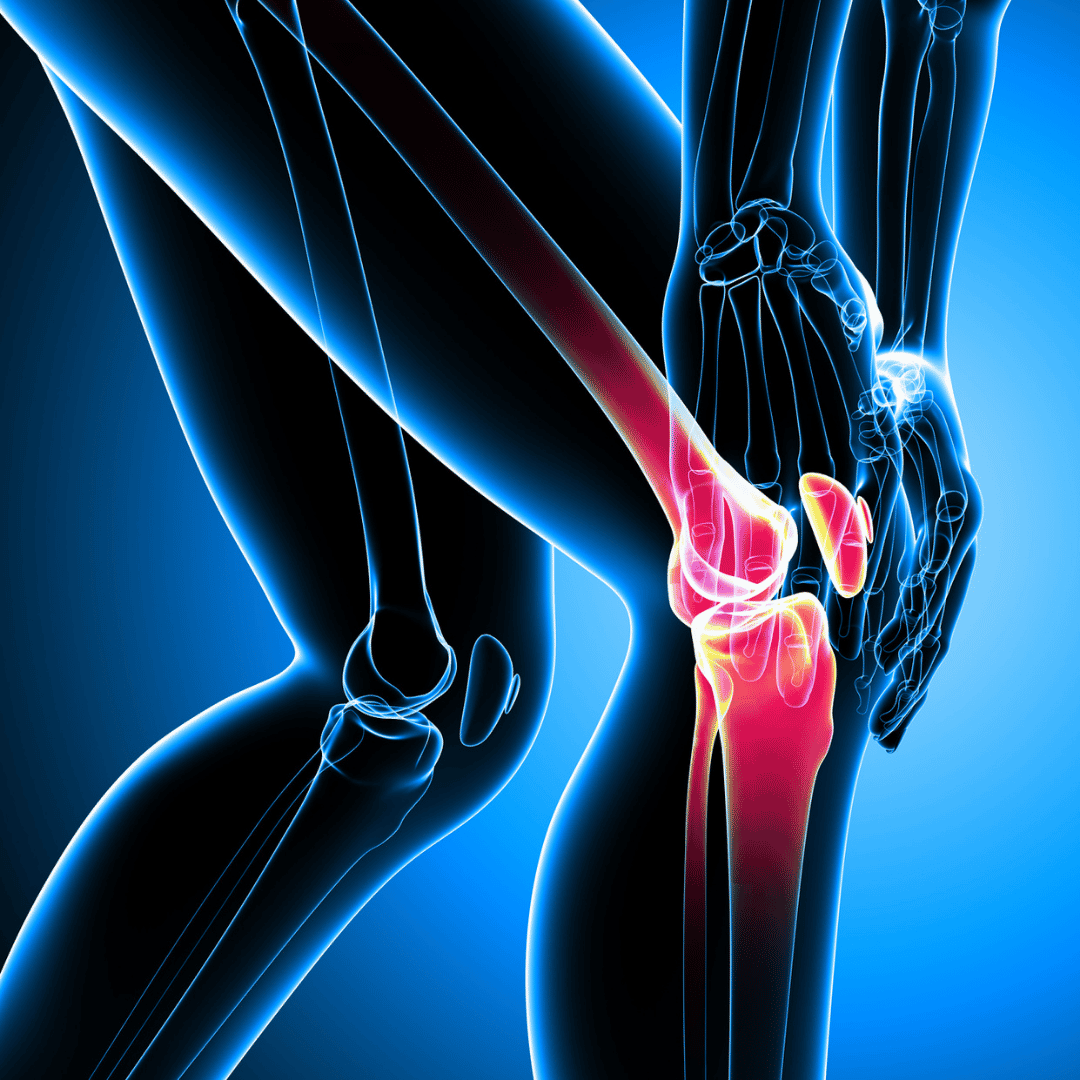
-Treatment-Package-in-Izmir,-Turkey.png)



.png)

.png)














Share this listing