
Cuprins
Turcia a urcat rapid în topul destinațiilor globale pentru chirurgia ortopedică, oferind o alternativă convingătoare pentru pacienții care se confruntă cu timpi lungi de așteptare sau costuri prohibitive în Marea Britanie, SUA și Europa. Indiferent dacă aveți nevoie de o proteză totală de genunchi, o resurfacing de șold sau o intervenție chirurgicală complexă a coloanei vertebrale, Turcia combină tehnologia medicală de ultimă generație cu o tradiție profundă de ospitalitate.
Alegerea Turciei înseamnă accesarea uneia dintre cele mai mari concentrații de spitale acreditate JCI din lume. Facilitățile din Istanbul, Antalya și Izmir nu sunt doar moderne; ele sunt adesea echipate cu sisteme robotice avansate (cum ar fi MAKOplastia), care sunt încă rare în multe spitale comunitare occidentale.
Experiența merge dincolo de sala de operație. Turcia este unică prin faptul că oferă pachete complete de recuperare care utilizează adesea izvoarele termale naturale ale țării, combinând terapia fizică clinică cu proprietățile vindecătoare ale apelor bogate în minerale.
Din momentul în care sosiți, intrați într-un sistem conceput pentru pacienți internaționali, cu personal vorbitor de limba engleză, transferuri VIP și un nivel de îngrijire personalizată care transformă o necesitate medicală într-o călătorie confortabilă către mobilitate.
Știați?
Turcia este un pionier în „turismul termal de sănătate”. Mulți pacienți ortopedici se recuperează în unități situate în regiuni precum Pamukkale sau Bursa, unde combină fizioterapia standard cu hidroterapia în bazine termale naturale, ceea ce ajută la reducerea durerilor articulare și la accelerarea vindecării naturale.
Informații cheie pe scurt
Așteptați-vă să plătiți cu 50-70% mai puțin pentru proceduri precum înlocuirea genunchiului sau a șoldului, comparativ cu SUA sau Marea Britanie.
Evitați cozile de luni întregi, comune în NHS sau în alte sisteme de sănătate publică; operațiile pot fi adesea programate în câteva săptămâni.
Disponibilitate pe scară largă a sistemelor de chirurgie asistată robotic pentru o precizie mai mare și o recuperare mai rapidă.
Turcia deține unul dintre cele mai mari număr de spitale acreditate JCI la nivel global, asigurând standarde internaționale.
Programele integrate de fizioterapie, adesea în medii de lux sau în stațiuni de pe coastă, sunt standard.
Mulți specialiști s-au instruit în SUA sau Europa și efectuează un volum mare de proceduri articulare specializate.
Conceptul de vindecare de sărbători
În Turcia, „Vindecarea în vacanță” nu este doar un slogan de marketing - este o practică structurată. Centrele ortopedice importante din Antalya și Izmir colaborează cu stațiuni de 5 stele pentru a oferi „suite de recuperare”. Acest lucru le permite pacienților să se recupereze după operațiile la genunchi sau șold într-o atmosferă de vacanță, cu vedere la mare, în timp ce asistentele medicale și kinetoterapeuții îi vizitează zilnic în camerele lor de hotel.
Eficientizează-ți parcursul medical cu pachete complete concepute pentru pacienți internaționali. În această secțiune, prezentăm spitale și clinici de top din Turcia, care oferă pachete all-inclusive. Aceste pachete includ de obicei intervenția chirurgicală în sine (implanturi, anestezie, taxe de spitalizare), transferuri VIP de la/la aeroport, cazare la hotel pentru tine și un însoțitor și ședințe inițiale de fizioterapie. Prin combinarea acestor servicii, obții claritate financiară și ușurință logistică.
Notă: Verificați dacă pachetul include implanturi aprobate de FDA (cum ar fi Stryker sau Zimmer Biomet) pentru a asigura hardware de înaltă calitate.
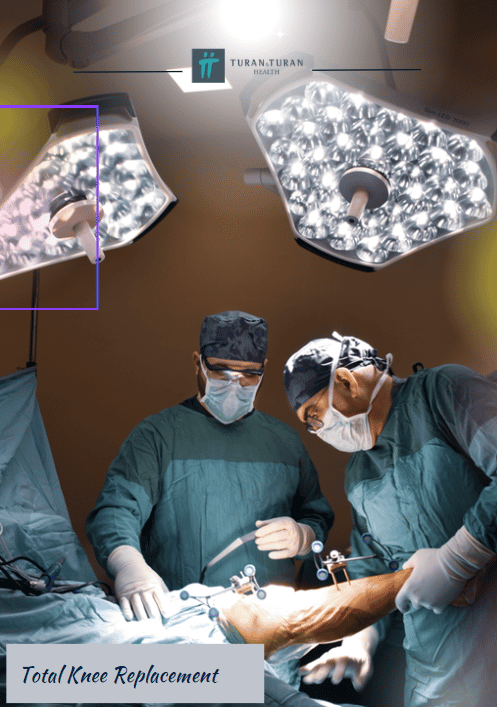
Price starting from $10,800
Robotic Knee Replacement Surgery Package in Istanbul, Turkey by Turan Turan
Turan Turan Robotic Surgery Center and Orthopedic Clinic in Turkey
- Orthopedic/Knee Surgery
Istanbul,Bursa
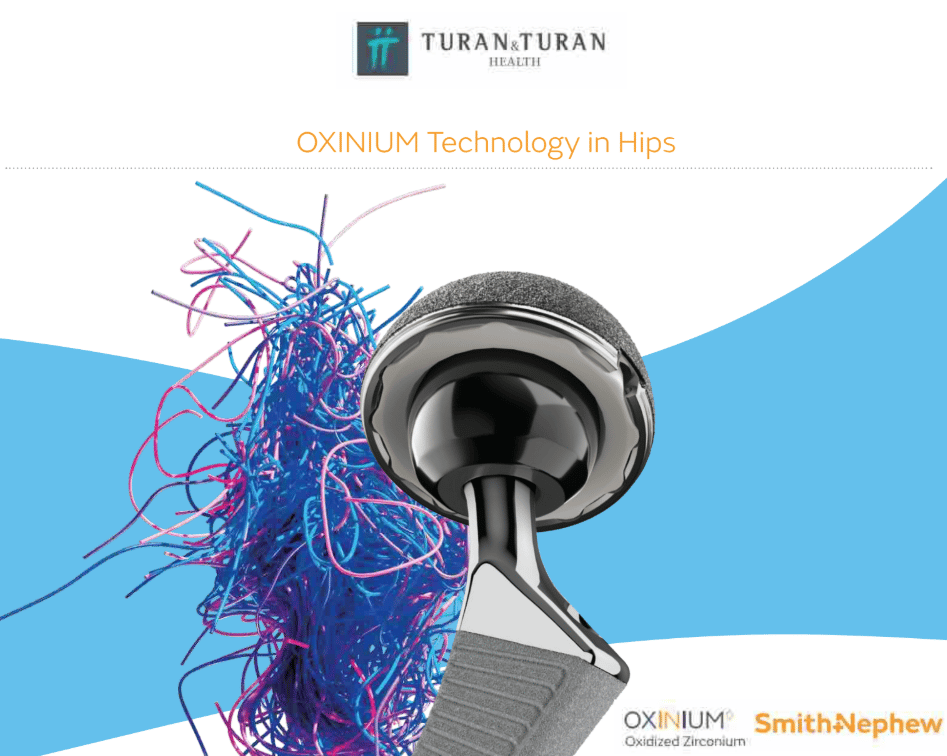
Price starting from $12,800
Hip Replacement Surgery Package in Istanbul, Turkey by Turan Turan
Turan Turan Robotic Surgery Center and Orthopedic Clinic in Turkey
- Orthopedic/Knee Surgery
Istanbul,Bursa
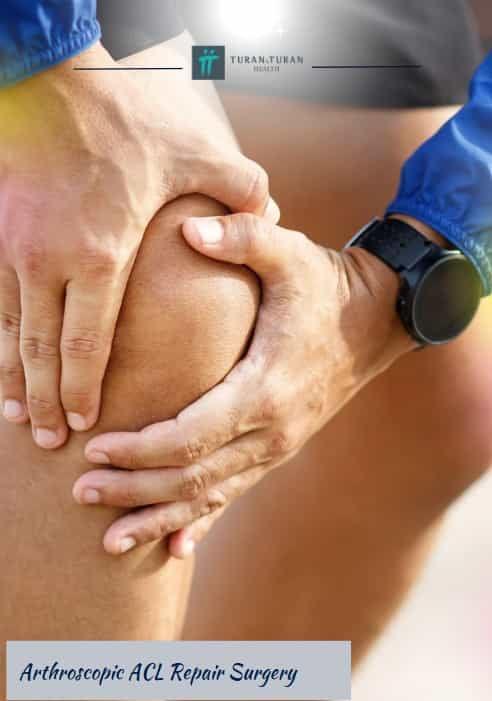
Price starting from $7,000
ACL Repair Surgery Package in Istanbul, Turkey by Turan Turan
Turan Turan Robotic Surgery Center and Orthopedic Clinic in Turkey
- Orthopedic/Knee Surgery
Istanbul,Bursa
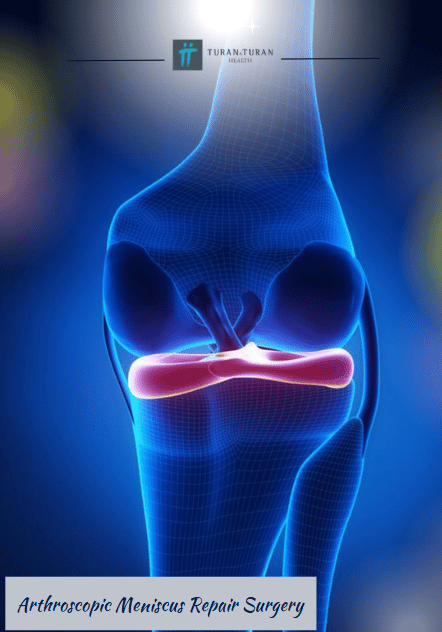
Price starting from $5,750
Arthroscopic Meniscus Repair Surgery Package in Istanbul, Turkey by Turan Turan
Turan Turan Robotic Surgery Center and Orthopedic Clinic in Turkey
- Orthopedic/Knee Surgery
Istanbul,Bursa
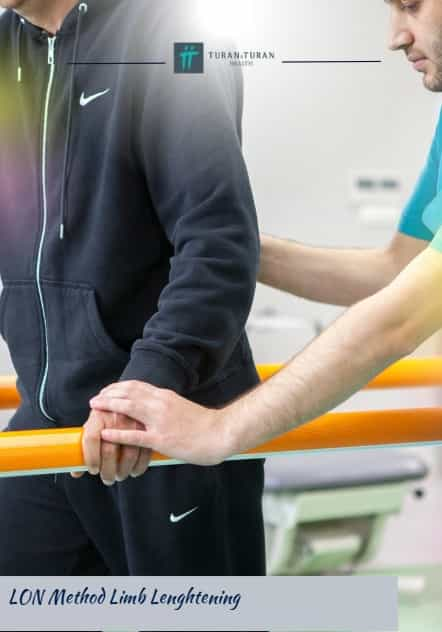
Price starting from $21,000
Limb Lengthening Surgery (LON Method) Package in Istanbul, Turkey by Turan Turan
Turan Turan Robotic Surgery Center and Orthopedic Clinic in Turkey
- Orthopedic/Knee Surgery
Istanbul,Bursa

Price starting from $8,000
Knee Replacement Package in Istanbul, Turkey for Overseas Patients with Severe Knee Pain
International Multispecialty Hospital in Istanbul, Turkey
- Orthopedic/Knee Surgery
Istanbul,Turkey
Eficiența costurilor este un avantaj major al alegerii Turciei. Tabelul de mai jos ilustrează costurile medii pentru procedurile ortopedice comune în Turcia față de Europa de Vest și SUA. De exemplu, o proteză totală de genunchi care ar putea costa 40.000 de dolari în SUA variază adesea între 6.000 și 9.000 de dolari în Turcia. Aceste prețuri acoperă, în general, spitalizarea, onorariile chirurgului și implanturile standard, oferind o valoare imensă fără a compromite standardele clinice.
Sfat: Solicitați întotdeauna o ofertă cu preț fix care include și eventualele zile suplimentare de spitalizare, pentru a evita costuri neprevăzute.
Orthopedic/Knee Surgery Compararea costurilor centrelor în Turkey
| Furnizor | Procedură | Preț |
|---|---|---|
| Turan Turan Robotic Surgery Center and Orthopedic Clinic in Turkey | Meniscus Repair, Orthopedic/Knee Surgery | $5700 |
| Turan Turan Robotic Surgery Center and Orthopedic Clinic in Turkey | Hip Replacement Surgery Partial or Total, Orthopedic/Knee Surgery | $12800 |
| Emot Plus International Hospital - Orthopedic Surgery in Izmir | Hip Replacement Surgery Partial or Total, Orthopedic/Knee Surgery | $16000 |
| Turan Turan Robotic Surgery Center and Orthopedic Clinic in Turkey | ACL Repair, Orthopedic/Knee Surgery | $7000 |
Orthopedic/Knee Surgery Compararea costurilor în Turkey
| Ţară | Procedură | Preț |
|---|---|---|
| United States | Knee Replacement Total or Partial, Orthopedic/Knee Surgery | $40000 |
| United States | Hip Replacement Surgery Partial or Total, Orthopedic/Knee Surgery | $45000 |
| United States | ACL Repair, Orthopedic/Knee Surgery | $20000 |
Rezultatul dumneavoastră depinde în mare măsură de capacitățile unității medicale. Am selectat centre medicale de top din Turcia, cunoscute pentru excelența lor ortopedică. Aceste spitale multidisciplinare sunt adesea acreditate JCI și dispun de aripi ortopedice dedicate, centre de imagistică avansată (RMN/CT) și unități de reabilitare specializate. Explorați aceste profiluri pentru a găsi unități care utilizează cea mai recentă tehnologie robotică și respectă protocoalele internaționale stricte de igienă.
Siguranța pe primul loc: Căutați spitale cu „centre de excelență” special concepute pentru medicina sportivă sau proteze articulare.


International Multispecialty Hospital in Istanbul, Turkey
Istanbul,Turkey
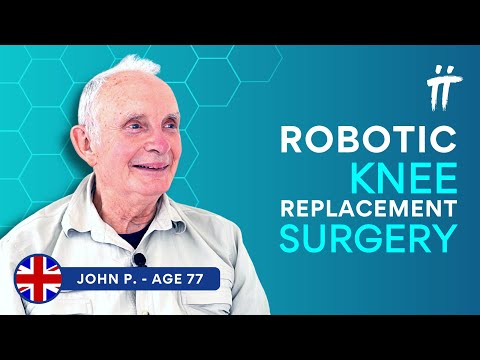
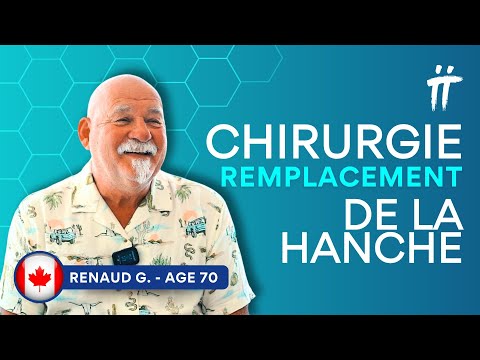
A afla părerile altor persoane care și-au recăpătat mobilitatea în străinătate poate fi incredibil de liniștitor. În această secțiune, prezentăm mărturii video ale unor pacienți internaționali care au călătorit în Turcia pentru proceduri ortopedice. Urmăriți-i cum discută despre durerile preoperatorii, experiența lor cu personalul medical turc, calitatea facilităților spitalului și parcursul lor de recuperare către un stil de viață activ.
Informații: Acordați atenție pacienților care discută despre experiența lor de „zbor spre casă”, deoarece aceasta este o preocupare frecventă pentru călătorii ortopedici.




Citiți recenzii și evaluări verificate pentru a evalua satisfacția pacienților. Această secțiune compilează feedback sincer privind comunicarea, gestionarea durerii, succesul rezultatelor și asistența postoperatorie. Recenziile pozitive de la pacienții din țara dvs. de origine pot oferi informații specifice despre logistica călătoriei și nivelul de îngrijire la care vă puteți aștepta atunci când alegeți Turcia pentru nevoile dvs. ortopedice.
Sfat pentru recenzii: Căutați recenzii care menționează eficacitatea terapiei fizice oferite în timpul șederii în spital.

How much is a Knee Replacement in Turkey?
Dealing with chronic knee pain can be debilitating, affecting every aspect of your life. If you've been told a knee replacement is your best path forward, the cost can be a major hurdle. This is where medical tourism in Turkey has become a game-changer for thousands of patients worldwide. A knee replacement in Turkey offers a unique combination of affordability, high-quality care, and access to world-class surgeons and technology. This procedure, also known as knee arthroplasty, replaces the damaged surfaces of the knee joint to relieve pain and restore function, and doing it in Turkey can save you up to 70% compared to costs in the US or UK without compromising on quality. This guide will walk you through everything you need to know, answering the most common questions people have about getting knee surgery in this beautiful and medically advanced country. We'll break down the costs, explain the procedure, and give you the confidence to make an informed decision about your health. How much does a knee replacement cost in Turkey? “The average cost of a total knee replacement in Turkey typically ranges from $4,500 to $12,000. For a bilateral procedure (both knees), the cost can range from $15,000 to $20,000, offering significant savings compared to Western countries.” The price for a knee replacement in Turkey is remarkably competitive, making it a top destination for medical travelers. This cost advantage doesn't mean a sacrifice in quality. On the contrary, many Turkish hospitals are internationally accredited and use the same high-quality implants and advanced surgical techniques found in the United States and Europe. The primary reason for the lower price is the country's lower cost of living and operational expenses, not a lower standard of care. When you receive a quote from a Turkish clinic, it's often part of an all-inclusive package, which simplifies the entire process. This means you get one transparent price that covers the majority of your medical and travel-related expenses, allowing you to focus solely on your recovery. What factors influence the cost of knee surgery in Turkey? “Several key factors affect the final cost of knee surgery in Turkey, including the type of implant used (e.g., standard vs. robotic-assisted), the surgeon's experience, the hospital's reputation and accreditation, and the comprehensiveness of the medical package.” Not all knee replacements are the same, and the price can vary based on your specific needs. Understanding these factors will help you see where the value lies. Type of Implant: The material and design of the prosthetic knee joint play a role in the cost. Implants can be made of metal alloys, ceramic, or high-grade plastic. Advanced options, like those used in robotic-assisted surgery, may come at a higher price but can offer greater precision and potentially faster recovery. Hospital and Surgeon: Highly reputable hospitals with JCI (Joint Commission International) accreditation and surgeons with extensive international experience may charge more. However, this often translates to higher success rates and better overall patient care. Surgical Technique: The complexity of the procedure matters. A standard primary knee replacement will cost less than a complex revision surgery (where a previous implant is being replaced) or a bilateral replacement. Minimally invasive techniques might also have different cost structures. Package Inclusions: The extent of the all-inclusive package will influence the price. A package that includes a longer hotel stay, physical therapy sessions, and private transportation will naturally cost more than a basic surgery-only package. What is typically included in a knee replacement package in Turkey? “Most all-inclusive knee replacement packages in Turkey cover the surgeon and anesthesia fees, the cost of the implant, hospital stay, pre-operative tests, post-operative medications, airport transfers, hotel accommodation, and translation services.” The convenience of an all-inclusive package is one of the biggest draws for medical tourists. It removes the stress of planning and hidden fees. While packages vary between clinics, a comprehensive one usually includes: Medical Services: Initial consultation and pre-surgery examinations (X-rays, blood tests). The full cost of the knee arthroplasty surgery. Surgeon, anesthesiologist, and operating room fees. The knee implant itself. Hospital stay (typically 3-5 nights). Post-operative care and medications during your stay. Logistical Support: VIP airport pickup and drop-off. All transfers between the hotel and hospital. Hotel accommodation (often in a 4 or 5-star hotel for a set number of nights). A personal patient coordinator or translator. How does the cost in Turkey compare to the US and UK? “A knee replacement in Turkey can be up to 70% cheaper than in the UK and the US. While a procedure in the US can cost $35,000 or more and around £15,000 ($20,000+) in the UK, the same high-quality treatment in Turkey is available for a fraction of that price.” The cost difference is staggering and is the primary driver for patients seeking treatment abroad. Let's look at a simple comparison: Country Average Cost for Single Knee Replacement Turkey $4,500 - $12,000 United States $30,000 - $50,000+ United Kingdom $18,000 - $25,000 Germany $15,000 - $20,000 This significant saving means that even after factoring in the cost of flights, patients can save tens of thousands of dollars. This makes affordable knee surgery accessible to many who might be facing long waiting lists on national health services or are underinsured in their home countries. Is getting a knee replacement in Turkey safe? “Yes, getting a knee replacement in Turkey is overwhelmingly safe. Many top hospitals are JCI-accredited, meaning they adhere to the highest international standards for patient safety and quality of care, with success rates comparable to leading Western hospitals.” Safety is the number one concern for anyone considering surgery abroad, and rightly so. Turkey's healthcare system has invested heavily in infrastructure and technology to meet and exceed global standards. Many orthopedic surgeons in Turkey have trained in Europe and the US, bringing a wealth of international experience. Furthermore, the JCI accreditation held by premier Turkish hospitals is a rigorous endorsement of their commitment to safety protocols, sterile environments, and patient-centered care. This focus on quality ensures that the risk of complications like infections or implant failure is minimized. What is the success rate for knee replacement in Turkey? “The success rate for knee replacement in Turkey is very high, generally reported between 90% and 95%. This rate is on par with top orthopedic centers globally, reflecting the expertise of the surgeons and the advanced medical technology used.” A successful knee replacement is defined by significant pain relief, improved mobility, and enhanced quality of life. Turkish hospitals consistently deliver these outcomes. Patient satisfaction is a key metric, and reviews from international patients frequently praise the excellent results and the attentive care they receive throughout their journey. The longevity of the implant is also a measure of success. Modern knee implants used in Turkey are designed to last for 15 to 20 years or even longer, especially when paired with proper post-operative care and rehabilitation. Which hospitals are best for knee replacement in Turkey? “Some of the best hospitals for knee replacement in Turkey include internationally recognized groups like Medical Park Hospitals, as well as specialized orthopedic centers like Turan & Turan Clinic, primarily located in Istanbul, Ankara, and Antalya.” Turkey is home to numerous state-of-the-art medical facilities. When choosing a hospital, look for JCI accreditation, positive patient reviews, and specialists in orthopedics. Many of these top-tier hospitals have dedicated international patient departments to ensure a seamless experience, from the initial inquiry to your return home. These facilities are equipped with the latest diagnostic and surgical technology, including robotic-assisted systems that can improve implant alignment and lead to better long-term outcomes. What types of knee replacements are available in Turkey? “Turkish hospitals offer a full range of knee replacement procedures, including total knee replacement (TKR), partial knee replacement (unicompartmental), complex revision surgery, and advanced robotic-assisted knee replacement.” The type of surgery you need depends on the extent of the damage to your knee. A surgeon will assess your condition to recommend the best approach. Total Knee Replacement (TKR): This is the most common procedure, where all three compartments of the knee are replaced. Partial Knee Replacement: If the damage is confined to just one compartment of your knee, a partial replacement may be an option. This is a less invasive procedure with a potentially quicker recovery time. Robotic-Assisted Knee Replacement: This cutting-edge technique uses a robotic arm to assist the surgeon, allowing for incredibly precise placement of the implant. This can lead to a more natural-feeling knee and better longevity. What happens during a knee replacement consultation in Turkey? “During your consultation for a knee replacement in Turkey, you will undergo a comprehensive evaluation, including X-rays and a physical exam. The orthopedic surgeon will discuss your medical history, explain the best surgical approach for you, detail the type of implant to be used, and provide a transparent cost breakdown.” The process usually begins with an online consultation where you can share your medical records and initial X-rays. Once you arrive in Turkey, you will have an in-person meeting with your surgeon. This is your opportunity to ask any and all questions you have about the procedure, recovery, and expected outcomes. Your surgeon will confirm the treatment plan and ensure you are a good candidate for the surgery. This thorough, patient-focused approach is a hallmark of the high-quality care you can expect from Turkish medical teams. How long does the knee replacement procedure take? “The knee replacement surgery itself typically takes between one to two hours to complete. The procedure is performed under general or spinal anesthesia to ensure you are comfortable and pain-free.” While the surgery is relatively quick, you will spend some time in a recovery room immediately afterward for monitoring as the anesthesia wears off. Following this, you'll be moved to your private hospital room, where the nursing staff will manage your initial recovery and pain control. What is the recovery time for a knee replacement in Turkey? “Initial recovery allows for walking with assistance within a day or two of surgery. Most patients can return to normal daily activities within 3 to 6 weeks, with a full recovery and return to low-impact sports taking around 3 to 6 months with consistent physical therapy.” Recovery is a gradual process that requires your active participation. The medical team will get you up and moving very quickly, often the day after surgery, to promote circulation and prevent stiffness. A physical therapist will guide you through exercises to regain strength and flexibility. Most patients stay in Turkey for about one to two weeks post-surgery to ensure they are recovering well before flying home. Your Turkish clinic will provide a detailed rehabilitation plan for you to continue with your local physical therapist. How long will my new knee last? "A modern knee replacement is a durable medical device. Studies show that over 90% of knee replacements are still functioning well after 15 years, and over 80% last for 20 years or more. Longevity depends on your activity level, weight, and overall health." Think of your new knee like the tires on a car—the more mileage and stress you put on them, the faster they will wear out. However, with normal daily activity and by avoiding high-impact sports like running and jumping, you can expect your new knee to last for decades. The high-quality implants used for knee arthroplasty in Turkey are designed for durability and long-term performance. Why is knee surgery so much cheaper in Turkey? “The primary reasons for the affordable knee surgery in Turkey are the country's lower cost of living, favorable currency exchange rates, and government support for the medical tourism sector. It is not a reflection of lower quality care, surgeons, or materials.” Hospitals in Turkey have lower overheads from staff wages to operational costs—compared to facilities in the US or Western Europe. The Turkish government also provides incentives to the health tourism industry, which helps keep prices competitive. This economic advantage is passed directly to the patient, allowing you to access world-class healthcare without the exorbitant price tag. Ready to take the next step toward a pain-free life? Explore your options with PlacidWay. We can connect you with leading, accredited hospitals and expert orthopedic surgeons in Turkey to find the perfect solution for your needs and budget. Start your journey to recovery today!
How Much Does Knee Replacement Surgery Cost in Europe?
The estimated knee replacement surgery cost in Europe generally ranges from $7,000 to $15,000, depending on the country, type of implant, and facility. Prices typically cover the procedure, standard hospital stay, and initial post-operative care. Exploring knee replacement surgery in Europe presents an alternative for patients facing high domestic healthcare expenses or extensive public waiting lists. Joint deterioration, often caused by osteoarthritis, rheumatoid arthritis, or traumatic injury, can severely limit daily activities. When conservative treatments like medication, injections, or physical therapy no longer provide relief, a joint replacement may become a viable medical option to restore function and reduce pain. Understanding the full scope of medical tourism in Europe involves looking beyond the initial price tag. While the financial aspect is often the primary motivator, prospective patients must carefully weigh the clinical considerations, travel logistics, recovery timelines, and the vital importance of continued care once they return home. Key Takeaways Estimated procedure costs across various European destinations frequently range from $7,000 to $15,000. Treatment packages often bundle the surgery, standard implants, hospital stay, and initial physical therapy. Candidacy depends on a thorough evaluation of your medical history, joint damage severity, and overall physical health. Patients must proactively arrange their long-term rehabilitation and medical follow-up in their home country before traveling. Medical tourists should factor in additional expenses such as airfare, companion travel, prolonged lodging, and specialized travel insurance. What factors influence the knee replacement surgery cost in Europe? The knee replacement surgery cost in Europe fluctuates based on the destination country, the complexity of the surgical approach, the type of prosthetic implant utilized, and the length of your inpatient stay. Pricing is not uniform across the continent. Western European nations typically present higher estimates, reflecting higher local living costs and administrative expenses. In contrast, Central and Eastern European countries often provide more competitive pricing models while still adhering to stringent European Union medical regulations and hygiene standards. Another major factor is the implant material. Prosthetics crafted from advanced materials—such as specialized porous metals or highly cross-linked polyethylene—may increase the overall cost but are sometimes selected for their durability. Additionally, the need for specialized surgical techniques, such as computer-assisted navigation or robotic-assisted surgery, can add to the final estimate provided by a knee replacement surgery clinic in Europe. What is usually included in a medical tourism package for this procedure? International packages generally bundle the surgeon's fees, anesthesia, the prosthetic implant, operating room charges, standard pre-operative tests, and your immediate post-operative hospital stay. Facilities that frequently accommodate international patients aim to simplify the financial process by grouping predictable expenses. This typically covers your time in the inpatient ward, nursing care, routine post-operative medications (like pain relievers and blood thinners), and the first few sessions of inpatient physical therapy to get you moving safely. It is crucial to request a detailed itemized breakdown before committing to any treatment. Packages rarely cover extended stays caused by unforeseen medical complications, complex pre-existing conditions requiring extra monitoring, or upgraded implants not specified in the standard quote. You should also clarify whether airport transfers and translation services are included or billed separately. How do partial and total knee replacements differ in price and scope? Partial knee replacements are generally less expensive, require smaller incisions, and offer faster initial recovery times compared to total knee replacements, which replace the entire joint structure. A partial (unicompartmental) knee replacement addresses only the damaged section of the knee, preserving healthy bone and ligaments. Because the procedure is less invasive and requires a smaller implant, the estimated cost is often lower. However, not all patients are eligible for this option; it is typically reserved for those whose arthritis is strictly confined to one compartment of the knee. Total knee replacement involves resurfacing the ends of the femur and tibia and replacing the entire joint interface. This is the more common procedure for patients with widespread osteoarthritis. Due to the complexity of the surgery, the larger prosthetic required, and the longer expected hospital stay, it commands a higher price. Feature Partial Knee Replacement Total Knee Replacement Scope Replaces one diseased compartment Replaces the entire joint interface Cost Estimate Typically lower Typically higher Hospital Stay Usually 1-3 days Usually 3-5 days Which European countries are common destinations for joint replacement? Patients frequently travel to countries such as Turkey, Poland, the Czech Republic, Lithuania, and Spain, balancing competitive treatment estimates with robust medical infrastructure. Many individuals exploring medical tourism in Europe look toward Central and Eastern European countries. These regions have heavily invested in modernizing their private healthcare sectors and often feature English-speaking medical staff accustomed to international protocols. Destinations like Poland and the Czech Republic offer significant cost advantages compared to North American healthcare systems. Turkey is also a highly prominent hub for medical travelers, frequently bridging European and Asian healthcare markets. Western European nations, such as Germany and Spain, are recognized for advanced orthopedic research and technology, though their estimated costs are closer to those found in the US or UK. Did You Know? The European Union implements strict directives on medical devices, meaning that implants utilized in EU member states must meet rigorous safety and quality standards (CE marking) before they can be used in surgery. Am I a suitable candidate for a knee replacement abroad? Suitability for surgery abroad requires a thorough medical assessment to ensure you are healthy enough to undergo major joint surgery and tolerate the physical stress of international travel. Not everyone is an ideal candidate for traveling to a knee replacement surgery clinic in Europe. Suitable candidates typically experience severe, chronic knee pain that significantly impairs daily activities and has not responded to non-surgical treatments. They must also have a stable medical history without severe cardiovascular or respiratory conditions that could make anesthesia or long-haul flights excessively risky. Contraindications may include active infections, severe peripheral vascular disease, or morbid obesity, which can increase the risk of surgical complications or implant failure. You should always consult your local primary care physician or orthopedic specialist to assess your specific surgical risks before making any travel commitments. What should I expect during the pre-operative evaluation? The pre-operative phase involves comprehensive health screenings, imaging tests, and medical consultations to confirm your diagnosis and plan the specific surgical approach. Before you travel, international clinics will usually request your recent medical records, X-rays, or MRI scans for an initial remote consultation. This allows the surgical team to provide a preliminary treatment plan and an accurate estimate of the knee replacement surgery cost in Europe based on your specific joint anatomy. Upon your arrival, a secondary, in-person evaluation is mandatory. You will typically undergo fresh imaging, blood tests, an electrocardiogram (ECG), and a consultation with the anesthesiologist. This rigorous screening is designed to identify any undiagnosed issues that might affect your safety during the procedure. What are the potential risks and complications of knee replacement? As with any major surgery, risks include infection, deep vein thrombosis (blood clots), nerve damage, anesthesia reactions, and potential issues with the prosthetic implant itself. While joint replacement is commonly performed, it is a major operation that carries inherent medical risks. Infection is a serious concern that can occur at the incision site or deep around the implant. To mitigate this, patients are typically given prophylactic antibiotics before and after surgery. Blood clots (DVT) are another significant risk, particularly given the added immobility associated with flying. Surgeons often prescribe blood-thinning medications and compression stockings to reduce this danger. Additionally, while modern prosthetics are durable, they can wear out or loosen over time, potentially requiring a revision surgery years later. Some patients may also experience continued stiffness or persistent pain. Discussing these specific risks with a qualified healthcare professional is essential to making an informed decision. How long does the initial recovery take before I can fly home? Patients usually need to remain in the destination country for 10 to 14 days post-surgery to ensure stable initial recovery, begin physical therapy, and receive clearance to fly. Your hospital stay normally lasts between 3 to 5 days, during which time medical staff monitor your pain levels, wound healing, and mobility. Once discharged from the inpatient unit, you will typically transition to a nearby hotel or a specialized recovery facility to continue your initial rehabilitation. Flying too soon after major lower-extremity surgery significantly increases the risk of deep vein thrombosis. Your surgeon will evaluate your healing progress, remove any surgical staples or non-dissolvable sutures, and officially clear you for air travel only when it is medically appropriate. You will likely need mobility assistance, such as wheelchair services, at the airport. How do I handle follow-up care and physical therapy after returning home? A successful outcome depends heavily on consistent, long-term physical therapy and local medical follow-up, which you must arrange in your home country prior to traveling. The surgery itself is only the first step in restoring joint function; rehabilitation is just as critical. Upon returning home, you will need to engage in a structured physical therapy program for several months to rebuild strength, improve your range of motion, and reduce scar tissue formation. Neglecting this phase can lead to a stiff, painful joint. It is also vital to establish a relationship with a local primary care physician or orthopedist who is willing to take over your post-operative care. You must have a clear plan in place for who to contact if you develop a fever, notice increased redness at the incision site, or experience sudden pain after returning home. Always bring copies of your surgical reports, implant details, and discharge summaries from your European facility. What hidden expenses should I budget for when traveling for surgery? Beyond the core medical procedure, your budget must account for flights, extended lodging, specialized medical travel insurance, a travel companion's expenses, and ongoing local physical therapy. When calculating the true cost of your medical journey, do not rely solely on the clinical quote. Flights can fluctuate in price, and you may need to purchase more expensive tickets that allow for extra legroom or flexible date changes. Accommodation expenses for the 10 to 14 days you spend recovering outside the hospital also add up quickly, especially if a companion is staying with you. Furthermore, standard travel insurance rarely covers complications arising from planned elective surgery abroad. Specialized medical tourism insurance is highly recommended to protect against the financial impact of delayed flights due to medical unfitness or emergency hospitalization. Lastly, factor in the out-of-pocket costs for your months of physical therapy back home, which may not be fully covered by your domestic insurance. Important Consideration: Always request your complete medical file, including detailed notes on the exact make and model of your knee implant, before leaving the clinic. Your home doctor will need this information for any future care or potential MRI scans. Why Choose PlacidWay for Medical Tourism in Europe? PlacidWay serves as an educational platform to help patients navigate their international healthcare options. Here are five factual ways the platform supports patients exploring care abroad: 1. Extensive Information Network Provides access to a broad database of international clinics, allowing patients to review available facilities across multiple European countries in one place. 2. Transparent Cost Estimates Facilitates the acquisition of preliminary quotes and package breakdowns, helping patients formulate realistic budgets before making decisions. 3. Provider Connections Directly connects individuals with facility representatives, enabling patients to ask specific medical, logistical, and financial questions. 4. Multilingual Communication Assists patients by bridging initial language barriers through multi-language support platforms when connecting with foreign medical centers. 5. Procedure Education Supplies objective articles, guides, and checklists to help patients understand the general scope and requirements of orthopedic procedures. Frequently Asked Questions Can I get a bilateral knee replacement in Europe? Yes, some facilities offer bilateral knee replacements (replacing both knees during the same surgery). However, this increases surgical time, risks, and recovery demands. A surgeon must evaluate your overall health to determine if you are a suitable candidate for a simultaneous procedure. Will my domestic health insurance cover surgery in a European country? Most standard domestic health insurance plans do not cover elective treatments performed abroad. You should check directly with your insurance provider to understand your policy. Some patients utilize specialized medical travel insurance or self-fund their procedures. How long does a knee implant typically last? Modern knee implants often last 15 to 20 years, though this varies by patient. Factors such as your activity level, weight, and adherence to rehabilitation protocols can significantly impact the longevity of the prosthetic joint. What type of anesthesia is used for knee replacement? Knee replacements are usually performed under general anesthesia (where you are fully asleep) or regional anesthesia (such as a spinal block, which numbs the lower half of your body). The anesthesiologist will recommend the safest option based on your medical history. Is physical therapy included in European treatment packages? Many international treatment packages include initial post-operative physical therapy while you remain in the hospital or a designated recovery facility. However, you will need to arrange for long-term outpatient physical therapy in your home country. Can I travel alone for a knee replacement surgery? While it is possible to travel alone, it is highly recommended to bring a companion. Post-operative mobility is limited, and having someone to assist with luggage, airport navigation, and daily tasks during early recovery can significantly improve your safety and comfort. How soon after surgery can I walk? Physical therapists typically encourage patients to stand and take a few steps with a walker or crutches within 24 hours after surgery. Early mobilization helps promote circulation and reduces the risk of blood clots, though individual progress varies. What materials are used for knee implants in Europe? Implants are typically made from a combination of biocompatible metals (such as titanium or cobalt-chromium alloys) and highly durable medical-grade plastics (polyethylene). The specific materials used depend on the manufacturer and the surgeon's recommendation. Will I need special equipment at home after surgery? Yes, most patients require assistive devices such as a walker, crutches, or a cane during the initial weeks. Raised toilet seats, shower chairs, and grab bars are also commonly recommended to prevent falls and protect the new joint. How do I communicate with medical staff if I do not speak the local language? Many facilities that cater to international patients employ English-speaking medical staff and patient coordinators. Additionally, dedicated translation services are often provided to ensure you fully understand your medical care, risks, and recovery instructions. Compare Treatment Options Connect with providers to review estimates, understand your eligibility, and gather detailed information about undergoing orthopedic procedures abroad. Request Treatment Information References Total Knee Replacement – American Academy of Orthopaedic Surgeons (AAOS) Knee Replacement Overview and Recovery – National Health Service (NHS) Medical Tourism Guidelines – Centers for Disease Control and Prevention (CDC) Knee Replacement Risks and What to Expect – Mayo Clinic General Safety and Considerations for Medical Tourism – World Health Organization (WHO) Types of Knee Surgery – Arthritis Foundation Medical Disclaimer: The information provided in this article is for educational and informational purposes only and does not constitute medical advice, diagnosis, or treatment recommendations. Knee replacement surgery is a major medical procedure that carries inherent risks, and outcomes vary significantly from patient to patient depending on individual health and adherence to post-operative care. Pricing, availability, and specific travel regulations are subject to change and should not be considered guaranteed. Always consult with a qualified, board-certified healthcare professional in your home country before making any decisions regarding medical travel, elective surgery, or discontinuing any current treatments. PlacidWay does not endorse specific medical providers or guarantee clinical outcomes.
How Much is a Hip Replacement Surgery in Turkey?
Hip replacement surgery cost in Turkey typically ranges from $7,500 to $13,000 per joint, depending on the hospital, surgeon, implant, and package inclusions. Key Takeaways Total expenses encompass surgeon fees, operating room charges, anesthesia, and implant components. Patients must plan for an extended stay of two to three weeks for initial recovery and travel clearance. Verifying hospital accreditations and surgeon credentials is essential for medical tourism safety. Continuity of care with a local provider back home must be established prior to departure. Prosthetic implant brands should be internationally recognized to ensure long-term durability. What factors influence the hip replacement surgery cost in Turkey? The total financial commitment depends heavily on hospital tier, implant material selection, case complexity, and bundled recovery services provided during your medical journey. When evaluating financial estimates for hip replacement surgery in Turkey, patients must examine what is included in the initial quote. Comprehensive packages often cover hospital stays, nursing care, routine medications, and airport transfers, while diagnostic imaging or extended rehabilitation may incur separate charges. The choice of prosthetic implant also plays a major role in pricing. Premium ceramic-on-polyethylene or custom-engineered components can alter the baseline expense. It is crucial to request an itemized billing breakdown from your chosen hip replacement surgery clinic in Turkey to avoid unexpected out-of-pocket costs. Additionally, regional economic factors and currency exchange fluctuations contribute to lower operational expenses compared to North American healthcare systems. However, patients should prioritize clinical quality and safety protocols over seeking the lowest price point. Expense Category Estimated Cost Range Included Services & Variables Standard Package $9,000 – $12,000 Surgeon fees, standard implant, 3-night hospital stay Advanced Package $12,000 – $16,000 Robotic assistance, premium implants, extended care Additional Outlays $1,500 – $3,000 Flights, lodging, local transport, outpatient therapy How does medical tourism in Turkey support orthopedic patients? The structured ecosystem for international patients provides dedicated coordination, multilingual support, and modern clinical facilities equipped for complex joint replacement procedures. Participating in medical tourism in Turkey offers access to internationally accredited medical centers that feature advanced surgical suites and specialized orthopedic units. Many hospitals maintain partnerships with global healthcare networks, ensuring standardized sterilization and patient safety protocols. International patient departments help navigate logistical hurdles by managing medical record translations, scheduling consultations, and organizing accommodation near the treatment center. This administrative support reduces the stress of planning major surgery abroad. Nevertheless, patients must perform independent research to verify that the chosen facility adheres to rigorous clinical standards. Reviewing institutional accreditations and speaking directly with medical coordinators helps establish transparency before departure. Expert Insight Always request written confirmation detailing whether your quoted medical package covers unexpected revisions, extended hospital stays, or emergency medication requirements. What preoperative evaluations are required before scheduling surgery? Comprehensive diagnostic testing is mandatory to assess bone structure, joint degeneration, and overall physiological fitness for general or regional anesthesia. High-resolution X-rays and MRI scans to evaluate cartilage wear, bone spurs, and pelvic anatomy. Comprehensive blood panels to screen for infection, coagulation status, and systemic health markers. Cardiovascular assessments, including electrocardiograms, to ensure the heart can safely tolerate anesthesia. Endocrinology or internal medicine clearances if the patient manages chronic conditions like diabetes or hypertension. Detailed physical examinations by the orthopedic surgeon to measure joint range of motion and muscle strength. What are the potential risks and complications of hip arthroplasty? Like all major orthopedic interventions, hip replacement carries inherent medical risks that require careful monitoring and strict adherence to postoperative care guidelines. Deep vein thrombosis remains a primary concern, especially when combining major joint surgery with long-distance air travel. Preventative measures, including blood thinners and compression stockings, are routinely prescribed to minimize vascular complications. Infection at the surgical site or joint capsule represents another critical risk requiring prompt intervention. Patients must maintain strict incision hygiene and report unusual swelling, redness, or fever immediately. Other potential issues include joint dislocation, leg-length discrepancy, or implant wear over time. Selecting a highly experienced surgeon and using FDA-cleared or internationally recognized prosthetic components helps mitigate these long-term mechanical risks. Did You Know? Early mobilization is a cornerstone of modern hip replacement protocols, with patients typically encouraged to stand and take supported steps within twenty-four hours of their operation to promote healing. How should patients plan for post-surgical recovery and travel? A structured recovery timeline is vital. Medical guidelines strictly prohibit immediate air travel, requiring patients to remain near their surgical center for at least two to three weeks. The initial days post-surgery focus on acute pain management and supervised physical therapy sessions to restore basic mobility. Once discharged from the hospital, patients transition to a recovery hotel where light exercises continue under professional guidance. Before boarding a return flight, your operating surgeon must perform a clinical evaluation to provide formal travel clearance. Travelers should request seating with adequate legroom, maintain hydration, and perform gentle seated leg movements during flight. Establishing ongoing rehabilitation with a local physical therapist in your home country ensures continuous progress and reduces the likelihood of developing scar tissue or gait abnormalities. Why Choose PlacidWay? Navigating international healthcare options can be challenging without objective information. PlacidWay connects individuals with structured resources to compare global medical providers effectively. Access comprehensive directories of accredited hospitals and orthopedic specialty centers worldwide. Compare estimated pricing structures across different international destinations to evaluate healthcare budgets responsibly. Connect directly with international patient coordinators to ask clinical questions and request detailed treatment itineraries. Review educational resources regarding medical travel planning, facility standards, and postoperative recovery guidelines. Explore flexible healthcare options tailored to individuals seeking high-quality orthopedic solutions abroad. Frequently Asked Questions Are orthopedic surgeons in Turkey board certified? Many orthopedic specialists in Turkey hold certifications from national medical boards and have completed international fellowships. Patients should always verify their specific licensing and training credentials through official medical registries before scheduling treatment. Is physical therapy included in the total treatment package? Initial inpatient physical therapy during your hospital stay is typically included in standard surgical packages. However, extended outpatient rehabilitation sessions often require separate financial arrangements, so you should clarify this directly with your chosen healthcare provider. Can I fly home immediately after hip joint replacement? Medical guidelines strictly prohibit long-haul flights immediately following major joint arthroplasty due to the elevated risk of deep vein thrombosis and pulmonary embolism. Patients generally need to remain in the destination country for two to three weeks before receiving travel clearance. What happens if I experience complications after returning home? You must establish a relationship with a local orthopedic specialist in your home country prior to traveling. Having your complete medical records translated and transferred ensures seamless continuity of care if postoperative issues arise after your return. Are English speaking medical staff available in hospitals? Private medical facilities that cater to international patients usually employ English-speaking physicians, nurses, and dedicated patient coordinators. These professionals ensure clear communication regarding medical instructions, informed consent, and postoperative care. How long does the actual hip replacement procedure take? The surgical procedure itself generally lasts between one and two hours. Additional time is required for preoperative preparation, anesthesia administration, and immediate postoperative monitoring in the recovery unit. Do I need a medical visa to travel for treatment? Visa requirements depend entirely on your citizenship and current national entry regulations. Many travelers require an electronic visa, which should be secured well in advance of your scheduled medical appointments and travel dates. Are robotic assisted systems used during hip arthroplasty? Many advanced hospitals integrate computer-assisted navigation and robotic guidance systems into their operating suites. These technologies assist surgeons in planning precise implant alignment, though the operating surgeon remains in complete control throughout. What pain management protocols are utilized postoperatively? Hospitals typically employ a multimodal pain management approach, combining localized nerve blocks, oral analgesics, and intravenous medications to keep patients comfortable and facilitate early mobilization. How soon can I walk unassisted after the operation? Patients typically begin standing and walking with assistive devices within twenty-four hours of surgery. Achieving a normal, unassisted gait generally takes several months of dedicated physical therapy and consistent daily exercise. Compare Your Orthopedic Treatment Options Review accredited facilities, compare estimates, and connect with medical providers to make an informed decision regarding your healthcare journey. Request Treatment Information References Total Hip Replacement – American Academy of Orthopaedic Surgeons Hip Replacement Overview – Mayo Clinic Venous Thromboembolism and Travel – Centers for Disease Control and Prevention Patient Safety and Quality Care – World Health Organization International Healthcare Accreditation Standards – ISQua Planning for Joint Surgery Abroad – Arthritis Foundation
How much does Meniscus Repair cost in Turkey?
Suffering from a torn meniscus can be a painful and debilitating experience, putting a major brake on your active lifestyle. Fortunately, effective surgical options exist. Meniscus repair cost in Turkey is significantly lower than in many Western countries, making it an increasingly popular choice for patients worldwide seeking high-quality, affordable care. This procedure, aimed at preserving the knee's natural shock absorber, not only alleviates pain but also helps prevent future complications like arthritis. If you're considering this surgery, understanding the costs, procedures, and what to expect is crucial. Turkey offers a compelling combination of experienced orthopedic surgeons, modern medical facilities, and all-inclusive packages that simplify the entire medical journey. This guide will walk you through everything you need to know about getting a meniscus repair in Turkey, from the initial price tag to the recovery process, helping you make an informed decision about your knee health. How much does a meniscus repair cost in Turkey? "The average meniscus repair cost in Turkey typically ranges from $2,500 to $5,500. However, prices can go up to $7,200 depending on the complexity of the tear, the surgeon's experience, the hospital's reputation, and the specifics of the treatment package." This price range is significantly more affordable compared to countries like the US or the UK, where the same procedure can cost two to three times as much. The lower cost in Turkey does not imply a compromise on quality. The affordability is due to the country's lower cost of living, favorable exchange rates, and government support for the medical tourism sector. Many Turkish hospitals offer all-inclusive packages designed for international patients. These packages often bundle all necessary services into a single price, providing transparency and eliminating hidden fees. This makes financial planning much more straightforward for patients traveling from abroad for their knee surgery in Turkey. What factors influence the final cost of meniscus surgery in Turkey? "Several key factors determine the final cost, including the specific type of surgery (repair vs. partial meniscectomy), the surgeon's and hospital's prestige, the city where the procedure is performed, and whether an all-inclusive package is chosen." Understanding these variables can help you better estimate your total expenses. Here’s a breakdown: Type of Surgery: A full meniscus repair, which involves suturing the torn cartilage, can be more complex and thus more expensive than a partial meniscectomy, where the damaged part of the meniscus is removed. The decision between these procedures depends on the tear's location, size, and pattern. Surgeon and Hospital Choice: Highly experienced surgeons with international acclaim and JCI-accredited hospitals with state-of-the-art technology may charge more for their services. Cities like Istanbul and Ankara have a higher concentration of these premier facilities. Complexity of the Case: A simple, small tear will naturally cost less to repair than a complex tear that might be combined with other ligament injuries, such as an ACL tear. Package Inclusions: The scope of the all-inclusive package affects the price. Basic packages cover the surgery and hospital stay, while comprehensive ones might add luxury accommodation, dedicated translators, and post-operative physical therapy sessions. What is typically included in a meniscus repair package in Turkey? "Most all-inclusive meniscus repair packages in Turkey include the surgeon and anesthesia fees, one to two nights of hospital stay, pre-operative consultations and diagnostic tests (like MRI), post-operative medications, and all airport, hotel, and hospital transfers." These packages are designed to provide a seamless and stress-free experience for medical tourists. When you opt for a package, you can generally expect it to cover all the essential medical costs associated with the procedure. This transparency is a major advantage of seeking orthopedic surgery in Turkey. However, it's crucial to confirm what's not included. Typically, packages do not cover the cost of your flights to and from Turkey, your visa (if required), or expenses for any tourism or personal activities. Some packages may also exclude the cost of extended hospital stays or treatment for unforeseen complications, so it's vital to clarify these details with your chosen clinic beforehand. Why is meniscus repair in Turkey so affordable? "The affordability of meniscus repair in Turkey is due to the country's lower operational and labor costs, a favorable currency exchange rate for international patients, and strong government incentives that support the medical tourism industry, not a lower standard of care." Many people wonder if the lower price indicates lower quality, but this is a common misconception. Turkish orthopedic hospitals are known for their high standards, with many holding international accreditations like JCI (Joint Commission International). They are equipped with the latest medical technologies, and surgeons are often trained in Europe and the United States. The economic structure of the country allows for these competitive prices. The cost of medical education, staff salaries, and facility maintenance is less expensive than in North America or Western Europe. This economic advantage is passed on to patients, making medical tourism in Turkey a financially smart choice for high-quality healthcare. What is the difference between meniscus repair and meniscectomy? "A meniscus repair involves suturing the torn pieces of the meniscus back together to preserve the tissue, while a meniscectomy involves surgically removing the damaged portion of the meniscus. Repair is generally preferred for long-term knee health." The primary goal of a meniscus repair is to save the meniscus. This is important because the meniscus acts as a crucial shock absorber and stabilizer for the knee joint. Preserving it helps to reduce the risk of developing osteoarthritis later in life. This procedure is typically possible when the tear is in the outer portion of the meniscus (the "red zone"), which has a good blood supply necessary for healing. A meniscectomy, on the other hand, is performed when the tear is in the inner "white zone" with poor blood supply, making healing unlikely. While a meniscectomy can provide quicker initial pain relief and a faster recovery, the removal of knee cartilage can increase long-term stress on the joint. Your surgeon will determine the best approach based on an MRI and an arthroscopic evaluation during surgery. What is the success rate for meniscus repair in Turkey? "The success rate for arthroscopic meniscus repair in Turkey is very high, generally reported to be between 85% and 90%. This rate is on par with leading hospitals in Europe and the United States." This high success rate is attributed to several factors. Turkish orthopedic surgeons are highly skilled and perform a large volume of these surgeries, leading to greater expertise. The use of advanced arthroscopic techniques, which are minimally invasive, also contributes to better outcomes, less scarring, and faster recovery times. Furthermore, success is also dependent on the patient. Adhering strictly to the post-operative rehabilitation protocol, including physical therapy and activity restrictions, is critical for the repaired meniscus to heal properly and ensure a successful long-term result. How do I choose the best surgeon and hospital in Turkey? "To choose the best surgeon, look for board-certified orthopedic specialists with extensive experience in arthroscopic knee surgery. For hospitals, prioritize those with international accreditations, such as JCI, and positive reviews from previous international patients." Doing your research is paramount. Look for surgeon profiles that detail their educational background, years of experience, and any specializations in sports medicine or knee surgery. Many hospitals provide this information on their websites. Patient testimonials and before-and-after stories can also provide valuable insight into the patient experience. Consider working with a reputable medical tourism facilitator like PlacidWay. These agencies have already vetted numerous hospitals and surgeons, and they can connect you with the best options based on your specific needs and budget. They assist with everything from medical record reviews to travel logistics, making the process much smoother. What does the meniscus repair procedure involve? "Meniscus repair is a minimally invasive procedure performed arthroscopically. The surgeon makes small incisions around the knee, inserts a tiny camera (arthroscope) to view the joint, and uses specialized instruments to suture the torn meniscus." The surgery is typically performed under general or spinal anesthesia and usually takes about one to two hours. The arthroscopic approach means less pain, minimal scarring, and a quicker recovery compared to traditional open surgery. The surgeon visualizes the inside of your knee on a high-definition monitor, allowing for precise placement of sutures or other fixation devices to hold the torn tissue together while it heals. After the sutures are in place, the instruments are removed, and the small incisions are closed. You will wake up in a recovery room with your knee bandaged and likely in a brace to keep it stable. How long does recovery take after meniscus repair? "Full recovery from a meniscus repair can take between three to six months. Patients typically use crutches for four to six weeks to avoid putting weight on the knee, and a knee brace is worn to protect the healing tissue." The recovery timeline is phased and requires patience. The initial weeks are focused on controlling pain and swelling while allowing the meniscus to begin healing. You will be on crutches and your range of motion will be restricted. Physical therapy is a cornerstone of recovery and often begins shortly after surgery. As healing progresses, your physical therapist will guide you through exercises to gradually restore your knee's range of motion, strength, and stability. A return to desk work may be possible within a couple of weeks, but returning to sports or physically demanding activities will take several months and requires clearance from your surgeon. How long should I plan to stay in Turkey? "Patients undergoing meniscus repair surgery in Turkey should plan to stay in the country for approximately 10 to 14 days. This allows for the pre-operative consultation, the surgery itself, a brief hospital stay, and initial post-operative check-ups." This timeframe ensures that your surgeon can monitor your initial recovery and address any immediate concerns before you fly home. The first follow-up appointment usually occurs a few days after you are discharged from the hospital. Your medical team will provide you with a comprehensive rehabilitation plan and all necessary medical documents to continue your care with a physical therapist in your home country. Many Turkish clinics also offer remote follow-up consultations to check on your long-term progress. What are the risks associated with meniscus repair surgery? "Like any surgery, meniscus repair has potential risks, including infection, blood clots, stiffness in the knee, nerve or blood vessel damage, and failure of the repair to heal. However, these complications are rare, especially when the procedure is performed by an experienced surgeon." Choosing a high-quality, accredited hospital significantly minimizes these risks. The medical team will take every precaution, such as administering antibiotics to prevent infection and advising on exercises to prevent blood clots. The most common "risk" is that the meniscus fails to heal, which can occur in 10-20% of cases, particularly in older patients or with more complex tears. In such instances, a second procedure, usually a partial meniscectomy, may be required. Discussing these potential outcomes with your surgeon is an important part of the consent process. Is meniscus repair surgery painful? "You will not feel pain during the surgery due to anesthesia. Post-operative pain is expected but is well-managed with prescribed pain medication. The pain typically subsides significantly within the first week." The initial discomfort after surgery is a normal part of the healing process. The medical staff will ensure you are comfortable during your hospital stay. You will be sent home with a prescription for pain relievers to manage any pain in the following days. Using ice packs on the knee for 15-20 minutes several times a day is also highly effective at reducing both pain and swelling, especially in the first 48 hours after the procedure. As you recover and the swelling goes down, the pain will steadily decrease. Ready to take the next step toward a pain-free knee? Explore your options for affordable, high-quality meniscus repair and other orthopedic treatments abroad. Contact PlacidWay today to get a personalized quote and connect with world-class medical providers in Turkey!
How much does limb lengthening surgery cost in Turkey?
The estimated limb lengthening surgery cost in Turkey typically ranges from $15,000 to $50,000. This depends heavily on the chosen surgical method (like PRECICE or LON), the specific clinic, and the length of your stay for rehabilitation. Distraction osteogenesis, more commonly known as limb lengthening, is an intensive orthopedic procedure. Historically developed to treat severe congenital deformities or traumatic injuries, it has increasingly become a sought-after option for cosmetic height increases. For patients exploring medical tourism in Turkey, understanding the financial, physical, and emotional commitments of this procedure is vital before making a decision. Key Takeaways Prices generally range from $15,000 to $50,000 based on the technique and device used. Methods include internal lengthening nails (like PRECICE) and combined external/internal systems (like LON). The procedure requires extensive physical therapy and a prolonged recovery period of several months. Candidates must undergo strict medical and psychological evaluations before approval. Potential risks include pin-site infection, nerve damage, muscle contractures, and poor bone healing. What methods are used for limb lengthening in Turkey? Surgeons typically use either external fixators, combined methods like Lengthening Over Nail (LON), or fully internal magnetic nail systems like PRECICE. The type of device implanted dictates much of the patient experience, the recovery protocol, and the overall price. The traditional Ilizarov method, which relies entirely on a bulky external frame with pins passing through the skin and muscle into the bone, is still used for complex trauma reconstructions but is less common for pure cosmetic lengthening due to discomfort and scarring. Instead, many modern orthopedic centers utilize the LON (Lengthening Over Nail) method. This technique combines an external fixator to guide the bone stretching with a standard internal intramedullary nail to stabilize the bone once the target height is reached. The external frame is worn during the active lengthening phase and removed shortly after, leaving the internal nail in place while the bone hardens. The most advanced option is a fully internal magnetic intramedullary nail, such as the PRECICE system. This method involves surgically placing an adjustable nail directly inside the bone cavity. Patients use an external magnetic remote control daily to trigger the nail's gears, lengthening the bone by microscopic amounts. Because there are no external pins piercing the skin, the risk of pin-tract infections is drastically reduced, and patient comfort is generally higher. What factors influence the total cost of the procedure? The total expense is primarily driven by the surgical device used, hospital fees, length of rehabilitation, and accommodation during recovery. When calculating the limb lengthening surgery cost in Turkey, patients must look beyond the initial surgical fee. The price structure in orthopedic medical tourism often involves several distinct phases of care. The Surgical Technique: External fixator methods and LON are typically on the lower end of the pricing spectrum ($15,000 – $25,000). Fully internal magnetic nails require expensive, highly engineered hardware, pushing the cost higher ($35,000 – $50,000). Facility and Surgeon Fees: The reputation and infrastructure of the limb lengthening surgery clinic in Turkey play a role. Clinics with dedicated orthopedic rehabilitation wings or those employing highly experienced specialists often charge more. Post-Operative Stay and Rehabilitation: Lengthening takes months. Daily physical therapy, routine X-rays, nursing care, and wheelchair-accessible accommodation add significantly to the overall budget. Hardware Removal: Patients must account for a secondary surgery down the line to remove the internal nails once the bone has completely healed. Surgical Method Estimated Cost Range Hardware Placement Ilizarov / External Fixator $15,000 - $20,000 Fully External LON (Lengthening Over Nail) $18,000 - $28,000 Combined Internal/External Internal Magnetic Nail (e.g., PRECICE) $35,000 - $50,000 Fully Internal Note: The above prices are estimates and can fluctuate based on exchange rates, specific hospital pricing, and individualized patient needs. Who is considered a suitable candidate for this surgery? Suitable candidates are usually healthy adults with closed growth plates who pass rigorous physical and psychological screening. Limb lengthening is a massive physical trauma deliberately inflicted on the body in a controlled manner. Because of this, patient selection is incredibly strict. Candidates must undergo thorough blood panels, bone density scans (DEXA), and joint health evaluations to ensure their skeletal system can withstand the process. Psychological screening is just as important. The emotional toll of being temporarily disabled, combined with chronic pain and sleep disruption during the distraction phase, is intense. Medical professionals must screen for conditions like body dysmorphic disorder (BDD). If a patient's desire for height stems from a psychological condition that will not be satisfied by the physical change, they are typically contraindicated for the procedure. Additionally, patients who smoke, take certain medications that inhibit bone healing (like NSAIDs or high-dose steroids), or have a high Body Mass Index (BMI) may not qualify. The internal nails have strict weight-bearing limits, and excess body weight can cause the surgical hardware to bend or break. How much height can realistically be gained? Most patients can safely achieve an increase of 5 to 8 centimeters in the femurs or 4 to 6 centimeters in the tibias. While the hardware is physically capable of stretching further, the limiting factor in limb lengthening is not the bone itself, but the surrounding soft tissues. Nerves, blood vessels, muscles, and tendons do not stretch as easily as bone regenerates. Pushing past safe limits drastically increases the risk of permanent nerve damage, severe muscle contractures (where joints become permanently stiff and bent), and loss of athletic ability. Orthopedic surgeons will continuously monitor flexibility and nerve function during the lengthening process. If a patient develops tight Achilles tendons or begins losing sensation in their toes, the surgeon may halt the lengthening process early, regardless of the patient's initial height goals. Expert Insight: The principle of distraction osteogenesis relies on creating a "tension-stress" environment. When a bone is cut and slowly pulled apart (usually 1mm per day), the body responds by growing new bone tissue in the gap. If the rate is too fast, the bone won't form; if it's too slow, the bone may fuse prematurely. What does the recovery timeline typically look like? Recovery is a lengthy process that usually requires several months of restricted weight-bearing, daily physical therapy, and gradual bone consolidation. The journey is split into two main phases: the distraction phase and the consolidation phase. The Distraction Phase: This begins a few days after surgery. The bone is actively lengthened by roughly 1 millimeter a day. If a patient aims for 5 centimeters (50 millimeters) of growth, this phase takes about 50 days. During this time, pain is typically at its highest, and patients usually require walking aids like crutches or a wheelchair. The Consolidation Phase: Once the target height is reached, the lengthening stops. The newly formed "regenerate" bone is soft, resembling cartilage. Over the next several months, calcium hardens this tissue into solid bone. Patients gradually increase weight-bearing as the bone solidifies. It can often take 6 to 12 months before a patient can walk completely unassisted and normally without a noticeable limp. Full athletic recovery may take over a year. What are the potential risks and complications? Like any major orthopedic procedure, risks include pin-site infections, delayed bone healing, nerve stretching, joint stiffness, and deep vein thrombosis. Limb lengthening is categorized as a high-risk elective surgery. Patients must be fully aware that complications can and do occur, sometimes requiring additional surgeries to correct. For methods utilizing external fixators, pin-tract infections are highly common, though they can often be managed with oral antibiotics and diligent cleaning. A more severe risk across all methods is non-union or delayed union, where the new bone fails to form properly in the gap. This may require bone grafting. Other serious medical risks include fat embolism syndrome (where fat from the bone marrow enters the bloodstream) and deep vein thrombosis (blood clots in the legs due to limited mobility). Joint contractures are also a major concern; if the muscles cannot keep up with the bone growth, they can pull the knees or ankles into permanently bent positions, affecting long-term mobility. How do patients prepare for an extended stay in Turkey? Since rehabilitation requires daily monitoring, international patients should plan to stay in Turkey for two to three months following the procedure. Participating in medical tourism in Turkey for an elective orthopedic surgery requires significant logistical planning. You cannot simply have the surgery and fly home the next week. The distraction phase must be monitored closely by the operating surgeon via weekly X-rays to ensure the bone is forming correctly and the hardware is functioning. Patients need to secure long-term, accessible accommodation. The apartment or hotel must be wheelchair-friendly with accessible bathrooms. Furthermore, having a dedicated caregiver—whether a family member or a hired local nurse—is essential. You will struggle with basic tasks like cooking, bathing, and getting to physiotherapy appointments during the initial months. What type of physical therapy is required after surgery? Patients typically undergo intensive daily physiotherapy to maintain joint flexibility, prevent muscle contractures, and support safe bone growth. Physical therapy is not an optional part of the recovery; it is arguably just as important as the surgery itself. Without aggressive, daily stretching, the muscles and fascia will resist the bone lengthening, leading to severe joint stiffness. During the distraction phase, patients spend 1 to 2 hours every day working with a specialized orthopedic physiotherapist. The sessions focus heavily on stretching the hamstrings, quadriceps, and Achilles tendons. Once surgical incisions have fully closed and healed, hydrotherapy (pool exercises) is often introduced, as the buoyancy allows for gentle weight-bearing and easier movement. While the stretching can be painful, failing to keep up with the physical therapy regimen can result in a permanent loss of range of motion or require the surgeon to prematurely halt the lengthening process. How should I plan for returning home and long-term follow-up? Returning home requires medical clearance to fly, continued local physical therapy, and coordinating X-rays with your surgical team abroad. Once the distraction phase ends and the bone enters the consolidation phase, most surgeons will clear international patients to return home. However, flying with newly formed bone and limited mobility poses a high risk for Deep Vein Thrombosis (DVT). Patients are typically prescribed blood thinners and must arrange for wheelchair assistance at all airports. Before leaving Turkey, it is crucial to establish a relationship with a local orthopedic surgeon in your home country. If an emergency occurs—such as hardware failure or a late-stage infection—you need a doctor who is willing to take over your care. You will also need to arrange local X-rays every few weeks to send back to your surgical team in Turkey to monitor the bone consolidation. Finally, patients must plan for a future procedure to remove the internal hardware. This is usually done 12 to 24 months after the initial surgery, requiring either another trip abroad or a procedure with a local surgeon. Why Choose PlacidWay for Medical Tourism in Turkey? Navigating international healthcare requires reliable information. PlacidWay provides resources for patients exploring treatments abroad. Clinic Profiles: Access to detailed profiles and facility information for various international clinics. Cost Comparisons: Ability to review and compare estimated treatment costs across multiple providers. Educational Resources: Information to help patients understand complex international healthcare systems. Procedure Insights: Factual information on available orthopedic technologies and surgical methods. Direct Contact: Established pathways to request initial consultations and ask questions directly to providers. Frequently Asked Questions Does insurance cover limb lengthening surgery in Turkey? When performed for purely cosmetic reasons to increase height, limb lengthening is almost never covered by health insurance. Patients must typically pay out of pocket. Insurance may only contribute if the surgery corrects a documented medical deformity or significant limb length discrepancy. Can both femurs and tibias be lengthened at the same time? While technically possible, lengthening both the femurs (thigh bones) and tibias (shin bones) simultaneously is generally advised against due to the severe physical toll, high risk of complications, and extreme difficulty in rehabilitation. Is the limb lengthening process painful? Yes, significant discomfort is expected. The pain primarily comes from the stretching of muscles, nerves, and soft tissues during the distraction phase, rather than the bone itself. Pain management is a major component of the recovery process. How long does the distraction phase last? The distraction phase, where the bone is actively being lengthened, usually lasts 2 to 3 months. This depends on the target height, as the bone is typically lengthened at a highly controlled rate of about 1 millimeter per day. When can I return to sports after the surgery? Returning to high-impact sports or heavy physical activity typically takes 1 to 2 years. The newly formed bone must undergo complete consolidation and hardening before it can safely withstand the stress of running or jumping. Are the metal implants removed after the bone heals? Yes, internal lengthening nails are typically removed in a minor secondary procedure once the newly formed bone has fully consolidated. This usually occurs 1 to 2 years after the initial surgery. Can I travel alone for limb lengthening surgery? Traveling alone for this procedure is highly discouraged. Patients face severe mobility restrictions for months and will require daily assistance with basic tasks, transportation to physical therapy, and personal care. A dedicated caregiver is strongly recommended. What is the success rate of modern internal nail systems? Modern internal systems show high rates of successful bone consolidation in suitable candidates. However, overall success relies heavily on the patient's strict adherence to post-operative guidelines, daily physical therapy, and nutritional requirements. How soon can I walk normally after the procedure? Walking completely normally without assistive devices like crutches or walkers usually takes 6 to 12 months from the date of the initial surgery, depending on how quickly the bone consolidates and muscle strength returns. What happens if the bone does not heal properly? If the bone experiences delayed union or non-union, surgeons may need to intervene. This could involve adjusting the lengthening rate, employing bone grafts, or performing additional surgeries to stabilize the area. Explore Your Orthopedic Options Gather more information about facilities, surgical methods, and estimated costs to make an informed decision regarding your healthcare journey. Request Treatment Information References Limb Lengthening and Deformity Correction – American Academy of Orthopaedic Surgeons (AAOS) Complications of Cosmetic Limb Lengthening: A Systematic Review – PubMed Limb Lengthening Overview and Techniques – Hospital for Special Surgery Medical Tourism Guidelines and Risks – Centers for Disease Control and Prevention (CDC) Intramedullary Limb Lengthening Outcomes – National Institutes of Health (NIH) Principles of Distraction Osteogenesis – International Limb Lengthening and Reconstruction Society (ILLRS) Medical Disclaimer: The information provided in this article is for educational and informational purposes only and does not constitute professional medical advice, diagnosis, or treatment. Limb lengthening is a complex surgical procedure with inherent risks, varying recovery times, and no guaranteed outcomes. Suitability for surgery varies based on individual medical history, bone health, and psychological evaluation. Always seek the advice of a qualified orthopedic surgeon or other healthcare provider with any questions you may have regarding a medical condition or treatment plan. Never disregard professional medical advice or delay in seeking it because of something you have read in this article.
How much is ACL Surgery in Turkey?
The estimated cost of ACL surgery in Turkey typically ranges from $3,000 to $5,500. This price often includes the surgical procedure, hospital stay, surgeon fees, and initial inpatient rehabilitation, though costs vary based on graft choices and individual needs. If you have experienced a severe knee injury and are exploring orthopedic treatment options abroad, you might be researching ACL surgery in Turkey. The anterior cruciate ligament (ACL) is a crucial band of tissue that stabilizes the knee joint. When it tears—often during sports involving sudden stops or changes in direction—surgical reconstruction may be required to restore function and prevent further joint damage. Navigating healthcare in another country requires careful consideration of costs, medical protocols, travel safety, and the extensive rehabilitation required for joint operations. Key Takeaways Cost estimates typically cover the immediate procedure and hospital stay, but exclude long-term physical therapy and travel expenses. Thorough diagnostic imaging (MRI) and a local medical evaluation are required to determine if you are a suitable candidate. Reconstruction involves replacing the torn ligament with a tissue graft, which influences both recovery timelines and surgical complexity. Flying after orthopedic surgery increases the risk of blood clots, necessitating a recovery stay of 10 to 14 days before traveling home. Success depends heavily on your commitment to a six- to nine-month local physical therapy program following the operation. What is included in the total cost of an ACL reconstruction? When reviewing an ACL surgery cost in Turkey, estimates typically cover the orthopedic surgeon's fees, operating room charges, standard anesthesia, a brief hospital stay, and necessary surgical hardware. Understanding healthcare pricing structures abroad helps you avoid unexpected financial burdens. Many medical facilities bundle the core components of the procedure into a single package. These packages frequently cover pre-operative blood work, the surgical graft processing, the use of the operating theater, and standard post-operative medications administered during your hospital admission. However, it is crucial to recognize what is rarely included in these baseline estimates. Expenses such as initial MRI diagnostics (often required before you travel), long-term physical therapy, specialized knee braces, deep vein thrombosis (DVT) prevention medication for your flight, and accommodation for the duration of your recovery are typically separate. Out-of-pocket costs can increase depending on whether concurrent knee damage, such as a torn meniscus, is discovered and repaired during the operation. Am I a suitable candidate for anterior cruciate ligament surgery? Suitable candidates for knee reconstruction usually include active individuals whose ligament tear causes significant knee instability during daily activities or those who wish to return to high-impact sports. Not every torn ACL requires an operation. A qualified healthcare provider evaluates candidacy based on your age, activity level, the severity of knee instability, and whether you have sustained associated injuries to other ligaments or cartilage. If your knee frequently gives out or buckles while walking or performing light activities, surgery is often recommended to prevent further damage to the joint's protective cartilage, which can lead to early-onset osteoarthritis. Conversely, individuals with sedentary lifestyles, partial tears, or those unable to commit to extensive physical therapy may be advised to pursue conservative treatments. Nonsurgical approaches involve targeted physical therapy to strengthen the surrounding leg muscles and utilizing custom bracing. A formal medical assessment, complete with imaging tests, is essential before making any travel arrangements. What types of grafts are used for knee ligament repair? Surgeons commonly replace the torn ligament using either an autograft, which harvests tissue from your own body, or an allograft, which utilizes sterile donor tissue from a medical bank. Because a torn anterior cruciate ligament cannot be simply stitched back together, it must be reconstructed using a substitute graft. The choice of graft affects recovery time, potential complications, and sometimes the overall surgical cost. The most common autografts involve taking tissue from the patellar tendon (connecting the kneecap to the shinbone), the hamstring tendons, or the quadriceps tendon. Using your own tissue typically yields strong results but requires a secondary surgical site on your leg, which can cause additional pain during early recovery. Allografts rely on donor tissue, eliminating the need to harvest from your own body. This often results in less immediate post-operative pain and smaller incisions. However, allografts carry a slightly higher risk of graft failure in young, highly active athletes and involve minimal risks related to tissue rejection or disease transmission. Discussing the pros and cons of each graft type with an orthopedic specialist helps determine the best approach for your specific anatomy and lifestyle goals. Important Consideration: Graft selection should be based entirely on medical suitability, patient age, and activity level rather than cost or convenience. Your surgeon will recommend a specific technique based on established orthopedic guidelines. How do I choose the right ACL surgery clinic in Turkey? Selecting a reliable ACL surgery clinic in Turkey involves verifying international hospital accreditations, checking the orthopedic surgeon's board certifications, and ensuring the facility maintains strict infection control protocols. The quality of care can vary widely between different facilities. When evaluating your options, look for hospitals that hold recognized accreditations, such as from the Joint Commission International (JCI). These accreditations indicate that the facility complies with rigorous standards for patient safety, medical equipment maintenance, and clinical outcomes. Furthermore, research the primary surgeon’s background. Valid credentials include specialized fellowship training in sports medicine or orthopedic surgery, along with memberships in recognized international orthopedic societies. A reputable clinic will readily provide access to their surgeons' qualifications and schedule virtual consultations to discuss your specific case, allowing you to ask detailed questions about their case volume and infection rates before committing to travel. What are the potential risks and complications of this procedure? Like any major orthopedic operation, knee reconstruction carries inherent risks, including post-surgical infection, blood clots, persistent joint stiffness, nerve damage, or failure of the new graft to heal properly. Understanding the risks associated with invasive surgery is vital for informed consent. While reconstruction is standard practice for treating this injury, complications can occur. Infection in the joint space is a severe complication that can compromise the new graft and require additional surgeries. Some patients experience arthrofibrosis, a condition where scar tissue forms inside the knee, severely limiting range of motion and requiring intensive therapy or further intervention to correct. For international patients, deep vein thrombosis (DVT) is a particularly significant concern. The combination of lower-limb surgery and prolonged immobility during flights greatly increases the risk of forming dangerous blood clots in the legs. Medical protocols typically require a period of ground recovery, the use of compression stockings, and sometimes prophylactic blood-thinning medication to mitigate this travel-related risk. How long should I expect to stay in the country for recovery? Most international orthopedic patients plan to stay in the destination country for 10 to 14 days following their operation to allow for initial healing, early physical therapy, and follow-up medical clearance. Planning the duration of your trip requires accounting for the immediate post-operative recovery phase. After being discharged from the hospital, which usually occurs one to two days after the procedure, you will need a comfortable environment to rest, manage pain, and elevate your leg. Navigating a hotel room and bathroom while relying on crutches requires careful logistical planning. Your surgeon will schedule follow-up appointments during this window to monitor the incision sites for signs of infection, remove sutures, and assess your initial mobility. Because flying increases DVT risks, doctors usually withhold fitness-to-fly certificates until they are confident your early recovery is stable. Rushing the journey home can jeopardize the success of the procedure and your overall health. Recovery Phase Typical Timeline Primary Focus Initial Healing Days 1–14 Pain management, reducing swelling, safe travel home. Early Rehab Weeks 2–6 Regaining range of motion, weaning off crutches. Strengthening Months 2–6 Building quadriceps strength, normal walking gait. Return to Activity Months 6–12+ Agility training, safe return to physical sports. What does the initial physical therapy timeline look like? Early rehabilitation typically begins within 24 hours after surgery, focusing on gentle range-of-motion exercises, reducing joint swelling, and safely bearing weight with the aid of crutches. Physical therapy is arguably just as critical to a successful outcome as the surgery itself. While still in the hospital, a physical therapist will guide you through initial exercises, such as ankle pumps and gentle knee extensions, to promote blood circulation and prevent stiffness. You will also receive instruction on how to safely navigate stairs and walk using crutches without placing undue stress on the new graft. The graft is actually at its weakest between the sixth and twelfth weeks post-operation as the tissue remodels itself inside the joint. Therefore, adherence to prescribed movement restrictions during the early months is critical. Overworking the knee early on can stretch or tear the healing graft, compromising joint stability. How does medical tourism in Turkey work for orthopedic patients? Participating in medical tourism in Turkey involves coordinating a surgical consultation remotely, planning an extended stay for immediate recovery, and arranging a seamless transition to a local physical therapist back home. Traveling for complex joint repair requires more logistical effort than minor outpatient procedures. Prior to travel, you must transfer medical records, including high-resolution MRI scans, to the prospective clinical team for review. This allows the surgeon to confirm your diagnosis and propose a tailored surgical plan. Patients must also consider the practical aspects of travel, ensuring their chosen accommodations feature elevators, walk-in showers, and easy access to transportation. Navigating a foreign healthcare system involves potential language barriers. Facilities accustomed to treating international patients often employ patient coordinators or medical interpreters to facilitate communication between you, the nursing staff, and the surgical team. Clear communication regarding pain management and physical therapy instructions is essential for a safe recovery. What happens if I need follow-up care after returning home? You will need to establish a relationship with a local orthopedic specialist and a physical therapist in your home country to manage ongoing recovery, monitor joint healing, and address any unexpected complications. Continuity of care presents one of the most significant challenges in medical tourism. Because rehabilitation takes up to a year, your overseas surgical team cannot provide hands-on post-operative monitoring. Before leaving the destination country, you must request comprehensive medical files, including operative reports, graft details, implant specifications, and post-operative imaging. These documents are crucial for your home healthcare providers. If complications arise—such as persistent swelling, fever, or increasing pain—you will require immediate local intervention. It is highly advisable to discuss your travel plans with a local orthopedic doctor beforehand. Securing a commitment from a local provider to oversee your post-operative rehabilitation ensures you have a safety net once you return home. Expert Insight: Never embark on medical travel for a major joint operation without first securing a local physical therapist who can begin your rehabilitation program within days of your return flight. Why Choose PlacidWay for Medical Tourism? Organizing medical care internationally involves extensive research and complex decision-making. PlacidWay serves as a resource for individuals exploring healthcare opportunities across the globe. Global Medical Network: PlacidWay maintains a vast directory of healthcare facilities and clinical providers spanning multiple countries, helping patients identify options that align with their specific medical needs. Resource Comparison: The platform enables users to compare different medical centers, read about facility accreditations, and evaluate various surgical approaches in one centralized location. Cost Transparency: PlacidWay provides access to estimated price ranges for procedures, allowing patients to plan their finances and understand the potential scope of medical expenses abroad. Patient Education: The website offers extensive articles, guides, and resources designed to inform patients about medical procedures, recovery expectations, and healthcare logistics. Direct Information Access: Users can utilize the platform to request information directly from healthcare providers, facilitating open communication and early consultation processes before committing to a treatment plan. Frequently Asked Questions Is it safe to fly after knee ligament reconstruction? Flying shortly after knee reconstruction increases the risk of deep vein thrombosis (DVT). Most orthopedic specialists recommend waiting 10 to 14 days before taking a flight, and they may prescribe blood thinners or compression stockings for travel. Do Turkish hospitals use international surgical protocols? Many major medical facilities cater to international patients by adhering to protocols established by global accreditation bodies. However, standards vary by facility, making independent verification of credentials necessary. Will I need crutches during my flight home? Yes, patients typically require crutches for two to four weeks post-operation. You will need to coordinate with your airline for wheelchair assistance at the airport and extra legroom during the flight. Does the estimated ACL surgery cost in Turkey cover long-term physical therapy? Estimates usually only cover inpatient physical therapy during the first few days after the procedure. Long-term rehabilitation, which lasts six to nine months, will need to be arranged and paid for in your home country. Can a torn ACL heal without surgical intervention? A completely torn anterior cruciate ligament cannot heal on its own due to poor blood supply. However, older or less active individuals may manage symptoms through physical therapy and bracing without undergoing an operation. How long does the actual knee operation take? Anterior cruciate ligament reconstruction usually takes between one and two hours to complete, depending on the complexity of the tear and whether concurrent meniscal injuries need to be repaired. Are bilateral knee surgeries performed during the same trip? Operating on both knees simultaneously is highly uncommon and generally discouraged due to the extreme difficulty of rehabilitation, increased surgical risks, and the inability to bear weight on either leg during initial recovery. What type of anesthesia is typically used? Orthopedic teams usually perform this operation under general anesthesia, though regional anesthesia (such as a spinal block) combined with a sedative is sometimes used depending on patient health and surgeon preference. Do orthopedic surgeons in popular destinations speak English? Many surgeons who frequently treat international patients speak English fluently. Facilities heavily involved in global healthcare often provide dedicated translation services for medical appointments. How soon can I return to sports after the procedure? Returning to pivoting or contact sports usually takes nine to twelve months of dedicated physical therapy. Premature return significantly increases the risk of graft failure or injury to the opposite knee. Compare Treatment Options Explore medical facilities, compare estimated costs, and gather the information you need to make an informed decision about your orthopedic care. Request Treatment Information References ACL Injury: Does It Require Surgery? – American Academy of Orthopaedic Surgeons (AAOS) ACL Reconstruction: Risks and What to Expect – Mayo Clinic Anterior Cruciate Ligament (ACL) Reconstruction – MedlinePlus (National Library of Medicine) Knee Ligament Surgery Recovery and Complications – National Health Service (NHS) Medical Tourism: Travel for Medical Care – Centers for Disease Control and Prevention (CDC) Travel and Health: Deep Vein Thrombosis – World Health Organization (WHO) Medical Disclaimer: The information provided in this article is for educational and informational purposes only and does not constitute medical advice, diagnosis, or treatment recommendations. Orthopedic outcomes, risks, eligibility, and recovery times vary widely among individuals based on their medical history, graft choice, and commitment to rehabilitation. Never delay seeking professional medical advice or disregard it based on information read here. Always consult with a qualified local healthcare provider or orthopedic surgeon to determine if a procedure is appropriate for your specific condition.
O intervenție chirurgicală reușită începe cu un chirurg priceput. Am identificat specialiști ortopezi de top din Turcia, renumiți pentru expertiza lor în proteze articulare, chirurgie a coloanei vertebrale și medicină sportivă. Aceste profiluri evidențiază pregătirea internațională, calitatea de membru în consilii de administrație și decenii de experiență. Examinarea acreditărilor lor vă permite să alegeți un medic în care puteți avea încredere pentru mobilitatea dumneavoastră.
Experți instruiți la nivel internațional
Burse în SUA, Marea Britanie și Europa
Mulți chirurgi ortopezi de top din Turcia au absolvit studii avansate la instituții prestigioase din Statele Unite, Germania sau Marea Britanie. Această expunere internațională le asigură o cunoaștere fluentă a celor mai recente tehnici și standarde globale de îngrijire.
Certificare în chirurgie robotică
Specializat în Medicină de Precizie
Specialiștii prezentați sunt adesea utilizatori certificați ai sistemelor robotice avansate, precum MAKO sau da Vinci. Competența lor în utilizarea acestor instrumente permite o plasare mai precisă a implanturilor, ceea ce se traduce printr-o funcție articulară mai bună și o longevitate mai bună pentru pacient.
Sub-specializare Focus
Chirurgi dedicați de genunchi, șold și coloană vertebrală
Spre deosebire de medicii generaliști, acești medici se specializează în anumite zone ale corpului. Veți fi pus în legătură cu un chirurg care își dedică practica exclusiv afecțiunii dumneavoastră specifice - fie că este vorba de decompresie spinală, leziuni sportive sau proteză articulară - asigurând o expertiză profundă.
Op.Dr. Kayhan Turan
Turan Turan Robotic Surgery Center and Orthopedic Clinic
- Orthopedic surgeon
Istanbul,Turkey

Orthopedic Specialist in Turkey
International Multispecialty Hospital in Istanbul, Turkey
- Orthopedic Surgeon
Istanbul,Turkey
Locație strategică și conectivitate
Turcia se află la intersecția dintre Europa și Asia, fiind ușor accesibilă prin zboruri scurte din Marea Britanie, Germania și Orientul Mijlociu.
Enormul aeroport internațional al Istanbulului conectează mai multe destinații decât aproape orice alt centru, permițând pacienților să beneficieze de îngrijiri de talie mondială fără a suporta călătoriile extenuante pe distanțe lungi necesare pentru destinațiile asiatice.
Standarde înalte și acreditare
Turcia nu este o opțiune „bugetară” din punct de vedere al calității; este o opțiune avantajoasă. Țara se mândrește cu peste 40 de spitale acreditate JCI, ceea ce demonstrează respectarea celor mai înalte standarde globale de siguranță și îngrijire.
Spitalele de aici își actualizează frecvent echipamentele, asigurându-se că pacienții au acces la cele mai noi aparate RMN, brațe chirurgicale robotizate și medii operatorii sterile.
Reabilitare termică unică
Ceea ce diferențiază cu adevărat Turcia este integrarea turismului termal cu ortopedia.
Regiuni precum Pamukkale și Bursa oferă centre de recuperare unde pacienții se pot recupera în ape termale bogate în minerale. Această combinație de chirurgie avansată și vindecare naturală oferă o experiență relaxantă și restauratoare pe care spitalele din alte părți pur și simplu nu o pot egala.
Recăpătarea mobilității este un eveniment care îți schimbă viața, iar călătoria ar trebui să fie la fel de ușoară ca rezultatul. PlacidWay te conectează cu chirurgii ortopezi de elită din Turcia, asigurând o experiență de călătorie medicală sigură, transparentă și susținută.
Verificare riguroasă a furnizorilor
Verificăm în prealabil spitalele pentru acreditarea JCI și verificăm acreditările chirurgilor pentru a ne asigura că sunteți pe mâini sigure și experte.
Comunicare directă cu chirurg
Facilităm consultații video înainte de călătorie, permițându-vă să discutați direct cu medicul dumneavoastră despre afecțiunea și planul de tratament.
Citate comparative
Primiți oferte detaliate, fără obligații, de la mai multe clinici de top, astfel încât să puteți compara costurile, incluziunile și mărcile de implanturi.
Suport logistic
Vă ajutăm să coordonăm preluarile de la aeroport, cazarea la hotel și transferurile de la spital, astfel încât sosirea și plecarea dumneavoastră să fie fără probleme.
Advocacy pentru pacienți
Echipa noastră vă stă la dispoziție pentru a vă sprijini pe tot parcursul călătoriei, ajutându-vă să rezolvați orice întrebări sau nelămuriri care apar.
Informații transparente
Oferim acces la recenzii reale ale pacienților și profiluri clinice, permițându-vă să luați o decizie informată și încrezătoare.
Fă primul pas către o viață fără durere. Contactează PlacidWay astăzi pentru a obține o ofertă gratuită și personalizată pentru chirurgia ta ortopedică din Turcia.
Obțineți o ofertă personalizată gratuită

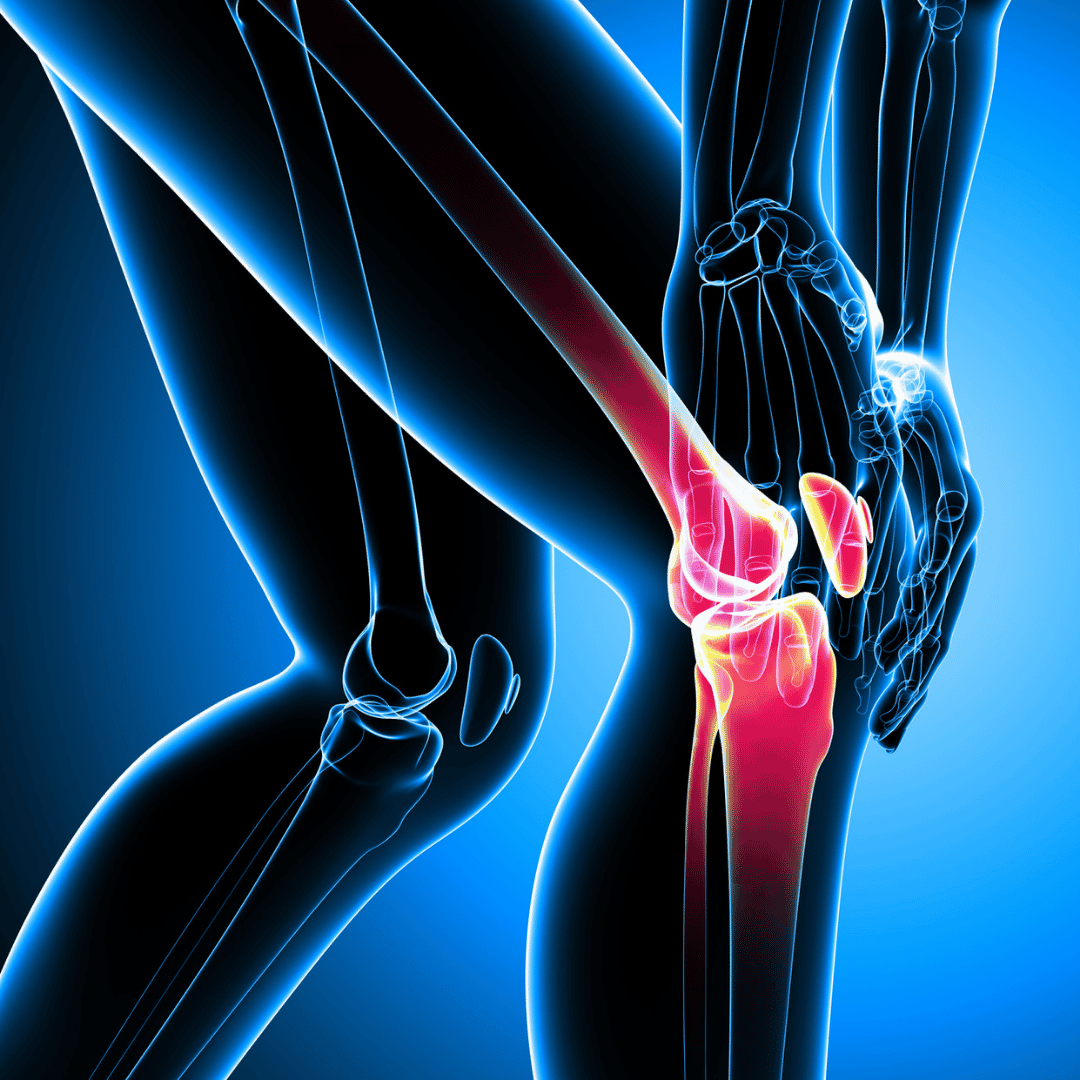







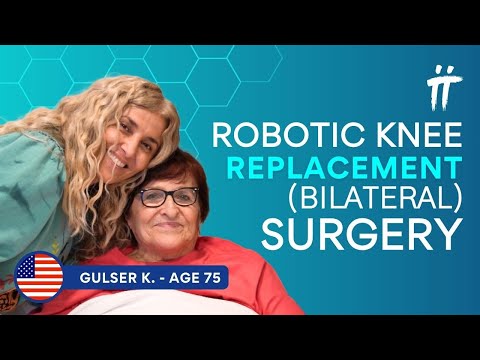


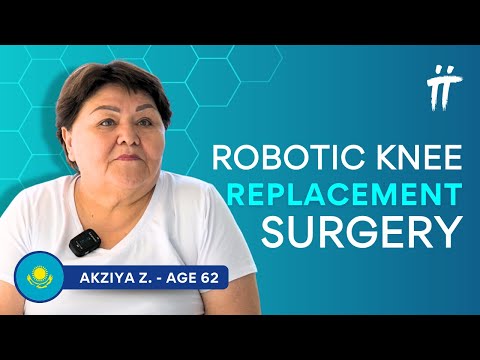












Share this listing