Cuprins
Imaginează-ți combinarea unei vacanțe relaxante la malul mării cu o procedură care îți redă permanent încrederea și capacitatea de a mânca. Izmir, cunoscut sub numele de „Perla Mării Egee”, oferă exact acest lucru. Fiind unul dintre cele mai moderne și liberale orașe din Turcia, a devenit o forță pentru turismul dentar, în special pentru pacienții care caută implanturi dentare de înaltă calitate, fără costurile astronomice din Marea Britanie, Europa de Vest sau Statele Unite.
A alege Izmir pentru implanturile dentare înseamnă a-ți încredința zâmbetul unei comunități medicale care rivalizează cu cele mai bune din Europa. Orașul găzduiește Universitatea Ege, una dintre cele mai importante facultăți de stomatologie din regiune, asigurând un flux constant de medici stomatologi cu studii academice de înaltă calitate, axați pe cercetare. Clinicile de aici nu sunt doar cabinete stomatologice; sunt adesea centre complete de sănătate orală, dotate cu tomografie 3D, laboratoare la fața locului și tehnologie CAD/CAM.
Abordarea îngrijirii în Izmir este în mod distinct centrată pe pacient. Înțelegând că mulți vizitatori călătoresc din străinătate, clinicile și-au eficientizat fluxurile de lucru pentru a maximiza eficiența fără a compromite calitatea. Indiferent dacă aveți nevoie de un singur stâlp de titan sau de o reconstrucție completă a gurii folosind tehnica All-on-4, experiența este concepută pentru a fi fără probleme, confortabilă și incredibil de satisfăcătoare.
Din momentul în care aterizezi pe Aeroportul Adnan Menderes până la controlul final, vei descoperi de ce mii de pacienți aleg Izmir ca prioritate pentru transformarea lor dentară: este combinația perfectă între stomatologie de top, ospitalitate turcească caldă și valoare imbatabilă.
Știați?
Turcia este unul dintre cei mai mari consumatori din lume de implanturi dentare premium la nivel global, precum Straumann (elvețiană) și Nobel Biocare (suedeză). Deoarece clinicile din Izmir cumpără aceste materiale în cantități atât de mari, acestea vă pot oferi exact aceleași implanturi de top folosite de medicul dentist local, dar la o fracțiune din preț.
Informații cheie pe scurt
Economisiți până la 70% din costurile totale ale tratamentului în comparație cu prețurile din Marea Britanie și SUA, chiar și după luarea în considerare a călătoriilor.
Clinicile utilizează mărci de implanturi aprobate de FDA și CE, cu carduri de garanție globale.
Procedura standard necesită două vizite: una pentru plasarea șurubului implantului și una pentru coroana dentară după vindecare.
Facilitățile includ radiografii panoramice, tomografie volumetrică 3D și instrumente stomatologice cu laser.
Izmir oferă plaje frumoase, ruine antice (Efes) și o scenă culinară vibrantă de care să te bucuri între întâlniri.
Medicii stomatologi și coordonatorii de pacienți din clinicile axate pe turism vorbesc fluent engleza (și adesea germana).
O istorie a vindecării
Izmir este situat în apropierea orașului antic Pergamon, unde se află Asclepius - unul dintre primele centre medicale din lume dedicate lui Asclepius, zeul vindecării. Deși anticii nu aveau implanturi de titan, regiunea a fost o destinație pentru sănătate și recuperare timp de peste 2.000 de ani!
Navigarea prin serviciile medicale din străinătate este mai ușoară cu pachete complete. Am selectat o selecție de clinici care oferă pachete „Vacanță dentară”. Aceste opțiuni all-inclusive acoperă de obicei procedura de implant dentar, radiografiile panoramice, transferurile de la/la aeroport și cazarea la hotel în apropierea clinicii. Consultați furnizorii de mai jos pentru a găsi un pachet care să vă ofere confortul și luxul pe care le meritați.
Notă: Majoritatea pachetelor nu includ bilete de avion, așa că asigurați-vă că luați în considerare acest lucru în bugetul dvs. general.
Price starting from $12,752
ZYGOMA Dental Implants Package in Izmir, Turkey
WestDent Clinic Turkey
- Dentistry
Izmir, Turkey
Price starting from $6,880
NTA All on 4 Dental Implants Package in Izmir, Turkey by WestDent Clinic
WestDent Clinic Turkey
- Dentistry
Izmir, Turkey
Price starting from $9,680
Straumann All on 4 Dental Implants Package in Izmir, Turkey by WestDent Clinic
WestDent Clinic Turkey
- Dentistry
Izmir, Turkey

Price starting from $10,480
NOBEL All on 4 Dental Implants Package in Izmir, Turkey by WestDent Clinic
WestDent Clinic Turkey
- Dentistry
Izmir, Turkey
Price starting from $6,080
MODE All on 4 Dental Implants Package in Izmir, Turkey by WestDent Clinic
WestDent Clinic Turkey
- Dentistry
Izmir, Turkey
Transparența costurilor este vitală pentru planificarea călătoriei dumneavoastră. Tabelul de mai jos prezintă costurile medii pentru implanturi individuale, coroane și restaurări complete ale gurii în Izmir, comparativ cu prețurile tipice din Marea Britanie și SUA. Veți observa economii semnificative, permițând adesea pacienților să își permită materiale de calitate superioară (cum ar fi coroane din zirconiu) decât și-ar putea permite acasă.
Sfat: Întrebați dacă prețul afișat include bontul și coroana sau doar plasarea chirurgicală a șurubului.
Dental Implants Compararea costurilor în Turkey
| Ţară | Procedură | Preţ |
|---|---|---|
| Spain | Dental Implants, Dentistry | $1137 |
| United States | Dental Implants, Dentistry | $3500 |
| United Kingdom | Dental Implants, Dentistry | $2500 |
Succesul implantului dumneavoastră depinde în mare măsură de igiena și tehnologia din unitate. Am selectat clinici stomatologice și centre de sănătate orală de top din Izmir, specializate în implantologie. Aceste centre sunt verificate pentru acreditările ISO, unitățile moderne de sterilizare și experiența cu pacienții internaționali. Explorați profilurile lor pentru a vedea facilitățile și echipamentele lor.
Standard: Căutați clinici care oferă garanție pentru lucrările lor de implanturi.
Vedeți transformarea cu ochii voștri. Următoarele mărturii video prezintă pacienți reali care au călătorit la Izmir pentru intervenții stomatologice. Aceștia își împărtășesc opiniile sincere despre nivelurile de durere, ospitalitatea personalului turc și reacția lor la noile zâmbete. Aceste povești vă pot oferi o așteptare realistă despre călătoria turismului dentar.
Informații: Fiți atenți la comentariile despre procesul de comunicare și modul în care clinica a gestionat logistica.
Recomandările din gură în gură sunt puternice în stomatologie. Mai jos, prezentăm recenzii verificate de la pacienți care și-au finalizat tratamentul cu implanturi în Izmir. Citiți despre experiențele lor cu privire la mediul clinic, atitudinea medicului dentist în cabinet și longevitatea rezultatelor pentru a vă ajuta să alegeți cu încredere furnizorul potrivit.
Sfat pentru recenzii: Căutați recenzii care menționează „perioada de vindecare” și cum au funcționat dinții temporari.
Sunt implanturile dentare în Turcia la fel de sigure ca în Marea Britanie sau SUA?
Da, implanturile dentare în Turcia sunt sigure, cu condiția să alegeți o clinică acreditată. Ministerul Sănătății din Turcia reglementează strict centrele stomatologice private care tratează pacienți internaționali. Mulți medici stomatologi din Izmir sunt membri ai Asociației Stomatologice Turce și dețin adesea calitatea de membri în organizații internaționale precum ICOI (Congresul Internațional al Implantologilor Orali). Aceștia utilizează protocoale standard de igienă și aceleași mărci de implanturi aprobate de FDA/CE (Straumann, Nobel Biocare, Osstem) ca în clinicile occidentale.
Câte călătorii va trebui să fac la Izmir?
Tratamentul standard cu implanturi dentare necesită două vizite separate .
Vizita 1 (3-5 zile): Chirurgul extrage orice dinți defecți și introduce șurubul de titan al implantului în osul maxilar. Apoi vă întoarceți acasă pentru 3-6 luni pentru „osteointegrare” (vindecare).
Vizita 2 (5-7 zile): După ce osul s-a contopit cu implantul, vă întoarceți pentru a atașa bontul și coroana permanentă (dintele).
De ce este mult mai ieftin în Izmir?
Diferența de cost se datorează în principal costului vieții și cheltuielilor operaționale mai mici din Turcia, comparativ cu Europa sau America de Nord. Costurile cu chiria, forța de muncă și asigurarea sunt semnificativ mai mici pentru clinicile din Izmir. În plus, cursul de schimb favorabil pentru lira sterlină, euro și dolar oferă pacienților internaționali o putere de cumpărare mai mare. Acest lucru vă permite să beneficiați de mărci premium și îngrijire de specialitate cu o reducere de 50-70%.
Ce mărci de implanturi se folosesc?
Clinicile cu reputație bună din Izmir nu folosesc implanturi generice sau „ieftine”. Acestea utilizează mărci recunoscute la nivel global, cum ar fi Straumann (Elveția), Nobel Biocare (Suedia), Osstem (Coreea) și Bego (Germania) . Înainte de procedură, ar trebui să întrebați ce marcă va fi utilizată. După operație, veți primi un „pașaport dentar” sau un card de garanție care conține numerele de serie ale implanturilor dumneavoastră, pe care orice dentist din întreaga lume le poate identifica.
Voi rămâne fără dinți în perioada de vindecare?
Nu, nu va trebui să rămâneți fără dinți. Dacă densitatea osoasă permite, dinții temporari pot fi uneori plasați imediat. Dacă nu, medicul dentist vă va oferi o proteză temporară sau o punte dentară pe care o veți purta în perioada de vindecare de 3-6 luni. Deși aceste proteze temporare sunt în scopuri estetice și pentru o masticație ușoară, ele vă asigură că puteți zâmbi și funcționa social în timp ce așteptați coroanele permanente.
Este procedura dureroasă?
Plasarea implantului se efectuează sub anestezie locală, așadar nu veți simți durere în timpul operației în sine - doar vibrații și presiune. Pentru pacienții cu anxietate ridicată, multe clinici din Izmir oferă sedare stomatologică (somn crepuscular) sau anestezie generală contra cost. Disconfortul postoperator este de obicei gestionabil cu analgezice fără prescripție medicală și, de obicei, dispare în câteva zile.
Ce este tehnica „All-on-4”?
All-on-4 este o soluție populară pentru pacienții care și-au pierdut toți sau majoritatea dinților. Aceasta implică plasarea a doar patru implanturi în osul maxilarului la unghiuri strategice pentru a susține o arcadă fixă completă de dinți artificiali. Este o alternativă rentabilă și mai puțin invazivă la plasarea unui implant pentru fiecare dinte lipsă. Medicii stomatologi din Izmir au o vastă experiență în această tehnică, efectuând-o adesea anual pentru mii de pacienți internaționali.
Ce se întâmplă dacă un implant eșuează?
Ratele de succes ale implanturilor sunt foarte mari (peste 95%), dar eșecul este posibil din cauza infecției sau a respingerii. Majoritatea clinicilor reputate din Izmir oferă o garanție pentru șurubul implantului în sine (adesea pe viață). Dacă eșecul se datorează respingerii produsului sau unei erori chirurgicale, de obicei îl vor înlocui gratuit. Cu toate acestea, de obicei, va trebui să vă acoperiți propriile costuri de călătorie și cazare pentru călătoria de întoarcere. Verificați întotdeauna termenii specifici ai garanției înainte de a face o rezervare.
Dentiștii vorbesc engleză?
Da. În clinicile care deservesc turiști medicali, medicii stomatologi și chirurgii vorbesc de obicei o limbă engleză excelentă. În plus, aceste clinici angajează „Coordonatori de pacienți” dedicați, care vorbesc fluent engleza, germana, franceza și alte limbi. Aceștia vă însoțesc în timpul consultațiilor și procedurilor pentru a se asigura că nu există bariere de comunicare în ceea ce privește planul dumneavoastră de tratament sau instrucțiunile de îngrijire ulterioară.
Pot combina tratamentul stomatologic cu o vacanță?
Absolut! De aceea se numește „Vacanță dentară”. Izmir este un oraș de coastă frumos, cu o vreme minunată. După plasarea implantului, de obicei ești liber să explorezi orașul, să vizitezi plajele din Çeśme sau să vizitezi ruinele antice din Efes, cu condiția să eviți activitatea fizică intensă. Asigură-te doar că te odihnești în primele 24 de ore după operație și evită alimentele foarte fierbinți sau alcoolul imediat după operație.
Are There Any Unexpected Costs for Dental Treatment in Turkey for Europeans?
Are There Any Hidden Costs for Dental Treatment in Turkey For Europeans? Turkey has become a global hotspot for high-quality, affordable dental care, attracting thousands of international patients each year. The significant price difference compared to countries like the US, UK, and Australia is a major draw. However, the prospect of traveling abroad for dental work can come with concerns about transparency and unexpected expenses. The question on many people's minds is: are there any hidden costs for dental treatment in Turkey? The straightforward answer is that while reputable clinics strive for transparency, potential extra charges can exist if patients are not fully aware of what their treatment package includes. Understanding these potential costs is key to a smooth and stress-free dental tourism experience. This guide is designed to shed light on all the potential hidden costs you might encounter. We will break down what is typically included in the initial quote and what might be considered an 'extra'. From the initial consultation and diagnostic tests to the materials used and aftercare, being well-informed will empower you to ask the right questions and choose a clinic that offers true value and transparency. The goal is to ensure that the attractive price you are quoted is the price you actually pay, with no unwelcome surprises along the way. By the end of this article, you will have a clear understanding of how to navigate the financial aspects of getting your dental work done in Turkey, ensuring your journey to a new smile is as seamless as it is affordable. What is typically included in the advertised price for dental treatment in Turkey for Europeans? "Typically, the advertised price for dental treatment in Turkey for europeans, especially in 'all-inclusive' packages, covers the core dental procedure, the dentist's fees, and often accommodation and airport transfers." When you see a price for dental implants, veneers, or a full smile makeover in Turkey, it usually encompasses the main components of your treatment. For instance, a dental implant package will generally include the implant itself, the abutment, and the crown. Similarly, a veneer package will cover the cost of the veneers per tooth. Many clinics, especially those catering to international patients, bundle their services into packages to simplify the process. These packages often include a set number of nights in a partner hotel and VIP transfers between the airport, hotel, and the clinic. However, it's crucial to remember that the level of inclusivity can vary significantly from one clinic to another. A lower advertised price might not be as comprehensive as a slightly higher one. Always request a detailed breakdown of what is included in the quoted price. This should be a clear and itemized list that leaves no room for ambiguity. A reputable clinic will be more than happy to provide this information, as it builds trust and demonstrates their commitment to transparency. Are initial consultations and X-rays considered extra costs? "In most cases, initial consultations and standard X-rays (like panoramic X-rays) are included in the treatment package at reputable dental clinics in Turkey. However, more advanced scans may incur an additional fee." Most dental clinics in Turkey offer free initial consultations to attract international patients. These consultations can often be done remotely, where you send pictures of your teeth and any existing X-rays for a preliminary assessment. Once you arrive in Turkey, a more thorough in-person consultation will be conducted, which typically includes a panoramic X-ray to assess your overall dental health. For straightforward cases, these initial diagnostic services are usually part of the package. Where you might encounter an extra charge is if you require more detailed imaging, such as a 3D Cone Beam Computed Tomography (CBCT) scan. This type of scan provides a much more detailed view of your jawbone and is often necessary for complex implant placements. While some premium 'all-inclusive' packages may cover the cost of a CBCT scan, many clinics will charge for it separately. It is essential to clarify this with the clinic beforehand, especially if you suspect you might need a more complex procedure. What about the cost of anesthesia? Is it always included? "Local anesthesia is almost always included in the quoted price for dental procedures in Turkey. However, if you opt for or require sedation or general anesthesia, this will likely be an additional cost." For the vast majority of dental treatments, including fillings, crowns, and even standard implant placements, local anesthesia is sufficient to ensure a painless experience. The cost of local anesthesia is minimal and is factored into the overall price of the procedure. You should not expect to see a separate charge for this on your bill. However, for patients who have dental anxiety or are undergoing extensive procedures like a full mouth reconstruction, sedation or even general anesthesia might be an option. These services are provided by a qualified anesthesiologist and require more resources and monitoring, hence they come at an extra cost. If you think you might prefer sedation, you should inquire about the availability and the associated fees when you are getting your initial quote. This will prevent any surprises on the day of your treatment. Are there different prices for different materials for Europeans? "Yes, the type and brand of materials used for your dental treatment can significantly impact the final cost. The initial quote you receive may be for standard materials, with premium options available at an extra charge." This is one of the most common areas where "hidden" costs can appear. For example, when getting dental crowns or veneers, the price will vary depending on whether you choose porcelain-fused-to-metal (PFM), zirconia, or E-max. Zirconia and E-max are considered premium materials due to their superior aesthetics and durability, and they will be more expensive than PFM. Similarly, for dental implants, the brand of the implant plays a crucial role in the cost. A well-known, high-quality implant brand from Switzerland or Germany will cost more than a lesser-known brand. When you receive a quote, it's vital to ask which specific materials and brands are included. If the quote seems significantly lower than others, it might be because it's for standard, lower-cost materials. A transparent clinic will present you with all the options and explain the pros, cons, and price differences of each. This allows you to make an informed decision based on your budget and preferences. What if I need additional procedures like a bone graft or sinus lift? "Additional procedures such as bone grafts, sinus lifts, or tooth extractions are typically not included in the standard price for dental implants and will be charged separately." For a dental implant to be successful, there needs to be sufficient bone density in the jaw to support it. If you have been missing a tooth for a while, you may have experienced bone loss. In such cases, a bone graft is necessary to build up the bone. Similarly, if you are getting implants in the upper jaw, a sinus lift might be required to create enough space for the implant. These are surgical procedures that require additional time, materials, and expertise, and therefore, they are not part of the standard implant price. A good dental clinic will identify the need for these additional procedures during your initial assessment (ideally through a CBCT scan) and include them in your detailed treatment plan and quote from the beginning. However, if the need for a bone graft or sinus lift is only discovered after you have arrived in Turkey, it will be an unexpected but necessary additional cost. To avoid this, it's best to provide the clinic with as much information as possible, including recent X-rays, before you travel. Are temporary crowns or veneers included in the price? "In most comprehensive dental treatment packages in Turkey, the cost of temporary crowns or veneers is included. However, it's always wise to confirm this with your chosen clinic." When you are getting dental crowns or veneers, the process usually involves two stages. In the first stage, your teeth are prepared, and impressions are taken. These impressions are then sent to a dental lab to create your permanent restorations. This process can take a few days. In the meantime, you will be fitted with temporary crowns or veneers to protect your prepared teeth and maintain your appearance. The cost of these temporary restorations is usually factored into the overall price of your treatment. However, you should not take this for granted. Some clinics might offer a very low baseline price that excludes temporaries. It's a simple but important question to ask during your consultation. Ensuring that temporaries are included will prevent the inconvenience of having to pay extra for them or, in a worst-case scenario, having to go without them while you wait for your permanent restorations. What are the costs for aftercare and follow-up appointments? "Immediate aftercare and follow-up appointments within your treatment period in Turkey are generally included. However, long-term follow-up care in your home country will be your own responsibility and cost." Reputable dental clinics in Turkey will provide you with all the necessary aftercare instructions and any immediate follow-up appointments required before you head back home. This is part of ensuring a successful treatment outcome. You will also be given a supply of any necessary medications, such as painkillers or antibiotics, which are usually included in the package price. The "hidden" cost in this area relates to long-term care. Dental implants, for example, require regular check-ups and professional cleanings, just like natural teeth. These ongoing maintenance appointments will need to be done with a dentist in your home country, and you will be responsible for these costs. It's important to factor in the long-term maintenance costs when considering the overall affordability of getting dental treatment abroad. Do I have to pay for medication separately? "Most all-inclusive dental packages in Turkey include the cost of essential medications required immediately after your procedure, such as antibiotics and painkillers." When you undergo a dental procedure like an extraction, root canal, or implant placement, your dentist will likely prescribe antibiotics to prevent infection and painkillers to manage any discomfort. The cost of these initial medications is typically included in your treatment package. The clinic will usually provide you with the necessary supply to cover the first few days of your recovery. However, if you require any special medication due to a pre-existing condition or if you need a repeat prescription after you have finished the initial supply, you may have to pay for it separately. It's always a good idea to bring any regular medications you take from home and to clarify with the clinic what is included in terms of post-operative medication. Are there any hidden fees related to travel and accommodation in "all-inclusive" packages? "While 'all-inclusive' packages are designed to cover your accommodation and transfers, there can be hidden fees related to flight tickets, hotel upgrades, extra nights, or personal expenses." The term "all-inclusive" in the context of dental tourism in Turkey usually refers to the dental treatment, accommodation, and ground transfers. Your flight tickets are almost always your own responsibility. When it comes to accommodation, the package will typically include a specific number of nights in a standard room at a partner hotel. If you wish to upgrade to a better room, stay for extra nights, or have a companion stay with you, there will be additional charges. Furthermore, your personal expenses, such as food, sightseeing, and shopping, are not included in the package. It's important to budget for these separately. To avoid any misunderstandings, ask the clinic for the name of the hotel and what is included in the accommodation (e.g., breakfast). This will help you plan your budget more accurately. What happens if there are complications? Are correction procedures free? "Reputable dental clinics in Turkey provide a warranty or guarantee for their work. Minor adjustments are usually free, but the terms for correcting more significant complications can vary." This is a critical aspect to clarify before you commit to any treatment. A good clinic will stand by its work and offer a warranty, especially for procedures like implants and crowns. This warranty should cover any defects in the materials or workmanship. For example, if a crown cracks or an implant fails within the warranty period, the clinic should rectify the issue at no extra cost for the dental work itself. However, you will likely have to cover your own travel and accommodation expenses for the return trip. It's essential to get the warranty terms in writing. Understand what is covered, for how long, and what might void the warranty (e.g., poor oral hygiene or getting work done on the same tooth by another dentist). A transparent clinic will have a clear and fair warranty policy. How can I get a fully transparent and all-inclusive quote? "To get a fully transparent and all-inclusive quote, you must provide the clinic with detailed information about your dental health, including recent X-rays, and ask for an itemized breakdown of all potential costs." The key to avoiding hidden costs is proactive and clear communication. Don't just accept the initial price you are given. Engage with the clinic's patient coordinator and ask detailed questions. Here’s how you can ensure transparency: Provide comprehensive information: Share clear photos of your teeth and gums, and if possible, a recent panoramic X-ray. The more information the dentist has, the more accurate your initial treatment plan and quote will be. Request an itemized quote: Ask for a detailed written quote that lists every single component of your treatment, including the consultation, X-rays, the procedure itself, the materials to be used, anesthesia, temporary restorations, and aftercare. Discuss potential additional procedures: Ask the dentist if they foresee the need for any other treatments, like a bone graft or extractions, and what the costs for these would be. What specific questions should I ask my dental clinic to avoid hidden costs? "To avoid hidden costs, you should ask your dental clinic in Turkey a series of specific questions about what is included in the quote, the materials they use, their warranty policy, and any potential additional charges." Being prepared with a list of questions can save you a lot of money and stress. Here are some essential questions to ask: Is the price quoted a package deal? What exactly does it include? Are there any additional charges for consultations, X-rays, or 3D scans? What type and brand of materials will be used for my crowns/veneers/implants? Are there other options, and what are the price differences? Is the cost of local anesthesia, sedation, or general anesthesia included? Will I need any additional procedures like a bone graft or sinus lift? If so, what is the cost? Is the cost of temporary restorations included? What does the warranty cover, and for how long? Do I have to pay for travel and accommodation if a correction is needed? What are the payment terms? Are there any fees for using a credit card or for currency exchange? Are there any currency exchange or payment processing fees? "Yes, there can be additional fees related to currency exchange and payment processing when paying for your dental treatment in Turkey. It's important to clarify the accepted payment methods and any associated charges." Most dental clinics in Turkey will quote their prices in Euros, US Dollars, or British Pounds for international patients. When you pay, the final amount in your home currency will depend on the exchange rate at that time. If you are paying by credit card, your bank may charge a foreign transaction fee. Some clinics may also add a small percentage (typically 2-3%) for credit card payments to cover their own processing fees. To keep costs down, you might consider paying in cash, but be mindful of the risks of carrying large amounts of money. Another option is a bank transfer, but check for any fees from your bank. The best approach is to discuss all payment options with the clinic in advance and choose the one that is most cost-effective for you. Do I need to pay for a translator? "At most dental clinics in Turkey that cater to international patients, translation services are provided free of charge. The staff, including dentists and patient coordinators, are often fluent in English and other languages." Language barriers are a common concern for medical tourists. However, the top dental clinics in Turkey have invested heavily in creating a welcoming environment for international patients. This includes having multilingual staff. Your patient coordinator, who will be your main point of contact, will likely be fluent in your language. The dentists themselves often have excellent English skills, having trained or attended conferences internationally. It is highly unlikely that you would need to hire and pay for your own translator. However, it's always a good idea to confirm this with the clinic. A good clinic will ensure that you can communicate effectively and comfortably throughout your treatment journey. How do I ensure the quoted price is the final price? "To ensure the quoted price for your dental treatment in Turkey is the final price, you need to choose a reputable clinic, get a detailed and itemized treatment plan in writing, and have a clear understanding of the clinic's warranty and complication policies." Ultimately, the best way to avoid hidden costs is to do your due diligence. Here's a summary of the key steps: Research and choose a reputable clinic: Look for clinics with a long history of treating international patients, positive reviews, and international accreditations. Have a thorough remote consultation: Provide them with all the necessary information to create an accurate initial plan. Get everything in writing: Your treatment plan should be detailed and itemized. Your warranty policy should be clear and comprehensive. Ask questions: Don't be shy about asking all the questions we've outlined in this guide. A good clinic will welcome your questions. By taking these steps, you can be confident that the attractive price you are quoted for your dental treatment in Turkey will be the final price you pay, allowing you to focus on what truly matters: achieving a healthy and beautiful smile. Ready to explore your options for high-quality, affordable dental care in Turkey? PlacidWay can help you connect with trusted and pre-screened dental clinics. Explore our network of world-class dental providers and get a free, no-obligation quote for your personalized treatment plan. Your journey to a new smile starts here!
What are the Costs of Dental Implants in Turkey for German Patients?
For German patients, a single dental implant in Turkey typically costs between €400 and €800. Full-mouth restorations like All-on-4 usually range from €2,500 to €4,500 per jaw, varying by materials, clinic location, and preparatory procedures. Navigating dental care options abroad can feel overwhelming, especially when considering complex procedures like tooth replacement. Over the last decade, pursuing dental implants in Turkey has become a common consideration for many individuals across Europe. For German patients, the primary motivator is frequently the difference in out-of-pocket expenses compared to local dental care. However, traveling for healthcare involves far more than simply comparing price tags. Understanding the clinical phases, the variables that impact the final bill, potential risks, and the logistical challenges of international treatment is essential. This guide provides a detailed look at what to expect regarding procedures, costs, and the realities of seeking dental restorations outside of Germany. Key Takeaways Cost Variance: Single implants generally range from €400 to €800, but complex restorative work or bone grafting will increase the overall price. Insurance Limitations: German statutory health insurance (Krankenkasse) rarely covers the cost of treatments performed outside the EU/EEA, meaning patients often pay entirely out of pocket. Multiple Visits: Traditional implant therapy usually requires two separate trips to Turkey, spaced several months apart, to allow for bone healing. Additional Expenses: Flights, accommodations, local transport, and potential time off work must be factored into your total budget calculation. Medical Risks: As with any surgery, risks such as infection, implant failure, and nerve damage exist, highlighting the need for careful clinic evaluation and local post-care planning. Why Do German Patients Consider Dental Implants in Turkey? German patients primarily explore treatment in Turkey due to the substantial difference in out-of-pocket costs, alongside access to modern clinics that frequently cater to international clients. In Germany, dental implants are largely considered private treatments. While statutory health insurance (GKV) pays a fixed subsidy (Festzuschuss) for the crown or bridge, the implant screw and the surgical placement itself are typically billed directly to the patient. This can lead to personal costs of €1,500 to €3,000 or more per tooth in Germany. Because medical tourism in Turkey benefits from lower local living costs, lower facility overhead, and favorable currency exchange rates for those holding Euros, clinics can offer the same international brands of implants at lower prices. Furthermore, many Turkish facilities structure their services around international patients, providing coordinated appointment scheduling to maximize efficiency during short stays. However, financial savings must always be weighed against the responsibilities of traveling abroad. Finding a clinic that follows international hygiene and safety standards is critical, as the regulatory environment differs from that of Germany. How Does the Dental Implants Cost in Turkey Compare to Germany? The dental implants cost in Turkey is typically 50% to 70% lower than in Germany, though exact savings depend on the extent of the treatment and additional travel expenses. To provide a clearer picture, it is helpful to look at estimated cost comparisons for common procedures. Keep in mind that these are general estimates; individual quotes will vary based on the patient's unique anatomy, chosen materials (such as titanium vs. zirconia), and the specific clinic's pricing model. Procedure Estimated Cost in Germany Estimated Cost in Turkey Single Implant (Screw + Abutment + Crown) €1,800 - €3,200 €400 - €900 All-on-4 System (Per Jaw) €8,000 - €15,000+ €2,500 - €4,500 Bone Grafting / Sinus Lift €300 - €1,000+ €150 - €400 Important Consideration: Always request a comprehensive, itemized quote before traveling. Some initial quotes may only cover the titanium screw, leaving the abutment (connector) and the final crown as additional, undisclosed costs. Will German Health Insurance (Krankenkasse) Cover the Procedure? Most German statutory health insurers will not provide a subsidy for dental work performed in Turkey because it is located outside the European Union and the European Economic Area. Under the German healthcare system, patients rely on a Heil- und Kostenplan (Treatment and Cost Plan) which must be approved by their Krankenkasse prior to treatment. If you receive care in another EU member state (like Hungary or Poland), you are generally entitled to the same fixed subsidy (Festzuschuss) that you would receive in Germany. Because Turkey is not in the EU, statutory insurers usually reject claims for treatments performed there. Consequently, patients should expect to fund 100% of their Turkish dental care privately. Those with supplemental private dental insurance (Zahnzusatzversicherung) should read their policy terms carefully; while some private policies cover worldwide treatments, many require pre-approval or restrict coverage strictly to the EU. Always consult your insurance provider before making commitments. What Hidden Expenses Should I Expect When Traveling for Care? Beyond the clinical fees, you must budget for multiple flights, hotel stays, local transportation, and potential lost wages due to time away from work. The quoted medical price is only one part of the total cost equation. A comprehensive budget for international dental care must include several non-medical factors: Travel and Lodging: You will likely need to book flights and hotels for at least two separate trips (more on this below). Depending on the season, flights from Germany to cities like Istanbul or Antalya fluctuate in price. Local Transport: Navigating a foreign city requires taxis or private transfers between the airport, hotel, and clinic. Time Off Work: Depending on your profession and the extent of the surgery, you may need to use vacation days or take unpaid leave, which indirectly adds to the cost. Post-Surgical Medications: Antibiotics, painkillers, and special mouthwashes may be prescribed and paid for out of pocket. Are Additional Procedures Like Bone Grafting Required? If your jawbone lacks the density or volume to securely hold an implant, you will likely require a bone graft or a sinus lift, which adds both cost and healing time to the process. When a tooth has been missing for a long time, the underlying jawbone naturally begins to deteriorate (resorb). A dental implant requires a sturdy foundation. If a 3D scan (CBCT) reveals insufficient bone, the dentist must perform a bone graft. A bone graft involves adding bone material (synthetic, animal-derived, or human tissue) to the jaw. If the implants are needed in the upper back jaw, a specific procedure called a sinus lift may be necessary to prevent the implant from piercing the sinus cavity. These preparatory procedures increase the complexity of the surgery and can significantly extend the overall timeline, as the graft often needs several months to integrate and solidify before it can safely support an implant. How Many Trips Are Necessary for the Complete Treatment? Standard dental implant procedures typically require two distinct trips to Turkey, separated by a healing period of 3 to 6 months. Unlike getting a simple filling, implantology is usually a multi-stage process governed by human biology. The timeline generally follows these phases: Trip 1 (Placement): During the first visit, the dentist extracts any necessary teeth, performs bone grafting if needed, and surgically places the titanium implant posts into the jawbone. You will typically stay for 3 to 7 days for initial monitoring. The Healing Phase (At Home in Germany): Over the next 3 to 6 months, a biological process called osseointegration occurs. The bone cells grow around and fuse with the textured surface of the titanium implant, anchoring it permanently. Trip 2 (Restoration): Once the implants are fully integrated and secure, you return to Turkey. The dentist takes final impressions and attaches the custom-made permanent crowns or bridges. This trip often lasts 5 to 10 days while the lab manufactures the prosthetics. What Implant Brands and Materials Are Typically Used? Reputable clinics use globally recognized implant brands made from medical-grade titanium or zirconia, which influences both the longevity of the treatment and the final cost. Not all implants are manufactured to the same specifications. Top-tier global brands undergo decades of clinical research and testing. When researching clinics, ask which brands they use. Well-known systems are beneficial not just for their documented success rates, but for long-term maintenance. If a complication arises five years later in Germany, a local dentist will need specific tools to adjust or repair the implant. If an obscure, regional brand was used, a German dentist may not have the compatible screwdrivers or components to help you. Opting for internationally recognized brands—even if they cost slightly more initially—adds a layer of security for future care. What Are the Medical Risks and Potential Complications? Dental implant placement is an invasive surgery; risks include infection, nerve damage, sinus perforation, and failure of the implant to fuse with the bone. Patient safety must always supersede financial considerations. While complications are statistically infrequent in suitable candidates, they can and do occur. Potential medical risks include: Infection: Bacterial infection at the implant site can lead to bone loss and require the removal of the implant. Nerve Damage: Incorrect placement in the lower jaw can damage the alveolar nerve, causing temporary or permanent numbness or pain in the lips, chin, or tongue. Sinus Issues: Implants placed in the upper jaw can occasionally protrude into the sinus cavities, leading to chronic sinus problems. Implant Failure: In some cases, osseointegration simply fails to occur. Factors like smoking, uncontrolled diabetes, and poor oral hygiene significantly increase this risk. How Should Patients Handle Follow-Up Care and Emergencies Back in Germany? Establishing a relationship with a local German dentist willing to maintain and monitor implants placed abroad is critical for long-term oral health and managing post-operative emergencies. One of the most complex aspects of medical tourism is continuity of care. If you experience severe swelling, bleeding, or suspect an infection two weeks after returning to Germany, traveling back to Turkey is rarely practical. You will need local medical assistance. Some German dentists are hesitant to take on the liability of repairing or maintaining complex dental work performed by an unknown practitioner abroad. It is highly recommended that you discuss your plans with a local dentist *before* you travel. Ensure you bring all medical records, X-rays, and the specific brand documentation (implant passport) back with you so your local dentist knows exactly what materials were used in your mouth. How Can You Evaluate a Dental Implant Clinic in Turkey? Patients should rigorously research any dental implant clinic in Turkey by verifying the dentists' credentials, checking for international accreditations, and asking detailed clinical questions. Do not base your healthcare decisions solely on marketing materials, social media influencers, or aesthetically pleasing websites. To mitigate risk, take an active role in vetting the facility: Verify Credentials: Ensure the treating dentist is registered with the Turkish Dental Association (TDB) and holds specific qualifications or board certifications in implantology or maxillofacial surgery. Check Accreditations: Look for clinics that hold international quality certifications, such as Joint Commission International (JCI) accreditation or ISO certifications for hygiene and patient safety. Ask for Communication Guarantees: Ensure you will be able to communicate clearly with your doctor, either directly in German/English or through a dedicated, medically trained translator provided by the clinic. Why Choose PlacidWay for Medical Tourism in Turkey? Navigating international healthcare requires thorough research. PlacidWay offers resources to help patients gather information before making medical decisions. 1. Extensive Provider Directory Provides access to a diverse listing of registered healthcare facilities and dental clinics across Turkey. 2. Cost Comparisons Allows prospective patients to review and compare estimated treatment costs from various international providers. 3. Direct Communication Facilitates initial inquiries, allowing patients to send questions directly to clinics to assess communication and professionalism. 4. Educational Resources Offers articles and guides explaining medical procedures, helping patients understand what treatments involve. 5. No-Pressure Exploration Enables users to gather quotes and information at their own pace without immediate commitments to undergo surgery. Frequently Asked Questions How much is a full set of teeth implants in Turkey? A full set of teeth, often treated using the All-on-4 or All-on-6 method, typically ranges from €2,500 to €5,000 per jaw in Turkey. This estimate depends on the number of implants used, the material of the final crowns, and any necessary extractions or bone grafting. Can I fly back to Germany immediately after implant surgery? While you can physically fly, dentists usually recommend staying in Turkey for 3 to 7 days after the surgical placement of the implant. This allows the clinic to monitor your initial healing, remove stitches if necessary, and address any immediate post-operative swelling or complications before you travel. Do Turkish dental clinics speak German or English? Many clinics in popular medical tourism destinations like Istanbul and Antalya have staff who speak English, and a significant number also employ German-speaking patient coordinators or translators specifically to assist patients traveling from Germany. What is the success rate for dental implants? According to general dental literature, dental implants have a high survival rate, often cited between 90% and 95% over a 10-year period. However, success depends heavily on factors like patient oral hygiene, bone density, underlying health conditions, and whether the patient smokes. How long do dental implants typically last? The titanium implant post itself can potentially last a lifetime with proper care, good oral hygiene, and regular dental check-ups. The crown or prosthetic attached to the implant typically sustains wear and tear and may need replacement after 10 to 15 years. Does smoking affect my dental implant surgery? Yes. Smoking significantly increases the risk of implant failure and post-surgical complications. It restricts blood flow to the gums, slowing down the healing process and increasing the likelihood of infection and poor bone integration. Is a passport or visa required for Germans traveling to Turkey for dental care? German citizens can typically enter Turkey for tourism or medical purposes for up to 90 days within a 180-day period using a valid German passport or national identity card. A visa is generally not required for these short stays, though you should always verify current entry requirements before traveling. Can I get teeth in a day in Turkey? Immediate load implants, sometimes marketed as 'teeth in a day,' are available in some cases. This involves placing a temporary crown on the same day the implant is inserted. However, this technique is not suitable for everyone and requires specific bone density and stability criteria to be met safely. What should I eat after my implant surgery? For the first few days following surgery, you should consume a soft food diet, such as soups, yogurt, mashed potatoes, and smoothies. Avoid hot liquids, spicy foods, and crunchy or hard items that could irritate the surgical site or disrupt the healing tissue. Are there age restrictions for getting dental implants? There is no upper age limit for receiving dental implants, provided the patient is in good general health and has adequate jawbone structure. However, they are not recommended for young patients whose jawbones are still growing, typically under the age of 18. Explore Your Dental Treatment Options Request educational information and compare estimated treatment costs from international providers to help you make an informed medical decision. Request Treatment Information References Dental Implant Surgery Risks and Process – Mayo Clinic Dental Implants: What You Should Know – U.S. Food and Drug Administration (FDA) Medical Tourism Guidelines and Risks – Centers for Disease Control and Prevention (CDC) Dental Implant Procedures and Eligibility – American Academy of Periodontology Overview of Dental Treatments and Restorations – National Health Service (NHS) Oral Health Fact Sheet – World Health Organization (WHO) Medical Disclaimer: The information provided in this article is for educational and informational purposes only and does not constitute professional medical advice, diagnosis, or treatment recommendations. Prices, healing times, and medical outcomes vary significantly by individual based on medical history, anatomy, and adherence to aftercare. Always seek the advice of a qualified dentist or physician with any questions you may have regarding a medical condition or treatment plan. Never disregard professional medical advice or delay in seeking it because of something you have read in this article.
How Much Does Dental Implants Cost in Izmir, Turkey?
The cost of dental implants in Izmir, Turkey ranges from $400 to $800 per tooth. This includes the titanium post, abutment, and standard crown. Full mouth restorations like All-on-4 average between $3,000 and $5,000 per arch depending on materials. Key Takeaways: Cost and Quality in Izmir Massive Financial Savings: Patients typically save 60 to 70 percent compared to private clinic prices in North America and Western Europe. Premium Global Materials: Medical professionals utilize top-tier international brands recognized for their high biological integration rates. Comprehensive Package Value: Initial estimates often cover essential diagnostic steps including 3D tomography and specialist consultations. Expert Surgical Care: Maxillofacial specialists undergo rigorous global training, handling complex full-mouth reconstructions daily. Advanced Digital Dentistry: The integration of CAD/CAM technology allows for highly precise and faster creation of beautiful permanent crowns. What factors influence the dental implants cost in Turkey? The final price depends heavily on the titanium brand chosen, the need for preparatory procedures like bone grafting, and the material of the final crown. Premium Swiss brands naturally increase the total investment compared to local alternatives. When you start researching the dental implants cost in Turkey, you will quickly notice a spectrum of rates across different centers. The primary driver of this financial variation is the specific brand of the titanium post used during the surgery. Globally recognized manufacturers command a premium price because of their decades of clinical research, patented surface treatments, and documented high success rates. Conversely, highly reputable domestic or South Korean brands offer excellent durability and functionality at a significantly more accessible price point. Another crucial element that affects your total investment is the anatomical condition of your jawbone. If you have experienced bone resorption due to missing teeth over an extended period, your jaw might lack the necessary density and width to securely support a titanium root. In such complex cases, a sinus lift or advanced bone grafting procedure becomes mandatory before the actual placement can safely occur. These additional surgical steps require specialized bone substitute materials and extra clinical time, thereby adding to the overall expense of your treatment plan. Finally, the material used for the visible tooth, clinically known as the prosthetic crown, substantially impacts the final bill. Standard porcelain fused to metal crowns represent the most budget-friendly option and are highly durable for chewing. However, modern patients frequently opt for full Zirconia or E-max lithium disilicate crowns for their front teeth. These premium ceramic materials offer superior aesthetic results, perfectly mimicking the natural light translucency of real teeth, albeit at a slightly higher financial cost. Expert Insight Always request an itemized breakdown when reviewing quotes. Some centers might advertise an incredibly low base price, but that figure might only include the surgical insertion of the screw, leaving out the vital abutment connector and the final permanent crown. Total transparency is the hallmark of a trustworthy medical provider. Are affordable brands safe for dental implants in Turkey? Yes, affordable implant brands used in Izmir are highly safe and strictly regulated. They must pass rigorous European CE certification standards and utilize biocompatible titanium to be legally used in any clinical practice. It is a prevalent misconception that a lower financial cost equates to compromised clinical quality. The encouraging reality is that many mid-tier brands utilized by specialists for dental implants in Turkey are manufactured using the exact same grade of biocompatible titanium alloy as their highly expensive Western counterparts. The notable price difference often reflects massive international marketing budgets, corporate overhead, and global brand recognition rather than any fundamental difference in clinical safety or biological integration capabilities. For instance, specialized South Korean manufacturers have become incredibly popular worldwide because they offer exceptional clinical integration rates at a fraction of the cost of premium Swiss or American labels. These highly innovative companies invest substantial capital into biological research and development, ensuring their surgical products meet rigorous international regulatory standards for implantable medical devices. Their surface treatments are specifically designed to encourage rapid bone cell attachment, making them exceptionally reliable. When selecting your surgical materials, your maxillofacial specialist will carefully evaluate your specific anatomical requirements. While a premium brand might be strongly recommended for a highly complex case involving severely compromised bone density, a standard, CE-certified brand is often more than adequate for straightforward, single-tooth replacements. These accessible options have been clinically proven to provide a lifetime of structural functionality when placed by a skilled professional. How long is the procedure at a dental implants clinic in Turkey? The entire process typically requires two separate visits to Izmir spaced three to six months apart. The initial surgical visit takes a few days, while the second visit for permanent crown placement takes about one week. During your first journey to a dental implants clinic in Turkey, the primary clinical focus is the surgical placement of the titanium root structures. After a comprehensive 3D volumetric scan and a detailed consultation with your surgeon, the actual surgical intervention usually takes less than an hour per tooth. You will normally need to remain in the coastal city for about three to five days to ensure proper initial tissue healing and to attend a mandatory follow-up check before flying safely back to your home country. Once the titanium posts are securely placed within the jawline, a crucial biological phenomenon called osseointegration begins. Your natural jawbone requires uninterrupted time to physically grow around and intimately fuse with the microscopic pores of the implant surface, creating a rock-solid foundation capable of withstanding heavy bite forces. This mandatory healing phase generally takes three to six months, heavily depending on your individual cellular healing capacity and whether any complex bone grafts were simultaneously performed. Your second trip to the clinic involves designing and firmly attaching the permanent ceramic crowns. The specialist will gently expose the fully healed posts, take highly accurate digital impressions using an intraoral scanner, and utilize advanced CAD/CAM technology to mill your custom teeth. This final visit usually requires a stay of five to seven days to allow sufficient time for the precise laboratory fabrication of the crowns and any necessary microscopic bite adjustments to guarantee perfect daily comfort. Is medical tourism in Turkey safe for oral surgery? Yes, participating in medical tourism in Turkey for complex dental care is exceptionally safe. The nation boasts heavily regulated healthcare facilities and world-renowned oral professionals dedicated to patient safety. The national Ministry of Health enforces incredibly stringent operational regulations on all private facilities treating international travelers. Any medical center catering specifically to foreigners must obtain distinct government accreditation, ensuring they strictly adhere to rigorous hygiene, surgical sterilization, and overall patient safety protocols. These comprehensive standards often equal or even exceed the basic domestic health requirements found in many Western nations, providing a deeply secure environment for complex interventions. The city of Izmir has rapidly emerged as a premier destination not just because of its relaxing Mediterranean atmosphere, but due to its dense concentration of highly educated clinical specialists. Many of the leading surgeons practicing here have completed advanced postgraduate training in Europe or the United States. They frequently hold active memberships in prestigious international scientific organizations, demonstrating their ongoing commitment to continuing medical education and global best practices. Furthermore, these dedicated international facilities are universally equipped with state-of-the-art diagnostic and surgical technology. From ultra-low dose 3D volumetric tomography scanners to precision laser dentistry instruments, the clinical equipment utilized absolutely rivals what you would expect to find in an elite private practice in London or New York. This immense technological edge significantly minimizes surgical risks, enhances diagnostic accuracy, and substantially improves total treatment predictability for the patient. Did You Know? Many top-tier oral centers in Izmir are fully ISO-certified. This international stamp of approval means their sterilization rooms, cross-infection control protocols, and clinical management systems are audited by independent global bodies to ensure maximum safety for every single individual who walks through their doors. What is the difference between All-on-4 and standard dental implants in Turkey? The All-on-4 technique uses just four strategically placed titanium posts to permanently support an entire arch of teeth, whereas older traditional methods might require six to eight posts for the same complete jaw restoration. The innovative All-on-4 clinical concept has completely revolutionized full-mouth restorations by brilliantly maximizing the use of naturally available bone structure. By purposefully tilting the two posterior titanium roots at a sharp 45-degree angle, experienced surgeons can securely anchor them in much denser bone located further forward in the facial skeleton. This strategic biomechanical angulation provides incredible initial stability and frequently completely eliminates the need for expensive and painful sinus lifting procedures. When comparing this to traditional full-arch methods utilized for dental implants in Turkey, replacing a complete set of teeth previously required surgically inserting up to eight individual titanium posts. This highly invasive older approach demands exceptional bone volume uniformly distributed throughout the entire jawline. It usually involves a substantially longer time in the surgical chair and results in a much more uncomfortable, highly swollen recovery period for the recovering individual. Another monumental advantage of the tilted All-on-4 system is the incredible immediate loading capability it provides. In the vast majority of properly selected cases, individuals can safely receive a temporary, fixed acrylic bridge on the very same day as their surgical extractions and implant placement. This life-changing benefit means you can walk into the clinical setting with severely failing teeth and walk out hours later with a fully functional, non-removable smile while waiting for your permanent ceramic restoration to be crafted. Do bone grafts increase the dental implants cost in Turkey? Yes, requiring a surgical bone graft will undoubtedly add to your total financial investment. Depending on the volumetric complexity, bone grafting materials and labor can add between $150 and $400 per surgical site. Sufficient jawbone density is the absolute biological foundation of any successful oral restoration. When a natural tooth is physically extracted or falls out, the underlying bone in that specific anatomical area begins to rapidly resorb or shrink almost immediately due to a lack of chewing stimulation. If you have waited several years to medically replace a missing tooth, it is highly probable that an augmenting bone graft will be necessary to carefully rebuild the deficient area so it can securely hold a titanium root long-term. The specialized grafting process involves methodically placing a scientifically processed bone substitute material directly into the deficient cavernous area. This sterile material acts as a biological scaffold, strongly encouraging your own body to naturally generate fresh bone cells around it. While minor localized grafts can sometimes be safely performed at the exact same time as the root placement, severe volumetric bone loss might unfortunately require a completely separate surgery and a mandatory healing period of several months before proceeding safely. Because of this variable, it is absolutely vital to obtain a comprehensive 3D panoramic scan during your initial remote or in-person consultation. This advanced imaging scan allows the specialist to precisely measure your available bone volume down to the millimeter and accurately determine if supplementary grafting is clinically necessary. Knowing this crucial information upfront ensures you receive a highly accurate financial quote and are never surprised by unexpected surgical fees once you are already sitting in the clinical chair. How do warranties work for dental implants in Turkey? Most reputable facilities provide extensive protective warranties on their titanium posts, often lasting a lifetime. The visible ceramic crowns and connecting abutments typically come with a guarantee of three to five years against material defects. To provide ultimate peace of mind to individuals traveling vast distances for medical care, top-tier centers offer incredibly strong guarantee policies. The physical titanium root itself incredibly rarely fails once it has successfully integrated into the bone, which is exactly why major global manufacturers confidently provide lifetime international warranties. If the metallic post structurally fails due to a rare manufacturing defect, the company will gladly replace the surgical product completely free of charge to the clinic and the patient. Conversely, the visible upper portion of the structural restoration, such as the porcelain or full zirconia crown, handles the intense daily mechanical wear and tear of chewing, grinding, and speaking. While these modern laboratory materials are incredibly durable, they can occasionally chip or fracture if subjected to excessive unnatural force like fiercely grinding teeth at night or accidentally chewing on hard ice. Because of these unpredictable environmental factors, the guarantee on the aesthetic prosthetics is usually practically limited to a few years. It is crucially important for every international traveler to understand that medical warranties inherently come with strict patient responsibilities. To keep your protective guarantee legally valid, you must adhere strictly to the post-operative care instructions provided by your surgeon. This usually includes maintaining excellent daily oral hygiene practices, consistently wearing a protective night guard if clinically recommended for bruxism, and visiting your local hometown professional for thorough cleanings and check-ups at least once every calendar year. What hidden costs should patients avoid at a dental implants clinic in Turkey? Patients should watch out for completely separate fees for temporary plastic crowns, advanced 3D scans, and prescription medications. Always aggressively ask the coordinator to provide a fully itemized, all-inclusive treatment plan before traveling. When diligently comparing various financial quotes online, an unusually low advertised price per tooth might secretly only cover the initial surgical placement of the titanium root itself. It is a somewhat common marketing practice for some aggressive centers to completely exclude the cost of the titanium abutment connector and the highly expensive final permanent crown from their advertised base price. This lack of transparency inevitably leads to an extremely unpleasant financial surprise when it is time to settle the final billing statement. Temporary acrylic teeth represent another frequently overlooked financial expense. Since you absolutely cannot receive your permanent heavy ceramic crowns until the sensitive gums heal entirely, you will essentially need temporary functional solutions for basic aesthetic and eating reasons during the mandatory three to six-month waiting period. You must ensure your written quote explicitly states whether these temporary dentures or plastic crowns are fully included in your final agreed-upon package price. Other highly variable miscellaneous costs can quickly accumulate, including specialized panoramic X-rays or comprehensive 3D tomography absolutely required for safe surgical planning. Additionally, you must account for the specific prescription medications you will heavily rely upon for pain management and severe infection prevention during recovery. A genuinely trustworthy medical center will confidently present a beautifully transparent package that completely covers every single necessary clinical step from the moment you arrive until final completion. Why Choose PlacidWay for your oral surgery journey? PlacidWay connects you exclusively with globally accredited oral professionals and uniquely ensures completely transparent package pricing. Our dedicated expert team supports your medical journey by rigorously verifying credentials and treatment plans. Navigating an unfamiliar foreign medical landscape can understandably be deeply daunting, especially when trying to decipher complex surgical terminology and assess actual clinical safety. PlacidWay dramatically simplifies this stressful process by serving as your highly trusted, fiercely independent partner in global healthcare. Here is exactly why thousands of individuals choose PlacidWay for their complex reconstructive needs: Strict Credential Verification: We rigorously investigate the educational qualifications, specific board certifications, and historical surgical success rates of every single specialist before ever allowing them to join our elite medical network. Uncompromised Safety Standards: Our carefully selected partner facilities are strictly required to adhere to the highest international sterilization and clinical hygiene protocols, guaranteeing a risk-free healing environment for every patient. Complete Financial Transparency: We boldly guarantee that all provided financial estimates are incredibly clear, highly detailed, and comprehensive, effectively protecting you from predatory hidden fees or unexpectedly inflated clinical charges. Dedicated Multilingual Coordination: Our highly trained health coordinators expertly bridge any potential communication gaps between you and the clinical staff, ensuring your exact medical desires and anxieties are perfectly understood. Advanced Pre-Evaluation Assistance: We seamlessly facilitate the highly secure digital transfer of your local panoramic X-rays and medical history to top specialists abroad for highly accurate preliminary surgical assessments before you ever commit. Long-Term Post-Treatment Support: Our dedicated commitment to your health does not arbitrarily end when your surgery finishes; we remain fully available to assist with any remote follow-up communications needed with your surgical team. Frequently Asked Questions About Reconstructive Oral Surgery Is Izmir a good place for dental implants in Turkey? Izmir is an exceptionally excellent destination for oral healthcare. It beautifully combines highly trained clinical specialists, impeccably modern medical facilities, and a wonderfully relaxing coastal environment ideal for stress-free recovery. Patients consistently enjoy premium surgical care at a tiny fraction of typical Western prices. How much does a full mouth of dental implants cost in Turkey? A full mouth restoration utilizing the advanced full-arch technique generally ranges between $3,000 and $5,000 per jaw. This represents truly massive financial savings when directly compared to the exorbitant $15,000 to $30,000 fees typically charged in the United States or the United Kingdom for the exact same clinical outcome. Do specialists use high-quality materials for dental implants in Turkey? Yes, reputable professionals exclusively use globally recognized, CE-certified titanium posts. These explicitly include top-tier Swiss and German engineered brands, as well as highly reliable South Korean options universally known in the scientific community for their excellent, rapid bone integration rates. Is it painful to undergo procedures for dental implants in Turkey? The entire surgical procedure is performed under highly effective local anesthesia, ensuring you feel absolutely zero sharp pain during the actual physical placement of the roots. Normal post-operative swelling and discomfort are usually mild and extremely easily managed with standard anti-inflammatory medications prescribed by your attending specialist. Can I finish my dental implants in Turkey in one single trip? Standard biological healing protocols strictly require two separate trips. The first trip focuses on the surgical placement of the titanium roots, followed by a mandatory three to six-month bone healing period. The second trip is exclusively for digitally designing and permanently attaching the beautiful final ceramic crowns. What happens if my body rejects the dental implants in Turkey? True biological tissue rejection is incredibly rare due to the highly compatible nature of medical-grade titanium alloy. If a post unexpectedly fails to integrate properly into the jawbone, highly reputable professionals will typically replace it completely free of charge under their guarantee policy once the local bone has fully healed. How long do crowns last over dental implants in Turkey? With meticulous daily brushing, proper flossing techniques, and regular professional hygiene cleanings, high-quality porcelain or solid zirconia crowns can easily last fifteen to twenty years, and in many successful cases, an entire lifetime. They are incredibly highly resistant to daily wear and structural cracking. Is the tap water safe for rinsing after getting dental implants in Turkey? While standard municipal tap water is generally perfectly safe for washing your face and showering, it is highly recommended by surgeons to exclusively use bottled water for drinking and gently rinsing your mouth immediately after surgery. This precaution helps maintain a completely sterile oral environment for healing gums. Do doctors at a dental implants clinic in Turkey speak fluent English? Yes, the vast majority of surgical specialists deeply catering to international patients speak remarkably excellent English. Furthermore, highly rated facilities dedicated to international healthcare employ full-time, scientifically trained translators to ensure seamless communication regarding every single detail of your personalized treatment plan. Can I smoke after receiving dental implants in Turkey? Smoking is incredibly strongly discouraged both weeks before and months after the surgical procedure. Inhaled nicotine aggressively restricts essential blood flow to the delicate gums, severely delaying the crucial cellular healing process and significantly increasing the terrifying risk of early implant failure and severe deep bone infections. Start Your Smile Transformation Journey Today Do not leave your surgical safety to mere chance. PlacidWay expertly connects you with internationally rated, fully accredited medical clinics. Get a totally free, zero-obligation financial quote, receive a highly personalized treatment plan directly from board-certified specialists, and unlock extraordinary clinical value designed specifically for you. Get Your Free Quote
Navigating Language Barriers: How Dental Clinics in Turkey Cater to International Patients
Top dental clinics in Turkey eliminate language barriers by employing fluent English-speaking dentists and dedicated native-speaking patient coordinators. Most packages include complimentary translation services to ensure clear communication. Key Takeaways: Overcoming Language Barriers Dedicated Coordinators: Personal bilingual guides assist you from airport arrival to final departure. Translated Documentation: All treatment plans, consent forms, and aftercare guides are provided in your native language. No Hidden Costs: Medical translation services are fully integrated into standard treatment packages. Visual Communication: Advanced 3D modeling and digital smile design bypass verbal limitations entirely. 24/7 Support: Multilingual digital helplines ensure you always have access to immediate assistance. How do you communicate with your dentist during dental treatment in Turkey? You will communicate directly with your dentist in English or through a specialized medical interpreter provided by the facility. This ensures every step of your dental treatment in Turkey is perfectly understood before any work begins. When you arrive for your initial appointment, you are immediately greeted by a personal coordinator who speaks your native language fluently. This professional stays by your side during the preliminary examination, panoramic X-ray reviews, and the main consultation. They are explicitly trained in complex medical terminology, ensuring that intricate anatomical terms and diverse clinical options are accurately conveyed without confusion. Many top-tier practitioners who manage international cases have studied abroad or completed extensive professional language courses. Because of this high level of education, you can frequently speak directly with the specialist performing the work. Having a direct line of communication builds immense trust and rapidly alleviates the anxiety commonly associated with undergoing complex clinical procedures far from home. During the actual procedure, non-verbal cues and simple agreed-upon hand signals are established beforehand between you and the specialist. If you feel any discomfort or simply need a brief rest, the clinical staff immediately understands and pauses the work. This comprehensive and empathetic approach to communication guarantees a comfortable, secure, and highly predictable environment for every single patient. Did You Know? In order to receive an international health tourism authorization certificate from the Ministry of Health, facilities must prove they have an established infrastructure for foreign language support. Language proficiency is highly regulated! Are translation services included in the dental treatment cost in Turkey? Yes, professional translation and personal coordinator services are almost always bundled into the total dental treatment cost in Turkey. You will not face unexpected hourly rates or hidden fees for having an interpreter present. Facilities catering to international visitors structure their pricing to be highly transparent and completely all-inclusive. When you receive your initial personalized quote, the financial breakdown covers the clinical labor, the laboratory materials, and the dedicated international patient support team. This means the individual translating your medical history and explaining your post-operative recovery plan is already accounted for in your standard package. This bundled approach is a foundational cornerstone of the thriving medical travel industry in the region. By intentionally eliminating piecemeal billing for essential communication services, facilities ensure that patients never hesitate to ask important questions due to budget concerns. The mutual priority remains focused entirely on clinical excellence, long-term safety, and total patient comprehension. Providing complimentary language support also significantly streamlines the internal workflow for the clinical staff. When patients fully understand their treatment plans without stressing over extra hourly translation costs, procedures proceed much more efficiently. This operational efficiency is a key underlying reason why overall pricing remains so globally competitive compared to facilities in Western countries. What happens if an emergency arises at a dental clinic in Turkey and I do not speak Turkish? Every premier dental clinic in Turkey maintains a 24-hour multilingual helpline for international patients to address any urgent concerns. You will always have immediate access to someone who speaks your language during an emergency. Direct Digital Access: Patients receive a dedicated WhatsApp contact number connected directly to their personal bilingual coordinator for round-the-clock text and voice support. On-Call Interpreters: Robust emergency protocols include immediate access to on-call medical interpreters who can rapidly translate urgent symptoms to the specialized clinical staff. Bilingual Info Cards: Printed physical cards in both Turkish and your native language are provided to help you communicate effectively with local taxi drivers or hotel concierges. Triage Support: After-hours medical centers are staffed with administrative personnel who possess working proficiency in major European languages to quickly triage your situation. Personal Advocacy: In the highly rare event of a severe complication requiring a hospital transfer, your coordinator will physically accompany you to act as your continuous medical advocate. How does medical tourism in Turkey ensure accurate translation of dental records? The sector of medical tourism in Turkey employs certified medical translators who specialize in stomatology and maxillofacial terminology. They meticulously convert your hometown dental records into Turkish and your final reports back into your language. Complete accuracy in medical documentation is absolutely non-negotiable when it comes to patient safety. Weeks before you even board your flight, the international department receives your previous X-rays, 3D bone scans, and local practitioner notes. These vital documents are thoroughly translated by dedicated professionals who understand specific clinical jargon, ensuring the receiving specialist has a flawlessly precise understanding of your oral health history. Following the successful completion of your procedures, the facility generates a comprehensive and highly detailed discharge summary. This specific document outlines the exact materials utilized, detailing the specific brand of titanium used for implants or the exact laboratory shade of your zirconium crowns. Certified translators ensure this crucial summary is perfectly converted into English, German, or your preferred language without losing any technical nuance. This rigorous two-way documentation process ensures seamless continuity of care once you safely return home. Your local hometown practitioner will be able to read the translated surgical notes and understand exactly what structural work was completed. This allows them to provide the proper routine maintenance and necessary cleaning protocols in the years following your successful medical trip. Language Support Throughout Your Journey Service Phase Communication Method Language Support Provided Pre-Arrival Consultation Video Call & Email English speaking specialist and bilingual coordinator present. Airport Arrival In-Person Greeting VIP transfer driver with basic English and translated welcome signs. Clinical Examination Face-to-Face & Visual Aids Dedicated native-speaking medical interpreter remains in the room. Post-Operative Care Digital App & Print Materials Translated brochures and 24/7 WhatsApp messaging in your language. Can I request a female translator for my dental implants in Turkey? Yes, you can easily request a female translator or patient coordinator when booking your treatment. Facilities highly respect cultural and personal preferences to ensure you feel completely at ease during your visit. Cultural sensitivity and personal comfort are major priorities for top-rated healthcare providers catering to a diverse global clientele. Many patients, particularly from the Middle East or those holding specific religious backgrounds, may feel significantly more comfortable discussing their health with a female professional. International departments are purposefully staffed with highly diverse teams to accommodate these exact personal requests. To strictly guarantee this arrangement, it is highly recommended to mention your specific preference during the initial online consultation phase. The scheduling team will then assign a dedicated female coordinator who will be your primary point of contact from the moment you step into the facility until your final check-up. She will be present during all clinical examinations to advocate for you. This elevated level of personalized care significantly reduces the inherent stress of undergoing clinical procedures in a foreign country. Knowing that your privacy and personal boundaries are deeply respected allows you to focus entirely on your physical recovery and the aesthetic results of your new smile without lingering anxiety. How do bilingual coordinators improve the experience of getting dental veneers in Turkey? Bilingual coordinators act as a bridge between you and the aesthetic team, explaining every step of the veneer process in your native tongue. They transform a potentially intimidating cosmetic procedure into a clear and comforting experience. Shade Selection Assistance: Coordinators facilitate the delicate conversation regarding tooth color, ensuring your desire for a natural look versus a bright Hollywood aesthetic is perfectly understood. Preparation Explanations: They translate the necessary details regarding how much natural enamel needs to be gently reshaped, ensuring you have realistic expectations before tools are used. Real-Time Reassurance: The coordinator remains in your line of sight during the temporary veneer placement to relay real-time updates from the specialist, keeping you entirely calm. Laboratory Coordination: They act as the liaison between you and the off-site ceramic laboratory, ensuring any minor shape adjustments you request are accurately communicated to the technicians. Bite Alignment Feedback: During the final bonding phase, they help you articulate any minor discomfort in your bite alignment so the specialist can make immediate micro-adjustments. What languages are most commonly spoken at a premium dental clinic in Turkey? A premium dental clinic in Turkey typically offers robust internal support in English, German, Arabic, Russian, and French. English serves as the primary lingua franca for most medical interactions and international correspondence. English is widely spoken by nearly all specialized medical professionals and administrative staff who deal directly with overseas visitors. Because the vast majority of peer-reviewed medical literature and global stomatology conferences are conducted entirely in English, top practitioners are highly proficient. You will rarely find a premium facility targeting tourists where English is not fluently spoken by the lead doctors. Due to the massive influx of patients traveling from Western Europe, German is undoubtedly the second most common language supported. Entire organizational departments are often dedicated exclusively to German-speaking patients, complete with native speakers relocated from Germany or Austria. Arabic and Russian are also extremely prevalent, reflecting the geographic proximity and historic popularity of the region for medical travel. Even if you speak a much less common language, providing advanced notice allows the facility to hire a freelance medical interpreter specifically for your unique case. The ultimate goal is total and absolute comprehension, and premium facilities will readily go to great logistical lengths to ensure language differences never compromise the quality of your care. How is post-operative care managed across language barriers for dental crowns in Turkey? Post-operative care is seamlessly managed through translated physical brochures, multilingual digital apps, and direct text messaging with your bilingual coordinator. This ensures you know exactly how to care for your crowns at home. After your final permanent fitting, the clinical staff provides a comprehensive care kit that includes detailed instructions written strictly in your native language. These translated documents cover everything from the types of hard foods to avoid during the initial curing phase to the specific flossing techniques required to maintain gum health around the new crowns. There is absolutely no guessing involved in your home recovery. Additionally, many modern centers utilize dedicated patient portal applications that can be instantly toggled to your preferred language. These intuitive apps send helpful push notifications reminding you to take prescribed anti-inflammatory medications or alerting you to upcoming virtual check-ins. This integrated digital approach perfectly bridges any geographical and linguistic gaps once you return to your home country. If you experience unexpected temperature sensitivity or have questions about your bite alignment several weeks later, you simply message your dedicated coordinator. They will translate your specific concerns to the lead specialist, obtain the professional clinical advice, and translate the solution back to you in real-time. This continuous loop of clear communication ensures long-term structural success and satisfaction. Clinical Insight Medical interpreters are trained to understand the difference between aesthetic terms and clinical necessities. When a patient says they want a natural look, the interpreter knows how to convey the exact level of translucency and surface texture required to the ceramic laboratory technicians. How does technology bridge the language gap during cosmetic dental treatment in Turkey? Advanced digital dentistry acts as a universal visual language between you and your specialist. Through 3D smile design software and intraoral scanners, you can see your exact results before treatment begins, bypassing verbal misunderstandings. When spoken words are simply not enough to describe the exact desired shape or shade of a tooth, cutting-edge technology steps in to fill the void. Premium facilities utilize advanced CAD/CAM technology alongside sophisticated digital smile design programs. The specialist takes a rapid, painless digital scan of your mouth and projects a highly detailed 3D model onto a large monitor. You can point directly to the screen to indicate exactly what you want altered, making the consultation highly interactive and universally visual. This strictly visual approach is particularly crucial for highly subjective cosmetic procedures. The specialist can digitally manipulate the length, width, and color of your projected restorations in real time. You can immediately approve the look or request minor aesthetic adjustments to the digital mockup. This ensures that your personal aesthetic expectations perfectly align with the intended clinical plan without relying solely on complex verbal descriptions. Furthermore, animated educational videos are frequently utilized in the waiting areas to explain complex surgical procedures like bone grafting or sinus lifting. Watching a step-by-step 3D animation of the procedure, while your coordinator provides a basic voiceover in your native language, results in a much deeper structural understanding than verbal translation alone. Visual communication remains the ultimate, foolproof tool for overcoming linguistic barriers. Why Choose PlacidWay for your dental treatment in Turkey? PlacidWay eliminates the stress of finding trustworthy and highly communicative overseas healthcare providers. We connect you exclusively with rigorously vetted facilities that prioritize patient safety and seamless multilingual support. Strict Facility Vetting: We strictly partner with globally accredited facilities that maintain dedicated international patient departments and full-time bilingual staff. Complete Price Transparency: Our platform provides clear pricing frameworks, ensuring the quote you receive includes necessary medical translation services without hidden fees. Personalized Matchmaking: We offer guided assistance to help you select a modern facility that perfectly matches your specific linguistic, cultural, and clinical requirements. Pre-Consultation Advocacy: Our dedicated support team acts as your advocate, assisting with initial communication and ensuring your home health records are properly reviewed. Continuous Quality Assurance: We focus heavily on maintaining high standards by continuously monitoring patient feedback regarding the communication clarity and bedside manner of our partner centers. Frequently Asked Questions About Communication & Care Do dentists in Istanbul speak fluent English? Yes, dentists working in districts heavily frequented by international visitors speak excellent English. Many of these specialized professionals have acquired international certifications, studied abroad, and regularly attend global medical seminars where English is the primary language of instruction. Is it hard to navigate Antalya for dental work if I only speak English? It is very easy to navigate Antalya as an English speaker. Antalya is a major international tourist hub where English is widely understood in the hospitality and transportation sectors. Furthermore, your chosen facility will provide dedicated door-to-door transfers, eliminating any need to navigate public transport alone. Will my consent forms for teeth scaling in Turkey be in English? Absolutely. Strict legal and medical protocols dictate that all patient consent forms must be provided in a language the patient fully comprehends. You will be given carefully translated documents to review and sign before any clinical work commences. What happens if I misunderstand the aftercare instructions for my root canal in Turkey? Facilities actively prevent misunderstandings by providing comprehensive written instructions, visual video guides, and 24-hour digital access to your personal coordinator. If you are ever confused about your recovery steps, you can simply message your coordinator for immediate clarification in your native tongue. Can I bring my own translator to my dental appointment in Istanbul? You are absolutely welcome to bring a friend, family member, or private translator to your appointments for added comfort. However, it is important to note that the facility will still provide their own specialized medical interpreter to ensure complex clinical terminology is conveyed accurately. How do Turkish dental centers handle complex medical terminology in other languages? Premium centers employ certified medical interpreters who possess specific academic qualifications in healthcare translation. These professionals are rigorously trained to understand and translate complex anatomical terms and stomatology jargon accurately between the specialist and the patient. Are virtual consultations before traveling to Turkey conducted in English? Yes, preliminary virtual video consultations are typically conducted in English. Both the lead specialist and your assigned international patient coordinator will be present on the call to assess your needs, discuss preliminary treatment options, and answer any logistical questions you might have. Do I need to learn basic Turkish phrases before visiting a dental center in Turkey? Learning Turkish is entirely optional and not required for your medical journey. While learning polite local phrases like hello and thank you is always appreciated by the locals, your dedicated clinic staff and coordinators will handle all complex communication on your behalf. Will the pharmacy in Turkey understand my English prescription for dental pain? Your specialist will write all necessary prescriptions in Turkish specifically for local pharmacies. To make the process completely effortless, your patient coordinator will either accompany you to the pharmacy or arrange for the necessary medications to be delivered directly to your hotel. How do international patient departments in Turkey handle complaints or misunderstandings? Dedicated patient relations managers oversee all international cases and utilize structured grievance protocols. If a miscommunication occurs, these bilingual managers step in immediately to mediate the situation, ensuring your concerns are heard and swiftly resolved to your complete satisfaction. Experience Seamless Care Without Language Barriers Do not let communication concerns stop you from achieving your dream smile. PlacidWay connects you with globally recognized clinics that provide dedicated native-speaking coordinators and highly skilled specialists. Explore our transparent packages and start your confident journey today. Get Your Free Quote * Responses typically within 24 hours. Privacy guaranteed.
Top Tipps fur Deutsche Gunstige Zahnimplantate in der Turkei finden
Für Deutsche, die günstige Zahnimplantate im Ausland suchen, ist eine fundierte Vorbereitung entscheidend. Der Schlüssel liegt darin, zertifizierte Behandler zu identifizieren, internationale Materialstandards zu verlangen und die Eignung sowie die Nachsorge vorab mit einem Arzt abzuklären. Die Suche nach einer bezahlbaren und gleichzeitig hochwertigen zahnmedizinischen Versorgung führt viele Patienten über die heimischen Grenzen hinaus. Wenn Patienten aus Deutschland nach Optionen suchen, rücken Zahnimplantate in der Türkei häufig in den Fokus. Die Kombination aus zugänglichen Behandlungspreisen und modernen Kliniken hat eine wachsende Nachfrage erzeugt. Dennoch handelt es sich um einen medizinischen Eingriff, der Sorgfalt, eine detaillierte Planung und realistische Erwartungen erfordert. Wichtige Erkenntnisse Preise für zahnmedizinische Eingriffe können im Ausland variieren und fallen oft geringer aus als in Deutschland. Die Auswahl erfahrener Fachärzte und der Einsatz anerkannter Implantatmarken sind grundlegend für eine sichere Behandlung. Zahnimplantationen sind chirurgische Eingriffe und bergen allgemeine medizinische Risiken, die vorab abgewogen werden müssen. Der Behandlungsablauf erfordert typischerweise mehrere Reisen und eine organisierte Nachsorge im Heimatland. Vorerkrankungen, die Knochendichte und der Lebensstil beeinflussen maßgeblich, ob ein Patient für Implantate geeignet ist. Warum entscheiden sich so viele Deutsche für eine Zahnbehandlung in der Türkei? Das Interesse basiert primär auf den Unterschieden in den Behandlungskosten im Vergleich zum deutschen Gesundheitssystem. Zudem hat sich in den letzten Jahren eine auf internationale Patienten ausgerichtete Infrastruktur entwickelt. Zahnmedizinischer Ersatz, insbesondere wenn Knochenaufbau oder mehrere Implantate erforderlich sind, ist oft mit erheblichen finanziellen Eigenanteilen verbunden. Die Zahnimplantate Kosten in der Türkei fallen häufig aufgrund unterschiedlicher Lebenshaltungskosten, abweichender Lohnstrukturen für medizinisches Personal und anderer Betriebskosten geringer aus. Diese wirtschaftlichen Faktoren ermöglichen es vielen Kliniken, Behandlungen zu einem reduzierten Tarif anzubieten, ohne notwendigerweise auf moderne medizinische Geräte verzichten zu müssen. Darüber hinaus spielt die geografische Nähe eine Rolle. Die Flugdauer von den meisten deutschen Flughäfen beträgt oft nur etwa drei Stunden, was die Reise für zahnmedizinische Beratungen und Eingriffe relativ zugänglich macht. Viele Einrichtungen haben sich auf die Bedürfnisse deutschsprachiger Patienten eingestellt und bieten unterstützende Dienstleistungen in der Kommunikation an, um medizinische Befunde und Behandlungspläne verständlich zu vermitteln. Welche Qualitätsstandards gelten in einer geeigneten Einrichtung? Seriöse Behandlungszentren orientieren sich an internationalen Protokollen der Hygiene und Patientensicherheit. Es ist ratsam, nach Zertifizierungen und der Verwendung weltweit anerkannter Implantatmaterialien zu fragen. Die Wahl der richtigen Zahnimplantat Klinik in der Türkei ist ein essenzieller Schritt. Da zahnmedizinische Standards international variieren können, suchen viele informierte Patienten nach Einrichtungen, die sich freiwillig externen Qualitätskontrollen unterziehen, beispielsweise durch internationale Zertifizierungsstellen. Ein hoher Hygienestandard, moderne Sterilisationsverfahren und der Einsatz zeitgemäßer Diagnostik, wie der digitalen Volumentomographie (DVT), sind wichtige Indikatoren für eine professionelle Arbeitsweise. Ebenso wichtig ist das verwendete Material. Die Langlebigkeit eines Implantats hängt maßgeblich von dessen biokompatiblen Eigenschaften ab. Anerkannte Einrichtungen verwenden oftmals Produkte von Herstellern, die CE-gekennzeichnet sind oder Zulassungen großer Gesundheitsbehörden besitzen. Ein transparenter Behandlungsplan dokumentiert stets den Namen und die Spezifikationen der verwendeten Implantatmarke. Material Eigenschaften Typische Anwendung Titan Hohe Festigkeit, hervorragende Gewebeverträglichkeit, lange klinische Erprobung. Standardmaterial für die meisten Implantationen im Ober- und Unterkiefer. Zirkondioxid (Keramik) Metallfrei, zahnähnliche Farbe, gute Biokompatibilität. Bei Patienten mit Metallunverträglichkeiten oder in besonders sichtbaren ästhetischen Zonen. Wie wichtig ist die Struktur des Medizintourismus vor Ort? Eine etablierte Struktur hilft ausländischen Patienten, den Prozess von der Erstberatung bis zur Heimreise besser zu koordinieren. Dolmetscherdienste und erfahrene Koordinatoren erleichtern das Verständnis komplexer medizinischer Informationen. Der Medizintourismus in der Türkei hat sich professionalisiert. Um Sprachbarrieren abzubauen, die bei der Vermittlung von Risiken und Einverständniserklärungen kritisch sein können, stellen viele Behandlungszentren deutsch- oder englischsprachige Betreuer zur Verfügung. Diese Funktion ist nicht nur für die Logistik relevant, sondern entscheidend für die Patientensicherheit, da medizinische Vorgeschichten präzise übersetzt werden müssen. Patienten sollten jedoch darauf achten, medizinische Entscheidungen strikt von touristischen Aspekten zu trennen. Die Priorität einer Reise aus medizinischen Gründen sollte stets die Gesundheit und eine ausreichende Erholungszeit sein, anstatt die Behandlungszeit für anstrengende Urlaubsaktivitäten zu nutzen. Chirurgen raten in der Regel zur körperlichen Schonung nach dem Eingriff. Welche medizinischen Risiken und Komplikationen können auftreten? Das Setzen von Zahnimplantaten ist ein operativer Eingriff. Wie bei jeder Operation bestehen Risiken wie Infektionen, Blutungen, Nervenverletzungen oder der Nicht-Einheilung des Implantats. Trotz fortschrittlicher Techniken kann ein chirurgischer Eingriff im Kieferbereich Komplikationen nach sich ziehen. Zu den direkten Operationsrisiken zählen Schwellungen, Hämatome sowie im Unterkiefer das Risiko einer Reizung oder Verletzung des Gesichtsnervs, was zu vorübergehenden oder in seltenen Fällen dauerhaften Taubheitsgefühlen führen kann. Eine genaue 3D-Röntgendiagnostik kann helfen, diese Risiken zu minimieren, schließt sie jedoch nicht vollständig aus. Ein weiteres relevantes Risiko ist die sogenannte Periimplantitis, eine Entzündung des Gewebes rund um das Implantat, die unbehandelt zum Knochenabbau und letztlich zum Verlust des Implantats führen kann. Die Wahrscheinlichkeit einer erfolgreichen Osseointegration (das Verwachsen des Implantats mit dem Knochen) kann durch Faktoren wie starkes Rauchen, unzureichende Mundhygiene oder bestimmte systemische Erkrankungen negativ beeinflusst werden. Wer ist ein geeigneter Kandidat für diesen Eingriff? Nicht jeder Patient ist anatomisch oder gesundheitlich sofort für ein Implantat bereit. Eine ausreichende Knochensubstanz, gesundes Zahnfleisch und die Abwesenheit schwerer Allgemeinerkrankungen sind grundlegende Voraussetzungen. Die Eignung für eine Implantation muss stets individuell von einem Fachzahnarzt oder Kieferchirurgen beurteilt werden. Ein ausreichendes Knochenvolumen ist erforderlich, um dem Implantatkörper den nötigen Halt zu geben. Hat sich der Knochen durch längere Zahnlosigkeit bereits abgebaut, kann ein vorheriger oder gleichzeitiger Knochenaufbau (z.B. ein Sinuslift) erforderlich sein, was die Behandlungszeit und den Heilungsprozess verlängert. Zudem müssen Patienten ihre vollständige medizinische Historie offenlegen. Patienten mit unkontrolliertem Diabetes mellitus, schweren Herz-Kreislauf-Erkrankungen, Autoimmunerkrankungen oder Personen, die bestimmte Medikamente (wie Bisphosphonate) einnehmen, bedürfen einer speziellen Risikobewertung. In einigen Fällen kann von einer Implantation abgeraten werden, um die Gesundheit des Patienten nicht zu gefährden. Welche Faktoren beeinflussen die endgültigen Behandlungskosten? Die Kostenschätzungen basieren auf der Anzahl der Implantate, der Notwendigkeit knochenaufbauender Maßnahmen, der gewählten Materialmarke und der Art des Zahnersatzes. Reise- und Unterbringungskosten müssen addiert werden. Wenn Patienten Kostenvoranschläge vergleichen, ist es wichtig, auf die Details zu achten. Ein Basispreis umfasst oftmals nur die künstliche Zahnwurzel (das eigentliche Implantat). Der Abutment (Verbindungsstück) und die sichtbare Krone sind möglicherweise separat aufgeführt. Seriöse Kostenvoranschläge sollten alle voraussichtlichen medizinischen Posten transparent ausweisen, einschließlich Anästhesie, Röntgenbildern und Medikamenten. Zudem dürfen Patienten die logistischen Ausgaben nicht unterschätzen. Da ein Implantationsprozess in der Regel zwei Aufenthalte erfordert (einen für die Chirurgie, einen für die Prothetik nach der Einheilung), fallen mehrfach Kosten für Flüge, Transfers und Hotelübernachtungen an. Diese Reisekosten müssen in das Gesamtbudget einfließen, um beurteilen zu können, ob die Behandlung im Ausland tatsächlich wirtschaftlich sinnvoll ist. Wie läuft der typische Heilungsprozess ab? Nach dem Einsetzen des Implantats benötigt der Kieferknochen typischerweise drei bis sechs Monate zur Einheilung. Erst nach dieser Stabilisierungsphase wird die endgültige Krone oder Brücke befestigt. Die Phase der Osseointegration ist entscheidend für die langfristige Stabilität. Während dieser Zeit wird das Implantat im Knochen belassen, oft unbelastet unter dem Zahnfleisch oder mit einem leichten Provisorium geschützt. Eine vorzeitige Belastung durch Kauen fester Nahrung kann den Einheilungsprozess stören und zum Verlust des Implantats führen. Patienten müssen nach der Operation mit einer vorübergehenden Weichteilschwellung und leichten bis mäßigen Schmerzen rechnen, die in der Regel mit verschriebenen Schmerzmitteln gut kontrollierbar sind. Eine strenge Mundhygiene und weiche Kost in den ersten Wochen nach dem Eingriff unterstützen die Heilung und senken das Infektionsrisiko erheblich. Wie organisiere ich die zahnmedizinische Nachsorge in Deutschland? Eine lokale Nachsorge ist unerlässlich. Patienten sollten vor einer Behandlung im Ausland einen Zahnarzt in Deutschland finden, der bereit ist, regelmäßige Kontrollen, Prophylaxe und mögliche Anpassungen durchzuführen. Nach der Rückkehr nach Deutschland ist die Behandlung nicht abgeschlossen. Zahnimplantate erfordern wie natürliche Zähne eine professionelle Reinigung und regelmäßige zahnärztliche Inspektionen. Es ist ratsam, bereits im Vorfeld der Reise mit dem heimischen Hauszahnarzt zu besprechen, ob dieser die Nachbetreuung für im Ausland gefertigten Zahnersatz übernimmt. Es ist von immenser Wichtigkeit, dass Patienten nach Abschluss der Behandlung einen detaillierten Implantatpass ausgehändigt bekommen. Dieser Ausweis dokumentiert die exakte Modellnummer und den Hersteller des Implantats. Sollte Jahre später eine Schraube gelockert sein oder eine Krone ersetzt werden müssen, benötigt der deutsche Zahnarzt diese Informationen zwingend, um die passenden Instrumente und Ersatzteile zu bestellen. Was passiert bei Notfällen oder Komplikationen nach der Heimreise? Bei akuten Schmerzen, Infektionen oder Blutungen nach der Rückkehr nach Deutschland muss unverzüglich ein lokaler Zahnarzt aufgesucht werden. Die Kosten für solche Notfallbehandlungen werden häufig nicht von der ausländischen Klinik übernommen. Medizinische Komplikationen können nach jedem Eingriff auftreten, auch Wochen nach der Rückkehr in die Heimat. Wenn sich das Gewebe entzündet oder das Implantat Anzeichen einer Lockerung zeigt, ist schnelles Handeln erforderlich. Die räumliche Distanz zur behandelnden Klinik im Ausland macht es unmöglich, dort kurzfristig vorstellig zu werden. Patienten müssen sich darüber im Klaren sein, dass gesetzliche Krankenkassen in Deutschland die Kosten für die Behebung von Komplikationen, die auf eine Auslandsbehandlung außerhalb der EU zurückzuführen sind, möglicherweise nicht oder nur teilweise übernehmen. Es empfiehlt sich daher, die rechtlichen und finanziellen Rahmenbedingungen für Komplikationsfälle vorab gründlich zu prüfen und gegebenenfalls private Zusatzversicherungen zu konsultieren. Warum PlacidWay für den Medizintourismus in der Türkei wählen? Wenn Patienten Behandlungen über Landesgrenzen hinweg in Erwägung ziehen, kann die Vielzahl an Informationen überwältigend sein. PlacidWay ist eine Informationsplattform, die darauf abzielt, Patienten den Zugang zu weltweiten Gesundheitsdienstleistern zu erleichtern. Internationales Netzwerk: PlacidWay bietet Patienten die Möglichkeit, Profile und Informationen von Gesundheitseinrichtungen aus zahlreichen Ländern an einem Ort einzusehen. Bildungsorientierte Ressourcen: Die Plattform stellt Artikel, Beschreibungen und medizinische Basisinformationen zur Verfügung, damit Patienten Verfahren besser verstehen können. Kostenvergleich: Nutzer können Kostenschätzungen unterschiedlicher Kliniken anfordern und gegenüberstellen, um sich einen Überblick über Preisspannen zu verschaffen. Direkte Kommunikation: Das System ermöglicht es Patienten, Informationsanfragen direkt an medizinische Zentren zu stellen, um persönliche Fragen zu klären. Fokus auf Informiertheit: Anstatt Behandlungen zu drängen, ermutigt die Plattform Patienten, sich umfassend zu informieren und medizinischen Rat einzuholen, bevor sie Entscheidungen treffen. Häufig gestellte Fragen (FAQs) Kann ich den gesamten Eingriff in einem einzigen Urlaub abschließen? In der Regel sind zwei getrennte Reisen erforderlich. Beim ersten Besuch wird das Implantat gesetzt. Danach folgt eine Einheilphase von mehreren Monaten, bevor bei einer zweiten Reise der endgültige Zahnersatz befestigt wird. Eine Sofortbelastung ist nur in sehr spezifischen medizinischen Ausnahmefällen möglich und birgt höhere Risiken. Übernimmt die deutsche gesetzliche Krankenkasse Kosten für Behandlungen in der Türkei? Da die Türkei nicht zur EU oder dem Europäischen Wirtschaftsraum (EWR) gehört, zahlen deutsche gesetzliche Krankenkassen den üblichen Festzuschuss oft nicht direkt. Patienten sollten dies unbedingt vorab mit ihrer Krankenkasse oder privaten Zusatzversicherung klären, da Ausnahmeregelungen selten sind. Sind Titanimplantate besser als Zirkonimplantate? Titan gilt seit Jahrzehnten als Standard aufgrund seiner hohen Stabilität und hervorragenden Einheilungsraten. Zirkon (Keramik) wird oft bei Patienten mit Metallallergien oder für besonders ästhetische Bereiche gewählt. Beide Materialien können in geeigneten Patienten gute Ergebnisse erzielen, wenn sie fachgerecht verarbeitet werden. Was ist ein Sinuslift und brauche ich ihn? Ein Sinuslift ist ein Knochenaufbau im Oberkiefer, bei dem der Boden der Kieferhöhle angehoben wird, um Platz für ein Implantat zu schaffen. Ob dies notwendig ist, kann nur durch eine Röntgen- oder DVT-Aufnahme durch einen Zahnarzt festgestellt werden, wenn das vorhandene Knochenangebot nicht ausreicht. Wie verständige ich mich in einer türkischen Zahnklinik? Viele Einrichtungen, die internationale Patienten behandeln, beschäftigen mehrsprachiges Personal oder bieten interne Übersetzer für Deutsch oder Englisch an, um eine klare Kommunikation medizinischer Details zu ermöglichen. Es ist legitim, bei der Terminvereinbarung nach diesen Kapazitäten zu fragen. Kann ich nach dem Setzen des Implantats sofort fliegen? Es wird oft empfohlen, nach einem chirurgischen Eingriff einige Tage zu warten, bevor man fliegt. Druckveränderungen in der Kabine können Schwellungen oder leichte Blutungen begünstigen. Der behandelnde Arzt wird individuelle Reisefreigaben erteilen basierend auf dem Heilungsverlauf. Gibt es eine Altersgrenze für Zahnimplantate? Nach unten gibt es eine Grenze, da das Kieferwachstum abgeschlossen sein muss (meist um das 18. bis 21. Lebensjahr). Nach oben hin gibt es keine strikte Grenze, solange der allgemeine Gesundheitszustand und die Knochenqualität einen Eingriff zulassen. Auch Senioren können erfolgreich implantiert werden. Wie lange halten Zahnimplantate im Durchschnitt? Bei hervorragender Mundhygiene, regelmäßigen zahnärztlichen Kontrollen und einem gesunden Lebensstil können Implantate viele Jahre oder sogar Jahrzehnte funktionstüchtig bleiben. Individuelle Faktoren wie Parodontitis, Rauchen oder systemische Erkrankungen können diese Dauer jedoch deutlich verkürzen. Ist eine Vollnarkose für das Setzen von Implantaten zwingend erforderlich? Nein, in den meisten Fällen reicht eine lokale Betäubung völlig aus, um den Eingriff schmerzfrei durchzuführen. Bei großer Zahnarztangst oder komplexen Eingriffen kann eine Sedierung (Dämmerschlaf) oder Vollnarkose nach medizinischer Absprache in Betracht gezogen werden. Was ist ein Implantatpass und warum ist er wichtig? Ein Implantatpass ist ein Dokument, das die genaue Marke, Größe und Position des verwendeten Implantats verzeichnet. Dies ist entscheidend für Zahnärzte in Deutschland, falls später Ersatzteile benötigt werden oder Kontrollen anstehen, da Implantatsysteme verschiedener Hersteller nicht miteinander kompatibel sind. Informieren Sie sich über Ihre Behandlungsmöglichkeiten Möchten Sie mehr über zahnmedizinische Versorgungsmöglichkeiten im Ausland erfahren? Vergleichen Sie Optionen und fordern Sie weitere Informationen an, um eine fundierte Entscheidung für Ihre Gesundheit zu treffen. Informationen anfordern Referenzen Zahnimplantate: Einsatz, Nutzen und Risiken – Gesundheitsinformation.de (IQWiG) Patienteninformationen zu Implantaten – Bundeszahnärztekammer (BZÄK) Long-term survival and success rates of dental implants – PubMed / NCBI Global Oral Health Principles – FDI World Dental Federation Patienteninformationen der Deutschen Gesellschaft für Implantologie (DGI) Infection Prevention and Control in Dental Settings – CDC Medical Tourism Considerations – World Health Organization (WHO) Medizinischer Haftungsausschluss: Die in diesem Artikel bereitgestellten Informationen dienen ausschließlich Aufklärungs- und Informationszwecken und ersetzen keine professionelle medizinische Beratung, Diagnose oder Behandlung. Die Eignung, Risiken und Ergebnisse zahnmedizinischer Eingriffe variieren individuell. Konsultieren Sie immer einen qualifizierten Zahnarzt oder Kieferchirurgen bezüglich Ihrer spezifischen gesundheitlichen Bedingungen und bevor Sie Entscheidungen über medizinische Behandlungen im In- oder Ausland treffen.
Un implant dentar este la fel de bun ca mâinile care îl plasează. Am identificat specialiști de top din Izmir, specializați în implantologie și protetică. Acești profesioniști au adesea studii de la Universitatea Ege și ani de experiență în tratarea cazurilor internaționale. Consultați acreditările lor mai jos pentru a găsi un dentist care vă face să vă simțiți încrezători și confortabil.
Implantologi specializați
Expertiză concentrată în chirurgia orală
Avem chirurgi care își dedică practica în mod specific implantologiei. Spre deosebire de medicii stomatologi generaliști, acești specialiști au o pregătire avansată în anatomia maxilarului și grefele osoase complexe, asigurând rate ridicate de succes chiar și pentru cazurile dificile.
Protetici cosmetici
Maeștri ai Restaurării Estetice
Pentru coroane și punți dentare, aveți nevoie de atenție la detalii. Proteticii noștri listați sunt experți în designul zâmbetului, asigurându-se că noii dumneavoastră dinți se potrivesc perfect mușcăturii naturale și structurii faciale pentru un „zâmbet Hollywood” sau un aspect natural.
Educație continuă
Actualizat cu cele mai recente tehnici
Domeniul stomatologiei se schimbă rapid. Specialiștii din Izmir participă frecvent la conferințe în Europa și SUA pentru a fi la curent cu cele mai recente tehnici minim invazive și progrese în stomatologia digitală.
Experiența „Vacanței Stomatologice”
Izmir oferă o propunere unică: îngrijire medicală de înaltă calitate într-o atmosferă relaxată, asemănătoare unei stațiuni turistice. Spre deosebire de agitația Istanbulului, Izmir este relaxat, mai ușor de vizitat și se află chiar pe coasta Mării Egee.
Pacienții se pot recupera în hoteluri de lux, se pot bucura de bucătărie mediteraneană proaspătă și pot vizita obiective turistice de renume mondial, precum Efes sau plajele din Çeme, între programări. Acest lucru transformă o necesitate medicală într-o vacanță memorabilă.
Raport calitate-preț inegalabil
Principalul factor determinant este economic. Costul forței de muncă și al cheltuielilor generale din Turcia permite clinicilor să ofere prețuri cu 50-70% mai mici decât în Marea Britanie sau SUA, fără a face rabat la calitate.
Asta înseamnă că un pacient care își permite doar o proteză dentară acasă își poate permite adesea o punte fixă pe implanturi în Izmir. Propunerea de valoare se extinde la cazare și masă, făcând întreaga călătorie accesibilă.
Infrastructură dentară avansată
Izmir a dezvoltat o infrastructură specifică pentru turiștii medicali. Clinicile oferă transferuri VIP gratuite între aeroport, hotel și clinică. Acestea au laboratoare integrate care pot produce coroane în 24 de ore folosind tehnologia CAD/CAM.
Această eficiență logistică minimizează timpul pe care pacienții trebuie să îl petreacă în scaun și le maximizează timpul petrecut bucurându-se de oraș, creând un mediu lipsit de stres pentru vindecare.
Planificarea unui tratament stomatologic în străinătate poate părea complexă, dar PlacidWay simplifică fiecare pas. Acționăm ca punte către cei mai buni profesioniști stomatologici din Izmir, asigurând siguranță, transparență și ușurință pe tot parcursul călătoriei dumneavoastră.
Verificare clinică
Verificăm riguros clinicile în ceea ce privește acreditările, acreditarea internațională și standardele de igienă, astfel încât să nu fie nevoie să faceți presupuneri în privința calității.
Citate comparative
Primiți oferte gratuite și fără obligații de la mai multe clinici de top din Izmir pentru a compara prețurile, planurile de tratament și serviciile incluse.
Consultanțe digitale
Facilităm comunicarea inițială, permițându-vă să trimiteți radiografiile și să discutați cazul dumneavoastră cu medicul dentist chiar înainte de a rezerva un zbor.
Pachete de oferte
Vă ajutăm să accesați pachete exclusive de „Vacanță dentară” care combină tratamentul cu cazarea și transferurile pentru economii maxime.
Recenzii transparente
Accesați mărturii reale ale pacienților și fotografii înainte și după operație pentru a verifica abilitățile și consecvența chirurgilor pe care îi recomandăm.
Suport continuu
De la prima solicitare și până când vă întoarceți acasă cu un zâmbet nou, echipa noastră este disponibilă să răspundă la întrebări și să vă ajute cu coordonarea.
Nu lăsa costurile să stea în calea sănătății tale orale. Contactează PlacidWay astăzi pentru a obține o ofertă personalizată și a începe călătoria către un zâmbet încrezător în frumosul Izmir.
Obțineți o ofertă stomatologică gratuită
Despre experiență
- Traduceri: EN AR ES FR IT NL RO
- Interval de prețuri: $6,080 - $12,752
- Tratament: Dental Implants, Dentistry
- Locaţie: Izmir, Turkey
- Clinici: Dent Nova Dental Clinic, WestDent Clinic Turkey, Adaport Dental Clinic, DentaPoint International Dental Hospital, Phinova Clinics - Dental Clinic Izmir,
- Pachete ZYGOMA Dental Implants Package in Izmir, Turkey, NTA All on 4 Dental Implants Package in Izmir, Turkey by WestDent Clinic, Straumann All on 4 Dental Implants Package in Izmir, Turkey by WestDent Clinic, NOBEL All on 4 Dental Implants Package in Izmir, Turkey by WestDent Clinic, MODE All on 4 Dental Implants Package in Izmir, Turkey by WestDent Clinic,
- Prezentare generală De ce ar trebui să merg la Izmir pentru implanturi dentare?
Solicitați o ofertă gratuită
×Trusted Medical Tourism Platform Since 2007
Deblochează cele mai bune pachete Dentistry doar pentru tine
Descoperă cele mai bune pachete Dentistry concepute pentru a-ți îndeplini obiectivele de sănătate și wellness. Alege pachetul perfect pentru călătoria ta.

Price starting from $7,500
Dental Implants Package in Istanbul, Turkey for Patients from Overseas with Missing or Damaged Teeth
International Multispecialty Hospital in Istanbul, Turkey
- Dentistry
Istanbul, Turkey
Price starting from $12,752
ZYGOMA Dental Implants Package in Izmir, Turkey
WestDent Clinic Turkey
- Dentistry
Izmir, Turkey
Price starting from $900
Dental Implants Package in Ankara, Turkey by Evrensel Dental Clinic
Evrensel Dental Clinic in Ankara Turkey
- Dentistry
Ankara, Turkey

Price starting from $5,000
All on 4 Dental Implants Package in Antalya, Turkey
BS Dental Studio
- Dentistry
Antalya, Turkey
Dentistry Solutions Near You: Explore Top Medical Centers
Discover how Dentistry is transforming lives at leading medical centers in Izmir, Turkey. Dive into center profile, specialties, doctors, reviews, etc. and explore the best options tailored to your needs in this region.
Transformative Dentistry Experiences: Dive into Procedure Insights
Discover the power of Dentistry through compelling patient experiences. Uncover detailed insights into procedures, recovery journeys, and life-changing results.
Price starting from $6,080
Dental Implants in Izmir Turkey - Your Affordable Oral Health
- Dental Implants, Dentistry
Izmir, Turkey
Explore Dentistry: Stories, Testimonials, and Procedures
Watch in-depth videos covering everything from Dentistry success stories to detailed procedure explanations. Learn what to expect and hear from real patients.
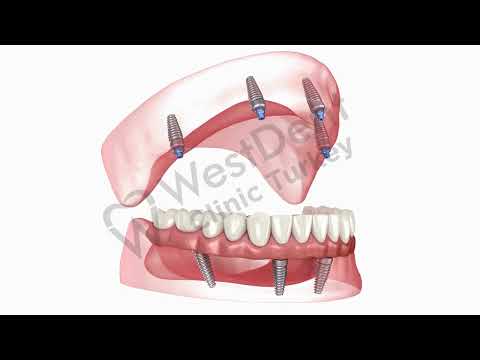
In-Depth Overview of the Full Arch Dental Implants Procedure in Izmir, Turkey
Dentistry
WestDent Clinic Turkey
Turkey
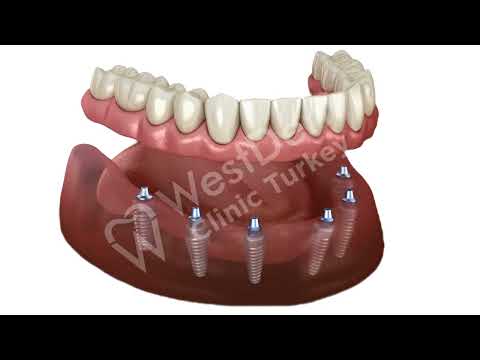
Complete Guide to the All-on-6 Dental Implants Procedure in Turkey
Dentistry
WestDent Clinic Turkey
Turkey

Expert Insights on Full Mouth Zygomatic Dental Implants in Izmir, Turkey
Dentistry
WestDent Clinic Turkey
Turkey
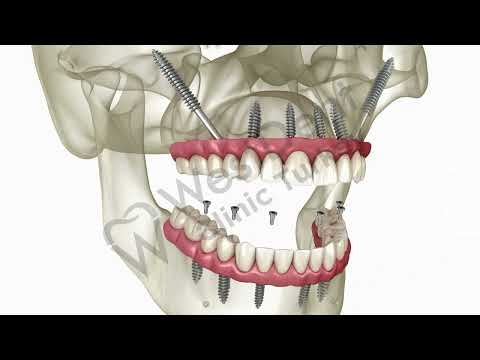
Learn More with These Dentistry Articles
Take a look at these interesting articles, stories and research that will help you learn more about Dentistry.
10 Facts Why Dental Tourism in Turkey is Well Recommended Compared to Other Countries
PlacidWay Turkey Medical Tourism
- Dentistry
Turkey
The Ethical Shift: Why Izmir's Leading Dental Hubs are Specializing in Complex Revision Cases for International Patients Seeking Natural Restorations
PlacidWay Medical Tourism
- Dentistry
Turkey

Researching Dental Implants in Izmir, Turkey: Clinic Safety, Costs, and Treatment Expectations
PlacidWay Europe Medical Tourism
- Dentistry
Turkey

Best Dental Clinics in Turkey for Implants in 2026
PlacidWay Turkey Medical Tourism
- Dentistry
Turkey


Share this listing